set in Saint George’s, Grenada
Mother is with her best friends, Mary and Tonya, out at the sports bar. It’s nothing special, the bar. It overlooks the ferry dock, with British-looking buildings on one side and the church sticking out right over the top of them. The view’s better than anything Mother’s going to get over at her hillside cottage on the other side of La Borie, but other than that it’s another one of those dusty little places making business by selling alcohol.
There’s a lot of smoke in the bar, causing Mother to choke. Mary and Tonya, they’ve been meeting here once a week without Mother and have gotten used to her not being around. They’re sitting on the stools sipping on their beers. They don’t care how the greys of their spring curls are showing through their weaves. They’re gossiping, chuckling loudly, waiting for Mother to join in, but Mother is looking at her phone.
She’s worried any minute that she’ll get a call from Father. It was his idea for her to take a night off, but she thinks it wasn’t a good one. She’s been the busy one at home for the past few months, changing the diapers of her mother-in-law, bathing her from head to toe, checking up on her for every small thing. Father’s a newly retired man. He’s just getting used to the hang of things. And he was starting to say that she deserved to go out and have her fun, too.
Go out with the girls. Go on those nights you used to. You’re a big girl, and I’m a big boy. I can handle my mother.
The problem is it’s only been three weeks. It’s not nearly enough. And he’s a man. Men like to say things, they like to show they’re competent when it makes them look good. But when it comes to real action and care, it’s usually the woman partner doing the scrubbing and cleaning, whether someone is there to notice it or not. It’ll change someday, maybe in the decades, but it ain’t changing anytime soon.
The music is loud. They love playing dancehall beats from Jamaica. If this were proper Grenada, they’d be putting in some calypso and jazz, but that’s not the sound for them young ones. They like something thumping and beating and loud. There are a lot of young ones playing pool and flirting about. Look at how they’re dancing. The sun hasn’t had time to set and they’re already getting low and touching female rear to male front as if they’re covered in the dark. The girls have no shame, getting the sweat from their boobs all over the men’s dreadlocks and beards. Mother cannot help but think of the words from the Good Bible and wonder what the people of that age are getting from their time at church.
Mother complains: ‘We were at that age working so hard, and now the girls are this age and they are living their life pleasing the men and having their fun and doing nothing.’
Mother means every word she says, and she wishes some of the girls busy grinding over there could have heard her. But only Mary has heard her. She’s the youngest of the three of them, barely sixty, and likes to act like she is in her forties when she’s had a bit of rum. She squints her eyes at Mother, breathing her foul drunk breath all over the place. She says, ‘What?’
‘I said these young women are not thinking. They are shame-less.’ Mother enunciates the key word. ‘Not-thinking. No-shame. Shame-less.’
Mary has a bottle of Clarkes Court in her hand. She puts it up to her ear and lifts one of her fingers from the bottle to point it towards herself.
‘It’s too loud. You have to speak louder.’ She also enunciates. ‘Loud-er.’
‘I said…’ Mother starts but gives up. Mother doesn’t want to make the effort. She’s sounding hoarse, and her voice is cracking. She’s an old woman about to turn seventy. Who keeps the music up this loud? There’s the feeling that the floor is actually pounding, that’s how high up the volume is. The people half her age will be hearing worse than her by the time they hit forty.
Meanwhile, Tonya’s standing there, not making an effort to listen. Their eyes meet, and she smiles. Mother thinks it’s a testament to her force of will that she still comes to places like this. She’s nearing eighty, and yet she’s put on one of those leg-hugging black dresses, she’s locking eyes with the men here or there. She’s single, a widow, but she’s not given up. Tonya’s high religious and loves to go to church, and she also loves to spend her time with younger men because she’s alone.
Mary has gone up to the bar to order something, so Tonya turns her attention to Mother. She gives her a wide smile and holds her hand.
‘So long since I’ve had this chance,’ she says warmly, really gripping it. ‘What’s keeping you busy?’
‘Too much,’ Mother says. She really wants to smile as vibrantly and genuinely as Tonya is doing, but it’s not coming out. Any attempt at a smile would be as obvious as that—an attempt. That saddens Mother. She really likes the way Tonya smiles so genuinely despite all she’s been through. Mother just doesn’t know how to do it in the same way.
Mother asks, ‘How long has it been now? Eight, nine months?’
‘Longer than that. You have been busy.’
‘That’s because of the health of my husband’s mother. I told you all about it, I thought.’
‘You did,’ Tanya says. Her voice grows vacant. ‘And how is the mister at home?’
Mother gulps. She feels like there’s something else in the air that needs to be addressed, but she goes along with the conversation.
‘He’s a retired man now. He did it for his mother. That’s why I’m here and he’s at home.’
‘That’s the sign of a nice man. Ernest never thought about me. He was always thinking about the bills and going after the rum.’
‘That’s not how I’m remembering Ernest. He was quiet, but he was good.’
‘Not as good as yours.’ Tanya takes a swig of her rum, and she repeats, ‘Not as good as yours.’
Mother wants to tell her to stop drinking. Tonya’s got good control. She loves to do yoga, she keeps up with her reading. She’s in the best of her health. But the problem is that Tanya’s gaze has gotten real deep in the eyes. Mother doesn’t like this sad look. It’s been some time since they’ve talked. She doesn’t know how to snap her out of it.
The music suddenly turns up. Mary is dancing as she comes back to the two of them. She’s mouthing the words of the song. Mother has no idea what it is or what Mary’s trying to say. Tonya recognises some cue and goes to grab her hands. They begin dancing and are soon surrounded by the men. Mother can’t find them in the crowd.
She sits there, looking at all the empty alcohol bottles on the table.
Mother messages her husband. She sends three in a row but doesn’t get a response. He’s probably busy looking after his mother. But how can she know? She ought to check up on him. The girls are having their fun; a lot of the thirty somethings are giving them attention. Will they even miss her?
The sun’s now set. It’s dark, but the shades of pink and grey of the buildings come out through the shadows over the top of the hill. It’s like a rainbow, only drab and crusty and about to crack. The moon will soon come out.
Mother remembers how when she and Father were younger, they’d take their smokes and drink their drinks and stare at the sunset from their veranda.
Mother tries to call but isn’t getting an answer. She’s getting desperate. She’s out of the bar and on the street. There are a lot of men drunk out of their mind and on all of the drugs. She doesn’t like looking like one of those ladies of the night waiting for a man to come ask her for a favour. She’s doing nothing, really, just standing alone, but that’s all it takes.
Finally, he picks up. ‘You having a problem?’ Father says. He sounds gruff. Mother doesn’t like the tone.
‘You think I only call when there’s a problem? Tell me what the problem should be. Tell me what you think I should call to say.’
Mother thinks Father wasn’t expecting a comeback from Mother. For the last few months, it’s been very yes-sir and no-sir at home. Mother’s tried to be pleasant because of her husband’s mother’s health, which is making her think that he’s forgetting how things really are.
Father takes his sweet time before responding. He’s sounding defensive, but not angry. ‘I wasn’t expecting your call. You are with your best friends. You should be out having fun.’
‘I’m calling because I’m missing my husband. I’m missing my home. I’m missing my family. You think there’s something wrong with that?’
Mother’s nearly shouting. Whatever men were giving her those lusty stares are back to staring towards the docks, keeping to themselves in their drugged-out trance. Father’s tone changes to being fully passive.
‘Well…well…there’s nothing wrong with that. I’m glad you miss me. I thought you’d be wanting to have fun with your friends. I’m glad you miss us.’
Mother notices that the coast is clear. She feels a bit more relaxed.
‘How’s she doing?’ she asks, and she means it.
‘She’s good. We’re talking. Or, we’re trying talking. It’s not easy since she doesn’t know what it means to be talking. I keep asking her to say my name over and over. She’s not remembering.’
Mother feels the blood stop pumping in her veins. She’s imagining the scene, her husband trying to give her mother some water while he attempts to make her remember who he is. It isn’t easy. He’s been doing it every day for the entire year while never forgetting the woman’s dignity.
‘You spend so much time with her,’ Mother says. ‘You’re doing your best.’
‘I’m always doing my best,’ Father says. ‘But your best is better than my best.’
‘That’s not the truth at all. You know that.’
‘She’s better at remembering your name than she is at mine.’
‘That’s because I’ve been the only one at home for the last few months.’
And that’s really the crux of it. Since January the one who has been spending ninety percent of her time with that woman has been Mother. There was no other way. Father was a busy hospital man, and he was dependent on the hard work of his wife. But there’s a drawback to everything. Now, Father isn’t the most important person in his mother’s life. Mother suddenly wonders if that is why he has told her to go out tonight, so she can make space for him to enter.
‘You should get back to your mother. I’ll go back to enjoying,’ she says.
And she hangs up. He’s calling back because he’s confused, but Sse doesn’t want to hear a single word from Father. Perhaps this night out isn’t about her as much as she thought it was.
The moment she gets back to the table, her friends stand up and accost her. It looks like they were missing her, too.
‘Where did you go?’ Tonya shouts.
Mary adds, ‘You can’t be going around like this. We don’t know what the men outside will do. What if they took you aside and cut out your lung?’
She makes a little stabbing motion with a plastic knife.
Mother can smell the alcohol on both of their breaths. They’re looking scared and grasping at each other, still swaying a bit to the music. She almost wants to laugh. She hopes that neither of them fall.
The music’s loud, and it’s been a while since Mother has danced. She grabs the both of them, friends she’s known for over thirty years, and hugs them into her, happy that they were even thinking about her. Yeah, it’s been seven or eight months, but those months are nothing compared to all the things they’ve been through over the decades.
Mother grabs Mary’s hand with her left and Tonya’s hand with her right.
‘Are they putting on “Three Little Birds”?’ she asks.
Mother can recognise that Bob Marley song even though it is badly remixed.
‘It is!’ Tonya shouts.
‘It is!’ Mary repeats, shouting even louder, spreading her alcohol-stained breath everywhere. Mother laughs at how silly they look, and Mary and Tonya laugh back. They go to join the others who are lost to the music. The three of them hold each other’s hands and do their best to recite the words to the Bob Marley song. As Mary and Tonya dance, Mother does her best to hold them with her hands.

 Gadkar-Wilcox, an Indian American won in the Democratic Party Primaries for the 22nd District Connecticut State Senate seat, in a four-way primary held on August 13th, 2024. She is pitted against Republican Chris Carrena of Trumbull for the senate seat on the general election ballot in November. CT 22nd District consists of the town of
  professor says. “We put a lot of hard work in, grassroots politics and engagement at the doors with other community members in Trumbull and Monroe coming out. I’m honored to represent us all.” Gadkar-Wilcox hopes her message will continue to resonate with voters. “We need to trust the people that we send up to Hartford, and that I will advocate for the things that I said I’ll advocate for,” she said.
 The resident Doctor’s body was found last week on Friday with multiple injuries and signs of
  Dr. Kathula urged that “hospitals need to implement robust security measures and increase surveillance cameras and security personnel and control the access to sensitive areas. Establishing clear protocols for handling violent incidents and ensuring all staff are trained to manage such situations, and also they should offer training to Doctors and hospital staff in conflict resolution and communication skills to handle these types of situations more effectively. Also, there should be public awareness and education of the people to enhance respectful interactions with healthcare professionals,” he said.
 Gadkar-Wilcox, an Indian American declared that she received the Democratic party’s endorsement and has won in the Primaries held on August 13th, 2024 for the 22nd District Connecticut State Senate Seat. She has won 41.1 percent of the total votes caset, or 1,753 votes, according to unofficial vote counts. She will now likely face Republican Chris Carrena of Trumbull for the seat on the general election ballot in November.
 According to Gadkar-Wilcox, she is running for office out of concern for the “contentious and divided” political environment. “The time is now to take responsibility for getting our state back on the right path. We have an obligation to ensure that our children enjoy quality public education, preparing them to be innovators and problem solvers. We must find sustainable solutions to manage our budget while not imposing an undue burden on our residents. We must responsibly invest in upgrading our infrastructure, which is the economic lifeline to our state.”
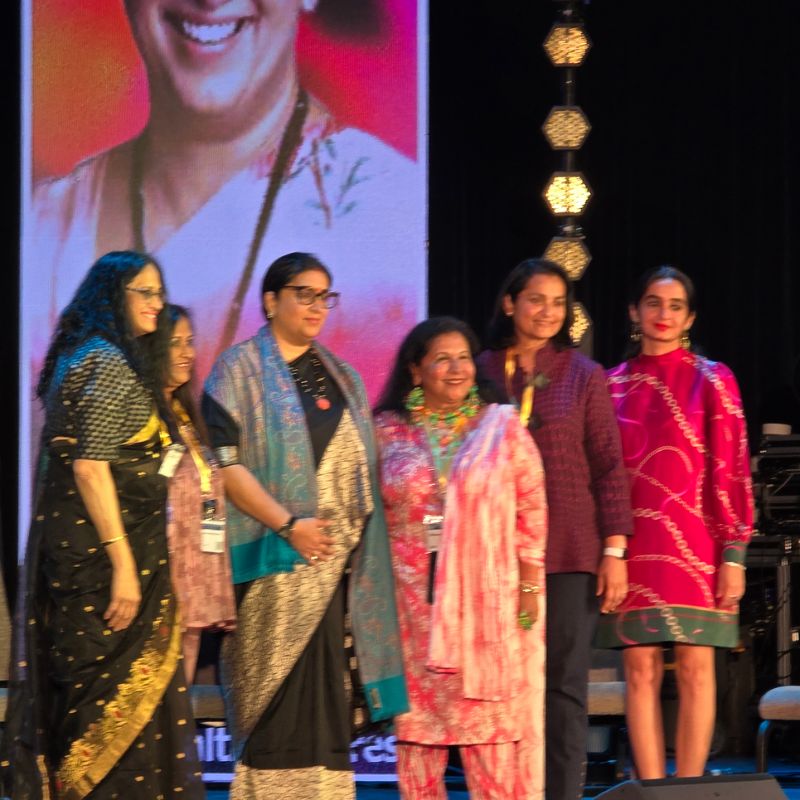 Smiriti Irani highlighted India’s role in bringing women’s leadership to the world forum though its leadership of G 20. She said, “Women don’t have the problem of speaking up, but they have the problem of being heard.” She said, “Women’s values cannot be measured by their success, she needs to be evaluated by what she is.” She paid homage to physicians of Indian origin “for your great contributions” and urged that “AAPI celebrates where every voice of women is celebrated.”
 Currently, Dr. Gupta is serving a 3-year term on the powerful Board of Trustees of AAPI. She will assume charge as the Chair of AAPI’s BOT during the first-ever World Congress of AAPI in New York on July 20th, 2024.
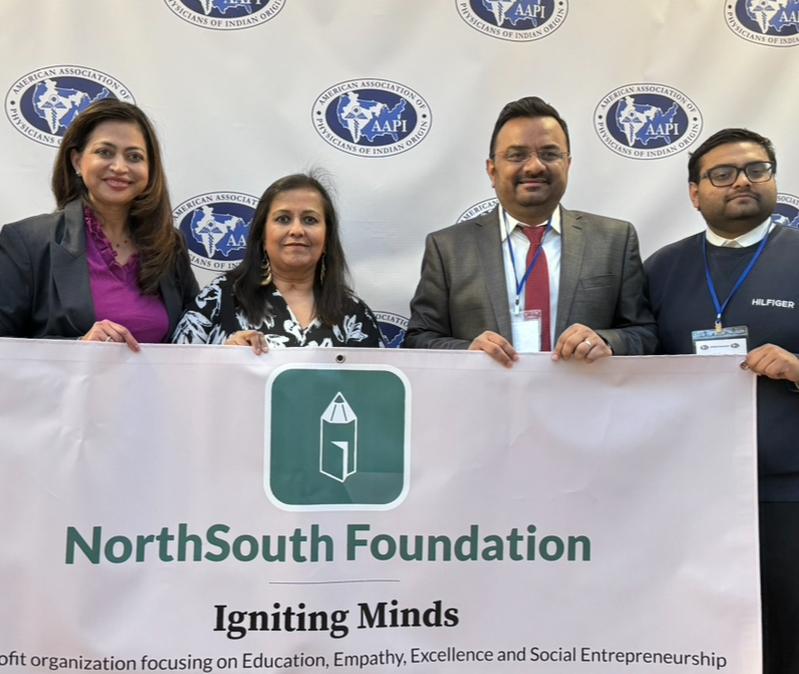 Dr. Kavita Gupta is board-certified in pain management, physical medicine, and rehabilitation. A prominent practicing pain management physician from the southern New Jersey Tri-state region, Dr. Gupta had started as an engineer but pursued a medical degree “with a mindset to help others.”
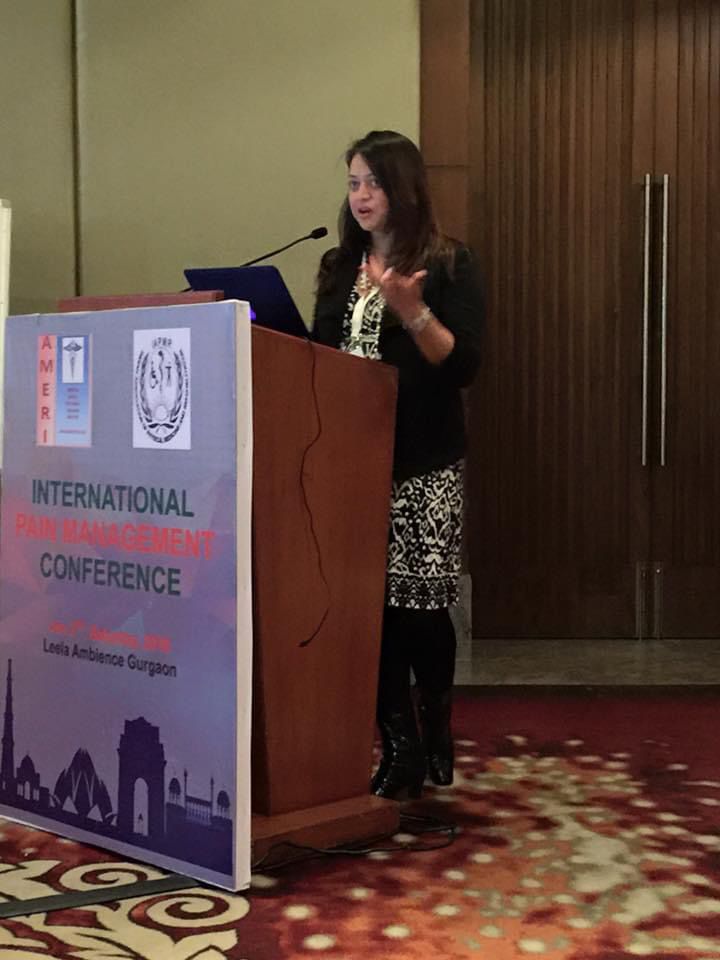 Dr. Gupta grew within AAPI nationally and locally while attending national and local Chapter meetings. She was elected national Vice President of MSRF, Treasurer of YPS, and later on as YPS president. She has been active in the Philadelphia Indian Physician organization, serving as its Secretary and Vice President. She was elected and served as the national Secretary of AAPI in 2013. In addition, Dr. Gupta has served on various national AAPI Committees- from women’s forum/academic affairs /CME speaker/ convention committees and under several past presidents/convention teams.
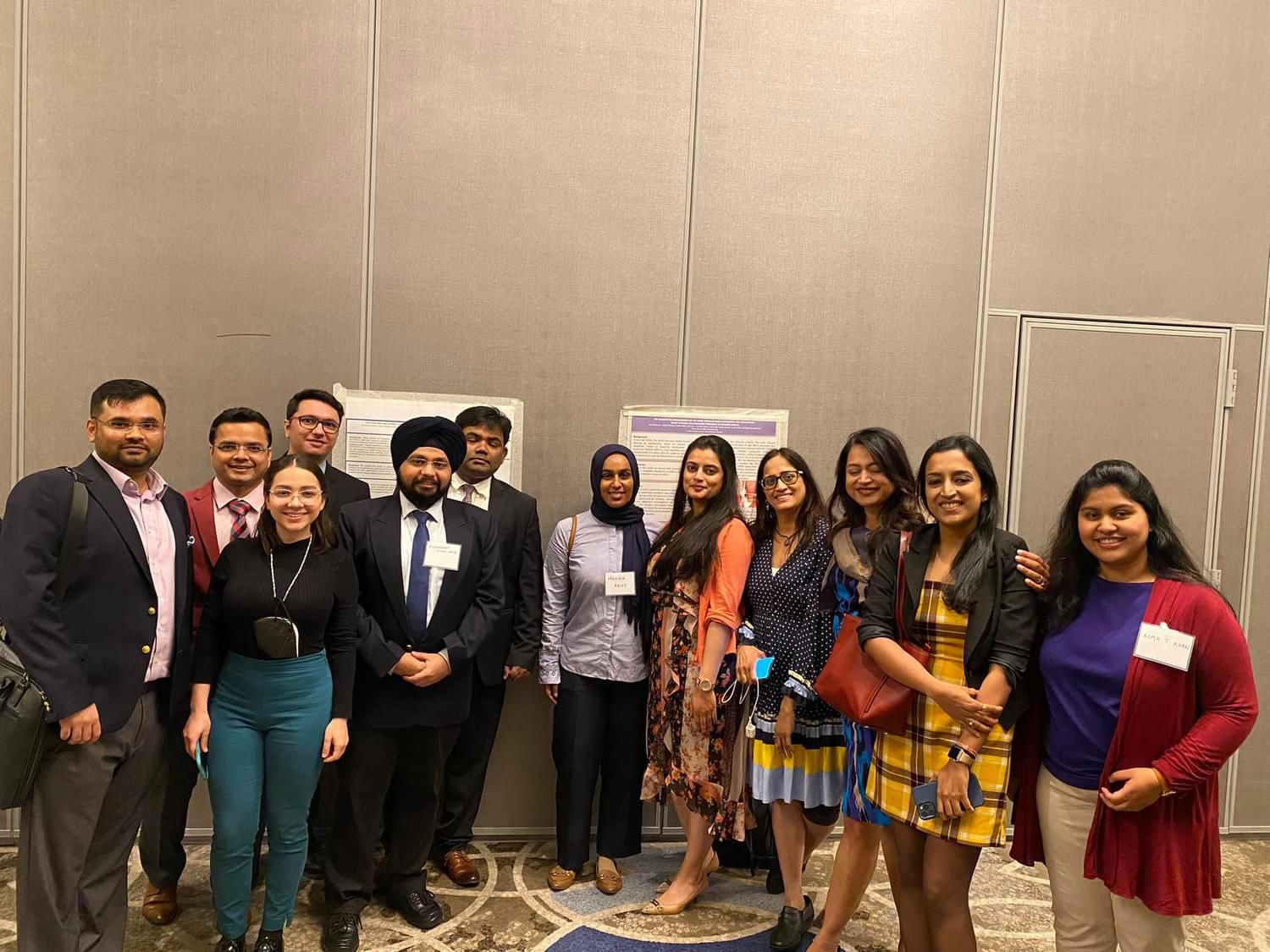 “My passion has been in educating the youth and participating as a judge and advisor for several youth organizations focused on science, research, public speaking, and medical student education,” she says. Dr. Gupta believes “in empowering the youth, staying involved as an educator ever since my residency career and I am currently educating medical students, graduate students and resident physicians.
I enjoy in participating healthcare education platforms for the community and have done many such programs locally, via telehealth, and abroad. I have been a youth advisor for non-profit organizations, high school clubs, and professional development programs.”
“My passion has been in educating the youth and participating as a judge and advisor for several youth organizations focused on science, research, public speaking, and medical student education,” she says. Dr. Gupta believes “in empowering the youth, staying involved as an educator ever since my residency career and I am currently educating medical students, graduate students and resident physicians.
I enjoy in participating healthcare education platforms for the community and have done many such programs locally, via telehealth, and abroad. I have been a youth advisor for non-profit organizations, high school clubs, and professional development programs.” When she is not seeing patients, Dr. Gupta enjoys time with her triplets and husband, Dr. Sanjay Gupta. She gives full credit to her family for supporting her at every step of the way. I have very good friends in AAPI, who have full confidence in me and I can trust them to guide me through all stages in leading AAPI.”
 Further enhancing the summit experience, women who have contributed to Women Who Win will share their journeys through a panel discussion moderated by Jharna Madan, followed by an open mic session led by Ruchika Yadav. Co-founder Shaleen Sheth looks forward to bringing these inspiring narratives to life on stage, enriching the storytelling platform.
 Hailing from New Delhi, India,
  Council and the founder and CEO of Cosmo City Media, a full-service PR and media agency in Austin.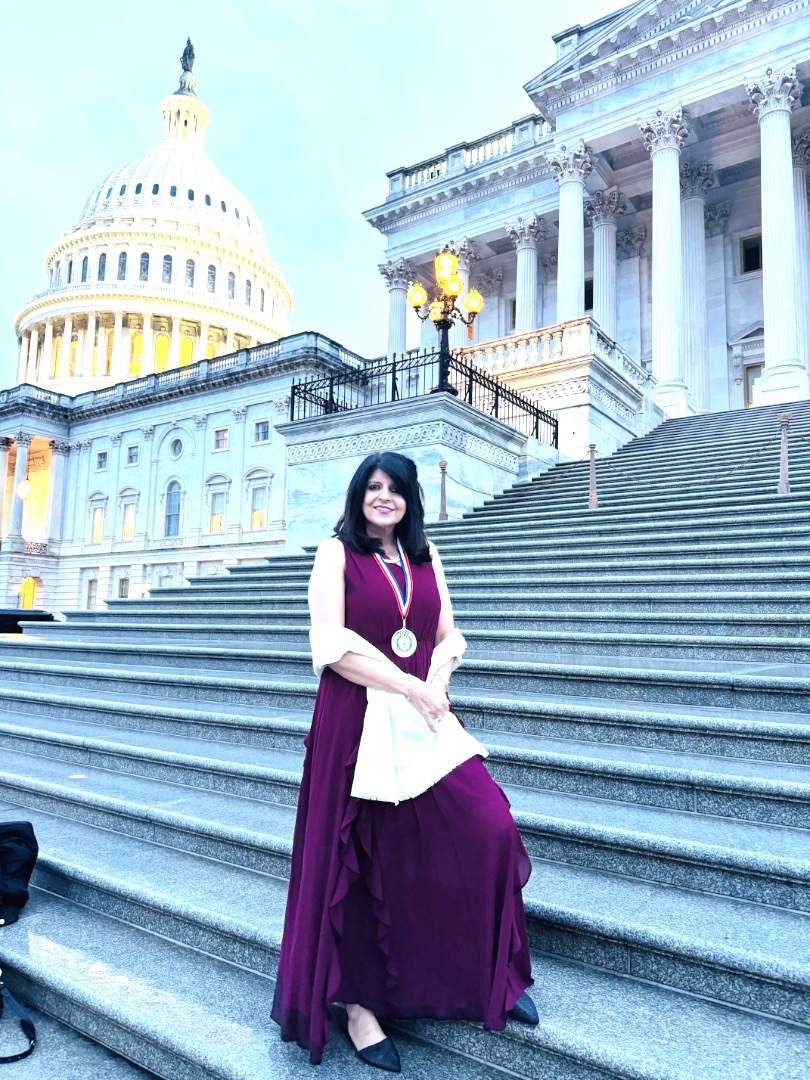
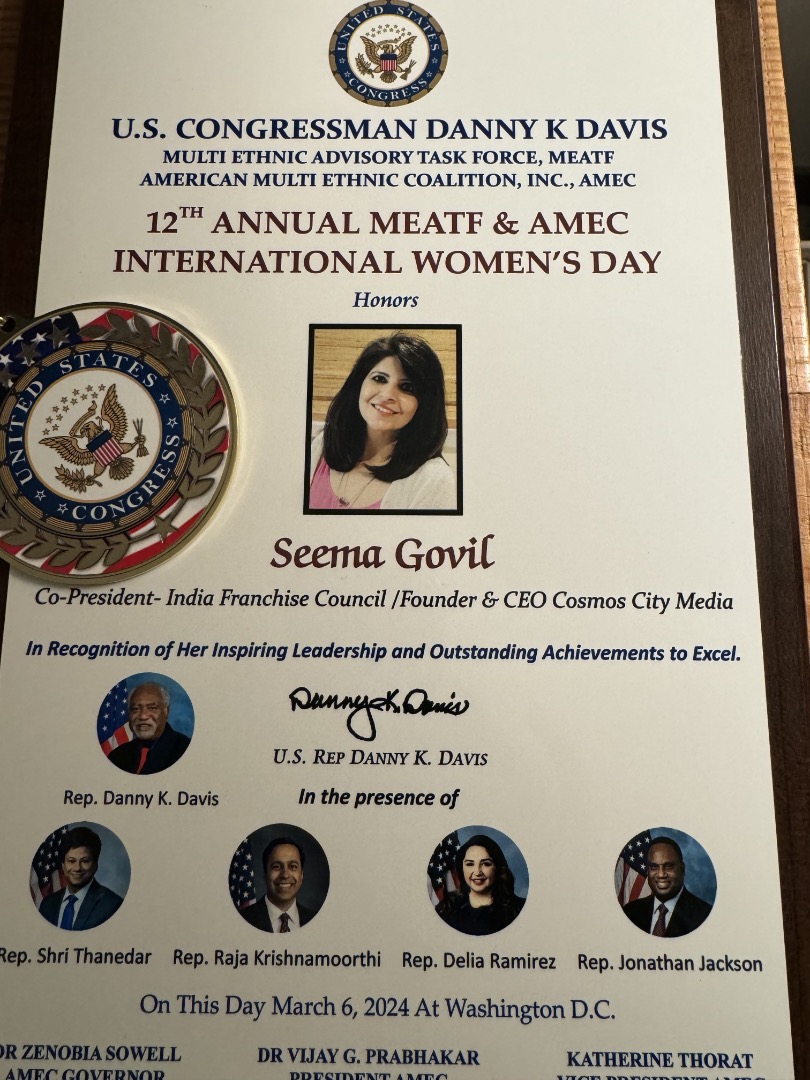
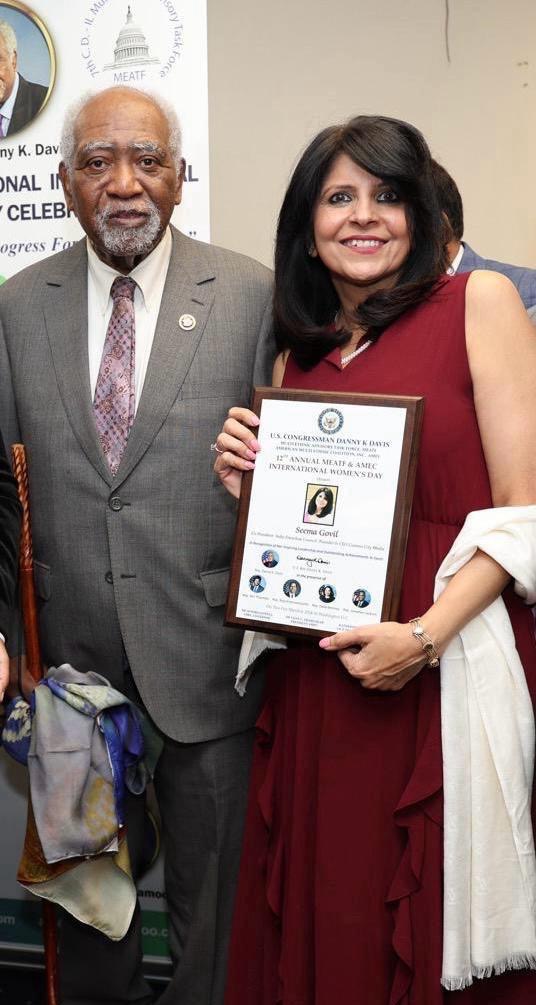
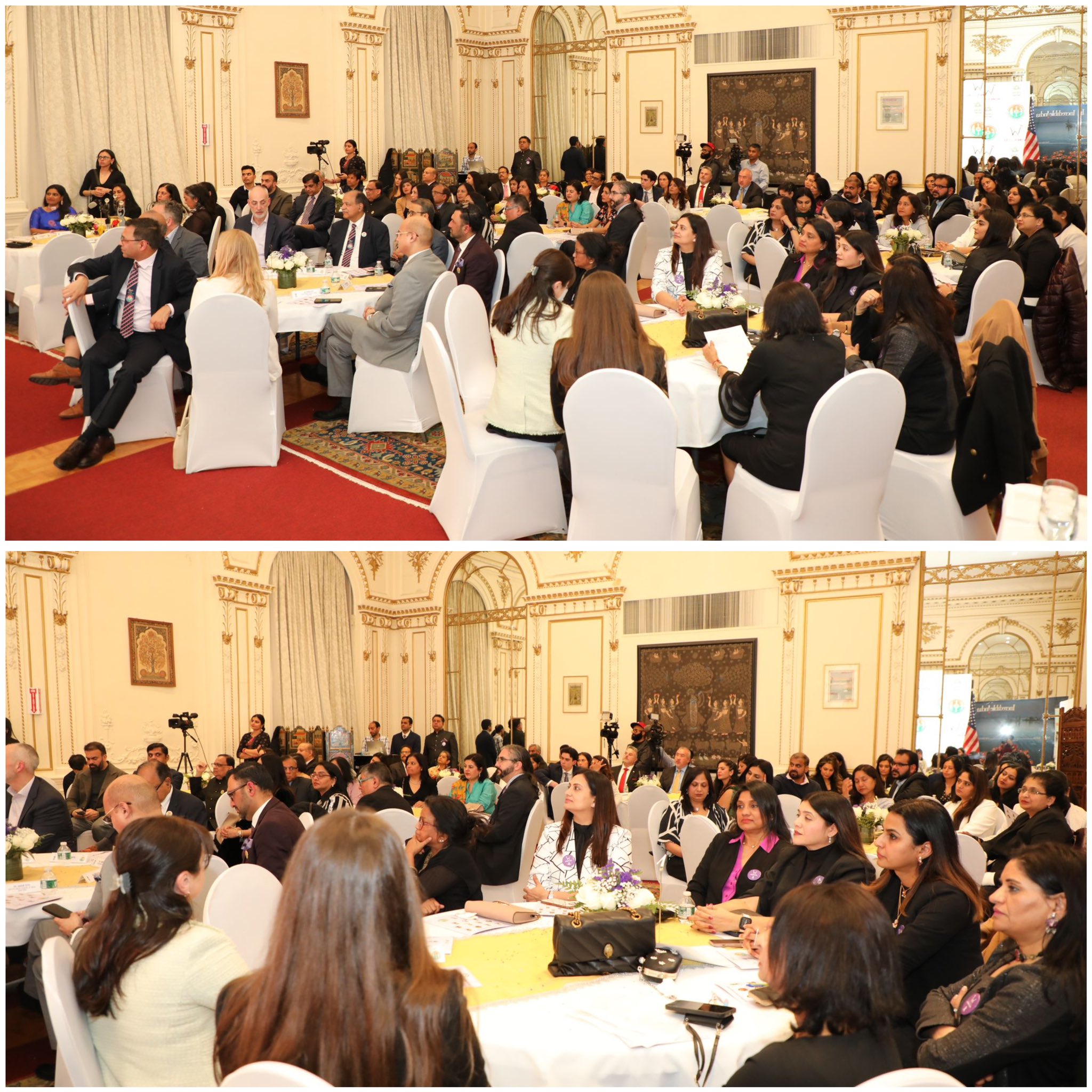
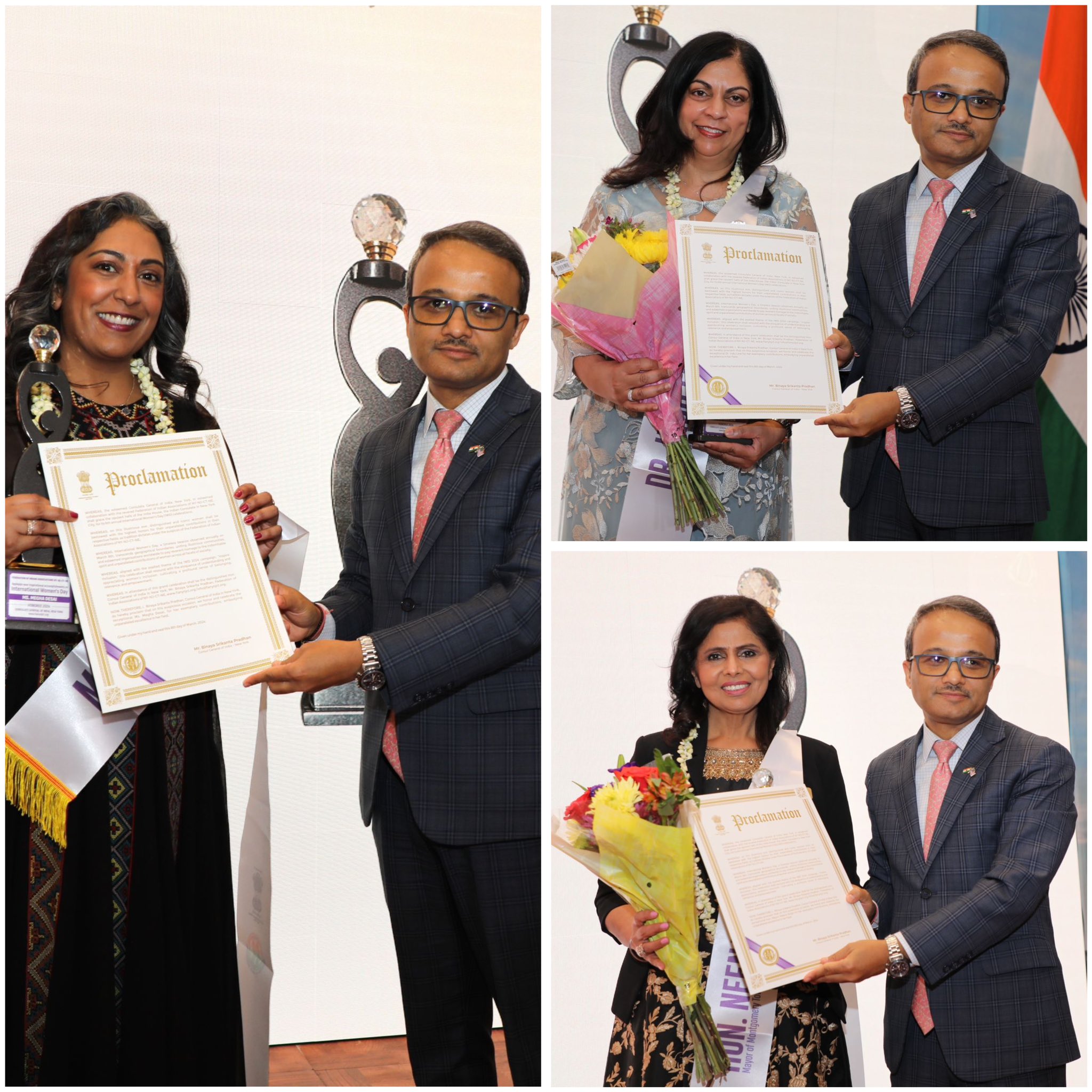 The celebration commenced with a welcoming Meet & Greet, followed by a digital showcase of the FIA’s history of furthering diversity and gender equality. Payal Shah, Co-chair of International Women’s Day, emceed the event.
 youth to be mentored in various departments in the Township “Representation matters,” Singh said, adding, “We are making a mark in this country.”
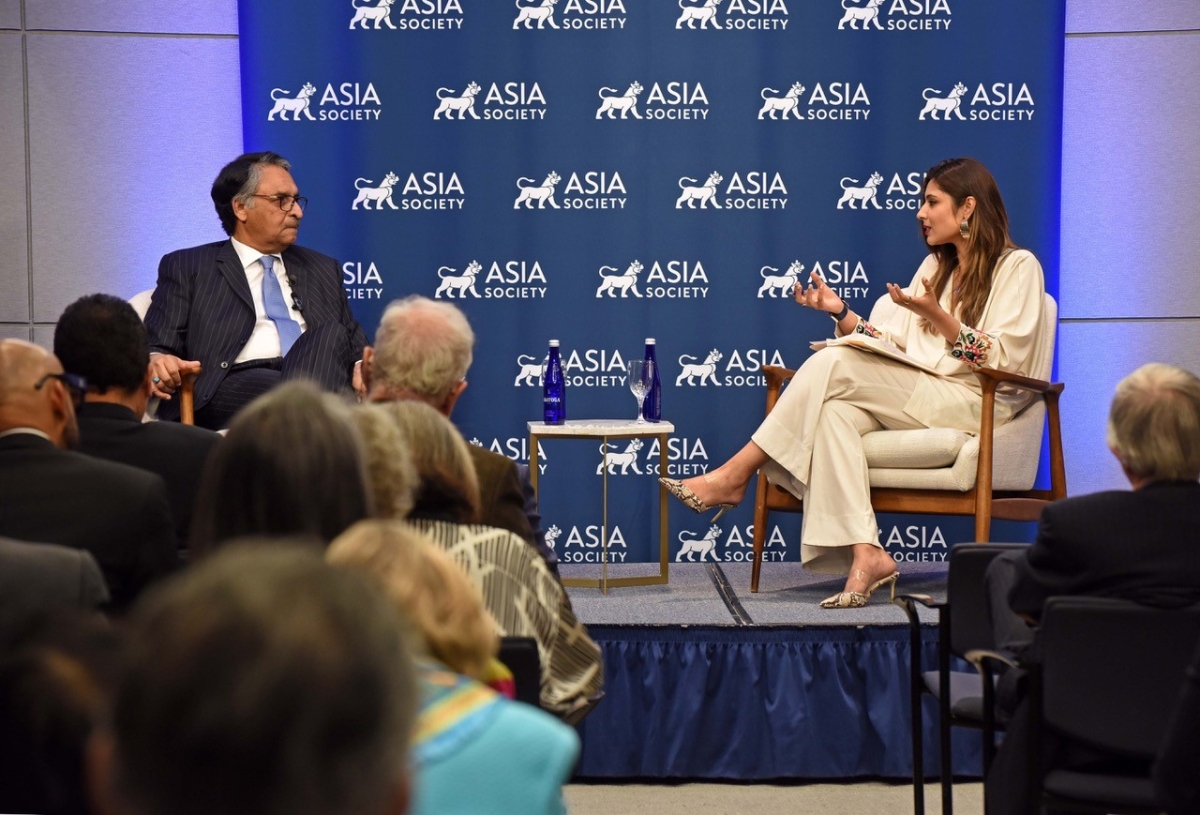 Director Aamer’s work often focuses on the importance of transboundary water politics including a multitude of publications, interviews, and panels like her upcoming panel,
  Founded in 1989, Sakhi has been at the forefront of advocating for gender justice, providing culturally competent programs, and fostering community engagement to address unique challenges faced by survivors in the South Asian diaspora. Over the past 35 years, Sakhi has worked tirelessly to build safer, more equitable communities for all.


 The Sixteenth Finance Commission has been requested to make its recommendations available by October 31, 2025, covering an award period of 5 years commencing 1st April, 2026. The Finance Commission usually takes about two years to consult stakeholders in the States and Centre and arrive at their conclusions.
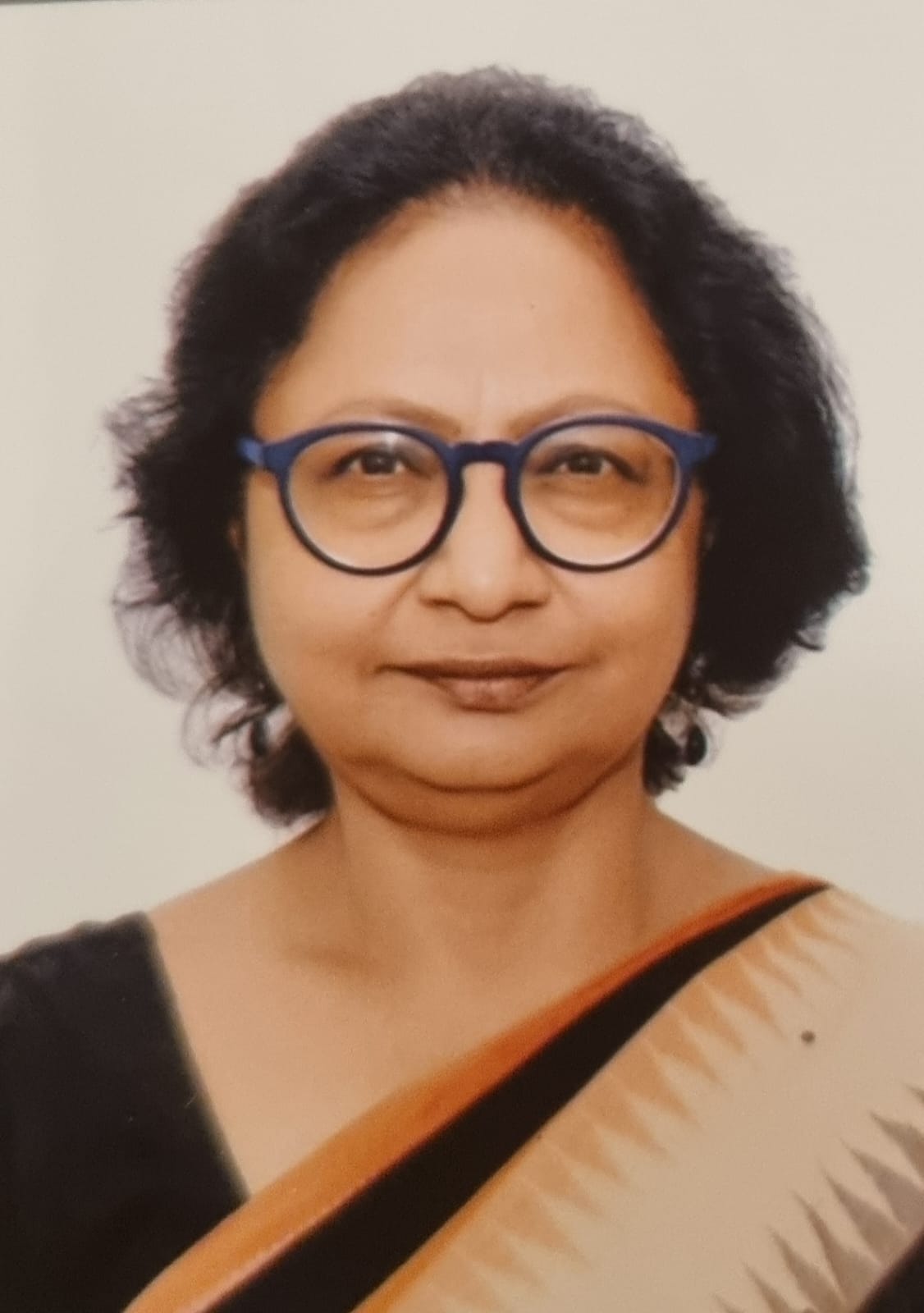
 After five years in the workforce, Ms. Madoc was soon promoted to Regional Manager at Cipla, a large Pharmaceutical company in India. She describes, “The key to my success in my first organization was purely results.” Even when asked about a few lifetime achievements, Ms. Madoc takes pride in being the first ever Woman Regional Manager in Cipla.
 engagement, executive development, and performance management, Ms. Madoc’s expertise spans various HR roles, underpinned by a deep understanding of labor laws and service conditions. Ms. Madoc confidently claims, “I have contributed to the success of diverse organizations, including a Foreign Mission, an International School, Corporate Healthcare, a Charitable Private Mission Hospital, and a Corporate Pharmaceutical Company.”
 Ms. Alfons greatly admires her time at St. Stephen’s Mission Hospital, where she spent nine years in health care. “While my role was primarily in HR, whenever I got an opportunity, I worked as a Social Worker there at the Hospital,” catering to the diverse needs of the patients and families.
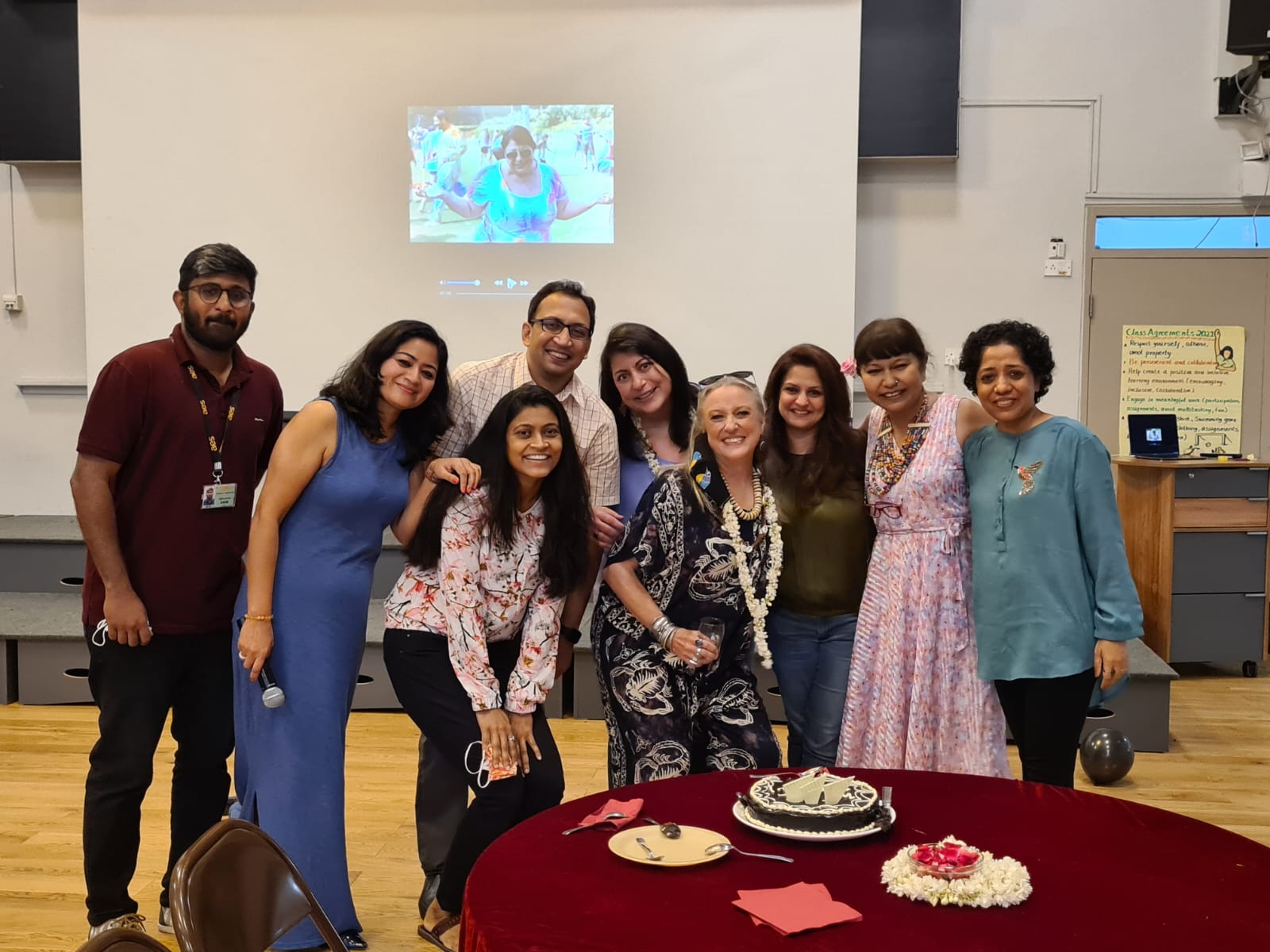 Commission, where she was recruited as the Head of HR for the Southwest Asian Region. She explains her work at the Foreign Mission as “a wonderful journey through the global outreach of HR, how HR functions beyond the Indian borders, and how cross-cultural experiences and cross-cultural competencies come into play.”
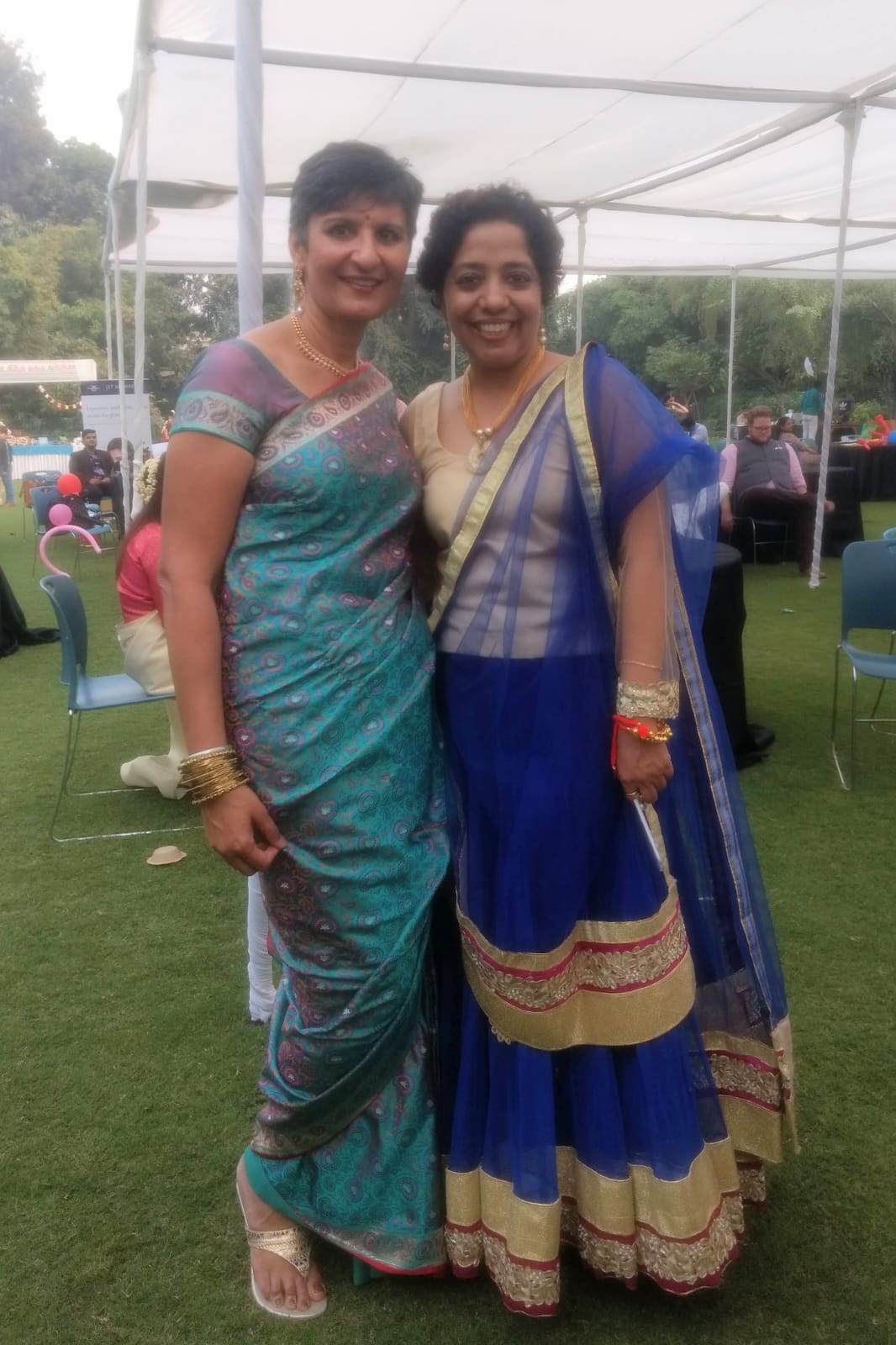 Ms. Alfons emphasizes the need to be aware of how we do what we do and also the importance of knowing why we do what we do. Recognizing her dynamism, creativity, and leadership, Ms. Madoc was awarded the High Commissioner’s Excellence Award for her contributions to the Australian High Commission.
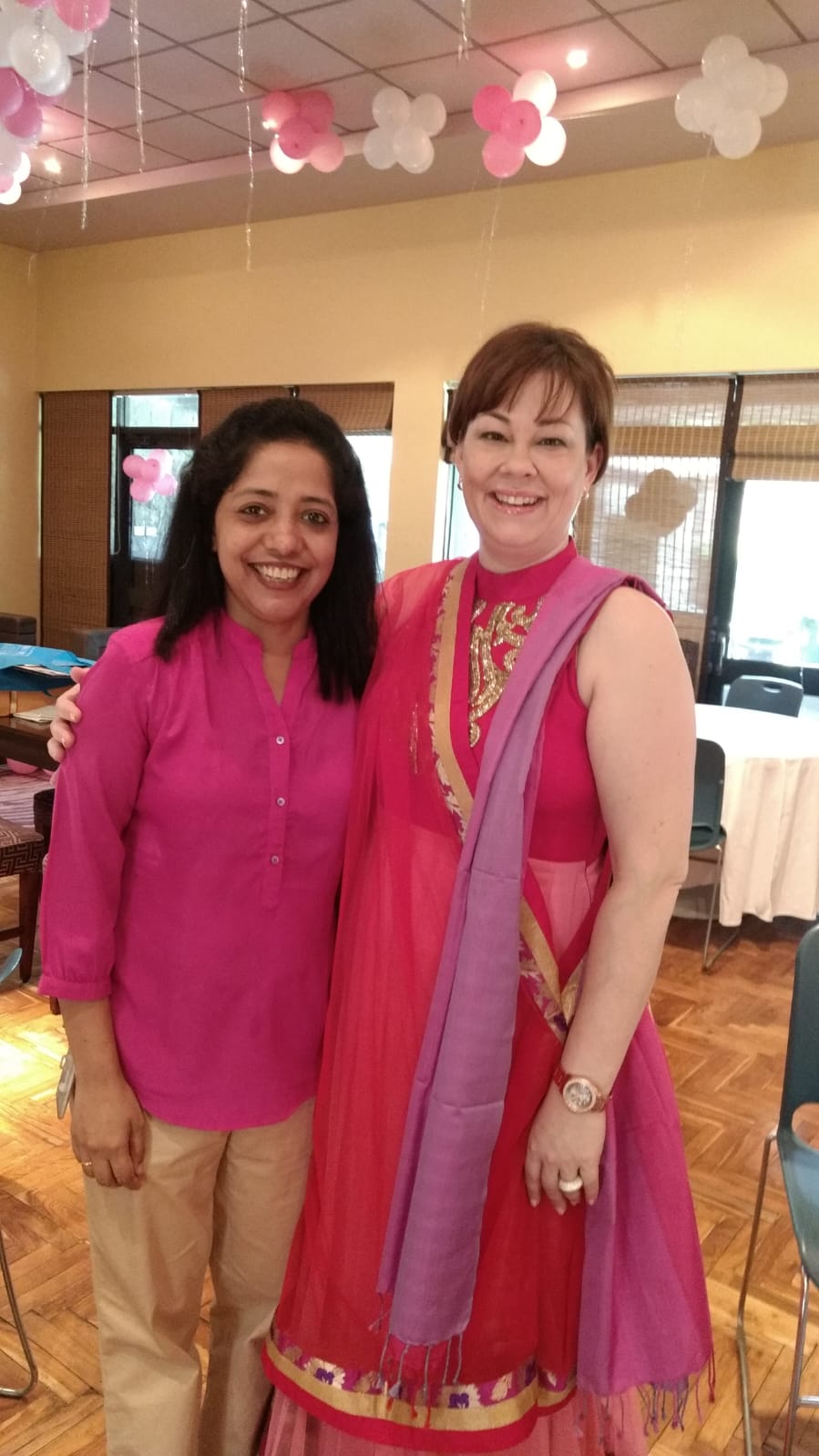 rooted in the foundational values instilled by my parents and family” as the keys to her success. “Beyond the tangible elements, the true secret is steadfast belief in one’s capabilities. I firmly believe that faith can move mountains,” Ms. Madoc adds.
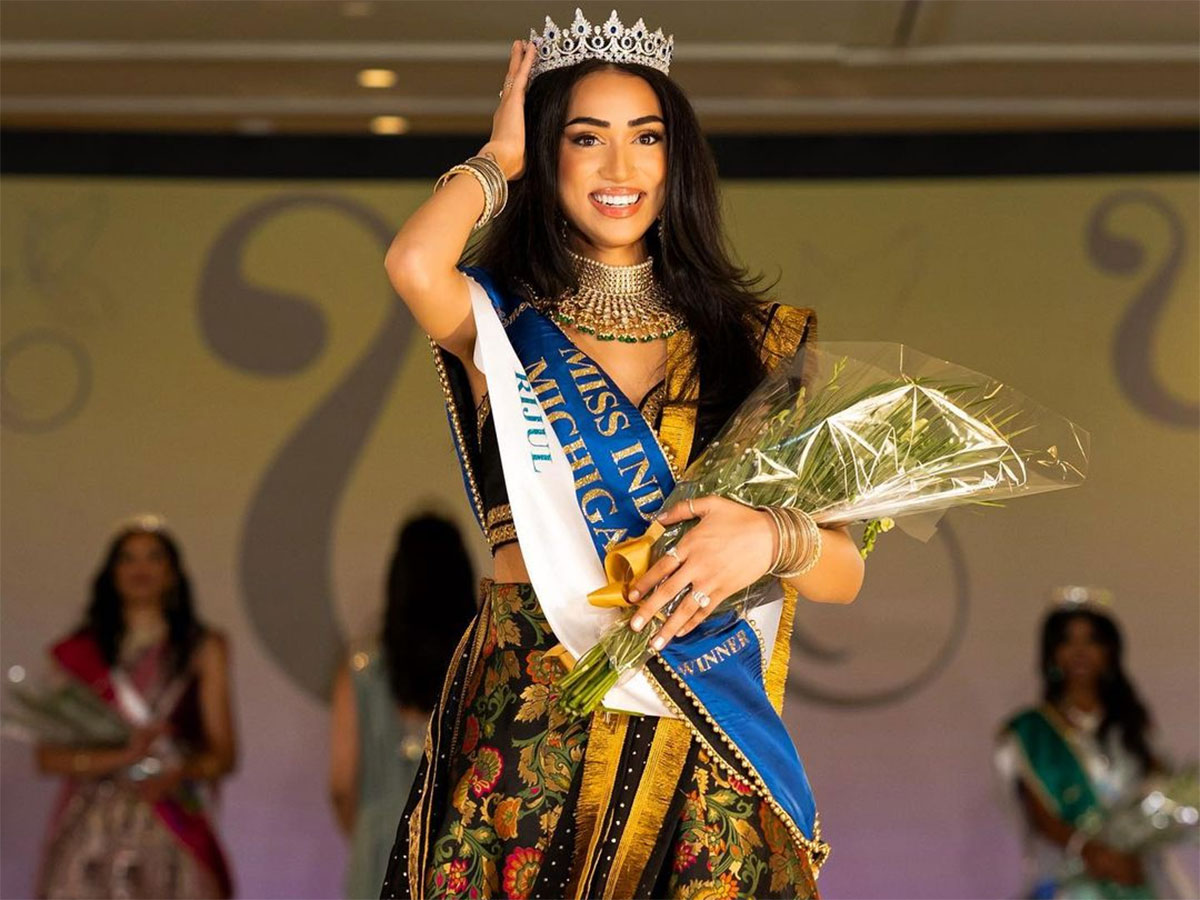 An aspiring doctor and model, Rijul, 24-year-old Maini aims to be a surgeon and hopes to serve as a role model to women everywhere. “I am so humbled and grateful to say that I am the new MISS INDIA USA 2023! I am especially grateful for the family of amazing, strong, confident women I gained throughout this process. Your light shines so bright, never dim it for anyone,” she said in an Instagram post.
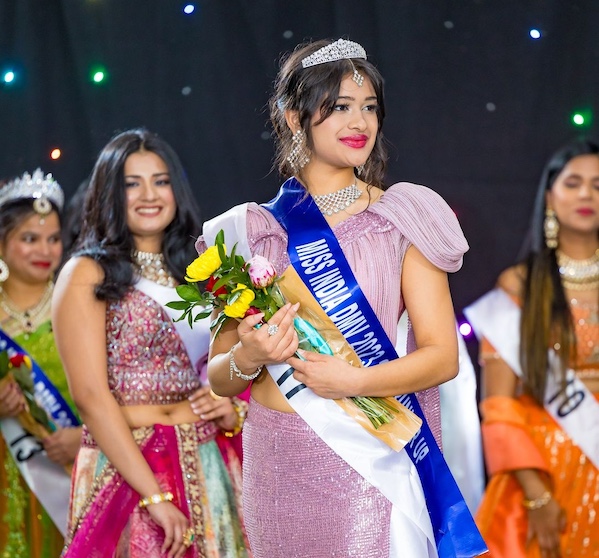 USA, Mrs. India USA and Miss Teen India USA. Winners of all three categories will be getting complimentary air tickets to take part in Miss- Mrs.-Teen India Worldwide organized by the same group.
 Forbes also included four Indian women in their list of the 100 most powerful women in the world. The country’s finance minister, Nirmala Sitharaman, came in at number 32 in the politics and policy category. HCL Technologies chairperson and industrialist Roshni Nadar Malhotra ranked number 60 in the technology category. Soma Mondal, CEO of the Steel Authority of India, was number 70 in the business category. Kiran Mazumdar-Shaw, an entrepreneur, was number 76 in the business category.
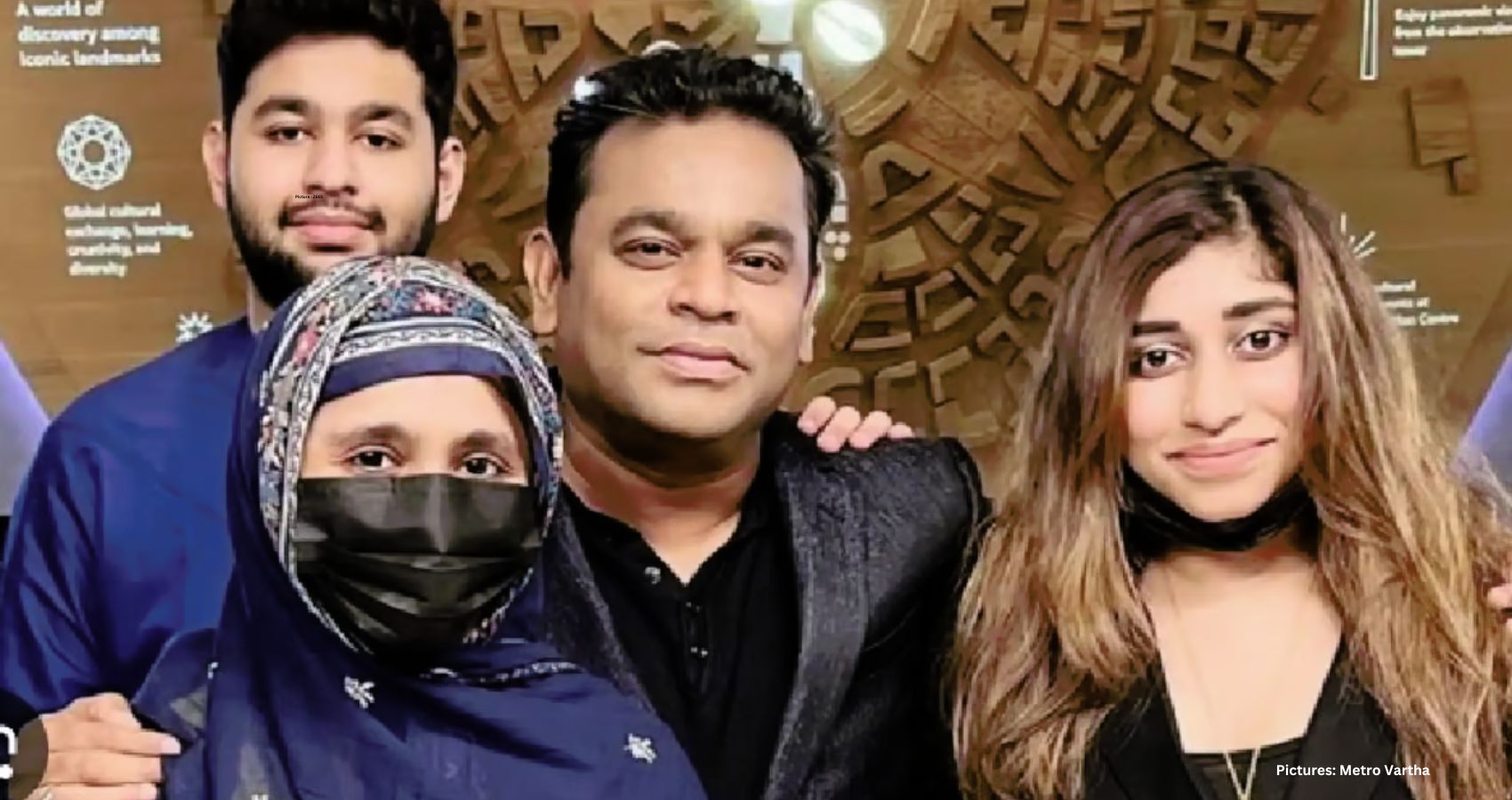 Making her debut as a film composer in the upcoming Tamil film ‘Minmini’ which is currently in-the-works, Music maestro A.R Rahman’s daughter has released her first single ‘Farishton’ in 2020, which was composed and produced by her Oscar-winning father.
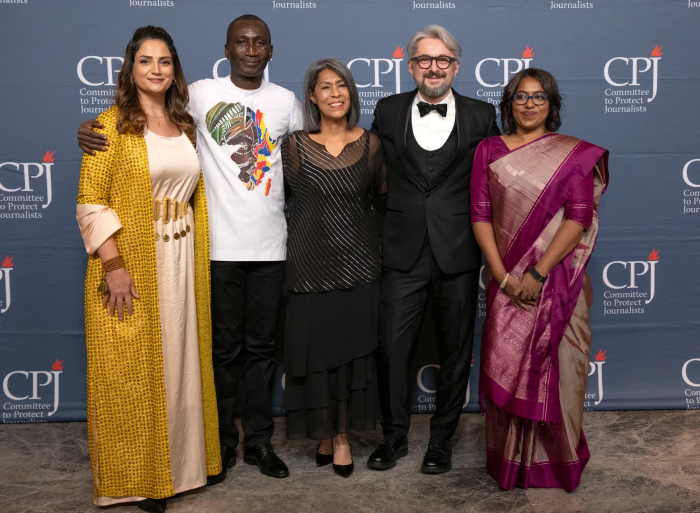 government officials in Karnataka state sought to criminalize her reporting published in Tehelka, a prominent investigative magazine where she worked at the time. Her report cast doubt on a police investigation into 2008 bomb blasts in Bengaluru, alleging that the police had fabricated witness statements to arrest a local Muslim cleric.