
Get ready to embark on an unforgettable journey of cultural immersion and artistic discovery as Navatman presents Drive East 2024.
From Bharatanatyam dance performances to ghazal concerts, Drive East is a one-of-a-kind immersive experience into the world of Indian classical arts with artists hailing from Canada, USA and India.
“We are seeing a renaissance of Indian classical arts, a scene that has quietly been right under everyone’s noses for the past 25-30 years. We wanted to draw light to that and those who came before us.” says Co-Director, Sridhar Shanmugam.
“With the art scene continuing to evolve in all forms, Drive East 2024 represents growth and legacy. From the 1970’s, the generation before us funded artists from their own pockets as a means of passing on Indian culture to their children, and in turn made a thriving touring system for Indian dance and music,” says Navatman Co-Director Sahasra Sambamoorthi. “So looking at that rich history and what’s coming next seems really important at this point in time,” adds co-director Sahasra Sambamoorthi.”
This annual experience, held at Navatman’s new theater space in the heart of midtown Manhattan, will transform into a vibrant canvas, captivating audiences into the heart and soul of Indian culture. Each night promises an enchanting experience, as the boundaries between performer and audience dissolve, and the senses come alive!
Drive East features a diverse lineup of renowned artists, including musicians, dancers, and performers from around the world, this year including artists from Bangalore, and Chennai, India and Canada as well as from across the US from California and Virginia. Artists include Narthaki Nataraj who is a Padmashri National Award Winner and first trans woman to receive the highest state award for the arts.
Expect to be enchanted by the intoxicating melodies of Hindustani and Carnatic music, performed live on traditional instruments. Watch in awe as dancers weave intricate stories of the past, present and future through their unique movements. This experience is more than just a concert – it’s a sensory symphony that engages all your senses. Let the rhythm of the ragas and live performances pulse through your veins, allowing your emotions to respond to the deep spiritual depth of the performances.
Drive East is an opportunity to connect with India’s rich cultural heritage in a unique and intimate way. Whether you’re a seasoned connoisseur or simply curious about Indian Performing Arts, this festival promises to be an unforgettable experience.
Calendar Listing: ● Dates: [August 22th, 2024 – August 25th, 2024 / September 13th, 2024 – September 15, 2024] ● Location: Navatman’s theater space at 38 W 32nd St #300, New York, NY 10001 ● Get Your Tickets NOW!: https://www.navatman.org/
ABOUT NAVATMAN, INC. Navatman, Inc., led by Co- Artistic Directors Sridhar Shanmugam and Sahasra Sambamoorthi, was founded to create a sustainable home for the South Asian arts in New York City and its surrounding neighborhoods, particularly emphasizing Indian classical music and dance. Navatman is dedicated to creating ground-breaking work in the South Asian classical performing arts in the areas of education, performance, and production and is best known for its Manhattan-based classes, critically acclaimed productions, dynamic dance company, and stellar carnatic choir.
Co-Director Sridhar Shanmugam received training at the Kalakshetra School of Dance — one of the most prestigious schools of dance in India — and his later training in Rangoli painting, modern and post-modern dance, acting, choreography, stage lighting, theater and stage technique. For many years he toured internationally as the legendary dancer choreographer Chandralekha’s primary male artist and later worked with such famous artists as Pina Bausch, Suzanna Linke, Philip Glass and countless others, earning awards and accolades from the governments of India, Great Britain and Italy.
He has taught extensively and conducted workshops at several leading institutions including Columbia University, New York University and the Brooklyn Museum of Arts. He maintains relationships with many of the top arts foundations such as Carnegie Hall and Lincoln Center by serving on their boards and panels.
Co-Director Sahasra Sambamoorthi – Co-Founder, choreographer, teacher, dancer and artistic director, her experience being born and raised in the diaspora only serves to widen her ability to connect with both Indian and non-Indian audiences. She has earned accolades and scholarships from the New Jersey State Council of the Arts Folk Arts Apprenticeship, and is seen by many as a trailblazer forging a new understanding of South Asian arts in the United States.
Sambamoorthi is an internationally touring Indian classical dance company (specifically stemming from bharatanatyam) based in New York City and founded in 2008. “An extraordinary feat” — The New York Times “One of the top ten festivals of the year” — Star Ledger “A breath of fresh air “– The Hindu.
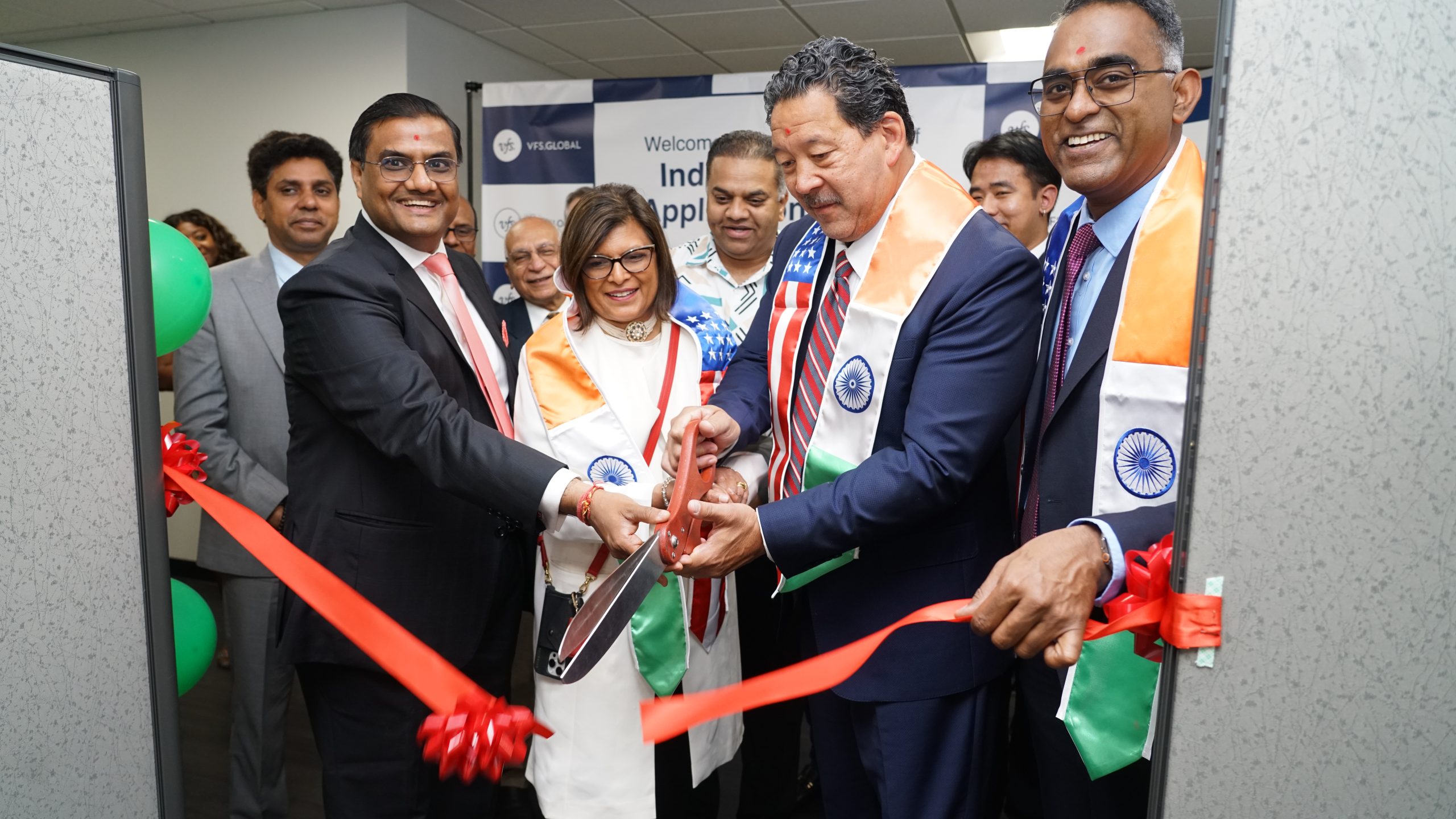 The Seattle center will be equipped with world-class facilities aimed at providing an easily accessible and a superior application experience for customers and will make the application process more convenient for travellers. These services are expected to benefit the nearly half million-strong Indian diaspora community in the consular jurisdiction of the Indian Consulate in Seattle, which covers the Nine Pacific North Western States of Alaska, Idaho, Montana, Nebraska, North Dakota, Oregon, South Dakota, Washington and Wyoming.
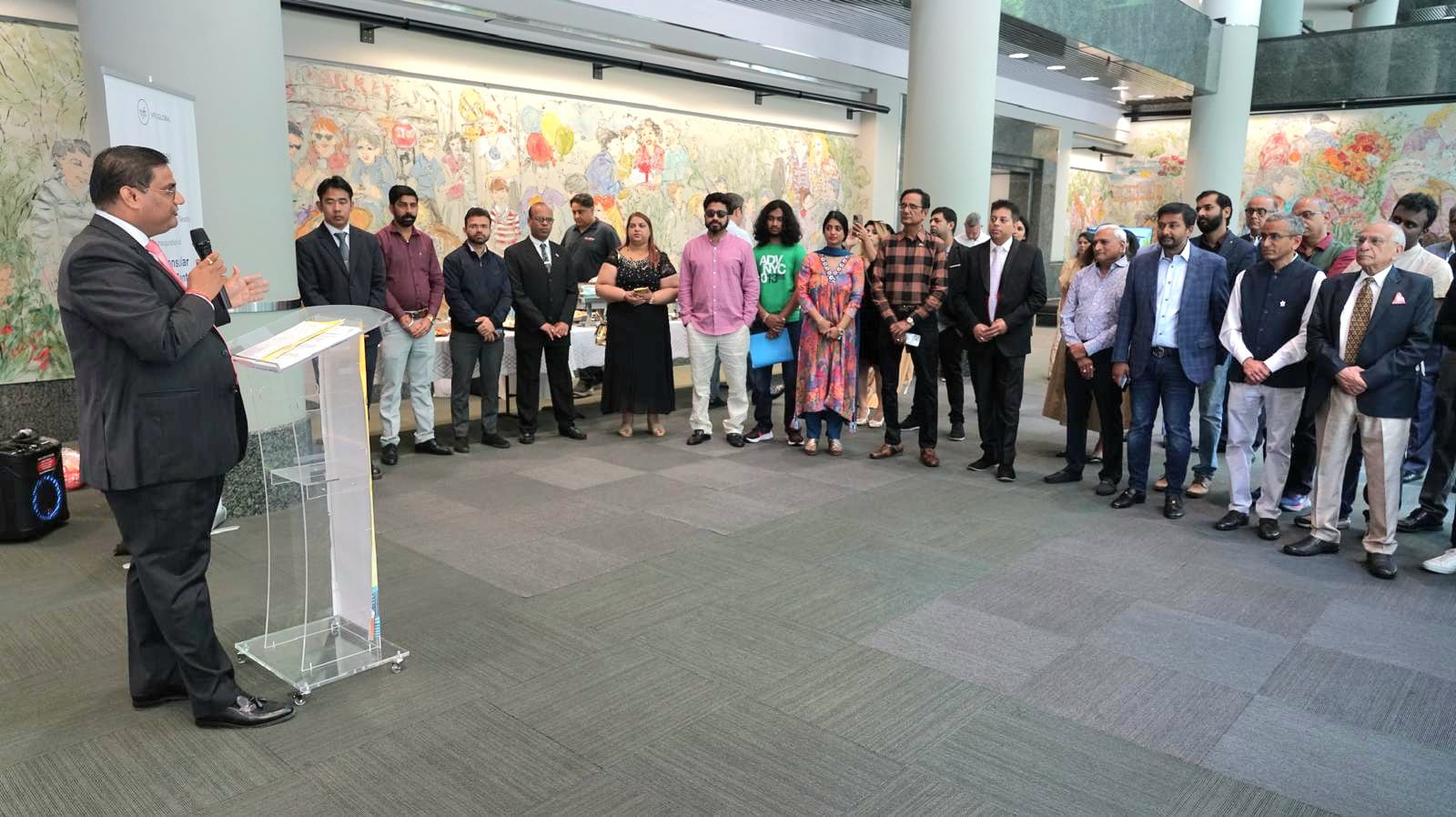 Government of India since 2008 and we are excited to expand our partnership further. The new centre in Seattle and Bellevue, United States of America will play a crucial role in effectively catering to the growing demand for visa and consular services to India. We are confident that these visa application centres will enhance customer experience by making the visa application process even more smooth, thereby helping us serve the travelers and Indian diaspora better.”
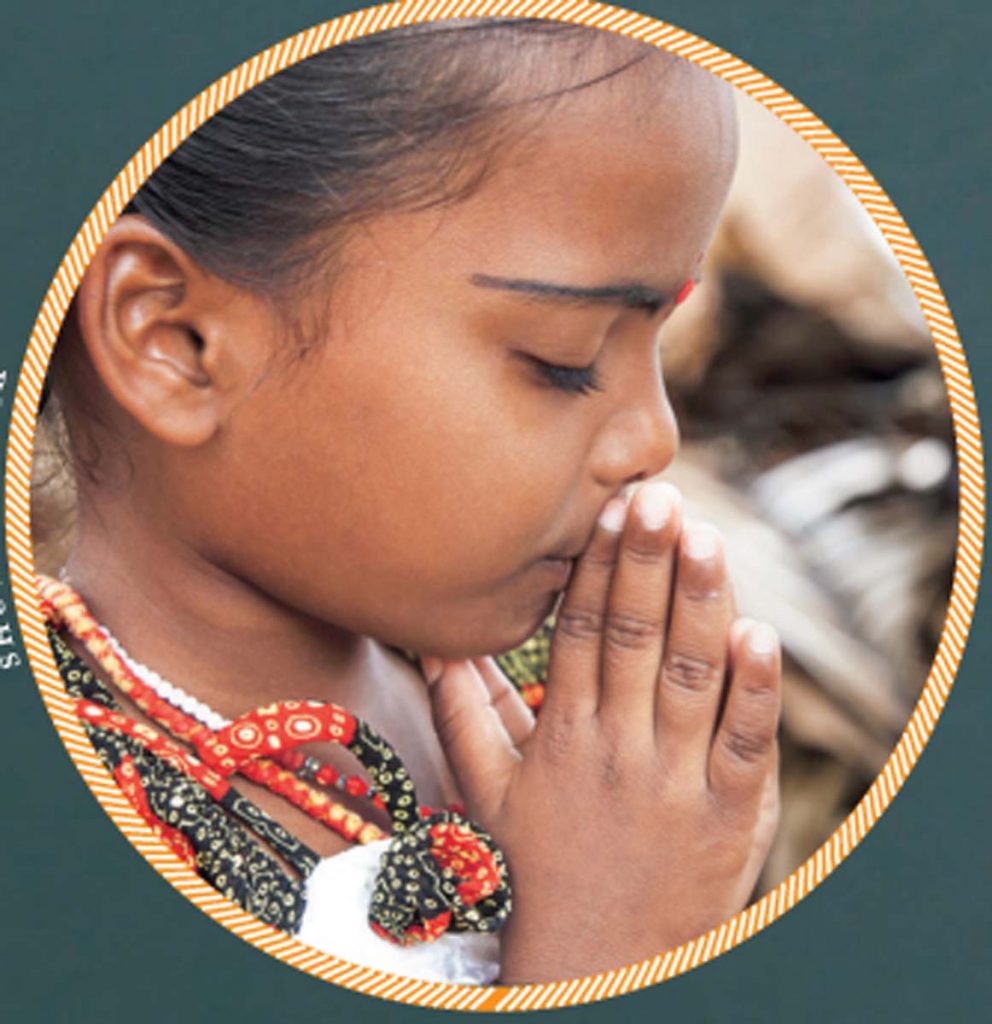 To Saigal, who is a trained purohita, or family priest, and a Bharatanatyam teacher, Hinduism is a “star-studded, gem-filled” tradition that has a real power to connect with youth. For her granddaughter’s first birthday, Saigal was able to gift her a copy of her own children’s book: “My First Om,” intended for the very youngest of Hindus.