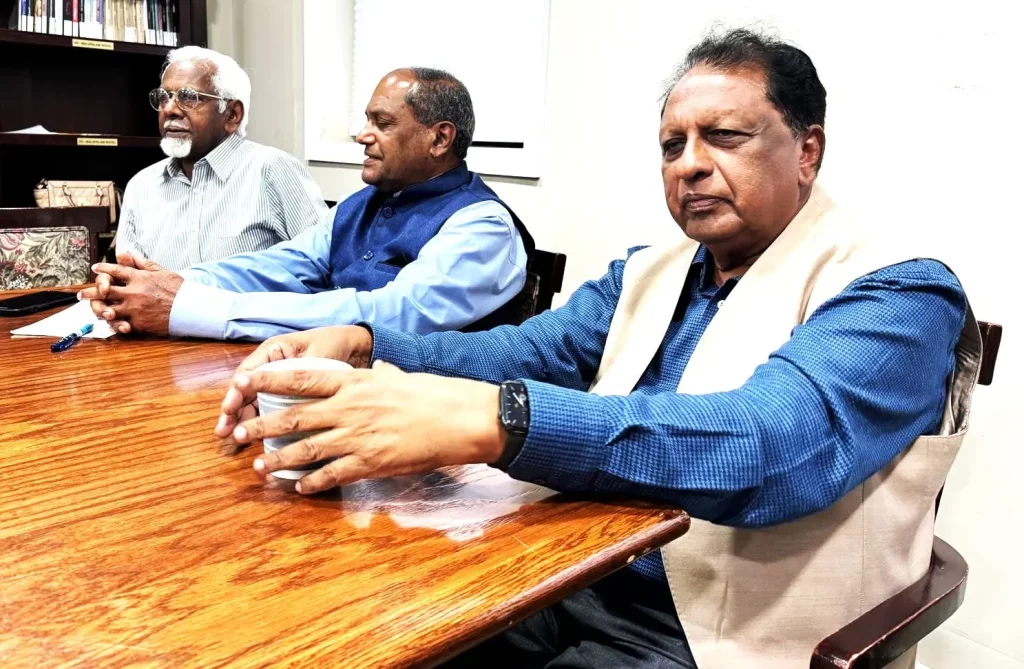
India’s Health Crisis Unveiled: Rising Cancer Cases Make Nation ‘Cancer Capital of the World’, Apollo Hospitals Report Warns

A recent study has shed light on a concerning trend of declining health in India. According to the report, released by Apollo Hospitals, India is now labeled as “the cancer capital of the world” due to a surge in cancer and other non-communicable diseases nationwide.

The report aims to draw attention to the growing health crisis that requires urgent action from all Indians. Despite recording over a million new cases annually, India’s cancer rate still falls below countries like Denmark, Ireland, and Belgium, and is lower than the United States, with 100 cases per 100,000 people compared to 300 in the U.S.

However, this might soon change due to what experts describe as an “epidemiological transition.” The study reveals that one in three Indians is pre-diabetic, two in three are pre-hypertensive, and one in ten suffers from depression. Chronic illnesses such as cancer, diabetes, hypertension, cardiovascular diseases, and mental health disorders have reached alarming levels nationwide.

The number of cancer cases is projected to exceed global averages, increasing from 1.39 million in 2020 to 1.57 million by 2025. Breast cancer, cervix cancer, and ovarian cancer are the most common among women, while lung cancer, mouth cancer, and prostate cancer prevail among men. Surprisingly, more women in India are diagnosed with cancer compared to men, deviating from the global trend.

Certain cancers are also affecting younger individuals earlier than in other countries. For instance, the median age for lung cancer in India is 59, compared to 70 in the U.S., 68 in China, and 75 in the U.K.

The high incidence of cancer can be attributed to various environmental, socioeconomic, lifestyle, and dietary factors. Nearly 40% of cancer cases in India are linked to widespread tobacco use, significantly increasing the risk of lung, oral, and throat cancers. Poor dietary habits and lack of physical activity contribute to 10% of cases.

The report also warns of an impending healthcare crisis due to escalating obesity rates (from 9% in 2016 to 20% in 2023) and hypertension (from 9% in 2016 to 13% in 2023). Additionally, pre-diabetes, prehypertension, and mental health disorders are manifesting at younger ages, while obstructive sleep apnea poses a significant risk among Indians.

Dr. Preetha Reddy, Vice Chairperson of Apollo Hospitals Group, emphasizes the crucial role of health in the nation’s development. She calls for unified efforts from the healthcare ecosystem and the nation to combat non-communicable diseases effectively.

Experts stress the importance of regular health screenings, including blood pressure and body mass index monitoring, to reduce the risk of cardiac-related ailments. Although India has screening programs for oral, breast, and cervical cancer, national data indicates screening rates of less than 1%. However, there’s a positive trend towards more comprehensive health checks among the population.

Despite this, experts emphasize the need to expand health checks across India by investing in health infrastructure, promoting preventive healthcare measures, and addressing health disparities. Prioritizing these aspects will be crucial in safeguarding the health and well-being of the nation.

Report Reveals $180 Billion Green Hydrogen Market Potential in Asia’s Industrial Giants by 2050

A new study conducted by the High-level Policy Commission on Getting Asia to Net Zero, convened by the Asia Society Policy Institute, highlights the significant potential for green hydrogen (H2) electrolyzers in Asia’s four largest economies. Titled “Green Hydrogen for Decarbonizing Asia’s Industrial Giants,” the report examines the role of electrolyzers in meeting the growing demand for green H2 in China, India, Japan, and South Korea. Conducted by Global Efficiency Intelligence, the study focuses on three key industries—steel, ammonia, and methanol—and explores various decarbonization scenarios.

The report projects substantial market growth for green H2 electrolyzers in these countries by 2050, particularly if they adhere to their net zero targets. The estimated market potential for the three industries by 2050 is as follows:

– China: $85 billion (up from $22 billion in 2030)

– India: $78 billion (up from $4 billion in 2030)

– Japan: $9 billion (up from $1 billion in 2030)

– South Korea: $8 billion (up from $1 billion in 2030)

This collective market potential is expected to reach $180 billion by 2050, with a compound annual growth rate (CAGR) as high as 12% between 2030 and 2040—nearly five times the market potential under a business-as-usual scenario.

The report emphasizes that the total electrolyzer market opportunity extends beyond these industries and provides a breakdown of the potential market for each industry and country analyzed.

To accelerate the development and adoption of green H2 and electrolyzer manufacturing, the report offers a set of policy recommendations. These recommendations target policymakers, industry stakeholders, investors, and think tanks, aiming to establish a robust ecosystem for green H2 production and use in pursuit of net zero emissions.

The report’s launch event took place on April 12 in New Delhi, India, where Ali Hasanbeigi, Founder, CEO, and Research Director at Global Efficiency Intelligence, highlighted the importance of utilizing green H2 in key sectors like steelmaking, ammonia, and methanol to achieve decarbonization. Hasanbeigi stressed the massive potential for electrolyzers in major Asian countries and the substantial benefits for those who seize this opportunity.

Kate Logan, Associate Director of Climate at the Asia Society Policy Institute, emphasized that ambitious net zero targets can drive demand for critical technologies like electrolyzers, essential for decarbonizing the region and the world. She suggested that Asia’s industrial giants view net zero pathways as opportunities for development rather than limitations.

Amitabh Kant, India’s G20 Sherpa, commended the release of the report, highlighting the need to transform sectors like steel and fertilizers to achieve India’s energy independence and net zero goals. Kant acknowledged India’s potential to produce green hydrogen for both domestic use and global markets, leveraging its abundant renewable energy resources.

Charith Konda, Energy Specialist at the Institute for Energy Economics and Financial Analysis, emphasized India’s significant growth potential in the green hydrogen electrolyzer market. He noted a projected CAGR of 16%, signaling positive prospects for investors and policymakers and underlining the strategic role of green hydrogen in achieving net zero objectives.

The High-level Policy Commission on Getting Asia to Net Zero, launched in May 2022, aims to accelerate Asia’s transition to net zero emissions while ensuring economic prosperity. Through research, analysis, and engagement, the Commission, with the Asia Society Policy Institute serving as the secretariat, seeks to advance a coherent and Paris-aligned vision for net zero emissions in the region. More information about the commission is available at AsiaSociety.org/netzero.

Preventing Dementia: Understanding Modifiable Triggers and Genetic Variations

A significant stride has been made in understanding the preventable risk factors associated with dementia, a debilitating condition affecting memory, cognitive function, and reasoning. Researchers from the Nuffield Department of Clinical Neurosciences at the University of Oxford have identified key factors that could potentially delay the onset of dementia. These findings are based on a study involving brain scans of 40,000 participants from the UK Biobank, focusing on what they term as “weak spots” in the brain – specific networks of higher-order regions vulnerable to degeneration.

The study underscores the critical role of controlling diabetes, limiting alcohol consumption, and reducing exposure to traffic-related air pollution as essential measures in preventing dementia. Dr. Pawan Ojha, Director of Neurology at Fortis Hiranandani Hospital, Mumbai, elaborates on the impact of these risk factors and offers insights into potential preventive strategies.

Diabetes emerges as a significant contributor to the vulnerability of key brain areas. Patients with Type 2 diabetes face an increased risk of Alzheimer’s disease due to the detrimental effects of elevated blood sugar levels on the hippocampus, the brain’s memory center. Excessive secretion of amylin hormone from the pancreas can further harm neurons, while impaired insulin function contributes to the formation of beta-amyloid plaque, a hallmark of Alzheimer’s disease. Additionally, abnormal inflammation in the brain exacerbates the neurodegenerative process associated with diabetes.

Air pollution from vehicular emissions poses another significant risk to brain health. Neurotoxicants present in traffic-related air pollution, such as particulate matter and nitric oxide, induce neuro-inflammation and oxidative stress, exacerbating cardiovascular diseases and negatively impacting cognitive function.

Heavy alcohol consumption is also strongly linked to dementia risk. Excessive alcohol intake, defined as more than 213 ml per week, leads to increased neurodegeneration, particularly affecting the brain’s white matter volume responsible for signal transmission between different brain regions. Prolonged alcohol abuse can result in the shrinkage of brain areas involved in memory, with consumption exceeding 28 units per week accelerating cognitive decline in older individuals.

To mitigate these risks, lifestyle modifications are paramount. Adopting a healthy diet, engaging in regular exercise, ensuring adequate sleep, and maintaining optimal weight are essential steps. Monitoring and limiting alcohol intake, along with reducing exposure to air pollution, are crucial preventive measures. Dr. Ojha stresses the importance of social interaction in maintaining cognitive health, highlighting the need for an active and engaged lifestyle.

The study also delves into genetic variations associated with dementia, focusing on seven genetic clusters related to immune and inflammatory responses. Genetic cluster 1 is specifically linked to Alzheimer’s disease, while clusters 2 and 4 show associations with both Alzheimer’s and schizophrenia, particularly in individuals with heavy alcohol consumption habits. Cluster 5, located in the MAPT region, plays a role in various neurodegenerative disorders. Furthermore, genetic loci on the X chromosomes, such as genes XG and CD99, are associated with early-life and environmental factors impacting health outcomes. Four genetic loci contribute to abnormal leukocyte inflow in the brain, contributing to inflammation observed in Alzheimer’s disease.

Understanding and addressing modifiable risk factors such as diabetes, air pollution, and alcohol consumption are crucial steps in preventing dementia. Lifestyle modifications, coupled with genetic insights, offer promising avenues for reducing the burden of this debilitating condition on individuals and society as a whole.

Six Months into Israel-Gaza Conflict: World Leaders Call for Ceasefire and Humanitarian Aid Amidst Rising Tensions

On October 7th, a tragic event unfolded as Hamas militants breached Israel’s borders from Gaza, resulting in approximately 1,200 casualties, mostly civilians, and the capture of over 250 individuals, initiating a harrowing conflict. In the subsequent six months, Israel retaliated by launching incursions and airstrikes on Gaza, reportedly claiming the lives of around 33,000 Palestinians, predominantly women and children, as documented by the United Nations. Moreover, Israel’s military actions and control over humanitarian aid entering Gaza have led to a dire situation, with an estimated one million people teetering on the edge of famine.

This crisis has elicited widespread condemnation and legal challenges, notably a case brought forth by South Africa at the United Nations’ highest court. In January, the court issued an interim order suggesting the plausibility of Israel engaging in acts of genocide, a claim vehemently denied by Israel. Consequently, pressure from Israel’s allies has intensified, particularly following an incident on April 2nd when Israeli military strikes resulted in the deaths of seven aid workers, including six foreign nationals affiliated with the NGO World Central Kitchen, deemed by the military as a “grave mistake.”

Following these tragic events, President Joe Biden issued a stern ultimatum to Israeli Prime Minister Benjamin Netanyahu, urging immediate measures to safeguard civilians and facilitate the delivery of food aid into Gaza. Failure to comply would prompt a reassessment of the United States’ military support, which amounts to billions of dollars annually. In response, Israel initiated the opening of new aid channels into Gaza.

Internally, Netanyahu faces significant domestic unrest, with mass protests demanding a resolution to the hostage situation involving the remaining 133 captives. Some demonstrators have joined anti-government rallies, advocating for Netanyahu’s resignation. Addressing the six-month milestone of the conflict, Netanyahu emphasized the perceived achievements of the war, asserting determination to secure a comprehensive victory, secure the release of all hostages, eradicate Hamas across Gaza, and ensure Israel’s long-term security. Netanyahu reiterated to the international community that no ceasefire would be entertained without the return of the hostages.

Reportedly, negotiations between Israel and Hamas are ongoing through intermediaries, with hopes of reaching a resolution.

Reflecting on the six-month mark of the conflict, various world leaders have voiced their perspectives:

U.K. Prime Minister Rishi Sunak described October 7th as a “most appalling attack” in Israel’s history, emphasizing the need for an end to the conflict, the release of hostages, and immediate humanitarian intervention in Gaza.

German Foreign Minister Annalena Baerbock condemned Hamas’ actions and reiterated the call for the release of hostages and cessation of violence.

The Ministry of Foreign Affairs of Jordan stressed the imperative of halting Israel’s military operations in Gaza and ensuring compliance with international humanitarian law, including the protection of civilians and the facilitation of humanitarian aid.

U.K. Foreign Minister David Cameron demanded the release of hostages by Hamas, advocated for Israel’s right to self-defense within the bounds of international law, and urged for increased humanitarian aid and a temporary ceasefire.

U.K. Deputy Prime Minister Oliver Dowden acknowledged Israel’s mistakes while upholding high standards for accountability, amidst public and legislative pressure to suspend arms sales to Israel.

U.N. Secretary-General António Guterres mourned the loss of life on both sides and condemned Hamas’ actions, calling for the unconditional release of hostages and a humanitarian ceasefire.

Irish Minister for Foreign Affairs and Minister for Defense Micheál Martin honored the victims of the conflict while calling for an immediate ceasefire, the release of hostages, and enhanced humanitarian aid efforts.

The global response underscores the urgency of ending the violence, addressing humanitarian concerns, and pursuing a sustainable resolution to the protracted conflict, prioritizing the well-being and security of both Israelis and Palestinians.

Rare 4.8 Magnitude Earthquake Rattles New Jersey: Experts Offer Reassurance on Future Risks

A 4.8 magnitude earthquake struck New Jersey on Friday morning, causing ripples of concern from Baltimore to New York City. This seismic event, rare for the area, left residents shaken but also prompted experts to reassure the public about the likelihood of future earthquakes in the eastern U.S.

Angie Lux, a seismologist at the University of California Berkeley Seismology Lab, stated to TIME, “There’s no clear trend that there are more earthquakes happening.” Data from the United States Geological Survey (USGS) reveals that since 1950, roughly 40 earthquakes with magnitudes of 3 or higher have occurred within 500 km of Friday’s earthquake epicenter near Whitehouse Station, N.J. The last earthquake of comparable magnitude in the region struck in 2011, causing widespread tremors across the East Coast.

Lingsen Meng, an associate professor of geophysics at the University of California Los Angeles, emphasized that earthquakes are infrequent along the East Coast and advised people to remain calm. He noted, “Small earthquakes occur much more often than big ones.” The most significant earthquakes historically recorded on the East Coast were the 1755 Cape Ann earthquake in Boston and a 7.2 quake in Charleston, S.C. in 1886, which Meng described as “much bigger than the ones we have today.”

Sarah McBride, a research social scientist at USGS, mentioned in a press briefing that at least two aftershocks related to Friday’s earthquake had been recorded. However, she added that the likelihood of an aftershock with a magnitude of five or greater in the coming weeks was only 3%.

Regarding the cause of the earthquake, USGS clarified that it did not occur at an active fault. A spokesperson explained, “There are dozens of older inactive faults that formed millions of years ago. And under the current stresses from tectonic plates moving, those faults can be intermittently reactivated.” Further research is required to fully understand the event’s origin.

Meng reassured the public about potential infrastructure damage, stating, “Building damage usually doesn’t happen until [magnitude] six or seven. So [today’s earthquake] is not going to cause any significant damage unless the building is really inadequate.” He did, however, acknowledge a potential concern regarding seismic waves traveling across the East Coast, which can be felt more widely due to differences in the Earth’s crust. Meng explained, “East Coast seismic waves tend to travel much longer distances. They don’t attenuate or decay as fast.” Nonetheless, he emphasized that significant earthquakes are rare in the East Coast, thus the likelihood of severe damage or building collapse remains low.

Immigration Surge Unravels Economic Mysteries, Redefining Growth Projections

The unveiling of new immigration estimates by the Congressional Budget Office has added a crucial piece to the economic puzzle, shedding light on the unexpected vigor of the U.S. economy amid recession forecasts. Federal Reserve Chairman Jerome Powell remarked, “The numbers are actually higher, and that actually explains what we’ve been asking ourselves.” The U.S. economy has staged a remarkable recovery from the pandemic, defying recession fears as economic indicators consistently surpassed projections. However, some indicators, such as employment growth and consumer spending, appeared excessively robust, prompting concern among economists, including those at the Federal Reserve tasked with managing inflation.

The revised immigration estimates provided by the CBO offer insight into this atypical economic rebound, suggesting that the labor market may not require significant slowing to curb inflation. Initially, in 2019, the CBO projected net immigration for 2023 at 1.0 million individuals. However, the latest estimates reveal that net immigration in the previous year amounted to 3.3 million people, indicating a faster population and labor force growth than anticipated by statistical agencies and economists.

The influx of immigrants has implications for employment dynamics, potentially allowing for faster employment growth than previously assumed. This accelerated growth, exceeding what the labor market can effectively accommodate, may drive up wages and prices, thereby contributing to inflationary pressures. Adjusting prior labor market assumptions, it’s evident that sustainable monthly employment growth in 2023 could have ranged from 160,000 to 230,000, accounting for the higher immigration figures.

This revelation diminishes concerns about employment growth overheating and its impact on prices. With strong immigration trends expected to persist, employment growth of nearly 200,000 workers per month is deemed consistent with a healthy labor market, nearly double the sustainable rate without increased immigration.

Beyond employment, heightened immigration levels also influence other aspects of economic recovery. A larger population translates to more consumers, driving up real consumer spending by $46 billion last year alone. Moreover, increased immigration directly contributed to real GDP growth by 0.1 percentage point in 2022 and 2023, with projections indicating further boosts to consumer spending and GDP growth in the coming years.

While increased consumer demand may elevate prices and wages in specific sectors, the overall impact on aggregate inflation is mitigated by the accompanying rise in production capacity. Consequently, the extra economic capacity afforded by increased immigration alleviates pressure on the labor market and reduces the need for aggressive measures to control inflation.

Looking ahead, immigration remains integral to sustaining long-term economic growth, especially amid demographic shifts marked by an aging population and declining birth rates. Immigration not only addresses labor force shrinkage but also bolsters fiscal sustainability, with immigrants projected to contribute significantly more in taxes than they receive in benefits over 75 years.

However, the benefits of immigration must be balanced against the immediate fiscal strains experienced by some states and localities. Proposals to redistribute federal gains from immigration to affected communities could alleviate resource pressures and foster greater acceptance of immigrants.

To fully harness the economic advantages of immigration, policymakers must modernize immigration pathways to align with present-day economic realities. The current immigration system, largely unchanged since 1990, lacks flexibility to accommodate the needs of a burgeoning economy and evolving labor market. Addressing these shortcomings requires expanding legal immigration avenues and reimagining enforcement mechanisms to align with economic imperatives.

Despite challenges, the economic rationale for immigration expansion is clear. Congress must seize the opportunity to enact comprehensive immigration reform, recognizing both the humanitarian imperative and the economic dividends associated with welcoming migrants. Failure to act could not only jeopardize recent economic gains but also compromise the future vitality of the U.S. population and economy.

JPMorgan Chase CEO Warns of Potential Surge in US Interest Rates, Highlights Economic Uncertainties

The leader of one of the largest global banks has issued a cautionary statement regarding the potential trajectory of US interest rates, suggesting they could soar as high as 8%. Jamie Dimon, CEO of JPMorgan Chase, emphasized that his institution has readied itself for such a scenario due to what he described as “persistent inflationary pressures.” This assertion aligns with a broader trend among central banks worldwide, which have been actively raising rates in an effort to mitigate the surge in prices. However, despite the ongoing concern over inflation, there is a prevailing anticipation that the Federal Reserve will opt to reduce rates within the current year.

Dimon outlined his bank’s preparedness for a wide spectrum of interest rates in his annual letter to shareholders, spanning from 2% to potentially 8% or even beyond. He attributed the potential upward pressure on rates to substantial government spending and the imperative to mitigate inflationary trends. Currently, US interest rates hover between 5.25% to 5.5%, marking a notable elevation compared to the past two decades. The rationale behind escalating interest rates lies in their effectiveness in curbing excessive borrowing for both housing acquisitions and business investments, consequently tempering economic activity and alleviating inflationary pressures.

Dimon has persistently cautioned against unwarranted optimism regarding the swift decline of interest rates, echoing similar sentiments from the preceding year when he speculated rates could reach as high as 7%. He identified various factors contributing to inflation, including ongoing fiscal expenditure, global remilitarization, reconfigurations in global trade, the capital demands of the emerging green economy, and potentially escalating energy costs. With the impending decision from the US Federal Reserve on interest rates approaching, the prevailing anticipation is for a sustained status quo in the immediate term, with the possibility of the first rate cut emerging around June. Similar expectations extend to the European Central Bank, which is also anticipated to implement its inaugural rate cut in June.

However, there is a degree of skepticism among analysts regarding the likelihood of rate cuts materializing during the summer in the US. Despite initial projections anticipating higher borrowing costs to dampen economic growth, the US economy has exhibited resilience, with sectors such as housing experiencing moderate deceleration while the unemployment rate remains below 4%. Supported by robust government and consumer spending, businesses continue to expand payrolls at a rate exceeding expectations. The impending release of the latest US inflation data, expected to reflect a year-on-year increase to 3.4% according to the CPI measure, may further complicate the case for rate cuts.

Federal Reserve Chair Jay Powell, in a speech delivered at Stanford University in early April, hinted at the potential for policy rate adjustments later in the year, contingent upon the economy evolving as anticipated. Dimon, who has served as CEO of JPMorgan Chase since 2005, underscored the significance of the current juncture, characterizing it as a pivotal moment amidst global uncertainty. His extensive tenure at the helm of a major investment bank lends weight to his observations and insights into the prevailing economic landscape.

Dimon’s warnings about the trajectory of US interest rates underscore the complexities and uncertainties surrounding global economic dynamics, particularly in the face of persistent inflationary pressures. As central banks grapple with the challenge of balancing growth objectives with inflation containment, the forthcoming decisions on interest rates hold significant implications for various sectors and economies worldwide.

UNESCO Unveils 18 New Geoparks: From Dinosaur Treasures to Monastic Marvels, Discover Nature’s Tapestry

A selection of 18 new geological sites, spanning from the dinosaur-rich landscapes of Brazil to the majestic monasteries of Meteora, has recently been unveiled by UNESCO, accentuating the intricate blend of natural wonders, cultural significance, and intangible heritage within specific regions.

Catering to the interests of travelers seeking profound encounters with geology, culture, and sustainability, UNESCO’s latest announcement adds to the global roster of 213 designated Global Geoparks, representing 48 nations worldwide.

António Abreu, director of the Division of Ecological and Earth Sciences at UNESCO, elaborates on the significance of these geoparks, stating, “UNESCO Global Geoparks represent landscapes where internationally significant geological heritage intertwines with human history and supports rich biodiversity.”

Five of these newly designated geoparks offer unique narratives:

1.Uberaba, Brazil:Dubbed the “Land of the Giants,” this geopark, situated in southeast Brazil, is home to rich palaeontological treasures, boasting impressive geological formations like the Serra da Galga and Serra Geral mountain ranges. These formations, shaped by ancient volcanic activities, narrate tales of prehistoric life through over 10,000 fossils. Moreover, the area’s 19th-Century farming practices, employing a breed of cattle with lower CO2 emissions, contribute to ecological preservation.

2.Biokovo-Imotski Lakes, Croatia:This Croatian geopark comprises two distinct geological marvels – the Biokovo mountain range and the captivating Red and Blue Lakes at Imotski. Biokovo offers diverse outdoor activities within its Nature Park, while the lakes, nestled within Europe’s deepest karst lake crater, boast vibrant hues and intriguing formations. Man-made attractions, including medieval tombstones and a modern glass skywalk, enrich the geopark’s cultural tapestry.

3.Meteora Pyli, Greece:Situated in Greece’s Thessaly region, Meteora Pyli presents a fusion of nature and culture. Towering sandstone columns host Byzantine-era monasteries, while nearby geological wonders like the Tafoni formations of Kalambaka and the biodiverse Pindos Mountains provide enriching experiences for visitors.

4.Longyan, China:Central to China’s Hakka culture, Longyan in Fujian Province showcases distinctive roundhouse-style buildings and age-old traditions. The geopark encompasses natural forests teeming with endemic flora and fauna, including the Chinese yew tree and the South China tiger, safeguarded under the shadow of Meihuashan Mountain.

5.South Fyn Archipelago, Denmark:This drowned ice age landscape, aptly called the “Garden of Denmark,” features around 55 islands and islets, offering prime sailing waters and a thriving marine ecosystem. Visitors can engage in various activities, from island hopping to supporting local farms, epitomizing the area’s historical and future significance.

These geoparks encapsulate a harmonious blend of geological wonders, cultural heritage, and ecological significance, offering immersive experiences for travelers seeking enriching encounters with our planet’s diverse landscapes.

Truth Social Shares Plummet, Trump’s Stake Loses Billions in Value

Shares of Truth Social, the social media platform launched by former President Trump’s company, Trump Media & Technology Group, have experienced a significant downturn in the past couple of weeks following its initial surge.

According to recent reports, the company’s shares plunged by 8% on Monday, following a 12% drop on Friday. This downward trend has pushed the stock to its lowest level since its trading debut on March 26, indicating a volatile market performance with notable fluctuations.

This decline has had a substantial impact on the value of Trump’s stake in the company. As the majority stakeholder, Trump saw the value of his shares plummet from a peak of over $6 billion during the trading debut to approximately $2.9 billion as of Monday.

Despite this significant valuation, analysts have raised concerns regarding the company’s financial standing. Trump Media & Technology Group reported a loss of $58 million in the previous year, coupled with a modest revenue of just over $4 million. Such figures have prompted skepticism about the inflated value attributed to Trump’s stake.

Moreover, Trump’s ability to offload his shares is restricted until September under the current agreement. However, he retains the option to request permission from the board of Trump Media to divest some of his stake ahead of schedule. Notably, the board comprises individuals with close ties to Trump, including his son, Donald J. Trump Jr., and former administration officials.

Despite warnings from analysts about the detachment of the company’s stock value from its actual financial performance, support for Truth Social persists among individual investors. Many of these investors are believed to be ardent supporters of Trump, contributing to the sustained trading activity of the company’s shares.

International Booker Prize 2024: Diverse Narratives and Global Perspectives Shine on Shortlist

Six different languages, six distinct countries, and three continents feature in the novels shortlisted for this year’s International Booker Prize, showcasing a rich tapestry of cultures, styles, and human experiences.

Eleanor Wachtel, Chair of judges for the 2024 International Booker Prize, highlighted the transformative power of novels, stating, “Novels carry us to places where we might never set foot and connect us with new sensations and memories.” She emphasized the shortlist’s ability to transport readers across vast mental landscapes, often intertwining personal lives with political contexts in innovative ways.

The shortlist for the International Booker Prize 2024 includes:

“Not a River” by Selva Almada, translated from Spanish by Annie McDermott: The narrative revolves around two men and a deceased friend’s teenage son embarking on a fishing expedition. Themes of masculinity, guilt, desire, and societal suspicion permeate this story, described as “prophetic,” “ghostlike,” and “a punch in the gut.”

“Kairos” by Jenny Erpenbeck, translated from German by Michael Hofmann: Erpenbeck describes “Kairos” as a tale of both personal love and the unraveling of a political system. Reviewer Lily Meyer notes its ability to reflect and magnify generational and geopolitical divides.

“Crooked Plow” by Itamar Viera Junior, translated from Portuguese by Johnny Lorenz: Two sisters discover a mysterious knife under their grandmother’s bed, leading to a narrative blending magical and social realism. Set amidst Brazil’s poorest region, the novel emphasizes the importance of preserving history and protecting the land.

“Mater 2-10” by Hwang Sok-yong, translated from Korean by Sora Kim-Russell and Youngjae Josephine Bae: Hwang Sok-yong’s ninth translated work, this novel portrays the lives of ordinary Koreans spanning the Japanese colonial era to the twenty-first century.

“What I’d Rather Not Think About” by Jente Posthuma, translated from Dutch by Sarah Timmer Harvey: The protagonist, a twin grappling with the recent suicide of their sibling, navigates personal grief. Posthuma’s novel is lauded for its authenticity and poignant narrative style.

“The Details” by la Genberg, translated from Swedish by Kira Josefsson: Beginning amidst the COVID-19 pandemic, this novel explores themes of relationships, memory, and time. Praised for its mesmerizing prose, “The Details” offers a profound exploration of human connection.

The winner of the International Booker Prize 2024 will be revealed at a ceremony on May 21 at London’s Tate Modern. The £50,000 prize money will be evenly split between the author and translator(s), with shortlisted authors and translators sharing a £5,000 prize. The event will be livestreamed on the Booker Prizes’ channels, with YouTuber Jack Edwards hosting.

Georgi Gospodinov and translator Angela Rodel clinched last year’s International Booker Prize for their novel “Time Shelter.”

New Zealand Overhauls Visa Program Amid Migration Concerns

New Zealand announced on Sunday that it would be implementing immediate alterations to its employment visa scheme, citing concerns over the near-record levels of migration experienced last year, which it deemed “unsustainable.”

In a bid to address these concerns, the modifications entail the introduction of an English language proficiency requirement for low-skilled positions and the establishment of a minimum threshold for skills and work experience for the majority of employer work visas. Additionally, the maximum continuous stay for most low-skilled roles will be shortened from five years to three years.

Immigration Minister Erica Stanford emphasized the government’s aim to prioritize attracting and retaining highly skilled migrants, particularly in professions facing shortages such as secondary teaching. She stated, “The Government is focused on attracting and retaining the highly skilled migrants such as secondary teachers, where there is a skill shortage.”

However, Stanford also stressed the importance of ensuring that New Zealanders are given priority for jobs where there are no shortages of skills. She emphasized, “At the same time we need to ensure that New Zealanders are put to the front of the line for jobs where there are no skills shortages.”

According to official statements, last year witnessed nearly 173,000 individuals migrating to New Zealand, approaching a historical peak in migration numbers.

With a population of approximately 5.1 million, New Zealand has experienced a rapid surge in migrant numbers following the conclusion of the pandemic, prompting apprehensions regarding its potential to exacerbate inflationary pressures.

In response to similar concerns, neighboring Australia, which has also observed a significant influx of migrants, has announced plans to halve its intake of migrants over the next two years.

Political Earthquake: Biden and Trump Neck-and-Neck as Voter Demographics Shift

A seismic event rocked the Northeast last Friday, as a 4.8 magnitude earthquake jolted the region. Yet, beneath the surface, there are signs of political tremors brewing.

According to the latest NPR/PBS NewsHour/Marist poll, President Biden and former President Donald Trump find themselves in a statistical dead heat, with Biden holding a slight 2-point advantage at 50% to Trump’s 48%.

The proximity of the race between these two well-known figures might suggest a locked-in voter base, given their previous showdown. However, the survey reveals that approximately 40% of respondents remain open to changing their allegiance.

Moreover, shifts are occurring within key demographic groups. Young voters, Latinos, and independents are either wavering in their support for Biden or remain undecided. Conversely, there’s a noticeable sway towards Biden among older voters and college-educated white voters, particularly men.

These demographic shifts could potentially reshape the electoral map. Democrats are eyeing gains in Sun Belt states like Arizona, Georgia, Nevada, and New Mexico, where growing diversity and fewer blue-collar white voters offer opportunities. Meanwhile, Republicans may strengthen their hold in parts of the industrial Midwest.

Lee Miringoff, director of the Marist College Institute for Public Opinion, remarks on the significance of these trends, noting, “We’re in the beginnings of a seismic shift in the nature of our parties…where does that end up and where are we in 10 years with these trends?”

Analyzing data from Marist’s survey alongside 2020 exit polls, notable shifts emerge within various demographic groups:

– College-educated white men: Biden leads by 21 points in 2024 compared to Trump’s 3-point lead in 2020, marking a significant shift in Biden’s favor.

– College-educated white voters overall: Biden holds a 24-point lead in 2024, compared to his 3-point lead in 2020.

– College-educated white women: Biden leads by 28 points in 2024, compared to his 9-point lead in 2020.

– Over 45: Biden leads by 6 points in 2024, reversing Trump’s 3-point lead in 2020.

– Under 45: Trump holds a 1-point lead in 2024, a significant shift from Biden’s 14-point lead in 2020.

– Independents: Trump leads by 7 points in 2024, a reversal from Biden’s 13-point lead in 2020.

– Nonwhite: Biden leads by 11 points in 2024, a substantial decrease from his 45-point lead in 2020.

The trend of college-educated white voters gravitating towards the Democratic Party continues. Trump’s 2016 victory largely relied on white voters without college degrees, but Biden’s appeal among educated white voters remains strong.

The survey highlights the salience of immigration and racial issues in GOP politics, with a significant majority of Republicans favoring the deportation of migrants and expressing concerns about perceived discrimination against white Americans.

Despite Biden’s current lead in the polls, there’s a need for a broader margin to secure an Electoral College victory, as emphasized by Miringoff.

However, Biden faces challenges in retaining key groups that supported him in 2020. Independents and young voters have expressed disapproval of his administration’s performance, particularly regarding his handling of the Gaza conflict.

Furthermore, support among nonwhite voters, especially Latinos and young Black voters, has waned. In the survey, 56% of Latinos disapprove of Biden’s performance, while younger Black voters show a significant divide from older counterparts.

The emergence of third-party candidates, such as Robert F. Kennedy Jr., poses additional challenges. Kennedy attracts 11% support in the poll, drawing from disenchanted voters across demographics.

The Biden campaign acknowledges the importance of swaying undecided voters away from third-party options, viewing a second Trump presidency as a pressing concern. However, regaining support, particularly among young voters and Latinos, remains an uphill battle, with lingering discontent over Biden’s policies.

While the campaign seeks to leverage its financial resources through organized efforts and TV ads, the shifting dynamics among voters, particularly within white, college-educated demographics, could potentially offset the need for replicating 2020 support levels among young people and Latinos.

Google Agrees to Delete Millions of User Browsing Records in Class-Action Settlement

Google has announced plans to remove millions of users’ browsing data in response to the settlement of a class-action lawsuit accusing the company of tracking individuals without their consent. The lawsuit, initiated in 2020, contended that Google’s Chrome web browser collected data from users even when in private “incognito” mode, contrary to users’ expectations. Although this mode ostensibly allows users to browse without data collection, the suit alleged that Google’s auxiliary tools, such as advertising technology, continued to gather data.

In December, Google agreed to settle the case, committing to erase “billions” of data records associated with users’ private browsing. The details of the settlement were disclosed in a filing at a federal court in San Francisco. Additionally, Google pledged to enhance its disclosures, providing clearer information on data collection practices and the visibility of users’ activities to websites while in incognito mode. Over the next five years, Google will enable incognito mode users to block third-party cookies, enhancing privacy protection.

Google spokesperson Jose Castaneda expressed satisfaction with the settlement, stating, “We are pleased to settle this lawsuit, which we always believed was meritless.” Castaneda emphasized that Google does not link data to individual users in incognito mode and expressed willingness to delete outdated technical data unrelated to individuals or personalization.

Despite plaintiffs initially seeking $5 billion in damages, the settlement does not involve financial compensation from Google. Instead, individuals retain the option to pursue damages through their own complaints in U.S. state courts, with approximately 50 individuals already having taken this course of action.

David Boies, lead attorney for the plaintiffs, described the settlement as “groundbreaking” and a significant step in compelling major tech companies to be transparent about their data collection and usage practices. Notably, Google’s agreement to retroactively delete user data holds significance as it underpins the company’s lucrative advertising business, reliant on the quality of its search engine. This settlement coincides with Google facing numerous regulatory challenges domestically and internationally, amidst growing concerns regarding tech giants’ utilization of vast user data.

Stephanie Liu, a senior analyst at Forrester, highlighted the trend of consumers becoming increasingly aware of privacy issues and taking legal action against companies for data mishandling. Representatives for the consumers in the lawsuit, including attorneys from Boies Schiller Flexner and Morgan & Morgan, affirmed that the settlement provides “substantial relief” for plaintiffs.

Moreover, the settlement averted a trial originally scheduled for February, a year anticipated to be busy for Google in the courts. Notably, a jury trial concerning allegations of antitrust violations, brought by the U.S. Justice Department and a coalition of state attorneys general, is slated for September. Additionally, a lawsuit from Texas and other states challenging Google’s ad tech practices is scheduled for March 2025. Meanwhile, a federal antitrust trial in Washington accusing Google of monopolizing the online search market is approaching its conclusion, with closing arguments set for May.

YouTube Under Fire: Approval of Election Disinformation Ads Raises Concerns Ahead of Indian Polls

YouTube has greenlit numerous advertisements endorsing voter suppression and inciting violence ahead of India’s upcoming election, according to a recent investigation conducted by rights organizations Global Witness and Access Now, exclusively revealed to TIME.

India, renowned as the world’s largest democracy, is poised to conduct its election across seven phases from April 19 to June 1 of this year. Voters will determine whether Prime Minister Narendra Modi secures a third term or faces a setback to his Hindu nationalist agenda. With over half the global population participating in around 65 national elections this year, India’s election stands out as the largest and a pivotal test for social media platforms in combatting election misinformation, especially following industry-wide layoffs.

In a bid to assess YouTube’s efficacy in curbing disinformation, Global Witness and Access Now submitted 48 ads featuring election-related content banned by YouTube rules, written in Hindi, Telugu, and English. Surprisingly, within a 24-hour review window, YouTube gave the green light to all ads. Although the ads were withdrawn before publication, raising concerns about YouTube’s ability to halt the dissemination of paid disinformation during a significant global election. Namrata Maheshwari, senior policy counsel at Access Now, expressed disappointment, highlighting the broader issue of YouTube’s focus on particular countries.

Google refuted the report’s methodology, claiming it applies policies consistently worldwide and defended its enforcement process. The company asserted that none of the ads were published, and emphasized multiple layers of review to ensure policy compliance. YouTube’s massive user base in India, with over 450 million users, positions it as the second-most-popular tech platform after WhatsApp. Unlike WhatsApp, YouTube offers targeted advertising tools, which contributed to its substantial $9.2 billion ad revenue in the final quarter of 2023.

Some approved ads contained false information aimed at voter suppression, falsely stating ID requirements or suggesting voting by text message. Others hinted at violence, targeting religious communities or alleging electoral fraud hotspots. This report highlights a concerning global divide in platform enforcement against election disinformation, with the south often receiving less attention than the north.

The report’s authors contested Google’s response, arguing that the damage is already done once ads go live, even if later removed. They urged YouTube to enhance its efforts against disinformation before the Indian election begins. The organizations called for various measures, including evaluating the ad approval process, ensuring adequate resources for content moderation in local languages, and conducting an independent human rights impact assessment.

Henry Peck from Global Witness suggested recent layoffs in YouTube’s trust and safety division might have exacerbated the situation. Although Google didn’t disclose specific impacts of layoffs on ad review teams, they assured significant investments in countering election disinformation and highlighted a dedicated team for Indian languages.

As the election approaches, there’s an urgent need for YouTube to bolster its defenses against disinformation, ensuring a fair and transparent electoral process.

Prithviraj Sukumaran’s Riveting Performance in ‘Aadujeevitham’ Sparks Heartfelt Exchange with Real-life Inspiration

Director Blessy’s survival epic Aadujeevitham (The Goat Life), starring Prithviraj Sukumaran in the lead, continues its triumphant streak at the box office, buoyed by a wave of positive reception. Based on Benyamin’s 2008 novel of the same title, Aadujeevitham draws inspiration from the harrowing real-life ordeal of Najeeb Muhammad, also known as Shukoor, who, in the 1990s, journeyed to the Persian Gulf states to support his family but found himself trapped in a life of servitude as a goat herder in the desert for over three years.

Prithviraj’s portrayal of Najeeb stands as a cornerstone of the film’s acclaim, widely hailed as one of his most compelling performances to date. The revelation that Prithviraj hadn’t met the real-life inspiration until after filming wrapped sparked intrigue, prompting reflections on how he managed to encapsulate the character’s essence without direct interaction.

Following the film’s success, Prithviraj engaged in a poignant exchange with Najeeb, bridging the chasm between reel and real experiences. Reflecting on the journey, Prithviraj shared, “In 2008, when Blessy first approached me for this role, I grappled with how to approach it. Should I seek insight from you directly, or should I interpret the Najeeb envisioned by Benyamin and Blessy? Ultimately, we decided that I would portray the Najeeb conceived in our minds, based on the novel and Blessy’s vision. That’s the Najeeb you’ll witness in the film. There’s a stark contrast.”

During their conversation, Prithviraj inquired if Najeeb, amidst his days herding goats, could discern the passage of time. Najeeb somberly responded in the negative, stating, “The sun rose and set… that’s all I knew,” leaving Prithviraj momentarily speechless.

Najeeb delved into the depths of his anguish, revealing, “I often thought escape was impossible. There were no gods left to pray to. I contemplated death as preferable to continued existence. Many times, I lay on the sand, hoping some creature would end my suffering. Yet, upon waking, thoughts of my family consumed me. My wife was eight months pregnant when I arrived there. Her well-being was my sole preoccupation.”

The exchange also includes reflections from Najeeb’s wife and son, offering poignant insights into their shared ordeal.

Prithviraj, moved by Najeeb’s resilience, remarked, “At times, I’ve felt you’re chosen by a higher power to share your story with the world. You are divine providence’s emissary.” Najeeb, though bearing the scars of his past, managed a pained smile in response. When asked if he would ever return to that place, Najeeb’s immediate response was a resolute “No.” “It’s still a nightmare,” he added.

Najeeb further revealed, “Even my wife and family learned of my trials only after the novel’s publication, through Benyamin’s work.”

California Homeowners Slash Property Prices Amid Market Shift: 40% Reductions Seen in Oakland and Beyond

In regions of California, homeowners are significantly reducing property prices, some by up to 40%, departing from the meteoric home appreciation witnessed during the pandemic era.

For instance, a five-bedroom residence in Oakland, California, initially listed for $4.1 million in March 2022, has resurfaced on real estate platform Redfin for $2,550,000 following a price cut exceeding 40%.

Realtor Matt Castillo expressed surprise upon spotting the listing, commenting on X (previously Twitter), “This house was sold in Oakland in March 2022 for 4.1M. Now it has been on the market [for] over 60 days and just had a price cut from 3M to 2.55M.”

Castillo speculated on the circumstances, suggesting the buyer may have been swayed by the fervent market (before interest rate hikes), paying $1.1 million over the asking price. He noted, “Now Oakland is having a moment and interest rates are high.”

Oakland is grappling with a challenging period, witnessing the closure of numerous major retailers and grappling with increased incidents of retail theft and other crimes, posing threats to the safety of both customers and staff.

Property tax for the aforementioned home surged drastically over the past couple of years, escalating by 125.3% between 2022 and 2023, escalating from $26,319 to $59,307.

This reduction in home prices is not an isolated incident but indicative of the broader area’s trend. Journalist Lance Lambert reported on X that home prices in Oakland’s 94610 ZIP code have dropped by 16.7% from their 2022 peak.

Despite Southern California’s resurgence in prices, most of Northern California, including San Francisco and Oakland, is still struggling due to the tech sector’s recent challenges, particularly in adapting to advancements in artificial intelligence (AI).

Several ZIP codes experienced significant price drops between February 2023 and 2024, including 96041, Hayfork (-16.1%); 95526, Bridgeville (-18.7%); 95528, Carlotta (-15.6%); 95542, Redway (-16.1%); 95428, Covelo (-15.1%); 95454, Laytonville (-15.5%); 92347, Hinkley (-20.4%); 92242, Earp (-20.9%).

Despite recent adjustments, California’s home prices, including those in Oakland, remain historically elevated. As of February 29, the average home value in California stood at $765,197, a 5.4% increase over the past year, significantly higher than the national average of $347,716.

Even though there was a modest decline during the correction in late summer 2022 and spring 2023, California’s home prices are nearly as high as they were at their peak in July 2022, averaging $769,345.

The resurgence in home prices is primarily attributed to California’s enduring historic supply shortage, exacerbated by stringent regulations hindering new property construction, as explained by Moody’s Analytics housing economist Matthew Walsh.

Despite the recent price reduction, the five-bedroom Oakland home remains priced at 45.7% above its November 2020 sale price of $1.75 million.

San Francisco’s Historic Vedanta Society Old Temple: A Testament to Harmony Amidst Tragedy

Tucked away within the Cow Hollow district lies a remarkable architectural treasure – the Old Temple of the Vedanta Society, recognized as America’s inaugural Hindu temple.

The inception of this establishment dates back to 1900 when Swami Vivekananda established a local branch in San Francisco, aimed at disseminating the teachings of Vedanta, a prominent school of Hindu philosophy.

Crafted under the creative direction of Swami Trigunatitananda and architect Joseph A. Leonard, the monastery materialized in 1905, commencing its religious services in January 1906. The architectural blueprint amalgamates diverse styles, drawing inspiration from the grandeur of the Taj Mahal, the serenity of Bengal temples, and the solidity of European castles, symbolizing an overarching harmony among all religious ideologies.

Remarkably, the formidable 1906 earthquake left the temple unscathed, as confirmed by the Vedanta Society of Northern California.

However, the tranquility of the temple was disrupted in 1914 when it became the unfortunate target of a bombing. During a service, a former student detonated explosives, resulting in his demise and inflicting fatal injuries upon Trigunatitananda, who succumbed to his wounds shortly after. This tragic event, as reported by SFGATE, marred the temple’s history with a somber chapter.

Zooming out from this specific incident, presently, the Old Temple serves as the venue for Friday scripture classes and Sunday school sessions catering to children, while the New Temple, situated at the junction of Vallejo and Fillmore Streets, stands as the central headquarters for the Vedanta Society.

India’s Youth Struggle Amidst Job Scarcity: Unemployment Crisis Grips Nation Ahead of Elections

Jagdish Pal, a math graduate from Kanpur, Uttar Pradesh, found himself amidst fierce competition when he applied for a government job last year. Despite being aware of his overqualification, Pal, along with over 75,000 applicants, vied for the position, reflecting the dire job scarcity even for low-level roles in India. Pal expressed, “I knew I was overqualified but there are simply no jobs on offer, that’s why I applied.”

This predicament is not unique to Pal; it resonates with many young individuals across India. Despite the Indian economy’s rapid growth, exemplified by an 8.4% expansion in the fourth quarter of 2023, job creation struggles to keep pace with the influx of millions of young job seekers annually.

A significant contributing factor to this conundrum is the disproportionate growth between India’s services and manufacturing sectors. While the services sector has thrived, it’s not as labor-intensive as manufacturing. Santosh Mehrotra, a visiting professor at the University of Bath, highlighted the necessity for inclusive growth, emphasizing the need for job creation at all levels of the socioeconomic hierarchy.

The employment scenario in India is further exacerbated by persistently high unemployment rates, even among college graduates. This is aggravated by a mismatch between the skills possessed by job seekers and the requirements of available positions, with many new jobs emerging in sectors like agriculture and construction, unsuitable for the educated workforce.

The India Employment Report 2024, jointly released by the Institute for Human Development (IHD) and the International Labour Organisation (ILO), paints a grim picture of the employment landscape. The report reveals that nearly 83% of the unemployed workforce comprises youth, and the proportion of educated youth among the unemployed has significantly increased over the years.

As India gears up for general elections, scheduled to commence on April 19, youth unemployment emerges as a pivotal issue. Prime Minister Narendra Modi’s government, focusing on economic stewardship, faces scrutiny over its inability to address the unemployment crisis adequately. Despite substantial investments in infrastructure projects aimed at job creation, the efforts have fallen short, as highlighted by the IHD/ILO report.

Arun Kumar, an economist, emphasized the multidimensional nature of unemployment, underscoring its economic, social, and political ramifications. With a considerable expansion in education but a meager growth in job opportunities, unemployment among educated youth has emerged as a pressing concern.

The opposition parties have seized on this issue, attributing the problem to the Modi administration’s policies. Mallikarjun Kharge, president of the principal opposition Congress party, cited the ILO and IHD report, condemning the government’s purported indifference towards addressing unemployment.

As the elections draw nearer, unemployment has become a focal point for political campaigns, particularly given India’s predominantly young demographic, with approximately 65% of the population under 35 years old.

Women bear a disproportionate brunt of the jobs crisis in India. The IHD/ILO report highlighted that a higher proportion of educated unemployed youth comprises women compared to men. Additionally, India exhibits one of the lowest female labor force participation rates globally, standing at around 25%.

Lekha Chakraborty, a senior economist at the National Institute of Public Finance and Policy, identified three primary factors contributing to joblessness among educated women in India: inadequate care economy infrastructure policies, rigid social norms, and insufficient skills. She emphasized the need for integrating care economy considerations into macroeconomic policies and implementing concrete measures to combat labor market discrimination against women and marginalized groups.

Rare Early Christian Manuscript Set to Fetch Millions at Auction

One of the earliest surviving manuscripts, anticipated to fetch over $2.6 million at auction later this year, is generating substantial interest. The Crosby-Schøyen Codex, written in Coptic on papyrus in Egypt, stands as the earliest Christian liturgical book, according to Christie’s, the international auction house hosting the sale in London on June 11.

Attributed to a solitary scribe, the codex comprises 52 leaves, or 104 pages, meticulously crafted over four decades at a monastery in upper Egypt. Carbon dating places its origins between the 3rd and 4th centuries. Notable for its historical significance, it includes the first epistle of Peter and the Book of Jonah, serving as an early testament to the spread of Christianity.

Protected behind plexiglass and housed in two lockable wooden boxes, the codex is valued by Christie’s between $2.6 million and $3.8 million. Part of the Bodmer Papyri, discovered in the 1950s and encompassing biblical, Christian, and pagan literary texts, it was initially acquired by the University of Mississippi, later passing through various hands in the 1980s before being acquired by Norwegian collector Martin Schøyen in 1988. As such, it holds the distinction of being the oldest known book in private ownership.

Eugenio Donadoni, senior specialist for books and manuscripts at Christie’s in London, emphasized the broad appeal of the codex, stating, “The Crosby-Schøyen is one of the earliest witnesses to a development in cultural and textual transmission and in the history of the book that would not be rivalled in significance until Gutenberg’s printing press and the 20th-century revolution in electronic publishing and communication.” Donadoni further highlighted its role in early Christian practices, noting, “It contains the two earliest complete texts of two books of the Bible, 1 Peter and Jonah, both used in those Easter services.”

The remarkable preservation of the codex owes much to the favorable climactic conditions in Egypt, where it was unearthed. It is featured among a collection of “manuscript masterpieces” from The Schøyen Collection, described by Christie’s as “one of the largest and most comprehensive collections of manuscripts ever assembled.” This collection spans 1,300 years of cultural history and includes significant works such as the Holkham Hebrew Bible and the Geraardsbergen Bible, alongside Greek literature, humanist masterpieces, and historically significant texts from various regions.

Currently on display at Christie’s New York until April 9, the Crosby-Schøyen Codex stands as a tangible link to early Christianity and the evolution of the written word, inviting both scholarly and private interest alike.

Clarifying Total Solar Eclipse Dates: Dispelling Misconceptions and Unveiling Celestial Wonders Ahead

The misconception surrounding the date of the next total solar eclipse in North America persists despite clarifications. Many prominent sources erroneously claim that the subsequent total solar eclipse in the United States will take place on August 23, 2044, branding it as the “last for 20 years.”

Contrary to this misinformation, the accurate date for the next total solar eclipse in the U.S. and North America is March 30, 2033—a mere nine years away.

The confusion likely stems from information provided by NASA, where the eclipse on April 8, 2024, is followed by a statement indicating the next occurrence visible from the contiguous United States will be on August 23, 2044. However, it’s essential to note that the term “contiguous” specifically refers to the 48 adjoining U.S. states and the District of Columbia. This clarification comes from Michael Zeiler, an eclipse cartographer at GreatAmericanEclipse.com, whose expertise is reflected in the Atlas of Solar Eclipses spanning from 2020 to 2045.

Now, let’s delve into the details of the upcoming total solar eclipses in 2033, 2044, and the highly anticipated “Greatest American Eclipse” in 2045.

The Next Total Solar Eclipse In The U.S. And North America (After April 8)

Date: March 30, 2033

Location:Alaska, U.S., and Siberia, Russia

Observers in Alaska, specifically in areas such as St. Lawrence Island, Barrow/Utqiagvik, Kotzebue, or Nome, will have the privilege of witnessing a brief totality approximately an hour after sunrise. This captivating phenomenon, reaching a maximum duration of 2 minutes and 37 seconds, will occur amidst the prime season for the aurora borealis, enhancing the experience.

The Next Total Solar Eclipse In The Contiguous U.S.

Date:August 22, 2044

On August 22, 2044, a total solar eclipse with a maximum duration of 2 minutes and 4 seconds will grace the skies over Greenland, northern Canada, and select regions of the United States, including Montana and North Dakota. Notably, areas such as Banff National Park and Jasper National Park in Canada are expected to draw significant crowds, with Calgary and Edmonton falling within the path of totality.

The Next Coast-To-Coast Total Solar Eclipse In North America

Date:August 12, 2045

Location:U.S, Haiti, Dominican Republic, Venezuela, Guyana, French Guiana, Suriname, and Brazil

Less than a year following the total solar eclipse experience in Canada and the U.S., a monumental coast-to-coast eclipse awaits. With totality spanning as long as 6 minutes and 4 seconds, this celestial spectacle will be visible from various locations including Reno, Salt Lake City, Colorado Springs, Oklahoma City, Tulsa, Tampa, Orlando, Fort Lauderdale, and Miami. Notably, Port Saint Lucie, Florida, will host the longest duration of totality in the U.S., attracting substantial crowds to the Kennedy Space Center in Florida.

It’s crucial to recognize that total solar eclipses are not exclusive to the United States, occurring approximately every 18 months. The subsequent occurrence is slated for August 12, 2026, with Greenland, Iceland, and Spain, along with a small portion of Portugal, set to witness this awe-inspiring event.

By accurately understanding the dates and locations of upcoming total solar eclipses, enthusiasts can better prepare to witness these rare and captivating celestial occurrences.

UGR-Led Study Reveals Link Between Personality and Gene Expression, Unveiling Insights into Mind-Body Interaction

An international research endeavor led by the University of Granada (UGR) and employing artificial intelligence has revealed a significant relationship between human personalities and the expression of genes. This breakthrough provides fresh insights into the intricate dynamics between the mind and body.

The study, documented in Molecular Psychiatry, delves into how an individual’s personality and fundamental perspective on life regulate gene expression, thus influencing their overall health and welfare. This pioneering investigation marks the first instance of gauging genome transcription concerning human personality comprehensively.

Conducted by a collaborative, multi-disciplinary team from the Andalusian Interuniversity Research Institute in Data Science and Computational Intelligence (DaSCI), the UGR’s Department of Computer Science and Artificial Intelligence, and the Biohealth Research Institute in Granada (ibs. GRANADA), the research also involved Professor Robert Cloninger from Washington University in St. Louis, researchers from Baylor College of Medicine in Texas, USA, and participants from the Young Finns Study in Finland.

The Young Finns Study, spanning four decades and encompassing extensive data on participants’ health, physical condition, and lifestyle, served as the foundational dataset. It included thorough personality evaluations covering both temperament (habits and emotional reactivity) and character (conscious goals and values). The results underscored the role of certain life perspectives in either fostering a healthy, gratifying, and prolonged existence or precipitating a stressful, unhealthy, and truncated life span.

This study scrutinized gene expression regulation across individuals, considering three tiers of self-awareness delineated by their combined temperament and character profiles. These levels were classified as “unregulated,” characterized by irrational emotions and ingrained habits tied to tradition and authority obedience; “organized,” emblematic of individuals adept at consciously regulating habits and fostering cooperation for mutual gain; and finally, “creative,” representing self-transcendent individuals adapting habits to live harmoniously with others, nature, or the universe, even at personal cost.

The research yielded two pivotal revelations, elucidated by UGR researcher Coral del Val, a co-lead author of the study. “First, we identified a network of 4,000 genes forming multiple modules expressed in specific brain regions. Some of these genes had been previously associated with human personality inheritance,” del Val explains. “Secondly, we unearthed that these modules form a functional interaction network capable of orchestrating gene expression changes to adapt to diverse internal and external conditions, facilitating our daily adaptation to challenges and directing our development.”

The study highlighted two sub-networks orchestrating these changes: one regulating emotional reactivity (e.g., anxiety, fear), and the other governing what individuals perceive as meaningful (e.g., conceptualization, language production). Elisa Díaz de la Guardia-Bolívar, another co-lead author, notes, “Most notably, these emotion and meaning networks are coordinated by a control center comprised of six genes. It’s intriguing that these six genes are highly conserved across evolution, underscoring their pivotal role in regulating life forms’ functioning.”

Identifying these gene networks and the control hub offers practical insights into enhancing individuals’ health, happiness, and daily life quality amidst ubiquitous challenges and stresses. Igor Zwir from UGR remarks, “Prior research revealed significant disparities in well-being among individuals in the three personality groups, corresponding to their self-awareness levels. Greater self-awareness, particularly among the creative group, correlated with heightened well-being compared to the organized and unregulated groups.”

This study suggests that cultivating a more self-transcendent and creative outlook on life could enhance health and well-being, although further exploration is warranted to ascertain whether gene expression regulation is the mediator between self-awareness and well-being. Nevertheless, interventions promoting greater self-transcendence and mindfulness have demonstrated benefits across various health dimensions, suggesting gene expression regulation could indeed mediate this association.

The study’s innovative computational methodologies facilitated the investigation of intricate biological systems in humans in an ethical, non-intrusive, and beneficial manner, aimed at elucidating pathways to healthy living, as Professor Cloninger emphasizes. He underscores the interconnectedness of mind and body, stressing that each influences the other, advocating for a perspective where past or present conditions don’t singularly dictate future well-being but rather recognizing the potential for self-cultivated well-being through a creative, open-ended process.

Speculation Abounds as Former President Trump Considers Running Mate: Does It Really Matter?

Speculation abounds regarding the potential selection of a running mate by former President Trump. The question looms: does this choice hold significant sway? Given Trump’s extraordinary polarizing nature, the impact of his running mate on shifting voters’ opinions is likely minimal. Trump’s dominant persona tends to overshadow anyone sharing the ticket with him.

Nonetheless, Trump is certain to exploit the search for a vice presidential candidate for its publicity and suspense. In a statement to Fox News’s Martha MacCallum in January, Trump hinted at having a pick in mind but refrained from disclosing further details. According to Politico, Trump’s staff members are actively vetting potential candidates as he discusses a wide array of names in private.

Despite these maneuvers, the peculiar dynamics of the 2024 political landscape remain unchanged. For the first time in roughly 130 years, a major party is poised to nominate a previously defeated ex-president.

Statistics regarding Trump’s favorability underscore the skepticism surrounding the potential impact of his choice of running mate. According to an Economist/YouGov poll, a mere 3 percent of Americans express no opinion on Trump. The overwhelming majority either hold very favorable or very unfavorable views, leaving little room for significant shifts in opinion based on his vice presidential choice.

Longtime Florida GOP operative John “Mac” Stipanovich echoed this sentiment, stating, “My hot take is that it doesn’t matter… Every mother’s son and daughter already has an opinion about Donald Trump and will vote accordingly.” Stipanovich’s stance reflects the entrenched positions of both supporters and detractors of the former president.

Despite such skepticism, speculation persists regarding potential candidates for Trump’s running mate and the eagerness with which some individuals seek the position. Senator Tim Scott of South Carolina has emerged as a staunch Trump supporter, even after his own bid for the GOP nomination earlier this year. Similarly, Senator JD Vance of Ohio and Representative Elise Stefanik of New York have undergone notable transformations from former critics to fervent supporters of Trump.

Stefanik is among several women reportedly under consideration for the role, along with Governor Kristi Noem of South Dakota and former White House Press Secretary Sarah Huckabee Sanders, now Governor of Arkansas. However, more controversial figures such as Representative Marjorie Taylor Greene of Georgia, former Democratic Representative Tulsi Gabbard of Hawaii, and Kari Lake, a former TV anchor from Arizona, also feature in discussions, albeit as long-shot contenders.

Speculation abounds regarding whether selecting a female running mate could bolster Trump’s support among suburban women, a demographic with whom he has historically struggled. However, this notion is met with skepticism due to concerns about potential alienation of voters and the overriding influence of substantive issues like abortion.

In the 2016 election, Mike Pence was chosen, in part, to reassure evangelical voters—a demographic that appears firmly in Trump’s camp today. Consequently, the necessity for such reassurance may be diminished.

While some insiders argue for the significance of selecting an effective campaigner as a running mate, particularly in terms of amplifying the campaign’s message and responding to attacks, others emphasize the potential advantages of choosing a candidate from a battleground state.

However, few of the individuals frequently mentioned as potential running mates for Trump hail from true battlegrounds. The exception is Kari Lake, though her previous electoral defeat in Arizona casts doubt on her potential to sway the state in Trump’s favor.

Despite ongoing speculation, Democrats dismiss the significance of Trump’s choice of running mate, attributing any potential electoral outcomes primarily to Trump himself. Democratic commentator Bakari Sellers asserted, “It’s Trump who prevents a better image.”

As the veepstakes chatter persists, Trump is likely to prolong the suspense surrounding his potential pick. Nevertheless, it remains doubtful whether any candidate could significantly alter the course of the race.

Pope Francis Reveals Papal Election Maneuvers and Vatican Tensions in Book Interview

Pope Francis has brought to light the political tactics employed to influence votes during recent papal elections while refuting claims of intending to reform the conclave process in the future, as revealed in a book-length interview released on Tuesday.

The revelations, disclosed in “The Successor: My Memories of Benedict XVI,” offer insights into the Argentine pope’s relationship with the late German pope and address certain conflicts with Benedict’s long-serving aide.

Authored as a dialogue with Javier Martínez-Brocal, correspondent for Spain’s ABC daily, the publication coincides with a sensitive period for the 87-year-old Francis. Concerns regarding his health, the potential for his resignation akin to Benedict, and the eventual succession have been raised.

In the book, Francis divulged previously confidential information concerning the 2005 and 2013 conclaves. He noted being “used” in 2005 by cardinals aiming to prevent Benedict’s election, ultimately leading to Ratzinger’s victory. Similarly, in 2013, he recounted realizing the support behind him only at a late stage.

Francis denied rumors of planning conclave rule reforms, particularly concerning discussions before papal elections. He did, however, mention revising protocols for papal funerals, intending to ensure dignified but not extravagant ceremonies.

The pope also addressed tensions with Archbishop Georg Gaenswein, Benedict’s longtime secretary, citing imprudent decisions leading to difficulties. Gaenswein’s perceived role in conservative opposition during Francis’s tenure is highlighted, including incidents like Cardinal Robert Sarah’s book publication alongside Benedict.

Blaming Gaenswein for the affair, Francis acknowledged sidelining him following the incident. Gaenswein’s posthumous memoir, released after Benedict’s death, further strained their relationship.

Francis emphasized Benedict’s support and denied any conservative maneuvers against him. He clarified that his homily at Benedict’s funeral adhered to liturgical protocol, contrary to conservative criticism.

In essence, Pope Francis’s revelations shed light on the intricate politics surrounding papal elections and internal tensions within the Vatican, while reaffirming his commitment to the papal office and the Church’s traditions.

Legal Settlement Shines Spotlight on Privacy in Chrome’s ‘Incognito’ Mode: What You Need to Know

A legal settlement has recently brought fresh attention to the widely used private browsing mode, known as “Incognito,” in Google’s Chrome browser. While this feature has been available for almost ten years, its functionality and implications have been under scrutiny due to this settlement disclosed in a federal court. The primary aim of this settlement is to enhance privacy for users utilizing Incognito mode in Chrome while browsing the internet.

The settlement, unveiled on Monday, doesn’t involve direct monetary compensation for consumers. However, the attorneys who initiated the case in June 2020 estimate that the stricter privacy measures could be valued between $4.75 billion to $7.8 billion, considering the safeguarded personal information. This development underscores the growing significance of privacy concerns in the digital age.

Private browsing modes have become a standard feature in nearly every major browser. Let’s delve into what these modes do and don’t offer for internet users.

**What private browsing actually does:**

Enabling your browser’s private mode essentially initiates a clean slate for your browsing session. It eliminates the benefits of browser personalization, such as history-based suggestions and autocomplete features. Additionally, users typically need to sign into their accounts afresh.

Upon closing the incognito window, your browser clears the browsing history and any cookies generated during that session. This local action means that your browser won’t retain information about visited sites or form entries. Private browsing can be particularly useful for conducting searches on sensitive topics or ensuring added security when using public computers.

**What private browsing doesn’t do:**

It’s crucial to understand that private browsing mode doesn’t conceal the fact that you visited a website but rather hides this information from your device.

Despite using incognito mode, websites can still detect your location through your IP address, and your internet service provider may log your activities. As long as your IP address is visible, your identity and online actions remain exposed to search engines and third parties, including advertisers. This vulnerability was highlighted in a recent lawsuit settlement with Google, which agreed to erase billions of records collected from individuals using incognito mode and enhance privacy disclosures.

Furthermore, files downloaded or bookmarks created during a private session aren’t automatically erased, leaving users susceptible to potential security threats like viruses, malware, and keystroke loggers.

**Are there options for more private browsing?**

While private browsing features provide a level of privacy, they’re not foolproof. Using a virtual private network (VPN) can obscure your IP address, making it harder for sites to track you. However, the use of VPNs introduces additional security considerations, especially with free or low-cost providers.

Some search engines, such as DuckDuckGo, prioritize privacy and pledge not to collect personal information or track user queries. Additionally, specialized browsers like Tor aim to thwart third-party trackers and advertisers.

Despite these options, achieving complete anonymity online remains unlikely. Users should be mindful of their digital footprint and take proactive steps to protect their privacy while navigating the internet landscape.

Yahoo Acquires Artifact: Integrating AI News App Technology for Personalized Content Experience

Yahoo has announced its acquisition of Artifact, the AI-powered news app developed by Instagram co-founders Kevin Systrom and Mike Krieger. The financial details of the deal remain undisclosed. Following the acquisition, Artifact will cease to exist as a standalone app, and its advanced personalization technology will be seamlessly integrated into various Yahoo platforms, including the Yahoo News app in the upcoming months. It’s noteworthy that Yahoo is the parent company of TechCrunch.

During the transition period, Systrom and Krieger will serve Yahoo in an advisory capacity. This move comes after Artifact had previously announced its decision to wind down operations due to insufficient market opportunities. Originally conceived as a simple news app, Artifact had evolved into something resembling a Twitter alternative, entering a competitive landscape already populated by various challengers, such as Meta’s Threads.

Artifact’s distinguishing feature lies in its AI-driven technology, which learns users’ preferences over time to deliver a personalized feed of news stories. Additionally, the app offered AI tools for news summarization, rewriting clickbait headlines, and surfacing high-quality content. Yahoo anticipates that incorporating these capabilities into its ecosystem will enhance user experiences and provide tailored personalization.

Kat Downs Mulder, Yahoo’s SVP and general manager of Yahoo News, expressed excitement about continuing to develop Artifact’s technology, stating, “Artifact has become a beloved product and we’re thrilled to be able to continue to grow that technology and further our mission of becoming the trusted guide to digital information and the best curator connecting people to the content that matters most to them.”

Systrom emphasized the potential of Artifact’s technology to benefit millions and highlighted Yahoo’s scale as instrumental in realizing their vision. He remarked, “Yahoo brings the scale to help the product achieve what we envisioned while upholding the belief that connecting people to the trusted sources of news and information is as critical as ever.”

GOPIO Convention 2024: Empowering Diaspora Indians for India’s Future

The 35th Anniversary celebration of the Global Organization of People of Indian Origin (GOPIO) International and the GOPIO Convention 2024 are set to be hosted by GOPIO International, in collaboration with its chapters in the New York area and other community organizations. The events are slated to occur from April 26-28, 2024, at the Royal Albert Palace in Fords, New Jersey.

According to a press statement from GOPIO International, which was founded in New York in 1989, the organization has been dedicated to serving the 4.5 million strong Indian American community and the broader 35 million global Indian community for the past 35 years. The statement underscores the timeliness of the Convention, noting that it will center on “India’s Present and the Future and what role the Diaspora Indians can play in helping to realize this desirable future.”

The theme of the Convention is titled “Opportunities for Diaspora Indians in India’s Big Manifest Future.”

The Convention will feature six major conference sessions, each addressing critical aspects of the Indian Diaspora’s role in shaping India’s future. These sessions include discussions on Diaspora Youth and Young Achievers, focusing on their potential contributions to India’s future and how GOPIO can facilitate their involvement; Diaspora Women and their Growing Contributions in Various Sectors; Technologies and AI, where Diaspora Indians are leading research and innovations; GOPIO Chamber of Commerce and Industry, highlighting the global networking of Diaspora businesses and SMEs in India; India’s emergence as an alternate market hub for supply chain logistics and potential partnerships with US businesses; and Medical and Health Issues, emphasizing Diaspora Indians’ participation in India’s frontline role in pharmaceuticals, vaccines, medical tourism, and the promotion of yoga and its benefits.

Additionally, a second track of conference sessions will address topics such as Diaspora Seniors Aging Gracefully, Diaspora Literature, and Diaspora Arts and Artists.

Discover the Top 10 Retirement Destinations for 2024: From European Charms to Tropical Paradises

Finding an ideal retirement destination that combines affordability with excitement is a common aspiration for many individuals, particularly as they approach their golden years. While the United States offers numerous attractive retirement spots, relocating abroad often presents opportunities for cheaper housing, superior healthcare, and advantageous tax incentives, along with convenient access to some of the world’s most desirable cities and beaches.

The decision to retire in another country prompts the need to carefully consider the best place to settle down. To aid in this decision-making process, it’s beneficial to consult the 2024 Retirement Index provided by International Living—an annual compilation of destinations where retired couples can lead comfortable lives with as little as $2,300 per month.

This comprehensive index, now in its 33rd year, draws insights from a multitude of on-the-ground editors and correspondents worldwide. These insights, combined with personal experiences from the editors, inform rankings across seven key categories: Housing, Visas and Residence, Cost of Living, Development and Governance, Climate, Healthcare, and an Affinity Rating—a measure of overall contentment derived from factors such as expat community size and culinary diversity. The primary aim of the index is to identify locations where retirees can stretch their dollars further, enjoy a satisfying lifestyle, and immerse themselves in a new culture while retaining some sense of familiarity.

The top 10 countries for retirement in 2024 represent a diverse mix of cultural hubs in Europe and idyllic outdoor settings in Central and South America—destinations that hold appeal beyond retirement age. Let’s delve into the specifics of each country:

Colombia (Rank: 10)

Colombia boasts remarkable biodiversity, encompassing everything from beaches to the Amazon and the Andes, making it suitable for a wide range of preferences. Cities like Medellín, with its moderate climate and thriving expat community, offer appealing retirement options. Meanwhile, smaller towns like San Antonio de Pereira provide a slower pace of life. The cost of living in Colombia varies, with upscale neighborhoods in major cities commanding higher rents, while suburban areas offer more affordable options. The healthcare system, primarily managed by the Entidades Promotoras de Salud (EPS), is accessible and supplemented by private plans. Visa requirements include demonstrating income exceeding three times Colombia’s minimum wage.

France (Rank: 9)

France entices retirees with its rich culture and diverse landscapes, from glamorous coastal towns to picturesque countryside locales. Montpellier, a rapidly growing city, offers modern amenities and proximity to the Mediterranean Sea. Affordable living options are available outside major tourist hubs like Paris. France’s renowned healthcare system provides quality care at fixed government-regulated costs. Visa options include long-term visas requiring specified pension amounts or real estate investments.

Malaysia (Rank: 8)

Malaysia’s geographical diversity, spanning Peninsular Malaysia, Malaysian Borneo, and numerous islands, appeals to retirees seeking natural beauty and urban conveniences. Affordable living, vibrant street food culture, and easy access to neighboring Asian countries contribute to its allure. Housing options range from beachfront apartments to inland properties, with overall living expenses accommodating various budgets. Healthcare options include private insurance or out-of-pocket payments. Visa programs, such as MM2H, offer long-term residency to retirees meeting specified financial criteria.

Greece (Rank: 7)

Greece’s timeless appeal, characterized by its Mediterranean charm and rich history, makes it an enticing retirement destination. Expatriate communities and affordable housing options contribute to its popularity. Greece offers a favorable cost of living, particularly in regional areas, alongside a robust healthcare system. Visa options include residency programs based on real estate investments.

Ecuador (Rank: 6)

Ecuador combines favorable climate, cultural richness, and affordability, providing retirees with diverse experiences ranging from beachside relaxation to Andean adventures. Affordable housing options, coupled with accessible healthcare and visa programs like the 60-III Pensioner’s program, make it an attractive choice for retirees.

Spain (Rank: 5)

Spain offers retirees a high quality of life, boasting a pleasant climate, rich cultural heritage, and modern amenities. Coastal regions provide ample sunshine, while cities like Barcelona and Madrid offer cultural delights. Affordable living options are available, with healthcare accessible through public systems or private insurance. Visa options include residence permits or Golden Visas based on real estate investments.

Panama (Rank: 4)

Panama’s strategic location, coupled with its scenic beauty and expatriate-friendly communities, makes it a compelling choice for retirees. The Panama Pensionado visa offers discounts and benefits to retirees, with affordable living options available throughout the country. Healthcare services are well-developed, with residency requirements accommodating pension income thresholds.

Mexico (Rank: 3)

Mexico appeals to American retirees with its proximity, familiar amenities, and diverse landscapes. Affordable living, vibrant culture, and accessible healthcare make it an attractive retirement destination. Visa requirements include demonstrating pension income and applying through Mexican consulates.

Portugal (Rank: 2)

Portugal offers retirees a blend of natural beauty, cultural richness, and affordability. Coastal towns and inland regions provide diverse living options, with healthcare accessible through public systems or private insurance. Visa options include Golden Visas based on real estate investments or residence permits.

Costa Rica (Rank: 1)

Costa Rica’s natural splendor, coupled with its expat-friendly environment and relaxed lifestyle, earns it the top spot. Affordable living, abundant outdoor activities, and accessible healthcare contribute to its appeal. Visa requirements include demonstrating pension income and applying through Costa Rican immigration offices.

The 2024 Retirement Index showcases a range of attractive retirement destinations worldwide, catering to diverse preferences and budgets. From European cultural hubs to South American paradises, these countries offer retirees the opportunity to enjoy a fulfilling lifestyle amidst new experiences and adventures.

NASA Proposes Lunar-Centric Timekeeping System to Keep Pace with Moon’s Unique Time Frame

NASA aims to revolutionize timekeeping beyond terrestrial norms by introducing a lunar-centric timekeeping system, effectively placing the moon on its own time clock. Rather than adhering to conventional time zones, this novel framework will establish a comprehensive reference for time on the lunar surface. Due to the moon’s lower gravity, time progresses slightly faster there, at a rate of 58.7 microseconds per day compared to Earth. Responding to this intriguing prospect, the White House has directed NASA and other U.S. agencies to collaborate with international counterparts in devising this innovative lunar timekeeping system.

“An atomic clock on the moon will tick at a different rate than a clock on Earth,” explained Kevin Coggins, NASA’s leading communications and navigation official. “It makes sense that when you go to another body, like the moon or Mars that each one gets its own heartbeat.” This customized timekeeping approach signifies that all activities on the moon will align with its accelerated time frame.

Historically, during NASA’s previous moon missions, astronauts relied on conventional watches, with timing being less precise and not as crucial as it is today with the reliance on GPS, satellites, and complex computer systems. Coggins emphasized the significance of microsecond accuracy in interactions among sophisticated technological systems.

The European Space Agency had previously advocated for the establishment of a unified time standard for lunar operations, given that a lunar day lasts approximately 29.5 Earth days. However, the specifics of implementing this new lunar time within NASA’s operations remain to be determined. While the International Space Station continues to utilize Coordinated Universal Time (UTC) owing to its low Earth orbit, determining the transition point for the adoption of the new space time poses a challenge for NASA. Furthermore, fluctuations in Earth’s time, necessitating the occasional addition of leap seconds, further complicate this endeavor.

In contrast to Earth’s observance of daylight saving time, Coggins clarified that such adjustments would not apply on the moon. The ambitious timeline set forth by the White House demands that NASA present a preliminary concept by the year’s end, with a finalized plan expected by the conclusion of 2026.

Mass General Hospital Makes Medical History with Successful Pig Kidney Transplant

Massachusetts General Hospital (MGH), a leading institution within the Mass General Brigham health care system, has achieved a groundbreaking feat by successfully completing the world’s first genetically-edited pig kidney transplant into a 62-year-old patient suffering from end-stage kidney disease (ESKD). This milestone procedure, conducted by surgeons from the Mass General Transplant Center, took place on Saturday, March 16, marking a significant advancement in the effort to address the scarcity of organ donors.

The surgical team, led by Dr. Leonardo V. Riella, along with Dr. Tatsuo Kawai and Dr. Nahel Elias, accomplished the transplant of a genetically-edited pig kidney with 69 genomic modifications into a living recipient. This achievement underscores Mass General Brigham’s longstanding commitment to pioneering innovations in organ transplantation, building upon past milestones such as the first successful human organ transplant in 1954 and the nation’s inaugural penile transplant in 2016.

Dr. Anne Klibanski, President and CEO of Mass General Brigham, praised the institution’s dedication to advancing medical science and addressing pressing health challenges, stating, “Our clinicians continue to push the boundaries of science to improve the lives of our patients worldwide.”

Acknowledging the collaborative effort behind this achievement, Dr. David F. M. Brown, President of Academic Medical Centers at Mass General Brigham, expressed gratitude to the hospital staff involved in the successful surgery and commended the patient for his bravery.

Dr. Tatsuo Kawai emphasized the collective endeavor spanning decades that led to this milestone, expressing hope that the transplant approach will offer hope to millions of kidney failure patients globally.

The pig kidney used in the transplant was sourced from eGenesis of Cambridge, Massachusetts, and underwent genetic editing using CRISPR-Cas9 technology to enhance its compatibility with humans. Measures were also taken to eliminate the risk of infection by inactivating porcine endogenous retroviruses. Collaborative research between MGH and eGenesis over the past five years culminated in this successful transplantation, with findings published in Nature in 2023.

Mike Curtis, CEO of eGenesis, hailed the achievement as a significant step forward in medical science, highlighting the potential of genome engineering to address the needs of millions of patients worldwide.

Dr. Nahel Elias underscored the multidisciplinary effort involved in the procedure, acknowledging the contributions of various teams and specialists at MGH.

This successful transplant represents a historic milestone in xenotransplantation, offering a potential solution to the global organ shortage crisis. With over 100,000 individuals in the U.S. awaiting organ transplants and 17 people dying each day due to the lack of available organs, this achievement holds profound implications for addressing the urgent need for organ donors.

The patient, Mr. Richard ‘Rick’ Slayman, is currently recovering well at MGH and is expected to be discharged soon. Praising Mr. Slayman’s courage, Dr. Joren C. Madsen, Director of the MGH Transplant Center, highlighted his role as a beacon of hope for individuals grappling with end-stage renal disease.

In a statement, Mr. Slayman expressed gratitude to the medical team at MGH for their unwavering support throughout his journey, emphasizing his trust in their expertise and commitment to improving patient outcomes.

Mr. Slayman, who has been battling Type 2 diabetes and hypertension, had previously undergone a kidney transplant from a deceased human donor in 2018. However, the transplanted kidney began to fail in 2023, leading to his inclusion in the groundbreaking pig kidney transplant procedure.

Dr. Winfred Williams, Mr. Slayman’s nephrologist, emphasized the potential of this breakthrough to address longstanding disparities in access to kidney transplants, particularly among ethnic minority patients.

The procedure was conducted under a single FDA Expanded Access Protocol (EAP), allowing access to experimental treatments for patients with life-threatening conditions. Mr. Slayman also received novel immunosuppressant drugs to support the success of the transplant.

Dr. Leonardo V. Riella, leading the team at Mass General Transplant Center, emphasized the significance of xenotransplantation in addressing the organ shortage crisis, expressing optimism about its potential to revolutionize the field of transplantation.

Massachusetts General Hospital, founded in 1811, stands as a pioneer in medical research and patient care, while Mass General Brigham continues to lead efforts in solving complex medical challenges through collaboration and innovation.

Mass General Brigham’s integrated academic health care system encompasses a comprehensive range of medical services, reflecting its commitment to patient care, research, and community service.

Battle for Battlegrounds: Biden and Trump Vie for Key States in Tight Election Race

The rivalry intensifies between President Biden and former President Trump as they gear up for the general election campaign for the White House.

Biden and Trump both clinched their party nominations last month, but the road ahead promises to be challenging as they square off in a rematch of the 2020 race. With the election poised to be closely contested, the outcome hinges on a handful of battleground states.

Biden secured most of these crucial states during his victory four years ago. However, recent polls indicate Trump leading in these battlegrounds.

Arizona:

In 2020, Biden flipped Arizona, a historic win as the state hadn’t favored a Democratic presidential candidate since 1996. This year, with 11 electoral votes up for grabs, the state remains a pivotal battleground, particularly given concerns over immigration. Trump maintains a lead in polls, posing a challenge for Biden to retain the state, especially with a potential rightward shift among Hispanic voters.

Georgia:

Similarly, Biden’s victory in Georgia in 2020 marked a significant win, breaking a decades-long Republican stronghold. However, recent polls show Trump ahead, albeit with narrow margins. Biden’s challenge lies in rallying Black voters, a crucial demographic that played a pivotal role in his previous win.

Michigan:

Michigan, part of the Democratic stronghold in the Midwest, saw Biden win by a slim margin in 2020. However, Trump now leads in polls, complicating Biden’s path to victory. Biden faces challenges in winning over union workers and Arab American voters, particularly due to concerns over inflation and foreign policy.

Nevada:

Nevada, traditionally Democratic-leaning, has been a closely contested state in recent elections. Trump leads in polls, albeit marginally. Biden’s support among Latino voters will be crucial in maintaining the state in his favor.

North Carolina:

Despite Democratic efforts, North Carolina has remained elusive, with Trump leading in recent polls. Biden’s campaign focuses on narrowing the gap, particularly by targeting Black and Latino populations.

Pennsylvania:

Pennsylvania’s 20 electoral votes make it a crucial battleground. While Trump won the state narrowly in 2016, Biden reclaimed it in 2020. Recent polls indicate a close race, with neither candidate holding a significant lead.

Wisconsin:

Biden’s narrow win in Wisconsin in 2020 underscores its importance in the battleground landscape. Trump leads in polls, albeit marginally. However, Biden remains optimistic, considering Pennsylvania and Wisconsin as sources of hope.

As the candidates gear up for the election, the battle for these key battleground states intensifies, setting the stage for a closely watched showdown between Biden and Trump.

Admiral Warns of China’s Rising Military Might, Calls for U.S. Strategic Response

In recent testimony on Capitol Hill, Navy Adm. John C. Aquilino, head of U.S. Indo-Pacific Command, emphasized the scale of China’s military advancements and their implications for global power dynamics. Aquilino, speaking before the Senate Armed Services Committee, highlighted China’s burgeoning military capabilities, stating, “the world’s largest Navy, soon to be the world’s largest Air Force,” in reference to the People’s Liberation Army (PLA). His comments underscored the magnitude of the challenge posed by China’s military modernization efforts.

Aquilino’s remarks drew attention to the significant number of warplanes possessed by each country’s military. According to the Pentagon’s 2023 report on Chinese military power, the PLA Air Force and Navy collectively possess over 3,150 aircraft. This revelation underscores the substantial growth of China’s aerial capabilities, particularly in the production of advanced fighters.

Comparatively, the U.S. Air Force maintains approximately 4,000 non-trainer, non-drone aircraft, with additional aircraft across other branches of the military. While the U.S. currently holds a numerical advantage, China’s increased production capacity for advanced fighters suggests a significant upward trajectory in its air force capabilities.

Despite this, the U.S. Air Force faces challenges in maintaining its size to effectively meet global responsibilities, particularly in light of the evolving threat posed by China. The current strategy prioritizes reducing airpower capacity to invest in more advanced systems in the future. The aim is to retire older aircraft to make way for newer, more sophisticated ones, thus enhancing overall capability.

However, this strategy relies heavily on uncertain funding from Congress, raising concerns about its feasibility and sustainability, particularly regarding maintaining numerical superiority over adversaries like China. Such concerns are compounded by China’s strategic use of regional missile capabilities to potentially neutralize major U.S. military bases and allies’ bases, disrupting the deployment of advanced U.S. warplanes.

China’s advancements in military aviation, including the increased production of advanced fighter jets like the J-20, signify its commitment to enhancing indigenous military capabilities. Despite this progress, Chinese military aircraft are often perceived as technologically inferior to their U.S. counterparts. Anil Chopra, a retired Indian Air Marshal, has cast doubt on the performance of the J-20’s radar and electronic warfare suite, highlighting China’s lag in avionics technology compared to the West.

However, China’s anticipated increase in production rates, coupled with progress in developing homegrown engines, could propel it ahead in military aviation. The PLA Air Force’s strategic targeting of critical air bases aims to nullify the advantage of advanced U.S. warplanes, particularly in potential conflicts over Taiwan.

China’s extensive arsenal of anti-ship ballistic missiles poses a significant challenge to U.S. naval operations, particularly in the Taiwan Strait. Moreover, the reduction in the number of F-22s, initiated by the U.S. Air Force in 2009, increases vulnerability in potential conflicts with China, where the F-22 plays a crucial role in maintaining aerial dominance.

Aquilino’s testimony underscores the evolving dynamics of global military power, with China’s ambitious modernization efforts posing significant challenges to U.S. military superiority. While the U.S. maintains certain qualitative advantages, such as larger vessels in its naval fleet and technologically advanced aircraft, the sheer scale and strategic advancements of China’s military cannot be underestimated. As tensions persist in regions like the Indo-Pacific, the balance of power continues to shift, necessitating careful consideration of future military strategies and investments.

New York City Mayor Eric Adams proclaimed April 6th as Dr. Thomas Abraham Day at the dedication ceremony of Dr. Thomas Abraham Library.

New York: Dr. Thomas Abraham, Chairman of the Global Organization of People of Indian Origin (GOPIO) was honored for his contribution of 50 years of service to the Indian Diaspora community and India by dedication of Dr. Thomas Abraham Library at the Indian American Kerala Cultural and Civic Center in Elmont, New York. New York City Mayor Eric Adams proclaimed April 6th as Dr. Thomas Abraham Day in honor of the new library opening.

Indian Consul General Binaya Srikanta Pradhan inaugurated the library at a festive event at the Center, attended by cross section of the community on April 6. Apart from books, the library also contains historical documents depicting the growth of the Indian American community and history of Indian Diaspora community, especially from the collections of Dr. Abraham.

Consul General Pradhan Cutting the Ribbon at the Dr Thomas Abraham Library 1

Dr. Thomas Abraham Library Inauguration – Consul General Pradhan Cutting the Ribbon. Also seen are New York City Deputy Commissioner for International Affairs Dilip Chauhan, Rockland County Legislator Dr. Aney Paul, Kerala Center President Alex Esthappan and NY State Senator Kevin Thomas

Dr. Abraham, whose community work spans a half century, is noted for founding several organizations which have become big institutions of the Indian American community and the global Indian Diaspora community. Dr. Abraham has been serving the NRI/PIO community for the last 51 years. He served as the founder president of the Federation of Indian Associations (FIA) of New York in the 1970s which organizes the largest India Day Parade outside India and the National Federation of Indian American Associations (NFIA) in the 1980s. Dr. Abraham currently serves as the Chairman of Global Organization of People of Indian Origin (GOPIO) which he founded in 1989 and as Chairman of the Board of Directors of Indian American Kerala Center in New York and was a Co-Founder of the Center. Dr. Abraham also served as the Co-Chairman of the fund-raising campaign to institute a chair for Indian studies at Columbia University. Two other groups initiated by Dr. Abraham are National Indian American Association for Senior Citizens (NIAASC) and South Asian Council for Social Services (SACSS).

Lighting of trhe lamp and Saraswati Vandana as a Kathak Dance

Photo left: Lighting of the lamp by notable ladies of the Kerala Center and Abraham Family, from l. to r. Dr. Nitya Abraham, Leela Moduthagam, Jessica Abraham, Prof. Teresa Antony, Chinnamma Stephen and Vilcy Esthappan; Photo right: Barnard College student Nandini Lal performing Saraswati Vandana in Kathak style.

Library Committee Member Abraham Thomas started the program with a brief welcome and then introducing Kerala Center Vice President Daisy Stephen, who served as the MC. The program was started with rendering American and Indian National Anthems by Ms. Lauren Vattakalam. Kerala Center President Alex Estappan in his welcome speech noted that Dr. Abraham was the founder of most of the major Indian community organizations in the New York area including FIA New York, NFIA and GOPIO. These organizations have empowered the Indian community over the last 50 years.

A ribbon cutting ceremony was held at the library hall with Consul General Pradhan cutting the ribbon along with dignitaries. Kerala Center officials and immediate family members of Dr. Abraham. The program was started with lamp lighting ceremony and a Kathak Dance Sarswati Vandana by Barnard College student Nandini Lal.

Kerala Center Board Chairman Nephrologist Dr. Madhu Bhaskaran introduced the Consul General and said “It is a proud movement for the Kerala Center to have this library at it premises.”

Addressing a packed audience, Consul General Pradhan said, “I don’t see this as the inauguration of a library, but as a celebration of the work and achievements of Dr. Abraham and his contributions to the society.”

Pradhan said that he was familiar with organizations like GOPIO (Global Organization of People of Indian Origin) which Abraham founded. When he joined the New York Consulate, he met Dr. Abraham on the first day and got a clear picture of the Indian American community from him.

‘The gradual growth and changes in the Indian society can be seen through his life. This growth is exciting. People mentioned Dr. Abraham’s name when he visited Ohio, a state within the jurisdiction of the consulate. It means his work isn’t limited to the New York tristate area. It is amazing how he shaped the brand India over half a century.” Said Pradhan.

The Indian community is growing steadily here. We pay a high price for that. Now at least one lakh students from India come to study here every year. The community has now become a force to reckon with.

Consul General Binaya Pradhan Speaking and New York City proclamation presented

Photo left: Consul General Binaya Pradhan Speaking, Photo right New York City proclamation being presented to Dr. Thomas Abraham, from l. to r.: Kerala Center Founder E.M. Stephen, Senator Kevin Thomas, GOPIO President Lal Motwani, New York City Deputy Commissioner for International Affairs Dilip Chauhan, Consul General Pradhan, Dr. Thoms Abraham, Kerala Center President Alex Esthappan, Leela Miruthangam, Dr. Nitya Abraham, Terrence Moduthagam, Jay Thomas Aberaham and Jessica Abraham

When he was ambassador to Tanzania, he tried to set up a branch of IIT there.  The government of Tanzania came forward to set it up. The president of that country knew about the benefits achieved by India through IITs and wanted to have the same in his country. This was achieved during his term in Tanzania.

Pradhan asked the diaspora to pay attention to the Indian American community here as well, along with the services done for India. The community should come forward to help the Indian students coming here. That is very much needed.

He also praised the works of the Kerala Center. He suggested adding digital facilities at the library and the Consulate is willing to contribute to the same.

New York City Deputy Commissioner for International Affairs Dilip Chauhan presented a proclamation from New York City Mayor Eric Adams declaring April 6th as Dr. Thomas Abraham Day in honor of the new library opening. In his proclamation, Mayor Adams applauded Dr. Abraham for his continued effort to support and uplift people of Indian origin descent in New York and beyond.

New York State Senator Kevin Thomas, who was another honored guest, revealed at the event that his field of activity is going to change soon. He had announced that he would contest for the Congress, but later called it off. He said he is also no longer running for the New York State Senate. There were earlier indications that he would get another important appointment. He did not reveal what that would be.

Senator Thomas said more youth should come forward to politics. He also presented New York Senate’s Proclamation honoring Thomas Abraham.

Mr. Bruce A. Blakeman, Executive of Nassau County, where the library is located, issued a citation honoring Dr. Abraham for his half a century of dedicated service to the Indian American community. The award was presented by former Nassau County Commissioner Varinder Bhalla and former Deputy Commissioner Ratna Bhalla. Both praised contributions of Dr. Abraham.

Proclamation from New York Senate and Citation from Nassau County Executive Being Presented

Photo left: New York State Senator Kevin Thomas presenting a proclamation from New York State Senate honoring Dr. Abraham, Photo right: Nassau County Citation being presented to Dr. Abraham, from l. to r.: GOPIO President Lal Motwani, Ratna Bhalla, Dr. Abraham, Varinder Bhalla, Consul General Pradhan, Keral Center President Alex Estappan and Board Chairman Dr. Madhu Bhaskaran

Connecticut’s senior US Senator Richard Blumenthal issued special recognition to Dr. Thomas Abraham Library. In his massage, Senator Blumenthal said, “I appreciate all the work you have done for the NRI/PIO community, and indeed the State of Connecticut, including founding of the Global Organization of People of Indian Origin (GOPIO) and GOPIO-CT, as well as numerous community institutions and nonprofit organizations you have supported.”

“The inauguration of the new library at the Kerala Center in your name is well deserved, and I am glad to hear that it will serve as a reference and research center for Indian Americans and the Indian Diaspora,” Blumenthal continued. Senator Blumenthal’s recognition certificate was presented by GOPIO-CT Executive Vice President Mahesh Jhangiani.

Dr Abraham with GOPIO CT Officials and the original Team of 1970s and '80s

Photo left: Dr. Abraham with GOPIO-CT Officials, Photo right: the original team of 1970s and ’80s for community mobilization

Kerala Center Founder President E.M. Stephen recalled that he had written in the press in 1994 saying that the Kerala Center would be a research center. Now that is coming is place and he is very happy in seeing library housed at the Keral Center.

He said he has been associated with Thomas Abraham since 1978, working in the organizations founded by him. He termed Abraham as a philosophical and progressive person who works for the good of all.

John Isaac (Shibu), who is running for the New York State Assembly from Westchester complimented Dr. Abraham for his community achievements and also urged the community to promote political involvement in running for public office. Rockland County Legislator Dr. Aney Paul was also present at the occasion.

Community leaders from various community organizations which Dr. Abraham founded spoke at the event included SACSS Executive Director Sudha Acharya who was also former President of FIA New York, Vice President of NFIA and Founding Co-Convener of GOPIO; GOPIO ‘s Global Ambassador and 2024 Convener Prakash Shah and Rajul Shah; NFIA Vice President for New York Region and President of NIAASC Gunjan Rastogi.

 Dr. Thomas Abraham’s son Jay Abraham, who is a senior engineering manager at Pratt and Whitney, daughter Montefiore Urologist Dr Nitya Abraham, granddaughter Leela and other family members attended the function. The Library Committee will be headed by Kerala Center’s new Grand Patron and Dr. Abraham’s son Jay Abraham, who thanked the Kerala Center for housing the library. Keral Center Secretary Raju Thomas gave the vote of thanks.

In a fireside chat set up with MC Daisy Stephen, Dr. Thomas Abraham thanked all who attended the event. He said that if his work has done any good to the community, it makes his life worthy and satisfied.

“Our community should continue to grow and become stronger in the political arena too,” Dr. Abraham said.

Fireside Chat with Dr Thomas Abraham and Audience

Photo left: Fireside chat with Dr. Abraham, Photo right: Audience at the event.

Dr. Abraham further said that this library would serve as a resource center for the Indian Diaspora with compilation Diaspora history in different countries and as research center for Diaspora studies.

“Down the road, a few decades from now, people should know how the Indian Diaspora contributed to India in the last 50 years, how it influenced India government to liberalize in the 1980s and ‘90s, how the Diaspora brought technologies and investments to India, and even the close US-India relations is attributed to our Diaspora in the USA, said Dr. Abraham.

Kerala Center Officials and Members with Dr Thomas Abraham

Kerala Center Officials and Members with Dr. Thomas Abraham

The program ended with a Bhangra by Dr. Reena Sharma, a research scientist at the Brookhaven National Laboratory in Upton, New York.

Prof. Bellamkonda K Kishore Appointed as Vice-President, NRI Welfare Society, USA Chapter

Prof. Bellamkonda K Kishore,   an academician, innovator, and entrepreneur of Salt Lake City, Utah has been appointed as Vice-President, NRI Welfare Society, USA Chapter on April 2nd, 2024. The formal induction ceremony will take place in person at the University of Oxford in England on May 10, 2024.

In a letter to Dr. Kishore, Deepak Singh, Convenor of the NRI WELFARE SOCIETY said, “The Advisory Board has fixed the installation ceremony for  “Vice President of USA Chapter of NRI Welfare Society” on Global Achievers Summit at  University of Oxford, England on 10th May, 2024 . Together we can make India strong and shine.”

NRI Welfare Society of India was started with the noble objective of strengthening the emotional bonds between India and Non-Resident Indians. NRI Welfare Society of India recognizes the work, contributions, and achievements of NRIs. There is a communication gap between the NRIs and the Government of India. The Society provides a common platform for NRIs from all over the world. NRI Welfare Society will act as a watchdog for Non-Resident Indians and fight for their just causes. Society is registered with the Government of India under the Societies Act.

Dr. Kishore is an academician and innovator who turned to entrepreneurship recently. His academic life with research, teaching and mentoring in the field of medicine spans 40 years in Asia (India & Japan), Europe, and the United States, including the Intramural Research Program of the US National Institutes of Health, and the US Department of Veterans Affairs. During this period, Dr. Kishore did impactful research with seminal discoveries in kidney diseases, obesity, and related conditions, and obtained patents for the development of novel therapies. In recognition of his innovative work in academics, Dr. Kishore has been inducted as the Senior Member of the National Academy of Inventors, Washington DC.He has been inducted as a Fellow by professional organizations such as the American Society of Nephrology (FASN), Royal Society of Biology (FRSB), American Physiological Society (FAPS), American Heart Association (FAHA), the International Society of Nephrology (FISN).

In September 2023, Dr. Kishore received Nelson Mandela Leadership Award from the NRI Welfare Society of India. Founded on the life and principles of the Nobel Laureate in Peace, Nelson Mandela, who emphasized that education is the most powerful weapon you can use to change the world – the NRI Welfare Society felicitates those who matter from various fields for their outstanding services, achievements, and contributions.

Dr. Kishore is also a decorated editor of medical journals, being the Founding Editor-in-Chief of the Journal of the American Association of Physicians of Indian Origin (JAAPI), and recipient of Outstanding Editor Award from the Frontiers in Renal Physiology and Pathophysiology, a Switzerland-based peer-reviewed journal.

After directing an internationally recognized kidney research program as a Principal Investigator at the US Department of Veterans Affairs Salt Lake City Health Care System for about 20 years, where he received a Superior Performance Award and News Release local radio broadcast of his research, in May 2020 Dr. Kishore moved out to build ePurines, Inc., a startup drug development company focused on developing innovative purinergic signaling-based therapies for obesity, metabolic syndrome, and kidney and liver disease. Currently, he is an Adjunct Professor of Medicine (Nephrology)  at the University of Utah Health, Salt Lake City, Utah.

Dr. Kishore believes that Passion, Perseverance, and Patience (3Ps) are the only ingredients anyone needs, despite his/her status at the start of career or life. If these three are there, everything will fall in place one day or another. It is just a question of time. Dr. Kishore says that there are still plenty of opportunities to grow in this world and do meaningful work, provided we prepare by changing our attitude and recognize and follow our priorities in life whether they are pleasant to us or not. He says that people fail often not because they are not smart or intelligent, but because they chose wrong priorities in life and pursue them without thinking where they will lead them.

Dr. Kishore adds, a purpose-driven life is far more superior than a success-driven life. Because, a purpose-drive life expands our consciousness and horizons, whereas success-driven life narrows our consciousness and options. By putting together his philosophy and experience in life, Dr. Kishore has written and published two books Tamasoma Jyothirgamaya and Life is Creating Yourself to benefit aspiring students and youth seeking direction and guidance in life beyond the academics. These books are available freely to download as PDF copies by clicking on the hyperlinks. Dr. Kishore considers that academics only prepare us to earn livelihood, but not teach us how to lead our lives. He hopes that his books will provide much needed insights to the youth to shape their lives and thus lead purposeful lives.

Dr. Kishore is a freelance writer and composer in Telugu ad English. His recent poetical tribute, Pandemic Gitanjali on COVID-19 aptly reflects his unique skills as a writer and thoughtful leader.

Dr. Kishore has been active in non-profit and service organizations both locally and at the national level. He received accolades and awards from organizations, such as AAPI, NATA, TANA among others. Please visit his website for more details: https://www.bkkishore.online/

Sikh Coalition Fights for Legislation Against Book Bans

Over the past few months, the Sikh Coalition has been working diligently to advocate state-level legislation that confronts an increasing trend of book bans and targeted political attacks on literature representing marginalized communities in K-12 public schools and public libraries.

As a start to this body of work, we have filed letters of support for proactive and protective bills in Washington state, Colorado, Maryland, and Pennsylvania; you can track our work on these issues here. The Washington state bill, HB 2331, was signed into law by Governor Jay Inslee on March 26. As an additional means of supporting this kind of legislation, in February, Sikh Coalition Senior Education Manager Savleen Singh provided testimony in support of Colorado’s anti-book ban bill SB24-049. The Sikh Coalition is also exploring ways to oppose measures that actively work to suppress the voices of marginalized communities, increase censorship, and even criminalize efforts to protect the freedom to read—such as our letter of opposition to Utah’s House Bill 29.

“The Sikh Coalition chooses to support the freedom to read for several reasons,” explains Sikh Coalition Senior Policy Manager Harmeet Kaur Kamboj. “First, Sikh authors have had their books banned just like authors from many other communities. Second, the banning of books that shed light on marginalized groups denies students the chance to explore cultures and perspectives outside of their own—and to develop an appreciation for those cultures and perspectives. And finally, book bans are increasingly targeted political efforts that prioritize ideological agendas over shared values like freedom of speech and the marketplace of ideas.”

The Sikh Coalition will continue to assess this space for further advocacy, given how the growing trend of increasing book bans is explicitly linked to other politically-motivated advocacy against the teaching of so-called ‘divisive’ concepts such as systemic discrimination, white supremacy, and other issues affecting faith communities like ours. For more information about how we approach the intersection of school bullying, inclusive curricula, and difficult topics like book bans or Critical Race Theory, please view our Policy Principles for Creating Safer and More Inclusive Schools, which includes information about the legislation we support or oppose and an extensive community FAQ. In addition, we will be hosting a Sikh Coalition Live on Instagram on April 8 at 7:30 PM ET to discuss these topics and more with author and Sikh Coalition Fellow Dr. Simran Jeet Singh, Director of the Hoboken Public Library Jennie Pu, and Harmeet Kaur Kamboj.

Alongside this work, we are continuing to make strides in providing resources of Sikhi history that are accurate and accessible. On March 20, Sikh Coalition Senior Education Manager Savleen Singh presented “Unveiling Bhagat Singh Thind’s Journey”, a lesson plan developed by the Sikh Coalition and Dr. Pritpal Kaur, to more than 20 social studies educators at the Los Angeles County Office of Education. As a reminder, you can find this lesson plan and all of our resources available for free on our website.

Indian American Lawmakers Urge DOJ To Address ‘Alarming’ Rise Of Hindu Temple Vandalism

In a letter sent to the U.S. Department of Justice on Friday (March 29), five members of Congress of Indian and Hindu heritage requested a briefing on the status of investigations into recent vandalism incidents at Hindu temples across the country.

Members of the “Samosa Caucus” — an informal term for the group, coined by one of its founders, U.S. Rep. Raja Krishnamoorthi of Illinois — also urged Assistant Attorney General Kristen Clarke to outline the the DOJ Civil Rights Division’s “broader strategy against hate crimes targeting Hindus in the United States.”

Attacks from New York to California have “increased collective anxiety among Hindu Americans,” the letter indicated, adding that “It takes relatively few coordinated acts of hate to create fear within a community that has often been marginalized or neglected.”

The letter was signed by Krishnamoorthi and U.S. Reps. Ro Khanna and Ami Bera of California, Pramila Jayapal of Washington and Shri Thanedar of Michigan.

The lawmakers requested that the department provide the briefing no later than April 18. The DOJ said it has acknowledged receipt of the letter, but declined a request for comment.

According to the FBI’s most recently published hate-crime report, there were 37 instances of anti-Hindu hate crimes in 2021 and 2022, with at least three known attacks on Hindu mandirs, or temples, in California since December of 2023. The temples were defaced with graffitied slogans protesting India’s Prime Minister Narendra Modi and supporting the Khalistan movement, a Sikh-led separatist demand for a sovereign state in India’s Punjab region.

In March of 2023, the Indian Consulate of San Francisco was attacked by a group of protesters who stormed the building and installed small Khalistani flags inside. Another mob attempted to set the consulate building afire in July of that year.

These instances followed the vandalism and destruction of a Mahatma Gandhi statue in front of a mandir in New York’s Queens borough in 2021, also defaced with anti-Modi and pro-Khalistan sentiments.

“Such acts of hate shake the foundation of our collective values of tolerance, respect, and freedom of religion,” said Thanedar in a statement to RNS. “I urge a swift and thorough response from the Department of Justice to not only address these specific incidents but also to reinforce our nation’s commitment to safeguarding the rights and security of every religious group.”

Hindu advocates say the trend points to a lack of an adequate response from law enforcement, which they blame on anti-Hindu bias. Though the FBI in all instances indicated it would investigate the vandalism as hate crimes, the agency has not commented publicly on the status of these efforts.

The letter from the members of Congress said Hindu communities “remain concerned about law enforcement coordination regarding these bias-motivated crimes, and they are left wondering if there is appropriate federal oversight to ensure equal protection under the law.”

Others in the Indian American community took issue with the letter’s message. Sangay Mishra, a prominent scholar of the Indian American diaspora, took to X to explain his view that the instances of vandalism and the “alleged involvement of Khalistan supporters” reflect more complex political dynamics than the umbrella term of “hate crime” covers.

“It is hard for me to ignore the fact that diaspora is going through a moment of extreme polarization,” tweeted Mishra. “It is unfortunate that these members of Congress are treating these incidents only as a law and order issue and framing them as incidents of hate crime.

“As elected leaders from the community, you can play an important role in building bridges and starting constructive conversations,” he said in a message directed toward Jayapal and Khanna.

Khanna has himself previously criticized Hindus who “cry Hinduphobia,” arguing that he had never felt Hinduphobia “at any single point” in his “97 percent white and Christian” hometown.

Yet some Hindu leaders, such as Pushpita Prasad of the Coalition of Hindus of North America, consider Hinduphobia to be the “root cause” of pro-Khalistani vandalism and have made the attacks part of their yearslong effort to have Hinduphobia recognized at the federal level. They point to a 2022 study published by Rutgers University’s Network Contagion Lab detailing a “widespread, insidious yet underreported” phenomenon of Hinduphobia both online and in person.

“Freedom of religion means little when sacred spaces that are meant to be an oasis of peace and calm are vandalized with no consequences,” said Prasad, whose organization has campaigned in the California area to ensure lawmakers understand the gravity of the “ongoing Khalistani violence.”

“We are glad to see some much overdue attention to the issue of repeated and frighteningly frequent attacks on Hindu temples,” said Prasad. ”It’s been shocking to see how many had no idea what’s going on.”

The Hindu American Foundation, the nation’s largest advocacy organization for Hindu Americans, has similarly lobbied local law enforcement, the FBI and the DOJ, according to community outreach director Ramya Ramakrishnan, urging more awareness of “Khalistan extremism and lawlessness that, over the past couple of years, has grown increasingly violent.”

“We’ve been frustrated by the lack of response — at best, diminishing the anti-Hindu nature of these attacks, and at worst, giving space to outright gaslighting by Khalistani groups who have falsely blamed the victims,” said Ramakrishnan. (https://religionnews.com/2024/04/03/indian-origin-lawmakers-urge-doj-to-address-alarming-rise-of-hindu-temple-vandalism/?utm_source=RNS+Updates&utm_campaign=748e896a84-EMAIL_CAMPAIGN_2024_04_04_01_36&utm_medium=email&utm_term=0_c5356cb657-748e896a84-%5BLIST_EMAIL_ID%5D)

Tech Leaders Hail Candid Chat Modi Had With Bill Gates

Leading IT and tech leaders have hailed Prime Minister Narendra Modi for his candid chat with Microsoft Co-founder Bill Gates on various topics, ranging from climate change to food to India’s advancements in digital technology.

A candid conversation between Prime Minister Narendra Modi and Business Tycoon and philanthropist Bill Gates about the AI revolution, India’s potential as a tech leader and more was live-streamed on Friday.

The teaser of the “interesting conversation”, where Gates told PM Modi that Indians are not only “adapting” to technology, but also leading the way, was released a day later building heavy anticipation.

“One of the themes that India brings to the table is that technology should be for everyone,” the billionaire said. During a discussion, Prime Minister Modi expressed his ambition to establish digital public infrastructure for rural India.

On Artificial Intelligence (AI), Modi explained to Gates that AI presents considerable challenges globally. He also emphasised the importance of comprehensive training for AI systems and proposed the idea of adding a watermark to AI-generated content.

The prime minister also highlighted his government’s initiatives aimed at empowering women, such as the Namo Drone Didi program, which equips women with drone piloting skills, thereby fostering economic independence and rural development.

Ronnie Screwvala, serial investor and Co-founder/Chairperson of edtech platform upGrad, posted on X: “Really well-spoken @narendramodi. Most of us debate so much about ‘work-life balance’ but the real answer lies here — if we love what we do, that’s the balance.”

Veteran investor and Info Edge Founder Sanjeev Bikhchandani termed the conversation between Bill Gates and PM Modi as “very interesting”.

“Wide range of topics covered — AI, data, climate, Green GDP etc., but the most interesting to me was the niche topic of millets and the PM’s advocacy of the various advantages of these grains in granular detail,” Bikhchandani posted on X. “As a millet consumer, I found it fascinating,” he added.

The conversation between PM Modi and Bill Gates also delved into the transformative role of technology in healthcare.

They explored India’s remarkable success in combating the Covid-19 pandemic with indigenously developed and produced vaccines, highlighting the nation’s self-reliance in crucial healthcare solutions.

Moreover, they also touched upon India’s proactive stance in addressing climate change, underscoring the country’s commitment to sustainable development. (IANS)

UN Urges India That ‘Everyone’s Rights Protected’ In India’s Elections

The arrest of Delhi Chief Minister Arvind Kejriwal by the Enforcement Directorate (ED) in the Delhi excise policy case is garnering more and more international reactions. This time, the United Nations (UN) has commented on Kejriwal’s arrest.

The United Nations Secretary-General Antonio Guterres hopes that in India’s elections, “everyone’s rights are protected”, his spokesperson Stephane Dujarric has said. “What we very much hope that in India, as in any country that is having elections, that everyone’s rights are protected, including political and civil rights, and everyone is able to vote in an atmosphere that is free and fair”, he said on Thursday in response to a question from a Bangladeshi journalist at his daily briefing.

In making a general statement, Dujarric did not directly react to the journalist’s assertion that India was at a “crisis point” mentioning the arrest of Delhi Chief Minister Arvind Kejriwal and what he said were the freezing of Congress Party funds.

Stephane Dujarric, a spokesperson for UN Secretary-General Antonio Guterres was responding to a question on the “political unrest” in India ahead of the upcoming general elections in the wake of the arrest of Delhi Chief Minister Arvind Kejriwal and the freezing of the opposition Congress Party’s bank accounts.

“What we very much hope that in India, as in any country that is having elections, that everyone’s rights are protected, including political and civil rights, and everyone can vote in an atmosphere that is free and fair,” Dujarric said at a press conference here.

The UN spokesperson’s reaction comes days after the United States (US) and Germany reacted to the Delhi chief minister’s arrest. On Monday (March 25), a US State Department spokesperson said that it was closely following reports on Kejriwal’s arrest, and urged a fair, transparent, and legal process for him.

Germany, meanwhile, said that like anyone facing accusations, Kejriwal was “entitled to a fair and impartial trial, this includes he can make use of all available legal avenues without restrictions.”

India Marches Towards $5 Trillion Economy

Homegrown solutions and products built on top of the digital public infrastructure (DPI) by young entrepreneurs will pave the path towards India becoming a $5 trillion economy, industry experts said on Sunday.

With successful mass adoption and larger economic impact, DPIs are impacting approximately 1.3 billion citizens, covering 97 per cent of India’s population.

The matured DPIs enabled a value creation of $31.8 billion, equivalent to 0.9 per cent of India’s GDP in 2022, according to a Nasscom-led study that came out last month.

“Digital technology is creating an enabler for the larger ecosystem in India, whether it is in healthcare or agriculture. What is most exciting for me is in the space of education,” Mayank Kumar, Co-founder and MD of edtech platform upGrad, told IANS.

“A robust digital infrastructure has been laid across the country. Multiple companies and entrepreneurs can now build strong solutions on top of that which will pave the path towards India being a $5 trillion and a $10 trillion economy in the coming future,” Kumar added.

India Marches Towards $5 Trillion Economy

India’s interoperable and open-source DPIs are now being adopted or considered by over 30 countries to enhance social and financial inclusion.

According to experts, DPI provides a close-up approach to fostering digital inclusion and contributing to economic growth at scale.

“Think of ‘India stack’ as a bridge between the physical infrastructure such as broadband and an array of digital services that’s contributing to digital adoption at scale – ranging from identity (Aadhaar) to payments to health care, among others,” Prabhu Ram, Head, Industry Intelligence Group at market intelligence firm CMR, told IANS. (IANS)

Diaspora Urges Modi Government to Sign into Law, NRI Protection Bill that Protects Their Assets in India

In 2023, the Indian Police arrested five people involved in a most shocking incidence of forgery against NRIs. All the five accused, including a lawyer, had teamed up to forge the documents of an NRI’s land valued at Rs 40 crore. NRIs and OCIs, who live abroad most of the time in a calendar year, do often fall prey to such crimes as land encroachment, forgery, unauthorized money withdrawals…in India. Precisely, one out of every 3 NRIs is a victim of organized crime, according to the NRI Grievance Forum led by Indian American Subhas Balappanavar in San Francisco.

Indian Diaspora, at over 30 million, is not only the largest in the world but also more successful than any other immigrant community. Besides their substantial contribution to the economy of their country of residence, they play an important role in bolstering India’s foreign exchange reserves through investments, remittances and deposits. More than one-fourth of NRIs, OCIs and PIOs invest a significant portion of their overseas earnings in various sectors, including real estate, stocks, mutual funds and bonds, in India.

Some own ancestral properties in India, some others deposit their money in Indian bank accounts, and a large number of NRIs send money to their families and relatives back home. The total remittance inflow into India in 2023 accounts for $125 billion, which is higher than the net worth of the richest Indian billionaire Mukesh Ambani. Notably, India is the largest recipient of foreign remittances. A common concern of the overseas Indian community with active financial ties to their homeland is their susceptibility to fraud and deception.

Non-residents are an easy target for scamsters who indulge in criminal activities from property encroachment to signature forgery and illegal bank withdrawals. And seeking legal action is full of challenges for NRI victims. They are often plagued by jurisdictional complexities, lack of proper awareness and guidance, and lengthy legal proceedings often requiring NRIs to be physically present for extensive documentation, court appearances, etc.

The grim situation of NRIs who lose their hard-earned money to swindlers prompted the NRI Grievance Forum to advocate for the ‘NRI Protection Bill’ at every Indian embassy and consulate, marking one of the largest worldwide initiatives by NRIs. This month, Subhas Balappanavar and his team visited all 6 consular offices across the USA and petitioned them to protect NRI investments and assets in India. They had already emailed their concerns to the Prime Minister of India and also submitted the memorandum at Indian consulates in East Asia, Australia, Middle East, Europe and Canada.

The Forum urges the Indian Government to enact the NRI Investment Protection Bill and establish a centralized NRI Investigation Agency to address NRI grievances, digitize documentation processes, and provide timely resolution. Its other proposals include legal protection for property disputes, provisions for online FIR filing, online inquiry and documentation, 90-day timeframe for issue resolution, non-bailable warrants for accused parties, invalidation of counter FIR against NRIs, and prosecution of officers involved in false arrest of NRIs.

The NRI Protection Bill also advocates for a uniform tax structure for NRI taxation in India in terms of TDS etc. Swift repatriation of investments and online voting facility are other proposals of the bill. Assurance of safety and legal protection can go a long way in encouraging NRIs’ participation in the nation’s growth, reiterates Subhas Balappanavar. (Courtesy: Indian Eagle)

James Koodal Appointed Global President of Overseas Indian Cultural Congress

KPCC President K Sudhakaran has announced the appointment of James Koodal as the Global President of the Overseas Indian Cultural Congress. The decision was communicated by KPCC General Secretary TU Radhakrishnan.

James Koodal brings a wealth of experience and expertise to his new role, having served as the National Chairman of the Overseas Indian Cultural Congress (America) and as a Member of the Lok Kerala Sabha from America. His leadership extends to various international platforms, where he currently serves as the Global Business Forum Chairman of the World Malayali Council and as the Chairman of Global Indian Media, headquartered in Houston, USA.

A distinguished figure in business circles, James Koodal is the Chairman of the MSJ Business Group chain, with a longstanding presence in Bahrain since 1994 and the USA since 2015. His contributions span across public works, philanthropy, media, and more, showcasing a commitment to community development and global connectivity.

Prior to his current appointment, James Koodal held significant roles within the World Malayali Council, serving as the former Global Treasurer and leading numerous impactful initiatives during his tenure. He has also been actively engaged in public service through organizations like Akhila Kerala Balajanasakhya, demonstrating a strong commitment to grassroots empowerment and societal progress.

Furthermore, James Koodal’s leadership journey includes significant responsibilities such as President of the World Malayali Council America Region, General Secretary of the Coordination Committee of Indian Association under the Bahrain Indian Embassy, Patron of the Indian Community Relief Fund, Global Treasurer of the Overseas Indian Congress, President of the Bahrain National Committee, Jaihind Channel Bahrain Bureau Chief, NORKA Advisory Board Member, President of Congress Kalanjoor Constituency, Director of the Adoor Taluk Rubber Marketing Society, and a member of the Malankara Catholic America Canada Pastoral Council.

Originally from Konni in Pathanamthitta district, James Koodal’s roots reflect a deep connection to his homeland, even as he takes on significant responsibilities on the global stage.

Dr. Sudhir Parikh Honored by Vishv Umiya Foundation at Times Square Event

Vishv Umiya Foundation which is building the world’s tallest Umiya temple including community services near Ahmedabad, honored Padma Shri recipient Dr. Sudhir Parikh, chairman of Parikh Worldwide Media and ITV Gold, on March 19, 2024, in India.

The VUF believes in the ideal of ‘national consciousness from spiritual consciousness’ and its new temple is taking shape at Jaspur between Ahmedabad and Gandhinagar.

The VUF also held an event at Times Square March 30, where more than 200 people gathered from around the United States, and a five-minute video was broadcast at the “Crossroads of the World.” Cries of “Jai Jai Umiya” and “Umiya Mata Ki Jai” rang out as people danced the garba to music and dholbeats.

Vishv Umiya Foundation is a non-profit organization which has a diverse range of initiatives to address crucial social issues, promote education, and provide healthcare support to the underprivileged, its website says.

The temple is situated on eighty acres in Jaspur opposite the famous Vaishno Devi Circle and near billionaire Adani’s Shantigram project.Dr Sudhir Parikh Honored by Vishv Umiya Foundation at Times Square Event

The Maa Umiya temple will be 143 meters tall and have a student hostel, higher education-based university, a sports complex, hospital, a Non-Resident Indian Bhavan, and global business networking facilities for all sections of the society, the president of the organization R. P. Patel said at the March 19 event in Gujarat.

Dr. Bhagirath Patel, who is associated with the organization invited Dr. Parikh to the temple site, where he was welcomed by the president, trustees and other dignitaries.

Dr. Parikh was deeply impressed by the religious and service activities of the institution. He extended all possible cooperation in the activities of Umiyadham. He also assured all support and publicity through his US-based newspapers and TV in every function of the organization.

Parikh Worldwide Media and ITV Gold were among the sponsors of the March 30 event at Times Square where special guests included candidate for Congress from the 5th District of New Jersey, Mary Jo Guinchard, and Sussex County Republic Party Chairman Joseph Labarbera.

The Times Square program included a meet and greet, garba dancing, photo session, a light lunch and the broadcast of a videoclip on VUF.

“We are celebrating all of you and your family traditions and your small businesses,” and your children, Guinchard told ITV Gold, asking for the Indian American community’s support in her campaign for Congress.

Labarbera said it was a honor to be invited to the event and that Gujarati values were the same as American values.

Attendees hailing from Boston, Pennsylvania, Kentucky, and California, as well as other places spoke to ITV Gold about UVF and its philanthropic work, as well as their pride in being Indian and Gujarati, and noted the unity among VUF followers. One of the main organizers of the Times Square event was Vice President of Umiya Dham, Edison, NJ Harshad Patel.

Athul Patel, coordinator of VUF in US, thanked Times Square management for allowing the broadcast of a 5-minute video on Vishv Umiya Foundation. He said $250 million would be spent to build the temple in the heart of Ahmedabad, which was aimed at helping youth not just in Gujarat but beyond.

IMF Urges Non-alignment in Second Cold War

(IPS) – The IMF no. 2 recommends non-alignment as the best option for developing countries in the second Cold War as geopolitics threatens already dismal prospects for the world economy and wellbeing.

IMF warning
Ominously, International Monetary Fund (IMF) First Deputy Managing Director Gita Gopinath warns, “With the weakest world growth prospects in decades – and…the pandemic and war slowing income convergence between rich and poor nations – we can little afford another Cold War”.

While recognizing globalization is over, she appeals to governments to “preserve economic cooperation amid geoeconomic fragmentation” due to the second Cold War.

U S Secretary of State Mike Pompeo attends the ASEAN Foreign Ministers' Meeting in Bangkok
Picture: Reuters

Growing US-China tensions, the pandemic, and war have changed international relations. The US calls for ‘friend-shoring’ while its European allies claim they want to ‘de-risk’. While still pleading for ‘globalization’, China realistically stresses ‘self-reliance’.

Multilateral rules were rarely designed to address such international conflicts as ostensible ‘national security’ concerns rewrite big powers’ economic policies. Hence, geoeconomic conflicts have few rules and no referee!

Historical perspective
After the Second World War, the US and USSR soon led rival blocs in a new bipolar world. After Bandung (1955) and Belgrade (1961), non-aligned countries have rejected both camps. This era lasted four decades.

World trade-to-GDP rose with post-war recovery and, later, trade liberalisation. With the first Cold War, geopolitical considerations shaped trade and investment flows as economic relations between the blocs shrank.

According to her, such flows increased after the Cold War, “reaching almost a quarter of world trade” during the “hyper-globalization” of the 1990s and 2000s.

However, globalization has stagnated since 2008. Later, about “3,000 trade restricting measures were imposed” in 2022 – nearly thrice those imposed in 2019!

Cold War economics
Gopinath sees “ideological and economic rivalry between two superpowers” as driving both Cold Wars. Now, China – not the Soviet Union – is the US rival, but things are different in other respects too.

In 1950, the two blocs accounted for 85% of world output. Now, the global North, China and Russia have 70% of world output but only a third of its population.

Economic interdependence grew among countries as they became “much more integrated”. International trade-to-output is now 60% compared to 24% during the Cold War. This inevitably raises the costs of what she terms economic ‘fragmentation’ due to geopolitics.

With the Ukraine war, trade between blocs fell from 3% pre-war to -1.9%! Even trade growth within blocs fell to 1.7% – from 2.2% pre-war. Similarly, FDI proposals “between blocs declined more than those within blocs…while FDI to non-aligned countries sharply increased.”

China is no longer the US’s largest trading partner, as “its share of US imports has fallen” from 22% in 2018 to 13% in early 2023. Trade restrictions since 2018 have cut “Chinese imports of tariffed products” as US FDI in China fell sharply.

However, indirect links are replacing direct ties between the US and China. “Countries that have gained the most in US import shares…have also gained more in China’s export shares” and FDI abroad.

A BIS study found “supply chains have lengthened in the last two years”, especially between “Chinese suppliers and US customers”. Hopefully, Gopinath suggests, “despite efforts by the two biggest economies to cut ties, it is not yet clear how effective they will be”.

For Gopinath, trade restrictions “diminish the efficiency gains from specialisation, limit economies of scale due to smaller markets, and reduce competitive pressures.”

She reports IMF research suggesting “the economic costs of fragmentation… could be significant and weigh disproportionately on developing countries”, with losses around 2.5% of world output.

Losses could be as high as 7% of GDP depending on the economy’s resilience: “Losses are especially large for lower income and emerging market economies.”

Much will depend on how things unfold. She warns, “Fragmentation would also inhibit our efforts to address other global challenges that demand international cooperation.”

Policy options
Policymakers face difficult trade-offs between minimizing the costs of fragmentation and vulnerabilities, and maximizing security and resilience.

Gopinath recognizes her ‘first best solution’ – to avoid geoeconomic hostilities – is remote at best, given current geopolitical hostilities and likely future trends. Instead, she urges avoiding “the worst-case scenario” and protecting “economic cooperation” despite polarization.

She wants adversaries to “target only a narrow set of products and technologies that warrant intervention on economic security grounds”. Otherwise, she advocates a “non-discriminatory plurilateral approach” to “deepen integration, diversify, and mitigate resilience risks”.

Despite the odds, Gopinath appeals for a “multilateral approach…for areas of common interest” to “safeguard the global goals of averting climate change devastation, food insecurity and pandemic-related humanitarian disasters”.

Finally, she wants to restrict “unilateral policy actions – such as industrial policies”. They should only address “market failures while preserving market forces”, which she insists always “allocate resources most efficiently”.

Not recognising the double standards involved, she wants policymakers “to carefully evaluate industrial policies in terms of their effectiveness” But, she is less cautious and uncritical in insisting on neoliberal conventional wisdom despite its dubious track record.

Unsurprisingly, two IMF staffers felt compelled to write in 2019 of ‘The Return of the Policy That Shall Not Be Named’. Despite much earlier extensive European and Japanese use and US President Biden’s recent embrace of industrial policy, the Fund seems caught in an ideological trap and time warp of its own making.

While making excessive claims about gains from globalisation, Gopinath acknowledges “economic integration has not benefited everyone”.

Thankfully, she urges developing countries to remain non-aligned and “deploy their economic and diplomatic heft to keep the world integrated” as the new Cold War sets the world further back.

Pragmatically, Gopinath observes, “If some economies remain non-aligned and continue engaging with all partners, they could benefit from the diversion of trade and investment.”

By 2022, “more than half of global trade involved a non-aligned country…They can benefit directly from trade and investment diversion”, reducing the Cold War’s high costs. (IPS UN Bureau)

How Voters Feel About The US Economy: 4 Takeaways From The Latest Polls

As the 2024 general election begins in earnest, voters’ assessment of the economy and of the candidates’ ability to manage it will, as usual, have a strong impact on the outcome of the race. With little more than seven months until Election Day, the economy remains a key advantage for former President Donald Trump, and a drag on President Biden’s reelection prospects. Here are four takeaways from recent survey research on this topic:

Inflation and high prices remain the electorate’s top concern and dominate voters’ assessment of the economy. In a just-released Economist/YouGov survey, 22% of voters identify inflation/prices as their most important issue, compared to only seven percent who cite jobs and the economy. According to a Data for Progress analysis, 68% of those who put inflation and prices first named the cost of food as their principal concern, followed by housing (17%), utilities (eight percent), and gas (three percent).

Despite some modest recent improvement, voters’ sentiments about the economy remain negative. A recent Wall Street Journal (WSJ) survey found 31% of voters endorse the proposition that the economy has improved over the past two years, up by 10 percentage points since December. In another sign of progress, a New York Times (NYT) survey from early March found that 26% regard economic conditions as excellent or good, up from 20% since last July.

Still, 74% of the NYT respondents regard the economy as only fair (23%) or poor (51%). And as an analysis of the WSJ data shows, inflation is still the main reason why economic sentiment remains depressed. More than two-thirds of voters say that inflation is headed in the wrong direction, and nearly three-quarters say that price increases are exceeding gains in household income. This helps explain why only 24% of voters expect the economy to get better over the next 12 months.

The Economist/YouGov survey helps us understand how key subgroups of the electorate are feeling about the economy. Only 22% of Black Americans, 13% of Hispanics, and 18% of young adults believe that they are better off financially today than they were a year ago.

(The figure for the electorate as a whole is a rock-bottom 15%.) And during a period in which party affiliation has a much greater effect on economic evaluations than it did two decades ago, only 26% of Democrats say that their economic circumstances have improved over the past year. Just 19% of Black Americans, 14% of Hispanics, 12% of young adults, and 21% of the full electorate believe that economic conditions are getting better, while an outright majority of voters (52%) say that things are getting worse.

President Biden continues to get low marks for his handling of inflation. Overall, only 35% of voters approve of his handling of this issue. Among Hispanics, just 34% approve; for young adults, 28%; among lower-income voters, 29%.

When it comes to the economy, Donald Trump enjoys a clear edge over Biden. According to a CBS News poll released in early March, 65% of voters rate the economy as good during Trump’s presidency, compared to 38% under Biden. Only 17% believe that Biden’s policies will make prices go down, compared to 44% for Trump. Consistent with these findings, 55% think that Trump would do a better job of dealing with the economy, compared to 33% who think that Biden would.1

These recent polls are a snapshot, not a forecast. Much can change between now and Election Day, as it has in the past. In 2012, for example, President Obama faced negative economic ratings and low consumer confidence early on. But as the year went on, voters’ sentiments improved, and Obama went on to defeat Mitt Romney in the fall. If the pace of inflation continues to moderate, allowing the Federal Reserve to cut interest rates, history could repeat itself. If this improvement occurs early enough to affect public opinion, which typically lags behind actual economic conditions, an outright decline in food prices might be enough to secure a second term for Biden, but there are few signs that this will occur. He will have to hope that the stabilization of prices will be enough to change the voters’ evaluation of his performance for the better.

Sangita Jindal Appointed as Chair of Asia Society India Centre Board

The Asia Society India Centre Board has announced the appointment of Sangita Jindal, president, Art India and chairperson of the Jindal South-West Foundation (JSW) as its new Chair, effective from Apr. 1, 2024.

Expressing delight at Jindal’s appointment, Asia Society India Centre CEO Inakshi Sobti said, “She has been an immense support to our mission in South Asia, and her work to support contemporary art in India and South Asia has been a transformative force.” Sobti expressed anticipation in working with Jindal to further strengthen the Asia Society’s presence in South Asia.

Sangita Jindal has led the JSW Foundation for two decades, overseeing its expansion into various areas such as education, health, livelihood creation, and conservation of arts and cultural heritage.

Notable among her achievements is the establishment of the Jindal Arts In 1992 and later founded Art India, India’s premier art magazine, in 1994. Additionally, she played a key role in conceptualizing the Kala Ghoda Arts Festival and received the Eisenhower Fellowship in 2004.

Further, she founded the Hampi Foundation, dedicated to conservation efforts at three temples in Hampi. Her contributions extend globally as she serves as a Global Trustee of Asia Society and sits on the Board of the National Culture Fund and World Monument Fund.

She also advises TEDxGateway and is a member of the IMC Ladies’ Wing Art, Culture, and Film Committee. Asia Society, founded in 1956 by John D. Rockefeller 3rd, is a nonpartisan, nonprofit institution with centers and public buildings in New York, Houston, and Hong Kong, and offices worldwide.

Progress Made on USCIS Processing Times

USCIS  has released a new fact sheet showing significant progress on reducing processing times across a range of different forms. The fact sheet includes newly published data showing that, for nearly all our highest-volume forms, median processing times are significantly lower in fiscal year 2024 to date than in the previous fiscal year.

Notable median processing times include:

  • Less than 30 days for employment authorization documents from asylum applicants and from certain parolees;
  • 2 months for naturalization, which is the lowest since 2016;
  • 6 months for employment authorization documents from adjustment applicants, which is the lowest since 2017;
  • 4 months for advance parole documents, which is the lowest since 2018; and
  • 7 months for Form I-129, Petition for a Nonimmigrant Worker (nonpremium).

At the same time, we acknowledge that we need to make more progress to reduce processing times for certain other forms. For example, processing times and net backlogs remain higher than our processing goals for Form I-601, Application for Provisional Unlawful Presence Waiver; Form I-730, Refugee/Asylee Relative Petition; and bona fide determinations related to Form I-918, Petition for U Nonimmigrant Status. Fortunately, the HART Service Center is poised to make significant progress on these forms, as described in new FAQs recently posted on the center’s first anniversary.

We are also making steady progress related to EB-5 immigrant investor forms by hiring new staff and making other important investments at our Immigrant Investor Program Office, while strictly complying with Congress’ anti-fraud and integrity provisions. For more information, please see the newly updated EB-5 FAQs.

On April 1, 2024, we began using a final rule to adjust, for the first time since 2016, certain immigration and naturalization benefit request fees. With this fee rule, we can recover our operating costs more fully and support more timely processing of new applications.

We have also updated our Check Case Processing Times resource to clarify the difference between administrative processing times, which we are working hard to reduce, and delays due to statutory limitations, which only Congress can resolve. For example, certain processing times for Form I-130, Petition for Alien Relative, can appear very long, but this is because there are not enough available immigrant visas under the statutory caps established by the Immigration Act of 1990. We use the State Department’s visa bulletin to determine whether a visa is available before processing a Form I-130 preference petition.

For More Information.
For a full list of processing times going back to FY 2013, please see our historical processing times page.

For more information on USCIS and its programs, please visit uscis.gov or follow us on X (formerly Twitter)InstagramYouTubeFacebook, and LinkedIn.

China’s ‘New Era’ Changes the Game for Global Actors

The Asia Society Policy Institute’s Center for China Analysis has published China’s ‘New Era’ Changes the Game for Global Actors. Authored by Senior Fellow on Chinese Economy Diana Choyleva, the paper is the second in a two part series exploring how Chinese President Xi Jinping’s vision for a “new era,” as decreed at the 19th Party Congress in 2017, has changed incentives for key groups in China and beyond.

According to the report, Deng Xiaoping believed in a low-profile “hide and bide” strategy for China, but Xi has coined a new doctrine for Chinese foreign policy: “dare to fight.”

“China’s economy is now the largest in the world by some measures, which has emboldened Beijing to become more assertive in challenging U.S. ‘hegemony’ in Asia and around the world,” writes Choyleva. “China has called into question the validity of the U.S.-led global order, undermining U.S. credibility where it can and offering alternatives to the international order on its own terms.”

As China has sought to reshape the international order, they have stepped up their diplomatic outreach to the Global South: “China strives to be an ‘ideologically-neutral trading partner,’ in contrast with the United States, which has historically been vocal and interventionist in support of human rights and freedom of speech.”

The most prominent shift has been China’s embrace of Russia. “The more China challenges the West and rallies the Global South with its confrontational stance and economic support, the more authoritarian regimes will be emboldened to pursue their idiosyncratic policy goals,” writes Choyleva.

The report notes that the West has rebuilt strategic alliances, such as the Quad, in response to China’s “bumptious” behavior. Furthermore, “the rapid evolution of China’s military and Xi’s aggressive assertion of its sovereignty claims over Taiwan and the South China Sea, where it has ramped up gray-zone activity over the past few years, have prompted the U.S. military to redouble its efforts to secure a free and open Indo-Pacific and invest heavily in changing its way of war, adopting a more dispersed and resilient form of power projection.”

As both China and the United States pour money and resources into achieving independent technological dominance, multinational companies have struggled to understand how economic decoupling might work in practice. “As China and the United States rewrite the rules of their economic and financial engagement and global conflicts mushroom, companies with operations that straddle the two worlds will find it hard to avoid picking a side,” writes Choyleva.

Both countries recognize that decoupling in today’s highly interconnected world will be costly, but are working hard to reduce their interdependence and turn the global system in their favor. “The global economy is becoming less efficient and less productive as national security is prized over economic gains,” Choyleva concludes.

Read the full report here. Members of the media interested in connecting with Choyleva should email pr@asiasociety.org.

World Bank’s Positive About Indian Economy

The World Bank has revised its projections for the Indian economy, forecasting a growth rate of 7.5% in 2024, an increase of 1.2% from previous estimates.

This growth contributes to a strong outlook for South Asia, with the region expected to grow at 6.0% in 2024, driven by India’s robust performance and recoveries in Pakistan and Sri Lanka.

Fastest growing in region

The World Bank’s South Asia Development Update predicts South Asia to maintain its position as the fastest-growing region globally for the next two years, with a projected growth of 6.1% in 2025.

India is highlighted as a significant contributor to the region’s economy, with expected output growth of 7.5% in FY 2023-24, followed by a moderate decrease to 6.6% in the medium term.

The services and industry sectors are anticipated to sustain robust activity.

Economic performance

India’s economic performance in Q4 of 2023 surpasses expectations, driven by investments and government spending.

Favorable financial conditions are noted, with domestic credit issuance growing by 14% year-on-year in December 2023.

The nonperforming-loan ratio has decreased to 3.2%, and regulatory capital adequacy surpasses requirements.

Optimizing demographic dividend

“South Asia is failing right now to fully capitalize on its demographic dividend. This is a missed opportunity,” said Franziska Ohnsorge, World Bank Chief Economist for South Asia.

If the region employed as large a share of the working-age population as other emerging markets and developing economies, its output could be 16% higher, Ohnsorge said.

Challenges ahead

While short-term growth prospects for South Asia appear promising, fiscal vulnerabilities and climate-related shocks pose challenges to the region’s resilience.

Strengthening private investment and employment growth are crucial to bolstering economic resilience.

GOPIO International To Celebrate 35th Anniversary With Convention In New Jersey

The 35th Anniversary of the Global Organization of People of Indian Origin (GOPIO) International and GOPIO Convention 2024 will be hosted by GOPIO International in collaboration with its chapters in the New York area and other community organizations. The events are scheduled to take place from April 26-28, 2024, at the Royal Albert Palace in Fords, New Jersey.

GOPIO International To Celebrate 35th Anniversary With Convention In New Jersey 1“GOPIO, founded in New York in 1989, has been serving the 4.5 million strong Indian American community as well as the 35 million global Indian community for the last 35 years,” said a press statement from GOPIO International adding the Convention is extremely timely since “[It] will focus on India’s Present and the Future and what role the Diaspora Indians can play in helping to realize this desirable future.”

“Opportunities for Diaspora Indians in India’s Big Manifest Future” is the theme of the Convention.

The six major conference sessions at the Convention include, Diaspora Youth and Young Achievers and the role they can play in India’s Future and how GOPIO can facilitate their participation; Diaspora Women and their Growing Contributions in Various Sectors; Technologies and AI and other Innovations: Diaspora Indians Leading Research and Innovations; GOPIO Chamber of Commerce and Industry and the Worldwide Networking of the DiasporaGOPIO International To Celebrate 35th Anniversary With Convention In New Jersey 3 Businesses and SMEs in India; Emergence of India as an alternate market hub of supply chain logistics and how US businesses can take advantage by partnering with India; and Medical and Health Issues and how Diaspora Indians can Participate in India’s Frontline Role in Pharmaceuticals, Vaccines and Medical Tourism and in Propagating YOGA and its Benefits.

A second track of conference sessions include, Diaspora Seniors Aging Gracefully; Diaspora Literature; and Diaspora Arts and Artists.

GOPIO International To Celebrate 35th Anniversary With Convention In New Jersey 2This convention is a must-attend for anyone interested in connecting with the global Indian diaspora. Get ready for an exciting lineup of speakers, workshops, and networking opportunities. Immerse yourself in the rich culture, traditions, and achievements of the Indian community worldwide. Don’t miss out on this unique chance to engage, learn, and celebrate together. Mark your calendars and get ready for an unforgettable experience at the GOPIO International Convention -2024!

Shri Ram Rath Yatra Unites Hindu Communities Across North America on 16,000-Mile Spiritual Journey

The Vishwa Hindu Parishad of America (VHPA) and its Canadian counterpart have launched the Shri Ram Rath Yatra, a 60-day expedition spanning over 16,000 miles across North America, connecting Hindu temples in the United States and Canada. Commencing its journey on Mar. 23, 2024, coinciding with the festival of Holi, the Yatra began its US leg from the VHPA headquarters in Sugar Grove, Illinois. The inaugural day witnessed a traverse of over 500 miles and visits to nine temples.

The primary objective, as articulated by the organizing committee, is to foster unity among Hindu communities and traditions across the continent. This Yatra serves as a means to convey the spiritual significance of the Shri Ram Lalla Pran Pratishtha ceremony held in India on Jan. 22, 2024.

The Yatra is facilitated by three specially designed Raths (chariots), each adorned with imagery of Shri Ram Lalla, traversing North America.

In Canada, the Yatra commenced on Mar. 25 with ceremonies at the Vishnu Temple in Richmond Hill, Ontario. The Canadian inauguration included the Pran Pratishtha ceremony, followed by a puja dedicated to the Rath.

As of Mar. 31, 2024, the US leg of the Yatra had covered nearly 100 temples across various states, spanning approximately 4,000 miles. Each temple visit adhered to a meticulous protocol, with the revered idol of Shri Ram Lalla being ceremoniously installed and rituals observed.

Simultaneously, the Canadian contingent focused its journey within the Greater Toronto area, making stops at around twelve temples and traveling approximately 900 miles. Notable among these visits was Parliament Hill in Ottawa, where Shri Ram Lalla received homage, signifying a significant cultural and spiritual gesture.

Looking ahead, the US team plans to traverse Connecticut, New York, and New Jersey, while the Canadian team will divide its attention among provinces, culminating their journey with visits to numerous temples in the Greater Toronto Area.

Gold Prices Surge to Record High Amidst Geopolitical Tensions and Fed Rate Cut Signals

Gold prices surged to a fresh all-time peak of $2,263.53 per ounce in global markets on Monday amidst escalating geopolitical tensions in Central Asia and indications from the US Federal Reserve suggesting a potential rate cut.

Reflecting this upward trend in international markets, the price of MCX gold in India skyrocketed to an unprecedented level of Rs 69,487 per 10 grams during initial trading hours, settling at Rs 68,828 by 11:26 am.

Colin Shah, Founder and Managing Director of Kama Jewelry, highlighted, “The surge in gold prices is attributed to signals from the US Federal Reserve indicating a potential rate cut… Gold has consistently remained a favored asset class for central banks and a safe-haven investment avenue.”

Anticipation of lower interest rates tends to diminish the appeal of financial instruments compared to gold, leading to heightened purchases of the precious metal and subsequent price hikes.

Increased geopolitical risks and acquisitions by central banks, notably China, have also contributed to the upward trajectory of gold prices. With ongoing conflicts such as the Russia-Ukraine war and the expansion of the Israel-Hamas dispute into the Red Sea region, investors perceive gold as a desirable safe haven amidst geopolitical uncertainties.

In the domestic market, the demand for gold is driven by its traditional significance in marriages, where it is exchanged in substantial quantities as jewelry between brides and grooms. However, jewelers express concerns that the soaring gold prices may dampen this demand, a sentiment echoed by observations of declining imports of the precious metal.

Dr. Joseph Thomas, Head of Research at Emkay Wealth Management, remarked, “Gold prices have steadily risen over the past six months in anticipation of a dovish Federal Reserve policy… The decline in interest rates bodes well for gold prices. Breaking through significant long-term resistance levels suggests strong momentum, which may persist in the near to medium term, albeit with potential for some profit-taking.”

US Congress Members Demand Justice Department Briefing on Attacks Targeting Hindu Temples

Five members of the US Congress who are of Indian descent have called for a briefing from the Justice Department regarding a series of attacks on Hindu temples across the nation. The temples have been targeted with vandalism, some of which included pro-Khalistan and anti-India graffiti. The Congress members expressed their concern in a joint letter, stating, “Attacks at mandirs from New York to California have contributed to increased collective anxiety among Hindu Americans.” The letter highlighted the lack of leads on suspects and the resulting fear and intimidation within affected communities. Representative Raja Krishnamoorthi is leading this initiative, supported by Ro Khanna, Pramila Jayapal, Ami Bera, and Shri Thanedar.

The members emphasized the need for law enforcement coordination and federal oversight to ensure equal protection under the law. They raised questions about the frequency and timing of these incidents, suggesting a potential connection and underlying intent. They stressed the impact of hate crimes on marginalized communities and called for collaborative efforts to combat such acts targeting religious, ethnic, racial, and cultural minorities. The Congress members requested clarity on the Department’s strategy concerning hate crimes against Hindus in the US.

Recent incidents include the defacement of a Hindu temple in Hayward, California, with pro-Khalistan graffiti in January, following a similar incident in Newark, also in California. The Hindu American Foundation noted that these attacks appear to be on the rise, with at least two incidents occurring in the past few weeks. Pro-Khalistani activists were implicated in incidents of arson and vandalism at the Indian consulate in San Francisco in 2023.

Despite assurances from the Biden administration to address these acts of hate, including promises of punishment for those responsible, no arrests have been made thus far. The Congress members’ call for a briefing reflects their commitment to addressing these alarming trends and ensuring the safety and security of Hindu American communities.

Biden’s Transgender Day Proclamation Sparks Christian Criticism

Critics lambasted President Biden on Saturday for designating March 31, coinciding with Easter Sunday this year, as Transgender Day of Visibility.

The White House released a statement on Friday, with President Biden declaring, “I, Joseph R. Biden Jr., president of the United States of America, by virtue of the authority vested in me by the Constitution and the laws of the United States, do hereby proclaim March 31, 2024, as Transgender Day of Visibility.”

The proclamation urged all Americans to support transgender individuals and strive to eradicate violence and discrimination against them, including those who are gender nonconforming or nonbinary.

Donald Trump, the presumptive GOP presidential nominee, criticized Biden’s announcement as part of what he deemed the “administration’s years-long assault on the Christian faith.”

Karoline Leavitt, Trump’s national press secretary, demanded an apology from Biden’s campaign and the White House to the millions of Catholics and Christians who view Easter Sunday solely as a day to celebrate the resurrection of Jesus Christ.

Christian scholars also dismissed the proclamation, with Chad C. Pecknold, a theology professor at Catholic University, remarking, “In my expert theological opinion, Mr. Biden has repeatedly demonstrated that he’s far more committed to the progressive faith than the Catholic one.”

Conservative radio host Larry O’Connor reacted satirically, exclaiming, “HE/SHE/THEY/ZE IS RISEN!”

Governor Hochul of New York followed suit by issuing her own proclamation in line with Biden’s announcement.

However, Biden’s consistent focus on transgender representation has often led to controversy.

In June, Rose Montoya, a transgender influencer, sparked outrage after revealing her prosthetic breasts at a Pride celebration on the White House South Lawn.

Sam Brinton, a nonbinary former deputy assistant secretary at the Department of Energy, faced dismissal from the administration and subsequent arrest for involvement in a series of luggage thefts at airports.

Furthermore, the Biden Administration has made efforts to minimize Christian elements from official celebrations.

For instance, at the 2024 White House Easter Egg Roll held on Monday, children of the National Guard were prohibited from submitting designs with religious themes. A flyer for the event stipulated, “The submission must not include any questionable content, religious symbols, overtly religious themes, or partisan political statements.”

Easter typically occurs between March 22 and April 25 each year.

Trump Media’s Truth Social Plummets Over 21% in Stock Value Amid Regulatory Concerns

Trump Media & Technology Group (DJT), the parent company overseeing Donald Trump’s social media venture Truth Social, experienced a significant decline of over 21% in its stock value on Monday, marking a notable downturn following its highly anticipated debut the prior week.

Closing at $48.66 on Monday, Trump Media boasted a market capitalization of $6.65 billion, translating to a stake of $3.8 billion for the former president. This figure represents a decline from Trump’s initial stake, which stood at slightly over $4.5 billion after the company’s public introduction last week.

The drop in stock value coincided with an updated regulatory filing released early Monday, shedding light on substantial losses incurred by the company and emphasizing heightened risks associated with its association with the former president.

The filing disclosed that Trump Media recorded sales slightly surpassing $4 million, juxtaposed with net losses nearing $60 million for the full fiscal year ending December 31. The company cautioned investors to anticipate continued losses amidst escalating challenges in achieving profitability.

“Trump Media & Technology Group has historically incurred operating losses and negative cash flows from operating activities,” the filing highlighted.

Moreover, Truth Social, despite attracting approximately 9 million users since its inception, remains heavily reliant on the reputation and popularity of Donald Trump for its success.

The regulatory filing underscored that Trump Media could face elevated risks compared to conventional social media platforms due to its unique offerings and the involvement of the former president. Potential risks encompassed advertiser harassment and scrutiny of Truth Social’s content moderation practices.

“The value of Trump Media & Technology Group’s brand may diminish if the popularity of President Trump were to suffer,” the filing cautioned.

Of significant note, Trump Media acknowledged its heavy dependence on advertising, with ad sales constituting a substantial portion of its revenue stream. Concerns were raised that a decrease in user numbers or engagement, potentially triggered by the departure of prominent individuals and entities who contribute content to Truth Social, could deter advertisers and adversely impact the company’s financial performance.

The filing further disclosed that stakeholders remain subject to a six-month lockup period before being permitted to sell or transfer shares. This lockup period, however, could offer a window of opportunity for the former president, who is contending with financial challenges, including a $454 million fraud penalty and fundraising deficits ahead of a potential 2024 election rematch against Biden.

The sole exception to the lockup period would entail a special dispensation granted by the company’s board, though such a move is likely to be met with legal challenges from public shareholders, according to experts cited by Yahoo Finance.

Trump Media made its public debut on the Nasdaq following a merger with special purpose acquisition company Digital World Acquisition Corp., a transaction endorsed by shareholders in late February.

The genesis of Truth Social stemmed from Donald Trump’s removal from major social media platforms like Facebook and Twitter—referred to as X—following the events of the January 6 Capitol riots in 2021. Despite subsequently regaining access to these platforms, Trump embarked on establishing Truth Social as an alternative.

In its filing, Truth Social reaffirmed its mission to serve as a sanctuary for “cancelled” content creators and foster an environment conducive to unrestricted discourse, devoid of censorship or cancellation due to political affiliations.

US Envoy Shares President Biden’s Order To Reduce Wait Time For Visas

Shedding light on visa problems faced by Indians, the US envoy to India, Eric Garcetti, said that President Joe Biden told him to bring down the visa times in India. It was the first instance that an ambassador was told to look into something like this in any country, Garcetti said in an interview with ANI.

Garcetti underscored that a part of the green card backlog issue is a legislative problem and said that it is what Congress will have to address. However, he highlighted that the number of visas that have been adjudicated has brought down the waiting time by 75 percent.

“Now, part of this is a legislative problem that Congress will have to address on the whether it’s the number of legal immigrants, the number of green cards, or the number of people who can become citizens. There’s just limits on that. Like any country, I’m sure there’s limits here, too. And that is frustrating for Indians, I think, because there’s so many Indians who want to come to America. And that’s a great part of our news, by the way. Second only to Mexicans, were Indian visas last year, the biggest number of students, double the second biggest.”

“Last year, over 245,000 student visas came from India. Number one in adoptions, number one in all these categories that show 1.4 billion people, a lot of them would love to come to America. And so it’s a good problem to have. But a couple of things were changing…,” he said, on being asked about the green card backlog issue, and why there are mostly Indians who are on the backlog.

“We’ve here in not just Delhi, but across India, increased 60 per cent in a single year with the same number of people, the number of visas that we adjudicated, and brought down wait times by 75 per cent. So again, that would be more of a question for Congress to resolve.
Garcetti was asked that despite a 75 percent reduction in the time limit for visas, there is a waiting period of 250 days. Responding to which, Garcetti said, “Where the 250 is still a long way. It is, and too high for me. The president said, Eric, I want you to bring down visa wait times in India. I think it’s probably the first time a President ever said that to an ambassador in any country.”

“I don’t think presidents even focus on visa wait times, but we all have so many Indian friends who are saying, Why is this taking so long? That it even went up to the president. So the reality of that 250 is an average. And I think the typical person is actually under 200 days already. It’s difficult with the existing resources,” he noted.

Saying that India is doing quite well in its system, the US envoy went on to say, “…We actually are very responsive. It’s a huge priority for me, for the president. But the rest of the countries are like, wait a second, that isn’t even proportionate to the large population of Indians when they have a quarter of the student visas, when they have the largest group of H1Bs by far. So India is doing quite well in our system. And our system, I think, is looking at how it can continue to improve and maybe even expand the numbers. But that will require Democrats, Republicans, and independents to come together. To come together.”

For the third year in a row, a record number of Indian students traveled to the United States to pursue higher education, the US Embassy in India revealed in a release in November last year.

According to the Open Doors Report (ODR), the number of international students from India to the United States increased by 35 per cent and resulted in an all-time high of 268,923 students in the academic year 2022-23.

Indian students constitute more than 25 per cent of the over one million foreign students studying in the United States. The release of the Open Doors Report marks the beginning of International Education Week (IEW), which celebrates the benefits of international education and exchange worldwide, according to the embassy release.

Garcetti also revealed that the opening of two new consulates is under consideration. “We’ve talked about opening two new consulates in the near future, one in Bangalore, another one that will be in Ahmedabad. Two, we’re working with the Ministry of External Affairs to put more bodies in India, and they’ve been very responsive and helpful. For instance, we opened up in Hyderabad, the newest, most expensive, and most beautiful consulate anywhere in the world for the US. But the counters were only one third filled because we didn’t have enough people approved by the Indian government to come work here. And then we have to, of course, hire them.

“And last year, as part of the state visit, there was an agreement on that. MEA did a wonderful job, allowed us to hire more. And so you’ll see a couple dozen more people come on board this year,” he added.

Pope Francis Leads Easter Celebrations, Calls for Peace Amidst Global Crises

Pope Francis, despite enduring respiratory issues throughout the winter, led approximately 60,000 individuals in Easter celebrations, emphasizing a call for peace in Gaza and advocating for a prisoner exchange between Russia and Ukraine. He conducted Easter Sunday Mass at St. Peter’s Square and offered a poignant prayer for global peace, particularly highlighting concerns for Gaza’s residents amidst ongoing conflict. Francis, speaking from the loggia, stressed the importance of peace achieved through dialogue rather than weapons. Despite his recent health struggles, the Pontiff’s active participation in Easter services, including the nighttime Easter Vigil, demonstrated his resilience.

In a gesture of goodwill, Pope Francis circulated in his popemobile, interacting with well-wishers after Mass, signaling his well-being despite uncertainties surrounding his health. His address, attended by approximately 60,000 individuals, underscored his commitment to global peace amid challenging times. A brief disruption during the service, when a religious icon fell due to a gust of wind, was swiftly rectified by ushers.

Easter Mass holds significant importance in the liturgical calendar, commemorating Jesus’ resurrection, preceding the “Urbi et Orbi” blessing, where the Pope traditionally addresses global crises. This year, Pope Francis directed his thoughts towards the conflict zones in Ukraine and Gaza, particularly expressing concerns for affected children. He made a fervent appeal for a ceasefire in Gaza and urged for humanitarian access to assist Palestinians, emphasizing the importance of international law.

The Pontiff’s recent health concerns prompted a cautious approach, with Francis refraining from lengthy speeches to preserve his well-being. Despite missing the Palm Sunday homily and reconsidering his participation in the Good Friday procession, his decision to conserve his health proved beneficial, enabling him to fully engage in Easter services.

In a parallel event, King Charles III of Britain’s public appearance at an Easter service in Windsor Castle served as a reassuring symbol of stability, amidst his recent cancer diagnosis. The monarch’s interaction with well-wishers highlighted a sense of continuity and hope during uncertain times.

However, in Jerusalem, Easter Mass attendance was notably subdued at the Church of the Holy Sepulcher, reflecting the somber atmosphere amid the ongoing Israel-Hamas conflict. The conflict has significantly impacted tourism and pilgrimage to the historic site, with Palestinian Christians facing restrictions in accessing Jerusalem.

In Gaza, Easter celebrations were marred by the grim reality of the conflict, with only a few Palestinian Christians gathering for Mass amidst the backdrop of displacement and destruction. Similarly, in Bethlehem, the traditional birthplace of Jesus, the festive spirit was subdued, with residents expressing sorrow over the lack of joy and normalcy due to the ongoing occupation.

Elsewhere, in Iraq’s Nineveh Plains, a region historically significant for its Christian population, Easter celebrations marked a symbol of resilience amidst past persecution by the Islamic State group. Despite dwindling numbers, Iraqi Christians gathered in large numbers to reaffirm their commitment to their homeland.

Overall, amidst global crises and conflicts, Easter served as a moment of reflection and resilience, with religious leaders and communities worldwide reaffirming their commitment to peace and solidarity.

Opposition Raises Alarm Over Election Integrity, Alleges ‘Match-Fixing’ by Modi Government

With just over two weeks remaining until the commencement of the 17th Lok Sabha elections, the Opposition INDIA bloc staged a rally on Sunday, igniting a discourse that is anticipated to deepen the divisions in the forthcoming contentious campaign: it cast aspersions on the integrity of the electoral process itself.

In a manner tantamount to questioning the validity of the poll process, senior Congress leader Rahul Gandhi accused Prime Minister Narendra Modi of attempting “match-fixing” — essentially, manipulating the election mechanism in favor of the ruling BJP. Furthermore, he issued a foreboding caution regarding the potential repercussions.

“If the BJP prevails in this rigged election and subsequently alters the Constitution, it will plunge the country into chaos… this nation will not endure… This is not a routine election. It’s about safeguarding the nation, defending our Constitution,” Rahul asserted.

Indeed, the focal point of the “save-democracy” Opposition rally at the Ramlila ground was precisely this concern. Convened primarily to protest against the arrest of Delhi Chief Minister Arvind Kejriwal on March 21, one leader after another contended that democracy would be imperiled and the Constitution endangered if the Modi government regains power.

The event witnessed the participation of top leadership figures from the Congress — party chief Mallikarjun Kharge, Sonia Gandhi, Rahul, and Priyanka Gandhi Vadra — alongside NCP (SP) chief Sharad Pawar, RJD’s Tejashwi Yadav, SP chief Akhilesh Yadav, and Shiv Sena (UBT)’s Uddhav Thackeray.

A majority of the speakers accused the Government of operating in a “dictatorial and arrogant” manner. Referring to the BJP’s “ab ki baar 400 paar” slogan, senior RJD leader Tejashwi Yadav remarked, “They are making claims… setting targets… it seems as though the EVMs have been tampered with in advance.”

In fact, three out of the five points in the charter of demands, as outlined by Priyanka at the conclusion of the rally, pertained to the fairness of elections.

The demands included: “The Election Commission of India must ensure a level playing field in Lok Sabha elections; ECI must halt the coercive actions by IT, ED, and CBI against Opposition political parties; immediate release of Hemant Soren and Arvind Kejriwal; immediate cessation of coercive actions aimed at financially crippling political parties in the Opposition during the elections; establishment of an SIT, under the supervision of the Supreme Court, to probe allegations of quid pro quo, extortion, and money laundering by BJP using Electoral Bonds.”

Since its establishment in June 2023, the Opposition coalition had frequently accused the Modi government of stifling democracy and flouting Constitutional norms. However, it is arguably the first instance where some of the leading figures of the alliance have, from the INDIA bloc platform, expressed apprehensions regarding the fairness of the ongoing election process.

“You must be familiar with the concept of match-fixing. When a match is unlawfully won by influencing umpires, purchasing players, coercing the captain… it is termed match-fixing in cricket. We are facing Lok Sabha elections. Who appointed the umpires? Narendra Modi. Even before the match commenced, two players (Kejriwal and Soren) from our team were detained… Narendra Modi is attempting to fix these elections,” Rahul asserted.

“The country is witnessing match-fixing… everyone can see it… Narendra Modi has appointed individuals within the Election Commission… two chief ministers have been incarcerated… you have frozen our bank accounts… you desire to prevent the Opposition from contesting elections… hence you have frozen the bank accounts of the Congress, planted your representatives in the EC… you are exerting pressure on the judiciary… because you wish to rig the match… the Constitution is being disregarded, and you seek to retain power,” he continued.

He contended that the BJP would be incapable of achieving the claimed “400 seats” without resorting to EVM tampering, match-fixing, influencing and purchasing social media and the press… they wouldn’t even surpass 180 collectively. Rahul’s tirade came in the wake of the Congress’s allegation that the Income Tax authorities had issued notices demanding a total of Rs 3,567 crore in taxes.

During a previous press conference with Sonia and Kharge earlier in the week, Rahul had accused the BJP of financially crippling the party on the eve of elections and had proclaimed that the “notion of India being a democracy is a sham.” On Sunday, he escalated his rhetoric significantly.

“This match-fixing isn’t solely orchestrated by Narendra Modi alone. It is orchestrated by Modi and three or four of India’s billionaires in unison… that’s the reality,” he stated, adding that the match-fixing is aimed at wresting the Constitution from the impoverished citizens of India.

“India cannot survive without the Constitution… Our Constitution represents the voice of the people; it is the heartbeat of India. India cannot endure without it. States will fragment… And that’s their objective… If the BJP triumphs in this rigged election and subsequently amends the Constitution, the entire nation will be engulfed in flames. This nation won’t endure (if the BJP wins this match-fixing election and changes the Constitution afterward, it will set the country on fire… This is not an ordinary election. This election is to save the country, protect our Constitution),” he asserted.

Priyanka Gandhi Vadra evoked the Ramayana to drive home a political message: “When Lord Ram fought for truth, he lacked power, resources, or even a chariot. Ravan possessed chariots, resources, an army, and golden Lanka, but Lord Ram had truth, hope, belief, love, kindness, modesty, patience, courage, and truth. I want to convey to those in power and Prime Minister Narendra Modi that the essence of Lord Ram’s life is that power is transient; it comes and goes, and arrogance is eventually shattered.”

Significantly, most leaders made fleeting references to bread-and-butter issues like unemployment, inflation, and MSP for farmers, maintaining their focus on the overarching theme of democracy in jeopardy for the day.

Thackeray expressed apprehensions about the country veering towards dictatorship, asserting that it is not merely an apprehension anymore, but a reality. He argued that the “one party, one person” government poses a threat to the nation, emphasizing the necessity for a coalition government that respects and honors the aspirations of every state and region.

Tejashwi also contended that there exists an “undeclared Emergency” in the country, alleging that the government has adopted a “dictatorial and arrogant” stance. “They lack faith in the Constitution. They seek to implement Nagpuria law… they endeavor to execute the RSS agenda,” he claimed.

While DMK chief and Tamil Nadu Chief Minister M K Stalin — whose speech was conveyed by his party colleague and Rajya Sabha MP Tiruchi Siva — remarked that “history demonstrates that nobody has prospered through tyranny” and that “people will never tolerate the nefarious machinations of tyrants,” Trinamool Congress’s Derek O’Brien framed the struggle as “BJP versus democracy.”

O’Brien’s party colleague and TMC Rajya Sabha MP Sagarika Ghose affirmed that the Trinamool Congress stands firmly with the INDIA bloc. “We understand the challenges faced by the AAP and Arvind Kejriwal

Neal Katyal Named Among Forbes’ America’s Top 200 Lawyers for 2024, Leading Indian American Legal Minds Recognized

Neal Katyal, the former Principal Deputy Solicitor General of the United States, has been recognized by Forbes as one of America’s Top 200 Lawyers for the year 2024. This acknowledgment comes as a testament to Katyal’s extensive experience in litigation spanning 29 years, during which he has been involved in arguing 50 cases before the U.S. Supreme Court. Forbes highlights his notable victories, including his defense of the constitutionality of the 1965 Voting Rights Act and his success in a pivotal voting rights case in 2023 pertaining to North Carolina’s gerrymandering.

Katyal’s distinction underscores his remarkable legal acumen, particularly in constitutional law and litigation. At the age of 52, he has surpassed the previous record held by Thurgood Marshall for the most Supreme Court cases argued by any minority attorney.

In addition to his recent recognition, Katyal was named The Litigator of the Year by American Lawyer magazine in December 2017. With 48 cases already argued before the Supreme Court and two more scheduled for the current year, his expertise spans a wide array of legal domains, including constitutional, technology, corporate, patent, securities, criminal, employment, and tribal law.

Prior to joining Hogan Lovells as a partner, Katyal served as the Acting Solicitor General of the United States, handling significant Supreme Court cases such as defending the constitutionality of the Voting Rights Act of 1965 and representing former Attorney General John Ashcroft. He has received numerous accolades throughout his career, including his role as the Special Prosecutor for the State of Minnesota in the George Floyd murder case and the prestigious Edmund Randolph Award from the U.S. Department of Justice.

Beyond his legal endeavors, Katyal has made appearances on television shows and has been recognized for his pro bono work. He currently holds positions as a Trustee of Dartmouth College and the Whitney Museum in New York City.

Hogan Lovells celebrated Katyal’s achievement on the social media platform X, formerly known as Twitter, stating, “Congratulations to partner @NealKatyal, who Forbes Magazine just named one of America’s Top 200 Lawyers. The series highlights top legal practitioners, including those with stellar track records, leaders in their fields, and who are respected by peers and clients.”

Forbes’ America’s Top 200 Lawyers list for 2024 also features two other Indian Americans: Monica Arora, a partner at Proskauer Rose in New York, and Ambica Kumar, a partner at Davis Wright Tremaine in Seattle. Arora leads Proskauer’s Private Funds Group, offering counsel to asset managers on various funds, from buyouts to infrastructure.

Kumar, who serves as the co-chair of Davis Wright Tremaine’s media practice, specializes in content liability and electronic privacy. Renowned for her expertise in free speech and the Communications Decency Act, she advises clients such as Facebook and Microsoft on matters concerning defamation, copyright, and trademarks.

Global Security Landscape Shifts: Nations Adapt to Rising Threats with Defense Spending Surge and Strategic Alliances

The resurgence of major power competition worldwide is prompting nations to adjust their strategies, leading to significant shifts in alliances and defense spending from regions spanning Europe to the Indo-Pacific to the Middle East.

The impact of this shift is particularly noticeable in countries like Sweden and Japan, which are undertaking substantial measures to counter growing threats from Russia and China.

U.S. Admiral John Aquilino, head of Indo-Pacific Command, emphasized the severity of the security landscape, stating, “I’ve described the security environment as the most dangerous I’ve seen in 40 years in uniform.”

As tensions escalate, defense expenditures globally have seen a notable increase. According to the International Institute for Strategic Studies, global defense spending surged by 9 percent last year, reaching $2.2 trillion.

The majority of nations witnessed a rise in defense spending from 2021 to 2023. European countries collectively elevated their spending from around $350 billion in 2021 to over $388 billion in 2023, while Asian nations increased theirs from over $500 billion to surpassing $510 billion during the same period.

Public perception mirrors the escalating tensions, with an Ipsos poll from November revealing that 84 percent of respondents across 30 countries believe the world is growing more perilous.

Smaller Baltic nations are bolstering their defenses against potential Russian aggression. Latvia, Lithuania, and Estonia, alarmed by signs of a Russian military buildup reminiscent of the Soviet era, have agreed to establish a common defense line comprising bunkers and other defensive structures.

Further north, Finland and Sweden have opted to align with the Western security alliance NATO in response to Russia’s incursions. Sweden’s decision marks a significant departure from its longstanding policy of neutrality, spanning over 200 years. Swedish Prime Minister Ulf Kristersson emphasized that joining NATO was a “natural” step to safeguard their freedom and democracy.

The move reflects the profound shift in the security environment, characterized by Minna Ålander, a nonresident fellow at the Center for European Policy Analysis (CEPA), as “huge” and indicative of unprecedented uncertainty, surpassing even the complexities of the Cold War era.

Finland’s application to NATO further propelled Sweden’s decision, underscoring the tangible threat posed by Russia’s actions and its impact on European security dynamics.

NATO members are committing to ramp up defense spending to meet the longstanding target of dedicating 2 percent of economic output to defense. However, achieving this target has been a point of contention, with former President Trump expressing willingness to allow Russia leeway with countries failing to meet their financial commitments to NATO.

Ålander highlighted the profound shockwaves triggered by Trump’s remarks in Europe, prompting a renewed commitment to defense spending and individual national security, amid concerns about potential vulnerabilities should a future U.S. administration adopt a hostile stance.

The European Union, alongside NATO, acknowledges the imperative to bolster security measures, advocating for increased collaboration on security challenges and a surge in defense spending. European Council President Charles Michel emphasized the need for a “real paradigm shift” to fortify the EU’s defense readiness in the face of the gravest security threat since World War II.

However, some analysts caution against the militarization of Europe, advocating for alternative approaches focused on arms control treaties akin to the Organization for Security and Cooperation in Europe.

In the Indo-Pacific region, the rivalry between the U.S. and China intensifies, particularly amid concerns over a potential Chinese incursion into Taiwan and North Korea’s escalating belligerence towards the U.S. and South Korea.

The U.S. is fortifying alliances in the region and augmenting its presence to deter Beijing from any aggressive actions against Taiwan, potentially slated for 2027, as per Chinese leader Xi Jinping’s directive.

Last year, the U.S. reached agreements with the Philippines to establish four new bases and deepened defense cooperation with Vietnam. The AUKUS pact, a major Indo-Pacific alliance between the U.S., Australia, and the U.K., aims to enhance defense capabilities and advance advanced weapon development.

Japan emerges as a pivotal partner for the U.S. in countering China and North Korea, with Tokyo undergoing a strategic shift, doubling its defense budget by 2027 and relaxing restrictions on the export of lethal weapons.

The changing political landscape within Japan, marked by diminishing pro-Beijing factions and a younger generation more attuned to the contemporary geopolitical realities, has propelled Tokyo towards a more assertive defense posture.

Additionally, Japan’s pivotal role in the trilateral alliance with the U.S. and South Korea underscores its growing significance as a strategic ally in the region.

In the Middle East, escalating tensions with Iran have raised fears of a major regional conflict, particularly amid a recent conflict between Israel and Hamas in Gaza, exacerbating hostilities between Israel and Iran-backed Hezbollah in Lebanon.

Israel’s defense minister warned of an impending conflict with Iran, reflecting growing concerns about Tehran’s regional ambitions and its proxies’ increasing proximity to Israel’s borders.

The potential for a conflict between Israel and Hezbollah could have far-reaching consequences, potentially sparking a broader regional crisis with implications for global security.

In response, the U.S. may seek to solidify alliances with Arab nations in the region to prepare for a potential confrontation with Iran, reflecting a broader trend towards coalition-building in the face of escalating geopolitical tensions.

From Pranks to Pioneer: The Unlikely Evolution of Gmail

Larry Page and Sergey Brin, the co-founders of Google, were renowned for their love of pranks. From the early days of their company, they made a tradition of unveiling absurd concepts every April Fools’ Day. Among these antics was a job posting for a Copernicus research center on the moon and the announcement of a “scratch and sniff” feature for their search engine.

Their jokes became so exaggeratedly extravagant that people began to expect them as part of Google’s mischievous nature. However, in a move to break away from this pattern, Page and Brin decided to reveal something utterly unexpected on April Fools’ Day – Gmail.

The introduction of Gmail in 2004 marked a significant departure from the norm. Offering a free email service with 1 gigabyte of storage per account, Gmail seemed modest compared to today’s standards of one-terabyte storage in iPhones. Yet, at the time, this amount of storage was perceived as preposterously generous, dwarfing the mere 30 to 60 emails storage capacity of other leading webmail services like Yahoo and Microsoft.

Apart from the ample storage, Gmail also integrated Google’s advanced search technology, enabling users to swiftly retrieve information from their emails, photos, and other personal data stored on the platform. Moreover, it automatically threaded together related communications, creating a seamless conversation flow.

Former Google executive Marissa Mayer, who contributed to Gmail’s development, highlighted the original pitch’s focus on the three ‘S’s: storage, search, and speed. The novelty of Gmail was such that when news of its launch broke on April Fools’ 2004, many initially thought it was another of Google’s pranks.

Former Google engineer Paul Buchheit, who played a pivotal role in creating Gmail, reflected on the project’s three-year journey under the codename “Caribou.” Despite the absurdity of the name, Buchheit found it amusing, symbolizing the lightheartedness prevalent in Google’s culture.

The credibility of Gmail’s launch was affirmed when an Associated Press reporter was summoned to Google’s headquarters and given a firsthand demonstration by Larry Page himself. Page showcased Gmail’s sleek interface and emphasized its efficiency within Microsoft’s web browser, assuring the reporter that the lack of a delete button was deliberate, given the ample storage and robust search capabilities.

Gmail’s success surpassed expectations, boasting an estimated 1.8 billion active accounts today, each offering 15 gigabytes of free storage. This evolution reflects a broader shift towards digital hoarding, where users are inclined to accumulate vast amounts of data, necessitating additional storage solutions offered by companies like Google and Apple.

Buchheit explained that Gmail aimed to challenge the prevailing mindset of storage scarcity, encouraging users to rethink the necessity of deleting content. Beyond revolutionizing email services, Gmail laid the foundation for Google’s expansion into various other digital domains.

Following Gmail’s debut, Google introduced transformative products like Google Maps, Google Docs, and acquired YouTube. These developments, coupled with the Chrome browser and the Android operating system, solidified Google’s position as a dominant force in the digital landscape. However, Gmail’s approach to scanning email content for targeted advertising hinted at broader ambitions involving digital surveillance.

Despite its initial limited capacity, Gmail’s exclusivity generated significant demand, with invitations to join the service becoming a sought-after commodity, fetching high prices on platforms like eBay. Over time, as Google’s infrastructure expanded, access to Gmail became more accessible, culminating in its full-scale release to the public in 2007.

On April Fools’ Day of that year, Google unveiled “Gmail Paper,” a satirical feature offering to print users’ email archives on peculiar materials and mail them via postal service. This light-hearted gesture underscored Google’s playful approach to innovation during that period.

Rethinking the Dragon’s Roar: The Shifting Dynamics of Global Power

“In 2008, an article in The New Yorker ignited discussions about America’s global dominance, suggesting it might be waning and opening doors for emerging powers like China, India, and Russia. Subsequent pieces in publications like Foreign Affairs and The Economist echoed this sentiment, propelling China’s rise as an inevitable superpower. However, recent years have witnessed a dramatic shift in this narrative.

The once-held belief in China’s imminent economic supremacy over the U.S. now appears uncertain. The notion of China leading the charge in geopolitics, with other nations following suit, is also faltering. Doubts loom over whether China will ever surpass the U.S. economically, prompting countries worldwide to reconsider their connections with Beijing and the potential risks associated with projects like the Belt and Road Initiative.

Simultaneously, China faces challenges on multiple fronts. Its population growth has stagnated, and a wave of Chinese entrepreneurs is seeking opportunities abroad. Optimism among Chinese youth is waning, mirrored by the downturn in the Chinese stock market and plummeting foreign direct investment. These economic woes have prompted Beijing to retract many key economic indicators from public view.

Contrastingly, the U.S. economy continues to thrive, maintaining its position as the world’s fastest-growing and most dynamic economy. Key indicators such as inflation, job growth, real wages, and productivity are all on the rise.

What led to this reversal of fortunes? China’s trajectory underscores the inherent limitations of a state-controlled economy, especially when political directives supersede market dynamics. Sustainable economic growth becomes challenging under heavy state intervention, particularly when coupled with tightening political control over both citizens and entrepreneurs.

Former Chinese leader Deng Xiaoping’s visionary move towards embracing global capitalism nearly five decades ago unleashed China’s entrepreneurial spirit, propelling it from a predominantly rural society to the home of the world’s largest middle class within a few decades. However, current leader Xi Jinping’s focus on consolidating power risks stifling this economic dynamism. Economic vitality thrives in environments characterized by freedom—freedom of expression, creativity, business, all upheld within a framework of rule of law.

Historically, major technological innovations have predominantly emanated from democracies like the U.S. and its allies. The synergy between freedom, education, and innovation underscores the role of open societies in driving economic and cultural transformations. Therefore, nurturing an environment conducive to innovation is imperative for sustained economic growth and global leadership.

Despite the U.S.’s economic prowess, challenges persist. The Biden Administration must prioritize reinvesting in domestic economies and addressing economic disparities that fuel anti-democratic sentiments. Strengthening alliances with like-minded nations is also crucial in countering authoritarian regimes’ growing influence.

However, amidst these imperatives, concerns linger over President Biden’s reelection prospects and the potential return of Donald Trump to the White House. Trump’s foreign policy inclinations, particularly his cozying up to leaders like Vladimir Putin and his disregard for China’s rising influence, pose significant risks to global stability.

The onus is now on the U.S. and its democratic allies to fortify their collective economic and political alliances to counter authoritarian threats effectively. Leveraging China’s economic missteps, these alliances must work towards reshaping critical supply chains away from China, thereby reducing dependency on China’s political and economic whims.

By embracing ally-shoring strategies, democratic nations can present a more attractive alternative to China’s diminishing influence, while sending a clear message that they won’t succumb to economic coercion. This concerted effort not only safeguards democratic values but also strengthens the rules-based international order, ensuring a more stable and prosperous future for all.”

Islamist Extremists Issue Chilling Call for Ramadan Attacks on Christians and Jews Worldwide

ISIS, the notorious Islamist militant group, has issued a chilling call to arms, urging lone individuals to carry out violent attacks against Christians and Jews in the US, Europe, and Israel during the holy month of Ramadan.

In a disturbing message delivered via the encrypted messaging app Telegram, Abu Hudhaifa al-Ansari, a spokesperson for ISIS, praised the recent horrific terror attack in Moscow, which claimed the lives of 140 people.

The spokesperson emphasized the significance of Ramadan as a time for jihad and called on supporters to target individuals of specific religious affiliations. Additionally, al-Ansari warned of increased attacks due to the presence of American troops in Iraq, commemorating the 10-year anniversary of ISIS’s declaration of a caliphate in Iraq and Syria.

This call to violence extends beyond the mentioned regions, with mentions of escalating attacks in Mozambique and the relocation of operations to major cities in the Philippines.

The spokesperson urged followers to heed the directives of their leaders and spread the message of ISIS through various media channels, expressing confidence that their agenda would be achieved.

India Becomes Russia’s Leading Pharmaceutical Supplier Amid Western Withdrawal: Report

India has emerged as the primary pharmaceutical supplier to Russia, stepping in to fill the gap created by the withdrawal of Western companies from the market due to geopolitical tensions. According to RBK’s report citing data from RNC Pharma, Indian manufacturers increased their exports by 3% last year, delivering nearly 294 million packages of medicines to Russia. This shift in dominance displaced Germany, which had been India’s top supplier in 2021 and 2022.

The withdrawal of Western pharmaceutical companies from Russia, prompted by the conflict in Ukraine, has led to a significant reduction in their supplies to the country. Germany, for instance, slashed its exports to Russia by almost 20% last year, down to 238.7 million packages. Major international players such as Eli Lilly, Bayer, Pfizer, MSD, and Novartis have also suspended new clinical trials in Russia, further opening up opportunities for Indian pharma companies.

In contrast, Indian pharmaceutical firms are seizing the opportunity to expand their presence in the Russian market. RBK’s article highlights that Indian companies are not only increasing exports but also exploring joint production ventures in Russia. The Indian pharmaceutical industry, ranked as the world’s third largest by volume according to the Indian government, has earned the moniker of “the world’s pharmacy.”

Data from 2023 indicates substantial growth in Indian pharmaceutical exports to Russia. For example, Mumbai-based Oxford Laboratories saw a remarkable 67% increase in its supplies to Russia, totaling 4.8 million packages. Ipca Laboratories, another major player specializing in generics, witnessed a 58% surge in exports, reaching 13.7 million packages last year.

The geopolitical situation, characterized by Western restrictions, has inadvertently catalyzed bilateral cooperation between Russia and India in various sectors beyond pharmaceuticals. Experts note that this shift has prompted both countries to explore new avenues of collaboration, including pharmaceuticals, chemical, and food industries, as well as oil extraction and diamond processing.

Besides India, other countries also maintained or increased their pharmaceutical exports to Russia last year. France saw a 7.6% rise, with exports totaling 149.4 million packages. Hungary and Israel also experienced double-digit increases, with 11.6% and 11% growth respectively. Hungary delivered 112.5 million packages, while Israel’s exports reached 149.8 million packages, according to RNC Pharma.

U.S. Government Overhauls Racial and Ethnic Categories for First Time in 27 Years to Better Reflect Diversity and Inclusion

The U.S. government is undertaking a significant overhaul in its approach to categorizing people by race and ethnicity, marking the first such change in 27 years. The effort aims to provide more accurate representation for individuals identifying as Hispanic and those of Middle Eastern and North African heritage, reflecting evolving social attitudes, immigration patterns, and the desire for inclusivity in a diverse society.

According to Meeta Anand, senior director for Census & Data Equity at The Leadership Conference on Civil and Human Rights, this shift holds immense emotional significance for individuals as it shapes societal perceptions and allows people to tell their own stories through data. The key alteration involves combining race and ethnicity questions into a single inquiry, enabling respondents to select multiple categories simultaneously, such as “Black,” “American Indian,” and “Hispanic.”

Previously, many Hispanic individuals faced difficulty in accurately responding to the race question when presented separately, often selecting “some other race” or opting out altogether due to perceived similarities between race and ethnicity. With the inclusion of a Middle Eastern and North African category, individuals from regions like Lebanon, Iran, Egypt, and Syria—who previously defaulted to identifying as white—now have the opportunity to identify within this newly recognized group. The 2020 census revealed approximately 3.5 million residents identifying as Middle Eastern and North African.

Florida state Rep. Anna Eskamani, whose parents hail from Iran, expressed her relief at the newfound representation, noting that her family previously checked the “white” box due to the absence of a more suitable option. The removal of outdated and potentially offensive terms like “Negro” and “Far East,” as well as the elimination of “majority” and “minority” labels, underscores a commitment to accurately reflecting the nation’s racial and ethnic diversity.

The revisions extend beyond mere terminology, advocating for the collection of detailed data to capture nuances within racial and ethnic groups. This disaggregation allows for a more comprehensive understanding of disparities in income, health, and other socio-economic factors, as emphasized by Allison Plyer, chief demographer of The Data Center in New Orleans.

While the process of revising these standards involved a non-partisan group of federal statisticians and bureaucrats, the implications are far-reaching, impacting legislative redistricting, civil rights laws, health statistics, and potentially even politics. The initiative gained momentum during the Obama administration but faced setbacks under the Trump presidency before being revived following President Joe Biden’s inauguration.

Implementation of these changes will be widespread, affecting federal and state government forms, surveys, and census questionnaires, as well as private sector practices which often align with governmental standards. Federal agencies have been given 18 months to develop plans for incorporating these revisions.

The historical evolution of racial and ethnic categories within the U.S. government reflects shifting societal dynamics. From the inclusion of “Free Colored People” in the 1820 census to the addition of “Chinese” in 1870 following increased immigration, these categories have evolved over time to mirror the nation’s demographic changes.

However, not all individuals are fully supportive of the latest revisions. Some Afro Latinos fear a reduction in their representation within combined race and ethnicity categories, although previous research suggests minimal differences in responses when questions are posed separately versus together. Mozelle Ortiz, of mixed Afro Puerto Rican descent, expressed concern over the potential erasure of her lineage.

Additionally, certain groups such as Armenians or Arabs from Sudan and Somalia feel overlooked in the examples provided to define Middle Eastern or North African backgrounds. Maya Berry, executive director of the Arab American Institute, while appreciative of the new category, criticized its lack of inclusivity, emphasizing the need for a more comprehensive representation of racial diversity within these communities.

Global Easter Feasts: A Celebration of Culinary Diversity

While honey-glazed ham, garlic mashed potatoes, and fluffy dinner rolls may dominate American Easter tables, diverse traditions around the world offer a plethora of culinary delights to mark the occasion. Judy Witts Francini, the mind behind the Italian food blog Divina Cucina, shares insights into the rich Easter feasting traditions in Italy, where the celebration is a feast for the senses.

“Italians go all out,” says Francini, highlighting the elaborate spread that graces her Easter lunch table. Starting with an array of antipasti, she then presents a savory tart named torta pasqualina for the first course, symbolizing the 33 years of Christ’s life with its 33 layers of phyllo dough. The main course includes roast lamb, fried artichokes, peas with pancetta, and roasted potatoes, followed by chocolate eggs filled with surprises and a dove-shaped cake called colomba for dessert.

While Italy’s Easter feast is a grand affair, other countries also embrace the “more is more” philosophy when it comes to Easter meals, with distinct dishes that capture the essence of their culinary heritage. Here are five standout Easter dishes from around the globe:

Italy: Pizza rustica

Italy’s pizza rustica, or pizzagaina, offers a savory twist on the beloved circular classic. Stuffed with a delectable mixture of meat and cheese, encased in a flaky crust, and originating from Naples, pizza rustica reflects the diverse regional variations of Italian cuisine. Rossella Rago, author and host of “Cooking with Nonna,” emphasizes the importance of using lard in the pastry dough for an authentic taste experience. The filling, which can vary widely, typically includes ricotta, provolone, mozzarella, soppressata, prosciutto, and eggs, each cook adding their unique touch to the recipe.

Mexico: Capirotada

In Mexico, Easter brings the delightful indulgence of capirotada, a dessert reminiscent of bread pudding. Mely Martinez, creator of Mexico in My Kitchen, describes capirotada as a fusion of salty, sweet, soft, crunchy, and spicy flavors, creating an explosion of taste. Typically made with bread soaked in syrup made from piloncillo, cinnamon, and cloves, layered with cotija cheese, roasted peanuts, and raisins, and topped with bananas and sprinkles, capirotada is a beloved Easter treat with a rich history.

Poland: Żurek

In Poland, Easter celebrations feature żurek, a creamy and smoky fermented soup made from rye flour starter. Anna Hurning, creator of Polish Your Kitchen, explains that żurek’s tangy flavor is achieved through the fermentation process, which infuses the soup with its distinctive character. Served with boiled egg and sausage, and garnished with spicy horseradish, żurek holds a special place as a national treasure in Polish cuisine.

Singapore: Beef murtabak

Singapore’s culinary landscape, a melting pot of diverse cultures, is exemplified by dishes like beef murtabak. Chef Damian D’Silva, of Rempapa in Singapore, underscores the importance of preserving heritage cuisine in the face of cultural evolution. Beef murtabak, an egg crepe enfolding seasoned ground beef, reflects Singapore’s multicultural heritage through its aromatic spices and flavors.

Nigeria: Jollof rice

In Nigeria, Easter celebrations are synonymous with the aromatic and flavorful jollof rice. Lola Osinkolu, from Chef Lola’s Kitchen, describes jollof rice as a spicy and delicious dish, akin to the West African staple jambalaya. Her recipe, passed down from her mother, incorporates a secret step of roasting bell peppers, tomatoes, onion, and garlic, imparting a smoky taste that elevates the dish to new heights.

These Easter dishes from around the world offer a glimpse into the diverse culinary traditions that enrich the celebration of this joyous occasion. Whether it’s the savory delights of Italy, the sweet indulgence of Mexico, the tangy flavors of Poland, the aromatic spices of Singapore, or the flavorful abundance of Nigeria, Easter feasts unite communities in a celebration of culture, heritage, and gastronomy.

Robert F. Kennedy Jr. Selects Nicole Shanahan as Vice Presidential Pick in Independent White House Bid

Robert F. Kennedy Jr. has selected Nicole Shanahan as his running mate for vice president, a move aimed at bolstering his independent bid for the White House and appealing to disenchanted voters following the 2020 election rematch.

Shanahan, 38, hails from California and brings with her a background as a lawyer and philanthropist, though she hasn’t held elected office before. She founded the Bia-Echo Foundation, an organization dedicated to funding various causes including women’s reproductive science, criminal justice reform, and environmental initiatives.

Kennedy, a former Democrat, announced his decision in Oakland, California, Shanahan’s hometown, emphasizing their shared departure from the Democratic Party due to perceived shifts in its values.

“Our values didn’t change. The Democratic Party did,” Kennedy remarked.

However, Kennedy’s independent candidacy has stirred concerns among Democrats, who fear it could split the vote and impact support for President Joe Biden or even aid former President Donald Trump. Both sides have criticized Kennedy and Shanahan, underscoring the uncertainty surrounding their potential impact on the election.

As an independent candidate, Kennedy faces a daunting challenge in securing ballot access across the 50 states, each with its own set of rules. His selection of a running mate comes as a necessity, with approximately half of the states mandating the designation of a vice presidential candidate before applying for ballot access.

Kennedy has managed to secure ballot access in Utah and claims to have gathered sufficient signatures in several other states, including crucial swing states like Arizona, Nevada, and Georgia, though official confirmation is pending in some cases.

In Nevada, for instance, Democratic Secretary of State Francisco Aguilar has stipulated the nomination of a vice presidential candidate before signature collection, a requirement that Kennedy’s campaign encountered after announcing signature collection efforts.

Acknowledging the obstacles ahead, Kennedy urged Americans to take a chance on his candidacy, emphasizing that the biggest barrier is the perception that he cannot win.

“If Nicole and I can get Americans to refuse to vote from fear, we’re going to be in the White House in November,” Kennedy asserted.

Shanahan, in her introduction to Kennedy supporters, echoed the central theme of their campaign, criticizing both major parties, the media, and the government for being influenced by profit-driven interests. She also aligned herself with Kennedy’s controversial stance on vaccines.

“It wasn’t until I met Bobby and people supporting him that I felt any hope in the outcome of this election,” Shanahan expressed.

Shanahan, previously married to Google co-founder Sergey Brin, is deeply involved in Silicon Valley’s tech culture, an industry frequently critiqued by Kennedy. However, Kennedy believes her connections can be utilized to challenge the tech industry’s dominance, and her expertise in artificial intelligence could inform government policies on emerging technologies.

Outside the venue where Kennedy made his announcement, the scene depicted the stark realities of California’s housing crisis, serving as a backdrop to the campaign’s focus on addressing societal challenges.

Attendees like Dawn Mitchell, impressed by Shanahan’s passion for various causes, highlighted their newfound admiration for the vice presidential pick.

In a prelude to Kennedy’s speech, speakers including Angela Stanton-King, Metta World Peace, and Dr. Jay Bhattacharya lent their support to the campaign, representing a diverse range of backgrounds and perspectives.

Meanwhile, the Democratic National Committee is gearing up to counter Kennedy’s candidacy, along with other third-party options such as No Labels, which is working to recruit a centrist ticket. Critics from within Kennedy’s own family have voiced opposition to his views, suggesting a divide within the Kennedy clan.

Republicans also express concerns about Kennedy’s anti-establishment stance and his views on COVID-19, fearing they could attract voters who might otherwise support Trump.

Kennedy’s lineage, descending from a prominent Democratic family, including his father Robert F. Kennedy and uncle President John F. Kennedy, lends weight to his candidacy. However, his activism, while lauded in some circles, has also been marred by controversy, particularly regarding his stance on vaccines.

His involvement in an anti-vaccine group, currently embroiled in a lawsuit against several news organizations, underscores the contentious nature of his advocacy.

Kennedy’s bid for the presidency, alongside Shanahan as his running mate, presents a challenge to the political establishment, reflecting a growing disillusionment with traditional party politics and a desire for alternative voices in governance.

Social Media Giants in UK and US Implement Significant Changes to Protect Children Online, Report Reveals

Social media companies in the United Kingdom have implemented nearly 100 modifications to their platforms to adhere to new standards aimed at enhancing online safety for children, as outlined in a recent report by the U.S.-based nonprofit Children and Screens: Institute of Digital Media and Child Development.

The U.K.’s Children’s Code, also known as the Age Appropriate Design Code, was enforced in 2020, granting social media firms a year to comply with the updated regulations. The alterations spotlighted in the report encompass adjustments that various social media giants, including popular platforms among youngsters such as TikTok, YouTube, Instagram, and Snapchat, have publicly announced. These adjustments also extend to platforms utilized in the United States.

Notably, these companies are part of the industry consortium NetChoice, which has actively opposed U.S. legislation concerning online safety by resorting to legal challenges.

Kris Perry, executive director of Children and Screens, applauds the report, stating, “It’s promising that despite the protests of the various platforms, they are actually taking the feedback from [researchers] and, obviously, policymakers.”

Similarly, child and adolescent psychologist Mary Alvord, co-author of The Action Mindset Workbook for Teens, acknowledges the companies’ responsiveness to feedback, noting, “It’s promising that despite the protests of the various platforms, they are actually taking the feedback from [researchers] and, obviously, policymakers.”

The modifications in platform design target four principal areas: youth safety and well-being, privacy, security, and data management, age-appropriate design, and time management.

To enhance youth safety and well-being, there have been 44 adjustments made across platforms. Instagram, for instance, has introduced features such as filtering out bullying comments and employing machine learning to detect bullying in photos. YouTube now notifies users about offensive comments and actively removes hate speech.

In terms of privacy, security, and data management, platforms have made 31 alterations. Instagram now notifies minors when they interact with adults flagged for suspicious behavior and prohibits adults from messaging minors who are more than two years younger than them.

Moreover, 11 changes across platforms aim to improve time management among minors. For instance, YouTube Kids has disabled autoplay by default, and regular reminders to take breaks are included for users aged 13 to 17.

Mitch Prinstein, a neuroscientist at the University of North Carolina at Chapel Hill and chief science adviser at the American Psychological Association, expresses optimism about the adjustments, remarking, “From what we know about the brain and what we know about adolescent development, many of these are the right steps to take to try and reduce harms.”

However, he highlights the lack of empirical evidence regarding the effectiveness of these measures in ensuring children’s safety and well-being on social media platforms.

Prinstein emphasizes the detrimental impact of addictive platform designs on children’s developing brains, particularly citing features like infinite scrolling, which aim to prolong user engagement but can be harmful to children’s ability to regulate their behaviors.

Furthermore, he commends the focus on eliminating hazardous or hateful content from platforms, emphasizing the importance of removing content that promotes disordered behaviors.

The report underscores that several U.S. states are considering legislation modeled after the U.K.’s Children’s Code. California, for instance, passed its own Age-Appropriate Design Code, although it faces temporary injunctions.

At the federal level, the U.S. Senate is poised to vote on the Kids Online Safety Act, a bipartisan initiative sponsored by Senators Richard Blumenthal and Marsha Blackburn. The bill seeks to compel social media platforms to mitigate harm to children and prioritize their privacy.

Despite legislative efforts, many families feel powerless as they await changes from both lawmakers and social media companies. Prinstein urges parents to engage in conversations with their children about their online activities, fostering digital literacy and awareness to promote safer usage of social media platforms.

Prinstein acknowledges the challenges ahead in enacting legislation but stresses the urgency of addressing children’s safety online without further delay.

India’s Billionaire Boom: Soaring Income Inequality Raises Alarms, Study Reveals

A recent study conducted by the World Inequality Lab reveals a concerning trend regarding income inequality in India, attributing it to the booming era of Indian billionaires. The study, co-authored by esteemed economist Thomas Piketty, indicates that India’s income inequality has now reached unprecedented levels, surpassing even countries like the U.S., Brazil, and South Africa. Surprisingly, the distribution of income in India appears to have been more balanced during British colonial rule compared to the current scenario.

In 2023 alone, India witnessed the addition of 94 new billionaires, bringing the total count to 271, as reported by the Hurun Research Institute’s 2024 global rich list. This surge in billionaire numbers is second only to the United States, collectively amassing wealth nearly equivalent to 7% of the world’s total wealth. Notably, prominent Indian magnates like Mukesh Ambani, Gautam Adani, and Sajjan Jindal are now rubbing shoulders with the likes of Jeff Bezos and Elon Musk, signifying their global economic influence.

The study’s authors express a striking sentiment, likening the contemporary Indian billionaire realm to the era of British colonial rule, dubbing it “The Billionaire Raj.” This observation starkly contrasts with India’s current economic status, celebrated for its robust 8% GDP growth, with forecasts suggesting a potential rise to become the world’s third-largest economy by 2027.

The research methodology employed by the World Inequality Lab involved analyzing India’s income and wealth distribution among the top 1%. Tracking data from as early as 1922, the study found that despite historical periods of high inequality during colonial rule, the top 1% held around 20 to 21% of the national income. Presently, this figure has escalated to 22.6%, underscoring the exacerbation of income disparity.

Similarly, wealth inequality has intensified over time. Starting from 1961, when the Indian government initiated large-scale household surveys on wealth, the study combined this data with information from the Forbes Billionaire Index. It revealed that the top 1% in India commands a staggering 40.1% of the national wealth, indicating a significant concentration of economic resources.

The meteoric rise in the number of Indian billionaires, from merely one in 1991 to 162 in 2022, has substantially amplified their collective net wealth share from under 1% to a substantial 25% of India’s net national income. This rapid accumulation of wealth has coincided with significant political and economic reforms since 2014, characterized by a centralized decision-making structure and a growing nexus between big business and government under the Bharatiya Janata Party’s rule.

The authors suggest that public investments in crucial sectors like health, education, and nutrition could potentially benefit average Indians and mitigate the widening wealth gap. Proposing a “super tax” of 2% on the net wealth of the wealthiest 167 Indian families in 2022-23, they argue that this measure could generate substantial revenue, facilitating vital public investments.

However, until such reforms are implemented, the authors caution against the looming threat of India sliding into plutocracy. They emphasize the importance of closely monitoring and challenging income and wealth inequality, pointing out the decline in the integrity of key institutions and economic data in India. They assert that India’s historical role as a beacon of integrity among post-colonial nations necessitates vigilant scrutiny of its economic disparities.

India Strongly Objects to US and German Comments on Legal Proceedings, Asserts Sovereignty

India has voiced strong objections to comments made by a spokesperson from the US State Department regarding legal proceedings in the country, specifically concerning the recent arrest of Delhi Chief Minister Arvind Kejriwal by the Enforcement Directorate.

The Ministry of External Affairs official spokesperson, Randhir Jaiswal, emphasized the importance of diplomatic respect for sovereignty and internal affairs, particularly among fellow democracies. Jaiswal remarked, “In diplomacy, states are expected to be respectful of the sovereignty and internal affairs of others. This responsibility is even more so in case of fellow democracies. It could otherwise end up setting unhealthy precedents.”

Furthermore, Jaiswal asserted that India’s legal processes are grounded in an independent judiciary committed to impartial and prompt outcomes. He stated, “India’s legal processes are based on an independent judiciary which is committed to objective and timely outcomes. Casting aspersions on that is unwarranted.”

The US State Department’s spokesperson had previously commented on Kejriwal’s arrest, expressing a desire for a fair legal process. This prompted India to summon a senior US diplomat to convey its response.

This recent diplomatic exchange follows a similar instance where India defended its Citizenship (Amendment) Act as an internal matter in response to criticism from Washington. The Ministry of External Affairs spokesperson reiterated this stance, labeling the US State Department’s statement on the implementation of CAA as “misplaced, misinformed and unwarranted.”

Germany also weighed in on Kejriwal’s arrest, expressing concern and emphasizing the importance of upholding judicial independence and democratic principles. India responded by summoning the German deputy chief of mission in New Delhi and lodging a protest against the remarks made by the German foreign ministry.

This confrontation with Germany marks the third instance in the past three years where Indian authorities have clashed with the German foreign ministry over perceived interference in Indian judicial proceedings against opposition and civil society figures. Indian officials stressed to the German deputy envoy that such remarks constitute interference in the country’s judicial process and that biased assumptions are unwelcome.

India has firmly defended its legal processes and sovereignty against perceived external interference, particularly regarding the recent arrest of Arvind Kejriwal and the implementation of the Citizenship (Amendment) Act, while also pushing back against comments from both the United States and Germany.

Renowned Mathematician Dr. T N Subramaniam Passes Away, Leaves Behind Legacy of Technological Innovation

Dr. T N Subramaniam, a distinguished mathematician hailing from India known for his significant contributions to technology, has passed away in Michigan at the age of 76.

Dr. Subramaniam, who made the United States his home in 1979, garnered immense respect within academic circles in both India and the US, leaving behind a profound legacy of groundbreaking mathematical models and theories.

An exceptional milestone in his illustrious career was the creation of Route One for General Motors, a venture that transformed auto-financing and GPS systems for GM vehicles.

Playing a pivotal role as the mastermind behind the server for General Motors in Troy, Michigan, Dr. Subramaniam left an indelible mark on the technological landscape and customer service standards within the automotive industry.

His extraordinary accomplishments caught the attention of then-Prime Minister Indira Gandhi during her visit to the US, leading to a personal audience where she lauded his innovative endeavors aimed at bringing honor to his homeland. This recognition underscores Dr. Subramaniam’s global impact and the widespread acknowledgment of his invaluable contributions.

Dr. Subramaniam’s legacy endures through his family, which includes his wife, daughter, and son-in-law.

Enforcement Directorate Initiates Probe into Alleged Payments to Kerala CM’s Daughter: Political Controversy Erupts

The Enforcement Directorate (ED) has commenced an investigation into purported illicit payments made by a minerals company based in Kochi to the daughter of Kerala’s Chief Minister, Pinarayi Vijayan, as well as her software consulting firm, according to an official knowledgeable about the situation.

The federal agency’s Kochi unit has lodged an Enforcement Case Investigation Report (ECIR) under the Prevention of Money Laundering Act, 2002 (PMLA) to scrutinize payments amounting to ₹1.72 crore made by Cochin Minerals and Rutile Limited (CMRL) to Veena T, daughter of the Kerala CM, and Exalogic Solutions Private Limited, her owned firm, over a period of three years.

An ED official familiar with the matter stated: “We have registered a case and an investigation is underway.”

It is anticipated that the agency will issue notifications to Veena, officials of Exalogic and CMRL, as well as Kerala State Industrial Development Corporation (KSIDC), which holds a 13.4% stake in CMRL, concerning the matter.

Despite queries, the chief minister’s office did not provide a response. Meanwhile, the ruling CPI(M) party has alleged that investigative agencies like the ED are being politically exploited and used for monetary gains.

Leader of the Opposition, VD Satheesan, of the Congress party, has labeled ED’s actions as an “election stunt,” questioning the agency’s efficacy in other cases such as the Karuvannur bank fraud, Life Mission bribery case, and the gold smuggling case.

On the other hand, BJP leader V Muraleedharan has demanded an explanation from those implicated, stating, “Those who play the victim card like the CM and his daughter must explain how they got the money even though they did not render any services.”

Critics of the BJP argue that the party is leveraging central agencies such as the ED and the Central Bureau of Investigation (CBI) to target political adversaries, pointing to recent arrests of leaders from opposition parties like Jharkhand’s former CM Hemant Soren of the JMM and Delhi’s CM Arvind Kejriwal of the AAP.

In parallel, the Special Fraud Investigation Office (SFIO) under the Ministry of Corporate Affairs has been investigating alleged financial irregularities of Exalogic and CMRL, including payments reportedly made to various political parties.

Allegations against Veena surfaced last July following a ruling by the New Delhi bench of the Income Tax Interim Settlement Board, which stated that CMRL made monthly payments of ₹1.72 crore to Exalogic between 2017 and 2020 without evidence of services being rendered.

While opposition parties accuse CMRL of making kickbacks to Vijayan’s daughter in exchange for favors, the chief minister has refuted the claims, asserting his innocence during a session of the Assembly earlier this year.

Scientific Breakthrough: Unveiling the Evolutionary Tipping Point of Fungi Shapes Growth Understanding

Scientists have uncovered a critical juncture in the evolutionary journey of fungi that regulates their growth patterns and shapes. The study, detailed in the journal Cell Reports, illustrates how minor alterations in environmental conditions can yield significant shifts in evolutionary trajectories.

Fungi play a vital role as nature’s decomposers, residing beneath forest floors to break down fallen trees and autumnal foliage, thus releasing essential nutrients back into the soil.

While mushrooms typically come to mind when thinking of fungi, these organisms also possess subterranean “roots” known as mycelia. Mycelia consist of a multitude of interconnected, microscopic cells called hyphae, which resemble finger-like structures and form extensive networks. Hyphae extend through the soil by elongating from their tips, akin to the inflation of long balloons used in crafting balloon animals.

The varied shapes of hyphae play a crucial role in their function, with some featuring rounded tips while others exhibit pointed ones, a characteristic particularly prominent in the hyphae of water molds—fungus-like pathogens responsible for crop blights.

Enrique Rojas, assistant professor of biology at New York University and the study’s senior author, emphasized the challenge in determining the evolutionary factors dictating an organism’s form. He stated, “A major challenge in biology is to identify the specific evolutionary factors that determine the shape—or form—of a given organism.”

To unravel the mystery behind the diverse shapes of hyphae, Rojas and his team merged theoretical frameworks with experimental approaches, scrutinizing fungi and water molds across various ecological niches. By employing physics-based models of tip growth, they explored the spectrum of potential hyphal shapes. Interestingly, they discovered that the observed shapes in nature represented only a fraction of the conceivable forms.

The researchers theorized that the limited diversity of shapes seen in nature resulted from the concept of “survival of the fittest,” suggesting that the unobserved shapes were evolutionary casualties. To test this hypothesis, they evaluated the growth rates of hyphae with different shapes, constructing a fitness landscape for hyphae.

Maxim Ohairwe, a Ph.D. student at NYU’s Department of Biology and the lead author of the study, described their breakthrough moment when they realized the intimate connection between hyphal shapes and their growth capabilities. He stated, “Our eureka moment was when we realized that the shapes of hyphae were intimately connected to their ability to grow fast.”

A fitness landscape serves as a visualization of an organism’s evolutionary journey, illustrating how species navigate through genetic mutations to optimize their growth rates. The researchers, however, uncovered a more intricate landscape for hyphae, characterized by an overhanging cliff or tipping point, acting as a barrier to evolutionary change and constraining hyphal shapes.

Furthermore, they predicted that hyphae nearing this tipping point would be highly susceptible to slight environmental, chemical, or genetic alterations. To validate their prediction, they exposed fungi near the tipping point to small doses of chemicals affecting hyphal growth. The treatments yielded significant outcomes, with hyphae elongating at a slower pace and exhibiting abnormal shapes not found in nature.

Rojas highlighted the broader implications of their findings, stating, “Our findings explain hyphal shape diversity in an enormous, diverse, and important group of species.” He emphasized the revelation of a new evolutionary principle wherein fitness landscapes can harbor instabilities, such as tipping points, imposing stringent constraints on complex traits like biological form.

The researchers underscored the critical implications of their results for ecological and evolutionary systems. Species susceptible to tipping points in their evolution may face heightened vulnerability to the gradual temperature increments associated with climate change. Additionally, the findings could inform the development of novel antimicrobials targeting disease-causing fungi by pinpointing vulnerabilities linked to an evolutionary tipping point.

New York Appeals Court Grants Trump Temporary Reprieve in $454 Million Fraud Case

A New York appeals court has granted former President Donald Trump a temporary reprieve from the collection of his $454 million civil fraud judgment, provided he can put up $175 million within the next ten days.

The court’s decision allows Trump to halt the collection process and shields his assets from seizure by the state while he pursues his appeal. Additionally, the court suspended other aspects of the trial judge’s ruling, which had banned Trump and his sons Eric Trump and Donald Trump Jr. from holding corporate leadership positions for several years.

This ruling represents a significant legal victory for the former president as he defends his real estate empire, which has been central to his public persona. The timing is crucial, coming just before New York Attorney General Letitia James, a Democrat, was set to initiate efforts to enforce the judgment.

Trump, who was attending a separate hearing regarding his criminal hush money case in New York, expressed satisfaction with the ruling and pledged to meet the financial requirements set by the court. He criticized the trial judge, Arthur Engoron, for what he perceived as unfair treatment and argued that the fraud case was detrimental to business interests in New York.

While Trump celebrated the court’s decision, James’ office emphasized that the judgment against him remains valid despite the temporary pause in collection efforts.

Trump’s legal team had petitioned the appeals court to halt the collection, citing difficulties in securing an underwriter for a bond covering the substantial sum owed, which continues to accrue interest. Although the court rejected their initial proposal for a $100 million bond, it has now provided a pathway for Trump to delay collection by requiring a $175 million bond.

The ruling was issued by a five-judge panel in the state’s intermediate appeals court, known as the Appellate Division, where Trump is challenging Engoron’s ruling issued on February 16.

Engoron’s decision followed a lengthy civil trial in which he sided with the attorney general, finding that Trump, his company, and top executives had misrepresented Trump’s wealth on financial documents, deceiving lenders and insurers. For instance, the valuation of Trump’s penthouse was inflated to nearly three times its actual worth.

Trump and his co-defendants have denied any wrongdoing, arguing that the financial statements were conservative estimates and were not taken at face value by lenders or insurers. They asserted that any discrepancies were inadvertent errors made by subordinates.

The court’s decision to require Trump to post a $175 million bond effectively puts the collection of the judgment on hold, including obligations for Trump’s sons, Eric and Donald Jr., who were ordered to pay smaller amounts.

Following James’ victory in the trial, there was a legal hiatus during which Trump could appeal for relief from payment enforcement. However, this period ended with the recent court ruling.

While James has not disclosed specific plans for seizing Trump’s assets, she has indicated a willingness to pursue various avenues, including bank accounts, investment holdings, and properties such as the Trump Tower penthouse, aircraft, office buildings, and golf courses.

The process of liquidating such substantial assets could prove challenging, according to legal experts, given the magnitude of Trump’s holdings and the complexities involved in finding buyers.

Under New York law, filing an appeal typically does not forestall judgment enforcement, but posting a bond covering the owed amount triggers an automatic pause in collection efforts. Bonds of this magnitude are rare, according to legal analysts, particularly when the individual is required to secure it personally.

Trump’s legal team had encountered difficulties in securing an underwriter for the bond, which was reportedly set at 120% of the judgment amount. They argued against tying up significant liquid assets, including cash and stocks, which are crucial for the operation of Trump’s business ventures.

The court’s decision to require a lower bond amount represents a compromise between the parties, providing Trump with a temporary respite from collection while ensuring some financial security for potential creditors.

Shift in American Opinion: Majority Disapproves of Israel’s Actions in Gaza Conflict

A recent poll indicates a significant shift in American attitudes towards Israel’s conflict with Hamas in Gaza. According to the poll, support for Israel’s military action has declined from 50 percent in November to 36 percent in the current month. Conversely, disapproval has risen from 45 percent to 55 percent over the same period, with approximately 9 percent of respondents expressing no opinion on the matter.

Partisan Divide on Views of Israel’s Actions

The poll reveals a clear partisan divide in attitudes towards Israel’s military actions in Gaza. While 64 percent of Republicans support the military action, only 18 percent of Democrats do. Among independents, support has dropped from 47 percent to 29 percent.

Growing Dissent and Calls for Ceasefire

Across the United States, protests calling for a ceasefire and the protection of Palestinian lives have become increasingly common. On the other side, some argue that Israel has a right to defend itself against Hamas, citing the incursion by the group on October 7, which resulted in over 1,100 casualties and the capture of approximately 250 hostages, with 100 still believed to be held in Gaza.

Protracted Conflict and Humanitarian Concerns

Despite nearly six months of conflict, there is no end in sight to the violence. More than 32,000 Palestinians have lost their lives, and the United Nations has warned of a looming famine in northern Gaza.

Political Ramifications and Voter Sentiment

Democrats are becoming increasingly frustrated with the mounting death toll and humanitarian crisis. This sentiment is particularly strong among Arab Americans and young voters, with promises of protest votes in the upcoming November elections. Notably, about 13 percent of Democrats in Michigan’s primary voted “uncommitted” rather than for President Biden.

Biden Administration’s Response

The Biden administration is attempting to address the humanitarian crisis in Gaza while also taking a tougher stance on the conflict. This was evident when the administration abstained from a United Nations Security Council resolution calling for an immediate ceasefire and the release of hostages. Although Israeli Prime Minister Netanyahu canceled a scheduled delegation to Washington following the vote, the White House has indicated that his office has agreed to reschedule.

Push for Reconsideration of Ground Operations

President Biden and key members of his Cabinet are urging Israel to reconsider a major ground operation in the southern Gaza city of Rafah. This area is home to more than a million Palestinians who are seeking refuge from the ongoing conflict.

Poll Shows Biden Leads Trump Nationally, but Third-Party Candidates Alter Dynamics

In a recent national survey, President Biden holds a slight lead over former President Trump, but the inclusion of independent and third-party contenders alters the landscape, according to a Quinnipiac University poll released on Wednesday.

The poll indicates that in a direct face-off between the primary nominees of the major parties, Biden stands at 48 percent support while Trump trails closely at 45 percent. These figures depict a marginal shift from February’s numbers, where Biden led Trump by a 49-45 percent margin.

However, the survey illuminates the potential threat to Biden’s position posed by alternative candidates. When the inquiry extends to encompass independent nominee Robert F. Kennedy Jr. and third-party contenders Jill Stein and Cornel West, Trump manages to edge past Biden, holding a 39-38 lead. Kennedy Jr. secures 13 percent support, with Stein at 4 percent and West at 3 percent, as per the poll.

Quinnipiac University polling analyst Tim Malloy remarks on the tight contest, stating, “Way too close to call on the head-to-head and even closer when third-party candidates are counted.” Malloy emphasizes the proximity of the race despite the months remaining until the election, dubbing it “about as close as it can get.”

The survey, conducted from March 21-25, sampled 1,407 registered voters across the nation, with a margin of error of 2.6 percentage points.

These findings echo the growing indication that Trump and Biden are gearing up for a closely contested general election. Another poll focusing on battleground states, released the previous day, illustrates Biden’s narrowing the gap on Trump, even taking the lead in Wisconsin.

In parallel, on Tuesday, Kennedy Jr. disclosed his selection of attorney and entrepreneur Nicole Shanahan as his running mate, a decision poised to provide both financial support and assistance in navigating ballot access requirements in states mandating a running mate.

However, this move has elicited criticism from Democrats, who accuse Kennedy of inadvertently aiding the GOP by persisting in his candidacy against Biden.

Sanjay Leela Bhansali’s Epic Web Series ‘Heeramandi: The Diamond Bazaar’ Premieres May 1st on Netflix Amidst Glittering Drone Light Show Spectacle

Mumbai, Acclaimed filmmaker Sanjay Leela Bhansali’s highly anticipated web series “Heeramandi: The Diamond Bazaar” is set to debut on the streaming giant Netflix on May 1.

The unveiling of the premiere date took place during a spectacular drone light show event at the Mahalaxmi Race Course in South Mumbai.

A glimpse into the captivating universe of “Heeramandi: The Diamond Bazaar”, marking Bhansali’s foray into the digital realm, was showcased through formations created by drones against the evening sky.

The event witnessed the presence of the series’ ensemble cast including Manisha Koirala, Sonakshi Sinha, Richa Chadha, Sharmin Segal, and Sanjeeda Sheikh, along with Prerna Singh, CEO of Bhansali Productions, and Tanya Bami, Director of Series, Netflix India.

Described as an epic narrative of love, authority, vengeance, and liberation, the series delves into the cultural intricacies of ‘Heeramandi’, an opulent precinct, narrating tales of courtesans and their patrons within the tumultuous backdrop of India’s struggle for independence in the 1940s.

Reflecting on the creation of the dream-like ambiance in “Heeramandi: The Diamond Bazaar”, Sinha remarked, “We were completely engrossed in his world, it was surreal, magnificent, and utterly captivating. As actors, it was an unparalleled experience.”

She further added, “The lesson we learned from working with him is that regardless of one’s proficiency, he always extracts something superior from you.”

Chadha, who collaborated with Bhansali in 2013’s “Goliyon Ki Raasleela Ram-Leela”, commended the director for his meticulousness.

“… Nothing can be approached with half-heartedness. Every aspect, be it dialogue delivery, performance, choreography, music, everything demands your utmost dedication. He even pays attention to every background actor. It’s an enriching experience to collaborate with him. We all evolved as performers,” she expressed.

“I believe his dedication to his craft is unparalleled,” added Koirala, who collaborated with Bhansali on his directorial debut “Khamoshi: The Musical” in 1996.

Aditi Rao Hydari, another star of “Heeramandi: The Diamond Bazaar”, was absent from the event due to her wedding to longtime partner, actor Siddharth, earlier in the day.

The series, conceptualized by Moin Beg, is helmed and produced by Bhansali himself.

Francis Scott Key Bridge Collapse Halts Marine Traffic at Port of Baltimore, Disrupts Supply Chains

Marine activity near the Port of Baltimore has ground to a halt following the collapse of the Francis Scott Key Bridge on Tuesday, an incident poised to disrupt shipping and logistical networks.

A significant container vessel collided with a support column shortly before 1:30 a.m. on Tuesday, resulting in the bridge plummeting into the Patapsco River. Officials have reported the successful rescue of two individuals, but tragically, six others are presumed deceased following their fall into the river.

Analysts are scrutinizing the potential ramifications of the incident on a crucial hub for automobile imports. While Baltimore’s port may not be the largest in the nation, it boasts the highest throughput of car and light truck shipments.

According to Abe Eshkenazi, who leads the Association for Supply Chain Management, certain automakers may be compelled to reroute their shipments to alternate East Coast ports such as those in New York, New Jersey, or Roanoke, Virginia. This redirection carries the risk of transporting goods further from their intended destinations, potentially inflating costs. Eshkenazi notes, “In the short term, we’re going to have to address the ships that are already in port that can’t get out. And then similarly, we have a number of ships that are already in transit that are scheduled to come into the port that can’t get in.”

The repercussions of the bridge collapse extend beyond automotive imports, impacting coal and sugar shipments as well as the operations of warehouses and trucking companies in the Baltimore area.

However, the collapse of the bridge is not anticipated to exert a substantial influence on global shipping, which is already contending with pressures stemming from attacks by Houthi militants in the Red Sea and a drought in Panama leading to congestion at the Panama Canal.

U.S. Treasury Imposes Groundbreaking Sanctions on Spyware Maker Intellexa for Targeting Officials and Activists

The Treasury Department has taken a significant step by imposing sanctions on the manufacturer of spyware utilized to target government officials, journalists, and activists. This move marks the first instance of imposing sanctions against sellers of commercial spyware, indicating a shift in discouraging the misuse of such surveillance tools.

In a statement, Under Secretary of the Treasury for Terrorism and Financial Intelligence Brian E. Nelson emphasized the importance of these actions in deterring the improper use of commercial surveillance tools. He stated, “Today’s actions represent a tangible step forward in discouraging the misuse of commercial surveillance tools, which increasingly present a security risk to the United States and our citizens.”

The sanctions specifically target two individuals and five entities associated with Intellexa, a Greece-based spyware vendor, for their involvement in the development, operation, and distribution of commercial spyware technology. This technology has been utilized to target various groups, including policy experts, journalists, human rights activists, and government officials.

This move by the Treasury Department represents the first time the U.S. has sanctioned a commercial spyware entity. Commercial spyware has been under scrutiny due to its ability to collect data, access contact lists, and record information without the user’s knowledge or consent.

The sanctions imposed prevent U.S. companies and residents from engaging in business with the listed entities and individuals, which include Intellexa founder Tal Jonathan Dilian and Sara Aleksandra Fayssal Hamou, a manager within the consortium.

The Predator software developed by Intellexa Consortium has been sold to multiple governments globally, with customers paying millions of dollars for its use, according to documents disclosed by Amnesty International in 2022.

These sanctions come in the wake of President Biden’s executive order issued last March, which prohibited the use of commercial spyware within the federal government. Nelson reiterated the commitment of the United States to establish clear boundaries for the responsible development and use of such technologies while safeguarding the human rights and civil liberties of individuals worldwide. He stated, “The United States remains focused on establishing clear guardrails for the responsible development and use of these technologies while also ensuring the protection of human rights and civil liberties of individuals around the world.”

Catholic media in India mourns revolutionary editor’s death

New Delhi, March 28, 2024:Catholic communicators in India have mourned the death of James Kottoor, a former editor of the Chennai-based New Leader publication and a prolific writer who helped spread the Vatican II reforms in India.

Kottoor died March 27 in Kochi, Kerala, where he was spending his retired life. He was 89. He is survived by his wife Agnes and three daughters who are nurses settled in the United States, and a son who is a doctor.

He was born on August 18, 1934, in Kottayam, Kerala. He edited The New Leader during 1967-1975.

He was also the editor-in-chief of the Church Citizens’ Voice, a portal. He regularly contributed to Matters India until a few years ago.

A former priest of Madras-Mylapore, he obtained a doctorate in theology from Rome’s Pontifical Urban University and Bachelors in Journalism, at Marquette University in the US.

Father D Amudhan, a former president of the Indian Catholic Press Association (ICPA), expressed sadness over Kottoor’s death. “He was the editor of the New Leader when I met him in 1973. Under his editorship the New Leader was a widely read and well liked Catholic weekly,” Father Amudhan told Matters India March 28.

According to the 80-year-old priest of Thanjavur diocese, Kottoor’s “constructive criticism and bold proposals were an eye opener in the Indian church. He was one of the few who openly and positively contributed for the reforms of the Vatican Council to spread in the country.”

Salesian Father C M Paul, a former president of the Signis India, says Kottoor was known and respected for his progressive stance and critical analysis of societal and political matters from a Catholic perspective. “He was my inspiration when I took charge as the editor of the Herald weekly of Calcutta in 1989,” Father Paul told Matters India.

Father Paul too agrees that Kottoor, during his tenure as editor, was known for his bold and outspoken editorial style, often addressing controversial topics such as corruption, social justice, gender equality and religious reform within the Catholic Church.

He gained recognition for his advocacy for the rights of marginalized communities and his efforts to promote dialogue and reform within the Church hierarchy, the Salesian priest added.

Kottoor’s writings, Father Paul added, often reflected his deep concern for the poor, and he used his platform to raise awareness about issues such as poverty, caste discrimination, and human rights abuses.

“He was also known for his criticism of religious fundamentalism and his calls for greater accountability and transparency within religious institutions,” he added.

ICPA’s current president Ignatius Gonsalves, mourning Kottoor’s death, hailed the veteran journalist who clamoured for reform in the Church, especially among his own community of Kananites.

This former priest “was fiercely committed to the Church and the Gospel values. Until recently he was active with his website called “Church Citizens Voice.” survived by his and their four children.

Kottoor encouraged the formation of an association of former priests and nuns and addressed its conference at Kochi on February 28, 2015.

China’s Ambitious Rail Projects in Southeast Asia: Connectivity Dreams and Controversies

In the vision of China, Southeast Asia could soon witness a transformative shift in travel dynamics, akin to boarding a train in southwestern China and reaching Singapore in under 30 hours. This ambitious concept aligns with China’s extensive Belt and Road Initiative (BRI), an initiative focused on overseas infrastructure development launched over a decade ago.

The inauguration of the semi-high-speed Laos-China Railway in 2021 marked a significant milestone, linking the bustling Chinese city of Kunming to Vientiane, the capital of Laos, in approximately 10 hours. This development has not only facilitated increased numbers of Chinese travelers journeying overland but has also provided substantial benefits to local businesses in landlocked Laos.

In Indonesia, with China’s assistance, the region welcomed its inaugural bullet train in October 2023, connecting Jakarta to Bandung in West Java. However, the endeavor faced years of setbacks and delays. Similarly, in Thailand, a high-speed rail project aimed at linking the Laos-China Railway with Bangkok encountered further delays and rising construction costs, with the full operational line expected by 2028.

The Thai government assumed the entire $5 billion construction cost for the initial phase, sparking heated debates and scrutiny regarding the project’s viability. China’s involvement primarily focuses on system installation, design, and train procurement. The ultimate plan involves extending the rail network into northern Malaysia, culminating in Singapore, showcasing a grand vision for regional connectivity.

Amidst this infrastructure boom, Southeast Asia’s allure for Chinese travelers remains undeniable. The region’s diverse offerings, from ancient temples in Laos to pristine beaches in Thailand, have long captivated tourists from China. The historical and cultural ties further enhance this appeal, drawing travelers to destinations like Penang and Malacca in Malaysia and Phuket Old Town in Thailand.

Rail travel’s resurgence, particularly among younger Chinese tourists, underscores a growing preference for sustainable and adventurous exploration. Enthusiasts like Pan Wenbo from Beijing express interest in traversing Southeast Asia by train, emphasizing affordability and scenic vistas as crucial factors.

Moreover, the influence of social media platforms like Douyin and Youku has fueled travel aspirations among Chinese youth. Mei Wei, a university student, cites inspiration from online influencers as she plans her journey across Laos, Cambodia, and Thailand, highlighting the appeal of ground-level exploration and consistent pricing compared to air travel.

However, China’s BRI initiatives have not been immune to criticism. While hailed for their potential economic benefits, projects like the China-Laos Railway have raised concerns about debt burdens and sovereignty issues. Political economist Pon Souvannaseng warns of Laos bearing the brunt of financial obligations, akin to historical examples like the Orient Express’s impact on Balkan territories.

Chinese-funded ventures in Southeast Asia have elicited suspicion, viewed as attempts to expand Beijing’s influence at the expense of smaller nations. The case of Malaysia’s proposed high-speed railway with Singapore evokes cautionary tales, reminiscent of controversies surrounding projects like the West Kowloon rail station in Hong Kong.

Wong Muh Rong, a corporate advisory expert, underscores the complexities inherent in cross-border infrastructure development, emphasizing the delicate balance between costs, benefits, and sovereignty considerations. While acknowledging the advantages of high-speed rail, he advocates for cautious deliberation, particularly regarding external funding and overarching decision-making.

China’s ambitious railway projects signal a new era of connectivity and economic integration for Southeast Asia. However, amidst the promise of progress lie challenges and controversies, underscoring the need for careful navigation and collaborative decision-making to ensure sustainable development and mutual benefit for all stakeholders involved.

EU Launches Investigations into Tech Giants Apple, Google, and Meta Over Alleged Digital Markets Act Violations

The European Union has initiated investigations into three tech giants, Apple, Google, and Meta, suspecting that they are not adhering to the newly enacted Digital Markets Act (DMA), aimed at fostering competition in digital services.

European Commissioner Thierry Breton has stated that there are suspicions that the practices of these companies may not fully comply with the DMA, which came into effect recently. He warned of potential heavy fines if non-compliance is found.

The DMA mandates that dominant online platforms must provide users with more choices and facilitate fair competition for rivals. Currently, it applies to the three companies under scrutiny, along with Amazon, Microsoft, and ByteDance.

Additional companies, such as Elon Musk’s X and Booking.com, may also be included on the list by mid-May, according to EU announcements.

Violations of the DMA can result in severe penalties, including fines of up to 10% of a company’s global revenue, and up to 20% for repeat offenses, potentially amounting to tens of billions of dollars for the affected companies.

One of the practices being investigated is Meta’s “pay or consent” model, introduced last October with the launch of the “Subscription for no ads” service, allowing European users to pay for ad-free versions of Facebook and Instagram. The European Commission expressed concerns that this model might not offer a genuine alternative if users choose not to consent, potentially leading to the accumulation of personal data by large companies.

A spokesperson from Meta responded by highlighting the widespread use of subscription models in various industries and emphasizing their compliance efforts with regulatory obligations, including the DMA.

The EU is also examining the app stores operated by Apple and Google, focusing on allegations that they restrict app developers’ ability to promote offers outside their platforms without incurring charges.

European Commissioner Margrethe Vestager expressed concerns about recurring fees charged by Apple and Google to app developers, suggesting that these companies might not be fulfilling their obligations.

Apple’s “choice screen” for Safari is also under scrutiny, as it must effectively allow users to select alternative default services, such as browsers or search engines, on their iPhones, as per the DMA requirements.

Apple expressed confidence in its compliance with the DMA and pledged to cooperate with the European Commission during its investigations.

Additionally, the EU is investigating Google’s search practices, particularly whether third-party services appearing in search results are treated fairly compared to Google’s own services like Google Shopping and Google Flights.

Google’s competition executive, Oliver Bethell, defended the company’s approach, stating that significant changes have been made to comply with the DMA and emphasizing ongoing engagement with stakeholders to address feedback and conflicting needs within the ecosystem.

The European Union is conducting investigations into Apple, Google, and Meta’s compliance with the Digital Markets Act, raising concerns about various practices and their potential impacts on competition in the digital services market.

Global Study Reveals Alarming Rise in Cyberbullying Among Adolescents: Urgent Calls for Action

An international study has revealed that nearly one in six adolescents have encountered cyberbullying, with an increase in such incidents among school-aged children since the onset of the pandemic, as reported by the World Health Organization (WHO). Conducted across 44 countries and regions, the study involved over 279,000 young participants. In Wales, where approximately 37,000 youths were surveyed, 17% reported being victims of cyberbullying. The Health Behaviour in School-aged Children (HBSC) survey indicates a rise in the proportion of adolescents experiencing cyberbullying since 2018, with figures climbing from 12% to 15% for boys and from 13% to 16% for girls.

England and Scotland also witnessed alarming rates of cyberbullying among their youth. In England, out of over 4,200 respondents, nearly one in five (19%) disclosed being cyberbullied at least once or twice in recent months, with 11% admitting to perpetrating cyberbullying themselves. Similarly, in Scotland, where more than 4,300 young individuals participated, 18% reported experiencing cyberbullying, while 11% acknowledged engaging in cyberbullying behavior.

The report underscores an “urgent need” to enhance awareness among young people, families, and educational institutions regarding the various forms of cyberbullying and its consequences. Dr. Hans Henri P. Kluge, WHO’s regional director for Europe, emphasized the heightened prevalence of cyberbullying amidst the COVID-19 pandemic, as social interactions shifted predominantly online during lockdowns. He stressed the imperative of addressing virtual forms of peer violence to safeguard the health and well-being of adolescents and young individuals. With youths spending significant amounts of time online daily, even minor fluctuations in bullying rates can significantly impact their overall health and well-being, warranting comprehensive action to combat cyberbullying as both a health and human rights concern.

Sarah Hannafin, a senior policy adviser for the NAHT school leaders’ union, expressed deep concern over the escalating rates of cyberbullying among children. She highlighted the pervasive nature of online bullying, which can occur anytime and anywhere, underscoring that schools alone cannot tackle the issue. Hannafin urged swift and effective implementation of the Online Safety Act by the government, emphasizing the crucial role of social media platforms in providing a safe online environment.

Responding to these concerns, a spokesperson for the UK government reiterated their commitment to making the UK the safest place for children online through the Online Safety Act. The act mandates companies to take decisive measures to protect children from harmful content, illegal activities, and abuse, including cyberbullying. Non-compliant companies risk facing fines of up to 10% of their global annual revenue, potentially amounting to billions of pounds.

UN Report Exposes Global Food Waste Crisis: Over 1 Billion Meals Squandered Daily Amidst 800 Million Hunger Cases

A recent report by the United Nations has brought to light the alarming scale of food wastage globally, revealing that over 1 billion meals are thrown away every day while nearly 800 million people suffer from hunger. In 2022 alone, the world squandered a staggering 1.05 billion metric tons of food, equating to approximately one-fifth of the food available for consumption being wasted by households, eateries, and various segments of the food industry.

Moreover, an additional 13% of the world’s food is lost during its journey from production to consumption, culminating in a distressing one-third of all food being discarded in the production process. These findings sharply contrast with the fact that approximately one-third of the global population grapples with food insecurity, with 783 million individuals suffering from hunger.

The UN Environment Programme’s (UNEP) Food Waste Index Report 2024, published recently, underscores the profound implications of food wastage on both global development and environmental sustainability. Inger Andersen, Director of UNEP, emphasized the severity of the situation, stating, “Food waste is a global tragedy. Millions will go hungry today as food is wasted across the world.” She further highlighted the significant costs incurred by such unnecessary waste on climate and natural resources.

The report makes a crucial distinction between food “loss” and food “waste.” Food loss refers to the disposal of food early in the supply chain, such as vegetables rotting in fields or meat spoiling due to lack of refrigeration, while food waste pertains to the disposal of food by households, restaurants, and retail outlets. Shockingly, households accounted for 60% of the total food waste in 2022, amounting to 631 million metric tons, while the food service sector and retail contributed 28% and 12%, respectively.

On an individual level, the average person wastes 79 kilograms (174 pounds) of food annually, translating to at least one billion wasted meals daily. However, these figures are likely conservative, as the report points out deficiencies in data collection despite improvements in recent years. While data points at the household level have nearly doubled since the UN’s 2021 food waste report, monitoring remains patchy across many countries.

Despite the significant environmental impact of food wastage, only 21 countries have included measures to address it in their national climate plans. Astonishingly, food waste generates 8% to 10% of global planet-heating emissions, surpassing emissions from the aviation sector by nearly fivefold. The report emphasizes that while the climate impact of activities like air travel has received substantial attention, the equally consequential issue of food waste has often been overlooked.

Furthermore, food production is resource-intensive, demanding vast amounts of land and water, and contributes significantly to global planet-heating emissions. Most food waste ends up in landfills, where it decomposes and emits methane, a potent greenhouse gas with approximately 80 times the warming power of carbon dioxide over a 20-year period. Additionally, the report highlights that climate change exacerbates food wastage, with hotter countries experiencing higher levels of food waste due to challenges in storing and transporting food in warmer temperatures.

Importantly, the report dispels the misconception that food waste is solely a problem of affluent nations. The disparity in food wastage between high- and middle-income countries is minimal, with just a 7-kilogram (15-pound) difference per person annually. This underscores the need for global action to address food wastage comprehensively, acknowledging its multifaceted impact on food security, environmental sustainability, and climate change mitigation.

Mumbai Surpasses Beijing as Asian Billionaire Hub

Mumbai has emerged as the premier Asian destination for billionaires, surpassing Beijing, as indicated by the latest findings from the Hurun Research Institute’s global rich list. This represents a significant milestone as it marks the first instance of India’s most populous city claiming the top spot in Asia.

The 2024 global rich list for cities, spearheaded by New York with 119 billionaires, followed closely by London with 97, reveals Mumbai, India’s financial powerhouse, securing the lead in Asia with 92 billionaires, as per Hurun’s data. Beijing follows closely with 91 billionaires, trailed by Shanghai with 87.

Globally, the number of billionaires has risen to 3,279, showcasing a 5% increase from the previous year, as highlighted in the report. Despite China experiencing a decline of 155 billionaires, totaling 814, it still retains its position at the helm of the country ranking. The United States trails with 800 billionaires, while India holds third place with 271.

The research firm noted, “China had a bad year,” attributing this downturn to significant shifts in wealth dynamics, particularly in real estate and renewable energy sectors. Zhong Shanshan, the founder of Nongfu Spring, maintains his status as China’s wealthiest individual, while Colin Huang of Pinduoduo has surpassed Tencent’s Ma Huateng to claim the second spot.

In comparison, the United States, bolstered by the addition of 109 billionaires in 2023, now lags behind China by a mere 14 billionaires, according to Hurun. The proliferation of artificial intelligence has been a key factor driving the surge in wealth, particularly evident in the tech sector.

The report highlights, “Whilst Jensen Huang has grabbed many of the headlines as Nvidia broke through the $2 trillion mark, catapulting him into the Hurun Top 30 as a result, the billionaires behind Microsoft, Google, Amazon, Oracle and Meta have seen significant surges in their wealth as investors bet on the value generated by AI.”

Amazon’s Jeff Bezos and Tesla’s Elon Musk top the charts in the U.S., boasting net worths of $201 billion and $190 billion respectively, according to Bloomberg’s Billionaires index. Additionally, Taylor Swift makes her debut on Hurun Research’s list with a net worth of $1.2 billion, driven largely by royalties and her successful Eras Tour.

India has also witnessed a surge in its ultra-rich populace, adding 84 new members to its ranks, the second largest increase after the United States. With a GDP growth rate of 8.4% in the October-December period, India has solidified its position as the world’s fastest-growing economy. December saw India’s stock market surpassing Hong Kong’s to become the seventh largest globally, valued at over $4 trillion according to Refinitiv.

Mukesh Ambani, Chairman of Reliance Industries, retains his status as Asia’s wealthiest individual and the eleventh richest globally, boasting a net worth of $110 billion, according to Bloomberg. Despite briefly surpassing Ambani in January, Gautam Adani, founder of the Adani Group, now trails three spots behind with a net worth of $97.9 billion, according to Bloomberg’s data.

Income Inequality Soars in India: Billionaires Tighten Grip on Economy Amid Political Turmoil

India currently faces an unprecedented level of income inequality, ranking among the highest globally. This disparity between the affluent and the impoverished surpasses that of nations like the US, Brazil, and South Africa, and even exceeds historical records during colonial rule. This raises a crucial question: Despite the significant disadvantage faced by the majority, why do one billion voters opt to further enrich the wealthy during their democratic participation in the upcoming April and May elections?

A recent study conducted by the World Inequality Lab highlights this alarming trend, dubbing India’s current state as the “Billionaire Raj,” a nod to the colonial era. The study spans a century but focuses notably on the period between 2014 and 2022, encompassing the initial eight years of Prime Minister Narendra Modi’s tenure and his right-wing Hindu nationalist Bharatiya Janata Party (BJP).

Under Modi’s leadership, India has witnessed the emergence of an extremely privileged class. The report indicates that fewer than 10,000 individuals among the 920 million adult population earn an average annual income of 480 million rupees ($5.7 million), a staggering figure surpassing the average income by over 2,000 times. Astonishingly, nine out of ten Indians earn less than this average.

The Modi administration has remarkably favored the affluent, resulting in a doubling of real income for the elite few at the pinnacle of the economic hierarchy. This surge in wealth accumulation has outpaced the growth experienced by the median earner by fourfold. At the 99.99% percentile, wealth increased by a staggering 175%, a sharp contrast to the 50% growth observed at the midpoint.

A handful of business magnates, including Mukesh Ambani, Gautam Adani, and Sajjan Jindal, have ascended to the ranks of the world’s wealthiest individuals. However, their wealth accumulation hasn’t been fueled by global market innovation but rather by dominating domestic sectors such as transportation, telecommunications, energy, retail, and media. The Modi government has further incentivized large corporations through tax breaks, monopoly asset allocations like airports, and favorable policies, often at the expense of small businesses and workers.

Despite these economic windfalls for the elite, the benefits have failed to trickle down to the working class. The manufacturing sector, which could have alleviated unemployment, has shrunk significantly, accounting for only 13% of total output compared to China’s 28%. Real wages have remained stagnant for a decade, exacerbating India’s employment crisis, particularly among young college graduates.

Notably, mainstream media, predominantly influenced by wealthy business conglomerates, has neglected to cover protests by unemployed youth demanding government intervention. The dearth of employment opportunities has led to desperation among the youth, with some seeking jobs abroad or even engaging in conflicts like the Russia-Ukraine war.

Despite these economic challenges, voter behavior remains perplexing. In the 2019 elections, Modi’s BJP witnessed a significant increase in vote share, reaching 37%. This trend suggests a likelihood of Modi securing a third term, a forecast echoed by numerous analyses of the upcoming polls.

The affluent have significantly contributed to political funding, with $1.5 billion funneled to the BJP since 2018, comprising 58% of all known political donations. It’s evident that these contributions aim to further the interests of the wealthy elite. However, the anonymity surrounding these donations has drawn scrutiny, culminating in a Supreme Court ruling declaring them unconstitutional.

Despite growing discontent, there’s a prevailing belief among the wealthy that electoral polarization along religious lines will mitigate voter concerns regarding political-business collusion. Additionally, government subsidies have somewhat placated the poor, albeit accompanied by divisive rhetoric targeting minority communities.

India’s recent classification as an “electoral autocracy” by the V-Dem Institute underscores the influence of billionaires on the nation’s democratic integrity. The potential for a stock market surge following a Modi victory further solidifies the oligarchs’ grip on the economy and political narrative.

If current trends persist, a mere 100 million adults could wield unprecedented economic control, paving the way for oligarchic dominance over India’s future.

Virat Kohli’s Milestone Century Propels RCB to Victory in T20 Clash Against Punjab Kings

Proving his mettle and solidifying his candidacy for the forthcoming T20 World Cup, Virat Kohli showcased his prowess by notching up his 100th 50-plus score in T20 matches during the Royal Challengers Bangalore’s pursuit of 177 runs against Punjab Kings in Bengaluru, as reported on Monday.

Chris Gayle currently holds the record for the most 50-plus scores in T20 cricket, achieving this milestone in 110 matches, closely followed by David Warner with 109 matches to his credit. Kohli now stands third on this leaderboard, accomplishing the feat in 100 matches. Notably, he becomes the first Indian cricketer to achieve this milestone, countering critics who doubted his suitability for inclusion in the T20 World Cup squad.

The former captain of RCB displayed his batting prowess with a blistering knock of 77 runs off 49 deliveries, embellished with 11 boundaries and two maximums. Kohli’s departure saw RCB positioned at 130/5 in 16 overs, requiring a further 47 runs from 24 balls to secure victory. Throughout the match, Kohli emerged as the lone standout performer for his team, especially given RCB’s faltering start with early dismissals of Faf du Plesis (3), Cameron Green (3), Rajat Patidar (18), and Glenn Maxwell (3).

Despite the setbacks, Kohli exhibited composure and drew upon his experience to keep the scoreboard ticking in RCB’s favor.

In the initial innings, Shikhar Dhawan’s contribution of 45 runs off 37 deliveries propelled Punjab Kings to a total of 176/6 in their allotted 20 overs. Despite the early loss of his opening partner Jonny Bairstow (8), the PBKS skipper orchestrated a recovery alongside number three batsman Prabhsimran Singh (25). Additionally, noteworthy contributions from Sam Curran (23), Jitesh Sharma (27), and Shashank Singh (21) bolstered PBKS’ innings. Mohammed Siraj and Glenn Maxwell made significant impacts for RCB’s bowling department, claiming two wickets each.

Reflecting on PBKS’ innings, all-rounder Sam Curran remarked, “It is probably slightly under par. But it (the surface) is not a belter, good finish by the boys and a few early wickets can get us back. They bowled really with the new ball and there was some help for the spinners. We are going out there with a plan and make 176 enough.”

Global Gathering of Physicians: GAPIO Conference 2024 Highlights Excellence in Medicine and Healthcare Innovations

Physicians hailing from Indian backgrounds and experts across various medical disciplines from 57 nations congregated in Lucknow on March 16 and 17, 2024, to partake in the 14th Annual Conference organized by the Global Association of Physicians of Indian Origin (GAPIO).

With a turnout exceeding 500 attendees from countries like the USA, UK, Australia, Canada, the Middle East, Africa, UAE, and India, the conference delved into crucial healthcare matters while also featuring the presentation of GAPIO Awards.

The event saw distinguished figures in attendance, including India’s Defense Minister Rajnath Singh as the Chief Guest, alongside Brajesh Pathak, the Minister of Health and Family Welfare and Medical Education of Uttar Pradesh state, and Sudhanshu Trivedi, Member of Parliament, Rajya Sabha, as Guests of Honor, as detailed in a press release from GAPIO.

Over the years, the GAPIO conference has evolved into a prominent fixture in the medical community’s calendar, providing a platform for the exchange of insights on clinical skill enhancement, leadership development, women’s health, tackling contemporary health challenges, and modernizing healthcare delivery approaches.

Notably, the Uttar Pradesh Medical Council accorded three credit hours for participation in this conference, underscoring its significance in the medical fraternity.

Dr. Prathap C Reddy, the Founder President of GAPIO and chairman of Apollo Hospitals Group, emphasized the relentless pursuit of excellence among physicians of Indian origin, both domestically and internationally. He applauded their remarkable contributions worldwide, instilling a sense of pride among fellow Indians.

Furthermore, Dr. Reddy commended the awardees for their outstanding achievements, considering them as beacons of inspiration for others in the field. He expressed gratitude for the esteemed presence of dignitaries like Union Defense Minister Shri Rajnath Singhji and Deputy CM of UP Brajesh Pathakji, who added prestige to the awards ceremony.

Dr. Nandakumar Jairam, the president of GAPIO, highlighted the caliber of international and national experts participating in the conference, offering invaluable insights into cutting-edge advancements across various medical domains. The conference covered a diverse array of topics spanning Gastroenterology, Infectious Diseases, Endocrinology, ECMO, Physiotherapy, Women’s Health, Leadership Mantras, and more.

Dr. Anupam Sibal, Past President of GAPIO and Group Medical Director at Apollo Hospitals, underscored the dedication and commitment to academic excellence and social causes among GAPIO members. Despite geographical dispersion and diversities, this shared ethos binds the organization together, he noted. The hybrid format of the conference facilitated knowledge expansion and facilitated discussions on pressing issues faced in everyday medical practice.

Dr. Sudhir Parikh, Vice President of GAPIO and Chairman and Publisher of Parikh World Wide Media and ITV Gold 24×7 TV Channel in the USA, emphasized the significance of embracing technological advancements in medical sciences. He described GAPIO 2024 as an excellent opportunity to witness firsthand the integration of technology into medical practice and conference organization, aligning with GAPIO’s vision of improving health globally.

Dr. Mayank Somani, MD, and CEO of Apollo Medics Hospitals, Lucknow, stressed the role of research and innovation in enhancing healthcare delivery across India, particularly in addressing the country’s diverse health challenges.

Established in 2011 by Padma Vibhushan Dr. Prathap C Reddy, the Global Association of Physicians of Indian Origin (GAPIO) operates as a non-profit organization committed to fostering excellence in healthcare worldwide.

The conference also recognized exemplary individuals with various awards, celebrating their contributions to medicine:

– GAPIO Life Time Achievement Award – Dr. Gnanaraj Jesudian

– Dr. Prathap C Reddy Philanthropy Award – Dr. K V Ravishankar

– Dr. IA Modi award for excellence in Medicine in Distinguished Category – Dr. Sheffali Gulati

– GAPIO Surgical Excellence award in Distinguished Category – Dr. Achal Gulati

– GAPIO Excellence in Radiology / Radiation therapy award in Distinguished Category – Dr. Goura Kishor Rath

– GAPIO Excellence in Diagnostics award in Distinguished Category – Dr. Kashi Nath Prasad

– Dr. IA Modi award for excellence in Medicine in Young Category – Dr. Radha Vikas Taralekar

– GAPIO Surgical Excellence award in Young Category – Dr. Kirtikumar J Rathod

– GAPIO Excellence in Radiology / Radiation therapy award in Young Category – Dr. Pooja Nandwani Patel

– GAPIO Excellence in Diagnostics award in Young Category – Dr. Pradeep Kumar Dabla

– GAPIO Commendation Award for achieving excellence in Medicine – Dr. Nalini Mohan Guda

– GAPIO Commendation Award for achieving excellence in Surgery – Dr. J B Sharma

– GAPIO Commendation Award for achieving excellence in Radiology/ Radiation Therapy – Dr. Sanjay Gandhi

– GAPIO Commendation Award for achieving excellence in Diagnostic Medicine – Dr. Anoop Nigam

The GAPIO conference of 2024 served as a platform for medical professionals to engage in fruitful discussions, exchange knowledge, and honor outstanding contributions to the field, reaffirming GAPIO’s commitment to advancing healthcare globally.

Donald Trump’s Historic Trial: Jury Selection Set for April 15 in Criminal Hush Money Case

The commencement of jury selection in the criminal trial regarding hush money linked to Donald Trump is scheduled to commence on April 15, as determined by a New York judge on Monday. This trial marks a significant event in United States history, being the first criminal prosecution of a former President. Judge Juan M. Merchan issued the ruling despite objections from Trump’s legal team, who sought a postponement due to the late submission of over 100,000 pages of potential evidence by federal prosecutors. Merchan asserted that Trump had been allotted a reasonable period for preparation, dismissing the delay request while Trump was present in the courtroom.

Originally slated to commence on Monday, the trial in Manhattan concerns allegations of falsifying business records to conceal a sex scandal involving adult-film actress Stormy Daniels during the final stages of the 2016 election campaign. However, the trial was rescheduled to mid-April following the belated submission of additional documents by federal prosecutors. Merchan absolved Manhattan District Attorney Alvin Bragg’s office of responsibility for the tardy document production from the U.S. Attorney’s office, allowing the case to proceed to trial next month, thus ensuring a court date well in advance of the November election.

Trump denounced the case as “a witch hunt” and “a hoax” upon his arrival at the courtroom on Monday, and later expressed intentions to appeal the judge’s decision to commence the trial in April. Maintaining his plea of not guilty to all 34 counts of falsifying business records to conceal payments orchestrated by his former lawyer and fixer Michael Cohen, Trump positioned himself for a legal battle where Cohen is anticipated to serve as the principal witness against him.

Voicing his grievances, Trump asserted, “This case should have been brought three and a half years ago, they decided to wait now just during the election, so that I won’t be able to campaign.” He underscored his determination to challenge the ruling through an appeal.

While Trump faces four criminal cases amid his bid for a return to the White House, the Manhattan trial stands as the sole case with an established trial date. Legal analysts speculate that the hush money case could present the most substantial possibility of a felony conviction among Trump’s four criminal charges before the November election.

Congressman Suozzi Secures Victory in NY District 3 Special Election, Emphasizes Bipartisan Unity in Victory Speech

Congressman Thomas Richard Suozzi marked his triumph in the special election of February 13, 2024, defeating Republican contender Mazi Pilip in New York’s District 3, as he basked in the revelry alongside his supporters, notably including many Indian Americans. The victory festivity unfolded at Leonard’s Palazzo in Great Neck, drawing an impressive crowd estimated at over eight hundred attendees, as disclosed in a press release.

During his address at the event, Congressman Suozzi underscored the imperative of bipartisan unity in confronting the formidable challenges confronting the nation. He extended gratitude to an extensive array of individuals and groups, encompassing his family, voters, supporters, campaign team, labor unions, civic organizations, activists, elected representatives, and the diverse constituent groups within his district, notably including the Indian American community.

Representing NY District 3, which boasts a significant Indian American population and stands as one of the nation’s most affluent congressional districts, Suozzi has a track record of engagement with Indian and South Asian affairs. Previously serving on the House Foreign Affairs Committee and as a member of the Congressional India Caucus, Suozzi has actively participated in cultural events within his district and engaged in discussions pertaining to India-U.S. relations. Notably, his 2018 visit to India included meetings with Prime Minister Narendra Modi and various Indian ministers.

Described as an attorney and CPA with a three-decade-long tenure in public service, encompassing roles such as Nassau County Executive, Mayor of Glen Cove, and Congressman for New York’s 3rd District, Suozzi has consistently championed the interests of Indian Americans and the broader South Asian community.

Throughout his campaign, Suozzi emphasized the universality of concerns such as crime, immigration, and taxation, framing them not as partisan issues but as matters of national importance. His assertion that “Crime and immigration and taxes is not a Republican message. It’s an American message,” and that “Democrats as well as Republicans need to be addressing these issues” resonated strongly with constituents.

In his victory speech, Suozzi reiterated the necessity of seeking common ground to enhance the country’s welfare, acknowledging the inherent challenges in doing so. Reflecting on his career in public service, he expressed fulfillment in his ability to fulfill his aspirations of aiding individuals, addressing environmental concerns, spearheading construction projects, resolving issues, and striving to improve people’s lives.

Cargo Ship Collides with Key Bridge in Baltimore: Crew Safe, Emergency Declared

In the early hours of March 26, a cargo ship carrying a crew of 22 Indians collided with a pillar of the Francis Scott Key Bridge in Baltimore, Maryland.

The Singapore-based Synergy Marine Group, the charter manager of the cargo ship, confirmed that all crew members were safe, and there were no casualties.

Reports indicate that the ship struck a column of the bridge, causing it to fall into the water. Rescue operations are ongoing, and both city and state officials have declared a state of emergency in response to the incident.

The shipping company issued a statement regarding the collision, stating, “Owners and managers of the Singapore-flagged container ship ‘DALI’ (IMO 9697428) report that the vessel collided with one of the pillars of the Francis Scott Key Bridge, Baltimore whilst under pilotage with two pilots onboard, at approximately 01:30 local time on 26th March.”

The statement also confirmed that all crew members, including the two pilots, were safe, with no injuries or pollution reported. The exact cause of the collision is still under investigation, but initial findings suggest that the crew issued a distress call, indicating a loss of power and propulsion before the collision.

The company stated that it has informed the US Coast Guard and local officials and is fully cooperating with government agencies. Details about the ship’s capacity were also provided, noting it as a 10,000 TEU vessel with 4,679 TEU onboard, outbound from Baltimore to Colombo.

Maryland Governor Wes Moore mentioned on social media platform X that the ship had lost power before the collision. He stated that his office is in communication with the US Transportation secretary and fire emergency personnel to coordinate response efforts.

Authorities at the Patapsco River Baltimore Port have suspended vessel traffic until further notice, stating, “At this time, we do not know how long vessel traffic will be suspended. As soon as that is determined, we will provide an update.”

Baltimore Mayor Brandon Scott declared a local state of emergency following the collapse of the Key Bridge. He assured the public that resources were being mobilized swiftly to address the crisis and ensure community safety and well-being.

USCIRF Raises Concerns Over India’s Citizenship Amendment Act Exclusion of Muslims

The United States Commission on International Religious Freedom (USCIRF) expressed apprehension concerning the Indian government’s steps to initiate the implementation of the Citizenship (Amendment) Act (CAA). Enacted in 2019, the CAA aims to confer citizenship upon undocumented non-Muslim migrants from Pakistan, Bangladesh, and Afghanistan who entered India before 2014. USCIRF Commissioner Stephen Schneck criticized the act, labeling it as “problematic” due to its exclusionary stance towards Muslims. He highlighted this issue in a congressional hearing, emphasizing that the law offers a swift pathway to citizenship for several religious groups while explicitly excluding Muslims. Schneck argued that if the law genuinely aimed to protect persecuted religious minorities, it should encompass other marginalized groups such as Rohingya Muslims from Burma, Ahmadiyya Muslims from Pakistan, or Hazara Shi’a from Afghanistan. He stressed the principle that citizenship should not be denied based on religion or belief. The commissioner urged members of Congress to continue raising concerns about religious freedom issues in India and to prioritize discussions on religious freedom during diplomatic engagements.

Prior to USCIRF’s statement, the U.S. Ambassador to India, Eric Garcetti, had also expressed reservations regarding the CAA’s implementation. He asserted that the U.S. would closely monitor the situation, emphasizing that religious freedom and equality are fundamental tenets of democracy. However, New Delhi dismissed these concerns, suggesting that they were influenced by political motivations aimed at securing voter support.

The U.S. Commission on International Religious Freedom (USCIRF) functions as an independent, bipartisan federal government body established by the U.S. Congress. Its mandate includes monitoring, analyzing, and reporting on religious freedom issues abroad. USCIRF provides recommendations to the President, Secretary of State, and Congress with the aim of preventing religious persecution and promoting freedom of religion or belief in foreign policy decisions.

Survey Reveals Taxation Challenges Faced by NRIs and OCIs Worldwide

A study conducted by SBNRI, a comprehensive investment platform serving NRIs and OCIs, illuminated the complexities encountered by these individuals in tax filing. The issue of double taxation surfaced prominently, with 14.11 percent of NRIs from Australia, 13.10 percent from the UK, and 8.06 percent from the US identifying it as their primary challenge. Moreover, obtaining taxation documents from abroad presented a significant hurdle, with 12.10 percent, 9.05 percent, and 6.02 percent of NRIs from the US, UK, and Australia respectively expressing difficulties in this aspect.

In recent times, India has witnessed a notable increase in its overseas diaspora, comprising roughly 32 million NRIs and OCIs scattered worldwide. Gulf countries hold the highest concentration of Indian expatriates, followed by destinations such as Singapore, the United States, Canada, and the United Kingdom. Nevertheless, despite the expanding diaspora, navigating the tax landscape remains a formidable task for NRIs and OCIs.

The survey also shed light on diverse approaches to tax reporting among NRIs. While some choose to report solely the income earned in India (10 percent of US-based NRIs), others disclose both domestic and foreign income to Indian tax authorities (6 percent from Canada, 4 percent from the US and Singapore respectively). Additionally, a notable percentage of NRIs capitalize on tax-saving options available to them, with 7 percent from the UK and Australia, and 5 percent from Canada and Singapore availing of these opportunities.

Despite the significance of filing tax returns, a minority of NRIs, including 5 percent from Singapore, 4 percent from the UK, and 2 percent from the US, acknowledge not filing returns in India. Among those who do, only a fraction opt to manage the process independently, while the majority enlist the services of tax professionals or advisors for guidance.

The Double Taxation Avoidance Agreement (DTAA) in income tax aims to prevent double taxation, enabling taxpayers to fulfill their tax obligations in a single country. This facilitates increased savings on income and fosters a conducive environment for businesses to prosper. Furthermore, it plays a pivotal role in discouraging tax evasion by providing mechanisms to mitigate the burden of double taxation, thereby enhancing the country’s appeal for investment opportunities.

Beyond taxation concerns, the survey delved into the primary motivations for Indians residing abroad. Better employment prospects emerged as a leading factor, cited by 11 percent from the UK and 9 percent from Canada, while higher education attracted 9 percent, 6 percent, and 5 percent of individuals from Singapore, Canada, and the UK respectively.

As the number of NRIs continues to climb, comprehending and addressing the challenges within the tax landscape remain crucial. SBNRI’s survey underscores the need for ongoing efforts to streamline the tax process for NRIs and OCIs, ensuring smoother financial management for this significant demographic.

Fear Among Christians Rises in India as Election Looms

KANDHAMAL, India: In India’s Kandhamal district, the scars of brutal attacks on Christians 16 years ago still linger, evoking fear and uncertainty among the minority community. As the country braces for upcoming elections with Prime Minister Narendra Modi expected to secure another term, many Christians worry about the resurgence of violence and persecution.

The 2008 attacks, triggered by the murder of a Hindu priest, left a devastating impact, with mobs targeting Christians and leaving scores dead. Survivors like Deepti recall the horrors of that time, including incidents of gang rape and widespread sexual assault.

Last year, the Vatican initiated the beatification process for 35 individuals killed in the violence, offering a glimmer of hope for the community. However, for many, the trauma persists, overshadowing any sense of closure or justice.

The looming elections add to the apprehension, especially amid concerns of rising Hindu nationalism and the BJP’s alleged agenda to convert India into a Hindu state. Reports of attacks against Christians across the country further fuel anxiety, with memories of past atrocities still fresh.

Despite reassurances from political leaders, including Modi, many Christians remain wary, fearing a repeat of past violence. The recent inauguration of a temple in Ayodhya, a site marked by historical religious tensions, served as a stark reminder of the challenges faced by religious minorities in India.

While efforts are made to foster inclusivity and dispel fears, the specter of communal discord looms large, casting a shadow of doubt on the promise of religious freedom and harmony in the country. As Kandhamal’s survivors navigate between fear and hope, the road ahead remains uncertain, with the need for genuine reconciliation and peace more urgent than ever.

Syro-Malabar Archbishop Urges Voters to Prioritize Minority Protection in 2024 Elections Amid Rising Attacks

The Major Archbishop of the influential Syro-Malabar Church, Mar Raphael Thattil, has urged citizens to cast their votes in favor of parties that prioritize the protection of minorities and uphold the Constitution, as the nation prepares for the 2024 general elections.

Speaking to reporters at an event, Thattil expressed concern over a recent report by a Christian forum revealing 161 reported attacks on Christians in 2024. He described the findings as “painful” and highlighted the significance of the Constitution in safeguarding citizens’ rights. He mentioned assurances from the Prime Minister and the government regarding taking strict actions in response to such incidents.

“The reports on the rise in attacks are painful, especially when we have a strong Constitution which provides us our rights. The Prime Minister, when we met him, and the government had assured stern action,” said Thattil.

When questioned about the approaching Lok Sabha elections, Thattil emphasized the importance of voting for candidates who prioritize protecting minorities and upholding the Constitution.

“Everyone can vote according to their wish. But personally, I would say, people should vote for those who protect minorities and the Constitution,” he stated.

Regarding the increasing attacks on the Christian community, Thattil advised members to remain composed while urging the government to take necessary measures to ensure the safety of the victims.

Meanwhile, the Election Commission of India has scheduled April 26 as the polling date for Kerala’s 20 Lok Sabha constituencies.

Unveiling Savarkar: A Nuanced Biopic Explores India’s Controversial Freedom Fighter

The latest biographical film on Savarkar offers a compelling narrative, catering not just to his admirers but also to those unfamiliar with his legacy or critical of it. It delves into the complexities of Savarkar’s life, highlighting his pivotal role in India’s struggle for independence and the sacrifices he made. Despite facing a decade of harsh imprisonment in the British penal colony of Kālā Pānī, Savarkar remained steadfast in his commitment to the cause.

While some may argue that the film portrays Savarkar in a glorified light, it undeniably presents factual accounts that challenge common perceptions. A central theme of the biopic is the contrast between Mahatma Gandhi and Savarkar, emphasizing their differing approaches to achieving Indian independence. Unlike Gandhi’s advocacy for non-violence, Savarkar championed armed resistance, earning him the fear of the British authorities.

Savarkar’s redefinition of the 1857 Sepoy Mutiny as the First War of Indian Independence and his inspiration drawn from figures like Mazzini are depicted in the film. It also explores his establishment of “Abhinav Bharat,” mirroring Mazzini’s “Young Italy,” to promote nationalist sentiment and unity.

Despite covering a vast expanse of history, the film maintains a brisk pace, though some editing could have streamlined the narrative. Portrayals of historical figures such as Gandhi and Churchill occasionally border on caricature, detracting from the otherwise factual presentation.

The harrowing experiences of Savarkar in Kālā Pānī, including torture and encounters with brutal jailers, are vividly depicted. While the extensive portrayal of torture may seem excessive, it underscores the exceptional suffering endured by Savarkar, orchestrated by fellow Indians under British direction.

The biopic raises pertinent questions about the legitimacy of resistance against colonial oppression. It suggests that India’s independence ultimately came through the threat of violence, forcing the British to recognize the futility of continued colonial rule.

A notable aspect addressed in the film is Savarkar’s infamous mercy petition, contextualizing it within his broader strategy for the freedom struggle. His pragmatic approach, rooted in legal training, aimed to secure the release of all prisoners, prioritizing the larger cause over personal liberty.

Furthermore, the film challenges misconceptions about Savarkar’s Hindutva ideology, portraying it as inclusive rather than exclusionary. According to Savarkar, anyone identifying with the Indian homeland and culture could be considered a Hindu, irrespective of religious affiliation.

In essence, the Savarkar biopic offers a nuanced portrayal of a controversial figure in Indian history, inviting viewers to reassess their perspectives on his contributions to the nation’s freedom struggle. Whether one admires or opposes Savarkar’s ideology, the film provides valuable insights into a pivotal era of Indian history.

 Economic Impact of High-Earning Indian Expatriates

Shubhangi Sharma, a resident of Berlin, prepares for a vibrant Holi celebration, emblematic of the growing trend among high-earning Indians settling abroad to infuse billions into local economies. Sharma’s forthcoming festivities reflect a significant economic footprint, as she plans to spend approximately €200 to host friends, purchase Holi paint, and adorn traditional attire procured during her visits to Delhi.

As a microbiologist married to a tech professional, Sharma epitomizes a demographic capable of indulging in traditional festivals and luxury living, attributing their financial freedom to their relocation to countries like Germany. She remarks, “I moved my investments from India to Germany, so now all my savings are here, and I enjoy investing money in different stock profiles and different exchange-traded funds (ETFs).”

The surge in skilled Indian migration to Germany, facilitated by relaxed visa regulations, mirrors broader global trends. Indians, particularly in fields such as science, technology, engineering, and mathematics (STEM), are becoming the top immigrant earners in Europe’s largest economy, with a median monthly wage of €4,974.

The diaspora’s economic influence extends beyond Germany, with approximately 18 million Indians residing overseas, spanning continents. This dispersion contributes to a significant global economic footprint, as highlighted by economist V N Balasubramanyam: “Both in terms of the global economy and their own purchasing power, the impact is substantial.”

Remittance payments to India, a key economic driver, reached record highs in 2023, reflecting the diaspora’s financial contributions. However, the economic impact transcends remittances, encompassing investments, entrepreneurship, and skill enhancement within industries such as IT and pharmaceuticals.

In the United States, Indians emerge as the highest-earning ethnic minority group, wielding considerable buying power and driving demand in real estate markets. Similar patterns manifest in countries like the UK, Singapore, and the Gulf, indicating a global trend of Indian diaspora investment.

Strategic financial planning characterizes the diaspora’s approach to wealth management, with a focus on low-risk investments and retirement planning. Approximately 25% of non-resident Indians prefer conservative investment options, demonstrating a prudent approach to capital retention and growth.

Analysts anticipate continued global resonance of the Indian diaspora’s economic story, contingent upon political dynamics and visa policies. Balasubramanyam observes, “The economic power of the Indian diaspora will continue to increase and be substantial,” emphasizing the potential for joint ventures and investment back into India.

This economic narrative is propelled by a cohort of young, ambitious professionals navigating open-market policies across multiple countries. Dutta notes, “They are young people in the 30s who still have decades of work life ahead, are super ambitious and aspirational,” underscoring their potential to shape global economies.

In a digitalized, globalized context, the economic impact of high-earning Indian expatriates resonates across borders, promising continued contributions to global markets and investment landscapes.

Carbondale, Illinois Gears Up for Rare Repeat Total Solar Eclipse Spectacle in 2024

How fortunate are the inhabitants of Carbondale, Illinois? According to celestial mechanics, a total solar eclipse should occur at any given location on Earth’s surface roughly once every 375 years on average. However, the 30,000 residents of this Midwestern city might find this statistic amusing, as they are gearing up to witness the Moon obscure the Sun’s disk for the second time in just seven years.

Moreover, the upcoming eclipse on April 8th promises to surpass the spectacle of the 2017 event. Lasting for an impressive 4 minutes and 9 seconds, the sky will plunge into darkness, nearly doubling the duration of the previous eclipse.

Anticipation is building as up to 200,000 people are expected to converge on prime viewing spots in southern Illinois for what has been dubbed “The Great American Eclipse, Part II.” However, the excitement extends beyond Illinois, as the eclipse’s path stretches from Mexico’s Pacific coast to Canada’s Atlantic seaboard, promising a blockbuster event.

In contrast to the 2017 eclipse, which traversed sparsely populated regions, the 2024 event will pass over major urban areas in the United States such as Dallas, Indianapolis, Cleveland, and Buffalo. Dr. Kelly Korreck, the eclipse program manager at NASA, highlighted the significance, stating, “This is going to be the most populated eclipse in the US, with 31.5 million people able to just walk outside of their homes to experience it.”

NASA is gearing up for the event with a series of experiments, including launching rockets into the Moon’s shadow to study its effects on the Earth’s atmosphere and deploying instrumented jet planes to chase the shadow. Dr. Amir Caspi from the Southwest Research Institute explained the rationale behind the aerial pursuits, emphasizing the unique perspective they provide.

The journey of the 2024 total solar eclipse will commence over the Pacific Ocean, with the residents of Penrhyn Atoll in the Cook Islands witnessing a darkened Sun at dawn. From there, the Moon’s shadow will race across the Earth’s surface at speeds exceeding 2,500 km/h, crossing the Mexican coast and the US-Mexico border before traversing 13 states and skimming the Canadian border.

Unfortunately for Europe, the eclipse will only offer a partial view low on the horizon at sunset. However, enthusiasts around the world have been meticulously planning their viewing strategies, considering transportation, accommodation, and historical weather patterns. While Mexico and Texas offer the best chances of clear skies, weather unpredictability adds an element of uncertainty to eclipse viewing, even in locations like Carbondale.

Despite the abundance of space telescopes monitoring the Sun, total eclipses remain invaluable for studying the Sun’s outer atmosphere, known as the corona. This magnetized, superheated region plays a crucial role in generating the solar wind, which can disrupt satellites, communications, and electricity grids. Total eclipses provide a unique opportunity to study the corona’s elusive properties, as the Moon’s disk perfectly aligns with the Sun, allowing for unobstructed observations.

Collaborating with NASA, British scientists plan to deploy instruments in Dallas to study the corona’s directional qualities and the behavior of excited iron atoms using polarimeters and spectrometers. Dr. Huw Morgan from Aberystwyth University emphasized the importance of eclipse observations in understanding the Sun-solar wind connection.

In addition to professional research, citizen scientists can contribute to eclipse science through various projects. Initiatives like Sunsketcher, Eclipse Soundscapes, Globe Observer, and Eclipse Megamovie engage enthusiasts in measuring the Sun’s shape, recording environmental changes during eclipses, and capturing extended views of the event using DSLR cameras.

Dr. Liz MacDonald from NASA highlighted the value of citizen science in enhancing eclipse observations, emphasizing the collaborative nature of the endeavor. However, she also stressed the importance of safety precautions, advising against looking at the exposed Sun with the naked eye.

As excitement builds for the 2024 total solar eclipse, Dr. Korreck reminded enthusiasts of its uniqueness and encouraged everyone to experience it firsthand. While Montana and North Dakota will witness a partial eclipse in 2044, the next total solar eclipse spanning a broad swath of the US won’t occur until the following year.

Moscow Mourns: Tragic Concert Hall Attack Claims 137 Lives, Sparks Nationwide Grief and International Concern

Russia is observing a day of mourning following a tragic incident that claimed the lives of at least 137 individuals during a crowded concert at Moscow’s Crocus City Hall on Friday evening. Flags across the nation fly at half-mast, numerous events have been canceled, and TV schedules have been adjusted in light of the somber occasion.

The assault, perpetrated by gunmen who entered the venue, resulted in more than 140 people sustaining injuries as they fired indiscriminately before setting the hall ablaze. The Islamic State (IS) group has claimed responsibility for the attack, with Amaq, the IS media outlet, posting an image purportedly depicting the four masked assailants involved. However, Russian authorities have not officially commented on IS’s assertion.

Russian President Vladimir Putin has declared that all four perpetrators have been apprehended. Images released by Russia’s Investigative Committee showed the detainees being escorted into a building, restrained and blindfolded. President Putin condemned the massacre as a “barbaric terrorist act,” echoing earlier statements by Russian security services that the assailants may have attempted to flee to Ukraine.

However, Ukraine swiftly dismissed any involvement, labeling such claims as “absurd.” Andriy Yusov, a spokesperson for the Ukrainian military intelligence directorate, refuted suggestions of a link to Ukraine, stating that such a notion would imply the attackers were either “stupid or suicidal.” Ukrainian President Volodymyr Zelensky accused Putin of attempting to shift blame onto Ukraine, criticizing his silence in addressing the Russian populace in the aftermath of the tragedy.

BBC Verify has corroborated details of two of the alleged attackers seen in the IS video with images of the arrested suspects circulating on pro-Kremlin Telegram channels. The US National Security Council revealed it had previously alerted Russia to a potential IS threat targeting “large gatherings,” including concerts, in Moscow. The Kremlin dismissed this warning as “propaganda” and an attempt by the US to interfere in Russian affairs.

The White House condemned the attack, describing IS as a “common terrorist enemy” that must be defeated globally. Reports of the assault inside Crocus City Hall emerged around 20:00 local time on Friday, as thousands gathered for a rock concert by veteran band Picnic. Videos posted online captured the chaos as gunmen opened fire, prompting panic among attendees who sought refuge wherever possible.

Eyewitness accounts described the assailants methodically targeting individuals, with some concertgoers attempting to escape to the basement or roof. Anastasia Rodionova, who attended the concert, recalled the terrifying scene of gunmen gunning down victims in silence. Vitaly, another witness, observed the attackers throwing petrol bombs before chaos ensued.

Outside the hall, smoke billowed into the sky as flames engulfed the roof and facade. Reports indicated explosions that shattered glass on the building’s upper floors. Special forces units swiftly responded, storming the venue as medical personnel and numerous ambulances rushed to the scene. Helicopters circled overhead, aiding efforts to extinguish the fire.

The Russian Investigative Committee confirmed that the attackers used flammable liquid to ignite portions of the concert hall. They attributed the victims’ deaths to gunshot wounds and poisoning from smoke inhalation. On Saturday, a makeshift memorial emerged outside the venue, where mourners lit candles and laid flowers. Across Moscow and other cities, electronic billboards displayed a single burning candle alongside the word “Skorbim” – “we mourn.”

US Senate Passes $1.2 Trillion Spending Package, Averts Government Shutdown

The United States Senate has approved a $1.2 trillion spending plan to finance the US government until September, narrowly avoiding a partial government shutdown just moments before a midnight cutoff. Although the votes on numerous amendments are anticipated to persist for hours, the accord ensures uninterrupted funding for crucial government agencies. The bill is poised for President Joe Biden’s signature on Saturday, marking a significant achievement amidst challenging negotiations. Chuck Schumer, the Democratic Senate majority leader, acknowledged the difficulty of the process, stating, “It is good for the American people that we have reached a bipartisan agreement to finish the job.”

Months of contentious debates between the major political parties will finally come to a close with the passage of this legislation, effectively putting an end to the prolonged wrangling. The White House expressed confidence in Congress’s ability to swiftly pass the bill, with the Office of Management and Budget halting preparations for a shutdown in anticipation of President Biden’s imminent endorsement.

Having already secured passage in the House of Representatives by a slim margin of 286 to 134 votes, the bill encountered resistance primarily from Republicans, with 112 voting against it. The approval, narrowly exceeding the necessary two-thirds majority, saw all but 23 Democrats supporting the measure. Despite opposition from a vocal minority of conservatives, who objected to proposed increases in government spending and advocated for reforms to immigration laws, the legislation successfully made its way through Congress.

Congresswoman Marjorie Taylor Greene of Georgia, reflecting the dissatisfaction among some Republicans, filed a motion seeking a new House Speaker, citing objections to the current Speaker’s support for the spending package. The House budget vote underscored a departure from recent trends, with a notable majority of House Republicans opposing a funding bill negotiated by their own party. This divergence from party lines signals a shift in dynamics within the legislative body.

The passage of the $1.2 trillion spending package marks a crucial milestone in ensuring the continued operation of the US government. Despite challenges and disagreements, bipartisan efforts have prevailed, demonstrating a commitment to fulfilling essential governmental functions and averting a potentially disruptive shutdown.

Biden Unveils Ambitious Regulations to Drive Electric Vehicle Adoption in US

President Joe Biden has unveiled the most stringent regulations on vehicle exhaust emissions ever seen in the United States, aiming to hasten the automotive industry’s transition to electric vehicles. The initiative sets a goal for 56% of all new vehicles sold in the US to be electric by 2032, a significant increase from current levels. While this objective represents a compromise from last year’s draft, the Biden administration asserts that it will still significantly reduce greenhouse gas emissions. According to the Environmental Protection Agency, the regulation announced on Wednesday is projected to prevent 7 billion tons of carbon dioxide emissions over the next three decades. The new regulation progressively tightens the limits on pollution allowed from vehicle exhausts on a yearly basis, with car manufacturers facing substantial fines if they fail to meet the new standards. However, companies will still retain the ability to produce gasoline-powered vehicles, provided they constitute a diminishing proportion of their overall product lineup.

In contrast to the European Union and the UK, which have committed to prohibiting the sale of petrol-powered cars from 2035 onwards, the United States is adopting a more measured approach. Last year, UK Prime Minister Rishi Sunak postponed the British ban by five years from its initial deadline of 2030. The American automotive industry raised concerns over the slower growth in electric vehicle (EV) sales, particularly objecting to a draft proposal from last year that would have mandated EVs to comprise 67% of all new car sales by 2032. Notably, EVs accounted for less than 8% of total new car sales last year. While the Alliance for Automotive Innovation, a trade association representing the car industry, appreciated the slower pace of implementation, it deemed the objective still “extraordinarily ambitious.” Environmental organizations generally welcomed the regulation, although some activists expressed disappointment that it didn’t go further.

However, the new rules are anticipated to encounter legal challenges from the oil industry and states led by Republicans, possibly culminating in a Supreme Court decision. This policy underscores the delicate political balancing act President Biden must navigate. As he campaigns for re-election against Republican opponent Donald Trump, Biden aims to court car workers in Michigan, a potentially decisive swing state, while simultaneously addressing climate change, a critical issue for many Democrats. Trump has vowed to reverse environmental regulations enacted by Biden if he wins in November. Karoline Leavitt, a spokeswoman for the Trump campaign, criticized the regulations, arguing that they would compel Americans to purchase prohibitively expensive cars they neither desire nor can afford, ultimately harming the US auto industry in the process. Last year, the average sale price of an EV was approximately $53,500, around $5,000 more expensive than petrol-powered cars, whereas the average annual salary in the US stands at roughly $59,000.

Republican Speaker of the House of Representatives Mike Johnson also condemned the policy, characterizing it as “another radical, anti-energy crusade” that will restrict consumer options, escalate costs for American families, and devastate auto manufacturers.

Nvidia’s Healthcare Odyssey: Pioneering AI’s Impact on Drug Discovery and Surgical Innovation

Nvidia recently made significant strides in the healthcare sector, unveiling partnerships with Johnson & Johnson and GE Healthcare to integrate generative AI into surgery and medical imaging, respectively. These developments, showcased at the 2024 GTC AI conference, underscore Nvidia’s burgeoning revenue opportunities beyond its traditional tech sector.

Raj Joshi, a technology analyst at Moody’s Ratings, praised Nvidia’s pivotal role, stating, “The reason why Nvidia is so popular today is because it basically provided the plumbing and the technology for something that you could not do simply before.” He emphasized the potency of healthcare in Nvidia’s future revenue streams.

The surge in Nvidia’s shares, nearly doubling year-to-date, reflects investor optimism in untapped sectors like biotech. AI’s capacity to accelerate drug discovery and repurpose failed drugs for alternative uses fuels this enthusiasm.

Arda Ural, EY Americas health and life sciences industry market leader, highlighted AI’s tangible impact in healthcare over the past 18 months, moving beyond mere speculation to tangible outcomes. He stressed AI’s crucial role in revolutionizing pharmaceutical, medtech, and biotech industries.

Ural underscored the prolonged and costly nature of drug development, stating, “Drug development is a risky process that can take at least a decade… with a high chance of failure.” However, he noted a paradigm shift among biotech CEOs, with 41% exploring concrete applications of generative AI, a trend surpassing expectations.

Nvidia’s healthcare focus aligns with its long-standing ambitions. Colette Kress, Nvidia’s CFO, emphasized the company’s decade-long expertise in healthcare, epitomized by the NVIDIA Clara healthcare platform and BioNeMo, a generative AI service tailored for drug discovery.

Nvidia’s $50 million investment in Recursion Pharmaceuticals underscores its commitment to advancing drug discovery. Recursion’s collaboration with Roche’s Genentech and Schrödinger further underscores Nvidia’s pivotal role in fostering innovative healthcare solutions.

Joshi lauded Nvidia’s transition from semiconductor design to comprehensive technology packages, citing BioNeMo’s efficacy in facilitating drug development. He emphasized the ease with which biotech firms can integrate Nvidia’s technology, streamlining their operations.

Generative AI platforms not only expedite drug development but also mitigate costs across pharmaceutical companies’ back-office functions. Ural highlighted the potential for AI-driven robotic process automation to enhance operational efficiency, redirecting capital towards drug development.

Nvidia’s evolution from gaming graphics cards to healthcare solutions exemplifies its visionary trajectory. Joshi commended Nvidia’s foresight in recognizing the broader applicability of its technology beyond gaming.

However, widespread AI adoption in healthcare hinges on overcoming workforce apprehensions. EY’s survey revealed significant concerns among health science and wellness employees regarding AI adoption, underscoring the need for concerted efforts to alleviate anxieties.

Nvidia’s foray into healthcare signifies a strategic pivot towards diverse revenue streams, propelled by AI’s transformative potential. Despite workforce reservations, the convergence of AI and healthcare promises groundbreaking advancements in drug discovery and patient care.

-+=