India Overtakes China as Top Source of International Students in U.S. Amid Global Enrollment Shifts

Despite travel restrictions imposed by the current U.S. administration, international education continues to be a key element of the American academic system. The 2023/24 academic year saw more than 1.1 million international students enrolled in colleges and universities across the United States. This enduring interest in U.S. higher education underscores the country’s global appeal as a premier destination for academic advancement, even in the face of tightening immigration policies.

An infographic recently released sheds light on the countries these international students hail from, ranking the top contributors. The data, derived from the Open Doors report, outlines not only the total number of students from each country but also their respective shares within the broader population of international students in the U.S.

Country Number of Students
(2023/2024 Year)
Percentage
🇮🇳 India 331,602 29.4%
🇨🇳 China 277,398 24.6%
🇰🇷 South Korea 43,149 3.8%
🇨🇦 Canada 28,998 2.6%
🇹🇼 Taiwan 23,144 2.1%
🇻🇳 Vietnam 22,066 2.0%
🇳🇬 Nigeria 21,975 2.0%
🇧🇩 Bangladesh 17,099 1.5%
🇧🇷 Brazil 16,877 1.5%
🇳🇵 Nepal 16,742 1.5%
🇲🇽 Mexico 15,994 1.4%
🇸🇦 Saudi Arabia 14,829 1.3%
🇯🇵 Japan 13,598 1.2%
🇮🇷 Iran 12,490 1.1%
🇵🇰 Pakistan 11,133 1.0%
🇬🇧 UK 10,473 0.9%
🇨🇴 Colombia 10,420 0.9%
🇬🇭 Ghana 9,394 0.8%
🇩🇪 Germany 9,230 0.8%
🇹🇷 Türkiye 8,972 0.8%
🇪🇸 Spain 8,842 0.8%
🇫🇷 France 8,543 0.8%
🇮🇩 Indonesia 8,145 0.7%
🇮🇹 Italy 6,345 0.6%
🇭🇰 Hong Kong 5,627 0.5%
🌐 Other 175,624 15.6%
📊 Total 1,126,690 100.0%


One of the most significant developments in the report is that India has overtaken China as the leading source of international students in the United States. For the 2023/24 academic year, India sent over 331,000 students to American institutions, while China contributed 277,000. This marks a notable change in the longstanding pattern that had previously seen China dominate international student enrollment figures.

This shift is part of a trend observed in recent years, where Chinese enrollment has been steadily declining. Meanwhile, Indian enrollment has continued to rise. The New York Times reported that the increasing ambitions of India’s expanding middle class have played a central role in this transition. In its coverage, the publication noted, “Expanding middle-class ambitions have helped India take the lead,” although it also pointed out that recent disruptions in visa interview availability have created some uncertainty for prospective Indian students.

Another factor contributing to India’s top position is the demographic presence of Indians in the United States. The country hosts the largest Indian immigrant population globally, which may influence educational decisions and provide a support system for incoming students. These familial and community networks often play a critical role in encouraging higher education pursuits abroad.

While India and China continue to be the two dominant sources of international students, smaller countries have also shown noticeable growth in their representation. The Open Doors 2023/24 report highlights significant increases from Bangladesh, Nepal, and Nigeria. Bangladesh and Nepal have reached their highest recorded enrollment figures in the U.S. since the start of data tracking. Nigerian student numbers have also shown a strong upward trajectory, with a year-over-year growth of 13.5 percent.

These figures point to broader global trends in education and migration, where students from developing nations increasingly seek academic opportunities abroad, especially in countries like the United States that offer internationally recognized degrees and better career prospects.

On the other hand, the report also notes that some countries are sending fewer students than in previous years. South Korea, which remains the third-largest contributor of international students to the U.S., has seen a sharp decline. In the 2023/24 academic year, South Korea sent 43,149 students. This is a significant drop from the 73,351 students it sent in the 2010/11 academic year.

Analysts suggest that one potential reason for this drop is South Korea’s declining fertility rate. With fewer young people entering the population, the number of students available to pursue higher education—both within the country and internationally—has decreased. As a result, there is a smaller pool of South Korean students seeking degrees abroad.

These shifts in student demographics and trends underline the dynamic nature of global education flows. While longstanding contributors like China and South Korea face various domestic and external challenges that impact their student outflows, emerging nations are stepping into the spotlight. Countries with growing youth populations and rising aspirations—such as India, Nigeria, Nepal, and Bangladesh—are increasingly making their presence felt on American campuses.

Overall, the data from Open Doors reflects the evolving landscape of international education in the United States. Despite political and logistical challenges, the desire for quality education in the U.S. remains strong across the globe. International students contribute not only to the academic richness of American institutions but also to the economic and cultural vibrancy of the communities in which they live.

Even with visa restrictions and geopolitical tensions, the United States continues to draw students from every corner of the world. The reasons range from high-quality education and research opportunities to family networks and the promise of a better future.

As The New York Times observed, “Expanding middle-class ambitions have helped India take the lead,” but the picture is more complex and evolving. Students from Bangladesh, Nepal, and Nigeria are now more visible than ever, and their increased numbers suggest a diversification in the global student body. This diversification bodes well for U.S. institutions looking to broaden their international outreach and develop new academic partnerships around the world.

At the same time, the challenges faced by countries like South Korea serve as reminders of the broader demographic and social shifts that influence educational trends. Fewer young people mean fewer students pursuing higher education abroad, which may lead institutions to adjust recruitment strategies accordingly.

As the world continues to change, so too will the flow of students across borders. But one thing remains constant: the United States remains a powerful magnet for international education. Whether from India, China, South Korea, Bangladesh, Nepal, or Nigeria, students see U.S. institutions as gateways to opportunity.

In conclusion, international students remain a vital part of the American educational landscape. Their contributions span far beyond tuition dollars—they bring cultural diversity, fresh perspectives, and a global outlook that enriches classrooms and communities alike. With India now leading the pack and smaller nations growing in prominence, the face of international education in the United States is being reshaped in real time. And despite the hurdles, it’s clear that the world still looks to America when it comes to higher learning.

British Man Miraculously Survives Air India Crash That Killed Over 200

AHMEDABAD, INDIA — In a devastating air disaster that claimed the lives of over 200 people, a British man has emerged as the sole survivor of an Air India flight that crashed shortly after takeoff in Ahmedabad on Tuesday.

Vishwashkumar Ramesh, a UK resident originally from India, was seated in 11A on the Boeing 787-8 bound for London Gatwick when the aircraft crashed less than a minute after lifting off from Sardar Vallabhbhai Patel International Airport. The cause of the crash remains unknown.

Ramesh, covered in blood and visibly dazed, was seen walking toward an ambulance as smoke billowed from the wreckage in videos shared on social media. He is currently receiving treatment at a local hospital, where he was later visited by Indian Home Minister Amit Shah.

Speaking to the BBC, his brother Nayan Kumar Ramesh said the family was in shock: “He has no idea how he survived, how he got out of the plane. When he called us, he was just worried about my other brother, Ajay, who was also onboard. That’s all he cared about.”

A relative, identified only as Jay, told the PA News Agency that Ramesh suffered facial injuries but is expected to recover: “He was painted in blood. It’s a big shock, but he’s doing well.”

Ahmedabad Police Commissioner GS Malik confirmed that one survivor, seated in 11A, had been found alive and transported to the hospital. “The police found one survivor in seat 11A. He is under treatment,” Malik told ANI news agency.

Air India reported there were 230 people on board, including 169 Indian nationals, 53 Britons, seven Portuguese citizens, and one Canadian. The flight, numbered AI171, departed at 1:39 p.m. local time and was scheduled to arrive at London Gatwick at 6:25 p.m. BST.

The crash, which occurred when the aircraft plunged into a residential complex used by hospital staff near the airport, resulted in the recovery of 204 bodies so far. Additionally, 41 individuals on the ground sustained injuries.

Among the British victims believed to have perished are Akeel Nanabawa, his wife Hannaa Vorajee, and their daughter Sara, as confirmed by the Gloucester Muslim Society. Also feared dead are London-based couple Fiongal and Jamie Greenlaw-Meek, co-founders of the Wellness Foundry, who had posted a video to Instagram joking about their return flight just hours earlier.

In Blackburn, 72-year-old Adam Taju, his wife Hasina (70), and their son-in-law Altafhusen Patel (51) were also onboard. Their family remains hopeful, with granddaughter Ammaarah Taju saying, “We’re clinging onto hope.”

The tragedy has sparked condolences from leaders across the world. Britain’s King Charles expressed deep sorrow, saying he and Queen Camilla were “desperately shocked” by the tragedy. “Our special prayers and deepest possible sympathy are with the families and friends of all those affected across so many nations,” read the royal statement.

British Prime Minister Sir Keir Starmer called the incident “awful news,” adding that the government was still working to verify reports. UK Foreign Secretary David Lammy said crisis response teams have been deployed in both the UK and India.

London Gatwick Airport confirmed the establishment of a reception center for relatives of passengers and urged concerned British citizens to contact the Foreign Office helpline at 0207 008 5000.

Indian Prime Minister Narendra Modi called the crash “heart-breaking beyond words,” and pledged full support for the investigation and victims’ families.

As investigations into the cause of the crash continue, questions remain about what went wrong just moments after takeoff. A video verified by the BBC shows the aircraft descending rapidly before erupting into a massive explosion on impact.

This incident marks one of the deadliest aviation disasters in recent Indian history, with the lone survival of Vishwashkumar Ramesh offering a glimmer of hope amid profound tragedy.

Global Confidence in U.S. Declines Sharply Amid Trump’s Return to Power

The global perception of the United States has taken a significant hit since Donald Trump returned to the presidency, according to a new survey released by the Pew Research Center on June 11. The study highlights a widespread decline in approval for both Trump personally and his policy decisions across numerous countries. Out of the 24 nations surveyed, 15 reported a notable drop in their overall view of the United States.

Trump received his harshest criticism from Mexico, a nation he has frequently criticized and pressured on immigration matters. A staggering 91 percent of Mexicans expressed little or no confidence in Trump to act appropriately in global affairs. This deep skepticism was reflected in the overall image of the United States in Mexico, where public opinion has shifted significantly in a negative direction.

Canada, the United States’ northern neighbor, also exhibited a similar change in perception. Last year, during President Joe Biden’s administration, both Canadians and Mexicans generally held favorable views of the United States. However, that sentiment has reversed sharply with Trump’s return. Trump had previously made provocative comments suggesting that Canada should become the 51st U.S. state, which likely contributed to the souring of public sentiment.

The survey results showed a deteriorating view of the U.S. not only in North America but also across much of Europe. In Poland, an important ally of Ukraine and a country previously supportive of U.S. efforts, opinions of the United States have worsened considerably. This shift comes as Trump has scaled back support for Ukraine and indicated a preference for negotiating with Russia instead of confronting it.

Sweden, a country that joined NATO during Biden’s tenure in response to the Russian invasion of Ukraine, gave the United States the most unfavorable rating among all surveyed countries. Seventy-nine percent of Swedes reported a negative view of the U.S., signaling a dramatic erosion of trust and approval.

When evaluating Trump’s global policies, the survey uncovered widespread disagreement across key issues. Majorities in every country surveyed opposed Trump’s approaches to immigration, climate change, the conflict in Gaza, and the war in Ukraine. Furthermore, personal views of Trump were largely negative. A dominant 80 percent of respondents described him as arrogant, while only 28 percent considered him to be honest.

Still, the Pew Research Center noted that Trump’s current global image is not as dire as it was during his first term in office. In 2017, when Trump succeeded the highly popular Barack Obama, international opinion of him was at its lowest. Although he remains an unpopular figure worldwide, some nations have shown slightly improved views compared to his initial presidency.

One country that stands out in the survey is Israel, which continues to have a very favorable opinion of the United States. Eighty-three percent of Israelis view the U.S. positively, a figure that has even risen slightly under Trump’s current leadership. Israel has benefited from strong U.S. support during the conflict in Gaza, likely contributing to this favorable assessment.

In Africa, Nigeria and Kenya maintained their historically positive opinions of the United States, regardless of who holds the presidency. In India, sentiment toward the U.S. also remained relatively stable, with over half of the population continuing to see the country in a positive light.

Since his return, Trump has embarked on an ambitious and sweeping presidential agenda. He has drastically cut foreign aid and taken aggressive action on deportations. These moves, while aligned with his core supporters, have not done much to improve his standing on the international stage.

Janell Fetterolf, a senior researcher at the Pew Research Center, pointed out that Trump’s standing on economic issues globally is not significantly different from Biden’s. “The past decade has also seen the growing normalization of right-wing populists,” she explained. This normalization may explain why Trump’s negative ratings, though substantial, are not as extreme as during his first term.

The case of Brazil illustrates this trend. There, Trump’s approval has improved from 14 percent during his first term to 34 percent now. Brazil was governed by Jair Bolsonaro, a political ally of Trump, from 2019 to 2022. Although Trump’s support in Brazil remains low, the uptick indicates a broader shift in political attitudes.

The survey also shed light on demographic patterns in Trump’s global support. Generally, men viewed Trump more favorably than women, and individuals with right-wing political leanings expressed more positive opinions of him. However, the data also revealed boundaries to Trump’s influence abroad.

Even among supporters of far-right nationalist parties in countries like Sweden and France, Trump struggled to gain majority support. While these groups were more sympathetic to him than the general public, confidence in Trump still fell short of a majority.

Conducted between January and April, the annual Pew survey involved 28,333 adults across 24 countries. The research offers a sobering picture of the United States’ global reputation under Trump’s leadership and underscores the challenges his administration faces in repairing diplomatic relationships and restoring international trust.

Despite modest improvements in some regions and a less severe perception compared to 2017, Trump’s second term appears to have reignited concerns across much of the world about the direction of U.S. leadership and foreign policy. The study shows a persistent gap between Trump’s actions and global expectations, with many foreign populations remaining wary of his intentions and capabilities.

With issues like climate change, global migration, and geopolitical conflict dominating headlines, the survey’s findings indicate that Trump’s positions continue to isolate the United States from many of its traditional allies and global partners. As his presidency progresses, the administration’s ability to address these concerns may play a decisive role in determining whether U.S. favorability can rebound on the world stage.

In sum, while Trump’s current international image is not quite as low as it was during his first term, the decline in global confidence in both him and the United States is clear. This shift signals the continued influence of his policies and rhetoric on the country’s international standing, potentially shaping the geopolitical landscape for years to come.

Indian Genius: Capturing the Meteoric Rise of Indian-Americans in One Frame

A single image on the cover of Meenakshi Ahamed’s new book, Indian Genius, speaks volumes about the Indian-American journey. It features 16 iconic figures, side by side like a class photo, capturing a legacy of excellence. In that one photograph are prominent names like Kanwal Rekhi, Vinod Khosla, Shantanu Narayen, Satya Nadella, Suhas Patil, Nikesh Arora, Dr. Deepak Chopra, Chandrika Tandon, Fareed Zakaria, Dr. Vivek Murthy, Congressman Ro Khanna, Nikki Haley, Neal Katyal, and renowned doctors and writers Abraham Verghese, Siddhartha Mukherjee, and Atul Gawande.

What links all of them? They or their parents were born in India—some in rural villages, some in big cities. Decades ago, they left the subcontinent behind and journeyed across mountains and rivers toward their new destination: America. These names are deeply embedded in the narrative of Indian-American excellence and stand as symbols of power, strength, and promise.

Ahamed, who is also the author of A Matter of Trust: India-US Relations from Truman to Trump, takes a more intimate approach with Indian Genius, exploring the rise of Indians in the U.S. through the personal and professional journeys of 16 individuals. Born in Calcutta, Ahamed first came to the U.S. as a student and later worked with institutions like the World Bank and NDTV. Like many others, she belonged to the so-called “$8 Club” of immigrants who arrived in America with only a few dollars and a dream.

Rather than make her book a list of high earners, Ahamed focused on impact. “I wanted to see whether someone had an impact in the community on their way up,” she said. She chose three spheres where Indian-Americans have been particularly influential: technology, medicine, and public policy. In each category, she focused on five figures, presenting their stories in rich detail.

Her own experience gave her a unique lens. She held on to her Indian passport for years before choosing to stay in the U.S. and embrace American citizenship. That transition offered her insight into what makes Indians succeed. “When you live in a country of 1.5 billion people, competition is ingrained in you,” she said. “You’re competing for everything from day one.”

That competitive edge is evident in the story of Kanwal Rekhi, who grew up in poverty and eventually became what Ahamed calls the “godfather” of the Indian tech community in Silicon Valley. His company, Excelan, became the first Indian-American-owned firm to go public on Nasdaq in 1987. Rekhi once noted, “Indians in the Valley did not look at Bill Gates and imagine they could become him, but when they saw me, another Indian, run a company and go public with it, it inspired them. They felt, ‘If he can do it, why not me?’”

Yet even Rekhi made missteps. As a new immigrant, he turned down a job at IBM—then the leader in computing—and was later blacklisted for refusing the offer without a strong reason. But he went on to co-found The Indus Entrepreneurs (TiE), which now has 61 chapters across 14 countries.

The idea of jugaad—Indian ingenuity—runs deep in many of the stories. Suhas Patil of Cirrus Logic showed inventive talent as a boy, crafting projects from scrap. He credited a high school realization that “electronics had legs” with his decision to pursue engineering, eventually gaining a scholarship to MIT based on his IIT thesis.

Ahamed highlights the role of India’s top educational institutions. Vinod Khosla, another IIT alumnus, described how getting in “was the only way to escape whatever was your lot in society,” emphasizing the meritocracy and performance-based admission. “Your community determines how you develop,” he said, adding that IIT becomes “a brand of excellence that you are associated with.”

These pioneers—Rekhi, Khosla, Patil—were part of the early wave of Indian tech leaders in the U.S. “Smarts are not enough,” Khosla explained. “You had to have a risk-taking entrepreneurial culture to leave the comfort of home and come to this country not knowing anybody… Silicon Valley is about performance and it’s not just a place; it’s a mindset.”

He also stated, “I was never coming here to just get a job. What makes me happy are the things I’ve pursued. It’s this internal drive to do things that motivates me, not what others expect of me.”

Transformational leadership is another recurring theme. Satya Nadella and Shantanu Narayen receive high praise from Ahamed for reshaping Microsoft and Adobe with future-oriented strategies rooted in AI. “They stand out as truly visionary CEOs,” she wrote.

In medicine, figures like Dr. Atul Gawande have shifted paradigms. His book The Checklist Manifesto led to a 60% drop in hospital infections, and his later work, Being Mortal, questioned the medical obsession with prolonging life. “You have to weigh prolonged life against what the patient wants,” Ahamed noted, advocating hospice as a humane alternative.

Dr. Siddhartha Mukherjee and Dr. Abraham Verghese also brought about major changes, from cancer care to AIDS-era medicine. “There’s something called Jugaad in India… being able to create something out of nothing – and leaving things better than they found them,” Ahamed said.

Chandrika Tandon’s journey from engineering school to McKinsey partner to Grammy-nominated musician exemplifies this spirit. She famously interviewed at McKinsey in a sari and chappals. “When you don’t look at boundaries, everything seems connected. Everything seems possible,” she said.

Ahamed’s book also looks at the broader impact of thought leaders like Deepak Chopra and Fareed Zakaria. Chopra popularized yoga in America, and Zakaria reshaped global news commentary. “All of a sudden, everyone from Dubai to Delhi to Des Moines, Iowa were listening to him,” Ahamed noted.

While spelling bee winners like Indian-American children demonstrate discipline and drive, Ahamed distinguishes that from genius. “Winning spelling bees led them to perfectly respectable careers but does not lead to becoming CEO of Microsoft,” she observed.

As for the future of Indian-American success, Ahamed remains cautiously optimistic despite immigration restrictions. “There’s always room for excellence, no matter where you are,” she said. “If you have really remarkable abilities and you’re smart and you have something that society wants, there are always going to be avenues to succeed.”

She adds that America’s strength lies in its immigrant roots. “Every wave of immigrants has contributed to this country and Indians are the most recent. We all, every one of us and our ancestors, have contributed towards the American story – so we should be celebrating that.”

Senate Republicans Divided Over Trump Agenda Spending Amid Musk Criticism and Deficit Concerns

Senate Republicans are wrestling with major internal divisions over how to reduce the cost of a House-approved bill that aims to advance  President Donald Trump’s legislative agenda. The legislation, which has been slammed by billionaire Elon Musk as a “mountain of disgusting pork,” has drawn widespread criticism from fiscal conservatives for failing to make meaningful cuts to the federal deficit.

Responding to nervous investors in the bond market and Musk’s pointed remarks, Republican lawmakers are now exploring previously untouched areas of the federal budget—including Medicare, defense, and the Federal Reserve—for potential savings. Just weeks ago, these areas were considered politically untouchable.

However, every new idea seems to be generating new controversy within the party.

Senator Josh Hawley of Missouri has taken a firm stance against any reductions to Medicare spending, even though proponents argue the cuts would be limited to curbing “waste, fraud and abuse.” Expressing his reservations, Hawley stated, “I don’t like this idea of fiddling with Medicare at all. I think it’s a bad idea. We should not do that. I’ve counseled against it.”

Hawley suggested a different route for saving money, asking, “How about instead we cap the price [Centers for Medicare & Medicaid Services] is paying for prescription drugs? Why touch Medicare?”

Other GOP members are turning their attention to Medicare Advantage, the program that allows private insurers to provide Medicare benefits. Some senators believe the program is being exploited by questionable health care providers and is costing the federal government unnecessarily.

Senator Roger Marshall of Kansas highlighted a proposal by Senator Bill Cassidy of Louisiana that targets overbilling by insurance companies participating in Medicare Advantage. This measure could save as much as $275 billion. “No one is more concerned about our national debt than I am. I would like to cut more money on this bill. If it was up to me, we would be going from $7 trillion a year to $6.5 trillion,” Marshall said, aiming for a $500 billion reduction over the next ten years.

Another contentious proposal involves trimming defense spending. Though the House version of the bill includes $150 billion in new funds for the Pentagon—primarily for projects like Trump’s proposed “Golden Dome” missile defense system—many conservatives argue that the defense budget is bloated and needs downsizing.

Senator Rand Paul of Kentucky has been particularly vocal, accusing pro-defense colleagues of using Trump’s bill as a vehicle for excessive military expenditures. “It’s a frustration for those of us who think it ought to be about fiscal restraint and/or cutting taxes, or both. It ends up becoming a spending bill, and the spending is $150 billion on top of [what] they were already increasing the military” in regular appropriations, Paul said.

“If you’re fiscally conservative, you have to be fiscally conservative everywhere. You can’t be for blowing the budget out on the military,” Paul argued.

Marshall echoed this view, remarking, “I’m one of the few Republicans that thinks that defense has more than enough money.”

Nonetheless, any suggestion to cut the Pentagon’s budget is likely to meet resistance from powerful Senate figures. Senate Armed Services Committee Chair Roger Wicker of Mississippi and Defense Appropriations Chair Mitch McConnell of Kentucky have both insisted that Trump’s proposed military budget is insufficient. Earlier this year, Wicker pushed for $175 billion in new defense funds but later accepted the lower $150 billion figure as the bare minimum.

Defense Secretary Pete Hegseth is expected to face intense scrutiny from McConnell on Trump’s defense budget request in the coming days.

Meanwhile, Senator Ted Cruz of Texas has offered a highly ambitious plan: halting interest payments to banks for deposits held at the Federal Reserve. Cruz argues this would save the federal government $1 trillion over the next decade. However, the banking industry is already pushing back hard. According to Bloomberg News, strategists at JPMorgan Chase & Co. warn that ending these payments would destabilize financial markets, casting serious doubt on the feasibility of Cruz’s proposal.

Some of the most controversial cuts in the House-passed bill—nearly $800 billion in Medicaid spending and $267 billion in reductions to the Supplemental Nutrition Assistance Program (SNAP)—have hit roadblocks in the Senate. Senators Susan Collins of Maine, Lisa Murkowski of Alaska, and Jerry Moran of Kansas have all raised concerns about the social impact of such reductions.

In addition, several senators are pushing back against provisions in the bill that would immediately end renewable energy tax credits. These tax breaks are seen as vital for clean energy investments in Republican-leaning states like West Virginia. If construction on certain projects—such as the Appalachian Regional Clean Hydrogen Hub—doesn’t start before year’s end, those investments could be lost.

Senators Thom Tillis of North Carolina, John Curtis of Utah, and Shelley Moore Capito of West Virginia have all warned that abruptly ending the clean energy tax incentives could hurt their local economies and result in job losses.

On the other side of the debate, fiscal conservatives like Senator Mike Lee of Utah argue that the bill doesn’t go far enough—especially when it comes to denying federal benefits to undocumented immigrants. Lee told The Hill, “We’re talking about Medicaid, we’re talking about EITC, earned income tax credit, child tax credit, and eligibility for claiming the benefits of dependents for income tax purposes. Those things should be benefits available to citizens and lawful permanent residents and not others, not illegal migrants.”

Lee insists the legislation fails to completely bar undocumented migrants from receiving federal benefits and declared, “That’s the problem.”

Senator Rick Scott of Florida is also demanding swift action to eliminate clean energy tax subsidies that were part of President Biden’s Inflation Reduction Act. “We got a fiscal crisis,” Scott said. “We have to balance our budget.”

He added, “We should completely eliminate the Green New Deal, that’s No. 1.”

In the end, Senate Republicans are grappling with competing priorities. Some are focused on deficit reduction through sweeping cuts, while others are trying to protect politically sensitive programs that affect their constituents. With criticism from influential figures like Elon Musk and growing pressure from conservative voters, the GOP faces a delicate balancing act as they attempt to reshape Trump’s legislative blueprint into something fiscally palatable and politically feasible.

Greta Thunberg Deported by Israel After Gaza-Bound Aid Mission

Greta Thunberg was deported from Israel on Tuesday, just one day after Israeli forces intercepted and seized the Gaza-bound vessel she was aboard. The climate activist was traveling with a group of international campaigners on a humanitarian mission to deliver aid to Gaza, a territory facing severe shortages due to a prolonged conflict and blockade.

After her deportation, Thunberg arrived in Paris as she made her way back to Sweden. Speaking to reporters, she called for the release of the other activists who remained in detention. Reflecting on her time in custody, she described it as a “quite chaotic and uncertain” experience. However, she emphasized that what she endured was minor in comparison to the suffering of the Palestinian people. “The conditions they faced are absolutely nothing compared to what people are going through in Palestine and especially Gaza right now,” she stated.

The journey, organized by the Freedom Flotilla Coalition, aimed to challenge Israeli restrictions on humanitarian aid entering Gaza. Over 2 million people reside in the territory, many of whom rely almost entirely on external aid for survival. According to the group, the mission was intended to protest Israel’s control over aid delivery following a 20-month war in Gaza. Thunberg remarked, “We were well aware of the risks of this mission. The aim was to get to Gaza and to be able to distribute the aid.” She confirmed that despite the setback, the activists remained committed to delivering aid to Gaza in the future.

On Monday, U.S. President Donald Trump criticized Thunberg, calling her “a young angry person” and suggesting she enroll in anger management classes. In response, Thunberg remarked, “I think the world need a lot more young angry women.”

Still recovering from the ordeal, Thunberg mentioned she was unsure of her exact itinerary, had not used a phone in several days, and was eager for a shower. She explained that the activists were detained in separate facilities, and many faced difficulties in securing legal representation. When asked why she accepted deportation, she responded, “Why would I want to stay in an Israeli prison more than necessary?”

Thunberg urged her supporters to take action by pressuring their governments to push not only for unrestricted humanitarian access to Gaza but also for a broader political resolution. She said, “Ask your governments to demand not only humanitarian aid being let into Gaza but most importantly an end to the occupation and an end to the systemic oppression and violence that Palestinians are facing on an everyday basis.” She added that recognition of Palestine by other nations is “the very, very, very minimum” they could do.

Thunberg had been one of 12 individuals on board the Madleen when it was intercepted by the Israeli navy about 200 kilometers (125 miles) off the Gaza coast on Monday. Israeli authorities stated that the ship was seized peacefully. The Freedom Flotilla Coalition and allied human rights organizations have condemned the operation as a breach of international law, since it occurred in international waters. However, Israel rejected these allegations, arguing that the naval blockade on Gaza is lawful and that the intercepted vessel sought to violate it.

Israeli officials dismissed the mission as more symbolic than practical, referring to the Madleen as a “selfie yacht” and claiming its aid cargo was “meager,” amounting to less than a single truckload.

According to the Freedom Flotilla Coalition, three activists, including Thunberg, and a journalist were deported. The group stated it had advised some individuals to accept deportation so they could speak freely about what they had experienced. “Their detention is unlawful, politically motivated and a direct violation of international law,” the coalition said in a statement. Eight others who refused deportation remained in custody at Givon Prison in Ramle. Their legal cases were heard on Tuesday by Israeli authorities at a detention tribunal.

Lubna Tuma, an attorney with the legal rights organization Adalah, represented the detained activists. She said, “We argued today, and that also was emphasized by all the activists, that their goal is to enter humanitarian aid to Gaza, to end the famine and to end a genocide in Gaza. Any violation or any prohibition to entering the humanitarian aid to Gaza is deepening the complicity of Israel in the famine in Gaza.”

Tuma and other legal representatives pointed out that since the activists were captured in international waters and brought into Israel by force, the Israeli authorities had no legitimate legal grounds to detain or deport them.

Sabine Haddad, spokesperson for Israel’s Interior Ministry, explained that those who were deported on Tuesday had chosen to waive their right to a judicial hearing. The remaining detainees are scheduled to appear before a judge and will be held for up to 96 hours before further decisions are made regarding their deportation.

One of the detained passengers was Rima Hassan, a member of the European Parliament from France who is of Palestinian descent. Hassan had previously been barred from entering Israel due to her public criticism of its policies toward Palestinians. It was not immediately clear whether she was being deported or remained in custody.

French Foreign Minister Jean-Noel Barrot confirmed that one of the French nationals involved signed a deportation agreement and would be returning home Tuesday. The remaining five French activists had refused to sign, though all had received consular assistance.

In Barcelona, Spanish activist Sergio Toribio expressed outrage at the treatment he and the others received. “It is unforgivable, it is a violation of our rights. It is a pirate attack in international waters,” he told reporters upon his return.

The broader backdrop of this incident is the ongoing blockade of Gaza. Since Hamas seized control of Gaza from rival Palestinian factions in 2007, both Israel and Egypt have enforced varying degrees of blockade. Israel defends its measures as necessary to prevent Hamas from importing weapons, while critics argue that the blockade effectively punishes Gaza’s civilian population collectively.

The current war in Gaza, ongoing for 20 months, has seen Israel restrict and at times completely block aid supplies such as food, fuel, and medicine. Humanitarian experts claim these policies are driving the region toward famine. Israel, on the other hand, accuses Hamas of diverting aid for its own use.

The conflict escalated dramatically after an October 7, 2023, assault by Hamas-led militants that left about 1,200 people dead, most of them civilians, and resulted in the capture of 251 hostages. While many hostages have since been freed in ceasefire agreements or prisoner swaps, Hamas still holds 55 individuals, more than half of whom are believed to have died.

Israel’s retaliatory military campaign has resulted in over 54,000 Palestinian deaths, according to figures from the Gaza Health Ministry. While the ministry does not differentiate between combatants and civilians, it reports that most of the casualties are women and children. In addition to the staggering death toll, vast areas of Gaza have been destroyed and approximately 90% of the territory’s residents have been displaced.

Microplastics: The Invisible Pollutant We’re Consuming Every Day

Every day, we may be ingesting far more plastic than we realize, according to emerging scientific studies. Recent findings suggest that microplastics have quietly become a serious public health concern, raising alarms among researchers and global organizations. The World Economic Forum, for instance, has labeled the growing presence of microplastics in the human body as “one of the most concerning health crises arising from environmental pollution.”

To understand the seriousness of this issue, it’s important to first understand what microplastics are and how they find their way into our bodies.

Microplastics, or MPs, are extremely small plastic fragments—ranging from microscopic sizes to anything under 5 millimeters. These particles are not just found floating in the ocean or stuck in landfill sites; they have now made their way into human bodies. Studies have found microplastics in places as diverse and sensitive as our bloodstream, excretory waste, joints, arterial plaque, and even critical organs such as the liver, lungs, and brain.

These plastic fragments can originate from a wide variety of sources. Some are deliberately manufactured in small sizes, like the tiny beads found in exfoliating skin care products. Others are produced as a result of the gradual breakdown of larger plastic items, such as tires, furniture, water bottles, food containers, or plastic bags. Synthetic fibers from clothing also shed during washing, contributing significantly to the microplastic load in our environment.

And this environment is now saturated with microplastics. They’re in the air we breathe, the food we consume, the water we drink, and even in the soil where we grow our fruits and vegetables. The extent of our exposure is deeply concerning. A 2019 study by the American Chemical Society, which looked at the caloric intake patterns of about 15% of the American population, estimated that “annual microplastics consumption ranges from 39,000 to 52,000 particles, depending on age and sex. These estimates increase to 74,000 and 121,000 when inhalation is considered.” Importantly, these figures do not even take into account the particles ingested through bottled water, which turns out to be a major culprit.

Many Americans opt for bottled water because they assume it’s cleaner and safer than tap water. A survey aimed at understanding this consumer behavior showed that the top two reasons people prefer bottled water are its “convenience and taste.” However, a study carried out by the State University of New York paints a different and troubling picture. Researchers analyzed 259 samples of bottled water from 11 leading brands across nine countries and found microplastics in 93% of them. Among the types of plastic discovered were nylon, polypropylene, and polyethylene terephthalate. The study revealed that “every liter of water sold had an average of 325 plastic particles.”

Microplastics are not limited to our drinking water. They are also pervasive in our seafood. On the U.S. West Coast, nearly every sample of seafood tested contained microplastics. Researchers in Oregon studied 182 different seafood species and discovered plastic particles in virtually all of them. These particles included microfibers from laundry, residues from personal care products, and fragments from tire degradation. Across the U.S., microplastics have been detected in all major waterways. Other research has shown that 12% of freshwater fish sold for consumption also contain microplastics.

Even a simple cup of tea might not be safe from this invisible threat. If you’re using tea bags, it might be time to reconsider. Some tea bags are made using plastic fibers that can release microplastics into the tea when brewed. Research suggests that “a cup of tea from a tea bag made with plastic fibers could contain about 2.3 million micro-sized plastics.” Moreover, other packaged foods—especially those wrapped in plastic at grocery or convenience stores—also pose significant risks for microplastic contamination.

So, what does this mean for our health? The presence of microplastics in the human body carries numerous potential dangers. These particles are linked to various serious health issues:

  • They may trigger inflammation and negatively affect the immune system.
  • By disrupting the gut microbiome, microplastics can cause gastrointestinal problems.
  • There are cardiovascular risks too, including a heightened chance of heart attacks, strokes, and chronic conditions like high blood pressure and diabetes.
  • When inhaled, microplastics can settle in the lungs, leading to respiratory issues.
  • Reproductive systems may also be compromised, possibly affecting fertility and fetal development.
  • There are concerns that microplastics might contribute to neurological and cognitive disorders.
  • While more research is needed, some studies suggest a potential connection between microplastic exposure and certain types of cancer.

Recognizing the magnitude of this issue, the state of California has taken pioneering steps to combat plastic pollution. In 2022, California passed a groundbreaking piece of legislation—the Plastic Pollution Prevention and Packaging Producer Responsibility Act (SB 54). With a timeline extending to 2032, this law places significant obligations on producers and vendors of goods within the state.

The law requires that businesses must:

  • Reduce the sale of single-use plastic packaging and foodware by 25%.
  • Ensure all single-use packaging and food-related plastics are either recyclable or compostable.
  • Achieve a recycling rate of 65% for all such plastic items.

In addition, SB 54 mandates the creation of an industry-funded $5 billion initiative. This fund will support programs specifically targeting plastic pollution, especially in areas that are disproportionately affected.

What can individuals do to reduce their own exposure to microplastics? While it’s impossible to eliminate all risk, there are practical steps that can make a difference:

  • Cut back on single-use plastics like bottled water and disposable cups and containers. Instead, consider bringing your own reusable mug to your favorite café.
  • Use glass or metal containers, particularly for storing hot food.
  • Avoid microwaving food in plastic containers, as the heat can cause plastics to leach into food.
  • When it comes to clothing, opt for natural materials like cotton, wool, and linen rather than synthetics such as polyester or nylon.
  • Choose fresh and minimally processed foods that are less likely to be exposed to plastic packaging.

The growing presence of microplastics in our lives is no longer just an environmental issue—it’s rapidly becoming a human health crisis. While governments like California are taking action, it is equally essential for individuals to be aware, informed, and proactive in reducing their exposure wherever possible.

Senate Moves Closer to Passing Stablecoin Regulation Bill with Bipartisan Support

The U.S. Senate on Wednesday took a significant step toward establishing a regulatory framework for payment stablecoins, voting to move forward with legislation known as the GENIUS Act. This advancement brings the bill closer to a final vote in the Senate, reflecting growing bipartisan momentum behind crypto regulation.

The procedural vote to end debate on the updated version of the GENIUS Act garnered support from 18 Democrats alongside the majority of Republicans. This level of bipartisan backing marked another crucial milestone for the legislation, which had previously faced political and procedural hurdles.

The bill’s updated text emerged from extensive negotiations between Republican senators and several Democrats who have been supportive of cryptocurrency-related initiatives. These discussions took place last month in anticipation of a prior procedural vote on the Senate floor. The new draft aimed to bridge policy differences and secure broader support within the chamber.

While the overall voting pattern mirrored that of the earlier May vote, a few key changes in support were noted. Senators John Hickenlooper of Colorado and Andy Kim of New Jersey, both Democrats, shifted to support the bill. In contrast, Senator Lisa Blunt Rochester of Delaware, who had previously backed the legislation in both committee and earlier floor votes, reversed her position and voted against it.

Blunt Rochester expressed reservations about the Senate leadership’s choice to bypass an open amendment process for the GENIUS Act. She emphasized her desire to see further revisions to the legislation before giving it her full support. “I was really clear,” she said in comments to The Hill. “I hoped that there would be an open amendment process, and that’s what I heard Leader Thune say around last month, so I will take a look at this language, and we’ll make a decision from there.”

Senate Majority Leader John Thune of South Dakota ultimately decided to abandon plans for a so-called “regular order,” which would have allowed a traditional amendment process. This decision came in response to concerns that certain proposed amendments, particularly one introduced by Senator Roger Marshall of Kansas involving the Credit Card Competition Act, could derail the bill’s passage by undermining its delicate coalition of support.

That decision frustrated several Democrats who had hoped to include language in the bill that would prohibit President Donald Trump and other elected officials from financially benefiting from stablecoins. They argued that without such provisions, the legislation lacks sufficient safeguards against conflicts of interest.

Senator Jeff Merkley of Oregon was among the most vocal critics of the bill’s current form, expressing his concerns during floor remarks before Wednesday’s vote. “The GENIUS act attempts to set up some guardrails for buying and selling a type of cryptocurrency, one type called a stablecoin,” Merkley said. “Well, we need guardrails that ensure that government officials aren’t openly asking people to buy their coins in order to increase their personal profit or their family’s profit. Where are those guardrails in this bill? They’re completely, totally absent.”

Despite these concerns, several Democrats who have been closely involved in shaping the legislation are urging their colleagues to support the bill. They argue that while the measure is not perfect, it represents a critical step forward in providing clarity and consumer protection in the rapidly evolving digital asset sector.

Senator Kirsten Gillibrand of New York voiced strong support for the bill and the process that led to its current form, even as she acknowledged the political challenges posed by President Trump’s involvement in the industry. “It’s extremely unhelpful that we have a president who’s involved in this industry, and I would love to ban this activity, but that does not diminish the excellent work of this legislation,” she said on Wednesday.

“It does not diminish the hard work that bipartisan group of senators put into this to make a difference and to write a law that can protect consumers, that can protect our financial services industry, that can protect the strength of the dollar, and that can protect people who would like access to capital,” Gillibrand added.

Looking ahead, the GENIUS Act still faces several additional votes before it can clear the Senate entirely and move on to the House of Representatives. Senator Cynthia Lummis of Wyoming, a leading Republican voice on crypto issues and one of the bill’s primary sponsors, told The Hill on Tuesday that she anticipates a final vote on the bill will take place next week.

The GENIUS Act is aimed at bringing regulatory certainty to payment stablecoins, which are a type of cryptocurrency designed to maintain a stable value by being pegged to a reserve asset such as the U.S. dollar. By establishing a clear legal framework, the bill seeks to protect consumers and financial markets while encouraging responsible innovation in the digital currency space.

Though the legislation remains a work in progress, its advancement through the Senate marks a rare moment of bipartisan cooperation in a deeply divided Congress. The ongoing debates about the bill’s scope, especially concerning ethics and potential conflicts of interest, suggest that more changes could still be proposed before the measure becomes law.

For now, the GENIUS Act represents a meaningful attempt to tackle the regulatory gray areas surrounding stablecoins, a rapidly growing segment of the cryptocurrency market that has drawn increasing attention from lawmakers, financial regulators, and the public alike. As it moves closer to a final vote in the Senate, both its supporters and critics are expected to continue voicing their views about what the bill should ultimately contain.

Senator Gillibrand’s comments highlight the balancing act lawmakers are trying to maintain. While many want to clamp down on unethical behavior and prevent undue political influence in crypto markets, they also recognize the urgency of establishing a baseline regulatory structure to bring order and safety to the space.

As Senator Lummis noted, the next major vote is expected soon. Whether the current version of the GENIUS Act makes it to the House or undergoes more revisions remains to be seen. What is clear, however, is that Washington is finally moving toward creating rules for stablecoins — and the decisions made in the coming days could shape the future of cryptocurrency regulation in the U.S. for years to come.

TiE Boston’s Young Entrepreneurs Program Receives $105,000 Grant from Cummings Foundation

TiE Boston has proudly announced that its TiE Young Entrepreneurs (TYE) Academy has been awarded a substantial three-year grant worth $105,000 by the Cummings Foundation. The grant, distributed at $35,000 annually, is expected to provide a significant boost to TYE’s mission of equipping high school students across Greater Boston with practical entrepreneurship skills, valuable mentorship, and startup experience.

Launched in 2005, the TYE program spans an entire academic year and targets students in grades 9 through 12. It aims to familiarize them with the core principles of business and innovation. Students collaborate in teams to create real startup ventures, receiving guidance and support from experienced entrepreneurs and industry professionals. The program encourages leadership, builds creativity, and enhances confidence, all of which culminate in a final pitch competition where student teams present their startups to a panel of judges.

The grant is seen as a powerful endorsement of TYE’s efforts. Purnanand Sarma, President of TiE Boston, expressed deep appreciation for the support, stating, “This grant from the Cummings Foundation is a tremendous validation of our work to inspire the next generation of innovators.” He also highlighted the broader impact the funding will have, adding, “With this support, we can expand access to entrepreneurial education for students from diverse backgrounds and communities.”

The Cummings Foundation, known for its support of nonprofit organizations throughout Massachusetts, allocated the funding through its $30 Million Grant Program. This program focuses on nonprofits operating in Massachusetts counties where the foundation owns commercial properties and where a large portion of its staff and clients reside. In 2025, a total of 150 local nonprofits benefited from this initiative, with 125 of them receiving multi-year grants of up to $300,000.

Chris Sauer, Executive Director of TiE Boston, also voiced his gratitude, noting the far-reaching potential of the grant. “We are deeply grateful to the Cummings Foundation for investing in the future of young entrepreneurs,” Sauer said. “This funding will help us reach more students, provide robust mentorship, and cultivate the entrepreneurial spirit that drives innovation in our communities.”

The TYE Academy is an integral part of TiE Boston’s larger mission, which is focused on supporting entrepreneurs at every phase of their journey. From high school students taking their first steps into entrepreneurship to experienced founders scaling their ventures, TiE Boston offers resources, mentorship, and networking opportunities designed to nurture talent and foster growth. The support from the Cummings Foundation is expected to broaden TYE’s outreach and further enrich the educational experience of its participants.

Students interested in being part of the TYE program or learning more about its offerings are encouraged to visit the official website at www.tye-boston.org. The site provides details on how to apply for the next cohort and outlines the curriculum and benefits the program provides.

TiE Boston itself was founded in 1997 with the goal of linking aspiring entrepreneurs with established professionals, executives, and venture capitalists. Now in its 27th year, the organization boasts a vast network of successful serial entrepreneurs who are dedicated to giving back. These individuals play a critical role in mentoring young and emerging business minds by offering hands-on guidance, practical advice, and industry insights through TiE Boston’s signature programs.

TiE as a global organization traces its roots back to 1992 when it was established in Silicon Valley by a group of accomplished entrepreneurs, corporate leaders, and senior professionals. Over the years, TiE has evolved into a dynamic global platform connecting entrepreneurs, investors, and business professionals. Its various chapters worldwide serve as hubs for networking, learning, and relationship-building that often result in long-term collaborations and entrepreneurial growth.

With the Cummings Foundation’s support, TiE Boston’s TYE Academy is poised to grow its impact even further, bringing entrepreneurial education to more students and helping to build a stronger, more innovative future for the Greater Boston community.

City Council Passes Bill Reducing TLC No-Fault Insurance Coverage, Drawing Backlash from Drivers’ Union

In a controversial decision, the New York City Council has approved legislation that limits the Taxi and Limousine Commission (TLC) from mandating more than 200 percent of the no-fault insurance required under New York State law for TLC-licensed vehicles. This translates to a reduction in required insurance coverage for these vehicles from $200,000 to $100,000, given that the state minimum stands at $50,000. The legislation marks a departure from previous requirements and represents a partial victory for rideshare company Uber, which had advocated for reducing the coverage requirement to just the state minimum of $50,000.

The New York Taxi Workers Alliance (NYTWA), an organization representing thousands of drivers across various segments of the for-hire industry, stood alone in publicly opposing the bill. The union pushed back against what it sees as a dangerous rollback of crucial protections for drivers, particularly in light of the industry’s current vulnerabilities and lack of consistent access to Workers’ Compensation.

Reacting to the Council’s decision, NYTWA Executive Director Bhairavi Desai released a strongly worded statement criticizing the vote and the process behind it. “Disappointing news from City Council: they fast-tracked an Uber-lobbied bill to lower no fault insurance coverage for TLC drivers – and meanwhile keep stalling a bill to end unfair deactivations and lift up drivers with real job security,” she said.

The reduction in coverage from $200,000 to $100,000 came as a compromise, with NYTWA’s lobbying efforts helping to prevent a more drastic drop to the state minimum level. Desai pointed out that had Uber’s full proposal been adopted, it would have slashed driver coverage by $150,000. She argued that the savings promoted by Uber were minimal when weighed against the protections drivers would lose. “We couldn’t stop the cut altogether, but we did block Uber from gutting the coverage to $50,000,” she stated.

According to Desai, the drivers who work in the livery sector are only eligible for Workers’ Compensation when they are victims of a crime, and yellow cab owner-drivers have no access to Workers’ Comp at all. This makes no-fault insurance the only safety net in case of injuries for many drivers, including those who lease yellow cabs or drive for Uber and Lyft. If Workers’ Compensation claims are denied or coverage limits are reached, no-fault insurance becomes their last resort.

Desai emphasized the critical role that no-fault insurance plays in protecting these drivers. She said, “Livery drivers are only covered by Workers Compensation when victim of a crime and yellow cab owner-drivers have no Workers Comp at all, so both workforces rely solely on no fault in case of injury, as would Uber/Lyft and yellow cab lease drivers if their Workers Comp is contested or maxed out.”

The bill’s supporters, particularly Uber, argued that reducing insurance coverage would help lower the number of fraudulent insurance claims in which the company is named as a third party. They also suggested that the move could reduce premiums, albeit modestly. However, Desai countered that there was no guarantee the reduction would actually result in lower premium costs for drivers. In fact, she suggested that insurance companies might instead increase liability premiums, nullifying any potential savings.

She called the proposal shortsighted and criticized the notion that a $50 monthly premium reduction – assuming it even materializes – justified exposing drivers to significantly more financial risk. “Uber and its agents argued for drivers to lose $150,000 in coverage to save a measly $50 a month in premium – and even then, with no guarantees that insurance companies won’t just absorb the savings with higher premiums for liability,” Desai said.

She further accused Uber of using drivers as test subjects in an unproven theory that cutting insurance coverage would somehow curb fraud. “So drivers were asked to sacrifice security – all so Uber – which doesn’t even pay for the premium – could test out a theory that lower coverage will reduce fraudulent claims where Uber is named as a third-party,” she remarked.

Desai also highlighted broader structural issues in the for-hire vehicle insurance market. She pointed to the ongoing financial instability in the FHV and taxi insurance sectors and called for systemic reforms rather than piecemeal sacrifices from drivers already operating under precarious conditions. “The insolvency of the FHV/Taxi insurance market and fraudulent claims are serious issues and need new approaches – not more sacrifice by drivers exploited by the system and now at risk from its bankruptcy,” she stated.

Adding to her frustration was the City Council’s failure to act on another piece of legislation – Intro 276 – which would address unfair deactivations of Uber and Lyft drivers. These deactivations can leave drivers without income and unable to cover their ongoing expenses, such as insurance and car loan payments. According to Desai, the lack of progress on this front only compounds the hardship drivers now face with reduced insurance protections.

“Meanwhile, a bill that would give Uber and Lyft drivers security against unfair deactivations – leaving them with no income to pay for the car loan and insurance – is sitting on some corner City Council desk gathering dust,” she said. She also noted the suspicious timing of the Council’s decision, which took place right before the city’s primary elections. “Oh and it’s hard to miss that the vote – and non-vote – all happened just before primary day,” Desai added.

Calling on the Council to prioritize the needs of working-class New Yorkers, she urged lawmakers to pass the long-delayed Intro 276 bill. “If the Council cares about working class New Yorkers, it needs to pass Intro 276 and stop unfair Uber and Lyft deactivations, especially after leaving drivers with even less financial security,” she concluded.

The passing of this bill has sparked a deeper conversation around the balance between cost efficiency for rideshare platforms and the safety nets necessary for the thousands of drivers who keep the industry moving. For now, while the reduction to $100,000 is less severe than the $50,000 Uber had hoped for, it nonetheless represents a step back in coverage – and the drivers who depend on that protection are making it clear they feel abandoned.

Pooja Kwatra Urges Youth to Draw Strength from Indian Roots at Leadership Boot Camp

Pooja Kwatra, an experienced educationist and the spouse of India’s Ambassador to the United States, Vinay Kwatra, delivered a heartfelt message on the final day of the Young Leadership Boot Camp held in Virginia. The event, organized by the Indian American Business Impact Group, concluded on June 6 with a resonant call to the next generation of leaders to stay firmly grounded in their cultural heritage.

Speaking to a room filled with young Indian Americans, Kwatra emphasized the power and value of cultural identity, reminding attendees that their connection to India forms a fundamental part of who they are. “As American Indians, your main identity, your main route is the Indian ethos. And that, believe me, enriches you,” she stated, highlighting how deeply one’s heritage can contribute to personal growth and leadership development.

She elaborated on how staying connected to Indian values and traditions does not hinder one’s integration into other societies but rather enhances it. According to Kwatra, this rooted identity is not a limitation but a unique advantage that allows Indian American youth to navigate and appreciate diverse cultural experiences more fully. “It enriches you,” she reiterated, underlining that embracing one’s roots equips young people to understand and interact more empathetically with different cultures.

Throughout her address, Kwatra’s message resonated with the larger theme of the boot camp: cultivating strong, culturally aware leaders among the Indian American community. By speaking from both personal experience and professional insight, she conveyed the critical role cultural values play in shaping effective, confident, and compassionate leaders.

Her remarks offered not just encouragement but also a framework for how young Indian Americans can balance their bicultural identities. She described the Indian ethos as a guiding force—one that not only connects individuals to their heritage but also offers a moral and philosophical foundation in an increasingly complex world. In her view, being grounded in Indian traditions provides the clarity and resilience necessary to face challenges in personal and professional spheres.

The Young Leadership Boot Camp, spanning three days, was a platform aimed at fostering leadership qualities among young Indian Americans. Organized by the Indian American Business Impact Group, the event focused on empowering the younger generation with skills, mentorship, and cultural context. The gathering drew several influential speakers from the fields of politics, education, business, and public service, each contributing insights to prepare attendees for impactful roles in society.

Kwatra’s session on the final day provided a fitting close to the event, anchoring the program’s aspirations in a deep sense of cultural awareness. Her appeal to the audience to value and cherish their Indian roots was not just symbolic—it carried actionable wisdom for navigating a dual identity in modern America.

She urged the youth to see their Indian identity not as an aspect to be managed or minimized, but as a source of strength that adds depth to their experiences and ambitions. “Your main identity, your main route is the Indian ethos,” she repeated, urging the young participants to internalize this message as they moved forward in their journeys.

In offering this perspective, Kwatra reminded the audience that cultural pride and global leadership are not mutually exclusive. Rather, they complement each other. The ability to draw from ancient values while engaging with contemporary challenges is, in her view, what sets Indian American youth apart and positions them for meaningful influence.

While the broader sessions at the boot camp addressed skills like communication, teamwork, and strategic thinking, Kwatra’s focus on cultural grounding provided an emotional and philosophical dimension to the leadership discourse. She pointed out that leadership is not solely about professional success or external accolades, but also about inner conviction and a sense of belonging. That conviction, she stressed, is deeply fortified by understanding and honoring one’s roots.

As someone who has lived in various global cities and interacted with people from diverse backgrounds, Kwatra brought a global yet personal lens to the conversation. Her position as the spouse of India’s top diplomat in Washington added gravitas to her message, but it was her background in education and her empathetic delivery that truly connected with the young audience.

She also conveyed the importance of community and continuity. By urging the youth to pass on Indian traditions and values to future generations, she hinted at a long-term vision of cultural preservation and leadership. “That, believe me, enriches you,” she said, reinforcing the idea that cultural identity is not a static inheritance but a dynamic source of inspiration and strength.

The boot camp itself has become an important annual event for the Indian American community, offering a platform where young people can network, learn from role models, and reflect on their unique position in American society. Kwatra’s presence and her message were seen by many as a reminder of the vital connection between identity and influence.

Her address resonated well beyond the confines of the event hall. Attendees and organizers alike noted how her words added depth to the leadership training experience, reminding participants that success is not just about skills but about staying true to one’s origins.

Pooja Kwatra’s insights served as a powerful conclusion to the three-day leadership gathering, leaving participants with a renewed sense of purpose and cultural pride. Her emphasis on the Indian ethos as a wellspring of enrichment added a vital cultural layer to the leadership conversation and set a tone of reflection and inspiration for young Indian Americans striving to make their mark.

In summarizing her message, Kwatra left the audience with a resonant call to action: to lead with confidence, guided by the enduring values of their Indian heritage. “As American Indians, your main identity, your main route is the Indian ethos,” she repeated once more, ensuring the thought would remain with her listeners long after the event concluded.

June 2025 Visa Bulletin Brings Modest Gains for Indian Applicants Amid High Demand

The U.S. Department of State (DOS) continues to publish monthly updates through its Visa Bulletin to inform prospective immigrants about the current availability of immigrant visas, based on individual priority dates. This bulletin is an essential tool for determining when visa applicants can either file their applications or expect final visa issuance. Each month, the DOS issues two charts for every visa preference category—namely, the Final Action Dates and Dates for Filing Applications.

The Final Action Dates chart reveals when visas may be issued, while the Dates for Filing Applications chart indicates the earliest possible date an applicant may submit their application. For June 2025, U.S. Citizenship and Immigration Services (USCIS) has opted to maintain the use of Final Action Dates for Employment-Based Adjustment of Status Applications. Simultaneously, it will adhere to the Dates for Filing Applications for Family-Sponsored Adjustment of Status cases.

Although the June 2025 Visa Bulletin includes information relevant to applicants worldwide, this summary focuses specifically on Indian nationals and the changes that will impact them in family-based and employment-based visa categories.

In the family-sponsored visa categories, the Family First Preference Category (F-1), which applies to unmarried sons and daughters of U.S. citizens, has seen some progress. For Indian nationals, the cut-off date has advanced by about two and a half months to June 8, 2016. The Family Second Preference Category (F2A), covering spouses and children of permanent residents, has experienced no change, with the cut-off date for India remaining at January 1, 2022.

Meanwhile, in the Family Second Preference Category (F2B) for unmarried sons and daughters (21 years or older) of permanent residents, India’s cut-off date has progressed to September 22, 2016. The Family Third Preference Category (F3), which includes married sons and daughters of U.S. citizens, has a new cut-off date of June 22, 2011, for Indian applicants. On the other hand, the Family Fourth Preference Category (F4), which covers brothers and sisters of adult U.S. citizens, remains unchanged at June 15, 2006.

Turning to employment-based categories, the Employment-Based First Preference Category (EB-1), which includes priority workers, shows no movement. For India, the date remains fixed at February 15, 2022. The Employment-Based Second Preference (EB-2), which applies to members of the professions holding advanced degrees or individuals of exceptional ability, also remains static, with the cut-off date for Indian applicants staying at January 1, 2013.

While this lack of movement may appear disappointing, there is a silver lining. It is still not clear if there will be any more significant or major movements in the next few months of FY 2025 visa bulletin though. But any forward movement in this category is certainly quite welcome news. This category will be closely watched in the coming months.

In the Employment-Based Third Preference Category (EB-3), which covers skilled workers and professionals, the cut-off date for India also remains unchanged at April 15, 2013. There has been no progress in this category for June 2025.

A significant update affects the Employment-Based Fourth Preference Category (EB-4), which includes certain special immigrants. On February 28, 2025, the U.S. Department of State announced that it had exhausted all visa numbers under this category due to overwhelming demand in the first half of the fiscal year. The department confirmed that “there would be no visas that can be issued in these categories for the remainder of the fiscal year 2025.” The annual limit for this category will reset on October 1, 2025, with the start of the new fiscal year (FY 2026).

The situation is similar for certain religious workers, whose visa availability has also been declared unavailable for the rest of FY 2025. This reflects the high demand and constrained supply within the EB-4 classification and related sub-categories.

In the Employment-Based Fifth Preference Category (EB-5), which involves immigrant investor visas, the unreserved category—including set-asides for rural areas, high unemployment regions, and infrastructure projects—has also seen no movement. The cut-off date for Indian applicants in this category remains on May 1, 2019.

The U.S. Department of State has made concerted efforts to maintain consistent progress in employment-based visa categories during the early months of FY 2025. However, it has had to make difficult choices in managing visa allocation. The agency noted that despite these efforts, it had to declare some visa types unavailable or retrogress them significantly. For instance, EB-4 has been marked unavailable, and EB-5 continues to face pressure due to demand.

“Even in the first few months of the new Fiscal Year 2025, the U.S. Department of State is still doing its best to try and keep the various employment-based visa numbers in steady movement and to not have the visa numbers be used up too quickly,” the bulletin explained. But challenges persist, and as a result, some categories have seen halted progress or complete unavailability.

The Department of State is expected to continue with a cautious approach in setting monthly visa number targets, particularly in light of strong demand from countries like India. This demand requires the DOS to balance visa allocations carefully to avoid exhausting categories prematurely.

“It will be interesting to see if India will still have steady movements in the coming months, because it is not certain if the Department of State will have enough leeway to move ahead with more visa movement advancements starting in October 2024 and through the next few months,” the bulletin emphasized. The future trajectory will depend on a mix of demand trends, applicant volumes, and government strategy.

Additionally, the course of action adopted by USCIS—whether it continues using the Dates for Filing or shifts to Final Action Dates—will also play a key role in determining how Indian applicants fare in FY 2025. Applicants and immigration professionals will need to monitor future visa bulletins closely to plan accordingly.

In summary, the June 2025 Visa Bulletin reflects cautious progress in several categories for Indian nationals, with minor forward movements in family-based categories and largely static conditions in employment-based preferences. The exhaustion of visas in EB-4 and religious worker categories, along with stagnant EB-2 and EB-3 dates, highlights the ongoing pressure on the U.S. immigration system. Applicants will need to stay vigilant, track monthly updates, and adjust their expectations in line with government announcements and procedural decisions in the months ahead.

Kennedy Ousts Entire CDC Vaccine Panel, Sparks Uproar from Health Experts

Health Secretary Robert F. Kennedy Jr. on Monday dismissed all 17 members of a key scientific committee that advises the Centers for Disease Control and Prevention (CDC) on vaccine use, pledging to replace them with his own selections. The decision, announced without immediate details on who will replace the current panel, triggered strong criticism from the medical and public health communities.

Kennedy, formerly known as one of the country’s most vocal anti-vaccine activists before becoming the top U.S. health official, did not reveal the names of any replacements. However, he stated that the newly formed committee would reconvene in Atlanta within two weeks.

The Advisory Committee on Immunization Practices (ACIP), which Kennedy dismantled, had been considered a nonpartisan body. Nevertheless, all its current members had been appointed during President Joe Biden’s administration. Kennedy justified his action by arguing that a complete overhaul was essential to restore public trust in vaccine science.

“Without removing the current members, the current Trump administration would not have been able to appoint a majority of new members until 2028,” Kennedy explained in an opinion column for the Wall Street Journal. “A clean sweep is needed to re-establish public confidence in vaccine science.”

The reaction from experts was swift and condemning. Dr. Helen Keipp Talbot, who chaired the committee and is affiliated with Vanderbilt University, declined to comment when contacted by phone. Another member, Dr. Noel Brewer of the University of North Carolina, said he and other members received an email on Monday afternoon informing them that their roles had been terminated. The email provided no explanation for the dismissal.

“I’d assumed I’d continue serving on the committee for my full term,” said Brewer, who had been appointed just the previous summer.

Brewer, a behavioral scientist, specializes in researching why individuals choose to get vaccinated and how to increase vaccination rates. He emphasized that doctors traditionally rely heavily on ACIP recommendations when advising patients on vaccinations.

“Up until today, ACIP recommendations were the gold standard for what insurers should pay for, what providers should recommend, and what the public should look to,” Brewer stated.

Kennedy had already made headlines earlier for unilaterally altering COVID-19 vaccination guidelines without seeking input from ACIP, an action that had already drawn criticism from health professionals. This prior move raised concerns about Kennedy’s respect for established scientific procedures.

“It’s unclear what the future holds,” Brewer said. “Certainly provider organizations have already started to turn away from ACIP.”

Kennedy defended his decision by claiming the panel was plagued by conflicts of interest. He cited concerns over potential business relationships among committee members and emphasized the need for transparency. Currently, ACIP members are obligated to declare any financial interests or conflicts both during their tenure and at the beginning of every public meeting.

Despite these existing safeguards, Kennedy expressed dissatisfaction and asserted that more stringent reforms were required.

However, Dr. Tom Frieden, former CDC Director and president of Resolve to Save Lives, warned that Kennedy’s justification was rooted in false accusations and posed serious risks to public health.

“This is a dangerous and unprecedented action that makes our families less safe,” Frieden stated. “Make no mistake: Politicizing the ACIP as Secretary Kennedy is doing will undermine public trust under the guise of improving it. We’ll look back at this as a grave mistake that sacrificed decades of scientific rigor, undermined public trust, and opened the door for fringe theories rather than facts.”

Dr. Georges Benjamin, executive director of the American Public Health Association, labeled Kennedy’s action as an alarming power grab.

“It’s not how democracies work. It’s not good for the health of the nation,” Benjamin told The Associated Press. He also questioned whether the new appointees would be perceived as impartial and reliable.

According to Benjamin, Kennedy has reneged on prior commitments made both to lawmakers and the public. The American Public Health Association, he said, would be watching Kennedy’s moves very closely.

“He is breaking a promise,” Benjamin declared. “He said he wasn’t going to do this.”

Dr. Bruce A. Scott, president of the American Medical Association, expressed deep concern over the implications of the shake-up, especially amid already declining vaccination rates across the United States.

“Today’s action to remove the 17 sitting members of ACIP undermines that trust and upends a transparent process that has saved countless lives,” Scott said in a statement. He stressed that the committee had long served as a trusted source of guidance based on scientific evidence and data.

Republican Senator Bill Cassidy of Louisiana, who is also a physician, had initially voiced reservations about Kennedy’s appointment but ultimately supported his confirmation. Following Monday’s announcement, Cassidy spoke directly with Kennedy and later commented on social media.

“Of course, now the fear is that the ACIP will be filled up with people who know nothing about vaccines except suspicion,” Cassidy posted. “I’ve just spoken with Secretary Kennedy, and I’ll continue to talk with him to ensure this is not the case.”

The advisory committee had already been in a state of uncertainty since Kennedy assumed his role. Its first scheduled meeting of the year was abruptly postponed when the Department of Health and Human Services canceled its February gathering without explanation.

During Kennedy’s confirmation process, Cassidy had expressed a desire to ensure that the integrity of ACIP would be preserved and that its vaccine guidelines would remain consistent. This recent action, however, appears to contradict those assurances.

Following the announcement, the webpage listing the committee’s members was taken down on Monday evening, erasing all public record of the current panel. This symbolic erasure further reinforced concerns among critics that Kennedy’s approach is more about control than collaboration.

As of now, there remains uncertainty over who will be appointed to the new version of the committee, what expertise they will bring, and how their decisions will influence national vaccine policy. Health experts are worried that these decisions may now be shaped more by political ideology than by rigorous scientific evaluation.

The removal of the entire ACIP has raised alarms not just about Kennedy’s leadership style but about the broader direction of U.S. public health policy. Many see this as a pivotal moment in the country’s vaccination efforts and a potential turning point that could either rebuild or further fracture public confidence in immunization programs.

Trump’s New Travel Ban Takes Effect Quietly, Stirring Mixed Reactions

President Donald Trump’s newly implemented travel ban, which restricts entry to the United States for citizens from several African and Middle Eastern nations, came into force on Monday with minimal disruption, unlike his first travel ban in 2017 that caused widespread confusion and protests at airports across the country. This latest ban was rolled out amid heightened political tensions stemming from Trump’s intensifying immigration enforcement efforts.

Despite the relatively calm start, some travelers with valid visas still faced heightened scrutiny at U.S. entry points. For example, Vincenta Aguilar, a Guatemalan citizen, shared her anxious experience after landing at Miami International Airport. She and her husband, both visiting their son in Florida for the first time in over two decades, were subjected to multiple rounds of questioning by immigration officials.

“They asked us where we work, how many children we have, if we have had any problems with the law, how we are going to afford the cost of this travel, how many days we will stay here,” Aguilar said. Ultimately, they were cleared and reunited with their family an hour after their arrival. Notably, Guatemala is not included in the list of countries affected by the new travel restrictions.

The updated travel ban, announced via a presidential proclamation last week, targets citizens from twelve countries: Afghanistan, Myanmar, Chad, the Republic of Congo, Equatorial Guinea, Eritrea, Haiti, Iran, Libya, Somalia, Sudan, and Yemen. In addition, it enforces stricter measures on people from Burundi, Cuba, Laos, Sierra Leone, Togo, Turkmenistan, and Venezuela, particularly those who are outside the U.S. and lack valid visas.

While the directive does not cancel already issued visas for citizens of these nations, U.S. diplomatic guidance issued on Friday made clear that new visa applicants will be denied unless they meet specific, narrowly defined exemption criteria. However, individuals holding existing visas should not encounter difficulties entering the United States post-implementation of the ban.

Some travelers from affected countries have already experienced the new procedures firsthand. Narayana Lamy, a Haitian government employee, was temporarily delayed at Miami airport while officials confirmed his eligibility to enter. After presenting his passport and tourist visa, he was asked to wait as a U.S. officer made a phone call for verification. Ultimately, he was allowed in to visit his family.

Others, like Luis Hernandez, a Cuban citizen and U.S. green card holder, reported no issues at all. Hernandez had just returned to Miami from a family visit to Cuba. “They did not ask me anything,” he said. “I only showed my residency card.”

This smooth rollout is in stark contrast to Trump’s first travel ban in early 2017, which sparked confusion and public outrage due to its abrupt implementation and targeting of mostly Muslim-majority countries. That ban led to widespread legal challenges and forced the administration to revise the policy several times.

Learning from that experience, the Trump administration crafted the current ban more meticulously. Rather than blanket prohibitions at ports of entry, the new policy focuses on denying visa issuance from the outset, thereby reducing potential legal hurdles. Immigration experts suggest that this strategic shift aims to better withstand court challenges.

Defending the new measure, Trump claimed that some of the targeted countries fail to meet minimum standards for passport verification and identification protocols. He cited an annual report from the Department of Homeland Security which lists countries whose nationals often overstay their U.S. visas.

Additionally, Trump linked the rationale for the ban to a recent terrorist attack in Boulder, Colorado. He stated that the incident, involving a suspect who had overstayed a tourist visa, highlighted the security risks posed by such individuals. Interestingly, the accused in that attack is from Egypt—a country not included in the current travel restrictions.

Despite the administration’s justifications, the new ban has drawn swift criticism from human rights organizations and foreign governments. Abby Maxman, president of Oxfam America, condemned the policy, stating, “This policy is not about national security — it is about sowing division and vilifying communities that are seeking safety and opportunity in the United States.”

Haiti’s transitional presidential council also voiced opposition, arguing that the ban “is likely to indiscriminately affect all Haitians.” The council expressed its intention to convince the U.S. government to reconsider including Haiti in the list of restricted nations.

Meanwhile, Venezuelan citizens responded in varied ways. Some rushed to adjust their travel plans in anticipation of the ban, hoping to enter the U.S. before the new rules took effect. However, for many others without valid visas, the policy change may have little practical impact. Diplomatic relations between the U.S. and Venezuela were severed in 2019, and Venezuelans seeking American visas have since been forced to travel to other countries in South America to apply.

José Luis Vegas, a technology worker based in Caracas, noted that the process had already been extremely cumbersome. His uncle, he explained, had abandoned efforts to renew his expired U.S. visa due to the complications and costs involved. “Paying for hotels and tickets was very expensive, and appointments took up to a year,” Vegas said.

Although the new travel ban has not triggered mass confusion or legal turmoil like its predecessor, it remains controversial. Supporters claim it enhances national security by addressing visa overstays and inadequate foreign documentation processes. Critics, however, argue it unfairly targets vulnerable populations and perpetuates xenophobic policies under the guise of public safety.

While the current version of the travel ban appears less likely to provoke immediate judicial blocks, the debate over its ethical and political implications is far from over. As the policy unfolds, its real-world effects on families, travelers, and international relations will continue to emerge. For now, Trump’s administration seems determined to press forward with its vision of tighter immigration controls, banking on the more calculated execution of this latest travel restriction.

Disney Secures Full Ownership of Hulu with Final Payment to NBCUniversal

Disney is officially taking complete control of Hulu by purchasing Comcast’s NBCUniversal remaining stake for nearly $439 million. This transaction brings an end to a drawn-out appraisal process and firmly places the streaming service under Disney’s sole ownership.

The acquisition stems from Disney’s November 2023 announcement that it intended to buy out NBCUniversal’s 33% interest in Hulu for a minimum of $8.6 billion. This price was based on Hulu’s agreed-upon minimum valuation of $27.5 billion, according to a regulatory document submitted by the company.

Disney has already been overseeing Hulu’s operations since 2019, the year Comcast relinquished its decision-making authority. While Comcast remained a stakeholder, its role became passive, essentially making it a silent partner. With this latest transaction, Comcast’s involvement in Hulu will officially end.

Hulu was launched in 2007 with the backing of major media firms aiming to combat the rising dominance of the internet by offering a centralized digital platform for their television content. Disney entered the Hulu partnership in 2009 with plans to provide shows from its flagship networks, including ABC, ESPN, and the Disney Channel.

A major shift in Hulu’s ownership occurred a decade later in 2019 when Disney secured a majority stake following its acquisition of 21st Century Fox. This strategic move expanded Disney’s reach in the streaming space and made Hulu a more integral part of its digital offerings.

The final stages of the valuation process revealed differences between the two appraisers assigned by Disney and NBCUniversal. In a filing made on Monday, Disney stated that its own appraiser determined a value below the $27.5 billion minimum, whereas NBCUniversal’s appraisal significantly exceeded that benchmark.

To resolve the discrepancy, a neutral third appraiser was brought into the process. This third-party evaluation ultimately determined that Disney would pay $438.7 million for NBCUniversal’s remaining share in Hulu.

Expressing satisfaction over the resolution, Disney CEO Bob Iger issued a statement saying, “We are pleased this is finally resolved. We have had a productive partnership with NBCUniversal, and we wish them the best of luck.” He further elaborated on the strategic significance of the acquisition by stating, “Completing the Hulu acquisition paves the way for a deeper and more seamless integration of Hulu’s general entertainment content with Disney+ and, soon, with ESPN’s direct-to-consumer product, providing an unrivaled value proposition for consumers.”

According to Disney, the deal is expected to close by July 24. Despite the size of the transaction, it is not anticipated to have any impact on the company’s adjusted earnings forecast for fiscal year 2025.

In response to the news, Disney’s stock experienced a slight uptick in morning trading on Tuesday, reflecting investor confidence in the move.

This development marks a critical juncture for Disney as it continues to align its streaming assets under a single strategic vision. Integrating Hulu more deeply into its broader digital ecosystem will allow Disney to better compete in a crowded market dominated by services like Netflix, Amazon Prime Video, and Apple TV+.

Having full control over Hulu offers Disney increased flexibility in content planning, bundling strategies, and platform management. It can now streamline decision-making across its streaming properties and build a more cohesive user experience. This approach is expected to benefit subscribers by offering access to a wider variety of content through a unified interface, spanning general entertainment, sports, and family programming.

Disney’s plans to merge Hulu content more closely with Disney+ and eventually ESPN’s streaming services illustrate a larger industry trend of consolidation in the face of mounting competition. Media companies are increasingly seeking to combine platforms and offer expansive content libraries to attract and retain subscribers.

While the exact mechanics of the integration have yet to be detailed, the move is poised to reshape the way Disney presents its streaming offerings. For consumers, the result could be simplified access to a broader selection of shows and films without needing to navigate multiple separate apps.

The resolution of this deal also signifies the end of an era for Hulu, which began as a joint venture among multiple media firms and has now become a wholly owned property of one of the world’s largest entertainment conglomerates. It reflects the larger transformation of the media landscape, where legacy companies are adapting to digital consumption patterns by consolidating assets and investing heavily in streaming.

For Comcast, the completion of the sale allows the company to step away from Hulu and focus on its own streaming endeavors, including its Peacock platform. Although Comcast remained financially linked to Hulu for several years after ceding control, this final payout concludes its involvement.

The valuation differences between Disney and NBCUniversal underscore the complexities involved in high-stakes media appraisals. With such a significant spread between appraised values, the presence of a third-party arbitrator was essential to ensure fairness and reach a final figure acceptable to both parties.

The nearly $439 million payout by Disney is the concluding chapter in a multi-year process that began with its 21st Century Fox acquisition and will likely shape its streaming strategy for years to come. Hulu, now completely within Disney’s portfolio, stands as a key component in the company’s mission to become the leading global provider of digital entertainment.

By consolidating its streaming brands under one umbrella, Disney is not only simplifying its operational model but also sending a clear signal to investors and competitors that it intends to be a dominant force in the next era of media consumption.

With the transaction closing in just a few weeks, all eyes will now be on how Disney executes the integration and capitalizes on the newfound control over Hulu’s content, infrastructure, and subscriber base.

In summary, Disney’s final payment of $438.7 million to Comcast concludes a protracted negotiation over Hulu’s valuation and results in full ownership of the platform. As Bob Iger stated, the acquisition clears the path for “a deeper and more seamless integration” of Hulu with Disney+ and ESPN, setting the stage for a more unified and powerful streaming offering.

GOPIO Manhattan and Tirlok Malik / Happy Life Yoga Celebrate International Yoga Day 2025

New York (June 2025): On the occasion of International Yoga Day 2025, the Global Organization of People of Indian Origin (GOPIO), which is an international network of people of Indian origin. Emmy-nominated filmmaker and Founder and speaker of “Happy Life Yoga,” Tirlok Malik, in collaboration with The Indian Panorama and the Indian American Forum, will host a vibrant, interactive Happy Life Yoga event featuring a lineup of speakers from diverse walks of life. Ambassador Binaya Srikanta Pradhan, Consul General of India in New York, will be the Chief Guest. Other distinguished speakers include Dr. Thomas Abraham (Chairman of GOPIO International), Prakash Shah (GOPIO President), and Meera Gandhi (founder and CEO of Giving Back Foundation). Professor Indrajit Saluja (Chief Editor of The Indian Panorama), Indu Jaiswal (Chairperson of Indian American Forum), Beena Kothari (President of AIA NY), Praveen Chopra (Founder of Lotus in the MUD), Anil Narang (Vegan Ambassador), Dr. Renee Mehrra, Neha Lohia (Filmmaker) and Sneha Jain (Filmmaker).

The theme for this year centers around a universal question:
“HOW TO STAY PEACEFUL AND HAPPY IN THE MIDST OF THE WORLD TODAY?”

1275a69cf28f0cfe29c5ff514f99cbadThe International Day of Yoga is a day of recognition for yoga, celebrated annually around the world on 21 June, following its adoption by the United Nations in 2014. The initiative for International Yoga Day was taken by India’s Prime Minister, Shri Narendra Modi, in his 2014 UN address.

The event promises to be energetic, informative, and celebratory, filled with meaningful insights and practical takeaways. Host Tirlok Malik will engage in thoughtful conversations with the panelists, unveiling their mantras for happiness. While celebrating Yoga’s ever-growing relevance in today’s world, Malik will share the philosophy behind his Happy Life Yoga, a lifestyle practice inspired by the ancient wisdom of Ayurveda, Yoga, and Indian philosophy. His unique, no-mat-needed workshop encourages self-love and well-being as essential steps toward happiness, making ancient knowledge relevant and accessible for the modern world.

Supported by several New York-based media outlets, the event will be a joyous tribute to Yoga’s timeless impact. Tirlok Malik and the team warmly invite everyone to join in this global celebration of well-being, mindfulness, and joy.

“Eat right, think right, move right is the simplest way to be healthier and happier.

– Tirlok Malik (Founder of Happy Life Yoga).

ZOOM ID AND PASSCODE: Meeting ID: 709 536 8686, Passcode: gopio OR LINK https://us02web.zoom.us/j/7095368686?pwd=c3J5UUdncDJYOExpR3ByTU14OXprZz09&omn=88284190252

India and Pakistan: A Tale of Two Economies in the Battle Against Poverty

Recent data released by the World Bank draws a striking contrast between India and Pakistan, two neighboring South Asian countries with a shared colonial past but vastly different trajectories in addressing poverty. The figures reflect not just economic performance but also the choices made by each nation over the past several years, shedding light on how governance, policy priorities, and accountability can shape the future of millions.

India’s data, released by the World Bank on Saturday, compares poverty levels between the fiscal years 2011-12 and 2022-23. In contrast, Pakistan’s statistics cover a shorter period, from 2017-18 to 2020-21. The timing of this data release is noteworthy, coinciding with recent developments that saw India overtake Japan to become the fourth-largest economy in the world. Conversely, Pakistan was in the news for yet another financial bailout from the International Monetary Fund (IMF), signaling its ongoing economic instability.

The diverging paths of these two countries highlight the consequences of their respective governance models. While India’s progress stems from a developmental agenda focused on poverty alleviation, Pakistan’s challenges are rooted in mismanagement of funds and continued support for policies associated with extremism.

The World Bank has updated its definition of extreme poverty by adjusting the income threshold from $2.15 to $3 per person per day to account for inflation. Using this new benchmark, the World Bank’s Poverty and Shared Prosperity report shows that India achieved a major reduction in poverty. Between 2012 and 2022, the proportion of people in India living in extreme poverty dropped from 27.1 percent to just 5.3 percent of the population.

The numbers behind this transformation are significant. In 2022-23, about 75.24 million Indians were living in extreme poverty, a dramatic decrease from 344.47 million in 2011-12. That means 269 million people—more than the total population of Pakistan—were lifted out of extreme poverty in just 11 years.

Pakistan’s experience over a shorter span presents a grim picture. From 2017 to 2021, the percentage of people in extreme poverty rose sharply from 4.9 percent to 16.5 percent. Experts caution that these figures may understate the crisis, given that they are based on outdated surveys such as Pakistan’s Household Income and Expenditure Survey. In terms of the broader poverty line of $4.2 per person per day, the poverty headcount in Pakistan jumped from 39.8 percent of the population in 2017 to more than 44.7 percent in 2021.

Pakistan’s economic strategy has relied heavily on external loans to stay afloat. It has received 25 bailout packages from the IMF, totaling $44.57 billion. In addition, Pakistan has borrowed $38.8 billion from institutions like the World Bank, the Asian Development Bank, and the Islamic Development Bank. Loans from China alone surpass $25 billion, and additional funds totaling $7.8 billion have come from sources like Eurobonds and Sukuks. Meanwhile, countries such as Saudi Arabia, the UAE, and members of the Paris Club have extended several billion dollars in support as well.

Despite this significant inflow of money, transparency and accountability remain serious concerns in Pakistan. Over the years, international financial institutions have repeatedly raised alarms over Islamabad’s handling of funds. A major criticism lies in the fact that a considerable portion of these resources is diverted to military expenditure. This spending often supports Pakistan’s long-standing policy of asymmetric warfare against India, which includes financing terrorist organizations and maintaining terror infrastructure.

Ajay Bisaria, a former High Commissioner of India to Pakistan, emphasized this point during an interview with NDTV. “The world cannot fix the Pakistan problem unless the structural problem of Pakistan army’s overwhelming presence in politics and economy is fixed. Pakistan’s army controls the allocation of resources. So, all the funds that are sent either via bilateral donors or multilateral donors ends up being misused by the army and in building the terror machinery. All donors will do well to get a wake-up call from the data which shows that only the Pakistani army is getting enriched by its bailouts.”

Bisaria further advised that global institutions must adopt stricter oversight. “The world will do well to put strong FATF-like conditions to monitor the aid money that goes to Pakistan to ensure funds are used for development and the benefit of the people of Pakistan,” he added.

Echoing this sentiment, former Ambassador Ashok Sajjanhar told NDTV, “The Pakistani government’s priorities focus mainly on defence purchases on one end, and building a terror apparatus on the other end. Growth and development are phrases that are unheard of in Pakistani politics, as all governments have an unhealthy obsession with bringing India down, economically, politically and socially, rather than focusing on its own pressing domestic issues.”

Sajjanhar also noted how Pakistan’s continued support for extremist agendas undermines its own development. “But dismantling terror factories are not on Pakistan’s agenda since most continue to indulge in falsehoods. When Congressman Brad Sherman told Pakistan to end terror, he also spoke on behalf of millions of Pakistanis who see their development funds being funneled away towards terror and towards fulfilling the inflated egos of Pakistani generals,” he added.

Economist Piyush Doshi, co-founder of the Foundation for Economic Development, commented on the irrationality of Pakistan’s spending patterns. “Pakistan spending money in defence, particularly when it comes at the cost of very important development expenditure, is illogical. The world will be doing the people of Pakistan a favour by blacklisting the country, which will then force them to make rational choices and using funds to benefit its citizens.”

The contrasting realities of India and Pakistan, as captured by the World Bank’s latest data, offer a powerful lesson to the Global South. India serves as an example of what can be achieved through determined leadership, sound policy, and a commitment to lifting citizens out of poverty. Pakistan, on the other hand, illustrates the dangers of misgovernance, misplaced priorities, and a lack of accountability.

In essence, these developments reveal that poverty is not an inevitable outcome of history or geography. Rather, it is shaped by leadership decisions, economic priorities, and national will. As the data clearly shows, one neighbor is forging ahead, and the other is faltering. The global message is loud and clear: poverty can be overcome—not by chance, but by choice.

Greta Thunberg Deported by Israel After Joining Gaza-Bound Aid Flotilla

Israeli authorities deported Swedish climate activist Greta Thunberg on Tuesday, just a day after her participation in a Gaza-bound aid flotilla resulted in the seizure of her ship by Israeli naval forces. Thunberg, along with other activists aboard the vessel Madleen, was aiming to challenge Israel’s blockade of Gaza and deliver humanitarian assistance.

Speaking to reporters upon her arrival in Paris while en route to Sweden, Thunberg described the circumstances of their detention as “quite chaotic and uncertain.” However, she quickly added perspective to their experience by saying, “The conditions they faced are absolutely nothing compared to what people are going through in Palestine and especially Gaza right now.” She emphasized that the mission was intended to protest the harsh Israeli restrictions on humanitarian aid entering Gaza, a territory now struggling to support over 2 million people following 20 months of war.

According to the Freedom Flotilla Coalition, which organized the mission, the aim of the journey was to break through the blockade and deliver aid directly to Gaza. Thunberg acknowledged the risks involved, stating, “We were well aware of the risks of this mission. The aim was to get to Gaza and to be able to distribute the aid.” Despite the setback, she affirmed the activists’ commitment to continue supporting the people of Gaza, saying, “The activists would continue trying to get aid to Gaza.”

During the same week, U.S. President Donald Trump criticized Thunberg, labeling her “a young angry person” and suggesting she take anger management classes. Responding to the remark, Thunberg retorted, “I think the world need a lot more young angry women.”

Thunberg shared more details about her experience, noting she hadn’t had access to a phone for several days and was looking forward to a shower. She said the activists were held separately, with some facing difficulties in obtaining legal representation. When asked why she agreed to be deported, she replied candidly, “Why would I want to stay in an Israeli prison more than necessary?”

She also issued a plea to her supporters around the world to urge their governments not only to ensure humanitarian aid reaches Gaza but also to push for an end to what she described as the systematic oppression of the Palestinian people. “Ask your governments to demand not only humanitarian aid being let into Gaza but most importantly an end to the occupation and an end to the systemic oppression and violence that Palestinians are facing on an everyday basis,” she said. Furthermore, she added, “Recognizing Palestine is the very, very, very minimum that governments can do to help.”

The vessel Madleen, carrying Thunberg and 11 other passengers, was intercepted without incident early Monday by Israeli naval forces approximately 200 kilometers, or about 125 miles, from the Gaza coast. The Freedom Flotilla Coalition, along with various rights organizations, condemned the Israeli action, asserting that intercepting the boat in international waters constituted a violation of international law. Israel dismissed the accusation, claiming the flotilla aimed to breach a lawful naval blockade imposed on Gaza and asserting its right to enforce the blockade.

Officials in Israel reportedly viewed the flotilla as more of a publicity move than a genuine humanitarian effort. They derisively referred to the vessel as the “selfie yacht” and downplayed the significance of the aid it carried, noting that it was less than what would fit in a single truck.

The Freedom Flotilla Coalition confirmed that Thunberg, two other activists, and a journalist were deported. The group said it had advised some participants to accept deportation in order to speak freely about their experiences. However, eight others refused deportation and remained in detention awaiting legal proceedings. Adalah, a legal advocacy group based in Israel and representing the detained activists, said those individuals were expected to appear in court later Tuesday.

“Their detention is unlawful, politically motivated and a direct violation of international law,” the Freedom Flotilla Coalition stated. It called for the immediate release of the remaining detainees and urged authorities to permit them to complete their journey to Gaza. Lawyers representing the detainees were preparing to argue for their right to proceed.

Israeli Interior Ministry spokesperson Sabine Haddad explained that those activists deported on Tuesday had waived their right to appear before a judge. In contrast, those who opted to contest their deportation would appear in court and could be detained for up to 96 hours before further action was taken.

One of the high-profile detainees was Rima Hassan, a French Member of the European Parliament of Palestinian descent. Hassan had previously been banned from entering Israel due to her opposition to Israeli policies. It was unclear whether she would be deported or detained. French Foreign Minister Jean-Noel Barrot confirmed that one French national signed an expulsion order and was to leave on Tuesday, while five others declined to do so. All of them reportedly received visits from French consular officials.

Sergio Toribio, a Spanish activist who arrived back in Barcelona, strongly condemned Israel’s actions. “It is unforgivable, it is a violation of our rights. It is a pirate attack in international waters,” he told reporters, echoing the outrage expressed by many in the international community.

The situation in Gaza remains dire. The region, controlled by the Hamas militant group since 2007, has long been under varying degrees of blockade by both Israel and Egypt. Israel insists the blockade is necessary to prevent the smuggling of weapons to Hamas, while critics argue that the policy amounts to collective punishment of the Gaza population.

Since the outbreak of war 20 months ago, Israel has imposed even stricter restrictions on aid, often blocking essential supplies such as food, fuel, and medicine. International experts warn that these measures are driving Gaza toward widespread famine. Israel, however, contends that Hamas routinely diverts aid to maintain its grip on power.

The current conflict was sparked by a violent attack on October 7, during which Hamas-led militants killed approximately 1,200 people, mostly civilians, and took 251 hostages. While many of those hostages have been released in ceasefire deals or exchanges, Hamas still holds 55 individuals, with more than half believed to have died.

In response, Israel launched a sweeping military campaign in Gaza that, according to the Gaza Health Ministry, has resulted in the deaths of over 54,000 Palestinians. The ministry does not differentiate between combatants and civilians, but reports that the majority of casualties have been women and children.

The war has also left large portions of Gaza in ruins, displacing around 90 percent of the territory’s residents. As the humanitarian crisis deepens, international pressure continues to mount on Israel to allow unimpeded delivery of aid and to seek a long-term resolution to the ongoing conflict.

US State Department Resumes Visa Processing for Harvard Students Following Court Order

The United States State Department has instructed its diplomatic missions across the globe to restart the processing of student and exchange visitor visas specifically for those intending to study at Harvard University. This directive, issued on Friday, comes in the wake of a federal judge’s decision to halt President Donald Trump’s recent attempt to block international students from attending the institution.

Earlier in the week, embassies and consulates had received guidance telling them to deny visa applications for Harvard-bound students and researchers. That instruction was quickly overturned following a temporary restraining order (TRO) issued by U.S. District Judge Allison Burroughs. The judge’s decision prompted the State Department to reverse its stance and allow visa processing to proceed for these applicants.

A new internal cable sent to U.S. diplomatic posts explicitly stated, “Effective immediately, consular sections must resume processing of Harvard University student and exchange visitor visas.” It also emphasized that “no such applications should be refused” under the presidential proclamation. The message made clear that any denial of visa applications for students heading to Harvard would no longer be in line with current U.S. policy, as dictated by the court’s order.

The directive was signed by Secretary of State Marco Rubio, signaling a significant shift from the administration’s previous position. The State Department described the decision as a return to “standard processing,” affirming that it was “in accordance with the TRO.” This phrase underscored the department’s compliance with the judicial ruling and the temporary restraining order imposed by Judge Burroughs.

This development comes as part of an ongoing legal battle between Harvard University and the Trump administration. At the center of the conflict is the administration’s latest effort to restrict international students from attending the university, which Harvard has strongly opposed.

One of the primary concerns throughout the case has been whether foreign consulates are adequately complying with court directives in processing student visas for those admitted to Harvard. The matter gained urgency after Harvard brought the issue to Judge Burroughs’ attention. The university argued that students trying to obtain visas were facing delays and denials at various U.S. embassies overseas, even after being accepted to Harvard.

Judge Burroughs acknowledged these concerns during court proceedings. She said she was troubled by reports that some international students had encountered barriers when trying to obtain visas in the weeks prior to her order. Her ruling emphasized the importance of preserving the status quo for Harvard’s international student community, and she made it clear that the administration should not interfere with that population’s ability to enter the United States.

“I’m concerned about students being denied the opportunity to pursue their education simply because of an abrupt change in federal policy,” Judge Burroughs stated. She added that the court’s role was to prevent unjustified disruptions for those already accepted to academic programs in the country.

While the judge’s ruling provided temporary relief for international students hoping to attend Harvard, the legal battle is far from over. A major court hearing is scheduled for next week, where further arguments and possibly a more permanent decision will be presented.

The latest guidance from the State Department represents a significant policy reversal. Earlier in the week, the administration had begun enforcing a new rule based on President Trump’s proclamation, effectively blocking many international students from entering the U.S. if their programs were held entirely online. This move disproportionately impacted institutions like Harvard, which had opted for virtual learning due to the ongoing COVID-19 pandemic.

Harvard and other academic institutions quickly challenged the administration’s action, arguing that it was discriminatory and harmful to the academic futures of thousands of students. In response, the university filed a lawsuit, contending that the policy would undermine its educational mission and hurt its ability to attract global talent.

In her temporary ruling, Judge Burroughs sided with Harvard’s arguments, indicating that the administration’s actions lacked sufficient justification. Her decision to issue the restraining order allowed time for the matter to be fully considered in court, while also ensuring that students would not miss crucial deadlines or classes.

“This court is not convinced that this abrupt policy shift serves any urgent national interest,” Burroughs said in her remarks. “To the contrary, it seems likely to inflict significant harm on students and universities alike.”

Legal experts suggest that the court’s intervention could serve as a precedent for similar cases involving other universities, especially those with large international student populations. Harvard’s lawsuit has drawn support from numerous institutions of higher learning, including the Massachusetts Institute of Technology and Stanford University, who argue that the federal government’s actions threaten the integrity and inclusivity of American higher education.

The State Department’s new cable, issued after the judge’s ruling, signals at least temporary adherence to the judicial branch’s authority. By instructing consular officers to continue issuing visas to Harvard’s international students, the department is now facilitating rather than hindering their entry into the U.S. for academic purposes.

Still, Harvard officials and immigration advocates remain vigilant. They note that past experiences have shown that even when the federal government shifts policy, implementation can lag, especially at individual embassies. Consular officers must now act swiftly and uniformly to honor the updated instructions.

In the meantime, students affected by the earlier guidance have begun resubmitting applications and reaching out to embassies for new visa appointments. Many of them remain anxious about their ability to arrive in time for the academic term, despite the recent legal win.

One student from India, who requested anonymity, shared her frustration: “I got my admission letter months ago and have been preparing to study at Harvard. When I heard that my visa might be rejected, it was devastating. Now, with this new development, I hope I can finally get to campus.”

Although the State Department’s response appears to be in line with the court’s order, the situation remains fluid. The next hearing could result in further changes to visa policy, depending on how the court evaluates the administration’s justifications and the broader legal implications of restricting student mobility.

For now, the TRO remains in place, and the directive to resume visa processing has brought a degree of relief to Harvard’s international students and faculty. Still, the broader issues raised by the case—about the intersection of immigration policy and higher education—are likely to persist well beyond the current legal battle.

AI Will Usher in a New Golden Age, Says DeepMind CEO, Not a Job Crisis

Demis Hassabis, the CEO of Google DeepMind, foresees a future shaped by artificial intelligence where humanity will begin to explore and colonize the galaxy. In as little as five years, he predicts the development of AI systems smarter than humans—an advancement that, rather than leading to mass unemployment, could lead to what he terms a “golden era.” According to Hassabis, this transformation will mark an age of prosperity and human flourishing, not the dystopia some fear. Other technology leaders, such as Bill Gates and Marc Benioff, share a similarly optimistic view, believing AI will fundamentally alter the world of work for the better.

There is, however, a wide gap in how different groups perceive the potential impact of AI. While CEOs and executives are enthusiastic about the new possibilities that AI promises, many workers are uncertain or even fearful about what lies ahead. Hassabis, in an interview with Wired, offered a broader, more abstract view that goes beyond routine job disruptions, speaking instead about space colonization and the emergence of superhuman capabilities.

“If everything goes well, then we should be in an era of radical abundance, a kind of golden era,” said Hassabis, reinforcing his belief that advanced AI will significantly uplift human life.

Hassabis places his confidence in artificial general intelligence, or AGI, which he defines as AI that matches or surpasses human intellectual abilities. DeepMind, backed by Google with a $600 million budget, is already working on making this vision a reality, and Hassabis said the company is “dead on track” to potentially achieve AGI within five to ten years.

With AI systems already performing certain tasks more efficiently than human workers—such as chatbots, copilots, and automated agents—concerns are rising that more advanced systems could trigger widespread job losses. However, Hassabis refutes this claim, suggesting that these technologies will lead to new kinds of employment rather than wipe out existing jobs.

“What generally tends to happen is new jobs are created that utilize new tools or technologies and are actually better,” he said. “We’ll have these incredible tools that supercharge our productivity and actually almost make us a little bit superhuman.”

He envisions this leap in productivity extending far beyond Earth. “If that all happens, then it should be an era of maximum human flourishing, where we travel to the stars and colonize the galaxy. I think that will begin to happen in 2030.”

Hassabis is convinced that the coming decade, starting around 2030, could represent a turning point for humanity, thanks to AI. He calls this future the “golden era,” one where AGI helps solve major global challenges.

“AGI can solve what I call root-node problems in the world—curing terrible diseases, much healthier and longer lifespans, finding new energy sources,” he explained.

Despite his optimism, some in the tech world are sounding alarms about the turbulence ahead. Dario Amodei, CEO of AI company Anthropic, has warned that up to 50% of entry-level jobs could be automated within five years. He cautions this could push unemployment rates to 10% or even 20%. Similarly, Aneesh Raman, LinkedIn’s chief economic opportunity officer, has expressed concerns that technological disruption will first affect the most vulnerable segments of the workforce.

Hassabis, however, maintains that fears of a widespread AI-induced job crisis may be overstated. He noted that he hasn’t personally observed much pushback against AI taking over jobs. Instead, he views these tools as mechanisms to amplify human potential. For example, in healthcare, AI can assist rather than replace workers.

“There’s a lot of things that we won’t want to do with a machine,” he said. “You wouldn’t want a robot nurse—there’s something about the human empathy aspect of that care that’s particularly humanistic.”

Other tech industry leaders share Hassabis’ belief that AI will reshape the nature of work—but they offer different visions of what that future might look like. Microsoft co-founder Bill Gates imagines a world where AI automates many routine tasks, potentially shortening the workweek dramatically.

“What will jobs be like? Should we just work like 2 or 3 days a week?” Gates pondered during an appearance on The Tonight Show with Jimmy Fallon earlier this year.

At the World Economic Forum in Davos, Switzerland, Salesforce CEO Marc Benioff offered another perspective. He believes that the current generation of CEOs will be the last to oversee fully human workforces. As AI continues to integrate into the workplace, executives will need to learn to lead both people and machines.

“From this point forward…we will be managing not only human workers but also digital workers,” Benioff said during a panel discussion.

Chris Hyams, CEO of job search platform Indeed, also aligns with Hassabis in thinking that AI won’t wipe out vast numbers of jobs. However, he stressed that the kinds of skills employers value are rapidly evolving. While technical expertise in areas like software development, data science, and cybersecurity has been highly prized over the last decade, Hyams now sees a shift toward soft skills.

“Every job is going to change pretty radically, and I think many of them in the next year,” he said. He emphasized the importance of attributes such as empathy, curiosity, and a genuine eagerness to keep learning. “Having a curiosity and an openness and maybe even a veracity to learn new things” will be critical, Hyams added.

As AI becomes more capable, these human-centered qualities could prove to be the most important assets in the workplace of the future. Even though the nature of work may change dramatically, leaders like Hassabis are confident that it will ultimately change for the better. The world of tomorrow may involve fewer mundane tasks and more meaningful, creative roles enabled by advanced AI.

Rather than inciting mass unemployment, AI could be the catalyst for one of the most transformative and uplifting eras in human history. While opinions differ and challenges remain, tech leaders overwhelmingly agree that we are on the brink of a major shift—one that could redefine both the workplace and the human experience as we know it.

Indian Students Rethink American Dream Amid Tightened U.S. Visa Restrictions

Indian students have historically comprised the largest group of international students in the United States, drawn by its high-quality education and opportunities in research and employment. However, a growing number of Indian aspirants are now reconsidering their plans to study in America due to increased scrutiny and restrictions on student visas under President Donald Trump’s administration. Reporting from Mumbai, NPR’s Omkar Khandekar explores how these changes have affected Indian students’ ambitions and reshaped the perception of American education.

Kaustubh, a 20-year-old engineering student from India, has nurtured a dream of studying aeronautics in the U.S. since childhood. During a visit to the U.S. five years ago, he had the chance to tour Stanford University while staying with relatives. That visit had a lasting impact.

“When I saw what kind of life, what kind of, you know, freedom the students over there enjoy, I cannot express the quality of education that you get over there,” Kaustubh said.

Kaustubh, whose last name has been withheld due to fears that he might face repercussions and be denied entry to the U.S., has worked hard to earn a place in a prestigious program. He has maintained excellent academic scores, built model airplanes, and even completed an internship at India’s top aircraft manufacturing company. Despite his impressive resume, Kaustubh says that the increasingly restrictive U.S. immigration policies under Trump have cast a shadow over his aspirations.

“It’s kind of shattering my dream of studying in the Stanford,” he said.

Kaustubh is not alone. Many other students across India share the same concern. Although Trump had considerable support among some in India, with celebrations and prayers being held for his political success, Indian students and professionals have increasingly felt the brunt of his administration’s stringent immigration policies.

Less than a month into his first term, Trump’s government began deporting hundreds of Indian nationals it claimed had entered the U.S. unlawfully. These moves unsettled many families who had once viewed the U.S. as a land of opportunity. In a move that further intensified these concerns, the U.S. government suspended all new student visa appointments and started reviewing the social media activity of applicants. These decisions have created anxiety among prospective students and have led some to reassess the risks involved in choosing the United States as an education destination.

Sudhanshu Kaushik, who leads the North American Association of Indian Students, believes that these developments are symptomatic of broader cultural tensions playing out in the U.S. According to him, Indian students are starting to interpret the policy changes not merely as administrative actions but as part of a deeper ideological movement.

“I think that they want to push as much as possible to make it as homogeneous as they can,” Kaushik said.

He also points out the contradiction in targeting Indian students, who are often high-achieving and contribute significantly to the U.S. economy. Indian students inject more than $8 billion annually into the American economy, not just through tuition fees and living expenses, but also by fueling innovation and productivity in technology and science sectors. Indians are also integral to the workforce of many leading technology firms in the U.S.

Anand Shankar, co-founder of Learners Cortex, an educational consultancy in India that assists students applying to overseas universities, says the uncertainty surrounding visa policies has caused considerable anxiety. Some students have told him they are prepared to postpone their U.S. plans for several years in hopes of a more favorable political climate.

“They really want this presidency to end,” Shankar remarked, suggesting that students see the political leadership as directly impacting their academic future.

While some students are willing to wait it out, others have already abandoned the idea of pursuing their studies in the U.S. Nihar Gokhale, a journalist based in Delhi, had been offered admission to a Ph.D. program at a university in Massachusetts. However, that offer was later rescinded when the university informed him that federal budget cuts had affected their research funding, leaving them unable to support international students.

Gokhale expressed disappointment at how changes in U.S. policy are undermining its long-standing reliance on the intellectual contributions of foreign students. He pointed out that graduate and Ph.D. students often bring invaluable knowledge and talent to American institutions.

“Graduate students and Ph.D. students are the best brains that you can get,” Gokhale stated.

He emphasized that targeting such students under restrictive policies would be counterproductive to the very goals that Trump claims to champion under the slogan of “Make America Great Again.” In his view, curbing international student participation will diminish the intellectual edge that has long fueled America’s global leadership in innovation and technology.

While many Indian students are still attracted to the U.S. due to its premier institutions and cutting-edge research opportunities, the rising difficulty in obtaining visas and the perception of an unwelcoming environment are causing a shift in their outlook. Many are beginning to look toward alternative destinations like Canada, the United Kingdom, and Australia, where immigration policies are seen as more predictable and student-friendly.

As for Kaustubh, he remains torn between his passion and the reality of the hurdles ahead. Despite his impressive qualifications and dedication to his field, the uncertainty surrounding visa policies has made him hesitant about investing more time and effort into what might ultimately become an unachievable goal.

Indian students have always been a vital part of America’s academic and economic ecosystem. However, as the political climate continues to influence educational policies, the U.S. risks alienating some of the brightest minds from countries like India—minds that have long enriched its classrooms, labs, and industries.

Omkar Khandekar, reporting for NPR from Mumbai, highlights the growing apprehension among India’s young scholars who once saw the U.S. as the ultimate academic destination but now face a future clouded with uncertainty.

Muslims Emerge as Fastest-Growing Religious Group While Christianity Sees Decline in Global Share

A comprehensive new study by the Pew Research Center has revealed that Muslims are currently the fastest-growing religious group in the world, with the religiously unaffiliated not far behind. While Christianity continues to hold its place as the largest global religion, it has experienced a decline in its overall percentage of the global population between 2010 and 2020.

Released on June 9, the Pew Research Center’s Global Religious Landscape report is the second major demographic overview of religious groups worldwide, following the initial edition in 2010. This latest study draws attention to how factors like fertility, mortality, age distribution, education, and migration have shaped religious growth and decline across continents.

“We look at the demographic characteristics of these groups, their age structure, how many children they’re having, how much education they have, because these demographic characteristics affect the future size of the religious groups,” explained Conrad Hackett, a senior demographer at Pew Research Center, in an interview conducted on June 6.

The research focused on major world religions including Christianity, Islam, Hinduism, Buddhism, Judaism, and the religiously unaffiliated or “nones.” It also considered smaller or traditional groups categorized as “others,” such as folk religions, Wiccans, and Zoroastrians.

The findings offer crucial insights into how religious switching and natural demographic shifts have altered the global religious landscape. According to the report, the Muslim population grew by an astonishing 347 million people over the decade, surpassing the growth of all other religious groups combined. This spike was primarily the result of high birth rates among Muslim populations.

“Muslims are having children at a greater number than Muslims are dying,” Hackett said. “Very little of the change in Muslim population size is a result of people becoming Muslim as adults or leaving Islam as adults.”

To produce the study, Pew researchers analyzed 2,700 data sources, including national censuses, population and demographic surveys, and official registries. These sources represented 201 countries and provided data on over 100,000 people. Questions primarily focused on religious affiliation and were used in conjunction with statistics on fertility, death rates, and age structures to evaluate changes from 2010 to 2020. The study also acknowledged the impact of data delays caused by the COVID-19 pandemic.

Muslims are heavily concentrated in regions experiencing rapid population growth. For instance, in the Middle East and North Africa, they make up 94.2% of the population, while in sub-Saharan Africa, they constitute 33%. The Asia Pacific region, home to the world’s largest Muslim population, experienced a 16.2% rise in its Muslim population during the decade studied.

Christianity, despite remaining the largest religion globally with 29% of the population, saw a 1.8% dip in its global share. The number of Christians grew numerically, but not at the same pace as non-Christian populations. Hackett noted that Christianity witnessed declines in regions such as Europe, North America, the Americas, Australia, and New Zealand.

Europe experienced an 8.8% drop in its Christian population, while North America saw a 10.8% decline. In the United States, Christians dropped from 78.3% of the population to 64% over the course of the study. Other countries like France, Uruguay, the United Kingdom, and Australia also saw the Christian share dip below 50%.

The primary causes for Christianity’s decline in Europe included an aging population, lower birth rates, and higher mortality. Meanwhile, sub-Saharan Africa emerged as a new stronghold for the faith, now hosting one-third of all Christians globally due to higher fertility rates.

Christianity continues to be the majority religion in all global regions except the Middle East-North Africa and Asia Pacific. Despite its relative decline, it remains the most geographically dispersed religious tradition worldwide.

Meanwhile, the population of non-Christians grew by 15%, bolstered significantly by the rising number of religiously unaffiliated individuals. With 24% of the global population now identifying as nones, they rank as the third-largest group after Christians and Muslims.

Although the nones have an older demographic and lower fertility rates, their numbers increased primarily because of religious switching. The study found that for every adult raised without religion who later adopted one, 3.2 adults abandoned the religion in which they were raised.

“This pattern is common in European and North American countries, as well as in Australia and New Zealand, where many people who were raised Christian no longer claim any religious affiliation,” the report stated.

Hackett added, “Christians are seeing a lot of people who are raised in the faith changing as adults to people who don’t identify with any religion.”

This report marks the first time Pew has attempted to track religious switching trends, using data from 117 countries to compare the faiths individuals were born into with the religions they identified with as adults.

In North America, the proportion of religiously unaffiliated grew by 13 percentage points, reaching 30.2% by 2020. The trend was also evident in Latin America-Caribbean, where nones rose by 4.1 percentage points, and in Europe, where they grew by 6.6 percentage points to reach 25.3%.

The Asia Pacific region hosts the largest number of nones, with 78.3% of the world’s religiously unaffiliated population living there. A staggering 67% of them are located in China. However, Hackett acknowledged the difficulty of analyzing religious identity in China, stating that Pew has conducted specific research into the complex dynamics of religiosity in the country.

“China has 7 times as many religiously unaffiliated people as the U.S. and Japan combined,” the report highlighted.

Buddhism, another major religion, saw a net decline during this period. Between 2010 and 2020, the global Buddhist population fell by 19 million due to both disaffiliation and low demographic growth. It was the only major religious group to lose members.

The report noted that the impact of Buddhism may be underrepresented since many individuals practice Buddhist customs without formally identifying as Buddhists.

Hindus, who make up 14.9% of the global population, are the fourth-largest religious group. Nearly 95% of Hindus reside in India. The Hindu population grew significantly in the Middle East-North Africa region by 62%, largely because of migration. In North America, it increased by 55%.

The Jewish population, the smallest group included in the study, grew modestly by 6%, rising from about 14 million to 15 million. Jews now account for 0.2% of the global population. The majority—45.9%—live in Israel, the highest proportion of any country. In the U.S., Jews make up about 2% of the population, a figure that includes religious Jews as well as secular individuals who identify culturally or ethnically as Jewish.

Migration patterns also influenced religious demographics in various regions. In the Gulf countries—Bahrain, Kuwait, Oman, Qatar, Saudi Arabia, and the UAE—the influx of foreign-born residents led to increased numbers of non-Muslims, especially Hindus and Christians.

The Pew study is part of the Pew-Templeton Global Religious Futures project, which is funded by the Pew Charitable Trust and the John Templeton Foundation. This initiative explores shifts in global religious practices and their influence through extensive surveys and demographic analysis.

AIA NY Chapter – Project India Presents “The Life of Gautama Buddha” – A Theatrical Fundraiser Supporting Indian Farmers

Brookville, NY — The Association of Indians in America (AIA), New York Chapter – Project India, is proud to present The Life of Gautama Buddha, an acclaimed stage production by Theater World, on Sunday, July 27, 2025, at the Krasnoff Theater, Tilles Center for Performing Arts at LIU in Brookville, New York.
This powerful theatrical performance is a creation of celebrated theater veterans Lushin Dubey and Bubbles Sabharwal, known for their thought-provoking and socially conscious work on stage. The play stars Siddh Makkar in the lead role and invites the audience on a compelling journey through the life of Gautama Buddha — from prince to spiritual guide — brought to life with captivating visuals, moving dialogue, and a universal message of peace and transformation.
The event is being held to raise funds for Global Vikas Trust (GVT), an India-based NGO that works tirelessly to uplift rural communities by increasing farmers’ incomes through sustainable agriculture. Proceeds from the performance will directly benefit GVT’s grassroots efforts.
📅 Sunday, July 27, 2025
📍 Krasnoff Theater, Tilles Center at LIU
🕔 VIP Reception: 5:00 – 6:30 PM
🚪 Doors Open: 6:30 PM
🎭 Showtime: 7:00 – 9:00 PM
🎟️ TICKETS & INFORMATION:
Tickets are limited and available only through:
Sulekha.com (limited quantity)
Direct phone reservations:
Smiti Khanna – 516-317-0146 | skhanna50@hotmail.com
Sunny Thakkar – 516-817-4601 | sneharts@outlook.com
The event is being marketed and managed by Sneh Arts. For updates, visit sneharts.com and theaiany.org.

Sneh “Sunny” Thakkar

516 817 4601

SNEH ARTS LLC

Confidentiality Note: This message w/attachments (message) is intended solely for the use of the intended recipient(s) & may contain information that is privileged, confidential, otherwise protected from disclosure or proprietary. If you are not an intended recipient, please notify the sender & then please delete & destroy all copies & attachments. Please be advised that any review, copying, distribution or dissemination of, or the taking of any action in reliance on, the information contained in or attached to this message is prohibited.

DHUN Musical Group Hosts Spectacular Fundraising Concert for Siddhivinayak Temple

1 DHUN Musical Group Hosts Spectacular Fundraising Concert for Siddhivinayak TempleToms River, NJ – June 7, 2025 – The DHUN Musical Group, USA, returned with its much-anticipated annual fundraising concert in support of the Siddhivinayak Temple, delivering an enchanting musical evening that captivated a packed audience of over 400 community members.
The event, held on Saturday at the Siddhivinayak Temple in Toms River, showcased exceptional vocal talent, meticulous planning, and an outpouring of community support. From flawless execution to record attendance, the concert stood as a testament to the group’s commitment to blending entertainment with purpose.

Founded by Mr. Rajeev Singh, the DHUN Musical Group has become a cornerstone of the community, dedicated to2 DHUN Musical Group Hosts Spectacular Fundraising Concert for Siddhivinayak Temple discovering, nurturing, and promoting musical talent, especially lesser-known voices, while supporting charitable causes. Their events not only entertain but uplift, consistently raising funds and awareness for local initiatives.
This year’s concert was honored by the presence of Mr. Binaya Srikanta Pradhan, Consul General at the Indian Consulate in New York, who thoroughly enjoyed the performances. Prominent community leaders in attendance included FIA President Saurin Parikh, BJANA President Sanjeev Singh, IFMP President Deepak Chainani, and several executive committee members from FIA, BJANA, and IFMP.

3 DHUN Musical Group Hosts Spectacular Fundraising Concert for Siddhivinayak TempleThe evening was officially inaugurated by Dr. Avinash Gupta, Chairman of the Temple, and Dr. Geeta Gupta, Chief Trustee. It began with a soulful recitation of shlokas by the children of the Temple’s Gurukul, setting a spiritual and uplifting tone.

Ms. Anubha Raj, the evening’s emcee, added vibrant energy through her engaging and interactive style, creating a memorable experience for all in attendance.

The stellar DHUN team — including Amrisha, Sandeep, Sudhaker, Bhavisha, Vasanti, Srividhya, Vidyut, and Rajeev4 DHUN Musical Group Hosts Spectacular Fundraising Concert for Siddhivinayak Temple Singh himself — performed alongside a dynamic live orchestra led by Sekhar Das. The event also marked the debut of five emerging talents: Dheeraj, Teju, Keya, Ojas, and Thanmayee, all of whom were warmly received by the audience.

The organizers also extended their heartfelt thanks to Aarzu for generously sponsoring the delicious dinner that added to the warmth and camaraderie of the evening.

5 DHUN Musical Group Hosts Spectacular Fundraising Concert for Siddhivinayak TempleThe concert’s success was a genuine community effort, brought to life through the dedication of temple volunteers, committee members, and the organizing team. In their closing remarks, both Dr. Avinash Gupta and Mr. Rajeev Singh expressed deep gratitude to all the volunteers and supporters who made the event a resounding success.

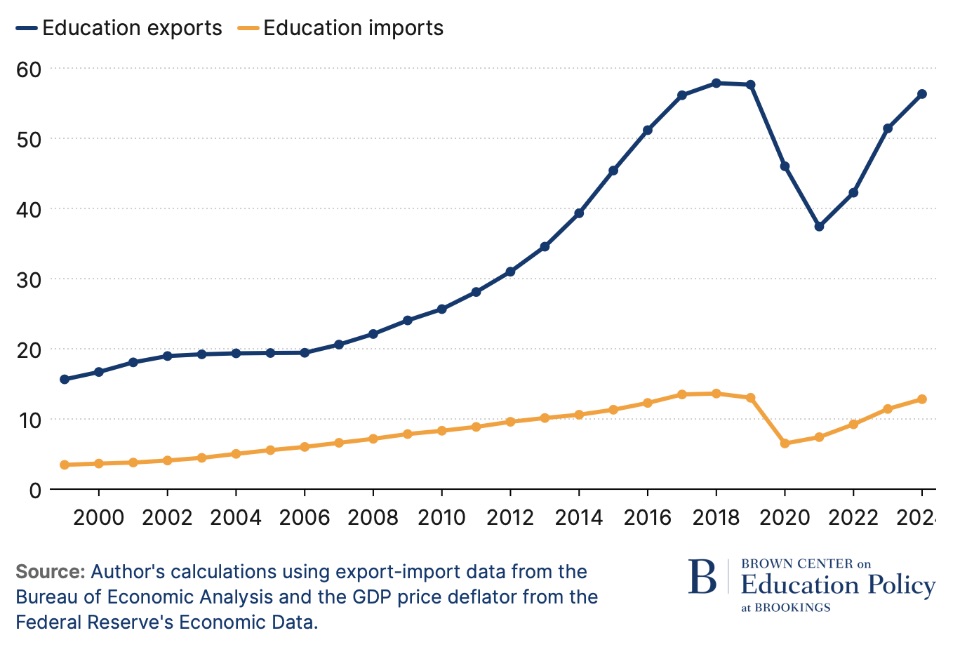
The evening concluded with the audience energized and inspired, having enjoyed an unforgettable celebration of music, community, and devotion.

Mohanlal Stages a Stunning Comeback in 2025 with ₹500 Crore Box Office Triumph

Mohanlal, one of the most beloved actors in Malayalam cinema, experienced a rather underwhelming 2024. His two major releases that year, Malaikottai Vaaliban and Barroz 3D, failed to make the intended impact at the box office. These setbacks, while disheartening, were not unfamiliar territory for the actor whose career began with the 1980 classic Manjil Virinja Pookkal. Over the span of 45 years, Mohanlal has witnessed a series of highs and lows. However, some fans and critics began to speculate whether the iconic ‘Lalettan’ was losing his touch. His response to such doubts has been nothing short of emphatic: a record-breaking performance in 2025, collecting a combined ₹500 crore in global box office revenue—largely single-handedly—for the Malayalam film industry.

The year 2024 was not particularly kind to Mohanlal. According to box office tracker Sacnilk, Malaikottai Vaaliban earned ₹29.75 crore globally, while Barroz 3D managed only ₹15.1 crore. Though these figures would be considered acceptable for smaller Malayalam films, they were disappointing given the scale and expectations surrounding both projects. Barroz 3D, in particular, was hyped as a potential game-changer in Malayalam cinema but failed to impress audiences due to its poor visual effects. On the other hand, Malaikottai Vaaliban did manage to find a segment of its audience but ultimately lacked the widespread appeal that was anticipated.

The tide turned dramatically in 2025. March saw the release of L2 Empuraan, which not only shattered box office records in Kerala but across India as well. The film grossed ₹265.5 crore worldwide, making it the highest-grossing Malayalam film in history and the second-highest-grossing Indian film of 2025. This level of success was unprecedented for the Malayalam industry, which has long been celebrated for its thoughtful storytelling but rarely for box office dominance.

Hot on the heels of L2 Empuraan, Mohanlal released another blockbuster in April—Thudarum. This film too performed spectacularly, raking in ₹234.5 crore worldwide. It currently holds the position of the fourth-highest-grossing Indian film of the year. When the earnings of L2 Empuraan and Thudarum are combined, they cross the ₹500 crore milestone. This figure doesn’t even include the additional ₹1.05 crore collected within just two days from the re-release of his 2007 film Chotta Mumbai, which further adds to his recent box office resurgence.

To put these numbers into perspective:

  • L2 Empuraan earned ₹265.5 crore globally
  • Thudarum followed closely with ₹234.5 crore
  • Chotta Mumbai brought in ₹1.05 crore in just two days after its re-release

This brings the total worldwide gross from these three films to a staggering ₹501.05 crore.

These earnings have not only silenced Mohanlal’s critics but have also reinforced his status as a cornerstone of Malayalam cinema. For an industry that has long been known for its emotionally rich and intelligent narratives rather than massive commercial success, Mohanlal’s 2025 performance has rewritten what is possible for Mollywood.

Looking ahead, the legendary actor shows no signs of slowing down. His upcoming film Vrusshabha, an epic action-drama, is set to release on 16 October. Before that, audiences can look forward to Hridayapoorvam, a family drama slated for release on 28 August. Both films are eagerly awaited and expected to continue his strong box office momentum.

Additionally, one of the most talked-about future projects in the Malayalam film industry is an ambitious multi-starrer featuring Mohanlal, Mammootty, and Fahadh Faasil. This high-profile collaboration is already being described as a potential industry-defining film and could serve as Mollywood’s next major milestone.

Mohanlal’s journey from a challenging 2024 to a record-breaking 2025 serves as a powerful reminder of the unpredictability and magic of cinema. Even after more than four decades in the industry, he continues to push boundaries and surprise audiences. His remarkable comeback has not only reinforced his legendary status but has also opened new commercial horizons for Malayalam cinema.

“Failures are nothing new to the star who began his career with the 1980 film *Manjil Virinja Pookkal and saw many ups and downs in these 45 years,” noted a film industry observer. Indeed, his enduring popularity and ability to rebound reflect both his talent and the deep connection he shares with his audience.

With over ₹500 crore in global earnings from just three films and more high-profile releases on the horizon, Mohanlal is not just having a moment—he is defining one. As Mollywood evolves into a more commercially robust segment of Indian cinema, it is fitting that one of its greatest icons is leading the charge. His 2025 box office run is a testament to resilience, reinvention, and the enduring power of stardom.

Protest Chaos Erupts in Los Angeles Amid Trump’s National Guard Deployment

Tensions boiled over in Los Angeles on Sunday as thousands of protesters flooded the streets in defiance of President Donald Trump’s decision to deploy the National Guard. Demonstrators blocked a major freeway and torched self-driving cars while law enforcement responded with tear gas, rubber bullets, and flash bangs in an effort to disperse the crowds.

The protests, ignited by Trump’s immigration policies and intensified by the Guard’s presence, reached a new level of volatility. As dusk fell, police declared an unlawful assembly, ordering people to leave or face arrest. Although many complied and left the area, some stayed behind and clashed with police. Makeshift barricades were erected across streets, and objects like concrete chunks, rocks, electric scooters, and fireworks were hurled at California Highway Patrol (CHP) officers. Some officers had to retreat under a freeway overpass for safety.

Centered in several downtown blocks, the demonstrations marked the third and most heated day of protests in the city of nearly 4 million residents. The presence of roughly 300 National Guard troops seemed to deepen public outrage and fuel fear among citizens. The troops were tasked specifically with guarding federal properties, including a downtown detention facility that became a focal point for demonstrators.

Los Angeles Police Chief Jim McDonnell acknowledged the strain on his department, stating, “Officers were overwhelmed by the remaining protesters,” and adding that some of the demonstrators were known agitators who regularly attend protests to stir unrest.

Law enforcement arrested dozens of people over the weekend. Among them, one person was detained on Sunday for allegedly throwing a Molotov cocktail at officers, while another individual was taken into custody for ramming a motorcycle into a line of police.

Trump reacted on his social media platform, Truth Social, by urging McDonnell to take a harder line: “Looking really bad in L.A. BRING IN THE TROOPS!!!” He also encouraged the arrest of masked protesters.

Meanwhile, similar unrest unfolded in San Francisco. Police there reported dozens of arrests after a group refused to disperse following a protest near Sansome and Washington streets. The San Francisco Police Department explained via a social media statement that the gathering turned violent, prompting officers to declare it an unlawful assembly. While many participants left, others regrouped near Market and Kearny streets, where they vandalized buildings and damaged a police vehicle.

The disturbances continued to Montgomery Street, where authorities arrested 60 individuals after they failed tocomply with dispersal orders. The department reported three officers injured, with one requiring hospitalization. In their statement, police emphasized, “Individuals are always free to exercise their First Amendment rights in San Francisco but violence — especially against SFPD officers — will never be tolerated.”

Back in Los Angeles, the National Guard’s arrival on Sunday morning escalated the situation further. Clad in riot gear and armed with long guns, troops formed lines while protesters chanted “shame” and “go home.” As tensions rose, law enforcement began dispersing smoke canisters into the crowds. Soon after, the Los Angeles Police Department fired crowd-control rounds, asserting that the demonstrators were violating assembly laws.

The group then took their protest onto the 101 Freeway, blocking traffic for hours until CHP officers eventually cleared the roadway by late afternoon. Not far from this scene, four self-driving Waymo cars were torched, creating massive black smoke plumes and intermittent explosions as the electric vehicles burned. Police later declared an unlawful assembly and shut down multiple downtown blocks.

The evening air was frequently punctuated by the sound of flash bangs as officers attempted to clear remaining pockets of resistance.

Governor Gavin Newsom, a Democrat, formally requested the removal of the National Guard in a letter to Trump on Sunday afternoon. He described the deployment as a “serious breach of state sovereignty” and was in Los Angeles meeting with local officials and law enforcement at the time. Notably, the move marked one of the rare instances in recent decades where a state’s National Guard had been activated without the consent of its governor — a stark escalation in federal response to opposition against mass deportation efforts.

Both Newsom and Los Angeles Mayor Karen Bass blamed Trump’s decision to deploy troops for the intensifying protests. They accused the administration of deliberately heightening tensions rather than prioritizing public safety. “What we’re seeing in Los Angeles is chaos that is provoked by the administration,” said Bass during a press conference Sunday afternoon. “This is about another agenda, this isn’t about public safety.”

Chief McDonnell, however, said the unrest was part of a typical protest escalation cycle, with tensions peaking on the second or third day. He dismissed claims from Trump administration officials that LAPD had failed to support federal authorities during Friday’s demonstrations, which erupted in response to a series of immigration raids. McDonnell emphasized that his department had not been informed about the federal actions in advance and, as a result, had not been able to prepare officers accordingly.

While federal and city authorities exchanged blame, Newsom reiterated that California’s law enforcement agencies were fully capable of managing the situation without federal intervention. He even took a swipe at Trump for celebrating prematurely. The president had posted a congratulatory message following the Guard’s arrival, which Newsom ridiculed given the unfolding chaos.

The tensions across California underscore the fragile state of relations between the federal government and local leadership, especially when it comes to immigration enforcement and protest control. While the White House insists the Guard deployment is necessary to maintain order and protect federal property, state officials argue that it only serves to escalate unrest and provoke further violence.

In both Los Angeles and San Francisco, the weekend’s events were marked by chaos, confrontations, and a deepening divide over how protests and public dissent are handled. As the dust settles, city officials continue to urge peaceful demonstrations, even as fears mount over future escalations.

The unrest shows no signs of abating as calls grow louder for federal forces to withdraw, and local leaders brace for what could be another week of conflict and confrontation.

Elon Musk Calls for New Political Party as Rift with Trump Widens

Tech tycoon Elon Musk has stirred political debate by unveiling the results of an online poll he conducted on his social media platform X, asking whether it was time to form a new political party in the United States. The poll, which quickly went viral, revealed overwhelming support for the idea, with 80 percent of users responding affirmatively.

“The people have spoken,” Musk announced in a widely shared post. “A new political party is needed in America to representthe 80% in the middle! And exactly 80% of people agree. This is fate.”

The move, seen by many as a political statement, comes at a time when the billionaire entrepreneur appears to be distancing himself from President Donald Trump, with whom he once shared a strong public alliance. Musk’s provocative poll was interpreted by some observers as the latest in a string of moves aimed at reshaping the political landscape and appealing to Americans disillusioned by the two dominant parties.

Musk’s call for a centrist political party was not just a whimsical post. The timing of his remarks coincided with an intensifying online campaign against Trump, including a particularly stinging remark that shocked supporters and critics alike: “Without me, Trump would have lost the election.” Musk doubled down on his position shortly afterward by adding, “Such ingratitude.”

These sharp comments appeared to mark a turning point in the relationship between Musk and Trump, which had once seemed firmly rooted in mutual admiration and shared goals. But Trump wasted no time in responding to Musk’s criticism. Taking to his own platform, Truth Social, the president lashed out, accusing Musk of betrayal and hinting at financial retaliation.

“I was always surprised that Biden didn’t do it!” Trump wrote in a scathing post, threatening to revoke federal contracts and subsidies tied to Musk’s companies. He added, “The easiest way to save money in our Budget, Billions and Billions of Dollars, is to terminate Elon’s Governmental Subsidies and Contracts.”

Trump’s remarks alluded to the long-standing financial relationship between the federal government and Musk’s enterprises, including Tesla and SpaceX. These companies have benefited from various government programs, subsidies, and contracts over the years, often drawing scrutiny from both sides of the political aisle.

Despite their current public spat, Musk and Trump were once close political allies. During Trump’s presidency, Musk was a regular presence in Washington. He served on advisory councils, participated in policy discussions, and even made appearances at high-level events. Their political bond deepened over time, particularly as Trump pursued pro-business policies that aligned with Musk’s interests.

Following a narrow escape from an assassination attempt at a Pennsylvania rally in July of the previous year, Trump received a public show of support from Musk, who declared his backing in no uncertain terms. At the time, Musk was not just a supporter; he actively contributed to Trump’s reelection efforts. He established a political action committee, took part in campaign rallies, and assumed a highly visible role in Republican fundraising and strategy.

Musk’s support was evident in his appearances at campaign events, often seen wearing MAGA hats and even traveling with Trump aboard Air Force One. His involvement extended to participating in Cabinet meetings and standing behind Trump during key public moments, including the inauguration.

However, that political closeness has since devolved into open hostility, with both men now trading barbs in public forums. What began as a prominent and seemingly strategic alliance has now become a very public feud, raising questions about its potential impact on the business interests of both parties—and the broader political landscape.

The rift between Musk and Trump seems to reflect deeper tensions in American politics, where alliances are often short-lived and driven by transactional interests. As Musk champions the idea of a centrist alternative to the two major parties, some political analysts see it as an attempt to reposition himself as a new kind of political influencer—one who defies the traditional left-right binary.

His framing of the poll results as evidence of national consensus—“A new political party is needed in America to represent the 80% in the middle!”—suggests that he sees a real opportunity to shape political discourse. At the same time, critics argue that Musk’s approach is more about spectacle than substance and question whether he has the political infrastructure to make a third party viable in the U.S. system.

Still, Musk’s influence is hard to dismiss. With millions of followers on X and control of influential companies such as Tesla and SpaceX, his words carry weight far beyond the digital sphere. And his willingness to publicly challenge Trump—once a political ally—underscores the shifting dynamics of conservative politics, especially as the 2024 election looms.

Trump’s threat to cut off government funding for Musk’s ventures could carry real consequences. SpaceX, for instance, holds critical contracts with NASA and the Department of Defense, while Tesla has received federal incentives for electric vehicle production and infrastructure. The specter of political retaliation introduces uncertainty into those relationships.

Yet it also underscores the risk of public feuds in the high-stakes arena where business and politics intersect. As both men continue to spar, the potential fallout could extend beyond their personal reputations to affect investors, federal agencies, and even voters seeking clarity in a polarized environment.

What remains clear is that the Musk-Trump split is more than a personal disagreement. It represents a clash between two towering personalities—each commanding vast resources and influence—over the direction of American politics. Whether Musk’s call for a new political party gains real momentum remains to be seen, but his latest actions suggest he’s not content to sit on the sidelines.

In an era where political loyalty often shifts with public sentiment and digital platforms can shape national debates overnight, the Musk-Trump rupture is both a reflection of the current moment and a signal of the unpredictable months ahead.

FBI Refocuses on Violent Crime and Immigration Amid Shifting National Security Concerns

When federal agents captured an alleged MS-13 gang leader, Kash Patel stood prominently at the announcement, calling it a move toward restoring “our communities to safety.” The event signaled a marked shift in the FBI’s public focus, away from exclusively high-level national security threats and toward more visible law enforcement targets like gang activity and drug trafficking.

In a subsequent operation, federal authorities showcased a massive seizure of $510 million worth of narcotics headed for the United States. The announcement was made in front of a Coast Guard ship in Florida, where FBI Director Christopher Wray and other law enforcement leaders stood before piles of intercepted drugs. These high-profile appearances are part of a broader strategy to emphasize the FBI’s renewed commitment to tackling violent crime, illegal immigration, and narcotics—issues that are quickly becoming central to its updated mission, according to current and former officials.

The FBI recently revised its official priorities on its website, placing “Crush Violent Crime” at the top of the list. This marks a significant shift toward the law-and-order platform of President Donald Trump, whose administration has focused heavily on illegal immigration, drug cartels, and transnational gangs. Patel, now a key figure in directing the bureau, has made clear his intention to “get back to the basics.” His deputy, Dan Bongino, reinforced that sentiment, saying the agency is returning to “its roots.”

Although some of the bureau’s long-standing priorities remain in place—such as counterintelligence efforts targeting China—the recent pivot indicates a recalibration. The FBI confirmed this in a public statement: “The FBI continuously analyzes the threat landscape and allocates resources and personnel in alignment with that analysis and the investigative needs of the Bureau. We make adjustments and changes based on many factors and remain flexible as various needs arise.”

Recent violent incidents have reinforced the complexity of the threat landscape. One such case involved an Egyptian national who allegedly overstayed his visa and launched a Molotov cocktail attack in Colorado while shouting “Free Palestine.” The FBI considers such cases part of an evolving and interconnected web of domestic and international security risks.

Meanwhile, the agency is undergoing structural changes that reflect this strategic shift. The Justice Department has reportedly disbanded an FBI-led task force focused on foreign influence operations, and sources say a key public corruption team in the bureau’s Washington field office is also being dissolved. At the same time, the Trump administration has proposed significant budget cuts for the FBI, and several veteran agents have been forced out of leadership positions.

These developments have prompted concern among former FBI officials who worry that refocusing on more immediate, conventional crimes could come at the cost of preparedness for more sophisticated threats. Chris Piehota, a former executive assistant director who retired in 2020, warned, “If you’re looking down five feet in front of you, looking for gang members and I would say lower-level criminals, you’re going to miss some of the more sophisticated strategic issues that may be already present or emerging.”

An Increasing Focus on Immigration

Historically, enforcement of immigration laws has fallen under the purview of Immigration and Customs Enforcement (ICE) and U.S. Customs and Border Protection (CBP), not the FBI. However, under Trump’s administration, the FBI has stepped more assertively into this area. The agency now claims responsibility for over 10,000 immigration-related arrests, with Patel frequently sharing these developments on social media as evidence of the administration’s commitment to immigration enforcement.

In practical terms, FBI agents are being dispatched to interview unaccompanied migrant children who crossed the U.S.–Mexico border, a move officials describe as a way to ensure their well-being. Across the country, FBI field offices have been instructed to devote personnel to immigration cases.

Moreover, the Justice Department has directed the FBI to examine its files for information about undocumented individuals and to share that data with the Department of Homeland Security—unless doing so would compromise ongoing investigations. Visual evidence of this shift can be seen on the FBI’s Instagram page, which features images of agents in tactical gear arresting suspects, captioned with a message that the FBI is “ramping up” its efforts with immigration agents to find “dangerous criminals.”

Deputy Director Dan Bongino expressed the administration’s uncompromising stance in a Fox News interview: “We’re giving you about five minutes to cooperate,” he said. “If you’re here illegally, five minutes, you’re out.”

This approach contrasts with the tone of previous FBI leadership. While former Director Christopher Wray did raise concerns about fentanyl trafficking across the southern border and the possibility that terrorists might use it as a point of entry, he never explicitly defined immigration enforcement as a central FBI mission.

A Mandate to ‘Crush Violent Crime’

Reprioritizing is not new for the FBI. After the September 11, 2001 attacks, then-Director Robert Mueller overhauled the agency into a counterterrorism and intelligence-oriented organization. That transformation saw agents diverted from more traditional criminal investigations into terrorism prevention efforts. In the FBI’s 2002 top ten priorities, fighting terrorism ranked first, while addressing violent crime fell near the bottom.

Today’s leadership appears to be reversing that trend. The current top priority—“Crush Violent Crime”—reflects a sharp pivot toward public safety and traditional crime-fighting. This is evident not only in rhetoric but also in operational choices.

Still, some law enforcement veterans caution against diminishing focus on less visible but potentially more dangerous threats. They point to cybersecurity breaches, espionage, and state-sponsored attacks as critical challenges that require deep expertise and long-term strategic focus.

Critics argue that shifting too many resources to street-level enforcement could leave the nation more vulnerable to these harder-to-detect dangers. The concern is not that violent crime and immigration issues aren’t serious, but that they may now be overshadowing other responsibilities that uniquely fall within the FBI’s mandate.

Nonetheless, the new leadership remains resolute in its course. Patel and Bongino continue to promote their agenda publicly, underscoring their belief that restoring public safety must take precedence. Patel’s stance is consistent: a return to “the basics” is the foundation for rebuilding public trust and ensuring national security.

Whether the FBI’s recalibrated mission will pay dividends or produce unforeseen vulnerabilities remains to be seen. But one thing is clear: the bureau is undergoing one of its most significant transformations in decades, recalibrating its priorities to match a new political and national security landscape.

Indian IT Outsourcing’s Global Rise: A Two-Decade Legacy of Opportunity, Displacement, and Visa-Linked Struggles

Two decades ago, a handful of well-established Indian information technology companies began to change the global job landscape by persuading top executives in the Western world that their engineers and developers could deliver the same or better performance than local candidates—at a fraction of the cost. This marked the beginning of a significant shift in the IT industry, driven by economic efficiency and globalization.

These Indian firms strategically utilized labor laws, immigration policies, and business regulations in some of the world’s most developed nations to offer low-cost labor. They managed to “export” their workforce to countries like the United States through limited and highly regulated employment visas. This model, though economically attractive, sparked ethical concerns. The restricted nature of these visas has led to the workforce being labeled globally as “the new ‘Slavery of our time.’”

A labor study conducted in March 2023 underscores the dominance of Indian IT giants—Infosys, Wipro, HCL, TCS, and Tech Mahindra—who together control over 96 percent of the global technology services market. These companies offer outsourcing and consulting services to major global corporations such as Cisco, T-Mobile, Pepsi, Disney, Johnson & Johnson, Facebook, Google, BD, Estée Lauder, Boeing, Bank of America, and many more.

But how did these Indian companies gain access to such a powerful position in global corporate structures, especially in the United States?

Their success strategy lies in assembling elite sales teams composed of some of the country’s highest-performing sales professionals. These individuals are exceptionally connected and networked. Their primary mission is to target the wealthiest and most influential corporate executives in America—what the article describes as “the wealthiest and most powerful one percent of the one percent executives of America.” These are the heavyweights, the “real whales,” who hold the keys to enterprise-level decisions.

Once these high-performing sales professionals gain access to boardrooms, they present proposals featuring dramatically underpriced IT managed service contracts. These agreements often include taking over an entire company’s IT operations at costs far below market rates.

The takeover process is swift and discreet. The implementation team begins by replacing high-ranking and critical IT roles within the client company with Indian professionals. This workforce is carefully selected and managed through the traditional Indian caste structure, known as Jati. As the transition deepens, the native local workforce is gradually reduced to a bare minimum and eventually replaced almost entirely by Indian employees—many of whom are loyal to this caste-based hierarchy. This management approach raises questions about workplace equity and cultural homogenization in global corporations.

So what becomes of the Indian IT professionals working abroad on restrictive work visas?

Sadly, they are the ones paying the highest price. These individuals are often bound to their visa sponsors—typically the outsourcing firms—which severely limits their job mobility. They are subjected to long hours, including night shifts, weekends, and holidays, without additional compensation. This is not merely a tough work schedule; it’s coerced. If they refuse these conditions or fall out of line, they risk having their visas revoked, which would require them to return to India within a few weeks of termination.

Unfortunately, these are the people, these are the humans that are treated as slaves. It describes how visa holders are “forced to work overtime, nights, weekends, and even holidays at no extra pay, or otherwise their work visas could be canceled.”

This grim reality raises a broader concern: how does this industry model impact other professionals in the technology sector?

If you’re an IT professional, the implications are significant. It becomes extremely difficult to break into companies whose entire IT departments are controlled by Indian outsourcing firms. These companies, often show a hiring preference toward Indian candidates over equally qualified local professionals. “Most likely they will prefer to hire an Indian person over you,” it states.

Moreover, if you’ve had a negative experience or left one of these outsourcing firms on bad terms, your prospects become even dimmer. “Unfortunately and unfairly the doors of many companies around the world will be close to you,” the article warns. This effectively creates a form of labor monopoly that excludes outside talent and punishes dissent.

So, is it fair to have such a dominant and exclusive labor structure in place, particularly one that marginalizes local professionals while placing migrant workers in borderline exploitative conditions?

That question remains deeply controversial. While companies enjoy reduced costs and streamlined IT services, the human and ethical cost is becoming increasingly hard to ignore. The outsourcing model may have delivered short-term savings and growth, but it has also led to long-term consequences—professional displacement, monopolistic practices, and a new kind of labor exploitation under the guise of visa dependency.

As this system continues to evolve, the global workforce is left to grapple with one unavoidable question: Should cost-efficiency come at the expense of equity, diversity, and human dignity?

Chenab Rail Bridge: The Untold Story of Professor Madhavi Latha’s Pioneering Role in the World’s Tallest Railway Bridge

High in the remote and daunting landscape of Jammu and Kashmir’s Reasi district, where the mighty Chenab River carves its way through steep gorges and the Himalayas cast their silent shadows, a stunning feat of engineering now stretches across the void — the Chenab Rail Bridge. This remarkable structure, recognized as the tallest railway bridge on the planet, represents not only the zenith of engineering excellence but also the strength of human resolve. At the heart of this ambitious endeavor is a lesser-known yet essential figure — Professor A.S. Madhavi Latha, a geotechnical expert whose steadfast determination and technical brilliance played a pivotal role in turning this colossal dream into reality.

Professor A.S. Madhavi Latha, a renowned academic from the Indian Institute of Science (IISc) in Bengaluru, is a leading figure in the field of geotechnical engineering. Her work focuses on slope stability, soil-structure interaction, and geotechnical investigations, and she has served as a vital advisor in several major national infrastructure initiatives. Her involvement in the Chenab Rail Bridge project was particularly instrumental. The bridge, located in one of the world’s most geologically complicated areas, demanded her expertisefor site assessment, foundation design, and slope stabilization — all crucial to the success of the structure.

Despite her groundbreaking work, Professor Madhavi Latha has always shunned the spotlight. Over the decades, she has quietly advanced the boundaries of geotechnical engineering — a field concerned with ensuring that structures can stand firm on soil, rock, and often unpredictable terrain. When the Indian Railways undertook the massive Udhampur-Srinagar-Baramulla Rail Link (USBRL) project and envisioned a bridge soaring 359 meters above the Chenab River — higher than the Eiffel Tower — they realized the challenge was beyond conventional engineering. It required a unique blend of intellectual prowess, courage, and an unflinching belief in science. It was at this moment that Professor Madhavi Latha was brought on board as part of the expert panel.

She faced an immense task in one of the harshest terrains in India. The area near the Chenab was marked by steep inclines, weak rock formations, and intense seismic activity. Yet, she remained undeterred. “People kept asking, what if the terrain collapses? What if there’s a landslide? What if the winds tear the bridge down? I kept asking — what if we succeed?” Professor Madhavi Latha later shared in interviews. Her confidence stemmed not from blind optimism, but from rigorous scientific analysis and hands-on leadership.

She didn’t just consult — she led the geotechnical investigations that would define the very foundation of the bridge. Her team, consisting of experts from various fields, worked under extreme weather conditions for months. They extracted rock samples from hundreds of meters underground and conducted repeated wind and seismic simulations in laboratories. Each result was scrutinized. If the data was inconclusive, she demanded it be re-run. She had zero tolerance for approximation — especially knowing that Indian soldiers and civilians would one day rely on this bridge for safe passage.

As the bridge’s iconic 476-meter steel arch began to take shape, Professor Madhavi Latha made certain that the foundational elements — the rock anchors, the soil behavior models, and the slope reinforcements — could support the immense weight and environmental pressures. Her work was not merely technical. It was strategic and deeply human, grounded in a desire to serve the country through science. The bridge would have to endure seasonal floods, heavy snowfall, windstorms, and even earthquakes. Her contributions, although carried out far from public view, became the core strength of the entire project.

While the world may marvel at the grandeur of the Chenab Bridge, few understand the silent effort behind it. The graceful steel arch that now spans the Chenab River stands firm not only because of cutting-edge materials and design, but because someone listened to the earth — someone who decoded the complex geology below and meticulously accounted for every bolt, rivet, and stress point.

Beyond her engineering achievements, Professor Madhavi Latha never gave up her first love — teaching. She continued to be a dedicated professor at IISc even as she worked on one of India’s most challenging infrastructure projects. Her students remember her commitment vividly. She would often take overnight flights from Kashmir to reach Bengaluru in time for her morning lectures. In class, she brought real engineering dilemmas to life, integrating the practical lessons of national projects with academic learning. Through her example, she inspired a generation of young Indians — especially young women — to view engineering not just as a profession, but as a powerful tool to shape the country’s future.

When the Chenab Bridge was finally completed and trains prepared to cross it, the world hailed the structure as an engineering marvel. However, hidden within the broader narrative is a quiet but extraordinary contribution — that of Professor A.S. Madhavi Latha. Her work, grounded in science and executed with humility, is a testament to how individual brilliance can power collective triumph.

She proved that the foundations of progress lie not only in steel and concrete, but in vision, belief, and a fearless pursuit of truth. As the trains roll across the world’s tallest railway bridge, they ride not just on engineering mastery, but on the dreams and determination of a woman who dared to ask, “What if we succeed?”

How Amitabh Bachchan’s Legacy Helped Shape South Indian Superstars: Ram Gopal Varma’s Candid Take

Veteran filmmaker Ram Gopal Varma has offered a frank and insightful take on the origins of superstardom in South Indian cinema, asserting that the rise of several iconic actors from the region in the 1970s and 1980s was significantly influenced by remakes of Amitabh Bachchan’s classic Hindi films. In a detailed interview with IndiaTV Showbiz, Varma pointed out that all four major South Indian film industries—Tamil, Telugu, Kannada, and Malayalam—saw immense benefits from recreating the Bollywood legend’s work.

He named prominent actors such as Rajinikanth, Chiranjeevi, NT Rama Rao, and Rajkumar as direct beneficiaries of this wave. According to him, many defining moments in their careers came through roles that were essentially southern adaptations of Amitabh Bachchan’s powerful on-screen portrayals. These films, Varma noted, helped these actors rise to a level of stardom that made them not just celebrities but revered figures among fans. “They became cultural icons and, eventually, demigods,” he said, emphasizing the transformative impact of these remakes.

Elaborating further, Varma described how the South Indian industries actively embraced the “mass entertainer” formula that Bachchan had championed. Unlike Bollywood, which saw shifts in the 1990s due to the actor’s temporary hiatus and the growing influence of music companies, Southern cinema remained steadfast in its commitment to this formula. Varma argued that this approach played a critical role in solidifying the stardom of South Indian actors during that period.

He pointed out that the five-year break Bachchan took in the 1990s coincided with a changing Bollywood landscape. During this time, music companies increasingly began financing films primarily to promote their soundtracks, with Maine Pyar Kiya cited by Varma as a landmark example of this transition. As Bollywood moved in a new direction, South Indian cinema doubled down on the “masala” film structure that had been influenced by Bachchan’s earlier work.

“The South never stopped making the so-called masala films,” Varma remarked. This, he suggested, was key in helping actors like Rajinikanth and Chiranjeevi maintain and grow their appeal across generations. He emphasized that these remakes weren’t mere copies but carefully crafted vehicles designed to fit the regional flavor while leveraging tried-and-tested story arcs that resonated with audiences.

Another layer to Varma’s analysis was the difference in filmmaking philosophies between Bollywood and the South. He noted that while Bollywood directors, particularly in the 1990s, often came from urban, English-speaking backgrounds and were more attuned to global cinema, Southern filmmakers stayed rooted in the ground realities of their audiences. “They’re very close to the ground root,” Varma observed, implying that their storytelling remained more direct, accessible, and emotionally resonant with everyday viewers.

To illustrate his point about the unpredictability of audience reception and the disconnect between industry insiders and actual viewers, Varma shared a telling anecdote about Pushpa: The Rise, directed by Sukumar and starring Allu Arjun. He recalled that just before the film’s release, a producer—whom Varma did not name—watched the film and dismissed its chances of success. The skepticism, according to Varma, had little to do with Arjun’s acting and everything to do with the character’s unconventional traits.

“He was not referring to the actor,” Varma explained. “They are so used to good-looking six-pack heroes… that they can’t comprehend a hero chewing paan.” This, he argued, was a classic example of how film industry professionals often impose their own standards on what they believe audiences will accept, ignoring the broader cultural dynamics at play.

This anecdote fed into Varma’s larger point about how preconceived notions can sometimes prevent genuine innovation in cinema. Rather than assessing a character or story based on its potential to resonate with viewers, many producers and filmmakers rely on rigid formulas, often underestimating the audience’s openness to new ideas.

Beyond individual anecdotes and industry patterns, Varma’s reflections also touched on a broader and often under-discussed reality: the prevalence and importance of remakes in Indian cinema, especially during the earlier decades. He highlighted that while Bollywood today is frequently criticized for recycling old ideas, South Indian cinema, too, once heavily relied on remakes. However, Varma was quick to clarify that this wasn’t necessarily a sign of creative fatigue.

According to him, in the 1970s and 1980s, when a fresh and successful concept emerged—regardless of the language—it was rapidly adopted and adapted by filmmakers in other regions. “The culture of adaptation,” as Varma described it, was more a strategic creative exchange than a lack of originality. It enabled cross-pollination of ideas and helped shape some of India’s most enduring cinematic icons.

He noted that back then, original scripts were relatively rare across the Indian film landscape. Success was often built on how well an idea could be translated into a new cultural and linguistic setting. In that sense, Varma argued, the creative choices that directors and actors made during those decades were pragmatic rather than derivative. They ensured wide appeal while allowing regional talent to rise by stepping into roles proven to work with audiences elsewhere.

Reflecting on this legacy, Varma said that while the filmmaking environment has changed drastically in recent years, the impact of that era still echoes in today’s storytelling approaches. The groundwork laid by those adaptive strategies helped create stars whose influence persists, and the storytelling format continues to draw from those roots.

In summary, Ram Gopal Varma’s interview offered a unique and clear-eyed view of the interconnected histories of Bollywood and South Indian cinema. His assertion that legends like Rajinikanth and Chiranjeevi owe part of their early success to Bachchan’s legacy sheds new light on how stardom in India was crafted—not just through originality, but through thoughtful adaptation. As Varma’s analysis shows, cinema is often a mirror to the cultural and commercial forces behind the screen, and sometimes, a borrowed reflection can shine just as brightly as the original.

New Super-Earth Discovery Offers Fresh Clues in Hunt for Habitable Worlds

For decades, scientists have scanned the cosmos in search of distant planets and possible signs of extraterrestrial life. This relentless exploration has yielded many fascinating discoveries and driven the development of increasingly advanced instruments. However, planets that closely resemble Earth—especially those with low mass—often manage to evade detection.

Many of these elusive planets remain undetected due to the limitations of conventional observation methods. Their orbital alignments may not suit our line of sight, or their faint signals might fall below the threshold of standard detection techniques. These shortcomings have long posed a challenge to astronomers trying to discover Earth-like planets in faraway solar systems.

In a significant step forward, Leilei Sun, the lead author from Yunnan Observatories of the Chinese Academy of Sciences, along with a team of international collaborators, recently confirmed the existence of a super-Earth dubbed Kepler-725c. This discovery was made possible by a unique strategy that sidesteps the limitations of the widely used transit and radial velocity methods.

There are several established ways to detect planets outside our solar system, also known as exoplanets. One of the most popular methods is the transit technique, which involves observing slight dips in a star’s brightness caused by a planet passing in front of it. These dips signal the presence of a planet and provide information about its size and orbit.

This technique is particularly effective for identifying large exoplanets with short orbital periods. These planets pass across their host stars frequently, making them relatively easy to detect. Kepler-725c, for instance, belongs to this category of big, short-period planets. However, smaller planets with longer orbital cycles are more difficult to detect with the transit method. Their rare alignments with Earth’s line of sight make them much harder to observe.

That’s why Kepler-725c’s detection has drawn attention. Researchers are especially interested in planets with up to 10 times the mass of Earth. These so-called super-Earths are thought to form differently from much larger gas giants and may possess characteristics similar to our own planet. A mass close to Earth’s increases the likelihood of interesting features such as rocky terrain or the ability to retain water—both critical components when evaluating a planet’s potential to support life.

In order to find Kepler-725c, scientists employed the transit timing variation method, or TTV. This technique monitors how a planet’s gravity influences the orbit of a neighboring planet, causing slight shifts in its expected transit times. According to Sun, “This discovery demonstrates that the transit timing variation method enables the detection and accurate mass measurement of a super-Earth/mini-Neptune within a solar-like star’s habitable zone.”

The team studied changes in the transit times of Kepler-725b, a gas giant similar to Jupiter, to identify Kepler-725c in the same planetary system. The gravitational interplay between the two planets provided the telltale evidence of Kepler-725c’s existence.

One of the key advantages of TTV is that it doesn’t require the planet being studied to pass directly in front of its star from our point of view. Nor does it rely on detecting minute shifts in the star’s velocity caused by the gravitational tug of an orbiting planet. As such, TTV opens a door to finding planets that would otherwise be invisible.

This technique is particularly effective in systems where only one planet is seen transiting, but its movement suggests the presence of another gravitational body. These indirect signs, similar to cosmic breadcrumbs, lead researchers to unseen planetary companions. In the case of Kepler-725c, scientists were able to determine its orbit and mass even without visually detecting its transit.

Kepler-725c is located roughly 2,472 light-years from Earth. It orbits a G9V-type star and completes one full revolution in about 207.5 days. Its path occasionally takes it through the habitable zone—the region around a star where conditions might allow liquid water to exist. It receives about 1.4 times the solar radiation Earth gets from the Sun at a distance of 1 astronomical unit.

With an orbital distance of approximately 0.674 AU, Kepler-725c may experience moderate surface temperatures. However, many additional factors—such as atmospheric composition, planetary rotation, and magnetic fields—play a role in determining whether the planet could truly be habitable. Scientists aim to explore how heat, star behavior, and atmospheric makeup might affect Kepler-725c as they continue their analysis.

The timing of this discovery is significant. Space agencies around the world are preparing for missions that will focus on detecting smaller planets around Sun-like stars. Europe’s PLATO mission, among others, is expected to generate data that complements TTV-based methods. These upcoming missions could reveal additional Earth-like planets in similar orbital zones.

This moment marks a crucial opportunity for astronomers to refine their understanding of what conditions are necessary for life. By determining a planet’s mass and orbit with precision, TTV allows researchers to assess its characteristics without the limitations of traditional observation strategies.

The discovery of Kepler-725c demonstrates the practical value of the TTV method in identifying planets that do not visibly transit their stars. These hard-to-see worlds might still meet critical criteria for habitability, and TTV offers a powerful approach to locating them.

Future space missions could work hand-in-hand with this technique to uncover more low-mass, long-orbiting planets that older detection methods have missed. Such findings have the potential to greatly sharpen our focus as we search for planets that might support life.

Still, even with better detection tools and refined techniques, verifying whether a planet is truly habitable remains a complex and slow-moving process. For planets like Kepler-725c, more data—especially direct imaging or atmospheric readings—are needed before scientists can determine if life might exist there. So far, researchers mostly have indirect clues such as mass, orbit, and radiation levels, which are informative but not definitive.

Vital elements like liquid water, oxygen, or a stable surface are necessary for life as we know it. These details are still beyond our reach for many newly discovered planets, including Kepler-725c.

The research team behind this discovery includes scientists from several institutions: Yunnan Observatories, Hamburg Observatory, Xi’an Jiaotong-Liverpool University, and the Nanjing Institute of Astronomical Optics and Technology. Their international collaboration reflects a growing global interest in using advanced techniques to uncover distant planets and better understand their environments.

By combining gravitational measurements with long-term orbital data, these researchers have illuminated yet another small corner of our universe—bringing us one step closer to answering the age-old question: are we alone?

Trump Targets Foreign Student Enrollment as Ivy League Schools See Soaring International Numbers

Three decades ago, only 11% of Harvard University’s student body came from abroad. Today, that figure has risen dramatically to 26%, marking a significant shift in the composition of elite academic institutions in the U.S. This trend is not unique to Harvard—many prestigious universities across the United States have increasingly relied on their global appeal to attract high-achieving students from around the world. However, the surge in international enrollment has recently come under fire, with President Donald Trump using his authority over immigration policy to challenge the status quo of American higher education.

Trump has initiated a direct move against Harvard University by invoking a broad federal law to prevent foreign students from entering the country to attend the school’s Cambridge, Massachusetts campus. Although this proclamation is currently limited to Harvard and was temporarily blocked by a federal judge late Thursday, it sets a precedent that may affect other institutions, especially those the Trump administration sees as bastions of liberalism requiring reform.

Colin Binkley, who has reported on Harvard for nearly ten years and lives just half a mile from its campus, noted the growing tension on university grounds facing federal scrutiny. Columbia University, where international students comprise 40% of the student population, is among the schools feeling the heat. As the Trump administration intensified reviews of new student visas last week, concerns began to mount within the Columbia academic community. A group of faculty and alumni, known as the Stand Columbia Society, voiced alarm over what they described as Trump’s arbitrary power over the academic landscape.

“Columbia’s exposure to this ‘stroke of pen’ risk is uniquely high,” the group stated in a newsletter, highlighting how vulnerable the institution is to executive decisions.

International students make up a disproportionate share of the student body at Ivy League institutions compared to the national average. While just 6% of all U.S. college students in 2023 were from other countries, international students accounted for 27% across the Ivy League. Columbia had the highest share at 40%, followed closely by Harvard and Cornell at about 25% each. Brown University had the lowest proportion, still substantial, at 20%.

Beyond the Ivy League, the trend of growing international enrollment extends to other elite private universities. For instance, both New York University and Northeastern University saw their foreign student populations double between 2013 and 2023. In contrast, public universities experienced more restrained growth in international admissions. Even among the 50 most selective public universities, only about 11% of students came from outside the U.S.

This pattern reflects global economic shifts. As middle-class families in countries like India and China have grown in affluence, more are able to invest in test preparation and application coaching to help their children secure spots in prestigious U.S. universities. Rajika Bhandari, head of a higher education consulting firm, noted the powerful allure of Ivy League schools overseas.

“The Ivy League brand is very strong overseas, especially in countries like India and China, where families are extremely brand-aware of top institutions in the U.S. and other competing countries,” Bhandari explained in an email.

Bhandari emphasized that over the past two decades, American universities have increasingly embraced the value of international exchange. This global perspective has not only enhanced cultural diversity but has also served as a crucial revenue stream, particularly for funding expensive programs in science, technology, engineering, and mathematics (STEM). With many U.S. students deterred by rising tuition costs and student loan burdens, international students have helped keep enrollment numbers up and financial balance sheets stable.

The dramatic rise in foreign enrollment took off around 2008, driven largely by a surge in students from China. William Brustein, who helped lead international efforts at universities like Ohio State and West Virginia, described the phenomenon as a “gold rush” in higher education. As global competition intensified, universities raced to position themselves as the most globally connected institutions.

“Whether you were private or you were public, you had to be out in front in terms of being able to claim you were the most global university,” Brustein said.

Economic incentives also played a major role. Many international students are not eligible for federal financial aid and often pay significantly higher tuition than domestic students. This created a strong financial motivation for colleges to increase their international enrollment. According to Brustein, some elite institutions, such as Harvard, do offer financial aid to foreign students. However, many of those who are admitted can already afford to pay premium rates, which frees up more scholarship funds for American students.

Despite the growth, not all universities have expanded international enrollment at the same rate. Public institutions often face pressure from state lawmakers to prioritize local students, limiting the number of foreign students they can admit. In contrast, private universities do not face such restrictions and have aggressively pursued international applicants, especially as domestic college-going rates have remained stagnant.

Advocates of international education point to the significant benefits that foreign students bring, both to universities and the broader U.S. economy. These students contribute billions of dollars annually and frequently go on to work in high-demand fields like technology and engineering. Most international students choose to study STEM subjects, making them vital to U.S. innovation and competitiveness.

In the Ivy League, much of the international enrollment growth has occurred at the graduate level, although undergraduate numbers have also seen steady increases. At Harvard, more than half of all graduate students are from other countries, further underscoring the university’s dependence on global talent.

While elite universities benefit from global student flows, the reliance on international enrollment has exposed them to new vulnerabilities, particularly under politically motivated scrutiny. Trump’s recent actions, beginning with Harvard, signal a shift in the role of immigration policy in shaping the makeup of American higher education institutions.

The potential for abrupt policy changes is causing deep concern among administrators, faculty, and students alike. With the increasing politicization of higher education and immigration, universities may find themselves caught in the crossfire of ideological battles, jeopardizing both their financial stability and their reputation as global academic leaders.

Trump Administration Targets Harvard Over International Students Amid Broader Crackdown

President Donald Trump has issued a proclamation this week that suspends visas for new international students who were planning to attend Harvard University this fall. However, this directive was promptly halted by a judge, at least temporarily.

This development represents a significant intensification of the ongoing tensions between the Trump administration and Harvard, the oldest and one of the most prestigious universities in the United States.

The White House defends its actions as necessary due to “national security, crime and civil rights concerns.” In addition to suspending new student visas, the proclamation also directs Secretary of State Marco Rubio to examine the visas already issued to other foreign nationals at Harvard. The goal is to determine whether those students “meet the criteria” specified in the president’s order.

Although Harvard has become the latest focal point, this move is part of a broader and increasingly aggressive immigration policy shift that has particularly affected international students throughout the United States.

Just days earlier, the Trump administration had announced a new travel ban and a series of restrictions targeting citizens from 19 countries, set to take effect on June 9. Furthermore, the U.S. State Department last month declared that it would stop scheduling new visa interviews for international students.

The resulting uncertainty and anxiety among international students who had hoped to study at American universities this fall is growing. Early indicators from educational application platforms suggest that the number of international students searching for universities in the U.S. has already dropped sharply.

This decline in interest is alarming for many American institutions, especially those that depend heavily on international student tuition and benefit from their cultural, academic, and research contributions. Experts warn that a sustained decrease in international enrollment could lead to serious long-term consequences.

“Universities understand the value of those students and their contributions culturally, socially, strength of research, all of those things,” said Fanta Aw, executive director of NAFSA: Association of International Educators, in an interview with NPR. She added that higher education institutions are gravely concerned about the message the administration’s policies are sending to the world, and the deterrent effect these measures could have.

To grasp the scale of international student presence in the U.S., it helps to look back. During the 1948–1949 academic year, there were slightly over 25,000 international students enrolled in U.S. colleges — just about 1% of the entire higher education population at the time, according to data from the Institute of International Education (IIE).

The international student population has grown enormously since then, particularly since 2006. According to the IIE’s analysis of data from the 2023–2024 academic year, there are now approximately 19 million students enrolled in U.S. colleges and universities, and about 6% — or over 1.1 million — of them are from other countries. This data was gathered from more than 680 institutions.

Several factors have driven this increase, said Aw. “One is the world becoming increasingly aware of the quality of education that is offered in the United States,” she explained. She added that earlier generations of students, upon returning home, often praised their American education, creating a powerful and organic recruitment pipeline.

Many world leaders and prominent figures received their higher education in the U.S., further boosting the country’s reputation as a global education hub. For instance, Israeli Prime Minister Benjamin Netanyahu attended the Massachusetts Institute of Technology, while King Philippe of Belgium earned a master’s degree in political science at Stanford University. Elon Musk, originally from South Africa and one of the world’s richest individuals, graduated from the University of Pennsylvania in 1997.

Aw also pointed out that U.S. colleges and universities began to actively recognize and seek out the financial and cultural advantages international students bring. This spurred more targeted recruitment efforts abroad. Moreover, the rise of the global middle class means that more families are now able to afford an overseas education, further driving growth.

Although international students come from all over the globe, recent data shows a clear geographic trend. For the 2023–2024 academic year, roughly 75% of international students in the U.S. hail from Asia, with more than half of that group originating from India and China.

While Harvard has been thrust into the spotlight by the Trump administration, it’s worth noting that it is not the leading host of international students in the U.S. According to the IIE’s most recent data, Harvard hasn’t ranked among the top 25 U.S. institutions hosting international students for some time.

Still, Harvard has a significant international presence. For the 2024–2025 academic year, nearly 7,000 international students from over 140 countries are enrolled there, making up more than 25% of the university’s total student population. When adding researchers and scholars, the international community at Harvard exceeds 10,000 individuals.

The universities that consistently top the list in terms of international student enrollment include New York University (NYU), which hosted close to 30,000 international students in the 2023–2024 school year. Northeastern University’s Boston campus typically follows closely behind, and Columbia University — another Ivy League school that has also faced criticism from the Trump administration — rounds out the top three.

Despite the administration’s focus on Harvard, its policies have broad implications for all U.S. colleges and universities that welcome international students. The tightening of visa policies, suspension of interviews, and the introduction of travel bans contribute to a growing sense of insecurity among students and institutions alike.

The cumulative effect of these measures, if sustained, could reshape the global academic landscape. International students who once viewed the U.S. as a premier destination may begin to look elsewhere. And for American institutions, the potential loss goes beyond finances — it includes diminished cultural diversity, weaker research output, and a reduced global presence.

As Fanta Aw noted, universities are acutely aware of the value international students bring. “Their contributions culturally, socially, strength of research, all of those things” are irreplaceable, she said. But unless there is a shift in the current policies, the U.S. risks losing not just students, but its long-standing reputation as the world’s leading destination for higher education.

FBI Issues Urgent Alert as Play Ransomware and BADBOX 2.0 Attacks Surge Globally

A cybersecurity alert originally released on June 5 has now been updated with fresh warnings from the FBI, highlighting an even more dangerous threat landscape. The new advisory includes not only expanded technical details about the infamous Play ransomware campaign but also introduces a troubling new cyberattack vector—BADBOX 2.0. Additionally, authorities have provided updated insights into the cybercriminal collective known as Balloonfly, believed to be deeply embedded in the Play ransomware operations.

The Federal Bureau of Investigation (FBI), in collaboration with the U.S. Cybersecurity and Infrastructure Security Agency (CISA), issued a joint cybersecurity advisory as the scale and pace of Play ransomware attacks intensified throughout May. These threat actors have left their mark on a wide array of targets, from private enterprises to critical infrastructure providers. Their attacks span continents, affecting victims in both North and South America, and extending across Europe.

The FBI has stressed the need for immediate action from organizations of all sizes. “Act now,” the advisory warns, as Play ransomware actors rapidly accelerate their operations. The advisory, part of the larger Stop Ransomware campaign, is designed to arm organizations with the most up-to-date knowledge of the attackers’ evolving tactics, techniques, and procedures (TTPs). It also provides newly identified indicators of compromise that security teams can use to enhance detection and response.

This latest advisory update comes after joint investigations carried out in 2024 by the FBI, CISA, and the Australian Cyber Security Centre. These investigations revealed that the cybercriminals behind Play ransomware have significantly refined and altered their attack methods. The scale of the threat is underscored by the FBI’s confirmation that approximately 900 organizations had been targeted by Play ransomware actors—a figure that is triple what the FBI had previously reported.

Play ransomware operates as a closed ransomware group, meaning they act independently without the involvement of affiliates. This setup, as stated in the advisory, is meant to “guarantee the secrecy of deals” made using stolen data. Interestingly, ransom notes left for victims do not outline a specific payment demand or offer instructions. Instead, they instruct victims to initiate contact through unique email addresses hosted on one of two German domains. The FBI noted that “a portion of victims are contacted via telephone and are threatened with the release of the stolen data and encouraged to pay the ransom.” These intimidation tactics are calculated to push victims directly into negotiations under immense psychological pressure.

Technical details released by the FBI offer a clearer picture of the threat landscape. Play ransomware has been linked by cybersecurity researchers to North Korea’s state-sponsored Andariel hacking group, which is part of the Reconnaissance General Bureau of the Democratic People’s Republic of Korea. One of the key distributors associated with Play ransomware is the cybercrime group Balloonfly. Analysts believe Play ransomware is a “core component” of Andariel’s digital attack strategies.

Balloonfly reportedly uses malware backdoors to compromise Windows systems. According to Symantec Threat Hunter researchers, the group has primarily targeted businesses in the U.S. and Europe. Microsoft’s Threat Intelligence Center, along with the Microsoft Security Response Center, had previously observed Play ransomware being launched after cybercriminals exploited a zero-day vulnerability in the Windows Common Log File System. That particular vulnerability, catalogued as CVE-2025-29824, was addressed in Microsoft’s April Patch Tuesday update.

However, Play ransomware’s reach is not limited to a single flaw. Other exploited vulnerabilities include CVE-2022-41040 and CVE-2022-41082, both of which affected Microsoft Exchange Server, as well as CVE-2020-12812 and CVE-2018-13379, which targeted Fortinet’s FortiOS. While all these vulnerabilities have now been patched, the FBI strongly urges organizations to apply these patches if they haven’t done so already. It is, as the advisory says, “a matter of some critical urgency.”

Initial access to networks is often achieved through the exploitation of “external-facing services such as Remote Desktop Protocol and Virtual Private Networks,” the FBI confirmed. Once inside, Play ransomware actors deploy popular command and control tools like Cobalt Strike and SystemBC, along with remote administration tools such as PsExec. After establishing a foothold, attackers scour the compromised systems for unsecured credentials. “Once established on a network, the ransomware actors search for unsecured credentials and use the Mimikatz credential dumper to gain domain administrator access,” the FBI stated.

Unfortunately, the Play ransomware saga isn’t the only urgent issue on the cybersecurity radar. In a separate advisory labeled I-060525-PSA, the FBI has also issued an alert concerning a disturbing new variant of cyberattacks targeting consumers. Dubbed BADBOX 2.0, this new threat involves compromised smart home devices, which are being used as part of a larger cybercriminal campaign.

The latest BADBOX 2.0 campaign demonstrates how threat actors are expanding their targets beyond corporate networks to individual consumers through internet-connected devices. Smart TVs, security cameras, routers, and other home IoT devices are being hijacked and exploited as entry points into larger systems or to build botnets. While the FBI has yet to release complete technical documentation for this new threat, it has urged all users—businesses and individuals alike—to immediately secure and update any smart devices in their environment.

Though it may seem like every day brings a fresh cyberattack warning, the escalation of both the Play ransomware and BADBOX 2.0 threats highlight the persistent and adaptive nature of today’s cybercriminal landscape. “Sometimes, way too oftentimes, in fact, it can feel like every day is a critical attack warning day when you work in the cybersecurity field,” one cybersecurity expert remarked. That sentiment reflects the increasing frequency and severity of digital attacks that demand constant vigilance.

The FBI and CISA have issued strong recommendations for both preventing and responding to these threats. Organizations are encouraged to:

  1. Ensure all systems are fully patched, especially those known to be exploited by Play ransomware.
  2. Disable unused services, particularly those exposed to the internet, such as RDP.
  3. Use multifactor authentication across all access points.
  4. Monitor systems for suspicious lateral movement activity.
  5. Regularly back up critical data and store backups offline.
  6. Train staff to recognize phishing and social engineering attempts.

The updated advisory, enhanced with critical technical insights and threat intelligence, aims to help organizations prepare and defend against some of the most sophisticated cybercriminal activities observed in recent years. Whether it’s a state-sponsored group targeting international infrastructure or a smart home device being hijacked in a residential neighborhood, the digital battleground continues to grow more complex.

In light of these developments, staying informed and taking preemptive action remains the best defense against becoming another cyberattack statistic. As both Play ransomware and BADBOX 2.0 demonstrate, the threats are real, growing, and increasingly difficult to contain without coordinated vigilance.

Sikh Prayer in U.S. House Sparks Controversy After Representative Mistakes Faith

A social media post by Rep. Mary Miller (R-Ill.) caused an uproar on Friday after she expressed outrage over a Sikh prayer delivered in the U.S. House of Representatives, apparently mistaking the faith of the chaplain involved. Miller posted on X (formerly Twitter), saying it was “deeply troubling that a Muslim was allowed to lead prayer in the House of Representatives this morning,” adding, “This should never have been allowed to happen.” She continued, “America was founded as a Christian nation, and I believe our government should reflect that truth, not drift further from it. May God have mercy!”

The comment was accompanied by a photo of the guest chaplain wearing a yellow turban, who was later identified as Giani Surinder Singh from the Gurdwara South Jersey Sikh Society in Vineland, New Jersey. Singh, a Sikh religious leader, had been invited to offer the traditional opening prayer before the House session, a custom regularly observed with representatives inviting faith leaders from various religious backgrounds.

Despite the prayer being delivered by a Sikh, Miller’s initial post inaccurately identified him as Muslim, drawing immediate bipartisan backlash. After some time, Miller edited her post to replace the word “Muslim” with “Sikh” but ultimately deleted the post altogether. Her office has not issued a public response or comment addressing the matter or the confusion behind it.

House Speaker Mike Johnson (R-La.) had officially introduced Singh at the start of the session. Singh’s prayer emphasized unity and peace, underscoring values that transcend religious boundaries. “Almighty God… we call you by many names, sir. But you are one. Keep your divine hand over the members of this House… Keep truth on our tongues, sir, love in our hearts, and sound judgment in our minds. Remind us, sir, of our purpose: To love and serve one another and create a more peaceful world. We ask you for blessings unto all leaders, sir, and their work for the common good. Give all who govern this land humility and courage, integrity and compassion,” Singh said. He further added, “Help us remember that we belong to one family.”

Continuing with his message of peace and gratitude, Singh also honored those who protect the nation. “We ask for the almighty also to keep watch over our nation’s protectors who work tirelessly day and night to ensure our safety and our freedom,” he prayed.

Miller’s remarks were not only inaccurate but also struck a nerve with lawmakers across the aisle. Rep. David Valadao (R-Calif.) voiced his concern publicly, stating on X, “Throughout the country — and in the Central Valley — Sikh-Americans are valued and respected members of our communities, yet they continue to face harassment and discrimination.” Valadao’s post highlighted the broader issue of ongoing bias against Sikh individuals, who are often incorrectly associated with other religious groups due to their distinct appearance, particularly the turban.

Rep. Mike Lawler (R-N.Y.) added a more measured perspective, emphasizing the nation’s religious roots while calling for tolerance. “While yes, we are a nation rooted in Judeo-Christian values and our laws reflect that, we are also a nation that recognizes we are all God’s children and whatever our differences, we can and should respect differences of faith,” he wrote in response to Miller’s now-deleted statement.

Democrats responded with stronger language, criticizing both the inaccuracy of Miller’s statement and its implications. Rep. Veronica Escobar (D-Texas) addressed Miller’s justification that the U.S. is a Christian nation by invoking the U.S. Constitution. “Our country was founded on the Constitution — which happens to care enough about freedom of religion that it’s in the very first amendment,” Escobar posted. She went on to say, “Not only is this racist, it dishonors the ‘founding document’ you referenced.”

Miller’s remarks reflect a misunderstanding not just of the individual involved but also of the longstanding tradition in the U.S. Congress to honor and include diverse religious voices. Guest chaplains of various faiths have regularly opened congressional sessions with prayer. This includes not only Christians and Jews but also Muslims, Sikhs, Hindus, and others. In fact, shortly after the 9/11 attacks in 2001, a Muslim chaplain was invited to offer a prayer and read from the Quran on the House floor.

Howard Mortman, author of When Rabbis Bless Congress, a book that documents the contributions of Jewish leaders in congressional prayers, noted that this diversity is deeply rooted in American legislative history. “Historically, inviting guest chaplains to open House and Senate sessions in prayer allows Congress to showcase the diversity of religions in America. It shows that we live in a multi-faith society — with no established state religion. Many different religions have been represented by clergymembers praying in Congress. Hundreds of rabbis, for instance — going back to 1860,” Mortman said.

Miller’s post and the mistaken identity of the Sikh prayer leader not only sparked political outcry but also shed light on the continuing challenges faced by Sikh-Americans, who often confront religious discrimination and stereotyping. The yellow turban worn by Singh, which is a traditional part of Sikh religious attire, was misinterpreted by Miller as a symbol of another faith, leading to a misinformed reaction that failed to recognize the unique traditions of Sikhism.

In the United States, the Sikh community has been active and present for over a century. Despite this long-standing presence, the community frequently finds itself at the center of cultural misunderstandings. The backlash against Miller’s comment illustrates the need for better religious literacy and awareness among public officials, especially those responsible for shaping policy and public discourse.

In recent years, Sikh leaders and advocacy groups have worked to educate the public and lawmakers about Sikhism — a religion founded in the Punjab region of India in the 15th century — and its key tenets of equality, service, and devotion to one God. Singh’s prayer, emphasizing love, truth, and unity, reflected these core values.

While Miller has not clarified the motivations or assumptions behind her original statement, the swift criticism and deletion of her post demonstrate that such religious intolerance — especially when rooted in factual inaccuracy — is unlikely to go unnoticed in today’s political climate.

The incident has reignited discussions about religious freedom and representation within the highest levels of government. It has also served as a reminder of the importance of recognizing the diverse fabric of American society and upholding the principles of inclusion that are enshrined in the nation’s founding documents.

Despite the brief firestorm, Singh’s peaceful words remained: a call for love, service, and the pursuit of a more harmonious world.

Indie Film Festival Awards Launches Four-Day Global Celebration of Independent Cinema in New York

The Indie Film Festival Awards (IFFA), a non-profit entity dedicated to promoting independent cinema, launched its inaugural edition with an opening ceremony on June 2 at the Quad Cinema in Manhattan. Over the course of four days, from June 2 to June 5, 2025, the festival showcased a diverse array of films including feature-length movies and short films, culminating in a closing awards ceremony where notable individuals from the film and media industries were honored for their contributions.

The event kicked off with the presence of several dignitaries. Among them was India’s Minister of State for Social Justice & Empowerment, Dr. Ramdas Athawale, who had the distinction of inaugurating the festival on the opening day. Dr. Athawale’s participation marked a significant recognition of the importance of cinema as a vehicle for social messaging and creative expression. Other prominent guests in attendance on June 2 included Navneet Kumar Sehgal, Chairman of Prasar Bharati; Dr. Sudhir Parikh, the Padma Shri awardee and Chairman of Parikh Worldwide Media and ITV Gold; and Binaya Srikanta Pradhan, Consul General of India in New York. Actor and producer Jeff Wallner was also present as a guest of honor at the inaugural function.

Mukesh Modi, the founder of IFFA and host of both the opening and closing ceremonies, described the initiative as an international celebration devoted to the creative excellence of independent filmmakers. Modi, who has previously been honored with the Dada Saheb Phalke Film Foundation Award, underscored the mission behind the festival, noting its global scope and intent to uplift voices often sidelined in mainstream cinema. “Our goal is to give indie filmmakers a platform to shine,” he stated. “IFFA is here to make sure their voices are heard, their films are seen, and their efforts are celebrated with pride.”

The festival attracted an overwhelming number of submissions from filmmakers around the globe. In total, IFFA received 115 entries from more than 20 different countries, reflecting its wide international reach. Of these, over 50 films were selected for theatrical screening during the four-day event, ensuring a highly curated and competitive lineup. These selected works included a robust mix of short films and full-length features, demonstrating the wide creative spectrum embraced by the festival.

According to the festival’s official website, IFFA is the result of the collaboration of a diverse team of industry professionals, film enthusiasts, and creatives who work together to deliver a unique film festival experience. The site highlights their mission to spotlight emerging talents while creating an inclusive environment that fosters appreciation for indie cinema. “Behind the scenes, our diverse team of industry professionals, film enthusiasts, and creative minds unite to curate an unforgettable film festival experience,” the website notes.

From the outset, the tone of the festival was set by the opening ceremony, where several speakers commended the remarkable effort that went into bringing IFFA to life. Many praised not only the logistics and organization but also the careful selection of films and shorts that distinguished this event from other film festivals. The emphasis was repeatedly placed on the festival’s role in bridging cultures and promoting artistic expression across borders.

The final day of the festival, June 5, was marked by the announcement of winners across various film categories. Though specific category winners were not detailed in the coverage, the ceremony itself became a celebratory event that honored both filmmakers and individuals who have made outstanding contributions to cinema, media, and communications.

Among the honorees during the awards ceremony were again Dr. Ramdas Athawale, whose participation was symbolic of the intersection between government and the arts; Navneet Kumar Sehgal, for his contributions to media through his leadership of India’s largest public broadcaster; and Dr. Sudhir Parikh, whose continued support for media and cultural programming through Parikh Worldwide Media and ITV Gold was recognized as instrumental in promoting Indian and South Asian voices globally.

Mukesh Modi reiterated the vision behind IFFA during the closing event, calling the festival a much-needed platform for artists who often struggle to find mainstream visibility. “IFFA is not just a festival, it is a movement,” he said, emphasizing the importance of giving space to narratives that challenge conventions and celebrate originality. He pointed out that by offering an international platform, IFFA helps indie filmmakers break through the noise of the commercial film industry.

The organizers were also commended for their inclusivity and global outreach. The decision to host the event in New York, a global hub of art and culture, played a key role in drawing international attention. The city’s vibrant film culture provided a fitting backdrop to the festival’s debut. Both the film community and diplomatic representatives present at the event acknowledged the significance of this initiative in giving a voice to independent storytellers.

In his address at the inauguration, Dr. Ramdas Athawale spoke about the transformative power of cinema and its ability to bring about social change. His remarks underscored the alignment between his ministry’s objectives and the broader mission of IFFA. By supporting an event that celebrates creativity, diversity, and inclusion, Athawale positioned the Indian government as an ally in promoting cultural diplomacy.

Consul General Binaya Srikanta Pradhan also expressed support for the festival, noting the role of Indian cinema in building bridges with other cultures. His presence added a diplomatic layer to the proceedings, affirming the importance of cultural initiatives in international relations.

For the filmmakers whose works were screened, the festival offered more than just exposure. It served as a validation of their creative journey and a unique opportunity to engage with audiences, fellow artists, and industry veterans. The screenings at Quad Cinema were attended by a mix of cinephiles, critics, and media professionals, creating a dynamic atmosphere of artistic exchange.

Though it was only the first edition of IFFA, the festival left a lasting impression through its strong debut. The number and quality of film submissions, the range of international representation, and the high-profile attendees all contributed to positioning IFFA as a promising new player in the global festival circuit.

Mukesh Modi and his team were lauded for their vision and determination. Their efforts have laid the groundwork for what is likely to become an annual celebration of independent cinema. With its strong foundation and broad support, IFFA seems poised to grow in stature and influence in the years to come.

In conclusion, the 2025 Indie Film Festival Awards in New York successfully inaugurated a new era for independent filmmakers worldwide. By offering a vibrant platform for creative expression, the festival not only celebrated cinematic excellence but also fostered international collaboration and cultural dialogue. As Mukesh Modi aptly put it, “IFFA is here to make sure their voices are heard, their films are seen, and their efforts are celebrated with pride.”

US Hiring Slows But Remains Steady Amid Trump’s Trade Turbulence

Hiring by American employers slowed slightly last month, yet still reflected a solid labor market despite the backdrop of economic uncertainty sparked by President Donald Trump’s trade policies. According to the Department of Labor, the U.S. economy added 139,000 jobs in May—a decrease from April’s revised figure of 147,000, but still surpassing economists’ forecast of 130,000.

Industries such as healthcare and hospitality drove the gains, with healthcare companies contributing 62,000 new positions and bars and restaurants adding 30,000. However, the federal government experienced a notable decline, cutting 22,000 jobs—its steepest reduction since November 2020—largely due to Trump’s implementation of job cuts and a hiring freeze. Manufacturing was also affected, losing 8,000 positions over the month.

Wages continued to climb steadily, with average hourly earnings rising 0.4% from the previous month and up 3.9% compared to the same period last year—both slightly above expectations.

Nevertheless, there were indications that the labor market might be weakening. The Labor Department revised job figures for March and April, reducing previous estimates by a combined 95,000. Additionally, the labor force—comprising individuals who are either working or actively seeking work—contracted by 625,000 in May, marking the most significant decline since December 2023. The employment-to-population ratio also slipped to 59.7%, the lowest level recorded since January 2022.

Trump’s aggressive stance on trade—particularly the imposition of broad tariffs on imports—has introduced considerable uncertainty into the economic environment. Concerns are growing that his actions could edge the U.S. economy closer to a recession. However, these fears have yet to manifest clearly in key government economic indicators.

“The job market is still standing tall even as some of these headwinds start to blow,” noted Daniel Zhao, lead economist at job site Glassdoor. “But ultimately we’re all still waiting for the other shoe to drop. It’s still much too early for tariff impacts to be a significant drag on the economy.’’

Despite external shocks, the U.S. economy and labor market have proven surprisingly durable over recent years. In 2022 and 2023, the Federal Reserve raised its benchmark interest rate 11 times in an effort to combat inflation. These increases, which raised borrowing costs, were widely expected to induce a recession. That outcome, however, did not materialize.

Even so, data shows the labor market has lost momentum. Thus far in 2025, job growth has averaged under 124,000 positions per month. This represents a 26% decline from last year, a 43% drop compared to 2023, and a dramatic 67% fall from 2022.

These moderate job gains and a steady unemployment rate are expected to influence the Federal Reserve’s policy in the near term. The central bank has held its key short-term interest rate steady throughout 2025, after implementing three cuts in 2024. Most economists believe the Fed is unlikely to adjust rates again soon unless a significant deterioration in the job market forces its hand.

Fed Chair Jerome Powell, along with other central bank officials, has expressed concern that Trump’s tariffs could add to inflationary pressures later this year. If that occurs, the Fed may respond by raising rates. For now, though, stable hiring figures have kept that possibility at bay.

Investors anticipate the Fed will make just two interest rate cuts this year, with the first likely to happen in September. Jim Lebenthal, chief equity strategist at Cerity Partners, said, “They need to see the effects of the tariffs before they make any moves.” He was referring to the new wave of tariffs Trump imposed on April 2, which were then delayed until July 9. The legality of these tariffs is currently being contested in court.

Recent economic indicators have painted a mixed picture. Earlier this week, the Labor Department reported a surprising rise in job openings, which reached 7.4 million in April—generally a positive signal. However, the same report showed a slight increase in layoffs and a decrease in voluntary resignations, indicating workers are growing more cautious about leaving their jobs in search of better opportunities.

Data from the Institute for Supply Management revealed that both manufacturing and service sectors contracted in May, suggesting broader economic weakness. Furthermore, initial claims for unemployment benefits climbed last week to an eight-month high, although they remain relatively low in historical terms.

Overall, job creation is slowing. The average monthly gain of less than 124,000 positions so far this year represents a steep decline from previous years: down 26% from 2024, 43% from 2023, and a stark 67% from 2022.

Trump’s trade measures—and particularly the unpredictable nature of how they are introduced, suspended, or altered—have already had a destabilizing effect on economic planning and investment.

“Employers have been hoarding labor in the face of massive corrosive uncertainty,” said Carl Weinberg, chief economist at High Frequency Economics. “We believe firms have been reluctant to lay off workers until they saw the extent of the Trump tariffs. Now that the tariffs are out in the open, we believe most firms see the writing on the wall and will start workforce reductions right now.’’

One small business owner feeling the impact is Dave Heaton of Steel Horse Leather, a Brooklyn-based company that makes handmade leather bags. The company relies partly on imports from China for materials and manufacturing. According to Heaton, the shifting tariff landscape has made it extremely difficult to plan or operate smoothly.

Though not all the consequences of the tariffs are immediately visible in the labor statistics, experts warn the full effects may take time to ripple through the economy. For now, hiring remains resilient, but the road ahead is uncertain.

In summary, while job growth continues, it is evidently slowing. Industries such as healthcare and hospitality are still expanding, but sectors like government and manufacturing are contracting. Wage growth remains strong, but troubling signs—like a shrinking labor force and revised job figures—suggest that Trump’s trade policies may eventually take a toll. For now, economists and policymakers alike are in a wait-and-see mode, cautiously monitoring the evolving impact of tariffs on the broader U.S. economy.

Zohran Mamdani Sparks Outrage by Calling Indian PM Modi a ‘War Criminal’ During NYC Mayoral Campaign

New York City mayoral hopeful Zohran Mamdani has ignited a storm of criticism after labeling Indian Prime Minister Narendra Modi a “war criminal” during a recent candidate forum — remarks that have drawn sharp rebukes from fellow politicians and community leaders who say he is spreading divisive rhetoric and hate.

The Democratic Socialist, who represents Astoria in the New York State Assembly, made the inflammatory comment at a May 15 forum titled “New Mayor, New Media,” hosted by New York Focus and HellGate NY. When asked whether he would meet Modi if the Indian leader were to visit New York City, Mamdani responded firmly: “This is someone we should view in the same manner we do Benjamin Netanyahu. This is a war criminal.”

His comparison of Modi to Israeli Prime Minister Netanyahu — whom Mamdani has also previously condemned — followed a broader critique of the Indian leader’s alleged role in the 2002 Gujarat riots, during which around 1,000 Muslims were reportedly killed in communal violence. At the time, Modi was the chief minister of Gujarat, and although Indian courts have since cleared him of wrongdoing, accusations persist among critics.

Mamdani, who is of Indian Muslim descent, drew on personal history to emphasize his stance. “Narendra Modi helped to orchestrate what was a mass slaughter of Muslims in Gujarat to the extent that [people] don’t even believe there are Gujarat Muslims anymore,” he said. He revealed that his father’s family is from Gujarat and added that people are often “shocked” when they learn he is a Gujarat Muslim.

His statements echoed past remarks. In 2020, Mamdani criticized prominent Indian-American lawmakers for associating with Modi’s Bharatiya Janata Party (BJP), which has been accused of promoting a Hindu nationalist agenda at the expense of religious minorities. Among those he singled out were Queens Assemblywoman Jenifer Rajkumar and former state Senator Kevin Thomas.

“@JeniferRajkumar should return the money she’s taken from Hindu fascists,” Mamdani tweeted at the time, directly targeting the now-public advocate candidate. He also wrote, “@KevinThomasNY should acknowledge the terrifying truth of what’s happening to Muslim Indians,” referencing the former Long Island lawmaker.

Mamdani extended his criticism to non-Indian politicians as well. Former Congresswoman Carolyn Maloney, he insisted, should “renounce her association with Modi & condemn the atrocities he’s perpetrated.”

These repeated criticisms have led to strong backlash from within the Indian-American community, especially from Hindu leaders and lawmakers who accuse Mamdani of using religion to divide rather than unite.

Assemblywoman Jenifer Rajkumar, who is of Indo-American and Hindu heritage, forcefully responded. “At a time when New Yorkers are struggling with real issues—rising crime, a housing crisis, and growing hate—we cannot afford to be distracted by extreme, divisive language about foreign leaders,” she said. “Hinduism is a faith of peace, nonviolence, and interfaith harmony. Hindu voters want our leaders to build bridges—not burn them. We must reject hate—whether it comes from the far left or the far right. Our city deserves leaders who unite, not provoke—who build coalitions, not headlines.”

Her words reflect growing concern among Hindu constituents and Indian Americans, many of whom make up a significant voting bloc in New York City—an estimated 250,000 strong. Critics warn that Mamdani’s remarks risk alienating this community and deepening religious fault lines.

Human rights attorney and Sikh community leader Jaspreet Singh echoed similar sentiments, condemning Mamdani for engaging in what he called harmful religious stereotyping. “Hate has no place in our city. We believe in equality, love and respect for all. We believe all are children of the same God,” Singh said. “But Zohran has used his platform to amplify some of the worst anti-Hindu rhetoric imaginable. Words matter, and instead of uniting the Indian community, he seeks to divide us by religion, pitting Muslims and Hindus against each other. Associating Hindus with fascism and using derogatory words against them is highly objectionable.”

Singh accused Mamdani of promoting a dangerous narrative that seeks to “dehumanize” an entire religious group. “Hatred serves no purpose. People who wish to serve others in any capacity should rise above it. He owes the Hindu community an apology and if he cares about human rights, he’ll start treating us as equals. This type of hateful rhetoric against our community has no place in New York, let alone anywhere near the footsteps of City Hall,” he added.

This isn’t the first time Mamdani’s outspoken views on foreign affairs have made headlines. In addition to his criticism of Modi and the BJP, the legislator is an ardent supporter of the Boycott, Divestment, and Sanctions (BDS) movement against Israel. He has publicly led “BDS!” chants at rallies and repeatedly voiced opposition to the Israeli government’s actions in Palestine.

Jewish civil rights organizations, including the Anti-Defamation League (ADL), have characterized BDS as antisemitic, arguing that the movement seeks to delegitimize and isolate the Jewish state. Mamdani has brushed off such critiques, maintaining that his activism is driven by human rights concerns rather than animus toward any religious or ethnic group.

But critics contend that Mamdani’s rhetorical style—marked by sharp denunciations and polarizing language—risks alienating not just one community, but several. His controversial comparisons and sweeping accusations have prompted some to question whether his politics of protest are compatible with the responsibilities of mayoral leadership, which requires bridge-building and diplomacy across deeply diverse constituencies.

Despite the backlash, Mamdani has not walked back his comments, remaining unapologetic about his characterizations of Modi and Netanyahu. His defenders argue that speaking truth to power is part of the role of a progressive politician, especially one who seeks to represent marginalized communities.

However, as the mayoral race heats up, Mamdani’s rhetoric may prove to be both a rallying cry for some and a red flag for others. His words have not only ignited debate within the city’s Indian-American population but have also brought into sharp focus the broader challenges of balancing local leadership with global activism.

For now, the fallout from his Modi remarks continues to reverberate across New York’s political landscape, raising questions about how candidates engage with international issues and their impact on multicultural urban electorates.

Antarctic Ice Sheet Shows Surprising Growth, but Scientists Urge Caution on Climate Outlook

In a rare and unexpected shift, scientists have recently documented a significant increase in the Antarctic Ice Sheet (AIS), suggesting a temporary reversal in the continent’s long-term ice loss trend. While this development brings a glimmer of optimism, researchers are urging the public not to mistake it for a long-term climate recovery. Instead, they caution that this uptick in ice mass is likely a short-lived result of unusual weather patterns and does not negate the larger threats posed by global climate change.

According to a newly published study in Science China Earth Sciences, the AIS gained mass at an unprecedented rate between 2021 and 2023. As reported by KTVU, this represents a dramatic shift from the preceding decade, during which the Antarctic was steadily losing ice. “The study found that between 2011 and 2020, the AIS was losing ice at a rate of 142 gigatons per year,” KTVU reported. “But between 2021 and 2023, the trend reversed, with the ice sheet gaining approximately 108 gigatons per year — a historic turnaround.”

The regions that experienced the most noticeable recovery were primarily located in East Antarctica. Areas such as Wilkes Land and Queen Mary Land, including important glacier basins like Totten, Denman, Moscow University, and Vincennes Bay, showed signs of partial recovery. These zones had previously been major contributors to ice loss, with the Denman Glacier, in particular, being a focal point of concern due to its deep grounding line and vulnerability to melting.

This unexpected mass gain provided a short-term benefit in global sea-level trends. KTVU noted that the added ice “helped temporarily offset rising global sea levels by 0.3 millimeters per year during that two-year span.” While this might seem like a small amount, any delay in sea-level rise offers valuable time for adaptation strategies in vulnerable coastal regions.

However, experts emphasize that this development should not lead to complacency regarding the climate emergency. The AIS, which stores 90% of the planet’s freshwater, has the potential to dramatically reshape coastlines if it were to melt significantly. The Antarctic and Southern Ocean Coalition has previously warned that a substantial melt would result in massive rises in sea levels, displacing populations, damaging infrastructure, and triggering broad ecological disruptions.

Despite the promising news, scientists point out that the ice gains are likely the result of increased snowfall driven by unusual weather patterns rather than a cooling trend. As KTVU explained, “scientists stressed that the climate crisis is far from over and that the gains could likely be attributed to unusual precipitation patterns, something that is also a sign of rising temperatures.”

This paradox — that increased snowfall can be a byproduct of warming — is a key concept in understanding the complex dynamics of climate systems. The Environmental Protection Agency (EPA) has explained this phenomenon: as global ocean temperatures rise, more water evaporates into the atmosphere. This excess moisture eventually returns to the surface in the form of heavier rainfall or snowfall when it collides with storm systems. So, while snow accumulation in Antarctica might suggest colder conditions at first glance, it can actually be a symptom of a warming world.

Another concern raised by climate researchers involves the role of subglacial water, an often overlooked factor in ice dynamics. In May 2025, scientists warned that current models might be underestimating the contribution of meltwater beneath the ice sheet. This subglacial water forms either from the pressure of the overlying ice or from geothermal heat emanating from the Earth’s bedrock. When this water accumulates, it can act as a lubricant, allowing glaciers to move more quickly toward the ocean.

The implications of this overlooked element are troubling. Researchers have projected that the presence of subglacial meltwater could significantly boost the AIS’s contribution to sea-level rise over the coming centuries. “They predicted the effects of subglacial water could contribute 2.2 meters (about 7.2 feet) to sea-level rise by 2300,” KTVU stated. Such a dramatic increase would have catastrophic consequences for millions of people living in low-lying coastal regions around the world.

Therefore, while the AIS’s temporary recovery is certainly worth noting, it should not be misinterpreted as evidence that global warming is reversing. In fact, the very mechanisms that caused the ice sheet to gain mass could themselves be driven by a climate system that is growing more unstable.

The broader scientific consensus remains unchanged: human-driven climate change continues to pose severe risks to the planet’s ecosystems and societies. The AIS’s recent gains should be seen as a complex and nuanced event — a product of transient climate variability, not a permanent shift in direction.

In conclusion, the observed growth of the Antarctic Ice Sheet between 2021 and 2023 is both a surprising and noteworthy phenomenon. It demonstrates that short-term climate events can temporarily alter long-term trends, offering brief respite from some of the dire projections surrounding sea-level rise. However, this recovery is not a sign that the climate crisis is easing. Rather, it highlights the unpredictable nature of a warming world and the importance of continued vigilance, research, and action to mitigate the worst impacts of climate change. As one key finding in the study illustrates, even a temporary gain in Antarctic ice does not erase the long-term losses or the growing influence of warming-related feedback loops.

Modi Congratulates Canadian PM Mark Carney, Emphasizes Strong India-Canada Partnership Ahead of G7 Summit

Prime Minister Narendra Modi recently held a telephone conversation with Canadian Prime Minister Mark Carney, during which the two leaders discussed bilateral ties and upcoming international engagements. The interaction highlighted mutual respect and a shared vision for closer cooperation between the two countries.

During the call, Prime Minister Modi extended his warm congratulations to Prime Minister Mark Carney on his recent electoral success. Modi also expressed his appreciation for the invitation to attend the G7 Summit, which is scheduled to take place later this month in Kananaskis, Canada. The invitation signals Canada’s intent to foster greater global dialogue by including key international partners like India in discussions on pressing global issues.

Both Prime Ministers acknowledged the robust people-to-people ties that have historically connected India and Canada. These strong cultural, educational, and familial connections have served as a foundation for the broader diplomatic relationship between the two nations. Recognizing this deep-rooted bond, Modi and Carney reaffirmed their commitment to advancing cooperation and strengthening bilateral relations. Their renewed emphasis on partnership was framed around shared democratic values, common global interests, and a desire to work together in the international arena.

According to a statement, both leaders pledged to engage with “renewed vigour,” underscoring the significance of mutual respect and common priorities in guiding their future collaboration. The conversation was a testament to their readiness to move past any prior tensions and to focus instead on areas of mutual benefit.

Prime Minister Modi conveyed that he is looking forward to meeting Prime Minister Carney in person at the G7 Summit. The in-person interaction is expected to further deepen the dialogue between the two leaders, especially in the context of evolving global challenges and opportunities for multilateral cooperation.

Reiterating his sentiments publicly, Prime Minister Modi also took to social media platform X to share a message about the call. In his post, Modi wrote, “Glad to receive a call from Prime Minister @MarkJCarney of Canada. Congratulated him on his recent election victory and thanked him for the invitation to the G7 Summit in Kananaskis later this month. As vibrant democracies bound by deep people-to-people ties, India and Canada will work together with renewed vigour, guided by mutual respect and shared interests. Look forward to our meeting at the Summit.”

This message echoed the themes of friendship, cooperation, and democratic values, while highlighting the upcoming opportunity for both leaders to further their dialogue in a multilateral setting. The use of social media to convey this message also reflects the growing importance of direct communication between world leaders and their citizens.

The invitation to the G7 Summit and India’s acceptance of it signals a potentially important shift in Canada-India relations, especially following a period of diplomatic friction in recent years. While the statement from both sides focused on the positive aspects of the relationship, the broader geopolitical context suggests that both leaders are interested in stabilizing ties and moving forward constructively.

The phone call also comes at a time when global cooperation is seen as critical for addressing challenges ranging from climate change and economic recovery to geopolitical tensions and technological innovation. The G7 Summit provides a valuable platform for like-minded countries to come together to shape collective responses to these issues. India’s participation as a guest nation reflects its growing influence on the global stage and its commitment to being part of these multilateral solutions.

Canada, under Prime Minister Carney’s leadership, appears keen on engaging more deeply with major global democracies like India. The invitation to the G7 Summit can also be interpreted as a step towards reinvigorating bilateral diplomatic efforts and rebuilding trust. For India, the opportunity to engage with G7 leaders allows it to highlight its perspectives on global governance and to advocate for the interests of the Global South.

In summary, the phone conversation between Prime Minister Modi and Prime Minister Carney set a constructive tone for future engagements between India and Canada. Both leaders acknowledged the historic and enduring connection between their nations and reaffirmed their intent to collaborate more closely on areas of shared concern. The G7 Summit will offer a timely platform for these efforts to be further articulated and advanced.

Quoting directly from Modi’s social media post: “Glad to receive a call from Prime Minister @MarkJCarney of Canada. Congratulated him on his recent election victory and thanked him for the invitation to the G7 Summit in Kananaskis later this month. As vibrant democracies bound by deep people-to-people ties, India and Canada will work together with renewed vigour, guided by mutual respect and shared interests. Look forward to our meeting at the Summit.”

This clear and public articulation of support for stronger India-Canada ties may mark the beginning of a more cooperative chapter in their bilateral relationship. With shared democratic ideals and mutual interests on the global stage, the renewed dialogue could pave the way for deeper strategic engagement in the months and years to come.

Trump and Musk Feud Sends Shockwaves Through Politics and Markets

Not long ago, U.S. President Donald Trump and billionaire Elon Musk seemed to share a strong public camaraderie. They were often seen together at events, collaborated on interviews, and spoke highly of each other. However, that apparent bond fractured suddenly, spiraling into a very public and bitter feud that now threatens political alliances and business interests.

The rift erupted when Trump publicly attacked Musk for his criticisms of the Republican tax-cut and spending bill. The situation escalated rapidly, unfolding through dueling posts on Trump’s Truth Social platform and Musk’s X (formerly Twitter), capturing national attention and drawing reactions from business leaders and politicians alike.

The conflict soon turned aggressive. Trump reportedly threatened to withdraw billions in government contracts awarded to Musk’s businesses. In retaliation, Musk implied that Trump owed his past electoral success to his support, stating that Trump “could not have won the election without him.”

As the feud became a national spectacle, several high-profile individuals attempted to intervene or weigh in. Billionaire hedge fund manager Bill Ackman, the CEO of Pershing Square Capital Management, publicly urged the two men to reconcile for the country’s sake. Posting on X, Ackman said, “We are much stronger together than apart.” Musk responded briefly: “You’re not wrong.”

U.S. Congressman Jim Jordan, speaking on Fox News’ Laura Ingraham show, also expressed hope for a reconciliation between Trump and Musk, while defending the contested budget bill that had triggered Musk’s initial criticism. But not all of Trump’s allies shared Jordan’s conciliatory tone.

Former Trump adviser Steve Bannon, who has had his own recent clashes with Musk, took a far more aggressive stance. On his “War Room Live” show, Bannon called for Trump to invoke the Defense Production Act — a national security law — to seize control of SpaceX. “The U.S. government should seize it,” Bannon declared, also urging the administration to revoke Musk’s security clearance and freeze all federal contracts with his companies pending an investigation.

Congressman Thomas Massie, a Republican known for his independent streak and previous opposition to Trump’s budget plans, pointed out the inherent clash in personalities. On X, he remarked, “The falling out was inevitable. You don’t land rockets backwards or get cars to drive themselves by suffering fools gladly.”

As the feud dominated headlines, others began floating new political concepts. Billionaire investor Mark Cuban appeared to back a suggestion Musk had posted in a poll — the formation of a new political party that would represent the “80% in the middle” of the American political spectrum. Former presidential candidate Andrew Yang joined the discussion, reposting Cuban’s endorsement and later proposing an “Independent ‘28 presidential primary” that could include figures like Cuban, JPMorgan CEO Jamie Dimon, and actor Matthew McConaughey.

The ripple effects of the Trump-Musk feud weren’t confined to the U.S. European officials also chimed in. Polish Foreign Minister Radosław Sikorski, who had previously sparred with Musk and U.S. Secretary of State Marco Rubio over the role of Musk’s Starlink satellite service in Ukraine, took a swipe at the tech mogul. Referencing Musk’s earlier insult in which he told Sikorski to “Be quiet, small man,” the Polish minister retorted on X, “See, big man, politics is harder than you thought.”

Thierry Breton, the former European Union leader for digital policy and a previous critic of Musk, posted a cryptic combination of emojis — eyes and popcorn — suggesting he was watching the Musk-Trump drama unfold with interest.

Meanwhile, Ian Bremmer, president of the political risk consultancy Eurasia Group, gave a blunt assessment on X: “Trump is more powerful than elon, but far less competent.”

The feud also triggered massive turmoil in the financial world, particularly for Tesla, Musk’s flagship electric vehicle company. Spooked investors began selling off Tesla stock rapidly, sending its value plunging by more than 14% and wiping out a staggering $152 billion in market capitalization.

Dan Ives, managing director and senior equity research analyst at Wedbush Securities, noted in a research brief that the public conflict had rattled markets. “The conflict was jaw dropping and a shock to the market,” he wrote, adding that the feud “creates major fear for Tesla investors.”

Ives further explained the potential implications for Tesla: “Tesla’s stock is under major pressure down 15% as investors fear that this Musk/Trump battle will stop their friendship and change the regulatory environment for Tesla on the autonomous front over the coming years under the Trump Administration.” Still, he emphasized that Wedbush remained bullish on Tesla long-term, though he admitted the situation “clearly does put a fly in the ointment of the Trump regulatory framework going forward.”

Other Tesla supporters were less optimistic. Ross Gerber, CEO of Gerber Kawasaki Wealth and Investment Management and a well-known Tesla investor, criticized Musk sharply. In a series of posts on X, he wrote that Musk was “now attacking all the people he helped put in power.” Gerber continued: “Elon going postal on Trump and tesla stock is getting walloped. Trump will be returning his new tesla and is saying he got musked. All this can’t be good for shareholders. But hey, who cares about us.”

Gary Black, managing director at the Future Fund added to the pessimism. Black, whose firm recently sold all of its Tesla shares, commented that the feud would create further downward pressure on the stock. “These same bulls argued for months that the Musk-Trump alliance would streamline the federal process allowing TSLA to secure general unsupervised autonomy license nationally. That prospect is now highly unlikely.”

The dramatic deterioration in relations between Musk and Trump — once seen as mutual power brokers with influence over tech and politics alike — now poses uncertain risks for both figures. For Musk, the potential loss of regulatory favor and political alliances could hamper Tesla’s ambitious plans in autonomy and federal contracts for SpaceX. For Trump, alienating a high-profile tech magnate risks splintering support among moderate conservatives and business leaders ahead of a pivotal election.

What began as a disagreement over fiscal policy has ballooned into a fierce standoff with implications far beyond partisan politics. With influential voices urging a truce and the markets reeling, it remains unclear whether the damage can be undone — or if this feud marks a new chapter of political and corporate rivalry.

Pediatrician Rediscovers Joy in Medicine After Escaping Administrative Burdens

For many physicians, the path to medicine is motivated not only by a fascination with science and the human body but also by a deep sense of empathy and a desire to care for others. Unfortunately, the daily reality of practicing medicine doesn’t always align with that passion, often due to overwhelming bureaucracy, systemic inefficiencies, and constant administrative hurdles. These obstacles were enough to push Dr. Nalini Casey, a pediatrician, to the edge of burnout before she found a new beginning at Privia Health.

Dr. Casey has long been guided by a philosophy rooted in delivering compassionate, evidence-based care while involving parents as active participants in their children’s health. “A lot of times that’s through education and teaching them about their child’s illness,” she explained. “Any time they come to me, they’re going to be heard, and I’m going to listen to them.” However, despite her commitment to this patient-centered approach, she found herself increasingly pulled away from the very reason she pursued medicine.

In her previous practice, Dr. Casey was inundated with documentation errors, billing and coding corrections, and late-night charting sessions. These tasks consistently robbed her of valuable face-to-face time with patients. “I spent way more time charting than I ever got to spend with my patients and their families,” she said during an episode of “The Break Room” podcast, where she recounted the mounting challenges that led her to reevaluate her career path.

The constant stream of administrative demands eventually took a toll. “I was starting to feel a little hopeless,” she admitted. “Was there a practice somewhere I could put my tablet down, look my patients in the eye, and spend the time I needed to with them and their parents?”

After years of grappling with frustration and questioning her future in medicine, Dr. Casey began searching for a better alternative. It was during this search that she discovered Privia Health—an organization that is also a member of the American Medical Association’s Health System Program, which supports healthcare systems with tools and resources to shape the future of medicine.

Dr. Casey’s first encounter with Privia Health happened in a hotel room during a trip out of town. One evening, she had a long phone call with Lisa Freda, vice president of provider recruitment for Privia Health. That conversation would prove to be pivotal.

“Lisa spent over an hour with me, just getting to know me. Where I trained, where I worked, what my experiences were,” Dr. Casey recalled. “She honed right in on what my expectations were, what I wanted, what I came from, and what the other practices were looking for. It was like a matchmaking service.”

Following that call, Dr. Casey was connected with several practices, ultimately leading her to Bayside Pediatrics, a physician-owned clinic in Annapolis, Maryland. Today, she thrives in that environment, thanks to Privia Health’s systems and culture, which have allowed her to realign with the values that first inspired her to become a doctor.

At Bayside Pediatrics, the internal operations support a seamless experience from beginning to end. From the initial phone call to schedule a sick visit to arranging a follow-up at the end of the appointment, every part of the care journey flows smoothly among front desk staff, clinical teams, and physicians. There are no gaps or missed steps, allowing for a consistent and thorough experience.

Even lab results, which can often be delayed or overlooked in disjointed systems, are sent straight to Dr. Casey’s inbox. This ensures that every patient gets the attention and care they need. She no longer worries about things slipping through the cracks.

Prior to joining Privia Health, Dr. Casey spent countless hours fixing records and correcting coding errors—time that could have been spent with patients. Now, thanks to a streamlined system for charting and coding that includes built-in safeguards like requiring an ICD-10 code before a chart can be finalized, she has reclaimed that lost time.

“It’s great because at the end of the month, I don’t have 20 charts coming back saying, ‘This ICD-10 code didn’t work for these labs,’” she said. The technology now does the heavy lifting, offering curated lists of appropriate codes and automating much of the documentation process.

Moreover, the system has provided Dr. Casey with an expanded professional network. “When I pull up referrals, the system suggests frequently used Privia providers,” she said. “When I first arrived, I didn’t know who to refer patients to, so that was huge.”

She also praised the specialized templates and macros available through the system. These tools are pre-populated with insurance requirements and prompts to ensure that all the necessary clinical points are covered. “Everything about the system is pre-populated with the things that insurance companies require and prompts about the high points they want you to cover, so you don’t have to think of it yourself,” she noted.

Perhaps most importantly, Dr. Casey can tell that these features were designed by people who truly understand her specialty. “I can tell when something’s been created by another pediatrician,” she said. “The templates and order sets just make sense.”

With administrative burdens dramatically reduced, Dr. Casey now enjoys a healthier work-life balance and more meaningful connections with her young patients and their families. “I’ve always tried to go the extra mile, and I have time to do that now,” she said, expressing appreciation for the broader network of care that includes therapists, psychiatrists, emergency physicians, and radiologists.

The transformation in her practice has not only helped her rekindle her passion for medicine but also restored the quality of care she can provide. With Privia Health, Dr. Casey no longer needs to compromise between operational efficiency and patient interaction. She’s found a model of care that reflects her core values as a pediatrician and allows her to do what she loves most: healing and helping others.

Dr. Casey’s journey is a testament to how the right systems and supportive environments can help physicians overcome burnout and return to the joy of practicing medicine. As she put it, “I have time to do what I’ve always wanted—to care.”

AMA Warns Proposed Budget Bill Could Deepen Physician Shortage and Undermine Medical Education Access

The American Medical Association (AMA) has raised serious alarms over the 2025 budget-reconciliation bill, cautioning that if it passes the U.S. Senate in its current form, it would make medical school financially out of reach for most students, even those who are exceptionally qualified. The organization believes that such a shift in student-loan policy would not only limit access to the medical profession but would also worsen the already critical shortage of physicians across the United States.

As it stands, becoming a physician is one of the most demanding and high-stakes educational paths in the country. It requires four years of medical school, an additional three to seven years of residency training, and between 10,000 to 16,000 hours of clinical experience. This extensive and rigorous preparation ensures that physicians are the most capable members of any healthcare delivery team. “The high-stakes field of medicine demands education, expertise, acumen and coordination that is best delivered by a physician,” the AMA emphasized.

However, the cost of this education is already staggering. Medical school is the most expensive type of post-secondary education in the U.S., with over 70% of students graduating with an average debt of $212,341. In 2024, the cost of completing a medical degree at a public in-state school exceeded $286,000, while students at private medical schools faced expenses over $390,000.

Now, proposed legislative changes are threatening to make this educational path even less accessible. The AMA has responded by submitting official comments to Congress, outlining its concerns over specific elements of the bill—particularly changes affecting Federal Direct Unsubsidized Loans and Federal Direct Graduate (GRAD) PLUS loan programs.

One major proposal in the House version of the bill is a cap of $150,000 on the amount a student can borrow for professional education through Direct Unsubsidized Loans. This figure falls well short of the average financial requirement for medical school. Compounding the issue, the bill also calls for the elimination of both subsidized loans and GRAD PLUS loans, and it proposes limits on parental borrowing to support children’s education.

The bill doesn’t stop there. Another key change would redefine physician residency training, rendering it ineligible as a qualifying public service for the Public Service Loan Forgiveness (PSLF) program. This change could have a serious ripple effect. “Nearly 90% of medical school graduates carrying student debt last year who intended to enter into a loan forgiveness program said in their graduation questionnaire that they wished to participate in the PSLF program,” the AMA noted.

If residency no longer qualifies toward PSLF, fewer young physicians may be willing to take on jobs with eligible employers, many of which are located in rural or underserved regions. This would inevitably limit healthcare access for patients in the areas that most need it. As the AMA stated, “Denying PSLF eligibility to residents will harm patient care in those areas in greatest need.”

The consequences for healthcare access, especially in rural America, could be severe. Many patients already face long waits to see a physician or even difficulty in finding one at all. “Patients, particularly in rural areas, are having difficulty finding a physician and getting timely appointments,” the AMA said. This issue is likely to escalate given a projected physician shortfall that could reach 86,000 by the next decade.

A significant part of this shortage stems from demographics. Nearly half of all practicing physicians are 55 years or older, and one in five is over 65. At the same time, the U.S. population is steadily growing, with the number of individuals aged 75 and above expected to rise by nearly 55% by 2036. This trend will heighten the demand for and complexity of medical care.

Patients themselves continue to express strong support for physician-led care. According to recent AMA surveys, 91% of patients believe physicians’ education and training are essential for receiving optimal care, and 95% say it is important for doctors to play a role in their diagnosis and treatment.

In light of this, the AMA argues that Congress should be working to make it easier—not harder—for students to enter the medical profession. “At a time when our nation needs more physicians, Congress should be taking action to lessen the barriers for new physicians, not increasing the financial burden of their education,” the AMA asserted.

To address these challenges, the AMA is pushing for a multi-faceted approach aimed at reducing the financial strain on medical students. “The AMA believes that the cost of a medical education should never pose a barrier to a career in medicine,” the organization stated. Through its advocacy efforts—both independently and in partnership with others in the medical community—the AMA is pushing for policies that mitigate this burden.

This includes maintaining stable public funding for medical schools to help control tuition costs, encouraging financial literacy among students, and expanding service-based scholarships, such as those offered through the National Health Service Corps Program.

The AMA underlines the foundational role physicians play in the nation’s healthcare system and insists that everything possible should be done to strengthen that foundation. “Physicians are the foundation of our nation’s entire health care system, and we must make every effort to strengthen that foundation going forward.”

The changes proposed in the House bill could significantly shrink the pipeline of future doctors. They would do so by making medical school unaffordable, limiting available borrowing options, and removing incentives for doctors to work in areas most in need of healthcare services. “The student-loan changes now under consideration in Congress could reduce the pipeline of future physicians by making medical school unaffordable for many prospective students,” the AMA warned.

Ultimately, the AMA is calling on lawmakers to understand and support the unique and indispensable role physicians play. As the organization put it, “Congress should recognize the vital contributions and unique role of physicians in our society, and provide support for medical education that aligns with the financial and educational burdens physicians face as they provide the care that Americans want and deserve.”

In a healthcare landscape already stretched thin, the AMA’s message is clear: ensuring access to medical education is not just about helping students—it’s about safeguarding the health of an entire nation.

Samsung Sounds Alarm Over AI Privacy as Google Pushes Forward with Cloud-Centric Features

Samsung has issued a timely caution to Android users this week, highlighting a critical decision they now face as artificial intelligence rapidly evolves. The crux of the issue centers on privacy and how AI-powered features are being integrated into smartphones and PCs at an unprecedented pace. This comes amid murmurs of a growing disconnect between Samsung and Google—the two major players shaping the Android experience.

The central theme of Samsung’s warning is clear: AI brings powerful, personalized capabilities to mobile devices, but also raises significant concerns about data security. Samsung claims it has the edge in providing “privacy-first, AI-powered experiences” designed to “protect you in the era of AI.”

In its latest blog post, the company asks a pointed and timely question: “This level of personalization” brought by AI “can be incredibly helpful, but the more your phone knows, the more there is to protect. So, what’s keeping all that personal data secure?”

Samsung’s answer lies in Knox, its long-standing security platform. The company emphasizes that “every Galaxy device is protected from the chip up by a multi-layered approach, which includes on-device personalization, user-controlled cloud processing, and ecosystem-wide protection through Samsung Knox Matrix.” This system is designed to keep user data secure across different parts of the device and connected ecosystem.

At the core of this framework is Samsung Knox Vault, which the company describes as “Samsung’s hardware-based solution for your most sensitive information.” While Knox itself isn’t new, Samsung is now shifting focus to protect AI-generated data—such as voice commands, behavioral patterns, and personal metadata—on the same level as passwords and credit card details.

This move mimics Apple’s tightly controlled, security-focused ecosystem. Samsung’s approach is currently the closest alternative to Apple’s walled garden among Android manufacturers. What’s novel is the way Samsung is treating AI-related data with heightened sensitivity, separating it from other types of information and securing it in ways that go beyond conventional protections.

“Location service metadata from your most personal photos,” Samsung notes, “could easily give away the exact location where the image was taken.” This highlights the emerging privacy risks tied to AI, which is capable of extracting granular personal information from digital content.

Samsung adds, “In the era of AI, personal information like your home address, face clustering ID, person ID, pet type, scene type and more need to be encrypted and stored in a safe location. These things aren’t just files — they are deeply connected to your daily life.” The implication is that AI, while convenient, also has the potential to access intimate aspects of one’s private world.

Despite these statements, Samsung hasn’t fully detailed how it will segment or secure this sensitive AI data. It remains unclear how the company’s system will distinguish between on-device and cloud-based AI, or how these layers of protection interact with the user’s ability to opt in or out.

Nevertheless, it’s hard not to see this campaign as a direct counter to Google’s latest announcements. Google has been charging forward with its own AI offerings, most of which are deeply tied to the cloud. This includes AI tools that comb through emails, cloud storage, and other highly sensitive personal data. Users can opt out, but in many cases, it’s an all-or-nothing choice—either embrace cloud AI and its features or reject it entirely.

Samsung, on the other hand, presents its Knox Vault as a safeguard against the risks this new AI wave presents. “As Galaxy AI becomes more useful,” the company writes, “it also becomes more personal — learning how you use your device and adapting to your needs… Knox Vault is more than a security feature, it’s Galaxy’s promise that no matter how advanced your devices become, or how much AI evolves, your privacy is secured.”

Still, Google’s rapid innovation makes the decision more complicated for consumers. The tech giant is pushing out AI-driven upgrades at a breakneck pace, often overshadowing what other companies can offer—especially those focused on privacy over functionality.

According to a recent report from Android Police, “Google’s Gemini [is] replacing Google Assistant as the default AI assistant, taking on all digital assistance responsibilities as Assistant is phased out later this year.” Gemini is also introducing “Scheduled Actions,” which lets users automate repeated tasks and receive information at specific times.

This marks a pivotal step toward what experts call agentic AI—systems that can observe and act independently on behalf of the user. By analyzing data, monitoring behavior, and understanding context, these agents could take over complex tasks autonomously.

This isn’t science fiction. As Mashable explains, “When combined with computer vision, which is what allows a model to ‘see’ a user’s screen, we get the agentic AI everyone is so excited about… Agentic AI tools could order groceries online, browse and buy the best-reviewed espresso machine for you, or even research and book vacations. In fact, Google is already taking steps in this direction with its new AI shopping experience.”

These tools promise unprecedented convenience but also deepen the dependency on cloud-based data processing and increase the exposure of sensitive user information. Google’s approach is focused on performance and intelligent automation, but Samsung warns that these advances can come at the cost of personal privacy.

In essence, Samsung is drawing a line in the sand: yes to AI, but not at the expense of privacy. Its strategy is to keep as much processing and data storage on-device as possible, ensuring users retain control over their information. In contrast, Google is moving quickly toward a future where cloud-based AI agents take the wheel.

Ultimately, Android users are now standing at a crossroads. Do they want the most advanced AI features available, with all the conveniences that cloud integration provides? Or do they prefer a more privacy-conscious path, even if it means giving up some of those cutting-edge functions?

Samsung’s message is clear: AI is becoming more deeply integrated into our daily lives, but that doesn’t mean we should hand over our personal data without question. As they put it, “no matter how much AI evolves, your privacy is secured.” Whether users agree will determine the next chapter of the Android ecosystem.

Trump and Musk’s Alliance Collapses Over Contentious Tax Bill Dispute

The once strong alliance between President Donald Trump and Tesla CEO Elon Musk came apart abruptly on Thursday amid a fierce disagreement over Trump’s proposed tax legislation currently awaiting Senate approval.

In a sharp rebuke, Trump referred to Musk as “crazy” and hinted at severing federal contracts with Musk’s various companies, which include Tesla, the aerospace giant SpaceX, and the AI venture xAI. Following Trump’s remarks, Tesla’s stock suffered a significant drop, and Musk reacted by announcing that SpaceX would start dismantling its Dragon spacecraft program without delay due to what he deemed as threatening behavior from the president.

According to Trump, Musk—who had previously been a top advisor—opposes the sweeping tax package primarily because it removes tax credits for electric vehicles and because Trump decided not to nominate Musk’s chosen candidate, Jared Isaacman, to lead NASA. “I’m very disappointed in Elon. I’ve helped Elon a lot,” Trump told reporters at the White House. Just a week earlier, he had praised Musk’s involvement in the DOGE project, aimed at slashing government spending and cutting down on the federal workforce.

Reflecting on their past, Trump added, “Elon and I had a great relationship. I don’t know if we will anymore.”

Musk quickly responded through a terse post on his platform, X, simply stating, “Whatever.” He has publicly opposed the bill on the grounds that it would drive up federal deficits. In a more detailed critique, Musk posted, “Keep the EV/solar incentive cuts in the bill, even though no oil & gas subsidies are touched (very unfair!!), but ditch the MOUNTAIN of DISGUSTING PORK in the bill. In the entire history of civilization, there has never been legislation that both big and beautiful.”

Further escalating tensions, Musk tweeted, “Without me, Trump would have lost the election,” asserting that his contributions were pivotal to Trump’s political fortunes. He went on to say, “Dems would control the House and the Republicans would be 51-49 in the Senate,” referring to the 2024 elections. Musk had poured over $250 million into Trump’s re-election campaign, making him the largest donor to that effort. “Such ingratitude,” Musk concluded in a follow-up post.

The billionaire CEO also launched a poll on X, asking, “Is it time to create a new political party in America that actually represents the 80% in the middle?”—a clear sign of his disillusionment with current political alignments.

The spat had immediate financial implications as Tesla’s share value dropped more than 8% amid the very public fallout between Musk and Trump. The conflict comes after several days of Musk lambasting the bill, which Trump has described as his “One, Big, Beautiful Bill,” on the grounds that it would inflate federal deficits. Musk had previously labeled the legislation a “disgusting abomination.”

Just days before the verbal feud, Trump had hosted Musk at an Oval Office event and commended him for his role in federal fiscal initiatives. However, things took a turn when the president rescinded his nomination of Jared Isaacman, a tech billionaire favored by Musk, to head NASA. “You know, I’ve always liked Elon,” Trump said on Thursday. “I’d rather have him criticize me than the bill, because the bill is incredible.”

Trump emphasized that Musk’s objections seemed tied to financial incentives for electric vehicles being cut from the bill. “Elon is upset because we took the EV mandate, and you know, which was a lot of money for electric vehicles,” he explained. “And you know, they’re having a hard time, the electric vehicles, and they want us to pay billions of dollars in subsidy.”

According to Trump, Musk was not only aware of the proposed elimination of EV tax credits, but had accepted it earlier in the process. “Elon knew this from the beginning,” Trump stated. “He knew it … a long time ago.”

Trump also criticized Musk for what he sees as a sudden and opportunistic shift in position. “I’m very disappointed, because Elon knew the inner workings of this bill better than almost anybody sitting here, better than you people. He knew everything about it. He had no problem with it,” Trump said.

“But all of a sudden he had a problem, and he only developed the problem when he found out that we’re going to have to cut the EV mandate, because that’s billions and billions of dollars, and it really is unfair,” Trump added.

Regarding the withdrawn NASA nomination, Trump explained, “I’m sure [Musk] respected him, but to run NASA … I didn’t think it was appropriate.” He also pointed out Isaacman’s political leanings as a factor. “You happen to be a Democrat, like totally Democrat,” Trump remarked. “And I say, you know, look, we won. We get certain privileges. And one of the privileges we don’t have to appoint a Democrat. NASA is very important.”

Trump hinted that Musk’s change in tone followed a common pattern he had observed with other former allies. “People leave my administration, and they love us. And then at some point they miss it so badly, and some of them embrace it, and some of them actually become hostile. I don’t know what it is,” Trump noted.

“It’s sort of Trump derangement syndrome, I guess they call it,” he added. “But we have it with others too. They leave, and they wake up in the morning, and the glamor is gone.”

In sum, the dramatic unraveling of the Trump-Musk relationship underscores the growing divide between pro-business conservatives and the evolving priorities of Trump’s economic agenda. What began as a fruitful partnership rooted in mutual ambitions for innovation and deregulation has now devolved into a public clash over subsidies, spending, and political loyalty—with potentially lasting consequences for both men.

Thune Faces Escalating Challenges in Senate Push for Trump Agenda Before July 4

Senate Majority Leader John Thune (R-S.D.) and his team of negotiators are facing mounting complications in their drive to secure passage of a sweeping legislative package aimed at implementing President Trump’s economic agenda by the July 4 deadline. The process, already burdened by internal Republican divisions, is becoming increasingly tangled as GOP senators raise objections across multiple fronts.

Concerns are intensifying among various Republican senators over deep spending cuts targeting key social safety net programs, particularly Medicaid and the Supplemental Nutrition Assistance Program (SNAP). At the same time, fiscal conservatives are doubling down on demands for deeper deficit reduction. One particular point of contention is a controversial proposal from these conservatives to eliminate what they describe as over $200 billion in “waste, fraud and abuse” from the Medicare program—an idea fraught with political risk due to Medicare’s broad popularity.

Further friction has emerged over disagreements between Senate Republicans and the Trump-aligned White House over making some corporate tax breaks permanent. These include provisions such as 100 percent bonus depreciation for short-term investments and immediate expensing of research and development costs.

With a narrow majority of 53 seats, Senate Republicans can afford only three defections if they hope to pass what Trump has dubbed his “big, beautiful bill.” But with key senators already signaling opposition, that margin is rapidly shrinking.

Senator Rand Paul (R-Ky.) is among the dissenters. He has flatly stated his opposition, declaring he will vote “no” because the legislation includes language that would raise the debt ceiling by $4 trillion. Likewise, Senator Ron Johnson (R-Wis.) expressed strong resistance, branding himself a “hard no” due to the bill’s failure to return federal spending to prepandemic levels.

The following are the major issues that risk derailing the bill in the Senate:

Medicaid Cuts Stir Unease Among GOP Moderates

Republican Senators Susan Collins (Maine), Lisa Murkowski (Alaska), Jerry Moran (Kansas), and Josh Hawley (Missouri) are all threatening to vote against the bill if it results in reductions to Medicaid benefits for their constituents. These senators are still waiting to see the official language from the Senate Finance Committee regarding how Medicaid will be addressed.

Leadership in both the Senate and House has insisted that the bill will not slash Medicaid benefits. However, the Congressional Budget Office (CBO) released a report on Wednesday estimating that approximately 10.9 million Americans would lose their health insurance if the bill passes, primarily due to changes involving Medicaid and Affordable Care Act provisions.

“I hope not benefit cuts, that’s my bottom line,” Senator Hawley said Thursday, underscoring his concern.

Specific proposals drawing criticism include limits on states’ ability to use provider taxes to boost their federal Medicaid reimbursements and new requirements for individuals earning between 100 percent and 138 percent of the federal poverty level to pay higher copays for medical services.

SNAP Spending Reductions Raise Red Flags

Several GOP senators, including Collins and Moran, have also voiced objections to proposed cuts to SNAP totaling around $267 billion. The Senate Agriculture Committee is working to finalize its section of the budget reconciliation bill, with hopes of unveiling the text next week.

However, Agriculture Committee Chairman John Boozman (R-Ark.) acknowledged that the issue remains unresolved. “We’re still working on it,” Boozman told The Hill. When asked if it had been resolved, he replied, “I wish it was.”

Senator Collins expressed specific concerns about the bill’s provisions that would shift much of the administrative responsibility for SNAP onto the states. She also objected to measures that could penalize states with outdated systems for monitoring benefits.

Push for Greater Deficit Reduction Gains Momentum

Senator Ron Johnson’s call for increased deficit reduction is gaining traction among fellow Republicans. Though the bill is projected to cut spending by roughly $1.6 trillion over the next ten years, several senators, including Senate Budget Committee Chairman Lindsey Graham (R-S.C.), argue that this is insufficient.

“I think the bill needs to be more fiscally responsible,” Graham told reporters Thursday.

In response, some Republicans are advocating a proposal to target alleged “waste, fraud and abuse” within Medicare Advantage. The proposal, led by Senator Bill Cassidy (R-La.), seeks to address what he describes as the practice of insurance companies “upcoding” diagnoses to secure higher Medicare reimbursements.

Supporters argue that the measure is a focused effort to curb abuse rather than cut legitimate Medicare services. They also point out that progressive lawmakers, including Senator Jeff Merkley (D-Ore.) and Representative Alexandria Ocasio-Cortez (D-N.Y.), support the initiative. However, it remains divisive among Republicans.

Hawley voiced strong opposition on Thursday, saying, “It would be insane” to reduce Medicare funding. Despite assurances that the measure targets fraud rather than core benefits, his stance reflects the sensitivity around altering a program that millions of seniors depend on.

Defense-Related Spectrum Auction Sparks Alarm

Another sticking point comes from Senate Armed Services Committee members Mike Rounds (R-S.D.) and Deb Fischer (R-Neb.), who are opposing a House-passed provision that would auction off certain government-owned spectrum frequencies. These senators fear the move could interfere with the Pentagon’s use of those frequencies for vital radar and communication operations.

Rounds described the current House language as a “deal-breaker” and is pressing for adjustments that would ensure the Defense Department retains necessary access throughout the auction period.

“It has to be modified,” he insisted. “They’ve indicated that they would protect the spectrum,” Rounds added, but emphasized the need for those protections to be explicitly written into the Senate version of the bill.

Corporate Tax Break Disputes Continue

While less visible than the Medicaid or SNAP debates, disagreements over corporate tax policy are also clouding the path forward. Some Senate Republicans are frustrated by resistance from the Trump-aligned White House regarding the permanence of certain corporate tax breaks. These include the full expensing of research and development expenses and bonus depreciation.

These provisions, aimed at encouraging business investment, are popular among supply-side conservatives. But the White House has expressed reservations about cementing them into law without corresponding offsets—adding yet another layer of complexity to the ongoing negotiations.

In sum, Thune and his team are now juggling multiple conflicting priorities as they try to meet the July 4 goal. From health care entitlements and food assistance to national defense and tax reform, the issues plaguing the bill are varied and politically sensitive. With only a slim margin for error, the Majority Leader must either broker compromises that satisfy a broad range of senators or risk the entire package collapsing under the weight of its own contradictions.

India Gains Strong Bipartisan Backing from U.S. Lawmakers in Anti-Terrorism Efforts

India has garnered widespread bipartisan support from U.S. lawmakers in its ongoing battle against terrorism, according to Congress MP Shashi Tharoor. Tharoor is leading a multi-party Indian parliamentary delegation currently visiting Washington, D.C., to discuss counterterrorism cooperation and deepen diplomatic ties.

At a press briefing, Tharoor emphasized the warmth and unanimity of the American response, stating, “We didn’t encounter a single skeptical or negative voice. On the contrary, the responses were uniformly positive. There was total support and complete understanding of India’s right to defend itself against terrorism.” This visit marks a significant step in enhancing India-U.S. counterterrorism collaboration and fortifying the broader strategic partnership between the two democracies.

The Indian delegation held a series of meetings with key stakeholders on Capitol Hill, including members of the influential India Caucus, lawmakers from the House Foreign Affairs Committee, the South Asia and East Asia subcommittees, and six U.S. Senators—five of whom are members of the Senate Foreign Relations Committee, and one representing the Senate Intelligence Committee. These discussions were aimed at rallying international support against terrorism and elaborating on the rationale behind India’s recent counterterrorism operation, known as Operation Sindoor.

Operation Sindoor, carried out in response to the April 22 terrorist attack in Pahalgam that left 26 people dead, has been central to the delegation’s engagements in the United States. The Resistance Front, which is believed to be affiliated with the Pakistan-based terror group Lashkar-e-Taiba, claimed responsibility for the attack.

Democratic Congressman Ro Khanna, who co-chairs the India Caucus, took to social media platform X to express his solidarity with India’s counterterrorism goals. “We discussed the importance of strengthening U.S.-India counterterrorism cooperation and dismantling the terrorist groups responsible for the April 22 attack in Pahalgam,” Khanna said, reaffirming the depth of bipartisan interest in expanding security collaboration between the two nations.

Senator Dave McCormick, a Republican who chairs the Senate Foreign Relations Subcommittee on the Near East, South Asia, Central Asia, and Counterterrorism, echoed these sentiments. He highlighted the alignment of values between India and the United States. “We discussed combating terrorism, pushing back against authoritarian regimes, and deepening our economic ties to build a free and democratic future,” McCormick posted, noting the significance of bolstering shared democratic ideals in addition to security interests.

Representative Gregory Meeks, the ranking Democrat on the House Foreign Affairs Committee, also met with Tharoor and underscored the commitment of the U.S. Congress to its partnership with India. “My colleagues and I expressed condolences for the terrorist attack in Pahalgam and reaffirmed Congress’s commitment to the U.S.-India partnership,” Meeks posted following the meeting. He acknowledged Tharoor’s role as Chair of India’s Parliamentary Standing Committee on External Affairs, highlighting the importance of legislative diplomacy in bilateral relations.

Tharoor reflected positively on the Capitol Hill engagements, stating, “We left Capitol Hill very pleased with the quality of the conversations and the level of engagement.” The U.S. stop is part of a broader diplomatic tour, during which the delegation had previously visited Guyana, Panama, Colombia, and Brazil. In each of these nations, the delegation received strong signals of solidarity against terrorism and keen interest in enhancing trade, investment, and other forms of economic collaboration.

According to Tharoor, this pattern of support underscores a global understanding of India’s security concerns and an eagerness to deepen bilateral and multilateral ties beyond security cooperation. “There was a fairly bipartisan consensus on Capitol Hill that as two of the world’s largest and most vibrant democracies, India and the United States have much to offer together,” Tharoor noted. He emphasized that while terrorism is an urgent concern, the long-term vision of the India-U.S. relationship must also center on economic partnerships and the shared defense of democratic institutions and values.

Delegation member Shashank Mani Tripathi and other MPs also conducted side meetings that focused on economic collaboration. These discussions aimed to explore opportunities for trade, technology exchange, and investment, reflecting India’s broader strategic objectives during the tour.

During the delegation’s visit to Washington, Tharoor also addressed journalists at the prestigious National Press Club. He used this platform to further promote India’s counterterrorism stance and to foster broader understanding among the American public and media. Additionally, he participated in a well-attended meeting with the Indian diaspora, where he encouraged Indian-Americans to remain actively engaged in civic life and to build bridges with their elected representatives.

“They listen to you. They respect you. You’re high achievers who can make a real impact. We’re proud of you,” Tharoor told diaspora members, urging them to play a proactive role in shaping India-U.S. relations from within American civil society.

The Indian parliamentary team represents a broad political spectrum, underscoring national unity on the issue of terrorism. Alongside Tharoor, the delegation includes Shambhavi Choudhary of the Lok Janshakti Party – Ram Vilas; Sarfaraz Ahmad of the Jharkhand Mukti Morcha; Milind Murli Deora of the Shiv Sena; Bhubaneswar Kalita and Tejasvi Surya of the Bharatiya Janata Party (BJP); and G.M. Harish Balayogi of the Telugu Desam Party, which is an ally within the National Democratic Alliance (NDA).

The presence of members from a wide range of political affiliations within the delegation was noted as a strength in meetings with U.S. lawmakers. It highlighted the unified political stance in India on the issue of terrorism and demonstrated the country’s cohesive approach to foreign policy and national security. This bipartisan Indian representation complemented the similarly bipartisan support they received from their American counterparts.

Tharoor and his colleagues hope their visit will serve as a foundation for deepened bilateral cooperation, not just in terms of defense and counterterrorism, but also in trade, education, technology, and climate action. As both India and the United States prepare for evolving geopolitical challenges, such exchanges are seen as vital for sustaining a resilient, long-term strategic partnership.

In conclusion, Tharoor’s delegation returns from Washington with a strong affirmation of U.S. solidarity, as well as a renewed sense of purpose in advancing India’s role on the world stage through democratic dialogue and strategic alignment.

Trump Reinstates Broad Travel Restrictions on 19 Countries, Citing Security Concerns

U.S. President Donald Trump has signed a sweeping presidential proclamation that reimposes travel restrictions on individuals from a total of 19 countries, invoking national security concerns as the primary justification. The new directive, announced late Wednesday, enforces a complete entry ban on nationals from 12 nations and imposes partial restrictions on travelers from an additional seven countries.

The proclamation specifically bars all entry to the United States for individuals from Afghanistan, Burma (Myanmar), Chad, Congo, Equatorial Guinea, Eritrea, Haiti, Iran, Libya, Somalia, Sudan, and Yemen. Meanwhile, travelers from Burundi, Cuba, Laos, Sierra Leone, Togo, Turkmenistan, and Venezuela will face selective entry limitations under the new policy.

The latest move by Trump comes in the wake of a deadly terror attack in Boulder, Colorado, which targeted participants in a peaceful demonstration calling for the release of Israeli hostages held by Hamas. The president, in a video message issued shortly after the policy announcement, pointed to the Boulder incident as a glaring example of the risks associated with lax immigration controls and visa overstays.

“The recent terror attack in Boulder has underscored the extreme dangers posed by foreign nationals who are not properly vetted, as well as those who enter on temporary visas and never leave. We don’t want them,” Trump stated in the video, which was released through the White House.

According to officials from the Department of Homeland Security, the assailant behind the Colorado attack was identified as Mohammed Sabry Solima. Authorities say Solima arrived in the United States during President Joe Biden’s term and remained in the country after overstaying his visa, drawing further attention to what Trump and his allies describe as systemic failures in immigration enforcement.

White House Deputy Press Secretary Abigail Jackson defended the proclamation, calling it a fulfillment of Trump’s long-standing pledge to defend American citizens from external threats. In a statement shared on social media platform X, Jackson remarked, “President Trump is fulfilling his promise to protect Americans from dangerous foreign actors. These commonsense restrictions target countries that lack adequate vetting procedures, have high visa overstay rates, or fail to cooperate on identity and threat information sharing.”

This latest directive bears similarities to the controversial travel bans Trump enacted during his first term in office. At that time, several majority-Muslim nations—namely Iran, Iraq, Libya, Somalia, Sudan, Syria, and Yemen—were subjected to full or partial travel bans. Those earlier orders faced a barrage of legal challenges, drawing criticism from civil rights groups, immigration advocates, and political opponents who denounced the bans as discriminatory and xenophobic. Ultimately, the Biden administration repealed those travel bans immediately after taking office in 2021.

However, Trump’s return to similar policy tactics underscores his broader agenda of reinstituting hardline immigration measures as part of his national security platform. Supporters argue that such measures are necessary to prevent potential terror threats and to address what they see as a failure of cooperation from foreign governments regarding traveler vetting.

The selection of countries in this latest proclamation appears to follow specific criteria. According to Trump administration officials, the nations listed for full bans either lack the capacity to conduct proper background checks, fail to reliably share criminal or security data with U.S. agencies, or have demonstrated significant issues with undocumented overstays. Those listed under partial restrictions may still have limited cooperation or issues with internal vetting systems but do not pose the same level of perceived risk as those under the full ban.

Officials say the new restrictions are tailored to the unique situation in each country, and the policies will be reviewed periodically. Still, civil liberties groups have already begun signaling opposition to the measure, raising concerns about its potential to reignite debates over immigration bias and due process.

Despite these criticisms, Trump’s allies maintain that the recent events in Colorado serve as an unavoidable reminder of the vulnerabilities in the existing immigration and visa system. The Boulder attack, which resulted in multiple injuries and prompted a heightened national alert, is being cited by the administration as a direct consequence of policy leniency under the Biden White House.

The Trump administration is portraying this latest move as a proactive measure designed to prevent future incidents. “We are taking action to ensure that individuals who pose a threat to our national security never get the chance to do harm,” said a senior Trump advisor who asked not to be named.

While the details of how the partial restrictions will be implemented are still being developed, initial indications suggest that individuals from the seven partially restricted countries may be subject to increased scrutiny during visa applications, additional background checks, and limitations on visa categories such as work, study, and tourism.

Some foreign policy analysts note that the inclusion of countries like Venezuela and Cuba could also reflect geopolitical tensions rather than purely security-based assessments. These analysts suggest that longstanding diplomatic friction with these governments may have influenced the administration’s decision to include them in the proclamation.

As Trump intensifies his rhetoric on national security and immigration ahead of a potential 2024 campaign return, this new travel policy marks a clear continuation of themes that were central to his first presidential run and administration. “America First” remains a rallying cry among Trump supporters, many of whom believe that policies such as travel bans are necessary to preserve safety and order.

Critics, however, argue that such policies risk alienating allies, damaging U.S. global standing, and punishing ordinary travelers who have no connection to terrorism or extremism. Immigration lawyers and advocacy organizations are already gearing up to challenge the new proclamation, and lawsuits are expected in the coming weeks.

For now, the administration appears steadfast in its position that the travel restrictions are vital for national security. “We will not sit idly by while foreign nationals, who pose a threat or come from uncooperative regimes, endanger our communities,” Jackson reiterated in her online post.

While debates over the balance between security and civil liberties are expected to intensify, the Trump administration’s decision to reimpose these restrictions marks one of the most significant immigration policy actions since his departure from office—and a sharp reversal from Biden-era openness.

The White House has indicated that it may consider expanding or adjusting the list of restricted countries in the future, depending on ongoing risk assessments and diplomatic engagement. Until then, travelers from the affected nations are being advised to consult U.S. embassies and immigration authorities for updated information on their eligibility to enter the United States.

In summary, the latest proclamation revives a cornerstone of Trump’s previous immigration strategy, reinforced by the violent events in Colorado. As the administration frames it, this action reflects a renewed effort to safeguard American lives. As Trump put it bluntly in his statement, “We don’t want them.”

Noem Scraps TSA’s Quiet Skies Program, Citing Cost, Ineffectiveness and Alleged Political Abuse

Homeland Security Secretary Kristi Noem announced Thursday the termination of the Transportation Security Administration’s (TSA) “Quiet Skies” program, describing it as a costly and politically weaponized initiative that failed to enhance national security.

In a press statement, the Department of Homeland Security (DHS) explained the rationale behind shutting down the surveillance program. According to the release, “since its existence, the traveler surveillance program has failed to stop a single terrorist attack while costing US taxpayers $200 million a year.” The statement further charged that the program, “under the guise of ‘national security,’ was used to target political opponents and benefit political allies.”

An internal investigation by DHS and TSA revealed concerning details about the application of the program. The department said the probe uncovered “documents, correspondence and timelines” which demonstrate the “inconsistent application of Quiet Skies and watchlisting programs” to serve political interests.

Although DHS has not released the internal documents publicly, Noem urged Congress to delve deeper into the findings. In her words, “It is clear that the Quiet Skies program was used as a political rolodex of the Biden Administration—weaponized against its political foes and exploited to benefit their well-heeled friends.” She added, “I am calling for a Congressional investigation to unearth further corruption at the expense of the American people and the undermining of US national security.”

Noem also assured that ending the Quiet Skies initiative would not compromise aviation safety. “TSA’s critical aviation and security vetting functions will be maintained,” she said, emphasizing that the Trump Administration would “return TSA to its true mission of being laser-focused on the safety and security of the traveling public.” She also promised the restoration of “the integrity, privacy, and equal application of the law for all Americans.”

The Quiet Skies program, once classified, was initially developed to keep tabs on “unknown or partially known terrorists.” It involved federal air marshals discreetly monitoring airline passengers’ behaviors, such as their proximity to boarding areas, frequency of bathroom use, and physical signs of stress like sweating or twitching. The goal was to identify suspicious behavior that might not be captured through traditional screening methods.

However, the program has been controversial since its inception, drawing bipartisan scrutiny over privacy issues and potential civil liberty infringements. These concerns intensified in recent years, with increasing criticism from both Democrats and Republicans.

Last year, former Congresswoman and Director of National Intelligence Tulsi Gabbard ignited further debate when she disclosed she had been placed on a “secret terror watch list.” She implied the move was politically motivated. Her claim sparked outrage and renewed questions about the political neutrality of TSA watchlists.

However, according to The New York Times, Gabbard’s inclusion on the list was likely tied to her international travel rather than politics. The report stated that her visit to the Vatican for an event hosted by someone on an FBI watchlist, along with previous trips to Lebanon and Syria—where she met with then-Syrian President Bashar Assad—were the probable causes of her being flagged.

Responding to Gabbard’s claims, Rep. Bennie Thompson of Mississippi, the top Democrat on the House Homeland Security Committee, dismissed her accusations. “To be clear, Tulsi Gabbard being targeted by TSA’s targeting systems was automatic and well deserved,” he said. Thompson insisted that the process “has worked the same under administrations of both parties, including the first Trump administration,” and added, “She can only blame herself—and the Trump administration’s herculean effort to cast her as a victim here is not supported by the facts.”

Thompson also criticized Noem’s call for a congressional inquiry. He questioned the logic of requesting a political investigation after an internal review had already been conducted. “Kristi Noem is lying when she pretends that the Quiet Skies security program was previously politicized,” he said in a statement. “It is truly bizarre she is begging for a politicized Congressional investigation into this matter when she runs a Department of 240,000 that can conduct its own – unless it already has completed an investigation and found nothing.”

Nonetheless, Thompson welcomed the idea of a deeper probe into the matter. “That said, I am happy to launch an investigation into what’s really going on here and I look forward to her full compliance,” he added.

Thompson also took aim at those who argue elected officials should receive special treatment regarding security screening. “The notion that current or former members of Congress are special and should be automatically exempt, regardless of the facts, from security rules or security screening—like some Republicans have argued—is asinine,” he said.

Further complicating the picture, earlier this week, CBS News reported that Sen. Jeanne Shaheen’s husband had been placed on the watchlist in 2023. According to the network, the issue was resolved and he was removed from the list after the senator communicated with the former TSA director. A spokesperson for Sen. Shaheen later told CBS that the senator had been unaware her husband had been monitored under the Quiet Skies program.

While the DHS statement and Noem’s announcement framed the Quiet Skies program as a partisan tool abused by the Biden administration, the overall narrative surrounding the initiative is far more complex. It has existed through multiple administrations and has been defended and critiqued by both sides of the political spectrum. Critics argue that ending the program entirely could leave a blind spot in aviation security, while supporters of its elimination see it as a necessary correction to government overreach and political misuse.

As this debate unfolds, attention will likely shift to Capitol Hill, where the possibility of congressional hearings now looms. Both parties seem willing to investigate, though for different reasons—Republicans focusing on alleged political abuse under the Biden administration, and Democrats looking to expose what they consider a politicized dismantling of a security measure that has operated consistently across several presidencies.

For now, with Secretary Noem’s announcement, the Quiet Skies program is officially grounded, ushering in a new chapter in the ongoing debate over the balance between national security and civil liberties.

India’s Parliamentary Delegation in U.S. Reports Strong Global Backing Against Terrorism, Pakistan Isolated

India’s all-party parliamentary delegation currently visiting the United States has reported widespread global backing for India’s stance against terrorism, and a notable lack of sympathy for Pakistan. Congress MP and delegation leader Shashi Tharoor, speaking to journalists on Wednesday, underscored the strong international solidarity India has received during its diplomatic outreach efforts.

Tharoor explained that the purpose of their overseas visits is to present India’s perspective and build global understanding. “Our aim in every country we visit is to present India’s perspective, share our experiences from the past few weeks, and build international understanding and support,” he said during a press briefing.

He expressed satisfaction over the response the delegation has received so far. “So far, I’m pleased to report a perfect score: every single person we’ve spoken to has unequivocally condemned the recent terror attack in Pahalgam, expressed outrage and sympathy, and endorsed India’s right to defend itself. This level of understanding has been both welcome and encouraging,” Tharoor noted.

Tharoor recounted how the Pahalgam attack, which targeted innocent civilians, had abruptly interrupted a period of hope and economic growth in Kashmir. He described the incident as a cruel assault on unarmed tourists. “Kashmir was thriving. Locals were seeing real economic benefit from booming tourism,” he observed. “And then, in a shocking act of cruelty, terrorists singled out and executed unarmed vacationers—asking their religion before shooting them. It was an appalling outrage.”

He added that the country had stood united behind the government’s military reaction, which was both forceful and carefully measured. “The government made it clear each day: we strike because we’re being struck. When they stop, we stop. And after 88 hours, Pakistan’s Director General of Military Operations contacted India to end the exchange—and we did,” said Tharoor, indicating a clear timeline of events and India’s defensive posture.

When discussing Pakistan’s reliability and its narrative at international platforms, Tharoor was direct and critical. “Where was Osama bin Laden hiding? Who carried out the Mumbai attacks? Which Pakistani agencies are linked to terror groups listed by the UN? These facts are indisputable, and the world is aware,” he remarked, pointing to Pakistan’s controversial past in harboring and supporting terrorism.

Tharoor also addressed how the global community has reacted to India’s version of events, stating that there was no resistance or challenge to India’s account. “No one pushed back or tried to defend Pakistan. In fact, several interlocutors went out of their way to stress they had no sympathy for Pakistan’s position,” he said, suggesting that global opinion is now clearly aligned against Islamabad’s stance.

He summarized the U.S. government’s approach as fully supportive of India’s anti-terror campaign. “Total support for India’s fight against terrorism” and “complete understanding of our right to self-defense” is how he characterized the American policy tone.

Tejasvi Surya, a BJP MP and fellow member of the delegation, took a strong stance against Pakistan’s attempts to appear as a peace-loving country. Drawing on a striking analogy, Surya said, “It’s ironic to hear Pakistan talk about peace—it’s like the devil quoting scripture.” He added, “They’re promoting failed generals as field marshals while trying to manufacture heroes. They’ve lost credibility.”

Surya emphasized that India’s views have been consistently echoed and supported in all international engagements. “In every country we visited and in our meetings with U.S. senators and representatives, there has been absolutely no support for the Pakistani cause. India’s position has been unequivocally endorsed,” he noted, reinforcing the effectiveness of the delegation’s outreach.

Taranjit Singh Sandhu, India’s former Ambassador to the U.S. and a member of the delegation, underlined the larger global context of India’s fight. He stressed that India’s battle against terrorism resonates globally, especially with nations like the United States, which have also been targeted by extremist groups. “These are the same terrorists who have previously threatened the United States. India’s fight is not just its own—it’s a fight on behalf of the world,” Sandhu stated, broadening the implications of India’s security challenges.

The delegation, meant to reflect a unified national stance, comprises representatives from various political parties, demonstrating India’s cross-party consensus on combating terrorism. Among the members are Shambhavi Choudhary from Lok Janshakti Party (Ram Vilas), Sarfaraz Ahmad of the Jharkhand Mukti Morcha, Milind Murli Deora representing Shiv Sena, Bhubaneswar Kalita and Tejasvi Surya from the BJP, and GM Harish Balayogi of the Telugu Desam Party, part of the ruling National Democratic Alliance.

This multi-party composition underscores that the issue of terrorism transcends political divides in India. The delegation’s efforts to represent India’s position to the world also suggest a well-orchestrated move by the government to ensure unity on the global stage. By including opposition and regional party members, the message being sent abroad is that India speaks with one voice on matters of national security and international justice.

As the delegation continues its engagements in the United States, the message is clear: India is no longer alone in its struggle against cross-border terrorism. The Pahalgam attack may have been a tragic reminder of the threats still facing the country, but it has also galvanized international support and revealed Pakistan’s increasing diplomatic isolation. The delegation’s mission is a critical one—not just to inform and seek solidarity, but to cement global partnerships in the ongoing battle against extremism.

With the United States and other nations standing firmly behind India, this outreach signals a shift in global perception. Where once the narrative may have been muddled, now it appears to be firmly focused on identifying the perpetrators of terror and standing with the victims. As Tharoor, Surya, and Sandhu continue to drive this point home abroad, India’s global diplomacy on counterterrorism seems to be entering a new and more assertive phase.

India’s Top Chess Players Set to Compete in 2025 FIDE Grand Swiss in Uzbekistan

India will have a significant presence at the 2025 FIDE Grand Swiss and Women’s Grand Swiss tournaments, with reigning world champion D. Gukesh leading a contingent of 15 top Indian players who have secured qualification. Alongside Gukesh, elite Grandmasters including R. Praggnanandhaa, Vaishali Rameshbabu, and Koneru Humpy are set to represent India in this prestigious chess event, which will be held in Samarkand, Uzbekistan, from September 3 to 16.

A total of 11 Indian men and four Indian women have made the cut for what is widely regarded as one of the most prominent events in the international chess calendar. This event serves a dual purpose—not only does it bring together the world’s top talent, but it also acts as a direct qualifier for the 2026 Candidates Tournament. As such, the stakes are high: the top two finishers in both the Open and Women’s sections will advance to their respective Candidates Tournaments.

One of the major highlights of the upcoming 2025 edition is the increase in prize money. The prize pool for the Open category has seen a substantial 36% jump, moving up from USD 460,000 to USD 625,000. Meanwhile, the Women’s event will experience an even steeper rise of 64%, increasing from USD 140,000 to USD 230,000. This significant boost underscores the growing recognition and investment in the sport, particularly in the women’s game.

The tournaments will be contested over 11 rounds, following the traditional Swiss format. Globally, 170 players are expected to participate—114 in the Open category and 56 in the Women’s event. Eligibility for entry required players to have completed a minimum of 30 rated games, ensuring a field of experienced and active competitors.

So far, a total of 100 players have secured their spots in the Open tournament based on their FIDE ratings. Similarly, 44 players have earned qualification for the Women’s Grand Swiss through their ratings. However, the final lineup for both events is yet to be confirmed. The complete list will be finalized once additional qualifications are completed, including those from Continental tournaments, the FIDE President’s nominations, and players nominated by the event organizers.

For the Women’s Grand Swiss, six more spots have been created for the 2025 edition. Out of these, four positions will be assigned based on the June 2025 FIDE Standard Rating List. The remaining two will be awarded as wild cards by the tournament organizers. These additional spots offer more opportunities for emerging talents and increase the competitive diversity of the tournament.

The Indian men who have qualified for the 2025 Grand Swiss include a formidable group of names: Arjun Erigaisi, D. Gukesh, R. Praggnanandhaa, Aravindh Chithambaram, Vidit Gujrathi, Pentala Harikrishna, Nihal Sarin, Raunak Sadhwani, Karthikeyan Murali, Abhimanyu Puranik, and Aryan Chopra. This lineup features some of the most consistent and rising stars in Indian chess, many of whom have made notable marks in international tournaments.

On the women’s side, India’s representation is equally strong. Koneru Humpy, Harika Dronavalli, Vaishali Rameshbabu, and Divya Deshmukh have all qualified to compete. Additionally, Vantika Agrawal has been named as a reserve. These players have consistently performed at a high level, and their presence reaffirms India’s growing strength in women’s chess.

The Grand Swiss is not just another tournament; it is a decisive step toward the World Championship cycle. As such, the event is expected to significantly influence the future landscape of international chess. With so much on the line—including qualification to the 2026 Candidates and a record prize fund—every round in Samarkand will carry immense weight.

India’s growing prominence in world chess is reflected in the large number of its players qualifying for this elite competition. In recent years, Indian players, especially younger Grandmasters, have become dominant figures on the global chess scene. The qualification of 15 Indian players for the Grand Swiss 2025 is a testament to the country’s deepening talent pool and continued investment in the game.

The FIDE Grand Swiss has gained immense prestige in recent years, not only for its competitive format but also for serving as a critical link in the World Championship cycle. Its 11-round Swiss format ensures that only the most consistent and top-performing players emerge at the top. Given the pressure and stakes, it is a true test of skill, endurance, and strategic brilliance.

Organizers are also focusing on inclusivity and representation by expanding qualification routes, including rating-based entries, wild cards, and nominations. This mix ensures a diverse group of participants, giving both established players and emerging talents a chance to shine.

The upcoming edition in Samarkand will mark a key milestone in the tournament’s evolution, thanks to the enhanced prize money and the broader player pool. It will also highlight Uzbekistan’s growing importance as a host nation for international chess events. With its rich cultural heritage and increasing focus on chess development, Samarkand offers a fitting venue for such a globally significant event.

As the final list of participants gets confirmed in the coming months, anticipation will only grow. For India, the event represents more than just individual ambitions; it is a statement of the country’s ascendance in the chess world. “The 2025 Grand Swiss is expected to be a pivotal event in shaping the future of international chess, with India once again asserting its strength on the global stage,” a sentiment shared by chess followers and officials alike.

India’s 15-player delegation includes a perfect blend of seasoned professionals and young prodigies. While the likes of Koneru Humpy and Pentala Harikrishna bring years of experience and past glories, rising stars such as D. Gukesh and Vaishali Rameshbabu represent the next generation of Indian chess excellence. The combination of experience and youthful energy gives India a well-rounded edge heading into the competition.

In conclusion, the 2025 FIDE Grand Swiss promises to be a landmark event, not just for the global chess community but particularly for India. With a strong lineup, increased prize money, and the opportunity to qualify for the 2026 Candidates Tournament, Indian players are poised to make a substantial impact. Their performance in Samarkand could very well shape the next chapter in the country’s already impressive chess journey.

Indian Student Surge Drives Asia to Top Spot in U.S. International Education Landscape in 2024

A remarkable surge in Indian student enrollments has propelled Asia to become the leading continent of origin for international students in the United States in 2024, according to the latest “SEVIS by the Numbers” report released by the U.S. Department of Homeland Security.

This annual report, published by the Student and Exchange Visitor Program (SEVP), reveals that student records for Indian nationals increased by a notable 11.8 percent over the previous year. Specifically, the U.S. saw an addition of 44,715 Indian student records in 2024, the largest jump among all nationalities. This dramatic growth placed India firmly at the top of the list of countries sending students to the U.S., with a total of 422,335 active student records — overtaking China, which recorded 329,541 active records, reflecting a minor decline of 824 students compared to 2023.

“Fueled by a sharp 11.8 percent increase in Indian student enrollments, Asia emerged as the top continent of origin for international students in the United States in 2024,” the report stated.

With these developments, Asia accounted for 71.7 percent of all active international student records in the country, a significant portion of which came from India and China. Together, these two countries represented over 47.5 percent of the entire Asian student population in the U.S., underscoring their dominant role in international education trends.

The total number of foreign students in the United States grew by 5.3 percent from 2023, reaching a cumulative 1,582,808 active records for F-1 and M-1 visa holders. This growth highlights a broader recovery and expansion in the international education sector following years of disruption due to the global pandemic.

Indian students also stood out in the area of post-graduation work opportunities. Nearly half — 48 percent — of all foreign students who participated in the STEM Optional Practical Training (OPT) extension in 2024 were Indian. The STEM OPT program, which allows graduates in science, technology, engineering, and mathematics fields to work in the U.S. for an extended period, attracted a total of 165,524 participants this year. Indian students’ strong representation in this area demonstrates both their academic focus and career ambitions in technical fields.

“Nearly half (48 percent) of all foreign students participating in the STEM Optional Practical Training (OPT) extension were from India,” the report noted.

In terms of academic level, the majority of Indian students in 2024 enrolled in graduate-level programs, with the data showing notable increases in both master’s and doctoral studies. Across all nationalities, master’s degree seekers grew by 9.7 percent, while those pursuing doctoral degrees saw a 4.1 percent increase. Specifically, 667,622 students registered in master’s programs and 214,824 chose doctoral tracks. These figures indicate a strong demand for advanced education among international students, with Indians leading the trend.

The academic interests of international students remained largely consistent with previous years, with Computer Science continuing as the most favored major. The report recorded 118,137 active student records in this field, reaffirming its popularity. Other top disciplines included Business Administration, Electrical Engineering, and Information Technology — all areas where Indian students have traditionally shown substantial interest and excelled.

“Computer Science remained the most popular major among international students, with 118,137 active records,” the report highlighted.

Employment opportunities for international students have also seen a significant boost. In 2024, a total of 194,554 foreign students were approved for Optional Practical Training (OPT), marking a 21.1 percent rise from the previous year. Among them, 95,384 were granted permission under the STEM OPT program, representing a substantial 54 percent increase. These numbers reflect a growing demand among students to gain hands-on experience in their fields after completing their academic programs.

“The report also noted a continued increase in employment authorization for international students. A total of 194,554 students were granted OPT in 2024, a 21.1 percent increase from the previous year, and 95,384 were authorized under STEM OPT — a 54 percent jump,” the document stated.

Geographically, California remained the most popular destination for international students, hosting 237,763 student records — the highest in the country. The Southern United States emerged as the fastest-growing region for international enrollments, recording an 8.5 percent increase. This was followed by the Midwest and Northeast regions, which also experienced healthy growth in student numbers.

“California remained the most popular state for international students, hosting 237,763 foreign student records. The South saw the highest regional growth at 8.5 percent,” the report revealed.

In terms of gender distribution among Indian students, the trend continued to show a higher proportion of male students. In 2024, the data revealed that Indian students were comprised of 38 percent females and 62 percent males. This gender pattern has remained largely consistent and reflects broader global trends in international higher education.

“In 2024, Indian students made up 38 percent female and 62 percent male enrollment,” the report observed.

Altogether, the findings of the SEVIS report point to a dynamic and expanding role for Indian students in the U.S. higher education landscape. With the highest growth in student records, dominant participation in STEM OPT, and significant enrollment in graduate-level programs, India has become the leading contributor to the international student population in the United States.

The overall rise in foreign student numbers, coupled with growing employment opportunities and a shift in geographical preferences, highlights the continued appeal of U.S. higher education among students worldwide. As Asia cements its status as the top region of origin, and India takes the lead among nations, the 2024 data underscores a shifting but strengthening global student mobility pattern centered around academic and professional aspirations in the United States.

Pakistan to Chair UN Taliban Sanctions Committee in 2025 Amid Broader Security Council Roles

Pakistan has been designated to lead the United Nations Security Council’s (UNSC) 1988 Taliban Sanctions Committee in 2025. This committee plays a crucial role in enforcing a range of international sanctions, such as asset freezes, travel bans, and arms embargoes on individuals and entities affiliated with the Taliban who are perceived to be threatening the peace and security in Afghanistan.

The appointment places Pakistan at the center of a sensitive international mechanism targeting Taliban-related threats, underlining its renewed engagement in global counter-terrorism frameworks. Guyana and Russia will serve as vice-chairs of the same committee alongside Pakistan.

In addition to chairing the Taliban Sanctions Committee, Pakistan is also set to take on a vice-chair role in the United Nations’ 1373 Counter-Terrorism Committee. This committee is responsible for overseeing measures adopted under Security Council Resolution 1373, which mandates member states to prevent and suppress terrorism and its financing. Algeria will chair the committee, while France and Russia will also serve as vice-chairs, highlighting the multilateral nature of leadership across the body.

Pakistan’s responsibilities within the Security Council will not end there. It will also co-chair two informal working groups: one focused on Documentation and Procedural Questions, and the other addressing General Sanctions Issues. These working groups play a critical function in guiding how Security Council sanctions processes are documented, structured, and refined over time.

Meanwhile, Denmark has been appointed to lead the 1267 Sanctions Committee, which targets ISIL and Al-Qaida entities. Russia and Sierra Leone will assist Denmark as vice-chairs in this committee. The 1267 Committee is another high-profile sanctions body aimed at curbing global terrorism through enforcement of sanctions on extremist groups beyond the Afghan context.

These UN sanctions committees consist of all 15 members of the Security Council, including both permanent and non-permanent members. Importantly, their decisions are reached by consensus, requiring negotiation and cooperation among all member states regardless of political alignment.

Pakistan is currently serving as a non-permanent member of the Security Council for the 2025–26 term. This marks a return to the UNSC for the country and positions it at the heart of deliberations on international peace and security over the next two years.

Pakistan’s elevation to these roles comes in a context shaped by past tensions, especially with neighboring India, over the issue of counter-terrorism. India previously chaired the Counter-Terrorism Committee during its own non-permanent membership term from 2021 to 2022. During that period, India often expressed concern over Pakistan’s record on terrorism, emphasizing what it described as Islamabad’s harboring of numerous UN-designated terrorists.

India has particularly drawn attention to the case of Osama bin Laden, the founder of al-Qaida, who was located and killed in 2011 by U.S. forces in the Pakistani city of Abbottabad. Referring to this, India has regularly questioned Pakistan’s credibility on counter-terrorism efforts and its commitment to tackling safe havens for terrorists.

Nonetheless, Pakistan’s new leadership roles within the UNSC structure reflect broader international acknowledgment of its involvement in global security dialogues and its ability to work within multilateral institutions. As chair and co-chair of key sanctions and procedural bodies, Pakistan will now play a direct role in shaping the enforcement of international norms and decisions targeting terrorism.

The current composition of the Security Council includes five permanent members—China, France, Russia, the United Kingdom, and the United States—along with ten non-permanent members elected for two-year terms. The present group of non-permanent members comprises Algeria, Denmark, Greece, Guyana, Pakistan, Panama, South Korea, Sierra Leone, Slovenia, and Somalia.

In recent UNSC elections held on Tuesday, five countries were elected as new non-permanent members for the 2026–2027 term. These are Bahrain, the Democratic Republic of the Congo, Liberia, Latvia, and Colombia. These states will replace outgoing members whose terms will expire at the end of 2025, joining the rotating group of ten non-permanent members and thereby influencing Security Council deliberations from 2026 onward.

The appointment of Pakistan to lead the Taliban Sanctions Committee comes at a critical juncture for Afghanistan. The situation in the country remains volatile following the Taliban’s return to power in 2021 after the withdrawal of U.S. and NATO forces. The 1988 Committee, named after the resolution that established it, is tasked with ensuring that individuals and groups linked to the Taliban do not threaten the peace process or engage in activities that destabilize the region.

The work of this committee involves constant monitoring, coordination with UN missions and member states, and updating lists of designated individuals and entities. It also collaborates with experts to assess the impact and effectiveness of sanctions and to propose recommendations for their improvement.

Given Pakistan’s proximity to Afghanistan and its long-standing involvement in regional security matters, its appointment to lead this committee could prove significant for both policy direction and implementation. Pakistan’s leadership will be closely scrutinized by the international community, particularly by states that have raised concerns about its historical ties with elements of the Taliban.

Pakistan’s role in the 1373 Counter-Terrorism Committee will also be watched carefully. The committee promotes national, regional, and international efforts to combat terrorism by monitoring the implementation of counter-terrorism measures. It reviews member states’ legal and institutional frameworks and encourages information-sharing and cooperation to prevent and respond to terrorist threats.

By assuming vice-chair responsibilities in this committee, Pakistan will have a hand in guiding these evaluations and recommendations—potentially influencing how the international community assesses compliance and gaps in global counter-terrorism efforts.

Similarly, its participation in the informal working groups on documentation and sanctions procedures will enable Pakistan to shape the administrative and technical dimensions of the Security Council’s sanctions regime. These include how evidence is compiled, how listing and delisting procedures function, and how compliance is monitored across various regions and political environments.

In conclusion, Pakistan’s multiple appointments within the United Nations Security Council structure for 2025 mark a notable expansion of its diplomatic role at the global level. While questions about its past record remain part of the international conversation, its leadership in key committees dealing with the Taliban, terrorism, and sanctions procedures will place it at the heart of the UN’s efforts to address some of the world’s most urgent security challenges.

India’s US Ambassador Reassures Investors of Strong Economic Prospects, Targets $28-$35 Trillion GDP by 2047

India’s Ambassador to the United States, Vinay Mohan Kwatra, has offered a strong reassurance to the investor community, particularly those based in the United States, about India’s economic fundamentals and its promising growth trajectory. He underlined the nation’s strategic efforts to attain a gross domestic product (GDP) between $28 trillion and $35 trillion by 2047, a milestone year that will commemorate 100 years of India’s independence.

Speaking at the United States-India Strategic Partnership Forum (USISPF) summit held in Washington D.C. on June 3, Ambassador Kwatra urged American investors to seriously consider the significant business prospects emerging in India. He emphasized that the current economic climate in India presents attractive and sustainable investment opportunities.

“You are looking at an economy, and therefore an investment and business opportunity, which is not only showing robust growth at this stage, but one which has the potential to grow even further,” Kwatra said, assuring attendees that India’s financial framework and market environment were both stable and conducive to foreign investment.

Kwatra’s remarks come at a time when India continues to position itself as a global economic engine. He detailed the country’s ambition to become a $28-$35 trillion economy over the next two decades, stating clearly that this is the vision for 2047, the centenary of India’s independence. This ambitious goal is rooted in deliberate policy measures, a growing domestic market, and increasing integration with the global economy.

“The Indian economy is not just about numbers, it is about quality and resilience,” he asserted. “By 2047, the 100th year of our independence, we are looking at an economy that is between $28 trillion to $35 trillion.”

Kwatra underscored that India’s economic advancement is being built on several solid pillars, including infrastructure expansion, digital innovation, ease of doing business, and a highly skilled workforce. He explained that the government’s continued push toward economic reforms, investment in modern technology, and improvements in logistics and connectivity have all contributed to making India a highly competitive investment destination.

The Ambassador pointed to macroeconomic indicators that demonstrate India’s resilience amid global headwinds. He noted that India’s inflation has remained within manageable limits, its foreign reserves are robust, and its current account deficit is under control—all of which are positive signals for long-term investors.

“Systemic stability is something we take very seriously,” Kwatra said, addressing concerns about geopolitical and economic uncertainty. “We have shown time and again that the Indian economy has the capacity to absorb global shocks and still move forward.”

He further highlighted the confidence that international financial institutions and global investors have shown in India. Referring to consistent foreign direct investment (FDI) inflows and the increasing presence of multinational companies in the Indian market, he said these were clear indicators of the world’s growing trust in India’s economic story.

In his speech, Kwatra also noted the critical role of U.S.-India economic cooperation in shaping the future of both countries. He described the United States as a “natural partner” in India’s development journey and praised the strong bilateral relations that span across trade, technology, energy, and innovation.

“The United States remains one of our most important and strategic partners. The trust and depth of this relationship continue to grow with every passing year,” Kwatra said.

He went on to describe how sectors like defense, clean energy, and digital technology are becoming key areas of collaboration. India’s participation in global supply chains and its initiatives in critical technologies, such as semiconductors and artificial intelligence, are providing new openings for U.S. businesses and investors.

According to Kwatra, India’s policy framework now actively encourages innovation and entrepreneurship. This is further supported by programs like Startup India and the Production Linked Incentive (PLI) schemes that have bolstered manufacturing and high-tech industries. He emphasized that these initiatives are not only creating jobs but also reinforcing India’s position as a hub for innovation and technology.

“Innovation-led growth is the future of the Indian economy,” he stated. “We are creating a fertile ecosystem for entrepreneurs and global businesses alike.”

Kwatra also cited the recent expansion of India’s digital public infrastructure as a strong testament to the country’s commitment to inclusive growth. He noted that platforms like Unified Payments Interface (UPI) and Aadhaar are helping bridge the gap between rural and urban economies, ensuring that development reaches all levels of society.

“The power of digital infrastructure is transformative,” he said. “We are not just building a digital economy; we are building a more inclusive and empowered India.”

At the summit, Kwatra encouraged American companies to look beyond traditional sectors and explore opportunities in emerging areas such as renewable energy, electric mobility, fintech, biotech, and space technology. He argued that India’s large consumer base, young population, and improving regulatory landscape make it a uniquely promising market for the future.

“Our growth story is backed by demographic strength, technology adoption, and a commitment to sustainability,” he told the gathering of investors and business leaders. “This is a moment to deepen our economic engagement and shape the future together.”

The ambassador also reaffirmed India’s strategic role in the Indo-Pacific region. He said India is playing an increasingly proactive part in shaping the geopolitical and economic architecture of the region, working with like-minded nations to ensure peace, prosperity, and stability.

“We believe in a free, open, and inclusive Indo-Pacific. India’s partnerships in this region are guided by mutual respect, shared values, and common goals,” he said.

Kwatra closed his remarks by reiterating the Indian government’s commitment to transparency, accountability, and good governance as key enablers of economic progress. He expressed optimism that India and the United States can together set new global benchmarks in economic collaboration, innovation, and sustainable development.

“India is ready. We are open. And we are committed to working with global partners to unlock our shared future,” he concluded.

Through this address, Ambassador Kwatra presented a compelling case for investing in India. His speech combined optimism with a detailed roadmap, assuring stakeholders that India’s rise is both intentional and inclusive. With a target GDP of up to $35 trillion by 2047, India is not just preparing for economic expansion—it is preparing to lead on the global stage.

Piyush Goyal Courts Global Investors in Paris, Highlights India’s EV and Green Energy Potential

Commerce and Industry Minister Piyush Goyal held a series of high-level meetings with top business executives in Paris on Monday, aiming to showcase India’s expanding capabilities in electric vehicles (EV) and renewable energy (RE) and to draw in fresh international investments.

Currently on an official visit to France, Goyal is working to bolster trade and investment ties between India and Europe. As part of his diplomatic mission, he is scheduled to participate in a ministerial-level meeting of the World Trade Organization (WTO) on Tuesday, where global trade issues are expected to take center stage.

Goyal took to social media platform X to share updates from his meetings, underlining the momentum India is gaining as a key destination for manufacturing and clean energy investments. In one of his posts, he wrote, “Held a meeting with Luca de Meo, CEO of Renault Group. Exchanged views on India’s growing potential as an automobile manufacturing hub, along with emerging opportunities in the EV sector.” The conversation with Renault’s top executive underscores India’s intent to become a major player in the electric mobility landscape, capitalizing on a growing domestic market and increasing global demand for sustainable transportation solutions.

Another crucial meeting during his Paris visit was with Bernard Fontana, the Chairman and CEO of EDF, the French state-owned energy giant. The discussions focused on renewable energy and the evolving role of India in the global green energy transition. According to Goyal, “Discussions centered around India’s leadership in renewable energy and strategies to further integrate sustainable energy into India’s development roadmap.” India’s ambitions in this sector have attracted interest from major energy corporations looking to invest in cleaner alternatives as part of their decarbonization strategies.

Earlier in the day, Goyal also met with Patrick Pouyanné, Chairman and CEO of TotalEnergies, a major global player in the energy industry. The dialogue focused on future plans for investment and collaborative projects in India’s renewable energy space. Goyal shared, “Discussed the company’s investment plans for India and avenues for deeper collaboration in the renewable energy sector.” The meeting highlights India’s ongoing push to expand its clean energy infrastructure and build strategic partnerships with global energy firms.

In addition to promoting India’s green and electric mobility initiatives, Goyal also touched upon progress in bilateral trade negotiations with Oman. The minister said that the free trade agreement (FTA) with the Gulf nation is nearing completion. The negotiations, which started in November 2023, gained significant momentum following Goyal’s visit to Oman in January this year. This upcoming trade pact is expected to further strengthen India’s ties with the Gulf region, creating new trade and investment opportunities and opening doors to greater regional cooperation.

Goyal’s three-day visit to France is packed with high-level engagements designed to reinforce India’s economic collaboration with European partners. He is set to hold bilateral discussions with several key French government officials, including Eric Lombard, Minister of Economy, and French Trade Minister Laurent Saint-Martin. The meetings aim to deepen the Indo-French economic partnership and identify new avenues for enhancing trade and investment flows between the two countries.

As part of his business outreach, Goyal will also meet with executives from several major French companies that have strategic interests in India. These include Vicat, a leading cement manufacturer; L’Oréal, the global cosmetics giant; and Renault, a prominent automotive firm. Other companies on the agenda include Valeo, which specializes in automotive technologies; EDF and TotalEnergies from the energy sector; and ATR, a regional aircraft manufacturer. These meetings are expected to further India’s efforts to attract large-scale investments and strengthen its position as a global manufacturing and innovation hub.

Following his engagements in France, Minister Goyal will continue his official European tour with a visit to Italy. The next leg of his journey is expected to include more diplomatic and business meetings focused on enhancing India’s bilateral economic ties with Italy and promoting cooperation across key sectors such as manufacturing, technology, and sustainable energy.

Goyal’s European tour comes at a time when India is actively positioning itself as a global hub for manufacturing, innovation, and sustainability. With a growing focus on electric vehicles and renewable energy, the government is courting foreign investors and multinational companies to participate in India’s growth journey. These efforts align with the broader vision of transforming India into a leading global economy powered by green technology and industrial competitiveness.

By engaging directly with CEOs and top business leaders of global corporations, Goyal aims to reassure potential investors about India’s stable economic policies, pro-business environment, and long-term commitment to clean energy goals. His meetings reflect India’s strategic approach to global outreach, using diplomacy and business collaboration as tools to strengthen economic partnerships and secure foreign capital for transformative sectors.

In summary, Piyush Goyal’s visit to France underscores a multi-faceted strategy aimed at attracting investment into key areas like electric mobility and renewable energy while simultaneously advancing trade negotiations and fostering bilateral economic cooperation. His engagements in Paris set the tone for deeper collaborations with French industry leaders and pave the way for the next phase of India’s industrial and green energy evolution. As the Commerce Minister continues his European tour in Italy, the spotlight remains on India’s drive to become a central player in the global economic landscape.

Usha Vance Reflects on Indian American Roots and Family Trip to India at USISPF Summit

Usha Vance, the Second Lady of the United States and spouse of Vice President JD Vance, opened up about her Indian American background, formative years in California, and a recent family journey to India. Her reflections came during a fireside chat at the U.S.-India Strategic Partnership Forum (USISPF) Leadership Summit on June 2.

Speaking candidly at the summit, Vance traced her personal story back to her roots in San Diego, California, where she was born and raised. Her parents, both immigrants from India, had come to the United States in the 1970s in pursuit of higher education. They were enrolled in PhD programs at the University of California. That immigrant journey laid the foundation for a childhood she described as full of opportunities. “I grew up with a sense of limitless possibility,” she said, recalling the freedom and support that defined her early life.

Vance’s upbringing in Southern California was deeply shaped by the values her parents brought with them from India. Their move to the U.S. was not merely a physical transition but a cultural and aspirational leap, one that enabled them to build a new life focused on academic and professional achievement. For Vance, growing up in such an environment instilled a strong work ethic, academic focus, and pride in her Indian heritage, even as she navigated life as a first-generation American.

During her remarks at the USISPF summit, Vance also reflected on how her Indian identity evolved over time. As a child and teenager, she often found herself straddling two cultures. On one hand, she was immersed in the vibrant traditions of her Indian household—filled with language, food, and customs passed down from her parents. On the other hand, she was engaging with American society in school and among friends. That duality, she noted, came with its own challenges and rewards.

This blend of cultures remained a meaningful part of her identity even as she advanced through her academic and professional journey. Vance studied law at Yale, where she met JD Vance, who would go on to become a bestselling author and, later, the Vice President of the United States. Throughout this trajectory, her Indian heritage remained a constant source of grounding and pride.

In more recent years, Vance has embraced opportunities to reconnect with her ancestral homeland. She spoke warmly about her family’s recent trip to India, describing it as a powerful experience not only for herself but for her children. Visiting India, she explained, helped her children connect with a part of their heritage that they had mostly known through stories, traditions, and food at home.

“It was very important for me to show my children where part of them comes from,” Vance said. The trip served as an opportunity to bring family history to life and strengthen the bridge between generations. From experiencing Indian hospitality to exploring the country’s diverse landscapes and bustling cities, the journey left a lasting impression on her entire family.

For Vance, the trip was also a reminder of the powerful connections that bind the Indian American community to their roots. As more Indian Americans rise to prominence in public service, business, and academia, she emphasized the importance of maintaining ties to their heritage. That, she said, includes passing on cultural knowledge and pride to the next generation.

Her remarks at the summit highlighted the growing role Indian Americans are playing in shaping U.S. society. As the wife of a Vice President, Vance occupies a highly visible platform, one that she uses to both celebrate and advocate for the rich tapestry of immigrant experiences in the United States. “The Indian American story is an American story,” she said, emphasizing the community’s contributions and resilience.

During the fireside chat, she also acknowledged the broader context of U.S.-India relations and the significance of the moment in which she was speaking. With strategic partnerships deepening between the two nations in fields like technology, defense, and education, Vance noted that these connections are not just government-to-government, but also deeply personal. “Our families, our stories, our friendships—these are what really bind the two countries together,” she remarked.

Her presence at the USISPF Leadership Summit was not just symbolic; it was also a reflection of the shifting face of American leadership. As someone who straddles both Indian and American worlds, Vance’s story underscores the evolving nature of identity in a globalized world. It also highlights the increasing importance of cultural diplomacy—people-to-people connections that reinforce official ties between nations.

She credited her parents for nurturing in her a deep appreciation for both her Indian background and her American identity. That dual legacy, she said, has given her a unique perspective—one that she brings to her current role as Second Lady. “My parents gave me the tools to succeed in any world, Indian or American,” she noted. That blend of heritage and opportunity, she believes, is what defines the Indian American experience.

Throughout the conversation, Vance remained focused on the importance of representation and cultural continuity. In her view, visibility of Indian Americans in leadership roles—whether in politics, business, or academia—is a powerful motivator for younger generations. She sees it as her responsibility to help sustain that momentum, not just through words but through action.

She also touched upon the challenges that come with public life, especially as a woman of color. Navigating these spaces, she admitted, can be daunting. However, she believes that staying connected to her roots has provided strength and clarity. “You have to know where you come from to know where you’re going,” she said. That clarity has helped her remain grounded even in the whirlwind of national politics.

Looking ahead, Vance expressed hope that her own journey—and the journeys of countless other Indian Americans—will inspire others to embrace the complexity and richness of their identities. She encouraged young people to honor their heritage while also stepping confidently into their roles as Americans shaping the country’s future.

Her message to the audience was clear: embracing a multicultural identity is not a limitation but a strength. With India and the United States continuing to build closer strategic ties, people like Usha Vance symbolize the deep and enduring personal connections that make such a partnership truly meaningful.

In sharing her personal story at the USISPF Summit, Usha Vance offered a powerful reminder of the journeys that shape us, the values we inherit, and the importance of preserving cultural roots while contributing fully to the society we call home.

RCB Ends Title Drought with Gritty Win Over Punjab Kings in IPL Final

After seventeen seasons of near misses and emotional heartbreaks, Royal Challengers Bengaluru (RCB) has finally lifted the coveted Indian Premier League (IPL) trophy. Once branded perennial bridesmaids with three previous runners-up finishes, RCB emerged victorious, defeating Punjab Kings (PBKS) by six runs in a pulsating final at the Narendra Modi Stadium on Tuesday.

The win marked a historic moment not only for the franchise but also for its loyal and massive fanbase, which had endured years of disappointment. With the triumph, Virat Kohli – one of the modern legends of the game – added the one missing piece to his otherwise glittering resume. As the crowd, overwhelmingly RCB supporters, erupted in joy, Kohli’s long-awaited moment finally arrived.

What made this triumph even more special was that it came under the leadership of Rajat Patidar, who captained the side for the first time this season. Patidar achieved what RCB greats like Kohli, Anil Kumble, and Rahul Dravid could not. Against a determined PBKS side and in front of a packed stadium, Patidar’s team held its nerve to etch its name in IPL history.

RCB posted a modest total of 190 for nine after batting first, and it seemed for a moment that they might have missed a golden opportunity. But their bowling unit rose to the occasion, putting up a superb performance that snatched victory from the jaws of defeat.

The early turning point in the chase came when PBKS captain Shreyas Iyer, the hero of their successful run-chase against Mumbai Indians in Qualifier 2, fell cheaply. Medium-pacer Romario Shepherd claimed Iyer’s wicket when the latter nicked an innocuous delivery outside off-stump. Iyer departed for just one run, and with him, PBKS’s title dreams began to fade.

The foundation for that dismissal was laid by Krunal Pandya, who bowled a game-changing spell. Introduced into the attack in the seventh over, the left-arm spinner baffled the batters with his tight line and length. He conceded only 17 runs in his full quota of four overs and took two crucial wickets—those of Prabhsimran Singh and Josh Inglis. His economical and incisive bowling halted PBKS’s momentum and helped RCB wrest control.

Though Shashank Singh tried to mount a late challenge with a blistering unbeaten knock of 61 from 30 deliveries, including three fours and six sixes, the task proved too steep. His lone battle could not prevent the inevitable, as RCB kept chipping away with regular wickets.

Earlier, Iyer won the toss and opted to bowl first—a strategy that had worked well for PBKS in their prior match. Rain earlier in the day had left the surface damp, which prompted a cautious start from the RCB batters.

Phil Salt provided a brief flourish at the top with a nine-ball 16, but RCB’s top order generally opted for a measured approach. Kohli assumed the anchor role, compiling a composed 43 off 35 balls with three boundaries. He focused on placement and quick running rather than aggressive strokeplay, which put pressure on his partners to take risks and accelerate the scoring.

As the run rate started to dip below nine an over, RCB turned to Jitesh Sharma for a late surge. Sharma responded with an explosive 24 off just 10 deliveries, giving the innings a much-needed boost. Even so, PBKS would have felt confident about keeping RCB under the 200-run mark.

Despite that psychological advantage, RCB’s bowlers made sure the total was enough. The dismissal of Iyer was symbolic—a single, decisive moment that turned the tide in RCB’s favor. Kohli, speaking after the match, looked visibly relieved and emotional. The win filled a glaring void in his career accomplishments. As he stood amidst celebrations, the significance of the night was unmistakable.

RCB’s disciplined bowling performance, combined with fielding brilliance and smart captaincy, proved too much for PBKS. Krunal Pandya’s economical spell was the game’s unsung highlight, while Romario Shepherd’s timely breakthrough rattled the opposition early.

In his post-match comments, PBKS captain Shreyas Iyer admitted the early loss of wickets hurt their chase. “It was a tough one. Losing early wickets, especially mine, put pressure on the middle order. We tried our best, but credit to RCB—they were the better team tonight.”

Meanwhile, Rajat Patidar was full of praise for his squad. “It’s a surreal feeling. We stuck together through tough games and believed we could do it. This trophy is for every RCB fan who never gave up on us,” he said.

RCB’s journey to the title has been long, filled with heartbreaks and what-ifs. But on this night, every painful memory was replaced by euphoria. The scenes at the Narendra Modi Stadium spoke volumes—flags waving, fans chanting, and players embracing each other in tears and triumph.

The scoreboard painted a gripping tale of the contest:

ROYAL CHALLENGERS BENGALURU

  • Phil Salt: c Shreyas b Jamieson 16 (9b, 2×4, 1×6)
  • Virat Kohli: c & b Omarzai 43 (35b, 3×4)
  • Mayank Agarwal: c Arshdeep b Chahal 24 (18b, 2×4, 1×6)
  • Rajat Patidar: lbw b Jamieson 26 (16b, 1×4, 2×6)
  • Liam Livingstone: lbw b Jamieson 25 (15b, 2×6)
  • Jitesh Sharma: b Vyshak 24 (10b, 2×4, 2×6)
  • Romario Shepherd: lbw b Arshdeep 17 (9b, 1×4, 1×6)
  • Krunal Pandya: c Shreyas b Arshdeep 4 (5b)
  • Bhuvneshwar Kumar: c Priyansh b Arshdeep 1 (2b)
  • Yash Dayal: not out 1 (1b)
  • Extras: (w-9) 9
  • Total: 190 for 9 in 20 overs

Fall of Wickets:

1-18 (Salt), 2-56 (Mayank), 3-96 (Patidar), 4-131 (Kohli), 5-167 (Livingstone), 6-171 (Jitesh), 7-188 (Shepherd), 8-189 (Krunal), 9-190 (Bhuvneshwar)

PBKS BOWLING:

  • Arshdeep: 4-0-40-3
  • Jamieson: 4-0-48-3
  • Omarzai: 4-0-35-1
  • Vyshak: 4-0-30-1

In the end, RCB’s six-run win was a story of perseverance, planning, and redemption. As Kohli summed up perfectly, “This is for every RCB fan who stood by us year after year. This night, this win, is unforgettable.”

Ukraine’s Daring Drone Strike Deals Historic Blow to Russia’s Strategic Bomber Fleet

In what Ukrainian President Volodymyr Zelenskyy called an operation “for the history books,” Ukraine launched one of its most ambitious and impactful military offensives of the war. On Sunday, in a matter of hours, nearly a third of Moscow’s strategic bomber fleet was either destroyed or severely damaged. The surprise assault was executed with relatively inexpensive drones that managed to slip deep into Russian territory. Ukrainian officials celebrated the operation as a resounding success.

This elaborate mission, codenamed “Spiderweb,” was spearheaded by Ukraine’s Security Service (SBU) and was over 18 months in the making. It was personally supervised by President Zelenskyy. The operation was launched at a critical moment in the conflict, now in its third year, as diplomatic efforts for a ceasefire have failed to produce results and as Russia continues to bombard Ukraine with an unprecedented volume of missile and drone strikes.

Sunday’s operation highlights the broader wartime strategy that Ukraine has pursued: innovation and resourcefulness in the face of being outgunned and outnumbered. Heavily reliant on support from Western allies, Ukrainian defense planners have frequently turned to asymmetrical tactics to weaken Russian forces. These methods often include stealth and creativity, allowing Ukraine to punch above its weight.

According to Kyiv, four Russian military airfields were targeted in the strike. President Zelenskyy revealed that a total of 117 drones were deployed in the multi-layered attack, which inflicted major damage on 34% of Russia’s air missile carrier fleet.

The mission’s complexity was staggering. Zelenskyy disclosed that it was coordinated from a location next to an office of Russia’s powerful Federal Security Service (FSB), though he did not specify exactly where this took place. Ukrainian operatives covertly smuggled FPV (first-person view) drones into Russian territory. These drones were transported in wooden containers and moved by truck to areas near the targeted airfields.

Once positioned, the drones took flight from the containers to launch their strikes on Russia’s strategic bombers. Videos shared on Russian social media on the day of the attack showed drones rising from inside the wooden crates. By the time the assault ended, Ukraine’s security service estimated that over 40 Russian aircraft were either destroyed or heavily damaged, causing approximately $7 billion in losses.

One of the most significant targets hit was the Belaya air base, located in the Irkutsk region of Siberia, more than 4,000 kilometers—or about 2,500 miles—from Ukraine. The sheer distance underscores the depth of Ukrainian penetration and the operational reach of their drones.

Russia’s Defense Ministry confirmed that strikes had indeed occurred, noting that aircraft were damaged and fires broke out at air bases in both the Irkutsk and Murmansk regions. It also said additional drone attacks were thwarted in other regions, including Amur in the Russian Far East and the western locales of Ivanovo and Ryazan.

However, as is often the case in wartime, there has been no way to independently verify the extent of the damage reported by either side.

The primary targets of this operation were strategic aircraft known for their roles in bombing Ukraine. The SBU stated that the strike destroyed several high-value military assets, including the A-50 radar aircraft, as well as the Tu-95 and Tu-22M long-range bombers. These aircraft have been integral to Russia’s bombing campaign against Ukraine. While the Tu-95 and Tu-22M have previously launched missiles at Ukrainian cities, the A-50 plays a critical role in identifying targets, detecting air defenses, and guiding missiles.

The destruction of these planes marks a significant setback for Russia’s ability to maintain its missile assault operations. Ukraine has long sought to reduce Moscow’s aerial strike capabilities, which pose a major threat to civilians and infrastructure alike.

The timing of the drone assault was particularly notable. It came just as Russia had launched a record 472 drones toward Ukraine, another attempt to overwhelm Ukraine’s limited air defense supplies, cripple its arms manufacturing, and lower public morale. These attacks have not only strained Ukraine’s defensive systems but have also resulted in civilian casualties and destruction of non-military targets.

In contrast, Ukraine’s successful operation dealt a psychological and strategic blow to Russia while also lifting the spirits of Ukrainians. The morale boost is significant at a time when peace talks have shown little progress and when Ukrainians are bracing for more hardship.

The drone strike took place a day before a new round of direct peace negotiations commenced in Istanbul on Monday. It served as both a show of Ukrainian capability and a warning to Moscow.

“The enemy thought it could bomb Ukraine and kill Ukrainians with impunity and without end. But that is not the case,” said Vasyl Maliuk, head of Ukraine’s Security Service, on Monday. “We will respond to Russian terror and destroy the enemy everywhere — at sea, in the air, and on land.”

“And if necessary, we’ll get them from underground too,” he added, emphasizing Ukraine’s commitment to continue striking back regardless of the battlefield.

This latest operation also reinforces a pattern of Ukraine employing the element of surprise to strike high-value targets far behind enemy lines. Despite facing numerous challenges on the frontlines, Kyiv has consistently found ways to disrupt Russian operations in unexpected ways.

Sunday’s offensive may go down as the boldest action yet in this category. But it is by no means the first.

In April 2022, Ukraine shocked the world by sinking the Moskva, the flagship of Russia’s Black Sea Fleet, using two of its domestically produced Neptune anti-ship missiles. The destruction of the Moskva was a major symbolic and strategic victory early in the war.

Later that year, in October 2022, Ukraine struck the Kerch Bridge connecting Russia with Crimea, a key logistical and symbolic link for Moscow. The bridge was hit again in July 2023, further demonstrating Ukraine’s ability to attack far beyond the immediate warfront.

Sunday’s drone operation represents the continuation—and escalation—of Ukraine’s campaign to target strategic Russian military assets deep within its territory. It not only showcases Ukraine’s growing capabilities in unmanned warfare but also exposes vulnerabilities in Russia’s homeland defense systems.

With no end to the conflict in sight and peace negotiations still yielding little progress, Sunday’s attack may well become a defining moment in a war where creativity, precision, and resilience have become Ukraine’s most potent weapons.

CUNY Launches Research Platform Honoring Dr. Achyuta Samanta to Boost India-U.S. Educational Collaboration

In a move aimed at strengthening academic collaboration between India and the United States, the City University of New York (CUNY) has unveiled a specialized research initiative dedicated to Indian educational and social development. The new platform, named the Achyuta Samanta India Initiative of the CUNY CREST Institute (ASIICCI), was inaugurated this week during a ribbon-cutting ceremony in New York. The event was graced by Dr. Achyuta Samanta himself, alongside Dr. Milton Santiago, President of Bronx Community College.

The ASIICCI is designed to focus on interdisciplinary research tackling India’s pressing educational and social issues. While the scope is national, special attention will be given to Odisha, the eastern Indian state where Dr. Samanta hails from and where much of his pioneering work has been implemented. Notably, this platform represents one of the rare occasions when a public university in the U.S. has named a research initiative after a living Indian personality.

Dr. Samanta is a renowned academic and social reformer who has significantly reshaped the education landscape in India, particularly for marginalized communities. He is the founder of both the Kalinga Institute of Industrial Technology (KIIT) and the Kalinga Institute of Social Sciences (KISS), two institutions widely recognized for their unique combination of academic rigor and social impact.

KIIT has emerged as a comprehensive university offering education in multiple professional disciplines to more than 40,000 students. In parallel, KISS provides free-of-cost education, lodging, food, and healthcare to another 40,000 tribal children—many of whom are first-generation learners. This holistic model of development, where academic empowerment is seamlessly combined with community welfare, has drawn acclaim from both national and international observers.

CUNY officials emphasized that this model holds immense promise for addressing educational and social equity challenges globally. They see Dr. Samanta’s approach as one that successfully merges educational excellence with grassroots empowerment. By creating ASIICCI, CUNY hopes to give researchers and scholars a dedicated platform to explore and expand on this model, fostering innovative solutions to real-world problems.

“The initiative will provide a collaborative space where academics can engage in interdisciplinary research grounded in Dr. Samanta’s development framework,” said a CUNY representative. “It’s a rare honor to name such a platform after a living Indian educator, which speaks volumes about the global relevance of his work.”

CUNY is among the largest public university systems in the United States, with a student body of more than 300,000 individuals hailing from 122 different nationalities. This rich diversity provides a fertile ground for cross-cultural learning and global academic exchange. The launch of ASIICCI is expected to not only boost research efforts but also foster deeper educational ties between India and the U.S.

Dr. Samanta’s contributions to education and social upliftment have earned him international recognition. He has been awarded 67 honorary doctorates from universities across the globe, a distinction that places him among the most decorated Indian academicians and social workers still active today. This latest acknowledgment from CUNY further cements his standing as a global thought leader in inclusive education.

“Education is the most powerful tool for social transformation,” Dr. Samanta remarked during the ceremony. “This initiative symbolizes how nations can come together to share knowledge, promote equity, and create sustainable models for inclusive development.”

His vision of using education as a means to achieve broader social goals has influenced a growing global conversation about the role of academic institutions in addressing inequality. Through institutions like KIIT and KISS, Dr. Samanta has demonstrated that access to quality education can catalyze wide-ranging improvements in community health, economic opportunity, and gender equality.

Academic communities have praised the ASIICCI as a meaningful and timely tribute to a figure who continues to shape lives through education. “It’s not often that such honors are bestowed upon individuals while they are still actively contributing to the field,” said Dr. Milton Santiago. “This is not just a recognition; it’s an investment in a philosophy that believes education must serve the most underserved.”

The platform also seeks to facilitate student and faculty exchanges between India and the United States, enriching both sides through mutual learning and cultural exchange. Such programs are expected to enhance students’ global competencies and expose them to diverse methods of teaching, learning, and community engagement.

“This initiative will allow researchers from both countries to draw inspiration from each other and co-develop solutions that are both innovative and culturally rooted,” said another CUNY official.

Furthermore, by concentrating part of its research on Odisha, the ASIICCI aims to shed light on regional challenges often overlooked in broader academic discussions. Issues such as tribal education, healthcare access, and rural empowerment will be at the forefront of the platform’s agenda. The goal is to inform policy and practice not just in India, but globally.

Dr. Samanta’s model is especially pertinent at a time when educational institutions worldwide are grappling with how to better serve marginalized populations. His work underscores the importance of treating education not just as a means of intellectual development but as a comprehensive tool for societal transformation.

The ASIICCI will be hosted under the umbrella of the CUNY CREST Institute, known for its focus on climate resilience and environmental systems. The incorporation of the India Initiative under this multidisciplinary research center signifies a commitment to addressing complex global issues through collaborative and holistic strategies.

In the coming months, the platform will begin accepting research proposals, hosting workshops, and organizing seminars aimed at drawing international scholars into the conversation. It also plans to publish findings that can be used to guide public policy and institutional reforms in both countries.

Dr. Samanta expressed hope that the platform will not only further his mission but also inspire future generations of educators and social entrepreneurs. “I believe this initiative will become a beacon of collaboration, innovation, and inclusivity,” he said. “Together, we can build bridges of knowledge that span continents.”

In sum, the launch of the Achyuta Samanta India Initiative at CUNY signifies a meaningful step forward in global academic cooperation, rooted in the values of inclusion, empowerment, and shared learning. By spotlighting the work of one of India’s most influential educators, the initiative aims to create lasting impact both in India and across the globe.

Trump Moves to Strip $1.1 Billion in Funding from NPR and PBS in Broader Cultural Battle

President Donald Trump took a new step on Tuesday in his ongoing clash with prominent cultural institutions by formally asking Congress to rescind $1.1 billion in federal funding that had been allocated to public broadcasters for the next two years. This move targets organizations such as NPR and PBS, both of which have long been in the crosshairs of conservative criticism over alleged partisan bias.

To move forward, this rescission request requires a simple majority in both the House and Senate within 45 days. Given Republicans’ narrow majorities in both chambers, the proposal could succeed with only minimal dissent from within their ranks.

The momentum for this move had been building for months. Earlier this spring, a House subcommittee hearing laid the foundation, with Republican lawmakers using the platform to accuse NPR and PBS of promoting partisan viewpoints. During that hearing, they argued for the removal of federal support funneled through the Corporation for Public Broadcasting (CPB) to local public media outlets and their national counterparts.

At the hearing, PBS President and CEO Paula Kerger warned about the severe impact such cuts could have, particularly in rural areas where public stations often serve as the main providers of local programming and essential services. In a statement issued Tuesday following Trump’s request, Kerger said, “Without PBS member stations, Americans will lose unique local programming and emergency services in times of crisis. There’s nothing more American than PBS and we are proud to highlight real issues, individuals, and places that would otherwise be overlooked by commercial media.”

Similarly, Katherine Maher, President and CEO of NPR, expressed concern not only about the financial impact on local radio stations but also about the legality of the request. “The proposal, which is explicitly viewpoint-based and aimed at controlling and punishing content, violates the Public Broadcasting Act, the First Amendment, and the Due Process Clause,” she said in a statement. Maher warned that the abrupt withdrawal of funding would lead to “immediate budget shortfalls,” resulting in program cancellations and layoffs at public radio stations.

The move to eliminate public broadcasting funds is part of a broader $9.4 billion package of proposed budget clawbacks from the White House, which also includes cuts to foreign aid programs. House Speaker Mike Johnson emphasized that the proposed cuts had been developed with guidance from a government efficiency task force led by billionaire Elon Musk. “We thank Elon Musk and his DOGE team for identifying a wide range of wasteful, duplicative, and outdated programs, and House Republicans are eager to eliminate them,” Johnson stated, expressing eagerness to act swiftly on the president’s proposal.

However, opposition is expected in the Senate, where even some Republicans have expressed reservations. Senator Susan Collins of Maine, who chairs the Senate Appropriations Committee, objected to a proposed cut in the widely respected PEPFAR initiative — a U.S. program for combating HIV/AIDS that was launched under President George W. Bush. “I will not support a cut in PEPFAR, which is a program that has saved literally millions of lives and has been extremely effective and well run,” she said, though she avoided commenting directly on the proposal to defund public broadcasting or whether there would be enough Republican senators to halt the measure.

This request comes after conservative lawmakers voiced dissatisfaction with a recently passed House budget deal — approved only after Trump’s personal visit to Capitol Hill — which they said would significantly increase the federal debt. Still, while the $1.1 billion cut to public broadcasting is symbolically significant, its financial impact on the national debt is minimal. The U.S. national debt stands at a staggering $36 trillion, and the amount Trump seeks to rescind covers the full CPB budget through the end of September 2027. That funding was originally approved in March as part of a temporary spending bill signed by the president.

Public broadcasting has traditionally drawn bipartisan support, but it has become a lightning rod for criticism in recent years, especially from conservatives who claim it leans left politically. Representative Marjorie Taylor Greene, a prominent ally of Trump, exemplified this view during the spring subcommittee hearing, saying, “NPR and PBS have increasingly become radical, left-wing echo chambers for a narrow audience of mostly wealthy, white, urban liberals and progressives.”

Despite such criticism, not all Republicans agree with Trump’s proposal. Alaska Senator Lisa Murkowski voiced her support for continued federal funding for public broadcasting, emphasizing its importance in states like hers. In rural areas, public radio and TV often provide critical services, including access to news, education, and emergency alerts.

Several prominent Democrats have also strongly opposed Trump’s push to defund public broadcasting. Senate Minority Leader Chuck Schumer and Senator Patty Murray, the top Democrat on the Senate Appropriations Committee, criticized the move as politically motivated. “President Trump is looking to go after PBS and NPR to settle political scores and muzzle the free press, while undermining foreign assistance programs that push back on China’s malign influence, save lives, and address other bipartisan priorities,” the two senators said in a joint statement.

Representative Dan Goldman of New York, who serves as the Democratic co-chair of the House Public Broadcasting Caucus, echoed those concerns. In May, he led a letter addressed to House appropriators that was signed by 106 Democratic lawmakers, urging the continued financial support of public broadcasters. “Without federal support for public broadcasting, many localities would struggle to receive timely, reliable local news and educational content, especially remote and rural communities that commercial newsrooms are increasingly less likely to invest in,” the letter stated. It emphasized that in places like Alaska, Minnesota, North Dakota, and Texas, public radio often remains “the only weekly or daily news source in their communities.”

While Trump’s rescission request may satisfy elements of his base and allies within Congress who seek to slash government spending and challenge perceived media bias, it has also ignited a broader debate about the role of public broadcasting in American society. The fate of the proposal now lies with lawmakers in both chambers, many of whom must balance partisan priorities against the needs of their constituents — particularly in rural America where public media often fills a void left by commercial broadcasters.

In essence, the latest effort by Trump to cut public media funding serves not only as a fiscal maneuver but also as part of a broader ideological campaign, reflecting deepening divisions over the future of American media and its role in public life.

Call for Change: Biden’s Diagnosis Sparks Urgent Rethink on Prostate Cancer Screening for Older Men

The recent revelation of former President Joe Biden’s diagnosis of advanced, aggressive prostate cancer that has metastasized to the bones has caused deep sorrow and concern. A physician with decades of experience treating and researching prostate cancer expressed heartbreak over the news, particularly because the disease could potentially have been detected earlier through timely screening. “His condition could have potentially been diagnosed at an earlier stage, when a cure is possible,” the physician remarked.

Prostate cancer continues to be the most common cancer among men and the second leading cause of cancer-related deaths. The typical age for diagnosis is 67, yet despite this, a startling number of primary care physicians in the U.S.—more than half—do not routinely offer the PSA (prostate-specific antigen) blood test or digital rectal exam (DRE). These are two straightforward tools that, when used appropriately and consistently, have saved countless lives.

The reason behind this lapse can be traced back to recommendations from the United States Preventive Services Task Force (USPSTF). In 2012, and again in 2018, the USPSTF advised against prostate cancer screening for men over 70 years of age. The recommendations, issued by a panel notably lacking urologists, were based on studies that have since been criticized as flawed and statistically unsound. A particularly concerning issue is that these studies had very low participation rates among Black men, a group significantly more susceptible to aggressive prostate cancer and higher mortality rates from the disease.

Before the issuance of these recommendations, prostate cancer screening had been standard for over two decades and had led to a nearly 50% reduction in death rates from the disease. Since 2013, however, mortality has been climbing. According to the American Cancer Society, prostate cancer deaths have risen year after year. In 2024 alone, 35,250 men in the United States died from the disease. Of those, a striking 60% were men aged 70 and older—the very group that was excluded from screening under the USPSTF guidelines.

This tragic outcome highlights a worsening trend: prostate cancer is increasingly being caught at advanced, often incurable, stages. Older men, Black men, and those with a family history of prostate cancer are particularly at risk. Globally, the numbers are equally sobering. In 2022, there were 1.5 million new cases and over 306,000 deaths due to prostate cancer.

When prostate cancer spreads to other parts of the body—most commonly the bones—it becomes incurable. The prognosis in such cases is grim: 79% of men with metastatic prostate cancer ultimately die from it, and 60% of those die within just two years of diagnosis. These are preventable deaths. Proper screening and timely detection can make a dramatic difference in outcomes.

Critics of widespread screening often point to the risk of overdiagnosis and unnecessary treatment. While this concern was more relevant in the past, modern medical advancements have significantly improved the ability to distinguish between aggressive and slow-growing tumors. Tools such as MRI of the prostate, PSMA PET/CT imaging, genomic testing, and improved biopsy techniques have refined diagnostic precision. Additionally, active surveillance—where low-risk cases are monitored instead of treated immediately—is now a well-established practice, helping many men avoid unnecessary interventions.

Still, the limitations of current diagnostic methods must be acknowledged. “Prostate biopsies can underestimate the severity of the cancer in about 50% of cases,” the physician stated. Even with active surveillance, nearly half of men eventually see their cancer progress to a more serious stage that requires treatment. This reality makes it clear that avoiding screening in older men—many of whom are still active and healthy with a life expectancy of more than 14 years—is not only unjustified but dangerous.

From an economic standpoint, the costs are staggering. In 2010, the Centers for Medicare & Medicaid Services (CMS) spent $11.8 billion on prostate cancer care. By 2020, that figure had soared to $20 billion. Treating metastatic prostate cancer alone can cost more than $200,000 per patient. In contrast, early detection and treatment are far more cost-effective. The five-year survival rate for localized prostate cancer is over 99%. For men diagnosed with metastatic disease, that number falls dramatically to 37%.

In May 2024, a paper co-authored by the physician and Dr. Vladimir Ioffe, published in Trends in Urology, referenced over 50 studies and advocated for routine screening in healthy men over 70. This position is gaining support among urologists and oncologists who see the damage done by late-stage diagnoses. “Thankfully, CMS does cover prostate cancer screening costs for Medicare beneficiaries,” the physician noted. However, current guidelines still dissuade many doctors from offering these screenings to patients over 70, even when clinical evidence supports it.

Today, more than 3.3 million men in the U.S. are alive after being treated for prostate cancer. This figure underscores the effectiveness of early detection. Meanwhile, the U.S. is home to approximately 24 million men over the age of 70. Many in this group are capable of living well into their 80s and beyond. By not screening them, the healthcare system is denying them a potentially life-saving intervention.

“It is time to update our national guidelines to reflect medical reality,” the physician urged. In their view, all men over the age of 55 should receive regular prostate cancer screening, particularly those with risk factors such as a family history of the disease or African ancestry.

The case of President Biden, though deeply personal and tragic, sheds light on a national health policy failing that has put countless men at risk. With the tools of modern medicine readily available and the clinical evidence increasingly in favor of routine screening, it is time for the guidelines to change. Without such updates, preventable deaths will continue, and opportunities for early, life-saving intervention will be missed.

The medical community and policy makers must come together to reverse this dangerous course. Screening saves lives. The data is clear. The time to act is now.

WhatsApp Image 2025 06 04 at 23 34 14
Dr. Navin C. Shah

(Dr. Navin C. Shah is a urologist based in the Washington, D.C., area. He has published six papers on prostate cancer and 15 letters to the editor commenting on other published papers on prostate cancer in various reputed US urology journals. His memoir, “Karma and Destiny of an Indian American Surgeon” (published by AB Books), was released in 2022. Dr. Shah is also a numismatist with a collection of thousands of ancient Indian coins.)

Gukesh Stuns Carlsen and Arjun with Gritty Wins at Norway Chess

At the ongoing Norway Chess tournament, reigning world champion Gukesh Dommaraju has delivered back-to-back jaw-dropping performances, showcasing an extraordinary fighting spirit and tactical brilliance. In two successive rounds, he turned seemingly lost games into unforgettable victories against two of the world’s best—first against world number one Magnus Carlsen on Sunday, followed by a dramatic comeback win over Arjun Erigaisi on Tuesday. Remarkably, these were Gukesh’s first classical chess victories over both players, including Arjun, who had previously defeated him six times.

In the game against Arjun, the odds seemed stacked against Gukesh for most of the match. Arjun not only held a stronger position on the board but also had a significant time advantage. Yet, Gukesh staged a phenomenal turnaround, ultimately forcing Arjun to resign after 92 hard-fought moves. His efforts catapulted him from the bottom of the six-player leaderboard to second place—a significant leap that reflects the sheer impact of his two consecutive wins.

Gukesh candidly acknowledged his struggles in the opening stages of the game against Arjun. “I was just losing at some point, was slowly getting outplayed. From the opening, nothing went my way,” he admitted. “But once I got to this position, I had to keep making moves that don’t lose on the spot. And then in the time scramble, things happen.”

Indeed, “things happen” was the recurring theme across both matches. Gukesh’s second, Grzegorz Gajewski, speaking to Indian journalists covering the Norway Chess event in Stavanger, made it clear that those moments weren’t merely accidental. Gukesh was the one actively creating those opportunities, even when the odds seemed dire.

Monday’s game dynamics reveal just how challenging it was. Arjun appeared in complete control up until the 24th move, according to the evaluation bar. At that point, Gukesh had just 15 minutes on his clock, while Arjun still had 37. Notably, in earlier matches where Gukesh lost, poor time management had been a recurring issue. At Norway Chess, each player begins with 120 minutes, with no time increment until after move 40—when a mere 10-second increment per move kicks in. This format puts a premium on time discipline and adds immense pressure in the late stages.

By move 27, Gukesh had gained a pawn, signaling the start of a shift in momentum. Three moves later, both he and Arjun had approximately seven minutes left each. This time window became the arena for Gukesh’s resurgence. Through a series of precise maneuvers, he forced Arjun’s king to traverse the board while gradually improving his own position. By move 48, Gukesh had taken another pawn, tightening the noose. With only a minute remaining on his clock, he continued to play with composed aggression, navigating each move with the aid of the 10-second increment.

The evaluation bar fluctuated again after move 60, hinting at potential counterplay, but Gukesh remained unfazed and converted his advantage into a stunning victory. This game was not just about time and tactics—it was about resilience.

Critics have occasionally claimed that Gukesh underperforms in faster time controls due to his heavily calculative playing style. However, his performances in the last two rounds have directly challenged that narrative. He used his deep calculation prowess not just to keep himself afloat but to put pressure on both Carlsen and Arjun, who are among the most elite competitors in the world.

Gukesh’s win over Carlsen was particularly significant, not just because it was his first against the former world champion in classical chess, but because of how close he was to giving up. The teenager had come very near to resigning in that game, but something told him to push on.

“I remember being that age myself and sometimes your energy, your fighting qualities and your optimism are bigger than the quality of your moves. For a long time, Gukesh was just blindly pushing,” said Carlsen, reflecting on the game. Gukesh’s youthful defiance had paid off—he had turned stubborn perseverance into triumph.

That same perseverance reappeared in his game against Arjun. Gajewski observed that Gukesh’s never-say-die attitude had only strengthened after the Carlsen win. “When you’re in such trouble (as in the game against Carlsen) and you keep fighting and you get rewarded for it, you have even more faith that it makes sense to keep fighting. So the very next day (versus Arjun), when you’re again in trouble, you definitely know what to do, you just keep fighting,” he explained.

Gajewski further dissected Gukesh’s strength under pressure: “It’s not like other players give up very quickly. But usually, when Gukesh is in trouble, at some point the game is reaching a conversion stage (converting the advantage into victory). Conversion stage of the game requires calculation and precision. This is exactly where Gukesh stands in the way, because he demands the very highest level of accuracy and precision from you. And if you’re not up to it, you might mess up the position, even if you’re number one in the world,” he said. “Simply put, Gukesh has extraordinary calculation abilities, which combined with his fighting spirit, help him defend so many positions.”

His performances have not gone unnoticed in the global chess community. Legendary player Susan Polgar shared her thoughts on X, noting, “He fights and fights and fights no matter how bad the positions are. This was also the strength of Carlsen for years. Mark of champions.”

These two victories—earned from the jaws of defeat—are more than just scorecard entries. They are a testament to Gukesh’s growing maturity, strategic brilliance, and undying grit. They show a young world champion coming into his own, not just by beating the best but by doing so with the kind of character and determination that defines legends.

As the Norway Chess tournament progresses, all eyes will remain on Gukesh, not just to see whether he wins, but to see how far this unshakable willpower and razor-sharp mind can carry him. If the last two games are any indication, it’s going to be a fascinating ride.

Kaveri Kapur Releases Emotional English Single ‘Reminisce’ Inspired by Her Bollywood Debut

Emerging singer and actress Kaveri Kapur has unveiled her newest musical creation, Reminisce, shortly after making her acting debut in the romantic drama Bobby Aur Rishi Ki Love Story. The significance of this track goes beyond its melody—it’s a deeply personal piece Kaveri originally composed at the age of 15.

Reminisce represents the original English version of Ek Dhaga Toda Maine, a poignant Hindi track featured in Bobby Aur Rishi Ki Love Story. During the film’s development, Kaveri’s English lyrics were transformed into a Bollywood number by renowned lyricist Prasoon Joshi, who reimagined the song in Hindi while preserving the original emotion.

In discussing the song, Kaveri emphasized its emotional depth and how much it continues to mean to her. “One of the first people to hear Reminisce was Rahman Uncle (A.R. Rahman), who I consider my mentor, and he loved it,” she recounted. Her connection with the Oscar-winning music composer A.R. Rahman has clearly shaped her musical journey. He was among the earliest listeners of the track and gave it his endorsement, which added to her confidence in releasing it.

Kaveri also recalled a powerful piece of advice that Rahman once shared with her, which has stayed with her through the years. “I remember when I was very young, he told me something about art being a divine gift that flows through you, rather than something that originates solely from you. I didn’t understand it then, but I do now,” she reflected. These words left a lasting impression on her, helping her better understand her role as an artist.

The song Reminisce was always meant to remain in English, Kaveri said, even though it found a home in Bollywood through its Hindi version. Now, with the track officially released, she expressed her excitement and relief: “Reminisce was always meant to be an English song, and I’m thrilled to finally share it. It’s been a long time coming.”

The announcement of the release was made through her official Instagram page, where she invited fans to immerse themselves in the emotional landscape of the song. “Experience the emotional power of Reminisce — an original love song by Kaveri, with music produced by the iconic A.R. Rahman. #Reminisce out now only on Times Music,” she wrote.

As its title suggests, Reminisce captures the unpredictable essence of life. The song invites listeners to reflect on their experiences—both triumphant and challenging—through a lens of vulnerability and maturity. It carries a message of introspection and emotional honesty, showcasing Kaveri’s growth not only as a musician but as a storyteller.

While Reminisce marks an important milestone in her music career, Kaveri is also focused on her rising career in cinema. Her next project, Masoom 2, is currently in development. The film is a sequel to the acclaimed 1983 classic Masoom, and the announcement of the project generated considerable excitement when it was made public during a press conference in New Delhi.

The announcement was made by none other than her father, celebrated filmmaker Shekhar Kapur, who is closely involved with the new film. The press conference was held in the lead-up to the 55th International Film Festival of India in Goa last November.

In a surprising revelation that added a touch of drama to the film’s backstory, Shekhar Kapur disclosed a peculiar incident involving the script for Masoom 2. At one point, the script had gone missing during one of his flights. “He had once lost the script for Masoom 2 during a flight,” Kaveri mentioned of her father’s experience, “only for it to be returned later, making the project’s development all the more meaningful.” This unusual twist, where the script was eventually recovered, added even more significance to the project for both father and daughter.

The announcement of Masoom 2 not only stirred anticipation among fans of the original but also highlighted the continuing artistic collaboration between Kaveri and her father. As the sequel prepares to explore new emotional and cinematic territory, Kaveri’s involvement signals her growing footprint in both music and film.

With Reminisce, Kaveri Kapur has not only released a piece of music close to her soul but also reaffirmed her identity as a multifaceted young artist. Drawing upon past experiences, mentorship from musical legends like A.R. Rahman, and her own introspective lyricism, she has created a work that resonates on a deeply personal level.

Her ability to seamlessly transition between music and acting while staying grounded in emotionally rich storytelling sets her apart in the evolving landscape of Indian entertainment. Whether it’s through songs like Reminisce or upcoming cinematic ventures like Masoom 2, Kaveri is carving a path that is uniquely hers—deeply personal, artistically ambitious, and emotionally resonant.

New Jain Temple Near Washington Becomes a Beacon of Peace and Unity

After over ten years of grassroots fundraising and planning, the Jain Society of Metropolitan Washington has inaugurated a stunning $14 million white marble temple complex. Located just 15 minutes from the U.S. capital, the temple stands as both a spiritual sanctuary and a cultural landmark for the Jain community.

“You will see a theme here: White is our color,” said Rahul Jain, a long-standing devotee and the public relations head of the 45-year-old organization. “Everything is white, which symbolizes peace. This Jain center will become a symbol of peace in Washington, D.C.”

The temple’s opening was marked by the Param Pratishtha ceremony on the weekend of May 31, a ritual that infuses the space with divine essence. Thousands of Jain Americans from the region and across the country attended the celebrations. Clad in yellow and white, the sacred colors, they recited chants, reconnected with friends and family, and some even broke their fasts on this spiritually significant occasion.

Before this expansion, the Jain community in the area had been gathering for four decades in a modest single-family home from the 1960s and, at times, in elementary school classrooms. These settings hosted their worship services and a popular Sunday school program serving 170 children aged 3 to 16. Although Hindu temples nearby sometimes offered space for Jain deities, those arrangements did not meet the needs of the Jain devotees, who observe diverse and specific temple practices.

An upgrade had long been necessary, according to the community.

“This Jain society started with 25 families in 1980 and now has grown to over 700 families in 2025,” said Pavan Zaveri, an Ohio-born Jain and co-founder of the Young Jains of America. “That kind of growth is exactly what we’ve seen all across the country, with the amount of engagement, inspiration, connection growing exponentially. Getting together in this new Jain temple will help increase our spirituality within ourselves, as well as across the community.”

Jainism, a Dharmic faith originating in sixth-century India, centers around three main principles: non-violence, non-materialism, and the understanding that truth has many facets. Jains aim to cause the least harm to all living beings, maintain strict vegetarian diets, and engage in fasting and meditation practices guided by 24 enlightened teachers called Tirthankaras. They do not believe in a creator god, instead focusing on karma and personal responsibility.

With only about 200,000 adherents in the U.S., Jains remain a small minority both in India and America. However, their ambitions are far-reaching, according to Manoj Jain of JAINA, a national Jain umbrella organization.

“We’re looking at how we can promote Jainism in North America, and how Jain values — which translate into vegetarianism, compassion, forgiveness — can be shared in a broader context,” said Jain, who chairs JAINA’s long-range planning committee. “This temple is a great way of doing that. You need a physical space that will allow people to gather and share common values, and then also to be able to show it to Americans overall.”

Rahul Jain explained that the temple’s proximity to Washington, D.C., is intentional. The community hopes to influence national policy on issues important to Jains, such as clearer food labeling for vegetarians and improving school lunches to accommodate students who avoid onion and garlic, as harvesting root vegetables can harm living organisms.

“In order to do that, to bring in political leaders, we wanted a space that can make a mark, as well as show them that this is a strong community,” said Jain, who also works as a consultant. “Jains are known for being one of the richest communities in India, and that’s no different here. It’s not foreign to anybody what the Indian community is doing for U.S. business. It’s helping them grow. How can Jains contribute? We bring ethical practices to business.”

The temple project began in 2008, with land acquired in 2010. Despite having no prior experience building temples, the team forged ahead, though construction didn’t begin until 2019. The COVID-19 pandemic caused significant delays, along with zoning challenges, international shipping issues, and rising building costs. Children who had just entered Sunday school when the project began had gone on to college by the time it was completed.

Another major challenge was designing a temple that accommodates different Jain sects — Śvetāmbara, Digambara, and Sthānakavāsī — each with its own customs. Notably, Sthānakavāsī Jains don’t use idols in worship.

“This is a remarkable demonstration of how we have come together to keep everything under the same roof,” said Parthav Jailwala, a member of the temple’s public relations committee. “It’s a very rare project where three big sanghs (communities) came together for a purpose and made it happen.”

Furthermore, most Jain spiritual leaders, or gurus, take a vow to travel only on foot, which made it difficult to find religious leaders willing to travel to the U.S. for the inauguration.

But Jailwala believes a higher force kept the momentum alive. “People who are more religious will call it divine energy, but it’s essentially a community drive. It’s a community spirit that we got to do something, and engaging your mind and driving everyone towards one goal.”

Throughout the temple’s three years of construction, community members have remained committed, even in adverse weather conditions. Jailwala recalled a particularly touching moment involving a founding member from 1989. His 29-year-old grandson pledged $50,000 toward the temple — a gesture that moved the grandfather to tears. Children donated their savings, and families contributed gold, diamonds, and cash.

According to community leaders, this spirit of giving illustrates the Jain philosophy of non-attachment. Even non-Jain workers on the construction site were said to have spiritually benefited. “Formally shed some of their karma,” said Rahul Jain. “Essentially, once you shed all your karma, you are eligible to achieve moksha,” or enlightenment.

The recent celebrations marked the completion of the first phase. The second phase will include additional classrooms, a spacious kitchen, a multipurpose hall, and a museum to highlight Jainism’s rich heritage.

Sara Jain, Rahul’s 23-year-old daughter and a medical student, said the temple’s completion astonished many younger members who had grown up in the society’s religious classes.

“They’d always say, ‘Oh yeah, we’re gonna build a new temple!’” said Sara. “And we’d say, ‘yeah, maybe when we’re your age.’”

Now a member of Young Jains of America, Sara said the new temple gives the younger generation something meaningful to hold on to. “The kids are really lucky to have some place to actually call their own,” she said.

“The teenagers have already found their photo spot out there, and the kids have already found the best places to hide inside,” she added. “When you come back from college or wherever you end up going, and you come back here, you’ll remember all of those things. I didn’t expect to care, but I’ve cried six times today.”

Mohanlal Reinvents the Common Man Hero in Thudarum: A Riveting Performance in a Predictable Revenge Drama

By mid-2025, Mohanlal has already made a dominant mark at the box office with two major successes—L2: Empuraan and Thudarum. At 65, the veteran actor continues to showcase his versatility and dedication to cinema. While his directorial debut Barroz-3D, released last Christmas, failed to resonate with audiences, his acting career remains unstoppable. Mohanlal is known for his unpredictability in choosing roles, and though the outcomes vary, one constant is the weight he brings as a performer. His latest, Thudarum, once again highlights his remarkable ability to elevate even a modest revenge saga into a compelling cinematic experience. As one might say, Mohanlal doesn’t just act—he transforms a film with his presence.

The Drishyam Comparison

It’s hardly unexpected that Thudarum has drawn comparisons to Drishyam, another celebrated Mohanlal-led film. Both revolve around a central conflict that slowly builds into a gripping crescendo. In each narrative, the actor portrays a man who seems ordinary on the surface but eventually reveals an incredible reserve of intellect and emotional strength.

In Thudarum, director Tharoon Murthy crafts the character of Shanmugham, affectionately known as Benz, a taxi driver leading a modest life with his wife and two children. He is deeply attached to his black Ambassador Mark 1, a car that stands as a symbol of his simple joys. The first half of the film carefully maps out Benz’s everyday routine, setting a tranquil tone before abruptly shifting when the police seize his car—a moment that sets the story in motion.

This change in tone is sharp and entirely reliant on Mohanlal’s nuanced performance. When the devastating truth hits Benz, the audience experiences it alongside him. It’s not just a plot twist; it’s an emotional detonation. “Mohanlal is utterly captivating in these scenes as the revelation sinks in bit by bit, and Benz is consumed by an uncontrollable sense of despair and rage.” This transformation marks the actor’s complete immersion into his character. With no room for vanity, Mohanlal commits his entire being to the role, portraying a man spiraling into emotional chaos yet trying to hold it together for his family.

From Family Drama to Thriller

While Drishyam also followed a similar narrative arc of concealment and survival, Thudarum pushes the envelope further. Benz is presented with the opportunity to surrender and come clean, but he chooses a different path—one where he takes the law into his own hands. The film pivots into thriller territory from this moment, moving away from the family drama it initially appeared to be.

As the narrative intensifies, so does the audience’s bond with Benz. “What a showcase for Mohanlal it proves to be!” His portrayal is raw, deliberate, and grounded in realism. He doesn’t attempt to present Benz as a larger-than-life action hero but as a middle-aged man with limited strength, emotional scars, and primal instincts. The action scenes are thoughtfully crafted to reflect this. “Mohanlal brings a lot of earthiness to them—this is a middle-aged man after all, who is bound to feel exhausted and, in turn, receive a few punches too.” Despite Benz’s physical limitations, the viewer roots for him to rise and continue his fight.

The Power of Mohanlal’s Presence

Thudarum does veer into excessive violence and indulgent storytelling in its final stretches. Its predictability lies in the fact that Benz, unlike traditional heroes, holds no special power or influence. He must ultimately confront the consequences of his decisions. Still, by the time this reckoning arrives, Mohanlal has transformed Benz into a character that transcends the film’s structural weaknesses. “Mohanlal’s lived-in performance has turned him into someone larger than life. Benz becomes larger than even the film’s limitations.”

Director Tharoon Murthy crafts a narrative that is measured in its emotional impact, but Mohanlal operates on an entirely different level. His instinctive understanding of human emotions allows him to highlight subtleties that others may miss. His performance captures each emotional beat with such clarity that the film gains depth merely through his involvement.

“He elevates Thudarum just by his mere presence by the end.” Few actors can convincingly portray the burden of the common man’s pain, disappointment, and fury the way Mohanlal does. Benz is both tender and terrifying—a man capable of deep love and frightening rage. The authenticity with which this duality is portrayed is what lingers long after the credits roll. “He might be the kindest, and yet you might not want to mess with him after all. It scares you a little.”

The Common Man’s Everyman Hero

Mohanlal’s legacy has always been rooted in his uncanny ability to portray the ‘everyman’—characters who aren’t superheroes or fantasy figures, but grounded individuals grappling with ordinary life and extraordinary circumstances. In Thudarum, he reaffirms this mastery. Benz, like Georgekutty in Drishyam, is someone who gets dragged into chaos through no fault of his own, but the choices he makes redefine his life and those around him.

His transition from calm to fury is neither theatrical nor rushed. Instead, it unfolds with the realism of someone internalizing trauma before reaching a breaking point. Mohanlal doesn’t act the transformation—he becomes it. His ability to internalize despair and let it explode through subtle gestures, body language, and controlled fury is unmatched.

A Strong Year for Mohanlal

Coming on the heels of the commercial success of L2: Empuraan, and after the disappointing response to his directorial Barroz-3D, Thudarum reinforces the idea that Mohanlal’s true strength lies in front of the camera. The film might not be revolutionary in its writing or premise, but its impact is monumental thanks to its lead.

The unpredictable nature of his recent choices only highlights his willingness to explore uncharted territory. It may not always result in box office gold or critical acclaim, but it keeps audiences intrigued. Thudarum proves that even within the confines of a familiar genre, Mohanlal can carve out a fresh experience purely through the power of performance.

As of now, Thudarum has crossed the ₹100 crore mark in just six days, showing no signs of slowing down. The numbers reflect what audiences already feel—this is a film elevated beyond its script, thanks entirely to the man at its center. Mohanlal continues to prove, with every role, why he remains one of Indian cinema’s most enduring and dependable forces.

International college students matter for the economy

Since late March, the government has been revoking international student visas or terminating their statuses, citing national security concerns. Then it stopped: While writing this Chalkboard post, a judge told the governmentit couldn’t do this. The government also recently told Harvard it was rescinding their authorization to enroll international students. Then, a different judge told the government it couldn’t do that to Harvard. And the latest as I write is that the government has cancelled new appointments to be cleared for a student visa.

By the time these words reach your screen, it’s anyone’s guess what new developments might affect international students enrolling in U.S. colleges and universities. So, let’s not talk about the legal stuff or politics.

Let’s talk about economics.

In particular, let’s talk about international students and our trade deficit. For a quick summary of the impact international students have, it’s hard to do better than Catherine Rampell’s column from April.

President Donald Trump says he wants to reduce our trade deficit. Yet he’s destroying one of our winningest exports: higher education. Colleges and universities are among America’s most competitive international exporters. . . We also run a huge trade surplus in this sector, meaning that foreigners buy much more education from the United States than Americans buy from other countries.

Catherine Rampell, Washington Post

I covered the issue for the Brown Center on Education Policy before the pandemic in 2017 and then again in 2018. Since then, education—primarily higher education—has become an increasingly important factor in the U.S. trade deficit. Exports occur when foreign buyers spend money on American goods or services. In this case, international students bring both their presence and their tuition payments, with the product being a degree or certificate. The figure below shows inflation-adjusted exports and imports in the education sector since 1999.

America’s education trade surplus has skyrocketed since 1999

U.S. education exports and imports in billions of 2024 dollars

America's education trade surplus has skyrocketed since 1999

Education exports have skyrocketed, then dipped during the pandemic, and have now recovered. Imports—in the form of Americans studying abroad—have also risen, but not nearly as fast as exports. Throughout this time, America’s trade surplus in the education sector (the difference between the export and import lines) has consistently benefited the United States. The education trade surplus has grown more than threefold over the past 25 years, rising from $12 billion in 1999 to over $43 billion in 2024, adjusted for inflation.

We’ll return to talking about the trade deficit below, but first let’s consider some of the high-level economic effects of spending by the one million-plus international students when they come to the United States.

According to NAFSA: Association of International Educators, international students in the higher education sector supported almost 400,000 jobs in the 2023-24 school year. Half of the jobs were directly within colleges and universities, while the other half resulted from student spending on housing, food, retail, and other living expenses. About one-fifth of the jobs came from housing, and another fifth from food and retail spending.

Suppose we toss international students out, or just make them feel unwelcome so they don’t come. The instant economic impact of losing them would be losing their tuition dollars. At public universities, international students pay out-of-state or “non-resident” tuition and fees, which are substantially higher than what they charge in-state students. International students—or more specifically, their tuition dollars—are an essential ingredient that make the “high cost, high aid” models at many selective U.S. colleges work. As an example, the University of California (where I work) teaches roughly one international undergraduate for every nine California students. But there are two financial differences: International tuition is more than triple the tuition for California students, and while over half of California undergraduates have their tuition fully covered by aid, international students receive essentially no financial aid. One way to look at it is that a significant portion of financial aid for California students is funded by the higher tuition paid by international students.

Looking ahead, market trends in the higher education business are quite clear—and international students can clearly make a difference. College attendance by Americans is at an all-time high but is expected to decline sharply over the next 15 years, in large part because there are simply fewer children in the United States. That means there will be many open spaces available in U.S. institutions to be filled by international students. If we lose international students while domestic enrollments are also falling, many colleges will have to shrink or, in some cases, shut down.

Finally, there are the indirect economic effects, which are much harder to measure. The leaders of many nations boast American degrees, including leaders of Bahrain, Bangladesh, Belgium, Cambodia, Egypt, Iceland, Israel, Jordan, Kuwait, and Spain. And eight prime ministers or presidents of foreign countries have Harvard degrees, including Canada, Greece, Singapore, and Taiwan. It’s difficult to assign a dollar value to American-educated leaders governing much of the world, but their influence is undoubtedly valuable for international relations in both politics and business. And of course, there’s more than money involved with international students in U.S. colleges. American students benefit from getting to know students from other countries and other cultures. And I believe international students leave with admiration for much of what America represents and warm feelings toward its people.

Higher education is an internationally competitive industry, which the U.S. has dominated for a long time. The top four destination countries for foreign students are the U.S., Canada, the United Kingdom, and Australia. Destinations succeed in this competition both due to the high quality of their higher education and the preference of students and families for education in English. Interestingly, several of these other leading countries are also grappling with internal clashes over immigration. For example, Canada has capped the number of student visas it will provide, reducing them by about a third compared to two years ago. Australia is also cutting back on international students numbers. This presents an opportunity for the United States to capture a larger share of the market, provided migration concerns can be addressed.

Returning to the balance-of-trade issue, a term frequently used by the Trump administration is “non-tariff barriers.” These are measures such as regulations or unnecessary inspections that countries use to limit imports without formally imposing tariffs. Oddly, the administration appears to be adding to these non-tariff barriers on U.S. higher education exports by revoking visas and creating an unwelcoming environment for many international students. To help reduce the overall trade deficit, this moment offers a strategic opportunity to attract more students to the United States rather than impose additional obstacles.

Source Credit: By (Brookings.edu)s

Delta Set to Resume Nonstop Flights from Atlanta to Delhi by 2026 in Strategic Partnership with IndiGo and Global Airlines

Delta Air Lines, headquartered in Atlanta, has announced its intent to reintroduce direct flights to India, with a nonstop route connecting Atlanta (ATL) to Delhi (DEL), subject to approval from relevant authorities. This decision represents a significant step in the airline’s broader strategy, which includes a key partnership with IndiGo, Air France-KLM, and Virgin Atlantic. The alliance is crafted to bolster air connectivity between India, Europe, and North America, and underscores Delta’s renewed commitment to the Indian market.

Delta’s return to India will mark its first presence in the country since 2019. The airline intends to initiate nonstop service between its primary hub in Atlanta and India’s capital, Delhi. At nearly 7,945 miles, or 12,785 kilometers, this proposed flight would rank among Delta’s lengthiest nonstop routes. The decision is part of the airline’s continued effort to expand globally and reconnect with markets that had been previously discontinued due to operational challenges.

Delta CEO Ed Bastian had earlier confirmed in 2024 that the airline was planning to relaunch its operations in India by 2026. This statement appears to be coming to fruition with the current announcement. The last time Delta ventured into the Indian market was in late 2019, with a direct flight from New York (JFK) to Mumbai (BOM). However, that route was short-lived, terminated due to the onset of the COVID-19 pandemic and the airline’s concurrent retirement of its Boeing 777 fleet. This aircraft type had been vital to supporting ultra-long-haul operations, and its phase-out left Delta without a suitable replacement at the time.

To address past hurdles, Delta plans to utilize the incoming Airbus A350-1000 aircraft, which boasts extended range and greater fuel efficiency. These new aircraft are expected to resolve the limitations that affected the previous India route and are seen as key to sustaining nonstop operations over such long distances. “With the upcoming delivery of Airbus A350-1000 aircraft—known for their fuel efficiency and long-range capabilities—Delta aims to overcome past challenges and re-establish direct service to the Indian subcontinent,” according to the airline’s update.

However, while the intent is clear, the precise launch date for the Atlanta-Delhi service has yet to be confirmed. It is likely that Delta is aligning its India reentry with the arrival of its new A350-1000 jets, initially expected in 2025. Delays in the delivery schedule have now shifted the anticipated arrival to 2026, pushing back the potential flight inauguration as well. The A350-1000 is well-suited for long-haul routes like ATL–DEL, offering ample range and passenger capacity without the operational trade-offs experienced with older aircraft.

Delta already operates the A350-900, but the A350-1000 variant provides higher capacity and improved performance—factors that are crucial for launching and sustaining an ambitious long-haul service such as Atlanta to Delhi. The airline appears to be earmarking these newer planes specifically for complex, high-demand routes that require top-tier operational efficiency.

The relaunch of Delta’s India service is more than just a singular route. It forms part of a larger, multilayered strategic partnership with prominent international airlines. The collaboration involves IndiGo, Air France-KLM, and Virgin Atlantic and is designed to deliver a seamless travel experience for passengers journeying between India, Europe, and North America. Through this alliance, the participating airlines intend to pool resources and align operations to offer a broader and more efficient global network.

As part of this expanded cooperation, IndiGo’s domestic network will play a crucial role. Delta, Air France-KLM, and Virgin Atlantic passengers will gain access to more than 30 destinations within India by connecting through IndiGo’s hubs. Simultaneously, travelers flying with IndiGo will have enhanced access to key transatlantic destinations via major European airports like Amsterdam (AMS), Paris (CDG), London (LHR), and Manchester (MAN). “Delta, Air France-KLM, and Virgin Atlantic customers can connect to 30+ destinations in India via IndiGo’s domestic network,” the airline confirmed.

The alliance will go beyond mere codesharing. The airlines plan to collaborate across various facets including commercial operations, frequent flyer programs, cargo services, aircraft maintenance, sustainability initiatives, and digital technology. This level of integration supports IndiGo’s long-term objective to evolve into a global airline by the end of the decade, while simultaneously reinforcing Delta’s renewed interest in tapping into the growing Indian travel market. “This integrated network supports IndiGo’s ambitions to become a global airline by 2030 and marks Delta’s renewed commitment to the high-growth India market,” a joint statement indicated.

IndiGo, India’s largest airline by market share, has been steadily expanding its long-haul capabilities. The carrier has secured damp-leased Boeing 787 aircraft and placed firm orders for 30 Airbus A350-900s, with options to purchase up to 70 more. These widebody jets will significantly enhance IndiGo’s ability to serve long-distance international routes and collaborate more deeply with global partners like Delta, Virgin Atlantic, and the Air France-KLM group.

This ramp-up of international capability has already begun bearing fruit. Air France-KLM, a current codeshare partner of IndiGo, plans to broaden its network in India with a new KLM-operated route from Amsterdam to Hyderabad (HYD). This new service is scheduled to commence in September 2025. With this addition, passengers traveling from Europe will have access to 24 more Indian destinations via IndiGo’s connecting flights. “Air France-KLM already codeshares with IndiGo and will expand its reach further with a new KLM route from Amsterdam (AMS) to Hyderabad (HYD), launching in September 2025,” according to the companies.

In summary, Delta’s return to India is not a standalone initiative but a coordinated effort that reflects a long-term vision for enhanced global connectivity. The Atlanta-to-Delhi route is just one component of a larger, interconnected system powered by shared goals and expanded fleets. By combining the network strengths of Delta, IndiGo, Virgin Atlantic, and Air France-KLM, the partnership is set to offer customers an improved and far-reaching travel experience.

While travelers will have to wait until 2026 for the Atlanta-Delhi service to begin, the strategic alliances already in motion are laying the groundwork for a more connected future in air travel. The initiative also signifies a strategic pivot by Delta, aiming to reclaim its position in one of the world’s fastest-growing aviation markets.

Bill Gates Vows to Spend Most of His Fortune on Africa’s Health and Education Over Next 20 Years

Microsoft co-founder Bill Gates has announced that the vast majority of his fortune will be spent on advancing healthcare and education systems in Africa over the coming two decades. Speaking from Addis Ababa, Ethiopia, the 69-year-old philanthropist emphasized that improving human capital through better health and education would pave the way for prosperity across the African continent.

“By unleashing human potential through health and education, every country in Africa should be on a path to prosperity,” Gates stated during his visit to the African Union headquarters. His remarks reflect a strategic vision aimed at long-term development by addressing systemic challenges in public services.

Gates also encouraged young African innovators to explore how Artificial Intelligence (AI) could be harnessed to transform the healthcare landscape. With Africa already witnessing technological leaps in sectors like banking, he suggested that AI could similarly revolutionize health services. “Africa largely skipped traditional banking and now you have a chance, as you build your next generation healthcare systems, to think about how AI is built into that,” he told his audience.

Just a month ago, Gates declared his intention to donate 99% of his immense fortune—expected to grow to $200 billion by 2045. By that time, the Bill & Melinda Gates Foundation is also expected to conclude its operations. “I recently made a commitment that my wealth will be given away over the next 20 years. The majority of that funding will be spent on helping you address challenges here in Africa,” Gates said in his speech at the AU.

His pledge has garnered praise from African leaders and activists. Graça Machel, the former First Lady of Mozambique and widow of Nelson Mandela, described the announcement as timely and deeply needed. “We are counting on Mr Gates’ steadfast commitment to continue walking this path of transformation alongside us,” she said, highlighting the current pressures facing the continent.

In contrast to Gates’ renewed commitment, U.S. foreign aid to Africa has seen significant cuts in recent years. Under President Donald Trump’s “America First” agenda, financial support for several critical programmes, including those combating HIV/AIDS, was scaled back. This has left many African nations anxious about the future of healthcare services, especially for vulnerable populations.

Gates reassured that his foundation, which has worked extensively across Africa for years, would sharpen its focus on improving primary healthcare systems. Emphasizing maternal and child health, he said, “What we’ve learned is that helping the mother be healthy and have great nutrition before she gets pregnant, while she is pregnant, delivers the strongest results.” He also noted the importance of early childhood development: “Ensuring the child receives good nutrition in their first four years as well makes all the difference.”

This strategic focus was outlined further by the Gates Foundation, which said it would prioritize three core areas: reducing preventable deaths among mothers and newborns, eliminating the threat of deadly infectious diseases for future generations, and lifting millions out of poverty. “At the end of 20 years, the foundation will sunset its operations,” a statement from the organization clarified.

Gates has indicated that this is not merely a philanthropic endeavor but a personal mission that has evolved over time. In a recent blog post, he wrote, “People will say a lot of things about me when I die, but I am determined that ‘he died rich’ will not be one of them.” His sense of urgency in giving has grown in recent years, and he confirmed that he will be speeding up the pace of his donations through the foundation.

Yet, even after donating 99% of his assets, Gates is likely to remain a billionaire. According to Bloomberg’s billionaire index, he would still retain a level of wealth that places him among the world’s richest individuals.

Gates, along with his late friend Paul Allen, established Microsoft in 1975. The company quickly rose to prominence and became a dominant force in the software industry and broader tech landscape. Over the years, Gates gradually distanced himself from the day-to-day operations of Microsoft. He stepped down as CEO in 2000 and relinquished his position as chairman in 2014.

Much of his philanthropic inspiration comes from fellow billionaire investor Warren Buffett, as well as other global philanthropists who have pledged large parts of their wealth to charitable causes. Gates has long spoken of how their example spurred him to embrace a giving ethos, particularly focused on health and education.

However, not everyone views the Gates Foundation in a favorable light. Some critics argue that Gates uses the foundation’s charitable status to reduce his tax liabilities. Others contend that the foundation wields disproportionate influence over the global health system, potentially shaping public health policies and priorities without sufficient accountability or transparency.

Despite such criticisms, Gates remains focused on applying technological innovation to address Africa’s most pressing challenges. He cited Rwanda as a nation already showing promise in this regard, using AI-enabled tools like ultrasound technology to detect high-risk pregnancies and improve maternal outcomes.

In addressing young Africans, Gates stressed the power of innovation in shaping the continent’s future. Drawing parallels with how mobile phones transformed the financial landscape, he urged entrepreneurs to now channel that energy into healthcare systems. “Mobile phones revolutionized banking in Africa,” he noted, “and AI should now be used for the continent’s benefit.”

In summary, Bill Gates has committed himself to a 20-year plan that will redirect nearly all his wealth toward empowering Africa through better health and education. His foundation will emphasize maternal care, childhood nutrition, disease prevention, and poverty reduction. With a vision that includes AI integration and local innovation, Gates aims not just to donate, but to inspire sustainable, Africa-led transformation.

Diljit Dosanjh’s Met Gala Look Symbolizes a Global Punjabi Style Revolution

Indian singer Diljit Dosanjh made an unforgettable first appearance at the Met Gala last month, leaving a deep impression on global fashion circles. The 41-year-old artist, already celebrated as the only Punjabi musician to have performed at Coachella, walked the iconic red carpet wearing a look inspired by early 20th-century Indian royalty.

He was dressed in an extravagant ivory and gold outfit designed by Prabal Gurung, which featured a feathered and jewel-studded turban. The ensemble captured the attention of many and became a trending topic across India for weeks. Adding to the grandeur was a dazzling diamond necklace, whose design echoed a Cartier piece once worn by a former monarch from Punjab in northern India.

His outfit was completed with a Panthère de Cartier watch, a lion-head accessory, and a jewel-encrusted sword. A particularly personal touch was the cape, which had an embroidered map of his home state Punjab along with letters in Gurmukhi, the traditional script of the Punjabi language.

Dosanjh’s Met Gala appearance wasn’t an outlier—he’s long been recognized for his distinct fashion sense. Just as his music blends traditional Punjabi roots with modern hip-hop elements, his wardrobe does the same. He is frequently spotted in anti-fit pants, bulky sneakers, and a stack of necklaces that complement his colorful turbans. This signature mix of traditional and contemporary has become a form of personal expression that resonates with millions and has transformed Punjabi fashion in unexpected ways.

This evolution in style is evident across the globe. For example, high-energy bhangra competitions in California now rely on high-performance sneakers rather than traditional footwear. Meanwhile, bhangra-themed nights in Berlin’s basements are frequented by attendees wearing crop tops and creatively designed pants.

Punjabi music itself has developed into a full-blown subculture, bursting with energy and loud volume. The lyrics often name-drop international cities and luxury brands, cementing its global appeal. While Dosanjh leads this style movement, he’s not alone in influencing Punjabi fashion.

Punjabi-Canadian singer Jazzy B once made headlines with his enormous rings—some as big as cookies—his oversized Kanda pendants, and his silver-blonde hair streaks. More recently, artist Badshah’s yellow-tinted sunglasses, Yo Yo Honey Singh’s loose-fitting hoodies, and AP Dhillon’s designer outfits featuring Louis Vuitton jackets and Chanel timepieces have taken center stage among Punjabi youth.

Despite their fashion-forward choices, the influence of earlier artists remained mostly regional. However, Dosanjh and a select few have managed to elevate Punjabi style to a global platform. Their fashion resonates not only with the Sikh diaspora but also with a wider international audience. Dosanjh’s t-shirts, pearl accessories, and sneakers from his recent world tour sold out in just hours. AP Dhillon’s fashion appearances at Paris Couture Week have also sparked admiration and aspiration among young Punjabis.

According to cultural analysts, the fusion of music and fashion seen in today’s Punjabi artists has deep roots in Western pop culture, especially since many of these musicians live and perform abroad. As art historian and author Alka Pande observes, “Punjabi men are inventive. The region has been at the forefront of fusion, it believes in hybridity. This is especially the case with the Punjabi diaspora—even when they live in ghettos, they are the showmen [of their lives].”

With the rise of the Punjabi diaspora, a new generation of musicians began blending modern hip-hop with traditional Punjabi aesthetics. Their unique style vocabulary—marked by gold chains, faux fur, oversized jewelry, braids, and beards—has attracted the attention of academics and media alike. Numerous articles, books, and doctoral theses now explore this cultural evolution in South Asia.

Back in Punjab, the shift was immediate. When luxury fashion labels entered the Indian market in the 2000s, Punjabis—many of whom come from farming backgrounds—were quick to adopt and integrate these global styles. As renowned singer Rabbi Shergill puts it, “It symbolised the movement of the Punjabi identity from a farmer to a global consumer.” He believes these fashion choices reflect the realities of the modern world, stating, “These impulses are a response to the hyper capitalist world.”

Interestingly, the fashion of Punjabi musicians across genres—from bhangra pop to Punjabi rap and fusion—tends to remain grounded and even androgynous. These performers might don Balenciaga or traditional creations by Indian designer Manish Malhotra, appear in cities from Ludhiana to London, dance with Beyoncé near Dubai’s Burj Khalifa or on the lawns of a British mansion, but they never lose touch with their Punjabi heritage.

Dosanjh’s Met Gala appearance illustrated this perfectly. “It’s like the popularity of his androgynous style was waiting to happen,” notes Pande.

The ripple effects of this cultural blend are now clearly visible across Punjab’s creative scenes. Traditional bhangra outfits are no longer limited to the standard “dhoti-kurta-koti” with juttis (ethnic shoes). Performers now step on stage in sneakers, graphic T-shirts, unconventional pants, and even jeans. This updated wardrobe mirrors the hybrid identities of the artists themselves.

Harinder Singh, the owner of the 1469 brand, confirms the growing demand for such styles. “Such items are highly sought after by customers,” he says. His stores offer accessories made popular by Punjabi music stars, including Phulkari turbans worn by Dosanjh and Kanda pendants first made famous by the veteran Bhangra performer Pammi Bai. Singh himself owns turbans in over 100 shades, showcasing the diversity in modern Punjabi headwear.

This shift isn’t confined to performers alone. Everyday men’s fashion in Punjab now incorporates global influences. Gurpreet Saini, a young poet who performs at cultural events across India, wears shawls printed with Gurmukhi letters in ombre tones—a unique style he sources from his hometown of Hariana. He acknowledges the impact of musical icons on his aesthetic choices, particularly the legendary folk singer Gurdas Mann.

What started out as individual flair has now grown into a full-blown cultural movement. These fashion choices are no longer just personal—they have evolved into symbols of identity. Through bold rhythms, stylistic innovation, and a deep connection to heritage, Punjabi artists have reshaped how their culture is seen both at home and abroad.

Dosanjh’s statement at the Met Gala was not just about fashion—it was a declaration of identity. The blend of tradition and trend that he and his peers embody represents more than style; it reflects a new, confident Punjabi identity that is as global as it is rooted.

Rethinking the Roll: The Emerging Shift Away from Toilet Paper

It’s hard to picture daily life without toilet paper, yet there’s a growing possibility that it could soon be replaced by more sustainable options. The reasons behind this emerging shift are varied, but environmental awareness, health concerns, and cultural habits are at the heart of the movement. As Think Stewartville explains, “Environmental concerns, health implications, and cultural preferences are driving this change toward more sustainable alternatives.”

For most people, using the toilet multiple times a day is just a part of life. Cottonelle notes that the average individual visits the bathroom five times a day, although the number can vary from four to ten times and still be considered normal. Additionally, every trip to the toilet typically involves using several sheets of toilet paper. Cottonelle reports that women use about “6.41 sheets per toileting occasion” and men use around “8.1 sheets per occasion.” Over time, this adds up. On average, an American adult goes through about one roll of toilet paper each week and roughly 50 rolls in a year.

Given this frequency and volume of use, it becomes clear why people are beginning to consider alternatives. The widespread reliance on toilet paper not only impacts the environment due to the production and disposal processes but also places a burden on household expenses. So, what options do people have if they want to break up with toilet paper?

The most prominent and long-standing alternative is the bidet. Bidets have been around for centuries and remain a staple in many parts of the world. They are now being adopted more widely in places where toilet paper has traditionally dominated. Think Stewartville explains the functionality and appeal of bidets by stating, “These standalone fixtures use precisely directed water streams for cleaning, eliminating the need for paper products entirely.” A bidet allows users to cleanse themselves with water, offering a more environmentally friendly and often more hygienic solution. According to the Cambridge Dictionary, a bidet is a “small, low bath in which a person washes the lower part of their body.”

While bidets are a reliable alternative, they aren’t the only option gaining attention. Another substitute that’s becoming more popular is reusable cloth toilet paper. This option is designed to be both cost-effective and environmentally responsible. These cloths are often made from organic cotton or bamboo fibers and are used similarly to traditional toilet paper but are cleaned and reused rather than discarded after a single use. Think Stewartville highlights the benefits by noting, “Typically crafted from organic cotton or bamboo fibers, these washable squares provide a soft, effective cleaning option.” For eco-conscious households, reusable cloth toilet paper can significantly reduce waste and save money over time.

However, despite the advantages, reusable cloth toilet paper isn’t without its critics. The biggest concern is hygiene. Some people are uncomfortable with the idea of reusing something for personal sanitation. Healthline addresses these hygiene issues and offers advice on how to properly sanitize the cloths, saying they should be washed “in a hot-water laundry cycle that’s at least 160°F (71°C) for at least 25 minutes, or a sanitize setting if you have one.” This ensures that bacteria and germs are eliminated, making the cloths safe for repeated use.

Yet, even with proper sanitation, there is still a perception issue. As Healthline points out, one downside to cloth toilet paper is that “it can retain stains that make the cloths appear undesirable to use.” This aesthetic issue might discourage some people from embracing this method, despite its environmental and financial benefits.

In exploring the various alternatives to toilet paper, it’s evident that the transition won’t be easy or universal. For many, the idea of abandoning toilet paper feels unnatural, especially in cultures where it has long been the norm. But as global environmental concerns become more pressing and people seek out ways to reduce their carbon footprints, more households may begin to consider these sustainable options.

Moreover, it’s not just about reducing paper waste. Many of these alternatives also have health benefits. For example, using water instead of abrasive paper can be gentler on sensitive skin and may reduce irritation or discomfort for individuals with certain medical conditions. In this sense, switching from toilet paper isn’t just about being eco-friendly; it could also mean a better quality of life for some users.

As the conversation around sustainability continues to grow, the bathroom is becoming yet another area for reflection and change. Traditional toilet paper, once considered a household necessity, is now being reconsidered in light of newer, cleaner, and more responsible alternatives. Whether it’s the age-old bidet or the modern take on cloth wipes, the shift away from single-use paper products may very well become a part of our everyday lives.

To sum up, the average person goes to the toilet about five times daily and uses a substantial number of toilet paper sheets each time, resulting in roughly 50 rolls per year. While this has long been accepted as the norm, increasing awareness of the environmental consequences, health considerations, and cultural perspectives is prompting a reevaluation. As Think Stewartville puts it, “Environmental concerns, health implications, and cultural preferences are driving this change toward more sustainable alternatives.”

Bidets offer an efficient and time-tested solution that eliminates the need for paper entirely. Described by Think Stewartville as devices that “use precisely directed water streams for cleaning,” they are gaining traction among those seeking a cleaner and greener option. For those who prefer something more traditional but still eco-friendly, reusable cloth toilet paper offers a practical alternative. Crafted from durable materials like bamboo or organic cotton, these cloths “provide a soft, effective cleaning option” while also helping to reduce household waste.

Despite some concerns over hygiene and aesthetics, especially the potential for staining as noted by Healthline, proper laundering methods can address most of these issues. Washing them “in a hot-water laundry cycle that’s at least 160°F (71°C) for at least 25 minutes” ensures cleanliness and safety for repeat use.

Ultimately, the decision to move away from toilet paper is a personal one, shaped by values, comfort levels, and awareness of broader environmental and health issues. Still, with viable alternatives readily available and growing in popularity, it’s not unrealistic to imagine a future where toilet paper is no longer a necessity. Whether driven by a desire to save money, reduce waste, or adopt healthier habits, more people are starting to look beyond the roll—and that might be the beginning of a much-needed change.

Milk Punch: A Classic Three-Ingredient Cocktail With Centuries of History

While the idea of crafting a cocktail with just three ingredients might seem like a modern bartending trend, the concept has roots stretching back centuries. The early example of such a simple, boozy blend is milk punch — a drink that traces its origins to late 17th-century England. This historical concoction mixes whiskey, whole milk, and sugar, shaken over ice and served chilled. Though now firmly part of cocktail culture, this basic yet satisfying mixture had a long journey to recognition.

Despite its age, milk punch has stood the test of time, transitioning through phases of popularity and neglect before finding its way back to the bar scene. The original trio — alcohol, dairy, and sweetener — was a revelation in its time, demonstrating the transformative power of simple ingredients. Even today, this combination remains relevant, serving as both a foundational recipe and a base for innovation in the world of cocktails.

The drink’s staying power can largely be credited to its rich texture and balanced flavor profile. Over the years, milk punch found a new home in New Orleans, where it became a staple at brunch and a favorite of locals and visitors alike. The Crescent City has embraced the creamy cocktail, with several prominent establishments offering their own takes on the drink. Its regional association only added to the mystique and charm surrounding this old-fashioned creation.

Though the pairing of milk and alcohol eventually fell out of style, the early 2000s witnessed a renewed curiosity about a related technique known as milk-washing. This method involves clarifying a spirit with milk, creating a smoother, more refined drink. The resurgence of this practice helped shine a spotlight once again on milk and booze pairings, encouraging bartenders and home enthusiasts alike to revisit the milk punch formula.

Today, crafting a milk punch at home is both simple and rewarding. By shaking together a few high-quality ingredients, you can recreate a piece of cocktail history while enjoying a luxurious and flavorful drink. Shake up a whiskey milk punch, and you’ll get a terrifically textured cocktail that’s also a canvas for further flavors.

The foundation of a good milk punch is whole milk. The fat content is crucial, providing the rich and creamy mouthfeel that makes the drink so enjoyable. Skim or low-fat milk won’t deliver the same effect, as the texture would be too thin and lack the necessary depth. When combined with ice and shaken, whole milk gives the cocktail a refreshing, velvety consistency.

The sweetener is another element that can be personalized. While standard simple syrup — a mixture of sugar and water — works just fine, experimenting with flavored syrups can elevate the drink significantly. Vanilla syrup adds warmth, maple syrup lends a rustic touch, and birch syrup introduces a unique twist. You can also use this as an excellent opportunity for flavored syrups like vanilla, maple, or birch syrup for a top-shelf rendition.

Choosing the right whiskey is equally essential. Bourbon, with its natural sweetness and notes of caramel and vanilla, is a traditional choice. It pairs exceptionally well with milk, giving the drink a dessert-like character that’s still complex enough to satisfy seasoned cocktail drinkers. Brandy is another historical option, offering fruitier and softer notes that complement the dairy component.

However, don’t feel restricted to just bourbon or brandy. A good Scotch can add smoky depth, while a wheat-based whiskey brings a milder, more nuanced profile. The goal is to select a spirit with complementary flavors — think spices, vanilla, or caramel — that will harmonize with the milk and syrup. Harsh or overly strong whiskeys, particularly those that are over-proof, should be avoided, as they can overpower the drink and create an unpleasant contrast with the milk. Avoid over-proof and harsh whiskeys, as they’ll clash with the dairy.

If you’re open to expanding beyond the original three ingredients, garnishes can make a milk punch even more enticing. A dash of aromatic bitters, a sprinkle of cinnamon, or a dusting of nutmeg adds layers of aroma and flavor. These simple additions can turn a basic drink into a showstopper, enhancing both the presentation and taste. If you’re ok with breaking the three-ingredient formula, then finalize with a garnish of bitters, cinnamon, or nutmeg atop, creating an aromatic, creamy, and delicious drink.

One of the most fascinating aspects of milk punch is how it bridges the past and present. It serves as a reminder that even centuries ago, people were experimenting with ingredients to find the perfect balance of flavor and texture. This cocktail is proof that sometimes, the simplest ideas endure the longest.

The resurgence of milk punch and milk-washing in recent years highlights a broader trend in the beverage world — a return to classic techniques and respect for traditional recipes. Whether you’re a professional bartender or a curious home mixologist, making a milk punch offers a way to engage with history while enjoying a delicious and satisfying drink.

In summary, the legacy of milk punch is more than just its ingredients. It represents a timeless approach to cocktail-making that continues to influence modern mixology. With whiskey, whole milk, and sugar as its base, this centuries-old drink invites endless variation while staying true to its origins. So the next time you’re looking for a unique beverage with historical flair, consider shaking up a milk punch and joining generations of drinkers who have enjoyed its rich, creamy appeal.

As the original article fittingly concludes, “So pay some respects to cocktail history — and enjoy a delicious beverage — by shaking up this delightful trio.”

Experts Divided on AI Singularity Timeline, but Most Agree AGI Is Coming This Century

In today’s rapidly evolving technological world, one debate has sparked intense curiosity and speculation: when will artificial general intelligence (AGI) emerge, and how soon might we see the singularity—a moment when machines outpace human intelligence? Predictions range from the cautious to the bold, with some experts declaring it may never happen, while others believe it could arrive as soon as 2026.

A recent comprehensive study conducted by AIMultiple sheds light on how scientists, industry leaders, and researchers have forecasted the rise of AGI over the past 15 years. This macro-level analysis compiles and evaluates 8,590 predictions from top scientists, entrepreneurs, and AI community members, offering a clearer view of how projections have evolved—especially in light of revolutionary breakthroughs such as large language models (LLMs) like ChatGPT.

Although individual opinions differ widely, with estimated timelines for AGI spanning nearly five decades, there appears to be consensus that it is likely to arrive before the 22nd century.

The proliferation of LLMs into virtually every facet of digital life has significantly intensified the conversation around AI’s trajectory. Since these models burst into public consciousness, a growing number of voices—from leading scientists to curious laypeople—have offered varying estimates on when machine intelligence might match or exceed human capacity.

Some researchers contend that the singularity may be just a few decades away. Others suggest it’s even closer than that. One notable view comes from the CEO of AI company Anthropic, who predicts, “we’re right on the threshold—give it about 6 more months or so.”

AIMultiple’s analysis attempts to untangle the web of predictions by tracing how timelines have shifted in response to technological advancements. The researchers highlight a major turning point following the advent of LLMs. “Current surveys of AI researchers are predicting AGI around 2040,” the report states. “However, just a few years before the rapid advancements in large language models (LLMs), scientists were predicting it around 2060. Entrepreneurs are even more bullish, predicting it around ~2030.”

The report emphasizes how major breakthroughs in AI, particularly LLMs, have shifted industry expectations toward earlier arrival dates for AGI and, potentially, superintelligence. Industry professionals are generally more optimistic—some might say aggressive—in their outlook compared to academic scientists.

While the debate continues, AIMultiple’s findings show that many experts are increasingly confident in the inevitable arrival of AGI. A key reason is the perception that machine intelligence doesn’t appear to have the same inherent limitations as human intelligence. Technological advancements, particularly the steady growth in computing power described by Moore’s Law, are central to this optimism. Moore’s Law holds that computing power doubles roughly every 18 months, and such exponential growth supports the notion that machines could soon perform calculations at a speed equal to or greater than that of the human brain.

The report notes another compelling factor: if traditional computing technology reaches its physical limits, quantum computing could take over and push the boundaries even further. “Most experts believe that Moore’s law is coming to an end during this decade,” the report reads. “The unique nature of quantum computing can be used to efficiently train neural networks, currently the most popular AI architecture in commercial applications. AI algorithms running on stable quantum computers have a chance to unlock singularity.”

However, not everyone is convinced that AGI is inevitable—or even achievable in the way some experts imagine. Skeptics argue that human intelligence is far more nuanced and multifaceted than the current concept of AGI encompasses. For instance, human intelligence is not solely based on logic or computation. Many cognitive scientists and psychologists reference eight different types of intelligence, which include not only logical-mathematical ability but also interpersonal, intrapersonal, and existential intelligences, among others.

AI pioneer Yann LeCun, who played a foundational role in developing deep learning, has a different take. He proposes that AGI should be redefined as “advanced machine intelligence,” asserting that the intricacies of human cognition are too specialized to be fully replicated by artificial systems. The report echoes this sentiment, stating that while AI is a powerful tool for innovation and discovery, it cannot independently drive scientific breakthroughs.

“More intelligence can lead to better-designed and managed experiments, enabling more discovery per experiment,” the report reads. “Even the best machine analyzing existing data may not be able to find a cure for cancer.”

This highlights a crucial distinction between analyzing data and creating novel hypotheses or solutions—something human researchers still excel at. While machines may soon match or even exceed human capability in certain areas, the breadth and depth of human intellect encompass emotional, philosophical, and experiential elements that AI has yet to master.

Despite a roughly 50-year span in predictions for when AGI might finally be realized, the overarching message from AIMultiple’s study is unambiguous: the emergence of AGI will almost certainly bring about transformative change for human society. Whether that change is overwhelmingly positive, deeply problematic, or somewhere in between, will depend largely on how humanity prepares for and responds to this new era.

The study concludes with a sobering but empowering message: Will these changes brought by AGI be good or bad? “Well, that’s up to us.”

As we stand on the brink of what could be one of the most significant technological revolutions in human history, the world continues to speculate—not just about when AGI will arrive, but how we’ll adapt once it does. With AI systems becoming more advanced by the day, the window for meaningful preparation is narrowing.

Whether humanity can harness this technology for progress without losing control remains one of the most important questions of our time.

GOPIO-CT Hosts Seminar to Promote Girls’ Education and Donates for Sanitation Facilities in India

The Connecticut Chapter of the Global Organization of People of Indian Origin (GOPIO-CT) recently organized a seminar aimed at emphasizing the importance of girls’ education, hygiene, health, nutrition, and women’s empowerment in rural regions of Maharashtra, India. The event, held on Saturday, May 31 at the Stamford Hampton Inn and Suites, was part of an ongoing collaboration with the Society for Human and Environment Development (SHED), a Maharashtra-based non-profit that has long worked to improve educational and health outcomes for underserved communities.

SHED operates several schools in the densely populated Dharavi slums of Mumbai as well as in tribal areas, while also delivering health services to rural populations. At the seminar, SHED’s Vice President and Trustee Asad Latif, along with Executive Council Member Prakash Kundalia, detailed the organization’s impactful work during a session moderated by GOPIO Life Member Biru Sharma. The session offered attendees insight into the various challenges and progress made in improving conditions for young girls in Maharashtra.

One of SHED’s notable partnerships is with the Akshara Foundation, with whom they have launched a Computer Literacy Program across four slum areas in Mumbai: Dharavi, Mahakali, Saphale, and Palghar. According to SHED, this program has made over 50,000 individuals employable, including 30,000 women. It aims to bridge the digital divide in low-income communities by offering vocational computer training that leads to greater job opportunities.

GOPIO CT Hosts Seminar to Promote Girls’ Education and Donates for Sanitation Facilities in India 1In tribal regions where access to healthcare is limited, SHED has established Health Centers that provide essential primary medical services. More severe or complex cases are referred to larger hospitals, such as Bhaktivedanta Hospital located in Meera Road. These centers serve as a crucial health lifeline in areas that often lack even basic medical facilities.

Speaking at the seminar, Asad Latif highlighted the scale of SHED’s long-term vocational training programs aimed at empowering women. “Over the past five decades, SHED’s vocational training initiatives have empowered 1.5 million women to become self-reliant and support their families,” he said. The programs offer women not only skill development but also a pathway to financial independence, which has significantly improved household stability in these regions.

Prakash Kundalia focused on the correlation between sanitation facilities and school dropout rates among adolescent girls. He emphasized that improving sanitation is crucial to ensuring girls can continue their education without disruptions caused by lack of privacy and hygiene. “SHED has constructed 42,000 hygienic toilets till date,” Kundalia noted, highlighting the massive scale of their sanitation efforts. He added that SHED is currently working on finalizing the construction of toilets in 10 municipal schools in Maharashtra, with the goal of reducing absenteeism and promoting health awareness among female students.

In a generous gesture of support, GOPIO-CT President Mahesh Jhangiani presented a donation check of $25,000 to SHED for the construction of these girls’ toilets at the municipal schools. This financial contribution underscores GOPIO-CT’s commitment to advancing gender equality through practical support that addresses on-the-ground challenges.

The seminar was well-attended by several GOPIO leaders and community figures. Among them were GOPIO International Chairman Dr. Thomas Abraham and Secretary Siddharth Jain, along with GOPIO-CT Vice President Nandu Kuppuswamy, Board Member Meera Banta, and Past Presidents Shailesh Naik and Ashok Nichani. Their presence reinforced the organization’s unified stance on social responsibility and global solidarity with Indian communities facing systemic issues.

GOPIO-CT has a long-standing history of civic engagement and community service. A chapter of GOPIO International, GOPIO-CT has emerged over the last 19 years as an active and vibrant organization committed to improving the lives of people of Indian origin both locally and globally. Through its various programs, it fosters dialogue with policymakers, promotes academic exchange, organizes youth mentoring workshops, and collaborates with regional organizations to effect positive change.

The organization defines itself as a non-partisan, secular civic body that strives to raise awareness about Indian traditions, culture, and the contributions of the Indian diaspora. Through forums, public events, and community activities, GOPIO-CT seeks to build bridges between cultures while advocating for the development of underprivileged communities. Its commitment to youth engagement and networking has also helped to strengthen the voice and visibility of the Indian American community in Connecticut and beyond.

The collaboration between GOPIO-CT and SHED reflects a shared vision for social progress through education and health initiatives. Their joint efforts demonstrate that diaspora organizations can play a significant role in addressing socio-economic issues in India by mobilizing resources and spreading awareness among the global Indian community.

The recent seminar not only highlighted SHED’s significant contributions in Maharashtra but also showcased how diaspora-led organizations like GOPIO-CT can leverage their platforms to advocate for global development causes. The event concluded with calls to action for attendees to contribute to or support similar initiatives, particularly those targeting the needs of girls and women in marginalized communities.

As the partnership moves forward, both GOPIO-CT and SHED remain committed to fostering long-term, sustainable improvements in education and health infrastructure in India. Their work stands as a testament to the power of collaboration across continents, uniting people through a common purpose of equity, empowerment, and community upliftment.

Silicon Valley Leaders Envision a Future Beyond Smartphones

A subtle but significant transformation is unfolding in Silicon Valley as some of the most influential names in technology propose a future where the smartphone — the hallmark of the digital age — is no longer central to human-computer interaction. Instead of refining existing phone technology, industry giants such as Elon Musk, Mark Zuckerberg, Sam Altman, and Bill Gates are promoting alternatives that could eventually render smartphones irrelevant. These pioneers are steering innovation toward devices that use brain signals, skin interfaces, or augmented vision, aiming to reshape how people connect with technology in daily life.

Rather than imagining a more advanced version of a smartphone, their shared vision suggests a fundamental shift in interaction, replacing touchscreens with direct mental commands, visual overlays, or skin-based inputs. This marks a bold break from the current tech landscape — a future not everyone may be prepared to embrace.

Elon Musk and the Brain-Machine Revolution

At the forefront of this movement is Elon Musk, whose company Neuralink is pushing the boundaries of what is possible with brain-computer interfaces. The goal is to eliminate the need for physical interaction with devices altogether. Neuralink’s implants are designed to enable users to control technology through thought alone. As of now, two human subjects have reportedly received these implants, signaling a major milestone in this endeavor.

With Neuralink, Musk envisions a future in which actions such as sending a message or navigating an app are performed simply by thinking. There is no need to tap a screen, swipe a display, or even speak aloud. This direct brain-to-device communication could one day make conventional phones obsolete.

Bill Gates and the Rise of Digital Tattoos

Bill Gates, meanwhile, is supporting a very different type of interface through his backing of Chaotic Moon, a startup based in Texas. This company is developing electronic tattoos that are placed directly onto the skin. These tattoos incorporate nanosensors to monitor various forms of data, transforming the human body into a fully connected digital interface.

The possibilities of such technology extend beyond convenience. Electronic tattoos could monitor health, transmit location data, and even facilitate digital communication, all without the need for a traditional handheld device. By integrating computing capabilities with the human body, Gates’ approach imagines a more organic and seamless way to interact with the digital world.

Zuckerberg’s Bet on Augmented Reality Glasses

Meta CEO Mark Zuckerberg is placing his future in the realm of augmented reality (AR). He predicts that by 2030, AR glasses will replace smartphones as the dominant computing platform. These glasses would project digital content directly onto a user’s field of vision, allowing people to receive notifications, directions, and calls without looking down at a physical device.

This aligns with Zuckerberg’s wider ambitions for the AR and metaverse space. He has described his vision as an attempt to “step beyond screens” and reimagine the internet as something that is not confined to rectangular devices. By making digital content an integrated part of one’s surroundings, Zuckerberg hopes to build a computing experience that is both immersive and intuitive.

Tim Cook and Apple’s Commitment to the Smartphone

While many competitors are moving toward radical innovation, Apple’s CEO Tim Cook is charting a more measured course. Apple’s recent launch of the iPhone 16 showcases their focus on evolutionary improvement rather than disruption. The latest model incorporates sophisticated artificial intelligence features, but it still maintains the familiar form of a smartphone.

Cook’s approach centers on gradual innovation, bringing in emerging technologies like AI and AR within the framework of existing devices. He has made it clear that Apple does not intend to abandon the smartphone, which remains central to most users’ lives. “We’re committed to improving what people already use,” Cook has stated, emphasizing the importance of enhancing established tools rather than replacing them outright.

Apple’s philosophy diverges sharply from that of Musk, Zuckerberg, Gates, and Altman. While others are pushing to embed technology directly into the human body or our physical environment, Apple is working to improve the smartphone in ways that adapt to new technological demands. The iPhone, according to this strategy, remains a key platform for innovation, rather than an outdated piece of hardware.

A Philosophical Divide in Tech’s Future

This emerging divergence represents more than just product development. It highlights a fundamental difference in how technology leaders view the relationship between humans and machines. On one side are visionaries like Musk, Zuckerberg, Gates, and Altman, who are advocating for a transformative reimagining of our interaction with technology. They envision a world where computing is either internalized, through brain implants and skin interfaces, or made invisible, through devices like AR glasses.

Their ideas are not without controversy. Critics argue that such deep integration between humans and machines could raise serious ethical, medical, and privacy concerns. Nonetheless, these leaders are investing heavily in what they see as the next leap in human evolution through technology.

On the other side stands Apple, under Tim Cook’s steady leadership, committed to enhancing the smartphone — a device that billions of people already use daily. This approach aims to improve user experience through practical, incremental upgrades, rather than reengineering the very concept of computing. For Apple, the smartphone is not a relic, but a foundation upon which to build the future.

This split reveals a broader question about the future of technology: Should innovation aim to revolutionize how people interact with the digital world, even if it means embedding technology into the body? Or should it seek to refine and perfect the devices we already rely on?

While it may take years before one vision clearly prevails, the contrast in these strategies is becoming increasingly apparent. As Musk pursues mind-controlled devices, Gates explores digital tattoos, and Zuckerberg invests in augmented reality, Apple continues to find ways to make smartphones smarter without changing their form. The next phase of technology may be defined not by the devices themselves, but by the philosophies that shape them.

Catholic Bishops’ Conference of India Joins National Multi-Faith Coordination Committee for Social and Environmental Action

The Catholic Bishops’ Conference of India (CBCI), represented by its Office for Interreligious Dialogue and its social outreach arm, Caritas India, has formally joined the newly launched National Multi-Faith Action Coordination Committee (MFACC). The CBCI has committed to being a core member of this initiative, aimed at uniting faith-based efforts for addressing pressing humanitarian and environmental concerns. The inaugural meeting of the MFACC was organized by the Global Interfaith WASH Alliance (GIWA) and UNICEF, and took place on May 29, 2015, at Parmarth Niketan in Rishikesh, Uttarakhand.

During this historic event, CBCI was represented by Fr. Dr Anthoniraj Thumma, the National Secretary of its Office for Interreligious Dialogue, and Mr. Navneet Yadav, who leads Humanitarian Action and Disaster Risk Reduction (DRR) at Caritas India. Both delegates expressed their organization’s commitment to supporting the MFACC’s objectives. Their message of solidarity underlined the Church’s longstanding belief in collaborative action across religious boundaries. They assured continued cooperation and partnership with both UNICEF and GIWA in advancing this visionary multi-faith mission.

This significant gathering was further elevated by the presence of the Honourable Shri Ram Nath Kovind, former President of India. The meeting marked a milestone as it brought together leaders from seven different faith traditions, as well as representatives of various faith-based organizations (FBOs) operating throughout India. The event was guided by the spiritual leadership of Pujya Swami Chidanand Saraswatiji, a well-known advocate for interreligious collaboration and environmental stewardship.

The primary goal of the MFACC is to create a nationwide platform for collaboration, enabling effective responses to social and environmental challenges. These include, in particular, issues identified as “the cry of the poor and the cry of the earth.” By drawing together faith leaders, FBOs, and other crucial stakeholders, the committee seeks to enhance cooperation and joint action in several critical areas.

These priority sectors include public health and nutrition, access to clean water, sanitation and hygiene (commonly referred to as WASH), child protection, education, and disaster preparedness and climate resilience. Through regular coordination and shared planning, the MFACC aspires to leverage the influence and grassroots networks of faith communities to make tangible, sustained progress on these issues.

The committee has already agreed to hold its next meeting in Delhi. This upcoming gathering will focus on drafting a comprehensive action plan and establishing quarterly review mechanisms to ensure effective monitoring and accountability of its initiatives. The intent is to maintain a steady and focused momentum for all ongoing and future collaborative activities.

MFACC’s formation reflects a growing recognition that religious institutions play a pivotal role in addressing some of society’s most urgent challenges. Their wide-reaching presence, moral influence, and connection with local communities position them as uniquely capable of fostering change. This initiative represents an acknowledgment of that potential, as well as an effort to harness it in a unified and strategic manner.

Fr. Dr Anthoniraj Thumma emphasized the CBCI’s enthusiasm in taking part in this interfaith movement. “We are committed to promoting dialogue, understanding and joint action among religions to respond to the needs of our people and our planet,” he said. His comments reinforce the CBCI’s dedication to not only theological unity but also to practical cooperation that leads to social impact.

Mr. Navneet Yadav echoed this sentiment by highlighting Caritas India’s focus on humanitarian work. He stated, “We see the MFACC as an opportunity to amplify our response to disasters and to build more resilient communities through shared values and collaborative engagement.” His remarks illustrate the importance of a united front when addressing crises, especially in vulnerable regions where faith-based organizations often serve as the first line of response.

The presence of Shri Ram Nath Kovind added symbolic and practical weight to the meeting. His attendance signaled a broader national acknowledgment of the role that religious leaders can play in shaping a more equitable and sustainable society. The former president has often spoken about the importance of inclusive development and the need for spiritual values in public life. His involvement in this launch event underlined the alignment between those ideals and the MFACC’s mission.

Under the stewardship of Swami Chidanand Saraswatiji, a central figure in promoting environmental awareness through spiritual means, the MFACC is expected to maintain a strong moral and ethical compass. Swamiji has consistently emphasized that protecting the environment and upholding human dignity are not merely technical concerns, but deeply spiritual ones. His influence is expected to guide the committee’s work in a direction that honors both ecological integrity and social justice.

The role of GIWA and UNICEF in organizing this multi-faith initiative cannot be overstated. Both organizations bring decades of expertise in water and sanitation issues, child welfare, and sustainable development. Their partnership with religious bodies is a strategic move aimed at multiplying the effectiveness of community outreach programs. By aligning secular resources with spiritual commitment, the initiative aims to create an enduring impact on lives and livelihoods.

UNICEF has long emphasized the necessity of integrating cultural and religious perspectives into public health strategies. Its support for MFACC fits into a broader agenda of building inclusive coalitions to address challenges that transcend borders, faiths, and political boundaries. The cooperation seen in Rishikesh serves as a promising model for such alliances.

GIWA, with its interreligious foundation and global scope, continues to champion the idea that shared spiritual values can lead to shared action. The organization’s co-founding role in MFACC reinforces its vision of leveraging faith traditions for social transformation, particularly in areas like clean water access, child welfare, and environmental sustainability.

The inaugural meeting at Parmarth Niketan is likely to be remembered as a turning point in interfaith collaboration within India. It demonstrated that when religious leaders come together with shared purpose, they can act as a powerful force for good. The symbolic unity on display also offered a counter-narrative to divisive rhetoric, illustrating instead how faith can be a bridge rather than a barrier.

Looking ahead, the MFACC has signaled its intention to not only meet regularly but also to produce measurable results. With its next session scheduled for Delhi, members are expected to outline concrete strategies, establish clear benchmarks, and foster deeper partnerships. Quarterly meetings will ensure that progress is regularly evaluated, helping the committee stay responsive to emerging needs and opportunities.

Desai Foundation to Celebrate Impacting 10 Million Lives at 11th Annual Lotus Festival in Boston

The Desai Foundation, a nonprofit that has long championed the cause of women and children in India through transformative grassroots programs, has announced the return of its signature event—the 11th Annual Lotus Festival. Scheduled for Saturday, September 13, 2025, the celebration will be held at the scenic Omni Seaport Hotel in Boston.

This year’s edition of the gala is particularly meaningful, as the organization marks a historic milestone: having touched and transformed the lives of over 10 million individuals in rural India through its various programs centered on health, livelihood development, and menstrual equity.

“What began as a dream has become a movement—fueled by the passion of our teams in India and the U.S., and the steadfast support of communities like Boston,” said Megha Desai, President of The Desai Foundation. “This year, we celebrate not just a number, but the dignity, opportunity, and independence those 10 million lives now represent.”

The Desai Foundation, originally established in 1997 by Samir A. Desai and Nilima Desai, started with a mission to uplift underprivileged communities. Since then, it has grown into a powerful catalyst for grassroots change. Operating more than 30 programs spread across eight Indian states, the Foundation now works in over 3,400 rural communities. This wide reach has been made possible by a dedicated network of more than 500 community Heroes, 1,000 Asani Ambassadors, and collaborations with over two dozen corporate social responsibility (CSR) partners.

Supporters of the Foundation commend its focus on the tangible impact its initiatives create. Deepika Sawhney of the Sawhney Family Foundation expressed her appreciation for the organization’s values and approach. “I love the way the Desai Foundation cares more about the outcomes of the people they serve than just the numbers and dots,” she said. “As a donor to the Desai Foundation – I am really impressed with the way they show us a different way to look at impact results. Beyond the numbers.”

The Lotus Festival is not simply a fundraising gala; it is a night designed to celebrate purpose and community-driven change. Attendees will enjoy a moving program featuring inspirational stories, live entertainment, a seated dinner, an open bar, and a lively auction offering both meaningful experiences and luxury items—all designed to support the Foundation’s life-changing mission.

Scheduled to take place on Saturday, September 13, 2025, the event will be held at the Omni Seaport Hotel in Boston. The evening promises a rich blend of live music, dancing, gourmet cuisine, cocktails, and stories of hope and impact. Given the event’s popularity and the fact that it typically sells out every year, early ticket booking is strongly encouraged. Those interested in tickets, tables, or sponsorship opportunities are encouraged to act soon.

The proceeds from the Lotus Festival will be channeled directly into programs that empower women and children across rural India. These include vocational training courses that provide women with the skills needed for financial independence, production and distribution of over 10 million sanitary napkins as part of their menstrual hygiene initiative, and essential healthcare and education services for hundreds of thousands of children.

Over the years, the Desai Foundation’s events have featured a variety of talented performers and speakers. Notable past guests include comedian Zarna Garg, musician Jay Sean, singer and Broadway performer Ari Afsar, rapper Raja Kumari, Grammy-winning singer Falu, and entrepreneur Payal Kadakia, among many others. This year’s event is expected to maintain the tradition of high-caliber performances and meaningful dialogue.

The Lotus Festival in Boston is one of two major annual events hosted by the Desai Foundation. The other is Diwali on the Hudson, a festive celebration held in New York City. The 12th edition of this event is slated for October 16, 2025, continuing a cherished tradition of gathering supporters and advocates in celebration of light, community, and service.

In the past year, the Desai Foundation has experienced noteworthy growth. The organization has welcomed more than ten new CSR partners, further solidifying its capacity for sustainable outreach. In recognition of its positive internal culture and external mission, Desai Foundation India was named a Great Place to Work. Additionally, the Foundation received the Most Trusted NGO award from the Indian CSR Awards, underscoring its commitment to excellence and ethical service.

Founded nearly three decades ago, the Desai Foundation has remained true to its vision of creating lasting impact through empowerment. The organization’s model is firmly rooted in community-driven change, with its programs designed to uplift from within. Since 1997, the Foundation has directly reached over 10 million lives across India’s rural landscape.

With more than 30 active initiatives, the Foundation’s programs span health services, vocational training, entrepreneurship development, and menstrual health. These initiatives not only improve immediate conditions but also build long-term self-reliance. The Desai Foundation believes that sustainable change is achieved when solutions come from within the communities themselves. This philosophy of localized empowerment is evident in every aspect of the organization’s work.

The upcoming Lotus Festival will serve as a reflection of the organization’s core values: dignity, opportunity, and transformation. It will also function as a vital platform to further raise awareness and funds to sustain and expand the Foundation’s impactful programs.

As the Foundation looks to the future, its focus remains steadfast: to continue deepening its impact and scaling its reach without compromising on the quality and integrity of its work. The 10-million-lives milestone is not just a number—it is a powerful symbol of what is possible when communities unite around compassion, vision, and purpose.

Through its programs, partnerships, and passionate supporters, the Desai Foundation is redefining what sustainable development can look like in rural India. Events like the Lotus Festival are a testament to this journey—bringing together change-makers, donors, and dreamers in celebration of shared progress.

With a legacy of nearly 30 years and a growing global community of allies, the Desai Foundation is poised to make an even greater difference in the years ahead. For those looking to be part of a movement rooted in dignity and real impact, the 11th Annual Lotus Festival offers a unique opportunity to engage, support, and celebrate.

Gandhian Society Launches Eternal Gandhi Peace Center Initiative in New Jersey Honoring Rajashree Birla

The Gandhian Society (USA) hosted a Meet and Greet gathering on Monday, May 26, at Royal Albert’s Palace in Edison, New Jersey, in celebration of Smt. Rajashree Birla, the Chairperson of the Birla Group. The event also served as the official unveiling of the Society’s latest endeavor — the Eternal Gandhi Peace Center, which is set to be established in Central New Jersey.

This well-attended occasion drew members of the local community, public officials, and various dignitaries, all of whom expressed their collective support for upholding and promoting the ideals of Mahatma Gandhi. With the launch of the Eternal Gandhi Peace Center, the Gandhian Society aims to establish a dedicated space for community engagement, focusing on education, open dialogue, and programs rooted in Gandhian principles like non-violence, justice, and social unity.

The evening program featured a variety of cultural performances that showcased the talents of local artists. These artistic presentations emphasized values of peace and unity, reflecting the overarching themes of the event. These performances not only entertained but also underscored the philosophical foundations of the new initiative.

Among the prominent individuals who addressed the gathering were Edison Mayor Sam Joshi, Woodbridge Mayor John McCormac, and Consul Ms. Pragnya Singh. Each of them took the opportunity to speak about the ongoing importance and relevance of Mahatma Gandhi’s teachings in the current global climate.

Mayor Sam Joshi highlighted the power of Gandhian ideals to inspire social cohesion and moral clarity. He underscored how communities such as Edison, with its rich cultural diversity, can greatly benefit from the application of these time-tested values. Mayor John McCormac echoed these sentiments, noting how Gandhi’s philosophy continues to offer guidance in the quest for justice and human dignity. Meanwhile, Consul Ms. Pragnya Singh offered reflections from a diplomatic perspective, emphasizing the role of Gandhian thought in fostering international cooperation and peaceful coexistence.

A major highlight of the event was the keynote speech delivered by Smt. Rajashree Birla. In her address, she delved into the significance of living a life guided by peace, empathy, and service to others. She commended the Gandhian Society for its dedicated efforts in preserving Mahatma Gandhi’s legacy through grassroots initiatives and public engagement. “Peace and compassion are the cornerstones of a meaningful life,” she said. “The Gandhian Society has shown commendable commitment in promoting these values across generations.”

Smt. Birla also acknowledged the enduring relevance of Gandhian philosophy and emphasized how the Eternal Gandhi Peace Center could become a beacon for positive change. She highlighted the role of compassion in leadership and the transformative power of service, especially in today’s often polarized world. Her message resonated with many in the audience who view Gandhi’s teachings as a guiding light in both personal and societal contexts.

The Gandhian Society used the occasion to elaborate on its broader vision for the Eternal Gandhi Peace Center. According to the organization, the center will serve as a multifaceted space where individuals of all ages can come together to explore the ideals of Mahatma Gandhi. The Society plans to offer a range of activities designed to engage young people, support cultural exchange, and nurture a sense of civic duty among participants.

Among the planned activities are educational workshops, community dialogues, interfaith seminars, and youth leadership programs. The goal is to create an inclusive environment where people from all walks of life can find inspiration in Gandhi’s teachings. “This center will not just be a tribute to Gandhi’s memory,” a Society spokesperson said, “but a living, breathing effort to carry forward his mission of peace and social justice.”

Throughout the evening, there was a recurring theme of gratitude. The Gandhian Society expressed sincere appreciation to Smt. Rajashree Birla for her presence and words of encouragement. The Society also extended thanks to the dignitaries who participated, the volunteers who helped organize the event, the performers who contributed their talents, and all attendees who came out to support the initiative.

“This event marks a beginning,” said one of the organizers. “It is not the end goal but the first step in what we envision as a lasting movement for peace, understanding, and community engagement.” The organization emphasized that the launch of the Eternal Gandhi Peace Center is only the start of an ongoing commitment to building a more harmonious society, inspired by the timeless wisdom of Mahatma Gandhi.

Attendees left the event with a renewed sense of purpose and appreciation for Gandhi’s legacy. Many expressed optimism about the impact the Eternal Gandhi Peace Center could have on future generations. With the successful unveiling of the initiative, the Gandhian Society has laid the foundation for a community-driven platform that aims to keep the spirit of Gandhi alive in the hearts and minds of people throughout New Jersey and beyond.

In summary, the Meet and Greet event held in honor of Smt. Rajashree Birla not only celebrated her contributions and presence but also heralded the beginning of a transformative project. The Eternal Gandhi Peace Center aspires to be more than a physical location — it aims to serve as a catalyst for meaningful dialogue, educational growth, and the promotion of values that transcend cultural and political boundaries. Through sustained community involvement, the Gandhian Society hopes to ensure that Gandhi’s vision of a more just, peaceful world continues to inspire future generations.

The evening left a lasting impression on those in attendance, many of whom felt personally connected to the mission. As one community leader noted, “Gandhi’s message is timeless. By creating this center, we are ensuring that his voice of peace will continue to guide us through the challenges of the present and the future.”

U.S. Reiterates Call for Reciprocal Market Access in Advancing Trade Talks with India

As the United States and India edge closer to finalizing a much-anticipated bilateral trade deal, a high-ranking U.S. diplomat has reiterated Washington’s firm stance on the need for “fair and reciprocal market access” in the negotiations. This sentiment was emphasized during a crucial meeting between U.S. Deputy Secretary of State Christopher Landau and Indian Foreign Secretary Vikram Misri held in Washington on Wednesday. The dialogue also covered cooperation on illegal migration and efforts to combat narcotics trafficking.

Landau’s message was clear as he highlighted a foundational principle of the United States’ trade policy with India. According to a statement issued by State Department spokesperson Tammy Bruce, the Deputy Secretary of State “underscored the importance of fair and reciprocal market access to fostering economic growth and prosperity in both countries.” This message not only reflects a core U.S. concern but also continues a bipartisan policy approach that has spanned several presidential administrations.

The insistence on equitable market access has long been a central element of U.S. trade negotiations with India. While American exports to India have grown in recent years, various tariffs, regulatory hurdles, and investment restrictions have led U.S. officials to repeatedly request greater openness in the Indian market. This issue has remained at the forefront of bilateral trade talks, regardless of which party has held power in Washington.

The demand for mutual access is also consistent with the broader trade vision set forth by President Donald Trump. Known for reshaping the tone and substance of America’s trade posture globally, Trump frequently pushed for trade arrangements that would rebalance existing deficits and secure better deals for the U.S. This strategic recalibration was not exclusive to adversaries but extended to long-standing allies and major trading partners such as the European Union, Japan, the United Kingdom, China, and India.

Though the Trump administration’s tactics were sometimes confrontational, the core principle of reciprocity has continued under subsequent administrations, becoming a foundational tenet of U.S. international trade policy. Washington’s expectations have remained the same—that trade should be a two-way street benefiting both partners through fair competition and equivalent access.

Recent developments suggest that the momentum for a trade agreement between the two nations is accelerating. Earlier this month, Indian Commerce Minister Piyush Goyal traveled to Washington to engage in a series of high-level meetings with key American counterparts. These included discussions with Commerce Secretary Howard Lutnick, Treasury Secretary Scott Bessent, and U.S. Trade Representative Jamieson Greer.

These meetings were reportedly constructive, with both sides expressing optimism about the potential to resolve lingering issues and move forward on an agreement that could significantly enhance economic collaboration between the two countries. While no concrete deal has been announced yet, trade experts on both sides have noted that the current atmosphere is more favorable than at any point in recent years.

Trade, however, was not the only issue on the table during the meeting between Landau and Misri. The senior diplomats also addressed concerns related to illegal migration and narcotics control, two areas of increasing cooperation and sensitivity in U.S.-India relations.

Though specific details from the discussion were not made public, the issue of Indian nationals attempting to enter the U.S. unlawfully has drawn attention in past months. In some instances, individuals have been apprehended at the southern U.S. border and deported under challenging circumstances. Some of these deportations have involved the use of military planes and have included reports of detainees being shackled during transit.

While neither Landau nor Misri provided direct comments on these incidents, the inclusion of migration in the bilateral dialogue indicates a shared desire to manage these challenges in a way that respects human rights while enforcing immigration laws. It also points to a broader understanding that cooperation on law enforcement and border security must form a part of the strategic framework between the two nations.

In addition to migration and trade, narcotics control emerged as another key topic during the meeting. Although the U.S. and India are not typically linked in global drug trafficking narratives, both countries have increasingly recognized the importance of collaborative efforts to curb the flow of illegal substances. This includes information sharing, law enforcement training, and joint operations to dismantle trafficking networks.

The broader context of the meeting was not lost amid these issue-specific discussions. Both Landau and Misri took time to reaffirm the commitment of their respective governments to regional peace and stability. The acknowledgment of mutual security interests served to reinforce the strategic alignment that has steadily grown between Washington and New Delhi over the past two decades.

Their meeting reflects the evolving nature of U.S.-India relations, which have gradually shifted from a cautious engagement to a more robust partnership encompassing economic, political, and security dimensions. From shared concerns about China’s rising influence in the Indo-Pacific to expanded defense cooperation and technology exchanges, the relationship between the world’s largest democracies continues to deepen.

Landau’s emphasis on market access and fairness was not presented in isolation but within this broader vision of bilateral cooperation. His remarks reiterated Washington’s belief that a truly strategic relationship must include meaningful economic integration and mutually beneficial trade practices.

For its part, India has also expressed interest in reaching a trade agreement that supports its growing export sector while protecting domestic industries from overwhelming foreign competition. Prime Minister Narendra Modi’s government has frequently signaled its commitment to balancing global engagement with national interests, a stance that aligns with the push for a “self-reliant India” or Atmanirbhar Bharat. This policy framework has led to cautious but deliberate steps toward liberalization in select sectors.

However, New Delhi is also aware that a deeper partnership with the U.S. could offer significant long-term benefits. These include greater access to American technology, capital investment, and cooperation in emerging fields such as clean energy, digital infrastructure, and space exploration.

Despite the complexities, both nations appear committed to sustaining the dialogue and resolving outstanding issues. The recent meetings suggest a mutual understanding that strategic and economic collaboration must evolve together if the partnership is to reach its full potential.

While the exact contours of a U.S.-India trade agreement remain to be finalized, the shared resolve displayed by senior officials in Washington signals growing confidence on both sides. As Landau and Misri concluded their talks, the message was clear: economic ties, regional security, and responsible governance are all interconnected pillars of a modern, forward-looking partnership.

As Bruce summarized, Landau “underscored the importance of fair and reciprocal market access to fostering economic growth and prosperity in both countries.” With discussions ongoing and political will building, the prospect of a landmark trade agreement between the U.S. and India seems increasingly within reach.

India ‘A’ Embarks on Crucial England Tour Amid IPL Playoffs, Eyes Test Spots

As the IPL 2025 playoffs create a buzz in Mullanpur and Ahmedabad, the focus for many Indian cricketers and coaches has already begun to shift from white-ball fireworks to the red-ball grind in England. On May 30, the India ‘A’ team starts an important first-class series against the England Lions in Canterbury. This series not only serves as a preparation platform but also functions as an unofficial selection trial for India’s senior team ahead of their five-Test series in England, beginning June 20 in Leeds.

The India ‘A’ squad is being captained by opener Abhimanyu Easwaran, a consistent performer in domestic cricket who now has a golden opportunity to break into the Test team. For years, Easwaran has been seen as a standby option behind established openers like Rohit Sharma and Yashasvi Jaiswal. However, with Rohit Sharma likely stepping away from red-ball cricket, the door may finally be opening for Easwaran to secure a long-awaited debut.

Still, Easwaran’s place in the final Test squad is not set in stone. His past performances have come under scrutiny, especially during the 2022 India ‘A’ tour of Australia, where he managed scores of less than 17 in all four innings. That poor run allowed KL Rahul to reclaim his spot at the top of the order when Rohit was unavailable. With players like B. Sai Sudharsan and Test vice-captain Shubman Gill expected to link up with the squad for the second match, Easwaran’s opportunity to shine might be brief but holds immense significance.

“This is Easwaran’s moment. The window is small, but the stakes are high,” said a senior BCCI official tracking the selection process.

For Yashasvi Jaiswal, Dhruv Jurel, and Nitish Kumar Reddy, the England tour serves as more of a tune-up before joining the senior team. All three are anticipated to be part of the final Test squad. The series is especially crucial for Sarfaraz Khan, who has long awaited consistent chances at the international level. Despite being included in squads, he did not get a game during India’s tour of Australia and was also overlooked for the home Tests against England earlier this year. This series offers him another lifeline to demonstrate his prowess in challenging overseas conditions.

“The red-ball tour is extremely important for Sarfaraz. If he delivers here, he puts himself right back in the reckoning,” said a source close to the team management.

From a bowling perspective, the series is a key opportunity for seamers like Shardul Thakur and Akash Deep to acclimate to the Dukes ball, a crucial factor in English conditions. Thakur, who has experience in English Tests, and Akash Deep, who impressed during his recent Test debut, will lead a pace attack packed with potential. Joining them are Tushar Deshpande, Mukesh Kumar, Harshit Rana, Khaleel Ahmed, and Anshul Kamboj.

Among them, Kamboj is attracting significant attention. His performance in the Ranji Trophy—where he picked up a stunning 10-wicket haul against Kerala—has made him a serious contender for a reserve pacer spot on the England Test tour. His ability to extract movement and maintain control makes him a valuable asset in conditions that reward such skill sets.

“Kamboj has the tools for English pitches—swing, seam, and a sharp cricketing brain,” said a former India pacer who has been mentoring young bowlers.

In total, the India ‘A’ squad features at least seven players who are directly in contention for spots in the senior Test team. Such a high number of Test hopefuls participating in an ‘A’ series is uncommon and highlights the importance of this tour for India’s red-ball strategy. As the national team undergoes a generational shift in its Test lineup, this preparatory phase is vital for identifying who is ready to step up.

The selectors will be closely monitoring performances, especially since the Test team is in transition and looking to rebuild after the exits or phasing out of senior players. The tour conditions and opposition, while not exactly mirroring the main Test series, will provide a strong enough challenge to evaluate temperament, technique, and form.

“The team is evolving, and this series is like a job interview in whites,” remarked a senior selector.

India ‘A’ boasts a balanced squad blending youth with experience. Apart from Easwaran and Jaiswal, the batting lineup includes experienced names like Karun Nair and Sarfaraz Khan. Dhruv Jurel will serve as the vice-captain and wicketkeeper, while Ishan Kishan is the second wicketkeeper in the side. Other promising talents like Ruturaj Gaikwad, Nitish Kumar Reddy, and Tanush Kotian add depth. The spin attack will be manned by Manav Suthar and Harsh Dubey, alongside Kotian.

The fast bowling department, as mentioned, is robust and features a mix of established and up-and-coming names. The depth of the bowling attack, particularly in seaming conditions, will be critical not just for the outcomes of the ‘A’ games but for informing Test squad decisions.

The England Lions, on the other hand, have also named a competitive side. Captained by James Rew, their squad includes exciting young talents such as Rehan Ahmed, Farhan Ahmed, Jordan Cox, and Rocky Flintoff—son of former England all-rounder Andrew Flintoff. The squad also features seasoned players like Chris Woakes, whose presence will add quality to the Lions’ bowling unit.

England Lions Squad: James Rew (C), Farhan Ahmed, Rehan Ahmed, Sonny Baker, Jordan Cox, Rocky Flintoff, Emilio Gay, Tom Haines, George Hill, Josh Hull, Eddie Jack, Ben McKinney, Dan Mousley, Ajeet Singh Dale, Chris Woakes.

India ‘A’ Squad: Abhimanyu Easwaran (C), Yashasvi Jaiswal, Karun Nair, Dhruv Jurel (VC, WK), Nitish Kumar Reddy, Shardul Thakur, Ishan Kishan (WK), Manav Suthar, Tanush Kotian, Mukesh Kumar, Akash Deep, Harshit Rana, Anshul Kamboj, Khaleel Ahmed, Ruturaj Gaikwad, Sarfaraz Khan, Tushar Deshpande, Harsh Dubey.

With only weeks left before the senior team begins their demanding five-Test campaign, these matches in Canterbury will carry weight far beyond the scoreboard. Performances here will determine who will make the cut when India walks out at Headingley on June 20.

In this competitive atmosphere, one thing is certain: the India ‘A’ tour of England is no mere warm-up—it’s an audition for Test cricket’s grandest stage.

Glaciers Face Grim Future as Study Warns Nearly 40 Percent Already Doomed

A new international study has revealed that nearly 40 percent of the world’s existing glaciers are already at risk of disappearing, even if global temperatures were to stabilize at today’s levels. This stark assessment suggests that the world’s glaciers are far more vulnerable to climate change than previously believed.

Published in the journal Science, the research highlights that glaciers are more reactive to rising temperatures than earlier estimates had indicated. The findings raise serious concerns for regions dependent on glacier-fed water sources, as well as for global sea-level rise and long-term climate stability.

If the Earth continues on its current trajectory, with temperatures rising toward 2.7°C based on existing climate policies, more than 75 percent of the total glacier mass could be lost. This alarming projection underscores how critical it is to halt further global warming.

Dr. Harry Zekollari, a co-author of the study and Associate Professor at Vrije Universiteit in Brussels, emphasized the importance of even the smallest efforts to reduce warming. “Our study makes it painfully clear that every fraction of a degree matters,” he said. “The choices we make today will resonate for centuries, determining how much of our glaciers can be preserved.”

Glaciers have long been viewed as sensitive indicators of climate change, and their retreat has helped scientists track global warming trends. However, Dr. Lilian Schuster, co-lead author of the research, warned that the real situation is far worse than what is currently visible. “But the situation for glaciers is actually far worse than visible in the mountains today,” she noted.

One key finding is that smaller glaciers, especially those most critical to local human communities, are disproportionately affected. The presence of massive ice sheets in Antarctica and Greenland tends to obscure the vulnerability of these smaller glaciers in global analyses. But the study found that some of the world’s most important glacier regions are nearing critical thresholds.

In regions like the European Alps, the Rocky Mountains in the western U.S. and Canada, and Iceland, the impact of a 2°C rise in temperature could be devastating. At that level, these areas could lose between 85 and 90 percent of their glacier ice compared to 2020 levels. Scandinavia’s glaciers are even more fragile, with predictions indicating that glacier ice there may disappear entirely at 2°C warming.

The consequences are especially troubling for the Hindu Kush Himalaya region, where glaciers feed major rivers relied on by around 2 billion people. If temperatures rise by 2°C, this region could see a 75 percent reduction in glacier ice compared to 2020. That would have major repercussions for water supply, agriculture, and regional ecosystems.

However, there is still some hope. If global temperature rise is kept within the Paris Agreement target of 1.5°C, many glaciers could be partially preserved. In this more optimistic scenario, even Scandinavia would retain 20 to 30 percent of its glacier ice, while regions like the Himalayas and the Caucasus might retain as much as 40 to 45 percent. This demonstrates the importance of pursuing aggressive decarbonization strategies and highlights how critical it is to remain within the 1.5°C target.

“This report reiterates the growing urgency of the 1.5°C temperature goal and rapid decarbonization to achieve it,” the researchers emphasized in their publication.

The conclusions are based on a detailed modeling effort led by 21 scientists from 10 different countries. The team used eight glacier models to simulate future ice loss for over 200,000 glaciers around the world. For each modeled scenario, they assumed that global temperatures would remain stable for thousands of years, providing a clear picture of how today’s decisions could echo far into the future.

Their findings show that glaciers will continue to shrink quickly over the next few decades, even in the absence of additional warming. This is because glaciers take a long time to adjust to new temperature conditions. As a result, even without further increases in global temperature, glaciers will keep retreating for centuries, moving to higher altitudes and establishing new, smaller equilibrium states.

Interestingly, glaciers in tropical regions may fare slightly better in terms of retaining ice, but not for hopeful reasons. The central Andes in countries like Peru, Ecuador, and Colombia, as well as glacier regions in East Africa and Indonesia, are expected to retain more ice simply because they have already lost most of it.

Some recent examples illustrate how fast this process is occurring. Venezuela’s last glacier, Humboldt, lost its official glacier status in 2024. In Indonesia, the ironically named “Infinity Glacier” is also expected to vanish within the next two years. Similarly, Germany saw one of its last five glaciers disappear during a 2022 heatwave, and Slovenia is believed to have lost its final actual glacier decades ago.

These examples reflect a broader pattern of irreversible loss. Once glaciers shrink past a certain threshold, they can no longer maintain their mass balance, and their decline accelerates. In many parts of the world, this means that future generations will grow up without ever seeing the ice that once defined their landscapes.

Despite the grim projections, the study’s authors remain hopeful that swift and meaningful action can still change the outcome. “The decisions made by political leaders and societies today will define the fate of glaciers for generations to come,” the team wrote.

Their message is clear: the fate of glaciers is not entirely sealed, but time is running out. With the climate crisis intensifying, each fraction of a degree of warming avoided could mean the difference between preserving a vital water source and watching it disappear.

While the situation for glaciers is dire, it is not hopeless. The study provides a compelling call to action for policymakers, industries, and individuals alike to pursue immediate and sustained reductions in greenhouse gas emissions. The science has spoken — now it is a matter of will and urgency.

Taylor Swift Reclaims Full Ownership of Her Music Catalog

Taylor Swift has successfully regained full ownership of her entire music catalog, marking a pivotal moment in her career. In a heartfelt message shared on her official website Friday, the global pop sensation revealed that she now holds the rights to every song she has ever created.

“All of the music I’ve ever made now belongs to me,” Swift wrote in her statement, signifying the completion of a years-long journey to reclaim control over her artistic work.

The announcement comes after Swift purchased the master recordings of her earlier work, originally released through Big Machine Records. These recordings were most recently owned by Shamrock Capital, a private equity firm. While she did not reveal the cost of the acquisition, the milestone represents the final step in Swift’s plan to reclaim her legacy.

In recent years, Swift has been systematically rerecording her first six studio albums in an effort to regain control after her masters were sold without her consent. Her efforts were prompted by the highly publicized acquisition and later sale of her original recordings by Scooter Braun, CEO of Hybe America. Braun’s purchase of her catalog sparked widespread debate over artists’ rights and ownership in the music industry.

“I can’t thank you enough for helping to reunite me with this art that I have dedicated my life to, but have never owned until now,” Swift told her fans in her online message. “The best things that have ever been mine … finally actually are.”

Shamrock Capital also released a statement expressing their support for Swift, saying, “We are thrilled with this outcome and are so happy for Taylor.”

The controversy over her masters led to a creative and strategic move by Swift—rerecording her early albums and branding them as “Taylor’s Version.” These versions have gone far beyond simple reproductions, including previously unreleased “from the vault” tracks, hidden clues for fans, and fresh visuals that offer deeper insight into her evolution as an artist.

In response to the latest development, Braun himself stated, “I am happy for her.”

Alongside her rerecordings, Swift has continued releasing new music. In 2024, she launched “The Tortured Poets Department,” which was announced during the Grammy Awards and released while she was on her record-breaking tour. The album added yet another successful chapter to her already storied career.

So far, Swift has rerecorded four of her original six albums. The journey began in 2021 with “Fearless (Taylor’s Version)” and “Red (Taylor’s Version),” both of which received critical acclaim and commercial success. Each rereleased album has debuted at No. 1 on the Billboard 200, underscoring her immense influence and enduring popularity.

Her most recent rerecorded album, “1989 (Taylor’s Version),” came out in October 2023. It followed closely behind “Speak Now (Taylor’s Version),” which had dropped just four months earlier. These releases helped Swift set a new record as the female artist with the most No. 1 albums in history.

Many fans believe “Reputation (Taylor’s Version)” is likely next in line. The theory gained traction after “Look What You Made Me Do (Taylor’s Version)” was featured prominently in the opening scene of a Season 6 episode of “The Handmaid’s Tale,” which aired on May 19. The rerecorded track has also appeared in other projects, including the 2023 Prime Video thriller series “Wilderness” and the 2024 Apple TV+ documentary “The Dynasty: New England Patriots.”

Additionally, in 2023, Swift’s song “Delicate (Taylor’s Version)” was included in the Prime Video series “The Summer I Turned Pretty,” further fueling speculation about an imminent release of “Reputation (Taylor’s Version).”

However, despite fan excitement, Swift clarified in her recent post that the rerecording process is far from complete. “I haven’t even rerecorded a quarter of it,” she wrote, indicating there’s still much more to come in her mission to take back her musical legacy.

On a more optimistic note, she confirmed that she has completed the rerecording of her 2006 self-titled debut album. “I really love how it sounds now,” she said, expressing her satisfaction with the updated version.

Swift concluded by reassuring fans that both “Reputation (Taylor’s Version)” and her self-titled debut are not being forgotten. She said they “can still have their moments to reemerge when the time is right,” leaving room for strategic future releases.

At the time of the announcement, representatives for both Swift and HYBE had not yet responded to media requests for comment, keeping the finer details of the transaction under wraps.

The journey to this point has not only underscored Taylor Swift’s determination and business acumen but also sparked broader conversations about artist empowerment, creative ownership, and industry practices. What began as a dispute over the rights to her music has now turned into a blueprint for artists seeking to take back control over their own work.

Through the rerecording project, Swift has transformed what could have been a setback into a triumphant campaign. By re-releasing her music with additional content and involving her fans in a creative treasure hunt of Easter eggs, she has managed to reframe her old catalog in a way that feels both nostalgic and brand new.

The decision to rerecord her early work was initially viewed as a risky move in an industry that often discourages repetition. However, Swift’s approach proved revolutionary. Each “Taylor’s Version” album has reinvigorated interest in her past music while reinforcing her message of independence and resilience.

Her fans have responded enthusiastically, treating each release as a cultural event. This strategy has allowed Swift to not only regain ownership but also enhance her legacy on her own terms.

Now, with complete control over her discography and the support of a passionate global fan base, Taylor Swift stands as a powerful example of how artists can navigate challenges, reclaim what is rightfully theirs, and emerge stronger.

“All of the music I’ve ever made now belongs to me,” Swift emphasized once again in her message—a final declaration of victory in one of the most high-profile battles over music ownership in modern pop history.

U.S. Economy Contracts for First Time in Three Years Amid Tariff Uncertainty

The U.S. economy contracted at an annual rate of 0.2% in the first quarter of 2025, marking its first decline in three years. According to a revised estimate released by the Commerce Department on Thursday, the economic downturn was largely driven by President Donald Trump’s trade policies, particularly the imposition of tariffs, which disrupted normal business activity. The updated figure was a slight improvement from the government’s original estimate, though it still reflects an overall slowdown in economic momentum.

A key factor behind the drop was a significant increase in imports during the first three months of the year. Companies rushed to bring in foreign goods ahead of the president’s widely publicized tariff hikes. This surge in imports, while representing increased spending on foreign products, had a negative effect on GDP calculations because imported goods are not counted as part of domestic production.

Gross domestic product (GDP), the broadest measure of the nation’s economic activity, had expanded by 2.4% in the final quarter of 2024. However, the sudden spike in imports in early 2025 reversed that growth. Imports jumped at a remarkable annual rate of 42.6%, the fastest pace since the third quarter of 2020, and this alone subtracted more than five percentage points from GDP. In addition to the impact of trade, consumer spending also experienced a marked slowdown.

Federal government expenditures contributed further to the decline. Spending fell at an annual rate of 4.6% from January through March, representing the largest contraction in federal outlays in three years.

The way imports affect GDP is primarily a technical matter. Imports are subtracted from the GDP calculation to ensure that only domestically produced goods and services are counted. As an example, when an American consumer buys Costa Rican coffee, it shows up as consumer spending. But because the product was not made in the United States, it is later subtracted to avoid distorting the true level of domestic production.

Economists believe the unusual import surge observed in the first quarter is unlikely to recur in the second quarter, which spans April through June. As a result, imports are not expected to exert the same downward pressure on GDP in the next government report.

Despite the overall contraction, there were some areas of strength within the economy. Business investment grew at a robust annual rate of 24.4% in the first quarter. One reason for this was that companies increased their inventories in anticipation of the tariffs, boosting overall economic activity. This buildup of inventories added more than 2.6 percentage points to GDP growth during the quarter.

A specific measure within the GDP data that reflects the core strength of the economy rose by 2.5% annually in the first quarter. This figure, while lower than the 2.9% rate recorded in the previous quarter, still suggests the economy maintains a solid foundation. This core measurement includes consumer spending and private investment but excludes more volatile components like exports, government spending, and changes in inventories.

Still, the outlook for the economy remains clouded by policy uncertainty stemming from President Trump’s aggressive trade stance. His administration has implemented 10% tariffs on nearly every trading partner worldwide, in addition to targeted levies on steel, aluminum, and automobiles. These actions have led to significant unease among businesses and consumers, and their long-term effects remain uncertain.

This week, a federal court added to the uncertainty by blocking some of the tariffs introduced by the Trump administration. The court ruled that the president had exceeded his legal authority by imposing 10% tariffs and other specific duties on goods from Canada, Mexico, and China. The ruling could lead to further legal and political challenges to the administration’s trade policy and may complicate efforts to renegotiate trade agreements.

The Commerce Department’s report issued Thursday is the second in a series of three estimates for the first quarter’s GDP. A final, more comprehensive revision is scheduled to be released on June 26. This upcoming report will incorporate additional economic data and provide a more complete picture of the country’s economic performance during the early months of 2025.

Overall, while the first quarter’s economic decline reflects real challenges tied to trade policy and consumer caution, some underlying metrics continue to show resilience. But as the legal and economic implications of the president’s tariffs play out, businesses and policymakers alike will be watching closely for signs of either recovery or further disruption.

The report paints a complex picture: on one hand, it reflects the drag caused by an extraordinary surge in imports and reduced government spending, and on the other, it reveals solid business investment and a still-growing core economy. Whether those strengths will be enough to offset continued trade tensions in future quarters remains to be seen.

Economists and analysts have emphasized that while GDP is a critical gauge of economic health, short-term changes can be volatile, especially when influenced by policy-driven shifts such as tariffs. Still, the drop in GDP, even if slight, has raised concerns.

President Trump has framed his tariff strategy as a means to bolster American industry and reduce the country’s trade deficit. However, the short-term outcome, at least as captured in this latest GDP report, has been mixed. The administration’s efforts have triggered import spikes, supply chain disruptions, and a response from trading partners, all of which have fed into the current economic narrative.

What happens next will depend in part on how businesses adapt to the new trade environment and whether consumer spending rebounds in the coming months. The final GDP report in June will be a critical indicator, not just for economists but for the broader public and political leadership heading into the second half of the year.

As the nation waits for further economic updates, the first quarter’s data is a reminder of how interconnected global trade, domestic policy, and consumer behavior truly are—and how quickly shifts in one area can ripple across the entire economy.

White House to Correct Errors in Robert F. Kennedy Jr.’s Controversial Health Report

The White House has announced plans to correct errors found in a much-anticipated federal report led by U.S. Health and Human Services Secretary Robert F. Kennedy Jr. This report, titled “Make America Healthy Again” (MAHA), harshly criticized America’s food supply, pesticide use, and prescription drug practices. However, a detailed examination by the news outlet NOTUS uncovered that some of the hundreds of studies referenced in the report did not exist.

In response to questions about the issues within the report, White House Press Secretary Karoline Leavitt confirmed that updates would be made. During a press briefing, Leavitt stated, “I understand there was some formatting issues with the MAHA report that are being addressed and the report will be updated.” She emphasized that these problems do not diminish the overall significance of the report, adding, “But it does not negate the substance of the report, which, as you know, is one of the most transformative health reports that has ever been released by the federal government.”

Secretary Kennedy has positioned himself as a proponent of “radical transparency” and “gold-standard” scientific approaches in the realm of public health. Despite this, he has declined to disclose the identities of the authors behind the 72-page MAHA report. This report calls for greater scrutiny of the childhood vaccine schedule and portrays American children as being overmedicated and undernourished.

Leavitt reassured the public of the White House’s unwavering support for Kennedy, affirming, “The White House has complete confidence in Secretary Kennedy.” Furthermore, Andrew Nixon, a spokesperson for the Department of Health and Human Services, sent a statement via email clarifying, “Minor citation and formatting errors have been corrected.” Nixon described the MAHA report as “a historic and transformative assessment by the federal government to understand the chronic disease epidemic afflicting our nation’s children.”

The NOTUS investigation, published on Thursday, highlighted that seven of the more than 500 studies cited in the MAHA report did not seem to have been published at all. One researcher whose study was cited confirmed that although she conducted research on anxiety in children, she never contributed to the specific report referenced in MAHA. Additionally, some studies were misinterpreted within the report, particularly those addressing children’s screen time, medication use, and anxiety.

Concerns about the MAHA report have already been growing, especially among supporters of President Donald Trump. Farmers, in particular, have criticized the report’s portrayal of chemicals used on U.S. crops. The document’s critical stance on pesticides and agricultural chemicals has sparked pushback from agricultural communities.

The MAHA report is intended to serve as a foundation for new policy recommendations set to be released later this year. To support these initiatives, the White House has requested an additional $500 million in funding from Congress for the continuation and expansion of Kennedy’s MAHA program.

Texas Teen Clinches Victory at 100th Scripps National Spelling Bee with a Flawless Final Word

Faizan Zaki, a 13-year-old student from Allen, Texas, emerged as the champion of the 2025 Scripps National Spelling Bee on the night of May 29, triumphing in the 21st round by correctly spelling “éclaircissement.” The winning word, which means “the clearing up of something obscure: enlightenment,” secured his place in the annals of spelling bee history.

Representing C.M. Rice Middle School, where he is in the seventh grade, Zaki demonstrated not only his linguistic prowess but also an extraordinary level of composure and focus. When he spelled the championship word without hesitation or requesting any clarification, he dropped to the stage floor in relief, visibly overcome with emotion. This intense moment reflected the culmination of years of dedication and repeated efforts in one of America’s most competitive academic contests.

“Faizan exemplified the determination that defines a champion,” said Adam Symson, president and CEO of The E.W. Scripps Company. “His unwavering focus and preparation led to a well-earned victory tonight on the Bee’s largest stage.”

Zaki’s journey to this crowning moment was not without drama. The final night of competition, held at National Harbor in Maryland, brimmed with suspense as the top contestants battled through complex and often obscure words. Although Zaki made an early mistake that could have cost him the title, fate gave him a second chance. The contestants who re-entered due to his error stumbled later, allowing Zaki to regain his standing. In a contest known for its intensity and razor-thin margins, Zaki’s ability to rebound and push forward was remarkable. He ultimately emerged as the last standing out of eight finalists.

Finishing in second place was Sarvadnya Kadam from Visalia, California. Her exceptional performance earned her a $25,000 prize, reflecting the rigorous preparation required to reach the final stages of the competition. Third place went to Sarv Dharavane of Dunwoody, Georgia, who secured a $15,000 reward for his strong showing.

This victory was the culmination of Zaki’s four-year journey with the Scripps Bee. His first foray into the competition came in 2019 when, at just 7 years old, he placed 370th. From that humble start, his progress has been steady and determined. He rose to 21st place in 2023 and claimed second place in 2024. That year, he narrowly missed the championship in a tense tiebreaker against Bruhat Soma, another Indian-origin contestant. With this 2025 triumph, Zaki becomes only the fifth person in the Bee’s history to win after having finished as runner-up the previous year.

His perseverance and growth over the years place him in an elite group of past contestants who have shown not just talent, but also resilience. That kind of sustained effort across multiple years, especially in a competition that sees hundreds of young minds each year, underscores Zaki’s remarkable achievement.

Along with the prestigious title and the admiration of his peers, Zaki walks away with a generous collection of prizes. From Scripps, he receives $50,000 in cash and the championship trophy, known as the Scripps Cup. Additionally, he was awarded a $2,500 cash prize and a reference library from Merriam-Webster. His winnings also include a $400 reference set from Britannica and a three-year Britannica Online Premium membership.

Further contributing to his prize pool is a $1,000 Scholastic Dollars grant, which Zaki can donate to any school of his choice. The school he selects will also receive a five-year subscription to News-O-Matic, an educational news service for children. Zaki was sponsored by the Dallas Sports Commission, which helped support his participation in the national competition.

The 2025 Bee held special significance, as it marked the 100th anniversary of this storied competition. Originally launched in 1925, the Scripps National Spelling Bee has become a beloved fixture in American education, celebrating academic excellence, hard work, and the power of language. To commemorate the centennial, the organizers invited former champions to attend, turning the event into a meaningful celebration of its legacy.

In its hundred-year history, the Bee has grown from a small spelling contest into a major cultural institution, drawing participants from across the United States and even other countries. Each year, spellers study thousands of words, train with coaches and parents, and often dedicate months of preparation to qualify for this stage. The Bee has become a rite of passage for academically gifted students, particularly among South Asian American families who have had a strong presence in recent decades.

Zaki’s win continues a long line of successful Indian-American spellers, a trend that began gaining attention in the early 2000s. Their dominance has been widely attributed to strong family support, emphasis on education, and the establishment of informal spelling communities that prepare students through mock bees and study groups.

However, what makes Zaki’s story stand out is not only his cultural background but also his long-term commitment to the competition. Competing in four different years and steadily climbing the ranks required an exceptional degree of patience, adaptability, and sustained effort. While many spellers do not return after one or two appearances, Zaki remained focused on his ultimate goal, even after a heartbreaking loss in 2024.

His final performance, spelling “éclaircissement” with clarity and confidence, demonstrated that he had learned from past missteps and matured as a competitor. In the end, it was his calm delivery and unwavering concentration that clinched the title for him.

As the 2025 champion, Zaki now joins the pantheon of spelling greats who have left their mark on the national stage. More than just a spelling contest, the Bee is also about personal growth, public performance, and mental stamina. Faizan Zaki’s win embodies all those values and more.

Now that the competition has concluded, Zaki’s victory will inspire a new generation of students aiming for the Bee. His story proves that perseverance pays off, especially when matched with diligence and heart. As the centennial celebration comes to a close, the Scripps National Spelling Bee has once again delivered not just a winner, but a moment of triumph that resonates far beyond the final word.

Judge Weighs Big Changes for Google After Monopoly Ruling

The future direction of one of the world’s most influential tech companies, Google, now depends on a ruling from U.S. District Judge Amit Mehta, who is considering whether to enforce sweeping reforms following a declaration that Google’s search engine operates as an illegal monopoly.

On Friday, the judge listened to final arguments in a high-stakes legal showdown. Lawyers from the U.S. Justice Department advocated for a major restructuring, arguing that significant intervention is essential to ensure a competitive market. Among their proposed remedies are banning Google from paying to make its search engine the default on smartphones and compelling the tech giant to divest its Chrome web browser.

Google’s attorneys, however, maintained that only minimal adjustments are necessary and warned against imposing extreme sanctions that could jeopardize future innovation. They further asserted that the rapid evolution of artificial intelligence is already altering the digital search ecosystem. According to Google’s legal team, AI-powered conversational search platforms from emerging companies are starting to disrupt the market, and some of these startups are hoping that the DOJ’s years-long case will give them an edge in this new technological era.

Judge Mehta seemed to be giving genuine thought to the role of AI as he acknowledged the remarkable pace at which the industry is developing. Yet, he appeared uncertain about how much weight the rise of AI should carry in his forthcoming decision. “This is what I’ve been struggling with,” Mehta admitted.

Throughout the hearing, Mehta took an active role, frequently speaking and posing detailed questions to both sides. His remarks suggested he was searching for a balanced solution somewhere between the extreme measures proposed by the Justice Department and the more limited remedies sought by Google.

“We’re not looking to kneecap Google,” Mehta clarified during the proceedings. He emphasized that his aim was to “kickstart” competition so that rivals could begin to effectively challenge Google’s dominance in search.

The judge is expected to deliberate throughout the summer and intends to issue a final ruling by Labor Day. Although Google plans to appeal the decision that labeled its search engine a monopoly, the company must wait until Mehta delivers a ruling on the proposed remedies before it can move forward with an appeal.

Google’s lead attorney, John Schmidtlein, requested a 60-day delay in the implementation of any court-mandated changes. This suggestion was promptly opposed by Justice Department lawyer David Dahlquist, who responded, “We believe the market’s waited long enough.”

While both sides acknowledge that AI is a transformative force within the industry, they diverge on what impact it will have on Google’s dominance. The Justice Department believes that AI innovation alone won’t be enough to challenge the tech giant’s grip on search. Instead, they argue that formal legal restrictions are necessary to break Google’s monopoly—one that has helped parent company Alphabet Inc. reach a valuation of $2 trillion.

In response, Google has already started integrating AI into its search operations to morph its platform into what it calls an “answer engine.” This AI-driven transformation has so far helped the company maintain its position as the primary entry point to the internet, even as companies like OpenAI and Perplexity begin gaining ground with alternative tools.

One of the most significant and contentious proposals from the Justice Department is the potential divestiture of Google’s Chrome browser. Chrome, which was spearheaded nearly two decades ago by Google CEO Sundar Pichai, remains one of the most widely used web browsers. The DOJ believes that forcing Google to sell Chrome would limit its ability to consolidate massive amounts of browser traffic and personal data—resources that could further entrench its power in the AI era. Executives from both OpenAI and Perplexity have expressed interest in acquiring Chrome should the court order its sale.

The ongoing debate over Google’s future has attracted input from several key players in the tech and legal world, including Apple, app developers, legal scholars, and startup founders.

Apple, which reportedly earns over $20 billion annually for making Google the default search engine on iPhones and other devices, filed legal briefs objecting to the Justice Department’s proposed 10-year ban on such deals. Apple argued that ending these lucrative arrangements would cut off funding it uses for its own research and development. Furthermore, Apple claimed the ban might paradoxically strengthen Google’s position, as consumers would likely continue choosing its search engine regardless. The company also told the judge that it has no intention of developing its own search platform to compete with Google.

In a separate set of filings, a group of legal scholars voiced concern that forcing Google to divest Chrome would constitute an undue penalty and signal excessive government intrusion into business operations. Meanwhile, two former Federal Trade Commission officials, James Cooper and Andrew Stivers, raised alarms about another proposal that would require Google to share its data with competitors. They warned that such a move “does not account for the expectations users have developed over time regarding the privacy, security, and stewardship” of their personal information.

During Friday’s hearing, Mehta remarked that compared to other remedies suggested by the Justice Department, the idea of forcing Google to part with Chrome involved “less speculation” about potential fallout in the broader tech market. However, Schmidtlein rejected that assessment, contending that such a measure would be excessive and unjust. “I think that would be inequitable in the extreme,” he told the judge.

Justice Department lawyer Dahlquist was quick to dismiss what he considered exaggerated objections to the proposed divestiture. “Google thinks it’s the only one who can invest things,” he said, implying that others could innovate just as effectively if given the chance.

As Judge Mehta prepares to issue his final ruling by the end of summer, the outcome could reshape not only Google’s business model but also the future landscape of internet search and competition in the age of artificial intelligence.

Spiritual Gathering in Manhattan Marks a Milestone for Indian Spirituality in New York

More than a thousand spiritual enthusiasts from across the tri-state area—and even as far as Los Angeles and London—gathered on May 28 at Manhattan’s historic Marble Collegiate Church for a transformative evening of reflection and meditation titled Path to Peaceful Prosperity. Organized by the Sadhu Vaswani Center for World Peace (SVCWP), the event combined music, spiritual insight, and group meditation, drawing together a diverse crowd of global seekers.

The choice of Marble Collegiate Church as the venue held deep emotional significance. Renowned spiritual leader Dada J.P. Vaswani held a deep admiration for the church’s famous 20th-century minister, Dr. Norman Vincent Peale, a pioneer of positive thinking. Although Dada Vaswani never visited the church himself, he often mentioned Peale in his writings and expressed inspiration from his teachings. This event, held in the very space Dada admired, became a symbolic fulfillment of his long-held dream and served as a touching tribute to his spiritual legacy.

Television personalities Monica Vaswani and Brian Benni opened the evening by welcoming the crowd and introducing esteemed guests. The tone was set by the Consul General of India in New York, Binaya S. Pradhan, who commended SVCWP’s upcoming efforts. He described their new World Peace Center, currently being developed in New Jersey, as “a monumental gift of meditation, study, and compassion for America.”

The atmosphere turned electric when Grammy-nominated kirtan artist Krishna Das led the audience in powerful chants of “Om” and “Om Namah Shivaya.” His music filled the candle-lit sanctuary, prompting the audience to rise in collective spiritual fervor. The mood then shifted to a quieter, introspective one as Grammy-winning philanthropist Chandrika Tandon took the stage. She shared personal stories about how the writings of Rev. Dada J.P. Vaswani helped her navigate difficult moments in her life, calling the gathering “a beacon of light for New York.”

The core of the evening came with an address by spiritual leader Didi Krishna Kumari. She introduced what she referred to as “the secret pathway to prosperity,” reframing the concept of peace. According to Didi, PEACE stands for “Prosperity Emanating As Conscious Expansion.” She elaborated on each letter of the acronym, presenting them as practical tools for nurturing spiritual and material prosperity. Her insights served as a foundation for a ten-minute guided meditation aimed at fostering what she termed an “abundance mindset.” Participants emerged from the experience visibly moved, with expressions of calm and joy across the congregation. One attendee remarked that the evening was “a milestone for Indian spirituality in New York.”

The audience included a host of distinguished guests and thought leaders. Representing Indiaspora were Shoba Viswanathan, Shiv Khemka, Sunil Wadhwani, and Ramola Motwani. Also present were community figures like Ranju and Ratan Batra, Sunil and Sharmila Sani, along with filmmakers, authors, vegan lifestyle advocates, doctors, artists, and interfaith representatives. The organizing team for the evening was comprised entirely of young volunteers from the Sadhu Vaswani Mission’s youth wing, known as Bridge Builders NYC. Members of the 24-person SVCWP committee and their families also attended, emphasizing the strong communal ethos behind the initiative.

For those who found meaning in the evening and seek further engagement, the next public event by SVCWP is scheduled for Wednesday, June 4, 2024, at 6:30 p.m. This upcoming gathering, titled Secrets to a Happy Home, will be held at the Sri Venkateswara Temple in Bridgewater, New Jersey. Admission is free. The evening will feature a family-oriented talk by Didi Krishna Kumari, cultural performances by children from the Sadhu Vaswani Gurukul and the temple community, and a special VIP darshan of the temple. Registration for this event is available at bit.ly/HappyHomeNJ.

Didi Krishna Kumari serves as the global spiritual head of the Sadhu Vaswani Mission. Her global outreach, speaking tours, and humanitarian efforts continue to reflect the values and teachings of her predecessors, Sadhu T.L. Vaswani and Rev. Dada J.P. Vaswani. She promotes actionable spiritual wisdom that centers on joy, forgiveness, gratitude, service, and universal compassion. Her message resonates strongly with both younger and older generations seeking spiritual clarity and purposeful living.

The Sadhu Vaswani Center for World Peace, based in New Jersey, operates as a registered nonprofit organization in the United States. It is closely affiliated with the 90-year-old Sadhu Vaswani Mission headquartered in Pune, India. Currently, SVCWP is undertaking a landmark project: the construction of the first-ever memorial shrine in the West dedicated to Sadhu Vaswani and Dada J.P. Vaswani. In addition to the samadhi shrine, the Peace Center will include meditation halls, a values-based educational institution (Gurukul), and a uniquely designed Peace Park focused on sustainability and harmony.

The aim of these developments is to “sow the seeds of peace in the hearts of humankind,” offering a sanctuary where people of all backgrounds can find spiritual refuge, inner calm, and community connection. With this vision, the Sadhu Vaswani Center for World Peace hopes to serve as a guiding force for global peace, compassion, and conscious living.

Through events like Path to Peaceful Prosperity, the SVCWP has successfully planted a spiritual flag in the heart of New York City, inspiring attendees to carry the evening’s teachings into their daily lives. With momentum building around the Peace Center and ongoing public programs, the movement continues to grow, attracting new seekers and long-time followers alike in the journey toward inner and outer peace.

Young Prodigy Jivan Ramesh Becomes Stony Brook University’s Youngest Graduate in Decades

At just sixteen years old, Jivan Ramesh made remarkable history by becoming the youngest graduate of Stony Brook University (SBU) in many decades. His achievement was celebrated at the university’s recent Commencement ceremony, where he confidently walked across the stage to receive his diploma.

Jivan’s journey at SBU began when he was only thirteen, a time when most teenagers are just beginning high school. Over the course of only three years, he completed his degree, a feat made even more impressive by his heavy academic workload. Throughout his time at the university, he consistently carried a demanding course load of 20 credits per semester, supplemented by summer classes, and even completed his laboratory work ahead of schedule. His outstanding performance earned him recognition in an SBU news article titled, “From Cello to Cells: Jivan Ramesh Is SBU’s Youngest Graduate in Decades.”

What makes Jivan’s accomplishment even more extraordinary is his choice of majors. He graduated as a double major, successfully completing degrees in both biochemistry and music—a combination that reflects his diverse talents and interests.

Reflecting on his achievement, Jivan told Beth Squire, the author of the university’s news report, “It honestly still feels a little bit like a dream. With a lot of my things, it’s been like I didn’t quite realize I was there until I was there.” This humble comment reveals how surreal and significant this milestone was for someone so young.

Jivan attributes much of his success to his homeschooling background. He said that homeschooling taught him how to effectively manage his time and set priorities. It also allowed him to balance his rigorous academic pursuits with extracurricular activities, ensuring that he met deadlines and stayed on track. Despite the challenge of commuting an hour each way to SBU, Jivan maintained his schedule with the support of his parents. They often stayed on campus to drive him home or pick him up after classes and activities. So committed was his family to supporting his academic career that they eventually relocated closer to the university while he was still halfway through his degree program, according to the news report.

Though he was significantly younger than his classmates, Jivan actively engaged in campus life, joining various student groups and holding several jobs on campus. His involvement ranged widely, and he displayed the same kind of dedication and skill he showed in academics. He served as secretary of the Broadway Orchestra, music director for the Actors Conservatory, and even worked as a peer tutor at the Academic Success and Tutoring Center. These roles illustrated how he was a prodigy not just academically but also in his extracurricular engagements.

Jivan’s musical talent has deep roots. Since 2016, he has been performing with the Chinese Music Ensemble of New York, based in Flushing. Today, he holds the position of principal cellist in the ensemble. Beyond performance, he also teaches cello, music theory, and notation, passing on his knowledge and skills to others.

When asked why he chose to pursue both biochemistry and music as his double majors, Jivan explained the connection he saw between the two fields. “Music has something of a healing power. I was interested in the biochemical process that results in that. That’s initially what got me into it.” His father’s background in biochemistry and Jivan’s own fascination with how music influences mental health and behavior inspired this unique academic path.

During his time at SBU, Jivan’s original composition, titled “Memory,” was performed by a world-renowned guzheng player whom he invited to the campus. He described the experience with enthusiasm: “It was just such a wonderful experience to bring my work in the Chinese orchestra here to campus and help spread those ideas.” This event highlighted Jivan’s ability to blend his musical creativity with his cultural roots and academic community.

Jivan continues to compose music, and his most recent work before graduation was an electronic rendition of his compositions. Looking ahead, he has applied to several graduate programs specializing in music, with aspirations of becoming a professional composer.

Despite his intense focus on academics and music over the past three years, there is one practical milestone Jivan has yet to reach. He plans to obtain his driver’s learner permit soon—the one thing he jokingly admits he did not have time to fit into his busy schedule.

Jivan Ramesh’s journey is a testament to extraordinary talent, discipline, and the powerful support system provided by his family. His ability to excel in two demanding fields while actively participating in campus life and maintaining personal balance is truly inspiring. His story is a shining example of what determination and passion can achieve, regardless of age.

Quarantine From Reality High 5 Tour Debut Concert Celebrates Tamil Music Legacy in Virginia

The inaugural concert of the Quarantine From Reality (QFR) High 5 Tour drew an enthusiastic crowd of over 800 members from the Tamil community on May 24, 2025, in Vienna, Virginia. The event attracted attendees not only from the Washington DC metropolitan area but also from neighboring states such as Pennsylvania and Delaware. Over the course of a three-hour program, the audience was taken on a nostalgic journey through classic Tamil songs composed by musical legends including M.S. Viswanathan–Ramamoorthy, Ilayaraja, and A.R. Rahman.

This event served a dual purpose as a fundraiser for the World Tamil Music Development Center (WTMDC), which was established in April 2022. The center aims to create a global platform dedicated to Tamil music resources, providing educational materials, literary compositions, and curated musical content for enthusiasts worldwide.

QFR was launched during the COVID-19 pandemic and rapidly gained popularity due to its distinctive ability to evoke memories from the golden age of Tamil cinema music. Although global lockdowns have since ended, QFR’s appeal has not diminished; the show has amassed a worldwide following and has produced over 700 episodes in the past five years. Known for its meticulously curated performances, QFR not only delivers music but also shares behind-the-scenes stories about iconic songs, their composers, musicians, and traditional instruments, enriching the audience’s experience.

During the concert in the DMV region, the QFR ensemble presented an impressive setlist featuring timeless hits like Madhavi Pon Mayilal, Thee TheeThithikkum Thee, Aayiram Thamarai Mottukale, GermaniyinSenthenMalare, Rasathi Unna KanathaNenju, Madura MarikolunthuVaasam, PoonkadhaveyThaalThiravai, Poove Ilaiya Poove, Kannan VandhuPaaduginraan, AattamaTherottama, and En Kanmani Un Kadhali, among others. The evening was further enhanced by several medleys that added layers of musical richness to the performance.

A notable innovation during the concert was the QFR Live segment, in which Subhasree Thanikachalam’s team re-recorded the background score for an old movie clip with precise synchronization, blending the visual and auditory experience seamlessly. Another highlight showcased a cross-geographical live collaboration between musicians: a singer performing from Chennai and a guitarist playing from Mumbai joined forces with onstage musicians in Virginia to create a harmonious musical experience.

Following the event, Subhasree Thanikachalam, founder of QFR, described the concert as “fantastic.” She expressed her joy, stating, “I am very happy that the show was houseful on a Saturday evening that too on the Memorial Day weekend. And I’m so honored to be performing for such a prestigious organization. The audience really enjoyed throughout the concert and cheered us all along. It was so heartwarming. I will never forget this concert for a long time,” she told South Asian Herald.

Babu Vinayagam, founder of WTMDC and a key partner in promoting the concert in the DMV area, spoke to South Asian Herald about the synergy between the two organizations. He said, “WTMDC was pleased to organize the QFR event as their mission to give opportunity to the musicians worldwide aligns with ours.” Vinayagam praised QFR’s live music quality as “unparalleled” and was particularly excited to see the traditional Tamil instrument, Veena, featured during the performance. He added that the funds raised from the event will support ongoing efforts to build a comprehensive Tamil music content library for WTMDC members.

Kishore Singh, a core member of the organizing team, described the concert as a “success,” applauding Thanikachalam and her ensemble for their exceptional renditions of songs and medleys by the revered composers. Arthi Srinivasan, another important organizer, joined Vinayagam in presenting WTMDC’s mission and future plans to the audience.

Among the evening’s standout performers was Sai Vignesh, a Filmfare Award-winning vocalist known for his work on “Varaha Roopam” from the film Kantara. His contribution added significant depth to the concert’s musical showcase.

The QFR High 5 Tour’s debut concert not only celebrated the rich heritage of Tamil music but also reinforced the commitment to preserving and promoting this cultural treasure globally. Through innovative performances, cross-regional collaborations, and a strong community turnout, the event marked a memorable milestone for Tamil music enthusiasts and set a promising precedent for future shows under the QFR banner and WTMDC’s ongoing development initiatives.

PHARMAGEDDON Unleashed at Cannes: A Documentary That Aims to Shake the Pillars of Big Pharma

Cannes, France – On May 28, 2025, a powerful new documentary titled PHARMAGEDDON made its bold debut at the Cannes Film Festival, offering a fearless look into the pharmaceutical industry’s far-reaching influence on modern medicine. The film, directed by acclaimed filmmaker Donal O’Neill and produced by globally recognized health activist Dr. Aseem Malhotra, sets out to question long-held assumptions about healthcare and the role of big pharmaceutical companies in shaping medical narratives.

In a dramatic unveiling at an exclusive cocktail reception hosted at the prestigious Carlton Hotel, the filmmakers presented the official poster and an early preview of the documentary. The event featured a fiery and revealing discussion led by Dr. Aseem Malhotra, a British cardiologist who has long stood at the forefront of the global movement for healthcare reform. Known for his criticism of over-prescription, the pharmaceutical approach to Covid-19, and flawed dietary guidelines, Dr. Malhotra did not hold back in pointing to what he sees as a deeply broken system.

Dr. Malhotra’s involvement in this new cinematic project coincides with his recent appointment as Chief Medical Officer at the initiative “Make America Healthy Again.” He was also a key contributor to the MAHA report released on May 22, 2025. During the evening, Dr. Malhotra shed light on what he described as deeply rooted structural failures within healthcare systems. “We have a pandemic of misinformed doctors and unwittingly harmed patients,” he stated during his passionate address at the Carlton Hotel. “Medical knowledge is under commercial control, and the benefits of drugs are grossly exaggerated. PHARMAGEDDON is our fight to reclaim truth and prioritize patient health over profits.”

The film’s message is as bold as its title, aiming not just to inform but to spark a global reckoning over how medicine is practiced and promoted. The Cannes event served as both a launchpad and a rallying cry for those looking to challenge the pharmaceutical status quo. With its provocative content and high-profile contributors, the documentary is already drawing intense interest and discussion within medical, political, and cinematic circles.

Dr. Malhotra, never one to shy away from controversy, engaged in an unfiltered question-and-answer session that night. His responses drew attention to the ethical dilemmas facing today’s doctors and questioned the motivations behind many common treatments. Known internationally for raising awareness about what he terms “over-medication” and pharmaceutical lobbying, Malhotra emphasized the urgent need for transparency and reform.

The film itself is not just limited to the views of its producers. It features a compelling array of influential voices including Robert F. Kennedy Jr., Dr. Fiona Godlee, Jay Bhattacharya MD, and Dr. Vandana Shiva. These contributors explore the wide-ranging consequences of an industry that often prioritizes profit over people. Together, they shine a light on issues such as the rise of diet-related diseases, manipulated drug data, and a culture of dependency on medication.

Building on the themes first introduced in the digital release First Do No Pharm, PHARMAGEDDON expands the conversation and elevates its call to action. With a full global release scheduled for later in 2025, the filmmakers are determined to reach a diverse and widespread audience. Their goal is not merely to entertain or shock, but to motivate a fundamental shift in how health and wellness are approached across the globe.

Donal O’Neill, who brings his own passion and experience to the project, spoke about the obstacles the film faced during production. “After years of censorship, PHARMAGEDDON is our chance to break through,” O’Neill declared at the Cannes event. “We’re ready to work with Hollywood and the new administration to turn the page on a broken system. If you can give us wings, please do.” His comments underscored the gravity of the task at hand: to dismantle years of commercial influence on scientific integrity and patient care.

The documentary positions itself not simply as a critique, but as a call to arms. It advocates a radically different model of healthcare—one that centers on prevention, dietary intervention, and a more cautious use of pharmaceutical drugs. With mounting evidence pointing to the overuse and over-promotion of medications for chronic conditions, the filmmakers argue that it’s time for a new paradigm in health.

While the premiere in Cannes was glamorous, the film’s message is grounded in real-world urgency. By spotlighting the unseen mechanisms that drive medical advice and pharmaceutical sales, PHARMAGEDDON hopes to encourage viewers to ask tough questions. Why are some treatments pushed despite questionable benefits? Who funds the research that shapes medical education? And what are the long-term consequences of medicating rather than preventing illness?

Dr. Malhotra’s track record lends further weight to the film’s thesis. He has consistently called out flaws in healthcare systems worldwide and has taken personal risks to advocate for more patient-centered approaches. His collaborations with Donal O’Neill signal a union of investigative filmmaking and medical activism designed to reach audiences both emotionally and intellectually.

In addition to raising awareness, the film aims to inspire policy change. With key figures like Robert F. Kennedy Jr. participating, there is an unmistakable political undertone to the documentary. It targets not just doctors and patients, but lawmakers and regulators who have, according to the film’s creators, failed to shield the public from harmful corporate practices.

With its official unveiling now complete, the countdown begins for the film’s global release later in the year. Public health experts, policymakers, and the broader public are expected to weigh in as the film travels from film festivals to mainstream theaters and eventually digital platforms.

At its core, PHARMAGEDDON is a plea for integrity. It calls for the medical world to step back from its entanglement with profit-driven models and reconnect with the original mission of medicine: to heal. With the combined efforts of its outspoken cast, committed producers, and an increasingly receptive global audience, the film aims to ignite a healthcare revolution.

More than a documentary, PHARMAGEDDON sets itself apart as a global movement advocating for a health-first model of medicine. As O’Neill and Malhotra prepare for the next phase of their campaign, the buzz from Cannes signals that the world may finally be ready to confront the uncomfortable truths behind the white coat.

Doctor’s Diagnosis Spurs Urgent Reflections on Health Equity and Human Connection

It began as a routine address, the kind Dr. Bobby Mukkamala had delivered many times to fellow members of the American Medical Association (AMA). As the president-elect of the AMA, he was providing standard updates from the Board of Trustees. But during his recent speech to the AMA Minority Affairs Section at the 2024 AMA Interim Meeting in Lake Buena Vista, Florida, something unexpected occurred.

“In the middle of my speech, for a couple of minutes, I wasn’t making any sense,” recalled Dr. Mukkamala, a board-certified otolaryngologist and head-and-neck surgeon. “It was English, but none of it made any sense.”

The brief episode of expressive aphasia alarmed many of the physicians present, who feared it might indicate a transient ischemic attack. Dr. Mukkamala, 53, promptly sought care at an urgent-care clinic in Florida. There, his blood pressure appeared normal, and an electrocardiogram revealed no evidence of atrial fibrillation. Since he experienced no further speaking issues that day or during the rest of the meeting, he opted to wait until he returned to his hometown of Flint, Michigan, for more thorough testing.

It was there that an MRI exposed the truth: an 8-centimeter tumor on the left temporal lobe of his brain. The tumor had likely been growing slowly for years. In hindsight, Dr. Mukkamala said he had noticed occasional lapses in sharpness, moments he casually referred to as “brain farts.” The tumor is suspected to be a grade 2 glioma, a type with a five-year survival rate ranging from 40 to 80 percent depending on final pathology.

“There’s just no way to know until it’s under a microscope, getting more testing,” he explained. Brain surgery is scheduled for December to remove the tumor.

Dr. Mukkamala will remain awake during the procedure so the neurosurgical team can test his language functions in real time by asking him questions like “How do you say goodbye in French?” This approach aims to prevent damage to crucial language-processing areas in the brain’s left hemisphere.

Following surgery, he is likely to undergo both chemotherapy and radiation. These treatments are expected to take him away from his clinical practice and AMA responsibilities for two to three months. In preparation, he has already begun taking levetiracetam, known commercially as Keppra, to prevent seizures, along with steroids to manage swelling near the tumor.

This unexpected health crisis has offered Dr. Mukkamala a profound new perspective on the American health care system. “My eyes are wide open from the patient perspective,” he said.

In response to his diagnosis, he began compiling what he calls a “tumor wisdom” file—notes and reflections inspired by the ordeal. He’s long had a habit of writing weekly reflections for his twin sons, now 24 years old, and this new development has deepened the meaning behind those messages.

One clear insight, he said, is the deep and persistent inequity in health care across the United States. “Within 48 hours of this MRI scan, I had half a dozen opinions from leading neurosurgeons around the country,” Dr. Mukkamala stated, expressing his gratitude. “If I lived two miles that way [in Flint], there’s no way that I would even have a picture of my tumor, let alone access to that many opinions that quickly. I’d still be waiting—maybe for prior authorization.”

These delays are compounded, he said, by the nationwide shortage of neurosurgeons and specialists. These gaps are especially severe in underserved communities, where access to health care is already limited.

“We’re short on brain surgeons, so the better we can do to address that shortage, the more likely it is that the guy two miles from here can get in, get an appointment and get a plan in reasonably close to the same amount of time that it took me,” he explained.

His diagnosis has also reinforced for him the significance of protections under the Affordable Care Act (ACA), especially those that prohibit discrimination based on preexisting conditions. In early November, just before the Interim Meeting, Dr. Mukkamala renewed his family’s ACA insurance through HealthCare.gov.

“And there were no questions about preexisting conditions or anything like that because the Affordable Care Act gives us the ability to get whatever insurance we can,” he said.

But those protections may not always be guaranteed. “That concerns me as a physician, and it concerns me as a patient, just because it shouldn’t have to be something that’s on my mind when I’ve already got an 8 cm mass on my mind—literally in my mind,” he said.

Dr. Mukkamala’s “tumor wisdom” file also contains deeply personal thoughts. The hardest part of the journey so far, he admitted, has been telling his loved ones and witnessing the sorrow in their eyes. The outpouring of prayers and messages of support from people across faiths and backgrounds has touched him profoundly.

His reflections have brought him to a powerful conclusion: this diagnosis presents “a unique opportunity to share thoughts that usually go unsaid, thinking that there will always be time to share later.”

But, he urged, the time to express love and gratitude is now. At the top of his list of insights is this reminder: “Don’t wait to show affection to people until a moment like this.”

So tonight, he encourages everyone to embrace someone they love and tell them how much they mean. If they ask why, the answer is simple—because it was doctor’s orders.

Despite Soaring to Fourth-Largest Economy, India Struggles With Hunger and Inequality

India’s recent ascent to the position of the world’s fourth-largest economy highlights an extraordinary achievement in terms of national wealth. However, this rapid growth is undercut by a stark and troubling reality: a large portion of the population continues to live without access to three meals a day. The extent of this contradiction is reflected in the country’s 105th place on the Global Hunger Index 2024.

Hardik Joshi, an analyst who frequently discusses socioeconomic disparities, underscored this deep divide in a recent post on LinkedIn. He shared a striking comment from another user who stated, “If we remove the top 1% of rich people in India, we won’t even be comparable to African nations.” While this remark may seem blunt or even exaggerated at first glance, Joshi argued that it is strongly grounded in the available data.

India’s position on the hunger index places it behind countries such as Nigeria, which ranks at 100; Kenya at 89; and Ghana, which holds the 78th spot. These countries have smaller GDPs in comparison, yet India lags behind them when it comes to feeding its own people. Despite its economic standing, the country still struggles to meet basic nutritional needs for a significant share of its population.

Joshi explained that such rankings serve as a “mirror,” not as an overstatement. They force the country to reflect on who is really benefiting from all the growth. He argued that these facts must be taken seriously rather than dismissed as sensationalism. The reality is that the nation’s rising GDP masks severe and growing inequality.

India’s per capita income is approximately $3,000, which might suggest moderate prosperity on the surface. But averages are misleading when economic disparities run so deep. The top 1% of the population holds over 40% of the country’s total wealth, while the bottom 50% owns a mere 3%. This indicates that a vast number of people are surviving with barely enough to meet daily food requirements, with an estimated 700 million individuals living under various levels of food insecurity.

As Joshi put it, “We’ve mastered wealth creation, now we must figure out distribution.” His statement highlights the crux of India’s economic dilemma — wealth is indeed being generated, but its distribution remains lopsided and unfair. There is a significant gap between the creation of wealth and its impact on the everyday lives of ordinary citizens.

While overall national income figures suggest economic advancement, these numbers don’t account for how unequally that wealth is spread. India’s multidimensional poverty rate, which considers factors beyond income such as health and education, still stands at a concerning 16.4%. This figure underscores the fact that millions continue to face multiple layers of deprivation despite the country’s rise in global rankings.

Adding to the complexity is the structure of India’s labor force. About 90% of the workforce is part of the informal sector. This vast segment of the population works without formal contracts, social security, or steady income, leaving them vulnerable to economic shocks and making upward mobility extremely difficult. Informal employment generally offers low wages and little to no benefits, which further exacerbates poverty and food insecurity.

Joshi’s analysis also reveals how the urban-rural divide plays into the broader issue. Urban centers, with their booming industries and tech hubs, contribute significantly to GDP and tend to skew national statistics upward. However, these numbers fail to capture the struggle of rural communities, particularly those dependent on agriculture, who often do not share in the prosperity. Rural India continues to face challenges like low agricultural yields, inadequate infrastructure, and limited access to services, all of which contribute to food insecurity and economic hardship.

In this context, Joshi emphasized that the broader narrative of India’s economic growth doesn’t adequately account for who is truly reaping the benefits. His argument is not against development itself but rather about its distribution and inclusiveness. As he pointed out, “GDP means little if it hides empty plates.” This quote powerfully encapsulates his perspective — that economic figures and accolades lose meaning when a large segment of the population remains hungry and malnourished.

India’s achievements in terms of global economic status are, without a doubt, significant. But they must be weighed against the continuing struggle of millions who do not experience the benefits of this prosperity. Hunger, poverty, and inequality are issues that cannot be overlooked simply because the economy is expanding. The true test of growth lies in its ability to uplift everyone, not just the privileged few.

The data and observations laid out by Joshi draw a clear picture of a nation that stands at a crossroads. On one hand, there is success in wealth accumulation and global recognition; on the other, a growing crisis of hunger and inequity that undermines these very achievements. This dual reality calls for a rethinking of policy priorities, with a stronger focus on inclusive growth that ensures no one is left behind.

India’s path forward requires a shift in focus — not away from economic growth, but toward ensuring that growth is both equitable and sustainable. The country has demonstrated that it can generate wealth. The challenge now lies in distributing it more fairly and effectively, particularly to those who continue to go to bed hungry.

To address this, efforts must be made to strengthen social safety nets, increase investment in rural development, and formalize labor markets. Policies must aim at reducing income inequality and improving food security for the bottom half of the population. These are not just moral imperatives but also necessary steps for sustaining long-term national progress.

Joshi’s commentary, supported by hard data and global comparisons, serves as a critical reminder of the work that remains. His concluding reflections make it clear that growth alone is not enough — what truly matters is who benefits from that growth. The ultimate goal should be an India where its global economic ranking is matched by its success in eliminating hunger and improving the quality of life for all its citizens.

Lavish Indian Baraat Takes Over Wall Street in a Grand Spectacle of Culture and Celebration

Indian weddings are globally admired for their opulence, colorful traditions, and rich cultural displays. Known for their grandeur and vibrant ethnic attire, these celebrations often captivate onlookers—especially after the much-talked-about Ambani wedding festivities, which drew international attention, including from the Kardashian clan. The extravagant nature of Indian weddings has since inspired many to dream of receiving an invite to such an event. Recently, New York City residents had the rare chance to witness the joyous chaos of an Indian wedding procession—commonly known as a “baraat”—as 400 people took over the city’s iconic Wall Street, adorned in outfits by Indian designer Sabyasachi Mukherjee.

The unique moment unfolded when a large group of Indian wedding guests paraded through Wall Street, a symbol of global finance, in a celebratory mood, creating a fusion of traditional Indian culture and a distinctly modern urban backdrop. A video capturing the event quickly went viral, showing the massive group dancing their way to the bride’s location. The groom, dressed in a classic ivory sherwani, led the procession. The atmosphere was electric, amplified by a DJ who blended upbeat Bollywood tracks with popular Western pop music, creating a cross-cultural celebration that brought the bustling street to a complete standstill.

Amid the dancing crowd, the bride made a striking entrance dressed in a signature red lehenga by Sabyasachi Mukherjee. Her look was completed with party makeup that highlighted her features, turning heads as she joined in the dance with friends and family. The ladies in attendance expressed their joy through unrestrained dancing, while others captured the vibrant moments on their phones. The DJ, clearly proud of the occasion, shared a clip on social media with the caption:

“We shut down Wall Street for a 400-person baraat – who would’ve ever thought? Definitely a once-in-a-lifetime kind of magic.”

Among the attendees was Instagram influencer and Gujarati actor Devarshi Shah, who shared his experience online. In his footage, the groom could be seen dancing enthusiastically, supported on the shoulders of one of his American groomsmen. The groomsmen themselves embraced Indian tradition, dressed in coordinated pink and white ethnic outfits, symbolizing a beautiful blend of cultures at play.

The footage sparked a flurry of reactions on social media. Many users were impressed, expressing awe at the wealth and bold celebration style of Indian families abroad. One user wrote, “Indians have all the money anywhere and everywhere. Loving this.” Another added, “The first NRIs with real style AND swag- Waaah!” However, not everyone was impressed. A third commenter remarked, “For god sake, NRIs can’t even do basic baraat dance!”

Some responses also reflected deeper societal concerns. One user commented, “Yes true. All this flaunting wealth and lifestyle when the average American citizen is trying to make a living is bound to make an impact. That explains why immigrants were a stepping stone for Trump and he’s using it to stamp Indians down (lived in USA and still have family there. We chose to keep a low profile. Some don’t seem to get it).” These remarks reflect the wider debates around visibility, identity, and wealth display among the Indian diaspora.

For those unfamiliar with the concept, a baraat is a central and beloved ritual in many North Indian, especially Sanatani or Hindu, weddings. It is the groom’s ceremonial wedding procession, which includes close family members and friends dancing and celebrating as they escort the groom—traditionally on a horse—to the wedding venue where the bride awaits. The baraat is not just about movement; it’s a festive journey filled with music, dancing, and cultural rituals.

Before the groom mounts the horse, his sister traditionally feeds the animal a meal of lentils and chickpeas, a symbolic act of care and goodwill. Additionally, the groom’s sisters-in-law, or bhabhis, apply a “kaalateeka” or black dot on the nape of his neck, a gesture believed to protect him from the malevolent gaze or ‘evil eye’ during this important life event.

The grandeur of this particular baraat that took over Wall Street served as both a cultural statement and a celebration of identity. For many, it was a stunning example of how traditional Indian customs are finding expression in global cities and public spaces. The event not only captivated the attendees but also passersby who watched the spectacle unfold in one of the world’s most famous financial hubs.

It was a rare moment when New York’s buttoned-up business district became the stage for an exuberant expression of Indian culture. Onlookers paused, not for a stock ticker or trading update, but to witness a real-life cultural pageant filled with music, dance, and joyous community spirit. The merging of Wall Street’s formality with the uninhibited joy of a baraat created a memorable juxtaposition that few who witnessed it are likely to forget.

As the video continues to garner attention online, reactions remainmixed—ranging from admiration for the bold display of heritage to critiques rooted in the politics of wealth and migration. Still, the consensus for many was clear: it was a once-in-a-lifetime moment, a vivid example of how traditions travel, evolve, and thrive in new environments.

With this event, Indian weddings once again reaffirmed their global reputation—not just for their extravagance, but for their ability to merge cultural richness with modern celebration. Whether met with awe or critique, the Wall Street baraat succeeded in bringing Indian festivity to the heart of New York in an unforgettable way.

So, what are your thoughts on the majestic Indian baraat that momentarily brought one of the world’s busiest financial centers to a halt?

Federal Court Blocks Trump’s Broad Use of Emergency Law to Impose Global Tariffs

In a significant legal setback for President Donald Trump, a federal court ruled Wednesday that he cannot rely on an emergency law to unilaterally impose tariffs on countries across the globe. The decision blocks a series of tariff orders issued since February that had unsettled financial markets.

The ruling, delivered by a unanimous three-judge panel on the U.S. Court of International Trade, determined that Congress never gave Trump unrestricted authority to levy tariffs under the International Emergency Economic Powers Act of 1977 (IEEPA), a statute central to his administration’s legal defense.

“An unlimited delegation of tariff authority would constitute an improper abdication of legislative power to another branch of government,” the court stated in its unsigned opinion. The judges emphasized that unchecked executive power in trade matters would violate constitutional principles.

“Regardless of whether the court views the President’s actions through the nondelegation doctrine, through the major questions doctrine, or simply with separation of powers in mind, any interpretation of IEEPA that delegates unlimited tariff authority is unconstitutional,” the opinion continued.

Trump’s legal team swiftly appealed the ruling on Wednesday evening, signaling an ongoing battle over executive authority in economic policymaking.

The IEEPA allows the president to implement economic sanctions in response to national emergencies involving “unusual and extraordinary threats.” Traditionally used to freeze foreign assets and restrict financial transactions, the law was designed to provide the executive branch tools to respond to crises such as terrorism, cyberattacks, and nuclear proliferation.

Trump, however, tried to stretch the scope of the law to justify imposing extensive tariffs. He cited persistent trade deficits and the dangers posed by international drug cartels as reasons to declare a national emergency and take sweeping trade actions.

“Foreign countries’ nonreciprocal treatment of the United States has fueled America’s historic and persistent trade deficits,” said White House spokesperson Kush Desai in response to the ruling. “These deficits have created a national emergency that has decimated American communities, left our workers behind, and weakened our defense industrial base – facts that the court did not dispute,” Desai added. “It is not for unelected judges to decide how to properly address a national emergency. President Trump pledged to put America First, and the Administration is committed to using every lever of executive power to address this crisis and restore American Greatness.”

Wednesday’s court decision specifically halts the enforcement of Trump’s April 2 “Liberation Day” tariffs, which included a blanket 10 percent duty on all imports and higher, “reciprocal” tariffs on dozens of countries. The ruling also nullifies earlier tariffs directed at major U.S. trading partners, including Canada, Mexico, and China. While some of those tariffs had already been postponed or adjusted due to negative market reactions—including stock declines and rising Treasury yields—the court’s ruling effectively invalidates them.

The judges provided the administration with a 10-day window to issue any administrative directives required to implement the decision.

The panel comprised Judge Timothy Reif, appointed by Trump; Judge Jane Restani, appointed by President Ronald Reagan; and Judge Gary Katzmann, appointed by President Barack Obama. Despite their different political backgrounds, all three judges agreed that the president had exceeded his legal authority.

The ruling stems from two lawsuits that form part of a broader legal offensive against Trump’s use of tariffs. One case was brought by a coalition of small businesses, primarily targeting the “Liberation Day” tariffs. The other lawsuit was led by a group of Democratic attorneys general, with Oregon at the forefront, and challenged a broader collection of tariff measures enacted under the IEEPA.

Before reaching its conclusion on the scope of the IEEPA, the court first dismissed a threshold argument from the Trump administration, which contended that the president’s trade actions were political decisions outside the jurisdiction of the courts.

“This reliance on the political question doctrine is misplaced,” the panel wrote in its unanimous opinion, asserting that the judiciary has the authority to interpret the limits of statutory powers granted to the executive.

The decision marks another chapter in the continuing debate over presidential powers in economic and trade policy. While Congress has gradually ceded significant authority to the executive branch in the realm of international commerce over the decades, the court’s ruling serves as a reminder that there are still legal boundaries that cannot be crossed, even during a declared emergency.

Trump’s aggressive use of tariffs has been a cornerstone of his “America First” agenda. His administration has argued that the country’s trade deficits are not merely economic issues but also national security threats. By framing trade imbalances and foreign supply chain dependencies as emergencies under the IEEPA, Trump sought to gain leverage over trading partners and bypass traditional congressional approval processes.

Critics, however, have long argued that using the IEEPA to justify sweeping trade measures undermines both the intent of the law and the constitutional balance of powers. Legal experts have warned that accepting such an interpretation would set a dangerous precedent by granting the president virtually unchecked control over international trade policy.

Wednesday’s ruling aligns with those concerns, offering a rebuke of efforts to expand presidential power in a way that bypasses legislative oversight. The court’s insistence that any delegation of power must be constrained by clear statutory limits echoes previous judicial decisions that have placed constitutional checks on the executive.

Though the Trump administration’s appeal could eventually lead the case to the Supreme Court, the immediate effect of the ruling is to block the implementation of tariffs that had threatened to escalate tensions with key allies and further destabilize financial markets.

The ruling also has implications for future presidents who might seek to invoke emergency laws for economic interventions. By reaffirming that even in times of crisis the president cannot exceed the powers granted by Congress, the decision underscores the enduring importance of constitutional safeguards in policymaking.

As the legal process continues, the debate over how far presidential powers should extend in the realm of trade and national emergencies is likely to remain a contentious issue. While Trump’s appeal may challenge the court’s interpretation of the IEEPA, for now, the ruling stands as a decisive limitation on the executive branch’s authority to wield emergency powers for sweeping economic actions.

With 10 days to comply, the Trump administration faces both a legal and political challenge in adjusting its trade policies without the broad emergency powers it sought to claim. The outcome of the appeal process will likely shape not only Trump’s legacy on trade but also the broader contours of executive power in future administrations.

Rubio Announces Aggressive Visa Revocations for Chinese Students Amid National Security Concerns

Secretary of State Marco Rubio declared on Wednesday that the United States will start “aggressively revoking visas” for Chinese students, particularly those linked to the Chinese Communist Party or those enrolled in sensitive academic disciplines. This measure marks a significant escalation in the U.S. government’s scrutiny of foreign students, particularly those from China and Hong Kong.

According to a statement from Rubio, the U.S. State Department will coordinate with the Department of Homeland Security (DHS) to carry out these visa revocations. In addition, visa requirements for Chinese and Hong Kong nationals will undergo stricter evaluations to prevent any potential risks associated with academic espionage or ideological infiltration.

“The U.S. will begin revoking visas of Chinese students, including those with connections to the Chinese Communist Party or studying in critical fields,” Rubio posted on X, previously known as Twitter.

This announcement follows a broader tightening of immigration and student visa policies by the Trump administration. Just a day prior to Rubio’s statement, the administration instructed U.S. embassies and consulates around the world to halt scheduling visa interviews for international students temporarily. The decision was made as officials deliberate over expanding social media checks and security vetting procedures for visa applicants.

An internal communication from the State Department, signed by Rubio and issued on Tuesday, clarified the immediate changes. As reported by several media outlets, the directive said: “Effective immediately, in preparation for an expansion of required social media screening and vetting, consular sections should not add any additional student or exchange visitor (F, M, and J) visa appointment capacity until further guidance is issued [separate telegram], which we anticipate in the coming days.”

This directive signals a strong commitment by the administration to further scrutinize foreign students and exchange visitors. Earlier in the year, the administration had already taken action by revoking the visas of thousands of international students. Though some relief came later when Immigration and Customs Enforcement (ICE) reinstated over 1,500 of those visa registrations in its system, the overall trend has been toward increased restrictions.

In a related development last week, the DHS took steps to shut down Harvard University’s Student and Exchange Visitor Program. This move would effectively prevent the prestigious Ivy League institution from enrolling new international students. DHS Secretary Kristi Noem emphasized the consequences for affected students, stating that they would have to transfer to a different institution or face the risk of falling out of legal immigration status.

Adding to the growing list of restrictions, President Donald Trump on Wednesday proposed placing a 15 percent cap on the number of foreign students allowed at Harvard and other U.S. higher education institutions. The president’s rationale stemmed from what he sees as an overrepresentation of international students at elite universities, which he believes displaces qualified American applicants.

While speaking with reporters in the Oval Office, Trump argued that international students occupy too large a portion of the student population and expressed concern about the influence some of them may have on campus. “These countries aren’t helping us. They’re not investing in Harvard … we are. So why would 31 percent — why would a number so big,” Trump said. “I think they should have a cap of maybe around 15 percent, not 31 percent.”

Trump further voiced frustration that American students often struggle to gain admission to top universities because international students take many of the available slots. He also raised security concerns, linking foreign students to potential threats and unrest.

“We have people [who] want to go to Harvard and other schools, [but] they can’t get in because we have foreign students there,” Trump said. “But I want to make sure that the foreign students are people that can love our country. We don’t want to see shopping centers exploding. We don’t want to see the kind of riots that you had.”

He went on to suggest that some of the recent civil unrest in the United States may have been fueled by foreign students. “And I’ll tell you what, many of those students didn’t go anywhere. Many of those students were troublemakers caused by the radical left lunatics in this country,” Trump remarked.

Although he did not offer specifics, the president also expressed a desire to prevent “radical people” from entering the country under the guise of education. “I don’t want radical people coming into our country and making trouble,” he said.

The administration’s actions, including visa revocations, social media screening expansions, and institutional penalties, reflect a broad and aggressive posture aimed at reshaping the landscape of international education in the United States. Critics argue that such measures could damage the U.S.’s global educational standing and reduce cultural and academic exchange. However, supporters of the policy insist that national security and the integrity of American institutions must take precedence.

Rubio’s announcement and the White House’s follow-up proposals underscore a coordinated effort to curb what officials perceive as undue influence and security risks associated with certain categories of international students, particularly those from geopolitical rivals like China. While the long-term consequences of these changes remain to be seen, the immediate impact is a dramatic shift in how the United States handles student visas, placing unprecedented emphasis on ideology, loyalty, and national origin.

The administration’s latest actions are expected to draw both domestic and international scrutiny. Universities may push back against enrollment limits, and legal challenges could arise, particularly around accusations of discrimination or due process violations. Meanwhile, Chinese and other international students may face increased uncertainty and anxiety as they attempt to navigate the evolving U.S. immigration landscape.

As the administration continues to tighten its policies, the future of global academic collaboration and the reputation of American higher education as a welcoming destination for students from around the world may be called into question. Nonetheless, Rubio and Trump appear resolute in their belief that these steps are essential to safeguard national interests and restore control over who is allowed to study in the United States.

White House Seeks Spending Cuts as Musk Criticizes Bureaucracy and Political Influence

The White House is preparing to send a series of proposed rescissions to Capitol Hill, using a process that enables the cancellation of previously approved spending. This move is aimed at reinforcing some of the spending cuts outlined in the Deficit-Offset Government Efficiency (DOGE) initiative. According to a spokesperson from the Office of Management and Budget, the proposed package includes a $1.1 billion reduction from the Corporation for Public Broadcasting, the agency responsible for funding NPR and PBS. In addition, it outlines an $8.3 billion cut in foreign aid expenditures.

Elon Musk, the high-profile entrepreneur and political donor, has recently reflected on his time engaging with the government, revealing a more subdued and realistic tone. Describing his frustrations with bureaucracy, Musk remarked, “The federal bureaucracy situation is much worse than I realized. I thought there were problems, but it sure is an uphill battle trying to improve things in D.C., to say the least.”

Musk also disclosed that he plans to reduce his political contributions. “I think I’ve done enough,” he stated, suggesting a pullback from his earlier, more active political engagement.

Previously, Musk had been highly motivated by the prospect of reshaping the political landscape in Washington. He had contributed over $250 million to support President Donald Trump’s campaign. Musk also participated in campaign rallies and wore campaign-themed hats at White House events. He frequently warned about excessive government spending, which he described as a fundamental crisis. Throughout this period, Musk consistently expressed strong support for Trump. “The more I’ve gotten to know President Trump, the more I like the guy,” Musk said in February. “Frankly, I love him.”

Trump responded with praise of his own, calling Musk “a truly great American.” When Tesla experienced a downturn in sales, Trump demonstrated his loyalty by transforming the White House driveway into a temporary display area for Tesla vehicles, signaling his support.

Despite Musk’s waning involvement with the administration, it’s uncertain whether his recent critiques will significantly influence the ongoing legislative discussions. During the post-election transition period, when Musk’s influence was peaking, he played a role in stirring opposition to a proposed spending package. This occurred at a time when the nation was teetering on the edge of a government shutdown.

His latest remarks may serve to galvanize Republicans who are calling for even steeper spending reductions. One notable reaction came from Republican Senator Mike Lee of Utah, who shared a Fox News article about Musk’s comments. He added his own opinion on the bill’s prospects, stating that there was “still time to fix it.”

Lee further emphasized the need for a tougher stance in the Senate version of the bill. “The Senate version will be more aggressive,” he asserted. “It can, it must, and it will be. Or it won’t pass.”

When the House of Representatives recently voted on the measure, only two Republican lawmakers—Warren Davidson of Ohio and Thomas Massie of Kentucky—voted against it. Their dissent was noteworthy, especially in light of Musk’s public statements.

Davidson acknowledged Musk’s comments on social media. “Hopefully, the Senate will succeed with the Big Beautiful Bill where the House missed the moment,” Davidson wrote. “Don’t hope someone else will cut deficits someday, know it has been done this Congress.”

Meanwhile, the Congressional Budget Office has issued a preliminary analysis of the bill’s fiscal implications. According to their estimates, the bill’s tax provisions would raise federal deficits by approximately $3.8 trillion over the next ten years. In contrast, the spending reductions affecting Medicaid, food assistance programs, and other services are projected to save just over $1 trillion during the same timeframe.

Despite this imbalance, House Republican leaders argue that the bill could still be fiscally sound if it stimulates enough economic growth. They claim that improved economic performance might render the legislation either neutral or even beneficial in terms of deficit reduction. However, this optimistic assessment is not universally shared.

Independent analysts remain skeptical of those projections. The Committee for a Responsible Federal Budget, a nonpartisan fiscal watchdog group, estimates that the legislation would actually increase the national debt by $3 trillion over the next decade, including interest costs.

This debate comes at a time of heightened scrutiny over the federal government’s fiscal discipline. The combination of growing deficits and competing priorities has forced lawmakers into difficult conversations about what to fund and what to cut. The White House’s rescission package is an effort to show seriousness about reducing spending, even if the broader legislative path remains uncertain.

Elon Musk Exits Trump Administration Role After Turbulent Tenure Focused on Cutting Government Waste

Elon Musk is stepping down from his government position as a senior adviser to President Donald Trump, where he had led efforts to trim and restructure the federal bureaucracy. His resignation, announced on Wednesday evening, brings to a close a contentious chapter marked by significant layoffs, agency reductions, and legal battles. Despite bold ambitions, Musk struggled to adjust to the political climate in Washington and ultimately achieved far less than he had initially hoped.

Initially, Musk had aimed to slash federal spending by $2 trillion, but he gradually scaled back his goal—first to $1 trillion, and then to $150 billion—as he faced mounting opposition. The billionaire entrepreneur grew increasingly disillusioned with the resistance he encountered, often finding himself at odds with senior figures in Trump’s administration. These internal conflicts emerged as Musk tried to restructure various departments, drawing significant political criticism in the process.

Although Musk’s advisory role was always intended to be short-term, he had lately been indicating a shift in focus back to his businesses, including electric car manufacturer Tesla and aerospace firm SpaceX. Yet officials within the administration remained vague about the precise timing of his departure. The public only learned of it when Musk made an abrupt announcement on X, his social media platform.

“As my scheduled time as a Special Government Employee comes to an end, I would like to thank President @realDonaldTrump for the opportunity to reduce wasteful spending,” Musk posted. “The @DOGE mission will only strengthen over time as it becomes a way of life throughout the government.”

An unnamed White House official later confirmed Musk’s departure.

Musk’s resignation followed closely on the heels of a CBS interview snippet in which he criticized a central piece of Trump’s legislative agenda. In the interview, Musk said he was “disappointed” with what Trump had dubbed his “big beautiful bill,” a sweeping piece of legislation combining tax cuts with stricter immigration enforcement.

Calling the measure a “massive spending bill,” Musk argued that it undermined the objectives of the Department of Government Efficiency (DOGE), the agency he led. “I think a bill can be big or it could be beautiful,” Musk remarked. “But I don’t know if it could be both.”

Responding from the Oval Office on Wednesday, Trump defended his legislative initiative by pointing to the delicate negotiations involved. “I’m not happy about certain aspects of it, but I’m thrilled by other aspects of it,” the president said, suggesting the bill was still subject to change. “We’re going to see what happens. It’s got a way to go.”

The legislation had already passed the House and was being debated in the Senate. Musk’s critiques have found support among some Republicans. “I sympathize with Elon being discouraged,” said Sen. Ron Johnson of Wisconsin during an appearance at the Milwaukee Press Club. Johnson noted he was “pretty confident” that enough opposition existed to “slow this process down until the president, our leadership, gets serious” about reducing spending. He added that no amount of pressure from Trump would sway him from that stance.

House Speaker Mike Johnson has urged the Senate to avoid major amendments to the bill, emphasizing that House Republicans had achieved a “very delicate balance” that could be destabilized by significant changes. Since the House will need to vote again if the Senate alters the legislation, any shifts risk derailing the fragile consensus.

On the day Musk stepped down, Speaker Johnson thanked him for his service and affirmed that the House would continue pushing for further spending reductions. “The House is eager and ready to act on DOGE’s findings,” Johnson stated.

To support DOGE’s fiscal objectives, the White House is preparing a set of proposed rescissions—moves to cancel previously authorized expenditures—that will be sent to Congress. According to the Office of Management and Budget, the rescission package will target $1.1 billion from the Corporation of Public Broadcasting, which supports NPR and PBS, and $8.3 billion in foreign aid.

Musk has admitted that his foray into government work was more challenging than he had imagined. “The federal bureaucracy situation is much worse than I realized,” he told The Washington Post. “I thought there were problems, but it sure is an uphill battle trying to improve things in D.C., to say the least.”

Recently, Musk also indicated he would be cutting back on political contributions. “I think I’ve done enough,” he said.

Initially, Musk had been invigorated by the chance to overhaul Washington. After contributing at least $250 million to Trump’s campaign, he wore campaign hats in the White House, held rallies, and framed excessive government spending as a crisis. He frequently expressed admiration for Trump. “The more I’ve gotten to know President Trump, the more I like the guy,” Musk declared in February. “Frankly, I love him.”

Trump reciprocated Musk’s praise, calling him “a truly great American.” At one point, when Tesla’s sales were dipping, Musk even displayed his cars in the White House driveway to emphasize the administration’s support.

With Musk now exiting the administration, it remains uncertain what influence his recent criticisms will have on ongoing legislative debates. During his more influential period, Musk helped rally opposition to a spending bill when the government faced a potential shutdown. His latest remarks could inspire Republicans pushing for more aggressive cuts.

Sen. Mike Lee of Utah reposted a Fox News article featuring Musk’s CBS interview and added his own commentary, stating there was “still time to fix it.” He said, “The Senate version will be more aggressive. It can, it must, and it will be. Or it won’t pass.”

Only two Republican representatives—Warren Davidson of Ohio and Thomas Massie of Kentucky—voted against the bill during the House vote last week. Davidson acknowledged Musk’s critique on social media. “Hopefully, the Senate will succeed with the Big Beautiful Bill where the House missed the moment,” Davidson wrote. “Don’t hope someone else will cut deficits someday, know it has been done this Congress.”

Preliminary analysis from the Congressional Budget Office estimates that the bill’s tax elements would raise federal deficits by $3.8 trillion over ten years, while spending cuts to programs like Medicaid and food stamps would save just over $1 trillion during the same period.

House Republican leaders insist that the resulting economic growth would counteract the bill’s deficit impact. However, independent analysts are skeptical. The Committee for a Responsible Federal Budget predicts the bill would add $3 trillion—including interest—to the national debt over the next decade.

Miss India Nandini Gupta Shines as Asia-Oceania Winner in Miss World 2025 Top Model Challenge

Miss India Nandini Gupta was named one of the four continental winners in the Top Model Challenge at Miss World 2025, a key segment of the international beauty pageant. The event, which took place on Saturday evening at the Trident Hotel in Hyderabad, was a vibrant celebration of global fashion and regional culture.

A total of 108 contestants from various parts of the world graced the runway during this glamorous event. Each participant represented their country and continent, bringing forward not just beauty but elegance, cultural pride, and personality. The winners were chosen based on their confidence, stage presence, and command over the runway, making the challenge more than just a visual spectacle.

Representing the Asia and Oceania region, Nandini Gupta stood out among her peers and was selected as the winner for her continent. The other three winners who joined her were Miss Namibia Selma Kamanya from Africa, Miss Martinique Aurélie Joachim representing the Americas and Caribbean, and Miss Ireland Jasmine Gerhardt, who represented Europe. The winners were selected not only for their physical appeal but also for how they carried themselves during the event and embodied the values of grace and composure.

The fashion event went beyond traditional pageantry, becoming a platform that celebrated both high fashion and cultural heritage. Hyderabad’s role as host was particularly significant, as the city’s own rich traditions in textiles were highlighted during the show. Contestants wore beautifully crafted garments made using local handloom techniques such as Pochampally, Gadwal, and Gollabhama weaves. These designs also incorporated pearl-inspired elements, in homage to Hyderabad’s historical identity as the City of Pearls.

The outfits were designed by Indian fashion designer Archana Kochhar, widely admired for her ability to seamlessly merge modern silhouettes with traditional Indian artistry. Kochhar’s creations for the event were not only eye-catching but also served as cultural statements. Her work paid tribute to India’s heritage while ensuring the designs remained globally appealing.

After the cultural showcase segment, contestants returned to the runway in contemporary fashion. These modern ensembles were created by internationally renowned designers, presenting a dramatic contrast to the earlier part of the evening. This transition underscored the versatility of the participants as well as the event’s theme of merging tradition with modernity.

The contest was structured in several phases. In the initial stage, two finalists were shortlisted from each continent based on their performance in the earlier rounds. For Africa, the selected finalists were Miss Côte d’Ivoire Fatoumata Coulibaly and Miss Namibia Selma Kamanya. Representing the Americas and Caribbean were Miss Martinique Aurélie Joachim and Miss Venezuela Valeria Cannavò. In the Asia and Oceania category, Miss India Nandini Gupta was joined by Miss New Zealand Samantha Poole. For Europe, the two finalists were Miss Belgium Karen Jansen and Miss Ireland Jasmine Gerhardt.

From these eight finalists, one winner per continent was announced. The final selection was based on multiple criteria, including stage presence, confidence, and overall runway performance. All contestants had an opportunity to showcase their individuality and style before the final decisions were made.

The Top Model Challenge also included a segment where awards for the best designer dress were given. These awards were separate from the main continental winners and recognized participants who excelled in wearing and presenting specially crafted designer outfits. Miss South Africa Zoalise Jansen van Rensburg, Miss Puerto Rico Valeria Pérez, Miss New Zealand Samantha Poole, and Miss Ukraine Maria Melnychenko were honoured in this category. They were each praised for their poise and ability to carry unique and distinctive fashion creations with elegance and charm.

The overall tone of the evening was not just one of beauty and competition, but of unity, tradition, and artistic celebration. The Top Model Challenge served as a tribute to both global diversity and Indian heritage, with Hyderabad playing a central role as both a cultural ambassador and fashionable backdrop.

Commenting on the event’s broader impact, one of the organizers stated that it was about much more than pageantry. “This was not just a beauty pageant but a celebration of culture, fashion, and Telangana’s rich textile heritage.” This sentiment was evident in every segment, from the traditional handloom garments to the modern runway looks that closed the show.

For Miss India Nandini Gupta, the recognition as the top model from Asia and Oceania is a significant achievement and places her in strong contention for the Miss World crown. Her performance in the event showed not only her elegance but also her ability to represent her culture with pride and sophistication. Gupta’s inclusion among the four continental winners highlights India’s growing prominence in the global beauty and fashion industry.

Miss Namibia Selma Kamanya, winner for Africa, also left a strong impression with her performance, while Miss Martinique Aurélie Joachim and Miss Ireland Jasmine Gerhardt captivated audiences in their respective regions. Each of these winners symbolized the diverse beauty and talent present across continents, reinforcing the pageant’s global vision.

In total, the evening was a dynamic blend of fashion, tradition, and international camaraderie. From intricately woven Indian fabrics to sleek modern designs, from heartfelt cultural tributes to confident runway strides, the Top Model Challenge delivered a memorable experience for all in attendance and those watching from around the world.

By the end of the night, it was clear that Miss World 2025’s Top Model Challenge was more than just a lead-up event. It was a powerful display of how beauty, culture, and identity can intersect on a global stage. The success of contestants like Nandini Gupta marks a moment of pride not only for India but for everyone who believes in the celebration of both tradition and innovation.

Fed Minutes Reveal Rising Stagflation Concerns Amid Trade Policies and Job Market Weakness

The minutes from the Federal Reserve’s May meeting highlight growing fears of stagflation—a troubling mix of stagnant economic growth and persistent inflation—due to recent White House trade strategies and a bleaker forecast for the job market over the next few years.

The Fed’s economic outlook took shape while President Donald Trump was in the middle of implementing a wave of new tariffs. These discussions happened just before the U.S. and China reached a temporary trade truce earlier this month that paused the mutual imposition of steep tariffs.

Despite the easing of immediate tensions with China, the Federal Reserve’s pessimistic economic forecast is expected to influence its next formal summary of economic projections. This comes as the White House continues to pursue a range of new bilateral trade agreements that are likely to shape future policy dynamics and economic performance.

Federal Reserve officials expressed concern about the strength of the labor market, which they anticipate will deteriorate considerably in the near future. As stated in the minutes, “The labor market was expected to weaken substantially, with the unemployment rate forecast moving above the staff’s estimate of its natural rate by the end of this year and remaining above the natural rate through 2027.”

This outlook marks a shift from earlier projections. In March, the Federal Reserve anticipated an unemployment rate of 4.4 percent for 2025 and 4.3 percent for both 2026 and 2027. However, the May minutes suggest that these numbers are now expected to climb higher, signaling deeper concerns about employment trends.

Additionally, the Fed’s latest assessment included raised expectations for inflation and lowered predictions for economic growth compared to the March Summary of Economic Projections (SEP). Officials now expect inflation to reach an annual rate of 2.7 percent for this year, while GDP growth is forecast at only 1.7 percent.

Recent economic data supports these revised expectations. Reports from the Labor and Commerce Departments show both inflation and GDP growth have been softening. Specifically, the personal consumption expenditures (PCE) price index, a key inflation measure closely watched by the Fed, recorded a 2.3 percent annual increase in March—down from 2.7 percent in February. Similarly, the consumer price index (CPI) stands at 2.3 percent, down from its recent January peak of 3 percent.

On the growth side, the economy took a significant hit in the first quarter of the year. Businesses increased their imports in anticipation of incoming tariffs, but the result was a sharp downturn in GDP. According to the Commerce Department’s advance estimate, GDP shrank by 0.3 percent in the first quarter after growing by 2.4 percent in the last quarter of the previous year.

The Federal Reserve’s internal discussions suggest that this economic slowdown could be prolonged, driven in part by the impact of ongoing tariff policies. The minutes state, “Trade policies were also expected to lead to slower productivity growth and therefore to reduce potential GDP growth over the next few years.”

This anticipated decline in productivity and output has added to the Fed’s cautious stance on interest rates. While the Fed made three rate cuts in the latter half of last year, it has since held interest rates steady since January. The current range remains at 4.25 percent to 4.5 percent, as the Fed waits for more clarity on how trade policy and broader economic uncertainties will evolve.

At the same time, some policymakers believe that softening employment could actually help to ease inflationary pressures. According to the minutes, several officials remarked that inflation might ease if the labor market begins to falter or if economic activity slows down more broadly. As noted by EY economist Gregory Daco in a commentary, “Some [officials] noted that heightened uncertainty could curb demand, and that inflation pressures may ease if downside risks to activity, or the labor market materialize.”

Taken together, the Fed’s latest internal discussions point to a fragile and uncertain economic outlook. While inflation remains a concern, the greater worry appears to be the threat of an extended period of weak growth coupled with a struggling job market. The role of the White House’s trade policies continues to loom large in this scenario, with Fed officials warning that the resulting decline in productivity could further restrain the economy’s potential.

With the unemployment rate now expected to rise above the natural rate and stay elevated through at least 2027, the implications for workers and businesses could be significant. The Fed’s long-term forecast suggests that the economy may not return to pre-tariff levels of employment strength or productivity any time soon.

Meanwhile, inflation forecasts, although still elevated, are showing early signs of moderation. If that trend continues, it could relieve some pressure on consumers, even as growth remains sluggish.

The Federal Reserve faces a delicate balancing act: managing inflation without pushing the economy into a deeper slump, all while navigating the ripple effects of an aggressive trade agenda. The decisions made in the coming months—on interest rates, trade, and fiscal strategy—will likely determine whether the U.S. can steer clear of a full-blown stagflation scenario or be pulled deeper into economic stagnation.

As the Fed continues to monitor the fallout from tariffs and trade tensions, the stakes remain high for policymakers, investors, and workers alike. The central bank’s next set of projections will be closely watched for signs of how it plans to respond to the evolving economic landscape, which remains precarious and highly dependent on future trade developments and labor market trends.

Over $14 Billion in Clean Energy Projects Canceled or Delayed in 2025 Amid Uncertainty Over Trump Tax Plan

More than $14 billion in clean energy investments across the United States have either been scrapped or postponed this year, according to a new analysis released on Thursday. The uncertainty stems from President Donald Trump’s proposed sweeping tax legislation, which has sparked concerns about the future of domestic development in batteries, electric vehicles (EVs), and renewable energy sources such as solar and wind.

Nonpartisan environmental group E2, along with consultancy Atlas Public Policy, tracked these cancellations and delays. Their findings highlight the alarm among clean energy companies over the House Republicans’ recently passed tax bill. The bill would significantly reduce clean energy tax credits, potentially undermining the incentives that have been crucial in driving green energy investments.

E2 reported that since January, these cancellations and delays have also resulted in the loss of around 10,000 potential clean energy jobs.

The tax incentives in question were strengthened under the 2022 Inflation Reduction Act, a major climate and energy bill signed by then-President Joe Biden. These credits were intended to support the transition from fossil fuels to renewable energy by making technologies like solar panels, wind turbines, and EVs more affordable and attractive to investors.

Since the Inflation Reduction Act passed, E2 estimates that $132 billion in clean energy investment plans have been announced. That figure does not include the recent cancellations, which signal a stark reversal in momentum for the sector.

The new tax bill, passed in the House last week, would severely curtail or eliminate many of the incentives offered in Biden’s legislation. This has drawn sharp criticism from environmental advocates and clean energy proponents, who warn that the move could cripple the industry just as it was beginning to gain speed.

“The House’s plan coupled with the administration’s focus on stomping out clean energy and returning us to a country powered by coal and gas guzzlers is causing businesses to cancel plans, delay their plans and take their money and jobs to other countries instead,” said E2 executive director Bob Keefe.

Currently, the Senate is reviewing the bill, and lawmakers have set an informal deadline of July 4 to finalize it and send it to President Trump for signing.

Among the most notable project cancellations are the Kore Power battery manufacturing facility in Arizona and BorgWarner’s decision to close two EV manufacturing plants in Michigan. Additionally, Bosch has paused a planned $200 million investment in a hydrogen fuel cell plant in South Carolina, pointing to changing market conditions in a statement to the Associated Press.

While some of these cancellations are directly tied to policy uncertainty, others may also be influenced by broader economic factors. Tariffs, inflation, the slow pace of adoption for certain clean technologies, and struggles faced by newer companies in the sector have all contributed to the growing list of scrapped or postponed projects. The battery storage and EV sectors, in particular, have been hit hard in 2025, although some projects launched under the Inflation Reduction Act had already been canceled before this year.

According to E2’s analysis, over $12 billion of the canceled projects this year were located in Republican-led states and congressional districts. Ironically, many of these districts have benefited more than Democratic ones from the clean energy boom, especially in terms of job creation and local investment.

Experts warn that states such as Georgia and Tennessee, which have made significant investments in EV and battery production, could be disproportionately affected if the tax credits are rolled back. “If all of a sudden these tax credits are removed, I’m not sure how these ongoing projects are going to continue,” said Marilyn Brown, an energy policy professor at the Georgia Institute of Technology who was not part of the E2 analysis.

Fengqi You, an engineering professor at Cornell University who also was not involved in the study, echoed the concern. He warned that stripping away the credits could destabilize the industry and disrupt ongoing projects.

Despite the Republican push for the repeal, a small number of GOP lawmakers have expressed concern over its potential consequences. In April, a few Republicans sent a letter to Senate Majority Leader John Thune of South Dakota, urging the continuation of clean energy tax incentives. They argued that repealing the credits could harm American households and weaken the United States’ leadership in the global energy market.

While the Trump administration continues to dismantle many of Biden’s climate and environmental initiatives, other nations are moving ahead with ambitious green policies. Trump has described Democratic climate efforts as part of a “green new scam” and has overseen a series of rollbacks, including withdrawing from the Paris climate agreement, overturning key pollution regulations, halting renewable energy funding, and rejecting scientific findings that support climate action.

As Trump pushes a fossil fuel-driven strategy framed as “American energy dominance,” global counterparts are reinforcing their commitment to climate goals. The European Parliament is backing the European Union Carbon Border Adjustment Mechanism, a policy designed to prevent companies from shifting production to countries with laxer climate rules. Meanwhile, the International Maritime Organization is advancing plans for a global carbon tax on the shipping industry.

Still, there are signs of resilience within the U.S. renewable sector. In April, despite mounting uncertainty, nearly $500 million in new clean energy developments were announced. Among these, Japanese firm Hitachi’s energy division committed to expanding its transmission and electrification operations in Virginia, while technology company Corning invested in solar manufacturing projects in Michigan.

Nevertheless, the broader trend remains troubling. E2 reported that $4.5 billion in clean energy developments were either canceled or delayed in April alone. This underscores the precarious state of the industry as it awaits the final outcome of the tax bill.

As the Senate deliberates and the July 4 deadline approaches, clean energy stakeholders are watching closely. The outcome could determine whether the United States remains a global leader in renewable energy innovation or retreats into a fossil fuel-heavy energy strategy reminiscent of decades past.

The coming weeks will be critical in shaping not only the domestic energy landscape but also America’s standing in the global climate movement.

-+=