Gold and Silver Prices Surge in India: MCX Rates for January 27, 2026

Gold and silver prices in India remain elevated as of January 27, 2026, with gold reaching ₹1.62 lakh per 10 grams and silver nearing ₹3.75 lakh per kilogram amid ongoing market fluctuations.

On January 27, 2026, gold and silver prices in India exhibited a mixed trend following a significant rise in the previous week. Gold prices surged by 12% in January, while silver saw an impressive increase of over 18%. This upward movement has been attributed to global uncertainties, currency fluctuations, and robust demand within India.

Both precious metals recently reached record highs, with gold breaking the $5,000 per-ounce barrier for the first time, driven by heightened safe-haven demand amid escalating global tensions. However, after these peaks, both metals are now experiencing slight corrections, presenting investors with potential re-entry points.

As of today, the price of 24-carat gold stands at ₹16,195 per gram, while 22-carat gold is priced at ₹14,845 per gram. Silver prices have also seen an increase, with rates in Coimbatore reaching ₹375 per gram, equating to ₹3.75 lakh per kilogram.

Gold prices have shown volatility, hitting an all-time high earlier this week before experiencing a slight decline. Over the past week, gold has risen by approximately ₹1,690 per 10 grams, while silver has jumped nearly ₹40,000 per kilogram. Weekly trends indicate that gold has increased by about ₹12,170 per 10 grams, with silver rising roughly ₹45 per gram, reflecting a notable rally in bullion prices.

In Coimbatore, silver prices rose by ₹10 per gram in a single day, although some profit booking has been observed following consecutive daily gains. Despite this correction, global spot prices remain firm, and investor demand continues to be strong amid ongoing inflation concerns.

Gold futures on the Multi Commodity Exchange (MCX) remain close to their all-time highs, supported by a weakening rupee and a persistent search for safe-haven assets. Meanwhile, silver futures have displayed volatility due to increased industrial demand, particularly from the electronics and renewable energy sectors. Notably, industrial demand for silver has surged to 55% from below 40% a decade ago.

City-wise gold and silver prices in India are as follows:

Mumbai: 24K Gold: ₹16,195 per gram, 22K Gold: ₹14,845 per gram, Silver: ₹370–₹375 per gram.

Delhi: 24K Gold: ₹16,210 per gram, 22K Gold: ₹14,860 per gram, Silver: around ₹372 per gram.

Kolkata: 24K Gold: ₹16,195 per gram, 22K Gold: ₹14,845 per gram, Silver: near ₹370 per gram.

Bengaluru: 24K Gold: ₹16,195 per gram, 22K Gold: ₹14,845 per gram, Silver: ₹368–₹372 per gram.

Chennai: 24K Gold: ₹16,391 per gram, 22K Gold: ₹15,025 per gram, Silver: ₹375 per gram.

For investors, the current downturn in prices may present carefully considered buying opportunities. Gold serves as a hedge against inflation, while silver’s industrial applications offer a growth perspective. Analysts advise diversifying investments rather than making lump-sum purchases, especially given the uncertain outlook for global rates.

Several factors contribute to the daily fluctuations in gold and silver prices, including rising geopolitical tensions, a weakening rupee against the dollar, central bank gold accumulation, strong demand during festivals and weddings, and the growing industrial use of silver.

As the market continues to evolve, staying informed about price trends and market dynamics will be crucial for investors looking to navigate the complexities of gold and silver investments.

According to The Sunday Guardian.

BOJ Data Indicates No Currency Market Intervention on Friday

Bank of Japan data suggests that recent fluctuations in the yen’s value against the dollar were not due to official intervention in the currency market.

TOKYO, Jan 26 (Reuters) — Recent data from the Bank of Japan (BOJ) indicates that a significant spike in the yen’s exchange rate against the dollar on Friday is unlikely to have resulted from any official intervention by the Japanese government.

On Monday, the BOJ’s projections for Tuesday’s money market conditions revealed a net outflow of funds amounting to 630 billion yen (approximately $4.09 billion). This figure surpassed brokerage forecasts, which anticipated a range of plus 100 billion yen to minus 300 billion yen. However, it remains below the levels typically associated with actual intervention efforts.

Shoki Omori, chief desk strategist at Mizuho Securities, noted that the projected treasury-related flows and the net changes in current account balances are significantly lower than the multi-trillion-yen figures usually linked to decisive intervention. He stated, “The size of the projected treasury-related flows and the net change in current account balances are well below the multi-trillion-yen magnitudes typically associated with decisive intervention once settlement effects appear.”

Omori further explained that the recent sharp fluctuations in the yen’s value were primarily driven by position adjustments, liquidity conditions, and an increased sensitivity to official signals, rather than by any actual deployment of reserves.

As of the latest exchange rates, $1 is equivalent to 153.92 yen.

This analysis sheds light on the dynamics of the currency market and the factors influencing the yen’s value, suggesting that traders and investors are reacting to market conditions rather than anticipating direct government intervention.

Reporting by Rocky Swift; Editing by Louise Heavens, according to Reuters.

Amway India Reports Increased Losses of Rs 74.25 Crore in FY25

Amway India reported a significant increase in losses for FY25, with total losses reaching Rs 74.25 crore, compared to Rs 53.38 crore in the previous year.

MUMBAI – Amway India has reported a widening loss for the financial year ending March 31, 2025. The company recorded a total loss of Rs 74.25 crore, up from a loss of Rs 53.38 crore in FY24.

According to financial data obtained from the business intelligence platform Tofler, Amway India’s revenue from operations decreased by 10.56 percent, falling to Rs 1,148.16 crore in FY25 from Rs 1,283.75 crore in the previous year.

In addition to the decline in revenue, the company’s total income, which encompasses other income sources, also saw a reduction of 9.2 percent, amounting to Rs 1,174.85 crore for the year.

Despite the drop in revenue, Amway India managed to implement cost-cutting measures. The company’s expenditure on advertising and sales promotion was significantly reduced by 40.6 percent, totaling Rs 36.20 crore in FY25.

Furthermore, the royalty payments made to its U.S.-based parent company, Alticor Global Holdings Inc., decreased by 15.7 percent, amounting to Rs 55.43 crore compared to Rs 65.74 crore in FY24.

Payments to Amway India’s sole selling agents also experienced a slight decline, decreasing by 2.73 percent to Rs 366.91 crore in FY25, down from Rs 377.22 crore the previous year.

Overall, the company’s total expenses decreased by 7.3 percent, totaling Rs 1,249.10 crore during the financial year.

Amway India operates as a wholly owned subsidiary of Alticor Global Holdings Inc., which is headquartered in Ada, Michigan. It is recognized as one of the largest direct selling companies globally, although the Indian subsidiary remains unlisted.

Segment-wise analysis reveals that Amway India experienced declines across all major product categories. The nutrition and wellness segment, the company’s largest, saw a revenue drop of 10 percent, bringing in Rs 703.58 crore in FY25.

The personal care segment, the second largest, faced a more pronounced decline of 13.6 percent, with revenues recorded at Rs 189.22 crore. Revenue from home care products also slipped by 2.65 percent to Rs 120.29 crore, while the beauty segment reported a 12 percent decrease, totaling Rs 96.59 crore for the financial year.

These financial results highlight the challenges faced by Amway India in a competitive market, as the company navigates through declining revenues while attempting to manage costs effectively, according to IANS.

Amazon Reports $475 Million Investment Lost Due to Saks Bankruptcy

Amazon’s $475 million investment in Saks Global has been deemed “presumptively worthless” following the retailer’s Chapter 11 bankruptcy filing, raising concerns over the future of their commercial partnership.

E-commerce giant Amazon announced on Thursday that its nearly $475 million equity stake in Saks Global Enterprises has become “presumptively worthless” after the luxury retailer filed for Chapter 11 bankruptcy. This development marks a significant downturn for one of Amazon’s most notable investments in the retail sector.

In court documents, Amazon urged a federal bankruptcy judge to block Saks’ proposed financing plan, arguing that the collapse of the luxury department store operator jeopardizes its investment and undermines the commercial partnership that brought Saks brands onto Amazon’s platform.

“Saks continuously failed to meet its budgets, burned through hundreds of millions of dollars in less than a year, and ran up additional hundreds of millions in unpaid invoices owed to its retail partners,” Amazon’s attorneys stated in filings submitted to the U.S. Bankruptcy Court in Houston. They contended that the proposed financing plan would burden the retailer with new debt and endanger unsecured creditors, including Amazon itself.

Amazon’s investment, made in late 2024, was linked to a commercial agreement that featured a dedicated “Saks at Amazon” storefront and a guarantee of at least $900 million in payments to the e-commerce giant over eight years. At the time, the deal was perceived as a strategic maneuver by Amazon to strengthen its presence in the luxury market.

However, Saks, which is the parent company of Saks Fifth Avenue, Neiman Marcus, and Bergdorf Goodman, struggled to stabilize its finances. This instability led to an inability to maintain inventories and pay suppliers, as detailed in court documents and by restructuring officers. With approximately $3.4 billion in secured debt, the company stated it had no option but to seek Chapter 11 protection to restructure its obligations.

Late Wednesday, U.S. Bankruptcy Judge Alfredo Perez approved an initial $400 million tranche of Saks’ proposed $1.75 billion debtor-in-possession financing. This funding is intended to keep stores operational, suppliers paid, and employees on the payroll during the restructuring process, despite Amazon’s objections.

Saks’ chief restructuring officer, Mark Weinstein, informed the court that the initial funding is crucial for the company’s survival and confirmed that all stores remain open. He emphasized that the company’s challenges stemmed from cash shortages that hindered inventory replenishment, rather than a lack of customer demand.

Amazon’s legal team argued that Saks’ financing plan inappropriately uses the value of its flagship Manhattan store as collateral, despite previous commitments made to Amazon under their partnership agreement. They also indicated that they might pursue more aggressive court action, including the appointment of a trustee or examiner, if their concerns are not adequately addressed.

The bankruptcy of Saks represents a significant setback for traditional luxury retail and underscores the risks associated with complex strategic investments in an evolving market characterized by shifting consumer buying habits and increasing operational costs.

According to The American Bazaar, the outcome of this case could have far-reaching implications for both Amazon and the luxury retail sector as a whole.

Dollar Declines Amid Fed Divisions and Uncertainty Over Future Rate Cuts

The US dollar is experiencing its steepest decline in nearly a decade, driven by Federal Reserve divisions and expectations of rate cuts as 2026 approaches.

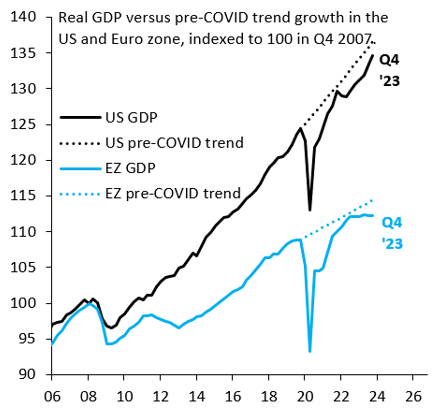
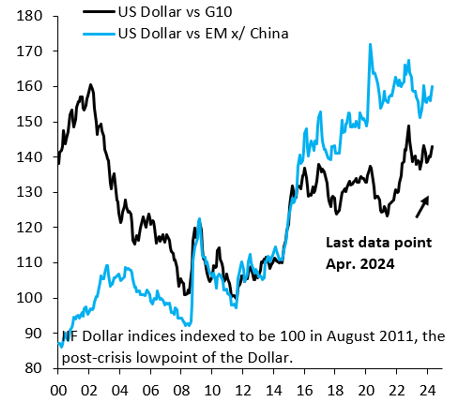
The US dollar is closing out the year with its sharpest decline in nearly a decade, and analysts suggest that this downward trend may continue into 2026. The Bloomberg Dollar Spot Index has fallen by 8.1% in 2025, marking its worst annual performance in eight years.

This decline accelerated following President Donald Trump’s announcement of sweeping tariffs in April, an event he referred to as “Liberation Day.” This move unsettled currency markets and triggered a sustained selloff of the dollar.

Since that announcement, the dollar has remained under pressure as investors reassess US trade policy, economic growth prospects, and global demand for dollar-denominated assets. With these concerns still prevalent, analysts predict that the currency could face further weakness as the new year approaches.

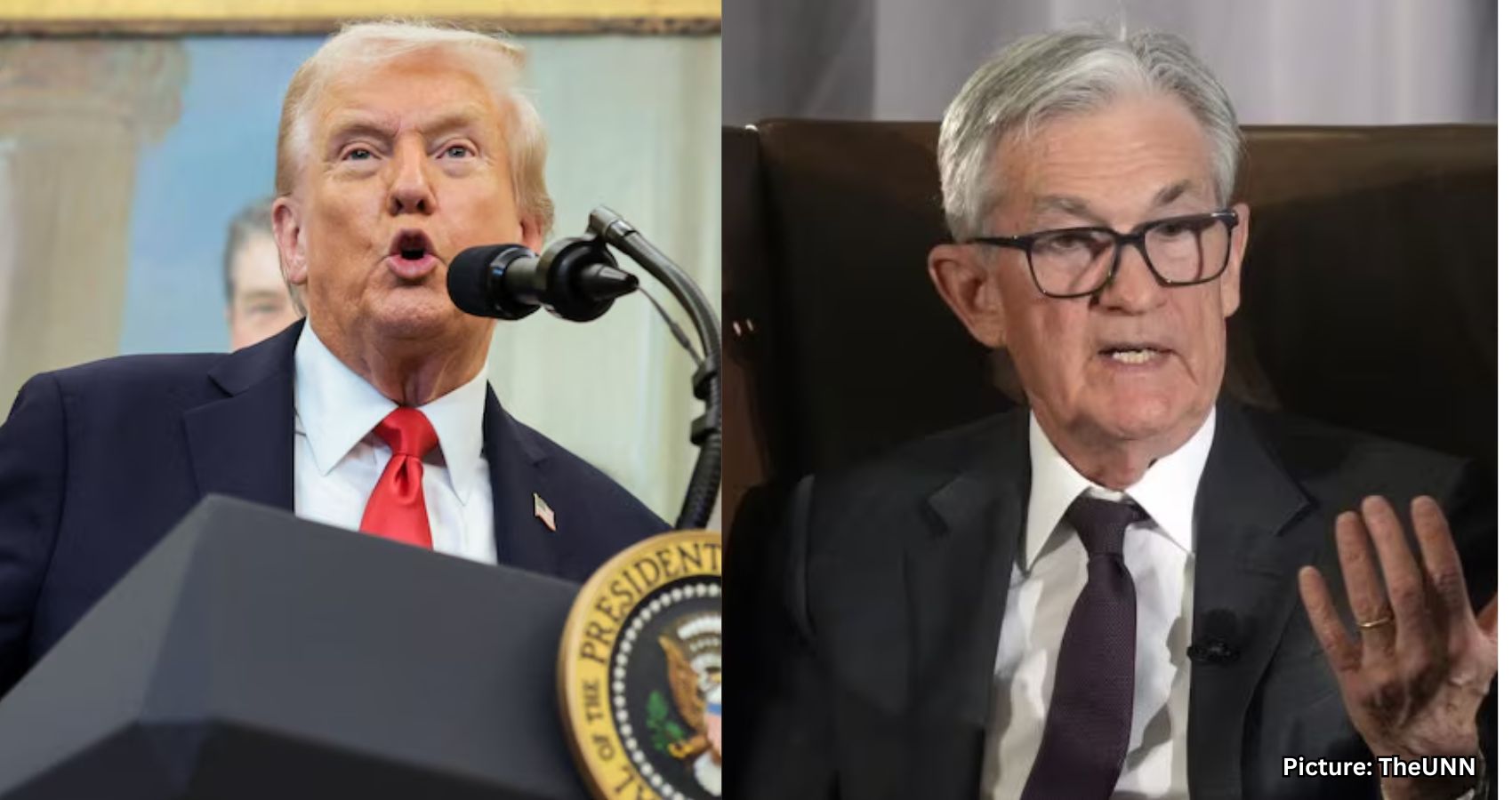
Uncertainty surrounding the Federal Reserve has also contributed to the dollar’s struggles. Trump has indicated that he desires a more flexible Fed chair to be appointed next year, which has added to the pressure on the dollar.

Yusuke Miyairi, a foreign exchange market analyst at Nomura, stated that the central bank will be a key driver for the currency in early 2026. “The biggest factor for the dollar in the first quarter will be the Fed,” he noted, emphasizing that the focus will not only be on the meetings scheduled for January and March but also on who will succeed Jerome Powell as Fed Chair when his term ends in May.

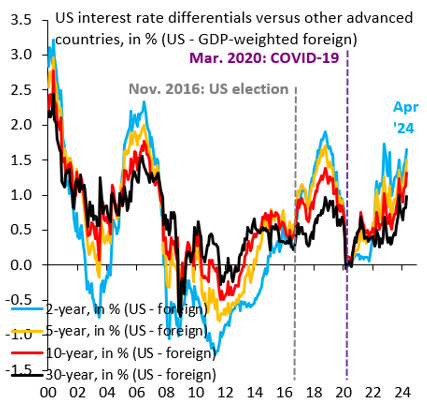
Market expectations are now factoring in at least two interest rate cuts in the US next year. This outlook risks putting American monetary policy out of sync with several other advanced economies, making the dollar less attractive to global investors seeking higher returns.

The euro has already begun to gain ground against the dollar, as inflation in Europe remains relatively contained. Additionally, expectations of increased defense spending are bolstering growth prospects in the region, leading investors to anticipate little chance of rate cuts in the near term.

In contrast, traders in Canada, Sweden, and Australia are positioning for possible rate hikes, highlighting how divergent the US policy path could become compared to its peers.

As the market closely monitors the Federal Reserve, speculation continues regarding who will take over from Jerome Powell. Trump has hinted that he has made a decision regarding the next Fed chair but has not disclosed the name. He has also suggested the possibility of removing Powell before the end of his term, further complicating the outlook for the dollar.

Kevin Hassett, who leads the National Economic Council, is widely regarded as the frontrunner for the Fed position. Trump has also mentioned Kevin Warsh, a former Fed governor, while other potential candidates include current Fed governors Christopher Waller and Michelle Bowman, as well as Rick Rieder from BlackRock.

Andrew Hazlett, a foreign currency trader at Monex Inc., commented, “Hassett would be more or less priced in since he has been the frontrunner for some time now, but Warsh or Waller would likely not be as quick to cut, which would be better for the dollar.”

Federal Reserve officials remain divided over the timing of the next rate cuts. Some members see room for additional reductions if inflation continues to ease, while others advocate for maintaining rates at their current levels for a longer period. These differing viewpoints were highlighted in meeting records released recently.

In December, the Fed voted 9-3 to lower its key rate by a quarter point, marking the third consecutive reduction. The benchmark rate now stands between 3.5% and 3.75%, as previously reported by Cryptopolitan.

As the new year approaches, the outlook for the dollar remains uncertain, with many factors at play that could influence its trajectory in 2026.

RBI to Inject $32 Billion, Improving Remittance Value for NRIs

The Reserve Bank of India plans to inject $32 billion into the banking system, potentially benefiting Non-Resident Indians by enhancing the value of their remittances.

The Reserve Bank of India (RBI) has announced plans to inject approximately $32 billion into the banking system over the next month. This move aims to ensure sufficient cash availability and maintain stable interest rates.

According to reports, the RBI will implement this liquidity infusion through two primary methods. First, it will purchase government bonds worth ₹2 trillion (approximately $22.34 billion) between December 29 and January 22, 2026. This action will increase the number of rupees in circulation.

Secondly, the RBI will conduct a $10 billion, three-year dollar-rupee buy/sell swap on January 13. This swap is designed to manage both the supply of dollars and the liquidity of rupees in the market.

“The intent is quite clear that the RBI wants to inject durable liquidity into the banking system,” stated Sakshi Gupta, principal economist at HDFC Bank. Gupta noted that seasonal factors and the central bank’s foreign exchange interventions have negatively impacted rupee liquidity. She believes that the size of this infusion should positively influence bond market sentiment in the near term.

As the RBI increases rupee liquidity, it may exert mild downward pressure on the rupee’s value. A weaker rupee could result in Non-Resident Indians (NRIs) receiving more rupees for each dollar they remit, making remittances more appealing in the short term. Typically, a softer rupee encourages higher remittance flows from NRIs, particularly for purposes such as investments, family support, or property acquisitions.

By easing liquidity conditions, the RBI aims to prevent domestic interest rates from rising sharply, which could limit potential increases in NRI deposit rates. The dollar-rupee swap is also intended to mitigate volatility, reducing the risk of sudden currency fluctuations that could disrupt remittance timing decisions.

This liquidity injection is expected to enhance the transmission of policy rates and stimulate credit growth. As liquidity increases, banks will have more resources available for lending, which generally leads to lower short-term interest rates, aligns overnight rates with the policy rate, and softens bond yields.

This year, the RBI has already infused a record ₹6.50 trillion into the economy through open market bond purchases and has conducted multiple dollar-rupee buy/sell swaps. The most recent swap occurred on December 16, involving $5 billion over three years.

A treasury head at a private sector bank commented, “We would see the 10-year benchmark bond yield moving below the 6.60% mark in early trades tomorrow. After that, the movement will depend on the choice of papers for next week’s open market operations.” The 10-year yield closed at 6.6328% on Tuesday.

Traders in the foreign exchange market believe that while the swap will help alleviate the recent upward pressure on forward premiums, it is unlikely to resolve the immediate challenges related to excess dollar liquidity as the year draws to a close.

“We expect the rate cut and open market operations-driven liquidity infusion to improve portfolio transmission and create greater room for lending to micro, small, and medium enterprises (MSMEs), retail borrowers, and the rural economy,” said Sarvjit Singh Samra, CEO of Capital Small Finance Bank. He added that the neutral stance of the RBI also brings policy predictability, allowing for more precise planning of asset-liability strategies.

This strategic liquidity injection by the RBI is poised to have significant implications for both the banking sector and NRIs, potentially enhancing the value of remittances and supporting economic growth.

According to Reuters, the RBI’s actions reflect a proactive approach to managing liquidity and ensuring stability in the financial system.

Next Commercial Real Estate Crisis Will Be Performance-Driven, Experts Say

The commercial real estate sector is facing a looming crisis driven by regulatory performance standards rather than traditional interest rate fluctuations, posing new financial risks for property owners.

As new building performance standards tighten across U.S. cities, the commercial real estate sector is confronted with a structural risk that is regulatory, cumulative, and largely unpriced. Unlike previous cycles that primarily responded to interest rate changes, the current landscape indicates a shift towards performance-driven challenges.

For decades, the commercial real estate market has followed a predictable cycle: rising interest rates lead to compressed values, tightened credit, slowed refinancing, and widespread stress across portfolios. However, a new risk is emerging—one that is deeply rooted in regulatory changes rather than market fluctuations.

Across the United States, various cities and states are implementing Building Energy Performance Standards (BEPS) that mandate existing buildings to meet specific energy or emissions thresholds. Notable examples include New York City’s Local Law 97, Boston’s Building Emissions Reduction and Disclosure Ordinance (BERDO), and similar regulations in Washington, D.C., and Montgomery County, Maryland. These policies are no longer isolated initiatives; they represent a broader regulatory shift that connects building performance directly to financial outcomes.

While the market continues to view these requirements primarily as compliance issues, they actually introduce a new category of systemic risk. The next commercial real estate correction is likely to be performance-driven rather than interest-rate driven.

A growing proportion of the commercial building stock is now subject to these standards, particularly larger office, multifamily, and mixed-use properties that are often institutionally owned and frequently refinanced. Public benchmarking data reveals that a significant number of covered buildings are already non-compliant or only marginally compliant with current thresholds. As these standards evolve and tighten over time, many buildings that meet compliance today may fail in future assessments unless substantial capital investments are made.

Compliance with performance standards is not a one-time hurdle; it is an ongoing obligation that escalates over the life of an asset. For buildings that do not meet compliance requirements, BEPS introduces recurring financial penalties directly tied to performance shortfalls. These penalties act as a new operating cost, diminishing Net Operating Income (NOI) each year they remain unresolved. Unlike deferred maintenance or optional upgrades, these costs are enforceable, predictable, and cumulative.

This financial exposure is exacerbated by rising and increasingly volatile energy costs. Buildings with poor energy performance face a dual impact—first from higher utility expenses and second from regulatory penalties that compound the financial burden. Many underwriting models still depend on relatively stable utility cost projections, an assumption that is becoming increasingly unreliable as energy markets tighten and demand for electrification grows. For inefficient buildings, energy costs and performance penalties reinforce each other, compressing cash flow well before refinancing pressures arise.

Despite these challenges, most commercial real estate underwriting frameworks are not equipped to price performance risk adequately. Traditional analyses focus on metrics such as rent, vacancy rates, operating expenses, Debt Service Coverage Ratio (DSCR), Loan-to-Value (LTV), and interest-rate sensitivity. While these tools are effective for assessing cyclical market risks, they provide limited insight into regulatory exposure linked to building performance.

Few lenders systematically evaluate projected BEPS penalties over the life of a loan, the timing and costs of necessary energy upgrades, or the likelihood that a building will remain compliant as standards tighten. Technical assessments are often considered optional, and potential penalties or energy savings are rarely factored into repayment capacity. Consequently, many assets continue to be valued and financed as if performance requirements are peripheral rather than central to their long-term viability.

This mispricing will become evident during refinancing. Between 2026 and 2030, a substantial volume of commercial real estate debt is set to mature. As these loans come due, lenders will need to reassess assets under a regulatory environment that now includes mandatory performance standards. Buildings with established compliance pathways and credible performance plans will likely secure refinancing, while those with unresolved performance gaps or escalating penalty exposure may face higher costs, stricter terms, or even failed refinancings.

This scenario illustrates how assets can become stranded—not due to a lack of tenants, but because they cannot economically meet regulated performance requirements within their existing capital structures.

The scale of this exposure is often underestimated. While per-square-foot penalties may seem manageable in isolation, they accumulate annually and interact with other financial pressures such as insurance costs, capital reserve requirements, and tenant expectations. When aggregated across portfolios and over multiple compliance cycles, performance penalties and unfunded retrofit obligations represent significant value at risk, particularly for older, fossil-fuel-dependent buildings that struggle to pass costs onto tenants.

Simultaneously, building performance is increasingly influencing financial outcomes. Energy performance directly impacts operating expenses, regulatory exposure, and the predictability of future cash flows. Enhancements in performance can lower energy costs, eliminate or avoid penalties, and stabilize NOI—factors that lenders and buyers increasingly value, even informally. Properties that proactively address performance issues retain liquidity and valuation flexibility, while those that delay face widening discounts and increasing refinancing difficulties.

Compounding this risk is the fact that many building owners are not leveraging existing resources designed to aid compliance. In various markets, technical assistance, performance planning, and lower-cost, long-term capital are available through green banks and similar public-purpose finance institutions. These resources are specifically intended to bridge structural gaps that traditional lending does not address, yet they remain underutilized across much of the building stock. As a result, performance risk is often perceived as unavoidable when, in reality, viable pathways to compliance exist but are not integrated early enough into asset planning and capital strategies.

This dynamic signifies a departure from previous commercial real estate cycles. While interest rates fluctuate, performance standards, once established, tend to tighten. Buildings that fail to adapt do not simply wait for market conditions to improve; they confront an escalating compliance curve that directly influences cash flow, valuation, and financeability.

Early signs of repricing are already emerging. Buyers are discounting assets with significant unfunded retrofit needs, and lenders are increasingly inquiring about energy performance, even as standardized underwriting frameworks lag behind. Owners are discovering that postponing action only increases both cost and complexity.

The commercial real estate industry has historically managed market volatility but is less prepared for the regulatory performance mandates that reshape asset economics over time. Building Energy Performance Standards introduce a new form of financial risk—recurring, escalating, and unevenly distributed across the building stock. Ignoring this risk does not delay its impact; it magnifies it.

The next disruption in commercial real estate will not be driven solely by interest rates or vacancy rates. It will stem from buildings that cannot meet mandatory performance standards and capital structures that were never designed for a regulated performance environment. Recognizing this shift early is not pessimism; it is prudent risk management.

According to The American Bazaar, the commercial real estate sector must adapt to these evolving challenges to ensure long-term viability and financial stability.

U.S. Federal Reserve Cuts Interest Rates for Second Consecutive Meeting

The U.S. Federal Reserve has lowered interest rates for the third time this year, aiming to support economic growth amid persistent inflation pressures.

The U.S. Federal Reserve has announced a reduction in its key lending rates, marking the third consecutive cut this year. On Wednesday, the central bank lowered the target for its primary lending rate by 0.25 percentage points, bringing it to a range of 3.50% to 3.75%. This adjustment represents the lowest level for interest rates in three years.

This decision reflects the Fed’s cautious approach to managing slowing economic growth alongside ongoing inflation concerns. While inflation has eased somewhat, it continues to exceed the Fed’s target of two percent. Concurrently, the labor market has shown signs of softening, characterized by slower hiring growth and a slight uptick in unemployment. In response, the central bank aims to ease monetary conditions to sustain economic momentum.

Fed Chair Jerome Powell emphasized the need for patience as the effects of the Fed’s three rate cuts this year unfold within the U.S. economy. He noted that policymakers will closely monitor incoming data leading up to the Fed’s next meeting scheduled for January.

“We are well-positioned to wait to see how the economy evolves,” Powell stated during a press conference.

The vote to lower rates was not unanimous, with three policymakers dissenting. One member advocated for a more substantial 50-basis-point cut, while others preferred to maintain current rates. This division illustrates the varying perspectives within the Fed regarding whether inflation or labor market weaknesses should dictate monetary policy.

Looking ahead, the Fed is reportedly projecting only one additional rate cut in 2026, indicating a more measured approach compared to the aggressive easing seen earlier in 2025. Growth forecasts have been modestly revised upward, but inflation expectations remain above the target, suggesting that the Fed will continue to exercise caution.

Powell described the current economic landscape as a “very challenging situation,” acknowledging the dual risks of rising inflation and unemployment. He remarked, “You can’t do two things at once.”

Market reactions to the announcement were positive, with U.S. stocks rising significantly. The Dow Jones Industrial Average gained nearly 500 points, while major indexes approached year-end highs. This surge reflects optimism that lower interest rates could stimulate consumer spending and investment.

For consumers and businesses, the rate cut may lead to reduced borrowing costs, potentially lowering rates on mortgages, auto loans, and credit cards. However, the full effects of these changes may take time to manifest.

The Federal Reserve’s latest move underscores its ongoing efforts to navigate a complex economic environment. By lowering the key lending rate to its lowest level in three years, the Fed signals a cautious strategy aimed at fostering growth while remaining vigilant about inflation risks.

As the economy continues to evolve, the broader impact of these rate cuts will depend on how households and businesses respond to the changing financial landscape.

According to The American Bazaar, the Fed’s actions reflect a careful balance between supporting economic activity and managing inflationary pressures.

PepsiCo Announces Price Cuts and Product Reductions Under New Strategy

PepsiCo is set to implement price cuts and streamline its product offerings following a deal with activist investor Elliott Investment Management, marking a strategic shift for the beverage giant.

PepsiCo, the renowned soft drink and snack company, is poised for significant changes as it enters a new agreement with activist investor Elliott Investment Management. This deal, announced on Monday, aims to reshape the company’s product lineup and pricing strategy.

Earlier this year, Elliott disclosed a stake of approximately $4 billion in PepsiCo, prompting the company to negotiate a deal to avoid a potential proxy fight. The agreement signals a strategic pivot in how PepsiCo will manage its offerings, pricing, and overall operational efficiency.

As part of this new strategy, PepsiCo plans to eliminate around 20% of its product offerings in the United States by early 2026. This decision reflects Elliott’s advocacy for a more streamlined and profitable portfolio, as well as PepsiCo’s acknowledgment of evolving consumer preferences and market dynamics.

The Purchase, New York-based company, known for its popular brands such as Cheetos and Tostitos, has committed to using the savings generated from these cuts to enhance marketing efforts and deliver better value to consumers. However, specific details regarding which products will be discontinued or the extent of the price reductions have not been disclosed.

In addition to reducing its product range, PepsiCo plans to lower prices on select items and simplify the ingredients used across its portfolio. The company aims to reinvest the savings from these measures into marketing and initiatives that enhance consumer value, striking a balance between cost-cutting and growth-oriented strategies.

PepsiCo also intends to accelerate the launch of new products featuring simpler and more functional ingredients. Notable upcoming offerings include Doritos Protein and Simply NKD Cheetos and Doritos, both of which will be free from artificial flavors and colors. Recently, the company introduced a prebiotic version of its flagship cola, further diversifying its product range.

The agreement also encompasses a comprehensive review of PepsiCo’s North American supply chain and internal operations. Analysts suggest that this review may lead to plant closures or workforce reductions, although PepsiCo has framed these changes as part of broader efforts to enhance operational efficiency and maintain competitiveness in a challenging consumer goods landscape.

Elliott’s involvement in this deal underscores the significant influence that activist investors can wield, particularly when they hold substantial stakes in iconic consumer brands. While the agreement provides immediate stability by averting a public proxy battle, it raises questions about its long-term implications.

It remains uncertain how consumers will react to a reduced selection of products, whether the anticipated cost savings will translate into meaningful revenue growth, and how competitors will respond in the rapidly changing beverage and snack markets.

Nonetheless, this partnership highlights a growing trend among major consumer companies to streamline their portfolios, optimize operations, and respond swiftly to activist investor pressures without compromising brand integrity.

The deal exemplifies the delicate balance between meeting shareholder expectations and pursuing long-term strategic objectives, illustrating how external influences can accelerate change within established corporations.

Moreover, the situation emphasizes the necessity for flexibility and responsiveness in corporate management, demonstrating that even large, well-established companies must continuously assess their portfolios, supply chains, and product strategies to remain relevant in an ever-evolving market.

According to The American Bazaar, this strategic shift at PepsiCo could redefine its market approach and influence the broader consumer goods industry.

Black Friday 2025: Amazon and Walmart Unveil Top Deals Amid Tariffs

Shoppers are facing a unique Black Friday in 2025, with major retailers like Amazon and Walmart offering discounts amid rising tariffs and increased costs.

Long Thanksgiving weekends evoke cherished memories filled with family traditions, from watching favorite TV shows to enjoying a festive turkey dinner. However, one tradition that many may not look forward to is the early morning rush to snag Black Friday deals.

This year, Black Friday falls on November 28, 2025, the day after Thanksgiving, which is celebrated on November 27. However, the shopping frenzy may be less intense as retailers grapple with the impact of tariffs and rising operational costs, leading to fewer significant discounts.

Across the United States, retailers are facing a challenging dilemma: should they slash prices to attract bargain-hunters or maintain profit margins and risk losing customers? Many are finding their ability to offer substantial holiday discounts severely limited due to sharply higher import tariffs that have increased both inventory and operational costs.

Lisa Cheng Smith, owner of Yun Hai Taiwanese Pantry in New York City, shared her experience with CBS News, noting that her supply costs have surged between 20% and 50% this year, largely due to higher U.S. tariffs on imports from Taiwan and other Asian countries. In previous years, her business offered a 15% discount on Black Friday, a tradition that she considers vital. However, this year, rising costs have made her uncertain about how much she can afford to discount. “It’s complicated because of tariffs and how the retail math works,” she explained. “What we do from October through December is equal to the whole rest of the year in terms of sales, so every day is more high stakes.”

Dan Peskorse, owner of Upstream Brands, which sells products on Amazon and other online platforms, echoed similar sentiments. He indicated that rising tariffs have forced him to rethink his Black Friday strategy. In the past, his company offered discounts of up to 30% on items like ThinkFit meal-prep bags and Ash Harbor home goods. However, this year marks the first time they will not provide across-the-board discounts, a decision he attributes entirely to tariffs.

Despite the challenges posed by rising costs and smaller discounts at some retailers, major players like Amazon, Walmart, Best Buy, and Target have begun to roll out significant price cuts, particularly on electronics. Amazon is featuring a wide array of Black Friday deals, with sitewide discounts reaching up to 70% on select items, including popular products like Bose headphones and DeWalt tool kits. Walmart has also introduced early Black Friday Rollbacks across various categories, with notable deals on televisions.

As shoppers prepare for this year’s Black Friday, they may find that while some discounts are still available, the landscape of holiday shopping has shifted due to economic factors. Retailers are navigating a complex environment where the balance between attracting customers and maintaining profitability is more crucial than ever.

With the holiday shopping season in full swing, consumers will need to stay informed about the best deals available while understanding the broader economic context that is shaping this year’s Black Friday experience.

Source: Original article

BHP Withdraws from Anglo American Merger Ahead of $60 Billion Vote

BHP has withdrawn its bid for Anglo American, opting to focus on its own growth strategy ahead of a crucial $60 billion merger vote involving Anglo and Teck Resources.

BHP Group Limited has officially abandoned its pursuit of a merger with rival Anglo American, just two weeks before shareholders of Anglo and Teck Resources are scheduled to vote on a significant $60 billion merger. The decision was announced on Monday following preliminary discussions with Anglo’s board.

The announcement came via a release to Australia’s securities exchange, shortly after news of the talks surfaced on Sunday. BHP’s move marks a strategic retreat as it seeks to bolster its dominance in the copper market.

Portfolio manager Andy Forster of Argo Investments in Sydney, which holds shares in BHP, expressed surprise at the company’s attempt to re-engage in merger discussions. “It’s a last throw of the dice for BHP,” he remarked, noting the unexpected nature of their renewed interest in a deal.

According to sources familiar with the situation, BHP had made its latest approach late last week, proposing a deal primarily composed of shares with a minor cash component. However, after Anglo rejected the offer, both companies agreed to keep the details of the proposal confidential.

Analysts at Berenberg noted that BHP’s bid for Anglo would have complicated the ongoing merger discussions between Anglo and Teck Resources. With BHP now stepping back, the risk of an interloper has significantly diminished, suggesting that the Anglo/Teck merger is likely to proceed, assuming it receives the necessary approvals.

BHP, headquartered in Melbourne, Australia, is one of the world’s largest mining and resources companies, with a history that dates back to 1885. The company operates across various commodities, including iron ore, copper, coal, and potash, and maintains a strong presence in key mining regions such as Australia, Chile, and the Americas.

In 2025, BHP reported robust production and profits, driven by strong demand for its commodities, particularly those linked to infrastructure, renewable energy, and food security. With a diversified portfolio and a focus on responsible resource development, BHP continues to position itself as a major player in the global mining sector, aiming to meet both current market demands and future growth opportunities.

Despite its decision to withdraw from the merger discussions, BHP remains confident in its growth plans. The company believes that a merger with Anglo would have provided “strong strategic merits,” yet it is now prioritizing its own operational efficiency and investment strategies.

BHP’s choice to step away from a potential merger underscores its commitment to pursuing its own growth strategy rather than engaging in complex consolidation efforts. While a combination with Anglo could have enhanced BHP’s copper portfolio and expanded its market influence, the decision highlights the inherent challenges and uncertainties associated with large-scale mergers, including the need for shareholder approval, regulatory scrutiny, and potential valuation disagreements.

By refocusing on operational efficiency and disciplined investment, BHP is signaling its confidence in its existing portfolio and long-term growth trajectory. This pragmatic approach balances strategic ambitions with risk management, emphasizing internal growth and sustainability while maintaining its position as a leading global mining company with a diversified and future-oriented resource base.

Source: Original article

A Trillion-Dollar AI Borrowing Surge May Lead to Credit Crunch

The rapid expansion of AI infrastructure is raising concerns about a potential credit crunch as companies increasingly rely on debt to fund their initiatives.

The race to build artificial intelligence (AI) infrastructure is accelerating at an unprecedented pace, but beneath the surface of this optimism lies a growing financial risk that has largely gone unnoticed outside of Wall Street. At the recent WSJ Tech Live conference in Laguna Beach, OpenAI CFO Sarah Friar suggested that the U.S. government may eventually need to intervene to support the massive wave of debt being utilized to fund AI expansion.

Friar’s comment hinted at a possible future bailout that would protect corporations and investors while shifting part of the financial burden onto taxpayers. Although she later clarified on LinkedIn that she meant partnership rather than a government guarantee, her statement exposed a stark reality: while the bond market is large enough to absorb AI-related borrowing, its appetite for risk may not align with the scale of the current AI spending frenzy.

The scale of this spending is indeed staggering. Analysts at JPMorgan estimate that AI-related investment-grade corporate bond issuance could reach $1.5 trillion by 2030. This figure is enormous when compared to the approximately $1.9 trillion in total U.S. corporate bonds issued annually since 2020.

In the current year alone, U.S. companies have already issued over $200 billion in AI-linked bonds, accounting for about 10% of the entire corporate bond market. Major tech giants are spearheading this charge, with notable bond sales including:

Amazon, which filed a $15 billion bond sale in November; Alphabet, which raised $25 billion earlier in the month with bonds maturing up to 50 years; Meta, which brought in $30 billion in October; and Oracle, which issued $18 billion in September.

Interestingly, these companies do not require the cash, as they are sitting on substantial reserves. For instance, Meta has $44.5 billion in cash and equivalents, while Alphabet and Amazon each have nearly $100 billion.

This is precisely why Friar’s remark unsettled markets. If investor enthusiasm begins to wane, even these blue-chip borrowers may find themselves needing to offer higher yields or more attractive deal terms, which would drive borrowing costs up across the market.

Evidence of this trend is already surfacing. Analysts at Janus Henderson have noted that Alphabet and Meta had to pay 10 to 15 basis points more on recent bond deals compared to earlier issuances. Following Meta’s bond sale, demand for Oracle’s new bonds dropped significantly, with its 2055 bonds experiencing an 11 basis point widening in spreads within just a week.

What appears to be an AI financing boom could easily lead to a broader credit tightening.

The risk of a concentrated debt market is becoming increasingly apparent. Gil Luria, head of tech research at D.A. Davidson, believes that while tens of billions in AI-related borrowing is manageable, hundreds of billions could crowd out other companies that need to raise funds.

Investors typically rely on diversification to mitigate major losses. However, when numerous companies depend on the same AI-driven spending model, diversification becomes ineffective. Analysts at S&P Global Ratings warn that if demand for AI computing slows, tech, media, and telecom issuers could all face simultaneous stress.

Todd Czachor of Columbia Threadneedle draws a parallel to the shale boom, which funneled $600 billion into a single sector and reshaped global credit markets. He estimates that AI infrastructure spending could reach $5.7 trillion, an expansion he describes as being “on a different planet.”

With such a significant amount of debt entering the market simultaneously, even financially robust corporations could inadvertently increase spreads across entire sectors, tightening credit conditions for all.

Portfolio rules further exacerbate the issue. Bond funds, pensions, and insurers often have strict limits on how much exposure they can take to a single issuer or sector. While these constraints are designed to protect investors, they also hinder new entrants when one industry dominates issuance.

Index rules reflect this reality as well. For instance, MSCI and Fidelity cap any single issuer at approximately 3%, while MarketAxess employs a 4% limit. iShares corporate bond ETFs follow similar 3% issuer caps. Currently, these ceilings have not been breached—Oracle sits at 2% of the main iShares fund, and Meta is just above 1%. However, AI-related issuance is accelerating rapidly.

Private credit was initially expected to absorb a portion of the AI buildout, but early defaults in unrelated sectors have made lenders more cautious. Private credit managers cite diversification limits as a significant barrier, as funds cannot allocate too much capital to data center or AI infrastructure deals.

Wellington Management estimates that private markets may only absorb $200 to $300 billion of total AI funding, which falls far short of what is needed. This situation shifts the burden back to the public bond market, where spreads are already widening.

Portfolio guidelines often track issuer exposure rather than thematic exposure, meaning funds can legally hold multiple 3% allocations across companies like Alphabet, Meta, Microsoft, and Oracle—while unknowingly concentrating all their risk in a single theme: the AI megacycle. “This is one huge bet,” warns Khurana.

Khurana argues that the surge in debt from big tech has already pushed spreads higher, and if another high-quality AI borrower offers an unusually attractive yield, it could reset the entire corporate bond market. Investors would flock to safer AI issuers and abandon lower-quality names.

Who stands to be most exposed in this scenario? Telecom giants such as AT&T (BBB) with $150 billion in outstanding debt, Comcast (A-) with $100 billion, and Verizon (BBB+) with $120 billion are among the largest and most frequent issuers. If forced to compete with high-yielding AI bonds, they may face soaring borrowing costs or even lose access to funding altogether.

The risk does not end there. If AI borrowers continue to dominate issuance, liquidity could drain from other sectors, yields could spike, and diversification screens could exclude entire industries. What seems to be a financing boom for the future of computing may ultimately become the catalyst for the next major credit crunch.

Source: Original article

DECLINE IN CRYPRO MARKET PRICES

The global cryptocurrency market capitalization currently stands at $3.32 trillion, representing about 1% decline over the past 24 hours.
Over the last month, long-term investors have sold approximately 815,000 Bitcoins, marking the highest transaction volume since January 2024.
Cryptocurrencies are digital or virtual currencies created through blockchain technology and computer programming. It is estimated that more than a thousand cryptocurrencies exist worldwide, with Bitcoin being the most widely accepted and valued.
Several countries have recognized cryptocurrencies as legal tender; however, most individuals regard them primarily as investment assets. A significant challenge facing the sector is the absence of comprehensive regulatory oversight. Unlike traditional fiat currencies regulated by authorities such as the Reserve Bank of India, cryptocurrencies lack a centralized regulatory body.
Currently, cryptocurrencies, including Bitcoin, are experiencing an extraordinary crisis. The value of Bitcoin, the leading cryptocurrency, has decreased by approximately 25-30% within the past month. Its price has fallen from an all-time high of $126,000 to approximately $91,040. Investors have incurred losses amounting to roughly 1.2 trillion units during this period.
While the decline is evident across the cryptocurrency market, Bitcoin has experienced the most significant downturn. Experts suggest that this decline does not indicate a complete collapse but rather a market adjustment. Conversely, some analysts interpret this as further evidence of the inherent volatility characteristic of cryptocurrencies.
According to a report by Reuters, many long-term investors have opted for profit-taking amid prevailing uncertainty, which could exacerbate the downward trend.
In the past 30 days, the sale of 815,000 Bitcoins by long-term investors has been recorded—a transaction volume not seen since January 2024. Critics of cryptocurrencies argue that the sector is currently engulfed in a climate of heightened fear and that more substantial evidence is required to substantiate claims of stability.
When it comes to the future of money, there is a growing consensus that cryptocurrencies are set to play a major role. One cryptocurrency, in particular, has entered the public lexicon as the go-to digital asset: Bitcoin! Invest responsibly.

Billionaire Investor Warren Buffett Plans Departure from Berkshire Hathaway

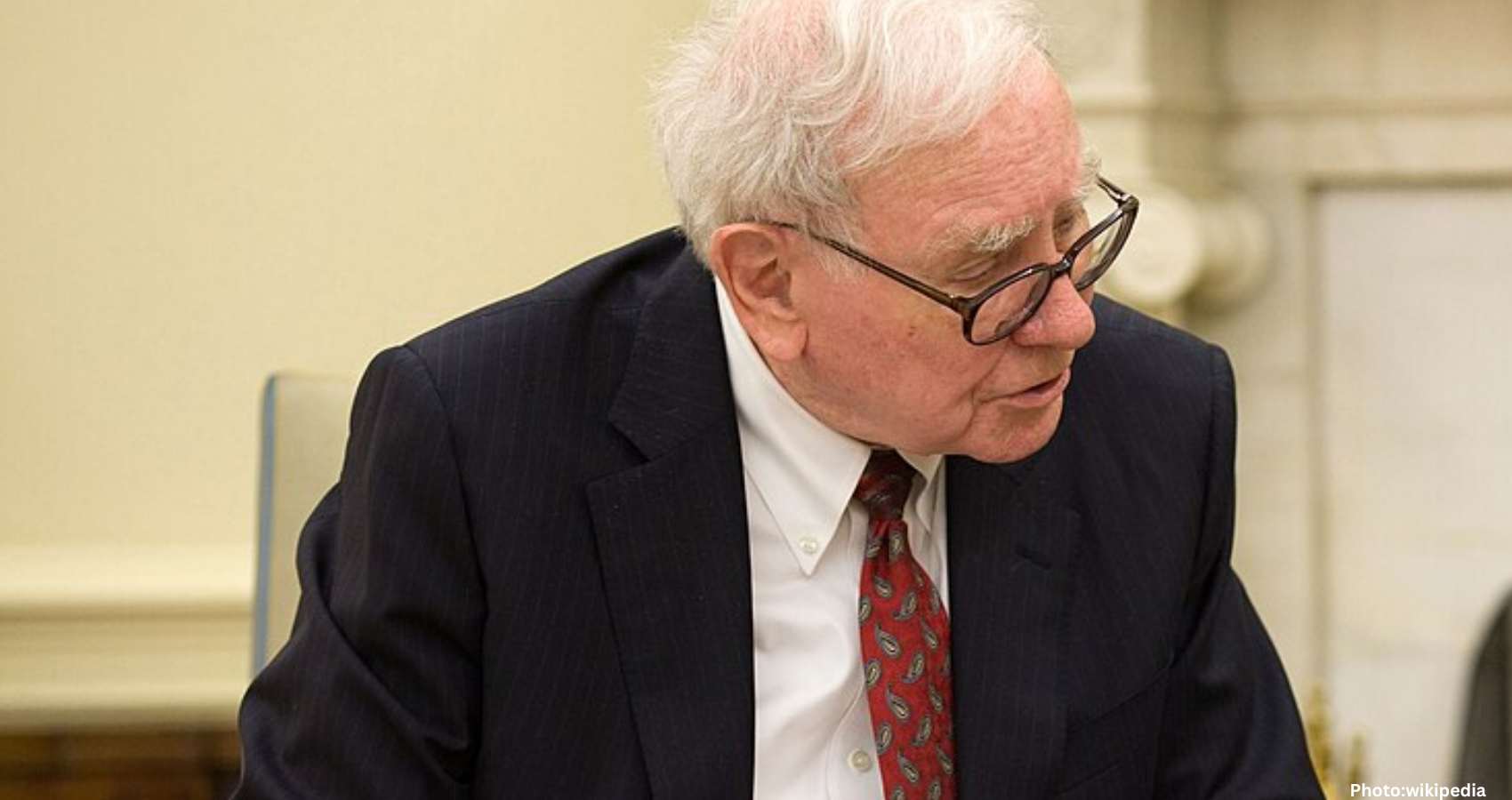
Billionaire investor Warren Buffett, at 95, is preparing to step down as CEO of Berkshire Hathaway, acknowledging the realities of aging while reflecting on his legacy in the investment world.

Warren Buffett, the 95-year-old chairman and CEO of Berkshire Hathaway, announced on Monday that he is preparing to step down from his role at the renowned investment firm. In a candid reflection on aging, Buffett stated that “becoming old” is “not to be denied.”

Despite his age, Buffett expressed that he generally feels good, although he acknowledges some physical limitations. “Though I move slowly and read with increasing difficulty, I am at the office five days a week, where I work with wonderful people,” he wrote. He humorously noted, “I was late in becoming old … but once it appears, it is not to be denied.”

Buffett, often referred to as the Oracle of Omaha for his remarkable track record in stock picking, provided a rare update on his health as he prepares for his hand-picked successor, Greg Abel, to take over leadership at the end of this year.

Born on August 30, 1930, in Omaha, Nebraska, Buffett displayed an early aptitude for business and investing, purchasing his first stock at the age of 11. He furthered his education at the University of Nebraska and later studied under Benjamin Graham at Columbia University, where he learned the principles of value investing. This approach emphasizes buying undervalued companies with strong fundamentals and holding them for the long term.

Buffett began his investment career through partnerships, gradually building his expertise and reputation for disciplined investing. In the early 1960s, Berkshire Hathaway, originally a struggling textile manufacturer, caught his attention. Buffett began acquiring shares in 1962, initially attracted by the company’s liquidation value. By 1965, he had taken majority control and shifted the company’s focus from textiles to investments and acquisitions.

Under Buffett’s leadership, Berkshire Hathaway transformed into a diversified holding company, acquiring various businesses, including insurance firms like GEICO, railroads such as BNSF Railway, utilities, and consumer brands. His disciplined approach to capital allocation has been a hallmark of the company’s success.

Buffett’s investment philosophy centers on acquiring companies with durable competitive advantages, competent management, and clear intrinsic value. Over the decades, this strategy has turned Berkshire Hathaway into a multibillion-dollar conglomerate, showcasing the effectiveness of long-term value investing.

As of 2025, Berkshire Hathaway remains a benchmark for investors globally. Buffett’s careful stewardship has left a legacy characterized by disciplined investing, strategic acquisitions, and the importance of patience, integrity, and vision in business.

The company is well-known for its disciplined acquisition strategy, focusing on businesses that generate consistent cash flow. Among its most notable acquisitions is Precision Castparts, purchased for approximately $37.2 billion in 2016. The acquisition of BNSF Railway in 2010, valued at around $34 billion including debt, marked a significant move into the transportation sector.

Other major acquisitions include Heinz/Kraft Heinz for $28 billion in 2013, General Re for $22 billion in 1998, and Alleghany Corporation for $11.6 billion in 2022. These transactions highlight Berkshire’s ongoing focus on insurance and reinsurance.

Berkshire has also made substantial investments in utilities and energy, with purchases such as Dominion Energy’s gas transmission assets for $10 billion in 2020 and Pacificorp for $9.4 billion in 2005. These acquisitions reflect Buffett’s preference for stable, regulated industries that provide predictable cash flow and long-term stability, aligning with the company’s conservative investment philosophy.

In the chemicals and manufacturing sectors, the $9.7 billion acquisition of Lubrizol in 2011 expanded Berkshire’s exposure to specialty chemicals, complementing its industrial and consumer businesses. These acquisitions underscore Buffett’s focus on companies with strong competitive advantages and predictable earnings.

Berkshire Hathaway’s investment strategy is not limited to wholly-owned acquisitions. The company is renowned for its strategic minority equity stakes, particularly in Coca-Cola since 1988 and Apple since 2016. These long-term investments allow Berkshire to benefit from high-performing companies while maintaining a diversified portfolio.

Buffett’s philosophy emphasizes acquiring businesses with strong cash flow and durable competitive advantages. He favors companies with consistent earnings, capable management, and straightforward business models. This strategy has guided Berkshire in blending wholly-owned companies with minority stakes to create a diversified and resilient investment portfolio.

Even with large-scale acquisitions, Berkshire maintains a conservative financial structure. Some figures related to acquisitions may not reflect the most recent adjustments, such as impairments or changes in stake values, particularly for Kraft Heinz. This transparency ensures the company’s financial stability while pursuing long-term growth opportunities.

As Buffett prepares to step down, his legacy as one of the most successful investors in history is firmly established, leaving an indelible mark on the investment landscape.

Source: Original article

Morgan Stanley Expands Private Market Presence with EquityZen Acquisition

Morgan Stanley plans to acquire EquityZen, a platform for trading private company shares, reflecting the growing interest in private markets and pre-IPO investment opportunities.

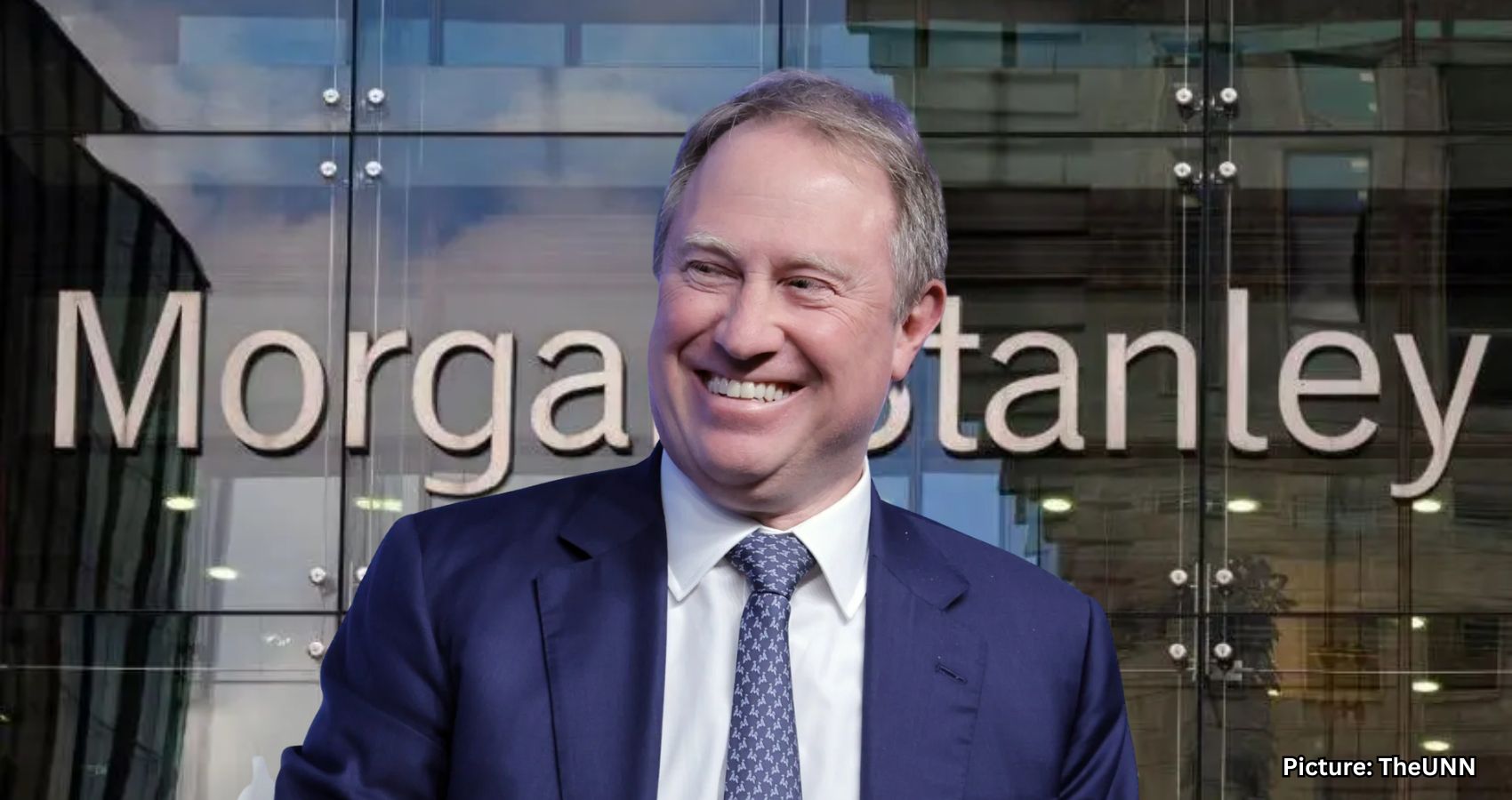
Morgan Stanley has announced its intention to acquire EquityZen, a New York-based platform that facilitates trading in private company shares. This strategic move underscores Wall Street’s increasing focus on private markets and the rising demand among investors to engage with promising startups before they go public.

The acquisition represents the first significant deal under the leadership of CEO Ted Pick and is expected to be finalized in early 2026, pending regulatory approval. Financial details of the transaction have not been disclosed.

By integrating EquityZen’s platform and technology into its operations, Morgan Stanley aims to enhance its ability to provide clients with broader access and services in the private equity and pre-IPO market sectors.

Founded in 2013, EquityZen has successfully completed over 49,000 transactions involving more than 450 private companies. The platform serves a community of over 800,000 registered users, connecting shareholders of private firms with accredited investors eager to gain exposure to pre-IPO opportunities. This market segment has experienced rapid growth as many startups opt to delay their public listings.

Jed Finn, head of Morgan Stanley Wealth Management, emphasized that the acquisition will “uniquely address client needs as companies stay private longer, such as delivering liquidity solutions for their employees and early investors in a seamless yet controlled process of their own design.”

Finn further noted that this collaboration will provide “institutional-grade infrastructure to a marketplace that hasn’t always been easy to navigate for buyers or sellers and certainly not for the issuers.”

The acquisition comes amid a surge in investor interest in pre-IPO shares, particularly within fast-growing technology and AI-driven sectors. High-profile listings from companies like CoreWeave and Figma have heightened demand for access to private firms, resulting in a significant increase in trading activity on platforms like EquityZen. Data from the company indicates that EquityZen’s secondary market trading volume more than doubled in the third quarter compared to the same period last year.

Michael Gaviser, head of private markets at Morgan Stanley Wealth Management, stated, “We are seeing rising interest in private markets exposure across our 20 million clients. EquityZen is the link that connects supply and demand through a seamless, technology-driven solution, broadening the toolset we provide Workplace clients while expanding opportunities for advisors and their clients.”

The deal is also poised to benefit private companies and their employees by simplifying the management of equity and liquidity events. EquityZen’s issuer-centric approach will allow firms to maintain control over the timing and structure of share transactions, integrating smoothly with Morgan Stanley’s existing cap table management tools.

For Morgan Stanley, this acquisition reinforces its broader strategy to strengthen relationships with private market participants. This initiative follows previous efforts, including a collaboration with equity management firm Carta and the establishment of a Founders Specialist designation aimed at better serving entrepreneurs and executives in the private sector.

A Morgan Stanley spokesperson informed Bloomberg that the firm anticipates approximately $100 million in integration expenses related to the EquityZen acquisition over the next two years.

Source: Original article

Federal Reserve Lowers Interest Rates Again Amid Slowing Labor Market

The Federal Reserve has cut interest rates by 25 basis points in October 2025, marking a significant shift in monetary policy to address a slowing labor market.

The Federal Reserve made a pivotal decision during its October 2025 meeting, reducing interest rates by 25 basis points. This adjustment brings the benchmark federal funds rate down to a range of 3.75% to 4.0%. This move marks the second consecutive rate cut this year, indicating a clear shift in monetary policy aimed at bolstering the slowing U.S. labor market.

Despite inflation remaining above the Federal Reserve’s target of 2%, recent economic data reveals a trend of softer job growth and increasing unemployment pressures. The unemployment rate reached 4.3% in August, the highest level since late 2021. Additionally, nonfarm payroll additions have significantly slowed, raising concerns about the sustainability of wage growth and overall economic momentum. Compounding these issues, an ongoing government shutdown has limited access to key economic data that typically informs policy decisions, adding further uncertainty to the economic landscape.

The Federal Reserve’s decision to cut rates was supported by 10 out of 12 members of the Federal Open Market Committee (FOMC). However, there were dissenting voices among the committee, with some members advocating for a larger half-point cut or suggesting that rates should remain unchanged. In conjunction with the rate cut, the Fed announced it would conclude its balance sheet reduction program by December 1, effectively halting its Quantitative Tightening efforts after reducing its portfolio by $2.5 trillion since 2022.

Federal Reserve Chair Jerome Powell expressed cautious optimism but recognized the delicate balance the central bank must maintain between combating inflation and supporting employment. While inflation has shown some signs of moderation, Powell noted that it still presents risks, particularly in light of recent price increases linked to tariffs.

Looking ahead, any further adjustments to interest rates will heavily depend on evolving data trends related to inflation and labor market conditions. Although some FOMC members anticipate additional cuts before the year concludes, the path forward remains uncertain amid conflicting economic signals.

Source: Original article

Fed Chair Jerome Powell Indicates Possible Rate Cuts Due to Hiring Slowdown

Federal Reserve Chair Jerome Powell has signaled potential interest rate cuts in response to a slowdown in U.S. hiring, despite a low unemployment rate.

Federal Reserve Chair Jerome Powell has indicated that the central bank may implement additional interest rate cuts, citing a notable slowdown in U.S. hiring as a key factor. While the unemployment rate currently stands at a low 4.3%, the recent deceleration in job growth suggests that the economy may still require stimulus to maintain its momentum.

In a recent speech, Powell acknowledged that inflation remains a concern; however, the diminished pace of hiring has shifted the Fed’s focus towards supporting employment. He emphasized that without a robust labor market, the broader economy could face significant challenges.

Economists interpret Powell’s remarks as a strong indication that the Federal Reserve is leaning towards further rate cuts, potentially starting at its next meeting. These anticipated cuts aim to reduce borrowing costs, thereby encouraging investment and consumption to bolster economic activity.

The Fed’s decision-making process will also take into account other economic indicators, including inflation trends and global economic conditions, to determine the most appropriate course of action.

Source: Original article

Indian Textile Exporters Face Challenges Amid US Tariffs and Weak Demand

The Indian textile sector is facing significant challenges due to high U.S. tariffs and weak demand, impacting festive season orders and pricing strategies.

New Delhi, September 16 (ANI) — The Indian textile industry is grappling with declining festive demand from the United States, exacerbated by a steep 50 percent tariff on imports. A recent report by Systematic Research highlights the difficulties faced by exporters in raising prices amidst this challenging landscape.

The report indicates that if the 50 percent tariff remains in place, U.S. retailers may be compelled to renegotiate pricing with their suppliers. Consequently, Indian manufacturers are likely to absorb a considerable portion of the increased costs, further straining their profit margins.

The U.S. market is crucial for Indian textile exports, accounting for approximately 8-10 percent of the country’s ready-made garment (RMG) revenues. However, the recent tariff hikes are anticipated to hinder growth in the fiscal year 2026. Export orders are under pressure as retailers seek sharper price points, which could compress realizations for Indian suppliers.

Indian exporters are also contending with stiff competition from neighboring countries like Bangladesh, which benefit from lower tariff rates. This competitive disadvantage could further impact India’s market share in the U.S.

The situation is compounded by weak demand in the U.S., making it increasingly difficult for Indian manufacturers to implement price increases. There is growing uncertainty regarding inventory levels at major U.S. retailers, such as Walmart and Target, although some improvement was noted in July. The upcoming festive season, particularly the restocking efforts in October, will be critical to monitor.

Despite the challenges, the report suggests that while other countries may not be able to immediately replace Indian suppliers due to limited capacity, Indian exporters will still face short-term pressures. U.S. retailers are expected to exercise caution in placing festive season orders.

However, India maintains certain advantages in value-added categories such as fashion apparel, embellished products, and complex stitching styles. Competitors like Bangladesh and Vietnam have limited capacity in these segments, providing some insulation for Indian exporters.

India’s integrated supply chain and ability to offer just-in-time deliveries continue to be attractive features for local brands, ensuring continuity in relationships even during periods of weaker demand. Nevertheless, the outlook for the RMG industry remains resilient despite the steep U.S. tariffs, largely due to strong domestic demand.

The report emphasizes the importance of internal demand, noting that the domestic market contributes 70-75 percent of revenues, serving as a robust buffer against external shocks. Rising discretionary consumption, supported by sustained economic growth, softening inflation, accommodative monetary policy, and GST cuts on low-ticket garments, is driving healthy demand.

Early trends in apparel sales and production for fiscal year 2026 indicate a favorable consumption environment, despite modest pressure on RMG margins due to the tariff shock. Exporters may need to absorb some of the costs, as U.S. retailers are reluctant to bear the majority of the burden, leading to a shared impact across the value chain.

As the festive season approaches, the Indian textile sector will need to navigate these challenges carefully to maintain its position in the global market.

Source: Original article

Groww Secures SEBI Approval for IPO, Aiming to Raise Up to $1 Billion

Groww, the Bengaluru-based investment platform, has received approval from Sebi to launch its IPO, aiming to raise between USD 700 million and USD 1 billion.

New Delhi: Billionbrains Garage Ventures, the parent company of the stock broking firm Groww, has secured approval from the Securities and Exchange Board of India (Sebi) to launch its initial public offering (IPO). The company aims to raise between USD 700 million and USD 1 billion, according to industry sources familiar with the development.

This approval marks a significant step for Groww, positioning it for one of the largest fintech listings in India. The proposed IPO will consist of a combination of a fresh issue of equity shares and an offer for sale (OFS) component.

In May, Billionbrains Garage Ventures filed a draft red herring prospectus (DRHP) with Sebi through a confidential pre-filing route. This approach allows companies to keep IPO details private until later stages, a strategy that is gaining popularity among Indian firms seeking flexibility in their IPO plans.

Backed by prominent investors such as Peak XV, Tiger Capital, and Microsoft CEO Satya Nadella, Groww plans to utilize the proceeds from the IPO for technology development and business expansion. This funding will help the company enhance its platform and services to better serve its growing client base.

Founded in 2016, Groww has rapidly established itself as India’s largest stock broker, boasting over 12.3 million active clients and holding more than 26 percent of the market share as of August 2025. The company has demonstrated impressive financial performance, reporting revenues of Rs 4,056 crore and a profit after tax of Rs 1,818 crore for the fiscal year 2025, according to filings with the Registrar of Companies (ROC).

Recently, Groww also completed a USD 200 million funding round, achieving a valuation of USD 7 billion. This round saw participation from Singapore’s sovereign wealth fund GIC and existing investor Iconiq Capital, further solidifying Groww’s financial standing in the competitive fintech landscape.

As Groww prepares to move forward with its IPO, it has appointed several financial institutions to manage the offering. These include JP Morgan India Private Ltd, Kotak Mahindra Capital Company Ltd, Citigroup Global Markets Private Ltd, Axis Capital Ltd, and Motilal Oswal Securities Ltd.

With the approval from Sebi, Groww is poised to file its updated DRHP publicly in the coming weeks, marking an exciting new chapter for the company and its stakeholders.

Source: Original article

Nifty Drops Below 25,000 as Sensex Falls Under 82,000 in Early Trading

Indian stock markets faced a downturn on Friday, primarily due to selling activity by Foreign Portfolio Investors, which negatively impacted investor sentiment.

Indian stock markets experienced a notable decline on Friday, with the Nifty index falling below the 25,000 mark and the Sensex slipping under 82,000. This downturn was largely attributed to increased selling by Foreign Portfolio Investors (FPIs), which has significantly affected overall investor sentiment.

The market’s reaction reflects broader concerns among investors regarding economic conditions and potential volatility in the financial landscape. FPIs, which play a crucial role in the Indian equity market, have been net sellers recently, contributing to the downward pressure on stock prices.

As investors assess the implications of these sales, market analysts are closely monitoring the situation for any signs of recovery or further declines. The sentiment among traders remains cautious, with many looking for indicators that could signal a stabilization in the markets.

Overall, the selling trend by FPIs has raised questions about future investment flows and the potential impact on market performance in the coming weeks. Investors are urged to stay informed and consider the broader economic context as they navigate these turbulent market conditions.

According to NDTV, the situation underscores the importance of understanding market dynamics and the influence of external factors on domestic trading activities.

Source: Original article

Income Tax Department Launches Online Filing for ITR Form 3

The Income Tax Department has announced the online filing of ITR Form Number 3, benefiting taxpayers with various income sources.

The Income Tax Department has officially enabled the online filing of ITR Form Number 3. This development is particularly significant for taxpayers who derive income from business activities, share trading, or investments in unlisted shares.

With the introduction of this online filing option, taxpayers can now conveniently submit their ITR-3 through the e-filing portal. This move aims to streamline the tax filing process and enhance accessibility for individuals and businesses alike.

Taxpayers who fall under this category are encouraged to take advantage of the new system, which is designed to simplify the filing experience. The online platform not only facilitates easier submission but also allows for quicker processing of tax returns.

The ITR-3 form is specifically tailored for individuals and Hindu Undivided Families (HUFs) who have income from a business or profession. It is also applicable to those who earn income from capital gains, particularly from share trading and investments in unlisted shares.

As the tax season approaches, the Income Tax Department’s initiative to enable online filing is expected to significantly reduce the burden on taxpayers. This enhancement aligns with the government’s broader efforts to digitize tax processes and improve overall efficiency in tax administration.

Taxpayers are advised to visit the official e-filing portal to access the new ITR-3 form and to ensure they meet all necessary requirements for filing. This development marks a positive step towards making tax compliance more user-friendly and accessible for all.

According to NDTV, the online filing option is part of the department’s ongoing commitment to modernize tax services and provide taxpayers with the tools they need for efficient filing.

Source: Original article

Ambuja Cements Reports Strong Performance for FY 2025-26

Ambuja Cements has reported record quarterly sales of 18.4 million tonnes for the first quarter of FY 2025-26, marking a 20 percent increase compared to the previous year.

Ambuja Cements has kicked off the financial year 2025-26 with impressive results, achieving its highest quarterly sales to date. The company reported sales of 18.4 million tonnes, reflecting a significant 20 percent increase year-on-year.

This robust performance underscores Ambuja Cements’ strong market position and operational efficiency. The growth in sales is indicative of the company’s strategic initiatives and its ability to meet rising demand in the construction sector.

As the company continues to expand its footprint, it remains focused on enhancing production capabilities and optimizing supply chain operations. The increase in sales volume not only highlights Ambuja’s commitment to growth but also its resilience in a competitive market.

The strong quarterly results are expected to bolster investor confidence and position Ambuja Cements favorably for future growth opportunities. The company aims to sustain this momentum throughout the fiscal year, leveraging its established brand and market presence.

Overall, Ambuja Cements’ performance in the first quarter of FY 2025-26 sets a positive tone for the remainder of the year, as it continues to adapt to market dynamics and consumer needs.

Source: Original article

Adani Realty Tops Hurun Real Estate List as Most Valuable Unlisted Firm

Adani Realty has been recognized as the most valuable unlisted real estate company in the ‘2025 GROHE-Hurun India Real Estate 150 list’, announced on Thursday.

Adani Realty has reaffirmed its status as the leading unlisted real estate firm in India, according to the recently released ‘2025 GROHE-Hurun India Real Estate 150 list’. This announcement was made on Thursday, highlighting the company’s significant position in the real estate sector.

The Hurun Report, known for its comprehensive rankings and insights into various industries, has consistently recognized Adani Realty for its robust performance and growth in the competitive real estate market. The 2025 list underscores the company’s continued success and its ability to navigate the challenges of the industry.

Adani Realty’s commitment to quality and innovation has played a crucial role in its ascent to the top of the unlisted real estate rankings. The company has been involved in numerous high-profile projects, contributing to its reputation and financial strength.

As the real estate market evolves, Adani Realty’s strategic initiatives and focus on customer satisfaction have set it apart from its competitors. The firm’s ability to adapt to changing market dynamics while maintaining high standards has been pivotal in achieving this recognition.

This accolade not only reflects Adani Realty’s current standing but also signals its potential for future growth in the real estate sector. The company is poised to continue its upward trajectory, leveraging its strengths to capitalize on emerging opportunities.

According to the Hurun Report, the 2025 GROHE-Hurun India Real Estate 150 list serves as a benchmark for assessing the performance and value of real estate companies across the country. Adani Realty’s position at the top of this list reinforces its status as a leader in the industry.

As the real estate landscape continues to change, stakeholders and investors will be closely watching Adani Realty’s next moves, eager to see how the company will maintain its leadership position in the years to come.

Source: Original article

Banks to Clear Cheques Within Hours Starting October 4, RBI Announces

The Reserve Bank of India will implement a new system on October 4 that allows for the clearance of cheques within hours, significantly shortening the current processing time.

The Reserve Bank of India (RBI) is set to revolutionize the cheque clearance process with a new mechanism that will take effect on October 4. This initiative aims to reduce the time it takes for cheques to clear from the current period of up to two working days to just a few hours.

This change is expected to enhance the efficiency of banking operations and improve customer satisfaction by providing quicker access to funds. The RBI’s decision comes in response to the growing demand for faster financial transactions in an increasingly digital economy.

With this new system, customers will benefit from a more streamlined process, allowing them to manage their finances with greater ease. The move aligns with the RBI’s broader goal of modernizing the banking sector and ensuring that it meets the needs of today’s consumers.

As the banking landscape continues to evolve, the RBI’s initiative represents a significant step forward in enhancing the speed and reliability of cheque transactions. This change is likely to have a positive impact on both individual customers and businesses that rely on cheque payments.

According to industry experts, the introduction of this mechanism could lead to a shift in how people view cheque payments, making them a more viable option for everyday transactions. The RBI’s commitment to improving the banking experience is evident in this latest development.

Overall, the implementation of quicker cheque clearance is a welcome change for many, as it promises to reduce delays and improve overall banking efficiency.

Source: Original article

IMF Affirms India’s Economic Strength Despite Trump’s Tariffs

India’s significant economic prowess, underscored by its ranking as the third-largest economy by purchasing power parity (PPP) according to the International Monetary Fund (IMF), highlights its increasing global influence amid U.S. tariff policies.

At a recent high-level press briefing in Washington, President Donald Trump faced a question about why tariffs were being imposed on India rather than China, despite China’s higher imports of Russian oil. After a brief pause, President Trump deflected the question and moved on, leaving a crucial aspect of the issue unaddressed: India’s economic significance on the global stage demands acknowledgment.

Nominally, India’s gross domestic product (GDP) places it fifth in the world, with an estimated value of $4.19 trillion. However, the International Monetary Fund (IMF) presents a different perspective by ranking India as the third-largest economy when assessed by purchasing power parity (PPP), with a valuation of approximately $17.65 trillion.

The IMF’s PPP-based assessment highlights India’s economic weight by adjusting GDP figures through PPP exchange rates. These rates account for the buying power differences between currencies, significantly factoring in cost variations in crucial sectors such as services and non-tradables. This approach provides a stable and more accurate reflection of economic welfare compared to the often volatile market-based conversions.

India’s economic trajectory remains impressive, with growth projections estimated between 6 and 7 percent annually in the upcoming years, compared to the United States’ anticipated growth rate of roughly 2 percent. If these growth trends persist, India’s GDP in PPP terms could potentially reach or even surpass that of the United States by 2040.

In terms of per capita income measured by PPP, India currently stands at $12,132, with expectations of substantial increases if consistent growth continues. Such economic advancements underline India’s burgeoning role on the global scene.

From a policy standpoint, the imposition of tariffs on India might be considered shortsighted. India’s demographic advantages, robust medium-term growth projections, and substantial PPP-based economy render it less susceptible to external pressures while amplifying its influence. Focusing solely on nominal economic metrics when levying tariffs ignores the growing domestic purchasing power and emerging international stature of India.

The situation suggests a potential miscalculation by the United States regarding India’s position, not only in terms of economic size but also concerning its influence and resilience. India’s global prominence is expanding, and its economic dynamics deserve careful consideration in the formation of international economic policies.

Source: Original article

Top Analyst Suggests Buying Dips in New Bull Market

The end of a bear market in April and subsequent market activity signal the beginning of a new bull market, according to Morgan Stanley’s Mike Wilson, who advises investors to keep buying market dips.

The stock market’s tumultuous selloff in April has marked the end of a bear market and ushered in a new bull market, according to Mike Wilson, Morgan Stanley’s chief U.S. equity strategist and chief investment officer. In recent comments, Wilson explained that while market volatility is to be expected, it should not deter investors from buying on market dips, as he believes the bull market remains in its early stages.

Wilson shares a perspective that may alleviate growing concerns regarding a potential U.S. recession. He notes that the nation experienced a “rolling recession” over the last three years, which has now concluded. The sharp downturn in the stock market witnessed in April, exacerbated by unexpected tariffs introduced by then-President Donald Trump, marked the definitive end of the bear market, Wilson shared during an interview on Bloomberg TV.

“Now we’re in a new bull market, and capital markets activity is just another sign that that analysis, or that conclusion, is probably correct,” he said.

Wilson highlighted that any market turbulence or consolidation phases along the way are not just normal but favorable compared to a market that climbs continuously without correction, as seen in 2020. The recent trajectory of the stock market, characterized by sharp drops followed by swift recoveries—typified as a V-shaped recovery—reflects this sentiment.

In April, the S&P 500 plummeted nearly 20% from its previous high but has since rebounded by approximately 30%, achieving new record highs and a year-to-date increase approaching 9%.

Despite the impressive recovery, Wilson predicts interim moderation in the stock market during the third quarter, presenting an opportunity for continued investment in the rally.

“I want to be very clear: it’s still early in the new bull market, so you want to be buying these dips,” Wilson stated.

In a note circulated last month, Wilson proposed that the S&P 500 could potentially reach 7,200 by mid-2026, suggesting that he leans towards a more optimistic, “bull case” scenario. His predictions are underpinned by robust corporate earnings, increased AI integration, a weakened dollar, Trump-era tax cuts, pent-up consumer demand, and anticipated Federal Reserve interest rate cuts in early 2026.

Wilson’s outlook aligns with an emerging wave of optimism among leading Wall Street analysts, who are growing increasingly hopeful as trade tensions ease, facilitated by new trade agreements.

Reflecting this sentiment, John Stoltzfus, Oppenheimer’s chief investment strategist, raised his S&P 500 target for 2025 from 5,950 to 7,100, restoring his December 2024 forecast. Should the S&P 500 achieve this milestone, it would indicate a 21% gain for the year, marking a third consecutive year of substantial growth not witnessed since the booming U.S. economy of the late 1990s.

The vigorous dip-buying activities by retail investors, contrasted by cautious stances among institutional investors, have further propelled the market. However, the success of buying dips has made it increasingly challenging as investors race to capitalize on the slightest market declines, which in turn accelerates recoveries.

Steve Sosnick, chief strategist at Interactive Brokers, told CNBC that the lifespan of market dips continues to shorten as investors, anxious to seize opportunities, rush to purchase at the first hint of a downturn. He advised against impulsive dip-buying, recommending instead that investors perform thorough analysis to pinpoint stocks of genuine value.

Sosnick warned of the risks that accompany hasty dip-buying strategies, including the potential of investing in stocks that persistently decline in value. “The market has a way of making the maximum number of people wrong at the most inopportune time,” he added.

With the market poised at the dawn of what Wilson and other strategists see as a promising bull phase, it remains imperative for investors to stay informed and exercise discernment in navigating potential opportunities and pitfalls.

Source: Original article

Berkshire Hathaway Anticipates Housing Market Shift

Berkshire Hathaway HomeServices has predicted that the anticipated selling of homes by retiring Baby Boomers could exacerbate the housing affordability crisis for younger generations.

First-time homebuyers have faced significant hurdles in the housing market over recent years, as affordability issues have mounted and the supply of available homes has decreased. This situation has predominantly affected younger buyers, with many in Generation Z and Millennials being unable to reach the key financial milestone of homeownership.

In contrast, Baby Boomers have experienced a more stable and buyer-friendly market throughout their lives, with the exception of the 2008 subprime mortgage crisis. As many Boomers now approach retirement and consider selling their homes to relocate, industry experts suggest this shift could upend the housing market.

While high mortgage rates and stagnant housing activity have impacted older generations, it is the younger generations who have borne the brunt of the increasingly expensive housing market. According to Berkshire Hathaway HomeServices, retiree homeowners looking to downsize may soon find themselves competing with first-time homebuyers for smaller, more affordable properties.

Affordability has long been the primary obstacle preventing younger buyers from purchasing homes. Many young buyers believe that if the mortgage rates were to drop below 6%, it would improve conditions enough for them to enter the housing market. Although housing inventory levels are beginning to improve, many people remain hesitant to list their homes for sale until rates decrease further, which has kept the market in a state of limbo.

A Berkshire Hathaway HomeServices blog points out that “they [Baby Boomers] accumulated significant equity from staying in their homes and paying down their mortgages and benefiting from escalating home prices over the course of 13 to 16 years.” It notes that nationwide home prices have increased by 47% over just the past five years, but many Boomers who remain in their homes have little financial motivation to sell amid high interest rates.

Experts anticipate that when Baby Boomers do choose to relocate for retirement and sell their homes in large numbers, it could exacerbate the housing affordability crisis for younger generations. As Boomers sell their homes and purchase smaller homes with cash, they inadvertently make it more difficult for first-time and lower-income homebuyers to compete.

Younger generations, particularly Millennials and Gen Z, will need to compete with senior Boomers, Gen Xers approaching retirement, and institutional investors. Companies like Blackstone, which has a portfolio of approximately 60,000 residential single-family homes, as well as institutional and foreign investors who intend to buy and rent or hold homes, contribute to higher home prices by reducing the inventory of smaller, newer, and more affordable homes.

Berkshire Hathaway HomeServices expects a significant number of unoccupied homes to be left behind by aging Baby Boomers. As demand among older and younger buyers shifts towards smaller, affordable homes, these vacated properties could significantly impact the already fragile housing market.

As the Baby Boomers enter their later years, they are unlikely to sustain upkeep on large and expensive homes. “What boomers will leave behind as they vacate their homes, whether for alternative lifestyles such as assisted living, long-term care homes, and multigenerational living, or through loss of life, is a growing inventory of unoccupied homes and homes for sale,” continues the Berkshire Hathaway HomeServices blog. If expensive homes remain unsold, housing experts worry the resulting widespread surplus could lead to market pricing collapses.

Between 2026 and 2036, it is predicted that between 13.1 and 14.6 million Boomers will transition away from homeownership, which raises concerns among housing industry experts about a potential price collapse due to the influx of available homes.

According to The Street, these shifts suggest significant disruptions in the housing market as Baby Boomers exit the scene, bringing both challenges and opportunities to younger prospective homeowners.

Tax Bill Provides Americans With Notable Benefits to Consider

Recent changes in the tax and spending legislation, known as the One Big Beautiful Bill (OBBB), have introduced significant tax benefits that taxpayers should start planning for now, even before the tax season opens.

The latest tax guidelines offer several enticing opportunities beyond the well-known provisions like the elimination of taxes on tips and overtime and the $6,000 bonus deduction for seniors. Notable additions include deductions for charitable contributions and auto loan interest, as well as enhanced deductions and credits for families.

Brian Gray, a certified public accountant and tax partner at Gursey Schneider, notes the increase in planning opportunities for taxpayers who normally take the standard deduction, compared to past regulations such as the 2017 Tax Cuts and Jobs Act (TCJA). This change aims to make tax planning more accessible to everyday Americans.

Charitable Contributions for All

Under OBBB, taxpayers who take the standard deduction can benefit from a reinstated charitable contributions deduction starting in 2026. During the pandemic, the CARES Act allowed a temporary deduction for cash donations, but this provision expired. Now, individuals can deduct $1,000, or $2,000 per couple, as above-the-line charitable contributions without needing to itemize. This deduction not only reduces adjusted gross income but may also qualify taxpayers for additional deductions or tax credits.

Deducting Interest on Auto Loans

The new law also allows taxpayers to deduct interest on new personal auto loans without itemizing, marking a significant shift from previous requirements that were repealed in 1986. Starting in 2025 and through 2028, individuals can claim up to $10,000 in such deductions, provided they meet specific conditions. Brian Schultz from Plante Moran Wealth Management highlights that qualifying vehicles must be newly bought, assembled in the U.S., and intended for personal use, with certain income limitations.

Such deductions could change the decision-making process for potential car buyers, enabling them to weigh the benefits of purchasing versus leasing a vehicle.

Enhanced Benefits for Families

The OBBB also increases benefits for families who do not itemize deductions. For those with a Dependent Care Flexible Spending Account (DCFSA) through their employer, the annual contribution limit will permanently rise to $7,500, up from $5,000. Despite the increase taking effect next year, plans for this hike will begin in 2025, offers Schultz.

Previously, the highest contribution occurred briefly in 2021 during COVID circumstances, reaching $10,500, up from the long-standing $5,000, as noted by Newfront, an insurance brokerage firm.

The Child and Dependent Care Credit (CDCC) will also experience a double increment starting in 2026. For families with the lowest incomes, the credit percentage will increase to 50% from 35% of qualifying expenses, capping at $3,000 for one child and $6,000 for two or more children. The percentage gradually lessens as household income rises.

Schultz warns that new income phase-outs need attention, prompting taxpayers to be vigilant about their income levels to maximize the benefits of these new provisions.

While the tax season may seem far off, these developments underline the importance of early planning to harness the full potential of the new tax law changes, according to USA Today.

Source: Original article

Rupee Declines as US Inflation Concerns Elevate Dollar

The Indian rupee weakened slightly as U.S. inflation reports signaled rising costs due to tariffs, diminishing expectations for Federal Reserve rate cuts and boosting the dollar.

The Indian rupee closed at 85.94 per U.S. dollar on Wednesday, marking a decline of 0.1% from its previous close of 85.81. This move was influenced by the latest U.S. inflation data, which indicated that tariffs were starting to drive up prices, consequently weakening the likelihood of rate cuts by the Federal Reserve. This pushed U.S. Treasury yields higher and gave a lift to the dollar.

The dollar index stood at 98.5, close to the three-week high reached on Tuesday, while most Asian currencies traded flat to slightly lower. U.S. consumer prices showed the largest jump in five months in June, highlighting the impact of tariffs on certain goods.

According to the CME’s FedWatch tool, the probability of the Federal Reserve maintaining its current rate levels in September has increased to almost 50%, a significant rise from about 30% the previous week. This shift comes amid ongoing pressure from U.S. President Donald Trump, who has consistently criticized Federal Reserve Chair Jerome Powell for not reducing benchmark interest rates.

MUFG noted, “Building evidence of the pick-up in inflation from tariffs supports the Fed’s caution over resuming rate cuts in the near-term despite the barrage of criticism from the Trump administration.”

The stronger dollar pushed the rupee below the 86 mark during early trading on Wednesday. However, the rupee recovered as a surge of dollar selling interest emerged at this level, noted traders from a state-run bank. They also highlighted dollar sales by large custodian banks, typically indicating foreign portfolio inflows, as another factor bolstering the rupee.

In India’s stock markets, the BSE Sensex and the Nifty 50 indices closed slightly higher, despite declines seen in most regional markets.

Market participants are now focusing on upcoming U.S. wholesale inflation data and remarks from Federal Reserve policymakers for further indications on the future path of U.S. interest rates. Additionally, updates on U.S. trade negotiations remain in view, although market reactions to these have become more muted compared to earlier in the year.

World’s Wealthiest Family Worth $1.4 Trillion Outpaces Musk, Bezos

The House of Saud, the ruling family of Saudi Arabia, boasts a staggering net worth of $1.4 trillion, surpassing the combined fortunes of prominent billionaires Elon Musk and Jeff Bezos.

The world often turns its gaze toward the immense wealth of individuals like Elon Musk, Jeff Bezos, Mukesh Ambani, Mark Zuckerberg, and Warren Buffett. However, a royal dynasty quietly eclipses them all in terms of combined fortune—the House of Saud, the ruling family of Saudi Arabia. Originating not from the corporate or financial hubs of Silicon Valley or Wall Street, their wealth instead hails from the heart of the Middle East, where they govern one of the most resource-rich nations on the planet.

The House of Saud’s financial empire is vast, with a net worth estimated at a staggering $1.4 trillion (£1.1 trillion). This outsized fortune towers over other notable figures, with Musk’s net worth around $396 billion (£313 billion), and Bezos at $240 billion (£190 billion). Saudi Arabia’s royal family far surpasses each, maintaining wealth on an unmatched scale.

The source of this wealth is deeply rooted in oil. As the ruling family of the world’s largest oil-exporting country, they control one of Earth’s most valuable natural resources. Central to this is Saudi Aramco, the national oil company considered among the most profitable worldwide, significantly contributing to the family’s financial dominion. Yet, their wealth doesn’t reside solely in oil. The House of Saud has wisely diversified, investing in real estate, art, technology, and private business ventures, extending its reach far beyond its oil-rich borders.

There’s little secrecy about the opulent lifestyle maintained by the Saudi royals. Their assets are breathtaking, including private jets, mega-yachts, palatial residences, priceless art collections, and an array of exotic cars. Notably, the family owns the world’s largest private jet, a customized Boeing 747-400, renowned for its lavish interior. Royals ride in style, with some vehicles in their garage, like gold-plated Lamborghini Aventadors and Rolls-Royce Phantoms, tallying a worth of over $22 million. Al Yamamah Palace, the king’s residence, is an epitome of grandeur—reportedly containing over 1,000 rooms.

An expansive family, the House of Saud includes approximately 15,000 members, yet true power remains concentrated among about 2,000 close relatives. Spearheading this dynasty is King Salman bin Abdulaziz Al Saud, who ascended the throne in 2015. The king is one of the renowned “Sudairi Seven,” sons born to the favored wife of Ibn Saud, the kingdom’s founding leader. He is succeeded by Crown Prince Mohammed bin Salman, known as MBS since 2017. MBS stands as a pivotal and sometimes polarizing figure, credited with Vision 2030—a sweeping reform initiative aimed at modernizing Saudi Arabia and reducing its economic dependence on oil. His tenure, however, has faced criticism regarding human rights concerns, involvement in the Yemen conflict, and the suppression of dissent. Despite these contentious issues, MBS’s wealth and opulent lifestyle are extraordinary, with assets such as the $400 million superyacht Serene featuring helipads, underwater observation areas, and lavish suites.

The Al Saud dynasty has governed Saudi Arabia for over 80 years, tracing its roots as far back as the 18th century. As one of the world’s oldest and most influential monarchies, the family seamlessly blends conservative Islamic governance with immense modern wealth. Unlike other royal families that often serve a symbolic role, the House of Saud remains actively engaged in governance, wielding influence over politics, religion, economics, and global affairs. This stands in stark contrast to the British royal family, whose financial worth and global influence, notably under the leadership of the late Queen Elizabeth II and now King Charles III, remain modest in comparison to the towering trillions managed by the Saudis.

Source: Original article

Top American Immigrant Billionaires in 2025

America’s wealthiest immigrants, a group now numbering 125 individuals hailing from 41 countries, collectively hold $1.3 trillion in assets, reflecting their significant impact and presence in the nation’s economic landscape.

Emerging from humble beginnings, billionaires like Steven Udvar-Hazy exemplify the transformative journey many immigrants undertake when they move to America. Having arrived from Hungary as a child, Udvar-Hazy began his life in the U.S. packing boxes in a Manhattan warehouse for 30 cents an hour at age 14. Today, he stands as a pioneer in the airplane leasing industry, illustrating the stark contrast between his early life experiences and his present achievements.

Udvar-Hazy speaks to the unique mindset immigrants possess, having left behind totalitarian or hardship conditions in their home countries. “When you get out of that situation and come to America, you have a completely different value system,” he explains, highlighting the stark differences in motivation and appreciation compared to those born and raised in the U.S.

This perspective isn’t limited to Udvar-Hazy. Immigrants comprise a record 14% of America’s nearly 900 billionaires, according to Forbes’ latest list. These 125 foreign-born citizens collectively represent 18% of the $7.2 trillion in total billionaire wealth in the United States.

Remarkably, three out of the top ten richest people in America are immigrants. Elon Musk tops the list as both America’s and the world’s wealthiest individual, with an estimated net worth of $393.1 billion. Born in South Africa, Musk’s journey brought him to the U.S. via Canada as a college student. Google cofounder Sergey Brin follows as the second richest immigrant, worth approximately $139.7 billion. His family’s immigration from Russia to escape anti-Semitism played a crucial role in his path to success.

Jensen Huang, cofounder and CEO of Nvidia, stands as America’s third richest immigrant, with a net worth of $137.9 billion. Born in Taiwan and later relocated to Thailand, Huang was sent to the U.S. at age nine to flee social unrest. His story is among many from Taiwan, which ties with Israel for the second most billionaire immigrants in the U.S., witnessing an increase from 4 to 11 Taiwanese billionaires since 2022. Notably, Huang’s cousin, Lisa Su, CEO of AMD, has also entered the billionaire ranks, one of 17 female billionaire immigrants, compared to 10 two years ago.

The latest list also showcases new faces like Maky Zanganeh, who hails from Iran. As co-CEO of Summit Therapeutics, Zanganeh was propelled into the billionaire classification after the company’s stock skyrocketed by nearly 200%, driven by a promising lung cancer drug candidate. She emphasizes the adaptive mindset necessary for immigrants, stating, “In business, you must stay sharp, evolve constantly, and be resilient.”

India has made a significant contribution, displacing Israel as the birth country of the most billionaire immigrants in the U.S., with a total of 12 individuals. Recent additions from India include Sundar Pichai, CEO of Alphabet; Satya Nadella, CEO of Microsoft; and Nikesh Arora, CEO of Palo Alto Networks.

These stories highlight not only the diverse origins of America’s wealthiest but also underscore the entrepreneurial spirit and determination that define many immigrants’ successes.

World Bank Allocates $80 Billion for Ukraine Reconstruction Efforts

The World Bank has mobilized $81 billion to aid Ukraine’s recovery, focusing on essential services, infrastructure repair, and future growth planning, amid ongoing conflict.

The Ukraine Recovery Conference took place in Rome from July 10-11, drawing government officials, international organizations, and financial institutions to discuss strategies for aiding Ukraine, a nation still gripped by conflict. Ukrainian President Volodymyr Zelensky attended the event alongside Anna Bjerde, Managing Director of Operations at the World Bank, who provided insights into the bank’s efforts in an interview with Vatican News.

Bjerde highlighted the World Bank Group’s extensive efforts over the past three years to support Ukraine amidst its ongoing crisis. The bank has not only provided substantial financial aid from its resources but also facilitated partnerships with Ukraine’s key development partners through platforms and trust funds directed at channeling further resources.

According to Bjerde, the World Bank’s efforts focus on three primary areas: supporting the Ukrainian government in delivering essential services such as education, healthcare, and social programs; aiding the swift recovery and repair of damaged infrastructure, particularly in sectors such as energy and housing; and engaging in thorough diagnostics and economic modeling to pinpoint areas primed for future growth. Altogether, the World Bank has mobilized approximately $81 billion in funding for Ukraine, incorporating both public and private resources.

The energy sector has been a critical area of focus, as noted by Bjerde. In February, the World Bank published its fourth damage and needs assessment for Ukraine, indicating that the country will require $524 billion over the upcoming decade for recovery and reconstruction. The assessment revealed a staggering 70% increase in damage to Ukraine’s energy infrastructure compared to the previous year. Efforts by the World Bank have prioritized supplying essential repair equipment and promoting renewable energy initiatives through private sector projects, notably in wind energy.

Trade in Ukraine has been severely disrupted due to the conflict and intermittent blockades of the Black Sea. The World Bank has played a key role in reinforcing railway and road infrastructure while simplifying trade processes. These measures have facilitated an increase in Ukraine’s export activity and attracted direct investment, a vital step towards economic stabilization.

Agriculture, another cornerstone of Ukraine’s economy, has benefited from direct World Bank support to local farmers, thereby boosting agricultural production and yields. This improvement not only bolsters Ukraine’s export capacities but also enhances food security and economic livelihood within the country.

Industrial activities have been similarly impacted by the war, with the World Bank concentrating on enhancing energy transport connectivity in collaboration with other partners and investing in infrastructure projects. Efforts are underway to provide access to finance, improve business environments, and de-risk investments to maintain operations. The resilience of Ukraine’s domestic private sector and state-owned enterprises has been a positive note amidst the challenges.

Bjerde also noted the importance of raising international awareness about Ukraine’s needs and the potential opportunities available for international companies looking to engage in trade and investment with Ukraine. The World Bank is assisting interested companies through various financial avenues, including trade finance and blended finance options, aiming to draw further investments and financial support.

While the economic and infrastructural challenges are significant, stories of resilience emanate from Ukraine. Bjerde shared her admiration for the people working on Ukraine’s railway system, a critical lifeline during the conflict, and the dedication of teachers, healthcare professionals, and officials. These individuals often operate under night-time conditions and in bomb shelters, driven by a shared sense of national identity and purpose.

Reflecting on her personal experiences in Ukraine, Bjerde expressed her awe at the bravery and determination she has witnessed, which not only inspires the World Bank team based in Kyiv but also fuels continued commitment to supporting Ukraine’s recovery and future growth.

The Ukraine Recovery Conference underscored the united international effort to assist Ukraine and highlighted the significant role the World Bank continues to play in catalyzing the nation’s comprehensive recovery strategy.

Indian H-1B Worker Cautions on US Property Purchase Risks

With interest rates on the rise, job insecurity, and changing immigration policies, an H-1B visa holder in the U.S. has ignited a debate, urging fellow Indians to reconsider buying a house.

An H-1B visa holder in the United States has sparked significant discussion on Reddit, cautioning others against purchasing property under the current economic conditions. The user’s post, shared on the subreddit r/h1b, carries the straightforward headline: “Please don’t buy a house in this environment. Just my advice of course.”

The Reddit user argues that, given the present market conditions, renting often appears to be a more financially prudent choice. This viewpoint is grounded in several factors currently affecting potential homebuyers, particularly those on visas, who might face additional challenges and uncertainty.

Rising interest rates are a primary concern, with potential homeowners facing higher mortgage costs that could stretch finances too thin. The user also points out job insecurity as another critical factor. Many individuals on visas are employed in sectors that could be vulnerable to economic shifts, which might jeopardize their financial stability and, in turn, their ability to maintain mortgage payments.

Adding to the financial considerations are the complexities of immigration policies, which continue to evolve. These policies can have far-reaching implications for those on work visas, further complicating decisions about long-term investments like homeownership.

The Reddit post outlines how, under these conditions, the traditional wisdom of purchasing a home as a secure investment might not hold true for everyone. Instead, renting provides more flexibility, enabling individuals to adapt more quickly to changing personal and financial circumstances.

This discussion comes at a time when potential homebuyers, particularly those on work visas, need to navigate a complex landscape of economic and policy-related challenges. By sharing their perspective, the user has encouraged others to carefully assess their situations and consider whether entering the real estate market is the right decision at this time.

Original insights like those shared on Reddit provide a valuable perspective for many, especially those facing similar situations, underlining the importance of community discussions in navigating today’s uncertain economic environment, according to Business Today.

JPMorgan Predicts $500 Billion Influx to Boost Stock Market

Retail investors are expected to drive a significant influx of capital into the U.S. stock market in the latter half of the year, potentially leading to gains of up to 10%, according to JPMorgan.

A major shift in the U.S. stock market is anticipated as JPMorgan strategists predict that retail investors will lead a $500 billion surge into equities during the second half of the year. This influx could result in stock market gains of 5% to 10%, despite recent market fluctuations.

The team, led by Nikolaos Panigirtzoglou, estimates that $360 billion in retail equity fund purchases remain after an initial spurt of buying earlier in the year. This prediction suggests that retail investors will resume significant equity purchases starting in July, having paused to take profits from gains made during a recovery in March and April.

According to the strategists, this pause in retail activity was not a fundamental change in behavior but a strategic move to capitalize on earlier stock market rebounds. They believe retail investors will soon ramp up their contributions to market activity.

In addition to retail interest, the analysis notes that hedge funds have already increased their market exposure following earlier reductions in risk, with limited potential for further buying. Funds employing computerized or quantitative models to select stocks have also decreased some exposure recently but may increase their activity later this year.

Pension funds and insurance companies, traditionally steady sellers of stocks favoring fixed income, are expected to continue this trend into 2025, with a projected net stock sell-off of around $360 billion this year.

Foreign investors represent another critical component, albeit one facing challenges. Panigirtzoglou and his team observe a so-called buyers’ strike among this group, attributed in part to concerns over the U.S. dollar’s weakness. However, they believe this situation is temporary, as the S&P 500 remains a vital growth segment of global equity markets that foreign investors cannot indefinitely shun. A stabilizing dollar could encourage these investors to re-enter U.S. equities, potentially contributing an additional $50 billion to $100 billion.

The ICE Dollar Index, which reflects the dollar’s value against other major currencies, hints at a possible stabilization trend. Should this occur, more favorable exchange conditions might usher foreign capital back into U.S. markets.

In market movements, the Dow Jones Industrial Average, S&P 500, and NASDAQ indices are experiencing flat to declining trends in early trading, while U.S. Treasury yields show slight increases. Bitcoin, despite trading below its all-time high, remains a key focus for investors.

Economic indicators also provide mixed signals; weekly jobless claims have dropped to nearly two-month lows at 227,000, with no evidence of layoffs tied to tariffs. Both St. Louis Federal Reserve President Alberto Musalem and San Francisco Federal Reserve President Mary Daly are scheduled for speaking engagements, potentially informing future economic expectations.

Corporate developments highlight significant transactions and earnings reports, such as WK Kellogg’s stock rally following a $3.1 billion acquisition deal with Ferrero Rocher. Meanwhile, Delta Air Lines shares surged by 10% after the airline boosted its profit outlook.

NVIDIA collaborator Taiwan Semiconductor has reported higher than expected second-quarter sales, further evidence of robust demand in the technology sector.

In contrast, media discussions remain focused on Elon Musk, who avoided commenting on the departure of X’s chief executive, Linda Yaccarino, instead emphasizing advancements in AI through Grok 4.

As these dynamics unfold, JPMorgan’s projections suggest that the potential for a significant retail investor-driven uplift in the stock market remains, adding intrigue to the remainder of the trading year.

Source: Original article

Ackman Offers One-Word Advice on Stock Market Trends

Recent developments in the stock market have sparked significant discussions regarding its resilience amid economic uncertainties, punctuated by a succinct one-word advisory from veteran hedge fund manager Bill Ackman.

The stock market has experienced a robust rally since April 9, when President Donald Trump temporarily halted the majority of the reciprocal tariffs he announced earlier in the month. This decision came after markets had responded negatively to the initial tariff impositions on April 2, known as Liberation Day. The suspension of tariffs provided relief to an oversold market, driving a remarkable recovery that saw the S&P 500 gain approximately 25% within three months.

The rally in stocks is especially noteworthy given the backdrop of a potentially faltering U.S. economy. Concerns over rising unemployment and persistent inflation have fueled worries about stagflation or a possible recession. With the unemployment rate climbing from 3.4% to 4.1% over the past year and inflation pressures still being felt, the economic outlook remains challenging.

This environment typically poses a tough scenario for stocks, which generally thrive during periods of economic growth, supported by increased consumer and business spending. Despite these conditions, stocks have nearly recovered the losses incurred during a near-bear market earlier this year.

Opinions diverge on the market’s trajectory from here. Optimists, or bulls, argue that the earlier market declines sufficiently accounted for the economic risks, paving the way for sustained gains. In contrast, pessimists, or bears, caution that the current valuations are high, and the economy’s struggles could hinder further progress.

Bill Ackman, a prominent figure on Wall Street, added a brief yet impactful perspective to the conversation this week. With a personal net worth of $8.2 billion, Ackman ranks 413th on Bloomberg’s Billionaires Index and manages Pershing Square, a hedge fund with $18 billion under its management. His succinct message to investors is noteworthy, given his extensive experience in the financial sector.

Divergent views on the economic impact of tariffs persist. Some believe that tariffs could significantly burden consumers already dealing with financial constraints, leading to reduced economic activity. Others assert that the risks associated with tariffs are overstated and temporary.

Despite the unemployment rate being relatively low, there has been a significant increase in layoffs. According to data from Challenger, Gray, & Christmas, over 696,000 layoffs have been announced this year through May, marking an 80% rise from the previous year.

The increase in unemployment has occurred alongside the most aggressive pace of interest rate hikes by the Federal Reserve in its history. The Federal Reserve raised interest rates by a total of 5% over 2022 and 2023 to combat inflation, which successfully reduced the CPI inflation rate from 8% to below 3%.

However, as inflationary pressures stabilized, the Federal Reserve pivoted to rate cuts late last year, reducing the Fed Funds Rate by 1%. Despite this, concerns over inflation, exacerbated by tariffs, have prompted the Federal Reserve to maintain a cautious stance, leaving rates unchanged and adopting a wait-and-see approach.

This cautious approach has faced criticism from the White House. President Trump has expressed dissatisfaction with Federal Reserve Chairman Jerome Powell for not cutting rates, which could mitigate some economic strains caused by tariffs. Despite this, Powell has maintained that patience is necessary for monetary policy decisions.

The Federal Reserve’s hesitancy coincides with projections of a slowing U.S. economy. The Fed and the World Bank anticipate that the GDP growth rate will slow from 2.8% last year to 1.4% this year. This slowdown exacerbates concerns about economic growth and limits potential government fiscal policy responses, given the substantial national deficit and debt levels.

The U.S. deficit exceeds $1.8 trillion, accounting for 6.4% of GDP, while total public debt is approximately 122% of GDP, a significant increase from 75% in 2008 during the Great Recession.

Despite these concerning indicators, the stock market seems to be focusing on potential positive outcomes, such as successful trade negotiations, retreating inflation expectations, and the belief that tariff-related risks are exaggerated, which might support corporate earnings growth.

Bill Ackman’s extensive experience, which dates back to the early 1990s, includes navigating major market events such as the Internet boom and bust, the Great Recession, and the COVID-19 pandemic. His insights are hence seen as valuable within the investment community.

According to TheStreet, his one-word message to investors on the current state of the stock market carries weight due to his substantial industry experience.

Source: Original article

U.S. Treasury Reports June Surplus Amid Rising Tariff Revenues

The U.S. Treasury Department reported an unexpected surplus of $27 billion in June, driven primarily by a significant increase in tariff receipts.

The U.S. government posted a surplus in June, driven by a rise in tariff collections, as reported by the Treasury Department on Friday.

Amid an overall increase in government spending throughout the year, the Treasury reported a $27 billion surplus for the month, contrasting sharply with a $316 billion deficit recorded in May.

Year-to-date, the fiscal deficit stands at $1.34 trillion, marking a 5% rise from the same period last year. However, after adjusting for the calendar, the deficit has slightly decreased by 1%. The fiscal year concludes on September 30, providing three more months for adjustments.

In June, the government’s receipts rose by 13% compared to the previous year, while expenditures decreased by 7%. Annually, receipts have experienced a 7% increase, with spending rising by 6%.

This occasion marks the first instance of a June surplus since 2017, during the initial term of President Donald Trump. The boost from tariffs has been a major factor in this development.

Customs duties reached approximately $27 billion in June, increasing from $23 billion in May and reflecting a 301% rise compared to June 2024. Annually, these collections have amounted to $113 billion, marking an 86% increase from the previous year.

In April, President Trump imposed a 10% tariff on imports, in addition to other select duties, and announced a series of reciprocal tariffs on various U.S. trading partners, which are still under negotiation.

The report highlights that the month’s results benefited from calendar adjustments, without which the deficit would have been $70 billion.

High Treasury yields continue to challenge federal finances, as net interest payments on the $36 trillion national debt totaled $84 billion in June, a slight decrease from May. However, these interest payments remain second only to Social Security in terms of government expenditure. So far this fiscal year, net interest has reached $749 billion, with total interest payments expected to hit $1.2 trillion by fiscal year-end.

President Trump has been urging the Federal Reserve to reduce short-term interest rates to alleviate the financial burdens of federal debt servicing. Nevertheless, market expectations indicate the central bank may not implement any rate cuts until September. Fed Chair Jerome Powell has expressed concerns over the possible inflationary effects of tariffs.

The Congressional Budget Office projects that Trump’s recently passed spending bill could increase the national debt by an additional $3.4 trillion over the next decade.

Source: Original article

Dow Jones Drops as China Issues Tariff Warning to US

The Dow Jones is expected to open lower on Tuesday after China issued a warning regarding U.S. tariffs, amid ongoing international trade tensions.

The Dow Jones Industrial Average (DJIA) is poised to start the trading session on a downward trend following a stern message from China to the Trump administration. On the previous day, President Trump dispatched letters detailing new tariff rates to representatives from 14 countries.

The People’s Daily, an official newspaper of the Central Committee of the Chinese Communist Party (CCP), emphasized that “dialogue and cooperation are the only correct path” in response to the tariff announcements. The newspaper criticized President Trump’s tariff policies, describing them as “bullying.”

In its statement, the People’s Daily warned that China would take retaliatory measures against any countries that exclude China from their supply chains while negotiating deals with the United States. “China firmly opposes any side striking a deal that sacrifices Chinese interests in exchange for tariff concessions,” the newspaper asserted.

President Trump has vowed to impose higher tariffs on countries that engage in transshipment—a method of circumventing tariffs on Chinese goods by passing them through intermediary countries. This strategic move aims to address tariff evasion concerns and tighten trade controls.

The Dow Jones ETF, indicated by the ticker DIA, reflected the market sentiment, showing a decline of 0.10% at the time of writing after experiencing a 0.91% drop on Monday.

This development underscores the ongoing complexities of global trade relations, with significant implications for international markets and supply chain dynamics.

According to TipRanks, these events continue to shape the economic discourse and market movements on a global scale.

Experts Challenge Global Debt and Finance Rules at Vatican Meeting

The Vatican has issued a call for comprehensive reforms to the global financial system, highlighting its role in exacerbating poverty and inequality.

The Vatican has emerged as a key voice challenging the current global financial structure, advocating for significant reforms aimed at addressing poverty and inequality. Some of the boldest proposals for tackling international debt do not originate from traditional economic powerhouses but from within the Vatican itself.

This initiative was evident at the United Nations’ 4th International Conference on Financing for Development in Seville, Spain, where the Holy See and Caritas Internationalis emphasized the urgent need for a resolution to the debt crisis affecting many countries. Archbishop Gabriele Caccia, the Vatican’s permanent observer to the U.N., highlighted the plight of developing nations forced to choose between debt service and essential services for their populations. He urged bold action to correct these injustices.

Developing countries currently hold about a third of the global public debt, which topped $102 trillion in 2024, according to the U.N. Trade and Development organization (UNCTAD). Last year, these countries paid $921 billion in net interest, with approximately 3.4 billion people living in nations that allocate more funds to debt repayment than to health and education.

Alistair Dutton, the Secretary General of Caritas, categorized the debt crisis as one of the most rectifiable challenges in global finance, contingent on sufficient political resolve. He advocated for a system that encourages creditors to renegotiate debt and urged international financial institutions to collaborate on a more sustainable debt framework.

This push for reform is aligned with the Vatican’s Jubilee year, a traditional concept rooted in the Hebrew Bible’s Book of Leviticus, which calls for the periodic forgiveness of debts, freedom for slaves, and land redistribution. Pope Francis invoked this tradition by appealing to world leaders to forgive the debts of struggling nations.

Inspired by this vision, the Jubilee Report was developed by the Vatican’s Academy of Social Sciences. It calls for a new global economic structure, including the creation of a sovereign bankruptcy process, broader debt relief, and legal reforms to combat predatory lending practices. The document, endorsed by Pope Leo XIV, was co-authored by notable economists such as Nobel laureate Joseph Stiglitz and former Argentine Finance Minister Martín Guzmán, along with economist Mark Weisbrot.

The report also recommends expanding Special Drawing Rights (SDRs), an International Monetary Fund asset used during emergencies without the burden of interest or policy conditions. In 2021, during the COVID-19 crisis, the IMF distributed $650 billion in SDRs, with $200 billion directed towards developing countries.

Weisbrot highlighted the negative impact of economic conditionalities, often imposed by wealthy nations and international entities, citing Argentina as a prominent example. In 2018, Argentina received a record $57 billion loan from the IMF under stringent austerity conditions. According to Weisbrot, these measures exacerbated inflation and economic instability rather than providing relief.

Weisbrot argues that such issues stem from a lack of accountability in the global financial system, which predominantly serves the interests of affluent nations. The IMF, with significant influence from the U.S. Treasury, shapes the global economy, Weisbrot says, often to the detriment of poorer nations.

Pope Leo XIV appears committed to continuing the efforts of Pope Francis by challenging global economic norms and addressing the injustices inherent in the current system. “The Jubilee Report and the conference in Seville reflect a continuity in the Vatican’s agenda,” Weisbrot noted, emphasizing their importance in addressing life-and-death issues on a global scale.

118 Million Indian Women Join Credit System After a Decade

In a significant advancement for financial inclusion, 118 million women in India have accessed formal credit for the first time in a decade, opening new pathways for economic opportunity.

In India, 118 million women have joined the formal credit system over the past ten years, marking a major step toward financial inclusion and providing them with economic avenues that were previously inaccessible. This finding is part of a report released by TransUnion CIBIL on Thursday during a conference in Mumbai.

The study revealed that over the past two decades, 714 million individuals nationwide have gained access to formal credit, significantly transforming household economies and expanding financial participation across the country.

Furthermore, retail credit delinquencies—defined as accounts that are 90 days or more overdue—have improved by 130 basis points in the last decade. This improvement reflects healthier credit behavior and more prudent lending practices across India.

As credit availability extends to new regions and previously underserved populations, the emphasis is shifting to broadening financial access through data-driven insights, increased transparency, and informed risk management.

“Credit reporting systems today are a key pillar of the national financial architecture,” noted M. Rajeshwar Rao, Deputy Governor of the Reserve Bank of India (RBI). He explained how these systems promote broader credit access, enhance financial inclusion, assist regulatory oversight, and improve financial stability.

Rao stressed the importance of financially literate consumers in maintaining a robust credit environment. “Regulations may demand transparency, but fostering financial literacy is a collective responsibility that requires continuous effort by all involved institutions,” he told attendees.

The establishment of credit information companies (CICs) marked a significant milestone in India’s efforts to democratize credit access. “Even today, CICs play a critical role in realizing the vision of full financial inclusion,” Rao added.

Bhavesh Jain, Managing Director and CEO of TransUnion CIBIL, pointed out the growing inclusiveness and transparency within India’s credit ecosystem. He remarked, “Reliable data empowers lenders to make informed decisions, which in turn helps borrowers enhance their financial profiles. Our mission is to responsibly and sustainably guide all stakeholders through this transformation.”

Echoing the sentiment, Amitabh Chaudhry, MD and CEO of Axis Bank, emphasized the importance of financial education. “We must invest in financial literacy to help borrowers understand credit health and long-term financial planning,” he said.

According to India New England News, this advancement represents a transformative shift in making financial services more accessible to women, fostering a more inclusive and equitable economic landscape.

House Approves Trump’s Tax Bill, Marking Second-Term Milestone

House Republicans successfully passed President Donald Trump’s significant tax cuts and spending reduction bill, heralding it as a landmark achievement for his second term, despite fierce opposition from Democrats.

In a closely contested vote, House Republicans pushed through President Donald Trump’s tax cuts and spending reductions bill with a slim 218-214 margin. The approval came just in time for the Fourth of July deadline, signaling a high-stakes victory for Trump’s administration as they compile a core policy initiative early in his second term.

The bill, widely seen as a key GOP victory, was finalized amidst controversy and political maneuvering. Two Republican lawmakers joined all Democrats in opposing the legislation. GOP leaders, in collaboration with Trump, worked tirelessly to quell internal dissent and secure the votes necessary for passage.

Celebrating the legislative success in Iowa at the start of events commemorating the nation’s approaching 250th anniversary, Trump expressed gratitude toward Republican lawmakers, disparaging Democrats for their resistance to what he described as a beneficial measure.

House Speaker Mike Johnson of Louisiana echoed Trump’s sentiment, encouraging Republicans to unify behind the bill. The colossal document, nearing 900 pages, encapsulates multiple Republican priorities under one legislative package, now labeled colloquially as Trump’s “one big beautiful bill.”

The enactment preserves $4.5 trillion in tax cuts from 2017 and introduces new ones, favoring provisions such as deductions for workers’ tips and overtime, and a sizeable deduction for older adults with particular income qualifications. Furthermore, it pledges $350 billion towards national security, including advancement in Trump’s deportation policies and the development of a new defensive system, dubbed the “Golden Dome.”

However, to offset substantial tax revenue losses, the bill implements substantial reductions, slashing $1.2 trillion from Medicaid and food stamp funding, with stricter work requirements imposed on beneficiaries. The Congressional Budget Office warns of a $3.3 trillion deficit increase over the next decade, with 11.8 million individuals potentially losing health coverage.

The bill starkly contrasts with Democratic priorities and faced unified Democratic opposition. Democratic leader Hakeem Jeffries of New York mounted a record-breaking speech on the House floor, challenging the ramifications of Trump’s “big ugly bill.” His extensive address underscored Democrats’ concerns over social program cutbacks, painting the legislation as detrimental to vulnerable populations.

As Jeffries highlighted the human costs, Democrats collectively denounced the measure as regressive and harmful to working-class citizens. Jeffries’ heartfelt oration warned of life-threatening consequences due to Medicaid cuts and their broader impact on public welfare. Republican counterarguments focused on preventing imminent tax increases while reaffirming beliefs in economic growth and program efficacy through regulatory revisions.

The Senate approved the bill days prior, with Vice President JD Vance casting the tie-breaking vote. As tensions simmered on the House floor, Johnson and Trump’s team marshaled extensive resources to rally wavering Republicans, balancing concerns between moderates and conservatives within the party.

After the conclusion of the vote, jubilant Republicans celebrated, with Trump loyalists attributing personal political stakes to the passage of the bill. Critics warned that bucking Trump’s agenda could result in significant electoral consequences, illustrating the fierce political entanglements intertwined with the passage of the legislation.

The bill represents a profound challenge to former Democratic administrations’ accomplishments, notably scaling back healthcare expansions from the Affordable Care Act and relaxing green energy incentives earmarked in prior congressional terms. Democrats caution against severe social repercussions, particularly for those reliant on federal assistance programs.

In summary, proponents argue the legislation fosters economic sustainability and secures Trump’s fiscal legacy, while detractors emphasize its expansive social health costs. The ongoing debate underscores entrenched partisan divides, persistent ideological battles, and the complexity of bipartisan governance.

According to Associated Press

Source: Original article

Powell: Fed Rates Unchanged This Year Due to Tariffs

The Federal Reserve would likely have lowered interest rates this year if not for significant policy changes by President Donald Trump, Chair Jerome Powell stated Tuesday.

In a central banking forum in Sintra, Portugal, Jerome Powell, Chair of the Federal Reserve, indicated that the Fed might have reduced interest rates this year had it not been for the substantial policy shifts implemented by President Donald Trump. When questioned about the possibility of rate cuts, Powell remarked, “I do think that’s right.”

So far this year, the Federal Reserve has refrained from lowering interest rates. Central bankers anticipate that Trump’s tariffs will impact the U.S. economy, prompting them to take a cautious approach, opting to monitor how these changes affect the economic landscape before making any decisions on rate adjustments.

This cautious stance, however, has drawn criticism from President Trump, who has persistently criticized Powell’s decision not to reduce rates. Trump has called Powell derogatory names such as a “numbskull” and a “moron” for maintaining higher interest rates compared to other countries.

In a handwritten note shared on his social media platform on Monday, Trump lambasted Powell, alleging that the Fed’s policies have financially harmed the United States. White House press secretary Karoline Leavitt confirmed that this note was delivered to the Fed on the same day.

The sentiment to cut rates is shared, albeit to a lesser extent, by others within the Fed. Two officials — Michelle Bowman, Fed Vice Chair for Supervision, and Fed Governor Christopher Waller — have opined that a rate cut could be considered as early as July. However, unlike Trump, they have refrained from advocating dramatic cuts, emphasizing that any decision should be contingent on economic conditions, specifically the severity of tariff-induced inflation.

Despite some internal support for rate adjustment, the likelihood of a rate cut in July remains slim, as indicated by futures data which estimate an 81% probability of rates holding steady at the Fed’s July 29-30 meeting, compared to a 19% chance of a quarter-point rate cut.

Powell, during his panel in Sintra, acknowledged that a majority of Fed officials foresee the necessity of reducing rates later this year, depending on inflation trends and labor market developments. He stated, “A solid majority of (Fed officials) do expect that it will become appropriate later this year to begin to reduce rates again.”

When asked about the possibility of a July rate cut, Powell refrained from giving a definitive answer, noting that he “can’t say” but would not dismiss any meeting from consideration.

European Central Bank President Christine Lagarde, who was also on the Sintra panel, expressed support for Powell’s data-driven approach to policymaking and commended him for his apolitical stance. She affirmed that Powell “epitomizes the standard of a courageous central banker.”

Powell has refrained from responding to President Trump’s public barbs and reiterated his commitment to his responsibilities, stating, “I’m very focused on just doing my job.” Lagarde, when asked how she would respond to criticisms akin to those from Trump, supported Powell’s stance, suggesting, “I think we would (all) do exactly the same thing as our colleague, Jay Powell, does.”

Following Lagarde’s comment, attendees at the conference offered applause in support. Powell reiterated the Fed’s mission to maintain macroeconomic stability, emphasizing the need for a non-partisan approach, stating, “We don’t take sides. We don’t play one side against the other. We stay out of issues that are really not our bailiwick.”

Source: Original article

America’s dominance of the global financial system and Sliding Value of Indian Rupee.

The rupee recently dropped down to 85.44 against the US dollar, driven more by a strengthening US dollar. The  rupee has been depreciating against the dollar since September 2024.
Rupee hits record low against dollar again. The rupee has been falling for the fourth consecutive day. It lost eight paise today. With this, the rupee’s current value has fallen to Rs 85.44.
In April 2024, the exchange rate was around 83, and a decade ago, it was approximately 61. This reflects a steady decline in the rupee’s value relative to the dollar.
The large outflow of foreign investment is causing the rupee to depreciate. The rupee had recorded a huge decline the previous day. The rupee lost 12 paise yesterday. The value fell to Rs 85.27. At the same time, the dollar showed strength against six global currencies. The dollar index is trading with a gain of 0.4 percent. One of the reasons for the dollar’s strength is the increase in US Treasury yields.
On the other hand, Exchange rates are driven by demand and supply dynamics. If Indians demand more US dollars than Americans demand Indian rupees, the dollar’s value rises relative to the rupee, making it costlier. Persistent demand imbalance strengthens this trend, causing the rupee to weaken against the dollar.
If India imports more goods from the US than it exports, the demand for US dollars exceeds that for Indian rupees. This strengthens the dollar and weakens the rupee, requiring more rupees to buy one dollar.
Since a large proportion of India’s imports are dollar-denominated, these imports will get costlier. Costlier imports, in turn, will widen the trade deficit as well as the current account deficit, which, in turn, will put pressure on the exchange rate.
Oil futures prices also rose. Brent crude rose 0.7 percent to $73.31 a barrel. Stock markets are trading with gains. The Bombay Stock Exchange Sensex gained 207 points. The Bombay Stock Exchange Index is trading at 78,699.07 points. The Nifty also rose 88 points to 23,813.40 points. Foreign institutional investors sold shares worth Rs 2,376 crore in the past few days.
If the US bans or imposes high tariffs on Indian goods, demand for Indian rupees drops as Americans no longer need rupees to buy Indian products. That weaken the rupee.

Already U.S. President-elect Donald Trump on November 30, 2024 threatened 100% tariffs against a bloc of nine nations if they act to undermine the U.S. dollar, and encourage Brics.

His threat was directed at countries in the BRICS bloc, which consists of Brazil, Russia, India, China, South Africa, Egypt, Ethiopia, Iran and the United Arab Emirates.

Indeed this sliding value of Indian Rupee against American Dollar is a challenge to its pre-eminence; but we will survive it!

Mortgage Rates and Payments See Slight Decline, But Applications Drop

The real estate company Redfin reported a slight decrease in median mortgage payments over the four weeks ending August 18, with payments dropping by 0.1 percent to $2,587 at an interest rate of 6.49 percent. This minor reduction reflects a recent downward trend in mortgage rates from the 20-year high of 7.8 percent reached last October. The rates have gradually decreased over the past year, with the current rate at 6.49 percent as of earlier this month, according to data from Freddie Mac, a national mortgage backer.

Bob Broeksmit, CEO of the Mortgage Bankers Association, noted the decline in rates, highlighting that “the late-summer decline in mortgage rates continued last week, with the 30-year fixed rate dropping to 6.5 percent — the lowest since May 2023.” This drop in rates provides some relief to potential homebuyers and those looking to refinance. However, it hasn’t significantly boosted mortgage applications, which fell last week due to still-high housing prices.

Broeksmit further explained, “Applications to refinance and buy a home both fell last week, which may be an indication that some prospective borrowers are hoping that rates decrease even more before they decide to apply.” Despite the slight improvement in rates and lower monthly payments, high home prices continue to pose a challenge for many potential buyers.

The housing market remains in a state of flux, with interest rates playing a crucial role in buyer behavior. While the slight dip in rates offers some optimism, the overall high cost of homes continues to impact market activity. Many potential buyers may be holding off on applying for mortgages in the hope that rates will drop further, allowing them to secure a better deal.

As the market adjusts to these changes, it remains to be seen whether the decline in rates will be sufficient to drive a significant increase in mortgage applications or if potential buyers will continue to wait for more favorable conditions.

Top Cryptocurrencies to Buy Now: Ethereum, Solana, and Shiba Inu Poised for Major Gains

The cryptocurrency market has a unique ability to filter out weak hands and reward those who hold their positions patiently. Investors who buy during market downturns are often seen as “smart money,” focusing on selecting cryptocurrencies with the potential for substantial returns, sometimes up to 100x. Currently, tokens such as Shiba Inu (SHIB), Solana (SOL), and Ethereum (ETH) fall into this category, though thorough research is crucial before investing in digital assets. This article explores some promising tokens poised to reach new highs as the bull market approaches.

The recent approval of spot Ethereum ETFs has rekindled buyer interest. Simultaneously, Bitcoin’s price has remained above $70,000 for the first time since it surged to $72,000 last week. Ethereum has positively responded to the market sentiment surrounding the ETF approval news.

With most cryptocurrencies showing gains, the total market value could soon hit $3 trillion. At the time of writing, the market cap is $2.77 trillion, according to CoinGecko data. As prices rise, the key question for investors is which cryptocurrencies to buy before the bull run. This article will explore some potential projects with the promise of at least a 50X return on investment. Investors should conduct their own research and due diligence before choosing which coins to add to their portfolios.

  1. Cryptocurrencies To Buy – Ethereum (ETH)

Currently, the price of ETH is $3,938, marking a 2.2% increase over the past 24 hours and a 25% increase over the past week. The asset continues to exhibit bullish tendencies amid the Ethereum ETF news hype.

Ethereum’s price outlook remains positive. The recent price surge was modest compared to what was anticipated. Unlike Bitcoin’s significant rally following its ETF approval, Ethereum might still have more room to grow.

Technical analysis indicates that in upward breakouts, the highest peak in the pattern (Point A) serves as the price target. Ethereum’s price has broken out of the falling wedge pattern but has not yet reached Point A. This implies that Ethereum could see another 4-6% increase before hitting this target.

Ethereum’s dominance in the market has also grown significantly after the recent price spike. With a 21% increase, ETH now holds over 18% dominance in the overall crypto market.

  1. Solana (SOL)

Over the last month, Solana’s price has surged more than 22%, driven by positive market sentiment. This momentum has been further fueled by a surge in Solana-based meme coins like WIF, BONK, BOME, and POPCAT, boosting investor enthusiasm.

In the past seven days, Solana has seen a slight 6.72% decrease after a period of relative stability. This minor dip reflects broader market fluctuations and growing investor uncertainty. However, the recent price recovery indicates that Solana’s value is resilient and shows potential for a rebound.

With the recent price recovery, Solana is displaying bullish momentum. If the bulls manage to push the price past the $170 resistance level, it could pave the way for further gains. Breaking this barrier might propel SOL towards the next key resistance at $190, and sustaining this upward trend could lead to an ambitious attempt to breach the $200 mark.

  1. Shiba Inu (SHIB)

Shiba Inu is currently leading in all three bull market indicators: the 200-day, 50-day, and 20-day Exponential Moving Averages (EMAs) (represented by the purple, red, and blue lines on the chart).

The Moving Average Convergence Divergence (MACD) indicator has moved into the positive region, reinforcing the bullish outlook. If the blue MACD line remains above the red signal line, the path of least resistance will continue upwards.

Overcoming the immediate resistance at $0.000026 could attract more buyers to SHIB, driven by FOMO (fear of missing out) as reflected in the crypto fear and greed index. This could potentially push the price above $0.00003, bringing the next target at $0.000035 within reach.

Bottom Line

Identifying which cryptocurrencies to buy in May is crucial for every investor. Investing in projects like Ethereum, Solana, and Shiba Inu could result in substantial returns. Should Bitcoin rise to $100,000 in 2024, some of these tokens could increase by 50x, significantly enhancing investors’ fortunes.

Thorough research and due diligence are essential when selecting cryptocurrencies. Ethereum, Solana, and Shiba Inu are currently strong contenders with significant growth potential. By carefully considering these options and staying informed on market trends, investors can make strategic decisions that align with their financial goals.

US Stock Markets Grapple with Sharp Declines Amid Economic Concerns and Disappointing Earnings

US stock markets encountered a challenging week with the Dow witnessing a decline of approximately 1,000 points in the past three days alone, and this negative trend persisted on Thursday.

The Dow concluded 331 points lower, marking a decrease of 0.9%. Similarly, the S&P 500 experienced a decline of 0.6%, while the Nasdaq Composite dropped by 1.1%. The disappointing earnings report from Salesforce (CRM) contributed to investor concerns.

Salesforce, a prominent player in customer relationship management, suffered a substantial drop of 19.7% following its announcement of a revenue shortfall and a downward adjustment of expectations for the forthcoming year, marking its worst performance in two decades.

The market woes extended from Wednesday when all 11 sectors of the S&P 500 closed in the red. The Dow experienced a significant dip of over 300 points, primarily driven by a decline in shares of Nvidia (NVDA), a leading chipmaking company, which subsequently dragged down other major tech stocks.

The recent downturn can be attributed to various factors, including disappointing earnings reports and unexpectedly strong economic data. Bonds witnessed a notable decrease in value amidst mounting concerns about inflation, exacerbated by a lackluster Treasury auction on Wednesday. The 10-year Treasury yield surged to its highest level since late April.

Investor anxiety was further fueled by robust economic indicators, raising fears that a stronger economy might prompt the Federal Reserve to maintain higher interest rates for a prolonged period to counter inflationary pressures.

Despite the S&P 500 registering gains in 23 out of the last 30 weeks, matching a record set in 1989, it appears to be heading towards a negative performance for the current week.

Deutsche Bank analysts observed, “There had already been a relentless run of gains in recent weeks that was always going to be tough to maintain. It’s clear that the momentum is now more negative.”

New economic figures released on Thursday indicated a downward revision of US gross domestic product for the first quarter, from 1.6% to 1.3%, coupled with a slowdown in personal consumption. This suggests a moderation in economic expansion, a development viewed with mixed sentiments by analysts.

Chris Zaccarelli, Chief Investment Officer at Independent Advisor Alliance, remarked, “The data could be a concern for companies and stock market investors, but on the other hand, slowing consumption and economic growth could be just the news we need to see in order for the rate of inflation to keep coming down and allow the Fed to reduce interest rates after all.”

All eyes are now on the impending release of the Personal Consumption Expenditures index for April on Friday, which serves as the Federal Reserve’s preferred measure of inflation.

Mixed Signals in US Economy: Low Unemployment and Rising Wages Mask Debt Concerns and Inflation Woes

The US economy is currently exhibiting some unusual characteristics. With millions of job openings and a notably low unemployment rate, one might assume the economy is thriving. Historically, low unemployment correlates with economic prosperity. However, numerous warning signs suggest otherwise, including a significant number of Gen Z individuals accruing high credit card debt, leading lenders to withhold further credit.

This mixed economic data presents a conundrum: positive news is often accompanied by concerning indicators. “I wouldn’t give the economy a clean bill of health,” remarked Gregory Daco, chief economist at EY. “It looks robust, but there are pockets of concern.”

While economists offer nuanced views, political figures present more polarized perspectives. President Joe Biden claims the economy is booming but acknowledges ongoing challenges. Conversely, former President Donald Trump declares, “the economy is crashing,” suggesting a state of chaos during a campaign rally in Wisconsin.

The Good

For those with an optimistic view of the economy, recent labor market data offers encouraging news. There are currently 8.5 million job openings, exceeding pre-pandemic figures by 1.5 million. With 6.5 million unemployed individuals, the ratio of jobs to job seekers is more than one-to-one, a stark improvement from the pre-pandemic average ratio of 0.6.

Average hourly earnings for Americans have risen by 22% since before the pandemic, according to the Bureau of Labor Statistics. Though wage increases are slowing, they still outpace price rises, meaning consumers have more purchasing power.

The Bad

Despite a significant reduction from its peak in summer 2022, inflation remains a concern. Achieving the Federal Reserve’s 2% target is proving to be a slow process, surprising many Fed officials, including Gov. Christopher Waller. “The first three months of 2024 threw cold water on that outlook, as data on both inflation and economic activity came in much hotter than anticipated,” Waller noted. However, he found the slight cooling in April’s Consumer Price Index to be “welcome relief.” He stated, “If I were still a professor and had to assign a grade to this inflation report, it would be a C+— far from failing but not stellar either.”

Despite this, consumer surveys indicate expectations of rising inflation, which can drive businesses to increase prices, perpetuating the inflation cycle. Early retail spending data for April was weaker than expected, suggesting consumers are tightening their belts. This reduction in spending is positive in preventing retailers from raising prices but poses a risk to the economy, given that consumer spending is a major economic driver.

David Alcaly, lead macroeconomic strategist at Lazard, commented on the mixed signals: “It certainly bears watching, but part of the weakness probably was ‘payback’ for strength in prior months.” Gregory Daco noted that consumers are being “a little more cautious, but are not retrenching.” A significant slowdown in spending could negatively impact the economy, he warned.

The Ugly

A major concern in the current economic landscape is the rising debt levels. Consumer spending has been resilient despite high inflation and interest rates, partly due to increased reliance on credit cards. However, savings accumulated during the pandemic are dwindling, leading to more credit card debt that is not being repaid on time.

The cooling labor market is reducing workers’ leverage, contributing to increased debt and serious delinquencies, defined as payments over 90 days late. New York Fed data reveals that the percentage of credit card balances in serious delinquency is at its highest since 2012.

Sung Won Sohn, an economics and finance professor at Loyola Marymount University and chief economist of SS Economics, highlighted the broader implications: “The rising levels of consumer debt and delinquency rates, if continued, are not just individual problems; they could have macroeconomic effects requiring attention from economic policymakers.” As more income is diverted to debt repayment, less is available for other purchases, potentially slowing economic growth. Rising delinquencies may prompt banks to tighten lending criteria or increase interest rates, further straining borrowers. These combined effects “can contribute to a broader economic slowdown — or even a recession,” Sohn warned.

While the US economy shows signs of strength, including low unemployment and rising wages, there are significant concerns. High levels of consumer debt and inflation, coupled with cautious spending, present risks that could undermine economic stability. As the situation evolves, it will require careful monitoring and responsive policymaking to navigate potential challenges.

Indian Stock Market Achieves Historic $5 Trillion Milestone Amid Domestic Investor Surge

The Indian stock market made history on Tuesday by achieving a market capitalization of $5 trillion for the first time. This milestone was reached after the market generated $1 trillion in wealth over just six months, despite foreign institutional investors (FIIs) withdrawing funds before the Lok Sabha election results on June 4.

The cumulative market capitalization of all listed stocks on the Bombay Stock Exchange (BSE) climbed to Rs 414.75 lakh crore ($5 trillion) during the day as investors continued to purchase stocks in the broader market, even though the Nifty and Sensex indices were struggling to find direction following last week’s rally.

Dalal Street’s journey from $4 trillion on November 29, 2023, to $5 trillion on May 21, 2024, took less than six months. The Nifty is now approximately 250 points away from its all-time high, while the mid-cap and small-cap indices reached new peaks during Tuesday’s session. This phase of the bull run is primarily driven by domestic institutional, retail, and high-net-worth individual (HNI) investors, even though FIIs have withdrawn at least Rs 28,000 crore this month.

India now ranks as the fifth-largest stock market globally, trailing only Hong Kong, Japan, China, and the United States. The country first hit the $1 trillion mark on May 28, 2007. It took another decade for the market to double to $2 trillion, a milestone achieved on May 16, 2017. The $3 trillion milestone came faster, within four years, on May 24, 2021.

Despite a volatile period in recent weeks due to election-related speculations, investors found reassurance in statements from Prime Minister Narendra Modi and Home Minister Amit Shah. “You will see that in one week within June 4, the day election results would be declared, market participants would get tired,” said PM Modi in an interview with NDTV. Similarly, Amit Shah advised investors to buy the dip, predicting a market upturn post-election results.

India is projected to become the third-largest economy by 2027, with the market cap expected to reach $10 trillion by 2030, assuming market returns align with historical trends and new listings continue. As a favorite among emerging market investors globally, India’s increasing market size is expected to attract significant attention from large investors, providing ample liquidity for major players.

Market depth in India has also increased significantly in recent years, with the number of stocks having a market cap of $1 billion nearly doubling to 500. India is among the major emerging market economies that have consistently delivered annualized returns greater than 10% over the last 5, 10, 15, and 20-year periods.

In the MSCI Emerging Markets (EM) index, India’s weightage is set to rise from 18.3% to nearly 19% from May 31, potentially leading to FII inflows of around $2.5 billion. “Over the next four years, India’s GDP will likely touch $5 trillion, making it the third-largest economy by 2027, overtaking Japan and Germany, being the fastest-growing large economy with the tailwinds of demographics (consistent labor supply), improving institutional strength, and improvement in governance,” said analysts from Jefferies.

The surge in India’s stock market capitalization can be attributed to several factors. New listings, whether through Initial Public Offerings (IPOs), Follow-on Public Offerings (FPOs), or Offers for Sale (OFS), contribute significantly to the increase in market cap. Jefferies analysts estimate that IPO and FPO issuances could account for 4%-5% of market cap as Indian unicorns mature over the next 5-7 years, and a new capital expenditure (capex) cycle triggers equity requirements across various sectors.

With cumulative funding of $100 billion, Indian unicorns currently hold a valuation of approximately $350 billion. Companies like Flipkart, Swiggy, Ola Electric, and PhonePe are expected to list on exchanges in the near to medium term. Additionally, Reliance Industries is anticipated to unlock value for shareholders by listing Reliance Jio and Reliance Retail.

The Indian stock market’s rapid ascent to a $5 trillion market capitalization reflects robust domestic investor participation, favorable economic projections, and significant contributions from new listings. Despite global uncertainties and election-related volatility, the market’s resilience and growth potential remain strong, positioning India as a formidable player in the global financial landscape. As Prime Minister Narendra Modi and Home Minister Amit Shah have indicated, the market is expected to stabilize and grow post-election, further solidifying India’s position as a key destination for investors worldwide.

Dow Jones Hits 40,000: Milestone Highlights Evolution and Declining Relevance of the Historic Index

The Dow Jones Industrial Average has surpassed 40,000 for the first time, marking a significant milestone in what has been a surprisingly strong year for Wall Street.

However, much like how New Year’s Day is merely an arbitrary point in the Earth’s orbit around the sun, such milestones for the Dow don’t hold inherent significance. This is because the Dow, comprising only 30 companies, represents a very small segment of Corporate America. Furthermore, most individual 401(k) accounts are not directly influenced by the Dow, which is increasingly viewed as a relic for historical comparisons.

Here’s an examination of what the Dow is, how it reached this point, and its declining relevance among investors:

What is the Dow?

The Dow is an index of 30 established, well-known companies often referred to as “blue chips,” implying they are on the steadier and safer side of Wall Street.

What’s in the Dow?

Despite its name, the Dow doesn’t only include industrial companies like Caterpillar and Honeywell. Since its inception in 1896, the roster has evolved in tandem with the U.S. economy. Out went companies like Standard Rope & Twine, and in came major technology companies such as Apple, Intel, and Microsoft. The financial sector is well-represented with American Express, Goldman Sachs, JPMorgan Chase, and Travelers, while the healthcare sector includes Amgen, Johnson & Johnson, Merck, and UnitedHealth Group.

What’s all the hubbub now?

The Dow recently crossed the 40,000-point threshold during midday trading on Thursday. It took approximately three and a half years to rise from 30,000 points, a milestone first reached in November 2020. This growth has persisted despite the worst inflation in decades, high interest rates aimed at controlling inflation, and fears that such rates would lead to a U.S. recession. Currently, companies are reporting their best profit growth in nearly two years, and the economy has managed to avoid a recession thus far.

Is the Dow the main measure of Wall Street?

No. The Dow represents a narrow segment of the economy. Professional investors prefer broader market measures like the S&P 500 index, which encompasses nearly 17 times more companies. As of the end of 2019, more than $11.2 trillion in investments were benchmarked to the S&P 500, compared to only $32 billion to the Dow Jones Industrial Average. Investors’ 401(k) accounts are much more likely to include an S&P 500 index fund than anything linked to the Dow. The S&P 500 recently surpassed its own milestone, topping 5,300 points for the first time. “That’s what more investors care about,” notes the article, highlighting the relative importance of the S&P 500’s performance compared to the Dow.

How different are the Dow and the S&P 500?

Historically, the performances of the Dow and the S&P 500 have been quite similar, though recently the S&P 500 has outperformed the Dow. Over the last 12 months, the S&P 500 rose by 29.3%, easily outpacing the Dow’s 21.1% gain. This disparity is partly because the S&P 500 has a heavier emphasis on Big Tech stocks, which have driven much of its gains in the past year. Hopes for a reduction in Federal Reserve interest rates and enthusiasm around artificial-intelligence technology have elevated these stocks to high levels. The Dow, in contrast, does not include marquee stocks like Alphabet, Meta Platforms, or Nvidia.

Is that it?

No, the Dow and the S&P 500 also differ in their methodologies for measuring index movements. The Dow assigns more weight to stocks with higher price tags, meaning stocks with larger dollar changes impact the index more significantly. For example, UnitedHealth Group, with its $523 stock price, exerts a greater influence on the Dow than Walmart, whose stock is priced at about $63. Conversely, the S&P 500 gives more weight to stocks based on their overall market size. Thus, a 1% move in Walmart carries more weight than a 1% move in UnitedHealth Group because Walmart has a larger total market value.

So why care about the Dow?

Due to its long history, the Dow provides a longer track record than other market measures. Historically, a triple-digit move in the Dow offered a straightforward way to gauge whether the stock market was experiencing a significant day. However, this is now less meaningful. “A 100 point swing for the Dow means a move of less than 0.3%,” reflecting its diminished relevance in the context of the broader market.

India Leads Global Remittances, Surpasses $100 Billion Mark: UN Report

India Leads Global Remittances, Surpassing $100 Billion Mark

India emerged as the global leader in remittances in 2022, surpassing the unprecedented $100 billion milestone, as reported by the United Nations migration agency. The International Organization for Migration (IOM), in its World Migration Report 2024, unveiled India’s remarkable achievement, alongside insights into the broader landscape of international migration.

According to the report, India, Mexico, China, the Philippines, and France stood out as the top recipients of remittances in 2022. India’s towering figure of over $111 billion marked a historic feat, solidifying its position as the foremost beneficiary. Notably, Mexico secured the second spot, a position it has maintained since 2021, overtaking China, which historically held the second-largest recipient status after India.

The report traces India’s journey as a remittance powerhouse, highlighting its consistent dominance over the years. India had previously topped remittance receipts in 2010, 2015, and 2020, with figures steadily climbing to culminate in the record-breaking $111.22 billion in 2022. This trend underscores the crucial role of Southern Asia as a significant hub for migrant workers, with India, Pakistan, and Bangladesh ranking among the top ten global recipients of remittances.

While celebrating India’s milestone, the report sheds light on the challenges faced by migrant workers from the region. Despite being a lifeline for many, remittances often come with risks such as financial exploitation, excessive debt due to migration costs, xenophobia, and workplace abuses. These issues underscore the importance of safeguarding the rights and well-being of migrant workers, especially in Gulf Cooperation Council (GCC) states, which continue to rely heavily on migrant labor.

The report emphasizes the profound impact of the COVID-19 pandemic on international migration patterns, particularly affecting low-skilled and undocumented workers. Loss of jobs, wage theft, and lack of social security have exacerbated vulnerabilities among Indian migrants, plunging many into debt and insecurity. Furthermore, the pandemic has reshaped labor dynamics, leading to a significant decline in urban migration and a surge in reverse internal migration.

Beyond remittances, the report delves into the broader landscape of international migration, highlighting key trends and challenges. It underscores the importance of Asia as a major source of internationally mobile students, with China leading in outbound student mobility. Meanwhile, countries like the US, the UK, Australia, Germany, and Canada remain prominent destinations for international students, shaping global education flows.

The report also addresses the evolving dynamics of irregular migration, particularly at the United States-Mexico border. While traditional source countries like Mexico and Central American nations continue to contribute to irregular migration, there has been a notable shift in origin countries, with increased arrivals from Venezuela, Cuba, Nicaragua, Haiti, Brazil, India, and Ukraine. This shift is attributed to various factors, including policy changes like Title 42, aimed at curbing the spread of COVID-19.

The World Migration Report 2024 offers a comprehensive overview of the complex landscape of international migration, with India’s remarkable remittance achievement serving as a focal point. As the global community grapples with the challenges and opportunities of migration, ensuring the rights and well-being of migrant workers remains paramount in shaping a more inclusive and sustainable future.

USCIRF Urges State Department to Include India in Religious Freedom Violator List Amidst National Elections

India is currently amidst a significant national election spanning six weeks, and amid this democratic process, the U.S. Commission on International Religious Freedom (USCIRF) has urged the U.S. State Department to include India in its roster of countries with severe violations of religious freedom. This bipartisan commission, established under the International Religious Freedom Act in 1998, holds the authority to recommend countries for special designations to the State Department. This year, in its 25th annual report, the commission called for India’s inclusion due to escalating hate speech, particularly targeting Muslims, in the lead-up to the elections.

According to the USCIRF report, hate speech has seen a surge in India, especially directed towards Muslims, ahead of the national elections. Commissioner David Curry highlighted instances where Prime Minister Narendra Modi and his Hindu-nationalist Bharatiya Janata Party have been accused of exacerbating tensions by making statements targeting religious minorities. In the northeastern state of Manipur, clashes between Hindu and Christian communities have resulted in the destruction of numerous places of worship.

The commission’s concerns extend beyond India. It has recommended that Afghanistan, Azerbaijan, Nigeria, and Vietnam be designated as “countries of particular concern” (CPC) due to their poor records on religious freedom. Additionally, the commission called for the retention of CPC designation for countries like China, Cuba, Iran, and Russia, among others.

In Nigeria, religious freedom conditions have remained dire, with thousands of Christians participating in protests following deadly attacks over the Christmas season. Commissioner Eric Ueland criticized the State Department for its failure to recognize Nigeria as one of the worst violators of religious freedom, emphasizing the government’s consistent failure to prevent or punish religiously motivated violence.

Azerbaijan and Kyrgyzstan have also come under scrutiny, with the former being recommended for CPC designation for the first time due to its refusal to register non-Muslim religious communities and its targeting of ethnic Armenians in disputed regions. Kyrgyzstan has been added to the special watch list for its strict penalties against religious practices.

The report also flagged China and India for engaging in “transnational repression,” with governments increasingly using digital surveillance to monitor religious minorities. However, there was a positive note regarding Syria, which was moved from the worst violators list to the special watch list due to changes in the nature of violations.

Commissioner Frank Wolf emphasized the need for meaningful consequences for governments designated as CPCs, suggesting that waivers based on other U.S. interests should not be reissued for countries like Pakistan, Saudi Arabia, Tajikistan, and Turkmenistan, which have avoided penalties for their abuses in the past.

Small U.S. Banks Under Stress: Threat of Failures Looms Amid Economic Challenges

Numerous small and regional banks throughout the United States are experiencing significant strain, with concerns rising about potential repercussions.

According to Christopher Wolfe, managing director and head of North American banks at Fitch Ratings, some banks could face dire circumstances, potentially failing or falling below their minimum capital thresholds.

Klaros Group, a consulting firm, conducted an analysis of approximately 4,000 U.S. banks, identifying 282 institutions confronting a double jeopardy scenario involving commercial real estate loans and the specter of losses linked to escalating interest rates.

The affected banks predominantly consist of smaller financial entities with assets totaling less than $10 billion.

Brian Graham, co-founder and partner at Klaros Group, clarified that while many of these banks aren’t insolvent or on the brink of insolvency, they are undoubtedly under pressure. This pressure, he emphasized, may result in fewer bank failures but could still have adverse effects on communities and customers.

Graham elaborated that communities may experience subtle ramifications due to banks opting out of investments in endeavors such as establishing new branches, embracing technological advancements, or expanding their workforce.

The ramifications of small bank failures are more tangential for individual depositors. As Sheila Bair, former chair of the U.S. Federal Deposit Insurance Corp., explained, there’s no immediate impact for depositors if banks fall below the insured deposit limits, which are presently set at $250,000. In the event of a bank failure insured by the FDIC, all depositors are entitled to receive compensation “up to at least $250,000 per depositor, per FDIC-insured bank, per ownership category.”

Analysis: Declining US Birth Rate Not the Economic Disaster Some Fear, Says Fisher Investments

Recent analysis from Fisher Investments suggests that the declining birth rate in the United States, though significant, may not spell the economic catastrophe that some anticipate. The advisory firm highlights a global trend of falling birth rates, with the US experiencing its lowest rate in decades, according to data from the Centers for Disease Control.

This downward trend in birth rates is not a new phenomenon. World Bank data indicates a consistent decline since the 1960s. Despite these numbers, Fisher Investments argues that a shrinking population may not be detrimental to the economy, citing previous instances in the 1980s and 1990s when economic growth persisted despite declining fertility rates.

The correlation between falling birth rates and economic prosperity is not straightforward. Wealthier nations tend to have lower birth rates due to factors such as improved healthcare leading to lower infant mortality rates and longer life expectancies, allowing individuals to delay or choose not to have children.

While acknowledging potential long-term implications of declining birth rates on human capital and other factors, Fisher Investments remains cautiously optimistic about the future. They emphasize the unpredictability of future developments and the potential for technological advancements, such as AI, to mitigate the effects of a smaller workforce.

Economists have also speculated on the impact of technological innovations like AI on the labor force. Goldman Sachs estimates that AI could disrupt millions of jobs worldwide, potentially offsetting the effects of a declining workforce.

Moreover, Fisher Investments suggests that any economic repercussions from declining birth rates would likely unfold gradually over time rather than having an immediate impact. Founder and co-chief investment officer Ken Fisher remains bullish on the stock market, downplaying concerns about a recession or prolonged periods of high-interest rates. He asserts that the recent fluctuations in the market do not signify the beginning of a bear market, as bear markets typically manifest through a gradual decline rather than sudden drops like those observed recently.

JPMorgan Stays Cautious on Cryptocurrencies Amid Lack of Bullish Catalysts

JPMorgan, a leading US bank, has expressed a cautious outlook towards cryptocurrencies in its recent report released on April 23rd. The report highlights several factors contributing to the current state of the cryptocurrency market. One notable observation is the absence of bullish catalysts following a decline in ETF inflows. Analysts at the bank point to various factors amplifying the bearish sentiment, including high market positioning, disappointing venture capital funding, and the associated production costs.

In a previous assessment, JPMorgan suggested that the impact of the Bitcoin halving had already been factored into the market, which tempered optimistic forecasts. This sentiment was echoed back in February when the bank projected a potential drop in Bitcoin’s value post-halving, envisioning a figure as low as $42,000 per coin. Additionally, JPMorgan foresaw a doubling in the production cost of individual coins. During this period, Bitcoin advocate Mike Novogratz also cautioned against an overheated market.

Despite hitting an all-time high of $73,737 in March and achieving eight consecutive months of gains, Bitcoin faced a significant downturn in April, followed by continued declines into May. This downward trajectory was attributed to substantial outflows from ETFs and broader macroeconomic uncertainties. As of the latest update, Bitcoin is trading at $59,110.

Meanwhile, Jamie Dimon, the CEO of JPMorgan, reiterated his longstanding skepticism toward Bitcoin, labeling it as “a fraud” and likening it to a “Ponzi scheme.” Dimon maintained his stance that Bitcoin lacks the fundamental qualities of a viable currency. However, he acknowledged the potential value of blockchain technology despite his reservations about cryptocurrencies.

Renowned Trader Peter Brandt Sparks Controversy with Bold Bitcoin Price Prediction

Renowned trader Peter Brandt has ignited yet another fervent discussion within the cryptocurrency community with his most recent Bitcoin price forecast. In a recent social media update, Brandt put forth the notion that should Bitcoin sustain its current price levels and persist on its upward path, it could adhere to a conventional pattern indicative of a continuation in the bull market.

Brandt’s analysis, coupled with an illustrative chart portraying his perspective, indicates that notwithstanding recent fluctuations, Bitcoin might be on the brink of a substantial surge towards the $74,000 threshold, potentially revisiting its prior all-time pinnacle. This buoyant prognosis, however, hasn’t garnered unanimous acceptance.

Some skeptics have cast doubt on Brandt’s credibility, pointing to his earlier prognostications which oscillated between predicting a downturn to $40,000 per BTC and speculating that Bitcoin had already peaked. Nevertheless, Brandt remains steadfast in his conviction that the cryptocurrency is amidst a bullish phase, underscoring the significance of adaptability in proficient trading.

In response to the criticism levied against him, Brandt dismissed detractors, underscoring his extensive decades-long experience in trading and stressing the indispensability of agility in maneuvering through volatile markets. Engaging in a direct confrontation with one skeptic, Brandt assertively proclaimed his readiness to capitalize on their skepticism, cautioning them against the risk of jeopardizing their capital in the process.

The veracity of whether Bitcoin will indeed adhere to Brandt’s envisaged trajectory remains uncertain, yet one aspect is indisputable: the esteemed trader has once again kindled deliberation and captured the attention of investors.

Americans Remain Concerned About Inflation: Gallup Survey Reveals Financial Worries

In the latest survey unveiled on Thursday, inflation maintains its prominent position as a foremost concern among Americans regarding their financial challenges.

Gallup’s findings reveal that 41 percent of Americans pinpoint inflation or a high cost of living as “the most important financial problem facing” their families, surpassing concerns such as taxes and energy expenses. This marks the third consecutive year where inflation has led the list, showcasing a marginal uptick from the previous year’s 35 percent, as per the survey.

The report from Gallup researchers emphasizes the significance of inflation as a domestic worry, standing just behind immigration, government affairs, and the broader economy when Americans identify the paramount issues confronting the nation.

Despite a robust labor market and a notable increase in inflation, the Federal Reserve opted to uphold interest rates at a 23-year peak.

Data disclosed by the Commerce Department last week underscores a rise in inflation for March, attributed to escalated spending and augmented incomes. The personal consumption expenditures price index, a preferred gauge of inflation by the Fed, exhibited a 0.3 percent surge in March and a 2.7 percent increment over the preceding year.

Additionally, the survey divulges a minor decline in individuals who perceive their overall financial situation as deteriorating, dropping from 50 percent to 47 percent compared to the previous year. Conversely, the proportion of those expressing an improvement in their financial circumstances rose from 37 percent to 43 percent in comparison to last year.

The poll highlights other significant financial concerns, including excessive debt (8 percent), healthcare expenses (7 percent), insufficient income or low wages (7 percent), and energy costs or gasoline prices (6 percent).

Examining responses by age, older adults manifest a greater tendency to identify inflation as a primary impediment to their financial well-being. Notably, 46 percent of adults aged 50 or above cited inflation, contrasting with 36 percent among those under 50.

Furthermore, individuals with higher incomes exhibit a heightened propensity to perceive inflation as a financial burden, according to the survey’s findings.

The Gallup poll, conducted from April 1-22 with a sample size of 1,001 individuals, carries a margin of error of 4 percentage points.

Key themes at the IMF/World Bank Spring Meetings: Dollar dominance

  • The U.S. dollar has risen a stunning 30% over the past decade.
  • You would think—given this rise—consensus would be dollar-bearish, but last week’s meetings were the most dollar-bullish in a very long time.
  • There was lots of focus on cyclical outperformance of the U.S. economy, with that outperformance keeping U.S. inflation stickier than elsewhere, forcing the Fed to stay on hold even as other central banks start to cut.
  • U.S. elections and geopolitics were seen as adding to dollar strength.
  • Option-implied volatilities in currency markets are unusually low, which means that market volatility may rise in the rest of 2024

Half a year ago, debate at the IMF/World Bank annual meetings in Marrakech centered on geopolitics, with a lot of concern that the global security situation was spinning out of control. This was not the central theme at last week’s IMF/World Bank Spring Meetings. To be sure, there was lots of debate on the Middle East and Ukraine, but neither were seen as “systemic.” Instead, focus was on cyclical outperformance of the United States vis-à-vis its peers and the possibility that this might keep U.S. inflation stickier than elsewhere, preventing the Fed from cutting rates even as other major central banks begin easing cycles. This combination of factors made sentiment the most dollar-bullish in a very long time, with the U.S. election and geopolitical risk seen as additional sources of dollar strength. Not much of any of this is priced into markets. Option-implied volatilities for the euro and Mexican peso, for example, are at very depressed levels. This means volatility may rise, perhaps sharply, as the rest of 2024 unfolds.

US economic outperformance

A stylized fact following the 2008 crisis is that U.S. growth substantially outperformed the rest of the advanced world. This again looks to be true in the aftermath of COVID-19 (Figure 1), with lots of debate on the underlying drivers. Some argue that this outperformance reflects loose fiscal policy and rapid immigration, while others see a productivity boom linked to tight labor markets. Whatever the source, cyclical outperformance may keep U.S. inflation stickier than elsewhere. There are some signs of this. Figure 2 shows the combined weight of items in the U.S. consumer price index (CPI) with month-over-month inflation above 2% (on a seasonally adjusted, annualized basis), alongside the same measure for the eurozone’s harmonized index of consumer prices (HICP). This metric is noisier than if we used year-over-year inflation, but it has the advantage of focusing on recent inflation dynamics, since there are no base effects to muddy the picture. Elevated inflation remains relatively broad-based in the U.S., consistent with strong growth, while inflation momentum is clearly fading in the eurozone.
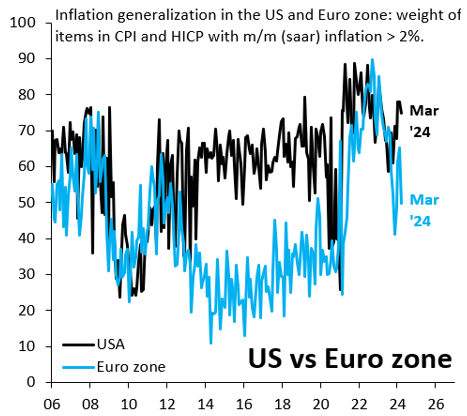
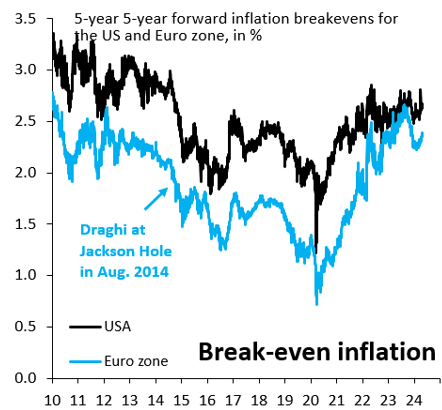
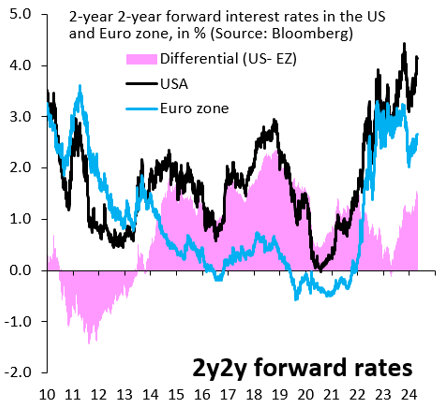
Figure 1. Real GDP vs. pre-COVID trend growth in the US and eurozone, indexed to 100 in Q4 2007

Source: BEA and Eurostat

Figure 2. Inflation generalization in the US and eurozone: Weight of items in CPI and HICP with m/m (saar) inflation > 2%

Source: BLS and Eurostat

Cyclical outperformance of the United States is not priced into markets. Figure 3 shows 5-year, 5-year forward breakeven inflation for the U.S. and eurozone. Prior to COVID-19, breakeven inflation in the eurozone was around 70 basis points below the U.S. That wedge has closed and is currently only half that, which means that markets are not differentiating sufficiently between the U.S. and the eurozone. The same picture emerges from interest rate differentials. Figure 4 shows 2-year, 2-year forward interest rates in the U.S. and eurozone—an estimate for where markets think the “terminal” rate will be—along with the corresponding rate differential. The rate differential is below where it was prior to COVID-19, even though the U.S. is now much more clearly outgrowing the eurozone. The fact that U.S. outperformance is not priced into markets suggests there is scope for the dollar to rise going forward, which explains bullish sentiment at last week’s Spring Meetings.

Figure 3. 5-year, 5-year forward inflation breakevens for the US and eurozone, in %

Source: Bloomberg

Figure 4. 2-year, 2 year forward interest rates in the US and eurozone, in %

Source: Bloomberg

While the charts so far have drawn the contrast with the eurozone, our basic points carry over to the broad dollar. Figure 5 shows the trade-weighted interest differential at different tenors of the U.S. vis-à-vis other advanced economies, where we use the same weights as the Federal Reserve’s dollar index. Much as in Figure 4, the rate differential of the U.S. versus key trading partners is below its peak in the run-up to COVID-19. Markets are not pricing U.S. “exceptionalism.” The same is true just looking at the trade-weighted nominal dollar versus advanced economies and emerging markets (Figure 6). The dollar has basically been in a decade-long holding pattern since its large rise in 2014/5.

Figure 5. US interest rate differentials vs. other advanced countries, in % (US – GDP weighted foreign)

Source: Bloomberg

Figure 6. US dollar vs. G10 and emerging markets, excluding China

Source: Bloomberg

US elections and geopolitical risk

The looming U.S. elections were—inevitably—a major discussion point, though there is little conviction on which way the election will go. What is clear, regardless of the outcome, is that markets have not yet begun to hedge this event risk in any material way, which is evident from meetings with investors and market pricing. Figure 7 shows option-implied volatility for EUR/$ on a six-month (does not cover the election) and one-year tenor (spans the election). Volatility spiked sharply in November 2016 and is currently far below those levels, even after the recent rise as markets priced a more hawkish Fed. Figure 8 shows the same thing for $/MXN, where it is again true that volatility rose sharply in November 2016 and is currently far below those levels. The fact that markets have not yet begun to hedge U.S. election risk is another source of dollar strength and volatility for the rest of 2024. An escalation of conflict in Ukraine or the Middle East would also prompt safe-haven flows to strengthen the dollar..

Figure 7. EUR/$ money option volatility

Source: Bloomberg

Figure 8. $/MXN money option volatility

Source: Bloomberg

FTC Narrowly Passes Ban on Noncompetes, Sparking Controversy and Legal Challenges

The Federal Trade Commission (FTC) narrowly passed a resolution on Tuesday to prohibit nearly all noncompete agreements, which are employment contracts typically barring workers from joining rival companies or launching their own ventures. The decision followed a period of public consultation during which the FTC received over 26,000 comments. Chair Lina Khan, in her remarks, reflected on testimonies from workers.

“We heard from employees who, because of noncompetes, were stuck in abusive workplaces,” she stated. “One person noted when an employer merged with an organization whose religious principles conflicted with their own, a noncompete kept the worker locked in place and unable to freely switch to a job that didn’t conflict with their religious practices.”

She underscored how these accounts “pointed to the basic reality of how robbing people of their economic liberty also robs them of all sorts of other freedoms.”

The FTC approximates that around 30 million individuals, ranging from minimum wage earners to CEOs, are subjected to noncompete agreements, which it asserts suppress wages. The policy shift is anticipated to spur wage growth of nearly $300 billion annually by empowering people to transition between jobs without hindrance.

Scheduled to take effect later this year, the ban features a provision exempting pre-existing noncompetes negotiated with senior executives, on the premise that such agreements are typically the result of negotiation. The FTC advises against enforcing other pre-existing noncompete agreements.

The vote, split 3 to 2 along party lines, sparked dissent from Commissioners Melissa Holyoke and Andrew Ferguson, who argued that the FTC was exceeding its authority. Holyoke anticipated legal challenges against the ban, foreseeing its eventual reversal.

Following the decision, the U.S. Chamber of Commerce announced its intention to challenge the ruling in court, denouncing it as unwarranted, illegal, and an overt power grab.

For over a year, the Chamber of Commerce has vehemently opposed the ban, asserting that noncompetes are essential to safeguarding companies’ proprietary information and providing employers with a greater incentive to invest in employee training and development.

“This decision sets a dangerous precedent for government micromanagement of business and can harm employers, workers, and our economy,” wrote Suzanne P. Clark, president and CEO of the U.S. Chamber, in a statement.

Analysis Reveals Six-Figure Incomes Required for Comfortable Living in Costliest U.S. States

In the United States, it takes a substantial income to live comfortably, especially in the most expensive states. A recent analysis by SmartAsset highlights that achieving a comfortable lifestyle as a single person requires earning over six figures annually in these areas.

The term “comfortable” refers to the monthly income required to cover a 50/30/20 budget. This budget allocates 50% of earnings for necessities like housing and utilities, 30% for discretionary spending, and 20% for savings or investments. SmartAsset based its calculations on data from the MIT Living Wage Calculator, extrapolating the income needed for each state.

Here’s a rundown of the top five most expensive states for single workers, along with the annual income required to live comfortably:

  1. Massachusetts: $116,022
  2. Hawaii: $113,693
  3. California: $113,651
  4. New York: $111,738
  5. Washington: $106,496

These figures illustrate a stark contrast with the U.S. median income for single, full-time workers, which hovers around $60,000 according to Labor Bureau data. In essence, to live independently in these states, one would need nearly double the median income.

The national median for comfortable solo living stands at $89,461, suggesting that the 50/30/20 budget might not be feasible for most single individuals. Living alone incurs additional expenses, often referred to as the “singles tax.” Apart from housing, single individuals bear extra costs for groceries, transportation, travel, and entertainment.

To maintain financial stability while living alone, adjustments to the budget are necessary. This might entail opting for a smaller living space or cutting back on discretionary spending such as travel.

The income required to live comfortably varies significantly across states. Below is a comprehensive list of states alongside the annual income needed for comfortable living, listed alphabetically:

– Alabama: $83,824

– Alaska: $96,762

– Arizona: $97,344

– Arkansas: $79,456

– California: $113,651

– Colorado: $103,292

– Connecticut: $100,381

– Delaware: $94,141

– Florida: $93,309

– Georgia: $96,886

– Hawaii: $113,693

– Idaho: $88,733

– Illinois: $95,098

– Indiana: $85,030

– Iowa: $83,366

– Kansas: $84,656

– Kentucky: $80,704

– Louisiana: $82,451

– Maine: $91,686

– Maryland: $102,918

– Massachusetts: $116,022

– Michigan: $84,365

– Minnesota: $89,232

– Mississippi: $82,742

– Missouri: $84,032

– Montana: $84,739

– Nebraska: $83,699

– Nevada: $93,434

– New Hampshire: $98,094

– New Jersey: $103,002

– New Mexico: $83,616

– New York: $111,738

– North Carolina: $89,690

– North Dakota: $52,807

– Ohio: $80,704

– Oklahoma: $80,413

– Oregon: $101,088

– Pennsylvania: $91,312

– Rhode Island: $100,838

– South Carolina: $88,317

– South Dakota: $81,453

– Tennessee: $86,403

– Texas: $87,027

– Utah: $93,683

– Vermont: $95,763

– Virginia: $99,965

– Washington: $106,496

– West Virginia: $78,790

– Wisconsin: $84,115

– Wyoming: $87,651

These figures underscore the significant financial demands of living independently across different states in the U.S.

India Marches Towards $5 Trillion Economy

Homegrown solutions and products built on top of the digital public infrastructure (DPI) by young entrepreneurs will pave the path towards India becoming a $5 trillion economy, industry experts said on Sunday.

With successful mass adoption and larger economic impact, DPIs are impacting approximately 1.3 billion citizens, covering 97 per cent of India’s population.

The matured DPIs enabled a value creation of $31.8 billion, equivalent to 0.9 per cent of India’s GDP in 2022, according to a Nasscom-led study that came out last month.

“Digital technology is creating an enabler for the larger ecosystem in India, whether it is in healthcare or agriculture. What is most exciting for me is in the space of education,” Mayank Kumar, Co-founder and MD of edtech platform upGrad, told IANS.

“A robust digital infrastructure has been laid across the country. Multiple companies and entrepreneurs can now build strong solutions on top of that which will pave the path towards India being a $5 trillion and a $10 trillion economy in the coming future,” Kumar added.

India Marches Towards $5 Trillion Economy

India’s interoperable and open-source DPIs are now being adopted or considered by over 30 countries to enhance social and financial inclusion.

According to experts, DPI provides a close-up approach to fostering digital inclusion and contributing to economic growth at scale.

“Think of ‘India stack’ as a bridge between the physical infrastructure such as broadband and an array of digital services that’s contributing to digital adoption at scale – ranging from identity (Aadhaar) to payments to health care, among others,” Prabhu Ram, Head, Industry Intelligence Group at market intelligence firm CMR, told IANS. (IANS)

How Voters Feel About The US Economy: 4 Takeaways From The Latest Polls

As the 2024 general election begins in earnest, voters’ assessment of the economy and of the candidates’ ability to manage it will, as usual, have a strong impact on the outcome of the race. With little more than seven months until Election Day, the economy remains a key advantage for former President Donald Trump, and a drag on President Biden’s reelection prospects. Here are four takeaways from recent survey research on this topic:

Inflation and high prices remain the electorate’s top concern and dominate voters’ assessment of the economy. In a just-released Economist/YouGov survey, 22% of voters identify inflation/prices as their most important issue, compared to only seven percent who cite jobs and the economy. According to a Data for Progress analysis, 68% of those who put inflation and prices first named the cost of food as their principal concern, followed by housing (17%), utilities (eight percent), and gas (three percent).

Despite some modest recent improvement, voters’ sentiments about the economy remain negative. A recent Wall Street Journal (WSJ) survey found 31% of voters endorse the proposition that the economy has improved over the past two years, up by 10 percentage points since December. In another sign of progress, a New York Times (NYT) survey from early March found that 26% regard economic conditions as excellent or good, up from 20% since last July.

Still, 74% of the NYT respondents regard the economy as only fair (23%) or poor (51%). And as an analysis of the WSJ data shows, inflation is still the main reason why economic sentiment remains depressed. More than two-thirds of voters say that inflation is headed in the wrong direction, and nearly three-quarters say that price increases are exceeding gains in household income. This helps explain why only 24% of voters expect the economy to get better over the next 12 months.

The Economist/YouGov survey helps us understand how key subgroups of the electorate are feeling about the economy. Only 22% of Black Americans, 13% of Hispanics, and 18% of young adults believe that they are better off financially today than they were a year ago.

(The figure for the electorate as a whole is a rock-bottom 15%.) And during a period in which party affiliation has a much greater effect on economic evaluations than it did two decades ago, only 26% of Democrats say that their economic circumstances have improved over the past year. Just 19% of Black Americans, 14% of Hispanics, 12% of young adults, and 21% of the full electorate believe that economic conditions are getting better, while an outright majority of voters (52%) say that things are getting worse.

President Biden continues to get low marks for his handling of inflation. Overall, only 35% of voters approve of his handling of this issue. Among Hispanics, just 34% approve; for young adults, 28%; among lower-income voters, 29%.

When it comes to the economy, Donald Trump enjoys a clear edge over Biden. According to a CBS News poll released in early March, 65% of voters rate the economy as good during Trump’s presidency, compared to 38% under Biden. Only 17% believe that Biden’s policies will make prices go down, compared to 44% for Trump. Consistent with these findings, 55% think that Trump would do a better job of dealing with the economy, compared to 33% who think that Biden would.1

These recent polls are a snapshot, not a forecast. Much can change between now and Election Day, as it has in the past. In 2012, for example, President Obama faced negative economic ratings and low consumer confidence early on. But as the year went on, voters’ sentiments improved, and Obama went on to defeat Mitt Romney in the fall. If the pace of inflation continues to moderate, allowing the Federal Reserve to cut interest rates, history could repeat itself. If this improvement occurs early enough to affect public opinion, which typically lags behind actual economic conditions, an outright decline in food prices might be enough to secure a second term for Biden, but there are few signs that this will occur. He will have to hope that the stabilization of prices will be enough to change the voters’ evaluation of his performance for the better.

World Bank’s Positive About Indian Economy

The World Bank has revised its projections for the Indian economy, forecasting a growth rate of 7.5% in 2024, an increase of 1.2% from previous estimates.

This growth contributes to a strong outlook for South Asia, with the region expected to grow at 6.0% in 2024, driven by India’s robust performance and recoveries in Pakistan and Sri Lanka.

Fastest growing in region

The World Bank’s South Asia Development Update predicts South Asia to maintain its position as the fastest-growing region globally for the next two years, with a projected growth of 6.1% in 2025.

India is highlighted as a significant contributor to the region’s economy, with expected output growth of 7.5% in FY 2023-24, followed by a moderate decrease to 6.6% in the medium term.

The services and industry sectors are anticipated to sustain robust activity.

Economic performance

India’s economic performance in Q4 of 2023 surpasses expectations, driven by investments and government spending.

Favorable financial conditions are noted, with domestic credit issuance growing by 14% year-on-year in December 2023.

The nonperforming-loan ratio has decreased to 3.2%, and regulatory capital adequacy surpasses requirements.

Optimizing demographic dividend

“South Asia is failing right now to fully capitalize on its demographic dividend. This is a missed opportunity,” said Franziska Ohnsorge, World Bank Chief Economist for South Asia.

If the region employed as large a share of the working-age population as other emerging markets and developing economies, its output could be 16% higher, Ohnsorge said.

Challenges ahead

While short-term growth prospects for South Asia appear promising, fiscal vulnerabilities and climate-related shocks pose challenges to the region’s resilience.

Strengthening private investment and employment growth are crucial to bolstering economic resilience.

Trump’s Financial Gambit: Can Stock Market Rescue Him?

Donald Trump seems to be in a hurry to secure funds to settle a substantial $464 million fraud penalty. Is there a chance the stock market could come to his aid?

Trump Media, the operator of the Truth Social platform, is on the verge of going public following a decisive vote by the majority of Digital World Acquisition Corp shareholders. This move positions Mr. Trump to hold a minimum stake of 58% in the merged entity, which, at the current share prices of Digital World, would be valued at nearly $3 billion.

Despite significant concerns surrounding the deal, including pending lawsuits from past business associates and an $18 million settlement Digital World agreed to pay over alleged fraud in the merger process, shareholders of Digital World, predominantly individual investors, many of whom are believed to be loyal to Trump, seem undeterred.

“This is just the start,” remarked Chad Nedohin, a supporter of the deal, on his show DWAC Live, broadcasted on Rumble. “There’s no reason to freak out.”

Digital World, known as a Special Purpose Acquisition Company (SPAC), will undergo a name change to Trump Media & Technology Group and is poised to begin trading on Nasdaq as DJT possibly next week. However, this move may not immediately resolve Trump’s financial predicaments, such as the substantial fraud fine in New York. Restrictions prevent Trump from selling or transferring his shares for at least six months, although exemptions might be granted by the new company. Alternatively, Trump could seek a loan backed by the share value, though analysts caution that banks may lend him significantly less than the shares’ paper value due to the business’s inherent risks.

Some supporters, like Mr. Nedohin, speculate that backing this deal could aid Trump in his legal battles. “This is putting your money where your mouth is for free speech, to save your country, potentially losing it all,” he remarked on his show.

Analysts warn of significant risks for Digital World shareholders, especially considering the drop in share prices since the announcement of plans to acquire Trump Media in 2021. Despite Friday’s decline, the implied valuation of Trump Media remains substantial, considering its modest revenue of $3.3 million and a loss of nearly $50 million in the first nine months of the preceding year.

The merger injects over $200 million in cash into Trump Media, potentially facilitating growth and expansion. However, Truth Social, positioned as an alternative to major social media platforms, remains relatively small, with approximately 8.9 million sign-ups, as per its claims. The platform does not track user growth or engagement metrics, a fact it doesn’t intend to change, according to regulatory filings. In February, Truth Social received an estimated five million visits, significantly lower than major platforms like X, previously known as Twitter, which recorded over 100 million visits.

Financial experts categorize Digital World as a “meme stock,” wherein share prices detach from a company’s fundamentals, posing an eventual risk of decline. While predictions about the timeline of this collapse remain uncertain, there’s an understanding that it’s a matter of when, not if.

Individual investors, particularly drawn in after the announcement of the Trump deal and his primary win in Iowa, have been instrumental in driving Digital World’s stock activity. However, ahead of the recent vote, there’s been a notable decrease in activity, suggesting that professional firms may be assuming a more dominant role in trading.

Despite Trump’s minimal contributions beyond his name and posts to the platform, he stands to be the primary beneficiary of this deal. Michael Ohlrogge, a law professor at New York University, who has scrutinized listings like Trump Media, describes it as “an enormous transfer of value from [investors]… to Trump, which stands to be extremely lucrative for him.”

The Bitcoin dips, but soars to new record highs, turning skeptics into believers.

The lowest closing price of Bitcoin (BTC) was $0.05 on July 18, 2010. After 14 years of roller coaster rides, as of this writing today, the price of Bitcoin is trading at $63,147, It is down 5.6% in the last 24 hours. To say that despite this short-term volatility, Bitcoin is up more than 50% year-to-date is no mean feat!
Not only from its origins in the 1970s to the impact of the 2008 financial crisis, but also the recent massive expansion of cryptocurrency continues to grow like a craze on the Internet today. It is a thriller story of mystery, mistrust, risk and reward.
Bitcoin is a form of digital money (cryptocurrency) in which unit transactions are recorded on a digital ledger called the “blockchain”. It started as a concept in a white paper in 2008 and has become the best performing asset of the last decade with its 9,000,000% rise in 2021. You can’t actually hold a Bitcoin in your hands, but you can make a ton of money from one.
Bitcoin blockchain technology works by recording all Bitcoin transactions across a network of computers. Due to its decentralized nature, it is considered a digital ledger that operates on a peer-to-peer basis. Perhaps the most famous value investor of all time, Warren Buffett is against Bitcoin and other cryptocurrencies, saying, “You can’t value Bitcoin because it’s not a value-producing asset.” Buffett and his holding company, Berkshire Hathaway, are known for their investments in sustainable and profitable companies. However, Buffett’s strong anti-crypto stance may change after reviewing the firm’s performance in 2024.
Dave Ramsey, a personal financial expert and best-selling financial author, explains that the value of any currency is based on people’s trust, “Bitcoin has the least amount of trust.” He concluded: “I don’t invest in things where people haven’t established a long track record of trust. ” One day he may change his views!
No one wants to lose money and that is what puts the crypto bear market under so much pressure. As investments begin to decline, investors may struggle to decide how best to manage their portfolios. It would be great if the crypto market was always going up. However, that is not true. As the old saying goes, “Without risk, there is no reward.” Market volatility drives investors to profit. In crypto markets, volatility is considered a feature, but not a constant problem. Bitcoin is not run by any bank or government; It is a peer-to-peer currency.
Unlike the US dollar or any other country’s currency, Bitcoin is not underwritten by any government regulation. As MasterCard and other notable companies bring cryptocurrency to their networks, many are asking: Does this shift signal the “beginning of the end” for the dollar?.
Among the main contextual reasons for Bitcoin’s inception, which began in the middle of the 2008 financial crisis, was mistrust of banks. Bitcoin started as a white paper titled “Bitcoin: A Peer-to-Peer Electronic Cash System” published on October 31, 2008 by a man named Satoshi Nakamoto. The paper outlined the blockchain technology that underpins the cryptocurrency. The problem with digital money. In March 2014, a news article called “The Face Behind Bitcoin” claimed that the inventor of Bitcoin was a retired physicist named Dorian Nakamoto.
Bitcoin is likely to halve when the reward for mining Bitcoin transactions is halved. These “halvings” reduce the rate at which new coins are created and reduce the available amount of new supply. Bitcoin’s last halving took place on May 11, 2020, when supply was halved, resulting in the creation of a block of 6.25 BTC. A bitcoin halving event occurs when the reward for mining bitcoin transactions is halved. Halves reduce the rate of creation of new coins and reduce the available amount of new supply. Bitcoin last halved on May 11, 2020, resulting in a block reward of 6.25 BTC.
By the end of 2024, a crypto storm may be imminent following the upcoming halving and other favorable developments. With a halving, fewer new bitcoins will be created and they will become more scarce. This scarcity could lead to higher Bitcoin prices in the long run. As a result, the price will rise to $67,500 and reach an all-time high between $72,500 and $73,100. Some experts predict UK fintech firm Finder conducted a study based on expert predictions of 40 crypto industry experts on how Bitcoin will perform until 2030. If hearing is to be believed, it’s predicted to go as high as $200,000!
Interesting tidbit: In the early days of Bitcoin, a programmer named Laszlo Hanics traded 10,000 Bitcoins for two Papa John’s pizzas on May 22, 2010. Today, those pizzas are worth about $613 million. In the crypto community, that date is now celebrated as “Bitcoin Pizza Day.” Now talk about an expensive slice of pizza!

Supreme Court Directs Full Disclosure on Electoral Bonds: SBI Ordered to Reveal All Details Including Alphanumeric Codes

The Supreme Court instructed the State Bank of India (SBI) on Monday to reveal all information regarding electoral bonds purchased or redeemed after its April 12, 2019 interim order. The court, led by Chief Justice of India D Y Chandrachud, emphasized the necessity for comprehensive disclosure, including the disclosure of unique alphanumeric codes, to facilitate matching donors with recipients. The Bench, also comprising Justices Sanjiv Khanna, B R Gavai, J B Pardiwala, and Manoj Misra, directed SBI to submit an affidavit on compliance by March 21.

The court expressed dissatisfaction with the bank’s selective disclosure practices, insisting that all pertinent details must be revealed without exception. It emphasized that disclosure encompasses the alphanumeric and serial numbers of bonds purchased and redeemed. However, the request to disclose codes of bonds transacted before the April 12, 2019 interim order was declined.

The Bench further instructed the SBI Chairman and Managing Director to affirm, by March 21, that the bank has disclosed all pertinent electoral bond details and has withheld no information. It referred to previous orders mandating the submission of purchase details, including dates, purchaser names, and bond denominations, alongside details of bonds encashed by political parties.

In light of the court’s decision to strike down the electoral bond scheme on February 15, 2024, it stressed the significance of complete disclosure by SBI, covering both purchases and contributions received by political parties.

The court also directed the Election Commission to promptly upload the information provided by SBI, reiterating the bank’s obligation to disclose all details without delay or selectivity.

During the hearing, Chief Justice Chandrachud expressed disappointment with SBI’s approach, emphasizing that the court’s directive encompassed the disclosure of all details, including bond numbers. He criticized the bank’s selective disclosure, urging it to comply fully with the court’s orders without waiting for further directives.

The Chief Justice questioned SBI’s reluctance to disclose certain details, asserting that the court’s orders were clear and inclusive. He emphasized that the bank’s compliance should be unequivocal, guided solely by its duty to adhere to the court’s directives.

Senior Advocate Harish Salve, representing SBI, assured the court of the bank’s willingness to provide all required information. He sought to clarify the bank’s interpretation of previous court orders and judgments, emphasizing the distinction between political parties’ obligations and the bank’s responsibilities.

Salve explained that the interim order of April 2019 pertained to political parties’ disclosure obligations, not the bank’s obligation to reveal bond numbers. He emphasized the bank’s commitment to transparency while acknowledging the perception that SBI was withholding information.

Responding to concerns raised by the court, Salve affirmed the bank’s readiness to disclose all information, including bond numbers, to dispel any doubts regarding its transparency and compliance.

The court reiterated its expectation of full disclosure from SBI, emphasizing the need for clarity and finality in the matter. It urged the bank to take proactive steps to address any perceptions of non-compliance and ensure complete transparency.

Despite arguments from Advocate Prashant Bhushan to extend the disclosure timeline, the court upheld the April 12, 2019 interim order as the cutoff date for disclosure. It emphasized the need to strike a balance and maintain consistency in its decisions.

The Supreme Court reaffirmed its directive for SBI to disclose all details pertaining to electoral bonds purchased or redeemed after April 12, 2019, underscoring the importance of transparency and compliance with its orders.

Viswas Raghavan Appointed As Head Of Citigroup’s Banking

With experience in investment, corporate, and commercial banking, Raghavan will head one of Citi’s five primary businesses in his role.

“The experience Raghavan brings in banking and as EMEA CEO makes him the perfect partner to lead the Cluster and Banking Heads across Citi’s global network,” CEO of Citigroup Jane Fraser wrote. 


Citigroup has appointed Viswas (“vis”) Raghavan, an Indian American executive from JP Morgan, as its new head of banking and executive vice chair. He will report to CEO Jane Fraser and is anticipated to join the new role this summer.


With experience in investment, corporate, and commercial banking, Raghavan will head one of Citi’s five primary businesses in his role. 


“He will support me on important strategic initiatives and help formulate and implement Citi’s company-wide strategy. He will become a member of the Citi Foundation Board of Directors and the Citi Executive Management Team. Vis is a proven leader and his appointment is another example of our ability to attract the best talent to our firm,” Fraser said in a memo to the bank’s employees. 


“I couldn’t be more excited to welcome Vis to our firm. He is a strategic leader who brings a strong track record of delivering results across a global banking business,” Fraser added.

Raghavan comes from JP Morgan, where he was co-head of global investment and corporate banking since 2020, and most recently held the position of head of global investment banking.

Since joining JP Morgan in 2000, he has held prominent positions in the company’s worldwide debt and equity capital markets. In 2012, he was named head of treasury services, corporate banking, and EMEA investment.


Raghavan was born and raised in India. He graduated with a BSc in Physics from Mumbai University and an honorary doctorate in electronic engineering and computer science from Aston University (Birmingham, UK). He also serves the Institute of Chartered Accountants in England and Wales as a chartered accountant.


“He is the right person to take over at this critical moment for our Banking franchise. Since first announcing the structural changes last year that established our Banking & International organization, we have begun to operate more efficiently and have strong momentum with clients,” Fraser said of Raghavan.


“He will also work closely with David Livingstone and our Vice Chairs in the Client organization to ensure we are delivering a consistent and disciplined client strategy,” she added.

Biden Unveils Budget Proposal: Tax Hikes for Corporations, Benefits for Middle Class

President Biden is set to reveal his budget plan for the upcoming fiscal year on Monday, proposing tax hikes for major corporations and advocating for a minimum 25 percent tax rate for billionaires.

The proposed budget for fiscal 2025, as outlined by the White House, aims to slash the federal deficit by approximately $3 trillion over a decade primarily through increased taxation on the wealthiest Americans and corporate entities. Additionally, the budget seeks to tighten regulations on corporate profit distribution.

A spokesperson from the White House noted that the budget aims to decrease taxes for numerous low- and middle-income households, alongside initiatives to reduce the expenses associated with childcare, prescription medications, housing, and utilities.

Furthermore, the proposal includes provisions to fortify Medicare and Social Security, aligning with several other administration priorities such as allocating funds to combat climate change, support small businesses, implement national paid leave policies, and advance cancer research.

In many respects, the upcoming proposal mirrors last year’s budget put forth by the White House, which also targeted a $3 trillion deficit reduction, intensified taxes for billionaires, and heightened the Medicare tax for individuals earning over $400,000 annually.

Traditionally, budget requests do not translate directly into law, and Biden’s proposal will likely follow suit, given the Republican control in the House and the Democrats’ slim majority in the Senate.

However, the submission will hold significant weight in the discussions revolving around raising the debt ceiling and financing government operations this year. Additionally, it will serve as a pivotal messaging tool for the White House as Biden pursues reelection.

During his recent State of the Union address and subsequent campaign appearances in Pennsylvania and Georgia, the president highlighted his administration’s strides in deficit reduction, dismissing notions that former President Trump could effectively address the national debt.

Biden has consistently pledged to safeguard Medicare and Social Security, a cornerstone of his appeal to voters, adamantly stating his intention to veto any congressional endeavors aimed at reducing these programs.

Although Trump, presumed to be Biden’s adversary in the forthcoming election, has publicly declared his commitment to maintaining Social Security and Medicare, his budget proposals during his tenure featured reductions in these programs.

India Unveils Ambitious Rs 10,372 Crore AI Mission to Propel Technological Innovation

The Cabinet has given its nod to the India AI Mission, allocating Rs 10,372 crore over five years to stimulate AI advancements within the nation, announced Union Minister Piyush Goyal. The sanctioned funds are earmarked for establishing a robust AI ecosystem through a collaborative effort between the public and private sectors. Goyal highlighted the significance of this initiative, stating, “With an outlay of Rs 10,372 crore, one very ambitious India AI Mission that will encourage AI segment and ongoing research in this field…has been approved by the cabinet.”

To oversee the implementation of the mission, an Independent Business Division (IBD) dubbed IndiaAI will operate under the auspices of the Digital India Corporation (DIC). The mission aims to democratize access to high-performance computing resources, including over 10,000 GPUs (graphics processing units), to facilitate the development of an AI ecosystem. GPUs have garnered attention for their ability to process data more rapidly than CPU-based servers, prompting increased demand.

Various stakeholders, including startups, academia, researchers, and industry players, will have access to the AI supercomputing infrastructure established under the India AI Mission, fostering innovation and collaboration. Minister of State for Electronics and IT Rajeev Chandrasekhar emphasized the pivotal role of AI in India’s digital economy, asserting, “This program will catalyse India’s AI ecosystem and position it as a force shaping the future of AI for India and the world.”

Recognizing the potential impact of the mission, Minister Chandrasekhar highlighted its relevance for states like Kerala, which have lagged in establishing a robust tech ecosystem. An integral component of the India AI Mission is the establishment of an India AI Innovation Centre (IAIC), which will serve as a premier academic institution fostering research talent and facilitating the development and deployment of foundational AI models.

Furthermore, the approved funds will bolster the India AI Startup Financing mechanism, providing crucial support to budding AI startups and accelerating their journey from ideation to commercialization. The mission also prioritizes industry-led AI projects aimed at driving social impact and promoting innovation and entrepreneurship.

A critical aspect of the India AI Mission involves the establishment of a National Data Management Office to enhance data quality and availability for AI development and deployment. This office will collaborate with various government departments and ministries to streamline data utilization.

The government’s commitment to AI development is underscored by recommendations from working groups on Artificial Intelligence (AI), which advocate for the establishment of a robust compute infrastructure. These recommendations include the creation of a three-tier compute infrastructure comprising 24,500 Graphics Processing Units (GPUs), aimed at closing the gap with global leaders like the US and China in AI computing capacity.

Despite the strides made in AI development globally, India has lagged behind, with only three supercomputers listed in the Top 500 rankings. To address this gap, the government aims to establish best-in-class AI computing infrastructure at five locations, boasting 3,000 AI Petaflops computing power, significantly surpassing current capacities.

In pursuit of AI excellence, the government has allocated substantial resources, investing Rs 1,218.14 crore over the past eight years to bolster compute capacity under the National Supercomputing Mission. However, significant challenges persist, with companies like NVIDIA facing a backlog of 12-18 months in GPU deliveries due to overwhelming global demand.

The global race for AI dominance has seen major investments from tech giants like Microsoft and IBM. Microsoft’s billion-dollar investment in Open AI in 2019 and a subsequent $10 billion injection in 2023 underscore the company’s commitment to AI innovation. Similarly, IBM has allocated $6.5 billion for research, development, and engineering, focusing on AI, hybrid cloud, and emerging technologies like quantum computing.

The approval of the India AI Mission represents a significant step towards fostering AI development and innovation within the country. By investing in infrastructure, startups, and research, India aims to position itself as a key player in the global AI landscape, driving economic growth and societal advancement.

Study Reveals Alarming Link Between Medical Debt and Declining Health in the United States

Medical debt in the United States correlates with deteriorating physical and mental well-being, as well as premature mortality, according to a recent study conducted by the American Cancer Society. The research revealed that with each $100 rise in medical debt, there was an increase of eight days in poor physical health and 6.8 days in poor mental health per month per 1,000 individuals.

The escalating costs of healthcare nationwide present an ongoing obstacle for millions of Americans. Data from the Centers for Medicare and Medicaid Services illustrates the enormity of the issue, indicating that healthcare expenditure reached $4.5 trillion in 2022, roughly translating to $13,500 per person, with out-of-pocket spending amounting to $471.4 billion.

Despite over 90% of the population possessing some form of health insurance, the burden of medical debt persists for both insured and uninsured individuals due to out-of-network expenses, high deductibles, and unforeseen bills, experts explained.

Examining data spanning nearly 3,000 counties, encompassing 93% of the nation, researchers sought to understand the repercussions of medical debt on health outcomes. While the study did not establish causation, it highlighted a robust correlation, aligning with prior research indicating that financial strain contributes to poorer health outcomes.

For every 1% increase in the prevalence of medical debt within a population, the study found a corresponding increase of 18 days in poor physical health, 18 days in poor mental health, and one additional year lost per 1,000 individuals.

Dr. Xuesong Han, the lead author of the study, emphasized the systemic nature of the issue, stating, “[Medical debt] is a problem that needs to be addressed systematically.”

The study identified certain demographic trends associated with higher rates of medical debt. Counties with larger proportions of non-Hispanic Black residents, lower educational attainment, higher rates of poverty, and greater numbers of uninsured and unemployed individuals tended to exhibit a higher prevalence of medical debt. On average, across all counties, approximately 19.8% of Americans had medical debt in collections. Geographically, Southern counties bore the brunt of the highest medical debt burdens.

Researchers noted that the data analyzed preceded the onset of the COVID-19 pandemic, underscoring the necessity for further investigation into post-pandemic shifts in the healthcare system and public health.

Han underscored the importance of policy interventions aimed at tackling this issue, advocating for initiatives such as “expanding access to affordable and comprehensive health insurance coverage” and “providing financial guidance and linking patients with pertinent resources to mitigate any adverse impacts.”


Understanding Bank Surveillance: Navigating Large Cash Transactions in Compliance with Financial Regulations

“Many Americans experience a sense of surveillance when handling significant sums of money in their bank transactions,” expressed a TikTok duo, Alexis and Dean, who operate a financial advice startup. The couple’s video titled ‘What occurs upon depositing over $10,000 in your bank account?’ has resonated with over 3.6 million viewers and elicited more than 2,300 comments since its upload on February 12.

The clip features Alexis questioning Dean about the purported prohibition against depositing $10,000 into a bank account at once. Dean refutes this claim, asserting that such transactions are permissible, provided they are conducted within legal parameters. He proceeds to elucidate on how banks handle large cash deposits and outlines their anti-money laundering protocols.

Under federal regulations, all banks must report significant financial transactions to the Financial Crimes Enforcement Network (FinCEN), a bureau of the U.S. Department of the Treasury. Although there exists no blanket prohibition on handling substantial amounts of currency, banks are mandated to report transactions exceeding $10,000 in a single day via a Currency Transaction Report (CTR). Dean clarifies that exceeding this threshold doesn’t equate to criminal activity but merely triggers reporting for transactions surpassing $10,000.

These CTRs are essential components of the Bank Secrecy Act (BSA) and serve to safeguard the financial sector from money laundering and other illicit financial activities. To comply with CTR regulations, financial institutions must gather specific customer information, including Social Security numbers and government-issued identification.

In response to queries about circumventing the $10,000 CTR threshold by depositing slightly less or splitting deposits, Dean warns against such actions, termed “structuring,” which could prompt banks to file Suspicious Activity Reports (SARs). Structuring may involve tactics like selling a vehicle for $15,000 and depositing the proceeds in two $7,500 increments on the same day to different bank personnel. Violating structuring laws may result in civil and criminal penalties, including imprisonment and substantial fines.

Dean emphasizes that CTRs and SARs primarily serve anti-money laundering objectives and reassures viewers that engaging in lawful activities poses no risk. He advises individuals with significant cash deposits to proceed with their transactions without apprehension but suggests seeking guidance from financial advisors for optimal money management and growth.

BRICS Alliance Contemplates Alternative Currency to Challenge US Dollar Dominance

The BRICS alliance is exploring the development of an alternative currency as a countermeasure against the dominance of the US dollar. Discussions within the bloc involve various strategies aimed at reducing reliance on the US dollar and advocating for the utilization of local currencies in global trade. Additionally, efforts are being made to persuade other developing nations to diminish their dependence on the US dollar and instead prioritize the use of their own currencies.

Reports suggest that BRICS is contemplating the establishment of a unified currency, akin to the Euro, as part of its endeavor to challenge the supremacy of the US dollar. However, it’s important to note that this potential shift towards a BRICS currency mirroring the Euro’s model remains speculative at this stage, with no definitive decision reached. The bloc is scheduled to convene at its upcoming summit in October, where discussions will continue, potentially leading to a consensus on this matter. This forthcoming 16th summit holds the promise of introducing transformative policies that could significantly reshape the trajectory of the alliance.

The ramifications of such policies could extend beyond the BRICS nations, impacting the Western sphere and the dominance of the US dollar in global transactions. A reduction in the international usage of the US dollar would pose considerable challenges to the American economy, potentially exerting significant strain throughout the current decade.

Persistent Home Shortage Fuels Surging Prices Despite Record Mortgage Rates

The persistent scarcity of available homes is propelling a surge in house prices despite the unprecedentedly high mortgage rates, marking the 11th consecutive month of ascent in home prices, as indicated by the S&P CoreLogic Case-Shiller 20-city price index, which revealed a 0.2 percent increase in December compared to the previous month, with a year-on-year surge of 6.1 percent (“The persistent shortage of homes on the market is sending house prices climbing despite the highest mortgage rates in decades”).

The prevailing scenario sees most homeowners benefitting from substantially lower interest rates on their mortgages compared to the current rates offered by lenders. Consequently, there’s a reluctance among these homeowners to part ways with their properties and incur new loans at higher rates, acting as a dampener on home sales but concurrently bolstering home prices and spurring residential construction (“The persistent shortage of homes on the market is sending house prices climbing despite the highest mortgage rates in decades”).

The Case-Shiller 20-city index is hailed as the foremost indicator of home prices in the United States, meticulously tracking repeat sales of homes to prevent distortions arising from the mix of homes sold in a given period. It encompasses not only sales within city centers but also those in the metropolitan vicinities surrounding the 20 largest U.S. cities (“The persistent shortage of homes on the market is sending house prices climbing despite the highest mortgage rates in decades”).

Notably, the Case-Shiller indexes represent three-month averages; thus, the December data amalgamates figures from November and October, encompassing transactions initiated as far back as August 2023, considering that home sales conclude 45 to 60 days post-transaction (“The persistent shortage of homes on the market is sending house prices climbing despite the highest mortgage rates in decades”).

The broader national index reflecting home prices also witnessed a 0.2 percent uptick in December, marking a 5.5 percent increase over the preceding year. Likewise, the 10-city index, which primarily focuses on major metropolitan areas, saw a similar 0.2 percent rise for the month, culminating in a seven percent surge over the past 12 months. Notably, all three indices have scaled to record highs (“The persistent shortage of homes on the market is sending house prices climbing despite the highest mortgage rates in decades”).

Throughout 2023, home prices experienced a consistent upward trajectory, save for a decline in January, which stands as the sole exception. The marginal monthly increase observed in December represents the most modest escalation since that particular downturn (“The persistent shortage of homes on the market is sending house prices climbing despite the highest mortgage rates in decades”).

Traditionally, the housing sector is deemed highly responsive to fluctuations in interest rates. However, the widespread adoption of low and fixed-rate mortgages during the pandemic and preceding periods has mitigated the anticipated impact of interest rate hikes by the Federal Reserve, making it anomalous for home prices to sustain such rapid and steady growth amidst climbing interest rates (“The persistent shortage of homes on the market is sending house prices climbing despite the highest mortgage rates in decades”).

The December figures aligned with the projections put forth by Wall Street analysts (“The persistent shortage of homes on the market is sending house prices climbing despite the highest mortgage rates in decades”)

India: The Next Global Economic Powerhouse

India’s optimistic outlook stems from various factors, including its youthful population and burgeoning industrial sector. The International Monetary Fund predicts India’s growth to outpace China’s, with Jefferies analysts envisioning India becoming the world’s third-largest economy by 2027.

Similar to China’s transformative phase decades ago, India is embarking on an infrastructure overhaul, investing in roads, ports, airports, and railways. Suresh highlights the substantial economic impact of such investments, stating, “There is a very strong multiplier effect… which you cannot roll back.”

India’s appeal extends to global companies reevaluating their supply chains, seeking alternatives to China’s challenges. Hubert de Barochez of Capital Economics notes India’s potential to benefit from this shift, terming it “friend-shoring” of supply chains.

Leading global companies, including Apple supplier Foxconn and Tesla, are expanding operations in India. Elon Musk expressed keen interest in investing in India, citing Modi’s encouragement.

However, some caution against excessive optimism. While India’s allure is growing, the steep valuation of Indian stocks deters some international investors. Suresh points out that Indian shares have always commanded a premium compared to other emerging markets, a trend exacerbated in recent times.

Domestic investors currently dominate India’s stock market, with foreign interest expected to increase post-election. Nonetheless, challenges remain, including India’s capacity to absorb the massive capital outflow from China.

Yet, India’s reliance on domestic investors strengthens its resilience against global market fluctuations. Suresh highlights this, stating, “It just massively insulates India from global dynamics.”

Unlike China, India enjoys favorable relations with major economies and actively courts foreign investment. Finance Minister Nirmala Sitharaman emphasized India’s commitment to attracting foreign investment, signaling a conducive environment for sustained economic growth.

Analysts assert that India’s economic momentum is irreversible, positioning it as a formidable player on the global stage. Mittal reflects on India’s rise, stating, “Even if China comes back to the table and resolves a lot of problems, I don’t think India is going back into the background anymore. It has arrived.”

**India’s Growth Story Captures Global Attention**

Peeyush Mittal has been making the 185-mile journey from the Indian capital to Jaipur for over three decades. Despite infrastructure improvements, the trip always took six hours. Mittal, a portfolio manager at Matthews Asia, expressed his long-standing frustration: “For 30 years there’s been this promise of doing that journey in three hours. It has never been possible.” However, last year, he experienced a significant change. Driving at 75 miles per hour on a new expressway, he completed the journey in just half the time, leaving him astonished: “My jaw dropped when I first time got on that highway. I was like, ‘Wow, man, how is this even possible … in India?”

The quality of India’s new infrastructure is just one factor driving excitement among investors like Mittal, who manage funds focused on emerging markets. India’s development trajectory since 2014, under Prime Minister Narendra Modi’s leadership, has sparked optimism. Modi’s ambition to elevate India to a $5 trillion economy by 2025 has garnered attention globally.

Contrastingly, China faces economic challenges, including capital flight and stock market slumps, with trillions of dollars lost in market value. In contrast, India’s stock market is thriving, surpassing $4 trillion in value last year, with projections indicating it could double to $10 trillion by 2030.

Investors are eyeing India as a potential replacement for China in driving global growth. With China facing uncertainties, India’s prominence in international markets is on the rise. Aditya Suresh, head of India equity research at Macquarie Capital, notes the significant shift: “India’s weight in the MSCI emerging market index was about 7% a couple of years back. Do I think that 18% [in the MSCI index] is naturally gravitating more towards 25%? Yeah, that’s kind of clearly where our conversations are leading us to believe.”

As India approaches national elections, market observers anticipate that a continued mandate for Modi’s Bharatiya Janata Party could provide stability and further boost investor confidence. Mittal asserts, “If Modi is back with a majority and political stability is there, then I can certainly say with confidence that there’ll be a lot more investor interest in India on a more sustainable basis.”

Growing Interest as 34 Countries Eye Joining BRICS Alliance in 2024

A wave of interest from developing nations signals a potential expansion of the BRICS alliance in 2024, with the upcoming summit scheduled for October in Russia’s Kazan region. According to India’s Foreign Affairs Minister S Jaishankar, more than two dozen countries are considering joining BRICS this year, reflecting a growing trust in the alliance and a desire to reduce reliance on the US dollar amidst a global debt crisis.

Jaishankar revealed in a recent press conference, “We tested it last year in the market, asking how many want to join BRICS. We got almost 30 countries who were willing to join BRICS. Clearly, 30 countries saw value in it; there must be something good with that.” This surge in interest comes as developing nations grapple with a staggering $34 trillion debt burden, primarily denominated in US dollars. The desire to mitigate this risk has prompted countries to prioritize their local currencies in trade transactions.

The recent inclusion of Saudi Arabia into BRICS has further fueled interest from other developing nations seeking alternatives to the US dollar. The Kingdom’s induction into the alliance is perceived as a response to mounting US dollar debt and White House sanctions against emerging economies. If the trend continues and more developing countries opt for settling trade in local currencies within the BRICS framework, the US dollar could face significant repercussions.

As of February 1, 2024, a total of 34 countries have officially expressed their interest in joining BRICS, as confirmed by South Africa’s Foreign Minister Naledi Pandor in a press conference. While Pandor did not disclose the names of these countries, the growing enthusiasm indicates a broader shift in financial dynamics, with developing nations aiming to position themselves favorably amid changing global economic landscapes.

The increasing attraction towards the BRICS alliance is part of a larger initiative to shift away from the dominance of the US dollar. BRICS aims to create a multipolar world order that prioritizes local currencies over the US dollar, challenging the traditional financial order controlled by Western powers. This paradigm shift could potentially jeopardize the global reserve status of the US dollar, setting the stage for a new era in international finance.

The next decade holds significant implications for the fate of the US dollar as developing countries increasingly prioritize their local currencies. The BRICS alliance, with its growing roster of interested nations, poses a formidable challenge to the established order, and the October 2024 summit may witness the formal inclusion of new members into this influential bloc.

India Contemplates BRICS Currency: Finance Experts Engaged in Deliberation Ahead of Summit

India has mandated a group of financial analysts and research institutions to evaluate the potential of a proposed BRICS currency. The directive calls for experts in finance to deliberate on whether India should endorse the establishment of an upcoming BRICS currency.

According to a high-ranking government official speaking on condition of anonymity, this deliberation will carry significant weight at the forthcoming summit scheduled for October. India intends to be well-prepared with its stance at the 16th BRICS summit, set to be held in the Kazan region of Russia later this year.

Russia, a fellow member of BRICS, is also exploring the concept of a BRICS currency, prompted by the economic impact of US sanctions. Seeking a renewed and extensive dialogue, Russia has initiated discussions with India regarding the potential of such a currency.

A source quoted by Business Standard stated, “We have not changed our position at all, but there is no harm in a study.” While speculation suggests that the experts enlisted for this study could include senior officials from the Reserve Bank of India (RBI), the RBI declined to comment when contacted by Business Standard.

Hence, the identities of the financial experts tasked with assessing the viability of the BRICS currency remain undisclosed. India prefers to keep them anonymous, recognizing that undue attention could compromise the integrity of the study by potentially leading to media leaks.

The prospect of India’s acceptance of the new BRICS currency hangs in the balance as officials have yet to commence their examination this year. It may take six months or more for these officials to thoroughly comprehend the intricacies of the forthcoming global tender.

India may opt to keep its decisions confidential, revealing its stance only during the next BRICS summit. Consequently, the verdict on whether India will embrace or spurn the BRICS currency remains uncertain until all pertinent details are disclosed to the public.

Financial Literacy Gains Momentum in U.S. Schools: A Comprehensive Look at the Growing Emphasis on Personal Finance Education

Personal finance education has gained significant traction in recent years, with many states now mandating it as a requirement for high school graduation. This development has been hailed by activists who have long advocated for greater emphasis on financial literacy.

According to a tracker maintained by Next Gen Personal Finance, the availability of standalone personal finance courses for high school students was limited to just eight states in 2020. However, this year marks a significant increase, with 25 states offering financial literacy classes in K-12. Of these, eight states have fully implemented the course, while 17 are still in the process of doing so.

Jessica Pelletier, the executive director of FitMoney, noted the sudden surge in state initiatives towards financial education, stating, “All of a sudden, it does seem like states are sitting up and taking notice, and it’s really just happened in the past couple of years.”

Experts emphasize that these classes go beyond basic financial tasks like writing checks. Despite the challenges posed by the COVID-19 pandemic, there is optimism that financial literacy education will continue to expand, potentially reaching students in middle school as well.

The pandemic appears to have heightened awareness about the importance of financial literacy among educators and parents. Pelletier suggested that the economic downturn and financial hardships experienced by many households during the pandemic contributed to a sense of urgency around financial education.

Lindsay Torrico, the executive director of the American Bankers Association (ABA) Foundation, highlighted the increased efforts to promote financial education. She stated, “Last year, we launched a new effort in a new commitment to engage more banks in financial education.”

Laura Levine, president and CEO of Jump$tart Coalition for Personal Financial Literacy, observed a steady growth in financial literacy education in schools over the past two decades. She emphasized that economic instability, such as the 2008 recession and the 2020 pandemic, often catalyzes interest in financial education.

The curriculum for financial literacy covers various topics, including earning income, spending, saving, investing, managing credit, and managing risk. Levine emphasized the comprehensive nature of the curriculum, stating, “We’re seeing if you look at the standard, it covers investing, insurance, savings, spending, budgeting, you know, it’s kind of a full spectrum.”

Recognizing the limitations of relying solely on financial education at home, many schools are now integrating financial literacy into their curriculum. Levine pointed out that not all students have access to financial education at home, particularly those from disadvantaged backgrounds or in foster care.

Efforts to promote financial literacy are not limited to high school education; there is also a growing emphasis on starting financial education at an earlier age. The ABA Foundation, for example, has programs targeting kindergarten through eighth grade, where bankers deliver presentations and lessons directly to students.

Kelsey Havemann, senior manager of the ABA Foundation’s youth financial education program, highlighted the community-driven initiatives to promote financial literacy, stating, “So the communities have taken it upon themselves to really step up and help out as much as they can with having bankers go into these classrooms and get these kids on the path to financial understanding.”

Despite the legislative progress, the push for greater financial literacy largely hinges on convincing adults to prioritize the subject. Pelletier noted that students are generally eager to learn about financial matters, recognizing the practical relevance of the knowledge they gain. She stated, “This is one of the only classes I’ve really heard of that almost every single student wants to take.”

The widespread adoption of personal finance education in schools reflects a growing recognition of the importance of financial literacy. While legislative efforts have played a role, community-driven initiatives and grassroots activism are also driving progress in this field. As financial education becomes more comprehensive and accessible, there is hope that future generations will be better equipped to navigate the complexities of personal finance.

New York Judge Orders Former President Trump to Pay $355 Million in Civil Fraud Case

A New York judge has handed down a significant ruling in a civil fraud case against former President Donald Trump, compelling him to pay nearly $355 million in penalties. This decision by Judge Arthur Engoron, outlined in a comprehensive 92-page document, follows weeks of closing arguments that concluded a lengthy trial, marked by frequent criticism from Trump towards both the judge and the prosecuting attorney.

In 2022, New York Attorney General Letitia James filed a lawsuit against Trump, alleging that he manipulated his net worth on crucial financial statements to obtain favorable tax and insurance benefits. The documents, providing details on the Trump Organization’s assets, were submitted to banks and insurers to secure loans and deals, presenting a case for fraud according to the state.

The potential financial burden on Trump and his business, including interest, may surpass $450 million, as indicated by the New York attorney general’s office. Engoron held Trump, the Trump Organization, and key executives, including his adult sons, liable for fraud before the trial began, as there was no jury present.

The imposed fine is slightly less than the $370 million sought by the attorney general’s office, and it also entails a three-year ban preventing Trump from engaging in New York business activities. Furthermore, Trump’s adult sons, Donald Trump Jr. and Eric Trump, were individually ordered to pay over $4 million each, accompanied by a two-year prohibition from serving as officers or directors of any New York corporation or legal entity.

Former Chief Financial Officer Allen Weisselberg faced a $1 million penalty, along with a three-year ban from New York business. Both Weisselberg and former controller Jeffrey McConney were also prohibited for life from serving in the financial control function of any New York corporation or business entity. Additionally, the judge extended the term of the independent monitor overseeing Trump’s business for three years and appointed an “Independent Director of Compliance.”

However, the judge overturned a pre-trial decision that ordered the cancellation of the defendants’ business certificates, stating that the order could potentially be renewed.

In response to the ruling, Attorney General Letitia James hailed it as a “tremendous victory” for the state and the nation, emphasizing the importance of holding powerful individuals accountable for dishonest practices that impact hardworking citizens.

“When powerful people cheat to get better loans, it comes at the expense of honest and hardworking people. Now, Donald Trump is finally facing accountability for his lying, cheating, and staggering fraud,” James remarked, emphasizing that no one is above the law.

Despite the substantial penalties, Trump’s legal team decried the ruling. Alina Habba, Trump’s lawyer, labeled it a “manifest injustice” and the outcome of a “multi-year, politically fueled witch hunt.” Chris Kise, Trump’s lead lawyer, characterized the case as an “unjust political crusade” against a leading presidential candidate and criticized the process as unfair and tyrannical. Kise confirmed that Trump would appeal the decision.

The trial spanned over two months, featuring testimony from 40 witnesses, including Michael Cohen, a former fixer for Trump, top Trump Organization executives, Trump’s adult children, and the former president himself. Trump’s defense rested on the argument that there was no fraud, with Deutsche Bank executives testifying that they conducted their own due diligence and found no evidence of fraud when working with the Trump Organization.

The strained relationship between Trump and Judge Engoron was evident early on when the judge ruled on Trump’s fraud liability. During Trump’s testimony in November, he launched attacks on the judge and Attorney General James, referring to them as “frauds,” “political hacks,” and “Trump haters.” Engoron had to admonish a Trump lawyer at one point, reminding him that the trial was not a political rally.

The financial ramifications of the $354.8 million judgment, coupled with another $83.3 million judgment against Trump for defamation, are expected to impact his estimated net worth significantly. Forbes estimates Trump’s wealth at $2.6 billion, while the Bloomberg Billionaires Index values him at $3.1 billion. These judgments could potentially result in a loss of 13 percent or more of his estimated net worth if these figures hold true.

Legal fees are also mounting for Trump, with approximately $50 million spent on legal consulting in 2023 by his fundraising committees. Notably, more than $18 million of this amount was allocated to lawyers Chris Kise, Alina Habba, and Clifford Robert, who represented Trump in the fraud case and other legal matters.

As Trump faces increasing legal challenges, including criminal cases and impending appeals in civil cases, the financial and legal implications of these recent judgments add another layer of complexity to his post-presidential life.

Tax Season Alert: IRS Audit Risks and Red Flags for American Filers

As Americans submit their tax returns this season, there’s a growing concern about IRS audits amidst the agency’s efforts to enhance service, technology, and enforcement.

Recent IRS actions have targeted affluent individuals, large corporations, and intricate partnerships. However, ordinary taxpayers might still find themselves under audit, with specific issues drawing greater IRS scrutiny, experts note.

Ryan Losi, an executive vice president at CPA firm Piascik, cautioned against the risks of the “audit lottery.” He emphasized the importance of accuracy in tax reporting to avoid potential audit triggers.

Audit rates for individual income tax returns have declined across all income brackets from 2010 to 2019 due to decreased IRS funding, according to a Government Accountability Office report. Syracuse University’s Transactional Records Access Clearinghouse reported that in fiscal year 2022, the IRS audited 0.38% of returns, down from 0.41% in 2021.

However, Mark Steber, chief tax information officer at Jackson Hewitt, believes that many Americans might feel overly secure about their audit risk.

Here are some key factors that could raise red flags for IRS audits:

1.Unreported Income: The IRS can easily detect unreported income through information returns sent by employers and financial institutions. Income from freelancing or investments, reported via forms like 1099-NEC or 1099-B, can be particularly scrutinized.

  1. Excessive Deductions: Claiming deductions significantly higher than what’s typical for your income level could draw attention. For instance, if your reported deductions are disproportionate to your income, especially in areas like charitable deductions, it might trigger scrutiny.
  2. Rounded Numbers: Filing with rounded figures, especially for significant deductions, may increase the likelihood of an audit. Experts advise against using rounded estimates and emphasize the importance of accurate reporting.
  3. Earned Income Tax Credit (EITC): This credit, designed for low- to moderate-income earners, has historically attracted scrutiny due to improper payments. While higher-income earners are more likely to be audited, EITC claimants face a substantially higher audit rate due to issues with improper payments.

Despite this, the IRS has announced plans to reduce correspondence audits for EITC claimants starting in fiscal year 2024.

While audit rates have decreased overall, taxpayers should remain vigilant about potential audit triggers and ensure accurate reporting to avoid unnecessary scrutiny from the IRS.

Virginia: A Safe Haven for Seniors – The Ideal Retirement Destination with Legal Protections, Tax Benefits, and Abundant Amenities

Ensuring the well-being and security of seniors during their golden years is imperative. Nevertheless, each year, approximately five million elderly individuals in the United States suffer from various forms of abuse, including physical, mental, and financial exploitation, as per data from the National Council on Aging. The severity of the issue is further underscored by the Centers for Disease Control, which suggests that numerous non-fatal injuries often go unreported, exacerbating the problem. This pervasive issue significantly impacts the health and overall welfare of older adults, potentially leading to conditions such as depression, malnutrition, and anxiety.

Should prioritizing senior safety resonate with you, Virginia emerges as a promising retirement destination. Recent findings from a WalletHub survey assessing the best retirement locales placed Virginia in the third position overall, owing largely to its robust legal framework targeting elder abuse.

According to WalletHub, “This makes seniors physically safer and less vulnerable to being taken advantage of financially. The state has high-quality geriatrics hospitals and a lot of doctors and dentists to choose from, too.”

The study evaluated states based on their provisions against financial, emotional, and physical abuse. Virginia, known as the Old Dominion, boasts legislative measures safeguarding retirees from economic exploitation, allocating funds to various elder abuse prevention initiatives, and furnishing legal assistance.

Virginia counts 1.9 million adults aged 60 and above, constituting 22 percent of the Commonwealth’s populace, as reported by the Virginia Department of Aging and Rehabilitative Services.

Quoting from the report, “In a survey of older Virginians conducted in 2022, 79 percent of older Virginians rated their overall quality of life as excellent or good. Most respondents scored their communities positively, and about 50 percent indicated that their communities valued older residents.”

Additionally, Virginia hosts numerous hospitals that receive commendable rankings in US News’s Best Hospitals list.

WalletHub further highlights that the Commonwealth does not impose estate or inheritance taxes, rendering it an appealing retirement destination. Furthermore, Virginia stands among the 39 states nationwide that do not levy taxes on Social Security income, permitting seniors to deduct $12,000 annually against withdrawals from other retirement accounts.

Beyond safety and tax advantages, Virginia offers an array of amenities, including 375 golf courses, abundant outdoor recreational opportunities, a picturesque wine region, numerous lakes, thousands of miles of shoreline, and a well-developed infrastructure.

However, these benefits come with a price tag. According to a recent report by GoBankingRates.com, the annual cost of living in Virginia amounts to $58,454. Additionally, retirees contemplating Virginia should be prepared with approximately $907,922 in savings. It’s worth noting that this figure may be higher in Northern Virginia, where housing costs persistently escalate due to inventory shortages.

2023: A Year of Global Economic Uncertainty

The year 2023 marked a period of uncertain recovery for the global economy, grappling with the lingering impacts of the COVID-19 pandemic and the conflict in Ukraine. Across emerging markets and developing economies, economic activity struggled to return to pre-pandemic levels, hindered further by tightening monetary policies aimed at curbing inflation. The International Monetary Fund (IMF) projected a slowdown in economic growth for advanced economies and a modest decline for emerging markets and developing economies in October 2023.

Examining the economic landscapes of leading nations like the United States, China, and India reveals the challenges they faced amidst this uncertainty. The United States notably performed better than anticipated, buoyed by the resilience of its labor and housing markets. Despite ongoing interest rate hikes by the Federal Reserve, unemployment remained relatively low at 3.7% during the third quarter of 2023, while homeowners managed to sustain their net worth despite soaring home prices.

In contrast, China, the world’s second-largest economy, struggled to drive global economic growth in 2023. The country faced various challenges, including the lingering effects of strict lockdowns imposed during the pandemic’s early stages, leading to an overall economic slowdown. Foreign direct investment in China saw a significant decline, compounded by issues such as a property crisis and high youth unemployment rates. Additionally, demographic challenges like declining fertility rates posed long-term concerns for the country’s labor supply and debt burden.

Despite these hurdles, India emerged as a resilient force, contributing significantly to global growth in 2023. With a reported 16% contribution to global growth, India’s economic prowess was evident. The World Economic Forum projected India to become the world’s third-largest economy within the next five years, a testament to its robust growth trajectory fueled by investments in innovation and public infrastructure.

Global Economic Outlook for 2024

Looking ahead, the IMF forecasts global economic growth to remain at 3.1% in 2024, slightly higher than previous estimates but still below historical averages. Advanced economies are expected to see a drop in growth before a modest recovery, while emerging markets and developing economies are projected to maintain steady growth, with India and China leading the charge.

Regional Forecast for Economies in 2024

Advanced economies, including the United States and the euro area, are expected to experience varying growth trajectories, with factors like real income growth and reduced inflation driving recovery. Emerging markets and developing economies, particularly in Asia and Europe, are poised to improve their growth rates in 2024, supported by domestic demand and government spending.

United States: A Hub of Economic Power

The United States remains a powerhouse in the global economy, home to some of the world’s most valuable companies like Amazon, Microsoft, and Apple. These companies continue to innovate and drive economic growth through initiatives focused on AI, digital innovation, and financial performance.

Amazon, for instance, has joined the U.S. Artificial Intelligence Safety Institute Consortium to promote safe and responsible AI development, while Microsoft enhances its offerings with AI-driven tools like Copilot. Apple, boasting an installed base of over 2.2 billion active devices globally, reported strong financial results for the first quarter of fiscal 2024, underscoring its continued success and market dominance.

25 Largest Economies in the World in 2024

Methodology:

Utilizing data from the IMF, we’ve compiled a list of the 25 largest economies in the world in 2024 based on their GDP as of 2023. GDP per capita figures have also been included to provide additional context.

  1. United States

GDP: $26.95 Trillion

GDP Per Capita: $80,410

  1. China

GDP: $17.7 Trillion

GDP Per Capita: $12,540

  1. Japan

GDP: $4.23 Trillion

GDP Per Capita: $33,950

  1. Germany

GDP: $4.43 Trillion

GDP Per Capita: $52,820

  1. India

GDP: $3.73 Trillion

GDP Per Capita: $2,610

  1. United Kingdom

GDP: $3.33 Trillion

GDP Per Capita: $48,910

  1. France

GDP: $3.05 Trillion

GDP Per Capita: $46,320

  1. Italy

GDP: $2.19 Trillion

GDP Per Capita: $37,150

  1. Brazil

GDP: $2.13 Trillion

GDP Per Capita: $10,410

  1. Canada

GDP: $2.12 Trillion

GDP Per Capita: $53,250

  1. Russia

GDP: $1.86 Trillion

GDP Per Capita: $13,010

  1. Mexico

GDP: $1.81 Trillion

GDP Per Capita: $13,800

  1. South Korea

GDP: $1.71 Trillion

GDP Per Capita: $33,150

  1. Australia

GDP: $1.69 Trillion

GDP Per Capita: $63,490

  1. Spain

GDP: $1.58 Trillion

GDP Per Capita: $33,090

  1. Indonesia

GDP: $1.42 Trillion

GDP Per Capita: $5,110

  1. Turkey

GDP: $1.15 Trillion

GDP Per Capita: $13,380

  1. Netherlands

GDP: $1.09 Trillion

GDP Per Capita: $61,770

  1. Saudi Arabia

GDP: $1.07 Trillion

GDP Per Capita: $32,590

  1. Switzerland

GDP: $905.68 Billion

GDP Per Capita: $102,870

  1. Poland

GDP: $842.17 Billion

GDP Per Capita: $22,390

  1. Taiwan

GDP: $751.93 Billion

GDP Per Capita: $32,340

  1. Belgium

GDP: $627.51 Billion

GDP Per Capita: $53,660

  1. Argentina

GDP: $621.83 Billion

GDP Per Capita: $13,300

  1. Sweden

GDP: $597.11 Billion

GDP Per Capita: $55,220

2023 proved to be a year of economic resilience and uncertainty, with nations navigating challenges and opportunities amidst a complex global landscape. Looking ahead to 2024, cautious optimism prevails, with forecasts suggesting continued growth albeit at varying rates across regions and economies.

Join Tech and Tax Tips and Strategies

The initiative is free, exclusively for US-based doctors, with no marketing, no solicitation, and no persistent calls from any service providers.

Two-step process –

1.⁠ ⁠Fill out the form and
https://forms.gle/z7kQSXC9oVKRVo5p6

2.⁠ ⁠Click the link to join
https://chat.whatsapp.com/FLA5t0Rp7bUAuIQ8ppSzGA

Please note: you will be approved to join only after completing the Google form.

Kind regards

Shadhank Heda, MD
Dallas, Texas

China Faces Economic Crisis as Record Defaults Signal Deepening Financial Strain Amidst Pandemic Fallout and Political Tensions

China is grappling with a significant economic downturn reminiscent of the 2008 global financial crisis, with a record number of borrowers facing defaults.

“Defaults by Chinese borrowers have surged to an unprecedented level since the Covid pandemic as the country faces huge economic challenges.”

According to official records, an alarming 8.54 million individuals in China, predominantly aged between 18 and 59, are now officially blacklisted due to missed payments on various financial obligations, spanning from home mortgages to business loans.

“This figure has sharply risen from 5.7 million defaulters in early 2020, as lockdowns and economic restrictions stemming from the pandemic significantly impacted economic growth and household incomes.”

The surge in defaults, representing approximately one percent of working-age Chinese adults, poses a substantial risk not only to China’s economy but also to the global economy.

“Making the situation worse for individuals, China also does not have any personal bankruptcy laws, intensifying the financial and social repercussions of escalating debt.”

Under Chinese law, defaulters on the blacklist encounter restrictions on various economic activities, including purchasing plane tickets and conducting transactions via popular mobile apps such as Alipay and WeChat Pay.

“The economic strain is also visible in the surge of household debt, which almost doubled over the past decade to 64 percent of the Gross Domestic Product (GDP) in September.”

Wage growth has stagnated or even turned negative amid the economic downturn, exacerbating the challenge of meeting financial obligations for many Chinese consumers.

“The economic challenges extend to the job market, with youth unemployment reaching a record 21.3 percent in June. Authorities have even stopped reporting this data.”

Financial institutions are feeling the squeeze as well, with China Merchants Bank reporting a 26 percent uptick in bad loans from credit card payments that were 90 days overdue in 2022 compared to the previous year.

“As the number of defaults rises, legal experts have proposed introducing personal bankruptcy laws to provide relief for individual insolvencies.”

However, the lack of transparency surrounding personal finances renders the implementation of such measures nearly impossible. Government officials and other interest groups are likely to oppose these policies, fearing exposure of corruption.

“Adding to China’s challenges, a recent pneumonia outbreak further strains the nation. The Department of Health recorded 182,721 cases as of November 11, surpassing the 158,307 cases reported from January to October last year.”

This economic crisis unfolds against a backdrop of escalating tensions in the region, particularly with Taiwan gearing up for a new presidential election, which adds complexity to the geopolitical dynamics in the Asia-Pacific region.

Zuckerberg’s Wealth Soars as Meta Beats Expectations: Billionaire’s Net Worth Surges by $29 Billion in One Day

Mark Zuckerberg’s financial status is once again making headlines following a significant victory for Meta, the parent company of Facebook, which he co-founded and leads as CEO. The billionaire is poised to see a substantial increase in his wealth as Meta surpassed expectations with its latest quarterly earnings report.

According to Forbes, Zuckerberg’s net worth surged by a staggering $29 billion in just one day due to the remarkable rise in Meta’s stock price. As of the latest update, his total net worth stands at $167.9 billion on Forbes’ continuously updated billionaires list, a notable jump from the estimated $139 billion in January.

Meanwhile, Bloomberg’s real-time list places Zuckerberg’s net worth at $142 billion, although it’s yet to reflect the impact of the recent earnings report. Discrepancies in estimated net worth figures among different outlets are not uncommon, as they factor in Meta’s share values along with evaluations of his other assets like real estate holdings.

Currently, Zuckerberg holds the fourth position among the wealthiest individuals globally according to Forbes, while Bloomberg ranks him as the fifth richest.

Together with his wife Priscilla Chan, Zuckerberg has committed to donating 99% of their wealth throughout their lifetimes via the Chan Zuckerberg Initiative, which has already pledged over $4.9 billion in grants since its establishment in 2015.

This week has been monumental for Zuckerberg. Alongside Meta’s soaring stock, he also faced questioning before the Senate, alongside other prominent tech CEOs, addressing concerns about the proliferation of sexually explicit content involving minors on social media platforms.

Karnataka Congress Leader Warns of Southern Secession Over Alleged Central Fund Diversion

A Karnataka Congress leader, immediately following the unveiling of the interim budget today, accused the Central government of diverting developmental funds from south India to bolster the northern regions. DK Suresh Kumar, a Congress MP, warned that if this issue remains unaddressed, it might necessitate the southern states to seek autonomy, stating, “If we don’t condemn this in the upcoming days, we will have to place a demand for a separate country as a result of the situation the Hindi-speaking region has forced on us.”

The Bharatiya Janata Party (BJP) responded by accusing the Congress of promoting divisive sentiments. Chaluvadi Narayanaswamy of the BJP criticized the Congress’s stance, suggesting that instead of fostering unity (“Bharat Jodo”), they seem to advocate for division (“Bharat Todo”). He condemned the Congress mindset, drawing parallels to the partition of India in 1947, and questioned the party’s commitment to upholding the nation’s unity despite Rahul Gandhi’s calls for integration.

This discontent echoes Mamata Banerjee’s grievances in West Bengal, where the Congress, newly in power in Karnataka, aligns itself with her narrative of inadequate central funding. DK Suresh Kumar emphasized the perceived injustice faced by southern states, asserting, “We want to receive our money. Whether it is the GST, Custom or Direct taxes, we want to receive our rightful share… our share of money for development is getting distributed to north India.”

Recently, the Karnataka Congress administration released a white paper highlighting the disparity between the state’s contributions to the national economy and the funds it receives from the Centre. M. Lakshmana, a spokesperson for the state Congress, cited figures indicating that Karnataka’s tax contributions far exceed the returns it receives. Despite contributing significantly to corporate and other taxes, as well as GST, Karnataka is reportedly receiving disproportionately low allocations from the Centre.

The grievances are not limited to Karnataka alone. Similar concerns have been raised by Kerala and the DMK-led government in Tamil Nadu. This discontent culminated in Karnataka’s Congress government contemplating the formation of a coalition to challenge what they perceive as biased tax devolution by the Central government. Officials noted a decrease in Karnataka’s share of taxes from 4.71% to 3.64% under the current Finance Commission, further exacerbating the perceived imbalance in resource allocation.

Paytm Plummets: Regulatory Woes and Market Turmoil Lead to Sharp Stock Decline

The once-thriving Paytm, a leading startup in India, has experienced a dramatic decline in the stock market this week, marking a continued plummet since its massive initial public offering (IPO) in 2021. Shares of the digital payment giant have undergone a staggering decline, hitting the maximum allowable decrease in Mumbai for two consecutive days, despite India’s stock markets reaching new highs. Since Wednesday’s closing, Paytm has tumbled by 36%, with a nearly 25% drop this year alone.

The company has faced significant challenges since its turbulent market debut in November 2021, failing to persuade investors of its potential profitability amid intensifying competition from domestic and international tech companies. Compounding its woes, regulatory issues emerged when the central bank prohibited its banking division from onboarding new customers two years ago.

With shares now trading at a mere 487 rupees (approximately $6) per share, the recent nosedive has erased a staggering $2 billion in market capitalization, leaving the company with a diminished valuation of only $3.7 billion. The latest downturn was triggered by additional regulatory actions from India’s central bank.

The Reserve Bank of India (RBI) recently instructed Paytm Payments Bank to cease accepting deposits and suspend other essential services due to “persistent non-compliances.” This directive, which caught the Indian tech community off guard, prompted Paytm to adopt damage control measures in an attempt to reassure investors and its vast user base of over 300 million.

However, despite pledges to swiftly address regulatory concerns and a subsequent conference call held after trading hours on Thursday, investor confidence continued to erode. According to Manish Chowdhury, head of research at brokerage firm StoxBox, the RBI’s directive poses a significant “reputational risk” to Paytm’s overall business and raises uncertainties about its future performance.

Founded in 2017 as a joint venture with founder Vijay Shekhar Sharma, Paytm initially operated as a payments bank, allowing deposits but not extending loans to customers. During Thursday’s conference call, Sharma downplayed the central bank’s actions as a temporary setback, asserting that Paytm will henceforth collaborate solely with other banks.

Paytm gained widespread recognition in 2016 when Indian Prime Minister Narendra Modi invalidated the nation’s two largest currency denominations, constituting approximately 86% of the country’s cash supply, as part of efforts to combat tax evasion and illicit wealth accumulation. Although the move caused significant disruptions to the economy, it fueled Paytm’s rapid expansion, attracting 10 million new users within a month and cementing its status as a household name in India.

Annie George Mathew Appointed As A Member Of The 16th Finance Commission Of India

Annie George Mathew, a senior of the Indian Audit and Accounts Service (IA & AS) of the 1988 Batch has been appointed as a member of the Sixteenth Finance Commission on Tuesday, January 30th, 2024.

Annie George Mathew recently retired as the Special Secretary Expenditure from the Ministry of Finance, Government of India.  She has over 34 years of experience in areas of Public Finance, Financial Management, Government Audit and Accounts, and Public Procurement including Defense Capital Acquisitions, Human Resource Management

The 16th Finance Commission was constituted on 31.12.2023 with Shri Arvind Panagariya, former Vice-Chairman, NITI Aayog as its Chairman. According to a government order issued on January 30, 2024, three full-time members of the 16th Finance Commission include former Expenditure Secretary Ajay Narayan Jha; former Department of Expenditure official Annie George Mathew; and Niranjan Rajadhyaksha, executive director of policy consultancy firm, Artha Global. Dr. Soumya Kanti Ghosh, Group Chief Economic Advisor, State Bank of India will serve as a Part-time member of the powerful financial body.

“The chairman and other members of the commission shall hold office from the date on which they respectively assume office up to the date of the submission of report or October 31, 2025, whichever is earlier,” the order from President of India, Droupadi Murmu appointing members to the constitutional body stated.

AnnieThe Sixteenth Finance Commission has been requested to make its recommendations available by October 31, 2025, covering an award period of 5 years commencing 1st April, 2026. The Finance Commission usually takes about two years to consult stakeholders in the States and Centre and arrive at their conclusions.

The Finance Commission mainly decides the tax-sharing formula between the Centre and the states.  The Sixteenth Finance Commission’s terms of reference include a review of the present arrangements for financing disaster management initiatives and mooting measures to augment States’ consolidated funds to supplement resources available with panchayats and municipalities.

Per reports, in November last year, the Indian Cabinet chaired by Prime Minister Narendra Modi had approved the Terms of Reference for the 16th Finance Commission. As per the terms of reference (ToR), “The Finance Commission shall make recommendations as to the following matters, namely: The distribution between the Union and the States of the net proceeds of taxes which are to be, or may be, divided between them under Chapter I, Part XII of the Constitution and the allocation between the States of the respective shares of such proceeds.”

The commission is expected to make recommendations on the “principles which should govern the grants-in-aid of the revenues of the States out of the Consolidated Fund of India and the sums to be paid to the States by way of grants-in-aid of their revenues under article 275 of the Constitution for the purposes other than those specified in the provisos to clause (1) of that article,” according to a statement issued after the Union Cabinet meeting on November 29.

Ms. Mathew was the Government’s nominee on the Boards of the Pension Fund Regulatory and Development Authority (PFRDA) and Indian Overseas Bank (IOB).  She had served earlier on the Board of State Bank of Hyderabad.

She has varied experience in the Indian Audit and Accounts Department through her postings within the country and abroad.  She has also led audit teams working with different international and multi-lateral organizations like the United Nations, and UNHCR in Europe, Africa, and Asia. She has been a member of the International Standards Laying Committees on Auditing.

With her vast experience of working in public finance at various levels in the Ministry of Finance and her exposure to state finances during her tenure in various Accountant General Offices in the states of Uttar Pradesh, Andhra Pradesh, Madhya Pradesh, Orissa, Delhi, Ms. Mathew has a deep understanding of  India’s Federal and State finances.

Ms. Mathew graduated from Miranda House and completed post-graduation from the University of Delhi and after that, joined India’s civil services as an IA & AS Officer.

India Emerges as a Stock Market Superpower with Market Values Crossing $4 Trillion

In a spectacular turn of events, India’s stock market has achieved a historic milestone, surging past the $4 trillion mark in market valuation. The year 2023 witnessed India securing its position as a stock market superpower, trailing only behind the United States, China, Japan, and Hong Kong. This momentous feat underscores the remarkable performance of Nifty and Sensex, India's primary stock market indices, which soared to new heights. Notably, Nifty experienced a remarkable growth of 18.5%, while Sensex posted a robust 17.3% growth in 2023.

As the world grappled with ongoing conflicts and a global economic slowdown, India’s stock exchanges displayed resilience and outshone their counterparts worldwide. To put India’s success into context, it is essential to examine the broader global economic environment. The International Monetary Fund (IMF) reported in October 2023 that the global growth rate was expected to dip from 3.5% in 2022 to 3% in 2023. In contrast, India defied expectations with a projected annual growth rate of 6.3%, surpassing the realized growth rate of 7.2% in 2022.

Despite a global inflation rate expected to decline to 6.9% in 2023, India’s quarterly growth rates in 2023 exceeded expectations, with the economy expanding by 7.8% in Q2-23 and 7.6% in Q3-23. These positive indicators, coupled with India’s ability to maintain annual average retail inflation within 6%, contributed to the investor confidence evident in the record-breaking performance of the Indian stock markets.

In a stark contrast to the global economic landscape, India received a net Foreign Portfolio Investment (FPI) of $20.2 billion in 2023, the highest among emerging markets, bringing the total FPI to an impressive $723 billion. Notably, while Foreign Direct Investment (FDI) saw a decline of 16% in 2023 globally, India’s stock market continued to attract significant foreign investments. The aftermath of the Covid-19-induced global economic recession witnessed a negative growth rate of -3.1% worldwide. However, India’s high growth rate positioned Indian companies as attractive options for global investors seeking better returns on their investments. The surge in Foreign Portfolio Investment (FPI) reflects the confidence global investors place in India’s economic resilience.

Several factors contribute to India’s sustained high economic growth rate. First, under the leadership of Prime Minister Narendra Modi, India has demonstrated political stability and proactive market reforms. Initiatives such as Goods and Services Tax (GST), the JAM trinity (Jandhan, Aadhar, Mobile), Digital Payments (UPI), Make in India, and Production Link Incentives (PLI) schemes have propelled India’s economic growth.

Second, the Indian government, led by Prime Minister Modi, has significantly increased capital expenditure, reaching $250 billion in 2023-24, a remarkable 433% increase from the FY 2013-14 figure of $48 billion. The focus on infrastructure development is expected to stimulate private investment, further bolstering economic growth.

Post Covid-19, GDP data indicates a strengthening of private investment, with Q3 estimates showing a year-on-year growth rate of 7.8%. The surge in government and private capital expenditure has boosted domestic demand, insulating the Indian economy from external shocks and global economic challenges.

Third, despite a substantial increase in capital expenditure, India’s fiscal deficit is contracting. The government’s commitment to fiscal consolidation, supported by robust growth in net direct tax and GST collections, instills confidence in external investors. India’s fiscal deficit target of 5.9% in FY 2023-24 is expected to be achieved, further facilitating access to cheaper investment funds.

Fourth, proactive measures by the Reserve Bank of India have strengthened the Indian banking system, reducing bad loans and supporting credit growth, which is projected to exceed 15% in FY 2023-24. The health of the banking system reflects robust economic activity within India and ensures the availability of funds for consumption and investment expenditure.

In conclusion, 2023 has been a triumphant year for the Indian economy, marking a significant milestone in its capital market. India’s outperformance and positive economic indicators signal a bright future, with the nation poised to continue leading the global economy despite prevailing challenges. The convergence of political stability, proactive reforms, increased capital expenditure, and a resilient banking system positions India as a beacon of confidence in the global economic

The Global Dance of Currencies: Forbes Unveils Top 10 Strongest Currencies and Their Economic Significance

Currency, often described as the lifeblood of global trade, serves as a pivotal indicator of a country’s economic vitality. The strength of a nation’s currency not only reflects its stability but also showcases a robust financial health that resonates internationally, attracting investments and fostering crucial global partnerships. In essence, a strong currency becomes a shield, enabling nations to weather economic storms and fortify their positions in the intricate web of global commerce. Officially recognized by the United Nations, there are 180 legal tender currencies worldwide. However, the popularity and widespread use of certain currencies don’t necessarily correlate with their actual value or strength.

The delicate dance of currency strength is orchestrated by the interplay of supply and demand, with influences ranging from interest rates and inflation to geopolitical stability.

“A robust currency not only enhances a country’s purchasing power but also underlines its credibility on the world stage,” states a report. Investors seek refuge in currencies that stand firm, setting off a ripple effect that molds financial markets worldwide.

Forbes recently unveiled a list detailing the 10 strongest currencies globally, comparing them with the Indian Rupee and USD, shedding light on the factors contributing to their prominence.

Topping the list is the Kuwaiti Dinar, with one Kuwaiti Dinar equivalent to ₹ 270.23 and $3.25. Following closely is The Bahraini Dinar, valued at ₹ 220.4 and $2.65. The Omani Rial (Rs 215.84 and $2.60), Jordanian Dinar (Rs 117.10 and $1.141), Gibraltar Pound (Rs 105.52 and $1.27), British Pound (Rs 105.54 and $1.27), Cayman Island Dollar (Rs 99.76 and $1.20), Swiss Franc (Rs 97.54 and $1.17), and the Euro (Rs 90.80 and $1.09) make up the rest of the prestigious list.

Notably, the US Dollar, despite its global popularity and status as the most widely traded currency, finds itself at the bottom of the list, with one USD valued at ₹ 83.10. Forbes explains that the US Dollar, while holding the position of the primary reserve currency globally, ranks 10th among the world’s strongest currencies.

According to the exchange rates published on the International Monetary Fund’s (IMF) website as of Wednesday, India holds the 15th position with a value of 82.9 per US Dollar.

The Kuwaiti Dinar, which claims the top spot, has consistently been recognized as the world’s most valuable currency since its introduction in 1960. The success of this currency is attributed to Kuwait’s economic stability, driven by its abundant oil reserves and a tax-free system.

Forbes also highlights the Swiss Franc, the official currency of Switzerland and Liechtenstein, as widely regarded as the most stable currency globally.

It’s crucial to note that the list is based on currency values as of January 10, 2024, and comes with a disclaimer acknowledging the potential for fluctuations in these values.

The unveiling of Forbes’ list not only provides insight into the current strength of global currencies but also emphasizes the intricate relationship between economic stability, natural resources, and taxation systems in determining the strength of a nation’s currency. As the world continues to navigate the complex landscape of international trade, these currency dynamics play a pivotal role in shaping the interconnected web of global commerce.

White House Proposes Overdraft Fee Reduction to Alleviate Financial Strain on Consumers

The White House has unveiled a proposal aimed at significantly lowering the cost of overdrawing a bank account, potentially reducing it to as little as $3. This move, announced by the Consumer Financial Protection Bureau (CFPB), is part of the Biden administration’s ongoing efforts to tackle what it perceives as excessive fees burdening American consumers, especially those living paycheck to paycheck.

President Joe Biden expressed his concerns, stating, “For too long, some banks have charged exorbitant overdraft fees — sometimes $30 or more — that often hit the most vulnerable Americans the hardest, all while banks pad their bottom lines. Banks call it a service — I call it exploitation.”

The proposed rule from the CFPB suggests that banks should only charge customers an amount equal to their cost of providing overdraft services. This would necessitate banks to disclose the operational costs associated with their overdraft services, a requirement that many financial institutions may find challenging.

Alternatively, banks could opt for a benchmark fee applicable across all affected financial institutions. The proposed benchmark fees range from $3 to $14, with the CFPB seeking industry and public input to determine the most suitable amount. The suggested figures are derived from an analysis of the costs incurred by banks in recovering losses from accounts with negative balances that were never repaid.

Another option presented in the proposal is for banks to offer small lines of credit, functioning similarly to credit cards, to allow customers to overdraft. Some banks, such as Truist Bank, already provide such services.

The average overdraft fee, according to Bankrate’s research in August, was $26.61, with certain banks charging as much as $39. Despite various changes made by banks in recent years, the largest banks in the nation still generate around $8 billion annually from overdraft fees, disproportionately impacting low-income households and communities of color.

President Biden, in line with his economic agenda leading into the 2024 election, aims to eliminate what he terms as “junk fees,” with overdraft fees being a major focus. The regulations proposed by the CFPB would exclusively apply to banks with assets exceeding $10 billion, approximately 175 banks that constitute the majority of financial institutions Americans engage with. Smaller banks and credit unions, which often rely more heavily on overdraft fees, would be exempt.

The roots of overdraft services trace back to decades ago when banks initially offered a niche service to allow certain checking account customers to go negative to avoid bouncing paper checks. However, with the surge in popularity of debit cards, overdraft fees became a substantial profit center for banks.

Despite industry changes in response to public and political pressure, the proposed regulations are expected to face strong opposition from the banking sector. The regulations could potentially lead to a prolonged legal battle, with the Supreme Court being the final arbiter. If adopted and successfully navigates political and legal challenges, the new rules are anticipated to take effect in the autumn of 2025.

Acknowledging industry concerns, Lindsey Johnson, President and CEO of the Consumer Bankers Association, warned that the proposal might have unintended consequences, stating, “If enacted, this proposal could deprive millions of Americans of a deeply valued emergency safety net while simultaneously pushing more consumers out of the banking system.”

Despite some banks having introduced measures like reducing fees and adding safeguards to prevent overdrafts, concerns persist that increased regulations might prompt banks to eliminate the service altogether. The fate of the proposal will likely have significant implications for both consumers and the banking industry, setting the stage for a contentious debate on financial regulations and consumer protection.

SEC Approves Groundbreaking Bitcoin ETFs Despite Mixed Reactions

In a historic move, the Securities and Exchange Commission (SEC) greenlit nearly a dozen exchange-traded funds (ETFs) backed by bitcoin on Wednesday, marking the first time the regulatory body has permitted the trading of funds directly invested in a cryptocurrency.

The SEC’s approval extends to 11 spot bitcoin ETFs from major financial players such as BlackRock, Fidelity, and Grayscale Investments, all gaining the regulatory nod as the agency faced a looming deadline to rule on at least one of the applications.

SEC Chairman Gary Gensler articulated his stance on the matter, stating, “I feel the most sustainable path forward is to approve the listing and trading of these spot bitcoin ETP shares.”

This decision comes on the heels of the U.S. Court of Appeals for the District of Columbia ruling in August, asserting that the SEC had erroneously rejected Grayscale’s application for a spot bitcoin ETF. Prior to this, the agency had consistently turned down all applications for such funds.

“I feel the most sustainable path forward is to approve the listing and trading of these spot bitcoin ETP shares,” reiterated Gensler in a statement.

Grayscale CEO Michael Sonnenshein celebrated the regulatory breakthrough, acknowledging, “Today’s historic outcome is a testament to GBTC’s investors for their unwavering patience and support, and to the entire Grayscale team and our partners for their hard work and dedication.”

House Financial Services Chairman Patrick McHenry (R-N.C.) and Rep. French Hill (R-Ark.), chair of the Digital Assets, Financial Technology, and Inclusion Subcommittee, lauded the SEC’s move as a “historic milestone for the future of the digital asset ecosystem.” They emphasized that while legislation for digital assets clarity is still necessary, the approvals represent a positive shift away from the SEC’s previous approach of regulation through enforcement.

“We are pleased that investors and our markets will finally be afforded greater access to this generational technology,” added McHenry and Hill in a joint statement.

However, not everyone shares the optimism surrounding the SEC’s decision. Critics of cryptocurrencies and advocates for stricter financial regulations expressed their discontent with the approval.

Dennis Kelleher, co-founder, president, and CEO of the non-profit Better Markets, denounced the decision as a “historic mistake,” asserting that it will “unleash crypto predators” on investors and potentially “undermine financial stability.”

“It will be interpreted and spun as a de facto SEC – if not U.S. government – endorsement of crypto generally,” warned Kelleher. He expressed concerns that the crypto industry might exploit the decision to portray cryptocurrency as a safe and suitable investment for retail investors and those saving for retirement.

In response to these concerns, Gensler sought to clarify that the SEC’s approvals exclusively pertain to ETFs holding bitcoin and should not be misconstrued as a broader endorsement of crypto assets. “It should in no way signal the Commission’s willingness to approve listing standards for crypto asset securities,” emphasized Gensler.

“Nor does the approval signal anything about the Commission’s views as to the status of other crypto assets under the federal securities laws or about the current state of non-compliance of certain crypto asset market participants with the federal securities laws,” he continued.

The long-anticipated decision came amid a brief moment of confusion, as the SEC’s official Twitter account, previously known as Twitter and now referred to as X, was hacked on Tuesday. The compromised account falsely announced the approval of spot bitcoin ETFs, creating a 30-minute window of misinformation before the announcement was rectified and replaced with an official disavowal by the agency.

IMF Commends India’s Economic Growth Amid Global Recession

The executive board of the International Monetary Fund (IMF), recently commended India for its “economy’s strong economic performance, resilience, and financial stability, while also facing continued global headwinds.”

They observed that while India is one of the fastest growing economies globally, it has the ability to “grow faster and more sustainably if a comprehensive structural reform agenda is implemented” and that its excellent performance will probably continue in the future.

In its report, the IMF said “India’s economy showed robust growth over the past year. Headline inflation has, on average, moderated although it remains volatile. Employment has surpassed the pre pandemic level and, while the informal sector continues to dominate, formalization has progressed.”

“Real GDP is projected to grow at 6.3 percent in FY2023/24 and FY2024/25. Headline inflation is expected to gradually decline to the target although it remains volatile due to food price shocks,” their projections said.

The report also praised India’s G20 presidency for demonstrating the country’s important role in as well as  the Reserve Bank of India’s (RBI) proactive monetary policy actions and strong commitment to price stability.

“(IMF Executive) Directors welcomed the authorities’ near-term fiscal policy, which focuses on accelerating capital spending while tightening the fiscal stance,” the IMF’s Article IV consultation report said.

India’s Economic Surge: S&P Predicts Fastest Growth, Aims for Third-Largest Global Economy by 2030

India is poised to maintain its status as the swiftest-growing major economy over the next three years, propelling it toward claiming the position of the world’s third-largest economy by 2030, according to a report from S&P Global Ratings.

“S&P anticipates that India, presently ranking as the fifth-largest global economy, will witness a growth rate of 6.4% in the ongoing fiscal year, with projections indicating a further acceleration to 7% by fiscal 2027,” as reported by the original article. In contrast, the report foresees a deceleration in China’s growth to 4.6% by 2026 from an estimated 5.4% in the current year.

Recent data revealing a more substantial than expected 7.6% growth in India’s gross domestic product (GDP) during the second quarter of fiscal 2024 has led several brokerages to revise their full-year estimates upward. However, S&P, having revised its forecast prior to this data release, emphasizes that India’s growth trajectory hinges on a successful transition from a services-dominated economy to one dominated by manufacturing.

“A paramount test will be whether India can become the next big global manufacturing hub, an immense opportunity,” emphasizes S&P in its Global Credit Outlook 2024 report dated December 4th. While the Indian government, led by Prime Minister Narendra Modi, has actively promoted domestic manufacturing through initiatives such as the “Make in India” campaign and production-linked incentives (PLIs), the manufacturing sector still contributes only about 18% to the GDP. In stark contrast, services constitute more than half of India’s GDP.

S&P underscores the pivotal role of developing a robust logistics framework for India to truly emerge as a manufacturing hub. Additionally, the report emphasizes the necessity to “upskill” the workforce and boost female participation in the labor force to fully leverage the demographic dividend.

The report notes, “India possesses one of the youngest working populations globally, with nearly 53% of its citizens under the age of 30.” This demographic advantage could be a significant driver of economic growth if the country strategically addresses challenges in its economic structure and focuses on enhancing the capabilities of its workforce.

In essence, S&P’s projections for India’s economic trajectory highlight both the potential for remarkable growth and the challenges that must be addressed for the nation to realize its economic ambitions. As the government continues its efforts to promote manufacturing and economic diversification, the outcomes in the coming years will play a crucial role in shaping India’s position on the global economic stage.

 India’s Energy Policy and the Global Climate Debate: A Closer Look

As the global focus on India’s role in climate change intensifies, it’s apparent that many critics are quick to point fingers at New Delhi’s energy policies without considering the complexities at play. This lopsided debate calls for a more balanced perspective, considering the challenges India faces in its journey towards sustainable energy. The need for an equitable approach is evident.

New Delhi acknowledges the environmental drawbacks of coal, but it’s equally aware that a hasty exit from a carbon-based economy carries immense human costs. The real issue that warrants attention is whether developed nations have made substantial reductions in emissions. So, why impose rapid coal phase-out on India?

Let’s delve deeper into this argument with some illuminating statistics.

India requires power to uplift an estimated 75 million people who have fallen into poverty due to the pandemic, living on less than $2 per day. Power is the lifeline to eradicate poverty, improve nutrition, enhance education, boost healthcare, and increase industrial and agricultural productivity. In India, coal plays a critical role in power generation because viable alternatives are still in the early stages of development.

Consider India’s electricity consumption – it’s strikingly low. The annual per capita electricity consumption in India stands at 972 kilowatt-hours, merely 8% of what Americans and 14% of what Germans consume. India is gradually transitioning to cleaner cooking fuels and embracing bottled cooking gas, which not only reduces indoor air pollution but is also prevalent in many developing countries. Looking ahead to 2040, India’s energy demand is projected to grow significantly, making it the world’s largest growth in energy demand, as certified by the International Energy Agency.

Consequently, India will require a diverse mix of conventional and renewable energy sources, with coal playing a dominant role as it currently powers 75% of the country’s electricity generation. The rest comes from wind and solar power, which are still evolving.

India boasts an estimated 100 billion tonnes of coal reserves, and the state-owned Coal India, the world’s largest miner, produces around 600 million tonnes of coal annually. Coal is not just about power generation; it’s a vital source of employment and economic growth, driving India’s industrialization efforts. Over four million people are associated with the coal sector, and coal also contributes to various non-power sectors like cement, brick, fertilizers, steel, sponge iron, and other industries. More than 800 districts in India have coal dependence. This situation mirrors the experiences of developed nations when they embarked on their paths to prosperity.

But now, these very nations criticize India’s coal policy without considering the complexities. They underestimate the difficulties of transitioning millions of workers into green jobs, a process fraught with challenges. They also ignore that the UN Secretary-General Antonio Guterres has urged developed nations to lead in phasing out coal, not countries like India.

However, developed countries have not taken this step, instead allowing themselves flexibility in transitioning to renewables. Yet, they focus their criticism on India. This is nothing short of hypocrisy.

Take Germany as an example, often lauded as a green champion. It’s expected to witness its highest emissions surge in three decades, primarily due to increased coal use. Germany generates 27% of its electricity from coal, and this figure will rise when it closes its nuclear plants, leading to an additional 60 million tonnes of carbon emissions annually to meet electricity demand.

It’s crucial to recognize that India, as a billion-plus nation and the world’s third-largest emitter, is making determined efforts to decarbonize its power sector. The goal is to develop 450 gigawatts of renewable energy capacity by 2030, with plans to employ technologies like advanced battery storage for enhanced reliability. The installation of solar, wind, hydro, biomass, and nuclear plants is set to reach over 500 gigawatts by 2030, nearly tripling the current capacity and constituting 64% of India’s generation capacity.

New Delhi is also striving to become a global hub for green hydrogen and green ammonia production. However, coal will continue to account for half of India’s electricity generation until 2030, remaining the primary source of electricity. India aims to phase out 2 gigawatts of coal-burning plants by 2030, with plans to shut down 25 gigawatts of older plants.

Moreover, coal contributes significantly to government revenues through various taxes, including royalty, Goods and Services Tax (GST), and GST compensation cess. The central and state governments rely on coal for a substantial portion of their tax revenues. Electricity, largely generated from the coal sector, also contributes to energy tax revenues for governments. Phasing out coal, as proposed at the Conference of Parties (COP 26) in Glasgow, would have severe implications for government tax collections and could negatively impact the economy at various levels.

It is imperative for the West to consider all these factors before casting judgment. India is committed to phasing out coal but, like Western nations, it must do so on its terms, considering its unique challenges and priorities.

Elon Musk’s Vision for X: Transforming It into the Ultimate Financial Hub

Elon Musk has ambitious plans to transform X into the central hub for all things financial in people’s lives. He anticipates that these new features will be unveiled by the close of 2024. Musk shared his vision with X employees during a recent company-wide meeting, expressing his belief that users will be astounded by the platform’s capabilities.

In Musk’s words, “When I say payments, I actually mean someone’s entire financial life. If it involves money, it’ll be on our platform. Money or securities or whatever. So, it’s not just like send $20 to my friend. I’m talking about, like, you won’t need a bank account.”

Linda Yaccarino, the CEO of X, echoes this sentiment, stating that the company envisions this development as a full-fledged opportunity that could come to fruition in 2024. Musk reiterated his optimism by declaring, “It would blow my mind if we don’t have that rolled out by the end of next year.”

To achieve this transformation, the company is actively working to secure money transmission licenses across the United States. Musk has expressed his hopes of obtaining the remaining licenses that X needs in the coming months.

Musk has previously outlined his intention to mold X into a comprehensive financial center. He even renamed Twitter after his online bank from the dot-com era, X.com, which later became part of PayPal. His plans encompass a wide array of financial services, including high-yield money market accounts, debit cards, checks, and loan services, all with the ultimate goal of enabling users to send money globally in an instant and in real-time.

Musk couldn’t help but reflect on the original X.com vision during the internal meeting. “The X/PayPal product roadmap was written by myself and David Sacks actually in July of 2000,” Musk revealed. “And for some reason PayPal, once it became eBay, not only did they not implement the rest of the list, but they actually rolled back a bunch of key features, which is crazy. So PayPal is actually a less complete product than what we came up with in July of 2000, so 23 years ago.”

The vision of transforming X into a comprehensive financial services hub aligns with Musk’s broader goal of making the platform an “everything app,” similar to super apps like WeChat in China. These super apps offer users a one-stop destination for a range of services, from shopping to transportation, and more.

However, Musk is well aware that achieving this vision will be no easy task. Convincing users of the necessity and advantages of such a platform is just one of the many challenges. Gaining their trust to entrust X with their entire financial lives is another significant hurdle.

US SEC’s Action Halts $130 Mn Fraud Targeting Indian Americans

US market regulator Securities and Exchange Commission (SEC) has announced that it has obtained a temporary restraining order, asset freeze, and other emergency relief to halt an ongoing fraud targeting the Indian-American community that has raised nearly $130 million since April 2021.

The fraud is allegedly being committed by Nanban Ventures LLC; its three founders, Gopala Krishnan, Manivannan Shanmugam, and Sakthivel Palani Gounder; and three other entities that
the founders control, an SEC release said.

The SEC’s complaint, unsealed on Monday in the Eastern District of Texas, alleged that the defendants raised more than $89 million from over 350 investors for investments in purported venture capital funds that the founders managed via Nanban Ventures and more than $39 million from 10 investors that invested directly in the three other entities.

The complaints claimed that the founders overstated the profitability of the investments and paid investors at least $17.8 million in fake profits that were actually Ponzi payments. Further, the defendants misrepresented Krishnan’s expertise and success using his eponymous “GK Strategies” options trading method.

Krishnan claimed in a YouTube video that he achieved returns of “more than a hundred per cent,” and Nanban Ventures claimed in its venture capital funds’ private placement memorandums that Krishnan would manage the funds to generate returns that would “consistently overperform the S&P 500 Index”.

The SEC’s complaint claimed that the actual trading returns using GK Strategies were, with limited exceptions, lower than the returns of the S&P 500 index, lower than the percentage
returns that Krishnan claimed in YouTube videos, and negative on numerous occasions.

“We allege that the defendants engaged in a large-scale affinity fraud that targeted hundreds of investors, largely from the DFW-area Indian American community,” said Gurbir S. Grewal,
Director of the SEC’s Division of Enforcement.

“Through allegedly false promises of unrealistic returns and lies about the success of their investing strategies, the defendants raised nearly $130 million from investors. But in classic Ponzi fashion, the complaint alleges, the defendants used investor money to make fake profit distribution payments, while allegedly siphoning off millions in investors’ funds for themselves,”
Grewal added.

SEC urged all investors to confirm the credentials of supposed investment professionals and to view investments that advertise outsized returns skeptically.

In addition, the complaint said that Nanban Ventures and the founders were all investment advisers who violated their fiduciary duties by causing the venture capital funds to invest more than $70 million into companies the Founders controlled.

The founders commingled that money with more than $39 million from at least 10 other investors and then used the commingled funds to, among other things, make Ponzi payments and pay themselves at least $6 million, the SEC statement read.

The SEC’s complaint charged all defendants with violating the antifraud provisions of Section 17(a) of the Securities Act of 1933 and Section 10(b) of the Securities Exchange Act of 1934 and Rule 10b-5 thereunder.

It also charged the founders and Nanban Ventures with violating the antifraud provisions of Section 206 of the Investment Advisers Act of 1940 and Rule 206(4)-8 thereunder.

The complaint sought permanent injunctions, disgorgement of ill-gotten gains with prejudgment interest, and civil penalties from all the defendants, in addition to an order prohibiting the founders from acting as officers or directors of a public company. (IANS)

International Blackmail Scam via Loan Apps Menace Sweeping Across India and Beyond

In an alarming revelation, a nefarious blackmail scheme has emerged, employing instant loan applications to ensnare and disgrace individuals across India, as well as in various Asian, African, and Latin American nations. A heart-wrenching report has exposed the grave consequences of this perilous extortion racket, with at least 60 Indian citizens resorting to suicide after enduring relentless abuse and threats. The BBC’s undercover investigation has shone a light on those profiting from this deadly deception, which has proliferated in India and China.

Astha Sinhaa’s world was abruptly upended when her aunt, in a state of panic, urgently contacted her. “Don’t allow your mother to leave the house,” she implored. Still half-asleep, the 17-year-old was gripped with fear as she discovered her mother, Bhoomi Sinhaa, in the adjacent room, distraught and agitated.

Bhoomi, a vibrant and fearless Mumbai-based property lawyer, had, as a widowed single mother, earned respect for her dedication to her daughter. However, on this fateful day, she was reduced to a state of chaos.

Astha recalls, “She was breaking apart.” Bhoomi urgently began to provide her daughter with instructions on the whereabouts of important documents and contacts, a palpable desperation to exit the premises. Her aunt’s admonition resonated in Astha’s mind: “Don’t let her out of your sight, because she will end her life.”

Little did Astha know the extent of her mother’s torment, who had become a victim of a global scam that had ensnared individuals in at least 14 countries, wielding shame and extortion as its weapons.

The sinister modus operandi of this scam is uncompromising yet straightforward. Numerous apps promise rapid, hassle-free loans. While not all of them operate maliciously, many, once downloaded, surreptitiously harvest users’ contacts, photos, and identification documents, employing this sensitive data as leverage for future extortion.

When borrowers fail to meet repayment deadlines – and sometimes even when they do – these apps transmit user information to a call center. There, young agents in the gig economy, equipped with laptops and smartphones, are trained to relentlessly harass and demean individuals until they comply with demands for repayment.

By the end of 2021, Bhoomi had borrowed roughly 47,000 rupees ($565; £463) from several loan apps, expecting that her work-related expenses would soon be covered. While the funds arrived promptly, a substantial portion was deducted in fees. A week later, her expenses remained unpaid, compelling her to borrow from other apps, creating a spiraling debt that ultimately reached two million rupees ($24,000; £19,655).

Subsequently, the recovery agents commenced their relentless calls, which swiftly devolved into a barrage of insults and abuse directed at Bhoomi. Even after making payments, she was accused of dishonesty. The agents phoned her up to 200 times daily, asserting knowledge of her residence and even sending gruesome images as threats.

As the abuse escalated, Bhoomi’s tormentors threatened to expose her as a thief and a prostitute to all 486 contacts in her phone. When her daughter’s reputation became a target, Bhoomi found herself unable to sleep.

In a desperate attempt to repay her mounting debts, she borrowed from friends, family, and additional apps, eventually totaling 69 in all. Every night, she hoped the morning would never come. However, at 7:00 a.m., her phone would start buzzing relentlessly.

Although Bhoomi eventually managed to repay all the money, one app, in particular, Asan Loan, persisted in its harassment. Overwhelmed and emotionally drained, Bhoomi’s ability to concentrate at work waned, and panic attacks became a daily occurrence.

One day, a colleague showed her a disturbing image on his phone – a lewd, pornographic picture of herself. The photograph had been crudely manipulated, superimposing Bhoomi’s head onto another person’s body. However, it filled her with revulsion and humiliation. The image had been disseminated to every contact in her phone book by Asan Loan, pushing Bhoomi to contemplate suicide.

Disturbingly, this devastating scam has affected numerous lives across the world. However, in India alone, the BBC’s investigation has uncovered that at least 60 individuals have taken their own lives after enduring harassment from loan apps.

These victims, mostly in their 20s and 30s, include a firefighter, an award-winning musician, a young couple leaving behind their three- and five-year-old daughters, and even a grandfather and grandson who were both ensnared in the clutches of loan apps. Shockingly, four of the victims were teenagers.

Regrettably, many of the victims are too ashamed to discuss their ordeal, while the perpetrators, for the most part, remain anonymous and concealed. After a months-long search for an insider, the BBC managed to locate a former debt recovery agent who had worked for call centers associated with multiple loan apps.

This informant, referred to as Rohan (a pseudonym), was deeply troubled by the abuse he witnessed. He recounted customers’ tears and their threats of self-harm, admitting, “It would haunt me all night.” Eventually, Rohan agreed to assist the BBC in exposing the scam.

He successfully secured employment at two separate call centers, Majesty Legal Services and Callflex Corporation, and spent weeks covertly recording their activities. His recordings captured young agents mercilessly harassing clients, issuing threats and profanities. In one incident, a woman resorted to threats of violence. She accused a client of committing incest and, upon their disconnection, callously laughed.

Rohan managed to document over 100 instances of harassment and abuse, thus providing the first tangible evidence of this systemic extortion.

The most egregious instances of abuse occurred at Callflex Corporation, located just outside Delhi. At this call center, agents routinely employed obscene language to degrade and threaten clients. Notably, these agents were not acting independently but rather under the supervision and direction of call center managers, including one named Vishal Chaurasia.

Rohan succeeded in gaining Chaurasia’s trust and, alongside a journalist posing as an investor, arranged a meeting during which they pressured him to elucidate the intricacies of the scam.

Chaurasia revealed that when a customer acquires a loan, the app gains access to their contact list. Callflex Corporation is then contracted to recover the funds, resorting to relentless harassment if a client misses a payment, targeting both the client and their contacts. According to Chaurasia, the agents can say anything, as long as it secures repayment.

“The customer then pays because of the shame,” Chaurasia divulged. “You’ll find at least one person in his contact list who can destroy his life.”

The BBC approached Chaurasia for direct comment, but he declined to provide a statement. Regrettably, Callflex Corporation also failed to respond to the BBC’s outreach efforts.

One of the countless lives torn apart by this scam was that of Kirni Mounika, a 24-year-old civil servant. She was the pride of her family, the only student at her school to secure a government job, and a devoted sister to her three brothers.

Her father, a successful farmer, was ready to support her to do a masters in Australia. The Monday she took her own life, three years ago, she had hopped on her scooter to go to work as usual. “She was all smiles,” her father, Kirni Bhoopani, says. It was only when police reviewed Mounika’s phone and bank statements that they found out she had borrowed from 55 different loan apps. It started with a loan of 10,000 rupees ($120; £100) and spiralled to more than 30 times that. By the time she decided to kill herself, she had paid back more than 300,000 rupees ($3,600; £2,960).

Police reports indicate that Mounika’s ordeal involved incessant calls and vulgar messages from the loan apps, which had escalated to messaging her contacts.

Mounika’s room has now been transformed into a makeshift memorial. Her government ID card hangs near the door, and her mother’s wedding bag remains untouched. What pains her father most is that she never confided in him about her predicament. “We could have easily arranged the money,” he laments, wiping tears from his eyes. His anger is directed toward those responsible for his daughter’s suffering.

As he was accompanying his daughter’s body from the hospital, her phone rang, and he answered to a torrent of obscenities. “They told us she has to pay,” he recalls. “We told them she was dead.” He wondered who these heartless tormentors could be.

Hari, a former employee at a call center tasked with loan recovery for one of the apps Mounika had borrowed from, shares a grim perspective. While he claims not to have personally made abusive calls, he was part of the team responsible for initial, more polite interactions. Hari reveals that managers instructed staff to employ abuse and threats.

Agents routinely sent messages to victims’ contacts, portraying the victims as fraudsters and thieves. Hari emphasizes the importance of maintaining a reputation in front of one’s family, stating, “No one is going to spoil that reputation for the measly sum of 5,000 rupees.” Once a payment was secured, the system signaled “Success!” and they moved on to the next client.

When clients began to threaten self-harm, nobody took these threats seriously until the suicides began. Faced with this grim reality, the staff contacted their boss, Parshuram Takve, to inquire whether they should cease their relentless tactics.

Upon Takve’s appearance at the office, he was notably furious. “He said, ‘Do what you’re told and make recoveries,'” Hari recalls. And so they did.

A few months later, Mounika tragically took her own life. Takve, a ruthless figure, wasn’t the sole mastermind behind this operation. Occasionally, Hari notes, the software interface would inexplicably switch to Chinese.

Takve was married to a Chinese woman named Liang Tian Tian. Together, they established Jiyaliang, a loan recovery business located in Pune, where Hari was employed. In December 2020, Indian authorities arrested Takve and Liang while investigating harassment related to loan apps. However, they were released on bail a few months later.

By April 2022, they faced charges of extortion, intimidation, and abetment of suicide. By the year’s end, they were fugitives from justice.

Takve proved to be a formidable figure, but he did not operate in isolation. At times, the software interface switched to Chinese, suggesting a broader connection. Our investigation led us to a Chinese businessman named Li Xiang, who has little online presence. However, we identified a phone number associated with one of his employees and, posing as investors, arranged a meeting with Li.

During this meeting, Li boasted about his business ventures in India. He disclosed that his companies had been subject to police raids in 2021 in relation to loan apps’ harassment, leading to frozen bank accounts. Li explained that his companies run loan apps in India, Mexico, and Colombia, and he asserted himself as an industry leader in risk control and debt collection services in Southeast Asia. He further revealed plans to expand into Latin America and Africa, employing over 3,000 staff in Pakistan, Bangladesh, and India to provide “post-loan services.”

Li went on to detail his company’s debt recovery methods, explaining, “If you don’t repay, we may add you on WhatsApp, and on the third day, we will call and message you on WhatsApp at the same time, and call your contacts. Then, on the fourth day, if your contacts don’t pay, we have specific detailed procedures. We access his call records and capture a lot of his information. Basically, it’s like he’s naked in front of us.”

For Bhoomi Sinha, the relentless harassment, threats, and abuse were bearable, but the shame of being linked to that pornographic image shattered her. She describes the message as stripping her bare in front of the entire world, causing her to lose her self-respect, morality, and dignity in an instant.

This image was shared with lawyers, architects, government officials, elderly relatives, and friends of her parents – individuals who would never view her the same way again. She explains that it tainted her essence, leaving her with emotional scars akin to mending a broken glass with persistent cracks.

Her community of 40 years has ostracized her, and she reveals that she no longer has friends. However, her daughter’s unwavering support became a source of strength. Bhoomi resolved to fight back, filing a police report, changing her number, and instructing friends, family, and colleagues to ignore calls and messages.

Although her ordeal has been harrowing, Bhoomi found solace in her sisters, her boss, and an online community of others abused by loan apps. Above all, her daughter’s unwavering support has been her greatest source of strength.

The BBC presented these allegations to Asan Loan, Liang Tian Tian, and Parshuram Takve, but neither the company nor the couple responded. Li Xiang asserted that his companies adhere to local laws and regulations, denying any involvement in predatory loan apps and emphasizing their compliance with strict standards for loan recovery call centers. Majesty Legal Services denied the use of customers’ contacts for loan recovery and assured that their agents are instructed to avoid abusive or threatening calls, with violations resulting in dismissal.

Key Takeaways from the IMF and World Bank Annual Meetings

The week-long annual meetings of the International Monetary Fund (IMF) and World Bank concluded in the Moroccan city of Marrakech. Despite being overshadowed by recent Middle East violence and held in a country still recovering from an earthquake, these meetings covered a range of critical topics affecting the global economy. Here are the main points from the meetings:

1.Global Economic Growth: The IMF outlook, approved before the escalation of the Israel-Hamas conflict, predicts a slowdown in global economic growth. It anticipates growth to decrease from 3.5% last year to 3% this year and 2.9% next year, marking a 0.1% downgrade from a previous 2024 estimate. Global inflation is also expected to decrease, from 6.9% this year to 5.8% next year. Central bankers indicated their readiness to halt interest rate hikes if circumstances permit, with the hope that inflation can be controlled without causing a severe economic downturn. The impact of the Middle East conflict on the global economy remains uncertain.

2. Debt Challenges: Discussions frequently revolved around the heavy debt burdens carried by advanced economies, including the United States, China, and Italy. Financial markets recently pushed U.S. bond yields higher, raising concerns. Italian central bank governor Ignazio Visco noted that markets appeared to be reassessing the risks associated with holding longer-term debt. JPMorgan’s Joyce Chang emphasized the return of the “bond vigilantes,” marking the end of the Great Moderation, a period of relative economic stability prior to the 2008/09 financial crisis. This shift could affect policies related to climate change, as escalating subsidies may lead to increased public debt. The IMF suggests that a new approach, with carbon pricing at its core, is needed.

3.Debt Deals and Reforms: Beyond advanced economies, several challenges exist, including higher policy rates, a strong U.S. dollar, and geopolitical uncertainties. Turkey is working on a reform plan, focusing on lowering inflation. Kenya aims to prevent debt distress by planning a buyback of a quarter of its $2 billion international bond maturing in June. Zambia reached a debt rework memorandum of understanding with creditors, including China and France. The situation with Sri Lanka’s debt remains less clear, with an agreement reached with the Export-Import Bank of China but talks with other official creditors stalling.

4.Risks to the Global Economy: The IMF’s Global Financial Stability Report highlights the risks posed by high interest rates. It estimates that approximately 5% of banks worldwide are vulnerable to stress if interest rates remain high for an extended period. Moreover, an additional 30% of banks, including some of the world’s largest, would be at risk if the global economy experiences prolonged low growth and high inflation.

Picture: CNBC

5.Challenges to Consensus-Building: Several factors, including the Ukraine war, growing trade protectionism, and tensions between the United States and China, have made consensus-building more challenging. Notably, no final communique was issued at the end of the meetings. Discussions about restructuring the IMF and World Bank to better represent emerging economies like China and Brazil were held. A U.S. proposal to increase IMF lending power while deferring a review of fund shareholdings gained broad support. However, anti-poverty groups remained skeptical about the outcomes, emphasizing the need for new financial commitments to address poverty and climate change.

The annual meetings of the IMF and World Bank in Marrakech addressed critical global economic issues, including slowing growth, debt challenges, the impact of geopolitical factors, and the need for reforms to address climate change. While these meetings provided insights into these pressing matters, there were concerns about the adequacy of the solutions proposed, particularly in the face of persistent global challenges.

IMF Says Global Economy ‘Limping Along’, Cuts Growth Forecast For China, Euro Zone

The largest Hindu temple in the United States is set to open its doors in New Jersey this Sunday. Located in Robbinsville, the 183-acre BAPS Swaminarayan Akshardham, named after its founding Hindu spiritual organization, rivals major Hindu temples in India.

Yogi Trivedi, a temple volunteer and a scholar of religion at Columbia University, marveled at the temple’s existence, saying, “I wake up every morning and scratch my eyes thinking, ‘Am I still in central New Jersey?’ It’s like being transported to another world, specifically to India.”

The temple is scheduled for official inauguration on October 8, with public access commencing on October 18. For Indian Americans and Hindu Americans, this represents a significant milestone. Trivedi noted, “This is the American Dream. The sacred geography of India and beyond is here in this one place, and you can experience, witness, and admire it all here in New Jersey. I anticipate, as a scholar of religion, that this will become a popular place of pilgrimage for Hindus from across the world.”

Construction of the temple involved 12,500 volunteers from around the world and has been in progress since 2011. However, it gained significant attention a decade later when a group of immigrant laborers filed a lawsuit against the global organization Bochasanwasi Shri Akshar Purushottam Swaminarayan Sanstha (BAPS), which operates temples worldwide. The lawsuit alleged “shocking” conditions, including forced labor, long work hours, inhospitable living conditions, and caste discrimination.

The initial complaint stated, “For these long and difficult hours of work, the workers were paid an astonishing $450 per month, and even less when Defendants took illegal deductions. Their hourly pay rate came to approximately $1.20 per hour.”

BAPS, however, made a distinction between employment and religious volunteer service, known as seva. A spokesperson for BAPS, Ronak Patel, explained, “The artisans who helped to build our mandir came to the U.S. as volunteers, not as employees. We took care of the artisans’ needs in the U.S., including travel, lodging, food, medical care, and internet and prepaid phone cards so they could stay in touch with their families in India. BAPS India also supported the artisans’ families in India, so they did not suffer financial hardship as a result of the artisans’ seva in the U.S.”

Many of the laborers who participated in the temple’s construction arrived in New Jersey from India on religious visas and belonged to the Dalit community, historically marginalized groups in South Asia’s caste system. The lawsuit claimed that temple leadership enforced the caste hierarchy at work.

The lawsuit has been put on hold, with 12 of the original 21 plaintiffs moving to dismiss their claims. BAPS Akshardham spokespeople have assured that the temple will be a place for people of all creeds and castes to gather in community.

The temple’s walls feature carvings of historical figures like Martin Luther King Jr. and Abraham Lincoln, emphasizing inclusivity. Trivedi commented, “When you come to the mandir, you will see people of all genders, all castes, and social backgrounds living, eating, praying, loving, and serving together.”

However, activists argue that the allegations still raise questions about the line between religious service and work exploitation, which particularly affects vulnerable Dalit communities.

Sunita Viswanath, a civil rights activist and co-founder of the civil rights group Hindus for Human Rights, expressed her concerns, saying, “A place of worship, a temple, is such an important space, especially for an immigrant community who’s making a home in a new country. I would want anybody who goes to the temple to really ask themselves, really do some soul searching, about going to a temple where there are such serious allegations of labor and human rights violations.”

The construction of the temple was no small feat, involving the placement of 2 million cubic feet of stone in Robbinsville Township. The temple is a cultural blend, featuring materials sourced from around the world and nods to American history.

The outside of the temple was built with non-traditional Bulgarian limestone to withstand New Jersey’s cold winters. The interior includes stone from various countries, including Greece, Italy, and India. A traditional Indian stepwell contains waters from 300 bodies in India and all 50 U.S. states. Notably, women played key roles in running the project, a rarity in temple construction.

Trivedi sees the temple’s design as representative of the diverse community that will gather there, with inclusivity reflected on the walls. He said, “That kind of inclusivity is not just talked about, it’s actually seen on the walls.”

This landmark Hindu temple in New Jersey, with its rich cultural diversity and complex history, is poised to become a significant focal point for Hindu and Indian American communities across the nation.

How Did Mahatma Gandhi’s Portrait Come On Indian Banknotes

Throughout history, the lens of prominent photographers captured Mahatma Gandhi, but perhaps the most iconic image of him is the one adorning Indian currency notes. As the Father of the Nation, it might seem natural for him to be featured on India’s national currency, but this honor was conferred upon him several decades after India gained independence in 1947. In 1996, Gandhi’s image became a permanent fixture on all denominations of legal banknotes issued by the Reserve Bank of India (RBI), the nation’s central bank entrusted with overseeing India’s banking system. As we approach Gandhi’s birth anniversary, we delve into the origins of this portrait, the symbol it replaced, and the suggestions that have emerged for featuring other iconic figures on Indian banknotes.

The Origins of Gandhi’s Image on Indian Currency

The portrait of Gandhi on Indian banknotes is not a caricature; rather, it is a cut-out of a photograph taken in 1946, where he stands alongside British politician Lord Frederick William Pethick-Lawrence. This particular photograph was chosen because it captured Gandhi with a suitable smile, which was then mirrored to create the iconic portrait. Interestingly, the identities of the photographer behind this image and the person who selected it remain shrouded in mystery.

The responsibility of designing Indian rupee notes lies with the RBI’s Department of Currency Management, which must obtain approval for its designs from the central bank and the Union government. According to Section 25 of the RBI Act, 1934, the central government has the authority to approve the “design, form, and material of banknotes” based on recommendations made by the central board.

When Gandhi First Appeared on INR Notes

Gandhi’s first appearance on Indian currency occurred in 1969 when a special series was issued to commemorate his 100th birth anniversary. These notes, bearing the signature of RBI Governor LK Jha, depicted Gandhi against the backdrop of the Sevagram Ashram.

In October 1987, a series of Rs 500 currency notes featuring Gandhi was introduced.

The Banknotes of Independent India

Following India’s declaration of independence on August 15, 1947, the RBI initially continued to issue notes featuring King George VI from the colonial period. However, this situation changed in 1949 when the government of India introduced a new design for the 1-rupee note. In this new design, King George was replaced with a symbol of the Lion Capital of Ashoka Pillar at Sarnath.

The RBI museum website shares insights from that era, noting that there were deliberations about selecting symbols for independent India. Initially, the idea was to replace the King’s portrait with that of Mahatma Gandhi. Design proposals were even prepared for this purpose. However, the consensus eventually shifted towards choosing the Lion Capital at Sarnath in place of Gandhi’s portrait. The new banknote designs largely followed the earlier patterns.

Consequently, in 1950, the first Republic of India banknotes were issued in denominations of Rs 2, 5, 10, and 100, all bearing the Lion Capital watermark. Over the years, higher denomination legal tenders were introduced, with motifs on the back of the notes evolving to reflect various aspects of new India, from wildlife motifs such as tigers and sambar deer to depictions of agricultural activities like farming and tea leaf plucking in the 1970s. The 1980s saw an emphasis on symbols of scientific and technological advancements as well as Indian art forms, with the Aryabhatta satellite, farm mechanization, and the Konark Wheel featuring on various denominations.

Gandhi’s Portrait Becomes a Permanent Feature

By the 1990s, the RBI recognized the need to enhance the security features of currency notes due to advancements in reprographic techniques such as digital printing, scanning, photography, and xerography. It was believed that inanimate objects would be easier to forge compared to a human face. Consequently, Gandhi was chosen as the new face of Indian currency due to his universal appeal. In 1996, the RBI introduced the ‘Mahatma Gandhi Series’ to replace the former Ashoka Pillar banknotes. This series also incorporated several security features, including a windowed security thread, latent image, and intaglio features designed for the visually impaired.

In 2016, the ‘Mahatma Gandhi New Series’ of banknotes was announced by the RBI, retaining Gandhi’s portrait while adding the Swachh Bharat Abhiyan logo and additional security features on the reverse side.

Demands for Inclusion of Others on Banknotes

In recent years, there have been calls to feature figures other than Gandhi on Indian currency notes. In October 2022, Delhi Chief Minister Arvind Kejriwal appealed to the Prime Minister and the Union government to include the images of Lord Ganesha and goddess Lakshmi on currency notes.

Similarly, in 2014, there were suggestions to include Nobel Laureate Rabindranath Tagore and former President APJ Abdul Kalam on currency notes. However, then Finance Minister Arun Jaitley, addressing the Lok Sabha, revealed that the RBI had rejected these proposals in favor of retaining Gandhi’s portrait. He stated, “The Committee decided that no other personality could better represent the ethos of India than Mahatma Gandhi.”

Furthermore, then RBI Governor Raghuram Rajan emphasized that while India had many great personalities, Gandhi stood out above all others, and other choices could potentially be controversial.

The journey of Mahatma Gandhi’s image on Indian currency is a reflection of India’s evolving identity and the significance attributed to its national icons. While there have been calls to diversify the figures featured on banknotes, Gandhi’s enduring presence continues to symbolize the ethos of India.

The Evolution of the USD to INR Exchange Rate

The United States dollar (USD) stands as one of the world’s most influential currencies, boasting the highest global trade volume. When assessing the strength or weakness of the Indian rupee (INR), the preferred benchmark has consistently been the USD. Remarkably, there was a time when the USD to INR exchange rate was less than 5. However, in 2023, the exchange rate has surged to approximately ₹83 for every 1 US dollar. This article delves into the intriguing history of the USD to INR exchange rate, spanning from pre-independence India to the present day. We’ll explore pivotal economic events that have left an indelible mark on India’s currency landscape.

Here’s the USD to INR history since India’s independence, put concisely for you


Year Exchange Rate [1 USD to 1 INR]
1947 3.30
1949 4.76
1966 7.50
1975 8.39
1980 6.61
1990 17.01
2000 44.31
2005 43.50
2006 46.92
2007 49.32
2008 43.30
2009 48.82
2010 46.02
2011 44.65
2012 53.06
2013 54.78
2014 60.95
2015 66.79
2016 67.63
2017 64.94
2018 70.64
2019 72.15
2020 74.31
2021 75.45
2022 81.62
2023 (as of October 3, 2023) 83.18

Dollar vs. Rupee: A Historical Perspective

The USD to INR exchange rate encapsulates India’s economic journey, with fluctuations mirroring the country’s economic fortunes over the years. By examining the shift from the 1947 rate of 1 US dollar to the Indian rupee, we can gauge the rupee’s strength over time.

Pre-Independence Era – Before 1947

The pre-independence era was characterized by British colonial rule in India, which exerted a profound influence on the nation’s economy, including its currency. Consequently, the value of the rupee was closely tied to economic conditions in Britain. The British Pound, much like other global currencies, had a fixed conversion rate to the USD, with the US dollar itself pegged to gold under the Bretton Woods Agreement.

In the 1930s, the Great Depression sent shockwaves through the global economy, impacting India, a British colony, even more profoundly. Notably, some argue that in 1947, 1 US dollar had a better value compared to later years, possibly due to the British Pound’s higher value relative to the USD. During this period, £1 was equivalent to ₹13.37 Rupees, suggesting that $1 might have been worth ₹4.16 at that time.

Post-Independence – 1947 to 1991

After gaining independence in 1947, India adopted a fixed exchange rate system aimed at stabilizing international trade by managing exchange rate fluctuations through government interventions. While this approach provided stability, it also limited the currency’s ability to respond to changing economic conditions.

The USD to INR exchange rate remained relatively stable, with occasional disruptions caused by wars with Pakistan and China, which strained India’s foreign exchange reserves. Global events like the 1970s oil crisis triggered inflationary pressures, driving up the dollar rate. India’s efforts to balance economic growth, foreign policy, and currency stability played a pivotal role in determining the USD to INR exchange rate during this period.

In response to the Nixon shock in 1971 and the Smithsonian Agreement, both of which had lasting implications for the USD, the Reserve Bank of India and the Indian government implemented various adjustments to the Indian Rupee’s price. By 1975, the INR transitioned from a par value method to a pegged system and eventually to a basket peg.

During Economic Reforms and Liberalisation – 1991 to 2000

The period from 1991 to 2000 marked a turning point in India’s economic history, significantly impacting the USD to INR exchange rate. In 1991, India initiated economic reforms and liberalization measures designed to open its economy to foreign investments and reduce trade barriers. These reforms shifted the country from a fixed exchange rate system to a more flexible one, allowing greater flexibility in exchange rate determination. During this time, 1 USD to INR was approximately 35.

By 2000, the exchange rate had risen, with 1 USD equating to about 45 INR. Factors contributing to this increase included the need to attract foreign capital, address trade imbalances, and global economic events like the late 1990s Asian financial crisis. India’s modernization efforts further shaped the USD to INR exchange rate during this transformative period.

21st Century – 2001 to 2023

In the early 21st century, spanning from 2001 to 2023, the USD to INR exchange rate reflected India’s dynamic economic landscape and global economic conditions. It commenced at approximately 1 USD to 1 INR at 47 in 2001, weakened to around ₹75 in 2020, and further declined to approximately ₹80 in 2023.

While India experienced robust economic growth, attracting foreign investments, the 21st century also witnessed global events with adverse implications for the INR’s value, such as the 2008 financial crisis. The COVID-19 pandemic introduced additional complexities, influencing exchange rates worldwide, including the INR. During this period, domestic economic factors, foreign investments, and global economic developments have collectively shaped the INR’s exchange rate.

Factors Influencing Exchange Rates

Several factors have a bearing on the USD to INR exchange rate:

  1. Trade Balances:A country’s trade balance, reflecting the difference between exports and imports, can impact its currency’s value. A trade surplus (more exports than imports) can strengthen the currency, while a deficit can weaken it.
  2. Inflation:High inflation rates can erode the purchasing power of a currency, leading to depreciation. Central banks often employ interest rates to control inflation, thereby influencing exchange rates.
  3. Interest Rates:Higher interest rates make a country’s economy more attractive to foreign investors, resulting in increased demand for the currency. This heightened demand strengthens the currency’s value relative to others, causing it to appreciate.
  4. Geopolitical Events:Political stability and international relations can affect investor confidence and currency value.
  5. Foreign Direct Investment (FDI):A country’s appeal to foreign investments can impact its currency. Higher rates of FDI can strengthen the currency, while lower rates can weaken it.

From the pre-independence era, marked by British colonial rule, to the post-independence challenges, economic reforms, and the dynamic 21st century, both domestic and international factors have influenced the value of the Indian rupee. The history of the USD to INR exchange rate provides a captivating journey through India’s economic evolution.

-+=