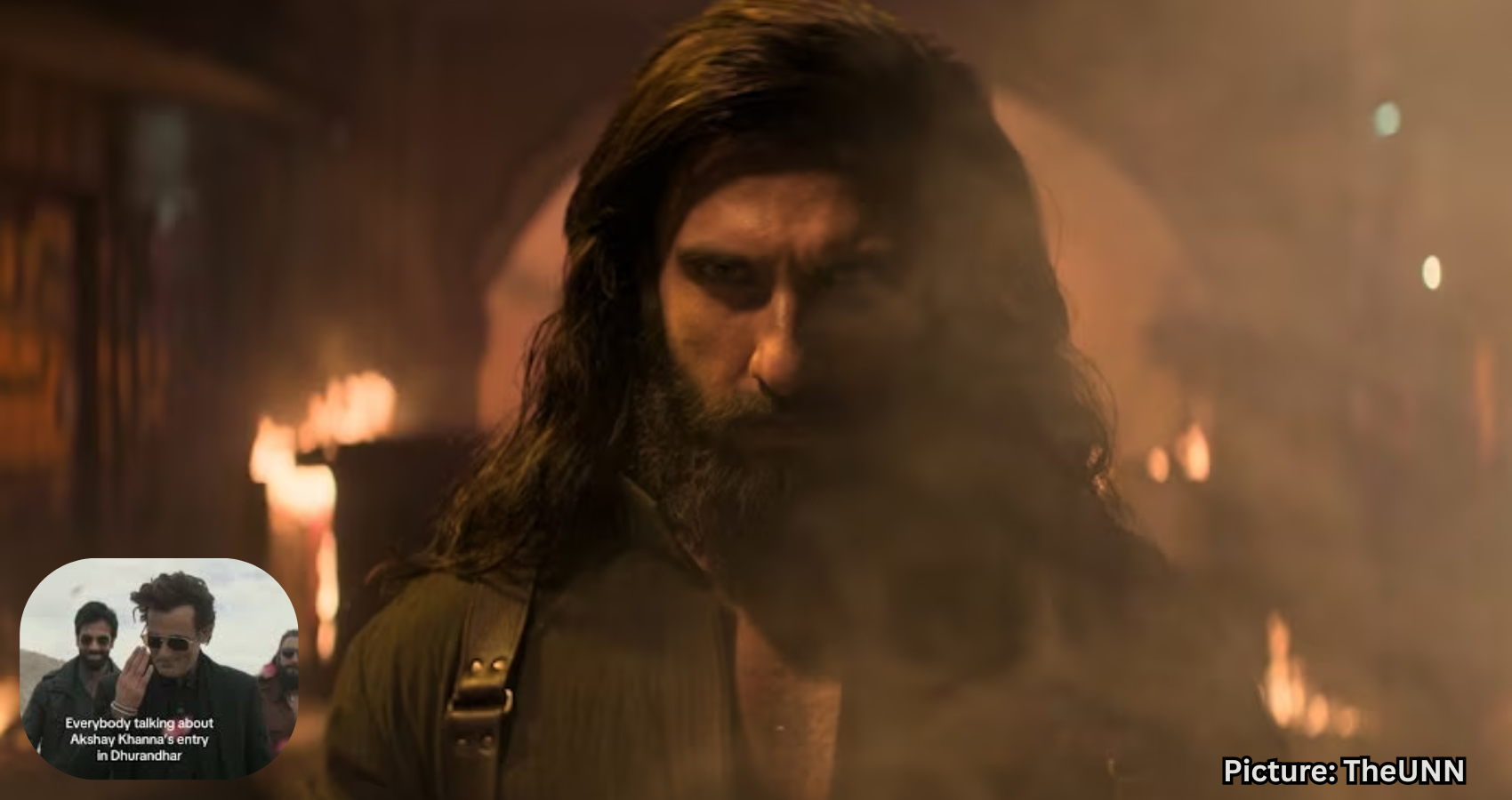
Avtar Singh Walia has been honored as Top Restaurant Owner of the Year by the International Association of Top Professionals, solidifying his legacy in the realm of Indian fine dining.
In a momentous celebration of Indian cuisine in America, celebrated restaurateur Avtar Singh Walia received the prestigious title of Top Restaurant Owner of the Year from the International Association of Top Professionals (IAOTP) during a dazzling awards ceremony at the Bellagio Hotel in Las Vegas.
In addition to this accolade, Walia’s flagship restaurant, Tamarind Tribeca, was recognized as Top Restaurant of the Year 2025 by IAOTP, further affirming its status as a premier destination for refined Indian dining.
The annual gala, held in December 2025, brought together distinguished leaders and innovators from various industries to honor excellence, leadership, and long-term impact. For Walia, this recognition represents nearly four decades of dedication, innovation, and a steadfast belief in the global potential of Indian cuisine.
“It was truly humbling for me and my beloved restaurant, Tamarind, to be chosen as the top in the world from among the hundreds that were considered for this great honor,” Walia stated during his acceptance speech. “This recognition is a testament to Indian cuisine going mainstream across the globe.”
IAOTP honors only a select few professionals each year, evaluating candidates based on leadership, professional excellence, industry influence, and community impact. According to Stephanie Cirami, President of IAOTP, the decision to recognize Walia was clear-cut.
“Choosing Mr. Walia for this honor was an easy decision for our panel,” Cirami remarked. “He is inspirational, influential, and a true visionary and thought leader. His journey exemplifies the highest standards of excellence we aim to celebrate.”
Avtar Singh Walia’s journey is one of perseverance, vision, and reinvention. Born in Abheypur, Punjab, he earned his bachelor’s degree from Punjab University in 1974 and initially considered a career in the army. However, fate led him toward hospitality and entrepreneurship.
After immigrating to the United States in the late 1970s, Walia began his career as a warehouse manager for Gucci before transitioning to a position at New York’s Tandoor restaurant, where he discovered his passion for the culinary arts. His early managerial role at Akbar Restaurant on Park Avenue was formative, planting the seeds of a dream to elevate Indian cuisine within the fine-dining sector.
That dream became a reality in 1986 with the founding of Dawat, co-created with acclaimed actor and food writer Madhur Jaffrey. The restaurant quickly gained a reputation for redefining Indian food for American diners.
“We wanted to show people that Indian cuisine could be sophisticated, nuanced, and worthy of the city’s culinary spotlight,” Walia recalled. “It was about changing perceptions and celebrating the richness of our culture.”
Walia’s most significant achievement came in 2001 when he opened Tamarind in Manhattan’s Flatiron District as the sole proprietor. Collaborating with renowned chefs Raj Jallepalli and Durga Prasad, he guided the restaurant to Michelin-star recognition, marking a first for Indian cuisine in New York City.
“A Michelin star isn’t just a personal achievement,” Walia explained. “It’s a recognition of my team’s relentless pursuit of perfection. It affirms that Indian food belongs among the world’s greatest cuisines.”
In 2010, he expanded his vision with Tamarind Tribeca, an 11,000-square-foot culinary landmark located at 99 Hudson Street. The restaurant, which seats 175 guests across two levels, features a grand dining hall, a windowed cocktail lounge, and a private mezzanine, earning Michelin stars in both 2013 and 2014.
Designed to blend the elegance of Tribeca with the depth of Indian flavors, Tamarind Tribeca has become synonymous with luxury, hospitality, and authenticity.
“Dining at Tamarind Tribeca isn’t just a meal—it’s a journey,” said longtime patron and food critic Susan Feldman. “Mr. Walia has redefined Indian fine dining by blending tradition with innovation in every dish.”
At the heart of Walia’s philosophy lies the Indian ethos of “Atithi Devo Bhava”—the guest is god. Known for his hands-on leadership, Walia is a constant presence at the restaurant, greeting guests, overseeing service, and maintaining high standards, particularly during festivals such as Diwali.
“Success comes from honesty, sincerity, and giving your best every single day,” he stated. “I believe in leading by example.”
This philosophy has cultivated a fiercely loyal clientele and a reputation for warmth that extends beyond the plate. Tamarind Tribeca’s acclaimed wine program and inventive cocktails further enhance the dining experience.
Walia’s influence reaches far beyond his restaurants. He is widely regarded as a mentor to aspiring chefs and restaurateurs, an advocate for Indian gastronomy, and a supporter of civic and cultural initiatives. Over the years, he has received numerous accolades, including Lifetime Achievement honors, and has been featured in leading global publications and television programs.
Often referred to as the “godfather of high-end Indian cuisine in America,” Walia’s impact has helped shape the perception of Indian food on the global stage.
Despite decades of success, Walia remains committed to giving back and inspiring the next generation.
“I want to encourage young people to enter this industry and believe that integrity and dedication still matter,” he said. Among his future plans is writing a memoir chronicling the lessons, challenges, and triumphs of his extraordinary journey.
With Tamarind Tribeca firmly established as a global beacon of Indian fine dining and recognition continuing to pour in, Avtar Singh Walia’s legacy is secure—not just as a restaurateur but as a visionary who has transformed the culinary landscape of America, according to Global Net News.
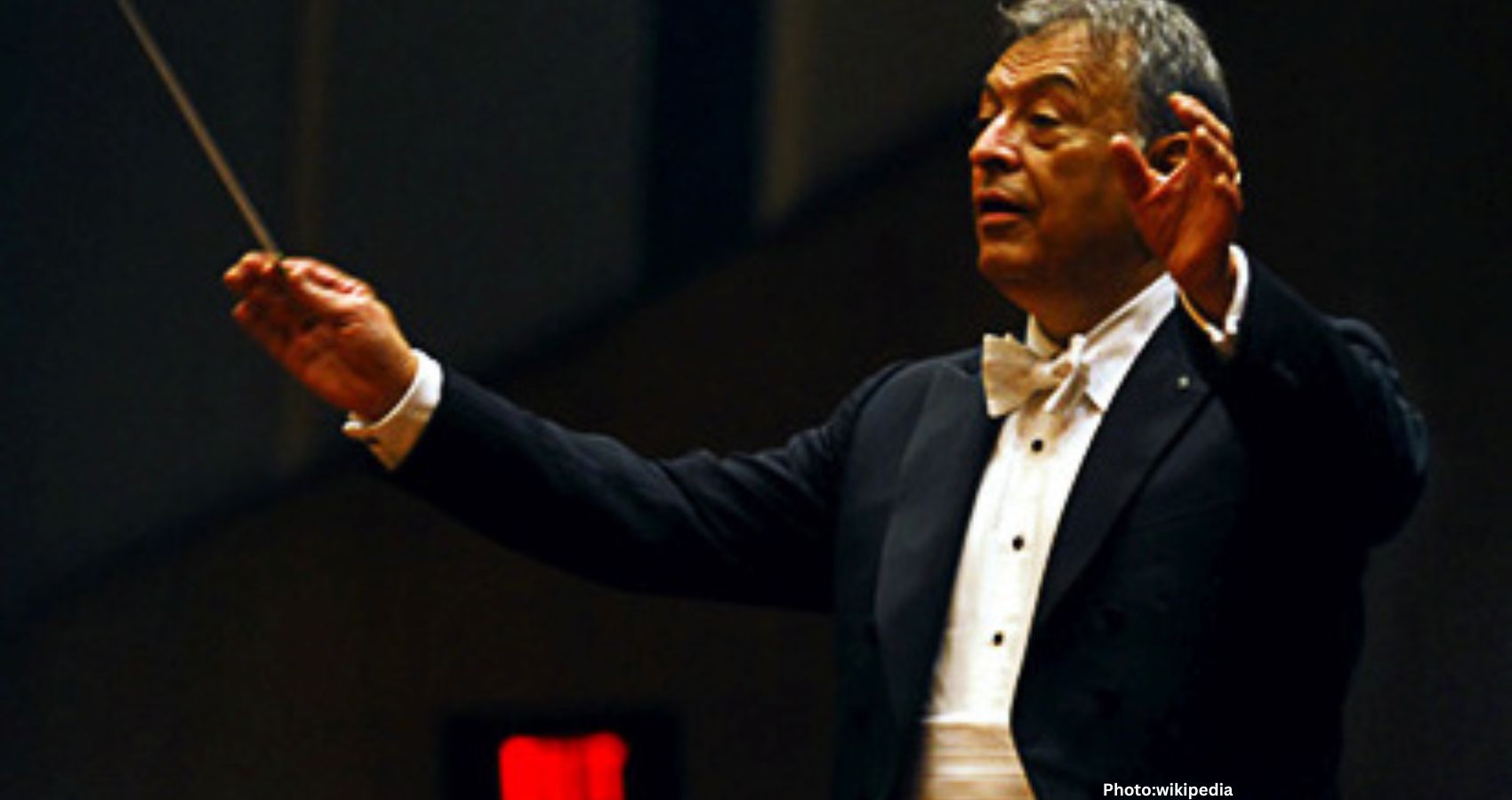


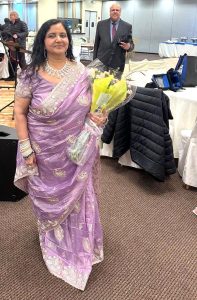
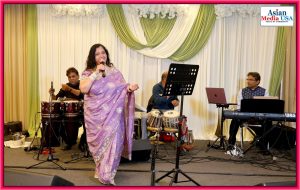
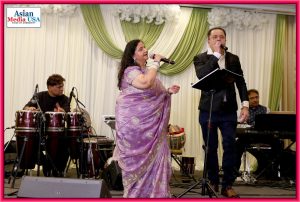
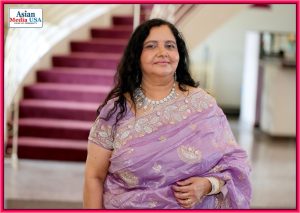
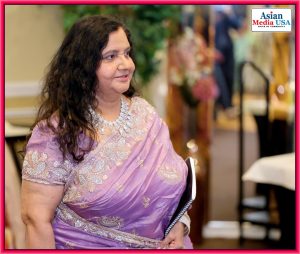
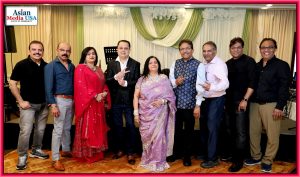
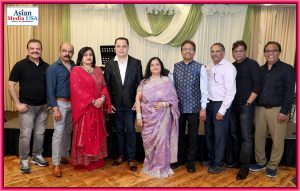
On a warm evening in Chicago, excitement filled the air at The Matrix Club as music lovers gathered for an unforgettable night of melody and memories. On June 13, 2025, at 7:00 pm, the venue hosted a special event titled “Celebrating Legendary Divas: Mughal-E-Azam’s Anarkali,” presented by Aarush Entertainment, Rudra Creation, and Dhrishti. This performance by the renowned vocalist Priyanka Barve wasn’t merely a concert — it was an emotional tribute to the legendary voices that have shaped Indian music for generations.
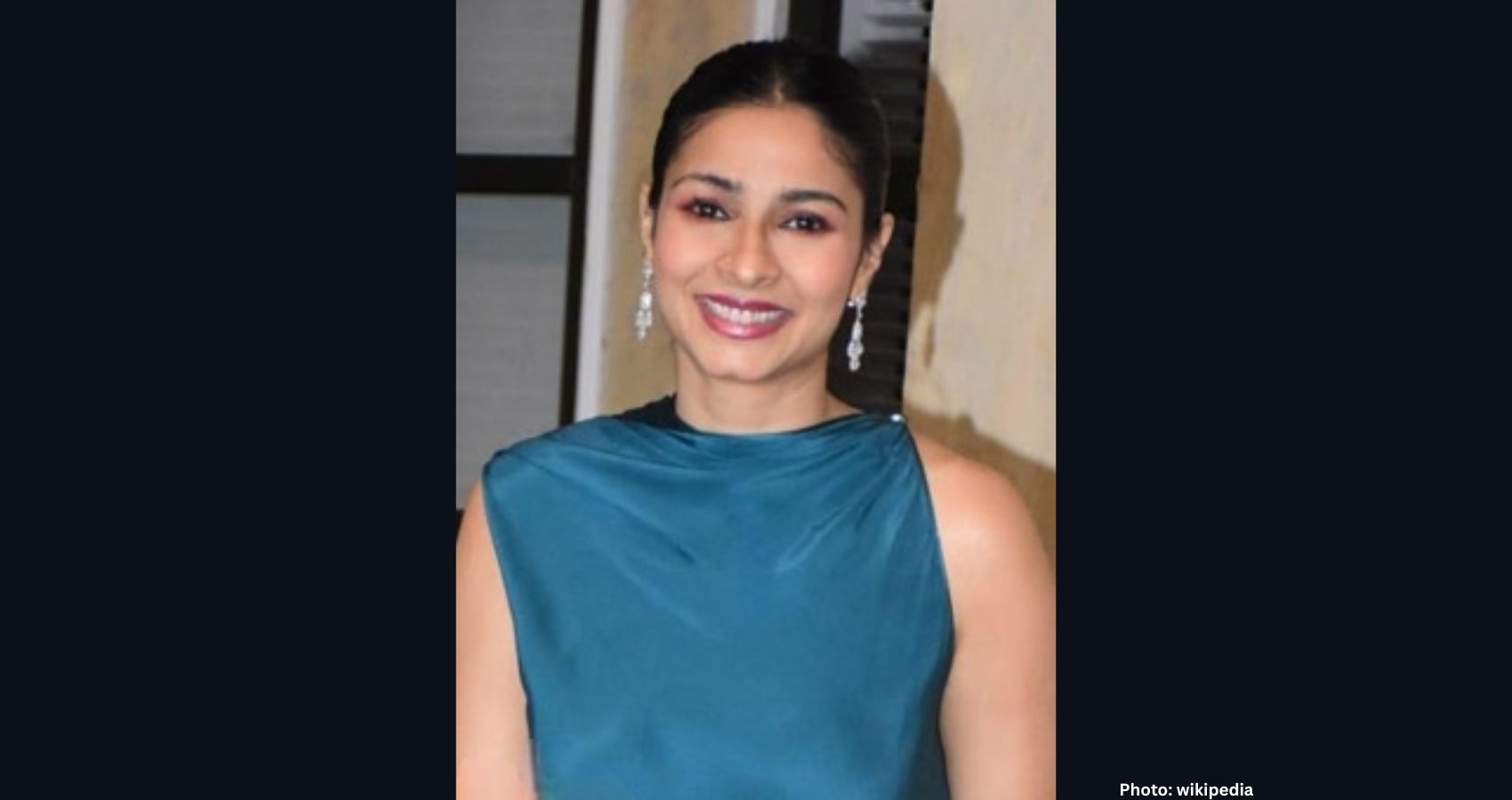

cultural heritage and musical expression. It was a full-house event, with attendees of all ages — families, friends, and music connoisseurs — coming together to immerse themselves in the musical legacy of India. The evening became a shared experience of nostalgia, reverence, and joy, leaving a lasting impression on everyone present.
with a contemporary touch has elevated her career, but it is her portrayal of Anarkali in the stage adaptation of Mughal-E-Azam that has set her apart as a multi-dimensional artist capable of merging voice, emotion, and stage presence seamlessly.
evergreen or lifting spirits with an energetic number, her voice brought each song’s story to life.
Priyanka also spoke fondly of her personal connection with Chicago. “I was 21 when I first performed here. The love from this diverse audience — people from Karnataka, Maharashtra, and beyond — was overwhelming. Coming back feels like coming home,” she said, expressing her appreciation for the warmth and support of the city’s multicultural community.
expressed their deep gratitude to everyone who attended, as well as to the sponsors and fellow organizers who contributed to making the evening a grand success. Their collaborative effort with Rajkumari Rathod of Rudra Creations and Dhrishti demonstrated a shared passion for promoting rich cultural experiences. “This night was not just about the music; it was about honoring our rich culture and the unity we find in it. We’re proud to bring Priyanka Barve to Chicago — a true musical gem,” said the team, underlining the emotional and cultural significance of the occasion.
Suresh Bodiwala, Chairman of Asian Media USA, echoed the importance of the concert in highlighting the role of cultural unity through the arts. “We are proud to support Priyanka Barve’s extraordinary concert, a celebration of musical excellence and cultural unity. This event underscores our commitment to promoting diverse artistic talent and fostering community engagement through the universal language of music,” he said. Recognizing the power of music to transcend boundaries, he praised the concert for honoring the timeless voices that continue to inspire. “She brought vocal magic to Chicago, paying homage to the legendary divas — Lata Mangeshkar, Asha Bhosle, Shreya Ghoshal — whose voices have defined generations,” he added.
Sunday, July 27, 2025
Krasnoff Theater, Tilles Center at LIU
VIP Reception: 5:00 – 6:30 PM
Doors Open: 6:30 PM
Showtime: 7:00 – 9:00 PM
TICKETS & INFORMATION:
Serving as a cultural showcase and tribute to the enduring legacy of Indian classical music, the event harmonized tradition with emotional storytelling. Anchoring the evening was the eloquent Amin Haider, whose articulate hosting and thoughtful commentary added significant depth to the program. Haider’s narration was not just informative but evocative, highlighting several memorable moments from Ustad Ghulam Abbas Khan’s life and career. A particularly striking story he shared revolved around a young Ghulam Abbas, only 16 at the time, who had to perform Hindustani classical music at Delhi’s Daulat Ram College—a genre then unfamiliar to him. Despite his lack of experience, the young artist impressed none other than Pandit Debu Chaudhary. So captivated was the maestro that he interrupted the concert to tune the tanpura himself, allowing Ghulam Abbas to shine at his best. As Haider described, this story was emblematic of “the resilience and passion of a maestro whose name is synonymous with excellence.”
performance that was as spiritually uplifting as it was technically flawless. He seamlessly navigated an array of musical forms, from khayal and thumri to dadra, Sufi kalams, bhajans, and ghazals. Audiences were deeply moved by his performance of Raga Puriya Kalyan and original and traditional bandishes like “More Ghar Aaja” and “Ab To Tumhi Sang Lagan Lagai.” His ability to infuse these centuries-old compositions with fresh emotion and contemporary nuance was nothing short of mesmerizing. The performance bore the unmistakable imprint of his artistic lineage—being the son of Padmashri Ustad Ghulam Sadiq Khan, and the maternal grandson of Padmabhushan Ustad Mushtaq Husain Khan.
Adding a local flavor to the evening, Chicago-based vocalist Payel Ganguly gave a brief yet impactful performance that paid homage to the same musical traditions Ustad Ghulam Abbas embodies. Her rendition was heartfelt and authentic, resonating powerfully with the audience. The crowd responded with enthusiastic applause, affirming her rising status in the realm of classical music.
Kastha delivered a stunning rhythmic performance, displaying a maturity and finesse that belied his age. His intricate patterns and subtle flourishes aligned flawlessly with the vocal cadences, creating a musical dialogue that captivated listeners throughout the night.
emphasizing the evening’s significance as a unifying cultural moment for the South Asian community in Chicago. Though Mr. Iftekhar Sharif, the designated chief guest, was unable to attend due to unforeseen scheduling issues, the event was graced by the esteemed ghazal singer Amir Mohammed Khan, who appeared as the Guest of Honor.
and contributions to Hindustani classical music have earned him several prestigious honors. These include the Central Fellowship Award from India’s Ministry of Culture, the Global Achievement Award in 2017, and the Dr. Radhakrishnan Award in 2018. One of the pinnacles of his career was a performance at the President’s House during the tenure of Dr. APJ Abdul Kalam—an event that remains a highlight in his professional journey.
Ali’s Catering ensured that guests were well-fed, while Ena Agnihotri of the Radisson Hotel in Schaumburg provided additional hospitality support. Other significant contributors included the Urdu Institute and Aftab Baig of Monty’s Banquet. Their collective efforts helped transform the evening into more than just a concert—it became a holistic celebration of culture, heritage, and music.