
Kiran Desai’s latest novel, *The Loneliness of Sonia and Sunny*, has been shortlisted for the 2025 Booker Prize, showcasing her distinctive narrative style and exploration of loneliness.
Kiran Desai’s upcoming novel, *The Loneliness of Sonia and Sunny*, has garnered significant attention after being shortlisted for the 2025 Booker Prize. In this work, Desai employs a naturalist’s eye, crafting a narrative that is both observant and immersive, transporting readers to the diverse settings she vividly describes.
Desai’s journey to this point has not been without its challenges. In the margins of an early draft of her manuscript, her mother, Anita Desai, famously wrote, “Cut. If not, shorten.” This advice came after Kiran had already reduced a staggering 5,000-page manuscript to a still-imposing 1,000 pages. The final published version, at 688 pages, has sparked debate among readers regarding its length.
During a recent event at Kepler’s Books in Menlo Park on September 21, Desai discussed her novel in an engaging conversation moderated by her friend and fellow writer, Ellen Sussman. Heather Birchall, a representative from Kepler’s, introduced the event by recalling that Desai was the youngest female winner of the Booker Prize in 2006 for her previous work, *The Inheritance of Loss*, at the age of 34.
The inspiration for *The Loneliness of Sonia and Sunny* stems from Desai’s own experiences at Bennington College in Vermont, where she encountered what she describes as a winter of “exquisite, artistic loneliness.” The novel delves into various forms of loneliness, including romantic, existential, and those arising from racial, gender, and national differences.
Set against the backdrop of privileged upper-class Indian families, the protagonists, Sonia and Sunny, are raised with the expectation of leaving India. Their families attempt to arrange a marriage for Sonia while she is a lonely college student in Vermont, and Sunny is an AP reporter in New York. However, these attempts ultimately fail, leading them to pursue their own paths.
Sonia relocates to New York, where she becomes involved with a self-absorbed and abusive artist named Ilan. Meanwhile, Sunny’s close friend, Satya, a medical student, decides to enter an arranged marriage and seeks Sunny’s assistance in selecting his bride. Fate brings Sonia and Sunny together in India, sparking a sweet but complicated romance.
Throughout their relationship, Desai illustrates how external circumstances continually pull Sonia and Sunny apart, prompting questions about whether love can truly overcome such obstacles. Both characters are portrayed as writers and wanderers, grappling with their identities and how they fit into the world. Sussman highlighted Sonia’s struggle with her writing, quoting her reflection on the creative process: “I am trying to write a book, in fact, but I feel I am circling the story.” This sentiment resonates throughout the novel, as Desai’s prose often reflects a similar circling of ideas.
While the book features moments of striking prose, such as “The train began to clop to a tabla beat,” and “An aberrant ice cube harboring a bubble of air begins to squeal in the glass and spin around like a dervish,” it also contains lengthy passages that can feel meandering. These extended musings, while occasionally meditative, sometimes detract from the narrative’s momentum.
Desai’s exploration of racial relations and justice adds depth to the story, particularly through Sunny’s experiences as a brown person navigating a predominantly white audience. A poignant moment occurs when an acquaintance warns Sunny that seeking American citizenship may alter his perspective as a reporter, suggesting that he might lose touch with the very humanity he aims to advocate for.
The narrative is punctuated by significant historical events, such as 9/11 and the destruction of the Babri Masjid, which serve to anchor the characters in specific contexts. However, these references often feel superficial, as they are more about situating the characters in time rather than directly affecting their lives.
Desai also touches on elements of magical realism, inspired by her introduction to an exhibition by Francesco Clemente. While she acknowledges the use of magical realism as a means to explore complex themes, the execution in this novel may not resonate as strongly as in other celebrated works of the genre.
Desai’s keen observational skills shine through in her descriptions of landscapes and settings. She paints vivid images of nature and architecture, such as “a forest of doves” and “water pooling in the corner of a bathroom.” However, her character descriptions tend to focus more on personality traits than physical attributes, which may leave readers wanting more depth in understanding the characters.
Among the characters, the resilient mothers stand out, each embodying different aspects of loneliness. Sonia’s mother, referred to simply as Mama, finds peace in solitude, while Sunny’s mother, Babita, believes that loneliness is the only problem worth solving. This thematic exploration of loneliness echoes contemporary discussions, such as those presented in Surgeon General Vivek Murthy’s 2021 book on the subject.
At the book signing following the event, Desai’s warmth and graciousness were evident as she engaged with fans, remarking on the “cool” Advance Reader’s Copy in hand. Her approachable demeanor leaves a lasting impression, inviting readers to wish her well on her literary journey.
Source: Original article
 On a warm evening in Chicago, excitement filled the air at The Matrix Club as music lovers gathered for an unforgettable night of melody and memories. On June 13, 2025, at 7:00 pm, the venue hosted a special event titled “Celebrating Legendary Divas: Mughal-E-Azam’s Anarkali,” presented by Aarush Entertainment, Rudra Creation, and Dhrishti. This performance by the renowned vocalist Priyanka Barve wasn’t merely a concert — it was an emotional tribute to the legendary voices that have shaped Indian music for generations.
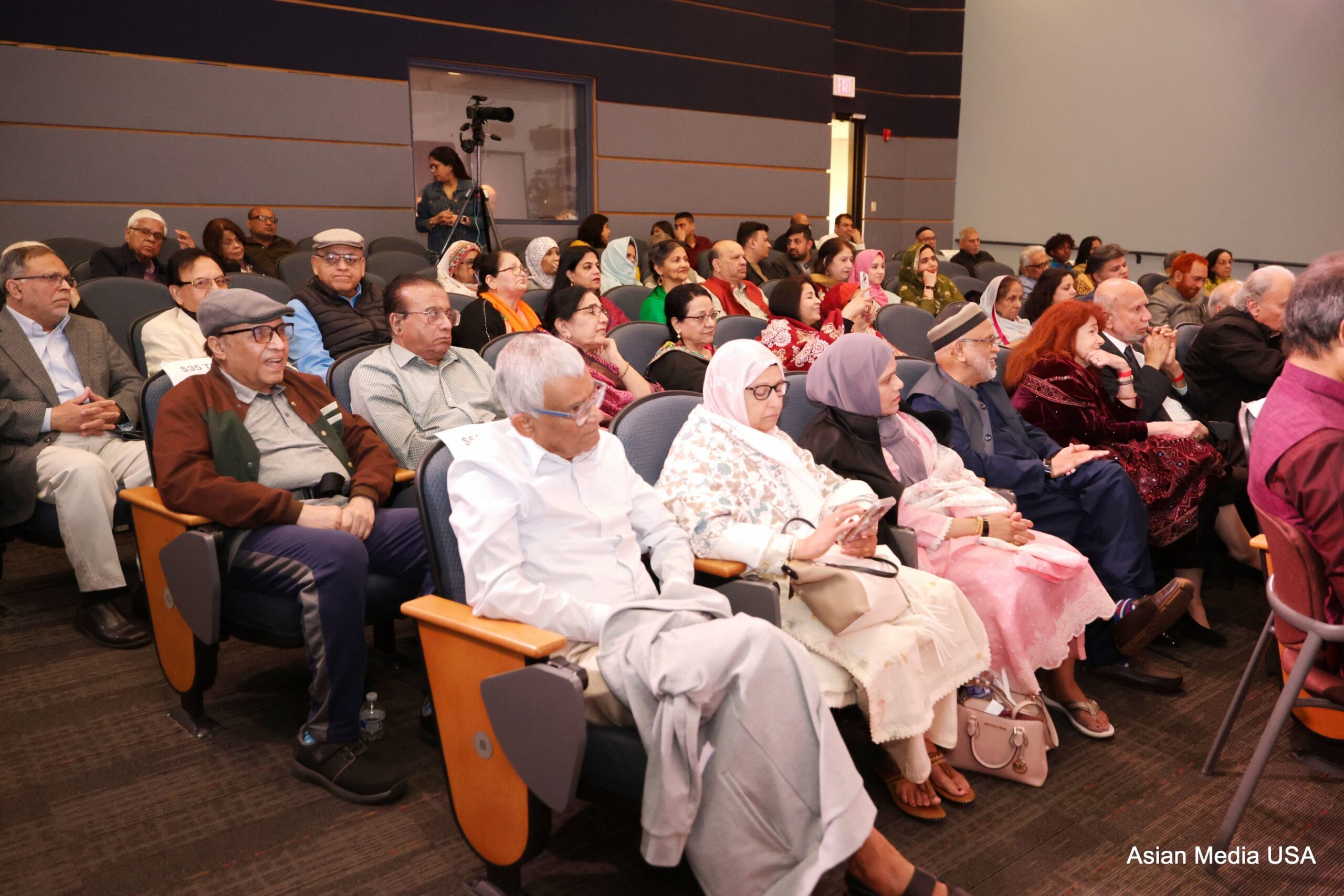
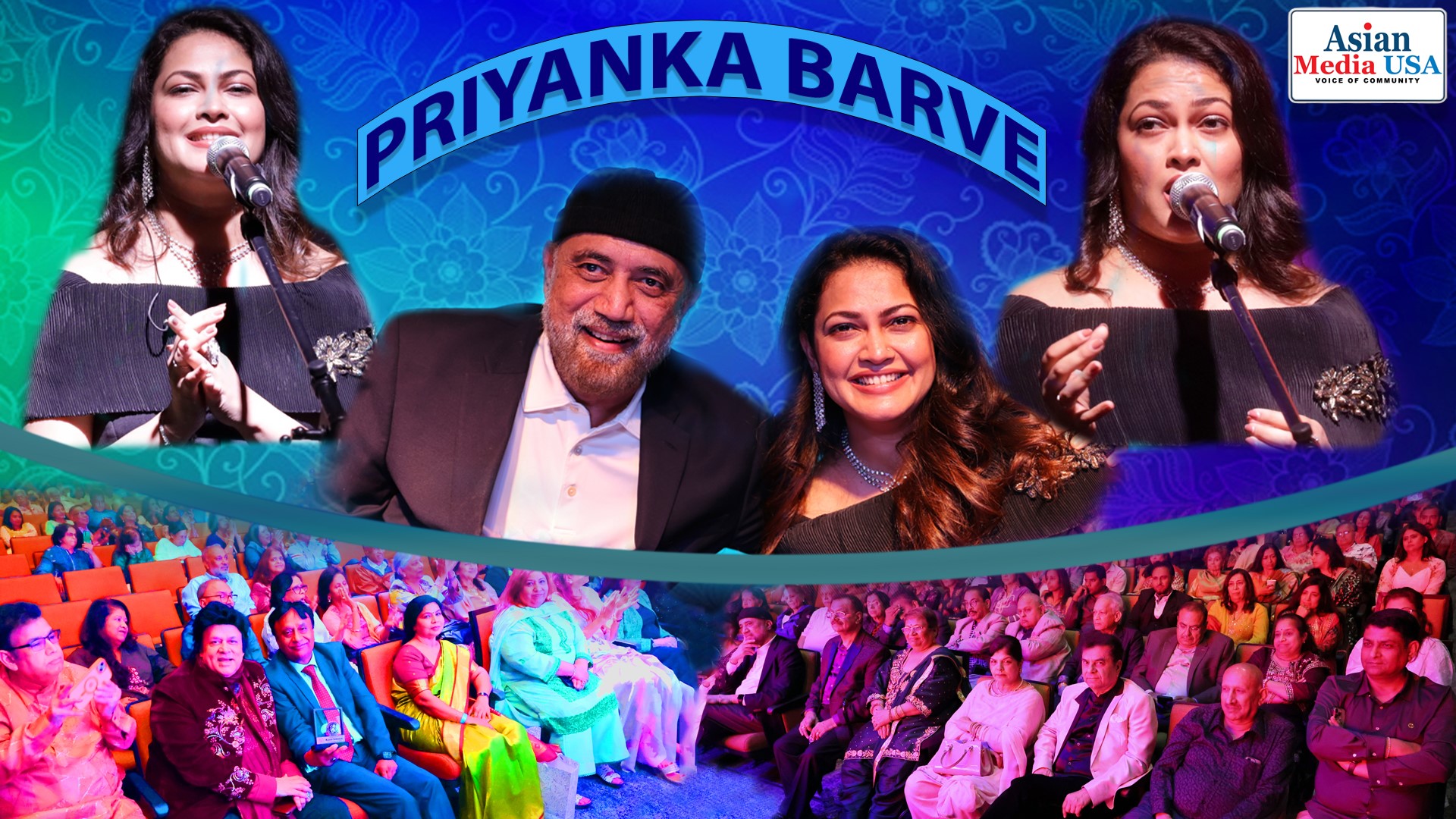 cultural heritage and musical expression. It was a full-house event, with attendees of all ages — families, friends, and music connoisseurs — coming together to immerse themselves in the musical legacy of India. The evening became a shared experience of nostalgia, reverence, and joy, leaving a lasting impression on everyone present.
 with a contemporary touch has elevated her career, but it is her portrayal of Anarkali in the stage adaptation of Mughal-E-Azam that has set her apart as a multi-dimensional artist capable of merging voice, emotion, and stage presence seamlessly.
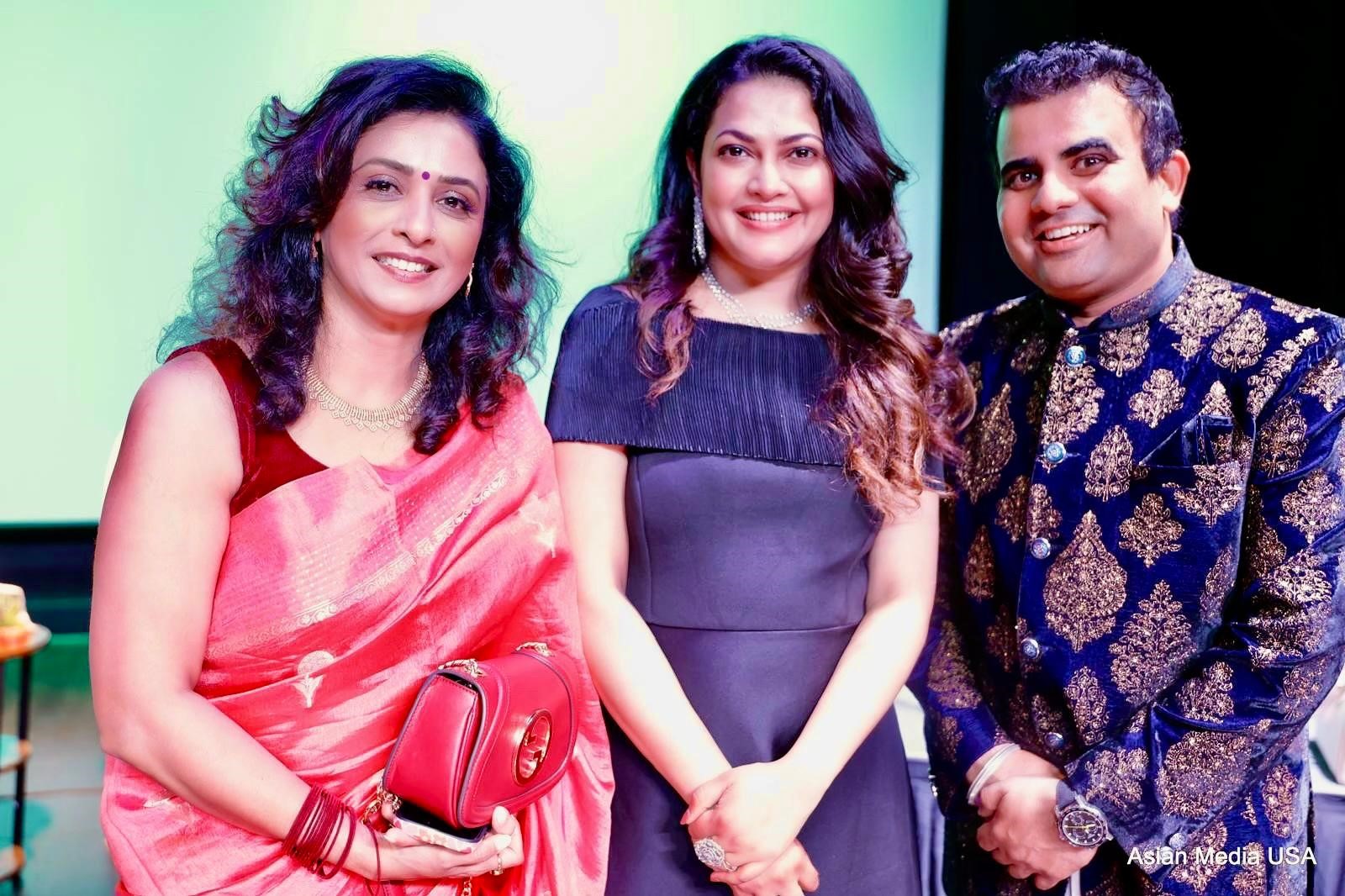 evergreen or lifting spirits with an energetic number, her voice brought each song’s story to life.
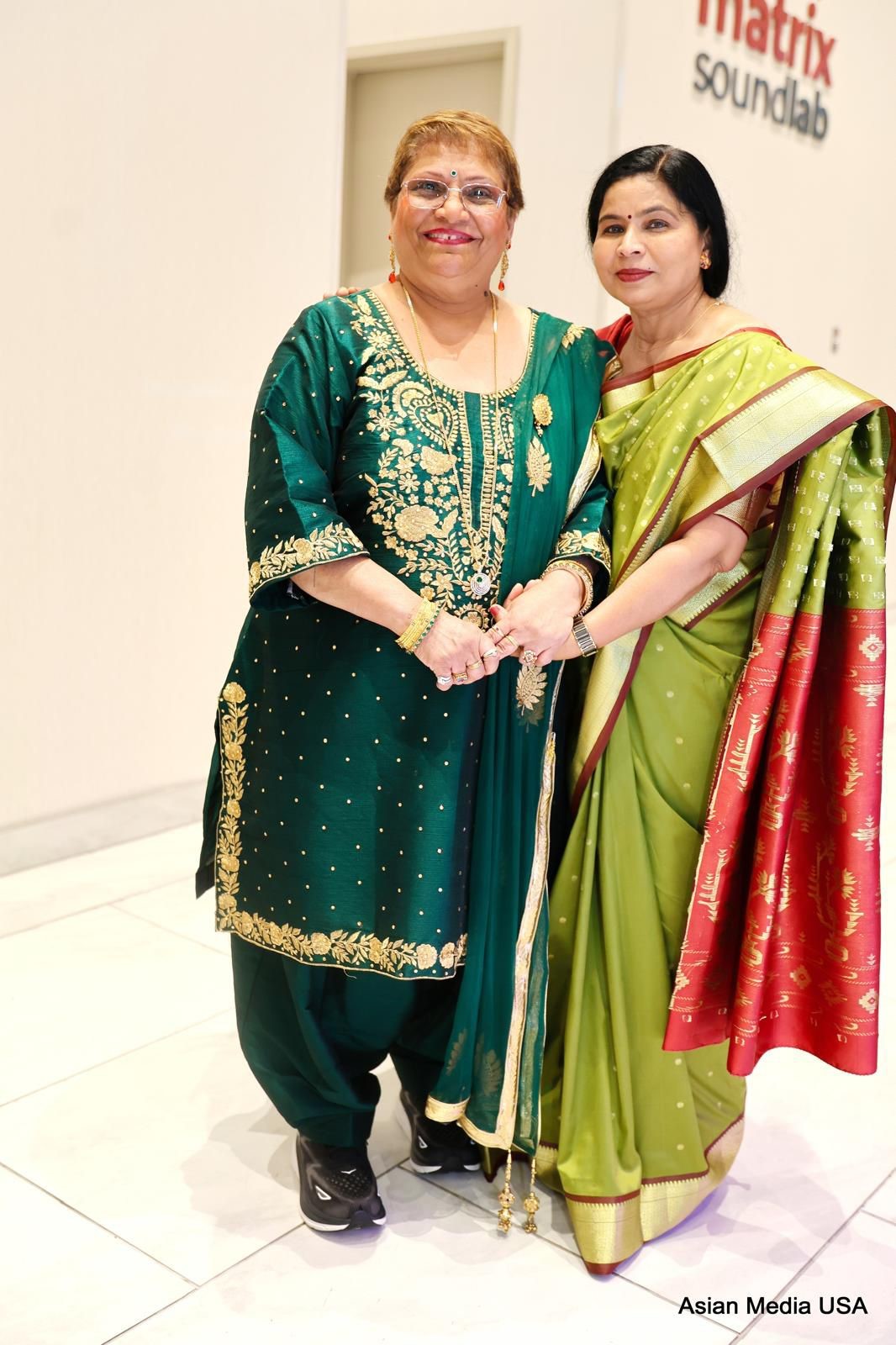 Priyanka also spoke fondly of her personal connection with Chicago. “I was 21 when I first performed here. The love from this diverse audience — people from Karnataka, Maharashtra, and beyond — was overwhelming. Coming back feels like coming home,” she said, expressing her appreciation for the warmth and support of the city’s multicultural community.
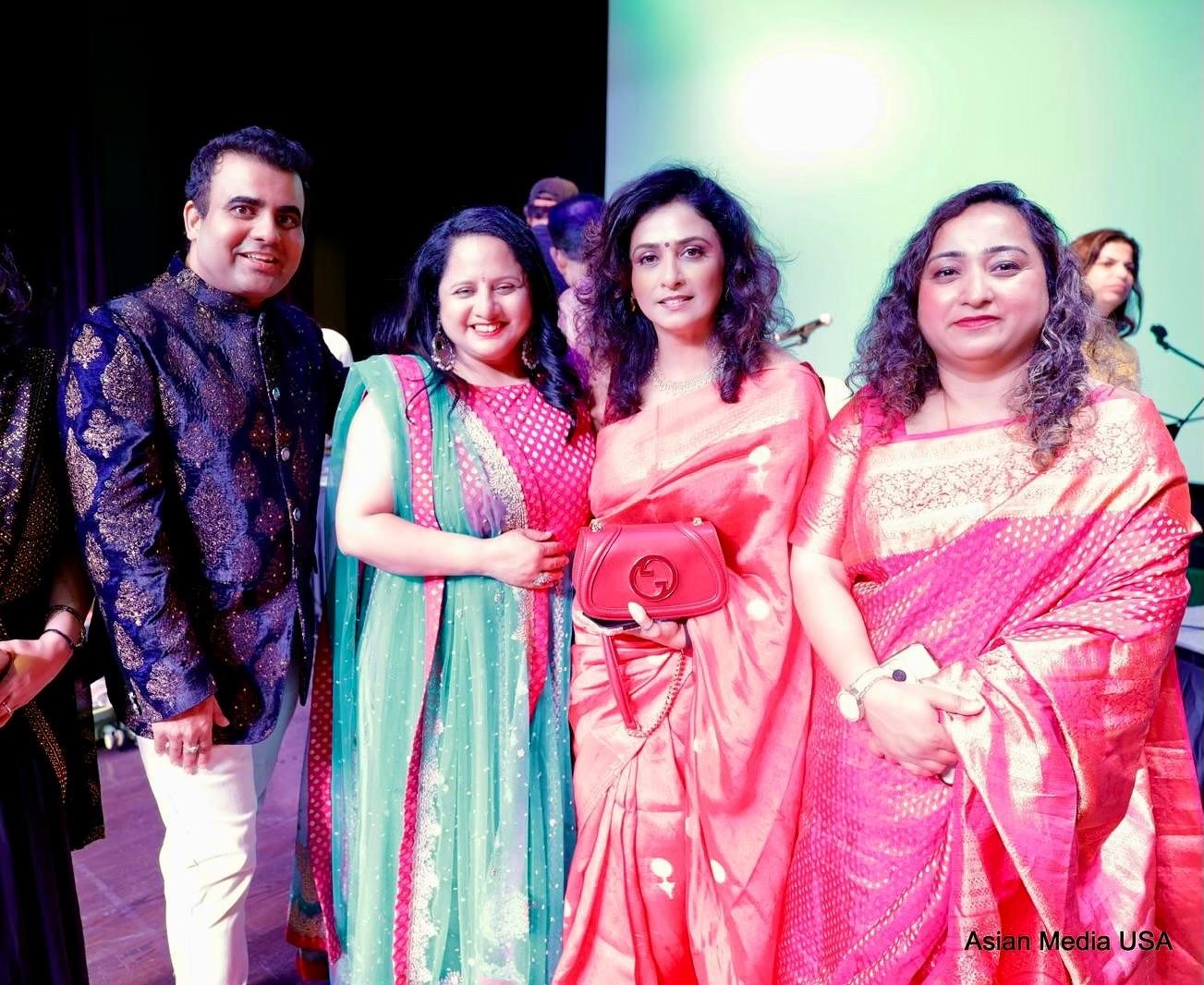 expressed their deep gratitude to everyone who attended, as well as to the sponsors and fellow organizers who contributed to making the evening a grand success. Their collaborative effort with Rajkumari Rathod of Rudra Creations and Dhrishti demonstrated a shared passion for promoting rich cultural experiences. “This night was not just about the music; it was about honoring our rich culture and the unity we find in it. We’re proud to bring Priyanka Barve to Chicago — a true musical gem,” said the team, underlining the emotional and cultural significance of the occasion.
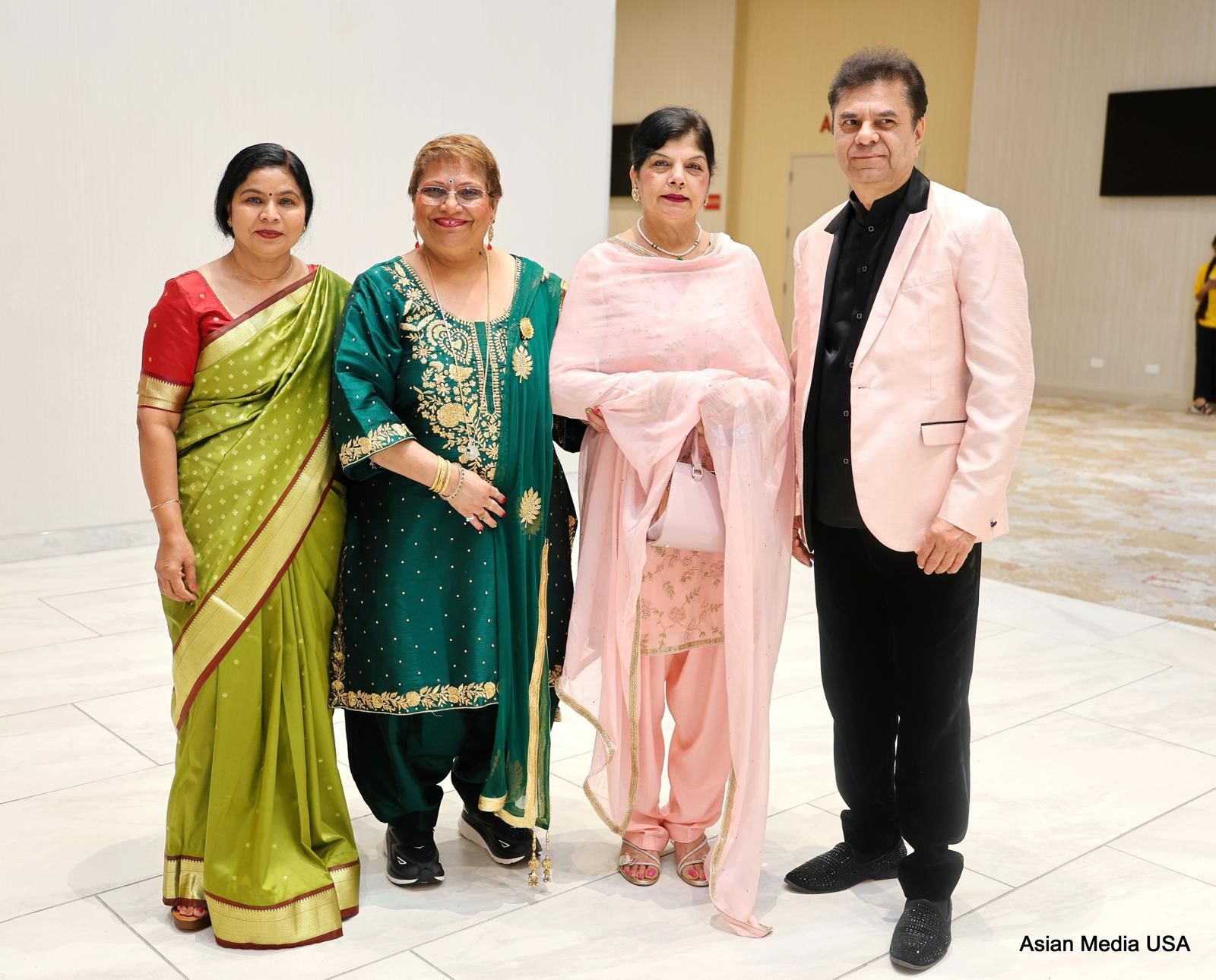 Suresh Bodiwala, Chairman of Asian Media USA, echoed the importance of the concert in highlighting the role of cultural unity through the arts. “We are proud to support Priyanka Barve’s extraordinary concert, a celebration of musical excellence and cultural unity. This event underscores our commitment to promoting diverse artistic talent and fostering community engagement through the universal language of music,” he said. Recognizing the power of music to transcend boundaries, he praised the concert for honoring the timeless voices that continue to inspire. “She brought vocal magic to Chicago, paying homage to the legendary divas — Lata Mangeshkar, Asha Bhosle, Shreya Ghoshal — whose voices have defined generations,” he added.
 Sunday, July 27, 2025
 Krasnoff Theater, Tilles Center at LIU
 VIP Reception: 5:00 – 6:30 PM
 Doors Open: 6:30 PM
 Showtime: 7:00 – 9:00 PM
 TICKETS & INFORMATION:
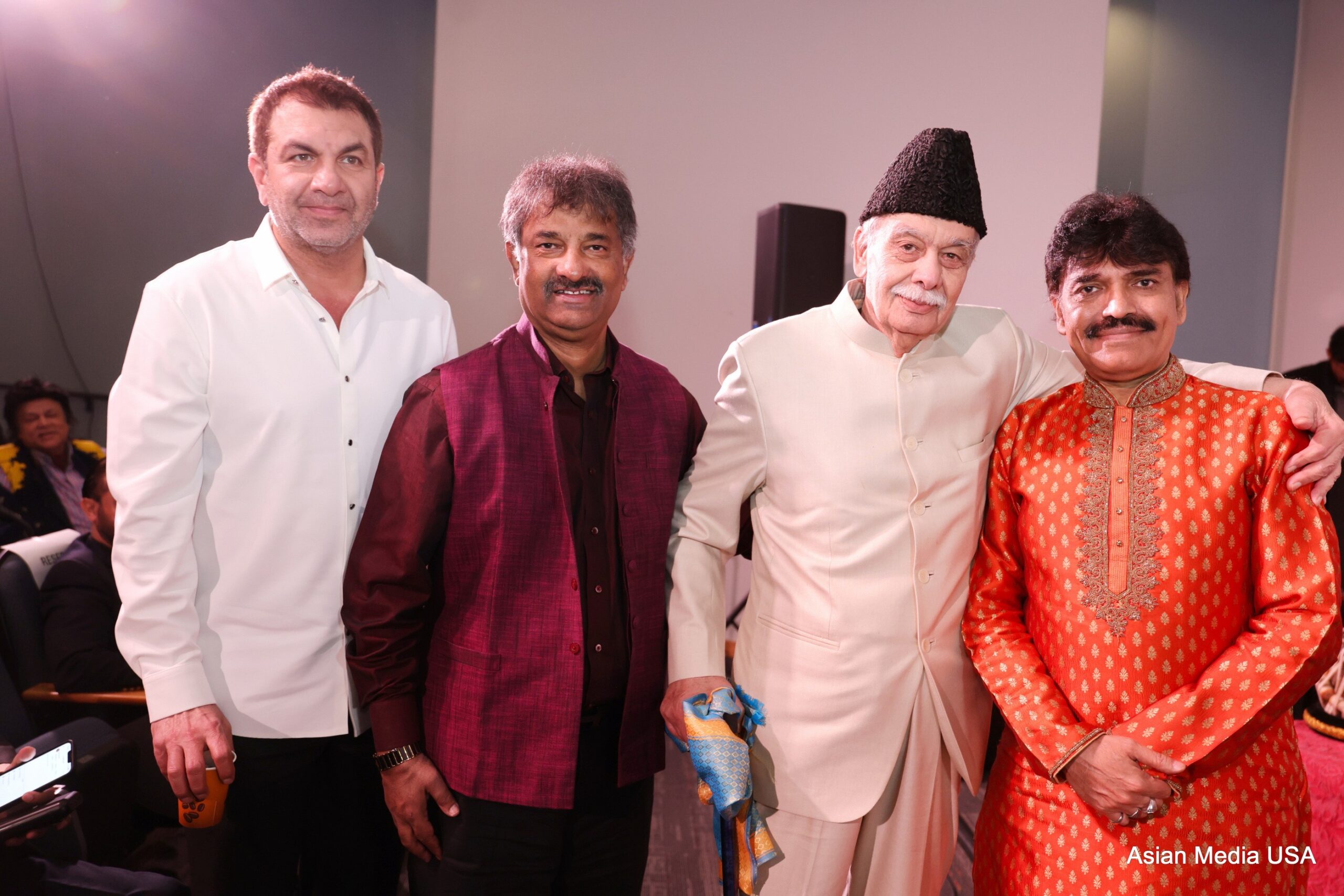 Serving as a cultural showcase and tribute to the enduring legacy of Indian classical music, the event harmonized tradition with emotional storytelling. Anchoring the evening was the eloquent Amin Haider, whose articulate hosting and thoughtful commentary added significant depth to the program. Haider’s narration was not just informative but evocative, highlighting several memorable moments from Ustad Ghulam Abbas Khan’s life and career. A particularly striking story he shared revolved around a young Ghulam Abbas, only 16 at the time, who had to perform Hindustani classical music at Delhi’s Daulat Ram College—a genre then unfamiliar to him. Despite his lack of experience, the young artist impressed none other than Pandit Debu Chaudhary. So captivated was the maestro that he interrupted the concert to tune the tanpura himself, allowing Ghulam Abbas to shine at his best. As Haider described, this story was emblematic of “the resilience and passion of a maestro whose name is synonymous with excellence.”
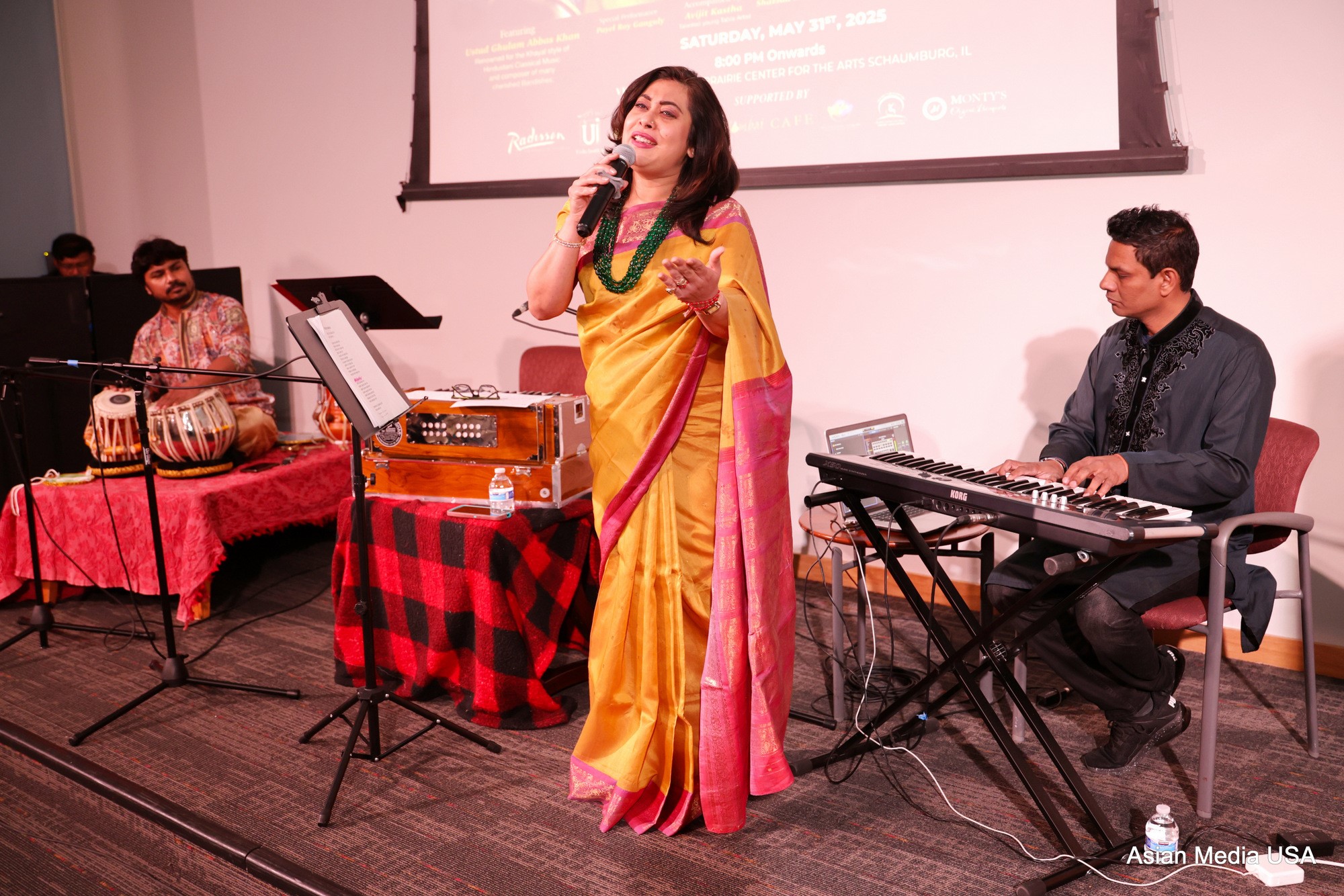
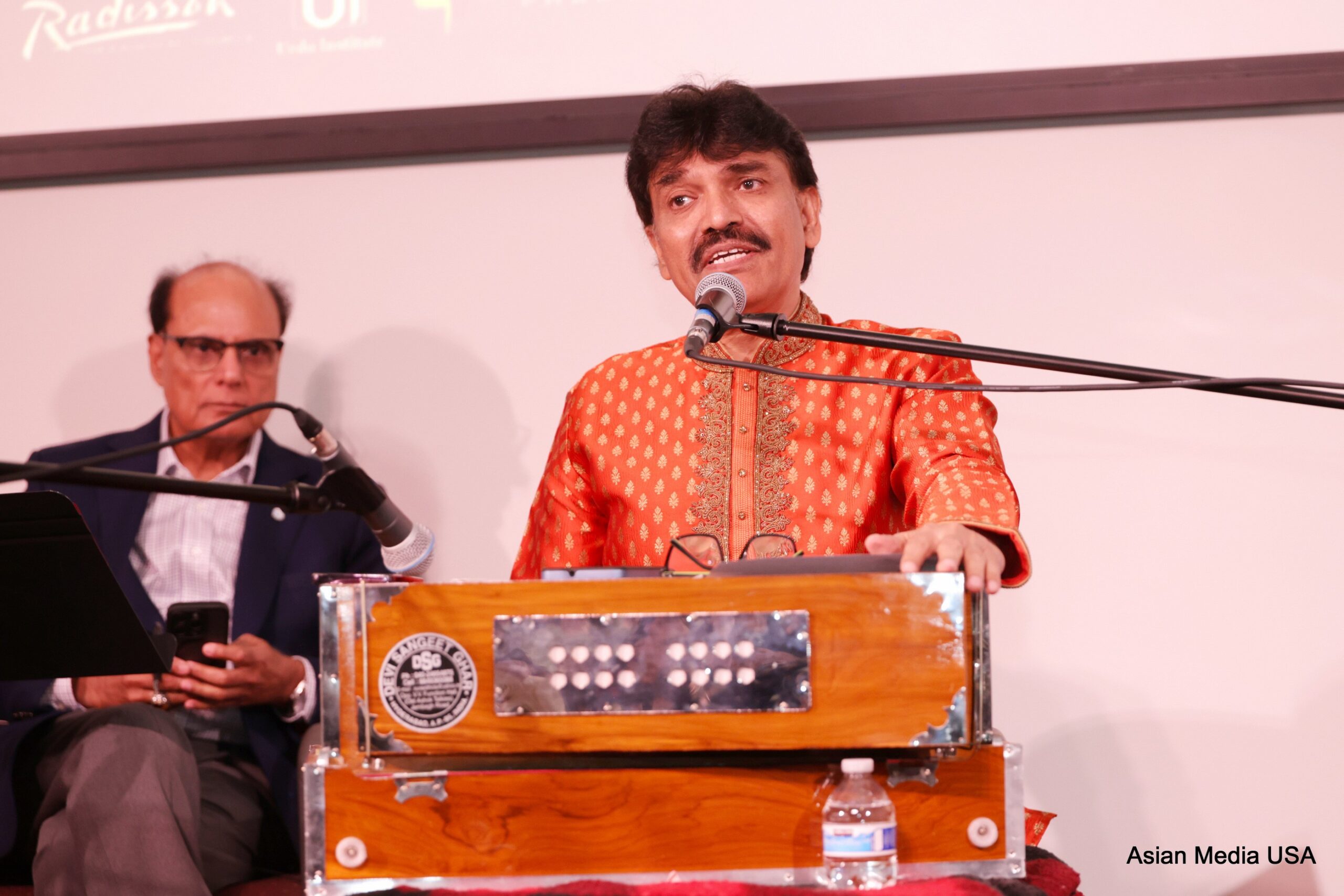 performance that was as spiritually uplifting as it was technically flawless. He seamlessly navigated an array of musical forms, from khayal and thumri to dadra, Sufi kalams, bhajans, and ghazals. Audiences were deeply moved by his performance of Raga Puriya Kalyan and original and traditional bandishes like “More Ghar Aaja” and “Ab To Tumhi Sang Lagan Lagai.” His ability to infuse these centuries-old compositions with fresh emotion and contemporary nuance was nothing short of mesmerizing. The performance bore the unmistakable imprint of his artistic lineage—being the son of Padmashri Ustad Ghulam Sadiq Khan, and the maternal grandson of Padmabhushan Ustad Mushtaq Husain Khan.
 Adding a local flavor to the evening, Chicago-based vocalist Payel Ganguly gave a brief yet impactful performance that paid homage to the same musical traditions Ustad Ghulam Abbas embodies. Her rendition was heartfelt and authentic, resonating powerfully with the audience. The crowd responded with enthusiastic applause, affirming her rising status in the realm of classical music.
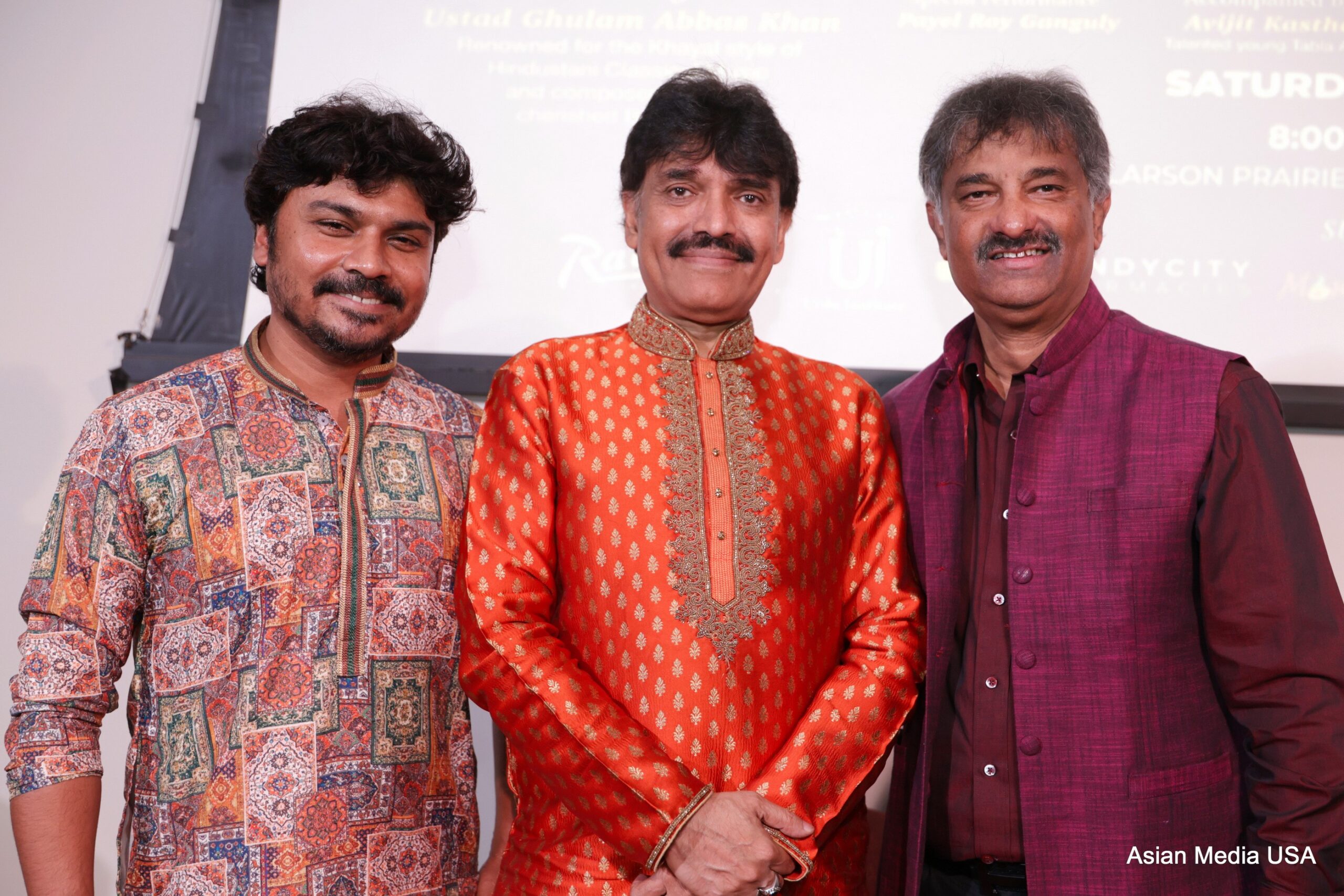 Kastha delivered a stunning rhythmic performance, displaying a maturity and finesse that belied his age. His intricate patterns and subtle flourishes aligned flawlessly with the vocal cadences, creating a musical dialogue that captivated listeners throughout the night.
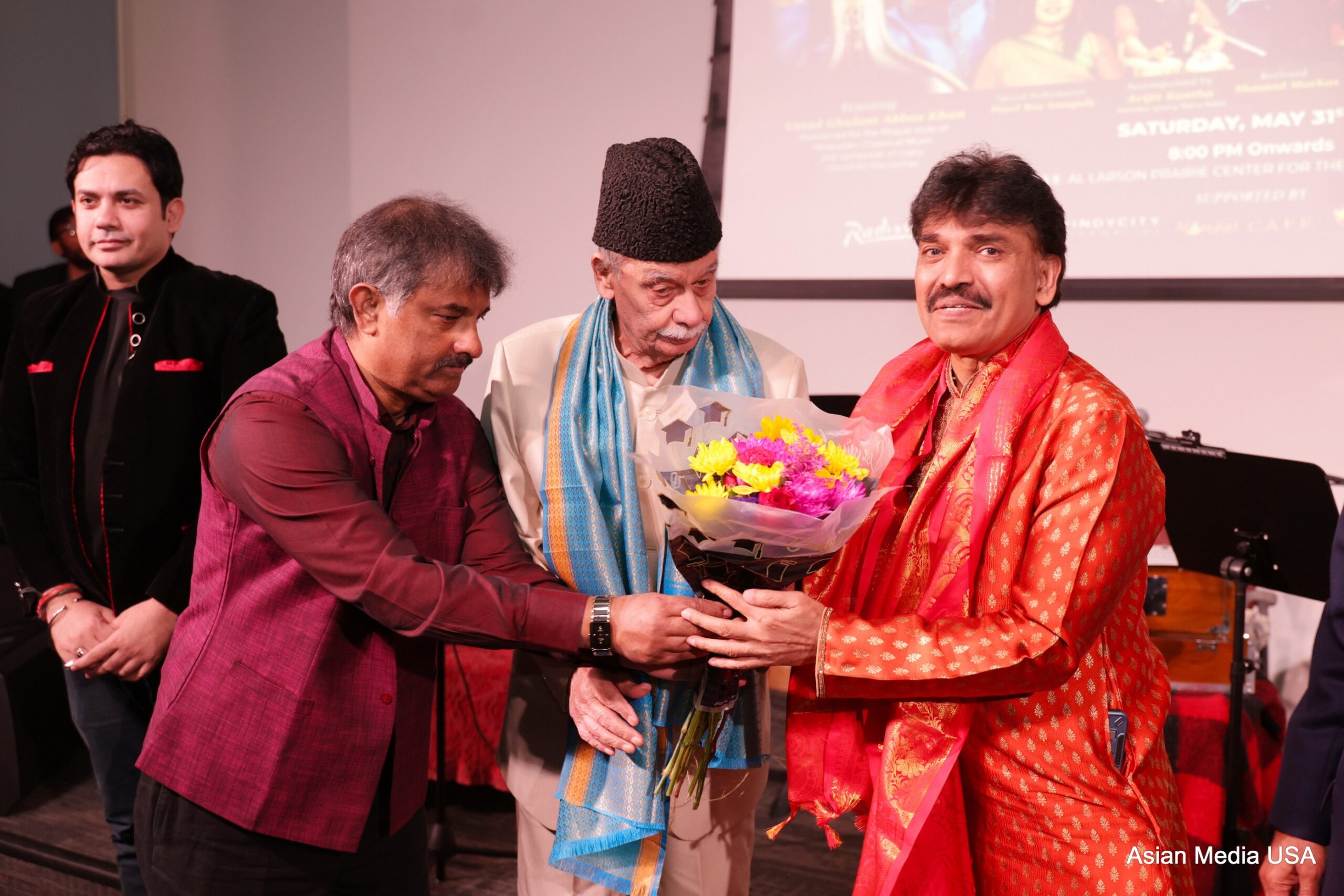 emphasizing the evening’s significance as a unifying cultural moment for the South Asian community in Chicago. Though Mr. Iftekhar Sharif, the designated chief guest, was unable to attend due to unforeseen scheduling issues, the event was graced by the esteemed ghazal singer Amir Mohammed Khan, who appeared as the Guest of Honor.
 and contributions to Hindustani classical music have earned him several prestigious honors. These include the Central Fellowship Award from India’s Ministry of Culture, the Global Achievement Award in 2017, and the Dr. Radhakrishnan Award in 2018. One of the pinnacles of his career was a performance at the President’s House during the tenure of Dr. APJ Abdul Kalam—an event that remains a highlight in his professional journey.
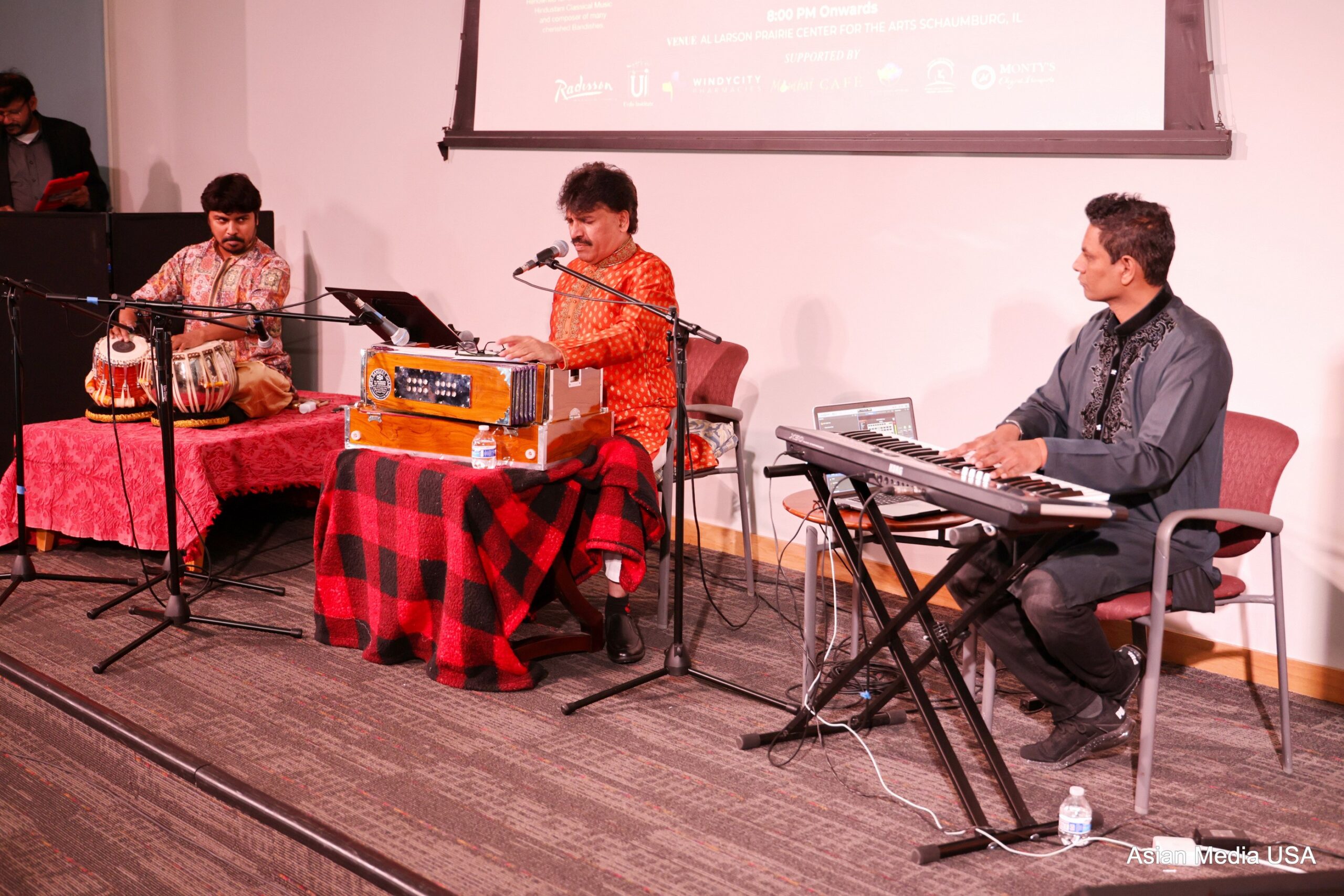 Ali’s Catering ensured that guests were well-fed, while Ena Agnihotri of the Radisson Hotel in Schaumburg provided additional hospitality support. Other significant contributors included the Urdu Institute and Aftab Baig of Monty’s Banquet. Their collective efforts helped transform the evening into more than just a concert—it became a holistic celebration of culture, heritage, and music.


 The contestants will be judged in four categories, based on one’s Poise, Personality, Presentation, Performance, Style, Appearance, Intelligence and Confidence.
 In the past five years, since he launched the movement to save the Earth from the effects of Batteries, Sri Nihal Tammana has been instrumental in recycling as many as 625,000+ batteries, preventing hazardous waste from polluting landfills. He has helped educate 40 million people through school programs, corporate workshops, and media outreach.
 Nihal’s mission has come to be recognized, winning him and his non-profit organization, Recycle My Battery, dozens of accolades and awards. Sri Nihal has been featured on CNN, BBC, TEDx, and several other major media platforms, helping to spread awareness globally.
 Nihal plans to major in environmental science in college and eventually invent his own eco-friendly battery. “I want to study Physics and Chemistry and learn about the environmental impacts on the Earth like climate change and everything. So I can use all this to make my own eco-friendly battery, which will use 0% of harmful chemicals and it will be able to be thrown away into the trash. So, it will be good for performance and for all of us to enjoy all the environment and the Earth will also enjoy it as well as it will be very sustainable. I will learn more engineering and environmental science so I can use all the things which I’ve learned to benefit all.”