
India to Tour Bangladesh for Six-Match White-Ball Series in August

India is gearing up for a white-ball series against Bangladesh, which will comprise three One-Day Internationals (ODIs) and three Twenty20 Internationals (T20Is). The matches are scheduled to take place between August 17 and August 31, as confirmed by the Bangladesh Cricket Board (BCB) in its official announcement on Tuesday.

The Indian team is slated to land in Dhaka on August 13, a few days prior to the start of the ODI series. The opening ODI will be held on August 17 at the Sher-e-Bangla National Cricket Stadium, located in Mirpur. The first two games of the three-match ODI series will be played at this venue. Following these encounters, the third ODI will be staged in Chattogram. After the conclusion of the ODI series, the T20I leg will begin, with the first match of the series also taking place in Chattogram on August 26. The final two T20Is will be played in Mirpur on August 29 and August 31 respectively, bringing the tour to a close.

This tour will mark India’s first white-ball-only series in Bangladesh since the year 2014. It carries added significance as it will also be the first occasion on which Bangladesh hosts India for a bilateral T20 International series on its home soil. Although the two cricketing nations have faced each other multiple times in T20Is over the years, none of those contests had been hosted solely by Bangladesh in a bilateral format.

The most recent T20I series between the two nations was held in 2024, when India hosted Bangladesh and claimed a dominant 3–0 victory. That comprehensive series sweep showcased India’s strength in the shortest format of the game and raised expectations for their upcoming rematch in Bangladesh.

The BCB is optimistic about the upcoming matches and their potential to attract enthusiastic fans and produce top-quality cricket. Speaking to ESPNcricinfo, BCB Chief Executive Nizam Uddin Chowdhury expressed his excitement about hosting the Indian team and emphasized the importance of the series for both cricket boards and their supporters.

“This series promises to be one of the most exciting and anticipated events on our home calendar. India has set the benchmark in international cricket across all formats, and the cricket-loving fans in both countries are sure to enjoy the contest. Bangladesh and India have played some very competitive matches in recent years, and I am confident this will be another hard-fought and entertaining series,” said Chowdhury.

India and Bangladesh have developed a competitive cricketing rivalry over the years, especially in white-ball formats. From tense finishes to surprise upsets, their encounters have often delivered memorable moments. This upcoming tour is expected to add more chapters to their growing rivalry, with both teams looking to test their squads ahead of major international tournaments.

Bangladesh will aim to use home advantage to their benefit, especially as they look to reverse the result from the previous T20I series in 2024. The Chattogram and Mirpur venues are expected to witness packed crowds, given the strong interest in matches involving India. Both venues have a rich history of hosting international fixtures and are known for their vibrant atmosphere during big games.

The Sher-e-Bangla National Cricket Stadium in Mirpur, where four of the six matches are scheduled to be played, is considered the home of cricket in Bangladesh. It has hosted numerous memorable matches, and it will be the site of the first two ODIs and the final two T20Is. The Zahur Ahmed Chowdhury Stadium in Chattogram, which will host the third ODI and the opening T20I, is another prominent cricket ground in the country and is expected to provide a different set of conditions for the players.

For India, this series provides an opportunity to experiment with their squad combinations, particularly in the white-ball formats. With the T20 World Cup and other major ICC events on the horizon, the Indian selectors and team management might use this tour to test the bench strength and provide chances to younger players. At the same time, the experienced core of the Indian team will be looking to continue their strong form against Bangladesh.

On the other hand, Bangladesh will treat the home series as an important test of their capabilities against a high-ranking opponent. Playing against India always brings extra attention, and the Bangladesh team will be eager to put in a strong showing in front of their home crowd.

The full schedule for India’s tour of Bangladesh is as follows:

ODI Series:

1st ODI – August 17, Mirpur

2nd ODI – August 20, Mirpur

3rd ODI – August 23, Chattogram

T20I Series:

1st T20I – August 26, Chattogram

2nd T20I – August 29, Mirpur

3rd T20I – August 31, Mirpur

With the schedule now official, both teams will begin their preparations for what is anticipated to be a thrilling contest. The BCB has already started laying the groundwork for a smooth and well-organized series. Fans are expected to throng the stadiums, and television viewership is likely to be high given the popularity of cricket in both nations.

In summary, India’s upcoming white-ball tour of Bangladesh is set to rekindle the competitive spirit between the two cricketing neighbors. As they prepare to lock horns in six matches across two formats, both sides will be eager to assert dominance and gain momentum heading into future international competitions. The blend of history, rivalry, and anticipation promises an exciting fortnight of cricket in August.

AAPI Legislative Day Planned For May 8th on Capitol Hill

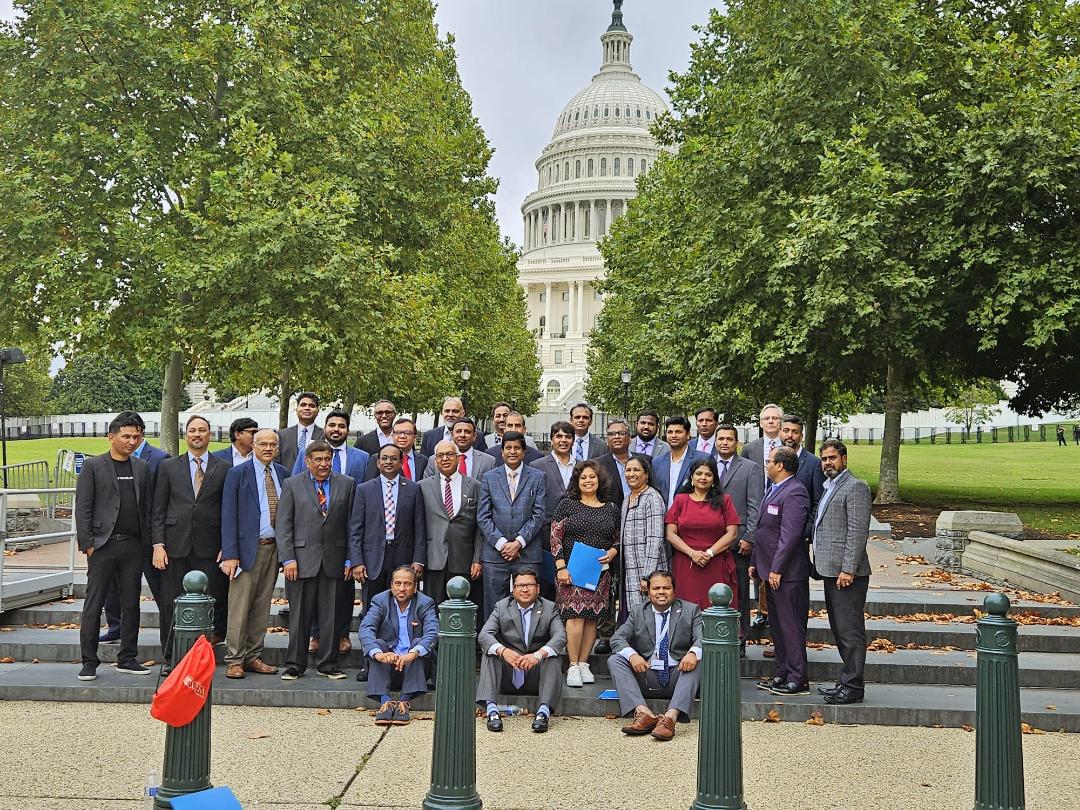
(Washington, DC: April 16, 2025) Healthcare continues to be the center of the nation’s focus, especially with changes in policies on immigration, Medicare/Medicaid, and Medical Education. AAPI’s annual Legislative Day comes to be a vital part of AAPI’s growing influence and having its united voice heard in the corridors of power. “We are excited to announce that our next Legislative Day is on Thursday, May 8th, in Washington, DC,” said Dr. Satheesh Kathula, President of AAPI. “We expect to have the participation from dozens of key Congressmen and Senators. The annual Legislative Day will be a unique opportunity for AAPI to be part of the decision making process on matters related to healthcare.”

The day-long event will begin at 10:00 am and will conclude in the afternoon at 3 pm, giving participants the opportunity to meet with their own Congressman/Senators on their own time.

AAPI represents the interests of over 100,000 physicians and 40,000 medical students and residents of Indian heritage in the United States. Dr. Sunil Kaza, Chair of AAPI BOT said, “The mission AAPI, the largest ethnic organization of physicians, is to provide a forum to facilitate and enable Indian American physicians to excel at inpatient care, teaching and research, and to pursue their aspirations in professional and community affairs.  The Executive Committee is working hard, enabling AAPI’s voice to be heard in the corridors of power, and thus taking AAPI to new heights.”

During the annual Legislative Conference, among others, AAPI will discuss Medicare and Medicaid Reimbursements, Prior Authorization, Immigration Reform, Increased Residency Slots, Addressing Physician Shortage, and Scope of Medical Practice Issues.

AAPI DC Day “AAPI Legislative Day is a flagship annual event that is eagerly awaited to rekindle and renew our energy in bringing up the issues that we need to bring to the attention of national policy makers and leaders of the US Congress on Capitol Hill,” said Dr. Amit Chakrabarty, president-elect of AAPI. “It is a tradition of nearly three decades, which has brought many important transformations in National Healthcare policies that have helped Physicians of Indian Origin. Now, it is the need of the day to renew our friendship with new leadership under President Donald Trump and Vice President J D Vance and brief the Congressional leadership on issues that are important to us.”

“AAPI is once again in the forefront in bringing many burning health care issues facing the community at large and bringing this to the Capitol and to the US Congress,” says Dr. Sudhir Parikh, Co-Chair of AAPI Legislative Affairs Committee. Dr. Parikh urged “AAPI colleagues and everyone interested in or connected with providing health care to attend this event and ensure that our concerns and needs are heard by our lawmakers and ensure that they act on them.”

AAPI has been seeking to collectively shape the best health care for the people of the US, with the physicians at the helm, caring for the medically underserved as it has done for several decades, when physicians of Indian origin came to the US in larger numbers.

US is currently experiencing a physician shortage, which will be exacerbated by retiring baby boomers, affecting thousands of patients’ access to a physician, and ultimately the health care they need, AAPI has strongly supported the much needed Immigration Reform, particularly with the focus on H-1 and J-1 visas are used by many South Asian American physicians, playing an important role in providing critical health care across the country.

“The conference will focus on Immigration Reform and ways for AAPI members to be part of the process in the implementation of the health care reform in this country,” Dr. Meher Medavaram, Vice President of AAPI said. “While medical school enrollment has climbed 2% annually over the past five years through new schools and expansion of existing schools, the number of residency slots funded by Medicare has been capped at about 100,000 since 1997,” he added.

“AAPI continues to discover her potential to be a player in shaping the healthcare of each patient with a focus on health maintenance than disease intervention. To be a player in crafting the delivery of health care most efficiently and to strive for equality in health globally, the annual Legislative Day is a perfect way to impact Healthcare policy and programs most effectively. Come and join us on Capitol Hill on May 8th,” Dr. Kathula said.

For more information on AAPI and its several noble initiatives benefitting AAPI members and the larger society, please visit: www.aapiusa.org

Boston’s Vision-Aid partners with the L.V.Prasad Eye Institute

BOSTON (April 15, 2025) — Vision-Aid, a Lexington, MA-based non-profit dedicated to empowering the visually impaired, announced it has partnered with the L.V.Prasad Eye Institute to launch of the Vision-Aid Cortical Visual Impairment (CVI) Resource Centre in Bhubaneswar, India. This pioneering initiative marks a major step forward in providing life-changing support to children affected by brain-based visual impairments in Odisha.

“This new center is more than just a facility—it’s a beacon of hope for visually impaired children and their families in Eastern India,” said Lalit Sudan, Volunteer President of Vision-Aid. “With this launch, we continue our mission to bring critical vision care and rehabilitation services to those in need. We are excited to expand our reach even further in the near future.”

The center, inaugurated by Boston poet and philanthropist Manorama Choudhury, has been named the Manorama Choudhury Nayan Jyoti Vision-Aid CVI Resource Centre and is housed at the renowned L V Prasad Eye Institute (LVPEI) in Bhubaneswar. This collaboration between Vision-Aid and LVPEI will deliver specialized early intervention programs, rehabilitation, and family support, ensuring that children with CVI receive the care they deserve, particularly in underserved rural areas.

In 2025, Vision-Aid programs are serving over 25,000 visually impaired in 50 locations across India, including 20 leading eye hospitals. Other than this new initiative at LVPEI Bhubaneshwar, another recent addition to the Vision-Aid map two months ago, was a center at  Sadguru Netra Chikitsalaya, a mega eye Hospital in Madhya Pradesh serving over 1 million patients annually. Other partners include the Aravind Eye Hospital and Sankara Nethralaya in Tamil Nadu, Narayana Nethralaya in Karnataka, Dr. Shroffs Charity Eye Hospital in Delhi and UP, CECF in Pune and several others.

A Vision for Change: Bridging the Gap for Children with CVI

The launch of this resource center represents a groundbreaking step toward health equity. By focusing on early diagnosis, tailored therapies, and family education, Vision-Aid and LVPEI aim to transform lives—helping children with CVI lead independent, dignified lives despite their visual challenges.

The heartfelt ceremony began with an address by Dr. Srikant Kumar Sahu, Director of the LVPEI Bhubaneswar campus, who highlighted the eye institute’s comprehensive vision care programs. Dr. Debasmita Majhi and Dr. Beula Christie outlined the center’s innovative rehabilitation strategies, emphasizing the critical role of structured early intervention.

A deeply moving moment came when a parent shared their emotional journey, shedding light on the struggles of raising a child with CVI and the immense relief that this resource center will bring. Their story underscored the life-changing impact of Vision-Aid’s efforts.

Visionaries Behind the Mission

The event featured inspiring remarks from Vision-Aid Founders Revathy Ramakrishna and Ramakrishna Raju, who reaffirmed their long-standing commitment to breaking down barriers for children with visual impairments.

In her address, Mrs. Choudhury spoke passionately about her motivation to support this initiative, stating: “Visual impairment affects not just individuals but entire families. By providing early intervention, assistive devices, and specialized training, Vision-Aid is empowering children to see beyond their limitations and embrace a future filled with possibilities.”

She also extended heartfelt gratitude to Vision-Aid’s leadership, LVPEI’s dedicated team of doctors and specialists, and key supporters like Bhaskar Panigrahi, whose efforts were instrumental in making this vision a reality.

A Celebration of Resilience & Possibility

unnamed (6)The ceremony concluded with a symbolic lamp-lighting, signifying hope and new beginnings for children with CVI. Attendees were deeply moved by a special cultural performance by children with disabilities, demonstrating their incredible resilience and talent.
Among the event’s esteemed guests was Sanyasi Behera, Odisha’s first visually impaired civil service officer, who underscored how this new center will pave the way for an inclusive future for the visually impaired community.

A tour of the state-of-the-art facility followed, offering guests an up-close look at the advanced technologies and therapies that will be utilized to support children with CVI.

Expanding the Reach: What’s Next for Vision-Aid?

As Vision-Aid continues its journey, this latest milestone reinforces its unwavering mission: ensuring that every visually impaired child, regardless of socioeconomic status, has access to the tools they need to thrive.

“This is just the beginning,” Sudan added. “With the support of our dedicated partners and community, we look forward to opening more centers and making an even bigger impact in the lives of children with CVI.”

About Vision-Aid

Vision-Aid is a non-profit organization dedicated to Enabling, Educating, and Empowering the visually impaired. By partnering with leading eye hospitals, vision professionals, technology innovators, governments, and NGOs, Vision-Aid ensures that individuals with low vision or blindness—especially in underprivileged communities in India—can lead productive, independent, and dignified lives.

To learn more about Vision-Aid’s programs, visit www.VisionAid.org and www.VisionAidIndia.org.

Harvard Refuses Federal Demands Despite Threat to Billions in Research Funding

Harvard University has announced it will not comply with new requirements from the Trump administration, even though the decision could cost the school billions in federal grants and contracts used for research in vital scientific and medical fields. Harvard President Alan M. Garber declared the university’s position in a strongly worded letter sent to the campus community on Monday, emphasizing that government overreach threatens academic independence and violates constitutional principles.

Garber made it clear that the university would not accept a proposed agreement from the federal government, which he says imposes regulations on academic freedom and the ideological orientation of Harvard’s faculty, staff, and students. “No government… should dictate what private universities can teach, whom they can admit and hire, and areas of study and inquiry they can pursue,” Garber stated in his letter.

For more than 75 years, Garber said, the U.S. government has partnered with universities like Harvard by awarding grants and contracts to help finance innovative research in various disciplines. This collaboration, combined with internal university investment, has produced groundbreaking advancements in medicine, engineering, and science. “These innovations have made countless people in our country and throughout the world healthier and safer,” he noted.

However, Garber said that in recent weeks, the government has been threatening to withdraw funding from several academic institutions, including Harvard, accusing them of allowing antisemitism to flourish on campus. He called these partnerships “among the most productive and beneficial in American history.”

Garber highlighted the type of research at risk, citing Harvard’s contributions to developing treatments for Alzheimer’s, Parkinson’s disease, and diabetes, along with major progress in artificial intelligence, quantum science, and engineering. He warned that cutting off support would endanger the health of millions and jeopardize national economic and technological strength. “The federal government was risking not just the health and well-being of millions of individuals by retreating from partnerships with Harvard and other universities, but also the economic security and vitality of the country,” he said.

Late last week, the Trump administration issued a revised and expanded list of conditions that Harvard must fulfill to preserve its financial relationship with the federal government. According to Garber, the new list made it clear that the goal was not genuine cooperation to fight antisemitism but rather to control the university’s academic environment. “Although some of the demands outlined by the government are aimed at combating antisemitism, the majority represent direct governmental regulation of the ‘intellectual conditions’ at Harvard,” Garber wrote.

Among the new demands, the administration has asked the university to audit the beliefs and opinions of its student body, staff, and faculty. Additionally, it called for Harvard to reduce the influence of individuals who hold certain ideological positions. Garber found such requests unacceptable and said Harvard had informed the administration through legal counsel that it would not comply.

“We have informed the administration through our legal counsel that we will not accept their proposed agreement,” he declared. “The University will not negotiate over its independence or its constitutional rights.” He further stated that the administration’s demands “go beyond the power of the federal government,” violate First Amendment rights, and surpass the legal authority allowed under Title VI of the Civil Rights Act.

Garber emphasized that Harvard remains committed to combating antisemitism but will do so on its own terms and in a way that upholds its institutional values. He acknowledged the university’s moral responsibility in addressing antisemitism and said the administration’s tactics do not help meet that responsibility. “The administration’s prescription… threatens our values as a private institution devoted to the pursuit, production, and dissemination of knowledge,” he said.

He noted that over the past 15 months, Harvard has implemented various initiatives to address antisemitism on campus and that further actions are planned. Garber stressed the university’s commitment to promoting an environment of open debate and intellectual diversity. This includes respecting freedom of expression and peaceful protest, as long as it does not disrupt academic life. He also expressed a desire to foster a welcoming campus culture that embraces differing perspectives.

“We will continue to nurture a thriving culture of open inquiry on campus and broaden the intellectual and viewpoint diversity within the community,” Garber said. “The university will respect free speech and dissent while also ensuring protest occurs in a time, place and manner that does not interfere with teaching, learning and research.” He added that Harvard would seek legal and appropriate ways to build a community that “exemplifies, respects and embraces differences.”

Garber argued that the responsibility for addressing institutional shortcomings lies within the university, not with federal authorities. “These ends will not be achieved by assertions of power, unmoored from the law, to control teaching and learning at Harvard and to dictate how we operate,” he said. “The work of addressing our shortcomings, fulfilling our commitments, and embodying our values is ours to define and undertake as a community.”

He concluded his message by reaffirming Harvard’s belief in academic freedom and the university’s role in advancing society through independent research and education. “Freedom of thought and inquiry, along with the government’s longstanding commitment to respect and protect it, has enabled universities to contribute in vital ways to a free society and to healthier, more prosperous lives for people everywhere,” Garber wrote. “We proceed now, as always, with the conviction that the fearless and unfettered pursuit of truth liberates humanity—and with faith in the enduring promise that America’s colleges and universities hold for our country and our world.”

The standoff with Harvard comes as the Trump administration escalates its crackdown on antisemitism in higher education. Since October 2023, the administration has suspended federal funding to nearly every Ivy League school, except the University of Pennsylvania and Dartmouth, due to ongoing investigations into anti-Israel demonstrations on campus.

Columbia University was the first to lose federal support, with more than $400 million in funding withdrawn after it was determined that Jewish students did not feel safe on campus. Columbia later complied with administration demands in hopes of having its funding restored.

Earlier this month, a federal task force on antisemitism began reviewing Harvard’s nearly $9 billion in federal grants and contracts as part of an ongoing investigation into how the university has handled antisemitism on campus.

The Trump administration has committed to taking a more aggressive approach to addressing campus antisemitism, criticizing President Joe Biden for what it sees as leniency toward violent campus protests. In addition, the administration has taken steps to identify, detain, and deport foreign students who have been involved in organizing or participating in anti-Israel protests at U.S. universities.

Trump Urges FCC to Punish CBS Over “60 Minutes” Broadcasts Critical of Him

President Donald Trump has expressed a desire that the Federal Communications Commission take action against CBS over what he perceives as biased reporting from the network’s flagship program, “60 Minutes.”

Trump, apparently displeased with the latest episode of “60 Minutes” aired Sunday night, took to Truth Social to air his frustrations. His remarks highlighted his ongoing legal clash with CBS and its parent company, Paramount Global, which is currently waiting for the FCC to approve a planned merger with Skydance Media.

In his social media post, Trump specifically mentioned Brendan Carr, whom he appointed to the FCC and praised as “Highly Respected.” Trump said he hopes Carr “will impose the maximum fines and punishment, which is substantial, for their unlawful and illegal behavior.”

However, there is no indication that CBS has committed any illegal acts. Moreover, Carr has limited power to impose penalties on the network. The most the FCC can currently do is delay the merger’s approval, which has already added a layer of uncertainty for Paramount Global.

This latest post is part of a broader trend in which Trump encourages officials he placed in government roles to take steps against media organizations critical of him. In recent months, Carr has leaned into his pro-Trump stance and has opened FCC probes into several networks Trump has taken issue with, including ABC and NBC. Carr was even seen last week sporting a gold pin that depicted the silhouette of Trump’s head.

Carr has not commented on Trump’s latest post on Truth Social, despite inquiries from CNN.

Trump’s issue with “60 Minutes” goes beyond this week’s broadcast. He used his social media platform to accuse the show of being more of a political tool than a legitimate news program. “They are not a ‘News Show,’ but a dishonest Political Operative simply disguised as ‘News,’ and must be responsible for what they have done, and are doing,” Trump wrote.

He further claimed that CBS “should lose their license” after airing two reports on Sunday—one centered on the war in Ukraine and another focusing on Greenland. Although the FCC does not license national networks like CBS, it does regulate local stations owned by the network. During the 2024 campaign, Trump frequently called for licenses to be revoked from media outlets he disliked.

This isn’t the first time Trump has made such a suggestion since assuming office. In fact, CBS has been a recurring target of his licensing threats.

Trump has had a complicated relationship with “60 Minutes” over the years. Despite being a regular viewer, he has often taken issue with how the show covers him. Last fall, he refused the program’s customary pre-election interview. When Vice President Kamala Harris agreed to appear on the show in his absence, Trump took offense.

Trump and his media allies criticized CBS for what they considered misleading editing of Harris’s interview. Specifically, they were upset that the network aired parts of her answer on different days. CBS defended the decision, saying the interview was edited for length in line with standard news practices. Trump, however, characterized the move as a deliberate attempt to help Harris’s campaign.

In response, Trump filed a lawsuit in Texas, accusing CBS of violating the state’s Deceptive Trade Practices Act, a consumer protection statute. Legal experts widely dismissed the lawsuit as lacking merit, viewing it more as a political maneuver than a serious legal challenge.

Despite the frivolous nature of the case, some executives at Paramount began looking into ways to settle the matter, even as journalists at “60 Minutes” strongly opposed such a move.

CBS complied with the FCC by submitting the raw transcript and video of the Harris interview, clearly demonstrating that the editing followed typical broadcast standards. Nonetheless, Carr kept the investigation ongoing and opened it up for public comment.

While no settlement has yet been reached, some insiders at Paramount reportedly feel it might be in the company’s interest to avoid an extended legal standoff with Trump. The New York Times recently noted that some Paramount officials believe the company’s “broader corporate interests are not served by fighting a protracted legal battle” with a combative president.

As of now, the legal dispute remains unresolved, and CBS continues to contest Trump’s claims in court.

In the meantime, “60 Minutes” has not deviated from its editorial mission, continuing to air interviews and investigative reports. Many of these segments have scrutinized Trump’s policies. Even Trump admitted this on Truth Social, stating the program includes stories about him “almost every week,” which he described as “derogatory and defamatory.”

Brendan Nyhan, a political scientist and co-founder of Bright Line Watch, which tracks risks to American democratic institutions, offered his take on Trump’s rhetoric. “The president openly calls for his loyalist apparatchik at the FCC to use state power to punish media for critical coverage,” he said, summarizing Trump’s Truth Social post.

The pressure from Trump and his allies is keenly felt by journalists at CBS. “60 Minutes” correspondent Lesley Stahl acknowledged this during a recent industry event where she accepted a First Amendment Award.

In her speech, Stahl emphasized the importance of press freedom during such contentious times. “Our precious First Amendment feels vulnerable and when my precious 60 Minutes is fighting, quite frankly, for our life,” she said.

Stahl added that she was proud the program was maintaining its journalistic integrity in the face of mounting external pressures. “I am so proud,” she said, that “60 Minutes” is “standing up and fighting for what is right.”

With Trump remaining vocal about his discontent with the press and his attempts to use regulatory bodies as leverage against critics, the standoff between the president and the media appears far from over. CBS and “60 Minutes” continue to find themselves at the center of this battle, defending both their editorial decisions and the principles of a free press.

Kareena Kapoor and Prithviraj Sukumaran Join Forces for Meghna Gulzar’s Crime Thriller ‘Daayra’

The recent buzz surrounding Kareena Kapoor Khan and Prithviraj Sukumaran’s sighting together in Mumbai has now been confirmed—both actors are teaming up for an upcoming crime thriller titled Daayra, which will be helmed by the critically acclaimed director Meghna Gulzar.

The news was officially announced on April 14, when Kareena Kapoor Khan took to her Instagram account to share images from the film’s early promotions. One picture shows Kareena and Prithviraj in a deep, intense gaze, suggesting the film’s dramatic tone, while another portrays a lighter moment, capturing the three key figures—Kareena, Prithviraj, and Meghna Gulzar—smiling together.

In the caption accompanying her post, Kareena expressed her excitement about the collaboration, calling the team her dream lineup. “I’ve always said I’m a director’s actor… This time, I’m thrilled to work with one of the best, Meghna Gulzar, and the phenomenal Prithviraj Sukumaran, whose craft I truly respect. To my dream team, Daayra, let’s make magic,” she wrote. Her message was met with overwhelming enthusiasm from fans, many of whom hailed the casting as a “GOAT combo” and shared their anticipation for the project.

While fans were quick to express their excitement about the pairing, another question that surfaced was about Prithviraj Sukumaran’s remuneration for the project. Although specific details about his fee for Daayra have not been made public, there is enough information available about his general approach to compensation in film projects to speculate.

In big-budget ventures like Salaar, Prithviraj is said to have charged approximately ₹4 crore for his role. However, his payment strategy isn’t always fixed. In fact, within the Malayalam film industry, he is known to favor profit-sharing models instead of demanding high upfront fees. This financial approach often enables more of the production budget to be directed toward improving the overall quality of the film.

Given that Daayra is a Hindi-language film, produced on a substantial scale and featuring Bollywood A-listers like Kareena Kapoor Khan under the direction of Meghna Gulzar, it’s likely that Prithviraj’s compensation will be on the higher end of his typical range, possibly reaching ₹4 crore or beyond. However, considering his known preference, there’s also a strong chance he may opt for a profit-sharing deal, where he would earn a portion of the film’s proceeds instead of a fixed amount.

The project itself marks a significant milestone for all involved. Titled Daayra, the film is a socially driven crime drama that is being produced by Junglee Pictures. This will be Meghna Gulzar’s first directorial outing following her 2023 release Sam Bahadur. The screenplay has been jointly written by Meghna Gulzar along with Sima and Yash, and is currently in the pre-production phase. The story aims to highlight pressing social issues, while simultaneously addressing broader questions around crime, justice, and morality.

Kareena Kapoor Khan, who celebrates 25 years in Hindi cinema, spoke about the deeper relevance of the film and her longstanding desire to work with Gulzar. “As I celebrate 25 years in Hindi cinema, I’m beyond excited to announce Daayra. Meghna Gulzar has always been one of my dream directors, and collaborating with her on such a thought-provoking story is a dream come true. Working with Prithviraj is equally exciting. This film is not just a story – it’s an experience that will push boundaries,” she said.

Prithviraj Sukumaran echoed similar sentiments, stating that the depth and complexity of his character were major reasons for signing onto the film. “When I heard the script, I instantly knew this was a story I wanted to tell. My character is rich with layers and has emotional depth. The opportunity to work alongside Kareena and Meghna is a truly rewarding experience. Daayra explores critical societal questions that will resonate with audiences,” he shared.

As for director Meghna Gulzar, her vision for the film appears deeply rooted in a desire to provoke reflection and challenge existing norms. She describes Daayra as an intense narrative that scrutinizes the systems and norms that underpin our society. “This film dives deep into the complexities of societal norms and institutional truths. Co-writing it with Sima and Yash was a creatively intense journey. With Kareena and Prithviraj embodying the leads, the narrative is poised to leave a lasting impact. Collaborating with Junglee Pictures again has been incredibly fulfilling,” Meghna said.

The collaboration of these three prominent figures from different film industries—Kareena from Bollywood, Prithviraj from the Malayalam cinema, and Meghna as a critically acclaimed Hindi filmmaker—has significantly raised the expectations around Daayra. With the film promising to address weighty societal issues through a gripping crime drama, audiences can expect a cinematic experience that is both thought-provoking and emotionally engaging.

Although the film is still in its early stages, the combination of Kareena Kapoor’s mainstream appeal, Prithviraj Sukumaran’s nuanced acting, and Meghna Gulzar’s directorial finesse has already generated considerable excitement in both industry circles and among fans. The movie is expected to delve into complex human emotions and societal contradictions, making it more than just a conventional thriller.

Daayra is shaping up to be a film that not only entertains but also informs and inspires dialogue. As the production gears up to move forward, anticipation will likely grow with each new update. For now, the powerful trio of Kareena Kapoor, Prithviraj Sukumaran, and Meghna Gulzar has successfully piqued interest, and expectations for the film’s narrative depth and execution are sky-high.

Indian Diamond Tycoon Mehul Choksi Arrested in Belgium on India’s Extradition Request

Indian businessman Mehul Choksi has been arrested in Belgium after Indian authorities formally requested his extradition. Choksi, who left India in 2018, was taken into custody on Saturday, according to his lawyer Vijay Aggarwal, who confirmed the development to the BBC on Monday.

Choksi is facing serious allegations in India for his alleged role in a massive bank fraud case, involving one of the country’s largest public sector banks, Punjab National Bank (PNB). Authorities claim the diamond merchant played a key part in defrauding the bank of approximately $1.8 billion, or £1.3 billion.

The businessman has not issued any personal statement about the arrest or the accusations, but his legal team has indicated they are preparing to appeal both his arrest and the extradition proceedings that may follow. His lawyer, Aggarwal, said, “These are the obvious grounds [on which we will argue the case], that he is not a flight risk and secondly, that he is extremely sick. He is undergoing cancer treatment.”

Aggarwal further emphasized their legal strategy, stating, “We will contest the extradition on grounds that there isn’t enough evidence against him and the extradition request is politically motivated and the trial in India may not be fair.”

The BBC reported it had reached out to India’s Ministry of External Affairs and the Enforcement Directorate (ED), the country’s primary financial crimes agency, but neither had responded with a comment at the time of reporting.

A report in the Times of India shed more light on the legal basis for Choksi’s arrest, citing that two non-bailable arrest warrants had been issued against him by an Indian court — one in 2018 and another in 2021. However, the timing of the arrest in Belgium remains unclear, especially since these warrants had existed for years without leading to his capture until now.

Choksi and his nephew, Nirav Modi, are both accused by Indian authorities of orchestrating the massive fraud scheme involving PNB. The two reportedly worked together to siphon off money by manipulating the bank’s system through fraudulent transactions. Nirav Modi, like his uncle, left India in 2018 and has since been residing in the United Kingdom. He is currently held in a London prison, awaiting a decision on his extradition to India.

Both Choksi and Modi were once highly prominent figures in the global diamond industry. Nirav Modi’s designs were featured on global red carpets, worn by major Hollywood celebrities including Naomi Watts and Kate Winslet. His brand even had one of India’s top Bollywood stars, Priyanka Chopra, as its ambassador.

Meanwhile, Choksi was the founder of Gitanjali Gems, a once-thriving jewellery retail chain in India that operated close to 4,000 outlets across the country. His business empire was well-known in the Indian jewellery market until the fraud allegations surfaced.

The Enforcement Directorate alleges that Choksi and Modi colluded with certain employees at the Brady House branch of Punjab National Bank in Mumbai. According to the agency, they used fraudulent Letters of Undertaking (LoUs) to obtain large sums of money from the bank. These funds were meant to be payments for importing precious stones from overseas suppliers. However, investigators claim that the money was never used for its stated purpose and instead was diverted and laundered through various shell companies and foreign accounts.

Both Choksi and Modi have consistently denied the allegations. They maintain that the charges are baseless and politically influenced. Despite fleeing India, they have continued to challenge extradition efforts from abroad.

After leaving India in early 2018, Choksi is believed to have first traveled to the United States and subsequently relocated to Antigua, a country where he obtained citizenship through an investment program. His Antiguan citizenship complicated India’s attempts to have him extradited, as the process required careful diplomatic negotiations and legal procedures involving the Caribbean nation.

In 2021, Choksi found himself in legal trouble once again when he was reportedly detained in Dominica under suspicious circumstances. There were conflicting reports about whether he was abducted from Antigua or if he voluntarily traveled to Dominica. In any case, authorities in Dominica eventually deported him back to Antigua, rather than sending him to India.

Choksi’s arrest in Belgium marks a significant development in the long-running case, which has drawn national attention in India and raised serious questions about financial oversight at major Indian banks. The PNB scandal, as it came to be known, led to massive public outcry, political debate, and reforms in banking regulations.

Hariprasad SV, an entrepreneur from Bengaluru who first raised alarm bells in 2016 about suspicious activities related to the PNB scam, expressed satisfaction at the news of Choksi’s arrest. He told ANI news agency, “Apart from bringing him back, the most important thing is to get back all those billions of dollars he looted from India.”

With Choksi now in custody in Belgium, Indian authorities are expected to step up their legal efforts to secure his extradition. However, the process could be prolonged due to the multiple legal challenges expected from his defense team. Issues such as his health, the fairness of the Indian judicial process, and the political nature of the case are likely to be key points of contention.

Meanwhile, the Indian government continues its efforts to bring both Mehul Choksi and Nirav Modi to justice. The case remains one of the most high-profile financial scandals in India’s history, with repercussions that have extended far beyond the country’s borders.

Choksi’s legal fate now rests in the hands of Belgian judicial authorities, who will have to evaluate the Indian government’s request against international legal standards for extradition. While his legal team is prepared to challenge the process vigorously, the arrest is nonetheless seen as a breakthrough moment in a case that has dragged on for more than six years.

As the case proceeds, public and media scrutiny is expected to intensify, especially given the large sums of money involved and the personalities at the center of the controversy. For now, the Indian government and financial regulators are awaiting the next steps from Belgium’s legal system, hoping that the long pursuit of justice may finally be approaching a resolution.

Vatican Issues New Decree on Mass Intentions to Address Pastoral Needs

In a significant move to address contemporary pastoral challenges, the Vatican’s Dicastery for the Clergy has released a new decree updating the Church’s guidelines on Mass intentions and stipends. The revised norms emphasize both the spiritual meaning of such practices and the practical realities facing many parishes around the world.

Pope Francis approved the decree on Palm Sunday, April 13, and it is scheduled to take effect on Easter Sunday, April 20. Though the document has only been published in Italian so far, it introduces substantial changes to the way Mass intentions can be managed by priests and dioceses.

The new decree officially replaces the 1991 instruction known as Mos Iugiter. While retaining Canon 945 of the Code of Canon Law—which states that priests are permitted to receive offerings for celebrating Masses with specific intentions—it also expands the guidelines to address newer pastoral situations. One of the most notable updates is the clarification and regulation of what are known as “collective intentions.”

Under the updated rules, bishops’ conferences or provincial councils may now authorize priests to accept multiple offerings from different individuals for a single Mass celebrated with a collective intention. However, this is only permissible under a specific condition: all donors involved must be fully informed and must voluntarily agree to it.

The decree is particularly strict about this requirement, stating, “Such consent of the donors can never be presumed.” It adds that, “In the absence of explicit consent, it is always presumed that consent has not been given.”

This clause ensures that faithful contributors are fully aware that their Mass intentions are being grouped with those of others in a single liturgical celebration, preserving transparency and upholding the spiritual value of the offerings. The measure aims to maintain the trust of the faithful while offering a practical solution for parishes overwhelmed with numerous Mass requests, especially in areas facing priest shortages.

The document also reiterates that stipends for Mass intentions must never be treated as commercial transactions. It warns that any attempt to buy or sell spiritual favors falls into the grave error of simony. In the Church’s teaching, simony refers to the illicit buying or selling of spiritual goods, and such practices are considered serious violations of ecclesiastical ethics.

Cardinal Lazzaro You Heung-sik, who serves as the prefect of the Dicastery for the Clergy, commented on the rationale behind the revised norms. He explained that the changes were the result of “profound consideration” and a process that involved wide consultation with bishops, priests, and lay faithful from around the world. The effort sought to incorporate a global perspective on how the Church can better address emerging pastoral realities.

One of the key issues addressed in the new decree is the growing difficulty in fulfilling all requested Mass intentions, especially in regions that are experiencing a decline in the number of priests. With fewer clergy available, it has become increasingly challenging to individually celebrate Masses for every single intention received. The updated norms try to provide a balance between pastoral capacity and the need to uphold the sacredness of each Mass.

To ensure the proper implementation of the new rules, bishops are now required to educate both the clergy and laypeople in their dioceses about these updated norms. They are also instructed to keep meticulous records of Masses celebrated, intentions offered, and the associated stipends received. Accurate documentation is seen as a vital tool to prevent abuses and maintain the integrity of the Church’s practices in this area.

The decree includes a particularly meaningful directive regarding the spiritual role of priests. It underscores that priests should willingly offer Masses for the intentions of the faithful regardless of whether they receive an offering. As the document states, they should do so “especially [for] the poorest, even without receiving any offering.”

This provision reinforces the Church’s commitment to ensuring that access to spiritual support through the Mass is not contingent upon financial contributions. It reflects a pastoral vision that prioritizes service to the most vulnerable and underlines the principle that spiritual goods should be available to all, not just those who can afford them.

Another significant aspect of the updated norms is the strict prohibition of a practice that had been occurring in some places: substituting a promised Mass with a mere mention of the person’s name or intention during another liturgical celebration. The document categorically denounces this, stating that such substitutions are “gravely illicit.” In other words, a Mass offered for a particular intention must be properly celebrated as such, not simply acknowledged in passing.

In an effort to ensure that Mass intentions are fairly distributed, the decree also introduces a new pastoral option. Diocesan bishops are now authorized to transfer surplus Mass intentions from parishes that have more requests than they can fulfill to other areas of the Church, such as mission territories or parishes in need. This initiative promotes a sense of solidarity and shared responsibility within the global Church community.

By allowing this redistribution, the decree seeks to maintain a balance between honoring the intentions of the faithful and addressing the practical constraints many dioceses face today. It enables regions with fewer Mass requests or more available clergy to assist those where demand outpaces capacity.

Overall, the new decree represents a thoughtful and pastorally sensitive update to the Church’s long-standing practices regarding Mass intentions and stipends. It aims to uphold the spiritual integrity of the Mass while adapting to modern challenges such as clergy shortages and increasing pastoral demands.

Cardinal You Heung-sik emphasized the depth of reflection and wide-ranging input that went into crafting the decree. He reiterated that it is a product of global dialogue and a recognition of the diverse pastoral realities present in different parts of the world. His remarks underscore the Vatican’s commitment to ensuring that Church practices remain both theologically sound and pastorally effective.

The decree’s implementation on Easter Sunday carries symbolic significance, aligning the update with the celebration of Christ’s resurrection and the Church’s renewed mission in the world. It signals a moment of reflection and renewal for both clergy and laity, inviting the faithful to engage more consciously with the spiritual meaning of offering and celebrating the Holy Mass.

By reinforcing transparency, reaffirming the sacred nature of spiritual offerings, and offering practical mechanisms to handle modern difficulties, the decree sets a new pastoral standard for how the Church approaches the intentions of the faithful around the world.

Hyderabad-Born Endocrinologist Honored with Prestigious Fellowship in U.S.

Dr Divya Sistla, an endocrinologist of Indian origin based in the United States, has been awarded the prestigious title of Fellow of the American College of Physicians (FACP), a distinction considered one of the highest recognitions in the field of internal medicine. This accolade highlights her remarkable contributions to endocrinology, medical research, and education.

Originally from Hyderabad, Dr Sistla has had an impressive academic and professional journey. She pursued her MBBS at the Kamineni Institute of Medical Sciences in Telangana before moving to the U.S., where she has emerged as a prominent figure in the field of endocrinology. Currently, she serves as a leading Endocrinologist and Obesity Medicine Specialist at UPMC Mercy Hospital, located in Pittsburgh, Pennsylvania.

Her academic and clinical accomplishments are supported by a strong foundation of certifications. Dr Sistla is board-certified in three key areas: internal medicine, endocrinology, and obesity medicine. These qualifications have enabled her to handle some of the most complex cases in hormonal disorders. Her medical practice focuses on the diagnosis and management of conditions such as diabetes, thyroid disorders, polycystic ovary syndrome (PCOS), osteoporosis, and Cushing’s syndrome, among others.

In addition to her clinical responsibilities, Dr Sistla plays a significant role in medical education. She holds the position of Clinical Assistant Professor at the University of Pittsburgh, where she actively mentors young physicians and medical trainees. Her teaching role ensures that future generations of doctors benefit from her experience, knowledge, and passion for the field. Furthermore, she is actively involved in various institutional committees that focus on patient safety and physician wellness. These efforts highlight her comprehensive approach to improving healthcare delivery and promoting the well-being of both patients and fellow medical professionals.

Reacting to the honor of being named an FACP, Dr Sistla said, “Receiving the FACP is a deeply meaningful milestone.” She added, “As an Indian-origin physician practicing in the U.S., I’m proud to bring global best practices to my patients and continue building bridges in medical knowledge between countries.” Her sentiments reflect the broader impact of her work, which extends beyond national borders to influence global medical practices and standards.

Dr Sistla’s research interests span a wide spectrum within endocrinology. Her work has focused extensively on adrenal and pituitary disorders as well as obesity. These are critical areas of medical science that affect millions of people worldwide, and her studies contribute to a deeper understanding of how these conditions can be effectively diagnosed and managed.

Among her most influential research contributions is a groundbreaking study on telemedicine. This study demonstrated how video consultations could significantly improve outcomes in diabetes care, particularly in situations where in-person visits may be limited. The research gained recognition for its practical implications in the post-pandemic world, where telehealth has become an essential part of patient care. It showed that remote consultations could maintain, and in some cases even enhance, the quality of medical care provided to patients with chronic illnesses like diabetes.

Another major contribution from Dr Sistla is her research on non-functioning pituitary adenomas, which was published in the Journal of the Endocrine Society. This study examined the long-term stability of these pituitary tumors, providing new insights into their behavior over time. The findings offer valuable information for clinicians managing such patients, potentially reducing the need for invasive treatments when long-term stability can be predicted. These kinds of studies not only advance medical knowledge but also influence real-world clinical practices.

Her achievements have garnered admiration not just in the United States, but also in India, where her journey from a medical student in Telangana to a respected physician in the U.S. is seen as a symbol of perseverance, excellence, and inspiration. The Indian medical community has celebrated her recognition, viewing it as a proud moment for doctors and researchers across the nation. Her success story serves as a motivating force for aspiring healthcare professionals who aim to make their mark both nationally and internationally.

Throughout her career, Dr Sistla has demonstrated a commitment to bridging gaps between clinical practice and academic research. Her work illustrates how innovation in one area can positively impact multiple facets of healthcare. Whether she is caring for patients with complex endocrine disorders, teaching future doctors, or publishing influential research, Dr Sistla continues to make significant contributions that are shaping the future of medicine.

The recognition from the American College of Physicians further affirms the value and impact of her contributions. Being named a Fellow is not just an acknowledgment of professional competence, but also a testament to leadership, scholarly excellence, and a sustained commitment to the field. This milestone in her career sets a benchmark for many in the medical profession, especially for those from underrepresented or international backgrounds striving to succeed in the highly competitive world of American healthcare.

Moreover, Dr Sistla’s dual focus on clinical excellence and physician wellness is particularly noteworthy in today’s healthcare environment, where burnout and stress are significant concerns. Her involvement in wellness committees demonstrates an understanding of the importance of caring for healthcare providers as well as patients. This holistic approach underscores her belief in sustainable, compassionate, and effective healthcare systems.

While she continues to make strides in the U.S., Dr Sistla remains connected to her roots in India. Her journey is an example of how education, dedication, and cross-cultural collaboration can create lasting change in global healthcare. As she puts it, her goal is to “bring global best practices” to the forefront, ensuring that patients receive the highest standard of care regardless of geographic location.

Her work has also opened up possibilities for increased collaboration between Indian and American medical institutions. By building these transnational bridges, Dr Sistla is not only advancing her own career but also contributing to the broader goal of improving healthcare worldwide through knowledge sharing and joint research initiatives.

In essence, Dr Divya Sistla embodies the qualities of a modern physician-scientist—someone who is deeply committed to patient care, dedicated to research, and passionate about teaching. Her latest accolade as a Fellow of the American College of Physicians cements her place as a role model for young doctors and researchers, particularly those from India aiming to achieve excellence on a global platform.

With her continued contributions to endocrinology, research, and medical education, Dr Sistla is set to play a crucial role in shaping the future of internal medicine. Her story serves as a powerful reminder that with determination, expertise, and vision, boundaries can be transcended and global impact achieved.

Gen Z Eyes Early Retirement as Corporate Culture Leaves Them Disillusioned

Members of Generation Z have been openly vocal about their frustration with corporate work life, expressing how it fails to meet their expectations, especially amid the ongoing cost-of-living crisis. A flood of TikTok content reflects their dissatisfaction, portraying a generation that feels disconnected from traditional work norms.

According to a recent survey by Qualtrics on behalf of Intuit Credit Karma, nearly 60% of Gen Z participants described conventional 9-to-5 jobs as “soul-sucking.” The same study revealed that 57% of respondents from this generation are adopting the FIRE (financial independence, retire early) philosophy—a financial strategy focused on aggressively saving and investing to enable early retirement, often well before reaching 65.

This trend highlights a significant shift in mindset, where many Gen Zers are looking for ways to escape the daily grind and find more meaningful, flexible alternatives to traditional employment. Their discontent doesn’t necessarily mean they’re opposed to working altogether—it’s more about the lack of purpose they feel in their roles and the toll it takes on their mental health.

Take Andra Berghoff from Minnesota, for example. She previously worked in marketing at a healthcare company but found the job neither rewarding nor financially sustainable. In a TikTok clip that quickly gained traction, she remarked, “If I had to do this corporate drone thing for the rest of my life, I would rather clock out eternally.” Her candid admission struck a chord with many young professionals who feel similarly trapped in jobs that offer little satisfaction.

Dissatisfaction isn’t limited to low-wage earners either. Many high-income Gen Z workers are also unhappy, believing their pay does not reflect the growing cost of living. Despite earning six figures or more, they still worry about falling behind financially and not being able to sustain a decent quality of life.

To counter this, a substantial portion of this generation is willing to make drastic changes. Over 40% of those surveyed said they are ready to reduce non-essential spending, such as cutting back on dining out and unnecessary shopping. Additionally, one-third are contemplating taking up multiple side gigs or odd jobs to boost their income. Nearly 25% indicated they might move back in with their families or close friends to save on living costs. Meanwhile, 17% of respondents said they would consider leaning on a partner for financial assistance.

While searching for stability, some are opting to disengage from the hustle without quitting altogether. About 29% of Gen Z workers admitted to practicing “quiet quitting,” a term that refers to doing only what’s required at work without overextending themselves. This approach involves drawing clearer work-life boundaries and prioritizing mental wellness over performance-driven expectations.

Rather than embracing the grind that older generations may have accepted as a necessary sacrifice, many Gen Z individuals are looking for an exit strategy. For them, early retirement isn’t just a dream—it’s a goal supported by a concrete financial roadmap. They’re embracing the FIRE strategy, a concept that originated with millennials, which urges extreme savings, strategic investing, and a minimalist lifestyle to reach financial freedom sooner than traditional retirement plans allow.

The usual target for FIRE followers is to save about 70% of their annual income until they accumulate a portfolio of roughly $1 million or 30 times their yearly expenses. Once that goal is achieved, they often step away from full-time employment. Post-retirement, they aim to withdraw only a small percentage of their savings each year to preserve their nest egg. Some also explore passive income sources, such as rental properties or dividend-paying investments, to supplement their finances during retirement.

Central to this strategy is the idea of budgeting wisely, slashing unnecessary expenditures, and identifying alternate income streams as early in life as possible. Unlike previous generations who might have waited until their 40s or 50s to begin serious financial planning, Gen Z is trying to take control of their finances in their 20s.

One major advantage young workers have is the relative lack of financial burdens that come with later stages of life. Without the responsibilities of caring for aging parents or raising young children—challenges that often define the “sandwich generation”—many Gen Zers are in a better position to save aggressively if they choose to. They also seem less interested in climbing the corporate ladder and more focused on achieving work-life balance and personal fulfillment.

This mindset shift reflects a growing skepticism about the traditional model of labor and retirement. Many in Gen Z have seen older generations spend decades working tirelessly, sacrificing family time and personal ambitions, only to enjoy freedom in their twilight years. It’s a path that no longer appeals to many young workers, who are increasingly opting for financial independence as a means to reclaim control over their time and well-being.

The FIRE movement has provided a blueprint for such a lifestyle. While not everyone will manage to retire in their 30s or 40s, the movement’s core principles—live below your means, invest wisely, and plan early—are gaining popularity among a generation that feels betrayed by the corporate promise of stability and growth. These young Americans are determined not to follow in the footsteps of those who burned themselves out in pursuit of retirement at 65.

Ultimately, for Gen Z, the goal is about more than just quitting work—it’s about designing a life that doesn’t revolve around it. The appeal of early retirement lies in the freedom to explore new paths, prioritize mental health, and live with purpose rather than paycheck to paycheck. With rising inflation, stagnant wages, and a deepening disconnect between effort and reward, it’s no wonder they’re looking for an alternative.

As more young people reconsider what success looks like, movements like FIRE offer a framework to exit the rat race on their own terms. And while not everyone will reach that million-dollar milestone, the growing awareness around financial independence marks a significant cultural shift in how the newest generation of workers views money, employment, and the future.

Blue Origin’s All-Female Crew Reflects on Awe-Inspiring Space Journey and Shared Sisterhood

The recent Blue Origin space mission featuring an all-female crew left the six women aboard in awe of the Earth’s beauty and the profound experience of venturing beyond its atmosphere. This historic 11-minute flight not only marked a milestone in space travel but also brought together a unique and diverse group of women who each carried their personal stories, emotions, and symbolic gestures with them.

Among the astronauts was internationally renowned pop singer Katy Perry, who spoke about the strong connection and unity she felt with the rest of the crew during their short but powerful journey. Perry described the shared experience among the six women as one of emotional strength and mutual understanding. She also revealed a touching personal gesture during the flight—carrying a daisy with her into space as a tribute to her daughter, who shares the same name.

“I brought a daisy into space for my daughter,” said Perry, highlighting the symbolic importance of taking something meaningful with her to mark the once-in-a-lifetime experience. Her words reflected the deeply personal nature of the journey and how the mission served not only scientific and historical purposes but also emotional and spiritual ones.

The flight was particularly significant for Lauren Sánchez, a journalist and philanthropist, who is also known as the fiancée of Jeff Bezos, the founder of Amazon and owner of Blue Origin. Sánchez spoke passionately about how the voyage changed her perspective on Earth. She explained that witnessing the planet from such a unique vantage point made her realize just how important it is to care for and protect the environment.

“When you see the Earth from space, you truly feel its beauty and fragility. I had this overwhelming feeling that the Earth is profound and we need to protect this planet,” Sánchez said. Her reflections echoed the sentiments shared by many astronauts who have spoken about the transformative “overview effect” experienced when observing the Earth from orbit.

Gayle King, a well-known television broadcaster, was another member of the all-women crew. Following the mission, she expressed an unexpected surge of confidence that came from the flight. The overwhelming sense of accomplishment she felt after being part of a successful space journey left her feeling empowered and ready to tackle new challenges back on Earth.

“I walked out of there thinking I could do anything,” King said with a smile, adding humorously, “I might even be brave enough now to get my ears pierced.” Her comments illustrated not only the magnitude of the experience but also the empowering nature of stepping far outside her comfort zone.

The group also included Amanda Nguyen, a civil rights activist best known for her advocacy work on behalf of sexual assault survivors. Nguyen, who has been nominated for a Nobel Peace Prize, brought a spirit of determination and resilience with her aboard the flight. Although she did not make any public remarks immediately following the trip, her presence on the mission symbolized progress and inclusion in the world of space exploration.

Rocket scientist Aisha Bowe was another standout figure among the crew. Bowe, who previously worked for NASA, is the founder of a STEM education company aimed at increasing opportunities for underrepresented groups in science and technology. Her inclusion in the mission was a powerful representation of both scientific achievement and the need for greater diversity in the aerospace industry. While she kept her post-flight comments brief, her journey to the stars stood as a beacon of inspiration to young women and girls who dream of careers in science.

Kerianne Flynn, a film producer with a passion for storytelling, completed the all-women lineup. Flynn’s presence highlighted the growing connection between the worlds of space travel and media, as more storytellers seek to share the extraordinary human experiences tied to space exploration. Though less known to the public than some of her fellow travelers, Flynn’s inclusion was a reminder that space is for everyone—not just astronauts, scientists, or celebrities.

The suborbital journey lasted just 11 minutes but offered the women several moments of weightlessness and a stunning view of Earth’s curvature. Launched by Blue Origin’s New Shepard rocket, this mission marked the company’s continued push to make space tourism more accessible while spotlighting trailblazing individuals who can inspire future generations.

What made this flight especially historic was not just that it was composed entirely of women, but also the diversity and depth of experience each woman brought with her. Ranging from arts and activism to science and media, the crew represented a cross-section of modern female achievement and ambition.

The mission underscored how space travel is gradually moving beyond its traditional boundaries, becoming a stage not just for astronauts and researchers but also for those with stories to tell and dreams to share. Each woman who took part in this short journey left with a renewed sense of purpose and an unforgettable memory of touching the edge of space.

For Katy Perry, the experience was not just a scientific novelty but a deeply emotional and symbolic act tied to her role as a mother. For Sánchez, it was a spiritual awakening about the state of our planet and the responsibility we all share in preserving it. For Gayle King, it was an empowering milestone that broke personal barriers and opened the door to new possibilities.

The remaining crew members—Nguyen, Bowe, and Flynn—each brought with them their own aspirations and achievements, contributing to a powerful narrative of female empowerment and progress. Though their words may have been fewer, their presence on the mission spoke volumes about the expanding definition of what it means to be a space traveler in the modern age.

As commercial spaceflight becomes more common, missions like this one by Blue Origin continue to redefine the possibilities for who can go to space and why. This particular journey, while short in duration, was rich in symbolism and inspiration. The six women aboard demonstrated that space is no longer the exclusive domain of male astronauts or elite scientists. It is a place where artists, activists, media figures, and innovators can come together to share a moment of wonder—and return with stories that might just change the way we see our world.

The message from the crew was clear: space is a dream within reach, and those who reach for it can come back changed, emboldened, and united. As Katy Perry so simply put it, the journey was part of a “phenomenal dream”—one that these six remarkable women now share, and one that they hope will inspire many more to come.

America Dominates List of World’s Best Hospitals in 2025 Ranking

American hospitals have earned a prominent place among the world’s top medical institutions, according to the recently published World’s Best Hospitals 2025 ranking by Newsweek in collaboration with Statista, a global data research firm.

This comprehensive list spans more than 2,400 hospitals from 30 different nations. While each country’s ranking is tailored to local data and methodology, Newsweek’s overall Global Top 250 brings together the best hospitals from across all participating countries, creating a definitive list of the world’s top medical centers.

In this elite group, the Mayo Clinic in Minnesota claimed the number one position globally, with the Cleveland Clinic in Ohio following as the second-best. Also featured prominently in the Global Top 10 were the Johns Hopkins Hospital in Maryland and Massachusetts General Hospital in Massachusetts, underscoring the dominance of U.S. healthcare facilities.

Hospitals in this ranking were evaluated using a multi-faceted scoring system that incorporated insights from over 85,000 healthcare professionals through peer surveys. These assessments were combined with patient experience information, institutional performance indicators, and findings from Statista’s Patient-Reported Outcome Measures (PROM) survey. This PROM component evaluates how hospitals use patient feedback to improve their quality of care. Criteria ranged from patient ratings and staff courtesy to accreditation and even the standard of cafeteria food.

Lukas Kwietniewski of Statista emphasized the evolving priorities in modern healthcare when speaking to Newsweek’s Health Care Editor Alexis Kayser in a February interview. “We have a long-term plan that we want to follow the trends that are going on in healthcare, not only nationally, but also internationally,” Kwietniewski said. “There is a shift towards patient-centered care. It has been ongoing now for at least a decade and that is also what leading hospitals are more and more aspiring to deliver – to have that patient centricity.”

The United States stands out in this global evaluation with a staggering 430 hospitals making the rankings—the highest of any country featured. The Top 10 U.S. hospitals, which include several recurring names known for their cutting-edge research and exceptional patient care, are as follows:

Mayo Clinic in Rochester, Minnesota

Cleveland Clinic in Cleveland, Ohio

The Johns Hopkins Hospital in Baltimore, Maryland

Massachusetts General Hospital in Boston, Massachusetts

Ronald Reagan UCLA Medical Center in Los Angeles, California

Stanford Health Care – Stanford Hospital in Stanford, California

The Mount Sinai Hospital in New York, New York

Brigham and Women’s Hospital in Boston, Massachusetts

Cedars-Sinai Medical Center in Los Angeles, California

Northwestern Memorial Hospital in Chicago, Illinois

An accompanying infographic highlights how hospitals are distributed by state, with California leading the nation. The Golden State boasts 41 hospitals on the U.S. list—more than any other state. Texas follows with 29 hospitals, trailed by Pennsylvania at 26, Illinois with 21, and both Ohio and Florida with 20 each.

Unsurprisingly, many of the highest-ranked hospitals in these states are either part of expansive healthcare systems or affiliated with prestigious universities. For example, Ronald Reagan UCLA Medical Center is California’s top-rated institution, while Northwestern Memorial Hospital ranks highest in Illinois. In Pennsylvania, the Hospital of the University of Pennsylvania holds the top spot.

Cleveland Clinic, recognized as the world’s second-best hospital, leads Ohio’s healthcare landscape. Florida’s highest-ranked facility is the Mayo Clinic in Jacksonville, a regional branch of the globally top-ranked institution in Minnesota.

Interestingly, three U.S. states—Nevada, Mississippi, and Vermont—were not assessed and therefore have no hospitals represented in this year’s global ranking.

Each country’s list in the World’s Best Hospitals 2025 ranking was generated based on the best data available within that nation. The elements considered include patient satisfaction, quality of care indicators, and staffing statistics, though the depth and type of available data vary greatly from one country to another. As a result, the methodologies for ranking hospitals differ by country, with the overall goal of making each list as accurate and locally relevant as possible.

In the United States, data was drawn from multiple public sources to ensure a reliable assessment. According to the American Hospital Association, there are currently 6,120 hospitals in the U.S., most of which are categorized as non-federal, short-term general hospitals. These encompass nonprofit organizations, private companies, and institutions managed by state or local governments.

To develop the U.S. ranking, Statista relied heavily on metrics from the Medicare “Hospital Compare” dataset, a tool published by the Centers for Medicare & Medicaid Services (CMS). CMS evaluates hospital performance using a range of indicators including mortality rates, safety of care, readmission rates, patient experience, and the timeliness and effectiveness of treatments.

Patient satisfaction was gauged through responses collected in October 2024 as part of Medicare’s Hospital Consumer Assessment of Healthcare Providers and Systems (HCAHPS) survey. Notably, this year marked the first time the CMS data on Health Equity and Patient Reported Outcomes were incorporated into the World’s Best Hospitals ranking, further enriching the evaluation framework.

American hospitals have once again demonstrated their leadership in global healthcare through a combination of cutting-edge research, patient-centered approaches, and rigorous standards. With institutions like the Mayo Clinic and Cleveland Clinic not only topping U.S. lists but also standing tall on the international stage, the 2025 rankings affirm the strength and excellence of the American healthcare system.

Republicans Warn Trump’s Tariffs Could Backfire Politically in 2026 Elections

Republican lawmakers are increasingly concerned that President Trump’s trade war could politically hurt their party in 2026, as the effects of higher prices and slowing economic growth may overshadow other GOP achievements.

Several GOP senators are pointing to past elections—specifically those in 1932 and 1982—as cautionary examples of how trade wars and inflation have previously cost Republicans at the ballot box. They fear that history may repeat itself.

Many in the Republican Party view tariffs as a de facto tax increase on American consumers. Some lawmakers have observed that in the last two major instances when Congress passed tax increases similar in scope to Trump’s recent tariffs, the president’s party experienced heavy electoral losses.

“In the national elections, you can go back to 1982 when I think it was about 26 congressional seats that were lost [by Republicans],” said Sen. Thom Tillis (R-N.C.), who is expected to be one of the top Democratic targets in the upcoming midterms.

That year marked President Reagan’s first midterm election, and Republicans lost 26 seats in the House, largely due to soaring interest rates and widespread public dissatisfaction with the economy. Republicans also lost one Senate seat in that election cycle.

That same year, Congress passed the Tax Equity and Fiscal Responsibility Act. The law raised corporate and excise taxes and enhanced tax compliance, ultimately increasing federal revenues by close to 1 percent, as noted by the nonpartisan Tax Foundation.

“No doubt, if we’re having the same discussions about tariffs in February of next year, all the indicators would be ‘wrong track,’” Tillis added.

He emphasized that the Trump administration must deliver on its promises of beneficial trade agreements by February of the following year or risk facing significant political consequences.

“They’ve got about 10 months to wrap a bow around this and say, ‘See, I told you so,’ or you’re going to start seeing political headwinds,” Tillis warned.

Another significant election in Republican memory is from 1994, when the GOP made a massive gain—winning 54 seats in the House and eight in the Senate—following President Clinton’s signing of the 1993 Omnibus Budget Reconciliation Act, which raised taxes.

According to a report published Friday by the Tax Foundation, Trump’s current tariffs are expected to raise annual government revenue by 0.56 percent of the gross domestic product, representing the largest jump since Clinton’s 1993 tax hike.

Senators were initially relieved when Trump announced a 90-day suspension on most of the steep reciprocal tariffs he had declared against several countries. However, they note that political risks remain high, especially given Trump’s imposition of a 145 percent tariff on Chinese imports, which prompted a retaliatory 125 percent tariff from China on American goods.

While the stock market surged after Trump’s announcement of the 90-day pause, the rally was short-lived. Markets dropped again sharply on Thursday amid ongoing uncertainty over the U.S. economy. By Friday, some of those losses had been reversed.

Lawmakers expressed alarm over the sell-off in the bond markets, viewing it as a troubling signal for the overall economy. Yields on 10-year and 30-year Treasury bonds climbed significantly during the week, reaching as high as 4.59 percent and 4.88 percent respectively, increasing borrowing costs for businesses and consumers.

The 30-year Treasury yield, which heavily influences mortgage rates, experienced its sharpest weekly rise since 1982, according to Yahoo Finance.

A senior Republican aide in the Senate, who spoke on condition of anonymity, cautioned that Trump could undermine his strongest issue going into the 2024 election: the economy, which was the top priority for voters last year.

A Gallup survey published in October showed Trump enjoying a 9-point lead over then-Vice President Kamala Harris in terms of handling the economy.

However, an Economist/YouGov poll released this week revealed that Trump’s approval rating fell by five points compared to the previous week, largely due to the chaos caused by his tariff measures.

The impact of the tariffs has been particularly concerning in agricultural states.

“It’s not good for my farmers,” said Sen. Mike Rounds (R-S.D.) last week, referring to the volatility in stock, bond, and commodity markets.

Rounds, who is running for reelection next year, added, “We’ve got a lot of people that rely on being able to sell our commodities around the world.”

China, Trump’s primary target for tariffs, imported $1.4 billion worth of goods from South Dakota in 2022, the most recent year for which data is available. That figure represents 28 percent of South Dakota’s total goods production.

Several Republicans are drawing comparisons between tariffs and tax hikes—both politically perilous territory in today’s GOP.

“Tariffs are a tax on consumers, and I’m not a fan of jacking up taxes on American consumers,” said Sen. Ted Cruz (R-Texas) during an interview with Fox Business’s Larry Kudlow.

Sen. Rand Paul (R-Ky.) issued a strong warning to fellow Republicans, saying they risk major electoral defeats in the coming year unless they alter their stance on trade. He also warned that current trade policies could lead to a deep economic downturn.

Paul cited the 1930 Smoot-Hawley Tariff Act as a historical parallel. Its two main architects—Sen. Reed Smoot (R-Utah) and Rep. Willis Hawley (R-Ore.)—were both voted out of office in the 1932 election.

Paul believes the tariffs of that era worsened the Great Depression and significantly damaged the Republican Party’s image for decades.

“We went into the wilderness for a long, long time,” he said. “The depression was multifactorial, but most historians have written that that Smoot-Hawley tariff actually made things worse and the depression longer.

“I don’t think the politics are good,” Paul concluded. “The economics of tariffs are bad; the politics, if anything, are worse.”

Senate Democratic Leader Chuck Schumer (D-N.Y.) has also been critical, arguing that Trump’s tariffs are steering the country toward a recession. He claims that the economic downturn is already affecting political sentiment in swing states.

“We are seeing it move the political needle across the country because people have less and less faith in Donald Trump’s handling of the economic policies of this country, plain and simple. We’re seeing it in just about every state, and the numbers continue to get worse for him,” Schumer stated at a recent press conference.

Sen. Susan Collins (R-Maine), another key target for Democrats in 2026, also criticized Trump’s tariffs on allied nations, particularly the 25 percent tariff imposed on Canadian goods.

She told The Hill she opposes tariffs on Canada due to the negative effects on Maine’s economy.

“I never thought that putting tariffs on friendly countries that are our allies is the way to go,” Collins said.

She recalled discussing the issue with Trump’s trade adviser Peter Navarro during the president’s first term.

“I remember [in] the first administration talking with Peter Navarro about the impact on the lobster industry. There are times when tariffs are appropriate. I think China is an example of that. The Canadian tariffs make no sense,” she said. “This is the position I’ve had for a very long time.”

Apple Assembles $22 Billion Worth of iPhones in India Amid Ongoing Shift from China

Apple Inc. has significantly expanded its manufacturing operations in India, assembling iPhones worth $22 billion in the 12 months ending in March. This marks a 60 percent increase in production from the prior year, signaling a strong push to diversify away from China as a primary manufacturing base.

According to sources familiar with the matter, who spoke on condition of anonymity because the information is not public, Apple now manufactures about 20 percent—or one out of every five—of its globally popular iPhones in India. The $22 billion figure refers to the estimated factory gate value of these devices, not their retail price.

This increased output underscores Apple’s strategy to accelerate its shift to Indian production, a move that began gaining momentum when strict Covid-19 lockdowns disrupted operations at its largest manufacturing site in China. The majority of iPhones produced in India are assembled at Foxconn Technology Group’s facility in the southern part of the country. Additionally, Tata Group has become a critical player in this supply chain, with its electronics manufacturing unit acquiring Wistron Corp. and managing Pegatron Corp.’s operations in India.

Apple declined to comment when contacted outside its regular working hours.

India’s technology minister confirmed on April 8 that out of the total production value, Apple exported iPhones worth 1.5 trillion rupees, or approximately $17.4 billion, in the fiscal year ending March 2025.

People with knowledge of the matter noted that shipments of iPhones from India to the United States surged after President Donald Trump introduced the idea of “reciprocal” tariffs in February. These sources added that Apple saw a steady increase in both production and exports from its Indian operations throughout the fiscal year.

As previously reported by Bloomberg News, Apple is expected to increasingly rely on its India-based supply chain to fulfill iPhone demand in the U.S. market.

In a development late Friday, the Trump administration announced an exemption from the new reciprocal tariffs for electronics products, including smartphones and computers. This development benefits tech giants such as Apple and Nvidia Corp., although the exemption does not cover Trump’s separate 20 percent tariff on Chinese imports, which is part of an effort to push China to curb fentanyl exports.

As a result, iPhones manufactured in India will not currently be subjected to any of these reciprocal tariffs. However, except for the few categories exempted recently, Trump’s total tariff load on Chinese goods remains at 145 percent. This pressure is likely to further drive Apple and other companies to quicken the pace of their supply chain relocation efforts.

Nonetheless, Apple’s transition away from China is complicated by its extensive network of nearly 200 suppliers based in the country. This heavy dependency means a full-scale move to alternative locations could take several years. Despite Trump’s stated intention to see Apple manufacture iPhones in the United States, a shift to domestic production remains unlikely in the near future. Challenges such as insufficient facilities and a lack of skilled labor make large-scale U.S. production of iPhones unfeasible for now.

Apple CEO Tim Cook has consistently acknowledged China’s manufacturing expertise when it comes to producing the company’s premium devices. A 2022 analysis by Bloomberg Intelligence suggested that relocating just 10 percent of Apple’s manufacturing capacity from China would take approximately eight years.

Currently, Apple assembles the entire iPhone lineup in India, which includes its top-tier titanium Pro models. The company’s manufacturing efforts in India have received a major boost from government subsidies that are aligned with Prime Minister Narendra Modi’s broader goal of transforming the country into a global manufacturing center.

In line with these ambitions, Modi’s administration is also aiming to expand India’s electronics component manufacturing sector. To that end, the government has unveiled $2.7 billion in new financial incentives and is also advancing plans to strengthen the country’s semiconductor industry.

Apple, which currently holds close to an 8 percent share in India’s smartphone market, generated nearly $8 billion in sales in the country during the 2024 fiscal year. A significant portion of those revenues came from iPhone sales, highlighting India’s growing importance to the tech giant both as a manufacturing base and a consumer market.

Despite being a relatively small player compared to low-cost Android smartphone makers that dominate the Indian market, Apple has been steadily gaining ground. Its brand appeal, coupled with an expanding middle class, makes India a promising market for premium smartphone sales.

As Apple continues to navigate the geopolitical and logistical challenges of global manufacturing, its investments in India appear to be paying off. The blend of strong local partnerships, government incentives, and rising domestic demand has created a favorable environment for the company’s growth in the region.

India’s appeal as a manufacturing alternative has grown in recent years, particularly as multinationals look to mitigate risk by diversifying away from their overdependence on Chinese production. Apple’s recent scale-up in Indian manufacturing suggests that it is increasingly seeing the country not only as a backup option but as a central piece in its future strategy.

Even with the political uncertainties surrounding trade policy in the United States, Apple’s decision to deepen its roots in India reflects a long-term vision to build a more resilient and geographically diverse supply chain.

With a broader iPhone lineup now being assembled in India—including the high-end Pro variants—the country is playing a more crucial role in Apple’s global operations than ever before. As tensions with China persist and protectionist measures in the U.S. continue to evolve, Apple’s strategy to ramp up production in India could set the tone for other tech companies evaluating their own supply chain vulnerabilities.

While the transition is far from complete, Apple’s progress over the past year is a clear indication that India is no longer just an emerging market for sales, but also a vital hub for production. As one industry observer put it, “Apple’s India push is not just about saving costs. It’s about building resilience.”

That resilience will be tested in the years ahead, especially as the company faces a complex matrix of trade tariffs, manufacturing constraints, and the ever-changing global tech landscape. But for now, Apple appears to be on a solid path toward reducing its dependency on China while expanding its footprint in one of the world’s fastest-growing economies.

Trump Administration Sets April 11 Deadline for Foreign Nationals to Register Under Alien Registration Act

Department of Homeland Security Secretary Kristi Noem issued a firm reminder today that all foreign nationals residing in the United States for more than 30 days are required to register under the Alien Registration Act by April 11, 2025. This federal law, which has long been on the books but seldom enforced, mandates that all noncitizens present in the country for over a month must officially register with the government. Noncompliance with this law is considered a criminal offense and may result in fines, imprisonment, or both.

“President Trump and I have a clear message for those in our country illegally: leave now. If you leave now, you may have the opportunity to return and enjoy our freedom and live the American dream,” said Secretary Noem in a public statement. She emphasized that the Trump administration intends to enforce every aspect of the nation’s immigration laws, saying, “The Trump administration will enforce all our immigration laws—we will not pick and choose which laws we will enforce. We must know who is in our country for the safety and security of our homeland and all Americans.”

This announcement follows the signing of Executive Order 14159 by President Donald J. Trump on January 20, 2025. Titled Protecting the American People Against Invasion, the order tasks the Department of Homeland Security with restoring accountability and order within the immigration system. Among its directives is the revival and rigorous enforcement of the Alien Registration Act, a statute that has remainedlargely dormant in recent decades.

The newly established registration requirements apply to all foreign nationals, regardless of their immigration status. Those who have been present in the U.S. for 30 days or longer as of April 11, 2025, and do not have documentation proving registration, are required to register immediately with U.S. Citizenship and Immigration Services (USCIS).

Furthermore, individuals entering the United States on or after April 11, 2025, must register within 30 days of their arrival if they lack evidence of prior registration. The mandate also extends to minors reaching the age of 14 while residing in the U.S. These individuals must re-register and submit their fingerprints within 30 days of their 14th birthday, even if they were registered previously while underage.

Parents and legal guardians are also held responsible for ensuring that any minor under the age of 14 in their care is registered, provided the child remains in the country for at least 30 consecutive days. Once a noncitizen has completed the registration process and submitted their fingerprints, the Department of Homeland Security will issue official proof of registration.

All foreign nationals aged 18 and above are required to carry this documentation with them at all times. This stipulation is part of a broader push by the current administration to reinforce immigration laws and eliminate gaps in enforcement. Secretary Noem made it clear that DHS will not tolerate any sanctuary for those who fail to meet the requirements of this policy. “There will be no sanctuary for noncompliance,” she stated.

The Trump administration has described the policy as a national security measure, arguing that tracking the presence of all foreign nationals within U.S. borders is essential for ensuring the safety of the American people. The message from the White House and DHS is unambiguous: the rules will be applied uniformly and without exception.

The renewed emphasis on the Alien Registration Act is part of a wider immigration agenda that President Trump has pursued since returning to office. His administration has consistently promoted stricter enforcement of immigration laws, increased deportations, and greater scrutiny of noncitizens residing in the United States. The executive order signed in January further underscores this direction, placing a spotlight on the perceived risks posed by individuals who remain in the country without proper documentation or registration.

For many foreign nationals, particularly those without legal status, the registration requirement is likely to raise concerns about possible detention or removal. However, the administration has framed the policy as an opportunity for those who comply to remain on a lawful path. Secretary Noem’s comments suggested that early compliance could influence future immigration outcomes for some individuals. “If you leave now, you may have the opportunity to return and enjoy our freedom and live the American dream,” she said, reiterating that voluntary departure might be more favorable than facing enforcement action.

The DHS has not released specific data on how many foreign nationals are currently out of compliance with the Alien Registration Act, but officials have indicated that the department is prepared to take enforcement action after the April 11 deadline. With the issuance of proof of registration and the requirement to carry it at all times, authorities expect to have the means to quickly identify those who fail to meet the standard.

The reimplementation of this policy also places added responsibility on immigration attorneys, nonprofit organizations, and advocacy groups that work with immigrant communities. Many will likely need to step up their efforts to inform clients and vulnerable populations about the new requirements, ensuring they understand their obligations and the consequences of inaction.

The administration’s strict timeline means that foreign nationals who fall under the law’s purview must act quickly. The April 11 cutoff is firm, and officials have indicated there will be no extensions. After that date, those who are not registered and cannot provide documentation may face immediate consequences under federal law.

As DHS continues to roll out the enforcement mechanisms associated with this policy, additional guidance is expected from USCIS and other relevant agencies. In the meantime, affected individuals are advised to consult official government websites or qualified legal professionals to ensure they complete the registration process correctly and on time.

Secretary Noem closed her statement by emphasizing the importance of national unity and the rule of law. “We must know who is in our country for the safety and security of our homeland and all Americans,” she said. The Trump administration’s messaging has centered around the principle that the laws on the books should be upheld fully, and that no one—regardless of their country of origin or immigration status—is exempt from accountability.

With less than a month remaining before the registration deadline, DHS is urging all noncitizens who qualify to take action immediately. Compliance with the Alien Registration Act is now a top priority for federal immigration enforcement, and failure to act could have serious legal consequences for those affected.

Catholic Body Decries Delhi Police’s Denial of Permission for Annual Way of the Cross Procession

The Catholic Association of the Archdiocese of Delhi (CAAD) has voiced strong condemnation over the recent decision by the Delhi Police to refuse permission for the Annual Way of the Cross procession. This denial has deeply upset and saddened the Catholic community of the Archdiocese, which sees the event as an integral part of their Holy Week observances. For many years, this solemn procession has taken place on Palm Sunday, the Sunday preceding Easter, without incident and with full approval from local authorities.

The religious march, considered sacred by lakhs of believers, has historically begun at St. Mary’s Church in Old Delhi and ended at the Sacred Heart Cathedral located at Gole Dak Khana. The faithful walk this route in prayer, solemnly observing the 14 Stations of the Cross, reenacting the suffering and crucifixion of Jesus Christ. This spiritual journey, held in reverence, has long served as a peaceful public expression of devotion and belief.

The Catholic Association has made it clear that the community feels both wounded and let down by the police’s decision to block the 2025 procession, which was to be held on April 13. The stated justification for the denial—concerns about maintaining law and order and managing traffic on a Sunday—has failed to convince the Church. Members of the Christian community now feel compelled to question whether their constitutionally guaranteed religious freedoms are being equally respected when compared to other groups.

“The reason cited—law and order and traffic concerns on a Sunday—is difficult to accept, especially when other communities and political groups are routinely granted permissions for processions and rallies, even during peak hours on working days,” said the Catholic Association. This inconsistency in granting permission has prompted believers to feel that their rights as citizens are not being upheld in a fair or impartial manner.

For over ten years, the Annual Way of the Cross procession has been organized with complete cooperation from authorities. The Catholic community emphasizes that the event has always been conducted peacefully and with respect to public norms. In all these years, there has never been a report of disruption—be it traffic congestion or a breach of law and order—attributed to this religious observance. It is against this backdrop of discipline and harmony that this year’s denial appears particularly unjust.

CAAD believes that the police’s decision not only sets a troubling precedent but also casts doubt on the broader principle of equality before the law. They feel it undermines the foundation of religious freedom in India, a right enshrined in the Constitution and essential to the country’s pluralistic character. “The denial of permission this year feels biased and unfair, casting a shadow on the principles of equal treatment and religious freedom,” the association noted in its statement.

Christians residing in the capital—and indeed, throughout India—are known for being a peaceful, law-abiding segment of the population. They have, historically, not been associated with any form of public disorder. The community urges authorities to act wisely and ensure that justice and equality continue to be the cornerstones of democratic functioning. Any perception of partiality, CAAD warns, can erode trust and foster a sense of alienation among minorities who see themselves as active and positive contributors to the nation.

“We appeal to the authorities to act judiciously and ensure that justice and equality are upheld,” the statement continued. “We urge that such actions do not create a sense of exclusion or doubt in the minds of minorities who contribute positively and peacefully to the nation’s fabric.”

In expressing their disapproval, CAAD also reiterated its role as a constructive and responsible stakeholder in India’s civil society. The Catholic Association is a registered organization that represents the interests of the Catholic faithful in the National Capital Territory. Over the years, it has consistently engaged with government institutions, the public, and various community groups in efforts to nurture mutual understanding and societal harmony.

The association clarified that it is not merely seeking permission for a religious event but is also advocating for the broader values of fairness, inclusiveness, and respect. By highlighting the seeming inconsistency in the treatment of different religious and social groups, CAAD hopes to bring attention to a larger issue—whether minority communities are being accorded equal consideration when it comes to their religious and cultural expressions in public spaces.

In this regard, CAAD reaffirmed its dedication to fostering dialogue and cooperation between religious institutions and civil authorities. It aims to act as a bridge between spiritual commitment and civic responsibility. “The Catholic Association of the Archdiocese of Delhi (CAAD), a registered body representing the Catholic faithful in Delhi, reaffirms its commitment to fostering harmony, mutual respect, and constructive dialogue between the Church, civil society, and government institutions,” the statement read.

CAAD emphasized that it operates with a deep belief in the universal values of peace and inclusivity. These values, the association noted, are not only foundational to the Christian faith but also to the broader Indian ethos of diversity and coexistence. The organization maintains that religious processions like the Way of the Cross are not merely ceremonial acts but are emblematic of deeper principles of community, faith, and shared humanity.

“CAAD believes in the shared values of peace, inclusivity, and service to the community, and we strive to be a bridge between faith and civic responsibility,” the group declared. The organization also highlighted its ongoing commitment to working with all stakeholders—whether governmental, non-governmental, or community-based—to promote mutual understanding, uphold human dignity, and support the moral and social development of society at large.

The statement closed with a call for reason and empathy. CAAD encouraged the authorities to reconsider the decision in the interest of fairness and in alignment with the pluralistic values enshrined in the Indian Constitution. It reiterated that religious events conducted peacefully and with due diligence deserve recognition and support from civic authorities, regardless of the size or influence of the community organizing them.

Ultimately, the Catholic community in Delhi hopes for a future in which all religious groups are treated with the same respect and consideration by the state, ensuring that India continues to be a land where diverse faiths coexist peacefully and equally under the rule of law.

Money and Mind: Study Reveals How Income and Financial Satisfaction Affect Well-Being Differently

A comprehensive international study has revealed that individuals who feel content with their financial situation tend to report better emotional, physical, and mental well-being, regardless of their actual income level. However, when it comes to forecasting long-term changes in well-being, actual income proves to be a more accurate predictor than financial satisfaction. Published in the Journal of Personality and Social Psychology, the study emphasizes that how people feel about their finances and how much they earn each affect well-being in distinct ways.

The research was led by Vincent Y. S. Oh, a senior lecturer at the Singapore University of Social Sciences. His goal was to explore the complex connection between financial standing—both objective and subjective—and overall well-being. While the phrase “money doesn’t buy happiness” is often quoted, the link between wealth and life satisfaction has been long debated.

Earlier studies have suggested that greater income might be associated with increased happiness, but these conclusions often rely on narrow definitions of happiness or focus only on short-term impacts. Oh aimed to go further by analyzing how both actual income and financial satisfaction influence various dimensions of well-being over time.

“The question of whether money buys happiness is one that I think has great appeal to many, probably because money is such an inescapable reality of almost everyone’s lives. You see it being discussed online on Reddit and news commentaries, you hear people talk about it, you see memes about it online, and so on,” Oh told PsyPost.

He added, “More personally as well, financial pressures were also a significant part of my memories of growing up. I think our experiences of life can be shaped quite significantly by our economic and financial circumstances, and this was thus a practically important and relevant topic that was worth delving into empirically.”

Oh examined three extensive, long-term datasets from the United States and South Korea. These datasets—the Midlife in the United States Study, the Understanding America Study, and the Korean Longitudinal Study of Aging—tracked over 7,600 individuals across multiple years. Participants were repeatedly assessed to determine their income, financial satisfaction, and performance on 22 different indicators of well-being, such as emotional state, health, social connections, life satisfaction, and sense of meaning.

Income was calculated based on self-reported annual earnings, adjusted for inflation and currency differences. Financial satisfaction was gauged using straightforward questions asking individuals to rate their contentment with their financial situation. Well-being was measured through various items, including assessments of emotional experiences, physical and mental health, and life satisfaction. The research utilized latent growth modeling and meta-analysis to understand how income, satisfaction, and well-being evolved over time.

At the start of the study, those who felt satisfied with their financial situation consistently reported higher well-being across a wide range of domains. These individuals experienced more life satisfaction, better physical and mental health, and more positive emotions. The correlation was strong. In contrast, initial income levels did not consistently correlate with initial well-being levels. Surprisingly, in some instances, higher income was even linked to lower well-being when financial satisfaction was considered.

However, the pattern reversed when analyzing long-term trends. Participants with higher incomes at the beginning of the study showed better long-term improvements—or smaller declines—in emotional and life satisfaction indicators. Financial satisfaction, while clearly tied to present well-being, did not show a link to long-term improvements.

“It was interesting that although subjective financial satisfaction was clearly more strongly related to one’s current well-being, there was no evidence that it played a role in predicting future trajectories of change in well-being,” Oh noted. “Instead, income had relatively stronger evidence supporting its role as a predictor of future changes in well-being. Thus, it seems that both income and subjective financial satisfaction could matter to well-being, albeit in different ways.”

The study also looked at whether individuals with higher initial well-being later reported increased income or financial satisfaction. The answer was mostly no. Those who began with higher well-being did not necessarily go on to earn more money or feel better about their finances.

“The main takeaway is that there isn’t a single answer to the question of whether money buys happiness or whether one should be content with what one has,” Oh told PsyPost. “Money does matter in that higher-income-earners were more likely to have better future well-being, but at the same time, being subjectively happy with one’s finances played a much larger explanatory role in current well-being than how much one earns.”

Oh also addressed conventional wisdom that encourages people to completely ignore material concerns. “Any conventional wisdom that takes the form of asking people to forgo material concerns entirely is unlikely to be good advice, because ultimately, money is important to our day-to-day lives and can make a significant difference to our psychological and physical wellness. At the same time, time and again, research has shown that excessive materialism is likely to be detrimental.”

He added, “Independently of how much we actually earn, our subjective relationship with money makes a lot of difference. As much as many of us chase after material goals (and for good reason, since money does matter), we do need to moderate this pursuit and to try to cultivate some level of contentment with our finances as this may ultimately play a more significant role in our current sense of wellness. I do acknowledge, however, that this can be easier said than done.”

The study has its limitations. The average age of participants was middle-aged or older, and the financial satisfaction measure was based on only a few simple questions. Furthermore, because the study wasn’t experimental, it can’t prove cause and effect. For example, people who feel generally happy with life may also rate their finances more positively, even if those finances haven’t improved.

“The present findings do not support a direct causal inference since the studies reported are non-experimental,” Oh said. “Still, the present findings provide longer-term findings spanning over a decade, which complements some other studies reported which do support a causal role of money in well-being over shorter time frames.”

He further noted, “Additionally, the findings reported are quite comprehensive, spanning multiple well-being measures as well as participants from two relatively distinct nations (the United States and Korea). Despite this, we should be cautious of generalizing beyond what the methodology allows. There is some previous work suggesting that there are divergent relationships between money and well-being across countries, and the present findings may not generalize to all other countries equally or to other forms of well-being (e.g., meaning) that weren’t measured in the present work.”

Despite these limitations, the study stands as one of the most expansive inquiries into how money and well-being interact over time. Oh is interested in future research focusing on the finer details of socioeconomic status and its impact on well-being. This includes studying the influence of debts, caregiving expenses, and why some people are more content with their financial status than others.

“Amidst global inflationary pressures and other economic uncertainties, I think these are times where economic concerns are really critical to the everyday experiences of many people,” Oh concluded. “While the present research may offer little direct comfort, I hope they at least provide some validation of the experiences of those struggling with economic/financial concerns – money (and our subjective experience of money) does matter to our psychological and physical wellness, and such concerns should be taken very seriously and hopefully addressed by policy-makers throughout the world.”

USPS Proposes Stamp Price Increase to Take Effect in July

If you’re planning to send mail anytime soon, now might be a good time to stock up on Forever stamps before July 12, as the United States Postal Service (USPS) is preparing to implement a new round of price hikes.

The USPS recently announced a proposal to raise postage prices, with the changes expected to come into effect on July 13 if approved. Under this plan, the cost of a first-class Forever stamp would increase by five cents, going from the current rate of 73 cents to 78 cents.

The postal service revealed that it submitted a notice to the Postal Regulatory Commission (PRC) on April 9 to initiate the proposed pricing update.

In a statement released alongside the announcement, USPS explained the reasoning behind the changes, stating, “As changes in the mailing and shipping marketplace continue, these price adjustments are needed to achieve the financial stability sought by the organization’s Delivering for America 10-year plan. USPS prices remain among the most affordable in the world.”

The proposed increases are not limited to just Forever stamps. Metered mail, which currently costs 69 cents, would go up to 74 cents. International letters, which presently require $1.65 in postage, would increase slightly to $1.70. Domestic postcards, meanwhile, are expected to jump from 56 cents to 62 cents.

Before any of these adjustments are officially implemented, the PRC will need to complete its review of the proposal. Assuming the review process is completed in time, the changes would be rolled out beginning July 13.

A look back at postal rates over the decades offers perspective on how prices have climbed. In 1985, the cost of a first-class stamp was just 22 cents. Fast-forward 40 years, and the upcoming proposed rate of 78 cents represents more than a threefold increase.

The most recent price hike occurred in July of last year, when the cost of a first-class stamp rose from 68 cents to 73 cents. According to the Miami Herald, that change equaled the largest price increase in the agency’s history.

The announcement of yet another increase comes at a time when the USPS is undergoing various shifts and facing potential restructuring. On March 24, Postmaster General Louis DeJoy stepped down from his position after nearly five years of leadership. DeJoy, who had been a controversial figure during his tenure, released a statement detailing his decision to resign and outlining his views on the organization’s future.

“I believe strongly that the organization is well positioned and capable of carrying forward and fully implementing the many strategies and initiatives that comprise our transformation and modernization, and I have been working closely with the Deputy Postmaster General to prepare for this transition,” DeJoy said in the statement.

He also reflected on the work done under his leadership, noting, “While our management team and the men and women of the Postal Service have established the path toward financial sustainability and high operating performance – and we have instituted enormous beneficial change to what had been an adrift and moribund organization – much work remains that is necessary to sustain our positive trajectory.”

DeJoy’s departure signals a major transition for the USPS, which has faced long-standing debates about its structure and future in the face of competition and shifting business models. One of the most significant proposals in recent years came from President Donald Trump.

In December 2024, Trump, then President-elect, suggested that privatizing the USPS might be a viable way to make it more competitive with major shipping providers like Amazon, FedEx, and UPS, according to the Associated Press.

The push toward privatization didn’t stop there. In February, Trump indicated that he was considering moving the postal service under the jurisdiction of the Department of Commerce. If carried out, this change would mark a dramatic shift in how the USPS operates, particularly given that it has functioned as an independent government agency for 55 years.

Trump’s proposal received support from notable voices, including tech mogul Elon Musk, who has been tasked with overseeing the Department of Government Efficiency (DOGE), as reported by The New York Times. Musk has long advocated for streamlining government operations and has expressed support for restructuring legacy systems like the postal service.

Despite this high-profile backing, the proposal to privatize the USPS has also faced fierce resistance. The National Association of Letter Carriers, which represents thousands of postal workers across the country, has spoken out strongly against the idea.

Union leaders argue that privatization could result in job losses and negatively impact mail delivery, especially in areas that are already underserved.

The organization maintains that maintaining the USPS as a public institution is crucial to preserving reliable and equitable mail service throughout the United States. In particular, the potential consequences for rural communities—where mail delivery can already be inconsistent—are a major concern for postal workers and their advocates.

As the USPS continues to navigate leadership changes, operational reforms, and questions about its future, the price of mailing a letter is once again drawing national attention. The proposed price hike, if enacted, will represent yet another step in the Postal Service’s ongoing efforts to stabilize its finances and modernize its operations in a rapidly evolving shipping landscape.

For now, Americans have until July 12 to purchase Forever stamps at the current price of 73 cents. After that date, assuming the proposed changes are approved by the PRC, those stamps will cost 78 cents. The USPS hopes that this adjustment, along with its broader Delivering for America plan, will help the agency chart a more sustainable path forward.

As stated in their announcement, “USPS prices remain among the most affordable in the world,” even as they seek to address financial challenges and modern demands. Whether that affordability will be enough to meet the organization’s long-term goals remains to be seen, particularly as discussions about privatization, oversight changes, and service cuts continue to stir debate.

With DeJoy’s departure, ongoing scrutiny from political leaders, and a review of its pricing structure, the USPS faces a pivotal moment in its long history. The coming months will be critical in determining how the agency adapts—and whether the public continues to support it in its current form or embraces a reimagined version of mail service in the United States.

Seven Psychological Traits That Define a Truly Fulfilling Relationship

A happy, deeply fulfilling relationship isn’t just built on shared playlists, similar movie preferences, or agreement on pizza toppings. While common interests may help spark a connection, the core of a lasting, joyful partnership lies in much deeper qualities—those rooted in emotional intelligence and psychological behaviors that foster true intimacy and growth. Here are seven specific behaviors, backed by psychology, that signal you’ve found a partner capable of bringing enduring happiness.

First, she actively supports your personal growth. When a woman encourages you to take chances, chase your dreams, and better yourself—whether by returning to school, exploring a new hobby, or pursuing a career move—she’s showing more than just surface-level support. She believes in your capabilities and nudges you forward without judgment or hesitation. This attitude reflects Carl Rogers’s principle of unconditional positive regard. Rogers emphasized that individuals thrive when they are valued and accepted as they are. A partner who offers this kind of emotional environment allows you to flourish, offering a safe space where you’re not afraid to fail or succeed. This unconditional support becomes a key driver of self-growth and happiness.

Second, she communicates openly, even about uncomfortable or difficult subjects. If you’ve ever felt silenced or uneasy in a previous relationship, you know how essential open dialogue can be. A woman who doesn’t shy away from discussing conflicts or sharing her concerns does more than maintain peace—she strengthens the relationship. She speaks with empathy and honesty, making sure both partners are understood. This type of communication is a pillar of stability, according to psychologist John Gottman. Known for his research into marital success, Gottman found that couples who handle conflict with calm, clear communication are more likely to last. “Instead of bottling things up or sweeping issues under the rug,” a woman who promotes open conversation ensures problems are resolved early, protecting the relationship from deeper damage.

Third, she provides emotional support without rushing to judge. Relationships naturally come with emotional highs and lows. A woman who remains by your side through both extremes—whether you’re celebrating a win or managing stress—adds stability. She listens patiently, giving you space to express feelings without jumping to criticism. This behavior aligns with the concept of secure attachment, introduced by John Bowlby and expanded by Mary Ainsworth. In this model, emotional safety is key. Both partners feel they can be themselves without fear of rejection. A woman who creates this security becomes the anchor in a storm, helping you feel safe enough to be vulnerable.

Fourth, she fosters and reciprocates trust. One of the most telling signs of a meaningful relationship is mutual trust. She respects your boundaries, believes in your integrity, and avoids suspicion and doubt. In turn, she is transparent about her own life, building a dynamic free of secrecy. This behavior reflects the psychological principle of reciprocal self-disclosure. Based on Social Penetration Theory by Irwin Altman and Dalmas Taylor, this idea explains how trust deepens through gradually revealing one’s inner thoughts and emotions. When she shares her fears, goals, or uncertainties, you’re more likely to do the same, creating a strong bond built on vulnerability and respect.

Fifth, she demonstrates empathy and compassion. Empathy isn’t simply acknowledging another’s feelings—it’s fully understanding them. A woman who feels joy when you succeed and offers comfort when you’re down strengthens your emotional connection. She doesn’t dismiss your feelings; she tries to feel them with you. This behavior aligns with “compassionate love,” a concept emphasized in positive psychology. Psychologist Barbara Fredrickson has written about the importance of shared positive emotions and caring deeply about your partner’s well-being. When empathy and compassion are present, both individuals feel seen, understood, and supported in meaningful ways.

Sixth, she invests in shared experiences. A partner who creates memories with you—through road trips, hobbies, or even simple nights at home—builds a foundation that weathers future challenges. These moments create a shared story, one that brings laughter, resilience, and closeness. Studies in positive psychology highlight how engaging in joyful activities as a couple increases relationship satisfaction. It’s not just about spending time together, but doing so with a sense of exploration and fun. Whether it’s trying a new restaurant, learning to cook a new dish, or attending an unfamiliar event, the spirit of togetherness deepens emotional bonds.

Seventh, she embraces humor and maintains a positive attitude. A good sense of humor isn’t just fun—it’s psychologically powerful. It shows emotional flexibility, intelligence, and an ability to de-escalate tension. Life brings stress, but a woman who can lighten the mood and share laughter can help both of you manage tough times. This doesn’t mean she’s constantly joking or doesn’t take life seriously. Instead, she introduces levity at the right moments, offering emotional relief. Neuroscientist Robert Provine’s research confirms that laughter releases endorphins, enhancing mood and decreasing stress. In relationships, humor can prevent arguments from escalating, encourage problem-solving, and create a relaxed atmosphere where both partners feel free to be themselves.

Putting all these traits together paints a clear picture. No one is perfect, and it’s unrealistic to expect any partner to exhibit every ideal quality at all times. Still, when these key behaviors—support for personal growth, clear communication, emotional availability, mutual trust, empathy, shared experiences, and humor—are present, the relationship gains the strength and depth needed for long-term happiness. These psychological pillars are not only signs of a good partner, but a roadmap to building a partnership that thrives.

What truly matters is that the core ingredients are present.You don’t need a flawless partner. Instead, focus on how both of you show up for each other. It’s not just about what someone brings to your life, but how you grow in response. Healthy relationships are built when both people engage equally, mirroring each other’s compassion, trust, and joy.

In the end, the happiest relationship of your life isn’t some far-off fantasy. It’s built step by step, through small acts of encouragement, moments of vulnerability, and shared laughter. “So, if you notice that special someone cheering you on, meeting you halfway in communication, helping you grow, and laughing with you through life’s inevitable chaos—consider yourself incredibly lucky. You just might have found the relationship that will bring the deepest joy and fulfillment to your life.”

Vikas Khanna Named Person of the Year by Harvard South Asian Association, Marking Major Moment for Indian Cuisine

Renowned chef, author, and filmmaker Vikas Khanna has been honored as Person of the Year by the South Asian Association (SAA) at Harvard University, a prestigious accolade that underscores not just his personal achievements but also the growing global recognition of Indian cuisine. This significant award celebrates Khanna’s relentless efforts to spotlight India’s culinary traditions on the international stage. In response to receiving the honor, a visibly moved Khanna shared his thoughts on social media, saying, “What a milestone for Indian cuisine! To be named Person of the Year by Harvard University’s SAA is beyond words. This recognition is not just an award—it’s a promise. A commitment to continue honoring our culture through every dish, every detail.”

Khanna’s journey to this moment has been marked by dedication, perseverance, and an unwavering passion for culinary storytelling. Originating from Amritsar, a city steeped in flavor and history, his early days were spent honing his craft in modest Indian kitchens. Over time, that humble beginning laid the foundation for an exceptional global career, which includes earning a Michelin star and establishing himself as a culinary force in New York.

His path from the narrow lanes of Amritsar to global fame is a testament to how deeply food can serve as a vessel for cultural exchange. From running Kinara, his fine-dining restaurant in Dubai, to creating the critically acclaimed documentary The Last Color, and serving as a judge on Celebrity MasterChef India, Khanna has continuously utilized food as a conduit for storytelling and cultural dialogue. Each of these endeavors has served as a platform for showcasing India’s culinary diversity and richness.

He expressed his deep appreciation for the recognition, saying, “This is amazing, because Harvard recognizes excellence in representation. Every single morning at my restaurant, Bungalow, is a tribute to India. I’m thankful to everyone involved for choosing me for this honor.” Khanna’s words reflect his view of food not merely as nourishment but as an artistic and cultural experience that connects people to traditions, values, and identity.

Vikas Khanna’s influence stretches beyond his restaurants and public appearances. His genuine humility, warmth, and unbreakable connection to his roots have made him an icon not only in culinary circles but also within broader cultural conversations. He has long been regarded as an ambassador of Indian culture, using cuisine as a bridge between East and West. His television presence on Celebrity MasterChef India has further broadened his reach, encouraging budding chefs to pursue their passions while staying connected to their heritage.

The recognition by Harvard is particularly meaningful, given the institution’s stature and the visibility such an honor provides. For Khanna, it is not merely a personal accolade but an opportunity to elevate Indian cuisine in academic and cultural discourse. It also serves as validation of his unique approach to food—one that blends storytelling, emotional connection, and technical excellence. It affirms that the world is increasingly ready to embrace the nuanced complexity and beauty of Indian culinary traditions.

Khanna’s tribute to India through his work is evident not just in the ingredients he selects or the recipes he prepares, but in the themes and values that run through everything he does. At Bungalow, his New York-based restaurant, each dish tells a story. From decor to service style, the experience is crafted to reflect the heart and soul of India. He uses these dining spaces as more than just venues for meals—they are arenas for cultural immersion.

His acknowledgment of this moment came with heartfelt gratitude. “No words to express my feelings today—from the bylanes of Amritsar to the stage at Harvard University. Thank you, Boston, for so much love. Heading back to New York with a full heart,” he said. These words capture the emotional significance of the journey he has undertaken—from modest beginnings to becoming a global culinary ambassador celebrated by one of the world’s most esteemed universities.

The South Asian Association at Harvard University, known for recognizing individuals who have made substantial contributions to South Asian culture and heritage, chose Khanna not just for his professional accolades but for his embodiment of what it means to carry one’s culture with pride on an international platform. This selection affirms the growing relevance of food as a cultural and diplomatic tool, and Khanna’s ability to bring communities together through a shared culinary language.

Khanna’s work has often highlighted underrepresented stories. His documentary The Last Color, which focuses on the lives of widows in Vrindavan, India, received critical acclaim for shedding light on social issues while intertwining them with the visual poetry of food and tradition. His books, including several bestsellers, also reflect a similar commitment to storytelling, often weaving personal narratives with recipes, making them as emotionally resonant as they are delicious.

Over the years, he has also been involved in numerous humanitarian efforts. During the COVID-19 pandemic, Khanna led large-scale food distribution initiatives in India, further emphasizing his belief that food should serve a greater purpose beyond the plate. His approach combines excellence in gastronomy with deep social responsibility, reinforcing why he is deserving of such recognition.

The honor by Harvard is a reminder of how far Indian cuisine and its representatives have come on the global stage. From being stereotyped as exotic or niche to now being celebrated for its complexity and depth, Indian food has undergone a transformative journey, and figures like Khanna have been at the forefront of that change. His meticulous attention to culinary detail, commitment to authenticity, and passion for sharing his heritage have all contributed to redefining how Indian cuisine is perceived around the world.

For many young chefs and aspiring culinary professionals, Vikas Khanna’s recognition is not just a moment of pride but a beacon of hope. It signals that authenticity, hard work, and cultural pride can lead to global acknowledgment. His story inspires not just those in the food industry, but anyone who believes in the power of dreams and determination.

In celebrating this milestone, the spotlight also returns to India—a land of rich culinary traditions, flavors, and stories waiting to be told. Through Vikas Khanna’s achievements, a broader audience is invited to explore and appreciate the depths of Indian cuisine. And as he continues his journey, one dish at a time, he carries with him the hopes and pride of a nation that has long known the magic he now shares with the world.

India’s Expanding Waistlines: The Dangerous Rise of the Pot Belly

Once seen as a symbol of wealth, indulgence, and the wisdom of age, the pot belly in India has traditionally carried cultural weight. In literature, it quietly implied comfort or an easy life, while in cinema it stood in for the sluggish bureaucrat, overeating uncle, or crooked cop. Cartoons often caricatured it to poke fun at politicians. In rural India, a large stomach once indicated privilege—evidence that “this man eats well.”

However, what was once laughed at or even respected is now causing serious concern. India is facing a growing obesity crisis, and the unassuming pot belly may be a more serious threat than previously believed.

In 2021, India recorded the second-highest number of overweight or obese adults in the world, with 180 million people affected, trailing only China. A new study published in The Lancet predicts that this figure could reach 450 million by 2050, amounting to nearly one-third of the country’s expected population.

This isn’t just a national problem—globally, over half of all adults and one-third of children and adolescents are projected to struggle with excess weight in the years to come.

Central to India’s obesity crisis is abdominal obesity, more commonly referred to as belly fat. Unlike general obesity, abdominal obesity refers specifically to excess fat accumulated around the midsection. According to medical professionals, it’s not merely a matter of appearance. As early as the 1990s, research established a strong connection between belly fat and chronic diseases such as Type 2 diabetes and heart ailments.

Obesity presents itself in several forms. Peripheral obesity involves fat buildup in the hips, thighs, and buttocks, while generalised obesity spreads fat throughout the body. But the belly fat version is drawing particular attention due to its link to serious health issues.

Current data from the National Family Health Survey (NFHS-5), which for the first time measured waist and hip circumference, highlights the scale of the issue. It found that around 40% of women and 12% of men in India suffer from abdominal obesity. According to Indian health standards, this means a waist size over 90 cm (35 inches) for men and 80 cm (31 inches) for women. Alarmingly, nearly half of Indian women between the ages of 30 and 49 show signs of this condition. Urban residents are more affected than their rural counterparts, with waist size and waist-to-hip ratios being key indicators.

So why is belly fat particularly concerning?

One major factor is insulin resistance. This condition occurs when the body no longer responds effectively to insulin, the hormone responsible for regulating blood sugar levels. Abdominal fat interferes with insulin’s functions, making blood sugar control difficult.

Studies have shown that South Asians, including Indians, tend to carry more body fat than white Caucasians at the same Body Mass Index (BMI), a measure of weight relative to height. But it’s not just about how much fat one has—it’s also about where it’s stored. In South Asians, fat typically accumulates around the trunk and beneath the skin, rather than deeper in the abdomen as visceral fat.

While this might suggest lower levels of the more dangerous deep belly fat, research shows that the larger and less efficient fat cells common in South Asians struggle to store fat under the skin. This excess fat then ends up in vital organs like the liver and pancreas, which play crucial roles in metabolism. The result is an increased risk of diseases such as diabetes and cardiovascular problems.

The exact biological reasons for these fat distribution patterns are still unclear. Numerous genetic studies have been conducted, but none have identified a single gene responsible. However, one hypothesis points to historical factors.

India’s long history of famine and chronic food scarcity meant that generations were accustomed to poor nutrition. To survive, the human body adapted to hoard energy. Since the abdomen is the most expandable part of the body, it became the ideal storage site for fat. “It’s a conjectural but plausible evolutionary theory – one that can’t be proven, but makes sense,” says Dr Anoop Misra, who leads Delhi’s Fortis-C-DOC Centre of Excellence for Diabetes, Metabolic Diseases and Endocrinology.

In 2023, physicians from the Indian Obesity Commission updated obesity guidelines specifically for Asian Indians. Recognizing that BMI alone doesn’t provide a complete picture, they introduced a two-stage clinical system that better reflects the relationship between fat distribution and health risks.

The first stage includes individuals with a high BMI but without abdominal obesity, metabolic disorders, or physical limitations. In these cases, interventions like improved diet, increased physical activity, and occasionally medication can help.

Stage two involves abdominal obesity and is often accompanied by health issues such as diabetes, knee pain, or irregular heartbeat. This stage indicates a much higher health risk and requires more aggressive treatment.

This new classification model helps doctors determine how urgently a patient needs intervention. According to experts, once belly fat becomes visible, early action is vital. Recently developed weight-loss drugs like semaglutide and tirzepatide have shown success in targeting belly fat.

“As shocking as it may sound, even people with a normal weight can have dangerous levels of belly fat,” warns Dr Misra.

So why is abdominal obesity on the rise in India? Experts point to a shift in lifestyle. Diets now often include more junk food, ready-to-eat meals, greasy homemade dishes, and high-calorie takeout. Between 2009 and 2019, countries like Cameroon, India, and Vietnam saw the fastest increases in per capita consumption of ultra-processed food and beverages, according to research.

What can be done to reverse the trend?

Indian experts argue that standard global guidelines for physical activity might not be enough for South Asians. While European men may maintain health with 150 minutes of exercise per week, South Asians may require 250–300 minutes to counter slower metabolism and the body’s reduced capacity to store fat effectively.

“Our bodies simply aren’t as good at handling excess fat,” explains Dr Misra.

Ultimately, the pot belly is no longer just the subject of jokes or cultural commentary—it’s a clear indicator of rising health risks. With the number of overweight and obese individuals in India projected to skyrocket in the coming decades, experts warn that the country is heading toward a major public health crisis.

India’s expanding waistlines are more than a superficial concern—they are the frontline of a dangerous epidemic. Unless tackled with seriousness, the pot belly could become a nationwide burden, straining not just individual health but the broader healthcare system as well.

TSA’s New Tech to End 3.4-Ounce Liquid Rule at Airports

For nearly twenty years, U.S. airline passengers have had to comply with strict liquid restrictions, allowing only 3.4-ounce (100 ml) containers packed into a quart-size clear plastic bag. This long-standing rule is now set to change due to the introduction of advanced scanning technology by the Transportation Security Administration (TSA).

The initial restriction was a counter-terrorism precaution meant to prevent in-flight attacks using liquid explosives. The 100 ml limit was deemed the highest volume that could potentially detonate within an airplane cabin without resulting in catastrophic damage. The policy aimed to reduce the chances of dangerous substances going undetected through security.

Now, the TSA is introducing computed tomography (CT) scanners that can examine the contents of bottles and other containers in great detail. These scanners are currently being installed at some of the busiest airports across the country. As a result, full-size liquid products could soon return to travelers’ packing lists, and the TSA has already released a list of 11 specific items that are no longer subject to the 3.4-ounce limit.

The items that no longer need to follow the three-ounce restriction include:

Over-the-counter medications

Prescription medications in gel, liquid, or aerosol form

Ice packs or gel packs for medical purposes

Food and drink intended for infants and toddlers

Wet batteries

Live fish transported in water

Biological specimens

Breast milk or baby formula

Liquid-filled teethers

Duty-free items that are sealed in tamper-evident bags

Fresh eggs

If these changes continue to move forward successfully, personal care products such as shampoo, perfume, sunscreen, and body wash may also be added to the approved list in the near future.

The TSA anticipates that the range of allowed liquids will expand gradually through 2025. For now, the CT scanning technology has already been deployed at key U.S. airports including Atlanta, JFK in New York, and LAX in Los Angeles. These locations are among the busiest travel hubs in the country, making them ideal starting points for the implementation of the new system.

Despite this progress, travelers must keep in mind that not all airports have adopted the updated technology and policies just yet. Therefore, it is important for passengers to verify current regulations by checking their specific airport’s website before their trip.

For added convenience, the TSA offers a free mobile application called “myTSA,” which includes a feature labeled “What can I bring?” This tool allows travelers to search for an item and find out whether it is permitted in carry-on luggage. The TSA can also be contacted via social media through Twitter and Facebook Messenger at @AskTSA. Alternatively, questions can be sent by texting the word “Travel” to 275-872.

As these changes continue to roll out, it is also important to note that international airports will take longer to implement similar procedures. Passengers flying abroad may still need to rely on their smaller, travel-size liquid containers for some time.

In a prior interview, Christopher Murgia, the TSA’s Federal Security Director for Maryland, advised travelers to pack mindfully. “Know the contents of your carry-on bag,” Murgia said.

“It’s best to begin packing for travel with an empty bag, because that way travelers are less likely to see their carry-on bag trigger an alarm. If you start with an empty bag, you know with certainty that you do not have anything prohibited inside,” he explained.

The deployment of computed tomography (CT) scanners is a major upgrade in airport security measures. According to TSA.gov, the process of installing these new security lanes began in late spring.

The CT scanners are designed to produce detailed 3-D images of the contents inside carry-on luggage. TSA officers use a touchscreen monitor to rotate these images and gain a complete view of everything inside a bag. This functionality allows for a much more thorough analysis than the older X-ray technology.

As a result, TSA agents can more effectively identify specific items without needing to physically open and inspect as many bags. Not only does this enhance security and reduce the likelihood of missing prohibited items, but it also speeds up the entire screening process for travelers.

The improved scanners mean that security staff can quickly determine if there are any potential threats in carry-on bags. The enhanced image clarity helps TSA agents work more efficiently while maintaining high levels of safety at checkpoints.

The introduction of CT technology marks a major shift in how airport security will operate in the future. By offering faster and more accurate scans, the TSA can both streamline the passenger experience and boost the overall effectiveness of its counter-terrorism efforts.

For now, the key takeaway is that while the days of strict 3.4-ounce limits on liquids may soon be coming to an end, passengers must remain informed. Since these changes are being implemented gradually, rules will vary depending on which airport you’re flying from or into.

Checking official sources before traveling, using tools like the myTSA app, and following the TSA’s social media channels are all simple ways to stay updated on current policies. In the meantime, having a clear understanding of what is and isn’t allowed can save travelers time and frustration at the security checkpoint.

Until the new system becomes standard across all domestic and international airports, being cautious and prepared remains essential. The new CT scanners offer a promising future where travelers can enjoy greater convenience without compromising on safety.

ITServe Alliance’s Capitol Hill Day Planned for June 11th, 2025

“ITServe Alliance has planned to organize our next in-person Capitol Hill Day in Washington, DC on June 11th, 2025,” said Sateesh Reddy Nagilla, Director of ITServe Alliance Policy Advocacy Committee (PAC) & Immigration. “The conference will have participation by over 150 US Representatives and Senators, including influential committee chairs and members, whose decisions impact our businesses. The daylong event will feature Capitol Hill Meetings and interactive sessions with US Congressmen and Senators.”

Capitol Hill Day is being organized with the objective of showcasing to the lawmakers some of the significant contributions of the ITServe members to the country’s economy through Technology & Innovation, local employment, and STEM education. The event will also highlight key concerns faced by small businesses, including the need for high-skilled immigration reforms.

While having an opportunity to meet with and interact with the lawmakers and their staff, Capitol Hill Day will be an impactful way of making them aware of the significant contributions of the ITServe member companies to the country’s economy through Technology & Innovation, local employment, and STEM education. The event will also address key concerns faced by small businesses, including high-skilled immigration reform.

Sudheer Venkat Chakka, CPAC- Managing Director said, “With significant immigration legislation expected in Congress this year, we urgently request robust support from our ITServe members for CPAC’s strategic initiatives, including policy advocacy and essential fundraising aimed at engaging Members of Congress. We are requesting more members join the ITServe Capitol Hill Day in our nation’s Capital.”

DC Day 2Anju Vallabhaneni, President of ITServe, while emphasizing the importance of Capitol Hill Day,  said, “ITServe Alliance’s Capitol Hill Day will serve as a powerful platform in educating policymakers on the issues that are important to our members and the business community, ensuring our needs and views are reflected in policy debates and outcomes.”

ITServe Alliance has been consistently working to protect the needs of its members. To that end, ITServe Alliance has been collaborating with the lawmakers on behalf of its members on Capitol Hill and within the US Administration.  Capitol Hill Day is the perfect way for ITServe Alliance to use its collective voice to communicate with policymakers on the issues that are important to our members.

Urging ITServe members to be active and work collaboratively in making this important event successful, Raghu Chittimalla, ITServe Governing Board Chair said, “It’s our collective voice. I call upon every member to be part of this important event, advocate for ITServe, and make our voices heard in the corridors of power. Also, if you have a relationship with a member of Congress or their staff, please enter that information too.  Through your help we will be able to accomplish our goals through grassroots and advocacy.”

“In order to achieve the goals that benefit the IT Sector companies, the labor force, and the larger US economy, our process hinges on our 3 fundamental pillars of the ITServe PAC: education, advocacy, and strategic legal initiatives,” Nagilla added.

ITServe supports the HIRE Act (High Skilled Immigration Reform for Employment), introduced in Congress in 2024. Innovation, STEM education, and avoiding brain drain are the highlights of the Bill. It has advocated to have the STEM graduates with U.S master’s Degrees and/or Ph.D. holders from the H1-B CAP quota removed and make it unlimited to retain the top talent & innovation in the Country.

ITServe Alliance comprises of small and medium-sized businesses that fulfill the growing demand for highly skilled professionals in America. Its members play a crucial role in developing and maintaining essential IT systems for corporations, governments, and various organizations.

ITServe’s vision has been to empower local communities by creating, retaining, and fostering employment opportunities within the United States. Moreover, ITServe is committed to corporate social responsibility (CSR) and actively contributes to local communities nationwide, particularly in the realm of STEM (Science, Technology, Engineering, and Math) education.

Siva Moopanar, President-Elect of ITServe, while summarizing the importance of Capitol Hill Day said, “ITServe Alliance is consistently working to protect its members’ needs. To that end, ITServe Alliance, through its PAC team, is advocating on Capitol Hill and with the Administration.  ITServe Alliance will use its collective voice to communicate with policymakers on important issues impacting our members.”

For information on ITServe and its many noble initiatives, please visit www.itserve.org

India and U.S. Set Stage for Initial Bilateral Trade Deal Talks, Targeting Breakthrough in 90 Days

India and the United States have agreed on a framework for launching discussions on the first phase of a bilateral trade agreement, according to a trade official who made the announcement on Friday. The talks, which are set to begin soon, come with an optimistic outlook from both sides and a hope that a mutually beneficial agreement could take shape within the next three months.

Speaking on the condition of anonymity due to the delicate nature of the negotiations, the official said, “We are far ahead in trade talks with the U.S compared to other countries… there are lots of possibilities in 90 days.” This suggests a significant advancement in discussions, indicating that both countries are close to narrowing down common areas of interest and potential compromise.

This development comes at a crucial time as trade between India and the United States continues to grow. The U.S. remains India’s largest trading partner, with bilateral trade exceeding $118 billion in the 2023-24 financial year. This upward trajectory underscores the increasing importance of the relationship between the two economies, especially at a time when both are seeking to recalibrate their global trade strategies.

Just a day before the announcement, Reuters had reported that India was eager to accelerate its push for a trade deal with the United States, particularly in light of a recent policy shift from President Donald Trump. His administration decided to pause reciprocal tariff arrangements for several countries, including India. This move by Trump has opened up a new window of opportunity for New Delhi to seek favorable terms in a direct trade agreement with Washington.

President Trump’s recent tariff policy has created a new urgency in India’s trade diplomacy. Last week, his administration imposed a 26% tariff on Indian goods entering the U.S. market. Despite this, India has opted not to retaliate with its own tariffs on American products, a decision that is likely to keep the environment conducive for dialogue and cooperation.

The trade official noted that ongoing negotiations between the two countries would not be limited to physical meetings. “Trade engagements between the countries will continue virtually and regularly,” the official said, highlighting the commitment to maintaining momentum in the dialogue even in the absence of face-to-face discussions.

India’s decision not to retaliate against the steep U.S. tariffs appears to be a strategic one, aimed at keeping the larger goal of a bilateral trade agreement on track. The choice to avoid immediate countermeasures demonstrates a willingness to prioritize long-term economic partnership over short-term trade tensions.

According to the same official, the finalized terms of reference between the two sides have laid the foundation for substantive discussions. These terms will guide the upcoming engagements and serve as the basis for identifying key issues, sectoral interests, and areas where mutual concessions can be made.

The notion of a “win-win shape and form” to the agreement over the next 90 days reflects optimism that the first segment of the trade deal could yield benefits for both countries. Although specific details of the potential deal were not disclosed, the positive tone suggests that discussions may center around areas of shared interest, including tariffs, market access, regulatory alignment, and trade facilitation.

India and the U.S. have had a complicated trade relationship over the years, with both collaboration and conflict defining their interactions. From disputes at the World Trade Organization to negotiations over digital taxes, agricultural subsidies, and intellectual property, the two countries have seen their share of disagreements. However, the strategic partnership between them continues to strengthen, particularly in areas such as defense, technology, and energy, laying the groundwork for a closer economic relationship as well.

The finalization of the terms of reference and the commitment to regular, virtual trade engagements signal a desire to shift the tone of the relationship from reactive to proactive. Both nations seem to recognize the importance of building stable, predictable trade ties, especially in a global environment marked by economic uncertainty and shifting geopolitical alliances.

India’s willingness to move swiftly is partly driven by its desire to secure preferential market access for its exports while also seeking to reduce dependence on other markets. Meanwhile, the U.S. is likely to see India as a key partner in diversifying its trade portfolio and countering supply chain vulnerabilities, especially in the wake of disruptions caused by the COVID-19 pandemic and ongoing tensions with China.

Although the announcement of the finalized terms marks only the beginning of what could be a complex and lengthy negotiation process, it represents a significant step forward. If both sides manage to stick to the timeline and navigate political and economic sensitivities carefully, the result could be a landmark agreement that reshapes the trade landscape between the world’s largest and fifth-largest economies.

The next three months will be crucial as both governments attempt to hammer out specifics and address sensitive issues without triggering domestic opposition or trade blowback. Given the high stakes involved and the current political context, including the upcoming U.S. presidential elections, the pace and content of negotiations could be influenced by broader strategic considerations.

Still, the readiness to engage, the positive language from officials, and the absence of immediate retaliatory actions are encouraging signs. The coming weeks are likely to witness intensive virtual discussions involving a wide range of stakeholders, including ministries, trade representatives, industry leaders, and policy experts from both countries.

While trade negotiations are never easy, the fact that both India and the U.S. are expressing strong interest in reaching a preliminary deal in the near term is an indication of the importance both attach to this relationship. For India, deeper integration with the U.S. economy could bring in new investments, access to cutting-edge technology, and expanded markets for its goods and services. For the U.S., strengthening economic ties with India offers a strategic counterweight in the Indo-Pacific region and a reliable partner in securing resilient supply chains.

As negotiations continue, much will depend on the ability of both sides to manage expectations, make politically viable compromises, and maintain trust. But if the initial optimism holds and the projected timeline of 90 days is met, the two countries could be on the verge of formalizing a partnership that is as economically significant as it is strategically meaningful.

In the words of the trade official, “There are lots of possibilities in 90 days.” Whether those possibilities translate into a signed agreement remains to be seen, but the foundations have now been laid for what could be one of the most important trade developments in recent years.

Trump Administration Plans to Revoke Social Security Access for Certain Immigrants to Encourage Self-Deportation

The Trump administration is pursuing a strategy designed to prompt certain immigrants without legal status to voluntarily leave the United States. According to an official who spoke to Reuters on condition of anonymity, the government intends to classify these individuals as deceased in federal databases, thereby deactivating their Social Security numbers.

The focus of this effort is on immigrants who were initially granted legal entry under the Biden administration but have since lost their temporary protected status. These individuals would be added to the Social Security Administration’s “death master list,” a federal record typically used to prevent deceased individuals from receiving Social Security payments. “Immigrants who were legally admitted to the U.S. under the Biden administration but have since had their temporary status revoked would be added to the Social Security Administration’s ‘death master list,’” the anonymous official told Reuters.

In the U.S., a Social Security number is essential not just for employment and tax purposes but also for obtaining government benefits and performing routine financial tasks. These numbers serve as tax identifiers and are necessary for opening bank accounts, applying for credit cards, and conducting many other transactions. Without a valid Social Security number, individuals are effectively excluded from both public assistance and the financial system.

The plan was initially revealed by The New York Times, which reviewed internal documents and interviewed six individuals familiar with the proposal. The newspaper reported that the underlying strategy is to create enough financial pressure on the affected immigrants that they will opt to leave the country voluntarily. By invalidating their Social Security numbers, the administration hopes to cut them off from key financial and governmental services. “The goal is to pressure migrants to self-deport by effectively canceling their Social Security numbers and cutting them off from financial services,” the Times reported.

Although the administration has not publicly confirmed the plan in detail, Assistant Press Secretary Liz Huston issued a statement that hinted at the policy’s broader objectives. “President Trump promised mass deportations and by removing the monetary incentive for illegal aliens to come and stay, we will encourage them to self-deport,” Huston stated. However, she did not directly confirm or elaborate on the specifics of the Social Security deactivation plan.

The Times also reported that the government has already added over 6,300 names to a federal blacklist. These names reportedly belong to individuals convicted of crimes or identified as suspected terrorists.The Times, citing documents, reported that the names of more than 6,300 convicted criminals or ‘suspected terrorists’ have been added to the government blacklist.

Using the “death master list” in this way marks a significant expansion of the federal government’s use of sensitive personal data in immigration enforcement. President Trump has repeatedly emphasized his goal of significantly reducing the number of undocumented immigrants living in the U.S., and this effort is seen as another step in that direction.

Further highlighting this approach, the Treasury Department, the Internal Revenue Service (IRS), and the Department of Homeland Security recently finalized an agreement to share taxpayer information with immigration enforcement agencies. This agreement will allow immigration officials access to sensitive tax records that can be used to locate undocumented individuals more efficiently. “On Monday, the Treasury Department, the Internal Revenue Service and the Department of Homeland Security finalized an agreement under which taxpayer data will be provided to federal immigration authorities to help them locate migrants,” Reuters reported.

This move has already triggered internal consequences. Following the finalization of the agreement, the acting head of the IRS, along with several other senior officials, resigned from their positions. Their resignations signal the potential controversy and ethical concerns surrounding the sharing of confidential taxpayer information with immigration authorities.

The administration’s broader immigration enforcement plans also include significant financial penalties for those who defy deportation orders. Reuters reported on Tuesday that migrants who remain in the United States despite being under deportation orders could face daily fines of up to $998. In cases where individuals fail to pay these fines, the government may seize their property. Reuters on Tuesday reported that the Trump administration plans to fine migrants under deportation orders up to $998 a day if they fail to leave the United States and to seize their property if they do not pay.

These combined efforts represent a multi-pronged strategy aimed at deterring unauthorized immigration and encouraging self-deportation by eliminating access to financial and social infrastructure. By cutting off Social Security numbers, imposing heavy financial penalties, and using taxpayer data for enforcement purposes, the administration is making it increasingly difficult for individuals without legal status to remain in the country.

While critics are likely to challenge the legality and ethics of these measures, the administration appears committed to using every tool at its disposal to reduce the undocumented population. The classification of living individuals as deceased for enforcement purposes is particularly controversial and could lead to legal challenges if implemented.

The proposal also raises significant concerns about due process, accuracy, and the potential for mistaken identity. Critics warn that such a plan could result in legal immigrants or even U.S. citizens being wrongly targeted, especially if the data used to compile the lists is flawed or outdated.

Nevertheless, the Trump administration continues to defend its immigration policies as necessary to uphold the rule of law and national security. “By removing the monetary incentive for illegal aliens to come and stay, we will encourage them to self-deport,” said Huston, reaffirming the administration’s belief that economic deterrence is a viable enforcement strategy.

As the 2024 presidential election approaches, immigration policy is expected to remain a key issue for the Trump campaign, with promises of stricter enforcement and reduced immigration taking center stage. The recent steps taken by the administration reflect a growing focus on administrative and bureaucratic tools to achieve policy objectives without requiring new legislation.

In summary, the Trump administration’s latest immigration policy involves adding certain immigrants who have lost their temporary legal status to a list meant for deceased individuals. This effectively renders their Social Security numbers useless and prevents them from accessing essential services, in an effort to drive self-deportation. This initiative, along with new agreements to share tax data with immigration authorities and impose substantial daily fines, underscores the administration’s aggressive approach to curbing unauthorized immigration through both legal and financial pressures.

Indian-Origin Council Member Among Dozens Charged in Illegal Gambling Operation Tied to Lucchese Crime Family

Anand Shah, a council member from Prospect Park, New Jersey, and a local business owner of Indian origin, has been accused of overseeing illegal poker games and operating an online sportsbook in coordination with the notorious Lucchese crime family. The announcement came in a statement issued on Friday by New Jersey Attorney General Matthew Platkin, as reported by PTI.

Shah is one of 39 individuals who now face charges that include racketeering, illegal gambling, money laundering, and various other criminal offenses. These charges follow an extensive law enforcement operation during which search warrants were executed at 12 different sites across northern New Jersey earlier this week.

Also implicated in the case is Samir Nadkarni, another Indian-origin individual. Nadkarni, aged 48 and a resident of Longwood, Florida, is alleged to have acted as a sportsbook sub-agent and poker host as part of the illegal enterprise.

Authorities have described this crackdown as the result of a two-year investigation focused on unlawful gambling operations linked to the Lucchese organized crime family. The operation culminated in coordinated searches on April 9 at multiple poker clubs, including four located in Totowa, Garfield, and Woodland Park. Notably, two of these poker clubs were concealed behind operational restaurants. In addition to these clubs, law enforcement also raided a business site in Paterson where gambling machines were stored, along with seven residences believed to belong to individuals managing the illicit gambling network.

The investigation revealed the existence of additional underground poker clubs and a wide network of people who allegedly hosted and worked at these venues. Authorities also uncovered involvement in managing bettors through an unlawful online sportsbook. These findings indicate the operation had a much broader reach than initially suspected.

It is believed that the higher levels of management within this gambling syndicate not only supervised the activities but also took a cut of the illegal profits. The operation is said to have generated over $3 million in suspected criminal proceeds, according to the investigation’s findings.

To hide the origins of their illicit earnings, members of the organization reportedly used various shell companies and legitimate-looking businesses. These were intended to disguise the source of funds and provide cover for their operations.

Commenting on the significance of this case, Superintendent of the New Jersey State Police Colonel Patrick Callahan stated, “Criminal enterprises like this pose a serious threat to the safety and well-being of our communities, driving illegal gambling, money laundering, and racketeering operations that value profit over people.”

The complaint outlines that the gambling operation relied heavily on social clubs that hosted live poker games and contained gambling machines. Additionally, the operation featured a complex and wide-reaching online sportsbook. This component was facilitated through several websites hosted in foreign countries and allowed bets to be placed from within the United States.

Each poker club reportedly had its own management structure, with high-level overseers assigning day-to-day responsibilities to floor managers who were present during the games. These managers ensured the smooth running of poker sessions and compliance with the group’s internal rules.

The online sportsbook, a key pillar of the criminal enterprise, was operated by individuals known as “agents.” These agents functioned as modern-day equivalents of traditional bookies, setting up user accounts and facilitating bets through the overseas websites. The agents played a central role in enabling illegal sports betting activities across northern New Jersey and possibly even beyond.

Authorities claim that the upper echelon of the group handled major decisions, intervened in disputes, and were involved in using threats and intimidation to recover unpaid gambling debts. According to the charges, these leaders did not hesitate to employ coercive tactics to ensure payment and maintain control over the operations.

The use of the internet and offshore servers significantly expanded the reach of the group’s gambling activities. These websites became the backbone of the operation, enabling traditional organized crime to adapt to modern technology. Despite being based in the digital realm, the crimes committed mirrored the age-old activities of organized crime families.

The official statement described how these websites empowered members and affiliates of traditional organized crime to continue engaging in illicit acts with greater efficiency. “The websites allowed traditional organized crime members and associates to use the internet and current technology to engage in the same criminal acts that traditional organized crime has engaged in since the 19th century,” the statement noted.

While the investigation is still ongoing, the arrests mark a significant blow to illegal gambling networks operating in the region. The authorities believe that dismantling such a vast and deeply entrenched operation will not only help curb unlawful gambling but also reduce the broader impact of organized crime on local communities.

The sweep conducted by law enforcement targeted key areas where the gambling activities were believed to be centered. The poker clubs raided were not openly visible to the public and often disguised themselves as ordinary businesses, such as restaurants or social clubs, to evade detection. This tactic allowed the operation to function under the radar for an extended period.

The complexity of the operation and the use of both physical locations and digital platforms highlight how traditional organized crime groups have evolved. The use of offshore sports betting websites, coupled with old-school poker games hosted in concealed back rooms, demonstrates the hybrid nature of contemporary criminal enterprises.

In total, 39 individuals now face serious charges that could lead to lengthy prison sentences if convicted. These individuals are believed to have played various roles in the network, ranging from direct involvement in hosting games to managing bettors and collecting debts. Each participant contributed to what investigators are calling one of the more sophisticated illegal gambling rings discovered in recent years.

The outcome of this case could have broader implications for how law enforcement addresses organized crime in the digital age. With the increasing use of technology in criminal activities, agencies may need to adapt their strategies and tools to keep pace with such operations.

As for Anand Shah and Samir Nadkarni, their alleged involvement in this criminal scheme has not only brought them into the legal spotlight but also raised questions about how deeply embedded such operations can become in seemingly respectable segments of society.

The charges and investigation underscore the ongoing challenge of combating organized crime, especially when it intersects with both public institutions and the digital world.

Florida Girl Disqualified After Winning Spelling Bee, Family Challenges Fairness of System

A Florida family is raising serious concerns about the fairness and transparency of the spelling bee system after their 12-year-old daughter, Amara Chepuri, was disqualified from the Tampa Bay regional spelling bee, even though she was initially named the winner.

Amara had taken first place in the regional contest by successfully spelling the word “sashay,” a moment that should have secured her both a trophy and a place in the prestigious Scripps National Spelling Bee. However, in an unexpected reversal, competition officials later rescinded her win. The title and the highly sought-after spot in the national bee were instead given to Vlada Kozhevnikova, the contestant who had originally placed second.

The explanation given for this sudden disqualification traces back to an earlier stage of the competition, at the school level. During that round, Amara had misspelled the word “pallbearer” and was eliminated. Her family, however, insists that the decision was deeply flawed and should never have impacted her regional and national eligibility. They argue that “pallbearer” had not been included in the official study list shared with participants prior to the contest. As such, they claim that it was unfair to use that word in judging Amara’s performance or eliminating her from the competition.

According to the Chepuri family, spelling bee rules state that contestants should only be quizzed on words from the pre-approved list until that list is exhausted. In Amara’s case, they contend that this guideline was not followed. They allege that words not on the original list were introduced prematurely, before all the approved words had been used. This departure from protocol, they say, created confusion among participants and led to unfair eliminations—Amara’s being one of them.

Despite this early setback, Amara continued to pursue her passion for spelling. She managed to re-enter the competition through a homeschool co-operative and eventually advanced to the Tampa Bay regional spelling bee. There, she outperformed all her peers and was officially declared the winner after correctly spelling “sashay.” For a short time, it appeared that Amara would be representing her region in the national bee.

That victory, however, was short-lived. Shortly after her win, Amara was informed that she had been disqualified once more. This time, the disqualification was tied directly to the controversy at the school-level bee. The Scripps National Spelling Bee organization upheld the decision, stating that because she had been eliminated earlier in the process, she was not eligible to advance—even though she had subsequently qualified and won at the regional level.

The Chepuri family strongly disagrees with this interpretation and has taken steps to challenge it. They have filed formal complaints and requested due process hearings from various educational and spelling bee authorities. Their goal is to call attention to what they see as flaws in the system and to push for greater accountability and fairness in how such competitions are run. They want to ensure that other students don’t face similar setbacks due to what they believe were procedural errors.

“Amara is one of the top spellers in Florida,” her father told reporters. “She prepared diligently and won fair and square. She deserves to compete on the national stage.”

The situation has sparked a wider debate about the integrity of the spelling bee system and the importance of following clear and consistent procedures, especially when young students invest months of preparation into these contests. According to the family, Amara had put in significant time and effort preparing for each level of competition and was unfairly punished for an error that was not hers.

They also claim that communication from the organizers has been lacking. After her initial elimination, they were not given a clear explanation or a chance to appeal the decision in a timely manner. Only after Amara had re-qualified through a separate channel and won again did the prior disqualification reemerge, ultimately preventing her from advancing to the national level. This, they argue, demonstrates a lack of transparency and fairness in the overall process.

While Scripps has maintained that their decision to disqualify Amara was consistent with their rules and guidelines, the Chepuri family continues to advocate for change. They are asking for a review of the rules that govern qualification and disqualification, especially when those rules intersect with local and regional competition decisions. Their case has drawn attention from other parents and educators, many of whom believe that students should not be penalized for procedural inconsistencies outside of their control.

The family’s call for due process is also part of a larger conversation about how educational competitions are structured and monitored. They believe that students’ rights need to be protected and that more clarity is needed about how decisions are made at each level of the competition. They also want assurances that future contests will follow the guidelines exactly, without deviation, and with opportunities for review if disputes arise.

Despite the disappointment, Amara and her family remain hopeful. They say they are not only fighting for Amara’s rightful place in the national bee but also for all students who might face similar issues in the future. Their efforts are aimed at making the process more equitable for everyone, regardless of whether they are attending traditional schools, homeschool co-operatives, or other educational setups.

“Amara is one of the top spellers in Florida,” her father reiterated. “She prepared diligently and won fair and square. She deserves to compete on the national stage.”

As of now, it remains uncertain whether Amara will be allowed to compete at the national level or if any changes will be made to the current rules. However, her case has clearly brought attention to how spelling bees are managed and the need for a more consistent and transparent approach—especially when children’s achievements are at stake.

Delhi Airport Faces Second Day of Disruptions with Over 350 Flights Delayed Due to Weather and Congestion

Flight operations at Delhi’s Indira Gandhi International Airport (IGIA) faced major disruption for the second consecutive day on Saturday, as more than 350 flights were delayed, according to a report by the Press Trust of India (PTI). The delays stemmed from ongoing air traffic congestion that started Friday evening, triggered by adverse weather conditions, and spilled into Saturday’s schedule, significantly impacting passengers and flight schedules alike.

With the chaos unfolding, numerous frustrated passengers turned to social media to vent their grievances and document their experiences. Images and video clips circulated widely online showed long lines of travelers snaking through the airport, with terminals packed to capacity. Many travelers posted updates about missed connections and hours of waiting, underscoring the mounting distress as the situation dragged on without resolution.

PTI’s report indicated that the original cause of the disruptions was poor weather on Friday evening, which affected inbound and outbound flights. These weather-related delays created a domino effect that continued into Saturday, with air traffic flow hampered and ground operations stretched thin. As the day progressed, little relief was in sight for passengers already grappling with missed schedules and overcrowded terminals.

Despite the continuing impact, there were signs of gradual improvement. Delhi International Airport Ltd (DIAL), which operates IGIA, posted an update on X (formerly known as Twitter) around 2:07 PM on Saturday, acknowledging the disruptions but suggesting that the worst might be over. “Flight operations at Delhi Airport are improving; however, a few flights are still impacted due to last night’s weather conditions,” DIAL stated in its post. While the message offered some reassurance, the mention of ongoing effects indicated that normal operations were yet to be fully restored.

Flight tracking data reinforced the scale of the problem. According to Flightradar24.com, a real-time global flight tracking website, more than 350 flights were delayed as of Saturday. The data also revealed that average departure delays had risen to more than 40 minutes, further frustrating both domestic and international travelers attempting to stick to their itineraries. With the airport being one of the busiest in the region, even a short delay can snowball quickly, especially when compounded by factors like inclement weather and limited runway availability.

India’s largest airline, IndiGo, also confirmed the delays and their wide-reaching implications across its network. In a post on X at 1:32 PM, the airline addressed the issue publicly and acknowledged the cascading effect. “Ongoing air traffic congestion in Delhi is causing flights to be held for takeoff and landing clearance. Due to the consequential impact, a few flights across the network are impacted too,” the airline wrote. The message suggested that the delays were not just localized to Delhi but were affecting schedules across the country due to aircraft and crew being out of rotation.

The operational capacity of the airport also added to the strain. PTI reported that IGIA is currently functioning with only three runways, as one of its four runways is temporarily closed for scheduled maintenance. This reduction in capacity has made it more difficult for the airport to handle a high volume of traffic during peak hours, especially when dealing with backup from prior delays. The closure has further restricted the airport’s ability to absorb disruptions and recover quickly, making delays more severe and recovery slower than usual.

The situation has brought to light several long-standing concerns regarding the infrastructure and operational resilience of major airports like IGIA. With Delhi serving as a central hub for both domestic and international air travel, any disruption has wide-ranging implications across the broader aviation ecosystem in India. The maintenance closure of a single runway, combined with adverse weather and air traffic congestion, was enough to throw the system off balance, indicating limited buffer capacity during high-stress scenarios.

As the delays continued through Saturday, there were calls from some quarters for better communication and contingency planning by both airlines and airport authorities. Passengers on social media complained about a lack of timely updates regarding the status of their flights, gate changes, and rescheduling options. Many said they only found out about delays after arriving at the airport, adding to their frustration. Clearer communication and real-time alerts could have helped ease the strain for many travelers, particularly those with tight connections or urgent travel needs.

Airline staff and airport personnel were seen doing their best to manage the crowds, but the scale of the disruption left many overwhelmed. Videos on social media showed passengers sitting on the floor in crowded waiting areas, while others queued up at help desks hoping for updates or alternate arrangements. Some travelers said they were left waiting for hours without food or water, adding to their discomfort and exhaustion.

The incident also prompted some travel experts to emphasize the need for a more robust emergency response protocol for India’s major airports. Suggestions included better weather forecasting integration with scheduling systems, dynamic air traffic management tools to reroute or delay flights more efficiently, and a clearer set of guidelines for informing passengers. These measures, they argued, could reduce the cascading effect of initial disruptions and speed up the recovery of regular services.

Saturday’s situation also highlighted the interconnectedness of airline operations in a country where passenger demand is steadily rising year after year. A disruption in one airport—especially a major hub like IGIA—can have ripple effects across the entire national air travel network. With the number of air travelers in India projected to continue growing in the coming years, experts say that boosting capacity, modernizing systems, and building redundancy into airport infrastructure is no longer optional—it’s essential.

As Saturday came to a close, efforts were still underway to return flight schedules to normal. Airport and airline officials continued to monitor the situation closely, while passengers waited anxiously for updates and hoped for smoother travel ahead. Though the worst of the delays appeared to be easing, full recovery was expected to take more time, especially with the runway maintenance continuing.

In summary, the disruptions at Delhi’s Indira Gandhi International Airport affected hundreds of flights and thousands of passengers over two days, sparked by bad weather and worsened by air traffic congestion and runway limitations. The experience exposed vulnerabilities in airport operations and pointed to a need for improved coordination, communication, and infrastructure upgrades to better handle such crises in the future.

Brisk Walking and Short Bursts of Intensity Can Significantly Boost Your Health

For those new to exercising, improving fitness doesn’t have to mean enduring intense high-intensity interval training (HIIT) classes or running sprints. Even a simple adjustment like walking at a slightly faster pace can lead to notable health benefits.

According to Dr Aguiar, “Accumulating a high volume of walking throughout the day, then focussing on doing at least 30 minutes of faster walking or jogging, would be a way to lower your metrics for each of the progressive risk factors.” This advice highlights that just increasing your walking speed can help manage or even reduce risk factors associated with metabolic syndrome.

Interestingly, even very brief periods of more intense movement appear to be effective. “One of the really interesting findings from our paper was that, if you look at people’s highest one minute of activity across each day, averaged across the monitoring period, that was a very strong signal for whether they had one or more of the metabolic syndrome risk factors present,” Dr Aguiar explains. “Even something as little as one minute of high-intensity activity could be beneficial.”

Applying this in real life could mean continuing your regular walking habits but including a short, brisk segment when you’re running errands or on your lunch break. Increasing your walking cadence — the number of steps taken per minute — has also been connected to better health markers. A slightly faster pace during regular walks might be all it takes to start seeing results.

While goals like weight loss or getting stronger tend to dominate the average person’s fitness resolutions, improving metabolic syndrome risk factors is a goal worth considering. Though it may sound clinical or distant, it directly links to common and relatable outcomes like weight loss, reduced abdominal fat, and improved energy levels.

“Exercise is one part of a behavioural strategy to lose weight, which would reduce visceral adiposity,” Dr Aguiar explains. Visceral adiposity refers to fat stored deep in the abdomen, around essential organs. This type of fat is especially concerning because it doesn’t just sit inert — it interferes with the body’s natural metabolic functions.

“We know that if you store fat mass around your abdominal area, that’s more dangerous than storing fat mass in your lower body or subcutaneously [just under the skin]. Visceral fat around your vital organs wreaks a lot of havoc in terms of the metabolic signalling that goes on there. Essentially, it’s dangerous to store a lot of abdominal fat because it changes the way our vital organs in that area function,” says Dr Aguiar.

Engaging in greater amounts of physical activity at a higher intensity can aid in reducing both body weight and abdominal fat. Exercise alone, even without dietary changes, can be a strong ally in the fight against metabolic syndrome. “Especially for individuals who are overweight and obese, and may have metabolic syndrome, exercise and behavioural strategies can minimise and reverse risk factors when they are in their early stages,” Dr Aguiar adds.

Blood pressure is another crucial metric that benefits from increased physical activity. Systolic and diastolic blood pressure are both impacted positively by movement. “Exercise is already well-known to reduce systolic and diastolic blood pressure; that’s called post-exercise hypotension,” Dr Aguiar says. “Within as little as 15 or 20 minutes post-exercise, you can see a decrease in blood pressure from one bout of walking, for example.”

He adds, “Just going out for a walk at a brisk pace, faster than you would usually, will drop your blood pressure down for up to about 24 hours post-exercise.”

That’s not all — this kind of moderate activity can also help control blood sugar levels for nearly two days. “A quick trot is also capable of dropping your blood glucose levels for up to 48 hours,” Dr Aguiar notes.

Metabolic syndrome involves five key risk factors, and according to Dr Aguiar, “Each of those metabolic syndrome five risk factors, on a small timescale of hours to days, can benefit from going out for a brisk walk, a slow jog, or something like that. By consistently meeting physical activity guidelines, all five risk factors will improve over time too.”

So how can someone increase their activity levels in a sustainable way? Dr Aguiar points to the World Health Organisation’s physical activity recommendations as a helpful reference point. These guidelines suggest that all movement adds up and that adults should aim for at least 150 minutes of moderate-intensity activity, 75 minutes of vigorous-intensity activity, or some mix of both each week.

“Some people might choose to get most of their activity on the weekend, and some people might choose to break their activity up into smaller periods throughout the day,” Dr Aguiar says.

Importantly, the WHO now includes “incidental movement” as part of overall activity, validating even the small actions you do during the day as beneficial. “The new WHO messaging says that all movement counts, so if that means walking a little bit more quickly to your car or the train station, just to elevate your heart rate and your metabolic rate a little bit for brief periods you can accumulate throughout the day, those things count in terms of exercise.”

That means you don’t need to rely solely on structured workouts. Everyday activities — like walking to the bathroom at the office or heading to a café — can be beneficial when done with a little more energy. “And they’re incidental. We all walk, to some degree; from your office to the bathroom, or to a local cafe. If you can focus on walking a little bit faster than you normally do, that’s going to be beneficial for a lot of these risk factors, especially the blood glucose and blood pressure side of things.”

All in all, the message is clear: consistency and intention matter more than complexity. You don’t have to commit to lengthy, exhausting sessions. Just moving more, and moving with a little more intensity, can dramatically impact your health over time. Whether it’s a minute of high-energy walking or a few brisk stretches during your daily routine, these simple changes can lead to measurable health improvements.

Gratitude’s Hidden Power: How Thankfulness May Heal Us at the Cellular Level

Gratitude is widely praised in positive psychology as a life-enhancing practice, known for shifting our mindset and boosting well-being. However, new research indicates its impact may reach much deeper—possibly reshaping the very makeup of our cellular memory and fostering healing not just mentally, but physically.

We tend to think of gratitude as a tool to improve attitude or mental health. But what if its influence extends into the biological foundation of who we are? Scientists are now exploring the idea that gratitude not only helps reframe our experiences but may also change how our bodies store and process those experiences at the cellular level.

We live through stories. The ways we narrate our lives determine not only how we remember the past but also how we anticipate the future. In the face of hardship, these internal narratives can either lift us up or hold us down. Gratitude plays a crucial role in reshaping these personal stories. This shift goes far beyond a fleeting positive thought. It alters how memories are embedded, recorded, and ultimately woven into our identity. Practicing gratitude prompts a shift in attention—from what’s missing to what is present—causing a mental realignment that resonates throughout our psychological and biological systems.

Traditionally, memory is linked to pathways in the brain, but new findings challenge this limited view. A more complex picture is forming, one in which memory may also exist throughout the body, embedded in individual cells. This developing perspective aligns with insights from trauma research, which observes that physical bodies store the imprint of traumatic experiences—a view captured in the phrase, “the body keeps the score.”

If traumatic memories are held in the body, then could uplifting emotions, like gratitude, also become part of our cellular memory? This is the heart of what makes gratitude so compelling from a healing perspective.

Gratitude may serve as a method of cellular reprogramming. As we intentionally practice thankfulness, we may be rewriting the biological data stored within our cells. This process is connected to a concept called epigenetics, which studies how behavior and environment influence the way genes are expressed.Epigenetic changes are stored in cells in a way that facilitates rapid adaptation to environmental changes.. These adaptations create what scientists refer to as “epigenetic memory,” which functions like a biological journal of our environmental and emotional history.

When we repeatedly experience gratitude, it induces consistent positive emotional states that activate specific biochemical processes. Studies reveal that gratitude triggers brain regions tied to morality, reward systems, and social fairness. These areas release chemicals like dopamine, serotonin, and oxytocin—known not just for elevating mood but for their ability to affect how our cells function throughout the body. In this way, consistent gratitude could form positive cellular memories that balance out past stress responses. Through intentional gratitude, we may quite literally be encoding new information into the epigenome—an archive of our life experiences stored at the cellular level.

Some researchers also highlight the special role of the heart. More than a metaphor for emotion, the heart houses about 40,000 sensory neurites—nerve cells that can encode and transmit information. Often called the “heart-brain,” this system appears to play a unique role in our biological response to gratitude.

This discovery supports why heart-focused gratitude exercises, like those developed by the HeartMath Institute, have proven especially effective in reducing anxiety and aiding recovery. “When we focus on feeling gratitude in the heart area, we may be directly influencing this ‘intracardiac nervous system’ and its ability to store and transmit information throughout the body” .

The implications of this knowledge are profound. Rather than simply thinking grateful thoughts, one can harness gratitude as a healing tool by engaging in intentional and embodied practices. For example, “feel the sensation of appreciation in your body, particularly in your heart area. Notice where gratitude creates physical sensations of warmth, expansion, or relaxation.” This approach transforms gratitude into a full-body experience, anchoring it more deeply into both emotion and physiology.

Another method involves rewriting our own stories through a lens of thankfulness. This is called narrative reconstruction—viewing painful events from a perspective of growth and strength. When you ask how adversity shaped you for the better, it provides an opportunity to create “new cellular memories in areas holding physical tension or dysfunction.”

Express gratitude toward one’s own body—especially parts that are unwell or in pain. This simple act may create fresh positive cellular imprints that replace negative, stress-laden ones. As the piece puts it, “express appreciation for your body’s functions and capabilities, particularly those parts experiencing illness or pain.”

Crucially, these changes don’t depend on long or dramatic rituals. Consistency is more powerful than intensity. The article notes, “Brief daily gratitude practices create more sustained biochemical changes than occasional intense sessions. Even three minutes daily can shift your cellular responses over time.”

Science supports several mechanisms through which gratitude might produce these effects. One of the most striking findings in the field of epigenetics is that epigenetic memory can be inherited. This means your gratitude practice may not just benefit you—it could influence your descendants as well.

Additionally, recent studies show that memory isn’t solely stored in the brain’s synapses. Instead, the peripheral nervous system—which stretches through the body—can serve as a memory backup. Gratitude may more easily tap into and revise these widespread memory systems than purely intellectual approaches.

Perhaps most provocatively, cells across the body seem capable of remembering by encoding and storing experience-based information. Gratitude activates a full-body experience that could be influencing this complex memory system. As such, healing may not be top-down—from the brain to the body—but also inside out, from the cell to the system.

Ultimately, the intersection of gratitude science and cellular biology introduces a groundbreaking approach to wellness. We often think of gratitude as a fleeting feeling or attitude adjustment, but it might be far more than that. As the article concludes, “When we cultivate gratitude, we’re not simply adopting a positive attitude—we’re potentially rewriting information stored within our cells, creating conditions for transformation at the most fundamental biological level.”

This research reframes our understanding of healing, showing that deep change can come not only from mental shifts but also from cellular evolution. In gratitude, we may have one of the most accessible and profound tools for rewriting the way our bodies remember—and the way we heal.

China Raises Tariffs in Response to U.S. Hike as Trade War Escalates with No Signs of Resolution

China took retaliatory action on Friday in response to President Donald Trump’s decision to impose higher, country-specific tariffs by significantly increasing its own tariffs on American goods. The Chinese Finance Ministry announced that the new levies would rise to 125 percent from the previous 84 percent. This move marks a sharp escalation in the ongoing trade conflict between the two global economic powers.

In a statement shared by the ministry and translated by CNBC, Chinese officials emphasized that the tariff increases by the United States had reached a point of economic absurdity. “Even if the U.S. continues to impose higher tariffs, it will no longer make economic sense and will become a joke in the history of world economy,” the ministry said. The statement added that American goods had effectively lost their place in the Chinese market due to the current tariff levels. “With tariff rates at the current level, there is no longer a market for U.S. goods imported into China,” the ministry said, warning further that “if the U.S. government continues to increase tariffs on China, Beijing will ignore.”

The Trump administration had confirmed on Thursday, a day before China’s announcement, that the effective tariff rate on Chinese imports into the U.S. now stands at 145 percent. This included the latest executive order that increased tariffs on Chinese goods to 125 percent, which was added on top of a previous 20 percent tariff related to fentanyl imposed earlier in February and March.

According to Zhiwei Zhang, president and chief economist at Pinpoint Asset Management, this move may mark the final stage of tariff hikes between the two nations. “This is the end of the escalation in terms of bilateral tariff rates. Both China and the US have sent clear messages, there is no point of raising tariffs further,” Zhang said. He pointed out that the focus now needs to shift toward assessing how these policies are impacting economic activities in both the U.S. and China. He also noted the absence of any indication that either side was ready to begin negotiations or take steps to prevent further disruption to global supply chains.

Notably, China’s response in this latest round has differed from its previous retaliatory tactics. While the country has raised tariffs, it has stopped short of introducing new export controls or adding American companies to its unreliable entity list—a move that would subject those firms to additional operational restrictions within China.

Despite the mounting tensions, China’s Commerce Ministry maintained that Beijing is still open to dialogue. In a separate statement released on Friday, a ministry spokesperson reaffirmed the country’s willingness to negotiate with the U.S. on equal terms, indicating that diplomatic channels have not been entirely closed off.

However, hopes for any significant breakthrough in U.S.-China trade talks have diminished rapidly. Over the past week, Beijing has responded to Washington’s measures with its own set of retaliatory duties on American imports, along with broad restrictions targeting U.S. companies. These tit-for-tat moves have only further strained relations between the two economic superpowers.

U.S. Treasury Secretary Scott Bessent expressed frustration over what he described as China’s unwillingness to engage in meaningful negotiations. In an interview with Fox Business on Wednesday, Bessent criticized the Chinese approach. “It’s unfortunate that the Chinese actually don’t want to come and negotiate, because they are the worst offenders in the international trading system,” he said. He further accused China of maintaining a severely lopsided economic structure, stating, “They have the most imbalanced economy in the history of the modern world, and I can tell you that this escalation is a loser for them.”

The economic impact of this ongoing trade war is already being felt. Investment bank Goldman Sachs revised its forecast for China’s economic growth, cutting the expected GDP rate to 4 percent. The downgrade is attributed to the intensifying trade tensions with the U.S. and broader concerns over a slowdown in global economic growth. According to Goldman Sachs analysts, Chinese exports to the U.S. contribute roughly 3 percentage points to China’s overall GDP. While this may not appear substantial in percentage terms, it carries significant employment implications. The analysts estimated that between 10 million and 20 million Chinese workers are employed in sectors directly tied to goods destined for the American market.

China’s stance remained firm in its latest statements. The country reiterated its commitment to push back if Washington continues actions perceived as harmful to Chinese interests. “Resolutely counter-attack and fight to the end,” China declared on Friday, vowing continued resistance in the face of what it considers economic aggression from the U.S.

Chinese President Xi Jinping echoed this sentiment during a meeting with Spanish Prime Minister Pedro Sánchez on the same day. According to a government readout translated by CNBC, Xi emphasized the futility of trade conflicts. “There is no winner in a tariff war and going against the world will only isolate itself,” Xi said. The Chinese leader and Sánchez agreed to strengthen their nations’ relationship in a variety of areas, including trade, investment, and technological innovation.

While the international community watches closely, the White House has yet to issue any formal response to these recent developments. CNBC noted that the administration did not immediately respond to a request for comment regarding China’s latest tariff increases and statements.

With tensions now at their highest point in months, the likelihood of a quick or easy resolution seems remote. The global economic ramifications are increasingly apparent as both nations dig in, showing few signs of compromise. Businesses in both countries—and worldwide—are bracing for continued uncertainty, potentially prompting a reevaluation of trade strategies and supply chain structures moving forward.

As both Washington and Beijing double down on their positions, economists warn that further escalation could have lasting consequences far beyond their respective borders. For now, the world’s two largest economies remain locked in a standoff that shows no immediate signs of cooling down.

India Stresses Patience in Trade Talks as US Tariff Pause Sparks Strategic Responses

Following the temporary suspension of tariffs on India by US President Donald Trump, Union Commerce Minister Piyush Goyal emphasized that India would not rush into any decisions and would continue to negotiate in alignment with the nation’s best interests. Goyal underlined that the country’s trade discussions are being steered with a careful and deliberate approach, focused solely on the welfare of its citizens.

Addressing attendees at the Italy-India Business, Science and Technology Forum, Goyal stressed the importance of mutual understanding in trade talks. “Trade talks proceed when both sides are sensitive to each other’s concerns and requirements. All our trade talks are progressing well, in the spirit of India First, and to ensure our pathway to Viksit Bharat @ 2047 in the Amrit Kaal…” he remarked, alluding to India’s long-term developmental goals.

Goyal also made it clear that India would never succumb to external pressure or artificial urgency in any negotiation. “We never negotiate at gunpoint. Favourable time constraints motivate us for quicker talks, but till the time we are not able to secure the interest of our country and our people, we do not hurry,” he stated.

While the Commerce Minister projected a steady and measured approach, External Affairs Minister S. Jaishankar expressed a more proactive stance in response to developments in global trade dynamics, particularly with the United States. Speaking at the Carnegie Global Technology Summit, Jaishankar acknowledged the pressing need to conclude trade agreements swiftly, especially with nations like the US, which he said has undergone a significant shift in how it engages globally.

Jaishankar pointed out that trade negotiations with the US have grown more complex due to heightened expectations and the transformed global environment compared to the previous year. “This time around, we are certainly geared up for a very high degree of urgency. I mean, we see a window. We want to see stuff. So our trade deals are really challenging. And we are really, when I look at the trade deals, I mean it’s not my direct credit, but we have a lot to do with each other. I mean, these are people very much on top of their game, very ambitious about what they want to achieve,” he commented.

The minister further emphasized the importance of having a realistic understanding of the intentions and perceptions of trade partners. According to Jaishankar, both India and the US have long-standing opinions about each other’s trade policies, which have not always aligned seamlessly. “We talked for four years during the first Trump administration. They have their view of us, and frankly, we have our view of them. The bottom line is that they didn’t get that,” he said, referencing the limited progress made during earlier talks.

Drawing a parallel with India’s trade negotiations with the European Union, Jaishankar pointed out that international trade talks often face delays and stagnation. He mentioned that although negotiations with the EU are often cited as spanning three decades, this portrayal isn’t entirely accurate. “So if you look at the EU, often people say we’ve been negotiating for 30 years, which is not entirely true because we had big blocks of time and nobody was even talking to each other. But they have tended to be very protracted processes,” he clarified.

Jaishankar also touched on the broader geopolitical implications of trade and technology, especially concerning the dynamic between the US and China. He highlighted how decisions made by both countries significantly shape global trade and strategic alignments. According to him, the influence wielded by both the US and China in shaping the future of international trade cannot be underestimated.

Even as India balances its trade strategy with the US, tensions escalated between the US and China in the same domain. In a retaliatory move, China announced steep tariff hikes on a wide range of US imports. The decision was made public on Friday, when Beijing revealed plans to increase tariffs on all goods imported from the United States to a staggering 125 percent. This marked a considerable rise from the previous tariff rate of 84 percent.

The announcement, reported by China’s official news agency Xinhua, attributed the decision to the Customs Tariff Commission of the State Council. According to the report, the new tariff structure will be implemented starting April 12, sending a strong signal of Beijing’s unwillingness to back down in the face of American trade measures.

In addition to increasing tariffs, China has also taken formal steps through international legal mechanisms. The Chinese commerce ministry, as reported by Xinhua, disclosed that it had lodged a complaint with the World Trade Organization in response to the latest round of US tariff increases. This legal move underlines Beijing’s intention to contest the US actions on global platforms and to seek redress through established institutions.

These developments come amid rising trade friction worldwide, with countries increasingly asserting their sovereignty and strategic priorities through economic means. India, while affected by the broader shifts in the global order, is positioning itself carefully, using a blend of urgency and caution to navigate the evolving landscape.

The Indian government’s dual approach—combining Goyal’s emphasis on patient and interest-based negotiation with Jaishankar’s sense of urgency—reflects a nuanced response to the rapidly changing global trade environment. On one hand, there is a firm resolve not to be rushed or pressured into unfavorable agreements. On the other, there is a recognition that strategic opportunities must be seized when available, particularly when dealing with major economic powers like the United States.

Both ministers’ remarks highlight the careful balancing act India must perform to maximize its trade benefits without compromising national interests. As global trade dynamics become increasingly influenced by geopolitics, especially with rivalries intensifying between major powers such as the US and China, India is likely to continue pursuing deals that are mutually beneficial but not rushed.

While China’s aggressive countermeasures demonstrate a confrontational stance, India’s response underscores a commitment to thoughtful and calculated policymaking. With the goal of achieving a developed India by 2047, policymakers appear determined to prioritize sustainable and strategic trade partnerships rather than reactive ones.

As negotiations with global partners continue, it remains to be seen how India will shape its agreements amid external pressures and internal developmental ambitions. The coming months are likely to test the Indian leadership’s ability to balance diplomacy, economics, and long-term vision in an increasingly complex world trade order.

Senators Debate Ending Daylight Saving Time Amid Health, Economic Concerns

In 1957, rockabilly artist Bob Ehret sang, “We’ve got to stop the clock, baby; to spend more time with you.” Decades later, that sentiment echoed through the halls of Congress, as senators from both parties gathered at a Senate Commerce Committee hearing to examine the implications of continuing or ending Daylight Saving Time (DST).

Senator Ted Cruz, a Republican from Texas and the committee’s chairman, explained that Daylight Saving Time was originally introduced with good intentions, primarily to cut energy consumption. However, he argued that over time, it has caused more problems than it solved, including a rise in traffic accidents during darker mornings, disruptions in workplace productivity, and resistance from farmers who depend on early-morning sunlight.

“We find ourselves adjusting our clocks… springing forward and falling back in the fall. For many Americans, this biannual ritual is a minor inconvenience… But when we take a closer look at the implications of changing the clocks, its impact on our economy, our health and our everyday lives, we can see that this practice is more than an annoyance,” Cruz said.

He emphasized that the original idea behind DST was straightforward: more daylight in the evening would reduce the need for artificial lighting and heating. “The idea was simple. Fewer hours of darkness meant less electricity consumption for lighting and heating,” Cruz added.

But Cruz pointed out that the energy-saving benefits that may have made sense in the early 1900s are now negligible. As he put it, sunrise and sunset timings today have “de minimis” effects on the current economy, which is far less dependent on daylight than it once was.

During the hearing, Cruz was joined by Dr. Karin Johnson, a neurology expert from Massachusetts. Both highlighted the health consequences of resetting clocks twice a year. Cruz particularly noted the dangers of the spring time change when people lose an hour of sleep. Johnson further elaborated on how these abrupt shifts can negatively impact people’s circadian rhythms, vascular health, and sleep quality.

The panel also heard from an official representing the National Golf Course Owners Association. This testimony highlighted the economic boost provided by later daylight hours, which allow for extended evening recreation such as golf and other tourist-friendly activities. Lawmakers sympathetic to business interests saw these benefits as compelling arguments in favor of maintaining DST.

On the Democratic side, Senator Lisa Blunt-Rochester of Delaware voiced her support for ending the twice-yearly clock changes. She emphasized the need for a “permanent time for our country” and referred to a bill once introduced by Senator Marco Rubio, a Republican from Florida, that proposed eliminating DST. That bill, however, eventually stalled in the House of Representatives.

“This body [then] took a harder look at how time changes work state-by-state,” Blunt-Rochester said. She acknowledged the challenges of creating a uniform time policy that works for every region. “What works in my home state of Delaware may not work in Washington state, but I know I speak for many Americans when I say it’s time. It’s time to figure this out.”

Experts and lawmakers at the hearing acknowledged that southern states like Florida and Texas would likely feel the drawbacks of a permanent DST more than others. These states already experience significant heat and sun exposure, and extending evening daylight could increase health risks and disrupt established routines.

Senator Edward Markey, a Democrat from Massachusetts, discussed his past efforts to modify DST. He shared how he helped extend the daylight period to better accommodate events like Halloween, ensuring children could go trick-or-treating during twilight hours rather than in full darkness. Markey even joked about his long-standing involvement with DST reform. “The Sun King” is the nickname he’s earned for his efforts, he said with a smile.

Senator Blunt-Rochester echoed Markey’s concerns about the harmful consequences of frequent time changes. “We need to stop the clock,” she said. “We know that changing the clock disrupts sleep, which can lead to negative health outcomes. Several studies have noted issues with mood disturbances, increased hospital admissions, and even heart attacks and strokes.”

Scott Yates, founder of the Lock the Clock movement, also testified. He delved into the history of DST and discussed how it was briefly made permanent during the 1970s energy crisis under President Richard Nixon’s administration. Yates recalled how unpopular the change became, particularly because it robbed people of an hour of sleep just as the school year resumed after winter break.

“So you can imagine, the worst Monday of the year already is the one after the holiday break where you have to go back to school and everything — to have an extra hour of sleep robbed away right before that. You can understand why it was so unpopular and why it was repealed,” Yates explained. He noted that the decision to reverse permanent DST came just months before Nixon’s resignation.

Yates added a historical footnote, reminding the committee that the infamous Watergate break-in by the Nixon administration’s so-called “Plumbers” team occurred during nighttime hours. Cruz responded to this anecdote with a quip of his own: “So maybe — if we had more daylight, the Watergate break-in doesn’t happen.”

With input ranging from public health to tourism revenue, and from historical experiments to bipartisan support, the hearing revealed a deepening consensus in Congress: the time may be right to reconsider how the nation keeps time.

Eight Countries That Make Work-Life Balance a Way of Life

Sometimes it seems like we’re so consumed by work that we forget what it means to really live.

I’ve definitely experienced it myself—managing several tasks, logging countless hours, and suddenly realizing it had been far too long since I’d taken an actual break.

It’s not surprising that many of us fantasize about relocating to a place where the work-life balance is healthier—where you can fulfill your professional duties without feeling chained to your desk.

That’s what we’re focusing on at DM News today: eight nations that make it easier to work less, enjoy life more, and embrace a lifestyle that prioritizes personal well-being.

Let’s explore.

Denmark

I first came across Denmark’s famous work-life balance through a friend who accepted a teaching position in Copenhagen.

She often joked that for the first time, she understood what it meant to have “free time” that was truly her own.

Danish workplaces typically support flexible hours—some employees begin early and leave early, while others opt for later shifts if that suits them better.

According to the World Economic Forum, Denmark ranks highest globally for work-life balance.

Most Danes dedicate around two-thirds of their day—roughly 16 hours—to eating, sleeping, and enjoying leisure activities.

This approach is rooted in a national philosophy known as “hygge,” centered around comfort, simplicity, and savoring life’s small joys.

Combined with progressive parental leave and an emphasis on family life, it’s easy to see why stress is comparatively low.

This balance extends beyond work. People in Denmark take time to enjoy a coffee or relax at a park instead of racing from one task to the next.

If you’re used to a hectic lifestyle, adopting the Danish mindset could transform how you view your career.

Netherlands

The Netherlands is widely known for its bicycle culture, but another key trait stands out: it champions part-time employment.

Many Dutch workers hold part-time roles yet still earn enough for a comfortable lifestyle.

One study revealed that Dutch employees average just 32.2 working hours per week—the shortest in Europe.

And yet, they maintain high productivity levels. It’s not about reducing effort—it’s about making the most of your work hours and reserving time for life outside the job.

When I attended a marketing conference in Amsterdam, I noticed that offices and stores closed at sensible times.

A colleague there told me, “We believe in working to live, not living to work.” That mindset explains why the Netherlands ranks high in life satisfaction.

You won’t hear people boasting about all-nighters. Instead, efficiency and balance are what matter.

It’s a smart approach for those looking to enjoy life while still advancing professionally.

Norway

Norway offers more than just breathtaking landscapes—it also promotes a culture that genuinely values personal time.

If you’ve met Norwegians, you’ve likely seen how laid-back they are about scheduling, thanks in part to their shorter workweeks.

The average workweek is around 37.5 hours, and employees typically receive five weeks of paid vacation annually.

That’s what real downtime looks like—no emails from the beach or guilt over time away from your desk.

What stands out is the high level of trust in workplaces. Employees are given autonomy, which cultivates loyalty and responsibility.

When people feel appreciated and are allowed to recharge, they tend to be more efficient during work hours.

It’s a win for both workers and businesses.

Germany

Germany may be known for its precision and discipline, but it also respects the boundary between work and personal life.

In many German workplaces, once your workday ends, you’re not expected to respond to messages or calls.

That might seem unusual for those accustomed to constant phone alerts from colleagues or clients.

Additionally, German labor laws protect the right to rest. By law, full-time employees are entitled to at least 24 days of paid vacation annually, along with strict limits on working hours.

Living in a country where free time is seen as essential to well-being can be a game-changer.

If you’ve ever lounged in a German beer garden on a sunny afternoon, you’ve probably witnessed how they truly embrace downtime.

Sweden

The Swedish term “lagom” roughly means “just enough,” and it influences everything from food servings to work routines.

Some Swedish companies even experimented with a six-hour workday in recent years.

Though it wasn’t widely implemented, the experiment sparked conversation about whether more hours actually lead to better results.

During my visit to Stockholm, I observed that coffee breaks—or “fika”—are almost sacred. Workers are encouraged to pause, socialize, and refresh themselves during the day.

It’s more than just a break—it’s a reflection of Sweden’s belief in meaningful connection and mental well-being.

If taking a short coffee break has ever made you feel guilty, Sweden’s culture might offer a refreshing change.

France

France’s 35-hour workweek, introduced in the early 2000s, helped shape a national attitude that values leisure.

The French take pride in enjoying good meals, conversations, and extended time off.

Stroll through Paris in the late afternoon, and you’ll find cafés bustling with people already off the clock or taking long breaks.

When I studied in Lyon one summer, businesses would often shut down for a couple of hours mid-day.

Lunch was a serious affair, and this rhythm was widely accepted as part of life.

Even though larger companies may operate more flexibly now, the overall ethos remains one of not letting work dominate every waking hour.

The idea that life should be relished—not rushed—is deeply ingrained in French culture and supported by labor laws.

Australia

Australia’s easygoing vibe extends to its approach to employment, with a standard full-time workweek of about 38 hours.

But what’s even more telling is how seriously Australians take their time off.

While working remotely with an Australian team during my marketing career, it was standard practice to unplug completely while on leave.

One of our managers even recommended deleting email apps from our phones during vacations.

Australians also have access to flexible arrangements such as extended unpaid leave for travel, study, or personal reasons.

That kind of flexibility reflects a national understanding that people are more than just their job titles.

New Zealand

New Zealand is another country embracing the idea that work should fit around life—not the other way around.

Many Kiwis take “gap years” or extended time off to travel and explore themselves.

Some companies have even tried four-day workweeks, finding that shorter schedules can improve both productivity and employee happiness.

Though it’s not standard everywhere, it signals an openness to rethink traditional work models.

The country’s natural beauty, from Queenstown to Fiordland, encourages people to disconnect and enjoy their surroundings.

Even in cities like Auckland, it’s common to see people leaving work in time to watch the sunset.

You get the impression that New Zealanders aim to live well every day, not just on weekends.

In Conclusion

A well-balanced life isn’t a fantasy in these eight countries—it’s part of the norm. They show that it’s possible to work efficiently while still having time to rest and enjoy life.

Each country has its own unique lifestyle, but they all embrace the belief that work is just one part of a fulfilling existence.

Relocating may not be realistic for everyone, but we can still take inspiration from these examples: respect your personal time, create boundaries, and remember that you’re not a machine.

As we always say at DM News, staying informed and inspired starts with recognizing that a “less work, more life” philosophy isn’t just possible—it’s already real elsewhere.

Rupee Emerges as Second Weakest Asian Currency Amid Global Tariff Turmoil

The Indian rupee found itself as the second worst-performing currency in Asia on April 11, largely due to global turbulence resulting from the announcement of reciprocal tariffs by U.S. President Donald Trump on April 2. Despite a notable decline in the U.S. dollar index, the Indian currency failed to gain strength, weighed down by weak foreign investor flows and declining domestic equities, according to market analysts.

Bloomberg data revealed that the rupee had depreciated by 0.73 percent between April 1 and April 11. Only the Indonesian rupiah performed worse, sliding by 1.40 percent in the same period. While the rupee struggled among Asian currencies, it did manage to fare better than some global peers. The South African rand fell 4.31 percent, the Brazilian real dropped 3.45 percent, the Norwegian krone lost 1.60 percent, the Australian dollar slipped 0.92 percent, and the Mexican peso declined 0.85 percent against the U.S. dollar over the same timeframe.

Dilip Parmar, a senior research analyst at HDFC Securities, pointed out that although the rupee was relatively less volatile among Asian currencies, it still underperformed in April due to capital outflows and overall risk aversion in global markets. “The Indian rupee remained least volatile among the Asian peers but underperformed so far this month amid foreign fund outflows amid volatile risk assets. The upbeat economic data and RBI’s (Reserve Bank of India) interest rate cut fell short in attracting foreign institutions to invest in domestic equity amid global trade worries,” Parmar explained.

The pressure on the rupee was significantly tied to President Trump’s tariff announcement on April 2. During a White House event, Trump unveiled a global reciprocal tariff plan, using a chart to illustrate the new tax measures. The chart showed that the United States would impose a 34 percent tariff on goods from China, 20 percent on the European Union, 25 percent on South Korea, 26 percent on India, 24 percent on Japan, and 32 percent on Taiwan.

In contrast, the chart presented by Trump suggested that India was already levying a 52 percent tariff on U.S. imports. These charges were said to include issues such as “currency manipulation and trade barriers.” In response, the U.S. would impose “discounted reciprocal tariffs” of 26 percent on imports from India.

The market reaction was swift and negative. Stock markets around the globe suffered steep losses following the announcement, with foreign investors pulling significant funds out of Indian equities. This capital flight exerted downward pressure on the rupee. However, the concurrent decline in the dollar index helped limit the rupee’s depreciation to some extent. The index, which gauges the dollar’s strength against a basket of six major currencies, dropped to 99.460—its lowest level since July 18, 2023, when it had reached 99.941.

Adding another twist to the story, Trump declared a 90-day pause on April 10 for the reciprocal tariffs, sparing all countries except China from the full brunt of the levy for the time being. As part of this new adjustment, a baseline 10 percent tariff was retained for all nations except China, which saw its rate soar to 125 percent. This partial rollback came amid mounting political and economic pressure from within the United States.

Over the past few days, Trump had come under fire from fellow Republicans and business leaders who voiced concerns about the consequences of his tariff policy. With markets experiencing sharp selloffs, the fear of igniting a global trade war loomed large. Investors and economists warned that these measures might tip the world economy into a recession. The panic in financial markets forced Trump to reconsider his aggressive tariff strategy.

“People are getting a little bit afraid,” Trump acknowledged when speaking about the broader response to his policy. He added, “I thought that people were jumping a little bit out of line. They were getting yippy.”

A major factor behind Trump’s partial reversal was the dramatic selloff in the U.S. government bond market. According to reports, this development had raised alarms within the administration. U.S. Treasury Secretary Scott Bessent and other White House officials expressed concerns over the implications for the broader financial system.

Despite the tariff pause, uncertainty remains high in global markets. Investors remain cautious, closely monitoring future decisions from the U.S. administration and their ripple effects on emerging markets, including India. The rupee, caught in this maelstrom of global financial anxiety, is unlikely to see immediate relief unless foreign investment flows resume and geopolitical tensions ease.

The volatility highlights the precarious position of emerging market currencies, which are increasingly sensitive to global trade developments. While India’s economic fundamentals remain relatively strong, factors beyond its control—such as U.S. trade policy and global risk sentiment—continue to dictate the rupee’s direction in the near term.

Although the Reserve Bank of India had recently cut interest rates and released positive economic data, these moves were not enough to entice foreign institutional investors to return. With sentiment soured by the possibility of further escalation in trade tensions, the Indian rupee faces an uphill battle.

Ultimately, the rupee’s performance in the coming weeks will hinge on a delicate balance of global risk appetite, foreign capital inflows, and any additional policy signals from both the Reserve Bank of India and the U.S. Federal Reserve. For now, its status as one of the weakest Asian currencies underlines the interconnectedness of national economies and the disproportionate impact of global political decisions on domestic financial markets.

As long as reciprocal tariffs remain a credible threat and foreign investors remain wary, the rupee may continue to struggle to regain its footing despite relatively stable domestic economic indicators.

India’s Consul General in New York Warns Public About Ongoing Scam Calls

India’s Consul General in New York, Binaya Srikanta Pradhan, has issued a fresh warning to the public about an ongoing wave of scam calls being made under the guise of the Indian Embassy and Consulates. The advisory, released on April 11, 2025, serves as a stern reminder that these fraudulent callers are posing as officials in an attempt to extract personal and sensitive information from unsuspecting individuals.

In his message, Pradhan emphasized the serious nature of the issue and expressed concern that despite previous public notices, the scam calls have persisted. These deceptive communications are reportedly being used to solicit details such as passport information and even monetary payments from those who believe the calls are legitimate.

“I want to draw your attention to a serious issue of scam calls being made in the name of Consulate or Embassy,” said Pradhan, underscoring the urgency of the matter. He made it clear that neither the Indian Consulate nor the Embassy initiates calls to request personal details, passport numbers, or financial information from members of the public.

In fact, Pradhan was firm in stating that there are no circumstances under which legitimate Indian diplomatic missions would demand such information over the phone. “Let me reiterate, the Consulate or Embassy never issues such calls asking for personal information, passport details, or money,” he said, urging people not to fall victim to these malicious attempts.

The Consul General stressed that individuals should refrain from disclosing any sensitive personal data or making any payments in response to such calls. These fraudulent efforts are part of a broader pattern seen in recent years, where scammers target people with official-sounding calls or emails that appear to come from trusted institutions, only to use the obtained information for illegal activities such as identity theft or extortion.

“Please do not share any personal details or any money,” Pradhan cautioned, reinforcing the point that no matter how convincing the caller may sound, people must not give out confidential information. He also addressed another concern facing members of the Indian community in the U.S.—the growing presence of deceitful agents or intermediaries who charge exorbitant amounts for routine services related to visas, passports, or other consular affairs.

“Also beware of unscrupulous agents charging exhorbitant fees,” he said, highlighting the need for people to approach official channels directly, rather than relying on unofficial or unauthorized individuals for assistance. These agents often prey on those who are unfamiliar with the official process or who believe that paying extra might expedite services.

Pradhan encouraged anyone who encounters such fraudulent calls or suspicious individuals to report the issue promptly. He provided clear directions for victims or concerned citizens to reach out and share their experiences or queries. “If you face such issues, contact us on social media or write to us at cons.newyork@mea.gov.in,” he said.

By providing direct contact options, the Consul General aims to ensure that affected individuals can seek support without falling further victim to scams. He also urged members of the community to stay vigilant and share this message widely so that others are made aware of the tactics being used by scammers and the correct way to respond.

“Stay Alert. Stay Safe. Thank you,” Pradhan concluded, delivering a concise but powerful message that emphasizes both caution and community responsibility.

This latest advisory is not the first time the Indian Consulate in New York has addressed the issue of fraudulent calls. Over the past few years, several public warnings have been issued, often in response to waves of scam activity that specifically target members of the Indian diaspora in the United States. Scammers have frequently used fake caller IDs and spoofed email addresses to appear as though they are contacting individuals from official government sources. In some cases, the callers have threatened deportation or legal consequences unless the victim complies with their demands.

Despite repeated campaigns to educate the public about these tactics, many people—especially those unfamiliar with the procedures followed by diplomatic missions—continue to fall prey to these hoaxes. These scam calls tend to peak during key periods such as visa renewal seasons, holiday travel months, or after significant announcements from the government of India.

The Consulate’s renewed focus on this issue is in line with its broader effort to improve outreach and communication with the Indian community in the United States. In addition to responding to individual queries, the Consulate regularly updates its website and social media platforms with important advisories, policy updates, and procedural changes. It also frequently collaborates with community organizations to host outreach programs, information sessions, and town halls designed to educate and assist the diaspora.

By continuing to draw attention to the persistent threat of scam calls, the Consulate hopes to reduce the number of victims and build a better-informed community. The advisory comes at a time when digital scams and impersonation tactics are becoming more sophisticated, often making it difficult for people to distinguish between genuine and fraudulent messages.

The message from Consul General Binaya Srikanta Pradhan serves as a timely alert and a reminder of the importance of verifying the source of any official-sounding communication. As digital connectivity increases and personal data becomes more vulnerable to exploitation, the role of awareness in protecting individuals from fraud is more crucial than ever.

The Consulate’s advice is simple yet essential: Never share personal or financial information with unverified callers. Always double-check the authenticity of any message claiming to be from an official source. Use only official websites and email addresses when communicating with the Embassy or Consulate. If something feels suspicious, it probably is—and it’s better to report and verify than to risk becoming a victim.

The Consul General’s advisory on April 11, 2025, reflects a proactive approach to tackling the persistent and evolving threat of scam calls. His clear and candid message warns against falling for fake requests for money or personal data and encourages victims to reach out for help using official channels. As Pradhan put it, “Stay Alert. Stay Safe.”

Indian Man Arrested at Delhi Airport for Smuggling Cocaine Worth Rs 46.44 Crore

A 23-year-old Indian man was taken into custody on Wednesday at the Indira Gandhi International (IGI) Airport in Delhi after customs officials discovered that he was carrying cocaine hidden inside his luggage. The total quantity of the illicit drug found was 3.32 kilograms, and its estimated value on the international market stands at Rs 46.44 crore.

The man had arrived in India from Entebbe, a city in Uganda, after transiting through Sharjah. His suspicious behavior and travel route drew the attention of customs officials who had received a tip-off through a specific intelligence input. This piece of intelligence prompted authorities to monitor and eventually intercept him for a thorough check upon his arrival.

Following the man’s landing in Delhi, customs officials conducted a comprehensive screening of his baggage. During the routine X-ray examination, they noticed irregularities that indicated potential concealment of suspicious material. It was this anomaly that led the officials to investigate further.

Upon physically inspecting his trolley bag, officials discovered that something had been concealed within the edges and lining of the suitcase. One of the customs officers, while explaining the situation, said, “Six packets containing a white powder were discovered hidden in the periphery of his trolley bag.” The discovery of these packets raised immediate red flags.

To ascertain the nature of the white powder, authorities employed an NDPS (Narcotic Drugs and Psychotropic Substances) field testing kit, which is routinely used to identify narcotics in such situations. Upon conducting the test, it was confirmed that the substance was cocaine. With this confirmation, the material was classified as a narcotic drug under Indian law.

Following the positive identification, the customs department officially seized the cocaine. The total weight of the drug was measured at 3.32 kilograms. Due to the severity of the offense and the value of the narcotics, the passenger was taken into custody immediately. The valuation of the confiscated cocaine was determined based on prevailing international rates, which placed the worth of the seizure at approximately Rs 46.44 crore.

With the drug confirmed and the passenger detained, legal proceedings were set in motion. Authorities stated that action has been initiated under both the NDPS Act and the Customs Act, which govern narcotic-related offenses and violations related to smuggling or illegal import of goods in India. These laws carry strict penalties, including long-term imprisonment and heavy fines for individuals found guilty of drug trafficking.

This incident underscores the ongoing efforts by Indian customs and law enforcement agencies to clamp down on international drug trafficking operations. Delhi’s IGI Airport, being one of the busiest international airports in the country, has frequently been used as a transit point by smugglers attempting to bring narcotics into India or route them through the country to other destinations. The vigilance and swift action by customs officials in this case prevented a significant amount of drugs from making its way into potential circulation.

The use of field test kits has proven effective in identifying such contraband swiftly, enabling officers to take immediate action. The successful interception in this instance highlights the importance of continued intelligence sharing and surveillance at key international transit points.

An official familiar with the case reiterated the details, saying, “Six packets containing a white powder were discovered hidden in the periphery of his trolley bag.” The white powder, once tested, confirmed suspicions of drug smuggling. The arrest and the seizure point to a highly organized method of concealment, often used by international drug syndicates, where illegal substances are embedded in unsuspecting parts of luggage or even clothing to avoid detection by airport scanners.

This latest arrest brings renewed attention to the routes being exploited by drug traffickers to move illegal substances into India. Entebbe, the city from which the man boarded his flight, has increasingly been observed as a departure point in recent drug-related arrests. This route, through Sharjah and into India, is now likely to face intensified scrutiny from customs and narcotics control authorities.

Officials have not yet revealed whether the man was acting alone or as part of a larger international drug trafficking network. Investigations are currently underway to determine the source of the cocaine, the intended recipients, and whether others may have been involved in facilitating the smuggling attempt. The interrogation of the arrested individual may yield more information about how the drugs were obtained, who they were meant for, and whether this incident is connected to a broader smuggling operation.

Given the seriousness of the crime, legal action under the Narcotic Drugs and Psychotropic Substances Act is expected to proceed swiftly. The NDPS Act includes stringent provisions for offenses involving commercial quantities of narcotic drugs. In cases involving large-scale smuggling, the punishment can extend to 20 years of rigorous imprisonment and a fine that can go up to Rs 2 lakh or more. Additionally, action under the Customs Act may include prosecution for attempting to smuggle prohibited goods, which also attracts severe penalties.

This case serves as a cautionary tale for individuals who might be lured into smuggling operations by drug trafficking rings, often with promises of easy money. The consequences, as demonstrated by this arrest, are grave and carry long-term implications for the accused. Authorities continue to warn travelers to avoid getting involved in any illegal activities and to remain aware of the serious legal ramifications of transporting narcotics.

Officials praised the vigilance and efficiency of the customs staff in intercepting the contraband before it could leave the airport premises. This seizure, valued at Rs 46.44 crore, adds to the growing list of narcotic drug recoveries at Indian airports and reaffirms the necessity of tight airport security and thorough baggage screening procedures.

In the ongoing crackdown against drug trafficking, such arrests highlight both the risks that smugglers take and the diligence required by law enforcement agencies to counter these threats. The proactive work of the customs team at IGI Airport has helped prevent a significant drug consignment from potentially entering illegal distribution networks.

As the investigation progresses, authorities are expected to gather more details and possibly identify more suspects or networks linked to this case. In the meantime, the 23-year-old Indian man remains in custody, and legal proceedings will continue as per the relevant provisions of Indian law.

The swift identification of the drugs and the immediate detention of the suspect represent a coordinated and effective response to a serious threat. The operation once again highlights the vital role of intelligence inputs and rapid action by customs officials in curbing the smuggling of narcotic substances through international airports.

Majority of Americans Now View Israel Unfavorably, With Younger Voters Driving Shift

More than half of adults in the United States now hold an unfavorable view of Israel, and this shift is especially pronounced among younger generations across both political parties. These findings come from a new Pew Research Center survey released on April 8, highlighting a growing change in how Americans perceive the U.S. ally.

According to the survey, 53% of Americans now say they have a “somewhat” or “very unfavorable” opinion of Israel. This marks a significant 11-point rise in negative views since Pew last asked the same question in March 2022.

The increasing dissatisfaction comes after a period of intense conflict in the Middle East. In response to the October 7, 2023, Hamas attack that killed 1,200 Israelis, Israel launched a powerful military operation in Gaza, resulting in the deaths of an estimated 50,000 Palestinians, most of whom were women and children.

The poll also shows a stark rise in those expressing “very unfavorable” views of Israel, with that number nearly doubling from 10% in 2022 to 19% in 2025. The political divide remains clear: 69% of Democrats now express unfavorable opinions of Israel compared to 37% of Republicans.

“In some sense this marks the culmination of a process by which Israel is no longer perceived as David, but as Goliath,” said David Myers, a professor of history at the University of California, Los Angeles. “There’s been a shift in the perception of who’s the powerful and who’s the powerless, who’s the oppressor and who’s the oppressed.”

The survey, conducted between March 24 and March 30 and based on interviews with 3,605 adults, could represent a turning point in U.S. public opinion regarding Israel.

Ian Lustick, a retired political scientist from the University of Pennsylvania and an expert on the Middle East, emphasized how this data signals that the U.S. may be shifting closer to international perspectives on Israel. “Now we’re seeing that the United States is more in alignment with the rest of the world on this issue,” he said.

The generational divide is particularly striking. Among Republicans aged 18 to 49, 50% now hold negative views of Israel—up from 35% in 2022. Just three years ago, younger Republicans viewed Israel much more positively, with a 63% to 35% margin in favor. That has now reversed.

Young Democrats are even more critical. In 2022, 62% of Democrats under 50 expressed unfavorable views of Israel. By 2025, that number had risen to 71%.

“What is most interesting about these numbers is that it’s no longer a shift that’s happening on only one side of the political spectrum,” said Yousef Munayyer, director of the Palestine/Israel Program at the Arab Center, a Washington-based think tank focused on U.S. policy in the Arab world.

“What younger voters are seeing happening in Gaza — and they have been seeing it for some time now — they don’t want to be associated with that,” Munayyer added. “It’s not just something that they don’t want to be associated with as Republicans, but something that they don’t want to be associated with as Americans.”

Views also vary sharply along religious lines. Jewish Americans and white evangelical Christians show the most favorable opinions of Israel, at 73% and 72% respectively. On the other end of the spectrum, Muslim Americans hold the most negative views, with 81% expressing disapproval. Other groups showing strong disapproval include the religiously unaffiliated (69%) and Catholics (53%). White mainline Protestants are almost evenly split in their views of Israel.

On the topic of Israeli leadership, 52% of Americans say they have little or no confidence in Prime Minister Benjamin Netanyahu’s ability to “do the right thing regarding world affairs.”

When it comes to resolving the Israel-Palestine conflict, Americans are divided along political and religious lines. Democrats are more optimistic than Republicans about the feasibility of a two-state solution, with 56% of Democrats saying it is possible compared to only 36% of Republicans. Just under half (47%) of American Jews believe in the viability of a two-state solution. Interestingly, Muslim Americans are slightly more hopeful, with 56% expressing belief that such a solution could be achieved.

The war in Gaza is of significant personal importance to 93% of Jewish Americans and 68% of Muslim Americans, according to the poll.

However, American Jews remain divided on the question of President Donald Trump’s stance toward Israel. Among them, 36% believe Trump favors Israelis too much, while 43% say he is maintaining the right balance. Unsurprisingly, a vast majority—70%—of Muslim Americans think Trump favors Israelis excessively.

Two months ago, Trump floated a controversial idea that the U.S. could take over Gaza, relocate about 2 million Palestinians, and transform the war-torn territory into a resort area. However, public reception to this proposal has been largely skeptical: 38% of Americans say they do not believe the president will seriously pursue such a plan. Trump appeared to backtrack on the idea during a recent White House meeting with Netanyahu, referring to it as “a concept that I had.”

Ian Lustick emphasized that the growing divergence between public opinion and U.S. foreign policy on Israel is evident. “Policies toward Israel by the government have actually gone in the other direction, of almost obsequious support for an extreme far-right government in Israel,” Lustick noted. He added that this trend is unlikely to shift anytime soon. “American foreign policy on this issue is not driven by public opinion. It’s driven by domestic political calculations, meaning money, not votes.”

The margin of error for the Pew poll is plus or minus two percentage points.

This recent survey paints a picture of a changing America, where public sentiment about Israel is evolving rapidly and becoming more polarized. The widening generational and political divides suggest that future U.S. policy decisions regarding Israel may face increasing scrutiny, especially from younger and more diverse segments of the population.

US Tourism Declines Sharply as Global Visitors Turn Away Amid Political Tensions

The tourism industry in the United States is undergoing a major slump, as travelers from key international markets—including Canada, the UK, Mexico, China, Brazil, France, Japan, and South Korea—are cancelling or rethinking their plans to visit. This downturn is being attributed to a combination of growing geopolitical strains, controversial domestic policies, and evolving global dynamics. A mix of trade conflicts, divisive political narratives, and rising anxiety around border policies is causing many global tourists to reconsider, potentially marking a lasting change in global travel patterns away from the US.

The US, once one of the world’s most popular travel destinations, is now experiencing diminishing interest from countries that historically sent large numbers of tourists. Nations such as Canada, the UK, and Mexico are seeing declines in traveler numbers, while enthusiasm from markets like China, Brazil, France, Japan, and South Korea is also waning. Analysts suggest this may not be a temporary dip, but the onset of a prolonged retreat in the US tourism landscape.

For some, the effects are personal. Olja Ivanic had eagerly planned to welcome her cousins from Sweden for an American vacation involving hikes in the Rocky Mountains and visits to Los Angeles and San Francisco. However, following a controversial meeting in February between President Donald Trump and Ukrainian President Volodymyr Zelenskyy, her relatives decided against visiting the US, opting for a European trip instead. Their change of plans reflects a trend echoed by many others across the globe.

According to the most recent statistics from the National Travel and Tourism Office (NTTO), the US experienced an 11.6% drop in international arrivals in March 2025 compared to the same month the previous year. Cumulatively, overseas visitors declined by 3.3% during the first quarter of 2025. A particularly sharp decline of 23% in air travel from Mexico adds to the industry’s concerns. Although Canada remains the leading source of international tourists to the US, even this traditionally strong market is now weakening.

Tourism Economics, a research firm that had once predicted a 9% rise in international tourism to the US for 2025, has revised its projection significantly. Instead of growth, it now anticipates a 9.4% decline. This stark change in outlook highlights the growing impact of America’s political and diplomatic tensions on international travel decisions.

Canada’s once-reliable flow of tourists to the US is showing signs of serious dissatisfaction, largely due to recent American policies and rhetoric. President Trump’s repeated remarks implying that Canada should become the 51st state, along with the introduction of tariffs, have left many Canadians frustrated. This discontent is being reflected in their travel habits. As reported by Flight Centre Travel Group Canada, bookings for leisure travel to the US fell by 40% in March 2025 when compared to the same month in 2024. Air Canada, responding to the reduced interest, has scaled back flights to popular US destinations including Florida, Arizona, and Las Vegas.

Meanwhile, interest from Europe is also fading. Countries such as Germany, France, and Italy have shown declining enthusiasm for US travel in early 2025. While the UK saw a slight increase in interest during March, the broader trend across Europe remains negative. Tourism from France and Germany is visibly down, and Italy has experienced a mild decrease as well.

The downturn extends across Asian markets, too. Between February and March 2025, bookings from Brazil dropped by 15%. Japan, a traditionally strong contributor to US tourism, is also seeing reduced interest. South Korea stands as a partial exception, having reported a rise in flight searches and bookings to the US. However, this modest growth has not been sufficient to compensate for the broader declines across other Asian nations.

Economic factors are compounding these trends. The Canadian dollar’s low exchange rate against the US dollar has made cross-border travel more expensive, encouraging Canadians to explore local travel options instead. Canadian airports have seen a decline in passengers heading to the US, a trend that mirrors similar behavior in other parts of the world where travelers are choosing domestic alternatives over American destinations.

In China, there are early signs of renewed curiosity among travelers, with some booking data pointing to a slight uptick in demand for US travel. Still, whether this momentum will be sustained is unclear, as changing global conditions could quickly reverse these gains.

From January through March 2025, the total number of international visitors to the US was 7.1 million—representing a 3.3% decline compared to the same period in 2024. The figures for March 2025 alone are more concerning, showing an 11.6% year-over-year drop in overseas visits.

Several factors are at play in this continued decline. Heightened geopolitical conflict and shifts in US policy have created a sense of unpredictability that discourages travelers. As global instability increases, tourists are gravitating toward countries perceived as more stable and welcoming.

Reduced interest is particularly noticeable among European countries such as Germany, France, and the UK. Similarly, traveler engagement from Brazil, Japan, and South Korea has decreased significantly. Although South Korea has shown some recent interest, it has not been enough to offset broader regional declines.

Much of the pushback from foreign travelers is being tied to President Trump’s aggressive political messaging and protectionist policies. The enforcement of tariffs, increased border scrutiny, and reports of tourists facing complications at US entry points have heightened concerns. “From President Trump’s frequent calls for Canada to become the 51st state to the imposition of tariffs, Canadian travelers are becoming increasingly disillusioned with visiting the U.S.,” the article notes.

As summer approaches, the US tourism industry is entering a period of deep uncertainty. With fewer international visitors on the horizon, the impact on hotels, airlines, and local economies dependent on tourism could be severe. A combination of diplomatic missteps, political volatility, and unfavorable economic factors is pushing tourists to choose destinations that offer greater reassurance and hospitality.

Travelers today are prioritizing safety and stability—qualities that many currently feel are lacking in the US. What appears to be a temporary dip could in fact represent a more fundamental shift in how the world views American travel. If this trend continues, the consequences could be long-lasting.

The tourism report bluntly states, “U.S. tourism is in freefall as travelers from key markets, including Canada, the UK, and Mexico, abandon plans due to rising political tensions, trade disputes, and concerns over U.S. leadership and border security.”

Going forward, the US travel industry will need more than marketing to reverse this trend. A broader reevaluation of diplomatic and political messaging may be required. While economic perks could draw back some tourists, the real challenge lies in restoring international goodwill and trust.

Whether the US can reestablish itself as a top travel choice is uncertain. For now, the sector is facing a difficult path, marked by declining interest, damaged reputation, and increasing competition from more stable and inviting destinations.

Prithviraj Sukumaran Begins Shooting for ‘Nobody’ with Parvathy and Hakim Shajahan

Actor Prithviraj Sukumaran has officially started filming his next venture titled ‘Nobody’, which stars Parvathy Thiruvothu and Hakim Shajahan in key roles. The production kicked off with a traditional pooja and switch-on ceremony held at Wellington Island in Ernakulam, marking the formal beginning of the much-anticipated film’s shoot.

The film is directed by Nissam Basheer, a well-regarded name in Malayalam cinema, and is written by Sameer Abdul. Together, they are working to craft what is expected to be a gripping and emotionally rich film. ‘Nobody’ is being jointly bankrolled by Supriya Menon, Mukesh Mehta, and C.V. Sarathi. The movie is being produced under the notable banners of Prithviraj Productions and E4 Experiments, both known for supporting high-quality and innovative Malayalam cinema.

The musical score for ‘Nobody’ is being composed by Harshavardhan Rameshwar, whose previous work includes the widely recognized and intense music in the film ‘Animal’. His involvement is expected to contribute significantly to the emotional depth and dramatic weight of the film, enhancing the overall cinematic experience. With such a strong team in place—both in terms of actors and the technical crew—’Nobody’ is quickly shaping up to be an engaging and distinctive film that could leave a lasting impression on audiences.

While excitement builds around ‘Nobody’, Prithviraj Sukumaran has also been in the news recently due to his other major project, ‘L2: Empuraan’. This film, which he is directing, has sparked some controversy in recent weeks over its portrayal of certain real-life incidents. Even amid the controversy, ‘L2: Empuraan’ remains one of the most eagerly awaited films of the year. The buzz surrounding it only seems to be growing, driven by both curiosity and the high expectations audiences have from Prithviraj’s directorial vision.

In an interview back in March, Prithviraj spoke candidly about the experience of directing while also acting in the same movie—a demanding process that few in the industry undertake. Reflecting on his dual responsibilities for ‘L2: Empuraan’, he shared, “I’ve never really found it to be very challenging. The toughest part is having to stay in costume and makeup while directing, which I don’t usually enjoy. But beyond that, it’s all part of one giant process.” His remarks offer a glimpse into the complexities of multitasking on a film set, but also show his level of comfort and confidence with handling both roles simultaneously.

Despite the inherent difficulties that come with managing both acting and directing, Prithviraj has demonstrated a rare ease in toggling between the two demanding roles. His ability to lead from behind the camera while performing in front of it has only increased the public’s admiration for his talents. This seamless balancing act is one of the key reasons for the growing anticipation surrounding ‘L2: Empuraan’. As someone who has consistently challenged conventional filmmaking boundaries, Prithviraj is increasingly seen as a driving force behind the evolving landscape of Malayalam cinema.

‘Nobody’, meanwhile, presents another opportunity for Prithviraj to showcase his strengths as an actor. Paired with the powerful presence of Parvathy Thiruvothu and the rising popularity of Hakim Shajahan, the cast sets the stage for some powerful performances. The script by Sameer Abdul is expected to delve deep into human emotions, while Nissam Basheer’s direction is likely to bring a nuanced and sensitive touch to the storytelling. The synergy between the script, the direction, and the music could create a potent mix that elevates the film beyond conventional storytelling.

The presence of Supriya Menon as one of the producers under the banner of Prithviraj Productions ensures that the film stays rooted in quality, as the banner has been associated with several critically acclaimed projects in recent years. Collaborating with Mukesh Mehta and C.V. Sarathi of E4 Experiments also brings in an experienced team known for their innovative film choices and production values. Together, the producers are aiming to craft a film that is not only artistically fulfilling but also commercially viable.

Music composer Harshavardhan Rameshwar’s involvement also signals the importance of sound in the film’s overall design. Known for crafting emotionally resonant music, his score for ‘Nobody’ is expected to underline key moments in the narrative and add another layer of engagement for viewers. His previous work in ‘Animal’ was widely praised for its intensity and emotional gravity, and fans will be eager to see how he approaches the tone of ‘Nobody’.

The choice of Wellington Island in Ernakulam as the launch location also hints at the aesthetic the filmmakers are aiming for. The island, known for its scenic beauty and historical significance, could serve as a powerful visual backdrop that adds atmosphere to the unfolding story. The formal pooja and switch-on ceremony held there not only mark the beginning of the shoot but also reflect the respect for tradition that continues to inform many aspects of Indian cinema.

Although the narrative of ‘Nobody’ has been kept under wraps for now, the involvement of a strong creative team and a solid cast suggests that the film will explore themes that are both compelling and relevant. The collaboration between Prithviraj, Parvathy, and Hakim Shajahan hints at a layered and performance-driven film, one that aims to leave a deep impact on the audience.

Meanwhile, Prithviraj’s directorial venture ‘L2: Empuraan’ continues to remain in focus for reasons beyond just the storyline. The recent controversy may have stirred debate, but it has also added to the intrigue. As viewers wait to see how Prithviraj balances his roles in both ‘Nobody’ and ‘L2: Empuraan’, it’s clear that he is positioning himself as one of Malayalam cinema’s most versatile and ambitious talents.

By effortlessly moving between acting, directing, and producing, Prithviraj is not just delivering quality films—he is also helping redefine the boundaries of Malayalam cinema. Whether it is through a deeply emotional performance in ‘Nobody’ or a complex directorial undertaking like ‘L2: Empuraan’, he is consistently pushing the envelope. His dedication to storytelling and commitment to cinematic excellence ensure that his projects remain among the most talked-about and eagerly awaited releases of the year.

With both ‘Nobody’ and ‘L2: Empuraan’ in the pipeline, Prithviraj Sukumaran continues to prove that he is a powerhouse of talent whose work is worth watching. Audiences can expect nothing short of brilliance as he takes on new challenges and raises the bar for Malayalam films across genres and styles.

Airports Where the Food Alone is Worth the Trip

For many travelers, uninspiring sandwiches and expensive, mediocre snacks can make airports feel like something to be endured. But some airports are turning that reputation on its head, offering meals so delicious that passengers might just want to arrive early—or even schedule a layover—just to enjoy the food. Here are some of the airports around the world where the dining options are truly a part of the journey.

Singapore Changi Airport (SIN) is known for its butterfly garden, but the real treat lies in its wide array of culinary experiences. The food options give travelers a taste of Singapore itself. At Violet Oon, passengers can indulge in bold Peranakan dishes like dry laksa. Even the airport staff canteen is a standout, offering affordable and delicious local meals such as chicken rice. It’s the kind of place where arriving early is not just smart but also enjoyable.

At Tokyo Narita International Airport (NRT), missing out on sushi in the city isn’t a problem. Travelers get a second shot at trying high-quality sushi at Sushi Kyotatsu, located right by the gates. The restaurant serves up fresh, expertly cut sushi that rivals offerings in Tokyo itself. Additionally, tempura dishes are served hot and crisp, making it an easy choice to skip the in-flight meal and fill up before boarding.

Dubai International Airport (DXB) embraces culinary style like fashion—bold, fast, and trendy. Here, you can grab a quick shawarma or sit down at Wolfgang Puck’s Kitchen for a more upscale meal. “French pastries, Indian thalis, and Middle Eastern street snacks all show up here,” providing diverse choices for every budget. Good food doesn’t have to be expensive at DXB, and it’s easy to eat well without breaking the bank.

Istanbul Airport (IST) gives travelers a hard choice: snack or sit-down? You could keep it simple with a simit and tea or indulge in slow-roasted lamb and stuffed eggplants. Regional Turkish cuisine takes center stage at Tadında Anadolu, and for those seeking something flashy, Salt Bae’s famous Nusr-Et steakhouse is also present. “It really depends on how long until your next flight,” but no matter your time limit, there’s a flavor to savor.

San Francisco International Airport (SFO) takes food seriously enough to ban fast food chains. The focus here is on fresh, local, and sustainable meals. At Napa Farms Market, travelers can grab healthy quinoa bowls or freshly squeezed juices. Bun Mee offers flavorful banh mi sandwiches filled with house-roasted pork and crisp pickled vegetables. This is a terminal where fast food gives way to thoughtful, quality dining.

Hartsfield–Jackson Atlanta International Airport (ATL) offers travelers a taste of authentic Southern cuisine. One Flew South provides a refined experience without feeling formal. The menu includes dishes like bourbon-glazed pork belly and sushi rolls with a regional twist. Another must-try is Chicken + Beer, a spot owned by rapper Ludacris, which serves up fried chicken, waffles, and local brews. “You can experience real Southern cooking at ATL,” and you’ll be glad you did.

Portland International Airport (PDX) is more like a mini version of Portland than a typical airport. Blue Star Donuts serves up inventive flavors such as blueberry bourbon, while Deschutes Brewery offers local beers on tap. Even better, the pricing is the same as outside the airport. “There’s no gouging, just good food,” making the dining here feel fair and authentic.

Munich International Airport (MUC) may be the only airport in the world with its own brewery. Airbräu crafts beer on-site and serves it with traditional German fare such as schnitzel and sausage platters. During winter months, there’s even a Christmas market inside the terminal where you can enjoy warm pretzels and mulled wine. It’s a festive and flavorful sendoff or welcome.

Hong Kong International Airport (HKG) is the place to skip the snack bar and head straight for fine dining. At Duddell’s, travelers can indulge in Michelin-starred dim sum. For comforting bowls of wonton noodles and silky congee, Ho Hung Kee is the go-to spot. “Every dish here leans into tradition,” offering speed without sacrificing flavor or quality.

London Heathrow Airport (LHR) is about more than just quick eats. Plane Food by Gordon Ramsay offers hearty, well-prepared meals with runway views. For those in the mood to splurge, Caviar House & Prunier serves luxurious seafood dishes with champagne. There are also pop-ups throughout the terminals that rotate and showcase new UK food brands, keeping things fresh and exciting.

Austin-Bergstrom International Airport (AUS) brings the Texas BBQ right to your gate. You’ll probably smell The Salt Lick before you even see it, with its smoked brisket and sausage that come straight from the pit. Tacodeli provides beloved breakfast tacos, a staple among locals. Adding to the vibe is live music, giving travelers a true Austin sendoff or welcome. “Live music in the terminal completes the Austin vibe,” and it’s unforgettable.

Incheon International Airport (ICN) in South Korea integrates food into the travel experience seamlessly. Classic Korean dishes like bibimbap and spicy kimchi stew are readily available. Korean Culture Street enhances the experience with traditional village-style architecture and dishes rooted in heritage. “It feels like a soft landing or a strong sendoff,” depending on your travel direction.

Rome Fiumicino Airport (FCO) ensures your last Italian meal before departure is a great one. Eataly allows travelers to pick up pasta, wine, or enjoy a sit-down pizza meal. Antica Focacceria is known for serving Sicilian dishes like arancini and caponata, offering a final bite of Italy before boarding. “FCO serves food that would hold up anywhere in Rome,” and you won’t want to miss it.

Dallas/Fort Worth International Airport (DFW) delivers Texas comfort food in generous portions. At Pappadeaux, you can dig into fried shrimp, catfish, and creamy étouffée. The Salt Lick is also here, bringing its famous smoky ribs and brisket. With over 70 places to eat, “you can go fancy or casual without leaving the terminal.”

Hamad International Airport (DOH) in Qatar makes dining a luxurious affair. Harrods Tea Room provides finger sandwiches and premium teas in a posh setting, while the Oreo Café keeps things lighthearted with extravagant milkshakes and desserts. The airport is filled with lush indoor gardens and contemporary art installations, making it feel more like a destination than a stopover. “Hamad turns airport dining into something special,” and it lives up to that promise.

These airports prove that great food can transform a travel experience. Whether you’re just passing through or deliberately extending your layover, these terminals offer meals worth the extra time.

Seven Behaviors That Define the Happiest Relationship of Your Life

When it comes to love, there’s a big difference between settling for any relationship and choosing the one that brings genuine happiness. Contrary to the ideals we often see in films, true joy in a relationship doesn’t come from grand gestures or dramatic romance. Instead, it’s found in the quiet, consistent actions of a partner who understands what it means to truly care.

Psychology identifies seven behaviors that are essential for a fulfilling relationship. When a man exhibits these traits regularly, chances are you’ve found someone who can lead you into the happiest chapter of your romantic life.

Let’s explore these seven crucial behaviors that can shape a deeply rewarding partnership.

He expresses genuine empathy

Empathy isn’t just a trendy concept—it’s the foundation of emotional connection in any meaningful relationship. It’s not simply about acknowledging your emotions; rather, it’s about your partner stepping into your shoes and feeling what you feel. This depth of understanding builds a powerful emotional bond.

A man who practices true empathy will not only understand your experiences but will also honor your emotions. That level of consideration helps you feel validated and supported. When both people show this mutual respect, they create a relationship that thrives.

Importantly, empathy is most valuable in times of difficulty, not just joy. If you’ve found a man who consistently empathizes during both your highs and lows, you’re already closer to experiencing the most fulfilling relationship of your life.

He prioritizes communication

Open and honest communication is the lifeline of any healthy relationship. From personal experience, I’ve seen that conflicts can be constructive if handled through dialogue. In one relationship, after a serious disagreement, my partner and I chose to talk it out instead of letting the issue linger. We shared our feelings, truly listened, and arrived at a resolution.

This process not only solved the immediate issue but also deepened our connection. Good communication isn’t about always agreeing—it’s about addressing differences openly and maturely.

When your partner is willing to communicate even during rough times, the relationship becomes more resilient and capable of lasting happiness.

He embraces your flaws

Have you ever felt like you couldn’t show your true self in a relationship? That feeling can be exhausting and unsustainable. Real happiness starts when you’re accepted for who you are—quirks, flaws, and all.

In my own life, the most satisfying relationships were those in which both partners stopped trying to change each other. Instead, they cherished each other’s individuality.

Psychologist Carl Jung once said, “The most terrifying thing is to accept oneself completely.” That truth applies to relationships too. When your partner accepts you fully, it creates a safe and loving space.

A man who loves you as you are—without trying to mold you into someone else—can bring you the happiest relationship you’ll ever experience. True love lies not in finding perfection but in embracing imperfection wholeheartedly.

He respects your boundaries

A truly healthy relationship requires mutual respect, especially when it comes to personal boundaries. It’s not just about knowing your partner’s limits but also honoring them consistently.

According to research published in the Journal of Personality and Social Psychology, couples who respect each other’s boundaries tend to report higher satisfaction in their relationships. They face fewer conflicts and feel more secure together.

In everyday life, this might look like your partner recognizing your need for alone time or never pressuring you to share something you’re not ready to discuss. Boundaries are not walls—they are guidelines that foster mutual respect and emotional safety.

If your man understands and respects your personal space and emotional needs, it’s a strong indication that your relationship is on the path to lasting happiness.

He shows appreciation

Feeling valued is a basic human need. In my own experience, when appreciation is present, even tough times become more bearable. Being acknowledged makes people feel seen and cherished.

Appreciation means expressing gratitude, recognizing your partner’s efforts, and letting them know they matter. Renowned psychologist William James put it well: “The deepest principle in human nature is the craving to be appreciated.”

When your partner routinely thanks you, acknowledges your work, or notices the small things you do, it transforms the relationship. It turns everyday life into something meaningful and warm.

If your partner never misses a chance to show gratitude, you’re in the presence of someone who can give you the happiest relationship of your life.

He encourages your independence

Independence within a relationship might seem contradictory, but it’s vital. Many believe that love requires sacrificing freedom—but real love respects it.

Healthy relationships allow both partners to maintain their individuality. You should be free to pursue your interests, dreams, and passions, even within a committed partnership.

Psychologist Erich Fromm wisely said, “Love is union with somebody, or something, outside oneself, under the condition of retaining the separateness and integrity of one’s own self.”

When a man supports your independence, it shows trust and emotional maturity. He understands that your identity doesn’t have to dissolve in the relationship—instead, it can thrive.

Having a partner who encourages your personal growth and respects your autonomy is a sign of a truly happy and supportive relationship.

He’s consistent

While surprises and romantic gestures have their place, the true mark of a dependable partner is consistency. It’s the steady presence and reliability that build lasting trust.

Psychologist Albert Bandura once said, “People with high assurance in their capabilities approach difficult tasks as challenges to be mastered rather than as threats to be avoided.” A consistent man applies this attitude to relationships. You can count on him, not just when things are easy, but also when challenges arise.

This reliability reinforces trust, and trust is the backbone of any joyful relationship. A consistent partner proves through actions—not just words—that he’s committed and dependable.

Final thoughts

At their core, human relationships are intricate but often grounded in simple principles. These seven behaviors may seem straightforward, but together, they hold the power to define a truly fulfilling relationship.

Of course, no one is perfect. The goal isn’t to find a man who flawlessly exhibits these traits every day, but rather someone who strives to live by them consistently. Effort and intention make all the difference.

Ultimately, the happiest relationship of your life is not only about what your partner brings to the table—it’s about what you both build together. Love, respect, and mutual understanding form the foundation of a joyful, lasting partnership.

So as you navigate love and life, keep these seven behaviors in mind. They’re not just signs of a good relationship—they’re the roadmap to the happiest one of all.

Trade War Turmoil: How the U.S.-China Economic Clash Is Shaking Global Tourism

The intensifying trade war between the United States and China has entered a perilous stage, with soaring tariffs leading to widespread economic damage and turbulence in global markets. Among the industries suffering most is international tourism, now caught in the crossfire of policy shifts and aggressive tariff increases. The escalating dispute is not only reshaping trade dynamics but also significantly disrupting air travel, hospitality, and consumer spending linked to global tourism. With the U.S. and China—two of the world’s economic giants—locked in an economic standoff, the broader travel industry is grappling with heightened costs and plummeting demand.

The latest twist in the trade war sees the U.S. threatening to hike tariffs on Chinese imports to a stunning 104%. This move, while aimed at economic leverage, has triggered consequences far beyond trade, affecting airlines, cruise lines, tech firms, and hotels. These industries now face severe uncertainty as supply chains tighten and operating costs rise. The travel ecosystem, heavily reliant on cross-border mobility and stable economic relations, is particularly vulnerable to this conflict.

The travel sector is already witnessing a pullback in global mobility, driven by rising costs and lowered demand. Chinese tourists, among the top international travelers, are beginning to rethink trips to the U.S. as tariffs increase the price of goods and services tied to travel. Major American cities such as New York, Los Angeles, and San Francisco, which rely significantly on Chinese tourism, could see sharp declines in international visitors. Higher costs on items like electronics—popular purchases among tourists—further discourage travel.

“US states including New York, Michigan, California, Nevada, Florida, and more face tourism declines due to Trump’s tariffs,” as industry observers note, highlighting the widespread economic implications.

Meanwhile, American travelers eyeing China are similarly dissuaded by inflated prices on goods and services caused by reciprocal tariffs. As duties on travel-related products like smartphones, luggage, and apparel increase, international travel becomes less appealing. This drop in tourism between the U.S. and China, once one of the most profitable travel routes, could deal a major blow to airlines, hotels, and tour operators.

In response, travel agencies are adjusting their marketing approaches, shifting attention to regions less impacted by trade tensions. Long-haul flights and cruise packages between the U.S. and China, now more expensive, are facing diminished demand.

The airline industry, too, is under pressure. U.S. carriers could see significant hikes in operating costs due to tariffs on Chinese aircraft parts, including avionics and engines. These increased costs are expected to translate into higher ticket prices, affecting consumer demand. Airlines heavily dependent on U.S.-China routes—such as American, Delta, and United—are especially vulnerable, as weakening demand for both business and leisure travel could shrink revenues.

Airfares for international flights are already under strain from inflation and surging fuel prices. Tariffs add a new layer of financial pressure. Budget airlines may attract more cost-conscious travelers, but their own narrow profit margins make survival in this environment difficult.

The technology sector, at the center of the trade war, is also disrupting travel. Tariffs on Chinese electronics mean travelers can expect to pay more for tech gadgets such as smartphones, cameras, and laptops—tools that are essential for modern travel. “The cost of travel-related tech products like smartphones, cameras, laptops, and GPS devices could skyrocket,” experts warn, pointing out that both leisure and business travelers will be hit.

Airlines, cruise companies, and hotels depend on affordable electronics for operations—like digital check-ins, in-flight entertainment, and mobile booking systems. As costs rise, these services may become less accessible or more expensive, directly impacting the travel experience. Chinese tech firms like Huawei, Xiaomi, and Lenovo are central suppliers of such equipment, and higher tariffs could severely strain the hospitality sector’s ability to maintain services.

For the cruise industry, the trade war brings both supply chain issues and escalating costs. Tariffs on Chinese-made materials used in shipbuilding and maintenance can lead to construction delays and pricier cruises. As cruise lines struggle with increased expenses, they’re likely to pass these onto consumers, discouraging bookings and reducing passenger volume. “With fewer deals on cruise vacations, travelers could opt for land-based travel,” a shift that would cut deeply into cruise revenues.

Chinese tourists—a rapidly growing customer base for cruises—may be especially affected. The increased costs and travel deterrents from tariffs make it less likely that they’ll book cruises in North America, further dampening industry prospects.

Hotels are similarly burdened. Rising prices caused by tariffs and a weakening Chinese economy have prompted tourists to reconsider travel plans, especially to major U.S. cities where Chinese visitors usually spend big. At the same time, hotels that rely on Chinese imports for furniture, electronics, and other essentials now face increased costs, pushing room rates higher.

“As more tourism-dependent cities face rising prices for accommodations and diminished demand, the hotel industry will experience a downturn,” market analysts predict.

Across travel, tech, cruise, and hotel sectors, the long-term pain is just beginning. Businesses are being forced to rethink strategies as costs climb and customers pull back. As tariffs alter supply chains and reduce affordability, travel will likely become more expensive and less predictable. The 104% tariff on Chinese imports now being considered threatens to choke off critical supplies—especially electronics—used throughout the travel industry.

Global markets are reeling from the economic uncertainty this trade war has unleashed. Stock markets are down, currencies are fluctuating, and financial forecasts have turned grim. Asian economies, heavily reliant on exports, are particularly exposed, and nations like Vietnam and Cambodia are bracing for additional fallout. As Chinese exports to the U.S. shrink, other countries fear secondary effects on their own tourism sectors.

“The result? Less disposable income for consumers, fewer international tourists, and a prolonged period of economic volatility,” say industry experts. Smartphone prices, for example, are surging, which could reduce the use of travel apps and disrupt digital services that many tourism companies depend on.

The mounting instability is leading investors to back away from tourism-related stocks, anticipating long-term damage. With global travelers hesitant to spend, tourism operators are seeing a sharp decline in bookings, particularly in Asia and Europe.

China’s retaliation—already involving tariffs up to 34%—has further clouded the outlook for U.S. tourism. Chinese tourists, who make up a large portion of foreign spending in the U.S., are now less likely to visit. Major cities that depend on these travelers face significant revenue losses. Additional barriers, such as stricter visa and customs policies, only add to the deterrent.

Tourism professionals are preparing for a new reality where the intersection of geopolitics and economics continues to dictate business outcomes. “With increased tariffs, uncertainty, and economic pain affecting both consumers and businesses alike, the global tourism industry faces a turbulent road ahead,” notes a senior travel strategist.

The conflict between the U.S. and China is more than a trade dispute—it’s a global economic event reshaping tourism. With both countries locked in a power struggle over market share, tourism becomes collateral damage in a fight that shows no signs of ending. The global travel industry must now adapt to survive, with cost pressures mounting, consumer confidence wavering, and long-term stability increasingly out of reach.

For now, the only certainty is that uncertainty will persist—and the travel world may never look quite the same again.

Trump Administration Revokes Visas of Hundreds of International Students, Prompting Backlash and Legal Battles

The Trump administration has taken a controversial step by revoking the visas of hundreds of international students and detaining around a dozen individuals on college campuses across the United States, often without prior notice or the ability to appeal. This sweeping action has triggered widespread concern and unease among the international student community.

Viral videos have captured the moments when plain-clothes officers handcuffed and arrested students near their homes, shocking viewers and sparking fear among students nationwide. The situation has escalated to the point where over 80 universities have reported cases of revoked student visas, as documented by a tracker maintained by Inside Higher Ed. These reports span institutions from coast to coast, impacting students and faculty alike.

U.S. Secretary of State Marco Rubio confirmed last month that over 300 visas have already been revoked. He explained the department’s stance by saying it was targeting individuals whose actions were seen as being contrary to U.S. national interests. “It might be more” than 300 visas, Rubio noted, hinting at the broader scope of the effort. “I don’t know actually if it’s primarily student visas. It’s a combination of visas,” he said.

A significant number of the students affected had participated in pro-Palestinian demonstrations, though some cases involved individuals with prior legal issues. These infractions ranged from criminal records to minor offenses such as speeding or a previous DUI, according to immigration attorneys familiar with the cases. For instance, CBS News reported on a Turkish student from the University of Minnesota who was detained in March after his visa was revoked due to a prior drunk driving offense.

Despite the legal infractions in some cases, immigration experts emphasize that students on visas are entitled to First Amendment rights, including freedom of speech. Deportations over political expression have historically been rare, but the temporary nature of student visas makes these individuals more vulnerable.

Many students have filed lawsuits against the federal government, arguing that their visas were suddenly revoked without any warning or an avenue for appeal or correction. Rubio has justified the government’s position by stating that student visas are intended for education, and that they will be revoked if foreign students are perceived to be engaging in actions that could “destabilize” the country.

Students and advocates have questioned the legality and fairness of these measures. “No president should be allowed to set an ideological litmus test and exclude or remove people from our country who they disagree with,” the American Civil Liberties Union (ACLU) stated in a public response. The White House, meanwhile, has defended its actions by invoking a 1952 law that gives the Secretary of State broad authority to expel foreigners who might pose “potentially serious adverse foreign policy consequences” for the U.S.

The crackdown has touched a wide range of educational institutions. Inside Higher Ed has listed more than 80 universities where international students or recent graduates have experienced changes to their legal status. These include large public universities such as Texas A&M University, University of Florida, University of Oregon, and University of Colorado, as well as elite private institutions like Harvard University, Yale University, Stanford University, Columbia University, and Dartmouth College.

Specific numbers reveal the scale of the action. At least eight students from Arizona State University and six individuals from the University of California, Berkeley have had their visas revoked, according to the Washington Post. The Wall Street Journal reports that 57 visas were withdrawn across the entire University of California system, and another seven from Ohio State University. In total, the U.S. is home to approximately 1.1 million international student visa holders.

Beyond the revocation of visas, several students and faculty have been detained, including individuals who hold permanent legal residency in the U.S. After being taken into custody, they are sent to detention centers while awaiting deportation proceedings.

Video evidence has shown plain-clothes Immigration and Customs Enforcement (ICE) officers apprehending startled and distressed students, often placing them into unmarked vehicles. Some of those detained claim they were never given a reason for their arrest and maintain that they committed no crime.

One of the most high-profile cases is that of Mahmoud Khalil, a Columbia University graduate and legal permanent resident. He was arrested in his university-owned home in March. Another prominent case involves Rumeysa Ozturk, a Turkish national and student at Tufts University. In widely circulated footage, she is seen trembling with fear while being surrounded by six plain-clothes ICE agents wearing masks. She was intercepted while on her way to a Ramadan celebration.

Another case that drew attention was the deportation of Rasha Alawieh, a professor at Brown University and a kidney transplant specialist. U.S. officials claimed they found “photos and videos” on her phone that expressed sympathies toward Hezbollah.

Some students who faced the revocation of their visas have fled to Canada to avoid deportation. These include Momodou Taal and Ranjani Srinivasan, both of whom were reportedly affected by the visa cancellations.

The situation has prompted legal challenges from students and civil rights organizations. Several lawsuits have been filed against the federal government, accusing it of detaining individuals without explanation or legal basis—potentially violating their civil rights. The legal efforts aim to delay or block deportations and seek redress for what plaintiffs say are unjust and unlawful actions.

One of the key legal battles involves Xiaotian Liu, a 26-year-old doctoral student from China studying at Dartmouth College. Liu is suing the government with the support of the ACLU of New Hampshire. The lawsuit claims his visa was revoked “without any notice and sufficient explanation.” According to court filings, Liu has not committed any crimes nor has he participated in any protests.

As the number of affected students continues to grow, so does the concern among academic institutions and human rights groups. Faculty members across the country have raised alarms about the implications this crackdown could have on academic freedom and the right of students to engage in political discourse.

The Trump administration’s actions have reignited debates about immigration policy, free speech, and the rights of non-citizens within U.S. borders. With lawsuits moving forward and public outcry building, the future remains uncertain for many international students who had come to the U.S. to study—only to find themselves facing detention, deportation, or the sudden loss of legal status.

US Tourism Faces Sharp Decline as International Travelers Turn Away

The United States is witnessing a significant downturn in its tourism industry as international travelers from key countries such as Canada, the UK, Mexico, China, Brazil, France, Japan, and South Korea increasingly cancel their travel plans. The decline is fueled by a mix of rising geopolitical tensions, controversial American policies, and changing global circumstances. Trade disputes, divisive political rhetoric, and heightened concerns over border issues have collectively driven foreign visitors to consider other destinations, leading to a major slump in international tourism that may signal a long-term shift away from the U.S.

Once considered a premier global travel destination, the U.S. is now struggling to attract tourists from traditionally strong markets. Visitors from countries such as Canada, the UK, and Mexico are pulling back, and interest from nations like China, Brazil, France, Japan, and South Korea is also declining. Experts believe this could mark the beginning of a sustained downturn in the nation’s tourism sector.

For individuals like Olja Ivanic, the shift in travel sentiment is personal. She had been looking forward to hosting her cousins from Sweden in Colorado for a hiking trip in the Rocky Mountains and visits to Los Angeles and San Francisco. However, those plans were scrapped after a controversial February meeting between President Donald Trump and Ukrainian President Volodymyr Zelenskyy. The fallout from the meeting led Ivanic’s relatives to opt for a European vacation instead. Their decision reflects a larger pattern emerging across international markets.

The most recent data from the National Travel and Tourism Office (NTTO) paints a troubling picture. In March 2025, international arrivals to the U.S. fell by 11.6% compared to the same month in 2024. Overall, in the first quarter of 2025, there was a 3.3% decrease in overseas visitors. Particularly alarming is the 23% drop in air travel from Mexico. While Canada remains the top source of foreign tourists to the U.S., even this reliable market is now showing signs of weakening.

Tourism Economics, a firm that had previously projected a 9% growth in foreign tourism to the U.S. for 2025, has now reversed its outlook. The revised forecast expects a 9.4% drop instead. This dramatic revision reflects the increasing influence of U.S. political and diplomatic challenges on international travel decisions.

Canada, once a dependable source of American-bound tourists, is demonstrating growing dissatisfaction with the U.S. government. Canadian frustrations stem from President Trump’s repeated remarks suggesting Canada should become the 51st state and the imposition of economic tariffs. These sentiments are showing up in travel patterns. According to Flight Centre Travel Group Canada, there was a 40% drop in leisure travel bookings to the U.S. in March 2025 compared to March 2024. Even Air Canada has had to cut back on flights to major U.S. destinations such as Florida, Las Vegas, and Arizona due to declining demand.

Meanwhile, interest in U.S. travel is also waning across Europe. Countries like Germany, France, and Italy are showing less enthusiasm for visiting the U.S. Early data from 2025 indicates that tourist interest from Germany and France is decreasing, while Italy has seen a minor dip as well. Although the UK experienced a slight rise in interest in March, European engagement with American destinations overall remains weak.

Asian markets are also contributing to the downward trend. Brazilian bookings to the U.S. decreased by 15% between February and March 2025. Japan, a country that traditionally sends large numbers of tourists to the U.S., is also seeing declining interest. While South Korea has reported an increase in flight searches and bookings to the U.S., this positive movement has not been enough to offset the losses from other major Asian markets.

Economic conditions are further influencing travelers’ choices. The Canadian dollar’s weakness relative to the U.S. dollar is encouraging Canadians to choose domestic travel over more expensive cross-border trips. Airports across Canada are seeing fewer passengers boarding flights to the U.S. as this economic reality shapes travel behavior. This pattern is repeating in other regions, where domestic alternatives are gaining preference over American vacations.

Despite some renewed curiosity from Chinese travelers, with booking data hinting at a slight uptick in demand for U.S. trips, it remains uncertain whether this interest will last throughout the year. Broader international dynamics could quickly reverse any gains in this market as well.

From January to March 2025, the total number of international visitors to the U.S. reached 7.1 million, down by 3.3% from the same period in 2024. The March 2025 figures are even more concerning, with overseas visits dropping by 11.6% compared to the same month in the previous year.

Multiple factors are responsible for this ongoing decline. Rising geopolitical tensions and policy shifts in the U.S. have created an environment of uncertainty and unease among international travelers. As political instability intensifies, more tourists are opting for destinations perceived as safer and more welcoming.

European countries, especially Germany, France, and the UK, are showing clear signs of reduced interest in U.S. travel. Similarly, bookings and travel inquiries from Brazil, Japan, and South Korea have also dropped significantly. Although South Korea remains somewhat of an outlier with a recent increase, this is not enough to counterbalance the overall downturn.

Many foreign travelers are also reacting to President Trump’s often inflammatory political rhetoric and hardline trade policies. The imposition of tariffs, the tightening of border security, and reports of tourists being detained at U.S. entry points have raised alarm. These developments have led people from several countries to reevaluate their travel options. “From President Trump’s frequent calls for Canada to become the 51st state to the imposition of tariffs, Canadian travelers are becoming increasingly disillusioned with visiting the U.S.,” the article notes.

As the summer travel season approaches, the U.S. tourism industry faces an uncertain future. With fewer tourists planning trips to the United States, the implications for hotels, airlines, and local economies dependent on foreign visitors are substantial. A combination of diplomatic issues, economic challenges, and political missteps is reshaping global travel preferences and pushing travelers to consider alternative destinations.

Tourists are increasingly drawn to locations that promise stability and hospitality, both of which appear to be lacking in the U.S. in the current geopolitical climate. The rapid decline in foreign interest is not just a short-term blip but could reflect a more permanent change in how global travelers view the United States.

With so many once-reliable markets now turning away from American destinations, the outlook for U.S. tourism is grim. “U.S. tourism is in freefall as travelers from key markets, including Canada, the UK, and Mexico, abandon plans due to rising political tensions, trade disputes, and concerns over U.S. leadership and border security,” the report highlights.

Looking ahead, the U.S. tourism sector will need to do more than adjust marketing strategies. It will require a broader reassessment of the political and diplomatic narratives that are discouraging potential visitors. While economic incentives may bring some travelers back, the deeper challenge lies in rebuilding international goodwill.

Whether the United States can once again reclaim its reputation as a top travel destination remains to be seen. For now, the industry faces a tough road ahead, marked by uncertainty, reputational damage, and a clear decline in global traveler interest.

Trump Suspends Tariffs in Sudden Reversal, Leaving Markets and Businesses Reeling

President Donald Trump abruptly suspended import taxes on dozens of countries for 90 days on Wednesday, only hours after they had gone into effect. The stunning reversal came as he intensified his trade conflict with China, leaving Wall Street temporarily jubilant but the business world and international allies puzzled and frustrated by the sudden shift in American trade policy.

The backtrack followed a turbulent week triggered by the tariffs Trump unveiled just days earlier. His announcement had sent global markets into a four-day tailspin, frozen business operations, and stoked fears that both the U.S. and global economies might be headed for a recession.

White House press secretary Karoline Leavitt attempted to portray the sudden policy shift as a deliberate part of a broader negotiation plan. However, critics outside the administration saw it as a hasty retreat in response to financial market turmoil and growing alarm over the destructive potential of Trump’s unpredictable tariff strategies.

“Other countries will welcome the 90-day stay of execution — if it lasts — but the whiplash from constant zig-zags creates more of the uncertainty that businesses and governments hate,” said Daniel Russel, vice president at the Asia Society Policy Institute. “The Administration’s blunt-force tactics have rattled allies, who see the sudden reversal as damage control following the market meltdown, rather than a pivot to respectful, balanced negotiations.’’

The suspension capped off a chaotic stretch in American trade policy. On Wednesday, April 2 — which Trump dubbed “Liberation Day” — he declared sweeping tariffs on nearly every nation, shaking the foundations of the global trade system. By Saturday, a 10% “baseline” import tax had taken effect across most countries.

Then, at midnight on Wednesday, Trump escalated the situation by imposing “reciprocal” tariffs targeting countries he said were engaging in unfair trade practices and contributing to the U.S. trade deficit. These are the tariffs he temporarily rolled back, offering a three-month window for negotiations between affected nations and the U.S. trade team.

However, there was a significant exception: Trump did not back down from his aggressive stance against China. The tariffs on Chinese goods were raised to a staggering 125%, a retaliatory move after Beijing introduced its own tariffs against U.S. products. Meanwhile, the initial 10% tariffs — themselves a major act of economic protectionism — remained firmly in place.

As Trump shifted his trade war tactics, the business community continued to suffer. Earlier tariffs targeting automobiles, steel, aluminum, and imports from Mexico and Canada had already caused considerable disruptions. Companies faced uncertainty, with many delaying or outright canceling investment and hiring decisions while trying to interpret Trump’s evolving strategies.

Some businesses were forced to take immediate action. Carmaker Stellantis cut 900 jobs at its Michigan and Indiana plants after production was halted at two Canadian and Mexican factories, a response to Trump’s 25% tariff on imported cars.

Similarly, Cleveland-Cliffs laid off 1,200 workers at a Michigan factory and a Minnesota iron ore mine due to declining demand from auto manufacturers. The company stated it would resume operations once U.S. auto production rebounded.

Minutes from the Federal Reserve’s March 18–19 meeting, released on the same day as Trump’s reversal, revealed growing concern among central bank officials. Many reported that their business contacts “reported pausing hiring decisions because of elevated policy uncertainty.”

Delta Air Lines also echoed these concerns. In a call with investors on Wednesday, the airline said demand for domestic leisure and business travel had flattened due to fears about global trade. Delta announced it was cutting capacity and would not provide a full-year financial forecast.

“Right now, it’s hard to know how this is going to play out, given that this is somewhat self-imposed,” said Delta CEO Ed Bastian. “I’m hopeful that sanity will prevail and we’ll move through this period of time on the global trade front relatively quickly.”

Despite the 90-day pause, companies continued to seek clarity about Trump’s long-term intentions. For many, the president’s sudden change only increased confusion rather than alleviating it.

Jeff Jaisli, CEO of New Jersey-based importer/exporter Jagro, said Trump’s Truth Social post announcing the suspension had made the situation “even worse” and more perplexing. He was unsure which tariffs applied to which countries and struggled to find accurate guidance.

“We’re scrambling to find correct information and procedures for entries we’re processing NOW in real time,” Jaisli said in an email. He reported finding no reliable details on either the White House website or that of U.S. Customs and Border Protection. Previously, Jaisli had called Trump’s tariff strategy “a grenade that was thrown into the room that’s going to cause chaos.”

Trump’s tariff battle with China has now grown into a full-scale trade war between the world’s two largest economies. Even before the latest spike to 125%, China had imposed its own tariffs on the U.S., totaling 84%.

Ngozi Okonjo-Iweala, director-general of the World Trade Organization, issued a dire warning on Wednesday. She said the spiraling dispute could slash U.S.-China merchandise trade by as much as 80% and severely damage the global economy.

“Of particular concern is the potential fragmentation of global trade along geopolitical lines,” she wrote in a late Wednesday statement. “A division of the global economy into two blocs could lead to a long-term reduction in global real GDP by nearly 7%.”

She also cited WTO projections indicating that the negative fallout could severely affect developing countries. Okonjo-Iweala called on nations to maintain an open global trading framework and resolve their disagreements through cooperation, not confrontation.

Meanwhile, American businesses reliant on Chinese imports are struggling to adjust. Jessica Bettencourt, CEO of Klem’s, a third-generation retail store in Spencer, Massachusetts, said the sudden tariff hike had forced her to halt all fourth-quarter orders for holiday, gift, and toy items. She’s also reconsidering apparel and footwear orders not yet finalized.

Jason Goldberg, chief commerce strategy officer at global marketing giant Publicis Groupe, summed up the prevailing sentiment. “The worst thing is uncertainty and we have massive uncertainty,” he said. “No one can make any moves. Everybody is trying to save as much cash and defer any unnecessary expense. People are getting laid off. Orders are getting cancelled. Expansion plans are being put on hold.”

In the wake of Trump’s latest maneuver, businesses remain caught in a whirlwind of shifting policies and economic anxiety, unsure what to expect next from the White House.

Deepika Padukone Reflects on Her Roots and Career Journey in Heartfelt Instagram Video

Deepika Padukone, who recently welcomed her daughter Dua, returned to Instagram with a poignant and emotional video that deeply resonated with her fans. The video, filled with nostalgic reflections, not only offered a glimpse into her personal life but also prompted introspection about identity, home, and the duality of her emotional connection with two cities—Mumbai and Bengaluru.

In the video, shared on Wednesday evening, Deepika is seen getting her hair styled while speaking candidly about a question she has often been asked: “Mumbai or Bengaluru?” The question triggered a flood of memories and emotions for the actress, who spent her formative years in Bengaluru but built her professional life in Mumbai. With a thoughtful demeanor, she delved into her relationship with both cities.

One particular moment in the video drew smiles from viewers, especially those familiar with Bengaluru’s iconic dessert destination. When asked if she missed Corner House, the beloved ice cream parlour in Bengaluru, Deepika chuckled and replied, “I do miss it, but I’m actually in a way glad there isn’t one in Mumbai because that would require a different level of willpower.” Her candid answer captured the relatable struggle of resisting tempting indulgences and showcased her ability to mix warmth and humor even in moments of reflection.

The conversation soon turned to the core question: if she had to choose between Mumbai and Bengaluru, which one would it be? Her answer was heartfelt and full of emotional weight. “Whenever I come back to Bangalore, it feels like home… because this is where I’ve lived a large part of my life. This is where I’ve grown up — my friends, my school, my college — all of those formative years and experiences have been here,” she shared.

Her sentiments underscored how deeply her childhood memories are rooted in Bengaluru. It’s the city where she grew up, forged her closest friendships, attended school and college, and developed the foundations of who she is today. Bengaluru represents her past, her beginnings, and the simpler chapters of her life before fame and stardom took over.

However, her emotional bond with Mumbai is just as strong, albeit different. She acknowledged the significance of the city where her professional journey began. Speaking about Mumbai, she said, “Bombay again, because professionally, that’s where my life began and that’s where home is now. The energy in Mumbai is very, very different. It’s very difficult to choose one over the other. But I feel like both cities have really influenced my 39 years.”

These words reveal her recognition of Mumbai’s dynamic influence on her life, not just as a city but as the setting where her dreams took flight. It is in Mumbai that she evolved from a budding model to one of the most celebrated actresses in the country. The bustling energy of Mumbai, often described as the city that never sleeps, has played a crucial role in shaping her work ethic and outlook on life. For Deepika, Mumbai symbolizes growth, ambition, and the present, while Bengaluru remains a cherished anchor to her roots.

The reel that accompanied her reflections was visually moving. It featured a montage of never-before-seen childhood photos, school and college clips from her days in Bengaluru, and nostalgic throwbacks from her early modelling career in Mumbai. These visuals added emotional depth to her narrative, letting fans witness the journey she spoke about so eloquently.

Deepika captioned the video with the question that inspired it all: “A question I get asked ever so often…Bengaluru or Mumbai?” The caption served as a powerful summary of the internal dialogue many people experience when they straddle different worlds—one representing their roots and the other their reinvention.

While the video itself was focused on her personal reflections, it also offered a subtle update about her current phase of life. Having recently become a mother, Deepika has been selective about her public appearances. She gave birth to her daughter Dua, and although she has not made any official announcements about future projects post-motherhood, there’s a strong buzz in the film industry.

Reports suggest that the team behind Kalki 2 is eager to bring Deepika back for the highly anticipated sequel. Her performance in previous roles, including her recent portrayal as the powerful DCP Shakti Shetty in Singham Again, has left audiences impressed and eager for more. However, Deepika has yet to confirm any upcoming film officially.

In the meantime, she has been sharing brief yet impactful glimpses of her life as a new mother on social media, much to the delight of her fans. These moments reflect her joy and adjustment to motherhood, showcasing a new dimension of her life. While she continues to balance her personal and professional commitments, her followers wait patiently for news about her next steps in the film industry.

This Instagram reel, though simple in format, carried a profound emotional weight. It highlighted the delicate dance between holding onto one’s past while embracing the future. For Deepika Padukone, both Bengaluru and Mumbai are not just places on a map—they are emotional landscapes that have molded her identity.

Her honesty in expressing love for both cities without trying to pick a favorite resonated with many who face similar crossroads in life. The contrast between the calming nostalgia of Bengaluru and the electrifying hustle of Mumbai echoed with fans who saw their own life stories reflected in hers.

By openly sharing her inner dialogue, Deepika reminded her audience that success often comes with difficult choices, but it’s possible to honor both where we come from and where we’re headed. The video wasn’t just about two cities—it was about the journey of becoming, and the importance of never forgetting your roots, no matter how far you go.

With this touching tribute, Deepika not only reconnected with her fans after a personal milestone but also reasserted her unique ability to communicate powerful emotions through subtle, sincere storytelling. Whether through her films or her Instagram reels, she continues to inspire, reminding everyone that home isn’t always a single place—it can be two, or even more, each holding a piece of your soul.

Young Indian American Shines at Prestigious NYC Urban Debate League Championship

In an inspiring display of intellect, eloquence, and critical thinking, young Indian American student Rayansh Prasad Bhargava and his debate teammates Habib Azar and Anav Dey triumphed at the esteemed NYC Urban Debate League Novice Championship — a premier academic competition that draws the brightest young minds from across New York City.

The championship, open only to top-ranked students who advanced through five rigorous qualifying rounds, featured elite debaters from both public and private schools citywide. Entering the elimination stage as the top seed in the novice division, the team maintained their momentum with a thrilling series of victories — winning the quarterfinals (2–1), the semifinals (by unanimous decision), and ultimately clinching the championship title in the final round.

In addition to the team’s outstanding performance, Rayansh Prasad Bhargava earned individual recognition as the 4th Best Speaker overall, a testament to his dedication, skill, and countless hours of preparation.

Throughout the competition, participants tackled pressing contemporary issues — ranging from cash bail reform and civil disobedience to tourism taxes — crafting arguments for both sides with only 20 minutes of preparation time per round. The event, held behind closed doors with no audience or recordings permitted, ran from 9 AM to 6 PM, testing not only knowledge but endurance and adaptability.

This achievement is a proud moment for the Indian American community and highlights the power of hard work, mentorship, and family support in fostering academic excellence.

“We are incredibly proud of Rayansh and the entire team for representing their schools and community with such brilliance,” said a family member.

Ambassador Sreenivasan Inaugurates Registration For Global Malayalee Festival

Ambassador T. P. Sreenivasan, a veteran diplomat and a former Ambassador and Permanent Representative of India to the United Nations, Vienna, and Governor for India at the International Atomic Energy Agency, Vienna, officially inaugurated the early registration for the first ever Malayalee Festival, during a virtual ceremony attended by leaders and representatives from over 52 countries on April 5th, 2025.

GMF 1The Global Malayalee Festival is planned to be held at the Crown Plaza Hotel, Kochi, on August 15 and 16, 2025. Describing the Festival as the largest ever Malayalees Sangamam, where Malayalees from all over the world are expected to be part of and celebrate the culture, traditions, and accomplishments of the Malayalee community, the organizers have urged people of Malayalee origin “to join in this great festival of global Malayalees in our beautiful homeland,  God’s Own Country.”

Ambassador T. P. Sreenivasan, Chief Patron of Global Malayalee Festival, while extending his whole-hearted support and urging all Malayalees to be part of the event, said, “This Festival is not in the name of any organization; anyone could participate in it independently without any affiliation.”

Global Malayalee Festival has the support of the Kerala Government. Chief Minister Mr. Pinarayi Vijayan and Minister of Public Works and Tourism P.A. Mohammed Riyas, along with Central Ministers Suresh Gopi and George Kurien are expected to attend. Other dignitaries expected to attend are representatives of the Royal family in the Gulf, Senior political leaders, and industry executives.

Global Malayalee Festival is being organized by Malayalee Festival Federation, a registered not-for-profit companyT P Sreenivasan in India with an NGO status. The objective of the Festival is to offer a platform to network for the global Malayalees and stay connected for generations to come as members of the Global Malayalee Community.

The Festival is a way of connecting the growing diaspora of Malayalees living outside Kerala with their cultural heritage by organizing events such as the Global Malayalee Trade, Technology and Investment Meet, Miss Global Malayalee Beauty Pageant, and Global Malayalee Ratna Awards. Additionally, we work to support charitable activities in Kerala, with a focus on assisting underprivileged individuals and providing them with the necessary support.

The major events of the festival include, First Ever Global Malayalee Trade and Technology Meet, the First Ever Miss Global Malayalee Pageant, and the recognition of Malayalees all over the World with the Global Malayalee Ratna Awards, during a concluding ceremony, on the last night, which will be attended by several special guests.

Andrew“Malayalees from all over the World are invited to attend this great event, especially the new generation, born and raised outside Kerala. The Festival will be a perfect opportunity for the young generation to seek and explore their roots and heritage,” the organizers stated.

Global Malayalee Trade, Technology and Investment Meet is a major focus of the Festival, which will bring global leaders, visionaries, and innovations under the dynamic themes of Innovation, Sustainability, and Digital Transformation.

Referring to the other two major events that are part of the Festival, Miss Global Malayalee Pageant and Global Malayalee Ratna Awards, Andrew Pappachen, Chief Executive Officer of the Festival said, “Global Malayalee Festival is for every Malayalee around the World, especially the new generation born and brought up in a foreign country giving them an opportunity to explore their heritage and link with the Malayalee culture. The Miss Global Malayalee pageant gives opportunities for young girls to participate in events and display their talents. The Global Malayalee Ratna Award will recognize the most accomplished new Generation Malayalees around the World. Global Malayalee Festival is an opportunity to link with Malayalees in other parts of the world, and therefore, your attendance will benefit you and the future generations.”

According to Abdullah Manjeri, Managing Director of the Festival, The meet will revolve around four competingAbdullah Manjeri themes: 1. Innovating for a sustainable future, 2. Global Trade in the Digital Age, 3. Bridging Markets East Meets West, and, 4.The future of Trade, Trends and Predictions.

Manjeri said, “The Meet will feature keynote addresses from thought leaders, interactive workshops, and panel discussions enriched by expert insights and actionable strategies. Networking opportunities will enable participants to connect with industry pioneers, fostering collaborations that transcend borders.” Abdullah urged all Global Malayalee Businesspersons to join the Trade, Technology, and Investment Meet to take place on August 16 to participate in the meaningful discussions and groundbreaking ideas driving global innovation and sustainable progress. For more information, please contact Abdullah Manjeri at: cmd@globalmalayaleefestival.com

Early registration is open until May 15th with a 20% discount, which includes two two-night stays and all the meals, which is Rs.20,000 for a single, Rs.26,400 for double, and Rs.6,400 for each child. Malayalees, particularly businesspeople and youth worldwide, are encouraged to register for the Global Festival of Malayalees. To register online, you may visit the web: www.globalmalayaleefestival.com or write to registration@globalmalayaeefestival.com

US-China Trade War Escalates, Raising Fears of Global Economic Fallout

The prospect of a full-scale trade war between the United States and China has intensified after President Donald Trump imposed tariffs exceeding 100% on imports from China. In response, China has vowed to retaliate rather than yield to what it perceives as U.S. intimidation. It has announced a significant increase in tariffs on American products, raising them from 34% to 84%.

Beijing’s firm stance was reflected in its declaration that it would “fight to the end,” dismissing any notion of surrender in the face of pressure from Washington.

The key question now looming over global markets and policymakers is: what does this deepening trade conflict between the world’s two largest economies mean for the broader international economy?

In 2024, the trade volume in goods between the U.S. and China reached an estimated $585 billion. However, the trade was heavily skewed in China’s favor, with the U.S. importing approximately $440 billion worth of goods from China, while China imported only $145 billion from the U.S. This disparity resulted in a U.S. trade deficit with China of $295 billion—roughly 1% of the American economy. While this is substantial, it is far less than the $1 trillion deficit figure that Trump has repeatedly cited in public appearances.

Tariffs on Chinese goods are not new. During his first term, Trump imposed sweeping tariffs on China, which were largely maintained and even expanded under President Joe Biden. These trade measures contributed to a sharp drop in the proportion of Chinese imports into the U.S.—from 21% of total American imports in 2016 to just 13% in 2023. This data suggests a reduced dependency on Chinese imports, but experts argue that the shift might be more superficial than structural.

Analysts have observed that many Chinese exports have merely been redirected through other Asian nations to avoid U.S. tariffs. A notable example comes from the solar energy industry. In 2018, Trump imposed a 30% tariff on Chinese-made solar panels. However, by 2023, the U.S. Commerce Department discovered that Chinese manufacturers were circumventing these tariffs by assembling solar panels in countries like Malaysia, Vietnam, Thailand, and Cambodia, before shipping them to the U.S. as if they were locally produced.

The Trump administration’s new round of “reciprocal” tariffs now targets goods originating from these countries, meaning that many items ultimately manufactured in China will become even more expensive for U.S. consumers.

The trade relationship involves a wide range of products. On the American side, top exports to China in 2024 included soybeans, a vital food source for China’s estimated 440 million pigs. The U.S. also exported pharmaceuticals and petroleum to China.

Conversely, Chinese exports to the U.S. predominantly included electronics, toys, computers, and a significant number of batteries essential to electric vehicles. Smartphones represented the largest category, accounting for 9% of total U.S. imports from China. Many of these devices are manufactured in China for U.S.-based firms such as Apple.

The heavy U.S. tariffs on China have contributed to a sharp drop in Apple’s market valuation. Over the past month alone, the company’s stock price has declined by 20%. This is attributed to the growing cost burden of producing and importing Chinese-manufactured electronics, including Apple’s flagship iPhones.

Previously, the Trump administration had already imposed a 20% tariff on a broad range of Chinese imports. But with the latest hike to 104%, the financial impact on U.S. consumers and businesses could be as much as five times higher. Likewise, China’s counter-tariffs on American imports will lead to price hikes for Chinese consumers, potentially hurting domestic purchasing power.

However, tariffs are just one tool in this escalating economic rivalry. Both nations possess other means to undermine each other’s strategic industries. China, for instance, plays a dominant role in refining essential industrial metals like copper, lithium, and rare earth elements. It could hinder U.S. access to these materials, which are critical for sectors ranging from electronics to defense.

Beijing has already begun implementing such measures. It has restricted exports of germanium and gallium, two rare materials used in thermal imaging and radar systems—a move widely interpreted as a response to U.S. pressure.

Meanwhile, the U.S. may look to escalate its ongoing technological embargo on China. Initiated during Biden’s presidency, this policy restricts Chinese access to cutting-edge microchips used in artificial intelligence and other advanced applications. China still lacks the ability to manufacture these chips domestically, making it vulnerable to such export restrictions.

Adding to the potential conflict, Trump’s trade advisor, Peter Navarro, recently suggested that the U.S. could pressure other countries like Mexico, Vietnam, and Cambodia to limit their trade with China if they wish to retain access to the American market.

These developments have major implications for the rest of the world. The U.S. and China together account for an estimated 43% of global economic output in 2024, according to the International Monetary Fund. A severe trade war that dampens growth in either country—or plunges them into recession—could significantly slow the pace of global economic development.

International investment may also take a hit as uncertainty grows over supply chains and market access. But the consequences extend even further.

China’s domestic consumption remains far below its industrial output. With an annual goods surplus nearing $1 trillion, China is exporting far more than it imports. Much of this surplus is supported by state subsidies and financial assistance to favored firms, allowing them to produce goods—like steel—at below-market costs.

Should Chinese products be blocked from entering the U.S. due to high tariffs, Chinese companies may try to dump excess inventory into other markets, undercutting local producers. While this could benefit consumers in some countries through lower prices, it would pose a significant threat to domestic manufacturing industries and employment in other regions.

In the UK, the lobby group UK Steel has voiced concerns over this possibility. They fear that excess Chinese steel could flood the British market, potentially harming local industries and threatening thousands of jobs.

In the broader picture, most economists believe that a comprehensive U.S.-China trade war would deliver a severe blow to the global economy. The combination of higher prices, disrupted supply chains, and falling investment could push several economies toward slower growth—or worse.

As the world watches the unfolding trade standoff between Washington and Beijing, the hope is that cooler heads will prevail. But for now, both sides appear entrenched, and the rest of the world may end up paying the price.

Legal Cases Spotlight Constitutional Rights of Green Card Holders

Two recent legal battles involving the potential deportation of legal permanent residents, commonly known as green card holders, have reignited discussions around their constitutional protections.

On March 26, a federal judge temporarily halted the arrest and deportation of Yunseo Chung, a 21-year-old student at Columbia University. The Department of Homeland Security was moving to deport Chung for her involvement in a protest connected to the university’s disciplinary actions against students participating in pro-Palestinian demonstrations.

U.S. District Judge Naomi Reice Buchwald issued a temporary restraining order that prevented federal authorities from detaining Chung while her immigration proceedings continued. Just two days earlier, Chung had filed a lawsuit against President Donald Trump and several administration officials. Her legal complaint contended that, as a green card holder, her constitutional rights—especially those under the First Amendment—had been infringed upon.

According to Chung’s lawsuit, she had taken part in a campus protest on March 5 and was subsequently cited by New York City police for obstructing governmental administration. On March 8, her legal team was informed by a federal law enforcement officer that her permanent resident status was being rescinded.

Chung’s lawyers highlighted a similar case involving Mahmoud Khalil, another Columbia University student with legal permanent residency, who was removed from campus housing and sent to a detention facility in Louisiana. Federal agents allegedly informed Khalil that his green card had been revoked by the State Department.

In legal documents, the government argued that Secretary of State Marco Rubio had the authority to revoke Khalil’s permanent residency based on concerns that his “presence or activities in the United States would have potentially serious adverse foreign policy consequences for the United States,” citing a section of the Immigration and Naturalization Act of 1952.

Khalil’s legal status is now under review in a federal court in New Jersey. The government maintains that Khalil failed todisclose critical information in his green card application, which could justify the revocation of his permanent resident status.

Green card holders, according to U.S. Citizenship and Immigration Services, possess a set of fundamental rights and obligations. These include the right to live indefinitely in the U.S., as long as they do not engage in conduct that renders them deportable under immigration law. They are also entitled to seek employment in their field and receive protection under federal, state, and local laws.

However, green card holders must also meet specific responsibilities. They are required to obey all U.S. laws, file income tax returns with both federal and state tax authorities, and, for males between 18 and 25, register with the Selective Service. They are also expected to support democratic governance, though this does not grant them voting rights in federal, state, or local elections.

The U.S. Supreme Court has consistently ruled that legal permanent residents enjoy most constitutional protections granted to U.S. citizens. In the 1945 case Bridges v. Wixon, the Court determined that Harry Bridges, an Australian who had resided in the United States since 1920, could not be deported solely for his political affiliations with the Communist Party.

Justice Frank Murphy, in his concurring opinion, emphasized that “once an alien lawfully enters and resides in this country, he becomes invested with the rights guaranteed by the Constitution to all people within our borders.” He further elaborated, “Such rights include those protected by the First and Fifth Amendments and by the due process clause of the Fourteenth Amendment. None of these provisions acknowledges any distinctions between citizens and resident aliens. They extend their inalienable privileges to all ‘persons’ and guard against any encroachment of those rights by federal or state authority.”

A subsequent ruling in Kwong Hai Chew v. Colding (1953) involved a merchant sailor and legal permanent resident who was denied reentry into the U.S. after a four-month trip abroad on the grounds that his return posed a risk to public interest. The government detained Chew and did not disclose the allegations against him. Justice Harold Burton stated, “It is well established that, if an alien is a lawful permanent resident of the United States and remains physically present there, he is a person within the protection of the Fifth Amendment. He may not be deprived of his life, liberty or property without due process of law.”

In the 1976 case Mathews v. Diaz, Justice John Paul Stevens further clarified that constitutional protections apply broadly: “There are literally millions of aliens within the jurisdiction of the United States. The Fifth Amendment, as well as the Fourteenth Amendment, protects every one of these persons from deprivation of life, liberty, or property without due process of law.”

Among the most vital constitutional rights afforded to green card holders is the right to apply for U.S. citizenship through naturalization, typically after five years of continuous residence. To qualify, applicants must show “good moral character,” demonstrate a commitment to the Constitution, read and write basic English, and possess a general understanding of U.S. history and government. They must also take an Oath of Allegiance to the country.

Naturalized citizens are largely shielded from legal vulnerabilities that could result in deportation for green card holders—unless it is later discovered that they used false information during the naturalization process.

Nonetheless, the general rule remains that green card holders must adhere to all laws at the federal, state, and local levels. If found to have broken the law, they may face deportation through the immigration court system, managed by the Executive Office for Immigration Review under the U.S. Department of Justice. The government is required to provide compelling evidence to strip a person of their permanent residency.

Should an immigration judge order removal, the green card holder has the right to appeal to the Board of Immigration Appeals and, if necessary, escalate the case to a Federal Court of Appeals.

The legal battles involving Chung and Khalil are emblematic of the broader tension between national security, free speech, and immigrant rights. As these cases unfold in the courts, they may help to clarify the extent to which constitutional protections apply to green card holders, especially in the politically sensitive context of protests and foreign policy concerns.

US Bill Threatens to Eliminate OPT, Raising Alarm Among International Students

A newly proposed bill in the US Congress is creating widespread anxiety among global student communities, as it seeks to eliminate the Optional Practical Training (OPT) program. The OPT provision allows international students in STEM (Science, Technology, Engineering, and Mathematics) fields to stay in the US for up to three years post-graduation while gaining work experience.

If enacted, this legislation could abruptly cut off a critical link between academic achievement and professional development, severely impacting the higher education system and tech sector in the United States.

Understanding OPT and Its Importance

The OPT program offers temporary employment authorization to international students holding F-1 visas, enabling them to work in the US for one year following graduation. For students in STEM disciplines, there is an additional 24-month extension available, allowing a total of three years of practical training in the US.

This timeframe plays a pivotal role in helping international students:

Gain essential work experience in the US job market

Manage and begin repayment of education loans

Pursue long-term employment through H-1B visa sponsorship

Once their OPT period concludes, students who haven’t secured another visa status such as the H-1B are required to exit the US. The OPT period thus serves as both a professional stepping stone and a legal cushion for recent graduates.

Implications Beyond Indian Students

Although Indian nationals make up the largest segment of the international student population in the US—over 300,000 during the 2023–24 academic year, according to Open Doors 2024—the consequences of this bill would extend to all international students with F-1 and M-1 visas.

Students from China, South Korea, Brazil, Nigeria, and other countries, particularly those pursuing STEM degrees, depend on the OPT period to launch their careers in the US and repay their often substantial student loans. A sudden end to the program could disrupt countless academic and career trajectories.

The Growing Alarm Over the Bill

While this isn’t the first attempt to reduce or eliminate OPT, the timing and political context have heightened anxieties. The bill appears in the midst of a rising anti-immigration sentiment in the US, especially with the upcoming elections driving a more hardline approach.

Recent developments exacerbating these concerns include:

Increased deportations and more intense scrutiny of student visas

F-1 visa holders rushing to find employment that offers H-1B sponsorship

Students postponing or cancelling international travel due to fears of re-entry issues

Even elite institutions such as Yale, Columbia, and Cornell have reportedly advised students to avoid traveling abroad during the summer, fearing complications upon return.

Effects on Mental Wellbeing, Career Paths, and Loan Repayment

This uncertainty is dramatically changing conversations on university campuses. Where students once discussed topics like coding boot camps and summer internships, they are now flocking to immigration information sessions and legal Q&A forums.

The most immediate and profound impact is the potential loss of access to the US job market during a crucial early-career period. Many international students rely on the OPT years to:

Gain professional exposure

Strengthen their resumes

Earn income that helps offset tuition costs, which can exceed $60,000 annually

Losing OPT would force many students to leave the US right after graduation, throwing their career plans into disarray and making student loan repayment far more difficult.

Could This Redirect Students to Other Countries?

The United States has long held a reputation as the preferred destination for international students, but that dominance could face serious challenges if the OPT program is removed.

There’s already evidence of shifting interest, with a 20 percent increase in applications to other destinations such as Canada, the UK, and countries across Europe. Many parents are now actively asking educational counselors about alternatives that offer more reliable post-graduation work rights.

Countries like Canada, which offers a generous Post-Graduation Work Permit (PGWP), and Germany, known for its Blue Card pathway, are becoming increasingly appealing for students who want both world-class education and viable career options afterward.

Support From Universities and Employers

Recognizing the threat posed by the potential elimination of OPT, US universities are taking proactive steps to support their international student communities. These include:

Organizing campus sessions with immigration attorneys

Establishing networks of support and guidance

Helping students accelerate their applications for the H-1B visa

On the employer side, many tech companies are openly voicing support for OPT. These firms not only benefit from the reduced costs of hiring international students on temporary work authorization but also value the global talent and expertise they bring.

Advice for Students in the Face of Uncertainty

Given the situation, international students—both current and prospective—are being advised to plan carefully. Those currently on OPT or close to graduation should:

Start the process of obtaining H-1B sponsorship early and participate in the visa lottery

Consult immigration attorneys or legal advisors for tailored advice

Explore alternative destinations offering stable and accessible work visa policies

For those planning to pursue education in the US, it is now essential to factor in the risk that the OPT program may be revoked and to have contingency plans in place.

Final Reflections

Should this bill pass, the implications for international students in the US would be profound. The proposed law could dismantle a key pathway from education to employment, jeopardizing the futures of thousands of students and possibly deterring many more from ever applying to study in the US.

While supporters of the bill may argue it aligns with efforts to tighten immigration policies, the reality could be far more damaging. It threatens to trigger a substantial brain drain and significantly alter global patterns in higher education and workforce development.

As the debate unfolds, students, families, educators, and employers alike are watching closely. One thing is clear—removing OPT would not just change lives, but reshape the role of the United States in the global education and tech talent ecosystem.

Jamie Dimon Warns Trump’s Tariffs Could Trigger Inflation and Recession in US

JPMorgan Chase & Co’s chief executive officer Jamie Dimon has expressed concern that the recent tariff decisions made by US President Donald Trump may push the country toward inflation and possibly a recession. Dimon, in his annual communication to shareholders, emphasized the risks posed by the tariffs, particularly in the context of the current economic environment.

Dimon highlighted that instead of pressuring countries to side with the US, Washington should work on fostering stronger trade relationships with key nations like India. In his letter, he remarked, “The recent tariffs will likely increase inflation and are causing many to consider a greater probability of a recession.” He went on to note that market valuations still appear relatively elevated. “These significant and somewhat unprecedented forces cause us to remain very cautious,” he added on Monday.

He further clarified that even in the absence of an outright recession, the tariffs are likely to dampen economic momentum. “The economy is facing considerable turbulence (including geopolitics), with the potential positives of tax reform and deregulation and the potential negatives of tariffs and ‘trade wars,’ ongoing sticky inflation, high fiscal deficits, and still rather high asset prices and volatility,” Dimon explained.

Dimon warned that the tariffs are expected to generate immediate consequences, especially regarding rising costs. He observed that inflationary pressures would not be confined to imported items but could affect domestic prices as well. “As for the short-term, we are likely to see inflationary outcomes, not only on imported goods but on domestic prices, as input costs rise and demand increases on domestic product,” he cautioned.

Additionally, Dimon criticized the lack of comprehensive trade agreements between the United States and some of its most reliable allies. He proposed that the US could draw closer to countries like India and Brazil without asking them to explicitly take sides. According to him, outreach based on trade and investment could serve both economic and geopolitical interests. “Deepening high-standard trade with key trading partners is good economics and great geopolitics. We don’t need to ask many nonaligned nations, like India and Brazil, to align with us – but we can bring them closer to us by simply extending a friendly hand with trade and investment,” Dimon said.

Despite these suggestions, recent developments show the US heading in the opposite direction. It has increased tariffs on Indian imports up to 26% and levied 10% tariffs on various goods coming from Brazil, signaling a more aggressive trade stance.

Dimon’s concerns were echoed by billionaire investor Bill Ackman, who serves as the CEO of Pershing Square. He warned that America’s status as a reliable economic partner is at risk. “We are in the process of destroying confidence in our country as a trading partner, as a place to do business, and as a market to invest capital,” said Ackman.

There was also criticism from within President Trump’s own political camp. Republican Senator Ted Cruz, known for his loyalty to the president, voiced a strong warning that such protectionist measures could have severe political consequences if they lead to economic downturns. “If we go into a recession, particularly a bad recession, 2026, in all likelihood politically, would be a bloodbath,” Cruz said during his Verdict podcast.

These critical remarks surfaced on a day when financial markets around the globe were already reacting negatively to Trump’s aggressive trade policies. The global selloff, spurred by his announcement of new and reciprocal tariffs, added to already substantial financial losses running into the trillions. Trump’s administration defended the approach, with the president himself doubling down on the need for these measures. He described the tariffs as a necessary step to fix the American economy. Speaking on Monday, Trump said the tariffs were like a “medicine” that the country needed to heal its financial problems.

However, that same day, the Trump administration took another bold step by announcing a 50% increase in tariffs on Chinese imports, which added further fuel to the ongoing trade dispute with Beijing. China responded swiftly, imposing 34% retaliatory duties on American goods. With these developments, the total US tariff burden on Chinese products surged to 84%, marking a sharp escalation in the economic standoff between the two countries.

These moves have triggered alarm among financial experts and political leaders alike. Critics argue that they could isolate the US on the global stage and undermine its credibility as a consistent and stable economic partner. Many believe that instead of strengthening the domestic economy, the measures could backfire by escalating costs and straining international relationships.

Even as the White House maintains that the tariffs are intended to protect American industries and jobs, many business leaders see them as a step backward. Dimon’s comments reflect broader fears that rather than delivering the promised boost to the economy, the administration’s actions may increase costs for both businesses and consumers. In addition to discouraging international cooperation, such policies may damage long-term investor confidence.

The underlying concern, as articulated by Dimon and others, is not just about immediate economic repercussions but also about the strategic path the US is taking. Instead of leveraging its economic clout to build alliances and promote free trade, the country appears to be retreating into protectionism. The message from leading voices in finance and politics is that the consequences of such a strategy could be far-reaching and damaging.

While President Trump has presented tariffs as a tool to rebalance trade and promote domestic manufacturing, financial analysts argue that they could act as a drag on growth and push the economy toward contraction. With inflation already posing a challenge and asset prices fluctuating, the addition of steep import duties could strain an already volatile environment.

The warning signs are mounting, and the debate is intensifying. Whether these economic policies ultimately succeed in reshaping America’s trade relationships or end up triggering the very recession critics fear remains to be seen. But for now, voices like Jamie Dimon, Bill Ackman, and Ted Cruz are urging caution, calling attention to the potential costs of a strategy that many view as risky and untested.

Modi’s Truce with RSS and the Hindutva Path Ahead: A Critical Turning Point for India

Late last month, Prime Minister Narendra Modi paid a long-awaited visit to the Rashtriya Swayamsevak Sangh’s Smruti Mandir in Nagpur, where he paid tribute to RSS founder K.B. Hedgewar and its second chief, M.S. Golwalkar. Shortly after, the Bharatiya Janata Party (BJP) successfully passed the controversial Waqf Amendment Bill in Parliament, with complete backing from all its allies, including the ostensibly “secular” Janata Dal (United) and the Telugu Desam Party. While these two developments may appear disconnected, they are, in fact, deeply intertwined—and together, they point toward a worrying shift in India’s political landscape.

Modi’s visit to Nagpur is being interpreted as a thaw in the chilly relations between him and the RSS. At the same time, the unhesitating support extended by JD(U) and TDP to the Waqf Bill demonstrates that the BJP, despite lacking a parliamentary majority on its own, is operating with unbridled freedom to pursue its Hindutva ideology. Those who expected Modi’s dependence on allies to moderate this agenda have been proven wrong. Similarly, analysts who anticipated that the rift between Modi and the RSS might weaken the Sangh ecosystem have been disappointed. The RSS has once again demonstrated its capacity to adapt, recover, and move forward with its long-term objectives intact.

This presents a grave possibility: a permanent transformation of India’s socio-political fabric in favor of Hindutva, regardless of which party leads the government in the future.

Since the BJP came to power in 2014, there has been a sustained effort to shift India’s polity away from liberal secularism toward a religion-centric majoritarian framework. Under Modi and Home Minister Amit Shah, the government has aggressively advanced the RSS’s central aims with the vision of establishing a Hindu Rashtra—a nation by and for Hindus.

This transformation has primarily taken place through constitutional means—through legislative and judicial actions. Landmark decisions and laws include the abrogation of Article 370 that removed Jammu and Kashmir’s special status, the criminalization of triple talaq, the construction of the Ram temple in Ayodhya, the Citizenship Amendment Act (CAA), the Waqf Amendment Bill, and moves toward a Uniform Civil Code.

Alongside these measures, the government has allowed non-state entities like the Bajrang Dal, Vishwa Hindu Parishad, and various fringe groups to embed a majoritarian ethos across the country. The results are evident: lynchings over cow protection, the forced shutdown of Muslim-run businesses, and assaults on secular and liberal voices, both online and offline. Hate speech has become routine, and a revisionist version of history—rooted in Hindu victimhood and Muslim vilification—is gaining traction.

In several BJP-ruled states, the authorities have defied Supreme Court guidelines by using bulldozers to demolish Muslim homes, while peaceful protestors are often branded anti-national. The offensive against minorities is now often led by BJP office-bearers, including chief ministers, ministers, MPs, and MLAs.

Further legal modifications are reportedly in the pipeline, targeting laws such as the Income Tax Act, the Personal Data Protection Act, and the Foreigners Act.

Since Modi took charge in 2014, India’s march down this sectarian road has reached a critical juncture. The direction now points clearly toward the RSS’s dream of a Hindu Rashtra—a place where the dominance of Hindu identity overshadows all else. The likelihood of returning to the inclusive values championed during the Independence movement and enshrined in the Constitution is narrowing rapidly.

If defenders of secular and democratic values fail to act swiftly, the idea of a pluralistic India could be overtaken permanently by a monocultural Hindu Rashtra. What’s more alarming is that the RSS’s vision is no longer tied solely to the BJP. The Sangh has pursued its mission independently for a century, biding its time to wield actual influence over the nation’s power structures. Even before 2014, it was quietly undermining India’s secular foundations, gradually poisoning public opinion with communal ideologies.

The political establishment, particularly the Congress Party after Independence, failed to counter this quiet infiltration. This inaction allowed the RSS to build enough strength to execute a two-phase final strategy. The first phase began with Anna Hazare’s anti-corruption movement, supported by figures like Arvind Kejriwal, and backed silently by the RSS. This culminated in the portrayal of Narendra Modi as a transformational Hindu leader, capable of reshaping India’s destiny. The electorate bought into this image and effectively handed over the reins of the country to the RSS.

Once the BJP secured power, the RSS rapidly advanced its Hindu Rashtra vision. In a country where a Union minister once resigned over trivial controversies during national crises, we now see Parliamentarians who idolize Nathuram Godse, Mahatma Gandhi’s assassin. Even Prime Minister Modi has been accused of making veiled jabs at the Muslim community.

Calls for violence against Muslims are increasingly tolerated, while voices defending democracy face suppression. Perhaps the starkest example was the treatment of top female wrestlers who accused a BJP MP of sexual harassment—they were publicly dragged by the police. This starkly contrasts with the nationwide protests following the brutal 2012 gang rape and murder of Nirbhaya in Delhi.

How did such a drastic transformation occur in under a decade?

The answer lies in the RSS’s long-standing effort to reinterpret India’s civilizational roots. It had cultivated a silent base of sympathizers—ordinary people who today freely endorse its hateful ideology. This hidden support system was activated with propaganda, financial clout, and coercion to dismantle democratic norms and constitutional values. Meanwhile, even the Opposition grew cautious, reluctant to take on the BJP’s Hindutva project head-on for fear of political backlash or imprisonment.

This fear is not limited to the BJP’s coalition partners. Much of the Opposition now hesitates to openly defend Muslims, fearing a loss of Hindu support. This apprehension is misplaced—the BJP’s vote share has never exceeded 38 percent. Most Hindus are not voting for the BJP, yet the Opposition seems paralyzed, unable to assert its secular position. As a result, it continues to play defense, afraid to confront the BJP’s communal rhetoric, lest it “miscue the shot and get caught out.” This strategy might help avoid defeat, but it cannot secure victory—and that suits the RSS perfectly.

Even if the Opposition were to come to power, it would likely only pause the Hindutva momentum, not reverse it. The RSS is built to endure, and if necessary, the BJP’s rivals might even compete to occupy the same ideological space. For the Sangh, “the more the merrier.”

Their rallying cry remains: “Jo Hindu hit ki baat karegaa, wo Bharat par raaj karegaa (Only they who safeguard Hindu interests will rule India).”

The urgency is now absolute. If the Opposition is serious about this ideological battle, it must act immediately. Time is not on its side. As Rahul Gandhi speaks of a 50-year struggle, he must recognize that more than five decades were already squandered before 2014 by ignoring the RSS threat. Unless democratic forces decisively confront the Sangh during its centenary, they may be left powerless as it celebrates its 150th year, having fully realized its Hindu Rashtra vision.

Trailer Out Now: Babil Khan’s ‘Logout’ is a Wake-Up Call on the Hidden Dangers of Phone Addiction

~ Directed by Amit Golani, ‘Logout’ stars Babil Khan in the lead as a social media influencer; the direct-to-digital film will premiere on ZEE5 Global on 18th April ~

 Global, 8th April 2025: ZEE5 Global, the world’s largest streaming platform for South Asian content, is all set to unveil its latest thrilling mystery, Logout—a suspenseful tale that will have viewers questioning the security of their digital lives. Directed by Amit Golani and written by Biswapati Sarkar, this gripping film promises a dynamic mix of tension and drama, featuring Babil Khan, Rasika Dugal, Nimisha Nair, and Gandharv Dewan in pivotal roles. Produced by Digital 18 Media Private Limited (erstwhile Viacom 18 Studios) and Posham Pa Pictures, Logout has already made waves on the international festival circuit, being showcased at renowned events such as the 21st Indian Film Festival Stuttgart 2024, Mal Del Plata 2024, Indian Film Festival Melbourne 2024, and the River to River Florence Indian Film Festival 2024, where it has garnered rave reviews. Now, anticipation builds as the film gears up for its ZEE5 Global release on April 18th.

Trailer Link – https://www.youtube.com/watch?v=GOKaA2H2PgA

The story follows Pratyush (Babil Khan), a 26-year-old social media influencer on the verge of reaching 10 million followers, when his life takes a dark turn. A fan’s obsessive fixation drags him into a chilling game of cat and mouse, shattering his carefully curated world. Logout taps into the modern-day problem of digital dependence, resonating deeply with today’s audience and exploring the dangers of being entrapped in a virtual world. With its timely and relatable theme, the film promises to captivate and provoke thought about the ever-growing influence of digital dependence and the security of our digital lives.

Director Amit Golani shared, “Directing Logout has been an immensely rewarding experience. At its heart, the film delves into the complex and often unsettling relationship between individuals and their growing dependence on the digital world — especially our increasing reliance on smartphones. It explores how overdependence on our phones has crept into every aspect of life, and how helpless we can feel without them. I aimed to capture that tension in a way that feels both intense and profoundly relatable. Babil has truly embodied his character, bringing it to life in a way that feels raw and authentic. I couldn’t be prouder of what we’ve accomplished. With ZEE5 Global as a global platform, Logout is poised to reach a wide audience, and I couldn’t have asked for a better opportunity to share this timely, real, and deeply relevant story with the world”.

 Writer Biswapati Sarkar shared, “Writing Logout has been an exciting journey, especially since the scenarios and situations in the film feel so relevant to our daily lives. The idea of being trapped in a digital world with no escape mirrors the very real anxieties we all face today. I’m deeply grateful for the collaboration with Amit, Babil, and the entire cast and crew, whose contributions have brought this script to life. I hope viewers connect with the film, as it holds up a mirror to the behaviors and realities many of us experience every day”.

Actor Babil Khan said, “I’m really looking forward to audiences experiencing Logout. The film has already been showcased at several international film festivals, earning great reviews, and now, I can’t wait for its release on ZEE5 Global, where a wider audience will get to see it. This role truly pushed me out of my comfort zone, immersing me in the digital world — a space that’s both fascinating and dangerously unpredictable. Playing a modern-day influencer and navigating the complexities of virtual success was a unique challenge, especially since my character is so different from who I am in real life. I’m incredibly proud to be part of a story that feels so relevant today, shedding light on the darker side of our online lives. Logout is an intense, fast-paced thriller, and I can’t wait for viewers to join my character, Pratyush, on this gripping journey”.

‘Logout’ premieres on 18th April on ZEE5 Global!

 Users can download the ZEE5 Global app from Google Play Store / iOS App Store. It is available on Roku devices, Apple TVs, Android TVs, Amazon Fire TV and Samsung Smart TVs. Users can also access ZEE5 Global on www.ZEE5.com

 About ZEE5 Global

ZEE5 Global is the digital entertainment destination launched by Zee Entertainment Enterprises Limited (ZEEL), a global Media and Entertainment powerhouse. The platform launched across 190+ countries in October 2018 and has content across 18 languages: Hindi, English, Bengali, Malayalam, Tamil, Telugu, Kannada, Marathi, Oriya, Bhojpuri, Gujarati, Punjabi, including six international languages Malay, Thai, Bahasa, Urdu, Bangla and Arabic. ZEE5 Global is home to 200,000+ hours of on-demand content. The platform brings together the best of Originals, Movies and TV Shows, Music, Health and Lifestyle content in one destination. In addition, ZEE5 Global offers features like 15 navigational languages, content download options, seamless video playback and Voice Search.

ZEE5 Global Twitter: https://twitter.com/ZEE5GlobalCorp

ZEE5 Global LinkedIn: https://www.linkedin.com/company/ZEE5 Global/

Media Contacts

Jayti Singh

@Jayti.Singh@rfthunder.in

Darshana Joshi

@darshana.joshi@rfthunder.in

Warm Regards,

Darshana Joshi

Senior Account Executive

Mobile: 7208336620

Request you to please take note of my new email address for all future communications: darshana.joshi@ruderfinn.com

image001 (1)

India to Launch New Naval Base for Nuclear Submarines in Andhra Pradesh by 2026

India is set to commission a strategically vital new naval base on the eastern coast of Andhra Pradesh next year, aimed at countering China’s growing naval presence in the Indian Ocean Region (IOR). This new facility will be used to house nuclear submarines and other warships, adding a critical layer to India’s maritime defense strategy.

The base is being constructed near Rambilli, a small coastal village approximately 50 kilometers south of the Eastern Naval Command’s headquarters in Visakhapatnam. Known internally as Project Varsha, this base includes underground pens and an intricate tunnel network to discreetly accommodate nuclear submarines. These tunnels will allow submarines to deploy quietly into the Bay of Bengal, staying out of sight from surveillance satellites, and proceed rapidly towards strategic areas such as the Malacca Strait and beyond to conduct deterrent patrols.

According to a defense source, “The first phase of the Rambilli base under Project Varsha is almost complete. After commissioning in 2026, it can be expanded and upgraded in phases, much like what is under way at the Karwar base under Project Seabird.”

The construction of this nuclear submarine base has been a complex process, taking over a decade to reach its current state. Developers had to navigate a variety of technological and environmental hurdles, in addition to other logistical challenges, to move forward with the project. Despite these difficulties, the base is nearing readiness and will become a pivotal asset in India’s naval capabilities.

Simultaneously, India continues to upgrade its western coastal defense infrastructure through Project Seabird at the Karwar base in Karnataka. This development complements the strategic expansion in the east, collectively strengthening India’s maritime reach and preparedness on both fronts. Karwar, which already houses over a dozen frontline warships, is undergoing significant enhancements that will soon enable it to berth 32 major warships and submarines, along with 23 yard-craft.

“The inner harbour is ready. Work on the outer harbour, with the requisite breakwaters and jetties, is in progress,” the same source confirmed regarding Karwar’s development.

India is not only building infrastructure but is also adding firepower to its underwater nuclear arsenal. This year, the country will commission its third nuclear-powered submarine equipped with nuclear-tipped ballistic missiles, known in naval terms as an SSBN. The submarine, named INS Aridhaman, is larger than its predecessors, INS Arihant and INS Arighaat, with a displacement of 7,000 tonnes. The increased size allows it to carry more K-4 missiles, which have a strike range of 3,500 kilometers.

This development significantly boosts India’s nuclear triad, which comprises land-based missiles, airborne weapons, and submarine-launched ballistic missiles. These submarines serve as the most survivable leg of the triad, capable of providing second-strike capability even in the event of a surprise nuclear attack.

In addition to INS Aridhaman, a fourth submarine is currently under construction under the classified Advanced Technology Vessel (ATV) project. This project, valued at over ₹90,000 crore, is India’s most secretive and ambitious initiative in nuclear submarine development. The plan eventually includes constructing larger 13,500-tonne SSBNs powered by more advanced 190 MW pressurized light-water reactors, in contrast to the 83 MW reactors used in the existing submarines. These improvements will significantly increase range, endurance, and operational capacity of India’s nuclear submarines.

In October last year, the Prime Minister-led Cabinet Committee on Security gave the green light for constructing two 9,800-tonne nuclear-powered attack submarines, or SSNs, at a cost of ₹40,000 crore. Unlike SSBNs, SSNs are designed for conventional warfare and are equipped with non-nuclear missiles and other tactical weaponry. Eventually, India plans to build a fleet of six SSNs, enhancing its ability to project power and safeguard its maritime interests.

As India strengthens its naval posture in the east, it is simultaneously reinforcing its western defenses. On Saturday, Defense Minister Rajnath Singh inaugurated new operational, repair, and logistical facilities valued at over ₹2,000 crore at the Karwar naval base. These upgrades are part of Project Seabird’s ongoing Phase-IIA and are designed to provide the Navy with enhanced strategic depth and flexibility, especially in relation to potential threats from Pakistan.

The expanded Karwar base will also feature a dual-use naval air station, a full-service naval dockyard, four covered dry berths, and logistics infrastructure to support both ships and aircraft. This expansion will play a crucial role in easing the burden on the heavily congested Mumbai harbour, one of the country’s primary maritime hubs.

The eventual Phase-IIB of Project Seabird, currently in the planning phase, will extend the base’s capacity even further. Once completed, Karwar will be capable of hosting 50 warships and submarines, as well as 40 auxiliary craft. Spread across a 25-kilometer stretch, this facility will stand as one of the largest and most advanced naval installations in the region.

These developments underscore India’s long-term vision of transforming into a blue-water navy capable of operating across vast oceanic distances. The focus on nuclear-powered submarines and expansive bases reflects the country’s strategic priorities in an increasingly contested Indo-Pacific landscape.

India’s naval modernization efforts are taking place against the backdrop of China’s expanding maritime influence. The Chinese Navy has been steadily increasing its presence in the Indian Ocean Region, often conducting patrols, setting up bases, and deploying submarines under the guise of anti-piracy missions. In response, India is making calculated moves to ensure it remains prepared and competitive in the strategic theatre that spans from the Strait of Hormuz to the South China Sea.

By focusing on stealthy submarine deployments, bolstering infrastructure on both coasts, and investing in next-generation nuclear-powered vessels, India is sending a clear message about its commitment to maritime security and regional stability. The commissioning of the Rambilli base in 2026 will mark a significant milestone in this strategic journey. As Project Varsha and Project Seabird advance in parallel, India is positioning itself as a formidable maritime power prepared to meet the evolving security challenges of the 21st century.

Indian Americans Reflect on U.S.-India Relations Amid Major Elections in 2024

The year 2024 earned the distinction of being dubbed the “year of elections,” as over 1.5 billion people around the world participated in choosing new governments across seventy-three nations. Among these, two particularly significant elections took place in India and the United States, both of which could have far-reaching global implications.

In India, the June 2024 general election saw Prime Minister Narendra Modi secure a third term in office. While his Bharatiya Janata Party (BJP) failed to achieve an outright majority in parliament, Modi’s personal popularity and political influence remained intact. Despite the initial perception of a political setback, the BJP quickly regained momentum by clinching major victories in a series of state elections held in the aftermath. Meanwhile, in the United States, the November election resulted in the re-election of Republican President Donald Trump. This outcome denied then Vice President Kamala Harris the chance to succeed Democratic President Joe Biden.

These landmark elections unfolded amid a growing U.S.-India strategic partnership—one that has shown both promise and tension. Several issues emerged ahead of the U.S. election that strained bilateral ties. Among them were policy differences concerning the Bangladesh government under Sheikh Hasina, a U.S. federal indictment involving Indian tycoon Gautam Adani on corruption charges, and the high-profile allegation that an Indian official had orchestrated a “murder-for-hire” plot aimed at assassinating a pro-Khalistan separatist, a U.S. citizen, on American soil.

These developments naturally prompted questions about the Indian American community’s outlook on foreign policy. With over 5 million people of Indian descent now living in the United States, their perspectives carry increasing weight. Key questions included: How did Indian Americans view the Biden administration’s handling of ties with India? Did they believe Trump would strengthen relations with India? And how did they assess India’s own political direction, especially following the 2024 election?

To answer these questions, the Carnegie Endowment for International Peace, in collaboration with research firm YouGov, conducted a nationally representative online poll of 1,206 Indian American adults between September 18 and October 15, 2024. The Indian American Attitudes Survey (IAAS) carries a margin of error of plus or minus 3 percent.

The survey found that Indian Americans largely approved of the Biden administration’s performance in managing U.S.-India relations over the past four years. At the same time, their expectations for the renewed Trump administration were more reserved and mixed. Regarding India, Indian Americans expressed increased confidence in the country’s direction compared to the 2020 period. A significant number voiced approval for Modi’s leadership, though some expressed unease about rising Hindu majoritarianism within India.

This survey constitutes the second installment in a three-part series exploring Indian Americans’ attitudes on social, political, and foreign policy matters, based on the 2024 IAAS. Below is a summary of the major findings from the study.

First, Indian Americans evaluated the Biden administration’s approach to India in a generally positive light. About 50 percent of those surveyed expressed approval of how the Biden White House handled relations with India. Around four in ten participants felt that the Biden administration offered an appropriately balanced level of support to India. Nonetheless, opinions varied when it came to how effectively the administration balanced American values with strategic interests.

On the other hand, the return of Donald Trump to the presidency was met with some concern among Indian Americans. Respondents rated Biden’s record on India somewhat more favorably than Trump’s first term. Additionally, many believed that the U.S.-India relationship would have fared better under a Kamala Harris administration than under a second Trump term.

Another issue explored in the survey was the “murder-for-hire” controversy, which had the potential to strain diplomatic ties. The data revealed that only about half of the respondents were even aware of the allegations involving India’s role in the attempted assassination of a U.S. citizen. A narrow majority felt that such actions could not be justified by any country, and they indicated they would feel similarly if the roles were reversed, with the U.S. targeting someone on Indian soil.

The survey also shed light on Indian Americans’ divided opinions about the Israeli-Palestinian conflict. Rather than reflecting a unified view, respondents displayed a broad range of opinions shaped significantly by political affiliations. Democrats were generally more sympathetic to the Palestinian cause, while Republicans showed greater support for Israel. Interestingly, 40 percent of all respondents believed the Biden administration had shown excessive favoritism toward Israel during the ongoing crisis.

When compared to the 2020 survey, Indian Americans in 2024 demonstrated a more optimistic perspective regarding India’s trajectory. Forty-seven percent said they believe India is heading in the right direction, which is a 10-point jump from four years earlier. The same proportion of respondents—47 percent—also voiced approval of Prime Minister Modi’s performance. In addition, four in ten respondents believed that the 2024 election had made India more democratic.

Despite Modi’s reduced parliamentary majority, the diaspora’s outlook on India’s internal affairs appears more confident than in the past. Still, concerns about religious nationalism continue to persist, suggesting that Indian Americans are watching closely as Modi enters his third term.

As for foreign relations, the community’s views reflect both satisfaction with past diplomatic management and skepticism about the road ahead. The Biden administration earned credit for its steadiness and for prioritizing India as a key global partner. However, the return of Trump brought more hesitation than enthusiasm among survey participants. Indian Americans seemed to favor continuity, with some having preferred a Harris presidency to carry forward Biden’s approach.

The 2024 elections have underscored not only the changing political landscape in two of the world’s largest democracies but also the growing significance of the Indian American community in shaping perspectives on global diplomacy. With roots in India and deep connections in the U.S., this community continues to serve as a vital bridge in navigating one of the most important bilateral relationships of the 21st century.

As this series of surveys continues, more insights are expected to emerge on the evolving political identity and influence of Indian Americans, both in domestic American politics and in matters that touch upon their ancestral homeland.

Zoho’s Sridhar Vembu Warns of Looming Global Financial Collapse Rooted in US Debt

Zoho Corporation’s chief scientist Sridhar Vembu has raised alarm bells over the current state of the global financial system, likening it to a fragile “house of cards” sustained by America’s growing debt. In a lengthy post on Sunday, Vembu explained that the financial system underpinning international trade for the past five decades is fundamentally flawed and now approaching a potential collapse.

“To understand the present crisis, it is useful to understand how the global system has ‘worked’ for the last 50 years,” Vembu wrote on social media platform X. According to him, the core mechanism involved the United States consistently importing more than it exported, issuing dollars to finance those imports. These dollars, in turn, were amplified in the international banking framework, which allowed them to serve as the backbone for nearly all global trade and investment between countries.

Vembu highlighted the inherent flaw in such a system: it required the US to perpetually go into debt in order to fund global trade. This dynamic, he warned, came at a significant cost to the American industrial sector. “That is what happens when you have to keep importing more than you export for a long time,” he wrote, implying that the erosion of domestic manufacturing strength was a long-term consequence of this trade model.

Looking back to the 1980s, Vembu referenced the 1985 Plaza Accord as a critical moment when the US attempted to correct its trade imbalances. At the time, Japan and Germany played roles similar to what China plays today—nations with large trade surpluses against the US. “Even as of 1985 (Japan/Germany then playing the role of China now) the system suffered from huge friction due to US manufacturers being outcompeted by lower priced imports…Japan also agreed to ‘voluntarily’ curb its exports to the US,” Vembu recalled. That episode, he suggested, revealed cracks in the system even decades ago.

Vembu was unequivocal in his assessment of the system’s foundations. He stated bluntly, “The system was never sound,” and added that, in his view, “the system has now reached its breaking point.” His comments come at a time of heightened economic strain and escalating geopolitical tensions, particularly between the United States and China.

As these tensions rise—fueled by tit-for-tat tariffs, curbs on rare earth exports, and sanctions on companies tied to defense sectors—Vembu emphasized the urgent need to rethink the basis of global trade. “What we need is a better foundation for the global trading system,” he argued. In his view, returning to precious metals as a global standard could offer more stability. “I believe Gold/Silver have to make a comeback as the settlement currency among nations (pay for imports with gold),” he suggested.

Vembu contended that such a shift would naturally limit the potential for long-term trade imbalances. “This will massively reduce imbalances, because the prospect of running out of gold is a real limit on imports,” he explained. Unlike the current system, where digital claims can be endlessly layered upon debt, a gold-based trade framework would introduce a tangible restraint, according to him.

Nonetheless, Vembu acknowledged that transitioning away from the status quo would not be easy. “The system has massive paper (digital) claims piled up on top of claims, finally rooted in claims on US debt. That house of cards is the global financial system. We may be facing a structural collapse,” he warned. His stark assessment suggests that the world’s financial infrastructure may be far more vulnerable than most realize.

His statements came in response to a comment by Zeitcore founder Kelly Smith, who expressed skepticism about a return to gold or silver-based trade. Vembu posed a rhetorical question in reply: “What would be the ‘something else’? Bitcoin as the global settlement currency? Commodity backed crypto?” While acknowledging the possibility of alternative systems, he expressed doubt about their practicality and emphasized the unique value of gold. “We clearly need a system that does not depend on the US running bigger and bigger deficits. Gold has one virtue that even non-cooperating nations can trade at arms length!” he asserted.

Vembu’s warnings come at a volatile moment in global markets. The recent imposition of sweeping tariffs by US President Donald Trump has stoked fears of an impending recession. These new tariffs, aimed at imports from a range of countries, have already had a dramatic impact on investor sentiment. The US stock market has responded with its worst week since the COVID-19 crisis. The Dow Jones Industrial Average dropped by 7.5%, the S&P 500 fell 9.1%, and the Nasdaq tumbled by a steep 10%.

The market turmoil reflects growing concerns over the direction of global trade and the durability of existing economic structures. Economists, including those from JPMorgan, have increased the probability of a US recession to 60%, directly attributing the shift to the economic consequences of the tariffs. Meanwhile, China has responded in kind, announcing an additional 34% tariff on all US goods. The retaliatory move has only intensified fears of a full-scale trade war and contributed further to financial instability.

Vembu’s concerns go beyond just tariffs and trade battles. At the heart of his critique is a deeper structural issue: the reliance on debt-financed consumption by the world’s largest economy to support global trade. He suggests that this model is now dangerously overstretched and that the time has come for a fundamental rethinking of how countries conduct economic exchange.

While some may consider his proposals idealistic or outdated, his broader message is a call for realism in global finance. The decades-long reliance on the US dollar as the de facto international currency, he argues, has allowed for unchecked deficits and unsustainable debt accumulation. His belief that gold or another tangible asset should serve as a universal medium of exchange is rooted in the idea that it would force nations to live within their means, thereby fostering a more balanced and less volatile global system.

Whether or not his prediction of a structural collapse materializes, Vembu’s message taps into a growing unease about the fragility of the existing financial architecture. As trade tensions mount and economic indicators flash warning signs, his call for a reset in how the world handles trade and finance is likely to resonate with those seeking alternatives to the current order.

India, US Push for Swift Bilateral Trade Agreement Amid Tariff Tensions

India’s External Affairs Minister S. Jaishankar and US Secretary of State Marco Rubio have emphasized the urgent need to finalize an India-US Bilateral Trade Agreement (BTA) during a phone conversation on April 7. The discussion comes amid escalating tensions following recent US tariff hikes on Indian goods, which have added pressure on both sides to expedite the deal.

The conversation between Jaishankar and Rubio marks a critical moment in the evolving trade relationship between the two nations. It reflects a shared understanding that the BTA must be concluded without further delay to safeguard mutual economic interests and address growing trade challenges.

In a social media post following the call, Jaishankar shared, “Good to speak with @SecRubio today. Exchanged perspectives on the Indo-Pacific, the Indian Sub-continent, Europe, Middle East/West Asia and the Caribbean. Agreed on the importance of the early conclusion of the Bilateral Trade Agreement. Look forward to remaining in touch.” The quote highlights the wide-ranging scope of the discussion, while underscoring the central focus on trade cooperation.

This high-level exchange followed the recent visit of Brendan Lynch, the US Assistant Trade Representative for South and Central Asia, who led a delegation to India from March 25 to 29 for bilateral trade talks. Lynch’s visit was aimed at pushing forward the long-pending BTA, with the two sides discussing ways to enhance market access and reduce both tariff and non-tariff barriers. These hurdles have been long-standing points of contention in India-US trade negotiations.

A key motivation behind the renewed push for the agreement is the US government’s recent move to increase tariffs on Indian exports. On April 2, President Donald Trump announced a 27 percent reciprocal tariff on Indian goods. This tariff hike is part of a broader protectionist measure that also targets imports from China and the European Union. The sharp increase in duties has caused concern within Indian policy circles and among exporters, who now face reduced competitiveness in the American market.

While Washington has described these tariff measures as reciprocal and justified by trade imbalances, New Delhi views them as a signal to accelerate dialogue rather than retreat into trade confrontation. The Modi government is keen to avoid a repeat of the 2018-2019 trade friction, when the US removed India from its Generalized System of Preferences (GSP) list, triggering retaliatory tariffs from India and straining diplomatic ties.

Despite the new trade pressure, Indian officials have publicly projected a calm and confident outlook on the country’s economic trajectory. The Indian government continues to estimate GDP growth between 6.3 and 6.8 percent for the fiscal year 2025–26, assuming international oil prices remain stable. The economic optimism reflects India’s growing resilience and its attempt to maintain investor confidence amid external shocks.

However, some private sector economists have expressed a more cautious view. The imposition of steep tariffs by the US has prompted several research firms and financial analysts to revise their growth forecasts downward. Their concern centers around potential disruptions in India’s export sector, particularly in key industries such as textiles, pharmaceuticals, and machinery, which are highly dependent on access to the American market.

The proposed Bilateral Trade Agreement is expected to be a comprehensive deal covering not only goods but also services, intellectual property rights, digital trade, and investment. Negotiators from both sides have long grappled with sensitive areas such as agricultural market access, e-commerce regulations, and data localization policies. Yet, there is increasing recognition in both Washington and New Delhi that failure to strike a deal could harm strategic ties at a time when both countries are seeking to counterbalance China’s growing economic influence.

The India-US trade relationship has expanded significantly in recent years, with bilateral goods and services trade crossing $190 billion in 2023. However, issues like divergent regulatory standards, visa restrictions, and protectionist tendencies have prevented a more balanced and seamless flow of commerce. Indian officials have been calling for greater US openness toward Indian services and technology exports, while American negotiators have pressed India to open up its agricultural and retail sectors.

During Brendan Lynch’s visit, officials from both countries reiterated their commitment to resolving these issues through sustained engagement. The Indian Ministry of Commerce and Industry stated that talks were “constructive and forward-looking,” and that both sides had agreed to continue working toward a framework that encourages mutual growth and investment.

While the imposition of the new tariffs has introduced an element of urgency, it has also provided an opportunity for both governments to prioritize trade reform. The economic impact of the COVID-19 pandemic and shifting global supply chains have further emphasized the need for trusted partnerships. For India, aligning more closely with the US economically could bring new investment, technology transfer, and improved access to critical markets.

For the United States, strengthening trade with India offers a chance to diversify supply chains away from China, access a vast consumer base, and deepen ties with a democratic partner in the Indo-Pacific region. Secretary of State Marco Rubio, who recently assumed office, has echoed this strategic view in his public statements, emphasizing the value of expanding economic cooperation with India as part of a broader regional strategy.

The April 7 call between Jaishankar and Rubio signals a new phase in these efforts. The ministers’ shared commitment to an early conclusion of the BTA indicates that high-level political will exists to overcome longstanding differences. Whether this will translate into an actual agreement in the coming months remains to be seen, but momentum appears to be building.

The coming weeks are likely to see intensified negotiations, including more technical-level discussions and possible ministerial meetings. Trade experts believe that progress will depend on how flexibly both sides approach sticking points, and whether political leadership can translate goodwill into binding commitments.

For now, the agreement between Jaishankar and Rubio on the need for swift action has set a constructive tone. As Jaishankar noted, “Agreed on the importance of the early conclusion of the Bilateral Trade Agreement. Look forward to remaining in touch.” With the clock ticking and economic stakes rising, both sides may be entering one of the most decisive phases in India-US trade relations.

At 100, Ralph Young Reflects on a Life of Hard Work, Resilience, and Love

Ralph Young, now a centenarian, has lived through war, personal loss, and major world changes — and still offers wisdom about leading a long and fulfilling life, especially when faced with hardships or surprises.

Born and raised in Kentucky, Young was the youngest of 11 siblings. His childhood home lacked basic utilities like electricity and running water. However, the family had a garden and preserved their own food, which they sold in their small community of Greasy Ridge. Life was tough, but it was a foundation that built resilience in him from a young age.

At just 10 years old, Young found himself taking on major responsibilities. His mother suffered a stroke that left her with limited mobility, and his father handed him the task of handling the household laundry and meals. He describes this as his first job, which required carrying heavy loads of laundry and washing clothes by hand in a nearby spring.

Despite the demands, Young remembers those times fondly because they brought him closer to his mother. “With all that time together, my mother and I got close,” he recalled.

In 1943, when Young was 18, he made a pivotal decision to enlist in the U.S. Navy, choosing to sign up before receiving a draft notice. His service took him into the heart of World War II. Saying goodbye to his family was a moment he still remembers vividly. “I remember my mom sitting on the front porch, tears streaming down her cheeks,” he told Dayton Daily News. “She told me, ‘Everything is going to be alright, Ralph.’ I knew she was going to watch over me.”

Sadly, while Young was overseas serving his country, his mother passed away. It was a deeply emotional loss for someone who had shared such a close bond with her.

After the war ended, Young was discharged from the Navy in 1946. The following year, he returned home and married Charlotte, his first wife. Together, they had three children and built a life that took them on journeys far from the humble beginnings of Greasy Ridge.

By the mid-1950s, global electrification efforts were ramping up, and the engineering company Young worked for needed someone to lead a critical international project. The assignment was to help develop a power system in Thailand, and Young saw it as a great adventure. He wasn’t the only one enthusiastic about the move. “Charlotte was as eager to go as I was,” he said.

The family spent several years living in Asia, including time in Indonesia due to another job posting. Even after returning to the United States, Young’s career kept him on the move, taking him to countries like Saudi Arabia and Iran. He remained active in his profession until he officially retired at the age of 70.

In 2000, Charlotte began showing signs of serious illness. She was diagnosed with Alzheimer’s disease, and Young stayed by her side until she passed away in 2006, six years after her diagnosis. Her death was a heavy blow, and Young was 81 at the time.

The loss led him into a period of reflection and deep sorrow. He questioned whether life held anything more for him. But rather than giving in to grief, he found strength through faith and purpose. “Always have something to do. That’s what has helped me,” he shared. “My faith in God and my willingness to conquer anything I started.”

His life took an unexpected but joyful turn when he reconnected with a woman named Janice. They had known each other four decades earlier. After hearing about Charlotte’s passing, Janice reached out to offer comfort. “I understand,” she wrote — she had lost her husband just five months before Charlotte’s death.

That simple message reopened a meaningful connection. Janice eventually invited Young to join her for Christmas. From there, the two started spending more time together and having frequent conversations. Their bond deepened, and it wasn’t long before they chose to marry and start a new chapter of life together.

Reflecting on his extraordinary journey, Young said, “You can do a lot of things you don’t think you can do.”

From a childhood spent cooking and washing laundry in rural Kentucky to traveling the world as an engineer, from losing his mother while at war to losing his wife to Alzheimer’s, Ralph Young’s century of life is a testament to endurance, optimism, and the human ability to rebuild. Through every twist and turn, he’s lived by the principle of staying active, nurturing faith, and embracing every new opportunity.

India Responds to US Tariffs with Caution, Vows to Pursue Trade Deal

India announced on Thursday that it is closely analyzing the consequences of a newly imposed 27% tariff by the United States on its imports, while affirming its intention to pursue a trade agreement with Washington this year. The move marks a measured response from New Delhi despite its failure to secure relief from President Donald Trump’s aggressive trade strategy.

India’s reaction came shortly after President Trump revealed the steep tariff hikes, which added further pressure on an already weakened global economy, triggering significant declines in international stock markets and oil prices.

While Trump publicly mentioned a 26% tariff on Indian goods, the actual figure in the White House executive order was 27%, a number also confirmed by India’s trade ministry, which cited the official order for its calculations.

The tariff strategy involves a preliminary 10% baseline duty starting Saturday, followed by the full 27% rate kicking in from April 9. In a statement, India’s trade ministry said it is “carefully examining the implications” of the new tariffs and is also consulting with domestic industries and exporters to understand how the new measures might impact them.

In the same statement, the ministry noted that “The department is also studying the opportunities that may arise due to this new development in U.S. trade policy,” referring to how the changes could open doors in other sectors or markets. It also pointed out the ongoing dialogue between Prime Minister Narendra Modi and President Trump. “The ongoing talks are focused on enabling both nations to grow trade, investments and technology transfers,” the ministry stated. “We remain in touch with the Trump administration on these issues and expect to take them forward in the coming days.”

This development is part of a broader move by the Trump administration to ramp up duties on a number of countries. For instance, China has been hit with a 34% tariff in addition to a previously announced 20% tax, while Vietnam faces a 46% duty.

Compared to these, the comparatively lighter tariff on Indian goods appeared to ease investor concerns, resulting in smaller losses on Indian stock markets than in the rest of Asia. India’s two key stock indices, the Nifty 50 and the BSE Sensex, each dropped just 0.3% at market open. In contrast, other major Asian markets experienced sharper losses ranging from 1.5% to 3%. The Indian rupee initially weakened by 0.3% to 85.75 per US dollar but later rebounded to 85.45.

The Global Trade Research Institute noted that India could gain a natural edge in several important sectors thanks to the lower tariff relative to other nations. However, nearly $14 billion worth of electronics and more than $9 billion in gems and jewelry exports from India are expected to feel the sting of the new US import duty.

In a positive development for India, pharmaceutical exports were spared from the tariff hike, which was welcomed by the country’s drug industry. The United States accounts for nearly one-third of India’s pharmaceutical exports, valued at around $9 billion last fiscal year, mostly consisting of generic versions of widely-used medications.

This exemption had an immediate impact on the stock market. Shares of Indian pharmaceutical companies surged nearly 5% during early trading on Thursday, diverging from the overall decline in the broader market.

India’s main industry groups, including the Associated Chambers of Commerce and Industry (Assocham) and the Federation of Indian Export Organisations (FIEO), indicated that the country’s export competitiveness would be less affected than that of major rivals due to its positioning within the middle range of the new US tariff regime.

The Trump administration justified the 27% tariff on Indian goods by citing both tariff and non-tariff barriers, including currency manipulation. According to a White House statement, the tariffs will remain in place until the administration determines that “the threat posed by the trade deficit and underlying non-reciprocal treatment is satisfied, resolved, or mitigated.”

At present, the United States has a $46 billion trade deficit with India. The newly announced tariffs increase pressure on Prime Minister Modi, who has previously positioned himself as a close ally of Trump, to find a diplomatic solution to ease or remove the new trade restrictions.

Just a week before the tariffs were unveiled, Reuters had reported that New Delhi was open to reducing tariffs on $23 billion worth of American imports. This move would be aimed at reducing the damage to India’s own exports in sectors like pharmaceuticals, auto parts, and gems and jewelry.

In an effort to win favor with the Trump administration, India has already taken several steps. These include lowering duties on luxury motorcycles and bourbon whiskey and eliminating a digital services tax that had affected major American tech firms.

Prior to the reciprocal tariff announcement, the United States’ average tariff rate was just 3.3%, in contrast to India’s significantly higher average rate of 17%, according to the White House.

Ajay Sahai, Director General of the Federation of Indian Export Organisations, pointed out that India’s new tariff burden was still lower than those faced by competitors such as Vietnam and Bangladesh. “This could help Indian apparel and footwear sectors,” he noted, suggesting that Indian exporters in those areas might benefit from a shift in global demand as buyers look to avoid higher tariffs on other nations.

Despite the challenges posed by the new tariff, India’s strategic and measured response highlights its intent to maintain stable trade relations with the United States. The ongoing negotiations and India’s willingness to make tariff concessions indicate a broader effort to secure a comprehensive trade agreement with Washington.

While tensions in global trade continue to mount due to Washington’s increasingly protectionist stance, India appears to be positioning itself as a stable and willing partner open to negotiation. The diplomatic tone adopted by New Delhi suggests that, even amid setbacks, it sees the long-term benefit of a trade partnership with the U.S.

As the April 9 deadline for full implementation of the 27% tariff approaches, the outcome of ongoing discussions between the two nations will be closely watched by global markets and industry leaders. India’s blend of strategic cooperation and domestic preparation reflects its broader goal of safeguarding its exports while pursuing new opportunities amid shifting global trade dynamics.

Harmeet Dhillon Confirmed by Senate to Lead Justice Department’s Civil Rights Division

The U.S. Senate, led by Republicans, confirmed conservative attorney Harmeet Dhillon on Thursday as the head of the Justice Department’s Civil Rights Division. The final tally was 52-45, with most Republicans backing the decision and just one Republican senator, Lisa Murkowski from Alaska, joining Democrats in opposition.

In her new position, Dhillon will be responsible for overseeing a wide range of civil and criminal matters, including prosecutions related to hate crimes, litigation on voting rights, and the evaluation of law enforcement departments for patterns of discriminatory practices.

The confirmation is part of a broader reorientation of the Civil Rights Division under the leadership of President Donald Trump’s administration. Trump’s team has already significantly altered the division’s personnel structure and redirected its focus. Several senior officials from the division were reassigned to a newly established office focused primarily on immigration issues, particularly investigations into so-called “sanctuary cities.”

One of the major shifts under Trump’s Justice Department has been the halting of efforts to secure legally binding settlements with police departments in Minneapolis and Louisville. These settlements were intended to address civil rights violations following the high-profile police killings of George Floyd and Breonna Taylor. Both incidents had spurred nationwide protests and civil unrest. However, rather than pursuing federal reforms through the courts, the department decided to step back from these negotiations.

In a more recent move that surprised many legal experts, the department launched a civil rights probe into the Los Angeles Sheriff’s Department. The investigation is aimed at determining whether the agency has been infringing on people’s Second Amendment rights, which protect the right to bear arms. This development marked an unprecedented instance of the Civil Rights Division invoking constitutional gun rights as the basis for a federal civil rights inquiry.

Harmeet Dhillon has been a vocal advocate for conservative causes and a prominent supporter of President Trump. She is the founder of the Center for American Liberty, an organization described as far-right by critics. The nonprofit has positioned itself as a counterbalance to traditional civil rights organizations and has taken legal action in high-profile cases involving free speech, religious liberty, and opposition to diversity initiatives.

At her Senate confirmation hearing, Dhillon voiced strong support for the Trump administration’s stance against diversity, equity, and inclusion initiatives, commonly referred to as DEI. She asserted that such policies, whether implemented by government bodies or private sector companies, are not only problematic but unlawful. “Illegal and unconstitutional,” Dhillon said, characterizing DEI programs as contrary to the American legal tradition.

The Center for American Liberty, under Dhillon’s leadership, describes itself as a defender of individuals who have been ignored by mainstream civil rights advocacy. According to the organization, it aims to represent Americans who have been, in their view, “left behind” by established groups such as the NAACP Legal Defense Fund and the Leadership Conference on Civil and Human Rights.

In announcing her nomination, President Trump praised Dhillon for her consistent efforts to safeguard constitutional freedoms. “Throughout her career, Harmeet has stood up consistently to protect our cherished Civil Liberties, including taking on Big Tech for censoring our Free Speech, representing Christians who were prevented from praying together during COVID, and suing corporations who use woke policies to discriminate against their workers,” Trump wrote on his Truth Social platform.

However, Dhillon’s appointment did not go unchallenged. The Leadership Conference on Civil and Human Rights submitted a letter to the Senate Judiciary Committee opposing her nomination. The letter highlighted concerns about her previous legal and political work, particularly her involvement in efforts to challenge the outcome of the 2020 presidential election.

“Her work supporting President Trump’s efforts to overturn the results of the 2020 election, her vitriolic crusade against the transgender community, her staunch opposition to reproductive freedom, and her work protecting men accused of sexual harassment paint a disturbing picture of the kind of work we can expect from the Civil Rights Division if Ms. Dhillon is confirmed,” the letter read.

Critics argue that Dhillon’s appointment could signal a shift away from traditional civil rights enforcement and toward a more ideologically driven agenda. Her record includes representing clients in cases challenging corporate DEI policies and defending religious groups who felt they were unfairly restricted during pandemic lockdowns.

Earlier the same day, the Senate also confirmed another Trump ally, Dean John Sauer, to a top legal position in the Justice Department. Sauer was confirmed in a 52-45 vote strictly along party lines to become the Solicitor General. In this role, he will serve as the Justice Department’s chief advocate before the Supreme Court, responsible for defending the federal government’s legal positions in major constitutional and federal law cases.

Sauer, like Dhillon, has a strong background in conservative legal circles and was involved in high-profile cases during Trump’s presidency. His confirmation adds to the list of loyal Trump affiliates placed in influential legal roles, a trend that has drawn both criticism and praise depending on partisan perspectives.

While supporters of the two appointments argue that Dhillon and Sauer represent a long-overdue rebalancing of civil liberties, opponents warn that the Justice Department could lose its focus on protecting vulnerable communities and upholding longstanding civil rights precedents.

The Senate’s confirmation of Dhillon marks a pivotal moment for the Justice Department’s Civil Rights Division, as it continues to navigate politically charged issues ranging from police accountability and racial discrimination to gun rights and freedom of speech.

Both appointments underscore the lasting influence of Trump’s judicial and legal strategy, which has aimed to reshape the federal government’s approach to constitutional rights, particularly in areas where traditional interpretations have favored progressive social policies. With Dhillon and Sauer now confirmed, those priorities are likely to remain prominent in the department’s operations for the foreseeable future.

Threat to OPT Visa Sparks Panic Among Indian STEM Students in the US

A new bill introduced in the US Congress is stirring anxiety among Indian and international students pursuing degrees in science, technology, engineering, and mathematics (STEM). The proposed legislation aims to eliminate the Optional Practical Training (OPT) program, which currently enables graduates on student visas to stay in the United States and gain work experience for up to three years after completing their studies.

OPT has served as a crucial bridge between academia and employment, especially for students holding F-1 and M-1 visas. However, with this new legislative threat, many students now face the grim possibility of having to leave the country immediately after graduation if they fail to secure another type of visa. The bill comes at a time when the US administration, under President Donald Trump’s continued influence, is pursuing a series of strict immigration measures, including mass deportations. These policies align with Trump’s earlier campaign promises to tighten immigration, a move that began during his first term and appears to be intensifying again.

Legal experts and advisors have observed rising panic among current international students, particularly those from India. Many are scrambling to secure jobs that would allow them to shift from OPT to H-1B work visas, which are typically sponsored by large American and Indian tech firms. The urgency stems from the potential abrupt termination of OPT without viable alternatives.

According to the latest Open Doors 2024 report, over 300,000 Indian students were enrolled in US universities during the 2023-24 academic year. Of these, nearly one-third qualify for OPT, highlighting the widespread impact the bill could have on the Indian student community.

“OPT allows students to find jobs in the US for one year after they graduate and may be extended for another two years provided you are a STEM graduate and are working with a qualified US employer,” explained Poorvi Chothani of LawQuest, an immigration law firm based in Florida. “If the bill goes through, OPT could end abruptly without an option to transition to another work visa. Students may have to leave the US immediately.”

At present, students who are not in STEM fields are allowed to remain in the US for only a year following graduation. The elimination of OPT would affect STEM students more severely since they currently enjoy an extended work authorization of up to three years.

Chothani emphasized that OPT visa holders must now move quickly to transition to H-1B status as soon as possible if they are selected in the annual lottery. Otherwise, they will need to seek job opportunities in other countries. She also warned that incoming students may need to prepare for a scenario resembling the United Kingdom’s policies, where graduates are expected to leave the country upon completing their education.

“The biggest fallout, though, will be missing out on work opportunities and the ability to earn a US salary for a couple of years or so to pay back hefty student loans,” said Chothani.

The potential dismantling of OPT is taking a psychological toll on Indian students currently in the US. “They are all now clouded with doubt,” said Adarsh Khandelwal, cofounder of Collegify, a platform that supports students planning to study abroad.

This uncertainty is already disrupting student routines and decisions. “Conversations once dominated by case competitions and coding bootcamps are now replaced with legal webinars and immigration forums,” said Khandelwal. The Economic Times previously reported that Indian students are rethinking their travel plans during summer breaks, with many canceling their trips home for fear that they might face challenges re-entering the US. Top-tier institutions like Cornell, Columbia, and Yale have unofficially recommended that international students avoid leaving the country during this period of uncertainty.

Despite these complications, the US remains the top choice for Indian students studying overseas. However, the growing restrictions under the Trump administration have prompted some to look elsewhere. Advisors and consultants are observing a notable shift in interest toward alternative destinations such as Canada and various European countries. According to experts, Indian applications to non-US countries have increased by 20% for the 2025 and 2026 academic cycles.

With these changing trends, families are becoming more cautious and focused on long-term security after graduation. “Families are seeking post-study certainty. Studying in the US is not cheap as it requires a yearly investment of $60,000,” Khandelwal pointed out.

In terms of economic contribution, international students continue to play a significant role in the US. Data from NAFSA: Association of International Educators revealed that during the 2023-2024 academic year, foreign students contributed a record $43.8 billion to the US economy and supported nearly 378,175 jobs. These numbers underscore the financial and workforce impact of international students, especially those utilizing programs like OPT.

Legal experts argue that the removal of OPT could hurt the US economy by driving talent elsewhere. “Additionally, numerous companies employ OPT candidates primarily due to their skills and abilities, rather than solely relying on purported cost-saving loopholes,” noted Keshav Singhania, head of private clients at Singhania & Co, a legal firm.

Singhania warned that eliminating the OPT program would lead to a displacement of skilled talent to other nations that offer more favorable immigration policies for international graduates. Countries like Canada, Australia, and Germany already present attractive post-study work options, and without OPT, the US could find itself losing its competitive edge in attracting global talent.

In response to growing student concerns, US universities are ramping up support systems. Nikhil Jain, founder of ForeignAdmits, a platform that assists students in navigating international education, said colleges are stepping in to provide legal guidance. “US colleges are hosting immigration attorneys, providing guidance and creating support networks to help anxious students,” he said.

The uncertainty surrounding OPT has not only rattled current students but also created hesitation among prospective applicants. Many are now questioning the long-term benefits of investing heavily in a US education when post-study work opportunities may be curtailed.

As the situation develops, much hinges on whether the bill will gain legislative traction. Past attempts to eliminate or restrict OPT have failed, but the current climate of heightened immigration enforcement raises the stakes. Until more clarity emerges, Indian students and their families are left navigating a complex and unstable path, trying to make the best possible decisions in an increasingly unpredictable environment.

Travel Worries Rise for Green Card and Visa Holders Amid Reports of Increased Detentions

As the summer travel season approaches, a growing number of U.S. Green Card and visa holders are feeling anxious about leaving the country, following reports of more individuals being detained or refused re-entry at airports and border checkpoints.

While the Trump administration maintains that law-abiding individuals have no reason to fear international travel, immigration experts have expressed concerns that this reassurance might not hold true in practice.

César Cuauhtémoc García Hernández, who holds the Gregory Williams Chair in Civil Rights & Civil Liberties at Ohio State University College of Law, told Newsweek, “The Trump administration has given permanent residents and visa holders plenty of reason to worry about running into problems trying to get back into the United States from a trip abroad.” He warned that “anyone who isn’t a U.S. citizen should think hard about the need to leave the United States, especially if they have made statements on social media that are critical of political positions that the Trump administration supports or have had even minimal contact with police.”

Recent incidents have highlighted that individuals holding legal documentation — either Green Cards or valid visas — have faced additional scrutiny or even denial of entry for various reasons. U.S. Customs and Border Protection (CBP) reported that in just February and March, more than 320 people were denied entry at New York’s JFK Airport alone.

Is international travel safe for Green Card holders?

According to Shannon Shepherd, chair of the media committee for the American Immigration Lawyers Association (AILA), “Overall there’s no guarantee that you’re going to be admitted to the United States, that’s always been the case.” However, she noted, “what we’re seeing lately is more negative exercise of discretion, I guess is the way to put it, where people are being denied entry that we wouldn’t necessarily have been denied before or people being detained instead of just allowed to withdraw their request for entry.”

Shepherd, who also practices with Immigration Attorneys LLP in Chicago, added that AILA fears increased enforcement against Green Card holders as international travel increases. While the government insists that lawful permanent residents and visa holders may leave and return to the U.S. if they have not violated any laws or committed fraud, there is still significant uncertainty.

Hilton Beckham, Assistant Commissioner at CBP, explained the agency’s stance in a statement to Newsweek: “The Trump Administration is enforcing immigration laws—something the previous administration failed to do. Those who violate these laws will be processed, detained, and removed as required. Green card holders who have not broken any U.S. laws, committed application fraud, or failed to apply for a re-entry permit after a long period of travel have nothing to fear about entering and exiting the country.”

Legal experts emphasize the importance of having the proper documentation. Green Card holders must carry a valid passport and their Green Card. If the Green Card is expired, then a USCIS receipt showing that a renewal is pending must accompany the expired card, which temporarily extends its validity. The same rule applies to those with conditional two-year Green Cards obtained through marriage to a U.S. citizen.

Shepherd also warned that even minor past criminal offenses could now be considered grounds for denial of entry, especially when combined with CBP officers’ discretion over social media content and text messages. She recounted the case of a client who had waited years for his Green Card and postponed visiting his parents abroad out of fear he might not be allowed to return to the U.S.

“What we’ve been telling our clients, and it’s hard to say and it’s hard to hear, but it’s [to] really exercise caution and only travel if it’s necessary,” said Shepherd. “What I’ve been saying is check back with me in a month, let’s see if things have calmed down or if it’s been made clearer what is and is not going to be flagged.”

Is international travel safe for visa holders?

For those without Green Cards, the situation can be even more uncertain. Individuals in the process of adjusting their status to lawful permanent residents — through a process called Adjustment of Status (AoS) — typically cannot leave the U.S. without obtaining Advance Parole, a travel document granted by USCIS in advance.

According to CBP, certain categories such as H-1B or L-1 visa holders, as well as V- and K-3/4 nonimmigrant visa holders undergoing AoS, may travel without Advance Parole. However, attorneys strongly recommend consulting with immigration counsel before making any travel plans.

It’s also important to understand that a visa only allows an individual to approach a U.S. port of entry; it doesn’t guarantee admission. CBP agents have full authority to deny entry, even if someone has previously entered the country without issue.

García Hernández pointed out, “The Trump team has adopted an expansive view of the power immigration law gives it to detain, deport, and strip people of legal permission that the government has previously given them to live here.” He emphasized that “even if courts constrain them to some extent, the ordeal of detention and exclusion isn’t something anyone should take lightly. It’s a lot easier to fight off deportation from inside the United States than fight to get back into the United States once outside.”

Scrutiny of digital devices and social media

CBP agents have long had the ability to inspect electronic devices without a warrant at the border. In recent months, however, there have been increased accounts of such searches, even of U.S. citizens.

Tom McBrien, Counsel at the Electronic Privacy Information Center (EPIC), told Newsweek, “There is a quite small chance of a quite invasive thing happening to you at the border, and there are very few protections for those unlucky people who are subjected to this.”

Though the CBP says only about 0.01 percent of travelers were searched in Fiscal Year 2024, refusing to comply with a search request can result in denial of entry for non-citizens. Officers may start by reviewing camera rolls or messages but can also conduct forensic searches using external tools, which in some regions requires a warrant, though not universally.

McBrien advised travelers to take precautions, such as using a secondary device with minimal data, encrypting sensitive information in cloud storage, and powering off devices before reaching border checkpoints. “If they ask you to provide that pin or passcode if you’re an American citizen, they cannot deny you entry if you refuse to do that. If you are a visa holder, they can deny you,” he said. “But either way, especially if you’re a U.S. citizen, you have to be aware that they can’t deny you entry, but they can seize your phone.”

What to do if detained

If a Green Card or visa holder is pulled aside by CBP upon return, Shepherd advises honesty. “This doesn’t happen so much with green card holders, but with people who have non-immigrant visas or a visitor visa, and they’re coming here to visit their boyfriend or girlfriend, but they say ‘I’m just here to see the Statue of Liberty’ or something and then they find all these text messages to their boyfriend, it’s things like that where if they had just disclosed it in the first place, that might not have been a problem.”

Permanent residents should also keep documentation of their departure and re-entry. Prolonged absences — typically over six months — require additional documentation such as a re-entry permit.

The National Immigration Law Center advises those detained to answer questions and seek legal representation for inquiries not related to immigration status. According to the ACLU, while Green Card holders are not obligated to answer additional questions, declining to do so may delay their entry. Travelers are also encouraged to keep an attorney’s phone number easily accessible.

While some of the advice may seem extreme, Shepherd said it’s a necessary response to heightened enforcement: “There’s a lot of showmanship going on from the government. Hopefully that settles down once they’ve shown the public they’re taking immigration seriously.”

Lok Sabha Passes Waqf Amendment Bill Amid Fierce Opposition, Concerns Over Minority Rights

India’s lower house of Parliament has passed a contentious piece of legislation that aims to overhaul the governance of waqf properties—assets worth billions of dollars donated over centuries by Indian Muslims for charitable and religious purposes. The Waqf (Amendment) Bill, 2024, introduces a series of changes to the existing law and was cleared by the Lok Sabha late Wednesday night following a marathon 12-hour debate marked by intense exchanges.

According to the government, the bill is designed to bring greater transparency to the administration of waqf properties. However, opposition parties and various Muslim organizations view the bill as a calculated attempt to erode the constitutional protections granted to India’s Muslim community, the country’s largest religious minority.

The bill passed in the Lok Sabha with 288 Members of Parliament supporting it and 232 opposing it, barely crossing the halfway threshold of 272 required for approval. The legislation now moves to the Rajya Sabha, the upper house, for further discussion and potential passage. Should it clear that chamber, it will then be forwarded to President Droupadi Murmu for her signature to officially become law.

Initially introduced in Parliament in August last year, the bill was sent to a Joint Parliamentary Committee (JPC) amid strong protests from opposition lawmakers. The version that was eventually passed includes several revisions recommended by the committee. However, opposition members claim that the JPC, dominated by the ruling Bharatiya Janata Party (BJP) and its allies, only approved amendments that aligned with the government’s interests and ignored all proposals put forward by non-BJP members.

Mallikarjun Kharge, the Congress leader in the Rajya Sabha and leader of the opposition, criticized the bill harshly, stating, “The opposition is united and will work to defeat the unconstitutional and divisive agenda of the Modi government on the Waqf Amendment Bill.” Despite this vow, the numbers in the upper house may not favor the opposition, making the bill’s ultimate defeat uncertain.

Muslim advocacy groups have voiced strong opposition to the bill, suggesting that it undermines established waqf laws and could lead to the systematic seizure and potential destruction of properties currently protected under the waqf system. In their view, the legislation represents a significant threat to religious and charitable institutions within the Muslim community.

Congress MP Gaurav Gogoi echoed these concerns during the Lok Sabha debate. “This bill will dilute the Constitution, defame minority communities, divide Indian society, and disenfranchise minorities,” he warned. Gogoi’s remarks highlighted the broader apprehension that the bill is not just a technical or administrative update but part of a political strategy that marginalizes minorities.

Defending the bill, Federal Home Minister Amit Shah argued that the opposition was misleading the public. “The opposition is scaring minorities by creating an illusion that this bill would interfere in the religious activities of Muslim brothers and in their donated property,” Shah said. He emphasized that the goal was not to infringe upon religious freedoms but to introduce order and transparency into the waqf system, which has long been criticized for mismanagement and encroachment.

Waqf properties include an array of assets such as mosques, madrassas (Islamic schools), orphanages, and large tracts of land that have been donated by Muslims for community use. Some properties remain unused or vacant, while others have been illegally occupied or disputed. By Islamic custom, waqf refers to a charitable or religious endowment whose purpose is to serve the public good. These assets are considered the property of God and are not to be sold or diverted for other uses.

The Indian government notes that waqf boards are among the largest landowners in the country. Official records indicate there are at least 872,351 registered waqf properties throughout India, collectively covering more than 940,000 acres. The estimated value of these assets stands at approximately 1.2 trillion rupees, equivalent to $14.22 billion or £11.26 billion.

One of the most controversial aspects of the bill is its provision granting the government more control over the regulation and classification of waqf assets. Critics argue this represents an overreach of state power and threatens the independence of waqf boards, which are supposed to function autonomously to manage these religious and charitable properties.

Additionally, the bill includes a clause calling for the appointment of two non-Muslim members to waqf boards. This move has sparked further outrage among critics, who note that similar inclusivity is not mandated for the governance of religious institutions belonging to other faiths. Most non-Muslim religious bodies in India do not permit individuals of different religions to participate in their internal administration.

Opposition parties argue that this requirement is discriminatory and inconsistent, especially given that waqf institutions are religious in nature and have traditionally been managed by members of the Muslim community. They contend that such a provision could interfere with the faith-based administration of these endowments and erode the community’s ability to manage its own charitable resources.

For now, the bill’s fate rests with the Rajya Sabha, where the ruling party may face a more difficult path due to a less favorable distribution of seats. However, even if opposition parties mount a strong resistance in the upper house, the BJP-led government has often relied on support from regional allies to push legislation through.

The broader implications of the bill continue to stir concern across political and religious lines. For many, the legislation symbolizes more than just administrative reform—it is seen as a test of India’s commitment to pluralism, minority rights, and constitutional values.

As the debate shifts to the Rajya Sabha, both supporters and opponents of the bill are likely to intensify their efforts. The final outcome will not only determine the future of the waqf properties but may also shape the trajectory of minority rights discourse in India for years to come.

Protesters Rally Nationwide Against Trump’s Policies and Influence

Across the United States, demonstrators gathered on Saturday to denounce what progressive groups described as Donald Trump’s “authoritarian overreach and billionaire-backed agenda.” The protests, organized by a coalition of left-leaning organizations, were held in various states including Washington DC and Florida, with organizers estimating participation by over half a million people.

In Washington DC, thousands from across the country converged on the National Mall, standing beneath the towering Washington Monument to express their opposition to Trump’s leadership. Protesters, some having traveled from distant states like New Hampshire and Pennsylvania, carried placards voicing discontent with the administration’s policies. Some also carried Ukrainian flags, signaling their objection to the administration’s friendly posture toward Russia, even as the country continues its invasion of Ukraine.

This large gathering marked the first significant protest in the capital since Trump assumed office. Demonstrators hoped it would set a precedent and encourage more Americans to voice their dissent. Diane Kolifrath, a 63-year-old from New Hampshire, attended with around 100 members from New Hampshire Forward, a civic group. “The aim is, get people to rise up,” she said. She added, “Many people are scared to protest against Trump because he has reacted aggressively and violently to those who have stood up. The goal of this protest is to let the rest of Americans who aren’t participating see that we are standing up and hopefully when they see our strength, that will give them the courage to also stand up.”

The coordinated day of demonstrations, called “Hands Off,” was spearheaded by MoveOn and supported by more than a thousand protests held across the country, including many outside state capitols. Numerous progressive groups—ranging from labor unions to environmental and civil rights organizations—joined forces to mobilize support.

Leah Greenberg, executive director of Indivisible, emphasized the protests’ broader message. “We want to send a signal to all people and institutions that have been showing anticipatory obedience to Trump and showing they are willing to bend the knee that there is, in fact, a mass public movement that’s willing to rise up and stop this,” she said. “If our political leaders stand up, we will have their backs. We want them to stand up and protect the norms of democracy and want them to see that there are people out there who are willing to do that. The goal of this is building a message.”

The largest of the day’s protests took place in Washington, DC, where tens of thousands assembled. Several Democratic lawmakers, including Jamie Raskin from Maryland, Maxwell Frost from Florida, and Ilhan Omar from Minnesota, addressed the crowd. Raskin, a senior Democrat on the House Judiciary Committee, warned against threats to the democratic process. “They believe democracy is doomed and they believe regime change is upon us if only they can seize our payments system,” he said. He added, “If they think they are going to overthrow the foundations of democracy, they don’t know who they are dealing with.”

Kelley Robinson, president of the Human Rights Campaign, spoke about the administration’s attacks on the LGBTQ+ community. At the National Mall rally, she told the crowd, “The attacks that we’re seeing, they’re not just political. They are personal, y’all. They’re trying to ban our books, they’re slashing HIV-prevention funding, they’re criminalizing our doctors, our teachers, our families and our lives.” She concluded with a call for a more inclusive future: “We don’t want this America, y’all. We want the America we deserve, where dignity, safety and freedom belong not to some of us, but to all of us.”

In Hollywood, Florida, about an hour from Trump’s Mar-a-Lago residence, protesters made their views known through chants and creative signs. Many criticized billionaire advisor Elon Musk and his influence on government decisions. A crowd of mostly white demonstrators chanted, “Hey, hey, ho, ho, Trump and Musk have got to go.” They voiced their disapproval to passing drivers in Tesla Cybertrucks, products of Musk’s electric vehicle company.

Protest signs in Florida reflected widespread anger. One read, “Prosecute and jail the Turd Reich.” Another sign targeted Musk directly, stating, “I did not elect Elon Musk.” Others focused on defending democratic norms, such as “Hands off democracy” and “Stop being Putin’s puppet,” the latter referencing the Russian leader.

Many passing motorists expressed support, honking and giving thumbs-up gestures. The demonstration occurred in Broward County, one of just six counties in Florida that supported Kamala Harris during the November election, where she beat Trump by a 16-point margin. Broward also hosts one of the nation’s most active LGBTQ+ communities.

Jennifer Heit, a 64-year-old editor from Plantation, was among the protesters. Holding a sign that read “USA: No to King or Oligarchy,” she voiced her concern over the current political climate. “This is an assault on our democracy, on our economy, on our civil rights,” she said. “Everything is looking so bad that I feel we have to do all we can while we can, and just having all this noise is unsettling to everyone.”

Heit, who had previously protested outside a Tesla dealership in Fort Lauderdale, said she was alarmed by Trump’s disregard for the legal system and due process, particularly concerning immigrants. “We’re supposed to be a nation of laws and due process,” she said.

Another protester, Donna Greene, a 62-year-old public health researcher, came dressed as Marie Antoinette, the beheaded French queen. She carried a sign that read: “Musk and Trump Say Let Them Eat Cake.” Greene, whose father Sam Ragland flew 65 missions during World War II, reflected on the nation’s transformation. “Everything my father fought for and everything we hold dear as a country is being dismantled,” she said. “I am beyond incredulous at how quickly our country’s institutions have been dismantled with no pushback from the Republicans who are currently in charge.”

In Ventura, California, Sandy Friedman joined the protest with her eight-year-old granddaughter, Harlow Rose Rega. Concerned about her financial future, Friedman said, “I worked my whole life and so did my husband. Now I’m afraid Trump will take it away.” Harlow held up a handmade sign that read: “Save my future.”

These demonstrations followed a week of economic turmoil, with the stock market plunging after Trump’s announcement on April 1 of new tariffs. Despite the economic shockwaves, Trump remained firm, saying on Friday, “My policies will never change.”

Public dissatisfaction with his leadership appeared to be growing. According to a Reuters poll released this week, Trump’s approval rating dropped to 43 percent—its lowest point since he took office.

As the crowds dispersed after a day of protest, organizers and participants alike emphasized the same goal: to stand up against what they view as a dangerous shift in American governance and to inspire others to act before it’s too late.

Pope Francis Makes First Public Appearance After Hospitalization, Appears in Better Health

Pope Francis surprised the public with an unexpected appearance on Sunday, marking his first time being seen in public since his discharge from the hospital two weeks ago. The leader of the Catholic Church appeared in Vatican City, greeting worshippers and showing signs of improvement after a serious illness that had kept him hospitalized for over a month.

The pope, now 88 years old, was seen in a wheelchair and appeared to be using a nasal cannula to assist with his breathing. Despite this, he looked cheerful and engaged warmly with the crowd that had gathered at the Vatican.

Francis had spent five weeks at Gemelli Hospital in Rome due to a bout of pneumonia that developed following a severe respiratory infection. His condition had become so serious that his medical team said his life was at risk at one point during the illness. “There were two very critical episodes in which the Holy Father’s life was in danger,” his doctors told reporters during a press conference.

The pontiff’s most recent public sighting before Sunday took place two weeks earlier, shortly before his release from the hospital. At that time, he was noticeably frail—he struggled to speak and had difficulty raising his arms. However, even then, he managed to offer a wave and gave a thumbs-up to the people from a balcony.

In contrast, during Sunday’s brief appearance, Francis appeared to be in better form. While his voice remained weak, it was noticeably stronger than before, and he moved his arms with greater ease than during his previous appearance.

The event was unannounced, taking many by surprise. Worshippers had gathered at St. Peter’s Square in the Vatican for a mass focused on the sick, unaware that the pope would be making an appearance afterward. When the smiling pope was wheeled into view, the crowd erupted into cheers, showing their excitement and affection.

According to the Vatican, the pope had earlier gone to confession inside St. Peter’s Basilica on Sunday morning before stepping outside to greet pilgrims and faithful gathered in the square. His visit to the mass and his time with the people afterward demonstrated his commitment to his role despite recent health challenges.

The pope’s health ordeal began on February 14 when he was first admitted to Gemelli Hospital. He was initially diagnosed with a severe respiratory infection, but his condition later worsened. Doctors identified it as a polymicrobial infection, which eventually turned into pneumonia in both of his lungs.

After being discharged on March 23, Pope Francis returned to his residence at Casa Santa Marta within the Vatican. At the time, his doctors stressed that he would need a lengthy recovery period. “He would need to recuperate for at least two months to allow his body time to fully heal,” they said.

The 38-day hospital stay has been described as the most serious health crisis Francis has faced since assuming the papacy in 2013. Though he has dealt with other health concerns in the past, this recent episode highlighted the vulnerability of the aging pope and raised concerns about his future ability to perform his duties.

Nevertheless, his surprise appearance on Sunday has been interpreted by many as a hopeful sign. Although still clearly in recovery, the pope’s public engagement suggested that he is on the path to regaining strength and may be gradually returning to his regular responsibilities.

During the appearance, he did not deliver a full speech or sermon, but his presence alone was enough to energize and uplift the gathered crowd. His ability to offer simple gestures, such as smiling, waving, and making eye contact, provided a sense of continuity and reassurance to those present.

Francis’s resilience has long been a defining trait of his papacy. Throughout his tenure, he has faced a number of challenges—both within the Church and in terms of his personal health. Despite these hurdles, he has maintained a consistent presence in the lives of millions of Catholics worldwide, and his willingness to appear publicly even during recovery reflects his dedication.

The Vatican has not offered a detailed schedule for the pope’s return to full duties, and it remains unclear when he will resume leading masses or traveling. For now, his team appears to be taking a cautious approach, ensuring that he does not exert himself too much during this crucial recovery phase.

Though brief, Sunday’s appearance served as an emotional moment for many Catholics who had been closely following news of the pope’s health struggles. It was also a reminder of the importance of spiritual leadership, especially during difficult times.

One Vatican official, speaking anonymously, said the visit had been arranged at the last minute. “He wanted to be there. It was important to him,” the official said. The decision, while unexpected, was greeted with joy by the faithful and demonstrated the pope’s enduring commitment to his flock.

In the coming weeks, observers will likely be watching closely for further signs of the pope’s recovery. Whether or not he returns to a full public schedule, his recent health ordeal has already added a new chapter to his papacy—one marked by vulnerability, courage, and a deeply personal connection with those who look to him for guidance.

Pope Francis has often spoken about suffering and the importance of caring for the sick, and his actions on Sunday reinforced those values. By making an appearance shortly after a mass dedicated to the ill, he subtly underscored his solidarity with those facing health challenges.

While questions remain about his long-term health, one thing was clear from the scene in St. Peter’s Square: the pope’s presence, even in a weakened state, continues to inspire deep emotion and unwavering devotion among his followers.

His journey through illness and recovery is far from over, but Sunday’s moment was one of connection and hope—a quiet reminder that even amid frailty, the spirit of leadership and compassion can shine through.

Trump Administration’s Closure of CIS Ombudsman Sparks Concerns Among Immigrants and Advocates

In a significant move, the Trump administration has shut down the Office of the Citizenship and Immigration Services (CIS) Ombudsman, an independent oversight agency that had played a crucial role in assisting thousands of immigrants with navigating complicated visa-related processes. The decision has sparked criticism from immigration attorneys and advocates, who warn that the closure will especially affect H-1B visa holders, F-1 international students, and green card applicants, including many from the Indian diaspora.

The CIS Ombudsman was known for providing assistance in cases involving delays, administrative errors, and disputes with the United States Citizenship and Immigration Services (USCIS). Last year alone, the office responded to nearly 30,000 individual requests, according to the American Immigration Lawyers Association (AILA).

Sharvari Dalal-Dheini, senior director for government relations at AILA, highlighted the range of issues the Ombudsman addressed. “Individuals or businesses sought assistance from the CIS Ombudsman for a variety of issues, ranging from erroneous rejections of filings and denials to typographical errors on secure documents (such as Green Cards and Employment Authorization Documents) and even mailing issues. Last year, the Ombudsman’s office assisted approximately 30,000 applicants,” she said in a statement to journalist Lubna Kably.

The closure of this office has raised serious concerns about decreased transparency and accountability in the USCIS, which oversees the adjudication of various immigration and visa matters. Without the Ombudsman’s independent role, immigration attorneys say there is now a significant void in oversight and recourse for applicants facing issues within the system.

Rajiv S. Khanna, an immigration lawyer based in Arlington, emphasized the importance of the Ombudsman in situations where delays and administrative errors jeopardized legal immigration status. “F-1 and H-1B visa holders turned to the CIS Ombudsman when they hit bureaucratic roadblocks within US Citizenship and Immigration Services (USCIS) that threatened their legal status and livelihoods,” he said.

Khanna recalled a notable case involving an engineer from Bangalore who had been waiting 11 months for a decision on an H-1B extension. Despite repeated efforts, the USCIS had not resolved the case. The situation was finally resolved only after the Ombudsman intervened. “After the Ombudsman’s intervention, approval came within two weeks,” Khanna explained.

Students also benefited from the office’s help when facing problems with their Optional Practical Training (OPT) applications. Khanna described a case where a student’s OPT request was mistakenly denied due to misinterpreted documents. The CIS Ombudsman stepped in, and the case was reopened, preserving the student’s right to work and legal standing. In another case highlighted by Dalal-Dheini, a STEM OPT application was rejected two months after submission due to a bank processing issue. Because the application window had closed, the student couldn’t reapply. However, with the Ombudsman’s help, the case was brought to the attention of USCIS and the student was reapproved. “The CIS Ombudsman negotiated with the USCIS and was able to get the student reapproved,” she noted.

Adam Cohen, a partner at the immigration law firm Siskind Susser, also pointed to the Ombudsman’s role in helping applicants receive critical documentation that was either delayed or lost in the system. “The CIS Ombudsman helped in acquiring receipt or approval notices, which were not received and USCIS insisted on filing Form I-824 which entailed a prolonged process to get another one (i.e.: a duplicate),” Cohen explained.

The Ombudsman’s work extended beyond just case intervention—it also collaborated with USCIS to release official guidance and host informational sessions about common problems surrounding student and employment visas. Dalal-Dheini emphasized that even employers found the Ombudsman helpful when addressing delays or missing documents for their foreign workers.

Khanna added that what made the office particularly important was its independence from USCIS. “What made the Ombudsman uniquely valuable was its independence from USCIS – they could objectively evaluate whether the agency was following its own procedures and policies,” he said. He went on to describe a case involving a researcher whose green card application had been stalled for more than three years due to an improperly logged background check. The Ombudsman’s intervention led to a resolution that otherwise might never have occurred.

The office’s ability to objectively scrutinize USCIS decisions and help resolve lingering issues provided a safety net for many immigrants who found themselves entangled in bureaucratic delays. Now, with that safety net removed, attorneys warn that legal immigrants will have fewer avenues to challenge procedural failures or advocate for timely case resolutions.

As for concerns about whether the Ombudsman could have supported students facing threats of self-deportation due to campus activism, Cohen clarified that this fell outside the office’s scope. “It involves other agencies, viz – Department of State (DOS) and Immigration and Customs Enforcement (ICE) – the Ombudsman’s office never had a review of DOS and ICE as part of its mission,” he explained.

The termination of the CIS Ombudsman, along with two other immigration oversight bodies, has intensified concerns that immigrants will be left with limited options to address problems within the immigration system. With USCIS already grappling with significant delays, backlogs, and inconsistencies, the elimination of a neutral intermediary agency only worsens the challenges for applicants seeking timely and fair adjudication.

Immigration advocates fear that without an independent channel to raise grievances, thousands of immigrants may find themselves caught in limbo, with no means to resolve errors, address delays, or secure their legal status in the United States.

The closure also underscores a broader pattern of immigration policy decisions under the Trump administration, which critics argue have systematically reduced avenues for legal recourse and created greater uncertainty for immigrants. As immigration attorneys and advocates try to fill the gap left behind by the Ombudsman’s closure, many remain concerned that the lack of oversight and accountability will ultimately harm the most vulnerable members of the immigrant community.

Indian Students Abroad Face Harsh Realities Amid Shrinking Opportunities and Soaring Risks

Indian students seeking higher education abroad are now encountering a far more complex reality than what glossy brochures and Instagram highlights portray. As global job markets contract and immigration rules become stricter, the once-linear path from an international degree to a high-paying job has become uncertain and fraught with risk. Increasingly, Indian graduates are finding themselves dealing with limited job prospects, overwhelming student debt, and subtle discrimination that can hinder both career progression and social acceptance. The dream of studying overseas, long seen as a surefire route to upward mobility, is now turning into a high-stakes gamble—one that requires deep introspection about personal goals, motivations, and the risks involved.

A revealing Reddit post by an Indian student recently sparked widespread debate on the topic. The student questioned the widespread desire to pursue higher education abroad, especially during a time of global economic instability. “Why is everyone so keen on going abroad for higher studies?” the student asked, voicing skepticism toward what they see as a trend driven more by aspiration than realism.

Their critique pulled no punches. “USA has instability with Trump’s rule, Canada is a dead end (believe me I lived in Canada for 5 years and now back in India). Australia has HCOL and impossible PR. Europe has language barriers. These are the major issues,” they wrote. They went on to say, “I see people posting in this sub about taking huge loans and going abroad for masters/phd/post grad. Mostly see education as an escape to another country and pathway to PR… My concern is literally every country is going through job market crisis so why does everyone wanna go when economy is down everywhere?”

In sharing their own journey, the student highlighted the disconnect between expectations and reality. “I have bachelors in CS and masters in Information security from Canada. I came back to India cause Canada has a dead market be it any field. I am struggling to find a job in India. On the other hand, my friends who graduated from CSE have high paying jobs and great career… This is an eye opening post for everyone, don’t blindly follow the trend of going abroad. Invest in your career.”

This viral post drew a range of responses, some agreeing with the sentiment, others providing alternative perspectives. One user commented, “Living conditions in India are far from ideal… Higher education is plagued by reservations… job security is uncertain… Bollywood movies and YouTube influencers glorify life in foreign countries.” They criticized how these romanticized images of the West drive demand for overseas education—often funded by Indian parents. But they also warned of the repercussions: “In the past five years, a significant number of below-average Indian students have enrolled in European universities… ending up in low-paying jobs… Some submit fake documents to secure university admissions… damaging the reputation of genuine Indian students.”

A member of a university committee added a more institutional perspective, citing troubling trends in student behavior. “We are bringing in fraudulent and misogynistic behavior into other cultures… Indians get compared to others now. Some blame Indians for making a lobby and slogging more hours at cheap rates just to appease higher management.”

Other voices in the thread offered more balanced viewpoints. One user explained their motivation wasn’t tied to job prospects, but rather academic ambition. “I’m not someone who’s going abroad for job opportunities, I just want to do better quality research,” they wrote. They acknowledged the deficiencies in India’s research funding environment but warned peers against assuming that foreign institutions would reward average performance. “Don’t dream of surviving in another country by maintaining your mediocrity from India,” they added.

Criticism of the Canadian education system also surfaced. One commenter pointed out the rise of “diploma mills”—institutions offering low-quality degrees that still attract large numbers of Indian students. “Even a vast majority of those who pursue legitimate degrees have been attending these diploma mills… shocking to see how many take on loans to attend [them] and push themselves into debt,” the user noted.

Despite the many warnings and frustrations aired in the thread, not all users were disillusioned. Some still saw the pursuit of education abroad as a transformative life experience. One student offered a more optimistic take: “I want to experience this life… explore what their culture offers… it would help me mature.” For them, the motivation was rooted in personal development, not merely financial success.

Returning to the conversation, the original poster clarified their position, emphasizing that they weren’t against the idea of studying abroad in itself. “There’s nothing wrong with moving abroad… Everyone deserves a better lifestyle and better pay. The main concern… is to give a reality check. Every country has limited jobs and limited immigration seats. Not everyone is gonna get what they want. I hope everyone achieve their dreams!”

Their message resonated because it highlighted the growing disconnect between the global education dream and the economic and social realities that now define it. For decades, studying abroad has been perceived as a golden ticket to success, with countries like the United States, Canada, Australia, and parts of Europe seen as ideal destinations for upward mobility. However, that perception is beginning to shift. As these countries grapple with political changes, tighter immigration controls, and economic instability, Indian students are finding that the opportunities they hoped for aren’t always guaranteed.

The impact is not just financial, though the burden of student loans—often taken with the assumption of a future high salary—has become an increasing source of anxiety. There’s also a psychological toll. The cultural alienation, the stress of legal uncertainties around visa status, and the pressure to succeed in unfamiliar environments add to the burden students must carry. Subtle discrimination in both academic and professional settings can further complicate the journey. In some cases, Indian students feel they are being judged not just on their individual merits, but as representatives of a larger group—a group that is now under more scrutiny due to cases of document fraud or exploitative labor practices.

All of this raises important questions about the future of international education as a model for Indian students. Should students still pursue degrees abroad in an increasingly volatile and competitive world? The answer may depend not just on academic ambition or career prospects, but on a realistic understanding of what lies ahead.

In an era where global opportunities are no longer as plentiful or predictable, the decision to study abroad demands more than aspiration—it requires strategy, self-awareness, and an honest assessment of what success truly looks like.

India to Begin 2025 Home Cricket Season with West Indies Tests and Full South Africa Tour

India is set to begin its 2025 home cricket season with a two-match Test series against the West Indies in October, followed by a comprehensive tour by South Africa covering all three formats of the game, the country’s cricket board announced on Wednesday.

The home season will open with a clash against the Caribbean side, with the first Test scheduled to take place in Ahmedabad. The match will commence on October 2 at the Narendra Modi Stadium, one of the largest cricket venues in the world and a frequent host for major international fixtures. The second Test match will be played in Kolkata, starting from October 10, as confirmed by the Board of Control for Cricket in India (BCCI) in their official release.

“Ahemdabad will host the first test against the Caribbean side starting October 2, while Kolkata will be the venue for the second match from October 10,” the Board of Control for Cricket in India said in a statement.

This two-match series against the West Indies marks India’s return to home red-ball cricket after their overseas fixtures earlier in the year. The selection of Ahmedabad and Kolkata ensures strong crowd support and historical significance, with both stadiums having hosted memorable games in the past.

Once the West Indies tour concludes, India will then shift its focus to South Africa, who are scheduled to visit for a multi-format tour spanning Tests, One-Day Internationals (ODIs), and Twenty20 Internationals (T20Is). The series against South Africa is scheduled to begin in mid-November and continue through December, making it a packed and exciting period for Indian cricket fans.

The Test series against South Africa will be held in two northern venues. New Delhi will host the first Test match, starting from November 14, followed by the second match in Guwahati. These two matches are expected to be part of the World Test Championship cycle, adding significant importance to the outcomes.

“New Delhi and Guwahati will be the stage for two tests against South Africa starting from November 14,” the statement said, indicating that the BCCI has chosen a mix of traditional and emerging venues for the prestigious format.

Following the red-ball contests, attention will turn to the 50-over format. India and South Africa will square off in three One-Day Internationals, which will take place in Ranchi, Raipur, and Visakhapatnam. All three venues have become regular stops on India’s cricketing calendar and are known for their enthusiastic local support.

“The teams will also face off in one-day internationals in Ranchi, Raipur and Visakhapatnam,” the BCCI confirmed. These games will be closely watched, especially as teams continue their preparations and assessments for future international tournaments, including the next edition of the ICC Champions Trophy.

To conclude the South Africa tour, India will host a five-match Twenty20 International series. The T20 format, being the shortest and one of the most popular among fans, will be spread across five cities, giving audiences across different regions a chance to witness top-level cricket.

The T20I series will begin with the first match in Cuttack, followed by games in New Chandigarh, Dharamsala, and Lucknow. The final and fifth match of the series is scheduled to take place in Ahmedabad at the Narendra Modi Stadium, bringing the season full circle with another marquee game at the massive venue.

“The fifth and final game in the shortest format will be in the Narendra Modi Stadium in Ahmedabad in December, after games in Cuttack, New Chandigarh, Dharamsala and Lucknow,” the statement added.

With the announcement of this calendar, the BCCI has ensured a well-distributed and extensive home season. By choosing a combination of traditional and emerging venues, the board aims to maximize fan engagement and give cricket lovers across the country a chance to watch international matches live. Cities like Guwahati and New Chandigarh, which are relatively newer entrants on the international cricket stage, benefit significantly from this exposure.

The upcoming home season also reflects India’s commitment to hosting full-format tours, providing players across disciplines with ample opportunities to perform. For the Indian team, the packed schedule offers a valuable chance to fine-tune strategies and maintain momentum across formats, especially ahead of global events that are on the horizon.

On the other side, both the West Indies and South Africa will be eager to make a mark on Indian soil. The West Indies will be looking to test their red-ball depth, while South Africa’s extended tour gives them a chance to compete at the highest level in varied conditions—something crucial in an increasingly competitive international landscape.

This series lineup also holds commercial and developmental importance. Hosting games across different zones—from the northeast to central India—demonstrates the BCCI’s intent to make cricket more accessible and inclusive. It also aids in infrastructure development and strengthens local cricketing ecosystems.

In particular, the inclusion of Raipur and Dharamsala highlights the expansion of India’s cricketing map. Both venues have previously received positive feedback from players and officials for their facilities and crowd support. Similarly, Ranchi and Visakhapatnam remain favorites for their atmosphere and strong performances by the Indian team in past encounters.

As the countdown begins for the October start, fans and analysts will keep a close eye on squad announcements, ticketing plans, and broadcast details. The Indian team’s performance will be under the spotlight, with selectors likely to use these fixtures to identify emerging talent and evaluate experienced players under different match conditions.

In conclusion, India’s 2025 home cricket season promises to be a thrilling journey for fans and players alike, beginning with the historic rivalry against the West Indies and culminating in a high-octane series against South Africa. The BCCI’s meticulous planning ensures that the calendar not only serves competitive purposes but also strengthens the connection between the sport and its widespread fanbase.

With Tests, ODIs, and T20Is all on the menu, Indian cricket followers can look forward to a season of non-stop action, varied venues, and exciting matchups that highlight the depth and global appeal of the game.

Mohanlal Breaks His Own Record Again with Empuraan, Setting a New Benchmark for Mollywood

Mohanlal has once again proven why he remains a dominant force in Malayalam cinema. After a nine-year wait, the veteran actor, who earlier set the benchmark for industry hits in Mollywood, has broken his own record with the release of Empuraan. This political action-thriller, directed by Prithviraj Sukumaran and serving as the sequel to Lucifer, is now officially the highest-grossing Malayalam film ever, surpassing the lifetime collection of the previously reigning box office hit, Manjummel Boys.

Despite facing controversies and a mixed critical reception, Empuraan has managed to pull off a remarkable feat at the box office. The film’s script was penned by Murali Gopy, and it was released worldwide on March 27 to record-breaking numbers. The success of this film marks a significant moment for Mohanlal’s fans, who had been awaiting such a breakthrough. After several years without a monumental box office win, they are now celebrating what they consider a triumphant return for their beloved star.

Even though Empuraan received mixed reviews and struggled in dubbed versions across other languages, the original Malayalam version has been dominating the box office. Within just ten days of its release, the film collected a staggering Rs 250 crore. This box office performance has made it the biggest Mollywood grosser ever.

Sharing his excitement with fans, Mohanlal took to social media to express his gratitude. “#L2E #Empuraan now reigns as the highest-grossing film in Malayalam cinema history,” he wrote.

This new accomplishment adds to Mohanlal’s already impressive list of industry hits. Since the year 2000, five out of the ten top-grossing Mollywood films have featured Mohanlal. These include Narasimham (2000), Twenty20 (2008), which also starred Mammootty and Suresh Gopi, Drishyam (2013), Pulimurugan (2016), and now Empuraan. Each of these films set new records during their respective releases and reaffirmed Mohanlal’s status as a box office heavyweight.

Mohanlal’s track record of delivering massive hits dates back even further, with eleven projects from 1980 onwards achieving massive success. Among these early hits are Irupatham Nootandu (1987), Chithram (1988), Kilukkam (1991), Manichithrathazhu (1993), and Aaram Thampuran (1997). His ability to consistently attract audiences to theaters has helped shape the trajectory of Malayalam cinema over the past several decades.

A significant reason behind Empuraan‘s phenomenal success is its grand scale and production value. The movie was made on a massive budget of Rs 180 crore, positioning it among the most expensive productions in Malayalam cinema history. Impressively, it recovered more than its entire budget and reached Rs 250 crore in earnings even before completing two full weekends in Indian theaters.

The film’s success isn’t limited to India alone. The Malayalam version has been performing well in Gulf countries and several other international markets. The global appeal and reach of the movie have contributed significantly to its overall box office figures.

The production journey of Empuraan itself was ambitious. It was conceived during the COVID-19 pandemic and filmed in numerous locations across the globe. The crew shot scenes in Indian cities such as Kerala, Chennai, Mumbai, Hyderabad, Faridabad, Haryana, Shimla, and Ladakh, as well as international locations including New York, New Mexico, Louisiana, Atlanta, the United Kingdom, and the United Arab Emirates. With such an expansive shooting schedule, Empuraan holds the distinction of being the first Malayalam film to be shot across so many different places on multiple continents.

Remarkably, the film’s shooting was wrapped up in just 145 days—28 days ahead of the originally scheduled timeline. Adding to the uniqueness of this production, both director Prithviraj Sukumaran and lead actor Mohanlal did not take any remuneration for their work. Instead, they opted for a profit-sharing model, ensuring that every rupee spent went into making the film itself.

Empuraan picks up five years after the events of Lucifer, exploring the aftermath of the Khureshi-Ab’Raam nexus. The world is once again plunged into a socio-political crisis that promises to be transformational. This gripping premise sets the stage for yet another high-stakes confrontation, blending action and political intrigue.

The film features a star-studded cast led by Mohanlal. Prithviraj Sukumaran reprises his role as Zayed Masood, while Tovino Thomas plays Jathin Ramdas. Other prominent actors in the film include Manju Warrier as Priyadarshini Ramdas, Abhimanyu Singh as Balraj, Indrajith Sukumaran as Govardhan, and international stars like Jerome Flynn as Boris Oliver and Eriq Ebouaney as Kabuga.

The ensemble also includes Kishore as Karthik, Andrea Tivadar as Michele Menuhin, Suraj Venjaramoodu as Sajanachandran, Saikumar as Mahesha Varma, Baiju Santhosh as Murugan, Fazil as Father Nedumpally, Sachin Khedekar as PK Ramdas, and Saniya Iyappan as Jhanvi. The film also features Nyla Usha, Giju John, Nandhu, Shivaji Guruvayoor, Manikuttan, Aneesh G. Menon, Sshivada, Alexx O’Nell, Satyajit Sharma, Shubhangi Latkar, Nikhat Khan, and Jaise Jose in various key roles.

Behind the scenes, the film boasts an equally talented crew. The cinematography was handled by Sujith Vaassudev, whose visuals bring the large-scale vision to life. Editing was done by Akhilesh Mohan, ensuring the complex narrative was tightly woven. The music and background score, which play a crucial role in intensifying the film’s atmosphere, were composed by Deepak Dev. As with the previous installment, Murali Gopy provided both the story and screenplay.

With its compelling storyline, remarkable cast, and visionary production, Empuraan has not only lived up to expectations but exceeded them. The film’s critical and commercial success further cements Mohanlal’s legacy as a central figure in Malayalam cinema. It also establishes Empuraan as a cultural phenomenon, resonating with audiences far beyond Kerala.

As the film continues to rake in impressive numbers, fans and industry watchers alike are waiting to see how far it will go. For now, it’s safe to say that Empuraan has achieved legendary status, adding another glorious chapter to the legacy of Mohanlal.

Feel-Good Malayalam Films That Leave a Lasting Warmth in Your Heart

Malayalam cinema has long been known for its ability to convey deep emotions through simple yet powerful storytelling. Some films go beyond mere entertainment, leaving viewers with a lingering sense of warmth, joy, and nostalgia. These movies are rich with themes of love, friendship, hope, and perseverance. With visually captivating scenes, gentle music, and heartfelt narratives, they create a soothing escape, offering comfort and optimism. Here’s a look at some Malayalam films that promise to lift your spirits and touch your soul.

Madhuram

Set within the confines of a government hospital, Madhuram tells the story of a group of strangers brought together by their shared experiences while caring for their ailing loved ones. Despite their personal struggles, these characters form deep connections as they navigate through moments of sorrow, uncertainty, and hope. The hospital becomes a space not just for healing the sick but also for nurturing friendships and emotional recovery. Through its heartfelt storytelling, Madhuram delves into themes of love, loss, and the profound human need for connection. The film emphasizes that even in the darkest times, kindness and companionship can create lasting warmth.

Jacobinte Swargarajyam

Inspired by a real-life story, Jacobinte Swargarajyam centers around a family suddenly thrown into financial turmoil. Faced with immense adversity, the family’s strong sense of unity and determination drives the narrative forward. Their unwavering bond becomes the foundation of their strength, showcasing how familial love and support can triumph over even the most trying challenges. The story’s optimistic tone is consistently uplifting, and the characters’ resilience resonates with viewers. As the family battles their crisis, the film becomes an inspiring reminder that “with faith, strength, and togetherness, anything is possible.”

Aanandam

Aanaandam is a refreshing tale that follows a group of college students on their first road trip, capturing the vibrant energy of youth and the evolving nature of friendships. The journey becomes a transformative experience, filled with laughter, self-discovery, and emotional growth. Each character faces personal fears and insecurities, but it is through their bond with one another that they find confidence and joy. The film encapsulates the carefree yet meaningful days of college life. With its light-hearted tone and memorable moments, Aanandam leaves viewers with a “nostalgic smile and a heart full of fond memories.”

Charlie

A unique and visually enchanting film, Charlie follows the life of a young woman who embarks on an adventurous search for a mysterious man named Charlie. His eccentric and free-spirited lifestyle leaves behind clues that slowly unravel his story. As she pieces together his past, the film takes the audience through a series of colorful characters and heartfelt encounters. The narrative moves beyond romance, reflecting on the importance of living life on your own terms. With vibrant cinematography and soulful music, Charlie offers “a magical ride full of surprises, warmth, and wonder,” making it an unforgettable experience.

Philips and the Monkey Pen

This charming film revolves around Ryan, a mischievous yet intelligent fifth-grade student who struggles with mathematics. His life takes a turn when he finds a magical monkey-shaped pen that helps him tackle his academic problems. However, the story delves deeper than just a fantasy adventure. It highlights the emotional struggles children face and the importance of understanding and encouragement from parents and teachers. Through Ryan’s journey, the film explores how empathy, support, and love can help a child thrive. As one scene subtly conveys, “Every child needs not just lessons, but also belief and care.”

Bangalore Days

A beloved classic in modern Malayalam cinema, Bangalore Days tells the story of three cousins who move to Bangalore and begin new chapters in their lives. The city becomes the backdrop for their individual and collective journeys as they navigate through love, careers, and personal challenges. The film beautifully weaves the emotions of nostalgia, youthful energy, and deep-rooted family ties. It captures the bittersweet nature of growing up and the comfort of having loved ones nearby. “No matter where life takes us,” the film suggests, “our roots and relationships shape who we become.”

Ustad Hotel

This soul-stirring film follows Faizi, a young man who dreams of becoming a professional chef. His plans take an unexpected turn when he returns to Kozhikode and reconnects with his grandfather, the owner of a modest seaside hotel. Initially reluctant, Faizi gradually comes to understand the significance of the simple meals served at Ustad Hotel and the values behind them. His grandfather, with quiet wisdom, teaches him not just about food but about life itself. The bond between the two forms the emotional core of the film. As the story unfolds, it becomes clear that “cooking is not just about taste—it’s about love, care, and compassion.”

In conclusion, these Malayalam films go beyond the screen to touch something deep within us. They are not merely tales of love, loss, and laughter, but reflections of our own journeys, relationships, and dreams. Each film, in its own way, celebrates the human spirit—its ability to love, to endure, to connect, and to hope. From the youthful joy of Aanandam to the soulful reflections in Ustad Hotel, these stories stay with you long after the credits roll. They remind us that life, despite its challenges, is filled with beauty, kindness, and magic.

Income Tax Department Issues Notice to Prithviraj Sukumaran Over 2022 Film Earnings

Actor and director Prithviraj Sukumaran has received a notice from the Income Tax Department following recent Enforcement Directorate (ED) raids on the office of Gokulam Gopalan, the producer of the upcoming film L2: Empuraan. According to a report by The New Indian Express (TNIE), the notice seeks clarification regarding the actor’s earnings from three films released in 2022, in which he played key roles and also held the position of co-producer.

The IT Department confirmed that the notice was system-generated and dispatched to Prithviraj via email on March 29. These notices are typically triggered when routine income tax assessments reveal discrepancies or raise queries that require further explanation. The actor has been instructed to respond and provide clarification by April 29.

Officials said the inquiry specifically pertains to Prithviraj’s financial disclosures for the three films—Jana Gana Mana, Gold, and Kadavu. In all three projects, Prithviraj not only starred as the lead but also took on co-production responsibilities. Notably, reports suggest that he did not take any acting remuneration for his roles in these films and instead received compensation solely in his capacity as a co-producer. The IT Department is now scrutinizing this income arrangement as part of its standard verification procedures to ensure that the declarations are in compliance with income tax norms.

A senior tax official noted that this is part of a broader process to reconcile income declarations with actual earnings, particularly when the nature of payments and roles—such as co-producing and acting—may overlap or raise questions about valuation and reporting. “The notice is automatically triggered when discrepancies or queries are identified during routine income tax assessments,” officials explained.

This is not the first time Prithviraj has come under the radar of tax authorities. Back in 2022, his residence and office premises were searched by the IT Department due to inconsistencies discovered in his income declarations. That operation also included a probe into his production company as well as other businesses and individuals linked to him. Producers like Antony Perumbavoor, Listin Stephen, and Anto Joseph were also investigated as part of that wave of scrutiny into the Malayalam film industry’s financial activities.

According to The Hindu, the current notice has been issued as a follow-up to those earlier investigations. It is not directly related to the controversy surrounding L2: Empuraan, despite the timing aligning with recent ED activity around Gokulam Gopalan, the film’s producer. A source familiar with the matter confirmed, “It is reported that it has nothing to do with the L2 Empuraan controversy.”

The timing of the notice coincides with Prithviraj being in the public eye due to his involvement in L2: Empuraan, the highly anticipated sequel to Lucifer, which was a major success in Malayalam cinema. The new film features a star-studded cast including Mohanlal, Manju Warrier, Tovino Thomas, and Abhimanyu Singh. Prithviraj not only directs the film but also plays a central character, Zayed Masood.

However, L2: Empuraan has recently been the subject of controversy due to its depiction of events related to the 2002 Gujarat riots. Certain scenes in the film that reference the communal violence have sparked criticism from some quarters. These sequences are presented within the context of the backstory of Prithviraj’s character, which includes depictions of real-life historical events.

In response to the backlash, the filmmakers opted to make voluntary modifications. These changes included editing out specific references, changing a character’s name, and tweaking several dialogues to tone down the controversial aspects. The team made it clear that these alterations were made in order to avoid hurting sentiments and to keep the focus on the narrative rather than generate unwanted political debate or censorship hurdles.

Prithviraj has not yet issued a public statement regarding the IT notice or the specific queries about his earnings from the 2022 films. However, individuals close to the actor suggest that the matter is procedural and is being addressed through the appropriate legal and financial channels. The expectation is that he will comply with the deadline of April 29 and provide all necessary documentation and clarification.

The actor’s involvement in multiple aspects of filmmaking—acting, directing, and producing—has made him one of the most dynamic figures in Malayalam cinema today. However, this multifaceted role also places him in a complex financial position that attracts detailed scrutiny from regulatory authorities. As the IT Department continues to focus on income structures in the film industry, more such system-generated notices could be expected across the sector.

The IT Department’s increasing interest in the entertainment industry follows a pattern seen in recent years, where authorities have turned their attention to high-profile actors, producers, and production houses. The aim is to ensure full compliance with tax laws in an industry that often operates on flexible payment terms, profit-sharing models, and complex financing arrangements.

This case involving Prithviraj underscores the growing focus on transparency and accountability in the Indian film industry. As digital transactions become more prevalent and systems more automated, income declarations that deviate from expected norms or raise questions about structure or volume are more likely to trigger such system-generated notices.

For now, the spotlight remains firmly on Prithviraj, not just for his creative contributions to Malayalam cinema, but also for his financial dealings, which are under regulatory review once again. As the April 29 deadline approaches, how the actor responds could determine whether the case escalates or is resolved swiftly as a procedural matter.

Harvard-Trained Expert Laurie Santos Shares Three Daily Habits Proven to Boost Happiness

Many people misjudge what will truly bring them happiness, according to Laurie Santos, a happiness expert who trained at Harvard University. While it’s common to believe that a promotion or a higher salary will lead to joy and a sense of fulfillment, Santos argues that these assumptions can be misleading. In some cases, such as when someone is struggling to cover basic expenses like rent, financial gains may indeed offer relief. However, once basic needs are met, happiness is more likely to be sustained through consistent, small daily habits that promote health and connection, she explained during a live taping of the interview series “Last Meal with Tom Nash” at SXSW on March 12.

Santos, who is also a psychology professor at Yale University, emphasized that sacrificing sleep, exercise, or time with loved ones in pursuit of professional or financial goals can end up compromising one’s happiness. In contrast, maintaining a focus on health, rest, and relationships offers a more effective and lasting return on emotional well-being. “Material possessions, fame, professional accolades at work … We think those are going to be the stuff that moves the needle,” Santos said. “[But] we’re often pursuing that stuff at opportunity cost of the stuff that really matters.”

Her perspective aligns with findings from a 2022 meta-analysis published in the Journal of Personality and Social Psychology, which concluded that goals centered on one’s social, emotional, and physical health tend to contribute more positively to well-being than those based on external validation or the approval of others.

Santos outlined three straightforward and science-backed habits that can help people feel happier on a daily basis:

Keeping a Gratitude Journal

One of the most effective ways to enhance happiness is through practicing gratitude. Writing down things you’re thankful for—whether it’s a stable home, a strong relationship, or a hobby that brings you joy—has been shown to elevate both emotional and physical well-being. According to Santos, the benefits of this habit increase over time. In her free online course “The Science of Well-Being for Teens,” which launched in 2023, she said, “The longer you keep a gratitude journal, the more of a difference you’ll notice.”

Supporting this idea, a 2020 study by psychologists from the University of Twente and Eastern Washington University found that practicing gratitude for just 15 minutes a day, five days a week over six weeks can significantly improve mental wellness. Additional research shows that gratitude practices can lower stress levels, sharpen mental clarity, and enhance the quality of relationships, sleep, and overall mental health.

While journaling is one option, it’s not the only way to experience the benefits of gratitude. Santos and other experts note that alternative methods—such as writing thank you notes, acknowledging small acts of kindness from strangers, or reflecting on when someone has treated you kindly—can offer similar advantages. People can choose the approach that best suits their preferences and lifestyle.

Improving Sleep—Even Slightly

Getting more sleep is another critical component of happiness and mental health, and even small increases can make a big difference. “I actually think we could solve most of the mental health in college age students and high school students if we just forced [them] to get more sleep,” Santos said in her online course.

Research has consistently demonstrated that sleeping at least seven hours per night can boost cognitive function, enhance mood, and reduce the risk of chronic conditions like heart disease and dementia. To help people improve the quality of their rest, Santos recommends using a traditional alarm clock and leaving phones in another room while sleeping. “I know there’s stuff to do … but if you can just get the right amount of shut eye, you really will improve your mental health much more than you expect,” she said.

The importance of adequate rest is echoed by longevity specialist Poonam Desai, who also spoke to CNBC Make It. “It’s something we do every single day. It’s free. You have an opportunity to optimize it every single day,” Desai said, emphasizing that sleep is the number one most effective way to maintain long-term physical health.

Connecting in Real Time with Others

Santos also stresses the importance of real-time social interaction. While digital communication through social media and texting allows for easy contact with people near and far, it doesn’t provide the same mental uplift as engaging with others in person or in real-time conversations. Speaking on the “Huberman Lab” podcast in December 2024, Santos explained that real-life social experiences have a more meaningful impact on happiness.

“The two things that predict whether or not you’re happy … is how much time you spend with friends and family members, and how much time you’re just physically around other people,” Santos said.

This includes brief and seemingly minor interactions. Even talking with your local barista during a coffee run can elevate your mood, regardless of whether you consider yourself introverted or extroverted. Santos explained that these small connections can significantly influence our emotional state. “It gives you a sense that your life is going better,” she said. “You feel less lonely. [Being social] has all these positive outcomes that we don’t expect.”

Taken together, Santos’ guidance encourages a shift in how people think about the pursuit of happiness. Instead of chasing larger, often external achievements—like promotions or financial success—people can benefit more from smaller, consistent efforts that enhance physical, mental, and social well-being. These daily habits may not be glamorous or headline-making, but they are deeply effective at fostering a lasting sense of happiness.

Santos’ insights serve as a reminder that happiness often lies in what we overlook. While ambition and hard work can be valuable, they shouldn’t come at the cost of one’s health, rest, or relationships. By practicing gratitude, prioritizing quality sleep, and fostering real-life connections, people can build a foundation for sustained happiness—without waiting for a major life event to bring it.

What High-Achieving Students’ Parents Do Differently: Key Habits That Foster Independence and Success

For nearly ten years, I’ve worked closely with hundreds of students and their families as an extracurricular coach at Spike Lab. During this time, I’ve seen these students accomplish extraordinary feats — winning prestigious awards, securing venture capital, launching businesses, and initiating impressive projects. These achievements have set them apart in the ultra-competitive college admissions landscape, where standing out both inside and outside the classroom is essential. Many of these students have earned spots at top-tier institutions like Stanford, Harvard, and Princeton.

As I collaborated with them, I gained insights not just into the students’ strengths but also into their family dynamics. Across the board, I noticed a pattern among the parents of these high-achievers. They all tended to do a few key things — early and consistently — that helped lay the foundation for their child’s success. Here are four of the most important habits I’ve observed.

First, these parents avoid “snowplow” parenting. This approach involves removing all obstacles from a child’s path in an attempt to make life easier for them. It can be as minor as a parent coordinating emails on their child’s behalf (sometimes even pretending to be the child), or as major as writing the student’s college essay for them. Although these actions may be driven by love and the desire to help, they ultimately backfire.

This kind of parenting teaches children that they don’t have to take responsibility for their own actions — that someone else will always step in to solve their problems. In contrast, the most successful students I’ve worked with are those who learn to take charge, especially when things get tough. Instead of shielding them from challenges, the parents of these students serve as supportive advisors who only step in when truly necessary.

Letting children experience the natural outcomes of their inaction — like missing a deadline or falling short on a project — can teach them powerful lessons. They’re less likely to repeat the same mistakes when they face real consequences. As a result, they grow into more resilient and self-sufficient individuals.

Second, these parents show genuine respect for their children’s interests. I’ve worked with students who have pursued highly specific and unconventional passions, and I’ve seen them achieve remarkable results. For example, one student developed an elementary school math curriculum based on baseball statistics. Another started a knitting circle specifically for athletes. These projects weren’t chosen because they were “impressive” on paper, but because the students cared deeply about them.

While it’s natural for some parents to want to guide their children toward more “serious” or traditionally successful pursuits, it’s more beneficial to let kids follow their passions. “You never know what kind of success can come from supporting those passions and helping them flourish,” I’ve observed. Encouraging children to dig deeper into their own curiosities often leads to greater engagement, creativity, and fulfillment.

However, that doesn’t mean every hobby needs to evolve into a lifelong commitment. Not all interests will become passions, and that’s okay. It’s also critical that parents avoid nudging their children into activities solely because they believe it will strengthen a college application. Authenticity matters far more, both for personal growth and for standing out in admissions.

Third, successful parents nurture independence from an early age. Today, it’s not unusual to see elementary schoolers with schedules as busy as high school seniors — soccer practice, art classes, music lessons, tutoring sessions. While structured activities can be valuable, they often leave little room for free, unstructured time — and that’s a problem.

Research supports the idea that children who spend more time in unstructured environments develop stronger independence. I’ve seen firsthand how beneficial this can be. One of my most emotionally mature students, for instance, had been walking to school by themselves from a young age. This simple habit gave them a sense of autonomy and confidence that carried over into many areas of their life.

Even seemingly small, everyday decisions — like choosing what to wear or what to eat — can help kids build decision-making skills. Encouraging this kind of autonomy early on fosters not just independence, but also creativity and self-assurance.

Fourth, the parents of thriving students consistently model positive behavior. This is arguably one of the most powerful yet overlooked parenting strategies. Children are constantly observing the adults around them, and they tend to adopt the behaviors they see modeled at home.

If you want your kids to develop healthy screen habits, don’t constantly be on your phone when you’re around them. If you want them to value physical fitness, make sure they regularly see you exercising. “Think about the person you want your child to become,” I always suggest. “Ask yourself: Am I demonstrating those traits in front of them?”

It’s not just about what you say, but what you do. Children pick up on inconsistencies between your actions and your words. If you stress the importance of responsibility, purpose, and hard work, but your own habits suggest otherwise, your message won’t resonate. But if you live those values out loud, they’re more likely to stick.

Ultimately, these four strategies — avoiding over-involvement, honoring children’s interests, encouraging independence, and setting a strong example — create an environment where kids can truly thrive. It’s not about micromanaging their every move or molding them into a specific idea of success. It’s about giving them the tools, confidence, and support to carve their own path.

I’ve seen this formula work again and again. The students who succeed not just in college admissions but in life are those who were trusted early on to take responsibility, explore their interests, and learn from their mistakes. Their parents aren’t perfect, but they understand the long-term value of raising independent, motivated, and self-aware young adults.

As a coach, it’s been a privilege to witness their journeys — and it all starts at home, with the quiet yet powerful influence of a parent who leads with intention and trust.

Boomers Set to Pass Down $84 Trillion in Historic Wealth Transfer

Beyond sentimental family stories and cherished heirlooms, older generations in the United States are preparing to pass along an extraordinary amount of financial wealth in what experts are calling the largest intergenerational transfer of wealth in history.

Americans born before 1964—specifically baby boomers and the silent generation that preceded them—currently control a vast portion of the nation’s total wealth. According to data from the Federal Reserve, these generations together hold 64% of the country’s $190 trillion in wealth. Over the next 20 years, they are projected to pass on $84 trillion to their heirs, as estimated by financial research firm Cerulli Associates.

A significant share of this wealth is tied up in financial markets. Boomers have benefited from decades of substantial growth in the stock and bond markets. The Dow Jones Industrial Average, for example, has surged nearly thirtyfold since 1985. As a result, many boomers have built substantial retirement portfolios. Fidelity reports that the average baby boomer has approximately $242,200 saved in a 401(k) retirement account.

In addition to their investments, boomers have accumulated considerable wealth through real estate. They bought homes decades ago when prices were far lower, in some cases spending what today might only buy a high-end television. Over time, those homes have appreciated significantly in value.

Today, baby boomers own 37% of all residential properties in the United States, despite representing just over 20% of the population, according to the U.S. Census Bureau. Their dominance in the real estate market extends beyond primary residences. The National Association of Realtors reports that boomers possess 57% of all vacation homes and 58% of rental properties that generate income.

For many younger Americans, especially millennials, inheriting a home may be their best shot at owning one. Among people born between 1981 and 1996, about 45% do not own their own home. This generation faces steep housing prices, high interest rates, and tight inventory, making it increasingly difficult to enter the housing market without a financial boost—often in the form of inheritance.

The assets boomers are expected to pass on go well beyond homes and investment portfolios. They also include small businesses and private companies. Collectively, boomers own businesses worth nearly $8 trillion. These include 41% of small businesses in the United States, according to government figures. But unlike the storyline of the HBO series Succession, many retiring business owners are not handing over control of their companies to their children. Instead, they are selling these operations—often to ambitious millennials looking to strike out on their own.

“We’re seeing more and more of these entrepreneurs deciding to sell their mom-and-pop shops rather than keep them in the family,” one analyst observed, highlighting the shifting dynamics in small business ownership and succession planning.

Importantly, the massive wealth handoff isn’t waiting for funerals to take place. Many members of the older generations are already distributing portions of their wealth while they’re still alive. These living transfers are helping children and grandchildren navigate major life expenses—everything from home down payments and private school tuition to student loan debt.

For those giving while living, there are financial advantages beyond simply helping loved ones. The federal tax code allows individuals to gift up to $18,000 per year, or $36,000 per couple, without triggering any gift taxes. This strategy allows wealth to be passed along gradually and tax-efficiently.

“Some generous members of the older generations are already using their nest eggs to help their kids and grandkids handle house down payments, private school tuition, and student loans,” the article notes. In doing so, they not only provide timely financial relief but also potentially reduce the size of their taxable estate.

This immense transfer of wealth is poised to reshape the American financial landscape, as younger generations inherit and manage assets accumulated over decades of economic growth. Whether they use the funds to purchase homes, launch businesses, or invest for the future, millennials and Generation X stand to gain significantly from the boomers’ financial legacy.

Yet questions remain about how prepared younger generations are to manage these windfalls responsibly. Financial planners warn that inheritance does not automatically translate into long-term financial security. Poor financial planning or mismanagement can quickly deplete even the most generous inheritance.

Moreover, with longer life expectancies and rising healthcare costs, some experts suggest the actual wealth transferred could be smaller than projected if more of it is spent during retirement. Still, the general consensus is that a seismic shift in financial ownership is underway.

The $84 trillion figure underscores the magnitude of what’s coming. This is not just a private family matter—it has wide implications for the economy, housing market, business landscape, and even social mobility.

While baby boomers have long been seen as the generation that benefited most from post-war economic expansion, their children and grandchildren may now inherit not just wealth but also the responsibility of sustaining and building upon it.

The coming decades will see a wave of financial transition unlike anything in modern history. As older Americans pass on their financial legacies, younger generations are set to experience the profound effects—both challenges and opportunities—of this unprecedented wealth transfer.

India Ranks Second Globally in New Unicorns as Tech Startups See Major Revival in 2024

India recorded the second highest number of newly minted unicorns globally in 2024, adding six new companies to the elite group, according to a recent report. This brought the cumulative valuation of all Indian unicorns to over $220 billion, highlighting the country’s growing clout in the global startup arena. The report, jointly prepared by Nasscom and consulting firm Zinnov, was released alongside the ‘Startup Mahakumbh’ event.

The study found that unicorns—startups valued at over $1 billion—accounted for 33 percent of the total funding raised by Indian startups in 2024, signifying their strong influence on overall investment trends.

India’s tech startup ecosystem experienced a notable revival in 2024, marked by a 23 percent year-on-year increase in total funding, which rose to $7.4 billion. Deal activity also picked up considerably, with a 27 percent increase in the number of deals compared to 2023. This resurgence was mirrored in the formation of new startups—there was a 2.1 times increase in the number of newly established tech startups during the year, bringing the overall number of Indian tech startups to an estimated 32,000 to 35,000.

Rajesh Nambiar, President of Nasscom, commented on the evolving landscape, stating, “The growth across mature and emerging sectors, specifically in DeepTech and AI, outlines the Indian tech startup ecosystem’s growing maturity, evolving from being just a hub of opportunities to becoming a strategic force driving India’s digital economy.”

He emphasized the importance of DeepTech startups in India’s innovation-driven future, noting, “DeepTech startups play an increasingly crucial role in shaping India’s innovation landscape. Our focus now must be on strengthening the foundational pillars of this growth, from enhancing capital access to building robust innovation infrastructure, ensuring our startups can compete globally while solving uniquely Indian challenges.”

When examining funding trends based on company maturity levels, seed-stage startups witnessed the most significant growth in funding share, increasing by 29 percent over 2023. Early-stage startups followed closely with a 25 percent rise, while late-stage companies recorded a 21 percent growth in funding share. This shift signals a broader investor interest in nurturing newer businesses and untested ideas.

A major chunk of tech startup funding—around 67 percent—was directed towards mature sectors. These are industries with high aggregate funding volumes and a considerable share of overall deals, showing that investor confidence remained strong in sectors that had already demonstrated market potential.

One of the standout developments in the Indian tech space in 2024 was the surge in DeepTech investments. Funding in DeepTech, which includes areas such as artificial intelligence, machine learning, robotics, and advanced analytics, soared by 78 percent to reach $1.6 billion. This leap reflects a growing interest in frontier technologies and their transformative impact across sectors.

Pari Natarajan, CEO of Zinnov, underscored India’s expanding role as an innovation powerhouse. “At the heart of India’s growth, startups are fueling innovation and economic transformation. India is not just a consumer of cutting-edge technology but a creator, a leader and an architect of innovation,” he said.

The positive sentiment among founders and investors looks set to carry into the next year. According to the report, close to 75 percent of Indian tech startups are optimistic about funding prospects in 2025. Furthermore, nearly 98 percent of respondents expect their revenues to grow next year, suggesting that both financial and operational outlooks are on a promising trajectory.

In addition to financial optimism, the report hints at the growing resilience and adaptability of Indian startups. The significant uptick in newly founded startups and investment activity suggests a sector that has rebounded from past funding slumps and is actively seeking long-term growth.

Experts attribute this momentum to several structural shifts. These include a supportive policy environment, improved access to global capital, and a surge in entrepreneurial talent across Tier 1 and Tier 2 cities. The growing emphasis on DeepTech and AI further strengthens India’s position as not just a technology adopter but also a front-runner in developing solutions for global markets.

This evolution also signals a maturing ecosystem where entrepreneurs are no longer focused solely on short-term gains or exit strategies. Instead, they are building companies that address complex, large-scale challenges—from fintech to healthtech, and from climate technology to enterprise software.

However, sustaining this growth will require strategic efforts from all stakeholders. Nambiar stressed the need for a collaborative approach to fortify the ecosystem. He said it would be essential to “enhance capital access” and “build robust innovation infrastructure” to maintain the upward trajectory and ensure startups are globally competitive while addressing local issues effectively.

The rise in funding for seed and early-stage startups is especially promising as it indicates a shift towards fostering innovation at the ground level. Encouraging new entrepreneurs to take the leap, coupled with strong mentorship and financial backing, could be key to producing the next generation of unicorns.

Moreover, with a significant rise in DeepTech funding, India is increasingly poised to play a vital role in emerging technologies. The continued focus on sectors like AI and advanced engineering reflects the long-term commitment to develop intellectual property and cutting-edge solutions in-house, rather than relying solely on imports or collaborations.

Looking forward, both investors and startup founders appear confident that the momentum will sustain. As long as regulatory and infrastructural support keeps pace with innovation, India is likely to continue its upward climb on the global startup leaderboard.

In conclusion, the year 2024 has marked a significant turning point for Indian tech startups. The addition of six new unicorns, a sharp increase in overall funding and deal activity, and a renewed emphasis on DeepTech innovation signal not just a recovery, but a strategic evolution of the ecosystem. As startups continue to drive technological and economic transformation, India is cementing its role as both a global innovation leader and a domestic problem-solver.

Trump Administration Introduces Stricter Green Card Rules for Married Couples

The Trump administration has implemented notable changes to the green card application process for married couples, including revised forms, mandatory interviews, and expanded financial disclosures. These updates reflect the administration’s broader approach to tightening immigration enforcement.

President Donald Trump, who had promised sweeping immigration reforms during his campaign, has prioritized tougher policies throughout his presidency. Within the first few months of taking office, his administration deported approximately 100,000 undocumented immigrants. Among those detained and deported were individuals who were legal residents but had no ties to crime or gangs.

The administration has made clear that it is taking a hardline stance on immigration violations, targeting not only those who crossed the U.S.-Mexico border illegally but also others who breach immigration rules in various ways.

Even legal permanent residents have encountered obstacles under the new regime. One such example is Mahmoud Khalil, a Columbia University graduate student and Palestinian activist, who is currently facing removal proceedings despite holding a green card.

The modifications to the marriage-based green card process suggest that immigration policy may continue to shift in coming weeks, potentially affecting multiple aspects of the immigration system.

According to the United States Citizenship and Immigration Services (USCIS), lawful permanent residents have the right to live permanently in the country as long as they refrain from any actions that could render them deportable under immigration law. Such actions include legal violations and failure to file taxes.

Among the pathways to obtaining a green card is marriage to a U.S. citizen or another green card holder. In such cases, the U.S.-based spouse sponsors the foreign-born partner for permanent residency.

Though some of the recent changes may appear technical, they carry significant implications for applicants. One of the primary revisions is the introduction of a new version of Form I-485, known as the “Application to Register Permanent Residence or Adjust Status,” which became mandatory as of January 20. This updated form must now be used by all individuals seeking lawful permanent residency.

The revised form introduces several updates, including new gender identity options and the return of the word “alien.” These linguistic adjustments mirror similar terminology updates made to other immigration forms.

Immigration attorney Rachel Einbund told Newsweek during a phone conversation that a major addition to the updated form is a “public charge” section. This section requires applicants to “disclose their entire household income, their assets, their debts or liabilities, as well as if they have received any public assistance in the U.S.”

Another significant addition is found in Part 9 of the form, which pertains to general eligibility and inadmissibility. It now includes questions regarding the highest educational degree the applicant has earned, along with any certifications, licenses, or skills.

Einbund criticized these additions, saying they could dissuade lower-income applicants from applying. She described it as “more of a scare tactic to try and scare people who maybe don’t have a lot of income or don’t have continued education into not applying.”

An equally important change is the reimplementation of mandatory interviews for marriage-based green card applicants. Under President Biden’s administration in 2022, many of these interviews were waived if no warning signs were present in the application. According to Einbund, this was an effective method for the USCIS to reduce case backlogs and optimize the use of immigration officers’ time.

Einbund stated she had spoken with a USCIS officer who confirmed that interviews are once again required as part of a new internal policy. While no executive order has been issued, Trump has advocated for “enhanced vetting” in immigration matters, which this initiative likely aligns with.

Her advice to applicants is to “disclose everything,” emphasizing the importance of providing varied and substantial proof of a genuine relationship. “Proving that your marriage is real is the foundation of these cases,” she told Newsweek.

Newsweek also contacted USCIS via email on Thursday to confirm these changes and for additional comments.

In response, a USCIS spokesperson said in an email to Newsweek: “U.S. Citizenship and Immigration Services is committed to implementing policies and procedures that strengthen fraud detection, prevent identity theft, and support the enforcement of rigorous screening and vetting measures to the fullest extent possible. These efforts ensure that those seeking immigration benefits to live and work in the United States do not threaten public safety, undermine national security, or promote harmful anti-American ideologies.”

Amol Sinha, executive director of the ACLU of New Jersey, commented outside a courthouse on Friday about Khalil’s legal situation. “As we await the court’s ruling, what I am reminded of is the egregious nature of what the government has done. It is anti-democratic, un-American, illegal and unconstitutional to suppress speech, censor somebody, detain them and attempt to deport them and revoke their green card for speaking their mind.”

Attorney Colleen Kerwick, speaking to Newsweek in March, offered a different view. “A green card is a privilege, not a right. That privilege can be revoked if Mahmoud Khalil perpetrated a crime or wrong,” she said. Kerwick explained that Khalil had been accused of organizing an event that glorified Hamas’ October 7 attack. The United States classifies Hamas as a terrorist organization. She added, “The gravamen [most serious part] of his alleged wrong was social media posts, not yet traced to him.”

As of April 3, applicants must now use the newly revised Form I-485 for green card applications. Khalil, the Palestinian student and green card holder, is scheduled to appear before an immigration judge on April 8 for his removal hearing.

Einbund pointed out that immigration attorneys are bracing for further developments in policy. Many in the legal community anticipate that upcoming immigration forms will likely require applicants to disclose their social media handles, reflecting a growing emphasis on background scrutiny.

These ongoing changes reinforce the Trump administration’s determination to reshape the immigration process, not only through increased enforcement but also via procedural modifications designed to intensify scrutiny and discourage fraudulent or incomplete applications.

 Indian Students Shift Abroad Preferences as US, UK, and Canada See 40% Drop in Enrollments

The number of Indian students opting for higher education in the United States, United Kingdom, and Canada has fallen sharply by 40% in 2024, signaling a notable shift in global student mobility trends. As these traditional destinations experience a downturn in interest, alternative countries such as Germany and New Zealand are witnessing substantial growth in Indian student enrollments. These emerging destinations are gaining ground due to more stable immigration policies, lower education costs, and better post-study work opportunities.

According to data cited by the ICEF Monitor, figures from the Indian government indicate a 15% decline in the total number of Indian students studying abroad in 2024 when compared to the previous year. Among the traditionally popular countries, Canada saw the steepest drop, with Indian student numbers plunging by 41%, from 233,500 in 2023 to 137,600 in 2024. The United Kingdom followed with a 28% decrease, while the United States experienced a 13% drop. Australia also saw a 12% reduction. Collectively, these nations accounted for 72% of Indian students abroad in 2024, although their overall share is clearly diminishing.

The decline is attributed to various interconnected factors, most notably the increasing cost of tuition and more restrictive visa conditions. For Indian students, who typically seek not just academic excellence but also work experience and pathways to immigration, these evolving challenges in major destinations have become deterrents. The depreciation of the Indian Rupee against the US Dollar has further exacerbated financial pressures, making higher education in these countries even more burdensome.

As ICEF Monitor notes, Indian students are now being drawn toward destinations that offer affordability and clearer post-study career pathways. Germany and New Zealand, in particular, have emerged as major beneficiaries of this changing landscape.

Germany saw its Indian student population rise dramatically by 68% from 2022 to 2024, increasing from 20,700 to 34,700. This surge is credited to Germany’s reputable educational system, low tuition costs, and favorable policies around post-study employment. New Zealand, meanwhile, recorded an even more dramatic rise. The number of Indian students in the country skyrocketed by 354% in the same period—from just 1,600 students in 2022 to 7,300 in 2024.

As per ICEF Monitor’s report, New Zealand has become the most inviting English-speaking destination for Indian students, due in part to its flexible visa procedures and a secure living environment. The country’s well-regarded education system and the availability of graduate work visas have made it a strong contender for Indian students seeking both quality learning and future employment prospects.

A key contributor to the downturn in the US, UK, and Canada is the ongoing tightening of immigration regulations. As highlighted by ICEF Monitor, policy shifts—especially those under President Donald Trump’s administration in the US—have led to a climate of uncertainty for international students. The challenges in bringing family members, securing post-graduation work rights, and transitioning to permanent residency have collectively made these nations less appealing.

Additionally, the fluctuation of currency exchange rates has impacted affordability. The falling value of the Indian Rupee against the Dollar has led to an increase in effective education costs, even when tuition rates themselves remain unchanged. Eela Dubey, co-founder of EduFund, emphasized this point in her comment to ICEF Monitor: “Rupee depreciation acts as hidden inflation for Indian students aspiring to study abroad, significantly increasing the cost of education, even if universities do not raise tuition fees.”

In contrast, countries like Germany are drawing Indian students with promises of high-quality education at a fraction of the cost, along with a more predictable and student-friendly policy environment. Similarly, New Zealand’s rising popularity is being fueled by its reputation for safety, its supportive visa structure, and long-term prospects for students post-graduation.

Experts argue that the change in student preferences should not be viewed as a total collapse of interest in the Big Four destinations, but rather a rebalancing of priorities. Maria Mathai, founder of MM Advisory Services, told ICEF Monitor that “students are responding pragmatically to shifting costs and changing visa rules,” noting that the trend reflects a “recalibration” rather than an outright “exit” from traditional destinations.

Today’s Indian students are more strategic in evaluating where to study. They are considering not only academic rankings but also work options after graduation and the consistency of immigration rules. As Mathai explained, “Our destination maps now have layered overlays – visa stability indices atop rankings.”

This transformation highlights a broader shift in the mindset of Indian students. The decision-making process now includes questions around economic feasibility, visa reliability, and long-term career opportunities, rather than focusing solely on prestigious university names.

India, with its vast pool of students seeking education abroad, will continue to play a major role in global education dynamics. But the way Indian students approach studying overseas is evolving. The demand remains strong, but students are now seeking countries that offer a more comprehensive package—academic excellence, cost-efficiency, safety, and long-term stability.

As such, countries like Germany and New Zealand, which provide favorable policies and affordability, are expected to keep expanding their market share in the coming years. These destinations are perceived not just as educational centers, but also as platforms for broader career development.

On the other hand, the US, UK, and Canada will need to reconsider their strategies if they aim to sustain their appeal to Indian students. With the global education market becoming increasingly competitive, these traditional powerhouses may find it necessary to adjust visa policies and affordability options to align with the changing preferences of international students.

Ultimately, the shift represents a new chapter in the story of Indian student mobility. It reflects an increasingly discerning student body that is prioritizing not just academic reputation, but also real-world outcomes and security. Countries that align with these needs are likely to emerge as new leaders in international education.

Catholic Priest Fatally Shot at Kansas Rectory; Suspect in Custody

A Catholic priest was shot and killed on Thursday in Seneca, Kansas, after a man approached him at the parish rectory, according to church officials. The victim, Father Arul Carasala, had been serving as pastor at Saints Peter and Paul Catholic Church since 2011.

Archbishop Joseph Naumann of the Archdiocese of Kansas City in Kansas expressed sorrow over the tragedy in a statement posted on Facebook. “I am heartbroken to share the tragic news of the death of Fr. Arul Carasala, who was fatally shot earlier today,” the archbishop said. “This senseless act of violence has left us grieving the loss of a beloved priest, leader, and friend.”

Father Carasala’s background reveals a long commitment to ministry. He was ordained in 1994 in India, his country of birth. He began his service in Kansas in 2004 and became a naturalized American citizen in 2011, according to his biography on the church’s website.

A post on the Facebook page for Saints Peter and Paul Catholic Church stated that Father Carasala had been shot at the rectory and later died at a nearby hospital. “A suspected shooter is reportedly in custody,” the post mentioned.

The Kansas Bureau of Investigation confirmed that a suspect, identified as 66-year-old Gary L. Hermesch from Tulsa, Oklahoma, was arrested and booked on a charge of first-degree murder related to the priest’s killing. As reported by CBS affiliate WIBW, Hermesch had not yet been formally charged at the time of reporting.

Kris Anderson, director of religious education for the parish, said details surrounding the incident were still unclear. “From what we know, an older man walked up to him and shot him three times,” she told The Associated Press. However, she admitted not knowing the identity or motive of the shooter.

When contacted for comment, officials at the Seneca Police Department and the Nemaha County Sheriff’s Office declined to speak, instead referring questions to County Attorney Brad Lippert. Lippert was reportedly traveling and did not respond to a call or email from The Associated Press seeking further details about the incident.

Archbishop Naumann reassured residents that there was no continued danger to the public, though he acknowledged the emotional toll of the event on the small community. Seneca, a town of roughly 2,100 people, is located about 60 miles north of Topeka and about 90 miles northwest of Kansas City.

“Fr. Carasala was a devoted and zealous pastor who faithfully served our Archdiocese for over twenty years, including as dean of the Nemaha-Marshall region,” the archbishop wrote in his statement. “His love for Christ and His Church was evident in how he ministered to his people with great generosity and care. His parishioners, friends, and brother priests will deeply miss him.”

Carasala’s impact on the parish and community was significant, as he had become a central figure in the town’s religious life. His long tenure at Saints Peter and Paul and his role as a dean in the archdiocese underscored his leadership and dedication to his ministry.

Although the exact circumstances surrounding the shooting remain under investigation, the sudden and violent nature of the incident has shaken parishioners and raised questions about the safety of religious leaders, especially those serving in smaller, close-knit communities.

Law enforcement has not yet provided a motive or further details, and it remains unclear what, if any, prior connection existed between Hermesch and the priest. Investigators have not disclosed whether the shooting was premeditated or the result of a spontaneous altercation.

The broader community is now grappling with both the emotional shock and practical implications of the loss. Parishioners are mourning the death of a man many considered not only a spiritual guide but a personal friend. Church leaders across Kansas and beyond have offered condolences and prayers for Father Carasala’s soul and for healing within the parish.

As the investigation proceeds, authorities are expected to release more information, including any potential motive, charges, and background on the suspect. In the meantime, the parish and town of Seneca are left to process the devastating loss and honor the memory of a man who served them with dedication for over a decade.

Father Carasala’s legacy is marked by his years of service, commitment to the spiritual welfare of his congregation, and his journey from India to Kansas, where he built a life centered on faith and community. His sudden and tragic death is a stark reminder of the vulnerability even spiritual leaders face, and it has left a deep void in the hearts of those who knew and loved him.

Let Them Theory: A Radical Approach to Emotional Freedom and Control

In a world that seems increasingly chaotic and beyond our grasp, a groundbreaking psychological concept has struck a powerful chord with millions. Known as the “Let Them” theory, this idea, brought into the spotlight by Mel Robbins in 2024, has gone viral and collected more than 15 million views. At its heart, the theory promotes a bold form of emotional detachment, encouraging individuals to shift their attention from the behavior of others and external chaos to their internal reactions and choices. Though it seems straightforward, the idea of simply “letting them” act as they wish holds deep psychological roots and meaningful applications.

The foundation of the “Let Them” concept can be traced back to psychologist Julian B. Rotter’s work in the 1950s on the locus of control. This theory makes a distinction between external and internal control perceptions—whether individuals feel shaped by their environment or see themselves as agents of change. The “Let Them” philosophy calls for a move toward an internal locus of control, empowering people to own their reactions rather than trying to direct others’ behavior.

The approach also draws inspiration from Buddhist thought, particularly the notion of non-attachment. This principle centers on the idea that peace of mind is achieved by releasing the desire to influence outcomes. The theory likewise intersects with attachment psychology, particularly how those with anxious attachment styles may try to control others to feel emotionally safe. Rather than encouraging control as a route to security, “Let Them” provides an alternative—security through acceptance. It also reflects the teachings of the Toltec tradition, which advises releasing control “with love and without fear,” aiming for emotional and spiritual liberation.

What gives the “Let Them” theory its current appeal is the constant feeling of instability people face today. The COVID-19 pandemic, political unrest, economic swings, and climate-related disasters have left many grasping for control. In this climate, the theory offers a tool for reclaiming inner peace by acknowledging the limits of one’s control. It aligns well with today’s growing attention to mindfulness and mental wellness.

The psychological upsides of embracing “Let Them” are notable. By stepping away from the need to control everything, stress and anxiety can be significantly reduced. In personal relationships, the theory advocates autonomy and respect, shifting the focus to self-growth and conscious choice, which helps develop healthier and more stable dynamics.

So, what changes when someone applies “Let Them” psychologically? For one, it eases inner resistance. Rather than being stuck in a loop of “This shouldn’t be happening,” the person shifts to “This is happening. Now what?” or “How do I respond to this?” That pivot calms the nervous system and is recognized in therapy as a skill called “radical acceptance,” used in distress tolerance. In Acceptance and Commitment Therapy (ACT), this acceptance model is known to reduce stress and anxiety effectively.

Moreover, allowing people the space to make their own decisions can greatly improve how relationships function. It reduces tension, promotes trust, and removes the sensation of being manipulated. Letting go of control over others creates room for genuine, self-motivated change. Most people feel more comfortable and open when they’re trusted instead of pressured.

Importantly, this kind of non-interference doesn’t equal approval. Choosing not to pressure someone does not mean agreeing with their actions. Research backs this up, showing that when people feel their autonomy is respected, they actually become more receptive to outside input, not less.

In her 2024 book, Robbins explains that the strength of the “Let Them” concept lies in its focus on what we can control—ourselves. “Let Them” is quickly followed by “Let Me,” which she describes as a crucial turning point. Robbins writes, “Let me decide what I will do next, given the present reality.” In other words, once you’ve let others be who they are, the next step is choosing how you’ll respond.

Still, despite its emotional power, the theory has its limits. Its simplicity can cause confusion, leading some to believe it means total detachment from others or withdrawal from necessary communication. Used carelessly, it might appear as emotional avoidance, passive-aggressiveness, or even enablement of unhealthy behavior. “Let Them” isn’t an all-purpose fix and shouldn’t be used to dodge conflict or sidestep critical discussions. As the article warns, “I caution using this as a mantra to bypass unresolved emotional issues within any significant relationship.”

To make the most of the “Let Them” theory, awareness and balance are key. It’s important to assess when detachment is helpful and when it risks causing distance or neglect. Communication remains vital—clearly expressing feelings and boundaries helps prevent misunderstandings and builds stronger, more connected relationships. The goal isn’t disconnection but interdependence, where both your needs and the other person’s space are respected.

A practical way to apply the theory involves a three-part method:

  1. Let Them (Pause and Accept): When someone’s actions trigger you, pause instead of reacting. Acknowledge what’s happening without rushing to change it. Robbins recommends using breathwork during this step to soothe the nervous system and avoid knee-jerk reactions.
  2. Let Yourself (Assess and Align): Consider your feelings and reflect on what you need or value. Ask yourself why you’re reacting a certain way. This phase helps you separate your self-worth from someone else’s behavior and consider a course of action that’s in line with your principles, not your impulses.
  3. Take Action (Respond Intentionally): Now choose a response that protects your well-being—whether that’s setting a boundary, speaking your mind, or walking away. The emphasis is on intentionality, not reactivity.

Ultimately, the “Let Them” theory isn’t just a catchy phrase or internet trend. It’s a deeper invitation to engage with life on more peaceful and purposeful terms. It reminds us that we can’t always steer what others do—but we can shape how we meet those moments. It teaches us to let go, not in defeat, but with dignity and presence.

Robbins’ viral message has taken off precisely because it taps into a shared desire for relief, clarity, and control—but of the kind that comes from within. By turning our attention inward and letting others be who they are, we gain emotional freedom and a more grounded way of living.

Billionaires Lose $208 Billion Amid Trump’s Tariff Announcement, Zuckerberg Faces Heaviest Blow

In one of the most significant wealth declines in over ten years, the 500 richest individuals across the globe saw a combined drop of $208 billion in their fortunes. This massive hit followed the announcement by U.S. President Donald Trump of a sweeping set of reciprocal tariffs aimed at major international trade partners.

Mark Zuckerberg, the founder of Facebook and its parent company Meta, experienced the most severe personal loss among the global elite. His net worth plummeted by $17.9 billion, amounting to a staggering 9% decrease. This marked the single largest personal loss of the day and symbolized the broader economic tremors felt throughout the billionaire class.

The losses marked the fourth-largest one-day drop in the 13-year history of the Bloomberg Billionaires Index. The only comparable financial hit occurred during the peak of the Covid-19 pandemic. This time, however, it was triggered by a political move rather than a global health crisis. Following the announcement of the tariffs, American billionaires bore the heaviest losses, reflecting the financial community’s reaction to the potential consequences of the escalating trade tensions.

Amazon founder Jeff Bezos, another major casualty, saw his net worth decline by $15.9 billion. This sharp fall came after Amazon’s stock price slid by 9%, making it the steepest daily drop the company had experienced since April 2022. Investors responded swiftly and negatively to the trade war rhetoric, fearing that it could damage global supply chains and consumer confidence.

Tesla CEO Elon Musk, known for his close ties with Trump and his role as a government advisor, was not immune to the fallout. His wealth decreased by $11 billion as Tesla shares slipped by 5.5%. Despite his relationship with the administration, market forces reacted independently, pulling down share prices in anticipation of future economic instability.

Several other prominent American billionaires also suffered significant losses. Michael Dell, the founder of Dell Technologies, saw his fortune decline by $9.53 billion. Oracle co-founder Larry Ellison’s net worth dropped by $8.1 billion. Nvidia CEO Jensen Huang experienced a loss of $7.36 billion, while Google co-founders Larry Page and Sergey Brin lost $4.79 billion and $4.46 billion, respectively. Thomas Peterffy, the founder of Interactive Brokers, also took a hit of $4.06 billion.

Outside of the United States, only a few non-American billionaires were substantially affected. Among them, French luxury tycoon Bernard Arnault stood out. As the head of LVMH, the world’s largest luxury goods company, Arnault’s wealth declined by $6 billion. The drop followed a slide in LVMH’s stock value in Paris trading. With the European Union now facing a newly imposed 20% flat tariff on all exports to the U.S., luxury goods companies like LVMH were particularly vulnerable. The group owns some of the most iconic brands in the world, including Christian Dior, Bulgari, and Loro Piana.

These tariffs could significantly affect European exports, especially in sectors like alcohol and luxury products, where France is a dominant player. Arnault’s losses highlight the broader international consequences of Trump’s protectionist economic policies. With shares of luxury brands falling sharply, markets are clearly bracing for reduced demand and disrupted trade flows between the EU and the U.S.

Trump’s latest round of tariff hikes specifically targeted nations he has frequently accused of exploiting the U.S. through unfair trade practices. The president increased tariffs on imports from several key regions and trading partners. China was hit hardest, with an additional 34% tariff, pushing the total up to a punishing 54%. This move is likely to further strain the already tense trade relationship between the U.S. and China.

The European Union, as noted, now faces a uniform 20% tariff on its exports to the United States. This development comes after years of diplomatic friction over trade imbalances and accusations of protectionism from both sides. Japan was not spared either, receiving a 24% increase in tariffs. These hikes represent a significant escalation in trade tensions, with potentially far-reaching implications for the global economy.

The fallout from these policy decisions was swift and unforgiving, particularly for billionaires heavily invested in companies vulnerable to international trade disruptions. The financial markets responded with a sharp correction, wiping billions off the valuations of some of the world’s biggest corporations in a matter of hours.

Although these wealth losses are largely paper-based and may be reversed if markets stabilize, they reflect growing uncertainty among investors and business leaders alike. The impact on stock prices suggests that the market views the new tariffs not just as a temporary irritant, but as a structural threat to global commerce.

Billionaires who have enjoyed years of booming valuations and tech-driven growth suddenly found themselves in the crosshairs of a volatile geopolitical landscape. With Trump’s aggressive trade strategy in full swing, companies dependent on global supply chains or international consumer bases now face heightened risks.

The economic implications extend beyond personal net worth. These massive financial hits can influence corporate strategies, hiring plans, and long-term investments. As a result, ordinary workers and consumers might also feel the ripple effects in the months ahead.

Though Mark Zuckerberg experienced the largest personal loss of the day, he was far from alone. The domino effect rippled through various industries—from tech and retail to luxury goods and automotive—showing just how interconnected today’s global economy is. “This is the kind of event that sends shockwaves through not just stock portfolios, but the strategic direction of multinational firms,” said one market analyst.

In short, President Trump’s decision to impose reciprocal tariffs has ignited not only a diplomatic firestorm but also a financial one, erasing over $200 billion in wealth among the world’s richest individuals in a single day. Whether this proves to be a temporary market overreaction or the beginning of a more sustained downturn remains to be seen. What’s clear, however, is that billionaire fortunes are not immune to political maneuvers, and the global economy remains deeply sensitive to the winds of trade policy.

Trump’s Approval Hits New Low Amid Economic Concerns and Signal Chat Leak

President Donald Trump’s approval rating has fallen to its lowest level during his second term, according to a new Reuters/Ipsos poll released on Wednesday. The drop appears tied to growing dissatisfaction with his handling of the economy and backlash over a leaked Signal chat involving senior administration officials.

The poll shows that Trump’s overall approval rating is now at 43 percent, marking a decline of two percentage points since the last survey conducted in late March. When he began his second term on January 20, his approval rating stood at 47 percent, indicating a steady erosion of support over recent months.

Public approval of the president’s management of the economy has also taken a hit. Only 37 percent of those surveyed expressed satisfaction with his economic policies, while just 30 percent gave him positive marks for dealing with the rising cost of living. This discontent reflects a growing unease among Americans about their financial prospects under Trump’s leadership.

One of the most controversial economic moves made by the administration recently involves tariffs. On Wednesday, Trump announced a new tariff plan, imposing a baseline 10 percent tax on all imported goods. Some nations are facing significantly steeper rates, including China, which is now subject to a 54 percent tariff. However, the United States’ two largest trading partners — Mexico and Canada — were spared the harshest measures. While both still face a 25 percent duty, goods protected under the United States-Mexico-Canada Agreement remain unaffected.

Still, these tariff hikes are not popular with most Americans. The poll found that 52 percent of respondents believe increasing tariffs on automobiles and parts would negatively impact the people close to them. A comparable number also expressed the view that broader tariff increases, like those Trump rolled out this week, would worsen the economic situation rather than improve it. Among Republican and Republican-leaning voters, around a third said they believe such tariff policies would harm the economy.

The administration is also facing sharp criticism following the disclosure of a private Signal chat involving several national security officials. The Atlantic’s editor-in-chief revealed last week that he had been unintentionally added to the encrypted chat group, which featured discussions between high-level officials about U.S. military actions in Yemen. The messages, made public by The Atlantic, included conversations about planned strikes on Houthi rebels — attacks that were later carried out in mid-March.

The leak has sparked outrage across the political spectrum. According to the poll, 74 percent of respondents said the officials involved were “reckless” in the way they discussed sensitive military plans. This sentiment was especially strong among Democrats, 91 percent of whom condemned the behavior, while 55 percent of Republican respondents also agreed that the conduct was inappropriate. In contrast, 22 percent of the total sample downplayed the incident, saying it was harmless.

Foreign policy has also become a weak spot for the president, with only 34 percent of respondents approving of how he is managing international affairs. This figure represents a 3-point decline from the previous month’s survey. Trump did slightly better on immigration, with 48 percent of respondents indicating they were satisfied with his handling of border issues and immigration enforcement.

Another poll, the Harvard CAPS/Harris survey, also shows a decline in Trump’s standing. According to that data, his approval rating fell from 52 to 49 percent — a 3-point drop. Meanwhile, 46 percent of those polled said they disapproved of his performance as president.

The Reuters/Ipsos poll, conducted from March 31 through April 2, included responses from 1,486 U.S. adults. The survey has a margin of error of approximately 3 percentage points.

Despite being in the midst of an election year and regularly touting economic progress and national strength, Trump is now grappling with political fallout from both policy missteps and internal mismanagement. The reaction to the recent tariff hikes suggests that many Americans are skeptical of his economic strategy. The backlash over the Signal chat leak has further eroded public trust in his administration’s ability to maintain operational security at the highest levels of government.

While Trump has continued to defend his policies, the figures paint a challenging picture for the White House as it seeks to bolster support heading into the next phase of the election cycle. Public dissatisfaction over inflation, economic instability, and foreign policy missteps may prove to be critical hurdles for the president’s re-election campaign.

Critics have argued that Trump’s economic decisions are not only failing to address the underlying issues driving inflation and cost-of-living concerns but may also be exacerbating them through protectionist measures like tariffs. The growing unease is evident in the data showing that a significant portion of the public believes tariffs will harm rather than help the economy. Even among those within his own party, skepticism is on the rise.

The Signal chat leak, meanwhile, has raised serious questions about the administration’s internal communications protocols and judgment. The fact that an external journalist could be mistakenly added to a conversation involving military planning has led to widespread concern about the handling of classified or sensitive material. As one of the survey’s key findings showed, “74 percent, including 91 percent of Democrats and 55 percent of GOP voters, stated that the officials were ‘reckless’ for discussing the war plans in this manner.”

Even some of Trump’s supporters appear to be reconsidering their confidence in his leadership. With approval for his foreign policy at just 34 percent and growing doubt about his economic strategies, the president may face increasing resistance from independents and moderate Republicans alike.

As Trump attempts to regain momentum, his administration will need to address both the perception and the reality of its missteps. Without a course correction, public opinion may continue to trend downward, especially if economic conditions worsen or additional controversies emerge.

At the start of his second term, the president enjoyed a 47 percent approval rating. The subsequent decline to 43 percent reflects the mounting challenges and controversies that have marked recent months. Whether Trump can reverse the trend remains uncertain, but as the Reuters/Ipsos and Harvard CAPS/Harris polls suggest, the road ahead will likely be difficult.

In the coming weeks, Trump is expected to continue promoting his economic and national security policies in public appearances and campaign events. However, the current data suggest that simply reiterating past achievements may not be enough to shift public perception.

With less than a year before voters head to the polls, how the administration responds to these mounting challenges may ultimately determine the trajectory of Trump’s second term — and whether it ends in political recovery or further decline.

China Hits Back with 34% Tariffs on US Imports, Escalating Trade War

China has announced that it will enforce reciprocal 34% tariffs on all imports from the United States starting April 10, following through on its vow to retaliate after President Donald Trump intensified the ongoing global trade war.

Earlier this week, Trump imposed a new 34% tariff on all Chinese products entering the US. This decision is expected to drastically shift the dynamics of US-China relations and exacerbate already tense trade disagreements between the world’s two leading economies.

“This practice of the US is not in line with international trade rules, seriously undermines China’s legitimate rights and interests, and is a typical unilateral bullying practice,” the State Council Tariff Commission of China said in a statement announcing its retaliatory move.

Since returning to office in January, Trump has already implemented two rounds of 10% additional tariffs on all goods imported from China. According to the White House, these tariffs were introduced to curb the flow of illicit fentanyl from China to the US. When combined with existing duties, Chinese products are now facing a total tariff burden of more than 54% when arriving at American ports.

In contrast to previous measured responses, China’s latest round of retaliatory tariffs marks a broader and more aggressive reaction. While past responses from Beijing included targeted tariffs on US exports such as agricultural goods and energy, as well as regulatory actions against American businesses, this new round signals a significant escalation.

“This is a significant escalation of China’s response,” wrote Leah Fahy, a China economist at Capital Economics. “Xi Jinping appears to feel that China’s economy is strong enough to withstand whatever Trump throws at it next.”

The newly announced US tariffs are steeper than many experts had predicted and have the potential to fundamentally alter the trade relationship between Washington and Beijing. With nearly $500 billion in trade hanging in the balance, the new measures could disrupt long-standing economic ties that developed over decades of interdependence.

China unveiled its countermeasures on Friday, during a major national holiday known as the Tomb Sweeping Festival. These steps included adding 11 American companies to its “unreliable entity list,” which targets businesses seen as threats to Chinese interests. Some of the affected companies include drone manufacturers. Additionally, 16 US firms will now face export restrictions, barring them from acquiring Chinese-made dual-use items.

China’s Commerce Ministry also announced new anti-dumping investigations targeting CT X-ray tubes imported from the US and India, marking a direct challenge to both countries’ medical equipment exports.

Furthermore, China revealed new export controls on seven types of rare-earth minerals, such as samarium, gadolinium, and terbium, effectively limiting their supply to the US. These elements are critical in high-tech industries and national defense systems.

The market reaction to China’s announcement was swift and severe. US stocks fell sharply on Friday. The Dow Jones Industrial Average plummeted by more than 1,000 points, or 2.7%. The S&P 500 dropped over 3%, while the Nasdaq Composite slid by 3.5%. European and UK markets were similarly affected, with major indices falling more than 3%, marking their worst performance in years.

Investors had been anxious all week. On Thursday, the Dow fell by over 1,600 points, nearly 4%, while the S&P 500 lost close to 5%, and the Nasdaq plunged almost 6%. These declines represent the steepest one-day losses in about five years, comparable to the market turmoil during the COVID-19 pandemic.

US Secretary of State Marco Rubio acknowledged the economic impact. “Markets are crashing,” he said on Friday, addressing reporters at a NATO foreign ministers’ meeting in Brussels. However, he added, “the markets will adjust.”

“Businesses around the world, including in trade and global trade, they just need to know what the rules are. Once they know what the rules are, they will adjust to those rules,” Rubio said.

Global investors are increasingly concerned that this spiraling trade war could push not only the US but also the global economy into a recession.

“By matching Trump’s tariffs, China is no longer nibbling at the edges — it’s mirroring US actions head-on. This is not blind retaliation, but a clear recalibration,” said Craig Singleton, a senior fellow at the Foundation for Defense of Democracies, based in the US.

Singleton pointed out that China is targeting politically sensitive sectors, including agriculture, industrial goods, and rare earth materials, as well as expanding the “unreliable entity list.” Despite these aggressive measures, China appears to be keeping its broader economy relatively open.

Meanwhile, companies that rely on supply chains deeply embedded in China are facing a complex and difficult situation. These businesses must now navigate not only the new US tariffs on Chinese imports but also tariffs affecting other Asian nations due to the broad nature of Trump’s policies.

The timing of these tariffs presents additional challenges for China, which is already grappling with a slowing domestic economy. In recent weeks, Chinese officials have ramped up efforts to stimulate internal consumption in preparation for the anticipated impact of an expanded trade conflict.

Larry Hu, chief China economist at Macquarie Group, noted in a research note that Trump has effectively raised the average tariff on Chinese goods to 69%. When Trump began his current term in January, the average rate was around 15%.

Hu estimates the latest escalation could cut up to 2.5 percentage points from China’s economic growth for 2025. “The impact could manifest itself through multiple channels such as falling US demand for Chinese goods, the potential global economic slowdown and the hit on export re-routing,” Hu wrote.

Export re-routing involves exporting goods to a third country instead of directly to their intended destination, often to avoid tariffs. This strategy was employed during Trump’s first term, with countries in Southeast Asia and Latin America acting as intermediaries for Chinese exports.

To achieve its growth target of approximately 5% in 2025, China will need to adopt strategies to boost internal demand and cushion the blow of these external pressures, according to Hu.

In summary, the US-China trade war has entered a more aggressive phase. With both sides enacting sweeping tariff increases and expanding their retaliatory toolkits, the economic consequences could be far-reaching. The coming months will likely test the resilience of global markets, international supply chains, and the political resolve of both governments.

Dr. BK Kishore Collaborates with Shark Tank’s Kevin Harrington in Book Highlighting Innovation and Medical Research

Dr. BK Kishore, a renowned medical expert, researcher, and Global Unity Ambassador representing the Indian community, has reached a significant milestone by co-authoring a book with Kevin Harrington, one of the original investors from the popular television show Shark Tank. This project brings together 16 prominent thought leaders, innovators, and entrepreneurs, each of whom has contributed a chapter rooted in their individual expertise and passion.

In his chapter titled “The Path to Cures is a Long One,” Dr. Kishore delves into the often difficult and complex road that underlies medical breakthroughs and discoveries. He offers a thoughtful exploration of the scientific discipline, persistence, and dedication that are essential to transform medical ideas into real-world treatments. With his deep-rooted knowledge and experience in the medical field, Dr. Kishore’s writing is aimed at both informing and inspiring professionals working in medical research, healthcare, and innovation.

Dr. Kishore’s inclusion in this book is not only a recognition of his professional achievements but also a testament to his continued commitment to education and global collaboration. His work sheds light on the inner workings of medical advancement and emphasizes the critical role of perseverance in the face of scientific challenges. As a distinguished figure in medical research, Dr. Kishore uses his platform in the book to underline how essential long-term vision and tenacity are in the pursuit of life-saving treatments.

Kevin Harrington, who gained global recognition through his role as an original investor on Shark Tank, has built a reputation for identifying innovative ideas and nurturing entrepreneurial ventures. Through his initiative of co-authoring books with other industry leaders, he has established a platform where professionals from various fields can share their knowledge, tell their stories, and inspire emerging entrepreneurs and change-makers. These books act as a vital link connecting the business world with thought leadership, offering valuable insight and motivation to the next generation of visionaries.

Dr. Kishore shared his reflections on being invited to join the collaborative book project. He expressed his appreciation for the opportunity and for being able to work with an esteemed group of contributors. “It is truly an honor to collaborate with Kevin Harrington and a group of exceptional co-authors. The experience has been both inspiring and enriching. Kevin’s vision of promoting innovative ideas and fostering entrepreneurial spirit is something I deeply admire. I feel fortunate to have been invited to contribute to this book,” Dr. Kishore said.

This opportunity also provided Dr. Kishore with a platform to further his mission of spreading knowledge and encouraging international collaboration, especially highlighting the role of Indian professionals in shaping global innovation. His position as Global Unity Ambassador plays a crucial part in this effort. As part of this role, he actively works to bridge communities, promote educational efforts, and foster growth through shared understanding and cooperation.

The book project serves as a collective voice for accomplished leaders in their respective domains, with each author contributing insights rooted in experience and a drive to positively impact the world. Dr. Kishore’s chapter contributes to this vision by focusing on the importance of resilience in the medical research process. He emphasizes that while the road to finding cures can be long and difficult, it is one paved with discovery, hope, and the potential to change lives.

Dr. Kishore’s involvement also highlights the growing recognition of Indian professionals and their influence on the international stage. His perspective brings added depth to the book by emphasizing the global nature of scientific collaboration and the universal challenges shared by those working to improve human health.

The collaboration between Dr. Kishore and Kevin Harrington exemplifies the value of cross-disciplinary partnerships in today’s fast-evolving world. Harrington’s entrepreneurial insights and Kishore’s medical expertise blend well in this collection of ideas designed to push boundaries and spark innovation. Each chapter is a standalone contribution, yet all of them collectively aim to inspire and educate readers in multiple fields, from healthcare to business.

For Dr. Kishore, this book is another significant achievement in a career already marked by dedication to medical science and community service. The recognition associated with this collaboration not only elevates his personal accomplishments but also shines a spotlight on the importance of inclusive leadership and shared knowledge across professions and borders.

This milestone also aligns with Dr. Kishore’s broader goal of emphasizing the value of community-oriented thinking, where knowledge and resources are not confined to one industry or geography but are instead shared across cultural and professional boundaries. His work continues to reinforce the message that collective progress requires input from a variety of perspectives, including those rooted in science, entrepreneurship, and global unity.

The book is expected to inspire readers from various industries, including entrepreneurs, healthcare professionals, business executives, and aspiring innovators. By combining insights from experts in a wide range of fields, the book serves as a guide for those looking to make meaningful contributions in their professions while also navigating the challenges that come with innovation.

Dr. Kishore’s message is clear: while innovation may be difficult and the journey to effective solutions long and demanding, the process itself holds immense value. His story serves as a reminder that breakthroughs are born not only from intellect and skill but also from persistence, collaboration, and an unwavering belief in the power of ideas to improve lives.

Ultimately, this co-authored book stands as a testament to the power of partnerships across domains. It shows what can be achieved when individuals from different walks of life come together with a shared purpose — to inspire, educate, and drive forward the spirit of innovation. With his contribution, Dr. Kishore continues to pave the way for others, reinforcing the importance of unity, knowledge-sharing, and resilience in achieving progress.

“It is truly an honor to collaborate with Kevin Harrington and a group of exceptional co-authors. The experience has been both inspiring and enriching. Kevin’s vision of promoting innovative ideas and fostering entrepreneurial spirit is something I deeply admire. I feel fortunate to have been invited to contribute to this book,” Dr. Kishore reiterated.

Dr. BK Kishore’s role in this collaborative book effort reflects not only his individual success but also his unwavering commitment to advancing medicine, fostering unity, and promoting the exchange of knowledge across communities. His journey, now shared in print alongside other influential voices, is a powerful example of how passion and perseverance can lead to real-world impact.

Why Traditional Religion May Be Fading into Cultural Obsolescence

Traditional religion in the United States might be heading the way of vintage items displayed on the walls of a Cracker Barrel—artifacts like butter churns and Victrolas that evoke nostalgia but serve little functional purpose in the present. This is the thesis of Christian Smith, a sociology professor at the University of Notre Dame, who argues that traditional organized religion is no longer culturally relevant to many Americans. His forthcoming book, “Why Religion Went Obsolete: The Demise of Traditional Faith in America,” suggests that religion’s cultural expiration is not just underway, but largely complete.

Drawing on more than 200 in-depth interviews, Smith’s book will be published by Oxford University Press on April 8. In it, he explains that while people often refer to religion as being in “decline,” the term doesn’t fully capture the broader transformation that has taken place.

“We almost always use the word ‘decline’ when we talk about if things aren’t going well for religion,” Smith said in a Zoom interview with RNS. “And decline is a good word. But what it’s descriptive of is organizational matters and individual religiousness. Organizations can have decline in membership or adherence, attendance, financial giving. That’s decline — it’s measurable.”

But Smith’s central focus isn’t just about measurable decreases in religious participation. Instead, he examines the underlying cultural shifts that have made religion seem outdated. These changes include various sweeping developments in society—technological advances, evolving economic systems, geopolitical shifts, military developments, and institutional transformations—that collectively altered how people perceive and engage with religion.

“The culture was formed by these big institutional, technological, economic, geopolitical, military, etc., changes,” he said. Among these were increasing individualism, the link between religion and violence in the post-9/11 era, and the rise of a third sexual revolution.

Smith notes that obsolete doesn’t necessarily mean useless. “Culturally obsolete things can still be quite useful for some people,” he explained. For example, he still owns DVDs and CDs, though younger generations have largely abandoned physical media in favor of streaming platforms. The same principle applies to religion—while it may still serve a purpose for many, it no longer holds widespread cultural influence.

Religion hasn’t been displaced by a modern, high-tech substitute, although digital technology has played a role in its decline. Smith outlines ten ways the internet has undermined religious life, such as shortening attention spans and reducing interest in in-person community participation, which often demands significant time commitments.

Importantly, Smith dismisses the idea that the waning of religion was the result of an orchestrated effort. “The social changes that have made religion obsolete were ‘long-term, highly complex and unintended,’” he said. Lifestyle changes—delaying marriage, having fewer children, or choosing not to have kids at all—contributed to weakening the role of religion, but these changes weren’t designed to diminish religious influence. Instead, people embraced them to improve their quality of life.

Broader geopolitical and economic trends also played a role. After the Cold War ended, the ideological contrast between the U.S. and the “godless” Soviets faded, which had previously helped reinforce the idea that being American meant being religious. As Smith puts it, “The end of the Cold War… was a jolt that helped to trigger the cultural avalanche that plowed over religion in the next two decades.”

Neoliberal economic policies, which increased pressure on individuals to focus on their careers, also chipped away at the time and energy people might have devoted to religious practice.

Scandals within religious institutions further eroded public trust. In particular, the Catholic Church’s sex abuse crisis and multiple controversies in the evangelical world—such as pastors involved in covering up abuse or misusing funds—had a damaging ripple effect. While only a small portion of clergy were implicated, the damage to religion’s reputation was widespread. These incidents “polluted” the image of religion for millions, according to Smith’s interviews.

He describes the combination of these forces as “a perfect storm.” The cumulative result is a generational shift in perception, particularly among millennials and those who came after the baby boomers. “It’s very generational,” he said. “This is especially post-boomers, especially millennials. Within the culture for that generation, religion was just kind of discredited or polluted, or it didn’t add up.”

Smith’s analysis is not an attack on religion, and he wants to make that clear. His previous work includes nearly two dozen books that explore various aspects of American religious life, including “Passing the Plate,” which examined Christian charitable giving, and his National Study of Youth and Religion, which followed the spiritual development of young people. He identifies as a Christian himself, having grown up Presbyterian before converting to Catholicism about 15 years ago.

“I don’t have an anti-religious agenda in my scholarship at all,” he said. “I’m a sociologist, so I’m here to describe the world as best I can — what’s happening and why — without cheering it on or without condemning it.”

Smith acknowledges that his message can be hard for religious communities to hear. Some pastors react with defensiveness or discouragement, fearing they’ve failed in their ministry. But he often finds that understanding the broader cultural context brings relief rather than despair.

“I said, ‘It’s not you. There’s something bigger going on here,’” he explained. When pastors realize their declining attendance isn’t unique or personal, they often feel unburdened. “If people don’t have an understanding of those social contexts, it’s very easy for them to personalize it and oftentimes blame themselves,” Smith said.

Looking ahead, Smith avoids making sweeping predictions about what will replace traditional religion. But he cautions against assuming that the decline of organized faith means secularism has definitively won.

“It’s not a binary between religion and the secular,” he said. He emphasized that the situation isn’t a simple “zero sum game.” In fact, belief in God remains widespread in the U.S., even among younger people.

Rather than vanishing, religion appears to be transforming and manifesting in new ways. Smith notes growing interest in supernatural and mystical beliefs outside of conventional religious frameworks. This is the focus of another book he’s working on. In his view, there’s an ongoing “re-enchantment” of American culture, where people who’ve left traditional religion—or were never part of it—seek meaning in areas like neopaganism, crystals, and other spiritual practices.

“As people left religion, or grew up in a world in which religion was obsolete, they became attracted to this re-enchanted culture. And there’s lots of different entry doors into it,” he said.

Mohanlal and Prithviraj’s L2: Empuraan Becomes Third Highest-Grossing Malayalam Film in India

The much-awaited sequel starring Mohanlal and directed by Prithviraj Sukumaran, L2: Empuraan, has reached a remarkable box office milestone in India. Over its extended eight-day opening weekend, the film collected a domestic net total of ₹88.26 crore, solidifying its status as the third highest-earning Malayalam film in India. This accomplishment allowed the film to overtake recent popular releases, including Fahadh Faasil’s Aavesham, which earned ₹85.15 crore, and Prithviraj’s own The Goat Life, which made ₹85 crore.

As a direct continuation of the 2019 hit Lucifer, L2: Empuraan brings together once again the powerful pairing of actor Mohanlal and actor-director Prithviraj Sukumaran. The collaboration between these two film industry heavyweights has proved to be a successful formula, evident in the film’s impressive opening numbers and strong box office presence in the following days.

The film had an extraordinary opening day, collecting ₹21 crore in total. This surge was largely powered by Kerala, which alone brought in ₹18.6 crore from the Malayalam version. The film experienced the typical dip on the second day, bringing in ₹11.1 crore, but managed to regain momentum over the weekend. Saturday saw collections rise to ₹13.25 crore, while Sunday brought in ₹13.65 crore, showing that audience interest remained strong during the initial stretch.

During the weekdays that followed, the movie’s earnings remained stable, helping the total first-week domestic collection climb past ₹88 crore. Though mid-week figures saw a slight dip, the film remained firmly rooted in its core Malayalam-speaking markets. The dubbed versions in Telugu, Tamil, Hindi, and Kannada contributed to the earnings, but these figures were relatively modest. The majority of the revenue stemmed from the original Malayalam release, indicating the film’s significant pull within its primary audience.

With its current total, L2: Empuraan now ranks just below 2018, starring Tovino Thomas, which earned ₹92.5 crore, and the record-smashing Manjummel Boys, directed by Chidambaram S. Poduva, which has a domestic haul of ₹141.61 crore. These two films still hold the top positions in terms of all-time highest-grossing Malayalam films within India.

To provide context, 2018 is a survival drama that deeply resonated with viewers due to its powerful depiction of the Kerala floods and their emotional aftermath. The film’s connection to a real-life event helped it make a strong impact on audiences. In contrast, Manjummel Boys is an adventure-thriller that tells the story of a group of friends, one of whom falls into the treacherous Guna Caves. The film chronicles their intense and emotional effort to save him, exploring themes of friendship, loyalty, and courage. It struck a chord with viewers through its compelling portrayal of human endurance and unity.

Although L2: Empuraan has not yet overtaken these two titles, it has managed to carve out its own significant place in Malayalam cinema history. Moreover, the film is not just a sequel but a critical piece in a larger cinematic world that the filmmakers are building. It has laid the foundation for an expanded storyline that is expected to continue in a third installment. Fans are already speculating and expressing excitement over how the narrative will develop in the next chapter.

Adding to the anticipation for the third film in the series, it has been revealed that Mohanlal’s son, Pranav Mohanlal, will portray a younger version of Stephen Nedumpally, the character played by Mohanlal. This development has generated a great deal of buzz, as fans are eager to see how the character’s origin and backstory will be explored through the younger actor’s performance.

Despite the competition and the dominance of earlier blockbusters, L2: Empuraan has shown the strength and consistency needed to make a mark at the box office. As the days progress and positive word-of-mouth continues to spread, the film is expected to inch closer to 2018’s record. While it may not yet be able to challenge the massive numbers posted by Manjummel Boys, there is a growing belief that L2: Empuraan still has room to grow.

The buzz around the movie and the strength of its storytelling, performances, and direction are helping to maintain its momentum. The fan base that had been waiting eagerly for the sequel to Lucifer has shown up in large numbers, and their enthusiasm is translating into strong ticket sales, especially in Kerala. The Malayalam version continues to dominate the earnings, reflecting the depth of engagement from the core audience.

In terms of its role in Malayalam cinema, L2: Empuraan is being recognized not just as a commercial hit but as an ambitious step forward in narrative building. The film is playing a crucial role in shaping a cinematic universe that brings together action, drama, political intrigue, and complex character arcs. This is seen as a relatively new direction for the Malayalam film industry, which has traditionally been known for its content-driven and realistic storytelling. With Empuraan, the scope is becoming larger and more interconnected.

At this point, it is difficult to predict whether the film will be able to surpass 2018, but the outlook remains positive. Given the continuing box office support, and the solid groundwork laid for further installments, L2: Empuraan has the potential to end its run with numbers that place it firmly among the top Malayalam films of all time.

The impact of Mohanlal and Prithviraj’s collaboration continues to grow. Their on-screen and behind-the-scenes chemistry has resulted in a project that has captivated audiences and demonstrated the commercial viability of ambitious Malayalam-language films. As more days unfold and as audience interest remains strong, industry watchers will be closely monitoring whether Empuraan can climb even higher in the box office rankings.

The current success of the film proves the appetite for high-concept sequels and complex storytelling within the Malayalam-speaking audience and beyond. While the dubbed versions contributed modestly, it’s the film’s Malayalam roots and the strength of its original narrative that are driving its performance.

With Mohanlal’s return as Stephen Nedumpally, Prithviraj’s direction and presence, and Pranav Mohanlal’s inclusion in the future narrative, the film is setting the stage for even more impactful storytelling. The journey of Empuraan is far from over, and its path forward promises to be as exciting and unpredictable as the story it tells.

“Even as the collections tapered mid-week, the film held strong in its core Malayalam market,” one report noted, underscoring how the foundation of its success lies in its home base. With “more days to go and positive word-of-mouth continuing,” the film’s prospects remain bright. Though “Manjummel Boys’ staggering numbers remain untouched—for now,” L2: Empuraan is undeniably a force to reckon with in the evolving landscape of Malayalam cinema.

Ashfaq Syed Elected to Naperville City Council

Naperville, IL – Ashfaq Syed has been elected to serve on the Naperville City Council, becoming the first Indian American to do so and ushering in a new chapter of inclusive, community-centered leadership. His win marks the culmination of a grassroots campaign fueled by hundreds of neighbors, dozens of volunteers, and a broad coalition of supporters committed to moving Naperville forward.

“I am deeply honored and humbled by the trust the people of Naperville have placed in me,” said Syed on election night. “This victory belongs to all of us—every volunteer who knocked on doors, every supporter who donated, every resident who believed in the promise of a city that works for everyone.”

Syed’s campaign focused on priorities that resonated with voters across Naperville, including sustainable development, environmental stewardship, transparent governance, economic resilience, and investing in public safety and city services. As President of the Naperville Public Library Board and a longtime advocate for local nonprofits like Loaves & Fishes and 360 Youth Services, Syed brought a record of thoughtful, results-driven leadership to the race.

“This campaign was about building a Naperville that honors its values and embraces its future. I’m eager to get to work with my colleagues on the Council to implement our shared vision—and to listen, engage, and lead with integrity,” Syed added.

He also took time to thank outgoing council members and all those who have served the city before him. “I stand on the shoulders of those who have led Naperville with dedication. I’m grateful for their service and look forward to working in that same spirit.”

Syed will be sworn later this spring.

Ronnie Screwvala: Bollywood’s Only Billionaire on Forbes’ 2025 List

Forbes released its 2025 Billionaire List on Wednesday morning, highlighting the 3,028 dollar billionaires worldwide. Among them, 205 hail from India, spanning various industries, including entertainment and media. Notably, Bollywood has only one billionaire, an entrepreneur who once manufactured toothbrushes and has now amassed more wealth than the biggest superstars of the industry.

Bollywood’s Wealthiest Individual

According to Forbes, the only person from the Hindi film industry to surpass the billion-dollar mark is media mogul and entrepreneur Ronnie Screwvala. His net worth stands at $1.5 billion, making him richer than any superstar in Bollywood. In fact, his wealth exceeds the combined net worth of the industry’s biggest names. Shah Rukh Khan, valued at $770 million, Salman Khan at $390 million, and Aamir Khan at $220 million, collectively have a net worth of $1.38 billion—still short of Screwvala’s staggering fortune. Additionally, he surpasses other wealthy figures in Bollywood, including Gulshan Kumar, whose net worth is approximately $900 million, and Aditya Chopra, valued at $800 million.

Ronnie Screwvala’s Journey in Bollywood

Born in Bombay in 1956, Screwvala embarked on his entrepreneurial career in the late 1970s by manufacturing toothbrushes. When color television arrived in India in the early 1980s, fueled by the Asian Games, he seized the opportunity and pioneered cable TV across Indian metropolitan areas. This venture opened doors for him in the entertainment industry.

In 1990, Screwvala founded UTV, which later evolved into UTV Motion Pictures. Over the next two decades, the company produced several iconic films, including Swades, Rang De Basanti, Khosla Ka Ghosla, Jodhaa Akbar, Fashion, Delhi Belly, and Barfi!. It also delivered popular television shows such as Shanti, Hip Hip Hurray, Shaka Laka Boom Boom, Khichdi, and Shararat.

A major turning point came in 2012 when Screwvala sold UTV to Disney in a billion-dollar deal, exiting the company. However, his involvement in the entertainment world did not end there. Five years later, he returned to the industry by establishing RSVP Movies. Under this banner, he produced films such as Kedarnath, Uri, The Sky Is Pink, and Sam Bahadur. In 2024, he expanded his presence in the media by making his screen debut as one of the investors, or “sharks,” on Shark Tank India.

The Billionaire’s Multiple Ventures

Screwvala’s wealth is not solely derived from his film ventures. The 68-year-old has diversified his investments, playing a key role in founding and expanding multiple successful startups. Notably, he has stakes in UpGrad, Unilazer, and USports. These business ventures, coupled with his continued presence in the film industry, have enabled him to build his extraordinary fortune.

Trump Imposes Reciprocal Tariffs on India and Other Trade Surplus Nations

Early Thursday morning, U.S. President Donald Trump announced a broad set of reciprocal tariffs on multiple nations with trade surpluses against the United States, including India. Under the new policy, these countries will be subjected to tariffs equal to half of what they impose on U.S. goods. As a result, India will now face a 26% tariff on all its exports to the U.S.

Following two weeks of mounting tensions in the global economy, Trump implemented these tariffs on both allies and rivals. With the new measure in place, Indian goods entering the U.S. will now be taxed at a rate of 26%.

Trump’s Chart

During his speech at the White House, Trump presented a chart that outlined various countries’ tariff rates on U.S. products and the corresponding levies they would now incur. These additional charges will be imposed on top of the existing 10% baseline tariff applicable to all imports entering the United States.

“India, very, very tough. Prime Minister (Narendra Modi) just left. He’s a great friend of mine. But I said, ‘You’re a friend of mine, but you’re not treating us right.’ They charge us 52 percent, but we charged them almost nothing for years—decades. And it was only seven years ago that I came in,” Trump stated.

India Faces a Lesser Impact Compared to Others

Despite the new tariffs, India is not among the countries hit hardest by Trump’s latest trade move. Several nations will be subjected to even higher tariff rates:

  • Cambodia: 49%
  • Sri Lanka: 44%
  • Bangladesh: 37%
  • Thailand: 36%
  • China: 34%
  • Taiwan: 32%
  • Indonesia: 32%
  • Switzerland: 31%
  • South Africa: 30%
  • Pakistan: 29%

Meanwhile, Canada and Mexico, the U.S.’s two largest trading partners, are already facing a 25% tariff on various goods.

Making America Wealthy Again?

During an event held at the White House under the theme “Make America Wealthy Again,” Trump described the decision as “our declaration of independence.” He asserted, “Taxpayers have been ripped off for more than 50 years. But it’s not going to happen anymore.”

By imposing these reciprocal tariffs on trading partners, Trump fulfilled one of his key campaign pledges. He bypassed congressional approval by leveraging the 1977 International Emergency Economic Powers Act to enforce the new trade measures.

Trump declared that the tariffs, which he introduced on what he referred to as “Liberation Day,” aim to strengthen U.S. manufacturing and penalize nations that he claims have long engaged in unfair trade practices.

The White House confirmed that the new tariffs would take effect immediately following Trump’s announcement.

Tesla Sales Drop to Three-Year Low Amid Musk Controversy

Tesla’s sales have fallen to their lowest point in three years, coinciding with growing backlash against CEO Elon Musk.

The electric vehicle manufacturer delivered nearly 337,000 cars in the first quarter of 2025, marking a 13% decline compared to the previous year. The disappointing figures led to a sharp drop in Tesla’s stock price during early trading on Wednesday.

While Tesla faces mounting competition from Chinese automaker BYD, analysts suggest that Musk’s controversial role in the Trump administration has also played a significant role in the company’s struggles.

The company has attributed the decline in deliveries to the transition to a new version of its most popular model. However, some experts believe Musk’s leadership is a contributing factor.

“These numbers suck,” remarked Ross Gerber, an early Tesla investor and CEO of Gerber Kawasaki Wealth and Investment Management, in a post on X. He further stated, “The brand is broken and may not be fixable.” Gerber, once a strong Musk supporter, has recently called for Tesla’s board to remove him as CEO.

Growing Backlash Against Musk

Musk’s outspoken political involvement has sparked protests and boycotts globally. He currently leads President Donald Trump’s Department of Government Efficiency (DOGE) initiative, aimed at cutting federal spending and reducing the government workforce.

On Wednesday, Politico reported that Trump had informed his inner circle that Musk would soon step back from the administration. Following this news, Tesla’s stock price briefly rebounded.

However, the White House dismissed the report as “garbage,” clarifying that Musk is a special government employee and, by law, can only serve 130 days per year in the administration, making a June departure more likely.

Musk, the world’s richest person, contributed over $250 million to support Trump’s re-election in November. Recently, he also invested millions in a Wisconsin Supreme Court race, backing former Republican Attorney General Brad Schimel, who suffered a resounding defeat on Tuesday.

The backlash against Musk has led to “Tesla Takedown” protests at dealerships across the U.S. and Europe. Reports of vandalism against Tesla vehicles have surfaced, prompting Trump to declare that individuals defacing Teslas would be charged with “domestic terrorism.”

Following an arson attack at a Tesla outlet in Rome that destroyed 17 vehicles, the Italian government advised police to increase security at Tesla dealerships.

Musk’s Struggles as Tesla’s CEO

Concerns about Musk’s ability to effectively manage his businesses, including Tesla, have intensified. In a recent interview, he acknowledged facing difficulties, saying, “Frankly, I can’t believe I’m here doing this.”

Tesla’s stock has lost more than 25% of its value since the start of 2025, with shares continuing to struggle as of 13:51 EDT (18:51 BST) on Wednesday.

Wedbush analyst Dan Ives did not mince words, stating, “We are not going to look at these numbers with rose-colored glasses… they were a disaster on every metric.” He added, “The more political [Musk] gets with DOGE, the more the brand suffers. There is no debate.”

Tesla declined to comment when approached by the BBC but acknowledged in a filing with the U.S. Securities and Exchange Commission that the reported sales figures “represent only two measures” of the company’s overall performance and “should not be relied on as an indicator of quarterly financial results.”

The company plans to release its full earnings report on April 22, detailing key factors such as average selling prices, cost of sales, and foreign exchange movements. Additionally, Tesla noted that it had temporarily halted production of its Model Y SUVs in January.

Concerns from Investors and Pension Funds

Tesla’s poor performance has raised concerns among major investors. Randi Weingarten, president of the American Federation of Teachers—one of the most powerful labor unions in the U.S.—warned public pension funds about Tesla’s troubling sales figures.

She described the numbers as “shaping up to be abysmal” and urged pension funds to scrutinize their Tesla holdings, questioning whether money managers were doing enough to “safeguard retirement assets.”

“These declines seem in part to be driven by Musk spending his time pursuing political activities, some of which appear to be in conflict with Tesla’s brand and business interests, rather than managing Tesla,” Weingarten wrote.

New York City’s comptroller has already announced plans to sue Tesla on behalf of the city’s massive pension funds, which have reportedly lost more than $300 million in the past three months due to the company’s declining stock price.

“Elon Musk is so distracted that he’s driving Tesla off a financial cliff,” Comptroller Brad Lander stated.

As Tesla struggles with declining sales and mounting criticism of its CEO, investors and analysts alike are closely watching whether Musk’s political entanglements will continue to weigh on the company’s future.

Trump Imposes New Tariffs, Raising Costs on Cars, Alcohol, and More

US President Donald Trump has implemented a series of tariffs—import taxes—on billions of dollars’ worth of goods entering the country.

On Wednesday, Trump declared a national economic emergency, announcing that all imported goods would face a minimum tariff of 10%. For nations he considers the “worst offenders,” the tariffs could be as high as 50%. The 10% tariffs are set to take effect on April 5, while the higher rates will be implemented on April 9.

Currently, Canada and Mexico are exempt from these tariffs, though both nations—along with China—were already subject to certain trade restrictions. Additionally, the Trump administration has expanded existing tariffs on steel and aluminum to include beer and empty cans, which could significantly impact Canada and Mexico.

Furthermore, beginning Thursday, a 25% tariff on imported automobiles will be enforced, while tariffs on specific car parts will roll out in May or later.

Economists have cautioned that these tariffs, along with retaliatory measures from other countries, could lead to higher prices for American consumers. The reason is that the tax is levied on the domestic company importing the goods. These businesses may choose to pass the costs onto customers or reduce imports, leading to lower availability of products.

Potential Price Hikes

Automobiles

The US imported approximately eight million vehicles last year, amounting to around $240 billion in trade.

Experts predict that these new tariffs could raise the price of new cars by several thousand dollars. In December, the average price of a new car in the US reached a record $49,738, according to Cox Automotive. Increased demand for used cars may also push their prices up.

Even vehicles manufactured in the US are expected to become more expensive. Many American automakers operate plants in Canada and Mexico, taking advantage of longstanding free trade agreements. Car parts often cross borders multiple times before a vehicle is fully assembled.

Although tariffs on car parts from Canada and Mexico are currently exempt, US customs and border patrol officials are working on a system to assess these duties.

According to the Anderson Economic Group, tariffs on car components from Canada and Mexico alone could raise costs by approximately $4,000 to $10,000, depending on the vehicle. While experts argue that these costs will likely be transferred to consumers, Trump has stated he “couldn’t care less” if prices rise, believing this move will encourage Americans to buy domestically made cars.

Alcoholic Beverages: Beer, Whiskey, and Tequila

Popular Mexican beer brands like Modelo and Corona may become more expensive for American consumers if importers pass on the additional costs.

Modelo and other foreign beer brands will also be affected by the expanded aluminum tariff, which will now apply to canned beer starting April 4. The Beer Institute reports that 64.1% of beer consumed in the US comes from cans.

In a joint statement, representatives from the American, Canadian, and Mexican spirits industries highlighted that beverages such as bourbon, Tennessee whiskey, tequila, and Canadian whisky “can only be produced in their designated countries.”

Since these alcoholic beverages must be made in specific regions, supply shortages could drive up prices.

Trump has also suggested imposing a 200% tariff on European alcohol imports, which could increase the price of Spanish wine, French champagne, and German beer in the US. However, it remains unclear whether this proposal will be enacted.

Housing Costs

A significant portion of the softwood lumber used in US home construction—about one-third—is imported from Canada.

Trump has downplayed concerns, stating that the US has “more lumber than we ever use.”

However, the National Association of Home Builders (NAHB) has voiced serious concerns about how tariffs on lumber could raise home-building costs. Given that most American homes are built using wood, higher lumber prices may deter new construction.

“Consumers end up paying for the tariffs in the form of higher home prices,” the NAHB warned.

Imports from other countries may also be impacted.

On March 1, Trump initiated an investigation into whether additional tariffs should be placed on lumber and timber imports from all nations or whether the US should incentivize domestic production. A report on the findings is expected by late 2025.

Maple Syrup

Canada dominates the global maple syrup market, accounting for 75% of worldwide production.

Around 90% of the syrup is produced in Quebec, which has maintained a strategic reserve for over two decades.

“That maple syrup is going to become more expensive. And that’s a direct price increase that households will face,” said Thomas Sampson of the London School of Economics.

“If I buy goods that are domestically produced in the US, but [which use] inputs from Canada, the price of those goods is also going to go up,” he added.

Fuel Prices

Canada is the largest foreign supplier of crude oil to the US.

Between January and November 2024, 61% of imported oil came from Canada, according to the latest trade data.

Although most imported goods from Canada are subject to a 25% tariff, Canadian energy products face a lower rate of 10%.

While the US has ample oil reserves, its refineries are optimized for processing heavier crude oil, which is primarily sourced from Canada and, to a lesser extent, Mexico.

“Many refineries need heavier crude oil to maximize flexibility of gasoline, diesel and jet fuel production,” the American Fuel and Petrochemical Manufacturers stated.

If Canada retaliates by reducing crude oil exports to the US, fuel prices could rise.

Avocados

Mexico provides nearly 90% of the avocados consumed in the US.

The US Department of Agriculture has warned that tariffs on Mexican fruits and vegetables could drive up the cost of avocados, potentially making dishes like guacamole more expensive.

India’s Remittances Reach Record $129.4 Billion in 2024, Maintaining Global Lead

Indians residing overseas sent home a record $129.4 billion in remittances in 2024, with the final quarter alone contributing $36 billion, according to an analysis of the Reserve Bank of India’s balance of payments data. For the third consecutive year, India has received over $100 billion in remittances, maintaining its status as a global leader in this domain. India has been among the world’s top recipients of remittances for over 25 years, a trend that began with the IT sector’s expansion in the 1990s. Since 2008, the country has consistently held the number one position, according to a report by The Economic Times.

A combination of increased services exports and the migration of skilled professionals to developed nations in North America and Europe has played a crucial role in boosting remittance inflows. These new sources of funds complement traditional remittances from Gulf Cooperation Council (GCC) countries, which have long been a primary source of foreign income for Indian households.

The volume of remittances is closely tied to employment conditions in the countries sending them and migration trends in the countries receiving them. Over the decades, the number of Indian international migrants has grown significantly, rising from 6.6 million in 1990 to 18.5 million in 2024. Consequently, their share among global migrants has increased from 4.3% to over 6% in this period. Nearly half of all Indian migrants worldwide reside in GCC countries, continuing the region’s importance as a key source of remittances.

An analysis in the Reserve Bank of India’s monthly bulletin emphasized the role of skilled workers in driving remittance growth. “The competitive edge and the penetration of Indian IT services overseas at the start of the century, the number of skilled emigrants to advanced economies, especially to the US, has risen significantly. Thus, besides the GCC, advanced economies have also emerged as a major source of inward remittances to India over the years,” the analysis stated. This trend reflects the growing contribution of professionals in technology, finance, and healthcare sectors who work in high-income nations and send money back to their families.

India remains the leading recipient of remittances globally, with a significant gap between its inflows and those of other nations. In 2024, Mexico ranked second with $68 billion in remittances, while China secured the third spot with an estimated $48 billion in inflows. The growth in India’s remittances, which stood at 17.4% for the year, far exceeded the global average growth projection of 5.8%. This surge highlights the increasing financial contributions from the Indian diaspora and the robust economic ties they maintain with their home country.

Since the onset of the COVID-19 pandemic in 2020, India’s remittance inflows have increased by an impressive 63%, demonstrating the resilience and adaptability of its migrant workforce. A World Bank blog noted that “The recovery of the job markets in the high-income countries of the Organization for Economic Co-operation and Development (OECD), following the onset of the COVID-19 pandemic, has been the key driver of remittances.” This recovery has played a crucial role in sustaining remittance growth despite economic uncertainties.

Inflationary pressures in major remittance-sending regions such as North America and Europe have not dampened the upward trend. Instead, these economic challenges have reinforced the dependence of families in India on financial support from relatives abroad. “This is a reflection of dependents in India being more reliant on relatives,” remarked Madan Sabnavis, chief economist at Bank of Baroda. “Partly due to fall in domestic income as well as inflation being high.” His observation underscores the dual impact of domestic economic conditions and global employment trends on remittance flows.

The Reserve Bank of India classifies private transfers in the balance of payments as remittances and expects this upward trajectory to persist. The central bank projects that these inflows will continue to grow, reaching approximately $160 billion by 2029. If this projection holds, India will further cement its position as the world’s top recipient of remittances, underscoring the economic significance of its global diaspora.

Former Costa Rican President Oscar Arias Says US Revoked His Visa

Oscar Arias, the formerpresident of Costa Rica and a Nobel laureate, has revealed that his US visa has been revoked. He stated that the decision came just weeks after he publicly criticized US President Donald Trump, likening Trump’s behavior to that of a Roman emperor.

The 84-year-old, who received the Nobel Peace Prize for his efforts in negotiating an end to conflicts in Central America, said he was not given any explanation for the revocation by US authorities. However, he hinted that it might be linked to his past diplomatic decisions, particularly his approach toward China during his presidency from 2006 to 2010.

During a news conference in San José, Costa Rica’s capital, Arias expressed his confusion over the cancellation. He stated that he had “no idea” why his visa had been revoked and had only received a brief email from the US government informing him of the decision.

“I received a terse email of a few lines,” he said, adding that he believed the decision had come from the US State Department rather than Trump himself.

Although Arias refrained from making definitive claims about the reasoning behind the move, he pointed out that his diplomatic engagement with China during his presidency might have played a role. “I established diplomatic relations with China. That, of course, is known throughout the world,” he told reporters, referring to his 2007 decision to sever ties with Taiwan in favor of China.

The Trump administration had made efforts to counter China’s influence in the Western Hemisphere and had accused several Central American nations of aligning too closely with the Chinese government and businesses. However, it had expressed support for Costa Rica’s current president, Rodrigo Chaves, particularly for his decision to bar Chinese firms from taking part in Costa Rica’s 5G network development.

Despite the US backing of President Chaves, Arias had been critical of what he perceived as an overly close relationship between the Costa Rican government and Washington. In a social media post in February, he voiced concerns over the dynamic between the two countries.

“It has never been easy for a small country to disagree with the US government, less so when its president behaves like a Roman emperor, telling the rest of the world what to do,” Arias wrote.

He also emphasized Costa Rica’s historical independence in foreign policy decisions, stating, “During my governments, Costa Rica never received orders from Washington as if we were a banana republic.”

Arias is not the only Costa Rican official to have had his US visa revoked. Three members of the country’s national assembly, who had opposed President Chaves’s decision to exclude Chinese companies from Costa Rica’s 5G development, have also had their visas canceled.

Billionaires’ Wealth Soars Despite Market Turbulence, Surpassing the GDP of Most Nations

Money equates to power, and the world’s wealthiest individuals continue accumulating fortunes that exceed the economies of most countries. Their wealth would be even greater if not for a struggling stock market and an underperforming S&P 500.

The 2025 edition of Forbes’ World’s Billionaires List set a new record, featuring an unprecedented 3,028 members. This marks the first time the list has surpassed the 3,000 threshold, further highlighting the rapid expansion of the ultra-wealthy class.

The collective net worth of these billionaires has surged to $16.1 trillion, reflecting a $2 trillion increase from 2024. Among them, the U.S. leads with an all-time high of 902 billionaires, while China and Hong Kong together host 516. Meanwhile, India is home to 205 billionaires.

The staggering $16.1 trillion amassed by this elite group is difficult for many to comprehend. To put this into perspective, their total wealth exceeds the gross domestic product (GDP) of every country except the U.S. and China.

Additionally, three individuals—Elon Musk, Mark Zuckerberg, and Jeff Bezos—have crossed the $200 billion milestone. Their immense fortunes rival the economic output of entire nations: Elon Musk’s $342 billion is comparable to Finland’s GDP, Mark Zuckerberg’s $216 billion surpasses Algeria’s, and Jeff Bezos’ $215 billion exceeds Hungary’s.

Growing Wealth Disparities Amid Economic Struggles

The sharp $2 trillion increase in billionaire wealth during 2024 underscores the widening gap between the ultra-rich and the rest of society. According to Oxfam, 204 new billionaires emerged last year, averaging nearly four new members every week. The organization predicts that within the next decade, at least five individuals will achieve trillionaire status.

The data further reveals that approximately 60% of billionaire wealth is derived from inheritance, monopoly control, or nepotism, rather than from entrepreneurial ventures. This suggests that a significant portion of the wealth held by the ultra-rich is passed down rather than self-made.

While billionaires continue consolidating financial power, economic struggles persist for the average individual. Many Americans report living paycheck to paycheck, while poverty levels have remainedlargely unchanged since the 1990s.

“The capture of our global economy by a privileged few has reached heights once considered unimaginable,” Amitabh Behar, international executive director at Oxfam, stated in a press release. “Not only has the rate of billionaire wealth accumulation accelerated—by three times—but so too has their power.”

Stock Market Declines Slow Wealth Growth

Billionaires would have amassed even greater fortunes if not for declining stock values. The financial markets have weighed heavily on the wealth of some of the richest individuals, particularly those whose businesses have suffered from consumer backlash and political entanglements.

Elon Musk, the world’s wealthiest individual, has been significantly impacted by the stock market’s downturn. Tesla’s stock declined by 4% after the company reported a 13% drop in sales this year. This follows a disastrous first quarter in 2025, during which Tesla’s stock plummeted by 36%, marking its worst performance since 2022. The decline erased approximately $156 billion from Musk’s net worth.

Tesla’s struggles have been attributed to several factors, including Musk’s controversial role in the U.S. government, as well as consumer protests and boycotts that have dampened sales. Meanwhile, President Donald Trump recently indicated that Musk’s Department of Government Efficiency (DOGE) may be disbanded before completing its planned 130-day tenure. Additionally, Trump’s tariffs on imported vehicles could further hurt Tesla’s business, especially as China continues to dominate the electric vehicle (EV) industry. Fortune reached out to Tesla for a statement regarding these challenges.

However, market struggles have not been limited to entrepreneurs facing public scrutiny.

During the initial60 days of Trump’s presidency, the S&P 500 dropped by 7%, the Dow Jones Industrial Average fell by 6%, and the Nasdaq declined by 10%. The market’s instability has led Wall Street’s most optimistic analysts to revise their expectations downward. Following the first quarter’s turbulence, strategists at Goldman Sachs, Societe Generale, and Yardeni Research all lowered their year-end projections for the S&P 500.

Some of the world’s wealthiest individuals have suffered massive financial losses due to the stock market’s decline. Between late January and March, Jeff Bezos saw his net worth shrink by $29 billion, Sergey Brin lost $22 billion, while Bernard Arnault and Mark Zuckerberg each forfeited$5 billion. Collectively, billionaires who attended Trump’s inauguration are estimated to have lost a combined $209 billion.

Despite these setbacks, the wealth of the ultra-rich remains at historically high levels. With billionaires continuing to consolidate economic influence, the gap between the world’s elite and the average worker grows ever wider.

Trump’s Tariff Hike Sparks Global Backlash and Trade War Fears

Donald Trump’s decision to implement new tariffs on all goods entering the United States has been condemned as a “major blow to the world economy” by European Commission President Ursula von der Leyen.

Her statement aligns with reactions from several other countries, including China, which strongly opposed the move and warned of “resolute countermeasures” in response.

The backlash follows Trump’s announcement of a universal 10% tariff on all imports starting April 5. Additionally, about 60 countries will be subject to even higher tariffs beginning April 9.

The U.S. president defended the measures as a response to what he described as unfair trade policies. He asserted that he had been “very kind” in his approach and that the tariffs were designed to strengthen American manufacturing. “This move will make America wealthy again,” Trump said on Wednesday.

Speaking on Thursday morning, von der Leyen warned that the new tax on imports would cause “uncertainty to spiral,” leading to “dire” consequences for millions worldwide.

She highlighted the disproportionate effect on vulnerable nations, noting that many of them would now be subject to some of the highest U.S. tariffs.

Von der Leyen stressed that Europe would adopt a united stance and cautioned that the European Union—set to face a 20% tariff—was preparing countermeasures if negotiations with Washington failed. “If you take on one of us, you take on all of us,” she declared.

Bernd Lange, chair of the European Parliament’s Committee on International Trade, confirmed that discussions among EU member states would begin next week.

Giorgia Meloni, Italy’s prime minister and a Trump ally, criticized the decision as “wrong” but expressed her intention to negotiate with the U.S. to “prevent a trade war.”

Spanish Prime Minister Pedro Sánchez reaffirmed Spain’s commitment to an “open world,” while Ireland’s leader, Micheál Martin, called Trump’s decision “deeply regrettable” and said it benefited no one.

In France, President Emmanuel Macron scheduled a meeting with business leaders affected by the tariffs at the Élysée Palace on Thursday.

French government spokeswoman Sophie Primas signaled a tough stance, stating, “France is ready for this trade war.”

Poland’s Prime Minister Donald Tusk estimated that the tariffs could cost his country over 10 billion zloty (£2 billion; $2.6 billion), calling the move a “severe and unpleasant blow” on social media platform X.

Beyond Europe, China—one of the nations Trump labeled a “worst offender”—was hit with a 34% tariff on its goods, in addition to an existing 20% levy. This raises the total duty on Chinese imports to at least 54%.

China’s Ministry of Commerce urged Washington to “immediately cancel” the tariffs and vowed to “resolutely take countermeasures to safeguard its own rights and interests.”

Taiwan, which faces a 32% tariff on exports to the U.S., denounced the move as “highly unreasonable.”

Taiwanese Premier Cho Jung-tai stated that his government would make “serious representations” to Washington over the issue.

In South Korea, acting President Han Duck-soo acknowledged that a global trade war had “become a reality.” He pledged to explore ways to “overcome the trade crisis” after his country was hit with a 25% tariff.

Japan expressed its disappointment over its 24% levy, calling it “extremely regrettable.” Officials noted that the tariff could violate agreements between the U.S. and Japan, as well as World Trade Organization rules.

Thailand, which now faces a 36% tariff, announced plans to negotiate with Washington in an effort to ease the impact on its economy.

Israel, which had previously eliminated all tariffs on American imports, was taken aback by a 17% tariff imposed on its goods.

Israeli economic officials expressed surprise, with one telling local media, “We were sure that the decision to completely cancel tariffs on imports from the U.S. would prevent this move.”

The White House defended its decision, stating that the tariffs were meant to be reciprocal, targeting countries that impose higher duties on U.S. goods or use “non-tariff” barriers to restrict American trade.

Among nations subject to the 10% baseline tariff, Australian Prime Minister Anthony Albanese argued that Americans would suffer the most from these “unjustified tariffs.”

Albanese clarified that Australia would not implement retaliatory measures. “We will not join a race to the bottom that leads to higher prices and slower growth,” he said.

A senior official from the UK government told the BBC that Britain’s lower tariff rate vindicated its efforts to secure a trade deal with the U.S.

On Thursday, UK Prime Minister Sir Keir Starmer reiterated his commitment to securing a trade deal with Washington but cautioned that his government would respond with “cool and calm heads.”

Meanwhile, Business Secretary Jonathan Reynolds revealed that the UK was preparing a list of American goods that could face retaliatory taxes if necessary. He added that British officials would consult businesses on potential countermeasures until May 1.

In Latin America, Brazil—its largest economy—approved a new law in Congress, the Economic Reciprocity Law, aimed at countering Trump’s 10% tariff.

Brazil’s foreign ministry announced that it would consider “all possible actions to ensure reciprocity in bilateral trade, including resorting to the World Trade Organization.”

Following Trump’s announcement, U.S. Treasury Secretary Scott Bessent cautioned other nations against retaliation, urging them to “sit back, take it in.”

“Because if you retaliate, there will be escalation,” he warned in an interview with Fox News.

Notably, the U.S.’s two largest trade partners, Canada and Mexico, were absent from Trump’s list of affected countries.

Despite this, Canadian Prime Minister Mark Carney acknowledged that Canada would still feel the impact of the tariffs.

Carney pointed to the 25% tariff on automobiles, which takes effect at midnight on Thursday, as an example of a measure that would “directly affect millions of Canadians.”

He pledged to “fight these tariffs with countermeasures,” warning that U.S. actions could “fundamentally change the global trading system.”

Russia and North Korea, both U.S. adversaries, were also absent from the list of countries facing new tariffs.

The White House clarified that these nations would continue to be addressed under existing executive orders, which had already placed 25% tariffs on them as part of measures related to fentanyl and border security concerns.

Spring Elections Signal Challenges for Trump and Republicans

A trio of spring elections delivered early warning signs for both President Donald Trump and the Republican Party on Tuesday, as Democrats mobilized against his efforts to shrink the federal government and the significant role played by billionaire Elon Musk in the early days of Trump’s new administration.

In the high-profile Wisconsin Supreme Court race, the conservative candidate, backed by Trump and Musk with $21 million in support, suffered a 10-point defeat in a state Trump had won in November. Additionally, while Republicans managed to hold two of the most pro-Trump House districts in Florida, both GOP candidates failed to match Trump’s performance from the presidential election.

These elections—marking the first major contests since Trump reassumed office—were widely viewed as an initial gauge of voter sentiment. Trump has moved swiftly to reshape the federal government, frequently clashing with the courts while pushing the limits of executive power and seeking retribution against opponents.

Historically, the party that loses the presidency in November tends to gain seats in the subsequent midterm elections. Tuesday’s results offered a glimmer of hope for Democrats, who have been grappling with both internal divisions and external criticism regarding their response to Trump’s administration, that they could follow this historical trend.

Republican Strategist Highlights Voter Turnout Problem

Charlie Kirk, a prominent conservative activist and podcaster whose organization collaborated with Musk to support conservative Brad Schimel in Wisconsin, acknowledged that Tuesday’s Supreme Court loss underscored a major challenge for Republicans—particularly in elections where Trump himself is not on the ballot.

“We did a lot in Wisconsin, but we fell short. We must realize and appreciate that we are the LOW PROP party now,” Kirk posted on X, referencing low-propensity voters who do not consistently participate in elections. “The party has been remade. Special elections and off-cycle elections will continue to be a problem without a change of strategy.”

Wisconsin Shifts Left in Key Contest

Trump had secured Wisconsin in November by a narrow margin of 0.8 percentage points, translating to fewer than 30,000 votes. However, the first significant election since he assumed office in January indicated a notable shift toward Democrats, and not just in traditional liberal strongholds.

Sauk County, located northwest of Madison, serves as a political bellwether for the state. Trump had won the county in November by 626 votes, yet in this election, it swung 16 percentage points in favor of Judge Susan Crawford, the liberal candidate backed by national Democratic leaders and billionaire donors like George Soros.

Crawford’s victory was driven not only by robust Democratic turnout but also by improved performance in suburban Milwaukee counties, where Republicans typically count on strong margins.

She secured wins in Kenosha and Racine counties, both of which had supported Trump over Democratic candidate Kamala Harris in November. In these areas, she led by about 10 percentage points.

Voter participation was just under 50%, a significant increase of 10 percentage points from the previous record turnout for a Wisconsin Supreme Court election, which had been set only two years prior.

Voters Express Opposition to Trump and Musk

In conversations with voters across the state—including more than 20 in Waunakee, a politically mixed town north of Madison—many Democrats indicated that their votes were not just about the state Supreme Court’s future but also a referendum on Trump’s early months in office.

“This is our chance to say no,” said Linda Grassl, a retired OB-GYN registered nurse, after casting her ballot at the Waunakee Public Library.

Theresa Peer, a 49-year-old business owner from Milwaukee, echoed this sentiment, calling the election a “fight for our democracy.” She expressed hope that Crawford’s victory would be seen as a “symbol of opposition” to Trump’s policies, particularly regarding reproductive rights and cuts to education funding.

Some voters also voiced concern over Musk’s substantial involvement in the race.

“I don’t like Elon Musk spending money for an election he should have no involvement in,” said Antonio Gray, a 38-year-old security guard from Milwaukee. “They should let the voters vote for who they want to vote for instead of inserting themselves like they have.”

Schumer Calls Results a Political Warning

Senate Democratic Leader Chuck Schumer interpreted the results as a rebuke of Trump’s leadership.

“This is a political warning shot from the American people,” Schumer said in a floor speech Wednesday, adding that the results demonstrated “Democrats’ message is resonating.”

“Just 70 days into Trump 2.0, Americans are tired of the chaos. They are tired of Elon Musk attacking Social Security, Medicaid, Medicare,” he stated.

Republican Leaders Caution Against Overinterpretation

Former Wisconsin Governor Scott Walker acknowledged that one of the GOP’s challenges in the race was making the contest about Trump—a difficult task in a judicial election. He speculated that the outcome might have been different had Trump visited the state rather than merely participating in a telephone town hall.

“If you’re somebody who showed up for Trump because you feel forgotten, you don’t typically show up to vote in” these types of elections, Walker explained, suggesting that many Republican voters may have questioned, “What does this have to do with Trump?”

Despite the outcome, Walker advised against drawing broad national conclusions from the results.

“I’d be a little bit careful about reading too much into what happens nationally,” he cautioned.

Florida Republicans Hold Seats but Underperform

Trump had more success in Florida, where Republican Randy Fine secured victory in the 6th Congressional District to replace Mike Waltz, who had resigned to serve as Trump’s national security adviser. However, Fine’s margin of victory was 14 percentage points lower than Waltz’s, who had won the district by 33 points just five months earlier.

“This is the functional equivalent of Republicans running a competitive race in the district that is represented by Representative Alexandria Ocasio-Cortez,” said House Democratic Leader Hakeem Jeffries before the election, referencing the progressive New York congresswoman whom Trump frequently criticizes. “Kamala Harris won that district by 30 points. Do you think a Republican would even be competitive in that district in New York, currently held by Alex? Of course, not.”

Additionally, Florida’s Chief Financial Officer Jimmy Patronis fended off a challenge from Democrat Gay Valimont to retain the northwest Florida seat vacated by Matt Gaetz. However, Patronis also failed to match Gaetz’s previous margin of victory.

The two Republican wins expanded the party’s House majority to 220-213, a factor that had previously raised concerns within the GOP about maintaining control. Those concerns had influenced Trump’s decision to withdraw the nomination of New York Representative Elise Stefanik for the position of U.S. ambassador to the United Nations.

Trump Remains the Central Draw for Republican Voters

For many voters in these Florida districts, their primary motivation was Trump himself.

Teresa Horton, 72, admitted she was unfamiliar with the candidates on her ballot but voted Republican without hesitation.

“I don’t even know these people that are on there,” she said. “I just went with my ticket.”

Brenda Ray, 75, a retired nurse, shared a similar perspective, stating that she didn’t know much about Patronis but supported him because she believed he would “vote with our president.”

“That’s all we’re looking for,” she added.

Despite being significantly outspent by their Democratic challengers, both Fine and Patronis managed to secure victories. Michael Whatley, chairman of the Republican National Committee, framed this as a testament to the party’s resilience rather than a cause for concern.

“The American people sent a clear message tonight: they want elected officials who will advance President Trump’s America First agenda, and their votes can’t be bought by national Democrats,” Whatley said in a statement.

Growing Number of Indians Reconsider the Foreign Dream and Return Home

For years, the allure of a better life abroad has driven thousands of Indians to countries like Canada, where they sought improved education, higher earnings, and a more comfortable existence. However, a quiet shift is unfolding as many non-resident Indians (NRIs) begin reevaluating their overseas aspirations and choosing to return home. A variety of factors, both personal and practical, are influencing this trend. One such case involves a Canada-based professional who has decided to move back to India just a year after relocating.

The individual, who moved to Canada with his wife and child on a closed work permit, expressed doubts about the advantages of staying there long-term.

“I came to Canada last year along with my wife and kid on closed work permit. Back in India, we both were working and able to save 30 LPA ($50,000 CAD). After spending a year in Canada, I feel India is offering better lifestyle than here,” he shared. “Don’t take me wrong, even if both of us working will be able to save 100k CAD. When we ask my colleague and friends why they wanted to settle here, I don’t find any strong reason.”

Laying out his perspective, he compared the benefits of living in Canada versus those in India.

Advantages of Canada:

  • Free healthcare, though he believes Indian insurance can provide similar coverage
  • Free education, which he sees as the only significant advantage
  • Larger homes and cars, which he does not consider essential
  • Social status among relatives, which he does not prioritize
  • Potential long-term wealth accumulation in seven to eight years
  • A standard 9-to-5 work schedule

Advantages of India:

  • More pleasant weather
  • Connection to cultural roots and closeness to family
  • Ability to care for aging parents
  • Better food and improved digestion
  • Opportunity to establish a side business
  • Support from extended family in raising children

With these considerations in mind, he questioned, “Why is everyone trying hard to settle abroad?” and wondered whether he was giving up a valuable opportunity by returning to India.

His reflections sparked a broad range of responses from others.

One individual emphasized that Canada provides a superior work-life balance. “Most of my friends in India don’t have fixed working hours… Earning in dollars gives you more financial flexibility, and international travel is more convenient.”

Another respondent highlighted the challenges of returning to India, citing intense competition and inadequate infrastructure. “Cities are dense, polluted, and lack basic amenities like parks and footpaths. Government institutions are corrupt, and water crises are common.”

However, not everyone was convinced that the West offered a better life. “Nope, you are not missing anything… We are moving back too. It’s just not worth it. Health care has completely broken and education here sucks.”

Others adopted a more balanced perspective. One person who has lived in Canada since 2015 said, “There’s no way in hell I can even imagine doing an office job in India. The traffic, crowd, and pollution are exhausting. But I may still return for my aging parents—just not permanently.”

Another put the debate into financial terms: “If you can save 30L in India, it is absolutely better even if you save $100k CAD (which is about 60L)… But it depends on what kind of education you want for your kids.”

As more NRIs weigh the pros and cons of life abroad versus in India, this discussion continues to gain traction. While some remain committed to their new countries, others find themselves drawn back by familial ties, cultural familiarity, and the prospect of a better quality of life at home.

Indian Rupee Expected to Erase Recent Gains and Approach Historic Low, Analysts Say

The Indian rupee is projected to give up nearly all of the gains it has made against the U.S. dollar in the past two months and fall back toward its historic low within the next year, according to a Reuters survey of 36 foreign exchange analysts.

Over the last two months, the partially convertible rupee has strengthened by approximately 3%, breaking a five-month losing streak and achieving its largest monthly gain since November 2018. This recent appreciation has been supported by a weaker dollar and a renewed influx of foreign investment in Indian equities.

However, most analysts surveyed in the latest Reuters poll believe that the rupee’s recovery against the dollar will be temporary. Their forecasts are based on slowing economic growth and expectations that the dollar will not weaken much further in the coming months.

Additionally, the Reserve Bank of India’s anticipated interest rate cuts—expected to total 75 basis points, marking the shortest easing cycle on record—are likely to put additional mild downward pressure on the rupee, the analysts noted.

According to the poll, the rupee is expected to decline 1.9% to 87.18 per dollar within the next three months. Over the following six months, it is projected to trade at 87.50 and eventually depreciate by 2.6% to 87.80 by the end of March 2026.

“The rupee has appreciated due to an unexpected slide in the broad dollar index and year-end inflows. The fundamental view is still of weakness, especially on account of potentially higher U.S. tariffs that can hurt exports and warrant a weaker currency,” stated Dhiraj Nim, an FX strategist at ANZ.

“Beyond the tariff-related adjustment, the path for the USD/INR could gradually trend higher. There is no merit in letting the currency appreciate meaningfully, especially given the need to recoup lost foreign exchange reserves,” he further explained.

The analysts in the poll indicated that the rupee’s short-term outlook will be influenced by U.S. President Donald Trump’s anticipated reciprocal tariffs on key trading partners, set to be introduced on April 2. The potential impact of these tariffs on India’s exports and overall economic growth, which is already slowing, remains a significant concern.

Trump has previously identified India as having the highest average tariff rates among the United States’ major trading partners.

Michael Wan, a senior currency analyst at MUFG, highlighted that the main factor driving expectations for a weaker rupee is the likelihood that India’s economic growth will underperform current market forecasts.

“We think markets are underpricing the risks of reciprocal tariffs on India right now. While India is generally more domestically-oriented to begin with, reciprocal tariffs, if raised to a meaningful level, will still have a negative impact on India’s growth prospect in 2025,” he said.

European Visitors to Britain Required to Obtain Electronic Permit for Entry

Starting Wednesday, European travelers heading to Britain will be required to obtain an electronic permit before their trips, as the UK government adopts stricter immigration security measures by screening individuals before they enter the country.

Under the Electronic Travel Authorisation (ETA) scheme, all visitors who are not required to obtain a visa must secure pre-travel approval online. The permit costs 10 pounds (12 euros), but this fee will rise to 16 pounds starting April 9. However, Irish citizens are exempt from this requirement.

Initially introduced last year for non-European travelers, the ETA scheme was first implemented for visitors from countries like the United States, Canada, and Australia.

“Expanding ETA worldwide cements our commitment to enhance security through technology and innovation,” migration minister Seema Malhotra stated last month.

According to the UK Home Office, also known as the interior ministry, the application process for the ETA is designed to be straightforward. Applicants can submit their requests through the UK ETA app, and the majority of them are expected to receive an automatic decision within minutes.

To apply, travelers must upload a photo, provide personal details, and answer questions related to their suitability and any criminal history. Once approved, the ETA is digitally linked to their passport.

With an ETA, travelers can make multiple visits to the UK for up to six months over a two-year period.

Airlines, as well as ferry and train operators, will be responsible for ensuring that travelers have a valid ETA before they board.

Despite the new requirement, budget airline easyJet (EZJ.L) stated on Tuesday that it does not anticipate any negative impact on demand for travel between Europe and the UK.

In 2023, Britain welcomed 22.5 million visitors from the European Union, an increase from 19.0 million in 2022, according to official statistics.

Meanwhile, the European Union is set to implement its long-delayed post-Brexit border security measures for UK nationals traveling to the bloc in October. Britain officially exited the EU in 2020.

The EU’s new Entry/Exit System (EES) will eliminate the need for manual passport stamping at the external borders of the EU. Instead, it will create digital records linking travelers’ documents to their identities through biometric data.

The EES will serve as a preliminary step toward the European Travel Information and Authorisation System (ETIAS), which will also require travelers from non-Schengen countries to pay a fee before entering the EU.

Currently, British travelers must pay approximately 17 pounds for a similar permit when visiting the United States.

($1 = 0.7744 pounds)

(1 euro = 0.8366 pounds)

-+=