
The Catholic Bishops’ Conference of India (CBCI), represented by its Office for Interreligious Dialogue and its social outreach arm, Caritas India, has formally joined the newly launched National Multi-Faith Action Coordination Committee (MFACC). The CBCI has committed to being a core member of this initiative, aimed at uniting faith-based efforts for addressing pressing humanitarian and environmental concerns. The inaugural meeting of the MFACC was organized by the Global Interfaith WASH Alliance (GIWA) and UNICEF, and took place on May 29, 2015, at Parmarth Niketan in Rishikesh, Uttarakhand.
During this historic event, CBCI was represented by Fr. Dr Anthoniraj Thumma, the National Secretary of its Office for Interreligious Dialogue, and Mr. Navneet Yadav, who leads Humanitarian Action and Disaster Risk Reduction (DRR) at Caritas India. Both delegates expressed their organization’s commitment to supporting the MFACC’s objectives. Their message of solidarity underlined the Church’s longstanding belief in collaborative action across religious boundaries. They assured continued cooperation and partnership with both UNICEF and GIWA in advancing this visionary multi-faith mission.
This significant gathering was further elevated by the presence of the Honourable Shri Ram Nath Kovind, former President of India. The meeting marked a milestone as it brought together leaders from seven different faith traditions, as well as representatives of various faith-based organizations (FBOs) operating throughout India. The event was guided by the spiritual leadership of Pujya Swami Chidanand Saraswatiji, a well-known advocate for interreligious collaboration and environmental stewardship.
The primary goal of the MFACC is to create a nationwide platform for collaboration, enabling effective responses to social and environmental challenges. These include, in particular, issues identified as “the cry of the poor and the cry of the earth.” By drawing together faith leaders, FBOs, and other crucial stakeholders, the committee seeks to enhance cooperation and joint action in several critical areas.
These priority sectors include public health and nutrition, access to clean water, sanitation and hygiene (commonly referred to as WASH), child protection, education, and disaster preparedness and climate resilience. Through regular coordination and shared planning, the MFACC aspires to leverage the influence and grassroots networks of faith communities to make tangible, sustained progress on these issues.
The committee has already agreed to hold its next meeting in Delhi. This upcoming gathering will focus on drafting a comprehensive action plan and establishing quarterly review mechanisms to ensure effective monitoring and accountability of its initiatives. The intent is to maintain a steady and focused momentum for all ongoing and future collaborative activities.
MFACC’s formation reflects a growing recognition that religious institutions play a pivotal role in addressing some of society’s most urgent challenges. Their wide-reaching presence, moral influence, and connection with local communities position them as uniquely capable of fostering change. This initiative represents an acknowledgment of that potential, as well as an effort to harness it in a unified and strategic manner.
Fr. Dr Anthoniraj Thumma emphasized the CBCI’s enthusiasm in taking part in this interfaith movement. “We are committed to promoting dialogue, understanding and joint action among religions to respond to the needs of our people and our planet,” he said. His comments reinforce the CBCI’s dedication to not only theological unity but also to practical cooperation that leads to social impact.
Mr. Navneet Yadav echoed this sentiment by highlighting Caritas India’s focus on humanitarian work. He stated, “We see the MFACC as an opportunity to amplify our response to disasters and to build more resilient communities through shared values and collaborative engagement.” His remarks illustrate the importance of a united front when addressing crises, especially in vulnerable regions where faith-based organizations often serve as the first line of response.
The presence of Shri Ram Nath Kovind added symbolic and practical weight to the meeting. His attendance signaled a broader national acknowledgment of the role that religious leaders can play in shaping a more equitable and sustainable society. The former president has often spoken about the importance of inclusive development and the need for spiritual values in public life. His involvement in this launch event underlined the alignment between those ideals and the MFACC’s mission.
Under the stewardship of Swami Chidanand Saraswatiji, a central figure in promoting environmental awareness through spiritual means, the MFACC is expected to maintain a strong moral and ethical compass. Swamiji has consistently emphasized that protecting the environment and upholding human dignity are not merely technical concerns, but deeply spiritual ones. His influence is expected to guide the committee’s work in a direction that honors both ecological integrity and social justice.
The role of GIWA and UNICEF in organizing this multi-faith initiative cannot be overstated. Both organizations bring decades of expertise in water and sanitation issues, child welfare, and sustainable development. Their partnership with religious bodies is a strategic move aimed at multiplying the effectiveness of community outreach programs. By aligning secular resources with spiritual commitment, the initiative aims to create an enduring impact on lives and livelihoods.
UNICEF has long emphasized the necessity of integrating cultural and religious perspectives into public health strategies. Its support for MFACC fits into a broader agenda of building inclusive coalitions to address challenges that transcend borders, faiths, and political boundaries. The cooperation seen in Rishikesh serves as a promising model for such alliances.
GIWA, with its interreligious foundation and global scope, continues to champion the idea that shared spiritual values can lead to shared action. The organization’s co-founding role in MFACC reinforces its vision of leveraging faith traditions for social transformation, particularly in areas like clean water access, child welfare, and environmental sustainability.
The inaugural meeting at Parmarth Niketan is likely to be remembered as a turning point in interfaith collaboration within India. It demonstrated that when religious leaders come together with shared purpose, they can act as a powerful force for good. The symbolic unity on display also offered a counter-narrative to divisive rhetoric, illustrating instead how faith can be a bridge rather than a barrier.
Looking ahead, the MFACC has signaled its intention to not only meet regularly but also to produce measurable results. With its next session scheduled for Delhi, members are expected to outline concrete strategies, establish clear benchmarks, and foster deeper partnerships. Quarterly meetings will ensure that progress is regularly evaluated, helping the committee stay responsive to emerging needs and opportunities.
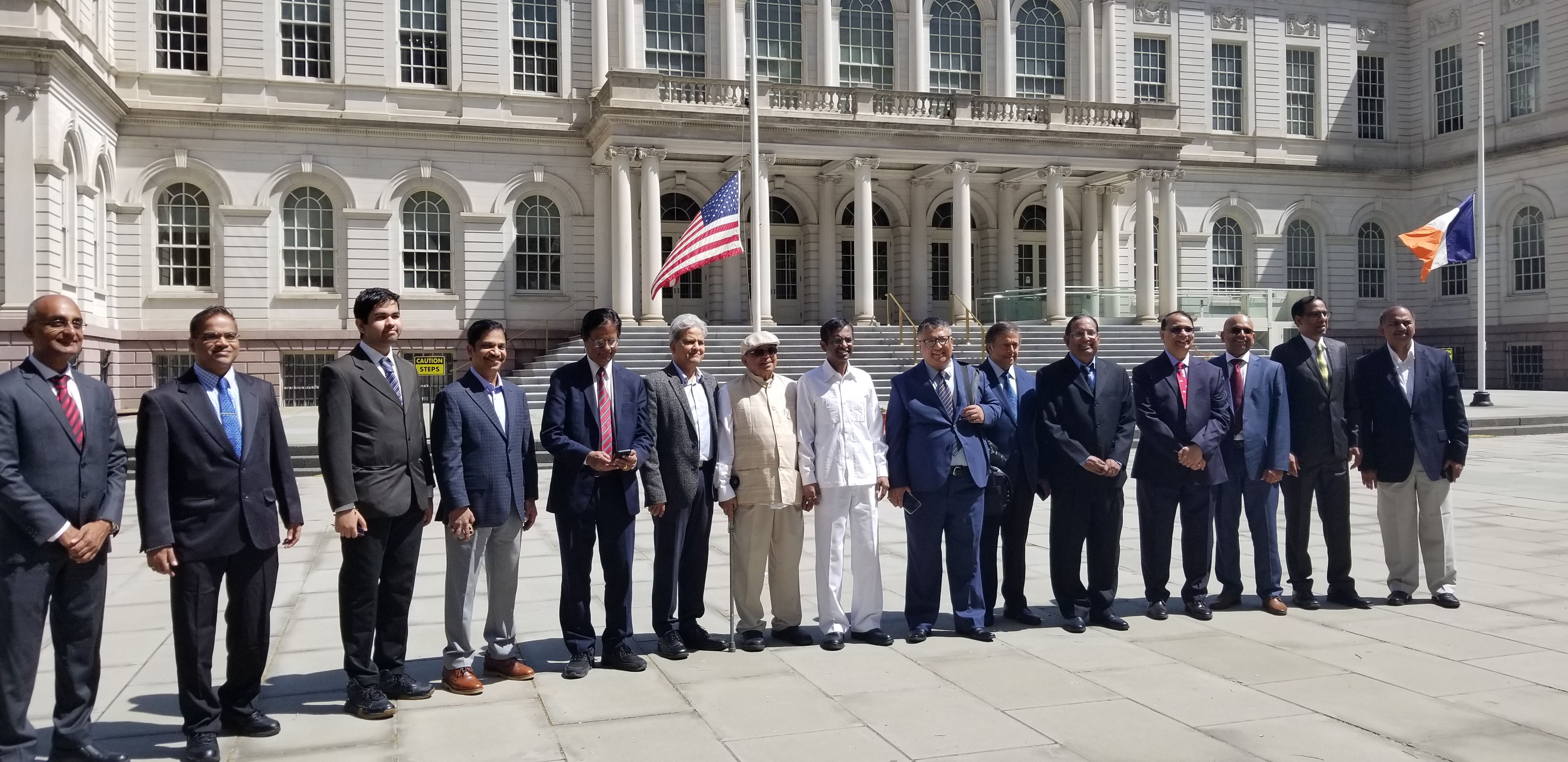
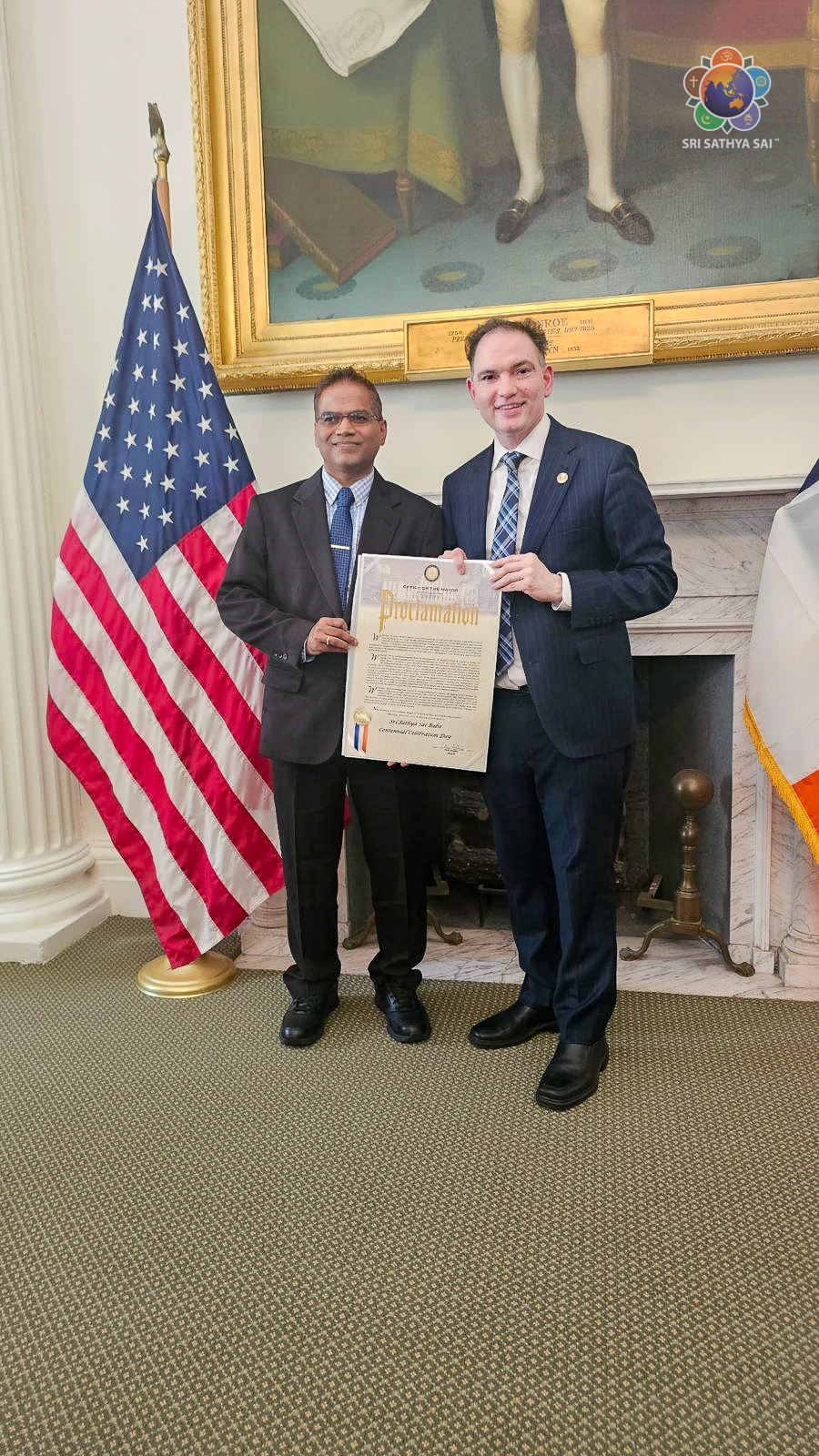 The proclamation ceremony took place in a formal setting and was presented by Deputy Commissioner Mr Dilip Chauhan. He was joined by officials from the Mayor’s Office and representatives of the Sri Sathya Sai Global Council, who gathered to witness this significant occasion. The proclamation celebrates Bhagawan’s life and philosophy, reflecting the city’s appreciation for his spiritual teachings and humanitarian work.
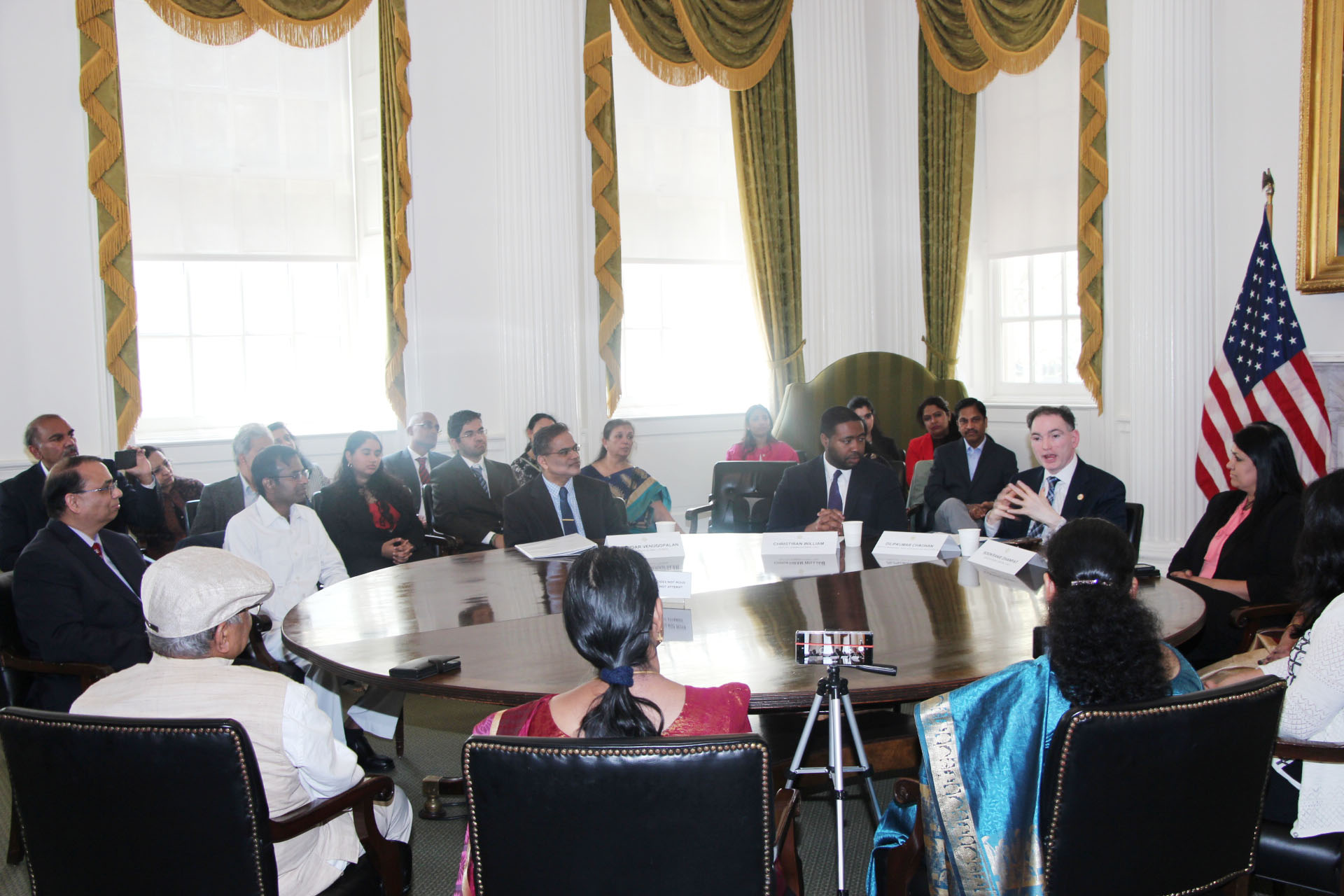 States. These include food distribution, hygiene kit supply, and youth education initiatives based on human values. Their tireless dedication was recognized as a continuation of Sri Sathya Sai Baba’s teachings, emphasizing love, service, and compassion.
 One of the central figures present at the event, Sundar Venugopalan of the Sri Sathya Sai Global Council in Flushing, New York, accepted the proclamation on behalf of the community. Reflecting on the teachings of Sri Sathya Sai Baba, he emphasized that the core principle of all religions is fundamentally the same. “Sri Sathya Sai Baba’s main teaching was that the essence of all religions is one, urging us to see the divine spark within each and every creation,” Venugopalan stated. He added that Sai Centers around the world, including those in New York, promote spiritual growth and encourage service-oriented community engagement. “This centennial year, we are committed to expanding our service to those in need right here in New York City,” he affirmed.
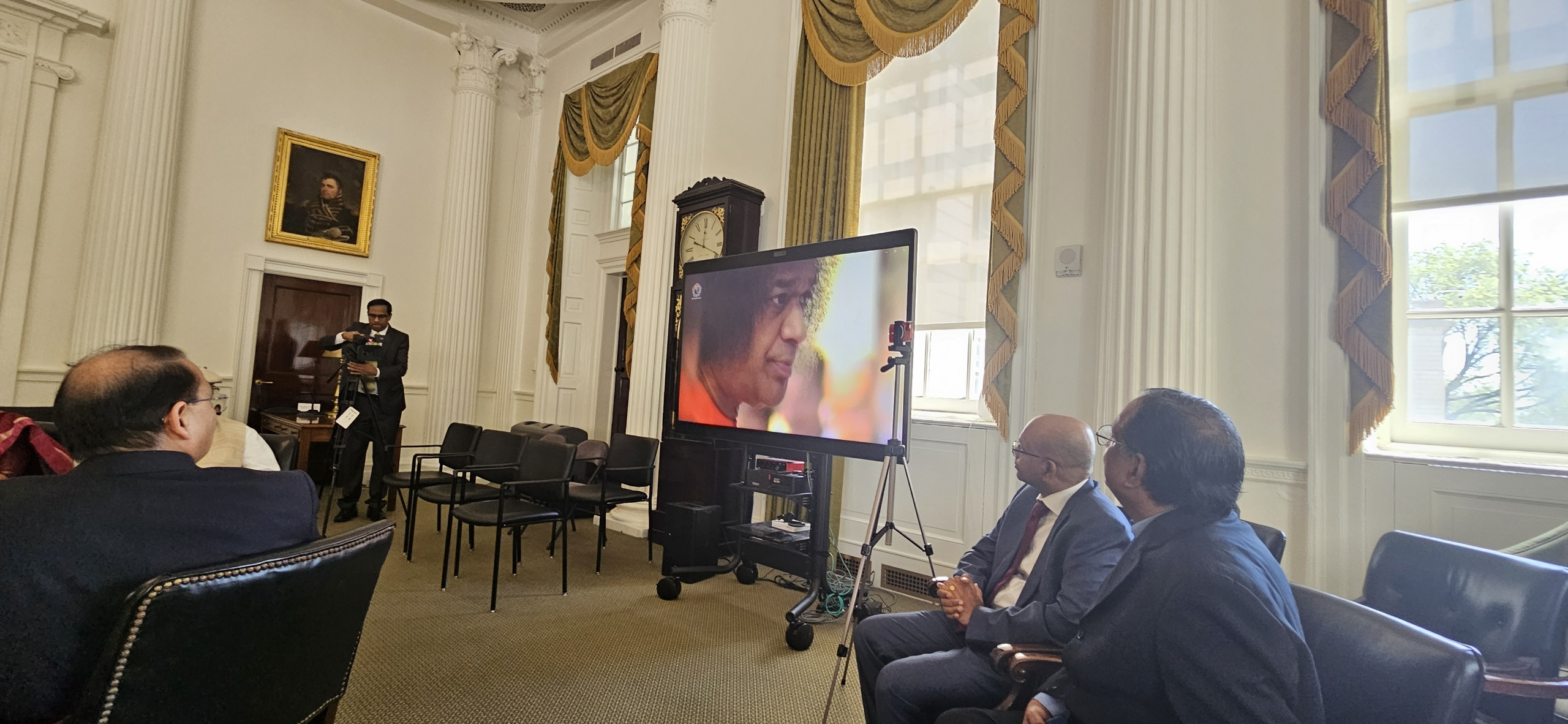 in the spirit of Bhagawan’s teachings. The proclamation from a city as diverse and globally influential as New York carries symbolic weight, reinforcing the universality of Sri Sathya Sai Baba’s message and mission. In the words of the organizers, “We offer our deepest gratitude to Bhagawan for this divine blessing. This recognition from New York City—one of the world’s most vibrant and diverse cities—beautifully echoes Bhagawan’s vision of global unity, service, and spiritual harmony.”
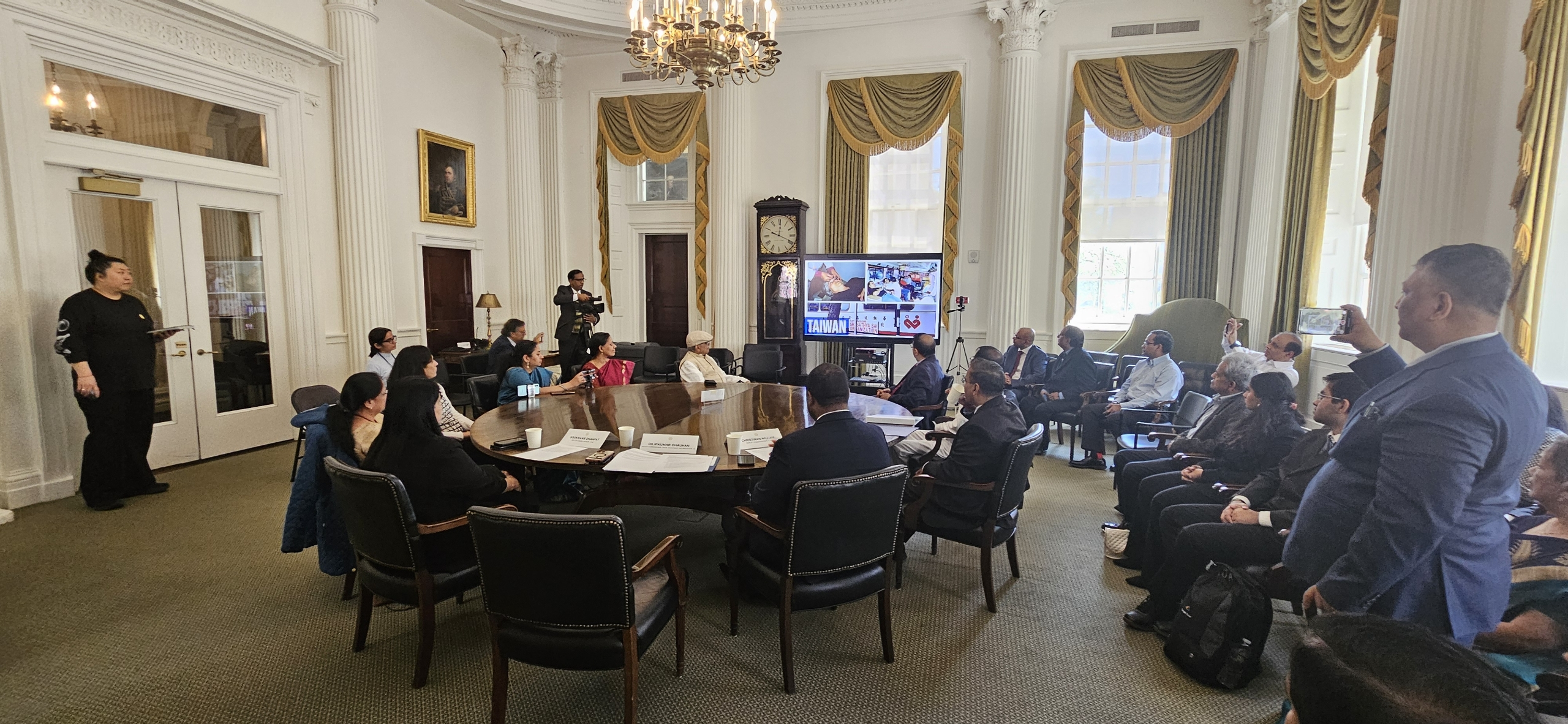 The ceremony, enriched by heartfelt expressions and multimedia tributes, concluded with renewed enthusiasm among the community to continue their work. The video documentary presented during the event provided a compelling overview of Sri Sathya Sai Baba’s global outreach efforts—ranging from free medical care and educational services to disaster relief and interfaith dialogue initiatives. These efforts were shown to be coordinated and implemented by volunteers and organizations inspired by his guidance and values.
 not only for his devotees but also for anyone committed to the ideals of love, unity, and humanitarian service. As emphasized by the proclamation, the legacy of Bhagawan continues to be felt through the actions of his followers who “Love All, Serve All” and live by the principle to “Help Ever, Hurt Never.”


