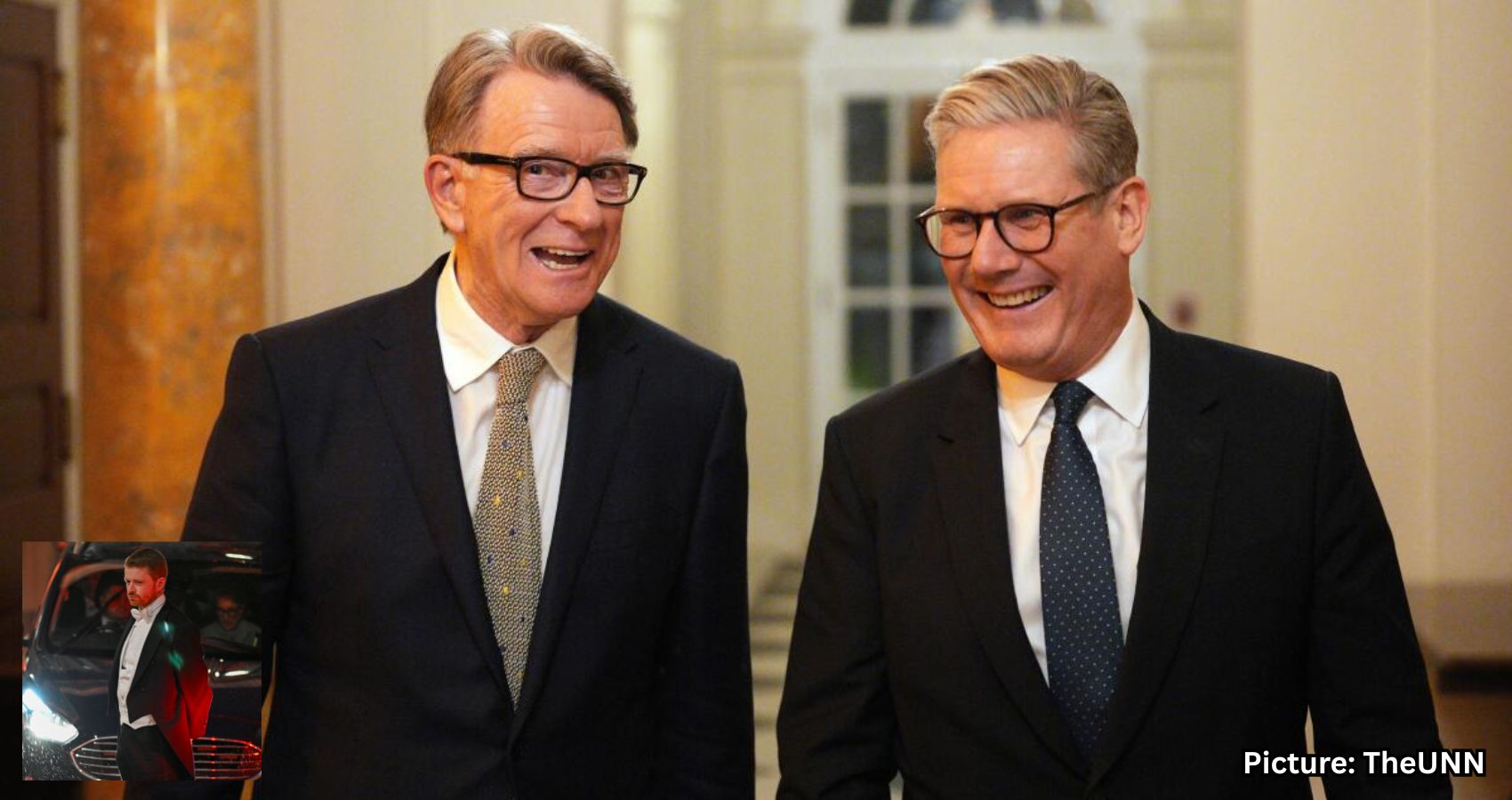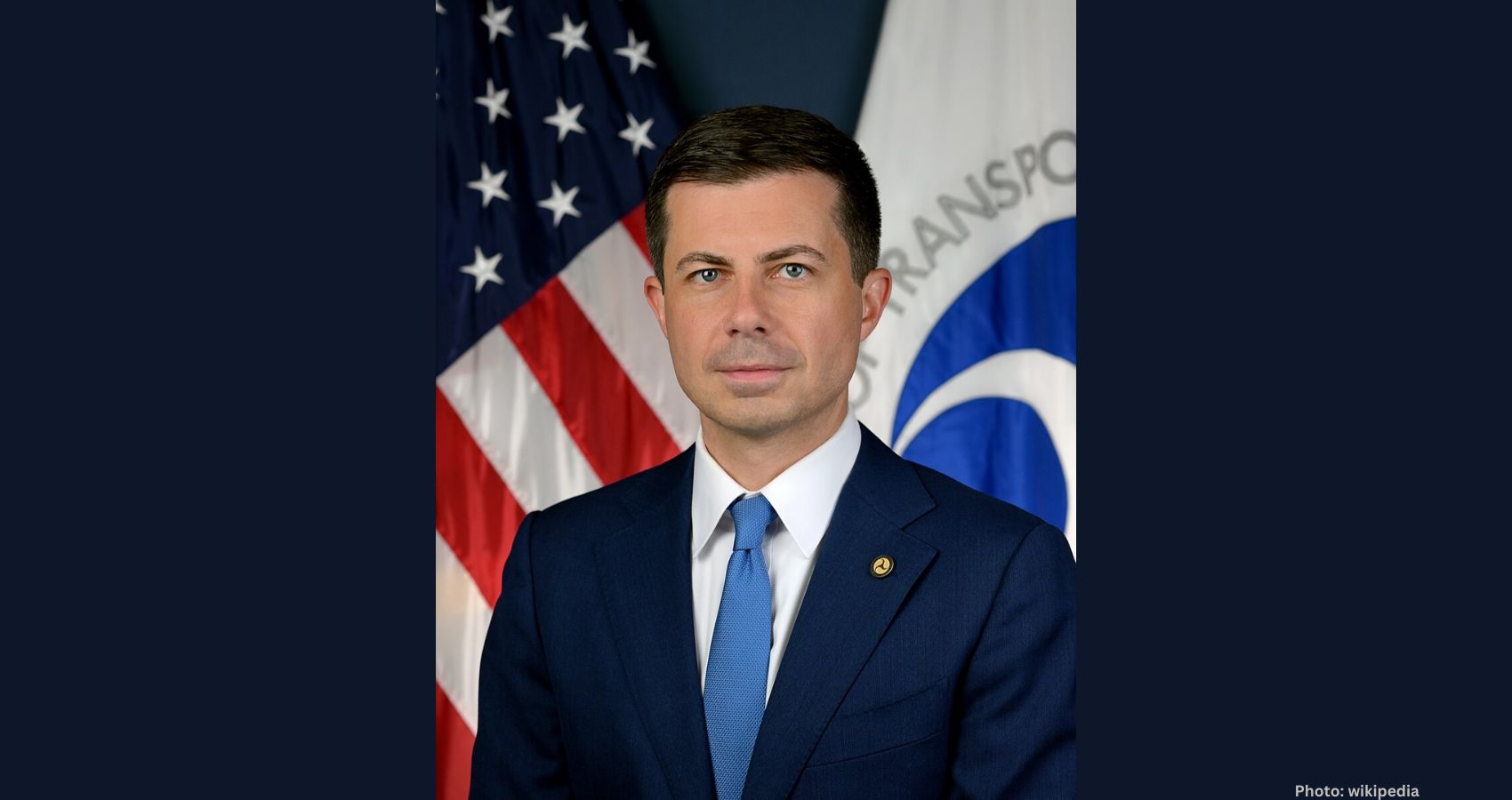
Peter Thiel’s Potential Move from California Sparks Comments from Ro Khanna

California Congressman Ro Khanna defends a proposed billionaire tax, arguing it will promote shared prosperity and innovation, despite warnings from tech elites like Peter Thiel about leaving the state.

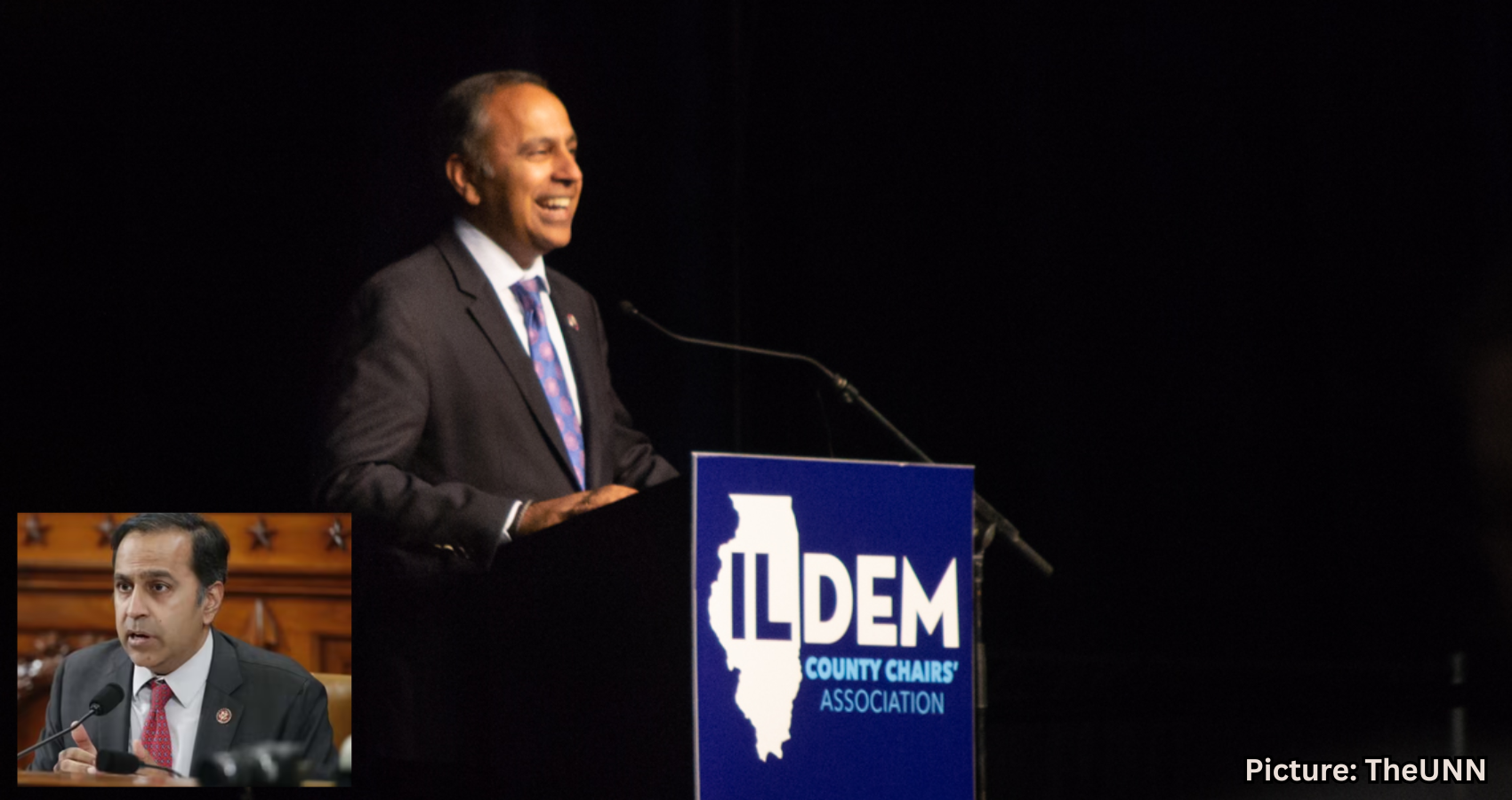
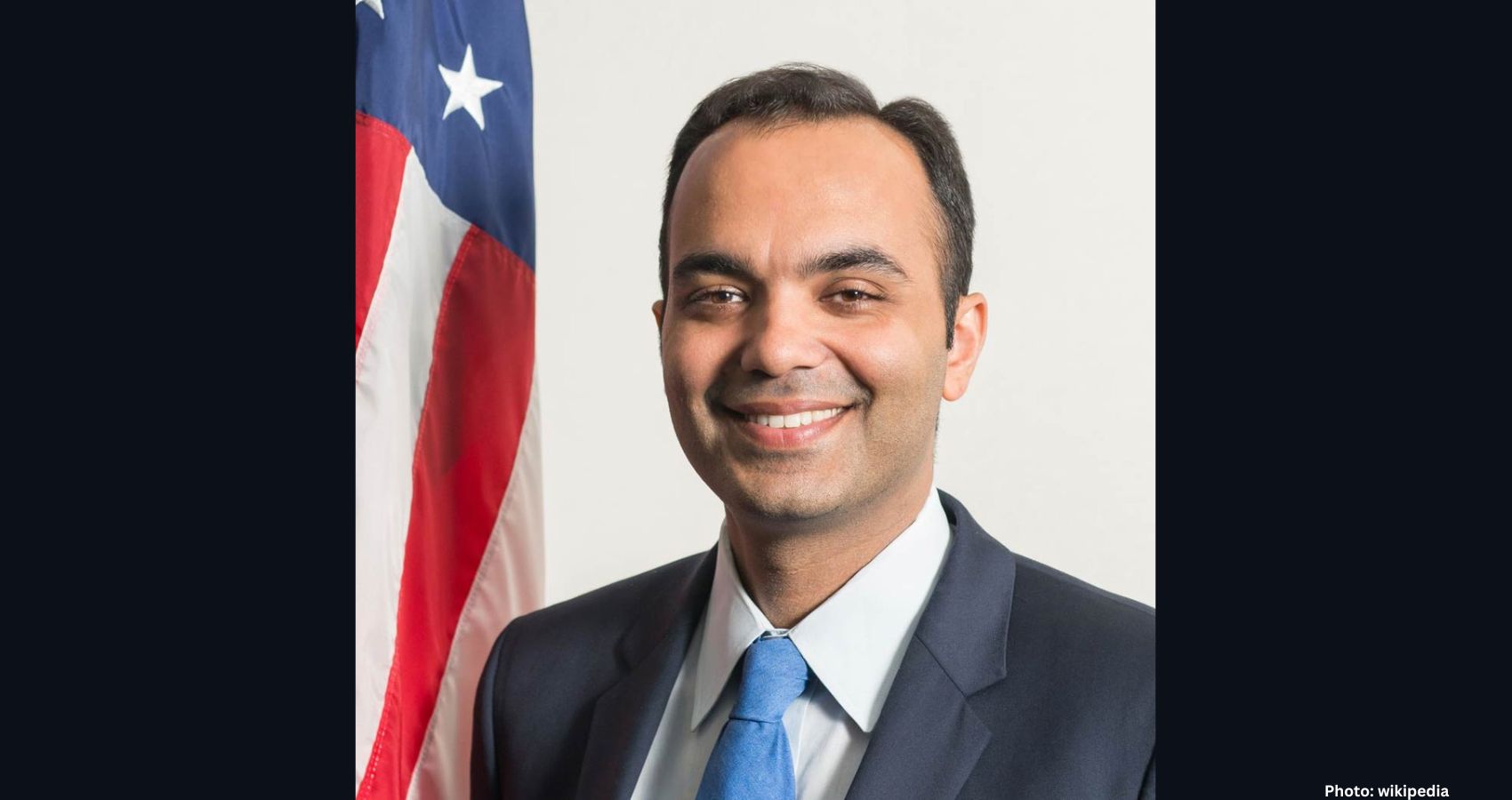
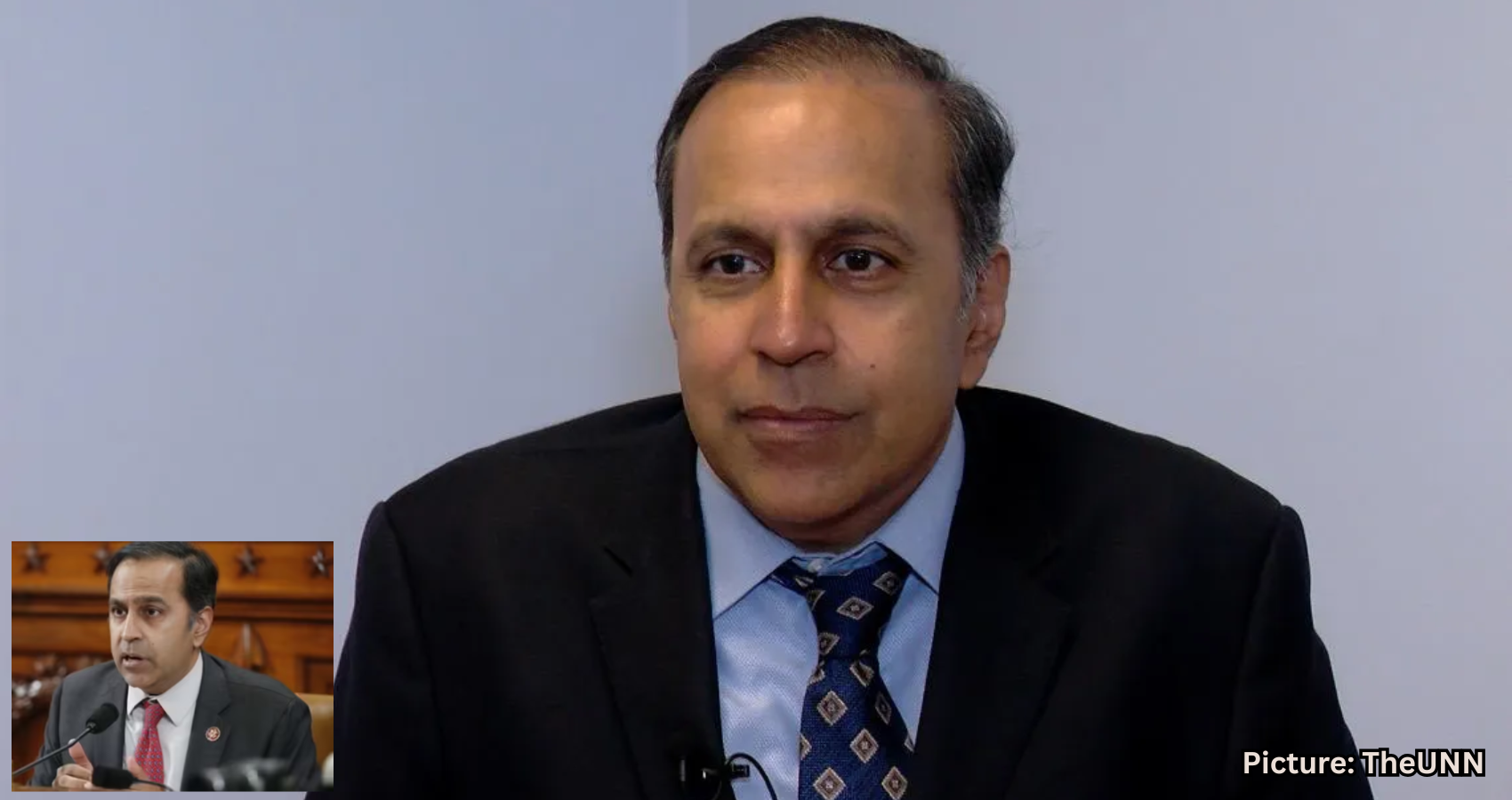
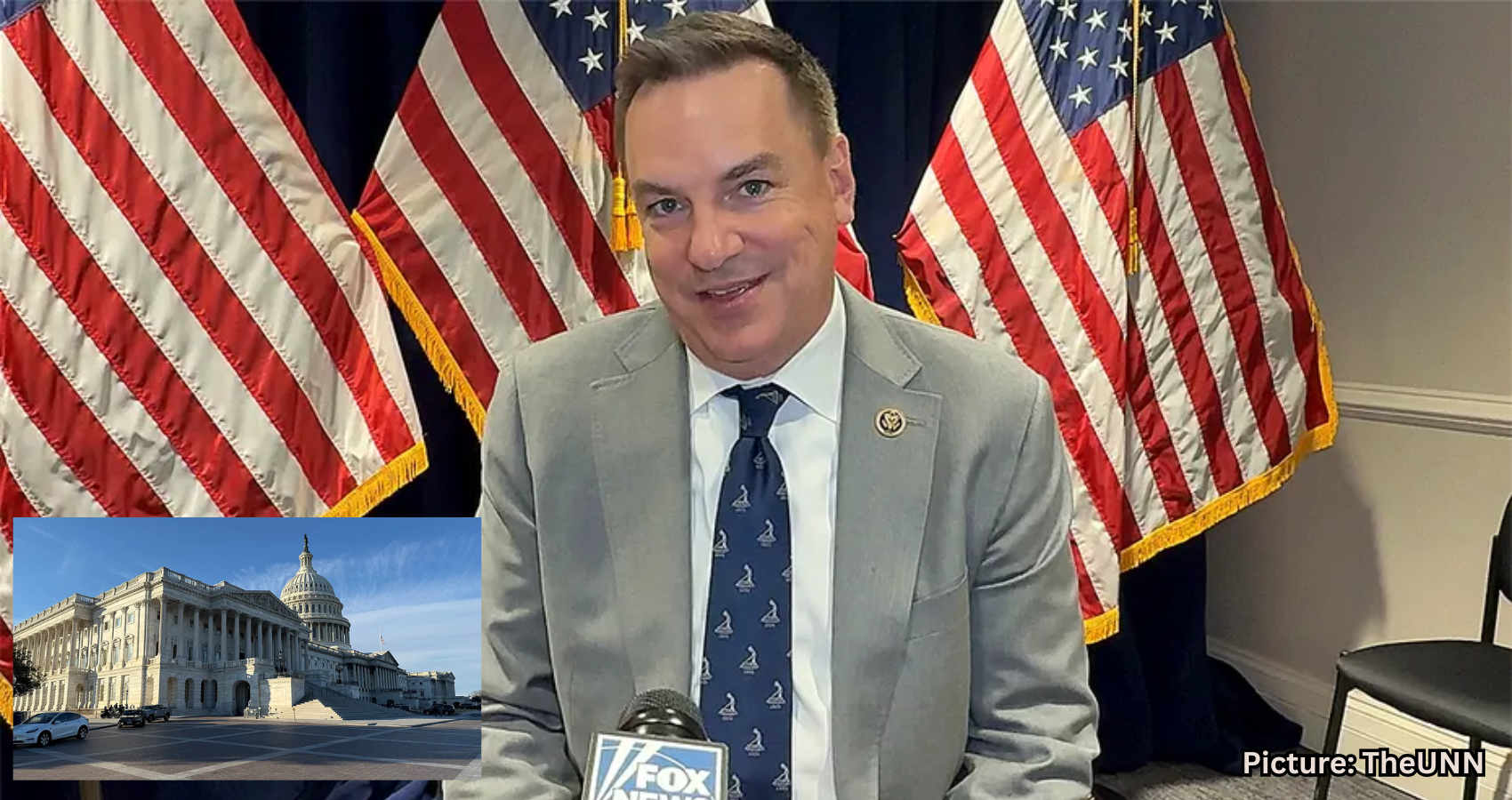
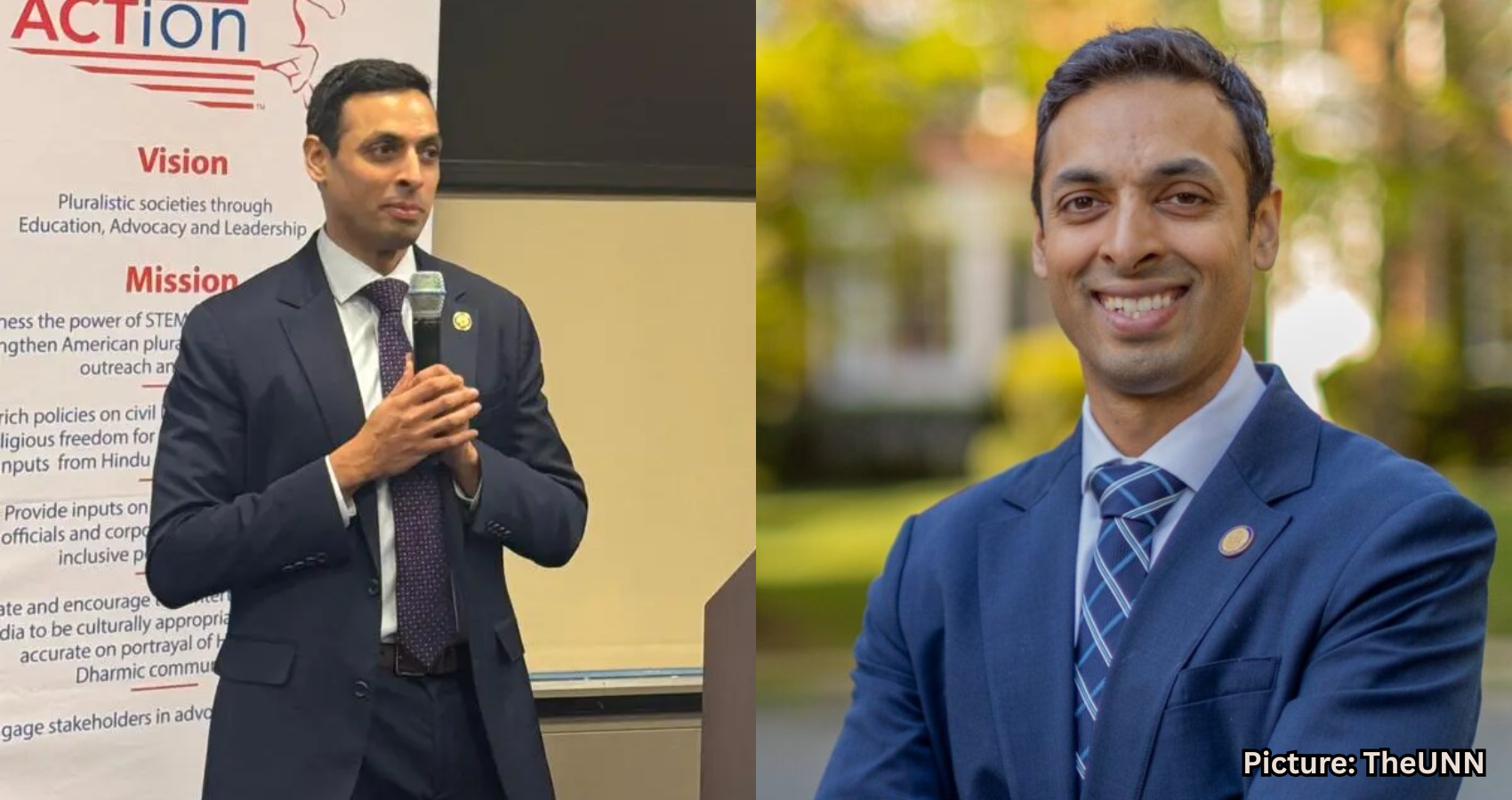
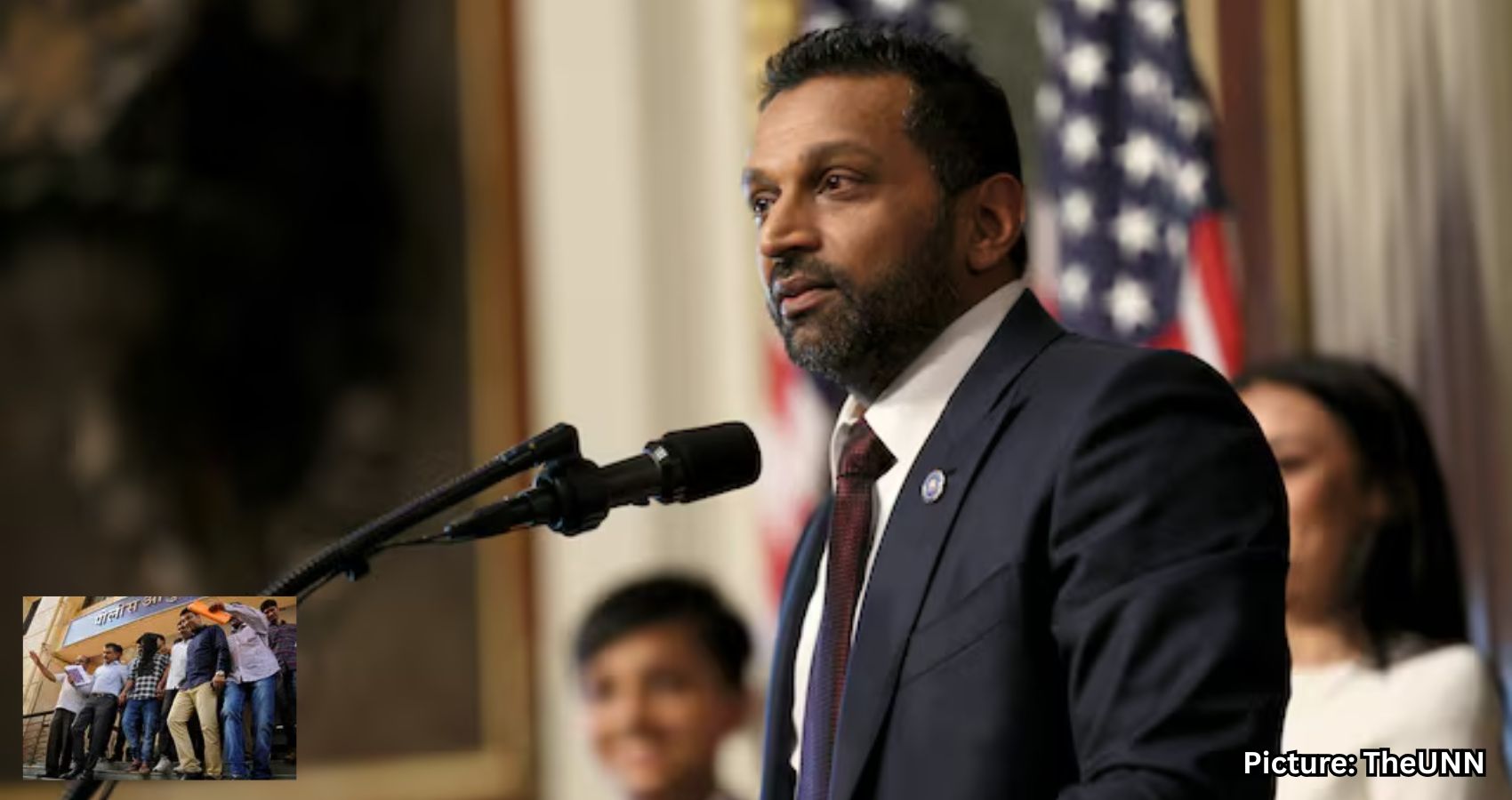
California Congressman Ro Khanna has firmly countered concerns from tech elites regarding a proposed billionaire wealth tax, asserting that such a measure would enhance democracy, fund healthcare, and foster innovation. His remarks come in response to comments made by billionaire Peter Thiel, who indicated he might leave California if the state implements a temporary wealth tax aimed at supporting healthcare amid significant Medicaid cuts.

Khanna, representing California’s 17th Congressional District—which encompasses much of Silicon Valley—took to social media platform X to express his views. He quoted President Franklin D. Roosevelt, who famously dismissed threats from wealthy industrialists during the New Deal era, stating, “I will miss them very much.”

“Peter Thiel is leaving California if we pass a 1% tax on billionaires for five years to pay for healthcare for the working class facing steep Medicaid cuts,” Khanna wrote. “I echo what FDR said with sarcasm of economic royalists when they threatened to leave.”

The proposed 2026 Billionaire Tax Act was filed with the California Attorney General’s office in October 2025 and has since been amended. If it qualifies for the ballot, it is expected to be presented to voters in the November 2026 election, pending the collection of approximately 870,000 to 900,000 signatures from registered voters.

Khanna emphasized the immense wealth and innovation already present in his district, which he described as having a collective value of $18 trillion—nearly one-third of the U.S. stock market—within a 50-mile radius. He noted that the district is home to five companies with market capitalizations exceeding $1 trillion.

In another post, Khanna addressed concerns that a billionaire tax would hinder the emergence of future tech giants. He pointed to NVIDIA founder Jensen Huang as an example of how innovation thrives in Silicon Valley, regardless of tax policies. “Those saying that we wouldn’t have a future NVIDIA in the Bay if this tax goes into effect are glossing over Silicon Valley history,” he stated. “Jensen was at LSI Logic and his co-founders at Sun. He started NVIDIA in my district because of the semiconductor talent, Stanford, innovation networks, and venture funding.”

Khanna argued that the region’s innovation is driven by talent density, research institutions, and capital networks rather than the allure of low taxes on extreme wealth. “He built here because the talent is here,” Khanna added. “Jensen wasn’t thinking I won’t start this company because I may have to one day pay a 1 percent tax on my billions.”

Highlighting the importance of public investment in the technologies that generate significant private wealth, Khanna pointed out that many foundational breakthroughs in artificial intelligence emerged from publicly funded research. He cited the creation of ImageNet by Fei-Fei Li at Stanford, which was supported by National Science Foundation funding, as a prime example.

Khanna credited institutions such as the National Science Foundation, DARPA, Stanford University, UC Berkeley, San Jose State University, and the broader University of California system as integral to Silicon Valley’s success. He argued that this public infrastructure has been crucial for maintaining the U.S.’s position as a global leader in innovation, even noting that the UC system won five Nobel Prizes in a single year.

While acknowledging the vital role of entrepreneurs in commercializing innovation, Khanna rejected the notion that modest taxes on extreme wealth would deter ambition. “Yes, we need entrepreneurs to commercialize disruptive innovation,” he wrote. “But the idea that they would not start companies to make billions, or take advantage of an innovation cluster, if there is a 1–2 percent tax on their staggering wealth defies common sense and economic theory.”

Khanna framed the billionaire tax as a necessary response to a broader national crisis characterized by extreme inequality and a declining belief in the American dream. “We cannot have a nation with extreme concentration of wealth in a few places but where 70 percent of Americans believe the American dream is dead and healthcare, childcare, housing, education is unaffordable,” he cautioned.

Drawing historical parallels, Khanna noted that unchecked inequality has historically destabilized societies, referencing events from the Industrial Revolution in Britain to revolutions in France and Russia. He emphasized that the challenge for the U.S. is to ensure that the advancements brought about by the AI revolution benefit society as a whole, rather than just a select few.

“America’s central challenge is to make sure the AI revolution works for all of us, not just tech billionaires,” he stated. Khanna concluded by asserting that democracy and social cohesion—not tax avoidance—are the true drivers of long-term economic success. “So yes, a billionaire tax is good for American innovation,” he wrote, “which depends on a strong and thriving American democracy.”

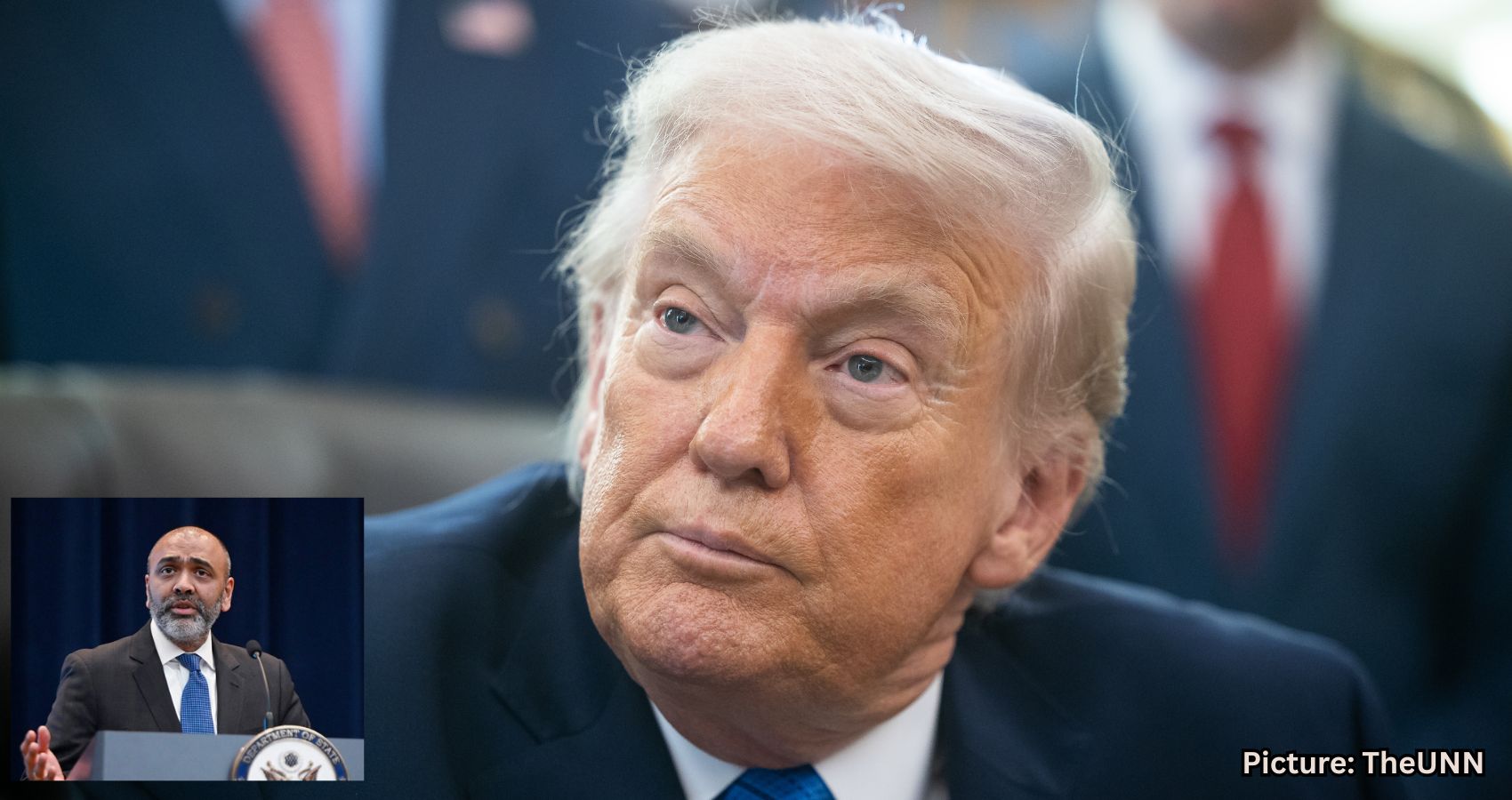
Thiel, known for his support of former President Donald Trump, has been a prominent figure in Silicon Valley’s right-wing circles, having spoken at the Republican National Convention in 2016 and contributed significantly to Trump-aligned causes.

These discussions surrounding the billionaire tax reflect a broader debate about wealth distribution and the role of public investment in fostering innovation and economic growth, particularly in a state that is home to some of the world’s most valuable companies.

According to The American Bazaar, Khanna’s stance highlights a growing tension between the tech elite and policymakers advocating for more equitable economic policies.

Trump’s Holiday Season: A Look at His Influence and Legacy

Donald Trump embraces the holiday spirit with a mix of self-promotion and political maneuvering, showcasing his accomplishments while taking jabs at critics and rivals.

In a festive twist, Donald Trump has donned the role of Santa Claus, crafting his own naughty and nice list as he celebrates the holiday season. At the top of his nice list is none other than himself, dubbed the “President of Peace” with a promise of “Results for America.”

The White House has been keen to remind the public of Trump’s achievements, which include claims of having “ended eight wars,” reducing NATO spending by 5%, reforming USAID, securing historic border agreements, and combating drug cartels.

In a striking display of military action, Trump marked Christmas with a “powerful and deadly strike against ISIS terrorist scum in Northwest Nigeria,” citing the group’s violent targeting of innocent Christians as justification for the attack. He extended holiday wishes, stating, “MERRY CHRISTMAS to all, including the dead terrorists, of which there will be many more if their slaughter of Christians continues.”

This military operation followed Trump’s recent directive for a “complete” blockade of sanctioned oil tankers entering and leaving Venezuela, warning its leader, Nicolás Maduro, that it would be “smart” for him to step down.

In a bid to assert U.S. interests, Trump reignited tensions with Denmark by insisting that the U.S. “has to have” Greenland, appointing a special envoy to the semiautonomous Arctic territory.

In a show of support for the military, Trump announced a new class of Navy battleships, named after himself, to replace what he described as an “old and tired and obsolete” fleet. He emphasized that the design of the new “Trump class” ships would reflect his personal aesthetic standards, stating, “I’m a very aesthetic person.”

In a move against renewable energy, Trump paused all large-scale offshore wind projects in the U.S., citing “national security concerns” and his belief that wind turbines harm marine life.

Despite a setback from the Supreme Court, which rejected his bid to deploy the National Guard in Illinois, Trump maintained a positive outlook, refraining from retaliatory comments.

The Commerce Department also made Trump’s nice list, reporting a 4.3% growth in the U.S. economy during the third quarter, exceeding expectations and marking the fastest growth in two years. His team quickly attributed this success to Trump’s policies, stating, “This is a direct result of everything @POTUS has put in place.”

On his social media platform, Truth Social, Trump celebrated the news, proclaiming, “TRUMP IS DOING AN AMAZING JOB!” He noted that the U.S. is on track to record its largest single-year decline in murders and highlighted a decrease in federal employment, which has fallen by 271,000 jobs since he took office.

Secretary of State Marco Rubio also received praise for recalling 30 career ambassadors appointed by the previous administration and for reinstating the use of Times New Trump font in diplomatic communications, reversing what he deemed a “wasteful” diversity initiative.

Other government departments have followed suit, adopting Trump’s preferred terminology, replacing terms like “undocumented” and “noncitizen” with “illegal alien.” The classification of unaccompanied minors has also reverted to “Unaccompanied Alien Child,” while “gender” has been replaced with “sex” on official documents.

In a lighthearted moment, Trump revealed that Santa himself was on his watchlist during a holiday event where he and the First Lady spoke with children across the country. He remarked, “We track Santa all over the world. We want to make sure that Santa is being good.”

Trump humorously suggested that Santa should deliver “clean, beautiful coal” for Christmas, tying in his earlier executive order aimed at bolstering the U.S. coal industry.

After the festive call, Trump returned to political discourse in a holiday message on Truth Social, wishing a “Merry Christmas to all, including the Radical Left Scum that is doing everything possible to destroy our Country, but are failing badly.”

He took aim at the media, particularly “The Failing New York Times,” labeling it a “true enemy of the people” for its perceived misrepresentation of his administration. Trump also criticized various news networks and late-night shows for their negative coverage, suggesting that their broadcast licenses should be revoked.

In a whimsical illustration accompanying his holiday message, Trump is depicted in a Santa hat, racing to deliver tax refund checks, prompting critics to question whether he is truly delivering for the American people or merely for himself.

Despite a canceled annual Christmas Eve concert at the Kennedy Center due to his name being added to the building, Trump encouraged viewers to watch “THE TRUMP KENNEDY CENTER HONORS,” where he served as host. He playfully asked for feedback on his hosting abilities, suggesting he might consider leaving the presidency to pursue a full-time career in entertainment.

As Trump continues to navigate the political landscape during the holiday season, he remains focused on promoting his agenda while taking jabs at his opponents, embodying the spirit of the season in his own unique way.

The post Trumpiana: Trumple bells, Trumple bells, Trump all the way! appeared first on The American Bazaar.

New Documents Raise Concerns Over TiE New York Leadership

Newly uncovered documents raise significant concerns about governance and procedural integrity within TiE New York amid escalating disputes and potential litigation involving the organization’s leadership.

Internal correspondence and legal warnings have surfaced, raising serious questions about governance, procedural fairness, and potential conflicts of interest within TiE New York, one of the organization’s most influential chapters. The documents emerge amid an escalating dispute between charter member Kesav Dama and the leadership of TiE New York, which may lead to litigation.

The recently reviewed documents, dated between October 6 and October 31, 2025, indicate that an internal complaint alleging repeated code-of-conduct violations by then-TiE New York President Jignesh Patel has transformed into a broader confrontation over board procedures, evidentiary fairness, and fiduciary responsibilities under New York nonprofit law.

At the heart of these revelations is a “Notice to Provide Evidence and Information” issued by TiE New York Secretary Vaibhav Parikh. Although the notice is dated October 14, 2025, multiple documents and email records suggest it was actually sent on October 16, effectively backdating the request while imposing a two-business-day deadline for compliance.

The notice demanded extensive documentation from Dama, including complete message histories, call logs, financial substantiation related to a 2023 TiE NY gala, and details about discussions he had regarding his complaint. This demand is particularly concerning given that much of the requested information was already available within the board’s own records.

Backdating a formal request during an active dispute, especially when combined with a compressed response window, can severely undermine confidence in procedural neutrality. This is especially critical in a nonprofit context, where fairness and transparency are paramount.

The October 14 notice also raised eyebrows by invoking Federal Rule of Evidence 106, known as the “rule of completeness,” to justify the demand for unredacted communications and full message threads. Attorneys representing Dama responded strongly, arguing that federal evidentiary standards are not applicable in internal nonprofit governance matters, which are instead governed by New York Not-for-Profit Corporation Law and TiE NY’s own bylaws. In a detailed response dated October 31, Dama’s counsel characterized the demand as “highly improper,” “harassing,” and beyond the board’s authority, particularly since the board already controlled the relevant financial and governance records.

The documents also highlight a significant conflict: whether Secretary Vaibhav Parikh can serve as a neutral administrator of the process while also being a material witness. Correspondence reveals that Parikh had multiple substantive conversations with Dama over the summer of 2025 regarding the very conduct now under investigation, as suggested by TiE Global Chairman Murali Bukkapatnam. Furthermore, Parikh was copied on a controversial email from Vivek Rathi that accused Dama of impropriety, which was circulated to board members just before Patel’s disciplinary deliberations.

Dama’s counsel argues that if Parikh participated in or transmitted that communication, he would be required to recuse himself under basic conflict-of-interest principles. Conversely, if Patel disseminated the email after being notified of the complaint against him, this conduct could be viewed as further retaliation and manipulation of the disciplinary process.

Documents reviewed indicate that the Rathi email was not treated as an independent complaint but rather as an informal, unsolicited communication that TiE NY leadership nonetheless classified as a “cross-complaint,” despite the absence of a formal filing or notice to Dama. According to the October 6 demand letter, the Rathi email was circulated to board members immediately before Patel’s disciplinary hearing, allegedly damaging Dama’s reputation and diverting attention from the substantive allegations against Patel. Dama’s counsel contends that elevating the email to complaint status without proper procedure constituted “gross negligence” and may have tainted the board’s deliberations.

Further allegations suggest that Rathi, a recently inducted charter member, may have been coached on how and whom to contact, raising additional questions about whether the email was strategically used to “muddy the waters” rather than address legitimate concerns.

The October 6 submission outlines a timeline of alleged threats and coercive communications attributed to Patel, including text messages in which he purportedly claimed he could “shut down” Dama’s professional relationships by invoking influential third parties. Screenshots included in the record show Patel referencing specific individuals as leverage, conduct that Dama’s attorneys argue clearly violates TiE’s code of conduct and warrants immediate suspension without prolonged process.

The documents emphasize that TiE New York, as a private nonprofit, is not bound by constitutional due-process standards applicable to government action. Boards retain the authority to act decisively on prima facie evidence to protect the organization.

By October 31, the dispute had escalated further, with Dama’s counsel issuing a formal litigation hold notice to the TiE NY board. This notice demanded the preservation of all documents related to the complaint, including board minutes, bylaws, and the disputed Rathi email. It explicitly warned board members of potential personal liability under New York law for breaches of fiduciary duty, citing duties of care, loyalty, and obedience. It also referenced potential actions under Sections 623 and 720 of the Not-for-Profit Corporation Law, which permit derivative and direct claims against directors and officers for misconduct.

Taken together, the documents depict an organization grappling with an internal crisis while striving to maintain procedural credibility. The backdated evidence demand, the invocation of inapplicable federal rules, unresolved recusal questions, and the late-stage litigation hold all suggest that TiE New York’s handling of the dispute may now be as significant as the underlying allegations themselves.

As of now, TiE New York leadership has not publicly addressed the backdating of the October evidence request or clarified whether independent counsel or an external investigator has been engaged. For a global nonprofit founded on principles of entrepreneurship, ethics, and leadership, the unfolding controversy presents a critical test: whether its governance mechanisms can withstand scrutiny or if deeper reforms are necessary to restore trust among its charter members.

According to The American Bazaar, the situation continues to evolve as stakeholders await further developments.

Trump’s Economy Shows Growth, But Voter Confidence Remains Low

Economist Stephen Moore highlights the growing economic momentum under President Trump, yet voter skepticism and cost-of-living concerns pose significant challenges for effective messaging.

Economist Stephen Moore asserts that economic momentum is building under President Donald Trump, but translating these gains into political advantage will require more effective messaging. Despite improving economic indicators, many voters remain skeptical.

“There’s a perception and there’s reality,” Moore explained in an interview with Fox News Digital. “The reality is what the numbers show — that median family income is up by about $1,200 this year, adjusted for inflation. We’re seeing real increases in wealth. Anyone investing in the stock market — not just rich people, but about 160 million Americans — has retirement savings in stocks.”

However, Moore, a former Trump adviser and co-founder of the free-market advocacy organization Unleash Prosperity, acknowledged that rising everyday costs continue to shape public perception of the economy. “People tend to focus on the things that are rising in price, and I understand that,” he said. “But there are also areas where costs have fallen, including gasoline, airline tickets, and some everyday items.”

This disconnect between economic data and voter sentiment presents a political challenge for Trump. He returned to the White House promising affordability but now faces doubts about whether that pledge is being fulfilled. A recent Fox News national survey found that 76% of voters rate the economy negatively, an increase from 67% in July and 70% at the end of former President Joe Biden’s term. The poll indicated that voters are more likely to blame Trump than Biden for current economic conditions, with three times as many respondents stating that Trump’s policies have personally hurt them.

This sentiment has fueled Democratic messaging focused on affordability, which has resonated in recent state and local elections. Moore noted that the disconnect is not solely about rising prices; it also relates to the tone of communication from the administration. “I think people want empathy from the president,” he said. “People in the middle and working class want to know that this president understands the struggles of working 40 hours a week and still having a hard time meeting their bills.”

To bridge this gap, Moore compared Trump’s current challenge to that faced by Ronald Reagan during the early months of his presidency, which followed economic difficulties under Jimmy Carter. He suggested that this dynamic mirrors the aftermath of the Biden administration.

“Trump should use an old line from Ronald Reagan, because Reagan’s first 18 months in office were very tough,” Moore said. “We had a very bad economy as a residual effect from Jimmy Carter. And Reagan told the American people, stay the course, these policies are going to work and they’re going to make America better off.”

Moore expressed optimism about the current economic trajectory, stating that recent data indicate the recovery is accelerating. “In the last couple of months, the economy has really sped up,” he said. “At 4.3% growth, that’s a very high rate, and the recovery is well in progress. It’s been a very prosperous first year, and I expect 2026 to bring very strong continued economic growth.”

As the Trump administration navigates these challenges, the effectiveness of its messaging will be crucial in shaping public perception and addressing voter concerns about the economy, according to Moore.

According to Fox News, the ongoing economic narrative will require careful attention to both data and the emotional tone conveyed to the American public.

Israel Recognizes Somaliland as First Country; Trump Remains Hesitant

Israel has officially recognized Somaliland as an independent nation, marking a historic diplomatic milestone in the Horn of Africa.

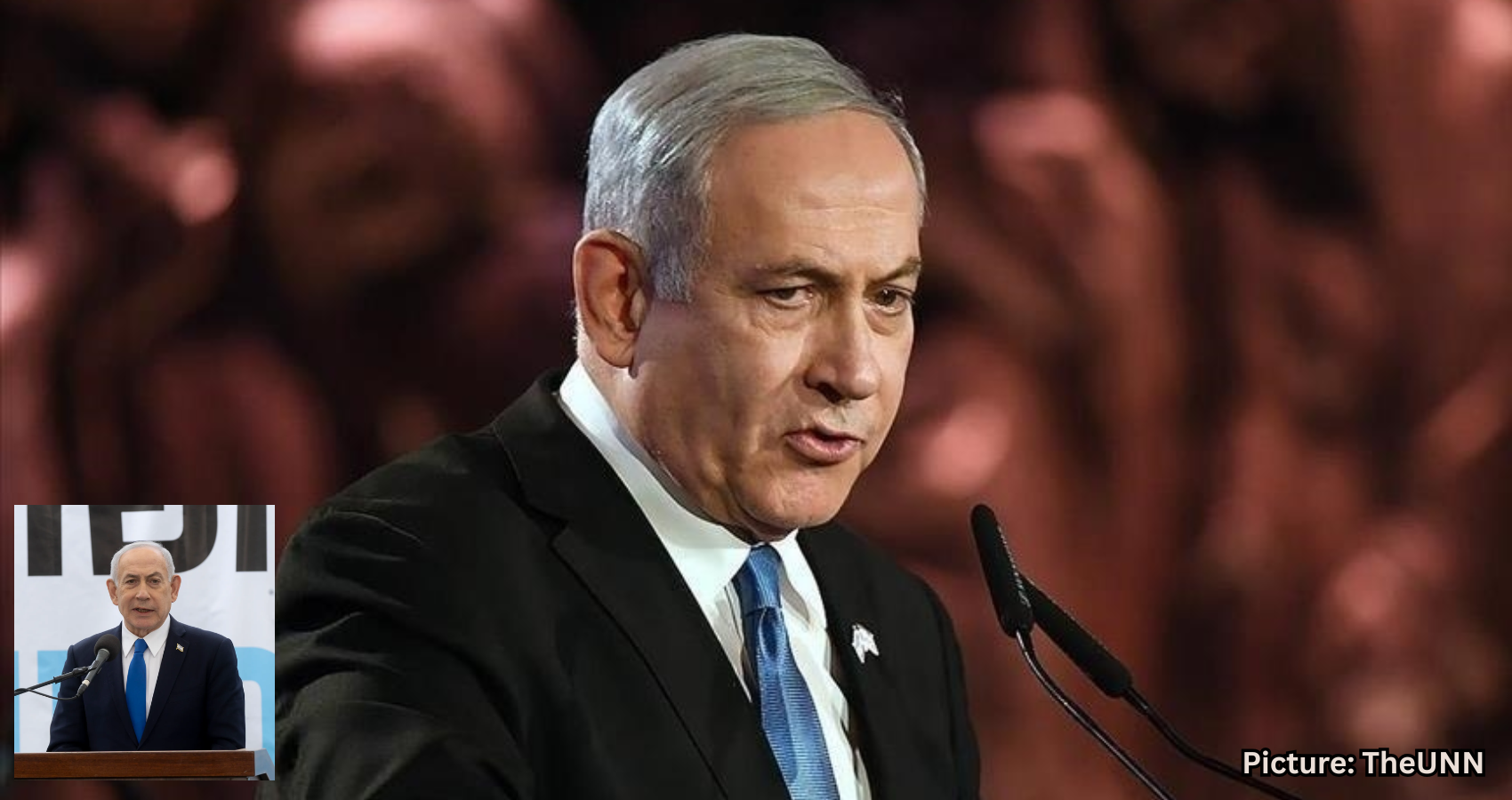
In a significant diplomatic development, Israel has become the first country to officially recognize Somaliland as an independent nation. This announcement was made by Prime Minister Benjamin Netanyahu on December 26, alongside Israel’s Foreign Minister Gideon Sa’ar and Somaliland’s President, Dr. Abdirahman Mohamed Abdullahi.

The recognition is part of a broader framework linked to the Abraham Accords, which were brokered during the Trump administration. In a mutual declaration signed by both parties, Israel and Somaliland affirmed their commitment to establishing formal diplomatic relations.

Sa’ar expressed that the relationship between Somaliland and Israel has been strengthened through extensive dialogue. He noted that full diplomatic relations will include the appointment of ambassadors and the opening of embassies in Somaliland.

President Abdullahi welcomed Israel’s decision, stating that it represents a significant milestone in Somaliland’s long-standing pursuit of international legitimacy. He emphasized that this recognition reaffirms Somaliland’s historical, legal, and moral entitlement to statehood.

Somaliland’s Ministry of Foreign Affairs described Israel’s recognition as a “constructive contribution to peace, stability, and cooperation” in the Horn of Africa and the Middle East. The ministry also expressed Somaliland’s intention to join the Abraham Accords, looking forward to engaging with Israel on the basis of mutual recognition.

Following Israel’s announcement, South Sudan reportedly became the second country to officially recognize Somaliland. This development has led to speculation regarding whether the United States will follow suit.

In August, President Donald Trump indicated that he was considering the recognition of Somaliland. Official recognition by the U.S. could provide a strategic foothold in the Horn of Africa, potentially facilitating the establishment of a new air and sea base at Berbera Port, located near the entrance to the Red Sea.

When asked about the possibility of resettling Gazans in Somaliland, Trump stated, “We’re looking into that right now.” This move would position U.S. defense forces directly across from Yemen, where Houthi militants, backed by Iran, have been known to launch attacks against Israel and maritime shipping in the Red Sea.

The Red Sea is a critical maritime route, with approximately thirty percent of the world’s container ship traffic passing through its waters en route to or from the Suez Canal.

Trump is scheduled to meet with Netanyahu on December 29 at his Mar-a-Lago residence to discuss the next steps in the Gaza peace deal. Despite the discussions, Trump has reportedly been hesitant to fully embrace Somaliland’s independence and has expressed skepticism regarding its interest in joining the Abraham Accords.

In an interview with the New York Post, Trump remarked that he needs to “study” Netanyahu’s pitch, questioning, “Does anyone know what Somaliland is, really?” He added, “We’ll study it. I study a lot of things and always make great decisions, and they turn out to be correct.”

Somalia has faced decades of conflict with Islamist fundamentalist groups, prompting the U.S. Africa Command to increase military operations against ISIS and al-Shabab militants. Somaliland, which declared independence from Somalia in 1991, has positioned itself as a stable and democratic entity, contrasting sharply with the ongoing turmoil in Somalia.

Somaliland Minister of the Presidency Khadar Hussein Abdi emphasized that Somaliland has maintained a democratic and peaceful governance model for over three decades, unlike its counterpart. He stated, “It’s time for Somalia to focus on its own challenges and to be constructive. The illusion of Somali unity ended long ago.”

Netanyahu has reportedly invited President Abdullahi to visit Israel, commending his leadership and commitment to promoting stability and peace in the region.

As the situation evolves, the international community will be watching closely to see how these developments impact the geopolitical landscape of the Horn of Africa and the broader Middle East, according to Fox News.

Trump’s Proposal for ‘Trump-Class’ Battleship Encounters Significant Challenges

President Donald Trump’s proposal for a “Trump-class” battleship has sparked debate among experts regarding its feasibility, costs, and relevance to modern naval strategy.

President Donald Trump has unveiled plans for a new “Trump-class” battleship, aiming to make a significant impact on the U.S. armed forces. On Monday, he declared that this vessel would be “the fastest, the biggest, and by far, 100 times more powerful than any battleship ever built.”

The first ship in this proposed class is to be named the “USS Defiant,” with an initial plan to construct two vessels and the potential for fleet expansion in the future. According to Trump’s announcement, the Trump-class battleships are envisioned to feature advanced weaponry, including hypersonic missiles, nuclear-capable cruise missiles, and directed-energy weapons such as high-powered lasers. The initiative is framed as both a military enhancement and a symbolic effort to reassert U.S. strength on the global stage.

The proposal has ignited a debate among defense analysts and policymakers. Proponents argue that these ships could serve as a deterrent and bolster U.S. naval capabilities. However, critics have raised concerns, pointing out that traditional battleships have largely been supplanted by aircraft carriers, submarines, and multi-role surface vessels.

Mark Cancian, a senior adviser at the Center for Strategic and International Studies, expressed skepticism about the proposal. In a commentary published on December 23, he stated, “There is little need for said discussion because this ship will never sail.” Cancian predicted that “a future administration will cancel the program before the first ship hits the water.”

Bernard Loo, a senior fellow at Singapore’s S. Rajaratnam School of International Studies, characterized the proposal as “a prestige project more than anything else.” He noted that historically, battleships have been viewed through the lens of size, suggesting that a simplistic understanding of strategy often equates larger vessels with greater power.

Key details surrounding the Trump-class battleships, including final designs, budgets, construction timelines, and necessary congressional approvals, remain unresolved. It is still uncertain whether these ships will be built as proposed. While the announcement has garnered extensive media coverage and public interest, the Trump-class battleships currently exist as a conceptual initiative, facing significant engineering and logistical challenges before any construction could realistically commence.

High-profile proposals like this often serve as statements of intent, signaling priorities and projecting national strength, regardless of their ultimate feasibility. The ongoing debate surrounding the Trump-class initiative underscores the tension between symbolic gestures and practical defense considerations, with analysts weighing factors such as feasibility, cost, and strategic relevance.

Moreover, conceptual projects like the Trump-class battleship highlight the broader challenges inherent in modern military planning. Successful advancement from idea to implementation requires alignment of technological capabilities, resource allocation, and bureaucratic approval processes. Even proposals that encounter skepticism can shape defense discourse, influencing how policymakers, experts, and the public perceive future military developments.

The discussion surrounding the Trump-class battleship reflects the complexities of contemporary defense strategy, where innovation must be balanced with practicality and strategic necessity. As the debate continues, it remains to be seen whether this ambitious proposal will gain traction or fade into the realm of unfulfilled military aspirations.

According to American Bazaar.

Most Parked Domains Are Now Promoting Scams and Malware

Recent research indicates that over 90 percent of parked domains now redirect users to scams and malware, highlighting the dangers of simple typos when entering web addresses.

Typing a web address directly into your browser may seem like a harmless practice, but new research suggests it has become one of the riskiest activities online. A study conducted by cybersecurity firm Infoblox reveals a significant shift in the landscape of parked domains, with most now redirecting visitors to scams, malware, or deceptive security warnings.

Parked domains are essentially unused or expired web addresses. They can arise from a variety of reasons, including forgotten renewals or deliberate misspellings of popular sites such as Google, Netflix, or YouTube. For years, these domains displayed benign placeholder pages that featured ads and links to monetize accidental traffic. However, this is no longer the case. Infoblox found that more than 90 percent of visits to parked domains now lead to malicious content, including scareware, fake antivirus offers, phishing pages, and malware downloads.

Direct navigation, which involves typing a website address manually instead of using bookmarks or search results, can have dire consequences. A simple typo can redirect users to harmful sites without triggering an error message. For instance, mistyping gmail.com as gmai.com may not produce an error, but it could send your email directly to cybercriminals. Infoblox discovered that some of these typo domains actively operate mail servers to capture messages. Alarmingly, many of these domains are part of extensive portfolios, with one group controlling nearly 3,000 lookalike domains associated with banks, tech companies, and government services.

The experience of visiting a parked domain can vary significantly from user to user, and this is intentional. Researchers found that parked pages often profile visitors in real time, analyzing their IP address, device type, location, cookies, and browsing behavior. Based on this data, the domain determines what content to display next. Users accessing the internet through a VPN or non-residential connection may see harmless placeholder pages, while residential users on personal devices are more likely to be redirected to scams or malware. This filtering mechanism allows attackers to remain hidden while maximizing the success of their schemes.

Several trends contribute to the growing prevalence of malicious parked domains. First, traffic from these domains is frequently resold multiple times through affiliate networks. By the time it reaches a malicious advertiser, there is often no direct relationship with the original parking company. Additionally, recent changes in advertising policies may have inadvertently increased exposure to these threats. For instance, Google now requires advertisers to opt in before running ads on parked domains, a move intended to enhance safety that may have pushed bad actors deeper into affiliate networks with less oversight. This has resulted in a murky ecosystem where accountability is difficult to trace.

Infoblox also identified instances of typosquatting targeting government services. In one case, a researcher mistakenly visited ic3.org instead of ic3.gov while attempting to report a crime. The result was a fake warning page claiming that a cloud subscription had expired, which could have easily delivered malware. This incident underscores how easily users can fall into these traps, even when trying to perform important tasks.

To mitigate the risks associated with parked domains, users can adopt several smart habits. First, save the web addresses of banks, email providers, and government portals to avoid typing them manually. Additionally, take your time when entering web addresses; an extra second can prevent costly mistakes. Strong antivirus software is also essential, as it can protect devices from malicious pages by blocking malware downloads, scripts, and fake security pop-ups.

While no service can guarantee complete removal of personal data from the internet, employing a data removal service can be a wise choice. These services actively monitor and systematically erase personal information from numerous websites, reducing the risk of scammers cross-referencing data from breaches with information available on the dark web. By limiting the information accessible to potential attackers, users can make it more challenging for them to target individuals.

Be cautious of fake warnings about expired subscriptions or infected devices, as legitimate companies do not use panic-inducing screens. Regular security updates can also close the loopholes that attackers exploit for malicious redirects. Although not a complete solution, using a VPN can help reduce exposure to targeted redirects linked to residential IP addresses.

The web has evolved in subtle yet dangerous ways. Parked domains have transitioned from passive placeholders to active delivery systems for scams and malware. The most alarming aspect is how little effort it takes to trigger an attack; a simple typo can lead to significant consequences. As threats become quieter and more automated, maintaining safe browsing habits is more important than ever.

Have you ever mistyped a web address and ended up on a suspicious site, or do you rely entirely on bookmarks now? Share your experiences with us at Cyberguy.com.

According to Infoblox, the landscape of parked domains poses a growing threat to online safety.

New Scam Targets iPhone Owners, Tricks Them into Giving Phones Away

Scammers are exploiting new iPhone purchases by using pressure tactics and fake carrier calls to trick owners into returning their devices under false pretenses.

Receiving a brand-new iPhone should be a moment of excitement and joy. However, recent reports indicate that scammers are targeting new iPhone owners, turning this experience into a potential nightmare.

In the past few weeks, numerous individuals have reported receiving unsolicited phone calls shortly after activating their new devices. The callers, who claim to represent major carriers, assert that a shipping error has occurred and demand the immediate return of the phone. One particular incident highlights the aggressive tactics employed by these scammers, showcasing how convincing they can be.

These scams rely heavily on timing and pressure. Criminals often target individuals who have recently purchased new iPhones, a tactic made possible by accessing data from various sources, including data-broker sites and leaked purchase information. To further enhance their credibility, scammers spoof carrier phone numbers, making it appear as though the call is legitimate. They often possess specific details about the device model, which adds to their convincing facade.

Once the call begins, the scammer quickly presents a fabricated story about a shipping mistake. They insist that the phone must be returned immediately, claiming that a courier is already scheduled to pick it up. If the victim follows these instructions, they unwittingly hand over their brand-new iPhone, which the scammer then either resells or dismantles for parts. By the time the victim realizes something is amiss, recovery of the device is often impossible.

This scam mimics real customer service processes, as legitimate carriers do ship replacement phones and utilize services like FedEx for returns. Scammers blend these facts with a sense of urgency, counting on victims to act before verifying the legitimacy of the call. They exploit the common assumption that a phone call appearing to come from a legitimate source must indeed be real.

Recognizing the warning signs of this scam can help individuals protect themselves. Key indicators include unsolicited calls regarding returns that were never requested, pressure to act quickly, instructions to leave the phone outside, promises of gift cards for cooperation, and follow-up calls urging immediate action. It is crucial to remember that legitimate carriers do not conduct returns in this manner.

To safeguard against these scams, it is essential to slow down and verify any claims made during such calls. Scammers thrive on speed and confusion, so taking a moment to pause can make a significant difference. Hang up and contact your carrier directly using the number listed on your bill or their official website. If there is a legitimate issue, they will confirm it.

Legitimate returns typically involve tracked shipping labels associated with your account. Carriers will never ask you to leave your phone on a porch or doorstep. Any demand for immediate action should raise red flags.

Scammers often have access to personal data, making it easier for them to target victims. To mitigate this risk, individuals can consider using data removal services that help eliminate personal information from data broker sites. While no service can guarantee complete removal of data from the internet, these services can significantly reduce exposure and make it more challenging for scammers to cross-reference information.

Additionally, employing strong antivirus software can provide another layer of protection. Many antivirus tools can block scam calls, warn about phishing attempts, and alert users to suspicious activity before any damage occurs. Keeping your devices protected with reliable antivirus software is crucial in safeguarding personal information and digital assets.

It is also advisable to keep records of voicemails, phone numbers, and timestamps related to suspicious calls. This information can assist carriers in warning other customers and identifying repeat scams. Criminals often reuse the same tactics, and sharing warnings with friends and family can help prevent future victims.

As scams targeting new iPhone owners become increasingly sophisticated and aggressive, the simplest defense remains the most effective: verify before you act. If you receive a call pressuring you to return your device, take a moment to pause and contact the company directly. This one step could save you from significant financial loss and frustration.

In a world where urgency can cloud judgment, it is vital to remain vigilant. If a carrier were to call you tomorrow claiming an issue with your new phone, would you take the time to verify their claims, or would you succumb to the pressure? The choice could make all the difference.

For more information on protecting yourself from scams and to receive tech tips and security alerts, visit CyberGuy.com.

Ro Khanna Condemns Nick Fuentes’ Attacks on Indian-American Vivek Ramaswamy

Democratic Representative Ro Khanna has condemned far-right provocateur Nick Fuentes for his repeated attacks on Indian-American Republicans, particularly Vivek Ramaswamy and Usha Vance.

Democratic Representative Ro Khanna has publicly criticized far-right commentator Nick Fuentes for what he describes as a troubling pattern of attacks against prominent Indian-American Republicans, including entrepreneur and former presidential candidate Vivek Ramaswamy and Usha Vance.

Khanna’s remarks came in response to Fuentes’ rhetoric aimed at Ramaswamy, which has focused on his Hindu faith and Indian heritage. Khanna characterized these comments as “chilling” and indicative of a broader trend of extremist politics in the United States.

In a post on X, Khanna stated, “Nick, your campaigning against Vivek Ramaswamy because he is Hindu & of Indian heritage to send a message to JD Vance in 28 is chilling. I reject your bigotry against Vivek & Usha Vance. Many Hindu Americans, including my family, love celebrating Christmas. Merry Christmas.”

Khanna’s condemnation followed a series of incidents where Fuentes escalated his attacks on Ramaswamy, employing racial slurs and derogatory terms such as “anchor baby.” Fuentes has also suggested that Ramaswamy should be disqualified from running for governor of Ohio.

In his post, Khanna directly countered Fuentes’ assertion that a Ramaswamy governorship would end Christmas celebrations at the Governor’s Mansion. He emphasized that this claim was not only misleading but also ignorant, highlighting that many Hindu Americans do celebrate Christmas, reflecting the diverse fabric of American society.

Fuentes, known for his far-right views, framed his criticism as a matter of electoral importance, arguing that Ramaswamy’s faith disqualifies him from office. He stated, “Could you imagine? No nativity, no Christmas carol, no consecration at the altar of Christ, no reverence for the newborn king! What a world! He has to be denied next year.”

During a recent podcast, Fuentes again resorted to racially charged language while discussing the Ohio election. He reiterated his use of the term “anchor baby” and expressed his willingness to support any alternative candidate, stating, “This anchor baby cannot become the governor of Ohio. I don’t care if it’s a Jewish woman who wins,” in reference to Democratic candidate Amy Acton.

The term “anchor baby” is widely recognized as derogatory, referring to children born in the United States to immigrant parents, despite the fact that birthright citizenship is protected under American law. Fuentes argued that a Ramaswamy victory would set a dangerous precedent, asserting, “What kind of message would that send? That sends a message that you can say and do anything to white people; they’ll tolerate any level of disrespect.”

These comments emerged shortly after Vice President JD Vance publicly rebuked Fuentes for targeting his wife, Second Lady Usha Vance. Vance responded bluntly, telling Fuentes to “eat s–t” following the attacks on Usha, who is the daughter of Indian immigrants.

Vivek Ramaswamy, who is of Indian descent, has consistently spoken out against racism and antisemitism. During a recent speech at AmFest, he emphasized that American identity should be rooted in shared values and ideals rather than ancestry or lineage.

Despite the backlash, Fuentes has continued to escalate his rhetoric, portraying Ramaswamy and his family as outsiders who fail to assimilate. He suggested that they should “go back to India,” while mocking their Indian heritage and religious background. Fuentes declared, “If you want to live here, give an ounce and a shred of respect to the people that built this country.”

Khanna’s condemnation of Fuentes highlights the ongoing tensions surrounding race, identity, and politics in America, particularly as they pertain to the experiences of Indian Americans in the political landscape.

According to The American Bazaar, the situation continues to evolve as these discussions gain traction in the public sphere.

Sikh Coalition Files Lawsuit Against California DMV Over License Cancellations

The Sikh Coalition has filed a class action lawsuit against the California DMV, challenging the cancellation of over 20,000 commercial driver licenses held by immigrant truck drivers.

OAKLAND, CA – On December 22, the Sikh Coalition, in collaboration with co-counsel from the Asian Law Caucus and the law firm Weil, Gotshal & Manges, filed a class action lawsuit against the California Department of Motor Vehicles (DMV). The lawsuit accuses the agency of unlawfully canceling more than 20,000 commercial driver licenses held by non-domiciled immigrant truck drivers.

The legal action challenges the DMV’s decision to revoke these licenses, which the plaintiffs argue was based on minor clerical discrepancies. The case is brought on behalf of five affected commercial drivers, along with the Jakara Movement, and seeks relief for thousands of drivers who claim they have been abruptly forced out of work without a meaningful opportunity to rectify their paperwork issues.

According to the complaint, the California DMV began issuing cancellation notices in November to drivers whose documentation contained minor inconsistencies. These discrepancies included mismatched expiration dates between their commercial driver licenses and federal work permits.

The lawsuit follows pressure from the federal government, but it contends that the state agency failed to provide a clear process for drivers to correct these discrepancies before losing their licenses.

“The state of California must help these 20,000 drivers because, at the end of the day, the clerical errors threatening their livelihoods are of the CA DMV’s own making,” said Munmeeth Kaur, legal director of the Sikh Coalition. “If the court does not issue a stay, we will see a devastating wave of unemployment that harms individual families, as well as the destabilization of supply chains on which we all rely.”

Kaur emphasized that many of the affected drivers have dedicated years to building their careers in trucking, only to face sudden economic hardship through no fault of their own.

The plaintiffs argue that the mass cancellations not only harm immigrant families but also pose a significant risk to supply chains that rely heavily on commercial trucking.

This lawsuit highlights the challenges faced by immigrant workers in the trucking industry and raises questions about the responsibilities of state agencies in ensuring fair treatment and due process.

As the case unfolds, the Sikh Coalition and its co-counsel are advocating for a resolution that would allow affected drivers to retain their licenses and continue their work in the industry.

According to India West, the outcome of this lawsuit could have far-reaching implications for thousands of immigrant truck drivers in California.

Defense and AI Will Strengthen India-US Relations, Think Tank Official Says

Defense cooperation, artificial intelligence, and emerging technologies are set to define the next phase of India-U.S. relations, according to a senior policy expert.

WASHINGTON, DC – The future of India-United States relations is poised to be anchored in defense cooperation, artificial intelligence, and emerging technologies. This perspective comes from Dhruva Jaishankar, Executive Director of the Observer Research Foundation America and son of India’s External Affairs Minister S. Jaishankar. He emphasized that despite ongoing political and trade challenges, both nations are keen to maintain momentum in strategic sectors.

Jaishankar noted that while high-level political engagement has encountered some constraints, collaboration in defense, technology, and energy continues to progress. This ongoing cooperation serves as a foundation for stabilizing bilateral ties as they look ahead to 2026. He pointed out that there has been some stabilization in the relationship, highlighting that Prime Minister Narendra Modi and former President Donald Trump engaged in discussions at least four times between mid-September and the end of the year.

Even during periods of political strain, practical cooperation has persisted. Jaishankar described defense as one of the most resilient pillars of the India-U.S. partnership. Military-to-military engagement has expanded significantly, encompassing joint exercises involving all three branches of the military, collaborative training programs, and ongoing arms sales. However, he acknowledged that the historical challenge has been progressing toward joint co-production and development.

According to Jaishankar, the most promising opportunities for collaboration now lie in advanced and niche capabilities rather than traditional legacy platforms. He specifically identified cutting-edge technologies such as autonomous underwater systems and counter-drone capabilities as key areas of interest. In these domains, India has specific operational requirements, while the United States is at the forefront of technological advancements. Jaishankar cautioned that the success of these initiatives will heavily depend on private-sector engagement rather than solely on government-to-government agreements.

Artificial intelligence is another critical area of growing engagement between the two nations, although their expectations do not yet fully align. India is focused on the rapid deployment of AI applications for public benefit and commercial viability. In contrast, the United States prioritizes maintaining its leadership in developing cutting-edge AI technologies. Despite these differing objectives, major technology firms such as Google, Microsoft, and OpenAI have made significant investments in India, reflecting their confidence in the country’s digital ecosystem.

Regarding the Quad, Jaishankar noted that while political-level momentum has lagged, with leaders’ summits being repeatedly deferred, working-level engagement remains active. This includes meetings focused on counter-terrorism and maritime exercises. Looking ahead, he indicated that progress on trade and tariffs will be crucial for unlocking higher-level political engagement. Jaishankar expressed cautious optimism that some resolution could emerge later in 2026, potentially coinciding with the U.S. hosting the G20 summit.

As the India-U.S. partnership evolves, the focus on defense and technology underscores the importance of collaboration in addressing shared challenges and advancing mutual interests.

According to IANS, the emphasis on these strategic sectors indicates a commitment to strengthening ties despite the complexities of international relations.

Trump-Backed Candidate Asfura Secures Victory in Honduras Presidential Election

Tito Asfura has won the 2025 presidential election in Honduras, marking a significant shift in the country’s political landscape amid claims of electoral fraud and technical difficulties.

Tito Asfura has secured the presidency of Honduras, defeating opponents Salvador Nasralla and Rixi Ramona Moncada Godoy in a highly polarized election. This victory for the right-of-center National Party of Honduras (PNH) signals a notable shift in Central America’s political dynamics.

The election results, which showed Asfura receiving 40.3% of the vote compared to Nasralla’s 39.5%, were delayed for several days due to technical glitches and allegations of vote-rigging from other candidates. Rixi Moncada, representing the ruling LIBRE party, finished in a distant third place.

The vote-counting process was chaotic, with approximately 15% of the tally sheets—representing hundreds of thousands of ballots—requiring manual counting to determine the winner. Despite the razor-thin margin and disputes over the results, two electoral council members and one deputy approved the outcome. Notably, a third council member, Marlon Ocha, was absent during the announcement of the results.

In a statement on X, Asfura expressed his readiness to govern, saying, “Honduras: I am ready to govern. I will not let you down.” However, the head of the Honduran Congress, Luis Redondo, rejected the results, labeling them an “electoral coup.” Redondo, a member of the LIBRE party, stated on X, “This is completely outside the law. It has no value.”

U.S. Secretary of State Marco Rubio congratulated Asfura on X, expressing optimism about collaborating with his administration to promote prosperity and security in the region.

Initial preliminary results indicated that Asfura, 67, had garnered 41% of the votes, placing him slightly ahead of Nasralla, 72, who had around 39%. However, the official tally faced significant delays, with the website designed to share vote counts crashing due to technical issues, according to The Associated Press.

As the candidates were separated by only 515 votes, the situation escalated when former President Donald Trump commented on Truth Social, stating, “Looks like Honduras is trying to change the results of their Presidential Election. If they do, there will be hell to pay!”

By Thursday, Asfura’s lead had narrowed to 40.05%, approximately 8,000 votes ahead of Nasralla, who had 39.75%. In response, Nasralla called for an investigation, alleging that an algorithm had manipulated the vote count, similar to accusations made during the 2013 election. He claimed that over a million votes for his party were improperly attributed to Asfura’s National Party.

Asfura, often referred to as “Tito,” previously served as the mayor of Tegucigalpa and entered the race with a reputation for effective leadership, particularly in infrastructure and public safety. His campaign was notably bolstered by an endorsement from Trump, who stated that if Asfura did not win, the U.S. would not continue to invest in Honduras.

In the lead-up to the election, Trump also indicated he would pardon former President Juan Orlando Hernandez, who is currently serving a 45-year sentence for drug trafficking. Hernandez previously led the same party as Asfura.

The election not only determined the presidency but also involved voting for a new Congress and numerous local positions. The campaign was marked by allegations of fraud and a contentious political atmosphere.

Asfura’s victory represents a significant moment in Honduran politics, as the country grapples with issues of corruption and governance. The implications of this election will likely resonate throughout Central America, influencing regional stability and U.S. relations.

According to Reuters, the election’s aftermath will be closely monitored as various stakeholders assess the legitimacy of the results and the future direction of Honduras.

New Documents Question TiE New York Leadership and Board Oversight

Newly reviewed documents reveal serious allegations against TiE New York’s leadership, raising concerns about governance and accountability within the influential entrepreneurship network.

New filings have surfaced that add detail to allegations involving the leadership of TiE New York (TiE NY), a prominent chapter in the global TiE entrepreneurship network. This follows an initial report in October 2025, which highlighted an internal complaint against the organization’s president, Jignesh Patel, for alleged misconduct. At that time, TiE NY leadership refrained from commenting in detail, citing an ongoing internal process.

Recent documents suggest that the controversy may be more extensive and consequential than previously understood. Two supplemental letters submitted to the TiE New York board in early October outline serious accusations against Patel, including claims of misconduct towards a charter member and attempts to manipulate the disciplinary process. The letters formally demand Patel’s immediate suspension and warn the board of potential legal exposure should they fail to act.

These developments raise critical questions about internal accountability, board independence, and the effectiveness of TiE NY’s disciplinary mechanisms, particularly when allegations involve senior leadership.

In the original complaint, Kesav Dama, a TiE New York Charter Member, accused Patel of threatening and intimidating behavior. Dama alleged that Patel communicated threats via text messages, suggesting he could “shut down” Dama’s professional relationships by leveraging influential figures within the TiE ecosystem.

While Patel has not publicly admitted to any wrongdoing, and TiE NY has not disclosed the findings of its internal review, the newly surfaced documents expand the narrative beyond the alleged threats to include the organization’s response to the complaint.

The first supplemental letter, dated October 2, 2025, was sent to TiE NY Secretary Vaibhav Parikh. It outlined three potential paths for the board: do nothing, request Patel’s resignation without findings, or formally find misconduct that would trigger consequences beyond TiE New York. The letter emphasized that allowing a resignation without findings would enable Patel to avoid accountability and continue participating in other TiE chapters.

Furthermore, the letter warned that failure to act could expose individual board members to personal liability under New York law, especially if the organization lacks directors and officers (D&O) insurance. It also called for procedural safeguards, including a roll-call vote and the mandatory recusal of at least one board member alleged to be both a witness and a participant in the complained-of conduct. The letter stated that failure to recuse would “taint the entire vote” and provide grounds for appeal.

Perhaps most strikingly, the letter demanded transparency if no action were taken, including the publication of the full complaint to all TiE NY charter members via email and WhatsApp.

A second letter, submitted on October 6, 2025, escalated the matter significantly. This letter formally demanded the immediate suspension of Jignesh Patel, alleging that he had manipulated the disciplinary process by encouraging a third-party complaint against Dama. The document referenced an email from Vivek Rathi, which was described as irrelevant to the underlying misconduct allegations and part of a broader effort to intimidate the original complainant.

The authors of the second letter argued that the timing, recipients, and framing of Rathi’s email suggested coaching by senior leadership, although no direct documentary evidence of such coaching has been publicly disclosed. The letter invoked the legal doctrine of “forfeiture by wrongdoing,” asserting that attempts to intimidate or discredit a complainant should result in the loss of procedural protections typically afforded during internal disciplinary proceedings.

Included with the October 6 letter were exhibits featuring screenshots of text messages attributed to Patel. In one message dated April 2, 2025, Patel allegedly wrote: “I can call Ashish and shut down anything you have going on with him. Same goes for Ranu.” In another message, he reportedly invoked the name of a prominent TiE figure to suggest similar leverage. If authenticated, these messages could substantiate claims of intimidation and misuse of positional authority.

As of now, Patel has not publicly confirmed the authenticity of these messages, and TiE NY has not released any independent verification.

A recurring theme in the documents is the tension between “due process” and the need for immediate action. The authors argue that while TiE NY is a private organization not bound by constitutional due process, it still has an obligation to protect its members from retaliation and witness intimidation. They contend that allowing a sitting president to remain in office while under investigation—especially in light of new allegations of interference—undermines the credibility of the process itself.

This argument aligns with governance standards increasingly adopted by nonprofits and professional associations, where temporary suspension during an investigation is viewed as a risk-mitigation measure rather than a presumption of guilt.

As of publication, TiE New York has not publicly disclosed whether it has suspended Patel, made findings of fact, or referred the matter to TiE Global. Multiple requests for comment sent to TiE NY leadership and Patel have not received substantive responses.

The lack of transparency has raised concerns among some charter members, according to individuals familiar with internal discussions, who spoke on condition of anonymity. Several described a fear of retaliation and skepticism regarding the board’s ability to independently adjudicate complaints involving its own officers.

The documents also raise structural questions: If, as alleged, TiE NY lacks D&O insurance, and if board members were warned of potential liability, what legal advice did they receive? Additionally, how does TiE Global oversee governance failures at the chapter level?

This situation is significant beyond TiE New York. With chapters worldwide and deep connections to venture capital, startups, and diaspora business networks, TiE’s leadership culture influences thousands of entrepreneurs. Allegations that a chapter president leveraged influence to threaten a member—and subsequently attempted to discredit that member after a complaint was filed—strike at the core of organizational trust.

Even if some allegations are ultimately disputed or unproven, the documents indicate a breakdown in fundamental governance principles: independence, transparency, and protection against retaliation.

Looking ahead, it remains unclear whether the board acted on the demands outlined in the supplemental letters. What is evident is that a paper trail exists, revealing a more complex story than the initial complaint alone.

For now, TiE New York faces a credibility test. How it addresses allegations against its own leadership may determine whether it is perceived as a values-driven institution or one that closes ranks when power is challenged.

The reporter will continue to seek comments from all parties and update this story as additional facts emerge, according to The American Bazaar.

Trump’s ‘Tech Force’ Initiative Receives Approximately 25,000 Applications

Approximately 25,000 individuals have applied to join the Trump administration’s “Tech Force,” aimed at enhancing federal expertise in artificial intelligence and technology.

Around 25,000 people have expressed interest in joining the “Tech Force,” a new initiative by the Trump administration designed to recruit engineers and technology specialists with expertise in artificial intelligence (AI) for federal roles.

The U.S. Office of Personnel Management (OPM) announced that it will use the applications to recruit software engineers, data scientists, and other tech professionals. This figure was confirmed by a senior official within the Trump administration, as reported by Reuters.

The program aims to enlist approximately 1,000 engineers, data scientists, and AI specialists to work on critical technology projects across various government agencies. Participants, referred to as “fellows,” will engage in assignments that include AI implementation, application development, and data modernization.

Scott Kupor, director of OPM, noted that candidates will compete for 1,000 positions in the inaugural Tech Force cohort. The selected recruits will spend two years working on technology projects within federal agencies, including the Departments of Homeland Security, Veterans Affairs, and Justice, among others.

Members of the Tech Force will commit to a two-year employment program, collaborating with teams that report directly to agency leaders. This initiative also involves partnerships with leading technology companies such as Amazon Web Services, Apple, Dell Technologies, Microsoft, Nvidia, OpenAI, Palantir, Oracle, and Salesforce.

Upon completion of the two-year program, participants will have the opportunity to seek full-time positions with these private sector partners, who have pledged to consider alumni for employment. Additionally, private companies can nominate their employees to participate in government service stints.

This initiative was unveiled shortly after President Donald Trump signed an executive order aimed at preventing state-level AI regulations and establishing a unified national law. It reflects the administration’s commitment to maintaining American leadership in the AI sector.

According to CNBC, annual salaries for these positions are expected to range from $150,000 to $200,000, along with benefits.

Applications for the Tech Force opened on Monday through federal hiring channels, with OPM responsible for initial résumé screenings and technical assessments before agencies make final hiring decisions. Kupor aims to have the first cohort onboarded by the end of March 2026.

However, the initiative has faced criticism regarding its timing and structure. Max Stier, CEO of the Partnership for Public Service, a nonprofit advocating for federal workers, expressed concerns to Axios about the program’s overlap with previous initiatives undertaken by the U.S. Digital Service, which was disbanded by the current administration.

Rob Shriver, former acting OPM director and current managing director at Democracy Forward, raised questions about potential conflicts of interest. He highlighted concerns regarding private sector employees working on government projects while retaining their company stock holdings.

This ambitious hiring campaign reflects the Trump administration’s strategy to bolster federal capabilities in technology and AI, amidst ongoing debates about the implications of such initiatives.

For further details, refer to Reuters.

Lynching of Hindu Factory Worker in Bangladesh Raises Religious Tolerance Concerns

The lynching of a Hindu factory worker in Bangladesh has raised alarms about rising religious intolerance and the deteriorating security situation in the country.

The brutal lynching of a young Hindu factory worker in Bangladesh has sent shockwaves across South Asia, intensifying fears that a growing leadership vacuum and deteriorating law-and-order situation are emboldening extremist violence against religious minorities.

Dipu Chandra Das, 27, was killed last Thursday after co-workers at a garment factory outside Dhaka accused him of blasphemy during a workplace discussion. What began as a verbal dispute reportedly escalated into mob violence, culminating in Das being dragged into the street, lynched, and his body set on fire.

The killing, described by authorities as one of the most disturbing recent episodes of mob violence, occurs amid a broader period of instability in Bangladesh. Extremist groups are increasingly exploiting political uncertainty and social tensions ahead of a national election scheduled for February.

Das worked long 12-hour shifts inspecting clothing produced for international fashion brands, earning the equivalent of about $150 a month. According to colleagues and family members, he was a quiet, educated man—a college graduate, married for three years, and the father of a toddler daughter.

On Thursday evening, toward the end of the factory shift, a discussion reportedly broke out among workers about religion. A colleague, Selim Mia, recounted that some Muslim workers had remarked that the upcoming Friday prayers were an opportunity to repent for the week’s sins.

Das allegedly responded that such emphasis sounded superstitious. When challenged about Hindu beliefs, he reportedly replied that all religions contain elements of superstition. According to Mia, the exchange quickly spiraled out of control.

“People started accusing him of insulting Prophet Muhammad,” Mia said.

As rumors spread within and beyond the factory floor, an angry crowd formed outside. Das was dragged into the street, beaten, tied to a tree, and burned. Police later stated they have not been able to verify whether Das made any blasphemous statement.

By Monday, Bangladeshi authorities had arrested 12 people, including two of Das’s co-workers, the factory manager, and a floor supervisor. Naimul Hassan, a senior police official, questioned why those in charge failed to intervene.

“Why didn’t they hand him over to the police, or why didn’t they take any measure to save him?” Hassan asked.

Authorities also arrested one additional woman on suspicion of inciting violence. As is standard practice, they did not immediately release the names of all suspects.

Das’s brother, Opu Chandra Das, described the harrowing hours leading up to the discovery of his brother’s death.

“At around 7 p.m., we received a call saying my brother was in trouble and we should come quickly,” he said. “But around 8 or 8:30 p.m., they called again to say my brother was no more.”

When Opu reached the scene later that night, his brother’s body lay bloodied and burned in the street. Security forces struggled to keep the mob from further desecrating the remains as they transported the body for a post-mortem examination.

The following evening, Opu accompanied his brother’s corpse on a lonely journey back to their village, about 40 miles away, escorted by police. Out of fear, only a handful of relatives attended the cremation.

“People were scared,” Opu said. “They thought they could be targeted next.”

Human rights groups assert that the killing reflects a broader breakdown of security following the fall of Bangladesh’s longtime leader Sheikh Hasina, who fled to India last August after being toppled in student-led protests.

Since then, Bangladesh has been governed by an interim administration led by Muhammad Yunus, an 85-year-old Nobel Peace Prize winner. His government has condemned recent violence, framing it as part of a broader security struggle rather than targeted religious persecution.

However, the lynching of Das—and the public celebration of the killing by some extremist elements—has cast doubt on that assessment.

“Religious minorities are particularly vulnerable in periods of political transition,” said a Dhaka-based human rights researcher. “What we’re seeing is extremist groups testing boundaries and exploiting uncertainty.”

The killing has sparked concern in India, where Prime Minister Narendra Modi’s government has repeatedly raised alarms about the treatment of Hindus in Bangladesh.

Analysts note that the violence fits into a wider South Asian pattern of religious intolerance. In Pakistan, accusations of blasphemy have repeatedly led to mob lynchings amid rising Islamist militancy. In Afghanistan, most of the remaining Sikh and Hindu population fled after deadly attacks prior to the Taliban’s return to power.

India has also witnessed a surge in mob violence, with Hindu vigilante groups targeting Muslims and other minorities, often over allegations of cow slaughter. Just last week, police reported that a migrant laborer, Ram Narayan Baghel, was lynched in southern India after being mistaken for a Bangladeshi Muslim—a label often used loosely by Hindu nationalist politicians.

International observers warn that Bangladesh’s upcoming election could further inflame tensions if extremist groups continue to operate with impunity.

“This is not just about one horrific murder,” said a regional analyst. “It’s about the erosion of trust in institutions meant to protect citizens, regardless of faith.”

For the Das family, however, the political implications offer little comfort.

“My brother worked hard, minded his own life, and believed in harmony,” Opu said. “He never imagined words could cost him his life.”

As Bangladesh grapples with its uncertain future, the lynching of Dipu Chandra Das has become a stark symbol of the dangers minorities face when law, leadership, and tolerance falter—and a reminder that without swift accountability, fear can spread as fast as rumor, according to Global Net News.

New Malware Threat Can Read Chats and Steal Money

A new Android banking trojan named Sturnus poses significant threats by stealing credentials, reading encrypted messages, and controlling devices, raising alarms in the cybersecurity community.

A new Android banking trojan known as Sturnus is emerging as a formidable threat in the cybersecurity landscape. Although still in its early development stages, Sturnus exhibits capabilities that resemble those of a fully operational malware program.

Once it infects a device, Sturnus can take over the screen, steal banking credentials, and even read encrypted messages from trusted applications. What makes this malware particularly concerning is its ability to operate quietly in the background. Users may believe their messages are secure due to end-to-end encryption, but Sturnus patiently waits for the phone to decrypt these messages before capturing them. Importantly, it does not break encryption; instead, it intercepts messages after they have been decrypted on the device.

According to cybersecurity research firm ThreatFabric, Sturnus employs multiple layers of attack that provide the operator with nearly complete visibility into the infected device. It utilizes HTML overlays that mimic legitimate banking applications, tricking users into entering their credentials. Any information entered is immediately sent to the attacker through a WebView that forwards the data without delay.

In addition to overlays, Sturnus employs an aggressive keylogging system via the Android Accessibility Service. This feature allows it to capture text as users type, track which applications are open, and map every user interface element on the screen. Even if applications block screenshots, the malware continues to monitor the UI tree in real time, enabling it to reconstruct user activity.

Sturnus also monitors popular messaging applications such as WhatsApp, Telegram, and Signal. It waits for these apps to decrypt messages locally before capturing the text displayed on the screen. Consequently, while chats may remain encrypted during transmission, Sturnus gains access to the entire conversation once the message is visible on the device.

Furthermore, the malware includes a comprehensive remote control feature that allows live screen streaming and a more efficient mode that transmits only interface data. This capability enables precise taps, text injection, scrolling, and permission approvals without alerting the victim.

To protect itself, Sturnus acquires Device Administrator privileges, making it difficult for users to remove it. If a user attempts to access the settings page to disable these permissions, the malware detects the action and swiftly diverts the user away from the screen. It also monitors various factors, including battery state, SIM changes, developer mode, and network conditions, to adapt its behavior accordingly. All collected data is sent back to the command-and-control server through a combination of WebSocket and HTTP channels, secured with RSA and AES encryption.

When it comes to financial theft, Sturnus has several methods at its disposal. It can collect credentials through overlays, keylogging, UI-tree monitoring, and direct text injection. In some cases, it can even obscure the user’s screen with a full-screen overlay while the attacker executes fraudulent transactions in the background. As a result, users remain unaware of any illicit activity until it is too late.

To safeguard against threats like Sturnus, users can take several practical steps. First, avoid downloading APKs from forwarded links, dubious websites, Telegram groups, or third-party app stores. Banking malware often spreads through sideloaded installers disguised as updates, coupons, or new features. If an app is not available in the Google Play Store, verify the developer’s official website, check provided hashes, and read recent reviews to ensure the app has not been compromised.

Many dangerous malware variants rely on accessibility permissions, which grant full visibility into the user’s screen and interactions. Device administrator rights are even more powerful, as they can prevent removal. If a seemingly harmless utility app suddenly requests these permissions, users should exercise caution and refrain from granting them. Such permissions should only be granted to trusted applications, such as password managers or accessibility tools.

Installing system updates promptly is crucial, as many Android banking trojans target older devices lacking the latest security patches. Users with devices that no longer receive updates are at a heightened risk, particularly when using financial applications. Additionally, avoid sideloading custom ROMs unless users are confident in how they handle security patches and Google Play Protect.

Android devices come equipped with Google Play Protect, which detects a significant portion of known malware families and alerts users when apps behave suspiciously. For enhanced security and control, users may consider opting for a third-party antivirus application. These tools can notify users when an app attempts to log their screen or take control of their device.

To further protect personal information, users should install robust antivirus software on all their devices. This software can alert users to phishing emails and ransomware scams, helping to safeguard personal data and digital assets.

Many malware campaigns rely on data brokers, leaked databases, and scraped profiles to compile lists of potential targets. If personal information such as phone numbers, email addresses, or social media handles are available on various broker sites, attackers can more easily reach individuals with malware links or tailored scams. Utilizing a personal data removal service can help mitigate this risk by removing personal information from data broker listings.

While no service can guarantee complete removal of personal data from the internet, a data removal service is a prudent choice. These services actively monitor and systematically erase personal information from numerous websites, providing peace of mind and effectively reducing the risk of scammers cross-referencing data from breaches with information found on the dark web.

As Sturnus continues to develop, it stands out for the level of control it offers attackers. It bypasses encrypted messaging, steals banking credentials through multiple methods, and maintains a strong grip on infected devices via administrator privileges and constant environmental checks. Although current campaigns may be limited, the sophistication of Sturnus suggests it is being refined for broader operations. If it achieves widespread distribution, it could become one of the most damaging Android banking trojans in circulation.

For more information on cybersecurity threats and protective measures, visit Cyberguy.com.

Flu Outbreak: Current Spread of Highly Contagious Variant by State

A highly contagious flu variant known as subclade K is spreading across the United States, raising concerns about vaccine effectiveness and increasing health risks this season.

A new and aggressive form of the flu, identified as subclade K, is making its way across the United States this season. This mutation of the influenza A H3N2 virus has been linked to a significant rise in flu cases globally, including within the U.S.

The World Health Organization (WHO) has noted that the K variant represents “a notable evolution in influenza A (H3N2) viruses,” prompting discussions about the effectiveness of this season’s flu vaccine against this particular strain.

Experts have reported that the K variant is associated with more severe flu symptoms, which include fever, chills, headache, fatigue, cough, sore throat, and runny nose. According to a recent report from the Centers for Disease Control and Prevention (CDC), among 216 influenza A(H3N2) viruses collected since September 28, a staggering 89.8% were identified as subclade K.

The CDC continues to monitor the situation through its weekly influenza surveillance report, which tracks states experiencing the highest levels of outpatient respiratory illnesses, although these figures do not necessarily confirm influenza cases.

As of the week ending December 13, the CDC estimated that there have been at least 4.6 million flu-related illnesses, 49,000 hospitalizations, and 1,900 flu deaths this season. Health officials continue to recommend the flu vaccine as the most effective defense against the virus.

In an interview with Fox News Digital, Dr. Neil Maniar, a professor of public health practice at Northeastern University in Boston, emphasized the severity of this emerging flu strain. “It’s becoming evident that this is a pretty severe variant of the flu,” he stated. “Certainly, in other parts of the world where this variant has been prevalent, it’s caused some severe illness, and we’re seeing an aggressive flu season already.”

Dr. Maniar described subclade K as a “perfect storm” for a challenging flu season, noting that overall vaccination rates are down and it remains uncertain whether this year’s flu vaccine effectively targets this specific mutation. “The vaccine is very important to get, but because it’s not perfectly aligned with this variant, I think that’s also contributing to some degree to the severity of cases we’re seeing,” he explained. “We’re going into this flu season with lower vaccination rates and a variant that in itself seems to be more aggressive.”

Despite the challenges posed by the K variant, Dr. Maniar reassured the public that it is not too late to receive the flu vaccine, as peak flu season has yet to arrive. “The vaccine still provides protection against serious illness resulting from the subclade K variant that seems to be going around,” he noted. “There are likely to be lots of indoor gatherings and other events that create risk of exposure, so protection is important.”

Dr. Maniar also pointed out that even healthy individuals can experience severe illness from the flu, making vaccination beneficial for nearly everyone. “Individuals typically start to develop some degree of protection within a few days and gain the full benefit within about two weeks, so now is the time for anyone who hasn’t gotten the vaccine yet,” he advised.

As the flu season progresses, health officials continue to stress the importance of vaccination and awareness regarding the K variant’s potential impact on public health, underscoring the need for vigilance as the season unfolds, according to Fox News.

Top Film Reviews of 2025: Indian-American and Multilingual Content Highlights

2025 has proven to be a vibrant year for South Asian cinema, showcasing a diverse range of films that resonate with audiences both locally and globally.

This year has been a colorful chapter in South Asian entertainment, marked by significant achievements and a variety of compelling narratives. Among the standout films is *Sabar Bonda (Cactus Pears)*, a queer Marathi drama directed by Rohan Parashuram Kanawade, which made history by winning the World Cinema Grand Jury Prize: Dramatic at Sundance, becoming the first Marathi film to achieve this honor.

In another notable triumph, director-editor-producer Geeta Gambhir received the Sundance Directing Award: U.S. Documentary for her true crime nonfiction film, *The Perfect Neighbor*. This documentary is now considered a frontrunner in the race for the Oscar for Best Documentary Feature.

While independent films by Indian and diasporic filmmakers have captivated audiences, action and fantasy genres have continued to dominate the desi box office. However, the romantic drama *Saiyaara* has emerged as a notable exception, appealing to viewers with its heartfelt narrative. Additionally, *Homebound*, a critically acclaimed film, has been selected as India’s official entry for the Oscars this year.

Another significant milestone for Indian cinema is the animated film *Mahavatar Narsimha*, directed by Ashwin Kumar, which has become the first Indian animated feature to be included among the 35 eligible titles in the highly competitive Animated Feature Film category at the Oscars. This film is the first installment in a planned series inspired by the ten avatars of Lord Vishnu.

Amidst these achievements, the most popular reviews from *India Currents* this year reflect a different flavor—one that emphasizes substance over spectacle and embraces multilingual storytelling. Below are the top five most-read reviews of 2025.

Dragon (2025)

Directed by Ashwath Marimuthu, the Tamil film *Dragon* has been described as a hard-hitting exploration of life and the path to redemption. Anuj Chakrapani notes that despite its imperfections, the film delivers a compelling message about the consequences of poor choices and the importance of making amends, emphasizing that while it’s never too late to change, the journey becomes increasingly challenging over time.

I Want to Talk (2024)

In *I Want to Talk*, directed by Shoojit Sircar, Abhishek Bachchan delivers a performance that may convert skeptics into fans. Ashwini Gangal highlights the film’s poignant narrative, which is based on a true story of courage in the face of terminal illness. The film chronicles the life of a successful executive diagnosed with aggressive throat cancer, serving as a powerful testament to resilience and the human spirit in the face of death.

Kishkindha Kaandam (2024)

Malayalam film *Kishkindha Kaandam* stands out as a gripping thriller that eschews traditional villain tropes. Anuj Chakrapani describes it as a deeply meditative experience that delves into the complexities of the human mind while unraveling a tightly woven mystery. The film’s focus on intricate family dynamics and relationships adds depth to its narrative, steering clear of unnecessary drama.

The Beatles and India (2021)

Written and directed by Ajoy Bose and Peter Compton, *The Beatles and India* explores the profound influence of Indian spirituality on the iconic British band. Shalini Kathuria Narang notes that the documentary features rare archival footage and firsthand accounts, chronicling the Beatles’ transformative time at Maharishi Mahesh Yogi’s ashram, which played a pivotal role in their most creative songwriting period and helped bridge Eastern and Western cultures.

Mrs. (2024)

In *Mrs.*, a Hindi remake of the Malayalam film *The Great Indian Kitchen*, director Arati Kadav effectively highlights the pervasive issue of everyday patriarchy in Indian households. Shalini Kathuria Narang emphasizes that the film presents a relatable portrayal of domestic responsibilities and subtle male domination, using the kitchen as a metaphor for the lead character’s growing frustration and her eventual act of defiance against a stifling domestic environment.

As South Asian cinema continues to evolve, these films reflect a rich tapestry of narratives that resonate with audiences, showcasing the depth and diversity of storytelling in the region. The year 2025 has undoubtedly set a high bar for future cinematic endeavors.

According to India Currents.

Indian-American Jenifer Rajkumar Condemns Lynching of Hindu Youth in Bangladesh

New York Assemblywoman Jenifer Rajkumar condemned the mob lynching of a young Hindu man in Bangladesh, highlighting a disturbing trend of violence against religious minorities in the country.

NEW YORK, NY – New York State Assemblywoman Jenifer Rajkumar has condemned the mob lynching of a young Hindu man in Bangladesh, warning of a troubling pattern of violence and persecution targeting religious minorities in the country.

In a recent statement, Rajkumar expressed her deep concern over the ongoing violence against Bangladesh’s Hindu minority, citing the brutal killing of Dipu Chandra Das as a particularly egregious example. Das, a 25-year-old Hindu Bangladeshi, was attacked by a mob, beaten, set on fire, and left on a highway. Authorities have reportedly arrested twelve individuals in connection with this horrific act.

Rajkumar emphasized that this incident is not an isolated case but part of a broader pattern of religious persecution and targeted violence against minorities in Bangladesh. She referenced data from the Bangladesh Hindu Buddhist Christian Unity Council, which documented thousands of incidents of violence against religious minorities over the past year.

According to the Council, there were 2,442 incidents of violence against minorities and over 150 temples vandalized between August 2024 and July 2025. Rajkumar noted that such statistics reflect a climate of fear and insecurity for minority communities, particularly Hindus, in Bangladesh. She stated that the impact of this violence extends far beyond the borders of the country.

“From Queens to countries across the globe, we all share in the fear, pain, and uncertainty faced by Hindus in Bangladesh,” Rajkumar said. She expressed solidarity with the Hindu community in Bangladesh and reiterated her commitment to protecting human rights and religious freedom worldwide.

Rajkumar represents a district in Queens, New York, which is home to a large and diverse immigrant population, including members of the South Asian and Bangladeshi diaspora. Her advocacy highlights the importance of addressing issues of religious persecution and standing up for the rights of all individuals, regardless of their faith.

As the situation in Bangladesh continues to evolve, Rajkumar’s statements serve as a reminder of the ongoing struggles faced by religious minorities and the need for collective action to ensure their safety and rights are upheld, according to IANS.

Judge Approves Controversial New York Driver’s License Law Amid Trump Administration Challenges

A federal judge has upheld New York’s Green Light Law, allowing undocumented immigrants to obtain driver’s licenses, rejecting a challenge from the Trump administration.

A federal judge has ruled in favor of New York’s Green Light Law, which permits individuals to obtain driver’s licenses without requiring proof of legal residency in the United States. This decision comes as a setback for the Trump administration, which sought to block the law.

U.S. District Judge Anne M. Nardacci issued her ruling on Tuesday, stating that the Justice Department had not substantiated its claims that the state law undermines federal law or unlawfully discriminates against federal authorities. The lawsuit was filed in February against New York Governor Kathy Hochul and State Attorney General Letitia James.

“As I said from the start, our laws protect the rights of all New Yorkers and keep our communities safe,” James remarked in a statement following the ruling. “I will always stand up for New Yorkers and the rule of law.”

In announcing the lawsuit, U.S. Attorney General Pam Bondi accused Hochul and James of prioritizing “illegal aliens over American citizens.” The controversial law has faced criticism for allegedly obstructing federal agents from accessing the driving records of undocumented immigrants during traffic stops.

Judge Nardacci emphasized that her role was not to assess the law’s desirability as a policy but to determine whether the Trump administration’s arguments were valid under the U.S. Constitution’s Supremacy Clause, which asserts that federal laws take precedence over state laws. She concluded that the administration “failed to state such a claim.”

The Green Light Law, officially known as the Driver’s License Access and Privacy Act, was enacted to enhance road safety. It aims to address the issue of individuals driving without a license or having passed a driving test. The law facilitates access to auto insurance for those who hold a driver’s license.

Under this legislation, individuals without a valid Social Security number can present alternative identification forms, such as valid passports or foreign-issued driver’s licenses. However, applicants are still required to obtain a driver’s permit and pass a road test to qualify for a standard driver’s license. Notably, the law does not extend to commercial driver’s licenses (CDLs).

The Department of Justice’s lawsuit characterized the Green Light Law as a “frontal assault” on federal immigration laws, particularly highlighting a provision that mandates the state’s DMV commissioner to inform individuals in the country illegally when a federal immigration agency requests their information. The lawsuit further contended that unrestricted access to New York’s driver information would facilitate the enforcement of the Trump administration’s immigration policies.

The Green Light Law took effect in 2019 but has faced renewed scrutiny following a tragic incident in January, where a U.S. Customs and Border Protection agent was killed during a traffic stop involving a German national near the northern border with Canada.

Hector Garza, vice president of the National Border Patrol Council, expressed concerns about the law’s impact on law enforcement. He stated, “Any information that can help law enforcement stay safe as they conduct their duties has pretty much been taken away with this Green Light Law.” Garza elaborated that the law hinders law enforcement from accessing vital information regarding vehicle registrations, which is crucial during traffic stops.

However, Judge Nardacci reiterated that information remains accessible to federal immigration authorities through lawful court orders or judicial warrants, aligning her ruling with an earlier appeals court decision regarding a county clerk’s challenge to the law.

New York is among a dozen states that permit undocumented immigrants to drive, a policy that continues to spark debate across the nation.

According to Fox News Digital, the ruling marks a significant moment in the ongoing discussion surrounding immigration policy and state rights.

Pope Leo XIV Expresses Disappointment Over Illinois Assisted Suicide Law

Pope Leo XIV expressed deep disappointment following Illinois’ approval of a law permitting medically assisted suicide, despite his appeals to Governor JB Pritzker.

Pope Leo XIV, alongside Chicago Cardinal Blase Cupich, voiced strong opposition to the recent legislation in Illinois that allows medically assisted suicide. The Pope, who has roots in Chicago, publicly expressed his discontent after Illinois Governor JB Pritzker signed the bill into law.

On Tuesday, the Pope stated he was “very disappointed” with the decision, emphasizing that he had explicitly urged Governor Pritzker not to enact the law. He argued that the measure undermines the respect for human life from “the very beginning to the very end.” Speaking to reporters outside Rome, Leo remarked, “Unfortunately, for different reasons, he decided to sign that bill. I am very disappointed about that.”

The Medical Aid in Dying Act, commonly referred to as “Deb’s Law,” was officially signed into law by Pritzker on December 12. This legislation permits eligible terminally ill adult patients to request life-ending medication after consulting with their healthcare providers.

The law is named in honor of Deb Robertson, a lifelong Illinois resident who battled a rare terminal illness and advocated for the bill’s passage. It is set to take effect in September 2026, allowing time for healthcare providers and the Illinois Department of Public Health (IDPH) to establish necessary processes and protections.

Cardinal Cupich also made efforts to persuade Governor Pritzker against signing the bill, but these attempts were ultimately unsuccessful. In light of the legislation’s passage, the Pope called for a reflection on the nature and goodness of human life, particularly during the Christmas season. “God became human like us to show us what it means really to live human life,” he said, expressing hope that respect for life would flourish in all stages of human existence, from conception to natural death.

The decision to approve the law has drawn criticism from the six Catholic dioceses in Illinois, which have condemned Pritzker’s action as a step towards a “dangerous and heartbreaking path.” The dioceses argue that the law contradicts the fundamental principles of the sanctity of life.

Illinois now joins a growing number of states that permit medically assisted suicide. According to the advocacy group Death with Dignity, eleven other states and the District of Columbia currently allow this practice, while seven additional states are considering similar legislation.

In defense of the law, Governor Pritzker stated that it would provide terminally ill patients the option to “avoid unnecessary pain and suffering at the end of their lives.” He assured that the implementation of the law would be handled thoughtfully, guiding both physicians and patients through these deeply personal decisions.

Fox News Digital has reached out to Governor Pritzker’s office for further comment on the matter.

According to Fox News Digital, the ongoing debate surrounding assisted suicide continues to evoke strong opinions and sentiments across the nation.

Cognizant in Court as FedEx Cuts U.S. Jobs While Hiring H-1B Workers

Cognizant Technology Solutions and a whistleblower are appealing to a U.S. court to reconsider a ruling in a visa fraud case, while FedEx faces scrutiny for cutting American jobs amid increased H-1B hiring.

Cognizant Technology Solutions, alongside a former senior executive who has turned whistleblower, is urging a U.S. appeals court to reconsider a lower court ruling that allows a significant visa fraud case to proceed to trial. This unusual request aims to avert a lengthy and costly legal battle, potentially paving the way for a negotiated settlement.

The case traces back to 2023, when Jean-Claude Franchitti, then an assistant vice president at Cognizant, filed a complaint on behalf of the U.S. government. Franchitti alleged that the IT services giant intentionally misused visa categories to bring employees into the United States at a lower cost than what is mandated under the H-1B program.

According to the complaint, Cognizant utilized L-1 intracompany transfer visas and B-1 business visitor visas for roles typically filled by H-1B skilled workers. This strategy reportedly allowed the company to reduce its visa filing expenses while depriving the U.S. government of the higher filing fees and payroll tax revenue associated with H-1B workers.

In 2024, a New Jersey district court determined that Franchitti’s claims warranted a full trial, describing the alleged actions as a deliberate business strategy to circumvent immigration regulations and minimize payments to the government. Cognizant has contested this assertion, arguing that it cannot be held liable for visa fees related to applications it did not submit.

Both parties are now seeking an interlocutory appeal, which would involve a mid-case review by a higher court to overturn the 2023 ruling, according to reports from Mint.

The financial implications at the core of this case are substantial. Under current regulations, the total cost of filing an H-1B petition can reach several thousand dollars for employers, especially when mandatory U.S. Citizenship and Immigration Services (USCIS) fees are included. This is often significantly higher than the costs associated with L-1 petitions. In contrast, a B-1 business visa typically incurs a modest State Department application fee, generally under $200.

In a separate but related development, FedEx has been making headlines for its hiring practices. Following the acquisition of a federal delivery contract worth over $2 billion in late 2022, the logistics company’s hiring trends have shifted dramatically.

Public records cited by The Dallas Express indicate that FedEx has significantly increased its reliance on foreign workers under the H-1B visa program during this same period. Concurrently, the company has cut hundreds of positions held by American workers across various locations in the United States, revealing a troubling disconnect between federal contracting, domestic job losses, and a growing dependence on temporary foreign labor.

FedEx has responded to these claims, asserting that its hiring decisions are based on business needs and the specific skills required for certain roles. A spokesperson for the company stated that FedEx is committed to employee development and aims to build a workforce that aligns with its operational requirements. “FedEx is committed to offering employees the opportunity to grow and advance in their careers. Doing so helps our team members thrive, and FedEx prosper. Our strategy is centered around recruiting a skilled workforce that meets our unique business needs and hiring the most qualified candidates,” the spokesperson said.

This situation has drawn heightened criticism, particularly in the current political climate under the Trump administration, where many companies have become wary of hiring H-1B workers due to the steep $100,000 fee now associated with the program. Amid this backdrop, FedEx CEO Rajesh Subramaniam, who is of Indian American descent, has faced backlash from critics accusing the company of laying off American workers while increasing its use of foreign labor.

The layoffs at FedEx have continued into 2025. In November, the company announced it would eliminate 856 positions at one of its warehouse facilities. Earlier in the year, FedEx cut 305 jobs in Fort Worth and later disclosed another 131 layoffs across its operations in Garland and Plano.

The unfolding situations at Cognizant and FedEx highlight ongoing tensions in the U.S. labor market, particularly regarding the use of foreign labor amid domestic job cuts. As both cases develop, they will likely continue to attract attention from policymakers and the public alike.

For further details, refer to The Dallas Express.

Bill Clinton’s Spokesperson Calls for Full Release of Epstein Files

Bill Clinton’s spokesperson calls for the full release of documents related to Jeffrey Epstein, asserting that the former president does not seek protection from disclosure.

A spokesperson for former U.S. President Bill Clinton has publicly urged the Department of Justice (DOJ) to release all remaining materials related to the late financier Jeffrey Epstein. The spokesperson emphasized that Clinton does not need, nor desire, any form of protection from disclosure.

Angel Ureña, Clinton’s deputy chief of staff, made this appeal on Monday via a post on the social media platform X. Ureña argued that the DOJ is legally obligated to provide a complete disclosure under the Epstein Files Transparency Act. “The Department of Justice must produce the full and complete record the public demands and deserves,” he stated, cautioning that partial disclosures could undermine public trust.

This statement follows the DOJ’s release last week of an initial batch of documents connected to Epstein, who died in federal custody in 2019 while awaiting trial on sex-trafficking charges. The released documents included photographs featuring Clinton, which reignited scrutiny regarding past associations between prominent figures and Epstein.

However, the DOJ’s release has faced bipartisan criticism on Capitol Hill. Lawmakers have accused the department of withholding materials and redacting names that they believe should be made public. Among the most vocal critics are Ro Khanna and Thomas Massie, the Democratic and Republican co-sponsors of the transparency law.

Ureña echoed these concerns, stating that the manner in which the files were released raises troubling questions. “What the DOJ has released so far, and the manner in which it did so, makes one thing clear: someone or something is being protected,” he wrote. “We do not know whom, what or why. But we do know this: We need no such protection.”

The photographs released by the DOJ include images showing Clinton in social settings alongside individuals whose identities were obscured. One image depicts the former president in a hot tub with another person whose face was redacted, while another shows an unidentified woman sitting on his lap. These images circulated widely online, fueling speculation despite the absence of any formal allegations against Clinton.

It is important to note that Clinton has not been accused of any wrongdoing in connection with Epstein or his alleged sex-trafficking network. Ureña reiterated this point in an earlier post, asserting that Clinton was among those who “knew nothing and cut Epstein off before his crimes came to light.”

Nevertheless, the renewed attention highlights how the Epstein case continues to resonate within American politics years after his death. Media reports and congressional investigations have kept the spotlight on individuals who once moved in Epstein’s social circles, even when no criminal conduct has been established.

In August, CNN reported that Ghislaine Maxwell, Epstein’s longtime associate who was later convicted for her role in facilitating his abuse of minors, was honored at a Clinton Global Initiative event in 2013. This appearance occurred years after Maxwell had been publicly accused of assisting Epstein, raising questions about due diligence by elite institutions at that time.

On Capitol Hill, the pressure on the Clintons has intensified. James Comer, the Republican chair of the House Oversight and Government Reform Committee, has called for Bill Clinton and former Secretary of State Hillary Clinton to appear for depositions as part of the committee’s investigation into the Epstein case. Comer issued subpoenas to both in August and set a December 17 deadline for their responses.

Supporters of full disclosure argue that transparency is essential not only for accountability but also to dispel unfounded speculation. By urging the DOJ to release all remaining files—even those that include Clinton—the former president’s camp appears to be attempting to draw a clear line: openness is preferable to lingering suspicion.

Legal experts note that the Epstein Files Transparency Act was designed to address longstanding concerns that powerful individuals could evade scrutiny. Any perception that names are being selectively shielded, they warn, risks eroding confidence in both the justice system and the law itself.

As of now, the DOJ has not indicated when or whether additional materials will be released. However, as bipartisan criticism mounts and public interest intensifies, pressure is growing on federal authorities to demonstrate that the law applies equally to all—regardless of status or political influence.

As Ureña succinctly stated, the Clintons are not seeking special treatment. “The public deserves the truth,” he suggested, “and transparency is the only way to deliver it,” according to Global Net News.

CBS News Faces Internal Dispute After ’60 Minutes’ Pulls Trump Deportation Story

A significant internal dispute has arisen at CBS News following the decision to pull a segment from ’60 Minutes’ that examined deportations during the Trump administration, raising concerns about editorial independence.

A rare and public internal conflict has erupted within CBS News after the iconic investigative program ’60 Minutes’ abruptly decided to withdraw a story that focused on deportations carried out during the Trump administration. This incident has reignited broader discussions about political pressure, editorial judgment, and the independence of newsrooms, particularly in a politically charged media landscape.

Just two hours before the scheduled broadcast on Sunday, CBS announced that a report by veteran correspondent Sharyn Alfonsi would not be aired. The segment was set to explore the experiences of migrants deported from the United States to El Salvador, specifically highlighting allegations of mistreatment and abuse within the high-security CECOT prison.

The decision to pull the story sparked immediate backlash from within the organization, as Alfonsi accused CBS leadership of making a choice based on political motivations rather than editorial standards. Central to the controversy is CBS News editor-in-chief Bari Weiss, who confirmed that she personally made the decision to withdraw the segment, asserting that it did not meet the program’s editorial criteria.

In an email sent to her fellow ’60 Minutes’ correspondents, which was later reported by multiple outlets, Alfonsi stated that the piece had already passed through CBS’s legal and internal standards checks. The only missing element, she noted, was participation from the Trump administration, which had declined multiple requests for interviews.

“In my view, pulling it now after every rigorous internal check has been met is not an editorial decision,” Alfonsi wrote. “It is a political one.”

Alfonsi further emphasized that her team had sought comments from the White House, the Department of State, and the Department of Homeland Security. She argued that the lack of response from these entities should not be grounds for killing the story.

“Government silence is a statement, not a veto,” Alfonsi wrote. “If the administration’s refusal to participate becomes a valid reason to spike a story, we have effectively handed them a ‘kill switch’ for any reporting they find inconvenient.”

The dispute became public during CBS News’ daily internal editorial call on Monday, where Weiss addressed Alfonsi’s memo directly. According to an internal transcript, Weiss defended her decision while expressing frustration over how the disagreement had been characterized.

“The only newsroom I’m interested in running is one in which we are able to have contentious disagreements about the thorniest editorial matters with respect — and, crucially, where we assume the best intent of our colleagues,” Weiss stated. “Anything else is completely unacceptable.”

Weiss insisted that the story was not permanently shelved, expressing her eagerness to air Alfonsi’s report “when it’s ready.” She argued that while the testimonies from former detainees were compelling, similar reporting had already been published by outlets like The New York Times.

“To run a story on this subject two months later, we need to do more,” Weiss said. “And this is ‘60 Minutes.’ We need to be able to get the principals on the record and on camera.”

This clash has reignited scrutiny of Weiss’s appointment last October, which some journalists interpreted as a signal that CBS News might adopt a more cautious approach to covering Donald Trump, a long-time critic of the network. Trump has frequently attacked ’60 Minutes,’ refused interviews during the last election cycle, and even sued CBS over its handling of an interview with his former opponent, Kamala Harris. That lawsuit was settled earlier this year when CBS’s parent company, Paramount Global, agreed to pay Trump $16 million.

Despite Trump’s antagonism, ’60 Minutes’ has continued to air hard-hitting reports during the early months of his second term. Correspondents, including Scott Pelley, have produced investigative pieces critical of the administration. Accepting a journalism award from USC Annenberg earlier this month, Pelley remarked that those stories aired last spring “with an absolute minimum of interference.”

He acknowledged, however, that concerns linger within the newsroom following changes in Paramount’s ownership. “It’s early yet,” Pelley said, “but what I can tell you is we are doing the same kinds of stories with the same kind of rigor, and we have experienced no corporate interference of any kind.”

Nonetheless, the decision to pull Alfonsi’s deportation story has unsettled journalists both inside and outside CBS, reopening a long-standing debate about whether access journalism—the desire to secure interviews with powerful officials—can subtly influence editorial decisions. Critics argue that this incident raises fears that a refusal to participate could become a tool for governments to block unfavorable coverage.

For CBS News leadership, the dispute highlights a different concern: the need to maintain the esteemed reputation of ’60 Minutes,’ a program historically defined by its depth, originality, and commitment to on-the-record accountability.

As the fallout continues, this controversy has placed one of America’s most respected news institutions under an uncomfortable spotlight, testing its commitment to editorial independence at a time when trust in media and the pressures exerted upon it have rarely been higher, according to Global Net News.

Vivek Ramaswamy Addresses Prejudice Within the MAGA Movement

Vivek Ramaswamy confronts prejudice within the MAGA movement, emphasizing the need for a conservative future that rejects racism and extremism during a recent speech at AmericaFest.

PHOENIX, AZ – Prominent Republican leader Vivek Ramaswamy, along with other Indian Americans aligned with the MAGA movement, is increasingly facing challenges from within their own political ranks. This situation has prompted a significant reckoning within the conservative base that Ramaswamy continues to court.

Speaking at Turning Point USA’s AmericaFest on December 19, Ramaswamy took the opportunity to address what he described as prejudice, extremism, and conspiracy-driven abuse originating from within the conservative movement itself. His remarks highlighted both a personal and political struggle, reflecting a deeper conflict in MAGA politics, where immigrant conservatives and Indian Americans are being targeted by the very movement they help lead.

Ramaswamy forcefully condemned the racist attacks directed at Usha Vance, the wife of Vice President JD Vance, responding to derogatory online slurs aimed at her. “If you call the second lady of the United States of America a Jeet, you have no place in the future of the conservative movement,” he stated, earning loud applause from the audience.

He cautioned that the movement risks losing both its moral standing and political credibility if it fails to unequivocally reject extremist voices. Ramaswamy specifically referenced online commentator Nick Fuentes, asserting that anyone who praises Adolf Hitler “has no place in the future of the conservative movement.”

“Anyone who engages in that kind of rhetoric has no place in the conservative movement,” he continued. “And if you can’t say these things clearly and without hesitation, you have no place as a leader at any level, certainly not in my state of Ohio.”

Building on a recent op-ed he published in the New York Times, Ramaswamy also challenged the so-called “heritage American” ideology, which he argued distorts the meaning of citizenship and fosters prejudice against immigrants and their families. He suggested that such thinking could lead to absurd conclusions, such as President Joe Biden being considered “more American” than Donald Trump, whose mother was an immigrant, or Senator Bernie Sanders being viewed as “more American” than Bernie Moreno, who immigrated from Colombia.

“All of this is utterly loony,” Ramaswamy remarked. “An American citizen is an American, period.”

His comments come amid heightened tensions within conservative circles, exacerbated by viral online rumors involving senior Republican figures. In the days leading up to the convention, social media platforms were rife with claims about a supposed rift between JD Vance and Usha Vance, alongside renewed scrutiny of past remarks by Vance regarding his preferences for his wife’s religious beliefs.

Ramaswamy’s bold stance against prejudice within the MAGA movement underscores a critical moment for the Republican Party as it grapples with internal divisions and the challenge of maintaining a cohesive identity in an increasingly polarized political landscape. His call for a more inclusive conservatism may resonate with many who feel marginalized within the current political discourse.

As the MAGA movement continues to evolve, Ramaswamy’s advocacy for rejecting racism and extremism could play a pivotal role in shaping its future direction and appeal to a broader constituency.

According to India-West, Ramaswamy’s remarks reflect a growing awareness and urgency among some conservative leaders to address the issues of prejudice and extremism head-on.

White House Rejects Catholic Bishops’ Request for Immigration Enforcement Pause

Florida Catholic bishops have called on President Trump to pause immigration enforcement during the Christmas season, but the White House has confirmed that operations will continue as usual.

Florida’s Catholic bishops have made a heartfelt appeal to President Donald Trump for a pause in immigration enforcement during the Christmas holidays, citing heightened fear within communities during this time of year. The request was formally presented on Monday by Miami Archbishop Thomas Wenski, who was joined by seven other members of the Florida Conference of Catholic Bishops.

“The border has been secured,” Wenski stated in the appeal. “The initial work of identifying and removing dangerous criminals has been accomplished to a great degree. Over half a million people have been deported this year, and nearly two million more have voluntarily self-deported.”

Wenski expressed concern that the current enforcement strategy, which targets irregular immigrants en masse, often results in the detention of individuals who are not criminals but are simply seeking work. He highlighted that a significant majority of those detained in facilities like “Alligator Alcatraz” have no prior criminal background.

He further noted that immigration sweeps can sometimes apprehend individuals who possess legal authorization to remain in the United States. Surveys indicate that many Americans believe immigration enforcement operations are overreaching and causing unnecessary distress.

“Eventually these cases may be resolved, but this takes many months, causing great sorrow for their families,” Wenski explained. “A climate of fear and anxiety is infecting not only the irregular migrant but also family members and neighbors who are legally in the country.”

Wenski urged the government to pause apprehension and round-up activities during the Christmas season, arguing that such a gesture would demonstrate compassion for the families affected by immigration enforcement. “Now is not the time to be callous toward the suffering caused by immigration enforcement,” he said.

While the White House did not directly respond to the bishops’ request for a holiday pause, it reaffirmed that immigration enforcement activities would proceed as usual. White House spokeswoman Abigail Jackson stated, “President Trump was elected based on his promise to the American people to deport criminal illegal aliens. And he’s keeping that promise.”

Wenski, along with many other Catholic leaders, has been a vocal advocate for humane treatment of illegal immigrants. In September, he participated in a panel at Georgetown University where he criticized the Trump administration’s aggressive immigration policies for causing family separations, instilling fear, and disrupting church life.

He also emphasized the vital contributions that illegal immigrants make to the U.S. economy. “If you ask people in agriculture, the service industry, healthcare, or construction, they’ll tell you that some of their best workers are immigrants,” Wenski remarked. “Enforcement is always going to be part of any immigration policy, but we have to rationalize it and humanize it.”

Wenski has been active in the “Knights on Bikes” ministry, an initiative led by the Knights of Columbus that aims to address the spiritual needs of migrants held in immigration detention centers, including “Alligator Alcatraz” in the Florida Everglades. He recounted a poignant experience of praying a rosary in the sweltering heat outside the facility before being granted permission to celebrate Mass inside just days later.

“The fact that we invite these detainees to pray, even in this very dehumanizing situation, is a way of emphasizing and invoking their dignity,” he said.

Last month, the U.S. Conference of Catholic Bishops adopted a “special message” condemning Trump’s mass deportation agenda and the vilification of illegal immigrants. The message expressed concern over the fear and anxiety that immigration raids are instilling in communities, as well as the denial of pastoral care in detention centers.

The special message received endorsement from Pope Leo XIV and Bishop Ronald Hicks, who has been appointed as the next archbishop of New York, succeeding Cardinal Timothy Dolan. Dolan announced earlier this year that he would resign upon reaching the age of 75, as required by Catholic law.

“I think we have to look for ways of treating people humanely, treating people with the dignity that they have,” Leo stated last month. “If people are in the United States illegally, there are ways to treat that. There are courts, there’s a system of justice.”

The pope has previously encouraged local bishops to address social justice issues and has suggested that those who support the “inhuman treatment of immigrants in the United States” may not align with pro-life values.

According to The Associated Press, the ongoing dialogue surrounding immigration enforcement continues to evoke strong reactions from various sectors of society.

China Deploys Over 100 ICBMs in New Missile Silos Near Mongolia

China has reportedly loaded over 100 intercontinental ballistic missiles into newly constructed silos near its border with Mongolia, signaling a rapid expansion of its nuclear capabilities.

China has reportedly placed more than 100 intercontinental ballistic missiles into three newly built silo fields close to its border with Mongolia, marking a significant acceleration in its nuclear expansion, according to a draft Pentagon report reviewed by Reuters.

The assessment highlights Beijing’s ongoing military buildup, indicating that China is modernizing its nuclear forces at a pace unmatched by any other nuclear-armed nation. Chinese officials have consistently dismissed such reports, labeling them as attempts to “smear and defame China” while misleading the international community.

The Pentagon did not provide comments when approached by Fox News Digital regarding the Reuters report. Last month, U.S. President Donald Trump expressed a willingness to engage in denuclearization discussions with both China and Russia. However, the Pentagon report suggests that Beijing shows little interest in such negotiations.

“We continue to see no appetite from Beijing for pursuing such measures or more comprehensive arms control discussions,” the report stated.

The assessment indicates that China has likely loaded over 100 solid-fueled DF-31 intercontinental ballistic missiles into the newly constructed silos. While the Pentagon had previously acknowledged the existence of these silo fields, it had not publicly estimated the number of missiles housed within them.

China’s embassy in Washington did not immediately respond to a request for comment regarding the report. Additionally, the report did not specify potential targets for the newly positioned missiles, and U.S. officials noted that the findings could change before the report is formally submitted to Congress.

Despite a nuclear warhead stockpile estimated to be in the low 600s as of 2024, the report suggests that China is on track to exceed 1,000 nuclear warheads by 2030. This projection reflects a slower production rate compared to previous years.

China maintains that it follows a nuclear strategy centered on self-defense and adheres to a no-first-use policy. However, analysts argue that Beijing’s public messaging increasingly contradicts this stance.

“For a country that still advocates a policy of ‘no-first use,’ China has become increasingly comfortable showcasing its nuclear arsenal, including parading its nuclear triad together for the first time in September,” said Jack Burnham, a senior research analyst in the China Program at the Foundation for Defense of Democracies.

Burnham further noted that China’s rejection of arms control discussions reflects the rapid pace of its weapons construction. “China has no interest in locking in a long-term strategic disadvantage and every intention of building an arsenal that matches its perceived status in the world, potentially even surpassing that of the United States,” he stated.

The report also warned that China anticipates being capable of fighting and winning a conflict over Taiwan by the end of 2027. Beijing claims the self-governed island as its territory and has not ruled out the use of force to assert its claims.

China is reportedly refining its options for a potential military operation to seize Taiwan through “brute force,” which may include long-range strikes extending up to 2,000 nautical miles from the mainland. Such actions could disrupt U.S. military operations in the Asia-Pacific region, according to the report.

These findings emerge as the 2010 New START treaty, the last remaining nuclear arms control agreement between the United States and Russia, nears expiration. The treaty limits both nations to 1,550 deployed strategic nuclear warheads.

Gordon Chang, a prominent commentator on China, remarked, “What is surprising is that China has now loaded only about 100 of the silos it has built recently. That’s an indication money is tight in the People’s Liberation Army.”

Chang cautioned against extending the New START treaty without China’s involvement. “This is no time for the U.S. to agree to an extension of the New START Treaty with Russia,” he asserted. “Russia and China are de-facto allies, and they are ganging up on America. Without China in a deal—Beijing has flatly rejected every nuclear arms-control initiative of the U.S.—no treaty can be in America’s interest.”

These developments underscore the complexities of global nuclear dynamics and the challenges posed by China’s expanding military capabilities, particularly in the context of its ambitions regarding Taiwan and its strategic posture toward the United States.

According to Reuters, the situation remains fluid, with ongoing assessments likely to shape future discussions on nuclear arms control and military strategy in the region.

JD Vance and Vivek Ramaswamy Clash Over ‘Jeet’ Slur Against Usha

Vivek Ramaswamy and JD Vance have engaged in a public dispute over racist attacks against Usha Vance, highlighting contrasting views on the implications of extremist rhetoric within the conservative movement.

Ohio gubernatorial candidate Vivek Ramaswamy has publicly defended U.S. Second Lady Usha Vance, condemning the racist attacks directed at her and calling out the ideology behind such remarks.

Ramaswamy’s comments came in response to far-right commentator Nick Fuentes, who used the slur “jeet” to refer to Usha Vance during an appearance on “Piers Morgan Uncensored.” This incident sparked swift backlash across the political spectrum and reignited discussions on how mainstream conservatives should address extremist rhetoric.

The issue resurfaced on Friday when Ramaswamy spoke at AmericaFest, the first Turning Point USA conference since the passing of conservative commentator Charlie Kirk. Videos from the Phoenix event quickly circulated on social media, drawing renewed attention to Ramaswamy’s stance.

On stage, Ramaswamy reiterated a position he had previously articulated in a New York Times opinion piece. While he did not name Fuentes directly, his message was clear: “If you call Usha Vance, the second lady of the United States of America, a ‘jeet,’ you have no place in the future of the conservative movement.”

Ramaswamy has framed this issue as a test of leadership within conservatism. He stated, “First, conservative leaders should condemn — without hedging — Groyper transgressions. If, like Mr. Fuentes, you believe that Hitler was ‘really f-ing cool,’ or if you publicly call Usha Vance a ‘jeet,’ then you have no place in the conservative movement, period.”

He emphasized that this issue transcends performative outrage, aiming instead to prevent the legitimization of such un-American animus. “The point isn’t to clutch pearls, but to prevent the gradual legitimization of this un-American animus. This online edgelording reminds me of toddlers testing their parents’ limits: The job of a real Republican leader is to set firm boundaries for young followers, as a good father does for a transgressive son,” Ramaswamy explained.

In contrast, Vice President JD Vance shifted the focus from racist language to what he described as systemic discrimination. He remarked, “You don’t have to apologize for being white anymore.”

Vance went on to draw a distinction between offensive slurs and policies that he believes have real-world consequences. “It pisses me off that Fuentes calls my kids ‘jeet,’ and I appreciate that Ro Khanna would never do that,” he said. “You know what pisses me off a million times more? That Ro Khanna, AOC, and Chris Murphy would deny them jobs and opportunities because they have the wrong skin color.”

Usha Vance, JD Vance’s wife, is notable for being the first Indian American and Hindu Second Lady of the United States. Born in California to Telugu Indian immigrant parents who practice Hinduism, her visibility alongside Vance has made her a target for online attacks.

A 2024 analysis by All In Together examined the scale of gendered and race-based attacks directed at Usha Vance across major social media platforms. The study identified approximately 1,800 unique public posts and around 16,000 posts, replies, and shares on platforms such as X, Instagram, and TikTok containing derogatory remarks between January 1 and August 11, 2024. Collectively, this content had a potential reach of nearly 216 million accounts.

The report noted recurring themes in the online abuse. A significant portion referenced Nick Fuentes’ criticism of JD Vance for having an “Indian wife,” which accounted for about 13% of the posts analyzed. The most common line of attack, making up around 33% of the total, centered on insinuations that the Vance family’s son, Vivek, was named after Vivek Ramaswamy. Nearly 6% of the posts went further, accusing Usha Vance of links to Hindu nationalism.

All In Together, which conducted the analysis, describes itself as a non-profit organization focused on “encouraging, equipping, educating, and empowering voting-age women to participate fully in America’s civic and political life,” according to its official website.

The ongoing discourse surrounding Usha Vance’s treatment highlights the broader challenges faced by public figures in the political arena, particularly those from diverse backgrounds. As the debate continues, it remains to be seen how the conservative movement will navigate the complexities of identity and extremism in its ranks.

According to All In Together, the analysis underscores the urgent need for a unified stance against racism and discrimination within political discourse.

Larry Ellison Offers $40 Billion Guarantee for Paramount’s WBD Acquisition

Tech billionaire Larry Ellison has committed over $40 billion to back Paramount’s Skydance bid for Warner Bros. Discovery, amid a contentious takeover effort.

Tech billionaire Larry Ellison has agreed to provide a personal guarantee exceeding $40 billion for Paramount’s Skydance bid to acquire Warner Bros. Discovery (WBD). This move comes as Paramount has initiated a hostile takeover attempt, following Netflix’s recent acquisition of WBD’s television, film studios, and streaming assets.

In response to the takeover bid, WBD has urged its shareholders to reject Paramount’s offer. The company has accused Paramount of misleading investors by asserting that its proposal had a “full backstop” from the Ellisons, who control the company. This claim raised concerns about the financial backing of the bid.

In a significant development, Larry Ellison, also the co-founder of Oracle, has stepped in to personally guarantee $40.4 billion in equity financing for the proposed acquisition.

David Ellison, chairman and CEO of Paramount and Larry’s son, emphasized the company’s commitment to acquiring WBD. He stated, “Our $30 per share, fully financed all-cash offer was made on December 4th, and continues to be the superior option to maximize value for WBD shareholders.”

The Ellisons have faced scrutiny regarding the funding of the bid, particularly after a regulatory filing revealed that it was supported by external investors, including Affinity Partners, an investment firm founded by Jared Kushner, the son-in-law of former President Donald Trump, as well as Saudi Arabia’s Public Investment Fund and the Qatar Investment Authority. However, Affinity Partners withdrew from the bid last week.

Seth Shafer, principal analyst at S&P Global Market Intelligence Kagan, commented on the situation, saying, “I doubt many Warner Bros. shareholders that are on the fence or planning to vote no were holding out due to issues with the revised bid addresses such as a guarantee from Larry Ellison on the funding front.”

For both Paramount and Netflix, securing shareholder support is merely the first hurdle. The proposed deal is expected to undergo intense scrutiny from lawmakers across the political spectrum, who have expressed concerns about consolidation within the media industry. President Trump has also indicated plans to weigh in on the transactions.

A merger between Paramount and Warner Bros. would create a studio larger than the industry leader, Disney, and would combine two significant television operators. Some Democratic senators have voiced concerns that such a move would grant one company control over “almost everything Americans watch on TV.”

On the other hand, a partnership between Netflix and WBD would solidify Netflix’s dominance in the streaming sector, resulting in a combined subscriber base of 428 million. Netflix has assured that it would honor Warner Bros.’ theatrical commitments and argues that the deal would ultimately benefit consumers by lowering costs through bundled offerings.

The implications of these potential mergers extend beyond financial considerations, as they raise significant questions about market competition and consumer choice in the media landscape.

According to The American Bazaar, the developments surrounding the bids and the involvement of high-profile investors like Larry Ellison highlight the ongoing evolution of the media industry and the strategic maneuvers companies are willing to undertake to secure their positions.

FBI Issues Warning About Scam Involving Fake Kidnapping Photos

The FBI warns that cybercriminals are using stolen family photos from social media to create fake proof-of-life images in virtual kidnapping scams, exploiting fear to extort ransom payments.

The FBI has issued a warning about a troubling new scam that transforms family photos into tools for extortion. Cybercriminals are stealing images from social media accounts, altering them, and using them as fake proof-of-life in virtual kidnapping schemes. These scams do not involve actual abductions; instead, they rely on fear, urgency, and convincing imagery to pressure victims into paying ransom before they can think clearly.

Typically, scammers initiate contact through a text message, claiming they have kidnapped a loved one and demanding immediate payment for their release. To enhance the credibility of their threats, they send altered photos taken from social media. The FBI notes that these images may be sent using timed messages, limiting the time victims have to scrutinize them. The urgency is often accompanied by threats of extreme violence if the ransom is not paid promptly, aiming to shut down rational thought.

When victims take a moment to assess the situation, they may notice inconsistencies in the altered images. The FBI highlights several warning signs, such as missing scars or tattoos, unusual body proportions, or details that do not align with reality. Scammers may also spoof a loved one’s phone number, making the message appear even more credible. Reports on platforms like Reddit indicate that this tactic is already being employed in real-world scenarios.

Virtual kidnapping scams are effective because they exploit human emotions. Fear compels individuals to act quickly, especially when the message seems to come from someone they trust. The FBI points out that criminals often use publicly available information to personalize their threats. Even benign posts, such as missing person searches, can provide valuable details for scammers.

To protect yourself and your family, the FBI recommends several precautionary measures. Staying calm is one of the most effective defenses. Taking a moment to slow down can help you identify red flags and avoid costly mistakes.

When scammers have access to your photos, phone numbers, and personal information, they can leverage fear to manipulate you. To mitigate this risk, consider the following steps:

First, review the privacy settings on all social media platforms you use. Setting your profiles to private ensures that only trusted friends and family can view your photos, posts, and personal updates. Since virtual kidnapping scams heavily rely on publicly visible images, limiting access makes it more difficult for criminals to steal photos and create fake proof-of-life images.

Avoid posting real-time travel updates, daily routines, or detailed family information. Even seemingly innocuous close-up photos that reveal tattoos, scars, or locations can provide scammers with useful material. The less context criminals have, the harder it becomes for them to craft a convincing threat.

Installing strong antivirus software on your devices—computers, phones, and tablets—is also crucial. Robust protection can block phishing links, malicious downloads, and spyware often associated with scam campaigns. Keeping your operating system and security tools updated helps close security gaps that criminals exploit to gather personal data.

Data brokers collect and sell personal information obtained from public records and online activity. Utilizing a data removal service can help locate and eliminate your details from these databases. While no service can guarantee complete removal of your data from the internet, employing a data removal service is a prudent choice. These services actively monitor and systematically erase your personal information from numerous websites, providing peace of mind and reducing the risk of scammers cross-referencing data from breaches with information available on the dark web.

Additionally, review older public photo albums and remove images that clearly display faces from multiple angles. Avoid posting large collections of high-resolution facial photos publicly. Scammers often require multiple images to convincingly alter photos, so reducing the availability of facial data weakens their ability to manipulate images.

Establishing a simple verification plan with loved ones before an emergency occurs can also be beneficial. This may include a shared code word, a callback rule, or a second trusted contact. Scammers thrive on panic, so having a predetermined method to verify safety provides a steady point of reference when emotions run high.

Contact your mobile carrier to inquire about SIM protection or a port-out PIN. This precaution helps prevent criminals from hijacking phone numbers or spoofing calls and texts. Since many fake kidnapping scams begin with messages that appear to come from a loved one, securing phone accounts adds an essential layer of protection.

If you receive a threat, save screenshots, phone numbers, images, and message details. Do not engage further with the sender. Instead, report the incident to the FBI’s Internet Crime Complaint Center. Even if no money is lost, reporting helps investigators track patterns and warn others.

Virtual kidnapping scams illustrate how quickly personal photos can be weaponized. Criminals do not need real victims when fear alone can drive action. Taking the time to verify claims, limiting what you share online, and strengthening your digital defenses can significantly reduce your risk. Awareness and preparation remain your best protection against these insidious scams.

For further information on this topic, refer to the FBI’s guidelines and recommendations.

According to Fox News, staying informed and vigilant is crucial in combating these emerging threats.

Legality to Illegality: The Reclassification of Lawful Immigrants

Recent discussions reveal how lawful immigrants in the U.S. may be reclassified as unauthorized due to changing immigration policies, affecting millions who have built stable lives in the country.

Imagine living in the United States, adhering to all laws, working diligently, paying bills, and raising children. Suddenly, the legal foundation supporting your life begins to crumble. This unsettling scenario is becoming a reality for many lawful immigrants as the U.S. government shifts its immigration policies.

At a recent briefing organized by American Community Media (ACoM), experts addressed this alarming trend. The panel included Hiroshi Motomura, Co-Director of the UCLA Center for Immigration Law and Policy; Adelys Ferro, Executive Director of the Venezuelan American Caucus; Laura Flores-Perilla, an attorney at the Justice Action Center; Jeremiah Johnson, a former immigration judge and Executive Vice President of the National Association of Immigration Judges (NAIJ); and Andrea, a Dreamer and DACA advocate.

The discussion highlighted a grim reality facing countless individuals in the U.S. as the Trump administration prepares to implement significant changes to the nation’s immigration policies. These changes threaten to strip lawful status from groups of individuals who have lived in the country legally for years, even decades, thereby reshaping the landscape of legal immigration.

According to the experts, if these sweeping changes are enacted, they could impact as many as two million people living in the U.S. The ACoM conversation outlined a complex legal strategy aimed at dismantling established protections, effectively creating a pathway from lawful to unauthorized status.

So how does a person with lawful status suddenly find themselves at risk of losing it? Motomura explained that the administration is actively challenging the validity of various forms of lawful status. He stated, “The administration is taking status away from non-citizens who have lawful status today.” While lawful permanent residents, or green card holders, enjoy a secure status, many immigrants hold what Motomura refers to as “in-between” statuses, such as Temporary Protected Status (TPS) and humanitarian parole. These statuses, while not permanent, provide essential work permits and are considered lawful.

For many immigrants, these temporary statuses are stepping stones toward long-term residency. Motomura emphasized that the Department of Homeland Security’s focus on these statuses threatens to dismantle the bridge to long-term integration for entire communities.

The threat extends even to those with the most secure legal statuses. Motomura warned of the administration’s intent to pursue denaturalization, which involves reviewing past cases to strip citizenship from individuals who legally immigrated, became permanent residents, and then naturalized years or even decades ago.

This effort to rescind legal pathways gained momentum following a high-profile incident involving an Afghan refugee, which the administration used to justify restrictions on visas for 19 countries and to freeze Afghan immigration requests.

For advocates working on the ground, the emotional toll of these policies is profound. Ferro, representing the Venezuelan community, expressed the pervasive fear and anxiety experienced by many. “What I am hearing over and over every single day is terror, fear, exhaustion, and betrayal,” she said.

In response to these challenges, organizations like the Justice Action Center are fighting back in court. Flores-Perilla described the administration’s actions as “unprecedented and cruel,” emphasizing the importance of legal advocacy in this context.

Additionally, the administration is undermining the infrastructure of legal review itself. Judge Johnson explained that the removal of judges and courts serves the broader goal of the policy shift. “If you remove judges, remove courts, you’re removing that process of review, you’re turning people that once had legal status into this illegal status,” he noted.

The uncertainty surrounding these policies is particularly acute for young people, such as DACA recipients. Andrea, a DACA activist, reminded the audience that these policies are deeply personal. “I think sometimes within the media we can maybe forget that when we’re asking questions to these individuals, so kind of remembering that the humanity in it is that these policies are affecting people, these are our lives,” she said.

The implications of these policy changes extend beyond mere legal definitions. The U.S. is not only altering rules for the future; it is replacing security with precarity for millions who believed they were safe. This shift fundamentally challenges the very definition of legal residency in the country.

As the landscape of immigration continues to evolve, the fate of many lawful immigrants hangs in the balance, raising critical questions about the future of legal status in America.

According to Source Name.

California Ensures Comprehensive Maternal Care Amid Nationwide Health Cuts

California is expanding maternal health care through Medi-Cal, offering comprehensive benefits regardless of immigration status, even as federal health programs face cuts nationwide.

As federal health programs face potential cuts, California is taking significant steps to enhance maternal health care through its Medi-Cal program. The state now provides one of the most comprehensive maternal health benefit packages in the nation, ensuring that pregnant individuals have access to essential services.

Under the current Medi-Cal policy, pregnant Californians can receive full-scope coverage from the start of their pregnancy through 12 months postpartum, regardless of their immigration status. However, many families remain unaware that they qualify for this critical coverage.

During a December 4 briefing hosted by American Community Media, leaders from the California Department of Health Care Services (DHCS) discussed the expansion of access to maternal and reproductive health care. The panel included Raquel Saunders, MS, Section Chief of Medi-Cal Benefits and Legislation; Sarah Gilbert, Chief of the Office of Family Planning; and Eva Goodfriend-Reaño, Certified Nurse Midwife and Midwifery Clinical Chief at Alameda Health System.

The briefing highlighted the importance of early access to care and the availability of services for all, regardless of immigration status. The panel emphasized that Medi-Cal now covers midwife and doula services, providing families with more birthing options beyond traditional hospital settings, which can lead to improved maternal health outcomes.

California also offers the Family Planning Access, Care, and Treatment (Family PACT) program, a no-cost family planning initiative that complements Medi-Cal to strengthen maternal and reproductive care. The panel reassured attendees that undocumented Californians can safely access these services, even as care options become increasingly limited in other states.

Raquel Sanders addressed concerns among communities, particularly immigrants and families with varying immigration statuses, regarding changes to Medi-Cal and its impact on their care. She stated, “We understand that many in our community are feeling uncertain about upcoming changes to medical care and how those changes may impact their families.”

However, she clarified that all pregnant individuals, regardless of immigration status, are eligible for full-scope Medi-Cal from the beginning of their pregnancy through 12 months after the baby is born.

In recent years, Medi-Cal has expanded maternal health services and introduced new care options. Programs like CalAIM and the Birthing Care Pathway are designed to improve access to care, reduce maternal complications, and provide culturally responsive support for pregnant and postpartum members.

Children and youth under the age of 19 are also eligible for full-scope Medi-Cal, which helps families access essential services such as prenatal checkups, birth planning, and mental health care, including support for postpartum depression.

The DHCS has developed easy-to-understand flyers to help families navigate the wide range of maternal health services available. These resources assist members in choosing the care they need and understanding the different types of maternal care providers, including OBGYNs, midwives, and doulas.

Since January 2023, Medi-Cal has covered doula services, which provide emotional and physical support during pregnancy, labor, birth, and postpartum. Sanders noted, “The doula and midwifery care are helping to reshape the maternal healthcare landscape and expand culturally responsive options for Medi-Cal members.” Doulas also assist after miscarriage or abortion, provide birth planning and lactation support, and help connect members to community resources.

Medi-Cal covers initial visits, up to eight additional visits, support during labor, and two extended postpartum visits, with the option for up to nine extra postpartum visits based on provider recommendations. The DHCS maintains a directory of Medi-Cal-enrolled doulas by county, detailing languages spoken and specialties to help members find appropriate care.

Sanders emphasized that all pregnant individuals remain eligible for full-scope Medi-Cal services, including preventive dental care, regardless of immigration status. Midwifery services are also included, with certified nurse midwives and licensed midwives providing care for healthy, low-risk pregnancies. They offer prenatal checkups, personalized advice, and emotional support, delivering babies in hospitals, birth centers, or at home.

Midwives do not perform surgeries like C-sections but play a crucial role in ensuring safe pregnancies and healthy births. Together, Medi-Cal, CalAIM, doulas, and midwives provide accessible, culturally sensitive maternal care, ensuring that all pregnant Californians receive the support they need for a healthy pregnancy and safe postpartum recovery.

CalAIM and community supports further assist pregnant Medi-Cal members in addressing challenges that may affect their health, such as housing, food, and transportation. These services aim to meet individuals where they are and support their well-being before, during, and after pregnancy.

Community health workers, often referred to as promotoras or peer navigators, help Medi-Cal members understand their benefits, schedule appointments, and connect to essential services like prenatal care and mental health support. These workers build trust and improve health outcomes by sharing similar cultural backgrounds and languages with the communities they serve.

Sarah Gilbert, overseeing the Office of Family Planning, highlighted the importance of the Family PACT program in maternal health. “The program plays a vital role in helping individuals plan spacing and maintain healthy pregnancies when they are ready to have children,” she stated.

Family PACT provides contraceptive and reproductive health services to income-eligible Californians, regardless of immigration status, serving those with incomes at or below 200% of the federal poverty level. The program is designed for individuals without health insurance or those facing barriers to accessing reproductive health services.

Enrollment in Family PACT is quick and easy, allowing individuals to sign up the same day they receive care at participating clinics or apply online. All services are free and confidential, with no immigration-related questions asked, ensuring that individuals can seek care without fear of jeopardizing their public charge status.

Family PACT offers a broad range of services, including education and counseling, assistance in choosing birth control, and access to all FDA-approved contraceptive methods. The program also provides reproductive health screenings, such as pregnancy tests and cervical cancer screenings, supporting informed decisions about family planning and maternal health.

In 2023, Family PACT served approximately 350,000 clients through around 1,200 provider locations statewide, making it a vital resource for accessible reproductive health care. Many clinics offer services in multiple languages, ensuring that care is both accessible and culturally appropriate.

Goodfriend-Reaño elaborated on the essential role of midwives in maternal and newborn care in California, noting that midwives deliver about 13% of vaginal births. They provide comprehensive care throughout the pregnancy journey, from preconception and prenatal care to birth and postpartum support.

With Medi-Cal now covering midwifery care for the full year after birth, midwives can support postpartum health, including addressing postpartum depression and anxiety through therapy and support groups. This continuous care during a critical time helps families recover and thrive.

Goodfriend-Reaño emphasized that California’s health care services are designed to care for everyone, regardless of immigration status. “Our community clinics, our FQHCs, our safety net hospitals, our county systems are set up to take care of everybody,” she stated.

By providing continuous, personalized care from preconception to one year postpartum, midwives play a crucial role in ensuring healthy pregnancies, safe births, and robust support for families across California.

“California will continue to invest in the health, dignity, and autonomy of its residents,” Gilbert concluded. “Together, we can ensure that every person has the support they need to make the reproductive health choices that are right for them,” according to Source Name.

US Catholic Bishops President Addresses Deportation-Related Fear Among Communities

Archbishop Paul Coakley, president of the U.S. Conference of Catholic Bishops, criticized the Trump administration’s mass deportations for instilling fear in immigrant communities across the nation.

Archbishop Paul Coakley, the president of the U.S. Conference of Catholic Bishops, expressed deep concern on Sunday regarding the impact of the Trump administration’s mass deportations on immigrant communities throughout the country. He stated that these actions are fostering an atmosphere of fear and uncertainty.

“It’s instilling, as I said, fear in a rather widespread manner,” Coakley remarked during an appearance on CBS News’ “Face the Nation.” He emphasized that the right to live in security, free from the threat of random deportations, is a fundamental concern for all.

Coakley, who serves as the archbishop of Oklahoma City, called on the administration to adopt a more welcoming stance towards immigrants. He acknowledged the necessity of respecting national borders while also advocating for the humane treatment of individuals. “There is no conflict necessarily between advocating for safe and secure borders and treating people with respect and dignity,” he noted.

He further elaborated on the core principles of Catholic social teaching regarding immigration, stating, “People have a right to remain in their homeland, but they also ought to be allowed to migrate when conditions in their homeland are unsafe and necessitate moving to a place where they can find peace and security.” Coakley has often aligned with the church’s social conservatives but has been a vocal critic of the current administration’s immigration policies.

The archbishop’s concerns reflect a broader sentiment among Catholic leaders, many of whom have criticized the mass deportation plan. This fear of immigration raids has reportedly led to a decline in Mass attendance at several parishes.

Following President Trump’s return to the White House in January, Coakley reaffirmed that “the majority of undocumented immigrants in Oklahoma are upstanding members of our communities and churches, not violent criminals.” His remarks come in the wake of a “special message” adopted by the U.S. Conference of Catholic Bishops, which condemned the administration’s mass deportation agenda and the vilification of migrants.

The bishops expressed their concern over the anxiety and fear that immigration raids are instilling in communities. They also highlighted the denial of pastoral care to migrants detained in centers across the country. “We are disturbed when we see among our people a climate of fear and anxiety around questions of profiling and immigration enforcement,” the bishops stated.

The special message received endorsement from Pope Leo XIV, who has been vocal about the need for humane treatment of immigrants. Bishop Ronald Hicks, recently appointed as the next archbishop of New York, also supported the bishops’ statement, which opposed “the indiscriminate mass deportation of people.” This endorsement comes as Cardinal Timothy Dolan prepares to resign upon reaching the age of 75, as required by Catholic law.

Pope Leo XIV has previously urged local bishops to address social justice concerns, suggesting that those who support the “inhuman treatment of immigrants in the United States” may not truly uphold pro-life values. Coakley defended the bishops’ special message, asserting that it aims to “reassure people” amid rising anxiety regarding immigration sweeps in various cities.

“In communities with a more dense migrant population, there is a great deal of fear and uncertainty, anxiety because of the level of rhetoric that is often employed when addressing issues around migration and the threats of deportation,” Coakley explained.

He stressed that immigration policy must prioritize respect for human dignity, stating, “I don’t think we can ever say that the end justifies the means.” He reiterated a foundational belief within the church: that all individuals, regardless of their immigration status, deserve to be treated with dignity.

Coakley’s remarks and the bishops’ statements reflect a growing concern within the Catholic community about the treatment of immigrants in the United States, emphasizing the need for compassion and respect in discussions surrounding immigration policy.

According to Fox News, the archbishop’s comments resonate with a broader call for humane immigration practices that uphold the dignity of all individuals.

Iran Executes Man Convicted of Spying for Israeli Intelligence

Iran executed Aghil Keshavarz, a man convicted of espionage for Israel’s Mossad, following accusations of conducting over 200 spy missions across various Iranian cities.

Iran executed a man over the weekend who was convicted of spying for Israel’s intelligence agency, Mossad, according to state media reports. Aghil Keshavarz, 27, was put to death on Saturday.

Keshavarz was accused of having “close intelligence cooperation” with Mossad and was reported to have taken photographs of Iranian military and security installations. His activities reportedly included over 200 missions across multiple cities, including Tehran.

The Iranian authorities arrested Keshavarz in May while he was photographing a military headquarters in Urmia, a city located approximately 371 miles northwest of Tehran. Following his arrest, he was tried and sentenced to death for the espionage charges. The country’s Supreme Court later upheld this sentence.

This execution is part of a broader trend in Iran, where authorities have executed 11 individuals for espionage since a 12-day air conflict in June, which resulted in the deaths of around 1,100 people in Iran, including military commanders and nuclear scientists. In retaliation, Iran launched a missile attack that killed 28 people in Israel.

In October, Iran executed another individual convicted of spying for Israel’s intelligence agency in the city of Qom. Several others have faced similar fates in recent years, particularly following the June conflict.

Iran’s judicial system often conducts closed-door trials for those accused of espionage, which raises concerns about the transparency of the legal process. Defendants frequently lack access to the evidence presented against them, complicating their ability to mount a defense.

According to The Associated Press, the frequency of such executions underscores the tense geopolitical climate in the region, particularly regarding Iran’s relations with Israel.

Vivek Ramaswamy Faces Controversial ‘Anchor Baby’ Attack Amid Campaign

Vivek Ramaswamy faces backlash from far-right figures, including Nick Fuentes, after defending American identity in a New York Times op-ed, igniting a debate over race and immigration.

Vivek Ramaswamy, an Indian American entrepreneur and former Republican presidential candidate, has come under fire from far-right commentator Nick Fuentes following his recent opinion piece in the New York Times. The backlash highlights ongoing tensions within the American right regarding race, immigration, and national identity.

In his op-ed, Ramaswamy argued that the United States is not defined by ethnicity or bloodlines but rather by a shared set of civic ideals. His assertion, which promotes a values-based vision of American identity, drew sharp criticism from white nationalist factions, with Fuentes labeling him an “anchor baby” and questioning his legitimacy as an American.

Ramaswamy responded to the criticism on social media platform X, stating, “American identity isn’t a scalar quality that varies based on your ancestry. It’s binary: either you’re an American, or you’re not.” He emphasized that true American identity is rooted in belief in the rule of law, freedom of conscience and expression, colorblind meritocracy, and allegiance to the U.S. Constitution.

Fuentes escalated the situation with a provocative post on X, where he dismissed Ramaswamy’s arguments by reiterating the derogatory term “anchor baby.” He claimed that individuals like Ramaswamy, whom he views as lacking legitimate ties to the nation, should not lecture others on what it means to be American.

In response to Ramaswamy’s op-ed, some users on X expressed their disdain, with one user accusing him of being unqualified to discuss American identity due to his background. Another user criticized Ramaswamy’s views as overly simplistic, arguing that America is a distinct culture that should not be diluted by vague principles of inclusion.

Ramaswamy’s op-ed explicitly challenged identity politics rooted in “lineage, blood, and soil,” which he associated with white nationalist ideologies. He also called out the influence of the Groyper movement, an online group that promotes a white-first vision of America.

The phrase “either you’re an American or you’re not” has sparked significant debate, with some immigrants and civil rights advocates arguing that such a binary framing overlooks the complex and pluralistic history of the United States.

The term “anchor baby” is often used derogatorily to describe children born in countries with birthright citizenship, suggesting that they are born primarily to help their families gain legal status. Ramaswamy himself was born in Cincinnati, Ohio, to parents who immigrated from Kerala, India. His father, V. Ganapathy Ramaswamy, is an engineer, while his mother, Geetha Ramaswamy, is a geriatric psychiatrist.

This incident underscores the ongoing cultural and political battles within the American right, as figures like Ramaswamy advocate for a more inclusive understanding of national identity, while others cling to exclusionary narratives that emphasize racial and ethnic purity.

As the debate continues, it remains to be seen how these discussions will shape the future of American conservatism and the broader discourse on immigration and identity in the United States.

According to The American Bazaar, the fallout from Ramaswamy’s op-ed illustrates the deep divisions within the Republican Party and the challenges faced by leaders who advocate for a more inclusive vision of America.

Meta’s AI Hire Alexander Wang Faces Tensions with Mark Zuckerberg

Meta’s ambitious AI expansion faces internal challenges as tensions rise between CEO Mark Zuckerberg and newly appointed AI leader Alexander Wang.

Meta has embarked on a significant push into artificial intelligence, investing billions of dollars to expand its capabilities. However, recent reports suggest that the company’s AI division is experiencing friction between its leadership and CEO Mark Zuckerberg’s management style.

In a bid to enhance its AI efforts, Meta recruited young tech prodigy Alexander Wang to lead the company’s AI division. Despite the high expectations surrounding his appointment, it appears that Wang and Zuckerberg are struggling to find common ground. Reports indicate that Wang has expressed concerns to associates about Zuckerberg’s micromanagement approach, which he perceives as “suffocating.”

According to a report by the Financial Times, Wang has voiced his frustrations regarding Zuckerberg’s tight control over the AI initiative, claiming it is hindering progress. This internal discord highlights the challenges that can arise when a visionary leader’s ambitions clash with a more centralized management style.

Wang, an accomplished American tech entrepreneur, is best known for founding Scale AI, a company that provides annotated data essential for training machine-learning models. His early talent in mathematics and computing led him to briefly attend the Massachusetts Institute of Technology (MIT) before he dropped out in 2016 to focus on Scale AI full-time. Under his leadership, the startup quickly became a vital player in the AI ecosystem, collaborating with major tech firms such as Nvidia, Amazon, and Meta itself. By 2024, Scale AI had achieved a valuation nearing $14 billion, positioning Wang as one of the youngest self-made billionaires in the AI sector.

In June 2025, Zuckerberg made a bold strategic move by investing approximately $14.3 billion in Scale AI and bringing Wang on board to lead a new division dedicated to superintelligence. This decision was part of Meta’s efforts to revitalize its AI ambitions amid increasing competition from rivals like OpenAI and Google. Wang’s responsibilities include overseeing Meta’s entire AI operation, encompassing research, product development, and infrastructure teams within the superintelligence initiative.

However, Wang’s dissatisfaction is emblematic of broader internal challenges at Meta. The company has faced a series of layoffs, senior executive departures, and rushed AI rollouts, all of which have contributed to a decline in employee morale and heightened investor anxiety. Meta’s ambitious AI expansion underscores the company’s determination to remain competitive in a rapidly evolving tech landscape, yet it also reveals the complexities that accompany such aggressive growth.

The tension between Wang’s innovative vision and Zuckerberg’s management practices reflects a common theme in fast-moving tech companies: attracting top talent and investing substantial resources does not guarantee seamless execution or alignment at the leadership level. The friction between Wang and existing management highlights the difficulties of integrating high-profile hires into established corporate cultures, especially when rapid decision-making and centralized control conflict with the autonomy expected by AI innovators.

Beyond individual personalities, these developments point to systemic pressures within Meta. The combination of accelerated timelines, significant financial commitments, and intense public scrutiny creates an environment ripe for conflict, as reported by sources familiar with the situation. When organizational cohesion is strained, investor concerns, employee morale, and operational efficiency can all be adversely affected.

As Meta navigates these challenges, its ability to convert financial and technological investments into sustained innovation may hinge less on capital alone and more on fostering collaborative leadership, clear communication, and adaptable management structures. The outcome of this internal struggle could significantly impact Meta’s future in the competitive AI landscape.

According to Financial Times, the ongoing tensions between Wang and Zuckerberg could have lasting implications for Meta’s ambitious AI goals.

Data Breach Exposes Personal Information of 400,000 Bank Customers

A significant data breach involving fintech firm Marquis has compromised the personal information of over 400,000 bank customers, with Texas being the most affected state.

A major data breach linked to the U.S. fintech firm Marquis has exposed the sensitive information of more than 400,000 individuals across multiple states. The breach was facilitated by hackers who exploited an unpatched vulnerability in a SonicWall firewall, leading to unauthorized access to consumer data. Texas has been particularly hard hit, with over 354,000 residents affected, and this number may continue to rise as additional notifications are issued.

Marquis serves as a marketing and compliance provider for financial institutions, working with over 700 banks and credit unions nationwide. This role grants the company access to centralized pools of customer data, making it a prime target for cybercriminals.

According to legally mandated disclosures filed in Texas, Maine, Iowa, Massachusetts, and New Hampshire, the hackers accessed a wide array of personal and financial information. The stolen data includes customer names, dates of birth, postal addresses, Social Security numbers, and bank account, debit, and credit card numbers. The breach reportedly dates back to August 14, when the attackers gained access through the SonicWall vulnerability. Marquis later confirmed that the incident was a ransomware attack.

While Marquis has not publicly identified the attackers, the breach has been widely associated with the Akira ransomware gang, known for targeting organizations using SonicWall appliances during large-scale exploitation waves. This incident is not merely a routine credential leak; it poses significant risks to affected individuals.

In a statement to CyberGuy, a spokesperson for Marquis said, “In August, Marquis Marketing Services experienced a data security incident. Upon discovery, we immediately enacted our response protocols and proactively took the affected systems offline to protect our data and our customers’ information. We engaged leading third-party cybersecurity experts to conduct a comprehensive investigation and notified law enforcement.” The spokesperson emphasized that while unauthorized access occurred, there is currently no evidence suggesting that personal information has been used for identity theft or financial fraud.

Ricardo Amper, CEO and Founder of Incode Technologies, a digital identity verification company, highlighted the long-term dangers of identity breaches. Unlike a stolen password, core identity data such as Social Security numbers and birth dates cannot be changed, meaning the risk of misuse can persist for years. “With a typical credential leak, you reset passwords, rotate tokens and move on,” Amper explained. “But core identity data is static. Once exposed, it can circulate on criminal markets for years.” This makes identity breaches particularly hazardous, as criminals can reuse stolen data to open new accounts, create fake identities, or execute targeted scams.

The breach also raises concerns about account takeover and new account fraud. With sufficient personal details, attackers can bypass security checks, reset passwords, and change account information, often in ways that appear legitimate. Synthetic identity fraud is another growing threat, where real data is combined with fabricated details to create new identities that can later be exploited.

Ransomware groups like Akira are increasingly targeting widely deployed infrastructure to maximize their impact. When a firewall is compromised, everything behind it becomes vulnerable. “What we’re seeing with groups like Akira is a focus on maximizing impact by targeting widely used infrastructure,” Amper noted. This strategy exposes a significant blind spot in traditional cybersecurity practices, as many organizations still assume that traffic passing through a firewall is safe.

Identity data does not expire; Social Security numbers and birth dates remain constant throughout a person’s life. Amper emphasized that when such data reaches criminal markets, the associated risks do not diminish quickly. “Fraud rings treat stolen identity data like inventory. They hold it, bundle it, resell it, and combine it with information from new breaches,” he said.

Victims of identity breaches often experience a lasting erosion of trust. Amper pointed out that the psychological toll of knowing that one can no longer trust who is contacting them can be significant. “The most damaging fraud often starts long after the breach is no longer in the news,” he added.

In light of the Marquis breach, experts recommend several protective measures. A credit freeze can prevent criminals from opening new accounts in your name using stolen identity data. This is particularly crucial after a breach where full identity profiles have been exposed. A fraud alert can also be placed to instruct lenders to take extra steps to verify your identity before approving credit.

Additionally, turning on alerts for withdrawals, purchases, login attempts, and password changes across all financial accounts can help catch unauthorized activity early. Regularly checking statements and credit reports is essential, as identity data from breaches can be reused for delayed fraud.

Implementing strong two-factor authentication methods, such as app-based or hardware-backed options, can further enhance security. Biometric authentication tied to physical devices also adds a layer of protection against account takeovers driven by stolen identity data.

As data brokers continue to collect and resell personal information, utilizing a data removal service can help reduce the amount of personal information publicly available, thereby lowering exposure to potential fraud. While no service can guarantee complete removal of data from the internet, these services actively monitor and erase personal information from numerous websites.

In summary, the Marquis data breach underscores the critical need for robust cybersecurity measures, particularly in the financial sector. As the fallout from this incident continues, individuals must remain vigilant in protecting their identities and personal information.

For further information on protecting your identity after a major data breach, you can refer to CyberGuy.

Indiaspora Highlights Global Impact and Leadership in Indian-American Community

Indiaspora highlights a transformative year of global impact, innovation, and community leadership in its annual review, showcasing initiatives that unite the Indian diaspora across the world.

Indiaspora has released a comprehensive year-in-review that highlights its most influential programs, global convenings, and community-driven initiatives that shaped 2025. From Abu Dhabi to San Francisco, Singapore to Sydney, the organization has continued to advance its mission of positioning the global Indian diaspora as a “force for good.”

A Global Forum Rooted in Service

The year commenced with the inaugural Indiaspora Forum for Good in Abu Dhabi, a gathering that united leaders from over 30 countries. Anchored in the principle of Seva—selfless service—the event featured prominent figures such as FedEx CEO Raj Subramaniam, Nobel Laureate Kailash Satyarthi, and UAE Minister of Tolerance and Coexistence Sheikh Nahayan bin Mabarak Al Nahyan.

“The depth of expertise in the room created an unprecedented platform for collaboration,” an Indiaspora spokesperson noted, emphasizing the forum’s role in shaping cross-border impact.

The event also marked the release of the BCG-Indiaspora report, “From Ancient Legacy to Modern Triumphs,” which spotlighted the 3.9 million-strong Indian community in the UAE and its significant economic and cultural contributions.

AI Leadership on the Global Stage

Indiaspora’s influence in the technology sector surged with the Indiaspora AI Summit 2025, held at Dubai’s Museum of the Future. The summit featured a fireside chat with Navin Chaddha on “The Era of Collaborative Intelligence” and convened global leaders to discuss emerging AI frameworks and innovation ecosystems.

The organization also expanded its AI footprint through partnerships, including a “Women in AI” event in the Bay Area and support for the AI Impact Pre-Summit Conference at the Computer History Museum in California. As an official partner of Dubai AI Week, Indiaspora helped bring together over 5,000 delegates to explore the future of AI policy and technology.

“AI is not just a technological shift—it is a societal transformation,” one participant reflected. “Indiaspora is ensuring the diaspora has a seat at the table.”

Climate Action With a Global Lens

The Indiaspora Climate Summit 2025, themed “Climate 360: Global Perspectives, Unified Action,” convened sustainability experts, policymakers, and community leaders for a virtual gathering focused on energy transition, biodiversity, agriculture, and community resilience.

Speakers emphasized the urgency of collective action. “Climate change is not a distant threat—it is a lived reality for millions,” one panelist stated. “Diaspora communities have a unique role in driving global solutions.”

Philanthropy and Social Impact

In partnership with the India Philanthropy Alliance, Indiaspora hosted a high-level Philanthropy Summit at the Consulate General of India in San Francisco. Speakers such as Desh Deshpande, Yamini Mishra, and Congressman Raja Krishnamoorthi offered insights into the evolving landscape of global giving.

“Philanthropy is no longer just about generosity—it is about strategy, scale, and systems change,” Deshpande remarked during the session.

Indiaspora also advanced civic engagement through meetings with global leaders, including New Zealand Prime Minister Christopher Luxon, and participation in major conferences such as the South Asian Bar Association (SABA) Conference and Asia Society’s “Envision India” forum.

Celebrating Culture and Community

Indiaspora’s Diwali celebrations spanned San Francisco, Washington D.C., Sydney, and London, bringing together diplomats, business leaders, and community members. At the Sydney Cricket Ground, Indiaspora Founder’s Circle member Ashok Jacob delivered a keynote on the future of Australia’s Indian diaspora, while in London, an elegant dinner at the House of Commons sparked discussions on geopolitics and global leadership.

“Diwali is a reminder of our shared heritage and our shared responsibility,” said MR Rangaswami, Founder and Chairman of Indiaspora, during the San Francisco celebration.

Research and Thought Leadership

A major highlight of the year was Indiaspora’s research on Indian American philanthropy, revealing more than $3 billion in contributions to U.S. universities. The study underscores a powerful trend: Indian Americans giving back to the institutions that shaped their professional journeys.

“This is not just philanthropy—it is legacy building,” the report notes.

Roadshows and Global Engagement

Indiaspora’s Roadshow series connected diaspora leaders across Auckland, Mauritius, Melbourne, Mumbai, New Delhi, Sydney, and South Africa, building momentum for the upcoming Indiaspora Forum 2026 in Bengaluru.

In Singapore, the organization hosted “The Global Chessboard” panel and its second “Lead With Women” program, while in the UK, it convened CEO roundtables, women’s leadership events, and strategic discussions on UK-US-India relations.

Looking Ahead

With preparations underway for the 2026 Indiaspora Forum in Bengaluru, the organization is poised to deepen its global impact. As the year’s report reflects, Indiaspora continues to serve as a bridge—connecting communities, amplifying voices, and shaping a shared future.

“Our mission is simple,” the organization emphasized. “To inspire, to connect, and to lead with purpose.”

According to Global Net News, Indiaspora’s initiatives have significantly impacted communities worldwide, fostering collaboration and innovation.

Global Malayalee Festival to Launch Wayanad AI and Data Center Project

The inaugural Global Malayalee Festival in Kochi will unveil plans for the Wayanad AI and Data Center Park, aiming to position Kerala as a leader in technology and innovation.

Kochi: The inaugural Global Malayalee Festival, taking place on January 1 and 2 at the Crowne Plaza Hotel in Kochi, promises to be a landmark event for the global Malayalee community. This festival, organized by the Malayalee Festival Federation, a not-for-profit organization registered as an NGO, aims to blend cultural celebration with strategic economic initiatives.

Bringing together Malayalees from around the world, the festival seeks to foster cultural unity, business collaboration, and long-term development initiatives for Kerala. A key highlight of the event will be the announcement of a significant public-private partnership project—the proposed Wayanad AI and Data Center Park. This initiative aims to position Kerala as a leading hub for artificial intelligence, data infrastructure, and technological innovation in India.

The Global Malayalee Festival is designed to be inclusive, welcoming participants from all walks of life, including professionals, entrepreneurs, academics, artists, and community leaders. The central event on the evening of January 1 will feature global delegates networking and celebrating the New Year, underscoring the festival’s emphasis on unity and shared identity.

January 2 will be dedicated to the first-ever Global Malayalee Trade and Investment Meet, a full day of structured sessions aimed at connecting Kerala with global business expertise and capital. The morning session will include presentations from prominent business leaders, particularly from Gulf countries, alongside leading Malayalee entrepreneurs. Discussions will focus on investment opportunities in Kerala, emerging global markets, cross-border trade, and the diaspora’s role in strengthening the state’s economy.

The afternoon session will shift focus to artificial intelligence, information technology, and startup ecosystems, reflecting Kerala’s ambitions in the digital economy. Industry experts, technology entrepreneurs, and startup leaders are expected to explore opportunities in AI innovation, data science, and digital infrastructure, highlighting Kerala’s potential as a knowledge and technology hub.

During this session, the Malayalee Festival Federation will formally announce plans for the Wayanad AI and Data Center Park, proposed to be located in South Wayanad, between Kalpetta and Nilambur. This project is envisioned as a comprehensive facility that will combine AI research and development, innovation labs, training and skilling centers, and a modern data center.

“Kerala should be at the forefront of AI development in India,” organizers stated, adding that the proposed park aims to create high-value employment, promote innovation, and attract both domestic and international investment. The federation plans to collaborate with the Kerala state government, the central government, and venture capital partners over the coming year to bring this proposal to fruition.

The evening public session on January 2 will honor 16 distinguished individuals with the Global Malayalee Ratna Awards, recognizing excellence and lifetime contributions across various fields, including business, finance, engineering, science, technology, politics, literature, arts, culture, trade, and community service. Additionally, several other prominent Malayalees will receive special recognition for their personal achievements and sustained contributions to the global Malayalee community.

The festival is expected to attract attendance from Kerala and central ministers, opposition leaders, senior political figures, and special guests from abroad, particularly from the Gulf region, highlighting the growing global footprint of the Malayalee diaspora.

Abdullah Manjeri, Director and Managing Director of the Malayalee Festival Federation, emphasized that the organization’s core mission is the socio-economic development of Kerala by leveraging the expertise, experience, and resources of global Malayalees. “The Global Malayalee Festival is intended to build a lasting network of Malayalees across continents and actively connect them with Kerala’s development journey,” he said. Initiatives like the Wayanad AI and Data Center Park reflect the federation’s commitment to future-oriented growth.

The festival will conclude with a gala dinner and orchestra, merging cultural celebration with a renewed commitment to collaboration and innovation. With its unique blend of culture, commerce, technology, and recognition, the first Global Malayalee Festival is poised to become a recurring platform that not only celebrates Malayalee identity but also channels global expertise toward shaping Kerala’s future, according to Global Net News.

UC Berkeley Becomes First University to Recognize Hindu Heritage Month

UC Berkeley has made history by becoming the first university in the United States to officially recognize Hindu Heritage Month through a proclamation passed by its Student Senate.

In a groundbreaking move, the Student Senate at the University of California, Berkeley, has approved a proclamation to recognize Hindu Heritage Month, marking the first instance of such recognition by a university in the United States.

This significant proclamation came after a year of discussions between the Executive Vice President’s (EVP) Office and student leaders from on-campus Hindu organizations, including the Coalition of Young American Hindus (CYAN) and Hindu YUVA.

According to the student organizations involved, the proclamation represents a meaningful advancement in enhancing Hindu representation within the student government. The Associated Students of the University of California (ASUC) Senate has formally acknowledged the term “Hinduphobia” and recognized the foundational principles of Sanātana Dharma.

At UC Berkeley, heritage months are designed to honor and celebrate the diverse cultures, histories, and identities of its student body. These initiatives not only promote awareness through CalMessages, dedicated webpages, and newsletters but also encourage dialogue and foster engagement among students. By recognizing and celebrating various heritages and histories, UC Berkeley aims to cultivate an inclusive environment where all members of the campus community feel valued and represented.

This historic recognition is expected to inspire similar initiatives at other universities across the country, further promoting the importance of cultural representation and understanding within academic institutions.

As the first university to take this step, UC Berkeley sets a precedent for others to follow, highlighting the significance of acknowledging diverse cultural identities in higher education.

According to India Currents, this recognition not only celebrates Hindu heritage but also contributes to a broader dialogue about inclusivity and representation in academic settings.

FBI Director Kash Patel Discusses AI Efforts Against Domestic and Global Threats

FBI Director Kash Patel announced the agency’s expansion of artificial intelligence tools to address evolving domestic and global threats in the digital age.

FBI Director Kash Patel revealed on Saturday that the agency is significantly increasing its use of artificial intelligence (AI) to combat both domestic and international threats. In a post on X, Patel emphasized that AI is a “key component” of the FBI’s strategy to stay ahead of “bad actors” in an ever-changing threat landscape.

“The FBI has been working on key technology advances to keep us ahead of the game and respond to an always changing threat environment both domestically and on the world stage,” Patel stated. He highlighted an ongoing AI project designed to assist investigators and analysts in the national security sector, aiming to outpace adversaries who seek to harm the United States.

To ensure that the agency’s technological tools evolve in line with its mission, Patel mentioned the establishment of a “technology working group” led by outgoing Deputy Director Dan Bongino. “These are investments that will pay dividends for America’s national security for decades to come,” he added.

A spokesperson for the FBI confirmed to Fox News Digital that there would be no additional comments beyond Patel’s post on X.

According to the FBI’s website, the agency employs AI in various applications, including vehicle recognition, voice-language identification, speech-to-text analysis, and video analytics. These tools are part of the FBI’s broader strategy to enhance its capabilities in addressing modern threats.

Earlier this week, Dan Bongino announced his resignation from the FBI, effective January. In his post on X, he expressed gratitude to President Donald Trump, Attorney General Pam Bondi, and Director Patel for the opportunity to serve. “Most importantly, I want to thank you, my fellow Americans, for the privilege to serve you. God bless America, and all those who defend Her,” Bongino wrote.

As the FBI continues to adapt to the challenges posed by evolving technology and threats, the integration of AI is expected to play a crucial role in its operations moving forward, according to Fox News.

Immigration Attorneys Urge Eligible Applicants to File for Green Cards

Recent advancements in visa dates and USCIS filing flexibility present a unique opportunity for Indian professionals seeking green cards, but experts warn this window may close quickly.

For Indian professionals holding work visas, two recent announcements from the U.S. Citizenship and Immigration Services (USCIS) have created an unexpected but promising scenario. The January 2026 visa bulletin revealed significant advancements in final action dates across various employment-based categories, particularly in the EB-1 and EB-5 categories for Indian applicants. Shortly after, USCIS confirmed that applicants could file adjustment of status applications using either the Final Action Dates chart or the Dates for Filing chart.

With this new flexibility, legal experts are urging eligible Indian professionals to act swiftly and take advantage of this rare opportunity. Immigration observers caution that those who qualify should file promptly to secure their place before the filing windows potentially narrow again.

The added flexibility significantly broadens the pool of employment-based applicants eligible to submit green card applications, even if their priority dates are not yet current under the final action chart. The January bulletin indicates advancements across nearly all employment-based visa categories, not just EB-1 and EB-5, which experienced jumps of nearly one year and two years, respectively. The EB-2 and EB-3 categories also saw forward movement, particularly for heavily backlogged countries like India and China.

While green card hopefuls are optimistic about these developments, there is considerable speculation in expat communities regarding the reasons behind this positive movement. Michael Valverde, founder of True North Pathways LLC, noted, “This was an unexpectedly large jump forward in the dates. It likely means USCIS is not confident it has enough cases in the queue to maximize visa usage going forward and has taken a big step to increase case filings. Lengthening processing times and increases in the number of denials have also impacted visa usage.”

Immigration experts emphasize the importance of preparation and recommend that individuals seek expert consultation for their specific cases as soon as possible. Any unnecessary delays or extended preparation periods could diminish one’s chances, as the filing window is expected to remain narrow.

“I would advise anyone who is now able to file their green card application to take advantage of the moment. Historically, significant advancements like this have often been followed by retrogression later in the year. You don’t want to miss the opportunity,” said Michael Valverde, an immigration policy expert and former associate director of operations at USCIS.

For those in the green card queue, January will be a pivotal month. The filing window opens on January 1 and closes on January 31. Eligible applicants must maximize this limited period by ensuring that all required documentation is complete and in order. Starting in 2024, USCIS will also require that applicants’ medical examinations be filed concurrently with the I-485, or Application to Register Permanent Residence, adding another crucial step to the preparation process.

Sangeetha Mugunthan of Somireddy Law Group PLLC, who specializes in talent- and investment-based visas, emphasizes the need for careful self-assessment during this unprecedented moment when both EB-1 and investor visa EB-5 categories are gaining momentum. She advises applicants to first identify their strengths and determine their eligibility. “Individuals need to initially invest time in looking back at their professional trajectory, focus on their niche areas of expertise, and list out their key achievements and contributions. It is also extremely important to carefully document everything and strongly develop their EB-1A case,” she stated.

Michael Valverde, an immigration policy expert with extensive experience in the system, succinctly summarized the situation: “Get it while you can.”

This rare opportunity for Indian professionals seeking green cards underscores the importance of timely action and thorough preparation as the window for filing may not remain open for long, according to The American Bazaar.

Trump and Susie Wild Host Engaging Show for Indian-American Audience

In a revealing Vanity Fair interview, Susie Wiles, Donald Trump’s chief of staff, discusses her boss’s personality, the dynamics within the White House, and the challenges facing the administration.

Susie Wiles, known as the “Ice Maiden” by Donald Trump, has been a steady force in the White House, contrasting sharply with the chaos of Trump’s first term. In a recent Vanity Fair interview, the 68-year-old political operative shared insights about her boss and the unique personalities that make up his administration.

Wiles compared Trump to her late father, legendary sportscaster Pat Summerall, suggesting that he possesses “an alcoholic’s personality.” She described this trait as a mindset where Trump believes there is “nothing he can’t do. Nothing, zero, nothing.” This characterization raises questions about the psychological underpinnings of Trump’s leadership style.

In her candid remarks, Wiles labeled Vice President JD Vance a “conspiracy theorist” and described White House budget director Russell Vought as “a right-wing absolute zealot.” She also referred to Elon Musk, a former ally of Trump, as “an odd, odd duck,” acknowledging Musk’s reputation as a genius and his reported use of ketamine.

Wiles revealed that significant disagreements have arisen within the administration, particularly regarding the implementation of tariffs. She admitted that the administration needs to “look harder” at its mass deportation processes and that she had to align herself with Trump’s decision to extend blanket pardons to those involved in the January 6 Capitol riots.

Despite her attempts to establish a “loose agreement” with Trump to end political retribution after 90 days, Wiles ultimately conceded that Trump often has his way. “In some cases, it may look like retribution,” she acknowledged, adding, “And there may be an element of that from time to time. Who would blame him? Not me.”

Wiles also touched on Trump’s controversial relationship with the late Jeffrey Epstein, criticizing Attorney General Pam Bondi for failing to recognize the fervor of Trump’s right-wing supporters regarding Epstein’s files. Just days after the interview, the Justice Department released hundreds of thousands of pages of documents related to Epstein, but many were heavily redacted, raising concerns about transparency.

Despite Trump’s well-documented friendship with Epstein in the 1990s and early 2000s, his name was rarely mentioned in the released documents, while former President Bill Clinton was prominently featured.

The late-night talk show circuit had a field day with Wiles’ interview. Jimmy Kimmel humorously referred to her as “the future former chief of staff,” prompting speculation about whether Trump and Wiles were engaging in a good cop-bad cop routine.

Wiles dismissed the Vanity Fair article as “a disingenuously framed hit piece” on both herself and the Trump administration, yet she did not dispute any of the facts or quotes presented. Trump came to her defense, calling her “fantastic.”

In a surprising turn, Trump delivered a succinct sales pitch on television the night following Wiles’ interview, highlighting the accomplishments of his first term and the challenges ahead. He blamed his predecessor, Joe Biden, for various issues, claiming, “Good evening, America. Eleven months ago, I inherited a mess, and I’m fixing it.” He went on to assert that the U.S. is “poised for an economic boom the likes of which the world has never seen.”

Wiles played a key role in encouraging Trump to deliver this rare prime-time address. According to a television pool report, she reminded him of the time constraint, saying, “I told you 20 minutes,” to which Trump responded by sticking to the schedule.

In a move that reflects his penchant for branding, Trump renamed the John F. Kennedy Center for the Performing Arts to the Trump-Kennedy Center, following a vote by his hand-picked board of trustees. This change, however, may require congressional approval.

Additionally, new plaques were installed under presidential portraits on Trump’s “Presidential Walk of Fame” in the White House colonnade. Many of these plaques, reportedly written by Trump himself, present a distorted version of history. For example, the plaque under the portrait of “Sleepy Joe Biden” labels him “the worst President in American History,” while the one under “Barack Hussein Obama” calls him “one of the most divisive figures in American history.”

As for the funding of these plaques and whether government resources were used for their installation, the White House has not provided any information.

In response to Trump’s actions, California Governor Gavin Newsom took to social media to mockingly post his own version of a Trump plaque, stating, “DONALD IS FINISHED – HE IS NO LONGER ‘HOT’… DONNIE J MISSED ‘THE DEADLINE’ (WHOOPS!) AND NOW I RUN THE SHOW.”

Meanwhile, a social media account humorously dubbed ‘DiaperDiplomacy’ shared an AI-generated, childlike version of Trump’s speech, depicting him boasting about various policies while poking fun at his leadership style.

As the political landscape continues to evolve, Wiles’ revelations and Trump’s ongoing branding efforts highlight the complexities and controversies surrounding this administration.

According to Vanity Fair, the dynamics within the White House remain as unpredictable as ever.

Holiday Deliveries and Scams: Beware of Fake Tracking Texts

Scammers are exploiting the holiday rush by sending fake tracking alerts that mimic legitimate carriers, aiming to steal personal information and login credentials.

As the holiday season approaches its peak, many consumers find themselves inundated with shipping updates, tracking numbers, and delivery alerts from various retailers. Unfortunately, scammers are keenly aware of this busy time and have ramped up their efforts to exploit unsuspecting shoppers. A surge of fake tracking texts has begun to flood inboxes, designed to look legitimate and timed perfectly with the arrival of expected packages.

These fraudulent messages often contain links that appear to lead to real tracking pages. However, they are actually designed to capture personal information. For instance, a Maryland resident recently discovered that she had received a fake delivery notification complete with a QR code that functioned similarly. Clicking on these links can lead to spoofed websites that closely resemble official tracking pages, prompting users to enter sensitive information such as login credentials or delivery details. Once this information is submitted, scammers can gain access to real accounts.

Moreover, some of these links may harbor malware or spyware, which can silently install on your device, allowing scammers to steal passwords, monitor keystrokes, or gain remote access. With the holiday rush overwhelming many, it is crucial to remain vigilant and recognize the warning signs of these scams.

To protect yourself, it is essential to be aware of certain red flags. If a text message raises any suspicions, it is advisable to delete it immediately. When in doubt, always verify the message by checking directly with the delivery service provider before clicking on any links.

Another significant aspect of this issue is the availability of personal data to scammers. They do not magically know your address or recent purchases; instead, they acquire this information from data brokers. This industry specializes in collecting and selling personal data, which can include a wide array of details about individuals. Some brokers have even been caught selling data directly to scammers, making it easier for criminals to craft convincing delivery scams.

To mitigate the risk of falling victim to these scams, it is advisable to take steps to clean up your personal information online. Start by searching for yourself using various combinations of your name, address, email, and phone number. This should reveal several people search sites where your information may be listed. Most of these sites have an “opt-out” page where you can request the removal of your data.

However, private database brokers can be more challenging to deal with, as they sell data in bulk and do not typically allow individuals to check if their information is included. Researching which data brokers operate in your area and sending opt-out requests to them can be an effective strategy. Alternatively, consider utilizing a data removal service that specializes in this process. These services can automatically monitor and remove your personal information from various data broker sites, providing peace of mind in an increasingly complex digital landscape.

While no service can guarantee complete removal of your data from the internet, a reputable data removal service can significantly reduce the amount of personal information available online. By limiting the data accessible to scammers, you decrease the likelihood of becoming a target. This proactive approach can help safeguard your privacy and reduce the risk of identity theft.

As the holiday season continues, it is vital to remain cautious. Holiday delivery scams thrive on the chaos of December shopping, using well-timed messages and familiar links to lower your defenses. By taking the time to verify messages and minimizing the circulation of your personal data, you can effectively counteract the tactics employed by scammers. A little caution now can prevent significant headaches in the future.
If you have encountered a suspicious delivery text or tracking message this holiday season, consider sharing your experience. Your insights could help others recognize and avoid similar scams. For more information on protecting your personal data and staying informed about the latest scams, visit Cyberguy.com.

A Life of Care: The Untold Stories of Indian-American Caregivers

Rosa, a dedicated nanny in New York City, faces the difficult decision to self-deport to Guatemala after years of fear and uncertainty as an undocumented immigrant.

For over two decades, Rosa has been a nurturing presence in the lives of American families in New York City, providing essential childcare that allows parents to work. Despite her unwavering commitment to her job and the families she cares for, Rosa is now preparing to leave the United States. She plans to self-deport to Guatemala, while her partner of 16 years, a construction worker, will return to Colombia. “Then he can come visit me,” she said.

Rosa’s decision comes amid a climate of fear and anxiety for many undocumented immigrants. “At least we will not have that feeling that someone is chasing us, coming after us. Because that’s how we feel, both of us,” she explained. “Every day on Spanish TV the ads say, ‘If you’re illegal, we’re going to get you. We’re going to kick you out.’ That’s the message we hear every day. It affects you.”

Reflecting on her experiences, Rosa likened the emotional toll to “a little drop of water hitting on a stone. Sooner or later it starts making a hole.” She believes that many people are unaware of the struggles faced by immigrants like her.

Before arriving in the United States, Rosa was a single mother of two in Guatemala, where she taught at a language school for tourists and sold jewelry for a U.S.-based company. However, a recession left her without work and struggling to provide for her young children. In search of better opportunities, she accepted an invitation from a childhood boyfriend, a U.S. citizen living in New York, leaving her children in the care of her mother until she could secure visas for them. Unfortunately, once in New York, her boyfriend was unable to support her, and her tourist visa expired.

“I had nothing, so I began looking for work,” Rosa recalled. As an undocumented immigrant, she took on jobs as a nanny and house cleaner, earning enough to send money back home to support her children. “It was good money, and I was sending money back to feed my kids,” she said.

Rosa has heard stories of mothers who attempt to smuggle their children across the border, but she has always rejected that idea. “I wouldn’t do that. It’s too hard, too dangerous,” she said. “I wanted to do it the legal way, but I couldn’t. I’ve been talking to lawyers since I got here.”

Her children have always been her top priority. “I couldn’t go back because we needed the money. They needed the money to go to school.” Now, her son is an engineer, and her daughter is graduating with a law degree, both of whom have been able to avoid the overcrowded public schools and violence that plague many teenagers in Central America.

“You have no idea how many nights I cried because I miss them, because I want to hold them,” she said, expressing the deep emotional pain of separation from her children.

Throughout her time in the United States, Rosa has cared for numerous American children across four families, forming strong bonds with them. This connection has made it even harder for her to consider leaving. “I have to be honest: I love children,” she said. “They are so curious, so creative. They are really honest with you, with their feelings, with their facts. And they learn from you.”

Rosa has always fulfilled her responsibilities as a taxpayer, using an Individual Taxpayer Identification Number (ITIN) to contribute to programs like Social Security and Medicare, despite knowing she will never benefit from them. She has never been in trouble with the law, stating, “I’ve never been in any trouble.”

As of September, Rosa continued to work, honoring her commitments to the families that depend on her. However, the constant stress and fear of deportation have taken a toll on her well-being. She has altered her daily routines to avoid rush hour and has relied on a taxi driver friend for alerts about Immigration and Customs Enforcement (ICE) activities.

“It’s not fair that people who come and work are threatened, scared, humiliated,” she said. “I would like the freedom to do my work with happiness as usual, without the worry of who is going to take me away, who is going to hurt me and treat me like an animal.”

“I’m sad to go home, but we have to have freedom, not live in a cage,” she concluded, highlighting the emotional weight of her impending departure.

Rosa’s story sheds light on the challenges faced by immigrant workers in the United States, particularly in the childcare sector, where many families rely on their services. The emotional and psychological toll of living in fear of deportation is a reality for countless individuals like Rosa, who contribute significantly to the fabric of American society.

According to American Immigration Council, the experiences of immigrants like Rosa underscore the urgent need for comprehensive immigration reform that addresses the complexities of their lives and contributions.

U.S. Lawmakers Call for Reversal of USCIS Immigration Case Pause

More than 100 Democratic lawmakers are urging the Trump administration to lift an indefinite pause on immigration and citizenship applications that has adversely affected thousands of vetted immigrants.

WASHINGTON — Over 100 Democratic lawmakers are calling on the Trump administration to immediately reverse an indefinite pause on immigration and citizenship applications. This suspension has disrupted the lives of thousands of legally vetted immigrants from countries affected by President Donald Trump’s latest travel ban.

In a strongly worded letter dated December 18, addressed to Homeland Security Secretary Kristi Noem and U.S. Citizenship and Immigration Services (USCIS) Director Joseph Edlow, members of Congress expressed their concerns about the widespread confusion, family separations, and emotional distress caused by this decision. Many applicants had already completed all necessary legal steps toward permanent residency or U.S. citizenship.

The lawmakers highlighted that the announcement made by USCIS on December 2 led to the abrupt suspension of green card processing, the cancellation of naturalization interviews, and the halting of citizenship oath ceremonies. They argue that these actions appear to be based solely on the applicants’ national origin.

“Despite the Trump administration’s claims of going after the ‘worst of the worst,’ it is attacking the very people who have followed every process and undergone extensive and repeated vetting to secure legal status,” the lawmakers wrote. “This sweeping action is unjustified, discriminatory, and inconsistent with our nation’s founding principles.”

The letter was spearheaded by Rep. Pramila Jayapal, the ranking member of the House Judiciary Subcommittee on Immigration Integrity, Security and Enforcement, along with Rep. Lizzie Fletcher of Texas. It details numerous reports from across the country of immigrants being informed—often without explanation—that their cases had been placed on hold.

In some troubling accounts, lawmakers noted that individuals who had already passed their naturalization exams were removed from oath ceremonies just moments before they were set to formally become U.S. citizens.

“These naturalization ceremonies are a time of celebration, as soon-to-be U.S. citizens welcome their friends and family to witness their achievement,” the letter stated. “To deny this monumental milestone—after years, and sometimes decades, of waiting—is a slap in the face.”

Lawmakers emphasized that many affected applicants had already undergone extensive background checks, security screenings, and moral character reviews, leaving them stunned when their cases were suddenly frozen.

Beyond the human impact, members of Congress criticized USCIS for its lack of transparency regarding the scope and duration of the pause. According to the letter, the agency has not clarified how long the suspension will last, whether additional vetting is being conducted, or why previously approved cases are being reconsidered.

“Without clarity on how long this broad pause will last, soon-to-be citizens will be left in limbo in perpetuity, and families will be forced to remain separated,” the lawmakers warned.

They added that the move has created fear among applicants that falling out of legal status while waiting could expose them to enforcement action, despite having fully complied with U.S. immigration law.

Rep. Angie Craig accused the administration of deliberately obstructing lawful pathways to citizenship, arguing that the policy unfairly targets immigrants who “have followed the law and completed the necessary steps to achieve legal status.”

In their letter, lawmakers demanded detailed responses from the Department of Homeland Security (DHS) and USCIS by December 31. They requested information on the number of green card, naturalization, and immigration cases affected, how many citizenship ceremonies have been canceled or postponed, whether any new background or security checks are being imposed, and guarantees that applicants will not lose eligibility or face enforcement while waiting.

Reps. Jayapal and Fletcher stated that the decision has “caused chaos across the country,” particularly in immigrant communities that believed they were nearing the end of a long and difficult legal process.

The pause is linked to President Trump’s renewed travel ban, which restricts travel and legal immigration from 19 countries, including Afghanistan, Iran, Somalia, and Yemen. Lawmakers noted that additional countries were later added or subjected to partial restrictions.

This policy revives one of Trump’s most controversial immigration strategies from his first term, when sweeping travel bans triggered mass protests and legal challenges before being upheld in a narrower form by the U.S. Supreme Court.

Critics argue that the current pause goes even further by affecting individuals already inside the United States who had been approved to advance in the legal immigration process.

“No amount of vetting, moral character, or commitment to this country and its democratic values appears to be enough to satisfy this administration,” the lawmakers wrote.

As immigration once again becomes a defining political issue, Democrats assert that the USCIS pause undermines trust in the legal immigration system and sends a chilling message to those who believed that following the rules would lead to stability and citizenship.

With pressure mounting from Congress, immigrant advocacy groups, and affected families, the administration now faces renewed scrutiny over whether it will reverse course or allow the pause to continue indefinitely, leaving thousands of future Americans waiting at the final step, according to Global Net News.

CIA’s Lost Nuclear Device Still Missing on India’s Nanda Devi

Decades after a covert Cold War operation, a nuclear-powered surveillance device remains lost on India’s Nanda Devi, highlighting the complexities of U.S.-India relations during a tense period in history.

At the height of the Cold War in 1965, as China advanced its nuclear weapons program, a remarkable covert operation unfolded in the Indian Himalayas. The United States and India collaborated on a secret mission to monitor Chinese missile tests by placing a nuclear-powered surveillance device atop Nanda Devi, one of India’s most revered peaks, according to The New York Times.

The operation was ambitious. American and Indian climbers were tasked with transporting an antenna, cables, and a compact nuclear generator known as the SNAP 19C to an extreme altitude. This generator contained plutonium, nearly one-third of the amount used in the Nagasaki bomb. While the expedition was officially framed as scientific research, it was, in reality, a Cold War intelligence gamble played out on treacherous terrain.

As the climbers prepared for their final ascent, disaster struck. A sudden blizzard engulfed the mountain, forcing the climbers into a desperate fight for survival. From the advanced base camp below, Captain M.S. Kohli, the Indian officer leading the mission, urged the team over the radio to turn back, emphasizing the urgency of their situation. With no other option, the climbers abandoned the equipment on an icy ledge near Camp Four and retreated downhill.

The nuclear device was never recovered.

The United States never publicly acknowledged the operation. On paper, it was as if nothing had happened. Yet the origins of the mission were surprisingly casual. The idea emerged during a Washington cocktail party where General Curtis LeMay, then head of the U.S. Air Force, conversed with Barry Bishop, a National Geographic photographer and experienced Everest climber. Bishop described how Himalayan peaks provided clear vantage points into Tibet and China. Shortly thereafter, the CIA enlisted him to organize a covert expedition disguised as mountaineering science.

India’s involvement was influenced by lingering fears following its 1962 war with China, although Kohli himself was skeptical from the outset. He dismissed early proposals to place the device on Kanchenjunga as reckless, a sentiment echoed by American climbers involved in the planning. Ultimately, Nanda Devi was selected as a compromise between accessibility and feasibility.

The climb proved to be grueling. Climbers were flown by helicopter to high altitudes with little time for acclimatization. Many fell ill, and few understood the risks associated with the radioactive generator, which emitted warmth that made it oddly appealing to carry. The dangers of the device only became apparent years later.

When the team returned in 1966 to retrieve the device, it had disappeared. An avalanche had swept away the ledge along with the equipment, ice, and rock. Subsequent searches employing radiation detectors and infrared sensors yielded no results.

In the aftermath, both governments acted swiftly to manage the situation. Then-President Jimmy Carter and former Prime Minister Morarji Desai communicated privately to mitigate the issue, with Carter later commending Desai for his handling of what he termed the “Himalayan device problem.” Publicly, both nations maintained silence on the matter.

Today, most of the individuals involved in the operation are elderly or have passed away. The missing nuclear device remains buried somewhere in the high Himalayas, its fate still unknown. Before his death, Kohli reflected on the mission with a sense of quiet remorse, describing it as a sad chapter in his life.

According to The New York Times, the story of the lost nuclear device serves as a reminder of the complex and often secretive nature of international relations during one of the most tense periods in modern history.

Democrats Debate Accountability for Walz Amid Fraud Allegations

Some Democrats are calling for Minnesota Governor Tim Walz to testify before Congress regarding a significant Medicaid fraud scandal that has unfolded under his administration.

Amid growing scrutiny over a large-scale Medicaid fraud scandal in Minnesota, some Democrats are advocating for Governor Tim Walz to testify before Congress. This scandal appears to be more extensive than initially believed, raising questions about accountability within the state’s administration.

Representative Johnny Olszewski, a Democrat from Maryland, emphasized the need for thorough investigations into any instances of fraud. “I think any instance of fraud should be investigated and prosecuted to the fullest extent, and so the federal government should play an oversight role in federal dollars,” he told Fox News Digital. He further stated that states have a responsibility to ensure proper administration of these programs. “Where there’s fraud, people should be prosecuted for that fraud,” Olszewski added.

When asked whether Walz should be compelled to testify regarding the significant financial losses attributed to fraud during his tenure, Olszewski responded that “anyone” involved in large-scale fraud “should come before Congress and tell us what happened.”

Other Democrats echoed Olszewski’s sentiments, suggesting that Walz should face scrutiny. However, some party members deflected responsibility, instead pointing fingers at former President Donald Trump and the Republican Party. Representative Becca Balint from Vermont remarked, “It is not a partisan issue. I just wish that we could focus on really looking at where the facts take us and not have it be that one side is trying to fight waste, fraud, abuse, and the other isn’t.” She was addressing the need for preventive measures against the kind of extensive fraud witnessed in Minnesota.

Representative Glenn Ivey, also a Democrat from Maryland, noted the ongoing challenges with fraud, stating, “There’s always a fraud issue. That’s why the Department of Justice had a huge civil fraud division that did a lot of great work, and that’s why we have [Inspector Generals] and the like throughout the federal government.” He criticized the Trump administration for eliminating key oversight positions, calling it one of the worst decisions if they were serious about combating waste, fraud, and abuse.

Representative Don Beyer from Virginia offered a different perspective when asked if Walz should testify. “Oh I don’t know that you need the governor to do it. Certainly somebody from Minnesota that has the best insight into what went wrong should,” he said.

In a press conference held on Thursday, federal authorities in Minnesota announced new charges related to the fraud scandal, which has garnered national attention. They indicated that the scope of the crisis extends beyond previous reports, suggesting a more complex web of deceit.

According to reports, Minnesota Democratic lawmakers have received over $50,000 in campaign donations from individuals involved in the fraudulent activities that exploited taxpayer funds intended for child nutrition programs. This revelation has intensified calls for accountability and transparency in the handling of state resources.

The ongoing investigation into the Medicaid fraud scandal raises critical questions about oversight and governance in Minnesota. As the situation develops, the pressure on Governor Walz and other state officials to address these issues and provide answers to the public is likely to increase.

As the scandal unfolds, it remains to be seen how state and federal authorities will respond and whether Governor Walz will ultimately be called to testify regarding the mismanagement of Medicaid funds in Minnesota, according to Fox News Digital.

Putin States Russia Will Avoid New Attacks If Treated With Respect

Russian President Vladimir Putin stated that Russia will not initiate new attacks on other countries if treated “with respect,” while expressing a willingness to end the Ukraine war peacefully.

In a recent televised press conference, Russian President Vladimir Putin emphasized that Moscow would refrain from launching new military operations against other nations, provided his country is treated “with respect.” This statement comes amid ongoing concerns among European nations regarding Russia’s potential security threats, as reported by Agence France-Presse (AFP).

During the annual event, which typically lasts for at least four hours, Putin addressed a range of topics, with a significant focus on the ongoing war in Ukraine. He remarked, “Will there be new special military operations? There will be no operations if you treat us with respect, if you observe our interests, just as we have constantly tried to observe yours.” This phrase, “special military operation,” is how Putin refers to Russia’s military actions in Ukraine.

Putin further asserted that there would be no additional invasions from Russia if other nations do not “cheat us like you cheated us with NATO’s eastward expansion,” a reference to longstanding tensions regarding NATO’s expansion into Eastern Europe, according to the BBC.

Additionally, the Russian leader claimed he is “ready and willing” to conclude the war in Ukraine “peacefully,” although he provided few specifics that would indicate a genuine willingness to compromise in negotiations, as noted by the BBC.

The press conference saw an overwhelming response, with more than 2.5 million questions submitted by reporters and the public. The event is a platform for Putin to address national and international issues, and this year’s focus was heavily skewed towards the conflict in Ukraine, as reported by Reuters.

Putin also conveyed confidence in the progress of Russian military operations, stating, “Our troops are advancing all across the line of contact, faster in some areas or slower in some others, but the enemy is retreating in all sectors.” This assertion comes as the war continues, with the European Union recently agreeing to provide Ukraine with a substantial loan exceeding $105 billion.

As the situation evolves, the international community watches closely, weighing the implications of Putin’s statements and the ongoing conflict in Ukraine. The Kremlin’s stance reflects a complex interplay of military strategy and diplomatic posturing, with the potential for significant consequences on the global stage.

Fox News Digital’s Alex Nitzberg contributed to this report.

Detransitioner Chloe Cole Discusses Complications Following Gender Procedures

Chloe Cole, a detransitioner, advocates against gender transition procedures for minors, sharing her personal experiences and complications from medical interventions during a recent event with HHS Secretary Robert F. Kennedy Jr.

Chloe Cole, a 21-year-old detransitioner, joined U.S. Department of Health and Human Services (HHS) Secretary Robert F. Kennedy Jr. on Thursday to advocate for the cessation of gender transition procedures for minors, drawing from her own experiences.

During the announcement, which outlined proposed regulatory actions aimed at ending “sex-rejecting procedures” on minors, Cole expressed her concerns about the medical interventions she underwent between the ages of 12 and 16. These procedures included puberty blockers, testosterone injections, and a double mastectomy, all of which she claims have had irreversible effects on her health.

The proposed actions by HHS are part of an executive order issued by President Donald Trump in January, which called for measures to protect children from what he termed “chemical and surgical mutilation.” According to an HHS official, the new policies could lead to the defunding of hospitals that provide gender transition procedures.

Reflecting on her journey, Cole stated, “As soon as gender was in the picture, none of my doctors or psychologists asked the real questions that they should have. The entire focus was on my feelings and what I wanted rather than what I really needed in that moment.” She emphasized that what she truly needed was affirmation and love for her identity as a “young and yet tomboyish little girl.”

Cole criticized her medical providers for failing to adequately inform her about the risks associated with the treatments, focusing instead on the perceived benefits of halting female puberty and promoting male secondary sexual characteristics through testosterone. “There was nothing they could say to me that would make me understand the gravity of what I was about to go through, because I was still growing up,” she explained. “I had very little experience in the world, and I simply would not be mature enough to be equipped to undergo such a life-changing procedure in every way.”

She noted that her parents never believed she was transgender but felt pressured by the medical community. “At the time when we started going through this as a family, there really were no resources that would speak to the reality of transgenderism, especially for children,” Cole said. “Most people were not aware then that this was something that was even happening in our hospital systems.”

Cole recounted that her parents were warned that if they did not allow her to transition, she would likely face severe mental health consequences, including suicide. “My legal guardians were forced to make this decision under duress,” she stated. “But even if my parents had supported transitioning medically from the start, no parent or any adult ultimately has a right to determine whether a child gets to be chemically sterilized or mutilated.”

Since undergoing these procedures, Cole has experienced numerous complications that continue to affect her quality of life. She revealed that her fertility status remains uncertain and that she will not be able to breastfeed due to her surgical removal of breast tissue. “As an adult, I am now grieving,” she shared. “On top of that, the areolar skin grafts they used in my surgery began to fail two years afterward. I must wear bandages on my chest every day.”

In 2023, Cole filed a lawsuit with the Center for American Liberty (CAL) against the hospitals involved in her care, alleging that they pushed her into what she describes as medical mutilation. Mark Trammell of CAL commented on the HHS announcement, stating that it represents a critical acknowledgment that experimental medical interventions on children experiencing gender distress have failed to meet basic safety and effectiveness standards. “It signals that medicine must return to its core ethical obligation: First, do no harm,” Trammell added. “We will continue fighting to ensure accountability for the institutions that promoted these practices and to secure justice for the children and detransitioners whose lives were forever altered.”

Dr. Marc Siegel, a senior medical analyst for Fox News, expressed support for a more conservative approach to treating minors with gender dysphoria. He highlighted potential long-term effects of puberty blockers, including bone loss and fertility issues, advocating for the treatment of underlying mental health concerns before considering irreversible medical interventions. “The welfare of the child must come first,” Siegel stated, emphasizing the need for a cautious and supportive approach.

Cole concluded her remarks by urging children who are questioning their gender identity to take their time. “While there are only two sexes, there are a million different ways that you can be yourself,” she said. “God is there for you. He is the one who has created you this way, and you can seek his counsel. You can continue praying, and I think ultimately it’s connecting with your family, building your purpose in this world, and looking to the gospel and up to God.”

For further insights on this topic, Fox News Digital’s Emma Colton contributed to this report.

The Most Read Stories of 2023: A Review of Indian-American Perspectives

The most engaging stories of 2025 explored themes of immigration, cultural heritage, and the significance of personal connections, resonating deeply with readers of India Currents.

What compels you to click on a story? Is it the personal stakes involved, the latest political updates, or insightful cultural commentary? In 2025, India Currents published hundreds of articles, but five in particular captured the attention of our readers.

One of the standout stories addressed the newly proposed 3.5% tax on remittances sent abroad by foreign workers, including green card holders and temporary H1B visa holders. This article topped our charts, highlighting a little-noticed provision buried within the expansive “One Big Beautiful” bill. Experts warned that this tax could have significant economic and social repercussions for the Indian diaspora, particularly as India is the world’s leading recipient of remittances. At an American Community Media (ACoM) briefing titled “Taxing Remittances—A New Front in War on Immigrants,” specialists cautioned that such a tax would adversely affect economies in lower-income countries, where remittances can account for up to 30% of GDP.

Another impactful piece examined a memo issued by the U.S. Department of Justice on June 11, which sent shockwaves through immigrant communities across the nation. The memo declared denaturalization—the revocation of U.S. citizenship from naturalized citizens—a “top-five priority.” This policy is not merely a legal technicality; it poses a significant threat to many, as noted by ACoM.

In a rare piece of positive news, readers responded enthusiastically to a story about the Trump administration’s retreat from a controversial plan. In April, the Social Security Administration decided against withholding 100% of monthly payments from many beneficiaries in an effort to recover funds that the government had allegedly overpaid.

In a different vein, Mukund Acharya’s reflection on the declining art of handwriting resonated with many readers. In an era dominated by fast-paced digital communication and artificial intelligence, Acharya’s piece served as a reminder of the value of slowing down and savoring the moment. Scientific studies support his claims, indicating that the physical act of writing engages multiple regions of the brain and offers therapeutic benefits, such as reducing stress and anxiety. Handwriting can also enhance self-awareness and provide a sense of accomplishment.

Additionally, Deepanwita Gita Niyogi’s exploration of Shimla transported readers to a world of literary nostalgia. Her journey traced the echoes of Rudyard Kipling’s “The Phantom Rickshaw” amidst the rain-washed colonial bridges and vintage cafes of the city. Niyogi’s narrative captured the essence of a place where history and modernity coexist, enriching the reader’s experience.

The stories that resonated most with our audience this year reveal a common thread: themes of belonging, the importance of preserving what matters—be it citizenship, health, or heritage—and the resilience required to navigate an uncertain world.

As we wrap up this year, we are reminded that India Currents occupies a unique space at the intersection of personal and political concerns, blending the urgent with the contemplative, and bridging American and Indian narratives.

Looking ahead to 2026, we are excited about the stories yet to be told and the questions still to be explored.

What should we be paying attention to in the coming year? If you have a compelling story, a pressing issue, or a topic that you feel deserves more coverage, we invite you to reach out to us at prachi@indiacurrents.com. The most important stories of next year could very well begin with you.

According to India Currents.

US Affirms India’s Role as Key Partner Despite Pax Silica Absence

The United States reaffirmed India’s importance as a strategic partner in supply chain security and advanced technologies, despite India’s absence from the inaugural Pax Silica Summit.

WASHINGTON, DC – The United States has emphasized that India continues to be a vital strategic partner in the areas of supply chain security and advanced technologies, even though New Delhi did not participate in the inaugural Pax Silica Summit. This new U.S.-led initiative aims to secure the global silicon and semiconductor supply chain.

During a recent news conference organized by the Foreign Press Centre, Under Secretary of State for Economic Affairs Jacob Helberg addressed speculation surrounding India’s absence from the summit. He stated that the conjecture linking India’s non-participation to political tensions with Washington was misplaced and incorrect.

Helberg clarified, “My understanding is that there was a lot of speculation behind India not participating in the Pax Silica Summit. I want to be clear that the conversations between the United States and India pertaining to trade arrangements are a completely separate and parallel track to our discussions on supply chain security. We are not conflating those two things.”

He further highlighted that the U.S. views India as a highly strategic potential partner in efforts related to supply chain security and expressed a desire to engage with India on these matters.

The Pax Silica initiative, launched last week, includes an initial group of countries that are closely linked to semiconductor manufacturing and advanced technology supply chains. This group comprises Singapore, Israel, Japan, South Korea, Australia, and the United Kingdom. The framework aims to reduce vulnerabilities in global supply chains that support various industries, including smartphones, automobiles, and artificial intelligence.

On the subject of India, Helberg underscored that engagement with New Delhi is ongoing and active. He noted that he is in nearly daily communication with officials in Delhi and mentioned that Washington is actively exploring ways to deepen collaboration swiftly.

Helberg also pointed to an upcoming opportunity for high-level engagement, revealing that he will attend the ‘India AI Impact Summit’ in February. He indicated that the U.S. plans to significantly enhance bilateral collaboration with India on economic security issues and suggested that Indian participation in future Pax Silica-related efforts remains a distinct possibility.

Earlier in the briefing, Helberg explained that the initial group of Pax Silica countries was intentionally limited to those forming the core of semiconductor manufacturing, such as Singapore, South Korea, Japan, Taiwan, and the Netherlands, before potentially expanding to include areas like critical minerals.

This ongoing dialogue reflects the United States’ commitment to strengthening its partnership with India, particularly in the context of global supply chain security and technological advancements, as both nations navigate the complexities of international trade and economic cooperation.

According to IANS, the U.S. remains optimistic about India’s future involvement in initiatives like Pax Silica, reinforcing the notion that collaboration between the two countries is both necessary and beneficial.

NC Senate Race Intensifies as Trump Supports Whatley for GOP Seat

President Donald Trump is campaigning in North Carolina to support Michael Whatley’s Senate bid, as the GOP aims to retain a crucial seat in the 2026 midterm elections.

President Donald Trump is making a significant campaign stop in North Carolina this Friday, focusing on the imperative of retaining an open Senate seat previously held by a Republican. The event is part of the GOP’s strategy to maintain control in the upcoming 2026 midterm elections.

Trump will join forces with Michael Whatley, a former chair of the Republican National Committee (RNC) and the leading candidate for the GOP Senate nomination to succeed retiring Republican Senator Thom Tillis. Whatley is expected to face off against former two-term Democratic Governor Roy Cooper in what is anticipated to be one of the most competitive and costly Senate races in the nation, as the GOP seeks to uphold its 53-47 majority in the Senate.

Affordability is set to be a central theme in the campaign, with rising prices being a significant concern for voters. “President Trump won North Carolina all three times—2016, 2020, and 2024—because he connects directly with the people of North Carolina, talking about the issues that they care about. So it is very important to have him on the ground,” Whatley stated in a recent interview with Fox News Digital.

One of the challenges for Republicans heading into the midterms is mobilizing low-propensity MAGA voters and other Trump supporters, who may not turn out in elections where the former president is not on the ballot. Whatley, who was encouraged by Trump to run for the Senate, hopes to see the president return to North Carolina multiple times during the campaign.

<p”He is fantastically popular in North Carolina,” Whatley remarked about Trump. “He has a real affinity for the state. The voters love him, and it’ll be very, very good to get him back in North Carolina.” Whatley and other Republicans are framing the 2026 elections as a referendum on Trump and his policies.

<p”We’re certainly going to need him to be on the ballot,” Whatley emphasized. “When you think about what happens if we lose the House, if we lose the Senate, if the Democrats take over, they will revert to investigations and hoaxes and impeachments. That is really, truly the president and his legacy on the ballot.”

With inflation remaining a persistent issue, Democrats have been focusing on affordability, which contributed to their successes in recent elections. Whatley acknowledged that while the economy has been a challenge, he believes there are signs of improvement. “We’re seeing signs already that the economy is starting to tick up and is starting to take hold as the President’s policies are getting in place,” he said. “We need to ensure that we have the trade policies, the tax policies, and the regulatory policies from this administration that will benefit our small businesses, manufacturers, and farmers across North Carolina.”

However, Democratic National Committee Chair Ken Martin has a different perspective, asserting that Trump and the Republicans are headed for electoral defeat. “Donald Trump has lost the economy, is losing his mind, and is going to lose the midterms,” Martin stated ahead of Trump’s event in North Carolina.

Whatley has been actively campaigning across North Carolina, emphasizing his commitment to engaging with every community. “We will be in all 100 counties across North Carolina, and we’re fighting for every single family,” he said. He also expressed confidence in his connection to Trump, stating, “Our voters know Donald Trump, and they know me. I’ve worked on his campaigns since 2016. President Trump won North Carolina in all three election cycles. So we know how to win, and we have the policies that are going to win.”

In his criticism of Cooper, Whatley argued that the former governor has consistently sided with unpopular positions. “Roy Cooper is on the wrong side of every 80-20 issue. He has fought harder for criminals, for illegal aliens, and for those who want to compete in women’s sports and use women’s locker rooms. Those are issues he will have to defend,” Whatley charged.

In response, Cooper’s campaign countered by stating that the former governor has dedicated his career to advocating for North Carolina families, focusing on lowering healthcare costs and enhancing community safety. They criticized Whatley for his long-standing ties to Washington politicians, claiming he has prioritized the interests of billionaires and special interests over the middle class.

As the 2026 midterm elections approach, the stakes are high for both parties in North Carolina, with the outcome likely to have significant implications for the balance of power in the Senate.

According to Fox News, the race is shaping up to be a pivotal battleground in the national political landscape.

Zelenskyy Urges U.S. Action Amid Russian War Preparations for 2026

Ukrainian President Volodymyr Zelenskyy urges the U.S. and allies to respond to indications that Russia is preparing for intensified conflict in the coming year.

Ukrainian President Volodymyr Zelenskyy has called on the United States and its allies to take action in response to “signals” from Russia suggesting that the country is gearing up to escalate military operations in the upcoming year.

In a statement on Wednesday, Zelenskyy highlighted the importance of recognizing these signals, stating, “Today, we again heard signals from Moscow that they are preparing to make next year a year of war. These signals are not only for us. It is crucial that our partners see them, and not only see them but also respond — especially partners in the United States, who often say that Russia wants to end the war.”

His remarks came amid ongoing discussions about the conflict between Russia and Ukraine, with the White House noting that significant progress has been made in diplomatic efforts to resolve the situation. A White House official remarked, “Over the past few weeks, the President’s team has made tremendous progress with respect to ending the war between Russia and Ukraine, and as the President stated, he believes we are closer now than we have ever been.”

However, Zelenskyy expressed concern that the current rhetoric from Russia contradicts these diplomatic efforts. He pointed out that the signals emanating from Moscow include official military orders, which he believes indicate a mindset focused on aggression rather than negotiation. “This Russian mindset must be recognized — and acted upon,” he asserted. “When Russia is in this mindset, it will also undermine diplomacy — seeking, through diplomatic language and pressure over specific points in documents — to merely mask its desire to destroy Ukraine and Ukrainians, and the desire to legitimize Russia’s theft of our land.”

Zelenskyy emphasized the need for comprehensive protection against what he described as Russia’s “case history of madness.” He called for a multifaceted approach that includes security measures, financial actions regarding Russian assets, and political initiatives. “Real protection is needed against this Russian case history of madness, and we will continue working with all partners to ensure that protection is in place,” he stated. “The courage of all partners is required: to see the truth, acknowledge the truth, and act accordingly. I want to thank everyone who supports Ukraine.”

In addition to his written statement, Zelenskyy conveyed his message in a video addressed to the Ukrainian public.

Meanwhile, Russian President Vladimir Putin made comments during a Defense Ministry board meeting on Wednesday, asserting that Russia would achieve its objectives, whether through diplomacy or military action. “The goals of the special military operation will undoubtedly be achieved,” Putin said, according to a Kremlin transcript. “We would prefer to accomplish this and address the root causes of the conflict through diplomatic means. However, if the opposing side and its foreign patrons refuse to engage in substantive dialogue, Russia will achieve the liberation of its historical lands by military means.”

In the U.S., some lawmakers are echoing Zelenskyy’s calls for increased support for Ukraine. Representative Don Bacon, a Republican from Nebraska and a strong advocate for U.S. assistance to Ukraine, stated in a post on social media, “Again… the U.S. should send 200 long-range and extremely accurate cruise missiles to Ukraine. Maybe then, Putin will get serious and seek peace. Putin started this war, and he’ll stop this war once he realizes he cannot win and that the cost of war is too high.”

The ongoing conflict has prompted various efforts from the U.S. government to broker peace between Russia and Ukraine, with officials emphasizing the importance of a lasting resolution.

As the situation continues to evolve, the international community remains watchful of developments and the potential implications for regional stability.

According to Fox News, Zelenskyy’s urgent appeal underscores the critical need for a unified response to the threats posed by Russia.

Republican Healthcare Bill Advances in House of Representatives

The House of Representatives advanced a Republican healthcare bill that aims to lower premiums for some while raising costs for others, amidst ongoing debates over healthcare policy in the U.S.

The House of Representatives took a significant step on Wednesday by advancing a Republican healthcare bill that does not include a renewal of the tax credit. This legislation, which is set to take effect in January 2027, proposes to lower premiums for certain individuals while simultaneously reducing subsidies and increasing costs for others.

One of the key features of the proposed bill is the expansion of access to association health plans. This change would enable small businesses, freelancers, and self-employed individuals to pool their resources, allowing them to purchase group insurance at potentially lower rates.

The bill passed with a narrow margin of 216-211, marking what is likely to be Congress’s final vote on healthcare policy for the year. This vote came after Republican leaders faced internal dissent as some members supported a Democratic-backed initiative aimed at extending benefits under the Affordable Care Act (ACA).

In a related procedural vote earlier in the day, the House voted 204-203 to thwart a last-minute attempt by Democrats, with support from four Republicans, to push for quick votes on a three-year extension of ACA subsidies. Republican Representative Kevin Kiley of California expressed concern, stating, “The bill does not address the immediate, urgent problem in front of us, which is that 22 million people are about to pay a lot more for health insurance.”

Despite the Republican-controlled House passing the healthcare bill, it is unlikely to be considered by the Senate before Congress enters a year-end recess. This break will halt legislative action until January 5, 2026, leaving millions of Americans facing significantly higher health insurance premiums, which may lead some to forgo coverage altogether.

The recent developments in healthcare policy underscore the ongoing struggle to balance affordability, coverage, and fiscal responsibility in the United States. Legislative efforts that aim to reconcile lower premiums with reduced subsidies illustrate the complex trade-offs inherent in major policy changes. Even minor adjustments can have widespread implications, impacting not only individual households but also the broader insurance market and public confidence in federal programs.

Political divisions and procedural hurdles further highlight the challenges of enacting healthcare reform. Disagreements between parties, cross-party negotiations, and timing considerations often dictate which proposals succeed and which falter. This dynamic illustrates that the outcomes of policy initiatives are shaped as much by legislative strategy as by the substance of the bills themselves.

Beyond immediate concerns regarding costs and coverage, these developments emphasize the necessity for long-term planning in health policy. The uncertainty surrounding legislative outcomes, potential delays, and future adjustments means that families, small businesses, and insurers must remain vigilant and adaptable to changing conditions.

As the debate continues, the implications of this healthcare bill will resonate throughout the American healthcare landscape, potentially affecting millions of lives in the years to come. The ongoing discussions reflect a broader conversation about how best to ensure access to affordable healthcare while managing the fiscal responsibilities of the government.

According to The American Bazaar, the passage of this bill marks a pivotal moment in the ongoing evolution of U.S. healthcare policy.

Key Takeaways from President Trump’s Address at the White House

President Trump’s recent White House address highlighted his administration’s economic achievements while addressing public dissatisfaction and declining approval ratings.

In an 18-minute address delivered from the White House, President Donald Trump focused on a range of topics, emphasizing the U.S. economy and his administration’s accomplishments. The speech aimed to counteract public dissatisfaction and declining approval ratings as he prepares for the upcoming midterm elections in 2026.

During the address, Trump discussed various issues, including wages, employment, military strength, and illegal immigration. He also sought to draw comparisons between his administration’s efforts and those of former President Joe Biden.

Trump placed blame on Democrats, particularly Biden, for ongoing economic challenges such as inflation and high living costs. He argued that his policies have laid the foundation for stronger economic growth moving forward.

A notable highlight of the speech was the announcement of a one-time “warrior dividend” bonus of $1,776 for over 1.4 million U.S. military service members. This symbolic gesture, referencing the year of the nation’s founding, was framed as a Christmas gift and is reportedly funded in part by tariff revenue.

Several key claims made during the speech warrant closer examination:

Regarding economic conditions, Trump asserted that wages are increasing at a rate much faster than inflation. While fact-checkers confirm that wages are indeed outpacing inflation, the difference is not as significant as he suggested, with wage growth at 3.5% compared to inflation at 3.0%.

On investment, Trump claimed to have secured $18 trillion in investments. However, the reality is closer to $7 to $9.6 trillion, which includes vague pledges and deals that have not yet been finalized.

In terms of job creation, Trump stated that all net job growth during his presidency has benefited American-born citizens. This claim is misleading, as foreign-born workers have also experienced improvements in unemployment rates.

Trump made several assertions about the cost of living that merit scrutiny. He exaggerated the price drops for eggs and Thanksgiving turkeys, stating that egg prices fell by 43.9%, while the actual figure is closer to 43.9%, not the claimed 82%. Turkey prices reportedly fell by 3.7%, not the 33% he suggested.

When discussing gasoline prices, Trump claimed they were averaging between $1.99 and $2.50 nationally. In reality, current averages are higher, falling between $2.89 and $2.90.

On prescription drug costs, Trump claimed that prices would drop by 400% to 600%. While some agreements exist that could lead to reductions—such as a 50% to 85% decrease on certain drugs and a 40% cut for GLP-1 drugs—many of these deals are contingent, confidential, or not fully implemented.

In terms of immigration, Trump claimed that the country faced an invasion of 25 million individuals from prisons and asylums. This assertion is false, as undocumented entries during Biden’s administration are estimated to be between 7.4 million and 10.2 million.

While some of Trump’s claims are accurate or directionally correct—such as wages outpacing inflation and falling gas prices—many appear exaggerated, particularly regarding immigration, investment totals, and cost reductions. Several promises, especially those related to drug pricing and investment, depend on future implementation.

In addition to economic issues, Trump addressed immigration, crime, and upcoming housing initiatives, hinting at plans to nominate a new Federal Reserve chair who would support lower interest rates. Despite his optimistic tone, analysts noted that the address contained few significant new policy announcements and echoed familiar talking points.

The speech comes at a time of growing frustration over rising costs, job market concerns, and public sentiment regarding economic conditions. As Trump seeks to regain momentum ahead of the 2026 midterm elections, the effectiveness of his address remains to be seen.

According to The American Bazaar, the address reflects Trump’s ongoing efforts to connect with voters and address their concerns as he navigates a challenging political landscape.

Foreign Digital Influencers and Their Impact on India’s Global Image

Foreign digital influencers are reshaping India’s global image, often through sensationalized portrayals that can distort perceptions and impact tourism and investment.

India’s international reputation is increasingly influenced by a new class of global narrators: foreign digital influencers. Unlike traditional diplomats or foreign correspondents, these creators leverage platforms such as YouTube, Instagram, and TikTok to reach millions of viewers within hours. Their content often garners more attention than conventional international news media.

A noticeable trend has emerged in this digital landscape. Many foreign influencers produce high-visibility content about India that is framed through sensationalism and visual exaggeration. Common themes include depictions of dirty streets, chaotic markets, and dramatic narratives of survival, often accompanied by exaggerated reactions of fear or disgust. While these portrayals are not entirely fabricated, they rely on selective exaggeration, amplified by algorithms that prioritize emotional intensity over contextual accuracy.

This phenomenon leads to a subtle yet persistent form of reputational degradation for India. It is not merely a case of propaganda or hate speech; rather, it can be described as a form of “soft hate.” This algorithmically incentivized negativity contributes to a distorted global perception of India, posing a strategic vulnerability in today’s information environment.

Most foreign creators do not intend to malign India. Their primary motivation is to generate engagement-driven revenue. Platform algorithms reward content that elicits high-arousal emotions—such as disgust, fear, and outrage—because these emotions maximize watch time, comments, and shares.

Three structural mechanisms drive this trend:

First, selective framing leads creators to disproportionately film scenes of open drains, waste sites, overcrowded slums, and stray animals while systematically avoiding modern infrastructure, clean residential areas, and tourist attractions. This narrow visual stereotype presents India as a chaotic society rather than a complex one.

Second, negative scenes are aesthetically intensified through dramatic music, shaky handheld footage, and alarmist thumbnails. Ordinary urban density is transformed into a survival spectacle, further enhancing the sensationalism.

Third, algorithmic reward loops perpetuate this cycle. When a negative video performs well, the algorithm boosts it, leading to increased subscribers and revenue for the creator. This success encourages the creator to replicate the same formula, while other creators follow suit, resulting in a self-reinforcing industry of negative content about India. This dynamic is driven by commercial incentives rather than ideological motives, making it difficult for conventional media regulation or public diplomacy tools to address the issue.

The long-term consequences for India are significant. Foreign audiences unfamiliar with the country increasingly encounter it through sensational portrayals, such as “filthiest streets” videos and “dangerous India” narratives. Over time, these images solidify into default mental models, creating a perceived truth that oversimplifies the nation’s complexities.

This distorted perception can also impact tourism. Potential visitors often use platforms like YouTube for travel planning, and sensationalized content can heighten perceived personal risk and reduce confidence in hygiene and safety. As a result, tourism may become concentrated in “safe zones,” harming local economies in other areas. Even tourists who do visit may arrive with heightened fear and cultural suspicion.

Furthermore, India’s national image indirectly affects foreign investment confidence, academic exchanges, student mobility, and cultural diplomacy outcomes. A reputation for chaos and risk—however exaggerated—raises the background cost of engagement with India.

The narratives that circulate globally about India are increasingly produced by external, monetized individuals who have no stake in the country’s long-term reputation and are not accountable to Indian institutions. This represents a loss of narrative sovereignty in the digital age.

Traditional public diplomacy efforts in India are primarily designed for state-to-state communication, cultural festivals, and institutional messaging. However, platform-driven reputation warfare operates through informal individuals and entertainment formats, often bypassing the structured approaches of conventional diplomacy.

The challenges are compounded by significant policy gaps. There is currently no institutional monitoring of influencer-driven reputational risks, no strategic engagement framework for foreign digital creators, and no counter-algorithmic visibility strategy. This leaves India structurally exposed in the global attention economy.

To address these challenges, India could implement several concrete policy responses. Establishing a National Digital Reputation Observatory could involve creating a permanent inter-ministerial unit that includes the Ministry of External Affairs, the Ministry of Information and Broadcasting, the Tourism Ministry, and cyber policy experts. This unit would track viral foreign content about India, detect emerging narrative risks, and flag severe distortions early on.

India should also engage creators strategically rather than adversarially. By inviting high-reach foreign creators through structured media fellowships and facilitating guided access to lesser-known regions, India can foster proactive narrative engagement. Influencers shape perception regardless of state involvement, making strategic cooperation a safer approach than neglect.

Additionally, building a global “positive visibility pipeline” is essential. While India already invests in tourism promotion and cultural diplomacy, the content produced is often weakly optimized for digital platforms. Investing in high-production short-form video aesthetics and emotionally engaging narratives can enhance India’s visibility and counteract negative portrayals.

Developing a rapid reputational response protocol is also crucial. When a heavily distorted viral video appears, India should issue quiet clarifications rather than public confrontations, provide corrected footage and context to secondary outlets, and activate diaspora creator networks. Silence allows distortions to consolidate.

Finally, integrating platform governance into foreign policy is vital. India’s digital diplomacy must treat algorithms as political infrastructures, advocating for algorithmic accountability in bilateral tech negotiations and supporting global governance norms on cross-border digital representation.

As India navigates this new landscape, it must recognize that its reputation is increasingly shaped by platform-mediated visibility rather than national behavior. This shift creates a new category of vulnerability, where reputational harm accumulates through ordinary monetized content without the need for hostile actors or disinformation campaigns.

In conclusion, India can no longer afford to view foreign influencer content as harmless entertainment. In the contemporary attention economy, such content serves as a form of distributed strategic communication with real economic and diplomatic consequences. Transitioning from conventional soft-power thinking to visibility governance will be essential for managing how India appears and is interpreted across global platforms. Failure to adapt will leave India’s global image increasingly shaped by commercial incentives beyond its control, according to South Asia Monitor.

H-1B Visa Challenges: Examining the Human Costs of Skilled Migration

Changes to the H-1B visa program have introduced significant challenges for skilled migrants, particularly affecting the emotional and professional lives of Indian workers in the U.S. technology sector.

Since its inception in the 1990s, the H-1B visa has been a vital pathway for highly skilled foreign professionals, especially from India, to contribute to and enhance the U.S. technology sector. According to the U.S. Citizenship and Immigration Services (USCIS), Indians represent approximately 71% of approved H-1B applications, underscoring both India’s vast human-capital base and the U.S. economy’s dependence on global technical expertise.

However, in 2025, the Trump administration implemented sweeping changes to the H-1B visa program. These reforms transformed the H-1B and dependent H-4 visa holders from an economic tool into an ideological checkpoint. New requirements included mandatory public access to applicants’ social media accounts, extended vetting processes, and unprecedented fee increases.

This article explores these developments within the context of broader scholarly discussions on mobility, surveillance, and the precarious nature of migration, utilizing ethnographic narratives and policy analysis.

The Precarity of Mobility

Bhabesh, an IT professional from Odisha, came to Stanford University to pursue a Ph.D. in computer science, where he met Navya, an undergraduate student from Andhra Pradesh. After earning full scholarships and completing their degrees, both secured prestigious positions at Broadcom and Nvidia, exemplifying the success stories of high-skill migrants often highlighted in Silicon Valley.

Yet, their mobility became increasingly precarious following the 2025 policy changes. Navya had planned a trip to India in December to celebrate her daughter’s fifth birthday with her aging parents and to care for her father, who was recovering from major heart surgery. Like many H-1B workers, she faced the emotional burden of distance—guilt, obligation, and the strain of maintaining transnational family ties.

Her visa-stamping appointment at the U.S. Consulate in Hyderabad, originally scheduled for the last week of December, was abruptly canceled and rescheduled for April. This was part of a broader wave of cancellations across India. A crowdsourced dataset from Reddit revealed that rescheduled appointments were typically delayed by three to five months, leaving many workers stranded. One H-1B migrant, Sanjay, lamented, “I missed two funerals… I do not know if it is worth it.” Another, Prachi Jha, expressed, “It is a very hard thing to be going through.”

Such testimonials highlight the psychosocial toll of bureaucratic immobility, a central theme in recent scholarship on migrant experiences and precarity.

Policy Shifts in 2025

In September 2025, President Trump issued a proclamation that raised the H-1B visa fee to $100,000, a move critics argue weaponizes affordability. Many experts contend that the increased costs reduce competition, making it more challenging for innovative small companies to access specialized workers while allowing larger corporations to dominate the system. Additionally, on December 3, the U.S. Department of State mandated that all H-1B and H-4 applicants make their social media profiles public for consular review.

Scholars warn that such ideological vetting could undermine fairness and transparency in immigration adjudication. A single keyword on a LinkedIn profile could overshadow years of technical expertise, particularly given the already heavy caseloads faced by consular officers. Reports indicate that appointment rescheduling across India was largely automatic and widespread, reflecting the excessive time required for intensified scrutiny.

Implications for the Global Innovation Ecosystem

The unpredictability of H-1B processing has implications that extend beyond individual workers. India’s IT and start-up sectors heavily rely on cross-border mobility to maintain competitiveness within global innovation networks. The H-1B program is a crucial bridge between India’s technological workforce and U.S. firms.

When visa vetting becomes an ideological loyalty test, employers may hesitate to send workers abroad or assign them to politically scrutinized roles. Scholars describe this emerging landscape as a regime of “precarious global mobility,” characterized by increased surveillance and diminished autonomy. The resulting slowdown threatens U.S. innovation pipelines and disrupts long-standing patterns of technological interdependence. Many young professionals from India who studied at prestigious institutions now hesitate to pursue careers in the United States, opting instead for countries like Australia, Canada, and those in Europe, where they perceive better opportunities and greater personal freedom.

A Contradictory Message

The experiences of Bhabesh and Navya illustrate how macro-level policy shifts reverberate through personal, familial, and professional spheres. Their story highlights broader forms of “bureaucratic entanglement,” where migrants’ lives become intertwined with unpredictable administrative processes.

While the U.S. continues to benefit from Indian high-skill labor, the new policies convey a contradictory message: economic dependence coupled with political suspicion. Such tensions raise urgent ethical and strategic questions, especially as countries like Canada, Australia, the U.K., Singapore, and EU members actively compete for the same talent pool. Interestingly, the corporations that benefit most from H-1B workers often remain silent, as they depend on federal contracts and funding.

A Watershed Moment

The 2025 H-1B policy changes represent a watershed moment in U.S. immigration governance. By shifting the program’s foundation from professional merit to ideological surveillance, the U.S. risks alienating the very workers who have driven its technological growth. For families like Bhabesh and Navya, these shifts translate into prolonged uncertainty, disrupted mobility, and emotional strain. For India and the broader global innovation ecosystem, the consequences may reshape the landscape of skilled migration for years to come.

P.S. Names marked with an asterisk have been changed to protect the respondents’ privacy.

According to India Currents.

GOP Highlights Democratic Division as Progressives Enter 2026 Senate Races

Progressive Democrats are entering competitive Senate primaries amid significant party divisions, with Rep. Jasmine Crockett’s Texas campaign highlighting ideological rifts that could impact the 2026 elections.

As the Democratic Party grapples with internal divisions following disappointing election results in 2024, progressive candidates are stepping into the fray for the highly competitive Senate primaries of 2026. Among them is Rep. Jasmine Crockett from Texas, whose campaign is drawing attention to the ideological splits within the party.

Republicans are seizing on Crockett’s entry into the race, viewing it as evidence that Democrats are shifting too far left to appeal to voters in red and purple states. National Republican Senatorial Committee Chair Sen. Tim Scott of South Carolina remarked, “The Democratic Party, they’re in shambles everywhere around the country — and no place more obvious than Texas. Jasmine getting in this race is great news.”

Despite being dismissed by former President Donald Trump as “low IQ,” Crockett has cultivated a substantial following on social media, which may give her the visibility needed to influence the race significantly. However, her campaign has not yet responded to requests for comment.

Sen. John Cornyn, R-Texas, who is defending his Senate seat, expressed his satisfaction with Crockett’s candidacy, stating, “She can’t win, so I’m really happy she’s decided to run.” This sentiment reflects a broader Republican strategy that positions progressive candidates as liabilities for the Democratic Party.

While some Democrats see Texas as a potential pickup opportunity for the party, moderate voices within the party are skeptical about the long-term benefits of a progressive candidate like Crockett. Democratic strategist Liam Kerr, co-founder of the centrist group Welcome, recently published a report titled “Deciding to Win,” which cautions that embracing far-left positions could alienate crucial swing voters.

“Any Democrat who can do math should be worried,” Kerr told Fox News Digital, emphasizing that the implications of a progressive candidate extend beyond a single race. He warned that such a strategy could damage the party’s overall brand and hinder down-ballot candidates.

Crockett has garnered attention for her controversial remarks, including calling Texas Governor Greg Abbott “Governor Hot Wheels” and referring to Rep. Marjorie Taylor Greene in unflattering terms during a House Oversight Committee hearing. Kerr noted that statements like these could further entrench the perception of Democrats as out of touch with mainstream voters.

“When you explicitly say we don’t need Trump voters to win, you’re not only denying mass, you’re denying an opportunity for voters to consider Democrats for other races and in the future,” Kerr added. He urged centrists to engage more actively in the political landscape, mirroring the energy of progressive activists.

Republicans have adopted a narrative that links Crockett’s candidacy to a broader trend of leftward movement within the Democratic Party. Scott stated, “All across the country, what we’re seeing is Jasmine is being repeated, replicated all across the country. Socialism is in vogue in the Democrat Party. It is a sad day around the country for those who believe that the Democrat Party was going to have a comeback. They’re not coming back. We’re going to win, keep the majority, expand the majority all across the map.”

Despite these Republican claims, the Democratic Party has asserted that it remains on the offensive, citing recent gubernatorial wins in Virginia and New Jersey, as well as a competitive special election in Tennessee. However, Scott countered that the presence of progressive candidates in Democratic primaries illustrates the party’s leftward shift.

“The Democrats, you look at who’s in their primaries – cuckoo for Cocoa Puffs,” Scott said, referencing the competitive Democratic field in Michigan, which includes state Sen. Mallory McMorrow and other progressive figures.

Cornyn echoed this sentiment, suggesting that the Democratic Party has become dominated by its left wing. He pointed to the successful campaign of New York City Mayor-elect Zohran Mamdani as indicative of this trend, claiming that even established leaders like Senate Minority Leader Chuck Schumer have been influenced by progressive elements within the party.

While the Democratic Senatorial Campaign Committee (DSCC) has not publicly responded to these criticisms, it maintains that its focus is on winning a Democratic Senate majority. DSCC spokesperson Maeve Coyle stated, “We’ve created a path to do that this cycle by recruiting formidable candidates and expanding the map, building strong general election infrastructure, and disqualifying Republican opponents.”

Democratic commentator Kaivan Shroff, who has ties to the Hillary Clinton campaign, argued that primaries can be beneficial for the party, provided they do not devolve into divisive conflicts. He praised Texas state Rep. James Talarico for committing to a respectful primary process with Crockett.

“I think there’s a great case that it’s a net positive, even win or lose, that Crockett is in this race,” Shroff said, emphasizing the importance of focusing on policy debates rather than personal attacks.

As the political landscape continues to evolve, the Democratic Party faces the challenge of navigating its internal divisions while appealing to a broader electorate. Shroff noted the absence of clear leadership to guide candidates through these ideological crossroads, a role that former House Speaker Nancy Pelosi once filled effectively.

The upcoming Senate primaries will not only test the strength of progressive candidates like Crockett but also the Democratic Party’s ability to unify and present a cohesive message to voters ahead of the pivotal 2026 elections, according to Fox News Digital.

Families Grieve Losses from Bondi Beach Terror Attack

Families of the victims of the Bondi Beach terror attack express their profound grief and share cherished memories of their loved ones, who were killed during a Hanukkah celebration in Sydney, Australia.

The families of the seven victims of the tragic Bondi Beach shooting have released heartfelt tributes, reflecting on their profound loss and the cherished memories of their loved ones. The attack, which occurred during a Hanukkah celebration in Sydney, Australia, resulted in at least 15 fatalities. Authorities have identified the assailants as a father-son duo, with the father killed at the scene and the son, who was shot by police, now facing multiple charges, including 15 counts of murder. The attack is believed to have been inspired by ISIS.

Among the victims was Marika Pogany, 82, a devoted member of COA Sydney, a volunteer service for Jewish seniors. Her family described her as a “beautiful mother, grandmother, sister, aunt, and steadfast friend,” whose warmth and energy touched countless lives. “Vibrant and full of life, she brought joy and energy into every room and found her greatest happiness surrounded by her adoring family,” they shared. Pogany emigrated to Australia from Czechoslovakia in 1968 and became a proud Australian citizen in 1972. Her family emphasized her extraordinary gift for connecting with people and her deep commitment to her community, where she dedicated her time to helping those in need.

Adam Smyth, 50, was a father of four and husband to Katrina. The couple was walking along Bondi Beach when the attack unfolded. “No words can describe the pain of our loss,” his family stated. They remembered Adam as a generous and kind person who cherished his family and friends, as well as his love for sports, particularly the English Premier League team Liverpool. “We will forever cherish the time we have had with him,” they added, expressing the sentiment, “You’ll never walk alone.”

Boris Gurman, 69, and Sofia Gurman, 61, were a Russian-Jewish couple who confronted one of the gunmen before the shooting began. Tragically, they were killed moments later. The couple was set to celebrate their 35th wedding anniversary in January and Sofia’s birthday shortly after the attack. Their family described them as deeply devoted to their loved ones and well-known in their community for their kindness and willingness to help others. “Boris was a retired mechanic, and Sofia worked at Australia Post for the past five years,” they shared. “They lived honest, hardworking lives and treated everyone with care and respect.” The family expressed gratitude for the support they have received during this unimaginable time.

Dan Elkayam, a 27-year-old French national, was celebrating the lighting of the Hanukkah candles when he was shot in the back while attempting to escape the chaos. His family stated, “He was murdered because he was Jewish.” Elkayam was known for his passion for football, having played at the 2022 Maccabiah Games and for various teams in both France and Australia. His family described him as someone who loved life fully and intensely, with a gentle and kind nature. “It is now our responsibility to carry forward the light that Dan spread,” they said, emphasizing his connection with people from all walks of life.

Boris Tetleroyd was remembered as a beloved figure by his family, who described him as a “gentle man” and a “gifted musician.” His family noted that he was profoundly loved by his wife Svetlana and their sons Yaakov and Roman, as well as by extended family and friends.

Alex Kleytman, 87, a Holocaust survivor from Ukraine, was celebrating Hanukkah with his wife of 57 years, Larisa, when the shooting occurred. His family described him as a fascinating individual with a resilient spirit. Kleytman survived the hardships of World War II and carried with him a lifetime of extraordinary stories. His family shared that he died “doing what he loved most: protecting Larisa, standing proudly as a Jew, and celebrating the Festival of Lights.” They concluded, “The two gunmen killed him, but his memories, his legacy, and his books will bring light for generations to come.”

The Bondi Beach terror attack has left a deep scar on the community, with families mourning their loved ones while also reflecting on the love and joy they brought into their lives. As the investigation continues, the impact of this tragedy will be felt for years to come, reminding us of the importance of compassion and community in the face of darkness.

According to Fox News, the families of the victims are determined to honor their memories and continue spreading kindness and love in their names.

Tesla Faces 30-Day Suspension in California Under Elon Musk’s Leadership

Elon Musk’s Tesla is facing a potential 30-day suspension of vehicle sales in California due to allegations of misleading marketing regarding its driver-assistance technology.

Elon Musk’s Tesla has encountered regulatory challenges that could impact its operations in California. According to a report from Bloomberg, the California Department of Motor Vehicles (DMV) is considering a 30-day suspension of Tesla’s vehicle sales in the state. This potential penalty stems from accusations that the company has overstated the capabilities of its driver-assistance technologies, specifically its “Autopilot” and “Full Self-Driving” (FSD) software.

The DMV has raised concerns that the terminology used by Tesla may mislead consumers into believing that its vehicles are fully autonomous. In reality, these systems require active driver supervision. In light of these allegations, an administrative law judge has recommended that Tesla’s license to sell vehicles in California be suspended for 30 days as a consequence of its marketing practices.

However, Tesla has received a temporary reprieve from the DMV, which has put the suspension on hold. The company now has a 90-day window to either comply with updated marketing guidelines or appeal the decision. This allows Tesla to continue selling vehicles in California while it addresses the concerns raised by regulators.

The case originated from complaints about Tesla’s advertising practices and the potential for consumer misunderstanding regarding the capabilities of its Autopilot and FSD systems. Given that California is one of Tesla’s largest markets in the United States, even a brief suspension could have significant financial repercussions for the company.

Tesla contends that it clearly communicates the limitations of its driver-assistance systems and argues that its naming conventions reflect partial autonomous functionality rather than a fully self-driving capability.

As of late 2025, Musk has achieved a remarkable personal wealth milestone, with his estimated net worth surpassing $600 billion, making him the richest person in modern history. This substantial increase in wealth is largely attributed to the rising valuations of his key companies, particularly SpaceX. A recent insider tender offer valued SpaceX at approximately $800 billion, contributing around $168 billion to Musk’s fortune. His 42% ownership stake in SpaceX is now the primary component of his wealth.

Additionally, Tesla’s stock performance has played a crucial role in bolstering Musk’s net worth. In November 2025, shareholders approved a record-setting pay package for Musk, potentially worth up to $1 trillion in stock over the next decade, contingent on ambitious performance milestones related to market capitalization and strategic execution. However, the potential suspension could pose a challenge for Musk in justifying this substantial pay package.

Looking ahead, SpaceX is preparing for a potential initial public offering (IPO) in 2026, which could value the company at around $1.5 trillion. Such a move would likely propel Musk closer to becoming a trillionaire and could significantly alter global wealth rankings.

Musk’s financial success highlights the extraordinary influence that individual entrepreneurs can exert on global markets, particularly in the fields of technology and space exploration. The long-term implications of his ventures on industry trends, investor confidence, and regulatory frameworks remain uncertain, especially as governments increasingly scrutinize issues related to autonomous driving, artificial intelligence integration, and commercial space activities.

As this situation unfolds, the outcome of Tesla’s regulatory challenges in California will be closely watched, not only for its immediate impact on the company but also for its broader implications within the automotive and technology sectors.

According to Bloomberg, the developments surrounding Tesla’s marketing practices and regulatory scrutiny will continue to shape the landscape of the automotive industry.

OpenAI Unveils Upgrades to ChatGPT Images for Faster Generation Speed

OpenAI has announced significant upgrades to its ChatGPT Images platform, enhancing generation speed and editing precision, marking a shift toward practical visual creation.

OpenAI has unveiled a major update to its ChatGPT Images platform, enhancing both the speed and precision of its image generation capabilities. The company announced these improvements on Tuesday, emphasizing that the new features will allow users to make more accurate edits and produce images at a significantly faster rate.

According to a blog post from OpenAI, the latest update includes enhanced instruction-following capabilities, highly precise editing tools, and a generation speed that is up to four times faster than previous versions. This transformation is expected to make image creation and iteration more user-friendly and efficient.

“This marks a shift from novelty image generation to practical, high-fidelity visual creation,” the company stated. “ChatGPT is evolving into a fast, flexible creative studio suitable for everyday edits, expressive transformations, and real-world applications.”

The announcement comes on the heels of OpenAI CEO Sam Altman’s recent “code red” memo, which highlighted the need for improvements in the overall quality of ChatGPT. In this internal document, Altman expressed the company’s commitment to enhancing the chatbot’s capabilities, including its ability to answer a broader range of questions and improving its speed, reliability, and personalization features for users, as reported by The Wall Street Journal.

Altman’s memo also indicated that OpenAI would be prioritizing its efforts to improve ChatGPT at the expense of other initiatives, such as a personal assistant project named Pulse, as well as advertising and AI agents for health and shopping. He noted that the company would implement daily meetings among team members responsible for enhancing ChatGPT.

“Our focus now is to keep making ChatGPT more capable, continue growing, and expand access around the world—while making it feel even more intuitive and personal,” said Nick Turley, head of ChatGPT, in a post on X.

Despite these advancements, OpenAI is currently operating at a loss and faces pressure to secure funding to remain competitive. This situation contrasts with competitors like Google, which can leverage revenue from other ventures to support their AI investments, as highlighted in the Journal’s report.

As the AI landscape continues to evolve, OpenAI’s latest updates to ChatGPT Images reflect its commitment to staying at the forefront of technology while addressing the challenges posed by increasing competition in the industry.

For more details on this development, refer to The Wall Street Journal.

Every State’s Contribution to U.S. GDP Highlights Economic Disparities

The U.S. economy has surpassed $30 trillion in GDP, but new data reveals that economic power is concentrated in just a few states, highlighting significant disparities across the nation.

The United States has reached a historic milestone, with its total Gross Domestic Product (GDP) surpassing $30 trillion. However, recent visual data underscores a striking reality: this immense economic output is concentrated in a limited number of states. An infographic mapping each state’s share of U.S. GDP illustrates the uneven distribution of economic power across the country.

Leading the chart is California, which alone accounts for 14.5% of the national GDP, translating to over $4 trillion in economic output. If California were an independent nation, its economy would rank among the top five globally, competing with major world powers. The state’s economic dominance is anchored by its robust real estate, finance, technology, and entertainment sectors.

Following closely is Texas, contributing 9.4% of the U.S. GDP. Texas’s economy is fueled by a diverse mix of energy production, technology hubs, manufacturing, and business services, allowing it to steadily expand its national footprint. New York, at 7.9%, continues to be a financial powerhouse, while Florida, generating 5.8%, rounds out the top four with its strong population growth, tourism, and real estate activity.

Together, California, Texas, New York, and Florida account for more than 37% of the total U.S. GDP, highlighting how a small group of populous and economically diverse states drives over one-third of the nation’s economic engine.

“Population size and industry diversity continue to be the strongest predictors of state-level economic output,” noted a U.S.-based economist. This observation points to how migration trends and sectoral specialization have exacerbated economic disparities over time.

Beyond the top tier, states such as Illinois (3.9%), Pennsylvania (3.5%), Ohio (3.1%), Georgia (3.0%), Washington (3.0%), and New Jersey (2.9%) form a solid middle class of contributors. These states benefit from balanced economies that encompass manufacturing, logistics, healthcare, and technology.

However, the data also reveals a long tail of states contributing less significantly to the national GDP. The median U.S. state contributes between 1% and 2% of the national GDP, while 22 states account for less than 1% each. States like Vermont, Wyoming, and Alaska, despite their strategic or natural-resource importance, remain marginal contributors in terms of GDP.

This imbalance highlights a structural reality of the U.S. economy: scale matters. Larger populations, dense urban centers, and diversified industries consistently translate into higher economic output.

The GDP map arrives amid growing concerns about economic momentum at the state level. In the first 11 months of 2025, U.S. employers announced over 1.1 million job cuts, marking one of the highest tallies since records began in 1993.

According to Mark Zandi, chief economist at Moody’s Analytics, 23 states are already experiencing recession-like conditions, based on indicators such as employment, income growth, industrial output, and retail sales. Another 12 states, including major economies like California and New York, are described as “treading water,” indicating they could slip into recession if conditions worsen.

Despite these pressures, the national economy has shown resilience, growing by 3.8% in the second quarter of 2025, a sharp rebound from a 0.6% contraction in the first quarter.

“State-level data shows stress beneath the surface, even when headline national numbers appear strong,” Zandi cautioned in recent assessments.

This state-by-state GDP visualization does more than rank economies; it tells a broader story about migration, policy choices, industrial evolution, and regional inequality. As the U.S. navigates slower growth, workforce shifts, and rising fiscal pressures, understanding where economic power is concentrated will be critical for policymakers, investors, and businesses alike.

The map makes one thing clear: America’s economic future will continue to be shaped disproportionately by a small number of states, even as challenges ripple across the broader landscape, according to Global Net News.

Top Health and Wellness Stories on Aging That Captivated Readers This Year

As the year comes to a close, we reflect on impactful health and wellness stories that resonated with the Indian American community throughout 2023.

As the year winds down, many are reflecting on the health and aging stories that have resonated within the Indian American community. This roundup highlights some of the most impactful narratives that informed, inspired, and sparked conversations among readers.

One standout piece is Mukund Acharya’s article on the benefits of practicing handwriting. In an age dominated by digital communication, Acharya makes a compelling case for the cognitive advantages of putting pen to paper. He argues that this simple habit can serve as a balm for both mind and memory, enhancing mental health and potentially slowing cognitive decline as we age. The article emphasizes that handwriting is not merely a nostalgic practice but a valuable tool for cognitive engagement.

Acharya also explored the importance of male friendships in another insightful article. He addressed a topic often overlooked: the critical need for meaningful connections among men, particularly as they age. His honest and insightful writing sheds light on the emotional support that these friendships provide, highlighting their significance for mental health.

Tanay Gokhale’s groundbreaking series on language barriers faced by Sikh immigrants is another notable contribution. His work reveals how language shapes access to healthcare, dignity, and even survival for many first-generation Sikh immigrants. Gokhale emphasizes that navigating the healthcare system can be daunting and often intimidating, particularly for elders who may struggle to communicate their needs. This series encourages awareness and empathy, addressing a challenge that affects many families within the community.

In a different vein, Jyoti Nadhani’s article tackles the complexities of success within immigrant communities. She explores the disconnect between outward achievements and inner fulfillment, illustrating how individuals with seemingly perfect lives can still experience feelings of emptiness and burnout. Nadhani’s piece serves as a reminder that true wellness encompasses emotional healing and nurturing relationships, rather than merely focusing on productivity and success.

Riya Sharma’s thoughtful exploration of aging among Indian immigrants in Florida offers a poignant look at the challenges faced by this demographic. Her article follows a generation of Indian Americans who have built their lives in the U.S. and are now navigating retirement, social isolation, and cultural ties. It is a narrative about belonging, dignity, and the evolving concept of home as we age.

Heart health is another critical issue affecting the South Asian community, as highlighted in a YouTube conversation hosted by Meera Kymal, Managing Editor of India Currents. In her discussion with Dr. Nirmal Joshi and Dr. Renu Joshi about their documentary, “The Brown Heart,” they addressed the unique cardiovascular risks faced by South Asians. The conversation emphasized the importance of early screening and lifestyle choices, reflecting the community’s strong interest in health education and awareness.

The pressures faced by Bay Area high school students, particularly those from South Asian backgrounds, were also examined. The intense environment of achievement does not dissipate after high school; it often continues into college and beyond. The ongoing discourse around mental health among youth is vital, as it sheds light on the fragility of their experiences and the importance of open conversations.

Additionally, discussions surrounding menopause have gained traction, particularly regarding the challenges women face during this natural phase of life. Conversations with doctors, researchers, and patients have revealed the emotional, physical, and social hurdles that accompany perimenopause and menopause. By breaking the silence surrounding these experiences, women can find connection, validation, and support.

As we look forward to 2026, let us continue to prioritize health, wellness, and meaningful connections within our community. The stories shared this year have not only educated us but have also fostered a sense of solidarity and understanding among readers.

These reflections underscore the importance of dialogue and awareness in addressing the unique challenges faced by the Indian American community. As we move into the new year, may we carry these lessons forward and strive for a healthier, happier future.

According to India Currents.

Trump Discusses Revenge and Power in Vanity Fair Profile

White House Chief of Staff Susie Wiles has dismissed a recent Vanity Fair profile as a biased portrayal of President Donald Trump’s second term, emphasizing the article’s selective omissions and lack of context.

WASHINGTON, DC – Susie Wiles, the White House Chief of Staff, strongly criticized a Vanity Fair profile published on December 16 that examined the internal dynamics and crises during President Donald Trump’s second term. Wiles labeled the piece a “disingenuously framed hit piece,” arguing that it ignored essential context and selectively omitted comments to depict the administration as chaotic.

The article, authored by Chris Whipple and titled “Susie Wiles, JD Vance, and the ‘Junkyard Dogs’: The White House Chief of Staff on Trump’s Second Term,” is a two-part profile that draws from months of interviews with Wiles.

In the profile, Wiles candidly discussed her experience working for Trump, describing the president as having “an alcoholic’s personality,” despite his reputation as a teetotaler. She acknowledged that many of Trump’s actions during his second term were motivated by a desire for revenge.

The Vanity Fair piece positions Wiles at the center of significant decisions that have purportedly expanded presidential power, including the deployment of National Guard troops, immigration enforcement, and various foreign policy actions. It raises questions about whether Wiles serves to restrain Trump or fully supports his approach. “The question around Wiles’s tenure under Trump has been whether she will do anything to restrain him,” the article posits.

The profile features on-the-record comments from senior officials. Secretary of State Marco Rubio commended Wiles’s relationship with Trump, describing it as “an earned trust,” while JD Vance characterized her role as a facilitator of the president’s agenda. CNN noted that Wiles has maintained Trump’s confidence partly by managing a functional West Wing that does not attempt to curb the president’s impulses.

The article recounts various episodes, including debates over tariffs and immigration enforcement, as well as the restructuring of the U.S. Agency for International Development and its implications for the President’s Emergency Plan for AIDS Relief. Wiles is quoted as acknowledging disagreements with some actions while emphasizing the importance of execution. “I will concede that we’ve got to look harder at our process for deportation,” she remarked at one point.

On the topic of tariffs, Wiles described significant internal divisions, stating, “There was a huge disagreement over whether [tariffs were] a good idea.” She explained that advisers were instructed to align with Trump’s direction, saying, “This is where we’re going to end up. So, figure out how you can work into what he’s already thinking.”

The profile also delves into Wiles’s management style and her closeness to power. “There’s the president, and then there’s whoever the three high-ranking people are on the sofa,” she explained regarding Oval Office events. “And then there’s a chair at the corner of the sofa, which is my chair.”

Wiles’s response to the Vanity Fair article underscores her commitment to her role and the complexities of navigating the Trump administration’s internal landscape, as she continues to play a pivotal role in shaping policy and strategy.

According to Vanity Fair, Wiles’s insights provide a rare glimpse into the inner workings of a presidency marked by controversy and power struggles.

Ohio Governor Yet to Endorse Indian-American Vivek Ramaswamy

Ohio Governor Mike DeWine has yet to endorse fellow Republican Vivek Ramaswamy in the gubernatorial race, citing the need for further understanding of Ramaswamy’s positions.

CINCINNATI, OH – Ohio Governor Mike DeWine has not yet extended his endorsement to Vivek Ramaswamy, a fellow Republican candidate vying to succeed him. DeWine expressed that he requires more time to familiarize himself with Ramaswamy and his political positions before offering formal support.

The Ohio Republican Party and former President Donald Trump have already endorsed Ramaswamy in the race for governor. However, DeWine remains cautious about his endorsement, emphasizing the importance of understanding the candidate thoroughly.

In comments made to the Ohio Capital Journal on December 15, DeWine stated that he views endorsements as a significant commitment and believes their impact is often overstated. He mentioned that he has met Ramaswamy “only a few times” and is still in the process of getting to know him through ongoing discussions.

“I think it is a process,” DeWine remarked. “An endorsement is a serious thing. I am not sure people really care who endorses whom. Ultimately, it comes down to the candidate. I want to get to know him, and I am still doing that.”

DeWine elaborated on his thoughts during an on-the-record press breakfast on December 11 at the Governor’s Residence outside Columbus. He confirmed that he has had multiple conversations with Ramaswamy and anticipates more policy-focused discussions in the coming months.

Ramaswamy, a newly minted billionaire, has never held elected office. He gained national attention during a long-shot 2024 presidential campaign that positioned him as an outspoken political outsider.

On the Democratic side, Ramaswamy is expected to face former Ohio health director Amy Acton, whose public profile rose significantly during the state’s response to the COVID-19 pandemic.

As the race unfolds, the dynamics between DeWine, Ramaswamy, and their respective endorsements will be closely watched by political observers and constituents alike.

For further insights, refer to the Ohio Capital Journal.

Border Patrol Commander Returns to Chicago Amid Pepper Ball Deployment

Border Patrol’s intensified Operation Midway Blitz in Chicago has sparked protests as agents deploy pepper balls and detain individuals, drawing criticism from local officials and immigrant advocates.

A senior Border Patrol commander, Gregory Bovino, returned to Chicago on Tuesday, marking a significant escalation in Operation Midway Blitz. This operation has faced considerable backlash from immigrant advocates and local leaders who were not informed of the redeployment of federal agents to the area.

Bovino, who previously became a prominent figure during the Trump administration’s strict immigration policies, was seen in the predominantly Mexican-American neighborhood of Little Village. Videos captured by onlookers showed Border Patrol agents using pepper balls and detaining individuals, raising concerns about the tactics employed in the community.

The return of Bovino comes just a month after he was reassigned to enforcement missions in New Orleans and North Carolina. His presence in Chicago signals a renewed focus on immigration enforcement in the region, which has been a point of contention between state officials and the federal government.

Operation Midway Blitz was initiated in September, named in memory of Katie Abraham, who was tragically killed in a drunk driving hit-and-run allegedly involving Julio Cucul-Bol, an undocumented immigrant from Guatemala. The Department of Homeland Security (DHS) stated that the operation aims to “target criminal illegal aliens terrorizing Americans in sanctuary Illinois.”

DHS Assistant Secretary Tricia McLaughlin emphasized the ongoing nature of the operation, stating, “As we said a month ago, we aren’t leaving Chicago, and operations are ongoing.” This declaration has only intensified the scrutiny of the federal government’s actions in the city.

Illinois Governor JB Pritzker expressed his discontent with the lack of communication from federal authorities regarding the return of Bovino and additional Border Patrol agents. He stated he was unaware of how long the agents would remain in Chicago and praised the residents for their efforts to protect their neighborhoods.

“I’m so proud of the people of Illinois for doing as they have, which is to protect their neighborhoods and their neighbors, to do the right thing,” Pritzker remarked, highlighting the community’s response to the federal presence.

Chicago Mayor Brandon Johnson also voiced his concerns, stating that federal agents are “indiscriminately targeting individuals — without warrants.” He condemned the tactics used by the Border Patrol, describing them as “destabilizing” and “wrong.” Johnson noted that these actions have occurred in public spaces, including a Teamster picket line and a local community organization in Little Village.

In response to the ongoing tensions surrounding immigration enforcement, Governor Pritzker recently signed a bill aimed at providing protections for undocumented immigrants in Illinois. This legislation seeks to create new safeguards at various locations, including courthouses, hospitals, college campuses, and other public buildings, to prevent deportation.

The situation in Chicago reflects a broader national debate over immigration policy and enforcement practices, particularly in areas designated as sanctuary cities. As federal operations continue, the community’s response and local government actions will likely play a crucial role in shaping the future of immigration enforcement in the region.

According to The Associated Press, the developments in Chicago underscore the ongoing tensions between federal immigration authorities and local officials committed to protecting their communities.

Pro-Life Leader Commends Vatican’s Inspiring Anti-Abortion Nativity Scene

The leader of 40 Days for Life commended the Vatican’s Nativity scene, which honors over 25,000 babies saved from abortion, calling it an inspiring representation of hope and faith.

The CEO and founder of the pro-life organization 40 Days for Life, Shawn Carney, has praised the Vatican’s Nativity display, which honors more than 25,000 babies who were not aborted this year due to the group’s outreach efforts.

In an interview with Fox News Digital, Carney shared that the Vatican reached out to his organization to create a Nativity scene symbolizing the lives saved through their pro-life activism, which includes prayer and vigils outside abortion clinics.

“It’s really beautiful,” Carney remarked about the display. “The artist made the straw in the manger where Baby Jesus is, along with Mary and Joseph. The straw is made up of 25,000 ribbons, with each ribbon representing a baby boy or baby girl saved from abortion during a 40 Days for Life campaign.”

The Nativity scene was crafted by Costa Rican artist Paula Sáenz Soto and was donated by the Central American nation. It features a pregnant Virgin Mary and Joseph, adorned with thousands of colored ribbons dedicated to the babies who were not aborted.

Pope Leo XIV recently addressed the donors of the Vatican’s Christmas decorations, stating that the Nativity scene reflects a sign of life, which he described as a symbol of “faith and hope.” He emphasized that each ribbon in the display represents a life saved from abortion, thanks to the prayer and support provided by Catholic organizations to mothers in need. The Pope personally blessed the display and expressed gratitude to the artist for conveying the message that “life is protected from conception.”

Carney characterized the Nativity as “inspiring” and “beautiful news,” particularly in light of the recent negative events occurring in the U.S. and around the globe. “It’s so inspiring, and frankly, we’ve had a lot of bad news lately in America and around the world, and this display represents good news,” he said.

He continued, “It represents babies that have been saved from abortion, and the artist, who is a participant in 40 Days for Life and hails from Costa Rica, did a wonderful job. She created a fantastic display that truly showcases the dedication of many pro-life volunteers worldwide who devote their time to saving lives. Now, those saved babies are represented in the most important place in the world, the Nativity, which embodies our hope that Jesus came through the womb and a family to save us from our sins.”

Carney further explained that the Nativity is central to Catholicism and Christianity, and it holds a significant place in the pro-life movement. “This is why we do what we do,” he stated. “Our Lord could have emerged from anywhere, but He chose a family, a holy family, to bring His son into the world through the womb, which is statistically now the most dangerous place in the world. He chose the womb, He chose a family, and that family is under attack.”

He added, “So this is a beautiful Nativity display, but I think it speaks to the heart of every Christian who seeks hope in the world, hope to overcome our own sins, and hope to end the tragedy and barbaric nature of abortion in our world. America is leading the way in this effort.”

Carney noted that 2025 was a historic year for the pro-life movement, and he believes that 2026 will be even better. “This display certainly inspires so much hope and confidence that if we pray, fast, remain faithful, and take action, we can end abortion anywhere,” he asserted.

He also emphasized that the depiction of a pregnant Mary with an unborn Jesus underscores both the scientific reality of the unborn child and the Biblical truth that Our Lord came through the womb. “The Nativity is one of the most depicted scenes in history, representing the profound meeting between Heaven and earth, with Christ entering the world through a child nine months after the Annunciation,” Carney explained. “It’s absolutely beautiful. It highlights how we treat our unborn children, especially considering there are 72 million abortions globally each year. This is undoubtedly the greatest moral crisis of our time, and we must respond with great hope. You won’t find a greater hope than Jesus coming into the world and being with us on Christmas Day.”

Carney concluded by expressing his belief that Pope Leo XIV will be a more influential voice on the issue of abortion than many anticipate. “I think he’s righting the ship,” he stated. “He is speaking with more clarity than what we saw from Pope Francis. Pope Leo has been very supportive of the pro-life movement and has shown strong support for 40 Days for Life through this beautiful Nativity at the Vatican, so I am very encouraged.”

According to Fox News, the Vatican’s Nativity scene serves as a powerful symbol of hope and faith in the pro-life movement.

Elon Musk’s Net Worth Surges to $600 Billion Amid Market Gains

Elon Musk’s net worth has surged to approximately $600 billion, driven by a recent valuation increase of SpaceX, which is now valued at $800 billion.

The world’s richest man, Elon Musk, has seen his fortune increase significantly, with recent estimates placing his net worth at around $600 billion. This remarkable rise is largely attributed to a tender offer launched by his aerospace company, SpaceX, which has been valued at $800 billion, a substantial increase from $400 billion just a few months prior.

According to two of SpaceX’s investors speaking to Forbes, Musk’s ownership stake of approximately 42% in the company has contributed an estimated $168 billion to his wealth, bringing his total net worth to approximately $677 billion as of noon Eastern time on a recent Monday.

Musk’s wealth is primarily derived from his stakes in high-value companies, particularly SpaceX and Tesla. The valuations of these companies fluctuate significantly, but they remain extraordinarily high. It is important to note that Musk’s fortune is largely tied to these equity holdings rather than liquid cash, meaning that most of his wealth is tied up in company valuations rather than readily accessible assets.

The tender offer from SpaceX comes as the company is eyeing an initial public offering (IPO) in 2026, which could potentially value the firm at around $1.5 trillion, according to one of its investors.

SpaceX is Musk’s most valuable asset, accounting for the majority of his net worth. The private aerospace company operates several high-profile projects, including the Starship rocket program and the Starlink satellite internet network, in addition to securing numerous government and commercial launch contracts. Tesla, where Musk owns approximately 12% of the stock, also significantly contributes to his wealth, adding hundreds of billions to his fortune.

In addition to SpaceX and Tesla, Musk has investments in several other ventures, including xAI, X Corp (formerly known as Twitter), Neuralink, and The Boring Company. While these companies are smaller in scale, they play strategically important roles in his overall business portfolio. Musk reportedly maintains minimal real estate holdings and keeps relatively small liquid cash reserves compared to his equity stakes.

Even if the upcoming IPO does not meet expectations, Musk has the potential to become a trillionaire, thanks to a lucrative $1 trillion pay package approved in November 2025. This package is contingent upon achieving ambitious milestones, including cumulative vehicle deliveries, the deployment of Tesla robotaxis and humanoid robots, and substantial profit targets.

Many observers have noted that such a historic pay plan raises questions about the balance between incentivizing executives and protecting shareholder value. If all tranches of the pay package vest, it could lead to significant dilution for existing shareholders.

Musk’s recent wealth surge underscores the capacity of high-impact technology ventures to create fortunes of unprecedented scale. His status as the world’s richest individual in 2025 highlights the outsized influence of entrepreneurs who combine innovation, risk-taking, and strategic ownership. The future trajectory of his wealth will depend on various factors, including company performance, market conditions, and the outcomes of potential IPOs, making long-term predictions inherently uncertain.

The gap between Musk and other top billionaires remains striking. His closest competitors include Larry Page, with an estimated net worth of around $266 billion, Jeff Bezos at approximately $249 billion, Sergey Brin at about $247 billion, and Larry Ellison at roughly $243 billion—all trailing Musk by hundreds of billions.

Beyond individual fortunes, Musk’s wealth raises broader questions about the concentration of capital in transformative technology industries. The implications for market influence, shareholder dynamics, and wealth distribution are still speculative, as shifts in technology, regulation, or corporate strategy could dramatically alter outcomes. Musk’s example illustrates the growing impact of a single individual on global economic and technological landscapes.

As the tech industry continues to evolve, the dynamics surrounding Musk’s wealth and influence will likely remain a focal point of discussion among economists, investors, and policymakers alike.

According to Forbes, the implications of Musk’s financial ascent extend beyond personal wealth, prompting a broader examination of wealth concentration in the tech sector.

PayPal Seeks U.S. Banking License to Expand Financial Services

PayPal has applied for a banking license in the U.S., aiming to enhance its lending capabilities and capitalize on a more lenient regulatory environment under the Trump administration.

Fintech giant PayPal has officially submitted applications to the Utah Department of Financial Institutions and the Federal Deposit Insurance Corporation (FDIC) to establish PayPal Bank, marking a significant move in its business strategy. The company aims to leverage the current regulatory climate, which has become more permissive under the Trump administration, to expand its financial services.

In a statement released on Monday, PayPal’s CEO Alex Chriss emphasized the importance of this initiative for small businesses. “Securing capital remains a significant hurdle for small businesses striving to grow and scale,” he noted. “Establishing PayPal Bank will strengthen our business and improve our efficiency, enabling us to better support small business growth and economic opportunities across the U.S.”

Since its inception in 1998, co-founded by notable tech figures such as Elon Musk and Peter Thiel, PayPal has made substantial contributions to the financial landscape. The company has provided over $30 billion in loans and capital to more than 420,000 business customers globally since 2013. By obtaining a banking license, PayPal aims to reduce its dependence on third-party lenders and offer its customers the added security of FDIC insurance on their deposits.

PayPal’s move to apply for a banking license aligns with a broader trend among fintech companies and neobanks seeking to enter the regulated banking sector. Several firms, including Brazilian digital lender Nubank and cryptocurrency exchange Coinbase, have also pursued banking charters this year. Recently, the Office of the Comptroller of the Currency granted conditional approval for banking charters to Ripple and Fidelity Digital Assets, further indicating a shift towards accommodating non-traditional financial entities.

In October, U.S. regulators approved the launch of Erebor, a new bank backed by a consortium of high-profile tech billionaires with connections to the Trump administration, aimed at filling the void left by the collapse of Silicon Valley Bank. Comptroller of the Currency Jonathan Gould remarked on the positive impact of new entrants in the banking sector, stating, “New entrants into the federal banking sector are good for consumers, the banking industry, and the economy. They provide access to new products, services, and sources of credit to consumers, and ensure a dynamic, competitive, and diverse banking system.”

PayPal already holds a banking license in Luxembourg and has appointed Mara McNeill, the former CEO of Toyota’s financing business, to lead the new regulated entity if its application is approved. This strategic appointment reflects PayPal’s commitment to establishing a robust banking operation.

Additionally, PayPal has been exploring innovative partnerships, including a recent agreement with OpenAI. This collaboration will integrate PayPal’s wallet into ChatGPT, allowing users to make purchases directly through the AI tool. Starting next year, PayPal users will have the ability to buy items via ChatGPT, providing merchants with a new avenue for sales.

As PayPal navigates this new chapter, its application for a banking license could significantly reshape its role in the financial services industry, enhancing its ability to support small businesses and expand its customer base.

According to The American Bazaar, this move reflects PayPal’s strategic vision to adapt to changing regulatory landscapes and consumer needs.

Hotmail Co-Founder Sabeer Bhatia Faces Backlash Over India Comments

Indian American tech entrepreneur Sabeer Bhatia faces backlash after a controversial social media post about Delhi’s air quality, sparking debate over his remarks on environmental issues in India.

Indian American tech entrepreneur Sabeer Bhatia, known for co-founding the iconic email service Hotmail, has recently stirred controversy with a social media post that has drawn significant attention and criticism. Bhatia took to X, formerly known as Twitter, to share his thoughts on a chilly run he experienced, juxtaposing it with a sardonic comment about the air quality in Delhi.

In his post, Bhatia expressed envy towards those in Delhi, stating, “Hey, guys. This is where I got to run today. It is absolutely gorgeous. But I’m very jealous of you guys. You have an EQI of 800, and you get to breathe all these wonderful chemicals in your body. Carbon, soot, nickel, cadmium. I don’t know what else is there in the air of Delhi. And watch movies. But as I have to freaking run in this cold weather and the AQI of 15, I am jealous. I am mad at you guys. Thank you very much, and please pass this along.”

Bhatia’s remarks quickly ignited a flurry of reactions online, ranging from humor to sharp criticism. Many users questioned his apparent mockery of Delhi’s environmental challenges, interpreting his comments as derisive rather than constructive. While Bhatia’s post attempted to blend humor, envy, and environmental commentary, it reignited discussions about the severe air quality issues plaguing major Indian cities and their impact on daily life.

In a follow-up video, Bhatia captioned his post with the phrase, “And they call me anti-national?” This led to further backlash, with users responding with pointed comments about life in the United States. One user remarked, “I wonder what kind of bullets be flying around while you are breathing that fresh air around you. Could be a 9mm, 10mm, 40 cal, 50 cal. Enjoy every breath as it’s the USA.” Bhatia responded, “Four is too many, but they are four deranged individuals in a population of 350 million. Meanwhile, 20 million people in Delhi are slowly being choked to death.”

Another user criticized Bhatia’s perspective, stating, “Privileged landscape. The cargo ships of the navy I work in make stopovers at the Port of Oakland, not San Francisco. You do not have to face loading & unloading operations, anchored vessels for one week, port congestion… Only recreation. Lucky you!” Bhatia replied, “Recreation with a lot of thinking.”

Critics argue that Bhatia’s comments reflect a pattern of dismissive attitudes towards India’s challenges. Many perceive his remarks as condescending, suggesting that he speaks from a place of privilege without fully acknowledging the complexities faced by those living in India. His frequent comparisons between life in the U.S. and India have led some to feel that he is talking down to his home country, rather than contributing to meaningful dialogue.

Some users have pointed out that the criticism of Bhatia is not limited to this one incident. Over time, they have observed a consistent trend in his posts, which often include blunt critiques of governance, public behavior, and broader social issues in India. This ongoing pattern has contributed to the growing backlash against him.

Who is Sabeer Bhatia? He is a prominent figure in the tech industry, having co-founded Hotmail, an early webmail platform that revolutionized digital communication before being acquired by Microsoft. Now based in Silicon Valley, Bhatia’s career extends beyond Hotmail, encompassing startup ventures, angel investing, and public initiatives. He is actively involved in technology-led governance and civic innovation, and he often emphasizes how his journey has been shaped by Indian education and American opportunities.

Educated at BITS Pilani, Caltech, and Stanford University, Bhatia remains an outspoken voice in social and policy debates, which has made him a polarizing figure. His recent comments have reignited discussions about the responsibilities of public figures when addressing sensitive issues, particularly those related to environmental challenges in India.

As the backlash continues, Bhatia’s remarks serve as a reminder of the complexities surrounding discussions of privilege, environmental issues, and the nuances of cross-cultural commentary. The reactions to his post reflect broader societal concerns about air quality and governance in India, highlighting the need for constructive dialogue rather than derision.

According to The American Bazaar, Bhatia’s comments have sparked a significant conversation about the intersection of privilege and responsibility in addressing pressing social issues.

Foreign-Trained Doctors Play Critical Role in American Health Care

Foreign-trained doctors, particularly those from India, play a crucial role in the American healthcare system, contributing significantly to patient care and medical leadership across the country.

Recent reports from esteemed publications such as the Harvard Gazette and The Washington Post have highlighted the vital contributions of foreign-trained doctors to the American healthcare system. As a foreign-trained physician from India, I take pride in being part of this community that has become integral to healthcare in the United States.

Upon arriving in the U.S., many of us aspired to establish ourselves as exemplary medical professionals, spanning various specialties from family medicine to advanced surgical fields. It is not uncommon for Americans to recount experiences of being treated by Indian doctors, even in the most rural areas of the country.

Indian doctors have consistently stepped up to serve in some of the most challenging and underserved regions across the U.S. Notable figures such as Bobby Mukkamala, the current President of the American Medical Association, and Dr. Vivek Murthy, who served as Surgeon General, exemplify the leadership roles that Indian American physicians hold. Additionally, Dr. Ashish Jha, known for his role as the COVID-19 response coordinator, is another testament to the impact of Indian American doctors in both public health and policy.

The emergence of this strong cohort of Indian medical professionals can be traced back to the establishment of the American Association of Physicians of Indian Origin (AAPI) in 1982. This organization was founded to empower foreign medical graduates (FMGs) and ensure their successful integration into the American healthcare landscape. Today, Indian-origin physicians are responsible for treating one in seven patients in the United States.

AAPI was created to address the unique challenges faced by Indian-origin physicians, many of whom migrated to the U.S. during the 1960s and 1970s. These professionals often encountered obstacles related to credential recognition, professional integration, and adapting to the American healthcare system. According to the AAPI website, the organization aims to unify Indian-American physicians, advocate for their rights, and support their professional and educational needs.

Over the years, AAPI has expanded its mission to encompass a broader range of initiatives, including advocacy, professional development, philanthropy, and fostering relationships between the U.S. and India. The organization advocates not only for the specific interests of Indian American physicians but also addresses wider community health issues. This includes engaging in discussions on healthcare reform, immigration policies, Medicare and Medicaid, and combating discrimination.

Efforts to recognize foreign medical credentials and increase residency opportunities for FMGs remain high on AAPI’s agenda. The organization actively promotes public health initiatives and preventive care, collaborating with various medical and advocacy groups to enhance healthcare delivery.

Each year, AAPI organizes a “Legislative Day” on Capitol Hill, where members engage lawmakers to discuss the challenges faced by Indian American physicians and the healthcare system as a whole. This advocacy extends beyond U.S. borders, as AAPI also hosts the Global Health Summit in India, bringing together U.S. and Indian healthcare professionals to share best practices and discuss global health improvements.

The impact of AAPI’s advocacy is profound, influencing not only the care patients receive in America but also contributing to healthcare advancements in India and beyond. As I prepare to assume the presidency of the Global Association of Physicians of Indian Origin (GAPIO) in February 2026, I am excited about the organization’s vision to build a global network of 1.4 million Indian-origin physicians. This network aims to support countries, including India, in developing healthcare systems tailored to their populations’ needs.

GAPIO seeks to enhance communication among physicians worldwide, regardless of their country of origin, creating a reservoir of knowledge and skills that can benefit healthcare delivery from grassroots to high-level administration.

The 16th Annual GAPIO Conference is scheduled for February 14-15, 2026, in Indore, India, and we encourage participation from medical professionals of all backgrounds to join in this important dialogue.

As a recipient of India’s Padma Shri award and the U.S. Ellis Island Award, I have dedicated my career to improving healthcare access and quality. With 27 clinics in the tri-state area, I also serve as Chairman of Parikh Worldwide Media, which publishes several weekly publications and operates ITV Gold, a 24/7 television channel.

Foreign-trained doctors, particularly those from India, are indeed the backbone of the American healthcare system, and their contributions continue to shape the future of healthcare in the United States.

According to Global Net News.

Vishal Dadlani Sparks Debate Over ‘Vande Mataram’ in Parliament

Music composer Vishal Dadlani’s sarcastic remarks about the parliamentary debate on ‘Vande Mataram’ have sparked a discussion on the priorities of lawmakers in addressing pressing national issues.

MUMBAI – Director Prahlad Kakkar has weighed in on music composer Vishal Dadlani’s recent comments regarding the lengthy parliamentary discussion on ‘Vande Mataram.’ Dadlani’s remarks, infused with irony, questioned why symbolic nationalism often takes precedence in legislative discussions while critical issues like unemployment, inflation, education, and healthcare receive less attention.

In his critique, Dadlani did not name any specific individuals but expressed concern over what he views as misplaced priorities within the political landscape. He highlighted the tendency of lawmakers to engage in debates over symbolic matters rather than addressing pressing societal challenges.

Kakkar responded to Dadlani’s comments, stating, “If you take the politics out of a politician, what’s left? They will remain ordinary people. They are politicians, and politics is their job. You have to do something for leadership. All these controversies and statements don’t matter because leaders will just keep being leaders.”

Earlier, Dadlani had remarked, “Hello, brothers and sisters. I have good news for you. Yesterday, our Parliament debated on ‘Vande Mataram’ for 10 hours. ‘Vande Mataram’ is a very famous and well-known song written by Bankim Chandra Chatterjee. People love it.”

He continued, “It was debated in Parliament, and because of this debate, let me tell you, India’s unemployment problem has been solved. The Indigo problem has been solved. The air pollution problem has been solved. Imagine, a debate was held on a poem for 10 hours. These things were not even mentioned, but all these problems have been solved because of this debate. This debate costs Rs 2.5 lakh per minute of your tax money in Parliament. Ten hours means 600 minutes. Count it.”

Dadlani’s comments resonate with a broader liberal critique that suggests patriotism should be evaluated through the lens of governance, accountability, and the welfare of citizens, rather than through symbolic gestures or enforced slogans. While many supporters view his remarks as a defense of free expression and personal choice, critics have accused him of disrespecting national symbols.

This incident has reignited discussions surrounding the tensions between cultural nationalism and constitutional freedoms in public discourse, reflecting the ongoing debate about the role of symbolism in politics and governance.

According to IANS, this episode underscores the complexities of how national identity and priorities are navigated within the political arena.

Ghost Ships Transporting Illicit Oil Targeted by Trump Administration

President Trump intensifies efforts against a clandestine fleet of “ghost ships” smuggling oil from sanctioned nations, following the seizure of a tanker carrying Venezuelan crude.

A secretive fleet of oil tankers, often referred to as “ghost ships,” has come under increased scrutiny from President Donald Trump as the U.S. intensifies its campaign against illicit oil trade. This clandestine armada, which operates under fake flags and shell companies, has been instrumental in smuggling crude oil from countries like Russia, Iran, and Venezuela, despite existing sanctions.

On December 10, Trump announced the seizure of the tanker “Skipper,” a vessel implicated in the covert transportation of oil in defiance of international sanctions. This seizure marks a significant escalation in the U.S. government’s efforts to disrupt a network of approximately 1,000 tankers that navigate global waters to transport oil from sanctioned nations.

The so-called “ghost ships” employ a variety of tactics to evade detection and enforcement. They sail under foreign flags to obscure their origins, frequently change names, and shift ownership through a complex web of shell companies. Additionally, these vessels disable their transponders to avoid tracking and conduct mid-sea transfers to further disguise their cargo.

As a result, the operation of these ghost ships has created a convoluted system of handoffs and disguised voyages, making it challenging for authorities to monitor their activities effectively.

Benjamin Jensen, director of the Futures Lab at the Center for Strategic and International Studies, emphasized that the issue extends beyond Venezuela. He stated, “I do think it’s time that the United States and other countries start to address what really is a global problem.” Jensen noted that the seizure of the “Skipper” sends a clear message not only to Caracas but also to other nations involved in similar activities.

“What we don’t know is how they’re following that up behind the scenes,” Jensen added, suggesting that further seizures under the Trump administration are likely. He pointed out that Venezuela’s economy is heavily reliant on oil revenue, and even a single interception can have a significant impact. “Anything you do that puts pressure on their ability to bypass sanctions and trade in oil is a direct threat to the economy and, by extension, the regime,” he explained.

The Trump administration has indicated that the seizure of the “Skipper” is merely the beginning of a broader strategy aimed at cutting off the oil revenues that sustain regimes in Moscow, Tehran, and Caracas. White House Press Secretary Karoline Leavitt confirmed that the vessel is currently undergoing a forfeiture process.

“Right now, the United States currently has a full investigative team on the ground, on the vessel, and individuals on board the vessel are being interviewed, and any relevant evidence is being seized,” Leavitt stated. She added that the U.S. plans to take possession of the oil once the legal process is completed.

This initiative comes at a time when China remains the leading importer of Iranian oil and the second-largest buyer of Russian crude. Much of this oil is transported through a growing fleet of nondescript tankers that evade U.S. sanctions.

Earlier this year, German authorities seized the 19-year-old crude oil tanker “Eventin” after it suffered engine failure in the Baltic Sea. This vessel had previously been identified as one exporting Russian crude oil and other petroleum products. German officials discovered that the Panama-flagged ship, which had undergone several name changes, was carrying approximately 99,000 tons of Russian oil, valued at around $45 million.

The ongoing efforts to combat the operations of these ghost ships highlight the complexities of enforcing sanctions in a globalized economy. As the U.S. government ramps up its actions, the implications for international oil markets and geopolitical relations remain to be seen.

According to Fox News, the Trump administration’s focus on disrupting illicit oil trade signals a commitment to addressing the broader challenges posed by sanctioned nations and their clandestine operations.

Police: Bondi Beach Shooting Suspects Found with Bombs and ISIS Flags

Australian authorities have confirmed that the Bondi Beach gunmen, who targeted families during a Hanukkah event, were inspired by ISIS and had traveled to the Philippines shortly before the attack.

Australian officials have revealed that the suspects involved in the Bondi Beach shooting carried explosives and ISIS flags, indicating that the attack was inspired by extremist ideologies. The father and son duo, aged 24 and 50, opened fire on families during a Hanukkah celebration at Sydney’s Bondi Beach, resulting in the tragic deaths of fifteen individuals and injuries to over two dozen others.

During a press conference, investigators labeled the attackers as “cowards” who targeted Jewish Australians “in broad daylight.” New South Wales Police confirmed that the younger suspect’s vehicle was equipped with improvised explosive devices (IEDs) and two homemade ISIS flags. This evidence has led authorities to believe that the shooting was part of a larger, coordinated attack plot.

Forensic teams are currently conducting ballistic and chemical examinations of the items found in the vehicle. “This was a barbaric attack against Jewish Australians,” stated Australia’s federal police commissioner, Krissy Barrett. “They were hunted down in broad daylight.”

Authorities are still investigating whether the explosives were functional or intended for secondary targets. New South Wales Police Commissioner Mal Lanyon noted that the suspects had traveled to the Philippines last month, and investigators are probing the reasons for their trip and the specific locations they visited. The Philippines has long been associated with ISIS-linked networks, particularly in the southern region, where groups like Abu Sayyaf have previously expressed support for ISIS.

Despite decades of military offensives that have considerably weakened such militant groups, Philippine military and police officials have reported no recent indications of foreign militants in the area. Currently, there is no evidence suggesting that additional attackers or facilitators were involved in the Bondi Beach massacre. However, officials cautioned that this assessment could change as they continue to review digital devices, travel records, and thousands of seized documents.

This press conference marked the first time officials confirmed their beliefs regarding the suspects’ extremist ideologies. In the aftermath of the attack, more than two dozen individuals, ranging in age from 10 to 87, remain hospitalized, with ten of them, including three children, in critical condition.

Among the injured is Ahmed al Ahmed, a 42-year-old Syrian-born fruit shop owner who was captured on video tackling and disarming one of the assailants. He later pointed the weapon at the attacker before placing it on the ground. Ahmed is scheduled to undergo surgery for shotgun wounds to his left shoulder and upper body.

Prime Minister Anthony Albanese met with Ahmed and praised him as “a true Australian hero.” He emphasized the resilience of the nation, stating, “We are a brave country. Ahmed al Ahmed represents the best of our country. We will not allow this country to be divided. That is what the terrorists seek. We will unite. We will embrace each other, and we’ll get through this.”

The older gunman was shot dead during the incident, while his son is currently receiving treatment at a hospital. In response to the attack, Albanese and the leaders of several Australian states have pledged to tighten the country’s already strict gun laws. This would mark the most significant reforms since the 1996 Port Arthur massacre, which claimed 35 lives and led to a notable decline in mass shootings in Australia.

As public outrage and questions about the attack grew, officials provided more information on the third day following the incident. Concerns have been raised regarding how the suspects were able to plan and execute the attack, as well as whether adequate protections were in place for Australian Jews amid rising antisemitism.

Albanese announced plans to further restrict access to firearms, particularly in light of revelations that the older suspect had legally acquired a cache of six weapons. “The suspected murderers, callous in how they allegedly coordinated their attack, appeared to have no regard for the age or ableness of their victims,” Barrett remarked. “It appears the alleged killers were interested only in a quest for a death tally.”

As investigations continue, Australian authorities remain vigilant in addressing the threats posed by extremist ideologies and ensuring the safety of their communities.

According to Fox News, the tragic events at Bondi Beach have sparked a national conversation about security and the need for stronger measures against terrorism.

Caring for Afghan Children: Support Initiatives from Kabul to Houston

Safia, an Afghan refugee, navigates the challenges of starting anew in Houston while pursuing her passion for childcare amidst the ongoing crisis in the industry.

Safia is one of the 50,500 Afghan refugees who have been admitted to the United States through the Special Immigrant Visa (SIV) program. This initiative was established by Congress to assist Afghans who worked for the U.S. government abroad. A college-educated math teacher, Safia is currently not licensed to teach in the United States. She has applied for a childcare training and licensing program at the ECDC – Houston Multicultural Center.

“In order to speed up this self-sufficiency goal, it takes everyone in the household working,” said Earlene Leverett, the former manager of the program. She added, “Employers are finally realizing the impact that childcare has on the economy. Businesses have jobs; they need employees to fill those jobs, and those employees need childcare.”

Safia’s family had a stable life in Afghanistan. She earned her college degree and taught math at an elementary school in Kabul, while her husband worked as an electrical engineer. They were raising three children and seemed to be thriving.

However, the situation changed dramatically when the Taliban regained control of the Afghan government in 2021. Safia’s husband, who had worked for 17 years with the United States Agency for International Development (USAID), found himself on a death list, putting the entire family at risk.

Eventually, Safia’s family found refuge in Houston. While they are safe, they face significant economic challenges. Attaining the necessary licensure to work in their respective fields in the United States will take years. Currently, her husband is employed in a lower-level position at an electronics company, while Safia has found only a low-paying job as a helper at a childcare center located far from their home. Without reliable transportation, her commute to work has become a significant obstacle.

“I worked one year in pre-K in Afghanistan,” Safia shared. “I love working with children.” She discovered a free childcare training and licensing class at the ECDC – Houston Multicultural Center, a nonprofit organization dedicated to supporting refugees and immigrants. Unfortunately, due to current funding requirements, the course is only available to Afghan refugees who arrived in the United States between 2021 and 2023. Safia, having arrived in 2024, is ineligible.

Earlene Leverett, who managed the ECDC childcare training program for a decade, has witnessed the transformative impact it can have, not only for refugees but also for the wider community. “Childcare is in crisis,” she stated. “Employers are finally realizing the impact that childcare has on the economy. Businesses have jobs; they need employees to fill those jobs, and those employees need childcare.”

During her tenure, Leverett estimates that 350 to 400 immigrants graduated from the one-year program. Many of these graduates have gone on to establish their own childcare businesses, creating essential options for parents who might otherwise struggle to find care. Most graduates have secured employment at existing daycare centers, which often face challenges in expanding due to staffing shortages.

Leverett emphasized the benefits of this program, stating that it is a win for everyone involved. Parents who are already at home with young children—most often mothers—can “add substantially to the household income.” This is particularly important for mothers who need to seek employment outside the home and may prefer childcare providers who share a similar cultural background. Employers, especially in sectors that heavily rely on immigrant labor, such as hospitality and healthcare, can access the workforce they need.

The U.S. government offers some financial assistance to refugees upon their arrival, but this support is short-lived. Nonprofits and other organizations step in to provide language classes and job training, with the goal of helping refugees achieve self-sufficiency within six months.

“In order to speed up this self-sufficiency goal, it takes everyone in the household working,” Leverett reiterated. “When there is no childcare available to the employees, it becomes a huge economic issue.”

Leverett has operated her own daycare centers in Texas for 16 years and noted that immigrants have always played a significant role in the childcare industry as employees.

Providing training for refugees like Safia to obtain childcare licenses has proven effective, according to Leverett. “We saw the difference it made in the community. Employment was one of the key needs,” she said.

Currently, Safia is focused on improving her English skills and finding an affordable program that will enable her to obtain a license to open her own childcare facility. “I like children; I’m patient with children,” she expressed. “I really want to improve in this field and work with children.”

As the childcare crisis continues to unfold, the stories of refugees like Safia highlight the urgent need for accessible training and support systems that can help them rebuild their lives and contribute to their communities.

According to Source Name.

Messi’s India Tour Disrupted by Fan Riots in Kolkata

Chaos erupted during Lionel Messi’s India tour as fans rioted at Salt Lake Stadium in Kolkata, leading to the detention of the event organizer and a public apology from the West Bengal Chief Minister.

Global football icon Lionel Messi’s highly anticipated tour of India began on a chaotic note on Saturday, as unrest broke out at Salt Lake Stadium in Kolkata. Following Messi’s brief appearance at a ticketed event, frustrated fans engaged in violent behavior, ripping up seats, throwing objects onto the pitch, and breaching security protocols.

Authorities confirmed that Satadru Dutta, the chief organizer of the event, has been detained in connection with the disturbances. Rajeev Kumar, Director General of West Bengal Police, stated, “We’ve already detained the main organizer. We’re taking action so that this mismanagement does not go unpunished.”

Messi was scheduled to appear at the stadium for 45 minutes but reportedly left after just 20 minutes, which incited frustration among fans who had paid high ticket prices. Tickets ranged from ₹3,500 (approximately $38.65) to significantly higher amounts on resale platforms, with at least one fan claiming to have paid $130—a considerable sum in a country where the average weekly income is much lower.

As news spread that Messi’s appearance was ending earlier than expected, sections of the crowd became unruly. Fans were seen tearing seats from the stands and throwing them onto the field, while others attempted to climb over fencing to access the pitch.

Eddie Lal Hmangaihzuala, who traveled nearly 1,500 kilometers from Mizoram to attend the event, expressed his disappointment, saying, “I can’t believe there was so much mismanagement. Messi left quickly. I think he felt unsafe. I hardly got a glimpse of him.”

Security personnel struggled to manage the situation, prompting Messi and his entourage to exit the venue sooner than planned. Organizers of the tour did not respond immediately to media inquiries regarding the failures in crowd control and scheduling.

In the aftermath of the chaos, police officials announced that the detained organizer had provided a written assurance that all tickets sold for the event would be refunded. “He has already pledged in writing that tickets sold for the event should be refunded,” Kumar confirmed.

In response to the incident, authorities have increased security measures at subsequent venues on Messi’s tour, amid concerns that similar crowd management issues could arise again.

West Bengal Chief Minister Mamata Banerjee issued a public apology to Messi and the fans, ordering a formal investigation into the incident. Banerjee was en route to the stadium when the unrest occurred. “I am deeply disturbed and shocked by the mismanagement witnessed today at Salt Lake Stadium,” she wrote in a post on X (formerly Twitter). “I sincerely apologize to Lionel Messi, as well as to all sports lovers and his fans, for the unfortunate incident.”

She announced the formation of a committee tasked with conducting a detailed inquiry, determining accountability, and recommending measures to prevent similar incidents in the future.
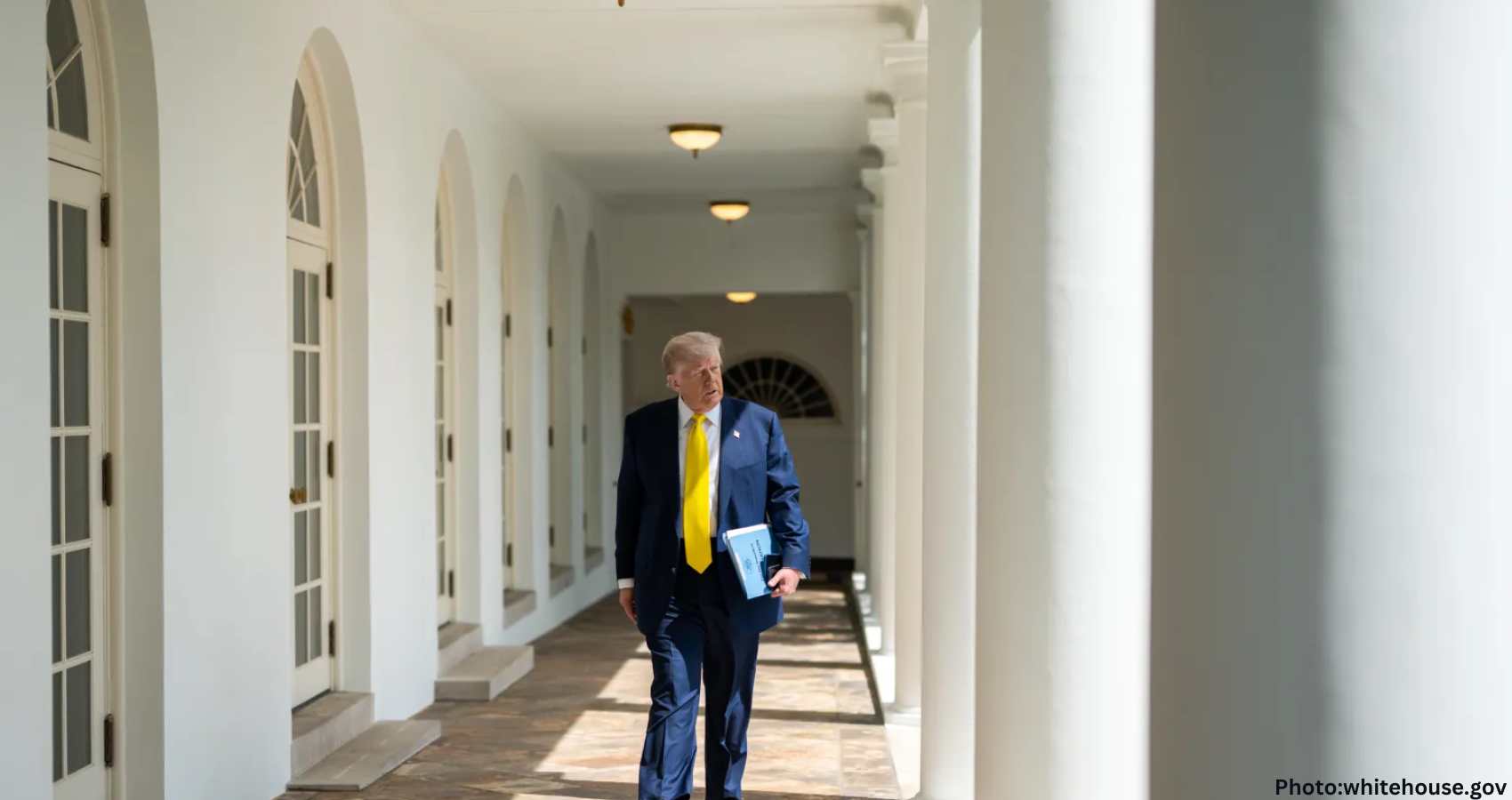
Messi’s visit to India is part of a multi-city tour that includes concert appearances, youth football clinics, a padel tournament, and the launch of several charitable initiatives. Scheduled stops include Kolkata, Hyderabad, Mumbai, and New Delhi.

Earlier on Saturday, Messi had virtually unveiled a 70-foot statue of himself in Kolkata, an event that garnered significant online engagement and underscored his immense popularity in the country.

While India is predominantly known for its cricket culture, regions such as West Bengal, Kerala, and Goa have a rich football heritage, with generations of fans closely following international football.

Salt Lake Stadium has a history of crowd-related incidents. In 2012, a Kolkata derby match between East Bengal and Mohun Bagan was abandoned after a brick thrown from the stands struck and seriously injured a player. Football legends have long drawn massive crowds in Kolkata; Diego Maradona visited the city twice, and in 2017, he unveiled a statue of himself holding the World Cup before thousands of fans. Messi, too, has a special connection with the venue, having captained Argentina there in 2011 during a friendly match against Venezuela.

Experts in sports management suggest that the incident highlights the risks associated with hosting high-profile global stars without adequate crowd planning. “When expectations are sky-high and transparency is lacking, frustration can escalate quickly,” noted a sports events consultant familiar with large-scale international tours in India.

As investigations continue, the Kolkata incident is likely to serve as a cautionary tale for future organizers of international sporting events in India, where fan passion, if not properly managed, can lead to disorder, according to Global Net News.

School Shootings in the United States: Key Facts and Trends

The United States faces an ongoing crisis of gun violence in schools, with 75 shootings reported in 2025, highlighting alarming trends that continue to escalate.

The United States continues to grapple with persistent gun violence on school grounds, with at least 75 school shootings recorded so far this year. This troubling trend shows little sign of abating. As of December 13, incidents of gun violence on educational campuses have claimed at least 31 lives and left more than 100 others injured, according to a CNN analysis that draws on data from the Gun Violence Archive, Education Week, and Everytown for Gun Safety.

Of the total incidents reported this year, 43 occurred on college and university campuses, while 32 took place on K-12 school grounds. This highlights that gun violence is not confined to any single level of the education system. CNN cross-checks all reported cases against school records, police statements, and media reports to ensure accuracy.

For tracking purposes, a school shooting is defined as any incident in which a firearm is discharged on school property—from kindergartens through colleges—resulting in at least one person being shot, excluding the shooter. School property includes buildings, parking lots, athletic fields, stadiums, and school buses. Accidental discharges are also included, provided a person other than the shooter is injured. Incidents involving only law enforcement or school security personnel are excluded.

A Post-Pandemic Surge

The data shows that gun violence on school grounds declined sharply during 2020, when schools across the country were largely closed due to the COVID-19 pandemic. However, that decline proved temporary.

Since in-person learning resumed, school shootings have surged to record levels. Each year from 2021 through 2025 has set annual records for school shootings since at least 2008, when CNN began systematically tracking such incidents.

While 2024 saw at least 83 school shootings, making it one of the most violent years on record, 2022 stands out as one of the deadliest. That year recorded 47 fatalities, including the mass shooting at Robb Elementary School in Uvalde, Texas, where 19 students and two educators were killed, and more than a dozen others were wounded.

“These numbers reflect a structural crisis, not isolated tragedies,” said a gun violence researcher. “The consistency of the trend suggests that the conditions enabling school shootings remain firmly in place.”

How 2025 Compares So Far

As of December 13—the 347th day of the year—the U.S. has recorded 75 school shootings in 2025, putting it on pace to rival or exceed totals from previous years.

Education advocates warn that the steady drumbeat of violence has taken a toll on both students and educators. Across the country, students have organized protests and advocacy campaigns calling for stricter gun laws, while some teachers have cited safety concerns as a reason for leaving the profession altogether.

“Schools are meant to be places of learning and safety,” said a former high school teacher who left the classroom after a nearby shooting. “When that sense of safety disappears, it affects everything—from mental health to academic performance.”

Geographic Patterns

CNN’s long-term analysis reveals stark geographic disparities in school shooting rates. Several Southern states have recorded some of the highest rates of school shootings relative to population since 2008.

Washington, D.C., recorded the highest per-capita rate, with six school shootings, translating to nearly one incident per 100,000 residents. Texas has recorded the highest overall number of school shootings—65 incidents since 2008—reflecting both its large population and its permissive gun laws, according to analysts.

In contrast, only four states—Montana, Wyoming, New Hampshire, and Vermont—have recorded zero school shootings during the same period.

A notable milestone occurred on December 13, when a mass shooting at Brown University marked Rhode Island’s first school shooting since at least 2008, underscoring how even states with historically low gun violence are no longer immune.

A Growing National Reckoning

Public health experts increasingly frame school shootings as a preventable crisis rather than an inevitability. Research has consistently linked firearm access, lack of safe storage, and gaps in mental health support to gun violence on campuses.

“Every year without comprehensive reform normalizes the unacceptable,” said a public safety policy expert. “The data is not just a record of past violence—it’s a warning about what lies ahead if nothing changes.”

As lawmakers remain deeply divided over gun control, the growing body count and rising incident numbers continue to fuel calls for federal and state-level action. For students, parents, and educators, the statistics represent more than numbers—they reflect an ongoing reality of fear, trauma, and loss inside America’s schools, according to CNN.

Indian-American Writers from India Currents Win Five Awards at San Francisco Press Club Gala

India Currents writers garnered five prestigious awards at the 2025 San Francisco Press Club Journalism Awards, showcasing their commitment to storytelling and reporting excellence.

India Currents writers achieved notable recognition at the 2025 San Francisco Press Club Journalism Awards, winning five top awards in the Print/Digital Small Newsroom category. The awards ceremony took place during the 48th Annual San Francisco Press Club Gala on December 9 at the Julia Morgan Ballroom, located in the Merchants Exchange Building in downtown San Francisco.

This year’s competition featured an impressive 910 submissions, highlighting exceptional storytelling and rigorous reporting. The entries were evaluated by a panel of independent judges, including journalists from cities such as New Orleans, Los Angeles, Cleveland, and Little Rock.

The sold-out event was hosted by Marisa Lagos and Scott Shafer from KQED, adding to the celebratory atmosphere of the evening.

Among the winners from India Currents were:

COLUMNS – SPORTS

First Place – Meera Kymal and Tanay Gokhale

Meera Kymal’s personal narrative, “A Desi Girl Goes to Paris,” reflects on her experiences living in Paris during the millennium compared to her visit to the City of Lights ahead of the July 2024 Olympics. Tanay Gokhale’s piece, “Mansher Khera’s ‘New Era’ is Dawning,” tells the unique story of a talented desi prospect in the prestigious Ultimate Fighting Championship (UFC) roster. Additionally, Gokhale’s article, “Mahantesh GK’s Dream Is To Grow Blind Cricket In The United States,” highlights the advocacy efforts of a blind cricketer in the U.S.

SPORTS FEATURE

Second Place – Tanay Gokhale

Gokhale’s story “Mansher Khera’s New Era Is Dawning” earned recognition once again for its compelling portrayal of the promising UFC fighter from Queens.

PROFILE

Second Place – Tanay Gokhale, Nandita Bose, and Kani Illangovan

The “Peoplewatch” series featured inspiring profiles of individuals breaking barriers. Gokhale’s piece, “I Will Be Like The Cosmic Dancer,” focuses on queer recording artist and performer Miraaj. Nandita Bose’s profile, “I Watched Her Run War Games,” highlights Captain Shanti Sethi (Retd.), the first American of Indian origin to command a guided missile destroyer in the U.S. Navy. Kani Illangovan’s article, “At Desi Rainbow, Aruna Rao Creates Safe Spaces,” showcases a trailblazing LGBTQ+ advocate.

FEATURE STORY/LIGHT SUBJECT

Third Place – Ashwini Gangal

Ashwini Gangal’s humorous trilogy, “This Immigrant Life,” explores the challenges faced by newly arrived immigrants in the U.S. The trilogy includes “Are You An Expat Or An Immigrant?,” “Brown Gaze: The Silent Language Of Indian Strangers In An Adopted Country,” and “A Desi Immigrant Lost English Words & Found Them In Transition.”

HEADLINE

Third Place – Meera Kymal

Kymal’s evocative headline, “Breakfast in Lahore, lunch in Amritsar and dinner in Bangalore❤️,” introduces a poignant narrative about an Indian writer’s nostalgic visit to her father’s ancestral home in Pakistan.

These accolades reflect the dedication and talent of the writers at India Currents, reinforcing the publication’s commitment to quality journalism and storytelling. The recognition at the San Francisco Press Club Gala serves as a testament to their hard work and passion for the craft.

For more details, refer to India Currents.

U.S. DOL Launches Project Firewall to Enforce H-1B Compliance

The U.S. Department of Labor has launched Project Firewall, a new initiative aimed at enforcing strict compliance among H-1B employers through enhanced audits and interagency coordination.

The U.S. Department of Labor (DOL) has announced the launch of Project Firewall, a significant enforcement initiative targeting H-1B employers. This program represents a decisive shift towards stricter compliance and auditing practices within the H-1B visa framework.

Project Firewall emphasizes increased data-sharing and coordinated enforcement efforts among key government agencies, including the U.S. Citizenship and Immigration Services (USCIS), the Department of Justice (DOJ), and the Equal Employment Opportunity Commission (EEOC).

Under this new initiative, the Secretary of Labor is empowered to authorize investigations directly when there is reasonable cause to suspect violations. The DOL will increasingly rely on various sources of information, including petition data, worker complaints, on-site visits, and audits, to initiate and pursue investigations.

Employers can expect a marked increase in enforcement activities, which will include more unannounced site visits, targeted record audits, detailed document requests, and wage and hour audits. Investigations may involve interviews and visits by DOL officials or Fraud Detection and National Security (FDNS) officers to ensure that job duties, work locations, supervision, and anti-benching practices are consistent with the documentation submitted.

A critical aspect of Project Firewall is the robust cross-sharing of information among agencies. If one agency identifies issues—such as wage discrepancies or discriminatory layoff patterns—this information can quickly prompt further inquiries by other federal entities involved in the initiative.

The DOL’s focus will be on verifying that the actual employment details align precisely with the certified Labor Condition Applications (LCAs) and H-1B petitions. This verification process will include checking job titles, duties, wages, hours, and work locations, which encompasses remote locations and third-party client sites.

Investigators will also scrutinize administrative compliance, ensuring that employers have maintained complete Public Access Files (PAFs), posted required worksite notices for all H-1B employees—including those working remotely or in hybrid arrangements—and adhered to anti-benching rules by paying required wages during nonproductive periods. Additionally, employers must promptly amend or withdraw LCAs and petitions following any material changes in employment or terminations.

High-volume H-1B users, particularly IT consulting and staffing firms, as well as employers undergoing restructurings or reductions in force (RIFs), will face heightened scrutiny. Employers may be prioritized for investigation based on internal data that indicates higher risk, such as inconsistencies in remote work practices, improper placement of employees at third-party sites without valid LCAs, underpayment of wages, worksite mismatches, or layoffs that are immediately followed by H-1B hiring.

In light of the stringent compliance measures established by Project Firewall, H-1B employers are strongly advised to take immediate actions to ensure adherence to the new regulations.

Employers should conduct an internal audit focusing on all active LCAs to verify that job titles, duties, wages, and work locations for H-1B employees align with what was certified and filed. It is also crucial to ensure that required wage levels are met or exceeded, and any changes to compensation, hours, or job duties should be assessed to determine if an amended LCA or H-1B petition is necessary.

Additionally, employers must ensure that the Public Access Files for every LCA are complete, well-organized, and readily accessible. Reviewing policies related to benching, nonproductive status, and terminations is essential to guarantee compliance with wage payment requirements and to ensure prompt withdrawal of LCAs and petitions when employment ends.

Failure to comply with the requirements set forth by Project Firewall could result in significant consequences for employers, including civil fines, back wage orders, and potential temporary debarment from utilizing H-1B and related immigration benefits, according to India Currents.

Andaman Islands Key to US-India Maritime Strategy Against China

Experts emphasize the strategic importance of India’s Andaman and Nicobar Islands for US-India maritime cooperation in countering China’s influence in the Indo-Pacific region.

In a recent hearing before the House Foreign Affairs Subcommittee on South and Central Asia, experts highlighted the critical role of India’s Andaman and Nicobar Islands in the evolving maritime strategy between the United States and India. Located at the strategic mouth of the Strait of Malacca, these islands are increasingly viewed as a vital asset for enhancing cooperation between the two nations.

Jeff Smith, a representative from the Heritage Foundation, addressed lawmakers on December 10, asserting that the Andaman and Nicobar Islands provide India with unparalleled visibility over one of the world’s most significant maritime chokepoints. He stated, “I would like to see even more US and Indian cooperation around that location,” advocating for expanded intelligence-sharing and integrated surveillance efforts.

Smith pointed out that China has been deploying submarines into the Indian Ocean since around 2013-2014, dismissing Beijing’s claims that these missions are solely for anti-piracy purposes. “Most of us know you don’t need a nuclear submarine to counter pirates off the Somali coast,” he remarked, emphasizing the broader implications of China’s military presence in the region.

He elaborated on the multifaceted nature of the rivalry between India and China, noting that it encompasses both land and maritime disputes. “They have the border dispute issue, but there’s also a maritime component to the rivalry, and that has been heating up considerably,” Smith explained. He underscored the importance of maintaining US access to Diego Garcia, a strategic base in the Indian Ocean, while also recognizing the significance of India’s naval capabilities at the Andaman and Nicobar Islands.

Smith reiterated the strategic value of the islands, stating, “And frankly, this is an extremely valuable asset for any country. Certainly, for India. I would like to see even more US-Indian cooperation in that area, as it allows both of us to monitor traffic entering and exiting the Indian Ocean from the Western Pacific.”

Dhruva Jaishankar, another expert present at the hearing, provided insights into India’s expanding naval capabilities. He noted that the Indian Navy has increased its patrol frequency, broadened its humanitarian and anti-piracy missions, and enhanced collaborative exercises with partners in the Western Pacific, including nations such as South Korea, Australia, Papua New Guinea, Fiji, and around Guam.

Witnesses at the hearing argued that maritime cooperation is essential for countering China’s strategic initiatives in the Indo-Pacific. Committee Chairman Bill Huizenga expressed concern over China’s “string of pearls” strategy, which he described as an overt attempt to encircle and control the Indian Ocean. He emphasized that ensuring free sea lanes is vital for global economic stability.

In light of these developments, Smith urged Congress to take proactive measures to facilitate defense co-production, expedite export clearances, and strengthen intelligence agreements. These steps, he argued, would enable both the United States and India to effectively track submarine movements and monitor Chinese naval deployments in the region.

The discussions during the hearing underscore the growing recognition of the Andaman and Nicobar Islands as a strategic asset in the broader context of US-India relations and their shared interests in maintaining stability in the Indo-Pacific region. As both nations navigate the complexities of their maritime strategies, the importance of cooperation and collaboration will likely continue to shape their approaches to regional security.

According to IANS, the strategic dialogue surrounding the Andaman and Nicobar Islands reflects a critical juncture in US-India maritime cooperation, particularly in the face of increasing challenges posed by China.

Small Business Administration Launches Initiative to Reduce Federal Regulations

In a bid to alleviate financial pressures on American families and small businesses, the Small Business Administration has launched a new initiative aimed at rolling back federal regulations imposed during the Biden administration.

The Small Business Administration (SBA) has unveiled a new initiative designed to review and potentially roll back federal regulations that, according to the agency, have significantly increased costs for American families and small businesses. This initiative, named the Deregulation Strike Force, is spearheaded by the SBA’s Office of Advocacy and aims to conduct a comprehensive review of regulations that are believed to hinder economic growth across various sectors, including housing and food production.

Officials from the Trump administration assert that this effort is focused on eliminating what they characterize as excessive regulations enacted during the Biden administration, which they estimate have imposed a staggering $6 trillion in compliance costs on American households and small enterprises.

SBA Administrator Kelly Loeffler emphasized the urgency of this initiative, stating, “Bidenomics brought historic new highs in inflation that crushed working families and small businesses, driven in part by the massive bureaucracy that heaped trillions in new federal regulations onto the backs of hardworking Americans.”

Loeffler further explained that the Deregulation Strike Force will leverage the SBA’s unique authority to reduce regulations across the federal government, aiming to cut unnecessary red tape that has contributed to rising costs for small businesses and consumers. She noted that the initiative builds on former President Trump’s efforts to reduce costs nationwide.

The SBA plans to focus its deregulation campaign on key sectors that have been particularly affected by regulatory burdens, including housing and construction, healthcare, agriculture and food production, energy and utilities, transportation, and other goods and services throughout the supply chain.

By reinforcing the message of regulatory relief, the SBA aims to position this initiative as a central strategy for addressing high prices as the new year approaches. The agency has already claimed to have played a significant role in eliminating approximately $98.9 billion in federal regulations since Trump returned to office. These actions include modifications to reporting rules, energy-efficiency standards, and diesel exhaust fluid requirements, which the SBA argues have collectively contributed to nearly $200 billion in regulatory savings.

As the Deregulation Strike Force moves forward, it will be closely watched by both supporters and critics, with implications for the broader economic landscape and the ongoing debate over the balance between regulation and economic growth.

According to Fox News, the SBA’s initiative reflects a broader strategy to combat inflation and economic challenges faced by American families and small businesses.

US, Ukraine Aim to Disrupt 1,000-Vessel Dark Fleet Smuggling Oil

A 1,000-vessel “dark fleet” evading sanctions has become a focal point for U.S. and Ukrainian efforts to combat illicit oil trade, posing significant geopolitical and environmental risks.

A fleet of approximately 1,000 rogue oil tankers, known as the “dark fleet,” is now a primary target for the United States and Ukraine, according to a senior maritime intelligence analyst. Michelle Wiese Bockmann has highlighted the geopolitical risks and potential for catastrophic oil spills associated with this aging fleet.

Bockmann warned that these vessels are integral to the economies of sanctioned nations, including Iran, Venezuela, and Russia. “These vessels are a lifeline for these regimes, because they’re used for shipping oil to fund the war in Ukraine, and also give money to the illicit Maduro regime,” she stated in an interview.

The emergence of this dark fleet represents a new challenge for the U.S. and Ukraine. Bockmann noted that recent actions, including U.S. seizures of oil tankers in Venezuela and Ukrainian drone strikes in the Black Sea, mark a significant shift in strategy. “There is a new strategy to deal with this dark fleet, which is the lifeline of sanctioned oil revenues, and now under attack by the U.S. and Ukraine,” she explained. “This is all to counter what we call gray-zone aggression.”

Ukrainian naval drone strikes have recently targeted several tankers in the Black Sea, including the Dashan, which is part of Russia’s so-called shadow fleet. Bockmann emphasized the dangers posed by these operations, stating, “It is dangerous and could be interpreted as a form of gray-zone aggression in order to continue to keep oil revenue flowing.” She also warned of the environmental risks associated with poorly maintained and uninsured ships, calling it “a billion-dollar oil spill catastrophe waiting to happen.”

According to Bockmann, a subset of 350 to 400 vessels at any given time are not only sanctioned but also falsely flying flags, which poses significant risks. “False registration leaves vessels stateless and uninsured, putting crews at risk,” she said. “This is a huge issue for maritime safety; it’s a menace to the environment, and it entails crew welfare.”

These vessels are typically older and are exclusively used for sanctioned oil trades. Many of them manipulate their Automatic Identification System (AIS) to misrepresent their locations. “They use false flagging, but also spoofing and manipulating its AIS to show it’s in one place when it’s not,” Bockmann explained. “These vessels have also gone to fraudulent registries that don’t exist, which means they have no insurance.”

To combat these illicit operations, U.S. forces have utilized legal tools, including Article 110 of the United Nations Convention on the Law of the Sea, which allows for the boarding of stateless vessels. Bockmann believes that U.S. forces have effectively employed this article to remove these vessels from global trade.

In a recent operation in the Caribbean, U.S. forces seized the tanker Skipper, which had been sanctioned in 2022 and was found to be masking its location. This seizure was part of a broader campaign aimed at disrupting illicit oil shipping. Bockmann noted that the Skipper was carrying 1.8 million barrels of uninsured oil, representing a significant potential maritime disaster.

On December 12, Attorney General Pam Bondi characterized the U.S. seizure of the Venezuelan crude tanker as a sanctions-enforcement action rooted in a federal court warrant. Meanwhile, Ukraine has targeted multiple alleged shadow fleet tankers with sea drones, focusing on those in ballast, meaning they were not carrying oil at the time.

Bockmann pointed out that the tankers targeted by Ukraine were also falsely flagged, similar to the recent case of the three tankers attacked in Ukraine. “That flag was Gambia. In the U.S. case of Skipper, the flag was Guyana,” she noted.

The ongoing efforts by the U.S. and Ukraine to dismantle this dark fleet reflect a growing recognition of the threats posed by these vessels, both to global security and the environment. As the situation evolves, the international community will be watching closely to see how these strategies unfold.

According to Fox News Digital, the implications of these operations extend beyond immediate geopolitical concerns, highlighting the need for increased vigilance in maritime safety and environmental protection.

House GOP Proposes Healthcare Reform Focused on Choice and Accessibility

The latest House GOP healthcare reform proposal emphasizes choice but fails to address the complexities ordinary Americans face in selecting and affording healthcare.

House Republicans have introduced a new healthcare package aimed at replacing the Affordable Care Act (ACA) subsidies, framing it as a market-based solution to the impending expiration of enhanced ACA support. The proposal highlights expanded choice, increased employer flexibility, and a renewed focus on defined-contribution models, such as the newly branded CHOICE Arrangements.

On the surface, the plan appears to return to foundational principles: empowering individuals, minimizing government interference, and allowing markets to function effectively. However, similar to previous health policy initiatives, the bill articulates what policymakers hope will occur while neglecting to address how ordinary Americans will navigate the realities it creates.

Central to the House GOP proposal is the belief that providing employees with financial contributions instead of insurance will foster efficiency and competition. Under the CHOICE Arrangements, employers would offer a fixed amount of money, which employees can use to purchase individual health plans independently.

This concept is not novel; it resembles Individual Coverage Health Reimbursement Arrangements (ICHRAs) under a different name. It is based on the long-standing assumption that consumers will make rational decisions when given choices, thereby controlling costs. However, health insurance is not a typical consumer product. Selecting a health plan involves forecasting potential health issues, understanding complex actuarial trade-offs, deciphering provider networks, anticipating medication needs, and estimating out-of-pocket expenses—all under conditions of stress and uncertainty. Even well-educated individuals often struggle with these decisions.

Expecting the average employee to choose the best plan for themselves and their families, even with financial contributions, is less a practical solution than a theoretical exercise. This approach can be likened to asking someone to pick an item from a vending machine while blindfolded. While they may have money and a variety of options, they lack the necessary information to understand what they are selecting, its future costs, or whether it will meet their needs when it matters most. Choice devoid of context does not empower; it relinquishes responsibility.

This flaw becomes particularly evident when considering those who require healthcare the most. Patients with chronic illnesses, limited health literacy, or socioeconomic challenges are often the least equipped to navigate fragmented insurance markets. These individuals are not outliers; they represent the core users of the healthcare system. Any reform that assumes a uniformly informed, proactive consumer is based on a model that fails to reflect reality.

Since the ACA’s passage in 2009, I have consistently argued that its foundational assumptions were flawed—not because it expanded coverage, but because it did not significantly shift the balance of power in the healthcare marketplace. Insurers adapted, consolidated, and ultimately strengthened their positions, leading to continued premium increases. Pharmacy benefit managers (PBMs) became even more opaque and influential. While the flow of money changed, the destination remained unchanged.

The House GOP bill risks repeating this pattern. Although it suggests accountability and transparency for PBMs, it does not fundamentally alter the negotiating dynamics that dictate pricing and access. Insurers and PBMs continue to control critical data, networks, and formularies, dictating terms to employers. Self-insured employers, in particular, remain at a disadvantage, lacking the comprehensive, interoperable data and technological tools necessary for meaningful negotiation, regardless of how many defined contributions they provide.

Accountability in healthcare does not begin with regulation alone; it starts with leverage. Insurers and PBMs cannot be held accountable when they maintain asymmetrical control over information and pricing. True reform would require equipping employers and purchasers with real-time data, transparency regarding outcomes, and AI-enabled decision-making tools that allow them to assess value rather than merely price. Without this infrastructure, market-based reforms are more performative than transformative.

The irony lies in the fact that this is not merely a partisan issue but a recurring oversight in policy-making. Time and again, Washington produces solutions that prioritize financing mechanisms while overlooking the cognitive and informational realities of healthcare decision-making. While defined contributions, expanded choice, and market competition may sound appealing in theory, they often falter under the complexities of real-world scenarios.

Former President Trump often spoke about the art of the deal, emphasizing that outcomes depend on who holds the cards. In healthcare, despite decades of reform efforts, the winning hands remain firmly in the possession of insurers and PBMs. Until this dynamic changes, no amount of rebranding, restructuring, or rhetorical emphasis on choice will provide meaningful relief to patients or employers.

While the House GOP bill may be well-intentioned and offer a valid critique of subsidy dependency, it fails to address how individuals actually select insurance, how power operates within the system, and how data and technology must underpin any functional market. As a result, it presents an answer to a question that Americans are no longer asking.

Healthcare reform cannot succeed by ignoring human limitations. Choice is not a cure-all; structure is essential. Until policymakers are willing to design reforms that reflect how people think, decide, and negotiate in the real world, we will continue to cycle through ambitious plans that promise empowerment while leaving the blindfold firmly in place.

According to Sreedhar Potarazu, MD.

Elizabeth Warren Invites Nvidia CEO to Testify on Trump Policies

Democratic Senator Elizabeth Warren has summoned Nvidia CEO Jensen Huang to testify regarding President Trump’s approval of AI chip sales to China, raising concerns over national security and technological leadership.

Democratic Senator Elizabeth Warren is taking a stand against President Donald Trump by calling on Nvidia CEO Jensen Huang and Commerce Secretary Howard Lutnick to testify before Congress. This request comes in response to Trump’s recent announcement that he would greenlight the sale of Nvidia’s second-most advanced artificial intelligence (AI) chip to China.

Warren expressed her concerns during a press conference, questioning whether Trump would “muzzle his own Justice Department because he does not want Americans to know that he is selling out our national security?” This statement underscores her apprehension regarding the implications of exporting advanced technology to foreign nations.

The senator’s call for testimony follows a significant policy shift that allows high-performance AI hardware to be sold internationally under U.S. export regulations. Warren emphasized the necessity of Congressional oversight to ensure that these advanced chips are not utilized in ways that could jeopardize U.S. technological leadership or compromise sensitive applications.

In response to these concerns, White House spokesman Kush Desai clarified the administration’s position. He stated, “There’s an obvious difference between chips being illegally smuggled to unknown buyers without regulatory oversight and chips being exported following national security inspections to specifically designated end users.”

The U.S. government recently approved the export of Nvidia’s H200 artificial intelligence chips to China, marking a notable change in long-standing export controls on advanced semiconductor technology. The H200 is a high-performance AI accelerator designed for complex machine learning and data center workloads. This decision allows Nvidia to sell these chips to approved Chinese customers, contingent upon U.S. government licensing and oversight.

Trump’s policy change includes a provision for the U.S. government to collect a 25% share of the revenue generated from these sales as part of the export framework. Nvidia has indicated that China constitutes a relatively small segment of its advanced chip business and that all exports will adhere to licensing requirements.

This move represents a partial reversal of previous export restrictions that prohibited the shipment of H200-class GPUs to China due to national security concerns, although the most advanced chips remain off-limits. Nvidia has reiterated that sales of the H200 to China will still require a U.S. government license and has characterized the overall share of chips sold to China as a minor percentage compared to those sold to U.S. customers.

As companies like Nvidia operate at the cutting edge of innovation, their products can have far-reaching implications beyond commercial markets, affecting global competitiveness, supply chains, and national defense capabilities. Policymakers face the challenge of balancing economic benefits with national security considerations while striving to maintain technological leadership.

Warren’s call for Congressional oversight highlights the critical role lawmakers play in ensuring that commercial interests do not undermine strategic priorities. The potential impact of Congressional hearings, public scrutiny, and future policy changes on subsequent decisions regarding AI hardware exports remains uncertain.

As AI hardware continues to evolve and become more widely distributed, nations must navigate not only domestic regulations but also the broader implications of exports on global security, economic stability, and technological ecosystems. Collaboration among industry leaders, government officials, and international partners is essential to establish safeguards that prevent misuse, promote innovation, and ensure fair competition.

According to The American Bazaar, the unfolding situation emphasizes the need for vigilance in the face of rapidly advancing technology and its potential effects on national security.

Fear and Empty Classrooms: Impact of Immigration Crackdowns on Communities

Immigration crackdowns have led to significant declines in enrollment at a Philadelphia childcare center, impacting both the community and the families it serves.

In the wake of the Trump administration’s aggressive immigration policies, many immigrant families in Philadelphia have retreated into the shadows, leaving local childcare providers grappling with the consequences. Damaris Alvarado-Rodriguez, owner of the Children’s Playhouse Early Learning Center, has witnessed a dramatic decline in enrollment, forcing her to close one classroom and lay off five teachers, all of whom are U.S. citizens.

Located in a low-income, predominantly immigrant neighborhood in south Philadelphia, the Children’s Playhouse serves as a vital resource for the community. In addition to childcare, the center offers job tips, educational sessions, and donations of food, clothing, and other essentials. Before the crackdown, the center was at full capacity, enrolling 158 children. Today, that number has plummeted to just 97.

“Even parents who still have valid immigration status went into hiding,” Damaris explained. “There were so many policies at once that they didn’t know how they would be affected. They were afraid of dropping their children off at school and having ICE waiting for them.”

The fear among families has not only affected enrollment but has also raised concerns about the future of the center. Damaris fears that if the situation does not improve, she may have to shut down the location entirely, resulting in the loss of jobs for 23 more teachers. “We haven’t been able to fill our classrooms—people are afraid,” she said. “Now I’m really second-guessing running the childcare center. If we can’t enroll, we can’t continue in business.”

Beyond the operational challenges, Damaris is deeply concerned about the well-being of the families she no longer sees. The streets that once bustled with children and families are now eerily quiet. “I don’t see children out and about, or families at events,” she noted. “The adults don’t seem to be going to work; vans that used to bring residents to factory and construction jobs are nowhere to be seen.” Some families have even self-deported, choosing to leave rather than live in constant fear. “Nobody wants to live in fear,” she said.

<p“All of this dismantles so much of the work that we’ve put into building up our community,” Damaris added. “These are hardworking people. They contribute to society. We [the daycare centers] help build that economic growth.”

As for the children who are no longer attending her preschool, Damaris is left with unanswered questions. “Where are they? I don’t know,” she said. “I would love to know. I hope they’re OK.”

The Children’s Playhouse provides more than just early education; it is a lifeline for many families. Damaris actively raises funds to supply meals, diapers, infant formula, and clothing to those in need. “We like to fill in those gaps,” she explained.

“We know that most of the children are food-deprived,” Damaris said, her voice tinged with concern. “I pray that they’re OK, that they’re good and safe.”

The impact of immigration crackdowns extends far beyond statistics and policies; it touches the lives of families and communities, leaving a lasting mark on those who strive to build a better future.

According to American Immigration Council, the consequences of these policies are felt deeply in neighborhoods like Damaris’s, where the fear of deportation has disrupted the lives of many.

URL Media Awarded $5 Million Grant from Knight Foundation

URL Media has secured a $5 million grant from the Knight Foundation to enhance its model for sustainable community media, focusing on serving Black and Brown audiences.

URL Media announced on December 8 that it has received a $5 million investment from the John S. and James L. Knight Foundation. This funding aims to scale its innovative approach to sustainable community media, positioning URL Media as a national platform dedicated to empowering trusted outlets that serve Black and Brown audiences.

Founded in January 2021 by media entrepreneurs Sara Lomax and S. Mitra Kalita, URL Media was created to combat the chronic disinvestment in Black and Brown community media. The organization, which stands for Uplift, Respect, and Love, combines broad reach with hyperlocal authenticity, harnessing the collective strength of local publishers and their audiences. URL Media’s model leverages multiple revenue streams to ensure that investment continues to flow to local outlets, especially at a time when these organizations and the vital information they provide are increasingly at risk.

As URL Media approaches its fifth anniversary in January 2026, the urgency of its partner-first approach has never been greater. In an era marked by unprecedented attacks on trusted journalism, the collapse of digital media business models, and the proliferation of misinformation, URL Media offers a proven alternative. The organization focuses on investing in sustainable infrastructure that helps community media build financial stability and operational capacity.

URL Media operates through four integrated business lines, creating a multi-revenue model designed to distribute over $5 million cumulatively to its partners by 2028. This model aims to establish sustainable revenue streams that will continue long after the grant funding concludes.

The four business lines include:

Advertising aggregation, which allows advertisers to reach authentic BIPOC audiences at a national scale with a single order and bill, while providing partners with new revenue opportunities through premium campaign placements.

Editorial production, which focuses on original and amplified storytelling that elevates the voices of trusted partners and delivers authentic content to engaged audiences.

Partner services and capacity building, which offers infrastructure and financial support to strengthen the sustainability and capacity of the entire network.

Recruitment and talent development, which connects diverse media professionals with mission-aligned employers and enhances partner capacity through training and HR services.

“We’re building infrastructure that ensures revenue and tangible support flow directly to trusted local outlets—not just through shared advertising, but through the resources, access, and capacity our partners need to thrive,” said Sara Lomax, president and co-founder of URL Media and owner, president, and CEO of WURD Radio in Philadelphia. “At a moment when local media is under profound threat, this investment helps us strengthen our ecosystem and build pathways to generational wealth for community media organizations at the heart of our communities.”

Initially launching with eight partners, URL Media has expanded to 37 media outlets that collectively reach over 25 million people. With the support of the Knight Foundation, the organization plans to scale to 100 publisher partners and 250 vetted creators, ultimately expanding its reach to 50 million people by 2028. This network reflects the depth, diversity, and multi-generational trust that characterize these outlets—credibility that cannot be replicated by outside reporting.

The Knight Foundation investment ensures that partners receive comprehensive support through three critical infrastructure components:

Shared technology platforms, which URL Media is developing to include centralized ad operations and data insights, both set to launch in 2026. These tools will streamline campaign execution for advertisers, provide transparent audience verification, and surface trends and news topics from the ground up.

Financial and operational support, which includes direct financial assistance through the expanded Media Resilience Fund, offering low-interest loans ranging from $30,000 to $100,000 via the National Community Reinvestment Coalition, as well as operational support such as a managed internship program launching in Summer 2026.

Strategic access and revenue pathways, which create direct connections to revenue opportunities through introductions to advertisers, funders, and policymakers. Partners will benefit from mainstream media placements through URL’s PR services and preferential access to recruitment and talent development services.

“This is about meeting this critical moment for media, technology, and democracy,” said S. Mitra Kalita, CEO and co-founder of URL Media. “For nearly five years, we’ve proven that partner-first economics works. Publishers maintain full editorial independence while gaining access to national advertisers, public service campaigns, and operational support. This investment from Knight enables us to scale that model and demonstrate that social impact, ground-up expertise, and business success can thrive together.”

URL Media addresses a significant challenge for both publishers and advertisers. Black and Brown audiences represent $5 trillion in buying power and account for more than 40% of the U.S. population. However, national advertisers often struggle to reach these communities authentically. Local publishers operating independently frequently lack access to major brand or public service campaigns. URL Media aggregates their collective power, offering advertisers a streamlined approach to reach dedicated audiences through trusted community media outlets.

The investment will also allow URL Media to expand three editorial verticals that address urgent community needs: URWell, focusing on health equity and social determinants of health; URWealth, which centers on financial wellness and closing the racial wealth gap; and URHired, addressing career development for multicultural media professionals. These verticals will be featured in regular newsletters and on URL Media’s website, showcasing the market value of authentic, community-driven journalism while creating sponsorship opportunities from various sectors.

“URL Media is building the kind of durable, community-centered infrastructure that local news needs to survive and thrive,” said Amalie Nash, vice president for journalism at the Knight Foundation. “Their partner-first model strengthens independent BIPOC news organizations while creating new pathways for revenue, technology, and long-term sustainability. We’re proud to support a network that is expanding access to trusted information and advancing equity in media.”

URL Media is transforming the media landscape by building a scalable, sustainable ecosystem that empowers trusted publishers and creators serving Black and Brown communities. Founded by trailblazers Sara Lomax and S. Mitra Kalita, the organization aims to deliver authentic reach and lasting impact for brands and audiences eager to engage meaningfully with these communities. For more information, visit url-media.com.

The Knight Foundation, now in its 75th year, is a social investor that supports a more effective democracy by funding free expression, journalism, and the arts. Learn more at kf.org.

According to India Currents, URL Media is a partner organization.

FBI Dismisses Reinstated Whistleblower for Unauthorized Media Discussions

FBI agent Steve Friend, a whistleblower reinstated under the Trump administration, was dismissed for “unprofessional conduct” after unauthorized media interactions, raising concerns over retaliation within the bureau.

Steve Friend, a former FBI agent and whistleblower who gained attention during the COVID-19 pandemic, was fired from the bureau on Friday. His dismissal comes just months after he was reinstated under the Trump administration.

According to a termination letter shared by New York Post columnist Miranda Devine on X, the FBI cited “unprofessional conduct and poor judgment” as the reasons for Friend’s firing. An FBI source confirmed the dismissal but declined to provide further details, labeling it a personnel matter.

The termination letter outlined specific actions that led to Friend’s dismissal, including his participation in unauthorized interactions with the media. The FBI noted that he publicly disseminated media sources and made comments regarding ongoing investigations, which violated bureau protocols.

Friend’s troubles with the FBI began in August 2022 when he was suspended. He subsequently resigned in February 2023 but was reinstated in September of the same year. The recent firing has raised alarms among some lawmakers, with House Republicans accusing the Biden administration’s FBI of retaliating against Friend for exposing alleged misconduct within the bureau.

In the termination letter, the FBI highlighted an incident from November in which Friend allegedly disseminated media sources and photographs identifying an alleged subject. He reportedly discussed this subject on his podcast without credible evidence to support the claims.

When contacted for comment by Fox News Digital, Friend suggested that his dismissal was a form of retaliation orchestrated by FBI Director Kash Patel.

Friend’s legal representation faced challenges as well. His attorneys at Empower Oversight Whistleblowers & Research withdrew from representing him on December 5, citing his failure to heed their advice regarding public comments on FBI matters. The nonprofit organization expressed concern that his actions could lead to further adverse administrative action from the bureau.

In a letter to Friend, Empower Oversight stated, “In light of your apparent unwillingness to follow the free professional advice we have given you, we are even more convinced that our previously expressed inability to represent you regarding any legal matters other than your reinstatement was warranted.” They concluded that they could no longer allocate time and resources to his case.

Friend’s situation has sparked discussions about the treatment of whistleblowers within the FBI and the broader implications for transparency and accountability in federal agencies. As the fallout from his dismissal continues, many are left questioning the agency’s commitment to protecting those who speak out against misconduct.

According to Fox News, the circumstances surrounding Friend’s firing highlight ongoing tensions within the FBI regarding whistleblower protections and the agency’s internal culture.

Iowa National Guard Soldiers Named Victims in Deadly ISIS Attack in Syria

The Iowa National Guard soldiers killed in a recent ISIS ambush in Syria have been identified, prompting a vow of serious retaliation from President Trump.

Two soldiers from the Iowa National Guard were killed in an ambush attack by ISIS in Syria, according to a senior U.S. official. The attack occurred in the central Syrian town of Palmyra, where an ISIS gunman opened fire with an automatic weapon, resulting in the deaths of the two soldiers and an American civilian translator. Three additional U.S. soldiers sustained injuries during the incident.

Preliminary investigations suggest that the attacker had previously been affiliated with Syrian government forces and was a low-level member of the Syrian Security Forces before aligning with ISIS. The official clarified that the gunman was not part of the official delegation being escorted by U.S. and Syrian troops, indicating that this incident would not be classified as a “green on blue” attack, which typically involves attacks by local forces against coalition troops.

U.S. Central Command confirmed that the ambush was executed by a lone ISIS gunman, and President Donald Trump responded to the attack with a promise of “very serious retaliation.” In a statement on Truth Social, Trump expressed his condolences, stating, “We mourn the loss of three Great American Patriots in Syria, two soldiers and one Civilian Interpreter. Likewise, we pray for the three injured soldiers who, it has just been confirmed, are doing well.”

Trump emphasized the nature of the attack, labeling it as an ISIS assault against U.S. and Syrian forces in a region that remains perilous and not fully under control of any single entity. This incident follows a recent attack in Washington, D.C., where two members of the West Virginia National Guard were ambushed, resulting in one soldier’s death.

The ongoing violence in Syria continues to pose significant risks to U.S. personnel deployed in the region. As the situation develops, the U.S. military and government officials are likely to reassess their strategies in response to the persistent threat posed by ISIS and other extremist groups.

According to Fox News, the tragic loss of the Iowa National Guard soldiers underscores the dangers faced by American troops abroad and the complexities of the ongoing conflict in Syria.

Trump’s Knowledge and Perception Highlighted in Recent Commentary

Donald J. Trump continues to position himself as a global peacemaker while navigating controversies and criticism, asserting his influence both domestically and abroad.

In recent weeks, Donald J. Trump has made headlines for his self-proclaimed role as a peacemaker, a title he has embraced amidst a series of contentious events and remarks. His latest endeavors include a controversial association with the United States Institute of Peace, which has drawn criticism for its perceived alignment with his administration.

Trump, who has dubbed himself the “Peacemaker-in-Chief,” recently received a dubious peace prize from FIFA, which critics have labeled the “appease prize.” He donned the medal at the prestigious Kennedy Center Honors in Washington, D.C., becoming the first sitting president to host the event in its 47-year history. While he was involved in selecting the five honorees, he humorously refrained from nominating himself, instead suggesting a hypothetical “Trump-Kennedy Center.”

During the event, Trump claimed his show was receiving “rave reviews,” asserting, “This is the greatest evening in the history of the Kennedy Center – not even a contest.” He anticipated negative coverage from the media, stating, “I guarantee the fake news is going to give me horrible reviews.”

As his poll numbers dipped due to criticism over his economic policies, Trump traveled to Pennsylvania to tout his record, claiming credit for “lower prices” and “bigger paychecks.” A massive sign behind him echoed these assertions. However, he veered off script, making incendiary remarks about immigrants from “shithole countries,” disparaging wind energy, and mocking transgender individuals. He also referred to President Joe Biden in a derogatory manner.

In an interview with Politico, Trump awarded himself an “A-plus-plus-plus-plus-plus” for his economic performance, defending his international trips as beneficial for securing investments for Americans. His comments about Europe were particularly striking, as he described the continent as “decaying” and “weak” for its handling of migration and the ongoing Russia-Ukraine conflict. He expressed confidence in his ability to advise European leaders, stating, “I have eyes. I have ears. I have, er, knowledge. I have vast knowledge.”

Despite his assertions of a hands-off approach, Trump indicated he would support European political candidates who aligned with his views. He characterized cities like London and Paris as struggling under the weight of migration from the Middle East and Africa, suggesting that without policy changes, some European nations “will not be viable countries any longer.”

In a striking warning, Trump stated that Venezuelan President Nicolás Maduro’s “days are numbered,” hinting at the possibility of U.S. military action against Venezuela to combat drug trafficking. When asked about similar actions against Mexican or Colombian interests, he replied, “Sure, I would.”

Venezuelan opposition leader María Corina Machado, a Nobel Peace Prize laureate, praised the U.S. for seizing an oil tanker off Venezuela’s coast, claiming it was necessary to undermine Maduro’s regime. She revealed that the U.S. had assisted her in escaping Venezuela after a year in hiding.

In a surprising turn, House Democrats released a second batch of photographs from the estate of convicted sex offender Jeffrey Epstein, featuring Trump alongside other prominent figures. The White House quickly dismissed the release as a politically motivated attempt to create a false narrative, with a spokesperson asserting that the “Democrat hoax against President Trump has been repeatedly debunked.”

Amidst ongoing scrutiny, Trump took to Truth Social to defend his work ethic, asserting, “There has never been a President that has worked as hard as me! My hours are the longest, and my results are among the best.” He claimed to have “ACED” physical, mental, and cognitive tests with “PERFECT Marks,” suggesting that media outlets like The New York Times were engaging in “seditious” behavior by publishing negative reports about him.

In a continuation of his media critique, the White House released a list of “Media Offenders of the Week,” featuring a video of Santa Claus announcing the naughty list. The list included journalists from various outlets, while late-night host Jimmy Kimmel managed to avoid mention despite his humorous take on Trump’s immigration policies.

Trump concluded the week by sharing images of his accomplishments, one of which depicted him as the “PEACEMAKER-IN-CHIEF.” His supporters responded with memes, one notably portraying him as Superman, emphasizing his “big eyes, big ears, and a big head.”

As Trump navigates the complexities of his presidency, he continues to assert his influence both at home and abroad, positioning himself as a key player on the global stage.

For further insights, see The American Bazaar.

Federal Court Halts ICE’s Detention of Immigrant Teens Reaching Age 18

On December 12, 2025, a federal court in Washington, D.C., ruled against ICE’s policy of detaining immigrant teens who turn 18, reinforcing protections for unaccompanied minors.

Washington, D.C., December 12, 2025 — A federal court in Washington, D.C., issued a significant ruling on December 12, ordering U.S. Immigration and Customs Enforcement (ICE) to adhere to a long-standing court order that safeguards immigrant teens from being transferred to adult detention centers. This decision blocks a recent ICE policy that mandated the automatic transfer of unaccompanied children to adult facilities upon reaching the age of 18.

The court’s order specifically pertains to children who entered the United States as unaccompanied minors and who “age out” of the custody of the Office of Refugee Resettlement (ORR). The ORR is the federal program responsible for caring for unaccompanied children by placing them in shelters and subsequently with family members or guardians.

This ruling enforces a permanent injunction established in the 2021 case Garcia Ramirez v. ICE, which obligates ICE to fulfill its statutory responsibilities by considering the least restrictive settings available for every unaccompanied child who turns 18. Furthermore, it mandates that all age-outs be eligible for alternatives to detention.

Suchita Mathur, a senior litigation attorney with the American Immigration Council, emphasized the importance of the ruling, stating, “This ruling makes clear that ICE cannot secretly flout the law or blatantly ignore court orders. ICE tried to detain newly-18-year-olds as a matter of course. These are kids that ICE officers have found, in almost all cases, do not pose a danger or flight risk, with sponsors, families, and community support waiting for them. This decision puts a stop to that.”

The controversial policy, announced on October 1, required that all unaccompanied children turning 18 be transferred to adult detention, regardless of whether they had safe homes and sponsors ready to take them in. Critics argue that adult detention poses significant risks to the teenagers’ short- and long-term development. Currently, ICE is holding a record number of individuals in detention, leading to overcrowding and inhumane conditions, including inadequate medical care, abusive treatment, and limited access to legal and psychological assistance. The court found that the automatic transfer of teens to adult detention, without considering safer, age-appropriate alternatives, constitutes a violation of the law.

Mark Fleming, associate director of federal litigation at the National Immigrant Justice Center, remarked, “Today’s ruling sends a powerful message: ICE can’t put teenagers in dangerous, overcrowded facilities just because they turned 18. There are safer, lawful options that keep young people connected to school, family, and community. That’s what the law requires, and that’s what this order restores.”

The court’s ruling mandates that ICE immediately cease following its October 1 guidance and remove anyone who was placed in detention as a result of this policy.

This decision marks a critical step in protecting the rights and well-being of immigrant teens, ensuring that they are not subjected to the harsh realities of adult detention facilities simply due to their age.

For further details, refer to the court order and the opinion.

According to American Immigration Council.

Iran Detains Nobel Laureate Narges Mohammadi; Rights Groups Call for Release

Iran has detained Narges Mohammadi, the 2023 Nobel Peace Prize laureate, prompting international calls for her immediate release amid concerns over the country’s crackdown on dissent.

Iranian authorities have arrested Narges Mohammadi, the 2023 Nobel Peace Prize laureate and a leading advocate for human rights in the country, according to her family and the Narges Foundation. The Paris-based organization reported that Mohammadi was forcibly taken into custody on Friday while attending a memorial service in Mashhad, Iran’s second-largest city.

The memorial was held in honor of Khosrow Alikordi, a lawyer and civil rights supporter who was recently found dead in his office. Mohammadi’s brother, Mehdi, confirmed the arrest, describing it as a violent detention executed by security and police forces.

This incident has drawn widespread international condemnation, with rights organizations warning that Iran is intensifying its crackdown on dissent.

The Norwegian Nobel Committee quickly denounced the detention, labeling it “brutal” and demanding Mohammadi’s immediate and unconditional release. In a statement, the committee called on Iranian authorities to clarify Mohammadi’s whereabouts, ensure her safety, and release her without delay. They expressed solidarity with her and others in Iran who advocate for human rights, freedom of expression, and the rule of law.

Mohammadi was awarded the Nobel Peace Prize in 2023 for her decades-long struggle against oppression, particularly her advocacy for women’s rights and her opposition to Iran’s use of capital punishment.

Throughout the past two decades, Mohammadi has spent a significant portion of her life imprisoned in Tehran’s Evin Prison, a facility notorious for housing political dissidents. According to her foundation, she has received multiple convictions totaling 36 years in prison on charges that include acting against national security and spreading propaganda against the state.

In December 2024, Iranian authorities temporarily suspended her sentence for three weeks to allow her to recover from surgery to remove part of a bone in her lower leg, where doctors had discovered a lesion suspected of being cancerous. Although she was expected to return to prison after her medical leave, she remained on furlough until her re-arrest this week.

Despite the ongoing pressure, Mohammadi continued to speak out publicly during her temporary release, drawing renewed attention to Iran’s human rights record.

Just days before her arrest, Mohammadi authored an essay for Time magazine, arguing that true peace is unattainable in Iran under pervasive state control. “Iranians live under constant surveillance, censorship, arbitrary detention, and the ever-present threat of violence,” she wrote, calling for global support for Iran’s civil society, independent journalism, women’s rights activists, and human rights defenders.

In a December 2024 interview with CNN’s Christiane Amanpour, Mohammadi remained resolute. “Whether I am inside Evin prison or outside, my objective is unchanged,” she stated. “Until democracy is achieved, we will not stop.”

During her years in prison, Mohammadi has repeatedly reported mistreatment and abuse of detained women, including prolonged solitary confinement and sexual violence. In letters and interviews, she has described assaults allegedly carried out by security forces, prison officials, and medical staff. Iranian authorities have consistently denied these allegations, dismissing them as false.

The Narges Foundation indicated that several other activists were also arrested during the memorial service in Mashhad, although details regarding these detentions remain limited. The foundation has called for the immediate release of all individuals detained while paying respects to the late lawyer.

Mohammadi is the mother of teenage twins, Kiana and Ali Rahmani, who accepted the Nobel Peace Prize on her behalf in Oslo. Her husband, Taghi Rahmani—himself a former political prisoner—has long described her as possessing “limitless energy” in the pursuit of freedom.

Speaking previously to CNN, her son Ali expressed pride in his mother despite the personal sacrifices involved. “I have accepted this life,” he said. “Any suffering I endure does not matter.”

As the international community rallies for her release, the situation underscores the ongoing struggle for human rights and freedom of expression in Iran, a fight that Mohammadi has championed for years.

According to The Guardian, the global outcry surrounding Mohammadi’s detention reflects a growing concern over Iran’s treatment of dissenters and the state of human rights in the country.

Year-End Obamacare Challenges Highlight Political Failures in Washington

As Congress heads into the holiday recess, millions of Americans face a potential healthcare crisis due to political gridlock over Affordable Care Act subsidies.

Millions of Americans are once again paying the price for Washington’s dysfunction. As Congress prepares to adjourn for the holidays, lawmakers appear set to leave without resolving a looming healthcare crisis that could cause Affordable Care Act (ACA) premiums to double or worse for millions of families in the coming year. For households already stretched thin, the result will be painful choices—cutting essentials, taking on debt, or dropping health insurance entirely.

With enhanced Covid-era ACA subsidies scheduled to expire on December 31, political paralysis has taken center stage. What unfolded this week was a familiar spectacle of finger-pointing, stalled legislation, and a notable absence of urgency—while the president showed little engagement as the clock ran down.

At the heart of the crisis is a widening partisan divide. Republicans, long hostile to Obamacare, say they want to rein in costs and reduce insurer profits. Democrats insist on extending subsidies but largely refuse to discuss reforms to the law itself.

This impasse played out in the Senate, where two competing bills were brought to the floor despite near-universal recognition that neither would pass. Republicans proposed redirecting subsidies into health savings accounts (HSAs) for some ACA enrollees over two years, a plan backed rhetorically by Donald Trump. Critics argue the approach offers no guarantee that patients could cover full medical costs—particularly in emergencies—leaving families exposed to large bills.

Democrats countered with a proposal to extend the enhanced subsidies for three more years, preserving $0 or near-$0 premiums for many low-income Americans and continuing expanded eligibility for middle-class families. Four Republicans crossed party lines, but the bill fell short of the 60 votes needed to advance.

The stakes extend far beyond Obamacare exchanges. Healthcare costs are climbing across the board, affecting Americans with employer-sponsored coverage as well. This broader affordability crisis is shaping the political landscape ahead of next year’s midterm elections.

The GOP’s razor-thin House majority further complicates matters, making it difficult to pass legislation on virtually any issue. Democrats, for their part, are reluctant to reopen the ACA for reforms, viewing it as the crown jewel of former President Barack Obama’s legacy. Republicans, meanwhile, fear primary challenges if they are seen as “saving” Obamacare.

Yet political reality cuts both ways: millions of Republican voters rely on ACA coverage. Failure to act would directly harm their own base—particularly in swing states, where moderate GOP lawmakers are increasingly alarmed.

Some lawmakers argue that heated rhetoric may eventually create space for compromise. Several proposals are still circulating, including a bipartisan plan from Senators Susan Collins and Bernie Moreno that would extend subsidies for two years while closing income loopholes and requiring modest premium contributions.

Ohio Senator Jon Husted said Congress must act quickly, citing constituents facing soaring premiums. “I don’t want people to suffer,” he said, while also criticizing what he described as systemic fraud within the ACA.

Democrats remain skeptical, viewing Republican reform efforts as thinly veiled attempts to weaken or dismantle Obamacare—a suspicion rooted in years of failed repeal efforts. Still, Democrats are not without blame. Critics note they could have made the subsidies permanent when they previously controlled both Congress and the White House.

Attention now turns to House Speaker Mike Johnson, who has promised a forthcoming plan to reduce premiums “for all Americans.” However, deep divisions within his party threaten to derail any proposal. Conservative lawmakers reject subsidy extensions outright, while moderates warn there is no time to design a new healthcare framework before the deadline.

One last-ditch option involves discharge petitions, which would allow rank-and-file lawmakers to force a vote over leadership objections. Representative Mike Lawler of New York urged Democratic leaders to cooperate, warning that delay would deepen public frustration.

“This is a moment to show the American people that Washington can function,” Lawler said.

Whether Congress rises to that challenge remains uncertain. What is clear is that millions of Americans’ healthcare security now hangs in the balance—a stark reminder of how political stalemate can quickly become a personal crisis, according to Global Net News.

Zohran Mamdani’s Volunteer Efforts Propel His NYC Mayoral Campaign

Zohran Mamdani’s election as New York City mayor showcases the power of grassroots activism, driven by a dedicated volunteer army that continues to mobilize for change.

Since November 5th, when Zohran Mamdani was elected as the new mayor of New York City, the buzz among volunteers has been palpable. Their phones have not stopped ringing, serving as a reminder that the movement is far from over and that there is much work to be done.

Volunteers from all corners of the city, from Astoria in Queens to Harlem and Hell’s Kitchen, have come together to support Mamdani’s vision. Parents, students, and workers have dedicated their time—sometimes even leaving their jobs—to engage in door-to-door canvassing and connect with residents of all ages. This effort transcends traditional political campaigns, evolving into a community movement that resonates deeply with those involved.

“Hi, is Jonathan available?” Lydia asks confidently as she presses the buzzer for an apartment in Chelsea, Manhattan. “I’m Lydia, a volunteer for the Democratic nominee for mayor, Zohran Mamdani,” she introduces herself with a warm smile.

Mamdani’s campaign has become a significant chapter in New York’s political history. Just weeks ago, he emerged as an outsider with a radical platform and an unprecedented volunteer base, ultimately securing the mayoral seat. The key to his success? A passionate group of volunteers who are deeply invested in his vision.

These volunteers go above and beyond, baking birthday cakes for Mamdani, attending debates, wearing his campaign colors of yellow and blue, and participating in online chats like “Gabbers for Zohran” and “Pets for Zohran.” Their enthusiasm and commitment have created a vibrant community around his candidacy.

The impact of Mamdani’s election extends beyond the borders of the United States, resonating in Europe and around the world. His victory has been interpreted as a beacon of hope, inspiring many to engage in grassroots activism. To understand this phenomenon, one must look at the dedicated volunteers—individuals like Lydia, Vivian, Balthazar, Milo, Katie, Bronislaw, Gianna, Sanjana, Diana, and Matt—who have collectively formed a movement that continues to thrive.

Over 100,000 volunteers have participated in daily canvassing and phone banking, breathing life into a campaign that has not waned since election day. Last October, Senator Bernie Sanders praised this grassroots movement during a rally in Queens, calling it a powerful force for American democracy that could inspire change worldwide. A month later, his words ring even truer.

Mamdani’s volunteers knocked on over one million doors, presenting residents with a straightforward yet impactful platform. They engaged with the community, addressing concerns and answering questions without imposing their views. This diverse group of volunteers—young and old, from various racial and ethnic backgrounds—has fostered a sense of solidarity while gathering insights into the economic challenges, hopes, and urgent priorities of New Yorkers.

The foundation of Mamdani’s campaign lies in the dedication of his volunteers, many of whom remain actively involved in shaping his administration. Lydia, a Political Science major from the Upper West Side, first supported Bernie Sanders but found a new passion in volunteering for Mamdani after the primaries. Matt, a 37-year-old software engineer from Queens, recalls the unexpected turnout at Mamdani’s campaign launch in Brooklyn, which motivated him to dedicate his free time to the cause.

Milo, a young man of Russian descent living in Harlem, has been involved with the Democratic Party’s youth committees for years. He was drawn to Mamdani’s charisma and energy, noting that it had been a long time since he encountered such an engaging politician. Bronislaw, a retired professor and political asylee, shares his belief in Mamdani’s platform and his hope for a better New York under his leadership.

Gianna, a Public Health student at Columbia University, utilized an app called MiniVAN to identify eligible voters during the campaign. Her enthusiasm was evident as she knocked on doors, often greeted with warmth and openness. John, a 22-year-old freelance director from Los Angeles, found renewed hope in Mamdani’s campaign after feeling disillusioned by previous elections.

Josh, a 26-year-old law student, and Kevin, a 28-year-old teacher, both express admiration for Mamdani’s progressive ideas and willingness to explore alternative solutions. Vivian, a former software engineer who left her job to volunteer full-time, emphasizes the importance of youth involvement in shaping the future. Katie, who also left a corporate job, felt empowered by Mamdani’s message and the potential for change.
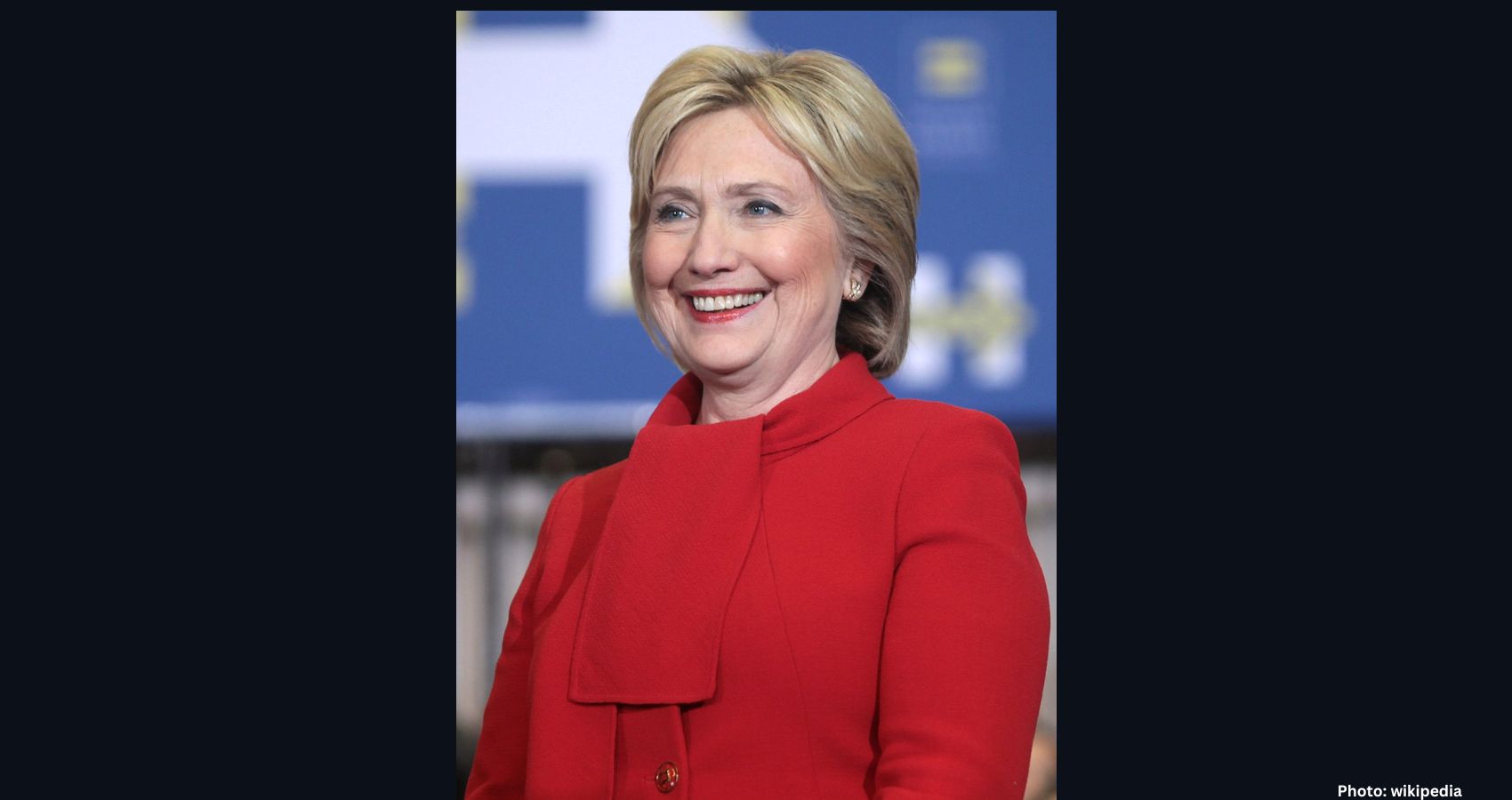
As the movement evolves, Diana Moreno, who is campaigning to succeed Mamdani in his Assembly seat, describes it as “the solidarity that beats fascism.” She emphasizes that this movement is not solely about political office but about building a better world for the community.

On November 21st, Mamdani met with former President Donald Trump in the Oval Office, a surprising encounter that yielded positive remarks from Trump about Mamdani’s potential as mayor. This moment reinforced the belief among Mamdani’s volunteers that they have backed a candidate who genuinely believes in his vision for the city. Jessica from Astoria, who canvassed for Mamdani and is now supporting Moreno, echoes this sentiment, expressing her commitment to sustaining the movement they have built.

The grassroots efforts that propelled Zohran Mamdani to the mayoralty of New York City continue to thrive, driven by a dedicated volunteer army that is committed to enacting meaningful change.

According to India Currents.

Australia’s Social Media Ban Raises Questions About U.S. Child Protection Efforts

Pressure is mounting on U.S. lawmakers to enhance protections for children online following Australia’s recent ban on social media access for users under 16.

Following Australia’s implementation of a nationwide ban on social media for individuals under the age of 16, U.S. lawmakers are increasingly calling for similar measures to better protect children online. The Australian government’s decision to restrict social media access for teenagers has sparked discussions among American politicians about the need for more robust regulations in the United States.

While Congress has enacted some general online safety laws, such as restrictions on the collection of minors’ personal information by social media platforms, it has yet to pass any legislation that would specifically limit who can use these platforms or how they are designed for younger users.

Rep. Ritchie Torres, D-N.Y., expressed concern about the impact of social media on the mental health of young people, stating, “I see social media as a catastrophe for the mental health of the next generation.” He suggested that the lack of action may stem from opposition within the tech industry, adding, “I imagine it’s the opposition from the tech industry.” Torres acknowledged the complexity of the issue, particularly regarding First Amendment rights, but emphasized the necessity for reform.

Rep. Dusty Johnson, R-S.D., also weighed in on the matter, suggesting that more congressional action would be beneficial. “Obviously, we’re a country that values freedom, and so a lot of people feel like that would be either power better exercised by the state or power better exercised by parents,” he said. Johnson noted the importance of holding social media platforms accountable, remarking, “They have technological tools that they could very easily use to keep kids safe.”

The bipartisan response to Australia’s ban has included voices from both sides of the aisle, with figures such as former President Barack Obama’s chief of staff, Rahm Emanuel, and Senators Katie Britt, R-Ala., John Cornyn, R-Texas, and Brian Schatz, D-Hawaii, advocating for improved safety measures for children on social media.

Rep. Ralph Norman, R-S.C., pointed out that a lack of awareness about the dangers of social media may be contributing to Congress’s hesitance to act. “I think it’s gotten worse,” he said, referring to the risks associated with social media for children. “Got to have an age and got to track down something that is destroying our children.”

However, some Republicans have expressed reservations about imposing strict regulations on social media, particularly regarding age restrictions. Rep. Lauren Boebert, R-Colo., indicated that she would likely oppose an outright ban on social media for minors. “I’m still a capitalist, and there’s federalism and we have freedom here,” Boebert stated. She urged for legislative solutions that align with the priorities of the American public, asserting, “I think it’s time to read the room of America so we can pass good legislation.”

The ongoing debate reflects a growing recognition of the need for enhanced protections for children in the digital age, as lawmakers grapple with balancing freedom of expression and the safety of young users. As pressure mounts for action, the future of social media regulation in the U.S. remains uncertain.

According to Fox News, the conversation surrounding social media safety for children is likely to intensify in the coming months as lawmakers seek to address these pressing concerns.

Disney Accuses Google of Copyright Theft Amid OpenAI Deal

Disney has issued a cease-and-desist notice to Google, alleging massive copyright violations related to its AI tools, coinciding with a $1 billion partnership with OpenAI.

Disney has formally warned Google to cease its alleged copyright violations, sending a cease-and-desist notice on Wednesday. The notice accuses the tech giant of infringing on Disney’s copyrights on a “massive scale,” according to a report by Variety.

The letter, which was reviewed by Variety, claims that Google has used its artificial intelligence tools and services to commercially circulate unauthorized images and videos of Disney’s intellectual property. Disney’s letter describes Google as operating like a “virtual vending machine,” capable of reproducing, rendering, and distributing copies of Disney’s valuable library of copyrighted characters and other works.

Disney’s concerns extend beyond the sheer volume of alleged infringements. The letter highlights that many of the infringing images generated by Google’s AI services are branded with Google’s Gemini logo, which Disney argues falsely implies that the company has authorized and endorsed the use of its intellectual property.

The cease-and-desist notice specifically mentions that Google’s AI tools have been generating and utilizing material tied to beloved characters from popular franchises such as “Frozen,” “The Lion King,” “Moana,” “The Little Mermaid,” and “Deadpool.” Disney’s portrayal of Google as a “virtual vending machine” suggests that the company is producing knockoff versions of its iconic characters, including Elsa, Deadpool, and a questionable depiction of Moana.

In response to the allegations, Google has not provided a definitive answer but has expressed its intention to engage with Disney on the matter. A spokesperson for Google stated, “We have a longstanding and mutually beneficial relationship with Disney, and will continue to engage with them. More generally, we use public data from the open web to build our AI and have built additional innovative copyright controls like Google-extended and Content ID for YouTube, which give sites and copyright holders control over their content.”

This legal confrontation coincides with Disney’s announcement of a significant $1 billion, three-year partnership with OpenAI. This deal will allow OpenAI to utilize Disney’s most recognizable characters within its Sora AI video generator.

Under the new licensing agreement, Sora and ChatGPT Images are set to begin creating videos featuring approved Disney characters such as Mickey Mouse, Cinderella, and Mufasa early next year. However, the partnership is limited strictly to the characters themselves and does not extend to the use of any actor’s likeness or voice.

Jatin Varma, the former CEO and Founder of Comic Con India, commented on the broader implications of AI in entertainment, stating, “There is no denying that AI tools can be useful, but when it comes to entertainment, we are deluged in AI slop. Most of the content on social media is AI slop. And any legitimate attempts at making content using AI have been mediocre. Writers, actors, animators, and VFX artists may see AI as a threat that can impact their space in the future.”

The situation between Disney and Google highlights the ongoing tensions in the entertainment industry regarding the use of AI and copyright protections, raising questions about the future of creative content in an increasingly digital landscape.

For more details, see Variety.

Major Measles Outbreak Results in Hundreds Quarantined in U.S. County

South Carolina is experiencing a significant measles outbreak, with 111 confirmed cases and hundreds quarantined as health officials emphasize the importance of vaccination to curb the spread.

A major measles outbreak in South Carolina has led to the quarantine of hundreds of residents in Spartanburg County. The South Carolina Department of Health (DPH) reported on Wednesday that the outbreak has resulted in 111 confirmed cases since it was first identified on October 2.

As part of the containment efforts, 254 individuals are currently in quarantine, while 16 others are in isolation to prevent further transmission of the virus. “This significant jump in cases is unfortunate,” a DPH spokesperson remarked during the media briefing.

Public exposure to the virus has been noted at Inman Intermediate School, where 43 students are now in quarantine. Additionally, eight other intermediate and middle schools in the area are also implementing quarantine measures. The DPH indicated that some students have had to quarantine multiple times due to repeated exposure.
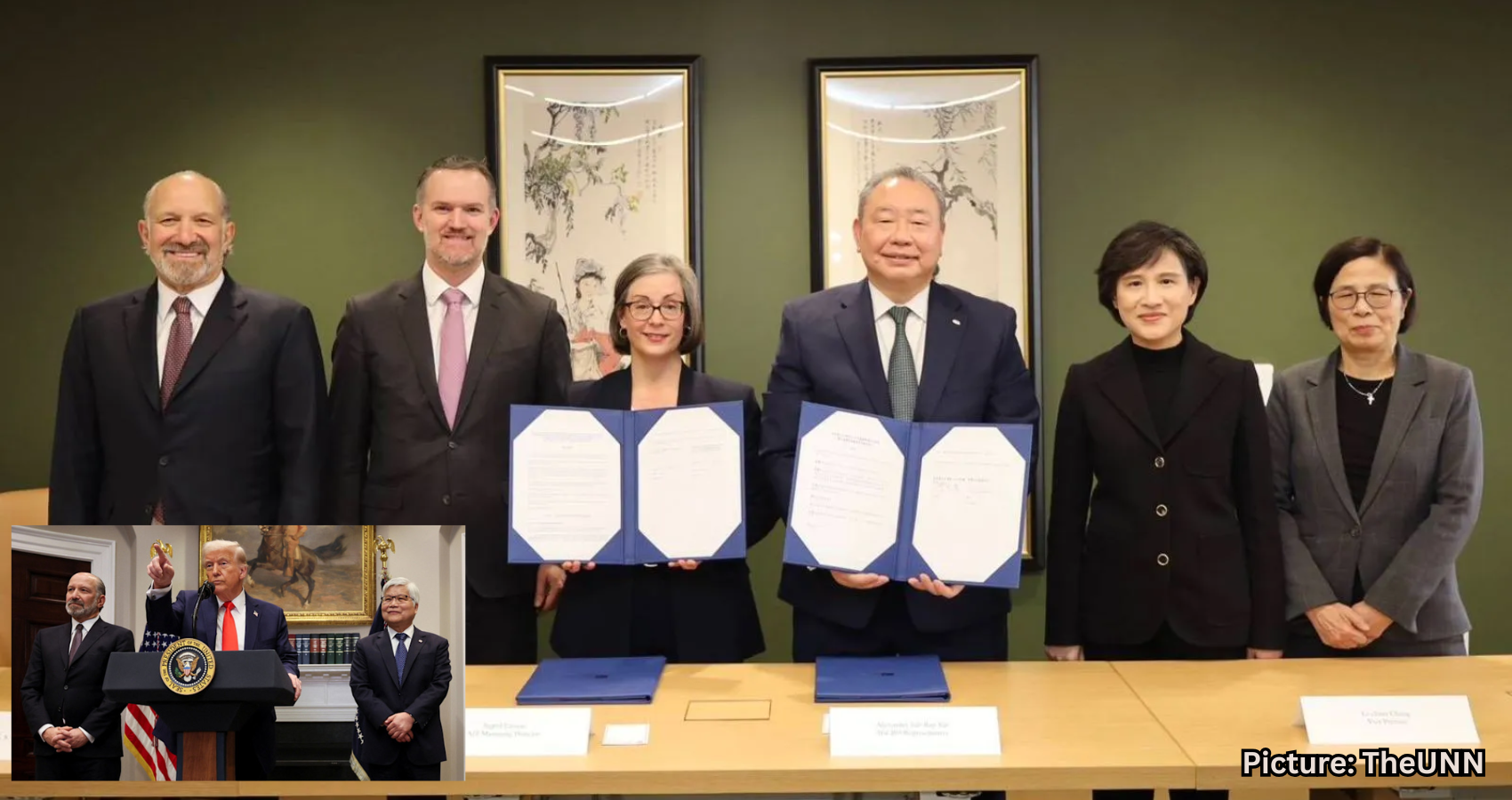
Health officials continue to stress that vaccination is the most effective way to prevent the disruption caused by measles in education, employment, and community life. Out of the 111 confirmed cases, a staggering 105 individuals were unvaccinated. The DPH spokesperson highlighted that receiving a vaccination within 72 hours of exposure can prevent the onset of measles infection.

Some of the cases in Spartanburg County are linked to travel exposure, while others remain of unknown origin, suggesting that the virus is circulating within the community.

In a related development, Connecticut has reported its first measles case in four years. The Connecticut Department of Public Health confirmed on Thursday that an unvaccinated child under the age of 10 in Fairfield County was diagnosed with measles after returning from international travel. The child exhibited symptoms several days later, including a runny nose, cough, congestion, fever, and a rash that began on the head and spread across the body.

The Connecticut DPH emphasized that measles is “highly contagious” and can spread rapidly through the air via coughing or sneezing. According to the Centers for Disease Control and Prevention (CDC), approximately nine out of ten unvaccinated individuals who come into contact with an infected person will contract the virus.

Furthermore, the International Vaccine Access Center has reported that more than 1,800 cases of measles were documented in 2025, marking the highest number since the U.S. declared the virus eliminated in 2000. This figure represents the most cases recorded in three decades.

DPH Commissioner Manisha Juthani, M.D., underscored the importance of vaccination in a recent statement, saying, “The single best way to protect your children and yourself from measles is to be vaccinated. One dose of measles vaccine is about 93% effective, while two doses are about 97% effective.”

As the outbreak continues, health officials are urging residents to ensure they are vaccinated to protect themselves and their communities from the ongoing threat of measles.

For more information on the outbreak and vaccination, residents are encouraged to consult the South Carolina Department of Health and other health resources.

According to Fox News, the situation remains fluid, and ongoing monitoring is essential to control the spread of this highly contagious virus.

New Report Highlights Impact of Trump’s Deportation Agenda on Childcare Crisis

A new report reveals that President Trump’s mass deportation agenda could exacerbate the already critical U.S. childcare crisis, threatening families’ access to essential services and the broader economy.

Washington, D.C., Dec. 11, 2025 — A report released by the American Immigration Council highlights the precarious state of the U.S. childcare system, which is already strained by rising costs, staffing shortages, and high demand. The report warns that President Donald Trump’s mass deportation agenda could lead to catastrophic disruptions in this vital sector.

The report, titled Immigrant Workers and the Childcare Crisis: What’s at Stake for Families and the Economy, reveals that immigrant workers constitute one in five childcare workers across the nation. This percentage is even higher in major metropolitan areas such as Miami and San Jose. Notably, more than half of these workers are non-citizens, and nearly a third are undocumented, placing them at risk of deportation or loss of work authorization.

In addition to statistical analysis, the report includes personal stories from ten childcare providers and parents whose lives have already been affected by enforcement crackdowns and visa uncertainties. Jeremy Robbins, executive director of the American Immigration Council, emphasized the critical role immigrants play in the childcare system. “Working parents already feel the strain of a childcare system that’s barely holding together,” he said. “Parents can’t clock in if they don’t have safe, stable childcare, and immigrants play a key role in providing that. Mass deportation pulls that foundation out from under families and jeopardizes parents’ ability to stay in the labor force.”

The report documents how increased enforcement has already led to significant disruptions in childcare availability in various communities. For instance, a daycare center in south Philadelphia, which primarily serves low-income immigrant families, saw its enrollment drop from 158 children to 97 following enforcement actions. This decline forced the center to lay off staff and close classrooms. Similarly, a preschool in Washington, D.C., experienced teacher resignations due to new barriers to maintaining work authorization.

Some of the report’s key findings include:

Approximately 20.1 percent of childcare workers are immigrants, amounting to over 282,000 individuals, predominantly women.

In cities like San Jose and Miami, immigrants represent over two-thirds of childcare workers. In Los Angeles, New York, and San Francisco, they account for nearly half of the workforce.

Staffing shortages in the childcare sector are already acute. The U.S. Bureau of Labor Statistics projects that 160,200 childcare jobs will open each year over the next decade due to turnover.

Immigrant childcare workers are more likely to be self-employed and work full-time, filling roles that have proven difficult to staff with U.S.-born workers.

Aggressive immigration enforcement has already led to daycare center closures, empty classrooms, and increased absenteeism in some communities.

The report also features testimonies from individuals, including childcare providers and parents, who express concern about the potential tightening of the childcare system due to mass raids and increased visa restrictions. One mother, identified as ‘Jen’ from New York City, shared her anxiety: “I want to be productive. I want to be part of the workforce. As things ratchet up, there’s always a little voice in my head, ‘Please, please don’t revoke visas.’ But if my au pair goes, then I would have to quit my job.”

Disruptions to the U.S. childcare system resulting from Trump’s immigration policies are poised to impact not only individual households but also the broader labor market. According to U.S. census data analyzed in the report, in 2025, 12.8 million households with children under the age of 14—41.9 percent of such households—had at least one adult whose job was affected due to losing access to childcare.
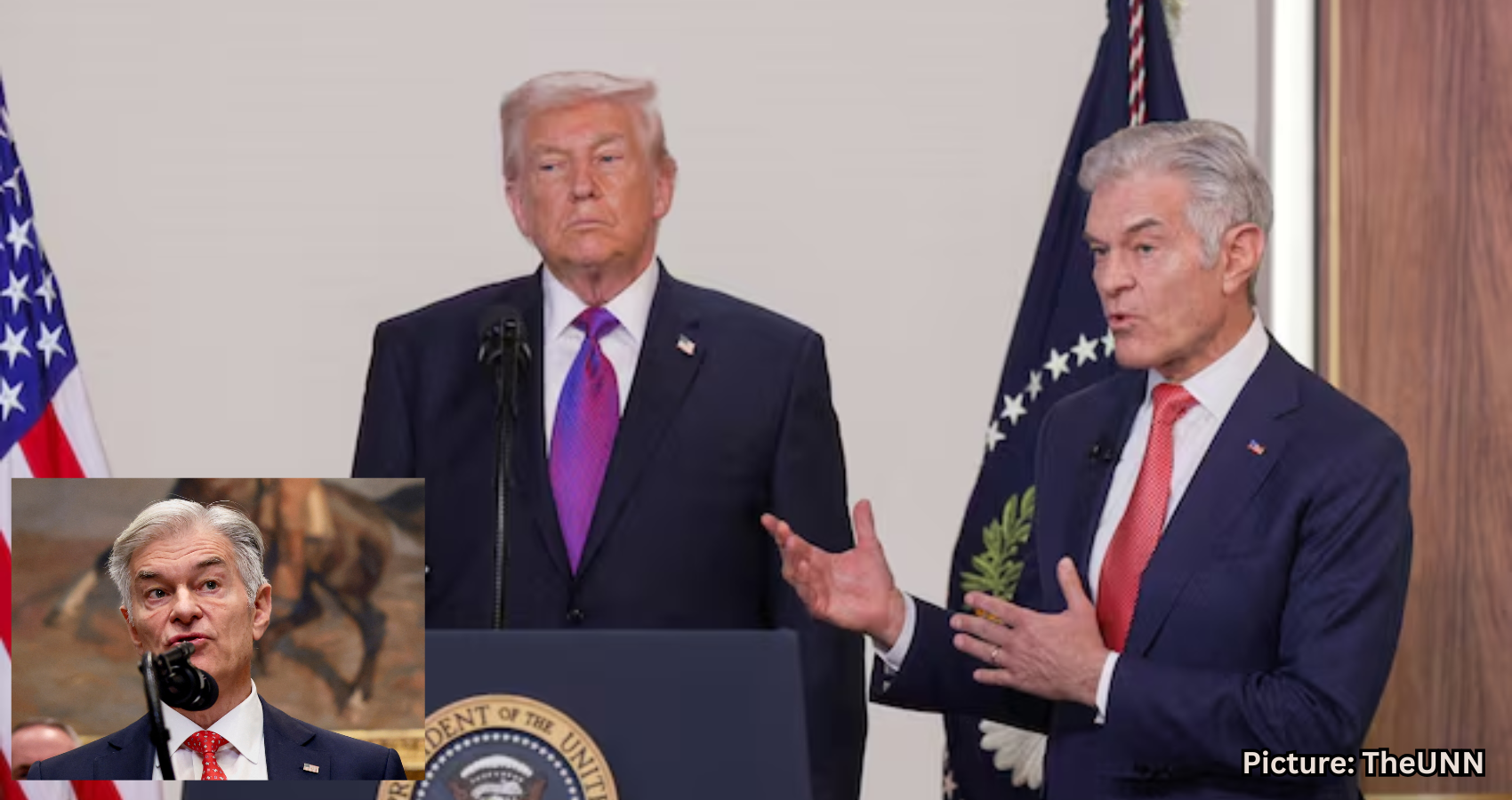
This situation includes 2.5 million households that resorted to unpaid leave, 2 million that reduced work hours, 1.3 million that had adults who stopped seeking employment, and over 600,000 households where adults quit their jobs.

“From hospitals to retail to tech, U.S. employers depend on parents being able to work,” stated Nan Wu, director of research at the American Immigration Council. “Removing the workers who make childcare possible would choke off workforce participation and weaken our economy at a time when it’s already struggling.”

For further insights, the full report is available through the American Immigration Council.

California Congressman Dave Min Endorses Indian-American Dr. Tina Shah for NJ’s 7th District

California Congressman Dave Min has endorsed Dr. Tina Shah in her campaign for New Jersey’s 7th Congressional District, emphasizing the need for healthcare reform and accessible care.
California Congressman Dave Min (CA-47) publicly endorsed Dr. Tina Shah on December 11 as she campaigns for New Jersey’s 7th Congressional District. Dr. Shah, a practicing physician, announced her candidacy in July 2025, citing the urgent need to address the broken healthcare system in the United States.

“I’m running for Congress because America is in critical condition and enough is enough,” Dr. Shah stated. “As a physician, I took an oath to first do no harm, but when I go to work in the Intensive Care Unit, I’m up against a system that is designed to make patients broke and sicker, prioritize insurance companies’ profits above all else, and burn out a workforce trying to save lives.”

Dr. Shah, who is triple board-certified in internal medicine, pulmonary medicine, and critical care medicine, grew up in New Jersey. She is challenging Republican incumbent Tom Kean Jr., who has been criticized for casting the deciding vote in Congress for significant cuts to Medicaid.

“Career politicians like Tom Kean Jr. have done nothing to lower healthcare costs or expand access to care,” Dr. Shah remarked. “Instead, he’s dodging his constituents while casting the deciding vote to gut Medicaid and attacking access to essential care, including abortion, in New Jersey.”

The Center for Politics has identified New Jersey’s 7th Congressional District as one of the few “toss-up” races in the country. The Democratic Congressional Campaign Committee has also included Kean Jr. in their 2026 “Districts in Play” list, highlighting the competitive nature of this election.

“I am excited to endorse Dr. Tina Shah for Congress in New Jersey’s 7th District,” Congressman Min said. “Tina’s experience taking care of patients on the frontlines in the ICU and working to deliver affordable and accessible healthcare will serve New Jersey and our whole country well. Like me, she is the child of Asian immigrants, and so she knows firsthand the importance of standing up for our core values and building the economic opportunity that defines the American Dream. She is exactly the kind of fighter we need in Congress right now.”

Dr. Shah expressed her gratitude for Congressman Min’s support, acknowledging his track record of winning tough races and delivering for his community. “I’m excited to flip this seat with his support and join in the work to ensure the American Dream is accessible to all,” she said.

She also voiced concerns regarding the influence of public figures like Robert F. Kennedy Jr. and the Trump administration, stating, “They are actively gutting lifesaving medical research and putting vaccine deniers in charge of our vaccine system. If we keep going down this road, there’s only one outcome: people will get hurt. What we do next is critical. I’m running for Congress to fix what is fundamentally broken and stand up for my patients, my neighbors, my community, and New Jersey.”

Dr. Shah’s campaign is gaining momentum as she seeks to address the pressing healthcare issues facing her constituents and the nation.

According to India Currents, the endorsement from Congressman Min underscores the significance of Dr. Shah’s candidacy in the upcoming election.

Testimony Highlights Concerns Over Immigration Enforcement and Citizen Rights

Senior Fellow Aaron Reichlin-Melnick testified before Congress on the alarming rise of wrongful arrests by ICE, highlighting the urgent need for reform to protect citizens’ rights.

Senior Fellow Aaron Reichlin-Melnick recently delivered oral testimony before Congress, shedding light on the troubling increase in “at-large” arrests conducted by U.S. Immigration and Customs Enforcement (ICE). His testimony addressed the issues of profiling, wrongful detentions of U.S. citizens, and the pressing need for congressional reform.

Reichlin-Melnick emphasized that the rapid expansion of ICE’s “at-large” arrests is not limited to noncitizens. He noted a significant rise in the number of arrests involving individuals who have no criminal record. This trend raises serious concerns about the methods employed by ICE and the implications for civil liberties.

Among the aggressive enforcement tactics discussed were collateral arrests, roving patrols, and worksite raids. These methods have led to an increase in wrongful detentions, where U.S. citizens and lawful permanent residents are mistakenly apprehended due to appearance-based profiling. Such practices not only violate individual rights but also contribute to a growing mistrust between immigrant communities and law enforcement agencies.

Reichlin-Melnick pointed out the public safety risks associated with prioritizing immigration arrests over other federal law enforcement needs. He argued that this focus diverts resources and attention away from addressing more pressing criminal activities, ultimately making communities less safe for everyone.
The testimony underscored the urgent need for Congress to take action to restrict ICE’s overreach. Proposed reforms include requiring clear officer identification during arrests and prohibiting profiling based on appearance. Without legislative intervention, the current trajectory of immigration enforcement threatens to irreparably damage the social fabric of immigrant and mixed-status communities across the nation.

As the landscape of immigration enforcement continues to evolve, the implications for civil rights and community safety remain critical. The call for reform is not just about protecting noncitizens; it is about safeguarding the rights of all individuals within the United States.

According to American Immigration Council, the expansion of ICE’s enforcement tactics poses a significant threat to civil liberties and community trust in law enforcement.

-+=