Tharoor Leads Kerala Poll; Shailaja Among LDF Leaders

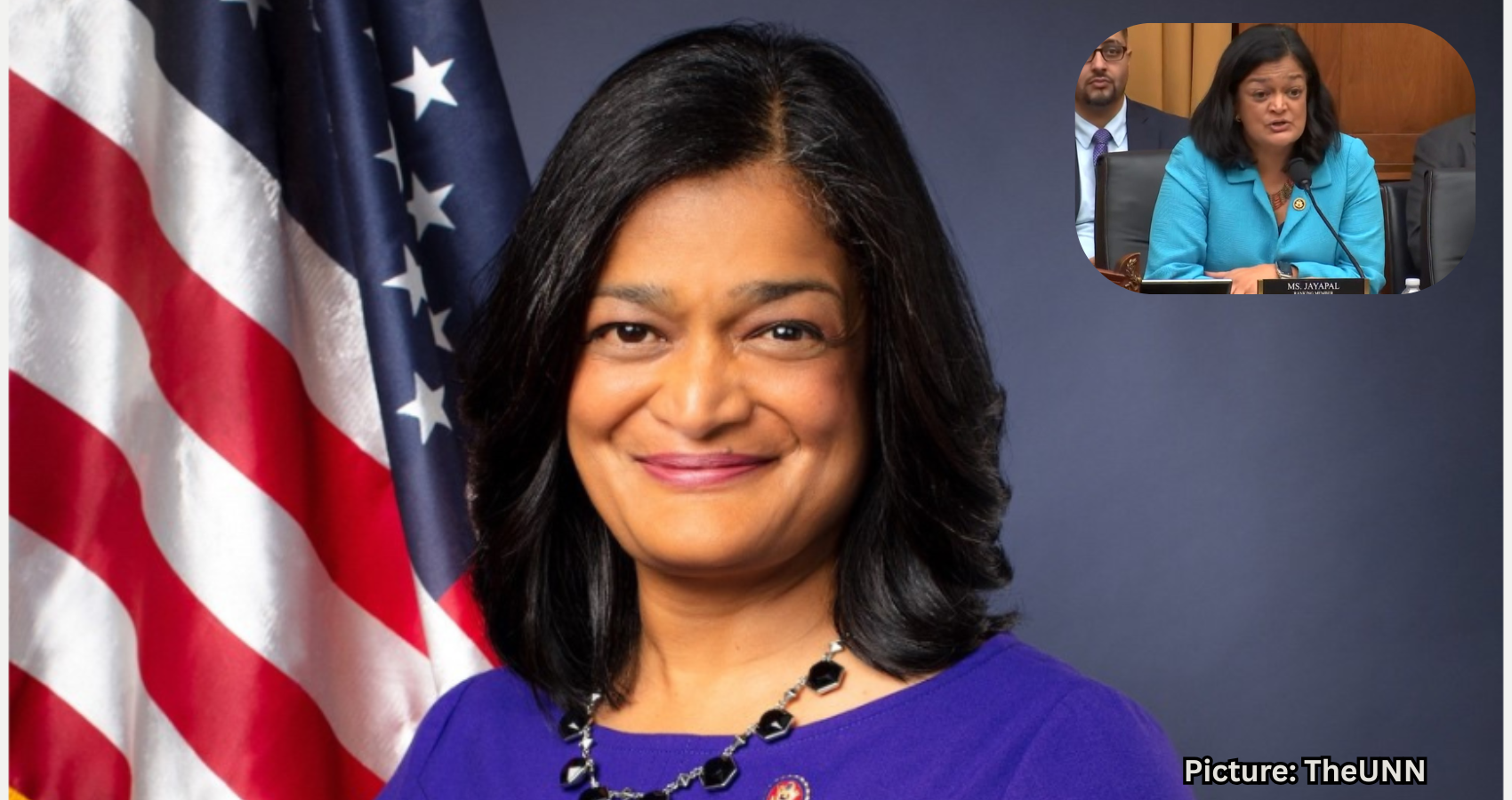
Shashi Tharoor has emerged as the most preferred candidate for the Chief Ministerial post in Kerala according to a pre-poll survey, despite existing tensions with the Congress high command.

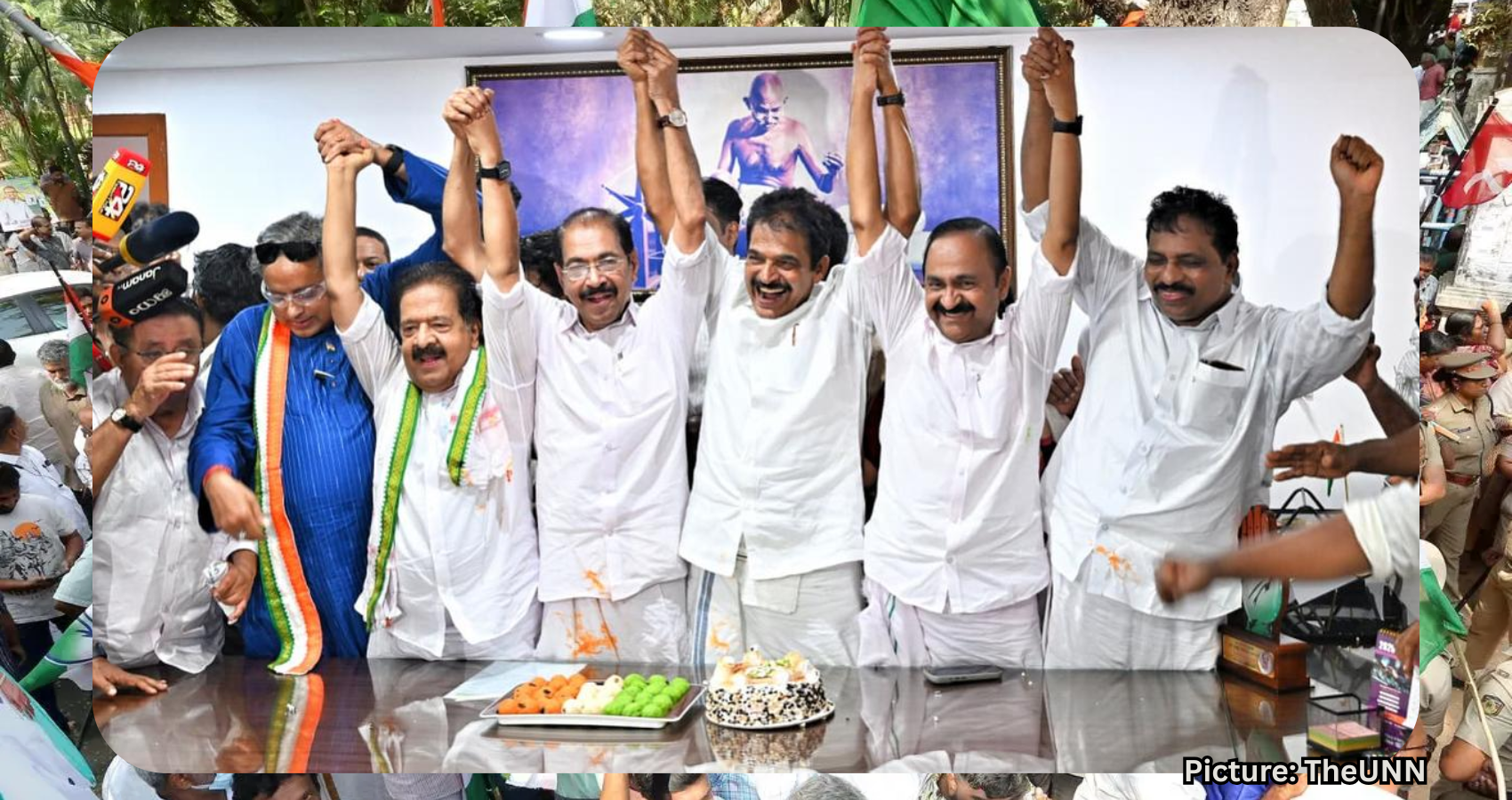
Senior Congress leader and Thiruvananthapuram MP Shashi Tharoor has received significant backing from a recent pre-poll survey conducted by Mumbai-based VoteVibe, which places him as the leading candidate for the position of Kerala’s Chief Minister. The survey’s results, shared by Tharoor on his social media account, showed a strong preference for him among voters.

Tharoor wasted no time in sharing the survey findings on his social media platform, formerly known as Twitter, on Wednesday. The post, attributed to a supporter, was also tagged to key Congress figures, including Rahul Gandhi, K.C. Venugopal, Priyanka Gandhi, and the Leader of Opposition V.D. Satheesan. The message praised Tharoor as the best candidate for the chief ministerial position in the 2026 Kerala polls, particularly for the faction-ridden United Democratic Front (UDF) alliance.

Despite Tharoor’s strong showing in the survey, top Congress leaders in Kerala have thus far remained silent on the development. Sunny Joseph, the newly appointed president of the Kerala Pradesh Congress Committee (KPCC), attempted to temper the excitement, emphasizing that leadership decisions within the Congress are made only after election results and follow a set process.

Tharoor’s relationship with the Congress central leadership has been tense following his decision to contest the party’s presidential election against Mallikarjun Kharge. This strain was further highlighted when Tharoor’s name was initially omitted from the list of Congress leaders involved in the Union government’s Operation Sindoor outreach program. However, in a significant gesture, Prime Minister Narendra Modi later invited Tharoor to lead a delegation to the United States and other countries.

Upon his return, Tharoor acknowledged existing differences with the party leadership but expressed willingness to engage in dialogue if approached. A seasoned politician and a four-time Member of Parliament representing Thiruvananthapuram since 2009, Tharoor topped the VoteVibe pre-poll survey with 28.3% support among state’s voters. The survey also highlighted a leadership vacuum within the opposition UDF, with 27.1% of voters undecided on the alliance’s leadership.

Supreme Court Supports Trump’s Plan to Reshape Federal Government

The Supreme Court has endorsed President Donald Trump’s agenda to execute extensive layoffs and restructurings within federal agencies, countermanding a prior restriction established by a lower court.

The Supreme Court’s latest ruling grants President Donald Trump permission to carry out significant staff reductions and organizational changes in several federal agencies, overriding a lower court’s decision that required congressional approval for such actions. This development signifies another judicial victory for Trump, reinforcing his administration’s policies, including those concerning deportation and executive orders.

Issued through an unsigned order, the Supreme Court nullified lower court injunctions that blocked the administration’s general restructuring efforts rather than assessing individual agency plans for workforce reduction. Although the precise vote count was not disclosed, Justice Ketanji Brown Jackson, part of the court’s liberal contingent, voiced her dissent.

The case originated from an executive order signed by Trump in mid-February, initiating a sweeping downsizing of federal agencies, a commitment he made during his presidential campaign. In response, departments announced their intentions to lay off tens of thousands of employees.

Historically, lower courts have ruled that while the president can propose modifications, the executive branch cannot unilaterally dissolve federal departments or slash their personnel to the extent that they are unable to fulfill their mandated responsibilities.

“Considering the strong likelihood that the government’s argument—that the executive order and its associated memorandum are lawful—will prevail, we grant the application,” the Supreme Court’s brief noted. “We do not opine on the legality of agency-specific reduction-in-force and reorganization strategies crafted or sanctioned under the executive order and memorandum.”

The ruling left open the potential for future judicial scrutiny if it appears any reorganization plans might incapacitate an agency from meeting its legal duties.

The lawsuit challenging the executive order was initiated by a coalition of unions, nonprofit organizations, and local governments. This group labeled the litigation as the most extensive legal objection to the Trump administration’s workforce downsizing objectives.

In a statement, the coalition expressed grave concern: “Today’s decision represents a grave setback to our democratic values and threatens critical services that American citizens depend on, placing them in significant jeopardy. Reorganizing government functions and conducting mass layoffs without congressional consent remains unconstitutional.”

The coalition vowed to keep fighting the legal battle to “ensure essential public services that protect the American public remain intact.”

Reacting to the Supreme Court’s verdict, the White House heralded it as “a clear victory for the President and his administration,” denouncing judicial interventions perceived as impediments to achieving enhanced governmental efficiency. White House spokesperson Harrison Fields remarked, “This decision rebuffs attempts by leftist judges seeking to prevent the President from exercising his constitutionally granted executive powers.”

Justice Jackson criticized the court’s decision in her dissent, calling it “hubristic and senseless” and contending that lower courts are more adept at assessing the impact of such governmental changes.

“The case is fundamentally about whether the administration’s plans effectively usurp Congressional policymaking authority, which seems difficult to evaluate meaningfully after such changes occur,” Jackson wrote. “Yet surprisingly, this court has decided to intercede now, facilitating the President’s agenda prematurely.”

The ruling impacts planned workforce reductions across more than a dozen federal agencies, encompassing the Departments of Agriculture, Commerce, Energy, Labor, Treasury, State, Health and Human Services, Veterans Affairs, and the Environmental Protection Agency.

Particularly notable proposed cuts include reducing positions by around 10,000 at the Centers for Disease Control and Prevention, the Food and Drug Administration, and the National Institutes of Health, as found in court records. Moreover, the Treasury Department’s plan involves decreasing Internal Revenue Service personnel by 40%. Initially, the Department of Veterans Affairs intended to cut 80,000 jobs, though that number has been adjusted down to 30,000 through specified workforce management strategies.

Some agency leaders indicated they had paused their reorganization efforts due to the lower court’s injunction. For instance, Andrew Nixon, a spokesman for the Department of Health and Human Services, expressed intent to proceed with department transformation efforts aimed at improving public health.

Justice Sonia Sotomayor, also of the court’s liberal faction, shared some agreement with the decision, acknowledging its limitations and ensuring existing legal constraints remain intact. Sotomayor noted that the executive order in question directs agencies to execute changes “consistent with applicable law.”

A previous ruling from a federal judge in California had halted comprehensive layoffs, and the 9th U.S. Circuit Court of Appeals opted not to intervene, prompting the Trump administration to bring the case to the Supreme Court.

Judge Susan Illston of the U.S. District Court had earlier commented, “While presidents are entitled to set priorities for the executive branch and have them executed by agency heads, a president cannot initiate significant executive branch reorganization without Congressional partnership.”

The appeals court, with Judge William Fletcher writing the majority opinion, reiterated that historically, such types of organizational reforms have been subject to Congressional consent.

House Approves Tax and Spending Bill, Benefiting Johnson and Trump

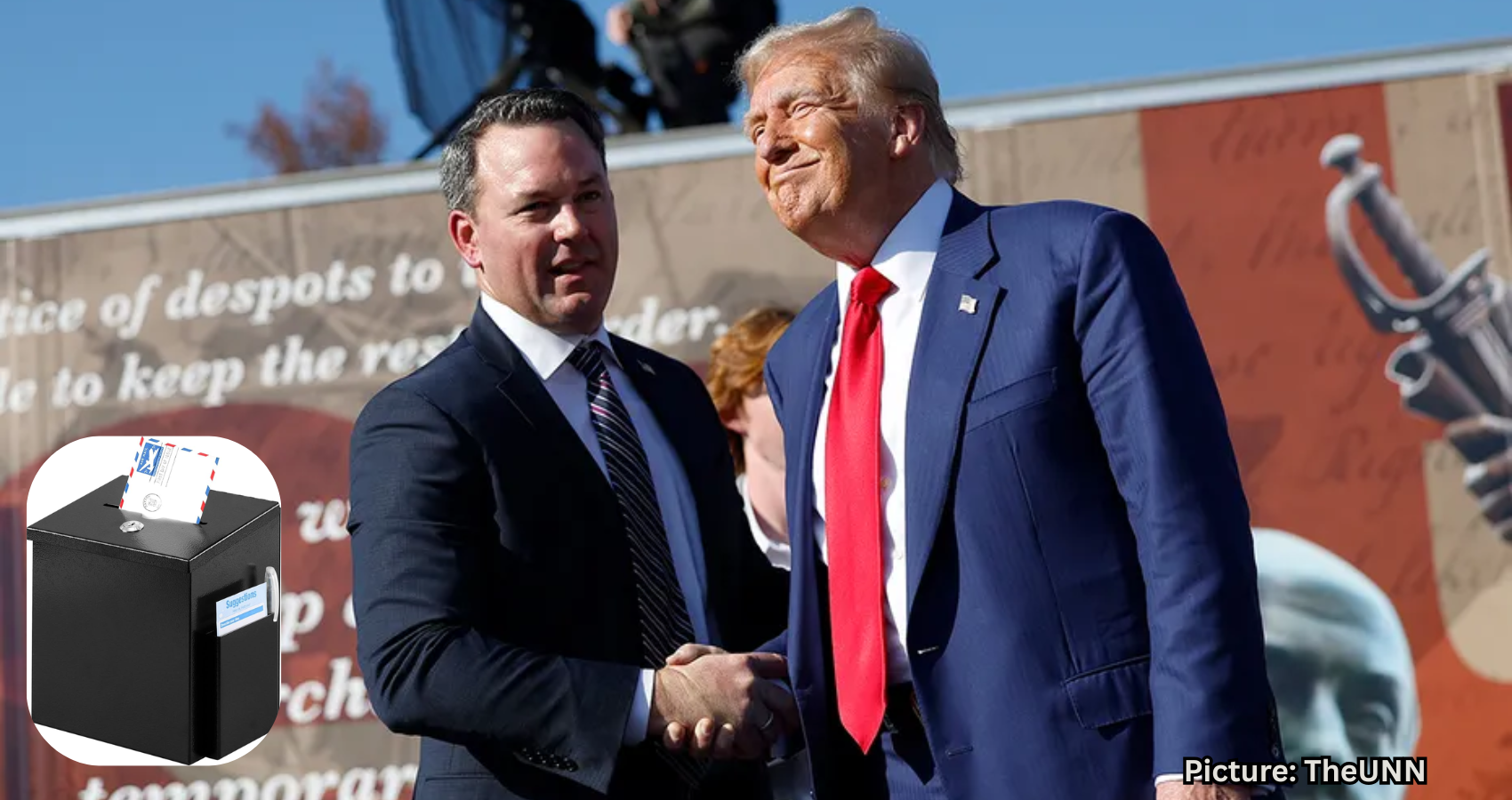
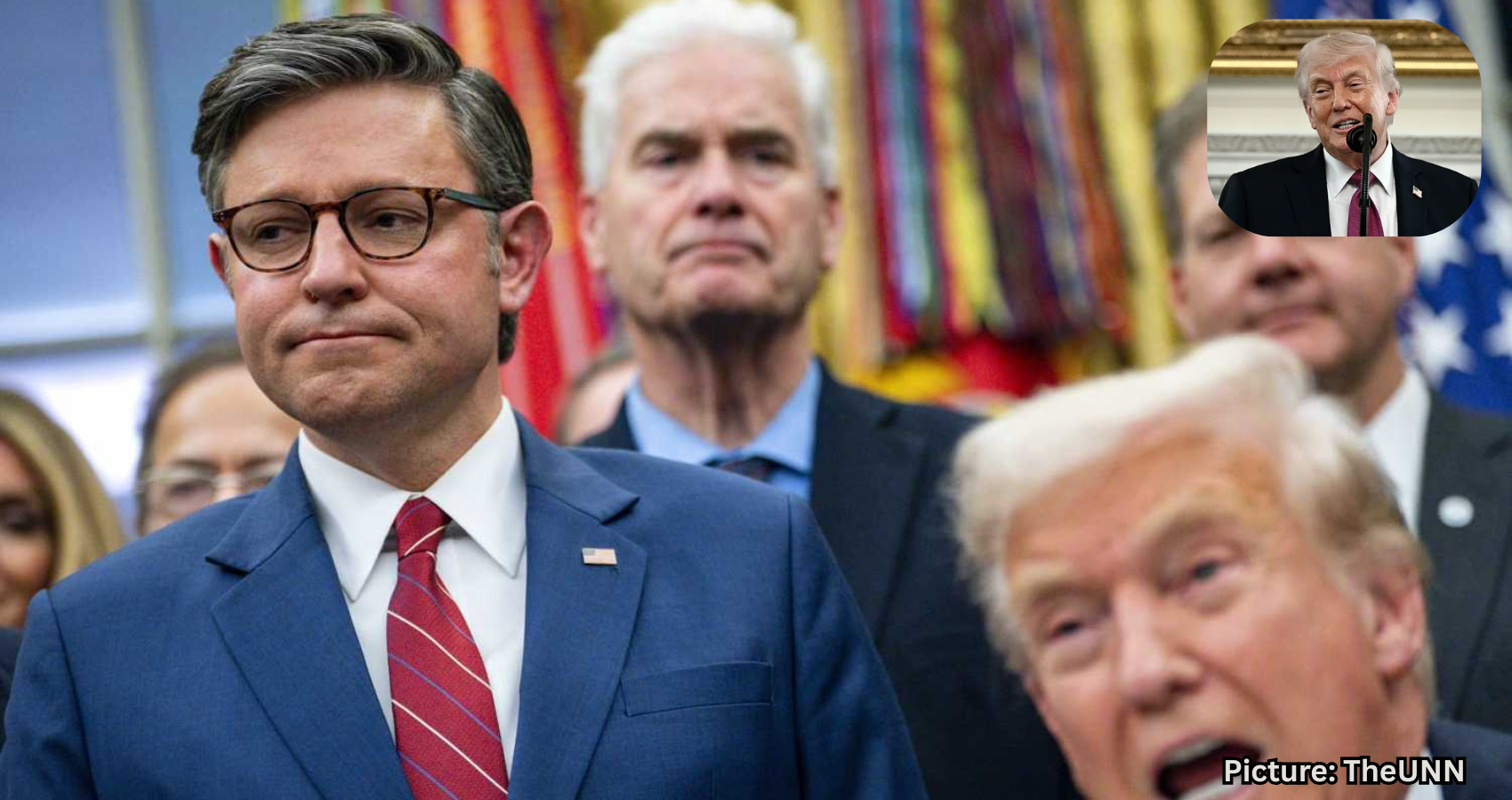
House Republicans passed President Trump’s sweeping legislation on Thursday, marking a significant legislative victory as it now awaits the president’s signature.

In a vote that concluded with a narrow margin of 218-214, two Republican lawmakers joined all Democrats in opposing the bill, which has been touted by President Trump as his “big, beautiful bill.” The legislation now heads to Trump’s desk, where he is expected to sign it on July 4, meeting his self-imposed deadline for enacting the package.

The road to passage was not without its hurdles. The GOP leadership kept procedural votes open for several hours in an attempt to persuade undecided members to support the measure. President Trump played an active role in rallying support, while House Minority Leader Hakeem Jeffries (D-N.Y.) delivered an extensive speech lasting 8 hours and 44 minutes in opposition to the legislation.

Despite these challenges, the passage of the bill represents a major triumph for both President Trump and House Speaker Mike Johnson (R-La.), solidifying their legislative agenda amidst a closely divided Congress.

The vote saw Republican Representatives Thomas Massie of Kentucky and Brian Fitzpatrick of Pennsylvania break ranks with their party, ultimately voting against the bill.

Alongside his political endeavors, President Trump is scheduled to accompany First Lady Melania Trump in a meeting with former Israeli hostage Edan Alexander later on Thursday. Following this engagement, President Trump will travel to Iowa to deliver a speech at the state fairgrounds, signaling the commencement of the nation’s 250th-year celebrations.

The developments come as Trump maintains a significant presence on the political stage, with his legislative priorities playing a central role in shaping the current political landscape.

According to The Hill, the legislative journey of this bill has involved significant strategic maneuvering and political involvement from the highest levels of government.

Source: Original article

Senate Approves Trump Agenda Bill After Extended Voting Session

The Senate has narrowly passed President Donald Trump’s domestic agenda bill, which now moves to the House of Representatives for further approval.

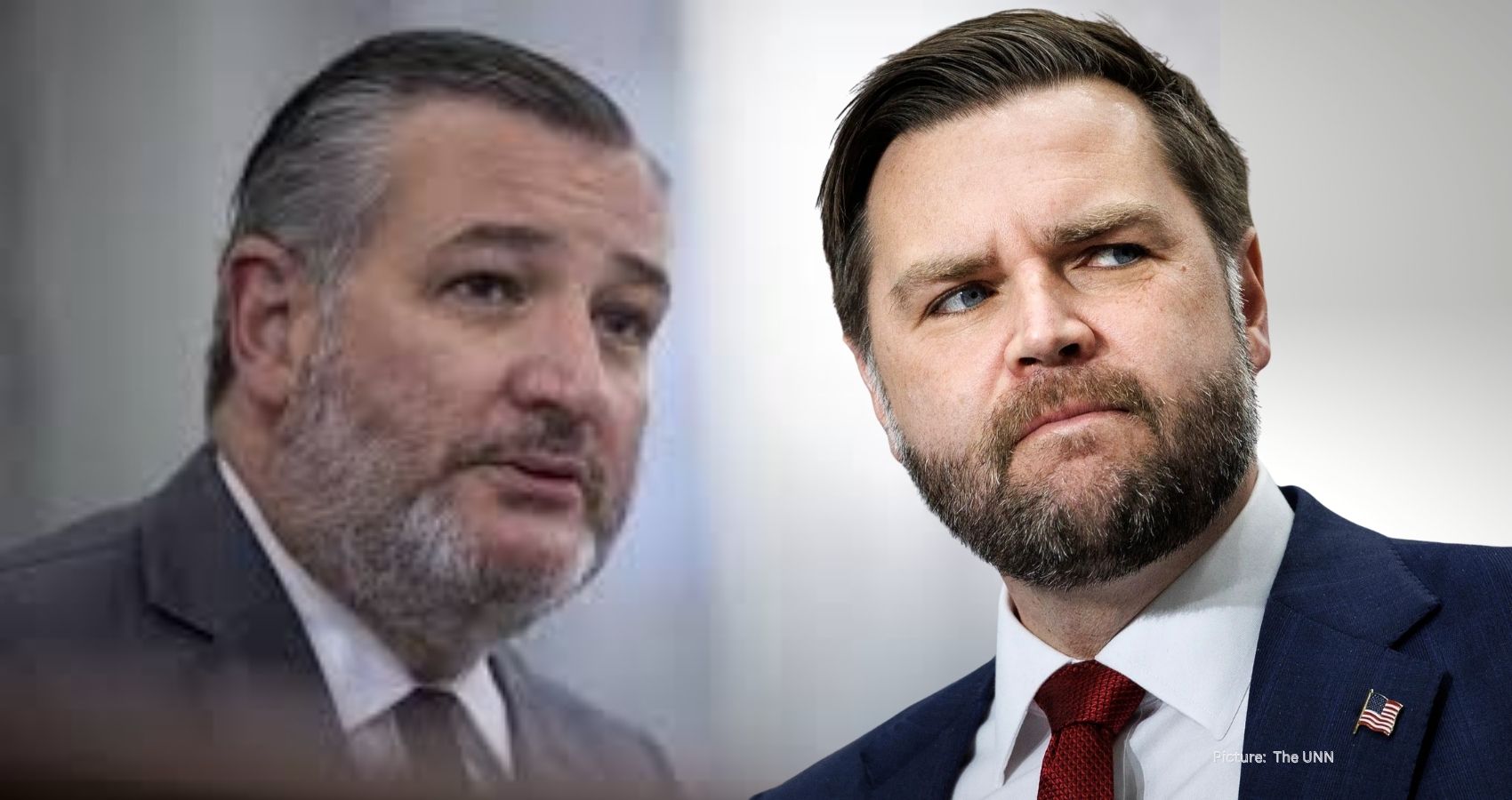
The Senate passed President Donald Trump’s ambitious legislative package on a knife-edge vote of 50-50, with Vice President JD Vance casting the decisive vote. This megabill represents a core component of Trump’s domestic agenda and has set the stage for a significant legislative battle as it heads to the House of Representatives.

Republican leaders in the Senate managed to secure enough votes after intense negotiations with key holdouts in their ranks. However, the next hurdle appears imminent, with GOP leaders in the House now facing a high-stakes effort to ensure the bill reaches the president’s desk by July 4.

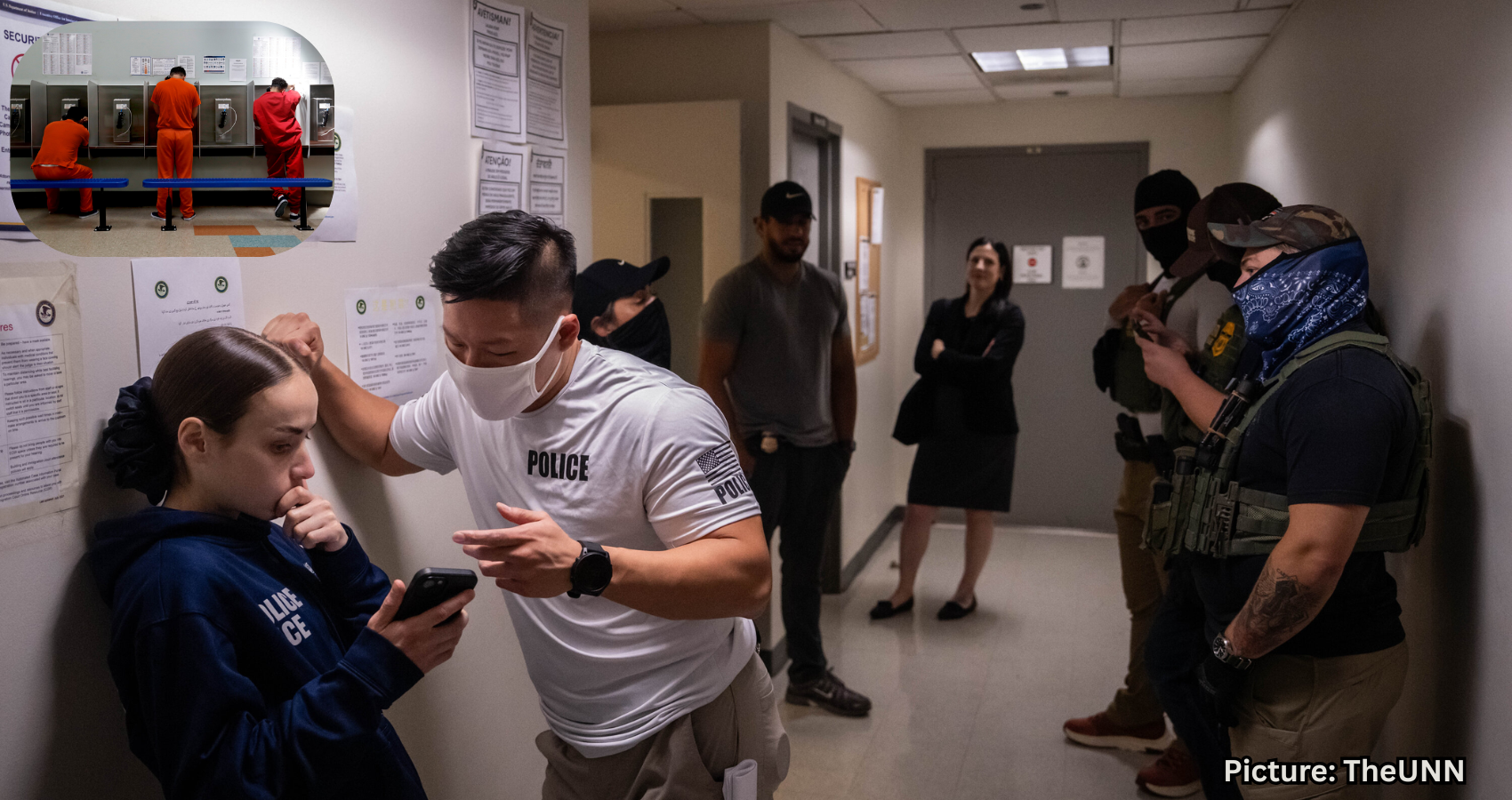
While visiting a makeshift detention facility called “Alligator Alcatraz” in Florida, President Trump confidently predicted the bill’s successful passage in the House. He also downplayed concerns related to potential impacts on American health care coverage, which have been a point of contention among critics of the bill.

This extensive bill outlines significant tax reductions and boosts in funding for national security, all of which will be offset by the most considerable cuts to the federal safety net seen in decades. As Washington gears up for another legislative showdown, the focus now turns to the House as lawmakers evaluate the sweeping changes proposed within this multi-trillion-dollar plan.

According to CNN, the bill’s advancement symbolizes a pivotal moment in Trump’s tenure, potentially reshaping the nation’s fiscal landscape if fully enacted.

Source: Original article

Phase Four of 2024 Lok Sabha Elections: Key Battles and Controversies Unfold Across States

The fourth phase of the 2024 Lok Sabha election commenced today with voting underway for 96 seats across 10 states and union territories, alongside balloting for all 175 seats of the Andhra Pradesh Assembly and 28 of 147 in Odisha. As stated by the original article, “The Lok Sabha seats in play today are all 25 in Andhra Pradesh and 17 in Telangana, in addition to 13 in Uttar Pradesh, 11 in Maharashtra, eight each in Bengal and Madhya Pradesh, five in Bihar, four in Odisha and Jharkhand, and Jammu and Kashmir’s Srinagar.” With today’s voting, the Lok Sabha election 2024 marks its halfway point, having concluded polling for 381 of the Lower House’s 543 seats.

The electoral landscape features prominent figures, including Akhilesh Yadav of the Samajwadi Party vying from Kannauj and Mahua Moitra from the Trinamool Congress defending her Krishnanagar seat. Omar Abdullah, leader of the National Conference, stands from Srinagar, continuing the legacy of his father, Farooq Abdullah. The Congress’ Bengal chief, Adhir Ranjan Chowdhury, contests from Bahrampur against Trinamool’s Yusuf Pathan, a former Indian cricketer. Meanwhile, Dilip Ghosh of the BJP faces Kirti Azad, another ex-cricketer, in Bardhaman-Durgapur, reflecting the intense political dynamics in Bengal, where rivalries unfold amid the overarching narrative of the INDIA opposition bloc.

In Telangana, Asaduddin Owaisi of AIMIM faces BJP’s Madhavi Latha for the Hyderabad seat, continuing a long-standing political legacy. And in Andhra Pradesh, YS Sharmila, sister of Chief Minister Jagan Reddy, leads the Congress’ campaign from Kadapa, challenging her cousin, sitting MP YS Avinash Reddy. The BJP’s Giriraj Singh contests against Awadesh Kumar Rai in Begusarai, while Ajay Mishra Teni, also of the BJP, runs from UP’s Lakhimpur Kheri, a constituency that gained prominence during the 2021 farmers’ protest due to Teni’s son’s involvement in a controversial case.

In the 2019 elections, the BJP secured only 42 of the 96 seats up for grabs today, encountering challenges particularly in Telangana and Andhra Pradesh. The lead-up to this phase has been marked by controversies, with the Election Commission drawing attention for various issues, including notices to Mallikarjun Kharge and JP Nadda of the Congress and BJP respectively, following Prime Minister Narendra Modi’s comments on Muslims and wealth redistribution. The Election Commission also sent a notice to Kharge after his criticism of the commission’s credibility. Additionally, contentious remarks by Congress leader Sam Pitroda regarding inheritance taxes and racial diversity, along with the release of Delhi Chief Minister Arvind Kejriwal on bail, have contributed to the election narrative.
The voting process for the Lok Sabha elections of 2024 commenced today, encompassing 96 seats across various states and union territories, alongside elections for the Andhra Pradesh Assembly and a portion of seats in Odisha. This phase marks a significant milestone, with half of the Lok Sabha seats having completed the polling process. Notable contenders include Akhilesh Yadav from the Samajwadi Party, Mahua Moitra from the Trinamool Congress, and Omar Abdullah from the National Conference, each contesting from their respective strongholds. The electoral battleground in Bengal features intense rivalries, with key players from different political parties, including the Congress, BJP, and Trinamool, engaging in high-stakes contests. Telangana witnesses a high-profile clash between Asaduddin Owaisi of AIMIM and Madhavi Latha of the BJP for the Hyderabad seat. Meanwhile, in Andhra Pradesh, familial ties intertwine with political ambitions as YS Sharmila of the Congress challenges her cousin, sitting MP YS Avinash Reddy, in Kadapa. The BJP faces its own challenges, with Giriraj Singh contesting in Begusarai and Ajay Mishra Teni in Lakhimpur Kheri, amidst controversies surrounding the latter’s son. The BJP’s performance in the 2019 elections sets the backdrop for this phase, with the party striving to improve its standing in states like Telangana and Andhra Pradesh. Leading up to this phase, the Election Commission has been under scrutiny for various issues, including notices to key political figures and controversies surrounding remarks made by leaders from different parties.
-+=