India Must Call for Peace: Congress Condemns Israel’s Strike on Iran and Urges Diplomatic Resolution

On June 13, 2025, a new chapter of geopolitical unrest unfolded when Israel launched a controversial and unlawful strike on Iran, blatantly violating Iranian sovereignty. This military act, which further deepens the instability of the West Asian region, has triggered global concern and condemnation, including from India’s principal opposition party, the Indian National Congress. The party denounced the targeted assassinations and bombings carried out on Iranian territory, calling it a dangerous provocation with severe consequences both regionally and globally.

The Congress party’s criticism places this strike within a larger pattern of Israel’s recent military campaigns, notably its forceful offensive in Gaza. According to the party, Israel continues to show blatant disregard for civilian life and regional stability. “These actions will only deepen instability and sow the seeds of further conflict,” the party warned, expressing concern over the ripple effects of escalating tensions.

What makes this development even more alarming is its timing. Diplomatic discussions between Iran and the United States had shown encouraging progress earlier in the year, with five rounds of negotiations already completed and a sixth scheduled for June. The hope for de-escalation was further reinforced when, in March 2025, U.S. Director of National Intelligence Tulsi Gabbard testified before Congress, stating unequivocally that Iran was not pursuing nuclear weapons. Gabbard emphasized that Iran’s Supreme Leader, Ali Khamenei, had not authorized the resumption of any nuclear weapons program since its suspension in 2003.

These diplomatic efforts now stand jeopardized due to the current Israeli administration’s preference for confrontation over dialogue. Under the leadership of Prime Minister Benjamin Netanyahu, Israel has consistently undermined prospects for peace, while encouraging a culture of extremism. His government’s continued expansion of illegal settlements, alignment with far-right nationalist groups, and obstruction of the two-state solution have inflicted immense suffering on Palestinians and exacerbated regional unrest.

The Congress party did not hesitate to highlight Netanyahu’s historical role in derailing peace efforts. They pointed out that he played a role in stoking animosity that culminated in the 1995 assassination of Prime Minister Yitzhak Rabin, which effectively ended a promising peace initiative between Israelis and Palestinians.

In light of this track record, it is unsurprising to observers that Netanyahu’s response to tensions with Iran has taken the form of military escalation. However, what has particularly dismayed the Congress party is the apparent endorsement of this path by U.S. President Donald Trump. Once a vocal critic of America’s “endless wars” and the influence of the military-industrial complex, Trump now seems willing to tread the same course he once condemned. The party noted the irony that Trump, who frequently decried the false pretext of weapons of mass destruction used to justify the Iraq War, is now dismissing his own intelligence chief’s statements about Iran.

Trump’s assertion on June 17 that Iran was “very close” to acquiring nuclear weapons was met with concern. According to the Congress, such rhetoric is not only unsubstantiated but also reckless. “The world expects and needs leadership that is grounded in facts and driven by diplomacy, and not by force or falsehoods,” the party stressed.

Although Israel’s fears of a nuclear-armed Iran are not baseless, the Congress maintained that international standards must be applied consistently. “There can be no room for double standards,” it stated, pointing out that Israel is itself a nuclear weapons state with a history of military aggression. Iran, by contrast, remains a signatory to the Nuclear Non-Proliferation Treaty (NPT) and had, under the 2015 Joint Comprehensive Plan of Action (JCPOA), accepted strict limitations on its nuclear program in exchange for sanctions relief. The agreement was supported by the five permanent members of the UN Security Council, Germany, and the European Union, and was verified by international monitors—until the U.S. unilaterally withdrew in 2018.

That decision, the Congress argues, undid years of meticulous diplomacy and once again imperiled a region already teetering on instability. India, too, has not escaped the consequences. The reimposed sanctions severely hampered India’s ability to develop key infrastructure projects with Iran, such as the International North-South Transport Corridor and the Chabahar Port, both seen as critical to India’s access to Central Asia and Afghanistan.

Beyond strategic calculations, Iran has been a long-standing friend of India, sharing deep civilizational ties and standing by New Delhi at pivotal moments. For instance, in 1994, Iran played a crucial role in blocking a resolution critical of India at the UN Commission on Human Rights concerning Kashmir. This support contrasts with the alignment of the former Imperial State of Iran, which leaned toward Pakistan during the 1965 and 1971 wars.

At the same time, India has developed robust strategic ties with Israel. This unique diplomatic position, according to the Congress, places India in an ideal spot to act as a mediator and peacebuilder. This is not merely a theoretical argument. With lakhs of Indian nationals living and working across West Asia, peace in the region is a matter of urgent national interest.

Despite this, Israel’s recent strikes have taken place under a veil of impunity, aided by near-blanket support from powerful Western nations. While the Congress party had earlier unequivocally condemned the brutal October 7, 2023, attacks by Hamas as “absolutely horrific and totally unacceptable,” they asserted that remaining silent in the face of Israel’s overwhelming and disproportionate retaliation would be morally indefensible. Over 55,000 Palestinians have reportedly been killed in these reprisals. “Entire families, neighbourhoods, and even hospitals have been obliterated,” they noted. Gaza, they warned, is teetering on the edge of famine, and its people continue to endure unimaginable suffering.

In this backdrop, the Congress sharply criticized the Indian government’s current position. They accused Prime Minister Narendra Modi’s administration of turning its back on India’s traditional commitment to a peaceful two-state solution, one which envisions a sovereign Palestinian state living in peace alongside Israel. According to the Congress, the Modi government’s silence on the destruction in Gaza and now on Israel’s strike against Iran is a worrying departure from India’s moral and diplomatic legacy. “This represents not just a loss of voice but also a surrender of values,” they cautioned.

Nevertheless, the Congress maintained that India could still play a constructive role. They called upon the Indian government to act with urgency, use every available diplomatic channel, and reassert its commitment to peace in West Asia. “It is still not too late. India must speak clearly, act responsibly, and use every diplomatic channel available to defuse tensions and promote a return to dialogue in West Asia,” the statement concluded.

Yoga Day at Times Square Draws 10,000 Participants in a Grand Celebration of Wellness

In a vibrant display of cultural unity and wellness, the Consulate General of India in New York, in collaboration with the Times Square Alliance, hosted the 11th International Day of Yoga at the iconic Times Square on June 20, 2025. The event, known as ‘Solstice at Times Square’, turned one of the busiest intersections in the world into a massive open-air yoga studio, drawing around 10,000 yoga practitioners of various nationalities.

The day-long program was a testament to the growing popularity and deep-rooted presence of yoga in American society. Featuring seven distinct yoga sessions, the event allowed people from different backgrounds to unite through the ancient Indian practice that promotes physical, mental, and spiritual wellness. The participation reflected the widespread enthusiasm for yoga in New York City and throughout the United States.

The Consul General of India addressed the large gathering, welcoming all participants and emphasizing the significance of yoga in today’s world. He spoke about how yoga contributes to both physical health and spiritual wellness. Furthermore, he underscored its unique ability to foster a deeper connection with nature. By promoting holistic health and encouraging sustainable living, yoga aligns closely with global goals for wellness and environmental harmony.

Adding a special dimension to this year’s celebration was the presence of acclaimed actor Anupam Kher. With a distinguished career spanning over 35 years, Kher brought star power and a heartfelt message to the stage. He spoke about the transformative power of yoga and its potential to bring about global healing. “From the stillness of a single breath rises the strength to heal the whole world,” he said, capturing the essence of the practice and its potential to contribute to a more peaceful and healthy world.

The celebration of yoga at Times Square was held in anticipation of the official International Day of Yoga on June 21, a date that coincides with the Summer Solstice—the longest day of the year in the Northern Hemisphere. This year’s global observance of Yoga Day is themed ‘Yoga for One Earth, One Health’. The theme reflects yoga’s role in promoting planetary health and individual well-being, reinforcing its relevance in an age where interconnected health and environmental challenges are at the forefront.

This 11th annual celebration continues a tradition that began when the United Nations adopted a resolution in December 2014 to mark June 21 as International Day of Yoga. The resolution, spearheaded by India, received unanimous support from the UN General Assembly, recognizing yoga’s universal appeal. Since its inception in 2015, the day has grown into a worldwide celebration, with millions participating in yoga sessions and wellness events each year. The objective remains clear—to raise awareness about the multifaceted benefits of yoga and to inspire more people to adopt it as a way of life.

Yoga, which originated in ancient India, has evolved into a global movement for health and inner peace. By encouraging mindful living, yoga has found a special place in modern urban settings like New York, where the fast pace of life often leads to stress and physical strain. Events like the one at Times Square help people reconnect with their inner selves and take a moment to slow down and breathe, even in the heart of a bustling metropolis.

In addition to the main event at Times Square, the Consulate General of India in New York has planned a month-long series of yoga-related activities across the states falling under its jurisdiction. These include New York, New Jersey, Pennsylvania, Ohio, and Connecticut. The outreach program has received strong support from local communities and yoga organizations, with active participation from yoga enthusiasts of all ages and backgrounds.

These regional events serve to expand the reach of the International Day of Yoga and make its benefits accessible to more people. The Consulate’s initiative reflects India’s commitment to sharing its ancient wellness traditions with the world while also fostering stronger cultural ties between nations.

Each session at the Times Square celebration was led by expert instructors and focused on different aspects of yoga, including asanas (postures), pranayama (breathing techniques), and meditation. Participants stretched, breathed, and meditated under the open sky, turning a usually chaotic corner of New York into a peaceful haven. Many attendees noted the surreal experience of practicing yoga amid the towering skyscrapers and electronic billboards that define Times Square.

The visual spectacle of thousands of yoga mats laid out in perfect rows added a layer of symbolism to the event—representing unity, discipline, and shared purpose. As the sun moved across the sky, participants adjusted their poses and energy levels, creating a rhythm that mirrored the flow of nature itself.

The event not only highlighted yoga’s adaptability to diverse urban environments but also served as a reminder of the universal nature of well-being. “Yoga is not just a workout, it’s a work-in,” one participant remarked, echoing a sentiment that was felt by many present at the venue.

With support from the Times Square Alliance, the logistics and management of the event ensured a smooth experience for all involved. From registration to crowd management, the collaboration between the Consulate and local authorities demonstrated how large-scale cultural events can be organized effectively even in high-traffic urban zones.

The involvement of Indian dignitaries, American yoga organizations, and celebrity advocates added credibility and appeal to the event. It also reflected the soft power of cultural diplomacy in strengthening India-U.S. relations, using a common language of health and wellness.

As the world continues to grapple with challenges related to health, environment, and mental well-being, the role of yoga as a simple yet profound solution is gaining renewed importance. Events like the one at Times Square serve not only as celebrations but also as calls to action for people to prioritize their health and live in harmony with the planet.

By the end of the day, as the final yoga session wrapped up and the sun dipped below the skyline, the energy among participants was one of calm satisfaction and collective purpose. The 11th International Day of Yoga in New York had achieved its goal—not just in numbers, but in impact.

As Anupam Kher aptly stated, “From the stillness of a single breath rises the strength to heal the whole world.” The gathering at Times Square offered a powerful reminder that amidst the chaos of modern life, peace and health begin within.

Summer Solstice 2025: Eight Destinations Embracing the Longest Day of the Year with Ancient Rituals and Modern Merriment

Every year, the summer solstice marks a special astronomical event when one of the Earth’s poles is tilted most toward the sun. This results in the sun reaching its highest point in the sky, bringing with it the longest day of the year. For millennia, people have honored this event with celebrations that draw on ancient traditions. From the mysterious allure of Stonehenge to romantic folklore in Eastern Europe, the solstice has been a time of unity, celebration, and ritual.

In the Northern Hemisphere, the solstice typically falls on June 20, 21, or 22, and many cultures observe it through Midsummer festivities. Sweden is especially prominent in these celebrations, particularly since the release of the 2019 film Midsommar, which heightened American interest. However, across the world, people mark this celestial event in diverse and meaningful ways—from fiery displays in the Austrian Alps to symbolic rituals in Colombia.

Here are eight remarkable places to experience the summer solstice in 2025, including the dates and the unique cultural traditions associated with each location.

Stonehenge, United Kingdom – Saturday, June 21, 2025

At the ancient site of Stonehenge in Wiltshire, crowds gather every year to witness the sun rise above the prehistoric stones, which were intentionally arranged to align with the sun during solstices. This connection between the structure and the heavens has long fascinated archaeologists and spiritual seekers alike. The summer solstice draws thousands who wish to experience the power of the moment when night is shortest and the sun is at its peak. The event is spiritual and solemn, with rules to match: no alcohol is allowed except for ceremonial mead. “It’s believed that people have gathered here to mark the summer solstice for thousands of years,” making it one of the oldest continuous celebrations linked to the solstice.

Turov, Belarus – Sunday, July 6 to Monday, July 7, 2025

In Belarus, the summer solstice is commemorated with the festival of Ivan Kupala Day, a pagan celebration observed in various Eastern European countries. In the town of Turov, young women participate in a ritual that involves floating flower garlands, known as chaplets, on a river. The movement of these garlands is thought to offer insight into their romantic futures. This tradition mixes mysticism with love and youth, continuing an ancient belief system tied to nature and the rhythms of the earth. “The floating flowers are set off by young women, who try to gain insight into the future of their romantic relationships from the way they float.”

Denmark – Saturday, June 21, 2025

In Denmark, the summer solstice aligns with the observance of John the Baptist’s birth, which is said to have occurred six months prior to Jesus’. The Danes link the event with myth and folklore, particularly the belief that witches travel to the Brocken, a mountain peak in Germany, during this time. The fusion of Christian and pagan traditions makes Denmark’s Midsummer festivities both religious and mythical in tone. It is a time when bonfires light up the landscape and folklore becomes vividly alive.

Sweden – Saturday, June 21, 2025

Sweden’s Midsummer celebration is perhaps one of the most recognizable solstice traditions worldwide. People gather in the countryside to raise and dance around flower-decorated maypoles, celebrating life, fertility, and the arrival of summer. Afterward, classic Swedish foods like pickled herrings and aquavit are enjoyed. Public parks across Sweden host outdoor events, complete with traditional folk costumes and music. For the most authentic experience, travelers can visit Dalarna County, a hub of traditional festivities. Or, for a more unique atmosphere, they can chase the Midnight Sun in Riksgränsen. “In Sweden, flower-covered maypoles are put up in the countryside for revelers to dance around—followed by classic snacks of pickled herrings and aquavit.”

Berga, Spain – Saturday, June 21, 2025

In the Catalan region of Spain, particularly in the town of Berga near Barcelona, locals take part in a summer solstice celebration that harks back to medieval times. Participants dress up as mythical or religious characters, donning oversized ‘big head’ masks that contribute to the surreal and festive ambiance. This traditional event weaves together history, religion, and performance, showcasing Spain’s deep-rooted cultural heritage. “The townspeople of Berga… dress up as mystical or religious characters with typical ‘big head’ masks in a celebration that dates back to the Middle Ages.”

Tyrol, Austria – Saturday, June 21, 2025

High in the Austrian Alps, in the region of Tyrol, the summer solstice is marked with breathtaking fire displays. Locals light up to 8,000 fires across the Mieminger mountain range and beyond. These flames form effigies and symbols inspired by religion, mythology, nature, and even contemporary events. What makes this event particularly exciting is the secrecy surrounding the designs, which are only revealed when the fires are ignited at sunset. As twilight descends on Innsbruck and surrounding areas, the mountains glow with the light of fire, transforming the landscape into a spiritual canvas. “The details are kept a secret until the evening of the summer solstice. As the sun sets, fires will be lit in Innsbruck and beyond.”

Finland – Saturday, June 21, 2025

In Finland, the Midsummer period is referred to as the “white nights,” as the sky barely darkens. Historically, this was a time for fertility spells and mystical practices aimed at enhancing life and love. Today, one of the key solstice rituals is sauna bathing—a deeply ingrained part of Finnish culture that symbolizes purification and renewal. Bonfires remain a part of the tradition too, serving as both a connection to the past and a centerpiece for social gatherings. “Bonfires are lit, a throwback to hundreds of years ago when spells to increase fertility were cast by local people. Now, sauna bathing is a popular summer solstice ritual.”

Sierra Nevada de Santa Marta, Colombia – Friday, June 20, 2025

In Colombia’s Sierra Nevada de Santa Marta, the solstice coincides with the religious festival of Corpus Christi. The event takes a dramatic turn as locals dress as devils, adorned with numerous tiny bells around their legs. Mirrors are strapped to their backs to capture the sun’s energy on the longest day of the year. The ritual is symbolic, representing the age-old conflict between good and evil. These vivid costumes and energetic performances reflect the unique blend of Catholic and indigenous beliefs in the region. “They wear mirrors on their backs to harness the power of the sun on the longest day of the year. The ritual represents the fight between God and the Devil.”

From solemn rites in ancient stone circles to lively parades and bonfire rituals, the summer solstice in 2025 promises to be a powerful and enriching experience around the globe. Each location offers its own distinct interpretation of this timeless celestial event, blending mythology, religion, romance, and community into one unforgettable day.

US Updates Travel Advisories, Highlights Increased Caution for India and Dominican Republic

Over the past month, the U.S. State Department has revised several travel advisories affecting American citizens planning trips abroad. While some countries saw minimal adjustments, others—particularly India, Cuba, and the Dominican Republic—were subject to more specific and cautionary guidance, reflecting evolving global and regional developments under the current Trump administration.

Among the unchanged but updated countries is Switzerland, which retained its Level 1 travel rating—the safest classification on the State Department’s four-tier advisory scale. Minor changes were added for 2025, but no significant increase in risk was noted.

In contrast, the advisory levels for Cuba and the Dominican Republic were both raised, drawing distinct attention. The Dominican Republic, for instance, received a Level 2 rating accompanied by a more explicit warning about violent crime, despite the government’s efforts to enhance police presence in popular tourist areas. According to the June 18 advisory update, “Violent crime is a concern in the Dominican Republic despite more police presence in areas often visited by tourists.” The advisory also emphasized, “Do not display wealth and be wary of meeting individuals from online in secluded locations.”

India, another country that has drawn increased scrutiny, was also moved to a Level 2 rating as of June 16. This classification, labeled “exercise increased caution,” is the same level currently designated for several prominent European nations, including France and Italy. The Level 4 category, by contrast, is reserved for countries either actively at war or those without diplomatic ties to the United States.

The updated U.S. guidance for India flagged specific regions that American travelers should entirely avoid, particularly those areas where ongoing political or military tensions pose heightened risks. Among these is the northern region of Jammu and Kashmir, as well as the area along the eastern border with Pakistan. These warnings follow a series of hostile engagements between Indian and Pakistani forces, including a missile strike by India in early May on the Pakistani-controlled side of Kashmir. That military response was triggered by an April 22 attack that left 25 tourists dead in Indian-administered territory.

“Exercise increased caution in India due to crime and terrorism,” the updated advisory for India states. “Some areas have increased risk. Rape is one of the fastest-growing crimes in India. Violent crimes, including sexual assault, happen at tourist sites and other locations.”

Beyond the well-known conflict zones, other regions within India, such as Maharashtra and Telangana, have also been flagged for caution. These areas have occasionally experienced attacks targeting the Indian government, attributed to extremist factions operating in the country.

Further additions to the advisory include warnings related to the Indian government’s strict enforcement of immigration laws, especially for travelers entering the country from nearby nations such as Nepal and Pakistan—countries with which India has had tense relations. The U.S. State Department cautions that failing to comply with India’s entry requirements could have serious consequences.

“Violations of Indian immigration laws are taken very seriously,” the travel guidance warns. “India may imprison, fine, or deny entry to travelers without valid documents or the correct type of visa.”

Interestingly, this firm approach to immigration enforcement is mirrored in travel advisories issued by other countries about the United States itself. The Trump administration’s focus on restricting immigration and enforcing border regulations has led multiple foreign governments to issue their own stern warnings to citizens intending to visit the U.S.

Germany, for example, issued a notice through its Foreign Ministry in March 2025 outlining the legal risks associated with travel to the U.S. “A criminal conviction in the United States, false information regarding the purpose of stay, or even a slight overstay of the visa upon entry or exit can lead to arrest, detention, and deportation upon entry or exit,” the German advisory cautioned.

Similarly, the Canadian government has taken steps to inform its citizens about potential complications at U.S. borders. “Individual border agents often have significant discretion in making those determinations,” reads the Canadian government’s latest guidance. “U.S. authorities strictly enforce entry requirements. Expect scrutiny at ports of entry, including of electronic devices.”

These global travel advisory exchanges underscore a rising trend: countries are not only warning their citizens about conflict zones or crime in far-flung areas, but they are also providing detailed information about legal risks associated with immigration policy enforcement, even in countries historically considered safe travel destinations.

For the U.S., this more detailed advisory framework aims to help travelers make informed decisions about where they are going and what precautions they should take. Whether the risks are related to crime, terrorism, or complex immigration policies, the updated advisories reflect an increasingly interconnected world where political tensions, security issues, and border regulations all play a role in shaping how and where people move.

In the case of India, the U.S. has signaled that while much of the country remains relatively safe for travelers exercising basic precautions, certain regions are fraught with danger due to ongoing conflict and criminal activity. The explicit mention of sexual violence, including rape, as a growing problem reflects the serious safety concerns that have been the subject of international attention in recent years.

Similarly, the Dominican Republic’s inclusion of warnings about displaying wealth or meeting unknown persons in secluded areas shows a responsiveness to patterns of criminal activity that may target tourists. These changes demonstrate how travel advisories are now offering more than just general safety tips—they are responding to specific events, local dynamics, and broader geopolitical shifts.

As the Trump administration continues to reshape aspects of U.S. foreign policy and immigration enforcement, it’s likely that both American advisories about other countries and foreign warnings about travel to the U.S. will keep evolving. For travelers, this means paying close attention to official notices before booking a flight—not only to understand the risks abroad, but also to navigate changing border requirements and legal expectations at home and overseas.

Trump Administration Fires Majority of Voice of America Journalists, Ending an Era of U.S.-Funded Global News

In a sweeping move that effectively ends most operations of the U.S.-funded international broadcaster Voice of America (VOA), the administration of  President Donald Trump has fired hundreds of journalists, citing deep-rooted inefficiencies, waste, and political bias. The mass dismissals have wiped out nearly all remaining staff at the organization, marking the end of an 83-year-old institution that once stood as a beacon of American journalism abroad.

Established during World War II as a counter to Nazi propaganda, Voice of America has long functioned as a key tool of U.S. public diplomacy, offering independent news coverage in dozens of languages to countries with restricted or no press freedoms. But on Friday, the Trump-appointed leadership of VOA announced the termination of 639 employees, stating that the action was necessary to fulfill the administration’s promise to downsize the federal government.

“Today, we took decisive action to effectuate President Trump’s agenda to shrink the out-of-control federal bureaucracy,” said Kari Lake, who had been appointed by Trump to head VOA. Her announcement confirmed the mass firings, which followed months of internal uncertainty and political tensions.

Steve Herman, VOA’s chief national correspondent, described the sweeping staff cuts as “a historic act of self-sabotage.” For Herman and other veteran journalists within the organization, the decision dismantles an institution with a legacy of promoting press freedom and truth in places where such ideals are often under siege.

Among those terminated were members of the Persian-language service, a team that had recently been recalled to work after Israel launched strikes on Iran. However, their return to duty was short-lived. According to the Associated Press, several of the Persian reporters had stepped outside for a cigarette break on Friday when the termination notices were issued. Upon returning, they were denied re-entry to the building.

The scale of the dismissals has been staggering. Since March, over 1,400 employees — more than 85% of the agency’s staff — have lost their positions. Only 50 individuals are expected to remain on board across VOA, the Office of Cuba Broadcasting, and the U.S. Agency for Global Media (USAGM), which oversees and funds VOA and other similar outlets.

The decision to eliminate most of VOA’s workforce aligns with a March directive issued by Trump ordering the maximum possible elimination of VOA and USAGM within the boundaries of the law. The presidential order marked the culmination of a long campaign by Trump and his allies to rein in federally funded media outlets, which they accused of harboring left-leaning biases and straying from their original missions.

A group of three VOA journalists who have been involved in ongoing litigation to prevent the network’s closure issued a joint statement responding to the latest wave of firings. “It spells the death of 83 years of independent journalism that upholds US ideals of democracy and freedom around the world,” they wrote. The statement reflects deep concern that the dismantling of VOA undermines a historic American commitment to supporting free expression across the globe.

VOA, along with related outlets such as Radio Free Europe and Radio Free Asia, has earned a reputation for providing reliable and independent news coverage in regions notorious for media suppression. Its reporters have operated in hostile environments like China, Russia, Cambodia, and North Korea, often at great personal risk, to bring credible journalism to audiences otherwise subjected to state propaganda.

Despite the international praise VOA has garnered over the years, critics within the U.S. have accused the agency of political bias. Dan Robinson, a former VOA correspondent, wrote in an opinion piece last year that the organization had turned into a “hubris-filled rogue operation often reflecting a leftist bias aligned with partisan national media.” This perception appears to have fueled support within conservative political circles for scaling back or completely defunding VOA and similar outlets.

Trump’s antagonism toward VOA fits into his broader narrative of opposition to U.S. media institutions. Throughout his presidency, Trump repeatedly criticized major media organizations, labeling them as “fake news” and encouraging his supporters to distrust mainstream journalism. He also pushed for defunding other federally supported public media, including National Public Radio (NPR) and the Public Broadcasting Service (PBS), arguing that they too displayed political bias and no longer served the public interest.

While Trump’s efforts to cut public media funding faced resistance in Congress, his appointees were able to implement substantial administrative changes within USAGM. By replacing leadership and pushing forward with aggressive layoffs, the administration sought to reshape or dismantle media entities it viewed as adversarial or inefficient.

The closure of VOA’s core operations, however, is not without consequences. It marks a significant shift in how the United States engages in international broadcasting and public diplomacy. For decades, Voice of America has represented an American commitment to the free flow of information and the power of factual journalism in confronting authoritarian regimes. The agency’s motto, “A free press matters,” now hangs in stark contrast to the dismantling of its newsroom.

Kari Lake defended the decision, stating that the layoffs were an overdue response to internal dysfunction and mismanagement. The administration, she emphasized, aimed to “restore credibility and focus” to U.S. global media operations. However, critics view the mass firings not as a course correction, but as an ideological purge that sacrifices an essential democratic institution.

As the dust settles, the future of VOA remains deeply uncertain. With only a fraction of its workforce remaining and its global operations gutted, many fear that its ability to fulfill its original mission has been permanently compromised.

In a media landscape increasingly divided along political lines, the demise of a respected international broadcaster like VOA sends troubling signals about the United States’ commitment to defending press freedom, both at home and abroad. For the journalists who once worked there, and for the global audiences who depended on its coverage, the closures represent not just a bureaucratic change, but the end of an era.

Steve Herman’s words continue to resonate: the dismantling of VOA is indeed “a historic act of self-sabotage” — one that may not be easily reversed.

B-2 Bombers Moved to Guam as Trump Considers U.S. Involvement in Israel-Iran Conflict

U.S. Department of Defense officials have begun relocating B-2 bombers across the Pacific Ocean, a move that comes as President Donald Trump deliberates potential American intervention in the intensifying conflict between Israel and Iran. These developments were reported by Reuters, which noted that powerful “bunker buster bombs,” each weighing around 30,000 pounds, are being transported to the U.S. territory of Guam. This location could serve as a launch point if Trump decides to take military action against Iran.

The Department of Defense redirected inquiries from The Hill to the White House, which has yet to issue a formal response or provide further clarification regarding the deployment and the president’s current stance.

Recent flight data supports the growing speculation surrounding U.S. military movements. Several aircraft were seen departing from Travis Air Force Base, located in California. These flights included B-2 stealth bombers, departing shortly after Trump publicly announced a two-week deadline to determine whether the United States will intervene militarily in Iran. It’s worth noting that the U.S. Air Force possesses the capability to deactivate transponders on these aircraft, allowing their movements to remain untracked and covert when necessary.

Until recently, these strategic bombers were stationed in Missouri. Military analysts suggest that they may now be positioned for potential strikes against Iran’s nuclear infrastructure. One particular target of interest appears to be the Fordo nuclear enrichment facility, a hardened underground site that poses a significant challenge for conventional weaponry but could be vulnerable to the immense power of the bunker busters.

The Fordo site is Iran’s second major nuclear facility after the Natanz complex. Natanz was recently attacked by Israeli forces in a move that visibly escalated the ongoing hostilities between the two countries. According to reports, the strike caused considerable damage to the facility, marking another step in Israel’s broader objective of dismantling Iran’s nuclear weapons development program.

Just one day after the Natanz attack, Israel reported further military action. The Israeli government confirmed that it had launched a strike on a different Iranian nuclear site located in Isfahan. In addition to damaging critical infrastructure, Israeli forces also claimed to have eliminated two high-ranking Iranian commanders during the assault. This act further inflamed the tensions between the two nations.

Later on the same day, the Israeli Air Force targeted additional military infrastructure in southwestern Iran. These operations were detailed in a formal statement issued by the Israeli military. The statement emphasized the strategic nature of the attacks and pointed to Israel’s intention to continue targeting locations that may be connected to Iran’s weapons programs.

The strikes followed an aggressive move by Iran just hours earlier. According to the Israel Defense Forces (IDF), Iran had launched 40 drones during the night between Friday and Saturday. Israeli defense systems intercepted the drones before they could reach their targets, neutralizing the threat and avoiding significant damage.

An Israeli military official, speaking to the Associated Press on the condition of anonymity, explained the impact of Israel’s countermeasures: “We’ve been able to take out a large amount of their launchers, creating a bottleneck — we’re making it harder for them to fire toward Israel.” However, the official also offered a sobering assessment of Iran’s capabilities, adding, “Having said all that, I want to say the Iranian regime obviously still has capabilities.”

In addition to the strikes and drone interceptions, Israeli forces recently claimed to have killed several top Iranian commanders and nine engineers who were allegedly involved in Iran’s nuclear program. The targeting of these individuals is viewed as a direct effort to cripple Iran’s ability to make progress on its nuclear ambitions.

As the conflict intensifies, President Trump has taken a firm position. He declared that hostilities will persist until Iran agrees to a full surrender. “UNCONDITIONAL SURRENDER” was the phrase he used to describe the only acceptable outcome from the United States’ perspective. His strong rhetoric underscores the gravity of the situation and hints at the scale of the response that may follow if Iran does not comply.

Despite the growing pressure, Iran’s leadership has vowed to continue its resistance. Supreme Leader Ali Khamenei addressed the Iranian people through a message posted on X, formerly known as Twitter. In it, he urged the nation to stand strong in the face of adversity.

“I would like to tell our dear nation that if the enemy senses that you fear them, they won’t let go of you. Continue the very behavior that you have had up to this day; continue this behavior with strength,” Khamenei wrote.

His statement suggests that Iran is unlikely to capitulate, even in the face of growing international pressure and escalating military actions. The message was aimed at rallying national support and reinforcing the narrative of resilience against foreign intervention.

The current military posturing, including the movement of U.S. bombers and intensified Israeli strikes, points to a rapidly evolving situation in the Middle East. Trump’s decision in the coming weeks may have significant consequences not only for U.S.-Iran relations but also for the broader geopolitical stability of the region.

Analysts warn that any direct involvement by the United States could mark a turning point in the conflict, transforming it from a bilateral clash between Israel and Iran into a wider confrontation with global implications. The presence of U.S. bombers on Guam and the strategic nature of their potential deployment only adds weight to this possibility.

While Israel appears determined to neutralize what it sees as a growing nuclear threat, and Iran remains defiant in its response, the role of the United States remains the most critical variable. The next two weeks could be pivotal in determining whether diplomacy has any chance to prevail or if the world must brace for a larger military confrontation.

With President Trump’s deadline approaching, the eyes of the world are on Washington. The movement of B-2 bombers and the transportation of powerful bunker buster bombs to Guam are more than just logistical maneuvers; they are a clear signal that the United States is preparing for all possibilities — including war.

NATO Summit Trimmed and Tailored to Appease Trump as Rutte Aims for Unity Amid Deep Divisions

NATO summits are typically designed to present a united front, with outcomes largely predetermined in advance. The upcoming summit at The Hague, orchestrated by newly appointed NATO Secretary General Mark Rutte, is no exception. In fact, the event appears to be carefully planned to avoid any confrontations with NATO’s most influential member, the United States. The core item on the agenda is a pledge by European allies to increase their defence spending—precisely what President Donald Trump has long demanded.

While this commitment is expected to take center stage, it comes with a mix of compromises and vague concessions. However, even a carefully managed summit cannot entirely obscure the ongoing rifts between Trump and many European leaders over issues like trade, Russia, and the deepening Middle East conflict.

Donald Trump, with his “America First” doctrine, has never been particularly enthusiastic about multinational institutions. His skepticism extends to NATO itself. During his first term, he not only criticized the alliance but also questioned its very foundation: collective defence. At his inaugural NATO summit, he openly scolded European allies for underfunding their militaries and claimed they owed the U.S. “massive amounts of money.” On that front, Trump has maintained a consistent stance throughout his political career.

Mark Rutte, known for maintaining a positive relationship with Trump, has made considerable efforts to deliver a diplomatic victory for the U.S. president. The upcoming NATO gathering will take place over two days—Tuesday and Wednesday next week—at the World Forum in The Hague. But the main deliberations will be brief, lasting just three hours, and the concluding summit declaration will be reduced to a mere five paragraphs. This minimalism is reportedly a response to Trump’s preferences.

Trump will be joined by 31 other leaders from NATO’s member states, along with representatives from more than a dozen partner countries. In preparation, Dutch authorities have launched the most extensive security operation in the country’s history, with the event’s cost reaching €183.4 million ($210 million or £155 million), making it the most expensive NATO summit ever.

Some observers suggest the abbreviated schedule is tailored to Trump’s reported short attention span and aversion to lengthy meetings. However, beyond catering to Trump, the short agenda also serves a strategic purpose—it limits the range of topics and helps conceal internal divisions within the alliance.

Ed Arnold, a defense analyst from the Royal United Services Institute (RUSI), commented on Trump’s dominant presence at such events: “Trump likes to be the star of the show,” adding that he will likely take credit for pressuring European countries to act on defense. While Trump isn’t the first American president to criticize NATO spending habits, he has arguably had greater success than his predecessors.

Former U.S. Ambassador to NATO, Kurt Volker, acknowledged the tension: “Some European governments do not like the way Trump’s gone about it,” referencing Trump’s call for nations to spend 5% of their GDP on defense. Presently, Europe contributes just 30% of NATO’s total military spending. Yet, according to Volker, many Europeans have come to realize, “we needed to do this, even if it’s unfortunate that it took such a kick in the pants.”

Indeed, some European countries are now pushing their defense budgets toward that 5% target. These include nations near Russia, such as Poland, Estonia, and Lithuania. But the pressure is not solely coming from Washington. The Russian invasion of Ukraine has fundamentally shifted the security outlook across Europe, demanding increased defense commitments.

Nevertheless, the reality is that many NATO members are unlikely to meet these lofty new spending goals. Some have still failed to achieve the 2% GDP target established over a decade ago. Rutte has proposed a compromise: raising core defense spending to 3.5% of GDP, supplemented by an additional 1.5% in related expenditures.

However, the definition of “defense-related expenditure” remains so ambiguous that critics worry it could be manipulated. Rutte has suggested that infrastructure investments—such as roads, bridges, and railways—could count toward this total. As RUSI’s Ed Arnold noted, this will almost certainly lead to more “creative accounting.”

Even if this new benchmark is endorsed, many nations may only offer symbolic compliance, without serious plans to meet it by 2032 or 2035. The timeline remains hazy. Spain’s prime minister has already condemned the target as “unreasonable and counterproductive.” Meanwhile, British Labour leader Sir Keir Starmer has avoided committing to a firm timeline for reaching 3% GDP spending. The current UK prime minister has only described it as an “ambition” for the next parliamentary term. Still, given the UK’s stated intent to place NATO at the center of its defense policy, Starmer may be compelled to support the new spending framework.

The danger lies in seeing the spending increase as just a political move, or simply yielding to U.S. demands. But NATO’s own internal defense strategies—particularly concerning potential aggression from Russia—are also a major motivator. Rutte himself has issued a stark warning: Russia could launch an attack on a NATO country within five years.

Though the full scope of NATO’s defense plans remains classified, Rutte has already indicated what is lacking. In a speech earlier this month, he said NATO requires “a 400% increase in its air and missile defences,” along with “thousands more armoured vehicles and tanks, and millions more artillery shells.”

Most member countries, including the UK, currently fall short of NATO’s capability targets. Consequently, Sweden has announced plans to double the size of its army, and Germany aims to expand its troop numbers by 60,000. NATO’s plans reportedly outline detailed procedures to defend the alliance’s eastern border in the event of a Russian invasion. General Christopher Donahue, head of the U.S. Army in Europe, recently highlighted the vulnerability of Polish and Lithuanian territory near the Russian exclave of Kaliningrad. He revealed, “we looked at our existing capabilities and realized very quickly they are not sufficient.”

Yet ironically, direct discussions about Russia and the war in Ukraine will be kept to a minimum at the summit. This reflects growing divergence between Europe and America on the issue. Kurt Volker observed, “Under Trump, the US does not see Ukrainian security as essential to European security but our European allies do.”

Trump has already eroded NATO unity by engaging with Vladimir Putin and suspending military aid to Ukraine. According to Ed Arnold, contentious subjects like Russia strategy have been deliberately excluded from the agenda to avoid provoking Trump.

Although Ukrainian President Volodymyr Zelensky has received an invitation to the summit dinner, he won’t be participating in the North Atlantic Council’s main discussions.

As Mark Rutte prepares to lead his first NATO summit, he likely hopes for a smooth and concise event. But given Trump’s fundamental disagreements with many of his allies—especially regarding Russia, NATO’s greatest strategic concern—the summit could still fall short of unity and coherence, despite efforts to the contrary.

PM Modi’s Vision Made Yoga a Global Legacy, Says Renowned Guru Bharat Bhushan

Celebrated yoga guru and Padma Shri recipient Bharat Bhushan has applauded Prime Minister Narendra Modi for his pivotal role in elevating yoga to the world stage. He believes Modi has given practical form to India’s enduring philosophy of Vasudhaiva Kutumbakam, or “the world is one family,” by making yoga a global movement that transcends borders, cultures, and languages.

In an exclusive conversation with IANS on the 11th International Day of Yoga (IDY), Bhushan reflected on yoga’s transformation from an ancient spiritual discipline to a universally recognized path to well-being. He emphasized that much of this recognition is due to Modi’s relentless efforts. Bhushan also shared his views on what defines a genuine mass movement and how yoga’s widespread adoption is a significant achievement for both India and humanity.

“Yoga is a gift from India to the world,” he affirmed.

When asked directly about the Prime Minister’s role in this transformation, Bhushan was emphatic in his praise.

“Yoga serves as a powerful tool to address the challenges and inequalities faced by humanity,” he said. “Although there have been sporadic efforts to promote yoga over the years, it is Prime Minister Modi who understood his role as the leader of a nation inspired by Krishna, guided by Chanakya, and blessed by Shiva.”

Bhushan considers the United Nations’ recognition of June 21 as International Yoga Day a turning point that validated yoga’s relevance in the modern world. He fondly remembered the slogan from the inaugural celebration held at Delhi’s Talkatora Stadium: “Modi ji ka ye uphaar, yog kare saara sansaar”—which translates to “This is PM Modi’s gift; the whole world is practicing yoga.”

He urged the nation to properly recognize Modi’s contribution. “It’s time we give credit where it’s due,” Bhushan said. “When someone does something significant for the nation and the world, we must acknowledge it with pride.”

Though Bhushan welcomed the worldwide attention given to yoga through IDY, he believes the real value of this movement lies in its daily practice, not just ceremonial observance once a year.

“Publicity alone is not enough,” he cautioned. “Yes, the United Nations’ recognition is a major milestone, but now we must build on it. IDY should inspire people to integrate yoga into their daily lives.”

To make this vision practical, Bhushan’s organization, Mokshayatan Yog Sansthan, partnered with the Ministry of AYUSH to launch early awareness campaigns, beginning a month before June 21. He explained that many institutions are closed in June, and the early engagement was essential to sustaining momentum beyond a single day.

“This is not just about June 21,” he said. “This is about transforming parks into yoga hubs, reducing duplication among institutions, and ensuring that every arm of the government embraces yoga as part of public life.”

He underlined the need for systemic integration, not just symbolic participation.

Bhushan also reflected on his personal experience of practicing yoga alongside Prime Minister Modi, describing it as a time of both rigorous discipline and profound contemplation.

“When I met him after he became Prime Minister, he told me that he wanted to bring yoga to every corner of the globe,” Bhushan recalled. “I understood then that he saw yoga not just as tradition, but as a pathway to elevate India’s place in the world.”

He believes this vision has already influenced a global mindset shift, especially among the younger generation, which now increasingly sees yoga not only as physical exercise but as a holistic approach to living.

According to Bhushan, the new generation is ready to inherit and advance the legacy of Bharat Yog. He feels that yoga’s evolution into a lifestyle—spiritual, mental, and physical—is what gives the movement its enduring relevance.

When asked about his own sources of inspiration in yoga, Bhushan pointed not to any one person, but to the community of dedicated practitioners who embody the yogic spirit.

“Those who practice yoga are the real inspiration,” he said. “From Maharishi Patanjali and Lord Krishna to Lord Shiva and Parvati, yoga has always been passed on by those who live it.”

As for the contemporary era?

“Just as we remember the rishis and gurus of old, we will remember that Narendra Modi became an inspiration for globalizing yoga,” Bhushan stated.

His words emphasize the continuity of yoga’s heritage, connecting past spiritual masters to current leaders who are shaping the movement’s future.

As countries across the world observe the 11th International Day of Yoga, Bhushan’s reflections carry a powerful message. While millions engage in postures and breathing exercises, it is in India—yoga’s birthplace—where its soul remains deeply rooted. The global practice, according to Bhushan, is an extension of India’s spiritual generosity, brought to life through the conviction and clarity of leadership.

He also expressed hope that yoga continues to be adopted not just as a fashionable activity or seasonal celebration, but as a lifelong commitment to personal and social transformation. The practice of yoga, for Bhushan, offers tools to combat modern stress, physical ailments, and emotional imbalances—making it more relevant than ever.

In echoing Modi’s own words and efforts, Bhushan highlighted the importance of viewing yoga not just as India’s cultural asset but as humanity’s shared heritage. He underscored that for yoga to truly fulfill its global promise, it must be lived and experienced, not just displayed on world stages.

With the International Day of Yoga now an established global observance, Bharat Bhushan’s remarks serve as a heartfelt tribute to the potential of ancient wisdom in modern times. They also stand as a testament to how visionary leadership can transform a local tradition into a universal movement.

As the sun rises over parks and city squares worldwide on June 21, thousands will gather to perform yoga under open skies. Yet, behind these scenes lies a deeper truth—that yoga is more than movement, more than breath. It is, as Bhushan and many like him affirm, a living bridge between inner peace and collective harmony.

And in that spirit, the world now moves together—guided by an Indian gift, and a Prime Minister’s resolve to share it with all.

Air India Temporarily Cuts Key U.S. and International Routes Amid Safety and Operational Challenges

Air India has announced a temporary reduction in its long-haul international flight operations starting June 21, directly affecting several major U.S.-bound routes from Delhi. The decision comes amid ongoing safety reviews, aircraft inspections, and staffing constraints, all of which have contributed to a significant scaling back of the airline’s international services.

Among the most prominent changes are reductions to three of Air India’s key U.S. routes. The frequency of the Delhi–San Francisco flights will be cut from ten per week to seven. Similarly, the Delhi–Chicago route will drop from seven to just three weekly flights, while the Delhi–Washington Dulles service will be trimmed from five to three per week.

The airline officially stated, “To maintain operational resilience and reduce the risk of last-minute disruptions, we have made the difficult decision to temporarily reduce widebody international flying by 15 percent.” This move is intended to ensure that more aircraft are held in reserve to deal with unexpected issues. The statement continued, “This effectively adds to our reserve aircraft availability to take care of any unplanned disruptions.”

On June 19, the airline released a revised schedule that outlined further cutbacks on international routes beyond the United States. Flights between Delhi and Canada have also been affected. The Delhi–Toronto route, which previously had 13 weekly flights, will now be reduced to seven. Similarly, Delhi–Vancouver services will drop from seven to five per week.

European destinations are also experiencing cutbacks. Flights operating between Delhi and cities such as London (Heathrow), Paris, Milan, and Amsterdam have all been scaled back, though specific frequency reductions were not mentioned in the announcement.

In addition to these reductions, some international routes are being suspended altogether. These include the Delhi–Nairobi service, Amritsar–London (Gatwick), and Goa (Mopa)–London (Gatwick) flights. Other regions seeing fewer flights include Australia, Japan, and South Korea, although the airline has not yet provided detailed schedules for these areas.

Air India has stated that affected passengers are being contacted directly and are being offered a choice of alternate flights, free rescheduling options, or full refunds. The updated flight schedule is being gradually uploaded to the airline’s official platforms, including its website, mobile application, and customer contact centre.

The widespread changes come shortly after a tragic incident involving Air India Flight AI171 on June 12. The aircraft crashed near Ahmedabad, resulting in the loss of 241 lives. In light of the tragedy, Air India has emphasized the need to increase pre-flight safety checks and make operational changes to adjust for longer flight durations that have resulted from airspace closures in the Middle East.

The crash has triggered extensive regulatory oversight. Following the incident, the Directorate General of Civil Aviation (DGCA), India’s civil aviation authority, directed Air India to undertake enhanced safety inspections of its widebody aircraft fleet. The scrutiny has primarily focused on the airline’s fleet of Boeing 787 Dreamliners. As of June 19, only 26 out of the airline’s 33 Dreamliners had successfully cleared safety checks and were back in service. Inspections are also underway for the airline’s Boeing 777 aircraft.

These safety inspections have further strained the airline’s operations, contributing to a growing number of flight cancellations. In the past week alone, Air India reported the cancellation of 83 international flights. The airline has attributed these disruptions to a mix of engineering caution and a shortage of available crew.

An investigation into the cause of the AI171 crash is ongoing and is being led by India’s Aircraft Accident Investigation Bureau (AAIB). The inquiry is being conducted under the supervision of the DGCA and is receiving technical support from multiple international agencies. These include the United States Federal Aviation Administration (FAA), the National Transportation Safety Board (NTSB), as well as aircraft manufacturer Boeing and engine manufacturer GE Aerospace.

While the investigation continues, Air India is taking a cautious approach to its global flight operations. By temporarily reducing its long-haul international flights, the airline aims to prioritize passenger safety and ensure operational stability.

Despite the scale of the cutbacks, Air India has maintained that the changes are temporary and necessary under the circumstances. “This is a proactive measure to stabilize our schedule and avoid sudden cancellations that could inconvenience travelers,” an official familiar with the airline’s planning process stated.

The broader aviation industry in India is also closely watching the developments, especially in light of increased regulatory pressure on safety standards and maintenance protocols. The ongoing inspections and collaborative investigations are expected to influence how Indian airlines manage fleet readiness and emergency response measures moving forward.

For now, passengers are advised to check Air India’s official communication channels for the latest updates and flight rescheduling options. The airline is urging travelers to remain patient as it works through this complex phase of adjustments.

In summary, Air India’s temporary 15 percent reduction in widebody international operations reflects both an immediate response to a tragic crash and a broader strategy to fortify operational reliability. U.S. routes including those to San Francisco, Chicago, and Washington D.C. are among the most affected, alongside multiple routes to Canada, Europe, Africa, and Asia-Pacific destinations. The airline continues to prioritize safety, compliance, and customer service as it navigates the aftermath of one of the most serious incidents in its recent history.

US-Middle East Flight Suspensions Continue Amid Escalating Israel-Iran Conflict

Several U.S. airlines have extended or imposed new suspensions on flights to and from the Middle East as the violent conflict between Israel and Iran continues to intensify.

United Airlines has announced a halt to its daily service between Newark Liberty International Airport in New Jersey and Dubai. The airline cited ongoing regional conflict as the reason for this move, though no timeline was offered for when these flights might resume. Currently, United operates its only flights to Dubai through Newark, underscoring the disruption’s significance.

American Airlines also revealed a temporary suspension of its route from Philadelphia International Airport to Doha, Qatar. This suspension will remain in effect through June 22, according to a spokesperson from American Airlines who spoke with CBS News. The last flight to Doha before the suspension took off from Philadelphia early Thursday morning.

Delta Air Lines has similarly suspended its services, halting flights between New York’s John F. Kennedy International Airport and Tel Aviv, Israel. The airline said the pause will extend until at least August 31. Delta’s suspension follows escalating safety concerns related to the intensifying conflict in the region.

Air travel disruptions are not limited to U.S. carriers. International airlines have also taken action in response to the hostilities. Emirates, Etihad Airways, and Lufthansa are among the major carriers that have canceled some of their regional routes. According to aviation news website AviationA2Z, the Middle East’s volatile security landscape has forced many airlines to re-evaluate flight paths and schedules.

In Israel, Ben Gurion International Airport, the country’s main aviation hub, remains closed. On the other hand, U.S.-based carriers do not operate flights to Iran’s primary airport, Tehran Imam Khomeini International Airport. Still, flight activity across the broader region has seen a ripple effect.

These developments come in the wake of Israel launching a military campaign known as “Operation Rising Lion” against Iran. Israel has reportedly been targeting Iranian nuclear and military facilities since late last week. The Israeli government claims that intelligence assessments suggest Iran is approaching the development of nuclear weapons. In response, Iran has unleashed a series of retaliatory missile strikes against Israeli targets.

The hostilities have led to the closure of airspace over multiple countries in the region. As of now, airspace remains restricted above Israel, Jordan, Iran, and Iraq. The Israeli Ministry of Transportation confirmed that these closures will continue until further notice, underscoring the widespread nature of the disruption and the heightened level of caution.

On the political front,  President Donald Trump has taken a forceful stance, calling for Iran’s “unconditional surrender.” According to senior intelligence and Defense Department sources who spoke with CBS News, Trump is currently deliberating whether the United States should carry out direct strikes on Iran and formally enter Israel’s ongoing military offensive.

White House press secretary Karoline Leavitt added further weight to this possibility, stating on Thursday that President Trump is expected to reach a decision within the next two weeks regarding potential U.S. military action. “The president will make a decision on whether to order a strike within the next two weeks,” Leavitt said.

Amid the intensifying military actions and regional instability, the U.S. government is also taking measures to protect its citizens in Israel. The U.S. Embassy in Jerusalem notified Americans on Thursday that plans are underway to facilitate the departure of private U.S. citizens from the country. Some individuals have already been evacuated using cruise ships.

Meanwhile, the State Department has escalated its travel warnings for the region. Israel is now under a Level 4 “Do Not Travel” advisory, citing the risk of “armed conflict, terrorism and civil unrest.” The advisory strongly discourages Americans from entering the country until further notice. Iran has also long been under the same highest-level travel warning. The State Department emphasized that U.S. citizens should not travel to Iran due to threats including “terrorism, civil unrest, kidnapping, arbitrary arrest of U.S. citizens and wrongful detention.”

This growing list of advisories highlights the increasingly hazardous nature of the region for travelers. Coupled with the broadening airline suspensions and airport closures, the current climate has made air travel in and out of the Middle East highly uncertain.

The conflict has clearly moved beyond bilateral tensions and now threatens to pull in broader international involvement. With the possibility of direct U.S. military engagement on the table and global airlines halting their services, the geopolitical stakes have risen dramatically.

Airline industry insiders note that such suspensions can have lasting operational and financial implications. While safety is the priority, re-routing flights, canceling schedules, and managing stranded passengers place considerable strain on carriers. Additionally, travelers with plans involving Middle Eastern destinations are being advised to stay updated through airline alerts and government travel notices.

In the background of these unfolding events, diplomatic efforts appear to be lagging. While public and private channels of communication may still be active between international actors, the public posture from key players—especially Israel and the United States—suggests that escalation, rather than de-escalation, is the more likely short-term outcome.

The air travel industry, often an early indicator of geopolitical risk, continues to adjust to the developing situation. With more than a dozen international airlines modifying their schedules or suspending flights altogether, the consequences of the Israel-Iran conflict are already being felt far beyond the battlefield.

While it remains unclear how long these disruptions will last, what is certain is the unpredictable and rapidly changing nature of the conflict. Travelers, airlines, and governments alike are watching closely, aware that conditions could evolve significantly in a matter of days—or even hours. The airspace closures, the military operations, and the possible entry of additional nations into the fray all contribute to a tense and precarious environment that shows no sign of stabilizing soon.

In the coming days, the world will be watching to see not only how the conflict on the ground unfolds, but also whether the skies above the Middle East can reopen safely and allow for the resumption of civilian air travel. Until then, passengers and airlines must prepare for ongoing disruption and uncertainty.

America’s Soaring National Debt Crosses $37 Trillion, Threatens Economic Stability and Public Programs

The United States has reached a new fiscal milestone that is causing deep concern among economists, lawmakers, and financial experts alike. The national debt has surpassed $37 trillion, raising the alarm as the federal government edges closer to a crisis where merely servicing this debt could consume nearly $1 trillion annually. This level of interest payments, if left unchecked, poses a serious threat to the federal budget and the government’s ability to maintain vital services.

As of June 20, the U.S. government’s debt exceeds the total annual output of the American economy. In other words, the country owes more than it produces in a year. The Congressional Budget Office (CBO) warns that without significant policy changes, this debt load could skyrocket even further, reaching an astonishing 156% of the Gross Domestic Product (GDP) by the year 2055.

The primary engine behind this growing debt is the persistently high annual budget deficit, which currently hovers around $2 trillion. This deficit is being driven by a combination of escalating government spending and a lack of sufficient growth in tax revenues. The imbalance is growing so severe that nearly one-quarter of all federal tax income is now being directed solely toward paying interest on the national debt.

This is not just a numbers game — the consequences for everyday Americans are very real. With so much money being spent on interest, less funding is available for key programs like Social Security, Medicare, national defense, and infrastructure. These are services and systems that millions of Americans depend on for their well-being, and the strain on their budgets is growing.

The danger isn’t limited to potential cutbacks in government programs. Economists caution that an unsustainable debt trajectory could also stifle private investment. As more government borrowing absorbs available capital in the financial markets, less is left for businesses and individuals seeking loans. This crowding-out effect can result in higher interest rates, reduced investment in innovation and expansion, and a slowdown in job creation.

The CBO paints a troubling picture if debt growth continues unchecked. It estimates that U.S. GDP could shrink by $340 billion over the next decade under the weight of this debt. Such a decline could lead to the loss of approximately 1.2 million jobs, in addition to hindering wage growth across all sectors of the economy.

Another complicating factor is the upward trend in interest rates. As the government borrows more, global investors are increasingly demanding higher yields in exchange for taking on the perceived risk of financing America’s deficits. These higher returns raise the overall cost of borrowing — not just for the federal government, but also for American businesses and households.

This domino effect can ripple through the economy, impacting everything from mortgage rates to corporate borrowing costs. As the cost of credit climbs, economic growth becomes harder to sustain. For a country already burdened by debt, such pressures could significantly deepen the fiscal hole.

There is also a mounting fear of a broader fiscal crisis. Should investors begin to doubt the U.S. government’s capacity to manage its obligations, the reaction could be swift and severe. A loss of confidence might trigger a sudden spike in interest rates, a collapse in the value of the dollar, or even a broader financial panic. Any of these outcomes would likely result in global economic turbulence, given the central role of the U.S. dollar and economy in international markets.

Despite these concerns, the U.S. economy is still showing some signs of growth. However, that growth is slowing. Economic forecasts suggest a modest GDP expansion of just 1.4% to 1.6% this year. At the same time, unemployment figures are beginning to inch upward, and inflation remains stubbornly above the Federal Reserve’s target range. These economic conditions make the path forward more precarious.

With tighter margins and less room for policy missteps, the government’s fiscal management is under increasing scrutiny. Experts across disciplines — from economists to business leaders — are issuing more urgent warnings. Past statements from public figures such as Elon Musk are beginning to appear prophetic. The Tesla CEO has been among those highlighting the unsustainable trajectory of America’s debt. As the evidence continues to mount, their cautions carry more weight.

“If the U.S. continues down this path, it won’t just be future generations paying the price,” the article warns, adding that “the reckoning could arrive much sooner.”

The choices ahead are not easy. Any meaningful effort to reverse the debt surge will likely require painful trade-offs, including higher taxes, cuts to popular programs, or a restructuring of the federal budget altogether. Yet, many lawmakers remain divided on how best to proceed, complicating the prospect of immediate action.

For now, America finds itself at a pivotal crossroads. The $37 trillion debt mark is more than a symbolic threshold — it represents a pressing challenge with real-world implications for economic growth, public services, and national security. Without decisive policy changes, the U.S. may be heading toward a future where rising debt becomes an anchor on prosperity rather than a tool for it.

In short, the mounting debt, growing interest obligations, and rising risks have created a sense of urgency that is hard to ignore. The longer the nation waits to address its fiscal imbalance, the narrower the window becomes to avert serious economic consequences.

OFBJP-USA National Convention 2025 Highlights Diaspora Role and India-US Partnership

The Overseas Friends of Bharatiya Janata Party (OFBJP-USA) hosted its National Convention 2025 from June 13 to 15 at the Hilton Garden Inn in Manassas, Virginia. The three-day event marked a significant milestone for the organization, gathering around 170 delegates from 22 chapters across the United States. During the convention, three new chapters were introduced, expanding OFBJP-USA’s network to 25 chapters nationwide.

The agenda of the convention focused on key areas such as advocacy, community outreach, social media strategies, countering biased media narratives, chapter-wise presentations, and open forums for discussion among participants. The event not only emphasized organizational growth but also served as a platform to deepen dialogue on the evolving India-US strategic relationship and the Indian diaspora’s contribution to that relationship.

Speaking to South Asian Herald, OFBJP-USA President Adapa Prasad underlined the significance of the event after a long hiatus. “The Convention was organized after a gap of eight years. It provided an opportunity to interact with volunteers in person, in addition to deliberate and brainstorm on fostering US-India Comprehensive Strategic Partnership and Indian diaspora causes,” he stated.

The official inauguration on June 14 began with a solemn moment of silence honoring the victims of two recent tragedies—the Air India accident and the Pahalgam terror attack. This was followed by the traditional lighting of the ceremonial lamp. A special video message from BJP President JP Nadda was also screened for the attendees. Several key leaders from the Bharatiya Janata Party’s New Delhi headquarters were present, including Vijay Chauthaiwale, who heads the BJP’s Foreign Affairs Department, and senior members Ashwin Johar and Nakul Bhardwaj.

Vijay Chauthaiwale, during his address, emphasized the core identity of OFBJP-USA. He told South Asian Herald, “OFBJP-USA is a community organization of supporters and well-wishers of BJP. We are a strong proponent of robust bilateral relations between India and US at all levels. And these volunteers will do whatever is required to dispel the doubts about India and foster strong relationship between the two countries.”

Chauthaiwale elaborated on the central theme of the convention, highlighting its objective of planning future strategies to promote a favorable image of India, the BJP, and Prime Minister Narendra Modi, while simultaneously enhancing the India-US partnership. He drew attention to the crucial role played by Indian Americans in this diplomatic and cultural bridge-building. “They are very prosperous, well-educated, and well respected among the American communities. Therefore, we consider the diaspora as our big asset. Prime Minister Modi actually calls Indian diaspora as India’s informal Ambassadors. We want to foster better relations between India and US by leveraging the strength of the diaspora,” he explained.

Ashwin Johar also emphasized the mutual benefits of such conventions for communities in both India and the United States. “Conventions like these serve the community both in India and the US,” he told South Asian Herald. Johar highlighted the dual mission of OFBJP-USA as not just a link between political ideologies, but also as a catalyst for community solidarity and diplomatic understanding.

Johar further elaborated on the organization’s proactive role in political advocacy and representation. He noted that OFBJP-USA remains dedicated to creating understanding and building bridges between lawmakers, policymakers, and the Indian American population. “We do this by presenting an accurate perspective of the BJP’s mission and values,” he said.

Dr. Bharat Barai, a well-known Indian American physician and community leader, lauded the convention for offering BJP volunteers a chance to exchange ideas and intensify their outreach efforts. He remarked, “BJP has done phenomenal work for the benefit of the people of India. Under Prime Minister Modi, India has made tremendous progress – it has become the fourth-largest economy and advanced across multiple sectors.”

He went on to say, “BJP is a nationalist party which stands for the benefit of all people. The logo that is used ‘Sabka Saath, Sabka Vikas, Sabka Vishwas and Sabka Prayas’ [with all, development for all, with everyone’s trust, and with everyone’s effort] is a testament to that.” Dr. Barai emphasized the party’s inclusive philosophy, stating, “So, it’s a party of the people, and we in the US are trying to inform that message to our colleagues, our friends, our family members, and fellow Americans.”

Commenting on recent developments in diplomatic outreach, Dr. Barai also expressed support for the Indian All-Party Parliamentary Delegation’s visit to the United States. “I think they did a good job, and it was a good idea to include members of opposition parties,” he said, referring to the bipartisan nature of the delegation.

Dr. Sudhir Parikh, a Padma Shri awardee and a veteran in the Indian American community, shared reflections on the organization’s history. Speaking to South Asian Herald, he said, “I have been affiliated with the OFBJP-USA since its inception. During late Prime Minister Atal Behari Vajpayee’s visits to the United Nations in New York, I, along with founders Dr. Mukund Modi, Mahesh Mehta, and others, organized community receptions to galvanize local support for BJP.”

Dr. Parikh acknowledged the evolving influence of the Indian diaspora over the years. “I think they have actually a big role to play in US-India relations,” he observed, reinforcing the sentiment that diaspora advocacy has grown to become a cornerstone of international diplomacy between the two democracies.

As the convention concluded, it was clear that OFBJP-USA is aiming for more than symbolic engagement. The event not only marked the revival of national-level gatherings after nearly a decade but also set the tone for a renewed and expanded mission to represent Indian values, enhance the global perception of India under BJP leadership, and solidify the strategic India-US partnership through community-driven diplomacy.

By empowering chapters across America and emphasizing volunteerism, consensus-building, and narrative correction, OFBJP-USA seeks to elevate its standing as a cultural and political bridge between two of the world’s largest democracies. The addition of three new chapters and the participation of high-level BJP leadership underscores the momentum the organization is building toward a broader, deeper, and more effective outreach model within the Indian diaspora and beyond.

Dr. Prem Reddy Foundation Awards $110,000 in Scholarships to 85 High Desert Health Science Students

In a significant show of support for aspiring healthcare professionals, the Dr. Prem Reddy Family Foundation awarded a total of $110,000 in academic scholarships to 85 students on June 12. These students, all studying at the High Desert medical college, are preparing for careers in the health sciences. The awards were presented during a ceremony held in Victorville, California, marking yet another chapter in the Foundation’s ongoing commitment to nurturing the future of healthcare.

The student recipients of this year’s scholarships represented a broad range of backgrounds and ages, ranging from 16 to 54. They included high school seniors looking ahead to college, single parents making the bold move to return to education, and adults transitioning into healthcare from other fields. This diversity reflects both the accessibility of the program and the widespread interest in medical careers. In fact, the Foundation noted a record number of scholarship applications in 2025, underscoring the dual trends of increasing financial need and a growing dedication to healthcare professions.

At the event, Sunitha Reddy, executive director of the Foundation, spoke to the crowd about the importance of both the scholarship program and the people it supports. “This event was more than a celebration of achievement—it was a tribute to the passion and purpose it takes to pursue a calling in healthcare,” she said. She further emphasized the mission of the organization by stating, “These scholars are the reason this Foundation exists.”

She addressed the recipients with encouragement and a reminder of the weight their chosen path carries. “You’ve chosen a path in healthcare, a path that demands knowledge, compassion, and resilience,” she added. “As you care for others, never forget that your journey is part of a greater legacy.”

One of the scholarship recipients, Tiffany Bogan, shared her inspiring personal journey. Born with neonatal abstinence syndrome, she entered the foster care system early in life. Later, she endured the trauma of surviving Hurricane Katrina and coped with deeply personal losses related to addiction. Despite these challenges, she emerged with a powerful sense of purpose. “I’m not here because everything went right—I’m here because I never gave up,” Bogan stated. “I’ve built this future from the ground up, and I plan to use it to serve others as a doctor, shaped by struggle and led by love.”

The keynote address at the ceremony was delivered by Karyl James, chief nursing officer at Desert Valley Hospital. She used her platform to talk about the vital role of resilience and meaning in a healthcare career. “Your path is not just about the destination—it’s about the lives you touch, the lessons you learn, and the growth you experience along the way,” James said, urging students to embrace the challenges that lie ahead as part of their transformative journeys.

The Foundation, established in 1989 by Dr. Prem Reddy, has been a steadfast supporter of aspiring healthcare professionals for more than three decades. Over that time, it has awarded more than $2 million in scholarships to students pursuing careers in healthcare. In addition to its scholarship program, the Foundation is involved in other charitable efforts such as funding public health education initiatives and supporting community clinics that serve under-resourced populations.

This year’s scholarship ceremony not only highlighted the recipients’ determination and promise but also cast a spotlight on the Foundation’s enduring impact on local communities. Many of the students who received scholarships expressed their desire to return to the High Desert region upon completing their education. Their aim is to give back by serving the communities they come from, reinforcing the cycle of care and commitment that the Foundation has helped to foster.

In celebrating the accomplishments of these 85 scholarship recipients, the Dr. Prem Reddy Family Foundation reinforced its core mission: empowering the next generation of healthcare workers who are not only skilled and compassionate but also deeply connected to the communities they will one day serve.

India’s Sacred Art Comes Alive at the British Museum in Groundbreaking Exhibition

A new exhibition titled Ancient India: Living Traditions has opened at the British Museum in London, offering a remarkable exploration of India’s deep spiritual history through art. Showcasing 189 extraordinary objects, this exhibit traces the transformation of sacred art in India over centuries, capturing how religious imagery has evolved from symbolic forms into more humanlike representations.

The exhibition spans an extensive timeline, featuring sculptures, paintings, narrative panels, and manuscripts dating back over 2,000 years. These pieces together provide a vivid portrayal of India’s religious and cultural expression, particularly through the three ancient faiths of Hinduism, Buddhism, and Jainism.

From around 200 BC to AD 600, the Indian subcontinent experienced a striking artistic transformation. During this period, representations of gods, goddesses, saints, and enlightened beings transitioned from purely symbolic figures into human forms. This shift in visual representation signaled a turning point in how sacred imagery was interpreted and presented.

All three religions—Hinduism, Buddhism, and Jainism—shared common cultural threads, including reverence for nature spirits like serpents and the peafowl. However, each religion also navigated profound changes in how deities and spiritual figures were visually conceptualized during this key era. Despite their distinct religious identities, these traditions converged artistically, revealing shared cultural foundations and mutual influences.

“Today we can’t imagine the veneration of Hindu, Jain or Buddhist divine spirits or deities without a human form, can we? Which is what makes this transition so interesting,” says Dr Sushma Jansari, the curator of the exhibition.

Organized into five distinct sections, the exhibition begins by focusing on ancient nature spirits and progresses through dedicated segments on each of the three religions. The final section explores how these religious practices and their artistic expressions expanded beyond India to regions such as Cambodia and China, highlighting their broader global impact.

One of the most compelling artifacts is found in the Buddhist section: a two-sided sandstone panel that beautifully captures the evolution of Buddha’s depiction. One side, carved around AD 250, shows the Buddha in a fully realized human form adorned with intricate details. The reverse side, created earlier between 50 and 1 BC, represents the Buddha symbolically through elements like a tree, an empty throne, and footprints.

This sculpture originates from Amaravati in southeastern India and once formed part of a stupa, a sacred Buddhist structure. The artwork stands out for illustrating a dramatic artistic transition within a single piece.

“To have this transformation showcased on one single panel from one single shrine is quite extraordinary,” Dr Jansari remarks.

In the Hinduism section, a noteworthy early bronze statue highlights the gradual shift in how goddesses were represented. Initially echoing the yakshi, an ancient nature spirit associated with fertility, abundance, and also destruction, the figure is easily identified by her floral crown, jewelry, and full-bodied form. However, she is also depicted with multiple arms carrying sacred items—a visual approach that later became typical in Hindu representations of female deities.

The exhibit also brings attention to Jain religious art, known for its focus on the tirthankaras, the 24 enlightened teachers. One of the earliest depictions is a mottled pink sandstone sculpture over 2,000 years old. These figures are distinguished by an endless knot symbol carved on their chests, signifying spiritual wisdom and continuity.

Many of these sculptures, regardless of religious affiliation, were crafted in shared workshops located in the ancient city of Mathura. This common production ground explains the stylistic similarities across Hindu, Buddhist, and Jain religious artworks.

What sets this exhibition apart, according to Dr Jansari, is its integrative approach. “Unlike other shows on South Asia, the exhibition is unique because it is the ‘first ever’ look at the origins of all three religious artistic traditions together, rather than separately,” she says.

Another distinguishing feature is the transparency in the sourcing of the objects. Each display is accompanied by notes detailing the object’s origin, including how it changed hands over time and how it was eventually acquired by museums or collectors.

One particularly intriguing revelation is the prominent role women played as patrons of Buddhist art. This detail adds nuance to the understanding of historical spiritual life in ancient India. However, one mystery remains unresolved—the exact reason behind the dramatic transformation from symbolic to human imagery in sacred art.

“That remains a million-dollar question. Scholars are still debating this,” admits Dr Jansari. “Unless more evidence comes through, we aren’t going to know. But the extraordinary flourishing of figurative art tells us that people really took to the idea of imagining the divine as human.”

The exhibit is designed as a multi-sensory journey, aiming to replicate the feel of an active temple or shrine. Visitors are greeted with draped fabrics, natural sounds, colorful visuals, and even scents—all intended to recreate the vibrant yet serene atmosphere of Hindu, Buddhist, and Jain sacred spaces.

“There’s so much going on in these sacred spaces, and yet there’s an innate calm and serenity. I wanted to bring that out,” says Dr Jansari. Her work was in collaboration with artists, designers, and community representatives to ensure authenticity and resonance.

Adding another layer to the exhibition are video screens displaying short films of practicing devotees from each of the three religions currently living in the United Kingdom. These moving visuals reinforce the central theme of the exhibition—that the artistic and religious traditions on display are not just relics of the past but continue to thrive today.

The aim, clearly, is not just to celebrate historical craftsmanship but to show how these traditions have endured, adapted, and continued to be meaningful across generations and geographies. The presence of these films emphasizes that these spiritual practices and their visual expressions still hold deep relevance in contemporary lives, both in India and globally.

All of the artifacts on display have been drawn from the British Museum’s renowned South Asian collection. In addition, the exhibition includes 37 items on loan from private collectors as well as from museums and libraries across the UK, Europe, and India. These diverse sources help paint a more complete and nuanced picture of India’s sacred art traditions.

Ancient India: Living Traditions is not just an exhibition; it is an invitation to see the continuity of faith and expression, to recognize the deep cultural links that have persisted for thousands of years, and to appreciate the stunning craftsmanship that helped visualize the divine for generations.

Justice Jackson Slams Supreme Court Ruling on Vehicle Emissions as Favoring Big Business

In a strongly worded dissent, Supreme Court Justice Ketanji Brown Jackson voiced serious concerns about the direction of the court in a ruling concerning vehicle emissions regulations. Her criticism came after the court delivered a 7-2 decision supporting fuel producers in their challenge to the Environmental Protection Agency’s (EPA) approval of California’s clean vehicle emissions standards. Jackson’s dissent suggested the decision bolsters the perception that the court caters to wealthy interests, undermining its credibility with the public.

Justice Jackson contended that the ruling implies the court shows favoritism in choosing which cases to consider and how it resolves them, often leaning toward those with deep pockets. “This case gives fodder to the unfortunate perception that moneyed interests enjoy an easier road to relief in this court than ordinary citizens,” she wrote. According to her, the legal standing granted to the producers in this case was based on a rationale “that the court has refused to apply in cases brought by less powerful plaintiffs.”

Although the practical consequences of the decision may be limited for now, Jackson warned of broader implications. She pointed out that the ruling could support future challenges by the fuel industry aimed at weakening the Clean Air Act. “The decision has little practical importance now, but in the future, it will no doubt aid future attempts by the fuel industry to attack the Clean Air Act,” she noted. Furthermore, she emphasized that the court’s decision might come with a long-term cost to its integrity. “Also, I worry that the fuel industry’s gain comes at a reputational cost for this court, which is already viewed by many as being overly sympathetic to corporate interests,” Jackson added.

Her concerns were heightened by the current political context, particularly the Trump administration’s actions to dismantle environmental protections championed by former President Joe Biden, including California’s electric vehicle mandates. Given this backdrop, Jackson argued the case was either moot or soon would be, raising questions about why the court took it up in the first place. “With the Trump administration reversing course on many of former President Joe Biden’s environmental policies… the case is most likely moot or soon will be,” she wrote, expressing confusion over the court’s decision to proceed.

The ruling highlights ongoing tensions surrounding the court’s ideological leanings. With a 6-3 conservative majority, the court has frequently been criticized for appearing overly receptive to the interests of large corporations. This decision adds to a pattern in which the court has shown skepticism toward broad governmental regulations and made it more difficult for consumers and employees to pursue class action lawsuits. Last year, the court overturned a longstanding precedent dating back four decades that had given federal agencies considerable authority in shaping regulations — a move cheered by business groups but criticized by advocates of government oversight.

Jackson didn’t mince words in her closing remarks, pointing to what she sees as the court’s reluctance to hear cases involving individuals who lack institutional power. “Simultaneous aversion to hearing cases involving the potential vindication of less powerful litigants — workers, criminal defendants, and the condemned, among others,” she said, highlighting a disparity in access to judicial relief.

In response to Jackson’s dissent, Justice Brett Kavanaugh, who wrote the majority opinion, defended the court’s approach to determining legal standing. He rejected the suggestion that the court favors corporate interests. “A review of standing cases disproves that suggestion,” he wrote, noting that liberal justices have sometimes sided with the majority in standing disputes. Kavanaugh cited a ruling from the previous year where the court concluded that anti-abortion doctors lacked standing to sue over the abortion pill mifepristone, with liberal justices part of the majority in that decision.

Kavanaugh emphasized that entities targeted by regulatory actions should have the right to challenge those regulations. “The government may not target a business or industry through stringent and allegedly unlawful regulation, and then evade the resulting lawsuits by claiming that the targets of its regulation should be locked out of court as unaffected bystanders,” he stated.

Legal scholars have weighed in, including Jonathan Adler, a professor at Case Western Reserve University School of Law. Adler, whom Justice Jackson referenced in her opinion, argued that her conclusions about the court’s biases are misplaced. He pointed out that no other justices, not even the two other liberals on the bench, joined her dissent. “I don’t think this case is an example of the court being inconsistent or somehow more favorable to moneyed interests than other sorts of interests,” Adler said in an interview. He added, “It’s not like the court has closed the door on environmental groups.”

Adler cautioned against reducing complex legal disputes to simple narratives of business versus public interest. “It can be very simplistic to classify cases as pro-business or anti-business simply because there can often be wealthy interests on both sides,” he said, pushing back against the notion that this ruling indicates systematic favoritism.

The roots of the dispute lie in the EPA’s authority under the federal Clean Air Act to issue nationwide vehicle emissions standards. Due to California’s longstanding leadership in environmental regulation, the Act allows the state to receive special waivers permitting it to implement its own, often stricter, emissions rules. This particular case revolved around a 2012 request from California for EPA approval of new regulations, not its more recent and controversial 2024 plan to phase out gasoline-powered cars by 2035, for which the state also sought a waiver.

In a parallel political development, the Republican-led Congress recently voted to overturn California’s waiver, underscoring the contentious nature of emissions policy and state-federal dynamics. While this legislative move might further limit the impact of the court’s decision, the symbolic significance of the ruling remains potent.

Justice Jackson’s dissent calls attention to broader concerns about perceived bias in the highest court and its willingness to take up cases involving powerful economic actors. While her critique stands alone, without support from other liberal justices, it amplifies ongoing public debate over the court’s impartiality and role in shaping regulatory policy. Her closing comments encapsulate a growing sentiment among court observers who worry that the balance of justice may be tipping in favor of those with financial influence: “This case gives fodder to the unfortunate perception that moneyed interests enjoy an easier road to relief in this court than ordinary citizens.”

Her dissent, though solitary, serves as a pointed reminder of the stakes involved when the judiciary wades into politically and economically charged territory — and the lasting impression such decisions can leave on public trust in the institution.

Summer Solstice Marks the Official Start of the Season with Shifting Sunlight and a Yogi Berra Twist

Summer officially kicks off this Friday with the occurrence of the Summer Solstice, the astronomical event that marks the longest day of the year in the Northern Hemisphere. At precisely 10:42 p.m. EDT on June 20 (or 0242 GMT on June 21), the sun will reach its highest point north of the celestial equator. This moment signifies the sun appearing directly overhead at the Tropic of Cancer, located at 23.5 degrees north latitude. That spot lies in the western Pacific Ocean, approximately 1,400 miles south of Tokyo, Japan.

In regions situated at mid-northern latitudes, the sun is never seen directly overhead. Yet, it does reach its annual peak altitude in the sky on this day. For instance, in Philadelphia, at 1:02 p.m. EDT during the solstice, the sun will reach its zenith for the year—soaring to 73 degrees above the southern horizon. To visualize this height, one can use a simple hand trick: a clenched fist held at arm’s length equals about 10 degrees. Using this method, Philadelphians would see the sun climb more than seven fists above the southern horizon. Because of this high arc across the sky, the city will experience the year’s longest span of daylight, precisely 15 hours.

However, this does not imply a full 9-hour window for stargazing after sunset. Twilight plays a crucial role in reducing the hours of true darkness. Around the June solstice at 40 degrees north latitude, both morning and evening twilight extend slightly over two hours each. As a result, there are only about five hours of complete darkness.

The higher the latitude, the longer twilight endures. At 45 degrees north, twilight stretches for two and a half hours. At 50 degrees, it persists all night, meaning the sky never becomes entirely dark. In contrast, further south, twilight is briefer. At 30 degrees latitude, twilight lasts 96 minutes, and in San Juan, Puerto Rico, it’s only 80 minutes. This phenomenon often surprises tourists from the northern United States when they notice how rapidly night falls in the Caribbean compared to their hometowns.

Interestingly, the solstice does not align with the year’s earliest sunrise or latest sunset. The earliest sunrise already happened on June 14, while the latest sunset will occur on June 27.

A common misconception is that Earth is closest to the sun during the summer solstice. In reality, the opposite is true. On July 3 at 3:55 p.m. EDT (19:55 Universal Time), Earth will reach aphelion, its farthest point from the sun in its elliptical orbit. At that time, our planet will be 94,502,939 miles (152,087,738 km) away from the sun.

Conversely, Earth reached perihelion, the closest point to the sun, on January 4. The difference between aphelion and perihelion is about 3,096,946 miles (4,984,051 km), roughly 3.277 percent. This variation translates into an approximate 7 percent difference in the solar energy received by Earth. In theory, this should mean milder summers and warmer winters in the Northern Hemisphere. However, the abundance of landmass in the Northern Hemisphere produces the opposite effect, generally resulting in colder winters and hotter summers compared to the Southern Hemisphere.

Following the solstice, the sun will begin its gradual migration southward, causing daylight hours in the Northern Hemisphere to slowly decline. Remarkably, after June 21, the days won’t begin to grow longer again until December 22, just three days before Christmas. Nonetheless, the sun has already been tracing a high path through the sky since mid-May, so the shortening of daylight immediately following the solstice will be quite subtle.

Some calendars mark August 1 as Lammas Day, a holiday derived from the Old English “loaf-mass.” Traditionally, this day celebrated the beginning of the harvest and was once considered the midpoint of summer. However, from a purely astronomical perspective, the actual midpoint of the summer season in 2024 lands on August 6 at 6:30 p.m. EDT. On that date in Philadelphia, the sun will set at 8:08 p.m., and the city will have lost just 56 minutes of daylight since June 20.

But the real effects of the sun’s southward shift begin to show more prominently during the latter half of summer. By the time autumn officially arrives on September 22, the sunset in Philadelphia will occur at 6:57 p.m., nearly an hour and ten minutes earlier than on August 6. The total loss of daylight from that midpoint of summer to the fall equinox will amount to 1 hour and 55 minutes.

This seasonal decline in sunlight even had practical implications for legendary New York Yankees catcher Yogi Berra during his Hall of Fame career. When he occasionally played in left field during late summer, he noted the difficulty of spotting fly balls due to the lengthening shadows as the sun sank lower in the sky. Berra, known for his quirky and memorable sayings, once summed up this natural shift with a unique phrase: “It’s getting late early out there.”

While Berra may not have known the specific astronomical mechanics behind the sun’s apparent movement and the waning daylight, his words captured the essence of late summer’s changing light in a way that was both poetic and accurate.

Thus, as the Summer Solstice ushers in the official start of the season, it also sets in motion the gradual reduction of daylight. While the change is barely noticeable in the days immediately following June 21, the shift becomes more prominent as summer progresses, affecting everything from sunset times to the colors of the sky—and even how Hall of Famers see baseballs in flight.

The Real Secret to Radiant Aging: Letting Go of What Dulls Your Glow

Some individuals seem to radiate more beauty and vitality as they grow older. You’ve likely seen them—faces adorned with gentle lines, perhaps a touch of gray in their hair, yet they exude something magnetic and luminous. This glow isn’t merely a matter of good fortune or strong genetics. More often, it stems from eliminating the subtle but significant habits that gradually erode one’s energy, presence, and overall vibrancy.

In truth, the kind of beauty that deepens with age has less to do with the cosmetics one applies and more with how one chooses to live. Here are eight everyday behaviors that could be dulling your natural shine without you even realizing it—and how stepping away from them can restore that inner glow.

  1. Neglecting Proper Sleep

Sleep does far more than just rest the mind—it rejuvenates the entire body. Anyone who has faced the mirror after several sleepless nights can attest to the visible toll: puffiness, dark circles, and uneven skin tone. But the impact isn’t limited to appearance.

When sleep is regularly sacrificed, the body ramps up production of cortisol, the stress hormone known for breaking down collagen. As collagen declines, so does skin elasticity, leading to a worn-out and strained look.

Well-rested individuals often display brighter eyes, lighter moods, and more grounded energy. There’s nothing more physically beautiful than someone who seems rested and at peace.Make it a priority to sleep seven to nine hours nightly—not as an indulgence, but as your essential daily reboot.

  1. Holding on to Unresolved Stress

Stress is more than a mental weight; it manifests physically. From tightened jaws to furrowed brows and tense posture, your body reveals your inner turmoil. Chronic stress has a cumulative impact on your overall health, a phenomenon psychologists refer to as allostatic load—the bodily wear and tear caused by constant exposure to stress hormones.

This persistent tension can dull not only your mood but also your skin, digestion, and even how you express emotions through your face and voice. If you’re constantly in a high-alert state, your body can’t enter repair mode, which is essential for restoring beauty and energy. “That beautiful, soft energy that draws people in? It disappears when you’re chronically wound up.”

Processing and releasing stress—whether through journaling, meditation, or even shouting into a pillow—is essential. Let it flow through you, not define you.

  1. Over-reliance on Quick Beauty Fixes

Modern beauty treatments like Botox or facials aren’t inherently bad. The issue arises when they become your entire strategy instead of a supportive touch. Chasing perfection can lead to a reactionary mindset where every wrinkle or body change triggers panic.

Real, lasting beauty isn’t about panic—it’s about adaptability and grace. “The people who age most beautifully are usually the ones who focus on sustainable self-care—things like hydration, quality sleep, nourishing food, and joyful movement.”

Behavioral psychologists often recommend habit stacking—attaching new healthy habits to existing routines—which helps make long-term changes stick and builds deeper, more authentic beauty.

  1. Ignoring Your Posture

Posture may go unnoticed until it’s compromised, but others certainly take note. Strong posture exudes confidence and youthfulness. On the other hand, slouched shoulders and a forward-leaning neck can make one appear older and less assured.

Standing tall with aligned shoulders and a strong core not only enhances physical appearance but also communicates presence and grace. “It’s not about looking stiff—it’s about looking self-assured. And that kind of physical elegance? Timeless.”

  1. Overindulging in ‘Beige’ Foods

Diets heavy in refined, pale-colored foods like bread, pastries, and processed snacks may offer comfort, but they’re often high in sugar and low in nutrients. These foods spike blood sugar, zap energy, and cause inflammation—all of which show up on the skin as dullness, puffiness, or acne.

Since the skin is the body’s largest organ, feeding it well makes a visible difference. Brightly colored fruits and vegetables, rich in antioxidants and vitamins, can fight inflammation and aid cellular repair.Add before you subtract. Include more vibrant, nutrient-dense foods and let them edge out the empty calories.

  1. Speaking Harshly to Yourself

Many people engage in self-criticism when they look in the mirror, even if they don’t voice it aloud. This inner negativity influences how you carry yourself—your smile, your posture, and even how you accept compliments.

This phenomenon is known as self-objectification: constantly viewing and judging yourself from an outsider’s perspective. It’s draining, and it slowly dims your natural light. Beautiful people believe they’re beautiful. They embrace their imperfections with compassion, and it shows.

If you want to radiate more beauty, start with your inner monologue. Train that voice to be encouraging and kind.

  1. Being Emotionally Unavailable

This may seem unrelated to physical beauty, but emotional presence plays a big role in how others perceive us. When we close ourselves off emotionally, we begin operating on autopilot. As a result, facial expressions become muted, smiles less genuine, and our eyes lose their spark.

Limbic resonance—the ability of our brains to sync emotionally with others—is a powerful phenomenon. Emotionally present individuals are compelling to be around. People aren’t drawn to perfection—they’re drawn to presence.

To reclaim that allure, don’t suppress your feelings. Laugh, cry, share your story, and connect deeply. Vulnerability brings you closer to others—and to your own sense of authenticity.

  1. Avoiding Regular Movement

Physical activity shouldn’t feel like a chore—it should feel like a celebration of your body. As people age, movement often decreases, leading to a gradual loss of mobility that can snowball quickly.

Exercise doesn’t need to be intense. Walking, dancing, yoga, or even stretching while making tea can offer immense benefits. Movement supports lymphatic drainage (which reduces puffiness), boosts circulation (which enhances glow), and releases endorphins, which naturally elevate mood and energy.

It’s also an invitation to inhabit your body joyfully—not as a project to fix, but as a place to live fully.

Final Words

The most stunning individuals aren’t the ones who resist aging at all costs. They’re the ones who live with care, clarity, and conscious intention. They shed habits and thoughts that no longer serve them, rest deeply, move joyfully, and embrace emotional honesty.

If you recognized yourself in any of these habits, that’s not a failure—it’s awareness. And awareness is the first step toward change.

You don’t need to transform into someone new to radiate beauty. You simply need to strip away what dims your natural light. Beauty, after all, isn’t about becoming more—it’s about becoming more fully yourself.

Pentagon Unveils Details of Stealth Bombing Campaign on Iranian Nuclear Sites, Hailing “Operation Midnight Hammer” as Historic

WASHINGTON, D.C. – The U.S. military’s overnight assault on Iran’s nuclear infrastructure has been described as the largest B-2 bomber mission ever conducted, delivering what defense officials say was crippling damage to key targets. In a rare public briefing on Sunday, Chairman of the Joint Chiefs of Staff Gen. Dan Caine disclosed fresh insights into the covert operation, officially named Operation Midnight Hammer.

“This was one of the most classified and intricately coordinated missions we’ve ever executed,” Gen. Caine told reporters at the Pentagon, referring to the U.S. strikes on Iran’s nuclear facilities at Fordow, Natanz, and Isfahan. “Very few within Washington were even aware of the plan’s timing or operational scope.”

According to Caine, seven B-2 Spirit stealth bombers departed from Whiteman Air Force Base in Missouri under the cover of night, with a parallel group dispatched westward over the Pacific to create a diversion. The 18-hour eastward journey required multiple aerial refueling sessions as the aircraft flew across the Atlantic, through the Mediterranean, and into the Middle East.

Accompanied by fighter escorts and support planes, the strike package carried out what Caine described as a “precisely timed and synchronized maneuver” involving midair rendezvous and deception strategies. “This level of coordination was unprecedented,” he emphasized, presenting a map that detailed the aircraft’s flight path and timeline.

Deception and Precision: The Strike Timeline

At approximately 5 p.m. Eastern Time on Saturday, as the B-2s approached Iranian airspace, a U.S. Navy submarine launched over 24 Tomahawk cruise missiles toward the Isfahan complex. Meanwhile, fighter jets secured the airspace ahead, ensuring a clear path for the bombers.

At around 6:40 p.m. ET — 2:10 a.m. Sunday in Iran — the lead B-2 released two GBU-57 Massive Ordnance Penetrators (MOPs), known colloquially as “bunker busters,” onto the Fordow facility. Over the next half hour, a total of 14 MOPs were dropped on Fordow and Natanz. The Tomahawks impacted Isfahan shortly afterward.

Caine confirmed that the operation went undetected by Iranian defenses. “No missiles were fired at our aircraft, and Iranian fighters never took off. Our element of surprise held throughout,” he stated.

In total, more than 125 U.S. aircraft contributed to the operation, including bombers, fighter jets, tankers, and surveillance units. Over 75 precision-guided munitions were deployed, resulting in what the Pentagon calls “extensive destruction.”

“Initial damage assessments indicate all three sites have suffered significant structural and functional losses,” said Caine, while noting that comprehensive evaluations are ongoing.

U.S. Forces on High Alert for Potential Iranian Response

Caine warned that any retaliation from Iran or its allied militias would be met with swift consequences. “Our readiness posture is elevated, and any misstep by Iran would be an ill-advised and dangerous move. We will defend our interests,” he said.

Defense Secretary Pete Hegseth, who stood beside Caine during the press conference, echoed the sentiment, describing the mission as an “overwhelming and calculated triumph.” He emphasized that the operation specifically avoided targeting Iranian personnel or civilian infrastructure.

“This was a mission with a singular purpose: to dismantle the core of Iran’s nuclear ambitions,” Hegseth said. “The president’s directive was clear and decisive, and our forces executed it flawlessly.”

Hegseth highlighted the historical scope of the mission, calling it the longest-range B-2 deployment since 2001 and the first use of the GBU-57 MOP in combat. “Our bombers struck and returned undetected,” he said. “This was a global demonstration of American stealth, strategy, and strength.”

Trump Applauds Operation, Warns of Escalation

President Donald Trump formally announced the airstrikes on Saturday evening and followed up with a televised address, flanked by Hegseth, Vice President J.D. Vance, and Secretary of State Marco Rubio. He praised the military’s efforts, stating the targets were “completely and totally obliterated.”

Trump reiterated his commitment to preventing Iran from acquiring nuclear weapons and warned of a broader campaign should Tehran refuse to engage in meaningful diplomacy.

“If Iran chooses not to make peace, we are prepared to dismantle remaining targets with speed and precision,” the president declared. “No military force on earth could have carried out what happened tonight. Not even close.”

As international observers assess the implications of the strike, questions loom over whether Iran will respond militarily or seek diplomatic offramps. Meanwhile, Washington stands firm, signaling that this mission was only the beginning if its demands remain unmet.

Trump Hails Strike on Iran Nuclear Sites, Warns of Future Military Action

In a nationally televised address on Saturday evening, President Donald Trump described the recent U.S. airstrikes on Iranian nuclear facilities as a “remarkable military achievement” and cautioned that additional operations could follow unless Tehran agrees to a peace deal on Washington’s terms.

Speaking from the Cross Hall of the White House, Trump stated that the objective of the operation was to dismantle Iran’s ability to enrich uranium and eliminate what he called the “nuclear threat from the world’s leading sponsor of terrorism.” Flanked by Vice President J.D. Vance, Secretary of State Marco Rubio, and Defense Secretary Pete Hegseth, the president declared the mission an overwhelming success.

“Tonight, I can inform the world that Iran’s major nuclear sites have been effectively neutralized,” Trump said, referring to strikes on the Fordow, Natanz, and Isfahan facilities. According to Trump, those locations were “completely and totally obliterated” in coordinated U.S. attacks.

The announcement came just hours after Trump revealed the offensive via his Truth Social account. The airstrikes, carried out amid rising tensions in the region, mark a significant escalation in U.S. involvement in the conflict between Iran and Israel that has intensified over the past two weeks.

In a follow-up social media post, Trump issued a stern warning to Iran, stating that any form of retaliation would be met with overwhelming force. “This must end,” he wrote. “Either there is peace, or Iran will face consequences far more devastating than anything seen in recent days. Tonight’s strike targeted the hardest site. Others remain in our sights if peace talks fail.”

Trump offered no clear definition of what a “satisfactory” peace agreement with Iran would entail. He reiterated his longstanding position that Iran must not be allowed to develop nuclear weapons or continue uranium enrichment under any circumstances.

Citing reports from Fox News and The New York Times, officials confirmed that six precision “bunker-buster” bombs were deployed against the Fordow site, which lies deep underground in a fortified mountain facility. Defense Secretary Hegseth and Pentagon officials are expected to provide further details on the strikes at a briefing scheduled for Sunday morning.

During his remarks, Trump noted he had spoken with Israeli Prime Minister Benjamin Netanyahu following the operation, emphasizing close coordination between the two allies. “We acted in unison,” he said. The White House also released images from the Situation Room showing top national security officials, including CIA Director John Ratcliffe, Joint Chiefs Chairman Gen. Dan Caine, and White House Chief of Staff Susie Wiles, monitoring the mission alongside the president.

The strike follows Trump’s earlier suggestion that the U.S. would give Iran two weeks to pursue diplomatic channels before initiating military action. Despite that statement, the abrupt nature of the operation has stirred debate in Washington over executive war powers.

While Republican leaders largely backed the president’s decision, some lawmakers questioned its legality, citing the lack of congressional authorization. “This is unconstitutional,” posted Rep. Thomas Massie (R-Ky.) on X. Rep. Warren Davidson (R-Ohio) echoed the concern, saying, “Even if the decision proves strategically sound, its constitutional basis is highly questionable.”

The White House has not yet responded to inquiries regarding these constitutional concerns.

As global leaders and defense analysts continue to assess the ramifications of this strike, the world watches to see whether Iran will escalate the conflict or move toward a negotiated resolution.

GOP Tax Plan Could Deepen Struggles for Low-Income Families, Warns CBO

Low-income families and children would be among the most affected groups under the Republicans’ proposed One Big Beautiful Bill Act, according to the nonpartisan Congressional Budget Office (CBO). While the bill promises substantial benefits for affluent Americans, it would reduce support for some of the nation’s most vulnerable populations.

To fund the extension of the 2017 Trump-era tax cuts, Republicans in both chambers of Congress aim to scale back several essential safety net programs, including healthcare, food aid, and financial assistance. These changes would impact millions of American children.

Currently, more than 37 million children receive healthcare through Medicaid or the Children’s Health Insurance Program (CHIP). CHIP covers pregnant women and children slightly above the Medicaid poverty line. Combined, these programs provide coverage to nearly half of all children in the United States, ensuring vital prenatal care, facilitating over 40% of U.S. births and nearly half of rural births, and supporting millions of children through adolescence.

Under the Republican plan, states would be allowed to impose waiting periods before families can enroll in CHIP and penalize them for missing premium payments by locking them out of the program. Additionally, the bill proposes a nationwide Medicaid work requirement for the first time. Though the House version claims to exempt parents, Allison Orris of the Center on Budget and Policy Priorities (CBPP) notes, “What we’ve seen from past experience with work requirements is that exemptions are not always effective.”

Senate Republicans take it a step further, requiring even part-time work from parents of children over 14. Kevin Corinth of the conservative American Enterprise Institute (AEI) argues that this may benefit families: “If [parents’] earnings go up because they’re complying, that actually could be good for the kids. Because there is good research showing that, when parents work and we get more earnings coming into the household, that can improve current and future outcomes [for children].”

However, critics believe these requirements create more red tape. “When there’s more red tape, we know that it’s harder for families,” explains Joan Alker, who leads the Center for Children and Families at Georgetown University. “To see these kinds of cuts is very, very scary.”

Despite these criticisms, House Speaker Mike Johnson’s office defended the proposals, stating, “Republicans are protecting and strengthening Medicaid for American citizens who need and deserve it by rooting out waste, fraud, and abuse.” On NBC’s Meet the Press, Johnson also declared, “There are no Medicaid cuts in the Big, Beautiful Bill. We’re not cutting Medicaid.”

However, the CBO estimates that the House bill would reduce federal Medicaid spending by approximately $800 billion over the next decade. The Commonwealth Fund suggests that one in five children could lose Medicaid coverage under this plan. Alker warns that the proposed changes would push states into making tough choices between reducing services or raising taxes. “Governors are gonna have to do the dirty work,” she says, adding that the Senate’s version would likely impose even greater burdens on states.

CBO research indicates that childhood Medicaid coverage correlates with increased adult earnings and higher tax contributions, potentially offsetting the cost of the program. “Increasing children’s enrollment in Medicaid would reduce the future federal deficit by between roughly $800 and $3,400 per child per year of enrollment,” the CBO found.

Beyond healthcare, Republicans are targeting food assistance. The House bill proposes substantial changes to the Supplemental Nutrition Assistance Program (SNAP), or food stamps, which currently helps over 15 million U.S. children afford groceries. Katie Bergh, a senior policy analyst at CBPP, said the House proposal represents “the deepest cut to food assistance in history.”

The bill would expand existing work requirements under SNAP. “Research has repeatedly shown that this doesn’t increase people’s employment. It doesn’t increase their earnings. It just cuts people off of SNAP and leaves them hungry,” Bergh argues.

In total, the House plan would cut over $290 billion from SNAP over the next 10 years. Bergh estimates this would “eliminate or substantially reduce” food support for more than 2 million children. The plan would also require states to fund between 5% and 25% of SNAP costs, a shift Bergh and others worry could prompt some states to reduce benefits, limit eligibility, or exit the program entirely. CBO notes that as a result, children could also lose access to free school meals, which are automatically tied to SNAP enrollment.

Overall, CBO estimates the poorest households would lose about $1,600 annually under the GOP proposal—mainly due to reductions in programs like Medicaid and SNAP. In contrast, the wealthiest Americans would gain an average of $12,000 per year. Disputing the analysis, House Republicans insist that “the biggest beneficiaries of this [bill] will be low- and middle-income Americans,” according to Speaker Johnson.

The Senate’s plan closely aligns with the House’s in imposing work requirements and shifting costs to states.

On the tax side, Senate Republicans propose modest improvements to tax benefits for families, including the Child and Dependent Care Tax Credit. Sarah Rittling, executive director of First Five Years Fund, welcomed this move, saying, “Expanding child care tax credits in the Senate bill is a step in the right direction toward making care more affordable and accessible for families nationwide.”

However, proposed changes to the Earned Income Tax Credit (EITC) and Child Tax Credit (CTC) have raised concerns among researchers. The EITC, a critical anti-poverty measure for low-income working families, would require parents to undergo a burdensome precertification process before claiming the credit. Kevin Corinth of AEI notes that this added requirement could create barriers for families and place further strain on the IRS, which has already suffered staffing reductions.

The current Child Tax Credit allows families to deduct up to $2,000 per child from their tax bill. The House bill would raise this to $2,500 but maintains income requirements that limit access for low-income households. Megan Curran, policy director at Columbia University’s Center on Poverty and Social Policy, points out that the proposal would make it even harder for families to qualify. The House plan would disqualify an estimated 4.5 million children by requiring both parents to have Social Security numbers. The Senate version, by contrast, would require only one parent to have a Social Security number, though it’s unclear how many children that would still exclude.

The bill would also preserve the existing rule that blocks the lowest-income families from receiving the full credit. “Under current policy, a two-adult, two-child family needs at least $36,000 [in income] in order to get the full [credit],” Curran explains. “That’s 1 in 4 kids nationwide who are left out of the full credit.” If the credit is raised, that same family would need $48,000 in income to qualify. “As a result, under the House Reconciliation Bill, 1 out of every 3 children would be left out of the full credit nationwide,” Curran adds.

While many countries provide child benefits to all families, Curran emphasizes that “we exclude the families with lower and moderate incomes. And those are children who arguably could really benefit from this type of investment the most.”

In 2021, Congress briefly expanded the CTC to cover the lowest-income families, cutting child poverty nearly in half during its six-month duration. Curran argues such investments pay for themselves. “Every dollar that you spend on the child tax credit in an expanded form that reaches all kids would return at least $10 a year,” she says. The return comes in the form of better health, improved academic outcomes, higher lifetime earnings, and increased tax contributions.

Tehran Signals Willingness for Diplomacy Only After Israeli Aggression Ends

Iran’s Foreign Minister Abbas Araghchi announced on Friday that Tehran would consider returning to diplomatic negotiations only after Israeli attacks on the country cease and Israel is held responsible for its actions. This declaration came after discussions in Geneva with European officials regarding Iran’s nuclear program.

“Iran is ready to consider diplomacy once again and once the aggression is stopped and the aggressor is held accountable for the crimes committed… We support the continuation of discussion with Britain, France, Germany and the European Union and express our readiness to meet again in the near future,” Araghchi told journalists after the talks, which were held at a hotel in Geneva.

The Geneva meeting included representatives from the United Kingdom, France, Germany, and the European Union, who collectively encouraged Iran to stay engaged in diplomatic efforts to resolve the nuclear impasse, especially in light of ongoing Israeli military actions. These European powers underscored the importance of involving the United States in any viable long-term solution.

German Foreign Minister Johann Wadephul, speaking on behalf of the European group, noted that Iran had expressed openness to continuing the dialogue. “The good result today is that we leave the room with the impression that the Iranian side is ready to further discuss all the important questions,” he said. Emphasizing the need for broader international involvement, he added, “It is of great importance that the United States takes part in these negotiations and the solution.”

Although no major breakthrough was reached during the Geneva meeting, the joint statement delivered by the top diplomats from the four entities suggested cautious optimism. The statement, read in their respective native languages, emphasized the importance of sustaining discussions but did not indicate any substantial progress had been made during the session.

While diplomatic discussions unfolded in Geneva, the conflict on the ground continued to escalate. The Israeli military confirmed it had launched a new series of airstrikes targeting Iranian missile launchers in the southwestern region of Iran. This marked a continuation of Israel’s offensive campaign, which it claims is intended to prevent Iran from developing nuclear weapons.

The cycle of violence intensified further when Iranian forces retaliated by launching another wave of missile attacks. According to local officials, at least 19 individuals were wounded in the Israeli port city of Haifa during the missile strike on Friday afternoon. The situation on the ground reflects a rapidly deteriorating security environment, which poses risks not just to Israel and Iran but to the broader Middle East region.

British Foreign Secretary David Lammy acknowledged the severity of the situation and urged all parties to avoid escalation. “This is a perilous moment, and it is hugely important that we don’t see regional escalation of this conflict,” he said, reinforcing the call for restraint.

French Foreign Minister Jean-Noel Barrot also voiced concern, cautioning that a military solution would not resolve the crisis. “There can be no definitive solution through military means to the Iran nuclear problem. Military operations can delay it but they cannot eliminate it,” he said. Barrot also responded to provocative statements made by Israeli Prime Minister Benjamin Netanyahu, who refused to rule out the possibility of targeting Iran’s supreme leader Ayatollah Ali Khamenei. In response, Barrot stated, “It is illusory and dangerous to want to impose a regime change from the outside. It is up to the people to decide their own destiny.”

The European Union’s foreign policy chief, Kaja Kallas, echoed these concerns and stressed the importance of ongoing dialogue. “Today the regional escalation benefits no-one. We must keep the discussions open,” she said, reaffirming the EU’s commitment to maintaining communication channels.

Earlier in the day, Iran’s state-run IRNA news agency reported that Iran remained committed to dialogue and had not abandoned the negotiation process. According to the report, the Iranian delegation “emphasised that Iran has not left the negotiating table,” signaling Tehran’s intention to remain involved in diplomatic initiatives, albeit conditionally.

The recent series of events marks the latest chapter in a long-standing and complex conflict between Iran and Israel. The Israeli government initiated its military operation one week ago, declaring its objective was to stop Iran from acquiring an atomic bomb. Since then, tensions have escalated rapidly, drawing in international concern and diplomatic interventions.

The Geneva talks were aimed at averting a wider conflict and restoring some semblance of diplomatic momentum to the nuclear discussions. However, the current conditions—defined by military escalation, inflammatory rhetoric, and widespread uncertainty—pose significant challenges to achieving a sustainable resolution. As European diplomats attempt to mediate between the involved parties, the overarching message remains consistent: diplomacy is essential, but its success depends on the cessation of hostilities and the willingness of all sides, including the United States and Israel, to return to the table.

Though the immediate future of negotiations remains unclear, the Geneva discussions signal a glimmer of hope that diplomacy may yet offer a path forward—provided that military aggression subsides and accountability is pursued.

Massive Credential Leak Exposes Billions of Login Details, Say Cybersecurity Experts

A recent investigation by cybersecurity researchers at Cybernews has revealed that billions of login credentials have been compromised and compiled into online datasets, granting cybercriminals what experts describe as “unprecedented access” to users’ personal accounts used in everyday digital life.

In a newly published report this week, Cybernews detailed its discovery of 30 publicly exposed datasets, each brimming with a massive number of login credentials. In total, these datasets hold an estimated 16 billion compromised credentials. The leaked information reportedly spans a wide variety of platforms, including some of the most frequently used services like Google, Facebook, and Apple.

The magnitude of the leak is startling. Sixteen billion credentials amount to roughly twice the number of people on the planet today. This figure underscores the likelihood that many affected individuals had more than one account exposed during the breaches. However, Cybernews researchers pointed out that “there are most certainly duplicates in the data,” meaning that not all of the 16 billion entries represent unique users or accounts. Because of this, the team clarified that “it’s impossible to tell how many people or accounts were actually exposed.”

What makes this leak particularly concerning is that the compromised credentials did not originate from a single cyberattack or breach of a single organization. Rather, the report explains that the data appears to have been stolen across numerous cyber incidents that took place over an extended period. These stolen credentials were later compiled and, for a brief time, publicly available online. It was during this exposure window that Cybernews researchers stumbled upon the extensive troves of data.

One key suspect behind the widespread theft is infostealers—types of malicious software that covertly infiltrate a victim’s system to extract private and sensitive information. Cybernews noted that these infostealers are the most likely culprits in this situation. These malware variants are designed to bypass traditional security barriers and can often go unnoticed by the victim, which makes them a favored tool for cybercriminals looking to harvest login credentials and other valuable digital assets.

Despite the discovery, many questions linger about the true scope of the breach, including how many users have been impacted, which services have been most affected, and who currently holds the stolen login credentials. The answers remain unclear. But cybersecurity professionals consistently emphasize the increasing frequency and scale of such data breaches in today’s interconnected world. In response, experts are renewing calls for consumers to adopt what they refer to as strong “cyber hygiene.”

If there is concern that your account information might have been included in this latest leak, the most immediate action to take is updating your passwords. This is particularly important for those who reuse the same or similar credentials across multiple sites. Using repeated login combinations greatly increases the risk that a single compromised password could lead to multiple account takeovers.

Additionally, for individuals who struggle to remember numerous complex passwords, cybersecurity experts recommend the use of password managers. These tools can safely store and organize unique passwords for various accounts, reducing the temptation to reuse credentials. Another modern alternative is the adoption of passkeys, which provide a simpler and often more secure method of signing in to digital services.

Furthermore, experts strongly advise enabling multifactor authentication wherever possible. This extra layer of protection adds a second verification step, usually involving a code sent to your phone, an email verification, or a USB authenticator key. While this doesn’t prevent your password from being stolen, it makes it significantly more difficult for hackers to access your accounts even if they have your login credentials.

The Cybernews report underscores the urgency for users to take proactive steps to protect their online identities. As cyber threats continue to evolve, staying vigilant and adopting better security habits may be the only way for individuals to safeguard their data in a digital landscape where breaches are becoming alarmingly routine.

Judge Blocks Trump Administration from Barring International Students at Harvard

A federal judge has issued a preliminary injunction against the Trump administration, temporarily halting its efforts to prevent Harvard University from admitting international students, as reported by the Associated Press. The ruling, handed down by U.S. District Judge Allison Burroughs, ensures that Harvard can continue enrolling foreign students as the legal battle continues.

This decision marks another significant legal victory for Harvard in its ongoing confrontation with the federal government over multiple sanctions initiated by the White House. The university has found itself at odds with the Trump administration over various issues, culminating in legal action.

In May, Harvard filed a lawsuit against the Department of Homeland Security (DHS) following the agency’s decision to revoke the university’s certification to enrol foreign students and issue documents necessary for obtaining student visas. This administrative move, if left unchallenged, would have affected approximately 7,000 international students already studying at Harvard. These students would have been compelled to transfer to other institutions or face the risk of losing their legal immigration status in the United States. Furthermore, new international students would have been blocked from enrolling altogether.

Harvard described the government’s action as illegal retaliation. The university argued that the DHS decision was a response to its refusal to adhere to several demands from the White House, including changes to campus protest policies, admissions criteria, and faculty hiring practices, among other internal policies. Shortly after Harvard initiated the lawsuit, Judge Burroughs acted to temporarily suspend the DHS directive.

Then, less than two weeks later, President Donald Trump made a separate attempt to stop international students from entering the United States to study at Harvard, this time citing a different legal rationale. Once again, Harvard contested the action in court. Judge Burroughs responded by issuing another temporary order, blocking the new attempt by the administration.

The growing feud between Harvard and the Trump administration stems from broader political tensions. The university has come under scrutiny from Trump and his allies for what they claim is a liberal bias and a lenient stance on antisemitism. The administration accused Harvard of failing to address these concerns adequately, leading to an escalating series of federal actions.

As part of its response, the Trump administration cut more than $2.6 billion in research funding previously directed to the university. In addition to withdrawing financial support, the government cancelled existing contracts with Harvard and threatened to remove the university’s tax-exempt status—an aggressive step rarely taken against academic institutions.

Homeland Security Secretary Kristi Noem intensified the conflict in April by requesting a broad array of records from Harvard that pertained to any potentially dangerous or unlawful behaviour by foreign students. Although Harvard claimed it had complied with the request, Noem reportedly found the university’s response unsatisfactory. Consequently, on May 22, she revoked Harvard’s certification under the Student and Exchange Visitor Program (SEVP), a move that triggered the legal showdown.

According to Harvard’s legal filing, the revocation of SEVP certification immediately damaged the university’s ability to attract high-calibre international students. The lawsuit argues that the decision had a chilling effect on the university’s global competitiveness and reputation. As Harvard’s complaint stated, “Without its international students, Harvard is not Harvard.”

The loss of international students would have severely impacted various academic programs, particularly graduate programs, which often rely heavily on enrollment from abroad. Recognising the threat, several foreign universities extended offers of admission to Harvard students who faced uncertainty due to the U.S. government’s actions. Among them were at least two institutions based in Hong Kong, demonstrating the global academic community’s willingness to provide alternatives to the affected students.

Harvard President Alan Garber acknowledged that the university has taken steps to address antisemitism, a key concern cited by the Trump administration. However, he firmly defended Harvard’s stance against what he described as federal overreach into the university’s internal governance.

Garber expressed the university’s resolve to uphold its institutional autonomy and foundational values. “Harvard will remain committed to its core, legally-protected principles,” he said, underscoring that the institution will not be intimidated by political pressure.

The preliminary injunction issued by Judge Burroughs temporarily halts the federal government’s efforts while the lawsuit proceeds. The ruling is not a final determination but does signal the judge’s recognition of the serious legal and constitutional questions raised by the case.

The legal developments reflect a broader tension between academic freedom and government oversight, especially regarding policies affecting international students. With over 7,000 international students, Harvard represents a significant hub of global talent, and the court’s ruling preserves their ability to study in the U.S., at least for now.

Although the Trump administration has defended its measures as part of a broader national security agenda, critics argue that the actions appear politically motivated and risk undermining America’s longstanding reputation as a destination for world-class higher education.

As the legal proceedings continue, all eyes will be on the federal courts to determine whether the administration’s attempts to curtail foreign student access to American universities can be upheld or whether they violate constitutional protections afforded to educational institutions.

For now, Harvard retains its ability to welcome international students and continue its academic mission without federal interference. The outcome of the lawsuit could set a precedent for how universities across the country navigate federal regulations, particularly when they conflict with institutional values and academic independence.

RBI Plans Stricter Rules on Overseas Remittances to Curb Passive Wealth Transfers

The Reserve Bank of India (RBI) is preparing to tighten the rules governing international money transfers by Indian residents, particularly by introducing restrictions on foreign currency deposits that come with lock-in periods. The move is part of the central bank’s broader strategy to prevent misuse of overseas remittances and to maintain control over capital outflows in a still-regulated capital framework.

Under the current Liberalised Remittance Scheme (LRS), Indian residents are permitted to remit up to $250,000 annually for a wide range of purposes. These include funding overseas education, covering medical expenses abroad, travelling, and investing in international equity or debt instruments. However, according to an official who spoke to Reuters, the RBI plans to revise the existing guidelines to disallow the use of these international transfers for depositing funds into interest-earning overseas accounts or fixed deposits.

“This is akin to passive wealth shifting, which is a red flag for the RBI in a still-controlled capital regime,” the official stated. This concern highlights the central bank’s cautious stance on liberalising outward flows too quickly. The RBI remains wary of unregulated capital movements, especially those that could strain India’s foreign exchange reserves or lead to increased volatility in the rupee.

The proposed changes are also a reflection of India’s conservative policy on full rupee convertibility and its efforts to maintain macroeconomic stability. By imposing such restrictions, the central bank aims to ensure that outbound transfers are aligned with India’s broader economic priorities, particularly the safeguarding of its foreign exchange reserves and managing currency risks. As per sources, the RBI is currently in discussions with the government and is looking to enforce rules that would prevent such foreign deposits from being routed through alternate or disguised channels.

A second source familiar with the developments mentioned that the new rules will be designed to eliminate loopholes that allow individuals to park money abroad in interest-bearing accounts under different labels. The initiative will fall under the broader goal of enhancing the regulatory framework within the bounds of the LRS.

The RBI’s annual report had already outlined the need to streamline such regulations. This upcoming policy change is, therefore, an extension of the central bank’s declared objectives. The urgency of the matter is underscored by recent data. According to RBI figures, there was a notable rise in outward remittance deposits by individuals in March, which surged to $173.2 million—up significantly from $51.62 million in February.

Historically, March has been a high-activity month for outward remittances. Many Indian residents aim to use their full yearly remittance allowances before the fiscal year closes while also taking tax planning into account. Despite being a peak period, the surge has drawn attention to what the RBI perceives as the potential misuse of the scheme for passive fund parking.

Overall, outward remittances under the LRS during the financial year 2024–25 remained strong, although they showed a slight dip compared to the previous year. Total remittances stood at approximately $30 billion, marginally down from the $31 billion recorded during the previous financial cycle. Nevertheless, the volume of outbound flows remains substantial, reflecting growing participation from fintech platforms and private banks that offer international investment solutions to retail investors.

“The move addresses a growing misuse of the scheme as a vehicle for passive capital export,” said the second official. This observation reiterates the central concern of the RBI: that the scheme, originally meant for diverse and active uses, is increasingly being exploited to transfer wealth abroad in a passive manner that contributes little to productive activity.

The second official further emphasized that the new measures are meant to “align the scheme more closely with India’s calibrated approach to capital account convertibility.” This highlights the broader policy direction, wherein India opts for a gradual opening of its capital account rather than a sudden liberalisation, ensuring that systemic risks are mitigated.

Notably, the proposed restrictions will not apply to all foreign investments permitted under the LRS. According to the second official, authorised investments in overseas equity, mutual funds, or real estate will remain unaffected. This is in line with the RBI’s goal of supporting genuine international diversification by Indian investors while curbing activities that resemble passive capital flight.

India has long maintained a conservative view on the free movement of capital. This policy stance is primarily designed to shield the economy from external shocks and maintain confidence in the domestic currency. The RBI’s decision to tighten oversight of specific types of overseas remittances thus fits within this established framework. By narrowing the scope of permissible activities under LRS, the RBI aims to close gaps that can be exploited for non-productive capital movement.

The updated guidelines, once implemented, will compel Indian residents to reconsider their strategies for overseas fund placement. They will no longer be able to use the scheme as a backdoor route for depositing funds into foreign accounts merely to earn interest or secure other passive financial gains. This reorientation is meant to ensure that remittances are used for their intended, active purposes—such as education, healthcare, or equity investments—rather than serving as a tool for wealth relocation.

The anticipated move also reflects the RBI’s increased vigilance in the face of rising outward financial activity, especially as more Indians engage in cross-border investments. The participation of new-age platforms and the growing ease of remitting funds have made it more important for the regulator to update and enforce compliance measures that keep pace with evolving financial practices.

India’s capital account remains only partially convertible, and with foreign exchange reserves and currency stability being key pillars of macroeconomic strength, the central bank appears committed to taking every precaution. As the remittance ecosystem becomes more sophisticated, regulatory controls must evolve in tandem to preserve economic integrity.

In conclusion, the Reserve Bank of India’s planned restrictions on interest-bearing foreign currency deposits under the LRS underscore its intent to safeguard the country’s financial stability. By tightening regulations and closing existing loopholes, the RBI aims to promote more responsible use of the remittance scheme and ensure that outbound funds are channelled into legitimate, productive uses. The move is not expected to hamper foreign investments in equity, mutual funds, or real estate, which will continue to be permitted, but it will curb avenues for passive capital transfers that raise red flags under the current capital control regime.

MIT Tops QS World University Rankings for 14th Year as Asia Emerges Global Education Leader

The latest edition of the QS World University Rankings, released by global higher education analysts QS Quacquarelli Symonds, marks the 22nd year of evaluating top institutions worldwide. This year’s ranking sees the Massachusetts Institute of Technology (MIT) maintaining its stronghold as the world’s number one university for the 14th consecutive time, underscoring its continuing leadership in research, innovation, and academic excellence.

The 2026 rankings reflect notable changes in the top tiers. Imperial College London retains its second-place position, while Stanford University leaps from sixth to third place, showcasing its growing global reputation and strong performance in key metrics. The University of Oxford, which held the third spot last year, moves to fourth, followed by Harvard University at fifth and the University of Cambridge at sixth. ETH Zurich, a consistent performer, remains in seventh, while the National University of Singapore holds onto eighth place. The University College London and the California Institute of Technology round out the top ten at ninth and tenth respectively.

The QS World University Rankings 2026 includes over 1,500 institutions across 106 different locations, reflecting an increasingly diverse and competitive academic environment. The United States continues to dominate the list in terms of volume, with 192 institutions featured. The United Kingdom follows with 90, and Mainland China with 72. India, with 54 universities, and Germany, with 48, complete the top five countries with the highest number of ranked institutions.

Ben Sowter, Senior Vice President at QS, emphasized the shifting dynamics in the global academic landscape. “We are witnessing a rebalancing of global academic influence,” he stated. “The Ranking highlights a shifting center of gravity in higher education—towards Asia, which now claims the highest number of ranked universities worldwide. While traditional powerhouses maintain strong positions, the data shows clear momentum in regions investing heavily in research capacity, internationalization, and long-term strategy. The QS World University Rankings illuminate not only institutional excellence, but also the evolving contours of global knowledge production. These shifts underscore an increasingly multipolar academic world—more competitive, more connected, and more ambitious than ever.”

One of the most significant takeaways from this year’s edition is Asia’s growing prominence in global education. For the first time, Asia leads all continents with 565 ranked universities, surpassing Europe with 487, the Americas with 358, Africa with 47, and Oceania with 44. Asia also welcomed the largest number of new entrants, with 84 new institutions joining the rankings. In contrast, only 10 new entrants came from the Americas, nine from Europe, eight from Africa, and just one from Oceania.

The United States, long considered the epicenter of academic excellence, registered a positive shift in performance. For the first time in seven years, more American institutions improved their rankings than declined. A prime example is Stanford University, which climbed into third place, largely due to its enhanced scores in the Sustainability and International Faculty metrics. Another significant development is the University of Chicago re-entering the global top 20, signaling renewed strength among U.S. universities.

The United Kingdom continues to be a key player in higher education, matching the U.S. with four institutions in the global top ten. British universities remain globally attractive destinations for students, maintaining a strong lead in the International Student Ratio metric.

In Canada, a leadership change has occurred at the national level. McGill University has overtaken the University of Toronto as the country’s highest-ranked institution, now positioned at 27th globally. Canadian universities are particularly noted for their performance in Sustainability metrics, reinforcing the country’s commitment to environmentally responsible education and research.

Australia, meanwhile, registers a mixed performance. Although it continues to have two institutions in the top 20, the University of Sydney has dropped to 25th place. Moreover, 71% of Australian institutions saw a decline in rankings, signaling challenges ahead for its higher education sector amid global competition.

China’s educational ascent continues steadily. About 45% of Chinese institutions improved their rankings, reflecting sustained national investment in research and global partnerships. Tsinghua University climbed to 17th globally, while Fudan University made an impressive nine-place jump to reach 30th.

India also makes a notable move this year. IIT Delhi has emerged as the top-ranked Indian university, securing the 123rd spot and overtaking IIT Bombay. This marks a significant milestone in India’s efforts to elevate its global academic standing and increase research visibility.

Other countries also recorded breakthroughs. Italy and Saudi Arabia have made their way into the global top 100 for the first time. Italy’s Politecnico di Milano now ranks 98th, and Saudi Arabia’s King Fahd University of Petroleum & Minerals (KFUPM) reached 67th, showcasing the growing global recognition of institutions from non-traditional education powerhouses.

Africa also shows signs of upward momentum, particularly in South Africa. The University of Cape Town saw a significant improvement, climbing 21 places to reach 150th. South African institutions continue to dominate the African continent, holding the top four positions in the region.

Overall, the 2026 QS World University Rankings provide a comprehensive view of how the global academic landscape is evolving. It highlights not just institutional rankings but also broader regional shifts, investments in innovation, and strategic internationalization. This edition underlines how countries outside the traditional Western sphere are now playing a pivotal role in shaping the future of higher education.

As Ben Sowter succinctly put it, “These shifts underscore an increasingly multipolar academic world—more competitive, more connected, and more ambitious than ever.” The QS World University Rankings continue to serve as a benchmark for academic excellence and a mirror reflecting the changing dynamics of global knowledge production.

MPs Approve Historic Assisted Dying Bill Amid Emotional Debate and Divided Opinions

In a significant and emotionally charged decision, Members of Parliament have approved a groundbreaking bill that could transform end-of-life choices in England and Wales. The Terminally Ill Adults Bill, which would allow terminally ill adults the legal right to end their lives, was passed in the House of Commons by a vote of 314 to 291. With a narrow majority of 23 votes, the bill now moves to the House of Lords for additional scrutiny, where its future still hangs in the balance.

This latest vote saw a decline in support compared to its initial debate in November, when the margin stood at 55. Despite this drop, the bill’s passage marks a pivotal step toward legalizing assisted dying, a move that has long been the subject of ethical, medical, and political debate. The deeply personal nature of the issue was reflected in the Commons, where several MPs shared stories of witnessing the suffering of terminally ill friends and relatives.

Should the House of Lords pass the legislation later this year, the government would have up to four years to put the measures into practice. This means that assisted dying could realistically become available by 2029. MPs were allowed a free vote on the matter, meaning they were not obligated to follow party lines. While Prime Minister Sir Keir Starmer supported the bill, prominent figures such as Conservative leader Kemi Badenoch and Health Secretary Wes Streeting voted against it.

Labour MP Kim Leadbeater, who played a key role in advancing the bill through the Commons, expressed her deep emotional investment in the legislation following the vote. Speaking to the BBC, she said, “I know what this means for terminally ill people and their loved ones.” Leadbeater also noted the personal significance of the week, which marked nine years since the murder of her sister, Labour MP Jo Cox. She recalled, “Jo used to say if good people don’t step forward and come into politics then what do we end up with? And even though some of us feel quite out of place in this place at times we are here to make a difference and we’re here to make positive change that society has asked us to do.”

The bill has faced criticism from those who fear it could lead to vulnerable individuals being coerced into ending their lives. In response to these concerns, Leadbeater stated she was “100% confident” that the proposed safeguards were sufficient to prevent abuse.

Among the bill’s vocal critics is Conservative MP Danny Kruger, who pointed out the reduced majority and claimed, “It is clear support for this bill is ebbing away fast.” Kruger expressed hope that the House of Lords would either reject the bill or significantly strengthen its provisions. He added that it would not be unconstitutional for the Lords to block the bill, especially since assisted dying had not been featured in Labour’s election manifesto.

Despite this opposition, supporters of the bill remain optimistic. They believe that although the House of Lords may propose amendments, it is unlikely the bill will be rejected altogether. Should the Lords suggest changes, the amended bill would still need final approval from the Commons before it could be enacted into law.

Dame Esther Rantzen, a well-known broadcaster and advocate for the bill, praised the Commons’ decision. “This will make a huge positive difference, protecting millions of terminally ill patients and their families from the agony and loss of dignity created by a bad death. Thank you, Parliament,” she said.

On the other side of the debate, Paralympian and member of the House of Lords Tanni Grey-Thompson voiced her concerns. She said she had received messages from “disabled people [who] are absolutely terrified” by the implications of the bill. Grey-Thompson intends to introduce amendments aimed at tightening the legislation to ensure no one is pressured into ending their life.

Jan Noble, head of St Christopher’s hospice charity, emphasized the need for improved end-of-life care, regardless of the bill’s fate. “It is now vital the government ensures high-quality end-of-life care was available for everyone,” she stated, adding, “For that we need a better funding model for hospices.”

As MPs debated the bill inside Parliament, hundreds of campaigners gathered outside under sweltering conditions to voice their support or opposition. Supporters aligned with the Dignity in Dying campaign wore bright pink shirts and shared emotional moments after the bill was passed. Pamela Fisher, a lay preacher in the Church of England and supporter of assisted dying, hailed the vote as “a major step forward to the creation of a more compassionate society.”

Among the crowd were the family members of Keith Fenton, a former Squadron Major in the Royal Engineers, who stood in Parliament Square holding a placard with his photo. His widow, Sara, recounted how Keith, who suffered from Huntington’s disease, had once considered going to a Dignitas clinic in Switzerland. Initially resistant to the idea, she admitted, “I was being selfish,” especially after he attempted to take his own life.

Despite the strong support, there was no shortage of opposition outside Westminster. Many campaigners voiced concerns over the bill’s potential risks to vulnerable people. Sister Doreen Cunningham, representing the Sisters of Nazareth mission, hoped the Lords would strengthen the proposed safeguards. “The MPs did talk about safeguards but they’re far from what we would call safeguards,” she said, as hymns were sung quietly by disappointed protesters.

George Fielding of the Not Dead Yet campaign described the vote as “incredibly disappointing.” Fielding, who has cerebral palsy, believes the bill is fundamentally “ableist” and argued that many disabled individuals seeking to end their lives are often coping with unresolved trauma and emotional pain. Sitting beside a symbolic graveside in his wheelchair, Fielding urged peers in the Lords to examine the bill thoroughly. “We must ask the Lords to scrutinise this bill line by line to promote other alternatives – palliative care, social care, a better benefits system — to ensure everyone has the right to live a joyful life.”

Ahead of the final vote, MPs spent over three hours discussing the bill’s broader principles. Conservative MP James Cleverly remarked that many medical bodies, though neutral on the concept of assisted dying, opposed the specific details of the bill. “When the people upon whom we rely to deliver this say we are not ready… we should listen,” he cautioned.

In support of the bill, Labour MP Peter Prinsley offered a poignant argument. “There is an absolute sanctity of human life, but we are not dealing with life or death – we are dealing with death or death. For there is also a sanctity of human dignity and fundamental to that is surely choice – who are we to deny that to the dying?”

Earlier in the day, MPs voted on several amendments discussed the previous week. These included closing the so-called “anorexia loophole” to prevent individuals suffering from life-threatening malnutrition from qualifying for assisted dying. Parliament also approved an amendment requiring a government review of palliative care services within a year of the bill’s enactment. However, a proposed measure to restrict assisted dying for individuals with mental health issues or feelings of being a burden was defeated by a majority of 53 votes.

As the bill heads to the House of Lords, the national conversation around assisted dying is set to intensify. While it has passed a critical hurdle, many uncertainties and debates remain on the road to possibly reshaping how the UK handles end-of-life decisions.

AI’s Growing Capabilities and the Shifting Job Market for New Graduates

Earlier this month, OpenAI CEO Sam Altman revealed a bold claim about the state of artificial intelligence, stating that the technology is already capable of performing tasks comparable to those assigned to entry-level workers. In a podcast released last week, Altman went even further. During an appearance on the Uncapped podcast, hosted by his brother Jack Altman, he suggested that AI could now handle tasks typically expected from top-tier doctoral graduates.

“In some sense AIs are like a top competitive programmer in the world now or AIs can get a top score on the world’s hardest math competitions or AIs can do problems that I’d expect an expert PhD in my field to do,” Altman explained during the podcast.

Such statements reflect a rapidly evolving reality that companies are beginning to acknowledge. Major corporations, including Amazon, have indicated that their corporate workforces may soon be trimmed in part due to advancements in AI. Similarly, Dario Amodei, CEO of Anthropic, has warned that the emergence of AI technologies could result in the elimination of nearly half of all entry-level white-collar jobs.

These developments raise a critical question: with AI poised to handle increasingly complex tasks, what types of jobs will remain accessible to the newly graduated workforce?

Despite the technological shake-up, experts argue that the job market, while certainly shifting, is not entirely bleak for young professionals.

Currently, those entering the workforce are doing so in one of the toughest job markets in recent memory. The Federal Reserve Bank of St. Louis reported that the unemployment rate for individuals holding a bachelor’s degree rose to 6.1% in May, up from 4.4% the previous month. Moreover, federal data examining employment trends by college majors shows that areas most exposed to AI—such as commercial art and graphic design, fine arts, and computer engineering—are seeing even higher unemployment rates, each exceeding 7%.

Art Zeile, CEO of tech career platform Dice, notes that this kind of turbulence is nothing new in the tech sector. He pointed out that close to 600,000 tech jobs were lost between 2022 and 2024, according to data compiled by Layoffs.fyi.

“There is no question that it is a challenging time to be a new graduate entering the job market. We’ve seen some reductions in hiring, especially for entry-level roles, as companies reassess their headcount and look for more specialized skills,” Zeile told Fortune.

“But I wouldn’t hit the panic button quite yet,” he added.

According to Zeile, the current employment landscape should be seen as a call to action for recent graduates. Rather than despairing, they should use this opportunity to strengthen their skill sets and bring greater clarity to their career goals. Tiffany Hsieh, director of the Center for Artificial Intelligence and the Future of Work at Jobs for the Future, echoed this sentiment.

“Young people looking for technology or graphic design roles should be thinking about how they upskill, reskill, or pivot, but others in less impacted ones like elementary school teachers and civil engineers need to worry less,” Hsieh said in her interview with Fortune.

Altman, too, believes that while AI will transform many jobs, it will also create new opportunities that we can’t yet fully imagine.

“A lot of jobs will go away. A lot of jobs will just change dramatically, but we have always been really good at figuring out new things to do and status games or ways to be useful to each other,” he noted during the podcast with his brother. “I’m not a believer that that ever runs out.”

As an example, Altman pointed to the podcast industry, which barely existed a decade ago but now represents a substantial part of the digital media landscape. He suggested that future job titles may seem increasingly unusual from today’s standpoint but will reflect the ever-changing demands of society.

Zeile offered specific predictions about emerging careers, especially those centered on AI. He mentioned roles involving AI experience design, data storytelling, and AI governance and security. Additionally, the ethical deployment of AI and expertise in agentic AI—an evolving area in which AI agents can carry out tasks independently—will become crucial.

“Professionals who master agentic AI, which is still in its nascent stages, may become invaluable to companies that want to automate significant chunks of their workflows,” Zeile said.

Hsieh envisions future job roles that combine multiple skill sets and may seem unconventional—“Frankenstein roles,” as she describes them. These may include positions like story designer or human resources designer, which blend traditional responsibilities with human-centered skills and technology integration.

Despite uncertainties, Hsieh stressed that several industries remain stable and relatively insulated from AI disruption. Sectors such as skilled trades and healthcare continue to grow and offer promising job opportunities.

“It’s okay to explore different roles in industries you may not have planned on—you will still learn and build skills in any role,” she advised members of Generation Z. “We are all going to need to be more comfortable with career switching and adopt a lifelong learning mindset.”

While securing a job today can feel daunting, especially in the face of so much change, entry-level roles have not vanished entirely. However, graduates must adopt fresh strategies to distinguish themselves.

With AI making it easier to produce polished resumes and cover letters, relying solely on these materials is no longer sufficient. Hsieh urged new job seekers to invest time in building their professional networks and curating a compelling portfolio.

“Demonstrated experience is a valuable currency in a world where entry-level roles are scarcer and therefore more competitive,” she explained.

She suggested that graduates could showcase initiative and skill by developing minimum viable products (MVPs) or creating AI-based tools that address challenges within their desired industries or local communities. These efforts can demonstrate critical thinking and industry knowledge.

Zeile recommended treating the job hunt as a personal marketing effort, emphasizing individual strengths and a proactive mindset.

“Hiring managers are often looking for potential over experience, so it’s essential to articulate your passion and willingness to learn new skills during the interview process,” he said. “Continuous learning and upskilling, particularly in areas like AI, data analysis, or cloud technologies, can also help to set early-career professionals apart from their competition.”

In conclusion, while the employment terrain for recent graduates is shifting dramatically due to the rise of AI, opportunities still exist for those willing to adapt, grow, and think creatively about their futures.

Mohanlal Opens His Private Ooty Villa ‘Hideaway’ for Fans and Tourists to Experience His Lifestyle

Popular Malayalam actor Mohanlal has decided to share a part of his private life with his fans and tourists by opening the doors to his personal villa in Ooty. The scenic three-bedroom property, which has served as a retreat for his family for over a decade, is now available for booking on Luxunlock, a platform known for offering unique and luxurious celebrity experiences. The villa, named Hideaway, provides visitors with the opportunity to experience a day in the life of the iconic actor.

Built in a tranquil corner of Lovedale in Ooty, Hideaway has long been a private haven for Mohanlal, his wife Suchitra, and their children, Pranav and Vismaya. Over the years, it has evolved into a space that not only serves as a holiday retreat but also reflects the personality, passions, and lifestyle of the veteran actor. The decision to open it to the public marks a rare opportunity for fans to get closer to the life of one of India’s most respected film stars.

According to Luxunlock, Hideaway is more than just a luxurious villa; it carries the legacy of Mohanlal’s family and their time spent in Ooty. The website elaborates, “Built more than a decade ago, Hideaway was a family retreat while the children were studying in Ooty; a place to reunite and bond during weekends, surrounded by nature. With time, it has grown into a house that reflects their passions. Fitting for its name, Hideaway now stands as a celebrity’s sanctuary, where he can keep his privacy and enjoy time with his friends and family.”

The villa, listed at ₹37,000 per night, offers guests a lavish yet deeply personal experience. Guests have the option to stay in either the master bedroom, famously referred to as ‘Lal’s bedroom,’ or in the rooms that once belonged to his children. This thoughtful detail offers fans a more intimate experience, giving them a taste of the actor’s day-to-day surroundings and family traditions.

Adding to the personalized experience is the presence of a dedicated chef who has been associated with the Mohanlal family for over 25 years. This chef specializes in preparing authentic Kerala cuisine, offering guests the same flavors and dishes that have graced Mohanlal’s dining table for decades. To ensure a seamless and comfortable stay, a concierge service is also available to cater to guests’ needs.

The property is not just a luxurious stay but also a space rich with memorabilia and personal touches. The villa includes a family room adorned with 300 caricatures of Mohanlal, celebrating his diverse and storied film career. One of the unique attractions of the property is a gun house that displays replica weapons used in his films such as Marakkar: Lion of the Arabian Sea and Barroz 3D. These replicas offer fans a glimpse into the cinematic legacy of the actor and the roles that have defined his career.

Outdoors, Hideaway features a picturesque garden with seasonal blooms, ideal for leisurely strolls or BBQ evenings under the stars. Nature lovers may also find excitement in the fact that the woods surrounding the villa are occasionally visited by leopards. As mentioned on the listing, “leopards are often found in the woods near the villa,” adding an adventurous element to the experience of staying in the lush Ooty countryside.

While Mohanlal has opened up his cherished personal retreat to the public, he continues to stay active and relevant in the film industry. After facing setbacks in 2024, the actor made a strong comeback this year with two major releases, L2 Empuraan and Thudarum. Both films not only performed well commercially but also won over audiences and critics alike, marking a significant turnaround in his cinematic journey.

These successful ventures have set new milestones for Malayalam cinema, reaffirming Mohanlal’s place at the top of the industry. The momentum continues with several exciting projects lined up. He is set to star in a multi-starrer that includes Mammootty and Fahadh Faasil. The yet-to-be-titled film is eagerly awaited by fans and is expected to generate significant buzz upon its release. Additionally, Mohanlal will feature in two other upcoming projects, Hridayapoorvam and Vrusshabha, both of which are currently in various stages of production.

In addition to these major roles, the actor will also be making a cameo appearance in Kannappa, a film led by Vishnu Manchu. This brief role adds another dimension to his already packed filmography and shows his willingness to experiment with different formats and collaborations in Indian cinema.

By opening Hideaway to the public, Mohanlal not only gives his fans a chance to connect with him on a personal level but also elevates the concept of celebrity hospitality. Instead of creating a staged experience, he offers genuine access to the place that has been a core part of his family life. The decision reflects a level of openness and gratitude toward his fanbase and also taps into the growing interest in experiential travel.

In a time when celebrities often guard their privacy fiercely, Mohanlal’s decision to share his space shows a different kind of generosity. It blends the allure of a celebrity lifestyle with the warmth of a home deeply rooted in tradition, family, and nature. From personalized Kerala meals to rooms steeped in family history, Hideaway provides more than just a night’s stay—it offers a full immersion into the world of one of India’s most beloved actors.

As Mohanlal continues to balance his personal life with a thriving career, fans now have a unique opportunity to step into his world, even if just for a day. And with new film projects on the horizon and continued success on the screen, the actor remains as relevant as ever—both as a cinematic icon and as a gracious host.

Pope Leo XIV Urges Tech Leaders to Embrace Ethics in AI Development

Pope Leo XIV has issued a strong call for artificial intelligence developers to operate within an ethical framework that upholds human dignity, marking a continuation of the Vatican’s growing engagement with the moral implications of emerging technologies. In a statement delivered to a high-profile gathering in Rome involving both Vatican officials and leading figures from Silicon Valley, the Pope emphasized that artificial intelligence must prioritize the intellectual, spiritual, and material well-being of human beings.

“AI must take into account the well-being of the human person not only materially, but also intellectually and spiritually,” Pope Leo said in the message sent Friday to participants at the Rome Conference on AI. He cautioned against mistaking data access for actual understanding, noting, “No generation has ever had such quick access to the amount of information now available through AI. But access to data — however extensive — must not be confused with intelligence.”

Leo XIV’s message was delivered during the second day of the Rome Conference on AI, an event that attracted global tech companies such as Google, OpenAI, Anthropic, IBM, Meta, and Palantir, as well as scholars from leading universities like Harvard and Stanford. Vatican dignitaries were also in attendance, highlighting the church’s expanding focus on the ethical and societal impact of artificial intelligence.

Amid the backdrop of rapid AI evolution, the Pope voiced particular concern over its potential effects on the younger generation. He pointed to risks AI might pose to children’s cognitive and neurological development, warning that “society’s well-being depends upon their being given the ability to develop their God-given gifts and capabilities.”

The AI landscape today is marked by stark contrasts. On one hand, the technology holds enormous promise: it can improve worker productivity, accelerate scientific discovery, and aid in the fight against diseases. On the other, it raises fears about job displacement, the proliferation of misinformation, environmental degradation, and the expansion of powerful surveillance and weapons systems. While many tech executives argue that tighter regulations could stifle innovation and hinder global competitiveness, the Vatican is urging a different course—one that centers human ethics and values.

“In some cases, AI has been used in positive and indeed noble ways to promote greater equality,” Pope Leo acknowledged. “But there is likewise the possibility of its misuse for selfish gain at the expense of others, or worse, to foment conflict and aggression.”

Though the Vatican has no legislative authority over AI development, it is increasingly asserting itself as a moral voice on the issue. Its involvement in AI ethics traces back to 2020, when it hosted a meeting that included tech leaders, European Union regulators, and the late Pope Francis. That gathering produced the “Rome Call for AI Ethics,” a foundational document promoting “human-centric” AI. Signatories to the declaration included major tech players such as IBM, Microsoft, and Qualcomm.

In 2022, Pope Francis escalated the Church’s advocacy by calling for an international treaty to govern AI use. He warned against the rise of a “technological dictatorship,” referencing AI-powered weapons, invasive surveillance tools, manipulation of electoral processes, and the risk of increasing global inequality. These remarks came shortly after a digitally generated image of him in an oversized white puffy coat went viral online, a moment that underscored the technology’s reach and risks. In 2024, he broke new ground by becoming the first pope to address the G7 summit, where he outlined a comprehensive ethical vision for the development of artificial intelligence.

Pope Leo XIV, who succeeded Francis as pontiff just a month ago, has indicated he intends to maintain a similar focus on AI and its implications for workers and society. Upon his ascension, Leo signaled a commitment to follow in Francis’ footsteps, especially on matters of Church reform and ethical engagement with technological advances. His papal name is a tribute to Pope Leo XIII, who shepherded the Catholic Church through the industrial revolution and famously supported workers’ rights in his encyclical advocating fair wages and union formation.

Drawing parallels between the challenges of the 19th-century industrial age and those posed by today’s AI revolution, Leo XIV stated that the Church’s social teachings should guide humanity’s engagement with new technologies. “In our own day, the Church offers to everyone the treasury of her social teaching in response to another industrial revolution and to developments in the field of artificial intelligence that pose new challenges for the defense of human dignity, justice and labor,” he declared in a May address.

Friday’s AI conference inside the Vatican’s apostolic palace featured a roundtable on ethical governance in AI. Attendees from the Church included Archbishop Vincenzo Paglia, a key liaison between the Vatican and business leaders on technology issues, and Archbishop Edgar Peña Parra, who serves as the Vatican’s “sostituto,” essentially the papal chief of staff.

Just days before the conference, Pope Leo brought up artificial intelligence during a speech to Italian bishops, reinforcing the Church’s ongoing concern about its impact on human values. “Artificial intelligence, biotechnologies, data economy and social media are profoundly transforming our perception and our experience of life,” he told the bishops. “In this scenario, human dignity risks becoming diminished or forgotten, substituted by functions, automatism, simulations. But the person is not a system of algorithms: he or she is a creature, relationship, mystery.”

A central topic of Friday’s discussion was AI governance—how companies can balance profit-making responsibilities with the ethical imperative to avoid causing harm. This issue is growing increasingly urgent, especially as the United States considers a legislative provision backed by President Donald Trump that would halt enforcement of state-level AI regulations for a decade. The move could significantly weaken current oversight mechanisms in the country.

Amid these concerns, Pope Leo emphasized the need for AI developers to honor what is uniquely human in their work. “In his statement, Leo called on tech leaders to acknowledge and respect ‘what is uniquely characteristic of the human person’ as they seek to develop an ethical framework for AI development.”

The message from the Vatican’s new leader serves as a continuation of the Church’s mission to be a moral compass in a world being reshaped by technology. As artificial intelligence continues to redefine work, society, and even personal identity, Pope Leo XIV has made clear that the Church will remain engaged in promoting ethics, justice, and human dignity in the digital age.

Mixed Reactions Among Iranians as Israel Targets Iran in Escalating Conflict

Israel’s recent large-scale air strikes on Iran have ignited a powerful wave of reactions among Iranians, both within the country and in exile. The attacks, launched last Friday, provoked a swift response from Tehran in the form of missile barrages. Prime Minister Benjamin Netanyahu, in a video address that same day, directed a message not only at Iran’s leadership but also at its people. He asserted that while Israel’s goal remained halting Iran’s nuclear ambitions, “we are also clearing the path for you to achieve your freedom.”

This statement struck a chord with various segments of Iran’s fractured opposition. While some exiled groups and individuals welcomed Netanyahu’s message, others responded with skepticism or outright distrust. The lack of organized opposition within Iran itself, due to decades of repression, has made it difficult to gauge a unified stance. The government has long suppressed dissent through imprisonment, mass executions in the 1980s, and tight restrictions on civil liberties. This has pushed much of the organized opposition outside the country, particularly figures like Reza Pahlavi, son of Iran’s last Shah, and the Mojahedin-e Khalq Organisation (MEK), both of which are among the most prominent groups working in exile.

Contacting ordinary Iranians for comment has grown increasingly difficult as the authorities continue to limit internet and social media access, especially during times of unrest or foreign military threats. Despite these constraints, several young Iranians opposed to the regime have spoken out anonymously in recent days, describing their fear, disillusionment, and conflicting feelings about the current situation.

Tara, a 26-year-old who has participated in past protests, described how the authorities manipulate infrastructure and communication during Israeli attacks. “When Israel issues evacuation warnings ahead of strikes, authorities shut off internet access so that people don’t find out and the death toll rises,” she said. According to Tara, the regime also creates traffic congestion by setting up toll booths and checkpoints. “Talking about patriotism, unity, and standing up to the enemy is absurd,” she added. “The enemy has been killing us slowly for decades. The enemy is the Islamic Republic!”

Israel has been using platforms like Telegram and X to warn civilians in Iran, but both apps are banned in the country. With reduced internet access, many Iranians cannot access these alerts. This digital blackout further isolates citizens during crises and magnifies their vulnerability.

Sima, 27, expressed resignation and fatigue rather than hope or outrage. “I wish Israel would get the job done as soon as possible. I’m exhausted,” she admitted. “Although I’m still not a fan of Israel or what it’s doing, I hope they’d finish what they’ve started. Wishful thinking, I know. But I want them to rid us and the world of the threat of the IRGC [Islamic Revolutionary Guard Corps], [Ayatollah Ali] Khamenei and ayatollahs as a whole.”

Iran’s Supreme Leader Ayatollah Ali Khamenei, as commander-in-chief of the armed forces, oversees the IRGC, the elite unit charged with protecting the Islamic Republic and its ballistic missile arsenal. The Israeli strikes have resulted in the deaths of numerous high-ranking IRGC members, including commander Hossein Salami.

Some young Iranians were even more unequivocal in their endorsement of Israel’s military actions. Amir, a 23-year-old, voiced full support. “100%,” he said when asked if he backed the attacks. “Not the UN, not Europe, not even us. We tried, remember? And they killed us in the streets. I’m joyful when the people who’ve crushed our lives finally taste fear. We deserve that much.”

Amir was referencing the 2022 nationwide protests that erupted after Mahsa Amini, a 22-year-old woman, died in police custody following her arrest for allegedly violating the dress code. The Iran Human Rights group, based in Norway, documented 537 protester deaths during the ensuing crackdown. While international observers decried the bloodshed, Iranian authorities claimed “security forces acted with responsibility,” blaming the unrest on violent demonstrators and foreign influences.

Netanyahu invoked the protesters’ rallying cry — “woman, life, freedom” — in both English and Persian during his recent speech, urging the Iranian people to rise and “let your voices be heard.” While the Iranian government has not officially responded, hardline figures and state-aligned media have mocked the Israeli leader’s remarks. Officials have also issued stern warnings against circulating statements or propaganda from Israel or the U.S.

Still, not all Iranians opposing the regime believe Netanyahu has their best interests in mind. Navid, a 25-year-old activist who was briefly detained during the 2022 protests, voiced deep concern. “I participated in the protests because I had hope for a regime change then. I just don’t see how the regime could be overthrown in this conflict without Iran itself being destroyed in the process,” he said. “Israel is killing ordinary people as well. At some point, people will start to take the side of the Islamic Republic.”

Darya, 26, interpreted the public silence in Iran as a direct answer to Netanyahu’s appeal. “I think the fact that people are not coming out to protest is already a clear response,” she observed. “I wouldn’t go even if Israel bombed my house. Netanyahu is hiding behind Iranian nationalist slogans and pretends he’s helping Iranians reach freedom while he’s targeted residential areas. It’s going to take years just to rebuild the country.”

For many, the situation has grown too morally and emotionally complex to pick a side. Arezou, 22, captured this confusion. “I hate the regime, and I hate what it’s done to us. But when I see bombs falling, I think of my grandmother, my little cousin. And I’ve seen what Netanyahu did to Gaza — do you really think he cares about Iranians? This isn’t about us, it’s about [Israeli] politics,” she said. “I feel like I have to choose between two evils, and I can’t. I just want my people safe. I want to breathe without fear.”

Mina, 27, echoed this sentiment, voicing frustration and sorrow at the limited choices left to her generation. “I want this regime gone more than anything — but not like this. Not through more bombs, more death,” she said. “Israel is not our saviour. When innocent people die, it’s not a step toward freedom, it’s another form of injustice. I don’t want to trade one kind of terror for another. I’m against this regime and also against this war. We deserve a better way out than this.”

As the conflict escalates and the violence intensifies, Iranians — particularly the youth — are left to wrestle with a complex blend of anger, grief, exhaustion, and hope. While some see Israel’s intervention as a possible catalyst for long-awaited change, others fear it may only bring more destruction without delivering true liberation. The road to freedom, for many, remains as uncertain as ever.

Google Under Attack Again: Why Users Must Upgrade to Passkeys Immediately

Google has confirmed yet another cyberattack targeting Gmail users, once more highlighting a serious flaw: attackers are exploiting Google’s own systems to compromise user accounts. This incident reinforces the growing urgency for users to strengthen their account security. As Google issues a renewed push to upgrade to a more secure login method, the company warns this step is no longer optional, but essential.

Earlier this month, Google had already raised alarms about the vulnerability of the majority of its users who still rely on basic password protection. The tech giant stated, “We want to move beyond passwords altogether,” urging its vast user base to adopt an advanced form of authentication known as passkeys. This message has become even more critical in the wake of this latest security breach.

Passkeys are designed to be “phishing-resistant and can log you in simply with the method you use to unlock your device (like your fingerprint or face ID) — no password required,” according to Google. This new method fundamentally links a user’s account security to the security of their hardware. With no passwords or two-factor authentication (2FA) codes involved, the opportunity for cybercriminals to steal login information or intercept codes is virtually eliminated.

While the focus may appear to be on Gmail, the implications are far broader. Following up on an earlier article about password vulnerabilities, Google reached out to emphasize that passkeys protect all services tied to a Google account — not just email. Therefore, failure to adopt passkeys doesn’t only leave Gmail exposed but also puts all associated services at significant risk.

Even if the majority of users have their accounts protected by passwords and 2FA, the shift to passkeys is still necessary. Despite efforts by Google, Microsoft, and others to make 2FA a mandatory practice, risks remain. For instance, attackers can trick users into voluntarily sharing their 2FA codes. This method was central to the most recent Gmail attack, where users were duped into handing over their codes rather than having them stolen through conventional means.

Recent news headlines have been dominated by reports of a data leak involving 16 billion records. Though alarming, this is not technically a new data breach. As Bleeping Computer clarified, “this is not a new data breach, or a breach at all. The websites involved were not recently compromised to steal these credentials.” Instead, this incident is a collection of older breaches, compiled into one massive dataset.

Mashable also weighed in, saying, “Some commentators were quick to call it the largest password leak in history, and in terms of raw records exposed, that’s mostly, technically true. However, these records did not come from a single breach — or even a new breach. Instead, they came from many smaller ones,” describing the incident as a “greatest hits” of previous hacks. Regardless of the origin, the fact remains that the data has resurfaced and poses an ongoing threat.

Security firm Kaspersky cautioned that “the journalists haven’t provided any evidence of existence of this database. Therefore, neither Kaspersky’s experts nor anyone else has managed to analyze it. Therefore, we cannot say whether yours – or anyone else’s – data is in there.” Despite the uncertainty, this incident should serve as a wake-up call for internet users to reevaluate their digital security practices.

Google’s own survey data paints a worrying picture: while “60% of U.S. consumers say they ‘use strong, unique passwords,’” fewer than half actually “enable 2FA.” The gap between perception and action is troubling. SMS-based 2FA, the most commonly used method, is fast and convenient. It autofills and often auto-deletes, requiring little user effort. However, it is also highly insecure — the weakest form of 2FA available.

Other forms of 2FA, such as authenticator apps, physical security keys, and trusted device sign-ins, offer stronger protection but are often seen as inconvenient. In contrast, passkeys offer a far superior experience. They are simpler to use than both passwords and SMS-based 2FA. A passkey combines a user’s login credentials into a single, seamless action secured by the device’s biometric system. The actual code remains hidden from the user and can’t be copied or shared — even unintentionally. Even if attackers obtain the underlying code, it won’t function outside the original user’s device.

Google is adamant that the security of email accounts is just one piece of the puzzle. “When you pair the ease and safety of passkeys with your Google Account, you can then use Sign in with Google to log in to your favorite websites and apps — limiting the number of accounts you have to maintain,” the company stated. This single sign-on approach reduces the number of credentials users need to track and, more importantly, the number of weak points available for hackers to target.

There are, of course, lingering concerns about big tech’s growing role in managing access to third-party services. Critics worry about the data power and influence such centralized systems can exert. Still, Google maintains that its system is more secure than traditional methods. The argument is that reducing the number of logins across platforms — even those not owned by Google — decreases the potential for breaches.

Kaspersky echoes this advice, despite admitting uncertainty about the recent data leak. The firm recommends immediate action: “Let’s set skepticism aside. Yes, we don’t reliably know what exactly this leak is, or whose data is in it. But that doesn’t mean you should do nothing. The first and best recommendation is to change your passwords.” While that’s a sensible first step, it’s far from a complete solution.

“Use passkeys wherever possible,” Kaspersky advises. “This is the modern passwordless method of logging into accounts, which is already supported by Google, iCloud, Microsoft, Meta and others.” The collective momentum of these major tech companies suggests that passkeys will soon become the default option for secure login.

With attackers now targeting even the supposedly more secure elements of account protection, such as 2FA, the need for a new standard has become evident. Passkeys provide not only a higher level of security but also ease of use, combining biometric authentication with encrypted login credentials unique to each device.

In conclusion, the latest attack on Gmail users is not just another reminder of the vulnerabilities that exist within digital security — it is a call to action. Google’s message is clear: to protect yourself and your data, it’s time to abandon passwords and outdated forms of 2FA. With passkeys offering stronger protection and greater convenience, upgrading is no longer a recommendation — it’s a necessity.

Kuberaa Opens to ₹13 Crore on Day 1, Draws Praise for Dhanush’s Performance

Kuberaa, featuring Dhanush, Nagarjuna, and Rashmika Mandanna, was among the most eagerly awaited films of the year. The film has managed to garner significant attention with its day one box office performance and favorable audience response. As per a report on Sacnilk.com, the film opened with collections amounting to ₹13 crore on its first day, which sets a strong, if slightly modest, beginning for its theatrical journey.

According to early estimates, Sekhar Kammula’s directorial venture Kuberaa has made ₹13 crore on its opening day. This collection is slightly lower compared to Dhanush’s previous theatrical release, Raayan, which had a more robust debut with ₹15.7 crore. While Kuberaa’s start is commendable, especially given the competitive box office climate, it falls short of surpassing the benchmark set by Raayan.

The film enjoyed considerable interest from the Telugu-speaking audience, with an overall Telugu occupancy rate of 57.36% on Friday. The morning shows began on a somewhat moderate note with an occupancy of 38.94%, but the trend improved over the day. Afternoon shows saw occupancy rise to 54.58%, and by the evening, it climbed further to 57.04%. These figures indicate growing interest and word-of-mouth momentum that could help the film during the weekend.

Positive reception from audiences seems to be working in Kuberaa’s favor. Reviews have especially highlighted Dhanush’s compelling performance. His portrayal in the film has received special appreciation, which is expected to boost ticket sales in the coming days. The momentum is likely to continue into the weekend, although it will face competition, particularly in the Hindi-speaking belt, from the film Sitaare Zameen Par.

Kuberaa is backed by Suniel Narang and Puskur Rammohan Rao of Amigos Creations. Besides Dhanush, the film also features performances from Nagarjuna, Rashmika Mandanna, and Jim Sarbh. Helmed by Shekhar K, the film brings together an ensemble cast and is positioned as a pan-India release.

On the day of release, Dhanush and his son Linga decided to watch the movie at the first day, first show screening at Rohini Silver Screens in Chennai. The atmosphere at the theater was electric, and Dhanush appeared visibly emotional in response to the overwhelming warmth from fans. In one video that surfaced online, the actor was seen getting teary-eyed as the audience erupted in cheers upon his arrival. Fans were seen climbing walls to catch a glimpse of him, with many attempting to shake hands with the star. The chaotic crowd led to security stepping in to manage the situation and urging fans to climb down.

The Central Board of Film Certification (CBFC) cleared Kuberaa for a pan-India release with a UA certificate. However, this approval came after the filmmakers agreed to make several changes. A total of 19 scenes were trimmed from the original version, reducing the film’s duration by 13 minutes and 41 seconds. This kind of censorship is not unusual for big-ticket Indian films that aim to appeal to a broader audience base, but it does suggest some sensitivity in the original cut that needed adjustment.

Despite the edits, Kuberaa has struck a chord with the audience, largely thanks to its lead actor’s emotional performance and the strong storytelling by Sekhar Kammula. While it’s too early to predict the film’s long-term box office trajectory, the opening day signals a solid start bolstered by fan enthusiasm and critical praise.

If the positive buzz continues, Kuberaa may well emerge as one of the more successful releases of the year, particularly in the Telugu market. Its performance over the weekend will provide a clearer picture of its staying power, especially with competition from Hindi releases.

The makers will likely be banking on word-of-mouth to maintain steady footfall in cinemas. Dhanush’s connection with his audience, as evidenced by his emotional reaction during the premiere screening, could play a vital role in drawing repeat viewers and encouraging those on the fence to give the film a chance.

In summary, Kuberaa’s day one performance at ₹13 crore places it on a firm, if slightly cautious, path toward commercial success. While it has not matched the opening of Dhanush’s Raayan, the film’s increasing occupancy through the day, positive audience feedback, and enthusiastic fan response suggest a promising run ahead. As the weekend progresses, the true test for Kuberaa will lie in how well it can sustain this early momentum amid stiff box office competition.

As it stands, Kuberaa is off to a solid start, with the team and fans alike hopeful that the journey ahead will only get stronger.

Priyanka Barve Captivates Chicago in Tribute to Legendary Divas at The Matrix Club

2 Priyanka Barve Captivates Chicago in Tribute to Legendary Divas at The Matrix ClubOn a warm evening in Chicago, excitement filled the air at The Matrix Club as music lovers gathered for an unforgettable night of melody and memories. On June 13, 2025, at 7:00 pm, the venue hosted a special event titled “Celebrating Legendary Divas: Mughal-E-Azam’s Anarkali,” presented by Aarush Entertainment, Rudra Creation, and Dhrishti. This performance by the renowned vocalist Priyanka Barve wasn’t merely a concert — it was an emotional tribute to the legendary voices that have shaped Indian music for generations.

The Matrix Club’s top-tier acoustics and welcoming ambiance provided the perfect backdrop for this celebration of3 Priyanka Barve Captivates Chicago in Tribute to Legendary Divas at The Matrix Club cultural heritage and musical expression. It was a full-house event, with attendees of all ages — families, friends, and music connoisseurs — coming together to immerse themselves in the musical legacy of India. The evening became a shared experience of nostalgia, reverence, and joy, leaving a lasting impression on everyone present.

Priyanka Barve, known for her versatility and musical prowess, took center stage with grace and power. With classical training rooted in a musically gifted family, she has made a name for herself in Bollywood and Marathi cinema through her expressive playback singing. Her unique ability to blend classical nuance 4 Priyanka Barve Captivates Chicago in Tribute to Legendary Divas at The Matrix Clubwith a contemporary touch has elevated her career, but it is her portrayal of Anarkali in the stage adaptation of Mughal-E-Azam that has set her apart as a multi-dimensional artist capable of merging voice, emotion, and stage presence seamlessly.

Her setlist for the night was a musical journey through time, starting from the golden age of Bollywood, weaving through evocative classical ragas, and arriving at contemporary hits. Every performance was rich in emotion, ranging from the tenderness of a romantic ballad to the exhilaration of a modern Bollywood chartbuster. With her skillful navigation through classical, semi-classical, and fusion genres, Priyanka offered something for every listener. Whether evoking memories with a Lata Mangeshkar5 Priyanka Barve Captivates Chicago in Tribute to Legendary Divas at The Matrix Club evergreen or lifting spirits with an energetic number, her voice brought each song’s story to life.

Ahead of the event, Priyanka and the organizers held a press conference on June 12 to provide insight into the performance. With heartfelt enthusiasm, Priyanka shared, “This show is my tribute to the divas who have inspired me.” She added, “Expect a journey through Hindi and Marathi songs — from Mughal-E-Azam classics to modern hits. It’s about connecting with the audience through music that speaks to every heart.”

When asked about her acclaimed portrayal of Anarkali, Priyanka reflected on the challenges of embodying such a demanding role. “Singing, acting, and dancing all at once was tough! I’m trained in Kathak, which helped, but capturing Anarkali’s emotional depth was a beautiful challenge. It taught me to push my limits,” she explained, her face glowing with pride.

6 Priyanka Barve Captivates Chicago in Tribute to Legendary Divas at The Matrix ClubPriyanka also spoke fondly of her personal connection with Chicago. “I was 21 when I first performed here. The love from this diverse audience — people from Karnataka, Maharashtra, and beyond — was overwhelming. Coming back feels like coming home,” she said, expressing her appreciation for the warmth and support of the city’s multicultural community.

Discussing her ability to shift between classical and contemporary styles, Priyanka shared her philosophy. “Music is one, whether it’s a raga or a pop song. I started with light classical, then ghazals and bhajans, and now I let each genre flow from my heart. It’s about staying true to the music and the audience.”

For young and aspiring musicians, she had a message of perseverance and dedication. “Classical demands patience, but it’s a foundation that strengthens every performance. Work hard, stay rooted, and let your passion shine,” she advised, offering words of encouragement to those embarking on their own musical journeys.

The success of the event was made possible by the tireless efforts of the organizers. Manoj Rathod and Swati Kukian7 Priyanka Barve Captivates Chicago in Tribute to Legendary Divas at The Matrix Club expressed their deep gratitude to everyone who attended, as well as to the sponsors and fellow organizers who contributed to making the evening a grand success. Their collaborative effort with Rajkumari Rathod of Rudra Creations and Dhrishti demonstrated a shared passion for promoting rich cultural experiences. “This night was not just about the music; it was about honoring our rich culture and the unity we find in it. We’re proud to bring Priyanka Barve to Chicago — a true musical gem,” said the team, underlining the emotional and cultural significance of the occasion.

Beyond Priyanka’s headline act, the event also showcased emerging local talent. Aarush Entertainment and Rudra Creations took pride in providing a platform for community performers, reflecting their dedication to uplifting regional artists and offering a blend of celebrated and rising stars. This marked their second year of celebrating and nurturing talent, reinforcing their long-term commitment to the arts.

8 Priyanka Barve Captivates Chicago in Tribute to Legendary Divas at The Matrix ClubSuresh Bodiwala, Chairman of Asian Media USA, echoed the importance of the concert in highlighting the role of cultural unity through the arts. “We are proud to support Priyanka Barve’s extraordinary concert, a celebration of musical excellence and cultural unity. This event underscores our commitment to promoting diverse artistic talent and fostering community engagement through the universal language of music,” he said. Recognizing the power of music to transcend boundaries, he praised the concert for honoring the timeless voices that continue to inspire. “She brought vocal magic to Chicago, paying homage to the legendary divas — Lata Mangeshkar, Asha Bhosle, Shreya Ghoshal — whose voices have defined generations,” he added.

Indeed, the evening was more than just entertainment — it was a tribute, a cultural milestone, and a shared memory for Chicago’s Indian diaspora and broader music community. As the final notes echoed through The Matrix Club and the audience erupted in applause, it was clear that Priyanka Barve’s voice had done more than entertain — it had united hearts and celebrated a heritage rich in emotion, artistry, and timeless beauty.

Indian MP Vivek Tankha Honored in Parsippany for Philanthropy and Public Service

PARSIPPANY, NJ – On June 19, 2025, a special event was held in Parsippany to recognize the philanthropic and humanitarian contributions of Indian Member of Parliament Vivek Tankha. Organized jointly by the Gandhian Society, the Rotary Club of Parsippany, and the Zakir Husain Study Circle, the “Meet and Greet” gathering served as a tribute to Mr. Tankha’s tireless efforts in promoting healthcare, education, and social development, particularly in rural parts of India.

A longtime Rotarian and legal luminary, Mr. Tankha has consistently been acknowledged for his commitment to public welfare, justice, and service. He currently serves as a Member of the Rajya Sabha and is a Senior Advocate in the Supreme Court of India. His career has also included a tenure as the Additional Solicitor General of India. Throughout his public life, he has been an unwavering advocate for equitable development and access to justice.

The event brought together community leaders, members of Rotary, and cultural organizations to celebrate Mr. Tankha’s exceptional achievements. One of the lead organizers, Rajender Dichpally of the Gandhian Society, emphasized the significance of honoring such a figure who embodies the principles of Gandhi through both legal service and humanitarian work. “Mr. Tankha represents the highest ideals of service above self,” said Dichpally.

Santosh Peddi, the current President of the Rotary Club of Parsippany, also participated in presenting Mr. Tankha with a formal citation, acknowledging his lifetime contributions. Alongside Peddi and Dichpally, several other dignitaries contributed to the evening’s recognition ceremony. These included Bhadra Butala, Founder of the Gandhian Society, as well as Mahesh Wani and Niren Choudhary. Together, they presented Mr. Tankha with a commemorative plaque symbolizing gratitude for his outstanding efforts.

Rotary members paid additional tribute by presenting Mr. Tankha with a Rotary pin and honorary citations. Among them was Mahender Reddy, who joined Santosh Peddi in expressing appreciation for Mr. Tankha’s leadership within Rotary and beyond. “In Rotary, we talk a lot about giving back, but Mr. Tankha has lived that value every day in his work for India’s underserved communities,” Peddi said.

A major highlight of the evening was a lively cultural program featuring traditional Indian dance performances by local youth. These colorful and energetic presentations not only captivated the audience but also served to celebrate the Indian heritage that has inspired Mr. Tankha’s values and mission. The performances added a vibrant and festive tone to the ceremony, reinforcing the unity between service and culture.

Another significant moment during the evening was the announcement of the upcoming screening of a biographical film titled Renaissance Man. The documentary captures Mr. Tankha’s life story and the transformative projects he has led across India. It will be showcased at the New York Film Festival on June 21 and is expected to reach a global audience eager to learn about his journey. The film aims to document his legal work, his political activism, and above all, his philanthropic efforts in rural development.

The biopic, as described during the event, highlights how Mr. Tankha has worked extensively in neglected areas of India to bring access to healthcare and education. His initiatives have included organizing medical camps, supporting the construction of schools, and advocating for the rights of marginalized groups. Through these efforts, he has become a symbol of both legal excellence and human empathy.

Mr. Tankha’s professional background adds further weight to his philanthropic reputation. As a Senior Advocate in India’s highest court, he has argued landmark cases and contributed to shaping important legal precedents. His experience as Additional Solicitor General also showcased his commitment to public service within the legal framework. But beyond his legal and political accolades, it is his devotion to humanitarian causes that drew the deepest praise at the event.

In his remarks to the gathering, Mr. Tankha expressed humility and gratitude for the recognition. He emphasized the importance of collective action and community support in addressing social challenges. “No one achieves anything alone. Real change happens when communities, organizations, and individuals come together with purpose,” Mr. Tankha said.

The Gandhian Society, which has long promoted peace, service, and non-violence in the spirit of Mahatma Gandhi, found a natural ally in Mr. Tankha. His actions resonate with the core ideals of Gandhian philosophy: justice, humility, and unwavering service to the underprivileged. “His life and work are truly in the Gandhian tradition,” said Bhadra Butala, adding that recognizing such leaders helps inspire the next generation.

The Zakir Husain Study Circle, which co-hosted the event, also underscored the intellectual and ethical dimensions of Mr. Tankha’s work. Zakir Husain, India’s former President and an advocate for education and culture, remains an influential figure in progressive Indian thought. Mr. Tankha’s mission to empower rural India through education and social awareness ties directly into this legacy.

The evening closed on a note of optimism and admiration, with guests reflecting on the far-reaching impact of a single individual’s determination to uplift others. The warm and inclusive atmosphere reflected a shared vision of service, transcending borders and connecting global communities in the pursuit of equity and dignity.

By bringing together civic organizations, cultural institutions, and public figures, the event not only honored Mr. Tankha’s accomplishments but also emphasized the values of compassion and integrity in leadership. It served as a reminder that leadership is not merely about authority but about action, empathy, and responsibility.

Throughout the ceremony, the central message remained clear: individuals like Vivek Tankha, who commit themselves to justice and humanity, deserve not only recognition but also support in furthering their work. As communities around the world seek solutions to growing inequality and social distress, examples like his illuminate a path forward rooted in service and collaboration.

In many ways, the tribute was a celebration not just of one man, but of the ideals that unite people across cultures—compassion, duty, and an unwavering belief in the power of good.

Yashasvi Jaiswal Enters Record Books with Historic Century in England Test Debut

Yashasvi Jaiswal has etched his name into cricketing history by achieving a unique feat no other batter has managed. Not even legends like Viv Richards, Sunil Gavaskar, Sachin Tendulkar, Rahul Dravid, Jacques Kallis, Kumar Sangakkara, Virat Kohli, or AB de Villiers have accomplished what Jaiswal did. The Indian opener smashed his fifth Test century on Friday during the series opener of the Anderson-Tendulkar Trophy at Headingley in Leeds, achieving a milestone that sets him apart from even the greatest names in the sport.

This hundred marked Jaiswal’s fifth overall in Test cricket, his third against England, and importantly, his first in England, accomplished on his very first outing in the country. In doing so, the 23-year-old became the first visiting batter in the history of Test cricket to score centuries in his debut Tests both in England and Australia. Earlier, during the 2024-25 Border-Gavaskar Trophy at Perth, he had scored 161 in his maiden Test appearance in Australia. With this performance in Leeds, he now holds a record that stands alone in cricket’s long and storied timeline.

While cricket greats have dazzled in England and Australia, none have managed to register centuries in their very first Test in both countries. Sachin Tendulkar, for example, did score centuries in his maiden tours to both nations, but they didn’t come in his debut Test in those countries. Tendulkar’s first hundred in England came in his second Test at Manchester, and in Australia, it arrived in his third attempt at Adelaide.

Jaiswal brought up his latest century in style. In the 49th over of the innings, he struck two consecutive boundaries off Brydon Carse before taking a single on the final ball to reach his century. His celebration was raw and exuberant. He leapt into the air, roared with joy, and made his emotions evident to the packed stadium and fans watching around the world. It was a moment of triumph, not just for him but for Indian cricket, which is now in a phase of transition following the retirement of senior players.

With this knock, Jaiswal now boasts Test centuries in three different countries – Australia, the West Indies, and England. Notably, his career began with a bang as he scored a century on his Test debut in the Caribbean. He followed that up with a strong home series against England last year, where he amassed over 700 runs. Now, he continues to shine against the same opposition, but this time on their home soil.

Jaiswal’s innings arrives at a time when there were growing questions about how India’s young and relatively untested batting line-up would fare in challenging overseas conditions. With stalwarts like Virat Kohli and Rohit Sharma no longer in the Test setup, the spotlight was firmly on the next generation to deliver. Jaiswal, with this knock, has answered those doubts emphatically.

The day began with Jaiswal opening alongside KL Rahul after England captain Ben Stokes elected to bowl first. The Indian pair took full advantage of a lackluster English pace attack, punishing anything overpitched or straying in line. Their opening partnership yielded 91 runs, giving India a solid foundation. Rahul, after making 42, was dismissed when he edged a delivery from Carse to Joe Root at slip. Soon after, debutant Sai Sudharsan was sent back for a duck, putting a brief brake on India’s momentum.

However, Jaiswal quickly regrouped and found a reliable partner in India’s new captain, Shubman Gill. Together, the two righted the ship and forged an unbeaten 123-run partnership by the tea break, propelling India to 215 for 2. Gill looked assertive from the start, registering his fastest Test fifty. He struck fluent drives and powerful pulls, complementing Jaiswal’s patient and technically sound innings.

Throughout his knock, Jaiswal demonstrated improved temperament and shot selection, particularly against deliveries outside the off-stump – an area that had previously troubled him. His century came off 144 balls and included 16 boundaries. He mixed well-timed strokes with solid defensive play, handling both pace and spin with maturity beyond his years. Although he appeared to struggle with cramps later in the session, he stayed focused and determined, eventually reaching the milestone with a quick single.

His innings was eventually brought to an end shortly after the tea interval. England captain Ben Stokes delivered a stunning delivery that breached Jaiswal’s defence and hit the stumps, dismissing him for 101. It was a delivery worthy of a wicket, but by then, Jaiswal had already done significant damage to England’s bowling morale.

With this hundred, Jaiswal has further solidified his place as one of India’s most promising young cricketers. The composure and flair he displayed in alien conditions underline his adaptability and hunger for runs, key attributes for any Test great in the making. His ability to score big runs in unfamiliar territories so early in his career places him in a rare bracket.

The innings also speaks volumes about India’s emerging batting core. With players like Shubman Gill and Jaiswal stepping up, India’s transition from the era of Kohli and Sharma seems to be on the right track. The duo’s stand reflected a perfect blend of aggression and stability, and it gave Indian fans hope that the future of their Test team is in safe hands.

As Jaiswal walked back to the pavilion, having added another impressive century to his name, applause rang out not just from the Indian supporters but from the wider cricketing world that had just witnessed something special. This was not just a personal milestone but a historic cricketing moment.

“Jaiswal got to his landmark with a single off the last ball,” the report noted. “He jumped, screamed and screamed some more to let the capacity crowd and those watching across the globe know that he has now got centuries in Australia, the West Indies and England.”

With this knock, Jaiswal has not only expanded his personal accolades but also provided a strong statement about the readiness of India’s next generation. If this innings is any indication, the legacy of Indian batting is in capable hands.

The Seven Milestones That Define a Life Well-Lived by 70

Life unfolds as a series of milestones—some monumental, others more subtle. But how do we really gauge success? Is it through material wealth, societal recognition, or power? Psychology suggests otherwise. According to psychological perspectives, the most meaningful markers of a successful life aren’t external accolades but internal milestones that shape our sense of fulfillment and peace. If by the age of 70, you’ve achieved the following seven milestones, then psychology says you’ve truly succeeded in life.

Let’s explore these milestones and understand how they contribute to a life of true accomplishment and contentment.

The first milestone is reaching a state of self-contentment. This isn’t about giving up on personal progress or losing ambition. Rather, it involves arriving at a point in life where you’re genuinely satisfied with who you are and what you’ve done. During our younger years, we’re typically in a constant state of striving—seeking validation, achievements, and growth. But as we age, there’s a shift. “It’s about celebrating your achievements, accepting your shortcomings, and being at peace with the person you’ve become.” When you are no longer haunted by the need to prove yourself, but instead are at ease with your identity and your journey, you’ve crossed a significant threshold. Psychology regards this self-acceptance as one of the strongest indicators of a life well-lived.

Next comes the importance of deep relationships. The number of friends or followers one has does not equate to meaningful connection. What truly matters is the depth of the bonds we form. These aren’t fleeting acquaintances, but the relationships where you can truly be yourself, where vulnerability is met with understanding and love. Reflecting on life, one might realize that “it’s the close-knit relationships – the ones where I can be my truest self – that have added real value to my life.” If you can look back at 70 and recognize a pattern of deep, supportive, and enriching relationships, then you’ve reached a milestone that brings lasting emotional wealth and mutual growth.

Another powerful milestone is embracing failure. Failure is an inevitable part of life. What differentiates a fulfilled person is their response to setbacks. If you’ve faced defeat, questioned your abilities, or felt disillusioned, yet emerged wiser, then you’ve turned failure into a learning experience. “Each failure has taught me something valuable and helped me grow.” Psychology supports the idea that those who can reframe failure as a learning opportunity exhibit resilience and personal growth. If by 70, you can see your failures not with regret but with gratitude for what they taught you, then you’ve achieved a key milestone on the road to emotional maturity.

A fourth milestone, and perhaps one of the most transformational, is cultivating gratitude. Grateful individuals tend to be more joyful, empathetic, and emotionally balanced. Research by psychologists Robert Emmons and Michael McCullough showed that people who regularly practice gratitude “experience higher levels of joy, enthusiasm, and overall happiness,” and are also more inclined to help others. The act of recognizing the blessings in one’s life—no matter how small—can reshape one’s entire perspective. “When I started consciously practicing gratitude… I felt a shift,” reflects a personal experience. If gratitude has become part of your daily mindset by 70, then you’ve laid a strong foundation for lasting contentment.

Then comes the milestone of discovering your purpose. This may come early or late in life, but finding what truly drives you is deeply rewarding. Whether it’s through helping others, creating something meaningful, or pursuing a lifelong passion, purpose gives life a sense of direction and coherence. As Viktor Frankl famously wrote, “Those who have a ‘why’ to live, can bear with almost any ‘how’.” Finding that ‘why’ brings an internal clarity that withstands external turmoil. One may start out feeling lost, but eventually, through self-reflection and persistence, “I found my purpose in helping others express themselves through words.” If by 70, you’ve discovered your unique reason for being, then according to psychology, you’ve touched one of life’s deepest rewards.

Closely tied to this is the sixth milestone: accepting imperfection. In a world that often glorifies flawlessness, this may feel counterintuitive. But psychology recognizes that embracing our imperfections can lead to greater self-worth and peace. We all make mistakes and have weaknesses. The shift lies in acknowledging and accepting these flaws without harsh judgment. “The key is not to hide or deny them, but to accept and learn from them.” Instead of chasing unattainable perfection, learning to love ourselves as we are creates emotional freedom. If by age 70, you’ve reached a place where your imperfections no longer feel like burdens but are embraced as part of your uniqueness, then you’ve achieved a profound level of self-compassion.

Finally, there’s practicing kindness—a seemingly simple but profoundly transformative act. It involves treating others with empathy, generosity, and sincerity, not out of obligation, but because it’s part of who you are. As William James once said, “The deepest principle in human nature is the craving to be appreciated.” Acts of kindness, no matter how small, ripple outward and enhance the lives of others, often returning to enrich your own. If by 70, your legacy includes a pattern of compassionate actions and sincere efforts to uplift others, then you’ve fulfilled a milestone that resonates far beyond personal satisfaction.

As we reflect on life through this psychological lens, these milestones serve not as rigid checklists but as signposts guiding us toward a rich and rewarding existence. They shift the focus from societal measures of success to personal growth, emotional health, and relational depth.

Life is not a sprint, and everyone walks their own path. Whether you’re approaching 70 or still on your way, it’s never too late to strive toward these milestones. “Which ones have you hit? Which ones are still a work in progress?” This introspection can help you evaluate your journey not by what you’ve accumulated, but by how much you’ve grown, accepted, and contributed.

Ultimately, winning at life isn’t about wealth, titles, or prestige. It’s about becoming the kind of person who’s lived with purpose, love, resilience, and authenticity. If you’ve embraced these values, then no matter your age, you’re already living a life of true success.

Flight Chaos Grips Europe’s Busiest Airports as Over 500 Flights Affected in One Day

More than 300 flights were cancelled and delayed across three major European international airports — London Heathrow, Amsterdam Schiphol, and Paris Charles de Gaulle — on a day marked by widespread disruption. Global airlines including Air France, American Airlines, Emirates, Singapore Airlines, Qatar Airways, United Airlines, and Oman Air were among those affected by a fresh bout of operational turbulence. The disruptions were caused by a mix of staffing shortages, delays in gate allocation, ground handling problems, and tight aircraft rotations, which created a chain reaction of delays and cancellations from morning to night. These three airports, acting as major transatlantic and intercontinental gateways, served as the starting point for disruptions that quickly spread to Asia, the Middle East, and North America.

Though no single cause such as adverse weather or strikes was identified, airport authorities pointed to “mounting internal strain” as the primary reason behind today’s widespread interruptions.

Heathrow’s Travel Plans Thrown Off Course

At London Heathrow, passengers encountered significant disruptions. The airport reported 54 delayed flights and eight cancellations, impacting both long-haul and short-haul services. Among the airlines most affected, British Airways experienced ten delayed flights. Finnair cancelled three flights and had one delayed, representing one of the highest cancellation ratios of the day at the airport.

Air India, which operates several routes connecting India through Heathrow, reported two flight cancellations and seven delays — a delay rate of 50 percent for the day. WestJet cancelled both of its scheduled flights, equating to a full 100 percent cancellation rate. Meanwhile, American Airlines faced six delayed flights, and Emirates and United Airlines each reported two delays.

The disruption wasn’t confined to large carriers. Even regional and smaller airlines such as Brussels Airlines, Aegean, Eurowings, and Etihad Airways each had at least one delayed flight. This cascading effect across different airlines signaled broader operational instability.

Amsterdam Schiphol Hit Hardest by Delays

Amsterdam Schiphol reported the most extensive impact, logging 104 delays and 20 cancellations in total. KLM, the airport’s largest carrier, was at the center of the turmoil with 43 delayed and 16 cancelled flights, significantly affecting European and transatlantic operations.

Delta Air Lines experienced seven delays and one cancellation at Schiphol, while Finnair, Cathay Pacific, and China Cargo each had cancellations. Smaller and cargo airlines like Cargolux, Amelia, Kuwait Airways, Malaysia Airlines, and Bulgaria Air were also caught in the mess.

Low-cost giant easyJet faced 11 delayed flights, further illustrating how the disruptions reverberated across the European travel network.

Air France Bears the Brunt at Paris Charles de Gaulle

At Paris Charles de Gaulle Airport, Air France experienced the most significant disruptions. With 58 delayed flights and eight cancellations, it was the single most affected airline across all three hubs.

The airport itself tallied 104 delayed flights and 13 cancellations, closely matching Amsterdam’s totals. Finnair cancelled three flights, while Air India, Cathay Pacific, and Delta Air Lines each faced a combination of delays and cancellations.

Regional airlines such as KM Malta Airlines, Kenya Airways, Air Senegal, and HOP! were also affected, with varying degrees of delay. American Airlines, United Airlines, and Emirates each logged two delays, indicating that even major international carriers weren’t immune to the operational snags.

Total Disruptions Cross 500 Flights in a Day

The cumulative impact at Heathrow, Schiphol, and Charles de Gaulle added up to 283 flight cancellations and 262 delays, totaling 545 disrupted flights in just one day. Though no single trigger was officially cited, representatives from various airports described the cause as “operational challenges” — a broad term encompassing issues like air traffic control limitations, staffing shortages, rotation problems, and logistical slowdowns on the ground.

While not as disruptive as severe weather or airspace closures, these operational setbacks led to widespread chaos, especially for transatlantic routes. Flights connecting Europe and the U.S. were among the most impacted, with disruptions on both sides of the Atlantic.

Snapshot of the Day’s Turmoil

London Heathrow (LHR) reported 8 cancellations and 54 delays.

Notable disruptions included:

  • Air India: 2 cancelled, 7 delayed
  • British Airways: 1 cancelled, 10 delayed
  • Finnair: 3 cancelled, 1 delayed
  • WestJet: 2 cancelled, no delays
  • American Airlines: 6 delayed
  • Emirates and United Airlines: 2 delayed each
  • Other airlines such as Air France, Delta, Etihad, Eurowings, Gulf Air, and Qatar Airways also reported single-digit delays.

Amsterdam Schiphol (AMS) saw 20 cancellations and 104 delays.

Heaviest impacted carriers:

  • KLM: 16 cancelled, 43 delayed
  • Delta Air Lines: 1 cancelled, 7 delayed
  • easyJet: 11 delayed
  • Additional delays were reported by carriers including German Airways, Transavia, Vueling, China Cargo, Kuwait Airways, and Air India.

Paris Charles de Gaulle (CDG) had 13 cancellations and 104 delays.

Air France led with:

  • 8 cancellations and 58 delays

Other disruptions included:

  • Finnair: 3 cancellations
  • Air India and Cathay Pacific: 1 cancellation each
  • American, Emirates, Delta, United, and Qatar Airways each logged multiple delays
  • Regional players like Air Senegal, HOP!, and KM Malta Airlines were also impacted.

Far-Reaching Global Effects

The chaos was not limited to Europe. Given that all three airports serve as crucial transit points for flights to Asia, North America, and the Middle East, the disruptions had far-reaching implications. Airlines such as Singapore Airlines, Qatar Airways, Oman Air, and Saudia were also caught in the ripple effect.

Even a single delayed flight on these long-haul routes can create a chain of disruptions across an entire airline network. “Passengers are being advised to check their flight status directly with their airline and allow extra time for travel,” said an airport spokesperson. The interconnected nature of global aviation means that a breakdown in one hub can affect flights as far away as Dallas, Delhi, or Dubai.

As airlines and airport authorities worked throughout the day to regain control of their operations, the situation remained fluid. Experts warned that the global air travel ecosystem is so tightly linked that even small local disruptions can escalate into large-scale delays. One airline official summed it up by saying, “The sheer scale of global airline interdependence means even a localized hiccup in one of Europe’s major airports can cause delays and missed connections as far afield as Delhi, Dubai, or Dallas.”

In conclusion, today’s events highlighted the fragility of international flight networks. Despite no single catastrophic trigger, the interplay of multiple operational challenges across Europe’s busiest hubs caused widespread disruption. The episode underscores the need for better contingency planning and enhanced ground and staff readiness as the global air travel industry continues to recover and expand.

India Marks Historic Global Yoga Milestone in Guatemala with Over 10,000 Participants

In a landmark celebration of the International Day of Yoga, the Indian Embassy in Guatemala, representing the Indian Council of Cultural Relations (ICCR), hosted the largest yoga gathering ever seen in Central America—and possibly outside India—on June 13, 2025. Held in San Pedro Carchá, Cobán, this monumental event attracted more than 10,000 yoga enthusiasts, marking a significant milestone in the promotion of yoga on the global stage. The event was jointly organized with the Municipality of San Pedro Carchá, the Association of Don Bosco Center, and supported by Alta Verapaz Governor Ms. Dilia Margarita Co Coy.

To set the stage for this mega celebration, the Embassy had already hosted two large prelude yoga events on June 11. The first was held in Izabal with around 550 participants, and the second in Chalal with a turnout of 1,500 people. These lead-up events highlighted the growing popularity of yoga across Guatemala’s interior regions.

The June 13 event saw full-fledged collaboration from several government bodies and private organizations. The Ministry of Education, Ministry of Defense, the host municipality, Don Bosco Center, Talita Kumu, and a number of Indian companies such as HCL Tech, TCS, Grupo Uma, Caplin Point, 24X7 a.i., Lukham Pharma, Krishper Healthcare, Strikar Pharma, Lakshmi Capital, Pradilsha, Khushi Enterprises, and Sierra Textiles contributed significantly. Their involvement ranged from participant mobilization and logistical support to offering promotional and wellness materials, making the event seamless and inclusive.

Youth participation was a focal point of the event. A staggering number of over 10,000 students from educational institutions in the region formed the heart of the audience. This overwhelming turnout was a testimony to how yoga is resonating deeply with Guatemala’s younger generation.

This grand event wasn’t a standalone success but the culmination of years of sustained efforts by the Indian Embassy. Starting in 2022 with 2,500 participants in Mariscal Zavala, participation grew steadily to 3,500 in 2023 and then 5,000 in 2024. With the number surpassing 10,000 this year, Guatemala has emerged as a leading country in promoting yoga with extraordinary energy and commitment. These annual celebrations have also been instrumental in bringing yoga to remote areas through free workshops, community programs, and school-based activities.

The event commenced on a solemn note with a one-minute silence to mourn the tragic loss of 274 lives in the plane crash that occurred in Ahmedabad, India, on June 12, 2025. Local Guatemalan dignitaries joined in paying their respects and expressing solidarity with India.

Following the tribute, a moving performance of the national anthems of Guatemala, India, and San Pedro Carchá was carried out by the Don Bosco Center’s Music Band Symphony Orchestra, representing the Music School-Art and Culture section.

Mayor Erwin Alfonso Catún Maquín of San Pedro Carchá formally opened the event, extending a warm welcome to all attendees. Remarks were also delivered by Governor Dilia Margarita Co Coy, representatives of the Don Bosco Association, and Indian Ambassador to Guatemala, Dr. Manoj Kumar Mohapatra. The Ambassador emphasized yoga’s universal relevance, calling it “a powerful tool for peace and wellbeing.” He also presented three busts of Mahatma Gandhi to the Don Bosco institutions to symbolize India’s enduring values of peace and nonviolence.

Key contributors to the event received special honors during the ceremony. Commemorative plaques were handed out to sponsors, municipal partners, and Indian business representatives in recognition of their support. In his heartfelt address, Ambassador Mohapatra said, “I thank the ICCR and all our stakeholders for their pivotal role in making this the largest yoga gathering outside India.” He specially acknowledged the efforts of the San Pedro Carchá Municipality, headed by Mayor Maquín, and the Association of Don Bosco for their dynamic youth outreach.

He also credited the Ministry of Defense for their crucial role in crowd management and safety. Local vendors and partners who provided t-shirts, nutritious food, and transportation were praised for fostering an inclusive and celebratory environment. Governor Dilia Margarita Co Coy, Mayor Maquín, and Father Antonio de Groot of Don Bosco were honored for their invaluable contributions.

A notable moment of appreciation came from Prof. Indrajit S. Saluja, Publisher and Editor of The Indian Panorama, a digital weekly published from New York. He presented Ambassador Mohapatra with a replica of the Golden Temple, describing it as “a symbol of honor and recognition from the global Sikh community.”

Mayor Maquín expressed his gratitude to the Embassy and ICCR, stating, “We are proud to have been part of this historic event and pledge to continue promoting yoga as part of our community’s everyday life.” Indian business sponsors echoed these sentiments, proud to be part of a movement that enhances wellness and fosters deeper India-Guatemala ties. Contributions like yoga mats, refreshments, t-shirts, and water bottles ensured the event was accessible and welcoming to all.

The yoga session itself, led by Embassy Yoga teacher Ms. Ruth Morales, followed the Common Yoga Protocol under the theme “Yoga for One Earth, One Health.” Participants of all ages, from students and teachers to military officers and civilians, participated enthusiastically. Under Morales’ guidance, they practiced asanas, pranayama, and meditation focused on physical fitness, mental clarity, and ecological harmony.

The visual of over 10,000 people practicing yoga in unison under the morning sun at the Juan Ramón Ponce Guay Stadium was nothing short of breathtaking. As the session ended, Mayor Maquín encouraged attendees to join him in a dance, which they did with infectious enthusiasm. Youth participation remained high-spirited throughout, even during the impromptu dance session.

Earlier that morning, folk dancers performed an electrifying routine inside the stadium, which was met with loud applause and joy from the attendees. As participants headed home, they were given refreshment bags, adding a thoughtful touch to the event.

Later, Mayor Maquín hosted a lunch in honor of the Indian Embassy staff and their guests. Among them were senior journalist and novelist Baldev Singh Grewal and acclaimed photographer Jay Mandal, both from New York, who were present to witness and document the celebration.

Following the success of this historic gathering, the Indian Embassy is now preparing to host additional International Day of Yoga events in San Salvador and Tegucigalpa on June 21, 2025. These upcoming celebrations, supported by local authorities and sponsors, aim to further amplify India’s message of health, harmony, and peace through yoga.

India’s growing impact in Guatemala has not only strengthened bilateral ties but also demonstrated the power of cultural diplomacy. Through yoga, India has united thousands across borders in a shared pursuit of well-being and inner peace.

Indian Universities Make Modest Gains in Times Higher Education Impact Rankings 2025 Amid Asia’s Strong Surge

The 2025 edition of the Times Higher Education (THE) Impact Rankings has been released, highlighting a growing dominance of Asian universities in the global pursuit of sustainability. Yet, India’s showing remains relatively subdued, with only a handful of its institutions breaking into the top ranks despite substantial representation in the list.

Among 2,526 universities across 130 countries evaluated for their alignment with the United Nations Sustainable Development Goals (SDGs), only two Indian universities have secured spots in the top 50. In total, just four Indian institutions feature in the top 100. This is in spite of 135 Indian institutions making it to the rankings this year, indicating a gap between participation and performance when measured against global standards.

The THE Impact Rankings assess universities on their contributions to solving major global issues such as climate change, equitable education, gender justice, and economic development. The assessment focuses on multiple indicators including research output, community outreach, and internal operations tied to the SDGs.

India’s leading entry this year is Amrita Vishwa Vidyapeetham, which ranks 41st globally. It has shown impressive results in several key indicators, placing 5th worldwide for Quality Education (SDG 4) and 6th for Clean Energy (SDG 7). It also ranks among the global top 100 in categories such as Gender Equality and Innovation. The university achieved a perfect score of 100 out of 100 in parameters like lifelong learning, student accessibility, and sustainability in clean water efforts.

Lovely Professional University (LPU) has made a significant breakthrough, entering the top 50 globally for the first time with an overall rank of 48. It ranks 5th globally for SDG 7, 6th for SDG 11 (Sustainable Cities), and 8th for SDG 2 (Zero Hunger). Its overall score stands at 92.6, surpassing some of the most prestigious global institutions including MIT and even Indian Institutes of Management (IIMs).

Also among the top Indian performers is Shoolini University, which stands at 96 globally. Its achievements include a 38th rank for SDG 13 (Climate Action), 21st for SDG 7, and 22nd for SDG 6 (Clean Water and Sanitation). It has also managed to secure top 100 positions in several other SDG categories, reflecting a holistic approach to sustainability.

In total, only four Indian universities have made it into the top 100, underscoring the need for other institutions to enhance their sustainability-related policies and practices. This limited presence highlights the long journey ahead for Indian higher education institutions in terms of making a measurable real-world impact through sustainable development.

Below is a list of the top-ranking Indian universities in THE Impact Rankings 2025 with a global rank under 400:

Rank in India Global Rank University Name Location
1 =41 Amrita Vishwa Vidyapeetham Tamil Nadu
2 =48 Lovely Professional University Punjab
3 =56 JSS Academy of Higher Education and Research Karnataka
4 =96 Shoolini University of Biotechnology and Management Sciences Himachal Pradesh
5 101–200 Anna University Tamil Nadu
6 101–200 B. S. Abdur Rahman Crescent Institute of Science and Technology Tamil Nadu
7 101–200 KIIT University Odisha
8 101–200 Manipal Academy of Higher Education Karnataka
9 201–300 Nitte (Deemed to be University) Karnataka
10 301–400 Centurion University of Technology and Management Odisha
11 301–400 Chitkara University Punjab
12 301–400 Dr D. Y. Patil Vidyapeeth, Pune Maharashtra
13 301–400 Indian Institute of Technology Gandhinagar Gujarat
14 301–400 Manipal University Jaipur Rajasthan
15 301–400 Saveetha Institute of Medical and Technical Sciences Tamil Nadu
16 301–400 Shiv Nadar University Uttar Pradesh

(The ‘=’ symbol denotes tied ranks. From Rank 100 onwards, THE lists universities in rank bands of 100.)

Meanwhile, universities from Asia are making impressive strides in sustainability, dominating this year’s rankings. For the fourth consecutive year, Western Sydney University in Australia retains its global number one position.

However, the broader trend clearly shows the rise of Asian universities. This year, Asian institutions occupy more than half the top 50 positions, with 22 universities making it into that bracket. Remarkably, 10 of the 17 SDG categories are topped by Asian universities.

Malaysia’s Universiti Sains Malaysia stands out by leading in three SDG categories, including No Poverty and Partnerships for the Goals, underlining its diversified contributions.

Another standout is Kyungpook National University of South Korea, which has advanced to 3rd place globally, representing the country’s growing focus on integrating sustainability into higher education.

Among emerging economies, Indonesia’s Universitas Airlangga makes a strong showing, securing joint 9th place overall. Its sustainability initiatives such as green transportation systems and the creation of open public spaces have earned global recognition.

Other Asian institutions making notable progress include Pusan National University, Lingnan University (Hong Kong), and others from across Southeast and East Asia. Their success reflects a collective push among Asian universities to align more deeply with the UN’s 2030 Agenda.

Below is a list of the top 10 global universities as per THE Impact Rankings 2025:

Rank University Name Location
1 Western Sydney University Australia
2 University of Manchester United Kingdom
3 Kyungpook National University (KNU) South Korea
=4 Griffith University Australia
=4 University of Tasmania Australia
=6 Arizona State University (Tempe) United States
=6 Queen’s University Canada
8 University of Alberta Canada
=9 Aalborg University Denmark
=9 Universitas Airlangga Indonesia

(The ‘=’ symbol indicates shared ranking positions.)

As sustainability becomes an increasingly central theme in global higher education, the performance of Indian institutions reflects both promise and the need for greater strategic alignment. The relatively modest showing of Indian universities in the top 100 reveals the importance of moving beyond policy frameworks and achieving tangible outcomes on the ground.

Quoting the analysis from the report, “As the push for sustainable education gains global momentum, Indian universities may need to rethink how they integrate SDGs into their policies and programmes — not just on paper, but on the ground too.”

With the global landscape shifting and Asia rising as a leader in higher education’s sustainable development efforts, the challenge for Indian universities now lies in closing the gap between potential and performance.

H-1B Techie’s Green Card Dreams Derailed by Suspected Fake Job Applicants

An H-1B visa holder working in the United States was recently hit with an unexpected and troubling setback from his employer—one that had nothing to do with his performance or qualifications, but rather with a suspicious surge of job applications. This tech professional, who shared his story online, is currently in his second year of employment as an Artificial Intelligence/Machine Learning Engineer at a financial technology firm. His journey toward permanent residency in the U.S. was progressing until it was suddenly halted under questionable circumstances.

The company had initially planned to sponsor his green card under the “Data Scientist II” role—the same designation under which he was hired back in 2022. Everything seemed to be on track until earlier this month when the company’s immigration team suddenly decided to pause the PERM labor market process. The reason? They had received over 400 applications for the job opening posted as part of the labor certification requirement. Surprisingly, not a single interview was conducted before this abrupt decision was made.

According to the employee, the company feared that the sheer volume of applications could potentially trigger an audit by the U.S. Department of Labor. Such audits are often lengthy and complex, and companies typically prefer to avoid them due to the bureaucratic complications they entail. The techie also acknowledged a flaw in the process, admitting that the job description provided for the PERM process was vague and didn’t accurately represent the kind of work he actually performs.

In the time since the original PERM application process began, the H-1B worker has even received a promotion. He now holds the position of AI/ML Engineer III. With this new role, his employer has opted to restart the green card process from scratch, which includes preparing a new job posting and going through the labor market testing phase again.

But what’s more alarming about this entire episode is what it reveals about an emerging and disturbing trend. The unusually high number of applications received for the Data Scientist II role may not be entirely genuine. In fact, another user on social media highlighted the presence of an account on the platform X (formerly Twitter) that has been actively urging individuals to flood PERM job postings with applications. The account even boasted about the outcome of the exact scenario that this tech worker experienced, sharing celebratory posts whenever companies were forced to pull back from the green card sponsorship process due to overwhelming applicant numbers.

There appears to be a coordinated effort among some individuals online to disrupt the green card processes of H-1B visa holders by artificially inflating the number of applicants for labor certification jobs. Some of these users are openly admitting that they are applying for positions under the PERM process for which they are not remotely qualified. Their objective is not to secure the job, but to sabotage the path to permanent residency for foreign workers.

“This is weaponizing a system that is already skewed against immigrants,” one observer noted. U.S. citizens who participate in these tactics face no legal repercussions. They are allowed to apply for any job, even if they do not meet the qualifications or do not intend to accept the position if offered. As a result, the real cost is borne by the H-1B visa holders, who are already navigating a complex and uncertain immigration landscape.

For many foreign workers, the PERM process is an essential step toward obtaining a green card, which in turn provides a sense of security and stability in the U.S. However, the system requires the sponsoring employer to demonstrate that there are no qualified U.S. workers willing and available to take the job. This is typically done by advertising the job and allowing a window of time for applicants to respond. If qualified U.S. workers do apply, or if the volume of responses is unusually high, the process may be paused or even abandoned entirely, as companies fear scrutiny or delays from federal audits.

In this particular case, the flood of over 400 job applications—none of which resulted in interviews—has raised serious questions about the legitimacy of those applications. The affected H-1B techie, who had followed all the legal and professional steps to advance his career and permanent residency in the U.S., finds himself back at square one.

The employer’s decision to pause the PERM process and start anew might appear as a procedural reset, but it represents a significant emotional and professional setback for the worker. Not only does it delay his green card timeline, but it also places his future in the U.S. in jeopardy, especially given the limited duration of H-1B visas and the uncertainty involved in annual renewals.

This growing trend of sabotaging PERM listings could have far-reaching implications for the broader immigrant community in the U.S. It exposes a vulnerability in the labor certification system—one that can be exploited without consequence to deliberately derail the aspirations of skilled foreign workers.

The techie’s story highlights how a system designed to balance opportunities for domestic workers and foreign talent can be manipulated to serve exclusionary agendas. While immigration processes have always been subject to regulatory checks, this new wave of deliberate disruption is unprecedented in its scale and intent.

As the techie’s experience circulates online, it has sparked broader conversations about the fairness and resilience of the current immigration system. Supporters of H-1B workers argue that reform is urgently needed—not only to streamline the green card process but also to safeguard it from bad-faith actors who misuse the system for political or personal motives.

In the meantime, individuals like the AI/ML engineer at the center of this story are left to pick up the pieces and start over. Despite his qualifications, promotion, and proven contributions to his employer, he now faces yet another uphill battle to secure his place in a country he has already begun to call home.

There is little legal recourse for H-1B workers in such scenarios. The immigration system allows domestic applicants to flood listings without accountability, while foreign workers face strict scrutiny at every stage. In essence, those looking to derail green card sponsorships can do so freely, but the consequences fall squarely on the shoulders of the immigrants affected.

As one observer succinctly put it, “There is no legal trouble for anyone who is applying for these jobs. But for an H-1B techie chasing a secure future in the US, he pays a heavy price.”

UAE Unveils Groundbreaking High-Speed Rail Linking Abu Dhabi and Dubai

High-speed train systems are becoming a global phenomenon, with rapid developments underway across continents—from Europe to North Africa and East Asia. Now, the Middle East is entering the scene with an ambitious new high-speed rail service that will link two of its most prominent cities: Abu Dhabi and Dubai.

The announcement came during a ceremonial event held at the Al Faya Depot in Abu Dhabi. At the heart of this development is Etihad Rail, the national railway company, which is spearheading the creation of a high-speed train connecting the Emirati capital with Dubai.

Already recognized as one of the most advanced cities in the world in terms of public transportation, Abu Dhabi is set to enhance its connectivity even further. This new train service is expected to significantly ease the commute between the two cities, creating a smoother experience for both residents and tourists.

One of the most striking aspects of this upcoming service is its speed. The train is designed to travel at a maximum speed of 350 kilometers per hour. With this, the journey time between Abu Dhabi and Dubai will be cut down to a mere 30 minutes. This dramatic reduction in travel time is expected to make daily life more efficient and convenient for many, especially for those who frequently travel between the two cities for work or leisure.

The rail project is not just about speed and convenience; it also plays a critical role in the United Arab Emirates’ broader sustainability goals. It is closely aligned with the UAE’s Net Zero 2050 strategy, a national plan aimed at achieving carbon neutrality by mid-century. A statement from the official press release underlined the environmental benefits, explaining that the new railway is expected to contribute significantly to a greener and more sustainable mode of transportation.

Additionally, the development of the high-speed service is being viewed as a major step forward for the UAE’s global standing in the realm of sustainable infrastructure. The release expressed optimism that the project would enhance the nation’s international competitiveness. In the words of the official statement, the hope is that this development will “bolster the UAE’s competitiveness internationally when it comes to sustainable transport.”

Economically, the implications of this infrastructure advancement are equally compelling. Analysts and government officials are forecasting significant financial benefits. One projection suggests that the railway will contribute a remarkable AED145 billion to the country’s Gross Domestic Product (GDP) over the next 50 years. That’s an eye-opening one hundred and forty-five billion dirhams in added economic value.

But this high-speed line is just one part of a broader plan to expand and modernize the UAE’s public transport infrastructure. During the same ceremony, officials also unveiled the country’s first fleet of passenger trains. These trains are set to operate at speeds of up to 200 kilometers per hour, catering to longer distances within the country and possibly the broader Gulf region.

As if that weren’t enough, the event also marked the introduction of the UAE’s first four passenger rail stations. These new stations will be located in Abu Dhabi, Dubai, Sharjah, and Fujairah. Importantly, they’ve been designed to seamlessly integrate with existing metro and bus networks. This integrated approach reflects a growing emphasis on making public transport more efficient, connected, and accessible to the population at large.

The ceremony at Al Faya Depot thus served as more than just an announcement of a new train. It showcased a holistic vision for the future of mobility in the UAE. The inclusion of stations in different emirates also points to a long-term goal of fostering national unity and regional development, with rail travel acting as a catalyst for both.

With work now moving forward, residents and stakeholders alike are looking to the future with anticipation. Once operational, the high-speed train is expected to transform the way people travel between Abu Dhabi and Dubai. For daily commuters, it means spending less time on the road and more time at work or home. For tourists, it offers a faster, more scenic, and eco-friendly way to explore the region.

All of this is in line with the UAE’s broader ambitions to position itself as a global leader in innovation, sustainability, and infrastructure development. The unveiling of these projects reflects a national commitment to long-term progress that is both economically and environmentally responsible.

In summary, the UAE’s new high-speed rail link between Abu Dhabi and Dubai is much more than just a transportation upgrade. It’s a symbol of the country’s forward-thinking vision, one that encompasses environmental sustainability, economic growth, and improved quality of life for its citizens and visitors alike. With trains expected to zip along at 350 kilometers per hour and reach their destination in just 30 minutes, the project promises to be a game-changer for the region.

As the official press release noted, the initiative will “vastly improve connectivity between Abu Dhabi and Dubai” while also reinforcing the UAE’s commitment to a more sustainable future. Furthermore, projections indicate that the project will “improve the country’s GDP by a staggering AED145 billion over the next five decades.”

During the event, attendees were also introduced to “the UAE’s first passenger train fleet,” capable of speeds of up to 200 kilometers per hour. Additionally, the presentation of “the country’s first four passenger rail stations in Abu Dhabi, Dubai, Sharjah and Fujairah” highlighted how these stations have been “designed to integrate with metro and bus services.”

By combining rapid transit with environmentally conscious goals and substantial economic foresight, the UAE is laying down the tracks—both literal and figurative—for a more connected and sustainable future.

India Hopes for Early Trade Deal with U.S. Before Tariffs Kick In: Piyush Goyal

As the deadline approaches for the U.S. to implement “reciprocal tariffs” on Indian goods beginning July 9, Indian Commerce Minister Piyush Goyal has voiced cautious optimism that both countries may sign an initial segment of a broader trade agreement before that date. Although hopeful, Goyal refrained from confirming whether a preliminary deal would indeed be finalized in time.

“We are in continuous dialogue. I have always been an optimist,” Goyal remarked during an interview with The Hindu on the sidelines of the India Global Forum 2025 conference held in London.

Expressing confidence in the partnership between the two countries, he added, “I’m very confident that, given that the U.S. and India are very friendly countries, trusted partners, both wanting to have resilient, reliable, trusted supply chains, both vibrant democracies, we will be able to come up with a win-win for the businesses of both countries.” Without a deal, Indian exports to the U.S. could face a steep 26% tariff starting in early July.

While there is urgency surrounding the negotiations, Goyal chose not to disclose whether the initial portion of the Bilateral Trade Agreement (BTA) under discussion would include sensitive sectors such as dairy and agriculture. When questioned on this, he stated, “I think negotiations are best left to the negotiators and the negotiating table. We will, of course, inform the media at the right time.”

He was similarly tight-lipped regarding the impact of the expiration of the U.S. Trade Promotion Authority (TPA) on the overall agreement. The TPA is a legislative mechanism allowing the U.S. President to expedite trade deals, especially those involving tariffs lower than the standard Most-Favoured Nation (MFN) rates offered under the World Trade Organization (WTO) guidelines.

Earlier in the day, Goyal shared a platform with his British counterpart, Business and Trade Secretary Jonathan Reynolds, during a moderated session. Their appearance followed the recent conclusion of a free trade agreement between India and the United Kingdom on May 6. Goyal attributed the success of that deal to mutual respect for each other’s concerns and the willingness to set aside issues that were not immediately negotiable.

Turning attention to India’s ongoing trade discussions with the European Union, Goyal said that the aim was to wrap up a comprehensive trade pact by the end of the current calendar year. When asked whether the agreement would be finalized as a full-scale deal or as an interim arrangement, he responded by invoking a metaphor. “There’s that famous English phrase…since we are in Great Britain…‘the air is pregnant with possibilities,’” he said, emphasizing that the exact nature and form of the final deal remained undetermined at this stage.

On the question of whether the return of Donald Trump and his “America First” policy to the U.S. presidency had any bearing on India’s negotiations with the European Union, Goyal dismissed such notions, stating that bilateral talks are generally insulated from third-party influences. His comments came a week after European Union Foreign Minister Kaja Kallas called the EU a “reliable, predictable and credible partner for India” during a joint press briefing with India’s External Affairs Minister S. Jaishankar. Since Trump’s return to power, various countries have been reevaluating their diplomatic and trade ties with Washington.

Goyal, however, maintained that bilateral negotiations operate independently of geopolitical shifts. “I don’t think there’s any impact of any other situation on a negotiation between two countries, because these negotiations are not a short-term arrangement. These are like long-term marriages you are negotiating after crystal-gazing … 25 years, 50 years, into the future,” he explained.

Commenting on the future of multilateral trade, Goyal reiterated India’s commitment to the World Trade Organization (WTO), despite growing skepticism in the global community about the body’s efficacy. He emphasized that the WTO still plays a significant role in maintaining global trade norms and frameworks, even as the U.S. steps back from multilateralism under the Trump administration.

“[India] believes we have to strengthen the WTO over the next few years through dialogue and discussions and will continue to play an increasingly important role to promote multilateralism,” Goyal stated. He underscored India’s belief in the importance of global cooperation through established institutions.

Meanwhile, India has also informed the WTO of its right to consider retaliatory tariffs in response to the U.S.’s decision to increase import duties on steel and aluminum. This move serves as a signal of India’s readiness to respond firmly when its trade interests are affected.

Addressing a specific issue involving Tata Steel, Goyal said that the Indian government had not raised the matter directly with British authorities. Tata Steel owns the Port Talbot steel plant in South Wales, which has faced operational adjustments, including sourcing raw materials from India and Europe, after its blast furnace was shut down last year. The plant is scheduled to transition to an electric arc furnace by 2027.

These adjustments may complicate matters if the U.S. insists on tighter rules regarding input materials before granting tariff reductions as part of any UK-U.S. agreement. According to a report by The Guardian, the Trump administration has warned that it may continue imposing a 25% tariff on British steel unless the UK can assure that Tata Steel’s inputs comply with American standards.

When asked whether India had intervened or planned to intervene on behalf of Tata Steel in negotiations with the U.K. or the U.S., Goyal replied bluntly, “That, the U.K., has to negotiate with the U.S.”

In summary, Goyal’s remarks convey a cautiously hopeful tone regarding an initial trade pact between India and the U.S. before the July 9 tariff deadline. While refraining from revealing specifics, his comments stress India’s readiness to pursue long-term, mutually beneficial agreements rooted in trust and democratic values. He emphasized the importance of resilience in supply chains, bilateral respect in negotiations, and the continued relevance of multilateral platforms such as the WTO.

Trump Considers Joining Israeli Strikes on Iran as Tehran Seeks Talks

President Donald Trump announced on Wednesday that he is deliberating whether the United States should participate in Israeli military strikes on Iran. He also claimed that Iranian officials had approached the U.S. seeking negotiations to resolve the intensifying conflict.

Trump made these remarks while observing the installation of a new flagpole at the White House. Indicating growing impatience, he emphasized that his tolerance for Tehran’s actions had already worn thin and reiterated his demand for Iran’s complete and unconditional capitulation. “My patience had already run out,” he declared, adding once again his call for the Islamic republic’s “unconditional surrender.”

Addressing reporters from the South Lawn, Trump responded ambiguously when asked if he had made a final decision on launching American airstrikes. “I may do it, I may not do it. I mean, nobody knows what I’m going to do,” he said, maintaining his characteristically unpredictable stance.

The escalating situation follows Israeli military actions targeting Iran, including reports that one of Israel’s drones was downed over Iranian territory. Despite the rising tensions, Trump pointed to Iran’s growing difficulties as a sign that the country was feeling pressure. “I can tell you this, that Iran’s got a lot of trouble, and they want to negotiate,” Trump stated.

According to the president, Iranian officials had even proposed dispatching envoys to the White House to open discussions focused on Tehran’s nuclear ambitions, hoping such talks could put an end to Israel’s continuing air campaign. However, Trump appeared dismissive of the proposal’s timing. “I said it’s very late to be talking. We may meet. There’s a big difference between now and a week ago, right? Big difference,” he remarked.

Still, Trump acknowledged the gravity of Iran’s overture, describing the offer as a bold move on Tehran’s part. “They’ve suggested that they come to the White House. That’s, you know, courageous, but it’s, like, not easy for them to do,” he said. Despite calling it “very late,” Trump did not rule out the possibility of engagement. When asked directly whether it was too late for negotiations, he replied, “Nothing is too late.”

This moment marks a significant shift in Trump’s approach to Iran. During his presidency, he initially favored a diplomatic strategy aimed at curbing Tehran’s nuclear program, seeking a new deal to replace the 2015 agreement he had withdrawn from in 2018. However, with Israel’s recent air assaults now in their sixth day, Trump appears to be aligning more closely with America’s key Middle Eastern ally, signaling a willingness to consider military measures.

In parallel, U.S. Defense Secretary Pete Hegseth addressed lawmakers on Capitol Hill on Wednesday, confirming that the Pentagon is supplying President Trump with potential strategies regarding Iran. However, he stopped short of revealing whether the U.S. military intended to participate directly in Israeli-led strikes.

Hegseth’s comments came during a hearing before the Senate Armed Services Committee, the final installment in a series of sometimes confrontational sessions with legislators. Throughout the hearings, he has faced questions on a range of topics, including his controversial use of encrypted messaging app Signal for sensitive military communications earlier this year and the Pentagon’s policies on transgender troops.

During his testimony, Hegseth emphasized that the Pentagon was taking extensive precautions to safeguard American forces stationed in West Asia. “Maximum force protection” is being implemented, he confirmed. However, he made it clear that the decision to escalate militarily rested solely with President Trump.

One potential course of action under discussion is the provision of a powerful “bunker buster” bomb to Israel. Such a weapon would enable Israeli forces to strike deeply buried Iranian nuclear sites. However, deploying this bomb would necessitate the involvement of a U.S. B-2 stealth bomber and its pilot, a step that would bring the United States directly into the conflict. Hegseth offered no details about whether such an action was imminent or likely.

Meanwhile, Iran’s Supreme Leader Ayatollah Ali Khamenei publicly rejected the notion of surrender. In a stern warning aimed at Washington, he vowed never to capitulate and cautioned that U.S. intervention could lead to severe consequences. Khamenei stated that Iran would “never surrender” and warned of “irreparable damage” should the United States choose to get involved in the confrontation.

Trump’s rhetoric and the White House’s increased openness to military involvement underscore the shifting dynamics in U.S. foreign policy toward Iran. The administration, once focused on re-negotiating nuclear terms, is now appearing more inclined toward the use of force. Yet even as he threatens military options, Trump continues to leave the door to diplomacy ajar, albeit narrowly.

By highlighting Iran’s proposed diplomatic outreach, Trump portrays the regime as desperate and vulnerable, yet at the same time, he emphasizes that any resolution would come on America’s terms. This dual strategy of pressure and ambiguity—while maintaining a veneer of openness to negotiation—reflects a characteristic Trumpian approach to foreign crises.

The possibility of U.S. engagement in Israeli military actions represents a dramatic escalation in regional tensions. It would also mark a decisive turn from previous American positions that often aimed to avoid direct conflict in the Middle East. Now, as Israel intensifies its campaign and Iran signals a potential willingness to talk, the world watches closely to see whether Trump’s next move will be diplomatic, military, or—as is often the case with him—something entirely unpredictable.

U.S. Tightens Scrutiny on Student Visa Applicants’ Online Presence Amid Broader Immigration Clampdown

U.S. diplomats have now been officially instructed to examine the social media and digital activity of all foreign nationals applying for student and other educational visas, according to a State Department cable dated Wednesday and obtained by POLITICO. The move represents a significant tightening of visa screening protocols under the Trump administration.

According to the cable, consular officers must now investigate applicants’ digital footprint for “any indications of hostility towards the citizens, culture, government, institutions or founding principles of the United States.” This directive is part of a broader effort to enhance national security and prevent entry of individuals perceived as threats. The cable further mandates that embassies identify and flag any “advocacy for, aid or support for foreign terrorists and other threats to U.S. national security” along with “support for unlawful antisemitic harassment or violence.”

A notable example provided in the document is explicit support for Hamas, the Palestinian militant organization. The inclusion of such a specific reference underscores the administration’s increased concern about extremism and anti-American sentiment potentially entering U.S. borders through educational visa channels.

This initiative appears to be another strategic move by the Trump administration to penalize American academic institutions, particularly those criticized for their handling of pro-Palestinian demonstrations on campuses. The administration has often accused elite colleges and universities of harboring both antisemitic ideologies and liberal political leanings. This directive also aligns with a broader push to curb legal immigration, which complements the administration’s ongoing efforts to address undocumented immigration domestically.

The cable instructs consular officers to pay particular attention to “applicants who demonstrate a history of political activism,” with an emphasis on determining whether such individuals are likely to continue their activism while in the United States. This applies not only to first-time student visa applicants but also to returning students seeking visa renewals.

Consular officials are told to create “detailed case notes” of their digital investigations and to “take screenshots to preserve the record against possible later alteration or loss of the information.” This instruction implies a need for robust documentation, potentially for use in future reviews or appeals, should questions about an individual’s intentions arise later.

The cable makes clear that the scope of “online presence” extends beyond basic social media activity. It includes data found in online databases such as LexisNexis, signaling a comprehensive approach to digital background checks. By expanding the definition, the administration appears intent on capturing a wide spectrum of information, potentially revealing ideological affiliations or troubling past behavior.

Importantly, none of the online indicators outlined in the cable would in themselves automatically disqualify an applicant from receiving a visa under current U.S. immigration law. However, the discovery of such content is meant to prompt further evaluation by consular officers. The goal is to assess whether the applicant is likely to follow U.S. laws and “engage only in activities consistent with his nonimmigrant visa status.”

While The Free Press first reported the existence of the cable, its acquisition by POLITICO sheds additional light on the evolving direction of U.S. immigration policy under the Trump administration, particularly as it relates to students and educational exchanges.

Earlier, in May, POLITICO reported that the State Department was considering expanding its social media screening procedures, which had already applied to a subset of student visa applicants, to include all applicants. That same month, the department had instructed its embassies to suspend scheduling new interviews for student visa applicants. These pauses appeared to be in preparation for the implementation of more intensive screening methods.

Subsequently, by the end of May, the State Department initiated a targeted screening pilot program for applicants planning to study, teach, or participate in educational programs at Harvard University. That cable, which laid the foundation for the broader screening strategy, did not specify what kinds of online content might be viewed as problematic or “derogatory.” Nonetheless, it marked the beginning of a new phase of digital vetting for educational visa seekers.

The latest cable, issued on Wednesday, now permits embassies to resume scheduling student visa interviews. However, it emphasizes that interviews must be conducted in a manner that acknowledges the increased workload resulting from the new vetting requirements. As part of these instructions, the State Department advised embassies to prioritize certain categories of visa applicants.

Embassies are urged to give priority to physicians applying for the “J-1” visa, which is typically used for educational exchange programs. Additionally, students planning to attend U.S. universities where international students make up 15 percent or less of the overall student body should also be prioritized for visa interviews. This criterion suggests an intent to encourage diversity in institutions where international representation is relatively low.

The directive highlights the Trump administration’s intensifying focus on using immigration tools to advance broader political objectives. By linking visa approvals to political and ideological content found online, the administration seems determined to ensure that those entering the U.S. on educational grounds do not bring views deemed incompatible with American values or national security interests.

This move also comes at a politically sensitive time, with growing scrutiny over antisemitism, campus activism, and the intersection of foreign policy and domestic dissent. While critics are likely to view these measures as overreach or an attack on free speech, supporters will likely frame them as a necessary safeguard in a volatile global landscape.

In summary, the State Department has significantly broadened the mandate for vetting foreign student visa applicants by including detailed scrutiny of their online activity. The new policy calls for extensive documentation, prioritization of certain visa categories, and careful evaluation of political and ideological signals in digital spaces. As the administration continues to reshape the nation’s immigration landscape, student visa policy has become one more arena for enforcing its vision of national security and cultural alignment.

Malayalam Cinema Expands OTT Presence with Three Diverse Releases This Week

As India’s OTT landscape continues to embrace a broader range of regional narratives, Malayalam cinema is making a notable mark this week with the release of three new films and series across major platforms. Viewers can look forward to a mix of comedy, crime, and family drama as Aap Kaise Ho, Kerala Crime Files Season 2, and Prince and Family debut on Sun NXT, JioCinema-Hotstar, and ZEE5 respectively, starting June 20, 2025.

This line-up not only reflects the diversity in storytelling that Malayalam content consistently offers but also underscores the growing appetite for regionally grounded, yet universally appealing stories on streaming platforms.

Aap Kaise Ho on Sun NXT: Comedy of Pre-Wedding Mayhem

Premiering on June 20, 2025, Aap Kaise Ho brings comedy lovers a refreshing dose of chaos and laughter. This situational comedy is set around a bachelor party that goes terribly awry, spiraling into a string of unforeseen misadventures. The film stars Dhyan Sreenivasan as Christy, the groom-to-be whose final celebration before tying the knot takes an unexpected turn.

Set against the backdrop of camaraderie, revelry, and pre-marital nerves, Aap Kaise Ho aims to tap into the hilarity that often emerges when things don’t go as planned. The ensemble cast includes veteran actors Ramesh Pisharody, Sudheesh, and Sreenivasan, who add a seasoned touch to the otherwise youthful chaos. The film’s strength lies in its ability to mix relatable scenarios with exaggerated comic timing, making it an ideal watch for audiences seeking light-hearted entertainment.

With its familiar setting and laugh-out-loud moments, the film is expected to appeal to a wide demographic, particularly those familiar with the madness that can accompany wedding planning. As streaming audiences continue to gravitate toward content that blends humor with heartfelt storytelling, Aap Kaise Ho is poised to make a solid impact.

Kerala Crime Files Season 2 on JioCinema-Hotstar: Delving into the Dark Side of the Police Force

Also launching on June 20, 2025, is the second season of the gripping investigative thriller series Kerala Crime Files. Building on the success of its first season, the show returns with a new storyline that probes deeper into the complexities of crime and accountability. This time, the narrative pivots dramatically as it centers around an unlikely suspect within the police force itself.

The spotlight is on CPO Ambili Raju, who becomes entangled in a case that blurs the line between protector and perpetrator. As the story unfolds, viewers are taken on a suspense-filled journey that challenges their understanding of law, loyalty, and justice. The new season is led by the character SI Noble, who heads the investigation. His team must navigate not only the intricacies of the case but also the emotional and ethical dilemmas that arise when one of their own is implicated.

The creators of Kerala Crime Files have skillfully crafted a narrative that forces viewers to ask hard questions about the nature of institutional trust and the shades of grey that exist within the justice system. By positioning a police officer at the center of suspicion, the show explores a rarely addressed angle in crime dramas.

The return of this series is expected to further deepen its fanbase, offering a layered story that combines procedural drama with character-driven storytelling. The series continues to uphold the Malayalam industry’s reputation for crafting suspenseful, socially conscious thrillers.

Prince and Family on ZEE5: A Tale of Tradition and Modern Love

The third major release on June 20 is Prince and Family, which arrives on ZEE5 with a focus on the intersection of familial duty and contemporary romance. The story follows Prince Chakkalakkal, a bachelor navigating the often conflicting demands of family expectations and his personal aspirations. His life takes a surprising twist when a marriage proposal comes from an unexpected source—a social media influencer.

The film’s central theme examines the changing face of relationships in a time where tradition and modernity coexist, often in conflict. Prince, played by Dhyan Sreenivasan, finds himself caught between the expectations of his traditional family and the realities of a rapidly evolving social landscape. His internal conflict reflects that of many young Indians today who are trying to balance parental hopes with individual choices.

The film features a strong cast, including respected actors Siddique, Bindu Panicker, and Johny Antony, alongside Sreenivasan. Each actor contributes to a heartfelt portrayal of a family grappling with generational shifts and the nuances of matchmaking in the digital age.

Prince and Family seeks to engage viewers who are drawn to stories of emotional complexity wrapped in the warmth of familial love. Its narrative taps into current societal conversations about how families adapt—or struggle to adapt—to new paradigms of courtship and marriage.

By presenting a story that is both rooted in cultural values and open to modern influences, the film resonates with a wide audience. It sheds light on how technology, especially social media, is reshaping the contours of personal relationships in India.

A Week to Celebrate the Range of Malayalam Content

The simultaneous release of these three Malayalam titles across major OTT platforms marks a significant moment for the industry. Each offering caters to a different mood—comedy, crime, and drama—underscoring the creative breadth of Malayalam storytellers. While Aap Kaise Ho brings a dose of humor, Kerala Crime Files Season 2 offers intensity and suspense, and Prince and Family brings emotional resonance and cultural commentary.

These releases also highlight how streaming platforms have become crucial spaces for regional content to thrive and reach global audiences. By tapping into culturally specific yet universally relatable themes, Malayalam creators are pushing the envelope while staying true to their roots.

Audiences can look forward to exploring these diverse narratives starting June 20, 2025, making it a noteworthy week for Malayalam entertainment on OTT. Whether you’re in the mood for a good laugh, a gripping mystery, or a heartfelt family saga, this lineup has something to offer for everyone.

US Military Ramps Up Aerial Activity in Europe Amid Escalating Iran-Israel Tensions

In the past three days, no fewer than 30 US military aircraft have been redeployed from bases across the United States to Europe, as confirmed by flight tracking data analyzed by BBC Verify. The specific aircraft involved are all military tanker planes, which are primarily used for in-air refueling of combat aircraft such as fighter jets and bombers.

These tankers, especially the KC-135 Stratotankers, have made stopovers at American airbases located in Spain, Scotland, and England. Flight monitoring service Flightradar24 documented that at least seven of these aircraft had transited through these European bases.

This notable increase in military aviation movement coincides with rising tensions between Iran and Israel. The conflict flared up following an Israeli operation conducted last Friday, which officials in Tel Aviv claimed was aimed at dismantling Iran’s nuclear development program.

Although there is no official confirmation linking these US aircraft movements directly to the Israel-Iran conflict, military experts believe the timing and nature of the deployments are significant. Justin Bronk, a senior analyst at the Royal United Services Institute (RUSI), remarked to BBC Verify that the air tanker activity is “highly unusual.” He further noted that the redeployments are “highly suggestive” of preparations by the United States to implement contingency plans that could potentially involve “intensive combat operations” in the region in the near future.

All seven tankers tracked have since moved onward, with most flying east of Sicily by Tuesday afternoon, based on available tracking data. While six of the aircraft had undisclosed destinations, one was confirmed to have landed on the Greek island of Crete.

Adding further perspective, Vice-Admiral Mark Mellett, former chief of the Irish Defence Forces, suggested the aircraft movements may form part of a wider US strategy centered around “strategic ambiguity.” According to him, this tactic could be designed to pressure Iran into making concessions during ongoing negotiations regarding its nuclear program.

The timeline of recent developments is also telling. Israel’s initial strike on Iranian nuclear sites occurred on Friday, only one day after a deadline set by US President Donald Trump for Iran to come to an agreement on suspending its nuclear initiatives had lapsed.

Parallel to the increased air traffic, there are reports indicating that the US has repositioned the USS Nimitz aircraft carrier. Previously stationed in the South China Sea, the Nimitz is now reportedly en route to the Middle East. Reuters reported that a scheduled engagement involving the carrier in Vietnam was canceled due to what the US embassy in Hanoi described as an “emergent operational requirement.”

Data from MarineTraffic, a platform that tracks maritime movements, showed that the USS Nimitz was last observed navigating the Malacca Strait toward Singapore early Tuesday. This warship not only transports a squadron of fighter jets but is also accompanied by multiple guided missile destroyers, forming a powerful naval task force.

Further reinforcing its presence in the region, the US has deployed multiple advanced fighter jets—including F-16s, F-22s, and F-35s—to various bases across the Middle East. According to three defense officials who spoke to Reuters, the tanker planes relocated to Europe are capable of refueling these jets during prolonged operations.

On Tuesday, US Vice-President JD Vance added fuel to the speculation of increased American involvement in the region. In a social media post, he suggested that the US may take direct military action to support Israel’s offensive against Iran’s nuclear capabilities. “Trump may decide he needs to take further action,” he stated, referring to potential efforts to dismantle Iran’s nuclear program.

Iran’s nuclear infrastructure is known to include two key underground enrichment facilities. One is at Natanz, a site already targeted by Israeli forces. The second is Fordo, located deep within a mountain near the city of Qom. Penetrating the hardened Fordo site would likely require the use of the GBU-57A/B Massive Ordnance Penetrator (MOP), according to two senior Western military officers who spoke to BBC Verify.

These “bunker buster” bombs weigh an enormous 30,000 pounds (13,600 kilograms) and are capable of piercing up to 200 feet (60 meters) of reinforced concrete. The only aircraft in the US military arsenal that can carry such a weapon is the B-2 Spirit stealth bomber.

Recently, the United States stationed a B-2 bomber squadron at its base on Diego Garcia, an island strategically located in the Indian Ocean. Though the island is situated approximately 2,400 miles from Iran’s southern coast, military analysts argue that this distance places Iran well within operational reach.

Air Marshall Greg Bagwell, a former deputy operations chief with the Royal Air Force, explained the strategic advantage of using Diego Garcia as a launch point. “You would be able to maintain a sustained operation from [Diego Garcia] far more efficiently,” he told BBC Verify. “You could literally have them round the clock operating.”

However, the most recent satellite images of Diego Garcia no longer show the presence of B-2 bombers on the island. This discrepancy has raised eyebrows among defense analysts. Vice-Admiral Mellett said, “I would expect to see the bombers on the island ahead of any operation targeting Iran,” adding that their absence represents “a missing piece of the jigsaw.”

Air Marshall Bagwell concurred with this observation but pointed out that B-2 bombers are capable of undertaking 24-hour missions and could theoretically launch a strike from the continental United States itself if the President were to authorize an attack.

“They’ve taken away any means for Iran to now defend itself,” Bagwell concluded. “Which obviously leaves any military or even the nuclear targets pretty much at the mercy of whatever Israel wants to do to it.”

As the situation continues to evolve, the flurry of military activity by the US—both aerial and naval—has added a new layer of complexity to the ongoing Iran-Israel tensions. Whether these moves signal preparations for a potential military campaign or serve as a calculated warning remains uncertain. Nonetheless, the rapid redeployment of tanker aircraft, stealth bombers, fighter jets, and naval assets suggests that Washington is readying itself for a broad range of contingencies.

Sahitya Akademi Unveils 2025 Yuva and Bal Puraskar Winners Across 24 Languages

On June 18, 2025, the Sahitya Akademi, India’s premier institution for literary arts, revealed the recipients of its prestigious Yuva Puraskar and Bal Sahitya Puraskar for the year. A total of 23 young authors have been selected for the Yuva Puraskar, while 24 authors will be honored with the Bal Sahitya Puraskar, reflecting the Akademi’s continued commitment to nurturing literature across multiple Indian languages.

Recognized as the country’s National Academy of Letters, Sahitya Akademi plays a central role in literary exchange, publication, and promotion in India. It remains the only institution in the nation that conducts literary activities in 24 Indian languages, including English. Through these awards, the Akademi celebrates emerging talent and encourages a younger generation of writers to contribute meaningfully to Indian literature.

This year, the Yuva Puraskar will be awarded in 23 languages. Among the recipients is Advait Kottary, chosen for his contribution in English. The award in Hindi has gone to Parvati Tirkey, while Latshmihar has been named the Tamil awardee, and Prasad Suri will be honored for his work in Telugu. Notably, no award will be given in Dogri this year.

The list of winners also includes Suprakash Bhuyan for Assamese, Sudeshna Moitra for Bengali, R. Dileepkumar for Kannada, and Akhil P. Dharmajan for Malayalam. These writers, all under the age of 35, were recognized for their outstanding literary works in their respective languages, selected after a careful and structured evaluation process.

According to an official statement from the Sahitya Akademi, “The Executive Board of the Sahitya Akademi in its meeting held today, under the Chairmanship of its President, Sri Madhav Kaushik approved selection of 23 writers who were selected on the basis of recommendations made by the Jury comprising three members each in the concerned language in accordance with the rules and procedure laid down for the purpose.” This underscores the meticulous and rule-based approach that the Akademi follows in ensuring transparency and merit in the selection process.

In addition to the Yuva Puraskar recipients, the Akademi also announced the names of 24 authors who will be honored with the Bal Sahitya Puraskar, awarded to writers contributing significantly to children’s literature in the country.

For the Bal Sahitya Puraskar in English, the honor goes to Nitin Kushalappa MP, whose book of stories titled Dakshin South Indian Myths and Fables Retold impressed the jury with its engaging retelling of regional myths and folktales. In the Hindi category, the award will be presented to Sushil Shukla for Ek Batey Bara, a work that has resonated deeply with young readers and critics alike.

Other Bal Puraskar awardees include Tridib Kumar Chattopadhyay for Bengali, K. Shivalingappa Handihal for Kannada, Nayana Adarkar for Konkani, Sreejith Moothedath for Malayalam, Vishnupuram Saravanan for Tamil, and Gangisetti Sivakumar for Telugu. These writers have been commended for their creativity, language skills, and the ability to connect with children through meaningful and imaginative storytelling.

These awards serve to spotlight the diverse literary voices rising from different parts of India and writing in different tongues. By honoring authors in such a wide range of languages, the Sahitya Akademi emphasizes the richness of India’s multilingual literary landscape.

All winners of both the Yuva Puraskar and Bal Sahitya Puraskar will receive a distinguished honor consisting of a specially designed casket that includes an engraved copper plaque and a monetary reward of ₹50,000. The awards will be presented at a formal ceremony to be held at a later date, as per tradition.

This annual recognition by the Sahitya Akademi not only acknowledges the literary achievements of the present but also aims to inspire future generations of writers. The Yuva Puraskar, focused on young writers, recognizes contemporary themes, innovative narratives, and promising voices in Indian literature. Meanwhile, the Bal Sahitya Puraskar underscores the importance of children’s literature in shaping young minds and preserving cultural heritage through stories.

Over the years, these awards have significantly contributed to bringing regional literature to the forefront, offering a platform for writers from diverse linguistic backgrounds. Through its robust evaluation mechanism involving language-specific juries and a well-defined selection process, the Akademi continues to uphold high literary standards.

With this year’s announcements, the Sahitya Akademi reinforces its role as a key promoter of literary excellence in India. The institution’s commitment to celebrating both emerging and established writers ensures that the country’s literary heritage continues to evolve and flourish across generations.

As the winners prepare to be honored, their contributions serve as a testament to the enduring power of words and storytelling. These awards stand not only as recognition but also as encouragement, motivating writers to explore deeper narratives, cultural roots, and imaginative landscapes.

By nurturing literary voices across different age groups and languages, the Sahitya Akademi remains central to India’s cultural and intellectual fabric, ensuring that literature continues to thrive in all corners of the country.

How Doctors Stay Healthy While Traveling: 12 Essential Habits to Avoid Getting Sick

Traveling is often a chance to collect souvenirs, make lasting memories, and return with a refreshed view of the world. Unfortunately, it can also lead to coming home with a cold, an upset stomach, or other health issues. Falling ill during or after a trip is not uncommon, but according to health experts, it’s not something travelers are helpless against.

“You can assume that travel will increase the risk of getting sick, and none of us wants to get sick while traveling,” said Dr. Henry M. Wu, associate professor at Emory University School of Medicine and director of the Emory TravelWell Center. “It makes sense to take extra precautions we don’t do on a daily basis.”

To help others stay healthy, Wu and several other medical professionals shared the strategies they consistently follow to minimize the risk of illness during travel.

One critical step is wearing masks in airports and airplanes, where proximity to others and shared air makes exposure to airborne germs more likely. “Although COVID is no longer as large of an issue as it was, given that I am in close quarters with the same circulating air on an airplane, I still wear a mask on all flights and in the airport,” said Dr. Barbara Bawer, a family medicine physician at The Ohio State University Wexner Medical Center. She advised bringing extra masks in case one gets damaged. Dr. Sarah Battistich of NYU Langone Health recalled, “I still lament the time I sat on an overnight train in France across from a couple that coughed and sneezed the entire trip — only to get a horrible cold a day later and miss the 48-hour French countryside wedding extravaganza I had traveled so far to attend.” She now wears masks routinely in transit, regardless of whether others are visibly sick. Dr. Heather Viola from Mount Sinai also noted, “The mask will keep you from touching your nose and mouth with your hands.”

Frequent handwashing and sanitizing are another vital routine. “First and foremost, I constantly wash my hands, always carrying with me hand sanitizer that contains at least 60% alcohol to prevent the spread of germs,” Viola explained. She uses disinfectant wipes provided by airlines to clean surfaces like tray tables and armrests. Battistich echoed this and added that she plays a game with her daughter to avoid touching surfaces in public restrooms.

Staying hydrated is especially crucial during long flights. “If I’m taking a long flight, try to start out well hydrated and avoid alcohol on the plane,” Battistich said. Viola adds electrolytes or vitamin-enhanced drinks to her travel kit to fight off dehydration and prevent nausea.

Many doctors also boost their immune systems before flying. Viola takes vitamin C tablets and uses nasal sprays to maintain moisture in her nasal passages, which helps the body flush out airborne microbes. “The plane cabin is dry, and microorganisms are free to circulate in the air,” she said. She even applies a thin layer of Neosporin or petroleum jelly in her nostrils to create a barrier against germs.

Another tactic is avoiding peak travel times. “If possible, try to travel during non-peak times, which often is the middle of the week and mid-morning or midday,” Bawer said. Traveling during off-peak hours can reduce exposure to crowds and allow for better rest before and after the flight.

Getting enough rest before, during, and after travel is also essential. “Make sure to get adequate rest before your flight and if able, try to sleep while traveling when appropriate,” said Bawer. She recommended giving yourself time to recover at home before resuming your regular schedule. Battistich finds that travel pillows, earplugs, and eye masks help her get a bit more sleep, even when cabin lights come on too early.

Equally important is not overscheduling one’s trip. “Don’t overschedule your trip to allow time to enjoy yourself and give some flexibility in the itinerary,” Bawer advised. Stress, particularly in unfamiliar environments, can weaken the immune system and increase the likelihood of falling ill.

Maintaining a well-balanced diet also plays a role in keeping the body resilient. “Eat a well-balanced diet leading up to the trip to get your body and immune system ready to fight anything it comes into contact with and on the day of travel as well,” said Bawer. She makes it a point to pack nutritious snacks and a refillable water bottle to avoid relying on unhealthy food when delays or limited options arise.

Staying up-to-date on vaccines and travel medications is another key habit. “I make sure I am up-to-date on vaccines before travel,” Wu said. He mentioned that even a mild case of flu or COVID-19 can ruin a trip. “I suggest travelers check the CDC travel website or see a travel medicine specialist for advice.” Bawer also recommended carrying anti-diarrheal medication when traveling internationally and advised avoiding tap water, salads, and fruits washed in local water. Viola added that when uncertain, she sticks to hot, fully cooked meals.

Sun protection shouldn’t be overlooked. “Wear sunscreen daily,” urged Bawer. A broad-spectrum sunscreen with SPF 30 or higher should be applied and reapplied regularly. “Sunburn and heat-related illnesses are some of the most easily preventable causes of a ruined vacation,” Battistich noted. She also suggested long-sleeve shirts, wide-brimmed hats, and lightweight fabrics like linen for sunny climates.

For nature-heavy trips, insect repellent is a must. “If it’s an outdoorsy trip or I’m going to tropical areas, I make sure to pack bug repellent,” Wu said, noting the risk of infections spread by mosquitoes and ticks. “It isn’t always easy to find these things on the fly, so preparing in advance will eliminate the chance I am caught off guard.”

Finally, packing a personal medical kit can save a trip from being derailed by minor health issues. “I also bring over-the-counter medications that I will have on hand in case I start to feel unwell,” Viola said, listing acetaminophen, ibuprofen, Benadryl, and Pepto-Bismol. Battistich includes ginger packets, anti-nausea bands, aromatherapy sticks, and a basic wound kit with Band-Aids and antifungal cream. “There is evidence that taking Pepto-Bismol tablets before and during travel can help reduce the risk of traveler’s diarrhea,” she added.

Travel may inherently involve exposure to germs and illness, but taking the right preventive steps can drastically reduce your chances of falling sick. As Wu advised, “It makes sense to take extra precautions we don’t do on a daily basis.” With planning and good habits, travelers can focus more on exploring new destinations and less on recovering from illness.

Fall-Related Deaths Among Older Americans Surge, With White Seniors Most Affected

A recent report by the U.S. Centers for Disease Control and Prevention (CDC) reveals a troubling rise in unintentional fall-related deaths among older adults in the United States, with white seniors representing the vast majority of these fatalities. The study, released on Wednesday, indicates that between 2003 and 2023, the death rates from falls have significantly increased across all senior age groups.

According to the CDC’s findings, the mortality rate due to falls climbed by more than 70% for individuals aged 65 to 74 over the 20-year period. For those aged 75 to 84, the rate rose by more than 75%. The most dramatic rise was seen among adults 85 and older, where the rate more than doubled. This alarming trend underscores the growing risk older Americans face from what might seem like simple accidents.

“Falls continue to be a public health problem worth paying attention to,” commented Geoffrey Hoffman, a University of Michigan researcher not involved in the CDC study. He added, “It’s curious that these rates keep rising.” Hoffman, who has extensively studied elderly fall patterns, emphasized the importance of understanding the increasing death rates and their implications for public health.

The CDC did not delve into specific reasons for the rising rates, but many experts suggest a combination of contributing factors. One explanation could be that as medical examiners and doctors become more precise in determining causes of death, they are increasingly identifying falls as the root cause. Another contributing factor may be the aging population in the U.S., with more people living well into their 80s and beyond — ages where the repercussions of a fall are more likely to prove fatal.

In 2023 alone, more than 41,000 Americans of retirement age died due to unintentional falls. This figure represents the most recent year for which comprehensive data from death certificates are available. These deaths accounted for roughly 1 out of every 56 deaths among older Americans that year. The analysis underscores how common and deadly falls have become for the elderly.

The data further reveal that over half of the 41,000 fall-related deaths occurred among individuals aged 85 and older. Within this oldest age bracket, white Americans made up an overwhelming 87% of the fatalities. This racial disparity is particularly noteworthy and somewhat unexpected, given that health statistics often show minority groups facing greater health risks.

Hoffman pointed to this inversion of typical health disparities, saying, “Kind of a flip of the traditional disparity lens.” He explained that in most categories of illness and injury, people of color are usually overrepresented. However, in the case of fatal falls, white seniors are disproportionately affected.

The consequences of falling extend beyond the fall itself. They often lead to severe injuries such as head trauma or broken bones, which can result in permanent disability. In many cases, a fall may also set off a series of health complications that can accelerate decline and lead to death. Contributing factors to falls can include impaired vision or hearing, weakened balance, and side effects from medications that may cause dizziness or confusion.

Interestingly, the rate of fall-related deaths varied widely across different states in 2023. Wisconsin topped the list with the highest death rate from falls, followed by Minnesota, Maine, Oklahoma, and Vermont. In stark contrast, Alabama had the lowest rate, with Wisconsin’s numbers being more than five times higher.

Experts suggest that climate may partly explain these regional discrepancies. Cold weather and icy conditions in states like Wisconsin and Minnesota could increase the risk of falls among the elderly. But weather alone does not fully account for the differences. Other possible factors include varying levels of accuracy and consistency in how falls are reported and whether they are officially listed as the cause of death.

“We’ve yet to unravel why you see such differences in state rates,” said Hoffman, noting the complexity of factors behind the state-by-state variation. His comments reflect the ongoing challenge researchers face in understanding the full scope of what contributes to fatal falls and why certain populations are more at risk.

Another mystery that remains unresolved is why white seniors, particularly those aged 85 and older, are dying from falls at significantly higher rates than their counterparts in other racial and ethnic groups. In this oldest age group, white Americans experience death rates from falls that are two to three times higher than those of other racial demographics. Black seniors, notably, had the lowest death rate from falls in the same age group.

This pattern goes against the broader trend seen in most public health data, where racial minorities often bear a higher burden of disease and injury. The reasons behind this particular trend are still unclear, and more research is needed to explore social, environmental, and medical factors that may be at play.

Despite the uncertainties, there are measures that can help prevent falls and reduce risk. One of the most effective recommendations from experts is staying physically active. Regular exercise can improve balance, strength, and coordination — all critical for fall prevention. Physical activity also plays a key role in maintaining bone density and joint flexibility, which can help the body withstand and recover from a fall if one does occur.

The growing rate of fall-related deaths among seniors highlights a pressing public health concern. As Americans continue to live longer, addressing fall prevention becomes increasingly important. Better understanding the underlying causes — from physiological changes to social and environmental factors — is essential for developing targeted interventions and strategies that can help save lives.

In summary, the CDC’s report sheds light on a silent but deadly threat facing aging Americans: unintentional falls. With rates climbing sharply over two decades and disproportionately affecting white seniors, the findings call for greater attention and action. More research is needed to fully grasp the complex web of factors contributing to this trend, but experts agree on one thing — staying active and vigilant can make a significant difference.

Canada Outshines U.S. in University Sustainability Rankings, Says Times Higher Education

In the most recent edition of the University Impact Rankings released by Times Higher Education (THE), Canadian universities have significantly outpaced their American counterparts in sustainability performance. The annual ranking, which in 2025 evaluated 2,526 institutions across 130 countries, highlights global leaders based on their implementation of the United Nations’ 17 Sustainable Development Goals (SDGs), in addition to an overall sustainability ranking.

These SDGs cover a wide range of global concerns, such as eradicating poverty, ensuring clean energy, and promoting responsible consumption. The evaluation process examines how well universities incorporate these goals into four key areas: teaching, research, outreach, and stewardship. While many institutions across the globe have made strides, this year’s results confirm Canada’s growing influence and dedication to sustainability in higher education, especially in North America.

Notably, seven Canadian universities placed in the global top 50 in terms of overall sustainability performance, second only to Australia in terms of regional representation. Among these institutions, Queen’s University in Kingston, Ontario, emerged as a standout performer, securing the top spot worldwide for its initiatives aimed at eradicating hunger. Meanwhile, the University of Alberta in Edmonton gained international recognition for excellence in “Industry, Innovation, and Infrastructure.”

The global top three positions were captured by institutions outside North America. Western Sydney University in Australia claimed first place overall, followed by the University of Manchester in the United Kingdom, and South Korea’s Kyungpook National University in third. These schools are recognized for integrating sustainable development across multiple aspects of university life and education.

On the North American front, Canadian universities dominate the top 10 rankings, with nine spots filled by Canadian institutions. Only one U.S. university, Arizona State University (Tempe), managed to make it onto the list. It tied for sixth place with Queen’s University and was highlighted for its achievements in reducing marine pollution. Arizona State was specifically recognized for meeting three SDG criteria: Quality Education, Life Below Water, and Peace, Justice, and Strong Institutions.

Phil Baty, THE’s chief global affairs officer, addressed the disparity between the U.S. and Canada in a pointed remark. “While Canada’s universities are showing clear global leadership in driving forward the sustainability agenda, U.S. universities’ general lack of direct engagement with the SDGs, with a few notable exceptions, is disappointing,” Baty said.

This year’s North American top 10 university rankings based on overall sustainability impact are as follows:

In the first position is Queen’s University, located in Kingston, Ontario. It achieved an overall impact ranking of 6 and is celebrated for its work in “Zero Hunger, Life on Land, and Peace, Justice, and Strong Institutions.” Queen’s success underscores its strong alignment with multiple SDGs, showing a commitment to both environmental and social goals.

Tied for first with Queen’s is Arizona State University in Tempe, Arizona. Also ranked sixth overall in terms of sustainability impact, Arizona State has been acknowledged for its strengths in “Quality Education” and “Life Below Water,” reflecting its environmental stewardship and academic engagement with global issues. It remains the sole American representative among the top 10 institutions in North America.

The University of Alberta in Edmonton takes third place regionally with an overall ranking of 8. The university earned particular praise for its accomplishments in the category of “Industry, Innovation, and Infrastructure.” This recognition highlights the university’s role in promoting sustainable industrial development and technological advancement.

Next, in fourth place, is McMaster University in Hamilton, Ontario. Ranked 14th globally for its sustainability efforts, McMaster’s recognition stems from a broad-based contribution to several SDGs: “No Poverty, Good Health and Well-being, Clean Water and Sanitation, Reduced Inequalities, and Partnerships for the Goals.” These areas reflect the university’s dedication to inclusive development and global cooperation.

Also sharing the 14th overall position is the University of Victoria in Victoria, British Columbia. Its consistent sustainability performance places it in fifth position among North American institutions, although specific SDG categories it excels in were not detailed.

Western University in London, Ontario, joins the same global ranking of 14th, landing it in sixth place regionally. The university is particularly noted for its work in the category of “Decent Work and Economic Growth,” suggesting its focus on fair employment practices and economic development through sustainable means.

In seventh place among North American universities is Simon Fraser University, based in Burnaby, British Columbia. It achieved an overall impact ranking of 35. While the ranking affirms its commitment to sustainability, no individual SDG areas were singled out in the data provided.

Eighth in the region is York University in Toronto, Ontario, which holds a global impact ranking of 38. Like Simon Fraser, York’s performance suggests a broad sustainability agenda, even though its standout SDG achievements weren’t specifically named in this report.

The ninth place goes to Université Laval in Quebec City, Quebec. It ranks 52nd globally and has been particularly recognized for excellence in “Responsible Consumption and Production,” a category that emphasizes the importance of reducing waste and managing resources wisely. This reflects the university’s commitment to environmental responsibility and sustainable resource management.

Rounding out the North American top 10 is Université de Montréal, located in Montreal, Quebec. With a global ranking of 55, the university’s consistent focus on sustainable practices earned it a place among the leading institutions in the region, although individual SDGs were not specified.

The data from the 2025 University Impact Rankings by Times Higher Education paints a clear picture: Canadian universities are excelling in embedding sustainability into their institutional fabric, while the U.S. lags behind with limited participation and fewer standout performances. This trend is especially significant given the scale and resources of American higher education institutions.

Baty’s criticism highlights a gap in engagement that could influence how universities in the U.S. reassess their strategies. “U.S. universities’ general lack of direct engagement with the SDGs… is disappointing,” he emphasized, making it evident that while some American institutions have made progress, widespread adoption of the SDGs in the U.S. remains limited compared to their northern neighbors.

Overall, these rankings emphasize that Canadian institutions are leading the charge in addressing global challenges through education, research, and community engagement. With sustainability becoming an increasingly crucial benchmark in higher education, the example set by Canadian universities may serve as a model for others across North America and beyond.

H-1B Data Scientist Alleges Exploitation and Humiliation at US Company Amid Visa Pressures

A 28-year-old data scientist on an H-1B visa has come forward on social media to recount what he describes as a deeply disturbing and unfair experience at his U.S.-based company. His post has sparked conversations around how foreign workers, particularly those on temporary visas, are often subjected to workplace exploitation due to their vulnerable immigration status.

According to the data scientist, he was recruited and brought on board with the expectation of contributing to a meaningful technical project. For five months, he claims to have shouldered a bulk of the groundwork—doing the “heavy lifting” for the project, a phrase he used to indicate the foundational and difficult tasks required to set things up. However, when the time came to work on the core modelling aspect of the project—widely considered the most prestigious and intellectually rewarding phase—he was abruptly sidelined.

He alleges that the modelling work was reassigned to someone else, and in place of that, he was handed a different task that was grueling and considered undesirable by others on the team. As he described it, “Now, when it’s finally time to shine, his manager has swooped in to build the model himself.” The disappointment in his words is clear—after investing months of effort, he felt robbed of the opportunity to showcase his capabilities on the main component of the project.

But the experience, he claims, didn’t just stop at professional marginalization. The data scientist says that his manager has continued to rely on him for technical support while reserving the more visible, high-value work for himself. “His manager still expects him to continue supporting the project only with the technical aspect,” the worker pointed out. This suggests that while he is still heavily involved in the project’s mechanics, he is being systematically excluded from recognition and leadership.

To make matters worse, the young professional says that he’s become the target of what he describes as public shaming within the workplace. In his post, he recounts multiple instances of being mocked during meetings, subjected to what he calls “ridiculous questions” regarding his Python scripts, and being micromanaged to the point of humiliation. These experiences, he notes, have contributed to an increasingly toxic work environment.

He believes that these actions are part of a broader strategy to force him out of the job. “They’re trying to mentally exhaust him into quitting,” he wrote, pointing to the fact that employees on H-1B visas are under immense pressure not to lose their jobs. If an H-1B worker is terminated, they are typically given only a short grace period—currently 60 days—to find a new employer willing to sponsor their visa, or else they risk having to leave the country. In a job market that may not offer immediate opportunities, this timeline places international workers in a precarious position.

Knowing this, the data scientist says, companies can exploit international talent with minimal consequences. “Many H-1B workers also stay silent even when mistreated because losing a job could mean leaving the country. That’s the harsh reality,” he wrote. His experience sheds light on the psychological and emotional burden that accompanies visa uncertainty, particularly for younger professionals who may not have extensive networks or backup plans.

The broader implications of his story point to a systemic issue. Foreign workers, especially those in tech roles, are often brought to the U.S. with the promise of career development and stability. However, many find themselves at the mercy of employers who understand how to leverage the restrictive immigration system to their advantage. The data scientist’s ordeal also calls attention to a recurring pattern seen across various companies: assigning difficult or less desirable tasks to visa holders while reserving the strategic or leadership roles for others.

His story has resonated with many, particularly within the immigrant and tech communities. Several commenters expressed solidarity, sharing similar experiences of being overworked and under-credited. Others noted the psychological tactics sometimes used to push out employees without technically firing them—a move that would trigger visa complications and legal scrutiny.

The public nature of his complaints, however, makes his case somewhat rare. Many visa holders are reluctant to speak out, fearing retaliation or the risk of damaging future job prospects. For those on H-1B visas, being vocal can be a gamble. “Even when you’re humiliated, even when you know it’s wrong, you often stay quiet because your entire life here depends on that job,” one user responded under his post.

The tech industry has long relied on H-1B visa holders to fill roles in data science, engineering, and software development. These positions require advanced skills, and companies often justify the sponsorship of foreign workers by citing talent shortages. However, as the data scientist’s account suggests, the dependence on employer sponsorship creates an imbalance of power, making visa holders more susceptible to mistreatment.

As this case illustrates, mental exhaustion, public shaming, and exclusion from key responsibilities can serve as non-verbal signals meant to push an employee toward resignation. Such tactics are difficult to prove but are widely discussed within communities of foreign workers. The employer-employee relationship under the H-1B framework is often described as “one-sided,” with the employer holding considerable leverage due to the visa dependency.

Ultimately, the data scientist’s experience sheds light on a troubling facet of corporate culture—one that mixes performance management with immigration pressure in a way that can be deeply harmful. His decision to speak publicly, even without naming the company, is being seen as a courageous move to draw attention to an underreported issue affecting thousands of skilled professionals across the United States.

In sharing his story, the young worker has sparked a wider discussion about ethics in the workplace, accountability for managers, and the reforms needed in the H-1B system to protect those who come to the U.S. in search of opportunity but end up feeling trapped and devalued.

Global Perception of the American Dream Shifts Amid Trump’s Immigration Crackdown

For generations, people around the world viewed the United States as a beacon of opportunity and inclusion. However, recent developments, particularly President Donald Trump’s aggressive stance on immigration, have prompted widespread reassessment of this ideal. With protests erupting across Los Angeles, on college campuses, and within religious communities, many are reconsidering the once-cherished notion of pursuing the American dream.

According to Edwin van Rest, CEO of Studyportals—a platform that monitors real-time interest from international students considering studying abroad—the current sentiment from Washington signals exclusion. “The message coming from Washington is that you are not welcome in the United States,” he said. His organization’s data shows that international interest in studying in America has dropped to its lowest point since the COVID-19 pandemic. He added, “The fact is, there are great opportunities elsewhere.”

America has long cultivated a romanticized image of itself as a land open to immigrants. While this vision remains powerful, the truth has always been more complex, with race and ethnicity playing significant roles in determining who is truly welcomed. Despite this, the allure of America has endured, powered in part by a strong economy that continues to attract millions each year. This influx has driven the population past 340 million.

Yet, signs from various industries such as tourism, education, entertainment, and trade suggest that the dream is fading for foreigners who once flocked to the U.S. for a better life. A recent Pew Research Center survey, conducted between January and April, revealed that public opinion of the U.S. declined over the past year in 15 of the 24 countries polled.

Trump and many of his followers argue that undocumented migrants pose a risk to national security, employment, and cultural identity. However, his sweeping immigration policies have also affected individuals legally present in the country, making even prospective tourists hesitant about visiting. Adding to the unease is Trump’s global trade war and his stance against international students who support pro-Palestinian causes—moves that are hard to forget among those abroad who once dreamed of participating in America’s tradition of free speech and opportunity.

An Australian Reddit user, Duncan Greaves, encapsulated this global sentiment when advising someone contemplating a U.S. vacation: “The chances of something truly horrific happening are almost certainly tiny… Basically it’s like the Dirty Harry quote: ‘Do you feel lucky?’”

Ironically, Trump himself is closely connected to immigration. Not only has he married two immigrants—Ivana Trump from what is now the Czech Republic and Melania Trump from Slovenia—but his grandfather, Friedrich Trump, was an immigrant from Germany. During a recent Oval Office meeting, German Chancellor Friedrich Merz even presented Trump with a framed copy of his grandfather’s birth certificate. Friedrich Trump had emigrated from Germany in 1885 amid war and economic hardship.

After building a fortune in the U.S. and obtaining citizenship, Friedrich Trump tried to return to Germany but was expelled for failing to fulfill military service obligations. In a letter to Luitpold, prince regent of Bavaria, he wrote, “Why should we be deported? This is very, very hard for a family. What will our fellow citizens think if honest subjects are faced with such a decree — not to mention the great material losses it would incur.”

These details reflect both the promise and the precariousness of the immigrant experience—something the Trump family has personally encountered.

Immigration has undeniably reshaped American culture and demographics. In 2024, immigration drove U.S. population growth to its highest rate in 23 years, pushing the total to over 340 million, according to the U.S. Census Bureau. Nearly 2.8 million more people immigrated to the country in 2024 than in the previous year, partly due to revised methods that now include individuals admitted for humanitarian reasons. Net international migration was responsible for 84% of the nation’s 3.3 million-person increase.

In fact, immigration was the sole driver of population growth in 16 states that would have otherwise seen declines, according to the Brookings Institution.

Still, views on immigration remain deeply divided. While many Americans see it as a source of talent and labor, Trump has long regarded it as an “invasion.” Since returning to the White House, he has implemented an expansive immigration crackdown that has tested the boundaries of presidential authority. His administration has often found itself at odds with federal judges over actions that include deporting individuals, revoking visas, and transferring deportees to third countries.

Unlike during his first term, Trump has not shied away from controversial immigration policies this time around. Immigration has become his top issue in public opinion polls, solidifying his standing among Republicans and reflecting a broader change in public sentiment.

A survey conducted in June by The Associated Press-NORC Center for Public Affairs Research showed that 46% of U.S. adults approved of Trump’s immigration policies—nearly 10 percentage points higher than his ratings on the economy or trade. Notably, the poll was conducted before protests began in Los Angeles and did not include questions about Trump’s decision to deploy military forces there.

While the United States continues to be seen as an economic superpower, its global image is shifting. Pew’s polling indicates that more people now view China as the world’s top economy. Whether Trump’s policies will lead to a tangible decline in international students and others who once looked to America for safety and opportunity remains uncertain.

Studyportals, based in the Netherlands, reported a significant drop in interest among international students. Weekly pageviews for U.S. degree programs fell by half from January 5 to the end of April. If this pattern continues, the U.S. could lose even more ground to competing nations like the United Kingdom and Australia.

“International students and their families seek predictability and security when choosing which country to trust with their future,” said Fanta Aw, CEO of NAFSA, an organization representing international educators. “The U.S. government’s recent actions have naturally shaken their confidence in the United States.”

The changing global perspective on the United States is evident. What was once seen as the ultimate destination for personal freedom and opportunity is now viewed with increasing skepticism. The American dream, while not entirely extinguished, is being reconsidered by those abroad—many of whom are now setting their sights on other nations where they feel more welcome, more secure, and more hopeful.

US Raises Travel Advisory for India to Level 2, Citing Crime and Terrorism Risks

The United States has recently updated its travel advisories ahead of the anticipated summer travel surge, and India, one of the world’s most populated countries, has been given a revised security classification. The U.S. State Department has now raised its travel warning for India to a Level 2 advisory, encouraging travelers to maintain heightened awareness while visiting the country.

In the updated notice, the department urged Americans to be cautious during their stay in India, citing concerns over crime and terrorism. The advisory clearly states, “Exercise increased caution in India due to crime and terrorism. Some areas have increased risk.” It points to incidents such as rape, violent crimes, and terrorism as notable threats. Tourist destinations and areas with high foot traffic are considered potential targets, and travelers are advised to be vigilant when visiting such places.

The travel advisory also identifies specific regions that American citizens are strongly discouraged from visiting. These include parts of eastern Maharashtra, northern Telangana, and western West Bengal. The State Department explained that these areas are especially risky because American authorities do not have direct access to them in case of emergencies. “Due to the risks, U.S. government employees working in India must obtain special authorization to travel to these areas,” the department clarified.

In addition to identifying high-risk areas, the advisory also includes guidelines on how visitors should conduct themselves to stay safe and respectful. American travelers are encouraged to comply with Indian laws and customs at all times. This includes restrictions on certain technologies and advice for personal safety. The State Department highlighted that devices such as GPS trackers and satellite phones are banned in India. Women are advised to avoid traveling alone, and all travelers are recommended to exercise the same caution they would in any unfamiliar foreign country.

Moreover, the State Department gave some areas the most severe warning possible. Jammu and Kashmir, for instance, has been labeled as a Level 4 risk area, meaning “Do Not Travel.” The advisory mentions that this region frequently experiences civil unrest and terrorist activity. The area lies along the Line of Control separating India and Pakistan, and tourist destinations like Srinagar, Gulmarg, and Pahalgam in the Kashmir Valley are also included in the warning.

Other parts of India have also received the Level 4 designation. Certain regions in central and eastern India, for example, are known for activities by political extremists. These groups have carried out terrorist attacks targeting law enforcement, paramilitary personnel, and government officials. Such incidents increase the level of danger and make these areas highly unsafe for visitors.

The northeastern state of Manipur has similarly been categorized under Level 4. According to the advisory, the area has witnessed considerable violence and displacement of communities in recent times. This ongoing instability makes it particularly hazardous for foreign travelers.

Furthermore, the advisory advises Americans to reconsider travel to several states in northeastern India. Insurgent groups in these regions have carried out bombings and other forms of violence, creating an unpredictable security environment. While not under the highest threat level, these areas still pose a significant risk and should be approached with caution.

The U.S. Embassy in India is situated in the capital, New Delhi. It serves as the primary point of contact for American citizens in the country and is tasked with providing consular assistance during emergencies or other travel-related issues. Given the current travel advisory, American visitors are strongly encouraged to stay connected with the embassy during their time in India and to register their travel plans when possible.

In sum, the updated travel advisory for India reflects a complex landscape of safety concerns, ranging from urban crime to political violence and terrorism. While the overall country has been classified under a Level 2 advisory—suggesting travelers should “exercise increased caution”—multiple regions within India are considered extremely dangerous and should be avoided altogether. These designations are based on recent developments, ongoing threats, and limited access for emergency assistance in some areas.

By updating this advisory, the United States aims to provide its citizens with clear and timely information that can help them make informed decisions when planning international travel. As always, the priority remains the safety and well-being of U.S. nationals abroad. Travelers are reminded to remain alert, follow local laws and customs, and heed the recommendations laid out by the State Department.

Siemens Consortium Wins Key Contract for India’s Mumbai-Ahmedabad Bullet Train Signalling Systems

India’s first bullet train project connecting Ahmedabad and Mumbai is moving forward steadily despite experiencing various delays over the years. In a significant development, a consortium led by Siemens has been awarded a crucial contract by the National High Speed Rail Corporation Limited (NHSRCL) to handle the signalling and telecommunications systems for this high-speed rail corridor.

The consortium includes Dineshchandra R Agrawal (DRA) Infracon Private Limited, Siemens Limited, and Siemens Mobility GmbH. Together, these firms will be responsible for delivering and implementing state-of-the-art signalling and telecommunication systems that are vital for operating the Mumbai-Ahmedabad bullet train efficiently and safely.

As part of this contract, Siemens will be deploying the European Train Control System (ETCS) Level 2, which is an advanced signalling and train control mechanism. This system is capable of supporting train operations at speeds of up to 350 kilometres per hour. It offers key features such as real-time monitoring, continuous wireless connectivity for communication, and a centralised traffic control mechanism. These capabilities ensure that the train can function with high precision and safety standards expected from modern high-speed rail systems.

The ETCS Level 2 system is not new to global rail infrastructure. It has already been successfully adopted and implemented in more than 50 countries around the world. Its selection for India’s first bullet train project underscores the nation’s intention to align with globally accepted best practices in rail safety and technology.

The National High Speed Rail Corporation Limited (NHSRCL), the government-owned entity overseeing the bullet train venture, is in charge of managing and executing all aspects of this pioneering infrastructure initiative. NHSRCL has been entrusted with transforming India’s rail transport landscape through the introduction of high-speed rail services that match international standards.

In an official communication, Siemens Limited confirmed the awarding of the order, describing it as being worth approximately Rs 4,100 crore in total. The company’s specific share in this contract stands at Rs 1,230 crore. This amount will cover Siemens Limited’s responsibilities in designing, installing, and maintaining the advanced signalling and telecommunication systems over the long term.

According to Siemens Limited’s official statement, “The order valued at approximately Rs. 4,100 crores, includes Siemens Limited’s share of Rs 1,230 crore for the design, installation, and long-term maintenance of advanced signaling and telecommunications technologies.”

The company also elaborated on the execution timeline and maintenance plan for the project. “The project is expected to be executed over a period of 54 months, with Siemens providing 15 years of maintenance services, ensuring lifecycle reliability,” the statement further noted.

This approach indicates that Siemens is not only tasked with the initial installation but is also responsible for ensuring that the systems remain functional and reliable for a significant duration following completion. This long-term commitment reflects a focus on durability and operational consistency.

Speaking on behalf of Siemens Limited, Sunil Mathur, the managing director and chief executive officer of the company, expressed both pride and confidence in undertaking such an important national assignment. He said, “As a consortium, we are proud to partner with National High Speed Rail Corporation Limited, in the prestigious high-speed rail project. This project reflects our commitment to ‘Make in India’ and delivering technologies that promote sustainable and future-ready mobility.”

Mathur’s remarks underline the broader significance of this contract, which not only advances India’s transport infrastructure but also reinforces the government’s ‘Make in India’ initiative. By sourcing technologies that are both cutting-edge and tailored for the future, the project aims to pave the way for a modernised rail network across the country.

The Mumbai-Ahmedabad bullet train project is a central element of India’s high-speed rail ambitions. Once completed, it will drastically reduce travel time between the two cities and serve as a blueprint for future high-speed rail corridors in other parts of the country.

Despite earlier hurdles, such as land acquisition challenges and shifts in construction timelines, the project appears to be gaining fresh momentum. The awarding of this crucial contract suggests that groundwork for operational readiness is well underway.

The involvement of Siemens, a global leader in rail technology and infrastructure, adds further credibility to the technical execution of the project. With a robust track record in supplying and maintaining rail systems worldwide, Siemens brings both experience and technological expertise to the table.

Furthermore, the inclusion of Indian partner Dineshchandra R Agrawal (DRA) Infracon Private Limited as part of the consortium signifies a balanced approach combining international know-how with domestic implementation capabilities. This collaborative model is in line with current trends in large-scale infrastructure development, where global partnerships enhance both speed and quality of delivery.

In essence, the integration of the ETCS Level 2-based signalling and communication system is a key milestone in making the Mumbai-Ahmedabad bullet train operational. These systems are essential to ensure that the trains can run at high speeds while maintaining stringent safety and communication standards.

Overall, the contract signifies a major step forward for the bullet train initiative, reinforcing India’s aspirations to transform its rail transportation network into a modern, efficient, and world-class system. With clear timelines, advanced technologies, and experienced players on board, the project is now poised to take significant strides towards completion.

UN Nuclear Chief Raises Concerns About Potential Contamination at Iran’s Natanz Facility After Israeli Strike

The head of the United Nations nuclear watchdog has expressed serious concerns over possible radiological and chemical contamination at Iran’s primary nuclear enrichment center in Natanz. This follows a recent Israeli military strike targeting the facility. While radiation levels outside the site remain within safe limits, the situation inside the complex poses several hazards, especially involving radioactive and toxic materials.

Rafael Mariano Grossi, Director-General of the International Atomic Energy Agency (IAEA), addressed an emergency session of the agency’s board in Vienna on Monday. The meeting was called at Russia’s request to discuss the consequences of the Israeli strikes on Iranian nuclear facilities. During his remarks, Grossi acknowledged the dangers within the Natanz compound but also sought to reassure the international community that no immediate radiological threat had been detected beyond the facility.

“The level of radioactivity outside the Natanz site has remained unchanged and at normal levels, indicating no external radiological impact to the population or the environment from this event,” Grossi stated.

Despite the absence of external radiation risks, the IAEA chief highlighted a significant concern for workers and inspectors inside the facility due to the potential release of uranium hexafluoride gas. This compound is produced when uranium is mixed with fluorine during the enrichment process. Grossi explained that uranium hexafluoride is not only highly corrosive and reactive but also exceptionally hazardous if inhaled.

“The risk can be effectively managed with appropriate protective measures, such as using respiratory protection devices while inside the facilities,” Grossi added.

He warned that the material’s chemical toxicity could pose serious health risks, especially because it can burn human tissue upon contact and is deadly if inhaled in even moderate amounts. Experts have also noted that the compound is highly volatile and can quickly spread if containment is compromised.

Grossi emphasized that the agency’s ability to fully assess the situation is being hindered by the lack of timely technical information from Iran. This data is essential to evaluate any environmental and health impact resulting from the strike. Without proper insight into the facility’s internal condition, the IAEA cannot effectively monitor the consequences or provide appropriate support.

“Amid these challenging and complex circumstances, it is crucial that the IAEA receives timely and regular technical information about the facilities and their respective sites,” Grossi said. “Without information, the U.N. agency cannot accurately assess the radiological conditions and potential impacts on the population and the environment and cannot provide the necessary assistance.”

Despite the operational difficulties, Grossi reassured the board that U.N. inspectors would remain in Iran. He noted that inspections would resume at the earliest opportunity once safety within the affected areas could be confirmed.

“U.N. inspectors would remain present in Iran and inspect the nuclear facilities as soon as safety conditions allow,” he stated.

The IAEA Director-General issued a stark warning about the broader implications of military actions targeting nuclear sites. He stressed that such operations could trigger unforeseen radiological events, with long-term consequences not only for the immediate area but also for global efforts to maintain nuclear safety and security. Grossi called for urgent diplomatic engagement to prevent further escalation.

“Military escalation threatens lives, increases the chance of a radiological release with serious consequences for people and the environment and delays indispensable work towards a diplomatic solution for the long-term assurance that Iran does not acquire a nuclear weapon,” he warned.

At the same emergency meeting, Venezuela delivered a joint statement on behalf of several nations, including Iran and Russia. The group condemned the Israeli strike, calling it a violation of international norms and a threat to global security. The statement was made behind closed doors, and diplomats who were present shared its contents anonymously due to the confidential nature of the discussions.

According to these diplomats, the joint statement denounced what it described as “an unprovoked and aggressive act” against Iran’s peaceful nuclear infrastructure. The coalition expressed support for Iran’s right to develop nuclear technology for civilian purposes under international oversight and called for restraint from all parties involved in the ongoing tensions.

Meanwhile, satellite imagery has provided a clearer picture of the physical damage inflicted on the Natanz site. Analysis conducted by The Associated Press using images from Planet Labs PBC revealed widespread destruction across several parts of the complex. Photographs taken on Saturday, shortly after the Israeli operation, show that multiple structures at the facility had been either significantly damaged or completely destroyed.

Among the affected structures were those identified by nuclear experts as essential for supplying power to the enrichment systems. These buildings play a crucial role in maintaining the functionality of the centrifuges and other machinery used to process uranium. Their loss could substantially hinder Iran’s enrichment activities, at least temporarily.

The attack and its aftermath come amid already heightened tensions between Iran and Israel over Tehran’s nuclear ambitions. Israel has repeatedly stated that it will not allow Iran to obtain nuclear weapons and has taken preemptive actions in the past to disrupt what it views as a growing threat. Iran, on the other hand, maintains that its nuclear program is solely for civilian energy purposes and remains under the scrutiny of international bodies such as the IAEA.

This latest strike further complicates the already fragile diplomatic landscape surrounding Iran’s nuclear activities. The 2015 nuclear deal, formally known as the Joint Comprehensive Plan of Action (JCPOA), has been largely inactive since the United States withdrew from the agreement in 2018. Efforts to revive the deal have stalled amid growing mistrust, regional tensions, and now, escalating military actions.

Grossi’s remarks also highlighted the precarious balance the IAEA must maintain in situations involving geopolitical conflict and nuclear oversight. The agency is tasked with ensuring nuclear safety and verifying compliance with international agreements, even in environments where political and military developments pose significant challenges.

The IAEA continues to advocate for a return to diplomacy and transparency, stressing that technical monitoring and access to sites are key pillars of its mission. Without them, the international community is left to speculate about the risks and developments inside facilities like Natanz, with limited tools to verify claims or intervene in a timely manner.

As the situation evolves, the focus remains on ensuring the safety of nuclear materials and the prevention of any release that could harm human populations or the environment. The IAEA’s call for renewed cooperation and de-escalation echoes the broader concern that military interventions near sensitive nuclear infrastructure could lead to unintended and possibly catastrophic consequences.

With no new damage reported at either Natanz or the Isfahan nuclear research site since Saturday, according to Grossi, attention now turns to whether all parties involved will take steps to reduce tensions and re-engage in dialogue.

He concluded his address by reaffirming the IAEA’s commitment to staying engaged in Iran and conducting thorough inspections once conditions allow, underscoring the importance of technical data sharing and peaceful resolution efforts in the interest of global nuclear safety.

Israel-Iran Conflict Escalates Amid G7 Diplomacy and Rising Civilian Toll

The fifth day of open hostilities between Israel and Iran has seen an escalation of attacks, with both countries trading strikes and civilians bearing the brunt of the conflict. The situation has turned increasingly deadly, with at least 224 people reported killed in Iran and 24 fatalities confirmed in Israel since the outbreak of violence.

As the fighting intensifies, U.S. President Donald Trump made the unexpected decision to leave the G7 summit in France a day ahead of schedule, citing the need to return to Washington to deal with the crisis. French President Emmanuel Macron disclosed that the United States had put forward a ceasefire proposal, suggesting a possible diplomatic channel to contain the violence. Trump, in a stark warning, advised Iranians to leave the capital, Tehran, pointing out the severe risk posed to its population of 10 million.

In a statement likely to inflame tensions further, Israeli Prime Minister Benjamin Netanyahu asserted that the Israeli strikes had dealt a significant blow to Iran’s nuclear ambitions. “I estimate we are sending them back a very, very long time,” he said, referring to the impact of Israeli attacks on key elements of Iran’s nuclear infrastructure. According to reports, Israel had targeted three of Iran’s most vital nuclear facilities along with top nuclear scientists. However, the full extent of the destruction remains unknown.

Iran’s state media announced that the death toll from an Israeli strike on the country’s national broadcasting headquarters has increased. The Islamic Republic of Iran Broadcasting (IRIB) was hit during the series of airstrikes. Two individuals have been confirmed dead: Nima Rajabpour, a news editor, and Masoumeh Azimi, an administrative worker. The Iranian state-run news agency IRNA confirmed the casualties in what they called a targeted strike on a civilian institution.

Meanwhile, the Group of Seven (G7) leaders issued a joint statement on Monday calling for a peaceful resolution to the spiraling Iran-Israel crisis. The statement, initially met with hesitation by President Trump, ultimately received his endorsement after diplomatic language revisions were made. An official familiar with the matter stated that “after changing some of the language in the document — including calls for a diplomatic resolution to the crisis and upholding international law — Trump signed off.”

The finalized G7 declaration included a broad appeal to reduce conflict in the Middle East. “We urge that the resolution of the Iranian crisis leads to a broader de-escalation of hostilities in the Middle East, including a ceasefire in Gaza,” read the official statement, attributed to the collective “G7 leaders.” Such wording typically indicates unanimous agreement among participating nations.

The diplomatic efforts appeared to intensify following Trump’s departure from the summit. According to one official familiar with the sequence of events, Trump had earlier signaled he would not endorse the draft version of the G7 statement, which had been crafted primarily by European leaders. However, as the language of the statement was adjusted to align more closely with American positions—particularly the emphasis on diplomacy and international law—Trump agreed to support the document.

The joint declaration reaffirmed the commitment of the G7 nations to restoring calm in the Middle East. “The statement said the G7 leaders ‘reiterate our commitment to peace and stability in the Middle East,’” the official confirmed. Although CNN reached out to the White House for additional comments, no official response was immediately provided.

Trump’s early exit from the summit was seen by some as a sign of the gravity with which Washington is viewing the current hostilities. Before boarding his flight, he emphasized the urgency of monitoring the ongoing military developments between Israel and Iran, implying that further escalation might require a coordinated international response or heightened American involvement.

Back in the Middle East, the human toll continues to rise. The reported casualties in Iran have already reached over 220, signaling the scale and severity of Israel’s air campaign. Iran’s government has yet to provide a comprehensive damage assessment of the targeted nuclear facilities, but analysts warn that any substantial destruction could provoke a long-term crisis over nuclear proliferation and regional security.

The strike on Iran’s state media building has also intensified global concern over civilian targets being drawn into the conflict. The deaths of Nima Rajabpour and Masoumeh Azimi are being cited by Iranian officials as evidence that Israel is deliberately attacking civilian infrastructure, a charge that Israel has not publicly addressed.

On the Israeli side, the casualty count has reached 24, with several regions facing rocket attacks and retaliatory drone strikes. While Israel’s military has not released detailed operational updates, Prime Minister Netanyahu remains adamant that the country’s strategic objectives are being met. “I estimate we are sending them back a very, very long time,” he reiterated, implying that Israel’s targeting of Iran’s nuclear apparatus was both preemptive and successful.

This unfolding conflict now places the global community at a crossroads, with the G7’s joint statement reflecting a shared interest in de-escalation. Still, observers caution that even with high-level diplomatic interventions, the dynamics on the ground could outpace efforts to secure a ceasefire.

Although the call for peace and stability is loud and clear from world leaders, there is growing skepticism about whether either Israel or Iran is ready to halt military operations. The possibility of the crisis spilling over into other flashpoints, such as Gaza and southern Lebanon, is now a major concern for international security analysts.

With the G7 summit concluding and the U.S. President returning home, attention is now turning to how Washington might further influence developments. Whether Trump’s backing of the ceasefire language and the G7 resolution will lead to any immediate diplomatic breakthrough remains uncertain.

At the very least, the joint G7 statement has managed to articulate a consensus among major world powers, even as missiles continue to fly and families mourn their dead. The test ahead lies in translating those words into action—before the cost of war climbs even higher.

Modi Heads to Canada for G-7 Summit Amid Global Conflicts and Diplomatic Reset

Prime Minister Narendra Modi is set to arrive in Calgary, Canada, on Monday, June 16, 2025, to participate in the G-7 Outreach Summit. The summit, to be hosted in Kananaskis, Alberta, is attracting global attention due to its timing amid intensifying conflicts in both the Middle East and Eastern Europe. The ongoing Israel-Iran tensions and the continued Russia-Ukraine war provide a crucial backdrop to this high-level multilateral gathering. Among the prominent global figures joining Modi at the summit is Ukrainian President Volodymyr Zelenskyy, underscoring the relevance of security discussions in the current geopolitical climate.

Modi’s trip to Canada, which follows a short stopover in Cyprus, is being closely observed as it marks a potential turning point in India-Canada relations. This visit is expected to pave the way for a diplomatic thaw between the two nations following a significant deterioration in ties under former Canadian Prime Minister Justin Trudeau. Relations hit a low point after Trudeau publicly accused the Indian government of involvement in the killing of Hardeep Singh Nijjar, a prominent pro-Khalistan activist, on June 18, 2023.

Trudeau’s explosive allegation in September 2023, that “Indian state actors” were behind Nijjar’s murder on Canadian soil, caused a major diplomatic rift. The accusation led to expulsions of diplomats, suspension of talks, and strained people-to-people ties between the two democracies. As Modi now prepares to meet Canada’s new leader, Prime Minister Mark Carney, observers hope for a fresh chapter.

Carney, who assumed office following Trudeau’s departure, has indicated a willingness to move past the previous administration’s tensions. Significantly, he has acknowledged India’s expanding global footprint and emphasized the need for constructive engagement with the world’s largest democracy. In an earlier statement, Carney remarked that “India’s global profile requires engagement,” suggesting his administration is seeking to normalize ties with New Delhi.

This diplomatic reset coincides with Prime Minister Modi’s first appearance at a major international event since India concluded Operation Sindoor in May 2025. The military operation targeted terror networks across Pakistan and received international attention. The G-7 Outreach Summit thus provides Modi with a timely platform to engage with global leaders and position India’s security and diplomatic priorities.

During the summit, Modi is expected to hold discussions with multiple heads of state, including host Prime Minister Carney and other members of the G-7 as well as guest nations. The event promises to be a venue for strategic dialogue, coalition-building, and multilateral coordination. Modi’s interactions at the summit are likely to touch on issues ranging from counterterrorism to economic cooperation and energy security.

The G-7 Outreach Summit, scheduled for Tuesday at noon, will focus on three key themes that reflect the current international climate. The first theme, “Protecting our communities around the world,” is expected to encompass a wide array of discussions, including defense cooperation, counterterrorism, cyber threats, and humanitarian crises. With conflicts like those in Ukraine and Gaza continuing unabated, leaders will deliberate on ways to shield civilians and prevent further escalations.

The second core issue is “Building energy security and accelerating the digital transition.” This topic is highly relevant given the dual challenges posed by geopolitical instability and the global energy crisis. As nations seek alternatives to fossil fuels and aim for sustainable energy sources, digitalization is increasingly becoming a central pillar of national development strategies. The summit is likely to explore avenues for collaboration in clean energy, semiconductor supply chains, and 5G infrastructure.

The third and final theme, “Securing the partnerships of the future,” emphasizes the importance of fostering resilient international alliances. This is particularly crucial at a time when traditional multilateral structures are under stress and new alignments are emerging. The summit may also include deliberations on reforming global institutions and developing mechanisms for inclusive growth and equitable development.

Besides India and Ukraine, the summit will include leaders from Australia, Brazil, Mexico, South Africa, and South Korea as special invitees. Their presence signifies the growing recognition that global challenges require broad-based cooperation beyond the G-7 nations. These countries represent diverse regions and bring valuable perspectives to the table, especially in addressing issues like climate change, global trade, and digital equity.

Following his diplomatic engagements in Canada, Prime Minister Modi will depart on Tuesday evening for Zagreb, Croatia, which marks the final leg of his three-nation tour. This visit comes at a critical time for Indian foreign policy, as it seeks to consolidate alliances, rebuild frayed ties, and assert its strategic interests on the global stage.

The upcoming meeting between Modi and Carney is expected to be a closely watched event. While the specifics of the bilateral dialogue are yet to be disclosed, the broader context suggests that both leaders are interested in de-escalating the diplomatic standoff that defined the latter years of Trudeau’s tenure. The murder of Nijjar had cast a long shadow on India-Canada relations, and Modi’s visit is seen as an attempt to move beyond the impasse.

Observers note that the shift in leadership in Canada offers a fresh opportunity for reconciliation. Carney’s pragmatic approach to foreign policy and his willingness to recognize India’s importance in the global order are crucial factors in resetting the bilateral agenda. India, on its part, has consistently rejected Trudeau’s accusations, terming them “absurd” and “politically motivated,” and has maintained that it seeks constructive ties with Ottawa.

As the G-7 Outreach Summit convenes, it also provides a timely forum for leaders to exchange views on managing a world in flux. With the war in Ukraine dragging on, tensions flaring in the Middle East, and economic uncertainties looming, the stakes are high. For India, which has long advocated for multipolarity and reform of global governance institutions, the summit offers a platform to advance its vision of a more balanced and inclusive international order.

Modi’s participation in the G-7 Outreach Summit in Canada represents more than just a diplomatic engagement. It reflects India’s evolving role on the global stage, its readiness to mend fractured ties, and its commitment to working with like-minded nations on shared challenges. As he moves on to Croatia, the outcomes of this summit and his interactions with leaders like Carney will be closely analyzed for signs of strategic alignment and future cooperation.

Experts Question Feasibility and Ethics Behind Trump-Branded Smartphone Initiative

Experts are casting serious doubt on the Trump Organization’s claim that its new smartphone, marketed as being entirely made in the United States, can realistically be built domestically. Industry professionals argue that it is currently “virtually impossible” for such a product to be wholly manufactured in the US, especially on the scale required for commercial launch.

The proposed smartphone, which is gold in color and priced at $499 (approximately £367.50), has triggered skepticism from analysts and critics alike. One analyst conveyed to the BBC that the phone’s production claim is largely implausible under present technological and economic circumstances. Furthermore, concerns have arisen about the ethical implications of what appears to be another business initiative leveraging President Donald Trump’s name.

Meghan Faulkner, communications director for Citizens for Responsibility and Ethics in Washington, openly criticized the venture, stating, “It’s unbelievable that the Trump family has created yet another way for President Trump to personally profit while in office.”

In addition to the handset, the initiative includes a new mobile service that will carry a monthly fee of $47.45—a figure that symbolically references Trump’s roles as both the 45th and 47th President of the United States. Trump has publicly stated that he has placed his business ventures into a trust overseen by his children, while the White House has consistently maintained that he makes decisions in the best interest of the American public.

However, Faulkner noted that this new business project introduces familiar ethical dilemmas. These include the possibility that individuals or entities might subscribe in hopes of currying favor with the president, as well as potential conflicts of interest as Trump may influence regulations in the very industry where his family now holds a commercial stake.

Despite declaring the phone will be manufactured in the US, the Trump family has not disclosed which company will be responsible for the production. During an interview on “The Benny Show” podcast, Eric Trump implied that full domestic manufacturing may not be in place for the initial August release, saying, “Eventually, all the phones can be built in the United States of America.”

This ambiguous claim has led technology experts to question the feasibility of such production plans. Many argue that manufacturing smartphones entirely from scratch in the US is not currently viable. Professor Tinglong Dai of Johns Hopkins’ Carey Business School expressed serious skepticism, saying, “They don’t even have a working prototype. It’s extremely unlikely.” He further elaborated, “You would have to have a miracle. You would need to have economies of scale. You would need to have sustainable demand for this kind of product.”

The smartphone initiative also aligns with Trump’s recent public efforts to persuade Apple CEO Tim Cook to move iPhone production for American consumers back to the US. Just last month, Trump threatened to impose a 25% import tax—or more—on iPhones not manufactured within American borders.

Leo Gebbie, an analyst at CCS Insight, noted the logistical challenges involved in making smartphones entirely in the United States, saying that the country “simply does not have the high-tech supply chain” needed for smartphone assembly. This makes a full US-based production timeline by August highly unlikely. However, he allowed for a partial possibility, stating, “It’s possible that the device could be assembled in the US with parts imported from abroad. This might be the most likely outcome that lets the T1 claim American sovereignty.”

Details about the business partner responsible for managing the mobile service and licensing the Trump brand remain scarce. The Trump Organization did not respond to the BBC’s inquiries regarding its business collaborators, ethical criticisms, or specifics behind the “built in the United States” assertion.

In announcing the project, the Trump Organization stated, “Hard-working Americans deserve a wireless service that’s affordable, reflects their values, and delivers reliable quality they can count on.” The plan promises “discounted” international calling for families with members serving abroad in the military. The mobile service also pledges US-based customer support and currently offers the gold-colored handset for pre-order.

This new venture is a continuation of Trump’s longstanding business strategy of licensing his name in exchange for royalties and fees, something he engaged in well before his entry into politics. However, since stepping onto the political stage a decade ago, opportunities to monetize his brand have grown exponentially.

According to his most recent financial disclosure, Trump reported earnings exceeding $600 million last year. These earnings include profits from an array of Trump-branded products such as Bibles, watches, sneakers, and fragrances. Forbes estimated in March that Trump’s net worth had more than doubled from the previous year, now totaling around $5.1 billion. This surge in wealth is partially attributed to his loyal base of supporters, who have boosted the valuation of Truth Social, Trump’s social media platform. Forbes noted that Truth Social accounted for about half of Trump’s total net worth in the past year.

Public reaction to the Trump-branded smartphone has been mixed, especially on social media. While some potential buyers expressed enthusiasm, others ridiculed the concept. One user on X (formerly Twitter) asked, “Where do I have to wait in line to buy the new Trump phone?” In contrast, critics mocked the design and made humorous references to Trump’s personal communication style, joking that all texts from the phone might appear in capital letters.

Meanwhile, Trump has also faced protest from critics accusing him of corruption, particularly as he hosts events such as cryptocurrency galas that raise additional concerns about conflicts of interest. The broader debate over Trump’s financial entanglements continues to attract attention, particularly in light of his growing wealth and expanding business ventures.

In terms of the mobile industry landscape, the US market is primarily dominated by three major carriers: AT&T, Verizon, and T-Mobile, all of which offer monthly service plans starting below $40. A number of smaller mobile virtual network operators (MVNOs) also exist, leasing capacity from the big players to serve niche customer segments with either lower prices or customized plans.

According to a 2024 report by the Federal Communications Commission, the largest of these MVNOs have fewer than 10 million subscribers. One notable example is Mint Mobile, which was once backed by actor Ryan Reynolds. T-Mobile acquired Mint Mobile in 2023 for $1.35 billion, with Reynolds reportedly owning a 25% stake. That share may have netted the actor as much as $300 million from the sale.

As Trump continues to expand his branding empire, questions over the practicality, legality, and ethics of such endeavors remain unresolved. Whether this new smartphone project proves to be a commercial success or another political flashpoint remains to be seen.

Pope Leo XIV Calls for Justice and Hope in Serving the Poor

Pope Leo XIV has called attention to the spiritual and material dimensions of poverty in his message for the ninth World Day of the Poor, emphasizing that recognizing God is the true measure of wealth. In the message released by the Vatican press office on June 13, the Holy Father stated, “The gravest poverty is not to know God,” adding that when we walk through life with God, “we discover the real treasure that we need.”

The Pope warned against putting too much trust in material possessions, observing that “wealth often disappoints and can lead to tragic situations of poverty — above all the poverty born of the failure to recognize our need for God and of the attempt to live without him.”

Scheduled for observance on Sunday, November 16, the World Day of the Poor was introduced to urge the Church and society to place the needs of the impoverished at the center of attention. Much like Pope Francis once denounced a growing “globalization of indifference,” Pope Leo raised concern about becoming “hardened and resigned” in response to emerging forms of destitution. His message encourages reflection on social responsibilities, rooted in the belief that God’s creation intends for the goods of the earth and the results of human labor to be shared equitably.

He supported this point by quoting St. Augustine: “You give bread to a hungry person; but it would be better if none were hungry, so that you would have no need to give it away. You clothe the naked, but would that all were clothed and that there be no need for supply this lack.”

Pope Leo also drew attention to the moral obligation behind helping the poor, stating that this is “a matter of justice before it is a question of charity.” He emphasized that many of us may find ourselves losing things we once took for granted, such as “a home, sufficient food for each day, access to health care and a good education, information, religious freedom, and freedom of expression.”

For him, the World Day of the Poor serves as a reminder that the poor should remain central to the Church’s mission — not only in charitable works but also in the broader message it preaches. “God took on their poverty in order to enrich us through their voices, their stories, and their faces,” the pontiff wrote, noting that the message was signed on June 13, the feast day of St. Anthony of Padua, patron saint of the poor.

He was clear in stating that the poor “are not a distraction for the Church but our beloved brothers and sisters.” According to him, the poor offer a living witness to the Gospel through “their lives, their words, and their wisdom.”

Importantly, the Pope rejected the view of the poor as merely passive recipients of aid. Instead, he described them as “creative subjects” who challenge the Church “to find novel ways of living out the Gospel today.” In this light, he called for every kind of poverty to be seen as a call “to experience the Gospel concretely and to offer effective signs of hope.”

Despite being deprived of material security, the poor often embody a more resilient form of faith. “They cannot rely on the security of power and possessions; on the contrary, they are at their mercy and often victims of them. Their hope must necessarily be sought elsewhere,” the Pope explained. He added that by placing God at the center of our lives as “our first and only hope,” we transition “from fleeting hopes to a lasting hope.”

The message also quoted Pope Francis’ Evangelii Gaudium, which declares that the greatest injustice suffered by the poor is “the lack of spiritual care.” Echoing this, Pope Leo commented, “This is a rule of faith and the secret of hope: All this earth’s goods, material realities, worldly pleasures, economic prosperity, however important, cannot bring happiness to our hearts.”

He went on to reflect on the theological virtues of faith, hope, and charity, asserting that “hope is born of faith, which nourishes and sustains it on the foundation of charity, the mother of all virtues. All of us need charity, here and now.”

Charity, according to Pope Leo, is not just a private virtue but a social commandment that should guide our actions toward the common good. “Those who lack charity not only lack faith and hope; they also rob their neighbors of hope,” he stated.

He emphasized the foundational nature of hope in Christian belief by likening it to an anchor, a symbol used since the early Church. “Amid life’s trials, our hope is inspired by the firm and reassuring certainty of God’s love, poured into our hearts by the Holy Spirit. That hope does not disappoint,” he said.

Addressing the structural dimensions of poverty, the Pope highlighted the necessity of engaging actively with history and society. “Poverty has structural causes that must be addressed and eliminated. In the meantime, each of us is called to offer new signs of hope that will bear witness to Christian charity, just as many saints have done over the centuries.”

He identified hospitals and schools as essential tools for reaching the marginalized, arguing that these institutions “should be part of every country’s public policy.” Yet he lamented, “Wars and inequalities often prevent this from happening.”

He pointed to grassroots initiatives as beacons of hope, referencing “group homes, communities for minors, centers for listening and acceptance, soup kitchens, homeless shelters, and schools for low-income students.” According to the Pope, “How many of these quiet signs of hope often go unnoticed and yet are so important for setting aside our indifference and inspiring others to become involved in various forms of volunteer work!”

In conclusion, Pope Leo called for the global community and Church leaders to formulate policies targeting both old and emerging forms of poverty. “Labor, education, housing, and health are the foundations of a security that will never be attained by the use of arms,” he stressed. Expressing optimism, he said, “I express my appreciation for those initiatives that already exist, and for the efforts demonstrated daily on the international level by great numbers of men and women of goodwill.”

With a blend of spiritual reflection and practical guidance, Pope Leo XIV’s message for the World Day of the Poor seeks to reawaken compassion, deepen faith, and spur action for justice in a world that continues to be marked by inequality and suffering.

Over 300 Gather in Edison for International Yoga Day Celebration Amid Rain

1Over 300 Gather in Edison for International Yoga Day Celebration Amid RainThe Indo American Cultural Association of Edison, under the capable leadership of Nitin Vyas and in partnership with the Consulate of India in New York, held a vibrant International Yoga Day event on June 14 at the Sheraton Hotel in Edison, New Jersey. Despite facing heavy rainfall, the gathering saw an impressive turnout of over 300 yoga enthusiasts, supported by a number of major Indo American organizations. The participants experienced inspiring yoga sessions led by several distinguished instructors.
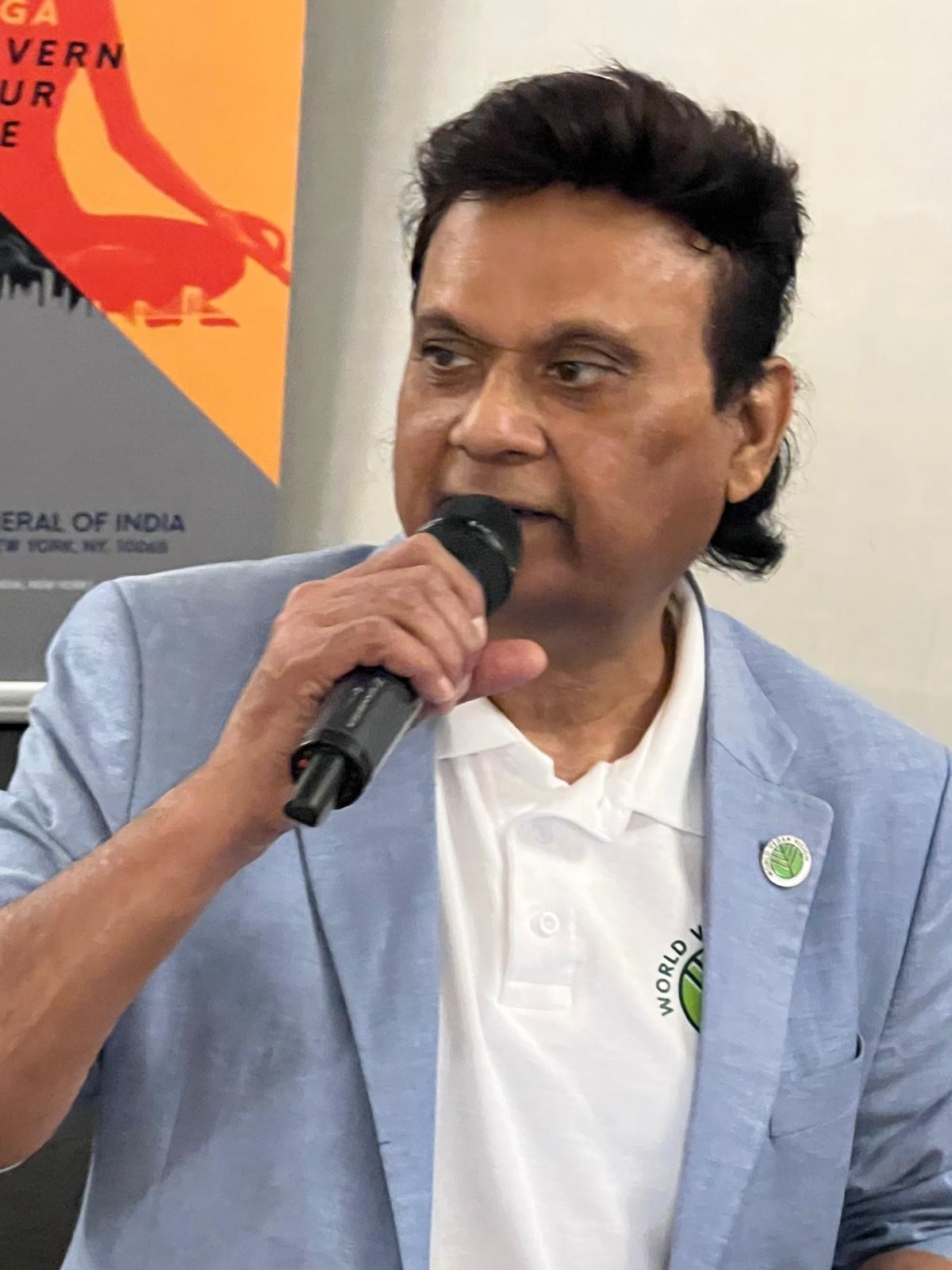
The program began on a solemn note with a moment of silence observed in honor of the victims of the Air India plane crash that took place on June 12 in Ahmedabad, India. This tribute added a reflective and respectful tone to the day’s otherwise uplifting atmosphere.

Nitin Vyas opened the event with a warm welcome and introductory remarks, setting the stage for the activities ahead. Deputy Consulate General Vishal Harsh then officially launched the celebration with the ceremonial lighting of the traditional lamp. In his speech, he highlighted the importance of yoga in promoting complete physical and mental wellness, stating, “Yoga is a time-tested practice that brings balance and harmony to life, offering a path toward holistic health and well-being.”

Throughout the day, participants took part in sessions conducted by certified and experienced yoga teachers, each2Over 300 Gather in Edison for International Yoga Day Celebration Amid Rain bringing a unique perspective and specialization to the celebration. Among the speakers and instructors was Guru Dileepji, who delivered an inspiring talk that encouraged attendees to embrace the spiritual side of yoga. Mark Becker contributed an insightful discussion that delved into the philosophical roots and benefits of yoga in daily life.

Poonam Gupta brought energy and joy with her engaging session on Laughter Yoga, which had participants smiling and laughing in unison. Radhika Acharya led a unique form of Dance Yoga from the Ananda Marg tradition, blending movement and music in a harmonious flow. Priti Ji, representing The Yoga Lotus, conducted a session on Functional Yoga, focusing on practical postures for daily well-being. Geeta Ji of RadiantRays Yoga guided the group through Physical Yoga exercises, while Radhikaji of DevisYogaFlow offered another take on physical asanas with her session.

Meditative and breathing techniques were also prominently featured. Vijay Trivedi presented Siddha Samadhi Yoga, leading participants through meditation techniques aimed at achieving inner peace. Nidhi Pandya, from the IFM Group, offered a calming Pranayama session, helping participants explore the power of breath control. Raj Kumar Gupta Ji from Vihangam Yog introduced the concept of Dharna, a meditative practice of deep focus and concentration. Rounding out the sessions, Suniti Ramanujam of the Isha Foundation guided attendees through meditation practices rooted in the teachings of Sadhguru.

The event was graced by the presence of many prominent community members and leaders from various Indo American organizations. Among them were Krishnakant Sangani, H.K. Shah, Mukund Thakkar, Uma Swaminathan, Hemant Patel, Suchitra Kamath, Jassi Singh, Bipin Parekh, Subhash Shah, Ajay Gandhi, Dr. Gunjan Shukla, Dr. Mukesh Solanki, Mahesh Wani, Nalin Shah, and Mehul Shah. Representing Edison’s senior community were Pravin Patel, Mukund Parikh, and Navin Amin9, who also showed their support for the celebration.

4Over 300 Gather in Edison for International Yoga Day Celebration Amid RainAdding to the wholesome theme of the day was a nutritious vegan lunch that was served to all participants. VIP attendees were additionally treated to a special breakfast, emphasizing the event’s broader commitment to health and wellness in every aspect. The carefully curated meals mirrored the yogic philosophy of balance and nourishment.

Hosting duties were skillfully managed by Rajshree Kotekar of the Isha Foundation and Vijay Ji of Vihangam Yoga. The day’s itinerary was tightly scheduled, beginning promptly at 10 AM and concluding by 12:30 PM, ensuring a well-organized and engaging experience for all involved.

Behind the scenes, a dedicated team of volunteers contributed significantly to the event’s success. Key volunteers included Naresh Shah, Manish Parikh, Nina Vyas, Raju, and Haresh Bhai, whose efforts were further supported by the committed teams from the Isha Foundation and Vihangam Yoga. Their collaboration ensured smooth operations and created a welcoming environment for every guest.

At the heart of the event’s success was Nitin Vyas, who meticulously planned and oversaw all aspects of the International Yoga Day celebration. His coordination brought together a diverse group of yoga teachers, community leaders, and wellness advocates, united by a common goal of promoting yoga and its universal benefits.

The event not only offered participants the opportunity to deepen their yoga practice but also served as a platform for5Over 300 Gather in Edison for International Yoga Day Celebration Amid Rain fostering unity and harmony within the community. As noted in the closing remarks, the gathering once again demonstrated how yoga serves as a bridge between cultures and beliefs. “This celebration once again showcased yoga’s ability to transcend cultural differences, fostering peace and unity,” remarked a representative of the Indo American Cultural Association.


In a world increasingly in need of mindfulness, balance, and inner calm, this Edison-based celebration stood as a meaningful reminder of yoga’s global appeal and timeless relevance. It was more than just a day of exercise; it was a moment of collective reflection, healing, and connection. Whether through laughter yoga, breathwork, or silent meditation, the event offered something valuable to each participant.

Anyone interested in learning more about the event or future initiatives can reach out to Nitin Vyas at the Indo American Cultural Association of Edison. His leadership, along with the support of various community organizations and individuals, ensured that the International Yoga Day celebration on June 14 left a lasting impact on all who attended.

Israel-Iran Conflict Sparks Oil Price Fluctuations, Raising Global Economic Concerns

Tensions between Israel and Iran recently sent ripples through global financial markets, initially prompting a surge in oil prices. The episode, which involved the exchange of missile and drone strikes between the two nations, had investors bracing for prolonged disruption in energy supplies. However, after the weekend of hostilities, the oil market has somewhat calmed, with crude prices retreating from their peak, although they remain significantly higher than they were a month ago.

Currently, oil is trading at around $74.50 per barrel, down from a high of over $78 recorded last Friday, yet still $10 more than it was four weeks ago. Brent Crude, the primary international oil benchmark, responded almost instantly to the conflict. This pattern of fluctuation is not uncommon; oil prices typically react to geopolitical instability and economic uncertainties.

Despite the recent increase, prices are far below the levels seen a year ago and considerably lower than the 2022 spike following Russia’s invasion of Ukraine, when oil nearly touched $130 a barrel. That earlier surge had far-reaching consequences, causing price hikes in everything from fuel to food across the globe.

The big question now is whether this recent rise in oil prices will translate into higher costs for consumers worldwide. Historically, increases in wholesale oil prices have led to higher petrol prices at the pump, something that directly impacts millions. However, the ripple effects extend beyond petrol. Rising energy costs often trickle into the prices of consumer goods, manufacturing, and farming activities.

Energy is a vital input in the agricultural sector, impacting the cost of running farm machinery, processing food, and transporting goods. “A rough rule of thumb is a $10 rise in the oil price would add about 7p to the price at the pump,” explained David Oxley from Capital Economics. He emphasized that while oil is central to the story, it’s not the only concern.

Gas prices also play a critical role, particularly in countries like the UK where many homes are heated using gas and electricity rates are influenced by gas costs. According to Mr. Oxley, gas prices too have climbed following last week’s attacks, although the effect on household bills may take time to materialize due to how pricing and regulations function in that market.

This situation has revived concerns reminiscent of the energy crisis that followed the Ukraine war. Then, a sharp rise in gas prices contributed heavily to global inflation, further squeezing household budgets. Whether a similar chain of events occurs now depends largely on how the Israel-Iran conflict unfolds in the coming weeks.

Richard Bronze, head of geopolitics at Energy Aspects, described the present state of affairs as “very significant and concerning.” Nonetheless, he cautioned that it might not reach the level of impact seen during the Ukraine conflict or past crises in the Middle East.

The key uncertainties revolve around how long the hostilities between Israel and Iran continue, whether neighboring countries become entangled, and what role the United States might play in mitigating tensions. Most crucially, markets are closely watching the Strait of Hormuz — a narrow maritime passage off Iran’s southern coast through which about 20 percent of the world’s oil supply is transported. “It’s a narrow choke point so it is a significant weak spot for global oil markets,” noted Mr. Bronze.

Although direct disruption in the Strait of Hormuz remains unlikely, Iran has previously made threats involving the route, and the current scenario has marginally raised the likelihood of such a move. Even the mere possibility of this kind of interference is contributing to upward pressure on oil prices, according to Mr. Bronze.

Still, analysts argue that absent actual shipping disruptions, prices are unlikely to remain elevated. Unlike in 2022, when demand surged as the world economy reopened post-Covid, today’s global economic conditions are more subdued. Additionally, countries like Saudi Arabia and Brazil have spare production capacity, which could be utilized to increase supply and bring prices down.

Looking at the broader picture, the potential economic consequences depend largely on how the conflict evolves. Should it escalate significantly, the world could face another energy-related shock. “It does have the potential to be a bad shock for the global economy at a bad time,” warned Mohammed El-Erian, chief economic adviser at Allianz.

“Whichever way you look at it, it’s negative short-term, it’s negative longer-term,” Mr. El-Erian added. “It’s another shock to the stability of the US-led global economic order at a time when there were already a lot of questions.”

If oil prices were to surge past $100 a barrel again, Capital Economics estimates this could push inflation in advanced economies up by as much as 1%. That would complicate efforts by central banks to lower interest rates, potentially prolonging the high-rate environment and making borrowing more expensive for consumers and businesses.

However, David Oxley believes that such an extreme scenario remains unlikely. “Instability in the Middle East is nothing new, we’ve seen numerous bouts of it,” he said. “In a week’s time it might have all blown over.”

Overall, while the markets have been quick to react to the Israel-Iran tensions, the long-term impact will depend on a complex mix of geopolitical developments, oil supply dynamics, and the resilience of global economic systems. For now, consumers and businesses alike are bracing for the possibility of higher costs but hoping for a swift de-escalation that could stabilize energy markets once again.

Trump Blocked Israeli Plan to Assassinate Iran’s Supreme Leader Amid Escalating Tensions

U.S. President Donald Trump reportedly intervened to halt an Israeli proposal to assassinate Iran’s Supreme Leader, Ayatollah Ali Khamenei, according to information from two U.S. officials cited by Reuters. This revelation adds a new dimension to the ongoing crisis involving Iran, Israel, and the broader international community.

A senior official from the Trump administration disclosed the rationale behind the decision, emphasizing that such an action was unwarranted at that point. “Have the Iranians killed an American yet? No. Until they do, we’re not even talking about going after the political leadership,” the official was quoted as saying. This statement underscores the administration’s hesitancy to endorse escalatory measures in the absence of direct Iranian aggression against U.S. citizens.

Israeli Prime Minister Benjamin Netanyahu, when asked to respond to the report, avoided providing a direct confirmation or denial. “There’s so many false reports of conversations that never happened, and I’m not going to get into that,” he said. However, Netanyahu did express a strong stance regarding Israel’s approach, stating, “But I can tell you, I think that we do what we need to do, we’ll do what we need to do. And I think the United States knows what is good for the United States.”

Reuters reported that American officials have maintained regular contact with their Israeli counterparts throughout the unfolding crisis. The discussions intensified following a substantial Israeli offensive aimed at crippling Iran’s nuclear capabilities. Though it remains uncertain whether Trump personally communicated the veto to Israeli officials, multiple sources confirmed his consistent dialogue with Netanyahu during this critical period.

The situation became more volatile with Israel’s military actions against Iran, which began on a Friday and have since continued. In a separate appearance on Fox News, Netanyahu hinted that the ultimate goal of the military campaign could be regime change in Iran. He also acknowledged informing President Trump before the operations were initiated, reinforcing the idea that the U.S. was not caught off guard.

Despite the high tensions and military developments, Trump adopted a mixed approach in his public communications. He issued a forceful warning to Tehran via his social media platform, Truth Social, asserting that the U.S. military would respond with overwhelming force if Iran dared to target American assets. “If we are attacked in any way, shape, or form by Iran, the full strength and might of the US armed forces will come down on you at levels never seen before,” Trump declared. This message served as a deterrent against potential Iranian retaliation amid the unfolding conflict.

Iran had reportedly warned that it would target military bases and naval assets belonging to the U.S., the United Kingdom, and France if they interfered with Iranian strikes against Israel. These threats heightened the international concern surrounding the expanding crisis in the Middle East.

However, Trump did not rely solely on threats. He also left the door open for diplomacy, expressing hope that a resolution could be achieved. “We can easily get a deal done between Iran and Israel and end this bloody conflict,” he stated. This dual message — combining military readiness with diplomatic outreach — aimed to balance deterrence with the possibility of peaceful negotiation.

Amid the mounting hostilities, Trump reiterated his longstanding belief in the value of diplomacy and called on both Iran and Israel to seek a negotiated settlement. He referenced his own track record as a peacemaker, asserting that his administration had played a pivotal role in resolving other international disputes. “I never got credit” for these accomplishments, he lamented, pointing to previous efforts to facilitate peace between Serbia and Kosovo, as well as helping ease tensions between Egypt and Ethiopia over past disagreements.

In a separate development, Turkish President Recep Tayyip Erdogan engaged with Trump in a phone call on Sunday, offering Turkey’s help as a mediator in the intensifying conflict. Erdogan suggested that Ankara could play a constructive role in addressing the nuclear standoff and reducing the likelihood of further violence between Israel and Iran.

Meanwhile, the conflict on the ground showed no signs of abating. Israel launched a third consecutive day of airstrikes targeting multiple locations within Iran. Some of these strikes reportedly penetrated Iranian air defense systems and reached urban centers, raising concerns about civilian casualties and wider regional instability. Israeli officials warned that additional attacks could follow, suggesting the situation might deteriorate further.

The toll from these attacks has already been severe. According to Human Rights Activists, a Washington-based non-governmental organization that monitors the situation in Iran, at least 406 people have been confirmed dead, and 654 others have sustained injuries as a result of the airstrikes. These figures have not been verified by the Iranian government, which has yet to release official statistics regarding casualties. The lack of transparency has made it difficult for international observers to fully assess the scale of the humanitarian impact.

Efforts to de-escalate the crisis through diplomacy have also suffered setbacks. Talks that were scheduled to address both the immediate violence and broader concerns regarding Iran’s nuclear ambitions have reportedly been canceled due to the ongoing military activity. The collapse of these negotiations represents a significant blow to those hoping for a peaceful resolution to the conflict.

The series of developments paints a troubling picture of a rapidly deteriorating situation, with potential implications far beyond the region. Trump’s reported decision to prevent an Israeli attempt to assassinate Iran’s supreme leader reflects the delicate balance that global leaders must maintain in the face of escalating threats. While military responses remain on the table, there is still some hope that diplomatic engagement might avert an all-out war.

In the end, Trump’s approach seems to straddle two divergent paths — one of power projection and another of negotiation. His administration’s decision to restrain an Israeli strike on Iran’s political leadership, combined with his repeated calls for diplomacy, suggests an awareness of the potentially catastrophic consequences of unchecked escalation. Whether these efforts will lead to de-escalation or whether the region will spiral further into conflict remains uncertain.

With Israel continuing its military operations and Iran threatening retaliation, the international community faces a critical test. The choices made in the coming days could determine not only the fate of the current standoff but also the broader trajectory of Middle Eastern geopolitics in the years to come.

American Catholics Express Optimism Over First U.S.-Born Pope Leo XIV

Just over a month into Pope Leo XIV’s historic papacy as the first pontiff born in the United States, a fresh poll reveals that American Catholics are embracing their new religious leader with considerable enthusiasm. The survey, conducted by The Associated Press-NORC Center for Public Affairs Research, indicates that nearly two-thirds of American Catholics hold a “very” or “somewhat” favorable opinion of Pope Leo. In contrast, only a small minority—fewer than 1 in 10—express unfavorable views. Meanwhile, around 3 in 10 American Catholics say they don’t know enough about him to form an opinion.

Outside the Catholic community, many Americans are still evaluating Pope Leo’s leadership, but the overall sentiment among those who do have an opinion is largely positive. The poll shows that 44% of U.S. adults view the new pope favorably, while about the same percentage say they haven’t yet formed an opinion. Again, just 1 in 10 adults report an unfavorable impression.

This wave of support cuts across political and ideological lines, which is particularly significant given the current polarization within the church. As Pope Leo vows to foster unity within the Catholic community, people from various backgrounds and beliefs are expressing hope for what his tenure might bring.

Terry Barber, a 50-year-old Catholic from Sacramento, California, and a Democrat, believes Pope Leo could lead the Church toward a more inclusive future. “I’m optimistic. Certainly, the first pope from the United States is significant,” Barber remarked. “Since he worked under the previous pope, I’m sure he has similar ideas, but certainly some that are original, of his own. I’m looking forward to seeing what, if any changes, come about under his leadership.”

The poll highlights Pope Leo’s broad bipartisan appeal. Roughly half of Democrats view him favorably, while about 4 in 10 Republicans and independents share that sentiment. Interestingly, Republicans appear more hesitant to form an immediate opinion—about half of them say they don’t know enough about the pope, compared to about 4 in 10 Democrats. Still, members of both parties are equally unlikely to view him negatively, with about 1 in 10 expressing unfavorable views in each group.

Victoria Becude, a 38-year-old Catholic and Republican from Florida, expressed enthusiasm for the pope’s potential influence on American spirituality. “I’m rooting for him,” she said. “I hope that America can get back to faith, and I hope he can do that.”

While political affiliations don’t always match religious leanings, the survey found no significant partisan divide among Catholics in how they perceive Pope Leo. Believers from both liberal and conservative Catholic backgrounds are hopeful that he can help mend divisions that widened during Pope Francis’ tenure.

During a recent prayer, Pope Leo criticized the global surge in nationalist political movements and called for reconciliation and open dialogue—a reflection of his broader promise to position the Catholic Church as a force for peace.

Pope Leo’s record before becoming pontiff also offers some insight into his approach. As Cardinal Robert Prevost, he played a key role in one of Pope Francis’ most notable reforms by allowing women to serve on the Vatican board that evaluates bishop nominations. However, he has also upheld the Church’s position that women cannot be ordained as priests.

Donald Hallstone, a 72-year-old Catholic living in Oregon, sees opportunity in Leo’s stance. “It’d be great to see women in those roles,” he said, referring to leadership positions within the Church. “Women were not excluded in the first centuries.”

At the same time, more conservative Catholics are hoping that Pope Leo will reinforce traditional doctrines, particularly on issues like same-sex marriage and abortion. Becude shares this view to an extent, stating her opposition to same-sex relationships based on her belief that unions should be between a man and a woman—an opinion she notes Pope Leo shares. However, she diverges from official Church teaching on reproductive rights.

“I don’t believe that they should stop women from having abortions,” Becude explained. “We should have our own rights because you don’t know the circumstances behind the reason why a woman would want the abortion in the first place.”

Although Pope Leo has been in office for only a short time, the early signs suggest that public opinion remains fluid, with much depending on how his papacy unfolds. A large segment of Americans, particularly those from other religious traditions, have not yet formed strong views. The poll shows that about half of born-again Protestants, mainline Protestants, and religiously unaffiliated adults haven’t developed an opinion. Still, unfavorable views remain minimal—roughly 1 in 10 in each of these groups.

Age also appears to influence public sentiment. Older Americans, who are statistically more likely to identify as Catholic, tend to view the pope more favorably. About half of Americans aged 60 and above have a positive impression of Pope Leo. In contrast, among adults under 30, only about 4 in 10 express a favorable view. However, even within this younger demographic, unfavorable opinions are rare—just around 1 in 10.

Mercedes Drink, a 31-year-old from the pope’s hometown of Chicago who now lives in Minnesota, identifies as part of the “religious nones”—those who consider themselves atheist, agnostic, or affiliated with no particular religion. Despite not being a practicing Catholic, Drink sees Pope Leo as a potential agent of change. “It’s cool; I like him because he brings something different,” she said.

“As a young woman, I hope that he can bring change … considering who he is, he brings something new to the table. I hope he opens the world’s eyes to modernizing the church, bringing more people in, having more diversity.”

Whether Pope Leo will fulfill these hopes remains to be seen, but for now, his unique background and early signals have sparked widespread interest and optimism across diverse segments of American society. From lifelong Catholics to curious outsiders, many are watching closely to see how this historic papacy will shape the future of the Catholic Church.

Apple Ramps Up iPhone Shipments from India to U.S. Amid Tariff Concerns

Apple Inc. has significantly increased its shipments of iPhones from India to the United States in recent months, a strategic move aimed at shielding its American sales from the growing impact of U.S. tariffs on Chinese-manufactured goods. The development marks a notable shift in the company’s supply chain dynamics as global trade tensions continue to escalate.

According to customs data reviewed by Reuters, between March and May 2025, an overwhelming 97% of the iPhones exported from India by Apple’s manufacturing partner Foxconn—formally known as Hon Hai Precision Industry Co., Ltd—were destined for the U.S. market. This figure represents a sharp increase from the 2024 average, when just over half of iPhones exported from India were sent to the United States.

This dramatic rise underscores a decisive reconfiguration of Apple’s supply chain strategy, driven largely by evolving geopolitical pressures. The realignment comes in the wake of renewed trade protectionism advocated by President Donald Trump, who has been vocal about discouraging Apple from investing in manufacturing facilities outside the United States.

Trump recently criticized Apple’s move to shift production to India, recalling a previous conversation with Apple CEO Tim Cook. “We are not interested in you building in India, India can take care of themselves, they are doing very well, we want you to build here,” he said. His comments also included a threat of imposing a steep 25% tariff on iPhones manufactured outside the United States.

The financial implications of this shift are already evident. In just the first five months of 2025, Foxconn exported $4.4 billion worth of iPhones from India to the United States. This amount has already exceeded the total value of $3.7 billion recorded for the entire year of 2024. Notably, Apple even resorted to using chartered aircraft in March to transport $2 billion worth of iPhones directly from India to its American consumer base, highlighting the urgency and scale of this pivot.

The decision to reroute a substantial portion of its iPhone production to India signifies Apple’s broader response to rising geopolitical instability and trade-related risks. With increasing U.S. tariffs on Chinese goods, India is emerging as a crucial alternative in Apple’s global manufacturing footprint. The move helps Apple maintain reliable access to its most important market, the United States, despite turbulent international trade relations.

Analysts from Counterpoint Research project that by the end of 2025, India will account for between 25% and 30% of Apple’s global iPhone production. This would be a significant jump from the 18% recorded in 2024, illustrating the speed at which Apple is scaling up its operations in the South Asian country.

Apple’s strategic maneuvering appears to be paying off in financial terms as well. For its fiscal second quarter, the company reported revenue of $95.36 billion, exceeding Wall Street’s forecast of $94.53 billion. It also posted earnings per share of $1.65, slightly ahead of the projected $1.63. These results suggest that despite the logistical challenges and geopolitical hurdles, Apple has managed to sustain robust financial performance.

A key component of this success lies in iPhone sales, which reached $46.84 billion during the quarter. This marks an increase from $45.96 billion in the same period of the previous year. The iPhone continues to be Apple’s flagship product and a major revenue driver, especially in the U.S. market where demand remains consistently high.

Historically, Apple has sold over 60 million iPhones annually in the United States. Until recently, about 80% of these devices were produced in China. However, with the increasing strain in U.S.-China relations and the accompanying rise in tariffs, continuing this production model has become increasingly risky and less cost-effective.

Apple’s accelerated shift to India as a manufacturing hub serves multiple objectives. It not only insulates the company from potential tariff hikes but also aligns with broader trends among multinational corporations seeking to diversify their supply chains away from China. India offers a large labor force, improving infrastructure, and favorable government policies aimed at attracting high-tech manufacturing investments.

The company’s commitment to building a more resilient and diversified supply chain is evident in its proactive efforts, including chartering flights and significantly boosting output from Indian facilities. These steps signal Apple’s readiness to adapt quickly to global economic pressures while maintaining its stronghold in the lucrative U.S. market.

As Apple continues to navigate the evolving landscape of international trade and manufacturing, the company’s pivot to India could redefine the future of global electronics production. For now, the strategy appears to be yielding positive results, both in terms of operational flexibility and financial performance.

The transformation also sets a precedent for other tech firms grappling with similar challenges. By making a high-profile move away from heavy reliance on China, Apple is leading the way in crafting a more diversified and less politically vulnerable supply chain network. The continued success of this strategy will likely influence how other global companies structure their manufacturing and export operations in the coming years.

In summary, Apple’s decision to dramatically increase iPhone shipments from India to the United States illustrates a strategic response to the dual pressures of trade tensions and geopolitical uncertainty. With nearly all of its Indian-exported iPhones now reaching American shores, and with India poised to become a major global production hub, Apple is signaling a significant reorientation in its long-term global strategy.

Americans Mobilize Nationwide to Oppose Trump’s Parade and Reject Authoritarianism

Picture1

President Donald Trump has chosen to mark his birthday not with traditional festivities like cake or candles, but with a grand $45 million military parade in Washington, D.C. Officially, the event is framed as a celebration of the U.S. Army’s birthday, which coincidentally falls on the same day as Trump’s own. However, while the Army had long planned a celebration, a parade was never part of the original schedule until Trump’s administration intervened. On the very day the Army was created to oppose tyranny, the president is orchestrating a taxpayer-funded parade in his own honor.

This extravagant display of military power stands in stark contrast to the nonviolent ideals that have guided America’s freedom movements for decades. The essence of liberty and democracy is being overshadowed, and the event has drawn sharp criticism. “That’s not freedom. That’s not democracy. That’s not American,” say those opposing the spectacle.

In response, a nationwide movement called “No Kings” has emerged. On June 14, Americans across all states and territories, from large urban centers to rural towns, are preparing to stand up in protest. This mass mobilization declares a resounding message: America is a democracy, not a monarchy, and no one—including the president—should be treated like a king.

Critics argue that Trump is following a troubling and familiar pattern seen in authoritarian regimes around the world: centralizing power, suppressing dissent, targeting marginalized communities, amassing personal wealth, and diverting attention through displays of dominance. Since taking office, Trump has been accused of systematically weakening the foundations of democratic governance. His administration has launched attacks on the press and academic institutions, removed public servants deemed disloyal, and openly defied court rulings. Moreover, he has proposed deep cuts to public services and attempted to undo longstanding civil rights achievements.

His policies toward immigrants have drawn particular ire. His administration has targeted undocumented individuals in schools, places of worship, and workplaces. Critics say he has trampled due process and deported migrants to dangerous conditions abroad.

This parade, scheduled in the same week Trump deployed the National Guard and Marines to suppress protests in Los Angeles, has further inflamed tensions. These protests were themselves a response to what demonstrators describe as the president’s relentless attacks on immigrant communities and civil liberties. “We hold a parade of the people,” say organizers of the counter-movement, asserting their right to resist.

Trump’s power, they argue, doesn’t just stem from his office—it thrives on a myth of invincibility, the illusion that he can act with impunity. “That he can say and do whatever he wants, and no one can stop him,” is how his critics describe this myth. But they are quick to point out that this narrative only survives if it’s allowed to. “Authoritarianism feeds on fear and silence. It survives when institutions go along, and when people give up.”

Unfortunately, many elected officials, business leaders, and civil society institutions have either remained silent or acquiesced. But millions of Americans have not. From the moment Trump was sworn into office, waves of protests have erupted across the nation. These rallies have called out what demonstrators see as his anti-democratic actions, his attempts to reshape historical narratives, and his efforts to dismantle social safety nets.

As his second term progresses, public disapproval has grown. “The more people have seen of Trump’s lawless second term, the less popular he has become,” say activists. And now, on this Saturday, more than 1,500 protests are planned throughout the United States—from Washington to Florida, California to Maine. These demonstrations represent a powerful act of sustained resistance, rooted in a long tradition of civil disobedience and moral protest.

Marchers say they are inspired by the legacy of Dr. Martin Luther King Jr., whose belief in nonviolent resistance continues to guide many justice movements today. “Justice is not inevitable, it takes a movement,” say those organizing these marches. They emphasize that their protest is about more than opposing the parade—it’s about affirming the core principles of democracy. They want to remind the nation that “power belongs to the people, that democracy is worth defending, that we still believe in a government of, by, and for the people.”

This moment of mobilization is not just reactive but aspirational. It serves as a reminder of Dr. King’s vision for a fair and inclusive society. As the movement declares, it is “a dream toward which we have dedicated our lives’ and urge everyone to stand together in the face of this latest challenge to our fragile democracy.”

The psychological weight of authoritarian rule can make it seem permanent, but history has shown that such moments eventually break. “They crack when people speak. They crumble when people act. And they collapse when courage becomes contagious,” say the protestors. Trump, they argue, is relying on public fear and fatigue. But they are betting on collective courage and unity.

As one of the slogans of the movement declares: “Trump wants a crown, but we won’t bow. We will rise.”

This protest movement, driven by people from all walks of life, represents not just a rejection of Trump’s military parade, but a broader stand for the democratic values enshrined in the American Constitution. It’s a call to action, a refusal to accept silence, and a reaffirmation that in America, no one rules above the people.

Google Begins Wider Rollout of AI Mode in U.S. Without Labs Sign-Up

Google has officially begun rolling out its AI Mode to users across the United States, fulfilling the announcement made during the Google I/O event. The feature, previously only accessible through Search Labs opt-in, now appears to be gradually becoming available to a broader user base, with no sign-up required. As of yesterday, signs of the rollout have started appearing, suggesting that the company is pushing this experience to users across the country.

According to reports, if you access Google Search in the United States while signed out or using incognito mode, you should now be able to access AI Mode. This observation marks the beginning of the promised rollout. Screenshots circulating online show that the new functionality is now appearing in users’ search interfaces, even without being enrolled in Labs. The appearance of the feature under these conditions supports the claims that the new AI Mode is becoming active for general use.

Google had previously made its intentions clear in a statement during the I/O developer conference. The company said, “we’re rolling out AI Mode in the U.S. — no Labs sign-up required.” This simple announcement carries major implications for how users interact with search. The key change is that the “AI Mode” tab, which was initially available only to those who voluntarily enabled the feature in Search Labs when it launched in March, is now showing up for users by default.

This new tab, prominently displayed in the search interface, marks a significant transition. Initially, users had to explicitly opt into the experimental feature through Labs, which was Google’s testing environment for early adopters of AI-driven enhancements in search. The move to eliminate the sign-up barrier indicates Google’s confidence in the functionality and readiness to make it a mainstream part of the search experience.

One immediate implication of this rollout is its effect on website traffic analytics. Because AI Mode is now part of the regular search interface, its traffic data is expected to be included in the overall web search metrics that Google Search Console provides to webmasters and SEO professionals. This is a notable change from the earlier stages of the feature, where separate data might have been used to evaluate experimental usage.

Patrick Stox, a well-known name in the SEO community, has already reported observing data that appears to come from AI Mode being blended with regular search data in Google Search Console. His observations suggest that the rollout is active and affecting the backend reporting of search performance. He believes the early signs are visible through certain traffic trends and patterns emerging in the analytics tools webmasters rely on.

The integration of AI Mode into general search results means that website owners may not be able to separate traffic from AI-enhanced results and standard search listings. This could impact how they interpret and optimize for different types of search experiences. For marketers and content creators, understanding user behavior in this new context will become increasingly important.

Stox is not alone in seeing signs of the feature going live. Others in the digital marketing and SEO community have also reported seeing AI Mode in action on their systems. These confirmations from multiple sources lend credibility to the idea that the rollout has entered a meaningful phase, reaching a sizable portion of users across the country.

Although Google has not issued a new statement following the start of the rollout, the original announcement and the observable changes on the platform speak for themselves. The fact that AI Mode is appearing for users not enrolled in Labs means Google has crossed a threshold in the deployment process. This is no longer a limited experiment; it is becoming a standard part of the Google Search experience in the United States.

AI Mode brings with it an updated user interface and altered behavior in how search results are delivered. Instead of presenting users with a simple list of blue links, AI Mode leverages Google’s generative AI capabilities to provide more summarized, conversational, and contextual answers at the top of the results page. This approach is part of Google’s broader vision of transforming search from a query-based tool into an AI-powered assistant capable of understanding complex prompts and delivering synthesized information.

While the full impact of AI Mode is still unfolding, the current signs indicate that this is a foundational shift in how search operates. For now, it appears to be live for an increasing number of U.S. users, and it’s likely to reach everyone soon if it hasn’t already. Google’s move also aligns with broader trends in the tech industry, where AI integration is increasingly seen as essential to maintaining competitive advantage and user engagement.

There are still unanswered questions about how AI Mode will evolve, especially concerning how it will affect website traffic, content visibility, and advertising strategies. However, with Google making it part of the default experience, stakeholders across the digital ecosystem will need to adapt quickly.

For now, the key takeaway is that AI Mode is no longer restricted to experimental access via Search Labs. As Google stated, “we’re rolling out AI Mode in the U.S. — no Labs sign-up required.” That statement is no longer just a promise—it is now a reality. Whether users are signed in, logged out, or browsing in incognito mode, many are seeing the new tab labeled “AI Mode” appear in their search interface.

The official confirmation via functionality, combined with supporting observations from experts like Patrick Stox and other users, confirms that Google’s AI Mode has entered a significant phase of deployment. As the experience becomes standard across the United States, the broader implications for SEO, analytics, and content strategy will continue to unfold.

In summary, the AI Mode that started as a March experiment is now seeing a wide release. With no further sign-up required, it’s becoming a default feature for many, marking a new era in the evolution of search.

Oceans at Risk: Study Warns Acidification Has Already Breached Safe Limits

The condition of our oceans continues to worsen, showing alarming signs of distress from multiple fronts. Coral bleaching, escalating temperatures, and rising sea levels have already painted a dire picture, but now, experts are raising concerns about a new, potentially more destructive issue—ocean acidification. In fact, scientists are now warning that our oceans could be a “ticking time bomb” due to this escalating problem.

Until recently, many researchers maintained that the ocean’s acidity had not surpassed the “planetary boundary”—a threshold considered critical for maintaining a stable Earth system. However, a recent study conducted by researchers at the UK’s Plymouth Marine Laboratory (PML), the National Oceanic and Atmospheric Administration (NOAA), and Oregon State University’s Co-operative Institute for Marine Resources Studies, has upended that assumption. According to their findings, this boundary was actually breached five years ago.

The concern surrounding ocean acidification is far from academic. The researchers emphasize that this growing acidity poses a serious threat not only to marine life but also to the economic structures that depend on healthy coastal ecosystems. “The reason that researchers say that the ocean’s acidification is a ticking time bomb is because it will eventually cause irreparable damage to marine ecosystems and coastal economies,” the study explains.

The team reached this alarming conclusion through a thorough analysis of oceanic data. The deeper they investigated the ocean’s layers, the more troubling the evidence became. At 200 meters below the surface—equivalent to about 656 feet—the data revealed that 60 percent of the global oceans had already surpassed what is considered the “safe” limit for acidification. This means that even though the ocean surface might appear relatively normal in some areas, the damage beneath is mounting rapidly and extensively.

The findings point to a stark reality. “In fact, they found that in some cases, the average ocean condition was already very close to or even beyond the planetary boundary for acidification,” the study reported. The implications of this are significant, indicating that we may have far less time than previously believed to reverse or even mitigate the damage.

This new research adds to an already troubling array of evidence that our oceans are becoming increasingly vulnerable due to climate change. Other studies have indicated that 21 percent of the ocean is losing access to sunlight—a key element for photosynthesis in marine plants and overall ocean health. Even more troubling is the discovery that parts of the ocean are warming at a rate 400 percent faster than expected. These rapid changes disrupt ecosystems, endanger marine species, and threaten global weather systems that depend on stable ocean temperatures.

What’s more concerning is the limited options available to combat this crisis. According to the researchers, the only effective way to reduce ocean acidity is by decreasing carbon dioxide emissions. “The only way to decrease the acidity in the ocean, the researchers claim, is to lower CO2 emissions,” the study notes. This conclusion reinforces the urgency of taking global climate action seriously and swiftly.

Yet, despite international efforts, the pace of meaningful change has been sluggish. While some countries have committed to reducing emissions, political decisions in other parts of the world have hindered progress. The study points out, “While many countries have been working on that, with Trump’s administration making massive changes to the EPA and how it views carbon emissions, it’s unlikely we’ll see any meaningful change any time soon.” These changes have weakened environmental protections and downplayed the importance of regulating carbon output, making it more difficult to turn the tide on ocean acidification.

Despite the grim outlook, the researchers remain cautiously hopeful. They suggest that while the situation is urgent, it is not yet beyond repair if the world acts decisively. The paper ends on a note that blends both optimism and realism: “Still, we can hold out hope that we’ll eventually get this under control. Or, at the least, we’ll finally figure out that trusting scientists is smarter than ignoring their warnings.”

This statement encapsulates the current crossroads humanity faces. Trusting scientific evidence and implementing bold environmental policy may be the only paths left to preserve ocean health for future generations. The urgency to act is no longer a matter of future projection—it is a present reality.

The notion that our oceans have already crossed a critical threshold should serve as a wake-up call. This isn’t just an environmental issue; it’s an economic, societal, and humanitarian challenge. Coastal communities that depend on fishing, tourism, and marine biodiversity will bear the brunt of this damage. Ecosystems that took millennia to evolve could collapse within a single human lifetime if nothing is done.

By identifying how deep the problem goes—literally and figuratively—the research emphasizes that superficial changes or half-measures won’t suffice. Reducing CO2 emissions is not just a recommendation; it is a necessity. Governments must commit to substantial carbon reduction plans, and global collaboration is essential to address this crisis effectively.

Moreover, public awareness and education are crucial. The average person may not see the damage happening beneath the ocean’s surface, but that does not make it any less real. From the food we eat to the air we breathe, ocean health is intricately connected to human well-being.

In the face of this critical situation, the study serves as both a warning and a call to action. It is a reminder that our current path is unsustainable, and that reversing course requires both science-based policy and public support.

Ocean acidification is no longer a distant threat—it’s a present danger. As this study has made clear, our oceans are already past a crucial tipping point. The question now is not whether we can continue as we are, but how quickly and effectively we can change. Failure to act could mean facing a future where ocean life, and by extension human life, is irreparably harmed.

With mounting scientific evidence and visible signs of ecological stress, the time for debate has passed. What remains is the urgent need for decisive action, guided by the understanding that the oceans are not just bodies of water—they are the lifeblood of the planet.

Google’s AI Search Shake-Up Deepens Crisis for Digital News Media

Google’s recent pivot toward AI-driven search has sent shockwaves through the digital news media industry, accelerating an already alarming decline in web traffic and ad revenues. News outlets that once relied heavily on search engine referrals are now grappling with the consequences of AI features that provide users with direct answers, bypassing the need to click through to original sources.

As the Wall Street Journal reports, Google’s latest AI-powered search tools—including the controversial AI Overviews and its chatbot-like AI Mode—are rapidly changing how people consume information. Instead of directing users to original news websites, these tools summarize or answer queries directly, causing a steep drop in referral traffic. This shift is cutting off news publishers from vital streams of ad revenue and paid subscriptions.

For many in digital media, this is not just a technological evolution—it is an existential crisis. News publications, already battered by the internet’s transformation of the media business model, are now being further destabilized by the emergence of AI-generated search results that remove the incentive for users to visit the source.

The impact has been staggering. According to the Wall Street Journal, Business Insider experienced a dramatic 55 percent drop in search traffic between April 2022 and April 2025. In response, the company laid off around 21 percent of its staff in May. Business Insider CEO Barbara Peng stated that the company had to “endure extreme traffic drops outside of our control.”

As digital outlets scramble to respond, opinions are divided over the right course of action. Nicholas Thompson, CEO of The Atlantic, acknowledged the challenge ahead: “Google is shifting from being a search engine to an answer engine,” he told the WSJ. “We have to develop new strategies.”

While some media companies are exploring new approaches to adapt to the AI age, others are turning to the courts. The New York Times has taken a more aggressive stance, filing a lawsuit against OpenAI and Microsoft, accusing them of copyright infringement for allegedly using its content to train AI models without permission or compensation.

This legal pushback stems from a growing sense of frustration among publishers, many of whom believe that their original content is being exploited by AI firms. The rise of AI-enhanced search, especially on platforms as dominant as Google, is deepening this rift. As AI tools increasingly scrape and repackage content, the underlying business model of journalism—producing high-quality content supported by traffic and advertising—is becoming harder to sustain.

Ironically, Google is also facing disruption from the very technology it is embracing. Earlier this year, Apple executive Eddy Cue revealed during a federal court hearing that Google search traffic through the Safari browser had declined for the first time in two decades. The decline signals that even Google’s long-standing grip on search could be weakening as AI changes the digital landscape.

Google, however, disputes this claim. The company insists that the total number of searches continues to rise. Still, it is pressing forward with its AI ambitions. “This is the moment that propels us forward in our ability to achieve our mission and really deliver a transformed search experience for users,” said Nick Fox, Google’s head of knowledge and information, in an interview with Adweek.

Yet this “transformed” search experience could spell disaster for the very media ecosystem that supports it. Google’s AI-generated summaries and direct answers are built on top of news content, data, and analysis produced by professional journalists. If those journalists lose the financial incentive to create, the source of this information may begin to dry up.

This feedback loop is dangerous. As Google increasingly relies on AI to curate and summarize content, it may be undermining the creators of that content to such a degree that future search results become filled with AI-generated information with no grounding in original reporting. In the worst case, this could devolve into what critics describe as an “incestuous swamp of AI-generated nonsense.”

Research has shown that Google’s AI Overviews tend to favor large, established news outlets. While this may provide some cushion to major players in the industry, it leaves smaller, independent publishers struggling for relevance. This disparity threatens to create an even more uneven playing field, where only the most powerful media brands can survive the AI era.

In light of these developments, the media industry is being forced to explore alternative revenue models. Traditional sources of income like ad revenue from web traffic and subscriptions may no longer be enough. As AI-driven tools erode the relationship between readers and original content creators, media companies must find new ways to sustain their operations and maintain journalistic integrity.

Legal disputes are likely to intensify as publishers push back against what they see as unauthorized use of their copyrighted materials. The question of whether AI companies can freely use scraped content from the open web without compensation remains unresolved and is at the heart of ongoing litigation and policy debates.

Danielle Coffey, CEO of the trade association News/Media Alliance, offered a scathing critique of Google’s new AI Mode in a statement last month. “Links were the last redeeming quality of search that gave publishers traffic and revenue,” she said. “Now Google just takes content by force and uses it with no return, the definition of theft.”

Her comments reflect the growing anger in the publishing world, where many feel that tech companies have taken advantage of journalistic labor without giving anything back. The sentiment underscores the urgency for regulatory and structural changes that can balance innovation with fair compensation for content creators.

As the digital media and tech worlds collide, the stakes could not be higher. If newsrooms continue to lose revenue, the quality and quantity of news content will inevitably suffer. This not only affects the financial health of media companies but also poses a broader threat to an informed public and a functioning democracy.

Google’s embrace of AI in its search engine may be a leap forward in technology, but it also represents a step backward for many in the media industry. The outcome of this transformation will likely depend on how well publishers, regulators, and tech companies can navigate the complex ethical, legal, and economic challenges now confronting the information ecosystem.

In the meantime, journalists and media leaders are left grappling with a rapidly shifting landscape, trying to reinvent their strategies while holding onto the core principles that define quality journalism. Whether they succeed will help determine the future of the news—and the future of search itself.

Why Retirees Are Flocking to West Virginia and South Carolina Amid Rising Living Costs

Retirees across the United States are increasingly settling in certain states, and while their reasons may not be entirely clear, one major influence appears to be the rising cost of living — especially in terms of property taxes. According to a study conducted by John Burns Research and Consulting, states were ranked based on their median property tax rates, with some states offering considerable savings for those on a fixed income.

Among the most appealing destinations for retirees are West Virginia and South Carolina, two states that stand out for having property tax rates under 0.5%. While the financial appeal is strong, retirees are advised to take a thorough look at their overall financial situation, including budgeting and spending patterns, before making the move. Retirees should fully understand their finances, including their budget and spending habits, before relocating

West Virginia

West Virginia emerges as a top choice for retirees, ranking just behind Delaware as the second-best state for retirement. Although there is no official annual count of retirees relocating to the state, data from the U.S. Census Bureau in 2020 shows that out of West Virginia’s population of about 1.8 million, around 22% are aged 65 or older.

A study by Bankrate ranks West Virginia as the most affordable state in the nation. However, the state’s charm extends beyond just its low cost of living. Its capital, Charleston, offers a relaxed lifestyle set against a scenic mountain backdrop, yet still features many of the conveniences and cultural attractions of a larger city. Charleston offers laid-back, scenic mountain living with big-city amenities, as well as a thriving arts and culture scene.

One of the most attractive financial benefits of moving to West Virginia is its property tax rate. With an average of 0.55%, it ranks as the ninth-lowest in the United States. This affordability plays a crucial role in helping residents, especially retirees, manage the effects of inflation.

To further shield retirement savings from inflation, retirees are exploring alternative investment options like gold. Investing in a gold IRA, particularly through providers such as American Hartford Gold, is becoming an increasingly popular strategy. A gold IRA allows individuals to hold physical gold or gold-related assets within a retirement account, combining the benefits of gold investment with the tax advantages of an IRA.

This makes it an attractive option for those looking to potentially hedge their retirement funds against economic uncertainties.Moreover, existing 401(k) or IRA accounts can often be rolled over into a gold IRA without incurring tax penalties. On top of that, qualifying purchases may even come with incentives, such as up to $20,000 in free silver.

Despite its many advantages, West Virginia is not without its downsides. Some of the challenges include limited access to healthcare in rural areas, harsh winter conditions with significant snowfall, and limited job opportunities for retirees seeking to supplement their income.

South Carolina

South Carolina is another state drawing attention from retirees. It has improved in affordability rankings since 2023, moving up six spots in Bankrate’s evaluation. Although the state’s cost of living is still slightly above average — around 95.9% of the national figure — housing remains relatively affordable. The state’s average home value is approximately $303,126, which is about 21% below the national average.

Utility costs are one of the main contributors to the higher cost of living, but homeowners can reduce their insurance expenses by using platforms like OfficialHomeInsurance.com. All it takes is two minutes for them to comb through over 200 insurers, for free, to find the best deal in your area. The process can be done entirely online.

South Carolina also stands out because of its favorable tax policies. The state does not impose an estate tax, and Social Security benefits are exempt from state taxes. Additionally, withdrawals from 401(k) and IRA accounts are only partially taxed. These factors combine to make the state a financially sensible option for many retirees.

Beyond financial perks, South Carolina boasts nearly 200 miles of coastline. Coastal islands such as Kiawah and Seabrook offer scenic and tranquil communities that many retirees find attractive. Mild winters and sunny weather further enhance the state’s appeal. However, potential drawbacks must be considered. For instance, the summer heat can be intense, with July temperatures reaching an average high of 89°F. There are also concerns about natural disasters, such as hurricanes and flooding.

Healthcare costs are another consideration. South Carolina ranks 33rd in terms of healthcare affordability, which might be a concern for retirees living on a fixed budget. It’s worth considering how to decrease costs on other essentials to compensate for that.One way to do so is by comparing auto insurance options through services like OfficialCarInsurance.com. The platform simplifies the comparison process by matching users with affordable insurance options without affecting their credit scores.

Consulting a Financial Advisor

Regardless of the potential savings or natural beauty a state may offer, relocating for retirement is a complex decision that involves many moving parts. It’s not just about cutting costs or seeking better tax policies; retirees must evaluate how the move fits with their overall lifestyle, financial goals, and health needs. It’s about so much more than just finding somewhere with better tax benefits or cheaper rent.

To navigate this critical life decision, consulting a financial advisor is highly recommended. Platforms like Advisor.com connect individuals with vetted financial experts who offer tailored advice based on personal goals and circumstances. With Advisor.com, you get a trusted partner that’s with you every step of the way in your retirement journey.

These advisors help retirees make informed decisions, develop sound investment strategies, and ensure they are prepared for the long term. Starting the planning process early can provide peace of mind and a clearer vision for the future.Start planning early, and get your retirement mapped out today.

In summary, while both West Virginia and South Carolina offer compelling financial advantages and lifestyle perks for retirees, the decision to relocate should be made with a clear understanding of the broader implications. With careful planning and professional guidance, retirees can find a destination that fits both their financial and personal needs.

Quantum Teleportation Achieved Through Fiber Optics: A New Era of Communication Begins

In a breakthrough that seems straight out of a science fiction movie, scientists have accomplished what was long considered impossible—quantum teleportation through the same fiber optic cables that carry our internet. This astonishing feat was realized in May 2025, when researchers successfully transmitted a quantum state using fiber optics, paving the way for future communication that could span even the farthest reaches of the universe.

So how does something that typically transmits everyday internet data enable quantum teleportation?

While the concept of using fiber optics for teleportation has been around for a while, it was only recently that a study managed to make it a reality. The research, led by Northwestern University in the United States, conclusively demonstrated that quantum data can coexist with traditional internet signals in the same optical fiber.

To understand how this is feasible, it’s important to grasp a few technical details. Unlike conventional communication, which relies on electrical impulses or standard wave transmissions, quantum communication operates through individual photons. These photons carry delicate quantum states and are highly susceptible to being destroyed by interference. That interference often comes in the form of “optical pollution” caused by the intense signals from conventional internet traffic within the same fiber.

This interference has long been a stumbling block. As the fibers currently in use are already filled with traditional internet signals, introducing quantum signals into them usually results in the quantum data being obliterated. So how did scientists overcome this?

The key was in separating the signals by wavelength. The researchers cleverly assigned the quantum photons to a quieter, less congested part of the spectrum, while the conventional internet data continued to use the widely-used C band. According to the research team, “They achieved a stable quantum communication channel,” which means that the once-noisy fibers could now reliably carry quantum information without compromising its integrity.

Does this mean we can now teleport anything we want?

That’s where the distinction becomes important. Although this discovery is monumental, it doesn’t quite mean we’re ready to teleport ourselves from one place to another like in science fiction movies. Nevertheless, the technological achievement is quite close to fulfilling that fantasy—at least from a communication standpoint. Essentially, scientists have created a channel for nearly instantaneous information transfer, which significantly alters our understanding of how data can be transmitted across vast distances.

So how does quantum teleportation actually happen?

To simplify the process, here’s how it works using a more technical breakdown:

First, two photons are created in such a way that they share the same quantum state.

Next, one of these photons is measured alongside a separate photon that carries the original information to be teleported.

Finally, the quantum state of this third photon is destroyed and reappears in the entangled photon at the other end of the system.

This process effectively transfers the information without moving any physical matter across space. As a result, quantum teleportation is not the transportation of objects but rather the flawless transfer of quantum states from one location to another.

What are the broader implications of this discovery?

Perhaps the most transformative aspect of this innovation is that it eliminates the need to build an entirely new internet infrastructure to accommodate quantum communication. Instead, researchers can use the existing fiber optic systems, tweaking them by choosing appropriate wavelengths and integrating the right filters.

This has far-reaching consequences. According to the researchers, the next step involves “testing the technique at greater distances and conducting additional experiments.” The potential applications include:

  • Developing highly secure communication channels that are immune to interception.
  • Constructing distributed quantum computer networks capable of revolutionary processing speeds.
  • Improving remote sensing and advancing precision in medical diagnostics and treatment.

By demonstrating that fiber optic cables can support both conventional and quantum communication, the team at Northwestern University has effectively brought us a step closer to an era of ultra-secure, high-speed, and almost instantaneous global connectivity.

The implications go beyond technology. This experiment brings us closer to a future long envisioned by thinkers and scientists alike.Hawking had already predicted the key to teleportation suggesting that even theoretical insights from physics’ greatest minds are now finding real-world application. Some researchers even believe they’ve deciphered Hawking’s idea, concluding that a given object’s quantum information could, in theory, exist anywhere on the planet.

While human teleportation remains beyond our current capabilities, this new advance redefines the limits of communication and information sharing. It signals a future where data may travel across vast distances in the blink of an eye, without reliance on satellites or conventional networks.

In a world increasingly dependent on connectivity, this development not only challenges our old paradigms but also reaffirms the boundless possibilities of scientific exploration. What was once purely the realm of imagination is now inching closer to daily reality—thanks to quantum physics and a few brilliantly adjusted fiber optic cables.

As the research evolves, it’s not hard to imagine a future where secure quantum communication becomes standard, where quantum computers collaborate across continents in real-time, and where medicine, navigation, and exploration all take quantum leaps forward. For now, the teleportation of information is a solid, functioning reality—one that underscores humanity’s continual push to make the impossible, possible.

Trump’s G-7 Visit Highlights Global Tensions, Trade Talks, and Alliance Pressures

President Donald Trump is set to travel to Canada on Sunday for his first Group of Seven (G-7) summit since returning to office in January, with the event taking on greater significance due to escalating tensions in the Middle East and other major global issues. As world leaders gather, the recent exchange of attacks between Israel and Iran, ongoing trade negotiations, and the Russia-Ukraine war will be high on the agenda. Trump’s presence in Canada will also revive talk of his past suggestions to annex the country as a 51st U.S. state.

Israel-Iran Conflict Dominates Summit Focus

The G-7 meeting comes at a volatile moment in the Middle East, following a dramatic escalation involving Israel and Iran. Israel launched strikes on Iranian military bases and nuclear facilities, prompting retaliatory missile attacks that hit residential areas in both Tel Aviv and Tehran. This latest clash has heightened global concern over the potential for a broader regional war.

While the Trump administration has previously worked to reach an agreement with Iran to curb its nuclear ambitions, the latest violence has complicated those efforts. Still, Trump has hinted that diplomacy is not entirely off the table. Speaking to ABC News, Trump declared, “I think it’s been excellent,” referring to the Israeli strikes. “We gave them a chance and they didn’t take it. They got hit hard, very hard. They got hit about as hard as you’re going to get hit. And there’s more to come. A lot more.”

Although the U.S. initially distanced itself from the Israeli operation, by Friday afternoon a U.S. official confirmed the country was assisting Israel in intercepting incoming Iranian missiles. Later in the day, Trump indicated a possible renewed opportunity for nuclear talks, suggesting Iranian officials had started reaching out to him.

Ahead of the strikes, Trump had cautioned Israeli Prime Minister Benjamin Netanyahu about the timing, concerned it could interfere with diplomatic negotiations. “As long as I think there is an agreement, I don’t want them going in because I think that would blow it. Might help it, actually. But also could blow it,” he told reporters Thursday.

Talk of Canada Becoming 51st State Lingers

Although not on the official agenda, Trump’s earlier remarks about absorbing Canada into the United States are expected to cast a shadow over his visit. He has claimed that Canada would benefit from such a union, citing economic and military advantages. Trump will meet Canadian Prime Minister Mark Carney on Monday, continuing a dialogue that began during Carney’s White House visit in early May.

During that meeting, Trump reiterated his provocative stance. “I say ‘never say never.’ I’ve had many, many things that were not doable, and they ended up being doable,” he said. “Canada loves us, and we love Canada. That’s I think the number one thing that’s important. But we’ll see. Over time, we’ll see what happens.”

Canadian politicians and citizens have largely rejected the idea of joining the U.S., and demonstrations during Trump’s visit are possible. However, the summit is being held in the remote area of Kananaskis in the Canadian Rockies, where public protests may be less visible.

Trade Negotiations Face Crucial Deadline

A key topic at the summit will be global trade, especially as Trump’s 90-day suspension on reciprocal tariffs is set to expire on July 8. With deals announced only with China and the United Kingdom so far, the pressure is on for additional agreements. Japan and European Union nations, both vital trading partners, will be in attendance.

Treasury Secretary Scott Bessent hinted during congressional testimony that the administration may offer some flexibility to countries that are negotiating in earnest. “It is highly likely that for those countries that are negotiating – or trading blocs, in the case of the EU – who are negotiating in good faith, we will roll the date forward to continue the good-faith negotiation,” Bessent said. “If someone is not negotiating, then we will not.”

The administration initially set a lofty goal of securing 90 trade agreements in 90 days. Although Trump has mentioned that deals with India, Japan, and Vietnam are close, none have been finalized yet. On Thursday, Trump noted that Indian representatives were in Washington working on a deal and that officials from Pakistan might follow next week.

The White House is under pressure to deliver results, particularly after Trump was forced to delay his tariff strategy in April in response to backlash from Republicans and financial markets. Trump has stated that if talks fail, his administration will unilaterally set new tariff rates.

Russia-Ukraine War Remains Stalemated

Ukrainian President Volodymyr Zelensky is expected to attend the G-7 summit, though it remains unclear whether he will have a private meeting with Trump. The war in Ukraine presents a thorny issue for Trump, who promised during the 2024 campaign to end the conflict within 24 hours of taking office. However, nearly five months into his presidency, there has been little visible progress.

Russia has rejected U.S. proposals for a temporary ceasefire. Trump’s frustration with Russian President Vladimir Putin has grown, calling him “absolutely CRAZY” in a recent comment. At the same time, Trump also expressed disillusionment with Ukraine’s leadership. “I’m very disappointed in Russia, but I’m disappointed in Ukraine also because I think deals could have been made,” he said.

During Zelensky’s February visit to the White House, tensions flared when Vice President JD Vance criticized Zelensky for not showing enough gratitude for American support. Trump has pushed Zelensky to take more initiative in ending the war.

Following a Ukrainian drone strike on Russian bombers earlier this month, Trump spoke with Putin. He later described the conversation as “good” but noted it likely wouldn’t “lead to immediate peace.”

Concerns that Russia may not stop with Ukraine have been voiced by U.S. defense officials. Defense Secretary Pete Hegseth recently told senators that “it remains to be seen” whether Putin would limit his ambitions, while Joint Chiefs of Staff Chair Gen. Dan “Razin” Caine warned that Putin may push beyond Ukraine if successful.

Month of High-Stakes Diplomatic Engagements

Trump’s visit to Canada marks the beginning of a busy month of global diplomacy. Later in June, he is scheduled to travel to The Hague for the NATO Summit, his first since retaking office. The G-7 meeting will also be attended by several non-member leaders, including Zelensky, Mexican President Claudia Sheinbaum, and Brazilian President Luiz Inácio Lula da Silva.

Press Secretary Karoline Leavitt confirmed that Trump will hold side meetings with some leaders, though the final schedule remains in flux. “I can confirm there will be quite a few bilateral meetings between Trump and other foreign leaders. The White House is still working very hard to finalize that schedule,” she said Wednesday.

The NATO summit, set for June 24 and 25, will reflect shifting dynamics in the alliance. Unlike President Biden, who emphasized unwavering support for NATO, Trump has previously questioned whether the U.S. should defend member states that don’t meet defense spending targets.

As Trump re-engages with allies, the weeks ahead will test his ability to manage intensifying global crises, sensitive diplomatic relationships, and the mounting expectations of his administration.

Modi’s Canada Visit for G7 Marks Diplomatic Opportunity Amid Strained India-Canada Relations

Indian Prime Minister Narendra Modi is scheduled to visit Canada next week, following an invitation from his Canadian counterpart, Mark Carney, to attend the upcoming Group of Seven (G7) summit. The summit, set to take place from June 15 to 17 in Kananaskis, Alberta, will mark Modi’s return to Canada after nearly a decade. Although India is not a G7 member—which includes Britain, Canada, France, Germany, Italy, Japan, and the United States—New Delhi has consistently received invitations to the summit since 2019, signaling India’s increasing clout on the global stage.

Highlighting the rationale behind extending the invitation to Modi despite the recent turbulence in bilateral ties, Canadian Prime Minister Carney stated, “India is the fifth-largest economy in the world, the most populous country in the world and central to supply chains.”

This visit will be Modi’s first to Canada since 2015. Expressing optimism about the upcoming summit and the potential to enhance bilateral cooperation, Modi remarked, “As vibrant democracies bound by deep people-to-people ties, India and Canada will work together with renewed vigor, guided by mutual respect and shared interests. Look forward to our meeting at the summit.”

Political experts believe that Modi’s presence at the G7 could serve as a critical opening to rebuild fractured ties between India and Canada. Relations between the two countries soured significantly after Canada accused Indian agents of involvement in the killing of Hardeep Singh Nijjar, a 45-year-old Canadian citizen and Sikh separatist advocate. Nijjar was known for his activism supporting a separate Sikh homeland, Khalistan, to be carved from Indian territory.

India strongly rejected these allegations, calling them “absurd” and “preposterous.” The dispute escalated to the point where both countries expelled each other’s diplomats in 2023 and 2024, pushing diplomatic relations to a low point. However, expectations for a diplomatic reset have grown since Carney assumed office in March, replacing Justin Trudeau.

According to Meera Shankar, India’s former ambassador to the United States, Modi’s visit “hopefully mark[s] the beginning of a reset in India’s relations with Canada, which have plummeted in recent years over the Canadian allegations on the Nijjar case and India’s belief that Canada indulges Sikh extremism directed against India.” She added that both nations stand to benefit “if the relationship is stabilized, especially in a volatile world.”

The India-Canada partnership includes significant trade and investment flows. In 2023, bilateral trade between the two nations reached around $9 billion. Additionally, Canadian pension funds have invested approximately $55 billion in India. These financial ties underscore the interdependence of both countries. On the demographic side, Canada hosts a vibrant Indian diaspora of nearly two million people, comprising about 5% of the country’s total population. Canada is also a favored destination for Indian students, second only to the United States.

Still, major unresolved issues could hamper progress in healing relations. Central among them is the continued investigation into Nijjar’s assassination. Complicating the matter is Canada’s status as home to the largest Sikh diaspora globally, estimated at around 800,000 people. Within this population are proponents of the Khalistan movement, a fringe separatist group seeking to establish a sovereign Sikh state from parts of India’s Punjab region. This movement is outlawed in India, which has repeatedly urged Canada to take firmer action against its supporters.

Meanwhile, Ottawa has accused New Delhi of orchestrating an expansive campaign against Sikh activists in Canada. This alleged campaign, according to Canadian authorities, has involved intimidation, threats, and even violent acts.

Carney’s decision to invite Modi to the G7 summit has not gone unchallenged. Some Sikh advocacy groups in Canada have expressed strong disapproval, with protests anticipated during Modi’s visit. However, not all Canadian observers view the invitation as controversial. Former Canadian diplomat David Mckinnon applauded the move, saying, “The politics of this decision in Canada, and particularly within the Liberal Party, were not easy, but Carney made the right choice. It’s also notable that the leader of the opposition, Pierre Poilievre, quickly welcomed it.”

Despite these positive sentiments, Mckinnon cautioned against assuming that bilateral ties are fully repaired. “A big outstanding question is whether this trip leads to a mutually agreeable off-ramp from the allegations of Indian government interference in Canada, including involvement in the Nijjar murder, and India’s allegations about Khalistani activities in Canada,” he said.

Diplomatic efforts to strengthen relations have been underway. In the past month, India’s External Affairs Minister Subrahmanyam Jaishankar held a phone conversation with Canadian Foreign Minister Anita Anand. The two leaders discussed steps to broaden economic cooperation and advance common goals.

Ajay Bisaria, India’s former high commissioner to Canada, noted that Modi’s attendance at the G7 summit provides an opening to stabilize bilateral relations while also concentrating on economic and strategic matters. “It always presents a strategic opportunity for Modi to discuss the global commons like climate, trade, supply chains and the broader development agenda with the developed world,” Bisaria explained.

Beyond India-Canada issues, Modi may also use the summit platform to raise other pressing international matters. For example, Bisaria noted that Modi could urge a tougher global stance toward Pakistan, especially following a recent deadly assault on tourists in India-administered Kashmir. New Delhi has blamed Islamabad for backing the attackers, a charge that Pakistan has denied.

In Bisaria’s view, the summit is “a diplomatic opportunity to present India’s current concerns to key world leaders, while China and Pakistan are out of the room.” This absence could allow India to voice its positions without direct opposition from its regional adversaries.

In summary, Modi’s visit to Canada for the G7 summit arrives at a delicate time for bilateral relations. While underlying tensions remain, particularly concerning the Nijjar case and the Khalistan issue, the high-level diplomatic engagement signals potential progress. With growing trade, sizable diaspora connections, and shared democratic values, India and Canada have several incentives to mend ties. Whether Modi’s visit yields a lasting improvement in relations will depend on how both nations navigate their sensitive issues, particularly those that intersect domestic and international politics.

Sharp Drop in H-1B Visa Registrations Raises Concerns Among International Professionals

The number of H-1B visa cap registrations for the fiscal year 2026 has seen a significant decline, according to the latest data from the US Citizenship and Immigration Services (USCIS). Only 358,000 registrations were submitted this season, representing a steep 26.9% decrease compared to the previous year’s 478,000. When contrasted with fiscal year 2024, the drop is even more pronounced, with registration numbers down by more than 54%.

From these 358,000 registrations, only 120,141 have been selected to proceed further in the H-1B visa process. This visa program, which has long served as a gateway for Indian IT professionals and a vital staffing source for American tech companies, provides 85,000 visas annually. This includes a 20,000-visa allocation specifically for individuals holding US master’s degrees.

Multiple reasons are being attributed to this sharp decline. Key among them are recent changes in USCIS policies, higher application costs, and evolving career aspirations among international job seekers. A major contributing factor is the agency’s intensified efforts to clamp down on duplicate applications and system misuse.

“Based on evidence from the FY 2023 and FY 2024 H-1B cap seasons, we undertook extensive fraud investigations, denied and revoked petitions accordingly, and continue to make law enforcement referrals for criminal prosecution,” the USCIS stated in an official release on its website. The agency added that it is currently scrutinizing data from FY 2025 and FY 2026 to uncover any attempts to exploit the system through the new beneficiary-centric selection process.

The USCIS emphasized that it would take stringent measures wherever necessary. These include rejecting applications, revoking approvals, and referring cases for criminal prosecution. “We believe that the decreased filing rate for FY 2024 H-1B cap petitions and the decreased registration numbers for FY 2025 and FY 2026 indicate that these investigations, and the beneficiary-centric selection process, have been effective integrity measures,” the agency’s statement added.

Apart from regulatory crackdowns, the escalating cost of registration has emerged as another significant deterrent. This year, the USCIS increased the H-1B registration fee from a nominal $10 (around Rs 856) to a substantial $250 (approximately Rs 21,000). This dramatic rise has altered the cost-benefit equation for many applicants, especially students and young professionals.

“It’s no longer a small gamble,” commented a software developer from Nagpur who is currently residing in Washington under the Optional Practical Training (OPT) program. “When the fee was $10, people thought, why not try? But $250 is serious money, especially when you’re not guaranteed a shot. I’m still unsure if I’ll register next year—I’ve started saving up.”

Simultaneously, a noticeable change in global migration preferences is unfolding, with many potential applicants now considering destinations other than the United States. Countries such as Australia and Germany have begun to attract those seeking clearer immigration paths and more welcoming environments.

“Many of us are looking at Australia or Germany now,” said Aaftab B, a postgraduate from Hyderabad who is currently living in Chicago. “Their immigration systems are more straightforward, and you feel more welcomed there. I am also considering UAE. The US feels uncertain—long wait times for green cards, H-1B dependency, job instability. It’s just not worth the anxiety anymore.”

Experts warn that these dynamics could significantly alter international student migration trends, particularly from India, which has traditionally been one of the largest sources of foreign students in the United States.

“The ‘American Dream’ of immediate employment at a high salary with full sponsorship of an H-1B visa will elude most foreign students. It’s not the late 90s and early 2000s anymore,” said Orn Bodvarsson, an economist and senior academic. “As word continues to travel back to India that post-graduation labour market outcomes are not as strong as before, Indian student emigration to the USA will weaken.”

This transformation in perception is expected to have lasting implications. For decades, the H-1B visa has been viewed as a secure and desirable path for talented professionals, especially in the technology and engineering fields. However, the current environment—marked by tightening rules, rising costs, and growing uncertainty—appears to be reshaping that narrative.

For many potential applicants, the cost of applying has now become a calculated risk rather than a low-stakes opportunity. Where a $10 registration fee encouraged mass applications and minimal financial hesitation, the new $250 charge has forced applicants to seriously weigh the odds. Many now consider whether the stress of the uncertain outcome is worth the investment.

This sentiment is echoed across various sectors of international professionals. Even for those who have studied in the US and gained valuable experience, the long-term uncertainty about visa renewals, employment security, and green card backlogs is discouraging.

“I’ve been here for over five years,” said another Indian professional who preferred not to be named. “I went through OPT, then H-1B, and now I’m stuck in a green card backlog. The anxiety doesn’t go away. Every year, there’s some policy change, some delay. You don’t feel settled.”

In contrast, countries like Australia, Germany, and the UAE are emerging as stronger alternatives. With their more transparent immigration frameworks, faster processing times, and often more straightforward paths to permanent residency, these nations are becoming increasingly appealing to international talent that once focused solely on the US.

Analysts suggest that if this trend continues, it could have wider implications for American tech firms that have long relied on a steady influx of skilled foreign workers through the H-1B program. A decline in foreign applications may eventually force companies to adjust hiring practices, invest more in domestic training, or even shift operations to countries with more accommodating immigration policies.

Overall, the H-1B program’s future now appears to hinge on how the US adapts to these evolving challenges. While efforts to reduce fraud and misuse are understandable and necessary, they must be balanced with accessibility and clarity for genuine applicants. For now, however, the sharp fall in registrations signals a deeper shift in global sentiment and strategy among international professionals.

Over 300 Brave Rain to Celebrate International Yoga Day in Edison

The Indo American Cultural Association of Edison, in collaboration with the Consulate General of India in New York, successfully hosted a memorable International Yoga Day celebration on June 14 at the Sheraton Hotel in Edison, New Jersey. The event was expertly orchestrated by Nitin Vyas and supported by several prominent Indo American organizations. Despite inclement weather, over 300 yoga enthusiasts turned up in full spirit, reflecting the enduring appeal of yoga and its capacity to bring people together in pursuit of health and inner peace.

Over 300 Brave Rain to Celebrate International Yoga Day in Edison 1The morning began with a warm welcome and opening remarks delivered by the event coordinator, Nitin Vyas, who set the tone for the day’s spiritual and health-focused activities. The official launch of the event was marked by a ceremonial lighting of the lamp led by Deputy Consulate General Vishal Harsh. In his inaugural address, Harsh stressed yoga’s significance in promoting balanced well-being and a healthy lifestyle, highlighting its growing global influence. “Yoga offers a holistic path to health and well-being,” he stated, drawing attention to the practice’s enduring relevance in modern life.

Attendees were treated to a rich blend of yoga styles and teachings through carefully curated sessions led by an accomplished group of yoga experts. These sessions were designed to engage participants at multiple levels—physically, emotionally, and spiritually. Guru Dileepji delivered an inspirational talk that encouraged reflection and commitment to daily practice. His message emphasized the deeper dimensions of yoga beyond the postures, inviting everyone to connect with their inner self.

Mark Becker, another speaker, offered an insightful presentation that expanded on yoga’s integration with everyday life and its benefits across cultures and ages. Poonam Gupta introduced attendees to the joyful side of yoga with a lively Laughter Yoga session, eliciting smiles and positive energy from the crowd. Dance Yoga, as presented by Radhikaji from Ananda Marg, captivated participants with its rhythmic movements and spiritual grace. She also led a separate session in physical yoga under her initiative DevisYogaFlow, which blended posture work with mindful transitions.

Priti Ji of The Yoga Lotus guided participants through a functional yoga routine, focusing on movements thatOver 300 Brave Rain to Celebrate International Yoga Day in Edison4 support mobility and joint health. Geeta Ji, from RadiantRays Yoga, offered a physically engaging session tailored for strength and flexibility enhancement.
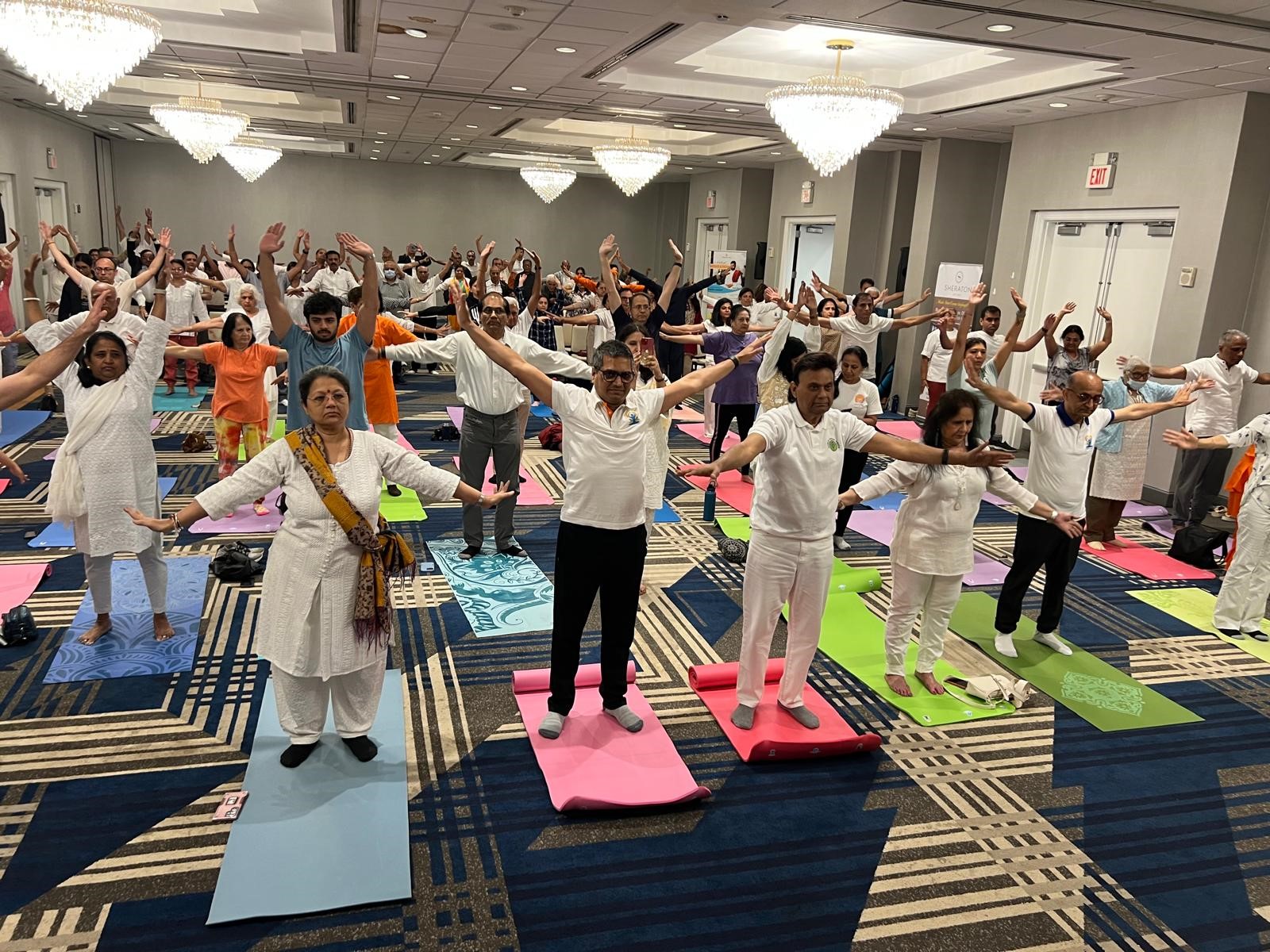
Vijay Trivedi, a practitioner of Siddha Samadhi Yoga, facilitated a meditative session that allowed attendees to explore inner silence and mindfulness techniques. Breathing exercises formed a central part of the day as well, with Nidhi Ji from the IFM Group conducting a calming session on pranayama, helping participants tune into their breath and its restorative power.

Mental focus and sustained attention were explored in a session on Dharna, guided by Raj Kumar Gupta Ji of Vihangam Yog. This segment aimed to help attendees improve concentration and mental clarity. Finally, Suniti Ramanujam of the Isha Foundation offered a meditation session that provided a grounding experience and left participants feeling refreshed and centered.

The event also served as a meeting ground for several respected community leaders and supporters of the Indo American community. Distinguished guests in attendance included Krishnakant Sangani, H.K. Shah, Mukund Thakkar, Uma Swaminathan, Hemant Patel, Suchitra Kamath, Jassi Singh, Bipin Parekh, Subhash Shah, Ajay Gandhi, Dr. Gunjan Shukla, Dr. Mukesh Solanki, Mahesh Wani, Nalin Shah, and Mehul Shah. From the Edison Senior community, Pravin Patel, Mukund Parikh, and Amin Saab were present to honor the occasion with their support and participation.

Throughout the event, the focus remained on wellness, and this was also reflected in the food served. Participants were provided with a wholesome vegan lunch that emphasized nutrition and dietary mindfulness. VIP guests were further welcomed with a specially prepared breakfast, demonstrating the organizers’ thoughtful planning and attention to detail when it came to the health of all involved.

Serving as emcees for the event, Rajshree Kotekar from the Isha Foundation and Vijay Ji from Vihangam Yoga kept the energy flowing smoothly. Their coordinated hosting ensured that all sessions ran on schedule, with the day’s activities kicking off at 10 AM and concluding by 12:30 PM.

Over 300 Brave Rain to Celebrate International Yoga Day in Edison5The success of the event was not only the result of well-curated sessions but also the dedicated efforts of numerous volunteers. Individuals such as Naresh Shah, Manish Parikh, Nina Vyas, Raju, and Haresh Bhai gave their time and energy selflessly. Support teams from both the Isha Foundation and Vihangam Yoga also contributed significantly to maintaining a seamless flow of the program. Their behind-the-scenes coordination helped manage logistics, participant engagement, and overall hospitality.
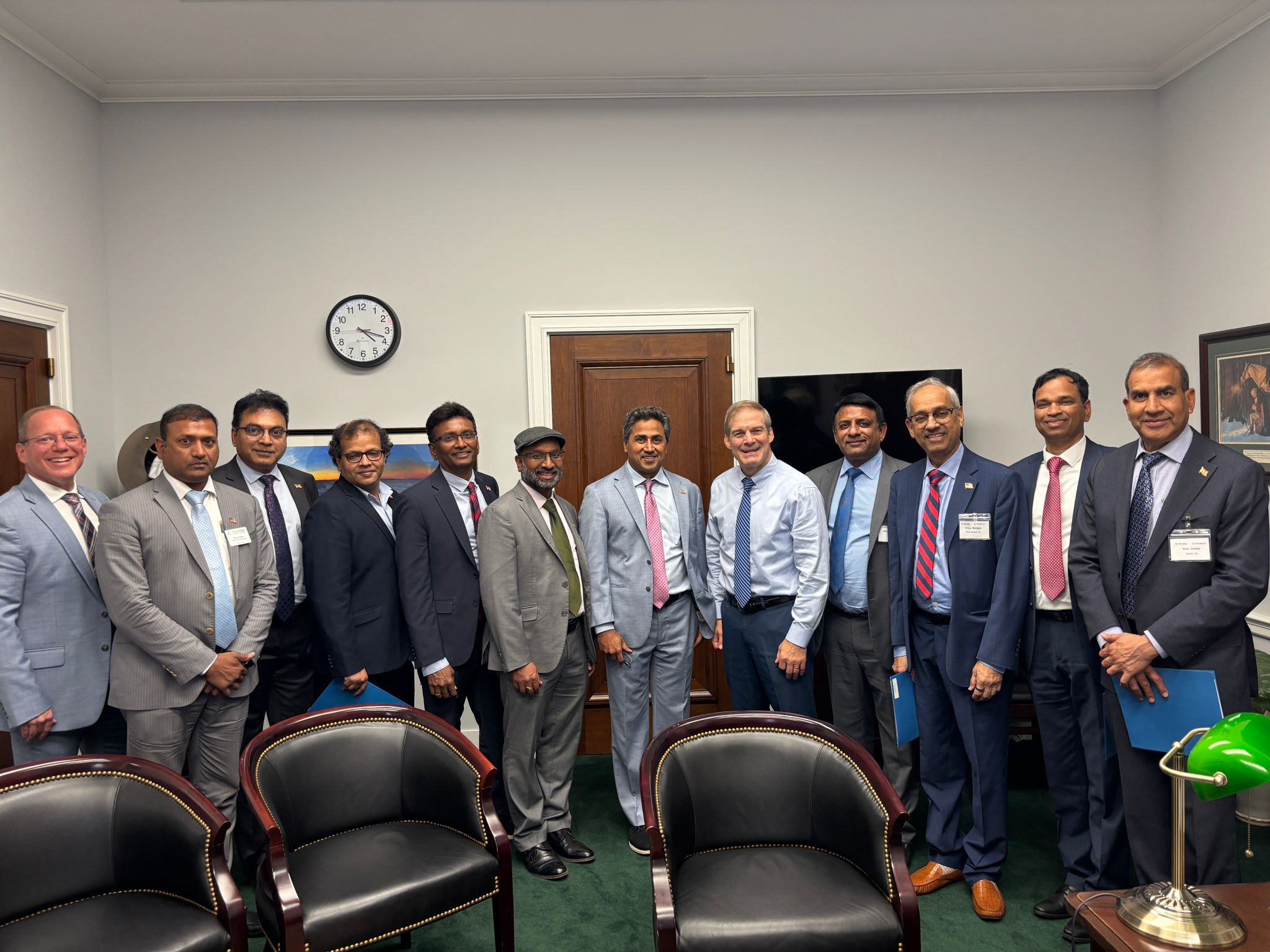
The International Yoga Day celebration at the Sheraton Hotel was more than just a series of yoga sessions—it was a testament to yoga’s universal appeal and its ability to bring together a diverse community around shared values of peace, balance, and unity. Nitin Vyas, who played a pivotal role in organizing the event, ensured that every aspect was thoughtfully managed, reflecting both cultural pride and a commitment to holistic health practices.

The event’s emphasis on both ancient traditions and modern wellness practices made it particularly impactful. Attendees came away with not only a deeper appreciation of yoga’s physical benefits but also a stronger connection to its philosophical and meditative foundations. “This celebration once again showcased yoga’s ability to transcend cultural differences, fostering peace and unity,” organizers noted, encapsulating the spirit of the day.

For those seeking more details about the event or future initiatives, inquiries can be directed to Nitin Vyas of the Indo American Cultural Association of Edison. The celebration stood as a vibrant reminder of how yoga continues to resonate across communities, transcending age, background, and belief systems, promoting not just individual well-being but collective harmony.

Tesla’s Bumpy Ride in 2025: Elon Musk’s Return, Model Refreshes, and Backlash

Elon Musk has had a dramatic and controversial year — and it’s only halfway through. Known for his bold ventures and headline-making decisions, Musk’s recent activities have managed to surpass even his own history of grabbing attention. Since January, he has taken on unexpected roles and navigated significant setbacks, all while trying to steer Tesla through an increasingly critical and competitive environment.

Musk took many by surprise earlier this year when he assumed a new position as a special government employee, working alongside President Donald Trump. In addition, he founded and began leading a new federal entity, the Department of Government Efficiency (DOGE), marking a notable pivot from his usual business endeavors. This engagement quickly shifted his focus away from Tesla and raised eyebrows across industries.

However, this diversion had consequences. While Musk devoted energy to DOGE and his role in the Trump administration, Tesla’s performance faltered. The electric vehicle (EV) manufacturer’s first-quarter earnings, released on April 22, painted a concerning picture. Automotive revenue had fallen by 20% compared to the previous year, and net income was down a staggering 71%.

Faced with this alarming downturn, Musk decided to cut ties with DOGE and return his attention fully to Tesla. Yet, his temporary absence had already inflicted damage on the company’s reputation. His public association with Trump alienated a significant portion of Tesla’s customer base. In fact, many owners started selling their vehicles in protest, creating a glut of used Teslas on dealer lots.

In an effort to recover from the PR crisis and boost sales, Tesla recently announced an update to two of its flagship models: the Model S and the Model X. However, the reception from customers and EV enthusiasts has been far from enthusiastic.

On June 12, Tesla used its X (formerly Twitter) account to unveil a set of new upgrades for the Model S and Model X. The refresh includes several enhancements: a new Frost Blue exterior color, improved Active Noise Cancellation, redesigned wheels, a front-facing camera to improve visibility, ambient interior lighting that adapts dynamically, and a revised suspension system featuring new bushings for a smoother driving experience. Additionally, Tesla has introduced adaptive driving beams for improved nighttime visibility.

For the Model S, range has also improved. The updated vehicle can now travel up to 410 miles on a single charge, making it Tesla’s longest-range model. Furthermore, the high-performance Model S Plaid receives new exterior styling tweaks. Meanwhile, the Model X benefits from enhanced interior space, particularly in the third row, giving passengers more legroom and expanding cargo capacity.

However, these upgrades come with a price hike. Both the All-Wheel Drive (AWD) and the high-performance Plaid versions of the Model S and Model X will now cost $5,000 more. That means the starting price for the AWD version of each model is $84,990, while the Plaid variants start at $99,990.

Despite Tesla’s intentions, the refresh has not gone over well with customers and critics. Many feel that the changes fall short of expectations, especially given the pace at which rival EV manufacturers are innovating. Disappointed buyers had hoped for more revolutionary updates — particularly as Tesla continues to face fierce competition from the likes of Rivian, Lucid, and Hyundai.

Online reactions underscore this frustration. One X user, Above the Best, voiced their dissatisfaction, writing, “No steer by wire. No 800V. No additional power. You’re falling behind, guys.” Another user, Branden Flasch, critiqued Tesla for not matching the advancements of its competitors. “Go look at what Rivian, Lucid, Escalade IQ, and EV9 are doing and copy that. People want real three-row SUVs with more range and tech, and this isn’t that.”

The frustration was echoed by user Pat V., who added, “Extremely disappointing. Hope this isn’t the major refresh that was being discussed.”

This sense of letdown extended beyond X to other social media platforms. On Reddit, user Croathlete remarked, “‘Refresh.’ No 48V, no steer by wire, no 800V for faster charging on V4s. They need to get rid of the falcon wings and cut the price by $20K to be competitive with the EV9 and Ioniq 9.”

Overall, the consensus among Tesla followers is that the so-called refresh doesn’t go far enough. In a market that now demands more range, faster charging, better tech integration, and affordability, Tesla’s new features appear largely cosmetic or incremental. Meanwhile, competitors are rolling out fully revamped EVs that offer substantial technical improvements, fresh design language, and pricing strategies that cater to a broader audience.

Some critics argue that Tesla’s pricing strategy is out of step with economic realities. In the midst of high inflation, elevated interest rates, and political tension, many potential buyers were hoping for the long-teased “budget Tesla.” Instead, what they got was a minor upgrade to already high-end models — and at a higher price point.

Musk’s detour into the political world may have contributed to these strategic missteps. His alignment with Trump continues to polarize consumers, particularly in liberal-leaning markets that once formed a key part of Tesla’s loyal customer base. Although Musk has now recommitted to Tesla, regaining the trust of disillusioned buyers may take more than a product refresh and a press release.

For now, Tesla’s leadership must contend with both internal recovery and external pressures. The EV landscape is evolving quickly, and rivals are gaining ground. If Tesla hopes to maintain its dominance, it may need to innovate more aggressively — and reconnect with the values and expectations of its core customer base.

In summary, while Elon Musk’s return to Tesla signals a renewed focus on the company, his earlier absence and political entanglements have left a mark. The updates to Model S and Model X were intended to reset the narrative, but they’ve instead amplified dissatisfaction among fans and analysts alike. With half the year still ahead, the pressure is on for Musk and Tesla to deliver something more than superficial change.

Apple’s New Digital Passport Feature Promises Easier Travel—But Don’t Toss Your Physical Copy Yet

A digital revolution in travel identification is on the horizon, but for now, travelers should keep their physical passports close. Apple has introduced a new feature that will allow iPhone users to upload their passport into Apple Wallet starting this fall. This addition aims to transform the iPhone into an all-in-one travel companion, simplifying domestic journeys for frequent flyers within the United States.

Unveiled during Apple’s latest tech showcase, the digital passport feature promises to streamline airport experiences by making TSA checkpoint procedures more efficient. “While not a replacement for your physical passport, digital ID can be used for domestic travel and at supported TSA checkpoints,” an Apple spokesperson explained, according to USA TODAY.

This innovation signals a step forward in digital identity technology but comes with limitations. Despite the convenience it offers at TSA lines for domestic travel, the feature won’t substitute for traditional documents when it comes to international trips. The new digital passport won’t grant entry to foreign countries, but it will make getting through security for a flight from one U.S. city to another less cumbersome. Travelers will no longer need to dig through their bags to find their IDs at the airport.

The timing of Apple’s digital ID release is particularly notable, coming shortly after the enforcement of the REAL ID Act in May. The rollout caused confusion and concern among travelers trying to figure out whether their driver’s licenses met the updated security requirements or whether they’d need to present their passport just to fly within the U.S. For many, this meant extra trips to the DMV or scrambling to get their documents in order.

With its new feature, Apple is aiming to simplify travel even further, describing the experience as “just tap and go.” Alongside the debut of the digital ID, Apple is revamping its Wallet app to be more travel-friendly. The updates include enhancements to boarding passes and the addition of in-flight features tailored for modern travelers.

In a statement shared by SF Gate, Apple said that the new Digital ID “offers a secure and private new way for users to store and present their ID information using their iPhone and Apple Watch.” The process of setting it up will also be straightforward. According to Apple, users can “seamlessly create and add a Digital ID to Apple Wallet using a U.S. passport.”

However, travelers are advised not to retire their physical passports just yet. Despite Apple’s digital leap, the Transportation Security Administration (TSA) emphasizes that a Digital ID is strictly for domestic purposes. “It is important to have the physical U.S. Passport available in case it is needed, and a physical U.S. Passport is still required for international travel,” the TSA stated in a message to SF Gate.

In other words, the iconic blue U.S. passport will still be a necessity for global travel. A photo widely circulated captures a person holding both a passport and a boarding pass, reinforcing the idea that for now, these traditional documents remain an essential part of any international travel plan. As convenient as it may be to use a phone at security, travelers still need to hold onto their physical credentials.

Apple’s Wallet app is also undergoing a significant transformation beyond just digital IDs. The company is providing what some might call a “major glow-up,” by improving how boarding passes function and incorporating new perks aimed at frequent travelers. These changes reflect Apple’s intention to make the Wallet app a comprehensive tool for all stages of travel—from ID verification to in-flight convenience.

The buzz around digital ID adoption arrives amidst recent challenges that travelers have faced concerning the REAL ID deadline. Last month, as the May 7 deadline approached, some New York travelers became targets for scammers who exploited the confusion. According to a report from The New York Post, deceptive websites were offering fake promises of fast-tracked REAL IDs. These sites lured anxious travelers who didn’t realize that the only legitimate way to obtain a REAL ID was by physically visiting the Department of Motor Vehicles.

This rush led to all sorts of misinformation circulating online. In one bizarre example, a rumor gained traction that Costco membership cards could serve as an acceptable alternative to a REAL ID. The TSA, needing to step in and set the record straight, issued a public reminder. “We love hotdogs & rotisserie chickens as much as the next person but please stop telling people their Costco card counts as a Real ID because it absolutely does not,” the agency said last week.

Clearly, there’s still a lot of public confusion around what qualifies as valid identification for air travel. Apple’s digital ID feature may help streamline the experience and reduce reliance on physical cards for domestic flights, but clear communication and realistic expectations remain critical. The digital passport might make check-ins at U.S. airports faster and more convenient, but it’s not a silver bullet for all identification woes.

As Apple pushes forward with innovations in digital identification, it’s signaling a broader trend toward mobile-first travel solutions. However, the advice remains consistent from both Apple and government agencies: travelers should keep their physical passports handy. Whether for backup at TSA or for that long-awaited international vacation, the physical document still plays an irreplaceable role in the world of travel.

Apple’s move to digitize passports within its Wallet app marks a bold step into the future of travel. It enhances convenience for domestic flyers and reimagines how travelers interact with airport security. But despite the promise of a “tap and go” future, one thing is clear — your trusty physical passport isn’t going anywhere just yet.

Madhushree Reflects on Working with A.R. Rahman, M.M. Keeravani, and the South vs. Bollywood Music Culture

Playback singer Madhushree recently shared her experiences collaborating with some of India’s most celebrated music composers, shedding light on the contrasting work styles of the South Indian and Bollywood music industries. With a career that spans both regions, she offered insights into the methods and professionalism of renowned composers like A.R. Rahman, M.M. Keeravani, Yuvan Shankar Raja, and Harris Jayaraj.

Speaking to O2India, Madhushree opened up about her memorable association with Oscar-winning composer A.R. Rahman. She fondly remembered her experience singing some of his most loved compositions. Among her collaborations with Rahman are the popular songs Kabhi Neem Neem and Marudhani, both of which became hits. She emphasized how Rahman’s approach to music consistently brings unexpected elements that elevate the final output.

“Rahman ji always brings an element of surprise… whether it’s this song or Kabhi Neem Neem, he adds his touch later, and it turns out to be magical,” Madhushree remarked. This observation highlights Rahman’s creative spontaneity and his tendency to keep the musical arrangement fluid, allowing room for artistic evolution even after the vocal recording is done.

She elaborated that working with Rahman often feels like being part of a larger creative process where his unique inputs can transform a simple composition into something truly enchanting. This element of unpredictability, she suggested, is part of what makes Rahman’s music so impactful and emotionally resonant with audiences across the globe.

Moving on to her experience in the South Indian music industry, Madhushree spoke highly of composers like Yuvan Shankar Raja and Harris Jayaraj. She noted that working with them feels seamless due to their clear direction and meticulous guidance throughout the recording process. According to her, these composers make the experience smooth and efficient by ensuring the singer is never left guessing.

“One thing about South Indian music composers is that they’re so good, you never feel lost. They’ll guide you with exact notations—where to pause, what expressions to use—they spell everything out, so you don’t have to figure it out on your own. They are that good,” she explained.

Her appreciation for this hands-on and structured method reveals the deep respect she has for the musical rigor and discipline in South Indian studios. The clarity provided by these composers, she added, not only eases the singer’s task but also ensures that the final product reflects a unified artistic vision.

Among the South Indian composers she praised, M.M. Keeravani holds a special place. Known for his extensive work in Telugu and Hindi cinema, Keeravani has won accolades both in India and internationally. Madhushree expressed admiration for his clear communication and understanding of vocal dynamics, which make recording sessions efficient and fulfilling for singers.

“When you go to sing for M.M. Keeravani, you don’t have to do anything—just follow whatever he says. All of them understand singers really well,” she said. This comment underlines Keeravani’s precise approach to music-making, where the singer’s role becomes a matter of following direction rather than improvising on the spot.

Madhushree’s praise for Keeravani, like her comments on Yuvan Shankar Raja and Harris Jayaraj, highlights a consistent theme in her narrative—the value she places on clarity, structure, and mutual understanding in the studio. She indicated that such working environments not only enhance the singer’s performance but also foster a professional and artistically satisfying collaboration.

One of the most striking points Madhushree made was about the broader cultural and professional differences between Bollywood and South Indian music industries. She noted that South Indian studios maintain a level of discipline that stands out, particularly in terms of punctuality and time management. In her experience, recording sessions in the South start precisely as scheduled, reflecting a commitment to time and professionalism that she finds admirable.

Madhushree emphasized this difference as a key distinguishing factor between the two industries, implying that the South Indian work culture leaves a strong impression on those accustomed to Bollywood’s often more relaxed approach to scheduling. While she didn’t criticize Bollywood directly, her remarks pointed to the efficiency and respect for time that define the Southern industry’s way of functioning.

This insight not only offers a behind-the-scenes glimpse into how different musical cultures operate within India but also serves as a testament to Madhushree’s versatility and adaptability as a singer who can navigate both systems. Her ability to adjust to varying styles of collaboration, whether it involves Rahman’s creative spontaneity or Keeravani’s structured direction, demonstrates the professional breadth that she brings to her craft.

Throughout her career, Madhushree has lent her voice to songs in multiple languages and genres, which has given her a broad perspective on India’s diverse music traditions. Her reflections serve as valuable commentary for aspiring singers and industry observers who wish to understand what it’s like to work with some of the country’s most influential music directors.

By sharing her personal experiences, Madhushree has not only paid tribute to the genius of the composers she has worked with but also offered an honest comparison of industry cultures. Her words highlight the importance of communication, clarity, and professionalism—qualities that ultimately enhance the collaborative process between singer and composer.

To sum up, Madhushree’s journey through both Bollywood and the South Indian music landscape has been shaped by her interactions with visionary composers. Her collaborations with A.R. Rahman showcased the magic of unpredictability and post-recording brilliance, while her work with Yuvan Shankar Raja, Harris Jayaraj, and M.M. Keeravani emphasized the value of clear guidance and discipline.

Whether through the whimsical genius of Rahman or the precise direction of Keeravani, Madhushree has experienced a spectrum of musical creativity that has enriched her as an artist. As she continues to evolve in her career, her insights provide a meaningful look at what it takes to thrive across India’s multifaceted musical terrains.

Small Joys, Big Impact: UCSF Study Shows Tiny Acts of Happiness Can Significantly Improve Emotional Well-Being

Even the simplest pleasures — such as hearing someone laugh, admiring a flower while walking through the neighborhood, or doing a small favor for a friend — can make a measurable difference in people’s emotional well-being and overall outlook on life. That’s the central finding from a new study conducted by researchers at the University of California, San Francisco (UCSF).

These small, everyday actions, referred to as “micro-acts of joy,” have been found to significantly uplift moods and enhance people’s sense of control over their own happiness. Elissa Epel, a UCSF professor who has extensively studied the connection between stress, aging, and overall health, led the study. “We were quite taken aback by the size of the improvements to people’s emotional well-being,” Epel said, emphasizing that such changes were observed even though the activities were brief and simple.

The research stems from the ironically named Big Joy Project, a web-based initiative developed at UC Berkeley. Participants in the program engaged in short daily tasks designed to cultivate happiness, joy, and awe — each task lasting only five to ten minutes over the course of a week. Epel and her team at UCSF monitored nearly 18,000 individuals who participated in this initiative between 2022 and 2024.

What made this study groundbreaking was its focus on whether such minimal, easily accessible, and low-effort interventions could bring about tangible and lasting changes in people’s mental outlook. While these activities require significantly less time and commitment compared to traditional well-being programs, the results turned out to be surprisingly powerful.

“It wasn’t just people who were already well off” who experienced improvements, Epel pointed out. “We actually saw greater benefits in people who came into the study with challenges, either they felt financially strained or they felt in a low social status,” she explained. “This is not just an intervention for the privileged.”

The findings were published on June 4 in the Journal of Medical Internet Research. Participants were asked to complete seven specific acts over seven days. These included sharing a joyful moment with someone else, performing a kind deed for another person, compiling a list of things they were grateful for, and watching an awe-inspiring video about Yosemite National Park.

Epel explained that the chosen tasks were designed to evoke feelings such as hope, wonder, fun, and optimism. “Each task took less than 10 minutes, including answering short questions before and after,” she said. Participants were asked to complete brief surveys at both the beginning and end of the program, assessing various aspects of their mental and physical health.

The researchers measured a range of emotional indicators, including positive emotions, general well-being, sleep quality, and stress levels. They also evaluated “happiness agency,” a term used to describe the degree of control individuals feel they have over their emotional state.

Across the board, participants reported improvements in all measured areas. More notably, the benefits of the program increased depending on how many days participants engaged with it. Those who completed all seven daily tasks experienced greater positive changes than those who participated for just two or three days.

Certain groups benefited more than others. The study found that Black and Latino participants experienced more significant improvements than white participants. Additionally, younger individuals showed more positive effects than older ones.

Despite the encouraging results, Epel emphasized that the findings should be interpreted with caution. While the short-term benefits are clear, more controlled studies are needed to confirm the long-term effectiveness of such interventions. “We don’t want to deny what’s going on or act like everything’s fine,” she said, alluding to the broader mental health challenges and uncertainties many people are facing today.

What remains unclear is why these micro-acts of joy produce such a strong effect. Biologically, there might be hormonal responses that explain the outcomes. Alternatively, the simple acts could help disrupt harmful mental patterns such as persistent worrying or self-criticism, redirecting mental energy toward something more positive and uplifting.

A key insight from the research is that people likely have more influence over their happiness than they typically assume. Even during turbulent times, just a small infusion of joy into one’s day may make a noticeable difference. “All of this well-being stuff, it’s not a luxury,” said Epel. “We often say that we’ll let ourselves be happy once we’ve reached some point or finished some task. Well, we want to flip that — we need the energy of joy to get through the hard parts.”

She emphasized the necessity of cultivating joy, especially now, in an era marked by widespread societal anxiety and political tension. “When we can focus on well-being and connecting with others, that’s the fuel that will help us cope with adversity,” Epel said. “So these are really necessary skills.”

Ultimately, the study demonstrates that it doesn’t take a grand transformation to positively influence one’s mental state. Just a few minutes of conscious effort to experience and share joy can be a potent tool in enhancing well-being — and may even serve as a much-needed counterbalance to the pressures of modern life.

Two Democracies, One Law: Why the West Must End Its Double Standard Toward India

Selective Outrage: Why Trump’s National Guard Deployment Was Just—and Why America Must Stop Lecturing India

When Los Angeles descended into chaos following contentious federal ICE raids, President Donald J. Trump responded with decisive constitutional authority. Over 4,000 National Guard troops and 700 Marines were deployed to protect federal property and restore order. Despite legal backing under Title 10 and the Insurrection Act, mainstream media and liberal commentators rushed to brand this action “authoritarian.” This narrative—disconnected from constitutional law and democratic necessity—reflects a broader hypocrisy that has serious diplomatic consequences, especially when juxtaposed with the West’s treatment of India.

Let’s be clear: President Trump’s use of the National Guard was neither a power grab nor martial law. It was a lawful, time-limited, and coordinated federal intervention requested by overwhelmed local leaders. Under Title 32 of the U.S. Code, Guard troops operated under state command while receiving federal funding—an arrangement designed precisely for moments of escalating civil unrest.

Contrast this with how the same U.S. political class and media respond to India—one of its most important democratic allies. When Prime Minister Narendra Modi deployed state and central forces during the 2021–22 farmers’ protests or after the revocation of Article 370 in Jammu and Kashmir, American think tanks, media outlets, and policymakers labeled these actions as “illiberal” or “authoritarian.” But India, like the United States, acted within its constitutional framework to maintain order, protect its citizens, and defend national integrity.

This reveals a glaring double standard: what is deemed a responsible act of leadership in Washington is often condemned as tyranny in New Delhi.

Law and Order is Not Authoritarianism

In a democracy, law and order are not optional—they are foundational. The libertarian instinct to distrust state power is important, but unchecked chaos undermines liberty far more than a limited, lawful security response. Trump’s deployments were aimed at protecting citizens, restoring public trust, and defending the economic lifeblood of cities—especially small businesses and federal institutions.

Similarly, India’s use of crowd-control laws such as Section 144 of the Criminal Procedure Code, temporary internet restrictions, and judicially reviewable detentions in conflict-prone areas is aimed at maintaining order—not suppressing dissent. These actions occur under the supervision of India’s robust judiciary and federal structure.

If we accept that civil liberties exist within a framework of societal security in the United States, we must extend the same understanding to India. Democracies must sometimes take difficult measures to protect themselves. The problem is not in the actions but in the selective outrage with which they are judged.

Double Standards and Media Bias

The Western liberal media, led by outlets like The New York Times and the BBC, often frame American law enforcement as “pragmatic” while casting Indian responses to unrest as “repressive.” This is not objective journalism—it is narrative warfare. Such portrayals not only misrepresent democratic processes in the Global South, they perpetuate a post-colonial mindset that views the West as the moral arbiter of global democracy.

This tendency has real consequences. By unfairly criticizing democratic allies like India, the West alienates nations that share its values but not its voice. It also risks undermining faith in a “rules-based international order” that appears to apply rules selectively.

America Must End Its Post-Colonial Lecturing

India is not a vassal state—it is a sovereign power with a constitutionally grounded democracy and an independent judiciary. When American officials criticize Indian domestic policy without fully understanding its legal and cultural context, they display a profound lack of strategic maturity and cultural humility.

We must remember: democracy is not a Western export. It is a global aspiration. The world’s largest democracy has every right to maintain law and order without being condescended to by foreign policy elites in Washington or Brussels.

Reciprocity, Not Righteousness

The time has come for America to embrace diplomatic reciprocity over ideological righteousness. President Trump, to his credit, understood this. His foreign policy was grounded in realism, sovereignty, and mutual respect—principles far more sustainable than virtue-signaling. He did not moralize to allies in moments of domestic difficulty; instead, he sought to strengthen partnerships through dialogue, not denunciation.

If the United States truly seeks a multipolar world grounded in democratic cooperation, it must stop pointing fingers at democracies like India while defending similar actions at home. As rising powers like India assert their global roles, American foreign policy must evolve—less preaching, more partnership.


A Tale of Two Democracies

Let us consider the following comparative snapshot:

Scenario United States (Trump) India (Modi)
Security Deployments National Guard in cities during unrest Police & paramilitary during protests or unrest
Emergency Measures Curfews, federal building protection Curfews, internet shutdowns in sensitive regions
Judicial Oversight Courts upheld legality of Trump’s actions Indian courts reviewed and upheld government actions
Media Portrayal “Restoring order” (center-right); “authoritarian” (left) “Authoritarian,” “illiberal,” “majoritarian”

What this comparison shows is not the difference in democratic values, but the difference in global narratives. The same constitutional logic, when applied by India, is subjected to global skepticism, even ridicule. Why?

Because old habits die hard, the Western foreign policy establishment still sees itself as the custodian of democracy, even as its institutions face increasing scrutiny and polarization. This hypocrisy undermines the very values it claims to protect.

Toward a Stronger Indo-U.S. Partnership

If the goal is to build a durable, strategic Indo–U.S. alliance, then both sides must treat each other with mutual respect. That means recognizing that democracies can and should maintain law and order through constitutional means—without being judged through ideological filters.

It also means understanding that internal affairs—whether in California or Kashmir—must be evaluated based on legal frameworks, not media narratives. A stable and prosperous Indo–U.S. alliance can only emerge when both countries extend to one another the same presumption of democratic legitimacy.

President Trump’s use of the National Guard in Los Angeles was constitutional, necessary, and stabilizing. So too were Prime Minister Modi’s decisions during periods of unrest in India. Both acted within legal limits. Both faced volatile domestic challenges. And both were held to wildly different global standards.

It is time to retire the outdated idea that the West alone defines the contours of acceptable democratic behavior. Democracies like India do not need lectures—they need respect. And if America wishes to lead a free world, it must start by treating its allies as equals, not subordinates.

The post-colonial era is over. A multipolar, democratic world awaits. Let us build it on the foundation of shared sovereignty, not selective outrage.

Dr. Joseph M. Chalil is a physician executive, strategic advisor, and best-selling author of Beyond the COVID-19 Pandemic and India Beyond the Pandemic. He is the former Chairman of the Indo-American Press Club and advocates for an equitable Indo–U.S. strategic partnership grounded in national sovereignty, free-market principles, and multipolar cooperation.

Carlo Acutis Set to Become First Millennial Saint in September Ceremony Led by Pope Leo XIV

Carlo Acutis, a beloved Italian teenager known for his deep Catholic faith and tech-savvy spirit, will officially be canonized on September 7, as announced by Pope Leo XIV. This will mark a historic moment for the Catholic Church, as Acutis becomes its first millennial saint. The canonization ceremony will be held in St. Peter’s Square and is expected to attract a massive turnout, particularly among the youth, who have found a relatable spiritual figure in Acutis.

Acutis passed away from leukemia in 2006 at the age of 15. Despite his short life, he left a significant mark on the Catholic community by utilizing his passion for technology to promote the faith. He created a website dedicated to documenting reported miracles, helping spread Catholic teachings to a wider, modern audience. His digital evangelism earned him the nickname “God’s influencer.”

This upcoming canonization will also include another young figure, Pier Giorgio Frassati, who died in 1925 at the age of 24. Both names were confirmed for canonization by the Vatican following a meeting between Pope Leo and senior cardinals. Initially, Acutis’ canonization had been set for April 27, but the event was postponed following the death of Pope Francis.

The September event will be particularly noteworthy because it will be the first canonization led by Pope Leo XIV, who recently became the first American to hold the papacy. This added significance is expected to draw considerable attention from the global Catholic community.

Though Acutis was born in the United Kingdom, he spent much of his life in Italy and quickly became admired for his relatable personality and devout spirituality. With a love for video games and a casual style—often pictured in jeans and sneakers—he resonates strongly with Generation Z. His approachable image has made him a role model not just among devout Catholics but also among non-religious youth exploring spirituality.

His rising popularity comes at a time when surveys in the United States and the United Kingdom show growing interest in Catholicism among younger generations. This trend suggests that Acutis’ canonization could further inspire a renewed sense of faith among Gen Z.

Becoming a saint in the Catholic Church typically requires a person to have two recognized miracles attributed to them. Each reported miracle is carefully reviewed and must be verified as medically inexplicable. In May, Pope Francis acknowledged a second miracle linked to Acutis, which paved the way for his official canonization.

Acutis was first beatified in 2020 after the Vatican recognized his role in a healing regarded as his first miracle. In that instance, a Brazilian boy who suffered from a birth defect that left him unable to eat solid food was reportedly cured. According to reports, the boy’s mother prayed for Acutis’ intercession, and the child later recovered.

The second miracle credited to Acutis involved the healing of a young woman from Costa Rica. She had sustained a serious head injury in a bicycle accident while studying in Florence, Italy. Her mother said she prayed at Acutis’ tomb in Assisi, asking for her daughter’s recovery. The girl later regained her health, and the case was investigated by the Church before being deemed a miracle.

In addition to his spiritual life and technical interests, Acutis was known for his charitable actions. His mother, Antonia Salzano, has spoken publicly about his generosity and compassion. In an earlier interview with CNN, she said her son frequently helped homeless individuals in Milan, often giving away his pocket money to people sleeping on the streets.

“He used to give his pocket money to buy sleeping bags or food for the homeless,” Salzano shared. “He would also take food to them and talk to them. He really lived his faith.”

As his canonization nears, Catholics around the world are reflecting on the teenager’s unique path to sainthood. By merging technology and traditional spirituality, Carlo Acutis has become a beacon for how faith can evolve while maintaining its core values. His life demonstrates that holiness can exist in ordinary, modern-day contexts—something especially significant to younger generations seeking meaning in an increasingly digital world.

For many, Acutis’ life also exemplifies a deeper message about using personal talents to serve a greater purpose. His digital efforts to catalog miracles created a widely accessed resource that inspired countless individuals. The Vatican has since highlighted his website as a model of evangelism in the internet age.

His canonization, coinciding with another youthful saint in Pier Giorgio Frassati, adds to the Church’s broader mission to emphasize that sanctity is not confined to the elderly or clergy. Rather, it can be lived by young people in everyday settings—from classrooms to city streets to online platforms.

Thousands are expected to attend the September 7 event, not just to honor Carlo Acutis but also to witness a pivotal moment for the Church under new leadership. Pope Leo XIV’s role in this canonization adds another layer of significance, as he leads the ceremony as the first American pope. His participation also underscores the global and generational dimensions of Acutis’ story.

Ultimately, Carlo Acutis is being recognized not just for his faith but for the way he practiced it in the contemporary world. His blend of digital outreach, charitable deeds, and unwavering devotion provides a powerful example of how holiness can flourish in today’s context. As one Vatican official noted, “He showed that the internet can also be a tool for doing good. He’s a saint for our times.”

With his canonization now confirmed, Carlo Acutis is set to take his place among the saints of the Catholic Church, serving as a guiding light for a generation that finds itself searching for meaning and faith in the 21st century.

 Why Generalists May Have the Edge: The Power of Broad Experience in Achieving Success

When it comes to achieving extraordinary success, conventional wisdom often emphasizes early specialization. Warren Buffett began investing in stocks at just 11 years old. Bill Gates started programming by the time he was 13. Tiger Woods, a golf prodigy, was merely 2 when his father began coaching him.

Such examples underscore the belief that elite performers often dedicate more hours to deliberate, focused practice than others. It stands to reason, then, that the sooner someone concentrates on a single pursuit, the better their chances of becoming exceptional. But this idea doesn’t tell the whole story.

Take Steve Jobs, for instance. While he co-founded Apple at the age of 21, his path to success wasn’t linear. Before launching what would become one of the most iconic tech companies in history, Jobs dropped out of college, traveled to India in search of spiritual insight, and worked at Atari. His route was meandering, yet incredibly impactful.

This brings us to the concept of the “positive manifold.” Most of us know someone who’s a genius in one field but seems clueless in others. One anecdotal example includes a vascular surgeon who repeatedly needed help with a malfunctioning toaster. Despite multiple explanations about the ground-fault outlet, the issue remained a mystery to him.

However, this contrast is more the exception than the rule. In truth, intelligent individuals might be unfamiliar with certain topics, but that doesn’t mean they can’t understand them. Scientific research supports this with the idea of the positive manifold — a psychological theory that suggests cognitive abilities are often interconnected.

In simpler terms, performing well on one intelligence test generally indicates a high likelihood of doing well on others. More importantly, this principle extends beyond raw intelligence. It also applies to a range of abilities and skills.

The real beauty of this concept is that the knowledge and competencies developed in one area often transfer to other domains. In athletics, for instance, diverse early experiences can lead to more substantial long-term success. A 2020 study in the Journal of Sports Sciences revealed that athletes with broader sporting backgrounds picked up new skills more quickly than their specialized peers, even when practice time was equal. Engaging in multiple sports seems to teach athletes how to learn more effectively — a valuable ability in itself.

This phenomenon isn’t limited to sports. It holds true for career trajectories as well. Journalist David Epstein, in his book Range: Why Generalists Triumph in a Specialized World, notes that individuals who specialize early may earn more initially. However, those who explore varied fields often catch up or surpass their peers later, as they find roles that align better with their skills and personalities.

Steve Jobs’ life offers a fitting example of this. He once took a calligraphy class in college, a decision that, at first glance, seemed unrelated to his eventual career. Yet, as he explained in his 2005 Stanford commencement speech:

“I learned about serif and san serif typefaces, about varying the amount of space between different letter combinations, about what makes great typography great. It was beautiful, historical, artistically subtle in a way that science can’t capture, and I found it fascinating.”

Though he had no intention of designing invitations, that immersion in artistic typography honed his design sensibilities — an asset that would become central to Apple’s branding. Jobs emphasized this value of diverse experience in I, Steve: Steve Jobs in His Own Words, stating:

“A lot of people in our industry haven’t had very diverse experiences. So they don’t have enough dots to connect and they end up with very linear solutions without a broad perspective on the problem. The broader one’s understanding of the human experience, the better design we will have.”

Thankfully, it’s never too late to expand one’s horizons. Diverse experiences can be beneficial at any age, especially when it comes to entrepreneurship. An analysis of 2.7 million startups uncovered surprising findings: the average age of successful tech founders is 45. Moreover, founders in their 50s are nearly three times as likely to achieve startup success as those in their mid-20s. Even more striking, 60-year-old founders are at least three times more likely to succeed than their 30-year-old counterparts. These older entrepreneurs are also nearly twice as likely to build companies that rank in the top 0.1 percent.

These results illustrate the positive manifold in action. The life lessons, professional experiences, and interpersonal insights one accumulates over time can greatly increase the likelihood of success in new ventures. Skills and knowledge acquired in earlier stages of life can seamlessly apply to new challenges and opportunities.

Interestingly, this approach can also boost overall well-being. According to research published in Nature Neuroscience, individuals who engage in a variety of new experiences tend to report greater happiness. Another study in the Journal of Consumer Research found that spending longer periods doing varied activities makes time feel more enriching and fulfilling, thereby enhancing happiness. On the flip side, cramming numerous activities into short bursts of time often results in a sense of decreased productivity, which can dampen mood.

This dovetails perfectly with the principle of the positive manifold. If you spend just a few hours dabbling in many things, you likely won’t gain much depth. But devoting that same time to developing expertise in a specific area yields tangible progress. That sense of improvement, in turn, leads to greater happiness, because progress is inherently satisfying.

So why not take on something new? Learning a new language can enhance memory, concentration, and cultural awareness. Picking up programming can sharpen logic, improve problem-solving, and build systems thinking. Playing a musical instrument boosts memory, motor coordination, and pattern recognition.

All of these pursuits strengthen your ability to learn — a valuable trait that you can carry forward into whatever you choose to explore next.

Ultimately, for most people, success doesn’t follow a straight line. It’s a winding journey filled with crossroads, shifts, and discoveries. The same is true for happiness and personal fulfillment.

A well-lived life doesn’t always follow a strict plan. It unfolds uniquely for each individual — often guided more by curiosity and exploration than by rigid focus. And sometimes, it’s the winding paths that lead to the most rewarding destinations.

Sundar Pichai Breaks Silence on Google’s AI Race Criticism and Resignation Demands

Google CEO Sundar Pichai has addressed the mounting criticism that followed the release of ChatGPT and the perception that Google was trailing behind in the artificial intelligence race. Speaking on Lex Fridman’s podcast, Pichai responded to narratives that suggested Google had lost its edge and even calls for him to resign, defending the company’s strategic approach and expressing confidence in the long-term vision he had laid out.

During a time when Google was under intense scrutiny for allegedly falling behind in AI innovation, particularly following the rapid success of OpenAI’s ChatGPT, critics questioned whether the tech giant had failed to keep up with the pace of AI development. Some commentators even went so far as to call for a change in leadership. Pichai, however, dismissed these concerns, saying he had full awareness of what was being built behind the scenes at Google.

“Look, lots to unpack. The main bet I made as a CEO was to really make sure the company was approaching everything in an AI-first way… setting ourselves up to develop AGI responsibly and make sure we are putting out products which embodies things that are very, very useful for people,” said Pichai.

His response comes amid a wave of media reports and industry commentary that argued Google had been overtaken by newer players in the AI space. The launch of ChatGPT marked a turning point in the public’s perception of generative AI, and Google was criticized for not having an immediate response that matched the impact of OpenAI’s chatbot. This led to a broader discussion about whether Google had lost its “magic touch” in innovation.

However, Pichai pushed back against this narrative by emphasizing the steps he had already taken internally to realign Google’s priorities around AI. He noted that even while the public doubted Google’s position in the AI landscape, the company had already started consolidating its top AI talent and technologies.

“So look, I knew, even through moments like that last year, I had a good sense of what we were building internally. So I’d already made many important decisions, bringing together teams of the caliber of Brain, and DeepMind, and setting up Google DeepMind,” he explained.

The merging of Brain and DeepMind into Google DeepMind was a strategic move to consolidate Google’s AI research capabilities and foster faster progress. This internal restructuring, Pichai implied, was not immediately visible to outsiders and might have led to misconceptions about Google’s pace in AI development.

Pichai also addressed how he personally handled the wave of negativity during that time. When asked about the lowest points in that period, he said he remained calm and focused, relying on his ability to ignore distractions and concentrate on meaningful feedback. He likened his role to that of a football coach leading a top-tier team, where performance is under constant scrutiny.

“Anytime you’re in a situation like that, a few aspects, I’m good at tuning out noise, right, separating signal from noise,” he said. He further added, “Running Google, you may as well be coaching Barcelona or Real Madrid. You have a bad season.”

Despite the intensity of the criticism, Pichai maintained that his job required him to stay grounded and discerning, particularly when dealing with feedback. He emphasized the importance of distinguishing between noise and genuine insight, recognizing that some external voices do offer valuable perspectives.

“I’m good at tuning out the noise. I do watch out for signals. It’s important to separate the signal from the noise, so there are good people sometimes making good points outside, so you wanna listen to it, you want to take that feedback in. But, internally, you are making a set of consequential decisions,” he said.

Part of the external misinterpretation, according to Pichai, stemmed from a lack of awareness about the technical and infrastructural challenges involved in scaling AI. He pointed to the difficulties in deploying and scaling massive models like Gemini, Google’s advanced large language model, as one such example.

Pichai noted that securing sufficient computational power by ramping up Tensor Processing Units (TPUs) was an effort that took time and might not have been visible or understood outside the company. These TPUs are critical to training and running large-scale AI models, and delays in scaling them could slow product development, even if the underlying research was on track.

He elaborated that while external observers may judge by public-facing product rollouts, they may not realize the internal hurdles and foundational efforts required to bring those products to market. These include hardware, compute resources, team alignment, and integration of complex research projects into usable tools.

In the case of Gemini, for example, Pichai’s comments suggest that while critics were focusing on visible outputs, the groundwork was being laid to build something more robust and sustainable in the long term. He implied that short-term criticism did not account for the larger trajectory the company was aiming for.

Pichai’s remarks suggest a belief that the company’s AI roadmap, though not always apparent externally, has been strategically sound. He expressed confidence that the decisions taken during the criticized period would eventually yield results that affirm Google’s leadership in AI.

By acknowledging the public’s perception while also offering insight into the behind-the-scenes decision-making, Pichai appeared to be balancing transparency with assurance. He remained composed in his explanation and made it clear that leadership in such a high-stakes environment requires both resilience and long-term thinking.

As Google continues to expand its AI offerings and integrate generative models like Gemini into its products, Pichai’s defense may resonate with those who value deliberate and structured innovation over rapid, headline-grabbing releases. His comments reflect a CEO who has been through turbulent times but remains committed to a vision that, in his view, is both ambitious and responsible.

In the end, Sundar Pichai’s message was clear: Google has not lost its edge but is playing a longer, more calculated game in the AI race. The foundation for this future, he argues, was being laid quietly even as the outside world questioned the company’s direction.

Manhunt in Minnesota After Lawmaker Assassinated and Others Targeted in Politically Motivated Shooting

Authorities in Minnesota have launched a large-scale manhunt for 57-year-old Vance Boelter, the suspect accused of carrying out a deadly politically driven shooting that claimed the life of a prominent state legislator and injured another lawmaker and their spouse. The events have sparked statewide alarm and condemnation, as police continue their efforts to locate and apprehend the individual responsible for what Governor Tim Walz has called an “assassination.”

According to Governor Walz, the attacks were not random but instead appear to have been intentional and ideologically driven. Among the victims were State Representative Melissa Hortman, the highest-ranking Democrat in the Minnesota House of Representatives, and her husband. Both were fatally shot in what Walz described as a deliberate and politically motivated act of violence. “It was a politically motivated assassination,” Governor Walz said, emphasizing the gravity and targeted nature of the attack.

Adding to the gravity of the situation, Democratic State Senator John Hoffman and his wife were also shot by the same suspect, Walz confirmed. Fortunately, both Senator Hoffman and his wife survived the assault. Their survival has brought some relief amid what many are calling one of the most brazen and chilling acts of political violence the state has seen in recent history.

The suspect, Vance Boelter, reportedly approached the homes of his targets dressed in the uniform of a police officer, which enabled him to get close to the lawmakers and catch them off guard. Witnesses and police officials say that a man appearing to be a law enforcement officer exited Representative Hortman’s residence and opened fire on law enforcement officers who had responded to the scene. After firing shots, the suspect managed to flee the location. His ability to impersonate a police officer and use a vehicle resembling a law enforcement car allowed him to temporarily evade capture.

Authorities are still trying to clarify Boelter’s official employment status. However, based on information available from a company website, Boelter had previously worked in the security field. This background may explain his access to uniforms and his knowledge of law enforcement protocols, which he appears to have used to his advantage during the attack and subsequent escape.

Investigators made a disturbing discovery when they searched Boelter’s abandoned vehicle. Inside, they found handwritten documents that amounted to what they described as a hit list. This list contained nearly 70 names of individuals, the majority of whom are either Democratic political figures or individuals known for their support of abortion rights. Among the most recognizable names included in the list are U.S. Representative Ilhan Omar and U.S. Senator Tina Smith, both of whom represent Minnesota at the federal level.

The revelation of such a list has sent shockwaves throughout the Minnesota political community, especially among Democratic lawmakers and progressive leaders who now find themselves wondering whether they are also at risk. The presence of so many high-profile figures on the list, including two members of Congress, has added urgency to the investigation and to the ongoing efforts to locate and arrest Boelter before he can attempt to harm anyone else.

Law enforcement agencies are working around the clock to locate the suspect, coordinating with federal partners such as the FBI and the Department of Homeland Security. Security has been increased for those named in the suspect’s writings, and some lawmakers have reportedly been placed under temporary protective custody while the situation unfolds.

The attack has raised significant concerns about political extremism and the growing threats faced by elected officials. Governor Walz spoke about the dangers of political violence and the need to protect democratic institutions from such threats. His comments reflected the seriousness of the incident and the fear that it has generated across the political spectrum. “This was not a random act of violence,” Walz stated. “This was targeted. This was an assassination attempt on elected officials of this state.”

The emotional impact of the attack has been widespread. Representative Hortman was not just a leading figure in the state’s legislative efforts but also a well-respected voice on progressive issues. Her sudden and violent death has left colleagues and constituents in mourning. Senator Hoffman and his wife, though recovering, are said to be in a state of shock.

Community leaders and advocacy groups have also expressed outrage and sadness over the events. Calls for increased security measures at the homes and offices of public officials have grown louder, as have demands for a comprehensive investigation into how Boelter obtained access to weapons, law enforcement-style uniforms, and a replica police vehicle.

Authorities have not released further details about the nature of the writings found in Boelter’s car beyond the mention of the names, but they have acknowledged that the documents provide clear insight into his motives and ideological beliefs. Some officials have said off the record that the writings included strong political language and references to contentious national issues such as reproductive rights, immigration, and gun control.

Public safety officials are urging anyone with knowledge of Boelter’s whereabouts or who may have seen anything suspicious around the time of the attacks to come forward. The public has also been warned not to approach the suspect if they see him, as he is considered armed and extremely dangerous. A reward is being offered for information that leads to his capture.

The investigation continues to evolve rapidly, with state and federal agents pursuing leads across multiple jurisdictions. The discovery of the hit list has expanded the case from a state-level investigation into a broader probe with national implications. Members of Congress, particularly those named in the documents, have begun receiving enhanced security briefings and adjustments to their personal safety protocols.

While no further attacks have occurred since the initial incident, authorities are operating under the assumption that Boelter remains a significant threat until apprehended. Political leaders across party lines have condemned the attack and urged unity in the face of such violence. Many are calling for an end to inflammatory rhetoric and increased attention to the rise of politically motivated threats in the United States.

In a state known for its political engagement and generally peaceful civic environment, the shocking violence has left an unmistakable scar. Lawmakers and residents alike are grappling with the implications of what it means to live and serve in a time when political differences can become a matter of life and death.

Governor Walz, summing up the gravity of the moment, said, “We will not be intimidated. We will continue to serve. But this is a sobering reminder of the risks that come with public service in today’s climate.”

As the search for Boelter intensifies, Minnesota’s political leaders, law enforcement, and citizens remain on high alert, united in mourning and resolve.

Google DeepMind Chief Warns Misuse of AI by Bad Actors Poses Greater Threat Than Job Losses

In the global rush to harness the power of artificial intelligence, much of the public conversation has centered on concerns about job losses. However, Demis Hassabis, CEO of Google DeepMind, has drawn attention to a more urgent issue: the risk that advanced AI systems could be misused by malicious individuals or groups. His stark warning comes at a time when AI is rapidly approaching the ability to rival or even surpass human intelligence.

The central issue, according to Hassabis, isn’t the potential for employment disruption. Instead, it is the danger of advanced AI falling into the wrong hands. Speaking in a recent interview with CNN, Hassabis stated, “A bad actor could repurpose the same technologies for a harmful end,” highlighting a looming future where artificial general intelligence might equal or exceed human cognitive abilities within just ten years. This rapid timeline demands the creation of strong governance structures to manage who can access and control these technologies.

Balancing open development with necessary safeguards is proving to be a serious challenge. There is an urgent need to prevent malicious use while still allowing AI to be employed in ways that benefit society. Evidence of AI misuse is already visible. There have been scams made more convincing through AI, false information from AI systems that damages personal relationships, and deepfake technologies used to produce sexual content without consent.

Visionaries like Hassabis are acutely aware of the dual-purpose nature of powerful AI tools. Unlike previous technological innovations, AI systems have autonomous learning abilities, making them more difficult to predict and control. This requires new, more advanced approaches to regulation and oversight that go beyond existing methods.

While job loss and automation are certainly issues, Hassabis does not see them as the most critical ones. Numerous experts have outlined the possibility that a wide range of jobs could be automated, with only a few professions staying intact in their current form. However, he views this transformation as a manageable phase in technological evolution rather than an existential crisis.

He draws historical parallels with earlier technological revolutions. For instance, when machines first replaced manual labor during the industrial age, societies eventually adapted by evolving new economic systems and creating fresh employment opportunities. Similarly, past technologies have often led to innovations designed to counteract the issues they introduced.

In contrast, the misuse of AI poses a different type of risk—one that is far more urgent and potentially catastrophic. While job displacement tends to unfold over time, malicious use of AI can cause sudden and possibly irreversible damage. This sharp contrast helps explain why many leaders in the tech world are more focused on AI security than employment concerns.

Prominent figures such as Elon Musk have proposed solutions like universal high income to soften the impact of job losses, but such economic safety nets do little to prevent the dangerous misuse of AI systems. As Hassabis and others point out, it’s not just the economic outcomes that need attention, but also the security and ethical implications.

Alarmingly, the threats posed by AI misuse aren’t just hypothetical. Real-world examples are already surfacing. Cybercriminals use AI to write complex phishing emails that are harder to detect. Hackers deploy AI-generated code to break into secure systems. Individuals exploit deepfake technology to produce fabricated content that invades people’s privacy and harms their reputations.

These early misuses are just the beginning. As AI systems grow increasingly powerful, the damage they can cause when misused will escalate dramatically. That looming possibility underlines the urgent need for safety frameworks to be implemented before technology outpaces regulation.

Developing such regulations poses a difficult balancing act: they must protect against harm without hindering progress. Philanthropic organizations like the Bill and Melinda Gates Foundation demonstrate how, when guided properly, technological advances can be directed toward solving some of the world’s biggest problems. This makes it even more crucial to strike a balance between security and innovation.

However, international cooperation in regulating AI presents formidable challenges. Hassabis acknowledged these hurdles during his CNN interview, stating, “Obviously, it’s looking difficult at present day with the geopolitics as it is.” Global unity is hard to achieve when national interests and rivalries over technological supremacy are so deeply entrenched.

This issue isn’t unique to AI; many global problems demand collective action. Effective AI governance will need a level of international cooperation that has rarely been seen before. Without such collaboration, patchy standards and fragmented approaches could leave the world vulnerable to bad actors exploiting gaps in oversight.

Looking back at other transformative technologies, history shows that innovation often begins with individuals driven by curiosity and vision—like Steve Jobs, who displayed remarkable initiative at just twelve years old. But while individual innovators will continue to play a vital role, AI’s complexity and impact make it a shared global responsibility.

Hassabis remains cautiously hopeful that the rising capabilities of AI will eventually push governments and organizations to realize the necessity of working together. “I hope that as things will improve, and as AI becomes more sophisticated, I think it’ll become more clear to the world that that needs to happen,” he said. He believes the growing power of AI systems will eventually make the need for coordinated regulation impossible to ignore.

The caution issued by Hassabis, a central figure in AI development, should not be taken lightly. While public debates often focus on AI replacing jobs, the far more dangerous possibility lies in its misuse by those with harmful intent. Tackling this threat will require more than just technical expertise; it will demand proactive international cooperation and an ethical framework robust enough to keep pace with AI’s rapid advancement.

As artificial intelligence continues its rapid evolution, the stakes could not be higher. Whether the technology becomes a tool for progress or a weapon of destruction depends heavily on the decisions made now. The world must prepare not just for the economic changes AI will bring, but also for the moral and security challenges that come with such transformative power.

Trump Administration Signals Easing of International Student Visa Restrictions Amid Mounting Pressure

The administration under U.S. President Donald Trump is preparing to lift the temporary suspension on international student visa applications—a decision that could bring significant relief to many students who had already secured admissions at American universities.

Last month, Secretary of State Marco Rubio issued a directive instructing U.S. embassies and consulates globally to halt new interviews for foreign student visa applicants. This pause was part of the State Department’s implementation of stricter measures, including an in-depth examination of applicants’ social media profiles.

Rubio also revealed plans to revoke visas for certain Chinese students, particularly those with affiliations to the Chinese Communist Party or those enrolled in sensitive academic disciplines. These actions were part of broader efforts by the Trump administration to tighten scrutiny on foreign nationals in the United States.

However, President Trump struck a different tone on Wednesday by indicating a softening of stance toward Chinese students. As part of ongoing trade negotiations with China, he stated that students from the country would be permitted to study in the U.S. “We will provide to China what was agreed to, including Chinese students using our colleges and universities,” Trump said in a message posted on Truth Social.

Harvard University has also come under specific scrutiny from the administration. Trump has accused the prestigious institution of admitting too many international students and alleged it was a haven for anti-Semitic sentiments. Consequently, the administration attempted to block Harvard from enrolling international students. However, a federal judge intervened last month to halt that decision, temporarily protecting the university’s ability to admit foreign students.

These abrupt policy changes and conflicting messages have left thousands of prospective and current international students in limbo, casting uncertainty over their academic futures and travel plans. Many students have been unsure whether they could commence their studies as scheduled in the upcoming academic term.

On Tuesday, State Department spokesperson Tammy Bruce offered a measure of reassurance. She suggested that U.S. embassies and consulates would soon restart visa interviews for international students. Encouraging students to remain alert for available interview slots, she said, “People should watch for those spaces to be open, should continue to apply. This is not going to be a lengthy or an ongoing dynamic.”

Bruce explained that the brief halt in interviews was designed to help U.S. diplomatic posts understand new procedures tied to enhanced background screening. “It was meant for a specific, almost an administrative adjustment,” she clarified, emphasizing that the updated screening process would be implemented swiftly. “And that process, we were told, would be rapid,” she added.

A drawn-out freeze in visa processing would have significant ramifications for American universities, many of which depend heavily on the tuition fees paid by international students. During the 2023-2024 academic year, the U.S. hosted a record high of 1.1 million foreign students. Among these, approximately 90,000 hailed from Arab nations, while over 300,000 were from India. Chinese students, numbering more than 270,000, represented nearly one-quarter of all international enrollees in U.S. institutions, making China the second-largest source of foreign students after India.

The Trump administration’s toughened stance on international student admissions has sparked widespread concern across American campuses and among students overseas. Many fear that such measures threaten not only individual academic careers but also the broader diversity and cultural richness of higher education in the United States.

Dechen Parkel, a 21-year-old student currently attending George Washington University in Washington, D.C., shared his concerns about how reductions in international student populations could impact life on campus. The university has a student body of roughly 2,800 individuals. “We live in a world where it’s like, we’re all connected,” Parkel observed. “It would be sad to see them go, because I just think it’s such a cool part of [Washington] DC. … Being able to interact with people from different cultures is what makes college worth it.”

Meanwhile, an international student at Harvard University expressed deep frustration and disappointment with the visa policy shifts and the administration’s targeting of both the university and foreign students. “I feel like the visa ban is nonsense as it deprives the smartest students in the country to reach their full potential and finish their studies, and it turns the ‘American dream’ into an American nightmare,” the student said. He added, “Morale is definitely down among students as we are all scared not knowing what will come next, but we’re more united than ever.”

This student also noted the personal consequences of the changing immigration environment, stating that he is now reluctant to leave the United States due to fears he might not be allowed to return. His story reflects a broader anxiety that is becoming increasingly common among foreign students, many of whom now feel their educational journeys are under threat.

For decades, the United States has been a top destination for international scholars, who are drawn by the promise of world-class education and opportunities for personal and professional growth. However, the recent policy shifts under the Trump administration have prompted questions about the future of this long-standing academic appeal. While the resumption of visa services would offer immediate relief to some, the ongoing policy uncertainty continues to cast a long shadow over the aspirations of countless students worldwide.

As the Trump administration navigates the complex terrain of trade diplomacy, immigration, and higher education, the lives of international students remain in delicate balance. With campuses relying on their presence for both financial and cultural vitality, and students depending on fair and stable immigration procedures, the next steps taken by U.S. authorities will be closely watched by educational institutions and global communities alike.

Air India Flight AI 171 Crash: A Global Tragedy and a Testament to Shared Humanity

On Thursday, June 12, 2025, a harrowing event unfolded that captured the world’s attention and brought it to a standstill. Air India Flight AI 171, a Boeing 787-8 Dreamliner en route to London Gatwick, crashed shortly after taking off from Ahmedabad at approximately 1.38 pm IST. The catastrophic nature of the accident, with visuals of thick smoke rising from a densely populated area and grim reports of widespread loss of life, sent shockwaves through every corner of the globe.

In that devastating moment, national boundaries faded, and the digital space transformed into a unified zone of collective mourning, anxiety, and emotional solidarity. The incident became a painful reminder of the fragility of life and the deep, universal connections that unite people beyond their geographies.

Disasters of this magnitude remind us of a truth we often forget—our shared vulnerability. The victims aboard that aircraft were more than just statistics. They were individuals—beloved sons and daughters, cherished parents, close friends, hardworking colleagues—each carrying with them dreams, ambitions, and life stories tragically interrupted. Among them were families eagerly beginning new chapters of life and professionals undertaking business journeys, none imagining their voyage would end in such devastation.

The impact was not confined to the passengers alone. As details emerged, the public learned with sorrow of the collateral damage on the ground, particularly at the B J Medical College hostel. Several medical students lost their lives when the aircraft crashed into the area. These young individuals had dedicated themselves to the noble pursuit of healing and serving others. Their promising futures were wiped out in an instant, adding another layer of heartbreak to an already unimaginable tragedy.

Amid the chaos, there emerged a glimmer of hope—a lone survivor. Vishwash Kumar Ramesh, a 38-year-old British citizen of Indian descent, was miraculously rescued from the wreckage. His survival offered a brief reprieve from the overwhelming despair. Thrown from the plane as part of the fuselage disintegrated mid-air, Vishwash landed near an open field, distanced from the core crash zone. Dazed and injured, he lived through an ordeal that would haunt most forever.

Vishwash shared fragments of his terrifying experience, describing the ascent, a sudden violent jolt, and flashes of green and white before the plane hit the ground. His account not only underscored the randomness of fate but also humanized the catastrophe. Though alive, he bore the emotional burden of knowing his brother Ajay, who was also on board, did not survive.

The immediate response from global leaders illustrated the magnitude of the tragedy. Prime Minister Narendra Modi expressed profound grief, saying the crash had “stunned and saddened” the entire country and was “heartbreaking beyond words.” The following day, on June 13, he visited the crash site, walking among the smouldering wreckage and taking in the full scope of the disaster firsthand. He then visited Civil Hospital to meet Vishwash, offering words of encouragement and compassion.

Modi also interacted with other injured survivors and hospital staff, ensuring that every possible measure was being taken for their recovery. Following these visits, he led a high-level meeting focused on coordinating relief and rehabilitation efforts, stressing the importance of extending full support to grieving families.

Expressions of condolences came from around the world. British Prime Minister Keir Starmer described the scenes as “devastating,” particularly noting the number of British nationals aboard the flight. He assured that updates and necessary support would be continuously provided.

King Charles III and Queen Camilla expressed being in “desperate shock” and extended their “deepest possible sympathy.” They also acknowledged and praised the emergency response teams working tirelessly at the crash site.

US Secretary of State Marco Rubio sent his “heartfelt prayers” to those affected, while Ukrainian President Volodymyr Zelenskyy, French President Emmanuel Macron, and European Commission President Ursula von der Leyen all offered messages of sympathy and unity, emphasizing how this tragic event had impacted people beyond India’s borders.

Pakistan’s Prime Minister Shehbaz Sharif also extended his condolences. “We extend our condolences to the families of the victims grieving this immense loss. Our thoughts and prayers are with all those affected by this heartbreaking tragedy,” he said. This show of solidarity, especially from countries with historically tense relationships, illustrated how deeply humanitarian crises can transcend political divides.

At Indian Newslink, we join in mourning the loss of every life touched by this unspeakable tragedy. To those who perished—whether aboard Flight AI 171 or on the ground in Ahmedabad—we pray for eternal peace. We offer our sincerest condolences to the grieving families, whose lives have been forever changed. No words can fully capture their sorrow, but in the shared embrace of a compassionate world, we hope they find a fragment of solace.

This incident is more than just a national tragedy—it is a global one. It reflects how, beneath our cultural and ideological differences, we are fundamentally bound by our common humanity. In the face of suffering, people the world over reached out with kindness, with empathy, and with unity. The reactions and gestures that followed serve as testament to the enduring power of human connection.

Let this horrific event not be remembered solely for its destruction and grief, but also for the way it brought people together. Let it remind us that in moments of darkness, our capacity for compassion, resilience, and solidarity shines through.

The crash of Air India Flight AI 171 is a painful wound on the global psyche, but it also affirms the immense strength of community and shared humanity. As we move forward, may this tragedy ignite a renewed commitment to valuing life, supporting one another, and fostering a world where empathy prevails over indifference—even in the face of unimaginable loss.

USCIS Introduces New Guidelines to Strengthen Integrity of Medical Disability Certifications for Naturalization

The U.S. Citizenship and Immigration Services (USCIS) has announced the implementation of updated policy guidance aimed at reinforcing the credibility of the Form N-648 process, which grants exceptions to the English and civics requirements for naturalization based on medical disabilities.

This newly issued guidance marks a significant shift in how Form N-648, the Medical Certification for Disability Exceptions, will be evaluated. With a sharper focus on the authenticity of medical documentation and the detection and prevention of fraudulent submissions, USCIS is seeking to safeguard the integrity of the naturalization system. The updated policy reflects concerns that, over the years, certain individuals and medical practitioners have misused the certification process.

Highlighting the importance of the changes, USCIS noted, “Across the country and over the decades, there have been numerous instances where the medical certification process has been exploited.” The agency further stated, “When a medical professional provides a false certification, it not only undermines the purpose of the disability exception but also weakens the credibility of the entire naturalization system because it causes USCIS to naturalize aliens who have not established eligibility for naturalization.”

By default, individuals applying for U.S. citizenship are required to demonstrate proficiency in the English language, as well as a foundational understanding of U.S. history, government, and civic principles. However, applicants suffering from certain physical or developmental disabilities, or mental impairments, may qualify for an exemption from these requirements. To be eligible for such an exemption, applicants must file Form N-648, which documents and confirms their medical condition. This form must be completed and signed by a licensed medical professional who has personally evaluated the applicant.

The updated guidance stipulates that it is not enough for an applicant to simply be diagnosed with a disability. The medical professional must clearly articulate how the specific condition hinders the applicant’s ability to comply with the English and civics testing requirements. As the USCIS emphasized, “The presence of a disability alone is not sufficient.” Rather, the medical certification must directly link the disability or impairment to the applicant’s inability to meet naturalization criteria.

Additionally, the new policy takes aim at practices that may raise red flags for potential fraud. For example, the concurrent submission of multiple Forms N-648 for a single applicant is now flagged as a matter of concern. “Submitting multiple Forms N-648 concurrently may raise concerns about the credibility of the disability or impairment claim and could be subject to further review,” the guidance notes. This measure is designed to deter individuals from attempting to manipulate the process by seeking out multiple or conflicting medical opinions in hopes of receiving a favorable outcome.

This policy change is not an isolated action but part of a broader initiative aligned with recent executive orders aimed at strengthening the integrity of immigration processes. Specifically, the USCIS guidance is in accordance with Executive Order 14148, titled Initial Rescissions of Harmful Executive Orders and Actions, and Executive Order 14159, Protecting the American People Against Invasion. These directives reflect the current administration’s intent to reverse policies deemed detrimental to immigration accountability and national security, and to prioritize lawful and transparent procedures.

According to USCIS, the updated guidance is being integrated into Volume 12 of the USCIS Policy Manual, which deals specifically with citizenship and naturalization. Importantly, these changes are effective immediately. The guidance will apply to all naturalization applications and associated Form N-648 submissions made on or after June 13, 2025.

By reinforcing these procedures, USCIS is seeking to bolster public confidence in the naturalization process, ensuring that only eligible individuals benefit from exemptions. This change, the agency suggests, will help uphold the legitimacy of the nation’s immigration system, protecting it from abuse while continuing to provide accommodations for genuinely deserving applicants.

In essence, the revised guidance strives to strike a balance between compassion and compliance. It allows exemptions for individuals with legitimate medical conditions but simultaneously introduces necessary safeguards to deter misuse. USCIS’s actions demonstrate its ongoing commitment to maintaining the integrity and fairness of the U.S. naturalization process while guarding against vulnerabilities that could be exploited.

The decision to intensify scrutiny over the medical certification process reflects broader immigration enforcement trends. By targeting weaknesses in the system, such as fraudulent documentation and misleading medical claims, the agency is aligning its procedures with national priorities focused on lawful conduct and eligibility verification.

Overall, this policy aims to refine the naturalization application process by ensuring that disability waivers are granted only when justified by clearly documented and well-explained medical evidence. With the introduction of this guidance, USCIS is signaling a firm stance on preventing abuse of legal pathways to citizenship while remaining committed to upholding the rights of applicants with legitimate medical needs.

By doing so, the agency hopes to prevent further erosion of trust in the system and ensure that exemptions are based on factual and thoroughly verified claims. It serves as a reminder to both applicants and medical professionals that integrity and accuracy in documentation are not optional but essential to the process.

In conclusion, USCIS’s new policy guidance on Form N-648 marks a pivotal step in enhancing the oversight and reliability of medical disability certifications in the naturalization process. By tightening the requirements for documentation, addressing concerns about potential fraud, and supporting the current administration’s executive directives, the agency aims to protect both the credibility of the naturalization system and the rightful claims of individuals who genuinely qualify for such exceptions.

ITServe’s 5th Annual Capitol Hill Day Makes Huge Impact Through 145 Meetings with Key Lawmakers, Advocating for Policies and Programs that Help Maintain US Leadership in Technology

“I’m proud to be the original sponsor of the HIRE ACT, which is foundational,” Rep. Raja Krishnamoorthy, while addressing the nearly 200 ITServe Alliance members, who had come together on June 11th, 2025 as part of their annual Capitol Hill Day to make their voices heard on the corridors of power. “It just updates the law. It doesn’t do anything revolutionary, but it does something necessary for our country, which is to make sure that we modernize our system in accordance with our needs, and plowing money into the STEM fields so that more indigenous talent rises, so that our children and others end up taking these jobs eventually, because we need to make sure that at the same time that we attract the best and the brightest from around the world to come here, that we also grow talent here. Am I right about that? That’s the only way that we compete. That’s the only way that we compete.”

Capitol Hill With Rep Jim JordanITServe Alliance leaders met with Rep. Jim Jordan, a Republican Congressman representing Ohio’s 4th District. The powerful Chairman of the House Committee on the Judiciary expressed openness to the concerns shared by ITServe leadership. Rep. Tim Moore, representing North Carolina’s 14th District in the U.S. House, and a member of House Committees on Financial Services and the Budget, posted on his Facebook page: “ITServe Alliance visited to discuss education and building a skilled workforce in North Carolina.”
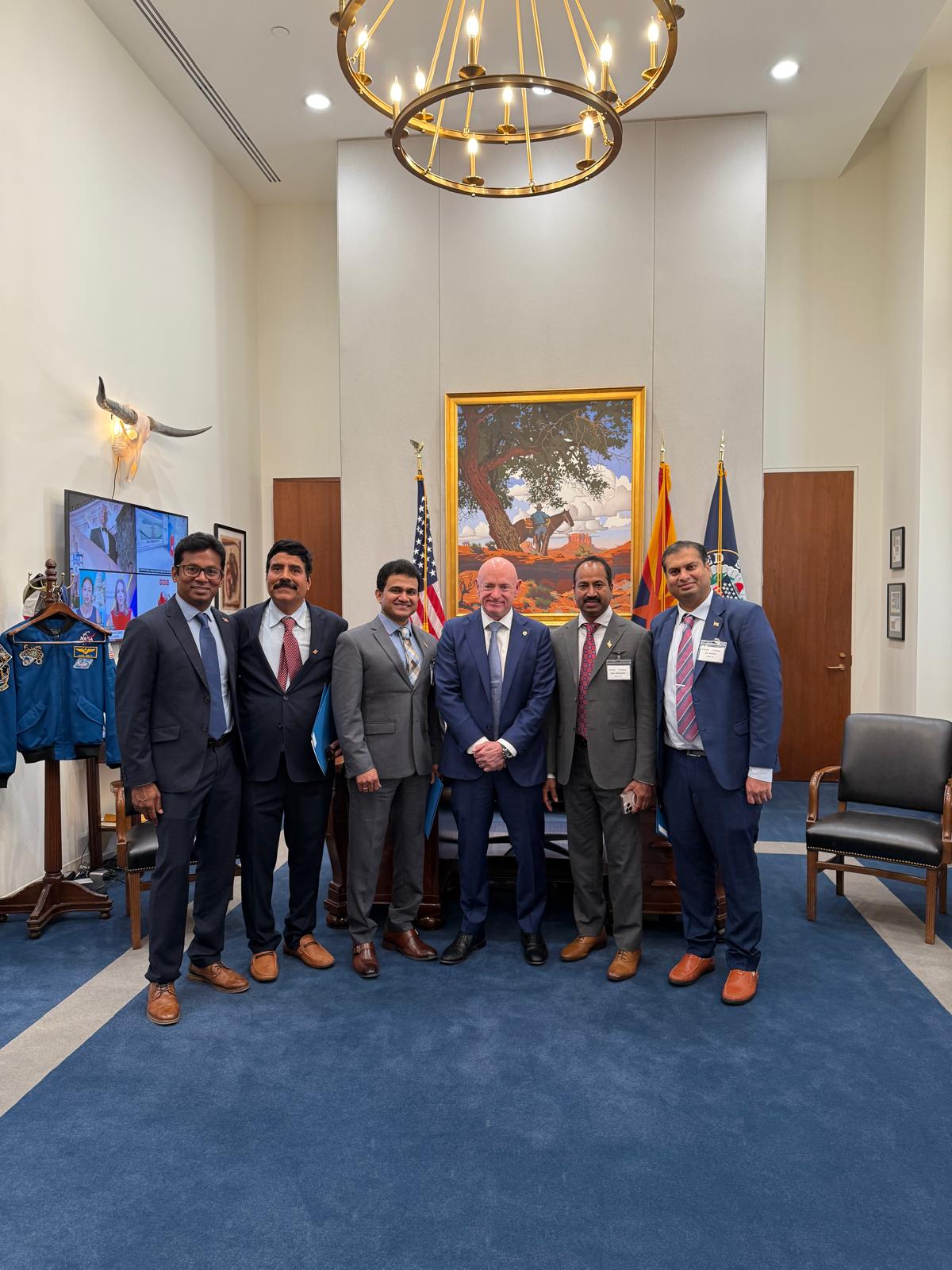
Sen. Eric Schmitt of Missouri, Sen. Mark Kelly of Arizona, Rep. LaMonica McIver from New Jersey, and Rep. Robert Paul from Pennsylvania were among other key lawmakers that ITServe members met and advocated for immigration reforms.

ITServe Alliance, with an active membership of 2,500 + members who are small & medium-sized companies, representing prestigious IT companies functioning with similar interests across the United States, had its 5th annual Capitol Hill Day in Washington, D.C., where they met with 145 US Representatives and Senators and their staff, including influential committee chairs and members from both the Parties, eliciting support for the causes put forth by ITServe.

Capitl Hill With Sen Mark KellyHigh-Skilled Immigration Reform for Employment (HIRE) Act, introduced by US Congressman Raja Krishnamoorthi, D-Illinois in the past and is being considered to be reintroduced in the current Congress, has been a key measure ITServe supports and has made aware of among the more than 145 key Lawmakers who were part of the Capitol Hill Day by ITServe this year. The Bill would strengthen U.S. competitiveness by helping to close the skills gap – the space between the skills required for jobs that employers need to fill, and the skills possessed by current prospective employees.

“The dedication of ITServe members, especially those 200 members who came from across the nation and participated in our 5th annual Capitol Hill Day, and engaging in 145 meetings in a single day, is truly impressive,” said Anju Vallabhaneni, ITServe National President 2025.  “The impact of these efforts on lawmakers is invaluable, and it’s inspiring to see such motivated teams working toward meaningful changes to the legal immigration system in the United States.”

Recognizing that H-1B visa holders play a critical role in bolstering the U.S. economy, fostering innovation, and enriching the fabric of American society through their skills, contributions, and diverse backgrounds, and knowledge to American workplaces, Siva Moopanar, President-Elect of ITServe said, “They facilitate knowledge transfer and skills development by engaging in research and development activities, particularly in STEM fields, which contributes to scientific advancements and technological progress. Therefore, ITServe Alliance continues its efforts in supporting and advocating for immigration reforms that will help America maintain its tech leadership in the world.”

Capitl Hil Day with Rep Robert PaulITServe supports the HIRE ACT Bill (High Skilled Immigration Reform for Employment). Innovation, STEM education, and avoiding brain drain are the highlights of the Bill. Another area, where ITServe has focused is the STEM Program to promote the “American Ingenuity Account” to fund State-administered grants for STEM education and worker training.  Enhancing the current H1B CAP limits – from   65,000 to 130,000 per year has been a major area where ITServe has placed its efforts in recent years.
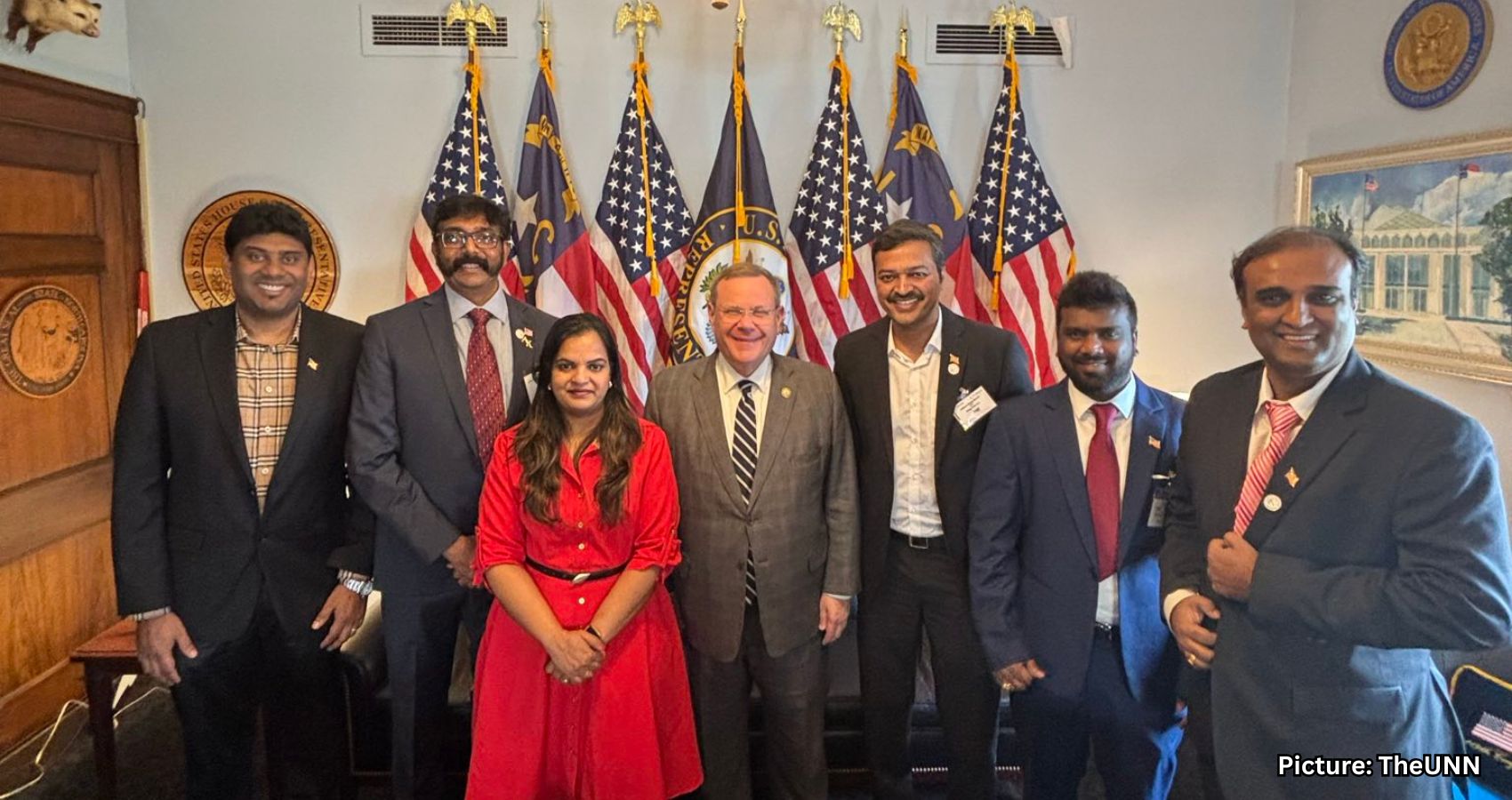
“The U.S. needs to maintain its leadership in technology and innovation,” Sateesh Nagilla, ITServe Alliance Director – Policy Advocacy Committee (PAC) & Immigration, said. “The U.S. has a large skills gap – availability of workers vs the openings for talent in IT. We need the brightest minds from all over the world to keep our wide lead in technology and innovation. To that end, ITServe Alliance, through its PAC teams, is consistently working to protect its members’ needs, advocating on Capitol Hill and with the US Administration.”

Sudheer Chakka, Managing Director, ITServe Alliance Connect Policy Advocacy Committee (CPAC) urged the lawmakers, among other initiatives, to support the Bill, “Through our annual Capitol Hill Day, ITServe has advocated and urged the Lawmakers to bring back this program[SM1] . We at ITServe are grateful that the US lawmakers, who have listened to our concerns and needs and have expressed their openness to support the HIRE ACT, benefitting tens of thousands of skilled workers in the nation.”

A major objective of the Capitol Hill Day is to showcase to the lawmakers some of the significant contributions of the ITServe members to the country’s economy through Technology & Innovation, local employment, and STEM education. The event addressed key concerns faced by small businesses, including the need for high-skilled immigration reform.

Featured & Cover ITServe’s 5th Annual Capitol Hill Day Makes Huge Impact Through 145 Meetings with Key Lawmakers Advocating for Policies and Programs that Help Maintain US Leadership in Technol“The ITServe Alliance is consistently working to protect its members’ needs. To that end, ITServe Alliance, through its PAC teams, advocated on Capitol Hill and with the US Administration. Capitol Hill Day serves as a perfect platform to communicate our collective voice with key policymakers on important issues to our members,” added Amar Varada, ITServe Governing Board member.
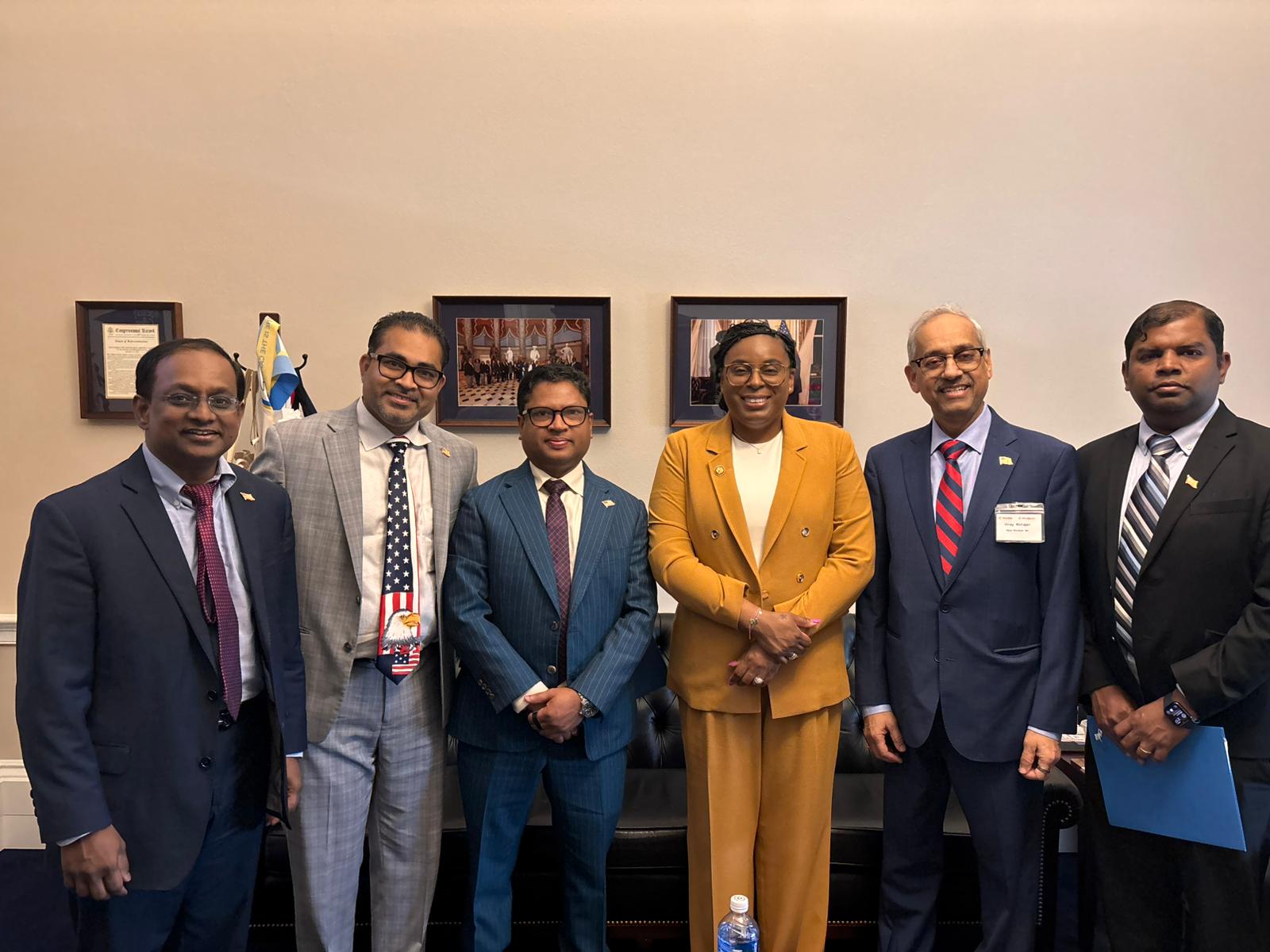
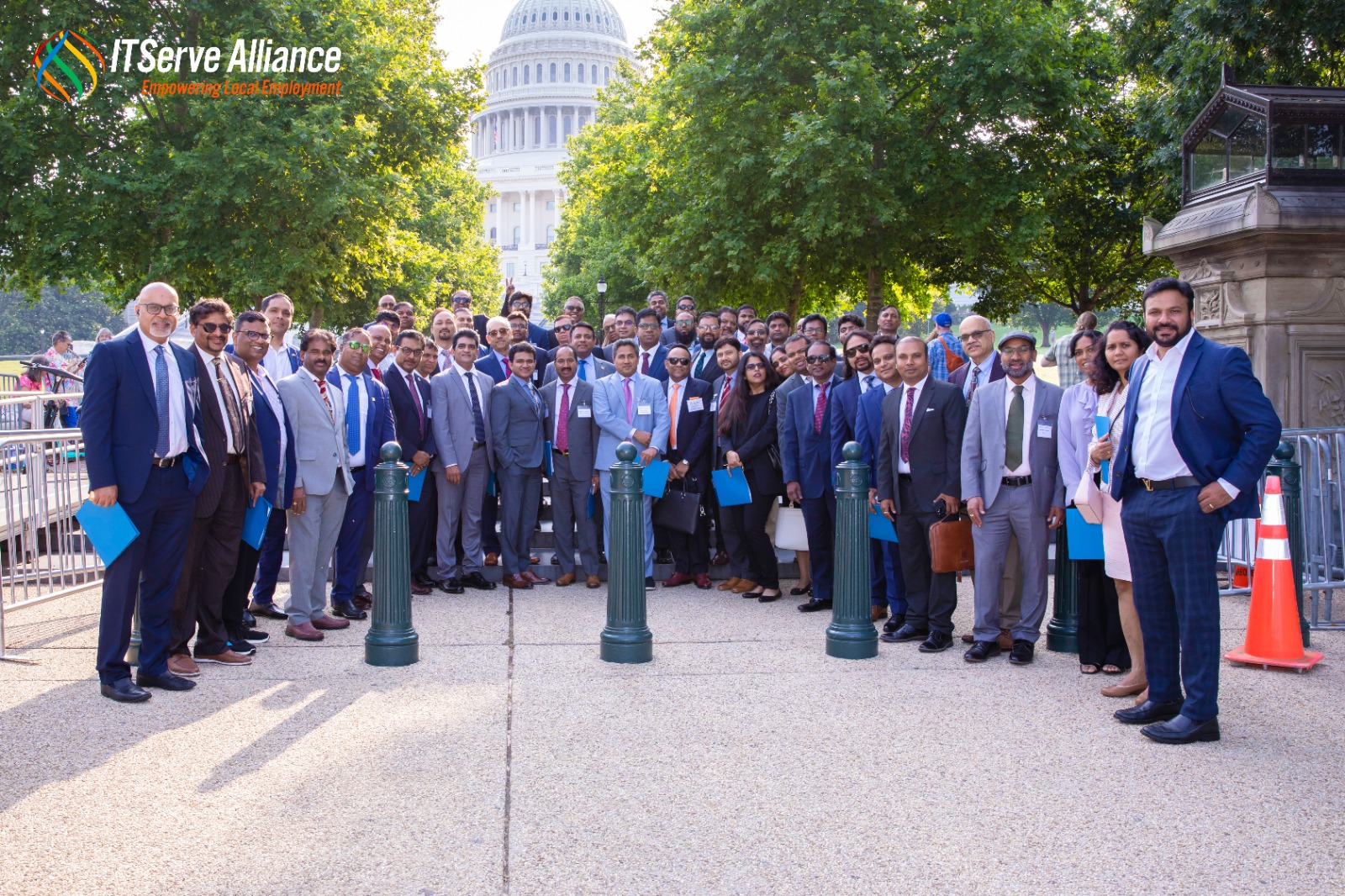
“Congrats, ITServe, PAC, and CPAC leadership, and Monte for a very successful Capitol Hill Day. 145 meetings in one day is great work and could be accomplished only with highly motivated teams of ITServe members. Everyone was very appreciative of the impact the ITServe is creating on lawmakers and how it will make a difference in the long run,” said Vinay Mahajan, past President and current member of the ITServe Governing Board.

Stressing the importance of ITServe and the Legislative Day, Monte Ward, a key organizer of the day long events on Capitol Hill, said, “ITServe Alliance’s Capitol Hill Day has effectively served as a powerful platform in [SM2] advocating with policymakers on the issues that are important to our members and the business community, ensuring that our needs and views are reflected in policy debates and outcomes on Capitol Hill. The U.S. needs to maintain its leadership in technology and innovation.”

CVapitol Hill With Rep LaMonica McIverH-1Bs are temporary, nonimmigrant visas for foreign workers with at least a bachelor’s degree, and they often go to technology workers. Currently, the number of H-1B visas is limited to 65,000 each year, although there are an additional 20,000 available to workers who have a master’s degree or higher from a US university. Enhancing the current H1-B CAP limits – from   65,000 to 130,000 per year has been a major area where ITServe has placed its efforts.

 H-1B visa holders, possessing specialized skills and expertise in fields like STEM, which are vital for American companies to stay competitive in the global market, are a highly skilled foreign workers that brings numerous benefits to the United States. They fill in critical skill gaps in the labor market, contributing to economic growth and innovation, thus leading to increased productivity and competitiveness in various industries, by creating new job opportunities by starting businesses and driving entrepreneurship.

Referring to a recent poll of people around the world, Rep. Krishnamoorthy said, while only 6% wanted to immigrate to China, 90% of the people wanted to immigrate to the United States.  “Imagine a country that has the number one draft pick of the very bright, the brightest, and the most hard-working people from every other country in the world. And why would you ever squander that?” he asked.

Capiol Hill Day 1Rep. Krishnamoorthy lauded the contributions of ITServe members to the nation. He said, “I look at you today. You chose Team America. You come here and bless this country with your gifts, with your talents, with your energy, with your ideas, with your industry, with your ability to make it happen. And that’s what you did. You made your company, you hired people, you created jobs. And that’s what you’re trying to do over and over and over again. You’re trying to replicate that success.”
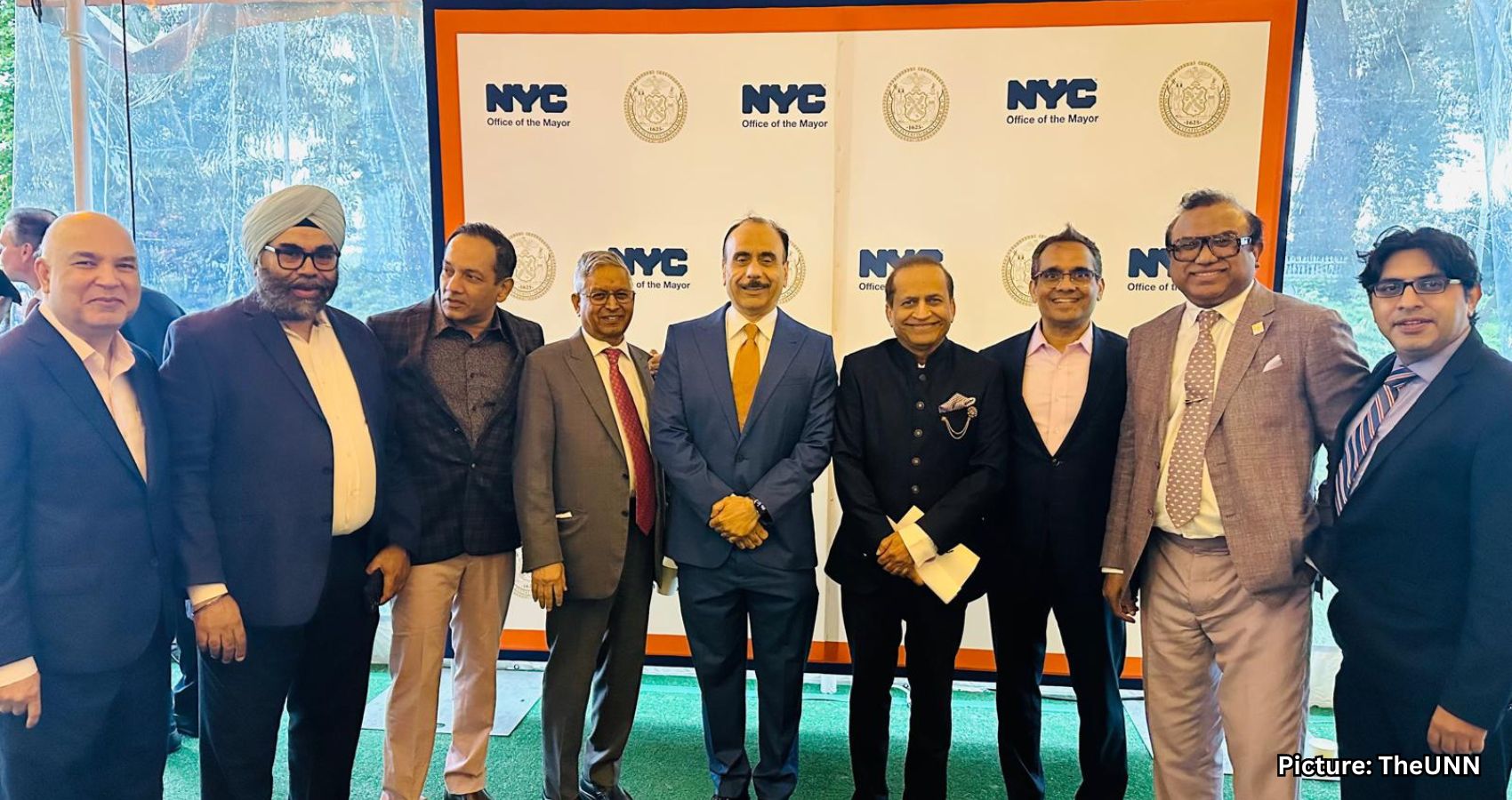
ITServe Alliance, the largest association of IT Solutions & Services organizations in the US, serves as the collective voice for prestigious small and mid-sized IT firms with shared interests nationwide. As a trusted platform, ITServe collaborates and implements measures to safeguard common interests, ensuring the protection of its member companies. Since its establishment in 2010, ITServe Alliance has been a beacon of knowledge, skill, and awareness, empowering its members through 22 regional chapters across the country. For information on ITServe and its many noble initiatives, please visit: www.itserve.org

Youth Advocates Present Campaign Findings on Mental Health, Language Access, and Bullying in NYC Schools

Youth leaders from the Coalition for Asian American Children and Families’ (CACF) renowned Asian American Student Advocacy Project (ASAP) gathered to present the outcomes of their advocacy campaigns for the 2024–2026 cycle. These efforts focused on three major concerns impacting Asian American and Pacific Islander (AAPI) students in New York City’s public schools—language access, mental health, and bullying and harassment. The results were unveiled at the program’s annual Community Briefing held on Friday.

ASAP, which marked its 21st year, was initiated in 2004 with a vision to empower young AAPI students across New York to become knowledgeable and self-aware advocates for their communities and peers. Since its inception, the program has become a powerful platform for elevating youth voices on critical issues within the city’s education system.

This year’s cohort comprised 36 young individuals representing diverse backgrounds from all five boroughs of New York City as well as neighboring regions. These youth leaders spent the year investigating the challenges AAPI students face and strategizing ways to bring about meaningful change.

“Our annual ASAP Community Briefing is a special moment for everyone at CACF because it is a chance for our young people to showcase their research and advocacy on the issues that affect them the most,” said CACF Co-Executive Directors Anita Gundanna and Vanessa Leung. “ASAP was built on the belief that our young people are experts on their own experiences and we are so pleased to be able to highlight the research they’ve done this academic year to their teachers, families, and elected officials.”

The event drew a wide audience that included community members, educators, and public officials. Among the attendees was Councilmember Rita Joseph, who delivered a brief address to the youth participants, acknowledging their contributions and commitment. In recognition of their efforts, the youth advocates received certificates of completion from CACF’s Co-Executive Directors.

Additionally, they were honored with City Council citations provided by Councilmembers Shekar Krishnan, Linda Lee, and Mercedes Narcisse. For those hailing from Brooklyn, the Brooklyn Borough President’s Office also extended its congratulations with official citations.

The ASAP Youth Leaders were chosen through a competitive application process and come from 22 different high schools across the city. This year’s group was among the most diverse in the program’s history, representing 15 different Asian ethnicities and collectively speaking 11 different languages.

Several of the youth leaders reflected on what the program and the Community Briefing meant to them personally. Their experiences revealed the depth of learning, collaboration, and emotional connection involved in the yearlong journey.

“This briefing is the conclusion to a long year of focusing on AAPI mental health, the different perspectives of the gaps and challenges that AAPI face in schools, and how we can put that all together and find solutions and patterns. I’ve learned so much from my team over this year, and the briefing as a whole is such a special place for all the teams to share work that they’re proud of and advocate for change to our schools and, especially as a high school senior, to the generations after us,” said Olivia Kim, an ASAP Youth Leader.

Emily Ng, also a high school senior and longtime participant, described the briefing as a significant personal milestone. “The ASAP briefing is special because it’s a unique opportunity to let others know what we do at ASAP and why it’s important. It’s a space where we get to educate and have meaningful conversations. For me personally, I’m also excited because this is my last ASAP briefing as a youth leader, and in a way, it’s like the ASAP graduation,” she shared.

The campaigns covered a range of timely issues that continue to impact AAPI students in public schools. For example, one of the teams focused on combating bullying and harassment—a subject that has gained national attention in recent years, especially in the context of rising anti-Asian hate.

“This year, my team have been working hard, having many discussions about anti-bullying and harassment, and how it affects AAPI students in NYC’s public schools. I am excited to finally be able to share what I have learned with other people and hope to educate people in and outside ASAP on issues of bullying and harassment in schools,” said Ari Schaer, another youth leader in the program.

Mental health was another central theme of the advocacy projects. Ayesha Tasnim, who participated on a team that explored the psychological well-being of students, explained the significance of the work her group had completed over the past academic year.

“Today’s briefing is special because it marks the end of the ASAP mental health campaign team for 2024–2025 and is a celebration of all of the progress that we’ve made. This briefing accumulates all the hard work that my team and I have done all school year on researching and understanding the mental health needs of AAPI and other students in New York City schools. I am excited about sharing our findings with the community,” she stated.

The sense of accomplishment and empowerment was echoed by several participants. For many, the briefing symbolized more than a presentation—it was a culmination of months of dedication, teamwork, and a shared desire to make schools more inclusive and supportive environments for all students.

“I’m excited for the briefing because us ASAPers work so hard during the year, and I think we all love the idea of showing off our efforts. It also gives me a sense of accomplishment and contribution because I get to share our campaign’s findings with the community,” said Jonas Wooh, one of the student leaders involved in the initiative.

The Community Briefing served as both a platform to celebrate youth-driven advocacy and an opportunity for broader engagement with city leaders and education stakeholders. Through the efforts of its young participants, ASAP continues to shed light on the unique challenges faced by AAPI students and promote solutions tailored to their lived realities.

With the 2024–2026 campaigns now formally presented, the findings will not only help shape future efforts within the program but may also influence broader policy conversations about equity, safety, and access in public education. The voices of these young advocates are expected to resonate long after the event, inspiring both peers and adults to rethink how schools can better support diverse student populations.

By equipping its participants with research tools, collaborative skills, and public speaking opportunities, CACF’s ASAP program continues to fulfill its mission of nurturing the next generation of community advocates and changemakers. As the 21st year of the initiative concludes, the passion and dedication displayed by this year’s youth leaders signal a promising future for student-led advocacy in New York City.

UN Ocean Conference Ends with Promises and Pressure to Act: Hopes Ride on Next Steps

The third United Nations Ocean Conference (UNOC3), co-hosted by France and Costa Rica, concluded in Nice with a powerful message urging world leaders to move beyond pledges and start implementing real change to protect the planet’s oceans. Over the course of 11 days, the conference brought together more than 15,000 participants, including 50 heads of state and government, scientists, civil society organizations, Indigenous leaders, and youth activists. The event was widely hailed as a major moment for ocean diplomacy, testing how serious the international community is about delivering on ocean conservation.

“This conference has been a resounding success,” declared Olivier Poivre d’Arvor, France’s Special Envoy for the Ocean. “We close not just with hope, but with concrete commitments, clear direction, and undeniable momentum.”

Costa Rica’s Foreign Minister Arnoldo André Tinoco echoed this optimism, praising the inclusive nature of the summit. “Together with France, we worked toward an action-oriented conference where all actors are represented and where finance and science go hand in hand,” he said.

Under-Secretary-General Li Chunhua, the Secretary-General of the conference, provided a reality check by reminding attendees that actions must follow words. “The real test is not what we said here but what we do next. The wave of change has formed. Now, it is our collective responsibility to propel it forward.”

Among the most significant developments at UNOC3 was progress toward ratifying the High Seas Treaty, formally called the Biodiversity Beyond National Jurisdiction (BBNJ) Agreement. With 51 countries having now ratified the treaty, the number required to bring it into force is just nine short of the 60 needed. Once active, the treaty would pave the way for the creation of marine protected areas in international waters, advancing the goal of protecting 30 percent of the ocean by 2030.

In addition to this progress, over 800 new voluntary commitments were announced through 10 multi-stakeholder Ocean Action Panels. These initiatives covered a wide range of issues including marine pollution, safeguarding deep-sea ecosystems, financing ocean protection, and honoring the role of Indigenous peoples in ocean stewardship.

Several major initiatives launched during the summit included:

  • The One Ocean Finance Facility, designed to address the large funding shortfall in ocean conservation.
  • The European Ocean Pact, aimed at enhancing cooperation for sustainable ocean management across European nations.
  • The Ocean Rise and Coastal Resilience Coalition, which seeks to support communities most vulnerable to sea-level rise.

The conference also saw growing global resistance to deep-sea mining. Four more countries joined the call for a moratorium, bringing the total to 37. “More and more countries are listening to science and the demands of youth for their common heritage over commercial interests,” said Tinoco.

However, while the commitments were numerous, not everyone was satisfied. Environmental groups expressed disappointment that the conference didn’t deliver stronger, legally binding decisions, especially regarding deep-sea mining. Megan Randles, who led the Greenpeace delegation, voiced this concern bluntly: “We’ve heard lots of fine words here in Nice, but these need to turn into tangible action. Countries must be brave and make history by committing to a moratorium on deep-sea mining at next month’s International Seabed Authority (ISA) meeting.”

Randles acknowledged the progress on the High Seas Treaty but felt it was still insufficient. “The deep sea should not become the wild west,” she warned, referencing a recent remark made by UN Secretary-General António Guterres.

Activists also highlighted the importance of the upcoming negotiations in Geneva this August for a Global Plastics Treaty. Ninety-five governments signed the “Nice Call for an Ambitious Plastics Treaty,” but there are serious concerns that industry lobbying, particularly from oil and petrochemical sectors, could weaken the agreement.

“The world cannot afford a weak treaty dictated by oil-soaked obstructionists,” said John Hocevar, Oceans Campaign Director at Greenpeace USA. “Governments need to show that multilateralism still works for people and the planet, not the profits of a greedy few.”

Indigenous and coastal communities played a visible and vocal role at UNOC3. Their presence was especially prominent in the “Green Zone” located in La Valette, which hosted over 100,000 visitors and featured events ranging from grassroots panels to art exhibitions and youth forums.

Nichanan Thantanwit, Project Leader at the Ocean Justice Project, underscored the vital role of Indigenous voices in ocean protection. “There is no ocean protection without the people who have protected it all along. Governments must recognize small-scale fishers and Indigenous peoples as rights-holders and secure their role in ocean governance,” she said. She also condemned environmentally harmful practices such as bottom trawling and industrial aquaculture, noting that these “drive ecological collapse and human rights violations.”

While the French government hosted the event and President Emmanuel Macron reiterated his backing of a deep-sea mining moratorium—describing it as “an international necessity”—some conservationists felt France had not fully lived up to its leadership role. Enric Sala, National Geographic Explorer in Residence and founder of Pristine Seas, expressed disappointment with France’s performance. “This was France’s moment, but instead of making a splash, its impact was more of a ripple,” he said.

Sala acknowledged the positive actions of countries that announced new marine protected areas but added that the overall tone of the conference leaned heavily toward talk rather than decisive action. “We heard many policymakers speak about what needs to be done—yet few took the bold steps necessary to protect the ocean,” he said, adding that the event was “heavy on rhetoric, light on resolve.”

Looking ahead, a political declaration known as the “Nice Ocean Action Plan” is expected to be released soon. Though non-binding, it could play a significant role in shaping decisions at the ISA meeting in July and the plastics treaty negotiations in August.

Under-Secretary-General Chunhua shared that both South Korea and Chile have expressed interest in hosting the next United Nations Ocean Conference. “We want the positive momentum generated in Nice to amplify even further in UNOC4,” he stated.

As the curtain falls on UNOC3, there is a sense of optimism, but the question remains: Will this gathering result in meaningful change? Greenpeace’s Randles offered a closing reflection that captured the spirit of many attendees: “This must not be where it ends. It must be where it truly begins.”

New York City Mayor Eric Adams and Dr. Raj Bhayani Honor Healthcare Achievers of New York

New York City Mayor Eric Adams, in collaboration with the Healthcare Advisory Council, honored the Healthcare Achievers of New York during a solemn ceremony at the iconic Gracie Mansion in New York City on June 9, 2025.

Featured & Cover New York City Mayor Eric Adams and Dr Raj Bhayani Honor Healthcare Achievers of New YorkHosted by Eric Adams in partnership with Dr. Raj Bhayani, president of the Federation of Indian Physicians Association, the event was attended by over 150 prominent community, business, and healthcare leaders from across the New York tri-state region, representing Indian, Bangladeshi, Afghanistan, Jewish, Spanish, as well as Americans and Caribbean communities.
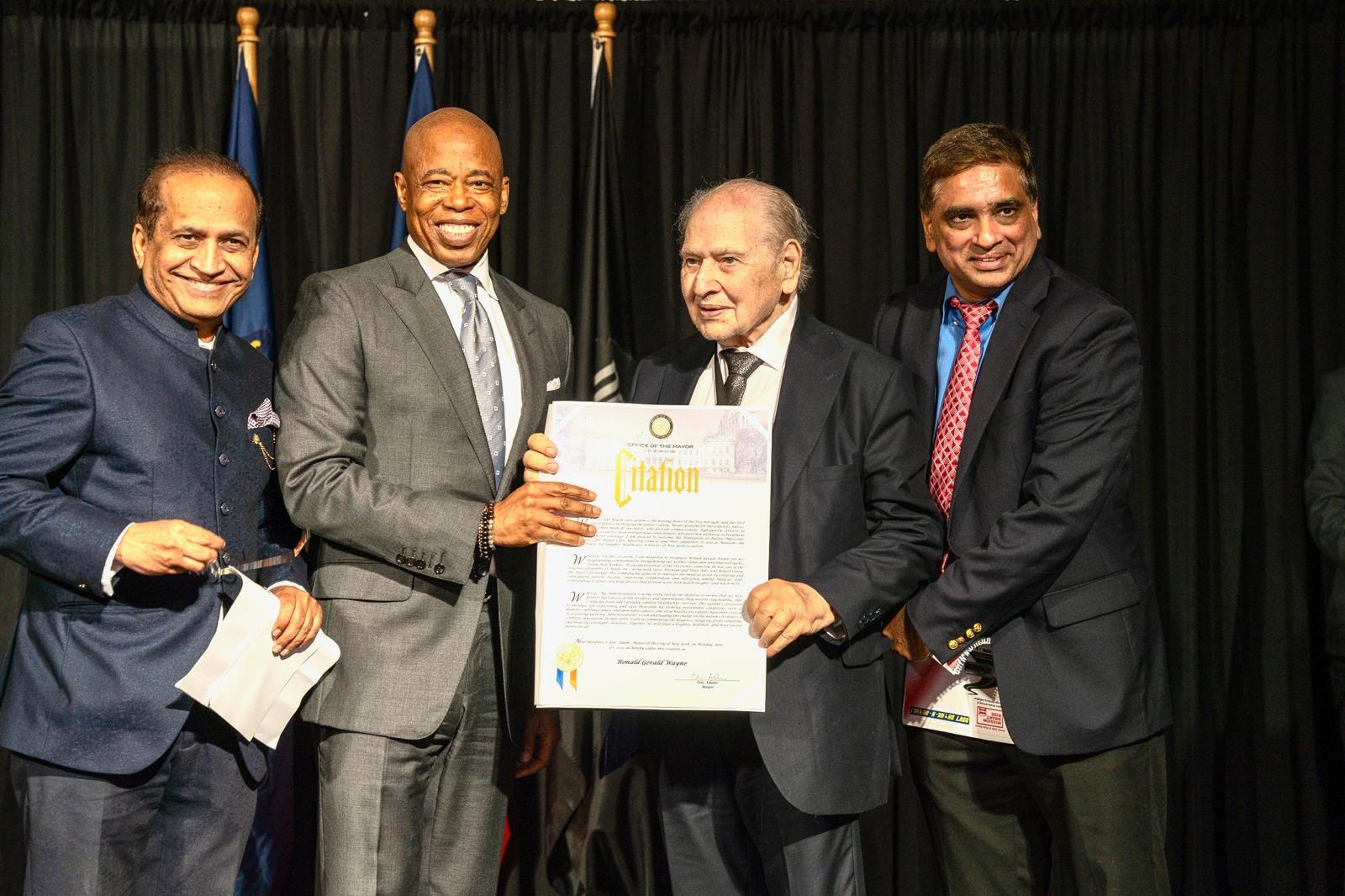
Mayor Eric Adams honored 13 healthcare leaders in New York, representing diverse areas of healthcare, such as physicians, pharmacists, pharmaceutical industries, Practice managers, and entrepreneurs in healthcare, along with people who are doing charitable health activities in the New York region for their accomplishments and contributions to the nation.

Mayor Eric Adams, in his address, highlighted the reasons for organizing this event and the sacrifice of healthcare workers, especially during the COVID-19 pandemic, saving millions in New York City. Pointing to the healthcare professionals and their hard work, sacrifices, and dedication, Mayor Adams said, “They are the symbols of what makes our country what it is, and I want to thank them. And tonight is not so much about me, it’s about our honorees, because public service is challenging and it’s difficult, and it’s always, for the most part, a thankless occupation that you go into.”

Recalling their sacrifices, especially during the COVID pandemic, Mayor Adams referred to the vicarious trauma ofRon Wayne honored healthcare professionals. “You continue to do your job. Nothing can signify that more than COVID, when I’ve witnessed the number of healthcare professionals who were in our hospitals, our healthcare centers, who were doing the testing, who were carrying out all the functions, and still had to worry about not infecting their family members at home. They still got up every day and did their job.”
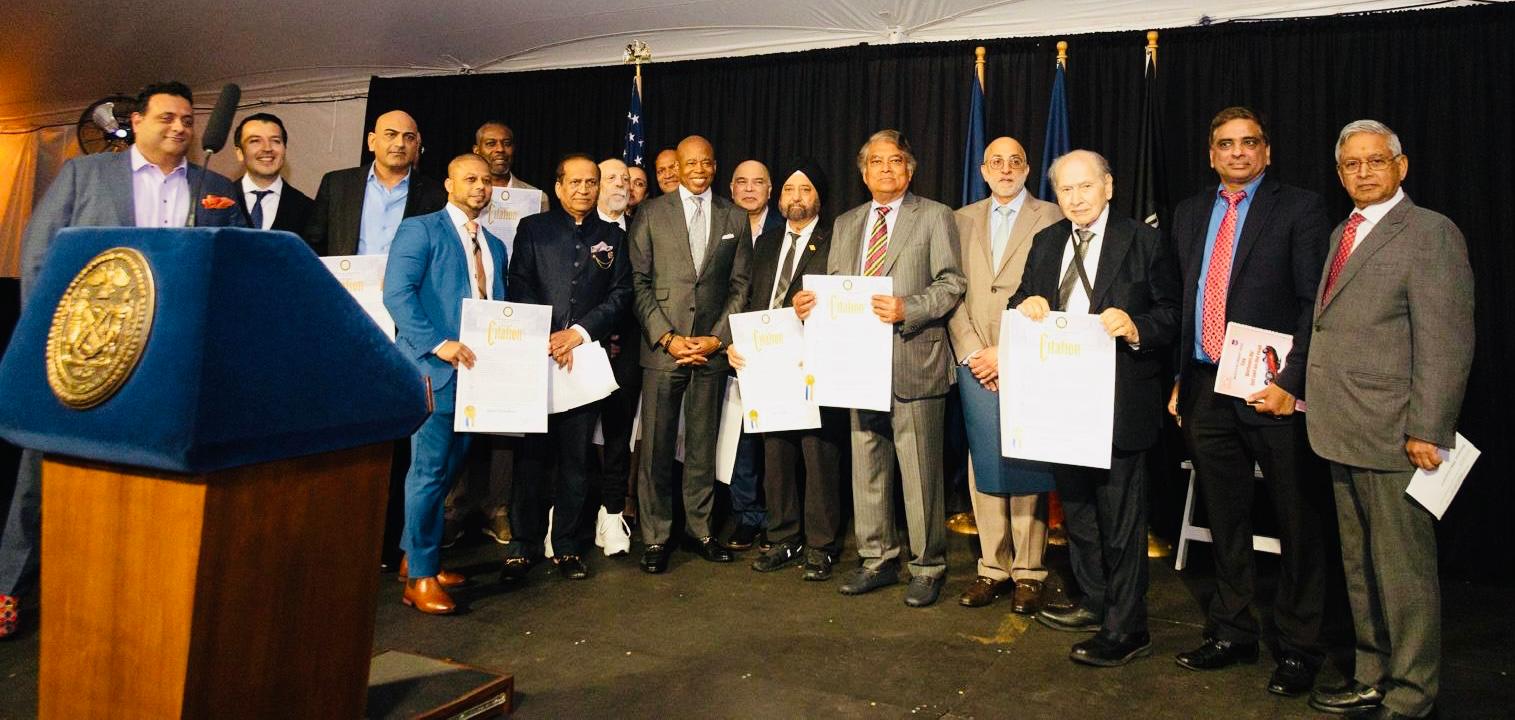
Addressing the honorees, Mayor Adams said, “And so, we need to continue to lift our healthcare professionals, and that’s why we’re doing it tonight. Honoring these professionals tonight is our way of honoring the entire health care profession and what they do every day for their loved ones and for our loved ones. And I want to personally say thank you for what you do. As they come on and receive their proclamation, let’s show them the love that they deserve, because clapping for them is not only clapping for them individually, but it’s clapping for the industry of health care that makes sure we live a healthy life, not only physically, but emotionally as well.”

In his welcome address, Dr Raj Bhayani emphasized the importance and the critical role played by healthcare professionals. Quoting Hippocrates, he said, “Love to Medicine is love to Humanity,” adding that the ceremony is a way of expressing our love and appreciation for healthcare professioals of New York.

The event began by honoring Ronald Wayne, who, along with Steve Jobs, founded Apple. While accepting the award, Wayne said, “This is the highest honor I have received in the 71 years of my career.”

All HnoreesOther prominent leaders who were honored at the ceremony included; Chintu Patel, founder and CEO of Amneal Pharmaceutical; Al Mason Fintech, entrepreneur; Dr. Shamim Sharma, eminent Cardiologist; Dr. Deepak Nandi, Neuropsychiatrist and entrepreneur; Dr. Atul Kukar, renowned Cardiologist; Gary Schlesinger, Healthcare Community Leader; Ronald Blount Jr, Bronx County Executive; Gary Sikka, President, American Punjab Society; Kanan Patel,  founder and CEO of Kayura pharma health and beauty products; Bhavik Patel, Healthcare executive; Ahmad Masoud, IRCM founder; Jabur Chowdhury, young healthcare entrepreneur; and  Dr Eyad Hijazin, a prominent physician from the region.

Al Mason introduced Eric Adams as the best Mayor the City has ever had and highlighted the need for continuing our support for him. Chintu Patel, Founder and CEO of Amnil Pharmaceuticals, and the keynote speaker at the event, emphasized the values that propel him to run his company. He said,  his company’s prime goal is innovation, affordability, and sustainability.  Kanan Patel, the youngest entrepreneur, shared with the audience her passion to combine ayurveda and allopathy to create beauty and skincare products.

Ronald Blount Jr., Bronx County Executive Director, highlighted the need for more work at policymakers in Albany for the greater good of the communities in New York. Gary Schlesinger, the Brooklyn community and healthcare leader, highlighted his passion to serve indigenous communities in New York. Gary Sikka expressed his desire to do more charitable work in healthcare and various health camps.  In closing remarks, Dr. Shashi Shah thanked all the organizers, attendees and thanked the Gracie Mansion staff and Caterer Mint by Gary Sikka for the great food.

Oil Prices Surge After Israel-Iran Strikes, But Experts Predict Only Temporary Impact

Oil prices experienced a significant increase on Friday following a military escalation involving Israel and Iran. Israel conducted airstrikes on Iranian nuclear and military facilities, prompting a retaliatory response from Tehran. This latest confrontation raised concerns about disruptions to global oil supply and triggered an immediate reaction in the energy markets.

The U.S. benchmark for crude oil, West Texas Intermediate (WTI), saw a notable rise in its price. By Friday, WTI had climbed to approximately $73 per barrel, up from around $69 at the close of the previous trading day. This spike of nearly $4 within a 24-hour period reflects the market’s sensitivity to geopolitical tensions, particularly in oil-rich regions like the Middle East.

The surge in crude oil prices is likely to translate into higher gasoline costs for consumers, although the extent and duration of the increase remain uncertain. As of Friday, the national average price for a gallon of gasoline in the United States was $3.13, according to data provided by AAA.

Despite the increase in prices at the pump, at least one prominent analyst has downplayed the long-term effects of the Israel-Iran conflict on fuel costs. Patrick De Haan, head of petroleum analysis at GasBuddy, offered reassurance to consumers in a post made on X, the social media platform formerly known as Twitter. “I am NOT worried and any impact to gas prices will be temporary,” he wrote Thursday night, prior to the full scale of the developments becoming clear.

This recent spike comes at a time when oil prices had already been on a downward trend in comparison to the highs reached in the past two years. While Friday’s $73 per barrel level for WTI marks an increase from recent weeks, it still falls well below the peak prices observed in 2022. At that time, following Russia’s invasion of Ukraine and the global economic recovery from the COVID-19 pandemic, oil prices had surged dramatically, reaching levels around $120 per barrel. That price shock had a broad and lasting impact on both energy markets and consumer inflation around the world.

Iran plays a key role in global oil production. Although the country is under strict international sanctions, which limit its ability to sell crude oil freely on the open market, it remains a significant contributor to the global oil supply. The sanctions mean that Iran typically sells its oil to a restricted group of countries, yet its output still factors into the delicate balance of global energy supply and demand.

Because of Iran’s position as a notable oil-producing nation, any threat to its ability to maintain output or transportation infrastructure can introduce uncertainty into the market. While the immediate price movement on Friday was a direct response to the Israeli strikes and Iran’s retaliation, analysts will be watching closely in the days ahead to determine whether this marks the beginning of a more prolonged period of instability in energy markets.

However, according to De Haan and others in the energy analysis community, the current assumption is that the effects on oil and gas prices will be short-lived, assuming the conflict does not escalate further or disrupt key infrastructure for an extended period.

It is worth noting that oil markets are often extremely reactive to geopolitical events, particularly when they involve nations in the Middle East. Historically, conflicts or threats to oil-producing nations in the region have triggered rapid increases in oil prices due to fears of supply disruptions. In this case, although the flare-up has had an immediate impact, market watchers appear cautiously optimistic that it will not result in a sustained price rally.

For consumers, the jump in crude oil prices could mean higher costs at the gas pump in the short term. Gasoline prices tend to follow oil prices with a slight lag, meaning that any increases in crude could start showing up in retail prices in the days or weeks that follow. That said, if the oil market stabilizes quickly—as analysts like De Haan predict—the increase in gas prices could be minimal and brief.

Still, the situation highlights how fragile the balance in global energy markets can be, especially when tensions flare between nations involved in oil production. Even with sanctions limiting its oil exports, Iran’s presence in the market is significant enough to cause ripples across the globe when its stability is threatened.

Although oil prices are still considerably lower than the highs of 2022, the recent events serve as a reminder that geopolitical developments can quickly change the dynamics of supply and demand. Any potential disruption to shipping routes, oil production facilities, or international agreements could have lasting consequences, depending on how the situation unfolds.

As things stand, the prevailing sentiment among experts appears to be one of cautious monitoring. The hope is that diplomatic efforts will prevent the Israel-Iran conflict from escalating into a larger regional crisis that could more deeply affect the global oil market. But until more clarity emerges, energy traders, analysts, and consumers alike will be watching developments in the Middle East closely.

To summarize, the oil market responded sharply to renewed conflict between Israel and Iran, with the U.S. benchmark WTI rising to about $73 per barrel. This marked a jump from roughly $69 the day before and raised the possibility of increased gasoline prices for American drivers. However, energy analysts, including Patrick De Haan of GasBuddy, suggested the impact would be temporary. “I am NOT worried and any impact to gas prices will be temporary,” he emphasized on social media.

Gasoline prices across the U.S. averaged $3.13 per gallon on Friday, according to AAA. While this level is still significantly lower than the historic highs of 2022—when oil peaked at $120 per barrel—it reflects how quickly markets can react to geopolitical tension, especially involving oil-producing nations like Iran.

Iran continues to be a major oil producer despite international sanctions that limit its customer base. These sanctions do not eliminate its contribution to global supply, which is why conflicts involving Iran can unsettle oil markets. Whether the price jump will last depends largely on how the current standoff between Israel and Iran evolves in the coming days.

This recent development underscores the volatile nature of global energy markets and the outsized role that geopolitical conflict can play in determining oil prices—even when fundamental supply and demand factors remain relatively stable.

Kerala’s Jackfruit: From Backyard Staple to Global Superfood

The image of sliced jackfruit neatly arranged on a plate with a full, spiky-skinned fruit looming in the background is more than a visual treat—it is a snapshot of Kerala’s deep-rooted bond with this colossal fruit. In the lush state of Kerala, jackfruit is not merely a seasonal produce but a constant presence in the household. It is commonly found growing in backyards, coexisting with other tropical staples like mango and coconut trees, and holds a central place in the region’s culture and cuisine.

Known as the largest fruit that grows on trees, jackfruit boasts an extraordinary size. Each fruit can weigh anywhere from 11 kilograms to a hefty 35 kilograms, occasionally extending up to two feet in length. Indigenous to South India, the jackfruit is no stranger to the region’s history or its people. Mentions of the fruit are found in ancient Sangam literature, and archaeological records suggest that it has been cultivated in the area for more than 3,000 years. These facts testify to its enduring relevance and long-standing cultivation. What further cements its popularity is the tree’s sheer productivity and resilience. A single tree can yield over 100 fruits a year, making it not only plentiful but also reliable. Its natural resistance to pests and diseases further enhances its reputation as a sustainable and cost-effective food source.

The jackfruit’s role in Kerala’s culinary repertoire is equally significant. It is an incredibly versatile ingredient, capable of taking on numerous avatars depending on its stage of ripeness. Whether raw or ripe, jackfruit can be transformed into a vast array of dishes. From savoury meals to sweet desserts, pickles to rich stews, the fruit’s applications are nearly endless. In Kerala households, jackfruit, or chakka as it is locally known, is not just a fruit—it is an integral part of everyday cooking as well as festive meals. Its ability to traverse the full spectrum of daily staples and celebratory fare speaks volumes about its adaptability.

Its growing fame isn’t confined to the Indian subcontinent. In recent years, jackfruit has begun to gain traction on the global food scene. As international interest in plant-based diets continues to rise, jackfruit has emerged as a promising meat alternative. Its fibrous texture bears a striking resemblance to pulled pork or shredded chicken when cooked, making it a favorite among vegetarians and vegans. Additionally, jackfruit is praised for its potential health benefits, particularly its ability to help regulate blood sugar levels. This intersection of health consciousness and culinary utility has significantly boosted its commercial appeal in international markets.

Such renewed interest has led to a formal recognition of its value back home. In 2018, Kerala officially declared jackfruit as its state fruit. This decision wasn’t just a symbolic gesture—it was a nod to the fruit’s profound cultural roots and increasing economic relevance. The declaration helped spotlight the fruit’s contributions to the state’s identity and livelihood.

Despite its current popularity, jackfruit hasn’t always enjoyed such widespread appreciation. For many years, it was often bypassed, mainly due to its intimidating size and the labor-intensive process required to clean and prepare it. Extracting the fruit’s edible parts from its sticky sap and fibrous body can be time-consuming, leading some to avoid it altogether. However, such challenges are now being overshadowed by the fruit’s nutritional value and culinary potential. Modern innovations in food processing and preparation have made it more accessible to a broader audience, allowing its full potential to shine.

What is most remarkable about jackfruit’s resurgence is the strong sense of nostalgia it evokes. For many Keralites, the fruit brings back memories of family farms, childhood summers, and traditional meals prepared with care and patience. It is as much a part of the state’s emotional landscape as it is a staple in its kitchens. Now that it has been embraced by the global food industry, jackfruit carries with it not just the flavors of Kerala but also the stories and traditions passed down through generations.

“From nostalgic associations with family farms to its emergence as a global superfood, jackfruit remains a powerful symbol of Kerala’s culinary heritage,” the original article rightly states. This statement encapsulates the journey of jackfruit—from being a humble backyard fruit to becoming a celebrated ingredient in health-conscious kitchens around the world. Its evolution mirrors the balance Kerala maintains between preserving traditions and embracing change.

Jackfruit’s place in Kerala’s story is thus multifaceted. It is a botanical marvel, a cultural icon, and a culinary chameleon. Its ability to feed families economically, delight palates through diverse dishes, and meet modern dietary demands makes it a true treasure. In celebrating jackfruit, Kerala is not merely championing a fruit—it is reaffirming its connection to the land, to sustainability, and to a shared history that continues to thrive with every harvest.

With global food trends now spotlighting natural, nutritious, and eco-friendly ingredients, jackfruit seems poised to maintain its place in the limelight. And for Kerala, this isn’t a new discovery but a rediscovery—a reaffirmation of something it has always known: that jackfruit is not just a fruit, but a part of life itself.

Malabar River Festival 2025 Set to Make a Splash with Thrilling Kayaking Events in Kerala

The Malabar River Festival is set to return for its 11th edition from July 24 to 27, 2025, bringing a wave of thrilling action to the rivers of Kozhikode. This much-anticipated international kayaking event will once again take place across the stunning Chalipuzha and Iruvazhinjipuzha rivers near Thusharagiri, a region known for its natural beauty and adventure appeal. The festival continues to affirm Kerala’s growing reputation as a leading destination for adventure sports in the country.

The annual festival, which has steadily gained prominence over the years, is being jointly organized by the Kerala Adventure Tourism Promotion Society (KATPS), the District Tourism Promotion Council (DTPC), and the Kozhikode District Panchayat. Technical support and expertise are being provided by the Indian Kayaking and Canoeing Association (IKCA), ensuring the event adheres to international standards and safety protocols. Thanks to its professional management and commitment to excellence, the Malabar River Festival has become a magnet for both professional and amateur kayakers from various corners of the globe.

The upcoming 2025 edition of the festival will feature an array of competitive kayaking events spread across multiple categories to cater to different levels of expertise. The competition will be divided into Open and Amateur categories, giving athletes the opportunity to demonstrate their skills and passion for river sports in a supportive and picturesque environment.

For experienced kayakers, the Open Category offers a platform to compete in challenging and rewarding events. This segment is specifically designed for participants with a paddling proficiency of Class 3 or above. The highlight events in this category will include the Kayak Cross and the Downriver Time Trial, where seasoned paddlers will race against time and navigate through the dynamic river terrain. This category not only includes competitive races but also offers full amenities for participants, including accommodation support and access to essential resources.

Meanwhile, the Amateur Category is intended for emerging talents and kayaking enthusiasts with Class 2 paddling skills. While the races in this section will not be officially competitive, they provide an excellent opportunity for participants to gain valuable experience, improve their skills, and become a part of the vibrant kayaking community. This inclusive approach has helped the Malabar River Festival nurture young talents and broaden participation in river sports in India.

The festival’s continued growth and success are largely attributed to the strong institutional backing it receives and the natural beauty of its location. By showcasing the rivers of Kozhikode as prime locations for water-based adventure activities, the Malabar River Festival has become more than just a sporting event. It serves as a celebration of Kerala’s unique river ecosystems, its growing adventure tourism industry, and the state’s capacity to attract global travellers seeking offbeat experiences.

Officials behind the event emphasize that the Malabar River Festival plays a vital role in supporting Kerala Tourism’s long-term goals. “The festival is not just about kayaking. It’s about opening up Kerala’s lesser-known destinations to the world and encouraging sustainable tourism,” said one of the organizers. By drawing attention to areas like Thusharagiri, the event helps stimulate the local economy while preserving ecological balance through carefully managed tourism.

The blend of high-octane sport and picturesque landscapes has made the Malabar River Festival a major attraction in the adventure travel calendar. Participants, spectators, and adventure enthusiasts from around the world gather in Kozhikode not just for the competition but for the immersive experience that the festival offers. Over the years, it has become a meeting point for global kayakers who share their knowledge, passion, and respect for river sports and conservation.

The upcoming 2025 edition promises to be no different, with enhanced arrangements and a welcoming environment for all involved. According to the organizers, “The event has always emphasized camaraderie, safety, and the spirit of adventure. In 2025, we are expecting even more international participation, better logistical support, and an overall elevated experience for everyone.”

To make participation as seamless as possible, the organizers have ensured that online registration for the 2025 edition will be open shortly. Interested participants can sign up through the official website of Kerala Adventure Tourism at www.keralaadventure.org. Registrants will receive complete festival packages that include race kits, on-site transportation, and meals, allowing them to focus entirely on the adventure ahead.

In keeping with international best practices, all safety measures and race protocols will be supervised by trained professionals from the Indian Kayaking and Canoeing Association. The inclusion of technical guidance ensures that participants can compete in a secure and controlled environment, regardless of their experience level. This focus on safety and professionalism has helped the festival maintain its credibility and grow year after year.

The local authorities also play a critical role in supporting the event’s success. The Kozhikode District Panchayat and DTPC have worked closely with KATPS to ensure smooth logistics, community involvement, and hospitality for visitors. Their joint effort has helped the festival integrate well into the local fabric while also putting Kerala on the international map of adventure tourism.

Beyond the sports, the festival creates a festive atmosphere for locals and visitors alike. The event period often sees cultural programs, food stalls showcasing Kerala cuisine, and interactive sessions on environmental conservation and river health. These side activities add an educational and cultural layer to the festival, making it a holistic celebration of Kerala’s natural and human heritage.

What makes the Malabar River Festival truly stand out is its commitment to sustainable tourism. Rather than focusing solely on footfall or revenue, the event has emphasized preserving the environment and respecting local traditions. Organizers are careful about minimizing ecological disturbance during the event and work with local communities to ensure that the benefits of tourism are shared fairly and transparently.

Looking ahead, the organizers are confident that the Malabar River Festival will continue to grow in scale and prestige. “With every edition, we are learning and evolving. Our goal is to make this not just India’s biggest river festival but one of the best in the world,” said a senior KATPS official.

In conclusion, the Malabar River Festival 2025 is gearing up to deliver an exciting, action-packed experience for participants and spectators alike. With its unique blend of sport, culture, nature, and community involvement, the festival remains a shining example of how adventure tourism can thrive in harmony with sustainability and local engagement.

Israeli Airstrikes Target Iranian Nuclear Sites, Kill Top Officials, Prompting Fears of Escalation

In a dramatic escalation of hostilities in the Middle East, Israel launched a series of airstrikes against Iran early Friday morning, local time, aimed at facilities it identified as being linked to Iran’s nuclear ambitions. The strikes have intensified global concern over the possibility of a wider regional war, especially as both countries exchanged threats and retaliatory actions.

According to Iranian state media, the Israeli assault resulted in the deaths of two of Iran’s most senior military leaders. Mohammad Hossein Bagheri, the highest-ranking official in Iran’s Armed Forces, was confirmed dead. He was killed alongside Hossein Salami, the commander-in-chief of Iran’s powerful Islamic Revolutionary Guard Corps. These losses mark a severe blow to Iran’s military hierarchy.

In addition to these key figures, two of Iran’s leading nuclear scientists were also killed in the strikes. Iranian news outlets identified them as Fereydoun Abbasi-Davani and Mohammad Mehdi Tehranchi. Both individuals played central roles in the country’s nuclear development program, and their deaths are expected to have a significant impact on Iran’s scientific and military infrastructure.

In response to the Israeli operation, Iran’s supreme leader, Ayatollah Ali Khamenei, issued a stern warning, vowing retribution. “With this crime, the Zionist regime has brought a bitter and painful fate upon itself, and it will certainly face it,” Khamenei declared in an official statement.

The Israeli offensive reportedly included airstrikes in various parts of Iran. In the capital city of Tehran, multiple casualties were reported. The city of Natanz, which houses one of Iran’s primary nuclear enrichment facilities, was also struck. However, according to the International Atomic Energy Agency, the Isfahan nuclear facility remained unharmed, and there was “no increase in radiation levels has been observed at the Natanz site.”

Other locations that came under fire included Khandab, home to a heavy water nuclear reactor, and Khoramabad, which hosts a base for ballistic missiles. The choice of these specific sites underlines the Israeli objective to disrupt what it sees as critical components of Iran’s nuclear and military capabilities.

In a swift response, Iran launched approximately 100 drones aimed at Israeli territory, an Israeli military spokesperson reported. The Israeli defense system is currently engaged in efforts to intercept and neutralize these drones. This exchange indicates the high likelihood of further military confrontation between the two nations.

Israeli Prime Minister Benjamin Netanyahu addressed his nation following the strikes, making it clear that the operation could continue. “This operation will continue for as many days as it takes to remove this threat,” he asserted. His statement suggests a prolonged campaign may be underway.

Israel’s Defense Minister, Israel Katz, declared a state of emergency in the immediate aftermath of the strikes. He issued a dire warning, stating, “A missile and drone attack against the State of Israel and its civilian population is expected in the immediate future.” This announcement heightened public alert and underscored the seriousness of the situation.

Although the United States did not take part in the military operation, it was kept in the loop by Israeli officials. Secretary of State Marco Rubio revealed that U.S. President Donald Trump had been briefed in advance of the strike. Rubio explained, “Israel advised us that they believe this action was necessary for its self-defense.”

Earlier in the week, Trump had authorized the withdrawal of some American personnel from the Middle East, acknowledging the volatility of the region. He stated that the area “could be a dangerous place,” and emphasized the U.S. preference for diplomacy over military action. Trump has long advocated for a negotiated agreement over Iran’s nuclear enrichment program rather than pursuing conflict.

Despite these diplomatic overtures, Iran has expressed dissatisfaction with Washington’s stance. Tehran accused the United States of failing to take the negotiations seriously and not respecting Iran’s right to enrich uranium for peaceful purposes.

On Friday morning, Trump made a pointed statement via social media, warning Iran of the military power at Israel’s disposal. “The United States makes the best and most lethal military equipment anywhere in the World, BY FAR, and that Israel has a lot of it, with much more to come – And they know how to use it,” Trump wrote. In a more provocative tone, he added, “Certain Iranian hardliners spoke bravely, but they didn’t know what was about to happen. They are all DEAD now, and it will only get worse!”

The possibility of further escalation remains uncertain. Iran and Israel have a long history of animosity, and tensions between the two have surged since the October 2023 terror attack carried out in Israel by Hamas, a Palestinian group backed by Tehran. Israel has repeatedly accused Iran of orchestrating proxy conflicts through its support of militant groups like Hamas, Hezbollah in Lebanon, and the Houthi rebels in Yemen.

Late last year, both Iran and Israel exchanged direct missile strikes on each other’s territory, a rare occurrence that threatened to spiral into full-scale war but was ultimately contained. These previous flare-ups demonstrate just how close the region has come to the brink of wider conflict.

Reacting to the current crisis, United Nations Secretary-General Antonio Guterres called for de-escalation. He urged both nations to “show maximum restraint, avoiding at all costs a descent into deeper conflict, a situation that the region can hardly afford.” His plea reflects growing international anxiety over the potential for a broader war in an already volatile region.

Meanwhile, the economic impact of the conflict has been immediate. Global oil prices surged amid fears that a wider war could disrupt supply lines in the energy-rich Middle East. Investors, rattled by the news, rushed toward safe-haven assets. Gold prices soared to near two-month highs, while U.S. Treasury bond prices also rose as a sign of flight to safety.

At the same time, U.S. stock futures took a hit, reflecting concerns over geopolitical risk and economic stability. Dow Jones Industrial Average futures were down by 580 points, highlighting the market’s sensitivity to sudden escalations in global conflict zones.

The events of Friday morning represent one of the most significant confrontations between Israel and Iran in recent history. With key figures killed, nuclear sites targeted, and retaliatory strikes underway, the potential for continued violence remains high. The world is now watching closely to see whether either side will step back from the edge—or move further into confrontation.

Brazil Books World Cup Spot, Palestine’s Dream Ends in Heartbreak as 2026 Qualifying Intensifies

Brazil have secured their place in the 2026 FIFA World Cup with a narrow 1-0 win over Paraguay, courtesy of a decisive goal by Vinicius Jr. The victory, celebrated by an enthusiastic crowd of 46,000 fans at the Corinthians Arena in São Paulo, marks another step forward for the five-time world champions. The match was also notable as one of the first major tests for Brazil’s new head coach, Carlo Ancelotti, who recently took over the reins of the national team.

Vinicius Jr, a key player for Real Madrid, scored just before half-time, sending the home crowd into a frenzy. The result confirmed Brazil’s qualification from the South American region, alongside fellow powerhouses Argentina and Ecuador. Brazil’s journey to the tournament now shifts from qualifying to preparation, as they aim to lift their sixth World Cup trophy.

While Brazil celebrated, another team experienced a bitter night in their own qualifying campaign. In a dramatic match held in Amman, Jordan, Palestine were on the verge of advancing to the fourth round of the Asian Football Confederation (AFC) qualifiers until they conceded a heartbreaking equalizer from the penalty spot in the dying seconds of the game against Oman.

Palestine had taken the lead at the end of the first half thanks to a goal by Oday Kharoub. They maintained their advantage until stoppage time, when a controversial penalty decision saw Oman’s Essam al-Subhi convert in the 97th minute. The 1-1 result ended Palestine’s hopes of moving forward in the AFC qualification process.

Palestine have been playing their matches at neutral venues due to the conflict in their homeland. Israel’s war on Gaza, its control and destruction of sports facilities and venues in Gaza and the occupied West Bank have left the players unable to travel and play at their home venue, the Faisal Al-Husseini International Stadium in ar-Ram, a town northeast of occupied Jerusalem.  Matches have been relocated to Jordan, Kuwait, and Qatar to ensure the safety and participation of the Palestinian team.

Oman have now taken Palestine’s spot in the next round, joining other Asian teams that have successfully advanced. The emotional blow to Palestine highlights the often overlooked human and geopolitical challenges that intersect with international football.

Across the world, several other nations have already punched their tickets to the 2026 FIFA World Cup. Here’s a breakdown of which countries from each region have officially qualified so far:

From Asia, six teams have confirmed their spots: Iran, Uzbekistan, South Korea, Jordan, Australia, and Japan. In South America, the teams that have booked their places are Argentina, Brazil, and Ecuador. North, Central America, and the Caribbean have three automatic spots reserved for the host countries – Canada, Mexico, and the United States – all of whom have confirmed participation. In the Oceania region, New Zealand claimed their sole qualification slot by winning the third-round playoff final against New Caledonia on March 24.

However, no team from Africa or Europe has qualified yet. None of the 54 nations involved in the qualifiers has been able to confirm their spots as the first round of qualifying matches does not conclude until October 16. Europe is in a similar position, with its 54 competing teams having until November 18 to complete their initial qualification round.

As for those who will miss out, Chile, who famously finished third in the 1962 World Cup, have been eliminated. China, despite ambitious investments in domestic football development and having last played in a World Cup in 2002, also crashed out following a critical loss on June 5.

Several other teams still remain in contention, hoping to grab one of the remaining qualification spots.

In Asia, teams like Qatar, the United Arab Emirates, Saudi Arabia, Indonesia, Iraq, and Oman are still competing for two direct World Cup slots and one intercontinental playoff position.

From South America, the battle for qualification continues among Uruguay, Paraguay, Colombia, Venezuela, and Bolivia, who are all vying for the three remaining direct slots. Peru can no longer qualify directly but still has a chance via the intercontinental playoff.

In the North, Central American and Caribbean region, twelve teams – Honduras, Bermuda, Costa Rica, Trinidad and Tobago, Curaçao, Haiti, Panama, Nicaragua, Jamaica, Guatemala, Suriname, and El Salvador – have made it to the third round. Three of these teams will earn direct qualification, while the three runners-up from each group will compete for one intercontinental playoff spot.

New Caledonia, having lost out to New Zealand in the Oceania qualifiers, have qualified for the intercontinental playoffs and will look to secure a spot through that route.

The final list of the 48 teams that will take part in the 2026 FIFA World Cup won’t be confirmed until March 31, 2026. The European qualifiers will extend into March, and the intercontinental playoff final is also scheduled for the same month, leaving just under three months before the tournament begins to finalize the lineup.

The 2026 FIFA World Cup, which will be the first edition of the tournament to feature 48 teams, is scheduled to begin on June 11 in Mexico City. The final will take place on July 19 in New Jersey, United States. This extended format is set to bring in more nations than ever before and will be hosted across Canada, Mexico, and the United States.

As qualification heats up, the coming months promise intense action, heartbreak, and triumph as teams from around the world fight for their place on football’s biggest stage.

H1B Visa Holders Face Bureaucratic Hurdles in Routine License Renewals in the U.S.

Even the most straightforward administrative procedures are becoming increasingly difficult for H1B visa holders living in the United States. A recent incident shared on social media highlights how even renewing a driver’s license can turn into a bureaucratic nightmare. The user recounted a frustrating experience at the Department of Motor Vehicles (DMV), where their attempt to extend their driver’s license was abruptly stalled due to a verification failure involving their immigration status.

Despite arriving fully prepared and submitting every required document—including a valid passport, vehicle registration papers, and an Employment Authorization Document (EAD)—the DMV officials were unable to proceed with the license renewal. The problem stemmed from the fact that the U.S. Citizenship and Immigration Services (USCIS) system failed to verify the user’s immigration status, causing a deadlock.

The situation escalated to the point where the manager of the DMV office had to intervene and initiate a SAVE (Systematic Alien Verification for Entitlements) check, a process used to verify the immigration status of non-citizens applying for public benefits. This additional step, while ultimately necessary, prolonged the ordeal and reflected a growing pattern of procedural breakdowns that many immigrants are reporting.

This account is not an isolated case. Several other H1B visa holders have shared similar stories, suggesting that such complications are becoming alarmingly frequent. One H1B worker detailed how their experience took an even stranger turn. Despite holding a valid driver’s license for several years, they were unexpectedly instructed to retake a driving test. This demand came with no warning or justification and seemed disconnected from their previous driving record or renewal application.

While the agencies involved continued to shift blame, the visa holder’s license expired during the back-and-forth exchanges. The outcome was a stressful, confusing, and avoidable disruption in the life of a skilled professional who was simply trying to follow the rules.

For many Indian nationals living and working in the U.S. under the H1B visa program, these recurring issues are taking a toll. They find themselves caught in a system where compliance is expected but reciprocation in the form of smooth, functional public services is often lacking. “Every mundane government service is becoming a test of patience,” lamented one H1B professional, summarizing a sentiment felt widely across the community.

The core issue appears to lie in the gaps between different governmental departments and databases. When agencies like the DMV depend on immigration status verification from USCIS, any delay, error, or discrepancy can leave the applicant in limbo. While SAVE checks are intended to resolve such mismatches, they are not always initiated quickly, nor do they always deliver timely results. In the meantime, the lives of the applicants are put on hold.

H1B visa holders, many of whom are highly skilled professionals in sectors like technology, engineering, and healthcare, are growing increasingly frustrated by the way they are treated by public institutions. These are individuals contributing significantly to the U.S. economy, yet they find themselves facing unreasonable obstacles in accessing even the most basic services.

There is also a psychological burden associated with such encounters. The inability to drive legally due to a lapsed license can affect one’s job, family responsibilities, and general mobility. Moreover, being forced to undergo retesting or subjected to redundant verifications can feel demeaning, especially for those who have lived in the U.S. for years and maintained perfect compliance with immigration and civil rules.

One user who had to go through this ordeal voiced concern that “the system doesn’t always play fair in return,” highlighting a perceived imbalance between the responsibilities of H1B holders and the responsiveness of the institutions that serve them. These individuals are not just expected to follow the rules—they are also required to demonstrate that they are following them at every turn, even when the system itself is flawed or inconsistent.

In cases where licenses expire while USCIS and DMV officials argue over procedural responsibility, visa holders are left to suffer the consequences. This not only affects their legal ability to drive but can also trigger complications in employment, banking, and housing arrangements—areas that often require a valid state-issued ID.

What adds to the frustration is the lack of transparency in these bureaucratic processes. When a SAVE check is initiated, the applicant may not receive clear communication about when the check will be completed or what information is missing. This vagueness makes it hard to plan next steps or seek redress, especially for those who cannot afford prolonged gaps in their documentation.

Further compounding the issue is the lack of standardized training among DMV personnel in handling immigration-related verifications. Many frontline employees at local DMV branches may not fully understand the complexities of visa documentation, leading to misinterpretations and delays. In such scenarios, applicants are often required to escalate their cases to supervisors or wait for specialized staff to step in, further slowing down the process.

These incidents also underscore the pressing need for better integration and coordination between federal immigration authorities and state-level service departments. When systems do not talk to each other effectively, it is the applicants—law-abiding, tax-paying immigrants—who are left to deal with the fallout. Even small fixes, such as automated alerts for expiring visas or shared access to valid status data, could go a long way in minimizing disruption.

Until such improvements are made, the H1B community will continue to be at the mercy of outdated systems and unclear procedures. “We’re expected to be perfect in our paperwork, timelines, and compliance,” said another affected professional, “but the same precision doesn’t exist on the other side.”

The broader implication of these incidents is a potential deterrent to future talent considering a move to the U.S. If the daily logistics of life—like renewing a license—become this difficult, it could influence skilled workers to look elsewhere for better support and respect. In a global economy where talent is mobile, a clunky public system can end up being a significant liability.

In the end, while the rules and regulations may be designed with structure and accountability in mind, their real-world execution reveals deep flaws. For now, the message from many H1B visa holders is simple: they’re trying to play by the rules. They just wish the system would, too.

USCIS Tightens Green Card Medical Exam Rules Amid Public Health Concerns

The Trump administration has swiftly implemented changes to the green card application process, announcing on Wednesday that all new applicants must now submit an up-to-date medical examination form. The United States Citizenship and Immigration Services (USCIS) declared that its earlier policy—allowing indefinite use of the medical exam form—posed potential risks to public health and will no longer be valid.

Previously, immigrants applying for permanent residency were permitted to reuse an I-693 medical form that had been signed by a certified civil surgeon, even after long intervals. However, under the new rule, effective June 11, 2025, that flexibility has been eliminated. Every new green card application must now be accompanied by a freshly signed medical report, regardless of whether a similar form had been used in a prior, withdrawn, or denied application.

The change could significantly affect individuals currently seeking adjustment of status, who until now had a deadline of June 10 to submit forms signed under the old guidelines. These abrupt changes offer little to no time for applicants or their legal representatives to adjust, a departure from previous USCIS practice, which typically allowed a grace period for transitioning to new policies.

The medical examination form in question, known as the I-693 or “Report of Immigration Medical Examination and Vaccination Record,” is a key part of the green card application process. It is designed to identify health-related grounds of inadmissibility to the U.S., such as infectious diseases or missing vaccinations. While these forms were previously valid indefinitely if signed after November 1, 2023, the new directive revokes that policy.

Under the revised guidelines, once an application is withdrawn, any corresponding I-693 form becomes invalid. This forces the applicant to undergo a new medical exam and secure a freshly signed form. This change is expected to affect thousands of immigrants who are in the midst of preparing their Form I-485, which is used to apply for lawful permanent resident status.

“This is pretty typical of the kind of changes we’ve been seeing. Time was that they would at least give you some grace period, some lead up, but this means that things that were in the mail this week are going to be invalid potentially,” said Matt Cameron, an immigration attorney with the law firm Cameron Micheroni and Silvia in Boston, in an interview with Newsweek.

The implications of this shift are not only procedural but also financial. Immigration medical exams, which include general physical assessments, vaccination record verification, and disease screening, generally cost between $100 and $500. Cameron highlighted the concern that applicants could end up paying for the process multiple times. With the new rule, every new filing will necessitate another round of testing, which could place additional financial burdens on immigrants.

Before December 2024, filing the I-693 was a requirement only for applicants who needed to show they were not inadmissible on medical grounds. Now, every applicant for a green card must file this form, and even those applying for other types of visas might be required to do so, at USCIS’s discretion.

This regulatory tightening reflects a broader trend under the Trump administration, which has intensified its scrutiny of both temporary and permanent visa applicants. These efforts align with the administration’s goal of cracking down on perceived abuses of the immigration system.

A similar abrupt change in March caused considerable confusion among applicants. A wave of modifications to several immigration forms at that time prompted a lawsuit from immigration attorneys, who argued that the changes were too sudden and left applicants unprepared. In response, USCIS had to provide a two-week buffer before implementing those modifications.

The new rules come amid a more aggressive stance by the Trump administration on immigration enforcement, which includes taking actions even against green card holders. In one prominent case from March, federal agents detained Mahmoud Khalil, a green card holder, Columbia University graduate, and participant in pro-Palestinian protests. Although he held lawful permanent resident status, the administration argued that his actions contradicted U.S. foreign policy and pursued his removal from the country.

Instances like Khalil’s, where green card holders have been detained domestically or refused entry upon returning from international travel, are becoming more common. While not entirely new, these occurrences were rare prior to the administration’s more hardline stance following January 20.

The federal government continues to emphasize that a green card does not equate to U.S. citizenship and can be revoked for a range of reasons, including violations of immigration law, criminal activity, or national security concerns.

Commenting further on the recent policy change, Matt Cameron told Newsweek, “They usually would give this until the end of the month or something, so the applications that are just about to be filed can be honored. It’s not a radical change, but I think it’s very much of a piece of the trend here in just making everything more difficult. Across the board [they] have made every kind of contact with the immigration system more difficult.”

Elissa Taub, an immigration attorney at Siskind Susser in Houston, Texas, also offered her perspective. “Previously, I-693s all had an expiration date, so we had clients needing to get multiple exams done while their I-485s were pending over many years due to backlogs,” she said.

“Currently, I-693s don’t expire, and it sounds like they are clarifying that if you withdraw that application or it’s denied, you can’t reuse the same unexpired I-693 with a new application. I don’t think this is too earth-shattering, and I’m happy that this policy change is relatively narrow and that they didn’t decide to create a new pre-filing expiration period,” Taub added.

USCIS explained its rationale in a statement accompanying the new directive: “We have since determined that the April 4, 2024, policy is overly broad and could potentially threaten public health in the United States. By limiting the validity period to only the current immigration benefit application or request, we ensure that aliens get timely and proper medical examinations and treatment, which safeguards public health.”

While the latest update may seem like a technical adjustment, it carries significant implications for applicants navigating an already complex and often costly immigration system. The decision underscores the Trump administration’s consistent approach: increasing the stringency of immigration processes under the premise of safeguarding national interests.

India Set to Curb Use of Foreign Currency Deposits in Overseas Remittances

India’s central bank is preparing to tighten regulations around the way resident Indians remit money overseas, particularly aiming to ban the use of such remittances to create foreign currency deposits with fixed lock-in periods. According to two government sources, the Reserve Bank of India (RBI) is planning to update the rules to ensure that overseas transfers are not being misused to establish interest-earning time deposits abroad.

One of the sources familiar with the RBI’s thinking stated, “This is akin to passive wealth shifting, which is a red flag for the RBI in a still-controlled capital regime.” The RBI is particularly concerned about the growing trend of individuals moving wealth abroad through seemingly legal channels, which could have long-term implications on India’s financial stability and capital controls.

This proposed change underscores India’s cautious approach towards rising outward remittances and the broader topic of full rupee convertibility. Authorities are striving to both protect the country’s foreign exchange reserves and control fluctuations in the currency market, the sources explained.

At the heart of this issue is the Liberalised Remittance Scheme (LRS), a framework established by the central bank that permits resident Indians to remit up to $250,000 annually for various purposes. These include foreign education, travel, investment in equities and debt instruments, and medical treatments. Over time, the scope of activities allowed under the LRS has expanded, but the RBI now believes that certain areas, especially foreign currency deposits, require tighter oversight.

While the proposed changes are still being discussed with the government, the second source said that the central bank is keen to ensure that such deposits cannot be made even through indirect or alternate arrangements. “The move addresses a growing misuse of the scheme as a vehicle for passive capital export,” the second source noted.

This measure forms part of a broader review of the legal architecture that governs the LRS, with the goal of making the regulations more streamlined and effective. The RBI had identified this legal overhaul as a priority in its latest annual report, indicating that reforms are due not just for control, but also for clarity and administrative efficiency.

Recent RBI data adds urgency to the central bank’s concerns. Deposits made under the outward remittance route by individuals saw a dramatic jump, increasing from $51.62 million in February to $173.2 million in March. This timing coincides with the end of the financial year, when many individuals seek to maximize their annual remittance limits and structure their finances to optimize tax burdens.

Although such surges in March are typical due to these financial planning reasons, the RBI fears that some of the funds may not be genuinely intended for approved use. Instead, they may be quietly parked abroad in deposit accounts, which defeats the purpose of the remittance scheme and could represent capital flight in disguise.

For the financial year 2024-25, total outward remittances under the LRS declined slightly to about $30 billion, compared with $31 billion in the previous year. While the dip is minor, the overall volume remains substantial, maintaining the RBI’s concern about potential misuse of the framework.

The government sources did not provide specific figures on how much of this money is currently held in foreign currency deposit accounts, but emphasized that the intention behind the revised rules is preventative in nature. By closing off this route now, the central bank hopes to stop potential loopholes before they are exploited further.

India’s rising remittances under the LRS can be partially attributed to the increasing ease with which retail investors can access international markets. Fintech platforms and private banks have played a significant role in making global investment options available to individual investors. However, this democratization of investing also raises the risk of misuse, especially in the absence of strong regulatory checks.

“It also aligns the scheme more closely with India’s calibrated approach to capital account convertibility,” the second source added. The central bank has long taken a conservative stance on opening up the capital account fully. Allowing unrestricted outflows could lead to sudden depletion of foreign reserves or unwanted volatility in the rupee’s value.

The RBI’s efforts are aimed at reinforcing that the LRS is intended for genuine and productive purposes—such as funding education, travel, or regulated investments—not for stashing money abroad in passive income-generating accounts. The second source clarified that the impending restrictions would not impact legitimate investments in foreign equities, mutual funds, or real estate, which are still allowed under the scheme.

Despite the growing popularity of overseas investments among Indians, particularly the younger and more tech-savvy demographic, the RBI appears determined to maintain control over how capital moves across borders. The proposed changes aim to strike a balance between facilitating outward remittances for genuine needs and preventing financial strategies that might undermine India’s economic interests.

The finance ministry and the Reserve Bank of India have not commented publicly on these proposed changes, and both institutions declined to respond to email inquiries regarding the matter. The discussions remain confidential at this stage, with a formal announcement expected once the legal amendments are finalized.

Ultimately, the planned regulatory tightening highlights the RBI’s ongoing struggle to manage the challenges that come with increased financial globalization, while still operating within a framework that limits full capital account convertibility. With Indian residents becoming more financially sophisticated and eager to explore international options, the central bank is adapting its policies to ensure these freedoms are not misused.

As one source summed up, “The move is preventative.” It reflects a clear message from the RBI: India will allow outward remittances, but not at the cost of losing grip on the broader economic and monetary ecosystem.

USCIS Narrows Validity of Immigration Medical Exams to Enhance Public Health Protections

The United States Citizenship and Immigration Services (USCIS) has issued a significant update to its policies regarding the validity of Form I-693, the Report of Immigration Medical Examination and Vaccination Record. According to the revised guidance in Volume 8 of the USCIS Policy Manual, any Form I-693 signed by a civil surgeon on or after November 1, 2023, will now only be considered valid while the immigration application it was filed with is pending.

USCIS clarified that if the associated immigration application—most commonly Form I-485, Application to Register Permanent Residence or Adjust Status—is either withdrawn or denied, the medical examination form will no longer be valid. This policy takes immediate effect and applies to all applications pending or submitted on or after June 11, 2025.

Under the updated framework, applicants who previously submitted a Form I-485 alongside a Form I-693 and later had their I-485 application withdrawn or denied, must provide a new, freshly completed Form I-693 for any future Form I-485 submission. This ensures that the medical documentation reflects the applicant’s most current health status at the time of their new immigration request.

“Most aliens subject to health-related grounds of inadmissibility must have an immigration medical examination to demonstrate they are not inadmissible,” USCIS stated. Generally, individuals applying to adjust their immigration status in the United States must include Form I-693 to certify they do not have any medical conditions that would render them inadmissible on health-related grounds.

Furthermore, USCIS reserves the right to request a Form I-693 even from individuals who might not typically be required to undergo a medical examination, should circumstances suggest a potential public health issue. “We may require an alien who would otherwise not be required to undergo an immigration medical examination to submit a Form I-693 as a matter of discretion, if the evidence indicates that there may be a public health concern,” the agency noted.

This recent policy adjustment marks a reversal from the stance USCIS adopted on April 4, 2024. At that time, USCIS had updated its manual to state that any Form I-693 signed by a civil surgeon on or after November 1, 2023, would remain valid indefinitely. The idea behind that change was to enable applicants to use the same form for any future immigration benefit application, streamlining the process and reducing the need for repeated medical examinations.

The April guidance, however, has now been reassessed. “We have since determined that the April 4, 2024, policy is overly broad and could potentially threaten public health in the United States,” USCIS explained. The agency’s concern is that granting indefinite validity to medical exams could allow outdated or inaccurate health information to be used in immigration decisions, particularly in situations where an applicant’s health may have changed significantly over time.

As a result, USCIS is rolling back the indefinite validity policy and opting for a stricter rule that ties the medical form’s validity specifically to the application it supports. “By limiting the validity period to only the current immigration benefit application or request, we ensure that aliens get timely and proper medical examinations and treatment, which safeguards public health,” the agency emphasized.

Another significant development took place on December 2, 2024, when USCIS issued a separate requirement mandating that Form I-693 be submitted at the same time as Form I-485. This rule aimed to simplify the adjudication process by ensuring that medical documentation is available when an officer evaluates an application. Previously, applicants often waited to submit Form I-693 until after receiving a request for evidence (RFE), potentially delaying processing.

The current change complements that December rule by reinforcing the importance of up-to-date medical information. It underscores USCIS’s renewed focus on timely, accurate, and case-specific health assessments rather than relying on outdated records for future applications.

The updated policy is especially relevant for civil surgeons—licensed medical professionals authorized by USCIS to perform immigration medical examinations. These professionals must ensure that the Form I-693 is accurately completed, signed, and dated to be deemed acceptable. With this revised guidance, civil surgeons and applicants alike will need to pay close attention to when and how the form is submitted, knowing it is now restricted to the lifespan of the accompanying application.

In practical terms, applicants considering adjustment of status should be prepared to undergo a new medical exam if they are resubmitting Form I-485 after a prior attempt failed. Even if they previously submitted a Form I-693 deemed valid at the time, that form cannot be reused for a new application.

This shift places added importance on the timing of medical exams. If an applicant schedules the exam too far in advance, and their application is denied or withdrawn for any reason, they may need to repeat the exam, leading to additional time, effort, and financial costs. However, USCIS believes this tradeoff is necessary to protect public health and maintain the integrity of the immigration system.

The move also aligns USCIS policy with broader public health priorities, especially in a post-pandemic context where health monitoring remains a critical consideration in international travel and migration.

With these changes, USCIS continues to refine its approach to balancing efficient immigration processing with the need to ensure that applicants meet health-related eligibility standards. As the agency put it, “By limiting the validity period to only the current immigration benefit application or request, we ensure that aliens get timely and proper medical examinations and treatment, which safeguards public health.”

This new guidance highlights USCIS’s evolving understanding of the role of medical exams in immigration adjudication and affirms its commitment to using current medical data when determining admissibility.

In summary, USCIS now requires that Form I-693 signed on or after November 1, 2023, be valid only while the associated immigration application is pending. Once the application is withdrawn or denied, the medical exam form becomes invalid. This policy is effective immediately and applies to all applications pending or submitted on or after June 11, 2025. This move replaces the previous indefinite validity policy and reaffirms the agency’s focus on current, accurate medical assessments as a cornerstone of public health protection in immigration processing.

-+=