Over three years ago, the Hindu American Foundation (HAF), which claims to represent all Hindus in North America, initiated a SLAPP (Strategic Lawsuit Against Public Participation) suit against activists, academics, and journalists.
This report gives an overview of HAF’s lawsuit, examines their claims, and discusses how they unintentionally disclosed significant details about their funding and operations. Their claims of reduced financial support due to public criticism were not supported by their financial records. Additionally, their assertions of not always supporting the current Indian government do not match the public statements of HAF leaders.
Recently, HAF commenced a defamation lawsuit against several activists and academics, including Sunita Viswanath and Raju Rajagopal of Hindus for Human Rights, and Rutgers University professor Audrey Truschke. The lawsuit concerns allegations in two Al Jazeera articles suggesting that federal COVID-19 relief funding received by HAF and other organizations could be used to support a hate campaign against minorities in India.
In early 2021, Audrey Truschke began researching US-based Hindu nationalist groups, including HAF. Al Jazeera published two articles by Kashmiri journalist and Hindutva Watch founder Raqib Naik on April 2 and April 8, 2021. These articles detailed how HAF and other groups received $833,000 in federal COVID-19 relief funds, implying these funds might be used to endorse Hindu nationalism. After the articles were published, HAF sent cease-and-desist letters to several individuals quoted in the articles on April 19, 2021. The recipients included Truschke, Rasheed Ahmed, Viswanath, Rajagopal, and John Prabhudoss.
On May 7, 2021, HAF filed a defamation lawsuit in the US District Court for the District of Columbia. Initially, they sought $75 million in damages, later corrected to the jurisdictionally minimum amount of $75,000. The lawsuit targeted Viswanath, Ahmed, Prabhudoss, Rajagopal, and Truschke. Naik was added as a co-conspirator. Over 300 prominent writers, academics, and scholars have criticized the lawsuit, arguing that it attempts to suppress free speech and silence dissent.
HAF’s Allegations and Claims
HAF’s lawsuit alleges that defamatory statements in the Al Jazeera articles led to reduced donations and reputational harm. They argue the articles falsely claimed HAF funneled COVID-19 relief funds to promote Hindu nationalism and insist all funds were used lawfully for rent and employee retention during the pandemic.
HAF claims to have suffered losses in various categories, including reduced donations, lost donations, lost grants and opportunities, lost funds from family foundations, lost prospective new donors, mitigation expenses, and reputational damage.
However, a review of documents unsealed by Judge Amit Mehta on June 5, 2024, related to the lawsuit suggests that HAF’s claims of reduced donations are speculative. The documents indicate that the defendants dispute HAF’s claims broadly on three levels.
Refutation of Claims by Defendants
Firstly, the defendants emphasize the speculative nature of damages. They highlight HAF’s admission that it does not know of any donor who reduced or stopped contributions specifically because of the contested statements. They also note HAF’s inability to identify any written or oral communication from a donor stating such a reason for altering their donation habits.
Secondly, the defendants assert there is no causal link. HAF assumes a connection between the disputed statements and its purported losses without offering proof of a direct link. For example, HAF alleges it lost grants and opportunities, but the defendants argue HAF can’t substantiate that the decisions of grant providers were influenced by the disputed statements.
Thirdly, the defendants provide evidence that HAF received more donations and from a larger number of donors in the 12 months following the contested statements compared to the previous year. This undermines HAF’s assertion of financial harm. HAF also received significant funding from new donors during a fundraising campaign tied to the litigation, further contradicting their claims of reputational damage affecting their relationships with donors.
Donation Records: A Contradiction
In a defamation case, to establish damages, the plaintiff must provide concrete evidence that defamatory statements directly led to financial or reputational harm. Claims that are speculative or unsupported do not meet this legal standard. HAF’s reliance on speculation weakens their case due to the lack of necessary proof of causation.
Exhibit 1 of the unsealed documents details the financial records that HAF submitted as evidence. Despite HAF’s allegations, donation records from April 2018 to April 2022 show an uptick in contributions after the publication of the contested statements. The data shows a notable increase in both the donation amounts and the number of donors once the statements were publicized:
| Year | Donation Amount | Number of Donations |
|————|——————|———————|
| 2018-2019 | $1,343,848.08 | 1,420 |
| 2019-2020 | $1,785,007.23 | 2,456 |
| 2020-2021 | $1,580,784.28 | 2,502 |
| 2021-2022 | $2,583,102.22 | 6,515 |
Table 1: Donation Summary
The figures in Table 1 show a significant increase in donations after publication, contradicting HAF’s claims of financial damage. This raises questions about the actual impact of the supposed defamation and if the statements had any negative effect at all.
Speculative Nature of HAF’s Claims
Let’s dig a bit deeper to understand how HAF’s own data, which they submitted as evidence for their claims, along with their lack of supporting proof, highlights the speculative and often frivolous nature of their claims.
Reduced Donations:HAF’s claim of $157,623.90 in “Reduced Donations” is based on a spreadsheet comparing 2020 and 2021 donations. HAF cannot point to any communication from a donor attributing their reduced contributions to the challenged statements.
Lost Donations:HAF’s claim for “Lost Donations,” amounting to $1,212,508 from donors who contributed in 2020 but not in 2021 or 2022, is also speculative. HAF’s executive director admitted during a deposition that she didn’t know the specific reasons why donors stopped contributing, acknowledging the potential for unrelated factors.
Lost Grants and Opportunities:HAF’s claim of $186,000 in damages for “Lost Grants and/or Opportunities” is speculative and lacks supportive evidence. HAF alleges rejection from a grant and an opportunity due to the challenged statements but doesn’t provide any supporting evidence. HAF’s assumption that a potential presentation was rejected is based on hearsay, and it’s uncertain if the decision-makers were even aware of the challenged statements.
Lost Funds from Family Foundations:HAF’s claim of a $150,000 loss in donations from family foundations targeted in a direct mail campaign is unsupported by evidence. HAF admitted to not knowing the reasons behind the donation shortfall, and it remains unclear whether any of the targeted foundations were even aware of the challenged statements.
Lost Prospective New Donors:HAF’s claim of losing 668 potential new donors assumes these individuals refrained from donating due to the challenged statements, even though there’s no direct evidence supporting this assertion. In contrast, evidence indicates HAF attracted over 1,600 new donors through a fundraising campaign related to the lawsuit, which contradicts their claim of donor deterrence.
Mitigation Expenses:HAF claims damages associated with staff time and resources used to address the alleged harm. However, it does not specify an amount, making it difficult to ascertain the relevance of these alleged damages to the jurisdictional threshold. The claim of 135 staff hours spent addressing the challenged statements is not supported by documentation such as timesheets or meeting notes.
Reputational Damage:HAF’s claim for $485,000 in reputational damages is based on the potential future cost of hiring a public relations firm, an Online Reputation Management specialist, and advertising. These estimates were made by Eric Rose, a reputation media marketing expert. However, HAF has not actually retained these services and only presents this as a potential future expense, which holds no legal relevance in assessing damages. The claim that HAF requires these services 14 months after the challenged statements is not credible. HAF also tries to link its expulsion from the Alliance Against Genocide to the reputational damage caused by the challenged statements, but the organization clearly cited the lawsuit as the reason for the expulsion.
HAF Executive Director’s Testimony
During her deposition, Suhag Shukla, the executive director of HAF, was questioned about various aspects of the lawsuit. The primary focus was on the alleged damages suffered by HAF.
Reduced Donations:Shukla noted that HAF identified 173 donors who contributed less in 2021 than they did in 2020. However, she recognized that it’s not possible to definitively attribute these reductions to the defendants’ statements. Shukla conceded that HAF does not customarily contact donors to ask about reasons behind reduced contributions. Various factors, such as changes in donors’ financial circumstances or philanthropic priorities, could be influencing these changes.
Allstate Foundation Grant:Concerning the lost grant claim from the Allstate Foundation, Shukla explained that HAF only submitted a pre-application for a racial equity-focused grant opportunity. She clarified that HAF had not sent a full application and didn’t know if Allstate was even aware of the defendants’ statements. Shukla admitted that the defendants’ statements might have led to the pre-application rejection, but there was no evidence to back up this assertion.
PayPal Presentation:Shukla testified about a potential “Hinduism
101” presentation at PayPal which did not come to fruition. She was in contact with an anonymous employee who informed her, via email, that the event would involve HR, diversity and inclusion teams, and possibly employee resource groups. However, Shukla confirmed she had no knowledge of whether those who decided against the presentation were aware of the defendants’ statements. She conceded that her belief that these statements influenced PayPal’s decision was based on the presumption that PayPal might have found HAF’s values incompatible with their own due to these statements.
Emails and Public Communication:Shukla verified that HAF sent an email about the lawsuit to its database of approximately 20,000 individuals. She did not confirm if HAF took any steps to prevent recipients from forwarding the email, but she conceded that adding such a feature to their email system was likely achievable.
More Interesting Details from the Deposition*
During her deposition, Shukla mentioned that HAF solicited donations from a family foundation called Guru Krupa Foundation in 2022. She also revealed the name of a HAF supporter despite acknowledging that the individual had requested confidentiality, raising an ethical concern.
However, the most interesting parts pertain to the relationship between HAF and the Indian government and Hindutva. Unfortunately, as the full text of the deposition is unavailable, we will only examine these parts without extrapolating from the context or making any assumptions.
During the deposition, Shukla confirmed that HAF believes it is false to characterize the organization as supporting the current Indian government’s erosion of democratic values. She insisted HAF is a wholly independent, non-partisan American organization that does not contribute any funds to spread Hindu nationalism in India.
This is in response to Gregory H. Stanton, the founding president of Genocide Watch, who, in an email, stated that the HAF’s lawsuit against Hindus for Human Rights was a reflection of the organization’s support for the current Indian government’s erosion of democratic values.
Shukla further stated that HAF has even opposed certain Indian government policies. Specifically, HAF advocated for improvements to the Citizenship Amendment Act (CAA), as the organization believes that governments should not specify religious groups in amnesty policies.
However, her statement from March 11, 2024, which contradicts her previous stance, can be found on the HAF website. It was published on the same day the Indian government notified the rules of the CAA, a move she praises as “long overdue” and “necessary.”
“India’s Citizenship Amendment Act is long overdue and necessary. It protects some of the most vulnerable refugees in India, granting them the human rights they were denied in their home country, and the clear and expedited path to citizenship needed for them to begin rebuilding their lives. CAA mirrors the long-established Lautenberg Amendment in the US, in place since 1990, which has provided a clear immigration path for persons fleeing a select group of nations where religious persecution is rampant. I’m proud to see both the oldest and largest secular democracies in the world — the US and India — be a beacon of hope by extending a pathway to freedom and a new life to those who have suffered gross human rights violations simply because of their religion,” she said.
More interestingly, Shukla stated that HAF objected to being labeled as “pro-Hindutva” due to the derogatory connotations attached to the term by the defendants. The term “Hindutva,” as used by the defendants, was understood to imply “Hindu supremacist” or “Hindu nationalist,” identities that HAF does not align with. Shukla further clarified that since HAF does not have an official definition for “Hindutva,” it cannot be determined whether the organization supports or opposes it.
However, the Rashtriya Swayamsevak Sangh (RSS), the fountainhead and mother ship of all things Hindutva, is said to have close links with HAF. HAF’s co-founder, Mihir Meghani, is reported to be a long-time member of the Hindu Swayamsevak Sangh, which represents the overseas interests of the RSS. Meghani has spoken at conferences organized by the Vishwa Hindu Parishad of America, the international religious branch of the RSS.
In 2005, HAF partnered with other organizations to lobby the state of California to change passages on Hinduism in official school textbooks. Critics suggest the changes HAF was pushing for reflected “chauvinistic political agendas,” seeking to equate the history of India with the history of Hinduism.
In October 2019, HAF invited Aarti Tikoo Singh, who claimed in a Twitter exchange that “Islamophobia is a bullsh*t word thrown in as a slur by those who have irrational fear (phobia) of any criticism of Islamic extremism [and] regressive Muslims.”
HAF served as a “partner organization” for an event marking Hindu Heritage month in October 2022. The chief guest and keynote speaker of the event was Dattatreya Hosabale, the general secretary of the RSS. Other supporting organizations of the event included the VHPA and the HSS. However, a disclaimer on the announcement for the event noted that “HAF was not part of the committee that invited the speakers for the inaugural program that took place on October 1, 2022.”
All these are well-documented by the Bridge Initiative Team at Georgetown University. You can read them [here](https://bridge.georgetown.edu/).
Conclusion
HAF’s SLAPP lawsuit is ironic, as they ended up revealing more about their own workings and alliances than they bargained for. Instead of silencing their critics, they have inadvertently created a platform for a broader conversation about their funding, operations, and functioning.
The meritless lawsuit, rather than protecting the reputation of the Hindu right, has highlighted their lack of strategic foresight and revealed the lengths they will go to suppress their critics. Such tactics, as seen in this case and others, have the potential to undermine democratic discourse and freedom of expression, often to the detriment of the parties initiating the lawsuits themselves.

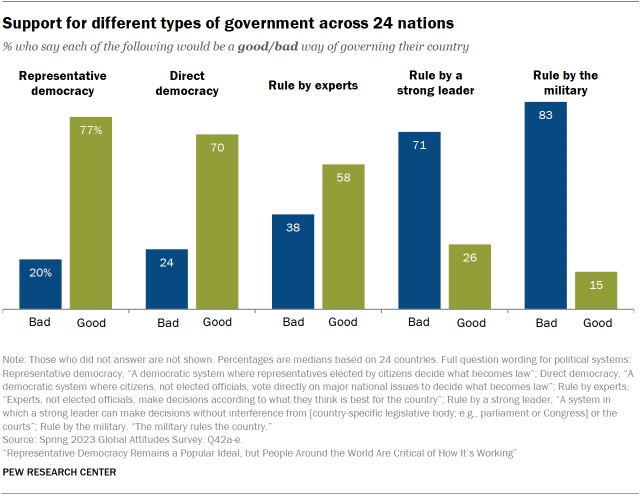 Views on representative democracy
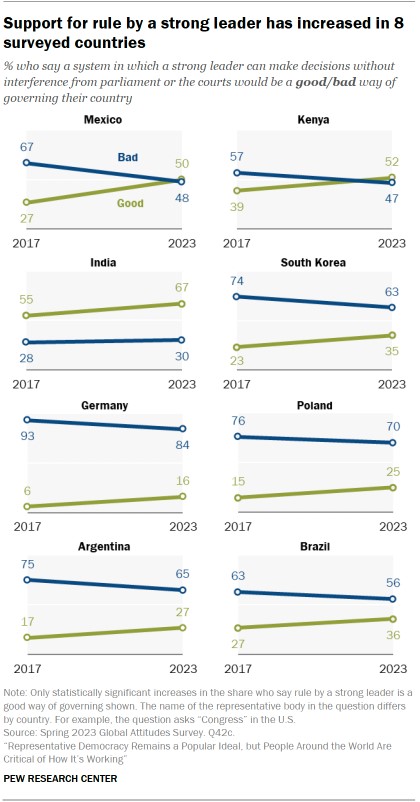 Support for a government where a strong leader can make decisions without interference from courts or parliaments has increased in eight of 22 nations since 2017.
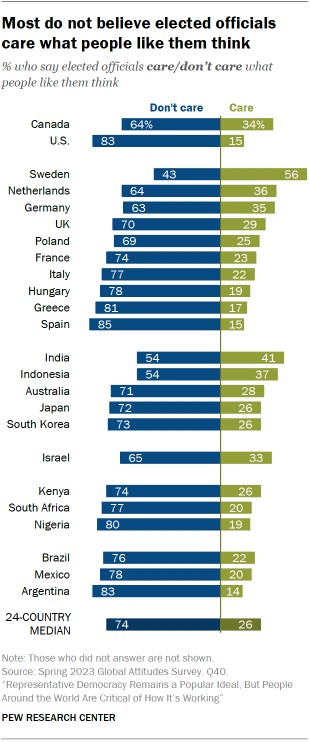 One factor driving people’s dissatisfaction with the way democracy is functioning is the belief that politicians are out of touch and disconnected from the lives of ordinary citizens.
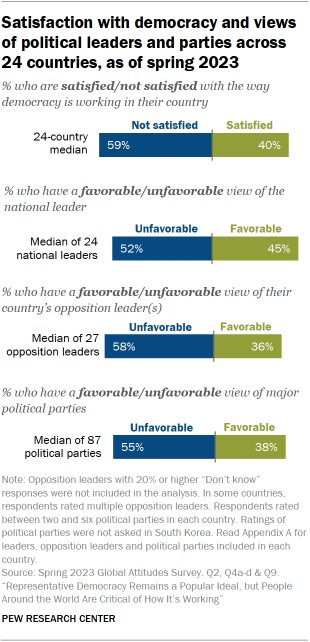 rate major national leaders and parties. Opinions on these questions may have shifted since the survey was conducted in spring 2023, but the overall results provide a relatively grim picture of the political mood in many nations. (Refer to
 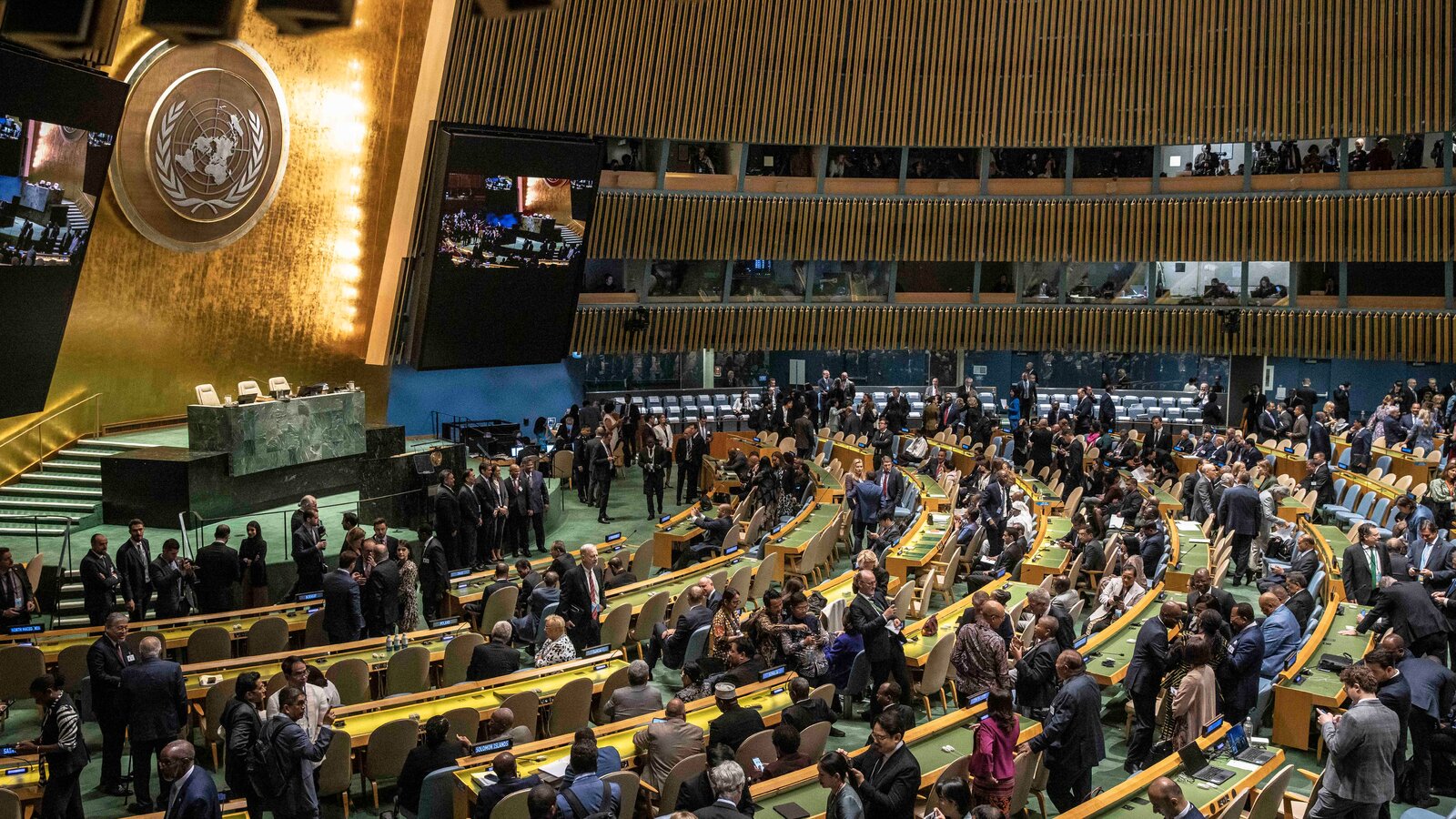 The criteria of Article 23 (1) should also apply to the election of the new permanent members: “due regard shall be paid, in the first instance to their contributions to the maintenance of international peace and security and to the other purposes of the Organization, and also to equitable geographical distribution”.
 This unprecedented move comes after the Security Council’s delay in adopting a resolution supporting a ceasefire. In the letter, Guterres conveyed the grim reality of more than eight weeks of conflict, emphasizing the “appalling human suffering, physical destruction, and collective trauma across Israel and the Occupied Palestinian Territory.”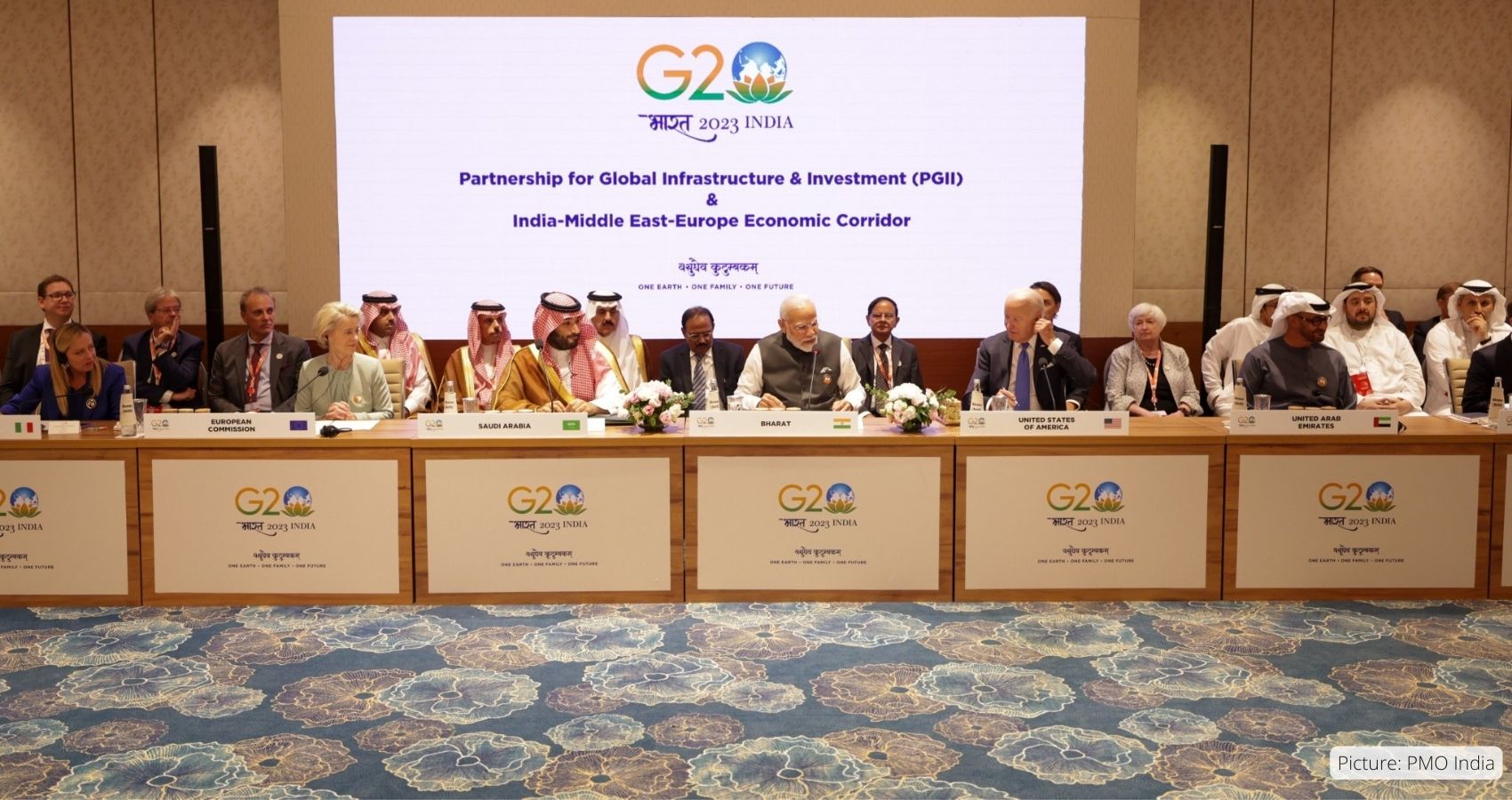

 Additionally, the US could also explore activities to improve prospects for dialogue leading to a negotiated agreement on Tibet and coordinate with other governments in multilateral efforts towards the goal of a negotiated agreement on Tibet. Furthermore, it should encourage the Chinese government to address the aspirations of the Tibetan people regarding their distinct historical, cultural, religious and linguistic identity.
 Japan
Japan
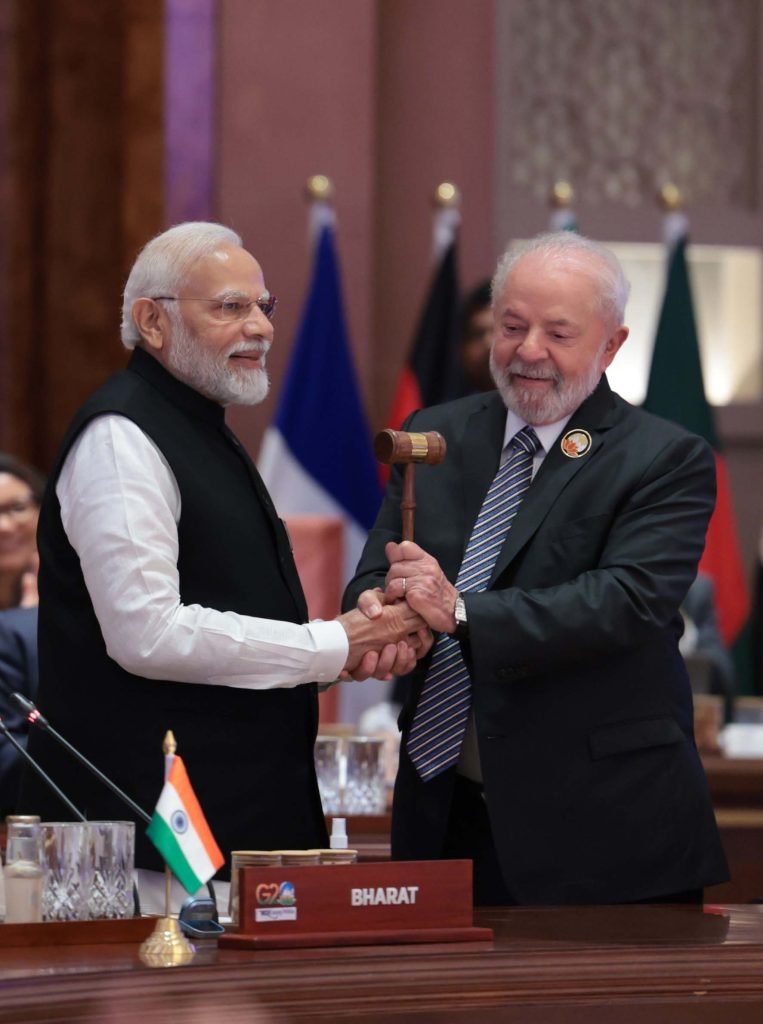 Inclusive, ambitious, action-oriented, and decisive—these four words defined our approach as G20 president, and the New Delhi Leaders’ Declaration (NDLD), unanimously adopted by all G20 members, is testimony to our commitment to deliver on these principles.
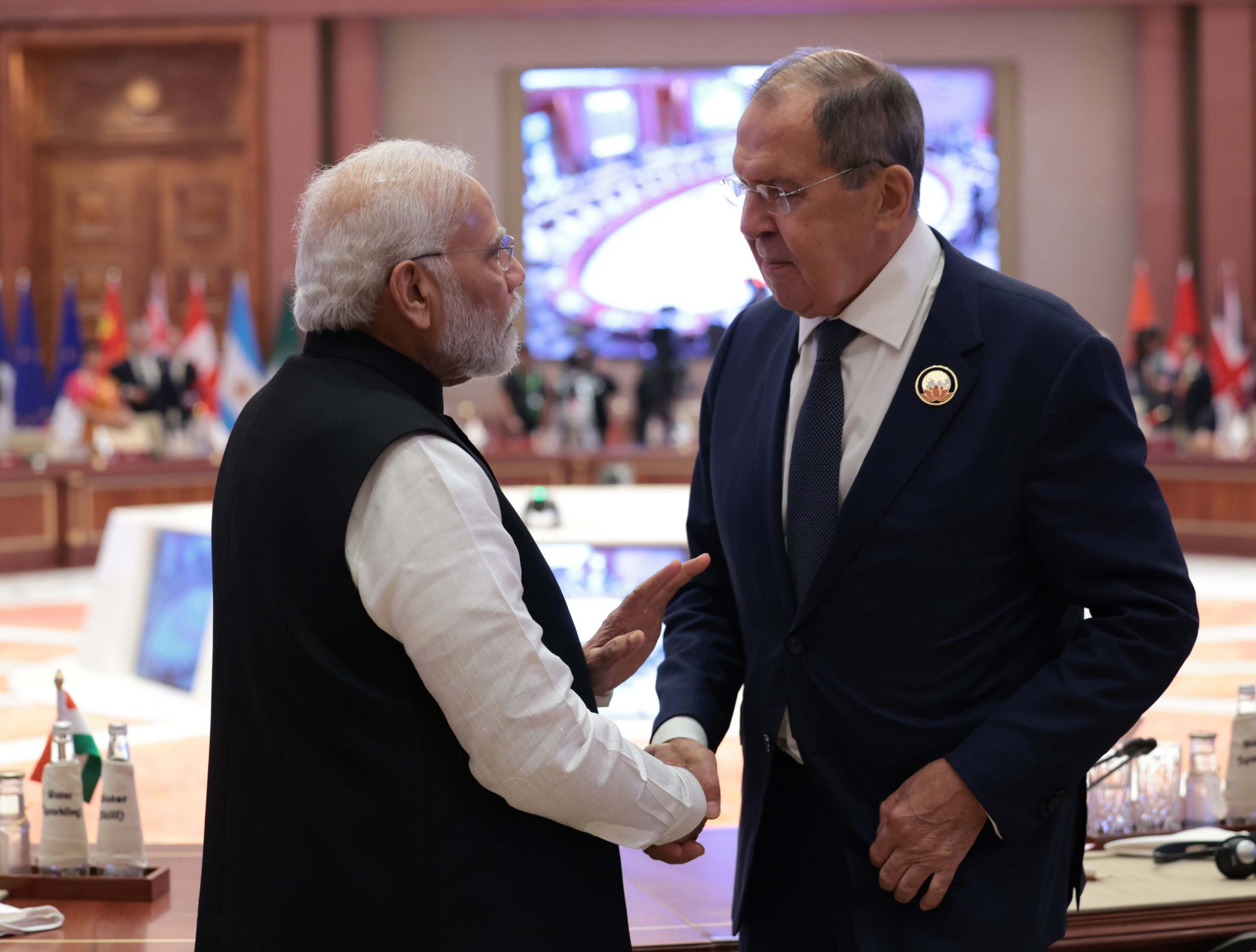 Given the monumental resources required, G20 emphasised the importance of better, larger, and more effective Multilateral Development Banks. Concurrently, India is taking a leading role in UN reforms, especially in the restructuring of principal organs like the UN Security Council, that will ensure a more equitable global order.
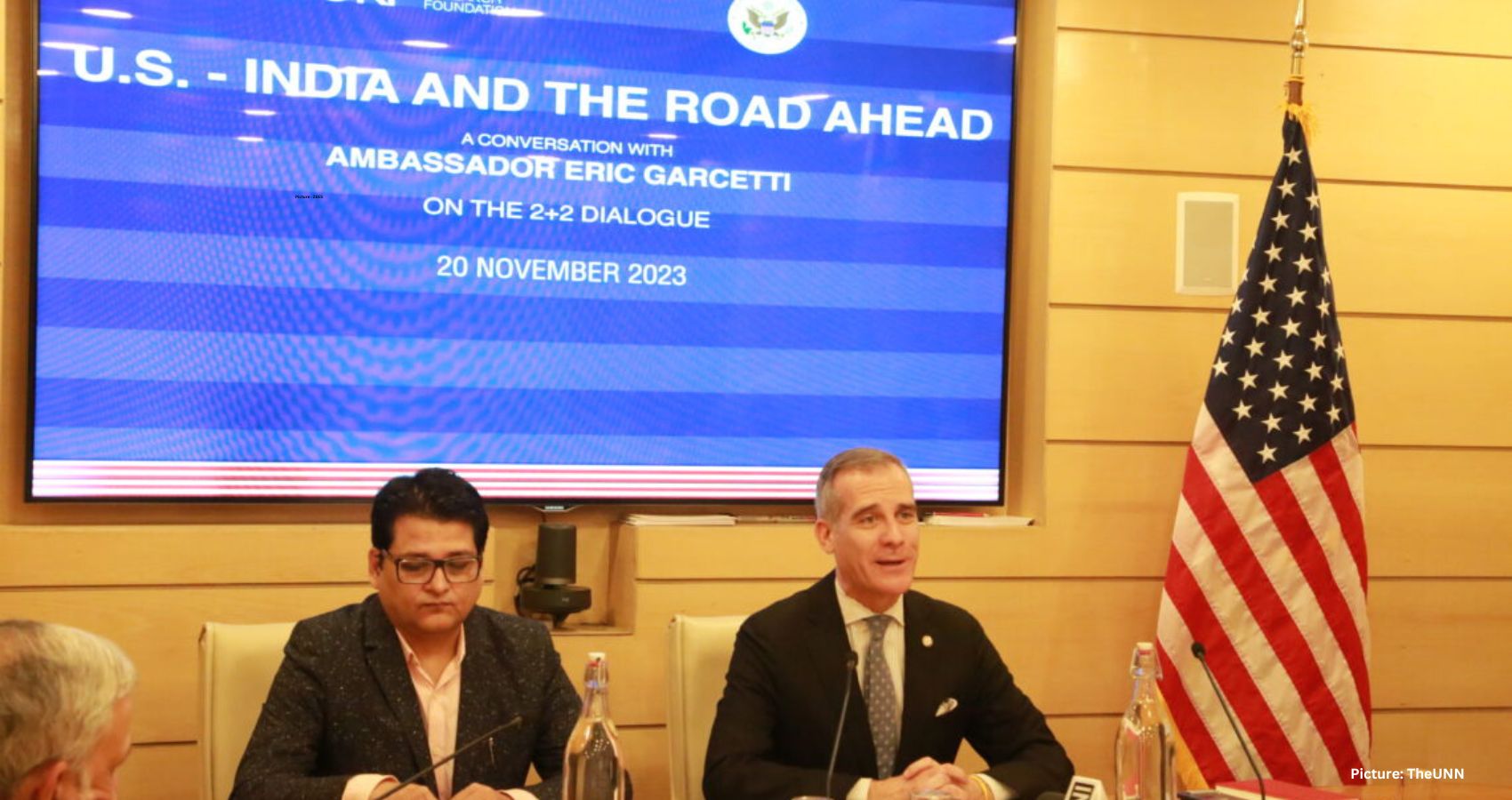 “On global issues, the ministers discussed the tragic humanitarian consequences of the conflict in Ukraine and in the Middle East, reiterating their stance with Israel against terrorism, but also seeking to alleviate civilian suffering and adherence to international humanitarian law,” he added.
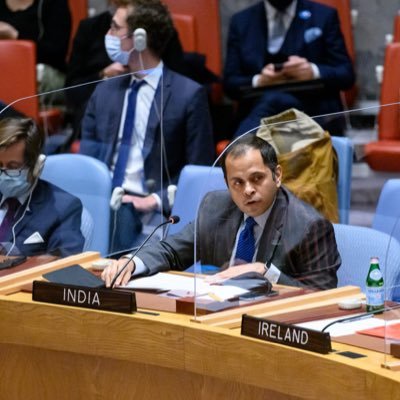
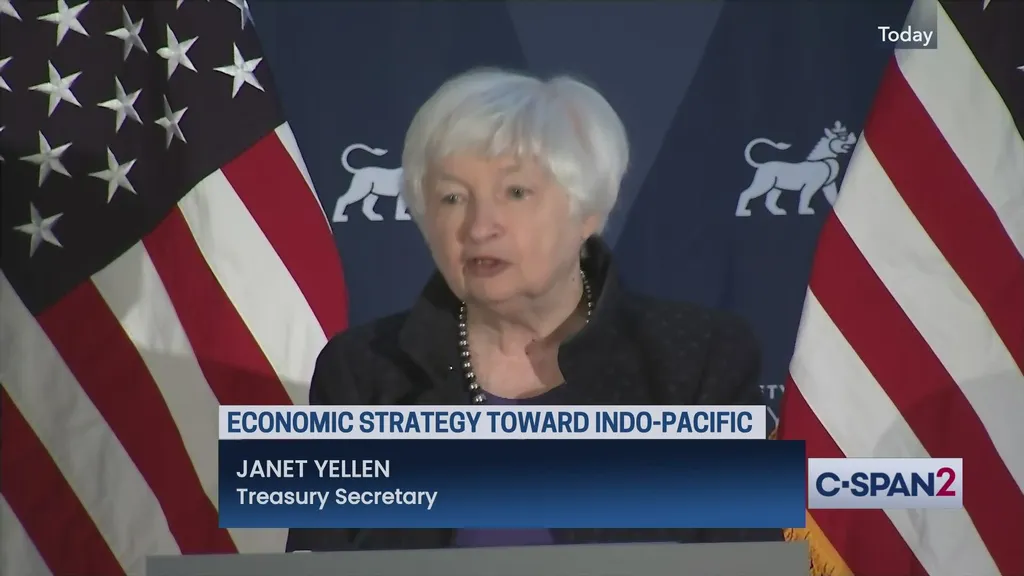 The Treasury Department in particular has played a key role in developing and implementing the Biden administration’s economic agenda in this vital region. She and her colleagues have clearly heard the voices in the region that have pressed the U.S. to augment our security presence with a robust economic agenda.
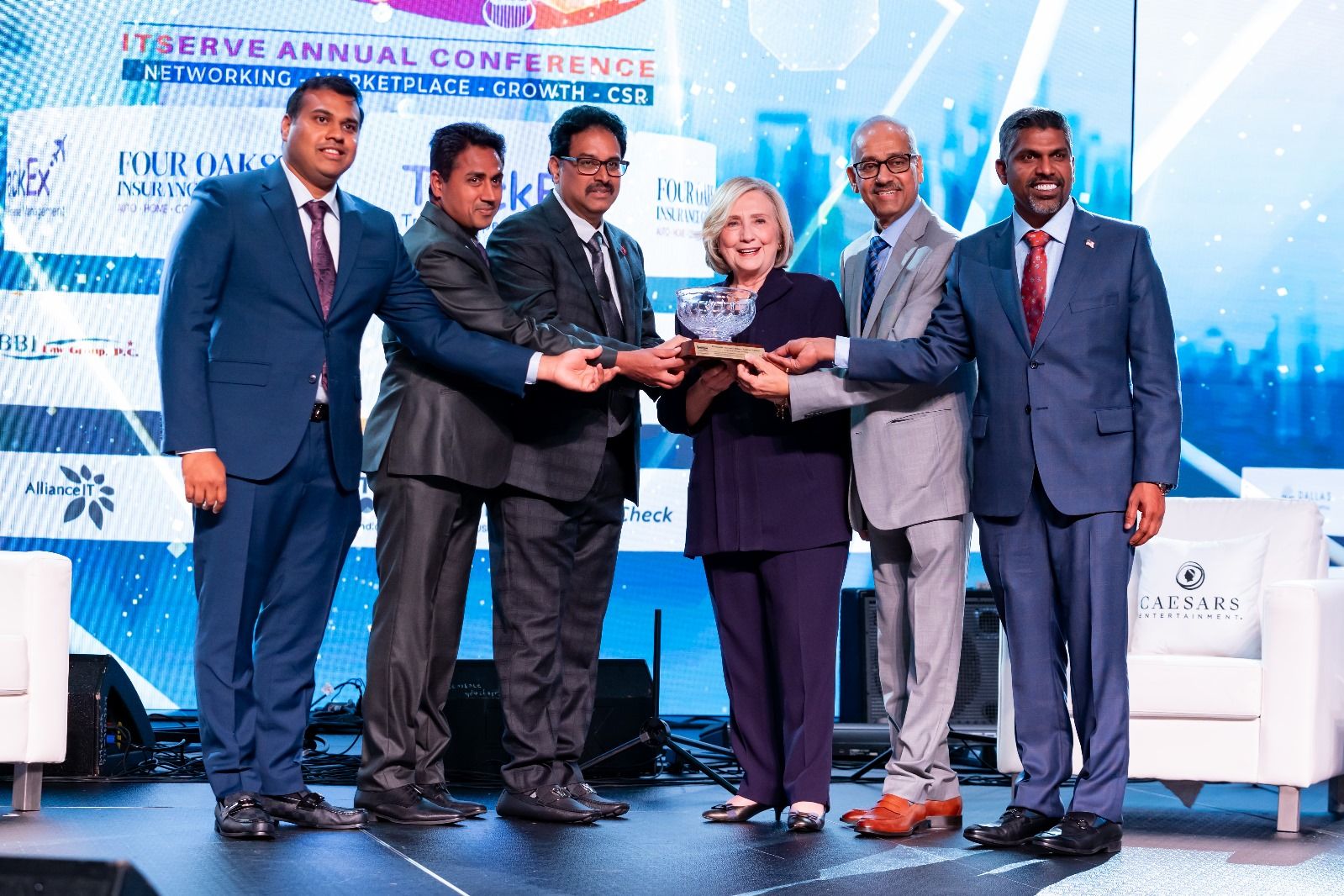 “Travelling to all the 21 Chapters across the United States in 8 months after I assumed office, I was instrumental in achieving membership to newer heights with more than 700+ new members added in 2023. Two new Chapters were launched. IT Serve Alliance is led by highly talented individuals, phenomenally successful entrepreneurs, and Innovators who are enthusiastic about giving back to the community.” He strengthened STEM Education program by adding STEM Training and Internship programs and enhancing STEM scholarships program.”
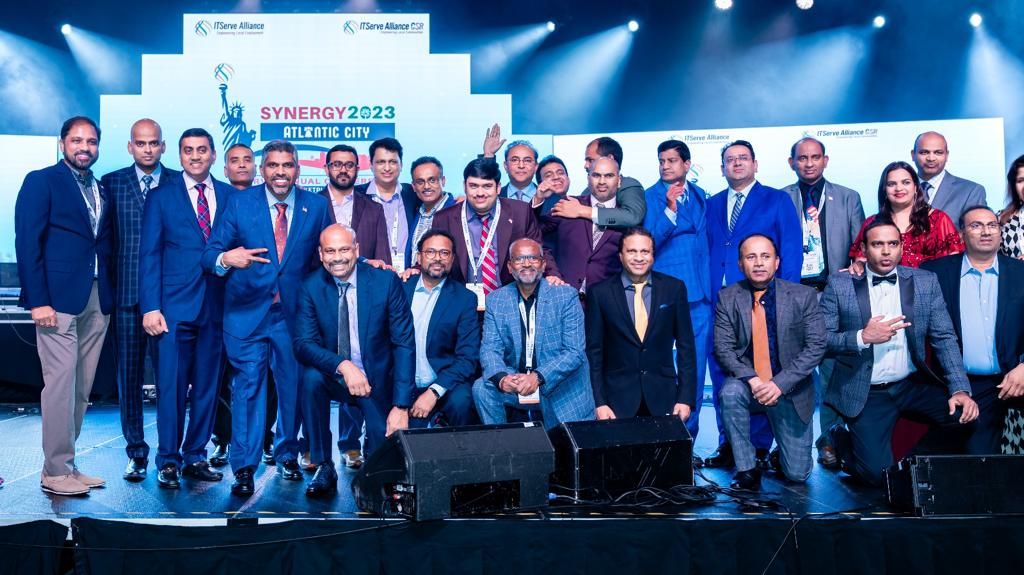 delivering innovative strategies, unique insights, and proven tactics for success, exclusively for IT service companies and individuals. Synergy 2023 focused on developing strategic relationships with our partner organizations, sponsors, and supporters to work for a better technology environment by building greater understanding.”
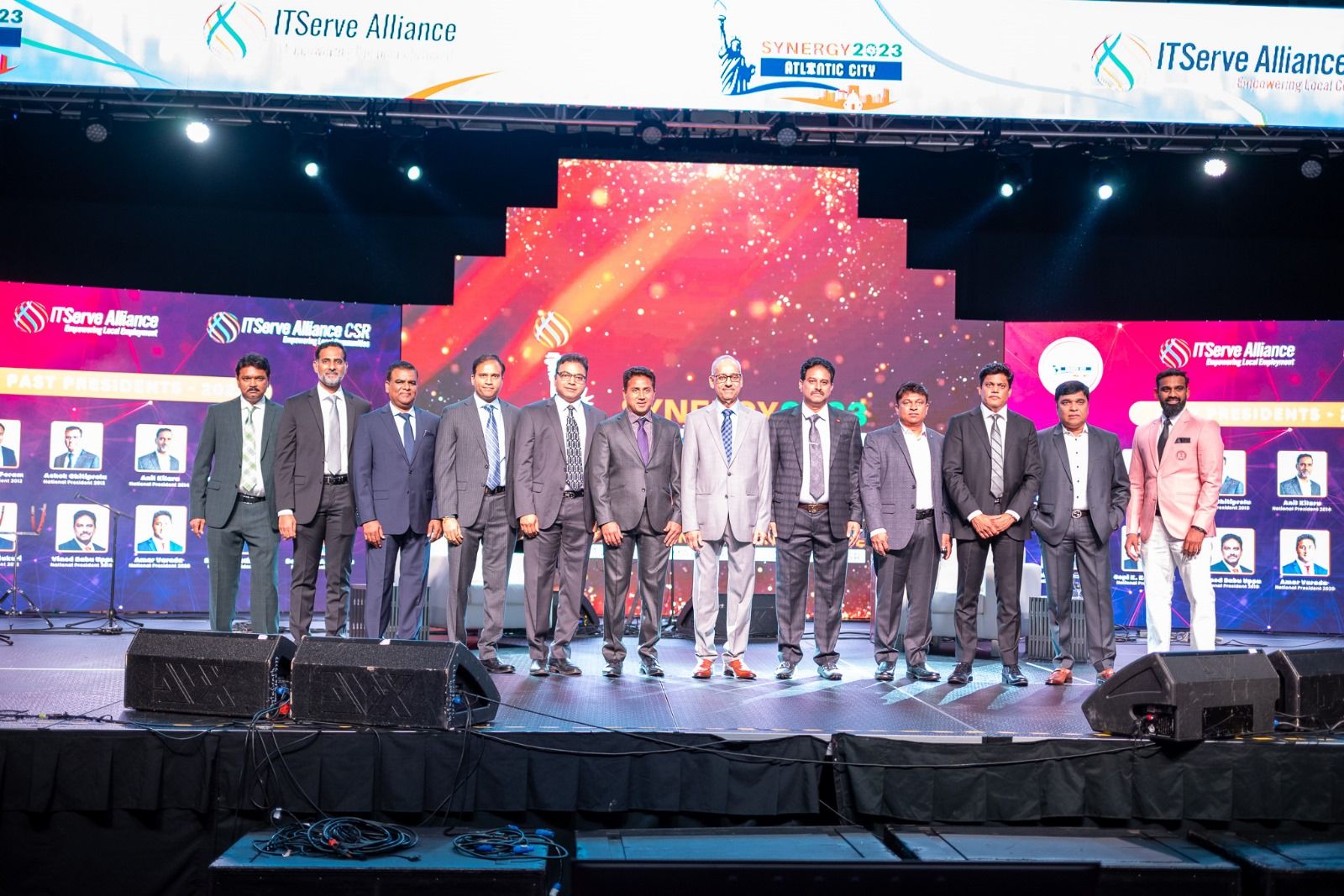 Secretary of State Hillary Rodham Clinton, the Chief Guest at ITServe Alliance’s Synergy 2023, shared with the audience about her life and aspirations, expressed appreciation for the contributions of the high skilled immigrant community and urged them to play an active role in the society. Ms. Clinton, the 67th Secretary of State of the United States has dedicated over four decades of her life in public service, serving as an advocate, attorney, First Lady, and US Senator.
 to US immigration issues, she advocated for reforming our immigration system to attract the most talented individuals from around the globe. This, in turn, would drive innovation and foster growth in our nation. Additionally, she advocated for a bipartisan approach to address this issue.


 India, in its approach, intends to persist in resisting the pressure from developed economies to establish a concrete deadline for phasing down the use of fossil fuels. Instead, it is advocating for a shift in focus towards reducing overall carbon emissions through the use of “abatement and mitigation technologies.” These insights were provided by the two officials, and a third government official, who opted to remain anonymous as these discussions are confidential, and a definitive stance has not yet been established.
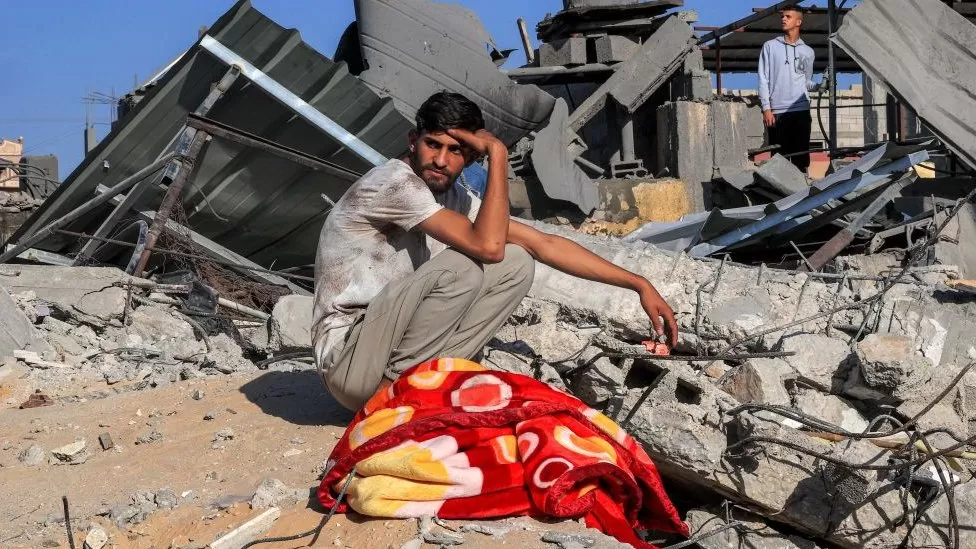
 In response to the escalating crisis, Israel has formed an emergency unity government, with Prime Minister Benjamin Netanyahu working alongside former Defense Minister Benny Gantz in a war cabinet.
 The veneration of the Dalai Lama has created a challenging situation for the Mongolian government. Mongolia heavily relies on China for virtually all its trade, which puts them in a vulnerable position. Beijing responded to the Dalai Lama’s 2016 visit to Mongolia by closing border crossings, imposing tariffs, and canceling bilateral talks, signaling the consequences of any association with the spiritual leader in the eyes of China.

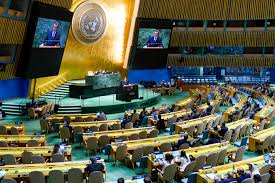 The Amir of Qatar expressed this sentiment to the General Assembly, stating, “A long-term truce has become the most looked-for aspiration by people in Europe and all over the world. We call on all parties to comply with the UN Charter and international law and resort to a radical peaceful solution based on these principles.”
 On the way forward, Nagarwal urged the G-20 leaders by saying, “I would appreciate if the G-20 secretariat established an observatory commission to investigate reports of hate and targeted violence against ethnic and vulnerable groups and submit progress reports to member states on a regular basis. The adoption of collective action sends a powerful message of unity, solidarity, and hope to the people of Indian society who have endured the burdens of hate crimes, discrimination and Islamophobic violence for far too long.”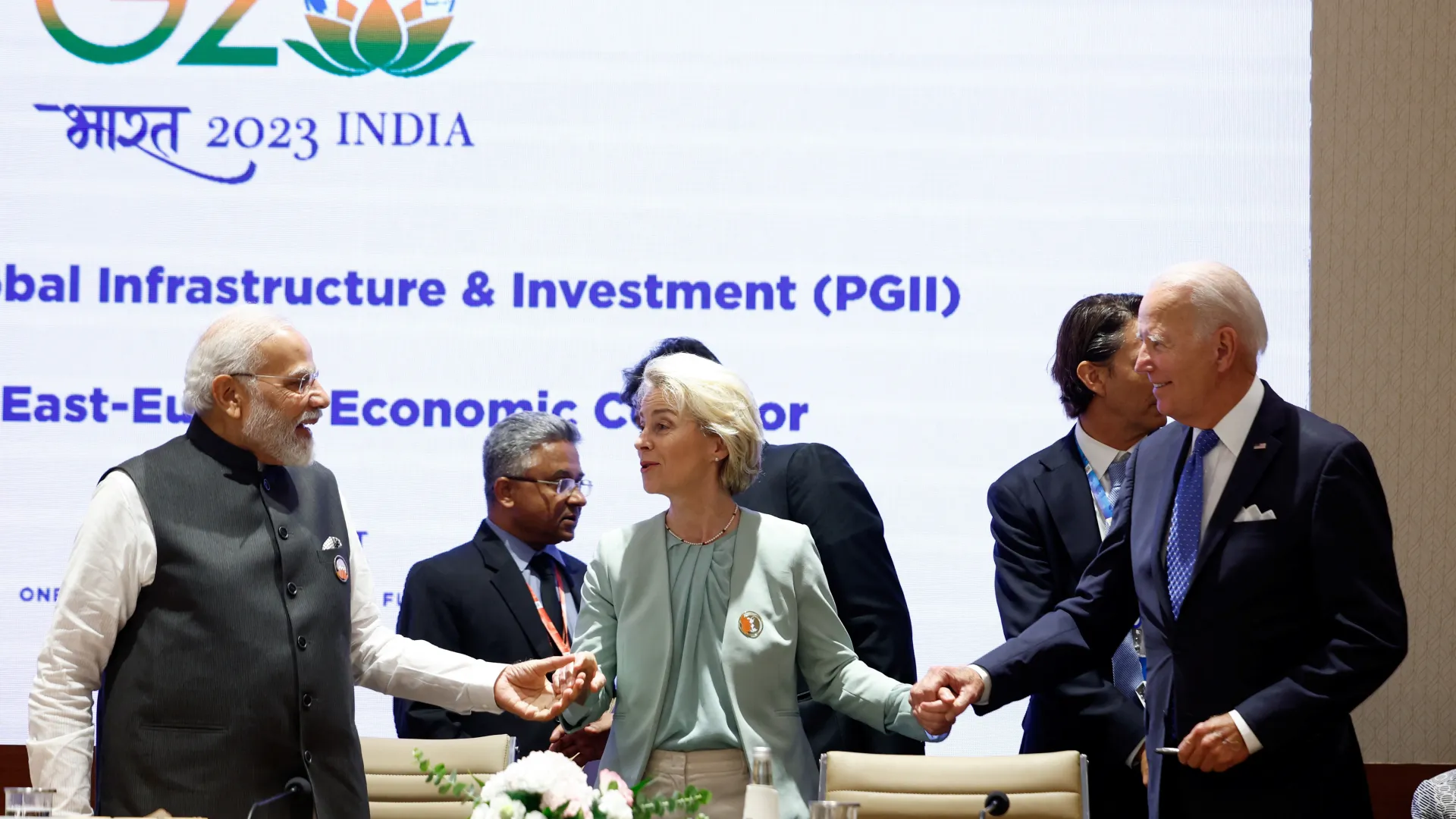

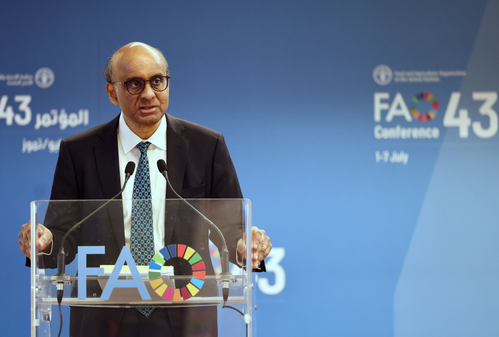 The committee, headed by Public Service Commission chairman Lee Tzu Yang and two Supreme Court judges, found that all three men were of integrity, good character and reputation.

 The ongoing ethnic/religious violence in the northeastern Indian state of Manipur and the lack of adequate response from the state have been condemned by people and organizations around the world.