Measles Outbreak Raises Concerns Over Potential Brain Damage Risks

Health officials in South Carolina are warning of the potential for “irreversible” neurological damage amid a measles outbreak that has resulted in numerous hospitalizations and complications.

South Carolina health officials have issued a stark warning regarding the risks associated with a measles outbreak that has led to an increase in hospitalizations. With 876 confirmed cases reported in the state’s upstate region, at least 19 patients have been hospitalized due to serious complications.

During a briefing on February 4, state epidemiologist Linda Bell highlighted the dangers of complications arising from measles, particularly in children. “Some of these complications include measles encephalitis, or inflammation of the brain, in children and pneumonia,” she stated.

Bell underscored that encephalitis is especially perilous for young patients. “Any time you have inflammation of the brain, there can be long-term consequences, things like developmental delays and impacts on the neurologic system that can be irreversible,” she cautioned.

While the state does not systematically track every medical complication, data from the Centers for Disease Control and Prevention (CDC) indicates that pneumonia is the leading cause of measles-related death among young children, affecting approximately one in every 20 infected minors.

In response to the outbreak, a total of 147 students have been quarantined across 10 K-12 schools in the area. The outbreak also poses a significant risk to expectant mothers, as the MMR (measles, mumps, and rubella) vaccine cannot be administered during pregnancy. Several women who were exposed to the virus have recently required emergency treatment with immune globulin to provide “passive immunity.”

Bell emphasized the importance of this treatment to “protect them against the high risk of complications during pregnancy and to protect their newborn babies.” The measles virus is known for its high contagion rate, capable of lingering in the air for up to two hours after an infected person has left a room, according to experts.

In light of the outbreak, South Carolina has experienced a historic surge in vaccinations. In January alone, Spartanburg County reported a 162% increase in MMR vaccinations compared to the previous year. “I’m hoping that what we can attribute [the vaccine surge] to is a wider recognition of the threat of this disease circulating in our communities and the desire for people to be protected against the complications,” Bell noted during the briefing.

Health officials continue to urge the public to seek vaccinations, especially as a new case in the Pee Dee region suggests that the virus may be spreading beyond the initial upstate clusters through “unrecognized community transmission.” Bell reiterated the importance of increasing vaccination coverage, stating, “These are complications we hope to prevent. Increasing vaccination coverage protects those who cannot be vaccinated, like young infants, pregnant women, and those with weakened immune systems.”

According to Source Name, the ongoing outbreak highlights the critical need for public awareness and proactive health measures to combat the spread of measles and protect vulnerable populations.

U.S. Advocates for New Arms Control Treaty with Russia

The U.S. is advocating for a new arms control treaty with Russia following the expiration of the New START treaty, raising concerns about global nuclear stability.

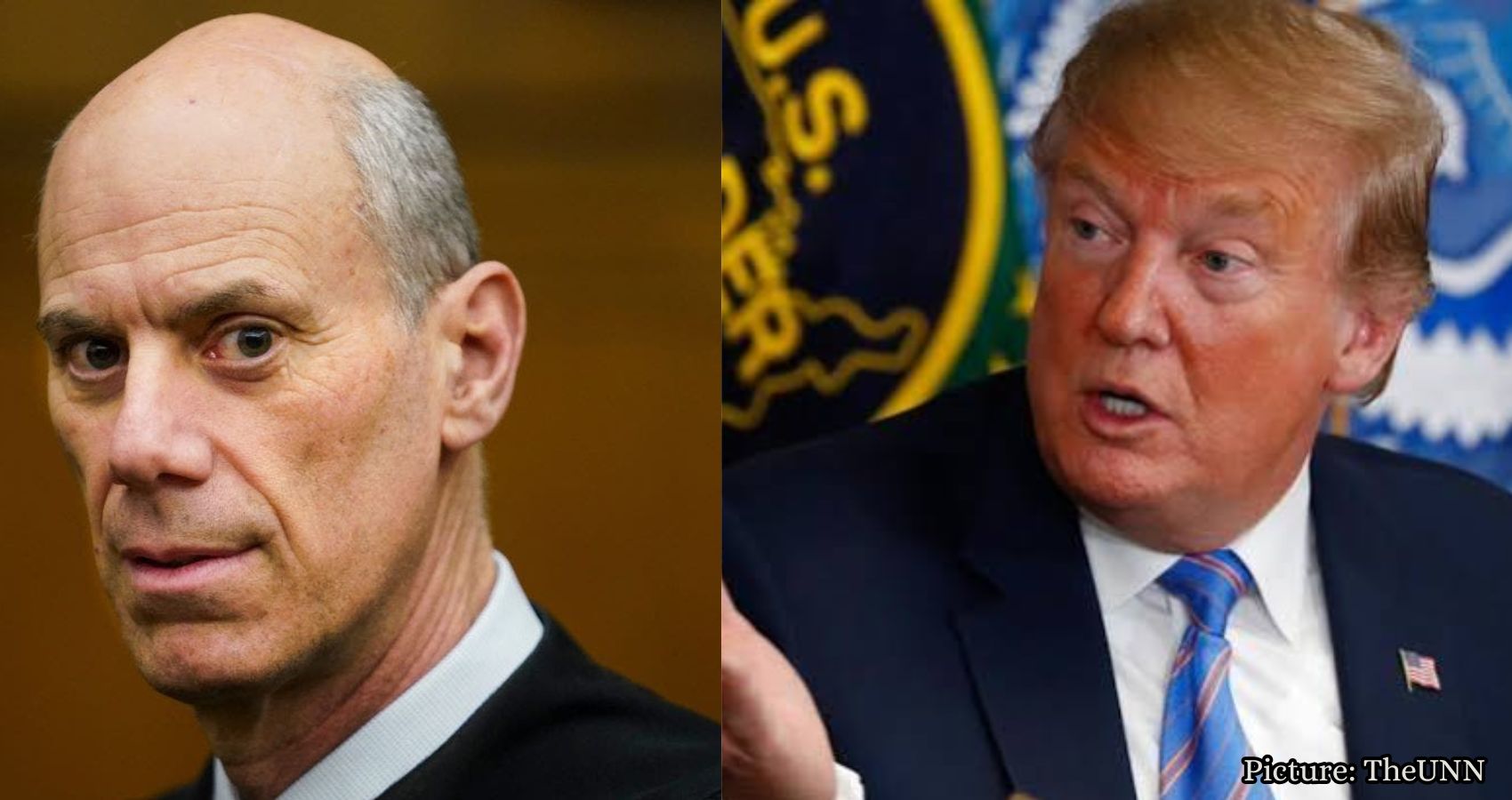
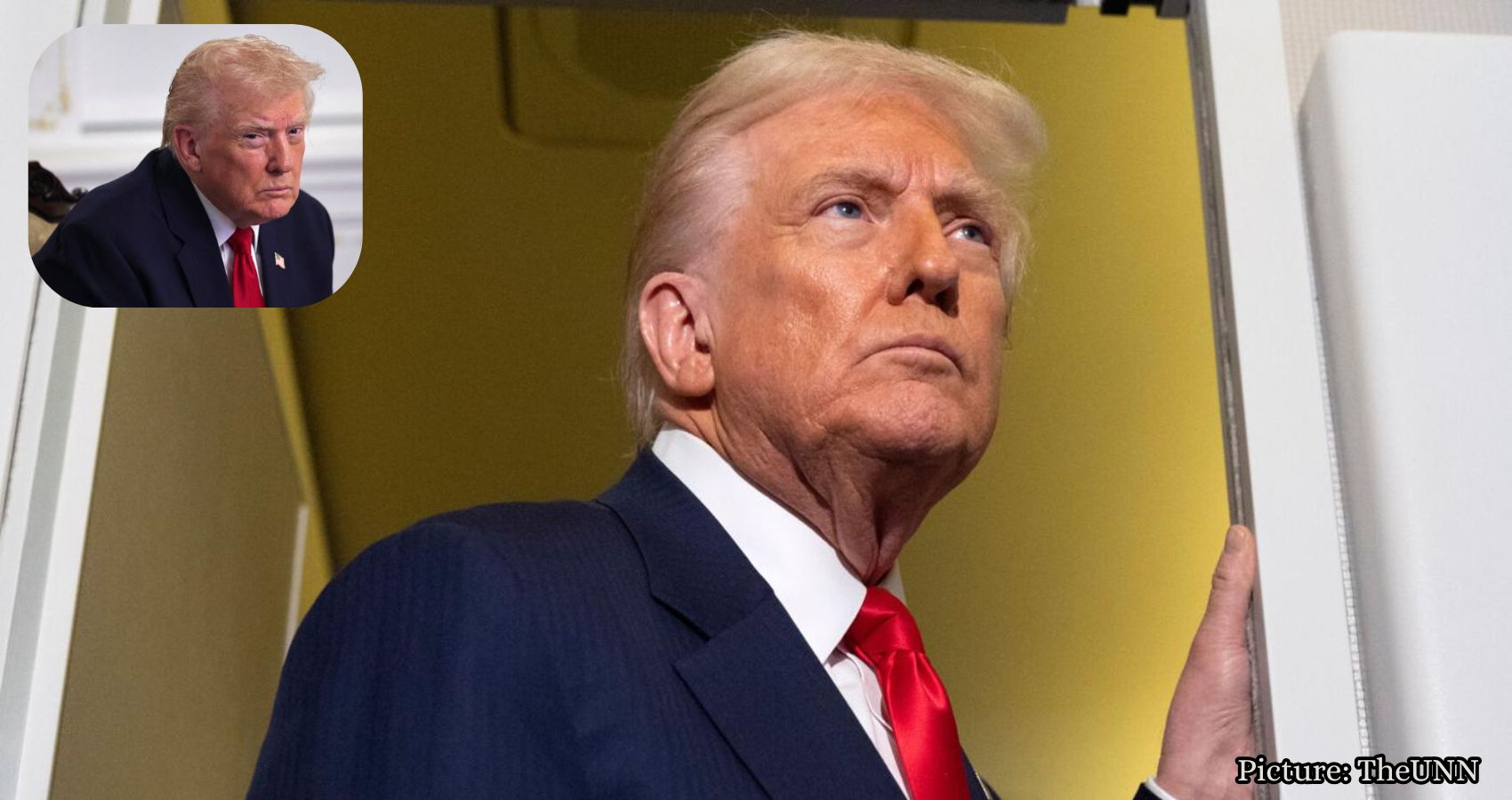
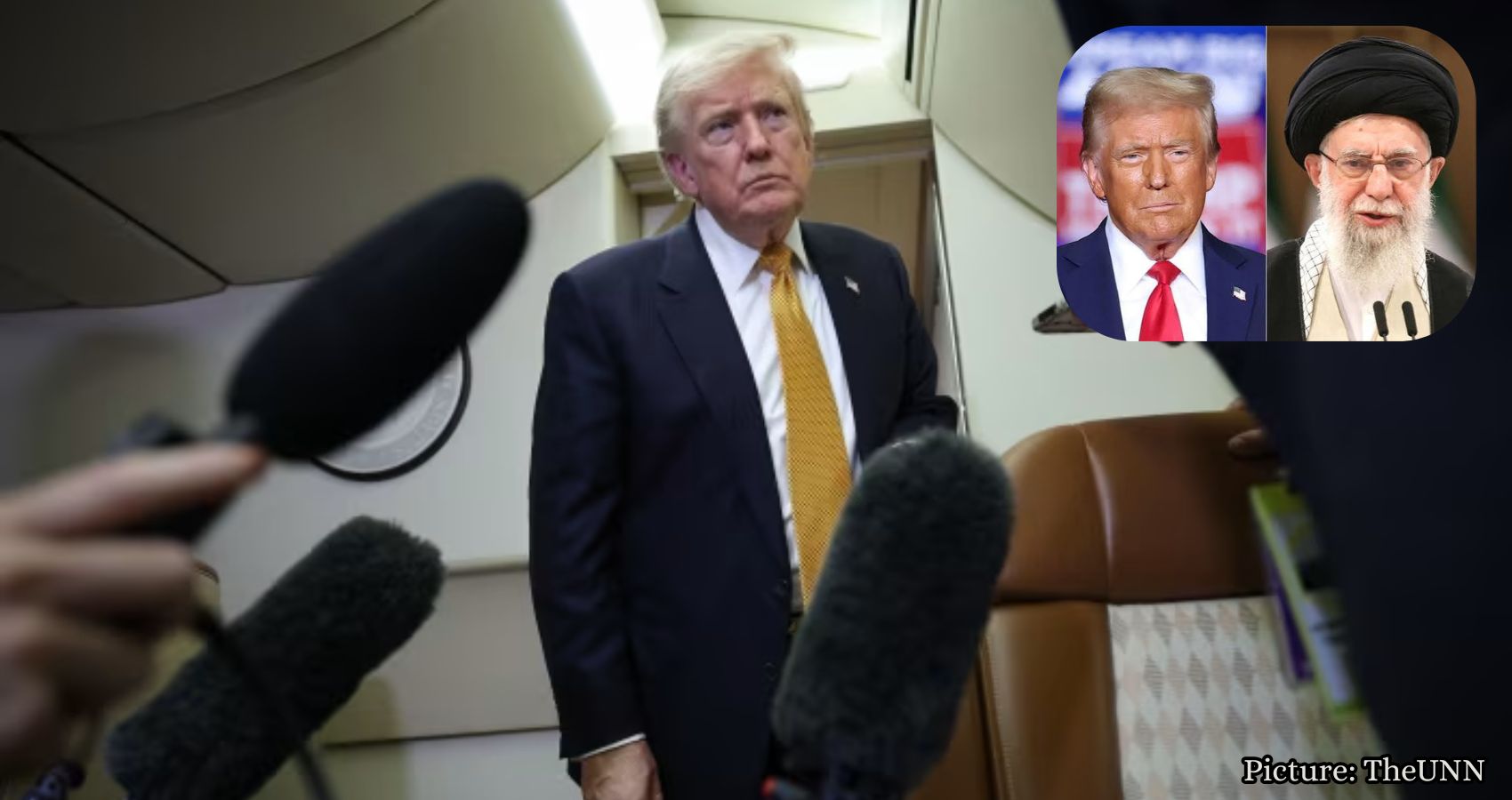
The United States has called for a new arms control agreement with Russia after the expiration of the New START treaty, which previously set limits on the deployment of strategic nuclear weapons by both nations. President Donald Trump has expressed interest in establishing a new treaty in light of this development.

The New START treaty officially expired on February 5, marking the end of the last legally binding agreement that capped the number of strategic nuclear weapons held by the U.S. and Russia. Signed in 2010 and extended in 2021, the treaty imposed strict limits on deployed warheads, missiles, and bombers for the two largest nuclear powers. With its expiration, there are currently no formal restrictions on the number of strategic nuclear weapons either country can deploy, raising concerns about potential instability in global security.

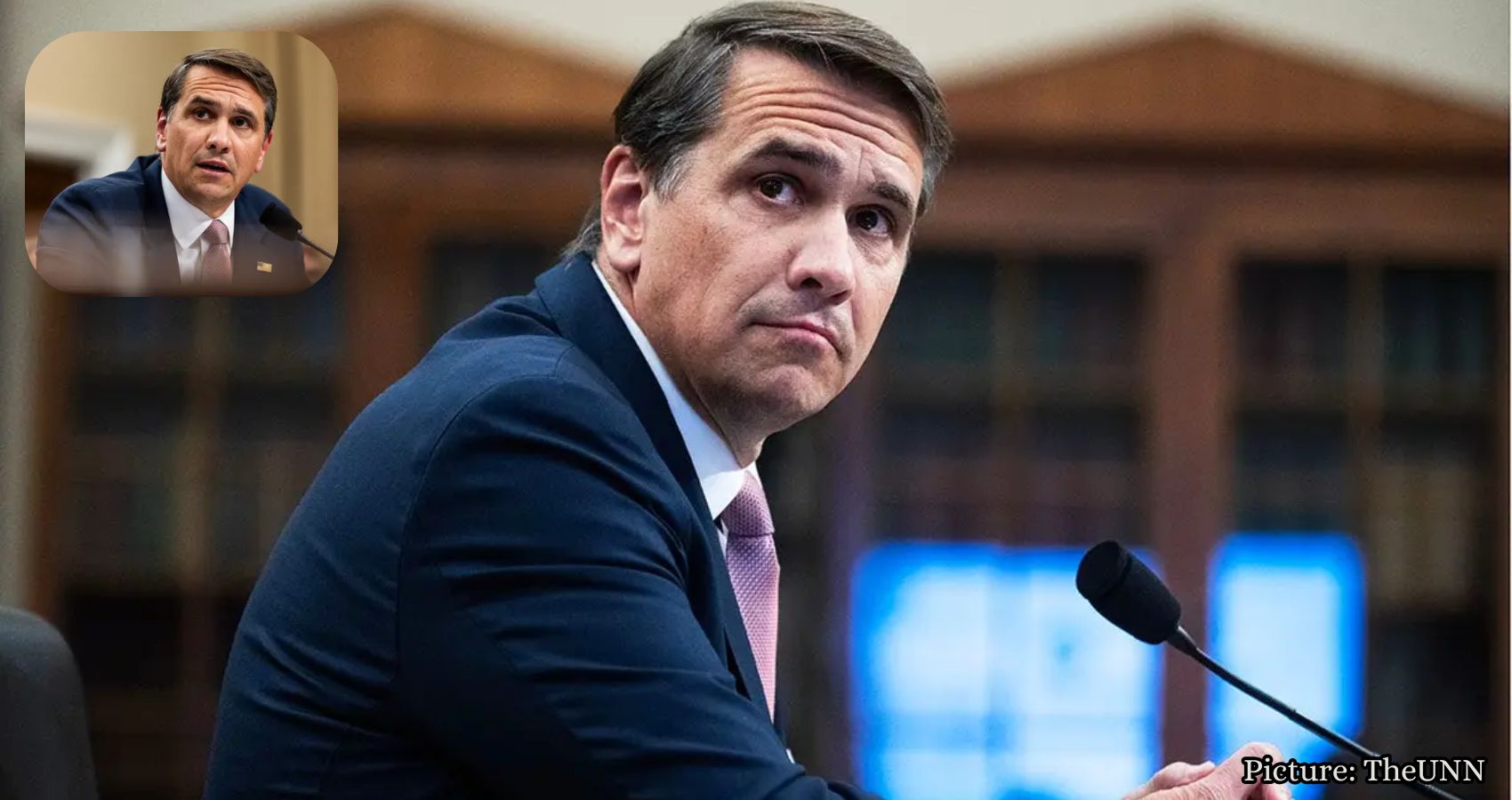
In the lead-up to the treaty’s expiration, Russia proposed a voluntary one-year extension to allow time for discussions on a successor treaty. However, President Trump took to social media to advocate for a new treaty instead. Following his remarks, U.S. officials, including Under Secretary of State Thomas DiNanno, publicly supported the idea of negotiating a new arms control agreement.

The U.S. has emphasized the need for a multilateral approach to arms control that could eventually include other nuclear powers, particularly China, in order to prevent destabilizing growth in global nuclear arsenals. While Russia has expressed regret over the treaty’s expiration and indicated a willingness to engage in discussions, China has so far declined to participate in any new negotiations.

During a Disarmament Conference in Geneva, Under Secretary DiNanno stated that extending the New START treaty would not benefit the U.S. or the world, as it was flawed and did not account for China’s growing nuclear capabilities. He remarked, “Today, the United States faces threats from multiple nuclear powers. In short, a bilateral treaty with only one nuclear power is simply inappropriate in 2026 and going forward.”

China’s ambassador on disarmament, Shen Jian, reiterated on Friday that his country would not engage in new negotiations with Moscow and Washington. DiNanno further noted that China is projected to have over 1,000 nuclear warheads by 2030, with Russia supporting its military buildup.

The expiration of the New START treaty marks a pivotal moment in international arms control, underscoring the delicate balance between national security and global stability. With no formal limits in place between the United States and Russia, there is an increased period of uncertainty that could significantly influence the future development, deployment, and modernization of nuclear forces.

Policymakers now face the challenge of navigating a complex strategic environment in which multiple nuclear powers are expanding their capabilities and pursuing independent security agendas. Efforts to negotiate a successor agreement highlight the growing importance of multilateral engagement, transparency, and verification mechanisms in arms control.

Future frameworks may require innovative approaches to include additional nuclear powers while maintaining meaningful limitations on deployed arsenals. How the United States, Russia, and other nuclear states respond to the absence of legally binding limits—whether through restraint, accelerated modernization, or new negotiations—remains uncertain.

The success of any potential new agreements in stabilizing global security and reducing the risk of miscalculation will depend heavily on political will, enforcement mechanisms, and mutual trust among nations. The current environment presents both challenges and opportunities for international cooperation in arms control, emphasizing the need to adapt existing frameworks to a multipolar nuclear landscape while managing uncertainties regarding future actions and commitments.

According to The American Bazaar, the situation underscores the critical need for renewed dialogue and collaboration among nuclear powers to ensure a stable and secure global environment.

Ordinary Days: An Indian-American Mother and Child’s Journey

In a poignant reflection on family, memory, and the passage of time, a daughter shares her experiences with her aging mother, Geeta, as they navigate life’s ordinary moments together.

It is January 2023. My mother, Geeta, sits in my backyard, finding solace in the company of her birds, who travel long distances to be with her. They perch on an apple tree, pecking at the birdhouse that hangs from its branches. Concerned that I haven’t provided enough food for them, she rises slowly, steadying herself with a cane that trembles slightly. She makes her way to the end of the yard to examine the new roses that are budding. With a smile, she looks back and says that soon we should see many flowers blooming here. I smile in return, reminded of the roses in her front yard at Kirorimal College, where she nurtured them with care. With a distant look in her eyes, she says in Punjabi, “Kini door hai Delhi hun,” expressing how impossibly far Delhi feels now.

Tired, she returns to her room, wanting to listen to her music. Pandit Shaujaat Khan plays softly in the background as she closes her eyes and exhales slowly. It has been a long journey through years and places, with memories tugging at her heartstrings, bringing both tears and smiles.

Fast forward to early 2025. My mother often struggles to remember the year or month. As I prepare for work, she reminds me to dress appropriately for the weather, knowing that Delhi winters can be harsh. “They voted Aam Aadmi Party out,” she says, sharing the news as if it were a personal revelation. After a pause, she repeats it, slower and quieter. She turns her head slightly, the movement small and weary, looking past me for a moment before letting go of my hand. Her years as a professor of political science at Delhi University seem to be the only thing that continues to engage her mind.

In October 2025, my friends gather to celebrate my mother’s 81st birthday, though some of the extended family believe it could also be her 80th. She whispers to me that she does not like the fuss and that I should not have invited so many friends for an old woman’s birthday. Curious, they ask about her life and what advice she would give to the younger women surrounding her. Her eyes light up as she recounts stories of her progressive father from a small town who championed her education. He was a goldsmith in a prominent bazaar in Jammu, insisting that his daughter, who had a gift for learning, should pursue it. Her story of hard work and struggle captivates the group of well-educated and accomplished women, many of whom share similar journeys.

She recalls her life in fragments. “I met Yogesh,” she says, her voice softening. “He was very cultured, and I liked that he was well-read.” Almost blushing, she adds, “I married a very decent and progressive man.” I am surprised by her clarity, as she cannot recall if she ate anything after the guests left or that she even cut a birthday cake. It has been months since I’ve seen her remember any details of the past, but during the party, surrounded by patient and encouraging friends, she fights to piece together words and thoughts, articulating a life filled with struggles and accomplishments. I stand behind my camera, recording while holding back emotions that threaten to surface. She smiles into a sober laugh, concluding her story with unexpected wisdom: “My advice will be to eat, drink, and be merry. A glass of wine every day is good.” This light-hearted ending brings admiration and warm laughter to the intimate gathering.

After a fall and some fractures, her hearing begins to fade. I find myself raising my voice, louder than feels right, to reach her. She presses the speaker A bought for her against her good ear and leans toward the television. Rajdeep Sardesai’s voice breaks in and out, and she misses parts of the broadcast, filling in the gaps with her own thoughts. “I missed the debate on the Indian constitution,” she says, almost to herself. I tease her about having a crush on Rajdeep, and she smiles but does not protest.

She keeps the volume high, watching closely, searching faces for meaning. When she speaks again, it is to herself. “Why is he ruining the secular fabric of my nation?” The concern still lingers, a rare constant amidst the commentary on the Bihar elections playing in the background. Though the twinkle in her eye is infrequent now, it remains tied to her lifelong passion for politics in India.

In 2003, on a slow internet connection in Bangalore, we looked up where San Diego was, having just started our life together. I had just turned thirty and was learning the complicated art of parenting. My older son, V, would tug at his Nani’s eyeglasses whenever she scooped him up in her arms. She would quickly catch his little hand, saving her glasses while pretending to scold him, all the while laughing. At just two and a half, he chattered nonstop in Hindi, often declaring, “Geeta Puri, Yogesh Puri aapko bula rahe hain”—“Geeta Puri, Yogesh Puri is calling you.” This would send peals of laughter from Nani, prompting warm cuddles. After years of living far from V, who in her memory had remained unchanged, she is finally back in his everyday world, rediscovering the little habits and mischief she had missed.

In 2022, my younger son, Aa, graduated from Westview High School. He stood before his classmates, parents, and teachers as the chosen senior speaker, motivating his class as they ventured into the real world. I stood there, imagining how Ma and Papa would have felt at that moment had they been present. Aa concluded his address with a quote from his favorite philosopher and bedroom pop singer, Rex Orange County: “Sunflowers still grow at night.” I always felt he inherited a little something from them.

The iPad on her bedside, which she has somewhat learned to operate, plays the classic “aa laut ke aaja mere meet,” sung by the legendary Lata Mangeshkar. The faraway look in her eyes tells a story, perhaps a happier one, carried by something familiar. She worries about their home in Sahyog, their residence in Delhi for many years. She must ensure that all her belongings are still there, that her birds are being fed, and her plants are being watered. She wonders if the brass statue she brought from Cottage Emporium is still there or if someone took it. “It took me a long time to decide if I should buy it or not. It was so artistic but so expensive. Yogesh always encouraged me to indulge,” she reminisces. She now wonders what happened to her beautiful handloom sarees collected patiently from various state emporiums on Janpath and exhibitions at Pragati Maidan. Her eyes, though not seeing well, convey her concerns clearly.

Today, her iPad is uncooperative. She studies it for a moment and sighs, “This world moves so fast, Mithoo—I can’t keep up.” The page she saw yesterday has disappeared, and she worries that all her classical music is gone. She wants to listen to Kishori Amonkar next, but nothing is where it should be anymore. When I help her find it, her face softens. “Tere haath mein jaadu hai, Mithoo,” she says—there’s magic in your hands, Mithoo.

Her friend gently reminds her to continue reading and writing. She assures her she does, smiling warmly into the phone, holding it close to capture her expressions. When the call ends, her expression shifts, and she falls silent for a long while.

It is time for her to leave. The journey ahead is long, and she has been up early, anxious for the day. Her companion, friend, and caregiver, Anna, arrives early. With Ma, Anna does not count hours or watch the clock; she simply comes when needed. Anna is upset that Ma is leaving. A caring Spanish lady, Anna makes a hard living in this country. The last six months with Geeta have been a blessing for both. In her mundane but fulfilling work, it is rare for her to find someone like Geeta, whose polite grace and soft mannerisms create a bond of true concern and friendship. The writer in her finds joy in listening to Geeta’s stories from India. Anna plays Spanish music that mesmerizes Geeta. They do not always talk; sometimes, silence is enough. I cannot help but feel that this beautiful chance meeting in their life’s journey was destined, though temporary.

I sit down with my book, but I am too distracted. The words refuse to hold my attention. My thoughts drift back in time, struggling to return to the present. I see her standing at Delhi bus stops, waiting for buses and university specials, navigating her way to distant colleges. Her laughter echoes in my mind as she cuddles her daughters, enveloped in the scent of her finely ironed summer cotton sarees during Delhi’s sweltering summer, balancing her passions with the love of her family. The memories linger, refusing to fade, even as I reprimand myself. The stories are endless, as are the visuals that run constantly, refusing to pause. Somewhere behind me, the television murmurs. An ordinary day, years ago, in Bangalore keeps resurfacing in my thoughts. I turn a page, then another, knowing all along that I do not know what I have read.
According to India Currents, these reflections capture the essence of ordinary days spent with a beloved mother, highlighting the beauty and complexity of familial bonds.

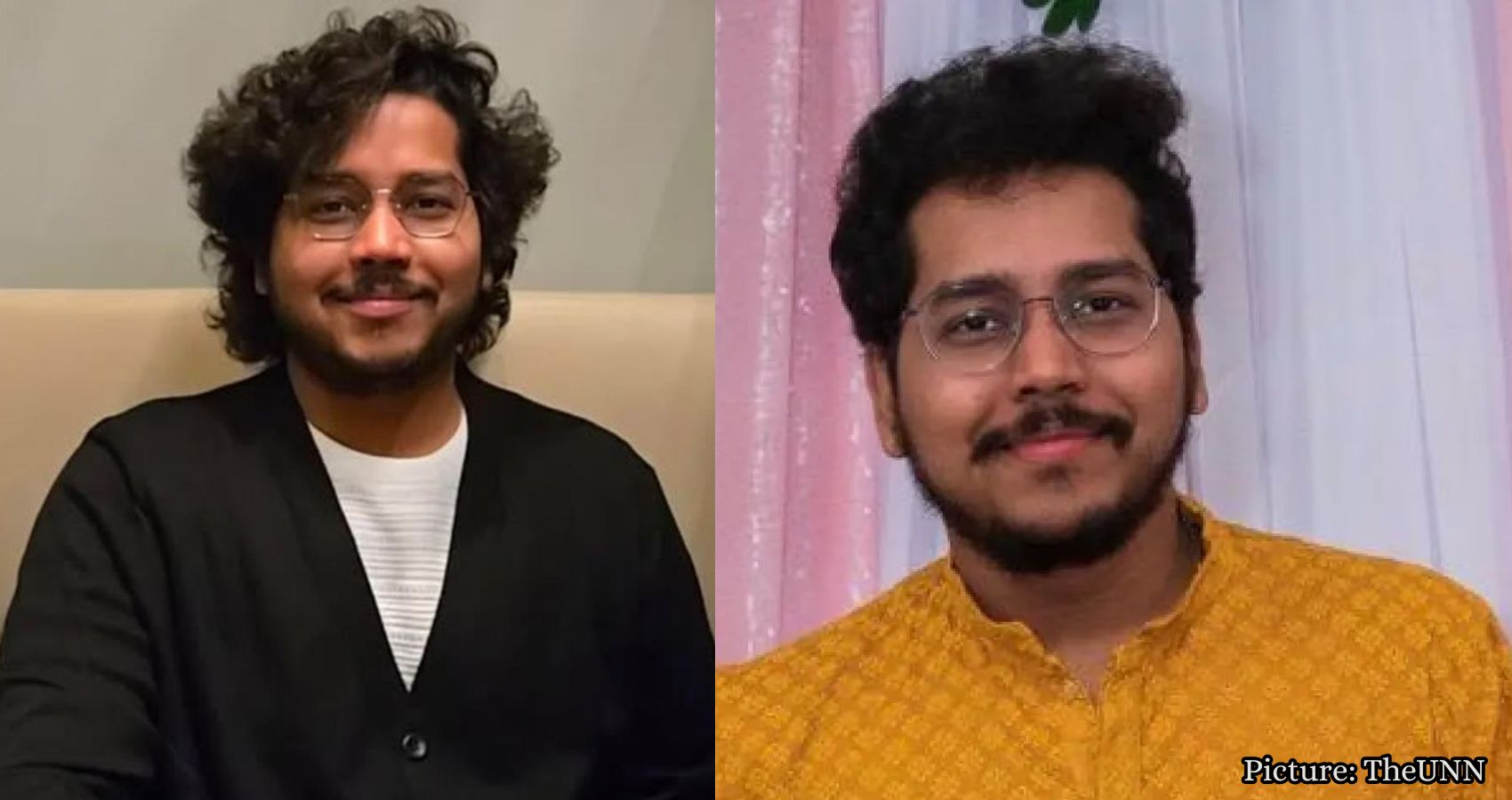
Layoffs Impact Washington Post as Indian-American Journalist Ishaan Tharoor Loses Job

Ishaan Tharoor, a senior international affairs columnist at The Washington Post, was laid off amid significant workforce reductions at the newspaper, marking a major shift in its operational strategy.

WASHINGTON, DC — Ishaan Tharoor, a senior international affairs columnist and son of Congress MP Shashi Tharoor, has been laid off from The Washington Post as part of extensive job cuts described as one of the most significant in recent media history.

On February 4, the Jeff Bezos-owned newspaper announced a reduction of nearly one-third of its workforce. This restructuring effort also included the closure of its sports desk and a scaling back of several international bureaus.

Tharoor confirmed the news via social media, expressing his heartbreak for the newsroom and his colleagues. He has been associated with The Washington Post for nearly 12 years.

“I have been laid off today from the @washingtonpost, along with most of the International staff and so many other wonderful colleagues. I’m heartbroken for our newsroom and especially for the peerless journalists who served the Post internationally — editors and correspondents who have been my friends and collaborators for almost 12 years. It’s been an honor to work with them,” he wrote in a post on X.

In his message, Tharoor also reflected on the launch of his WorldView column in January 2017, which aimed to help readers better understand global issues and America’s role in them. He expressed gratitude for the half a million loyal subscribers who engaged with the column over the years.

Tharoor shared an image from inside the newsroom featuring a poster with the newspaper’s well-known slogan, “Democracy Dies in Darkness.” He captioned the image with the words, “A bad day.” His father later reshared the post, highlighting the personal impact of the layoffs.

The layoffs affected multiple departments within the newspaper, extending beyond just one unit. Several editorial teams were impacted, including those focused on international reporting, metro coverage, editing desks, sports journalism, and cultural reporting.

Founded in 1877, The Washington Post has evolved from a local newspaper into a nationally and internationally recognized institution. Its investigative journalism during the Watergate scandal, led by Bob Woodward and Carl Bernstein, remains one of the most iconic chapters in modern American media history.

Under the leadership of longtime editor Ben Bradlee, the Post’s Style section garnered acclaim for some of the country’s finest feature writing. For decades, the newspaper’s strong presence in sports, culture, books, and foreign reporting helped define its identity. The recent closures and downsizing of several of these sections signal a significant shift in how the publication is positioning itself in the current media landscape.

According to IANS, the impact of these layoffs reflects broader challenges facing the media industry as it adapts to changing consumer habits and economic pressures.

White House Criticizes Governor for Encouraging Tracking of ICE Agents

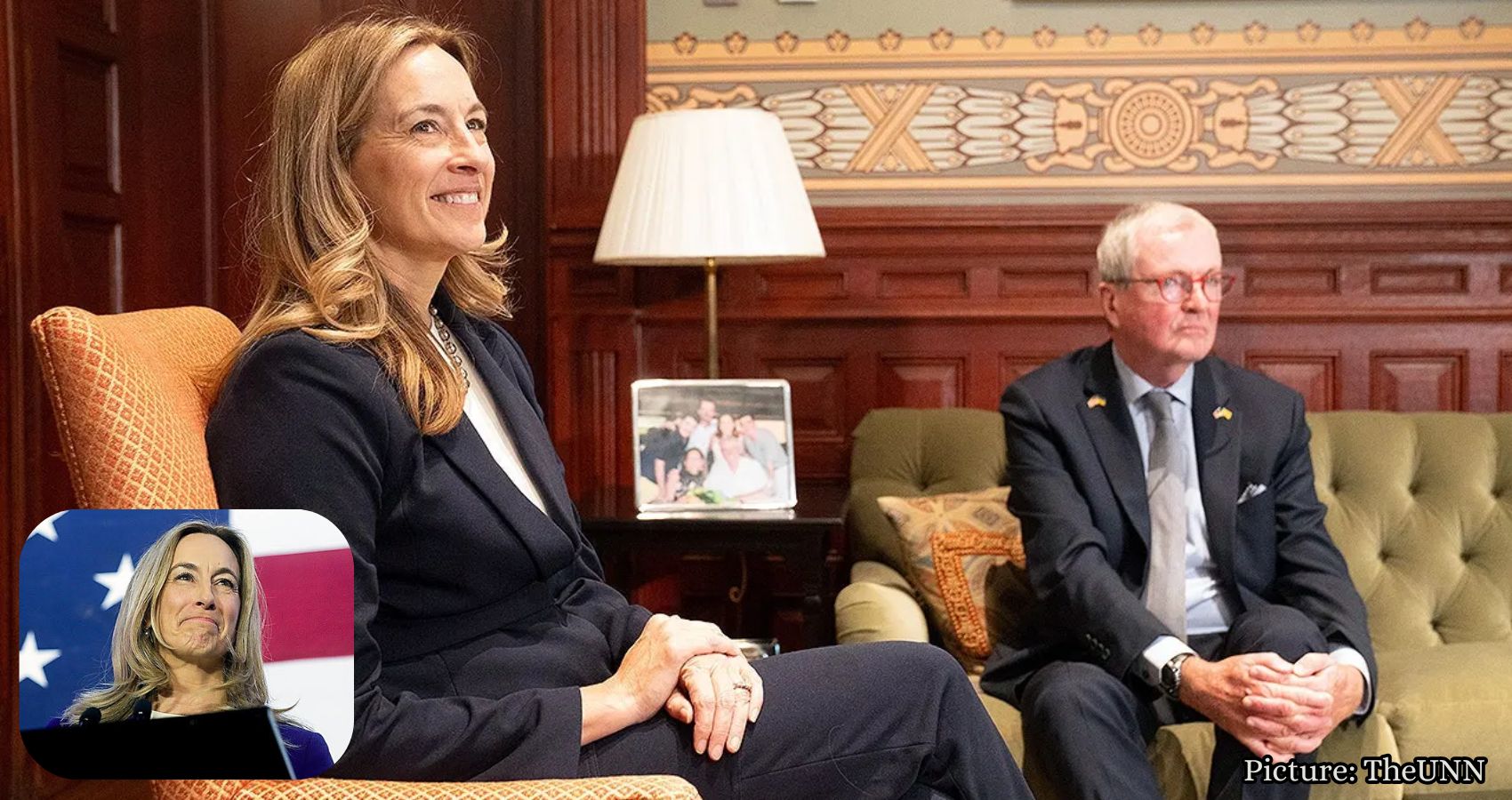
The White House criticized New Jersey Governor Mikie Sherrill after she announced a new portal aimed at tracking U.S. Immigration and Customs Enforcement officers and alerting the public to their activities.

The White House has condemned New Jersey Governor Mikie Sherrill following her announcement of a new initiative designed to monitor U.S. Immigration and Customs Enforcement (ICE) officers. The portal will allow residents to report sightings of ICE agents and share video documentation of their activities.

Sherrill, a U.S. Navy veteran who took office just weeks ago, encouraged New Jersey residents to film federal immigration enforcement operations when they encounter them. In a recent appearance on *The Daily Show*, she stated, “We want documentation, and we are going to make sure we get it.” She added, “We are going to be standing up a portal so people can upload all their cell videos and alert people. If you see an ICE agent in the street, get your phone out, we want to know.”

In response to Sherrill’s announcement, Abigail Jackson, a spokesperson for the White House, criticized the governor’s focus on tracking ICE officers rather than addressing the issue of illegal immigration. “If Sherrill was as committed to tracking down criminal illegal aliens as she was ICE officers, New Jersey residents would be much safer,” Jackson remarked.

Jackson further noted that ICE officers have experienced a staggering 1,300% increase in assaults, attributing this rise to “dangerous, untrue smears by elected Democrats.” She cited a recent incident in which an ICE officer had his finger bitten off during a confrontation with a protester, emphasizing that ICE officers “act heroically to enforce the law and protect American communities.” Jackson urged local officials to collaborate with ICE rather than oppose them.

Sean Higgins, a spokesperson for Governor Sherrill, defended the initiative, framing it as a measure to protect New Jersey residents from federal overreach. “Keeping New Jerseyans safe is Governor Sherrill’s top priority,” Higgins told Fox News Digital. He indicated that Sherrill and acting Attorney General Jennifer Davenport would soon announce additional measures aimed at safeguarding residents from federal actions.

During her appearance on *The Daily Show*, Sherrill referenced the deaths of Renee Good and Alex Pretti during confrontations with ICE agents in Minneapolis. She accused ICE agents of shooting Pretti “execution style,” labeling such actions as “unacceptable.” Sherrill expressed concerns about the lack of transparency from ICE, stating, “They have not been forthcoming. They will pick people up. They will not tell us who they are. They will not tell us if they’re here legally. They won’t check. They’ll pick up American citizens.”

Sherrill’s announcement has drawn criticism from various quarters, including New Jersey Assembly Republican Leader John DiMaio. He condemned the governor’s initiative, arguing that it “puts everyone at risk” and continues a trend of undermining law enforcement efforts. DiMaio stated, “For years now, New Jersey has been moving in the wrong direction and making it harder for law enforcement to do their jobs and easier for criminals to exploit the system.” He asserted that the portal would further target those tasked with protecting communities.

DiMaio also highlighted recent ICE operations in New Jersey, which he claimed resulted in the arrests of sex offenders who posed a danger to children. “ICE has taken real criminals off our streets—offenders convicted of serious crimes against children and violent acts that put innocent lives at risk,” he said. “At a time when leaders should be lowering the temperature, this piles on. It sends a message that enforcing the law is something to be shamed instead of respected.”

The debate surrounding Sherrill’s initiative reflects broader tensions regarding immigration enforcement and the role of local governments in relation to federal agencies. As the situation develops, it remains to be seen how the portal and the responses to it will impact public perception and law enforcement practices in New Jersey.

According to Fox News, the controversy underscores the ongoing national dialogue about immigration policy and the responsibilities of state and federal authorities.

Indian-American Sujit Singh Announces Candidacy for Congress in New Jersey

Indian American Sujit Singh is running for the Democratic nomination for Congress in New Jersey’s 12th District, aiming to be the first South Asian American elected to this seat.

Indian American community activist and technology consultant Sujit Singh has announced his candidacy for the Democratic nomination in New Jersey’s 12th Congressional District. Singh positions himself as an outsider candidate, emphasizing his commitment to human services, education, and economic opportunity.

A longtime resident of central New Jersey, Singh has built a career in both the nonprofit and technology sectors. His campaign is grounded in decades of personal experience working with families, underserved populations, and public-service organizations.

If elected, Singh would become the first South Asian American to secure a Congressional seat in NJ-12, ensuring that every voice in the district is heard and respected. He enters a competitive Democratic primary to succeed retiring Rep. Bonnie Watson Coleman, with the primary election scheduled for June 2.

Singh’s campaign centers on the belief that federal policy often neglects the everyday needs of individuals balancing work, family, and caregiving responsibilities. This is particularly relevant in a district known for its racial, cultural, and economic diversity.

Key priorities for Singh include enhancing disability services, improving public education, expanding access to affordable healthcare, and providing support for low-income families. He aims to push for meaningful legislative action in these areas.

Singh contrasts his hands-on experience with the political pedigree of traditional candidates, highlighting his personal journey as a member of an Indian farming family who immigrated to the United States. This background informs his empathy for immigrants and workers striving for economic stability.

“I’ve worked directly with families and community organizations, and I know what it feels like when voices go unheard in the halls of power,” Singh stated. “New Jersey’s 12th District deserves leadership that listens, includes, and delivers results for all its residents.”

His candidacy reflects a growing trend of community leaders entering electoral politics to address systemic challenges they encounter firsthand. In recent years, New Jersey has seen an increase in Indian American and immigrant leaders stepping into political roles, mirroring the state’s evolving demographics.

The race for NJ-12 has attracted a diverse array of Democratic contenders, including state legislators, local mayors, and business leaders. Singh’s focus on human-services policy and grassroots connections aims to distinguish him in a competitive field where name recognition and establishment support often play significant roles.

Political analysts note that New Jersey’s 12th District, which stretches from the state capital of Trenton to suburban communities near Princeton, has historically been a Democratic stronghold. With Watson Coleman’s retirement, the primary is viewed as a critical contest that will likely determine the next representative for the district in the general election.

Singh has framed his campaign around themes of accountability, compassion, and tangible improvements for constituents, steering clear of traditional party politics. He seeks to resonate with voters who are fatigued by polarization and are eager for pragmatic solutions.

As the June 2026 primary approaches, Singh’s campaign is gaining momentum, with volunteers actively engaging local communities to spread his message and broaden his appeal beyond political insiders.

Singh’s candidacy exemplifies a broader trend of civic advocates transitioning from grassroots activism to legislative leadership, aiming to bring about meaningful change in their communities.

According to The American Bazaar, Singh’s campaign reflects a significant moment in New Jersey politics as it embraces a diverse range of voices and experiences.

Satyajayant Misra Appointed Co-Chair of Tokyo INFOCOM 2026 Committee

An Indian American professor has been appointed co-chair of the Technical Program Committee for the prestigious IEEE INFOCOM 2026 conference in Tokyo.

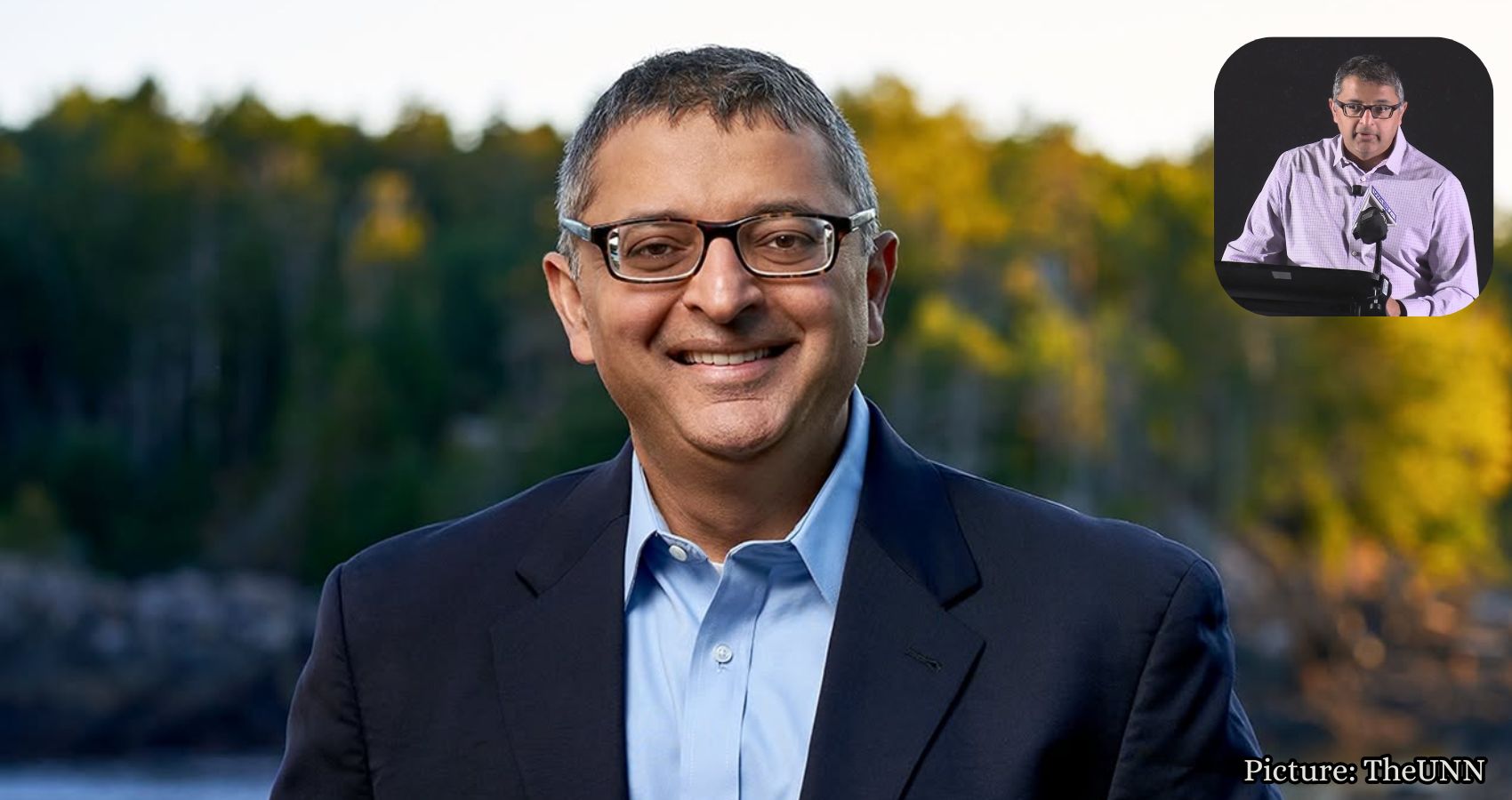
Satyajayant “Jay” Misra, an Indian American professor and associate dean of research at the New Mexico State University College of Engineering, has been appointed as the Technical Program Committee co-chair for the Institute of Electrical and Electronics Engineers (IEEE) International Conference on Computer Communications 2026. This conference is recognized as one of the most prestigious events in the field of computer networking and communications.

Misra will co-chair the event alongside Professor Tian Lan from George Washington University. The IEEE INFOCOM conference serves as a premier international forum for presenting advances in computer communications, drawing leading researchers, industry experts, and academics from around the globe.

Scheduled to take place from May 18 to May 21, 2026, in Tokyo, Japan, the conference will feature a variety of activities, including keynote addresses, technical paper presentations, panels, workshops, tutorials, poster sessions, and programming aimed at students. This event continues a tradition that spans over four decades, dedicated to advancing the state of the art in networking research.

“INFOCOM continues to be one of the selective conferences for which networking and cybersecurity researchers work for a year or more to submit a high-quality paper,” Misra stated. “When I was a student, it was my dream to get a paper into INFOCOM any given year. It continues to be a high-impact venue. INFOCOM 2026 will bring researchers from all continents to spend four days in Tokyo, presenting and discussing cutting-edge research ideas.”

As co-chair of the Technical Program Committee, Misra will oversee the highly selective peer-review process, which involves more than 400 researchers from around the world. His responsibilities include building the technical program and ensuring the overall quality and impact of the research presented at the conference.

This role is considered one of the highest forms of professional service in the field, typically reserved for researchers who have made significant and sustained contributions. Misra joins a distinguished lineage of technical leaders associated with IEEE INFOCOM.

David Jáuregui, interim dean of the NMSU College of Engineering, remarked on Misra’s appointment, stating, “Dr. Misra’s appointment as Technical Program Committee co-chair of IEEE INFOCOM 2026 is a significant achievement. Serving in this role places NMSU alongside leading research institutions from around the world, underscoring the growing international visibility of our research efforts. It reflects not only Dr. Misra’s sustained scholarly leadership but also NMSU’s expanding contributions to advancing research in computer science, engineering, and emerging technologies on the global stage.”

For INFOCOM 2026, nearly 1,800 research papers were submitted from institutions worldwide, with approximately 330 papers accepted for presentation. Misra noted that this reflects the competitive nature and high standards for scholarly excellence associated with the conference.

“This year we had an increase of more than 20 percent in submitted papers, and this shows the growing interest in INFOCOM,” Misra explained. “The paper selection process is multi-level with significant oversight by seasoned researchers in the community, and it is rigorous and selective.”

The selection process lasts over five months and involves several rounds of anonymous interactions among reviewers for each paper. This culminates in a technical program committee meeting where borderline papers are adjudicated.

Misra’s role at INFOCOM 2026 highlights not only his personal achievements but also the increasing prominence of New Mexico State University in the global research community.

According to The American Bazaar, this appointment underscores the importance of collaboration and innovation in the rapidly evolving field of computer communications.

New Mexico Newborn Dies from Listeria After Mother Consumed Raw Milk

A newborn in New Mexico has died from a Listeria infection likely linked to the mother’s consumption of raw milk during pregnancy, prompting health officials to issue renewed warnings.

A newborn baby in New Mexico has died from a Listeria infection that state health officials believe is likely connected to the mother’s consumption of raw milk during her pregnancy. In response to this tragic incident, the New Mexico Department of Health issued a warning urging residents to avoid raw dairy products.

Health officials indicated that while they could not definitively identify the source of the infection, they consider the mother’s intake of unpasteurized milk during pregnancy to be the “most likely” cause. They emphasized that this unfortunate death highlights the serious risks that raw dairy products pose to vulnerable populations, including pregnant women, young children, the elderly, and individuals with weakened immune systems.

The consumption of raw milk has gained popularity in recent years, partly fueled by movements advocating for natural and unprocessed foods. This trend has been notably supported by figures such as Health and Human Services Secretary Robert F. Kennedy Jr.

Despite the popularity of raw milk, the U.S. Food and Drug Administration (FDA) has prohibited the interstate sale of unpasteurized milk for decades. However, there is no federal ban on raw milk, which allows individual states to determine its safety for human consumption.

Dr. Chad Smelser, deputy state epidemiologist for the New Mexico Department of Health, stressed the importance of consuming only pasteurized milk products during pregnancy to prevent potential illnesses and fatalities in newborns. Pasteurization is a process that heats milk to eliminate harmful germs.

The Centers for Disease Control and Prevention (CDC) warns that consuming raw milk or products made from it can expose individuals to various pathogens, including Campylobacter, Cryptosporidium, E. coli, Listeria, Brucella, and Salmonella. Listeria is particularly concerning, as it is the third leading cause of death from foodborne illnesses in the United States, with approximately 1,250 infections and 172 deaths reported each year.

Certain groups, including children under five, adults over 65, pregnant women, and those with weakened immune systems, are at a heightened risk of severe illness from Listeria and other foodborne pathogens.

Jeff M. Witte, New Mexico’s secretary of agriculture, reiterated the commitment of the state’s dairy producers to provide safe and wholesome products, emphasizing that pasteurization is a critical component of food safety. He encouraged consumers, especially those in high-risk categories, to choose pasteurized dairy products to mitigate the risk of serious foodborne illnesses.

This incident follows a previous outbreak last August, when raw milk from a Florida farm was linked to E. coli and Campylobacter infections that sickened 21 people, including six children.

As health officials continue to investigate the circumstances surrounding the newborn’s death, they stress the importance of awareness regarding the risks associated with raw milk consumption, particularly for vulnerable populations.

According to Fox News, the ongoing discussions surrounding raw milk safety highlight the need for informed choices regarding dairy consumption, especially for pregnant women and those with compromised immune systems.

AAPI’s YPS Summit in Cancun Highlights Young Indian-American Physicians’ Leadership

The American Association of Physicians of Indian Origin’s Young Physicians Section Educational Summit in Cancun highlighted the emerging leadership of young Indian-American physicians.

The American Association of Physicians of Indian Origin (AAPI) recently celebrated a significant milestone in its mission to cultivate future medical leaders during the Young Physicians Section (YPS) Educational Summit at the Oasis Pyramid in Cancun.

This landmark conference was organized collaboratively by the YPS and the Medical Students, Residents, and Fellows Section (MSRF), under the guidance of YPS Chair Dr. Gautam Kamthan and MSRF President Dr. Priyanka Kolli. Their dedication and meticulous planning resulted in a summit that was both educational and inspiring, reinforcing AAPI’s role as the leading voice for physicians of Indian origin.

The event attracted an unprecedented 60 young physicians, residents, fellows, and medical students, marking it as the largest YPS gathering in AAPI’s history. This impressive turnout reflects the increasing engagement of the next generation of medical professionals.

From the beginning, the summit exuded purpose and energy. More than just a routine meeting, it became a dynamic forum for emerging leaders to exchange ideas, build community, and explore the evolving responsibilities of physicians of Indian origin in the United States. Participants arrived with a shared commitment to learn, collaborate, and contribute meaningfully to AAPI’s mission, transforming the summit into a vibrant incubator of leadership and innovation.

The program featured a comprehensive array of sessions focused on career development, mentorship, physician wellness, advocacy, and the changing landscape of healthcare. Attendees participated in Continuing Medical Education (CME) offerings, a Research Poster Symposium, and interactive workshops covering topics such as social media, healthcare law, and leadership strategies. This diverse range of subjects underscored AAPI’s commitment to equipping young physicians with the necessary tools to thrive in their careers.

AAPI President Dr. Amit Chakrabarty commended the energy and vision of the participants, noting that the enthusiasm displayed in Cancun signals a promising future for the organization. “If this is the caliber of talent rising within our ranks, AAPI’s future is not only secure—it is brilliant,” he remarked. He emphasized the importance of nurturing young physicians as they step into leadership roles, stating, “These young professionals brought with them fresh ideas, bold questions, and a deep desire to shape the future of AAPI and the broader medical community.”

Dr. Hetal Gor, Chair of the AAPI Board of Trustees, highlighted the significance of the summit, stating, “As AAPI continues to expand its national and global footprint, the Cancun summit stands as a testament to the organization’s investment in its future leaders.” She noted that the passion, professionalism, and unity displayed by attendees signal a new era of engagement defined by collaboration, innovation, and a shared commitment to excellence.

Dr. Chakrabarty pointed to Dr. Soumya Neravetla, AAPI national Treasurer and a past President of YPS, as an example of how young leaders of Indian origin can achieve national leadership within AAPI. “Dr. Soumya Neravetla is a testament to how young leaders of Indian origin, who are now members and leaders of YPS/MSRF, can follow in her footsteps with dedication and total commitment,” he said.

Dr. Neravetla, a young cardiologist and the first second-generation physician of Indian origin elected to the AAPI national office, expressed her gratitude to the YPS members for organizing such a successful event. She also thanked AAPI leadership for their ongoing support of young physicians, stating, “I feel proud to stand before you today, as a national AAPI office bearer, working hand in hand with the YPS and AAPI leadership, to help our beloved organization reach greater heights.”

The YPS was established to promote and uphold the highest standards of ethics in medical practice and education. AAPI – YPS provides a platform for networking, support, and open communication among its members. Meanwhile, MSRF is a national organization dedicated to advancing the professional, political, and social goals of Indian American medical students and resident physicians.

In closing, Dr. Chakrabarty congratulated the young physicians for organizing a remarkable medical conference and invited all delegates to attend the upcoming Annual Convention and Scientific Assembly by AAPI, scheduled for June 2026 in Tampa, Florida. He also announced that for the first time in AAPI Convention history, there would be a day dedicated to AAPI YPS-MSRF.

For more information about AAPI and the upcoming convention, please visit www.aapiusa.org or www.aapiconvention.org.

According to GlobalNetNews.

India and FBI Collaborate to Dismantle $48 Million Call Center Scam

A joint operation between U.S. federal agencies and Indian law enforcement has dismantled a significant international scam network, resulting in multiple arrests and substantial financial recoveries for victims.

BALTIMORE, MD — A high-level joint operation between United States federal agencies and Indian law enforcement has successfully dismantled a massive international scam network.

On February 2, the FBI Baltimore Field Office and the Montgomery County Police Department announced that their coordinated efforts with India’s Central Bureau of Investigation led to the shutdown of several illicit call centers in December 2025. Six Indian nationals, identified as the leaders of these criminal syndicates, were arrested during the raids in India. These call centers had been orchestrating sophisticated government impersonation and tech support scams targeting Americans since 2022.

The scale of the fraud was extensive, with the FBI reporting that approximately 660 victims nationwide lost a staggering $48,778,230 to this specific network. Maryland residents were particularly affected, with nearly two dozen individuals losing more than $6.2 million. FBI Baltimore Special Agent in Charge Jimmy Paul credited the victims who came forward, stating, “Because of those reports, the FBI was able to work jointly with Indian authorities to help dismantle this massive criminal enterprise.”

The investigation revealed that the syndicates exploited fear by posing as officials from agencies such as the Social Security Administration or the FBI. Victims were often threatened with imprisonment for fabricated crimes and pressured into moving their life savings into cryptocurrency or wire transfers.

In addition to the arrests in India, local law enforcement in Maryland has arrested eight individuals since 2024, with three suspects directly linked to the Indian call centers. Montgomery County Police Captain Marc Erme emphasized the strength of this cross-border alliance, noting that the results “underscore what strong partnerships can accomplish when we work together across jurisdictions and across borders.”

This operation highlights the ongoing collaboration between U.S. and Indian authorities to combat international fraud and protect citizens from such scams. The coordinated efforts not only led to significant arrests but also raised awareness about the tactics used by scammers and the importance of reporting suspicious activities.

As investigations continue, authorities urge individuals to remain vigilant and report any suspicious calls or communications that may resemble the tactics employed by these criminal organizations. According to India West, the successful dismantling of this scam network serves as a reminder of the effectiveness of international cooperation in addressing complex criminal activities.

Democrats Compete to Retain Blue Seat Amid GOP Majority Threat

Eleven Democrats are vying for their party’s nomination in New Jersey’s 11th Congressional District, a crucial race as Republicans seek to maintain their slim majority in the House of Representatives.

Eleven candidates are competing in the Democratic Party primary for New Jersey’s 11th Congressional District, scheduled for Thursday. This seat became vacant after Mikie Sherrill, the former representative and now Governor of New Jersey, stepped down following her victory in the gubernatorial election last November.

The winner of the Democratic primary will face Republican Joe Hathaway, the sole GOP candidate, in a special election set for April 16. This election is particularly significant as it occurs while Republicans hold a precarious 218-214 majority in the House of Representatives.

The GOP could potentially bolster its numbers before the New Jersey special election. A special election is also slated for March 10 in Georgia’s 14th Congressional District, following the resignation of former Republican Representative Marjorie Taylor Greene. Greene, a prominent figure aligned with former President Donald Trump, stepped down a year before the end of her term.

In Georgia, a crowded field of 22 candidates, including 17 Republicans, will compete on the same ballot. If no candidate secures more than 50% of the vote, a runoff will be held on April 7 between the top two finishers. Greene had previously won re-election in 2024 by nearly 30 points, and Trump carried the district by a significant 37 points.

Back in New Jersey, while the Democratic primary features a large field, only a few candidates are considered serious contenders for the nomination. Among the frontrunners is former Representative Tom Malinowski, who served in the neighboring 7th Congressional District from 2018 to 2022 before losing to current GOP Representative Thomas Kean Jr. Malinowski previously held the position of Assistant Secretary of State during Barack Obama’s administration.

Other notable candidates include Essex County Commissioner Brendan Gill, former Lieutenant Governor Tahesha Way, Passaic County Commissioner John Bartlett, and progressive organizer Analilia Mejia. Mejia is running as an outsider and has garnered support from prominent progressive figures such as Senator Bernie Sanders of Vermont and Representative Alexandria Ocasio-Cortez of New York. Sanders even headlined a virtual rally for her campaign on the eve of the primary.

The 11th District, located in northern New Jersey, leans Democratic. Sherrill won re-election in 2024 by a margin of 15 points, mirroring her victory in the gubernatorial race. However, during the 2024 presidential election, then-Vice President Kamala Harris won the district by a narrower margin of just eight points, providing the GOP with some hope of flipping the seat.

In addition to the New Jersey race, there is another vacant seat in Congress following the unexpected death of Republican Representative Doug LaMalfa in California’s 1st Congressional District. A primary to fill LaMalfa’s seat is scheduled for June 2, coinciding with California’s primary day, and the special general election will take place on August 4. This district is solidly Republican.

The outcome of the upcoming elections in both New Jersey and Georgia could have significant implications for the balance of power in the House of Representatives, as both parties seek to solidify their positions ahead of the next general election.

According to Fox News, the stakes are high as Democrats aim to retain a seat that could help maintain their influence in Congress.

Jaya Padmanabhan Appointed New Executive Director of American Community Media

Jaya Padmanabhan, an Indian American journalist and former software engineer, has been appointed Executive Director of American Community Media, succeeding founder Sandy Close.

Jaya Padmanabhan, an Indian American software engineer turned journalist, has been appointed the new Executive Director of American Community Media (ACoM), the largest association of ethnic news outlets in the United States. She officially took on the role on February 1, succeeding ACoM founder Sandy Close, who is transitioning to the position of Director Emeritus after three decades of leadership.

In a statement, Close praised Padmanabhan, saying, “Jaya represents a new generation of leaders at ACoM who bring energy, ideas, tech smarts, and business savvy to the sector at a time when AI is transforming not only how we gather and distribute news, but the very idea of what news is.”

Padmanabhan brings over a decade of experience in the ethnic media sector, having previously served as project manager for the University of Southern California Center for Health Care Journalism’s Ethnic Media Collaborative project. In this role, she provided mentorship, management, and editorial support for ethnic media fellows across various multilingual newsrooms in California.

Before her work at USC, Padmanabhan was the Executive Editor of India Currents, the oldest and largest Indian American magazine on the West Coast. She also contributed as a biweekly columnist for the San Francisco Examiner. Her diverse background in both technology and journalism positions her uniquely to lead ACoM during a transformative period for the media landscape.

“Ethnic media teaches me a different way of understanding news, documenting the intimate life of communities and amplifying voices largely unheard and unseen in the public space,” Padmanabhan remarked. “I learned the enduring power of news outlets that provide a collective voice for their communities — the ‘we’ rather than the ‘I’ of journalism.”

Close emphasized the critical need for authentic voices in today’s information-saturated environment, stating, “Despite a glut in information technology, people crave authentic voices and real, in-person connections. The hunger for trusted messengers who help people navigate the changes going on around them has never been greater, even as revenue to support local news platforms has never been scarcer.”

Julian Do, co-director of ACoM, expressed optimism about Padmanabhan’s leadership, viewing it as an exciting opportunity for ethnic media to expand its influence. “Jaya will add a powerful advocacy voice for our sector as we implement new strategies to expand its social marketing role and audience reach,” he said.

American Community Media operates as a national nonprofit news and communications agency under the fiscal sponsorship of the San Francisco Study Center. Its mission is to enhance the capacity of ethnic news outlets to inform and engage communities that are traditionally underserved by general-market media.

ACoM aims to build a more inclusive communications infrastructure that serves the public interest and promotes participatory democracy. Its innovative hybrid model includes a multilingual, pan-ethnic collaborative news exchange with weekly online news briefings and the development of a pan-ethnic digital advertising network. Over the past five years, ACoM has directed more than $20 million to ethnic media in California alone.

Padmanabhan’s appointment marks a significant step forward for ACoM as it navigates the challenges and opportunities presented by the evolving media landscape. Her blend of technical expertise and commitment to community journalism is expected to drive the organization’s mission forward in the coming years.

According to a news release from ACoM, Padmanabhan’s leadership is poised to make a lasting impact on the ethnic media sector, fostering greater inclusivity and representation in news coverage across the nation.

Measles Exposure Risk Reported at Airport and Theme Park

Health officials have issued a warning about potential measles exposure at Los Angeles International Airport and Disneyland following an international traveler’s visit.

Health officials are alerting the public to a potential risk of measles exposure after an international traveler visited several busy locations in Southern California, including Los Angeles International Airport (LAX) and the Disneyland Resort.

The traveler arrived on January 26 aboard Viva Aerobus Flight 518, landing at Tom Bradley International Terminal B, Gate 201A. According to a statement from the Los Angeles County Department of Public Health (LADPH), individuals who were in Terminal B between 10:45 p.m. on January 26 and 1 a.m. on January 27 may have been exposed to the virus.

Following their arrival, the individual traveled to Orange County, where the Orange County Health Care Agency identified additional exposure windows on January 28. A subsequent exposure was reported on January 30 at a Dunkin’ Donuts in Woodland Hills, as noted by the LADPH.

“People who were at these locations during these times may be at risk of developing measles from seven to 21 days after exposure,” the Orange County Health Care Agency stated.

Health officials recommend that anyone who visited these locations during the specified windows check their immunization status and monitor for symptoms for 21 days following their potential exposure.

Public health departments in both Los Angeles and Orange County will continue to track potential exposure sites and notify individuals deemed to be at high risk. Experts advise that individuals contact a healthcare provider by phone before visiting a clinic if symptoms develop, in order to prevent further spread of the virus.

Measles is a highly contagious viral disease. According to the Centers for Disease Control and Prevention (CDC), if one person is infected, up to 90% of nearby individuals who are not immune may also contract the disease.

“Measles doesn’t only affect people who travel internationally — everyone is at risk if they’re not protected,” said Dr. Anissa Davis, deputy county health officer for Long Beach, California. “The best way to protect yourself and your loved ones is to get vaccinated before exposure occurs.”

Symptoms of measles typically include fever, cough, runny nose, and red eyes, followed by a characteristic rash that begins on the face and spreads downward. An infected person is contagious for four days before and four days after the rash appears.

As of January 30, there have been 588 confirmed cases of measles in the U.S. so far in 2026, according to the CDC. This follows a significant surge in 2025, which saw 2,267 cases — the highest annual count in more than three decades.

For more information, visit the CDC’s website or consult your local health department.

According to Fox News Digital, health officials continue to monitor the situation closely.

Community Resistance Grows Amid Escalating ICE Enforcement Risks

As immigration enforcement intensifies, grassroots movements across the U.S. are mobilizing to protect undocumented residents, employing diverse strategies to counteract the actions of ICE.

In an era marked by heightened immigration enforcement, a robust counter-movement is emerging across American neighborhoods. What began as isolated acts of support has transformed into a sophisticated, nationwide strategy of community resistance. Local networks are rapidly deploying specialized and adaptable tactics to shield undocumented residents from U.S. Immigration and Customs Enforcement (ICE).

The growth and strategies of this movement were highlighted during a recent American Community Media (ACoM) news briefing held on January 23.

The push for organized resistance coincides with escalating risks associated with ICE encounters, which are permeating residential areas and creating a profound “chilling effect” on public life. Vanessa Cárdenas, Executive Director of America’s Voice, emphasized that the implications of these operations extend far beyond the undocumented population.

“The attacks on immigrants are the tip of the spear on attacks on all Americans,” Cárdenas warned. “This mass deportation agenda is affecting everyone, non-citizens and citizens alike.”

Rather than relying on a centralized command, community organizers have developed a decentralized framework. This approach allows neighborhoods to select specific interventions—ranging from legal monitoring to physical sanctuary—that best suit their local context.

In Chicago, the primary focus has been on rapid legal empowerment, according to Siri Lee, Deputy Organizing Director at ONE North Side. She explained that the goal is to ensure that “everyone seems to know their rights and not to open their door (and) ask for a warrant.”

In Minnesota, the strategy emphasizes physical protection for the most vulnerable populations. Amanda Otero, Co-Executive Director of Take Action Minnesota, described their “Sanctuary School” initiative, which involves active patrolling to ensure that “ICE stays away from our schools and ensuring that kids can come in and out of the building safely.”

The movement also aims to expose the aggressive nature of federal tactics. Ann Garcia, a staff attorney at the National Immigration Project, spoke candidly about systemic issues within enforcement agencies, stating, “The soul of DHS is rotten to its core.”

Garcia recounted a distressing incident where a community observer was shackled and had her wedding ring cut off simply for inquiring whether agents were affiliated with ICE. This documented pattern of behavior has galvanized legal professionals to expand their efforts beyond traditional litigation.

Providing historical context, Harvard Law School professor Mark Tushnet compared today’s resistance to the era of the 1850 Fugitive Slave Act, when public outcries over “renditions” galvanized the North. He suggested that the law often follows the lead of organized people. “Don’t count on the courts,” Tushnet advised, “but go to the streets and the courts will follow.”

The ultimate aim of this resistance is to reverse the “chilling effect” that prevents families from accessing schools and hospitals. Organizers argue that by providing structured, collective defense, they can help residents reclaim their public lives.

The urgency of the moment is inspiring unprecedented levels of engagement. As Otero noted, “I have never seen this many people get off the sidelines and take action and be in community doing organizing to keep us safe.”

As the landscape of immigration policy continues to evolve, these grassroots networks remain the primary line of defense. By treating community solidarity as a series of adaptable tactics, activists are ensuring that resistance can spread faster than the enforcement actions themselves, according to American Community Media.

Trump Administration Sued by New York, New Jersey Over Tunnel Funding Freeze

New York and New Jersey have filed a lawsuit against the Trump administration, claiming the illegal withholding of $16 billion in federal funding for the Gateway rail tunnel project under the Hudson River.

New York and New Jersey are taking legal action against the Trump administration, alleging that the federal government is unlawfully withholding $16 billion in funding for the Gateway project, a crucial rail tunnel initiative under the Hudson River. The lawsuit, filed in the Southern District of New York, seeks emergency relief to compel the U.S. Department of Transportation (DOT) to release the frozen funds.

The urgency of the lawsuit stems from the fact that construction on the Gateway project is already underway. State officials warn that if the funding is not released promptly, the project could face a shutdown as early as Friday. Such a halt could jeopardize thousands of jobs and impose significant new operating costs on both states.

New York Governor Kathy Hochul expressed her concerns, stating, “Donald Trump’s revenge tour on New York threatens to derail one of the most vital infrastructure projects this nation has built in generations, putting thousands of union jobs and billions of dollars in economic benefits in jeopardy and threatening the commutes of 200,000 riders.” She emphasized New York’s commitment to fighting what she termed an illegal effort by the Trump administration to withhold federal funding.

Hochul’s message was clear: “My message to Donald Trump and Sean Duffy is simple: we’ll see you in court.”

The Gateway project aims to create new rail tunnels and rehabilitate an existing rail crossing between northern New Jersey and New York City. The need for this overhaul is pressing, as the current tunnels are over 115 years old and were severely damaged by saltwater flooding during Hurricane Sandy in 2012. These tunnels are vital, carrying approximately 70,000 New Jersey commuters daily. Amtrak has warned that the failure of just one tunnel could reduce rail traffic into New York City by up to 75%.

Construction on the Gateway project began over a year ago, but the Trump administration’s freeze on federal funding, initiated during the government shutdown last fall, has raised serious concerns. The states argue that this funding freeze jeopardizes the economic future of the Northeast region.

New Jersey Governor Mikie Sherrill also voiced her concerns, stating, “Every time the Trump Administration gets involved, costs go up and working people suffer. The illegal attack on the Gateway Tunnel is yet another example.” She warned that if the project were to stop, it would result in the immediate loss of 1,000 jobs and deprive hundreds of thousands of commuters of reliable train service.

New York Attorney General Letitia James reiterated the potential consequences of halting the Gateway project, stating that it would cost thousands of good-paying jobs and put one of the country’s most heavily used transit corridors at risk. Jennifer Davenport, New Jersey’s acting attorney general, issued a stern warning to the Trump administration, emphasizing the need to protect residents from what she described as attacks on their rights and finances.

“The President’s decision to freeze funding for the Hudson Tunnel Project jeopardizes safe and reliable infrastructure and puts thousands of jobs at risk,” Davenport said. “The Federal Government has left us no choice: we must challenge this illegal action in court and demand emergency relief that will protect us from these unlawful harms.”

A separate lawsuit regarding tunnel funding was filed on Monday by the Gateway Development Commission, which oversees the project. As the legal battle unfolds, both states remain committed to ensuring that the Gateway project continues, highlighting its importance for the region’s infrastructure and economy.

Fox News Digital’s Michael Dorgan and The Associated Press contributed to this report.

US Researchers Validate First Hindi Tool for Diagnosing Prolonged Grief

The first clinical tool in Hindi for diagnosing prolonged grief disorder has been validated by researchers, addressing a critical gap in mental health care for Hindi-speaking communities.

A team of researchers from the City University of New York (CUNY) and Weill Cornell Medicine has successfully validated the first clinical tool in Hindi designed to diagnose prolonged grief disorder (PGD), a condition that is now recognized in leading psychiatric manuals.

This significant milestone addresses a long-standing gap in culturally and linguistically appropriate mental health care for Hindi-speaking communities in the United States and beyond, according to a release from CUNY.

Prolonged grief disorder refers to an intense and persistent form of grief that disrupts daily functioning long after the death of a loved one. It is classified as a distinct mental health condition in both the Diagnostic and Statistical Manual of Mental Disorders and the International Classification of Diseases.

The absence of a validated assessment tool in Hindi—one of the world’s most widely spoken languages—has left many bereaved individuals without reliable pathways to diagnosis and support.

To address this issue, the research team translated, culturally adapted, and tested the Prolonged Grief Disorder-13 Revised Scale (PG-13-R), resulting in what is now known as the PG-13-R-H (Hindi version). This scale measures symptoms such as intense yearning and emotional pain, helping clinicians differentiate between normal grief and disordered grief.

The project was led by CUNY researchers, including Dr. Apeksha Mewani of Lehman College and Dr. Vincent Jones II of York College, along with collaborators Sungwoo (Justin) Kim, Dr. Kim Glickman, and scale originator Dr. Holly G. Prigerson of Weill Cornell Medicine. This cross-institutional effort was born out of a community need for better mental health resources.

The validation study surveyed 527 Hindi-speaking adults living in the United States, who were recruited online and through community outreach in culturally diverse Queens, New York. The results demonstrated that the Hindi scale is both reliable and valid, with a Cronbach’s alpha of 0.75, indicating consistent performance across items.

Approximately 15.6% of participants met the diagnostic criteria for PGD. Notably, 41.7% reported a death related to COVID-19, and 88.6% experienced an unexpected loss, both of which are recognized risk factors associated with prolonged grief.

For many participants, grieving in a diasporic context—where traditional rituals and extended family support structures may be lacking—may have compounded their distress.

The researchers emphasize that culturally tailored tools like the PG-13-R-H not only improve detection but also connect individuals with care that respects their linguistic and cultural frameworks. Dr. Mewani expressed hope that this tool would ensure that Hindi speakers can have their mental illness clinically diagnosed and receive the necessary mental health support.

Dr. Jones highlighted the importance of culturally grounded care, stating, “Language should never be a barrier to healing.” Dr. Prigerson, whose work laid the foundation for modern PGD research, noted that making the scale available in Hindi furthers the goal of “helping those who are mourning, who never found a name for what they were experiencing.”

The study, titled “Psychometric Properties, Stability, and Predictive Validity of the Hindi Version of the Prolonged Grief Disorder Scale (PG-13-R-H),” has been published in the Indian Journal of Psychological Medicine.

Researchers believe that the scale will be beneficial not only in clinical settings but also for community health workers, counselors, and researchers aiming to improve mental health equity for Hindi-speaking populations, according to CUNY.

Tuberculosis Outbreak Investigated at Prominent High School

An outbreak of tuberculosis at a San Francisco high school has led health officials to mandate testing for all students and staff following three active cases and over 50 latent infections.

An outbreak of tuberculosis (TB) has been confirmed at Archbishop Riordan High School in San Francisco, prompting health officials to take immediate action. The San Francisco Department of Public Health (SFDPH) issued a health advisory on January 29, detailing the situation and the necessary steps for the school community.

According to the advisory, three active TB cases have been diagnosed among individuals associated with the school since November 2025. In addition, over 50 latent TB infections have been identified within the school community. TB is a bacterial infection primarily affecting the lungs, but it can also impact other organs. It is an airborne disease, transmitted through coughing, sneezing, or saliva.

A person with a latent TB infection carries the bacteria, but it remains inactive in their body. While latent TB is not contagious, it can progress to active disease in approximately 5% to 10% of cases. The SFDPH has stated that efforts are underway to ensure preventive treatment for all affected individuals.

Staff and students at Archbishop Riordan High School have been advised to stay home if they are feeling unwell and to seek medical clearance from a healthcare provider before returning to school. Furthermore, TB evaluations are required for all students and staff, regardless of whether they exhibit symptoms. Health officials have indicated that repeat TB assessments will be necessary every eight weeks until the outbreak is resolved.

Currently, the risk to the general population is considered low, and therefore, the measures are not required for individuals not connected to the outbreak at Archbishop Riordan High School. According to the Centers for Disease Control and Prevention (CDC), more than 565 people died from TB in the most recent year for which data is available. In San Francisco, health officials report a case fatality rate exceeding 10%.

While it is estimated that around 25% of the population may have been infected with the TB bacteria, only 5% to 10% will develop symptoms and become contagious. Symptoms of active TB can include a persistent cough, chest pain, fatigue, weight loss, weakness, fever, and night sweats. TB can also affect organs beyond the lungs, including the kidneys, spine, skin, and brain.

Dr. Masae Kawamura, a former TB control director in San Francisco and a tuberculosis clinician, emphasized the dangers of TB, stating, “TB can affect any organ of the body, but it causes disease in the lung in over 80% of cases. This is dangerous because it causes cough, the mechanism of airborne spread.” In severe cases, patients may cough up blood.

Dr. Kawamura noted that many individuals may experience minimal symptoms for an extended period, often mistaking their occasional cough for allergies, smoking, or a lingering cold. TB can be diagnosed through rapid testing, and treatment typically involves a regimen of antibiotics taken daily for four to six months. Common antibiotics include isoniazid, rifampicin, pyrazinamide, and ethambutol.

Failure to complete the prescribed course of antibiotics can lead to drug-resistant strains of TB, necessitating alternative treatments. If left untreated, TB can be fatal in about half of its cases. Dr. Kawamura explained that approximately 25% of individuals may recover on their own, while another 25% may develop chronic active TB.

“If you breathe, you can catch TB — so all people are at risk,” Dr. Kawamura stated, describing TB as a “social disease of crowding and mobility.” She added that congregate settings such as hospitals, nursing homes, prisons, classrooms, and homeless shelters are particularly susceptible to outbreaks, especially when multiple risk factors are present.

Those at the highest risk of developing TB disease after exposure include individuals with diabetes, weakened immune systems, malnutrition, tobacco use, and excessive alcohol consumption. Babies and children are also at increased risk.

The best preventive measure is to test those at risk and treat latent TB infections, according to health experts. The SFDPH continues to monitor the situation closely and has reached out to Archbishop Riordan High School for further comment.

For more information on tuberculosis and its prevention, visit the CDC’s website.

According to Fox News, health officials are taking proactive steps to manage the outbreak and protect the school community.

Rare Sighting of ‘Sharktopus’ Captured on Camera by Scientists

The University of Auckland scientists recently shared a rare video of an octopus riding on a mako shark off the coast of New Zealand.

In an extraordinary marine encounter, scientists from the University of Auckland captured a rare sighting of an octopus riding on the back of a mako shark off the coast of New Zealand. This unusual event, which has been dubbed a “sharktopus,” showcases the fascinating interactions that can occur in the ocean.

The video, recorded in December 2023, features a Maori octopus perched atop a shortfin mako shark, known for being the fastest shark species in the world, capable of swimming at speeds up to 46 miles per hour. According to the university, this sighting was one of the most peculiar experiences their marine scientists had ever witnessed. Typically, octopuses inhabit the seabed, while mako sharks prefer shallower waters, making this encounter particularly intriguing.

The researchers were initially conducting a study on shark feeding frenzies in the Hauraki Gulf near Kawau Island when they spotted a mako shark with a distinctive orange patch on its head. To document the encounter, they deployed a drone and a GoPro camera into the water, leading to the unforgettable moment of the octopus clinging to the shark’s head with its tentacles.

Professor Rochelle Constantine, a marine scientist at the University of Auckland, described the scene in a recent article for the university. She noted that the researchers observed the unusual pairing for about ten minutes before moving on, leaving the fate of the “sharktopus” uncertain. However, she speculated that the octopus was likely in for quite an adventure, given the mako’s impressive speed.

Initially, Constantine expressed her surprise at the sighting, wondering if what she was seeing was a buoy or if the shark was entangled in fishing gear. “You can see it takes a fair amount of real estate on the shark’s head,” she remarked, emphasizing that neither animal appeared distressed by the encounter. “The shark seemed quite happy, and the octopus seemed quite happy. It was a very calm scene,” she added.

This remarkable footage not only highlights the wonders of marine life but also underscores the importance of ongoing research in understanding the behaviors and interactions of oceanic species. As scientists continue to explore the depths of the ocean, encounters like this one remind us of the mysteries that still exist beneath the waves.

According to Fox News, the sighting has sparked interest and curiosity about the behaviors of both octopuses and sharks in their natural habitats.

Indian-American Kalyan Deshpande Appointed Chief Judge of US Patent Court

Indian American jurist Kalyan Deshpande has been appointed Chief Judge of the Patent Trial and Appeal Board, enhancing his influence in patent law and dispute resolution in the United States.

Indian American jurist Kalyan Deshpande has been appointed as the Chief Judge for the Patent Trial and Appeal Board (PTAB), a pivotal role in adjudicating patent and trademark disputes in the United States.

In his new position, Deshpande leads the PTAB in conducting various post-grant trials, including inter partes reviews, post-grant reviews, covered business method patent reviews, and derivation proceedings. He also oversees appeals from adverse examiner decisions in patent applications and re-examination proceedings.

The announcement of Deshpande’s appointment was made by U.S. Patent and Trademark Office Director John Squires. This appointment not only solidifies Deshpande’s status as a prominent figure within the PTAB but also highlights his significant contributions to the field of patent law. It underscores the PTAB’s commitment to maintaining the integrity of the patent system.

Deshpande’s leadership is expected to have a substantial impact on the resolution of patent disputes and the evolution of patent law in the United States.

Deshpande joined the PTAB in 2008 and has held various roles, including patent attorney, Administrative Patent Judge (APJ), Lead Judge, Senior Lead Judge, Vice Chief Judge, and Deputy Chief Judge. His extensive experience within the Board has equipped him with a deep understanding of the complexities involved in patent law.

Throughout his tenure, Deshpande has managed a significant number of post-grant trials and ex parte appeals. He has also been instrumental in implementing and leading processes for precedential and informative decision designations, the director review process, and director discretionary processes.

In addition to his judicial responsibilities, Deshpande has overseen the hiring and onboarding of APJs, as well as initiatives like the Legal Experience and Advancement Program (LEAP) and the Judicial Law Clerk program. His expertise has been recognized at the U.S. Senate, where he provided insights for Senator Chris Coons.

Before his tenure at the PTAB, Deshpande gained valuable experience in software development at Accenture and worked in supply chain management for an early-stage food services company.

Deshpande holds a law degree from The Ohio State University and a degree in biomedical engineering from Case Western Reserve University. His diverse educational background and professional experience contribute to his qualifications as a leader in patent law.

As Chief Judge, Kalyan Deshpande is poised to influence the future of patent law and the adjudication of patent disputes in the United States, according to The American Bazaar.

Meningitis Cases Surge in Major Midwestern City, Health Alert Issued

Chicago health officials have issued a public health alert following a rise in meningococcal disease cases, including two fatalities, urging residents to recognize symptoms and seek prompt medical attention.

Chicago health officials are sounding an urgent alert as they report a rise in cases of meningococcal disease among adults in the city. Since mid-January, seven cases of Neisseria meningitidis infections have been confirmed, resulting in two deaths, according to the Chicago Department of Public Health.

In response to the outbreak, health officials have traced close contacts of all confirmed cases and provided preventive antibiotics to individuals who may have been exposed to the bacteria.

Meningococcal disease is caused by the bacterium Neisseria meningitidis, which can infect the bloodstream or the protective lining of the brain and spinal cord. The bacteria are transmitted through saliva and mucus during close or prolonged contact, such as sharing drinks, kissing, or being in close proximity to someone who coughs or sneezes.

While cases of meningococcal disease are relatively rare, they remain a significant public health concern across the United States. The Centers for Disease Control and Prevention (CDC) reported 503 confirmed and probable cases in the U.S. in 2024, based on preliminary data.

Symptoms of meningococcal disease can manifest as fever, headache, nausea, vomiting, diarrhea, sensitivity to light, a stiff neck, and a skin rash that may appear as dark spots or bruising. Additional signs may include confusion, irritability, difficulty walking, joint or muscle pain, and loss of appetite.

According to the Chicago Department of Public Health, the city typically sees between 10 to 15 meningococcal infections each year, with cases often concentrated during the winter months. The disease primarily affects seniors, adolescents, and young adults.

To mitigate the risk of infection, health officials recommend that individuals receive the meningococcal vaccine starting at ages 11 or 12, with a booster dose administered at age 16.

Treatment for meningococcal disease involves antibiotics, and healthcare providers often initiate immediate treatment if the illness is suspected, as it can progress rapidly. In severe cases, patients may require additional treatments such as intravenous fluids, oxygen, blood pressure medications, or surgery to address damaged tissue.

Anyone experiencing symptoms or who believes they may have been exposed to meningococcal disease is strongly urged to seek medical care without delay. Health experts emphasize that early treatment is critical for improving outcomes.

For further information on meningococcal disease and its symptoms, residents can consult resources from the Cleveland Clinic and the Chicago Department of Public Health.

According to Chicago Department of Public Health, the community’s awareness and prompt action are essential in combating this serious health threat.

Portland Mayor Calls for ICE Withdrawal Following Tear Gas Incident

Portland’s mayor has called for the removal of ICE from the city following the use of tear gas and flash-bang grenades against peaceful protesters, including children.

The mayor of Portland, Oregon, has demanded that U.S. Immigration and Customs Enforcement (ICE) vacate the city after federal agents reportedly deployed tear gas and other crowd control measures against demonstrators outside an ICE facility over the weekend.

Mayor Keith Wilson described the protests on Saturday as peaceful gatherings, emphasizing that the majority of those present posed no threat. Despite this, federal agents allegedly used tear gas, pepper balls, flash-bang grenades, and rubber bullets against the anti-ICE demonstrators.

In a statement, Wilson condemned the actions of federal agents, calling their use of violence a “trampling of the Constitution.” He stated, “Today, federal forces deployed heavy waves of chemical munitions, impacting a peaceful daytime protest where the vast majority of those present violated no laws, made no threat, and posed no danger to federal forces.”

Wilson urged ICE agents to resign and called for the agency to leave Portland entirely. He expressed his outrage, saying, “To those who continue to work for ICE: Resign. To those who control this facility: Leave. Through your use of violence and the trampling of the Constitution, you have lost all legitimacy and replaced it with shame.”

The mayor further challenged ICE agents to reflect on their actions, asking, “Go home, look in a mirror, and ask yourselves why you have gassed children. Ask yourselves why you continue to work for an agency responsible for murders on American streets.” He emphasized that the nation will not tolerate a federal presence that employs deadly force against the very people they are sworn to protect.

Wilson acknowledged the urgency felt by many in the community to take legal action against such violence. “I share the impatience with those who demand we use every legal tool at our disposal to push back against this inexcusable, unconscionable, and unacceptable violence against our community,” he stated. “Actions that can withstand the scrutiny of the justice system take time – and we cannot afford to lose this fight.”

In response to the recent events, Portland officials are working to implement an ordinance that imposes a fee on detention facilities that utilize chemical agents, which went into effect last month. Wilson noted, “As we prepare to put that law into action, we are also documenting today’s events and preserving evidence. The federal government must, and will, be held accountable.”

He reinforced Portland’s commitment to its immigrant community, asserting, “Portland will continue to stand firmly with our immigrant neighbors, who deserve safety, dignity, and the full protection of the communities they help build.” He also expressed pride in the Portlanders who participated in the peaceful protest, highlighting their solidarity in the face of federal overreach.

This incident occurs amid ongoing national unrest and bipartisan criticism of immigration enforcement tactics, particularly following two killings of U.S. citizens by federal immigration agents last month in Minneapolis. The deaths of Renee Nicole Good and Alex Pretti have intensified scrutiny of ICE and Border Patrol operations.

Good was shot and killed by ICE agent Jonathan Ross on January 7, while Pretti was fatally shot on January 24 by Border Patrol agent Jesus Ochoa and Customs and Border Protection officer Raymundo Gutierrez. Pretti, an ICU nurse, was reportedly trying to assist a woman when he was confronted by agents, leading to a violent altercation that resulted in his death.

As the situation in Portland continues to unfold, Mayor Wilson’s demands reflect a growing concern over the actions of federal agents and their impact on local communities, particularly in the context of immigration enforcement.

According to Fox News, the mayor’s statements underscore a broader call for accountability and reform in federal immigration practices.

Russia Strikes Bus, Killing 12 Ukrainian Miners After Peace Talks Postponed

Russian drone strikes killed at least 15 Ukrainian coal miners in Dnipropetrovsk, marking one of the deadliest attacks on energy workers amid ongoing conflict and postponed peace talks.

A Russian drone strike on Sunday targeted a bus carrying coal miners in Ukraine’s Dnipropetrovsk region, resulting in the deaths of at least 15 individuals. This incident is considered one of the deadliest attacks on energy workers since the onset of the war.

The attack occurred just hours after Ukrainian President Volodymyr Zelenskyy announced the postponement of a new round of peace talks between Ukraine and Russia. Maxim Timchenko, CEO of DTEK, Ukraine’s largest private energy firm, condemned the strike as an “unprovoked terrorist attack” on civilian workers returning from their shifts.

A spokesperson for DTEK reported that the drone strike targeted the bus approximately 40 miles from the front lines in central and eastern Ukraine. The spokesperson characterized the incident as a “terrorist attack on civilian infrastructure,” emphasizing the deliberate nature of the assault.

“This strike was a targeted terrorist attack against civilians and another crime by Russia against critical infrastructure,” the spokesperson stated.

According to the State Emergency Service of Ukraine, at least seven additional workers sustained injuries in the attack, which ignited a fire that was later extinguished by emergency crews. The bus was transporting miners after their work shift when it was struck by the drone.

President Zelenskyy condemned the attack, labeling it yet another deliberate assault on civilians. Earlier on the same day, he had announced that the next trilateral talks involving Ukraine, Russia, and the United States would be rescheduled for February 4-5 in Abu Dhabi, after initially being expected to take place on Sunday.

“Ukraine is ready for a substantive discussion, and we are interested in ensuring that the outcome brings us closer to a real and dignified end to the war,” Zelenskyy stated on social media, noting that the delay had been mutually agreed upon by all parties involved.

The postponement followed a surprise meeting in Florida between Steve Witkoff, a special envoy for former President Donald Trump, and Kirill Dmitriev, the Kremlin’s special envoy and head of Russia’s sovereign wealth fund. The upcoming talks in Abu Dhabi are anticipated to include representatives from Ukraine, Russia, and the U.S., according to reports from the Associated Press.

In the meantime, Zelenskyy warned that Russia is intensifying its aerial campaign against civilian and logistical targets. He reported that over the past week, Russia has deployed more than 980 attack drones, nearly 1,100 guided aerial bombs, and two missiles against Ukraine.

“We are recording Russian attempts to destroy logistics and connectivity between cities and communities,” he wrote on social media.

Timchenko, the DTEK CEO, expressed deep sorrow over the bus attack, noting that it represents the company’s “single largest loss of life of DTEK employees since Russia’s full-scale invasion.” He firmly stated, “We can already say with certainty that this was an unprovoked terrorist attack on a purely civilian target, for which there can be no justification.”

Timchenko described the day of the attack as “one of the darkest days in our history.” He assured that DTEK teams are collaborating with emergency services in the Dnipropetrovsk region to provide care and support to the injured and the families of those who lost their lives. “Their sacrifice will never be forgotten,” he added.

This tragic event underscores the ongoing violence and instability in the region, as both sides continue to grapple with the ramifications of the conflict.

According to Fox News Digital, the attack highlights the severe risks faced by civilians in Ukraine amidst the ongoing war.

Indian-American Raj Badhwar Appointed CIO at SPA

Indian American Raj Badhwar has been appointed Chief Information Officer at Systems Planning & Analysis, where he will enhance technology capabilities for national security missions.

Indian American IT leader Raj Badhwar has joined Systems Planning & Analysis (SPA), a prominent provider of data-driven analytical insights for national security programs, as Chief Information Officer (CIO). The company is based in Alexandria, Virginia.

Badhwar is now a member of SPA’s Executive Leadership Team and reports directly to Chief Executive Officer Rich Sawchak, according to a recent company announcement.

In his role as CIO, Badhwar will oversee SPA’s enterprise information technology (IT) organization. His responsibilities encompass digital strategy, architecture, engineering, operations, data management, and business intelligence. He aims to deliver secure, resilient, and scalable technology solutions while enhancing cybersecurity platforms in collaboration with SPA’s business and mission teams.

“Raj brings deep expertise in cybersecurity, cloud, and enterprise IT that will be critical as SPA continues to grow and support increasingly complex national security missions,” Sawchak stated. “His leadership will help ensure our technology remains secure, modern, and aligned with both our customers’ needs and our long-term strategy.”

Badhwar’s immediate priorities include bolstering technology capabilities that support SPA’s national security clients, improving efficiency and scalability within the IT organization, and ensuring that technology investments are in line with mission delivery, business growth, and acquisition activities.

“My work at SPA will center on ensuring technology directly supports mission outcomes for our national security customers,” Badhwar explained. “That means strengthening security and resilience, simplifying operations as we scale, and advancing our cloud, data, and cybersecurity capabilities in a disciplined and trusted way.”

With over 30 years of experience leading secure technology and cybersecurity organizations across various sectors, including engineering, defense, financial services, and cloud platforms, Badhwar is well-equipped to help SPA establish a secure, cloud-enabled, and data-driven technology foundation for future national security missions.

Badhwar holds a master’s degree in information systems technology from George Washington University and a bachelor’s degree in electrical and electronics engineering from Karnatak University in Dharwad, India.

The information regarding Badhwar’s appointment was reported by The American Bazaar.

India Aims for One Million International Students by 2047

India aims to attract over one million international students by 2047, but experts warn that the upcoming Union Budget 2026 must focus on quality and support systems to achieve this vision.

India’s ambition to host more than one million international students by 2047 represents a significant step toward establishing itself as a global education powerhouse. However, as the nation prepares for the Union Budget 2026–27, education leaders and industry experts caution that merely expanding infrastructure will not suffice. The real challenge lies in creating a student-ready ecosystem that guarantees quality, credibility, employability, and long-term academic outcomes.

While frameworks like the National Education Policy (NEP) and NITI Aayog’s roadmap have set the stage for internationalization, experts argue that Budget 2026 must transition from intent to execution. This includes enhancing guidance systems, institutional quality, research depth, skills validation, and career pathways.

India’s evolving education model is increasingly shifting away from rote learning and exam-centric outcomes toward skills-based, competency-driven, and flexible learning pathways. This transformation aligns with global educational trends but also complicates decision-making for students and families.

Experts emphasize that career and academic guidance must become a fundamental component of the education ecosystem, rather than an optional service. “To translate these reforms into meaningful outcomes, career and academic guidance must be recognized as core educational infrastructure,” said Ganesh Kohli, Founder of the IC3 Movement. “Budget 2026 presents a timely opportunity to strengthen counselling capacity at the school level, ensuring students are equipped to understand flexibility early, align learning with aspirations, and progress with confidence.”

As both global and Indian educational boards increasingly introduce multi-pathway curricula, students require structured systems to interpret choices, plan careers, and navigate transitions effectively.

India’s initiative to become a global higher education hub relies not only on attracting foreign students but also on ensuring that institutions provide globally recognized qualifications, robust research exposure, and credible career outcomes. “Attracting international students is only the first step,” noted Aritra Ghosal, Founder and CEO of OneStep Global. “What truly matters is whether institutions can deliver recognized qualifications, research exposure, and credible career pathways at scale.”

Experts warn that international branding alone will not suffice to build India’s academic reputation. Instead, the country must invest in robust recruitment and admissions pipelines, reliable student retention and conversion systems, strong academic delivery mechanisms, and outcome-driven career placement frameworks.

The NITI Aayog roadmap emphasizes the significance of academic excellence, governance, research integration, and institutional accountability in enhancing India’s global education reputation. “Growth without quality will not build a sustainable global reputation,” stated Tripti Maheshwari, Co-Founder and Director of Student Circus. “Investment should focus on globally benchmarked curricula, strong research ecosystems, and transparent quality assurance across institutions.”

As foreign universities are expected to expand their presence in India, experts highlight that success will be measured by student outcomes rather than merely the number of international campuses or memorandums of understanding signed.

International students are increasingly assessing study destinations based on employability prospects, industry partnerships, internship and job placement pipelines, and post-study work opportunities. “International credentials do not create value on their own unless supported by strong industry linkages, employer recognition, and real-world student success frameworks,” remarked education analysts.

To compete with countries such as the UK, Australia, Canada, and Singapore, India must ensure that its degrees translate into meaningful career returns.

Experts believe that the Union Budget 2026 could play a pivotal role in strengthening India’s education ecosystem through targeted funding and outcome-linked incentives. Key priority areas should include globally benchmarked academic curricula, industry-integrated learning programs, international faculty collaboration, outcome-based institutional funding, and expanded research grants and innovation hubs.

<p“Budgetary support that encourages industry-integrated learning, international faculty collaboration, and outcome-linked funding can significantly strengthen India’s credibility as a competitive, value-driven study destination,” analysts noted.

Language proficiency and skills validation are critical components for India’s long-term educational competitiveness. “Priority should be given to embedding globally benchmarked language proficiency and skills assessments across secondary and higher education,” stated Omar Chihane, Global General Manager at TOEFL, ETS. “Equally important is investing in transparent, credible assessment and testing infrastructure that supports mobility, employability, and trust in Indian talent worldwide.”

Experts argue that standardized assessments aligned with global employer expectations will enhance the international recognition of Indian graduates.

India’s demographic advantage positions it as a significant supplier of global talent, particularly in fields such as AI, technology, healthcare, global capability centers (GCCs), and professional services. However, industry leaders caution that workplace readiness—not academic scale—remains the weakest link. “India’s skilling challenge today is not about scale, but about workplace readiness and credibility,” said Pushkar Saran, Executive Director at TOEIC, ETS. “Employers increasingly demand professionals who can communicate clearly, collaborate across borders, and function in AI-enabled workplaces—yet many job seekers feel unprepared despite formal qualifications.”

Experts stress that integrating English proficiency, communication skills, teamwork, and digital adaptability into mainstream education is essential for improving employability outcomes.

Beyond attracting international students, Budget 2026 presents an opportunity to position India as both a talent destination and a global knowledge partner. Recommended policy investments include merit-based scholarships for international students, joint global research programs, international faculty exchange initiatives, cross-border innovation and startup partnerships, and public-private education funding models. Such measures could help retain intellectual capital, drive innovation, and expand India’s influence in global academia.

India’s long-term goal is to transition from being primarily a global talent supplier to becoming a trusted international education and assessment hub. Experts warn that without robust skills validation frameworks and employer-aligned training systems, India risks under-leveraging its demographic advantage at a time when global demand for Indian professionals is on the rise.

“Without addressing the skills-validation gap, India risks missing a historic opportunity to transform its education ecosystem,” policy analysts cautioned.

As India approaches its 2047 target of hosting one million international students, Budget 2026 represents a defining moment—one that could determine whether the country evolves into a globally competitive education hub or remains a regional talent supplier. The consensus among experts is clear: India must prioritize quality, guidance, employability, global standards, and student success outcomes—not just expansion.

“A globally credible education system ultimately rests on students who understand their pathways and move through them with clarity, confidence, and purpose,” Ganesh Kohli summarized.

According to GlobalNetNews.

Procrastination and Action: Understanding Time Management Strategies

Procrastination is a significant barrier to achievement, but understanding its psychological roots and taking action can lead to increased motivation and clarity.

“Many situations in life are similar to going on a hike: the view changes once you start walking,” says James Clear, an American writer and speaker known for his bestselling book, Atomic Habits.

My father often reminded us of a timeless adage: “Procrastination is the thief of time.” This sentiment resonates with the wisdom of the 15th-century Indian poet-saint Kabir, who articulated a similar truth in his famous couplet:

“Kal kare so aaj kar, aaj kare so ab. Pal mein pralaya hoyegi, bahuri karoge kub.”

This translates to: “What you plan to do tomorrow, do it today; what you plan to do today, do it now. Destruction can happen in an instant. When will you ever get it done?”

My first boss also imparted valuable lessons about procrastination, stating, “Often, the problems you fear never appear, and the problems you never imagined will show up. But unless you begin, you will never know.”

These perspectives from a modern productivity expert, a medieval mystic, and two influential figures in my life converge on one timeless truth: nothing meaningful happens until you take that first step.

Inertia is one of the greatest obstacles to human achievement. Starting—even imperfectly—can often be the most significant victory.

Understanding Procrastination: The Psychology of Delay

Modern research indicates that procrastination is not merely a sign of laziness; it is often rooted in fear and self-doubt. Dominic J. Vogue, Senior Associate Director at the McGraw Center for Teaching and Learning at Princeton University, notes that procrastination arises from complex psychological factors rather than poor time management skills.

“For the most part, our reasons for delaying and avoiding are rooted in fear and anxiety—about doing poorly, about doing too well, about losing control, about looking foolish, or about having one’s sense of self challenged,” he explains. “We avoid doing work to escape judgment of our abilities. And if we happen to succeed, we feel that much ‘smarter.’”

A 2007 meta-analysis by Piers Steel at the University of Calgary describes procrastination as a “prevalent and pernicious form of self-regulatory failure,” closely linked to self-doubt and anxiety.

A more recent study published in 2023 in the International Journal of Environmental Research and Public Health characterizes procrastination as an emotional avoidance strategy or a “short-term mood regulation strategy.” People often procrastinate to avoid stress or negative feelings, which creates a vicious cycle, as procrastination itself can lead to increased stress.

We delay because we fear failure, the unknown, discomfort, judgment, and the overwhelming nature of tasks. We may wait for a “perfect moment,” but such moments rarely materialize. As we wait, the emotional burden grows, further exacerbating the delay.

The irony is that taking action reduces anxiety, while waiting amplifies it. The Association for Psychological Science reports that procrastination is associated with increased stress, poorer health, and diminished performance. In essence, delaying is not a neutral act; it actively harms us.

Action Begets Momentum

“Motivation often comes after starting, not before. Action produces momentum,” asserts James Clear. This concept aligns with the Zeigarnik Effect, which posits that people remember unfinished or interrupted tasks better than completed ones.

This phenomenon explains why writing the first sentence of an article can make completing it easier or why cleaning one corner of a room can inspire a full cleaning spree. Even taking that initial walk can kick-start a healthy routine.

The mind dislikes incompletion, so once you begin, you enlist your subconscious as an ally. The “Five-Minute Rule”—committing to work on a task for just five minutes—is a recommended method to overcome procrastination. Five minutes of action can break the inertia that often keeps people stuck.

Strategies to Overcome Procrastination

Research-backed strategies can help combat the urge to procrastinate. The Five-Minute Rule encourages individuals to commit to a task for just five minutes, which can reduce psychological friction and often lead to extended work sessions.

Another approach is “Task Snacking,” which involves breaking tasks into small, manageable units. Small beginnings can lead to significant progress.

Prioritizing action over perfect planning is also crucial. As James Clear states, “The first minute of action is worth more than a year of perfect planning.”

Additionally, accountability and feedback loops—such as setting deadlines, seeking feedback, and making public commitments—can enhance follow-through.

Action Brings Clarity

According to the Temporal Motivation Theory (TMT), procrastination can stem from a lack of motivation when the rewards of an action are distant rather than immediate. When the reward feels far away—such as finishing a book, starting a business, or getting fit—motivation often diminishes. However, once you begin, the reward feels closer, expectancy rises, and motivation increases.

This is not a matter of laziness; it is a biological response.

The antidote to procrastination is straightforward: start small, start now.

In my experience, whether embarking on an academic, professional, or personal project, I rarely had complete clarity. However, I noticed a recurring pattern: the problems I feared rarely materialized, while unforeseen challenges often arose. Clarity emerged only after I took the initial steps, and my confidence grew gradually rather than instantly.

As Kabir wisely advises, do it now because even the next breath is not guaranteed.

My father emphasized that procrastination not only steals time but also robs us of opportunities.

My boss imparted a deeper lesson: you cannot plan your way into perfect clarity—clarity comes through action.

In conclusion, my father was right, Kabir was right, James Clear is right, and my first boss was right. The only wrong move is not starting.

According to Source Name, embracing action is essential to overcoming procrastination and unlocking our potential.

State Department Issues Security Alert Due to Gunfire Near US Embassy in Haiti

The U.S. Embassy in Haiti has issued a security alert following heavy gunfire in Port-au-Prince, urging American citizens to avoid the area.

The U.S. Embassy in Port-au-Prince, Haiti, has issued an urgent security alert as heavy gunfire erupted in the capital. American citizens are being advised to steer clear of areas near the embassy.

On Saturday, the embassy notified U.S. citizens about ongoing security operations occurring both north and south of the embassy, as well as in Croix-de-Bouquets. The alert from the Department of State indicated that heavy gunfire was reported in the vicinity, prompting U.S. government personnel to suspend all movements.

Despite the unrest, the embassy remains open for emergency services. Officials are urging nearby U.S. citizens to avoid the area and to stay informed by monitoring local media for updates.

Armed gangs have been known to control significant portions of Port-au-Prince and its surrounding areas, according to reports from both the U.S. State Department and the United Nations Integrated Office in Haiti (BINUH). Croix-de-Bouquets, mentioned in the recent security alert, has long been recognized as a stronghold for the “400 Mawozo” gang.

The leader of the “400 Mawozo” gang, Joly Germine, 34, from Croix-des-Bouquets, was sentenced to life in prison in December for his involvement in the 2021 kidnapping of 16 American citizens, including five children. These victims were affiliated with Ohio-based Christian Aid Ministries and were abducted while returning from an orphanage, as reported by the Justice Department.

In light of the ongoing violence, the State Department has issued a Level 4 “Do Not Travel” advisory for Haiti. This advisory cites various concerns, including kidnapping, crime, terrorist activity, civil unrest, and limited healthcare availability.

The State Department has not yet responded to requests for additional comments regarding the current situation.

According to Fox News Digital, the situation remains fluid, and U.S. citizens in the area are urged to take precautions and stay vigilant.

Epstein Files Mention Filmmaker Mira Nair and NYC Mayor’s Mother

Recently released Justice Department records linked to Jeffrey Epstein mention filmmaker Mira Nair and reveal email exchanges with Tesla CEO Elon Musk, shedding light on high-profile social connections.

Indian American filmmaker Mira Nair, known for her acclaimed works, is mentioned in newly released court records associated with Jeffrey Epstein. The documents reveal that Nair, who is also the mother of New York City Mayor Zohran Mamdani, attended an afterparty at Ghislaine Maxwell’s home in 2009 following the premiere of her film, *Amelia*.

The information comes from a new batch of documents made public by the U.S. Justice Department, part of an ongoing effort to release materials related to Epstein, a convicted sex offender. This latest release includes a wealth of emails, images, and videos gathered during federal investigations into Epstein’s activities.

The afterparty in question attracted several notable figures, including former President Bill Clinton and Amazon founder Jeff Bezos. An email from the event provides insight into the guest list and the atmosphere, stating, “Just left Ghislaine’s townhouse…after party for film. Bill Clinton and Jeff Bezos were there…Jean Pigoni, director Mira Nair…etc.”

Despite the star-studded guest list, the email also conveyed a lukewarm reception for Nair’s film. The publicist noted, “Film received tepid reaction although women like it much more,” and shared impressions from another promotional event for the film.

Nair directed *Amelia*, a biographical film released in 2009 that starred Hilary Swank as the pioneering aviator Amelia Earhart, alongside Richard Gere as her husband, George Putnam.

It is important to note that the email does not suggest any illegal activity by those mentioned; it merely documents social connections. Many individuals referenced in the Epstein-related records appear due to their social ties rather than any implication of wrongdoing.

In addition to Nair, the documents reveal direct communication between Epstein and other prominent figures, including Tesla CEO Elon Musk. One email from Epstein, dated November 2012, posed a logistical question to Musk: “How many people will you be for the heli to island?”

The Justice Department indicated that the newly released materials provide a clearer understanding of Epstein’s communications and his connections within various sectors, including politics, business, and entertainment.

Deputy Attorney General Todd Blanche emphasized that the release aims to enhance transparency while acknowledging that some portions of the records were withheld to protect victims and sensitive information.

This latest disclosure was made under the Epstein Files Transparency Act, legislation enacted after significant public and political pressure for broader access to records related to the case. The release follows a previous delay by officials, who cited the extensive review process required to ensure the documents were suitable for public dissemination.

Epstein was found dead in his New York jail cell in August 2019 while awaiting trial on federal sex trafficking charges. Two years later, Ghislaine Maxwell was convicted for her role in recruiting and abusing underage girls and subsequently sentenced to 20 years in prison.

These revelations continue to draw attention to the complex web of relationships surrounding Epstein and the implications for those connected to him, including Nair and other high-profile individuals.

According to The American Bazaar, the ongoing release of these documents is part of a larger effort to bring transparency to the Epstein case and its far-reaching connections.

Nalin Haley Criticizes Indian Government as ‘Cheap’ and Untrustworthy Ally

Nalin Haley, son of former South Carolina governor Nikki Haley, has ignited controversy by labeling the Indian government as “cheap” and “not a good ally” in a recent social media post.

Nalin Haley, the son of former South Carolina governor and Republican presidential candidate Nikki Haley, has sparked significant debate with his recent comments regarding the Indian government’s relationship with the United States. His remarks, made on social media, question the reliability of India as a U.S. ally.

Positioning himself as a voice aligned with the MAGA movement, Haley asserted that India has not been a dependable partner for the United States. He criticized New Delhi for benefiting from the American economy by sending low-cost labor to the U.S., while simultaneously purchasing oil from Iran and military equipment from Russia.

In a post on X, Haley stated, “India has not been a good ‘ally’ to America. They send cheap labor to the U.S., buy cheap oil from Iran, and cheap weapons from Russia because they have a cheap government.” He further emphasized that the United States should reevaluate its relationships with several so-called “allies.”

Haley’s comments come at a time when India and the United States are nearing the completion of a trade agreement, following months of negotiations between the two nations. His statements have drawn attention, particularly as they coincide with a broader discussion about U.S.-India relations.

The controversy surrounding Haley’s remarks was fueled by a resurfaced video from 2023 featuring Vivek Ramaswamy, who advocated for decoupling the U.S. from China while strengthening ties with India. Ramaswamy clarified that his position was based on policy rather than personal connections to India. This video gained traction as some MAGA supporters criticized Ramaswamy over his campaign for Ohio governor, prompting Haley to express his opposition to Ramaswamy’s views.

In response to Haley’s comments, social media users quickly voiced their backlash. One user remarked, “This person has no idea about geopolitics…India is never an ally to anyone. Its foreign policy does not allow that. It is only a partner with other countries. The U.S. State Department fully understands that.”

Another user challenged Haley’s stance, stating, “Have you completely lost your mind in your hatred for Vivek? Your own mother, Nikki Haley, said the exact same thing you’re now attacking him for.” Many users also pointed out the contributions of Indian professionals to the U.S. economy, with one commenter noting, “The entire Silicon Valley is being run by such ‘cheap labor.’ And what do you even mean by ‘cheap’? American companies and hence AMERICA are benefiting from Indians working at low wages.”

Haley’s comments have also raised questions about his own heritage, given that his mother is the daughter of Indian immigrants. Earlier in December 2025, he expressed his opposition to the H-1B visa program, advocating for a complete ban and emphasizing his loyalty to America. He stated, “You can’t be stranded in your own country. The Indian government is only complaining because they want their remittance money. Delaying visas is good but not enough. We need a complete H-1B visa ban.”

In November 2025, Haley stirred further controversy by suggesting that naturalized citizens should be barred from holding public office, arguing that such positions should be reserved for individuals born in the United States. He also criticized dual citizenship, calling it “stupid” and asserting that individuals should fully commit to being American or not at all.

As the debate continues, Nalin Haley’s comments reflect a growing tension in discussions about U.S.-India relations and the complexities of immigration policy. His remarks have not only drawn criticism but have also sparked a broader conversation about the nature of alliances and partnerships in the global landscape.

According to The American Bazaar, the fallout from Haley’s statements demonstrates the contentious nature of political discourse surrounding immigration and international relations.

Conservative Group Criticizes LinkedIn for Removing Pro-ICE Post

A conservative advocacy group is criticizing LinkedIn for temporarily removing a pro-ICE post, which the platform later claimed was a mistake.

A conservative advocacy group is expressing outrage after LinkedIn temporarily removed one of their posts praising U.S. Immigration and Customs Enforcement (ICE) agents. The social media platform stated that the removal was a mistake.

The State Freedom Caucus Network (SFCN) condemned LinkedIn’s actions, and many conservatives online are threatening to abandon the site following the incident. On January 27, SFCN shared a post across multiple platforms, including X and LinkedIn, supporting President Donald Trump’s efforts to combat illegal immigration. The post stated, “.@DHSgov is carrying out the essential task of keeping our country safe. Biden let over 10M illegal aliens enter our states, many being violent criminals and pedophiles. Every state must ensure collaboration with ICE and CBP to remove them. Our caucuses are on the frontlines leading their states to support @POTUS’s mission to keep Americans safe!”

On Thursday, SFCN revealed a screenshot indicating that while the post remained active on X, LinkedIn flagged it as “hateful speech” and subsequently removed it. In response, SFCN remarked, “Apparently protecting children is ‘hate,’ but letting actual predators roam free is fine. @elonmusk doesn’t censor us, but @LinkedIn does! We’ll be deleting our account as a result.”

Conservatives on social media quickly rallied against LinkedIn, which was co-founded by Reid Hoffman, a prominent liberal donor who currently serves on Microsoft’s board after the tech giant acquired the platform.

“Everyone delete LinkedIn,” wrote Townhall columnist Dustin Grage on X. “Just a garbage woke platform that provides little value.”

Another conservative influencer account, LibsofTikTok, questioned, “How is wanting pedos off the streets hateful?? Why are you censoring Conservatives?? @LinkedIn. DELETE YOUR LINKEDIN ACCOUNT.”

A LinkedIn spokesperson responded to the backlash, stating, “This was removed in error, and we quickly corrected it.” Andrew Roth, president of the State Freedom Caucus Network, shared with Fox News Digital that he received a removal notice via email. After the incident gained attention on LibsofTikTok, he received another email indicating that the removal was indeed an error.

Roth was informed by LinkedIn, “Initially, your post was removed for going against our policies. As part of our review, we now find that your post doesn’t go against our policies and apologize for the mistake.” Roth expressed skepticism about the company’s explanation, stating, “Yeah, right.”

He added, “I guess wokeism is still alive and well, but we will continue to fight it. The first step is to not engage on the LinkedIn platform ever again. The second step is to tell the world what they did.”

Conservatives have long criticized social media platforms for perceived censorship and bias. Although the post was reinstated within a few hours, Daniel Cochrane, a Senior Research Associate at the Heritage Foundation’s Center for Technology and the Human Person, told Fox News Digital that the incident reflects a “predictable model” of operation among Big Tech platforms.

Cochrane stated, “Censor first and then ask for forgiveness later. While platforms nearly always claim a ‘mistake’ or ‘miscommunication,’ content moderation systems and processes operate in a black box. The opaque nature of these systems leads to a dearth of accountability.”

He further noted that even if platforms are not “explicitly targeting” a specific group or message, “liberal biases” can often be “baked into their algorithmic moderation systems,” which disproportionately flag and demote conservative voices.

Cochrane concluded, “Without greater accountability, the status quo of arbitrary censorship is a feature of Big Tech platforms, not a bug.”

According to Fox News Digital, the incident has reignited discussions about the accountability and transparency of social media platforms in their content moderation practices.

Venezuela Releases All American Detainees Following Government Changes

All known American detainees in Venezuela have been released following significant political changes, including the capture of former President Nicolás Maduro.

All known American citizens detained in Venezuela have been released by interim authorities, according to a statement from the U.S. Embassy on Friday evening.

“We are pleased to confirm the release by the interim authorities of all known U.S. citizens held in Venezuela,” the embassy announced on X. They also urged anyone with information about other detained U.S. citizens to contact American Citizen Services.

Details regarding the detainees were not disclosed, and Fox News Digital has reached out to the State Department for further information.

The release of American detainees comes in the wake of the U.S. capture of former Venezuelan President Nicolás Maduro and his wife, who are currently facing federal narco-terrorism charges in New York City. In the weeks following this significant political upheaval, interim authorities in Venezuela have gradually released American detainees.

Earlier this month, Venezuela’s interim government reported the release of 116 prisoners, although only about 70 of these releases have been verified by the non-governmental organization Justicia, Encuentro y Perdón, as reported by Bloomberg.

In light of the evolving situation, the U.S. government recently issued a travel alert advising against travel to Venezuela. Americans currently in the country have been urged to depart immediately.

“The security situation in Venezuela remains fluid,” the U.S. Embassy in Bogotá, Colombia, warned. They reiterated previous advisories against travel to Venezuela, which have been in place since 2019. With the resumption of international flights, U.S. citizens in Venezuela are strongly encouraged to leave the country as soon as possible.

Venezuela is now under the leadership of acting President Delcy Rodríguez, who previously served as Maduro’s lieutenant. This week, Rodríguez signed a law that overhauls the nation’s oil sector, allowing for privatization and reversing a core policy of the socialist government that has been in power for over two decades.

On January 10, former President Donald Trump announced that American energy companies would invest $100 billion to rebuild Venezuela’s “rotting” oil infrastructure, aiming to boost production to record levels.

The recent developments in Venezuela highlight the ongoing complexities of U.S.-Venezuela relations and the implications for American citizens abroad, as well as the future of the country’s political landscape.

For further details, please refer to Fox News.

Trump Family Sues IRS for $10 Billion Over Tax Data Breach

President Donald Trump, his sons, and the Trump Organization are suing the IRS and U.S. Treasury for $10 billion over alleged leaks of their confidential tax information.

President Donald Trump, along with his two eldest sons and the Trump Organization, has filed a lawsuit against the Internal Revenue Service (IRS) and the U.S. Treasury Department. The suit, which seeks at least $10 billion, was lodged in Miami Federal Court and centers on claims of unauthorized leaks of their confidential tax information.

The civil complaint alleges that the IRS and Treasury failed to fulfill their duty to protect sensitive tax records from being disclosed. The leaks reportedly originated from former IRS employee Charles “Chaz” Littlejohn during the years 2019 and 2020.

The plaintiffs in the case include Trump, his sons Donald Trump Jr. and Eric Trump, and the Trump Organization, which is managed by the two sons. A spokesperson for Trump’s legal team stated that the IRS allowed a politically motivated employee to leak private information about Trump and his family to various media outlets, including the New York Times and ProPublica. This information was subsequently disseminated to millions of people, according to the spokesperson.

Trump has previously refrained from releasing his tax returns, citing an ongoing audit. This marked a departure from nearly 50 years of precedent, as he did not disclose his tax documents during his 2020 re-election campaign. However, in September 2020, the New York Times published a detailed report on Trump’s tax returns, revealing that he paid only $750 in federal income taxes in the year he won the presidency and no taxes at all in 10 of the previous 15 years. Trump later released his tax documents in 2022.

The lawsuit contends that both the IRS and the Treasury Department had a responsibility to safeguard taxpayer information but failed to implement necessary precautions to prevent public disclosure.

Littlejohn, the former IRS contractor, pleaded guilty in 2023 to stealing tax data from Trump and thousands of other affluent Americans. He was sentenced to five years in prison in 2024 for his actions.

The lawsuit accuses Littlejohn of exploiting his access to taxpayer data to advance his personal political agenda, believing he was above the law. It states that Littlejohn viewed Trump as a “dangerous” figure and a “threat to democracy,” asserting that the disclosure of Trump’s tax information was necessary due to what he perceived as political “norms.”

During a deposition, when asked whether he intended to cause harm to Trump, Littlejohn responded, “Less about harm, more just about a statement. I mean, there’s little harm that can actually be done to him, I think… He’s shown remarkable resilience.”

It is uncommon for a sitting president to sue their own administration, and the substantial damages being sought raises potential conflict-of-interest concerns. Nonetheless, Trump has pursued similar legal actions in the past. In October, the New York Times reported that Trump sought $230 million from the Department of Justice as compensation for previous investigations into his conduct.

This lawsuit marks another chapter in the ongoing legal battles surrounding Trump and his family, as they seek accountability for what they allege to be breaches of privacy and trust by federal agencies.

According to The American Bazaar, the outcome of this case could have significant implications for the handling of taxpayer information and the responsibilities of federal agencies in safeguarding such data.

Elon Musk Sparks Controversy Over LinkedIn’s Hoffman’s Trump ‘Martyr’ Comment

Elon Musk has reignited controversy by amplifying a past remark from LinkedIn co-founder Reid Hoffman regarding President Donald Trump, stirring debate across social media and political circles.

Elon Musk has once again thrust a controversial political moment into the limelight, this time by highlighting a previous remark made by Reid Hoffman, co-founder of LinkedIn. Musk shared a post on X that referenced Hoffman’s earlier comment in reaction to the assassination attempt on former President Donald Trump, reigniting discussions across social media and political platforms.

In his post, Musk stated, “Just a reminder that Reid Hoffman really did say in a public forum that he wished President Trump had been killed in the assassination attempt.” This remark was shared alongside a screenshot from a discussion that took place during the July 2024 Sun Valley conference, an annual event that gathers prominent technology leaders and major investors.

The screenshot captured an exchange between Hoffman and venture capitalist Peter Thiel, who has been a vocal supporter of Trump. During their conversation, Thiel appeared to mock Hoffman for his support of legal actions against Trump, suggesting that these lawsuits had inadvertently transformed Trump into a political “martyr,” thereby enhancing his appeal among voters.

Hoffman responded by saying, “Yeah, I wish I had made him an actual martyr.” Those present during the discussion characterized the comment as sarcastic and part of a heated political debate. However, the remark resurfaced shortly after the assassination attempt on Trump, leading to significant backlash.

Following the criticism in 2024, Hoffman clarified that his words were not intended as a literal call for violence. He explained that the comment was meant as dark humor aimed at both Trump and Thiel’s political views. Despite this clarification, the comment continued to circulate online, with critics arguing that such language is inappropriate regardless of intent.

By resharing the screenshot, Musk has once again drawn attention to this exchange and intensified scrutiny regarding how influential figures in the tech industry discuss political matters. His post has also revived a broader conversation about how remarks made in private settings can resurface later and carry greater significance as political contexts evolve.

Historically, Hoffman has advocated for tech leaders to engage actively during periods of political uncertainty, arguing that remaining neutral does not shield companies or individuals from potential repercussions in the future. Musk’s recent post has reignited discussions surrounding these earlier sentiments.

As the political landscape continues to shift, the implications of such remarks from influential figures remain a topic of concern and debate, highlighting the intersection of technology and politics in contemporary discourse.

The post originally appeared on The American Bazaar.

Dr. Satheesh Kathula Named Chair of Indo-American Press Club Board

Dr. Satheesh Kathula has been appointed Chair of the Board of Directors for the Indo-American Press Club, marking a significant step in promoting ethical journalism and community engagement for 2026.

The Indo-American Press Club (IAPC), the largest association representing journalists and media professionals of Indian origin in the United States and Canada, has announced the appointment of Dr. Satheesh Kathula as Chair of its Board of Directors for 2026. Dr. Kathula, a distinguished oncologist, community leader, and author, previously served as the Immediate Past President of the American Association of Physicians of Indian Origin (AAPI). His extensive experience in leadership, advocacy, and service positions him well for this role.

Dr. Kathula is widely respected for his contributions to medicine, public health, philanthropy, and immigrant empowerment. His appointment is seen as a strategic move for IAPC, enhancing its mission to promote ethical journalism, free expression, and impactful storytelling within the Indo-American media landscape.

Upon accepting the position, Dr. Kathula articulated a vision centered on media integrity, modernization, and cross-cultural engagement. “As the Chair of the Indo-American Press Club, I will champion ethical, evidence-based journalism, strengthen Indo–U.S. narratives, and elevate health and science reporting,” he stated. He underscored the importance of modernizing IAPC’s outreach in an era dominated by rapidly evolving digital media.

“My focus is on building bridges across cultures, modernizing our digital presence, and expanding our influence beyond ethnic media. With unity, integrity, and responsible innovation at the core, I aim to create a lasting legacy that empowers journalists, informs communities, and positions the Club as a trusted voice of impact,” he added.

Dr. Kathula also acknowledged the significant challenges facing the media industry today, including threats to press freedom and the spread of misinformation. “These are unprecedented times, especially for journalists and the media, when the very freedom of expression is at risk. Through our nearly one thousand members across the U.S. and Canada, IAPC will continue to serve as a strong bridge between the media fraternity and the world at large,” he noted.

Dr. Kathula has a longstanding relationship with the IAPC, having received the IAPC Leadership Award in 2005 for his contributions to public advocacy, healthcare awareness, and community development. His leadership at IAPC builds on a proven track record of service in medicine, journalism engagement, immigrant advocacy, and nonprofit governance.

Ginsmon Zachariah, Founding Chair of the IAPC Board of Directors, emphasized the organization’s role in shaping public discourse. “India is known for its vibrant and free media, which plays a vital role in sustaining the world’s largest democracy,” Zachariah remarked. “As media professionals in our adopted land, we recognize our duty to foster truthful communication and contribute to a more just and equitable world where freedom and liberty thrive.”

Ajay Ghosh, Founding President of IAPC, reflected on the Club’s origins and its mission to unify Indian-origin media voices. “Many of us once stood alone in a vast media landscape, our voices often drowned out. IAPC was created to fill that vacuum — a common platform to pool our talents, raise our collective voice, and respond cohesively to the challenges of a changing world,” he stated.

Dr. Kathula is a graduate of Siddhartha Medical College in Vijayawada, Andhra Pradesh, and has built a 25-year career as a practicing oncologist, recognized for his compassionate patient care and advancements in cancer treatment. He currently serves as a Clinical Professor of Medicine at Wright State University’s Boonshoft School of Medicine in Dayton, Ohio.

His academic credentials include completion of the Global Healthcare Leaders Program at Harvard University and a Certificate in Artificial Intelligence in Healthcare from Stanford University. He is also a Diplomate of the American Board of Lifestyle Medicine. Dr. Kathula has authored numerous medical research papers and published the Amazon best-selling book “Immigrant Doctors: Chasing the Big American Dream,” which chronicles the struggles and achievements of immigrant physicians in the United States. He is currently working on a second book focused on cancer awareness for the general public.

In addition to his clinical work, Dr. Kathula has been a transformative figure in public health advocacy, particularly in expanding bone marrow and stem cell donor registries to address the critical shortage of South Asian donors. His efforts earned him the title of “Man of the Year – 2018” from the Leukemia and Lymphoma Society, recognizing his fundraising initiatives that support research for blood cancer treatments and cures.

Dr. Kathula’s philanthropic efforts extend across both India and the United States. In Warangal, Telangana, he founded the Pathfinder Institute of Pharmacy and Educational Research (PIPER), which has educated and graduated over 1,000 students. His charitable contributions include supporting medical camps in underserved communities, donating defibrillators, establishing CPR training centers, providing water purification systems, and funding libraries. These initiatives reflect his belief that community service and social responsibility must accompany professional success.

Throughout his career, Dr. Kathula has held multiple senior leadership roles within the American Association of Physicians of Indian Origin (AAPI), including Regional Director, Trustee, Treasurer, Secretary, Vice President, and President-Elect, with his presidency set to begin in July 2024. His tenure has focused on physician advocacy, healthcare access, immigrant empowerment, and global medical collaboration.

Dr. Kathula has received numerous national and international honors, including the U.S. Presidential Lifetime Achievement Award and the Inspirational Award (2024) from the Raising Awareness of Youth with Autism (RAYWA) Foundation. He was also honored with the IAPC Lifetime Achievement Award in May 2025, recognizing his impact across medicine, philanthropy, leadership, and public service.

Founded in 2013, the Indo-American Press Club serves as a unifying platform for journalists, editors, broadcasters, and digital media professionals of Indian origin. The organization is committed to promoting journalistic ethics and professionalism, encouraging collaboration and mentorship, supporting press freedom and responsible reporting, and amplifying voices that inform and empower communities.

With Dr. Kathula at the helm of the Board of Directors, IAPC leaders believe the organization will expand its influence in health journalism, science communication, policy reporting, and cross-cultural storytelling. “Dr. Kathula’s leadership represents a powerful convergence of medical expertise, ethical commitment, and community vision — positioning IAPC for a stronger, more impactful future,” an IAPC official remarked.

Dr. Satheesh Kathula’s appointment as Chair of the Board of Directors of the Indo-American Press Club signifies a pivotal moment for the organization. His blend of medical excellence, community service, immigrant advocacy, and leadership is expected to invigorate IAPC’s mission of strengthening truthful journalism and enhancing global Indian media representation.

As IAPC embarks on a new phase of growth, Dr. Kathula’s leadership is anticipated to elevate the Club’s credibility, broaden its reach, and empower the next generation of journalists across North America and beyond, according to GlobalNetNews.

US Navy Destroyer Arrives in Eilat Amid Heightened Iran Tensions

A U.S. Navy destroyer has docked at Israel’s Eilat port amid escalating tensions with Iran, as President Trump indicates a willingness to negotiate while maintaining military readiness.

A U.S. Navy destroyer has arrived at Israel’s southern port of Eilat, according to reports from Israel’s Ynet news website. This deployment occurs during a period of heightened tensions between the United States and Iran.

The arrival of the warship at the Gulf of Aqaba, which is situated near Israel’s borders with Egypt and Jordan, was reportedly planned in advance. This move is part of ongoing military cooperation between the United States and Israel, rather than a reaction to the current geopolitical climate.

As the destroyer docks, U.S. President Donald Trump has expressed openness to discussions with Iran. Concurrently, the U.S. has been reinforcing its military presence in the Middle East, indicating a dual approach that balances diplomatic efforts with military readiness.

A U.S. defense official, speaking to Reuters, noted that specific operational details regarding the deployment cannot be disclosed for security reasons. The official emphasized that the safety of American service members remains the top priority.

Pentagon chief Pete Hegseth stated that the armed forces are fully prepared for any actions that may be required. He affirmed that the military is “prepared to carry out whatever course of action the president decides.”

In his remarks, President Trump has urged Iran to return to negotiations concerning its nuclear program. He warned that failure to engage in talks could result in significantly harsher measures from the United States. In response, Iran has issued threats of retaliation against the U.S., Israel, and their allies.

Trump also mentioned that the United States has an “armada” heading toward Iran, although he expressed hope that military action would not ultimately be necessary.

This situation underscores the complex dynamics at play in the region, as the U.S. seeks to navigate its relationship with Iran while ensuring the security of its allies.

According to Ynet, the docking of the U.S. Navy destroyer is a strategic move that reflects ongoing military collaboration between the two nations.

Viral Political Ad Sparks Backlash Over Racism and Sexism Claims

A provocative political advertisement has sparked significant backlash from both the White House and Republican leaders, highlighting the contentious nature of the current U.S. election cycle.

A controversial online political advertisement has ignited fierce criticism from both the White House and the Republican National Congressional Committee (RNCC) as it gains traction across social media platforms. The ad, which has been viewed millions of times, is part of an increasingly heated U.S. election cycle.

The short video, widely shared on X, formerly known as Twitter, appears designed to provoke intense debate surrounding immigration and national identity. Supporters argue that the ad effectively conveys critical messages about border policy and national security. However, detractors contend that it crosses the line into inflammatory rhetoric and misleading insinuations.

Conservative commentator Nick Knudsen highlighted the controversy on X, noting that both the White House and the RNCC have criticized the ad’s creators. He suggested that the strong reactions from political establishments indicate the ad’s provocative nature, stating that this is precisely why it should be “spread everywhere.” The post has resonated with users across the political spectrum, leading to widespread sharing.

The ad’s creator, filmmaker Ladd Ehlinger Jr. from Louisiana, has previously faced national scrutiny for producing graphic and polarizing political advertisements. One of his past works was labeled “the most racist and sexist political ad ever” by opponents. Ehlinger is known for portraying public figures and political narratives in exaggerated ways, often igniting backlash from both sides of the political divide.

In a rare public rebuke, the White House press office condemned the ad’s creators, accusing them of promoting “dangerous and divisive imagery” at a time when national unity is essential. The statement emphasized that the administration would not tolerate political messaging that exploits sensitive issues for partisan gain. “We reject content that weaponizes fear and undermines civil discourse,” the statement read. “Attempts to equate principled policy debate with extreme labels misrepresent the views of most Americans.” Officials did not provide specific details regarding the ad’s origins or funding.

The RNCC also criticized the advertisement, albeit from a different perspective. A spokesperson for the committee described the messaging as “irresponsible and counterproductive,” asserting that it mischaracterizes the GOP’s positions on border security and immigration enforcement. The statement cautioned that misleading advertisements could alienate moderate voters and distract from substantive policy discussions.

Political analysts suggest that this incident underscores broader tensions in contemporary campaign strategies. The rapid dissemination of short digital videos and social media posts can elicit immediate reactions from political institutions. “This episode highlights how political communication has evolved,” said A.J. Bauer, a political communication expert at the University of Alabama. “Campaigns and their allies are experimenting with highly charged visuals and narrative framing, but that’s also increasing backlash and accusations of extremism on both sides.”

The emergence of this ad coincides with a growing trend of aggressive online campaigning, which includes the use of AI-generated content, deepfakes, and sharply polarizing imagery. Both major U.S. political parties have faced scrutiny in recent months over advertisements that critics claim distort facts or incite outrage.

As of now, it remains unclear who financed or produced the contentious video, and whether it is officially linked to a campaign or political action committee. Federal campaign finance records have not yet been updated to reflect any associated expenditures.

Meanwhile, social media users continue to debate the ad’s content, with some praising it as an effective tool for political persuasion while others denounce it as fearmongering. This dispute unfolds as both major parties gear up for the upcoming election cycle, where digital media strategy is anticipated to play an increasingly significant role.

According to The American Bazaar, the ad’s provocative nature has drawn attention from across the political spectrum, emphasizing the contentious landscape of modern political advertising.

ACoM Names Jaya Padmanabhan Executive Director for Ethnic Media

American Community Media has appointed Jaya Padmanabhan as Executive Director, marking a significant transition in leadership for ethnic media in the United States.

American Community Media (ACoM), the nation’s first and largest association of ethnic news outlets, has announced the appointment of Jaya Padmanabhan as its new Executive Director, effective February 1. She succeeds ACoM founder Sandy Close, who will transition to the role of Director Emeritus after three decades of leadership.

“Jaya represents a new generation of leaders at ACoM who bring energy, ideas, tech smarts, and business savvy to the sector at a time when AI is transforming not only how we gather and distribute news, but the very idea of what news is,” Close stated.

Padmanabhan is a three-time Emmy Award winner with over a decade of experience in ethnic media. She made a notable career shift from a successful software engineering position in Silicon Valley to pursue her passion for journalism. As a veteran journalist, essayist, and fiction writer, she has published more than 250 articles and short stories, earning 25 awards for journalism and 8 for fiction. Among her accolades are the San Francisco Press Club’s Overall Excellence Award, which she has won three times, and the Lorian Hemingway Award for short fiction.

From 2012 to 2014, Padmanabhan served as the Editor of India Currents and currently holds the title of Editor Emeritus, contributing as a writer and board member. Her career also includes a biweekly column for the San Francisco Examiner and a recent role as project manager for the University of Southern California Center for Health Care Journalism’s Ethnic Media Collaborative. In this capacity, she provided mentorship, management, and editorial support to ethnic media fellows across multilingual newsrooms throughout California.

“Ethnic media teaches me a different way of understanding news, documenting the intimate life of communities and amplifying voices largely unheard and unseen in the public space. I learned the enduring power of news outlets that provide a collective voice for their communities — the ‘we’ rather than the ‘I’ of journalism,” Padmanabhan remarked.

Close emphasized the current challenges facing the sector, stating, “Despite a glut in information technology, people crave authentic voices and real, in-person connections. The hunger for trusted messengers who help people navigate the changes going on around them has never been greater, even as revenue to support local news platforms has never been more scarce. We are at a moment of reckoning for our sector that will require integrating high-tech skills with high-touch engagement and collaboration. Jaya is poised to seize the moment.”

Julian Do, ACoM Co-director and a member of the organization since its early years, views Padmanabhan’s appointment as a critical opportunity for the field. “Jaya will add a powerful advocacy voice for our sector as we implement new strategies to expand its social marketing role and audience reach,” he said.

With her extensive background and fresh perspective, Padmanabhan is set to lead ACoM into a new era, navigating the evolving landscape of ethnic media and addressing the pressing needs of diverse communities across the nation.

According to India Currents, this leadership change signifies a pivotal moment for ethnic media in the United States.

Indian-American Raja Faces Rival Attacks During Debate Event

Raja Krishnamoorthi faced intense scrutiny from rivals during the Chicago Democratic Senate debate, where he defended his frontrunner status amid attacks on his legislative record and campaign strategy.

CHICAGO, IL – Raja Krishnamoorthi entered the Chicago Democratic Senate debate as the clear frontrunner, quickly becoming the focal point of attacks from his rivals. This occurred both outside the venue and on stage, as competitors aimed to undermine his significant lead in polls and fundraising.

Before the debate commenced on January 26 at the International House at the University of Chicago, Lt. Gov. Juliana Stratton’s campaign had a billboard positioned outside the building that criticized Krishnamoorthi. Inside the debate hall, Stratton continued her offensive, emphasizing Krishnamoorthi’s position as the candidate to beat.

Public polling has consistently indicated that the Illinois congressman is leading the race, supported by extensive television advertising and a substantial financial advantage. Krishnamoorthi began the year with over $15 million in cash on hand and reported raising nearly $3.6 million in the last quarter of the previous year. In contrast, neither Stratton nor Rep. Robin Kelly has disclosed their fourth-quarter fundraising totals, and both have historically lagged behind Krishnamoorthi in previous filings.

Stratton, who has the endorsement of Governor J.B. Pritzker, directed much of her criticism toward Krishnamoorthi’s legislative accomplishments. During a discussion on term limits, she accused him of being ineffective in Congress, claiming he had only passed four bills, all of which pertained to naming post offices.

In response, Krishnamoorthi firmly pushed back against the accusation, labeling it misleading. According to reports from The Hill, while he has indeed sponsored four bills that became law, he has had nearly 80 bills he sponsored or co-sponsored signed into law. Krishnamoorthi asserted, “I passed laws that make a real difference in people’s lives.”

The shadow of former President Donald Trump loomed large over the debate, with all three candidates directing criticism at him. In his closing remarks, Krishnamoorthi framed his campaign as a fight to “preserve, protect, and defend the American Dream” from Trump’s influence.

Additionally, the candidates expressed mixed feelings about supporting Senate Minority Leader Chuck Schumer after 2026. Stratton outright rejected the idea of backing him again, while Krishnamoorthi left the possibility open.

The debate highlighted the intense competition within the Democratic primary as candidates vie for the opportunity to represent Illinois in the Senate. As the frontrunner, Krishnamoorthi’s ability to navigate these challenges will be crucial in the lead-up to the election.

According to India-West, the dynamics of the debate showcased the high stakes involved as candidates seek to define their positions and appeal to voters in a competitive political landscape.

Trump Administration Rules California’s Parental Notification Ban Violates Federal Law

The U.S. Department of Education has determined that California’s policy prohibiting parental notification of students’ gender transitions violates federal law, raising concerns about parental rights and education funding.

The U.S. Department of Education announced on Wednesday that a California policy permitting school districts to withhold information about students’ gender transitions from their parents is in violation of federal law.

Secretary of Education Linda McMahon stated that a federal investigation revealed that California education officials “egregiously abused” their authority by pressuring school districts to conceal information regarding students’ gender transitions from their families.

“Under Gavin Newsom’s failed leadership, school personnel have even bragged about facilitating ‘gender transitions’ and shared strategies to target minors and conceal information about children from their own families,” McMahon said in a statement. “While the Biden Administration turned a blind eye to this deprivation of parental rights and endorsed the irreversible harms done to children in the name of radical transgender ideology, the Trump Administration will fight relentlessly to end it.”

McMahon emphasized that “children do not belong to the State—they belong to families,” and vowed to use every available mechanism to hold California accountable for these practices and restore parental rights.

In response, California Department of Education spokesperson Liz Sanders stated that the department is reviewing the letter sent by McMahon but believes they have already addressed the essence of the concerns raised. State education officials previously informed school districts that the state’s policy does not mandate nondisclosure.

The findings from the federal investigation could jeopardize the nearly $8 billion in education funding that the federal government allocates to California each year if state officials do not collaborate with the Trump administration to rectify the identified violations.

To address these violations, the federal government outlined several potential actions for California, including issuing a notice to all superintendents and administrators clarifying that “gender support plans” and related documentation are considered education records subject to parental inspection upon request. Additionally, the state must ensure that its laws do not undermine or contradict federal law.

School districts will need to confirm their compliance with the Family Educational Rights and Privacy Act (FERPA), which grants parents the right to inspect their children’s educational records. Furthermore, the state is required to incorporate content approved by the federal government into its LGBTQ+ cultural competency training.

The controversial state policy, known as AB 1955, was signed into law by Governor Gavin Newsom in 2024. It prohibits the notification of parents regarding the gender identity or sexual orientation of transgender and gay students without the student’s consent.

Last spring, the federal government launched an investigation into the California Department of Education, asserting that state officials were facilitating the social transition of children at school while concealing minors’ gender identities from their parents. The federal agency also claimed that the state was in violation of FERPA.

In October, state officials communicated to school districts that AB 1955 does not prevent local education agency (LEA) staff from sharing information with parents. They argued that the plain language of both AB 1955 and FERPA allows for parental access to students’ education records upon request.

Newsom’s office reiterated last year that “parents continue to have full, guaranteed access to their student’s education records as required by federal law.”

California’s policies are currently under scrutiny in the courts. A federal judge ruled last month that schools cannot prevent teachers from sharing information about a student’s gender identity with their parents; however, an appeals court blocked that ruling earlier this month. A group of California parents involved in the case is now seeking intervention from the U.S. Supreme Court to reinstate the earlier decision.

Additionally, the Trump administration is pursuing legal action against California and has threatened to withhold funding over a policy that allows biological males to compete in girls’ sports.

According to Politico, the situation continues to evolve as both state and federal authorities navigate the complex intersection of parental rights, student privacy, and educational policy.

Arianna Fontana Returns Home for Final Olympic Bid After Two Decades

Arianna Fontana, Italy’s most decorated Winter Olympian, prepares for her sixth Olympic Games, reflecting on two decades of competition and the significance of returning to her home country.

As the kitchen at Arianna Fontana’s parents’ house fills with family and friends, the atmosphere is lively and celebratory. Following her recent success at the European Championships in the Netherlands, Fontana is surrounded by loved ones, sharing hugs and laughter while helping her mother serve traditional Italian dishes like pizzocheri and taroz.

For Fontana, the first order of business upon returning home is to see her parents. “I need a hug from them,” she says, emphasizing the importance of family and food in Italian culture. After two decades in the sport, the 35-year-old short track speed skater is gearing up for what may be her final Olympic appearance, competing on home ice in Milano Cortina.

Fontana made her Olympic debut at just 15 years old, winning a bronze medal in the 3,000-meter relay at the 2006 Turin Games. This achievement made her the youngest Italian medallist in Winter Olympic history. Now, as she prepares for her sixth Games, she carries with her an impressive collection of 11 Olympic medals, the most in short track history.

Reflecting on her journey, Fontana expresses gratitude for the opportunity to compete in front of a home crowd once again. “I’m really fortunate … I get to do it twice in my career,” she notes, highlighting the significance of returning to her roots after so many years.

Since her first Olympic experience, Fontana has witnessed significant changes in her life and career. The challenge now lies in balancing the competitive spirit that has driven her with the realities of an aging body. “I can’t train like a 20-year-old, so my training needs to reflect that,” she explains. Her husband, Anthony Lobello, who also serves as her coach, has played a crucial role in adapting her training regimen to meet her evolving needs.

At the rink, Lobello provides strategic insights, whispering details about her rivals’ tendencies to help Fontana anticipate race dynamics. “Number one always passes at three laps to go,” he reminds her, allowing her to mentally prepare for the competition ahead. Additionally, Fontana’s equipment has been customized to enhance her performance, including a specially designed blade rocker that suits her skating style.

Fontana’s approach to training has also shifted to accommodate her body’s changing needs. She emphasizes the importance of recovery and nutrition, noting that her diet has been refined over the years. “For Italians, food is really important, and it’s also really important for athletes because it’s our fuel,” she says. She recalls bringing bresaola, a traditional cured meat, to her previous Olympic Games, using a meat slicer to enjoy it daily as a source of energy.

Despite the pressures of competition, Fontana and Lobello strive to maintain a healthy balance between their professional and personal lives. They have established rules to separate their roles as coach and athlete from their relationship as husband and wife. “At 6 p.m., we don’t talk about skating or training anymore,” she shares. “We just try to really separate the two figures.” This approach allows them to enjoy quality time together outside of the rink.

Fontana’s competitive spirit remains strong, whether she is on the ice, fishing, or playing cards with family. “The competitiveness that I have in me is always there,” she affirms, showcasing her dedication to the sport that has defined her life.

As she prepares for the upcoming Games, Fontana reflects on her remarkable journey and the support she has received along the way. “I feel really fortunate and also proud of everything I accomplished and what I went through that allowed me to have such a long career,” she says, looking forward to what promises to be a special experience in Milano Cortina.

With the opening ceremony approaching, Fontana is ready to embrace the challenges ahead, fueled by the love of her family and the memories of her storied career. “I don’t know if I’ll feel like I’m done after this game,” she admits. “I will let you know after the 22nd of February.” As she steps onto the ice once more, Fontana carries with her the hopes of a nation and the legacy of a remarkable career.

According to Reuters, Fontana’s journey is a testament to her resilience and passion for the sport, as she prepares to make history once again.

UK and US Resume Chagos Islands Negotiations After Trump Criticism

Discussions between the U.K. and U.S. regarding the Chagos Islands have resumed following President Trump’s criticism of a deal transferring sovereignty to Mauritius.

Talks concerning the future of the Chagos Islands in the Indian Ocean have reportedly been revived between the United Kingdom and the United States. This development follows President Donald Trump’s recent remarks that questioned the wisdom of an agreement aimed at transferring sovereignty of the strategically significant archipelago to Mauritius.

British Prime Minister Keir Starmer confirmed on Wednesday that discussions had resumed after Trump labeled the deal an “act of great stupidity.” According to GB News, Starmer stated, “Shockingly, our ‘brilliant’ NATO Ally, the United Kingdom, is currently planning to give away the Island of Diego Garcia, the site of a vital U.S. Military Base, to Mauritius, and to do so FOR NO REASON WHATSOEVER.”

In a post on Truth Social, Trump expressed his concerns further, stating, “There is no doubt that China and Russia have noticed this act of total weakness.” He emphasized that the U.K. relinquishing such important territory is a significant error, describing it as “another in a very long line of National Security reasons why Greenland has to be acquired.”

The Chagos Islands were detached from Mauritius during the British decolonization process, a move that the International Court of Justice deemed unlawful in 2019. Subsequently, the U.K. agreed to transfer sovereignty while retaining control of Diego Garcia under a lease that extends for at least 99 years, costing around $160 million annually.

Diego Garcia serves as a crucial hub for U.S. military operations, facilitating long-range bombers and logistics across the Middle East, Indo-Pacific, and Africa. Approximately 2,500 military and civilian personnel, primarily American, are stationed there, making it a vital point for intelligence gathering and military communications.

During a flight to China, Starmer mentioned that he had discussed the Chagos issue with Trump on multiple occasions. However, he did not confirm whether the topic was addressed during a recent phone call between the two leaders. The Financial Times reported that Starmer indicated the matter had been raised with the White House at the end of last week and into the early part of this week.

Starmer also noted that when the Trump administration took office, the U.K. had paused the agreement for three months to allow the U.S. to evaluate the deal at the agency level. “Once they’d done that, they were very clear in the pronouncements about the fact that they supported the deal, and there were announcements made,” he stated.

A spokesperson for Downing Street confirmed that London is actively working to “allay any concerns” in Washington. According to GB News, the spokesperson said, “We will continue to engage with the U.S. on this important matter and the importance of the deal to secure U.S. and U.K. interests and allay any concerns, as we’ve done throughout the process.”

Trump’s comments regarding the Chagos deal have been positively received by Reform UK leader Nigel Farage, who expressed his gratitude on social media, stating, “Thank goodness Trump has vetoed the surrender of the Chagos islands.”

Fox News Digital has reached out to both the White House and Downing Street for further comment on the matter.

According to GB News, the ongoing discussions reflect the complexities of international relations and the strategic importance of the Chagos Islands in global military operations.

Miami University Appoints Dipen Parekh as Inaugural Urology Chair

Dipen J. Parekh has been appointed the inaugural Magnier Endowed Chair in Urology at the University of Miami, recognizing his significant contributions to urologic oncology and robotic surgery.

The University of Miami has appointed Dr. Dipen J. Parekh, a distinguished Indian American surgeon, as the inaugural holder of the Magnier Endowed Chair in Urology. Dr. Parekh is renowned for his expertise in robotic urologic cancer procedures, having performed over 6,000 surgeries worldwide.

Born in Mumbai, Dr. Parekh currently serves as the CEO of the University of Miami Health System. His investiture ceremony took place at Britto Palace in Miami on January 12, where he was honored for his exceptional contributions to urologic oncology, surgical innovation, and academic leadership. The event also celebrated the philanthropic vision of donor John Magnier.

During the ceremony, Dr. Joseph J. Echevarria, president and CEO of the University of Miami, praised Dr. Parekh’s leadership and commitment to advancing the field of medicine. “Dr. Parekh leads with uncommon clarity, humility, and purpose,” Echevarria stated. “This chair recognizes not only his extraordinary accomplishments but also the future he continues to build for UHealth and the communities we serve.”

In his acceptance speech, Dr. Parekh expressed gratitude to the Magnier family for their support in strengthening the institute and for their commitment to research that benefits patients globally. Echevarria also acknowledged John Magnier, the owner of Coolmore Stud, for his generosity and belief in fostering innovative leaders like Dr. Parekh.

Several prominent figures joined Echevarria on stage for the chair presentation, including Joel H. Samuels, executive vice president for academic affairs and provost, and Henri R. Ford, M.D., M.H.A., dean and chief academic officer of the Miller School. Together, they placed the University of Miami medallion on Dr. Parekh, symbolizing the trust and responsibility associated with his new role.

Dr. Parekh remarked, “This honor is not mine alone. It is a tribute to the extraordinary teamwork and vision that define our University of Miami family. My heartfelt thanks go to our colleagues, mentors, donors, and friends whose support has made this milestone possible. Together, we are building a legacy of innovation, compassion, and excellence that will transform lives for generations to come.”

As a globally recognized urologic oncologist, health care innovator, and academic leader, Dr. Parekh has played a pivotal role in establishing advanced robotic surgery programs and enhancing the international reputation of the Desai Sethi Urology Institute (DSUI). Since joining the University of Miami and UHealth in 2012, he has held various leadership positions, including chair of the Department of Urology, executive dean for clinical affairs, director of robotic surgery, chief clinical officer, and chief operating officer at UHealth.

In 2025, Dr. Parekh was appointed to his current position while also serving as the holder of the Victor A. Politano Endowed Chair in Urology and as a professor of urology at the Miller School.

Dr. Parekh earned his medical degree from the University of Poona in 1990 and completed his postgraduate training in general surgery and urology at the University of Mumbai. He furthered his education with a urologic oncology fellowship at Memorial Sloan Kettering Cancer Center, residency training at Vanderbilt University, and a master’s degree from Trinity University in San Antonio, Texas.

This appointment marks a significant milestone in Dr. Parekh’s career and underscores the University of Miami’s commitment to advancing medical research and education in urology.

According to a media release from the University of Miami Miller School of Medicine, Dr. Parekh’s leadership and innovative approach will continue to shape the future of urologic care.

GOPIO-CT Celebrates 20 Years with Republic Day Observance in Connecticut

The Connecticut Chapter of the Global Organization of People of Indian Origin (GOPIO-CT) kicked off its 20th Anniversary celebrations with a Republic Day observance, reflecting on two decades of community service and cultural engagement.

The Connecticut Chapter of the Global Organization of People of Indian Origin (GOPIO-CT) officially launched its 20th Anniversary celebrations on January 24, 2026, with a special planning meeting followed by a commemorative event honoring India’s Republic Day. This milestone gathering showcased two decades of GOPIO-CT’s contributions to community service, cultural engagement, and civic advocacy, while reaffirming its commitment to strengthening ties between the Indian diaspora and American society.

The anniversary planning meeting focused on organizing a 20th Anniversary Awards Banquet, set for Spring 2026, which will recognize individuals and organizations that have significantly contributed to community development, philanthropy, and public service. As one of the most active chapters among GOPIO’s 100-plus chapters worldwide, GOPIO-CT continues to empower people of Indian origin through various cultural, educational, and humanitarian initiatives.

Founded on March 24, 2006, GOPIO-CT was inaugurated in the presence of then U.S. Congressman Christopher Shays and A. R. Ghanashyam, the former Deputy Consul General of India in New York. Over the past 20 years, the organization has established a strong legacy of community engagement, philanthropy, and advocacy.

The chapter has supported numerous charitable organizations across Connecticut, spearheaded fundraising initiatives for the Bennett Cancer Center to assist cancer patients and their families, and regularly hosted soup kitchens at the New Covenant Center in Stamford, providing vital support to vulnerable populations.

A 20th Anniversary Celebration Committee has been formed to oversee the year-long initiatives, with GOPIO-CT Secretary Mirat Joshi appointed as the committee’s Chairman.

“This anniversary is not just a celebration of time, but of service, unity, and impact,” said a GOPIO-CT representative during the planning session. “Our goal is to honor the past while building a stronger foundation for the future.”

Following the anniversary planning meeting, attendees gathered to observe India’s Republic Day, which began with the playing of the Indian national anthem, symbolizing national pride and democratic values.

A Republic Day address was delivered by Dr. Thomas Abraham, Chairman of GOPIO International, who reflected on India’s transformation since independence and the resilience of its democratic institutions.

“At the time of India’s independence in 1947 and the adoption of the Constitution in 1950, many doubted whether the nation could survive as a democracy amid poverty, illiteracy, and deep social divisions,” Dr. Abraham stated. “India not only overcame those challenges but emerged as the world’s largest functioning democracy. Its journey over the past 76 years has been like iron tested in fire — becoming stronger — and it will continue to rise as a major player in the global economy.”

His remarks underscored India’s constitutional resilience, economic progress, and expanding global influence, drawing applause from community leaders, academics, and GOPIO members in attendance.

Dr. Abraham introduced Connecticut State Senator Dr. Sujata Gadkar-Wilcox, a Professor of Constitutional Law at Quinnipiac University, who delivered a thought-provoking lecture titled “India’s Constitution and Its Significance.”

Senator Gadkar-Wilcox described the Indian Constitution as one of the most remarkable legal frameworks in the world, praising its balance between civil and political rights and social and economic justice.

“India’s Constitution uniquely integrates Fundamental Rights with Directive Principles, combining democratic freedoms with social responsibility,” she explained. “Drafted under intense global scrutiny, its architects — particularly Dr. B. R. Ambedkar — drew upon lived experiences while incorporating constitutional ideas from traditions such as the United States and Ireland.”

She further emphasized that the Constituent Assembly Debates reflect India’s pluralism and intellectual diversity, underscoring the inclusive vision behind the nation’s founding document.

Her address was followed by a dynamic question-and-answer session, during which attendees explored themes related to constitutional values, democratic governance, minority rights, and India’s evolving legal landscape.

The Republic Day program concluded with a patriotic musical performance by vocalist Srinivas Gunupuru, who delivered songs celebrating India’s heritage, unity, and national pride.

The event was chaired by GOPIO-CT President Mahesh Jhangiani, who guided the proceedings and highlighted the chapter’s community achievements. Secretary Mirat Joshi delivered the closing remarks and a vote of thanks, acknowledging the contributions of speakers, volunteers, sponsors, and attendees who made the event a success.

Founded to advance the interests and global engagement of people of Indian origin, GOPIO is a non-profit, non-partisan, and secular organization committed to civic participation, cultural preservation, and policy dialogue.

For more than two decades, GOPIO-CT has remained one of the organization’s most dynamic chapters, organizing civic and policy engagement programs, cultural and heritage celebrations, educational seminars and youth initiatives, leadership forums, and professional networking events. The chapter has also played a key role in facilitating dialogue with lawmakers, diplomats, and thought leaders, strengthening the voice and representation of the Indian diaspora in public life.

“GOPIO-CT has built a reputation as a bridge between communities, cultures, and policymakers — empowering Indian-origin families while contributing to Connecticut’s broader social fabric,” noted a community observer.

As GOPIO-CT embarks on its 20th anniversary year, upcoming initiatives will include a grand Anniversary Awards Banquet, community service drives, youth leadership programs, cultural festivals, policy and educational forums, and recognition of diaspora achievements.

Organizers say the anniversary year will serve as both a celebration of past accomplishments and a renewed commitment to public service, leadership development, and global Indian engagement.

The launch of GOPIO-CT’s 20th Anniversary celebrations, combined with its Republic Day observance, underscored the chapter’s enduring dedication to community empowerment, cultural pride, and democratic values. By honoring India’s constitutional legacy while charting a forward-looking vision, GOPIO-CT reaffirmed its role as a vital pillar of the Indian diaspora in the United States, according to GlobalNetNews.

Congresswoman Zoe Lofgren Supports Bill Addressing Anti-Sikh Discrimination

California Congresswoman Zoe Lofgren has co-sponsored the Sikh American Anti-Discrimination Act of 2025, aiming to combat discrimination against Sikh Americans.

California Congresswoman Zoe Lofgren has officially joined as a co-sponsor of the Sikh American Anti-Discrimination Act of 2025, according to a recent press release.

The bill, introduced on January 15, 2025, by New Jersey Congressman Josh Gottheimer, seeks to establish a Task Force on Anti-Sikh Discrimination within the U.S. Department of Justice. This initiative aims to address the growing concerns surrounding anti-Sikh discrimination and hate crimes.

The proposed task force would be responsible for creating a formal federal definition of anti-Sikh hate, developing educational programs on anti-Sikh discrimination for schools and law enforcement agencies, and issuing an annual report on hate crime statistics. Additionally, the task force would engage directly with Sikh communities and advocacy groups to ensure their voices are heard and their needs are met.

“No religious community should ever feel afraid to worship in America,” Rep. Lofgren stated. “Sikh Americans have faced increased discrimination and hate crimes, and it’s necessary for the Department of Justice to elevate its attention to this issue. I’m proud to represent a large Sikh community in San Jose, and I will do everything in my power to ensure the federal government combats anti-Sikh discrimination.”

Congressman Gottheimer emphasized the importance of the legislation, stating that it was inspired by conversations with Sikh families and community leaders in New Jersey. “The bipartisan Sikh American Anti-Discrimination Act will turn those conversations into action—strengthening how our federal government defines, tracks, and prevents anti-Sikh hate crimes so that every American can practice their faith freely and safely,” he said.

Rep. Lofgren serves as the vice chair of the American Sikh Congressional Caucus and represents a significant Sikh community in San Jose, which is home to one of the largest Sikh worship houses outside of India. The bill, designated as H.R. 7100, has garnered support from numerous national Sikh organizations and is co-sponsored by 12 other U.S. representatives.

This initiative reflects a growing recognition of the challenges faced by Sikh Americans and the need for comprehensive measures to protect their rights and ensure their safety in the United States.

According to IndicaNews, the Sikh American Anti-Discrimination Act is a crucial step toward addressing the rising tide of discrimination and hate crimes against Sikh individuals and communities across the nation.

Indian-American Family Restores Historic Cottage Once Owned by George Washington

An Indian American family has restored a historic cottage in Virginia that once belonged to George Washington, blending their cultural heritage with a piece of American history.

A search for a family retreat in the Virginia countryside led Anjana Ghosh and Sumit Bhatnagar to a small stone cottage nestled in the Blue Ridge Mountains, a property with a remarkable past as it once belonged to George Washington. This four-room dwelling sits on fifty acres, offering breathtaking views of the mountains on one side and expansive vistas of vineyards and wheat fields on the other.

Located in northwestern Fauquier County, the estate was part of a land grant given to Washington by Lord Fairfax in 1775, when Washington was a young surveyor in Culpeper County, Virginia. In a serendipitous turn of events, the cottage, known as the Greystone House, was sold in 2022 to the Bhatnagars, first-generation immigrants from India who take great pride in owning this slice of American history.

The Bhatnagars did not initially set out to acquire a historic property. After moving to the DC metro area in 1998, they fell in love with Virginia’s scenic beauty, especially its lush vineyards. The COVID-19 pandemic ignited their desire for a countryside getaway, prompting them to seek a retreat away from city life.

“We had explored the vineyards in the Middleburg area extensively,” Anjana shared. “We particularly enjoyed the Sunset Hills vineyard, and our original intention was to purchase a vineyard along those lines. We both feel passionately about a connection to the land and sustainability, and we wanted a serene escape from the hustle and bustle.”

Finding their country retreat is one of the few positive outcomes they attribute to the pandemic.

“In 2021, we happened to see an advertisement for the sale of this estate,” Anjana recalled. “When we saw the property, we fell in love with it. The property had a stream behind the house and a path winding down over a bridge, and we were simply enchanted by it. Of course, it needed work, however,” she added with a wry smile, “I was clueless about just how much.”

George Washington is believed to have stayed at the cottage, as evidenced by a 200-year-old plaque reading “Gentleman George” that hangs in front of the house. After Washington’s ownership, the property changed hands several times, undergoing various renovations, including a stint as the Blackthorne Inn in the 1980s. However, when Ghosh and Bhatnagar acquired the property in 2022, they did not anticipate the three and a half years and a team of specialists it would take to restore the cottage to its original state and develop the surrounding land.

“We had the support of the Middleburg community when we committed to preserving the property and maintaining it as a part of the area’s heritage,” Anjana noted.

As visitors approach the cottage via the short, pebbled driveway, the original house, with its grey, roughly hewn stone, stands in contrast to a more modern extension attached to it. The cottage features narrow doors and windows typical of its era, along with a pitched roof. The modern extension, designed to blend seamlessly with the original structure, boasts exposed wooden beams, sanded wooden floors, and stone finishes. Elk antler chandeliers and a lack of built-ins create a rustic, uncluttered ambiance, merging the past with the present into a livable space.

Seated in the sun-drenched extension, where French doors open onto a balcony overlooking a small shimmering lake, Ghosh reflects on the couple’s journey to America as a young family filled with hope for their future in a land of opportunity.

Growing up in an army family, Anjana shared, “My father used to be posted to remote places on the Indian border, and we would watch and participate as he transformed entire parcels of undeveloped land into a self-sufficient army cantonment, where we grew our own food. I guess life has brought me back full circle to my roots, by entrusting us with the restoration of a home rich with history and the development of the acres of land surrounding it.”

The first challenge was renovating a cottage with a two-hundred-year history that did not meet modern building codes. Uncovering the original structure felt akin to an archaeological dig. Layers of old drywall had been added over the years, concealing moldy, rotten insulation beneath. The kitchen had three separate roofs built on top of one another, reflecting a hodgepodge of additions from different eras.

“The house,” Anjana declared, “had sprouted like a branching ginger root, and all its mismatched parts had to be brought into one coherent whole.”

The arduous process of excavating and preserving the original cottage involved months of hard work and numerous unexpected challenges. When they opened the main fireplace, a nest of snakes fell at Anjana’s feet. Delays from contractors added to the stress of commuting two hours from their home in Great Falls, and everyone on-site had to wear N95 masks to combat the dust and mold generated during restoration.

Despite the difficulties, Anjana’s passion for the project grew. “The more we uncovered, the more rooted I became in the history of the place. I wanted to reveal the original wood and preserve the original stone walls of the cottage,” she explained. “In spite of how enormous the task was, I became passionate about it.”

After months of conceptualizing how to integrate the mismatched extensions with the original cottage, Anjana decided to tear down the 1980s extension and rebuild it according to her vision.

The newly restored stone cottage, now called The Hunt, retains its historic façade, with a polyurethane coat protecting the original two-hundred-year-old window frames. Preserving the stone walls was particularly challenging, as the original glue holding them together—a mixture of rubble and dust—had crumbled over time.

“We actually researched the original compost glue and recreated it with an eye to historical accuracy,” Anjana noted. “We preserved what we could, where the wood hadn’t been eaten by termites.”

The restoration preserved the original staircase leading to the two upstairs bedrooms and attic, along with the original support beams and the iron tension rod that held the cottage together. Anjana also restored both fireplaces on the main level to reflect Washington-era design while rebuilding the mid-20th-century extensions with new load-bearing beams to comply with building codes.

Inside, the cottage is adorned with exotic antiques—100-year-old artifacts from India. A striking brass ceremonial spoon used in South Indian religious rituals graces the mantle of the front room fireplace, while a bronze mask of Shiva, representing the Godhead trinity of Hinduism, adorns the opposite wall. Antique Indian carvings and brass-inlaid doors from India add to the home’s unique character.

Ghosh and Bhatnagar envisioned a home that honored its history while avoiding the clutter of modern living. Carefully chosen Indian antiques, thoughtfully placed within the 200-year-old American setting, celebrate the fusion of their lives as immigrants in the United States. The interior features antique Indian armoires instead of built-in closets, Victorian-era buffet tables from colonial India, and fireplace mantels sourced from a local 80-year-old lumberyard.

Stepping into the old stone cottage, one can sense the echoes of parallel histories on two continents—American and South Asian—woven together into a delightful celebration of the American dream.

“As immigrants, we couldn’t be prouder to be part of the American experiment and to have contributed to it,” the Bhatnagars expressed. “Our family is humbled by the opportunity to preserve the history of the nation we have adopted as our home and where we have raised our children,” according to India Currents.

Indian-American Shiva Sai Ram Urella Launches Telugu Program at Yale

Indian American professor Shiva Sai Ram Urella has launched Yale University’s inaugural Telugu program, aimed at enhancing accessibility to the language for students and the broader community.

Indian American professor Shiva Sai Ram Urella has officially launched Yale University’s first program dedicated to teaching Telugu, a language spoken by over 83 million people worldwide and more than one million in the United States alone. This initiative marks a significant step in promoting Telugu, which is recognized as the fastest-growing language in the U.S. Despite its increasing popularity, only a limited number of universities in America offer Telugu language instruction, making Yale the fifth institution to do so.

Urella, who joined Yale as its inaugural Telugu instructor in the fall semester, is committed to making the language more accessible to both the Yale community and online students from other institutions. This semester, he is teaching Elementary Telugu II, Intermediate Telugu II, and an Anthropology course titled “Being and Becoming Hindu: Hinduism Through Ethnography.”

“It’s amazing to see students progress and become more and more confident,” Urella remarked. “I’m looking forward to seeing how the introduction of Telugu as a language at Yale will plant questions, not just about language learning, but about the very social context of the Telugu-speaking region and the diaspora in the U.S.,” he added.

Before his tenure at Yale, Urella earned his PhD in Religious Studies from Emory University and a Master’s degree in Political Science from the University of Hyderabad. As a native Telugu speaker, he focused his doctoral dissertation on Ogguvandlu, ritual specialists from Telangana, examining their common use of turmeric and how their practices challenge the Telangana state’s emphasis on written texts.

This semester marks Urella’s first experience teaching Telugu, and he has encountered challenges due to a scarcity of teaching materials for early learners. To address this, he has synthesized and developed his own teaching resources. Among the materials he utilizes are a textbook authored by Velcheru Narayana Rao, the first Telugu chair at Emory University, and a collection of cassette tapes produced by the Central Institute of Indian Languages. Urella also actively seeks additional resources online to enhance his curriculum.

Telugu is classified as an agglutinative language, meaning that words are formed by combining morphemes that correspond to various syntactic features. This structure can pose challenges for English speakers who are new to the language. Furthermore, the diverse dialects of Telugu spoken today have prompted Urella to carefully consider the most effective methods for teaching the language.

<p“There’s a question of dialect, there’s a question of register, there’s a question of tone, there’s a question of etiquette,” Urella explained. “All of these add to what kind of Telugu it is possible to teach.”

Urella has been particularly attentive to the question of dialect, given his own upbringing in the Telangana region, which has its unique register of the language. The Telugu spoken in this area has been influenced by Urdu, Persian, and Arabic, and it has not traditionally served as a literary medium. This linguistic diversity is evident even among Telugu speakers within the region.

However, most Telugu teaching materials are produced by scholars from outside Telangana, and the Telugu used in official written documents often fails to reflect the various spoken forms of the language. Urella notes that the historical reasons for this standardization are complex and contested, arising from colonial education and print technologies that shaped the discourse surrounding the language.

As an educator, Urella encourages students who are already familiar with the language to use the terms and grammar they know, rather than compelling them to adopt the exact style he teaches. He strives to incorporate different spellings and pronunciations into his lessons and ensures that students are not penalized for using non-standardized forms.

Urella’s efforts to launch Yale’s Telugu program represent a significant advancement in the promotion of this vibrant language and its cultural heritage, fostering a deeper understanding of the Telugu-speaking community and its diaspora in the United States.

According to Yale News, Urella’s initiative is expected to enrich the academic environment at Yale and contribute to the growing interest in Telugu language and culture.

Indian-American Kris Kolluri Appointed to Lead NJ Rail and Road Authorities

Indian American Kris Kolluri has been appointed to lead both New Jersey Transit and the New Jersey Turnpike Authority, enhancing his role in the state’s transportation landscape.

New Jersey Governor Mikie Sherrill has retained Kris Kolluri as President of New Jersey Transit while also appointing him as Executive Director of the New Jersey Turnpike Authority (NJTA). This dual role positions Kolluri to oversee both rail and road operations in the state, enhancing the overall transportation experience for New Jersey residents.

Sherrill announced Kolluri’s expanded responsibilities even before her inauguration, emphasizing the importance of a unified strategy to improve commuting for New Jerseyans. “This dual role will allow Kolluri to oversee day-to-day operations of both agencies to unify strategy, rethink how we move people, and ultimately improve commutes for the residents of New Jersey,” she stated.

According to Sherrill, Kolluri’s extensive experience with major transit agencies in the region will be crucial as New Jersey reimagines its transportation future. “His leadership will be key as we rethink the future of transportation in New Jersey to improve commutes, improve coordination, and make sure New Jerseyans spend more time with family and friends, and less time stuck on a train or on the turnpike,” she added.

As New Jersey prepares to host the FIFA World Cup, Kolluri’s role will also focus on ensuring safety and efficiency in transportation. “I’ll be able to ensure that we eliminate silos and are working in lockstep to provide better service to the people of New Jersey and those visiting our state,” he remarked.

Kolluri’s background in transportation is extensive. As President and CEO of NJ Transit, he oversees the largest statewide public transportation system in the nation, which employs more than 11,000 individuals and provides over 944,000 weekday trips across more than 250 bus routes, three light rail lines, and 12 commuter rail lines, in addition to the agency’s Access Link paratransit service.

His previous experience includes serving as Commissioner of the New Jersey Department of Transportation from 2006 to 2008, where he led initiatives to increase investment in mass transit. He has also held leadership roles as Board Chair of NJ Transit, the New Jersey Turnpike Authority, and the South Jersey Transportation Authority, overseeing a workforce of 17,000 employees.

Before his current appointments, Kolluri was the Chief Executive Officer of the Gateway Development Commission, which manages the $16.1 billion Hudson Tunnel Project, recognized as the nation’s largest and most urgent infrastructure initiative. He has also served as President and CEO of Camden Community Partnership, Inc., and as Chief Executive Officer of the New Jersey Schools Development Authority, where he directed a $5.3 billion school construction program focused on socioeconomically disadvantaged communities.

In addition to his work in transportation and infrastructure, Kolluri has a rich history in public service. He spent over a decade as a staff member in the United States Congress, eventually becoming a senior policy advisor to House Democratic Leader Richard A. Gephardt, where he assisted new members of Congress in developing long-term policy initiatives.

Kolluri holds a Bachelor of Science degree from Rutgers University and a Juris Doctor from Georgetown University. He has also contributed to academia as an adjunct faculty member at Rutgers University Law School during the 2011 and 2012 academic years. Furthermore, he has served on various boards, including the Rowan University Board of Trustees and the Southern New Jersey Chamber of Commerce Board.

With his extensive background and commitment to improving New Jersey’s transportation systems, Kolluri is poised to make a significant impact in his dual role, ensuring that both NJ Transit and the New Jersey Turnpike Authority work collaboratively to enhance the commuting experience for all residents.

According to The American Bazaar, Kolluri’s leadership will be instrumental in navigating the challenges and opportunities that lie ahead for New Jersey’s transportation infrastructure.

President Murmu Leads 77th Republic Day Parade at Kartavya Path

India celebrated its 77th Republic Day with a grand ceremony at Kartavya Path, led by President Droupadi Murmu, highlighting the nation’s constitutional legacy, military strength, and cultural diversity.

India marked its 77th Republic Day with a grand and emotionally charged ceremony at Kartavya Path in New Delhi. The event celebrated the country’s constitutional legacy, military strength, cultural diversity, and national aspirations. President Droupadi Murmu led the celebrations, unfurling the national flag amid a 21-gun salute fired using indigenous artillery, symbolizing India’s growing self-reliance in defense.

This year’s observance commemorated the historic adoption of the Indian Constitution on January 26, 1950, reaffirming the country’s commitment to democracy, unity, and justice.

Distinguished guests attended the parade, underscoring India’s expanding global partnerships and diplomatic outreach. President Murmu arrived in a ceremonial procession, accompanied by senior political leaders, defense officials, and foreign representatives. In a revival of tradition that had been discontinued for decades, the President and Chief Guests were escorted to Kartavya Path in a ceremonial buggy, adding a regal and historic touch to the proceedings. Prime Minister Narendra Modi paid tribute to fallen soldiers at the National War Memorial before attending the parade, serving as a solemn reminder of the sacrifices made to protect the nation.

A senior official described the moment as “a powerful blend of tradition, respect for history, and national pride.”

The parade opened with a precision march-past by contingents from the Indian Army, Navy, Air Force, and Central Armed Police Forces, showcasing discipline, professionalism, and unity. A major highlight was the display of advanced indigenous defense systems, including missile platforms, armored vehicles, radar units, and modern artillery, reinforcing India’s focus on self-reliance in defense manufacturing. Several newly developed military technologies made their public debut, signaling the country’s expanding strategic capabilities.

The Indian Air Force flypast featured a fleet of fighter jets, surveillance aircraft, transport planes, and helicopters, delivering a dramatic aerial spectacle. The roar of Rafale and Sukhoi jets soaring above Kartavya Path drew thunderous applause from spectators lining the boulevard. A defense analyst noted, “This year’s parade showcased India’s transition into a technologically empowered military power.”

The 2026 parade featured several historic milestones, including the debut of new elite military units, advanced weapon systems, and special operational formations. Observers highlighted the increasing role of women officers and personnel in frontline and leadership positions, symbolizing the growing gender inclusivity within India’s armed forces. The visual presentation of battle formations, modern warfare equipment, and operational readiness reflected a shift toward realistic and future-oriented defense representation.

One of the most visually striking segments of the parade was the presentation of tableaux from States, Union Territories, and Union Ministries, each narrating stories of India’s heritage, innovation, sustainability, freedom movement, and national development. This year’s overarching theme celebrated 150 years of “Vande Mataram,” the iconic national song that inspired generations of freedom fighters. The floats reflected a blend of historical pride and contemporary progress, highlighting achievements in science, technology, education, digital transformation, environment, tribal culture, and social empowerment.

A cultural historian remarked, “The tableaux act as moving storytelling platforms, presenting India’s past, present, and future in a shared visual narrative.”

Over 2,500 artists from across the country performed synchronized cultural dances, representing India’s diverse folk and classical traditions. Performances ranged from Mohiniyattam and Bharatanatyam to regional folk dances, celebrating the nation’s unity in diversity. Special segments featured schoolchildren, youth groups, martial artists, and National Cadet Corps contingents, reinforcing the role of young Indians in shaping the country’s future. A student performer expressed, “Being part of Republic Day celebrations is an honor we will cherish for life.”

The parade drew thousands of spectators, including first-time attendees who described the experience as emotional, unforgettable, and deeply patriotic. Many citizens expressed pride in witnessing the grandeur of the event live, calling it a once-in-a-lifetime experience. A spectator shared, “Watching the parade in person fills you with pride and reminds you of the sacrifices that built this nation.”

President Murmu’s leadership of the ceremony symbolized constitutional authority, unity, and national resilience. The event conveyed a strong message of progress, inclusivity, innovation, and confidence in India’s future — from military readiness and technological ambition to cultural vibrancy and democratic pride. As the celebrations concluded with a spectacular flypast, the 77th Republic Day parade left millions across India inspired, reaffirming the nation’s commitment to democracy, development, and unity, according to GlobalNetNews.

Measles Cases Resurge in the United States, Health Officials Warn

The United States is at risk of losing its measles-free status due to a surge in outbreaks, with over 2,400 reported cases this year, raising concerns among health officials.

After a year marked by ongoing measles outbreaks that have affected more than 2,400 individuals, the United States is on the verge of losing its designation as a measles-free country. This alarming trend has prompted discussions among health officials, including Ralph Abraham, the newly appointed principal deputy director at the Centers for Disease Control and Prevention (CDC).

During a recent briefing for journalists, Abraham expressed a nonchalant attitude toward the potential loss of the measles-free status. “It’s just the cost of doing business with our borders being somewhat porous for global and international travel,” he stated. He added, “We have these communities that choose to be unvaccinated. That’s their personal freedom.”

Interestingly, infections from other countries accounted for only about 10% of the measles cases reported since January 20, 2025, the official start of the current outbreak in West Texas, which has since spread to other states and Mexico. The majority of cases were acquired domestically, marking a significant shift since the U.S. eliminated measles in 2000. Previously, while occasional cases emerged from international travelers, they rarely led to outbreaks due to the high vaccination rates in the country. Two doses of the measles, mumps, and rubella (MMR) vaccine are known to effectively prevent infection and curb the virus’s spread.

To retain its measles elimination status, the U.S. must demonstrate that the virus has not circulated continuously within the nation for a year, specifically between January 20, 2025, and January 20, 2026. In response to this requirement, scientists are currently investigating whether the significant outbreaks in South Carolina, Utah, Arizona, and Texas are interconnected.

Health officials have confirmed that the primary strain of the measles virus involved in these outbreaks is D8-9171. However, since this strain is also present in Canada and Mexico, CDC scientists are conducting a comprehensive analysis of the entire genomes of measles viruses—approximately 16,000 genetic letters long—to determine whether the strains in the U.S. are more closely related to each other than to those found in other countries.

The CDC anticipates completing its genomic studies within the next couple of months, after which the findings will be made public. The Pan American Health Organization, in collaboration with the World Health Organization, will then decide whether the U.S. will lose its measles elimination status. Such a loss could lead to an increase in costly, preventable measles outbreaks.

Measles was declared eliminated in the U.S. in 2000, a significant public health achievement. However, pediatrician and vaccine specialist Paul Offit criticized Abraham’s remarks, stating, “When you hear somebody like Abraham say ‘the cost of doing business,’ how can you be more callous? Three people died of measles last year in this country.” Offit emphasized the importance of the elimination status, noting, “We eliminated this virus in the year 2000—eliminated it. Eliminated circulation of the most contagious human infection. That was something to be proud of.”

While Abraham maintained that vaccination is the most effective means of preventing measles, he also acknowledged that parents should have the autonomy to decide whether to vaccinate their children. Since 2020, several states have relaxed school vaccine requirements, leading to a decline in vaccination rates. A record number of kindergartners—approximately 138,000 children—obtained vaccine exemptions for the 2024-25 school year.

Compounding the issue, misinformation regarding vaccines has proliferated, fueled in part by Health and Human Services Secretary Robert F. Kennedy Jr., who previously founded an anti-vaccine organization. Throughout his tenure, Kennedy has perpetuated scientifically debunked claims linking vaccines to autism, brain swelling, and death.

Jennifer Nuzzo, director of the Pandemic Center at Brown University, criticized the focus on genetic details that may allow the U.S. to retain its measles-free status. “This is the wrong thing to pay attention to. Our attention has to be on stopping the outbreaks,” she stated. Nuzzo added, “If we keep our status, it should be because we have stopped the spread of measles. It’s like they’re trying to be graded on a curve.”

Investigations by KFF Health News revealed that the Trump administration hindered the CDC’s ability to assist West Texas during the initial critical weeks of the outbreak and delayed the release of federal emergency funds. Nevertheless, the agency increased its efforts last year by providing local health departments with measles vaccines, communication materials, and testing resources. Abraham confirmed that HHS would allocate $1.5 million to South Carolina to address its outbreak, which has reached 646 cases as of January 20.

Last year’s case counts were the highest since 1991, prior to the implementation of government vaccine policies designed to protect all children through measles immunization. If the CDC’s genomic analyses reveal that the outbreaks stemmed from separate introductions from abroad, political appointees may credit Kennedy for preserving the country’s measles-free status. Conversely, if the studies indicate that the outbreaks are linked, former CDC national immunization center director Demetre Daskalakis predicted that the administration would downplay the findings, suggesting that a reversal of the country’s status is insignificant.

Indeed, during the briefing, Abraham told a reporter from Stat that a change in the nation’s status would not be particularly concerning: “Losing elimination status does not mean that the measles would be widespread.” However, data suggests otherwise, as the case counts from last year indicate a troubling trend in the resurgence of this highly contagious disease.

For more information on the current measles situation, visit the CDC’s real-time measles update.

According to KFF Health News, the ongoing situation underscores the critical need for public health initiatives aimed at increasing vaccination rates and combating misinformation surrounding vaccines.

Garcetti and Industry Leaders Discuss Next Phase of India-LA Relations

Former US Ambassador Eric Garcetti led a groundbreaking event at the Indian Consulate in Los Angeles, emphasizing the growing strategic and cultural ties between India and the city.

LOS ANGELES, CA – In a historic first event at the Consulate General of India located in the AON Center, former US Ambassador to India Eric Garcetti highlighted the expanding strategic and cultural ties between Los Angeles and India. The gathering, organized by India International Impact and the California India Chamber of Commerce, attracted a diverse audience of civic, business, and cultural leaders from the American mainstream.

During the event, Garcetti participated in a fireside chat with entrepreneur Gunjan Bagla, where he expressed his deep personal connection to India. “India taught us how to calculate how to worship and how to think,” Garcetti remarked, describing the country as a land of endless opportunity and framing the bilateral relationship as a triumph of bridges over brinkmanship.

Consul General of India in Los Angeles, K J Srinivasa, set the tone for the evening with the theme “LA and India Rising Skyward Together.” He emphasized that this theme reflects not just aspirations but a powerful reality, noting that India is on the brink of historic transformation. Srinivasa articulated that the growing partnership with Los Angeles is driven by strategic convergence rather than mere coincidence.

He pointed out the alignment between India’s “Make in India” initiative and Los Angeles’ advanced manufacturing capabilities, as well as the intersection of India’s digital public infrastructure with Silicon Beach’s technology ecosystem. Additionally, he highlighted shared clean energy priorities and the synergy between India’s expanding space ambitions and Los Angeles’ aerospace heritage.

“This is not a transactional relationship,” Srinivasa stated. “It is a co-creation partnership.” He noted that India’s recent opening of its space sector to private enterprise is fostering innovation in satellite launches, space applications, and deep technology startups, while Los Angeles continues to host companies that are shaping the future of aerospace, commercial spaceflight, and defense technologies.

The evening commenced with a captivating sarod performance by Stephen Day, who described himself as a “Western man with an Indian soul,” having studied under Ustad Amjad Ali Khan in India.

Ed Altman, a board member of India International Impact, reminisced about the long journey to establish a second Indian consulate in California, crediting Bagla’s engagement with Garcetti during his ambassadorship as pivotal to this achievement.

A panel discussion followed, focusing on contemporary India. Bobak Ferdowsi from NASA’s Jet Propulsion Laboratory discussed NISAR, a billion-dollar satellite collaboration between India and the United States that launched from India last July. This satellite is now providing crucial global data on weather, agriculture, natural disasters, and climate change.

Gary Ahwah, who has held senior roles at City of Hope, Molina Healthcare, and UnitedHealth, spoke about the advantages of offshore Indian teams in healthcare, emphasizing their ability to deliver speed and scale rather than merely low-cost labor.

Sonal Matai, President of Americas at Karl Storz, shared insights on innovations developed by the company’s Indian engineers, which are being integrated into medical devices expected to be utilized in leading hospitals such as Cedars-Sinai.

The second half of the evening was moderated by Dick Drobnick, Chairman Emeritus of the Asia Society of Southern California. In a candid discussion with Gene Seroka, Executive Director of the Port of Los Angeles, Seroka cautioned that tariffs imposed on India could hinder progress in the relationship. Drawing from his extensive travel experience in India during his tenure at American President Lines, he noted that a proposed merger between Union Pacific and Norfolk Southern railroads could significantly enhance trade between India and California. He praised Prime Minister Narendra Modi’s focus on ports and supply chains, stating that US port officials have learned valuable lessons from their Indian counterparts at Jawaharlal Nehru Port Trust and Adani Ports, especially as India’s economy benefits from GST reforms and improved rail infrastructure.

A final panel looked ahead to the future of India-US relations. Brian MacMahon, CEO of Expert Dojo, predicted that India could generate as many as 1,800 unicorn startups in the coming years. Wajenda Chambeshi from the office of Los Angeles Mayor Karen Bass proposed the establishment of an India Hospitality House during the 2028 Los Angeles Olympics and called for the revival of the long-dormant sister city relationship between Los Angeles and Mumbai. Biotech executive Dave Whelan, founding CEO of BioScience LA, discussed the regulatory, reimbursement, and market entry challenges faced by Indian life sciences companies entering the US market.

The audience included notable figures such as Oscar winner Parag Havaldar and his wife Chandrani, Amgen Chief of Staff Jeff Chism, whose company is investing $250 million in a global capability center in Hyderabad, Japan House President Yuko Kaifu, and Glenn Osaki, special adviser to the president of USC.

As he gazed out over the Los Angeles skyline from the 45th floor, Garcetti reflected, “In every light, there is a story.” Consul General Srinivasa concluded the evening with a poetic invocation, stating that India and Los Angeles are not just rising together but are thriving because they are united, anchored in a shared purpose and a bold vision for the future.

According to India West, the event marked a significant step in strengthening ties between Los Angeles and India, paving the way for future collaborations.

Pressure Mounts on Mexico Regarding Cuba’s New Oil Support

Cuba’s regime faces unprecedented challenges as Mexico steps in with oil support, raising concerns in the U.S. about the implications for Communist governance in the region.

Cuba’s government is reportedly at its weakest point in 65 years, as Mexico has allegedly begun providing oil assistance to the island nation. This development has sparked increasing concerns among U.S. lawmakers and analysts regarding the implications of continued Communist support in the region.

For years, the regime of Venezuelan dictator Nicolás Maduro played a crucial role in sustaining Cuba, but with Maduro now imprisoned in New York, attention has shifted to Mexico. As of January, Mexico accounted for approximately 13,000 barrels per day, or 44% of Cuba’s projected oil imports for 2025, a critical factor in keeping the struggling economy afloat. With renewed trade discussions set to take place in July, Republican lawmakers and conservative analysts are calling for heightened pressure on Mexico to sever its oil lifeline to Cuba.

The Trump administration is reportedly considering a maritime blockade on oil imports to Cuba, a move that would escalate previous efforts to cut off imports from Venezuela. This blockade could potentially lead to a humanitarian crisis and the economic collapse of the Castro/Diaz-Canel regime, a scenario long hoped for by many in the U.S. diaspora.

“The Cuban government was, even before this action with Maduro, probably at the weakest point that the regime has been in the last 65 years,” stated Rep. Carlos Gimenez, R-Fla., the only Cuban-born member of Congress. He expressed concern that Mexico’s involvement could inadvertently bolster the Cuban regime. “This just makes them weaker. My one concern is that it appears that Mexico is now trying to prop them up,” he added.

Gimenez criticized Mexican President Claudia Sheinbaum, suggesting that her government’s alignment with socialist policies has facilitated this support for Cuba. He emphasized that the oil previously supplied by Venezuela is now being replaced by Mexican oil, raising alarms about the ideological motivations behind such actions.

As Cuba grapples with rolling blackouts, food shortages, medical crises, and a decline in tourism, Gimenez questioned whether the U.S. should consider pushing Cuba closer to the brink of collapse. “Would it be okay for us to kind of nudge them over the edge? I don’t know a problem with that,” he quipped.

Andres Martinez-Fernandez, a Latin America and national security policy analyst at the Heritage Foundation, echoed these concerns, stating that U.S. tolerance for Mexico’s support of Cuba may be waning. He described the Mexico-Cuba relationship as having reached “worrying levels” under Sheinbaum’s predecessor, particularly due to a Cuban medical program that has been criticized as “forced slavery for revenue,” involving Cuban doctors working in Mexico and sending remittances back to the regime.

If Mexico continues to aid Cuba, Martinez-Fernandez warned of “severe pushback” from the U.S., particularly in light of the upcoming USMCA negotiations mentioned by Gimenez. He characterized Mexico’s support for the Cuban regime as “mendacious and duplicitous,” especially given the ongoing issues with drug cartels that Sheinbaum has resisted addressing.

Former President Trump has made it clear that he believes there should be “no more oil or money going to Cuba – Zero,” and the Department of War has been actively seizing sanctioned oil tankers associated with Cuba. A White House official has indicated that Cuba’s struggles are largely self-inflicted, exacerbated by the loss of support from Maduro’s regime. Trump has urged Cuba to negotiate before it is too late.

The upcoming USMCA talks in July are expected to focus on additional concessions from both Mexico and Canada, particularly in light of the evolving Mexico-Cuba relationship. The Sheinbaum administration has reportedly framed its oil shipments as “humanitarian aid” for the Cuban people, but this characterization may further strain U.S.-Mexico relations, which are already tense due to Trump’s criticism of Sheinbaum’s approach to drug cartels.

As discussions continue, many pro-democracy advocates, particularly within the South Florida diaspora, remain hopeful that the Castro/Diaz-Canel regime will not endure much longer. Martinez-Fernandez noted that the regime is likely facing one of its most challenging periods in history, regardless of Mexico’s involvement.

Historically, Cuba has endured significant hardships, notably after losing its primary supporter, the Soviet Union, in the 1990s. While concerns have been raised about China’s growing influence in the region, it appears that Beijing has largely distanced itself from Cuba, leaving the island nation in a precarious position.

As the situation develops, it remains to be seen whether Mexico will adjust its policies in response to U.S. pressure and how these dynamics will ultimately affect the future of Cuba’s government.

According to Fox News, the upcoming months will be critical in determining the trajectory of U.S.-Mexico relations and the fate of the Cuban regime.

No Political Content on TikTok? New U.S. Owners Encounter Turmoil

TikTok’s new U.S. ownership faces significant challenges, including service outages and user concerns about content restrictions, raising questions about the app’s future.

TikTok’s newly established U.S. ownership is encountering unexpected difficulties shortly after taking control of the popular social media platform, leading to growing concerns among users and industry observers about the app’s future.

Over the past weekend, thousands of American TikTok users reported issues with the app, including feeds that failed to load and “For You” pages that did not refresh. Consumer outage tracker Downdetector recorded over half a million user reports within a 24-hour period, peaking on Sunday morning. Many users expressed frustration, stating they could neither upload videos nor access new content.

These outages occurred just days after TikTok announced the completion of a significant restructuring that transferred control of its U.S. operations to a new joint venture, primarily owned by American investors. This move was mandated under U.S. law due to ongoing national security concerns regarding foreign ownership, which had threatened a ban on the app.

In a statement posted on the social media platform X, the newly formed TikTok USDS Joint Venture attributed the app’s “disruptions” to a power failure at a U.S. data center. “We’re working with our data center partner to stabilize our service,” the joint venture stated. “We’re sorry for this disruption and hope to resolve it soon.”

The managing investors of the venture each hold a 15 percent stake and include Oracle, the Silicon Valley cloud computing company co-founded by billionaire Larry Ellison; private equity firm Silver Lake; and the Abu Dhabi-based investment group MGX. ByteDance, TikTok’s former parent company based in China, retains a minority stake of just under 20 percent as part of the U.S. ownership deal.

This change in ownership was intended to ensure TikTok’s continued operation in the United States amid increasing political and regulatory pressure. A 2024 law aimed to compel ByteDance to divest TikTok’s American operations or face removal from U.S. app stores, a ruling upheld by the Supreme Court last year. The joint venture was established to “protect national security through comprehensive data protections, algorithm security, content moderation, and software assurances for U.S. users,” according to their press release.

Despite the establishment of a U.S.-controlled entity, many users have reported that the platform already feels different. Several social media posts from users suggested that politically themed content, such as videos addressing recent immigration enforcement actions and the Israeli-Palestinian conflict, appeared to be missing from the algorithm. Users have also reported difficulties in uploading videos related to political issues, although TikTok has not confirmed any intentional content restrictions.

It appears that the primary motivation for the joint venture may be more about control than national security concerns, as indicated by user posts on social media stating, “the new TikTok algorithm has ZERO, and I mean absolutely ZERO news or politics content.”

For many creators, TikTok remains a vital platform for reaching audiences and generating income. However, the early technical issues have ignited fresh discussions about whether the new ownership structure will impact the app’s performance or influence the content users see. Analysts suggest that broader changes to data handling and the recommendation algorithm, now being localized for U.S. users, could also affect how content is served on the platform.

As the joint venture works to resolve the outages and stabilize service, both users and industry observers will be closely monitoring the situation to determine if this rocky start signals longer-term challenges for TikTok’s new chapter, according to The American Bazaar.

Scientists Anticipate Underwater Volcano Eruption Off Oregon Coast

Scientists predict that the Axial Seamount, an underwater volcano located 300 miles off the Oregon coast, may erupt later this year, but it poses no threat to land or seismic stability.

The Axial Seamount, an underwater volcano situated over 4,900 feet beneath the Pacific Ocean and approximately 300 miles off the Oregon coast, is exhibiting signs that it could erupt for the first time since 2015. Experts from the University of Washington’s College of the Environment have noted these developments in a recent blog post.

The volcano is formed by a geological phenomenon known as a hot spot, where molten material from the Earth’s mantle rises into the crust. As tectonic plates move over this stationary hot spot, chains of volcanoes are created over time. Maya Tolstoy, a marine geophysicist and dean of the university’s College of the Environment, emphasized the significance of these processes, stating, “Over two-thirds of the Earth’s surface was formed by volcanic eruptions at these mid-ocean ridges. Axial Seamount is a direct result of these fundamental processes that continue to shape our planet today.”

Despite the impending eruption, scientists have reassured the public that it poses no danger to coastal communities. “Axial Seamount is much too deep and far from shore for people on land to even notice when it erupts,” the blog post explains. Furthermore, it clarifies that the eruption will not be linked to seismic activity on land, alleviating concerns among Pacific Northwesterners about potential earthquakes or tsunamis triggered by the event.

The initial indication of an impending eruption will be a marked increase in seismic activity around the volcano. Deborah Kelley, a professor at the UW School of Oceanography and director of the Regional Cabled Array, noted, “The volcano has already surpassed the inflation we observed in 2015, but the earthquake activity is still quite low.” Currently, the area is experiencing between 200 to 300 earthquakes per day, with occasional spikes reaching around 1,000 daily due to tidal influences. Kelley anticipates that if patterns from 2015 hold true, the number of daily earthquakes could exceed 2,000 for several months leading up to the eruption.

These earthquakes are indicative of magma moving toward the surface. William Wilcock, another professor at the UW School of Oceanography, explained the eruption process: “That period lasts about an hour, and then the magma reaches the surface.” He further described how lava flows would spread across the caldera, with fissures opening up to the north or south, potentially extending as far as 40 kilometers (approximately 25 miles).

Following the initial eruption, seismic activity is expected to decrease rapidly over the next few days, although the eruption itself may continue at a slower pace for about a month.

As scientists continue to monitor the situation, they remain confident that the Axial Seamount’s potential eruption will not have any adverse effects on the nearby coastal regions, according to Source Name.

Nearly 90% of Americans Face Risk of Silent Disease: Key Insights

Nearly 90% of U.S. adults are at risk for cardiovascular-kidney-metabolic syndrome, raising concerns despite improvements in heart health metrics.

America’s heart health is showing signs of improvement in certain areas, yet a newly identified syndrome is raising alarms among health experts. According to a recent report from the American Heart Association (AHA), there has been a notable increase in life expectancy and a decrease in heart attacks and strokes compared to previous years.

This year’s report introduces a focus on cardiovascular-kidney-metabolic (CKM) syndrome, a framework that examines the interconnected risks associated with heart disease, kidney disease, diabetes, and obesity. The AHA estimates that nearly 90% of U.S. adults have at least one component of this syndrome.

While the overall mortality from cardiovascular events has declined, experts caution that the prevalence of these risk factors could lead to future health crises if not properly addressed. The data reveals that the impact of these risks is not evenly distributed across different age groups.

“We see a mixed report with some good news and some concerning news,” said Dr. Bradley Serwer, an interventional cardiologist and chief medical officer at VitalSolution. He highlighted the troubling rise in stroke deaths among specific age groups, noting an 8.3% increase among adults aged 25 to 34 and an 18.2% increase among individuals over 85, according to the AHA.

Additionally, the data indicates a rise in high blood pressure, diabetes, and obesity among children and adolescents aged 2 to 19. Dr. Serwer expressed particular concern over the increase in stroke deaths among younger adults, as it reflects long-term risks that can accumulate silently over time.

To combat these issues, Dr. Serwer emphasized the importance of prevention strategies aimed at reducing cardiovascular risk. The AHA advocates for a comprehensive prevention strategy known as “Life’s Essential 8,” which focuses on eight modifiable components of cardiovascular health. These elements include maintaining a healthy diet, engaging in regular physical activity, avoiding nicotine, ensuring adequate sleep, achieving a healthy weight, and managing blood lipids, blood glucose, and blood pressure levels.

Improving these factors could potentially prevent up to 40% of annual all-cause and cardiovascular deaths among adults, according to Dr. Serwer. He stressed that it is insufficient to merely celebrate the reduction in heart attacks and strokes; proactive measures must be taken to address the concerning trends affecting youth, such as childhood obesity, high blood pressure, and metabolic syndromes that could lead to cardiovascular disease in the future.

As the AHA continues to monitor these trends, it is clear that a multifaceted approach is necessary to ensure the long-term health of the American population. The focus on CKM syndrome serves as a critical reminder of the interconnected nature of various health risks and the need for comprehensive strategies to mitigate them.

For more insights on heart health and preventive measures, refer to the American Heart Association’s findings.

According to Fox News Digital.

Sir Mark Tully, Renowned BBC Journalist and Voice of India, Dies at 90

Sir Mark Tully, the esteemed BBC correspondent known as the “voice of India,” has passed away at the age of 90, leaving a profound impact on journalism and the understanding of India worldwide.

Sir Mark Tully, a legendary broadcaster, author, and longtime BBC correspondent, has died at the age of 90. Widely regarded as the “voice of India,” Tully leaves behind an extraordinary legacy that has shaped how millions around the globe perceive India.

For decades, Tully’s rich, warm voice and insightful storytelling brought the political, social, and cultural realities of India into homes across Britain and beyond. His deep empathy, sharp insights, and unwavering commitment to truth allowed him to chronicle some of the most pivotal moments in modern South Asian history, including wars, assassinations, religious conflicts, natural disasters, and significant political changes.

Among the notable events he reported on were the Bhopal gas tragedy, the storming of the Golden Temple, communal riots, and the seismic political transitions that have reshaped India and its neighbors.

“Sir Mark opened India to the world through his reporting, bringing the vibrancy and diversity of the country to global audiences,” said Jonathan Munro, Interim CEO of BBC News and Current Affairs. “Widely respected in both India and the UK, he was a joy to speak with and will be greatly missed.”

One of the most dangerous moments in Tully’s career occurred in Ayodhya in 1992, when he witnessed the demolition of the Babri Masjid, an event that ignited some of the worst communal violence in independent India. As Hindu hardliners tore down the mosque, Tully found himself trapped in a room amid an enraged crowd that was suspicious of foreign media.

“Death to Mark Tully,” members of the mob reportedly chanted, and he was locked inside for several hours before being rescued by a local official and a Hindu priest. Years later, Tully described the mosque’s destruction as “the gravest setback to secularism since India’s independence in 1947.”

Born in 1935 in Calcutta (now Kolkata) during the British Raj, Tully grew up in a family deeply connected to India. Although British by nationality, India was more than just a posting for him; it was his home. His mother was born in Bengal, and his family had lived in India for generations. Despite being raised in a colonial environment, he developed a profound emotional connection to Indian society, culture, and language.

Fluent in Hindi, a rare accomplishment among foreign correspondents in Delhi, Tully earned widespread respect and affection, often referred to as “Tully sahib.” In a 2016 interview, he emphasized the importance of preserving India’s secular culture, stating, “It’s really important to treasure the secular culture of this country, allowing every religion to flourish.”

His love for India fostered friendships with politicians, editors, intellectuals, and grassroots activists, who admired his insight and sincerity.

After World War II, Tully moved to Britain for his education at age nine. He studied history and theology at Cambridge and briefly considered becoming a clergyman, reflecting his lifelong engagement with faith and spirituality. However, his path ultimately led him to journalism. He joined the BBC in 1965, initially in an administrative role before transitioning into reporting, a move that would define his legacy.

Tully’s broadcasting style was distinctive, reflective, and quietly authoritative, emphasizing context, nuance, and human voices over sensationalism. He was never content to be an armchair correspondent; he traveled extensively across India and South Asia, often by train, reporting on the lives of ordinary citizens—farmers, laborers, villagers, activists, and everyday families.

His extensive reporting included covering the birth of Bangladesh, military rule in Pakistan, the Sri Lankan civil conflict, and the Soviet invasion of Afghanistan, spending more than 20 years as the BBC’s bureau chief in Delhi. Comfortable in both a kurta and a suit, Tully embodied a rare cultural bridge—neither fully outsider nor insider, but deeply rooted in the region he reported on.

In 1975, during Indira Gandhi’s Emergency, Tully was expelled from India with just 24 hours’ notice. However, he returned 18 months later, reaffirming his enduring bond with the country. “India is where I feel I belong,” he once said, a sentiment reflected in the fact that he spent three-quarters of his life living there.

In the early 1990s, Tully found himself increasingly at odds with the BBC’s corporate leadership. In 1993, he delivered a now-famous speech accusing then Director General John Birt of running the BBC through “fear.” The fallout led to his resignation in 1994, marking the end of his official tenure, but not his public voice. He continued broadcasting, notably hosting BBC Radio 4’s “Something Understood,” where he returned to themes of faith, meaning, and moral reflection that had shaped his early life.

Sir Mark Tully received rare recognition from both nations he considered home. India awarded him two of its highest civilian honors: the Padma Shri and the Padma Bhushan. In 2002, he was knighted in Britain for his services to broadcasting and journalism, which he humbly described as “an honour to India.” Later in life, he became an Overseas Citizen of India, calling it “a recognition of the two countries I feel I belong to—India and Britain.”

Beyond broadcasting, Tully authored numerous books on India, including essays, political commentary, cultural reflections, and short stories, often collaborating with his partner Gillian Wright. Despite his fame, he lived modestly in south Delhi, preferring intellectual conversation and observation over public spectacle.

Sir Mark Tully’s death marks the end of an era—not just for the BBC, but for global journalism. He was a reporter who listened deeply, a storyteller who honored complexity, and a bridge between India and the world. In an age where fast news often replaces thoughtful reporting, his life stands as a reminder of journalism’s highest ideals: truth, empathy, patience, and integrity.

“He gave voice to the hopes and fears of ordinary Indians as well as the country’s elite,” colleagues recalled. “His journalism helped the world understand India—not as a headline, but as a living, breathing civilization.”

Sir Mark Tully leaves behind a legacy that will continue to inspire generations of journalists and millions who came to understand India through his words, according to GlobalNetNews.

Celebrating World Hindi Diwas: Indian-American Community Gathers at ICC, Milpitas

The Consulate General of India in San Francisco and the Uttar Pradesh Mandal of America celebrated World Hindi Diwas at the Indian Community Center in Milpitas, highlighting the importance of cultural preservation.

The Consulate General of India in San Francisco, in collaboration with the Uttar Pradesh Mandal of America (UPMA), celebrated a significant milestone by hosting the first-ever Pravasi Bharatiya Diwas and World Hindi Diwas at the Indian Community Center (ICC) in Milpitas. This event brought together community leaders, cultural organizations, educators, and members of the Indian diaspora from across the Bay Area for a meaningful gathering.

The program commenced with remarks from Dr. K. Srikar Reddy, the Honorable Consul General of India in San Francisco, alongside Mr. Rakesh Adhlakha, the Honorable Deputy Consul General. In his address, Dr. Reddy commended the remarkable contributions and achievements of the Indo-American community. He emphasized the importance of preserving India’s languages, culture, and civilizational heritage, stating that nurturing linguistic and cultural identity is a collective responsibility that strengthens community bonds and enhances India’s global legacy.

Mr. Ritesh Tandon, President of UPMA, reiterated the organization’s commitment to expanding and strengthening future celebrations of Pravasi Bharatiya Diwas and World Hindi Diwas across the United States. The event was anchored by Ms. Archana Panda, who also played a key role in coordinating the program.

A highlight of the evening was a special address by Usha Bhatnagar, recognized as Santa Clara County’s first Hindi teacher at Evergreen High School. She reflected on her lifelong dedication to Hindi education, inspiring attendees with her commitment to the language. Nilu Gupta, a Pravasi Bharatiya Diwas Awardee, UPMA co-founder, and Hindi educator at De Anza College, was also present, further emphasizing the importance of Hindi education in the community.

The cultural segment of the evening showcased India’s rich artistic diversity through vibrant performances by various Bay Area groups, including Bollywood Dance Connection and California Nupur Dance Academy. These performances celebrated the cultural heritage of India and engaged the audience in a lively atmosphere.

The event saw broad participation from numerous community and cultural organizations, including UPMA, the India Community Center (ICC), Bihar Foundation of USA, Association of Indo-Americans (AIA), Odisha Society of the Americas (OSA), Rajasthan Association of North America (RANA), Uttarakhand Mandal of America (UMA), Telangana Cultural Association (TCA), Jain Center of Northern California (JCNC), Hindu Swayamsevak Sangh (HSS), Sewa International, BAPS Shri Swaminarayan Mandir–San Jose, Dadi Parivar USA, and many others.

Support for the event also came from a wide array of institutions, businesses, and cultural groups, including Air India, Art of Living, Bloom Energy, the City of Santa Clara, GOPIO, iGurukul, India Currents, Siliconeer Ventures Inc., SoLiD Theater, Village Health Outreach, and Yoga Ayurveda Organization Inc. Their collective presence underscored a powerful spirit of unity, collaboration, and a shared commitment to preserving India’s linguistic and cultural heritage abroad.

The evening concluded with a salute to the Indian tricolor, reinforcing a renewed resolve to carry forward India’s linguistic, cultural, and national pride across borders and generations. This celebration not only honored the significance of Hindi but also highlighted the importance of community engagement in preserving cultural identity.

This event was reported by India Currents.

One in Five Americans Do Not Exercise Outside of Work

One in five Americans do not engage in any physical activity outside of work, with Mississippi reporting the highest inactivity rate at 30.6% and Colorado the lowest at 15.6%.

According to a recent report, approximately one in five Americans do not participate in any physical activity outside of their jobs. This trend varies significantly by state, with some regions showing much higher rates of inactivity than others.

New federal data reveals that nearly 22% of adults report no physical activity beyond their regular employment, as highlighted in the latest America’s Health Rankings report from the U.S. Department of Health and Human Services and the United Health Foundation. Mississippi leads the nation in inactivity, with 30.6% of its adult population indicating they do not exercise outside of work. Following closely are West Virginia and Arkansas, with inactivity rates of 28.7% and 28.5%, respectively.

Several Southern and Appalachian states exhibit similarly high levels of inactivity. Alabama, Louisiana, Kentucky, and Oklahoma each report inactivity rates around 28%. In contrast, Washington, D.C., boasts the lowest overall rate of physical inactivity at 13.9%. Among states, Colorado ranks as the most active, with only 15.6% of its residents reporting no exercise outside of work. Vermont (16%) and Utah (17%) also rank high in activity levels.

Other states with notable inactivity rates include Washington and Minnesota, both reporting figures between 17% and 18%. States with major urban centers, such as New York and California, tend to fall closer to the national average. New York has an inactivity rate of approximately 24%, while California is near the national average at 21%. Tennessee is the only state lacking available data on this issue.

Public health experts emphasize the serious health risks associated with inactivity. The United Health Foundation points out that insufficient physical activity is linked to increased risks of cardiovascular disease, Type 2 diabetes, certain cancers, dementia, anxiety, and depression. The report underscores the importance of being physically active and reducing sedentary behavior, stating that these practices improve health across all age groups.

Federal guidelines recommend that adults engage in at least 150 minutes of moderate-intensity exercise each week, such as brisk walking, or 75 minutes of vigorous activity. Research published in the journal *Circulation* indicates that adults who exceed these minimum activity guidelines experience significantly lower risks of death from cardiovascular disease and other causes. Even small increments of physical activity, such as adding just 10 minutes of moderate-to-vigorous exercise daily, could prevent tens of thousands of deaths annually, according to researchers.

Inactivity rates are notably higher among adults with lower incomes, less education, disabilities, and those residing in rural areas. Additionally, individuals in physically demanding jobs may be less inclined to engage in recreational exercise compared to those in desk jobs.

Despite these challenges, there are signs of improvement. The report indicates a national decline in the number of adults reporting no physical activity, dropping from 24.2% in 2023 to 21.8% in 2024. This marks the lowest level of inactivity recorded since tracking began nearly three decades ago. States such as Minnesota, Vermont, and Wyoming have shown notable progress in reducing inactivity rates.

Interestingly, many states with the lowest inactivity rates also rank among the healthiest overall. New Hampshire tops the list, followed by Massachusetts, Vermont, Connecticut, and Utah. Conversely, Louisiana is identified as the least healthy state, followed by Arkansas, Mississippi, Alabama, and West Virginia.

Dr. Margaret-Mary Wilson, executive vice president and chief medical officer at UnitedHealth Group, emphasized the need for continued efforts to enhance healthcare and promote a healthier nation. “As we reflect on the findings in this year’s Annual Report, we must rededicate ourselves to improving health care in this country and creating a healthier nation for all,” she stated.

As the data suggests, where one lives can significantly impact their likelihood of engaging in physical activity, highlighting the importance of community resources and support for promoting healthier lifestyles.

For further details, refer to the report from the United Health Foundation.

President Droupadi Murmu to Address Nation on Republic Day 2026

President Droupadi Murmu will address the nation on January 25, 2026, at 7 PM IST, ahead of India’s 77th Republic Day celebrations.

India is gearing up for its 77th Republic Day celebrations, which will commence with a significant national address by President Droupadi Murmu on the eve of the occasion. Scheduled for January 25, 2026, at 7:00 PM IST, the President’s speech is a long-standing tradition that reflects on India’s democratic journey, constitutional values, and national priorities.

Millions of citizens across India and around the world are expected to tune in to hear the President’s message, which sets the tone for the grand Republic Day parade that follows on January 26.

This will mark President Murmu’s fourth Republic Day address since she assumed office in 2022. The address is considered one of the most important annual national speeches, providing a moment of reflection and unity for the nation.

The President’s speech will be broadcast widely to ensure maximum reach. It will be available on Akashvani (All India Radio) and will be telecast on all Doordarshan channels, starting with a Hindi version followed by an English version. Regional language broadcasts will air at 9:30 PM IST.

Additionally, the address will be accessible on Doordarshan’s YouTube channel and streamed live on the President’s official social media platforms, including X (formerly Twitter), Facebook, and YouTube.

The tradition of the President addressing the nation before Republic Day serves as a moment of national reflection. It underscores the importance of India’s democratic values, constitutional principles, social and economic progress, and the challenges and aspirations that lie ahead. The speech also serves as a reminder to citizens of their rights and duties under the Constitution, which came into effect on January 26, 1950.

In addition to her national address, President Murmu will preside over the 16th National Voters’ Day event in New Delhi as the chief guest, as announced by the Election Commission of India. The theme for this year’s event is “My India, My Vote,” with the tagline “Citizen at the Heart of Indian Democracy.” This initiative emphasizes the importance of voter participation and democratic responsibility.

The Republic Day Parade itself will take place on January 26, 2026, at Kartavya Path in New Delhi. The parade will feature marching contingents from the armed forces, cultural tableaux from various states and ministries, displays of India’s military strength, and performances by schoolchildren. During the event, the President will unfurl the national flag and take the salute, with the entire parade broadcast live on national television and online platforms.

Viewers can prepare to watch the speech and parade by tuning in to Doordarshan and Akashvani, following official YouTube and social media channels, and checking regional language telecast schedules. For those who may miss the live broadcast, digital platforms will provide opportunities to follow the events later.

In her previous Republic Day addresses, President Murmu has focused on the core values of democracy, including justice, liberty, equality, and fraternity. She has praised government initiatives aimed at inclusion and welfare, highlighted social justice as a priority, and acknowledged achievements in fields such as sports and space science. Her speeches have consistently emphasized national unity and India’s evolving role on the global stage.

As the nation prepares for these significant events, the upcoming address and parade promise to be a moment of pride and reflection for all Indians.

According to The Sunday Guardian, the anticipation surrounding President Murmu’s address is palpable, as citizens look forward to her insights and vision for the future.

Minneapolis Shooting Involves Border Patrol Agent and ICU Nurse

A U.S. Border Patrol agent’s fatal shooting of ICU nurse Alex Pretti in Minneapolis has ignited widespread protests and calls for federal immigration officers to withdraw from the state.

Minneapolis has become a focal point of tension following the shooting of a man by a U.S. Border Patrol agent. The incident, which resulted in the death of 37-year-old ICU nurse Alex Pretti, has led to significant protests and political outrage, with hundreds taking to the streets in frigid temperatures. This unrest follows another fatal shooting in the city just weeks prior.

In the wake of the shooting, Democratic leaders have called for federal immigration officers to leave Minnesota. Family members identified the victim as Pretti, who was known for his participation in protests against former President Donald Trump’s immigration policies.

Following the shooting, an angry crowd gathered at the scene, leading to confrontations with federal officers. Authorities employed batons and flash-bang devices in an attempt to control the situation.

The Minnesota National Guard was deployed to assist local law enforcement at the request of Governor Tim Walz. Troops were stationed at both the shooting site and a nearby federal building that had been the site of ongoing protests.

Police Chief Brian O’Hara stated that investigators are still working to gather details about the events leading up to the shooting.

A spokesperson for the Department of Homeland Security, Tricia McLaughlin, reported that federal officers were conducting an operation when they fired “defensive shots” after a man with a handgun approached them and “violently resisted” efforts to disarm him. However, bystander videos appear to show Pretti holding a phone, with no visible weapon present.

O’Hara noted that police believe Pretti was a “lawful gun owner with a permit to carry.” Meanwhile, DHS Secretary Kristi Noem suggested that Pretti had arrived to “impede a law enforcement operation,” although she did not clarify whether he pointed a weapon at the officers.

According to federal officials, the agent involved in the shooting has eight years of experience with Border Patrol.

President Trump took to social media to criticize Governor Walz and the mayor of Minneapolis, posting images of a gun that officials claimed was found at the scene. He questioned the local police’s absence and accused Democratic leaders of inciting insurrection with their rhetoric.

In response, several Democratic lawmakers have demanded the removal of federal immigration officers from Minnesota. Representative Alexandria Ocasio-Cortez emphasized the need to protect Americans from tyranny, while Senate Democratic Leader Chuck Schumer indicated that Democrats would not support a funding bill that includes money for the Department of Homeland Security, potentially risking a partial government shutdown when funding expires on January 30.

Pretti’s family expressed their grief and anger, describing him as a caring individual dedicated to helping others through his nursing work. In a statement, they condemned the “sickening lies” propagated by the administration, asserting that Pretti was not holding a gun during the incident but rather a phone, with his left hand raised in a gesture of surrender while attempting to protect a woman who had been pushed down.

Video footage obtained by the Associated Press depicted a chaotic scene, showing officers pushing individuals on the street. One officer was seen shoving a person wearing a brown jacket, who was holding onto Pretti. As officers surrounded him, at least seven attempted to control him, and a gunshot was heard as he lay motionless on the ground.

Chief O’Hara has called for calm, urging federal agencies operating in the city to conduct themselves with discipline and humanity. “Our demand today is for those federal agencies that are operating in our city to do so with the same discipline, humanity, and integrity that effective law enforcement in this country demands,” he stated. He also urged the public to remain peaceful.

Border Patrol official Gregory Bovino remarked that officers nationwide face attacks, asserting that the agent involved had received extensive training. Governor Walz expressed distrust toward federal officials, asserting that Minnesota would lead the investigation. However, Drew Evans of the state investigation bureau noted that federal officers had blocked his team from accessing the scene, even after they had obtained a warrant.

Protests have spread beyond Minneapolis, with demonstrations occurring in cities such as New York, Washington, and Los Angeles. In Minneapolis, despite the extreme cold, crowds gathered, some shouting at officers and labeling them “cowards.” Streets were blocked with dumpsters, and signs demanding “Justice for Alex Pretti” were prominently displayed. As night fell, hundreds quietly gathered at a memorial, with nearby shops providing warmth, drinks, and snacks for the protesters.

One protester, Caleb Spike, voiced his frustration, stating, “It feels like every day something crazier happens. What’s happening in our community is wrong, it’s sickening, it’s disgusting.”

As the situation continues to unfold, the community remains on edge, grappling with the implications of this tragic event.

According to The Sunday Guardian, the fallout from this incident is likely to resonate throughout the state and beyond.

New Democratic Group Advocates for Fresh Faces Amid Low Party Approval

Democrats have launched a new political group called The Bench, aimed at supporting emerging candidates to revitalize the party amid historically low approval ratings.

Democrats are introducing The Bench, a new political organization dedicated to backing a new generation of candidates who aim to reshape the party. Formally launched earlier this month by a group of seasoned campaign veterans, The Bench’s mission is to cultivate a roster of candidates they describe as “the future of the Democratic Party.”

This initiative comes at a critical time as Democrats seek to regain majorities in the House and Senate during this year’s midterm elections. The party is currently grappling with historically low favorability and approval ratings, which complicate their electoral prospects. Typically, the party in power in Washington, D.C.—which this year is the GOP—faces significant challenges during midterm elections. Recent national polls show that President Donald Trump’s approval ratings remain low, largely due to ongoing concerns about persistent inflation.

However, Democrats are also facing their own polling challenges. A series of surveys over the past year indicate that the party’s brand has reached historic lows. In a statement, The Bench emphasized that the candidates they support “can help us repair our brand,” asserting that these individuals are well-positioned to win general election races and maintain crucial seats.

The organization plans to equip these candidates with the necessary tools, strategies, and support to run serious, solutions-focused campaigns that challenge the status quo, engage with voters, and deliver tangible results for their constituents.

The Bench includes notable Democratic figures such as strategist Lis Smith and communications specialist Andrew Mamo, who have been actively recruiting and developing three Senate candidates and a dozen House contenders. The Senate candidates being supported are Michigan state Senate Majority Whip Mallory McMorrow, Texas state lawmaker and Presbyterian seminarian James Talarico, and Iowa state Representative Josh Turek, a Paralympian wheelchair basketball player.

In the House races, The Bench is backing candidates like Jamie Ager in North Carolina’s 11th Congressional District, Shannon Bird in Colorado’s 8th District, Bob Brooks in Pennsylvania’s 7th District, Cait Conley in New York’s 17th District, and Mike Cortese in Tennessee’s 5th District. The group also supports Sam Forstag in Montana’s 1st District, Sarah Trone Garriott in Iowa’s 3rd District, Matt Maasdam in Michigan’s 7th District, Darren McAuley in Florida’s 15th District, Denise Blaya Powell in Nebraska’s 2nd District, and Bobby Pulidio in Texas’ 15th District. Recently, The Bench endorsed Nancy Lacore in South Carolina’s 1st District. Lacore, a 35-year military veteran who served as a Navy helicopter pilot and later as chief of the Navy Reserve, was removed from her position last August by Secretary of War Pete Hegseth.

The candidates supported by The Bench span a wide ideological spectrum, from progressives to centrists. The group notes that these individuals are not united by a specific ideology but rather by a shared commitment to break from traditional Democratic norms, engage honestly with their communities, and compete seriously in areas that the party has often overlooked.

In contrast, Mike Marinella, a spokesman for the National Republican Congressional Committee, criticized the initiative, stating, “The Democrat Party is a broken brand, and they’re stitching it together with deeply radical candidates. They’re too woke for the working class, too weak to get anything done, and too lost to get out of the wilderness.”

As The Bench seeks to reshape the Democratic Party’s image and electoral prospects, the upcoming midterm elections will serve as a critical test for both the candidates they support and the party as a whole.

According to Fox News, the success of this initiative could significantly impact the Democratic Party’s ability to regain ground in the upcoming elections.

Ramayana Exhibit at Maryland Legislature Attracts Lawmakers and Indian Diplomats

The Ramayana exhibition at the Maryland State Assembly highlighted the epic’s cultural significance, attracting lawmakers, diplomats, and community leaders to foster understanding and appreciation of diverse traditions.

ANNAPOLIS, MD – A one-day exhibition showcasing the Ramayana and its influence across Asia and beyond took place at the Maryland State Assembly building. The event attracted state lawmakers, diplomats, and community leaders to the Annapolis complex.

Several Maryland delegates addressed attendees during the exhibition. Delegate Wu Chao, who represents parts of Howard and Montgomery counties, emphasized the exhibition’s role in illustrating how culture can connect people across borders and backgrounds.

“It’s a culture that connects people and provides that diversity, enhancing understanding between different backgrounds,” Chao remarked. He noted that cultural exchanges like this one serve as a counterbalance to the divisions often present in politics.

Delegate Harry Bhandari shared his reflections on the moral lessons of the Ramayana and their relevance in today’s society. He described the epic as more than just a religious text, referring to it as a guide to character, sacrifice, and inner peace.

“When we talk about the Ramayana, I think we can reflect on the modern world,” Bhandari stated, highlighting its teachings on family values, humility, and the dangers of ego. He pointed out that these stories remain instructive at a time when many societies grapple with social fragmentation and mental well-being.

Delegate Mike Roger, a military veteran with extensive travel experience in Asia, expressed how the exhibition resonated with his own experiences abroad. “You have more things in common than we have differences,” he said, adding that understanding shared traditions fosters mutual respect and contributes to making “the world a better place.”

Diplomatic representatives also spoke, emphasizing the Ramayana’s significance beyond India.

Organizers noted that the exhibition was strategically placed within the state legislature to engage policymakers and staff who may be unfamiliar with the broader Asian civilizational context of the Ramayana. Utsav Chakrabarti of HinduAction remarked that Maryland’s diversity made it an ideal venue for such an event.

“In the state of Maryland, there are more than 160,000 Hindu community members,” Chakrabarti said, highlighting the presence of significant Thai, Vietnamese, Cambodian, and Filipino communities. He pointed out that many legislators have limited knowledge of Hindu history in countries where Hindus are no longer a majority, such as Malaysia, Indonesia, or the Philippines.

Chakrabarti explained that the exhibition aimed to educate elected officials about the “civilizational connection that the Ramayana brings to people across different faith groups and ethnicities.” He noted that around a dozen delegates and several senators visited during the day-long display, calling the response encouraging.

The exhibition was brought to Maryland by Dr. Vidya Sathiamoorthy, a pathologist and volunteer with HinduAction. She was inspired to organize the event after learning that the display had previously been hosted at the U.S. Capitol and the Ohio State Capitol.

According to IANS, the exhibition serves as a reminder of the Ramayana’s enduring legacy and its ability to foster dialogue and understanding among diverse communities.

Shoveling Snow Poses Health Risks for Older Adults, Experts Warn

Heart health experts warn that shoveling snow can pose serious risks, particularly for older adults and those with existing cardiovascular conditions.

As a major winter storm approaches, heart health experts are sounding the alarm about the physical strain that snow shoveling can impose, especially on older adults. A 2025 review from the Mayo Clinic revealed that just ten minutes of heavy snow shoveling can elevate the heart rate to approximately 97% of its maximum capacity. Additionally, exposure to cold air can increase blood pressure and diminish coronary blood flow.

While there is no official age limit for shoveling snow, cardiologists advise individuals over the age of 45 to exercise caution to mitigate the risk of a cardiac event. Dr. Navjot Kaur Sobti, an interventional cardiologist at Northwell’s Northern Westchester Hospital in Mount Kisco, New York, emphasized the need for caution, particularly for those who are less active or do not engage in regular exercise. “While there’s no strict age cutoff, generally above the age of mid-40s, we tend to be a little more cautious,” she stated.

Dr. Sobti further noted that individuals over 65, especially those with risk factors for heart disease—such as high blood pressure, high cholesterol, diabetes, obesity, or a sedentary lifestyle—should be particularly vigilant when it comes to snow shoveling. “We recommend being very, very cautious about shoveling snow,” she advised.

Dr. John Osborne, a practicing cardiologist in Texas and a volunteer for the American Heart Association, echoed these sentiments, particularly for men over 65. He suggested that unless a person is in good cardiovascular shape, it may be wise to seek assistance with snow removal.

The dangers of snow shoveling are especially pronounced for those with existing cardiovascular risks or a history of heart attack or stroke. Dr. Osborne pointed out that individuals who have undergone bypass surgery or coronary angioplasty should avoid shoveling snow altogether. He often encounters cardiac episodes in people who lead sedentary lifestyles, only to exert themselves during snow removal a few times a year. “That unexpected exertion can unfortunately lead to tragedy,” he cautioned.

Dr. Sobti explained that the stress placed on the heart while shoveling snow is akin to what occurs during a cardiac stress test, and may even exceed it. Cold temperatures can cause blood vessels to constrict and blood pressure to rise, which, when combined with the physical exertion of lifting snow, can significantly strain the heart. “It’s almost like an at-risk person is putting themselves through an unsupervised maximal exertion stress test without a cardiologist actively monitoring them,” she remarked.

Recent research has indicated that cold exposure is responsible for nearly twice as many cardiovascular deaths as heat exposure, including cases of heat exhaustion. A study published in the *Annals of Internal Medicine* last month found that individuals over the age of 65 had higher rates of temperature-related deaths. “So the risk is very, very high,” Dr. Sobti warned, attributing this to the sudden rise in blood pressure coupled with the physical stress of shoveling snow.

To minimize risks, Dr. Sobti recommends having someone assist with snow removal. If you choose to shovel, she advises pacing yourself and using a pushing or sweeping motion instead of heavy lifting. To protect against the cold, covering your mouth, nose, and extremities, as well as wearing a hat and gloves, is essential. Extra caution should also be taken in windy conditions.

Using an automated snow blower can still elevate the heart rate, reaching up to 120 beats per minute, compared to 170 beats per minute while shoveling, according to the American Heart Association.

It is crucial to remain vigilant for any symptoms of potential cardiac issues while shoveling. Dr. Sobti emphasizes that warning signs such as chest pain, shortness of breath, a racing heart, or palpitations should never be ignored. Even if symptoms resolve after a few minutes, it is vital to seek medical evaluation, as they could indicate a heart attack. “It’s better really to be safe than sorry,” she concluded.

For those concerned about their heart health during winter weather, these insights serve as a timely reminder to prioritize safety while managing snow removal.

According to Fox News Digital.

AAPI Delegation Promotes Healthcare Collaboration in India–US Relations

The American Association of Physicians of Indian Origin (AAPI) has strengthened India–US medical ties through a series of engagements in Gujarat, emphasizing unity and healthcare collaboration.

The American Association of Physicians of Indian Origin (AAPI) has reaffirmed its commitment to unity, cross-border collaboration, and healthcare advancement through a landmark series of engagements in Gujarat, India. This initiative marks a significant step toward strengthening India–US medical partnerships and enhancing patient care on a global scale.

At the core of the delegation’s visit was a powerful message: unity is the foundation of AAPI’s strength, influence, and service mission. By bringing together medical leaders, policymakers, and institutions, AAPI positions itself as a bridge between Indian and American healthcare systems, working toward shared goals in medical education, emergency care, and clinical excellence.

During the Indian Medical Association convention in Ahmedabad, an AAPI delegation led by Dr. Amit Chakrabarty met with Gujarat Chief Minister Bhupendra Rajnikant Patel to discuss pressing healthcare challenges and policy priorities. The delegation presented a comprehensive memorandum highlighting the urgent need to expand postgraduate training slots in emergency medicine, as well as the importance of structured training programs for first responders and Emergency Medical Technicians (EMTs). These initiatives were strongly advocated by Dr. Lokesh Edara, who emphasized the necessity of building stronger emergency response capacity across India.

AAPI Chairwoman Dr. Hetal Gor addressed the gathering in Gujarati, underscoring the organization’s mission to elevate healthcare standards across India. “Our vision is to collaborate, innovate, and uplift the standards of care in every community we touch,” Dr. Gor stated.

The Chief Minister welcomed the initiative and requested a formal memorandum jointly prepared by AAPI and the Indian Medical Association, signaling strong governmental interest in turning proposals into actionable policy.

A symbolic highlight of the visit was the delegation’s stop at the Statue of Unity, honoring the legacy of Sardar Vallabhbhai Patel, the architect of India’s national unity. Reflecting on Patel’s leadership, Dr. Chakrabarty emphasized that unity remains the cornerstone of both national strength and organizational impact. “Standing before this monumental tribute, we were reminded that unity is not just a word — it is the foundation upon which greatness is built,” he said.

He further noted that Patel’s life offers enduring lessons for AAPI’s mission: “When diverse voices come together under shared principles, no challenge is insurmountable. Division weakens, but unity empowers.” Dr. Chakrabarty called on AAPI members worldwide to stand together, celebrate their shared identity, and amplify their collective impact in advancing healthcare and community service.

Another milestone during the Gujarat visit was a historic engagement with the Indian Medical Association (IMA) at its centennial conference. The meeting culminated in the drafting of a Memorandum of Understanding (MOU), setting the stage for long-term cooperation between Indian and American medical communities. The MOU aims to facilitate joint conferences, knowledge-sharing platforms, training initiatives, and collaborative research, blending the best of Indian clinical expertise with American innovation.

Dr. Chakrabarty stated, “This meeting was not just about agreements — it was about building bridges, fostering trust, and envisioning a future of collaboration.” AAPI members actively participated in the conference, delivering academic lectures, sharing best practices, and engaging in dynamic discussions on evidence-based medicine, patient safety, and ethical healthcare delivery. The event reinforced the power of dialogue, research exchange, and collective learning in shaping compassionate and effective medical care.

Throughout the Gujarat visit, AAPI leaders reiterated that unity is the organization’s greatest asset — strengthening credibility, amplifying advocacy, and ensuring meaningful service to patients and communities. “AAPI is our collective home, our shared voice, and our enduring strength,” Dr. Chakrabarty concluded. “Just as Patel refused to let India fragment, we must refuse to let discord dilute our mission.”

As AAPI continues to expand its footprint in India and beyond, its emphasis on collaboration, innovation, and solidarity positions it as a key driver of medical excellence, healthcare diplomacy, and humanitarian service. By aligning global medical expertise with local healthcare needs, AAPI’s Gujarat engagement marks a transformative step toward a healthier, more connected future, according to GlobalNetNews.

Johnson Urges House Republicans to ‘Stay Healthy’ Amid Shrinking Majority

House Speaker Mike Johnson warns Republicans to maintain attendance as the GOP’s majority in the House dwindles to a precarious 218-213 following recent departures and upcoming special elections.

House Speaker Mike Johnson is facing increasing pressure as the Republican majority in the House of Representatives has narrowed to a slim 218-213. This precarious situation has prompted the Speaker to enforce strict attendance rules among party members.

The GOP’s numbers have been further diminished by the recent unexpected retirement of Rep. Marjorie Taylor Greene from Georgia and the death of Rep. Doug LaMalfa from California. These developments have left House GOP leaders with little room for error, compelling them to keep a close watch on their members.

“They’d better be here,” Johnson said, emphasizing the importance of attendance. “I told everybody, and not in jest, I said, no adventure sports, no risk-taking, take your vitamins. Stay healthy and be here.”

House Majority Whip Tom Emmer’s office has echoed this sentiment, advising Republican lawmakers that, “outside of life-and-death circumstances,” they are expected to be present on Capitol Hill.

Currently, there are four vacant House districts, necessitating special elections to fill these seats. However, it appears that Democrats may benefit more from these upcoming elections in the near term.

In Texas, voters in the Democrat-leaning 18th Congressional District will head to the polls on January 31 to select a successor for the late Rep. Sylvester Turner. The special election will see Democrats Christian Menefee, a former attorney for Harris County, and Amanda Edwards, a former Houston City Council member, competing against each other. Both candidates emerged as the top finishers in a crowded field of 16 candidates during an initial election in November.

While Texas has redrawn its congressional maps for the 2026 midterms amid contentious redistricting battles, the special election will proceed using the current district lines.

The winner of this election will add one more Democratic member to the House, further complicating matters for Republican leadership.

In New Jersey, eleven candidates are vying for the Democratic nomination in the 11th Congressional District, which became vacant after now-Governor Mikie Sherrill stepped down following her gubernatorial victory. The Democratic primary will take place on April 16, with the winner facing Randolph Mayor Joe Hathaway, the sole Republican candidate in the special election.

This suburban district in northern New Jersey leans Democratic, as evidenced by Sherrill’s re-election victory in 2024 by a margin of 15 points. However, the district was won by then-Vice President Kamala Harris by only eight points in the 2024 presidential election, providing the GOP with a glimmer of hope for a potential upset.

In Georgia’s 14th Congressional District, a staggering 22 candidates, including 17 Republicans, are competing to succeed Greene. Under Georgia state law, all candidates will appear on the same ballot, and if no candidate receives more than 50% of the vote, a runoff election will be held on April 7 between the top two finishers. This district is solidly Republican, with Greene having won re-election in 2024 by nearly 30 points and Trump carrying the district by 37 points.

California’s 1st Congressional District will also hold a special election to fill LaMalfa’s seat, with the primary coinciding with the state’s elections in 2026. The general election is scheduled for August 4. Like Texas, California is undergoing redistricting, but the special election will be conducted under the existing district lines.

Both the White House and congressional Republicans have criticized Democratic Governor Gavin Newsom for delaying the special election to fill LaMalfa’s seat until August, six months after the congressman’s passing. Conversely, Democrats have expressed frustration over Republican Governor Greg Abbott’s decision to wait eight months after the death of Rep. Turner to schedule the special election in Texas.

As the GOP navigates these challenges, the stakes remain high for House Speaker Mike Johnson and his party’s leadership. The outcome of the upcoming special elections could significantly impact the balance of power in the House.

According to Fox News, the Republican majority is under increasing strain as they brace for the potential fallout from these elections.

Russia and Ukraine to Discuss Territorial Issues Amid Trump’s Comments

U.S., Ukraine, and Russia engage in trilateral talks in Abu Dhabi, focusing on territorial disputes as pressure mounts for a peace deal to end the nearly four-year conflict.

In a significant development, the United States, Ukraine, and Russia are convening in Abu Dhabi, United Arab Emirates, to address one of the primary obstacles to ending the nearly four-year war: territorial disputes. This trilateral meeting marks the first of its kind since 2022.

The discussions follow a series of high-profile meetings, including Ukrainian President Volodymyr Zelenskyy’s recent encounter with former President Donald Trump in Davos, and Russian President Vladimir Putin’s discussions with U.S. Special Envoy Steve Witkoff and Trump’s son-in-law, Jared Kushner. Witkoff and Kushner traveled to the UAE for the trilateral talks after their meeting with Putin in Moscow earlier this week.

As the fourth anniversary of Russia’s invasion approaches, both Zelenskyy and Putin face mounting pressure to reach a peace agreement. Trump has also been vocal about his desire to see the conflict come to an end. While Russia has insisted that Ukraine cede control of the Donbas region, Zelenskyy has remained steadfast in his refusal to make territorial concessions. However, the ongoing discussions in Abu Dhabi suggest that he may be open to negotiation.

According to reports, Putin is demanding that Ukraine relinquish the 20% of the Donetsk region it currently controls. “The question of Donbas is key. It will be discussed how the three sides see this in Abu Dhabi today and tomorrow,” Zelenskyy stated in a message to reporters via WhatsApp. An aide to Zelenskyy indicated that the talks are expected to continue into Saturday.

The trilateral meeting comes at a time when Ukrainians are grappling with severe winter conditions, exacerbated by Russian strikes that have damaged the country’s power infrastructure. Maxim Timchenko, the head of Ukraine’s leading private power producer, warned that the situation is approaching a “humanitarian catastrophe.”

During a press briefing aboard Air Force One, Trump was asked whether the trilateral meeting could pave the way for a direct meeting involving himself, Putin, and Zelenskyy. While he did not commit to such a meeting, he remarked that “any time we meet, it’s good.” Trump also expressed skepticism regarding Putin’s intentions, suggesting that there have been moments when both leaders were unwilling to negotiate.

“What’s happened here is there were times when Putin didn’t want to make a deal, times when Zelenskyy didn’t want to make a deal, and it was opposite times. Now, I think they both want to make a deal. We’ll find out,” Trump said, acknowledging that the topics under discussion have been debated for months.

The outcome of the Abu Dhabi talks could have significant implications for the future of Ukraine and its ongoing conflict with Russia. As both sides navigate the complexities of territorial claims and the desire for peace, the international community watches closely, hopeful for a resolution.

According to Reuters, the discussions in Abu Dhabi represent a critical juncture in the long-standing conflict, with the potential to reshape the geopolitical landscape in Eastern Europe.

Costco Hiring Software Engineer for Issaquah, Washington Office

Costco Wholesale Corporation is actively seeking a software engineer for its Issaquah, Washington office, offering competitive salaries and flexible work arrangements.

Costco Wholesale Corporation is on the lookout for a software engineer to join its team in Issaquah, Washington. The company announced the position through a post on Jobs.Now, indicating a need for a candidate who can develop conceptual systems architecture and the supporting technologies necessary for new and enhanced software functionality.

The role allows for telecommuting up to three days a week, provided the employee resides within commuting distance of Issaquah, Washington, Dallas, Texas, or Schaumburg, Illinois.

Compensation for the position ranges from $180,600 to $225,000, accompanied by a comprehensive benefits package. This package includes paid time off (PTO), medical, dental, and behavioral health coverage, employee assistance programs, healthcare reimbursement, and dependent care assistance plans. Additionally, employees are offered short- and long-term disability insurance, accidental death and dismemberment (AD&D) insurance, life insurance, a 401(k) plan, and stock purchase options.

Individuals interested in applying for the position can submit their applications via email to it-recruiting@costco.com, referencing Job H 10344.

Recently, Costco was recognized by Investopedia as one of the top five grocery stores in the U.S. for employee benefits. The publication highlighted the company’s commitment to ethical business practices, which are integral to its strategy for retaining quality employees.

In addition to offering a competitive salary, Costco is known for providing flexible working hours, a stock purchase plan, 401(k) matching, and excellent health and dental insurance for both full-time and part-time employees, according to Investopedia.

Other grocery stores that made the list alongside Costco include Trader Joe’s, which is noted for its competitive starting pay and opportunities for advancement; Whole Foods, known for generous health benefits and retirement plans; Publix, which offers employee stock options and promotes from within; and Wegmans, recognized for its outstanding employee benefits and career advancement opportunities.

A recent report by FinanceBuzz also highlighted some of the best jobs available at Costco, which include roles such as Deli Manager, Database Administrator, Unloader, Staff Pharmacist, Licensed Optician, Sales Manager, Senior Accountant, Business Architect, Food Court Manager, and System Administrator.

As Costco continues to expand its workforce, the company remains committed to providing a supportive and rewarding work environment for its employees, making it an attractive option for job seekers in the tech field.

For more information about the job opening, refer to Jobs.Now.

US Airlines Anticipate Delays, Issue Travel Waivers Due to Winter Storms

U.S. airlines are issuing travel waivers and warning of significant delays as winter storms are expected to impact air travel across multiple states this weekend.

Airlines across the United States are taking proactive measures in response to severe winter weather forecasts that predict heavy snow, sleet, and hazardous ice across two dozen states. The National Weather Service has issued warnings indicating that the combination of freezing rain, sleet, and snow could create dangerous travel conditions, potentially leading to power outages and tree damage, particularly in the Southeast. Meanwhile, heavier snowfall is anticipated in northern regions.

According to AccuWeather, a weather forecasting service, this winter storm is expected to bring some of the coldest temperatures seen since 2021. As a result, airlines are bracing for significant disruptions to their operations.

Delta Air Lines has already begun canceling flights at select airports in five states. The airline, along with others, has indicated that the mix of ice, snow, and strong winds could severely slow airport operations, leading to delays and cancellations. This situation is particularly concerning during one of the busiest travel periods of the winter season.

Dan DePodwin, vice president of forecasting operations at AccuWeather, has warned that thousands of flight cancellations are likely to occur over the weekend, specifically on Saturday, Sunday, and Monday. Travel booking app Hopper estimates that more than 15,000 flights could be delayed due to the storm’s impact.

In light of these developments, major airlines are offering flexible travel options to accommodate affected customers. Southwest Airlines has acknowledged the potential for disruptions and is allowing travelers to rebook or travel standby within a two-week window without incurring additional fees.

Delta has noted that weather conditions could impact flights across the Southern Plains and Southeast, including its major hub in Atlanta. The airline has already canceled flights in North Texas, Oklahoma, Arkansas, Louisiana, and Tennessee. Delta is automatically rebooking customers to the next available itinerary and providing fee-free changes for eligible travelers who adjust their plans within the parameters of its waiver.

American Airlines has also expanded flexibility across its network, which includes major hubs such as Dallas-Fort Worth and Charlotte. United Airlines has issued a waiver that covers much of the Mid-Atlantic and Northeast, as well as parts of the Carolinas and Ohio Valley, allowing customers to change their travel plans without incurring change fees or fare differences, provided they maintain the same itinerary and cabin class.

JetBlue has implemented a waiver focused on the Northeast, covering airports in New York and Boston. The airline will waive change and cancellation fees for customers traveling to and from 11 cities. Additionally, ultra-low-cost carrier Frontier Airlines has announced that travelers can request a refund if their flights are canceled or delayed by more than three hours for domestic flights and six hours for international flights. Spirit Airlines is also waiving modification charges and fare differences for travel across 13 cities between January 23 and 25.

Airlines are advising travelers to closely monitor their flight status and utilize mobile apps and airline websites for the quickest rebooking options as the storm progresses. Hopper has reported a 17% increase in travelers opting for Disruption Assistance for their trips this weekend, reflecting heightened concern over potential travel interruptions.

As the winter storm approaches, travelers are encouraged to stay informed and prepared for possible changes to their travel plans.

According to AccuWeather, the impact of this storm could be significant, and travelers should remain vigilant.

New Study Finds Leprosy in the Americas Before European Arrival

New research indicates that leprosy existed in the Americas long before European explorers arrived, challenging previous historical assumptions about the disease’s origins.

Recent findings from scientists at the Institut Pasteur in Paris, France, reveal that leprosy, also known as Hansen’s disease, was present in the Americas well before the arrival of European explorers. This discovery alters the historical narrative surrounding the disease and its transmission.

For years, it was widely believed that the bacterium Mycobacterium leprae was solely responsible for leprosy in the Americas and that it was introduced by early European settlers. However, the identification of a second bacterium, Mycobacterium lepromatosis, suggests that leprosy was already endemic among Indigenous populations prior to European contact.

Dr. Maria Lopopolo, the first author of the study and a researcher at the Laboratory of Microbial Paleogenomics at the Institut Pasteur, emphasized the significance of this discovery. “This discovery transforms our understanding of the history of leprosy in America. It shows that a form of the disease was already endemic among Indigenous populations well before the Europeans arrived,” she stated in a recent news release.

The study, which involved collaboration with the French National Center for Scientific Research and the University of Colorado, was initiated after Mycobacterium lepromatosis was identified in a Mexican patient in 2008 and later in red squirrels in the British Isles in 2016. Researchers utilized advanced genetic techniques to reconstruct the genomes of Mycobacterium lepromatosis from ancient individuals found in Argentina and Canada. Their findings revealed that the two strains from these distinct regions were closely related within the Mycobacterium genome family tree, indicating that the bacteria spread rapidly across the continent.

The results confirmed that Mycobacterium lepromatosis had already established itself throughout North and South America long before European contact. The research team engaged with Indigenous communities, various international institutions, and archaeologists to analyze over 800 DNA samples from ancient human remains and recent medical cases showing signs of leprosy.

Nicolás Rascovan, the lead author of the study at the Institut Pasteur, remarked on the implications of their findings. “We are just beginning to uncover the diversity and global movements of this recently identified pathogen,” he noted. “This study allows us to hypothesize that there might be unknown animal reservoirs.”

According to the Centers for Disease Control and Prevention (CDC), leprosy can affect the nerves, skin, and eyes of patients and is treatable with antibiotics. Currently, there are approximately 225 reported cases in the U.S. and around 250,000 cases worldwide, as noted by the CDC.

This groundbreaking research not only reshapes our understanding of leprosy’s history in the Americas but also opens new avenues for further investigation into the disease and its transmission pathways, highlighting the importance of interdisciplinary collaboration in uncovering historical truths.

These findings underscore the complexity of human history and the need to reassess long-held beliefs about the spread of infectious diseases. As researchers continue to explore the origins and evolution of Mycobacterium lepromatosis, the implications of this study may extend beyond leprosy, potentially influencing our understanding of other infectious diseases as well, according to Fox News.

Capitol Hill Event Highlights Hindu Refugee Crisis in Pakistan

An art exhibition and documentary screening on Capitol Hill has highlighted the ongoing humanitarian crisis faced by Hindu and other religious minorities in Pakistan, focusing on forced conversions and systematic persecution.

An evocative art exhibition and documentary screening held this week on Capitol Hill has brought renewed focus to the long-standing humanitarian crisis faced by Hindu and other religious minority communities from Pakistan. The event drew attention to allegations of forced conversions, abductions, and systematic persecution that organizers say have largely been absent from global policy conversations.

Titled “Seven Decades,” the immersive exhibition is supported by HinduAction and combines photography, textile art, large-scale visual installations, quilts, and documentary film to chronicle what organizers describe as a hidden refugee crisis unfolding over generations. The exhibition was strategically hosted on Capitol Hill to engage members of the United States Congress, congressional staff, and policy advisers, encouraging deeper awareness of the human rights challenges faced by religious minorities in Pakistan and the experiences of those who have fled to India in search of safety.

According to curators, “Seven Decades” documents the lives of Hindu refugees now living in camps across India after escaping religious persecution. The exhibition features stark black-and-white photographs, extended narrative panels, and mixed-media installations that portray stories of displacement, cultural erasure, and resilience.

One of the most striking installations, known as the “Goddess Quilt,” centers on the strength of women who have rebuilt their lives after fleeing violence and coercion. Crafted with layered fabrics and symbolic imagery, the piece reflects both trauma and survival, honoring women who endured forced conversions, abductions, and social exclusion.

Another segment, referred to as the “absence series,” presents haunting visuals of abandoned homes, deserted temples, and disrupted family rituals. These works seek to illustrate the emotional cost of forced migration—the loss not only of land and livelihood but also of identity, heritage, and continuity.

Organizers noted that “Seven Decades” has previously been showcased in cities such as Sydney, Melbourne, London, New York, and Mumbai. However, bringing the exhibition to Washington was seen as a pivotal step toward amplifying the issue within international policy and human rights advocacy circles.

“Art has the power to communicate truths that statistics alone cannot,” an organizer stated. “By bringing these stories directly to Capitol Hill, we hope decision-makers will better understand the human cost behind policy debates on religious freedom and refugee protection.”

Alongside the exhibition, the event featured short films and documentary screenings examining allegations of forced conversions and abductions of minority girls in Pakistan. Representatives from humanitarian organizations working with affected families indicated that the films were intended to provide lawmakers with a clearer, case-based understanding of how such incidents unfold.

The documentary presented a detailed narrative of what organizers described as a recurring pattern: abduction, forced religious conversion, coerced marriage, and limited legal recourse for families seeking justice. It also explored how poverty, marginalization, and lack of institutional protection make minority communities particularly vulnerable.

An interactive walkthrough element recreated domestic spaces using sound, imagery, and testimonial narratives. This experiential approach illustrated what organizers described as a systematic process involving traffickers, religious figures, political influence, and institutional failures, offering viewers an immersive understanding of the refugee experience.

Organizers emphasized that Hindus constitute a small minority within Pakistan and argued that their plight has not received sufficient global attention compared to other humanitarian crises. They also pointed to emerging concerns in Bangladesh, where shifting political dynamics have raised alarms among minority rights advocates.

The Capitol Hill exhibition reflects a broader effort by diaspora organizations to use art, film, and firsthand testimony as tools of advocacy. By framing creative documentation as both remembrance and resistance, organizers aim to integrate human rights concerns involving religious minorities into international policy discussions.

As lawmakers and staffers moved through the exhibition, many described the experience as sobering and emotionally resonant. Whether it translates into concrete policy action remains to be seen, but organizers assert that the goal is clear: to ensure that the stories of displaced families are no longer invisible, according to GlobalNetNews.

ICE Deportations Spark Fear and Isolation in California’s Indian-American Sikh Community

In California, the Sikh community faces heightened fear and isolation due to increased ICE deportations, impacting their spiritual and social support systems.

Atop the rolling hills of East San José stands the largest Sikh temple in the United States, its white domes visible for miles. This gurdwara has served as a spiritual anchor and lifeline for tens of thousands of worshippers for decades.

However, over the past year, a growing sense of fear has permeated the community.

South Asians are often overlooked in discussions about undocumented immigrants, yet this year alone, 35,000 individuals from India were apprehended at the U.S. border, many of whom are Punjabi Sikhs. Some seek political refuge, while others arrive on temporary visas, taking low-wage jobs that leave them vulnerable to shifting immigration policies.

A January memo from the Department of Homeland Security expanded the operational reach of federal immigration agents, allowing them to conduct enforcement activities in previously protected “sensitive locations” such as hospitals, clinics, schools, and places of worship. This intensified ICE enforcement across California has left many Sikh immigrants questioning the safety of their gurdwaras.

Gurdwaras serve as crucial hubs for medical care, social services, and community support for Sikh Punjabi immigrants and their families. With Punjabi being the third most spoken language in several California counties, these spaces provide essential in-language resources and information.

Journalist Tanay Gokhale has spent the past year documenting how immigration enforcement affects Punjabi Sikh residents across California. He recently spoke with Sasha Khokha, host of The California Report Magazine, about the impact of rising ICE activity on daily life for Sikh immigrants.

Gokhale explained that the immigration crackdown has largely gone unnoticed within the broader narrative of the Indian diaspora, which is often perceived as affluent and well-educated. In reality, Indians represent the fifth-largest undocumented group in the United States, with many Sikhs from Punjab working in blue-collar jobs in agriculture and trucking.

After President Donald Trump took office in January 2025, the DHS memo allowed ICE officers to operate within places of worship, a significant shift from previous policy. The memo sparked rumors of ICE raids in gurdwaras nationwide, further fueling anxiety within the community.

As a result, many Sikhs began to question the safety of attending their gurdwaras. Narenda Singh Thandi, president of the West Sacramento gurdwara, expressed concern that immigration enforcement could disrupt the sanctity of their worship space. “We don’t want ICE in the temple,” he stated. “We don’t want people to go with their shoes on, with guns on, which is against our system.”

Gurdwaras are not only places of worship but also vital resource hubs for new immigrants, particularly those who speak Punjabi and may be unfamiliar with English. The decline in attendance due to fear of immigration enforcement has significant implications, as congregants are missing out on essential services that can impact their health and well-being.

Dr. Harpreet Singh Pannu, a Kaiser doctor who runs a free medical clinic at the San José gurdwara, noted that many older congregants rely on the familiarity and comfort of speaking Punjabi, which they often do not find in traditional healthcare settings. “We don’t make a difference in terms of whether they are documented or undocumented,” he said. “But there is reluctance because they are worried if they come here, they could end up in trouble.”

Simran Singh, who began visiting the Mesa Verde detention center in 2016, found that detainees often feel isolated and disconnected from their communities. During his visits, he discovered that many detainees lacked access to essential articles of faith, such as gutke, the holy prayer books of Sikhism.

Singh’s efforts to support Sikh detainees included bringing langar food, gutke, turban cloths, and Punjabi newspapers to help them stay connected to their culture and families. He emphasized the importance of maintaining their faith and cultural identity, even in detention.

Despite the challenges, Singh noted that detainees often share common struggles, such as anxiety about their futures and separation from their families. In these moments, faith becomes a powerful source of solace and connection.

As Singh observed, prayer beads, or malas, are used across various faiths, allowing detainees to bond over shared experiences and struggles, regardless of their backgrounds. “Neither of you are speaking English well, but now you have something to give to them, and that gesture goes a long way,” he said.

Despite the increasing number of South Asian detainees—now numbering around 65, with half being Sikhs—there remains a lack of advocacy and support for this population, even within the Indian diaspora. While individuals like Singh are stepping up to fill the gap, there is a pressing need for greater awareness and support for Sikh immigrants facing the realities of deportation and isolation.

The ongoing challenges faced by the Sikh community in California highlight the urgent need for broader conversations about immigration, support systems, and the importance of community resilience in the face of adversity, according to India Currents.

Trump Suggests NATO Article 5 Invocation for U.S. Border Security

President Trump proposed that the U.S. should have tested NATO’s commitment by invoking Article 5 in response to the southern border crisis.

President Donald Trump suggested on Thursday that the United States should have considered invoking Article 5 of NATO in response to the ongoing crisis at the southern border. This clause, which asserts that an attack on one member is an attack on all, could have been used to compel NATO member countries to assist in securing the U.S. border.

In a post on Truth Social, Trump stated, “Maybe we should have put NATO to the test: Invoked Article 5, and forced NATO to come here and protect our Southern Border from further Invasions of Illegal Immigrants, thus freeing up large numbers of Border Patrol Agents for other tasks.”

Trump’s remarks come amid his ongoing skepticism regarding NATO’s commitment to supporting the United States. Earlier this month, he expressed a sentiment of loyalty to NATO, stating, “We will always be there for NATO, even if they won’t be there for us.”

His comments followed a meeting with NATO Secretary General Mark Rutte at the World Economic Forum in Switzerland, where Trump discussed the “framework of a future deal regarding Greenland.” He indicated that if this deal is finalized, it would benefit both the United States and all NATO nations.

In the wake of this meeting, Trump also announced his decision to abandon a plan to impose tariffs on NATO members that had sent troops to Greenland. Initially, he had proposed a 10% tariff on goods from these countries, set to take effect on February 1.

In an exclusive interview with Fox News, Rutte supported Trump’s call for increased security in the Arctic region, highlighting the growing threat posed by Russia and China. He praised Trump’s leadership in pushing NATO countries to increase their defense spending, stating, “I would argue tonight with you on this program he was the one who brought a whole of Europe and Canada up to this famous 5%.” This increase in spending is seen as crucial for equalizing defense expenditures and enhancing security.

Previously, NATO members had committed to spending 2% of their GDP on defense, but they have now agreed to raise this figure to 5% for defense and national security infrastructure.

Fox News Digital reached out to the White House for further comment on Trump’s statements and proposals.

According to Fox News, Trump’s remarks reflect his ongoing focus on national security and international alliances as he navigates complex geopolitical issues.

Russian Oil Tanker Grinch Intercepted Amid Escalating Sanctions Crackdown

A Russian oil tanker, the Grinch, was intercepted by the French navy in the Mediterranean as Western nations ramp up efforts to disrupt Moscow’s sanctions-evading operations.

A Russian oil tanker was intercepted in the Mediterranean Sea between Spain and Morocco as Western powers intensify their efforts to disrupt Moscow’s sanctions-evading shadow fleet operations.

The French navy boarded and searched the tanker, which is reportedly operating under the Comoros flag and is subject to international sanctions. French President Emmanuel Macron announced the operation on Thursday, stating that it was conducted with the support of several allied nations.

In a post on X, Macron detailed that the operation occurred on the high seas and that the vessel had been diverted for further checks. The tanker, identified as the Grinch, was intercepted in the western Mediterranean, according to French maritime police.

The Associated Press reported that France and the United Kingdom had gathered and shared intelligence regarding the vessel prior to the interception. French military officials, who spoke on condition of anonymity, confirmed the collaboration.

This interception marks a continuation of a trend in which U.S. and European authorities have increasingly targeted Russian-linked vessels in recent months as part of a broader strategy to disrupt Russia’s oil exports. Earlier this year, U.S. forces seized another sanctioned tanker, the Russian-flagged Marinera, in the North Atlantic.

According to France’s Mediterranean Maritime Prefecture, the team that boarded the Grinch raised concerns about the legitimacy of the vessel’s flag based on the documents inspected during the operation. The tanker is now being escorted by the French navy to an anchorage for additional verification.

Since Russia’s full-scale invasion of Ukraine in 2022, the European Union has imposed 19 rounds of sanctions aimed at curbing Moscow’s oil exports. Despite these measures, Russia has managed to continue exporting millions of barrels of oil, primarily to China and India, often at discounted prices.

The so-called “shadow fleet” consists of hundreds of older, poorly regulated tankers that frequently change names, ownership structures, and flags to evade detection and sanctions. Maritime data firm Lloyd’s List Intelligence estimates that the global shadow fleet comprises around 1,400 tankers, many of which are subject to U.S., British, or European sanctions.

Ukrainian President Volodymyr Zelenskyy has criticized European nations for not doing enough to halt the transportation of Russian oil using sanctioned vessels, arguing that these operations help fund the ongoing war in Ukraine. At the World Economic Forum in Davos, Switzerland, he questioned why the U.S. could successfully stop tankers from the shadow fleet while Europe could not.

“Russian oil is transported right along the European coast. This oil funds the war against Ukraine. This oil helps destabilize Europe,” Zelenskyy stated.

The interception of the Grinch highlights the ongoing tensions surrounding energy exports and the international community’s efforts to hold Russia accountable for its actions in Ukraine. As Western powers continue to navigate the complexities of sanctions and enforcement, the fate of vessels like the Grinch remains a focal point in the broader geopolitical landscape.

According to The Associated Press, the situation underscores the challenges faced by Western nations in curbing Russia’s oil trade and the ongoing implications for global energy markets.

‘Are You Dead?’ App Addresses Global Loneliness Crisis

China’s “Are You Dead?” app gains popularity as a safety tool for individuals living alone, reflecting a growing global concern over loneliness and social disconnection.

A new mobile application from China is gaining traction for a purpose that resonates deeply with many: it serves to answer a fundamental question for those living alone—Are you still alive? The app, titled “Are You Dead?”, has rapidly ascended to the top of China’s paid app charts and has also made its way into the top ten paid apps in the United States. Its rise in popularity underscores not just curiosity, but a significant societal issue: the increasing number of individuals living alone and the accompanying fears of what might happen if they encounter an emergency.

The app’s design is refreshingly straightforward. For a fee of approximately $1.15, users can add an emergency contact and commit to checking in every two days. This is where the simplicity of the app shines; it does not involve tracking, health data, or constant monitoring. Instead, its primary aim is to provide reassurance rather than surveillance. In its English-language version, the app is referred to as Demumu, and its developers describe it as a “lightweight safety tool” designed to alleviate the risks associated with solitary living. Currently, the app is available exclusively on Apple’s App Store for iPhone and iPad users.

Initially launched in May, the app has since taken off, becoming the top-paid app in China’s Apple App Store and ranking sixth among paid apps in the U.S. This surge reflects a significant social shift, particularly in China, where an increasing number of people are living alone. Factors such as one-child policies, rapid urbanization, and work that distances individuals from their families contribute to this trend. By 2030, it is projected that China will have around 200 million one-person households. In this context, a simple safety check transforms from a niche concept into a widely applicable tool.

For many users, the app is more than just a novelty; it serves as a vital safety net. A 38-year-old user shared that he lives far from his family and worries about the possibility of dying alone in his rented apartment. He has designated his mother as his emergency contact to ensure that someone would be informed if something were to happen to him. This sentiment is echoed by others online, including those who identify as introverts, unemployed, or struggling with depression. They find that the app provides peace of mind without necessitating constant interaction. Some users even frame it as a practical courtesy to their loved ones rather than a morbid tool.

However, not everyone is comfortable with the app’s stark branding. Some users feel that the name is too dark and may deter potential users. Suggestions have been made to rename it “Are You Alive?” to convey a sense of care rather than fear. One commenter pointed out that the concept of death in this context encompasses not only the literal sense but also social isolation. A softer name might resonate better with users, and some have expressed a willingness to pay for the app if it had a less grim title. The developers appear to be receptive to this feedback.

Developed by a small team at Moonscape Technologies, the app’s creators have indicated plans to refine the product based on user input. These updates are particularly relevant in a country where approximately one in five individuals is over the age of 60.

The app’s success in international markets suggests that the issue of loneliness is not confined to China. In the United States, living alone has increasingly become the norm. According to recent census data, 27.6% of U.S. households consisted of a single person in 2020, a significant increase from under 8% in 1940. The trends surrounding loneliness among younger men are particularly alarming; a Gallup poll revealed that about one in four Gen Z and millennial men in the U.S. report feeling lonely, a rate higher than that of their peers in countries such as France, Canada, Ireland, and Spain. In this light, an app that prompts users to check in feels less extreme and more reflective of a pressing social issue.

“Are You Dead?” succeeds in addressing a fear that many people may hesitate to vocalize. As the number of individuals living alone continues to rise, the concern extends beyond loneliness to encompass feelings of invisibility. A simple check-in every two days serves as a quiet affirmation that someone is aware of one’s existence. While the app may evolve, change its name, or introduce new features, the underlying problem it highlights is unlikely to dissipate.

If an app must ask whether you are alive, what does that reveal about the disconnection prevalent in modern life? As the conversation around loneliness and social isolation continues, tools like “Are You Dead?” may play a crucial role in fostering connections and ensuring that individuals feel seen and heard.

According to Fox News, the app’s emergence is a reflection of a broader societal trend that warrants attention and discussion.

Astronauts Return to Earth After Successful ISS Mission and Crew Relief

A NASA crew, including astronauts Anne McClain and Nichole Ayers, successfully splashed down in the Pacific after a mission to the ISS, marking the agency’s first Pacific landing in 50 years.

NASA astronauts Anne McClain and Nichole Ayers, along with international crew members Takuya Onishi from Japan and Kirill Peskov from Russia, splashed down in the Pacific Ocean off the coast of Southern California on Saturday morning at 11:33 a.m. ET. This event marks a significant milestone as it is the first Pacific splashdown for NASA in 50 years.

The crew had launched earlier this year to the International Space Station (ISS) to relieve two astronauts, Suni Williams and Butch Wilmore, who had been stranded due to issues with their spacecraft. The Boeing Starliner, which was supposed to bring them back, experienced thruster problems and helium leaks, leading NASA to determine that it was too risky to return them in that capsule. Instead, the Starliner returned to Earth uncrewed, while Williams and Wilmore were brought home in a SpaceX capsule after their replacements arrived.

This splashdown is also notable as it represents the third time SpaceX has successfully returned crew members to Earth. The last time NASA astronauts splashed down in the Pacific was during the Apollo-Soyuz mission in 1975, which was the first crewed international space mission involving American and Soviet astronauts.

Before departing the ISS, McClain expressed her hopes for the mission, emphasizing the importance of collaboration in space exploration. “We want this mission, our mission, to be a reminder of what people can do when we work together, when we explore together,” she said, reflecting on the challenges faced on Earth.

Upon returning to Earth, McClain mentioned her eagerness to relax, stating she was looking forward to “doing nothing for a couple of days.” Her crewmates shared similar sentiments, expressing excitement about enjoying hot showers and burgers after their time in space.

Earlier this year, SpaceX made the decision to shift their splashdown locations from Florida to California. This change was implemented to minimize the risk of debris falling on populated areas during re-entry.

After exiting the spacecraft, the crew underwent medical checks before being transported via helicopter to meet a NASA aircraft bound for Houston. Steve Stich, manager of NASA’s Commercial Crew Program, expressed satisfaction with the mission’s outcome, stating, “Overall, the mission went great, glad to have the crew back. SpaceX did a great job of recovering the crew again on the West Coast.”

Dina Contella, deputy manager for NASA’s International Space Station program, shared her happiness at the crew’s return, noting, “They looked great, and they are doing great.” During their 146 days aboard the ISS, the crew orbited the Earth 2,368 times and traveled over 63 million miles.

This successful mission underscores the ongoing collaboration between NASA and private space companies like SpaceX, paving the way for future endeavors in space exploration.

According to Fox News, the successful splashdown not only highlights the achievements of the crew but also reflects the resilience and adaptability of space exploration efforts in the face of challenges.

Indian-American Entrepreneur Transforms Babysitting Experience into Successful Business

Muna’s journey from a struggling babysitter to a successful business owner highlights the resilience of immigrants and the vital role they play in American society.

Muna is one of many Somalis who have sought refuge in the United States under Temporary Protected Status (TPS) since the outbreak of civil war in Somalia in 1991. This conflict has claimed the lives of as many as 1 million people, forcing countless others to flee their homeland, often ending up in refugee camps for years.

Arriving in San Diego in 1999 with her 6-month-old baby, Muna faced the daunting challenge of starting anew in a foreign land. With no connections and limited resources, she knocked on doors, asking if anyone needed a babysitter. Over the next four years, she worked in 20 different households as a nanny and housekeeper, sometimes sleeping on the floor. Despite the hardships, Muna persevered, driven by the desire to provide a better life for her family.
“Everything is hard,” Muna reflected. “Nothing is easy to become an American and get your papers.” Her experience is a testament to the resilience and determination often seen among immigrants, particularly women who frequently serve as caretakers for American families.

During her initial years in the United States, Muna earned a starting wage of $6.45 per hour. She also faced challenges at work, including instances of her daughter being mistreated by children in the households where she worked. “I didn’t mind—but when they started hitting my daughter, it was too much,” she recalled. “Every house had kids, and the boys, some of them, would hit.”

Despite these difficulties, Muna managed to carve out time for herself, taking a job at a nearby store. Through hard work and determination, she saved enough money to rent an apartment and transitioned to a full-time retail position, eventually becoming a store manager. Along the way, she met and married a U.S. citizen, welcomed a second daughter, and became a naturalized citizen in 2023.

In 2018, Muna decided it was time to start her own business. She opened a small daycare center in her home, licensed to care for eight children at a time. Her business quickly flourished, with afternoon slots consistently full. “I have to turn people away,” she said, indicating the high demand for her services. Muna is now saving to purchase a larger home to expand her daycare capacity, with her daughter assisting her in the operation.

As the owner-operator of her daycare, Muna’s responsibilities include caring for infants, transporting children to and from school, and organizing activities at the park and library. She also dedicates time to community service, serving on the board of Global Village, a housing project currently in development, and volunteering with the Partnership for the Advancement of New Americans, where she aids new refugees. For the first time since arriving in the United States, Muna enjoys weekends off.

“In the seven years, I know what the Saturday-Sunday thing is,” she said with a laugh. “It’s so nice, so nice.”

Muna’s story illustrates not only her personal journey of resilience but also the significant contributions of immigrant women to the fabric of American society. Her transition from a struggling babysitter to a thriving business owner exemplifies the strength and determination that many immigrants bring to their new homes.

According to American Immigration Council, Muna’s experience is reflective of the broader narrative of immigrant resilience and the essential roles they play in their communities.

Rare Filing in Lisa Cook–Trump Case May Influence Supreme Court Justices

A rare filing from prominent economic figures could influence the Supreme Court’s decision regarding President Trump’s authority to remove Lisa Cook from the Federal Reserve’s Board of Governors.

A significant legal battle is unfolding as the Supreme Court deliberates on whether President Donald Trump has the authority to remove Lisa Cook from the Federal Reserve’s Board of Governors. This case has garnered attention due to an extraordinary amicus brief submitted by a coalition of influential figures in U.S. economic policy.

On Wednesday, the nation’s highest court engaged in two hours of oral arguments concerning Cook’s position. The amicus brief, which is a submission from parties not directly involved in the case, aims to provide the court with information and arguments that could influence its decision.

The brief is signed by every living former chair of the Federal Reserve, including Alan Greenspan, Ben Bernanke, and Janet Yellen, along with six former Treasury secretaries who served under both Democratic and Republican presidents. This group also includes seven former White House economic advisers, representing nearly five decades of U.S. economic policymaking.

Such a collective intervention is rare, as former Fed chairs and Treasury secretaries typically avoid engaging in public legal disputes. In their 32-page brief, the signatories argue that allowing the Trump administration to remove a sitting Fed board member would “erode public confidence in the Fed’s independence and threaten the long-term stability of the economy.”

The brief contends that expanding presidential power over Federal Reserve board membership is “neither necessary nor appropriate” and would ultimately be counterproductive. The authors warn that such a move could undermine the central bank’s independence, leading to higher inflation and economic instability.

They assert that the ramifications of this dispute are already observable. “Sectors that pay close attention to the Federal Reserve—including the financial markets, the public, employers, and lenders—are watching the current dispute over the President’s removal of Governor Cook to judge how credible the Fed will be going forward,” the brief states.

However, John Sauer, the solicitor general, criticized the amici filing for not addressing the “legal issues at the heart of this case.” He noted that most of Cook’s supporters emphasized policy arguments, highlighting the perceived benefits of the Federal Reserve Board’s independence in setting monetary policy. Sauer argued that “policy preferences are not the law, and these particular preferences lack any logical limit.”

The outcome of Cook’s case could also have implications for Federal Reserve Chair Jerome Powell’s future at the institution. In a notable departure from his usual low-profile approach, Powell attended the oral arguments at the Supreme Court. His presence comes amid a criminal investigation by the U.S. Attorney’s Office in Washington, D.C., related to his congressional testimony regarding a multi-billion dollar renovation of the Fed’s headquarters. Powell has described the investigation as “unprecedented,” suggesting it reflects an effort by the Trump administration to exert legal pressure on the central bank regarding policy decisions.

Lisa Cook’s appointment to the Federal Reserve was historic, and now she finds herself at the center of a pivotal moment as President Trump seeks to remove her—a move that would mark an unprecedented action in the Fed’s 112-year history. The Supreme Court is expected to issue a ruling on Cook’s case by the summer, a decision that could have lasting implications for the independence of the Federal Reserve and the future of U.S. monetary policy.

As this case unfolds, the perspectives of economic leaders and the legal arguments presented will play a crucial role in shaping the court’s decision, which may redefine the boundaries of presidential authority over the Federal Reserve.

According to Fox News, the implications of this case extend beyond Cook herself, potentially affecting the overall credibility and independence of the Federal Reserve in the eyes of the public and financial markets.

Djokovic Pleased With Results From Off-Season Training Efforts

Novak Djokovic expressed satisfaction with his off-season training after a convincing win at the Australian Open, highlighting his commitment to continuous improvement in his game.

Novak Djokovic showcased his prowess on the court by defeating Italian qualifier Francesco Maestrelli 6-3, 6-2, 6-2 during the second round of the Australian Open on January 22, 2026. This victory propels the former world number one into the third round as he aims for a record-extending 11th title at Melbourne Park and his 25th Grand Slam trophy overall.

Djokovic, currently seeded fourth, maintained a steady grip on the match without needing to exert himself fully. This performance comes as he embarks on his first tournament of the season, having opted to skip the Adelaide tune-up event. His decision followed a successful conclusion to the previous season, where he clinched his 101st title in Athens in November.

In a post-match press conference, Djokovic reflected on the importance of his off-season training. “I always try to work with purpose,” he stated. “I had a longer off-season, similar to the one before this one. When I have more time, I look at my game and identify different elements that I can improve. Otherwise, what’s the point of competing and not trying to be better than you were the season before? That’s the mentality I try to nurture.”

He expressed satisfaction with the results of his hard work, noting, “I’m glad it’s paying off. It’s the beginning of the tournament, and I haven’t played any lead-up matches. I’m happy to play this way, considering the lack of competitive matches for more than two months. It’s all been positive so far, and I’ve got to keep it up.”

Meanwhile, Italian fifth seed Lorenzo Musetti also advanced to the third round, defeating compatriot Lorenzo Sonego in straight sets with a score of 6-3, 6-3, 6-4. Musetti acknowledged the challenge of facing a friend on the tour but expressed pride in his performance.

American eighth seed Ben Shelton secured his place in the next round by overcoming Australian qualifier Dane Sweeny with a scoreline of 6-3, 6-2, 6-2. Shelton is set to face Valentin Vacherot, who made headlines last year by becoming the first player from Monaco to reach the third round of a Grand Slam. Shelton noted the mental aspect of tennis, emphasizing the small margins that separate players at different levels.

In the women’s draw, fourth seed Amanda Anisimova progressed to the third round after defeating Czech Republic’s Katerina Siniakova 6-1, 6-4. Anisimova discussed her ongoing efforts to refine her serve, highlighting the importance of continuous improvement in her game.

As the tournament unfolds, Djokovic’s focus on his off-season training and commitment to improvement may prove crucial in his quest for more Grand Slam titles. His performance thus far indicates that his hard work is beginning to pay off, setting the stage for what could be a historic run at this year’s Australian Open.

According to The Sunday Guardian, Djokovic’s approach to training and competition continues to reflect his dedication to excellence in the sport.

Illinois DHS Data Breach Exposes Records of 700,000 Residents

Illinois residents are urged to take protective measures following a data breach at the Department of Human Services that exposed sensitive records of approximately 700,000 individuals.

The Illinois Department of Human Services (DHS) has confirmed a significant data breach affecting nearly 700,000 residents. This incident has raised concerns about the vulnerability of government data systems and the sensitive information they hold.

The breach reportedly exposed two distinct sets of records. The first set includes personal and program-related data for more than 672,000 recipients of Medicaid and the Medicare Savings Program. This data encompasses addresses, case numbers, demographic details, and medical assistance plan names. The second set involves approximately 32,000 customers from the Division of Rehabilitation Services, whose names, addresses, case details, and referral information were also compromised over multiple years.

According to reports from Bleeping Computer, unauthorized access to one of DHS’s systems was the cause of this breach. The affected data pertains to individuals who have engaged with various DHS programs, which provide benefits, assistance services, and support across the state.

While DHS has not disclosed all technical details regarding the breach, the agency confirmed that personally identifiable information (PII) was accessed. Notifications have been sent to those impacted, and an investigation is currently underway to determine the full scope of the incident and how it occurred.

The nature of the data involved is particularly concerning. Government agencies like DHS often store sensitive information, including names, addresses, dates of birth, case numbers, and, in some cases, Social Security numbers. Once this data is compromised, it can be exploited in various ways, leading to long-term consequences for the individuals affected.

Unlike breaches at private companies, where individuals can change passwords or close accounts, government data breaches present unique challenges. For example, changing a Social Security number is not a straightforward process, and past interactions with public assistance programs cannot be erased. This makes breaches involving state agencies particularly perilous.

Compromised records can facilitate identity theft, fraudulent benefit claims, phishing scams, and long-term impersonation. Criminals often combine government data with information from other breaches to create detailed profiles, making their scams more convincing. Even if there is no immediate misuse of the data, stolen information can resurface months or even years later.

In response to the breach, DHS has stated that it is taking steps to secure its systems and prevent similar incidents in the future. However, the responsibility for protecting personal information now largely falls on the affected residents.

For those who received notifications from DHS or have interacted with its programs, several protective measures can help mitigate risks. If DHS offers free identity monitoring or credit protection services, it is advisable to take advantage of these resources. Such services can alert individuals to suspicious activity involving their Social Security numbers or credit files before any damage occurs.

In addition to basic monitoring, comprehensive identity theft services can assist with recovery, paperwork, and financial reimbursement in the event of fraud. These services can be particularly valuable following large-scale government breaches.

Identity theft protection companies can monitor personal information, such as Social Security numbers, phone numbers, and email addresses, alerting users if their data is being sold on the dark web or used to open unauthorized accounts. Utilizing a password manager can also enhance security by helping users create and store strong, unique passwords for each account. This is crucial, as attackers often attempt to use the same credentials across multiple services.

Residents should also check if their email addresses have been exposed in past breaches. Many password managers include built-in breach scanners that can identify whether an email address or password has appeared in known leaks. If a match is found, it is essential to change any reused passwords and secure those accounts with new, unique credentials.

Strong antivirus software is another critical line of defense. Beyond scanning for malware, effective antivirus tools monitor for suspicious behavior, phishing attempts, and malicious links that often follow large data breaches. Victims of breaches are frequently targeted with follow-up scams, making robust antivirus protection vital for safeguarding personal information and digital assets.

Additionally, placing a fraud alert with lenders can require them to verify identity before opening new accounts, while a credit freeze can block new credit entirely unless lifted. If Social Security numbers were compromised, a credit freeze is often the safest option.

Once personal information is leaked, it can spread to data broker sites that sell personal details. Personal data removal services can help request takedowns and reduce the amount of information publicly available. While these services cannot guarantee complete removal of data from the internet, they can significantly lower exposure to potential scammers.

After government agency breaches, scammers often impersonate state officials, benefits offices, or support hotlines. It is crucial to verify the source of any communication independently before clicking links or sharing personal information.

Residents are entitled to free credit reports from major credit bureaus, which can help identify unfamiliar accounts, inquiries, or address changes. Early detection is key to containing identity theft.

This breach serves as a stark reminder that even government agencies are not immune to large-scale security failures. With nearly 700,000 residents affected, the implications extend beyond a single department. As DHS continues its investigation, the onus of protecting personal information now rests largely on the individuals impacted. Taking proactive steps, layering protections, and remaining vigilant can make the difference between a breach being a minor inconvenience or a long-term nightmare.

For further information on how to protect yourself from identity theft, visit CyberGuy.com.

Sewa International Volunteers Contribute to 2026 Houston Marathon Success

Sewa International volunteers made a significant impact at the 2026 Chevron & Aramco Houston Marathon, showcasing community spirit and dedication through fundraising and support services.

On January 11, 2026, the Chevron & Aramco Houston Marathon witnessed the enthusiastic participation of Sewa International volunteers, including notable community leaders Dr. Randeep Suneja and Mr. Swatantra Jain.

Dr. Suneja, a seasoned cardiologist with 33 years of experience, completed his sixteenth half-marathon, raising an impressive $6,700 through Sewa’s Run for a Reason program, thanks to the generosity of his donors. Meanwhile, Mr. Swatantra Jain, a 78-year-old entrepreneur and philanthropist, achieved a personal milestone by finishing his first marathon, also contributing to fundraising efforts for Sewa.

In a statement reflecting on his experience, Jain described the marathon as a meaningful personal achievement, highlighting the importance of community involvement and support.

Beyond the race, Sewa International’s presence was felt throughout the event. Over 120 Sewa runners participated in the half-marathon and volunteered to provide essential services for the event. They supported more than 15,000 runners by offering hydration services and completed cleanup efforts by 11:30 a.m. Additionally, Sewa operated a breakfast booth, serving tea and breakfast to both runners and volunteers, further enhancing the marathon experience.

The 2026 Houston Marathon attracted a remarkable turnout, with 30,000 runners, 7,000 volunteers, and an estimated 250,000 spectators. Participants hailed from all 50 U.S. states and 118 countries, with women making up 51% of the half-marathon runners. This year marked Sewa’s fourth consecutive participation in Houston’s largest sporting event, reinforcing its commitment to community service and engagement.

According to India Currents, the involvement of Sewa International volunteers at the marathon exemplifies the organization’s dedication to fostering community spirit while promoting health and wellness through active participation in local events.

Second Lady Usha Vance Announces Pregnancy With Fourth Child

Usha Vance, the Second Lady of the United States, has announced she is expecting her fourth child, a baby boy, due in July.

In a joint statement from the Office of the Vice President, JD and Usha Vance revealed their exciting news, confirming they are expecting a baby boy in July. The couple expressed their joy, stating, “We’re very excited to share the news that Usha is pregnant with our fourth child, a boy. Usha and the baby are doing well, and we are all looking forward to welcoming him in late July.”

Usha and JD Vance are already parents to two sons, Ewan and Vivek, and a daughter, Mirabel. The announcement marks a significant moment for the couple, as Usha will be the first Second Lady to have a baby while her husband serves as Vice President.

Usha Bala Vance was born in San Diego County, California, to Telugu Indian immigrant parents who moved to the United States in the 1980s from Andhra Pradesh. Her father, Radhakrishna “Krish” Chilukuri, is a mechanical engineer from IIT Madras and a lecturer at San Diego State University. Her mother, Lakshmi Chilukuri, is a molecular biologist and provost at the University of California, San Diego.

Before taking on her role as Second Lady, Usha Vance had a successful career as a corporate litigator at Munger, Tolles & Olson in San Francisco. She also clerked for Chief Justice John Roberts on the Supreme Court and for appeals court judge Brett Kavanaugh. Usha graduated summa cum laude with a Bachelor of Arts in History from Yale University and earned her law degree from Yale Law School. Additionally, she was a Gates Cambridge Scholar at Cambridge University in England.

In a post on X, Usha Vance expressed her anticipation for the arrival of her son, stating her excitement about welcoming him in late July. The couple’s announcement has garnered attention and congratulations from many, highlighting the significance of this milestone in their family life.

The Vice President’s statement also acknowledged the support they have received during this busy time, saying, “During this exciting and hectic time, we are particularly grateful for the military doctors who take excellent care of our family and for the staff members who do so much to ensure that we can serve the country while enjoying a wonderful life with our children.”

This announcement not only brings joy to the Vance family but also marks a historic moment in the role of the Second Lady, as Usha prepares to balance her responsibilities with her growing family.
According to India Currents, the Vance family is looking forward to this new chapter in their lives.

CDC Reports 18 Million Flu Cases and 9,300 Deaths This Season

The CDC reports that the current flu season in the U.S. has led to at least 18 million illnesses, 230,000 hospitalizations, and 9,300 deaths.

WASHINGTON, DC – The United States has recorded at least 18 million influenza illnesses, 230,000 hospitalizations, and 9,300 deaths during the current flu season, according to the latest estimates released by the U.S. Centers for Disease Control and Prevention (CDC).

The CDC indicated that seasonal influenza activity remains elevated nationwide, although it has either decreased or stabilized over the past two weeks.

This flu season, the most commonly reported strains circulating in the United States are Influenza A(H3N2) viruses.

For the week ending January 10, the CDC reported 15 influenza-associated pediatric deaths, bringing the total number of flu-related deaths among children this season to 32.

Notably, the CDC stated that 90 percent of reported pediatric deaths this season have occurred in children who were not fully vaccinated against influenza.

Typically, the flu season in the United States occurs during the fall and winter months, with peak activity generally observed between December and February, according to the agency.

Common symptoms of influenza include an acute onset of fever, cough, sore throat, body aches, and fatigue.

Treatment for the flu primarily focuses on relieving symptoms. Individuals with the flu are advised to rest and stay hydrated. Most people will recover on their own within a week, although medical care may be necessary in severe cases or for those with underlying risk factors.

Influenza can exacerbate symptoms of other chronic diseases and, in severe cases, may lead to pneumonia and sepsis. Therefore, individuals with pre-existing medical conditions or severe symptoms should seek medical attention.

H3N2 is a subtype of the influenza A virus responsible for seasonal flu outbreaks. It spreads easily and causes symptoms such as fever, cough, sore throat, and body aches. In India, waves of the H3N2 virus typically occur during the monsoon and winter seasons.

These findings highlight the importance of vaccination and preventive measures during flu season. According to India West, public health officials continue to encourage vaccination as a key strategy to reduce the impact of influenza.

Comer Challenges Democrats on Clinton Contempt of Congress Resolutions

House Oversight Committee Chairman James Comer is urging bipartisan support for contempt resolutions against Bill and Hillary Clinton after they defied subpoenas related to the Epstein investigation.

House Oversight Committee Chairman James Comer, a Republican from Kentucky, is calling for bipartisan action to hold former President Bill Clinton and ex-Secretary of State Hillary Clinton in contempt of Congress. This comes after both individuals failed to comply with subpoenas related to the committee’s investigation into Jeffrey Epstein.

Comer plans to request that Democrats join Republicans in preparing for House-wide votes on the contempt resolutions during a committee meeting scheduled for Wednesday. He emphasized the seriousness of the situation, stating, “The Committee does not take this action lightly. But subpoenas are not mere suggestions; they carry the force of law and require compliance.” An excerpt of his remarks was obtained by Fox News Digital.

The chairman pointed out that both Clintons were legally obligated to appear for depositions before the committee and that their refusal to do so warranted accountability. “We’ve offered flexibility on scheduling. The response we received was not cooperation, but defiance, marked by repeated delays, excuses, and obstruction,” Comer stated. He added that Democrats must support the contempt measures or risk being labeled as hypocrites.

The committee is set to convene at 10 a.m. on Wednesday to discuss and potentially approve the contempt resolutions. If passed, which is anticipated to occur largely along party lines, the full House will then vote on whether to refer the Clintons to the Department of Justice for prosecution.

Comer reiterated the importance of upholding Congress’s investigative authority, asserting that it is essential to the legislative process. He stressed that justice should be applied equally to all individuals, regardless of their status or background.

A contempt of Congress conviction is classified as a misdemeanor, carrying a maximum penalty of $100,000 in fines and up to one year in jail. Notably, Steve Bannon and Peter Navarro, both associates of former President Donald Trump, were found guilty of similar charges after defying subpoenas from the now-defunct House select committee investigating the January 6 Capitol riot.

The Clintons were among ten individuals subpoenaed by Comer over the summer as part of the Oversight Committee’s inquiry into Epstein. However, the investigation has devolved into partisan conflict, with both sides accusing one another of politicizing the probe at the expense of Epstein’s victims.

In response to Comer’s actions, Rep. Robert Garcia, a Democrat from California and the committee’s top Democrat, accused Comer of hypocrisy. Garcia criticized Comer for attempting to hold the Clintons accountable while not pressing harder for the release of Epstein-related files from the Department of Justice, which have not yet been disclosed. “I think it’s incredibly hypocritical for James Comer to go out and try to hold in contempt his political enemies while [Attorney General Pam Bondi] is actively breaking the law, and he refuses to hold her in contempt,” Garcia remarked during an interview.

Comer also revealed that he rejected an offer from Bill Clinton’s lawyer for a private interview with the former president in New York, which would not have included an official transcript. “The House Oversight Committee rejects the Clintons’ unreasonable demands and will move forward with contempt resolutions on Wednesday due to their continued defiance of lawful subpoenas,” Comer concluded.

As the situation unfolds, it remains to be seen how the committee’s actions will impact the ongoing investigation and the political landscape surrounding it, particularly as tensions between the parties continue to escalate.

According to Fox News, the upcoming committee meeting will be a pivotal moment in determining the next steps regarding the Clintons and their alleged defiance of congressional subpoenas.

Gunfire Erupts Along LoC as Indian and Pakistani Troops Clash

Indian and Pakistani troops exchanged gunfire along the Line of Control in the Keran sector, amid heightened security measures and suspicions of infiltration.

Indian and Pakistani troops engaged in an exchange of fire in the Keran sector of north Kashmir’s Kupwara district on the night of January 20–21. The incident occurred as Indian forces were conducting a surveillance upgrade in the area.

Reports indicate that the exchange began when six personnel from the Rashtriya Rifles were installing advanced security cameras in Keran Bala to address existing security vulnerabilities. During this operation, Pakistani shooters reportedly fired two rounds using small arms, prompting a measured response from the Indian side.

Fortunately, there were no reported casualties on either side during the incident. In response to the gunfire, the Indian Army initiated cordon-and-search operations in the area, suspecting that the shooting may have been a diversion for infiltration attempts. Security measures have been intensified as winter progresses, reflecting ongoing concerns about potential incursions.

This situation remains fluid, and further developments are anticipated as both sides maintain heightened vigilance along the Line of Control.

According to The Sunday Guardian, the incident underscores the ongoing tensions in the region, particularly during the winter months when security operations are typically intensified.

Netanyahu Joins Trump’s Gaza Board of Peace After Initial Resistance

Israeli Prime Minister Benjamin Netanyahu has agreed to join President Donald Trump’s newly established Gaza Board of Peace following initial concerns regarding its structure and membership.

Israeli Prime Minister Benjamin Netanyahu announced on Wednesday that he will participate in President Donald Trump’s newly formed Gaza Board of Peace. This decision comes after Netanyahu previously expressed criticism regarding the composition of the board’s executive committee.

The Gaza Board of Peace is intended to oversee the next phase of the Trump administration’s peace plan for the region. Netanyahu’s change of heart follows his earlier objections to the inclusion of Turkey’s Foreign Minister Hakan Fidan and Qatari diplomat Ali Al-Thawadi on a separate “Gaza Executive Board.” Netanyahu’s office stated that this inclusion was not coordinated with Israel and contradicts its established policies.

The announcement aligns with Trump’s attendance at the World Economic Forum in Davos, Switzerland, where he is expected to elaborate on the board’s objectives. Reports indicate that Trump plans to host a signing ceremony for the Gaza Board of Peace during his visit.

During a press conference on Tuesday, Trump suggested that the board could potentially replace the United Nations, stating, “It might.” He criticized the world body for not being particularly helpful and for failing to fulfill its potential, while also acknowledging that the U.N. should continue to exist due to its significant possibilities.

On January 16, the White House described the Board of Peace as playing an “essential role” in implementing all 20 points of Trump’s Gaza plan. This includes providing strategic oversight, mobilizing international resources, and ensuring accountability as Gaza transitions from conflict to peace and development.

Dozens of countries have been invited to join the board, with invitations sent out over the weekend. Among those invited are Belarus, China, Ukraine, India, Canada, Argentina, Jordan, Egypt, Hungary, and Vietnam. The executive arm of the European Union has confirmed receipt of an invitation but has yet to respond.

Additionally, Trump confirmed that Russian President Vladimir Putin received an invitation to join the board. The Kremlin acknowledged receipt of the invitation and indicated that it is reviewing the details and will seek clarification on various aspects in communication with the U.S. government.

France has also received an invitation but has stated that it does not plan to participate “at this stage,” according to a French official close to President Emmanuel Macron.

The White House has indicated that Trump will chair the Board of Peace, joined by senior political, diplomatic, and business figures, including Jared Kushner, Secretary of State Marco Rubio, U.S. special envoy Steve Witkoff, and billionaire Marc Rowan.

This development marks a significant step in the ongoing efforts to address the complex issues surrounding peace in Gaza, with the international community closely watching the formation and actions of the Gaza Board of Peace.

According to Fox News, the dynamics of this new initiative will be pivotal as it seeks to navigate the longstanding challenges in the region.

Texas AG Candidate Faces Backlash Over Controversial X Post About Indian-Americans

A Texas attorney general candidate is facing backlash after posting a controversial message on social media that criticized Indian immigrants and corporate hiring practices in the state.

A Republican candidate for Texas attorney general, Aaron Reitz, has come under fire for a social media post that has reignited discussions about immigration and corporate hiring practices. His remarks, made on X, targeted Indian immigrants and multinational corporations operating in Texas.

In his post, Reitz stated, “Collin, Dallas, & Harris Counties may soon be renamed Calcutta, Delhi, & Hyderabad Counties given how bad the invasion of un-assimilated & un-assimilable Indians has become.” He suggested that these counties were being overwhelmed by foreign workers, whom he accused of taking jobs from native Texans.

Reitz’s comments were met with swift condemnation from civil rights advocates and political opponents, who labeled his language as racist and inflammatory. He criticized global corporations for allegedly exploiting Texas’ favorable economic climate while sidelining American workers through the use of H-1B visas, a federal program that allows companies to hire highly skilled foreign labor.

As a former federal prosecutor and conservative activist, Reitz claimed that if elected attorney general, he would collaborate with the Trump administration to scrutinize corporate immigration paperwork and pursue deportations aggressively. He also indicated that he would allow only some immigrants to remain in the state through a process of “assimilation.” Furthermore, he pledged to target companies he accused of disloyalty to Texas and the United States, asserting that the state should not be treated “like a mere economic zone.”

The backlash was immediate, with immigrant advocacy groups, business leaders, and Democratic lawmakers criticizing Reitz’s rhetoric. They argued that his comments unfairly generalize entire communities and risk inciting ethnic tensions in one of the most diverse states in the nation. Steven Brown, a Houston-based immigration attorney, remarked on X that Indian Americans play significant roles in various sectors, including medicine, technology, and small business ownership in Texas. He added, “This kind of language dehumanizes people who live, work, and contribute to Texas every day,” and noted that Reitz’s understanding of legal immigration and workforce needs is fundamentally flawed.

According to U.S. Census data, Texas is home to one of the fastest-growing Indian American populations in the country, particularly in the Dallas-Fort Worth and Houston metropolitan areas. Many individuals from this community are employed in engineering, healthcare, and information technology—industries that state leaders have long touted as vital to economic growth.

Business groups have also pushed back against Reitz’s characterization of corporate hiring practices. They argue that programs like H-1B are federally regulated and are often utilized when qualified domestic workers are in short supply. A spokesperson for a statewide technology association stated, “Texas’ economic success has been built on attracting talent from around the world. Vilifying companies and workers alike sends the wrong signal.”

The timing of Reitz’s post is particularly notable, as immigration remains a central issue in Texas politics, especially along the U.S.-Mexico border, where Republican leaders are focused on illegal crossings and border security. Critics contend that shifting the focus to legal immigrants risks undermining this message by fostering cultural resentment.

Despite the backlash, Reitz has not issued an apology or clarification. Instead, he has doubled down on his broader argument that immigration policy should prioritize American workers and national identity. As the race for attorney general heats up, this controversy highlights the ongoing collision of immigration, corporate power, and cultural change within Texas’ political landscape.

The situation continues to evolve, and the implications of Reitz’s comments may resonate throughout the campaign and beyond, as discussions about immigration and its impact on local communities remain at the forefront of Texas politics, according to The American Bazaar.

Measles Outbreak Reported at Major South Carolina College Campus

The measles outbreak in South Carolina has reached Clemson University, prompting health officials to implement isolation and contact tracing measures following a confirmed case.

The South Carolina measles outbreak has extended to Clemson University, with the state’s Department of Public Health (DPH) confirming a case associated with the institution. The university announced this development in an update released on Saturday.

According to the university’s statement, the individual has been isolated in accordance with DPH requirements. Health officials are actively conducting contact tracing to identify those who may have been exposed to the virus and are outlining necessary isolation and quarantine protocols.

Individuals believed to have been exposed will receive notifications via email regarding quarantine procedures. As of now, South Carolina has reported a total of 558 confirmed measles cases, primarily concentrated in Spartanburg County. Some of these cases are linked to travel-related exposures or close contacts with known cases, while others have no identified source, indicating that the virus is circulating within the community.

Dr. Johnathon Elkes, an emergency medicine physician at Prisma Health in Greenville, South Carolina, provided an alarming update during a media briefing on Friday. He noted that over the past week, the state has seen an increase of more than 200 new cases, effectively doubling the number of infections. “We feel like we’re really kind of staring over the edge, knowing that this is about to get a lot worse,” he said.

Despite the outbreak, nearly 98% of students on Clemson’s main campus have provided proof of immunity against measles, according to the latest data from the university’s Student Health Services. The university emphasized that the health, safety, and well-being of its campus community remains its highest priority.

Measles is known for its high contagion rate. The Centers for Disease Control and Prevention (CDC) states that if one person is infected, up to 90% of unprotected individuals in close proximity may also contract the virus. An infected person is contagious for four days before and after the onset of a rash, necessitating isolation until four full days have passed since the rash appeared.

Quarantine measures apply to individuals who have been exposed to the virus but lack documented immunity. This quarantine lasts for 21 days following the last exposure, as per DPH guidelines. However, individuals without documented immunity who receive a dose of the measles, mumps, and rubella (MMR) vaccine within 72 hours of their last exposure are exempt from quarantine.

Clemson University has previously issued guidance to students, faculty, and staff regarding preparedness for measles outbreaks. For further information, individuals are encouraged to visit the Student Health Services website and the South Carolina Department of Public Health’s measles updates.

As the situation develops, health officials continue to monitor the outbreak closely, urging the community to remain vigilant and adhere to health guidelines.

For more details, refer to the South Carolina Department of Public Health.

Apple Alerts Users to Security Vulnerability in Millions of iPhones

Apple has issued a warning that a significant security flaw affects approximately 800 million iPhones, urging users to update to iOS 26.2 to mitigate critical vulnerabilities in Safari and WebKit.

Apple’s iPhone, the leading smartphone in the United States and widely used globally, is facing a serious security threat. Recent data indicates that a critical vulnerability could potentially impact around half of all iPhone users, leaving hundreds of millions of devices at risk.

Over the past few weeks, Apple has been alerting users to a significant security flaw that affects an estimated 800 million devices. This vulnerability stems from two critical issues identified in WebKit, the underlying engine that powers Safari and other browsers on iOS. According to Apple, these flaws have been exploited in sophisticated attacks targeting specific individuals, enabling malicious websites to execute harmful code on iPhones and iPads. This could allow attackers to gain control of the device, steal passwords, or access sensitive payment information simply by visiting a compromised site.

In response to this threat, Apple quickly released a software update to address the vulnerabilities. However, reports suggest that many users have yet to install the necessary update. Estimates indicate that approximately 50 percent of eligible users have not upgraded from iOS 18 to the latest version, iOS 26.2. This leaves a staggering number of devices vulnerable worldwide. According to data from StatCounter, the situation may be even more dire, with only about 20 percent of users having completed the update so far. As security details become public, the risk of exploitation increases significantly, as attackers are aware of the vulnerabilities to target.

Apple has specified that certain devices are affected by this vulnerability if they remain unupdated. Users are strongly encouraged to check their devices and ensure they have installed the latest software to protect against potential attacks.

There is no simple setting or browsing habit that can mitigate this issue; the vulnerability is embedded deep within the browser engine. Security experts emphasize that the only effective defense is to install the latest software update. Apple has also discontinued offering a security-only update for users who wish to remain on iOS 18. Unless a device cannot support iOS 26, the fix is only available through the latest versions of iOS 26.2 and iPadOS 26.2.

Updating is generally a straightforward process. If automatic updates are enabled, users may already have the fix installed. For those who need to update manually, the following steps are recommended: ensure the device is connected to Wi-Fi and has sufficient battery life or is plugged in for the update process.

While keeping your iPhone updated is crucial, it should not be the sole line of defense against threats. Utilizing strong antivirus software can provide an additional layer of protection by scanning for malicious links, blocking risky websites, and alerting users to suspicious activity before any damage occurs. This is particularly important given that many attacks exploit compromised websites or hidden browser vulnerabilities. Security software can help identify threats that may slip through and offer greater visibility into device activity.

Think of antivirus software as a backup protection measure. Software updates close known vulnerabilities, while robust antivirus tools help guard against emerging threats.

Apple’s use of the term “extremely sophisticated” in describing the threat underscores the seriousness of the situation. This flaw illustrates how even trusted browsers can become pathways for attacks when updates are delayed. Users who rely on their iPhones for banking, shopping, or work should treat this update as urgent.

As the landscape of cybersecurity continues to evolve, users are left to consider how long they typically wait before installing major iPhone updates. Is that delay worth the risk? Feedback and insights can be shared at Cyberguy.com.

For further information on the best antivirus protection options for Windows, Mac, Android, and iOS devices, visit Cyberguy.com.

According to CyberGuy.com, staying informed and proactive about software updates is essential for maintaining device security.

Caring for Afghan Children: From Kabul to Houston

Safia, an Afghan refugee, navigates the challenges of starting anew in Houston while seeking to secure a future in childcare, highlighting the broader issues faced by many immigrants in the U.S.

Safia is one of the 50,500 Afghan refugees who have been admitted to the United States through the Special Immigrant Visa (SIV) program. This initiative was established by Congress to assist Afghans who worked for the U.S. government abroad. A college-educated math teacher, Safia is currently not licensed to teach in the United States and has applied for a childcare training and licensing class at the ECDC – Houston Multicultural Center.

“In order to speed up this self-sufficiency goal, it takes everyone in the household working,” said Earlene Leverett, the program’s former manager. She emphasized the growing recognition among employers of the critical role childcare plays in the economy. “Businesses have jobs; they need employees to fill those jobs, and those employees need childcare.”

Safia’s family had a stable life in Afghanistan. She earned a college degree and taught math at an elementary school in Kabul, while her husband worked as an electrical engineer. Together, they raised three children.

However, Safia’s husband had worked for 17 years with the United States, specifically with USAID. When the Taliban regained control of the Afghan government in 2021, his life was put in jeopardy, as he was placed on a death list, endangering his entire family.
Eventually, Safia’s family found refuge in Houston. Although they are now safe, they face significant economic challenges. It will take years for them to obtain the necessary licensure to work in their respective professions in the United States. Currently, Safia’s husband is employed in a lower-level position at an electronics company, while she has found work as a low-paid helper at a childcare center located far from their home. The lack of transportation has made it difficult for her to commute to work.

“I worked one year in pre-K in Afghanistan,” Safia shared. “I love working with children.” She discovered a free childcare training and licensing class at the ECDC – Houston Multicultural Center, a nonprofit organization that supports refugees and immigrants. However, due to current funding requirements, the course is only available to Afghan refugees who arrived in the United States between 2021 and 2023. Unfortunately, Safia arrived in 2024.

Earlene Leverett, a childcare entrepreneur who managed the ECDC childcare training program for a decade, has witnessed the significant impact the program can have, not only on refugees but also on the wider community.

“Childcare is in crisis,” Leverett stated. She noted that employers are beginning to understand the economic implications of childcare availability. “Businesses have jobs; they need employees to fill those jobs, and those employees need childcare.”

During her tenure, Leverett estimates that between 350 and 400 immigrants graduated from the one-year program. Many graduates went on to open their own childcare businesses, providing options for parents who might otherwise struggle to find care. Most graduates secured employment at existing daycare centers, which often face challenges in expanding due to staffing shortages.

“It’s a win for everyone,” Leverett explained. Parents, particularly mothers who are already home with young children, can significantly contribute to household income. Additionally, other mothers may seek jobs outside the home and prefer providers with a familiar cultural background. Employers, especially in sectors that rely heavily on immigrant labor, such as hospitality and healthcare, can access the workforce they need.

The U.S. government offers some financial assistance to refugees upon their arrival, but this support is short-lived. Nonprofits and other organizations provide language classes and job training with the primary goal of helping refugees achieve self-sufficiency within six months.

“In order to speed up this self-sufficiency goal, it takes everyone in the household working,” Leverett reiterated. “When there is no childcare available to employees, it becomes a significant economic issue.”

Leverett, who operated her own daycare centers in Texas for 16 years, noted that immigrants have always played a vital role in the childcare industry as employees.

Providing training for refugees like Safia to obtain childcare licenses is effective, according to Leverett. “We saw the difference it made in the community. Employment was one of the key needs.”

Currently, Safia is focused on improving her English skills and is searching for an affordable program that will help her obtain a license to open a childcare facility. “I like children; I’m patient with children,” she expressed. “I really want to improve in this field and work with children.”

The challenges faced by Safia and her family reflect the broader struggles of many immigrants in the U.S., particularly in securing stable employment and access to necessary resources.

According to American Immigration Council, the journey of Afghan refugees like Safia underscores the importance of support systems that enable successful integration into American society.

What Martin Luther King Jr. Day Represents for Indian-Americans

Reflecting on the significance of Martin Luther King Jr. Day, a naturalized American shares personal experiences and insights on the impact of Dr. King’s legacy on immigrants and the broader society.

Having lived in the U.S. for several decades, it is becoming increasingly difficult to recall the person I was before I arrived in this country. Despite having read “Gone with the Wind,” I did not fully grasp America’s complex history of slavery. Similarly, my understanding of Dr. Martin Luther King Jr. and the Civil Rights movement was limited.

In the 1970s, India was grappling with economic challenges, and what we admired most about America was its technological advancements, epitomized by the Apollo 11 moon landing. The United States seemed to excel in everything—movies, sports, human rights, and more. Young, ambitious individuals dreamed of coming to America, believing they could achieve their potential and escape the constraints that held them back in their home country. Many did not pause to consider what they were leaving behind, as America’s soft power was so compelling that even parents and teachers often encouraged these leaps of faith.

The good news is that this youthful gamble paid off for many. Through grit and perseverance, countless immigrants are now living the lives they once dreamed of, enjoying a higher standard of living along with personal and professional success. More importantly, they have the freedom to assimilate at their own pace and to the extent they choose. Equally vital is the assurance of being treated with civility and having a stake in public life equal to that of any native-born citizen.

On this MLK Day, I reflect with gratitude on the fact that my story would not be what it is today without Dr. Martin Luther King Jr. If not for his leadership in the Civil Rights struggle for equality, many of us who came to what we believed was the shining city on a hill might have instead faced prejudice and discrimination. Where would we have fit in a society with “colored” waiting rooms and whites-only lunch counters? Would we have been willing to accept the price of “separate but equal,” even if it promised a higher standard of living than what we had in India? My answer is a resounding “No.”

Dr. King did more than almost anyone else to bring modern America closer to its self-professed ideals—a nation of justice and fairness, welcoming to diverse hues and cultures. He enabled America to project itself confidently on the world stage, advocating for human rights and asserting the inherent dignity of all human beings.

As a naturalized American, I am proud to be a citizen of the country that Dr. King helped to forge. About a decade ago, I attended an MLK Day observance at City Hall in my New England town. More than 90% of the attendees were African American, which made me uneasy. It troubled me to think that this day seemed to resonate primarily with the Black community. I felt out of place—almost like a fraud. If this was not a community-wide event, what was I doing there? Did I have the right to stand up and sing “We Shall Overcome”?

As I stood there, I noticed a photographer aiming her camera in my direction. I felt mortified at the thought that my presence might be captured for the hometown newspaper. It wasn’t that I was worried about being recognized; rather, I wished to remain unnoticed, a fly on the wall among the many who were there to honor Dr. King. I wanted to express my respect for him and my empathy for the struggles of his people in a private yet tangible way.

As I exited the building, I encountered a young white couple—my daughter’s best friend and her boyfriend. In that moment, I realized that the diversity I had missed was indeed present, crossing both racial and age lines. I felt a sense of relief and gratitude.

Over the years, I have developed my own MLK Day traditions. One of these is reading a book about the African American experience. Another is watching Dr. King’s “I Have a Dream” speech in its entirety. Even after multiple viewings, I find the speech astonishingly moving, carrying a moral force that is undeniable.

One particular detail enhances my awareness of the connection between my two countries and fosters a sense of shared purpose that I felt was lacking during my earlier City Hall experience. Some of the men standing behind Dr. King during his speech wore the Gandhi Topi, a gesture that acknowledged Mahatma Gandhi’s influence on his philosophy of civil disobedience and nonviolent resistance. What a fitting tribute!

As we reflect on the legacy of Dr. Martin Luther King Jr., it is essential to recognize the profound impact he has had on shaping a more inclusive and just society. His vision continues to inspire individuals from all walks of life, reminding us of the ongoing struggle for equality and the importance of standing together in solidarity.

According to India Currents, Dr. King’s legacy remains a guiding light for many, encouraging us to strive for a world where justice and equality prevail for all.

Jaishankar Meets Senator Steve Daines in Delhi to Discuss Indian-American Relations

External Affairs Minister S. Jaishankar and U.S. Senator Steve Daines engaged in discussions in New Delhi, focusing on the strategic significance of their bilateral relationship.

NEW DELHI – External Affairs Minister S. Jaishankar met with U.S. Senator Steve Daines in the Indian capital on January 18. The meeting underscored the ongoing dialogue between the two nations regarding their bilateral relationship.

Following their discussions, Jaishankar took to social media to express that they had a “wide-ranging and open discussion on our bilateral relationship and its strategic significance.”

This meeting comes on the heels of a phone conversation on January 13 between Jaishankar and U.S. Secretary of State Marco Rubio. During that call, they reviewed key areas of cooperation, which included civil nuclear energy, trade negotiations, and regional security in the Indo-Pacific.

U.S. Ambassador to India, Sergio Gor, characterized the call as positive, noting that it set the stage for further discussions. “They discussed next steps regarding our bilateral trade negotiations, critical minerals, and a possible meeting next month,” Gor wrote on X.

The interactions between U.S. officials and Indian leaders highlight the importance both countries place on strengthening their partnership, particularly in areas of mutual interest such as trade and security.

As geopolitical dynamics continue to evolve, the dialogue between India and the United States remains crucial for addressing shared challenges and enhancing cooperation in various sectors.

According to IANS, these discussions reflect a commitment to fostering a robust bilateral relationship that addresses both countries’ strategic interests.

GOP Considers Trump a ‘Secret Weapon’ Amid Midterm Poll Concerns

As the GOP prepares for the upcoming midterm elections, President Trump is touted as a “secret weapon,” but polls indicate potential challenges for the party among key voter demographics.

Republican National Committee Chair Joe Gruters has labeled President Donald Trump as the GOP’s “secret weapon” in an effort to “defy history” during the upcoming midterm elections. Traditionally, the party in power tends to lose seats in both the House and Senate during these elections. However, as Trump embarks on his second term in the White House, public opinion surveys suggest that many Americans are growing increasingly disillusioned with both the president and his agenda.

According to the latest Wall Street Journal poll, Trump’s approval rating stands at 45%. In a Reuters/Ipsos survey, it is reported at 41%. Meanwhile, an average of recent national polls compiled by Real Clear Politics shows Trump’s approval at 42%, with 55% of respondents disapproving of his performance. Although Trump began his second term with positive approval ratings, they fell below the waterline last March and have continued to decline since then.

“Support among Republicans has remained in place, but the opposition has become even more calcified,” said veteran Republican pollster Daron Shaw. He noted that the approval ratings among Independents are particularly troubling for both the White House and Republican operatives nationwide. “Independents don’t turn out in particularly high levels in midterm elections, but they do vote, and that’s where erosion in support of the president can cost Republicans seats not only in the House but also in some close Senate races,” Shaw warned.

In the 2024 elections, deep concerns over inflation helped propel Trump and the Republicans to significant victories, allowing them to reclaim the White House and Senate while maintaining their House majority. However, Democrats argue that their success in the November 2025 elections, along with strong performances in special elections and other contests last year, was driven by a focused approach on affordability amid ongoing inflation challenges.

Trump’s approval ratings concerning the economy are slightly lower than his overall approval ratings. The rising cost of living has emerged as a critical issue for voters in recent years, with a significant majority expressing concern about high prices in a recent Fox News national poll.

Despite these challenges, Republicans are emphasizing the series of tax cuts implemented through Trump’s signature domestic policy achievement, the One Big Beautiful Bill Act. Gruters contends that the GOP will effectively address affordability issues this election year. “From an affordability standpoint, I think we win hands down based on the policies this president has pushed,” he stated.

Democrats, however, disagree with this assessment. “As working families struggle to afford groceries, utilities, and health care, and worry about finding a job, Trump is busy meddling in foreign countries and palling around with executives, failing to address Americans’ top concerns on the economy,” remarked Kendall Witmer, the Democratic National Committee’s Rapid Response Director.

Additionally, Trump’s approval ratings regarding illegal immigration—a key issue that contributed to his re-election victory—have also declined over the past year. This issue has resurfaced in the public eye following a recent tragic incident involving an ICE agent and a Minnesota mother of three.

As the midterm election cycle intensifies, Shaw pointed out that the current political environment is more favorable for Democrats than it was in the previous midterm elections of 2022 or 2024. The presidential approval rating and generic ballot are closely monitored indicators leading up to the midterms. Historically, Trump’s recent predecessors faced significant losses in their parties during their second-term midterms, with George W. Bush’s approval rating plummeting over 15 points by Election Day 2006 and Barack Obama’s hovering 10 to 12 points below water leading up to the 2014 midterms.

Looking ahead to 2026, the GOP faces a unique challenge: a segment of MAGA voters who may not turn out when Trump is not on the ballot. Nevertheless, Gruters remains optimistic, noting that Trump has made appearances in key battleground states in recent weeks. “We got to make sure we turn our voters out, and we got to make sure that we have people energized. And there’s nobody that can energize our base more than President Trump,” he asserted.

Shaw, who has experience as a strategist and pollster for Bush’s campaigns, emphasized that the turnout question is now more of a Republican concern than a Democratic one. “There is very little question Democrats are going to turnout to oppose Trump and the Republicans,” he said. “Are Republicans going to show up and vote?”

As the midterms approach, the GOP’s reliance on Trump as a motivating force will be tested, with the potential for significant implications for the party’s future.

According to Fox News, the evolving dynamics of voter sentiment could play a crucial role in shaping the outcomes of the upcoming elections.

Trump Criticizes UK’s Diego Garcia Deal with Mauritius as Irresponsible

President Donald Trump criticized the UK’s decision to return the Chagos Islands to Mauritius, labeling it a “great stupidity” and warning of potential repercussions from global rivals.

President Donald Trump has publicly condemned the United Kingdom’s recent decision to transfer sovereignty of the Chagos Islands back to Mauritius. He described the move as an act of “great stupidity,” asserting that it would be perceived as a sign of weakness by global powers such as China and Russia.

Trump’s comments were made on his Truth Social platform, where he expressed frustration over Britain’s agreement concerning the Indian Ocean archipelago, which includes Diego Garcia—home to a crucial UK-US military base.

“Shockingly, our ‘brilliant’ NATO Ally, the United Kingdom, is presently planning to giveaway the Island of Diego Garcia, home to an essential United States Military Base, to the government of Mauritius, and to do so FOR NO REASON WHATSOEVER,” Trump wrote.

He emphasized that international rivals would certainly take note of this decision. “There is no doubt that China and Russia have noticed this act of total weakness,” he added, arguing that only strength is recognized by great nations.

In his post, Trump also connected the issue to his long-standing argument for the United States to acquire Greenland for security purposes. He reiterated, “The UK giving away extremely important land is an act of GREAT STUPIDITY, and is another in a very long line of National Security reasons why Greenland has to be acquired. Denmark and its European Allies have to DO THE RIGHT THING.”

Trump’s remarks represent a notable shift from the U.S. government’s earlier position. When the deal was signed in May, the United States had expressed support for the agreement, emphasizing its importance for maintaining the military base at Diego Garcia. U.S. Secretary of State Marco Rubio stated that Washington “welcomes the historic agreement,” highlighting the significance of the joint US-UK military facility for regional and global security.

The Chagos Islands deal allows Britain to formally return the islands to Mauritius while leasing Diego Garcia, ensuring the continued operation of the strategically vital military base. This base plays a critical role in operations across the Asia-Pacific and the Middle East.

Historically, Britain retained control of the islands after Mauritius gained independence in the 1960s, forcibly removing thousands of islanders between 1967 and 1973. Many displaced residents have since pursued legal claims for compensation. In 2019, the International Court of Justice recommended that Britain hand the islands over to Mauritius, increasing pressure on London to resolve the longstanding dispute.

In response to the agreement, UK Prime Minister Keir Starmer noted that without this deal, the UK would face significant legal and strategic challenges, including the risk of other nations establishing interests in nearby islands. The UK government recognized that the agreement had the backing of key allies and was the only viable means to maintain control over the area.

India has welcomed the return of the Chagos Archipelago to Mauritius, viewing it as an important step in the decolonization process. The Ministry of External Affairs in India expressed support for Mauritius’ “legitimate claim,” calling it “a positive development for the region.”

India has also reaffirmed its commitment to cooperating with Mauritius and other nations to promote maritime security and foster peace and stability in the Indian Ocean region.

Trump’s comments and the broader implications of the Chagos Islands deal highlight the complexities of international relations and the ongoing debates surrounding sovereignty and military strategy.

According to The Sunday Guardian, the situation continues to evolve as global powers assess the ramifications of the UK’s decision.

Trump Confirms Invitation to Putin for Board of Peace Membership

U.S. President Donald Trump confirmed that Russian President Vladimir Putin has been invited to join his newly established Board of Peace to oversee the Gaza peace plan.

U.S. President Donald Trump announced on Monday that Russian President Vladimir Putin has received an invitation to join his new Board of Peace, which is tasked with supervising the next phase of the Gaza peace plan.

Trump made the announcement while speaking to reporters at the College Football National Championship Game in Florida, where Indiana triumphed over Miami. “Yeah, he’s been invited,” Trump stated when asked about Putin’s involvement.

Earlier on the same day, the Kremlin confirmed that Putin had received the invitation and noted that it is currently “studying the details.” The Kremlin added that it will seek clarity on “all the nuances” in its communications with the U.S. government.

In addition to Russia, France has also received an invitation to join the Board of Peace. However, a French official close to President Emmanuel Macron indicated that France does not plan to participate “at this stage.” This official expressed concerns regarding the respect for the principles and structure of the United Nations in relation to the peace board.

When asked about Macron’s reluctance to join, Trump took the opportunity to criticize the French leader. He suggested that Macron’s political future is uncertain, saying, “Well, nobody wants him because he’s going to be out of office very soon.” Trump further threatened to impose a 200% tariff on French wines and champagnes, jokingly adding, “But he doesn’t have to join.”

Several other countries have also received invitations to the Board of Peace, including Israel, Canada, Belarus, Slovenia, and Thailand. Meanwhile, Morocco, Vietnam, Kazakhstan, Hungary, and Argentina have already accepted their invitations.

The announcement of the Board of Peace and the invitations extended to various countries marks a significant step in the ongoing efforts to address the complex situation in Gaza. The involvement of major global players like Russia and the United States could influence the dynamics of future negotiations.

As the situation develops, it remains to be seen how these international invitations will shape the peace process and whether the Board of Peace will effectively contribute to resolving the longstanding conflict in the region.

According to The Associated Press, the unfolding developments will be closely monitored by various stakeholders involved in the peace efforts.

NASA Invites Public to Submit Names for Artemis II Moon Mission

NASA invites the public to submit their names for a historic journey to the Moon aboard the Artemis II mission, the first crewed lunar flight of the Artemis program.

NASA is gearing up for its next lunar mission, Artemis II, which aims to send astronauts farther than any crew has traveled before. The mission is set to launch as early as February 6, 2026, with additional launch windows available throughout February, March, and April.

The Artemis II crew will consist of NASA astronauts Reid Wiseman, Victor Glover, and Christina Koch, alongside Canadian astronaut Jeremy Hansen. This mission will mark the first human lunar flyby since 1972, taking the crew on a 10-day journey around the Moon.

“This historic mission will send humans farther from Earth than ever before and deliver the insights needed for us to return to the Moon — all with America at the helm,” said NASA Administrator Jared Isaacman.

Those who register will receive a digital boarding pass as a keepsake, and their names will be included on an SD card that will travel aboard the Orion spacecraft during the mission.

On social media platform X, NASA announced, “1.5 million names are flying around the Moon on Artemis II. Is yours one of them? It’s not too late to add your name to the mission—and it’s absolutely free.” Participants can submit their names in either English or Spanish.

Robert Pearlman, a space collectibles expert and editor of the website collectSPACE, commented, “This is one way for the public to feel like they’re a little closer to the mission than just being spectators.” Everyone who enters their name will be able to download a collectible boarding pass to commemorate their participation in the mission.

NASA often provides similar opportunities for its missions. Pearlman noted that names are currently aboard the Perseverance rover on Mars, the Parker Solar Probe near the sun, and the Europa Clipper mission en route to Jupiter’s moon Europa.

The Artemis II mission is a crucial part of NASA’s broader plan to resume deep-space exploration. The previous Artemis I flight in 2022 successfully sent an uncrewed Orion spacecraft to the Moon and back. If all goes well and sufficient funding is secured, NASA hopes to launch a third mission that would send astronauts to the Moon’s surface for an extended stay, potentially as early as 2027.

For more information on how to submit your name for the Artemis II mission, visit NASA’s official website.

According to The American Bazaar.

Fiber Broadband Provider Investigates Data Breach Impacting One Million Users

Brightspeed is investigating a potential security breach that may have exposed sensitive data of over 1 million customers, as hackers claim to have accessed personal and payment information.

Brightspeed, one of the largest fiber broadband providers in the United States, is currently investigating claims of a significant security breach that allegedly involves sensitive data tied to more than 1 million customers. The allegations emerged when a group identifying itself as the Crimson Collective posted messages on Telegram, warning Brightspeed employees to check their emails. The group asserts it has access to over 1 million residential customer records and has threatened to release sample data if the company does not respond.

As of now, Brightspeed has not confirmed any breach. However, the company stated that it is actively investigating what it refers to as a potential cybersecurity event. According to the Crimson Collective, the stolen data includes a wide array of personally identifiable information. If these claims are accurate, the data could pose serious risks for identity theft and fraud for affected customers.

Brightspeed has emphasized its commitment to addressing the situation. In a statement shared with BleepingComputer, the company indicated that it is rigorously monitoring threats and working to understand the circumstances surrounding the alleged breach. Brightspeed also mentioned that it will keep customers, employees, and authorities informed as more details become available.

Despite the ongoing investigation, there has been no public notice on Brightspeed’s website or social media channels confirming any exposure of customer data. Founded in 2022, Brightspeed is a U.S. telecommunications and internet service provider that emerged after Apollo Global Management acquired local exchange assets from Lumen Technologies. Headquartered in Charlotte, North Carolina, the company serves rural and suburban communities across 20 states and has rapidly expanded its fiber footprint, reaching over 2 million homes and businesses with plans to extend to over 5 million locations.

Given Brightspeed’s focus on underserved areas, many customers rely on the company as their primary internet provider, making any potential breach particularly concerning. The Crimson Collective is not new to targeting high-profile entities. In October, the group breached a GitLab instance associated with Red Hat, stealing hundreds of gigabytes of internal development data. This incident later had repercussions, as Nissan confirmed in December that personal data for approximately 21,000 Japanese customers was exposed through the same breach.

More recently, researchers have noted that the Crimson Collective has targeted cloud environments, including Amazon Web Services, by exploiting exposed credentials and creating unauthorized access accounts to escalate privileges. This track record adds weight to the group’s claims, making them difficult to dismiss.

Even though Brightspeed has yet to confirm a breach, the mere existence of these claims raises significant concerns. If customer data has indeed been accessed, it could be exploited for phishing scams, account takeovers, or payment fraud. Cybercriminals often act quickly following breaches, which means customers should remain vigilant even before an official notice is issued.

A spokesperson for Brightspeed stated, “We take the security of our networks and the protection of our customers’ and employees’ information seriously and are rigorous in securing our networks and monitoring threats. We are currently investigating reports of a cybersecurity event. As we learn more, we will keep our customers, employees, stakeholders, and authorities informed.”

While the investigation unfolds, customers are encouraged to take proactive steps to protect themselves. Most data breaches lead to similar downstream risks, including phishing scams, account takeovers, and identity theft. Establishing good security habits now can help safeguard online accounts.

Scammers often exploit breach headlines to create panic. Customers should be cautious with emails, calls, or texts that mention internet account billing problems or service changes. If a message creates a sense of urgency or pressure, it is advisable to pause before responding. Avoid clicking on links or opening attachments related to account notices or payment issues. Instead, open a new browser window and navigate directly to the company’s official website or app.

Utilizing strong antivirus software can provide an additional layer of protection against malicious downloads. This software can also alert users to phishing emails and ransomware scams, helping to keep personal information and digital assets secure.

Changing Brightspeed account passwords and reviewing passwords for other important accounts is also recommended. Users should create strong, unique passwords that are not reused elsewhere. A trusted password manager can assist in generating and storing complex passwords, making account takeovers more difficult.

Customers should also check if their email addresses have been exposed in past breaches. Some password managers include built-in breach scanners that can identify whether email addresses or passwords have appeared in known leaks. If a match is found, it is crucial to change any reused passwords and secure those accounts with new, unique credentials.

Personal data can quietly circulate across data broker sites. Employing a data removal service can help limit the amount of personal information available publicly. While no service can guarantee complete removal of data from the internet, these services actively monitor and systematically erase personal information from numerous websites, reducing the risk of scammers targeting individuals.

Brightspeed allows customers to activate account and billing alerts through the My Brightspeed site or app. Users can select which notifications they wish to receive via email or text. These alerts can help detect unusual activity early and enable prompt responses to potential threats.

Regularly checking bank and credit card statements is also advisable. Customers should look for small or unfamiliar charges, as criminals may test stolen data with low-dollar transactions before attempting larger fraud. If sensitive information may have been compromised, placing a fraud alert or credit freeze can provide additional protection, making it more challenging for criminals to open new accounts in a victim’s name.

Brightspeed’s investigation is ongoing, and the company has pledged to share updates as more information becomes available. The situation underscores the increasing value of customer data and the aggressive tactics employed by extortion groups targeting infrastructure providers. For customers, exercising caution remains the best defense, while transparency and prompt action will be crucial for companies if these claims prove to be valid.

For more information on protecting personal data and staying informed about cybersecurity threats, visit CyberGuy.com.

International Achievers Awards and Fashion Gala to Celebrate Diversity in Chicago

Chicago is set to host the International Achievers Awards and Fashion Gala in January 2026, marking a significant cultural event celebrating excellence and cross-cultural unity.

The Windy City is preparing to take center stage on the global cultural map as it gears up for the International Achievers Awards and International Fashion Gala 2026. This landmark celebration of excellence, creativity, and cross-cultural unity will make its much-anticipated United States debut, presented by Being Muskaan Events. The event promises to transform Chicago into a global hub of inspiration, innovation, and elegance.
Scheduled for Thursday, January 23, 2026, the gala will take place at the Holiday Inn & Suites in Skokie, Illinois. This marks a historic expansion of a globally recognized platform that originated in the United Arab Emirates. Known for its credibility, transparency, and meaningful recognition, Being Muskaan Events is bringing its celebrated legacy from Dubai to the heart of the American Midwest.

Born amid the glamour and grandeur of the UAE, the International Achievers Awards have garnered international acclaim for honoring individuals who redefine success through purpose, impact, and leadership. Previous editions held in Dubai attracted influential voices from across continents, celebrating achievements that transcended borders, industries, and cultures.

Now, Chicago has been chosen as the gateway for the platform’s American chapter—a city celebrated for its multicultural vibrancy, thriving innovation ecosystem, and global accessibility via O’Hare International Airport. Organizers describe this move as both symbolic and strategic, reflecting a world that is increasingly interconnected.

“Chicago represents the perfect intersection of opportunity, diversity, and global thinking,” an organizer stated. “This city doesn’t just host the world—it listens to it, collaborates with it, and grows with it.”

At the heart of this ambitious expansion is Meena Asrani, the visionary founder of Being Muskaan Events. From humble beginnings, Asrani has built a platform dedicated to honoring genuine achievement rather than superficial accolades.

“Our mission is to empower dreamers, honor dedication, and uplift global talent,” Asrani said. “These awards are about recognizing real impact—people who lead with integrity, innovate with courage, and uplift communities around them.”

For the U.S. debut, Asrani aims to blend American creativity with an international outlook, establishing a lasting legacy of purpose-driven recognition on American soil.

The International Achievers Awards 2026 will recognize outstanding contributions across a wide range of sectors. Honorees will include business leaders transforming industries, technology innovators shaping the future, healthcare pioneers saving lives, hospitality professionals crafting unforgettable experiences, artists preserving culture, media professionals shaping narratives, and philanthropists driving social change.

Importantly, the awards will celebrate both established icons and emerging talents, reflecting a philosophy that values wisdom and fresh ambition equally. The central criterion remains impact—measurable, meaningful, and community-oriented.

Complementing the awards ceremony is the highly anticipated International Fashion Gala 2026, where the evening will transition from recognition to high fashion. The stage will transform into a global runway showcasing collections by international designers who blend couture craftsmanship with contemporary global trends.

From intricate Indian embroidery and Middle Eastern elegance to clean European silhouettes and modern Western aesthetics, the fashion gala promises a visual narrative of cultural fusion. Models from diverse backgrounds will present designs that celebrate heritage while embracing innovation, offering international designers and artists a powerful platform for visibility and collaboration.

The Holiday Inn & Suites in Skokie will provide a sophisticated setting with easy access for international guests. Attendees can expect an immersive experience featuring inspiring success stories, live entertainment, high-profile networking, and a fashion showcase that embodies global creativity.

Being Muskaan Events has earned a reputation as an international name synonymous with credible recognition and authentic celebration. Its U.S. launch represents a strategic evolution rooted in transparency and the elevation of real talent.

Nominees will receive global media exposure, fashion talents will gain international visibility, and guests will experience a rare cultural convergence—all under one roof.

Reflecting on the significance of the event, Suresh Bodiwala, Chairman and Founder of Asian Media USA, described the gala as a unifying force in divided times.

“In moments like these, platforms such as the International Achievers Awards remind us of our shared aspirations and limitless possibilities,” he said. “With Chicago opening its arms to this global spectacle, enduring connections are being woven across oceans, and local talents are rising to global prominence.”

As Chicago prepares to welcome this dazzling celebration, the International Achievers Awards and Fashion Gala 2026 stands as more than just an event—it is a statement of unity, ambition, and hope. It promises to be a night where borders dissolve, cultures converse, and achievers illuminate the path toward a shared global future, according to Global Net News.

Balancing U.S. Pressure: A Key Test for India’s BRICS Leadership

India faces a significant challenge in balancing its foreign policy between the U.S. and BRICS, particularly as scrutiny from Washington increases on several member nations.

NEW DELHI — India’s foremost challenge in its international relations is navigating the delicate balance between its foreign policy priorities with the United States and its leadership role within BRICS. This balancing act is particularly critical as several BRICS member countries are under increasing scrutiny from Washington.

While India perceives BRICS as a platform to uphold a multilateral world order, other member nations, notably Russia and China, view it as a strategic tool to counterbalance U.S. influence. This divergence in perspectives complicates India’s position as it assumes the presidency of BRICS this year.

According to a report from the India Narrative, India’s current approach to U.S. relations, which is primarily driven by national interests, differs significantly from that of its BRICS counterparts. The report highlights that amid competing global interests, trade tensions, and the U.S. tariff imposition, India is poised to leverage its BRICS presidency to advocate for the interests of the Global South.

During its presidency, India aims to endorse the demands of developing nations for a more equitable representation in the global financial system and a stronger voice in international affairs. Historically, India has championed the aspirations of the marginalized nations, and this presidency offers an opportunity to reaffirm that commitment.

The report emphasizes that India will focus on strengthening Global South cooperation, promoting inclusive and sustainable growth, and fostering collaboration among BRICS members. This aligns with the principles outlined in the 2025 BRICS Rio de Janeiro Declaration, which advocates for the “5 Cs” for the Global South: consultation, cooperation, communication, creativity, and capacity building.

India’s presidency will also prioritize the promotion of multilateralism and the reform of global governance structures to create a more just, equitable, and effective international system. Prime Minister Narendra Modi has underscored the importance of collaboration with diverse partners, highlighting initiatives such as India’s G20 presidency and various development partnerships.

Modi has referred to BRICS as a significant asset for India, enhancing confidence in promoting diversity and multipolarity on the global stage. He views the platform as instrumental in navigating the current geopolitical pressures.

However, the major challenge facing India’s BRICS presidency will be managing U.S. pressure and its ripple effects within the bloc. The U.S. has previously imposed a 50 percent tariff on both India and Brazil, the highest among BRICS nations, which has sparked grievances within the group.

Despite these tensions, India has opted for a non-confrontational approach with Washington, contrasting with Brazil’s more aggressive stance, which included threats of retaliation against what it termed “tariff blackmail.” Instead, India advocates for BRICS members to address their trade imbalances with New Delhi, emphasizing a cooperative rather than confrontational strategy.

BRICS serves as an alternative for the non-Western world, providing developing countries with a platform that alleviates the need to rely on Western nations for economic assistance. This approach aligns with India’s longstanding policy of empowering weaker nations in international affairs.

As India navigates its presidency, the interplay between its relationships with the U.S. and BRICS will be closely watched, with implications for both its foreign policy and the broader geopolitical landscape.

According to India Narrative, India’s ability to balance these competing interests will be a crucial test of its leadership within BRICS.

Sergio Gor Visits Mumbai for First Time as Indian-American Leader

Sergio Gor, the new American Ambassador to India, embarked on his inaugural visit to Mumbai on January 16, emphasizing the importance of the U.S.-India partnership.

NEW DELHI – Sergio Gor, the newly appointed American Ambassador to India, made his first trip to Mumbai on January 16, visiting the U.S. Consulate in the city.

“Excited to kick off my first visit to Mumbai with a visit to our Consulate! Our dedicated team is working hard to bolster the U.S.-India partnership,” Gor shared in a post.

Prior to his visit to Mumbai, Gor presented his credentials to President Droupadi Murmu during a ceremony at Rashtrapati Bhavan on January 14.

Congress MP Shashi Tharoor characterized Gor’s arrival as a significant opportunity to reset the relationship between New Delhi and Washington. He suggested that the American diplomat should act as a “chief restructuring officer” to navigate tariff disputes, market access challenges, and geopolitical differences while leveraging shared democratic values to rebuild trust.

Tharoor highlighted Gor’s close ties to former President Donald Trump, arguing that this connection provides India with a unique chance to mend ties that have been strained by various issues, including tariffs and trade disputes.

In his remarks, Tharoor framed Gor’s role as one that goes beyond traditional diplomacy. He emphasized the need for Gor to not only manage existing relations but also to actively restructure them, shifting from punitive measures to a more collaborative partnership. Gor’s direct access to Trump is viewed as a significant advantage, allowing him to bypass bureaucratic hurdles and achieve swift progress.

As Gor embarks on his diplomatic mission, the focus will be on strengthening the U.S.-India partnership and addressing the complexities that have characterized the bilateral relationship in recent years, according to IANS.

Rand Paul Describes U.S. Involvement in Venezuela as ‘Active War’

Senator Rand Paul asserts that the U.S. is engaged in an “ongoing war” with Venezuela, emphasizing concerns over oil acquisition and military actions in the region.

Senator Rand Paul, a Republican from Kentucky, stated on Sunday that the United States is currently involved in an “ongoing war” with Venezuela. His comments came during an appearance on NBC’s “Meet the Press,” where he discussed recent U.S. actions regarding the South American nation.

Paul emphasized that the conflict centers around Venezuela’s oil resources. “That is an act of war; it’s an ongoing war to continue to take their oil, ongoing war to distribute it,” he said. He expressed hope for a positive resolution but maintained that the U.S. remains actively engaged in military operations against Venezuela.

His remarks follow a series of U.S. operations aimed at Venezuela, including efforts to arrest President Nicolás Maduro and the seizure of an oil tanker linked to the country. The U.S. has long viewed Venezuela as a significant player in the global oil market, and its oil industry has become a focal point of U.S. foreign policy.

In a recent statement, former President Donald Trump indicated that oil sales from Venezuela to the U.S. would commence immediately, with initial shipments estimated between 30 million and 50 million barrels. Trump claimed that the proceeds from these sales would be managed by his administration to benefit both the Venezuelan people and Americans.

Trump has also suggested that U.S. involvement in Venezuela would extend beyond a short-term engagement. He and Secretary of State Marco Rubio have indicated that it will take time for Venezuela, now led by interim President Delcy Rodriguez, to stabilize and prepare for elections.

Polling data from Quinnipiac University reveals that more than half of U.S. voters oppose the Trump administration’s approach to managing Venezuela, reflecting a significant divide in public opinion on the issue.

Senator Paul is part of a bipartisan coalition of lawmakers advocating for limitations on the president’s ability to conduct military operations in Venezuela without congressional approval. This group recently attempted to pass a War Powers resolution aimed at restricting further U.S. military intervention. However, their efforts were unsuccessful in the Senate.

During his interview, Paul expressed frustration with the current political climate surrounding military action. “The only problem about a war powers vote now is that, since it hasn’t happened, there are a lot of Republicans who say, ‘Oh, that’s prospective. I’m not going to tie his hands prospectively,'” he noted.

He further criticized the administration’s definition of war, stating, “The problem is, if you wait until after an invasion, whereas the administration argues, we don’t know it’s a war until we count the casualties. That’s sort of a crazy definition of war, because our job is to initiate or declare war.”

As tensions continue to rise between the U.S. and Venezuela, the debate over military intervention and the management of foreign policy remains a contentious issue among lawmakers and the public alike, highlighting the complexities of U.S. involvement in Latin America.

According to Fox News, the ongoing situation in Venezuela and the U.S. response will likely remain a focal point in political discussions as both parties navigate the implications of military action and foreign policy strategy.

Trump Writes to Norway PM, Criticizes Nobel Snub and Greenland

U.S. President Donald Trump expressed his displeasure over not receiving the Nobel Peace Prize in a letter to Norway’s Prime Minister, linking it to his renewed interest in Greenland’s status.

U.S. President Donald Trump recently penned a letter to Norwegian Prime Minister Jonas Gahr Støre, voicing his frustration over not being awarded the Nobel Peace Prize. Trump claimed that he had effectively ended eight wars worldwide, which he believed warranted recognition from the prestigious committee.

In his correspondence, Trump connected the Nobel Peace Prize to his renewed threats regarding Greenland, stating that he no longer felt obligated to think “purely of peace.” He suggested that the potential annexation of the Arctic territory was now on the table.

Trump also raised questions about Denmark’s “right of ownership” over Greenland, emphasizing that the Nobel Peace Prize is awarded by an independent committee appointed by the Norwegian Parliament, not directly by the Norwegian government.

In the letter addressed to Støre, Trump wrote, “Dear Jonas: Considering your country decided not to give me the Nobel Peace Prize for having stopped eight wars plus, I no longer feel an obligation to think purely of peace, although it will always be predominant, but can now think about what is good and proper for the United States of America.”

He further alleged that Denmark was incapable of protecting Greenland from threats posed by Russia and China. Trump questioned the legitimacy of Copenhagen’s claim to the island, asserting that there were “no written documents” to support Denmark’s ownership. He argued that Denmark’s claim was based solely on a historical boat landing centuries ago, adding that Americans had also landed boats there.

Trump concluded his letter by asserting, “I have done more for NATO than any other person since its founding, and now NATO should do something for the United States. The world is not secure unless we have complete and total control of Greenland. Thank you! President DJT.”

In response to the situation, the Nobel Peace Prize committee clarified its position on January 16, 2026, stating that “the Nobel Prize and the laureate are inseparable.” This statement followed an incident where Venezuelan opposition leader María Corina Machado presented her Peace Prize medal to Trump. The committee emphasized that even if a medal or diploma changes hands, it does not alter the official award status.

On January 18, the committee reiterated that “a prize can therefore not, even symbolically, be passed on or further distributed.”

In a separate statement on social media, Trump claimed that he had saved millions of lives and credited the rebuilding of the U.S. military under his leadership with restoring global deterrence. He stated, “The only nation that China and Russia fear and respect is the rebuilt USA,” while criticizing NATO allies for what he described as years of inadequate defense spending prior to his intervention.

This correspondence and Trump’s comments reflect ongoing tensions regarding international relations and the geopolitical significance of Greenland, a territory rich in resources and strategically located in the Arctic.

According to The Sunday Guardian, Trump’s remarks highlight his administration’s focus on national interests and assertive foreign policy.

Indian-American Boxer Aims to Avoid Being a ‘Punching Bag’ in Upcoming Fight

In a recent press conference, tennis stars Coco Gauff, Amanda Anisimova, Alex de Minaur, Daniil Medvedev, and Felix Auger-Aliassime shared their thoughts on competition and resilience.

During a press conference held in Melbourne, Australia, on January 19, 2026, several prominent tennis players discussed their experiences and perspectives on the sport as they prepare for upcoming matches.

Coco Gauff, the young American sensation, emphasized her desire to be an active competitor rather than a passive participant in matches. “I don’t want to be just standing there like a punching bag,” she stated, highlighting her determination to engage fully in every match.

Gauff’s comments reflect a broader sentiment among athletes who strive to maintain a competitive edge and avoid becoming complacent in their performances. She noted that the mental aspect of the game is just as crucial as physical preparation.

Amanda Anisimova, another rising star in women’s tennis, echoed Gauff’s sentiments. She spoke about the importance of resilience and adaptability in the face of challenging opponents. “Every match is a new opportunity to prove yourself,” Anisimova remarked, underscoring the need for players to stay focused and ready for anything.

On the men’s side, Alex de Minaur shared his thoughts on the competitive landscape of tennis. He acknowledged the pressure that comes with high-stakes matches but emphasized the importance of maintaining a positive mindset. “You have to believe in yourself and your game,” he said, reinforcing the idea that confidence plays a pivotal role in success.

Daniil Medvedev, the reigning champion, also weighed in on the challenges of competition. He discussed the mental fortitude required to succeed at the highest levels of the sport. “It’s not just about physical strength; it’s about mental strength too,” Medvedev stated, highlighting the dual nature of the challenges athletes face.

Felix Auger-Aliassime rounded out the discussion by reflecting on his journey in tennis. He spoke about the importance of learning from each match, regardless of the outcome. “Every experience is valuable,” Auger-Aliassime noted, emphasizing the growth that comes from both victories and defeats.

The insights shared by these athletes illustrate the complexities of professional tennis, where mental resilience and a proactive approach can make all the difference in achieving success on the court.

As the tournament progresses, fans can expect to see these players embodying the competitive spirit they discussed, striving to avoid the pitfalls of complacency and embracing the challenges that lie ahead.

According to The Sunday Guardian, the press conference highlighted the athletes’ commitment to excellence and their readiness to face whatever challenges come their way.

-+=