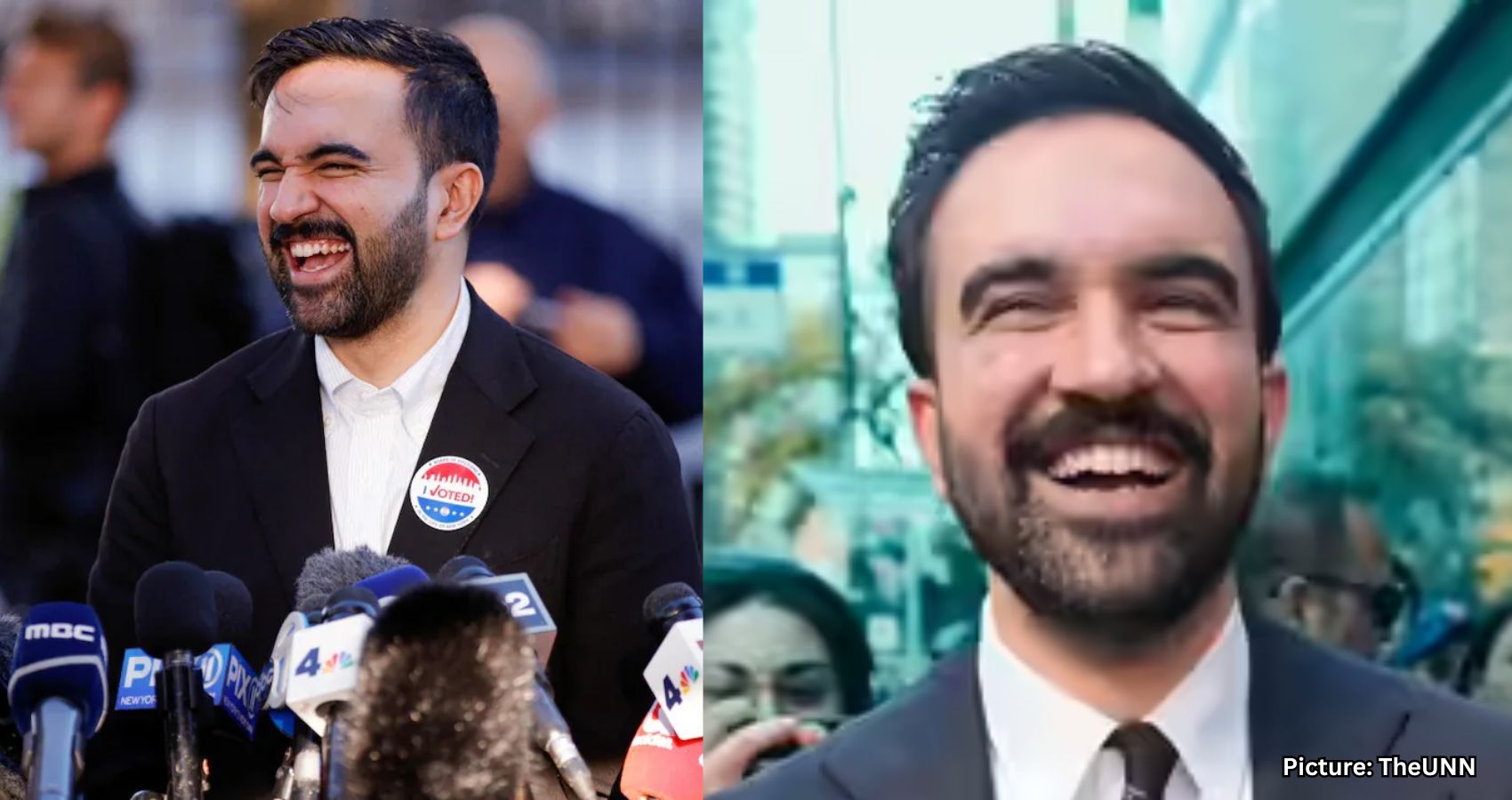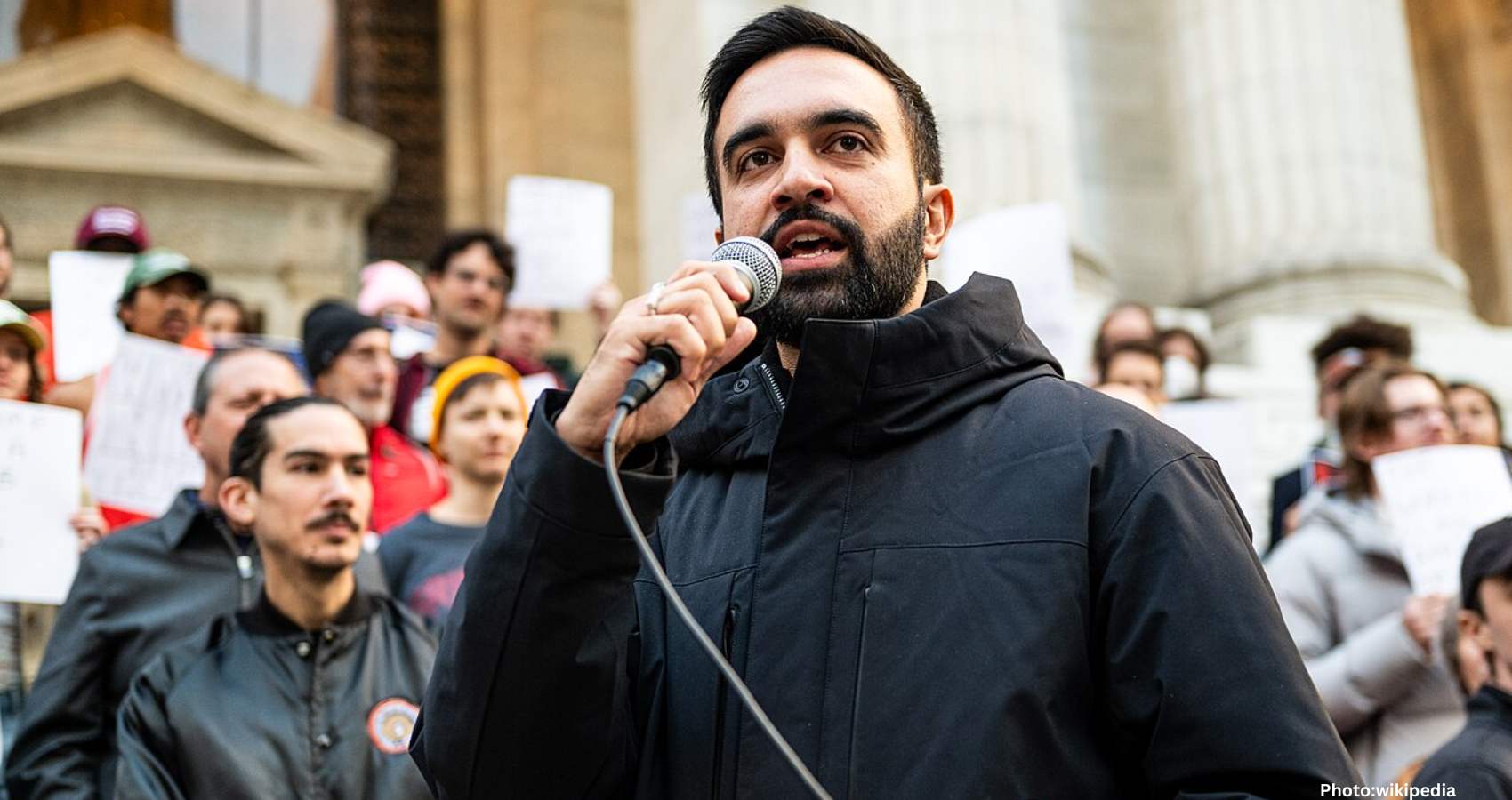
MAGA Supporters Claim Immigration Influenced Mamdani’s NYC Mayoral Victory

Social media reactions to Zohran Mamdani’s election as New York City mayor reveal a surge of criticism from MAGA supporters, who attribute his victory to rising immigration and demographic shifts.

Following the election of Zohran Mamdani as the new mayor of New York City, social media has been buzzing with reactions, making #NewYork one of the top trending hashtags. Among the most vocal are MAGA supporters, who have expressed their discontent by claiming that increasing immigration and changing demographics significantly influenced Mamdani’s victory.

One of the posts gaining traction on X, formerly known as Twitter, encapsulated the outrage among conservative users. “New York elected a Muslim who supports aborting babies with a heartbeat, arms, fingers, and toes. Virginia elected a man who fantasized about killing conservatives and their babies. Violence is officially normalized in the Democrat Party. Pray for America,” the user wrote, reflecting the tone of anger circulating in right-wing circles.

In recent discussions on X, several users have pointed to demographic data to illustrate what they perceive as a troubling trend. A notable thread by commentator Matt Walsh stated, “A third world communist won in New York because New York is a third world city now. This is mass migration working exactly as intended.”

Another user, William E. Wolfe, expressed a more dire sentiment, writing, “It’s incredibly important to understand that Mamdani was not actually elected mayor of the historic American city that we know as ‘New York’… And his election is not the beginning of the end for NYC—it’s a death certificate. Finally, it’s a reminder that everything right now inescapably comes back to immigration.” Wolfe’s comments suggest that he believes unchecked immigration will continue to reshape the political landscape in ways detrimental to traditional American values.

These posts exemplify a broader narrative among certain social media users, who intertwine demographic statistics with pointed rhetoric. They argue that immigration and demographic shifts are directly responsible for the Democratic Party’s electoral success. The underlying message suggests that the Democratic Party, with the aid of immigration, is intentionally reshaping the electorate to its advantage. Many users express alarm, framing these changes as an existential threat to what they consider traditional American identity.

Mamdani’s victory speech has further fueled this discourse. In a clip shared widely on social media, he stated, “New York will remain a city of immigrants, a city built by immigrants, powered by immigrants, and as of tonight, led by an immigrant.” This statement has been met with mixed reactions, with some conservative users interpreting it as a sign of cultural decline.

In the wake of Mamdani’s election, X has seen an influx of videos and images that convey a sense of despair among conservative users. One particularly striking image reads, “RIP NYC: Founded 1624, Died 2025,” suggesting that the city’s identity has been irrevocably changed. Accompanying posts lament the perceived “death” of New York, framing Mamdani’s election as a final blow to what they view as the city’s traditional culture and values.

Some users have taken the anti-immigration narrative even further, linking Mamdani’s win to the influence of foreign-born and female voters. One user wrote, “Zohran Mamdani won New York City’s mayoral race thanks to super-blocs created by women voters and foreign-born voters. Noticing patterns? We need our Gen Z native-born MEN to realize that now is their time to restore order and Christian Patriotism. Christ is King.” This rhetoric illustrates how some users perceive immigration and demographic change as a direct threat, calling for action from native-born citizens.

Another user amplified the anti-immigration sentiment by sharing a poll that suggested most of Mamdani’s voters had lived in New York for less than five or ten years. “People born in New York overwhelmingly rejected him. They remember,” the user claimed. Such posts frequently attack immigration and the influence of newcomers, framing Mamdani’s victory as evidence that recent arrivals are reshaping the city’s political landscape.

Taking the rhetoric a step further, Gabe Guidarini, Vice President of College Republicans America, made a historical reference, stating, “Demography is destiny. Thanks, Ronald Reagan!” By invoking Reagan, Guidarini linked current demographic changes and Mamdani’s victory to the long-term effects of the 1965 immigration reforms, suggesting that shifts in population composition were an inevitable factor shaping electoral outcomes today.

The 1965 Immigration and Nationality Act, enacted under President Lyndon B. Johnson, reshaped U.S. immigration by prioritizing family reunification and ending quotas that favored Northern and Western European immigrants. This act opened U.S. immigration to a more diverse array of countries, significantly altering the immigrant population.

In response to the new realities created by the 1965 Act, Ronald Reagan’s 1986 Immigration Reform and Control Act offered amnesty to millions of undocumented immigrants and introduced employer sanctions to curb illegal hiring. Together, these legislative measures set the stage for the modern U.S. immigration system, balancing legal pathways with regulatory oversight.

The discourse surrounding Mamdani’s election underscores the deep divisions in American society over immigration and demographic change. As social media continues to amplify these sentiments, the implications for future elections and cultural identity remain a topic of intense debate.

Source: Original article

Novo Nordisk Reaches Agreement with U.S. on Obesity Drug Pricing

Novo Nordisk has reached an agreement with the U.S. on maximum fair prices for its semaglutide-based drugs, effective January 2027, as part of the Inflation Reduction Act.

Novo Nordisk announced on Wednesday that it has agreed to the U.S. Inflation Reduction Act’s (IRA) negotiated maximum fair prices for semaglutide, the active ingredient in its widely used medications, Ozempic and Wegovy. This agreement will take effect in January 2027.

“While maintaining all legal challenges and rights, Novo Nordisk accepted the U.S. Inflation Reduction Act’s Maximum Fair Price (MFP) for Ozempic, Rybelsus, and Wegovy in Medicare Part D, effective as of January 2027,” the Danish pharmaceutical company stated.

These medications are included in the second batch of 15 drugs selected under President Biden’s 2022 IRA program, which enables Medicare to negotiate prices for some of the most expensive treatments available to seniors and individuals with disabilities.

Novo Nordisk indicated that the estimated direct impact of a semaglutide MFP in Medicare Part D, had it been implemented on January 1, 2025, would have resulted in a negative low single-digit impact on global sales growth for the entire year. The company now anticipates that its sales for 2025 will grow by up to 11% and operating profit by as much as 7% at constant exchange rates. This is a revision from its previous forecast of up to 14% revenue growth and a 10% profit increase.

Headquartered in Bagsværd, Denmark, Novo Nordisk is a prominent global pharmaceutical firm specializing in therapies for diabetes, obesity, cardiovascular conditions, and rare diseases. Its semaglutide-based drugs, including Ozempic for diabetes management and Wegovy for obesity treatment, are crucial to the company’s growth trajectory. However, competition in the U.S. market has intensified, particularly from Eli Lilly and other GLP-1 alternatives.

In the first half of 2025, Novo Nordisk reported approximately 18% sales growth at constant exchange rates, with revenues reaching DKK 154.9 billion and an operating profit of DKK 72.2 billion. Despite this strong performance, the company has faced challenges such as slower U.S. adoption, pricing pressures, and competitive market dynamics, leading it to revise its full-year 2025 guidance to 8–14% sales growth and 10–16% operating profit growth at constant exchange rates. This adjustment reflects a significant slowdown expected in the latter half of the year.

As part of its strategic transformation, Novo Nordisk plans to reduce its global workforce by approximately 9,000 positions, which constitutes about 11% of its total workforce of around 78,400 employees. This move aims to streamline operations and concentrate resources on core metabolic and cardiovascular therapies.

Despite these challenges, Novo Nordisk maintains a robust product portfolio, a strong global presence, and a commitment to ongoing innovation. The company continues to lead in metabolic and obesity care while navigating an increasingly competitive and complex global market.

In summary, Novo Nordisk’s acceptance of the U.S. Inflation Reduction Act’s negotiated maximum fair prices for its semaglutide-based drugs marks a significant development in the pharmaceutical landscape. The company has acknowledged that had these prices been in effect in 2025, global sales growth could have been negatively impacted by a low single-digit percentage, indicating that the projected effects are not yet realized.

Looking ahead, Novo Nordisk faces ongoing challenges, including regulatory changes, pricing pressures, and heightened competition. These factors underscore that while the company’s 2025 results are strong, they reflect a combination of actual performance and anticipated market dynamics, with future growth not guaranteed.

Source: Original article

Zohran Mamdani Becomes New York’s First Indian-American Muslim Mayor

Zohran Mamdani has made history as New York City’s first Indian American and Muslim mayor, winning a hard-fought election against prominent opponents.

Zohran Mamdani is set to be sworn in as the 111th mayor of New York City, marking a historic milestone as the first Indian American to lead the city. Mamdani triumphed over former Governor Andrew Cuomo, who ran as an independent, and Republican candidate Curtis Sliwa in a groundbreaking three-way race.

As the polls closed at 9:00 p.m. across all five boroughs, it became evident that New York City was in for a momentous night. Mamdani’s campaign was characterized by its grassroots approach, which defied conventional canvassing strategies and challenged established political figures like Cuomo and Sliwa. Throughout the campaign, he garnered support not only from progressives but also from younger and more diverse voters across various demographics.

Following Mamdani’s unexpected victory, Senator Bernie Sanders took to social media to commend his achievement, stating, “Starting at 1% in the polls, Zohran Mamdani pulled off one of the great political upsets in modern American history.” Sanders expressed his eagerness to collaborate with Mamdani in creating a city that serves all its residents.

For South Asian Americans, Mamdani’s election is more than just a political achievement; it symbolizes hope and resilience. In an era marked by rising anti-immigrant sentiment and racial division, his victory reinforces the belief that hard work, merit, and principles can prevail.

Celebrations erupted across New York City as Indian Americans and other South Asian communities took to the streets. Japneet Singh, a community activist and former City Council candidate from Queens, reflected on the significance of the moment, stating, “Growing up in NYC post-9/11, I never thought I would see a South Asian mayor in my lifetime.”

The atmosphere in Astoria, Queens, where Mamdani and his wife cast their votes earlier in the day, was electric. Groups gathered in pubs and eateries throughout the city, eagerly awaiting the election results. When the announcement was made, cheers erupted, followed by music and dancing that lasted well into the night.

Aditi Paul, an education strategist and community builder based in New York, captured the excitement of the evening, saying, “Zohran is in the air!” She added, “Mamdani went from rapping kanda chap chap to being the mayor of New York City in a span of 10 years. If this is not the most New York thing ever, I don’t know what is.”

Saikat Chakrabarti, another Indian American candidate running for Congress in California’s 11th congressional district, remarked, “Zohran just proved that it does not matter how much money they throw at you. Organized people will defeat organized money if you stand for real change.”

Mamdani’s victory has garnered attention not only in New York but also across the United States and even in India. Supporters attribute the strength of his campaign to his ability to unite people under a common vision, even among those who may have disagreed with him on specific issues. His messages regarding affordability, quality of life, and social justice resonated with many voters.

A notable display of support came from @HindusforZohran, a grassroots group that emerged on Instagram following Mamdani’s primary win. In the days leading up to the election, its members held a special pooja, expressing their hopes for his success.

Activist Ruchira Gupta noted that Mamdani effectively reached out to various communities, including liberal Jews, who voted in significant numbers for him. Entrepreneur Anip Patel emphasized the historical significance of Mamdani’s election, stating, “Zohran Mamdani is the new Mayor of NYC – making a historic moment in the city’s political landscape. A noteworthy moment in history, and a night that will be studied and discussed in the years to come.”

As New York City prepares for a new chapter under Mamdani’s leadership, his victory is expected to inspire future generations and reshape the political landscape in profound ways.

Source: Original article

Hegseth Supports South Korea’s Enhanced Defense Role Against North Korea

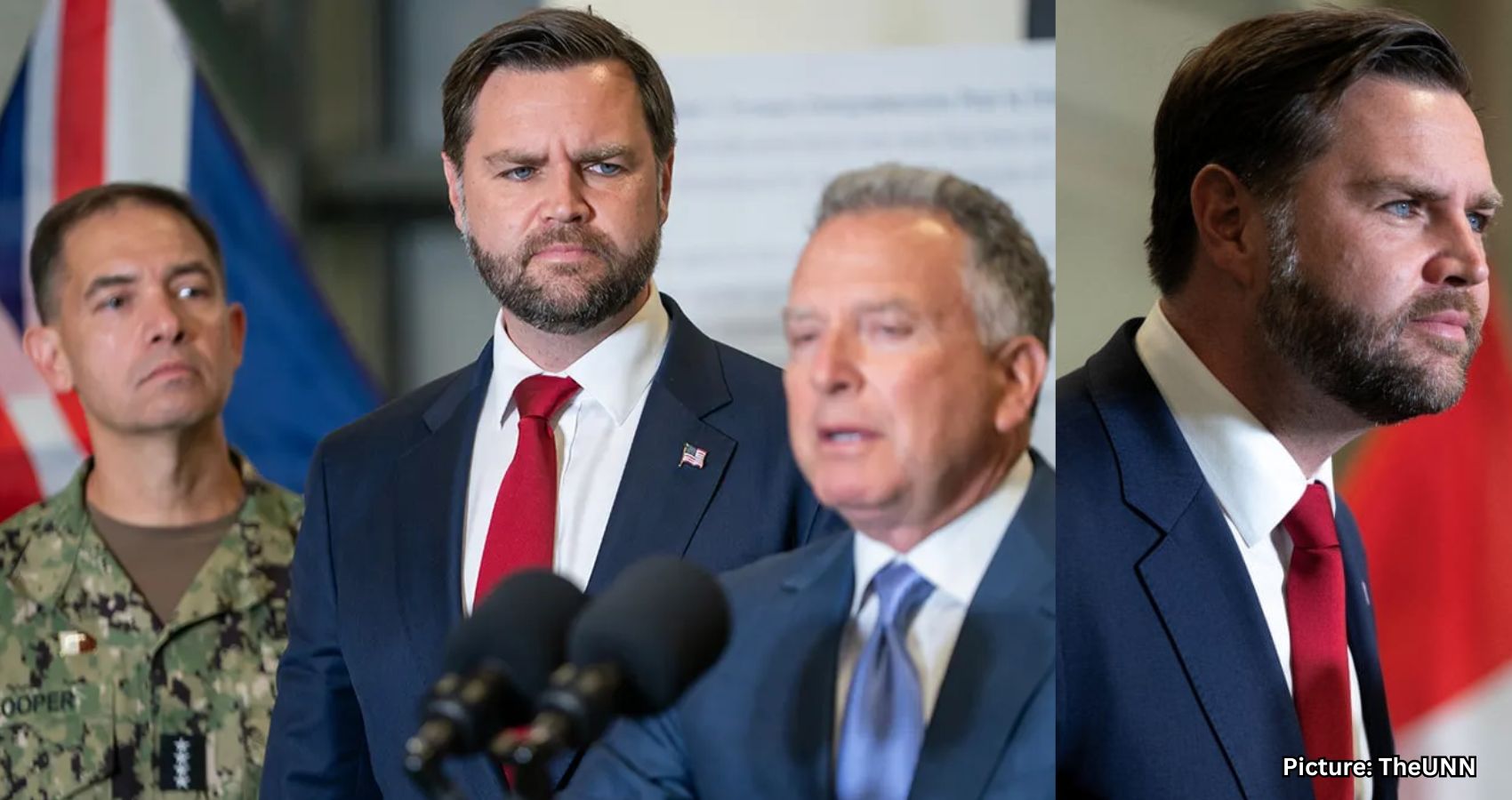
U.S. Pentagon chief Pete Hegseth commended South Korea’s plans to enhance military spending as the allies aim to bolster deterrence against North Korean aggression.

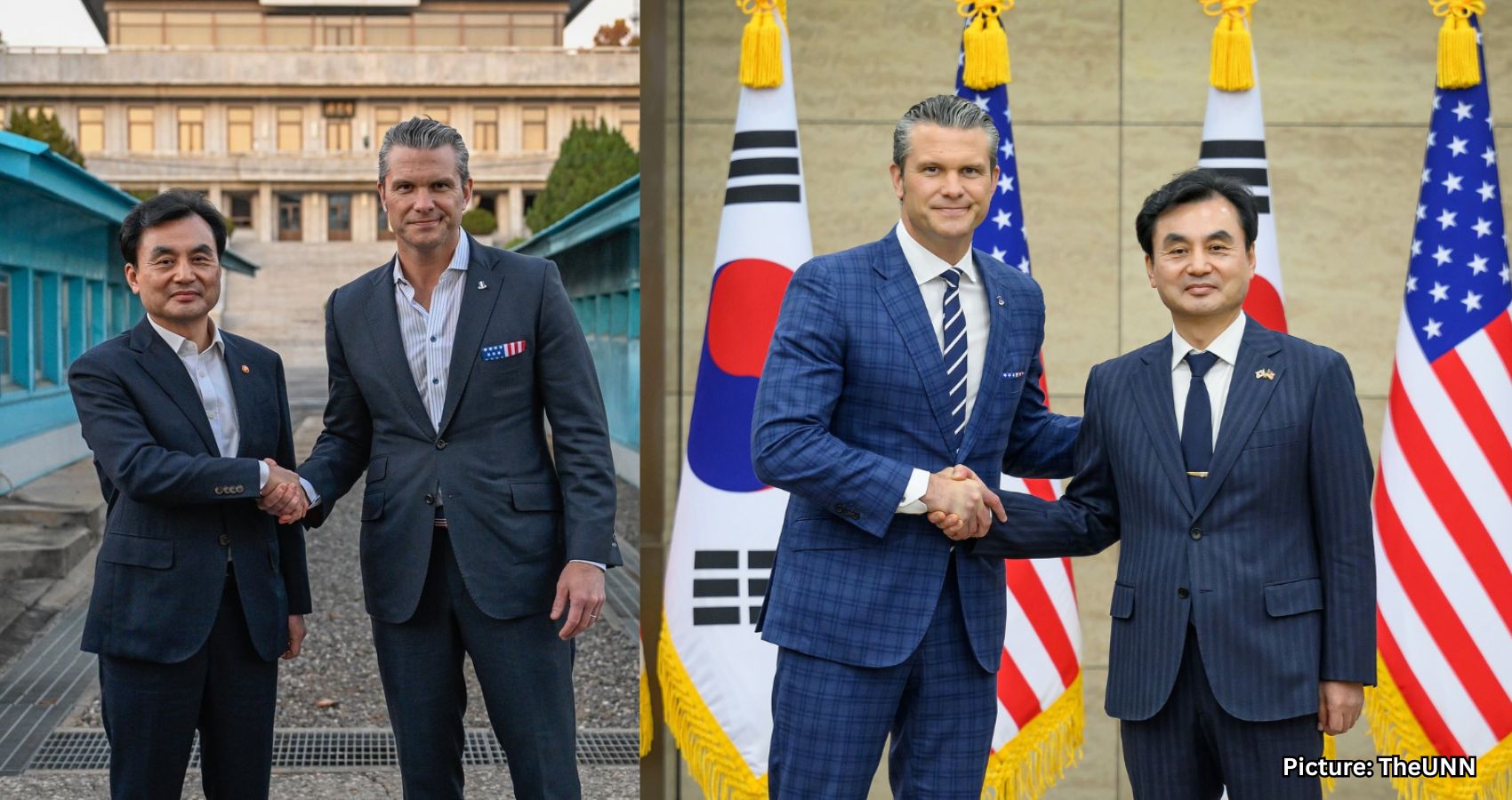
U.S. Pentagon chief Pete Hegseth expressed strong support for South Korea’s initiative to increase its military spending and assume a more significant role in defending against North Korean threats. This development comes as the U.S. seeks to shift its focus towards addressing challenges posed by China.

During a press briefing following annual security discussions with South Korean Defense Minister Ahn Gyu-back in Seoul, Hegseth conveyed his optimism regarding South Korea’s commitment to enhancing its defense capabilities. He stated that the increased investments would empower South Korea to lead its conventional deterrence efforts against North Korea.

South Korean President Lee Jae Myung addressed lawmakers on Tuesday, advocating for an 8.2% increase in defense spending for the upcoming year. He emphasized that this funding boost would facilitate the modernization of military weapon systems and reduce South Korea’s reliance on U.S. military support.

Hegseth highlighted the ongoing defense cooperation between the U.S. and South Korea, particularly in the maintenance and repair of U.S. warships stationed in South Korea. He noted that these activities leverage South Korea’s shipbuilding capabilities and ensure that the U.S. military remains prepared to respond to any crisis.

“We face, as we both acknowledge, a dangerous security environment, but our alliance is stronger than ever,” Hegseth remarked, underscoring the importance of the U.S.-South Korea partnership in the current geopolitical landscape.

While the primary focus of the alliance is to counter potential North Korean aggression, Hegseth acknowledged that other regional threats also warrant attention. “There’s no doubt flexibility for regional contingencies is something we would take a look at, but we are focused on standing by our allies here and ensuring the threat of the Democratic People’s Republic of Korea is not a threat to the Republic of Korea,” he stated. He reaffirmed the U.S. commitment to extending nuclear deterrence as previously established.

In recent years, discussions between the U.S. and South Korea have revolved around integrating U.S. nuclear capabilities with South Korea’s conventional military assets. Notably, South Korea does not possess its own nuclear weapons. Defense Minister Ahn dismissed speculation regarding the country’s potential pursuit of a nuclear weapons program or the redeployment of U.S. tactical nuclear weapons, which were withdrawn from South Korea in the 1990s.

On the same day, South Korea’s Joint Chiefs of Staff reported that the country had detected North Korea test-firing approximately ten rounds of artillery into its western waters on Monday, just prior to Hegseth’s arrival at an inter-Korean border village for his two-day visit to South Korea. Earlier in the week, Hegseth had also visited the Demilitarized Zone along the North Korean border.

As the security situation in the region continues to evolve, the commitment from both the U.S. and South Korea to enhance military readiness and cooperation remains crucial in addressing the persistent threat posed by North Korea.

Source: Original article

DeSantis-Backed Gonzalez and Democrat Higgins Advance to Miami Mayor Runoff

Democratic County Commissioner Eileen Higgins and Republican Emilio González will face off in a runoff for Miami mayor on December 9, potentially making history with the election of the city’s first female mayor.

Miami’s mayoral race is set for a pivotal runoff on December 9, as Democratic County Commissioner Eileen Higgins and Republican candidate Emilio González advance from a crowded field of 13 candidates. The runoff was necessitated after no candidate secured more than 50% of the vote in the initial election.

Higgins and González will compete to succeed the term-limited Republican Mayor Francis Suarez. The runoff format is triggered when no candidate achieves the required majority, compelling the top two candidates to face off in a decisive election.

Eileen Higgins, who has served as a Miami-Dade County commissioner since 2018, represents several neighborhoods including Miami Beach, Downtown, Brickell, Coral Way, Little Havana, and West Flagler. Her diverse background includes roles as an engineer, marketing executive, and director of the Peace Corps in Belize, where she served starting in 2006. Additionally, Higgins has experience as a Foreign Service Officer with the U.S. State Department.

During a recent debate on October 16, Higgins emphasized her commitment to a drama-free administration, stating, “There’s going to be no drama. There’s going to be no corruption. There’s going to be no yelling.” She pledged to focus on the needs of Miami residents, aiming to make the city “the best place on earth.”

Her campaign priorities include enhancing affordability, restoring trust in Miami City Hall by reducing bureaucratic hurdles, funding police and first responders, improving transportation, and protecting the environment, as outlined on her campaign website.

In contrast, González, who is backed by Florida Governor Ron DeSantis and Senator Rick Scott, has positioned himself as a reform candidate. He previously served as a bilingual surrogate for Donald Trump’s presidential campaign and was involved in the transition team before becoming a senior fellow at the America First Policy Institute.

González has focused his campaign on modernizing city services, cutting property taxes, easing regulations for small businesses, increasing police presence, and reducing government spending. At the debate, he remarked, “We need reform and we need reform bad,” highlighting the loss of public trust in local government. He expressed a commitment to public service, stating, “Public service and being mayor has to be vocational. It isn’t about making money, it isn’t about making my ego bigger.”

The mayoral race has not attracted the same level of national attention as other high-profile elections, such as those in New York or gubernatorial contests in New Jersey and Virginia. However, it has been marked by political jabs and past scandals involving various candidates. In September, a Florida judge blocked a city plan to postpone the November election to 2026 without voter approval, a decision that followed a lawsuit initiated by González.

The upcoming runoff will not only determine the next mayor of Miami but also has the potential to make history by electing the city’s first female mayor. As the campaigns intensify, both candidates are expected to further clarify their visions for Miami’s future.

Source: Original article
GOP Representative Advocates for Stronger India-U.S. Relations, Warns Trump on Tariffs

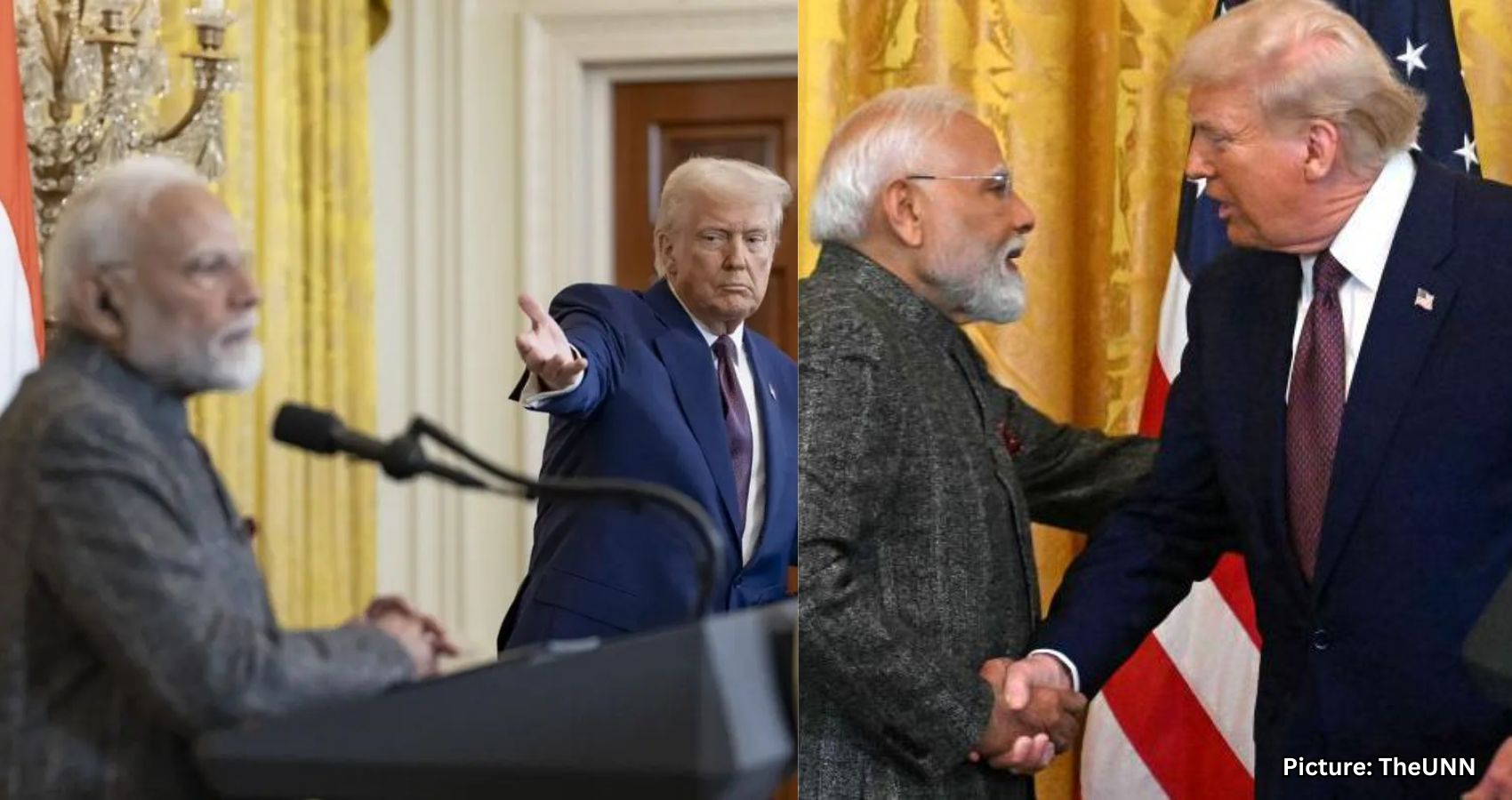
Republican Congressman Rich McCormick advocates for a stronger partnership between India and the U.S., emphasizing the importance of maintaining close ties and cautioning against tariff increases.

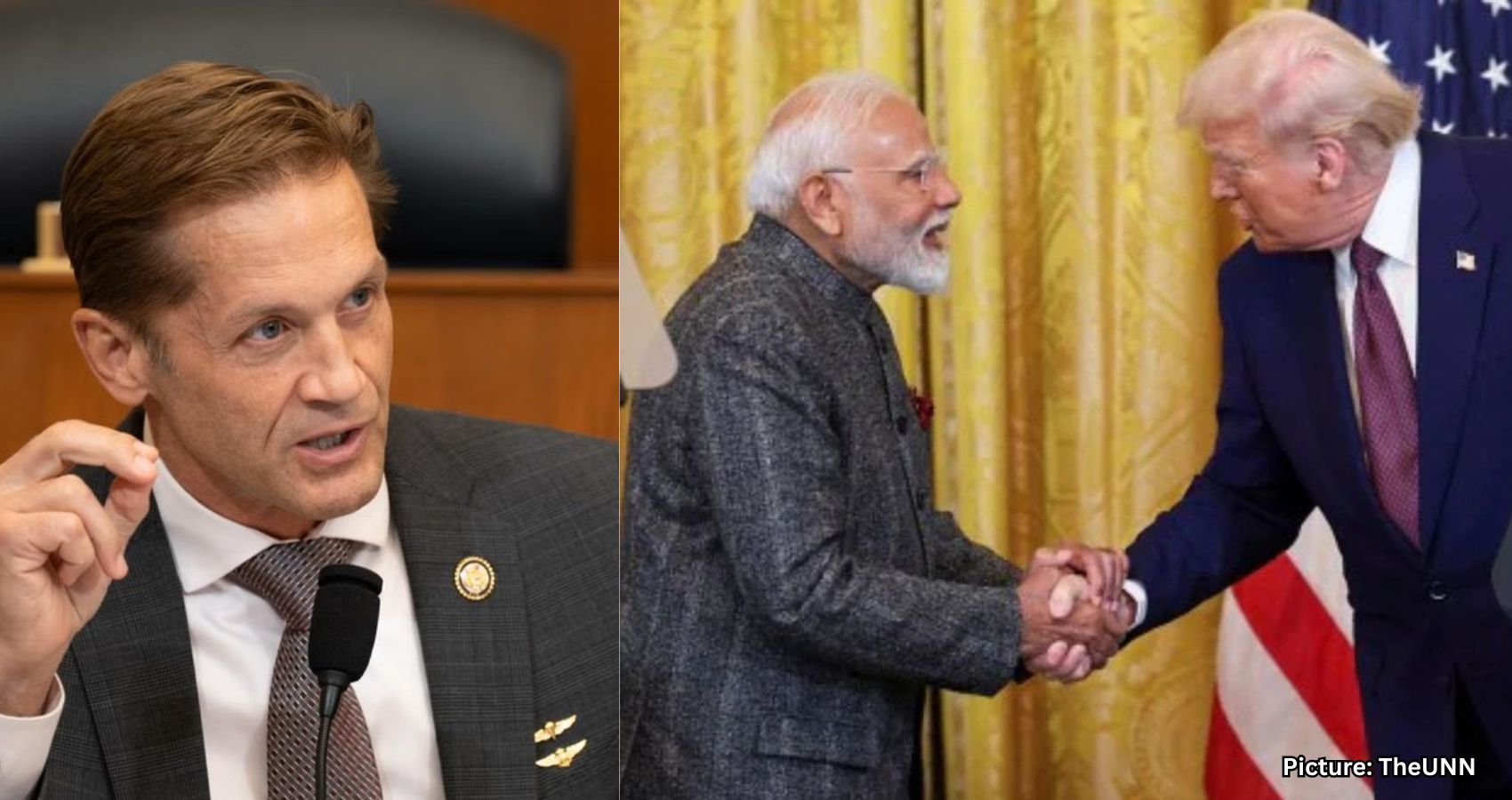
WASHINGTON, DC – Republican Congressman Rich McCormick, co-chair of the India Caucus, has called for a stronger partnership between India and the United States, suggesting that their collaboration could lead to “another generation” of global peace.

Speaking at an event hosted by the Hudson Institute on November 3, McCormick emphasized the need for the Trump administration to keep allies like India “close” to the United States. He stated, “When you talk about India, and I’m the chair of the India Caucus, I love India. I think India and the United States pair up well into the future of the largest democracy and the wealthiest and oldest democracy. Pairing together could bring us together for another generation of peace that the world’s never seen, where you can have prosperity and wealth development.”

In addition to advocating for stronger ties, McCormick also provided advice regarding the Trump administration’s tariff policies toward India. He urged caution, noting that India has historically imposed tariffs averaging around 15 percent, while the U.S. has maintained a much lower rate of about 2 percent with no barriers. “That’s something that President Trump did very well, but we have to be careful,” he remarked.

McCormick praised India’s advancements in its space program, particularly highlighting its achievement in 2023 as the first country to successfully land a spacecraft near the dark side of the moon. He quipped, “A country that does things very well puts a spaceship on the dark side of the moon for $74 million. I always joke that we couldn’t even develop a building to talk about putting a spaceship on the dark side of the moon for that amount. We could do things so much better if we keep our friends close.”

Following a period of relative silence, many Republican lawmakers are now publicly reaffirming their support for India-U.S. relations. In recent weeks, at least six bipartisan letters and resolutions have been drafted, defending the interests of the Indian American community, reaffirming support for the India-U.S. partnership, and urging the administration to be accountable for its recent actions targeting New Delhi.

As discussions around international relations continue to evolve, McCormick’s remarks underscore the significance of maintaining strong diplomatic ties with India, particularly in the context of global peace and economic collaboration.

Source: Original article
Indian-American Candidate Seeks Nancy Pelosi’s Congressional Seat

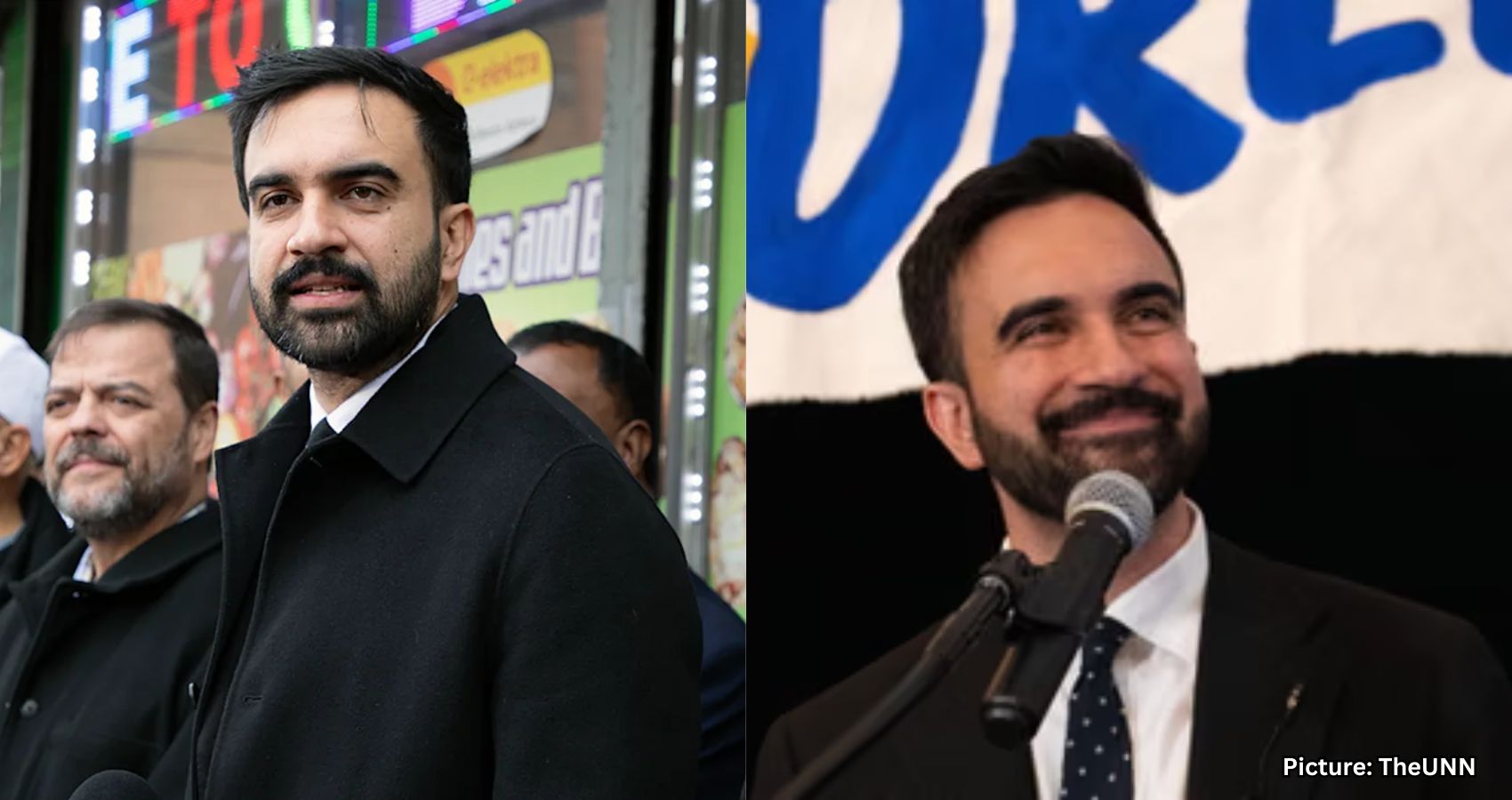
Saikat Chakrabarti, a former aide to Bernie Sanders and Alexandria Ocasio-Cortez, is challenging Nancy Pelosi for California’s 11th Congressional District seat, aiming to reshape the political landscape in San Francisco.

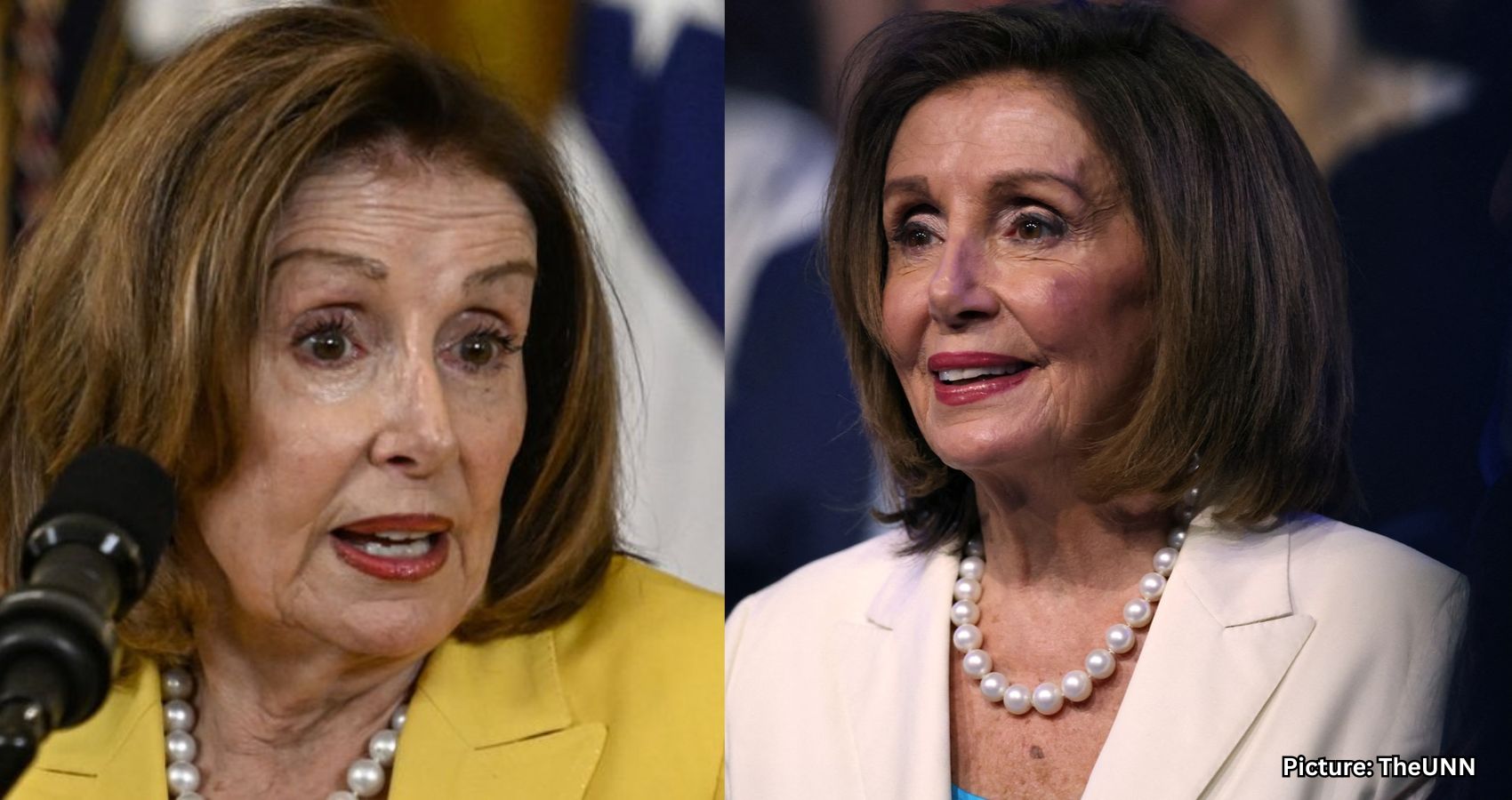
As voters in New York City consider Zohran Mamdani as a potential mayor, another significant political figure is emerging on the West Coast. Saikat Chakrabarti, a 39-year-old Democrat, is running to represent California’s 11th Congressional District, which encompasses San Francisco. This district has been represented by Rep. Nancy Pelosi since 1987, with Pelosi most recently winning re-election in 2024 with an impressive 81% of the vote.

A Harvard graduate, Chakrabarti gained recognition as an early engineer at the payment processing company Stripe, where he accrued substantial wealth through company equity. However, his political experience is extensive; he served as the tech director for Rep. Bernie Sanders and was the first campaign manager and chief of staff for Rep. Alexandria Ocasio-Cortez. Chakrabarti played a pivotal role in the development of the Green New Deal.

Chakrabarti’s campaign is notable for its commitment to not accepting corporate PAC money. Public records indicate that he has already contributed over half a million dollars of his own funds to support his candidacy.

In a recent interview in San Francisco’s South of Market neighborhood, Chakrabarti discussed his ambitious plans to challenge Pelosi for her seat. Following their conversation, California State Senator Scott Wiener also announced his candidacy for the position, while Pelosi has yet to confirm whether she will run again in 2026.

Chakrabarti reflected on his journey into politics, emphasizing his desire to address pressing issues such as climate change, inequality, and poverty. He described his upbringing in Fort Worth, Texas, where he attended public schools and lived a middle-class life. Initially apolitical, he became motivated to effect change after witnessing the stark realities of inequality and unaffordability in San Francisco.

“I wrote a list: I want to work on climate change, inequality, and poverty,” Chakrabarti stated. “If our country can’t solve these issues, we just let them keep festering.”

When asked about his transition from tech to politics, Chakrabarti explained that he realized he could make a significant impact through public service. His involvement in campaigns, particularly the Green New Deal, demonstrated the potential for large-scale change when grassroots movements mobilize.

Chakrabarti is aware of the formidable challenge posed by Pelosi’s long-standing popularity in the district. He believes that the political landscape has shifted, and the issues facing Americans today require a new approach. “For most people in the country, lives are getting harder,” he noted. “People are working more hours to afford less.”

He argues that Pelosi’s political style is rooted in maintaining the status quo, which he believes is insufficient to address the systemic problems facing the nation. “I think she came up in a politics that does not believe that’s true,” he said, referring to the need for transformative change.

Chakrabarti acknowledges the current political climate, where skepticism towards progressive politics is growing. He believes that voters are seeking change rather than ideological divides. “Most people are not very ideological,” he explained. “It’s about giving this government a chance. If they don’t fix the problems, we’re going to give someone else a chance.”

He emphasized the importance of bold action and experimentation in politics, drawing inspiration from historical figures like Franklin D. Roosevelt. “We need to return to a model of bold, persistent experimentation,” he asserted, highlighting the need for a Democratic Party willing to take risks to solve significant issues.

Chakrabarti also addressed the necessity of compromise in Congress while remaining true to one’s values. He believes that some issues, such as banning congressional stock trading, have broad bipartisan support and can help restore faith in government institutions.

As a potential member of Congress, Chakrabarti would represent a growing South Asian American presence, which he sees as vital for addressing specific community issues, such as caste discrimination and immigration. He expressed concern over the Democratic Party’s increasingly anti-immigrant sentiment, advocating for a more welcoming and inclusive narrative.

Chakrabarti’s vision for the American Dream centers on ensuring that future generations have better opportunities than their parents. He believes that achieving this requires not only addressing essential services like healthcare and education but also fostering a culture of innovation and economic growth.

Reflecting on the changing dynamics within the Indian American community, Chakrabarti noted a rightward shift among younger voters, particularly among Indian American men. He attributes this trend to economic anxieties and a reaction to cultural shifts, emphasizing the need for progressive leaders to engage with these concerns.

Chakrabarti praised Mamdani’s campaign in New York City as a model for insurgent candidates, highlighting the importance of focusing on economic issues and effective governance. “We need to pitch how universal programs tackle things like healthcare and childcare,” he said.

In his closing thoughts, Chakrabarti emphasized the importance of engaging with diverse perspectives and fostering a sense of community. “People want to do good, and they want to help others,” he concluded, underscoring his commitment to building a more inclusive society.

Source: Original article

Divine Images of Lord Shiva Strengthen Faith for Indian-American Family

Divine images of Lord Shiva have emerged in a New Jersey home, deepening the faith of the Mishra family and inspiring their community.

The Mishra family in Edison, New Jersey, is currently basking in the afterglow of Diwali, a festival that they liken to a combination of Christmas and New Year. As they celebrate their traditions, they also emphasize the importance of respecting the festivals of others. “Knowing that all religions are paths to One God will bring us closer together, healing a fractured world,” says Abhishek Mishra, whose faith has been profoundly strengthened by recent mysterious events in their home.

Abhishek has reached out to local community papers to share the remarkable occurrences of naturally formed images of Lord Shiva that have appeared at their residence on Lavender Drive. The family and their friends were astonished to witness these sacred formations, which they believe signify divine presence. “We feel Lord Shiva’s divine presence on our property,” he explains.

Mishra house Shiva manifestations

Among the most astonishing manifestations at the Mishra home was a Shivling formed during the winter snow. Additionally, a striking 50-foot image of Lord Shiva holding a trident appeared in the backyard snow. Inside the house, an image of Shiva alongside Nandi was discerned on the bathroom tiles, while another meditative form of Shiva emerged from ice.

The spiritual marvels at the Mishra residence have drawn the attention of many eager onlookers. For believers, these formations are seen as signs of divine blessings that serve to strengthen their own faith and devotion.

Abhishek Mishra, an intuitive individual, aims to inspire faith in a Divine Power, which is referred to by various names across different religions and worshipped in numerous forms. He believes that aligning with this Divine Power can lead to a happy, peaceful, and prosperous life.

The Mishra family is not only spiritually inclined but also accomplished in their professional lives. Abhishek holds a master’s degree in computer science from the New York Institute of Technology and has spent 20 years working in the IT industry for Fortune 500 companies. His wife, Namita, possesses a master’s degree in computer engineering from Stevens Institute and has also worked for leading firms. Their son is currently pursuing a master’s in computer science, while their daughter works as a genetic counselor.

For those interested in learning more about the Mishra family’s experiences, Abhishek can be contacted at 732.690.0404.

Source: Original article

(Paid Advertisement)

U.S. Department of Labor Restarts H-1B and PERM Application Processing

The U.S. Department of Labor has resumed processing Labor Condition Applications for H-1B visas and PERM labor certifications following the end of the recent government shutdown.

After a government shutdown caused by a lapse in federal funding, the U.S. Department of Labor (DOL) has officially resumed processing Labor Condition Applications (LCAs) for H-1B visas and PERM labor certifications. The Office of Foreign Labor Certification (OFLC) announced that its Foreign Labor Application Gateway (FLAG) system is now fully operational.

This resumption allows employers to file new applications, track current submissions, and receive updates on pending cases. The critical restart of the FLAG system lifts a pause that began around September 30, 2025, which halted services for several weeks.

During the shutdown, employers were unable to submit new applications or amendments, resulting in a significant backlog of cases. With the system back online, employers can now submit LCAs for H-1B, H-2A, H-2B, and PERM certifications necessary for sponsoring foreign workers for both temporary and permanent employment.

However, officials have cautioned that processing times may be slower than usual due to the accumulated backlog, particularly for applications filed prior to the shutdown. This delay has significantly impacted industries that heavily rely on foreign talent, such as technology and healthcare.

Many Indian nationals, in particular, are facing extended wait times as a result of the shutdown. The DOL has committed to providing ongoing updates and technical assistance to help stakeholders navigate the resumption of services smoothly. They emphasize the importance of patience as the OFLC works to return to full operational status.

As the situation continues to evolve, employers and applicants are encouraged to stay informed about processing times and any further developments from the DOL.

Source: Original article
Ghost-Tapping Scam Poses Threat to Tap-to-Pay Users

Scammers are exploiting wireless technology in a new scheme called ghost tapping, targeting users of tap-to-pay systems to drain their accounts through unnoticed transactions.

A new scam known as ghost tapping is gaining traction across the United States, prompting warnings from the Better Business Bureau (BBB). This tactic involves scammers using wireless technology to withdraw money from unsuspecting victims who utilize tap-to-pay credit cards and mobile wallets.

Ghost tapping exploits near-field communication (NFC) devices that mimic legitimate tap-to-pay systems. In crowded environments such as festivals, markets, or public transportation, scammers can move close enough to a victim’s wallet or phone to trigger a transaction without their knowledge.

According to the BBB, some scammers pose as charity vendors or market sellers who only accept tap payments. Once a victim taps their card or phone, they may find themselves charged significantly more than the agreed amount. The initial withdrawals are often small, making them easy to overlook until the cumulative total becomes alarming.

A Missouri resident recently reported losing $100 after interacting with an individual carrying a handheld card reader. The BBB Scam Tracker has documented numerous similar incidents nationwide, with losses sometimes exceeding $1,000.

Officials caution that scammers may pressure victims to complete payments quickly, preventing them from verifying the transaction amount or the merchant’s name. Some scammers even possess portable readers capable of picking up signals through thin wallets or purses.

While the threat of ghost tapping is concerning, there are several protective measures individuals can take to safeguard themselves. Investing in an RFID-blocking wallet or card sleeve can create a physical barrier between your card and potential scanners. These affordable tools are designed to prevent unauthorized access to your card information through clothing, bags, or wallets.

Before tapping your card or phone, always check the merchant name and transaction amount displayed on the payment terminal. Scammers often rush victims to avoid scrutiny, so taking an extra moment to confirm the details can be crucial. If anything seems amiss, cancel the transaction immediately.

Enabling instant transaction alerts from your bank or credit card provider is another effective way to protect yourself. These alerts notify you the moment a payment is made, allowing you to quickly identify any unauthorized activity. Early detection can prevent further charges and simplify the process of disputing fraudulent transactions.

In addition to these measures, individuals should regularly monitor their financial accounts. Checking your transactions at least once a week can help you spot any suspicious activity early. Even small, unexplained charges could indicate a larger issue.

Most mobile wallet applications offer security features such as PINs, facial recognition, or fingerprint verification before authorizing a transaction. Ensure these protections are enabled to add an additional layer of security against unauthorized payments.

Keeping your smartphone’s software and mobile wallet apps up to date is also essential. Updates often include security patches designed to protect against newly discovered vulnerabilities that scammers may exploit. Outdated software can leave your data exposed to potential threats.

To further enhance your security, consider using strong antivirus software. This can help protect your device from hidden threats, including malicious apps and spyware that could compromise your tap-to-pay data or record sensitive information.

While the convenience of storing multiple cards in a single mobile wallet is appealing, it can increase your exposure if your phone is compromised. To mitigate this risk, keep only the cards you use most frequently connected to your mobile wallet, reducing the potential impact of any fraudulent activity.

If you suspect you have fallen victim to ghost tapping or notice any unusual charges, contact your bank immediately. Additionally, report the scam to the BBB Scam Tracker. Taking prompt action can help prevent further losses and assist authorities in identifying emerging scam trends.

As contactless payment methods become increasingly popular, scammers are developing more sophisticated tactics. Staying informed and vigilant is essential to protecting your finances. Simple steps, such as regularly checking your transaction history and using protective gear, can significantly reduce your risk of falling victim to scams like ghost tapping.

Will you continue using tap-to-pay methods after learning about ghost tapping, or will you revert to more traditional payment options? Share your thoughts with us at Cyberguy.com.

Source: Original article

Florida Proposes Ending Childhood Vaccination Mandates Amid Doctor Concerns

Florida plans to eliminate decades-long mandates for childhood vaccinations, raising concerns among health professionals about the potential resurgence of preventable diseases.

Florida is poised to end nearly 50 years of required childhood immunizations against diseases that have historically caused significant harm to children. The decision, supported by Republican Governor Ron DeSantis, has sparked fears among critics, including medical professionals, who feel constrained in voicing their concerns.

On September 3, Surgeon General Joseph Ladapo announced the plan to abolish all school-age vaccination mandates in the state. Speaking to a supportive crowd of vaccination opponents in Tallahassee, he stated, “Every last one of them is wrong and drips with disdain and slavery. Who am I, as a government or anyone else, to tell you what you should put in your body?”

Historically, vaccination mandates have been shown to increase immunization rates. Experts warn that lower vaccination rates could lead to a resurgence of diseases such as measles, hepatitis, meningitis, and pneumonia, as well as the potential return of diphtheria and polio. These diseases pose a threat not only to unvaccinated individuals but also to vulnerable populations, including infants and the elderly.

Despite the scientific consensus on the importance of vaccinations, health officials in Florida have largely remained silent in the face of Ladapo’s campaign. Doug Barrett, an emeritus professor and former chief of pediatrics at the University of Florida, noted that infectious disease experts at the university have been instructed not to speak publicly without prior approval. Requests for comments from university spokespeople went unanswered.

Similarly, county-level health department officials across Florida have received the same directive. John Sinnott, a retired professor at the University of South Florida, shared that a friend in county health leadership confirmed the suppression of dissenting voices.

Many pediatricians are also hesitant to take a public stance on vaccination, fearing backlash from anti-vaccine advocates. Neil Manimala, a urologist and president-elect of the Hillsborough County Medical Association, remarked, “A lot of them don’t take a strong stance on whether kids need to be vaccinated. They don’t want to lose business.”

The history of vaccine mandates in the United States shows that several states abandoned such requirements in the early 20th century when smallpox was the only widely administered vaccine. However, no state has eliminated mandates since the addition of other vaccines to the schedule. The 1970s saw a push for stronger mandates in response to measles outbreaks, but the current political landscape, particularly in Florida, has shifted dramatically since the COVID-19 pandemic.

Jennifer Takagishi, vice president of the Florida branch of the American Academy of Pediatrics, expressed concern that the decision to end mandates could influence families who were already uncertain about vaccinations. “This is really going to be a watershed moment for families who already were not sure they want to do vaccines and now are being told they don’t need them,” she said.

When asked whether his office had modeled potential disease outcomes prior to the announcement, Ladapo stated, “Absolutely not.” He emphasized that parental freedom of choice is not a scientific issue but rather a matter of ethics. His department has not provided information about contingency plans for potential outbreaks.

During a measles outbreak in Broward County in 2024, Ladapo sent a letter to parents allowing unvaccinated children to attend school, contradicting guidance from the federal Centers for Disease Control and Prevention (CDC).

Historically, measles outbreaks have prompted public health responses, such as the crackdown on vaccine hesitancy following a 1977 epidemic that resulted in fatalities. However, recent legislative actions in states like Texas have made it easier for parents to opt out of vaccination requirements, raising concerns among health experts.

Walter Orenstein, an emeritus professor at Emory University and former CDC immunization program director, lamented the current situation, stating, “Measles resurgences created the political will to support our overall immunization program. For some reason, it hasn’t worked this time. It’s just sad.”

Florida’s vaccination rates are already among the lowest in the nation, with only about 89% of kindergartners fully vaccinated. Sarasota County has the lowest rate, at approximately 80%. To achieve herd immunity against measles, a community must maintain a vaccination rate of at least 95%.

The recent appointment of Robert F. Kennedy Jr. as Health and Human Services Secretary has further complicated the vaccination landscape, as he has been known to promote anti-vaccine sentiments. This shift in leadership has raised concerns that vaccination rates could decline even further.

As Florida moves to eliminate mandates for vaccinations against diseases such as hepatitis B, chickenpox, and meningitis, the state legislature is expected to consider repealing a 1977 law that requires vaccinations for seven other diseases, including whooping cough, measles, and polio.

Health experts are now attempting to predict which diseases may resurface as vaccination rates decline. A study by Stanford epidemiologist Mathew Kiang and colleagues suggested that measles, which was declared eliminated in the U.S. in 2000, could become a common illness again if vaccination rates drop significantly.

Despite some experts cautioning against alarmist predictions, the consensus remains that intensified measles outbreaks are likely. The country is already experiencing its worst measles year in three decades, with over 1,500 cases reported and ongoing outbreaks in South Carolina and Minnesota.

Sal Anzalone, a pediatrician in Naples, Florida, described measles as the “canary in the coal mine” for other vaccine-preventable diseases. He expressed concern that parents, particularly those from underserved communities, may be confused by the state’s messaging regarding vaccinations.

Clinicians worry that the end of mandates could lead to a resurgence of hepatitis B and other diseases, which could have serious implications for public health. Barbara Loe Fisher, co-founder of the National Vaccine Information Center, believes that the removal of mandates may increase trust in public health, despite the potential risks.

As the debate continues, many health professionals are left wondering about the future of vaccination in Florida and the potential consequences of this significant policy shift.

Source: Original article

Trump’s Influence Felt in Key 2025 Election Day Contests

Voters across the United States are heading to the polls for key elections on Tuesday, with the outcomes seen as a significant test of former President Donald Trump’s second-term agenda.

As voters prepare to cast their ballots on Tuesday, the spotlight is on several key races across the country, including gubernatorial elections in New Jersey and Virginia, as well as a high-profile mayoral contest in New York City. These elections are viewed as the first major test of former President Donald Trump’s ambitious second-term agenda, which has sparked considerable debate and division.

Nearly ten months into Trump’s second term, the elections are being closely monitored as indicators of the political landscape leading up to next year’s midterms. Trump, leveraging his influence, has urged Republican voters to participate, stating on social media, “FAILING TO VOTE TOMORROW IS THE SAME AS VOTING FOR A DEMOCRAT.”

New Jersey and Virginia are the only states holding gubernatorial elections in the year following a presidential election, making their races particularly significant. Historically, these contests have attracted national attention and are often seen as bellwethers for the upcoming midterm elections, where the GOP will aim to defend its slim majorities in both the House and Senate.

In New Jersey, Republican candidate Jack Ciattarelli is making his third consecutive bid for the governorship. After a narrow defeat to Democratic Governor Phil Murphy four years ago, Ciattarelli is optimistic about his chances this time around. Despite New Jersey’s Democratic-leaning voter base, Ciattarelli has gained momentum in recent weeks, closing the gap with his Democratic opponent, Representative Mikie Sherrill.

Trump’s support has been pivotal for Ciattarelli, who has received significant backing from the former president in the campaign’s final days. “We appreciate what the president is doing to get the base excited, and remind them that they got to vote,” Ciattarelli stated after a campaign stop in northern New Jersey. He emphasized the importance of voter turnout, asserting that “the future of our state hangs in the balance.”

However, Sherrill has consistently linked Ciattarelli to Trump, arguing that he has aligned himself closely with the former president’s policies. The race has been further complicated by a recent controversy involving the release of Sherrill’s military records, which were improperly redacted and included sensitive personal information. This incident has added another layer of complexity to an already contentious campaign.

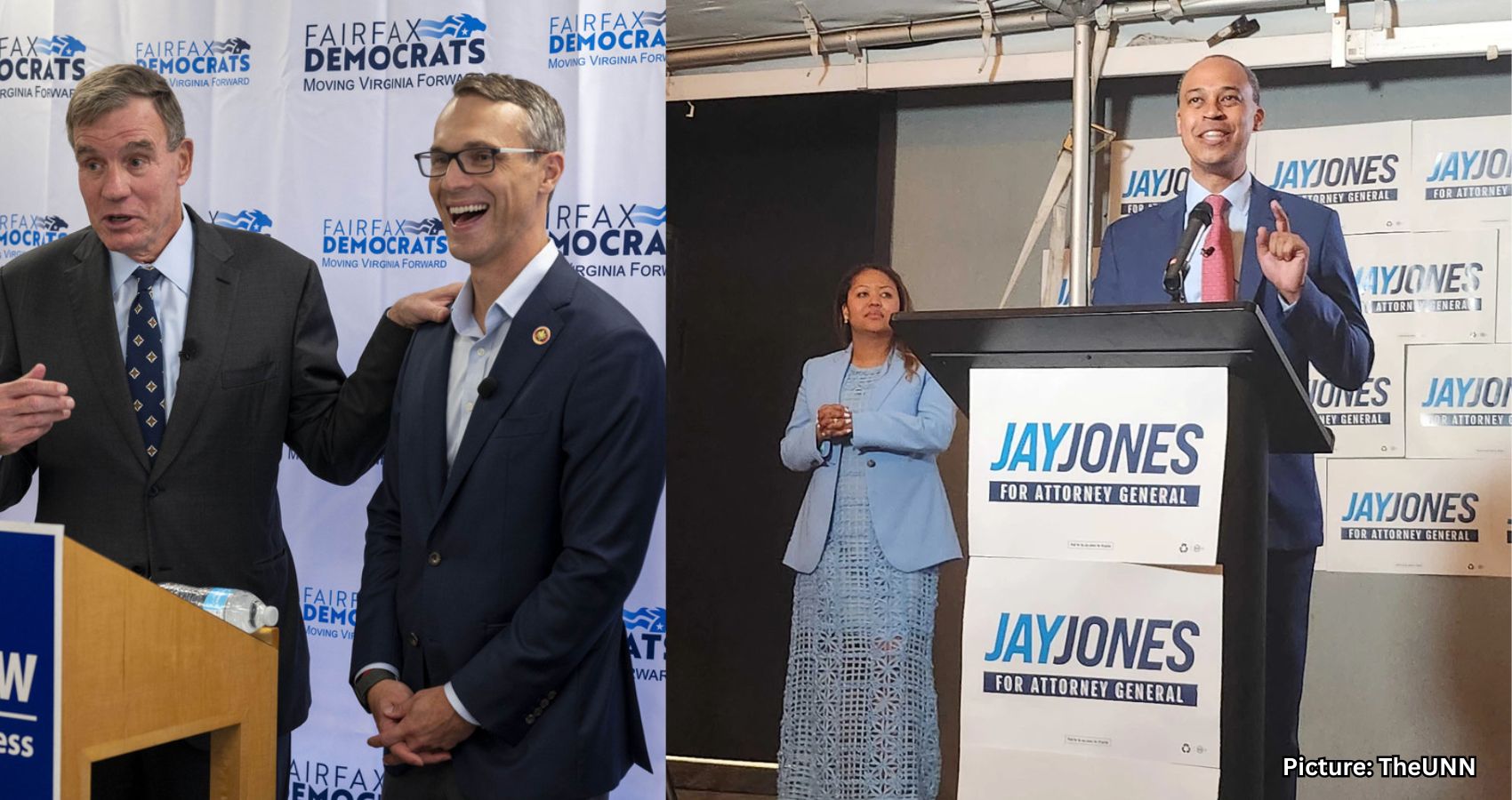
In Virginia, the gubernatorial race has also been fraught with drama. Democratic nominee Abigail Spanberger, a former congresswoman, was initially seen as the frontrunner against Republican Lieutenant Governor Winsome Earle-Sears. However, the race took a turn following the emergence of controversial texts from Democratic attorney general candidate Jay Jones, who faced backlash for comparing a Republican lawmaker to historical mass murderers.

Spanberger has been forced to defend her association with Jones, whose remarks have drawn widespread condemnation. During a recent debate, Earle-Sears seized the opportunity to link Spanberger to Jones, calling for her to denounce his candidacy. Spanberger, while denouncing Jones’s comments, did not distance herself from him, which could impact her campaign.

Meanwhile, the mayoral election in New York City is generating significant interest, particularly as 34-year-old democratic socialist Zohran Mamdani seeks to make history as the city’s first Muslim and millennial mayor. Mamdani’s victory in the Democratic primary earlier this year sent shockwaves through the political landscape, and he now faces challenges from former Governor Andrew Cuomo, who is running as an independent after resigning amid scandals four years ago.

Cuomo’s return to the political arena has raised eyebrows, and he is vying for a comeback against Mamdani and two-time Republican nominee Curtis Sliwa. The dynamics of this race are further complicated by the recent withdrawal of incumbent Mayor Eric Adams, who had been running for re-election as an independent but has since endorsed Cuomo.

In addition to these high-stakes races, voters in California will decide on a significant ballot measure regarding congressional redistricting. The proposed measure seeks to dismantle the state’s nonpartisan redistricting commission, allowing the Democrat-controlled legislature to redraw congressional maps for the next decade. This move is seen as an effort to create additional Democratic-leaning districts in response to recent Republican gains in Texas.

Finally, three state Supreme Court justices in Pennsylvania are facing retention elections, which could shift the balance of power in a court that currently holds a Democratic majority. The outcome of these elections could have far-reaching implications for key issues such as voting rights and reproductive rights in the state.

As voters head to the polls, the stakes are high, and the outcomes of these contests could shape the political landscape for years to come. The results will not only reflect the current sentiments of the electorate but also serve as a precursor to the upcoming midterm elections.

According to Fox News, the outcomes of these races will be pivotal in determining the direction of both state and national politics.

Source: Original article

Judge Blocks National Guard Deployment to Portland, Citing Insufficient Justification

U.S. District Court Judge Karin Immergut has temporarily blocked the Trump administration’s deployment of National Guard troops to Portland, citing insufficient justification for the federalization.

U.S. District Court Judge Karin Immergut has extended an order that prevents the Trump administration from deploying National Guard troops to Portland, Oregon. The judge’s decision, made on Sunday, stems from the government’s failure to provide adequate justification for the federalization of these troops.

In her order, Immergut “preliminarily enjoins Defendant Secretary of Defense Hegseth from implementing” the memorandums that authorized the deployment of National Guard members from Oregon, Texas, and California to Portland. This injunction will remain in effect until the court issues a final ruling on the matter, which is expected by Friday, November 7, 2025, at 5 p.m. PT.

Immergut noted that the court had recently conducted a trial that included three days of testimony and argument, during which more than 750 exhibits were reviewed. She emphasized the importance of a thorough examination of the evidence before reaching a final decision, stating, “the interest of justice requires that this Court complete a thorough review of the exhibits and trial transcripts.”

In her assessment of the Trump administration’s actions, Immergut found the government’s justification for the deployment lacking. She indicated that there was no credible evidence to support claims that protests in Portland had escalated to a level that warranted federal intervention. “Based on the trial testimony, this Court finds no credible evidence that during the approximately two months before the President’s federalization order, protests grew out of control or involved more than isolated and sporadic instances of violent conduct that resulted in no serious injuries to federal personnel,” she wrote.

Furthermore, Immergut concluded that President Trump likely did not have a valid basis to invoke federal authority under either Section 12406(3) or Section 12406(2) to deploy the National Guard to the Immigration and Customs Enforcement (ICE) facility in Portland. She highlighted the testimony from local law enforcement officials, who provided firsthand accounts of the demonstrations, as critical to her determination that the protests did not constitute a rebellion.

“Based on trial testimony that this Court found credible, particularly the testimony of Portland Police Bureau command staff, who work in Portland and have first-hand knowledge of the crowds at the ICE building from June to the present, the protests in Portland at the time of the National Guard call outs are likely not a ‘rebellion,’ and likely do not pose a danger of rebellion,” she stated.

In addition to questioning the justification for the deployment, Immergut asserted that the administration’s actions likely violated statutory limits and constitutional protections. She wrote, “Defendants’ federalization and deployment of the National Guard in response to protests outside a single federal building in Portland, Oregon, extended beyond delegated statutory authority under 10 U.S.C. § 12406 and violated the Tenth Amendment.” This assertion underscores the potential infringement on state sovereignty, which she described as “an injury to Oregon’s sovereignty under the Constitution, and Oregon’s equal sovereignty among the States.”

As the case progresses, Immergut has indicated that she will issue her final opinion on the merits by the specified deadline. Until that time, the Oregon National Guard may remain federalized but will not be deployed.

Source: Original article
UK Politician Jeremy Corbyn Backs Indian-American Zohran Mamdani Amid Controversy

Former UK Labour leader Jeremy Corbyn has publicly endorsed New York City mayoral candidate Zohran Mamdani, despite facing his own controversies over antisemitism allegations.

Jeremy Corbyn, the former leader of the UK Labour Party, has shown his support for New York City mayoral candidate Zohran Mamdani, who is running as a progressive challenger in the upcoming election. Corbyn’s endorsement comes just days before the polls open, highlighting his ongoing influence in leftist politics.

Mamdani, who aligns with the Democratic Socialists of America (DSA) and shares Corbyn’s critical stance on Israel’s military actions in Gaza, has also faced accusations of antisemitism. Corbyn, now serving as an independent Member of Parliament, announced his backing for Mamdani on social media, posting a photo of himself wearing a “North London 4 Zohran” shirt.

In his Facebook post, Corbyn encouraged his followers to support Mamdani, stating, “Let’s get Zohran over the finish line for a New York that’s affordable for all!” The post drew mixed reactions, with some social media users expressing surprise at Corbyn’s involvement in New York politics and questioning his influence.

Corbyn further promoted Mamdani’s campaign by sharing a link for phone banking organized by the DSA’s NYC chapter. The campaign’s website urged volunteers to mobilize voters, emphasizing the urgency of the election. “Join NYC-DSA and Jeremy Corbyn, former leader of the UK’s Labour Party, as we call New Yorkers to get out the vote for Zohran Mamdani for mayor. We’re just two days from election day, and every conversation pushes us closer to winning a better New York,” the site stated.

Corbyn’s history with antisemitism allegations is well-documented. In 2020, the UK’s Equality and Human Rights Commission (EHRC) found that the Labour Party, under his leadership, had committed unlawful acts of discrimination against Jewish members. As a result, Corbyn was suspended and formally expelled from the Labour Party in 2024 due to his response to the report. He has since founded a new left-wing political party called “Your Party” and continues to deny all allegations of antisemitism.

The collaboration between Corbyn and Mamdani has drawn criticism from various quarters. Former New York Governor Andrew Cuomo, who is also a mayoral candidate, condemned Mamdani’s decision to align with Corbyn. On social media platform X, Cuomo stated, “Having Jeremy Corbyn — someone whose party was found to have committed unlawful acts of discrimination against Jewish people under his leadership – phone-banking for @ZohranKMamdani says everything you need to know. NY doesn’t need politics of moral compromise. We need leadership that rejects antisemitism, extremism, and division in every form and in every corner.”

In addition to the controversies surrounding Corbyn, Mamdani’s campaign has faced scrutiny regarding campaign finance. A week before the election, the Coolidge Reagan Foundation, a campaign finance watchdog group, filed two criminal referrals against Mamdani, alleging that he received illegal contributions from foreign donors. However, the Mamdani campaign asserts that any issues related to financial contributions have been resolved.

As the election approaches, the dynamics of the race continue to evolve, with Mamdani’s progressive platform and Corbyn’s endorsement drawing both support and criticism from various factions within the political landscape.

Source: Original article
War Department Intensifies Narco-Terror Campaign at Sea with 15th Strike

The U.S. military has intensified its campaign against narco-terrorism at sea, launching its 15th strike aimed at disrupting drug trafficking operations in the Caribbean.

The U.S. military has executed its 15th maritime strike targeting narco-terror groups in the Caribbean, as War Secretary Pete Hegseth emphasizes the government’s commitment to combating drug cartels. The latest operation resulted in the deaths of three suspected smugglers, according to Hegseth, who stated that the strike was carried out “at the direction of President Trump.”

In a post on X, Hegseth detailed the operation, describing it as a “lethal kinetic strike” against a vessel linked to a Designated Terrorist Organization (DTO). He noted that the targeted vessel was known to be involved in illicit narcotics smuggling and was traversing a recognized narco-trafficking route while carrying narcotics.

“These narco-terrorists are bringing drugs to our shores to poison Americans at home — and they will not succeed,” Hegseth declared. He pledged that the U.S. military would pursue these groups with the same determination it applied in its fight against Al Qaeda: “We will continue to track them, map them, hunt them, and kill them.”

This recent announcement highlights the ongoing maritime offensive against transnational cartels, which has seen at least 64 individuals killed in operations since September, according to defense officials familiar with the campaign. Hegseth has characterized these efforts as a vital response to the evolving threat posed by drug cartels, which he argues have transformed into transnational terror organizations.

President Trump has defended these military strikes as a necessary measure to disrupt the flow of drugs into the United States, framing the situation as an “armed conflict” with these cartels. This perspective aligns with the legal authority invoked following the September 11, 2001, attacks, which allows for military action against perceived threats.

Despite the administration’s strong stance, there has been increasing pressure from lawmakers for greater transparency regarding the legal justifications for these operations. On Friday, Senate Democrats renewed their calls for clarity, sending a letter to Secretary of State Marco Rubio, Director of National Intelligence Tulsi Gabbard, and Hegseth. The letter requested the administration disclose its legal rationale and the list of entities deemed targetable under the president’s directive.

The letter, signed by Senate Minority Leader Chuck Schumer and several senior Democrats, including Senators Jack Reed and Jeanne Shaheen, accused the administration of selectively releasing conflicting information to certain lawmakers while withholding details from others.

In a related development, the bipartisan leadership of the Senate Armed Services Committee has released two previously undisclosed letters sent to Hegseth in late September and early October. These letters urged the Pentagon to clarify its legal framework for the strikes and to identify which cartels have been formally designated as terrorist organizations.

As the U.S. military continues its campaign against narco-terrorism, the implications of these operations raise significant questions about the balance between national security and transparency in government actions.

Source: Original article

AI Job Losses Impact Workforce Amid Growing Automation Concerns

Recent developments in artificial intelligence (AI) highlight both the potential benefits and significant challenges, including job losses and safety concerns, as companies and lawmakers grapple with the technology’s rapid evolution.

As artificial intelligence (AI) technology continues to advance, it brings both opportunities and challenges that are reshaping various sectors. Recent news has highlighted significant corporate cutbacks, legal battles, and safety evaluations related to AI, underscoring the complex landscape that businesses and consumers must navigate.

In a notable move, Amazon announced plans to cut approximately 14,000 corporate jobs as part of an internal restructuring effort. This decision reflects broader trends in the tech industry, where companies are reassessing their workforce in light of evolving technologies and economic pressures.

Meanwhile, a Senate Republican has called for Google to shut down its AI model after alleging that it has been used to disseminate false information, including a fabricated sexual assault allegation. This accusation raises questions about the accountability of AI systems and their potential to spread misinformation.

In response to growing concerns over the safety of children online, Character.ai, a popular AI chatbot platform, declared that users under the age of 18 will no longer be able to engage in open-ended conversations with its virtual companions starting November 24. This decision follows a lawsuit that claimed an AI app contributed to a child’s tragic death, prompting a broader discussion about the ethical implications of AI interactions with minors.

As AI technology permeates various industries, many workers fear they may be replaced by automation. However, experts from the World Economic Forum suggest that the impact of AI will not be uniform across all sectors. They liken the technology’s integration into the workforce to a college student with access to past exams, indicating that while some jobs may be at risk, others may evolve or be created as a result of AI advancements.

In the realm of autonomous vehicles, Kodiak AI’s driverless system received a top safety score in a recent evaluation conducted by Nauto, Inc. This assessment, which analyzed over 1,000 commercial fleets operated by human drivers, highlights the potential for AI to enhance safety in transportation.

Tragic incidents involving AI chatbots have sparked bipartisan outrage in Congress, as parents demand accountability for the role these technologies may have played in encouraging harmful behavior among children. Lawmakers are now considering new legislation aimed at holding tech companies responsible for ensuring the safety of minors on their platforms.

In a bid to strengthen its position in the AI landscape, chip manufacturer Nvidia announced new partnerships with tech and telecommunications firms to enhance AI infrastructure and operational capabilities. This move reflects the growing importance of AI in driving innovation across various sectors.

PayPal made headlines by becoming the first payments platform to integrate its digital wallet into OpenAI’s ChatGPT. This development allows users to make instant purchases within the chatbot, marking a significant step in the intersection of AI and e-commerce.

In a legal context, conservative activist Robby Starbuck is suing Google, alleging that the tech giant’s AI tools wrongfully linked him to serious accusations, including sexual assault and financial exploitation. This case underscores the potential for AI-generated misinformation to have real-world consequences.

Concerns about digital deception have also emerged, with reports indicating that AI is being used to create fake expense receipts. This trend poses challenges for employers and raises questions about the integrity of financial reporting in an increasingly digital world.

In the education sector, Chegg Inc. announced it would reduce its workforce by approximately 45%, citing the “new realities of AI” and decreased traffic from Google to content publishers. This decision reflects the broader impact of AI on traditional business models and the need for companies to adapt to changing market conditions.

Elon Musk’s AI company, xAI, recently launched Grokipedia, an AI-generated encyclopedia intended to compete with Wikipedia. Musk has criticized Wikipedia for perceived editorial bias and claims that Grokipedia will offer a more “truthful and independent alternative.”

AI is also making strides in healthcare, with experts like Dr. Marc Siegel suggesting that it could revolutionize cancer detection and treatment. According to Siegel, AI’s potential to transform medical practices could lead to significant advancements in patient care within the next decade.

As the U.S. seeks to maintain its competitive edge in the global AI landscape, experts emphasize the need for robust investment and innovation. Additionally, improving internet infrastructure is deemed essential for sustaining leadership in AI technology against rising competition from countries like China.

In a concerning incident, a 16-year-old high school student was mistakenly flagged by an AI gun detection system, leading to a police response that left students and officials shaken. This incident highlights the potential risks associated with relying on AI for security measures in schools.

As AI technology continues to evolve, it presents both significant opportunities and challenges that society must address. The ongoing discussions surrounding job displacement, safety, and ethical considerations will play a crucial role in shaping the future of AI.

Source: Original article

Democratic Candidates Rely on Obama as Obamacare Premiums Set to Rise

Former President Barack Obama is campaigning for Democratic candidates as the government shutdown continues, with looming increases in Obamacare premiums adding urgency to the political landscape.

Former President Barack Obama is back on the campaign trail this weekend, aiming to bolster support for Democratic candidates facing critical elections. He will join Representatives Abigail Spanberger of Virginia and Mikie Sherrill of New Jersey, both of whom are running for governor in their respective states.

Obama is scheduled to appear with Spanberger at Old Dominion University in Norfolk on Saturday morning before heading to Newark for a get-out-the-vote rally in support of Sherrill later in the day. This marks a significant return for Obama, who remains one of the most recognizable figures in the Democratic Party.

His renewed presence comes at a time when the nation is grappling with a prolonged government shutdown, which has significant implications for the Affordable Care Act (ACA), commonly known as “Obamacare.” As the shutdown continues, Democrats have made it clear that they will not agree to reopen the government without extending subsidies for the ACA, which are set to expire in December.

Since its inception, Obamacare has provided subsidies in the form of tax credits for health insurance premiums based on enrollees’ income levels. During the COVID-19 pandemic, Congress enacted enhanced premium tax credits in 2021, which were extended by the Inflation Reduction Act through the end of 2025. However, these subsidies are now caught in the political crossfire of the ongoing shutdown.

In a recent floor speech, Senate Minority Leader Chuck Schumer of New York emphasized the stakes involved, stating that failure to extend the ACA premium tax credits could lead to devastating increases in costs for many Americans. He noted that an average couple aged 55 making $85,000 a year could see their premiums triple to $25,000 annually if the subsidies are not renewed.

“That is all Democrats want to fix. We are on the side of the people. The people know it and want it and need it,” Schumer asserted.

When Obama signed the ACA into law in 2010, he promised it would reduce costs for families, businesses, and the federal government, projecting a deficit reduction of over $1 trillion over two decades. He expressed confidence that in ten years, people would look back and recognize the law as a positive step forward.

However, more than a decade later, Republicans contend that Obamacare has failed to deliver on its promises. They argue that it has led to higher insurance premiums and diminished healthcare quality. Senator Rick Scott of Florida criticized the ACA, stating, “Obamacare was sold on a lie. The costs have skyrocketed.”

Scott pointed out that many Americans have lost their preferred doctors and health plans, contrary to the assurances made by Obama. He also highlighted the supposed savings that never materialized, claiming families were promised a $2,500 reduction in costs that did not occur.

Currently, approximately 24 million Americans are enrolled in health insurance plans through the ACA, with open enrollment for 2026 set to begin on November 1. Insurers are notifying members of impending premium increases for the upcoming year. The Kaiser Family Foundation estimates that health insurance premiums through the ACA exchanges are projected to rise by an average of 26% in 2026. In states operating their own ACA exchanges, the average benchmark silver tier premium is expected to increase by 17%, while states utilizing Healthcare.gov are facing an average rise of 30%.

The Congressional Budget Office has indicated that extending the expiring subsidies could add roughly $350 billion to the deficit through 2035. Meanwhile, reports suggest that average premiums for Obamacare plans are set to rise by 30% next year.

As Obama steps back into the political arena to support Democratic candidates, he may also find himself defending his legacy amid the ongoing government shutdown and the financial pressures it has placed on federal agencies.

Source: Original article
2025 Layoffs: Major U.S. Companies Impacting the Workforce

In 2025, major U.S. companies are implementing significant layoffs, reflecting shifts in corporate strategies and economic uncertainties across various sectors.

The year 2025 has proven to be a challenging time for job security, even within well-established companies. As organizations pivot towards artificial intelligence, automation, and leaner operational models, thousands of positions are being eliminated across the United States. This trend spans various industries, including technology, retail, and professional services, with layoffs often tied to strategic restructuring rather than mere cost-cutting measures.

Among the most notable layoffs is Microsoft, which is reportedly cutting around 9,100 jobs in the U.S. The company is focusing on enhancing its capabilities in AI, cloud services, and gaming, leading to reductions primarily in middle management and traditional divisions. While the total number of layoffs is confirmed globally, the specific impact on U.S. employees remains somewhat uncertain.

Intel is also making significant cuts, with over 4,000 positions affected in the U.S. The company is reorganizing its manufacturing and corporate operations, particularly in Oregon, where 2,392 jobs will be eliminated. This reduction is part of a broader global plan that aims to cut between 21,000 and 25,000 roles, indicating that the U.S. share represents only a fraction of the total.

Starbucks is set to reduce approximately 1,100 corporate roles as it streamlines operations. Importantly, these layoffs will not impact baristas or store-level staff, meaning the cuts will primarily affect administrative and corporate functions.

In the professional services sector, PwC U.S. is laying off around 1,500 employees, primarily from its audit and tax teams. This move is a response to slower client demand, although other areas of the firm remain largely unaffected. The U.S. layoffs represent only a portion of the firm’s overall workforce, as global figures vary.

Procter & Gamble is restructuring its non-manufacturing roles, targeting approximately 7,000 positions in marketing, finance, and research and development. These cuts are planned over two fiscal years, indicating that not all positions will be eliminated in 2025 alone.

Amazon is also making headlines with over 10,000 job cuts, focusing on corporate and support staff as it streamlines middle management and non-core operations. While the total number of layoffs is reported globally, a significant portion will affect U.S. employees, although precise figures have not been disclosed.

Meta is reducing its workforce by around 3,600 jobs, shifting its focus toward AI and core products while leaving less-essential teams behind. Similar to other companies, the U.S. portion of these layoffs is substantial, even if exact numbers are not publicly available.

Salesforce is cutting about 2,000 jobs, primarily in non-sales departments, to better align with its AI-driven product lines and cloud services. The layoffs will predominantly affect internal support functions, as client-facing staff are largely retained.

Saks Global is trimming roughly 150 positions, which accounts for around 5% of its corporate staff, following its acquisition of Neiman Marcus. The cuts will impact finance, operations, and technology teams, while store-level employees remain largely unaffected.

Finally, IBM is eliminating approximately 3,900 roles in legacy IT services to invest more heavily in AI and hybrid cloud initiatives. Although many of these layoffs occur globally, a significant number will impact U.S. employees, even if precise figures are not available.

The layoffs occurring in 2025 highlight a broader trend across multiple sectors, indicating that adaptability and continuous skill development are more critical than ever for employees. As companies restructure to remain competitive, the message is clear: workers must stay flexible, keep their skills sharp, and be prepared to pivot in response to emerging opportunities or challenges.

While the job market may appear daunting, these layoffs can also create openings in new roles and industries. For those willing to adapt, 2025 presents an opportunity to embrace change and position themselves for the careers of the future.

Source: Original article

Indian-American Community Responds to Recent Policy Changes in Newsroom

USCIS provides a comprehensive online newsroom featuring news releases, updates, and resources related to immigration and citizenship.

The U.S. Citizenship and Immigration Services (USCIS) offers a dedicated newsroom that serves as a central hub for all news releases and alerts. This platform is designed to keep the public informed about various topics related to immigration and citizenship.

Visitors to the USCIS News webpage can easily search for news by topic and date. This feature allows individuals to find relevant information quickly, whether they are looking for policy updates, procedural changes, or urgent announcements regarding office closures and emergencies.

In addition to news releases, the USCIS newsroom includes a video and image gallery. This section provides visual content that showcases USCIS operations, giving the public a better understanding of the agency’s work and its impact on communities across the nation.

For those interested in data and statistics, the Immigration and Citizenship Data page is a valuable resource. It offers a variety of categories related to immigration data, enabling users to access important statistics that inform public discourse and policy discussions.

USCIS also maintains a robust social media presence. Through various social media accounts, the agency shares the latest updates and information, making it easier for the public to stay connected and informed about immigration matters.

The newsroom features recent speeches, statements, and testimonies from USCIS leadership. These documents are searchable by topic and date, providing insights into the agency’s priorities and initiatives.

For those seeking more in-depth information, the Electronic Reading Room is an essential resource. This section allows users to access information identified under the Freedom of Information Act (FOIA), enabling transparency and public access to government records.

USCIS also has media contacts throughout the country to handle inquiries from journalists and other media representatives. This network ensures that accurate information is disseminated to the public and that media professionals have the resources they need to report effectively on immigration issues.

Lastly, the USCIS newsroom highlights upcoming events, including local and national engagements. This information is crucial for individuals and organizations interested in participating in discussions or learning more about immigration policies and practices.

For more information and to access these resources, visit the USCIS News webpage.

Source: Original article
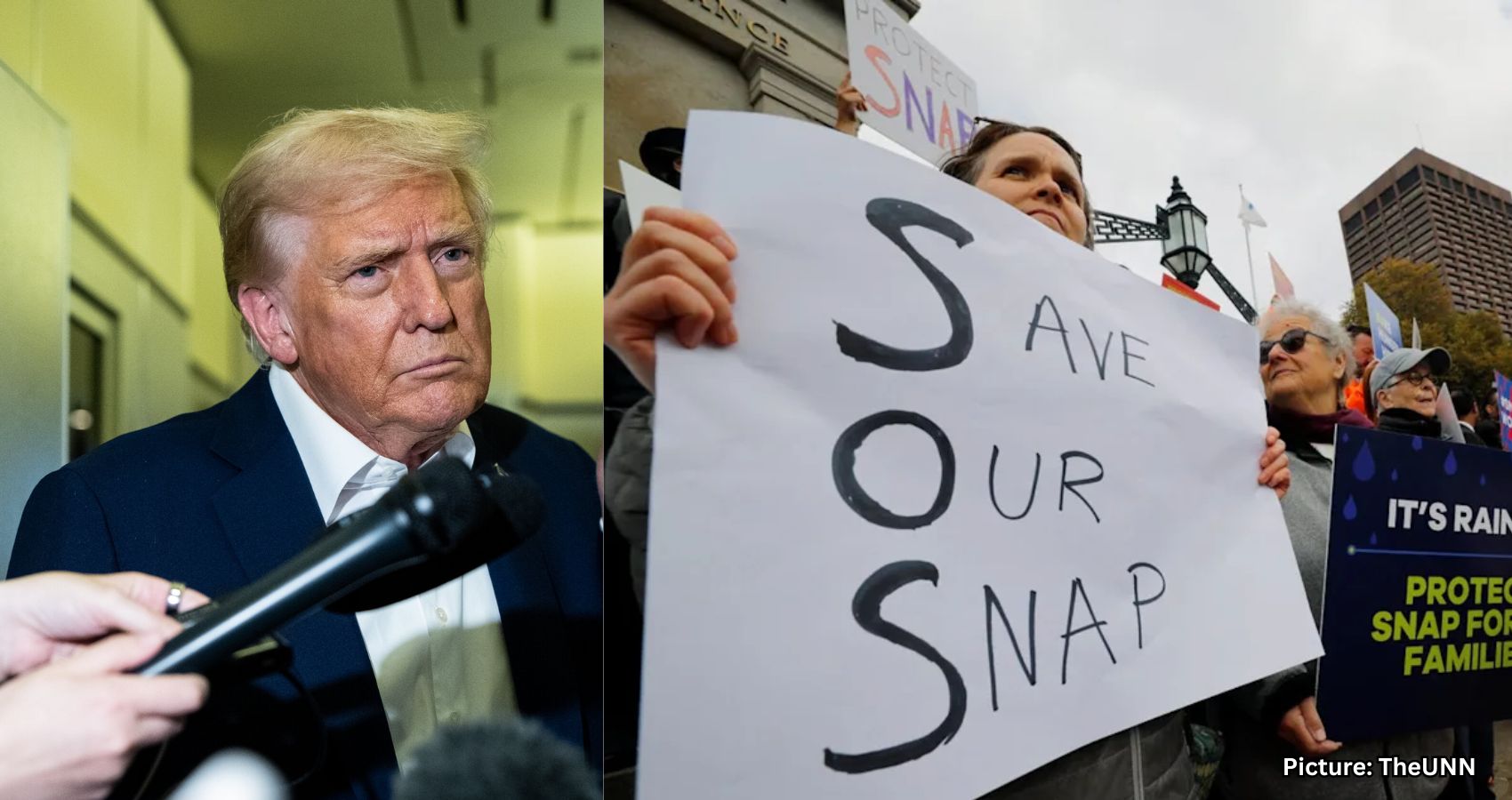
New Platform Reveals Details of Family Separation Chaos

Newly launched platform reveals the chaotic implementation of family separations during the Trump administration’s zero-tolerance policy, highlighting the need for transparency and accountability in immigration practices.

On October 30, 2025, the American Immigration Council unveiled a new platform aimed at analyzing records pertaining to the U.S. government’s tumultuous execution of family separations during the controversial zero-tolerance policy period under the first Trump administration.

This transparency project provides a detailed examination of what many consider to be one of the most disgraceful immigration policies in modern American history. It also highlights the responses from various stakeholders during the crisis, offering critical insights into how public resistance emerged against this harmful policy.

The project draws upon thousands of internal government emails, memos, and previously unreleased datasets obtained through Freedom of Information Act (FOIA) requests and litigation. It reveals that the zero-tolerance policy was not merely a reactionary measure but a calculated strategy intended to deter migration by punishing families while obscuring accountability.

“Thanks to these records, we can more clearly see the inner workings of how this atrocity was carried out and the public’s struggle to obtain transparency and accountability,” said Raul Pinto, deputy legal director for transparency at the American Immigration Council. “The same disregard for oversight and human consequences that made family separation possible is now re-emerging in the ongoing mass detention and deportation efforts.”

The family separation project features interactive visualizations and declassified documents that illustrate how families were systematically erased from government databases. It also reveals how officials misled the public and how congressional oversight, along with media scrutiny, played a crucial role in bringing the policy to an end. The project includes audio recordings of actor Corey Stoll reading significant internal government emails that expose the confusion and insensitivity surrounding the policy’s implementation.

Key findings from the archive underscore the troubling realities of the family separation policy. Internal communications show that officials were aware their data on separated families was “corrupt.” Leaders within Immigration and Customs Enforcement (ICE) expressed a lack of confidence in their own data regarding children taken from their parents, even while publicly denying any wrongdoing.

Moreover, oversight from Congress, the media, and regulatory agencies proved vital in halting family separations. However, as of 2025, critical oversight bodies such as the Department of Homeland Security (DHS) Inspector General and the Office for Civil Rights and Civil Liberties have faced significant sidelining or defunding.

The records indicate that the family separation policy was characterized by intentional chaos. Confusion was weaponized to create significant delays in the reunification of children with their parents, exacerbating the trauma experienced by affected families.

“The records don’t just show government officials’ egregiousness and cruelty. They serve as a warning for our current moment of mass detention and deportation that is still seeing families separated,” Pinto stated. “These records illustrate how data manipulation and secrecy enabled systemic human rights violations during the first Trump administration. Without transparency and oversight, history will repeat itself.”

The newly created portal, a result of years of FOIA litigation by the American Immigration Council and its partners, allows journalists, researchers, and policymakers to delve into key documents and data that expose the inner workings of family separation and the failures that ensued.

Despite claims that the family separation policy ended in June 2018, hundreds of children remained separated from their parents for years, with some still not reunited. “Family separation was a national shame made possible by bureaucratic indifference to human suffering,” Pinto added. “The lesson here is clear: a collapse of oversight allows for cruelty to fill the vacuum.”

Source: Original article

Voting in the November 4 Statewide Special Election: Key Details for Indian-Americans

California Secretary of State Dr. Shirley Weber emphasizes the importance of voting and outlines key information for voters ahead of the November 4, 2025, Statewide Special Election.

As the November 4, 2025, Statewide Special Election approaches, California Secretary of State Dr. Shirley Weber has provided essential information for voters during a virtual media briefing held on October 21. This event, organized in collaboration with American Community Media, aimed to ensure that diverse communities receive accurate and trustworthy information about the voting process.

Dr. Weber highlighted the significance of voting, stating, “Understand just how precious this experience is of voting in the communities that you represent.” She stressed the importance of making the voting process accessible and transparent for California’s diverse population.

According to Dr. Weber, over 2.52 million ballots have already been counted, underscoring the impact of voter participation in special elections on state policies and budgets. She encouraged early voting and addressed various concerns, including ballot security, provisional voting, and the availability of ballots in multiple languages. She reassured attendees about the integrity of the voting process and the office’s readiness for any potential legal challenges.

Dr. Weber shared her personal connection to voting, noting that her family has been in the United States for over 200 years, yet she is a second-generation voter. She recounted the challenges her parents faced in registering to vote, emphasizing the importance of recognizing the value of this civic duty.

California offers several voting options to facilitate the process, as outlined by Dr. Weber. The Voter’s Choice Act (VCA) provides various methods for casting ballots, including vote-by-mail, secure drop boxes, same-day registration, and in-person voting at polling places. “We offer these multiple ways that people can vote that’s accessible to you,” she said.

Voters in California have 11 days to cast their ballots, a significant advantage compared to states that only provide a single polling day. Dr. Weber encouraged those who prefer in-person voting to utilize polling places and to avoid waiting until the last minute. “Keep in mind, you can walk into those polling places any of those 11 days in a polling site, and you can actually vote in person,” she stated.

To ensure their votes are counted, she advised voters to submit their mail-in ballots early, especially in areas with limited postal services. “If you vote on that day, it may not be counted in certain counties in certain areas,” she warned, urging voters to take proactive steps.

Dr. Weber also emphasized the importance of properly using the postal service for mail-in ballots. Voters should ensure their ballots are stamped and counted inside the post office on election day. “Make sure you go inside the post office and have your ballot stamped,” she advised, cautioning against simply dropping ballots into a mailbox.

For those with questions or concerns about the voting process, Dr. Weber encouraged them to call the hotline at 1-800-345-VOTE, which is available at all times for assistance.

She clarified that while October 20 was the last day to register to vote, same-day registration is available. “California’s laws allow us to vote on the same day for the same-day registration,” Dr. Weber explained. Voters can register or update their registration before the deadline at RegisterToVote.ca.gov and confirm their voter status at VoterStatus.sos.ca.gov.

Individuals opting for same-day registration will receive provisional voter status and a provisional ballot, which will be counted once verified. All registered voters will receive a ballot in the mail and have the option to vote privately and drop off their ballots at designated ballot boxes throughout the city. Dr. Weber assured voters about the security of these ballot boxes, describing them as “thick” and “steel,” emphasizing that they cannot be tampered with without proper access.

Dr. Weber also reminded voters of their rights under the California Voting Rights Act of 1965, including the right to receive a new ballot if they make a mistake and assistance in casting their new ballot. Voters can drop their ballots at any polling place in California due to a statewide database of voter identification.

She cautioned against ballot collection by employers or union representatives, as well as any intimidation or influence from workplaces. Voters have the right to ask questions about election procedures and to observe the election process, although they cannot interfere with the counting of ballots.

Security measures are in place to protect the integrity of every ballot and ensure a transparent voting process. Dr. Weber addressed misinformation regarding ballot envelopes with holes, clarifying that these features are designed to assist visually impaired voters, not to compromise voter privacy.

Voters are encouraged to check the status of their ballots online and track them via the state website. “If you ask yourself, where’s my ballot? You can always go on our website,” Dr. Weber stated, noting that voters can receive updates shortly after submitting their ballots.

Election materials are available in multiple languages, with Dr. Weber highlighting that ballots are printed in nine languages in addition to English. She acknowledged the ongoing efforts to expand language support, emphasizing the importance of accurately translated ballots for local elections.

Dr. Weber reassured voters that law enforcement and federal agents present at polling places are informed of California’s election laws, and the Attorney General will work to enforce these laws. “We want folks to feel secure in voting, making sure that they’re protected, that they have access to their ballot,” she concluded.

Source: Original article
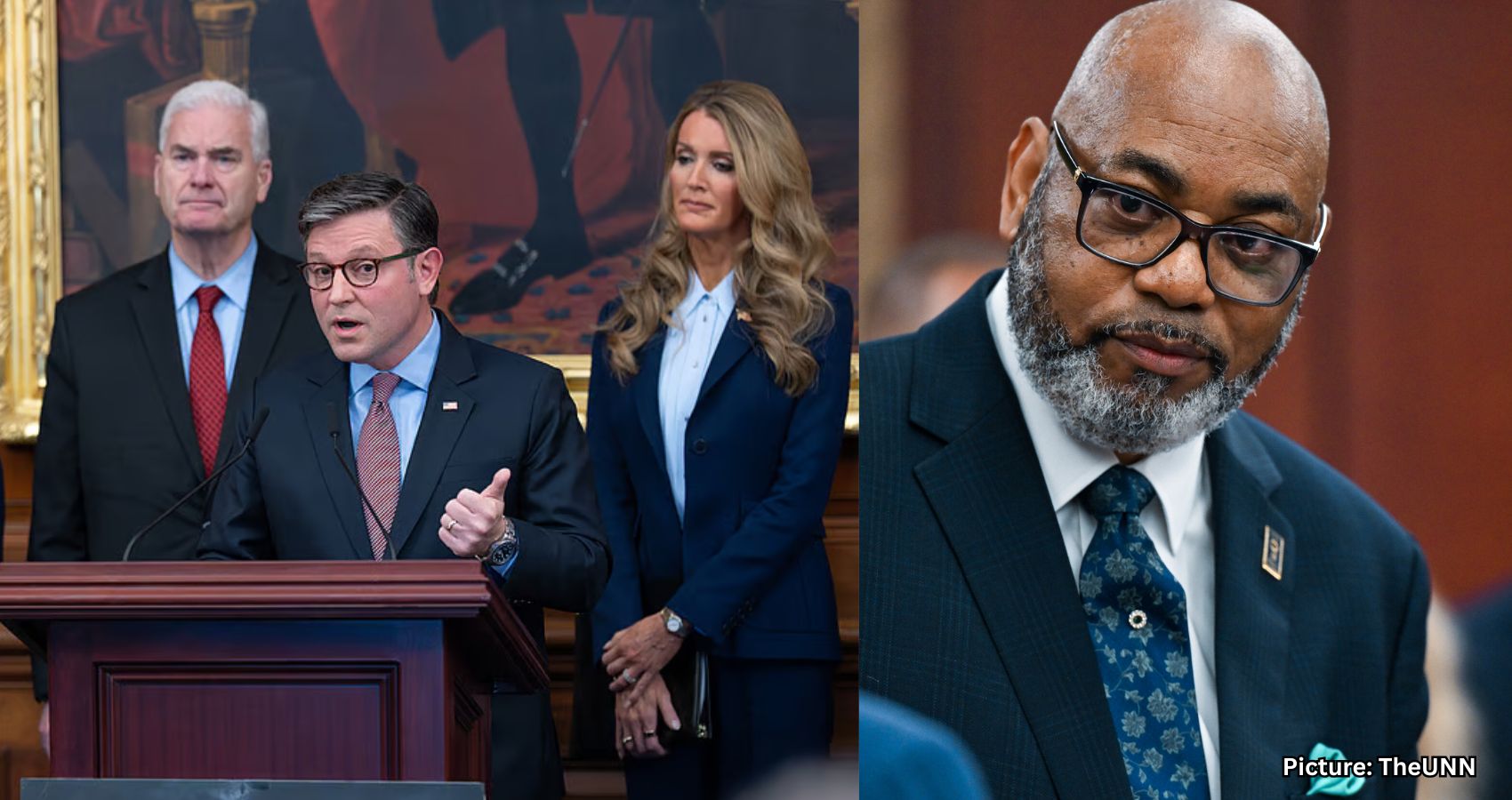
Sen. Warner Criticizes Trump Administration for Excluding Democrats from Briefings

Senator Mark Warner criticized the Trump administration for excluding Democrats from briefings on military strikes against alleged drug traffickers, calling the decision “indefensible and dangerous.”

Senator Mark Warner, a Democrat from Virginia and the top Democrat on the Senate Intelligence Committee, has publicly condemned the Trump administration for holding briefings exclusively with Republican lawmakers regarding U.S. military strikes targeting alleged drug boats in the Caribbean. Warner characterized the exclusion of Democrats from these national security briefings as “indefensible and dangerous.”

In a statement, Warner expressed his concerns, stating, “Shutting Democrats out of a briefing on U.S. military strikes and withholding the legal justification for those strikes from half the Senate is indefensible and dangerous.” He emphasized that decisions regarding the use of American military force should not be treated as partisan campaign strategy sessions or the exclusive domain of one political party.

Warner further argued that such actions undermine national security and violate Congress’s constitutional responsibility to oversee matters of war and peace. He described the partisan nature of the briefings as a “slap in the face” to Congress’s war powers and to the service members involved in military operations. He warned that this approach sets a “reckless and deeply troubling precedent” for future administrations.

Reports indicate that the Justice Department’s Office of Legal Counsel (OLC) has produced a legal opinion justifying the military strikes, which Democrats have been requesting in recent weeks. Warner insisted that the administration must provide Democrats with the same briefing and the OLC opinion that Secretary Rubio had promised him during a recent meeting on Capitol Hill. “Americans deserve a government that fulfills its constitutional duties and treats decisions about the use of military force with the seriousness they demand,” Warner stated.

In response to Warner’s criticism, the Pentagon defended its actions, asserting that the “appropriate” committees had been briefed on the strikes. Pentagon press secretary Kingsley Wilson stated, “The Department of War has briefed the appropriate committees of jurisdiction, including the Senate Intelligence Committee, numerous times throughout the operations targeting narco-terrorists. These have occurred on a bipartisan basis and will continue as such.”

On Wednesday, Democrats on the Senate Judiciary Committee also sent a letter demanding to review the legal justification for the series of boat strikes, which they argue may violate several laws. The letter highlighted the importance of adhering to legal standards, stating, “Drug trafficking is a terrible crime that has had devastating impacts on American families and communities and should be prosecuted. Nonetheless, the President’s actions to hold alleged drug traffickers accountable must still conform with the law.”

Members of the Trump administration have faced scrutiny not only from Democrats but also from within their own party. Senator Rand Paul, a Republican from Kentucky, raised concerns about the potential for killing individuals without due process and the risk of harming innocent people. Paul referenced Coast Guard statistics indicating that a significant percentage of boats boarded under suspicion of drug trafficking are, in fact, innocent.

Furthermore, Paul argued that if the administration intends to engage in military action against Venezuela, particularly after targeting boats allegedly linked to the Venezuela-connected Tren de Aragua gang, it must seek a formal declaration of war from Congress. Similar sentiments have been echoed by Representative Thomas Massie, a Republican from Kentucky.

This controversy follows the announcement by Pentagon chief Pete Hegseth that the U.S. military conducted another strike on a boat carrying individuals he described as narco-terrorists. This latest operation, directed by President Donald Trump, resulted in the deaths of four men on board. It marked the 14th strike on suspected drug boats since September, with reports indicating that a total of 61 individuals have been killed in these operations, while three survived, including at least two who were later repatriated to their home countries. The Pentagon has not disclosed the identities of those killed or provided evidence that drugs were present on the boats involved.

Source: Original article

JD Vance Discusses Importance of Christian Values for America’s Future

JD Vance emphasized the importance of Christian values for America’s future during a Turning Point USA event at Ole Miss, warning against the perils of secular liberalism.

Vice President JD Vance addressed students at the University of Mississippi (Ole Miss) during a significant Turning Point USA (TPUSA) gathering honoring Charlie Kirk, a conservative activist who was recently slain. Vance articulated his belief that America’s future hinges on a robust Christian foundation and cautioned against the threats posed by secular liberalism.

After a heartfelt tribute from Kirk’s widow, Erika, Vance took the stage to share his thoughts on various topics, including immigration, National Guard deployments, and the Second Amendment. However, many questions from the audience centered on Vance’s faith and its influence on his role as Vice President. Attendees inquired about his stance on religious liberty and how he navigates raising a family in a dual-religion household, as his wife is Hindu.

“I make no apologies for thinking that Christian values are an important foundation of this country,” Vance stated in response to a question regarding the separation of church and state. He added, “Anybody who’s telling you their view is neutral likely has an agenda to sell you. And I’m at least honest about the fact that I think the Christian foundation of this country is a good thing.”

During his remarks, Vance criticized contemporary liberalism, describing it as a “perverted version of Christianity.” He acknowledged the importance of addressing the needs of disenfranchised individuals but warned against detaching such compassion from religious duty or civic virtue. “You can’t just have compassion for the criminal. You also have to have justice too,” he explained, reinforcing his belief that a properly rooted Christian moral order is essential for the nation’s future.

Vance further argued that God should not be excluded from the public square, asserting that this was not the intention of the nation’s founders. “Anybody who tells you it’s required by the Constitution is lying to you,” he contended. He criticized the Supreme Court’s interpretation of the phrase “Congress shall make no law respecting an establishment of religion,” which he believes has led to the exclusion of religious expression from public life at all levels. “I think it was a terrible mistake, and we’re still paying for the consequences of it today,” he added.

In addition to discussing policy and faith, Vance addressed the dynamics of living in an interfaith household. He shared that when he met his wife, Usha, he was not a Christian, but over time, they decided to raise their children in the Christian faith. Vance emphasized the importance of open communication and mutual respect in their marriage, noting that most Sundays, Usha accompanies him to church.

“As I’ve told her, and I’ve said publicly, and I’ll say now in front of 10,000 of my closest friends, ‘Do I hope eventually that she is somehow moved by the same thing that I was moved in by church? Yeah, I honestly, I do wish that,’” Vance remarked. He expressed his hope that his wife would come to embrace the Christian gospel, while also acknowledging her free will in the matter.

Reflecting on Charlie Kirk’s influence on his faith, Vance shared how Kirk inspired him to be more vocal about his beliefs. “This is another way in which Charlie has affected my life – I would say that I grew up again in a generation where even if people had very deep personal faith, they didn’t talk about their faith a whole lot,” he recalled. “But the reason why I try to be the best husband I can be, the best father I can be, the reason why I care so much about all the issues that we’re going to talk about, is because I believe I’ve been placed in this position for a brief period of time to do the most amount of good for God and for the country that I love so much. And that’s the most important way that my faith influences me.”

Source: Original article
Trump’s Leverage Could Help Halt Sudan Killings, Yale Researchers Say

Yale researchers have revealed evidence of mass killings in Sudan’s El Fasher through satellite imagery, urging former President Trump to leverage his influence to halt the violence.

New satellite images have surfaced, depicting what appear to be bloodstains on the sand and bodies scattered across El Fasher, North Darfur, amid alarming reports of mass killings perpetrated by the Rapid Support Forces (RSF) in the war-torn region. Yale University’s Humanitarian Research Lab (HRL) released these images in a report published on Tuesday, coinciding with the collapse of ceasefire negotiations in Washington and the RSF’s recent entry into El Fasher.

The report from Yale HRL states, “Yale HRL finds evidence consistent with systematic mass killings of people outside El Fasher along the berm in satellite imagery collected on 27 and 28 October 2025.” The Wall Street Journal also reported that U.S. intelligence assessments have confirmed an increase in weapons transfers from the United Arab Emirates to the RSF, including drones identified by researchers at Yale.

According to Nathaniel Raymond, a researcher at Yale, “President Trump has unique leverage to stop the killing now by calling the United Arab Emirates and pressuring them to do what the Biden administration refused to do to stop arming the RSF.” Raymond noted that their lab identified a CH-95 drone in the imagery, which was supplied by the UAE to the RSF.

The team at Yale HRL analyzed high-resolution imagery from Airbus DS, confirming the presence of bodies, blood, and burned neighborhoods in El Fasher. This city has been under siege for 18 months, culminating in the RSF’s recent takeover.

Raymond explained that their surveillance efforts began in 2023 as part of the U.S. State and Sudan Conflict Observatory. He warned the United Nations that if El Fasher fell, atrocities would inevitably follow. Over the past 18 months, the team has meticulously documented the siege, producing reports for both U.N. and U.S. officials. “We told them we were approaching a genocide,” Raymond stated.

He also described how RSF forces have employed tactics to evade detection, such as hiding vehicles under trees and moving primarily at night to conceal resupply flights. Satellite measurements indicated the presence of objects on the ground consistent with human bodies, measuring approximately 1.3 to 2 meters (3 to 6 feet) long.

The RSF’s takeover has resulted in over 2,000 civilian deaths and left 177,000 people trapped under blockade. The ongoing conflict has displaced around 12 million individuals and claimed 150,000 lives since its onset in 2023.

Despite hopes for a breakthrough in U.S.-sponsored talks late last week, sources indicated that the United Arab Emirates declined to address the situation in El Fasher. In July, Trump had revived peace efforts for Sudan, which included a ministerial-level meeting with the so-called “Sudan Quartet.”

Raymond emphasized the urgency of the situation, stating, “It is time for Trump to build on the legacy of Republican leadership in Darfur and call Mohamed bin Zayed Al Nahyan in Abu Dhabi and tell him to stop.” He also mentioned that he would present this appeal to the Senate Foreign Relations Committee in the near future.

Fox News Digital has reached out to the White House for comment regarding these developments.

Source: Original article

Litigation Threatens USCIS Decision to End Automatic EAD Extensions

The Department of Homeland Security’s recent decision to end automatic Employment Authorization Document extensions has sparked concerns among H-4 and Adjustment of Status visa holders, prompting potential legal challenges.

As October comes to a close, the Department of Homeland Security (DHS) has introduced a significant policy change that has left many work permit holders in a state of uncertainty. The new rule, which takes effect on October 30, 2025, will eliminate automatic extensions for Employment Authorization Documents (EADs) across several categories, including H-4 visa holders and those applying for Adjustment of Status (AOS).

Under the existing policy, applicants seeking EAD renewals benefit from an automatic 540-day extension, allowing them to continue working while their applications are processed by U.S. Citizenship and Immigration Services (USCIS). However, with the new rule set to take effect just 24 hours after its announcement, many individuals are now facing the prospect of job loss.

The abrupt nature of this policy change has raised concerns about the lack of notice provided to those affected. Immigration attorney James Hollis, a partner and head of sports, entertainment, and business immigration at McEntee Law Group, criticized the timing of the announcement, suggesting that it could leave applicants vulnerable. “USCIS realizes that this is a potential problem with major policy announcements,” Hollis stated. “So, when they make an announcement on the morning of October 29, 2025, that any cases received on or after October 30, 2025, will have a different policy, my assumption is that they’re trying to catch people out.”

Hollis emphasized that this lack of notice means applicants who were preparing to submit their applications based on the previous rule will now have to navigate the new regulations, potentially leading to significant disruptions in their employment status.

Despite the challenges posed by this new rule, there may be a glimmer of hope. Hollis indicated that litigation challenging the rule is a possibility, with immigration attorneys already strategizing their next steps. “I would also suspect that litigation on this issue will be considered,” he noted.

The implications of this policy change extend beyond individual applicants; it poses serious financial and professional challenges for thousands seeking to renew their work permits. Attorney Kripa Upadhyay, co-chair of the Immigration & Global Mobility Practice at Buchalter, highlighted the broader impact on the workforce. “The biggest repercussion is unnecessary disruption to the workforce at a time when inflation is already high,” she said.

Upadhyay also pointed out the professional constraints that may arise from this policy shift. “Employees will be forced to face job loss once the current EAD expires and before the new one is issued. USCIS does not allow for premium processing options for EADs, and normal processing times can range from 7 to 10 months, depending on the jurisdiction of the case,” she explained.

The sudden change in policy has left many applicants confused and ineligible for benefits they had anticipated under the previous rules. Hollis elaborated on the potential consequences: “If someone has been preparing an employment authorization document extension believing that they will have a 540-day automatic extension while the application is pending, but haven’t submitted the application by yesterday night, they will now not receive the automatic extension and may be left for a period without work authorization.”

This situation could lead to job loss, difficulties in renewing driver’s licenses, and other complications for those affected.

The ruling also imposes challenges on employers, who may need to terminate employees once their current EADs lapse if the new EAD has not yet arrived. Upadhyay remarked, “For employers, this is an unnecessary disruption and adds compliance needs, as they will need to terminate employees and then rehire them, adequately documenting all of this to avoid I-9 fines.”

For those who may soon require an extension but have not yet applied under the previous rule, immigration attorney Leandro Carvalho, a partner at Dell’Ome Law Firm, advises prompt action. “They will need to file for an EAD renewal as soon as possible. If the new EAD is not issued in time, depending on the circumstances, they can try to submit an expedite request to USCIS. In any case, they will not be able to work without a valid EAD,” he said.

As advocacy groups and immigration lawyers prepare for potential litigation, those affected by the policy change are left anxiously awaiting the outcome. The resolution of this issue could significantly influence how USCIS implements future policy changes and whether advance notice becomes a legal requirement.

Source: Original article
Saudi Arabia to Refocus $925 Billion Fund for Improved Returns

Saudi Arabia is set to refocus its $925 billion sovereign wealth fund, shifting away from real estate projects to enhance returns through investments in logistics, mining, and religious tourism.

Saudi Arabia is preparing to realign its $925 billion sovereign wealth fund, known as the Public Investment Fund (PIF), away from its previous emphasis on large-scale real estate projects. This strategic shift comes as part of Crown Prince Mohammed bin Salman’s broader “Vision 2030” initiative, which was launched in 2016 to transform the Kingdom’s economy.

Initially, the PIF’s strategy heavily concentrated on ambitious real estate developments, including NEOM, a futuristic city envisioned to rise in the desert along the Red Sea. This project, along with plans to host international winter sports in the northern mountains, has faced significant delays and challenges.

Earlier this year, Bin Salman also introduced Humain, a new company aimed at developing and managing artificial intelligence technologies, further diversifying the Kingdom’s economic pursuits under Vision 2030. The PIF has played a crucial role in financing these initiatives.

Despite the grand ambitions, analysts have noted that many of the planned gigaprojects have yet to deliver the anticipated returns, raising concerns about their financial viability. As several projects remain incomplete, the PIF’s investment record has shown a mixed performance, prompting a reassessment of its strategies.

In light of these challenges, the PIF is now focusing on securing more sustainable and immediate returns. The new strategy will prioritize investments in logistics, mineral exploitation, and religious tourism, as reported by Reuters. This pivot aims to leverage the Kingdom’s vast energy resources to support advancements in artificial intelligence and data centers.

Yasir Al-Rumayyan, the Governor of the PIF, indicated during the annual Future Investment Initiative (FII) summit in Riyadh that an updated strategy would be announced soon. This announcement is anticipated to outline the fund’s new priorities following the conclusion of its current five-year investment strategy this year.

According to sources familiar with the matter, the revised plans will position Saudi Arabia as a major logistics hub. Recent disruptions in shipping routes through the Red Sea have highlighted the necessity for resilient supply chains, making this focus increasingly relevant.

Additionally, the Kingdom is expected to tap into its undisclosed reserves of rare earth minerals, which will play a significant role in its mining sector expansion. The plan also includes enhancing religious tourism, particularly in Mecca and Medina. A recent initiative announced by Bin Salman aims to add approximately 900,000 indoor and outdoor praying spaces at Mecca’s Grand Mosque, further supporting the influx of pilgrims.

This strategic refocus reflects Saudi Arabia’s commitment to diversifying its economy and ensuring that its investments yield more immediate and sustainable benefits.

Source: Original article

US States File Lawsuit Against Trump Administration Over SNAP Stoppage

The Trump administration faces a lawsuit from a coalition of states over the impending suspension of SNAP benefits amid a government shutdown that could cost the nation $14 billion.

The Trump administration is facing significant legal challenges as a coalition of Democratic-led states has filed a lawsuit over the impending suspension of Supplemental Nutrition Assistance Program (SNAP) benefits. This action comes amid a government shutdown that is projected to cost the nation an alarming $14 billion, according to reports from Reuters.

The lawsuit, initiated on Tuesday in federal court in Boston, aims to prevent what would be a historic lapse in food aid for millions of Americans. The suspension of SNAP benefits is set to begin on November 1, coinciding with the ongoing government shutdown.

Massachusetts Attorney General Andrea Joy Campbell emphasized the urgency of the situation in a social media post. “The federal government has the money to continue funding SNAP benefits — they’re choosing to harm millions of families across the country already struggling to make ends meet,” she stated.

This legal action challenges the U.S. Department of Agriculture’s (USDA) decision not to utilize $6 billion in contingency funds designated for SNAP, which typically costs around $8 billion monthly to operate. The program provides essential food assistance to approximately 41 million Americans, relying entirely on federal funding.

With Congress failing to pass a budget by the October 1 deadline, the USDA announced that no SNAP payments would be issued beginning November 1, citing the depletion of emergency contingency funds. This pause in benefits is expected to disproportionately impact vulnerable populations, including children, seniors, and individuals with disabilities, as well as low-income households that depend on SNAP for their nutritional needs.

States like Illinois and Texas have already warned residents about potential shortfalls in food assistance, and food banks across the nation are preparing for an increase in demand as the situation unfolds.

The lawsuit argues that the suspension of benefits is arbitrary and violates existing laws and regulations governing the SNAP program. According to the Food and Nutrition Act of 2008, assistance must be provided to all eligible households. New York Attorney General Letitia James expressed her concerns, stating, “Millions of Americans are about to go hungry because the federal government has chosen to withhold food assistance it is legally obligated to provide.”

This legal challenge arises during a government shutdown that may persist for an extended period. Senate Democratic leader Chuck Schumer indicated on Tuesday that the 28-day shutdown could extend into November, coinciding with a time when millions of Americans face rising health insurance costs due to expiring Affordable Care Act tax credits. This situation is expected to increase pressure on lawmakers to resolve the ongoing impasse.

Schumer remarked, “On November 1, people in more than 30 states are going to be aghast — aghast — when they see their bills, and they’re going to cry out. And I believe there will be increased pressure on Republicans to negotiate with us.”

The lawsuit is spearheaded by the attorneys general of Massachusetts, California, Arizona, and Minnesota. They argue that the contingency funds should be utilized when necessary to ensure the continuity of program operations.

If successful, the lawsuit could compel the federal government to resume funding for SNAP, thereby ensuring that low-income families, seniors, and children continue to receive critical nutritional support. Beyond the immediate implications for food security, this legal action highlights the broader tensions between federal agencies and state governments when essential services are disrupted.

The case also underscores how political gridlock at the federal level can have direct consequences for millions of vulnerable Americans, including children, seniors, and low-income families who rely on SNAP for their basic nutritional needs. Furthermore, it sets a potential precedent for state intervention when federal agencies fail to meet their statutory obligations, emphasizing the legal and moral responsibilities of the government to safeguard public welfare.

This lawsuit not only seeks to protect those who depend on SNAP but also serves as a reminder of the far-reaching effects of political disputes on essential social programs.

Source: Original article
A Resurgence in Bihar May Influence India’s Future Development

A quiet resurgence in Bihar is reshaping perceptions of the state, highlighting its potential for growth and innovation through education and community resilience.

When people think of Bihar, they often recall its colonial past, political dysfunction, and decades of neglect. For years, the state was viewed as a symbol of what went wrong in India’s development narrative. However, a recent visit revealed a different story: a quiet, determined resurgence that could redefine India’s future.

My journey began in Bodh Gaya, a place synonymous with peace and reflection, where the Buddha attained enlightenment. On my way to Nalanda, I stumbled upon a remarkable testament to human endurance—the ridge carved by Dashrath Manjhi, known as the “mountain man.” Standing there, surrounded by sheer rock walls, I felt as though I was traversing a path forged from loss and love.

Manjhi’s wife, Falguni Devi, suffered a severe injury after falling along the rocky hillside, and the nearest hospital was located on the other side of the mountain. Tragically, by the time she could be transported, it was too late. Grief-stricken, Manjhi resolved that no one else should face such a fate due to geographical barriers. Armed only with a hammer and chisel, he dedicated 22 years to carving a passage through solid rock, connecting his village to the world beyond.

Today, that narrow road serves as a lifeline, transporting children to school and workers to nearby towns. Yet, what struck me most was not just the road itself, but the indomitable spirit that created it. Manjhi had no wealth, no formal education, and no institutional support—only a profound sense of purpose. His story resonated with my own journey of turning grief into determination, which led to the founding of Vionix Biosciences, an endeavor aimed at using science to alleviate suffering.

A few kilometers away lies Patwa Toli, a village that has transformed its identity. Once known for its weavers, generations of artisans faced hardship as the textile trade dwindled. Today, however, Patwa Toli is celebrated for producing engineers. Nearly every household boasts a member who has successfully passed the IIT entrance exam, and the literacy rate stands at an impressive 98%. Families that once struggled to make ends meet are now sending their children to some of India’s top universities.

As I wandered through the village, I was greeted by the rhythmic clatter of looms intermingling with the scratch of pencils. The same hands that once wove fabric now solve complex equations. The walls of homes are adorned with educational charts and formulas, and in the evenings, dim bulbs illuminate the faces of students studying late into the night. While they refer to Patwa Toli as “the IIT factory,” this label fails to capture the essence of what is happening here. It is a renaissance—a collective uprising against adversity.

At the heart of this movement is Vriksha Sansthan, a free mentoring center established by Chandrakant Pateshwari and Jitendra Kumar, a former IITian from the village. During my visit, I met students—the children of loom workers, mechanics, and shopkeepers—who are studying tirelessly, driven by dreams that extend beyond their immediate surroundings. The mentors, once village children themselves, volunteer their time after regular jobs to help these students unlock their potential. They emphasize that brilliance is cultivated through perseverance, not determined by one’s background, and that their aspirations are within reach.

I encouraged the students to understand that gaining admission to IIT is not the only path to success. Their grit and work ethic are invaluable assets—qualities that have fueled the growth of Silicon Valley. With the right exposure, they could emerge as innovators who create jobs rather than merely seek them. One of my technical advisors, machine learning expert Jagadish Venkataraman, is set to collaborate with them virtually, bringing the principles of Artificial Intelligence to life as a practical tool for their learning.

As I departed the village, the sun set behind the looms, their rhythmic hum fading into the evening air. The road ahead wound through fields and small towns, leading me toward Nalanda, the next chapter in Bihar’s evolving narrative. If Patwa Toli symbolizes education as liberation, Nalanda represents education as enlightenment—a bridge connecting material success with moral wisdom.

At Nalanda University, the new campus stands proudly alongside the ruins of the ancient institution, which once attracted scholars from across Asia long before the founding of Oxford and Cambridge. The original Nalanda was a beacon of reason, inquiry, and universal learning. Witnessing the new university rise from those same fields felt like observing history turn a significant corner.

What impressed me most was not the grandeur of the buildings, but the clarity of vision among the faculty. They spoke passionately about integrating science, sustainability, and ethics—reviving the spirit of Nalanda, where education was intended to uplift humanity. The campus maintains strict environmental values; for instance, non-electric vehicles require special permits to enter. This small but telling symbol of integrity brought a smile to my face.

As I walked through the courtyards of the ancient Nalanda, I reflected on Manjhi’s ridge, the village of dreamers, and this reborn university. They are all interconnected, part of a continuum of resilience and aspiration. One man broke a mountain with sheer determination. One village shattered the cycle of poverty through education. And one university is striving to dismantle the complacency that has hindered a nation capable of achieving so much more.

Source: Original article

Democrats Confront Coalition Challenges Amid Federal Employee Union Shutdown Pressure

Democrats are facing internal divisions as the American Federation of Government Employees pressures them to support a Republican-backed funding bill to end the ongoing government shutdown.

Democrats are confronting a critical test as fractures emerge within their coalition amid the ongoing government shutdown. On Monday, the American Federation of Government Employees (AFGE), a significant federal employees’ union, broke ranks by urging lawmakers to pass a “clean” stopgap funding bill proposed by Republicans. This bill aims to temporarily reopen the government without any additional policy riders.

This unexpected move has placed many Democrats in a defensive position, forcing internal discussions about how to respond while bipartisan negotiations remain stalled. The AFGE’s call for immediate action highlights the intense pressure on Democrats to demonstrate responsiveness to the hardships endured by federal workers and millions of Americans affected by the shutdown.

Senate Minority Whip Dick Durbin acknowledged the union’s influence, noting that Democrats regard their longtime allies with seriousness but face complex political pressures. The shutdown, now entering its fifth week, is exposing tensions within the party, as some Democrats weigh the growing public frustration against their demands for extended Affordable Care Act subsidies and broader health care negotiations.

Party leaders, including Senate Minority Leader Chuck Schumer and other key figures, have maintained resistance to the Republican-backed funding measure. They argue that reopening the government without addressing policy priorities, particularly health care affordability, would be a premature concession.

Meanwhile, internal party dynamics continue to shift, with a handful of Democrats breaking away to support GOP proposals, further complicating an already fragile coalition. The shutdown stalemate underscores the political challenges Democrats face in balancing foundational policy goals with the urgent need to restore government operations.

In this environment, Democrats face a moment of reckoning: they must reconcile competing demands within their base, respond to external pressures, and push forward a viable strategy to end the shutdown without abandoning core principles.

Source: Original article
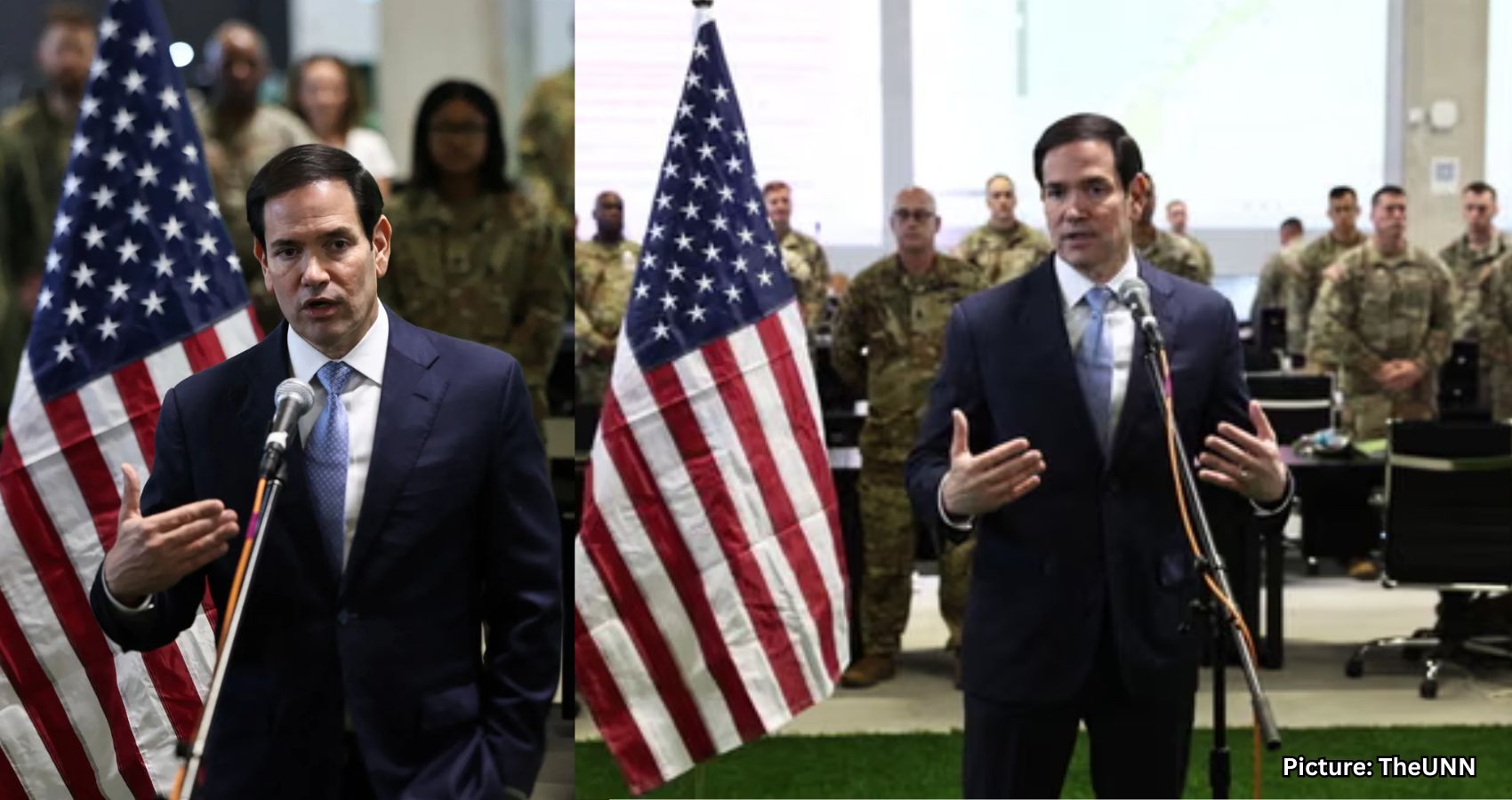
Men May Need to Work Harder Than Women to Prevent Deadly Disease

New research indicates that men may require twice the amount of exercise as women to effectively reduce their risk of heart disease.

Recent findings from a study conducted in China suggest that men need to engage in significantly more physical activity than women to lower their risk of developing heart disease. The research, published in the journal Nature Cardiovascular Research, analyzed data from over 85,000 participants in the U.K. Biobank, focusing on gender differences in physical activity levels and the incidence of coronary heart disease.

The study utilized data collected from wearable accelerometers, such as smartwatches, to measure the amount of moderate to vigorous physical activity among participants. All individuals were free of coronary heart disease at the beginning of the study and were monitored for nearly eight years to track the development of heart disease and related mortality.
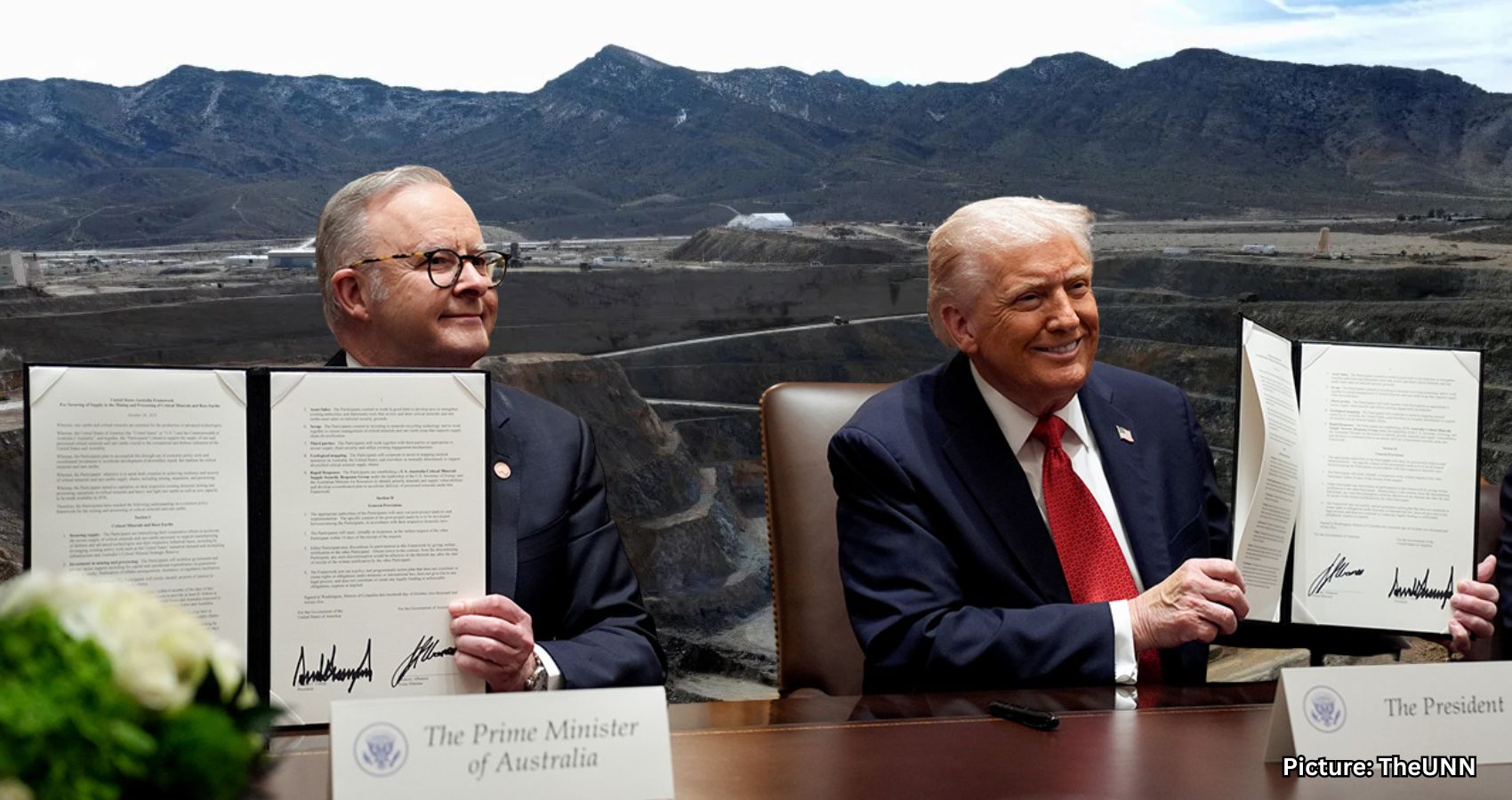

The average age of participants in the incidence study was approximately 61 years, with 57.3% being women. In the mortality study, the average age was around 66 years, with 30% of participants being women.

After adjusting for other risk factors associated with heart disease, including body mass index (BMI) and smoking habits, researchers identified a significant disparity between men and women. The findings revealed that women experienced a lower risk of heart disease with half the amount of exercise compared to men.

Specifically, the study found that an additional 30 minutes of exercise per week correlated with a 2.9% reduction in heart disease risk for women and a 1.9% reduction for men. Meeting the recommended exercise standard of 150 minutes per week resulted in a 22% decrease in heart disease incidence risk for women, while men saw a 17% reduction.

For those who extended their workout regimen to 300 minutes, or five hours, per week, the risk reduction was 21% for women and only 11% for men. The researchers concluded that to achieve a 30% reduction in the incidence of coronary heart disease, women need approximately 250 minutes of exercise per week, while men require about 530 minutes.

When examining mortality rates from heart disease, adhering to the 150-minute exercise guideline lowered women’s risk by an impressive 70%, whereas it only reduced men’s risk by 19%. To achieve a 30% reduction in mortality from coronary heart disease, women need around 51 minutes of exercise each week, while men need about 85 minutes.

The researchers emphasized that these findings highlight the importance of sex-specific approaches to coronary heart disease prevention, particularly through the use of wearable devices that could encourage increased physical activity among women.

Dr. Marc Siegel, a senior medical analyst at Fox News, discussed the study’s implications on “America’s Newsroom.” He remarked, “I can tell you, having been married for almost 30 years, that women are better than men. There’s no question about it.” He noted that women tend to have physiological advantages, while men often face higher risks due to lifestyle factors.

Siegel pointed out that men generally have higher levels of testosterone, which can negatively impact cholesterol levels, and they are more likely to accumulate fat in the abdominal area, leading to inflammation. He also mentioned that men typically smoke and drink more and exercise less, all of which contribute to a heightened risk of heart disease.

He added that while women begin to experience increased heart disease risk after menopause, it takes time for this gap to close. “With all these risks, [men] need the exercise way more than women do to make up for it,” Siegel concluded.

These findings underscore the critical need for tailored exercise recommendations based on gender to effectively combat heart disease, a leading cause of mortality worldwide.

Source: Original article

Trump Suggests Possibility of Third Term, Rules Out Vice Presidency

Former President Donald Trump has hinted at the possibility of a third presidential run while firmly ruling out a vice presidential role during his recent trip to Asia.

During his recent trip to Asia, former U.S. President Donald Trump suggested that he has not dismissed the idea of running for a third term in office. In a conversation with reporters aboard Air Force One, he expressed enthusiasm, stating, “I would love to do it.” However, he was quick to reject the notion of serving as vice president as a means to reclaim the presidency, describing that idea as “too cute” and asserting that it “wouldn’t be right.”

Trump clarified that while he technically “would be allowed” to run for vice president, he has no intention of pursuing that path. “I think people wouldn’t like that,” he remarked, emphasizing his disinterest in the role.

When pressed about the prospect of a third term, Trump admitted he had not given it extensive thought but noted, “I have the best poll numbers that I’ve ever had.” This statement underscores his confidence as he contemplates the political landscape ahead.

In addition to discussing his own political ambitions, Trump took the opportunity to praise key figures within the Republican Party. He lauded Vice President JD Vance and Secretary of State Marco Rubio, calling them “unstoppable” and highlighting the strength of the party’s current roster. “We have a great group of people,” he added, reflecting on the potential for Republican leadership moving forward.

The U.S. Constitution’s 22nd Amendment limits presidents to two elected terms, making a third term a complex issue. Repealing this amendment would require a significant political shift, needing support from two-thirds of both houses of Congress and ratification by three-fourths of U.S. state legislatures. Most political analysts view such an outcome as highly unlikely.

Despite previous statements suggesting he would “probably not” run again, Trump has left the door open for a potential return to the race in 2028, hinting that he is “not joking” about the possibility.

As speculation about his political future continues, several Democrats are already positioning themselves for the upcoming election cycle. Notable figures such as California Governor Gavin Newsom and former Vice President Kamala Harris have indicated their interest in running for the presidency, setting the stage for a competitive political landscape.

Trump’s recent comments reflect a blend of ambition and strategy as he navigates the complexities of American politics. His ability to galvanize support within the Republican Party remains a focal point as the nation approaches the next election cycle.

Source: Original article

Why Proposition 50 Is Significant for California Voters

California’s Proposition 50 aims to address mid-decade redistricting conflicts and ensure fair representation in congressional districts ahead of the 2026 elections.

A mid-decade redistricting conflict has emerged in response to President Trump’s push for new congressional maps in Texas, designed to bolster Republican representation ahead of the 2026 midterms. In California, Proposition 50 seeks to counter this initiative by proposing a series of new congressional maps for approval in an upcoming special election.

During an October 16 briefing hosted by the American Community Media, policy experts from Common Cause discussed the implications of California’s special election on redistricting and representation. Common Cause, a nonpartisan government watchdog group, has been instrumental in advocating for fair representation in California, having played a key role in the establishment of the state’s independent redistricting commission.

“In 2008, we helped end partisan gerrymandering in California on legislative lines. In 2010, we did the same for congressional lines,” said Darius Kemp, Executive Director for California Common Cause. The creation of the California Citizens Redistricting Commission ensured that voters, rather than politicians, would lead the redistricting process, promoting fair and impartial representation.

Kemp emphasized the significance of this initiative, stating, “We care deeply about this because we know that redistricting is more than just lines on a map. Fair maps mean fair representation, fair votes, and a fair future for everyone.” However, Proposition 50 aims to alter the structure and authority of California’s independent redistricting commission, expanding its powers to redraw congressional districts mid-decade in preparation for the 2026 elections.

In July, the Department of Justice, under President Trump, sent a letter to Texas political leaders demanding the dismantling of congressional voting districts that were designed to empower communities of color. Dan Vicuña, Senior Policy Director of Voting and Fair Representation at Common Cause, noted that Trump also sought to flip five of Texas’s congressional districts from Democratic to Republican control.

In response, California Governor Gavin Newsom announced a plan to redraw the state’s congressional map, aiming to convert five Republican districts to Democratic control ahead of the 2026 midterms. In August, the California legislature passed a legislative package that called for a special election on November 4, 2025, where voters will be asked to adopt the new congressional map.

If approved, Proposition 50 would implement a new U.S. House map for elections from 2026 to 2030. Following the 2030 Census, the authority for redistricting would revert to the Citizens Redistricting Commission. It is important to note that Proposition 50 would only affect U.S. House districts, not State Assembly or Senate districts, and would require a simple majority to pass.

Brittany Stonesifer, Senior Program Manager for Voting Rights and Redistricting at Common Cause, explained that the districts affected would primarily be located around Los Angeles, the Inland Empire, Sacramento, Lodi, San Joaquin, and Fresno.

When evaluating the fairness of Proposition 50, Common Cause does not oppose the measure. Their fairness criteria include proportionality, public participation, racial equity, time limits, and support for federal and independent redistricting reforms. Vicuña stated, “We determined that Prop 50 meets those standards.”

He further emphasized the importance of informed voter decisions, noting, “This is no longer a one-state game in the system. It’s a national power grab designed to make Donald Trump unaccountable to voters in a midterm election he’s afraid of.” Common Cause’s fairness criteria provide a framework for determining how to allocate limited time and resources in the face of ongoing challenges to democracy.

Vicuña highlighted that mid-decade redistricting should be a targeted response to threats posed by gerrymandering, as seen in Texas and other states. Missouri has already completed a redraw, while North Carolina has announced plans to revise its gerrymandered map. Florida and Indiana are also preparing to make similar changes.

Stonesifer pointed out the disparities in voter turnout across California’s diverse population, noting that overall eligible voter turnout was 62% during the 2024 general election, with only 46% for Latino voters and 54% for Asian American voters. These persistent disparities underscore the urgency of addressing representation in the state.

To combat these challenges, California Common Cause mobilizes and trains nonpartisan election protection volunteers, who serve as a vital resource for voters facing obstacles at the ballot box. Voters in need of assistance can call or text 866-OURVOTE, a hotline available in multiple languages, including English, Spanish, Arabic, Chinese, Vietnamese, Korean, Bengali, Hindi, Urdu, and Tagalog.

To participate in California’s elections, individuals must be U.S. citizens, residents of California, and at least 18 years old on Election Day. Those currently serving a prison sentence or deemed mentally incompetent are ineligible to vote. Importantly, unhoused individuals who meet these criteria also have the right to vote.

Voter registration is required before casting a ballot, and it is crucial to ensure that registration is up-to-date. For the November 4 special election, voters can register or update their registration online or by mail until October 25. If they miss this deadline, same-day registration is available in person at vote centers or polling places until polls close on Election Day.

Californians have several options for casting their ballots, including mail-in voting. All active registered voters will automatically receive a ballot by mail, which can be returned through USPS without postage required. Ballots are available in nine languages other than English, and must be postmarked by November 4. However, voters are encouraged to mail them by October 31 to ensure timely delivery.

In-person voting will be available at locations across the state on November 4, from 7 a.m. to 8 p.m. Voters are not required to show ID to vote, although poll workers may request it to facilitate the process. Anyone in line at 8 p.m. on Election Day has the right to vote.

This November, Proposition 50 will be the only statewide measure on the ballot. As Vicuña explains, California’s proposal meets fairness criteria because it prioritizes safeguarding checks and balances during a critical moment for democracy.

Source: Original article
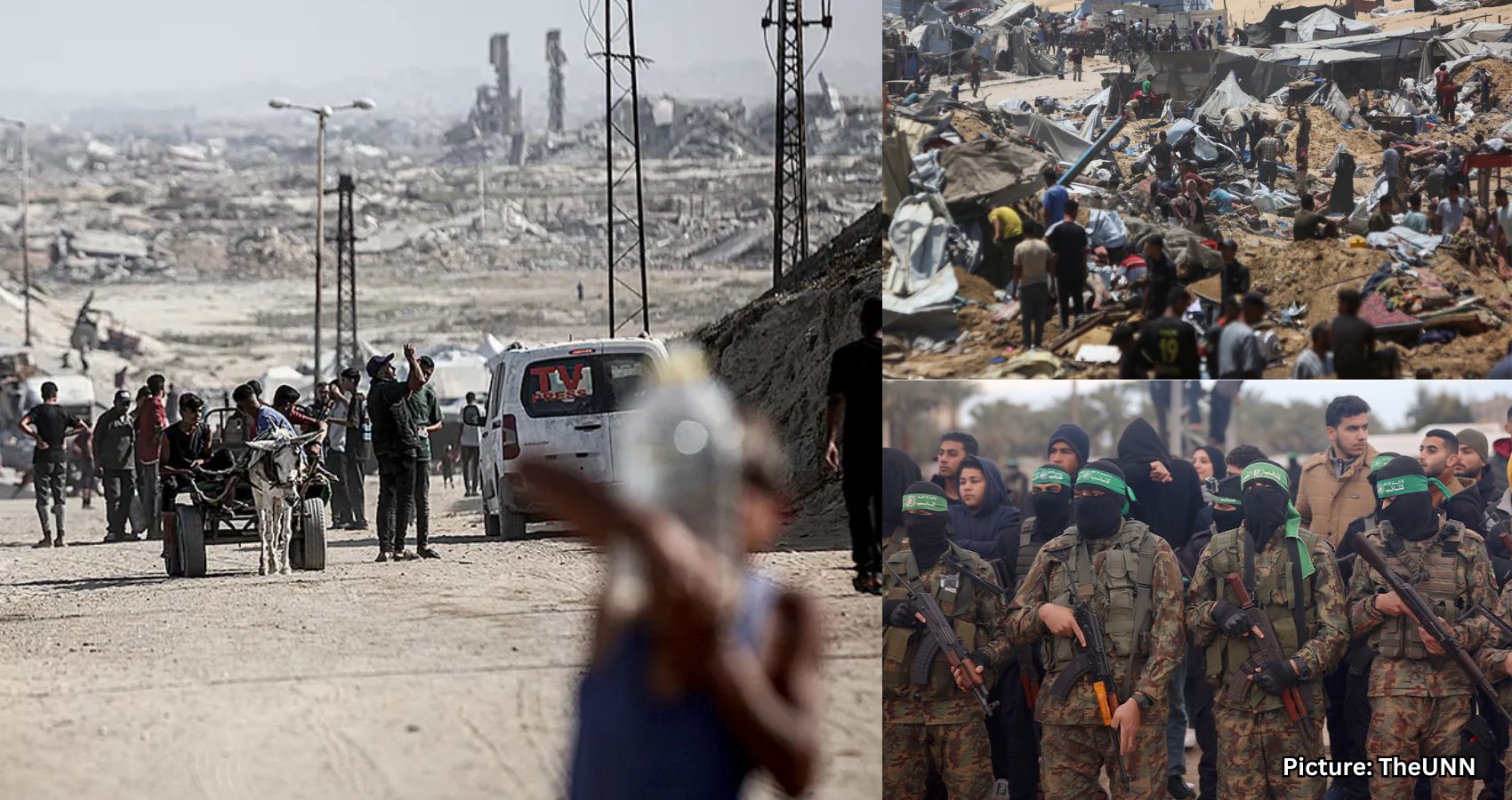
Trump Claims China Will Collaborate to Combat Fentanyl Trafficking

President Trump expresses optimism about collaborating with China to combat fentanyl trafficking ahead of a significant meeting with President Xi Jinping during his Asia trip.

During the final leg of his Asia trip, President Donald Trump addressed reporters aboard Air Force One, sharing his confidence in the relationship he has cultivated with Chinese President Xi Jinping. This conversation comes as Trump prepares for a crucial meeting at an economic summit in South Korea.

When questioned about U.S. efforts to combat fentanyl trafficking, Trump indicated that this issue would be a primary focus of his discussions with Xi. He expressed hope for progress on a variety of challenges, including trade, tariffs, and the ongoing fentanyl crisis.

“China is going to be working with me, okay,” Trump stated. “They’re going to be working with me, and we’re going to do something, I believe.” His remarks suggest a strong belief in the potential for cooperation between the two nations on this pressing issue.

As he anticipates the meeting, Trump emphasized the importance of addressing fentanyl trafficking. “We have to have the meeting — a meeting tomorrow. That’s a big meeting,” he remarked. “And fentanyl will be one of the things that we’re discussing.” He noted that while farmers would also be part of the discussions, fentanyl remains a critical topic.

Trump linked the fentanyl crisis to drug trafficking across the southern U.S. border, characterizing it as a significant public health issue that has resulted in “tremendous amounts of death.” He referred to the influx of drugs as “boats of death,” highlighting the severity of the situation. “Under Biden and open borders, stuff was flowing. I think they killed 300,000 people last year — fentanyl drugs coming through the southern border. And now nobody gets through this. We’re very tough on the border,” he added.

In addition to discussing fentanyl, Trump touched on other international security issues during his trip, including the ongoing conflict between Israel and Hamas, as well as North Korea’s recent missile launches. He expressed optimism about the upcoming meeting with Xi, stating, “I think we’ll get a great meeting with President Xi of China. And a lot of problems are going to be solved.”

Trump’s comments reflect his strategy of linking border security with international cooperation as key priorities in his discussions with Xi Jinping. As the meeting approaches, the emphasis on fentanyl trafficking underscores the urgency of addressing this crisis through collaborative efforts.

Source: Original article

Tesla Reintroduces ‘Mad Max’ Mode in Full Self-Driving Feature

Tesla has revived its controversial ‘Mad Max’ mode in the latest Full Self-Driving update, prompting discussions about safety and regulatory scrutiny.

Tesla is once again in the spotlight with the reintroduction of its ‘Mad Max’ mode in the Full Self-Driving (FSD) system, following the recent launch of the FSD v14.1.2 update. This feature, which enables more aggressive driving behavior, comes at a time when the automaker is facing increased scrutiny from regulators and ongoing lawsuits from customers.

The latest update follows last year’s significant FSD v14 release, which introduced a more cautious driving profile known as “Sloth Mode.” In stark contrast, the newly revived Mad Max mode allows for higher speeds and more frequent lane changes compared to the standard Hurry profile setting.

According to Tesla’s release notes, the Mad Max mode is designed to make driving feel more natural for those who prefer a more assertive approach. However, the update has sparked mixed reactions from the public. While some Tesla enthusiasts praise the feature for its dynamic driving experience, critics warn that it could encourage risky behavior, particularly as the National Highway Traffic Safety Administration (NHTSA) and the California Department of Motor Vehicles (DMV) investigate Tesla’s advanced driver-assist systems.

The Mad Max mode is not a new concept; it was first introduced in 2018 as part of Tesla’s original Autopilot system. At that time, CEO Elon Musk described it as ideal for navigating aggressive city traffic. The name, inspired by the post-apocalyptic film series, drew immediate attention due to its bold connotation.

Since the release of the latest update, drivers have reported instances of vehicles equipped with Mad Max mode rolling through stop signs and exceeding speed limits. These early reports suggest that the mode may exhibit even more assertive behavior than before, raising concerns about its implications for road safety.

The decision to bring back Mad Max mode may serve multiple purposes for Tesla. It showcases the company’s ongoing development of FSD software while appealing to drivers who favor a more decisive driving style. Additionally, it signals Tesla’s ambition to achieve Level 4 autonomy, even though its current system is classified as Level 2, necessitating constant driver supervision.

For Tesla, the reintroduction of this feature reflects confidence in its technological advancements. However, for observers, the timing raises questions. With multiple investigations and lawsuits currently underway, many anticipated that Tesla would prioritize safety over the introduction of more aggressive driving profiles.

Owners of Tesla vehicles equipped with Full Self-Driving (Supervised) can access Mad Max mode through the car’s settings under Speed Profiles. This mode offers a more assertive driving experience characterized by quicker acceleration, more frequent lane changes, and reduced hesitation.

It is crucial to note that Tesla’s Full Self-Driving system still requires active driver attention. Drivers must keep their hands on the wheel and remain prepared to take control at any moment. While the name suggests excitement and speed, safety and awareness should remain paramount.

For those sharing the road with Teslas, it is advisable to stay alert. Vehicles utilizing Mad Max mode may accelerate or change lanes more rapidly than expected, so providing extra space can help mitigate surprises and enhance safety for all road users.

The reintroduction of Mad Max mode by Tesla is both a strategic move and a provocative statement. It revives a feature from the company’s early Autopilot days while reigniting the debate over the balance between innovation and responsibility. The mode’s return serves as a reminder that Tesla continues to push the boundaries of driver-assist technology and public tolerance for it.

As Tesla navigates this complex landscape, the question remains: will the revived Mad Max mode represent a bold step toward greater autonomy, or will it prove to be a dangerous gamble in the race for self-driving dominance?

Source: Original article

Comer Calls for DOJ Investigation into Biden’s Use of Autopen

House Oversight Committee Chair James Comer has called for a DOJ investigation into former President Biden’s use of autopen and alleged cognitive decline, following a detailed report from the committee.

The House Oversight Committee has released a comprehensive 100-page report examining former President Joe Biden’s use of autopen, prompting calls for a thorough investigation by the Department of Justice (DOJ). The report, unveiled by House Oversight Committee Chair James Comer, R-Ky., delves into concerns surrounding Biden’s cognitive health and the potential cover-up by his inner circle regarding his mental decline.

According to the report, aides to Biden allegedly concealed information about his cognitive state and fitness for office. “Faced with the cognitive decline of President Joe Biden, White House aides — at the direction of the inner circle — hid the truth about the former president’s condition and fitness for office,” the report states.

The investigation also scrutinizes the documentation process for pardons issued by Biden, suggesting that the lack of proper records raises questions about whether he made those decisions independently. The report asserts, “In the absence of sufficient contemporaneous documentation indicating that cognitively deteriorating President Biden himself made a given executive decision, such decisions do not carry the force of law and should be considered void.”

Comer has urged the DOJ to conduct a review of all executive actions taken by Biden from January 20, 2021, to January 19, 2025, with particular emphasis on acts of clemency. “This review should focus particularly on all acts of clemency. However, it should also include all other types of executive actions,” the report recommends.

In addition to the investigation into Biden’s executive actions, the report raises concerns about Hunter Biden’s involvement in the pardon process. Testimony from former Chief of Staff Jeff Zients indicated that Hunter was present during discussions regarding some pardons, including those for family members. Zients noted, “It was towards the end… But I don’t know — that doesn’t mean that was it. It was the pardons towards the end, very end of the administration.”

The report highlights that Zients testified President Biden included Hunter in discussions about pardons, which reportedly involved high-profile figures such as Dr. Anthony Fauci and General Mark Milley, as well as members of Congress involved in the January 6th investigation.

The Oversight Committee conducted interviews with 14 witnesses over three months, primarily consisting of senior aides from the Biden administration. Despite nearly 47 hours of interviews, Comer expressed skepticism about the honesty of the testimonies, suggesting that aides may have been shielding Biden during the proceedings.

“Throughout the Committee’s investigation, senior Biden White House aides presented a perspective of President Biden’s cognitive health completely disconnected from that of the American public,” the report claims. Notably, none of the witnesses acknowledged any concerns regarding Biden’s cognitive decline, with many unable to recall discussions about his mental health.

Comer also criticized former White House physician Dr. Kevin O’Connor, whose deposition was notably brief as he invoked the Fifth Amendment for all questions except for his name. Comer has called for the D.C. Health Board of Medicine to investigate O’Connor’s conduct and potentially revoke his medical license. The report labels O’Connor’s failure to conduct a cognitive exam during Biden’s presidency as “reckless” and accuses him of providing “grossly misleading medical assessments.”

The report states, “His refusal to answer questions about the execution of his duties as physician to the president — combined with testimony indicating that Dr. O’Connor may have succumbed to political pressure from the inner circle, influencing his medical decisions and aiding in the cover-up — legitimizes the public’s concerns that Dr. O’Connor was not forthright in carrying out his ultimate duties to the country.”

In light of these findings, the committee recommends that the District of Columbia Board of Medicine review O’Connor’s actions while serving as the White House physician for any potential wrongdoing, including whether he produced false or misleading medical reports.

Biden’s allies have dismissed the committee’s investigation as politically motivated and lacking credible evidence. Many witnesses have argued that concerns regarding Biden’s mental acuity have been exacerbated by media narratives and Republican commentary, particularly following his challenging debate performance against current President Donald Trump in June 2024.

In a July interview with The New York Times, Biden asserted that he “made every decision” independently, countering claims of cognitive decline.

Source: Original article
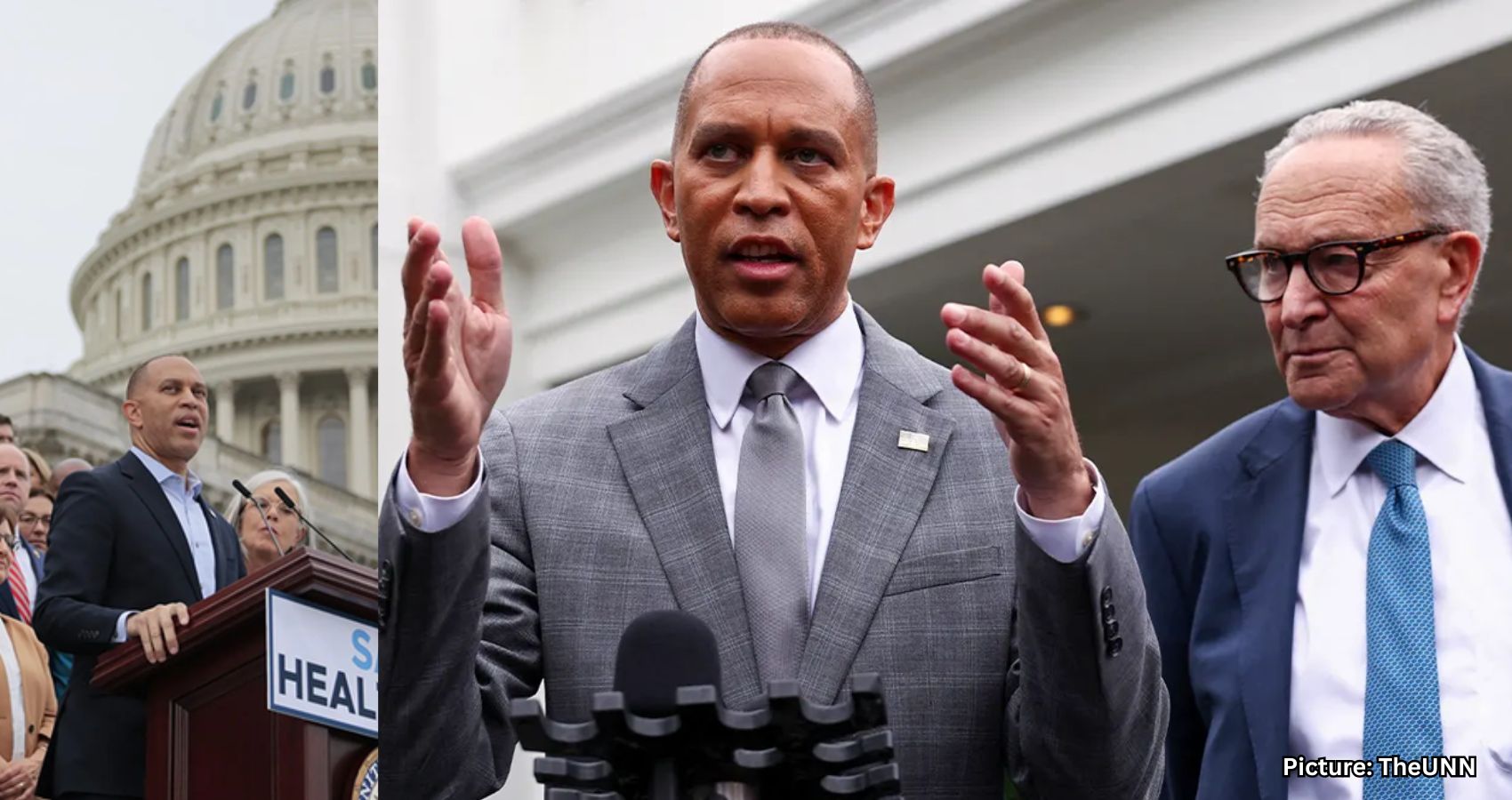
Trump Announces Arrival of Missiles for Japan’s F-35s This Week

President Trump announced that the first batch of missiles for Japan’s F-35 fighter jets will arrive this week, highlighting accelerated U.S. defense deliveries during his visit to the USS George Washington.

During a visit to the USS George Washington at Japan’s Yokosuka Naval Base, President Donald Trump informed U.S. troops that the “first batch of missiles for Japan’s F-35 fighter jets will arrive this week.” This announcement indicates that U.S. defense deliveries to Japan are progressing ahead of schedule.

Trump’s remarks were part of a broader Asia trip that included a stop in Malaysia, where he met with Japan’s first female prime minister, Sanae Takaichi. During their meeting, they signed a new U.S.-Japan framework agreement focused on rare earth minerals, a strategic resource for technology and defense industries.

Later this week, Trump is expected to engage in discussions with Chinese President Xi Jinping, further emphasizing the geopolitical significance of his trip.

Washington has recently approved several substantial arms sales to Japan, including advanced AIM-120 AMRAAM and AIM-9X air-to-air missiles specifically designed for the F-35s. This move is part of a broader strategy to enhance Japan’s defense capabilities amid rising regional tensions with China and North Korea.

In his address, Trump praised the longstanding alliance between the U.S. and Japan, describing it as “one of the most remarkable relationships in the entire world.” Prime Minister Takaichi echoed this sentiment, stating that Japan is “committed to fundamentally reinforcing its defense capability” and is “ready to contribute even more proactively to peace and stability in the region.”

Trump also highlighted the economic ties between the two nations, noting that both the U.S. and Japanese stock markets have reached record highs. He interpreted this achievement as evidence that “we’re doing something right.”

The president’s visit underscores the deepening security cooperation between Washington and Tokyo, particularly in light of ongoing threats from North Korea and the assertive posture of China in the region. Ahead of his Asia trip, Trump has extended multiple invitations to North Korean leader Kim Jong Un, although no concrete plans for a meeting have been established.

As the situation in East Asia continues to evolve, the delivery of missiles for Japan’s F-35s represents a significant step in bolstering Japan’s defense capabilities and reinforcing the U.S.-Japan alliance.

Source: Original article

Milei Achieves Significant Victory in Argentina’s Midterm Elections

Argentine President Javier Milei achieved a significant midterm election victory, expanding his congressional control and paving the way for extensive economic reforms and spending cuts.

Argentine President Javier Milei secured a decisive victory in the midterm elections held on Sunday, significantly expanding his control over Congress. This win provides his administration with renewed momentum to implement deep spending cuts and extensive free-market reforms.

The results represent a notable boost for Milei’s libertarian movement and signal a dramatic shift for one of Latin America’s largest and most volatile economies. His party, La Libertad Avanza, garnered approximately 41.5% of the vote in Buenos Aires province, marking a historic upset in a region traditionally dominated by the Peronist opposition, which received 40.8%, according to figures reported by Reuters and The Associated Press.

Nationwide, La Libertad Avanza increased its representation in the lower house from 37 to 64 seats. This expansion positions Milei to more effectively defend his vetoes and executive decrees, which have been central to his economic agenda.

“The result is better than even the most optimistic Milei supporters were hoping for,” said Marcelo Garcia, Americas director at the risk-analysis firm Horizon Engage, in comments reported by Reuters. “With this result, Milei will be able to easily defend his decrees and vetoes in Congress.”

Political consultant Gustavo Cordoba also weighed in, suggesting that the election outcome reflects a cautious optimism among voters who seem willing to give Milei’s economic policies more time to take effect. “Many people were willing to give the government another chance,” Cordoba noted. “The triumph is unobjectionable, unquestionable.”

Inflation in Argentina has seen a significant decline, falling from 12.8% before Milei’s inauguration to just 2.1% last month. His administration has also reported a fiscal surplus and implemented broad deregulation measures, marking a stark reversal after years of economic instability.

According to The Associated Press, the U.S. government under former President Donald Trump offered Argentina a $40 billion aid package, which included a $20 billion currency swap and a proposed $20 billion debt-investment facility. This support was contingent upon Milei’s performance in the midterms.

Following the election results, President Trump congratulated Milei on Truth Social, stating, “Congratulations to President Javier Milei on his Landslide Victory in Argentina. He is doing a wonderful job! Our confidence in him was justified by the People of Argentina.”

Investors responded positively to the election results, with expectations that Argentine bonds and stocks will rally. Milei’s stronger position in Congress is anticipated to provide him with the political capital necessary to accelerate his reform agenda.

Milei characterized the election as “a turning point for Argentina,” according to AFP via the Times of Israel.

Source: Original article

Rubio Discusses Intelligence Sharing That Averted Possible Hamas Attack

U.S. Secretary of State Marco Rubio announced that shared intelligence helped prevent a potential Hamas attack, while discussing plans for an international stabilization force in Gaza.

U.S. Secretary of State Marco Rubio revealed on Saturday that intelligence sharing among the U.S., Israel, and other mediators played a crucial role in averting a possible Hamas attack last weekend. Speaking to reporters while traveling from Israel to Qatar, Rubio stated, “We put out a message through the State Department, sent it to our mediators as well, about an impending attack, and it didn’t happen. So that’s the goal here, is ultimately to identify a threat before it happens.”

This announcement follows a week after the State Department reported “credible reports” indicating that Hamas was planning an attack on Palestinian civilians, which would violate the terms of the recent peace agreement.

Rubio emphasized the importance of collaboration with various nations, mentioning that the U.S. has engaged in discussions with countries such as Qatar, Egypt, and Turkey, all of whom have expressed interest in contributing to an international stabilization force in the region. He also noted that Indonesia and Azerbaijan are among those interested in participating.

However, Rubio pointed out that many of these countries would require a United Nations resolution to support the establishment of such a force. This highlights the complexities involved in international cooperation and the necessity of formal backing for military or peacekeeping initiatives.

In addition to his diplomatic efforts, Rubio met with President Donald Trump in Qatar ahead of the president’s upcoming tour of Asia. The discussions included strategies to solidify the ceasefire agreement that was implemented earlier this month.

Vice President JD Vance was also present in Israel earlier this week, accompanied by special envoy Steve Witkoff and Trump adviser Jared Kushner, who is also the president’s son-in-law. Their visit aimed to reinforce the ceasefire deal and ensure its longevity.

Next week, Rubio announced that General Dan Caine, the chairman of the Joint Chiefs of Staff, is expected to travel to Israel as part of ongoing efforts to stabilize the region.

During his meeting with Qatar’s Emir Sheikh Tamim bin Hamad al-Thani and Prime Minister Sheikh Mohammed bin Abdulrahman bin Jassim Al Thani, Trump expressed gratitude for Qatar’s role in facilitating the peace deal. “This should be an enduring peace,” he remarked to reporters, underscoring the administration’s commitment to long-term stability in the region.

Rubio’s remarks and the ongoing diplomatic efforts reflect a proactive approach by the U.S. to address security concerns in Gaza and foster international cooperation aimed at maintaining peace.

Source: Original article

Trump Administration Aims to Dismantle China’s Control Over Africa’s Rare Earth Minerals

The Trump administration is working to reduce China’s dominance in the rare earth minerals market by forming new partnerships with African nations, particularly Tanzania and Angola.

The Trump administration is actively seeking to counter China’s significant control over the rare earth minerals market through strategic partnerships with African nations. The U.S. State Department has indicated that it is focused on mitigating the “national security” risks posed by China’s dominance in this critical sector.

Rare earth elements (REE), which include 17 distinct metals, are essential for both human and national security, according to a 2022 report by the Brookings Institution. These elements are integral to a wide range of technologies, including electronics such as computers and smartphones, renewable energy solutions like wind turbines and solar panels, and national defense systems including jet engines and missile guidance technologies. Notably, China is responsible for approximately 60% of global rare earth extraction and 85% of processing capacity.

While China has secured contracts in various African nations, including the Democratic Republic of the Congo (DRC) for cobalt shipments, the continent is rich in untapped resources. The African Union’s Minerals Development Center recently announced that new specialist rare earth mines are expected to come online by 2029 in countries such as Tanzania, Angola, Malawi, and South Africa, potentially contributing nearly 10% of the world’s supply.

In response to these developments, the Trump administration is making concerted efforts to enhance U.S. involvement in Africa’s mining sector. A State Department spokesperson stated, “The administration’s approach prioritizes partnerships with African nations to ensure their minerals flow west, not east to China.” This shift is part of a broader strategy to address concerns over China’s influence in global mineral supply chains, which the spokesperson described as a threat to both U.S. and African interests.

The spokesperson further elaborated that China’s state-directed strategies exploit Africa’s natural resources, consolidate control over upstream mining assets, and create economic dependencies that undermine regional stability. Currently, the U.S. imports around 70% of its rare earth elements from China, raising alarms about national security risks associated with this reliance.

Senator Jim Risch, the Chairman of the Senate Foreign Relations Committee, emphasized the urgency of addressing this issue. He stated, “Relying on China for critical minerals needed for a modern economy is a top national security risk that President Biden left unaddressed for four years. Under President Trump’s leadership, we can secure new sources in Africa, strengthen our partnerships there, and ensure America’s defense is never dependent on our adversaries.”

The administration is also looking to invest in infrastructure to facilitate the export of minerals from Africa to global markets. A key project in this initiative is the Lobito Corridor, an 800-mile railway designed to connect mineral-rich regions in the DRC and Zambia with Angola’s Atlantic coast, providing easier shipping access to the U.S. The U.S. has pledged a $550 million loan for the development of this corridor.

Additionally, the recent peace agreement between the DRC and Rwanda, facilitated in the Oval Office in June, is expected to enhance access to minerals. The State Department spokesperson noted that this bilateral agreement is intended to pave the way for new U.S. and U.S.-aligned investments in strategic mining projects across the DRC.

Analysts, including Dr. Gracelin Baskaran from the Center for Strategic and International Studies, view these developments as a significant opportunity for the U.S. in Africa. Baskaran remarked, “Africa is the last great frontier of mineral discovery. It has long been undervalued in global mineral exploration, even though it delivers some of the highest returns per dollar invested.”

Baskaran pointed out that Africa’s share of global exploration spending has declined from 16% in 2004 to only 10.4% in 2024. This is particularly concerning given that Sub-Saharan Africa is the most cost-efficient region for mineral exploration, boasting a mineral-value-to-exploration-spending ratio of 0.8, which surpasses that of Australia, Canada, and Latin America.

Despite its vast geological potential, Africa has not captured a significant share of global exploration spending, with countries like Australia and Canada receiving far more investment. Baskaran noted that even nations with established mining industries, such as Zambia and the DRC, have barely begun to explore their mineral wealth, with less than half of their land mapped.

Furthermore, Baskaran highlighted that the U.S. has a unique opportunity to engage in geological mapping and early-stage project development, as China typically focuses on acquiring projects that are already in development or nearing production. This presents a chance for the U.S. and its allies to establish a stronger presence in Africa’s mineral sector.

In terms of specific opportunities, analyst C. Géraud Neema Byamungu from the independent China-Global South Project identified Namibia as a promising alternative to China for heavy rare earth minerals. He pointed to Namibia’s Lofdal project as a significant development in this regard.

The Trump administration’s efforts to forge partnerships with African nations could reshape the landscape of the rare earth minerals market, reducing reliance on China and bolstering U.S. national security interests.

Source: Original article

Teen Files Lawsuit Against AI Company Over Fake Nude Images

A New Jersey teenager has filed a lawsuit against an AI tool maker over the creation of fake nude images, highlighting concerns about privacy and the misuse of artificial intelligence.

A teenager from New Jersey has initiated a significant lawsuit against AI/Robotics Venture Strategy 3 Ltd., the company responsible for ClothOff, an artificial intelligence tool that allegedly generated a fake nude image of her using her social media photos.

This case has garnered national attention, illustrating the potential for AI technology to invade personal privacy in damaging ways. The lawsuit aims to protect students and teenagers who share images online, emphasizing how easily AI tools can exploit their likenesses.

When the plaintiff was just 14 years old, she shared a few photos on social media. A male classmate utilized the ClothOff tool to digitally remove her clothing from one of those images, creating a manipulated photo that retained her facial features, making it appear realistic.

The altered image quickly circulated through group chats and social media platforms. Now 17, the teenager is suing AI/Robotics Venture Strategy 3 Ltd. with the support of a Yale Law School professor, several students, and a trial attorney.

The lawsuit seeks to have all fake images removed and to prevent the company from using them to train its AI models. Additionally, it calls for the removal of the ClothOff tool from the internet and requests financial compensation for the emotional distress and loss of privacy experienced by the plaintiff.

In response to the growing prevalence of AI-generated sexual content, more than 45 states across the U.S. have enacted or proposed legislation to criminalize the creation of deepfakes without consent. In New Jersey, the creation or distribution of deceptive AI media can result in prison time and fines.

At the federal level, the Take It Down Act mandates that companies remove nonconsensual images within 48 hours of receiving a valid request. However, prosecutors often face challenges when developers operate from overseas or through obscure platforms.

Experts believe this case could significantly influence how courts assess AI liability. Judges will need to determine whether AI developers should be held accountable when their tools are misused and whether the software itself can be considered a vehicle for harm.

The lawsuit also raises an important question: how can victims demonstrate damage when no physical act has occurred, yet the emotional harm feels very real? The outcome of this case may set a precedent for how future victims of deepfakes seek justice.

Reports indicate that ClothOff may no longer be accessible in certain countries, such as the United Kingdom, where it was blocked following public backlash. However, users in other regions, including the U.S., still appear to have access to the company’s web platform, which continues to promote tools that “remove clothes from photos.”

On its official website, ClothOff includes a brief disclaimer regarding the ethical implications of its technology. It states, “Is it ethical to use AI generators to create images? Using AI to create ‘deepnude’ style images raises ethical considerations. We encourage users to approach this with an understanding of responsibility and respect for others’ privacy, ensuring that the use of undress app is done with full awareness of ethical implications.”

Whether fully operational or partially restricted, ClothOff’s ongoing availability raises serious legal and moral questions about the extent to which AI developers should permit such image-manipulation tools to exist.

The ability to generate fake nude images from a simple photograph poses a threat to anyone with an online presence, particularly teenagers who are often more vulnerable to the misuse of such technology. The lawsuit highlights the emotional distress and humiliation that can result from these images.

Parents and educators express concern about the rapid spread of this technology within schools, while lawmakers face increasing pressure to update privacy laws. Companies that host or enable these tools must now consider implementing stronger safeguards and more efficient takedown systems.

If someone becomes a target of an AI-generated image, it is crucial to act swiftly. Individuals should save screenshots, links, and dates before the content disappears, request immediate removal from websites hosting the image, and seek legal advice to understand their rights under state and federal law.

Parents are encouraged to engage in open discussions about digital safety, as even innocuous photos can be misused. Understanding how AI operates can help teens remain vigilant and make safer online choices. Advocating for stricter AI regulations that prioritize consent and accountability is also essential.

This lawsuit represents more than just the plight of one teenager; it signifies a pivotal moment in how courts address digital abuse. The case challenges the perception that AI tools are neutral and questions whether their creators bear responsibility for the harm caused by misuse.

As society grapples with the balance between innovation and human rights, the court’s ruling could have far-reaching implications for the evolution of AI laws and the avenues available for victims seeking justice.

Should a company face the same consequences as an individual who shares a harmful AI-generated image? This question underscores the complexities of accountability in the digital age.

Source: Original article

Elon Musk Defends $1 Trillion Pay Package Amid Advisory Firm Criticism

Elon Musk defended his proposed $1 trillion compensation package during a recent earnings call, criticizing advisory firms that oppose it and raising questions about corporate governance.

Tesla CEO Elon Musk recently faced backlash regarding his proposed $1 trillion compensation package, which he defended during an earnings call on Wednesday. Musk referred to two shareholder advisory firms that opposed the package as “corporate terrorists,” highlighting the contentious nature of the discussion.

According to reports from Bloomberg, Musk addressed the compensation proposal at the conclusion of Tesla’s earnings call. He emphasized the need for sufficient voting control to exert influence while also acknowledging the necessity for accountability, stating, “But not so much that I can’t be fired if I go insane.” His remarks came in response to one advisory firm’s “unmitigated concerns” about the pay plan.

The controversy surrounding Musk’s compensation began following a landmark 2024 ruling by a Delaware court that invalidated his original $56 billion pay package. The court determined that Tesla’s board of directors had failed to demonstrate the fairness of the plan, raising issues regarding the board’s independence and the approval process. Although shareholders initially approved the compensation, the court found that the board had not adequately negotiated or justified the package, leading to significant questions about corporate governance.

In light of the court’s decision, Tesla’s board awarded Musk an interim pay package valued at approximately $29 billion, which consists of 96 million shares. This interim package is contingent upon Musk maintaining a key executive role within the company, such as CEO. However, the situation escalated when, by late 2025, proxy advisory firms like Institutional Shareholder Services (ISS) and Glass Lewis recommended that shareholders vote against Musk’s proposed new $1 trillion pay package. Their objections were primarily based on the unprecedented size and structure of the compensation, which many perceived as excessive and misaligned with shareholder interests.

Tesla’s board has publicly disagreed with these advisory firms, urging shareholders to support Musk’s compensation plan. They argue that the package is designed to incentivize Musk to continue leading Tesla’s ambitious growth and innovation initiatives, underscoring the CEO’s critical role in maintaining the company’s market position.

This ongoing debate over Musk’s compensation has broader implications for corporate governance, executive pay standards, and investor confidence. It raises essential questions about the limits of executive rewards, the role of independent boards in negotiating compensation, and the influence of proxy advisory firms in corporate decision-making.

As of late 2025, Tesla’s stock price remains sensitive to these governance issues, reflecting the investor community’s close scrutiny of executive compensation practices. The controversy surrounding Musk’s pay package serves as a high-profile example of the challenges in balancing executive incentives with shareholder interests in today’s corporate landscape.

For Musk, this issue transcends mere financial compensation; it touches upon his leadership role and the broader question of the extent of power a CEO should wield. The legal challenges and shareholder opposition highlight the difficulties he faces in reconciling his ambitions with governance standards and investor expectations. Ultimately, the outcome of this controversy could significantly impact Musk’s future with Tesla, influencing his ability to lead and innovate. Furthermore, this debate may set a precedent for other high-profile CEOs navigating similar compensation disputes in the future.

Source: Original article

Sandesh Sharda Mentors Indian Entrepreneurs on Zee TV’s Ideabaaz

Indian American entrepreneur Sandesh Sharda joins the startup reality show Ideabaaz as a judge, mentoring aspiring entrepreneurs and spotlighting innovative solutions to everyday problems.

Indian American entrepreneur and philanthropist Sandesh Sharda is set to make his mark on the startup reality show Ideabaaz, which premieres on October 25. Sharda, known for his focus on startups that address real-world challenges with practical solutions, joins the show as a judge.

Viewers in India can catch the show on Zee TV, while audiences in the United States can tune in via the streaming platform Zee5. Ideabaaz aims to provide a platform for innovative ideas and constructive feedback, helping budding entrepreneurs refine and scale their ventures. The show will be available in eight Indian languages, making it accessible to a diverse audience. More information about the show can be found at ideabaaz.co.in.

In an exclusive interview with The American Bazaar, Sharda expressed his enthusiasm for Ideabaaz and its potential to connect the Indian and American startup ecosystems. Based in the Washington, DC area, Sharda is the founder and CEO of Miracle Systems, a federal government contracting firm he sold to Renovus in the spring of 2023. Under his leadership, Miracle Systems secured over $2.6 billion in government contracts.

“Indian entrepreneurs today are highly innovative and eager to scale ideas that solve real-world problems,” Sharda noted, highlighting the booming startup ecosystem in India. He pointed out that founders are exploring opportunities across various sectors, including technology, fintech, health, logistics, and the gig economy.

Sharda believes his experience as an Indian American entrepreneur allows him to offer a unique perspective to these startups. “Having worked across markets in India and the U.S., I can guide founders on global best practices, investor expectations, and how to refine their ideas for broader impact,” he explained.

As a co-founder of the Indian American Business Impact Group (IAMBIG), a platform for business owners and C-suite leaders, Sharda emphasized how Ideabaaz distinguishes itself within India’s rapidly evolving startup culture. In the interview, he shared insights into his involvement with the show and his vision for supporting young entrepreneurs.

“I love Shark Tank in the U.S.,” Sharda said, reflecting on his inspiration for joining Ideabaaz. “When I watched Shark Tank India, I felt that the startups were not treated fairly. They were ridiculed, and I felt sad for them. The purpose of these shows should be to provide guidance and support.”

Sharda reached out to Dr. Subhash Chandra, Chairman Emeritus of Zee, proposing a collaboration that would focus on encouraging startups rather than discouraging them. “We are giving them guidance, funding, and mentorship,” he stated. “Even if a startup does not have potential, we can provide valid reasons for our decisions and advice on how to attract investments.”

Reflecting on his professional journey, Sharda noted the significant talent present in India, with many Indian Americans leading major corporations globally. He believes that if these individuals can excel in large companies, they can also build their own successful ventures. “India has the talent and innovation,” he said. “The ecosystem is now more supportive of startups than it was 30 years ago, and I want to help nurture that.”

Sharda described his experience on the show as overwhelmingly positive. He met passionate entrepreneurs eager to succeed and found that the judges collaborated effectively. “We were not fighting with each other; we were encouraging and guiding each other,” he said. “If a startup wins, the nation wins. One startup can create hundreds or thousands of jobs.”

Without revealing too much about the upcoming episodes, Sharda mentioned several startups he found particularly interesting. One such venture involves installing printing kiosks, which he believes addresses a significant need in India, where many essential documents still require physical copies. “These kiosks can be placed in universities, courts, and other locations,” he explained. “You just scan a QR code, pay, and print.”

Another startup he invested in is Timbuktu, a Bangalore-based company that assists gig workers, particularly college students, in finding part-time jobs in logistics and delivery. Sharda also backed Blip, an app designed to simplify valet parking in busy urban areas.

Sharda emphasized that Ideabaaz is a unique platform that fosters positivity and encouragement. “Unlike Shark Tank, which has a negative connotation, our show is about ideas,” he said. “No idea is inherently good or bad until it is pitched. We provide constructive feedback, ensuring that every entrepreneur leaves with guidance and motivation.”

He noted a significant trend among the startups featured on the show, with many focusing on wellness products, including chemical-free cosmetics and healthier food alternatives. “Wellness-based products were strong themes among the founders who came to the show,” he observed.

As the premiere of Ideabaaz approaches, Sharda’s commitment to mentoring the next generation of entrepreneurs is evident. He is excited about the potential impact of the show and looks forward to its future seasons.

Source: Original article

America’s ‘BAT’ Technology Aims to Counter Chinese First Strike

Shield AI has introduced the X-BAT, an AI-driven fighter jet designed to counter China’s anti-access strategy by operating independently of runways, GPS, and constant communication.

In a rapidly evolving military landscape, analysts have identified a concerning strategy employed by China: targeting U.S. fighter jets before they can even take off. This tactic has been evident in various conflicts, where disabling enemy aircraft on the ground has often been the initial move. For instance, Israel’s recent strikes on Iranian nuclear sites began with the destruction of runways, effectively grounding Tehran’s air force. Similarly, Russia and Ukraine have targeted airfields to cripple each other’s air capabilities, while India’s clashes with Pakistan saw early assaults on Pakistani air bases.

Taking these lessons to heart, the People’s Liberation Army (PLA) has invested heavily in long-range precision missiles, including the DF-21D and DF-26, designed to neutralize U.S. aircraft carriers and strike American airfields across the Pacific. The overarching goal is to keep U.S. air power out of reach before it can be deployed.

In response to this escalating threat, U.S. defense technology firm Shield AI has unveiled a groundbreaking solution: the X-BAT, an AI-piloted fighter jet capable of operating without runways, GPS, or constant communication links. This innovative aircraft is designed to think, fly, and engage autonomously.

The X-BAT can take off vertically, reach altitudes of 50,000 feet, and cover distances exceeding 2,000 nautical miles. It is equipped to execute both strike and air defense missions using an onboard autonomy system known as Hivemind. This allows the aircraft to operate from ships, small islands, or makeshift sites—locations where traditional jets cannot function effectively. The specific dash speed of the aircraft remains classified.

“China has built this anti-access aerial denial bubble that holds our runways at risk,” said Armor Harris, Shield AI’s senior vice president of aircraft engineering, in an interview with Fox News. “They’ve basically said, ‘We’re not going to compete stealth-on-stealth in the air — we’ll target your aircraft before they even get off the ground.’”

The X-BAT’s design allows three units to occupy the same space as a single legacy fighter or helicopter. Harris noted that while the U.S. has spent decades enhancing stealth and survivability in the air, it has inadvertently left its forces vulnerable on the ground. “The way to solve that problem is mobility,” he explained. “You’re always moving around. This is the only VTOL fighter being built today.”

One of the standout features of the X-BAT is its Hivemind autonomy, which enables it to operate in environments where traditional aircraft would struggle due to jamming or denial of communication. The system utilizes onboard sensors to assess its surroundings, navigate around threats, and identify targets in real time. “It’s reading and reacting to the situation around it,” Harris stated. “It’s not flying a pre-programmed route. If new threats appear, it can reroute itself or identify targets and then ask a human for permission to engage.”

Harris emphasized the importance of human oversight in the decision-making process regarding the use of lethal force. “It’s very important to us that a human is always involved in making the use of lethal force decision,” he said. “That doesn’t mean the person has to be in the cockpit — it could be remote or delegated through tasking — but there will always be a human decision-maker.”

Shield AI anticipates that the X-BAT will be combat-ready by 2029, offering performance comparable to fifth- or sixth-generation fighters at a fraction of the cost of manned aircraft. Its compact design allows for greater flexibility, enabling commanders to launch multiple X-BATs from limited spaces.

While specific pricing details have not been disclosed, Shield AI indicates that the X-BAT is positioned within the same cost range as the Air Force’s Collaborative Combat Aircraft (CCA) program, which focuses on next-generation autonomous wingmen. The company aims to scale production to maintain affordability and sustainability throughout the aircraft’s lifecycle, challenging the traditional “fighter cost curve.”

According to estimates, the X-BAT could deliver a tenfold improvement in cost-effectiveness compared to legacy fifth-generation jets, including the F-35, while remaining “affordable and attritable” enough to be deployed in high-stakes combat scenarios.

Shield AI is currently in discussions with both the Air Force and Navy regarding the integration of the X-BAT into future combat programs, as well as exploring joint development opportunities with several allied militaries.

Harris envisions the X-BAT as a key component in a generational shift toward distributed airpower, akin to the transformation SpaceX brought to the space industry. “Historically, the United States had a small number of extremely capable, extremely expensive satellites,” he noted. “Then you had SpaceX come along and put up hundreds of smaller, cheaper ones. The same thing is happening in air power. There’s always going to be a role for manned platforms, but over time, unmanned systems will outnumber them ten-to-one or twenty-to-one.”

Ultimately, Harris believes this shift is crucial for restoring deterrence through enhanced flexibility. “X-BAT presents an asymmetric dilemma to an adversary like China,” he said. “They don’t know where it’s coming from, and the cost of countering it is high. It’s an important part of a broader joint force that becomes significantly more lethal.”

Source: Original article

German Chancellor Defends Comments on Migrants and Public Safety

German Chancellor Friedrich Merz defends his controversial remarks about migration, asserting that many citizens feel unsafe in public spaces due to the presence of undocumented migrants.

German Chancellor Friedrich Merz has reaffirmed his controversial statements regarding migration, claiming that many Germans and Europeans feel “afraid to move around in public spaces.” His comments have sparked significant backlash, particularly from various political factions within Germany.

During a recent visit to Potsdam, Merz addressed the ongoing issues related to illegal immigration, stating, “But we still have this problem in the cityscape, of course, and that’s why the federal interior minister is facilitating and carrying out large-scale deportations.”

The remarks drew criticism, with some accusing the Chancellor of harboring racist sentiments. In response to the backlash, Merz defended his position while attending a summit on the Western Balkans in London. He emphasized that migrants play a vital role in the labor market, as reported by German-based DW News.

Despite acknowledging the contributions of migrants, Merz insisted that many people in Germany and across Europe are still “afraid to move around in public spaces.” He attributed this fear to the presence of migrants who lack permanent residency, do not engage in the workforce, and fail to adhere to local regulations.

When pressed about whether he would retract his earlier statements, Merz responded, “I don’t know whether you have children. If you do, and there are daughters among them, ask your daughters what I might have meant. I suspect you’ll get a pretty clear and unambiguous answer. There’s nothing I need to retract.”

The controversy surrounding Merz’s comments has led to the creation of a petition challenging his views. Among the signatories are prominent figures such as actor Marie Nasemann and environmental activist Luisa Neubauer. Neubauer expressed her concerns on Instagram, stating, “There are approximately 40 million daughters in this country. We have a genuine interest in ensuring that our safety is taken seriously. What we are not interested in is being misused as a pretext or justification for statements that were ultimately discriminatory, racist and deeply hurtful.”

As the debate continues, Merz’s comments highlight the ongoing tensions surrounding immigration policy in Germany and the broader European landscape.

Source: Original article

Ciattarelli and Sherrill Compete for Upper Hand in New Jersey Governor Race

As the New Jersey gubernatorial race approaches Election Day, both Democratic nominee Mikie Sherrill and Republican nominee Jack Ciattarelli claim to be in strong positions, setting the stage for a highly competitive showdown.

BELLEVILLE, N.J. – The race for New Jersey governor is heating up as both major party nominees prepare for a potentially close finish. Democratic nominee Rep. Mikie Sherrill expressed optimism about her campaign’s prospects, stating, “Our polling’s looking good. I think we’re feeling really good right now,” during a recent event in northern New Jersey.

With just over a week remaining until Election Day, recent public opinion polls indicate that Republican nominee Jack Ciattarelli is closing the gap with Sherrill. This election marks one of only two gubernatorial contests taking place in the nation this year.

“I think we’re in a great position,” Ciattarelli remarked in a Fox News interview following a diner stop in Linden, N.J. Despite New Jersey’s Democratic majority, recent surveys from Fox News, Quinnipiac University, Fairleigh Dickinson University, and Rutgers-Eagleton show Ciattarelli gaining ground in the race to succeed term-limited Democratic Gov. Phil Murphy.

Ciattarelli noted that many polls indicate a tight race, emphasizing that Republicans often face underrepresentation in polling due to their minority status in the state. “And when you have the endorsement of Democratic mayors across the state, it says people want change. That’s exactly what we’re going to deliver when we win this race,” he asserted.

Throughout the campaign, Ciattarelli has actively engaged with voters across the Garden State, drawing enthusiastic crowds as he approaches the final stretch. With early voting set to begin soon, he is encouraging supporters to participate. “Early voting starts this Saturday. We turn out, we win. Let’s finish strong,” he urged.

Former President Donald Trump is scheduled to hold a tele-rally with Ciattarelli ahead of Election Day, while prominent figures from the MAGA movement, including Ohio gubernatorial candidate Vivek Ramaswamy and Florida gubernatorial hopeful Rep. Byron Donalds, are also rallying support for him. Donalds remarked, “Jack’s been running a great campaign. I’ve been watching it from down in the Sunshine State. But it’s about winning. We got to help everybody get across the line.”

Patrick Cassio, former chair of the Rahway GOP, emphasized the importance of mobilizing Trump supporters, noting that many of them do not vote for other candidates. He pointed out that in the previous election cycle, approximately 400,000 Republicans did not cast their votes. “So, think about that. If he [Ciattarelli] picks up half of that, he wins. The math is pretty simple,” Cassio explained.

Ciattarelli, who is making his third consecutive bid for the governorship after a near upset against Murphy four years ago, believes the dynamics of this election are different. “Because of the closeness of that race in ’21, people are paying closer attention this time around,” he said.

In contrast, Sherrill criticized Ciattarelli as a “kind of a perennial candidate.” A U.S. Naval Academy graduate and military veteran, Sherrill was first elected to Congress in 2018 and has been actively campaigning with notable figures. Last weekend, she was joined by Michigan Gov. Gretchen Whitmer and Maryland Gov. Wes Moore, both of whom are considered potential contenders for the 2028 presidential election. Additionally, former Transportation Secretary Pete Buttigieg and Pennsylvania Gov. Josh Shapiro are expected to support her campaign in the coming days.

Sherrill’s campaign recently announced that former President Barack Obama, one of the most popular Democrats in the country, will headline a rally with her in Newark on November 1, just days before the election.

Despite facing criticism from some Republicans and political analysts regarding her campaign’s energy, Sherrill highlighted the strength of her get-out-the-vote efforts. “We’re seeing great returns on the vote by mail. We’ll start early voting on the 25th, which we’re really excited about. We’re seeing a ton of energy on the ground,” she said.

Sherrill also emphasized that her campaign boasts “the biggest volunteer field program that anyone in New Jersey has ever run. We are getting to the right doors, and I’m really excited about what we’re gonna see.”

As both candidates ramp up their efforts in the final days leading to the election, the outcome remains uncertain, with both sides claiming momentum in this closely watched race.

Source: Original article

More Than 420 Anti-Science Bills Introduced Across U.S. States

More than 420 bills undermining established public health protections have been introduced in U.S. state legislatures in 2025, raising concerns among experts about the potential risks to public health.

An extensive investigation has uncovered that over 420 bills aimed at undermining established public health protections have been introduced across U.S. state legislatures in 2025. These legislative measures challenge long-standing safeguards, including vaccination requirements, community water fluoridation, and milk pasteurization. Experts warn that this trend poses serious risks to public health and could reverse decades of progress.

The wave of legislation spans the country and reflects an organized campaign backed by advocacy networks closely tied to prominent figures. Approximately 30 of these bills have already been enacted in 12 states. The laws often employ rhetoric emphasizing “health freedom” and individual choice, even as they diverge from evidence-based medical and scientific standards.

A key example of the implications of these bills is illustrated by the tragic case of a family whose child died from a disease that could have been prevented by vaccination. This heartbreaking incident serves as a stark reminder that community immunity relies on broad compliance, rather than solely individual decisions.

The new bills frequently target three core public health practices. In the realm of vaccines, proposed legislation seeks to ease exemptions, impose waiting periods, restrict mandates, or create special protections for the unvaccinated. Regarding fluoride, some bills propose ending or limiting its addition to drinking-water systems. Others aim to legalize or expand access to raw, unpasteurized milk, which has been repeatedly linked to outbreaks of serious illness.

Many of these measures are supported by national organizations that lobby aggressively at the state level. These groups provide model language, coordinate advocacy campaigns, and encourage local activists to testify before state legislatures. Their efforts mirror traditional lobbying networks and demonstrate a high level of political sophistication.

Public health officials have expressed concern that, although most of these bills have not yet become law, their cumulative effect is destabilizing. They warn that allowing pockets of under-vaccinated populations or removing fluoride protections could lead to renewed outbreaks of diseases once thought nearly eradicated.

Lawmakers engaged in this debate argue that there is a broader question at stake: the balance between individual liberties and collective safety. “When your personal decision puts others at risk, it is no longer simply about you,” stated one state legislator working to preserve vaccine mandates.

The momentum behind these reforms also highlights a changing dynamic in health policy in America. Rather than originating from scientific agencies, many initiatives now emerge from grassroots-style movements backed by national groups, achieving real legislative success in some states.

As this trend continues, experts emphasize the importance of vigilance in protecting public health standards that have been established over many years. The potential consequences of these legislative changes could have far-reaching effects on community health and safety.

Source: Original article

Former GOP Senator Returns with New Mission to Serve Community

Former Republican Senator John E. Sununu announces his candidacy for the 2026 Senate race in New Hampshire, aiming to succeed retiring Democrat Jeanne Shaheen.

Former Republican Senator John E. Sununu of New Hampshire is making a significant move to reclaim his seat in the U.S. Senate. On Wednesday, he officially announced his candidacy for the 2026 race to succeed retiring Democratic Senator Jeanne Shaheen, marking his return to the political arena after nearly two decades in the private sector.

In a campaign launch video shared exclusively with Fox News Digital, Sununu expressed his concerns about the current state of Congress, describing it as “loud, dysfunctional, even angry.” He emphasized his desire to “calm the waters” and contribute to a more productive legislative environment.

Sununu, who previously served three terms in the Senate, first won election in 2002 by defeating then-Governor Shaheen. However, he lost to her in a rematch in 2008. With Shaheen’s announcement earlier this year that she would not seek re-election in the upcoming midterms, Republicans are eager to flip the seat as they aim to defend and potentially expand their Senate majority.

Reflecting on his decision to run again, Sununu stated, “Maybe you’re surprised that I’m running for the Senate again. I’m a bit surprised myself. Why would anyone subject themselves to everything going on there right now? Well, somebody has to step up and lower the temperature. Somebody has to get things done.”

Sununu is a well-known figure in New Hampshire politics, with a family legacy that includes his father, John H. Sununu, a former governor and chief of staff under President George H.W. Bush. His younger brother, Chris Sununu, currently serves as the state’s governor and has been re-elected multiple times.

However, Sununu will face competition for the GOP nomination. Former ambassador and Senator Scott Brown, who previously served in the Senate from Massachusetts and narrowly lost to Shaheen in the 2014 New Hampshire Senate race, entered the race in late June. Brown has emphasized his campaign’s resources and his commitment to grassroots politics, stating, “Our campaign will have the necessary resources for the long haul, and allow me to campaign the only way I know how: relentless hard work and a focus on retail politics that Granite State voters expect.”

Brown has also criticized Sununu for his past lack of support for former President Donald Trump, who remains a significant influence within the GOP. Sununu served as national co-chair for the 2016 presidential campaign of then-Ohio Governor John Kasich, who did not endorse Trump as the party’s nominee. Additionally, both Sununu and his brother endorsed former ambassador Nikki Haley in the 2024 New Hampshire Republican presidential primary, where she competed against Trump for the nomination.

In contrast, Brown endorsed Trump ahead of his 2016 primary victory and later served as U.S. ambassador to New Zealand during Trump’s presidency. Brown has argued that Sununu’s past affiliations with the “DC establishment” and his time in the private sector may not resonate with today’s GOP primary voters. He stated, “Anyone who thinks that a never Trump, corporate lobbyist who hasn’t won an election in a quarter century will resonate with today’s GOP primary voters is living in a different universe.”

Despite the challenges, Sununu’s candidacy has garnered attention from national Republican strategists, who view him as a strong contender to reclaim the Senate seat for the GOP. Earlier this year, Trump expressed support for Chris Sununu’s potential Senate bid, indicating a willingness to overlook past criticisms. Trump remarked, “He’s been very nice to me over the last year or so. I hope he runs. I think he’ll win that seat.”

As the race unfolds, four-term Democratic Representative Chris Pappas has emerged as the frontrunner for his party’s nomination. New Hampshire’s state primary, scheduled for next September, will be one of the last in the nation, while the state has historically held the first-in-the-nation presidential primary.

Although Republicans have seen success in state elections, controlling the governor’s office and both chambers of the state legislature, they have not won a Senate election in New Hampshire since 2010. With Sununu’s return to the political landscape, the dynamics of the race are poised to shift as both parties prepare for a competitive battle in the coming years.

Source: Original article

US Military Establishes Coordination Center in Israel for Gaza Aid Efforts

The U.S. military has established a Civil-Military Coordination Center in southern Israel to oversee ceasefire implementation and facilitate humanitarian assistance for Gaza stabilization efforts.

The U.S. military has opened a Civil-Military Coordination Center (CMCC) near Gaza, aimed at overseeing the implementation of a ceasefire and facilitating humanitarian assistance from international partners. This initiative comes just five days after world leaders endorsed a U.S.-brokered plan to end the ongoing Israel-Hamas conflict.

On Friday, the U.S. Central Command (CENTCOM) inaugurated the CMCC in southern Israel, which is intended to serve as the primary hub for stabilization efforts in Gaza. According to a news release, the CMCC will play a crucial role in coordinating the flow of humanitarian, logistical, and security assistance from international counterparts into the region.

Sources indicated that approximately 200 U.S. troops have arrived in Israel, accompanied by a C-17 transport plane loaded with command-and-control equipment and supplies. It is important to note that U.S. military personnel will not be deployed into Gaza itself; their focus will remain on facilitating support from outside the territory.

“Bringing together stakeholders who share the goal of successful stabilization in Gaza is essential for a peaceful transition,” stated CENTCOM commander Adm. Brad Cooper in the release. He emphasized that over the next two weeks, U.S. personnel will integrate representatives from partner nations, non-governmental organizations, international institutions, and the private sector as they arrive at the coordination center.

The CMCC is also tasked with overseeing the implementation of the ceasefire agreement. It features an operations floor designed to monitor real-time developments in Gaza, ensuring that all parties are informed and coordinated in their efforts.

According to reports, the CMCC is strategically located a few miles northeast of Gaza. The establishment of the center has been led by U.S. Army Central commander Lt. Gen. Patrick Frank, with about 200 service members specializing in transportation, planning, security, logistics, and engineering contributing to its creation.

Adm. Cooper expressed pride in the efforts of the team that built the CMCC, stating, “They can take great pride in knowing that they have built something that is critical to enabling the transition to civilian governance in Gaza.”

As part of the stabilization efforts, addressing the extensive tunnel network beneath Gaza City will be essential. These tunnels must be filled to ensure the ground is stable enough for construction and other activities.

However, the process has faced delays, particularly due to Hamas’s failure to return all 28 bodies of deceased hostages, which has hindered the commencement of the next phase of operations. Israel remains committed to recovering every hostage’s remains and recently received the bodies of seven identified hostages, along with one Palestinian who was mistakenly included among them.

This newly established coordination center represents a significant step in the U.S. military’s efforts to support stabilization and humanitarian initiatives in Gaza, amid ongoing complexities in the region.

Source: Original article

India and U.S. Seek Trade Breakthrough Amid Tariff Disputes

India and the United States must navigate their trade relationship to avoid unnecessary tariffs and foster a mutually beneficial partnership, especially in light of recent economic developments.

In the evolving landscape of international trade, the relationship between India and the United States is at a critical juncture. As both nations seek to bolster their economies, the need for a fair and balanced trade agreement has never been more pressing.

Reflecting on my personal experience from 25 years ago, I recall attempting to send my seven-year-old used car to India as a gift for my parents. Upon learning that the customs duty would amount to approximately 100%, I quickly abandoned the idea. At that time, such protective measures were understandable, given India’s economic climate. However, the situation has changed dramatically, as India is now recognized as the fastest-growing major economy, expanding at a remarkable rate of 6.5%.

In this context, it is essential to consider the fairness of trade practices. I find myself in agreement with former President Trump’s assertion that trade should not be a one-sided affair. His efforts to level the playing field are commendable, and it is crucial for India to respond appropriately.

Countries such as the European Union, Japan, and South Korea have successfully negotiated compromise tariff rates around 15%. It raises the question: why can’t India, under the leadership of Piyush Goyal, achieve similar results? India had the opportunity to be among the first nations to sign a comprehensive trade deal, yet it appears that Goyal’s team may have missed a significant opportunity by rejecting a deal that was reportedly on the table. This decision could prove to be a costly mistake.

In light of these developments, it may be time for a change in leadership regarding trade negotiations. Prime Minister Modi’s direct involvement could provide the necessary clarity and urgency to rectify the current situation. Modi has established a strong rapport with President Trump over the past eight to nine years, highlighted by memorable moments such as their joint appearance at the “Howdy Modi” rally in Houston and Trump’s warm reception in Ahmedabad in 2020.

The strategic partnerships that have developed between the two nations in defense, space, and other sectors should not be jeopardized over a few percentage points in a trade deal. Such a stance would be short-sighted and detrimental to both countries’ interests.

The recent imposition of tariffs on Russian oil can be viewed as a consequence of the dissatisfaction stemming from the stalled trade negotiations. Had a deal been finalized earlier, it is likely that such measures would not have been enacted so overtly. Additionally, the apparent warming of relations between India and Pakistan could complicate matters further.

India, under Prime Minister Modi’s leadership, has made significant strides and is well-positioned to enhance its global standing. The United States, particularly under Trump’s administration, has also shown resilience and strength. This moment presents an opportunity to restore and even strengthen the bilateral relationship. It is crucial not to squander this chance. If the U.S. were to finalize a trade agreement with China before India, it would leave a lasting impression and be viewed as a missed opportunity.

To those in the Indian American community, such as Shashi Tharoor, it is important to recognize that while we are part of the Indian diaspora, our primary identity is as Americans. We must advocate for our interests and encourage India to take the necessary steps to facilitate a successful trade agreement. Placing the burden solely on the shoulders of the diaspora is not a prudent approach.

This issue transcends individual interests; it is fundamentally about fairness in trade. As we look to the future, it is imperative that both India and the United States work together to create a balanced and equitable trade framework that benefits both nations and their citizens.

Source: Original article

Department of Energy Cancels $700 Million Manufacturing Grant Program

The Department of Energy has announced the cancellation of $720 million in manufacturing grants aimed at supporting battery material production and recycling efforts.

The Department of Energy (DOE) has confirmed the cancellation of $720 million in manufacturing grants, a decision that impacts companies involved in producing battery materials, recycling lithium-ion batteries, and manufacturing super-insulating windows.

The funding for these grants was authorized by Congress as part of the Bipartisan Infrastructure Law, which was enacted in 2021. Most of the grants were awarded in 2023 and 2024. The Trump administration previously used grants awarded between Election Day and Inauguration Day as a basis for canceling certain awards.

Energy Secretary Chris Wright has been reviewing contracts established during the Biden administration. The DOE has stated that the projects associated with these grants “missed milestones” and “did not adequately advance the nation’s energy needs.”

According to the DOE, the $720 million in grants includes funding awarded to several battery companies, including Ascend Elements, American Battery Technology Co., Anovion, and ICL Specialty Products, as well as the glass manufacturer LuxWall.

Ascend Elements has been developing a recycling technology designed to convert manufacturing waste and end-of-life batteries into materials necessary for domestic lithium-ion battery production. In October 2022, the company was awarded $316 million toward a $1 billion facility in Kentucky. Federal records indicate that $206 million has already been disbursed to Ascend Elements. The company has stated it will continue with its plans using alternative funding sources to cover any financial shortfall.

Another recipient, Anovion, received $117 million to reshore technology for producing synthetic graphite used in lithium-ion battery anodes. Currently, Chinese suppliers dominate the supply chain for synthetic graphite, controlling 75% of the market and producing 97% of all synthetic graphite anodes, according to Benchmark Mineral Intelligence. Anovion’s plant is expected to be constructed in Alabama, with only $13.8 million disbursed to date, as per federal database records.

LuxWall, which manufactures windows designed to insulate buildings, was awarded $31.7 million to establish a factory on the site of a former coal plant near Detroit. This grant was issued in November 2023, but only $1 million has been allocated to the company thus far. LuxWall opened the first phase of its factory in August 2024.

It remains uncertain whether the DOE plans to proceed with additional cancellations from the $20 billion list of grants. Following the announcement of $7.56 billion in funding cuts, Secretary Wright indicated to CNN that “many more” cancellations would occur this fall. These cuts have drawn criticism from Democrats, while some Republicans have urged the DOE to preserve projects in their states. For example, Senator Shelley Moore Capito has advocated against eliminating funding for a “blue” hydrogen project in Appalachia that would utilize natural gas and carbon capture technology.

As the situation develops, the implications of these cancellations on the energy sector and related industries will continue to unfold.

Source: Original article

Trump Nominee Paul Ingrassia Faces Scrutiny Over Racist Messages

Texts obtained by POLITICO reveal troubling remarks from Trump nominee Paul Ingrassia, raising serious concerns ahead of his Senate confirmation hearing to lead the Office of Special Counsel.

Paul Ingrassia, nominated by former President Donald Trump to head the Office of Special Counsel, is facing intense scrutiny following the release of text messages that contain racist and inflammatory remarks. These messages, obtained by POLITICO, include derogatory comments about Martin Luther King Jr., Asians, and references to “white nationalism.”

Ingrassia is scheduled to appear before the Senate for a confirmation hearing on Thursday. The messages reportedly originated from a group chat involving several Republican operatives and political influencers. In one message dated January 2024, Ingrassia described the Martin Luther King Jr. holiday as deserving to be “thrown into the seventh circle of hell.” He further likened King to George Floyd, stating, “MLK Jr. was the 1960s George Floyd and his ‘holiday’ should be ended and tossed into the seventh circle of hell where it belongs.”

In response to Ingrassia’s comments, one participant in the chat expressed shock, saying, “Jesus Christ.” Ingrassia also used an Italian racial slur targeting Black individuals in a separate message, stating, “No moulignon holidays … From kwanza [sic] to mlk jr day to black history month to Juneteenth. Every single one needs to be eviscerated.”

POLITICO spoke with two participants from the chat who requested anonymity due to concerns about personal and professional repercussions. One participant shared the full text chain with POLITICO, which confirmed that the phone number associated with the messages belongs to Ingrassia. This individual stated they came forward because they believe the government should be staffed by experienced professionals who are taken seriously. The second participant, who has since deleted the chat, could not recall specific details but confirmed the conversations took place.

Ingrassia’s attorney, Edward Andrew Paltzik, suggested that the messages might have been intended as satire aimed at mocking liberals, although he did not confirm their authenticity. “Looks like these texts could be manipulated or are being provided with material context omitted,” he stated. “However, even if the texts are authentic, they clearly read as self-deprecating and satirical humor making fun of the fact that liberals routinely call MAGA supporters ‘Nazis.’” Paltzik also defended Ingrassia’s reputation, asserting that he has strong support from the Jewish community.

In one of the messages, Ingrassia reportedly admitted, “I do have a Nazi streak in me from time to time, I will admit it.” A participant in the chat noted that this comment was not perceived as a joke, and three members of the group challenged Ingrassia during the conversation. The emergence of these messages complicates Ingrassia’s nomination to lead the Office of Special Counsel, which is tasked with investigating federal whistleblower complaints, discrimination claims, and other sensitive issues.

In July, Republican senators postponed Ingrassia’s nomination hearing, with one senator citing concerns over “some statements about antisemitism.” The messages also included other racist comments, such as Ingrassia’s remark about former Republican presidential candidate Vivek Ramaswamy: “Never trust a chinaman or Indian,” followed by “NEVER.”

The Congressional Asian Pacific American Caucus responded to these comments, questioning what it would take for Republican leaders to address the anti-Asian racism and bigotry within their party. In a post on X, they highlighted Ingrassia’s statement, saying, “From a Trump nominee: ‘Never trust a chinaman or Indian. NEVER.’”

During a May 2024 exchange, Ingrassia defended his comments about being perceived as a “white nationalist.” He suggested that a Georgia operative should “read a book (if she’s able to) on George Washington and America’s founding.” A participant warned him that his remarks could have lasting consequences, stating, “You’re gunna be in private practice one day this shit will be around forever brother.”

Ingrassia shared an image in the chat featuring several Founding Fathers, including George Washington, John Adams, and Alexander Hamilton, stating, “We should celebrate white men and western civilization and I will never back down from that.” This led to further criticism from participants who expressed concern over his tone, with one remarking that he sounded “like a scumbag.” Ingrassia allegedly responded, “Nah it’s fine … Don’t be a boomer … I don’t mind being a scumbag from time to time.”

One participant, a longtime acquaintance of Ingrassia from Republican political circles, noted that Ingrassia’s personality had changed over the years, describing him as an “extreme ego-driven” loyalist of Trump. “He was too young and too inexperienced to deal with the fame,” the participant said. “It was like giving an 18-year-old $10 million and saying, ‘Have at it, kid.’”

Following the May 2024 conversation, the group chat eventually dissolved, as members grew weary of Ingrassia’s rhetoric.

Source: Original article

Zohran Mamdani, Indian-American Candidate, Leads NYC Mayoral Race in Poll

Zohran Mamdani, the Democratic candidate for New York City mayor, leads the race with 43.2% support, according to a recent AARP Gotham Polling & Analytics survey.

A recent survey conducted by AARP Gotham Polling & Analytics indicates that Zohran Mamdani, the Democratic candidate for mayor of New York City, holds a significant lead in the upcoming election. The poll, which surveyed 1,376 likely voters, shows Mamdani with 43.2% support, placing him well ahead of his closest competitors.

Independent candidate Andrew Cuomo follows with 28.9%, while Republican Curtis Sliwa garners 19.4% of the vote. Additionally, 8.5% of respondents remain undecided. The poll has a margin of error of ±2.6 percentage points, which highlights the competitive nature of the race.

Interestingly, the survey suggests that if Sliwa were to withdraw from the race, Mamdani’s lead could diminish, as Cuomo would likely gain additional support. This scenario emphasizes the strategic role that third-party candidates play in shaping the electoral landscape of New York City.

As the election date approaches, early voting is set to commence soon, and the next mayoral debate is scheduled for Wednesday evening. Candidates are ramping up their campaigns to appeal to undecided voters and solidify their standings ahead of the November 4 election.

With the dynamics of the race continually evolving, Mamdani’s campaign appears to be in a strong position, but the final outcome remains uncertain as voters prepare to make their choices.

Source: Original article

Former Maine CDC Director Nirav Shah Launches Campaign for Governor

Former Maine CDC Director Nirav Shah has announced his candidacy for governor, emphasizing his leadership experience and commitment to addressing the state’s pressing challenges.

Nirav Shah, a Democrat and former Director of the Maine Center for Disease Control and Prevention (CDC), has officially declared his intention to run for governor of Maine. With a background as an attorney, economist, and public health leader, Shah aims to leverage his experience leading the state through the COVID-19 pandemic to bring effective governance to the state’s highest office.

In his announcement, Shah expressed his deep connection to the people of Maine, stating, “Over the years, I’ve been lucky to talk with thousands of Mainers from every corner of our state, and hear their worries and aspirations. Maine is at a crossroads, and we need a governor with proven leadership experience who is ready to tackle our challenges on day one. I’m running for governor to honor what works, fix what doesn’t, and deliver results for our state.”

Shah was appointed as the Director of the Maine CDC by Governor Janet Mills in 2019. Upon taking the role, he focused on revitalizing an agency that had faced significant challenges under the previous Republican administration. His leadership became particularly critical as the COVID-19 pandemic began to unfold in early 2020.

During the early stages of the pandemic, Shah took decisive action to secure personal protective equipment for healthcare workers and collaborated with local businesses to enhance the state’s testing capacity. His efforts were instrumental in saving lives during a time of unprecedented crisis.

Reflecting on his tenure as Maine CDC Director, Shah noted, “As Maine CDC Director, I saw how we could get through incredibly tough times together with empathy, resilience, and vision. I’ll bring those same values as governor to tackle big challenges: the unsustainable increases to the cost of living and housing, an economy that’s not delivering for people, and a rural health care system that’s struggling and will only get worse because of Trump.”

Under Shah’s leadership, Maine’s vaccination rollout became a national model, achieving some of the fastest and highest vaccination rates in the country. Despite the challenges posed by the pandemic, Maine recorded one of the lowest death rates nationwide, a testament to the effectiveness of the state’s public health strategies.

Shah emphasized the need for a leader with a diverse skill set to address the challenges facing Maine. He stated, “The challenges facing our state require a leader with a different skill set to bring Mainers more than they have today. I’ve run organizations with tens of thousands of employees and managed multi-billion dollar budgets by being curious, asking tough questions, and demanding accountability. As governor, I will run toward tough problems, not away from them.”

Following his time at the Maine CDC, Shah was appointed by President Biden to serve as the Principal Deputy Director of the U.S. Centers for Disease Control and Prevention, where he held the agency’s second-highest position. After the election of President Trump, Shah returned to Maine and is currently a visiting professor at Colby College, where he teaches future public health leaders.

Shah resides in Brunswick with his wife, Kara, and their German Shepherd, Fritz. His campaign for governor is expected to focus on public health, economic stability, and the improvement of rural healthcare services, aiming to create a better future for all Mainers.

Source: Original article

Trump-Backed Former Navy SEAL Enters GOP Primary Against Massie

Ed Gallrein, a former Navy SEAL and Kentucky farmer, has announced his candidacy for the GOP primary against Rep. Thomas Massie in Kentucky’s 4th Congressional District, backed by Donald Trump.

Ed Gallrein, a longtime Navy SEAL and fifth-generation farmer from Kentucky, has officially declared his candidacy for the Republican primary in the state’s 4th Congressional District. His announcement comes as he challenges incumbent Republican Rep. Thomas Massie in the upcoming election.

In a statement shared exclusively with Fox News Digital, Gallrein expressed his commitment to public service, saying, “I’ve dedicated my life to serving my country, and I’m ready to answer the call again.” He emphasized the importance of supporting President Trump, stating, “This district is Trump Country. The President doesn’t need obstacles in Congress – he needs backup. I’ll defeat Thomas Massie, stand shoulder to shoulder with President Trump, and deliver the America First results Kentuckians voted for.”

The timing of Gallrein’s campaign launch is significant, coming just four days after Trump took to social media to endorse him. In his post, Trump criticized Massie, labeling him a “Third Rate Congressman,” a “Weak and Pathetic RINO,” and a “totally ineffective LOSER who has failed us so badly.” Trump praised Gallrein as a “Brave Combat Veteran” and a “very successful Businessman,” asserting that he would “fight tirelessly to Keep our now very Secure Border, SECURE, Stop Migrant Crime, and Defend our always under siege Second Amendment” if elected.

Gallrein’s military background is impressive; he served for three decades, achieving the rank of Captain. His campaign biography highlights his time with SEAL Team SIX, during which he deployed to Panama, Afghanistan, and Iraq. He was awarded four Bronze Stars and two Presidential Unit Citations for his service.

Gallrein’s ties to Kentucky are deep-rooted. He was born and raised in the state, where his family has been farming for over a century. They built Kentucky’s largest dairy farm and Gallrein Grain Farms, which is among the state’s largest grain operations.

In response to Gallrein’s candidacy and Trump’s endorsement, Massie did not hold back. He referred to Gallrein as a “failed candidate and establishment hack,” pointing to Gallrein’s unsuccessful bid for the state Senate last year. Massie stated, “After having been rejected by every elected official in the 4th District, Trump’s consultants clearly pushed the panic button with their choice of failed candidate and establishment hack Ed Gallrein. Ed’s been begging them to pick him for over three months now.”

Trump’s focus on ousting Massie began earlier this year, primarily due to Massie’s opposition to the “One Big Beautiful Bill,” a significant piece of legislation that passed through the GOP-controlled Congress largely along party lines. This bill is considered one of Trump’s major legislative achievements since returning to the White House.

Additionally, Massie has been leading an initiative, alongside Democratic Rep. Ro Khanna of California, to force a House floor vote on the release of the Justice Department’s files related to the late convicted sex-trafficker Jeffrey Epstein. This move has drawn scrutiny from the White House and House GOP leaders, who are working to counter it. Massie is nearing the necessary 218 signatures to compel the vote.

In June, two prominent Trump political advisers, Chris LaCivita and Tony Fabrizio, launched a super PAC aimed at defeating Massie. To date, nearly $2 million has been spent on television advertisements targeting the incumbent congressman.

Despite the challenges posed by Trump and his allies, Massie has leveraged these attacks to bolster his fundraising efforts, raising over $750,000 in the past three months, marking the best fundraising quarter of his congressional career.

Massie’s district, located in the northeastern part of Kentucky, encompasses the eastern suburbs of Louisville and the suburbs of Cincinnati.

According to Fox News, the political landscape in Kentucky’s 4th Congressional District is poised for a contentious primary battle as Gallrein seeks to unseat Massie with the backing of Trump and his supporters.

Source: Original article

Working-Class Americans Face Hardship Amid Ongoing Government Shutdown

Working-class Americans could face significant challenges if the federal government shutdown continues, jeopardizing access to affordable healthcare through the Affordable Care Act.

The Affordable Care Act (ACA), a cornerstone of the American healthcare system for the past 15 years, has provided millions of Americans with access to affordable health coverage. Commonly referred to as Obamacare, the ACA allows individuals to purchase insurance through marketplaces and protects over 100 million people with pre-existing conditions from being denied coverage by insurance companies.

Despite its success, the ACA has faced ongoing opposition from Republican lawmakers. During his first term, former President Trump attempted to weaken or dismantle the ACA through various repeal-and-replace efforts and lawsuits. His administration implemented measures to undermine the law’s effectiveness, including cutting funding for public outreach, limiting enrollment periods, and promoting alternatives that circumvented ACA regulations.

In 2017, the ACA narrowly avoided repeal when the late Senator John McCain cast a pivotal vote against its dismantling. Now, in his second term, Trump has renewed efforts to roll back key provisions of the ACA.

In June 2025, the House of Representatives passed H.R.1, the Budget Reconciliation Act of 2025, also known as the “One Big Beautiful Bill” (OBBB). This legislation introduced significant changes to ACA marketplaces, impacting millions of Americans, including small business owners, self-employed workers, gig economy participants, and hourly wage earners. The OBBB also proposed funding cuts to Medicaid and the Supplemental Nutrition Assistance Program (SNAP).

Instead of prioritizing healthcare, the OBBB focused on tax cuts for the wealthy, increased funding for immigration enforcement and defense, and subsidies for fossil fuels. The Congressional Budget Office (CBO) projects that the national debt could increase by $687 billion from 2025 to 2034, pushing the cumulative deficit to approximately $4.5 trillion. Despite these fiscal concerns, Republicans have continued to advocate for their agenda, opting not to extend enhanced ACA tax credits.

The federal government shut down two weeks ago due to a budget impasse between Republicans and Democrats over the future of ACA tax credits, which are set to expire at the end of December 2025. Democratic leaders are advocating for the permanent extension of these tax credits, rejecting temporary solutions that would only delay the issue.

During an October 10 briefing hosted by the American Community Media, health policy experts discussed the implications of the shutdown on ACA operations and enrollment. In 2025, over 24 million people were enrolled through ACA marketplaces, with 90% receiving federal tax credits that significantly reduced their monthly premiums. These enhanced credits, introduced by the Biden administration in 2021, expanded eligibility and increased the value of subsidies. However, the OBBB threatens to undermine these provisions by eliminating automatic re-enrollment for those receiving premium tax credits, shortening the open enrollment period, and removing the repayment cap for enrollees whose income changes during the year.

As a result, the accessibility and stability of ACA coverage could be severely compromised.

Anthony Wright, Executive Director at Families USA, emphasized that roughly half of the American population receives insurance coverage through their employers, while public programs like Medicaid and Medicare cover one-quarter to one-third of Americans. The remaining individuals and families rely on ACA marketplaces for their healthcare needs. Wright warned that Congress must act before November 1, when the next open enrollment period begins, to renew enhanced tax credits. If they fail to do so, insurance premiums are expected to rise dramatically, making coverage unaffordable for many.

Wright stated, “The Congressional Budget Office estimates that 1.5 million people may opt not to get coverage, just from the sticker shock, when they see what the new premiums are going to be!” If Congress does not take action, potential enrollees will encounter higher premiums, which may discourage them from signing up, even if lawmakers later restore the credits before the year ends.

The nonpartisan Kaiser Family Foundation (KFF) estimates that if these tax credits expire, average premiums could increase by 114% or even double for some individuals in 2026. This could lead to at least 4 million people becoming uninsured in the coming years, according to the Congressional Budget Office.

Jenny Sullivan of the Center for Budget and Policy Priorities noted that 93% of marketplace enrollees currently receive premium tax credits (PTCs). The enhanced tax credits, initially introduced during the COVID-19 pandemic under the American Rescue Plan Act and later extended by the Inflation Reduction Act, have reduced average premiums by 44%. This reduction has led to a significant increase in enrollment, particularly among historically uninsured groups, including Black and Latino communities, low-income individuals, and residents of states that opted not to expand Medicaid. In these states, enhanced tax credits often represent the only path to affordable coverage.

Importantly, about 90% of marketplace enrollees earn below the threshold for premium tax credits, with nearly half earning less than twice the federal poverty level. This underscores the ACA’s critical role in supporting working-class Americans.

Data from KFF shows that 75% of enrollees who rely on HealthCare.gov or ACA marketplaces reside in states that Trump won in 2024. The ACA was designed with a dual system—Medicaid for the poorest and subsidies for those with slightly higher incomes. However, many low-income residents in states that declined to expand Medicaid rely solely on marketplace subsidies for healthcare access, resulting in disproportionately high enrollment in states like Tennessee, Georgia, Mississippi, Louisiana, West Virginia, and Texas. Enrollment in these red states has tripled since the ACA’s inception, with only West Virginia and Louisiana opting to expand Medicaid.

Public sentiment appears to favor the extension of tax credits. A KFF poll revealed that 78% of Americans support continuing premium tax credits beyond 2025. Support spans across party lines, with 92% of Democrats, 82% of Independents, and 59% of Republicans in favor of this extension. Even among self-identified MAGA supporters, 57% agree that these subsidies should continue.

This widespread public support has prompted some Republicans facing challenging reelection races to reconsider their positions. In September 2025, 11 GOP House members endorsed H.R. 5145, a bipartisan proposal to extend the subsidies through 2026, effectively postponing the issue until after the midterm elections. However, the bill has yet to be brought to a vote. GOP leader Marjorie Taylor Greene of Georgia publicly expressed her support for the extension, stating, “I’m absolutely disgusted that health insurance premiums will DOUBLE if the tax credits expire this year.”

Looking ahead, without congressional action before November 1, millions could face unaffordable premium hikes during the open enrollment period, jeopardizing the coverage gains achieved over the past decade.

Advocates at the briefing urged citizens, advocacy groups, and healthcare organizations to contact their representatives, raise public awareness, and participate in outreach campaigns that highlight the human and economic costs of allowing tax credits to lapse. They called on policymakers to weigh short-term fiscal arguments against the long-term social and economic stability that universal, affordable healthcare can provide.

The Affordable Care Act is not merely a landmark healthcare reform; it serves as a barometer of political will and compassion in the United States, determining whether access to healthcare is regarded as a privilege or a right.

Source: Original article

Trump’s Pressure on Venezuela Signals Potential Regime Change Campaign

Experts and lawmakers speculate that President Trump’s military actions against drug trafficking in the Caribbean may be aimed at pressuring Venezuelan President Nicolás Maduro to step down.

President Donald Trump recently stated that Venezuela is “feeling heat” as his administration intensifies its efforts against alleged drug boats in the Caribbean. In just the past week, U.S. forces have targeted at least two vessels. While Trump claims these strikes aim to reduce the influx of drugs into the United States, experts and some lawmakers suggest that the underlying goal is to pressure Venezuelan President Nicolás Maduro to relinquish power.

“The Trump administration is likely attempting to force Maduro to voluntarily leave office through a series of diplomatic moves, and now military action and the threat thereof,” said Brandan Buck, a foreign policy analyst at the Cato Institute, in an email to Fox News Digital. He added that whether this constitutes a ‘regime change’ is a matter of semantics.

The Trump administration has consistently refused to recognize Maduro as a legitimate leader, labeling him instead as the head of a drug cartel. In August, the administration increased the reward for information leading to Maduro’s arrest to $50 million, branding him “one of the largest narco-traffickers in the world.”

Despite the escalating military actions, the administration has remained tight-lipped regarding Maduro. Trump declined to answer questions about whether the CIA had the authority to “take out” Maduro but confirmed that he authorized the agency to conduct covert operations in Venezuela. This decision followed reports that Venezuela has released prisoners into the U.S. and that drugs were entering the country via sea routes from Venezuela.

In a recent statement, Trump noted that Maduro had offered the U.S. access to Venezuelan oil and other natural resources, claiming the Venezuelan leader did not want to “f*** around” with the U.S.

However, experts like Buck caution that these military strikes are unlikely to significantly disrupt the flow of drugs into the U.S. “It is more likely that those strikes are part of this incremental effort to dislodge Maduro than merely an effort to wage war on the cartels,” he explained. He pointed out that Pacific and overland routes through Mexico are far more prolific, and Venezuela itself plays a relatively minor role, especially concerning fentanyl trafficking.

The Trump administration has ramped up its maritime forces to combat drug threats, bolstering naval assets in the Caribbean in recent months. This includes the deployment of several U.S. Navy guided missile destroyers to enhance counter-narcotics efforts in the region, a strategy that began in August.

Geoff Ramsey, a senior fellow at the Atlantic Council, noted that the administration hopes the increased military presence will encourage the Venezuelan military to take action against Maduro. “What President Trump is hoping is that this deployment will signal to the Venezuelan military that they should rise up against Maduro themselves,” Ramsey said in an email. “The problem is that we haven’t seen this approach bear fruit in twenty years of trying. Maduro is terrible at governing, but good at keeping his upper ranks fat and happy while the people starve.”

Ramsey emphasized the need for a clear roadmap or blueprint for a transition that could appeal to the ruling party and those around Maduro who might secretly desire change but need assurance of a future in a democratic Venezuela.

As the Trump administration adopts a hard-line approach to combat the flow of drugs into the U.S., it has designated various drug cartel groups, including Tren de Aragua and Sinaloa, as foreign terrorist organizations as of February. Additionally, the White House informed lawmakers on September 30 that the U.S. is now engaged in a “non-international armed conflict” with drug smugglers, having conducted at least six strikes against vessels off the coast of Venezuela. The most recent strike resulted in the seizure of survivors, marking a shift in the nature of these military actions.

Concerns regarding the legality of these strikes have been raised by lawmakers from both parties. Senators Adam Schiff (D-Calif.) and Tim Kaine (D-Va.) filed a war powers resolution in September aimed at preventing U.S. forces from engaging in “hostilities” against certain non-state organizations. This resolution failed in the Senate by a narrow margin of 51–48 on October 8, with Republicans Rand Paul of Kentucky and Lisa Murkowski of Alaska voting alongside their Democratic colleagues.

On Friday, Schiff, Kaine, and Paul introduced a more targeted war powers resolution to prevent U.S. armed forces from participating in “hostilities” specifically against Venezuela. The lawmakers expressed concern over Trump’s comments suggesting potential land operations in Venezuela. “The Trump administration has made it clear they may launch military action inside Venezuela’s borders and won’t stop at boat strikes in the Caribbean,” Schiff stated. “In recent weeks, we have seen increasingly concerning movements and reporting that undermine claims that this is merely about stopping drug smugglers. Congress has not authorized military force against Venezuela, and we must assert our authority to prevent the United States from being dragged—intentionally or accidentally—into full-fledged war in South America.”

When questioned about lawmakers’ concerns regarding the legality of the strikes, Trump dismissed them, asserting that lawmakers were informed the vessels carried drugs. “But they are given information that they were loaded up with drugs,” Trump said. “And that’s the thing that matters. When they’re loaded up with drugs, they’re fair game. And every one of those ships were and they’re not ships, they’re boats.”

Source: Original article

Brazen Heist at Louvre: Expert Warns Treasures May Be Melted Down

Brazen robbers stole priceless French crown jewels from the Louvre Museum’s Apollo Gallery in broad daylight, prompting concerns that the treasures could be melted down.

In a shocking daytime heist, thieves stole invaluable French crown jewels from the Louvre Museum’s Apollo Gallery on Saturday. The robbery occurred in broad daylight, raising alarms about the security of one of the world’s most famous museums.

Tim Carpenter, a former FBI art crime expert, described the operation as a “targeted heist,” indicating that the thieves had a clear understanding of what they were after. “They knew precisely what they were going for, and they understood the value and the cultural significance of these pieces,” Carpenter told Fox News Digital. He emphasized that the stolen items hold immense importance to the people of France.

The audacity of the theft was underscored by its timing; it took place around 9:30 a.m. local time while the museum was open to the public. The thieves executed their plan in under seven minutes, leaving law enforcement scrambling to recover the stolen jewels.

According to reports, the crew targeted the Apollo Gallery, which houses historic treasures associated with Napoleon and Empress Eugénie. Among the items taken were a crown believed to have belonged to Empress Eugénie, a sapphire diadem, a necklace, and a single earring from a matching set linked to 19th-century French queens Marie-Amélie and Hortense. Additionally, an emerald necklace and earrings from Empress Marie-Louise’s matching set were stolen, along with a reliquary brooch and Empress Eugénie’s diadem and corsage-bow brooch.

Carpenter speculated that the thieves might melt down the stolen treasures. “They could be melted down or pieced out,” he explained. “They’ll punch stones out of the crowns, and they’ll cut the stones, and they’ll market them individually.” This potential fate for the jewels raises concerns about their preservation and historical significance.

As reported by French daily Le Parisien, the thieves, two of whom were disguised as construction workers, gained access to the museum by parking nearby. They used a lift to reach a first-floor window and smashed it open with an angle grinder. Carpenter noted that the timing of the heist coincided with a chaotic moment in the museum, as visitors were settling in.

After the robbery, French Interior Minister Laurent Nuñez addressed the media, confirming that the thieves “entered from the outside using a basket lift” and employed a disc cutter to breach the glass panes containing the precious jewels. The investigation is currently underway, with authorities compiling a detailed list of the stolen items. The ministry emphasized that, beyond their market value, these artifacts possess inestimable heritage and historical significance.

Carpenter pointed out the vulnerabilities inherent in historic buildings like the Louvre. “Because it’s a historic building, there are just natural vulnerabilities that occur, and these guys just found one of those and found a way to exploit it,” he said. He expressed optimism about the local authorities’ ability to conduct an effective investigation, identify the perpetrators, and potentially recover the stolen pieces before they are lost forever.

As the investigation unfolds, the art world watches closely, hoping for the safe return of these irreplaceable treasures.

Source: Original article

TiE New York Faces Internal Complaint Over Leadership Misconduct

A formal complaint against TiE New York’s president alleges misconduct, including threats and financial irregularities, raising concerns about governance at one of the world’s leading entrepreneurship networks.

A complaint filed by a charter member has brought serious allegations against the leadership of TiE New York, one of the largest chapters of the global nonprofit network The Indus Entrepreneurs (TiE). The organization, which was founded in 1992 in Silicon Valley, has expanded to include 61 chapters across 14 countries and boasts over 15,000 members worldwide.

The formal complaint, submitted on October 1, 2025, by Kesav Dama, a longtime charter member, outlines a troubling pattern of misconduct, governance failures, and financial irregularities under the leadership of current president Jignesh Patel. The 12-page letter, which has been shared with TiE Global leadership, details allegations of threats, conflicts of interest, and questions regarding the distribution of power within the organization.

Disclosure: Dama is a contributing writer to The American Bazaar but declined to comment for this article. Patel also did not provide a comment during a phone call.

The most alarming allegations focus on Patel’s conduct towards Dama and other members. The complaint includes screenshots of text messages that purportedly show Patel issuing explicit threats to damage Dama’s professional relationships within TiE’s network. One message, dated April 2, 2025, reportedly states: “I can call Ashish and shut down anything you have going on with him. Same goes for Ranu.” The identities of Ashish and Ranu could not be confirmed by The American Bazaar.

The complaint asserts that these threats escalated beyond messages, leading to phone calls and public confrontations at TiE events. Dama argues that such behavior represents a fundamental betrayal of the organization’s values, which are rooted in collaboration and mutual support. When confronted about the threats, TiE board member Dharti Desai allegedly informed Dama that Patel had no authority to invoke her name in such threats, raising further questions about the legitimacy of the leadership’s actions.

In addition to personal disputes, the complaint alleges a troubling pattern of conflating TiE business with personal interests. Dama claims that Patel has used his position to seek personal favors, including job placements for associates, real estate advice, and investor introductions for his own startup, Thimble. Notably, both Patel and former TiE New York president Manjusha Tipre reportedly invested in Thimble, while Desai, a former board member, allegedly promoted investment opportunities in the startup while serving on the committee that reviews new member applications.

The complaint warns that the appearance of investing in a startup could lead to influence or leadership positions, potentially undermining TiE’s integrity. The membership vetting process has also come under scrutiny. Dama cites the case of a charter member nominee whose application was rejected due to a tax-related misdemeanor, while others with more serious legal histories have been allowed to hold leadership positions within the chapter.

Concerns about financial transparency are another focal point of the complaint. It highlights two specific incidents, including the chapter’s flagship fundraising event, which reportedly cost $150,000 to stage but resulted in a $40,000 loss. The complaint questions whether such extravagant spending truly supports the chapter’s mission of aiding entrepreneurs or primarily serves to enhance the profiles of its leaders.

Initially, the chapter’s 2024 financial report indicated a modest surplus. However, the complaint alleges that this surplus was achieved through questionable accounting practices, specifically by recording $20,000 in “accounts receivable” from sponsorships that had not materialized. Dama has called for an independent financial review to ensure compliance with nonprofit standards.

Moreover, the complaint notes that TiE Global requires members to join the chapter where they reside, yet TiE New York has accepted members from New Jersey and even Phoenix. This practice, according to the complaint, dilutes the influence of actual New York residents and has led to the cancellation of a planned event at Queens College due to its inconvenience for New Jersey members.

The election structure within TiE New York is also criticized. Currently, only board members can elect the chapter president, and only committee members can serve on the board. This arrangement, the complaint argues, creates a self-perpetuating leadership class that is insulated from the broader membership.

The complaint outlines several demands, including the voluntary resignation of Patel or his removal through a board vote, the appointment of an interim president, barring individuals pitching investments from serving on membership committees, enforcing residency requirements, conducting an independent financial review, and reforming election procedures to include all members.

Additionally, the letter includes a legal warning: under New York law, nonprofit board members can be held personally liable for officers’ misconduct if they are aware of wrongdoing and fail to take action.

This unfolding situation at TiE New York raises significant questions about governance and accountability within one of the world’s leading entrepreneurship networks.

Source: Original article

‘Great Lock-In’ Emerges as Fall’s Leading Wellness Trend

This fall, the “Great Lock-In” trend encourages individuals to reset their routines and build healthy habits ahead of the holiday season, according to wellness experts.

This autumn, many are embracing a fresh start well before the new year. The “Great Lock-In” trend, which has gained traction on social media, focuses on utilizing the season’s natural slowdown to refine routines, cultivate healthy habits, and reset before the holiday rush.

Experts from various fields have shared strategies to maximize the benefits of this trend and truly “lock in” positive changes.

Laurie Singer, a licensed psychotherapist and behavior analyst based in California, emphasizes the importance of identifying clear, achievable goals. “The act of achieving a goal, no matter how small, propels us forward,” she explains. Singer suggests starting with “small, attainable and realistic goals” and maintaining a weekly task list that includes five to ten items to check off and celebrate.

Examples of these small goals might include taking a 15- to 20-minute morning walk, enjoying a healthy breakfast, or writing down one positive occurrence from the day. “The physical act of checking off the items will leave you with a positive feeling of accomplishment,” Singer notes. These small successes build confidence, which can motivate further progress.

Registered dietitian nutritionist Lauren Harris-Pincus echoes the sentiment that steady, realistic actions are crucial for success. She points out that only 10% of Americans consume the recommended amount of fruits and vegetables daily. “Committing to adding one serving of produce per meal is a simple objective that will bring multiple health benefits,” she advises.

Harris-Pincus also cautions against the pitfalls of perfectionism and guilt. “We are all human. Life happens, and it’s important to give ourselves grace when it comes to our own self-judgment and evaluation of success,” she says.

Marc Santa Maria, vice president of group fitness at Crunch Fitness in New York, warns against the common mistake of “going too hard too soon.” He explains that the “all or nothing” mentality often leads to burnout or injury. Instead, Santa Maria recommends starting with two or three 30-minute sessions a week, choosing enjoyable activities like walking or stretching.

As individuals progress, they can gradually introduce more challenges and accountability, such as enlisting a friend for support or setting shared goals. “I see many people give up on their plans because they’re only focused on the goal and not the process,” Singer adds. “We have to walk before we run.”

Once individuals have established their focus, it is essential to anchor it in reality. Harris-Pincus suggests selecting a single nutrition habit to work on, such as meal prepping or incorporating a half-cup of beans into daily meals to enhance protein intake. “Small shifts, compounded over months, deliver real results,” she notes.

Life can often interfere with our plans, whether through illness, vacations, or work deadlines that disrupt meal prep. “The key is to swing back to your routine as soon as you are able,” Harris-Pincus advises.

For fitness, Santa Maria emphasizes that simplicity is key. He recommends scheduling workouts like appointments and even changing your phone background to an inspiring image to keep motivation high.

As life becomes busier, prioritizing sleep is crucial. “Consistent, sufficient sleep is one of the most powerful ways to support your body and its recovery,” he states.

For mental rejuvenation, Singer suggests incorporating daily micro-breaks—three to five minutes dedicated to breathing, reflecting, or jotting down a positive thought.

Experts agree that a true lock-in extends beyond the changing calendar. Harris-Pincus notes that the goal is to make these habits so ingrained that they seamlessly integrate into daily life.

To maintain progress and avoid reverting to old habits, it can be beneficial to connect with others who share similar lifestyle interests. Singer recommends engaging in activities such as cooking classes for healthier eating or joining local clubs for running, hiking, or cycling. “Surrounding ourselves with like-minded individuals provides support and reinforces our choices,” she explains.

Most importantly, Singer emphasizes, “Don’t stop engaging in the activities that brought you to where you are today.” By fostering a supportive environment and setting realistic goals, individuals can effectively navigate the fall season and emerge with lasting positive changes.

Source: Original article

Kamala Harris Criticizes Biden for Not Inviting Musk to EV Event

Former Vice President Kamala Harris criticized President Biden for not inviting Elon Musk to a 2021 electric vehicle event, calling it a “big mistake.”

Former Vice President Kamala Harris recently expressed her belief that President Joe Biden made a significant error by not inviting Tesla CEO Elon Musk to a White House event focused on electric vehicles in 2021.

During a discussion at Fortune’s Most Powerful Women Summit in Washington, D.C., Harris reflected on the August 2021 event, which featured executives from General Motors, Ford, and Stellantis, but notably excluded Musk, despite Tesla being the leading electric vehicle manufacturer in the United States.

“I write in the book that I thought it was a big mistake to not invite Elon Musk when we did a big EV event,” Harris stated, referring to her memoir, “107 Days.” In her book, she also critiques Biden for initially running for re-election amid health concerns.

Harris emphasized Musk’s role as a major American innovator in the electric vehicle space, saying, “Here he is, the major American manufacturer of extraordinary innovation in this space.” Musk is also known for his leadership at SpaceX.

The decision to exclude Musk was interpreted by many as an effort to support the United Auto Workers (UAW) and organized labor, given that Tesla’s workforce is not unionized. Harris noted in her memoir that she believed Biden was “sending a message about Musk’s anti-union stance,” but she argued that excluding him as a key player in the industry “simply doesn’t make sense.”

At the time, then-White House Press Secretary Jen Psaki explained that the event featured “the three largest employers of the United Auto Workers,” highlighting the administration’s focus on unionized labor. When questioned about whether Musk’s exclusion was a form of punishment for Tesla’s non-union status, Psaki remarked, “I’ll let you draw your own conclusion.”

The Biden administration defended its decision to invite only certain automakers, describing them as crucial partners in the president’s initiative to promote union jobs.

Harris further asserted that presidents should “put aside political loyalties” when acknowledging technological advancements. She expressed concern that the decision to exclude Musk may have affected his perspective on the administration, saying, “I don’t know Elon Musk, but I have to assume that that was something that hit him hard and had an impact on his perspective.”

Following the event, Musk appeared to express his displeasure over the snub, making several comments on social media. He remarked, “Yeah, seems odd that Tesla wasn’t invited,” and later suggested that the Biden administration seemed “controlled by unions” and was “not the friendliest administration.”

After the news broke that Tesla would not be included, administration officials reportedly extended an apology, according to The Wall Street Journal. Biden aides attempted to mend the relationship, but tensions between Musk and the administration persisted.

Harris’ remarks align with a passage in her memoir where she reiterates that the decision to exclude Tesla was a mistake, suggesting it alienated Musk, who later became a prominent financial supporter of former President Donald Trump.

“Musk never forgave it,” she wrote, noting that he subsequently endorsed Trump in the 2024 election and contributed approximately $300 million to Republican campaign efforts.

Source: Original article

State Department Cautions Hamas Could Breach Ceasefire, Target Civilians

The U.S. State Department has warned that Hamas may violate its ceasefire with Israel by planning attacks on Palestinian civilians, raising concerns about the stability of the region.

The U.S. State Department issued a warning on Saturday regarding Hamas, stating that the group is reportedly planning to violate its ceasefire with Israel by launching attacks on civilians in Gaza. This potential breach of the peace agreement has raised alarms among international observers.

“This planned attack against Palestinian civilians would constitute a direct and grave violation of the ceasefire agreement and undermine the significant progress achieved through mediation efforts,” the State Department said in a statement shared on social media. The department emphasized that the guarantors of the ceasefire expect Hamas to uphold its obligations under the terms of the agreement.

The United States, along with other guarantors, remains committed to ensuring the safety of civilians and maintaining calm in the region. The goal is to advance peace and prosperity for the people of Gaza and the surrounding areas.

A ceasefire between Israel and Hamas came into effect last weekend, marking a significant development after two years of conflict that escalated following the attacks on southern Israel on October 7, 2023. As part of the ceasefire agreement, the remaining 20 Israeli hostages were returned to Israel, although more than a dozen remains of hostages who were killed are still under Hamas control.

In light of the potential threat, the State Department indicated that “measures will be taken to protect the people of Gaza and preserve the integrity of the ceasefire” if Hamas proceeds with its planned attacks.

On Thursday, former President Donald Trump issued a stern warning on Truth Social, following the circulation of footage showing Hamas fighters executing Palestinians in Gaza City’s main square. Trump stated, “If Hamas continues to kill people in Gaza, which was not the deal, we will have no choice but to go in and kill them.”

Reports from Reuters indicate that at least 33 individuals were executed by Hamas in recent days, which officials described as part of a campaign to “show strength” after the ceasefire was established. Israeli sources have reported that most of those killed were members of families accused of collaborating with Israel or supporting rival militias.

Trump later clarified that U.S. troops would not be deployed into Gaza, stating, “It’s not going to be us. We won’t have to. There are people very close, very nearby that will go in, and they’ll do the trick very easily, but under our auspices.”

The situation remains fluid, and the international community is closely monitoring developments as tensions persist in the region.

Source: Original article

Nationwide Protests Against Monarchy Attract Large Crowds Across U.S.

A wave of “No Kings” protests took place across the United States on Saturday, drawing hundreds of thousands in opposition to President Donald Trump’s administration.

A significant wave of “No Kings” demonstrations unfolded across the United States on Saturday, with hundreds of thousands of protesters rallying against the administration of President Donald Trump. According to CNN, over 2,500 protests occurred in all 50 states, with organizers highlighting perceived threats to democracy, military deployments in urban areas, and extensive federal program cuts as central issues of concern.

In San Francisco, The Guardian reported that crowds along Market Street exceeded 500,000 marchers, surpassing the turnout from June, as noted by Michelle Gutierrez Vo, president of the California Nurses Association. Demonstrators also gathered at Ocean Beach, forming the phrases “No Kings” and “Yes on 50” with their bodies. Among the participants was Hayley Wingard, who dressed as the Statue of Liberty and expressed her apprehension about military presence in cities like Los Angeles, Chicago, and particularly Portland, her hometown. “I was actually OK with everything until I found that the military invasion in Los Angeles and Chicago and Portland – Portland bothered me the most, because I’m from Portland, and I don’t want the military in my cities. That’s scary,” she remarked.

In New York City, BBC reported that Times Square was filled with thousands of protesters chanting slogans such as “Democracy not Monarchy” and “The Constitution is not optional.” The New York Police Department estimated that over 100,000 participants gathered across the five boroughs, with no arrests reported related to the protests. Organizers emphasized that “non-violence is a core principle of No Kings events” on the movement’s website.

Los Angeles also witnessed at least ten peaceful demonstrations, with Mayor Karen Bass affirming that “we know he’s (President Trump) not a king, but we don’t want to see our democracy slide backwards into authoritarianism.” She described the deployment of the National Guard to Los Angeles against the governor’s wishes as “the first move toward authoritarianism.”

Peaceful protests were also reported in cities such as San Diego, Charlotte, and Austin, where local police departments expressed gratitude to participants for their cooperation during the events.

In Washington, D.C., a federal employee named Monica, who chose not to disclose her last name, shared her reasons for joining the protest after being furloughed during the government shutdown. “The elimination of all these jobs is creating mass threats for people to keep a roof over their head, send their kids to college, and the hope of the American dream,” she stated. “A lot of people have been stressed, including myself. I was in tears. I was losing sleep, just worried about the way everything was going, whether I was going to be able to keep my job. A lot of people I know that have just started in their careers… My children and co-workers, who also have bills and want to survive, have been really in a lot of turmoil.”

Throughout the nation, chants of “this is what democracy looks like” resonated in city streets, conveying a unified message of resistance against what protesters characterize as encroaching authoritarianism.

Source: Original article

Republicans Criticize Anti-Trump Protests Amid Shutdown Negotiations

Republican lawmakers are criticizing the upcoming nationwide protests against President Trump, claiming that Democrats are prioritizing far-left activism over resolving the ongoing government shutdown.

As the federal government shutdown continues due to spending disagreements, Republican lawmakers have intensified their criticism of the nationwide protests planned for Saturday against President Donald Trump. Many GOP leaders have dismissed these events as “Hate America” rallies, asserting that they reflect the influence of far-left activism.

The protests, part of the “No Kings” movement, are expected to draw hundreds of thousands of participants across various cities in the United States. Several congressional Democrats have indicated their intention to attend, further fueling Republican claims that the demonstrations are politically motivated.

House Speaker Mike Johnson, R-La., expressed skepticism about whether Democratic leaders would be more open to negotiating a resolution to the shutdown after the protests. “It’ll be a collection of wild leftist policy priorities, and that’ll be on display for the whole country,” Johnson told Fox Business Network. “After that’s over, I hope there’s a few Democrats over here who will come to their senses and return to governing the country.” He added that he doubted Democrats would make any concessions before the rallies concluded, fearing backlash from their supporters.

House Minority Leader Hakeem Jeffries, D-N.Y., sidestepped a question about his attendance at the rallies, stating, “I haven’t finalized my schedule for the weekend given, you know, the sensitivities around the government shutdown.” He emphasized his support for Americans’ rights to express dissent against what he described as an “out-of-control administration.”

In contrast, Senate Minority Leader Chuck Schumer, D-N.Y., confirmed his attendance at one of the protests, as did House Democratic Caucus Chairman Pete Aguilar, D-Calif. Rep. Zach Nunn, R-Iowa, speculated that more prominent Democratic figures would likely attend but echoed Johnson’s hope that they would be willing to negotiate afterward.

“My guess is if they don’t want a primary from the left, they’ll probably find a way to sneak it into their schedule,” Nunn remarked. “The real question is, do they have the fortitude after Saturday to come back and open up the government?”

House GOP leaders have criticized the rallies during their daily press conferences throughout the week. Majority Leader Steve Scalise, R-La., accused Schumer of being “more concerned” with appeasing the protestors than with resolving the ongoing issues surrounding the shutdown. House Majority Whip Tom Emmer, R-Minn., suggested that the protests were influencing Democratic lawmakers’ decisions. “The rumor is that they can’t end the shutdown beforehand because a small but very violent and vocal group is the only one that’s happy about this,” Emmer stated.

He continued, “If they shut it down beforehand, then they’ve got to deal with that group beforehand. If they make it through that, then at least they’ve made it through their Hate America rally, and then they can get this thing done.”

Last month, the House passed a bill to keep the federal government funded at current levels through November 21, known as a continuing resolution (CR). However, this measure has failed ten times in the Senate, with a majority of Democrats rejecting any spending deal that does not include an extension of COVID-19 pandemic-era Obamacare subsidies, which are set to expire at the end of the year without congressional action.

As the protests approach, the political landscape remains tense, with both parties entrenched in their positions. The outcome of the demonstrations and their potential impact on the ongoing shutdown negotiations remains to be seen.

Source: Original article

Gaza Famine Claims Under Scrutiny as Mortality Data Discrepancies Emerge

Experts are scrutinizing claims of famine in Gaza, citing insufficient mortality data and declining food prices, raising questions about the accuracy of the Integrated Food Security Phase Classification’s assessments.

As humanitarian aid continues to flow into Gaza following a ceasefire agreement, experts are challenging the claims made by the Integrated Food Security Phase Classification (IPC) regarding the existence of famine conditions in the region. David Adesnik, vice president of research at the Foundation for Defense of Democracies, has raised concerns about the validity of the IPC’s assertions and the agency’s organizational ties.

According to Adesnik, the IPC defines famine as a situation where two lives are lost per day for every 10,000 people. Based on this definition, he argues that the reported famine in Gaza should have resulted in approximately 9,000 deaths from hunger or hunger-related diseases by now. However, he notes that there is no data to support that such a mortality rate has been reached.

On August 22, the IPC indicated that famine was occurring in one Gaza governorate and projected that it would extend to two additional governorates by September 30. In contrast, the Hamas-run Gaza Ministry of Health reported that 273 Palestinians had died from famine and malnutrition over nearly two years of conflict. By October 7, this figure had risen to 460, a difference of 187 deaths. Adesnik emphasized the need for evidence to support claims of famine, stating, “An accusation of famine is supposed to rest on evidence.”

Furthermore, Adesnik pointed out that the IPC had forecasted a significant worsening of the food security situation, which he expected would lead to a substantial increase in food prices. Contrary to this prediction, the World Food Programme’s Palestine Market Monitor revealed that prices for 60 of 89 key food and non-food items in three Gazan governorates remained stable or even declined between late August and mid-September.

In light of these discrepancies, Fox News Digital reached out to the IPC, the World Food Programme (WFP), the U.N. Office for the Coordination of Humanitarian Affairs (OCHA), and the U.N. Food and Agriculture Organization (FAO) to inquire whether they believe there is famine in Gaza based on the available data. While OCHA and FAO deferred to the IPC for comment, the IPC did not respond.

Concerns have also been raised regarding potential bias in the IPC’s famine predictions. The IPC does not disclose the non-governmental organizations, government institutions, and U.N. agencies that comprise its governance structure. These entities also provide personnel who support the funding and implementation of IPC initiatives at the country level. The IPC’s lack of transparency regarding its affiliations has led to questions about the reliability of its assessments.

In recent months, U.N. agencies and international NGOs have faced scrutiny over allegations of alignment with Hamas. Eri Kaneko, a spokesperson for OCHA, stated that the agency does not participate in IPC Technical Working Groups. However, the FAO clarified that during crises, the IPC coordinates global analyses with technical experts from various partner organizations, including FAO, WFP, UNICEF, and OCHA.

The U.N.’s food distribution model has also come under fire due to the severity of looting from both armed and unarmed actors. According to the United Nations Office for Project Services (UNOPS), 80.5% of U.N. trucks have been intercepted since May 19. Adesnik criticized this distribution method, stating, “That can’t possibly be the fairest way to distribute aid.” He suggested that the strongest individuals often claim their share of aid, which contradicts the intended purpose of humanitarian assistance.

Kaneko acknowledged that aid interception is a serious concern and emphasized the need for a more effective distribution model. She noted that the U.N. plan for scaling operations focuses on resuming community-based and household-level distributions to ensure that aid reaches the most vulnerable populations. For the plan to succeed, she stressed the importance of open crossings, safe movement for civilians and aid workers, unrestricted entry of goods, and a revival of the private sector.

Since the ceasefire began, OCHA has reported a possible reduction in the rate of aid interception. As of October 17, UNOPS indicated that slightly more than 75% of items shipped into Gaza have successfully reached their destinations since May.

Adesnik also raised concerns about changes in OCHA’s Humanitarian Situation Reports, which previously detailed the number of aid seekers who perished near distribution sites. He noted that reports indicated more aid seekers died near U.N. convoy sites than near Gaza Humanitarian Foundation (GHF) distribution sites. Following this revelation, OCHA omitted the number of deaths from its reports, leading Adesnik to question whether the agency was attempting to suppress unfavorable data.

Kaneko explained that the omission was temporary and that data on deaths around convoys and distributions is typically provided by two sources. If no new data is received from either source by the time an update is finalized, figures from that source may only appear in subsequent updates.

Since beginning aid deliveries in May, the U.S.-backed Gaza Humanitarian Foundation has provided over 185 million free meals to Palestinians. Some have suggested that GHF could serve as a replacement or complement to the U.N. and NGO systems. A GHF spokesperson stated that the organization is open to adapting to U.N.-established norms and has offered to assist in delivering aid securely into Gaza.

Adding to the confusion surrounding hunger in Gaza, UNRWA Commissioner-General Philippe Lazzarini recently stated that his agency has sufficient food supplies to provide for the entire population for the next three months. In response, Adesnik questioned the effectiveness of U.N. aid distribution, noting that despite thousands of trucks being sent into Gaza, a significant portion has been looted. He argued that if the U.N. had coordinated with Israel on security, aid could have been delivered more effectively to those in need.

The ongoing debate surrounding the claims of famine in Gaza highlights the complexities of humanitarian aid distribution and the challenges faced by organizations working in conflict zones. As the situation continues to evolve, the need for accurate data and transparent reporting remains critical.

Source: Original article

Major Companies Including Google and Dior Affected by Salesforce Data Breach

Major companies, including Google and Dior, have suffered significant data breaches linked to Salesforce, affecting millions of customer records across various sectors.

In recent months, a wave of data breaches has impacted numerous high-profile companies, including Google, Dior, and Allianz. Central to many of these incidents is Salesforce, a leading customer relationship management (CRM) platform. However, the breaches did not occur through direct attacks on Salesforce’s core software or its networks. Instead, hackers exploited human vulnerabilities and third-party applications to gain unauthorized access to sensitive data.

Cybercriminals employed various tactics to manipulate employees into granting access to Salesforce environments. This included voice-phishing calls and the use of deceptive applications that tricked Salesforce administrators into installing malicious software. Once inside, attackers were able to siphon off sensitive information on an unprecedented scale, resulting in the theft of nearly a billion records across multiple organizations.

The scale of these breaches is alarming, as they provide cybercriminals with a window into a company’s customer base, business strategies, and internal processes. The potential payoff for hackers is substantial, making Salesforce a prime target. The recent incidents have demonstrated the extensive damage that can occur without breaching a company’s primary network.

Companies across various sectors have been affected, including Adidas, Qantas, and Pandora Jewelry. One of the most damaging breaches involved a chatbot tool called Drift, which allowed attackers to access Salesforce instances at hundreds of companies by stealing OAuth tokens. The fallout has been significant, with Coca-Cola’s European division reporting the loss of over 23 million CRM records, while Farmers Insurance and Allianz Life each faced breaches affecting more than a million customers. Even Google acknowledged that attackers accessed a Salesforce database used for advertising leads.

As cybercriminals increasingly target human behavior rather than technical vulnerabilities, the risks associated with these breaches extend beyond individual companies. When attackers gain access to platforms like Salesforce, the data they seek often belongs to customers. This includes personal details such as contact information, purchase histories, and support tickets, which can end up in the wrong hands.

In response to the breaches, a loosely organized cybercrime group, known by names such as Lapsus$, Scattered Spider, and ShinyHunters, has launched a dedicated data leak site on the dark web. This site threatens to publish sensitive information unless victims pay a ransom. The site includes messages urging companies to “regain control of your data governance” and warning them against becoming the next headline.

Salesforce has acknowledged the recent extortion attempts by threat actors, stating that it will not engage with or pay any extortion demands. A spokesperson for the company emphasized that there is no indication that the Salesforce platform itself has been compromised and that the company is working with affected customers to provide support.

While data breaches may seem like a corporate issue, the reality is that they can have far-reaching implications for individuals. If you have interacted with any of the companies involved in these breaches or suspect your data may be at risk, it is crucial to take proactive measures. Start by changing your passwords for those services immediately. Utilizing a password manager can help generate strong, unique passwords for each site, and alert you if your credentials appear in future data leaks.

Additionally, check if your email has been exposed in past breaches. Many password managers include built-in breach scanners that can notify you of any compromised accounts. If you find a match, promptly change any reused passwords and secure those accounts with new, unique credentials.

Implementing two-factor authentication (2FA) is another effective way to enhance your security. Enabling 2FA for your email, banking apps, and cloud storage can provide an additional layer of protection against unauthorized access.

To further safeguard your personal information, consider using personal data removal services that can help delete your information from data broker websites. These services can make it more challenging for scammers and identity thieves to misuse your data. While no service can guarantee complete removal, they can significantly reduce the amount of personal information available online.

It is essential to remain vigilant, as attackers who possess CRM data often have detailed knowledge about you, making their phishing attempts more convincing. Treat unexpected communications with caution, especially if they involve links or requests for payment. Strong antivirus software can help protect your devices from phishing emails and ransomware attacks.

Data breaches do not always result in immediate consequences; criminals may hold onto stolen data for months before using it. Continuous monitoring of the dark web for your personal information can provide early warnings if your data appears in new leaks, allowing you to take action before problems escalate.

If you believe your data has been compromised, do not hesitate to contact the affected companies for details on what information was stolen and what steps they are taking to protect customers. Increased pressure from users can encourage companies to strengthen their security practices.

As the landscape of cyber threats evolves, it is crucial for individuals to stay informed and proactive in protecting their personal information. The risks associated with data breaches extend beyond the companies involved, affecting customers and their sensitive data.

Source: Original article

Top Democratic Leaders Remain Silent on AG Nominee’s Candidacy in Virginia

House Minority Leader Hakeem Jeffries defends Virginia Democratic attorney general candidate Jay Jones, who faces backlash over violent text messages about his GOP rival.

House Minority Leader Hakeem Jeffries, a Democrat from New York, has expressed his support for Virginia’s Democratic attorney general candidate Jay Jones, despite the candidate being embroiled in controversy over violent text messages he sent regarding his Republican opponent.

Jones, who previously served as a state delegate, sent messages that included graphic fantasies about killing his GOP rival, Jason Miyares. In one text, he suggested putting “two bullets” in the head of then-House Speaker Todd Gilbert, and he also made disturbing comments about Gilbert’s children, implying that their deaths could be politically advantageous.

As calls for Jones to withdraw from the race intensify, Jeffries defended him, stating that Jones had appropriately apologized for his remarks. “The attorney general candidate has appropriately apologized for his remarks, and I know his remarks have been condemned across the board by Democrats in the commonwealth of Virginia and beyond,” Jeffries said. “And that’s the right thing to do.”

During a recent debate, Miyares, Jones’ GOP opponent, went so far as to demand that Jones disqualify himself from the race due to the resurfaced messages. The debate highlighted the severity of the situation, with Miyares asserting that Jones would not be able to pass a background check to serve as a prosecutor in any attorney general’s office across the country.

The controversy began when text messages sent by Jones to a colleague, Delegate Carrie Coyner, R-Hopewell, resurfaced. In these messages, Jones imagined a scenario where he would choose to kill Gilbert over historical figures Pol Pot or Adolf Hitler. He wrote, “Three people, two bullets. Gilbert, Hitler and Pol Pot. Gilbert gets two bullets to the head.” In a follow-up message, he stated, “Spoiler: put Gilbert in the crew with the two worst people you know and he receives both bullets every time.”

Jones also expressed a wish for Gilbert’s children to die, stating that such grief might be “a good thing” if it advanced his political agenda. Despite the graphic nature of these messages, many Democratic leaders have refrained from calling for Jones to step down from the race.

Virginia gubernatorial candidate Abigail Spanberger faced questions during her own debate about whether she would call on Jones to withdraw, but she declined to do so. This reluctance among Democratic leaders to distance themselves from Jones has raised eyebrows, especially given the violent nature of his comments.

In the aftermath of the scandal, Jones publicly expressed his shame and embarrassment over the messages during the debate with Miyares. “And I am sorry. I am sorry to Speaker Gilbert. I am sorry to his family. And I am sorry to every single Virginian,” he stated, attempting to address the fallout from his past remarks.

However, when pressed about whether his judgment should be questioned in light of the text message scandal and other incidents, including a reckless driving conviction, Jones did not provide a clear answer. His past behavior has come under scrutiny as voters consider his candidacy for attorney general.

In addition to the violent rhetoric, Jones has faced criticism for allegedly trying to evade community service requirements imposed by a judge following his reckless driving conviction. These issues have compounded the challenges he faces in his campaign.

As the election approaches, the fallout from Jones’ text messages continues to loom over his candidacy, raising questions about his fitness for office and the broader implications for the Democratic Party in Virginia.

Source: Original article

Trump and Zelenskyy to Discuss Tomahawk Missile Support for Ukraine

Ukrainian President Volodymyr Zelenskyy is set to meet with President Donald Trump to discuss acquiring American Tomahawk missiles as Ukraine seeks stronger defenses against ongoing Russian aggression.

Ukrainian President Volodymyr Zelenskyy is scheduled to meet with President Donald Trump at the White House on Friday. The meeting aims to address significant defensive measures and strategies to counter Russia’s ongoing military actions in Ukraine.

This meeting comes just a day after Trump held a phone conversation with Russian President Vladimir Putin. Zelenskyy’s primary objective during this visit is to secure enhanced military support for Ukraine, particularly in the form of American Tomahawk missiles. These missiles are known for their long-range precision and capability to strike targets deep within enemy territory.

The Tomahawk missile system could potentially allow Ukraine to target not only Russian military installations but also critical components of its oil industry, which has been a significant source of funding for Putin’s military operations. However, experts caution that no single weapon system can serve as a definitive solution to the challenges Ukraine faces.

John Hardie, deputy director of the Foundation for Defense of Democracies’ Russia Program, emphasized that a multifaceted approach is necessary to effectively counter Russia’s military strategy. “No one weapon system is going to be a wonder weapon or a game changer, per se,” he told Fox News Digital. Hardie advocates for a combination of increased missile capabilities for Ukraine and economic measures aimed at undermining Russia’s war funding.

He noted that targeting Russia’s economy through sanctions and disrupting its oil industry are crucial steps to weaken its military efforts. “Putin still seems to believe, or chooses to believe, that he can grind down Ukrainian forces in this war of attrition,” Hardie said. “The goal should be to exhaust the Russian military’s offensive potential.”

While the Tomahawk missiles would enhance Ukraine’s long-range strike capabilities, Hardie pointed out that there are other systems that could be more effectively utilized for Ukraine’s immediate needs. For instance, the Extended-Range Attack Munition (ERAM) missiles, which are designed specifically for Ukraine, are expected to begin arriving in October.

In addition, Hardie highlighted the importance of defensive systems, such as Patriot missile batteries, which are essential for protecting Ukraine against Russia’s persistent missile and drone attacks.

Following his conversation with Putin, Trump remarked that “great progress” was made, although he did not elaborate on the specifics of their discussion. The two leaders agreed to meet again in Hungary, but it remains unclear whether U.S. aid to Ukraine was a topic of conversation.

During the call, Trump suggested he might need to discuss with Putin the implications of placing U.S. Tomahawk missiles near Russian borders, which seemed to signal a potential threat. However, the details of the conversation did not include any mention of Tomahawks or defensive assistance for Ukraine.

According to Russian presidential aide Yuri Ushakov, the issue of Tomahawk missiles was indeed discussed, but Putin opposed the idea. Ushakov stated, “Vladimir Putin reiterated his thesis that Tomahawks won’t change the situation on the battlefield, but they will cause significant damage to relations between our countries. Not to mention the prospects for a peaceful settlement.”

As Zelenskyy prepares for his meeting with Trump, the stakes remain high for Ukraine as it seeks to bolster its defenses against ongoing Russian aggression.

Source: Original article

Jay Jones’ Controversial Text Messages Anticipated to Shape Virginia AG Debate

Former Virginia delegate Jay Jones is facing intense scrutiny over violent text messages, which are expected to overshadow his upcoming debate against Republican Jason Miyares.

Former Virginia state delegate Jay Jones is under fire for violent messages he sent regarding a Republican lawmaker, which are anticipated to dominate the attorney general debate scheduled for Thursday at the University of Richmond. The controversy has attracted national attention, with President Donald Trump and Republican leaders seizing upon Jones’ remarks and the muted response from fellow Democrats.

Recent polling data from Christopher Newport University, conducted on October 3 before the scandal erupted, indicated that Jones was leading Republican Attorney General Jason Miyares by six points. Other Democratic candidates on the statewide ticket were enjoying similar advantages. However, anecdotal evidence suggests that the race is tightening, as Miyares has taken on a significant role in the Republican campaign while Jones’ support appears to be waning.

During a recent debate in Norfolk, Republican gubernatorial candidate Winsome Earle-Sears pressed Democratic nominee Abigail Spanberger about whether Jones should withdraw from the race. Spanberger refrained from calling for his resignation, stating that it should be left to the voters to decide. However, several constituents in the Shenandoah Valley expressed disappointment over her lack of a stronger stance on the issue.

Jones’ fellow Democrats have largely remained silent or offered vague support for the embattled candidate as he continues his campaign, despite indications that his troubles could negatively impact the entire Democratic ticket. Current Virginia House Speaker Don Scott Jr., a Democrat from Portsmouth, defended Jones when addressing the media after the gubernatorial debate. He drew parallels between Jones’ situation and comments made by Trump regarding Wyoming Republican Liz Cheney facing threats for her political stances.

Senate President L. Louise Lucas and caucus campaign chief Sen. Mamie Locke later issued a joint statement backing Jones, cautioning that keeping Miyares in office would be a worse outcome for the state.

Meanwhile, Earle-Sears has garnered significant support from the Republican base, similar to the backing received by Governor Glenn Youngkin during his campaign. However, she continues to trail Spanberger in recent polling. Miyares appears to have either closed the gap or slightly surpassed Jones in the latest surveys, a development that political analysts suggest may dampen Democratic turnout for the entire ticket.

Republican lieutenant gubernatorial candidate John Reid recently claimed on social media that he has narrowed the gap to within a point or two of his challenger, Sen. Ghazala Hashmi, a Democrat from Chesterfield. However, the specifics of the surveys he referenced were not immediately verifiable. These developments indicate a tightening race in a state that has been leaning increasingly blue.

In 2021, Republican Glenn Youngkin achieved an upset victory, capitalizing on parental rights concerns regarding transgender athletes in school sports. Earle-Sears has since championed similar issues while criticizing Democrats for their silence or ambivalence regarding Jones’ continued candidacy.

Youngkin’s victory over Terry McAuliffe was an anomaly in recent Virginia elections, particularly when compared to Republican military veteran Hung Cao’s significant defeat against Sen. Tim Kaine in the subsequent 2024 election. Vice President Kamala Harris also defeated Trump that year.

Historically, Republicans maintained a presence in the populous northern Virginia region. Corey Stewart, a staunch conservative and former Prince William County chairman, unsuccessfully sought statewide office but remained influential in local leadership for many years. Although opposed to Trump’s brand of Republicanism, former Representative Barbara Comstock was a well-regarded officeholder in the now-progressive Loudoun County area. Currently, Del. Geary Higgins remains the only Republican delegate in the once-red county west of Washington, facing a challenging race against Warrenton innkeeper John McAuliff in November.

During his campaign, Youngkin made multiple visits to southwest Virginia to bolster turnout in Republican strongholds. This strategy, combined with support from concerned parents in northern Virginia’s Democratic-leaning suburbs, contributed to his electoral success.

Jones’ controversial messages, first reported earlier this month, included a text to Del. Carrie Coyner, a Republican from Hopewell, in which he envisioned firing “two bullets” into the head of then-House Speaker Todd Gilbert. He described Gilbert as worse than notorious dictators Pol Pot and Adolf Hitler, and referred to Gilbert’s young children as “fascists.” These revelations have sparked bipartisan condemnation, yet Democratic leaders have largely resisted calls, including from Youngkin, for Jones to withdraw from the race.

Source: Original article

MIT-Educated Indian-American Brothers to Stand Trial for $25 Million Crypto Heist

Two brothers educated at MIT are facing trial for allegedly stealing $25 million in cryptocurrency, claiming their actions were legal maneuvers against automated trading bots.

Federal prosecutors have charged two brothers, Anton Peraire-Bueno, 25, and James Peraire-Bueno, 29, with orchestrating a sophisticated cryptocurrency theft, accusing them of exploiting the Ethereum network to steal $25 million in a matter of seconds. Authorities are labeling the scheme as unprecedented in the realm of digital finance.

The brothers, however, maintain that their actions were not illegal. Their defense argues that they merely outsmarted what they describe as “predatory” automated trading bots. They contend that their actions were a clever strategy within the competitive and often chaotic landscape of cryptocurrency trading, rather than criminal behavior.

This defense is expected to be presented when their trial opens in Manhattan federal court on Tuesday. If convicted of conspiracy, wire fraud, and money laundering, the brothers could face up to 20 years in prison for each count. The trial occurs amid increasing scrutiny of the cryptocurrency industry, as the Trump administration seeks to implement tighter regulations.

Prosecutors allege that the brothers spent months preparing for the heist, executing a rapid 12-second exploit on the Ethereum blockchain in April 2023. They claim the scheme was meticulously planned, citing online searches the brothers allegedly conducted for terms like “how to wash crypto” and “top crypto lawyers.”

At one point, prosecutors noted that the brothers even searched for “Money launder statue of limitations,” mistakenly spelling “statute” as “statue.”

According to the prosecution, the brothers set up “bait transactions” to identify three target traders and analyze the operation of their bots. Once they gathered sufficient information, they allegedly lured the bots into a carefully timed trap.

Prosecutors assert that the brothers crafted an appealing package of crypto trades that they knew the victims’ bots would find irresistible. After the bots took the bait, the brothers reportedly triggered the trap, exploiting a software vulnerability that allowed them to access private transaction data and manipulate the trades in a bait-and-switch tactic. Instead of the anticipated profits, the victims discovered that their $25 million had been redirected into a collection of nearly worthless, illiquid tokens.

To conceal their identities and the location of the stolen funds, prosecutors allege that the brothers routed the money through shell companies, multiple crypto wallets, and overseas exchanges. The entire theft allegedly unfolded in just 12 seconds, during the brief window between when a cryptocurrency trade is initiated and when it is permanently recorded on the blockchain.

“Using the specialized skills developed during their education, as well as their expertise in cryptocurrency trading,” the brothers “exploited the very integrity of the Ethereum blockchain,” prosecutors stated in a 19-page indictment. The indictment claims that they “manipulated and tampered with the process and protocols by which transactions are validated and added to the Ethereum blockchain.”

In doing so, they allegedly fraudulently accessed pending private transactions and used that access to alter transactions and obtain their victims’ cryptocurrency.

During a hearing on Thursday, prosecutors indicated that the brothers’ legal team has expressed no intention of negotiating a plea deal. Instead, the defense plans to vigorously contest the prosecution’s claims during the trial before a jury.

In oral arguments presented in June, Patrick Looby, attorney for James Peraire-Bueno, argued before U.S. District Court Judge Jessica G. L. Clarke that “there’s no central authority” overseeing the Ethereum blockchain. He emphasized that “there’s no government regulations,” asserting that economic incentives guide the behavior of parties involved.

Earlier this year, in an attempt to dismiss the indictment, the defense attorneys contended that the alleged victims lost their cryptocurrency “through pre-programmed trades without ever interacting with the Peraire-Buenos, directly or indirectly.”

They further argued that prior to this indictment, no Ethereum user would have understood that thwarting a predatory attempt by bots engaged in market manipulation could lead to criminal charges. “No court has ever applied these statutes to similar transactions,” they claimed, asserting that the Peraire-Buenos had no reason to believe their actions could be deemed unlawful.

The outcome of this high-profile case could have significant implications for the cryptocurrency industry, particularly as regulatory frameworks continue to evolve.

Source: Original article

Apple Announces Up to $5 Million in Rewards for Security Bug Reports

Apple has expanded its bug bounty program, offering rewards of up to $5 million for identifying critical security vulnerabilities in iOS and Safari’s Lockdown Mode.

Apple is significantly ramping up its efforts to enhance security by expanding its bug bounty program, now offering rewards ranging from $2 million to $5 million for those who can identify and report critical vulnerabilities in its iOS ecosystem. This initiative reflects the company’s commitment to staying ahead of increasingly sophisticated cyber threats, particularly those targeting iPhones and iPads.

The tech giant has identified “mercenary spyware” attacks as the only real hacks affecting iPhones in the wild, and it is determined to eliminate these threats. By incentivizing ethical hackers and security researchers, Apple aims to uncover flaws before malicious actors can exploit them.

Initially launched in 2016 as an invite-only program, Apple’s bug bounty initiative was later opened to all security researchers. The recent update, announced in October, underscores the company’s ongoing dedication to making its devices more secure. Apple has already paid out $35 million to over 800 researchers who have contributed to enhancing the safety of its products.

The maximum payout of $2 million is reserved for the most severe and technically complex vulnerabilities, particularly those involving zero-click, zero-day exploits. These types of flaws do not require user interaction and can bypass security measures such as Lockdown Mode. In addition to the base rewards, Apple also offers bonus payments for vulnerabilities discovered in beta versions of iOS or those that expose critical user data.

In some instances, total payouts can exceed $5 million, especially when a full exploit chain is demonstrated or if the issue involves spyware-level intrusion tactics. This makes Apple’s bug bounty program one of the most lucrative in the tech industry.

However, the company has established strict guidelines for participation. Researchers are required to adhere to responsible disclosure protocols, provide clear proof of concept, and ensure that their testing does not harm users or violate privacy laws. All submissions are carefully reviewed by Apple’s security team.

By dramatically increasing the stakes, Apple hopes to attract the attention of top security experts and stay ahead of nation-state-level cyber threats. The expanded program sends a clear message: finding and reporting iOS bugs responsibly can be both ethical and financially rewarding.

With the potential for payouts reaching up to $5 million, Apple is not merely defending its products; it is investing in a global network of ethical hackers to proactively identify threats before they can be exploited. This crowdsourced approach allows Apple to leverage some of the brightest minds in cybersecurity, reinforcing its reputation for privacy and device protection.

While the high rewards may capture headlines, the true value lies in enhancing the safety of millions of users worldwide. The program also emphasizes the growing importance of responsible disclosure and the ethical role of security research in today’s tech landscape.

As cyber threats become increasingly advanced and targeted, particularly from spyware and state-sponsored actors, Apple’s initiative sets a high standard for collaborative defense and responsible innovation across the industry.

Source: Original article

IDF Confirms Body Returned by Hamas Does Not Match Hostages

The Israel Defense Forces confirmed that a body handed over by Hamas does not correspond to any of the deceased hostages, prompting calls for further efforts to recover them.

The Israel Defense Forces (IDF) announced that one of the four bodies surrendered by Hamas does not match any of the deceased hostages. This revelation came after examinations were conducted at the National Institute of Forensic Medicine.

The IDF stated, “Following the completion of examinations, the fourth body handed over to Israel by Hamas does not match any of the hostages.” The military organization emphasized that Hamas is obligated to make all necessary efforts to return the deceased hostages.

All living hostages were released as part of a deal facilitated by former President Donald Trump. In a post on Truth Social, Trump expressed his relief regarding the return of the hostages but underscored the importance of recovering the bodies of those who did not survive.

Trump wrote, “ALL TWENTY HOSTAGES ARE BACK AND FEELING AS GOOD AS CAN BE EXPECTED. A big burden has been lifted, but the job IS NOT DONE. THE DEAD HAVE NOT BEEN RETURNED, AS PROMISED! Phase Two begins right NOW!!!”

This situation remains fluid, and updates will continue to emerge as more information becomes available.

Source: Original article

Trump Awards Charlie Kirk Presidential Medal of Freedom Posthumously

President Donald Trump posthumously awarded the Presidential Medal of Freedom to conservative activist Charlie Kirk during a ceremony at the White House.

In a poignant ceremony at the White House, President Donald Trump posthumously awarded the Presidential Medal of Freedom to Charlie Kirk, a prominent conservative activist known for his advocacy and influence within the Republican Party.

The event, which took place in the East Room, was attended by family members of Kirk, who passed away earlier this year. Trump praised Kirk’s contributions to the conservative movement and his dedication to promoting conservative values among young Americans.

During the ceremony, Trump highlighted Kirk’s efforts in founding Turning Point USA, an organization aimed at educating students about free markets and limited government. The President noted that Kirk’s work has inspired countless young people to engage in political discourse and activism.

As the Medal of Freedom was presented, the atmosphere in the room was filled with a mix of solemnity and celebration. Family members of Kirk expressed their gratitude for the recognition, reflecting on his legacy and the impact he had on the conservative landscape.

The Presidential Medal of Freedom is one of the highest civilian honors in the United States, awarded to individuals who have made significant contributions to the national interests of the country, world peace, or cultural endeavors.

Trump’s decision to honor Kirk posthumously underscores the former President’s commitment to recognizing individuals who align with his administration’s values and priorities. The ceremony served as a reminder of Kirk’s influence and the ongoing conversation about the role of activism in shaping political narratives.

As the event concluded, attendees were left to reflect on Kirk’s legacy and the importance of continued engagement in the political process, particularly among younger generations.

According to Fox News, the ceremony was a fitting tribute to a man who dedicated his life to advocating for conservative principles and empowering the next generation of leaders.

Source: Original article

Georgia Worksite Raid Highlights Impact of Trump’s Immigration Policies

On September 4, a massive immigration raid at a Hyundai plant in Georgia resulted in the detention of at least 475 workers, highlighting the chaos of the Trump administration’s immigration policies.

On September 4, law enforcement agents from various state and federal agencies, including U.S. Immigration and Customs Enforcement (ICE), conducted a significant immigration raid at a Hyundai manufacturing facility in southeastern Georgia. This operation led to the detention of at least 475 workers, many of whom were South Korean nationals, with some reportedly holding legal status. This incident marks the largest worksite raid in recent history.

In the wake of the raid, the American Immigration Council issued a statement addressing the implications of such actions. Michelle Lapointe, the legal director at the American Immigration Council, based in Atlanta, Georgia, expressed deep concerns about the impact of these raids on communities and families.

“These raids don’t make anyone safer. They terrorize workers, destabilize communities, and push families into chaos,” Lapointe stated. She emphasized that while the raid may generate dramatic headlines, it fails to address the underlying issues within the U.S. immigration system, such as the lack of legal pathways for workers and an inappropriate focus on punishing individuals who do not pose a threat to society. “Raiding worksites isn’t reform; it’s political theater at the expense of families, communities, and our economy,” she added.

Nan Wu, the director of research at the American Immigration Council, further elaborated on the economic implications of such raids. “Immigrant workers are the backbone of our economy, filling critical labor gaps in manufacturing and beyond,” she noted. According to Wu, undocumented workers constitute 5.7% of the national manufacturing workforce, while in Georgia, they represent 6.7% of that sector. She argued that targeting worksites instead of creating pathways to legal employment is not only cruel but also shortsighted. “The chilling effect of these raids will make it less likely that people will show up to work, deepening labor shortages and hitting businesses hard at an already precarious economic moment,” Wu explained.

The American Immigration Council has made experts available to discuss the counterproductive nature of worksite raids and to propose more effective immigration solutions. The organization advocates for reforms that would create a more humane and functional immigration system, rather than relying on punitive measures that disrupt lives and communities.

This incident serves as a stark reminder of the ongoing challenges within the U.S. immigration system and the need for comprehensive reform that prioritizes the well-being of workers and the economy.

Source: Original article

Trump Claims Nobel Winner Told Him He Deserved the Honor

President Donald Trump claims Venezuelan opposition leader Maria Corina Machado dedicated her Nobel Peace Prize to him, citing his support for her democratic efforts in Venezuela.

WASHINGTON, D.C. – President Donald Trump, who has expressed a desire for the Nobel Peace Prize, stated that Venezuelan opposition leader Maria Corina Machado, the recipient of this year’s award, accepted it “in his honor.” He attributed this dedication to his support for her democratic initiatives in Venezuela.

During a press briefing at the White House on October 10, Trump revealed that Machado had called him to share the news of her award. “The person who got the Nobel Prize called me today and said, ‘I am accepting this in honor of you because you really deserved it.’ I didn’t say, ‘Give it to me,’ though. I’ve been helping her along the way. They needed a lot of help in Venezuela during the disaster. I am happy because I saved millions of lives,” Trump remarked.

Machado was awarded the 2025 Nobel Peace Prize for her “brave and committed” efforts in promoting democratic rights and leading the movement for a peaceful transition from dictatorship to democracy in Venezuela, as announced by the Norwegian Nobel Committee.

In its statement, the Committee praised Machado as “a woman who keeps the flame of democracy burning amid a growing darkness,” emphasizing that “democracy is a precondition for lasting peace.” The Committee noted that her struggle reflects broader global challenges to democratic values, highlighting the Venezuelan regime’s oppressive hold on power, the silencing of media, and the imprisonment of critics as part of a troubling global trend.

Trump also suggested that he should have been recognized for his contributions to global peace efforts. “I said, ‘Well, what about the seven others? I should get a Nobel Prize for each one,’” he commented.

The Nobel Committee concluded that Machado’s leadership “embodies the hope of a different future, one where the fundamental rights of citizens are protected, and their voices are heard.” They affirmed that she meets all three criteria outlined in Alfred Nobel’s will for the selection of a peace laureate.

According to ANI, Trump’s remarks reflect his ongoing interest in international recognition and his belief in the significance of his support for democratic movements abroad.

Source: Original article

Republicans Launch Effort to Shift Pennsylvania Supreme Court’s Majority

Pennsylvania voters will decide in November whether to retain three Democratic justices on the state Supreme Court amid heightened Republican efforts to challenge the court’s decisions on COVID-19 and election rules.

Pennsylvania is gearing up for a significant election this November, as voters will have the opportunity to influence the composition of the state Supreme Court. Three of the seven seats on the court are at stake, and Democrats currently hold a 5-2 majority. However, Republicans are mobilizing their base, citing controversial decisions made by the court regarding COVID-19 lockdowns and election regulations as key motivators for change.

The justices facing retention votes are Christine Donohue, Kevin Dougherty, and David Wecht. All three were elected in a sweeping victory in 2015 and are now up for consideration in the November 4 election. This election is classified as a retention race, meaning voters will cast ballots to either retain or remove each justice from their position.

The stakes are high, as the outcome of this election could shift the balance of power on the court. The Republican Party has intensified its scrutiny of the judiciary, particularly following setbacks in other states, such as Wisconsin’s Supreme Court election earlier this year. This race has garnered national attention and an influx of funding, with reports indicating it is the most expensive retention election in Pennsylvania’s history, exceeding $8 million in contributions and expenditures from outside groups and candidates.

Pennsylvania Supreme Court justices serve 10-year terms and can be retained for multiple consecutive terms. While there are no term limits, justices must retire upon reaching the age of 75. Justice Donohue is approaching that age, turning 73 this year.

If any of the justices are not retained, Democratic Governor Josh Shapiro would have the authority to appoint temporary replacements until the next election in 2027. However, these appointments would require confirmation from the Republican-controlled state Senate.

Activist Scott Presler, who leads the political action committee Early Vote Action, is spearheading efforts to challenge the status quo in Pennsylvania. His team, consisting of over two dozen full-time staff members, is focused on mobilizing voters and encouraging them to participate in the election. Presler’s initiatives have attracted significant media attention and financial backing, including a million-dollar donation from tech billionaire Elon Musk.

“We spent the last year registering voters and ensuring that those who voted last year are committed to voting this year,” Presler stated. He emphasized the importance of following up with registered voters to maximize turnout.

Despite the Republican enthusiasm, historical trends suggest that the odds of a justice losing a retention race are low. The only Supreme Court justice to have ever been voted out in Pennsylvania was Russell Nigro, who was defeated in 2005 amid public outrage over pay raises for legislators and justices.

Recent polling from Franklin and Marshall College indicates that all three Democratic justices currently hold leads of 10% or more among likely voters. However, the same poll revealed that approximately half of registered voters remain undecided, underscoring the importance of ongoing campaigning in the weeks leading up to the election.

Presler’s group is actively targeting Bucks County, planning to send out 100,000 text messages as part of their outreach efforts. This campaign coincides with the late Charlie Kirk’s birthday, with promotional materials featuring stickers that honor him.

As the election approaches, both parties are ramping up their strategies to sway voters, making this retention race a focal point in Pennsylvania’s political landscape.

Source: Original article

Google Requests Employee Health Data for AI Benefits Tool

Google is facing criticism after requesting U.S. employees to share personal health data with the AI tool Nayya to access benefits, raising concerns about privacy and consent.

Google has found itself in a contentious situation following its request for U.S. employees to share personal health information with an AI tool named Nayya. This request, revealed in an internal document reviewed by Business Insider, was made to employees seeking health benefits through Alphabet Inc., Google’s parent company, during the upcoming enrollment period.

According to the initial guidelines, employees who opted out of sharing their data with Nayya would not be eligible for any health benefits. This stipulation has sparked significant backlash, with many employees expressing concerns over privacy, consent, and data governance.

In response to the growing criticism, Google spokesperson Courtenay Mencini clarified the company’s position. She stated, “Our intent was not reflected in the language on our HR site. We’ve clarified it to make clear that employees can choose to not share data, without any effect on their benefits enrollment.” This statement aims to reassure employees that their participation in the data-sharing initiative is not mandatory for accessing health benefits.

The AI tool in question, Nayya, was developed to assist employees in navigating their healthcare benefits more effectively. Mencini noted that Nayya has passed Google’s internal security and privacy checks, which were designed to ensure the safety of employee data.

Nayya, founded in 2020 by Sina Chehrazi and Akash Magoon, is a New York-based company specializing in AI solutions for managing and optimizing healthcare and financial benefits. The platform employs advanced AI technology to provide personalized recommendations and streamline complex administrative tasks, such as claims processing. Currently, Nayya serves over three million employees across more than 1,000 organizations, integrating with major HR systems like Workday and ADP to enhance the benefits experience.

In September 2025, Nayya expanded its offerings by acquiring Northstar, a financial wellness company, and launching its “SuperAgent” AI assistant. This new tool proactively assists employees by enrolling them in wellness programs and appealing denied claims, thereby creating a more comprehensive benefits experience. Throughout its operations, Nayya emphasizes strong data privacy and user consent, striving to maintain transparency and build trust with its users.

While AI platforms like Nayya provide valuable efficiencies—such as simplifying benefits navigation and automating claims—they also raise significant concerns regarding data privacy and consent. For Google, a leader in technology and innovation, this incident may prompt a critical reassessment of how it manages employee data governance, transparency, and the ethical deployment of AI technologies.

Successfully addressing these issues will be crucial for maintaining employee trust and protecting Google’s reputation in an increasingly privacy-conscious landscape.

Source: Original article

The Future of User Interface Design in an Agentic AI World

The user interface is undergoing a significant transformation as AI agents increasingly take on roles traditionally held by humans in digital ecosystems.

The user interface (UI) as we know it is on the brink of a major transformation. In today’s digital landscape, humans are no longer the primary audience online. A recent study by DesignRush estimates that nearly 80 percent of all web traffic now comes from bots rather than people. This shift indicates that much of the content and interfaces designed for “users” are increasingly being consumed, parsed, and reshaped by machines.

This evolution is rapidly extending into the enterprise sector. According to Salesforce, “AI agents are poised to transform user experience design from creating interfaces for human users to orchestrating interactions between humans and agents.” In essence, the primary users of enterprise systems are shifting from employees to AI agents that execute tasks, exchange information, and coordinate processes.

Dharmesh Shah, CTO of HubSpot, encapsulated this change succinctly: “Agents are the new apps.” A survey conducted by IDC in February 2025 found that more than 80 percent of enterprises believe AI agents are replacing traditional packaged applications as the new system of work.

The implications of this shift are profound. UI and user experience (UX) can no longer be designed solely for humans clicking buttons and filling forms. Instead, they must evolve into systems that enable humans to oversee, arbitrate, and trust the autonomous agents performing the work.

Consider the current landscape of expense management systems used in large enterprises. Today, these processes remain entirely human-centric. Employees manually upload receipts from services like Uber and hotels, enter project codes, reconcile transactions, and submit reports for approval. Managers then review these submissions line by line. This approach is rigid, form-driven, and places the burden on humans to stitch together context across multiple systems.

Now, imagine an agentic system where the AI agent automatically pulls data from Uber, hotels, and email, reconciles it with corporate card feeds, applies company policy, flags exceptions, and prepares a draft report for a manager to review. In this model, the human’s role shifts from manual entry to supervision, highlighting why traditional interfaces can no longer keep pace.

In an agentic environment, rigid workflows become inefficient. Flexibility and traceable decision paths are essential, and trust takes precedence over speed, especially in areas like finance. Managers must understand an agent’s reasoning and verify data provenance. Workflows are no longer linear, as agents span multiple platforms and systems. While chat-based UIs may offer convenience, simply wrapping a legacy app with a chatbot interface does not address the deeper issues of orchestration, context, and knowledge integration. As Infosys argues, true agent process automation requires intelligence layers—intent, context, orchestration, and knowledge.

Salesforce and Infosys outline several emerging principles that define what a truly agentic interface should be. Future systems will adopt an intent-first design, focusing on what users want to accomplish rather than prescribing every step. They will support cross-platform orchestration, allowing agents to collaborate across applications, APIs, and services.

Real-time capability discovery will become crucial, enabling interfaces to adapt dynamically based on available agents and services. Transparency will also be central; humans need to know which agents are active, what they are doing, and when intervention is required. Infosys further emphasizes that agentic automation succeeds only when supported by multiple layers of intelligence—intent, context, orchestration, and knowledge—working together to ensure control and trust.

In the agentic era, interfaces will be built on agent-native foundations, designed with the assumption that the primary user is an AI agent. Design will shift away from linear user journeys toward intent mapping and orchestration across systems.

Human governance will remain critical. People must retain the final authority to pause, redirect, override, or approve an agent’s actions without disrupting the broader workflow. Clear signals and audit trails will ensure compliance and accountability.

Explainability and trust will define success in this new landscape. Every agent action should be traceable and understandable in plain language, with full transparency into data sources, reasoning, and alternatives considered. Role-based visibility will help operators, managers, and regulators access the appropriate level of insight.

Interoperability will also be key. As multiple agent systems emerge, standardized UI protocols will be necessary to allow agents to pass context, data, and intent reliably between platforms. Governance and safety frameworks will ensure that these interactions remain secure and consistent.

Finally, future UIs must be adaptive and multimodal. Interfaces will shift dynamically based on user role, context, and device, spanning screens, voice interfaces, mobile components, and immersive environments like augmented reality (AR) and virtual reality (VR). The best designs will balance human-friendly clarity with machine-readable semantics.

The next frontier for enterprise interfaces lies in re-engineering them to allow AI agents to work autonomously while providing humans with the tools to monitor, audit, and intervene when necessary. The winners of this transformation will not be the companies that design the sleekest dashboards, but those that create systems where agents can operate effectively and humans can govern confidently.

Source: Original article

Dozens Killed in Gaza Amid Violence Between Hamas and Armed Clans

At least 64 people have died in Gaza amid violent clashes between Hamas and local militias, coinciding with the anticipated release of hostages by the militant group.

At least 64 individuals, including 52 members of the Doghmush clan and 12 Hamas militants, have been killed in violent confrontations in Gaza. The clashes erupted on Sunday, shortly before the expected release of hostages in the war-torn region, according to local reports.

The fighting unfolded as Prime Minister Benjamin Netanyahu prepared to deliver a televised address, in which he described the imminent hostage release as “the beginning of a new path.” However, he cautioned that “the campaign is not over” and that significant security challenges remain.

Witnesses reported that gunfire sent families fleeing in panic. “This time people weren’t fleeing Israeli attacks. They were running from their own people,” one witness told the BBC.

The violence reportedly began when Hamas militants launched an assault on the Sabra neighborhood in Gaza City, home to the Doghmush clan, also known as the Al Doghmush family militia. According to Israeli outlet Ynet, the Hamas Interior Ministry accused the clan of attacking its forces, while members of the Doghmush clan claimed that Hamas exploited the ceasefire to target them due to alleged cooperation with Israel.

“Children are screaming and dying; they are burning our houses,” a relative of the clan told Ynet. Another member lamented, “We are trapped. I don’t know how they entered with all kinds of weapons. Where were they when the Jews were here? They arrested all the youths, lined them up against walls, pointed weapons at their heads. There is a massacre here.”

In addition to the casualties among the Doghmush clan and Hamas militants, reports indicated that Salah al-Ja‘farawi, a blogger who had celebrated the October 7 attacks online, was killed during the clashes. Hamas’s television channel claimed he was shot dead by “armed gangs operating outside the law.” The son of senior Hamas official Basem Naim was also reported among the deceased.

A senior member of the Doghmush clan expressed a sentiment of unity, stating, “We still say – you must not shed Muslim blood by a Muslim.”

In response to the escalating violence, Hamas’s Interior and National Security Ministry announced a “clemency framework.” This initiative allows militia members and criminals not involved in bloodshed to surrender by the following Sunday, with a warning that those who do not comply will face severe punishment.

Amid the turmoil, three anti-Hamas militias publicly expressed their support for President Trump’s peace proposal, rejecting Hamas’s authority in the Gaza Strip.

As the situation develops, Israel has indicated that Hamas is expected to release 20 living hostages to the Red Cross by 5 a.m. Eastern Time (noon in Gaza) on Monday. The hostages are to be transported in six to eight vehicles under Red Cross supervision and handed over to Israeli forces inside Gaza. They will then be driven to southern Israel to reunite with their families.

Fox News Digital has reached out to the Israeli government for further comment.

Source: Original article

Trump Considers Tomahawk Missile Deliveries to Ukraine Amid Ongoing Conflict

President Donald Trump is considering sending Tomahawk missiles to Ukraine if Russia continues its aggression, describing the weapon as a significant escalation in the ongoing conflict.

Former President Donald Trump has indicated that he may authorize the delivery of Tomahawk missiles to Ukraine if Russian President Vladimir Putin fails to reach a resolution in the ongoing conflict. During a recent conversation with reporters aboard Air Force One, Trump referred to the Tomahawk missile as “incredible” and “very offensive.”

Trump’s comments came after a discussion with Ukrainian President Volodymyr Zelenskyy, who had reached out to him regarding Ukraine’s urgent need for additional military support. Trump noted that he spoke with Zelenskyy on Sunday morning, where the topic of weaponry was a focal point.

“They need Patriots very badly. They’d like to have Tomahawks. That’s a step up,” Trump stated, emphasizing the importance of providing Ukraine with the necessary arms while also ensuring that the United States retains sufficient resources for its own defense.

In contrast to the Biden administration’s approach, Trump asserted that the U.S. has historically sold and sent weapons to NATO allies, claiming that his administration had provided Ukraine with “respect and some other things,” while criticizing the current administration for its financial support of $350 billion.

Before making any decisions regarding the potential shipment of Tomahawk missiles, Trump mentioned that he might first reach out to Putin to gauge Russia’s stance on the matter. “I might speak to Russia about that, in all fairness,” he said. “I told that to President Zelenskyy because Tomahawks are a new step of aggression.”

Trump elaborated that if the conflict remains unresolved, he would consider informing Putin of the possibility of sending the missiles. “The Tomahawk is an incredible weapon, a very offensive weapon, and honestly, Russia does not need that,” he remarked. “I may tell him that if the war is not settled, we may very well. We may not, but we may do it. I think it’s appropriate to bring up.”

In a post on X, Zelenskyy confirmed that their discussions encompassed various aspects of Ukraine’s defense, including efforts to bolster air defense systems and enhance long-range capabilities. He also mentioned that they touched on details related to the energy sector, although he did not provide specifics.

Zelenskyy expressed confidence in Trump’s understanding of the situation, stating, “President Trump is well informed about everything that is happening. We agreed to continue our dialogue, and our teams are doing their preparations.”

These discussions come amid ongoing Russian attacks on Ukraine, which have resulted in significant casualties and damage. Recent strikes in Kyiv injured at least 20 individuals and caused widespread power outages. A child was also reported killed in a separate attack in southeastern Ukraine.

Late Saturday and early Sunday, Russian forces targeted Ukraine’s power grid, aiming to undermine the country’s energy infrastructure as winter approaches. This latest assault aligns with Russia’s pattern of pre-winter strikes, coinciding with Moscow’s expressed “extreme concern” over the potential U.S. provision of Tomahawk cruise missiles to Ukraine.

As the situation evolves, the implications of Trump’s potential missile delivery remain to be seen, but it underscores the ongoing complexities of international relations and military support in the region.

Source: Original article

Trump’s National Guard Troops Remain in Illinois Amid Judge’s Ruling

Federal judge allows National Guard troops to remain in Illinois but prohibits their deployment for patrol duties amid President Trump’s comments on the Insurrection Act.

A federal judge has ruled that National Guard troops deployed to Illinois by President Donald Trump to address crime can stay in the state. However, they are prohibited from patrolling or protecting federal property.

The ruling came after U.S. District Judge April Perry issued a temporary restraining order on Thursday, blocking the deployment of the National Guard in Chicago and throughout Illinois for at least two weeks. The Trump administration sought an emergency stay following this decision.

In her ruling, Judge Perry stated that there was no evidence to support claims of a “danger of rebellion” in Illinois, despite Trump’s suggestions that he might invoke the Insurrection Act. This act allows the federal government to deploy troops to states that resist federal laws or fail to quell insurrections.

During a press briefing in the Oval Office, Trump remarked, “I’d do it if it was necessary. So far it hasn’t been necessary. But we have an Insurrection Act for a reason.” The Insurrection Act was last invoked in 1992 during the Los Angeles riots.

Judge Perry emphasized that there has been no indication of a failure of civil authority in Illinois. She noted that individuals who have violated the law by attacking federal authorities have been arrested, and the courts remain operational. “Resort to the military to execute the laws is not called for,” she stated.

She further added, “Not even Alexander Hamilton could have envisioned one state’s militia to be used against another state’s residents because the President wants to punish those with views other than his own.”

In her order, Judge Perry clarified that members of the National Guard do not need to return to their home states unless specifically directed by a court. This decision allows the troops to remain in Illinois while further legal arguments are considered.

In addition to Chicago, Trump has also dispatched federal troops to other cities, including Los Angeles, Washington, D.C., and Memphis.

According to Fox News, the situation continues to develop as legal proceedings unfold regarding the deployment of National Guard troops in Illinois.

Source: Original article

India-U.S. Trade Challenges Highlight Global Economic Paradox

The Indian diaspora faces significant challenges due to U.S. tariffs and visa policies, impacting trade and employment opportunities for businesses and professionals.

The Indian diaspora in the United States is grappling with a range of challenges stemming from recent U.S. tariffs and visa policies that have significant implications for trade and employment. The Trump administration’s imposition of nearly 50% tariffs on a variety of Indian goods—including textiles, shrimp, and diamonds—coupled with a newly introduced $100,000 fee for H-1B visas, has raised alarm among Indian businesses and professionals operating in the U.S.

These policy changes have not only affected trade but have also created an atmosphere of uncertainty for many within the Indian community. While domestic political considerations may have played a role in shaping these policies, their global execution has often been perceived as inconsistent and abrupt. Economists, including Jeffrey Sachs, have criticized some of these tariffs as exceeding the presidential authority, questioning their effectiveness in addressing trade deficits or the national budget.

On a global scale, export-driven economies such as the European Union, Japan, and South Korea have engaged in trade negotiations under pressure from the U.S., underscoring Washington’s ongoing influence in international trade. In contrast, India has been more cautious, particularly in protecting its agricultural sector and farmers, which has led to hesitance in pursuing similar trade negotiations. This reluctance has left India vulnerable to economic disruptions in an increasingly interconnected global economy.

India’s foreign policy has also come under scrutiny, particularly regarding its position within BRICS. The country is attempting to balance its relationships with the U.S. while also participating in initiatives led by China and Russia, creating a sense of strategic ambiguity. Although India advocates for gradual reforms, such as local currency settlements, uncertainty persists in global financial circles about its alignment with U.S. interests.

From an economic perspective, the U.S. is facing its own set of challenges, including rising national debt, trade deficits, and inflation, all of which threaten the stability of the middle class. The decline of industrial hubs in the Midwest highlights growing wealth disparities, which in turn fuel social and political divisions. Despite these issues, the Indian diaspora in the U.S. continues to thrive, although frustrations are mounting as multinational corporations exploit visa systems, often at the expense of local talent.

As India navigates these complex global trade realities, it must adapt its strategies. Historically, protectionist policies have allowed the country to build domestic industries and achieve a degree of self-reliance. However, in today’s globalized economy, finding a balance between protecting domestic interests and engaging in international trade is crucial.

Despite the myriad challenges, India and the U.S. share foundational democratic principles, a spirit of entrepreneurship, and a commitment to innovation. By leveraging these commonalities, both nations have the potential to strengthen their strategic partnerships and work towards fair, sustainable trade agreements that benefit their economies and contribute to global stability.

Source: Original article

María Corina Machado Receives 2025 Nobel Peace Prize for Democracy Advocacy

Venezuelan opposition leader María Corina Machado has been awarded the 2025 Nobel Peace Prize for her unwavering commitment to democracy and human rights in Venezuela.

Venezuelan opposition leader María Corina Machado has been honored with the 2025 Nobel Peace Prize for her steadfast commitment to promoting democratic rights and advocating for a peaceful transition from dictatorship to democracy in Venezuela. The Norwegian Nobel Committee recognized her as a symbol of “civilian courage” and praised her efforts in unifying the opposition and pushing for free elections in a deeply divided political landscape.

At 58, Machado has faced significant personal and professional challenges, including being barred from running in the 2024 presidential election and living in hiding due to safety concerns. Despite these obstacles, she has remained a prominent figure in Venezuela’s pro-democracy movement, earning international recognition for her resilience and dedication.

In her acceptance speech, Machado dedicated the award to the Venezuelan people and acknowledged the support of former U.S. President Donald Trump, who has been a vocal critic of President Nicolás Maduro’s regime. The Nobel Peace Prize ceremony is scheduled for December 10, 2025, in Oslo, Norway.

Machado’s journey has been marked by her relentless pursuit of democratic ideals in a country plagued by political turmoil and economic instability. Her leadership has inspired many within Venezuela and abroad, as she continues to advocate for human rights and democratic governance.

As the political situation in Venezuela remains precarious, Machado’s recognition by the Nobel Committee serves as a significant endorsement of her efforts and the broader struggle for democracy in the region. Her work highlights the importance of civic engagement and the role of leaders who are willing to stand up against authoritarianism.

Machado’s dedication to her cause has not gone unnoticed, and her award is seen as a beacon of hope for those who continue to fight for a democratic future in Venezuela. The international community’s support for her efforts underscores the global significance of her work.

As the date of the Nobel Peace Prize ceremony approaches, anticipation builds around Machado’s message and the impact it may have on the ongoing struggle for democracy in Venezuela. Her recognition is not only a personal achievement but also a testament to the resilience of the Venezuelan people in their quest for freedom and justice.

Source: Original article

Democrats Fundraise During Government Shutdown, Hakeem Jeffries Urges Supporters

As the government shutdown enters its third week, House Minority Leader Hakeem Jeffries and other Democrats are leveraging the situation for fundraising while criticizing Republicans and former President Donald Trump.

The government shutdown has now stretched into its third week, causing concern as service members and federal workers prepare to miss paychecks. House Minority Leader Hakeem Jeffries, D-N.Y., along with other Democrats, has been vocal in attributing the crisis to Republicans and former President Donald Trump.

In a recent fundraising email, Jeffries reiterated his commitment to the party’s demands for reopening the government, signing off with his familiar slogan, “keep the faith.” He emphasized that Democrats would not waver in their stance, stating, “Democrats will continue to stand up to address the Republican healthcare crisis, and we will NOT back down until it’s fixed. America deserves better.”

While discussions have been ongoing in the Senate behind closed doors, no substantial negotiations have emerged regarding expiring Obamacare tax credits that could provide a solution to end the shutdown. Jeffries’ comments suggest that Democrats remain steadfast in their position.

“Republicans thought we’d back down because of their deepfake videos, threats, and lies,” Jeffries wrote. “Not a chance. Cancel the Cuts. Lower the Cost. Save Healthcare. Keep the faith.”

Other House Democrats are also actively fundraising amid the shutdown. Representative Janelle Bynum, D-Ore., has sent multiple fundraising emails, one of which stated, “The stakes couldn’t be higher.” Her team highlighted her commitment to prioritizing Oregonians and ensuring that the government serves the people. “If you’re with her, pitch in today to help her keep up this critical fight for hardworking Americans in the House,” they urged.

In another email, Bynum expressed frustration over an attack ad from Republicans blaming her for the shutdown. “They’re targeting me for their failed leadership and the chaos they’ve created in Washington. We can’t allow their shameful attacks to go unanswered,” she wrote, encouraging supporters to donate to counter the Republican narrative.

Representative Dave Min, D-Calif., also reached out to supporters, emphasizing the need to regain control of Congress to prevent future shutdowns. “If you’re in a position to give, will you chip in whatever you can to help me defend this toss-up district next year?” he asked, outlining the Democrats’ demands for reversing GOP Medicaid cuts and extending Obamacare tax credits to make health insurance more affordable.

Representative Marcy Kaptur, D-Ohio, took a direct approach in her fundraising efforts, asking supporters to “chip in $10, $25, or whatever makes sense for you to stand with me against this reckless shutdown and help us take back the House next fall.”

Speaking to reporters on Friday, Jeffries reiterated his opposition to the GOP’s continuing resolution spending bill, labeling it a “partisan spending bill that continues to gut the healthcare of the American people and threatens to raise the costs of living on tens of millions of people.”

Fox News Digital reached out to the offices of Jeffries, Bynum, Min, and Kaptur for comments but did not receive an immediate response.

Source: Original article

Kim Jong Un Displays Powerful Ballistic Missile During Military Parade

North Korean leader Kim Jong Un showcased the untested Hwasong-20 intercontinental ballistic missile during a military parade, emphasizing its status as the most powerful nuclear weapon system.

North Korean leader Kim Jong Un unveiled a new long-range intercontinental ballistic missile (ICBM) at a military parade in Pyongyang on Friday. The event, which marked the 80th anniversary of the founding of the Worker’s Party, featured the Hwasong-20, described by the state-owned Korean Central News Agency as possessing the “most powerful nuclear strategic weapons system.”

In addition to the Hwasong-20, North Korea showcased a range of other military assets, including shorter-range ballistic missiles, cruise missiles, and supersonic missiles. The parade was attended by several foreign dignitaries, including Chinese Premier Li Qiang, former Russian President Dmitry Medvedev, and Vietnam’s Communist Party chief To Lam.

During the parade, Kim emphasized the need for the military to “continue to evolve into an invincible force that eliminates all threats.” His remarks underscored North Korea’s ongoing commitment to enhancing its military capabilities amid rising tensions in the region.

Following the parade, Kim met with Medvedev, who commended the sacrifices made by North Korean soldiers fighting alongside Russian forces in Ukraine. This meeting reflects the strengthening ties between North Korea and Russia, as both nations seek to collaborate on shared objectives.

Kim expressed his desire to bolster relations with Russia and work together toward common goals. This sentiment aligns with previous statements made by his sister, Kim Yo Jong, who last summer warned the United States against attempting to restart denuclearization talks. She characterized any pressure on North Korea to denuclearize as “nothing but a mockery.”

Kim Yo Jong’s comments highlighted the North Korean leadership’s firm stance against U.S. diplomatic efforts, asserting that if the U.S. fails to acknowledge the current geopolitical landscape, any future meetings between the two nations will remain merely a “hope” for the U.S.

The military parade and the unveiling of the Hwasong-20 signal North Korea’s ongoing commitment to advancing its missile technology and military capabilities, even as it faces international scrutiny and sanctions.

According to Source Name, the developments in North Korea’s military program continue to raise concerns among global leaders, particularly in light of the country’s recent activities and its relationships with other nations.

Source: Original article

Trump Overlooked for Nobel Peace Prize; Venezuelan Activist Wins Award

Venezuelan pro-democracy activist Maria Corina Machado has been awarded the 2025 Nobel Peace Prize, while former President Donald Trump was notably overlooked for the prestigious honor.

The Nobel Peace Prize for 2025 has been awarded to Maria Corina Machado, a prominent Venezuelan pro-democracy activist. This decision marks a significant recognition of her efforts to promote democracy and human rights in Venezuela.

Following the announcement, Jorgen Watne Frydnes, chair of the Nobel Committee, addressed the media regarding the decision to overlook former President Donald Trump. Frydnes emphasized that the committee evaluates candidates based on their contributions to peace, stating, “I think this committee has seen every type of campaign and media attention. We receive thousands and thousands of letters every year from people expressing what leads to peace for them.” He added, “But this committee sits in a room with the portraits of all laureates, and that room is filled with both courage and integrity. So, we base our decision solely on the work and will of Alfred Nobel.”

Maria Corina Machado, born in Caracas in 1967, is an industrial engineer and politician who has become a leading figure in the fight for democracy in Venezuela. She co-founded Súmate, an organization dedicated to monitoring elections and advocating for free and fair electoral processes. In 2012, she established the political party Vente Venezuela, further solidifying her commitment to democratic ideals.

Machado’s political career has not been without challenges. In 2011, she was elected to Venezuela’s National Assembly with a record number of votes. However, her mandate was stripped in 2014 after she accepted a diplomatic position, a move deemed unconstitutional by the Venezuelan authorities. Despite these obstacles, Machado has remained a vocal opponent of the country’s authoritarian regime and has continued to push for democratic change.

Although barred from participating in the 2024 presidential election, Machado’s influence within the opposition movement remains strong. Her recent recognition as a Nobel laureate highlights her unwavering dedication to promoting democracy and facilitating a peaceful political transition in Venezuela. Throughout her activism, she has faced significant personal risks, including threats and the exile of her allies, yet she continues to inspire resistance against the dictatorship.

The Nobel Peace Prize, established by the will of Alfred Nobel in 1895, is one of the five original Nobel Prizes. First awarded in 1901, it honors individuals, groups, or organizations that have made substantial contributions to peace, conflict resolution, disarmament, or international cooperation. Unlike the other Nobel Prizes, which are awarded in Sweden, the Peace Prize is presented in Oslo, Norway, by the Norwegian Nobel Committee.

Notable recipients of the Nobel Peace Prize include influential figures such as Martin Luther King Jr., Malala Yousafzai, and Nelson Mandela, as well as organizations like the United Nations and the International Committee of the Red Cross. The prize often acknowledges efforts in human rights, diplomacy, and humanitarian work. Winners receive a gold medal, a diploma, and a monetary award, and the Peace Prize is widely respected, although it can sometimes be controversial, reflecting the complexities of peace in international relations.

Maria Corina Machado’s receipt of the Nobel Peace Prize serves as a testament to her relentless pursuit of democracy and human rights in Venezuela, while also highlighting the ongoing struggles faced by activists in authoritarian regimes.

Source: Original article

Pakistan Exports First Rare Earth Minerals to U.S. in $500 Million Deal

Pakistan has shipped its first consignment of rare earth minerals to the United States, marking a pivotal moment in its economic partnership with the U.S. under a $500 million deal.

Pakistan has taken a significant step in enhancing its economic and strategic partnership with the United States by dispatching its inaugural consignment of rare earth minerals. This shipment, which includes antimony, copper concentrate, and essential rare earth elements such as neodymium and praseodymium, was sent to US Strategic Metals (USSM) as part of a $500 million agreement signed in September.

The collaboration aims to establish a comprehensive mineral value chain that encompasses exploration, processing, and the development of refineries within Pakistan. USSM plans to invest in setting up mineral processing and development facilities in the country. This initiative is viewed as a crucial step toward integrating Pakistan into the global critical minerals supply chain, a sector that is vital for industrial growth and national security worldwide.

Prime Minister Shehbaz Sharif has hailed the shipment as a milestone in the Pakistan-U.S. strategic partnership, emphasizing its potential for job creation, technology transfer, and economic growth. Pakistan’s untapped mineral reserves, estimated at around $6 trillion, position the country as one of the world’s richest nations in terms of natural resources.

However, the agreement has sparked concerns among opposition parties in Pakistan. The Pakistan Tehreek-e-Insaf (PTI) party has raised questions regarding the transparency of the deal, urging the government to disclose full details of the agreement. They have expressed apprehensions about the potential implications of such partnerships on Pakistan’s sovereignty and national interests.

Despite the political debate surrounding the agreement, the shipment represents a significant development in Pakistan’s efforts to diversify its economy and strengthen its position in the global minerals market. The partnership with USSM not only provides access to essential raw materials for the United States but also opens avenues for Pakistan to harness its vast mineral wealth for economic development.

Source: Original article

US Soldiers in Urban Areas Increase Safety Concerns, Says Candidate

New Jersey Democratic gubernatorial candidate Mikie Sherrill criticized President Trump’s National Guard deployments, asserting that military presence in cities makes people feel less safe.

New Jersey Democratic gubernatorial candidate Rep. Mikie Sherrill has voiced strong opposition to President Donald Trump’s deployment of the National Guard to American cities, claiming that the presence of troops on the streets “makes people less safe.” During a gubernatorial debate on Wednesday night against Republican candidate Jack Ciattarelli, Sherrill emphasized her belief that “military members should not be on our streets.”

Sherrill articulated her concerns, stating, “It makes people less safe, it makes people feel less safe.” When asked how she would respond if Trump were to send the National Guard to a city in New Jersey, she clarified her stance. “Unless there is an insurrection or some sort of crisis where the National Guard could come in and the president invokes the Insurrection Act, he’s moving these National Guard troops across the country illegally against the Insurrection Act, against posse comitatus,” she said.

In her remarks, Sherrill reiterated her position that military personnel should not be deployed in civilian areas. “I can tell you this, because I’ve both worked at the U.S. Attorney’s office with law enforcement to keep people safe, and I’ve also worked in the military, and those are two very different jobs,” she explained. She expressed her disapproval of Trump’s comments regarding using U.S. cities as training grounds for the military, calling such a notion “unacceptable.” Sherrill stated, “I will not stand for that as governor.”

On the other side of the debate, Ciattarelli challenged Sherrill’s record on public safety. He accused her of being weak on safety issues, stating, “The congresswoman has been anything but strong when it comes to public safety.” He pointed out her vote to eliminate qualified immunity, which he described as a fundamental protection for local law enforcement. Ciattarelli also criticized her consideration of reappointing the current attorney general, whom he labeled as the most anti-police attorney general New Jersey has ever had.

Ciattarelli assured the audience that, as governor, he would prioritize safety, declaring, “I’ve told the president, and the people of New Jersey, that he will never have to worry about New Jersey because as governor, we’ll have safe communities.” He emphasized his commitment to restoring law and order in the state, stating, “We will be a law-and-order state again, and there will be a consequence for unruly, unlawful behavior.”

As the gubernatorial race heats up, the contrasting views on public safety and military presence in urban areas are likely to remain central themes in the campaign.

Source: Original article

She Aided North Korea in Infiltrating U.S. Tech Firms

Christina Chapman operated a covert hub from her Arizona home, facilitating North Korean operatives’ infiltration of U.S. companies, resulting in over $17 million in stolen salaries.

In a quiet neighborhood of Litchfield Park, Arizona, Christina Chapman, 50, ran a covert operation that enabled North Korean operatives to infiltrate American firms, amassing a staggering $17 million in stolen salaries.

This scenario is not a plot from a new Netflix series; it is a real-life case that unfolded just a short drive from Phoenix. Chapman appeared to be an ordinary suburban woman, but her home served as a secret cyber operations center aimed at assisting North Korean IT workers in acquiring equipment and tools for their military.

Due to international sanctions, North Korean workers cannot legally apply for jobs at major American companies like Google, Amazon, or Meta. Instead, they resort to stealing the identities of real Americans, including names, birth dates, and Social Security numbers. Using this stolen information, they impersonate remote IT workers, slipping into U.S. companies unnoticed.

However, when these companies send out laptops and phones to their new “remote hires,” the devices cannot be shipped to North Korea. Over three years, Chapman transformed her suburban residence into a covert hub for North Korea’s elite cybercriminals, receiving more than 100 laptops and smartphones from various U.S. companies.

These were not just any companies; they included major American banks, top-tier tech firms, and at least one U.S. government contractor, all of which believed they were hiring legitimate remote workers. Unbeknownst to them, they were onboarding North Korean operatives.

Upon receiving the equipment, Chapman connected the devices to virtual private networks (VPNs) and remote desktop tools like AnyDesk and Chrome Remote Desktop. She even employed voice-changing software to create the illusion that the North Koreans were logging in from within the United States.

Chapman also shipped 49 laptops and other devices supplied by U.S. companies to overseas locations, including multiple shipments to a city in China bordering North Korea. These fake employees participated in daily activities, submitting code, answering emails, and attending meetings, all while actually operating from halfway around the world. In reality, they were siphoning U.S. technology and cash directly into Kim Jong Un’s regime.

When human resources teams requested video verification, Chapman did not hesitate. She appeared on camera herself, sometimes in costume, impersonating the individuals listed on the resumes. She managed the entire operation like a talent agency for cybercriminals, staging fake job interviews, coaching operatives on their responses, and laundering their salaries through U.S. banks.

Chapman reportedly took home at least $800,000 in “service fees,” while the total amount stolen for North Korea exceeded $17 million, according to the FBI, which labeled the scheme a national security threat. Chapman referred to her actions as “helping her friends.”

Eventually, the elaborate scheme began to unravel. Investigators detected unusual patterns, such as numerous remote hires all linked to the same Arizona address and company systems being accessed from countries the workers had never visited.

Chapman was arrested and sentenced in July 2025 to 102 months in federal prison. The most astonishing aspect of this case? She orchestrated the entire operation from her living room, exemplifying a new era of remote work.

Source: Original article

World Leaders Commend Landmark Israel-Hamas Peace Deal Mediated by U.S.

World leaders have praised a historic peace deal between Israel and Hamas, mediated by the United States, marking a potential turning point for stability in the Middle East.

Israel and Hamas have reached a historic ceasefire agreement, prompting a wave of support from world leaders. Prime Minister Benjamin Netanyahu has hailed the deal as a significant victory for Israel.

In an exclusive interview with Fox News’ Sean Hannity, President Donald Trump announced the “landmark peace deal,” describing it as “a historic step toward peace in the Middle East.” He emphasized the collaborative effort, stating that “the whole world came together” to facilitate the agreement, attributing its success to both “luck” and “talent.” Trump remarked, “So many countries that you wouldn’t have thought of have come together. It’s been so great for Israel, so great for Muslims, for the Arab countries — and so great for the United States of America. This is more than Gaza — this is peace in the Middle East.”

Global leaders have welcomed the news, viewing it as a potential turning point in the region. Netanyahu expressed optimism about the agreement, stating, “With the approval of the first phase of the plan, all our hostages will be brought home. This is a diplomatic success and a national and moral victory for the State of Israel.” He reiterated his commitment to ensuring the return of all hostages and achieving Israel’s objectives, thanking Trump for his support.

Israeli President Isaac Herzog also praised the deal on social media platform X, expressing gratitude to Trump. He stated, “Should he visit us in the coming days, he will be received with immense respect, affection, and gratitude by the people of Israel.” Herzog highlighted the emotional impact of the agreement, saying, “This agreement will bring moments of indescribable relief to the dear families who have not slept for 733 days. This agreement offers a chance to mend, to heal, and to open a new horizon of hope for our region.”

Herzog took a moment to honor those who have suffered during the conflict, acknowledging “the heroes among us: our sons and daughters who fought bravely to bring the hostages home; the bereaved families; the wounded in body and spirit; and all who have paid an unbearable price for this historic and vital moment.”

At the United Nations, Secretary-General António Guterres welcomed the breakthrough and called for swift implementation of the agreement. According to Reuters, Guterres stated, “I welcome the announcement of an agreement to secure a ceasefire and hostage release in Gaza. The United Nations will support full implementation and recovery efforts. This momentous opportunity must not be lost.”

As part of the deal, Hamas is expected to release all 20 living hostages by the weekend. In conjunction with this, the Israeli military is anticipated to begin withdrawing troops from most areas of Gaza as part of the initial phase of the agreement. The Israel Defense Forces (IDF) also released a statement on social media, expressing approval of the agreement for the return of hostages, which was signed overnight.

Trump remarked, “This is a great day for peace. Many years they talked about peace in the Middle East — now it’s happening.” However, the Hamas-run Gaza Health Ministry has reported that more than 67,000 Palestinians have been killed since the onset of the conflict, a figure that has yet to be independently verified.

Source: Original article

Trump-Era Education Policies Continue to Influence U.S. Universities

President Trump’s proposed cap on international students could significantly alter U.S. higher education, affecting university finances and America’s reputation as a global education leader.

President Donald Trump has proposed a cap on international students in U.S. universities, limiting their enrollment to 15% of an institution’s undergraduate population, with no more than 5% from any single country. This initiative, framed as a national security measure, aims to ensure that foreign students bring exceptional talent to the American economy while addressing concerns about the potential dilution of opportunities for American students.

The proposal raises alarms about the possibility of universities becoming saturated with students whose values may be perceived as “hostile to the United States,” which could pose national security risks. Current statistics indicate that most U.S. universities are below the proposed 15% cap for foreign undergraduates. For instance, institutions like the University of Arizona and the University of Texas report international student shares of approximately 4-5%, while Brown University stands at 13.5%. Only a few universities, such as Dartmouth College, slightly exceed the proposed limit, with a 15.5% international student population.

The 5% cap on single-country representation could significantly impact universities with large concentrations of international students. The University of Southern California (USC), for example, has historically enrolled a substantial number of Chinese undergraduates, with around 1,051 students, slightly above the proposed limit. Similarly, Vanderbilt University faces challenges with 377 Chinese undergraduates, exceeding the 5% cap of 361 students.

Experts warn that implementing such strict caps could hinder access to international talent and adversely affect universities that rely on foreign tuition to sustain their operations. Critics argue that this policy could undermine America’s status as a global education hub and create administrative burdens for institutions tasked with enforcing these limits.

This proposal comes at a time when U.S. universities are already experiencing a decline in foreign student enrollment, a trend influenced by visa restrictions, increased global competition, and shifting student preferences. DePaul University recently informed its faculty of immediate spending cuts following a 30% drop in international student enrollment this fall. This decision reflects a broader trend among U.S. colleges as they adapt to the repercussions of previous education and immigration policies enacted during the Trump administration.

While the exact scale of the budget cuts at DePaul has not been finalized, potential measures could include a hiring freeze, reductions in executive salaries, and limitations on discretionary spending, according to a memo from university president Robert Manuel shared with faculty. DePaul is not alone; at least 35 other U.S. colleges have announced budget reductions in response to policies from the Trump administration. Notably, Johns Hopkins University eliminated over 2,000 positions in March following an $800 million reduction in federal research grants, while Northwestern University cut 425 jobs. The University of Southern California also laid off more than 630 employees, citing declining federal funding and anticipated drops in international student enrollment among other financial challenges.

As universities finalize their fall enrollment figures, a comprehensive national picture is still pending. Preliminary data from the Department of Homeland Security’s Student and Exchange Visitor Program (SEVP) indicates a 2.4% decline in international students this month compared to last September, dropping from 965,437 to 942,131. However, these numbers are subject to change as many institutions have yet to report their updated totals and student movement continues throughout the semester.

Last year, an estimated 1.2 million international students were enrolled in U.S. institutions, according to NAFSA: Association of International Educators. The organization projected in July that this figure could decrease by as much as 15% this year, potentially resulting in an economic loss of nearly $7 billion for the country.

This proposed cap on international students could have far-reaching implications for U.S. higher education, impacting not only university finances but also the nation’s ability to attract global talent and maintain its status as a premier education destination.

Source: Original article

New Jersey Democrat Plans Lawsuit Against Trump Over Troop Deployments

New Jersey gubernatorial candidate Mikie Sherrill has pledged to sue President Trump if he deploys National Guard troops to the state, arguing that such actions would be illegal and unnecessary.

Mikie Sherrill, a former Navy veteran and current representative of New Jersey’s 11th Congressional District, has expressed her strong opposition to the deployment of National Guard troops in her state. During a town hall meeting broadcast live on Univision 41 Nueva York, Sherrill made it clear that she would take legal action against the Trump administration should the president decide to send federal troops to New Jersey.

The town hall audience, which engaged with Sherrill in Spanish while she responded in English, included a member whose family fled the Nicolás Maduro regime in Venezuela. This individual posed a question regarding Sherrill’s stance on potential troop deployments by President Trump. In her response, Sherrill emphasized that American troops should not be patrolling the streets of the country except in extraordinary circumstances, such as during an insurrection or a national crisis.

“Troops are not trained for policing missions like local law enforcement,” Sherrill stated. She further elaborated on her position, saying, “And that’s why, as governor, should Trump try to deploy troops on our streets, I would be very opposed to that. I’d immediately take him to court and demand that he stop this – because I think it’s illegal – and ensure that here in New Jersey, people are kept safe.”

Sherrill is currently running against Republican candidate Jack Ciattarelli in the race to succeed term-limited Democratic Governor Phil Murphy. Her remarks come in the context of President Trump’s recent actions, which have included the deployment or threats of deployment of federal troops to various cities across the United States, including Baltimore, Los Angeles, and Memphis. The administration has characterized these cities as crime-ridden and in need of federal intervention.

In Illinois, Governor J.B. Pritzker has also taken legal action against the Trump administration, seeking to block the deployment of National Guard troops to Chicago. This lawsuit was initiated following a federal judge’s decision to halt the deployment of Guard troops in Portland, Oregon, amid protests related to immigration enforcement.

The Trump administration has defended its troop deployments, asserting that they are essential for curbing violent crime and restoring law and order. However, critics, including various officials, have accused the administration of overreach, arguing that federal intervention often exacerbates tensions rather than alleviating them.

In a recent ruling, a federal judge stated that the Trump administration “willfully” violated federal law by deploying Guard troops to Los Angeles earlier this year in response to protests concerning immigration raids.

As the gubernatorial race heats up, Sherrill’s commitment to legal action against potential troop deployments highlights the ongoing debate over federal intervention in local law enforcement and the implications it holds for state sovereignty and public safety.

Source: Original article

Congressman Frank Pallone Calls for U.S.-India Talks on H-1B Visa Issues

Congressman Frank Pallone has called for early U.S.-India discussions in light of recent turmoil surrounding H-1B visa policy changes that could significantly impact skilled workers and the technology sector.

The Global Organization of People of Indian Origin (GOPIO) hosted a special webinar titled “H-1B Visa Storm: Current Challenges and Pathways Forward” on October 4, 2025. The event brought together immigration attorneys, policy experts, and community leaders to discuss the implications of recent changes to U.S. visa policies.

This webinar was organized in response to growing confusion and concern following President Donald Trump’s announcement on September 19, which introduced a $100,000 fee for H-1B visas. This fee is nearly 67 times higher than the current cost, leaving thousands of Indian professionals and U.S. employers uncertain about their futures.

Sunil Vuppala, GOPIO Associate Secretary and Webinar Chair, welcomed participants and highlighted the urgent need for clarity amid widespread misinformation. GOPIO Chairman Dr. Thomas Abraham expressed disappointment over the administration’s response to concerns raised by the organization. He emphasized that the H-1B program generates over $200 billion annually for the U.S. economy, while costs amount to only $8.5 billion.

Dr. Abraham remarked, “The U.S. technology sector thrives because of the H-1B visa program. There’s a clear link between H-1B professionals and American innovation.”

The panel discussion was moderated by New York Immigration Attorney Dilli Batta and featured experts such as David Nachman from NPZ Law Group in New Jersey, Stephanie Dy from Parikh Law Group in Chicago, and Prashanti Reddy from Reddy Law Firm in New York.

Attorney David Nachman described the new policy as a “torrential storm” for skilled workers, outlining three critical changes. First, the massive fee increase primarily affects first-time H-1B applicants outside the U.S., excluding renewals or extensions. Experts warned that this could deter global talent from seeking opportunities in the United States.

Second, proposed reforms would prioritize higher-paying jobs in the H-1B lottery system, which could disadvantage small and mid-sized firms and undermine merit-based selection. Third, enhanced compliance checks will lead to increased site visits and audits, tightening scrutiny on employers and raising operational challenges.

Attorney Prashanti Reddy noted that while renewals and amendments remain unaffected, the new policy could harm applicants in research and technology sectors. Stephanie Dy added that stricter qualification standards could make it more challenging for small firms to recruit top talent, particularly those without advanced degrees.

The panelists collectively warned that the U.S. risks losing its competitive edge in innovation if it continues to discourage skilled immigrants.

Congressman Frank Pallone Jr. (D-NJ), who served as the Chief Guest, criticized the administration’s approach, labeling it “short-sighted and counterproductive.” He argued that instead of imposing exorbitant fees, the government should focus on training domestic talent and fostering international collaboration.

Pallone stated, “This policy shifts focus from developing local skills to simply generating revenue,” stressing that small businesses and startups would be hit hardest. He cautioned that other nations, such as Germany and China, are actively courting global professionals, potentially diverting talent away from the U.S.

The Congressman also underscored the strategic implications of alienating India, noting that India’s growing ties with Russia and China could complicate U.S. foreign policy. He urged both nations to initiate early bilateral dialogue to “remove current hiccups” and strengthen their long-standing ties.

Pallone reaffirmed bipartisan support in Congress for maintaining the H-1B program and encouraged organizations like GOPIO to continue engaging lawmakers. “Community participation and policy dialogue are vital to ensure America remains open to innovation and global expertise,” he added.

The session concluded with a vote of thanks from GOPIO General Secretary Siddharth Jain, with technical coordination provided by Vatsala Upadhyay, CEO of AI Junoon. GOPIO announced plans for continued engagement with congressional leaders on immigration and diaspora issues.

Founded in 1989, GOPIO is a non-partisan, non-profit organization with chapters in over 36 countries. It works to build bridges between the global Indian diaspora and local communities through cultural, civic, and humanitarian initiatives.

Source: Original article

Harmanpreet Kaur Declines Handshake with Pakistan Captain in World Cup

Indian captain Harmanpreet Kaur’s refusal to shake hands with Pakistan’s Fatima Sana during the Women’s World Cup toss highlights the ongoing tensions between the two cricketing nations.

In a highly anticipated ICC Women’s World Cup match between India and Pakistan, a significant moment occurred when Indian captain Harmanpreet Kaur declined to shake hands with her Pakistani counterpart, Fatima Sana, during the toss. This gesture mirrors the earlier actions of Indian men’s cricketer Suryakumar Yadav, who also chose not to extend a handshake in recent encounters between the two nations.

The refusal to engage in this customary act of sportsmanship has drawn attention to the underlying tensions that have permeated the cricketing landscape, reflecting the broader diplomatic strains between India and Pakistan. The rivalry between these two teams is one of the most intense in the sport, and the handshake snub added an extra layer of drama to an already charged atmosphere.

Prior to the match, Fatima Sana won the toss and opted to bowl first, a decision that could have strategic implications for the game. However, the refusal to partake in the traditional handshake ritual has sparked discussions about how political sentiments and national emotions are increasingly influencing the dynamics of cricketing relations.

The incident underscores the complexities of sportsmanship in a context where historical and political tensions often overshadow the game itself. As both teams took to the field, the focus was not only on the match but also on the broader implications of their interactions.

As the Women’s World Cup progresses, the spotlight will likely remain on how players navigate these intricate relationships, both on and off the field. The refusal to shake hands serves as a reminder that, while cricket is a game, it is also deeply intertwined with national identities and sentiments.

According to Global Net News, the incident has reignited conversations about the impact of politics on sports, particularly in a rivalry as storied as India-Pakistan cricket.

Source: Original article

More Lawmakers Reject Paychecks Amid Ongoing Government Shutdown

More lawmakers from both parties are opting to forgo their paychecks as the government shutdown continues into its second week.

As the government shutdown approaches its one-week mark, an increasing number of lawmakers from both parties are requesting that their pay be withheld. The federal government has been closed since Senate Democrats repeatedly rejected Republican proposals to fund agencies through November 21.

Among the Republicans who have taken a stand are Representatives Chip Roy of Texas, Ashley Hinson of Iowa, Tom Barrett of Michigan, Mariannette Miller-Meeks of Iowa, and Rob Bresnahan of Pennsylvania. These lawmakers have written to the Chief Administrative Officer of the U.S. House of Representatives, formally asking for their pay to be withheld during the shutdown.

Democratic Representatives Josh Gottheimer of New Jersey and Lou Correa of California have made similar requests, indicating that the desire to forgo paychecks is not limited to one party. However, it is important to note that lawmakers cannot completely forgo their pay due to federal law, which mandates that they receive compensation for their services.

Article I of the U.S. Constitution states, “The Senators and Representatives shall receive a Compensation for their Services, to be ascertained by Law, and paid out of the Treasury of the United States.” Additionally, the 27th Amendment prohibits any changes to congressional pay until after the next election cycle.

Most members of the House and Senate earn a salary of $174,000 per year, a figure that has remained unchanged since 2009. Congressional leaders may earn more, depending on their positions. A source familiar with the situation told Fox News Digital that while members of Congress can choose to have their pay withheld during a shutdown, they are entitled to receive that pay as backpay once the government is funded again.

Rep. Joe Morelle, a Democrat from New York and the top Democrat on the Committee for House Administration, explained to Bloomberg Government last week that lawmakers’ withheld paychecks can be deposited into a separate account, allowing them to effectively manage their compensation during the shutdown. “It’s an administrative way of withholding pay for people who choose to,” he stated.

In contrast, congressional staffers automatically miss their paychecks if their pay period coincides with a government shutdown, although they too will receive backpay once the shutdown concludes.

Some lawmakers have gone a step further, announcing plans to donate their paychecks for the duration of the shutdown. Senators Ashley Moody of Florida and Lindsey Graham of South Carolina have both committed to this course of action. Moody stated, “Each day the government remains closed, I will be donating my salary to the Crisis Center of Tampa Bay, which provides help to vulnerable populations who may be impacted by this reckless choice.”

The ongoing government shutdown has sparked a range of responses from lawmakers, reflecting a growing concern over the impact of the closure on federal employees and services. As the situation develops, it remains to be seen how many more lawmakers will join the ranks of those opting to forgo their pay during this challenging period.

Source: Original article

California Governor Criticizes Trump’s Funding Incentives for Universities

California Governor Gavin Newsom has strongly opposed President Donald Trump’s proposed plan that pressures universities to alter admissions policies in exchange for federal funding, emphasizing the importance of academic freedom.

President Donald Trump’s proposed “compact for academic excellence” has ignited controversy as it seeks to pressure U.S. universities to abandon diversity factors in their admissions processes in exchange for federal funding. This initiative has drawn sharp criticism from California Governor Gavin Newsom, who is staunchly defending academic freedom.

In the wake of a recent ruling from Harvard, the Trump administration appears to be employing what some critics describe as a form of bribery to influence higher education institutions. The White House has reached out to nine prominent colleges and universities, urging them to adhere to a set of demands to gain expanded access to federal funding.

A document obtained by CNN outlines the terms of this compact, which calls for universities to eliminate considerations of sex and ethnicity in their admissions processes. The Trump administration argues that this would foster “a vibrant marketplace of ideas on campus” and ensure that no single ideology dominates, whether politically or in other relevant areas. Additionally, the compact includes provisions for assessing faculty and staff viewpoints, maintaining “grade integrity,” and implementing a five-year freeze on tuition costs.

According to a White House official, universities that sign the compact would gain a “competitive advantage.” These institutions would be prioritized for federal grants and would receive invitations to White House events and discussions with government officials.

The list of universities targeted by this initiative includes a mix of public and private institutions, such as Vanderbilt University, the University of Pennsylvania, Dartmouth College, the University of Southern California, the Massachusetts Institute of Technology, the University of Texas at Austin, the University of Arizona, Brown University, and the University of Virginia.

However, not all leaders are in favor of this approach. Governor Newsom issued a stern warning to California universities on Thursday, stating that any institution that complies with Trump’s demands would be considered a sell-out. He emphasized the potential consequences of signing the agreement, declaring, “IF ANY CALIFORNIA UNIVERSITY SIGNS THIS RADICAL AGREEMENT, THEY’LL LOSE BILLIONS IN STATE FUNDING — INCLUDING CAL GRANTS — INSTANTLY.”

Newsom’s remarks reflect a broader commitment to protecting academic freedom and resisting what he views as federal overreach. He stated, “CALIFORNIA WILL NOT BANKROLL SCHOOLS THAT SELL OUT THEIR STUDENTS, PROFESSORS, RESEARCHERS, AND SURRENDER ACADEMIC FREEDOM.”

Trump’s push for universities to adopt the “compact for academic excellence” is seen as part of a larger effort to influence higher education by promoting ideological diversity and controlling admissions criteria. This initiative has sparked significant backlash, particularly from progressive leaders like Newsom, who are determined to uphold the principles of academic independence.

As the debate continues, the implications of this compact could have far-reaching effects on the landscape of higher education in the United States, particularly for those institutions that choose to comply with the administration’s demands.

Source: Original article

Supreme Court Begins Pivotal Term Amid Tests for Trump’s Presidency

The Supreme Court’s new term will address significant constitutional questions regarding presidential authority, particularly in relation to President Trump’s executive actions and their legal challenges.

The Supreme Court is set to begin its new term on Monday, focusing on controversial prior rulings and reviewing the sweeping executive agenda of President Donald Trump. After a three-month recess, the nine justices reconvened to reset their docket and discuss appeals that accumulated over the summer. This term, the Court will tackle a range of issues, including gender identity, election redistricting, and free speech. However, the specter of Trump-era legal battles looms large as the administration’s appeals reach the high court for final review.

Since January, the Supreme Court has largely favored the Trump administration in emergency appeals, which primarily addressed whether challenged policies could temporarily go into effect while lower courts deliberated. These cases have encompassed immigration, federal spending cuts, workforce reductions, and policies concerning transgender individuals in the military. The conservative majority, which holds a 6-3 advantage, has reversed approximately two dozen nationwide injunctions imposed by lower federal courts, leading to frustration and confusion among judges.

Legal analysts suggest that the Court may be poised to grant broad unilateral powers to the president as these petitions reach the Supreme Court for final review. The justices have fast-tracked the administration’s appeal concerning tariffs on numerous countries that were previously blocked by lower courts, with oral arguments scheduled for November. In December, they will consider whether to overturn a 90-year precedent regarding the president’s authority to dismiss members of certain federal regulatory agencies, such as the Federal Trade Commission. Additionally, in January, the Court will evaluate President Trump’s power to remove Lisa Cook from the Federal Reserve’s Board of Governors.

Thomas Dupree, a prominent appellate attorney and constitutional law expert, noted, “A big fraction of the Supreme Court’s docket will present the question: ‘can President Trump do?’— then fill in the blank.” This could encompass imposing tariffs, firing independent board members, removing undocumented immigrants, or deploying the military in cities like Los Angeles. Much of the Court’s decisions this term will revolve around whether the president has acted within or exceeded his authority.

The tariffs dispute represents the Court’s first major constitutional test regarding the extent of presidential power, setting a precedent for future appeals related to Trump’s executive agenda. In earlier cases concerning temporary enforcement of these policies, the Court’s liberal justices cautioned against the judiciary becoming a mere rubber stamp for presidential actions. Justice Ketanji Brown Jackson criticized her conservative colleagues for accommodating the Trump administration, stating, “Right when the Judiciary should be hunkering down to do all it can to preserve the law’s constraints, the Court opts instead to make vindicating the rule of law and preventing manifestly injurious Government action as difficult as possible.”

Despite these criticisms, some justices have denied that they are facilitating Trump’s aggressive attempts to reshape the federal government. Justice Brett Kavanaugh emphasized the importance of separating powers, stating, “No one person or group of people should have too much power in our system.” Justice Amy Coney Barrett echoed this sentiment, asserting that the Court does not align with political parties and is focused on making impartial decisions. “We’re taking each case and we’re looking at the question of presidential power as it comes,” Barrett remarked.

The ideological divisions within the Court are expected to intensify as justices examine the scope of presidential power and their own authority. Trump has previously suggested that actions taken in the name of national interest may justify legal violations, stating, “He who saves his Country does not violate any Law.” Federal courts have been grappling with defining the limits of executive power while also managing their own jurisdiction.

Numerous federal judges, appointed by both Democratic and Republican administrations, have expressed concern over the Supreme Court’s frequent overturning of lower court rulings related to Trump administration policies, often with minimal explanation. These judges, who spoke on the condition of anonymity, conveyed that such actions have created a perception of bias against the president and have left them feeling ineffective in their roles.

Judge James Wynn, a federal appeals judge, criticized the high court for leaving lower courts in a state of uncertainty, stating, “We’re out here flailing… They could easily just give us direction, and we would follow it.” While the Trump administration has achieved short-term victories in a Court where he appointed a third of the justices, the president and his associates have not hesitated to criticize federal judges, even calling for their impeachment when rulings have not favored the administration.

According to an analysis by Stanford University’s Adam Bonica, federal district judges ruled against the Trump administration 94.3% of the time between May and June. However, the Supreme Court has reversed those injunctions over 90% of the time, granting the president temporary authority to advance his reform agenda.

The Supreme Court’s reluctance to directly criticize Trump has been evident, with justices navigating a delicate balance. Justice Sonia Sotomayor recently remarked on the challenges facing the rule of law, stating, “Once we lose our common norms, we’ve lost the rule of law completely.” Chief Justice John Roberts has also publicly addressed the calls for impeachment from the right, emphasizing the need for judicial integrity.

As public confidence in major institutions continues to decline, a recent Fox News poll indicated that 47% of voters approve of the Supreme Court’s performance, a notable increase from the previous year. However, a significant portion of the public perceives the Court as leaning too conservative, with 43% of voters expressing this sentiment.

This term, the Court’s ability to remain apolitical will be tested as it considers several contentious appeals, including those related to same-sex marriage and school prayer. The justices are expected to decide soon whether to include these cases on their argument calendar, with potential rulings anticipated by June 2026.

As the Supreme Court embarks on this pivotal term, the implications of its decisions on presidential power and the broader legal landscape will be closely watched. The outcomes may not only affect the current administration but could also shape the trajectory of future presidencies.

Source: Original article

U.S. Supreme Court to Hear Key Cases on Tariffs and LGBTQ Rights

The new U.S. Supreme Court term opens with significant cases that may redefine presidential power and constitutional rights, including issues related to tariffs, birthright citizenship, and LGBTQ rights.

A new term of the U.S. Supreme Court has commenced, bringing with it a series of landmark cases that could significantly reshape the landscape of presidential power and constitutional rights.

At the forefront of this term are President Donald Trump’s assertive claims of executive authority, which are now under intense scrutiny. Several of his controversial policies are set to be reviewed by the Court, including expansive tariff powers, restrictions on birthright citizenship, and the authority of federal judges to issue nationwide injunctions.

One of the most anticipated cases will address the participation of transgender girls and women in public school sports. This case will test the legal protections afforded under Title IX, as well as broader constitutional guarantees related to gender identity and equality.

In addition to these issues, the Court will also consider challenges to voting rights, particularly focusing on Louisiana’s redistricting efforts and potential reinterpretations of the Voting Rights Act. These cases are expected to have far-reaching implications for electoral processes and representation in the United States.

Thus far, the Court’s conservative majority has demonstrated a willingness to entertain some of Trump’s emergency appeals. However, as the cases are examined in detail, there is a possibility that the justices may adopt a more cautious approach in their rulings.

Justice Samuel Alito, currently 76 years old, is speculated to be considering retirement in 2026. Should he choose to step down, it would present Trump with the opportunity to appoint another conservative justice, further influencing the ideological balance of the Court.

Legal analysts suggest that this term could be one of the most politically charged in recent memory, with the potential to impact a wide range of issues that resonate deeply with the American public.

As the Supreme Court navigates these high-stakes cases, the outcomes may set significant precedents that could affect the balance of power between the executive branch and the judiciary, as well as the rights of individuals across the nation.

Source: Original article

India-Pakistan Women’s World Cup Match Sees No Handshake Between Captains

India’s Harmanpreet Kaur and Pakistan’s Fatima Sana sparked controversy by avoiding a handshake during the Women’s World Cup 2025, highlighting ongoing tensions between the two cricketing nations.

The Women’s World Cup 2025 has already seen its share of drama, with a notable incident involving the captains of India and Pakistan. During a recent match, Indian captain Harmanpreet Kaur and her Pakistani counterpart Fatima Sana chose to forgo the customary handshake, a gesture that has drawn significant attention and speculation.

This incident is not merely a matter of sportsmanship; it reflects the complex and often strained relationship between the two nations. Cricket, a sport that has historically been a platform for both rivalry and camaraderie, has also been a stage for political tensions. The handshake, or lack thereof, has become a symbol of these underlying issues.

As the match unfolded, both teams focused on their performance, but the absence of a handshake between Kaur and Sana did not go unnoticed. Fans and commentators alike quickly took to social media to express their views on the situation, with many interpreting the snub as a sign of the ongoing friction between India and Pakistan.

In the world of sports, gestures like handshakes are often seen as a way to promote goodwill and sportsmanship. However, in this case, the decision to skip the handshake has sparked discussions about the broader implications of such actions in the context of international relations.

The Women’s World Cup has provided a platform for female athletes to showcase their talent and resilience, yet it also serves as a reminder of the challenges they face, both on and off the field. The incident between Kaur and Sana highlights the intersection of sports and politics, illustrating how personal interactions can resonate beyond the game itself.

As the tournament progresses, it remains to be seen how this incident will affect the dynamics between the two teams. Will it serve as a catalyst for further tension, or will it be a moment that both captains can learn from as they navigate their roles as leaders in a highly charged environment?

For now, the focus remains on the matches ahead, with both teams aiming for success in the tournament. However, the no-handshake incident will likely linger in the minds of fans and players alike, serving as a reminder of the complexities that exist within the realm of international sports.

According to NDTV, the handshake controversy continues to be a talking point as the Women’s World Cup unfolds.

Source: Original article

Trump’s Influence Dominates Key Races as Election Day Approaches

As Election Day 2025 approaches, President Trump’s influence looms large over key gubernatorial races in New Jersey and Virginia, alongside significant ballot measures in California and Pennsylvania.

The upcoming elections in November 2025 feature crucial gubernatorial contests in New Jersey and Virginia, alongside significant ballot propositions regarding congressional redistricting in California and state Supreme Court races in Pennsylvania. Although Donald Trump’s name will not appear on the ballot, his unprecedented second-term agenda and the ongoing federal government shutdown are central themes on the campaign trail as candidates prepare for the pivotal day.

New Jersey and Virginia are the only two states holding gubernatorial elections in the year following a presidential election, making these races critical early indicators of Trump’s popularity and agenda. They serve as important barometers ahead of the midterm elections for the U.S. House and Senate scheduled for the following year.

In New Jersey, the gubernatorial race has become a battleground where Trump’s influence is palpable. Republican nominee Jack Ciattarelli, who has the backing of the former president, argues that his opponent, Democratic nominee Rep. Mikie Sherrill, is using Trump as a political weapon. “Listen, if you get a flat tire on the way home from work today, she’s going to blame it on the president. There isn’t anything she doesn’t blame on the president,” Ciattarelli stated in a recent interview.

Sherrill, on the other hand, has accused Ciattarelli of enabling Trump’s agenda, asserting in a fundraising email, “As Trump has inflicted all this damage on our country, Republican politicians like Jack Ciattarelli have cheered him on every step of the way.” During their first debate, she claimed that Ciattarelli would “do whatever Trump tells him to do,” further intensifying the rhetoric surrounding the race.

The candidates have also exchanged barbs over the ongoing federal government shutdown, which has significant implications for New Jersey. Ciattarelli pointed to Sherrill’s congressional vote against a bipartisan effort to keep the government open, while Sherrill placed the blame for the shutdown squarely on Trump, stating, “This is precisely the extreme MAGA agenda that @Jack4NJ wants to bring to NJ.”

As the two candidates prepare for their second and final debate, Ciattarelli, a former state lawmaker and certified public accountant, downplays the notion that Trump is the dominant issue in the race. He seeks to link Sherrill to the policies of term-limited Democratic Gov. Phil Murphy and the long-standing Democratic control of the state legislature.

The race has also been marred by controversy, particularly after reports surfaced regarding Sherrill’s military records. Two weeks ago, it was revealed that the United States Naval Academy had blocked her from attending her graduation in 1994 due to a cheating scandal. Ciattarelli’s campaign has called for Sherrill to release her military records to clarify the situation. However, a subsequent report indicated that the National Personnel Records Center mistakenly released her redacted military files, prompting calls for an investigation from top Democrats.

In Virginia, the gubernatorial race features Republican Lt. Gov. Winsome Earle-Sears competing against former Democratic Rep. Abigail Spanberger. Earle-Sears, who made history as Virginia’s first female lieutenant governor, is vying to succeed GOP Gov. Glenn Youngkin, who is ineligible for re-election due to state law prohibiting consecutive terms.

Both candidates are poised to make history, as the winner will become Virginia’s first female governor. If Earle-Sears prevails, she will also be the first Black woman elected as governor in the United States. Trump’s policies and influence are significant factors in this race, particularly as the federal government shutdown is expected to impact Virginia’s economy.

In New York City, the mayoral election is drawing considerable attention, especially with the potential for the city to elect its first Muslim and first millennial mayor. Democratic socialist Zohran Mamdani, a 33-year-old state lawmaker, emerged victorious in the Democratic primary, creating political waves across the nation. He faces challenges from former Gov. Andrew Cuomo, who is running as an independent after resigning amid scandals, and two-time Republican nominee Curtis Sliwa.

Despite dropping out of the race, current Mayor Eric Adams remains on the ballot, adding to the complexity of the election. Trump’s influence in the race has been notable, given his New York roots and ongoing presence in political discourse.

In California, voters will decide on Proposition 50, which seeks to temporarily suspend the nonpartisan redistricting commission and allow the Democrat-controlled legislature to determine congressional redistricting for the next three election cycles. This move is seen as an effort by Gov. Gavin Newsom and California Democrats to create additional left-leaning congressional seats, countering recent redistricting efforts in Texas that were influenced by Trump.

Finally, in Pennsylvania, three Democrat-leaning justices on the state Supreme Court are facing retention elections after completing their ten-year terms. The outcome of these elections could significantly alter the court’s composition and impact critical issues such as voting rights and reproductive rights in a key battleground state.

As Election Day approaches, the interplay of Trump’s influence and the various races across the country will be closely watched, with implications that could shape the political landscape for years to come.

Source: Original article

Japan’s Ruling Party Elects Sanae Takaichi as New Leader

Japan is set to welcome its first female prime minister, Sanae Takaichi, following her election as leader of the ruling Liberal Democratic Party.

Japan is on the verge of a historic milestone as Sanae Takaichi has been elected as the new leader of the ruling Liberal Democratic Party (LDP), positioning her to become the country’s first female prime minister. Takaichi, who previously served as the economic security minister, triumphed over Agriculture Minister Shinjiro Koizumi in a runoff held during the party’s leadership race on Saturday.

In the initial round of voting, Takaichi secured 183 votes, while Koizumi garnered 164. Since neither candidate achieved a majority, a two-way runoff was necessary to determine the winner. Takaichi’s election comes at a critical time for the LDP, which has faced significant setbacks in recent parliamentary elections, resulting in a minority status in both houses of the Diet. Despite these challenges, the LDP remains the largest party in the lower house, which ultimately plays a crucial role in selecting Japan’s leader.

Takaichi’s ascension to leadership marks a strategic move for the LDP as it seeks to regain public support and maintain its grip on power. The party is under pressure to address both domestic and international challenges while fostering cooperation with key opposition groups to advance its policy agenda.

A hard-line conservative, Takaichi has expressed admiration for former British Prime Minister Margaret Thatcher, advocating for a stronger Japanese military and a more assertive approach towards China and North Korea. Her political stance includes opposition to same-sex marriage and connections to nationalist organizations, reflecting her traditional conservative values.

As Takaichi prepares to take on her new role, she may also face diplomatic challenges, including a potential summit with former President Donald Trump. Reports indicate that a meeting could be scheduled for late October, coinciding with Trump’s attendance at the Asia-Pacific Economic Cooperation summit in South Korea, which begins on October 31. During this meeting, Trump may press Japan to increase its defense spending, a topic of significant importance in U.S.-Japan relations.

In light of its recent electoral losses, the LDP recognizes the need to engage with opposition parties, particularly the moderate centrist Komeito, to build a broader coalition. This approach aims to stabilize the party’s position and facilitate the implementation of its policies in the Diet.

A parliamentary vote is anticipated in mid-October, which will further shape the political landscape in Japan as Takaichi steps into her new role.

According to Fox News, Takaichi’s leadership represents a significant shift in Japan’s political dynamics, paving the way for greater representation of women in government.

Source: Original article

-+=