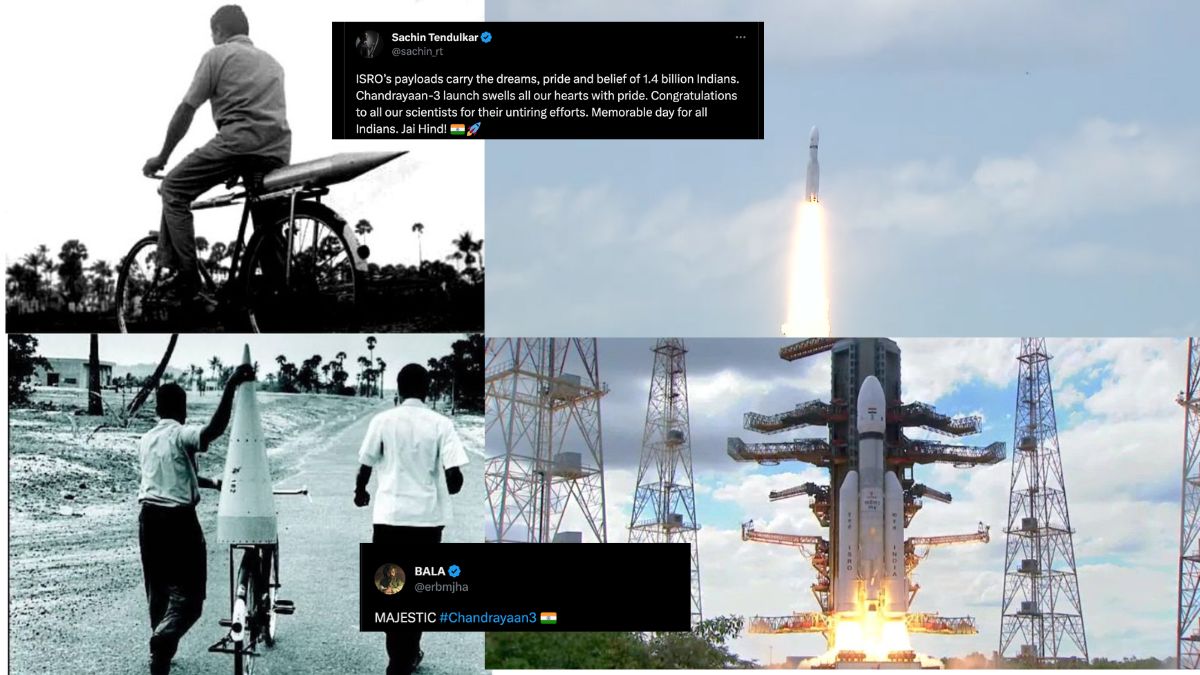
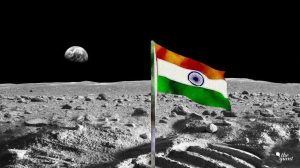
Chinese master Laozi is credited with the saying that “a journey of a thousand miles begins with a single step”. The journey of Chandrayaan-3 ended on the lunar surface on Wednesday, August 23rd, 2023 at 6:04 pm when its lander with the rover inside gently touched the terrain about 600 miles off the moon’s South Pole unfurling the tricolour. It was nothing but pure ecstasy.
Now, let me narrate how the lunar journey began in India. The United Nations wanted to support the setting up of a rocket launching station. There were three contenders — India, Pakistan and Sri Lanka. It had to be in an area where the magnetic needle, when freely suspended, remained horizontal.
Alas, there was one problem, a big one at that. The areas identified as suitable in all the three countries were thickly populated. Thousands of people would have to be evicted and their houses or dwelling units destroyed. It would have been a great human rights violation. The UN did not want its image to be sullied in this manner.
Neither Pakistan nor Ceylon, as Sri Lanka was known then, had the magic wand to clear the area of human habitation. Because of Prime Minister Jawaharlal Nehru’s vision, the Indian Space Research Organisation (ISRO) was formed with Dr Vikram Sarabhai as its head.
Nehru contacted the Kerala Government to explore the possibility of getting Thumba cleared of the fish workers living there. He was able to convince Chief Minister R. Shankar about the greatness of the proposed Thumba Equatorial Rocket Launching Station (TERLS) and how it would one day transform the nation’s image from a land of snake-charmers and rope-tricksters to a nation with the largest pool of scientists.
Shankar’s second-in-command was PT Chacko, who held both the Home and Revenue portfolios. In other words, he had the power to acquire the land and evict the people forcibly, if necessary.
Thumba was a short drive from the state capital, Thiruvananthapuram, and he knew the imposing Cathedral Church at Pallithura nearby, dedicated to Mary Magdalene, considered the “apostle of apostles”. She is mentioned in all the four Gospels as one of several Galilean women who followed Jesus and supported Him and the other disciples out of their personal means. After resurrection, He appeared first to her.
Chacko also knew that the area Nehru was eyeing for the rocket project was inhabited by the Latin Catholics, a majority of whom were fish workers. They had immense faith in Mary Magdalene as their lodestar while they were fishing in the deep waters. They were not very educated but their attachment to the church was unwavering.
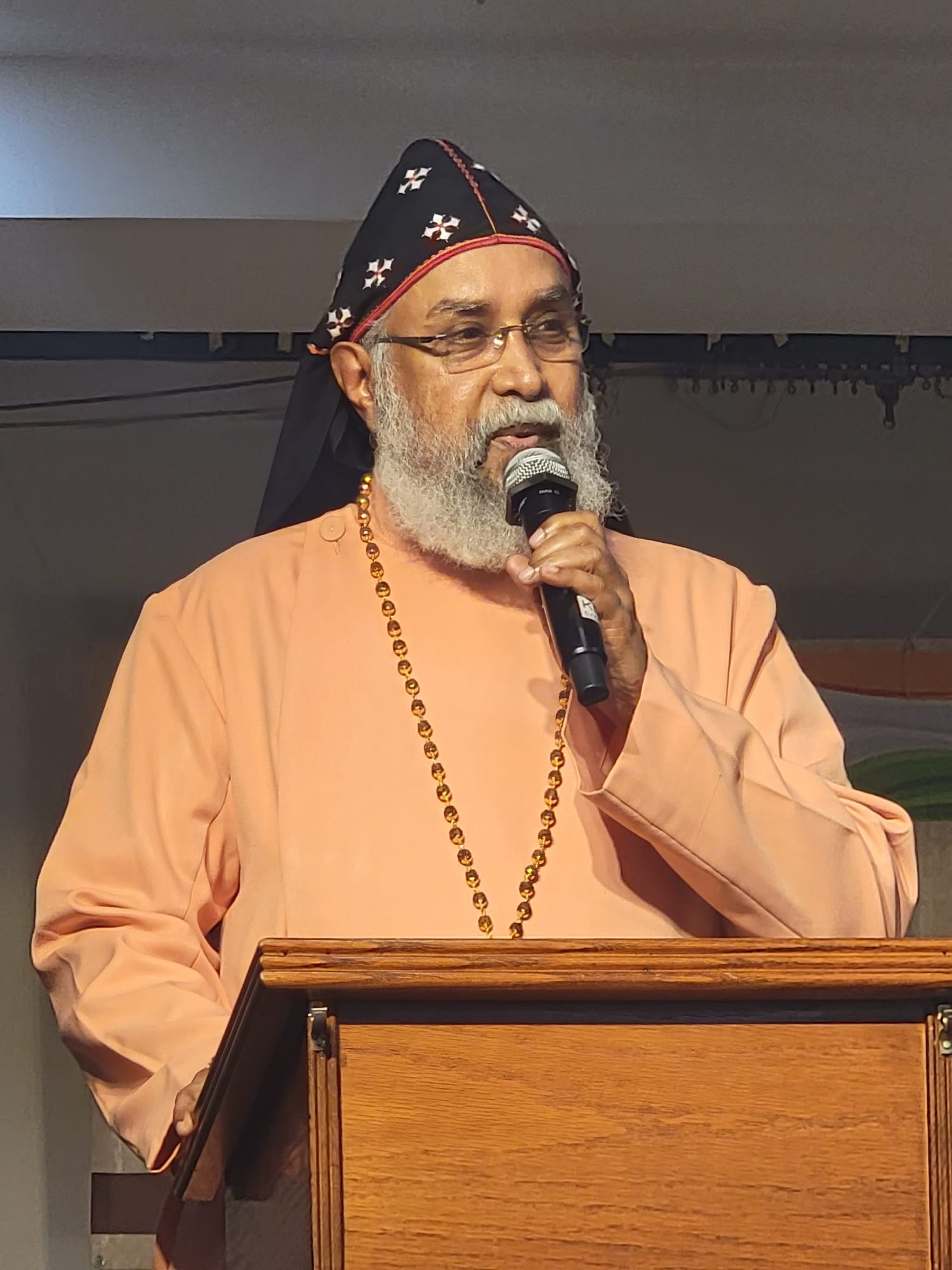
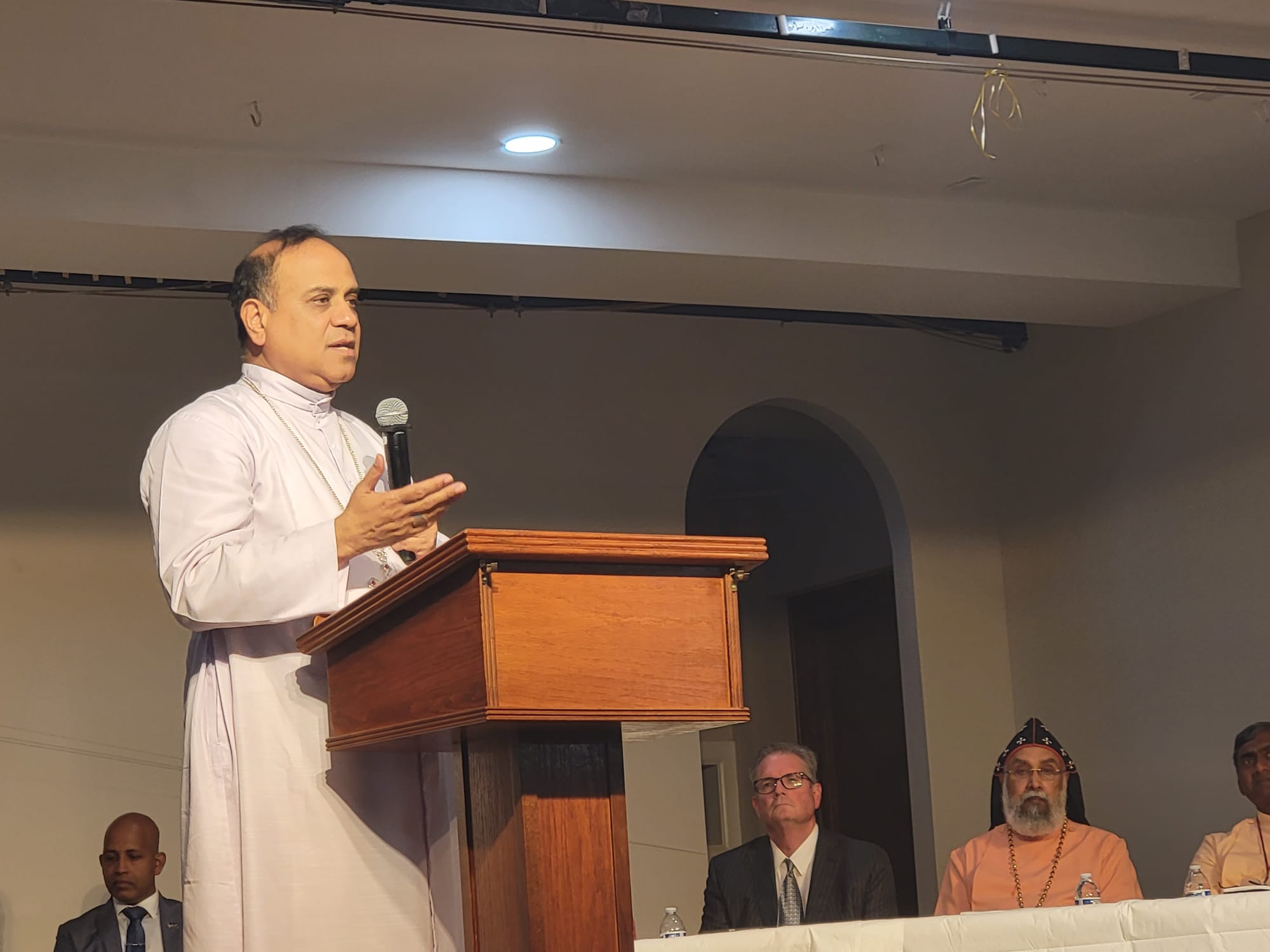
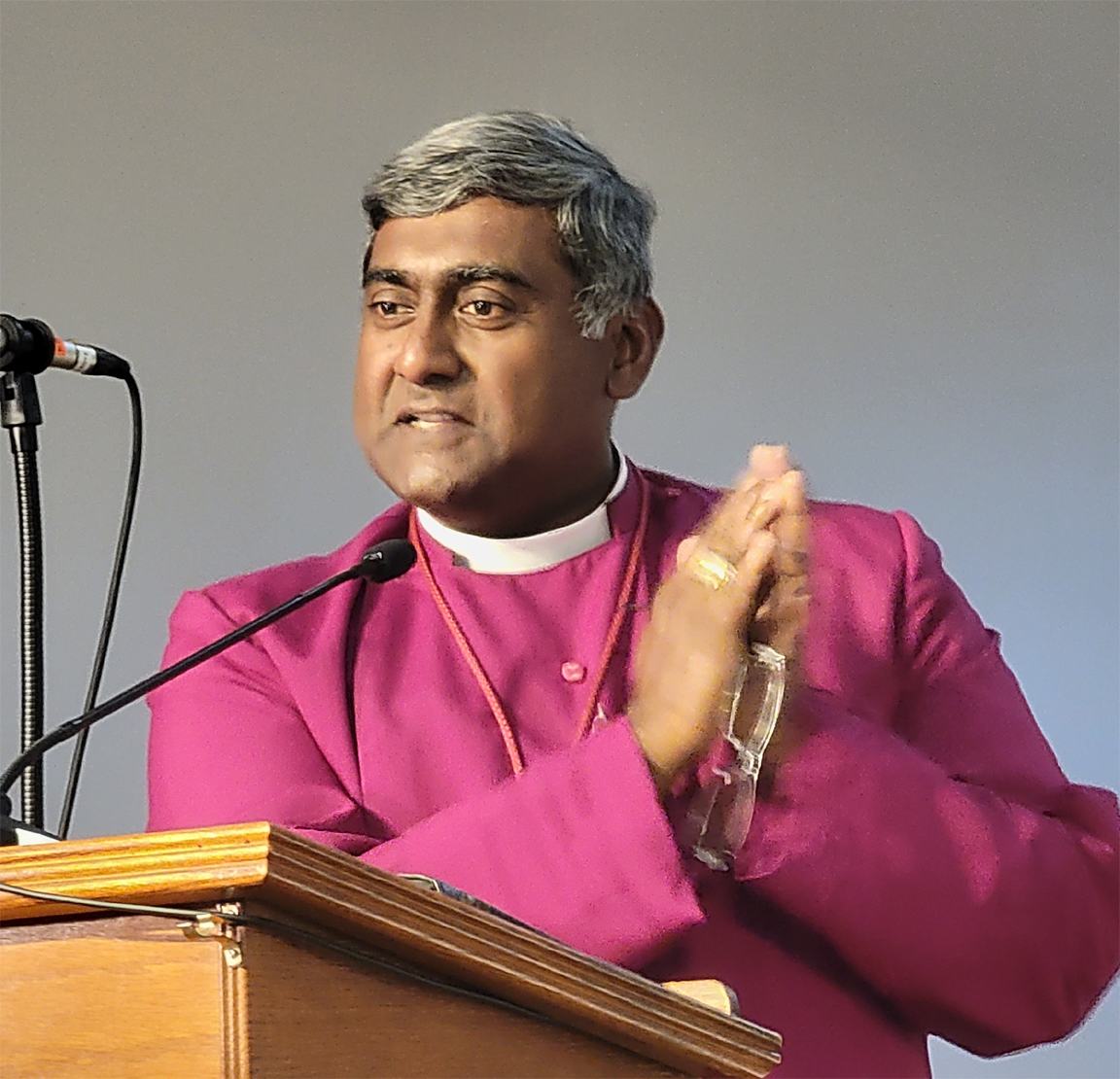
When the church bell rang for whatever reasons, thousands would assemble at the church in an instant. Chacko had a brainwave. He did not take long to call the bishop of Trivandrum, Rt. Rev. Dr. Vincent Dereira OCD, who was assisted those days by the Auxiliary bishop, Rt. Rev. Dr. Peter Bernard Pereira. The former was a Belgian and the latter was from Thiruvananthapuram.
Chacko, who is himself a Catholic, talked to the bishop and convinced him that nothing mattered more for the church than the progress of the nation. “We should not be found wanting when the nation called for us to sacrifice’, he implored the ecclesiastical authorities.
Soon afterwards, Dr Sarabhai came to Thiruvananthapuram and on the suggestion of Chacko, he called on the bishop at his residence at Pallithura. He was accompanied by a young recruit of ISRO, who later became famous as the Missile Man of India and, eventually, the President of India.
When Sarabhai and APJ Abdul Kalam met Bishop Pereira, he had one suggestion: “Please attend the mass on Sunday”. The thought that might have occurred to the Hindu and the Muslim was whether it was the Bishop’s attempt to convert them to Catholicism.
As promised, the duo took their seats at the Cathedral Church of Mary Magdalene at Pallithura. When it was time for the sermon, the Bishop introduced the two guests to the faithful and told them that they were there to take over the church and his own house for a scientific project that the Government of India wanted to initiate. “When Jesus could sacrifice His life to redeem us, why can’t we sacrifice our houses, including my own house?”, he asked.
The faithful who had come to partake in the Holy Qurbana, also called the Eucharist, were stunned by the Bishop’s sermon. At the end, the bishop said a word of prayer that ended when the people said, “Amen” in a chorus. There was not a word of protest from anyone assembled in the church.
Abdul Kalam has in his autobiography titled ‘Wings of Fire’ describes how the church became ISRO’s first laboratory. The scientists also occupied the bishop’s house. His cattle shed became another wing of the laboratory. What followed was a story of faith and grit.
About 500 families living in the area were relocated to another place nearby so that they could continue their fishing job. A new church, though less impressive than the old one, was built to meet their spiritual needs. Some of them were given jobs by ISRO. The new land where they were settled was owned by the church. Bishop Pereira was instrumental in building as many as 220 houses for the displaced.
There were political forces which tried to instigate the people against the church leadership but they did not succeed because the people’s faith in their spiritual leaders was unalloyed.
Some of the people at Pallithura had to wait till a few years ago to get the title deeds of the land they now occupy. Yet, they never protested. The church which became the headquarters of ISRO had many idols, including that of Mother Mary, Jesus, Joseph etc. They were carried away in a gunny bag. Nobody considered it sacrilegious.
In contrast, there was a main road in New Delhi which could not be widened for many years because a religious shrine blocked the widening. Thousands of vehicles had to slow down or stop because of the chicken neck created by the shrine. This continued for nearly a decade.
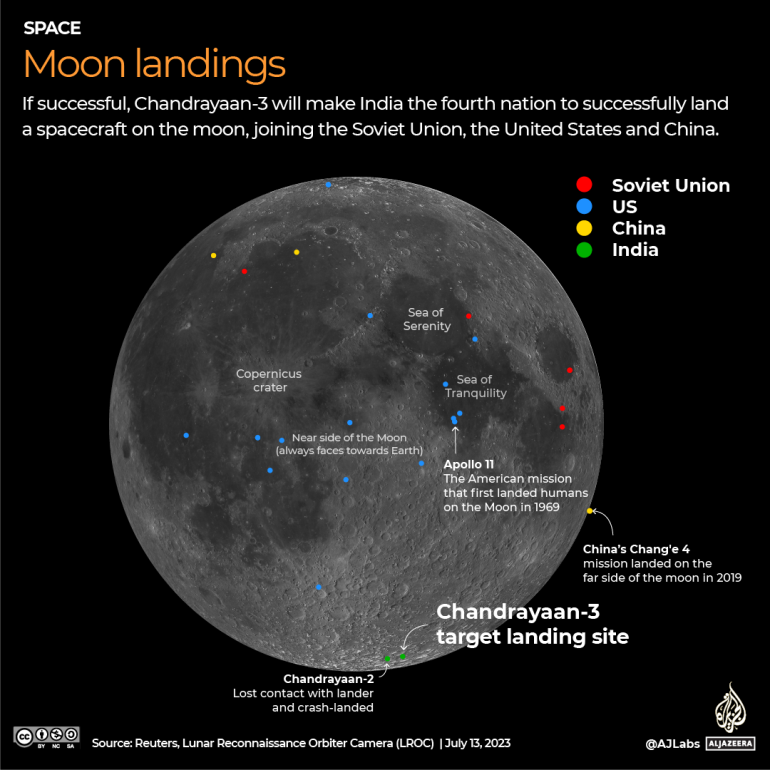
To return to Thumba, nobody could have imagined that when the young scientists led by Sarabhai were putting together the first rocket, that on August 23, 2023, India would become the fourth country in the world after the US, the erstwhile Soviet Union and China, to hoist its flag on the moon, often described as the ultimate beauty.
Poets down the centuries have described not in so many ways how the Sun loves the Moon so much that he dies every day to let her breathe and, in return, she reflects his love.
As I watched the lander on the Moon, I remembered someone saying, “Ten years ago, the Moon was an inspiration to poets and an opportunity for lovers. Ten years from now, it will be just another airport”. Few would have believed that ISRO had such a humble beginning but for a photographer who documented it for posterity.
It showed a part of the first rocket being shifted to the assembly area on a bicycle. Another showed a part of the rocket arriving at Thumba on a bullock-cart. Finally, on November 21, 1963, the first rocket blasted off from Thumba. One of my friends, John Philipose, was present there to watch the great event.
He was in his early twenties. One of his relatives was married to a Latin Catholic from the same area. In Thiruvananthapuram, he stayed in the house that belonged to PT Chacko’s private secretary. He recalls that moment: “We were all excited. We thought something big would happen. In the end, the rocket took off into the air leaving a hail of smoke. If my memory does not fail me, the rocket fell into the sea within a few minutes. To me, it appeared a version of the fireworks at the Shiva temple at Thrissur”.
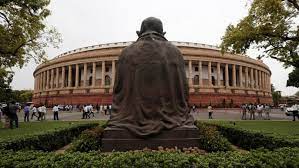
When the rocket was fired, it ignited the minds of countless people in the country. They knew that it was a milestone in the country’s pursuit of science. Philipose is no ordinary person. He is a museologist. It was he who guided the government in setting up many museums, including the Parliament museum in New Delhi.
There is one museum, though not linked to the Philipose, which showcases India’s space journey. It is located in the same church where ISRO began in 1963. Today it is known as Vikram Sarabhai Space Centre Museum. In any discussion on India’s space programme, let’s not assume that India was ploughing a lonely furrow.
There are many to thank from that first launch at Thumba: the US, for the two-stage Nike Apache rocket; France, for the sodium vapour payload; the Soviet Union, whose Mi-4 helicopter gave the range clearance; and, of course, ISRO’s rocket and payload engineers.
In 1975, I had the privilege of reporting the starting of the Satellite Instructional Television Experiment (SITE) from a few villages in Rajasthan in the company of journalists like John Dayal and photographers like Raghu Rai.
I have read with great interest ISRO chief S. Somanath having been quoted saying that all the scientific principles were contained in the Vedas, which the Europeans appropriated for their own scientific pursuits. I wish he had quoted at least one verse that helped him and his agency in launching Chandrayaan-3.
Nonetheless, I have great admiration for Somanath, who studied engineering at the Thangal Kunju Musaliar College of Engineering at Kollam in Kerala. The college was set up by a Muslim. He was not very educated. He was known as the Cashew King. He had 12 factories to process cashew nuts. He employed 25,000 to 30,000 people. No individual in the world employed so many.
With the money he earned, he could have built a house like the one in which Mukesh Ambani stays. Or, he could have built his own statue that could rival the Statue of Liberty. Instead, he used the money to set up the best engineering college, east of the Suez Canal. I am happy that Somanath is the product of Musaliar’s (1897-1966) vision for a better country.
Our space mission is on the right track. It has many ambitious programmes up its sleeves. One of them is to make a station as close as possible to the Sun to do continuous study of solar energy. A manned mission to the Moon is also on the anvil.
The Russians have proved that they are no longer a space power, busy as they are fighting their own people in Ukraine. Their lunar mission had to be abandoned on August 19. Of course, China is far ahead of India in space technology but we are close behind.
Unfortunately, as our scientists want to take the country forward, there are forces at work which want to take the country back to the mythical period when esoteric plastic surgery was conducted and people moved about in aeroplanes that could move in four directions and perform feats as described in texts written with great imagination.
What we need is the scientific mind. When a person threw his cigarette butt away, he found that it caused a small flame that never extinguished itself. He got the area dug asking the worker to “Dig Boy, Dig”. That is how oil was found at Digboi in Assam. It was the first oil well in the whole of Asia. Even today it produces oil.
Had the man been superstitious, he would have built a shrine and started worshipping the flame calling it “Jwalamukhi”. We need to build a scientific temper among the people. If Chandrayaan-3 makes us more scientific in our approach to life, it will make India really the Vishwa Guru. Otherwise, we will remain calling one another, Hindu, Muslim, Christian etc forgetting that we are Indians. Courtesy: Indian Currents (www.indiancurrents.org)

 After gaining independence on August 15, 1947, India remained under the British Commonwealth, with the UK’s monarch as its head of state.
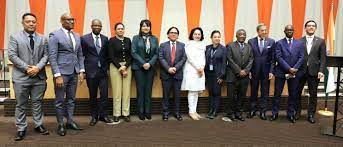 Mission LiFE, a global initiative for ‘Lifestyle for Environment’ is a groundbreaking step towards sustainable living, according to Ruchira Kamboj, India’s Permanent Representative to the UN. Kamboj was speaking at a reception hosted by India’s Permanent Mission to the UN on December 4, 2023 at the UN headquarters in New York to highlight 2023 as the International Year of the Millet.

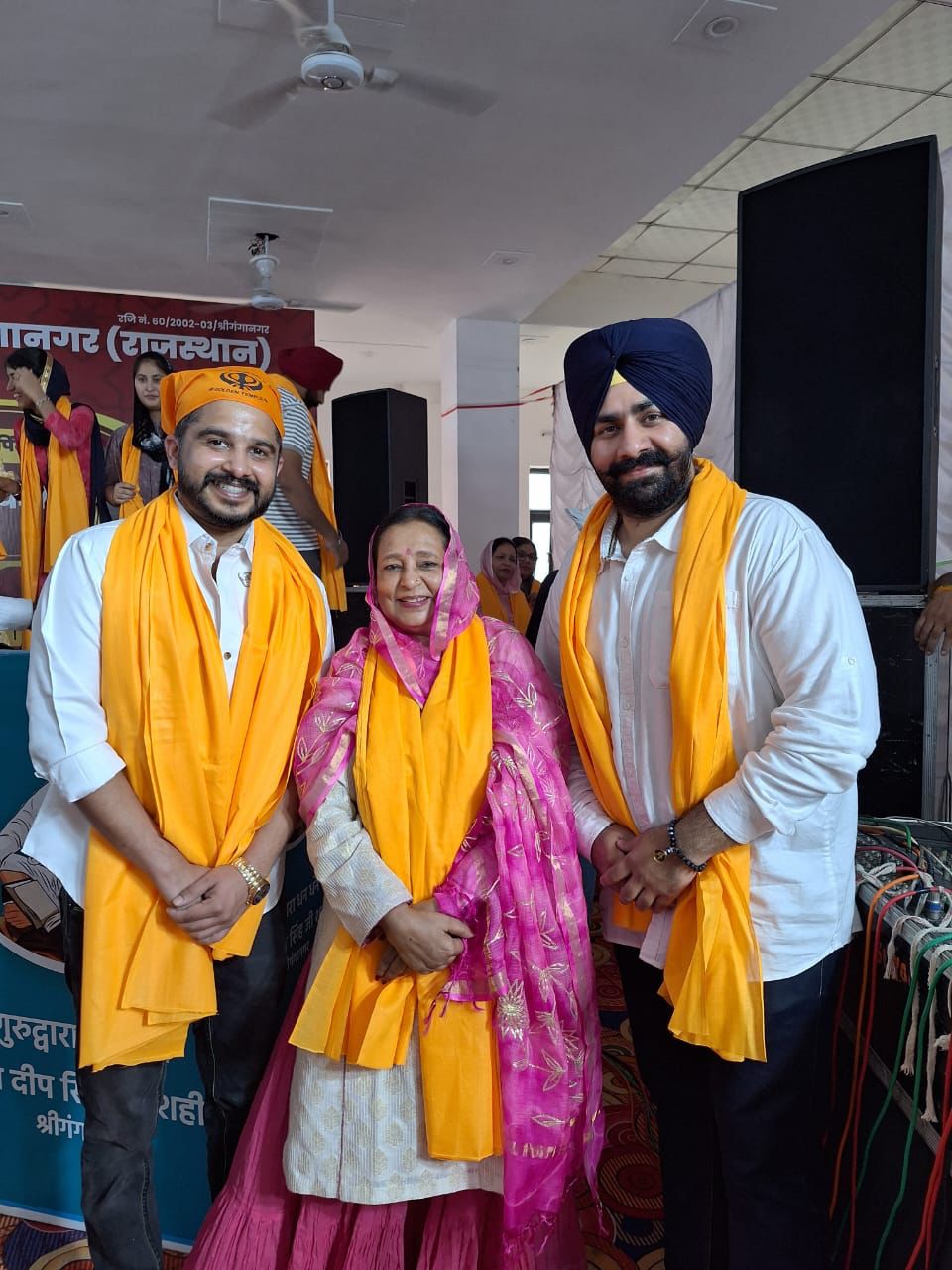 Community weddings of girls from economically weaker sections are held every year at Dhan Dhan Baba Deep Singh Gurudwara. The Gurudwara Samiti, Sri Ganganagar Chamber of Commerce, and the people of Sri Ganganagar come together to organize this celebration. It is open to all religions, Sikhs, Hindus, Muslims, and Christians. Truly a people’s event!
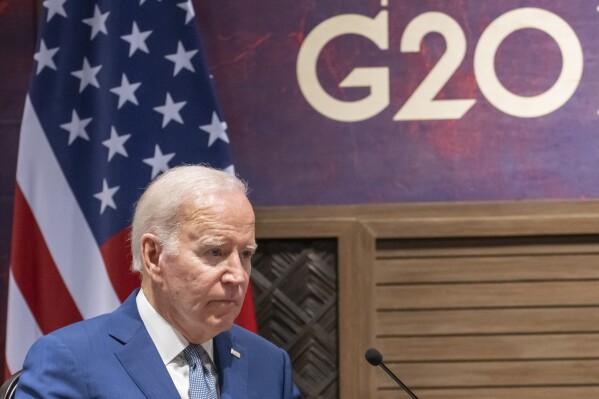
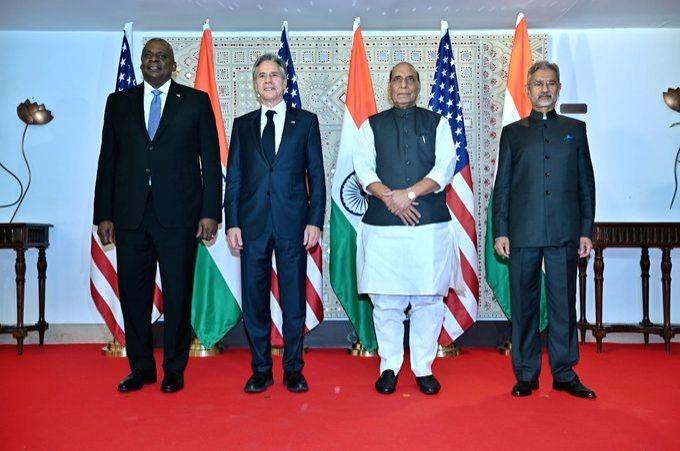 Blinken said the two countries were taking very concrete steps to deliver on the vision that President Joe Biden and Prime Minister Narendra Modi put forward at their meeting in Washington in June.
 These differing interpretations of the G4’s significance reflect the lessons drawn from their respective grandmasters. India’s adherence to Chanakya’s wisdom that “There is no friendship without self-interest” underlines its approach, while China draws on Sun Tzu’s advice that “Battles are lost when adequate calculations are not made in advance.”
 Notably, approximately 92 percent of Asian American Hindu adults were born outside of the United States, representing the highest proportion of foreign-born individuals among Asian American religious groups.
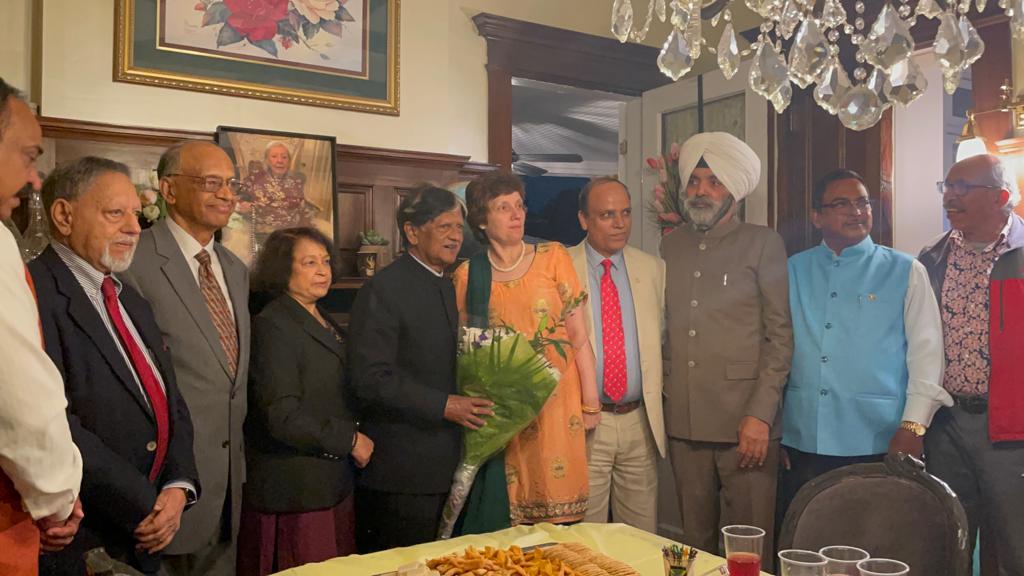 When asked why he swam, Lal Bahadur Shastri said to Anil Shastri, “When a person cannot protect his self-respect, he will not have the right to live.” Similarly, he said that he could not compromise with the self-respect of India by accepting money or any aid from other countries during a food shortage. He not only advocated but also gave up dinner once a week as a response to the food grains blockade by the major powers during the Indo-Pak war. The meeting commemorated the immense achievements of Lal Bahadur Shastri, such as the sowing seeds of the green revolution and the victory of the Indo-Pak war.
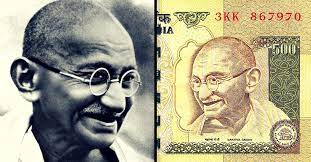 The RBI museum website shares insights from that era, noting that there were deliberations about selecting symbols for independent India. Initially, the idea was to replace the King’s portrait with that of Mahatma Gandhi. Design proposals were even prepared for this purpose. However, the consensus eventually shifted towards choosing the Lion Capital at Sarnath in place of Gandhi’s portrait. The new banknote designs largely followed the earlier patterns.
 Furthermore, there are substantial variations between states. In 2021, most southern states reported a higher proportion of elderly citizens compared to the national average, and this gap is expected to widen by 2036. In contrast, states with higher fertility rates, such as Bihar and Uttar Pradesh, are also projected to witness an increase in the elderly population’s share by 2036, but it will remain below the national average. Overall, more than two-fifths of the elderly population belong to the poorest wealth quintile, ranging from 5% in Punjab to a staggering 47% in Chhattisgarh. Additionally, 18.7% of the elderly have no source of income, which exacerbates their economic vulnerability. A significant portion of the elderly population resides in rural areas and often faces economic hardships. Addressing these challenges necessitates a comprehensive societal approach that encompasses physical and mental health, basic necessities like food and shelter, income security, and social care. Geriatric care should be tailored to their distinct healthcare requirements.
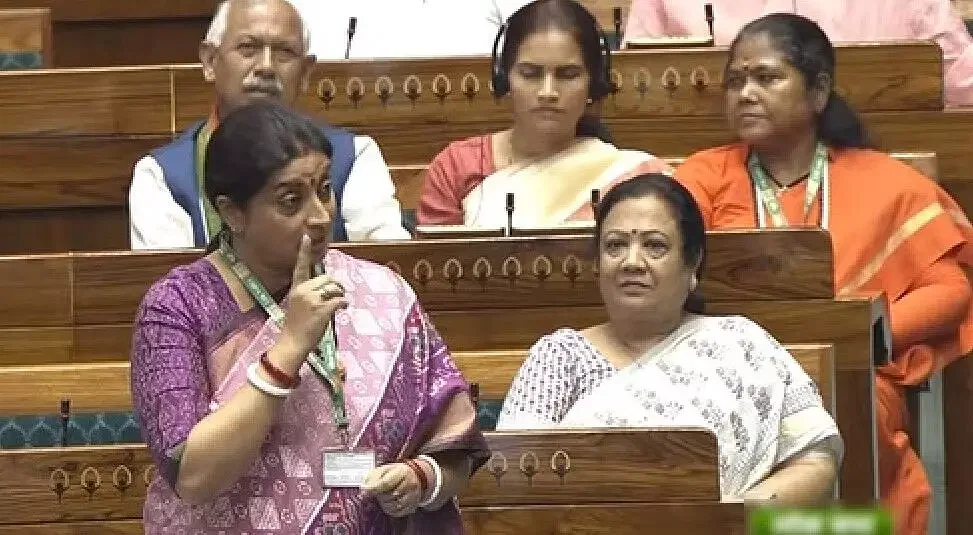
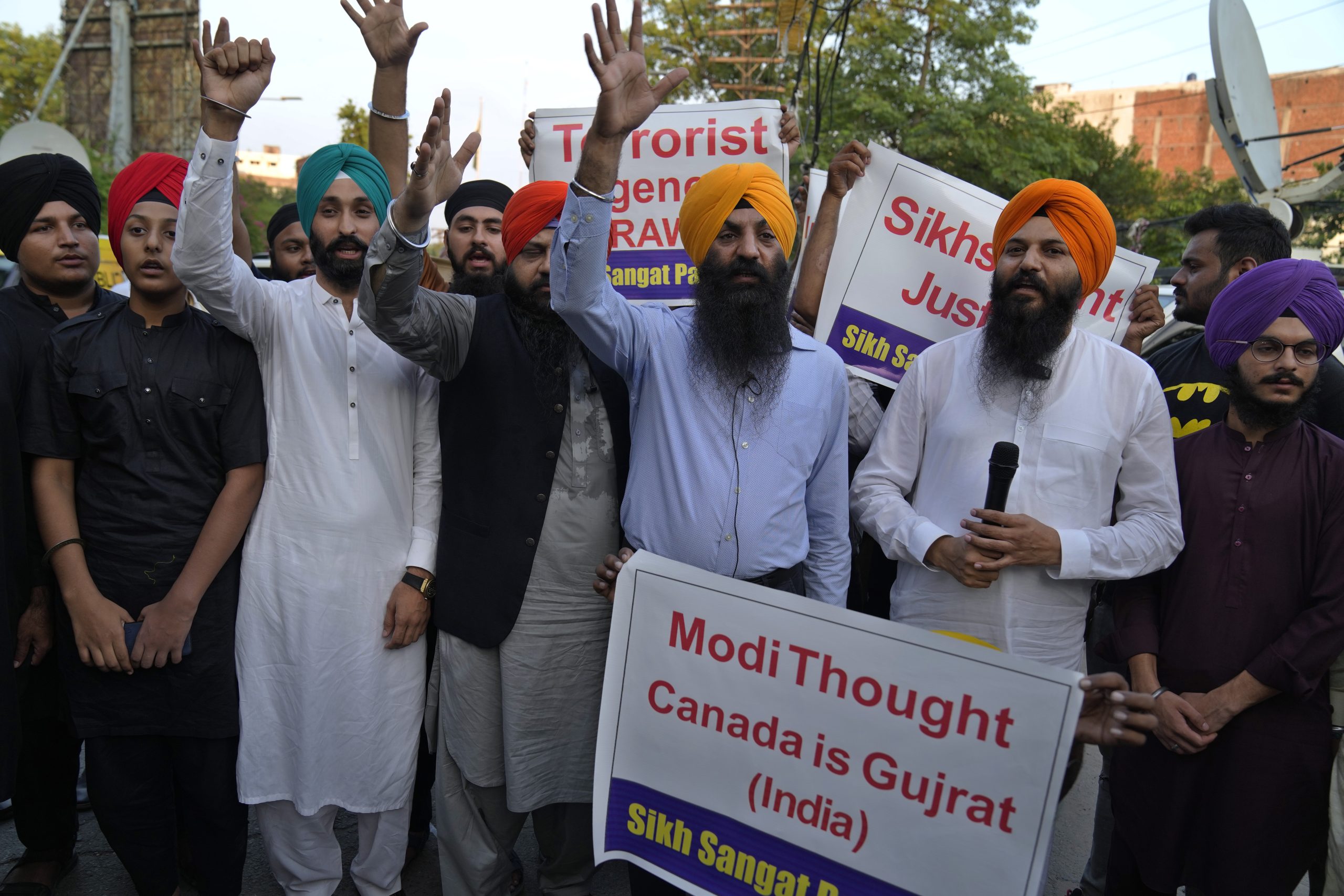
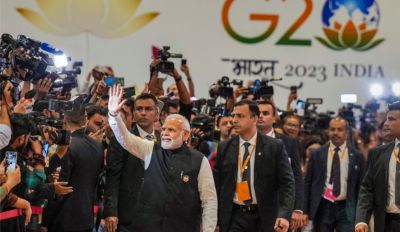 On the way forward, Nagarwal urged the G-20 leaders by saying, “I would appreciate if the G-20 secretariat established an observatory commission to investigate reports of hate and targeted violence against ethnic and vulnerable groups and submit progress reports to member states on a regular basis. The adoption of collective action sends a powerful message of unity, solidarity, and hope to the people of Indian society who have endured the burdens of hate crimes, discrimination and Islamophobic violence for far too long.”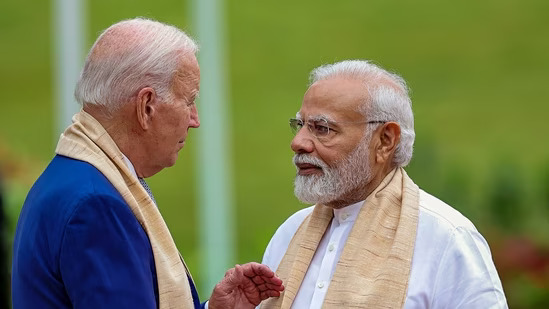
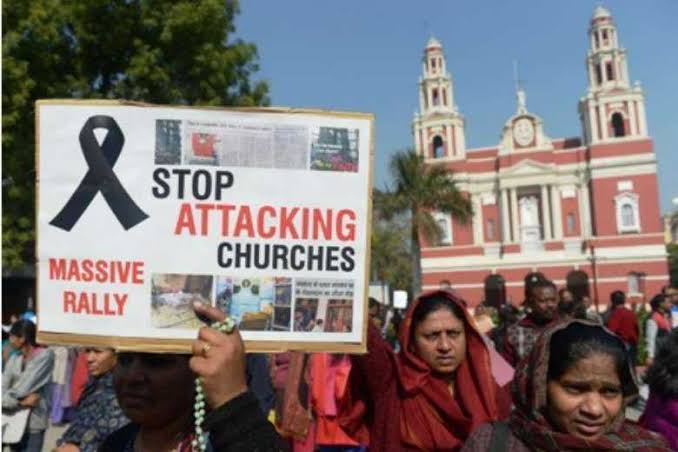


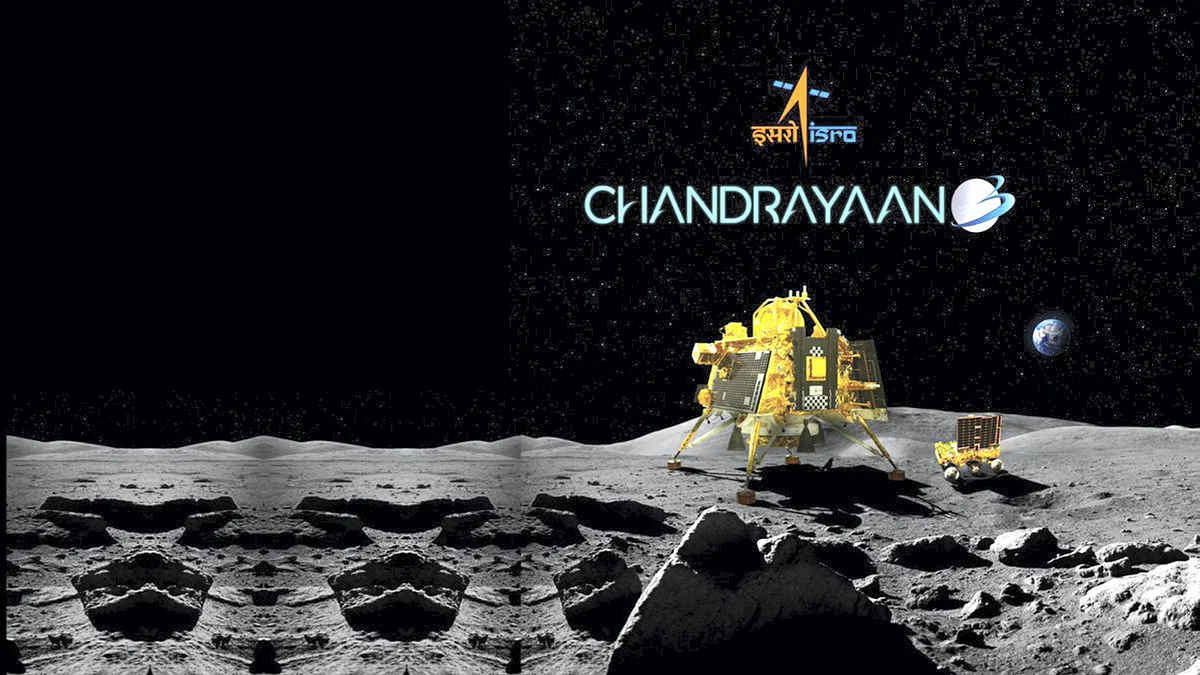

 Chandrayaan-3’s projected landing site is also closer to the moon’s south pole than any other spacecraft in history has ventured. The south pole region is considered an area of key scientific and strategic interest for spacefaring nations, as scientists believe the region to be home to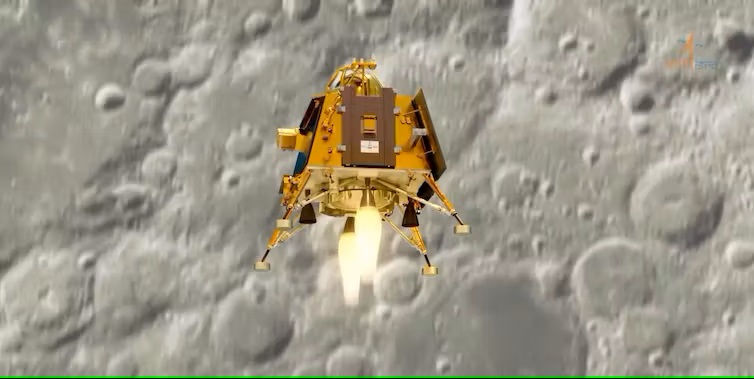
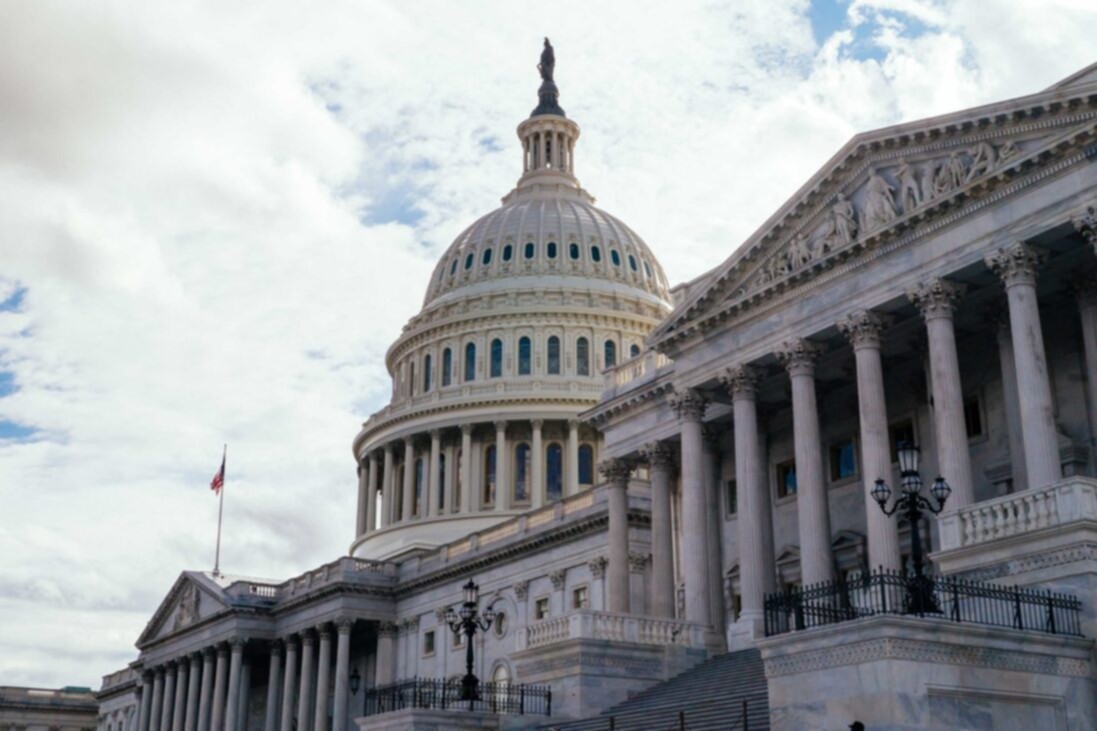
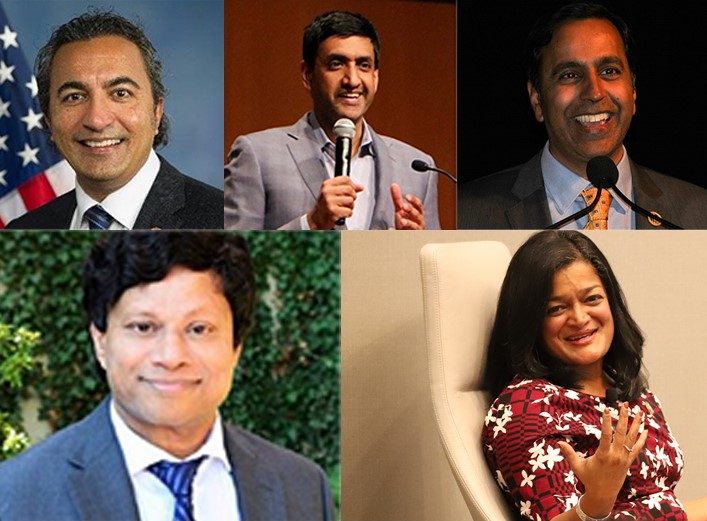
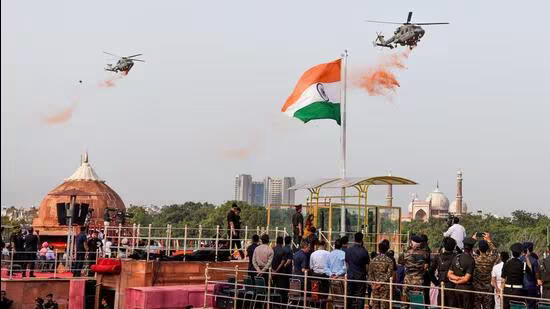
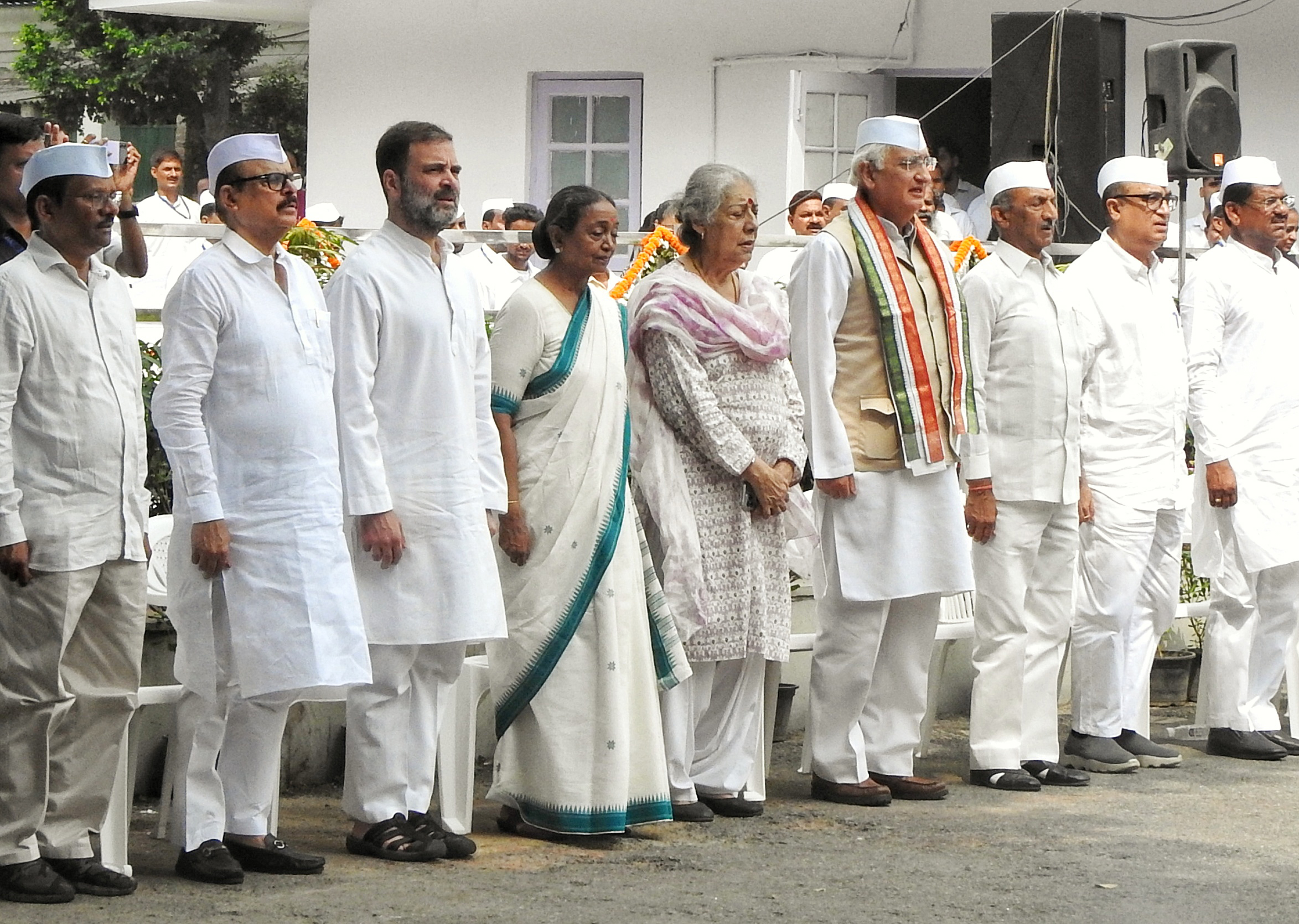
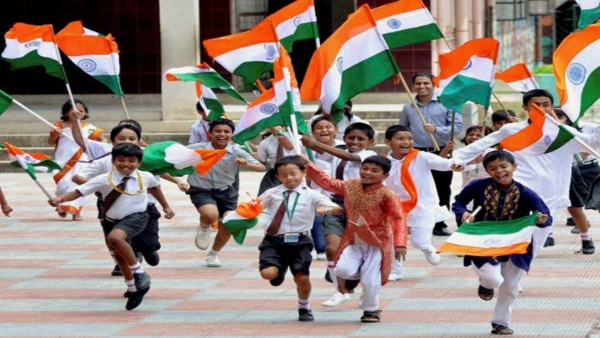
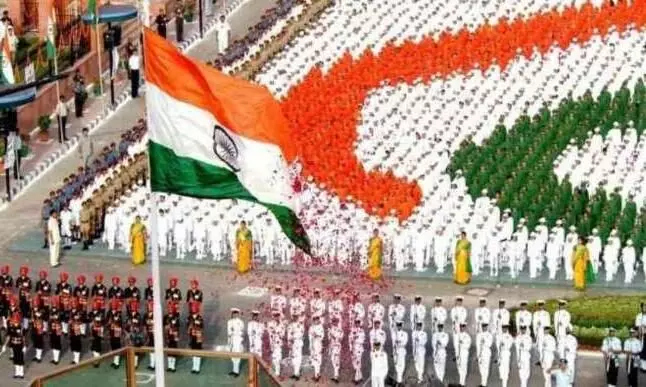
 HAPPY 77th INDEPENDENCE DAY
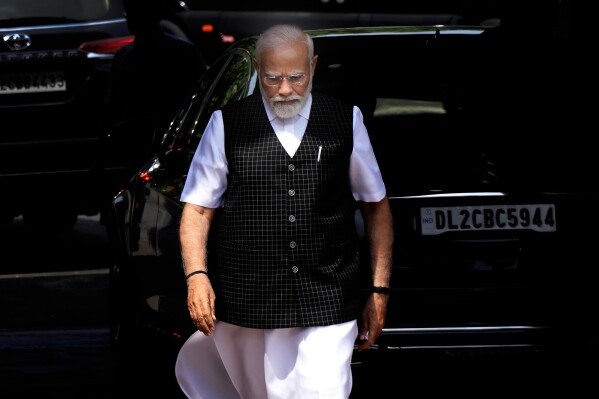
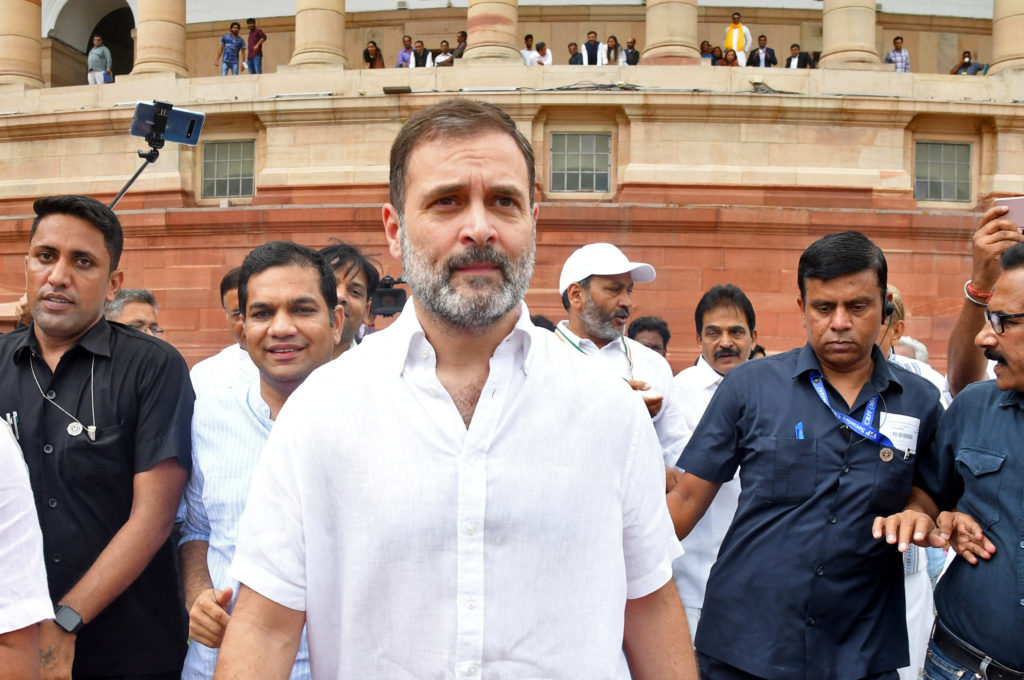
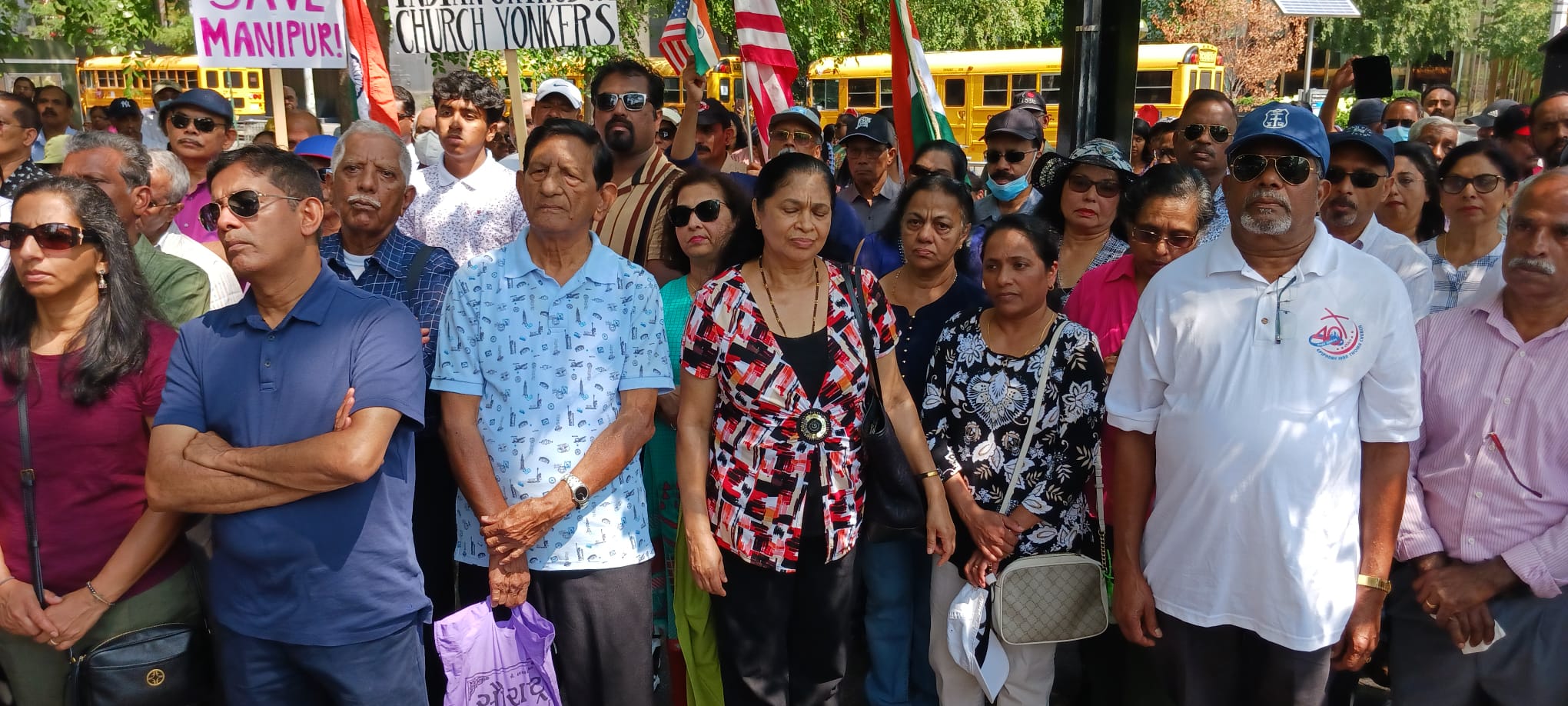
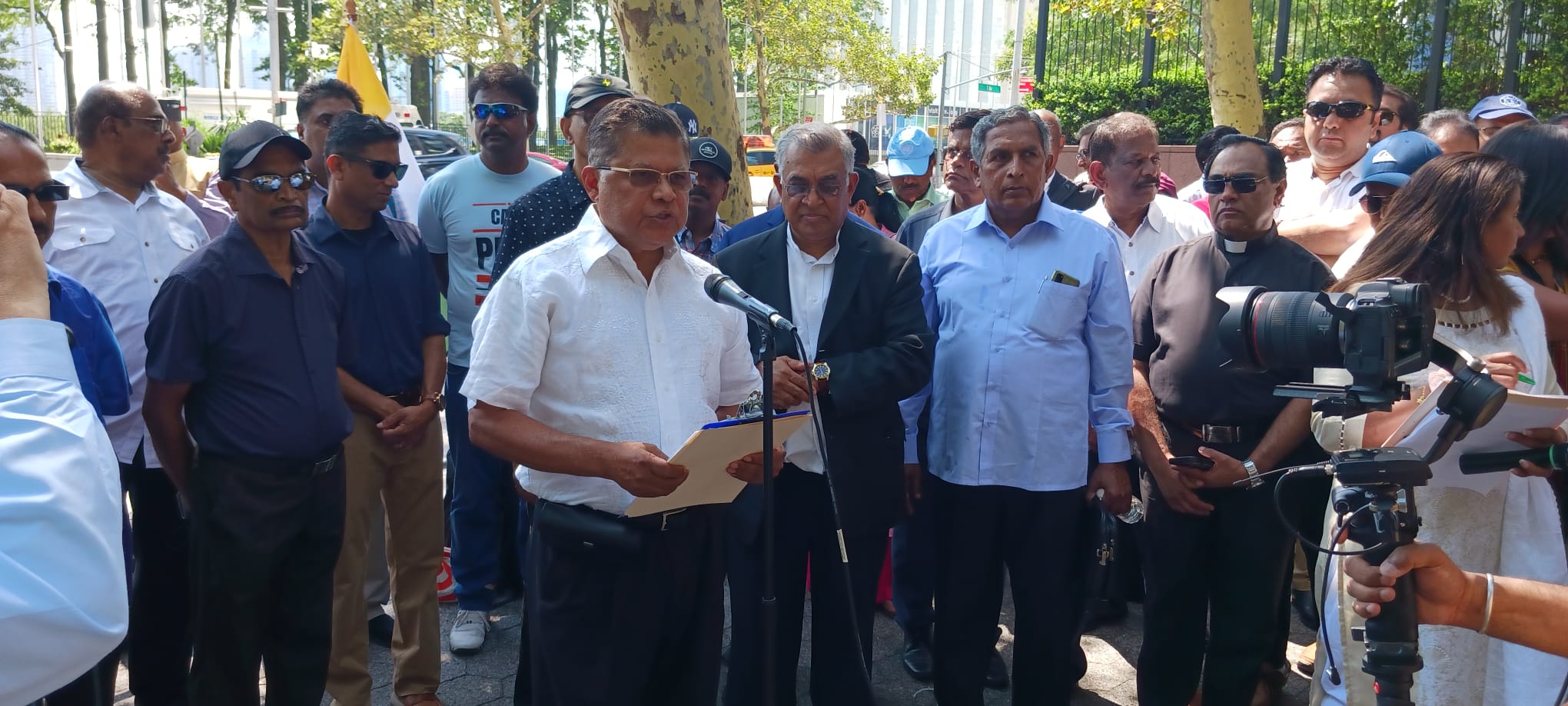
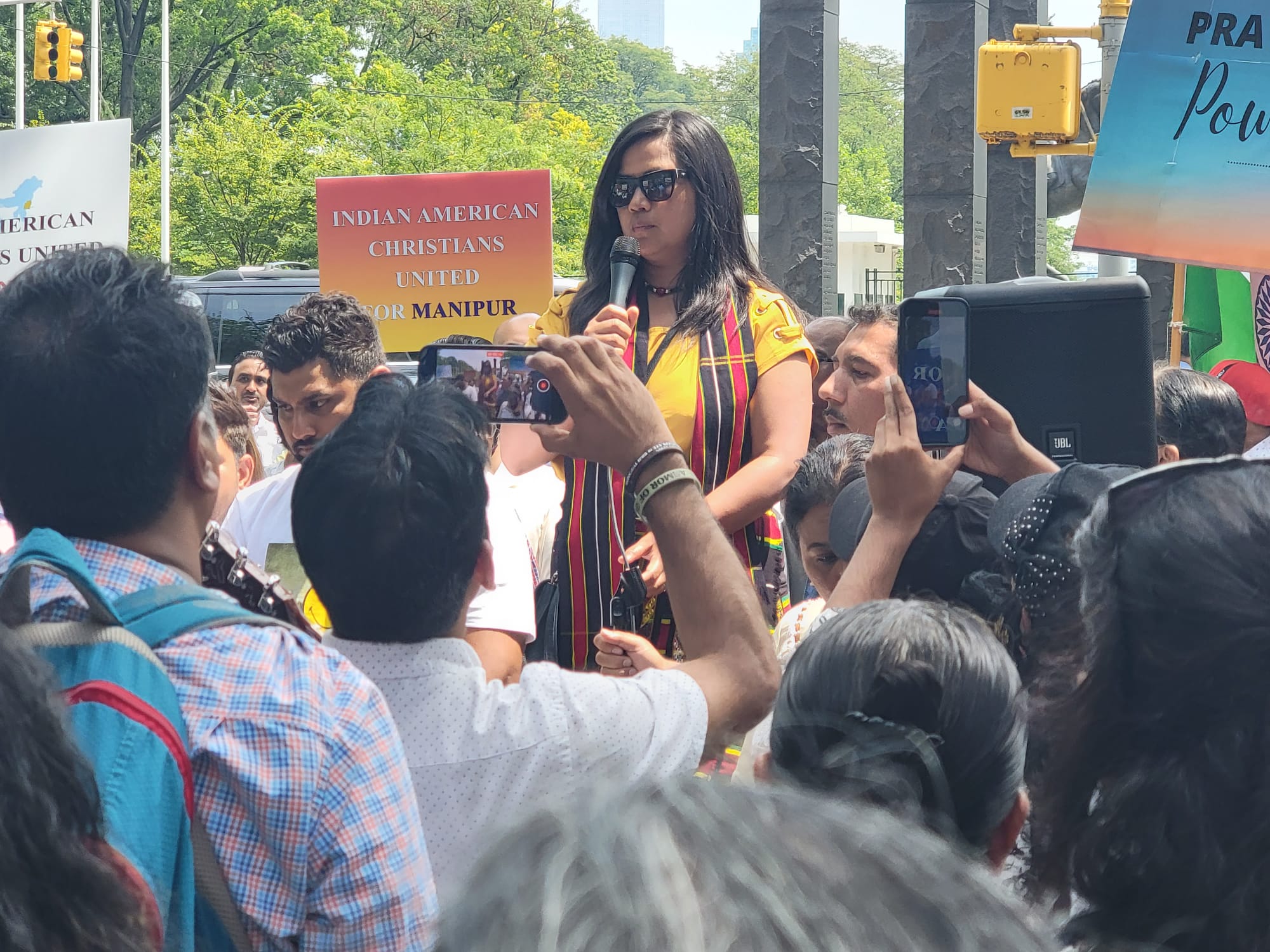
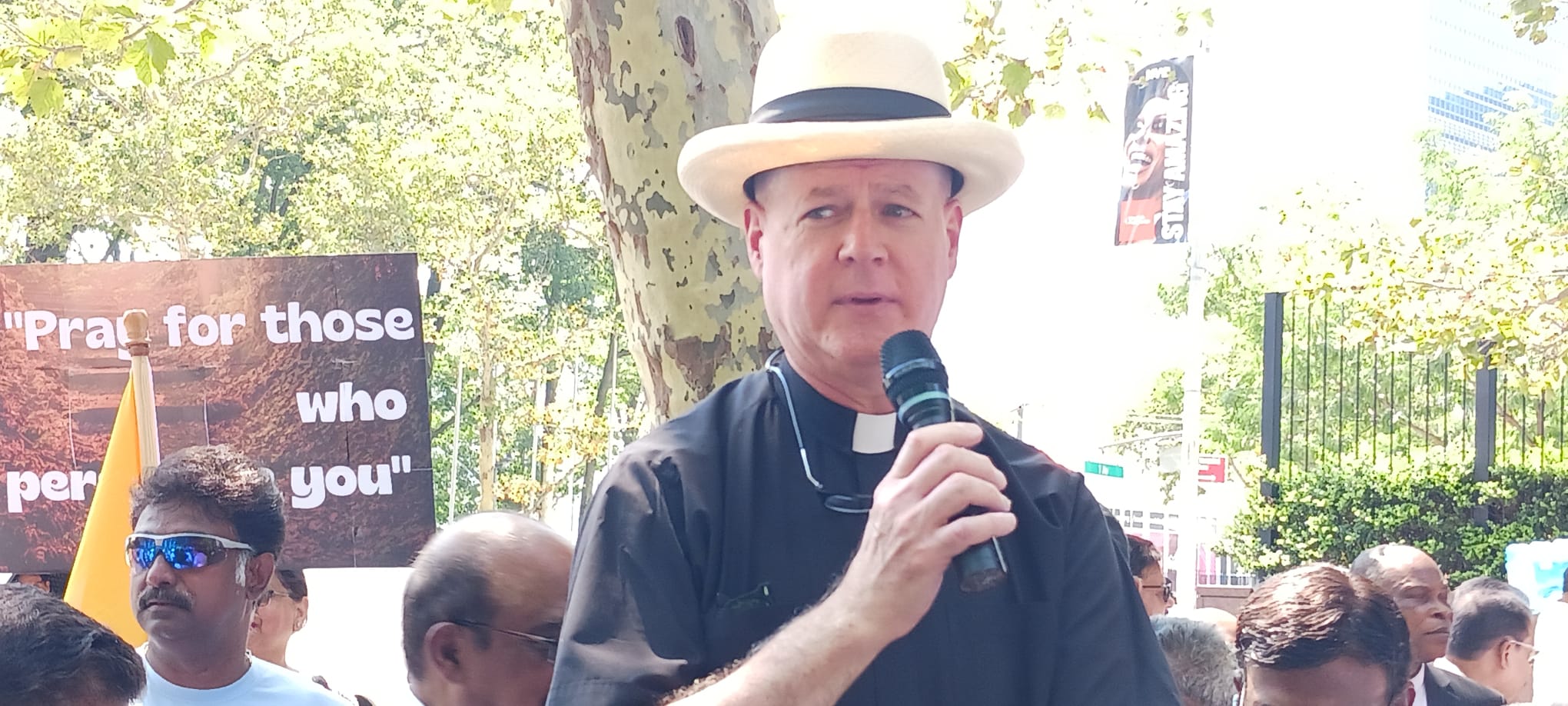
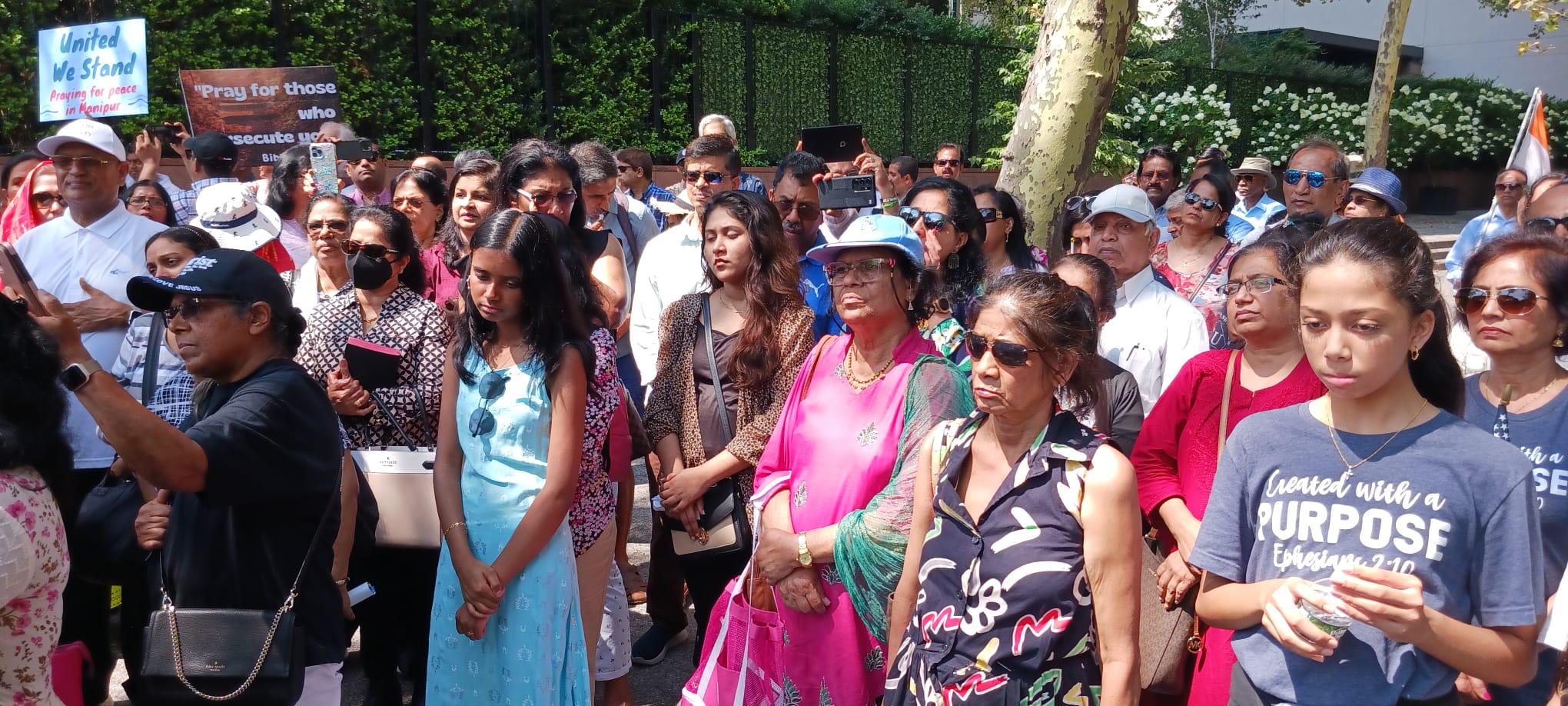
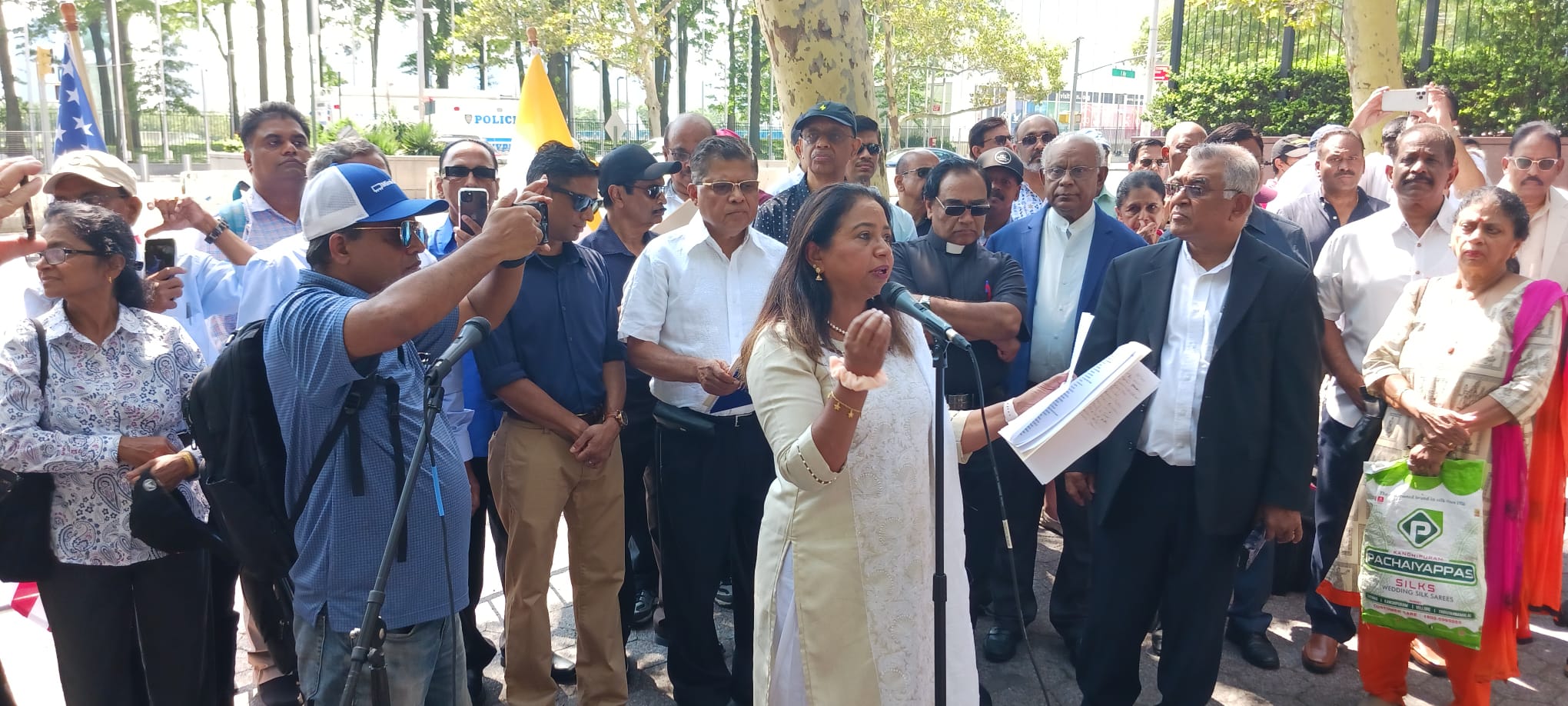
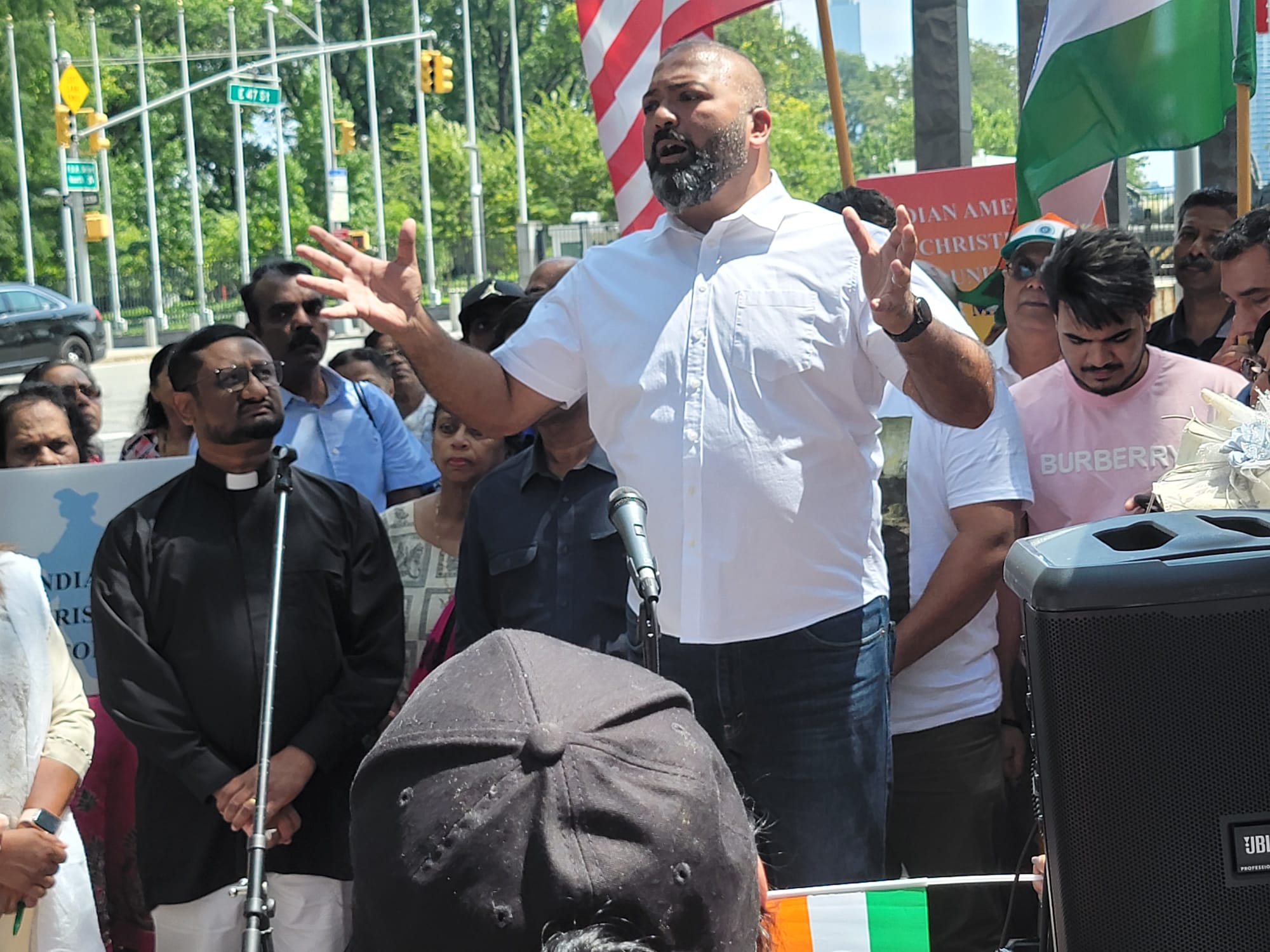
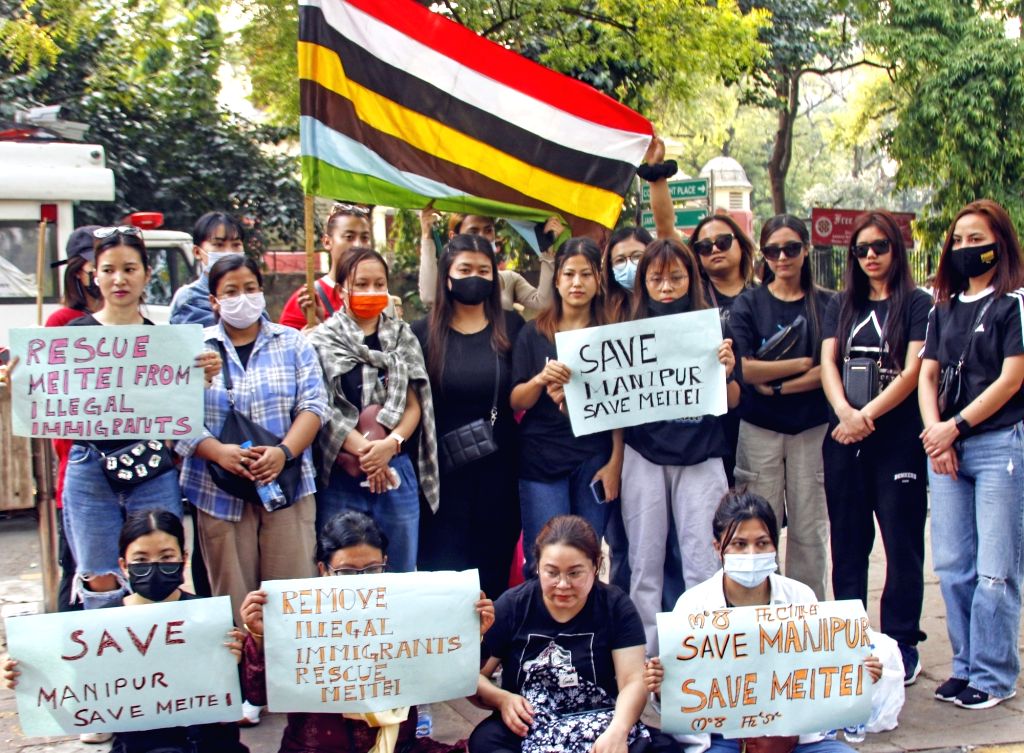
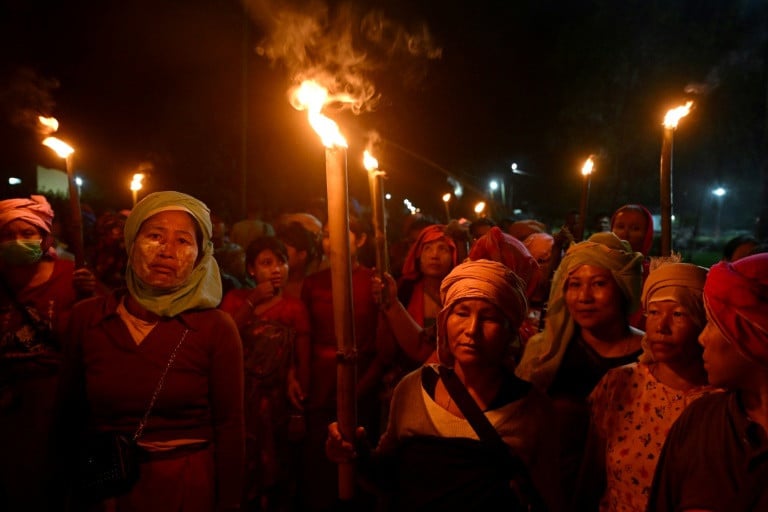
 The ongoing ethnic/religious violence in the northeastern Indian state of Manipur and the lack of adequate response from the state have been condemned by people and organizations around the world.