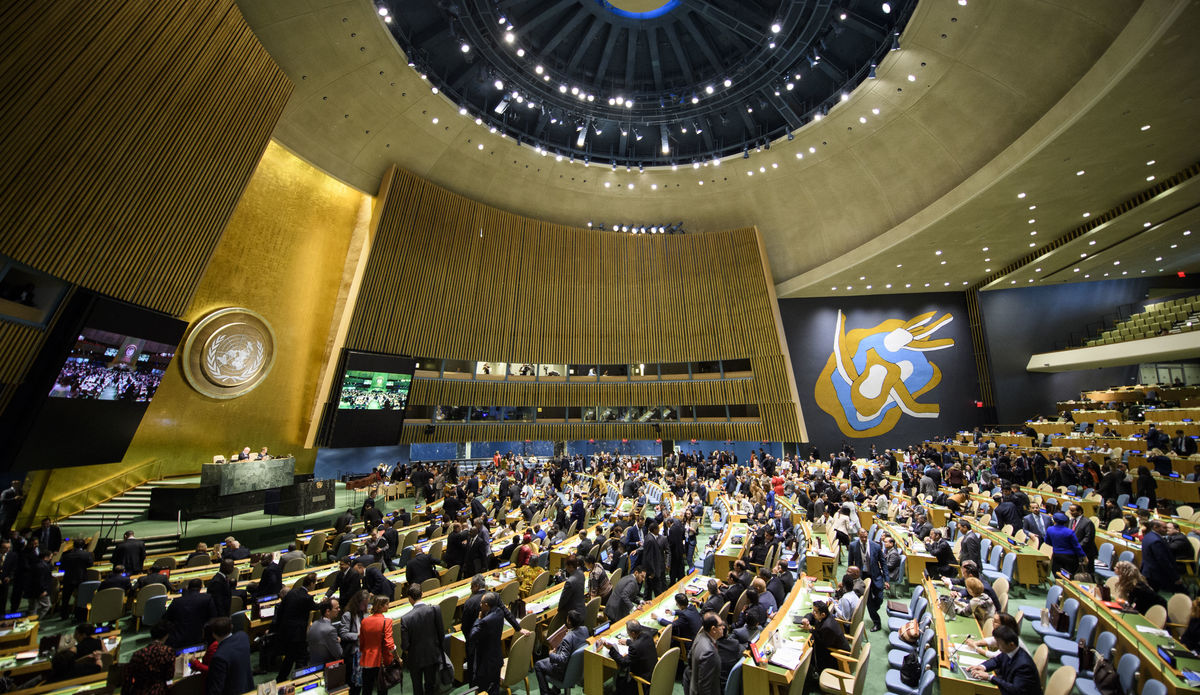
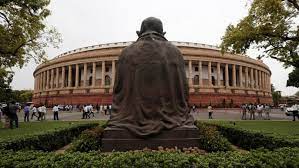
The 2023 United Nations General Assembly, much like the previous year, has been engaged in discussions concerning the role of the United Nations and its member nations in addressing the crisis in Ukraine.
The United States and its allies continue to assert that the UN Charter mandates countries to support Ukraine in the conflict until its pre-2014 internationally recognized borders are restored. They argue that this obligation stems from Article 2:4 of the UN Charter, which prohibits the threat or use of force against a state’s territorial integrity or political independence in international relations.
According to their interpretation, Russia’s invasion of Ukraine constitutes a violation of Article 2:4, making any compromise or negotiated settlement unacceptable, regardless of the consequences of prolonging the war.
In contrast, other nations have advocated for a peaceful diplomatic resolution of the Ukraine conflict, emphasizing Article 2:3 of the UN Charter, which encourages members to settle international disputes through peaceful means to preserve international peace, security, and justice.
They also point to the UN’s purposes, outlined in Article 1:1, which include the resolution of international disputes through peaceful means, highlighting the urgency of diplomacy to swiftly end the war, given the risks of escalation and nuclear conflict.
The Amir of Qatar expressed this sentiment to the General Assembly, stating, “A long-term truce has become the most looked-for aspiration by people in Europe and all over the world. We call on all parties to comply with the UN Charter and international law and resort to a radical peaceful solution based on these principles.”
This year’s General Assembly has also addressed various other global crises, such as the failure to address climate change, the limited progress on the Sustainable Development Goals established in 2000, the persisting neocolonial economic system, and the pressing need for reform of the UN Security Council, which has fallen short of its primary duty to maintain peace and prevent conflict.
Leaders from different nations have raised concerns about abuses of power by the United States and Western nations. These include the occupation of Palestine, controversial and unlawful U.S. sanctions against countries like Cuba, Western exploitation of Africa, and a global financial system that exacerbates wealth and power inequalities worldwide.
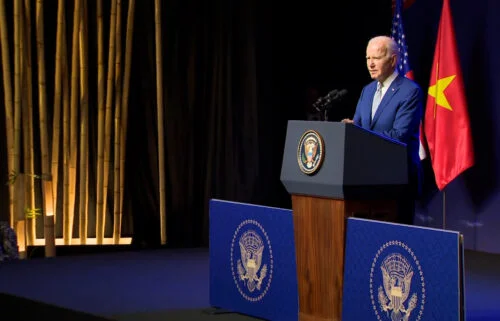
Brazil’s President Lula da Silva addressed the Ukraine crisis, emphasizing the importance of dialogue and the UN’s role in promoting peace. He said, “The war in Ukraine exposes our collective inability to enforce the purposes and principles of the UN Charter. I have reiterated that work needs to be done to create space for negotiations… The international community must choose between the expansion of conflicts, furthering inequalities, and the renewal of multilateral institutions dedicated to promoting peace.”
President Biden’s speech at the General Assembly received criticism for being unclear and disjointed. President Gustavo Petro of Colombia highlighted the irony of humanity’s focus on war and conflict instead of working to extend life beyond Earth. He called for an end to wars in Ukraine, Palestine, and elsewhere and proposed two peace conferences, one for Ukraine and one for Palestine, to guide global peace efforts.
Other leaders, such as Prime Minister Ralph Gonsalves of St. Vincent and the Grenadines, rejected the notion that the central global struggle is between democracies and autocracies. He argued that the real conflict revolves around control, ownership, and distribution of the world’s resources. Gonsalves also urged Russia, NATO, and Ukraine to embrace peace to avoid a potential nuclear catastrophe.
Some NATO members, including Bulgaria, Hungary, and Spain, combined their denunciations of Russian aggression with pleas for peace, emphasizing the need to end the killing and destruction.
African leaders also took the opportunity to call for peace in Ukraine, highlighting the stark contrast between the world’s attention to the Ukraine conflict and its neglect of Africa’s challenges. They stressed the importance of ending the Ukraine conflict for global peace, energy security, and food security.
Leaders from approximately 50 countries voiced their support for peace in Ukraine at the 2023 UN General Assembly. They emphasized the principles of the UN Charter, the urgency of diplomatic solutions, and the need to prevent further violence in Ukraine. The international community appears united in its commitment to preserving territorial integrity, sovereignty, and peace.
In the aftermath of the second Republican debate, Governor Ron DeSantis of Florida shared his candid assessment of the event while sitting in the spin room with Fox News host Sean Hannity. He remarked, “If I was at home watching that, I would have changed the channel.” The debate unfolded as a meandering and often bewildering spectacle, seemingly validating former President Donald J. Trump’s decision to skip it. Apart from sporadic exceptions, the Republican contenders appeared content to engage in petty disputes among themselves. They largely refrained from delivering significant blows to the dominant front-runner, failing to disrupt the political reality that Mr. Trump continues to overshadow his rivals in national polls.
Here are five key takeaways from the two-hour debate characterized by overlapping conversations, unanswered questions, rehearsed comebacks, and a conspicuous absence of any mention of the legal issues surrounding the favored candidate:
Governor DeSantis of Florida initiated the debate by confronting Mr. Trump on a national stage, asserting, “Donald Trump is missing in action… He should be on this stage tonight. He owes it to you to defend his record where they added $7.8 trillion to the debt. That set the stage for the inflation that we have now.” This direct challenge had been long awaited by some allies and donors. However, as the debate progressed, this statement faded into the background, with candidates mostly choosing to ignore Mr. Trump’s commanding lead.
A pro-Mike Pence super PAC had issued a blunt message to donors before the debate, emphasizing the need to shake up the race. Nevertheless, the debate failed to produce any substantial disruptions, leaving the dynamics of the race largely unaltered. The 91 criminal charges against Mr. Trump went unmentioned, both by the moderators and the candidates ostensibly running against him. While the former president faced more criticism compared to the first debate, the seven candidates onstage spent most of the night engaging in disputes with one another, seemingly vying for the second-place position.
During the debate, Tim Scott directed criticism at Nikki Haley concerning curtains and a gas tax, and Ms. Haley reciprocated by challenging Governor DeSantis on fracking. Vivek Ramaswamy faced scrutiny over his past business dealings with China and was accused by Scott of lacking knowledge about the Constitution. Chris Christie attempted to steer the conversation back towards Mr. Trump, even suggesting at one point that he should be “voted off the island.” However, the overall result was a chaotic and unclear exchange.
Governor DeSantis’s performance aligned with what his supporters had been anticipating. Despite initial criticism from the media about his lack of assertiveness in the first debate, his allies believed it was effective. In this debate, he utilized the sole abortion question of the night to criticize Mr. Trump for his stance on Florida’s restrictive abortion ban. He skillfully sidestepped a question about his previous comments regarding slavery in the state’s curriculum. At the outset, Governor DeSantis appeared confident and in control, mostly avoiding heated arguments. Although he struggled initially to find speaking opportunities, he eventually spoke more than any other candidate. Towards the end, he pushed back against the moderators when they asked candidates to indicate which candidate they would vote “off the island,” deeming the question “disrespectful.”
Despite Governor DeSantis’s assertiveness, his sporadic references to Mr. Trump did little to suggest that he could close the substantial gap between himself and the former president. Shortly after the debate concluded, a senior Trump adviser, Chris LaCivita, called for the cancellation of further debates, indicating that Mr. Trump felt no immediate pressure to enter the debate arena.
Nikki Haley solidified her position at the center stage during the debate. Following her strong performance in the first debate, which had sparked renewed interest from major donors, Ms. Haley appeared comfortable in the spotlight. She took aim at Governor DeSantis and defended herself against attacks from Tim Scott, whom she had appointed to the Senate. She even delivered one of the more memorable lines of the evening, telling Vivek Ramaswamy, “every time I hear you, I feel a little bit dumber.” Ms. Haley, like Governor DeSantis, took aim at Mr. Trump, suggesting that he had focused on the wrong issues in dealing with China’s growing influence and highlighting areas where he had left America vulnerable. Her rising stature was further confirmed as rivals began to scrutinize elements of her record as governor and United Nations ambassador.
Tim Scott reasserted himself in this debate after fading into the background during the first one. He had experienced a decline in the polls following the initial debate but made a strong comeback. From the beginning of the contest, he actively sought speaking time and integrated his trademark optimism with pointed criticisms directed at both Vivek Ramaswamy and Nikki Haley. Notably, he refrained from targeting Mr. Trump. His standout moment came during an exchange with Governor DeSantis on Florida’s curriculum regarding slavery, where he chose to emphasize his life story and emphasize his belief that America is not a racist country.
Vivek Ramaswamy adopted a different approach in this debate compared to the first one. In the prior debate, he gained attention by launching personal attacks on his opponents and accusing them of corruption. However, polling data following the debate did not support the narrative of his victory. Republican voters developed a more negative perception of him, and he struggled in early-state polls compared to his performance in national online polls. Consequently, Ramaswamy adopted a conciliatory tone in this debate, chastising his competitors for attacking each other and repeatedly expressing his respect for them. However, this reinvented persona failed to resonate, as the other candidates at times appeared to bond over their shared disapproval of him. Ms. Haley even elicited laughter from the audience when she remarked that she felt “dumber every time he talked,” while Tim Scott criticized his business ties to China. Overall, aside from the critiques directed at President Biden, the harshest criticisms of the night were aimed at Mr. Ramaswamy.
In another setback for aspiring homebuyers grappling with an increasingly unaffordable housing market, home loan borrowing costs have once again surged this week, propelling the average long-term U.S. mortgage rate to its highest point in nearly 23 years.
According to Freddie Mac, the average rate on the benchmark 30-year home loan has risen to 7.31%, up from 7.19% just last week. For comparison, a year ago, this rate averaged 6.70%.
For those looking at 15-year fixed-rate mortgages, which are favored by homeowners seeking to refinance, the news isn’t any better. The average rate for these mortgages has climbed to 6.72% from 6.54% last week, and a year ago, it was at 5.96%.
Freddie Mac’s Chief Economist, Sam Khater, commented on this trend, saying, “The 30-year fixed-rate mortgage has hit the highest level since the year 2000. However, unlike the turn of the millennium, house prices today are rising alongside mortgage rates, primarily due to low inventory. These headwinds are causing both buyers and sellers to hold out for better circumstances.”
Picture: BNN Breaking
These rising rates are adding significant financial pressure on borrowers, increasing their monthly costs and further limiting their ability to afford homes in a market that’s already unattainable for many Americans. Additionally, these elevated rates are discouraging homeowners who locked in historically low rates two years ago from selling. To put things in perspective, the average rate on a 30-year mortgage has now more than doubled since two years ago when it stood at just 3.01%.
The combination of soaring rates and limited home inventory is exacerbating the affordability crisis, keeping home prices at near all-time highs. This is occurring even as sales of previously owned homes in the U.S. have dropped by 21% during the first eight months of this year compared to the same period in 2022.
This marks the third consecutive week of rising mortgage rates. The weekly average rate on a 30-year mortgage has been above 7% since mid-August and has now reached levels not seen since mid-December 2000, when it averaged 7.42%.
The surge in mortgage rates is closely tied to the increase in the 10-year Treasury yield, which serves as a reference point for lenders when determining loan pricing. Over the past few weeks, the yield on the 10-year Treasury has risen significantly, driven by concerns that the Federal Reserve will maintain higher short-term interest rates for an extended period to combat inflation.
The Federal Reserve has already elevated its main interest rate to levels not seen since 2001 in an effort to tame surging inflation. In addition, it recently indicated that any future rate cuts may be less substantial than previously anticipated.
The prospect of higher interest rates in the long term has led to Treasury yields reaching levels not seen in more than a decade. The yield on the 10-year Treasury, for example, was at 4.61% during midday trading on Wednesday. In contrast, it stood at around 3.50% in May and was a mere 0.50% during the early stages of the pandemic.
It’s important to note that while mortgage rates don’t directly mirror the Federal Reserve’s rate increases, they are strongly influenced by the yield on the 10-year Treasury note. Factors such as investor expectations regarding future inflation, global demand for U.S. Treasuries, and the Federal Reserve’s actions on interest rates all play a role in determining rates for home loans.
Pope Francis created 21 new cardinals at a ritual-filled ceremony Saturday, September 30, 2023, including key figures at the Vatican and in the field who will help enact his reforms and cement his legacy as he enters a crucial new phase in running the Catholic Church.
On a crisp sunny morning filled with cheers from St. Peter’s Square, Francis further expanded his influence on the College of Cardinals who will help him govern and one day elect his successor: With Saturday’s additions, nearly three-quarters of the voting-age “princes of the church” owe their red hats to the Argentine Jesuit.
In his instructions to the new cardinals at the start of the service, Francis said their variety and geographic diversity would serve the church like musicians in an orchestra, where sometimes they play solos, sometimes as an ensemble.
The 86-year-old pope welcomed the new, so-called “Princes of the Church” with mnessage stating, “The College of Cardinals is called to resemble a symphony orchestra, representing the harmony… of the Church,” said Francis, seated under a canopy before the gathered cardinals on the steps of St Peter’s Basilica.
“Diversity is necessary; it is indispensable. However, each sound must contribute to the common design,” said the Argentine Jesuit.
The choice of the new cardinals, who include diplomats, close advisers and administrators, is keenly watched as an indication of the priorities and position of the Church.
One of them could also one day be elected by his peers to succeed Francis, who has left the door open to stepping down in the future should his health warrant it.
Saturday’s ceremony, known as a consistory, is the ninth since Francis in 2013 was named head of the world’s 1.3 billion Catholics.
One by one, the scarlet-clad cardinals knelt before the pope, who bestowed on them the two symbols of their high office: a scarlet four-cornered cap known as a biretta, and a cardinal’s ring. To some, a grinning Francis uttered an encouraging “Bravo!” or “Courage!” as he shook their hand.
Picture : NPR
Eighteen of the 21 newly made cardinals are under the age of 80 and thus currently eligible to vote as “cardinal electors” in the next conclave, when Francis’ successor will be decided. They are among 99 cardinal-electors created by Francis, representing about three-quarters of the total.
That has given rise to speculation that the Church’s future spiritual leader will be cast in the same mould as Francis, preaching a more tolerant Church with a greater focus on the poor and marginalised.
Throughout his papacy, Francis has sought to create a more inclusive, universal Church, looking past Europe to clergy in Africa, Asia and Latin America to fill the Church’s highest ranks.
With his latest roster of cardinals, Francis has again looked to the world’s “peripheries” — where Catholicism is growing — while breaking with the practice of promoting archbishops of large, powerful dioceses.
“He is looking for cardinals who correspond to the times,” an informed observer of the Holy See who asked to remain anonymous told AFP ahead of the ceremony. “These are people who have all taken a step away from the Church of the past, who positively ensure a break,” he added.
“This is the richness of the Church, to bring people together, different cultures, different backgrounds, languages,” the Archbishop of Cape Town, Stephen Brislin, told AFP Thursday before his elevation to cardinal.
The variety of cardinals represent “a richness and a variety of experience, and that’s what the Church is all about,” he added. “The Church encompasses all people, not just a certain group of people.”
There are three new cardinals from South America, including two Argentinians, and three from Africa, with the promotion of the archbishops of Juba in South Sudan, Tabora in Tanzania, and Cape Town’s Brislin.
Asia is represented by the Bishop of Penang in Malaysia and the Bishop of Hong Kong, Stephen Chow, who is seen as playing a key role in seeking to improve tense relations between the Vatican and Beijing.
Some of the new cardinals, such as Chow, have experience in sensitive zones of the world where the Holy See hopes to play an important diplomatic role. The list also includes the Holy Land’s top Catholic authority, Italian Archbishop Pierbattista Pizzaballa, the first sitting Latin Patriarch of Jerusalem to be made cardinal.
“Jerusalem is a small laboratory, interreligious and intercultural, and that’s a challenge that the whole world is facing at this point,” Pizzaballa told AFP.
Also promoted was the apostolic nuncio, or ambassador, to the United States, France’s Christophe Pierre, whose decades-long diplomatic career includes posts in countries including Haiti, Uganda and Mexico.
Francis also tapped top administrators in the Curia, the Holy See’s government. His new choices include Claudio Gugerotti, the Italian prefect of the Dicastery for the Eastern Churches; Argentina’s Victor Manuel Fernandez, whom Francis recently named head of the powerful Dicastery for the Doctrine of the Faith; and Chicago-born Robert Prevost, a former missionary in Peru who leads the Dicastery for Bishops. Following the ceremony, the new cardinals were congratulated by members of the public at the Vatican’s sumptuous Apostolic Palace.
In a groundbreaking discovery, NASA’s James Webb Space Telescope has unveiled intriguing evidence hinting at the existence of a distant exoplanet located approximately 120 light years away, which might be enveloped by an expansive ocean—raising the possibility of life beyond our solar system.
The telescope’s observations have identified the presence of dimethyl sulfide (DMS) on this distant celestial body known as K2-18 b. Notably, DMS is a molecule that, as far as we know from Earth, can solely be generated by living organisms. In addition to DMS, the research also detected the presence of methane and carbon dioxide within the exoplanet’s atmosphere. These findings collectively suggest that K2-18 b could potentially qualify as a “Hycean” planet—characterized by a hydrogen-rich atmosphere and a surface concealed beneath a substantial ocean.
Situated within the habitable zone of its host star—an intriguing red dwarf star inhabiting the Leo constellation—K2-18 b is positioned at a distance where it receives an adequate amount of radiation from its host star, potentially fostering conditions suitable for the presence of liquid water on its surface. Although the discovery of K2-18 b initially dates back to NASA’s K2 mission’s identification in 2015, it is only through the James Webb Telescope’s meticulous observations that the existence of these significant molecules has been unveiled, generating considerable excitement within the scientific community.
K2-18 b: An Enigmatic Ocean World
Described as an exoplanet falling within the category of “sub-Neptunes,” K2-18 b’s size ranges between that of Earth and Neptune. These sub-Neptunes are a distinct class of exoplanets that stand apart from any celestial bodies within our own solar system, thereby necessitating conjecture and inference in the absence of direct comparative data.
As NASA aptly highlights, “Although this kind of planet does not exist in our solar system, sub-Neptunes are the most common type of planet known so far in the galaxy.” Subhajit Sarkar, a researcher from Cardiff University and co-author of a yet-to-undergo-peer-review study on this discovery, emphasizes, “We have obtained the most detailed spectrum of a habitable-zone sub-Neptune to date, and this allowed us to work out the molecules that exist in its atmosphere.”
Nonetheless, it is crucial to temper enthusiasm, as it is still premature to definitively assert that K2-18 b is teeming with life. The researchers involved in this groundbreaking discovery underscore the pressing need for additional data to affirm these findings.
Nikku Madhusudhan, the team lead and a professor at the University of Cambridge, expressed the weighty responsibility that accompanies such a profound claim, stating, “If confirmed, it would be a huge deal, and I feel a responsibility to get this right if we are making such a big claim.” Fortunately, this need for further data is soon to be addressed, thanks to the James Webb Space Telescope’s Mid-Infrared Instrument (MIRI) spectrograph, which is already poised to provide valuable additional insights.
The Quest for Extraterrestrial Life
The implications of this discovery extend beyond the boundaries of our current understanding of planetary diversity. Madhusudhan affirms, “Our ultimate goal is the identification of life on a habitable exoplanet, which would transform our understanding of our place in the universe.” He underscores the promise that these findings hold for advancing our comprehension of Hycean worlds and their potential for sustaining life—a pursuit that has long fascinated scientists and now takes a significant step forward with the revelations brought to light by the James Webb Space Telescope.
NASA’s James Webb Space Telescope has uncovered compelling evidence suggesting the presence of a distant exoplanet, K2-18 b, positioned within its host star’s habitable zone. The detection of dimethyl sulfide (DMS), methane, and carbon dioxide in its atmosphere hints at the possibility of K2-18 b being a “Hycean” planet, characterized by a substantial ocean and a hydrogen-rich atmosphere. While these findings spark excitement about the potential for extraterrestrial life, scientists emphasize the need for further data and caution against prematurely drawing conclusions about the existence of life on this intriguing celestial body. The James Webb Space Telescope’s ongoing observations with the MIRI spectrograph promise to shed more light on the enigmatic world of K2-18 b and its suitability for hosting life, marking a significant step in our quest to uncover the mysteries of the cosmos.
In a groundbreaking study, it has been revealed that humanity has transgressed six out of nine planetary boundaries crucial for preserving Earth’s stability and resilience. The study, published in Science Advances, identifies these six boundaries as climate change, biosphere integrity (encompassing genetic diversity and ecosystem energy), land system change, freshwater alteration (encompassing shifts in the entire terrestrial water cycle), biogeochemical flows (covering nutrient cycles), and novel entities (including microplastics, endocrine disruptors, and organic pollutants).
Drawing a striking analogy, Katherine Richardson, the author of the study from the University of Copenhagen, likened these planetary boundaries to blood pressure, stating, “If your BP is over 120/80, it is not a guarantee of a heart attack but it raises the risk. The same is true here — the breaching of individual boundaries does not imply immediate disaster but raises the risk of setting processes in motion that are likely to dramatically and irreversibly change the overall environmental conditions on Earth to one that no longer supports civilization as we know it.”
This research marks an update to the planetary boundaries framework, which was initially introduced in 2009 to delineate the environmental constraints within which humanity can safely function. Katherine Richardson emphasized the necessity of revising the framework to align with our evolving comprehension of Earth’s system dynamics and human impacts on it.
Conducted by 29 scientists from eight countries, this is the third iteration of the framework. The researchers commenced by identifying the processes in Earth’s ecosystem that have played a pivotal role in maintaining favorable conditions for human habitation over the past 12,000 years—a period renowned for its environmental stability and warmth.
Subsequently, they evaluated the extent to which human activities have disrupted these processes and pinpointed the threshold at which these disruptions heighten the likelihood of substantial and irreversible transformations in Earth’s overall conditions. To facilitate their analysis, computer simulations were employed.
The results unveiled that humans triggered breaches in two of the planet’s safety measures—climate and land systems—in 1988, placing us at imminent risk of systemic upheaval. Specifically, the researchers set the planetary boundary for atmospheric carbon dioxide concentration and radiative forcing, which represents the magnitude of the energy imbalance in the atmosphere, at 350 parts per million (ppm) and 1 Watt per square meter (Wm−2) respectively. Presently, these values stand at 417 ppm and 2.91 Wm−2.
Regarding land system changes, the study assessed the global forested land area as a percentage of the original forest cover boundary, which was originally estimated at 75 percent. However, the current global value has plummeted below this safe threshold, registering at 60 percent.
For biosphere integrity, the researchers set a limit of fewer than 10 extinctions per million species-years. Alas, their conservative estimations indicated that the actual extinction rate far surpassed this boundary, standing at over 100 extinctions per million species-years. At present, approximately one million out of the eight million plant and animal species are threatened with extinction, with over 10 percent of genetic diversity within these species lost over the past 150 years.
The second facet of biosphere integrity pertains to the energy accessible to ecosystems, known as net primary production (NPP). It represents the difference between the amount of carbon generated through photosynthesis and the amount expended during respiration. Currently, humans are appropriating roughly 30 percent of the energy that was available to support biodiversity.
This comprehensive study serves as an alarming reminder of the perilous path humanity is treading concerning the environment. It highlights the urgency for concerted global action to reverse these boundary transgressions and safeguard the planet’s delicate equilibrium. Without immediate and effective measures, the risk of triggering irreversible changes that threaten civilization as we know it becomes increasingly substantial.
Tagline: Highlights of the Deepavali Fest on October 1 released
Hicksville, NY: The Association of Indians in America (AIA-NY) held its Benefit Gala under the Presidentship of Dr Jagdish Gupta to raise funds for the iconic Deepavali Fest at South Street Seaport in Manhattan on October 1.
The glittering gala was held on September 17 in the chandeliered ballroom of the newly opened Pearl Banquet Hall in Hicksville, NY. It was attended by over 200 prominent people including past presidents of AIA and advisory board members.
The Lifetime Achievement Award was presented to Asmita and Arun Bhatia, Founder and CEO of the Arun Bhatia Development Organization. Excellence in Healthcare Administration Award was given to David Seligman, Deputy Regional Executive Director for Northwell Health Western Region.
Dr V. K. Raju, Clinical Professor of Ophthalmology at West Virginia University was honored for Excellence in Ophthalmological Surgery & Prevention of Childhood Blindness. On his behalf, his daughter Dr Leela V. Raju, herself an eminent ophthalmologist, accepted the award.
Dr Subhash Kini, Director, Center for Bariatric and Minimally Invasive Surgery, Icahn School of Medicine, Mount Sinai (Morningside), received the Excellence in Bariatric & Minimally Invasive/Robotic Surgery Award. Businesswoman/Entrepreneur Award went to Sharda Haridas Kotahwala, for their family business in Diamond & Precious Stone Jewelry business. Dr Saurabh Lodha, of the Department of Dermatology, Columbia University, was given the Excellence in Dermatology – Special Young Physician Award.
New York Life Insurance Company, a major sponsor of AIA’s Deepavali Festival, was honored for Community Service Excellence. NY Life’s Corporate Vice President, Srinivas Ranga received the plaque.
In his President’s address, Dr Gupta said that the honorees tonight are the crème de la crème of our community, including physician leaders, philanthropists, educators, and entrepreneurs.
Dr Gupta, an eminent gastroenterologist who took over as AIA-NY president on June 2, emphasized that “AIA-NY has been organizing the Deepavali Festival in New York for the past 36 years, and it has become an iconic event, attended by thousands of people from the Tri-State area, including both Indians and non-Indians.
Highlights of the free-to-public Deepavali festival at South Street Seaport on October 1 include: Children’s Program (1.30-3 pm), Nach Inferno (4-5.30 pm), VIP Hour (3.30 – 5 pm), and the finale – Fireworks on East River at 7 pm. Many lawmakers, dignitaries and entertainers are expected to participate. Print and electronic media are invited to cover the mega event.
At the gala, Dr Gupta congratulated the community as Diwali has been declared a school holiday in New York City. “Over the years, it has come to symbolize our culture and heritage in the USA as Diwali is a manifestation of Indian culture.”
Dr Samin Sharma, Advisor and Chairman of the Board of Trustees of AIA-NY, in his address, highlighted the stellar achievements and contributions of Indian Americans, particularly in healthcare.
Citations for AIA-NY from Indian Consul General Randhir Jaiswal, Nassau County Chairman Bruce Blakeman, and New York State Senator Kevin Thomas were received by Dr Gupta.
AIA Board members at the gala included Dr Samin Sharma, Dr Nirmal Mattoo, Animesh Goenka, Dr Shashi Shah, Dr Buddhadev Manvar, Sunil Modi and Smiti Khanna. Past Presidents in attendance included Harish Thakkar, and Dr Narinder Kukar.
Nilima Madan was the Gala Chair.
Dr Gupta, former President of IALI, AAPI-QLI and Nargis Dutt Memorial Foundation, thanked Fareportal-CheapOair/Qatar Airways Alliance, New York Life, Mount Sinai Hospital, and the Northwell Health System for their generous contributions toward Deepavali Fest.
Viewers can catch ZEE5 Global's unmissable slate and stock up on their yearlong entertainment by subscribing to the Annual pack and grabbing the limited-time special offer price. Users can download the ZEE5 Global app from Google Play Store / iOS App Store. It is available on Roku devices, Apple TVs, Android TVs, Amazon Fire TV and Samsung Smart TVs and on www.ZEE5.com
About ZEE5 Global
ZEE5 Global is the digital entertainment destination launched by Zee Entertainment Enterprises Limited (ZEEL), a global Media and Entertainment powerhouse. The platform launched across 190+ countries in October 2018 and has content across 18 languages: Hindi, English, Bengali, Malayalam, Tamil, Telugu, Kannada, Marathi, Oriya, Bhojpuri, Gujarati, Punjabi, including six international languages Malay, Thai, Bahasa, Urdu, Bangla and Arabic. ZEE5 Global is home to 200,000+ hours of on-demand content. The platform brings together the best of Originals, Movies and TV Shows, Music, Health and Lifestyle content in one destination. In addition, ZEE5 Global offers features like 15 navigational languages, content download options, seamless video playback and Voice Search.
ZEE5 Global Twitter: https://twitter.com/ZEE5GlobalCorp
ZEE5 Global LinkedIn: https://www.linkedin.com/company/ZEE5 Global/
ZEE5 Global announces the World Digital Premiere of hit Kannada campus comedy
India will be added to JPMorgan’s emerging market government bond index next year, paving the way for more foreign inflows to the number-five economy.
“Inclusion is expected to drive at least $21 billion of inflows from foreign investors, and if other index providers follow suit, the effects could be amplified further. Simply put, this will likely drive yields down for IGBs and provide some support the rupee at the same time,” said Jennifer Taylor, head of emerging market debt at State Street Global Advisors.
The yield on the 10-year Indian government bond was 7.16% on Friday.
She noted the Reserve Bank of India first started courting index providers in 2019.
The key move came in 2020 when India created its fully accessible route, or FAR, bond market, said Lee Collins, head of index fixed income at Legal & General Investment Management. He said the FAR bond issuance has added meaningful daily liquidity.
“Our view is that the [Indian] market can offer an attractive yield, volatility and maximum drawdown levels that are more akin to lower yielding, higher rated issuers such as the U.S. and China, as well as low levels of correlation to other emerging and developed market issuers,” he added.
The iShares JPMorgan USD emerging market bond ETF has slipped 1% this year.
The S&P BSE Sensex index closed Friday with a small loss, but is down just 2% from its record high.
Global, 15th September 2023: ZEE5 Global, the world’s largest streaming platform for South Asian content, is bringing forth the exclusive world digital premiere of the popular campus comedy film, ‘Hostel Hudugaru Bekagiddare’. Directed by debutant Nithin Krishnamurthy, the film stars debutants Prajwal BP, Manjunath Nayaka, Rakesh Rajkumar, Srivatsa and Tejas Jayanna Urs, while Rishab Shetty, Pawan Kumar, Shine Shetty and Ramya make cameo appearances. With an impressive performance at the box office, the Kannada film became much talked about in the industry and now, with its world digital premiere on ZEE5 Global, for those who haven’t watched it yet, this is your golden chance.
With a stellar cast and witty narrative, ‘Hostel Hudugaru Bekagiddare’ is a true cinematic treasure that beautifully captures the essence of college life amusingly and engagingly. The story unfolds within the confines of a boys’ hostel, taking place over the course of a single night. It weaves a comical narrative of mischief and camaraderie as a student’s imaginative script becomes intertwined with real-life occurrences. This collision of fantasy and reality leads to unexpected and hilarious outcomes, blurring the lines between the two worlds. The outcome is a comedy that assures you a delightful and laughter-packed experience, promising an enjoyable journey.
With an IMDB rating of 8.1, ‘Hostel Hudugaru Bekagiddare’ is the biggest blockbuster of Kannada cinema this year. Following its highly successful theatrical run, the movie is now poised to reach a broader audience through its world digital premiere on ZEE5 Global. Produced by Prajwal BP, Varun Kumar, Nithin Krishnamurthy, and Arvind K Kashyap under the Gulmohar Films and Varun Studios banner and presented by Rakshit Shetty under Paramvah Pictures banner, Hostel Hudugaru Bekagiddare is a must watch black comedy film which will make for a perfect weekend watch.
Archana Anand, Chief Business Officer, ZEE5 Global, said, “Comedy as a genre has seen significant traction in the US with a 92% y-o-y growth. ‘Hostel Hudugaru Bekagiddare,’ the hit Kannada campus comedy is a strong addition to our rich Kannada library that is sure to strike a nostalgic chord amongst viewers and help them relive their college memories.”
Nithin Krishnamurthy, Director of Hostel Hudugaru Bekagiddaresaid, “I am absolutely thrilled by the overwhelming response ‘Hostel Hudugaru Bekagiddare’ has received since its theatrical release. As a first-time director, seeing the film connect with audiences and bring a smile to their face is a dream come true. The journey of making this movie has been a labor of love, and I am humbled by the support it has garnered. The digital premiere on ZEE5 Global will now allow even more people to be part of the mad riot that this film is. I am grateful for the support of the cast, crew, and everyone who has embraced the film, and I look forward to sharing more stories that resonate with audiences in the future.”
Users opting for the monthly pack can apply coupon code FIFTYZEE5 to avail 50% off on their first month.
The expulsions follow claims by Canadian Prime Minister Justin Trudeau that there are “credible allegations” linking the Indian government of Narendra Modi with the death of Hardeep Singh Nijjar. Nijjar, a prominent member of the Khalistan movement seeking to create an independent Sikh homeland in the Indian state of Punjab, was shot dead on June 18, 2023, outside a Sikh cultural center in Surrey, British Columbia.
With tensions between the two countries rising, The Conversation reached out to Mark Juergensmeyer – an expert on religious violence and Sikh nationalism – at the University of California, Santa Barbara, to bring context to a diplomatic spat few saw coming.
1. What is the Khalistan movement?
“Khalistan” means “the land of the pure,” though in this context the term “khalsa” refers broadly to the religious community of Sikhs, and the term “Khalistan” implies that they should have their own nation. The likely location for this nation would be in Punjab state in northern India where 18 million Sikhs live. A further 8 million Sikhs live elsewhere in India and abroad, mainly in the U.K., the U.S. and Canada.
Picture : Bloomberg
The idea for an independent land for Sikhs goes back to pre-partition India, when the concept of a separate land for Muslims in India was being considered.
Some Sikhs at that time thought that if Muslims could have “Pakistan” – the state that emerged through partition in 1947 – then there should also be a “Sikhistan,” or “Khalistan.” That idea was rejected by the Indian government, and instead the Sikhs became a part of the state of Punjab. At that time the boundaries of the Punjab were drawn in such a way that the Sikhs were not in the majority.
But Sikhs persisted, in part because one of the central tenets of the faith is “miri-piri” – the idea that religious and political leadership are merged. In their 500-year history, Sikhs have had their own kingdom, have fought against Moghul rule and constituted the backbone of the army under India’s colonial and independent rule.
In the 1960s, the idea of a separate homeland for Sikhs reemerged and formed part of the demand for redrawing the boundaries of Punjab state so that Sikhs would be in the majority. The protests were successful, and the Indian government created Punjabi Suba, a state whose boundaries included speakers of the Punjabi language used by most Sikhs. They now compose 58% of the population of the revised Punjab.
The notion of a “Khalistan” separate from India resurfaced in a dramatic way in the large-scale militant uprising that erupted in the Punjab in the 1980s. Many of those Sikhs who joined the militant movement did so because they wanted an independent Sikh nation, not just a Sikh-majority Indian state.
2. Why is the Indian government especially concerned about it now?
Thousands of lives were lost on both sides in violent encounters between the Sikh militants and security forces. The conflict came to a head in 1984 when Prime Minister Indira Gandhi launched Operation Blue Star to liberate the Sikh’s Golden Temple from militants in the pilgrimage center of Amritsar and capture or kill the figurehead of the Khalistan movement, Sant Jarnail Singh Bhindranwale. He was killed in the attack, and Sikhs around the world were incensed that their sacred place was violated by police action. Indira Gandhi was assassinated in retaliation by Sikh members of her own bodyguard.
In recent years, several firebrand Sikh activists in India have reasserted the idea of Khalistan, and the Indian government fears a return of the violence and militancy of the 1980s. The government of Narendra Modi wants to nip the movement in the bud before it gets too large and extreme.
3. What is the connection between the Khalistan movement and Canada?
After the Sikh uprising was crushed in the early 1990s, many Sikh activists fled India and went to Canada, where they were welcomed by a large Sikh community – many of whom had been sympathetic to the Khalistan idea. A sizable expatriate community of Sikhs has been growing in the country since the early 20th century, especially in British Columbia and Ontario.
Sikhs have been attracted to Canada not only because of its economic opportunities but also because of the freedom to develop their own ideas of Sikh community. Though support for Khalistan is illegal in India, in Canada Sikh activists are able to speak freely and organize for the cause.
Though Khalistan would be in India, the Canadian movement in favor of it helps to cement the diaspora Sikh identity and give the Canadian activists a sense of connection to the Indian homeland.
4. Has the Canadian government been sympathetic to the Khalistan movement?
The diaspora community of Sikhs constitutes 2.1% of Canada’s population – a higher percentage of the total population than in India. They make up a significant voting block in the country and carry political clout. In fact, there are more Sikhs in Canada’s cabinet than in India’s.
Although Trudeau has assured the Indian government that any acts of violence will be punished, he also has reassured Canadians that he respects free speech and the rights of Sikhs to speak and organize freely as long as they do not violate Canadian laws.
5. What is the broader context of Canada-India relations?
The Bharata Janata Party, or BJP, of India’s Prime Minister Modi tends to support Hindu nationalism.
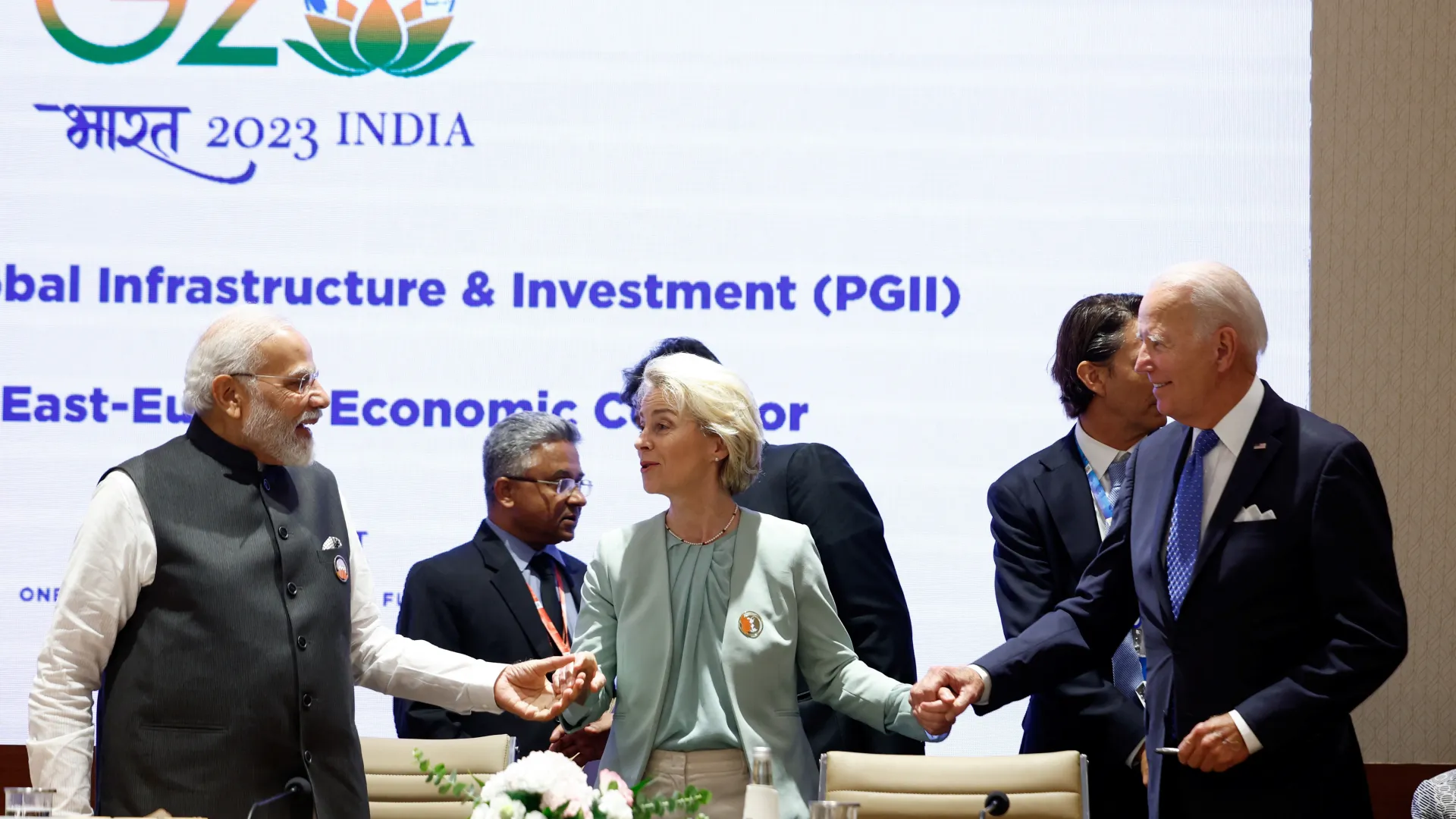
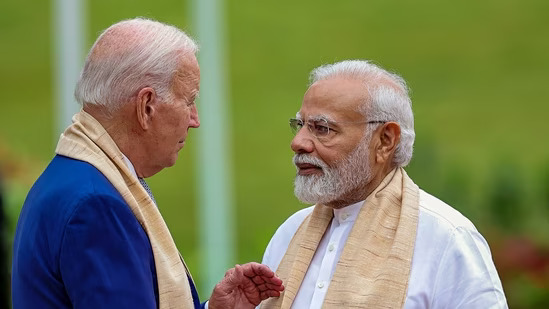
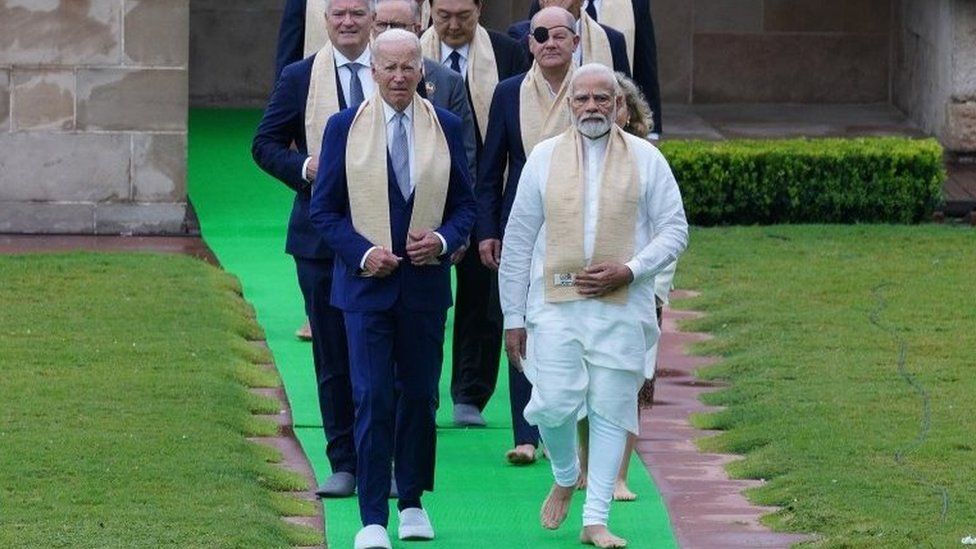
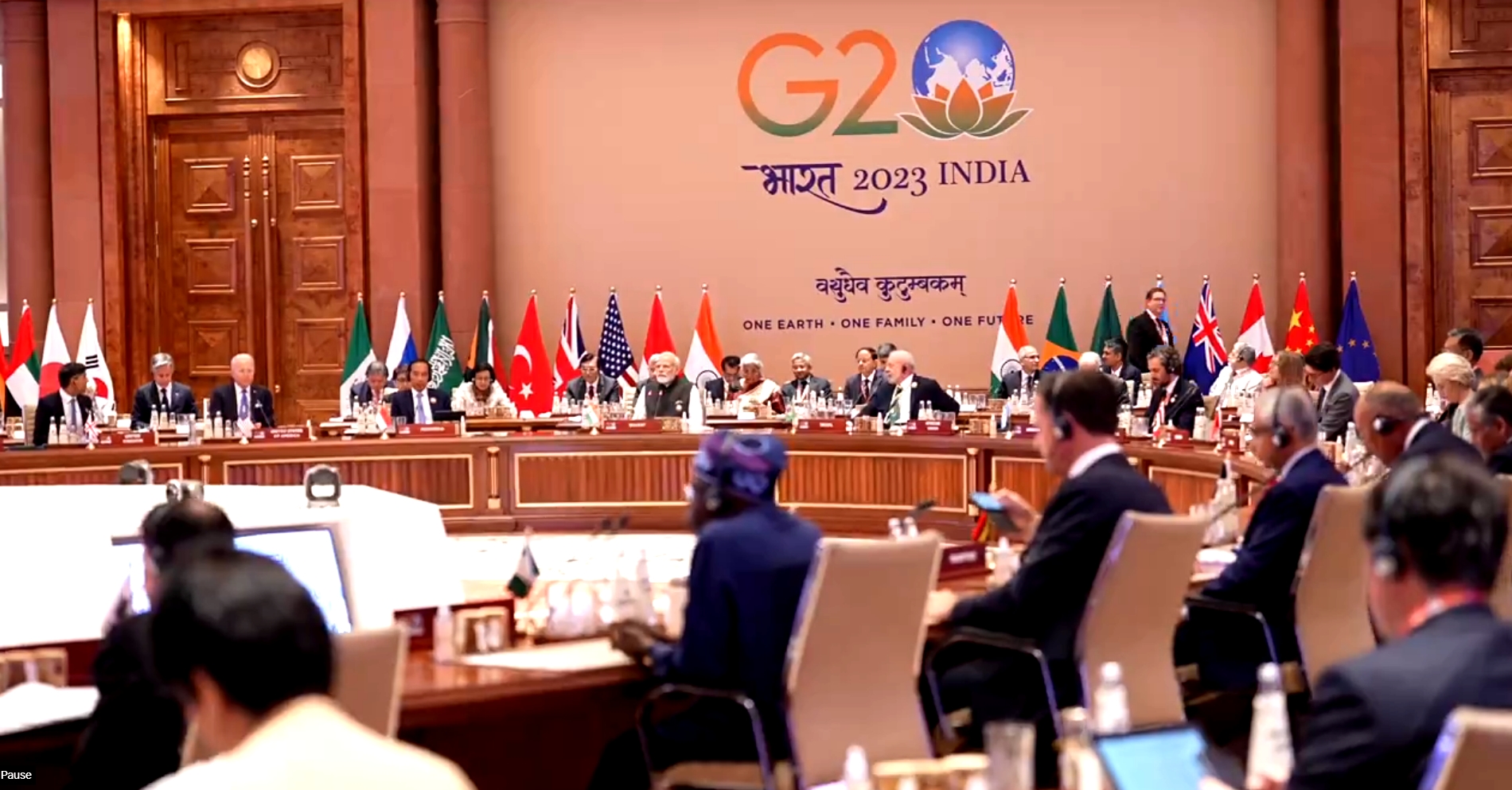
Recently, the Modi government used “Bharat” rather than “India” when referring to the country while hosting the G20 conference, attended by President Joe Biden, among other world dignitaries. “Bharat” is the preference of Hindu nationalists. This privileging, along with an increase in hate crimes, has led to an environment of fear and distrust among minorities, including Sikhs and Muslims, in India.
Considering the high percentage of Sikhs in Canada’s population, Trudeau understandably wants to assert the rights of Sikhs and show disapproval of the drift toward Hindu nationalism in India.
And this isn’t the only time that Trudeau and Modi have clashed over the issue. In 2018, Trudeau was condemned in India for his friendship with Jaspal Singh Atwal, a Khalistani supporter in Canada who was convicted of attempting to assassinate the chief minister of Punjab.
Yet both countries have reasons to try to move on from the current diplomatic contretemps. India and Canada have close trading ties and common strategic concerns with relationship to China. It is likely that, in time, both sides will find ways to cool down the tensions from this difficult incident.
From 18-year-old Sneha Revanaur- Founder of Encode Justice working towards AI regulation in the US to veteran business leaders like Romesh and Sunil Wadhwani- co founders of non-profit Wadhwani AI– ten stellar Indian and Indian American men and women, social and business entrepreneurs, researchers and academics are in Time’s AI (artificial intelligence) 2023 list.
From running an ethical business using AI to uplift underserved communities to use of AI in medicine and bioscience and from the need for involvement of the younger demographics in AI regulation to an AI non-profit working towards solving persistent global developmental challenges-the spectrum of initiatives being run by these men and women are vast and varied in impact and scale.
Romesh and Sunil Wadhwani
Indiaspora members and billionaire brother duo Romesh and Sunil Wadhwani joined hands to channel AI towards solving global development challenges, especially in nations where people live on less than $5 a day.
They have set up Wadhwani AI- an independent nonprofit institute developing AI-based solutions for underserved communities in developing countries. A total sum of $60 million has been committed to date towards the varied initiatives of the Mumbai-based non-profit.
Wadhwani AI devotes its AI development efforts to pioneering an ecosystem of scalable solutions in health care, education, and agriculture sectors for underserved communities by partnering with governments and nonprofits across Asia, Africa and Latin America. The initiative also includes a new $5 million program at the Center for Strategic and International Studies.
“We thought that in the U.S., China, and Europe, AI is being leveraged to help people who are already well-off,” says Sunil Wadhwani in the Time interview, “but maybe we can make India the global leader in applying AI for social good.”
The institute partners with Indian State and Central governments to identify use cases, collect data, conduct pilots and deploy solutions. Some of the strategic programs of the institute include enabling frontline healthcare workers to feel digitally confident to engage with AI-based technology solutions, irrespective of their education, skills, and environment and developing multiple interventions across the TB care cascade and helping India’s National TB Elimination Programme (NTEP) become AI-ready.
The Wadhwani brothers said in the Time interview that India, with a diverse population of 1.4 billion, perfectly suits the Wadhwani Institute’s mission of altruistic research. “Other countries simply don’t have the combination of capabilities or opportunities that India has,” says Romesh Wadhwani.
Sneha Revanaur
Encode Justice is a youth-led, AI-focused civil-society group. It was founded by Revanaur (from San Jose, California) in 2020 to mobilize younger generations in the golden state against Proposition 25, a ballot measure that aimed to replace cash bail with a risk-based algorithm.
After the initiative was defeated, the group focused on educating and galvanizing peers around AI policy advocacy. The group now has 800 young members in 30 countries around the world and is compared to the preceding youth-led climate and gun-control movements.
At the urging of many in the AI industry, Washington appears to be moving fast on AI regulation.
This summer, Revanur helped organize an open letter urging congressional leaders and the White House Office of Science and Technology Policy to include more young people on AI oversight and advisory boards. Soon after, she was invited to attend a roundtable discussion on AI hosted by Vice President Kamala Harris.
Manu Chopra
Friend of Indiaspora, Manu Chopra, co-founded Karya with Vivek Seshadri with an ambitious vision of setting up a network of ethical data usage where data can both financially and technologically empower traditionally underserved communities.
The USD $100 billion data generation industry offers the opportunity to create this ecosystem and impact the lives of millions of people.
Currently, most dataset generation work goes to urban communities or are outsourced to Kenya or the Philippines- where workers are often exploited; offered sub-minimum wages and are often overworked. Median hourly wages are estimated at $0.1-0.5 per hour, while datasets sell for over 200x this price. “With AI, we have a once-in-a-lifetime opportunity to move millions of rural Indians out of poverty, sustainably. At Karya, we are reimagining how AI models are trained. In an industry where for-profit companies pay data workers an average of 10 – 20 cents per hour, we pay our workers 50 times the industry standard, a minimum wage of USD 5/ hour,” tells Chopra.
Karya strives to be an ethical and high-quality AI/ML data company in the world, creating a win-win solution for both technology companies and data workers. Their ambitious goal is to use digital work to economically impact 100 million rural Indians by 2030. Currently Karya employs 30,000 workers.
“We work with over 200 of India’s top non-profits, self help groups and FPOs (farmer collectives) across 22 states in India to identify worker communities who would benefit the most from Karya’s work opportunities, tells Chopra. Karya has multiple on-going and up-coming projects across several states in rural India.
Tushita Gupta
Tushita Gupta co-founded Refiberd with Sarika Bajaj in 2020 with the goal of bringing the cutting-edge of AI research to the fashion industry to help solve the global textile waste crisis.
From their deep research backgrounds in artificial intelligence and textile engineering, the founders believe in the power of technology to unlock a 100% circular economy.
Gupta is the CTO at Refibred and is a patent-pending AI scientist. She previously worked on drug discovery. She has a Bachelors and Masters from Carnegie Mellon.
The amount of textiles trashed in the U.S. has almost doubled in recent years, going from nearly 9,500 tons in 2000 to just over 17,000 tons in 2018, according to the latest government data. And the vast majority of this—about 85%—goes to landfill or is incinerated rather than being recycled or donated.
The California-based company aims to provide the most accurate summary of what types of materials are in any given textile item. Successful recycling depends on knowing what something is made of, so that items can be precisely sorted into like materials. This is particularly true for chemical recycling—which breaks down synthetic materials like nylon and polyester that were once impossible to recycle. Once the materials are recycled, they can be remade into fabric for new textiles—cutting waste and encouraging circularity in the fashion industry.
In January, Refiberd raised over $3.4 million in seed funding, and it’s now running a series of pilot projects in the U.S. and Europe. Four companies are sending Refiberd a couple hundred pounds of textile waste to sort.
Neal Khosla
Another Indian American with a checkered legacy working to utilize AI in the healthcare space is Neal Khosla-CEO and co-founder of Curai Health, the AI-assisted telehealth startup that the 30-year-old Khosla co-founded in 2017.
Curai is beyond your standard subscription-based virtual care service.
The company charges $15 a month (if the cost isn’t covered by their employer) for users to text 24/7 with health care professionals who can answer questions, create care plans, write prescriptions, and, if necessary, refer users to specialists.
Curai’s AI essentially functions as an assistant for doctors, handling straightforward tasks to free up their time for more complex work. For example, collecting the information patients provide during their intake questionnaires or sending a follow-up message after the conversation to see how a patient is doing.
Utilizing the power of AI in this way allows the clinicians working with Curai to see many more patients.
So far, the startup has received more than $50 million in funding from General Catalyst, Morningside Ventures, and Khosla Ventures, the firm founded by Khosla’s father, the billionaire venture capitalist Vinod Khosla.
Pushmeet Kohli
Pushmeet Kohli is the Vice President of Research at Google DeepMind. He leads both Google DeepMind’s AI for Science project that uses AI to solve scientific grand challenges, and its Responsible and Reliable AI team, which monitors and regulates DeepMind’s AI systems.
Kohli joined DeepMind in 2017 and soon set up the Safe and Reliable AI team, which later changed its name. (DeepMind merged with a division of Google in April to become Google DeepMind.)
Some of the projects of the two teams he leads, includes AlphaFold, used by over 1 million researchers. It can predict the structures of proteins from their amino-acid structure in seconds- a previously time intensive task that took months or years. Better understanding of protein structures will accelerate drug discovery and may pave the way for further scientific breakthroughs.
Recently, Kohli’s AI for Science team also announced AlphaTensor, an AI system that builds on AlphaZero, which shows extraordinary performance across a range of games including Go, and can discover new algorithms.
He thinks that AI, by improving our understanding of the world, will ultimately solve more problems than it creates. He views the complex challenges he hopes AI will help address, such as climate change and pandemics.
Kalika Bali
Kalika Bali is a Principal Researcher at Microsoft Research in Bangalore working in the areas of Machine Learning, Natural Language Systems and Applications, and Technology for Emerging Markets. Her research interests are Speech and Language Technology especially in the use of linguistic models for building technology that offers a more natural Human-Computer and Computer-Mediated interactions.
She is currently working on Project Mélange to understand, process and generate Code-mixed language data for both text and speech. Code-mixing or use of multiple languages in a single conversation is a phenomenon that is observed in all multilingual societies. Though Code-mixing has been studied in the past as a feature of conversational speech, the rapid rise of social-media and other online forums has made it a common phenomenon for text as well. Conversational speech applications, like personal assistants and speech-to-speech translations, make it vital to model this in speech also.
“Recently, I have become interested in how social and pragmatic functions affect language use, in code-mixed as well as monolingual conversations, and how to build effective computational models of sociolinguistics and pragmatics that can lead to more aware Artificial Intelligence,” reads Bali’s bio on the Microsoft site.
“I am also very passionate about NLP and Speech technology for Indian Languages. I believe that local language technology, especially with speech interfaces, can help millions of people gain entry into a world that is till now almost inaccessible to them. I have served, and continue to serve, on several government and other committees that work on Indian Language Technologies and Linguistic Resources and Standards for NLP/Speech.”
Arvind Narayanan and Sayash Kapoor
Arvind Narayanan is a professor of computer science at Princeton University and the director of the Center for Information Technology Policy.
He co-authored a textbook on fairness and machine learning and is currently co-authoring a book on AI Snake Oil with Sayash Kapoor, one of his Ph.D. students.
The book that will be published next year was inspired after a talk that he gave in 2019 titled “How to recognize AI snake oil” went viral and the slides were downloaded tens of thousands of times and his tweets were viewed by millions.
Narayanan has led the Princeton Web Transparency and Accountability Project to uncover how companies collect and use our personal information. His work was among the first to show how machine learning reflects cultural stereotypes, and his doctoral research showed the fundamental limits of de-identification. Narayanan is a recipient of the Presidential Early Career Award for Scientists and Engineers (PECASE), twice a recipient of the Privacy Enhancing Technologies Award, and thrice a recipient of the Privacy Papers for Policy Makers Award.
Narayanan and Kapoor have been sharing their ideas as they develop and comment on recent developments in AI on their Substack, AI Snake Oil. (Courtesy: Indiaspora.com)
In a revelation that challenges our understanding of Earth’s relationship with its celestial companion, the Moon, scientists have determined that our lunar neighbor is gradually moving away from Earth, leading to a subtle yet significant transformation in the length of our planet’s days.
This remarkable discovery sheds light on a phenomenon that unfolds over millions of years, offering a glimpse into the complex dynamics between Earth and its only natural satellite.
Picture : The US Sun
A recent investigation conducted by researchers at the University of Wisconsin-Madison delves into the geological history of our planet, focusing on rock formations dating back a staggering 90 million years. This exploration of Earth’s ancient interactions with the Moon, approximately 1.4 billion years ago, has unveiled the astonishing fact that the Moon is steadily distancing itself from Earth, an ongoing process occurring at a rate of 3.82 centimeters per year. The consequences of this gradual lunar retreat will become increasingly apparent in the distant future, as Earth’s days are poised to extend to 25 hours in the span of 200 million years.
Professor Stephen Meyers, a prominent figure in the field of geoscience at the University of Wisconsin-Madison, likens this phenomenon to a figure skater slowing down as they extend their arms during a spin.
He elucidates, “As the moon moves away, the Earth is like a spinning figure skater who slows down as they stretch their arms out.”
This analogy vividly illustrates the intricate interplay between Earth and the Moon, a dynamic that has captivated scientists seeking to comprehend the distant past while simultaneously expanding our grasp of geological time scales.
This revelation, however, is not the sole development challenging our perception of the Moon. Recent breakthroughs stemming from China’s space program have unearthed a treasure trove of secrets hidden beneath the lunar surface, spanning billions of years.
These concealed structures offer tantalizing glimpses into the Moon’s enigmatic history, providing invaluable insights for researchers endeavoring to reconstruct the lunar past.
The Moon’s slow and steady journey away from Earth, as unveiled by the meticulous study conducted by the University of Wisconsin-Madison, promises to reshape our understanding of our planet’s celestial partner. This ongoing celestial dance, which unfolds over geological epochs, will ultimately extend Earth’s days to 25 hours in the distant future.
Concurrently, China’s space program has unearthed lunar mysteries buried deep beneath the Moon’s surface, offering a fresh perspective on its intriguing past. Together, these revelations propel us into a realm where the Earth-Moon relationship is unveiled in all its complexity, providing a fascinating glimpse into the celestial mechanics that have shaped our planet and its only natural satellite.
The Federal Reserve has concluded its interest rate hikes and is expected to reduce them by approximately one percentage point in the coming year, as indicated by leading economists at some of North America’s largest banks.
While it’s likely that the United States will avoid a recession, the latest projections from the American Bankers Association’s Economic Advisory Committee suggest a significant slowdown in economic growth in the upcoming quarters. This slowdown is expected to result in higher unemployment rates and a decrease in inflation.
Simona Mocuta, the chair of the 14-member committee and chief economist at State Street Global Advisors, stated, “Given both demonstrated and anticipated progress on inflation, the majority of the committee members believe the Fed’s tightening cycle has run its course.”
The upcoming Federal Reserve meeting is anticipated to see no change in interest rates, although there is a division among investors regarding the possibility of a rate increase later in the year.
Picture : S & P Global
The ABA advisory committee comprises economists from major institutions such as JPMorgan Chase & Co., Morgan Stanley, and Wells Fargo & Co. Their forecasts are regularly presented to Fed Chair Jerome Powell and other members of the central bank’s board in Washington.
According to their median forecast, the committee anticipates that economic growth will decelerate to less than an annualized rate of 1% in the next three quarters due to previous interest rate hikes by the Fed and tightening credit conditions.
The committee’s projections also indicate that unemployment is expected to climb to 4.4% by the end of the next year, up from 3.8% in August. Additionally, consumer price inflation is forecasted to decrease from 3.2% in July to 2.2%.
Simona Mocuta noted during a Zoom press conference, “As a consensus among the committee, the likelihood of a soft economic landing has significantly improved in the short term. However, there are lingering concerns about the sustainability of the remarkable resilience that the economy has exhibited thus far.” The committee assesses the probability of a recession next year to be just under 50%.
Despite experiencing an 11 percent decline in its population of ultra-wealthy individuals in 2022, Asia still maintains a larger number of such individuals compared to Europe. These ultra-wealthy individuals are defined as those whose net worth exceeds $30 million.
The World Ultra Wealth 2023 report by Altrata reveals that Asia surpassed Europe in the number of ultra-wealthy individuals for the first time in 2019. Analysts project that Asia’s global share of ultra-high-net-worth individuals (UHNWIs) will continue to expand in the coming years and could reach 29 percent by 2027, a significant increase from the 15 percent recorded in 2004. This growth is expected to come at the expense of Europe, which is anticipated to witness a decline in its share of global UHNWIs, dropping from 41.4 percent in 2004 to 25 percent by 2027.
While the populations of ultra-wealthy individuals are projected to rise across all regions worldwide, Asia is poised for the most substantial growth over the next five years, with numbers surging from 395,070 to 528,100. This surge can be attributed in part to India’s expanding economy and a growing trend among businesses to diversify their supply chains away from the Chinese mainland. Instead, they are relocating their industrial, logistical, and real estate operations to other Asian markets.
As depicted in the chart below, North America is expected to maintain its position as the region accounting for approximately 35 percent of global UHNW wealth by 2027. Meanwhile, Europe is projected to lag behind these two regions in terms of UHNW wealth, although it will still experience an overall increase in cumulative wealth.
According to the report, the global population of ultra-wealthy individuals is set to reach 528,100 people by 2027, a substantial increase from the 133,000 reported in 2022.
A promising solution for indigestion may already be lurking in your kitchen spice rack, as indicated by a recent study. Published in the medical journal BMJ, this study, which unveiled its findings on Monday, investigated the response of over 150 individuals with dyspepsia (commonly referred to as indigestion) to three different treatments: the medication omeprazole, turmeric containing curcumin, and a combination of the two.
Omeprazole is a widely used drug known for its effectiveness in treating specific heart and esophageal conditions by reducing stomach acid levels, according to the Mayo Clinic.
The participants’ symptoms, which encompassed stomach pain, bloating, nausea, and an early sense of fullness, were assessed at the 28th and 56th day of the treatment. This evaluation utilized the Severity of Dyspepsia Assessment, a questionnaire designed to gauge the severity of indigestion.
The study’s outcomes revealed no significant distinctions in symptom alleviation among the groups receiving omeprazole, turmeric, or the combination of both treatments.
Picture: Business Insider
Dr. Krit Pongpirul, the lead author of the study and an associate professor in the department of preventive and social medicine at Chulalongkorn University in Bangkok, Thailand, remarked, “In addition to its anti-inflammatory and antioxidant properties, curcumin/turmeric could be a viable option for treating dyspepsia with comparable efficacy to omeprazole.”
Turmeric has a longstanding history of medicinal use in Southeast Asia for addressing stomach discomfort and various inflammatory conditions. In the United States, it has primarily served as an anti-inflammatory and antioxidant dietary supplement for alleviating conditions such as osteoarthritis and irritable bowel syndrome.
However, this clinical trial marks the first instance in which curcumin/turmeric has been directly compared to omeprazole in the treatment of dyspepsia, according to Pongpirul.
Turmeric’s Impact on Indigestion and Ongoing Questions
The exploration of turmeric’s influence on indigestion is a logical step since its constituent, curcumin, has been extensively studied in various inflammatory conditions, including inflammatory bowel disease and arthritis, according to Dr. Yuying Luo, a gastroenterologist and assistant professor of gastroenterology at the Icahn School of Medicine at Mount Sinai in New York City. Some studies have even shown that curcumin can be beneficial when used alongside other medications.
Nevertheless, Luo raised a few queries regarding the new study. She pointed out that the scale employed by the researchers to assess symptoms is not the most commonly used one for gauging indigestion improvement. She also expressed a desire to see more frequent symptom measurements.
“I don’t think this single study alone provides sufficient grounds for me to make a recommendation. Proceed with caution,” she cautioned. However, she added that given the extensive ongoing research on the compound’s impact on various inflammatory conditions, more insights may emerge soon.
Luo emphasized the importance of consulting with a healthcare professional before increasing turmeric consumption in your diet for improved digestion. She highlighted a few case studies indicating liver injury associated with curcumin and the necessity of ensuring that turmeric does not interact adversely with any other medications you may be taking.
Pongpirul echoed these sentiments, stating, “Consumers should be aware of side effects of curcumin extracts such as allergy and bleeding risk, especially for those who take anticoagulant or antiplatelet medications.” He added that curcumin and turmeric are generally considered safe when consumed in the typical amounts found in food.
Typically, turmeric spices contain around 3% curcumin, as per a 2009 study. The 2-gram dose administered in this study is relatively low when compared to the curcumin extracts commonly found in supplements, according to Pongpirul. Therefore, if one of the treatments, turmeric or omeprazole, proves to be equally effective in reducing the risk of side effects, taking both may not be necessary.
While Luo awaits further studies before recommending turmeric as a treatment, she suggested discussing the option with your healthcare provider in conjunction with your current medications. However, she advised giving each alternative two to four weeks to assess their full impact, noting that not all patients respond identically to medications, which is a common challenge in treating disorders.
World leaders have issued a call for the expansion of the World Bank to enhance its lending capacity. However, the bank has underscored that this expansion hinges on securing funding from the private sector, as reported in a recent statement.
The President of the World Bank, Ajay Banga, conveyed that the institution’s focus has broadened beyond poverty eradication to encompass pressing global challenges such as pandemics, climate change, and food security. In an exclusive interview with CNBC’s Tanvir Gill during the Group of 20 (G20) leaders’ summit in New Delhi, Banga emphasized the need for private sector involvement. He stated, “There’s no way there’s enough money in the multilateral development bank, or even in governments… that can drive the kinds of changes we need for this polycrisis. Getting the private sectors’ capital and ingenuity into the game is going to be very important.”
Banga further elaborated on the bank’s efforts to boost its lending capacity, stating, “We are digging deep to boost our lending capacity, but we are going further, creating new mechanisms that would allow us to do even more.” He shared these insights during the G20 leaders’ summit, highlighting the bank’s commitment to expanding concessional financing to assist more low-income countries in achieving their goals. Additionally, he mentioned a creative approach to fostering international cooperation in addressing shared challenges.
At the summit, U.S. President Joe Biden echoed the sentiment that the World Bank cannot tackle these challenges alone. Biden called on G20 leaders to provide increased support to the World Bank and other multilateral development banks over the next year, with the goal of enhancing the institution’s capacity to aid low and middle-income nations.
To achieve this objective, Biden requested Congress to allocate more than $25 billion in additional financing for the World Bank. This financial injection is expected to empower the bank to further assist developing countries in their pursuit of development and economic objectives. The White House noted that this initiative would strengthen the World Bank and enable it to provide resources at the scale and speed required to address global challenges and meet the urgent needs of the poorest countries.
The World Bank, originally established in 1944 to support post-World War II reconstruction in Europe and Japan, has evolved significantly over the years. It began with just 38 member nations and has since expanded to include a majority of the world’s countries.
Biden’s administration has previously emphasized the need to provide developing countries with alternative funding sources to reduce their reliance on China and support their recovery from the effects of Russia’s war on Ukraine. As part of this effort, the administration sought $3.3 billion to bolster development and infrastructure finance provided by the World Bank.
In addition to increasing resources for poverty reduction in developing countries, the expansion of the World Bank also aims to assist these nations in transitioning to renewable energy sources. President Banga expressed his vision of securing funds for renewable energy initiatives, which could potentially attract private sector investments at ratios of one-to-one, two-to-one, or even three-to-one. He highlighted the enthusiasm of investors to engage in renewable energy projects in developing countries, emphasizing their confidence in the profitability of ventures related to solar, wind, and geothermal energy.
Both the World Bank and the International Monetary Fund (IMF) have pledged to strengthen their partnership to support countries facing challenges related to debt, sustainability, and digital transformation. In a separate interview with CNBC’s Martin Soong at the G20 summit, the IMF’s Managing Director, Kristalina Georgieva, emphasized the evolving landscape of global lending institutions. She stressed the importance of addressing the pressing issue of mounting debt, with approximately 25% of emerging market debt approaching distressed levels. Georgieva highlighted the increasing number of low-income countries experiencing or nearing financial distress.
Georgieva further emphasized the complementary roles of the World Bank and the IMF, explaining that the World Bank possesses deep sectoral expertise that the IMF does not. The IMF’s strengths lie in advising on fiscal policies to facilitate the transition to a digital economy, assessing new types of risks, including those associated with cryptocurrencies and climate change, and utilizing data to inform policymakers on current and future concerns.
In conclusion, the call for the World Bank’s expansion to confront global challenges beyond poverty eradication has garnered support from world leaders, including President Biden. The key to realizing this expansion lies in securing private sector funding. As the institution evolves to address a broader array of global issues, it aims to provide increased concessional financing to low-income countries while fostering international cooperation.
The World Bank’s expansion also aims to support developing nations in their transition to renewable energy sources. Moreover, the partnership between the World Bank and the IMF is set to strengthen, with a focus on addressing debt-related challenges and promoting synergies to tackle global issues effectively. These developments reflect the changing landscape of international financial institutions and their commitment to working together for the greater good.
In a surprising turn of events, Speaker Kevin McCarthy announced on Tuesday last week that he was instructing House Republicans to initiate an impeachment inquiry into President Joe Biden. Speaking from the U.S. Capitol, McCarthy delivered a concise formal statement, stating, “Today, I am directing our House committee to open a formal impeachment inquiry into President Joe Biden.” McCarthy chose not to field questions from the assembled reporters.
McCarthy’s previous stance had suggested that there would be a full House vote to initiate an impeachment inquiry, as had been the practice in previous instances. However, as of Tuesday, it appeared that McCarthy did not have the necessary support to hold such a vote. A spokesperson for McCarthy confirmed that there would not be a vote to kickstart the impeachment inquiry.
This move had been foreshadowed by McCarthy for several weeks. Part of the motivation appeared to be an effort to appease staunch GOP members and gain access to financial records and documents related to President Biden and his son, Hunter. McCarthy elucidated his rationale on Tuesday, saying, “This logical next step will give our committees the full power to gather the full facts and answers for the American public. That’s exactly what we want to know—the answers. I believe the president would want to answer these questions and allegations as well.”
The individuals selected to lead the impeachment inquiry were also disclosed by McCarthy. He designated House Oversight Committee Chairman James Comer, House Judiciary Committee Chairman Jim Jordan, and House Ways and Means Committee Chairman Jason Smith for this role.
Picture: NPR
House Republicans had been engaged in investigations for several months, attempting to establish links between President Biden and his son’s business dealings. However, no concrete evidence of wrongdoing by the president had been uncovered. McCarthy revealed that House Republicans, during the August recess, had come across what he termed as “serious and credible allegations into President Biden’s conduct.” When viewed collectively, these allegations painted a picture, in McCarthy’s words, of “a culture of corruption.”
Speaker McCarthy emphasized the gravity of his decision, stating, “I do not make this decision lightly. Regardless of your party, or who you voted for, these facts concern all Americans.”
Responding to McCarthy’s call for a formal impeachment inquiry into President Biden, White House spokesperson Ian Sams commented, “House Republicans have been investigating the President for 9 months, and they’ve turned up no evidence of wrongdoing. His own GOP members have said so. He vowed to hold a vote to open impeachment, now he flip-flopped because he doesn’t have support. Extreme politics at its worst.”
Hunter Biden’s attorney, Abbe Lowell, expressed his perspective on McCarthy’s actions, saying, “McCarthy has shown he will do anything to hold on to his gavel,” including launching an impeachment inquiry “based on repackaged, inaccurate conspiracies about Hunter Biden and his legitimate business activities.”
After leaving the House floor, McCarthy spoke to reporters once more, reiterating the importance of initiating an impeachment inquiry as a means to access more information. When asked if he believed President Biden had committed an impeachable offense, McCarthy replied, “All I’ve said is an impeachment inquiry allows us to get answers to get questions that are out there. Don’t you think the public wants answers?”
Former President Donald Trump had privately discussed an impeachment inquiry into President Biden with House Republicans, according to sources. Rep. Elise Stefanik, a member of Republican leadership, spoke with Trump and updated him on the impeachment inquiry on Tuesday afternoon, according to two sources.
Senate Republicans are scheduled to be briefed by Reps. Jordan and Comer during their lunch on Wednesday, confirming the seriousness of the matter. This briefing will be the first direct exposure to the evidence that Jordan and Comer claim to have uncovered, which could be pivotal for senators seeking more information about the House’s findings before making decisions on supporting further actions.
In a joint statement, Comer, Jordan, and Smith expressed their support for the impeachment inquiry, asserting, “The House Committees on Oversight and Accountability, Judiciary, and Ways and Means will continue to work to follow the facts to ensure President Biden is held accountable for abusing public office for his family’s financial gain. The American people demand and deserve answers, transparency, and accountability for this blatant abuse of public office.”
Sen. Mitt Romney, one of seven Senate Republicans who voted in 2021 to remove former President Donald Trump from office due to his involvement in the January 6 insurrection, endorsed the use of an impeachment inquiry to gain access to more information regarding President Biden’s business dealings. Romney explained, “The fact that the White House has been singularly silent and has coddled Hunter Biden suggests an inquiry is not inappropriate. That’s very different than an impeachment, an actual impeachment would require the evidence of a high crime or misdemeanor that has not been alleged. But inquiring is something the president and the White House could have avoided.”
Sen. Chuck Grassley, who has been investigating Hunter Biden’s business dealings for years, emphasized the distinction between an inquiry and an impeachment, stating, “An inquiry is an inquiry, it’s not an impeachment. And it seems to me it will open up an avenue to get a lot of information that we feel we’ve been stonewalled.”
Regarding the impeachment inquiry’s timing, this development arises as McCarthy aims to prevent a potential revolt from conservative hardliners and avert a government shutdown.
The House resumed its session on Tuesday, facing an impending September 30 deadline to pass a spending measure to keep the government operational. House Republican leaders are currently considering the passage of a continuing resolution, or a short-term funding extension, to provide additional time for negotiations on a comprehensive appropriations package.
However, members of the House Freedom Caucus, the same group that previously opposed McCarthy’s bid for the speakership and his debt limit agreement with President Biden, have indicated that they would not endorse a continuing resolution unless it includes specific provisions related to border security and the “weaponization of the DOJ.” Additionally, the group opposes further aid to Ukraine, potentially setting the House at odds with Senate Republican Leader Mitch McConnell.
In the midst of this tension, Florida Rep. Matt Gaetz publicly threatened to initiate a motion to vacate against McCarthy. Such a motion would compel a vote to determine McCarthy’s continued tenure as speaker. McCarthy downplayed the threat when speaking to reporters on Monday evening, stating that Gaetz “should go ahead and do it… Matt’s, Matt.” Gaetz reiterated this warning during a floor speech shortly after McCarthy’s announcement regarding the impeachment inquiry, describing McCarthy’s move as a “baby step” in response to pressure from House conservatives.
Water might be present on the surface of an enormous celestial body located approximately 120 light-years away from Earth, as per recent discoveries made by the James Webb Space Telescope. This space-based observatory, renowned for its advanced astronomical capabilities, has unearthed intriguing clues indicating that the exoplanet K2-18b could possess essential characteristics conducive to the existence of water and potentially life.
K2-18b is situated in close proximity to the cool dwarf star K2-18, occupying what scientists refer to as the “habitable” or “Goldilocks” zone around the star. This zone is deemed suitable for supporting liquid water and, consequently, life. In terms of mass, K2-18b is approximately 8.6 times that of Earth. An extensive analysis of the observations made by the Webb telescope has disclosed the presence of substantial quantities of methane and carbon dioxide in the exoplanet’s atmosphere.
The detection of these carbon-based molecules, coupled with a limited presence of ammonia, suggests the potential existence of an atmosphere rich in hydrogen encompassing an oceanic world, according to a statement from NASA. Carbon, recognized as the fundamental building block of life on Earth, has sparked significant interest among scientists exploring extraterrestrial environments.
Picture: Waay-tv
This intriguing journey into the possibility of water and life on K2-18b began with the Hubble Space Telescope, which initially detected indications of water vapor in the exoplanet’s atmosphere. This discovery, detailed in a September 2019 study, served as a catalyst for intensified investigation into K2-18b’s unique attributes.
The Webb telescope, with its capacity to detect infrared light that escapes human perception, embarked on a quest to precisely identify the elements present within the planet’s atmosphere. The most recent findings from these observations also suggest the potential presence of a distinctive molecule known as dimethyl sulfide on K2-18b.
Dimethyl sulfide on Earth is exclusively produced by living organisms, primarily phytoplankton in marine environments, according to NASA. However, researchers remain cautious in their assertions, emphasizing that further investigation is necessary to confirm the existence of dimethyl sulfide on K2-18b. Moreover, even if the presence of this chemical compound is corroborated, it does not guarantee the existence of life forms on the exoplanet.
Despite the absence of definitive claims regarding alien life on K2-18b, this new evidence serves to broaden our comprehension of exoplanets resembling K2-18b. The insights gleaned from the examination of its atmospheric composition indicate that it might belong to a category known as “Hycean exoplanets.” These hypothetical celestial bodies are characterized by high temperatures, extensive oceanic coverage, and hydrogen-rich atmospheres.
The existence of liquid oceans on Hycean exoplanets offers the potential for sustaining life, although there are lingering uncertainties about their habitability. A study published in The Astrophysical Journal in August points out that these planets could undergo a severe greenhouse effect, potentially rendering them inhospitable.
It is important to note that there are currently no confirmed instances of Hycean exoplanets. Furthermore, K2-18b is an extraordinary entity within our own solar system, which makes planets resembling it poorly understood, as acknowledged by NASA. The scientific community is actively engaged in debating the nature of their atmospheres, as highlighted in a NASA news release.
Nonetheless, scientists involved in the analysis of the recent observations of K2-18b emphasize the significance of unraveling its mysteries. Nikku Madhusudhan, an astronomer and professor of astrophysics and exoplanetary science at the University of Cambridge, who is the lead author of the forthcoming scientific paper detailing these findings, suggests that while further research is required to substantiate the presence of dimethyl sulfide and its implications, the results constitute a promising step in comprehending Hycean worlds. Madhusudhan articulated, “Our ultimate goal is the identification of life on a habitable exoplanet, which would transform our understanding of our place in the universe. Our findings are a promising step towards a deeper understanding of Hycean worlds in this quest.”
In pursuit of this quest for knowledge, researchers intend to leverage the capabilities of the Webb telescope to conduct additional investigations of this distant exoplanet. These subsequent efforts aim to validate and expand upon the newly uncovered insights. Savvas Constantinou, a doctoral student of astrophysics at the University of Cambridge and a co-author of the latest study, noted, “These results are the product of just two observations of K2-18 b, with many more on the way. This means our work here is but an early demonstration of what Webb can observe in habitable-zone exoplanets.”
In summary, the James Webb Space Telescope’s observations have ignited tantalizing possibilities regarding the presence of water and potentially life on the exoplanet K2-18b, situated in the habitable zone of the star K2-18. While this evidence offers promising insights into the composition of its atmosphere, researchers remain cautious about making definitive claims regarding the existence of life on this distant celestial body. Nonetheless, the pursuit of knowledge regarding exoplanets like K2-18b continues to drive scientific exploration and expand our understanding of the universe.
As the Group of 20 summit commenced, India’s Foreign Minister, S. Jaishankar, emphasized India’s role in promoting geopolitical harmony amidst the backdrop of intensifying great power rivalry. During the conclusion of contentious negotiations over the joint leaders’ declaration in New Delhi, Jaishankar acknowledged the challenge of leading a “very broad, very diverse” group of member states and stated, “There’s a spectrum of views and interests out there that we have tried to harmonize to produce the declaration.”
The focal point of this “spectrum of views” revolved primarily around Russia’s invasion of Ukraine, with G20 officials striving to find common ground. Since the commencement of the conflict in early 2022, India had consistently advocated for a peaceful resolution while refraining from overtly condemning Russia. India shares a long history of partnership with Russia and depends on the country for weapons and affordable oil shipments.
While the G20 traditionally serves as a forum for economic and developmental discussions, recent years have witnessed the intrusion of geopolitical concerns into its agenda. As the summit approached, analysts anticipated difficulties in reaching a consensus on the statement’s wording, especially with the U.S. advocating for a clear denunciation of Russia’s invasion.
Ultimately, the declaration produced was largely influenced by India’s discreet diplomatic efforts, reflecting the host country’s balanced foreign policy approach. The declaration refrains from direct condemnation of Russia and instead includes a general summary of the United Nations’ principles, emphasizing the avoidance of force for territorial acquisition by states. It also acknowledges the human suffering and adverse impacts of the conflict in Ukraine. This stance marked a contrast from the previous year’s declaration, which expressed strong condemnation of Russia’s aggression and demanded its unconditional withdrawal from Ukrainian territory.
Another significant outcome of the summit was the African Union’s admission as a full member of the G20. This accomplishment was part of India’s concerted efforts to engage with developing countries in what it terms a “multialignment” strategy. In a world where the U.S. and China vie for global influence, India is seizing the opportunity to emerge as an alternative, focusing on the Global South and representing it in a polarized international order. This position echoes India’s stance during much of the Cold War when Prime Minister Jawaharlal Nehru helped establish the nonaligned movement, representing the “Third World” as a neutral force amid competing ideological blocs.
While some Asian countries like Japan and South Korea are strengthening their ties with the U.S. in response to China’s rise, India is pursuing a policy of hedging its bets. India’s role in mediating disagreements among G20 members regarding Russia’s Ukraine war could be seen as a pivotal moment in its ascent as a dealmaker and champion of a more flexible international order.
Harsh V. Pant, a professor of international relations at King’s College London and vice president of studies and foreign policy at the Observer Research Foundation, noted, “In some ways, the Global South approach that India has favored has [caught on], and that’s one metric of success. As major powers contest and compete, India will be more favorably positioned as a country that has channels of communication open with different stakeholders.”
Supporters of India’s “multialignment” foreign policy highlight its economic benefits. India has procured discounted Russian crude oil following Western sanctions on Russian oil exports. This affordable oil has significantly contributed to India’s economic growth, with K.C. Ramesh, executive director of Oil and Natural Gas Corporation, India’s largest oil company, affirming its positive impact.
Despite criticism from Western nations regarding its oil imports from Russia, India’s relations with the U.S. and the West have remained intact. In fact, India has witnessed a surge in exports to the U.S. over the past two years, with the U.S. surpassing China to become India’s largest trading partner in 2022, according to data from the Indian Commerce Ministry. Harsh V. Pant observed, “Despite Ukraine, India’s ties with the U.S. and West have not really suffered. You see greater acceptance of the logic of India’s position today.”
Vincent Magwenya, a spokesperson for South African President Cyril Ramaphosa, commended India for setting an attractive example for developing countries. He remarked, “We have expressly stated that we are not aligned to any particular global power, so what India has done is very much in line with our own foreign policy.”
Despite championing the cause of the Global South, India remains part of the U.S.-led Quadrilateral Security Dialogue (Quad), which includes Australia and Japan. Additionally, India is a member of the China- and Russia-led Shanghai Cooperation Organization, emphasizing its commitment to engaging with partners globally based on national interests. In an interview with Nikkei Asia before his participation as a special guest at the Group of Seven summit in Hiroshima, Prime Minister Narendra Modi stated, “As a member of the Global South, our interest in any plurilateral setting is to serve as a bridge between diverse voices and contribute to a constructive and positive agenda.”
The compromise regarding the language concerning Russia’s Ukraine invasion aligns with India’s broader diplomatic pattern, prioritizing tangible benefits such as trade and infrastructure that directly enhance domestic prosperity over ideological commitments and shared values in international relations. Praveen Donthi, senior analyst for India at the International Crisis Group, noted the divergence between the so-called rules-based international order and India’s pragmatic approach. He emphasized that India positions itself as a narrative shaper, a voice of the Global South, and an independent force pursuing multialignment.
Alongside the leaders’ statement on Russia’s Ukraine invasion, Prime Minister Modi worked on several deals during the G20 summit. This included a railway and ports project aimed at connecting the Middle East and South Asia, offering an alternative to China’s Belt and Road initiative. The project involves various partners, including the European Union, the U.S., and Saudi Arabia, demonstrating India’s proactive approach to regional connectivity and economic cooperation.
The Challenges of India’s Diplomatic Role
In the aftermath of a recent leaders’ declaration, Indian officials have found themselves fielding questions regarding a notable shift in language compared to the previous year’s G20 summit in Bali, Indonesia. While last year’s statement explicitly mentioned Russia in the context of the ongoing war and its impact on global stability, the current declaration, issued from New Delhi, takes a different approach. When asked about this divergence, India’s External Affairs Minister, Jaishankar, offered a succinct response: “I can only say Bali was Bali and New Delhi is New Delhi. Bali was a year ago, the situation was different. Many things have happened since then.”
This shift in rhetoric reflects India’s evolving role on the global stage, as it joins other non-Western countries in presenting an alternative vision of international relations. According to Sarang Shidore, director of the Global South Program at the Quincy Institute for Responsible Statecraft, this new vision seeks to forge “alternative, more equitable pathways to development that plug existing gaps in the U.S.-led order.” It’s a vision that resonates with many nations in the Global South, offering an alternative perspective on global governance.
However, not all experts in international relations are convinced that India’s newfound prominence will be sustainable. The ongoing war in Ukraine and the intensifying superpower rivalry between the United States and China have placed India in a position where it is courted from all sides. Yet, the durability of India’s current status remains uncertain unless it can establish relationships founded on shared values and principles rather than short-term expediency.
Sumit Ganguly, an expert on Indian foreign policy at Indiana University, points out that while Jaishankar and Prime Minister Modi are skillfully leveraging their relationships with global powers, the lack of durable ties based on values and shared beliefs may prove detrimental in the long run. In essence, building genuine friendships, rather than transactional alliances, should be India’s focus.
India’s need for true allies becomes particularly evident in light of escalating tensions with China, centered around the Himalayan border. The violent clashes in 2020 resulted in casualties on both sides and underscored the seriousness of the border dispute. In the face of an increasingly assertive China, India’s strategy of deliberate nonalignment stands in stark contrast to the recent foreign policy approaches of other Asian powers, such as Japan and South Korea.
Picture : CSIS
Japan and South Korea, despite historical tensions stemming from Japan’s occupation of the Korean Peninsula from 1910 to 1945, have taken steps to deepen their security ties with each other and with the United States. They emphasize the importance of a “rules-based international order,” a stark contrast to India’s nonaligned stance.
South Korean President Yoon Suk Yeol, known for his strict adherence to rules and principles, cites common values of democracy and global trade as the basis for deeper cooperation between Japan and South Korea. The two nations also face shared threats from China and North Korea, which continues to advance its weapons programs. In an unexpected turn, Yoon took part in a summit with Japanese Prime Minister Fumio Kishida and U.S. President Joe Biden in which they agreed to share real-time information on North Korean missiles. Such cooperation would have been unthinkable a few years ago.
The emphasis on alliances among democracies is closely tied to growing concerns about China’s intentions and actions. As Park Hwee-rak, a professor of political science at Kookmin University in Seoul, points out, China has failed to convince South Korea and other neighbors of its commitment to democracy and regional leadership. Consequently, the U.S. appears to be the only reliable partner for democracies like South Korea, which cannot be replaced by China.
Turning our focus back to India, the G20 summit held significant importance for Prime Minister Modi. It allowed him to project an image of a strong and influential India just ahead of general elections. Modi’s investment in the G20 summit was, in part, aimed at presenting an India that diverges from the daily struggles experienced by many of its citizens. Despite longstanding expectations of India becoming Asia’s economic powerhouse, some analysts argue that Indian policymakers have failed to foster a robust middle class, and the country still lags behind in key measures of well-being, including access to food and medical care.
Critics of Modi’s leadership argue that his control over the country is characterized less by harmony and more by division and fear. In the weeks leading up to the G20 Summit, India was marred by incidents such as a mob setting fire to a mosque near New Delhi and violent clashes in Manipur. Opposition leader Rahul Gandhi has been among those criticizing Modi for failing to quell such violence, alleging that his politics of Hindu supremacism have fueled social unrest.
Despite Modi’s rhetoric about spearheading an alternative diplomatic approach and bridging the gap between the Global South and industrialized nations, his primary focus appears to be harnessing foreign policy for domestic political gains. As noted by the International Crisis Group’s Donthi, the government excels at offering intangible benefits such as boosting India’s global prestige while constantly strategizing to secure electoral victories.
India’s evolving role on the global stage, as seen through its participation in the G20 summit, signifies a departure from previous diplomatic approaches. While India’s nonaligned stance and emphasis on alternative visions of international relations may hold appeal for some nations, the sustainability of its newfound prominence remains uncertain. Building lasting relationships based on shared values and principles, rather than mere expediency, will be key to India’s success in the complex world of international diplomacy.
Shielding right to free speech of journalists, the Supreme Court of India said it would be “egregious” to prosecute journalists for false statements in their reports and protected the three Editors Guild of India (EGI) members from arrest in the FIRs lodged against them for a controversial report on media coverage and government handling of ethnic clashes in Manipur.
The court stated that prosecuting journalists for false statements in their reports would be “egregious” and that even if the report was false, journalists cannot be prosecuted under Section 153A of the Indian Penal Code.
A Meitei NGO, which had lodged the FIRs against the EGI members, opposed the journalists’ plea for revoking the FIRs alleging that the report was full of falsehoods propagated by the Kuki side which deepened the ethnic divide and fuelled violence.
A bench led by CJI DY Chandrachud said, “It would be egregious to prosecute journalists under Section 153A of IPC (promoting enmity between communities) for false statements in their reports. The report may be right or wrong. But that is what free speech is all about.”
The CJI added, “Your [the NGO’s] entire complaint is a counter narrative of the government. Assuming that the EGI report is false, it is not an offence under Section 153A. A false statement in an article (by a journalist) is not an offence under Section 153A. There are falsehoods in articles published across the country every day, do we prosecute all journalists under Section 153A?”
Solicitor general Tushar Mehta said, “My only worry is that any organisation now can put up a fact-finding committee, file a report and place it alongside the counter views and then come before the SC seeking quashing of the FIR. With this (kind of report), we may not be able to control the narrative building by both sides. Anyone or a team of people can go, put out a particular view and then say it would put counter views alongside the report.”
The CJI said, “The Army wrote to the EGI and complained of biased or one-sided reporting of the ethnic violence. The Army invited them. They went to the ground and submitted a report.”
The bench asked the Meitei NGO’s counsel Guru Krishna Kumar to file its response to the EGI’s plea for quashing of the FIR after EGI counsel Shyam Divan repeatedly said that lodging of FIRs had a chilling effect on free speech of journalists.
It’s noteworthy that in April 2018, the Modi government stated, it will deny government access to journalists who publish fake news, the information ministry had announced. Journalists found guilty of writing or broadcasting fake news will have their government accreditation withdrawn for a limited period or permanently, depending on the frequency of violations, the Information and Broadcasting Ministry said
Journalists and opposition parties described the new rules as an effort by Prime Minister Narendra Modi’s government to control the press.Critics labelled this an attack on the freedom of the press in the world’s largest democracy.
Efforts to prevent former President Donald Trump from appearing on the 2024 ballot under the 14th Amendment are gaining momentum, but they are met with resistance from election officials and legal scholars who express concerns about the anti-democratic nature of such actions.
Two conservative members of the Federalist Society recently supported the idea that Trump could be disqualified, leading to two substantial challenges to his eligibility. In Colorado, the watchdog group Citizens for Responsibility and Ethics (CREW) filed a lawsuit on behalf of six Republican and unaffiliated voters in state court. Meanwhile, in Minnesota, the organization Free Speech for People initiated a legal challenge on behalf of a group of voters in the state’s Supreme Court. Both lawsuits argue that Trump would be ineligible to hold federal office again under Section 3 of the 14th Amendment.
Section 3 of the 14th Amendment states that a candidate can be disqualified if they “engaged in insurrection or rebellion against” the United States or provided “aid or comfort to the enemies thereof,” unless granted amnesty by a two-thirds vote of Congress. Trump has vigorously opposed these efforts, labeling them as “election interference” and asserting his innocence.
Despite mounting challenges in various states like Michigan, Virginia, and Connecticut, where secretaries of state are urged to remove Trump from the ballots, New Hampshire Secretary of State David Scanlan, a Republican, emphasized that he lacks the legal authority to do so. He stated, “There is nothing in our state statute that gives the secretary of state discretion in entertaining qualification issues.”
Several Republican officials, including Georgia Secretary of State Brad Raffensperger and Gabriel Sterling, have also spoken out against disqualifying candidates through partisan actions. Raffensperger, who faced pressure from Trump during the 2020 election, warned against using the 14th Amendment as a means to bypass the ballot box. Sterling stressed the importance of trusting the voters and the potential danger of setting a precedent by interpreting the Constitution in a way that removes candidates.
Michigan’s Secretary of State Jocelyn Benson echoed this sentiment, writing in an op-ed for the Washington Post that the decision on Trump’s eligibility ultimately rests with the courts. She emphasized that, unless a court rules otherwise, Trump will be on the Republican presidential primary ballot in Michigan in 2024.
The interpretation of the term ‘insurrection’ is a central issue in these debates. While Section 3 of the 14th Amendment was originally used to disqualify individuals who held roles in the Confederacy after the Civil War, some legal scholars question whether the events of January 6, when a mob of Trump supporters attacked the Capitol, constitute an insurrection within the constitutional definition.
Gerard Magliocca, an expert on the 14th Amendment from Indiana University, raised questions about whether the Capitol attack equates to the scale of the South’s armed rebellion. He also noted that because Trump has never been criminally charged for inciting insurrection or rebellion, some opponents argue that this weakens any case for disqualification under the 14th Amendment.
Michael McConnell, a professor at Stanford Law School, emphasized that interpreting the term “engage” in the context of insurrection might require more than mere verbal support. He pointed out that Trump was not physically present at the Capitol when the violence occurred and that his speech alone might not be sufficient evidence of direct involvement.
Gabriel Sterling, the Georgia elections official, anticipates that courts would consider the absence of a criminal conviction as a significant reason against disqualification. He explained that if someone were convicted of insurrection, that would be a different scenario, but it does not apply to Trump’s case.
On the contrary, McConnell argued that Trump’s ineligibility under the 14th Amendment does not necessarily hinge on a criminal conviction for insurrection. He stated that it is not a requirement for Section 3 to apply, citing historical examples where individuals were disqualified after the Civil War without criminal charges or convictions.
Efforts to disqualify Donald Trump from the 2024 ballot under the 14th Amendment are gaining traction in various states, but they face opposition from election officials and legal scholars who raise concerns about the interpretation of the term ‘insurrection’ and the potential precedent-setting nature of such actions. The debate over Trump’s eligibility is likely to continue in the courts, with the ultimate decision resting on legal interpretations and judgments. Efforts to prevent former President Donald Trump from appearing on the 2024 ballot under the 14th Amendment are gaining momentum, but they are met with resistance from election officials and legal scholars who express concerns about the anti-democratic nature of such actions.
Concerns Surrounding Trump’s Ballot Access
Efforts to bar Donald Trump from running in state primaries face substantial practical hurdles, including potential countersuits and unsympathetic courts. Even if these efforts were to reach the U.S. Supreme Court, success is far from guaranteed. Moreover, it’s essential to recognize that the ongoing challenges pertain to Trump’s participation in primary elections, which are distinct from the actual presidential election. Primaries determine the nominees for the Democratic and Republican parties, not the president.
Professor McConnell from Stanford University highlights the complexity of this issue, stating, “Even if a state like Colorado were to prevent Donald Trump from participating in the primary election for the presidency, there is no mechanism to prevent the Republican National Convention from nominating him as their candidate. So, even if these groups were to succeed legally, it remains unclear what tangible impact it would have.”
He also underscores the speculative nature of these actions, emphasizing that the high degree of confidence exhibited by some individuals is unwarranted. This situation presents a unique challenge, with historical precedents dating back over a century, leaving many uncertainties. In essence, we find ourselves navigating uncharted territory in the realm of election law.
\While concerns about Trump’s participation in primary elections persist, it’s crucial to remain cognizant of the practical obstacles that lie ahead. These efforts are met with legal complexities, and their ultimate impact remains uncertain in the broader context of American presidential elections.
Senator Robert Menendez of New Jersey, Chairman of the Senate Foreign Relations Committee and a Democrat, faced serious charges on Friday, accused of accepting substantial bribes, including gold bullion bars, to leverage his influence both domestically and internationally.
A three-count federal indictment unveiled a audacious scheme that unfolded during clandestine dinners, through text messages, and on encrypted calls, much of it focused on increasing U.S. support for Egypt and assisting New Jersey businessmen.
Mr. Menendez’s spouse, Nadine Menendez, is alleged to have acted as an intermediary, relaying messages to American-Egyptian businessman Wael Hana, known for his close ties to Egyptian military and intelligence figures. In one text message to an Egyptian general, Mr. Hana referred to Senator Menendez, who wielded significant influence over military sales, financing, and aid, as “our man.”
In a robust response to the charges, Senator Menendez expressed confidence that the matter would be “successfully resolved once all of the facts are presented.”
The charges filed on Friday paint a picture of a mingling of New Jersey’s rough-and-tumble backroom politics and delicate Middle Eastern security concerns. These allegations represent the latest chapter in a long political career that took Senator Menendez, the child of Cuban immigrants, from the Union City, New Jersey, school board to the hallowed halls of the Senate. His career has been marked by accusations of corruption and an earlier federal indictment that resulted in a hung jury.
These new charges not only jeopardize Mr. Menendez’s considerable political influence but also his personal freedom.
Governor Philip D. Murphy of New Jersey, a close Democratic ally, called for Senator Menendez’s resignation, a call echoed by numerous political leaders across the state. Senator Menendez, however, rebuffed these demands, asserting in a statement on Friday evening, “I’m not going anywhere.”
In accordance with Senate Democratic rules, Senator Menendez did notify Senate Majority Leader Chuck Schumer of New York that he would step down as Chairman of the Foreign Relations Committee.
Picture : NYT
The indictment goes beyond allegations of corruption related to foreign aid. Senator Menendez is accused of using his position to manipulate criminal investigations involving two other New Jersey businessmen, one of whom had long been a fundraiser for him. In furtherance of this goal, the Senator recommended that President Biden nominate attorney Philip R. Sellinger as the U.S. attorney for New Jersey, believing that he could influence Sellinger’s handling of the fundraiser’s case. However, Sellinger, who ultimately assumed the role, remained unswayed by Senator Menendez’s efforts, according to prosecutors.
Additionally, Senator Menendez stands accused of interfering in an investigation by the New Jersey attorney general’s office by offering “advice and pressure” in an attempt to persuade a senior prosecutor to show leniency in the case of two associates of an individual who gifted Ms. Menendez a Mercedes-Benz convertible. The prosecutor deemed Senator Menendez’s actions “inappropriate” and declined to intervene, as stated in the indictment.
In return for these actions, the indictment alleges that the Senator and his spouse received cash, gold, contributions toward a home mortgage, the luxury car, and other valuable items. The day after a trip to Egypt in 2021, Senator Menendez reportedly conducted an internet search inquiring “how much is one kilo of gold worth.”
During a news conference announcing the charges, Damian Williams, the U.S. Attorney for the Southern District of New York, contended that Senator Menendez’s actions were intended to benefit a select few.
Williams noted that Senator Menendez’s Senate website explicitly outlined the types of services he would not provide due to their impropriety, including influencing private business matters and interfering in judicial matters and criminal trials.
“Constituent service is part of any legislator’s job – Senator Menendez is no different,” Williams remarked. However, he added, “Behind the scenes, Senator Menendez was doing those things for certain people – the people who were bribing him and his wife.”
Shortly after the news conference, Senator Menendez issued a vehement one-page rebuttal of the charges, attributing them to unidentified “forces behind the scenes” that have consistently attempted to silence him and undermine his political career.
“The excesses of these prosecutors are evident,” he asserted. “They have misrepresented the standard work of a congressional office. Moreover, not content with making false accusations against me, they have attacked my wife for the longstanding friendships she had prior to our meeting.”
David Schertler, Ms. Menendez’s attorney, affirmed that his client had not violated any laws.
“Mrs. Menendez denies any criminal wrongdoing and will vigorously contest these charges in court,” Mr. Schertler stated.
These charges against Senator Menendez, aged 69, and others come after a lengthy investigation by the FBI and federal prosecutors in Manhattan, nearly six years following his previous trial on unrelated corruption allegations, which resulted in a hung jury.
James Smith, who leads the New York FBI office, expressed on Friday that the conduct outlined in the indictment “erodes the public’s trust in our government system and unfairly tarnishes the reputations of honest and dedicated public servants who faithfully carry out their duties every day.”
The businessmen named in the indictment, which was unsealed in Manhattan federal court, include Mr. Hana, a close friend of Ms. Menendez who founded a halal meat certification company; Fred Daibes, a New Jersey real estate developer and a fundraiser for Senator Menendez; and Jose Uribe, involved in the trucking and insurance sectors.
The 39-page indictment levels charges of conspiracy to commit bribery and conspiracy to commit honest services wire fraud against the Senator, his wife, and the businessmen. It further accuses Senator Menendez and his spouse of conspiracy to commit extortion under the color of official right, signifying their use of his official position to coerce individuals into providing something of value.
In a recent indictment, Ms. Menendez once boasted that her actions would elevate Mr. Hana’s status above that of the Egyptian president.
Back in 2018, when Ms. Menendez, aged 56, and Mr. Hana were in the early stages of their relationship, they orchestrated meetings and dinners with Egyptian officials, with the involvement of Mr. Menendez. During these encounters, the Egyptian officials presented requests related to foreign military sales and financing, among other matters. In exchange for Mr. Menendez’s commitment to facilitate such transactions, the indictment revealed that Mr. Hana promised to employ Ms. Menendez in a role where she would perform minimal or no work.
Following one meeting with Egyptian officials, Mr. Menendez managed to obtain sensitive, nonpublic information about the staffing and nationalities of individuals serving at the U.S. Embassy in Egypt from the State Department. This information was considered highly confidential, and its disclosure could pose security risks. Mr. Menendez shared this information via text with Ms. Menendez, who then forwarded it to Mr. Hana. Subsequently, Mr. Hana transmitted it to an Egyptian official.
Around the same time, during a dinner engagement, Mr. Menendez disclosed additional nonpublic details regarding United States military aid. Shortly afterward, Mr. Hana communicated with another Egyptian official, informing them that the embargo on small arms and ammunition to Egypt had been lifted, enabling sales, including sniper rifles.
The indictment further exposed the close rapport cultivated by Ms. Menendez and Mr. Hana between her husband and Egyptian officials. On one occasion, Mr. Menendez convened a meeting in his Senate office with Ms. Menendez, Mr. Hana, and an Egyptian intelligence officer to address a human rights issue impacting aid to Egypt. Later that evening, the group reconvened for dinner at a Washington steakhouse.
In 2019, Mr. Hana established IS EG Halal, his company. Within a year, the Egyptian government designated it as the sole entity authorized to certify the preparation of halal meat according to Islamic law for imports to Egypt from any part of the world.
When a high-ranking official at the U.S. Department of Agriculture voiced concerns about this monopoly’s impact on U.S. interests, Mr. Menendez personally contacted the official. He insisted that the U.S.D.A. cease its opposition to IS EG Halal’s exclusive status as a halal certifier, as detailed in the indictment. The halal company served as a source of revenue for Mr. Hana, allowing him to fulfill the bribe payments he had committed to.
The indictment also highlighted the involvement of Mr. Daibes and Mr. Uribe, the other businessmen facing charges in this case, in providing payments to Ms. Menendez.
In 2019, Ms. Menendez expressed frustration to her husband regarding an expected check that had not arrived. She texted Mr. Menendez, stating, “I am soooooo upset,” and mentioned that Mr. Hana had not left her an envelope. She inquired about whether she should contact Mr. Daibes, to which Mr. Menendez responded, “No, you should not text or email.”
Shortly afterward, Ms. Menendez reached out to Mr. Daibes, leading Mr. Hana’s company to issue a $10,000 check to a consulting firm owned by Ms. Menendez.
During a search of the Menendez’s residence in Englewood Cliffs, N.J., and a safe deposit box registered in Ms. Menendez’s name, investigators discovered $550,000 in cash. A significant portion of this money was concealed within clothing, closets, and a safe. Some of the cash was stored in envelopes bearing the fingerprints or DNA of Mr. Daibes or his unidentified driver.
In addition to the cash, investigators located over $100,000 worth of gold bars, with photographs of some of these bars included in the indictment.
A spokeswoman for Mr. Hana commented that, following an initial review of the charges, they found them to be without merit. Mr. Daibes’s lawyer, Tim Donohue, expressed confidence that Mr. Daibes would be completely exonerated from all charges. As of now, there has been no response from Mr. Uribe’s representative.
Senator Menendez, his wife, and their three co-defendants are scheduled to appear in Manhattan federal court soon, as confirmed by Nicholas Biase, a spokesperson for the Southern District.
This isn’t Senator Menendez’s first legal encounter. In 2015, he faced bribery charges in New Jersey, involving a purported scheme with a wealthy eye doctor to exchange political favors for gifts valued at nearly $1 million. These gifts included luxurious Caribbean vacations and campaign contributions. His corruption trial in 2017 ended in a mistrial after the jury failed to reach a verdict. The judge later acquitted Mr. Menendez of several charges, and the Justice Department dismissed the rest.
Friday’s indictment reverberated across Washington and New Jersey, with calls for Senator Menendez to step down emerging from members of his own party and Congress. Notably, Senator Cory Booker of New Jersey, a close ally of Mr. Menendez, has remained silent on the allegations and resignation demands.
Senator Menendez is already facing at least one Democratic challenger in his bid for a fourth Senate term, with the Republican mayor of Mendham Borough, N.J., also announcing her intention to compete for the seat. If Senator Menendez were to resign, as Governor Murphy has proposed, the governor would appoint a replacement.
Governor Murphy commented on the charges, stating, “These are serious charges that implicate national security and the integrity of our criminal justice system. The alleged facts are so serious that they compromise the ability of Senator Menendez to effectively represent the people of our state.”
When reporting on unfolding news events, one of the primary challenges lies in crafting a coherent narrative amidst the complexities of reality. In New York this week, a convergence of government officials, corporate leaders, and civil society figures gathered to discuss the pressing issue of climate change. This assembly, known as New York Climate Week, is not a conventional conference but rather a series of meetings and ancillary events coinciding with the United Nations General Assembly. While some may question the efficacy of such gatherings,
they offer valuable insights into the perspectives and strategies of those engaged in tackling climate-related challenges.
The landscape of climate action is undeniably intricate and multifaceted. On one hand, the transition towards a more sustainable future is making notable progress. Investment in clean energy has surged in recent years, and despite resistance to environmental, social, and governance (ESG) initiatives, corporations continue to invest in decarbonization. On the other hand, a complex web of political and economic obstacles has cast a shadow over efforts to enact more ambitious climate policies. Corporations, once enthusiastic about making substantial commitments to combat climate change, have encountered the stark reality that implementation is far more challenging than making announcements.
TIME
Oliver Bäte, the CEO of the German financial services firm Allianz, articulated this predicament at the United Nations, stating, "The long era of robust economic growth, low inflation, and
geopolitical stability is over. Suddenly, fighting climate change has become an ever greater challenge." These hurdles are disconcerting for those concerned about the escalating threat of
rising temperatures and the attendant risks to humanity. However, an alternative perspective suggests that these challenges signify the full-scale initiation of the energy transition, and our
response to them will be pivotal.
To comprehend this dual narrative, it is beneficial to examine the actions of both the private sector and government independently.
In the private sector, a growing cohort of companies has made bold pledges to achieve decarbonization in the coming decades. These commitments garnered acclaim upon their initial announcement. However, the time has come for these companies to translate their promises into tangible results. Many businesses began with the low-hanging fruit, such as procuring renewable
energy and enhancing energy efficiency. Nonetheless, achieving the necessary emissions reductions to fulfill their commitments often demands substantial effort. This entails devising novel business models and products rather than simply refining existing ones. Concurrently, rising interest rates and disruptions in supply chains stemming from the pandemic have complicated matters. Companies are now competing for limited supplies of low-carbon materials, exemplified by manufacturers vying for a restricted quantity of low-carbon steel. During discussions in New York, corporate executives underscored their commitments while expressing a sense that the current political and economic climate has impeded progress. The political landscape presents a similar labyrinth of challenges. Some heads of state arrived in New York to announce fresh commitments to combat climate change. Others advocated for combining ambition with realism, with pragmatism emerging as a central theme, as exemplified by the official from the United Arab Emirates tasked with leading this years’s U.N. climate conference. Conversely, some leaders chose not to attend at all, as demonstrated by British Prime Minister Rishi Sunak, who declared this week that the UK should temper its climate efforts. In a way, these setbacks are a natural consequence of progress. Political and business leaders must collaboratively navigate these hurdles to sustain momentum. It’s a task that no conference or summit can fully resolve.
India took a significant stride towards gender equality this week as Prime Minister Narendra Modi, during a special parliamentary session, unveiled a bill that aims to reserve one-third of
seats in the more influential lower house and state legislative assemblies for women. Modi, while introducing the Nari Shakti Vandan Adhiniyam, or Women’s Reservation Bill, declared this momentous occasion, saying, “This is a historic moment, this is a moment of pride for us.”
A similar bill was initially proposed in September 1996, with successive Indian governments attempting but failing to pass it into law due to strong opposition from conservative heartland
parties. In 2010, Mulayam Singh Yadav, a leader of the socialist Samajwadi Party, voiced the sentiment of wanting reservations for women from minority and backward classes before endorsing such a bill: “We are not anti-women.”
After 27 years in the making, the Women’s Reservation Bill achieved near-unanimous approval in the lower house on Wednesday, before smoothly passing through the upper house late Thursday. The bill now awaits the President's signature to become law.
“U.N. Women applauds the passage of the bill," stated Kanta Singh, a country representative from the international agency, describing it as “one of the most progressive and transformative pieces of legislation that would bring women into the highest decision-making bodies." As per Reuters, women currently occupy a mere 15% of seats in the lower house, with only 82 out of 550 seats held by women. This number further decreases in the upper house, where women occupy just 12% of the seats, accounting for 31 out of 250. A 2015 Report on the Status of Women in India by the Ministry of Women and Child Development highlighted the dismal representation of women in parliament and state assemblies, especially in senior decision-making positions.
MINT
Apart from parliament, India has seen only one woman Prime Minister and two female Presidents since gaining independence in 1947. Furthermore, only 15 women have served as Chief Ministers. This record has placed India, often referred to as the world’s largest democracy, near the bottom of the global list concerning gender parity in legislatures. The country ranks 141
out of 185 in the World Economic Forum's latest Global Gender Gap Report.
Nevertheless, there has been a seven-fold increase in the number of women contesting elections since the 1950s. However, economist Shamika Ravi, a member of the Indian government’s Economic Advisory Council, notes that most women run as independent candidates and often face significant barriers to entering politics or assuming leadership roles, including the need for substantial campaign funding and political party backing.
Ravi believes that the new bill, which establishes a legally-binding target for the number of women lawmakers by 2029, will incentivize political parties to be more gender-inclusive and appoint more women to leadership positions.
This legislation comes at a time when women in India have been actively engaged as voters, constituting nearly half of India's 950 million registered voters—a number that has consistently grown over the last two decades. Studies have indicated that women tend to vote differently from men. For instance, in a 2005 hung election in the northern state of Bihar, Ravi found that women supported a new set of candidates, signaling a desire for change, while men generally voted for the status quo.
Supporters of the bill argue that quotas for women have already yielded positive results at the local level after their introduction in 1993. Ambar Kumar Ghosh from the Observer Researcher Foundation, a New Delhi-based think tank, notes that women now occupy around 44% of seats in local assemblies, showcasing significant progress in women’s political empowerment at the grassroots level. This achievement, Ghosh says, places India among the world’s leading nations in facilitating women's political empowerment at the local level, surpassing countries like France, the U.K., Germany, and Japan.
This landmark bill comes just months before India's next general elections, scheduled for May 2024, during which Modi will seek his third term in office. Its passage in the lower house sparked an eight-hour debate, with opposition parties, led by the Indian National Congress, engaged in a heated battle over who deserves credit for this historic legislation.
Sonia Gandhi, a former leader of Congress, asserted the bill as “ours”and stated,”I must say it be a victory for the Congress Party if the bill is finally passed.” Economist Shamika Ravi views this contention positively, suggesting that it signifies broad ownership of the idea of women’s reservation, potentially leading to increased opportunities for women from various political parties during election time.
The United Nations General Assembly convened this week in New York, and during the proceedings, the U.N. Secretary-General’s technology envoy, Amandeep Gill, organized an event titled “Governing AI for Humanity.” The purpose of this gathering was to engage in discussions regarding the potential risks associated with AI and the complex challenges of fostering international cooperation in the realm of artificial intelligence.
Secretary-General António Guterres and Gill share the belief that establishing a new U.N. agency will become necessary to facilitate global collaboration in the management of this influential technology. However, the precise objectives and structure of this new entity have yet to be determined. Some observers express skepticism, noting that ambitious initiatives for worldwide cooperation often struggle to garner the support of influential nations.
Gill has previously spearheaded efforts to enhance the safety of advanced technologies. He chaired the Group of Governmental Experts for the Convention on Certain Conventional Weapons, a forum where the Campaign to Stop Killer Robots aimed to convince governments to prohibit the development of lethal autonomous weapons systems. Unfortunately, this campaign failed to gain traction, particularly with major global powers like the United States and Russia. Now, Gill is leading an even more ambitious endeavor to promote international collaboration in the field of AI.
The pace of AI development has been astonishing in recent years, and experts anticipate that this progress will continue at an accelerated rate. The repercussions of AI innovation extend far beyond the borders of the countries where it is developed, prompting leaders and technologists to advocate for global cooperation in addressing AI-related issues.
In July, at a meeting of the U.N. Security Council, Secretary-General Guterres made the case for the United Nations as the ideal platform for fostering such cooperation. The next step in establishing a U.N. AI agency is the formation of a High-Level Advisory Body on Artificial Intelligence, the membership of which will be announced in October.
Gill, who previously served as the executive director of the U.N. High-Level Panel on Digital Cooperation from 2018 to 2019, assumed the role of tech envoy in June 2022. In August of the same year, the tech envoy’s office initiated the selection process for experts to serve on the High-Level Advisory Body on Artificial Intelligence, inviting nominations from the public.
A separate call for nominations, reviewed by TIME, was circulated among member states and outlined the terms of reference for the Body. These terms specified that the Body would comprise up to 32 members from diverse sectors, ensuring a mix of genders, ages, geographic representation, and areas of expertise.
Picture : Reuters
In an interview with TIME on August 30, Gill revealed that his office had received over 1,600 nominations through the public call for nominations. When combined with nominations from member states, the total number is expected to exceed 2,000. Gill explained that, in collaboration with other U.N. organizations, his office will create a shortlist from which the Secretary-General will select the final 32 members. The Body is scheduled to convene for the first time in October.
The terms of reference, as seen in the document shared with TIME and confirmed by Gill, outline the Body’s responsibilities. It mandates the Body to produce an interim report by December 31, 2023, presenting a high-level analysis of options for the international governance of artificial intelligence. A second report, due by August 31, 2024, may provide detailed recommendations concerning the functions, structure, and timeline for a new international agency dedicated to the governance of artificial intelligence.
Aki Enkenberg, the team lead for innovation and digital cooperation at Finland’s Ministry for Foreign Affairs, expressed reservations about specifying that the Body should offer recommendations regarding a new international agency. Enkenberg argues that much of the necessary international governance for AI could be facilitated by existing U.N. bodies, suggesting that an assessment of potential gaps in the U.N. system should have been conducted before proposing the establishment of a new agency. Gill countered this by denying that the terms of reference predispose the Body to advocate for a new agency.
When questioned about whether the advisory body’s size might make it unwieldy and potentially allow the secretariat to exert undue influence over the report’s content, Gill emphasized that the secretariat has no intentions of swaying the Body’s findings.
Looking ahead to September 2024, the U.N. will host its Summit of the Future. By that time, Gill hopes that the findings of the High-Level Advisory Body will provide member states with the necessary information to determine whether and how they should support the establishment of a U.N. AI agency. Gill views this summit as an opportune moment for leaders to make decisions on this matter, describing it as a “leaders-level opportunity.”
In a blog post released in May, top executives from OpenAI, the organization responsible for ChatGPT, raised the notion that a future AI governance system might resemble the International Atomic Energy Agency (IAEA). They argued that as AI systems become more sophisticated, there may be a need for an international authority to ensure their safe development and deployment. The post stated, “Any [superintelligence] effort above a certain capability (or resources like compute) threshold will need to be subject to an international authority that can inspect systems, require audits, test for compliance with safety standards, place restrictions on degrees of deployment and levels of security.”
The IAEA, established in 1957, conducts inspections to prevent non-nuclear weapon states from developing nuclear weapons and supports the peaceful use of nuclear energy through technical cooperation.
UN Secretary-General Antonio Guterres expressed support for the idea of an AI agency akin to the IAEA, stating in June, “I would be favorable to the idea that we could have an artificial intelligence agency …inspired by what the international agency of atomic energy is today.”
However, replicating the IAEA model for AI governance is just one possibility. A paper published in July by researchers from Google DeepMind, OpenAI, and various academic and nonprofit institutions laid out four potential forms an international AI body could take, each not mutually exclusive.
One proposal is to establish an IAEA-like agency that develops industry-wide standards and monitors compliance with those standards. Another option is to create an organization resembling the Intergovernmental Panel on Climate Change (IPCC), which facilitates expert consensus on technical AI issues. The report also suggests an international partnership between public and private sectors, ensuring equitable access to beneficial AI, similar to the Gavi, the Vaccine Alliance, model for vaccines. Lastly, the report mentions the possibility of international collaboration on AI safety research, akin to the European Organization for Nuclear Research (CERN).
Dr. James Gill, who led the interview with TIME, noted that the High-Level Advisory Body must decide which model, if any, is most appropriate. He believes that the fourth option, an international research effort, could involve a U.N. agency in addressing potential AI risks.
However, some experts argue that establishing an IAEA-like agency for AI might face resistance from policymakers. This is because it would necessitate countries like the U.S. and China to grant international inspectors full access to their advanced AI labs to mitigate unforeseen risks.
Bill Drexel, an associate fellow at the Center for a New American Security, highlights that current levels of international cooperation on managing potentially hazardous technologies are at a historic low. He suggests that it might require a significant AI-related incident to generate the political will needed for a substantial international agreement. In the interim, setting up an international body, either through the U.N. or via smaller multilateral or bilateral groups, with minimal obligations on participants could lay the groundwork for more substantial cooperation if the need arises.
Gill, drawing from his expertise as a nuclear historian, concurs with this approach. He emphasizes that while the history of the IAEA might not be directly applicable, there’s a possibility to establish international controls should AI risks become more pronounced.
An alternative governance model, with the potential for future expansion, is proposed in a white paper from August, authored by researchers from academic, nonprofit, and Microsoft. It suggests the creation of an International AI Organization (IAIO) to collaborate with national regulators on setting standards and certifying jurisdictions instead of individually monitoring AI companies. Under this model, governments would enforce these standards by permitting only those companies operating in jurisdictions that meet these standards to access their domestic markets. They would also restrict exports of AI components, such as computing chips, to countries failing to meet these standards.
Robert Trager, one of the lead authors of the white paper, believes that jurisdictional certification makes this arrangement less intrusive, making it more appealing to powerful countries. Given the global nature of AI safety risks, it’s crucial for countries developing advanced AI systems, particularly the U.S. and China, to be part of any international agreement.
Sihao Huang, a researcher at the University of Oxford focusing on AI governance in Beijing, argues that a narrow focus on shared issues, such as assessing models for biosecurity risks, will be necessary for China’s participation in an international agreement.
However, Russia’s stance remains resistant to the idea of supranational oversight bodies for AI. Dmitry Polyanskiy, first deputy permanent representative of the Russian Federation to the U.N., expressed opposition to such bodies during a U.N. Security Council meeting in July.
Although the International Civilian Aviation Organization and the International Maritime Organization, which served as inspiration for the IAIO, are U.N. agencies, Trager suggests that the U.N. is not the only potential host for such governance efforts. He argues that multiple models could involve a wide range of stakeholders in AI governance.
Bill Drexel emphasizes that international cooperation can be slow and inefficient. Instead, he suggests considering bilateral or more limited multilateral forums for governing advanced AI systems, allowing for scalability with the expansion of involved companies.
Gill maintains that the U.N., as a universal intergovernmental organization with experience in managing new technologies, is well-positioned to host a treaty or organization for AI governance.
While previous attempts to manage AI internationally, like the Campaign to Stop Killer Robots, may have faltered due to idealism, Trager insists that the global community must continue trying to address AI governance. He acknowledges the complexity of the world but sees a window of opportunity for meaningful progress.
The INDIA opposition alliance has revealed a list of 14 news television anchors whose shows their representatives will boycott. While no specific reason was initially provided, several opposition leaders have referred to this group as the “WhatsApp group of the BJP Media Cell.”
The arguments against this boycott encompass various concerns, notably those related to press freedom and historical references to the “Emergency” era. It’s important to examine the available evidence that suggests certain anchors and TV stations function as extensions of the government.
On June 19, 2020, Arvind Gunasekar, a correspondent for NDTV, tweeted the contents of a note provided by the government to journalists as “talking points” following an all-party meeting regarding the Chinese intrusion issue. This meeting featured Prime Minister Narendra Modi’s assertion that there had been no intrusion by China in eastern Ladakh.
The talking points presented by the Modi government aimed at shaping media headlines, emphasizing India’s support for the Prime Minister and downplaying Congress’s efforts to create divisions. Channels adhered to these instructions, evident in the subsequent Times Now prime-time debate titled “All parties unite behind India but Sonia Gandhi won’t slam China?” and Republic TV’s debates with headlines like “Unarmed with fact, Congress insults Army” and “Is there a ‘special relation’ between the Congress and China?”
During the months of May, June, and July, Times Now conducted 33 prime-time debates critical of the opposition, while none critiqued the actions of the Narendra Modi government. Similarly, Republic TV held 47 debates criticizing the opposition and none addressing the government’s actions or the economic recession. This period coincided with a 21-day consecutive increase in petrol and diesel prices.
On June 16, India reported the loss of 20 soldiers in the Galwan Valley in Ladakh during hand-to-hand combat with Chinese forces. Concurrently, daily Covid-19 infections surged from 2,300 cases on May 1 to over 57,000 daily cases by July 31. However, the focus of the “debates” remained skewed.
Subsequently, the Indian Journalism Review published another note that the Prime Minister’s Office (PMO) had circulated to television channels, directing their focus. The note highlighted PM Modi’s leadership in pushing back China and promoting the concept of Atma Nirbhar Bharat (self-reliant India). Times Now and Republic TV responded with debates echoing these sentiments.
Analysts, including political scientist Christophe Jaffrelot and data analyst Vihang Jumle, examined Republic TV’s content in a study published at the end of 2020. They concluded that Republic TV’s debates consistently favored the Modi government, BJP ideology, and policies while neglecting crucial issues like the economy, education, and health. The study found that almost fifty percent of Republic TV’s political debates criticized the Opposition, with none supporting it.
To revisit the initial question—what evidence suggests that certain anchors and TV stations function as extensions of the government—the evidence is quite clear for those willing to seek it. The opposition’s decision to boycott these anchors and shows appears justified, given their perception of a rigged media landscape. One can only hope, although optimism is limited, that this action serves as a corrective measure for the media’s current state of affairs, which has had detrimental effects on the nation.
The International Cricket Council (ICC) has revealed that the United States will be the inaugural host of the T20 World Cup, with venues in Grand Prairie, Dallas, Broward County, Florida, and Nassau County, New York, all playing pivotal roles.
In a landmark decision made by the ICC Board in November 2021, both the United States and the West Indies were jointly selected to co-host this prestigious tournament. The tournament will feature not only the three designated stadiums in the US but also additional venues like George Mason University in Washington for pre-event matches and training.
To accommodate the anticipated high attendance during the matches, the ICC plans to deploy modular stadium technology. An official ICC release reveals that they have initiated the process to construct a modular stadium with a seating capacity of 34,000 in Eisenhower Park, a dedicated sports and events facility located in Nassau County, New York.
Pending final approvals, modular stadium solutions are poised to augment seating, media facilities, and premium hospitality amenities in Grand Prairie and Broward County.
ICC Chief Executive Geoff Allardice shared his excitement about the selection of venues for what promises to be the most extensive ICC Men’s T20 World Cup to date. He commented, “We’re thrilled to unveil the three USA venues that will host a portion of the largest-ever ICC Men’s T20 World Cup, featuring 20 teams competing for the coveted trophy. The USA represents a strategically vital market, and these venues provide an exceptional opportunity for us to make a significant impact in the world’s largest sports market.”
Picture : ICC Cricket
Regarding the deployment of cutting-edge technology, Chief Executive Allardice expressed, “We are tremendously enthusiastic about the prospect of utilizing modular stadium technology to showcase world-class cricket in a location that has not previously hosted an ICC global event, affording cricket enthusiasts in the USA the unique opportunity to witness the world’s top talent in their own backyard.”
He went on to elaborate, “This technology has been successfully employed at prior ICC events to expand venue capacities, and it is routinely utilized in other prominent sports worldwide. In the USA, it will enable us to enhance the size of the venues in both Dallas and Florida, ultimately creating what promises to be a remarkable venue in New York.”
This development marks a historic moment for cricket in the United States, as the nation prepares to embrace the sport on a global stage. The ICC’s choice of American venues and state-of-the-art stadium technology reflects their commitment to making this T20 World Cup a memorable and groundbreaking event for cricket fans in the United States and around the world.
India has taken a significant step in the ongoing dispute with Canada, suspending the issuance of new visas for Canadian citizens and calling for a reduction in Canada’s diplomatic presence within India. This development follows accusations made by Canadian Prime Minister Justin Trudeau, linking India to the murder of a Sikh separatist. The situation has led to heightened tensions between the two countries, resulting in diplomatic expulsions and travel advisories.
The Indian Foreign Ministry expressed its willingness to investigate specific information related to the allegations but noted that Canada has not shared any such information thus far. This move to suspend new visas for a Western country is an unprecedented action and represents a low point in India-Canada relations.
This decision came shortly after Canada’s high commission in India disclosed plans to “adjust” its staff presence due to threats received by some diplomats on social media platforms. The nature of these threats was not specified, and India has assured full security and support for foreign diplomats within its borders.
Indian Foreign Ministry spokesperson Arindam Bagchi cited “security threats” to staff at Indian consulates in Canada as the reason for suspending new visa issuances to Canadian citizens. However, the exact nature of these security threats was not detailed. In response, Canadian Public Safety Minister Dominic LeBlanc asserted that Canada is a safe country and stated that the security situation would be regularly reviewed.
Canada has been a significant source of foreign tourists to India, with 350,000 visitors in 2019. However, this number decreased due to the COVID-19 pandemic.
The recent escalation in tensions began when Prime Minister Trudeau announced that Canada was investigating “credible allegations” of Indian government involvement in the murder of Hardeep Singh Nijjar in British Columbia in June. The Indian government vehemently denied any connection to the alleged murder, and Canadian officials have not provided specific reasons for their suspicions regarding India’s involvement.
Both countries have engaged in tit-for-tat expulsions of senior diplomats and issued reciprocal travel advisories as a result of this dispute. India has expressed its readiness to examine any specific information but has not received such information from Canada. The issue has also been discussed with key allies in intelligence sharing, including the Five Eyes alliance comprising the United States, Britain, Australia, and New Zealand, with these countries expressing concerns.
In response to questions regarding the impact of this dispute on global standing, Bagchi stated that Canada should be concerned about damage to its reputation rather than India. He pointed out India’s concerns regarding Canada’s reputation as a safe haven for terrorists, extremists, and organized crime and highlighted India’s previous requests for action against over 20 individuals.
India has not provided specific details of acts of terrorism carried out by Sikh separatists against its interests in Canada.
Canada has a significant Sikh population, with around 770,000 individuals identifying as Sikh in the 2021 census. Although the Sikh insurgency in Punjab in the 1980s and 1990s has largely dissipated in India, small groups in various countries, including Canada, continue to support the separatist demand for an independent Sikh state called Khalistan.
The dispute also poses a threat to trade ties, with talks on a proposed trade deal frozen in recent weeks. Canada is India’s 17th largest foreign investor, and Canadian portfolio investors have invested substantial sums in Indian financial markets. Additionally, India has been the largest source of international students in Canada since 2018, with their numbers rising by 47% in 2022 to nearly 320,000.
Industry estimates suggest that the Comprehensive Economic Partnership Agreement (CEPA) between Canada and India could potentially increase two-way trade by as much as $6.5 billion.
U.S. Senator Bob Menendez and his spouse have been hit with charges of accepting bribes from three New Jersey businessmen, potentially complicating the Democrats’ efforts to maintain their narrow Senate majority in the upcoming elections.
Menendez has temporarily stepped down from his role as the chairman of the Senate’s Foreign Relations Committee until the case is resolved, according to Senate Majority Leader Chuck Schumer. Schumer emphasized Menendez’s right to due process in a statement.
The U.S. Attorney’s office in Manhattan has alleged that Menendez, aged 69, received hundreds of thousands of dollars in cash and gold bars in exchange for leveraging his power and influence as New Jersey’s senior senator to benefit Egypt’s government and obstruct investigations into the businessmen.
Menendez has been a significant ally to President Joe Biden in the administration’s efforts to regain U.S. influence globally, garner support for congressional aid to Ukraine, and counter the rise of China.
Calls for Menendez’s resignation have come from prominent Democratic figures, including New Jersey Governor Phil Murphy, as well as other Democratic state officials and members of the U.S. House of Representatives. Murphy, who would appoint a temporary replacement if Menendez resigns, stated, “The alleged facts are so serious that they compromise the ability of Senator Menendez to effectively represent the people of our state.”
However, Menendez has firmly stated that he has no intention of resigning. He asserted, “It is not lost on me how quickly some are rushing to judge a Latino and push him out of his seat. I am not going anywhere.”
Prosecutors are aiming to have Menendez forfeit assets, including his New Jersey residence, a 2019 Mercedes-Benz convertible, and approximately $566,000 in cash, gold bars, and funds from a bank account. The indictment includes images of gold bars seized from Menendez’s home and envelopes filled with cash discovered in jackets bearing his name in his closet. Prosecutors claim to have found over $480,000 in cash in his residence.
Damian Williams, the chief federal prosecutor in Manhattan, pointed out that Menendez’s website clearly states that as a senator, he cannot exert influence to favor individuals or intervene in private business matters. Williams stated, “Behind the scenes, Senator Menendez was doing those things for certain people – the people that were bribing him and his wife.” He confirmed that the investigation is ongoing.
Menendez countered the allegations, asserting that prosecutors had misrepresented routine legislative work. He stated, “The excesses of these prosecutors are apparent. The facts are not as presented.”
Nadine Menendez, aged 56, who has been married to the senator since 2020, has denied any wrongdoing. Her lawyer stated that she would vigorously defend against the allegations in court.
This investigation marks the third time that Menendez has been scrutinized by federal prosecutors, though he has never been convicted. In January 2018, federal prosecutors in New Jersey dropped a case in which Menendez was charged with accepting private flights, campaign contributions, and other bribes in exchange for official favors. A trial in 2017 on these charges ended in a jury deadlock. He was also investigated in 2006.
Senate Democratic rules stipulate that any member charged with a felony must relinquish their leadership position, with the option to resume it if found not guilty. Senator Ben Cardin is expected to step in as foreign relations chairman, as he did after Menendez was indicted in 2015. Menendez, currently in his third term, has expressed his intention to seek re-election next year.
While an investigation could potentially complicate the Democrats’ efforts to expand their narrow 51-49 seat majority in the 100-member Senate, it’s worth noting that New Jersey has not elected a Republican senator since 1972.
Menendez, of Cuban American heritage, has been a staunch opponent among Biden’s fellow Democrats regarding any softening of policies towards Cuba and Venezuela. He has also been one of the Senate’s most vocal critics of Saudi Arabia and Crown Prince Mohammed bin Salman, particularly opposing major weapons deals for the kingdom.
Criminal charges against members of the 100-seat Senate are relatively uncommon. Former Republican Senator Ted Stevens of Alaska was found guilty of corruption in 2008, but the conviction was later overturned due to prosecutorial misconduct. Republican Senator Larry Craig of Idaho was arrested for lewd conduct in a bathroom in 2007 and pleaded guilty to a lesser charge of disorderly conduct.
In addition to Menendez, his wife, Bob and Nadine Menendez, the businessmen involved in this case – Wael Hana, Jose Uribe, and Fred Daibes – are scheduled to appear in Manhattan federal court on September 27 to face charges of conspiracy to commit bribery and conspiracy to commit honest services fraud.
Both Bob and Nadine Menendez also face one count each of conspiracy to commit extortion under color of official right. While they could potentially face up to 45 years in prison if convicted, any sentence would ultimately be determined by a judge and is likely to be much shorter.
According to the indictment, Hana, originally from Egypt, arranged meetings in 2018 between the senator and Egyptian officials, during which officials pressured Menendez to approve military aid that the U.S. had withheld due to concerns about Egypt’s human rights record. In return, Hana, aged 40, placed Nadine Menendez on the payroll of a company he controlled, which had exclusive rights to certify halal meat shipments from the U.S. to Egypt.
Later, the senator sought to influence the U.S. Department of Agriculture to refrain from taking any action that would interfere with the company’s monopoly status, according to the indictment.
“We are still reviewing the charges but based upon our initial review, they have absolutely no merit,” a spokesperson for Hana stated in response.
The Egyptian embassy in Washington has not yet responded to requests for comment.
Prosecutors allege that Uribe, who worked in the trucking and insurance industries, provided Nadine Menendez with $15,000 in cash to assist in purchasing a Mercedes-Benz convertible. This occurred after her husband had asked an official at the New Jersey attorney general’s office to resolve fraud investigations into Uribe’s associates favorably.
Daibes, a real estate developer, reportedly gave Menendez gold bars and cash after the senator attempted to influence a federal criminal case in New Jersey involving Daibes, who had allegedly obtained loans under false pretenses. Daibes pleaded guilty and received a probationary sentence.
Attorneys for Uribe and Daibes have not immediately responded to requests for comment.
In the world of the Roman Catholic Church, the appointment of cardinals plays a critical role in shaping the future leadership and direction of the faith. Pope Francis, since his election in 2013, has not only exercised this power to select cardinals but has strategically altered the geographical balance of power within the College of Cardinals, moving it away from its traditional European stronghold and toward regions in Africa, Asia, and Latin America.
In late September, a momentous ceremony will unfold in Vatican City as 18 new voting cardinals are installed. This event marks a pivotal moment in the composition of the College of Cardinals, which will soon have 136 members under the age of 80, eligible to participate in the election of the next pope. A comparison of the regional distribution of voting cardinals reveals the transformation that has occurred since Pope Francis assumed his role a decade ago:
– The Asia-Pacific region’s share of voting-age cardinals will rise from 9% in 2013 to 18%.
– The Latin American-Caribbean region will experience a modest increase from 16% to 18%.
– Sub-Saharan Africa will see its representation grow from 9% to 13%.
– Europe’s presence will significantly decline from 52% to 39%.
– North America’s influence will diminish slightly, falling from 12% to 10%.
– The Middle East-North Africa region will have the smallest share, decreasing from 2% to 1%.
It’s worth noting that this count of 136 voting cardinals excludes Patrick D’Rozario, who has held his cardinal position since 2016 but turns 80 just one day after the upcoming September 30th ceremony.
Analyzing Pope Francis’ Cardinal Selections Over Time
Despite these significant shifts, Pope Francis, an Argentine and the first non-European pope since the eighth century, has still appointed more cardinals from Europe than any other region. Among the 98 voting-age cardinals named by Francis during his papacy (including the 18 cardinals-elect), the breakdown is as follows:
– Europe holds the majority with 38%.
– Latin America and the Caribbean represent 20%.
– The Asia-Pacific region comprises 19%.
– Sub-Saharan Africa contributes 13%.
– North America has 7%.
– The Middle East-North Africa region accounts for 2%.
Collectively, cardinals selected by Pope Francis will constitute a substantial 72% majority among the 136 voting members of the College of Cardinals after the September 30th ceremony. The remainder were appointed by Pope Benedict XVI and St. John Paul II.
Taking a closer look at the geographical origins of the new 18 voting-age cardinals to be installed on September 30th reveals a diverse composition:
– Nine cardinals will represent European countries, including France (2 cardinals-elect), Italy (2), Spain (2), Poland (1), Portugal (1), and Switzerland (1).
– Four cardinals will hail from Latin America and Caribbean nations, including Argentina (2), Colombia (1), and Peru (1).
– Three cardinals will represent countries in sub-Saharan Africa: South Africa, South Sudan, and Tanzania.
– Two cardinals will come from Asia-Pacific countries: China and Malaysia.
Cardinals and the Global Catholic Population
Vatican data from 2021 indicates that Europe is home to 21% of the global Catholic population. Despite this proportion, Europe remains significantly overrepresented among voting cardinals, constituting 39% of their ranks. In contrast, the Latin America-Caribbean region, which accounted for 41% of the worldwide Catholic population as of 2021, possesses only 18% of the voting cardinals. This disparity underscores the evolving dynamics within the Catholic Church’s leadership structure, influenced by Pope Francis’ strategic selection of cardinals.
Pope Francis’ efforts to shift the balance of power within the College of Cardinals reflect a broader vision of inclusivity and representation, acknowledging the growing significance of regions outside Europe in the global Catholic community. As these changes continue to take root, they are likely to have a lasting impact on the future leadership and direction of the Roman Catholic Church.
Three nurse practitioners who hold doctorates of nursing practice are taking legal action against the state of California, asserting their right to be addressed as “doctor.” They argue that a longstanding California statute, which exclusively permits California-licensed allopathic and osteopathic physicians to use the titles “doctor” and “Dr.,” violates the Constitution. This statute, in place since at least 1937, was initially intended to prevent patient confusion regarding their healthcare providers’ educational backgrounds.
Physicians, on the other hand, oppose this claim, emphasizing that the extent of physician education and practical training surpasses that of nurses. They argue that the law is essential to prevent patient confusion about the qualifications of those treating them. Furthermore, physicians contend that surveys corroborate patients’ preference to reserve the titles “doctor” or “Dr.” exclusively for MDs and DOs.
Picture : Nurse Journal
The Litigation Center of the American Medical Association and State Medical Societies, along with the California Medical Association (CMA), have submitted an amicus brief in support of the state’s request for the U.S. District Court for the Central District of California Riverside Division to dismiss the lawsuit, Palmer et al. v. Bonta et al. They urge the court to uphold the law’s constitutionality, citing precedent. A hearing on the motion to dismiss is scheduled for September 18.
The amicus brief argues, “Physicians today are educated and trained differently and more deeply and robustly than any other professional healthcare provider; and industry practice and the law continues to place physicians at the center of medical care.” It asserts that the public still perceives physicians as the cornerstone of healthcare and closely associates the terms “doctor” or “Dr.” with them.
Dr. Jesse M. Ehrenfeld, President of the AMA, emphasized the importance of clarity and transparency in healthcare providers. He pointed out that patients face increasing difficulties in identifying their physicians when non-physician healthcare professionals use titles traditionally associated with physicians. Laws such as California’s “truth-in-advertising” law have been instrumental in preventing confusion and protecting patients from potential harm.
Dr. Ehrenfeld stated, “It is imperative that we follow precedent and keep these laws in place to ensure patients have the basic information they need to make informed decisions about their healthcare.”
The AMA’s stance aligns with its commitment to combatting scope creep and preserving the role of physicians as leaders in patient care. The AMA emphasizes that patients deserve care led by physicians, who are among the most highly educated, trained, and skilled healthcare professionals.
Physician training includes leadership skills, the ability to coordinate healthcare teams, problem-solving for complex medical issues, the identification of critical diagnoses, and timely treatment decision-making. Physicians are trained not only for routine matters but also for handling intricate medical cases. Furthermore, most physicians undergo extended training, such as three-to-seven-year residencies, post-residency fellowships, or other subspecialty clinical training. They must also fulfill continuing medical education requirements and often meet the American Board of Medical Specialties’ criteria to maintain board certification.
In contrast, the amicus brief argues that nurse practitioners’ training falls short of a physician’s education and training. Nurse practitioner programs cover less material than medical school, are less science-oriented, and lack comparable depth.
The legal battle between nurse practitioners and physicians in California raises essential questions about the appropriate use of the title “doctor” in the healthcare profession. It hinges on whether nurse practitioners with doctorates of nursing practice should be allowed to use this title, as they believe they have earned the right to do so, or if the law should continue to restrict its use to allopathic and osteopathic physicians to prevent patient confusion. This lawsuit’s outcome will likely have significant implications for healthcare providers and patients in California and potentially beyond.
The National Medical Commission (NMC) in India has achieved a significant milestone by obtaining the prestigious World Federation for Medical Education (WFME) Recognition Status for a period of ten years, as announced in a statement from the Union Health Ministry.
This recognition from WFME carries substantial implications, allowing Indian medical graduates to pursue advanced training and professional practice in countries that require WFME recognition, including the United States, Canada, Australia, and New Zealand.
Under this accreditation, all 706 existing medical colleges are now WFME-accredited, and any new medical colleges established over the next decade will automatically gain WFME
accreditation. This development positions India as an appealing destination for international students, owing to its globally acknowledged educational standards.
Beyond the international appeal, the NMC's attainment of WFME recognition promises to elevate the quality and standards of medical education in India by aligning them with the highest
global benchmarks and best practices.
Furthermore, this achievement is expected to enhance the global recognition and reputation of Indian medical institutions and professionals. It will facilitate academic collaborations and
exchanges, fostering continuous improvement and innovation in medical education while nurturing a culture of quality assurance among medical educators and institutions.
The World Federation for Medical Education (WFME) is a worldwide organization dedicated to improving the quality of medical education on a global scale. Its mission centers around
advancing healthcare for all by promoting the highest scientific and ethical standards in medical education, as highlighted in the Health Ministry’s press release.
The press release also underscores the crucial role of the Education Commission on Foreign Medical Education (ECFMG) in the United States. The ECFMG is the primary governing body
responsible for overseeing policies and regulations concerning the licensing of International Medical Graduates (IMGs) in the United States.
To be eligible to take the United States Medical Licensing Examinations (USMLEs) and apply for residency programs, all IMGs must be certified by the ECFMG. Typically, this certification
occurs after completing the second year of a medical program and before attempting the USMLE Step 1 examination.
In 2010, the ECFMG introduced a new requirement, originally scheduled for implementation in 2023 but postponed to 2024 due to the COVID-19 pandemic. This requirement mandates that
“beginning in 2024, individuals seeking ECFMG Certification must be enrolled in or have graduated from a medical school accredited by an accrediting agency officially recognized by the
World Federation for Medical Education (WFME).”
The WFME recognition process involves a fee of Rs 4,98,5142 ($60,000) per medical college. This fee covers the expenses associated with site visits by assessment teams, including their
travel and accommodation.
To put this into perspective, the total cost for all 706 medical colleges in India to undergo the WFME recognition process would amount to approximately Rs 351.9 crore ($4,23,60,000).
Notably, the NMC’s achievement of WFME recognition applies to all medical colleges under its jurisdiction.
In conclusion, the National Medical Commission’s attainment of WFME Recognition Status is a significant milestone for the Indian medical education system. It not only opens doors for Indian medical graduates to pursue opportunities abroad but also promises to elevate the quality of medical education in the country to international standards. This achievement is a testament to
India’s commitment to excellence in medical education and its aspiration to be a global hub for medical studies.
The S&P 500, a renowned benchmark index in the U.S. stock market, hosts some of the world’s most valuable companies. Naturally, the CEOs of these firms command substantial compensation packages. But what exactly do these packages consist of? And do these CEOs consistently receive the compensation they are promised, or does it fluctuate with the stock market’s ups and downs?
Today, we present an infographic based on data sourced from The Wall Street Journal. It highlights the top-earning CEOs of S&P 500 companies in 2022 and delves into the components of their compensation.
The 20 CEOs with the Highest Compensation
The compensation packages for CEOs of S&P 500 companies encompass more than just base salaries. They typically include bonuses, stock awards, and various incentives. Let’s take a look at the highest-paid CEOs of S&P 500 companies in 2022, along with the sectors they represent.
Sundar Pichai, CEO of Alphabet (Google’s parent company), led the pack with an impressive compensation package valued at approximately $226 million. This staggering sum exceeded Google’s median employee compensation by over 800 times. Pichai’s package comprised an annual salary of $2 million, a $6 million security allowance, and stock awards valued at $218 million.
Michael Rapino, CEO of Live Nation Entertainment, saw his awarded pay package soar to $139 million in 2022, up from nearly $14 million the previous year. This substantial increase included stock awards initially valued at $116 million.
Tech giants Apple and Broadcom also featured prominently. Tim Cook, Apple’s CEO, received a compensation package worth $99 million in 2022, while Hock Tan, President and CEO of Broadcom, was awarded $61 million.
Other notable CEOs on the list included Peter Zaffino of global insurance giant AIG and Netflix’s co-CEOs, Ted Sarandos and Reed Hastings. Hastings experienced a $10 million increase in his compensation in the preceding year but stepped down from his role in January 2023.
A Halt in the Rise of Median CEO Income
Over the past decade, the median pay for CEOs across S&P 500 companies has doubled. In 2021, this figure reached a peak of $14.7 million. However, in 2022, the median CEO compensation package plateaued for the first time in ten years, dipping slightly to $14.5 million.
Compensation That Reflects Market Performance
Compensation packages linked to market valuations mean that these CEOs may receive more or less than their designated pay. This discrepancy arises because most stock awards are not immediately granted upon announcement; rather, they vest over time, making them susceptible to fluctuations in share prices.
In 2022, the Securities and Exchange Commission (SEC) introduced new disclosure regulations, requiring companies to report the realized value of executive pay packages, aptly named “compensation actually paid.” According to The Wall Street Journal’s report, many of the highest-paid S&P 500 CEOs in 2022 received considerably smaller pay packages due to market swings.
For instance, Sundar Pichai ultimately received approximately $116 million as the value of Alphabet’s stock decreased when his grants vested. Similarly, Michael Rapino received nearly $36 million, even though his stock awards will continue vesting over the next five years.
It’s worth noting that, in 2022, several CEOs of energy companies, including Exxon Mobil and Chevron, outshone many of the top-paid S&P 500 CEOs. This was largely due to the surge in their companies’ stock prices during that year.
Conclusion
The compensation of CEOs at S&P 500 companies is a subject of great interest and scrutiny. While these executives command significant pay packages, the actual amounts they receive can fluctuate substantially based on market conditions. The introduction of new disclosure rules by the SEC sheds light on the realized value of executive pay, highlighting the impact of market dynamics on CEO compensation. As we move forward, it will be interesting to see how these trends evolve and whether CEOs’ earnings continue to mirror the performance of their companies’ stock.
The United Nations Educational, Scientific, and Cultural Organization (UNESCO) revealed 27 new additions to its prestigious World Heritage Site list on Monday. These newly designated sites encompass a wide array of culturally significant areas, including revered temples in Cambodia, ancient tea forests in China, and historic European towns. Moreover, the committee expanded several existing heritage sites, such as the Andrefana Dry Forests in Madagascar, Vietnam’s Cat Ba Archipelago in Ha Long Bay, and additional sections of the ancient Hyrcanian Forests in Azerbaijan.
The World Heritage Committee convened in Riyadh, Saudi Arabia, to deliberate on the selection of these sites. Committee members had to make their choices from a pool of global nominations
submitted over the course of 2022 and 2023.
To earn a coveted spot on this prestigious list, a natural or cultural site must possess exceptional universal value and fulfill at least one of ten other specific criteria for selection. These criteria
include representing a ” masterpiece of human creative genius ” or showcasing ” areas of exceptional natural beauty and aesthetic importance.”
Additionally, the recent meeting of the committee saw the addition of several Ukrainian sites to the Endangered List due to the ongoing Russian invasion in Ukraine. Notable entries on this list
include Kyiv’s Saint Sophia Cathedral and its associated monastic structures, along with the historic city center of L’viv. UNESCO expressed concerns about the vulnerability of these sites to direct attacks and the collateral damage caused by bombings in these cities.
Pattadakal, Karnataka, India – April 24 2013: The temples and shrines at Pattadakal temple complex, dating to the 7th – 8th century, the early Chalukya period.
The committee’s session is scheduled to continue until September 25, potentially allowing for the addition of more sites to the World Heritage roster. Here is a comprehensive list of the latest
UNESCO World Heritage Sites added in 2023:
1. Koh Ker archaeological site in Cambodia
2. Santiniketan, West Bengal, India
3. Old Tea Forests of the Jingmai Mountain in Pu’er, China
4. Mongolia’s Deer Stone Monuments
5. Korea’s Gaya Tumuli burial mounds
6. Türkiye’s archaeological site of Gordion
7. Germany’s Jewish medieval historic center of Erfurt
8. Architecture of the town of Kaunas, Lithuania
9. Guatemala’s National Archaeological Park Tak’alik Ab’aj
10. Old town of Kuldīga, Latvia
11. Prehistoric Sites of Talayotic Menorca
12. The Zarafshan-Karakum Corridor of the Silk Road
13. Ethiopia’s Gedeo Cultural Landscape
14. Iran’s Persian Caravanserai
15. Canada’s Tr’ondëk-Klondike region
16. The Czech town of Žatec and its tradition of Saaz Hops
17. Ancient Jericho/Tell es-Sultan
18. “Köç Yolu” Transhumance Route in Azerbaijan
19. Djerba in Tunisia
20. India’s Sacred Ensembles of the Hoysalas
21. Indonesia’s Cosmological Axis of Yogyakarta
22. Bale Mountains National Park in Ethiopia
23. The Forest Massif of Odzala-Kokoua in Congo
24. Volcanoes and forests of Mount Pelée and pitons of Martinique
25. Viking-age ring fortresses in Denmark
26. The Maison Carrée of Nîmes, France
27. Russia’s Astronomical Observatories of Kazan Federal University
These remarkable additions to the UNESCO World Heritage List showcase the rich tapestry of cultural and natural heritage found across the globe. Each site represents a unique facet of human
history, creativity, and the natural world, underscoring their outstanding universal value for future generations.
Riyadh, Saudi Arabia – The 45th session of UNESCO’s World Heritage Committee, held from September 10 to 25, 2023, saw representatives from 21 member states come together to make significant additions and extensions to the World Heritage List. These decisions aim to provide legal protection to ancient and unique sites in various countries, including China, India, Ethiopia, Iran, Azerbaijan, and the Palestinian Territory of the West Bank. Additionally, several Ukrainian sites in Kyiv and Lviv have been added to the List of World Heritage in Danger. Below are details of the newly included sites:
1.Palestine – Ancient Jericho/Tell es-Sultan
Tell es-Sultan, situated in the Jordan Valley, holds evidence of human activity dating back to the 9th-8th millennium BC. The site reveals Neolithic religious practices and urban planning from the Early Bronze Age, showcasing the evolution of a complex Canaanite city-state in the Middle Bronze Age.
2.Iran (Islamic Republic of) – The Persian Caravanserai
This property encompasses 54 caravanserais, providing shelter, food, and water for travelers in ancient Iran. These caravanserais showcase diverse architectural styles, adaptations to climate, and construction materials, representing invaluable examples of Iranian heritage.
3.China – Cultural Landscape of Old Tea Forests of the Jingmai Mountain in Pu’er
Developed over a thousand years by the Blang and Dai peoples, Jingmai Mountain in southwestern China is a traditional tea production area. It features traditional villages surrounded by old tea groves, forests, and tea plantations, with Indigenous communities preserving a unique cultivation method aligned with the mountain’s ecosystem and climate.
4.Azerbaijan – Cultural Landscape of Khinalig People and Köç Yolu Transhumance Route
The Khinalig Cultural Landscape, located in northern Azerbaijan, is home to the semi-nomadic Khinalig people. Their unique culture centers around seasonal migration between summer and winter pastures along the 200-kilometer-long Köç Yolu (Migration Route), encompassing high-altitude summer pastures, agricultural terraces, and more.
The 866-kilometer-long Zarafshan-Karakum Corridor in Central Asia played a pivotal role in Silk Road trade between the East and West from the 2nd century BCE to the 16th century CE. It served as a melting pot of cultures, religions, sciences, and technologies, with people from diverse backgrounds contributing to its rich history.
6.Germany – Jewish-Medieval Heritage of Erfurt
Erfurt’s medieval historic center comprises the Old Synagogue, the Mikveh, and the Stone House, illustrating the coexistence of the local Jewish community with the Christian majority during the Middle Ages, from the 11th to the mid-14th century.
7.Denmark – Viking-Age Ring Fortresses
Built between 970 and 980 CE, these five circular forts constructed by the Vikings share a common design. Positioned near key land and sea routes, they were designed for defense and symbolize the power and centralized rule of the Jelling Dynasty in late 10th-century Denmark.
8.Canada – Tr’ondëk-Klondike
Tr’ondëk-Klondike, in northwestern Canada, witnessed how Indigenous people adapted to the profound changes brought about by the Klondike Gold Rush in the late 19th century. It showcases interactions between Indigenous communities and white settlers, as well as the adaptations made by the Tr’ondëk Hwëch’in people.
9.Republic of Korea – Gaya Tumuli
This property comprises archaeological cemetery sites with burial mounds from the Gaya Confederacy, which existed in southern Korea from the 1st to the 6th centuries CE. The unique political system and cultural evolution of the Gaya Confederacy are evident in the distribution of cemeteries, burial types, and grave goods.
10.Mongolia – Deer Stone Monuments and Related Sites of Bronze Age
These ancient deer stones, located in central Mongolia, were used for ceremonial and funerary practices from about 1200 to 600 BCE. They are often found in complexes alongside large burial mounds and sacrificial altars, reflecting the cultural heritage of Eurasian Bronze Age nomads.
11.Cambodia – Koh Ker: Archaeological Site of Ancient Lingapura or Chok Gargyar
Koh Ker in Cambodia is a sacred complex of temples, shrines, sculptures, inscriptions, and ruins. It served as one of the capitals of the Khmer Empire and showcases distinctive urban planning, artistic expression, and construction techniques.
12.Ethiopia – The Gedeo Cultural Landscape
Located on the steep slopes of the Ethiopian highlands, the Gedeo Region is characterized by agroforestry practices, sacred forests, and megalithic monuments. It highlights the rich traditional knowledge of forest management and rituals associated with the Gedeo religion.
13.India – Santiniketan
Founded by Rabindranath Tagore in 1901, Santiniketan in rural West Bengal is a boarding school and arts center rooted in ancient Indian traditions. It represents a unique approach to pan-Asian modernity, incorporating elements from across the region’s ancient, medieval, and folk traditions.
14. Latvia – Old Town of Kuldīga
Kuldīga’s old town in Latvia is a well-preserved example of a traditional urban settlement that evolved into a significant administrative center of the Duchy of Courland and Semigallia from the 16th to 18th centuries. Its architecture reflects the rich exchange between local and traveling craftsmen from the Baltic Sea region.
UNESCO’s latest additions to the World Heritage List are a testament to the cultural, historical, and natural diversity of these remarkable sites, underscoring the importance of their preservation for future generations.
UNESCO Just Added 27 New World Heritage Sites for 2023
The United Nations Educational, Scientific, and Cultural Organization (UNESCO) revealed 27 new additions to its prestigious World Heritage Site list on Monday. These newly designated sites encompass a wide array of culturally significant areas, including revered temples in Cambodia, ancient tea forests in China, and historic European towns. Moreover, the committee expanded several existing heritage sites, such as the Andrefana Dry Forests in Madagascar, Vietnam’s Cat Ba Archipelago in Ha Long Bay, and additional sections of the ancient Hyrcanian Forests in Azerbaijan.
The World Heritage Committee convened in Riyadh, Saudi Arabia, to deliberate on the selection of these sites. Committee members had to make their choices from a pool of global nominations submitted over the course of 2022 and 2023.
To earn a coveted spot on this prestigious list, a natural or cultural site must possess exceptional universal value and fulfill at least one of ten other specific criteria for selection. These criteria include representing a “masterpiece of human creative genius” or showcasing “areas of exceptional natural beauty and aesthetic importance.”
Additionally, the recent meeting of the committee saw the addition of several Ukrainian sites to the Endangered List due to the ongoing Russian invasion in Ukraine. Notable entries on this list include Kyiv’s Saint Sophia Cathedral and its associated monastic structures, along with the historic city center of L’viv. UNESCO expressed concerns about the vulnerability of these sites to direct attacks and the collateral damage caused by bombings in these cities.
The committee’s session is scheduled to continue until September 25, potentially allowing for the addition of more sites to the World Heritage roster. Here is a comprehensive list of the latest UNESCO World Heritage Sites added in 2023:
Koh Ker archaeological site in Cambodia
Santiniketan, West Bengal, India
Old Tea Forests of the Jingmai Mountain in Pu’er, China
Mongolia’s Deer Stone Monuments
Korea’s Gaya Tumuli burial mounds
Türkiye’s archaeological site of Gordion
Germany’s Jewish medieval historic center of Erfurt
Architecture of the town of Kaunas, Lithuania
Guatemala’s National Archaeological Park Tak’alik Ab’aj
Old town of Kuldīga, Latvia
Prehistoric Sites of Talayotic Menorca
The Zarafshan-Karakum Corridor of the Silk Road
Ethiopia’s Gedeo Cultural Landscape
Iran’s Persian Caravanserai
Canada’s Tr’ondëk-Klondike region
The Czech town of Žatec and its tradition of Saaz Hops
Ancient Jericho/Tell es-Sultan
“Köç Yolu” Transhumance Route in Azerbaijan
Djerba in Tunisia
India’s Sacred Ensembles of the Hoysalas
Indonesia’s Cosmological Axis of Yogyakarta
Bale Mountains National Park in Ethiopia
The Forest Massif of Odzala-Kokoua in Congo
Volcanoes and forests of Mount Pelée and pitons of Martinique
Viking-age ring fortresses in Denmark
The Maison Carrée of Nîmes, France
Russia’s Astronomical Observatories of Kazan Federal University
These remarkable additions to the UNESCO World Heritage List showcase the rich tapestry of cultural and natural heritage found across the globe. Each site represents a unique facet of human history, creativity, and the natural world, underscoring their outstanding universal value for future generations.
Indian legislators, including Prime Minister Narendra Modi, have paid their respects to the country’s historic parliament building in anticipation of their move to a new facility. These
members of parliament made their remarks during the inaugural day of a special parliamentary session convened by the government, set to span a week.
Although the new parliament building was inaugurated by Mr. Modi in May, it had not yet been used for any legislative business until now. The session will transition to the new premises on Tuesday, following an event dedicated to celebrating the legacy of the old parliament.
This unique session occurs amidst criticism from opposition leaders who argue that the government has not been transparent about the full agenda for the week. The government has announced that eight bills are slated for discussion during this session. However, it’s important to note that this agenda could potentially change or expand as the week progresses.
Opposition figures have raised questions about the necessity of this special session to discuss these bills, given that MPs are already scheduled to convene later in the year for the customary winter session of parliament. Traditionally, Indian lawmakers meet for regular parliamentary business three times a year, encompassing a budget session, a monsoon session, and a winter session.
Prime Minister Modi initiated the special session on Monday by commemorating the parliament’s legacy since 1947, when India gained independence from British rule. The government has organized numerous events to mark the 75th anniversary of India’s independence. During his speech, Modi described the departure from the old parliament as an “emotional moment”, highlighting the building’s rich history and its continued inspiration for future generations. He stated, “The biggest achievement of this parliament is that it has kept people’s faith in democracy alive” while also mentioning India’s successful Moon landing and hosting of the G20 summit.
Some opposition leaders shared their personal reminiscences of the old parliament while taking swipes at Mr. Modi’s government, alleging that it avoids answering questions and targets
political rivals.
In preparation for the special session, Mr. Modi had indicated that its duration might be “short” but would include “historic decisions” Special sessions are relatively rare occurrences in Indian parliamentary history. According to legislative expert Chakshu Roy, they are typically convened “for specific occasions, like commemorating parliamentary or national milestones.”
The announcement of this session last month had triggered criticism from opposition leaders,who raised concerns about the government's secrecy regarding the agenda. It also sparked intense speculation, with some pundits speculating that the government might call for early elections or consider changing the country's name from India to Bharat (following a controversy over a possible name change).
Other speculations included the possibility of the government introducing a landmark bill reserving seats for women in state legislatures and parliament. In response, some opposition
lawmakers held protests outside parliament on Monday, advocating for the introduction of such a bill.
However, the government has yet to confirm any of these speculations. Last week, after weeks of opposition criticism, the government released a “tentative agenda” for the session, which included four bills for debate. Among them was a controversial bill that would alter the process for appointing India's chief election commissioner.
Opposition parties have strongly objected to this bill, characterizing it as “undemocratic” and asserting that it would diminish the independence of the Election Commission and its officials. However, it’s worth noting that this particular bill was not part of the list provided to opposition leaders during an all-party meeting on Sunday.
The pace of artificial intelligence (AI) advancement and its integration into our daily lives is expected to accelerate significantly in 2024. As companies unlock its potential, individuals harness it to enhance productivity, and lawmakers grapple with regulatory concerns, AI is poised to become increasingly ubiquitous in various aspects of our existence. However, it is crucial to address challenges related to trust, bias, accessibility, and regulation to fully unlock AI’s potential as we progress through the next decade.
“Hopefully, 2024 will see us making headway towards solving some of the thorny issues around this technology. Though barriers to entry due to cost and ease of use may have crumbled in recent years, there are still issues around trust, bias, accessibility, and regulation,” notes an industry expert.
Picture : Analyst Insight
Advancements in Generative AI Beyond Chatbots and Images
The next generation of generative AI tools is expected to surpass the capabilities of chatbots and image generators that captivated and occasionally unnerved us in 2023. These advancements will extend to generative video and music creators, which are becoming more powerful and user-friendly. We anticipate these tools will be integrated into creative platforms and productivity applications, much like the integration of ChatGPT technology this year. Additionally, new and exciting applications will emerge, including generative design tools and voice synthesizers. Distinguishing between real and computer-generated content will become an increasingly valuable skill.
Ethical Considerations in AI Development and Deployment
The disruptive potential of AI necessitates its responsible development and utilization to minimize harm. Known issues such as bias, lack of transparency, potential job displacement, and concerns about control will continue to be addressed in 2024. The demand for AI ethicists will rise as businesses demonstrate adherence to ethical standards and implement appropriate safeguards.
AI’s Role in Enhancing Customer Service
AI is poised to transform customer service by automating routine tasks and freeing up human resources for complex, critical issues. AI can triage initial contact calls, provide personalized solutions to common problems, and generate reports summarizing customer interactions. A survey conducted by the Boston Consulting Group indicates that 95 percent of customer service leaders expect AI bots to serve customers within the next three years.
Augmentation of Human Intelligence in the Workplace
In 2024, the ability to augment human intelligence and capabilities for faster, more efficient, and safer job performance will be a valuable workplace skill. Professionals across various domains, such as legal, medical, and coding, will use AI to streamline tasks like summarizing case law, generating medical notes, and writing software. Students and job seekers will also benefit from AI in organizing notes, conducting research, and crafting resumes and cover letters.
Integration of AI into Apps
The integration of generative AI features into software and applications will continue in 2024. Major players like Bing, Google, Office, Snapchat, Expedia, and Coursera have embraced chatbot functionality to enhance customer experiences. Concerns over data protection and customer privacy will gradually be addressed as AI providers adapt their services to meet market demands. For instance, Adobe has integrated generative AI into its Firefly design tools, addressing concerns about copyright and ownership.
Low-Code and No-Code Software Engineering
The use of low-code and no-code tools for application development is expected to increase, with generative AI tools like ChatGPT enabling rapid application creation and testing. While coding and software engineering jobs won’t disappear in 2024, opportunities will abound for individuals with creative problem-solving skills and ideas.
Diverse Job Opportunities in AI
The AI job landscape in 2024 will expand to accommodate various roles beyond traditional computer science. Prompt engineers, AI managers, project managers, trainers, and ethicists will play critical roles in the AI workforce. Technical roles like AI engineering and DevOps will also see growth, offering exciting career prospects.
Quantum AI’s Emerging Role
Although not an immediate concern for everyone, quantum computing, capable of accelerating certain compute-intensive tasks, will find applications in AI. Quantum algorithms, which leverage qubits that exist in multiple states simultaneously, offer increased efficiency for problems like optimization. In 2024, expect progress in applying quantum computing to power larger and more complex neural networks and algorithms.
Upskilling for the AI Era
Understanding AI’s impact on your profession and acquiring the ability to leverage AI tools effectively will be crucial for career advancement in 2024. Forward-looking employers will integrate AI skills into education and training programs. For those seeking self-improvement, numerous online resources are available, many of which are free.
AI Legislation and Regulation
As AI’s game-changing potential becomes evident, legislators are beginning to address regulatory frameworks. China has already implemented laws to curb non-consensual deepfakes, while the EU, US, and India are developing their own regulations. In the UK, a bill is proposed for 2024, and the EU anticipates an act in place by early 2025. These legislations aim to strike a balance between safeguarding citizens from negative AI impacts and fostering innovation and commerce. Debates over the boundaries of regulation will likely be a prominent political discourse in 2024.
In conclusion, 2024 promises to be a pivotal year in the evolution of artificial intelligence. While AI’s integration into various aspects of our lives accelerates, addressing ethical concerns, enhancing customer service, upskilling the workforce, and navigating regulatory challenges will be critical for realizing its full potential in the years to come.
~ Directed by Rohan Sippy, the second season will witness a face-off between Amit Sadh and Gulshan Devaiah’s characters ~
Global, 21st September 2023: ZEE5 Global, the world’s largest streaming platform for South Asian content, announces the second season of the much-awaited series, ‘Duranga’. The official adaptation of the Korean show, ‘Flower of Evil’, Duranga S1 went on to become a much-loved romantic thriller series. It kept the audiences hooked to their screens with the constant twists and turns. Now the second season will see the return of Gulshan Devaiah, Drashti Dhami, Barkha Sen Gupta, Rajesh Khattar reprising their respective roles and it will see Amit Sadh play a critical lead role.
Produced by Goldie Behl’s Rose Audio Visuals and directed by Rohan Sippy, Duranga S2 will witness the real Sammit Patel [Played by Amit Sadh] wake up from coma and go after Abhishek Banne [played by Gulshan Devaiah] who has been living as Sammit Patel. Amit Sadh will be seen portraying a critical role, challenging Gulshan Devaiah to put everything at stake to protect his family. These three central characters’ aims will collide during this season and keep the viewers on the edge of their seats.
Archana Anand, Chief Business Officer, ZEE5 Global said, “The success of the first season of Duranga served as a testament to the increasing appetite for thrillers on the platform. We are happy to now announce the much-awaited second season of the series for our viewers. We are confident that this season will raise the bar for romantic thrillers for viewers across the globe.”
Producer Goldie Behlsaid, “I am grateful for the overwhelming reaction to season 1 of Duranga. I am even more excited for season 2 which is sharper, stronger and has far more twists and turns. Season 1 ended on a cliffhanger where we saw the character of Amit Sadh coming out of a coma. Season 2 takes off from there but in a far more complex and entertaining manner. It’s been a pleasure collaborating with Rohan Sippy, Drashti Dhami, Gulshan Devaiah and Amit Sadh; all brilliant at their craft. A heartfelt thank you to ZEE5 Global and Nimisha Pandey who have been excellent to work with. I cannot wait for the audience to savour this season”.
Director Rohan Sippysaid, “I’m very thankful that I got an opportunity to work once again with Rose & ZEE5 Global, this time to take a successful franchise like Duranga forward. The cast and crew have worked very hard in all departments to add even more excitement and emotional engagement this time around, and we can’t wait to share it with the audience very soon!”.
Watch the romantic thriller series ‘Duranga 2 coming soon on ZEE5 Global
Viewers can catch ZEE5 Global’s unmissable slate and stock up on their yearlong entertainment by subscribing to the Annual pack and grabbing the limited-time special offer price.
Users can download the ZEE5 Global app from Google Play Store / iOS App Store. It is available on Roku devices, Apple TVs, Android TVs, Amazon Fire TV and Samsung Smart TVs and on www.ZEE5.com
About ZEE5 Global
ZEE5 Global is the digital entertainment destination launched by Zee Entertainment Enterprises Limited (ZEEL), a global Media and Entertainment powerhouse. The platform launched across 190+ countries in October 2018 and has content across 18 languages: Hindi, English, Bengali, Malayalam, Tamil, Telugu, Kannada, Marathi, Oriya, Bhojpuri, Gujarati, Punjabi, including six international languages Malay, Thai, Bahasa, Urdu, Bangla and Arabic. ZEE5 Global is home to 200,000+ hours of on-demand content. The platform brings together the best of Originals, Movies and TV Shows, Music, Health and Lifestyle content in one destination. In addition, ZEE5 Global offers features like 15 navigational languages, content download options, seamless video playback and Voice Search.
The Biden administration has unveiled new proposals to remove medical bills from credit reports. White House officials on Thursday said they are pursuing the effort to lessen Americans’
medical debt burden as millions of people contend with the higher cost of living and historic inflation. Medical debt has lowered people’s credit scores, which affects their ability to buy a
home, get a mortgage or own a small business, Vice President Kamala Harris said in a call with reporters announcing the initiative. If the rule is finalized, consumer credit companies would be
barred from including medical debt and collection information on reports that creditors use to make underwriting decisions.
Ramaswamy has a better chance of winning the primary against Trump as compared to Haley but the results were reversed if the Indian Americans were to contest Biden
The latest Harvard/CAPS Harris Poll, a monthly collaboration between the Center for American Political Studies at Harvard (CAPS) and the Harris Poll and HarrisX, revealed that if it came down to a one-on-one between Nikki Haley and Vivek Ramaswamy against former President Donald Trump, Ramaswamy had a better chance at winning.
Picture : ABC News
If the Republican party primary is down to two choices, Nikki Haley and Donald Trump, 38 per cent of the respondents said they would vote for the former while 62 per cent chose Trump. For the same question but with Ramaswamy and Trump as choices, the results were 40 and 60 per cent respectively.
For the same question, Trump held the maximum amount of votes, i.e. 30 per cent, with DeSantis in position two with 7 per cent of the votes, followed by the two Indian American candidates.
The results of Haley and Ramaswamy’s favorability among voters was flipped if they were to compete against President Joe Biden. In head-to-head presidential matchups, Biden would lose the election to Haley by 4 per cent, and Ramaswamy trails behind Biden by 2 per cent, as per poll results.
Researchers have revealed that the human brain naturally conducts complex calculations, akin to high-powered computers, through a process known as Bayesian inference. This innate ability enables us to swiftly and accurately interpret our environment by blending prior knowledge with new evidence. The study underscores how the structure of our brain’s visual system is inherently geared to perform Bayesian computations on the sensory information it receives, offering potential breakthroughs in fields ranging from artificial intelligence (AI) to therapeutic strategies in clinical neurology.
Key Points:
Human Brain’s Utilization of Bayesian Inference: Human brains employ Bayesian inference, a statistical technique, to effectively merge prior knowledge with incoming data, facilitating efficient environmental interpretation.
Inherent Brain Structure for Bayesian Computations:The research suggests that our brain’s visual system possesses an intrinsic structure and connections that enable it to carry out Bayesian computations naturally.
Broad Implications for Multiple Fields:This discovery holds significance in diverse domains, including AI, where replicating these brain functions can revolutionize machine learning, as well as in innovative therapeutic approaches in neurology.
In a study published in the journal Nature Communications, scientists from the University of Sydney, University of Queensland, and University of Cambridge developed a specialized mathematical model that closely mirrors the brain’s functioning when processing visual information. This model encompassed all the necessary elements for conducting Bayesian inference.
Bayesian inference is a statistical method that combines prior knowledge with fresh evidence to make informed guesses. For instance, if you possess knowledge of what a dog looks like and encounter a furry, four-legged creature, you might use your prior knowledge to infer that it’s a dog.
This inherent capability empowers individuals to interpret their surroundings with remarkable precision and speed, in contrast to machines that can struggle with basic CAPTCHA security measures when asked to identify objects like fire hydrants in a set of images.
Dr. Reuben Rideaux, the study’s senior investigator from the University of Sydney’s School of Psychology, remarked, “Despite the conceptual appeal and explanatory power of the Bayesian approach, how the brain calculates probabilities is largely mysterious.”
“Our new study sheds light on this mystery. We discovered that the basic structure and connections within our brain’s visual system are set up in a way that allows it to perform Bayesian inference on the sensory data it receives.”
“What makes this finding significant is the confirmation that our brains have an inherent design that allows this advanced form of processing, enabling us to interpret our surroundings more effectively.”
The study’s findings not only validate existing theories about the brain’s utilization of Bayesian-like inference but also introduce opportunities for further research and innovation. The brain’s natural capacity for Bayesian inference could be harnessed for practical applications that benefit society.
Dr. Rideaux stated, “Our research, while primarily focused on visual perception, holds broader implications across the spectrum of neuroscience and psychology.”
Picture : ScienceABC
“By comprehending the fundamental mechanisms that the brain employs to process and make sense of sensory data, we can lay the groundwork for advancements in fields ranging from artificial intelligence, where emulating such brain functions can transform machine learning, to clinical neurology, potentially offering new strategies for therapeutic interventions in the future.”
The research team, led by Dr. William Harrison, made this breakthrough by recording brain activity in volunteers as they passively viewed specially designed displays meant to evoke specific neural signals related to visual processing. Subsequently, they formulated mathematical models to compare various competing hypotheses regarding how the human brain perceives visual information.
The nation’s largest technology leaders tentatively endorsed the concept of government oversight for artificial intelligence during a unique closed-door gathering in the U.S. Senate on Wednesday. However, reaching a consensus on the nature of regulation and the political path to legislation remains a formidable challenge.
Senate Majority Leader Chuck Schumer, who convened this private session on Capitol Hill as part of his initiative to regulate artificial intelligence, disclosed that he posed a fundamental question to the nearly two dozen tech executives, advocates, and skeptics present: Should the government have a role in supervising artificial intelligence? He reported that “every single person raised their hands, even though they had diverse views.”
Among the topics under discussion were the potential establishment of an independent agency to oversee specific aspects of the rapidly advancing technology, methods for enhancing corporate transparency, and strategies for maintaining the United States’ competitive edge over nations like China.
Picture : NBC
Elon Musk, CEO of Tesla and X, emphasized the importance of having a “referee” in the field of AI, characterizing the discussion as a “very civilized discussion, actually, among some of the smartest people in the world.” While Schumer welcomed the input of these tech executives, he emphasized that he may not necessarily follow their advice as he collaborates with fellow senators on the challenging endeavor of imposing some level of oversight on this burgeoning sector.
Schumer asserted that Congress should maximize the benefits of AI while minimizing its potential drawbacks, including bias, job displacement, and doomsday scenarios. He noted, “Only government can be there to put in guardrails.”
Prominent tech leaders like Mark Zuckerberg of Meta, former Microsoft CEO Bill Gates, and Google CEO Sundar Pichai attended the meeting. Musk believed that this gathering “might go down in history as being very important for the future of civilization.”
However, before any regulatory framework can be established, lawmakers must first reach a consensus on whether to regulate AI and what form that regulation should take.
Historically, Congress has struggled to effectively regulate emerging technologies, and the tech industry has largely operated without significant government oversight for decades. Previous attempts to enact legislation related to social media, particularly in terms of privacy standards, have failed.
Schumer, who has made AI a top priority, acknowledged that regulating artificial intelligence is one of the most complex challenges Congress has faced. He cited its technical complexity, rapid evolution, and far-reaching global impact as reasons for the difficulty.
The release of ChatGPT less than a year ago has spurred businesses to implement new generative AI tools that can create human-like text, program computer code, and generate novel multimedia content. This has heightened concerns about potential societal harms and has led to calls for greater transparency in data collection and usage.
Republican Senator Mike Rounds of South Dakota, who co-led the meeting with Schumer, stressed the need for Congress to proactively address AI’s positive developments while addressing concerns regarding data transparency and privacy.
During the meeting, participants, including Musk and former Google CEO Eric Schmidt, raised existential risks associated with AI. Zuckerberg brought up the issue of closed versus “open source” AI models, while Gates discussed addressing hunger. IBM CEO Arvind Krishna expressed opposition to certain proposals favored by other companies, which would necessitate licenses.
The potential establishment of a regulatory agency was a significant topic of discussion. Schumer acknowledged that this remains one of the most pressing questions to be addressed. Musk, in particular, expressed confidence in the likelihood of creating such an agency.
Outside the meeting, Google CEO Pichai expressed general support for Washington’s involvement in AI regulation, emphasizing the importance of government’s role in innovation and safeguarding the technology.
However, some senators criticized the closed-door nature of the meeting and called for tech executives to testify in a public forum. Senator Josh Hawley of Missouri, for instance, opted not to attend, characterizing it as a “giant cocktail party for big tech.” Hawley has partnered with Senator Richard Blumenthal of Connecticut to introduce legislation requiring tech companies to seek licenses for high-risk AI systems.
Critics also expressed concerns that the event may have disproportionately prioritized the interests of large corporations over the broader public. Sarah Myers West, managing director of the nonprofit AI Now Institute, noted that the combined net worth of the attendees exceeded $550 billion, making it challenging to represent the broader public adequately.
In the United States, major tech companies have expressed support for AI regulations, though consensus on the specifics remains elusive. Similarly, while members of Congress agree on the need for legislation, divergent opinions on the appropriate course of action persist.
Partisan differences have emerged, with some lawmakers focusing on the risk of overregulation while others prioritize addressing potential AI-related risks. These divisions often align with party affiliations.
Some concrete proposals have already been put forth, including Senator Amy Klobuchar’s legislation that would require disclaimers for AI-generated election ads featuring deceptive content. Schumer indicated the need for swift action before the next presidential election.
Senators Hawley and Blumenthal have proposed a broader approach, which would establish a government oversight authority with the power to assess certain AI systems for potential harms prior to granting licenses.
While figures like Elon Musk have raised concerns akin to those seen in science fiction about losing control to advanced AI systems, Deborah Raji, the sole academic participant at the forum, emphasized real-world harms already occurring. She stressed the importance of balancing perspectives and priorities as senators work toward new legislation.
Some Republicans remain cautious about mirroring the European Union’s approach, as the EU recently implemented comprehensive rules for artificial intelligence. These rules classify AI products and services into four risk levels, ranging from minimal to unacceptable. A group of European corporations has urged EU leaders to reconsider these rules, arguing that they could hinder the ability of companies within the 27-nation bloc to compete internationally in generative AI usage.
In their final Asia Cup Super 4 match, Team India continued their remarkable performance against Bangladesh in Colombo. Opting to bowl first, India dismantled an erratic Bangladeshi batting order, reducing them to 59/4 in 14 overs. Although Bangladesh briefly rallied with captain Shakib Al Hasan (80) and Towhid Hridoy (54) providing resistance, Shakib’s dismissal just after the drinks break in the 33rd over triggered yet another collapse. In the very next over, Ravindra Jadeja dismissed the new batter, Shamim Hossain, achieving a significant milestone in his ODI career.
This dismissal marked Jadeja’s 200th wicket in the ODI format, placing him in an elite group alongside the legendary former Indian captain, Kapil Dev, as the only two Indians to have both 200 wickets and over 2000 runs in ODIs. Among international cricketers, Jadeja joined the esteemed ranks of Sanath Jayasuriya, Shahid Afridi, Shakib Al Hasan, and Daniel Vettori, all of whom have accomplished this remarkable feat.
Jadeja’s achievement also made him the seventh Indian bowler to reach the coveted 200-wicket milestone in ODIs. In this illustrious list, he joins Anil Kumble (337), Javagal Srinath (315), Ajit Agarkar (288), Zaheer Khan (282), Harbhajan Singh (269), and the aforementioned Kapil Dev (251).
Picture: TV News
Kapil Dev, with a career spanning 253 wickets and 3783 runs in 225 ODI matches, was a true pioneer, becoming the first Indian bowler to reach the 250-wicket mark in ODIs. In contrast, Jadeja’s bowling record stands at 200 wickets in 174 ODI innings, with an average of 36.83 and an economy rate of 4.89.
Moreover, Jadeja’s contributions with the bat in ODIs have been equally noteworthy. He has accumulated 2578 runs from 123 innings, boasting an impressive average of 32.22 and securing 13 half-centuries.
In their final Super 4 clash against Bangladesh, Team India chose to rest several key players, including star batsman Virat Kohli, Jasprit Bumrah, Mohammed Siraj, and Hardik Pandya. Despite these absences, India secured their spot in the final, where they will face Sri Lanka, who clinched a thrilling 2-wicket victory in a last-ball finish against Pakistan in their previous match.
In the realm of politics today, there exist two distinct Americas, each harboring its own set of grievances and suspicions. One segment is deeply distressed and appalled by the 91 federal and state criminal charges looming over the former President, Donald Trump. They perceive this as the result of a vast conspiracy masterminded by what they view as a politicized Department of Justice under President Joe Biden’s leadership.
Conversely, the other America firmly believes that this very Department of Justice has spent an unfair five years relentlessly pursuing Hunter Biden, the President’s son, for alleged misconduct related to his tax affairs and his past struggles as a self-proclaimed, repentant drug addict. In essence, both sides of the political spectrum contend that the department responsible for upholding the nation’s laws has fallen under the sway of its ideological opponents and has become irreversibly entangled in politics.
In response to the news of Hunter Biden’s indictment on three federal gun-related charges, his legal counsel fired back by accusing the prosecutor of yielding to “improper and partisan interference” from Republicans who support Donald Trump. On the other side of the aisle, Andy Biggs, a conservative member of Congress, suggested that these charges were merely a smokescreen to create the illusion of impartiality within the justice department. He stated, “Don’t fall for it. They’re trying to protect him from way more serious charges coming his way!” via X, previously known as Twitter.
While Hunter Biden’s legal issues are undoubtedly a personal setback for his father and family, their implications extend far beyond their immediate circle. Republicans have long regarded the President’s son as a potential vulnerability. Exploiting this vulnerability not only has the potential to provoke a strong reaction from Joe Biden but also serves as a means to divert attention from their own challenges regarding legal issues surrounding Donald Trump.
Moreover, it’s worth noting that a substantial portion of Democrats, when asked, do not express enthusiasm about Joe Biden’s candidacy for the 2024 presidential race. For some, Hunter Biden’s troubles provide yet another reason to push for the 80-year-old President to make way for the next generation.
Picture : TIME
All these dynamics collectively signify that the outcome of Hunter Biden’s case will be a pivotal factor in what promises to be a tumultuous election year. However, Republicans find themselves in a somewhat precarious position. While it is true that the three felony charges related to firearms are serious, and further charges might surface in connection to Hunter Biden’s tax matters and foreign dealings, none of it currently appears to approach the scale and quantity of alleged crimes associated with Donald Trump.
Hence, any attempt by Republicans to weaponize Hunter Biden’s legal issues might inadvertently invite comparisons between the two cases. Additionally, Democrats are likely to emphasize that Hunter Biden is not a candidate for any public office, let alone the presidency of the United States.
An intriguing aspect of Hunter Biden’s legal situation is that his lawyers appear to believe that the previously collapsed plea deal from July could potentially be revived. They also suggest that recent expansions of Second Amendment rights by various courts might factor into his defense. After all, there is nothing in the Constitution that bars individuals with a history of drug addiction from bearing arms. This irony isn’t lost, given the general stance of most Democrats on gun control.
The indictment against Hunter Biden was unveiled just days after Kevin McCarthy, the Republican Speaker of the House of Representatives, announced an impeachment inquiry into President Biden—a move that the White House promptly dismissed as a political maneuver. McCarthy cited “serious and credible allegations” related to the Biden family’s business dealings and the President’s conduct. Republicans are hopeful that this new inquiry will implicate the President in allegations of power abuse and corruption.
However, to date, seven months of investigations into Hunter Biden have yielded only fragments of information from former business associates, an FBI informant, and a couple of IRS agents. Nothing substantial has emerged that could be considered a smoking gun. It remains uncertain whether, as subpoenas start flying, the slim Republican majority in the House would secure an impeachment vote if the inquiry reaches that stage.
What is undeniably clear is that the once well-defined boundary between the political and legal systems has become increasingly blurred. According to Randy Zelin, an adjunct professor of law at Cornell Law School, “Somebody woke up one day and said, boy I have a new toy and that is called the federal criminal justice system, where I’m going to use the criminal system to punish people who don’t agree with my politics.” He goes on to express deep concern about how this ongoing battle is tearing the country apart.
Media mogul Rupert Murdoch has announced he is stepping down as chairman of Fox News and News Corp.
In a statement, he said that he had “decided to transition to the role of Chairman Emeritus at Fox and News,” with his son Lachlan to “ become sole Chairman of both companies.”
The 92-year-old informed colleagues in a letter on Thursday of his decision, noting that he would officially make the transition in November.
“I am writing to let you all know that I have decided to transition to the role of Chairman Emeritus at Fox and News,” Murdoch wrote. “For my entire professional life, I have been engaged daily with news and ideas, and that will not change.
“But the time is right for me to take on different roles, knowing that we have truly talented teams and a passionate, principled leader in Lachlan who will become sole Chairman of both companies.
“Neither excessive pride nor false humility are admirable qualities. But I am truly proud of what we have achieved collectively through the decades, and I owe much to my colleagues, whose contributions to our success have sometimes been unseen outside the company but are deeply appreciated by me.
“Whether the truck drivers distributing our papers, the cleaners who toil when we have left the office, the assistants who support us or the skilled operators behind the cameras or the computer code, we would be less successful and have less positive impact on society without your day-after-day dedication.
“Our companies are in robust health, as am I. Our opportunities far exceed our commercial challenges. We have every reason to be optimistic about the coming years – I certainly am, and plan to be here to participate in them.”
Producer Ektaa R Kapoor penned a heartwarming note after her much-anticipated film ‘Thank You For Coming’ starring Bhumi Pednekar took center stage at the prestigious Toronto International Film Festival (TIFF), September 16, 2023.
Taking to Instagram, Ektaa shared a series of pictures and videos from the TIFF gala night along with a note.
The note read, “Thanku @rheakapoor n @karanboolani never in my wildest dreams did I think I wud b a part of a film@that wud have a global reception at such a prestigious festival that I wud have a theatre turn into a stadium n. Erupt into claps n whistles ! Things we spoke as women have found a international stage n the empathy n humour with which u both delt with a sensitive subject of female pleasure without showing sex was amazing !!!!!to see a prestigious jury n world media acknowledge that is just wow! So@Thanku n thanku for coming into my life ! Thanku @anilskapoor n the lovely ladies who made this film Wat it is !!! So proud! #thankyouforcoming #tiff #thankouforcomingattiff.”
The red carpet event was a star-studded affair, with the presence of the film’s stellar cast, including Bhumi Pednekar, Shehnaaz Gill, Shibani Bedi, Dolly Singh and Kusha Kapila hit the red carpet of TIFF with none other than Anil Kapoor. Director Karan and producer Ektaa R Kapoor were also present. They all walked the red carpet together and moved to the beats of dhol while entering the venue.
Anil Kapoor also shared a special post, “We’re ecstatic for this mind-blowing opportunity to rock TIFF with ‘Thank You For Coming’! This film isn’t just a chick-flick; it’s a fireworks show of love, sweat, and pure dedication from our squad!”
He added, “The energy and enthusiasm of the TIFF audience, the camaraderie among fellow filmmakers, and the platform it provides for storytelling has elevated all the films here. The audience’s unwavering support has been the driving force behind ‘Thank You For Coming’s’ success, and for that, we are eternally grateful. Once again, from the bottom of our hearts, thank you for coming – with us to the Toronto International Film Festival!”#TIFF2023 #ThankYouForComing.”
‘Thank You For Coming’ delves into the themes of female friendship, single women, love, and the pursuit of pleasure. “Thank You For Coming” was the only Indian feature film honored with the Gala World Premiere at TIFF this year.
Produced by Balaji Telefilms Limited and Anil Kapoor Film Communication Network Pvt. Ltd, directed by Karan Boolani, and written by Radhika Anand and Prashasti Singh, the film will be released in theaters worldwide on October 6, 2023.
There was an air of celebration and jubilation around Visva Bharati University in the Birbhum district of West Bengal after Shantiniketan, where Rabindranath Tagore spent a significant part of his life, was included in UNESCO’s World Heritage List.
The iconic university building and compound were lit up with decorative lights and the faculty, staff and hostelers, dressed in traditional attire, were seen breaking into Rabindrasangeet (Tagore songs) as word of the prestigious UNESCO tag reached them.
Picture : IE
West Bengal Chief Minister Mamata Banerjee, expressed her delight on X (formerly Twitter), “Glad and proud that our Santiniketan, the town of Gurudev Rabindranath Tagore, is now finally included in UNESCO’s World Heritage List. Biswa Bangla’s pride, Santiniketan was nurtured by the poet and has been supported by (the) people of Bengal over the generations.”
She added that her government had “significantly added” to the infrastructure” at Santiniketan over its last 12 years in power.
“We from the Government of West Bengal have significantly added to its infrastructure in last 12 years and the world now recognizes the glory of the heritage place. Kudos to all who love Bengal, Tagore, and his messages of fraternity. Jai Bangla, Pranam to Gurudev,” Mamata added in her tweet.
UNESCO India posted on X earlier, officially confirming that it had bestowed the World Heritage tag on Tagore’s abode. “#Santiniketan, West Bengal now inscribed on the #WorldHeritage List!! Established in rural West Bengal in 1901, Santiniketan was founded by Rabindranath Tagore, a renowned poet and philosopher. It is now India’s 41st #WorldHeritageSite,”
Also rejoicing the heritage tag for Shantiniketan, West Bengal Minister and Trinamool Congress leader Shashi Panja said, “Today is a proud moment for Bengal. It’s a proud moment for India.”
Shantiniketan is an ensemble of historic buildings, landscapes and gardens, pavilions, artworks, and continuing educational and cultural traditions that together express its Outstanding Universal Value, UNESCO said in a release.
Calling the much sought-after H-1B visa system “indentured servitude”, Indian-American GOP presidential candidate Vivek Ramaswamy has pledged to get rid of it if voted to power in 2024, Politico reported.
Having himself used the system 29 times in the past to hire highly-skilled professionals for his pharma company, Ramaswamy said that the temporary worker visas system is “bad for everyone involved”, and the US needs to eliminate chain-based migration.
“The lottery system needs to be replaced by actual meritocratic admission. It’s a form of indentured servitude that only accrues to the benefit of the company that sponsored an H-1B immigrant. I’ll gut it,” the Politico quoted the 38-year-old entrepreneur as saying.
“The people who come as family members are not the meritocratic immigrants who make skills-based contributions to this country,” Ramaswamy, born to immigrant parents from Kerala, added.
The US Citizenship and Immigration Services approved 29 applications for Ramaswamy’s former company, Roivant Sciences, to hire employees under H-1B visas from 2018 through 2023, the report said.
“As the largest organization of members currently on H1B visa stuck in green card backlogs, we completely agree with @VivekGRamaswamy & others willing to speak the truth: H1B visa is, in fact, indentured servitude that only benefits the company that sponsors the visa, but is bad for everyone else. We agree — it is time to gut H1B,” US-based non-profit, Immigration Voice, wrote on X (formerly Twitter).
Stating that Ramaswamy has grabbed headlines for his restrictionist immigration policy agenda, the Politico said that “his rhetoric has at times gone farther than the other GOP candidates, as he calls for lottery-based visas, such as the H-1B worker visas, to be replaced with ‘meritocratic” admission’”.
He has also said that he would deport US-born children of undocumented immigrants.
The H-1B visa allows companies and other employers in the US to temporarily employ foreign workers in occupations that require the theoretical and practical application of a body of highly specialised knowledge and a bachelor’s degree or higher in the specific specialty, or its equivalent.
Every year the US gives 65,000 H-1B visas open to all and 20,000 to those with advanced US degrees. Indians are the biggest beneficiaries of the H-1B visas getting about 75 per cent of them, according to the US government.
In July 2023, Indian American Congressman Raja Krishnamoorthi introduced legislation proposing to double the annual intake of foreign workers on H-1B visas from 65,000 to 130,000.
Earlier this year, bipartisan legislation was introduced in the US Senate to reform and close loopholes in the H-1B visa programme, created to complement America’s high-skilled workforce. (IANS)
(RNS) — In an online conversation with former U.S. President Bill Clinton on Monday (Sept. 18), Pope Francis stressed the importance of people and nations coming together to care for the environment and to put an end to global conflicts.
“It’s time to shift toward peace and brotherhood. It’s time to put down the weapons and return to dialogue, to diplomacy. Let us cease the pursuit of conquest and military aggression. That’s why I repeat: no to war!” the pope said, answering a question by the former U.S. president.
The conversation between the political and spiritual leaders was livestreamed at the 2023 meeting of the Clinton Global Initiative, taking place in New York City Sept. 18-19. The event seeks to address urgent global issues, such as climate change and the flow of refugees.
To these challenges, Francis added another: “the wind of war that blows throughout the world,” fueling what he described as “the Third World War, fought piecemeal.”
The pope urged all nations to take responsibility and stressed that “no challenge can be faced alone — only together, sisters and brothers, children of God,” he said.
Pope Francis has been a vocal advocate for peace following the Russian invasion of Ukraine and has sought a diplomatic resolution to the conflict. He appointed Cardinal Matteo Zuppi as a peace envoy to meet with the main stakeholders in the war, including President Joe Biden in July.
In his message, the pope also stated that “it is time to work together to stop the ecological catastrophe, before it is too late,” and repeated his intention to publish a new version of his “green” encyclical, “Laudato Si,” for the care and protection of the environment.
Clinton said he had a “wonderful meeting” with the pope at the Vatican in early July.
“You make us all feel empowered and that is perhaps your greatest power as the pope,” Clinton said during the conference. “You make everybody, even those who aren’t members of the Catholic Church, feel like they have power and share in the responsibility.”
The Clinton Global Initiative was created by Bill Clinton in 2005 and collaborates with over 10,000 organizations aiming to provide actionable solutions to global challenges.
Among the main reasons for the online meeting was raising awareness for the Pediatric Hospital Bambino Gesù, commonly referred to as the “pope’s hospital.” The pope spoke of the care that the hospital provides despite its small size, including helping Ukrainian children fleeing the conflict.
“There are illnesses that cannot be cured, but there are no children that cannot be cared for,” he said.
His Holiness Mahant Swami Maharaj honored with a garland on his 90th birthday celebration at BAPS Swaminarayan Akshardham in Robbinsville, NJ. / BAPS
Hundreds of devotees recently gathered at BAPS Robbinsville, New Jersey to celebrate their spiritual leader Mahant Swami Maharaj’s 90th birthday. The celebration coincided with the Festival of Inspirations, a three-month extravaganza commemorating the opening of BAPS Swaminarayan Akshardham in Robbinsville.
Speaking at the event, Yogananddas Swami emphasized Mahant Swami’s empowering words, which have catalyzed the spiritual and personal development of countless souls. The attendees, shared how personal letters written to them by Swami Maharaj shaped their lives, offering guidance and support.
World leaders and spiritual luminaries also shared their unique experiences with Mahant Swami Maharaj through video messages. Anandswarupdas Swami highlighted Mahant Swami Maharaj’s consistent humility by describing his role as a servant, even when held in high esteem as a divine being. Mahant Swami Maharaj showed why he is so beloved by shifting attention away from himself and onto the more senior swamis on the day that was meant to be a celebration of his life.
The senior swamis returned the favor by praying earnestly for him and presenting him with individual garlands to mark the occasion. In his concluding remarks, Mahant Swami Maharaj said, “The grandeur, divinity, and tranquility that visitors experience here are the fruition of Pramukh Swami Maharaj’s divine vision. Taking a mere fifteen minutes daily for introspection encapsulates all the spiritual wisdom we attain.” “This 90th birthday celebration served not only as a tribute to a revered soul but also as an inspiration for countless others to lead a life of humility, love, and service,” the release maintained.
Vivek Ramaswamy has a better chance of winning the primary against Trump as compared to Haley but the results were reversed if the Indian Americans were to contest Biden
The latest Harvard/CAPS Harris Poll, a monthly collaboration between the Center for American Political Studies at Harvard (CAPS) and the Harris Poll and HarrisX, revealed that if it came down to a one-on-one between Nikki Haley and Vivek Ramaswamy against former President Donald Trump, Ramaswamy had a better chance at winning.
If the Republican party primary is down to two choices, Nikki Haley and Donald Trump, 38 per cent of the respondents said they would vote for the former while 62 per cent chose Trump. For the same question but with Ramaswamy and Trump as choices, the results were 40 and 60 per cent respectively.
Nikki Haley and Vivek Ramaswamy.
For the same question, Trump held the maximum number of votes, i.e. 30 per cent, with DeSantis in position two with 7 per cent of the votes, followed by the two Indian American candidates.
The results of Haley and Ramaswamy’s favorability among voters was flipped if they were to compete against President Joe Biden. In head-to-head presidential matchups, Biden would lose the election to Haley by 4 per cent, and Ramaswamy trails behind Biden by 2 per cent, as per poll results.
The Biden administration has reported a significant increase in student loan forgiveness approvals, benefiting hundreds of thousands of borrowers, thanks to initiatives aimed at enhancing the Public Service Loan Forgiveness (PSLF) program. PSLF is a crucial federal student loan forgiveness program that can erase a borrower’s federal student loan debt after 120 “qualifying payments,” equivalent to ten years. However, the PSLF program has long struggled with poor administration, insufficient oversight, resulting in errors, rejections, and approval rates that never exceeded single-digit percentages.
But following a series of reforms initiated by the Biden administration, the approval rates for student loan forgiveness under PSLF have seen a remarkable surge. The U.S. Department of Education stated in a Tuesday announcement, “The Biden-Harris Administration has already approved… $45.7 billion for 662,000 public servants through improvements to Public Service Loan Forgiveness (PSLF).” Furthermore, additional loan forgiveness is expected as these initiatives continue to unfold.
The first of these PSLF improvements, known as the Limited PSLF Waiver, was introduced in 2021. This one-time initiative relaxed the criteria for qualifying PSLF payments, expanding the scope of what could be counted toward loan forgiveness under the program. Previously, only payments made on Direct federal student loans under a 10-year Standard or income-driven repayment (IDR) plan were eligible for loan forgiveness. However, the Limited PSLF Waiver extended eligibility to include almost any period of repayment on any federal student loan, dating back to October 2007, when PSLF was initially established.
The IDR Account Adjustment, an ongoing program, subsequently extended many of the benefits of the Limited PSLF Waiver. While much attention has been given to student loan forgiveness for borrowers on 20- or 25-year repayment plans, it’s important to note that the IDR Account Adjustment can also benefit PSLF borrowers. This adjustment further broadened the range of payments and situations that can count toward student loan forgiveness. It even allows for the crediting of some periods of deferment, forbearance, and recent defaults for borrowers engaged in qualifying employment. The Education Department is implementing this adjustment gradually, and borrowers are receiving PSLF credit and associated loan forgiveness approvals throughout early 2024.
For some borrowers, the federal Direct consolidation program may be necessary to qualify for or maximize the PSLF benefits under the IDR Account Adjustment. Fortunately, there is still time to consolidate loans to take advantage of this adjustment, with the consolidation window closing on December 31, 2023.
On July 1, the U.S. Department of Education implemented new PSLF regulations, intended to provide more enduring benefits to borrowers seeking loan forgiveness through the program. These new rules partially formalize certain aspects of the temporary waiver and adjustment initiatives. They permit specific periods of deferment and forbearance to be counted toward loan forgiveness under PSLF. The reforms also ensure that borrowers can retain some PSLF credit after consolidation, a change from the past where consolidation would erase a borrower’s PSLF credit. Moreover, borrowers now have the option to “buy back” past periods that might not have previously qualified for loan forgiveness.
The new regulations additionally simplify and expand the definition of qualifying PSLF employment, particularly for non-full-time employees, specific contracted workers in limited scenarios, and adjunct faculty. Furthermore, the regulations relax the definition of a qualifying payment, allowing borrowers to make prepayments or lump-sum payments in certain circumstances.
The Biden administration’s initiatives have had a profound impact on student loan forgiveness under the Public Service Loan Forgiveness program. These efforts have led to a substantial increase in approvals, providing substantial relief to borrowers burdened by student loan debt. The Limited PSLF Waiver, IDR Account Adjustment, and new PSLF regulations collectively represent a concerted effort to address the historical challenges associated with the PSLF program, making it more accessible and beneficial to a broader range of borrowers.
The Indian Ministry of External Affairs issued an advisory urging Indian nationals in Canada and those planning to travel there to exercise caution on September 20. The warning was issued in response to allegations that New Delhi was involved in the murder of a Sikh separatist in Canada.
“In view of growing anti-India activities and politically-condoned hate crimes and criminal violence in Canada, all Indian nationals there and those contemplating travel are urged to exercise utmost caution, “ the advisory read.
It also brought attention to the fact that Indian diplomats and other members of the Indian community who opposed the anti-India agenda have been the direct targets of threats. As a result, citizens of India were cautioned against visiting parts of Canada where such incidents had taken place.
The advisory emphasized Indian students to be extra cautious due to the worsening security situation in Canada. The safety of the Indian community in Canada would be ensured through regular communication between the Indian Consulate General and local authorities, it stated.
For better communication between the High Commission and the Consulates General with Indian citizens in Canada in the event of an emergency or incident, it was also suggested that Indian nationals and students register with the High Commission of India in Ottawa or the Consulates General of India in Toronto and Vancouver via their respective websites or the MADAD portal (madad.gov.in.).
India, a diverse and culturally rich nation, has been making waves on the global stage for several years. From hosting prestigious events to achieving significant milestones in space exploration; In 2023, India is set to witness a series of historic events that will captivate the nation and the world. From cultural celebrations to scientific achievements, here are four noteworthy events that will leave an indelible mark on 2023.
India’s Parliament Passes Women’s Reservation Bill
Picture : TheUNN
The women’s reservation bill was passed in Lok Sabha on Wednesday, September 20th, with 454 members voting in favor of its consideration, and two against it. The bill seeks to reserve one-third of seats in Lok Sabha and state assemblies for women.
The bill- Nari Shakti Vandan Adhiniyam- was tabled by the government on Tuesday, making it the first bill to be introduced in the new Parliament building. The legislation that seeks to enable greater participation of women in policy-making has been pending for over 25 years for want of consensus among parties
G20 Summit: A Global Diplomatic Powerhouse
India’s emergence as a global diplomatic powerhouse is evident as it is hosted the G20 Summit this year. This event brought together leaders from the world’s largest economies to discuss crucial global issues such as economic cooperation, climate change, and healthcare. India’s role as the host emphasizes its growing influence in shaping international policies and promoting cooperation on a global scale.
Chandrayaan: India’s Lunar Triumph Chandrayaan
India’s lunar exploration program, has been a source of national pride and a testament to the country’s scientific prowess. In 2008, India successfully launched its first lunar probe, Chandrayaan-1, which made significant discoveries about the moon’s surface and composition. This achievement was followed by Chandrayaan-3, the third mission in Chandrayaan programme which landed on the moon’s lunar south polar region on 23rd August 2023 making India the fourth country to successfully land on the moon and first to do so near the lunar south pole region of the moon showcases India’s commitment to space exploration and scientific innovation.
Miss World Pageant 2023: Beauty and Diversity
India has been a dominant force in the Miss World pageant, creating history by winning the crown multiple times and consistently making it to the top ranks. The country is now all set to turn into a runway to celebrate elegance, style, and the essence of true beauty with 71st Miss World 2023. This mega global event taking place in the month of November/ December is an opportunity for India to showcase its rich culture, hospitality and diversity, offering a substantial impetus to the nation’s tourism sector. 71st Miss World 2023 promises to be an extraordinary platform that celebrates the essence of beauty, diversity, and empowerment. Contestants from over 130 countries will gather in India to showcase their unique talents, intelligence, and compassion. They will participate in a series of rigorous competitions, including talent showcases, sports challenges, and charitable initiatives, all aimed at highlighting the qualities that make them exceptional ambassadors of change.
Cricket World Cup: A Nation’s Passion
Cricket is more than just a sport in India; it’s a religion. The country has hosted the ICC Cricket World Cup twice, in 1987 and 2011, and both events were monumental successes. The 2011 World Cup victory on home soil was particularly special, uniting the entire nation in celebration. India’s passion for cricket and the success of hosting such a prestigious event showcases the country’s ability to organize and execute major sporting events flawlessly.
India is earning a prominent spot on the world stage. The nation’s ability to combine tradition with modernity, diversity with unity, and innovation with heritage showcases India’s resilience, potential, and global impact. These historic events happening in India in 2023 encompass a wide range of interests, from beauty and sports to politics and science. They not only showcase India’s prowess on the global stage but also promise to be memorable moments in the nation’s history. (With inputs from IANS)
A special five-day session of Parliament called by the government during ‘Amrit Kaal’ began on Monday, September 18, 2023. This comes amid an intense speculation about the government’s agenda for the rare move. The five-day special session of the Parliament began at 11 am on Monday. The session was held in the old Parliament building, and MPs moved into the new building on Tuesday, the second day of the special session.
Indian lawmakers, including PM Narendra Modi, have paid tribute to the country’s old parliament ahead of a move to a new building. While addressing media persons outside Parliament, PM Modi said that several important decisions will be taken during this special session of Parliament. The Prime Minister called on MPs to pledge to work towards making India a developed country by 2047.
The special session is being held amid criticism from opposition leaders who claim that the government has not disclosed all the business that could come up during the week.According to the government, eight bills have been listed for discussion during the session – but this agenda could be changed or expanded during the course of the week.Opposition leaders have questioned whether a special session was necessary to discuss these bills when MPs are set to meet later this year for the winter session of parliament.
Picture : Mint
Indian lawmakers usually meet for regular business three times a year in parliament – a budget session, a monsoon session and a winter session. On Monday, Mr Modi began the special session by commemorating the legacy of India’s parliament since 1947, when the country became independent from British rule. The government has held several events to mark the 75th anniversary of India’s independence.
Modi said that leaving the old parliament was an “emotional moment” as the building was filled with special memories and that the structure would continue to inspire future generations. “The biggest achievement of this parliament is that it has kept people’s faith in democracy alive,” he said in a speech where he also mentioned India’s successful Moon landing and hosting of the G20 summit.
“Well, this building is full of memories as the PM also said, it is full of history. It will be a sad moment. Let’s hope that the new building has better facilities, new technology and more convenience for the members of the Parliament. But still, it is always an emotional moment to leave an institution which is so full of history and memories,” Shashi Tharoor added.
The new building
A day before the special session Vice President and Rajya Sabha Chairman Jagdeep Dhankhar on Sunday hoisted the national flag atop the “Gaja Dwar” of the new Parliament building.For the new Parliament building, this will be the first session.
A new dress code has been announced for the parliamentary staff of various departments. The new dress code with floral motif for a section of staff has already kicked up a political row, with the Congress dubbing it as a “cheap” tactic to promote the ruling party’s poll symbol — the lotus flower.
Old vs new building
Designed by British architects Sir Edwin Lutyens and Herbert Baker, the existing historic Parliament House Complex has stood for over 96 years and is a repository of India’s democratic journey. The new building has been designed by Ahmedabad-based HCP Design, Planning and Management led by architect Bimal Patel.
All the political parties with a presence in Parliament have issued a whip to their Parliamentarians, directing them to ensure their presence during the special session.
The government has listed some bills and marking the 75 years of India’s Independence as its agenda for the special session.
But the Opposition has not seemed satisfied, indicating that the special session, possibly in the new building, may follow the old suit of shouting, sloganeering and ruckus over the government’s “hidden agenda”.
A special discussion on Parliament’s journey of 75 years starting from the “’Samvidhan Sabha” (Constituent Assembly) is listed on the agenda.Four bills including the appointment of the Chief Election Commissioner and other election commissioners to be taken up during the session.
And a custom
The customary all-party meeting was called by the government on Sunday on the eve of the special session of Parliament. Floor leaders of all parties attended the meeting.
Several parties made a pitch for the passage of the Women’s Reservation Bill, giving 33% quota to women candidates in elections. The government has responded by saying that an appropriate decision on the women’s quota bill would be taken at the right time.
Special sessions are not that common – according to legislative expert Chakshu Roy, the government has sometimes convened them “for specific occasions, like commemorating parliamentary or national milestones”.
The United Nations nuclear watchdog, International Atomic Energy Agency (IAEA) has condemned Iran’s move to withdraw accreditation for several of its most experienced inspectors as “disproportionate and unprecedented”.
U.N. nuclear chief Rafael Grossi said in an interview Monday, Sep. 18, 2023 with the media that the Iranian government’s removal of many cameras and electronic monitoring systems installed by the International Atomic Energy Agency make it impossible to give assurances about the country’s nuclear program. Grossi has previously warned that Tehran has enough enriched uranium for “several” nuclear bombs if it chose to build them.
Picture : VOA
Grossi said the experts who lost accreditation had “unique knowledge in enrichment technology” and had previously conducted essential verification work at Iranian enrichment facilities under IAEA safeguards. Grossi said Iran’s move “constitutes an unnecessary blow to an already strained relationship between the IAEA and Iran”.
The IAEA director general also said he asked to meet Iran’s President Ebrahim Raisi to try to reverse Tehran’s uncalled for ban on “a very sizable chunk” of the agency’s inspectors.
The deal
In 2015, major world powers reached a deal with Iran under which it was to check its nuclear programme in exchange for relief from crippling economic sanctions. But in 2018, then-US President Donald Trump unilaterally withdrew from the deal and reimposed sanctions.
Iran’s response
The strongly worded statement came amid longstanding tensions between Iran and the IAEA, which is tasked with monitoring Iran’s nuclear programme that western nations suspected is aimed at developing nuclear weapons. Iran insists the programme is peaceful.
Iran’s foreign ministry criticised the IAEA’s approach, linking it to an alleged attempt by the US, France, Germany and Britain to misuse the UN’s nuclear agency “for their own political purposes” and in retaliation for “political abuses”.
The Vienna-based IAEA reported earlier this month that Iran had slowed the pace at which it was enriching uranium to nearly weapons-grade levels. That was seen as a sign that Iran was trying to ease tensions after years of strain in its relationship with the US.
A top Pentagon official had reported that Iran could make the nuclear material for a device in about 12 days if it wanted to do so. The International Atomic Energy Agency also stated its monitors had detected that Iran now had the capability of enriching uranium to close to 84%, which is on the verge of making weapons-grade uranium.
Colin Kahl, the Pentagon’s top policy official, when asked to describe Iran’s nuclear progress since then-President Donald Trump pulled the U.S. out of the Iran nuclear deal, known as the Joint Comprehensive Plan of Action, or JCPOA.
“Iran’s nuclear progress since we left the JCPOA has been remarkable,” Kahl said. “Back in 2018, when the previous administration decided to leave the JCPOA, it would have taken Iran about 12 months to produce one bomb’s worth of fissile material,” said Kahl about Iran’s so called “breakout time. “Now it would take about 12 days.”
Kahl said he still thinks going back to the deal is better than not having any deal because he said it could “put constraints” on Iran. At the same, he acknowledged that isn’t likely, given that efforts to go back to the deal are “on ice” since Iran turned down a U.S. offer last summer.
“Of course, Iran’s behavior has changed since then, not the least of which there’s support for Russia and Ukraine, which is the subject of the conversation here today,” he told lawmakers. “So, I don’t think we’re on the precipice of reentering the JCPOA.”
Meanwhile, Iran’s President Ebrahim Raisi said Tuesday that his country will never give up its right “to have peaceful nuclear energy” and urged the United States “to demonstrate in a verifiable fashion” that it wants to return to the 2015 nuclear deal. Addressing the annual high-level meeting of the U.N. General Assembly on Wednesday, September 20, 2023, Raisi said the American withdrawal from the deal trampled on U.S. commitments and was “an inappropriate response” to Iran’s fulfillment of its commitments.
Raisi made no mention of the IAEA inspectors but the European Union issued a statement late Tuesday saying its top diplomat, Josep Borrell, met Iran’s Foreign Minister on Tuesday and raised the nuclear deal and the inspectors as well as Iran’s arbitrary detention of many EU citizens including dual nationals.
During his speech at the 78th session of the United Nations General Assembly (UNGA), in New York, US President Joe Biden reaffirmed the unwavering commitment of the United States to reform the United Nations Security Council membership, thus supporting India’s primary goal of a permanent seat on UNSC. Biden emphasized support for other key US-India strategic endeavors including strengthening of the Quad partnership, advancing Partnership for Global Infrastructure and Investment (PGII), and welcoming the African Union’s inclusion in the G20, accomplished during India’s leadership in that forum.
Addressing world leaders during the UN general debate, President Biden recalled, “In my address to this body, last year, I announced the United States to support expanding the Security Council, increasing the number of permanent and non-permanent members. The United States has undertaken serious consultation with many Member States and will continue to do our part to push more reform efforts forward…”
Biden noted, “This month we strengthened the G20 as a vital forum welcoming the African Union as a permanent member by upgrading and strengthening our institutions… That’s only half of the picture. We must also forge new partnerships, confront new challenges…” adding “In the Indo Pacific, we’ve elevated our Quad partnership with India, Japan, and Australia, to deliver concrete progress to people of the region on everything from vaccines to maritime security.”
“Similarly groundbreaking efforts were announced at the G20 [in New Delhi] connecting India to Europe, through the UAE, Saudi Arabia, Jordan, and Israel – will spur opportunities investment across two continents…” Biden added about the PGII initiative.
Picture : TheUNN
Over 151 Heads of State and Government are participating in the high-level week in New York, where four of the five permanent members of UNSC – Russia, China, France, and the United Kingdom will be absent. US President Joe Biden is the only permanent member of UNSC who participated and addressed global leaders as well.
PM Modi, who successfully hosted the G20 Summit in New Delhi, will not be traveling to New York to address the UNGA session. Instead, India’s Foreign Minister S. Jaishankar will address the session on September 26 and is expected to reaffirm India’s commitment to several vital issues including the Global South.
On the eve of the UNGA session, Permanent Representative of India to the United Nations, Ambassador Ruchira Kamboj said that India’s participation during the current session will underscore its steadfast dedication to the “global cooperation, peace, and sustainable development.” This commitment is rooted in the vision of a unified global family and resonates with the sentiments articulated by PM Modi, according to Kamboj.
Emphasizing India’s focus during the UNGA session, Kamboj noted, “Firstly, as the current President of the G20, India will continue to emphasize issues that are vital to the Global South countries including climate action, finance, and the sustainable development goals. We proudly opened the doors for the African Union to join the G20 recognizing the importance of global collaboration to address contemporary challenges.”
Kamboj pointed out that the G20 New Delhi Leaders’ Declaration underscores India’s dedication to fostering sustainable economic growth and promoting environmentally friendly initiatives. This commitment is exemplified by the collective focus on an inclusive and action driven G20 agenda under PM Modi’s guidance.
On human rights and social issues, Kamboj added “We stand firmly for women’s rights, constructive human rights dialogues, and an intercultural dialogue for peace. India will Chair the 62nd session of the UN Commission for Social Development, the first time since 1975, that India holds this esteemed position.”
About UN reforms, Kamboj said India actively engages in discussion surrounding UNSC reforms with a primary goal of securing permanent membership and emphasizing the need for expansion of both permanent and non-permanent member categories. Furthermore, India will prioritize efforts to revitalize the Non-Aligned Movement.
On September 18, two members of G4 nations, Japan and Brazil met on the sidelines of the UNGA session in New York and discussed ways to carry forward the G20 agenda under India’s Presidency.
“The two Ministers shared the view that Japan and Brazil will continue to strengthen cooperation as ‘strategic global partners’ and that they will work together towards the G20 Rio de Janeiro Summit next year, building on the achievements that led from the G7 Hiroshima Summit to the G20 New Delhi Summit,” Minister for Foreign Affairs of Japan, Kamikawa Yoko, and Minister of Foreign Affairs of the Federative Republic of Brazil, Mauro Vieira said in their joint statement.
The Joint Communiqué of the Fourth Trilateral Meeting of the African Union, the European Union and the United Nations on September 17 also reaffirmed their leaders “commitment to promote effective multilateralism and welcomed the extension of G20 membership to the African Union.” Notably, the African Union was inducted as a permanent member during the recently concluded G20 Leaders’ Summit under India’s Presidency in New Delhi.
Canadian Prime Minister Justin Trudeau said September 18, 2023, authorities were “actively pursuing credible allegations” linking New Delhi’s agents to the murder of a Sikh separatist leader, an assertion India quickly dismissed as “absurd”.
The spat deals a fresh blow to diplomatic ties that have been fraying for years, with New Delhi unhappy over Sikh separatist activity in Canada. It now threatens trade ties too, with talks on a proposed trade deal frozen last week.
Each nation expelled a diplomat in tat-for-tat moves, with Canada throwing out India’s top intelligence agent and New Delhi responding by giving a Canadian diplomat five days to leave.
Any involvement of a foreign government in the killing of a Canadian citizen is “an unacceptable violation of our sovereignty”, Trudeau told the House of Commons in an emergency statement on Monday.
He was referring to Hardeep Singh Nijjar, 45, shot dead outside a Sikh temple on June 18 in Surrey, a Vancouver suburb with a large Sikh population, three years after India had designated him as a “terrorist”.
Nijjar supported creating a Sikh homeland in the form of an independent, so-called state of Khalistan in India’s northern state of Punjab, the birthplace of the Sikh religion, which borders Pakistan.
India’s foreign ministry did not disclose the name or rank of the Canadian diplomat it had asked to leave the country. “The decision reflects the government of India’s growing concern at the interference of Canadian diplomats in our internal matters and their involvement in anti-India activities,” it said in a statement.
The ministry had summoned Cameron MacKay, Canada’s high commissioner, or ambassador, in New Delhi to notify him of the move.
ACCUSATION ‘COMPLETELY REJECTED’
Earlier, New Delhi urged Ottawa to take action against anti-Indian elements in Canada. “Allegations of the government of India’s involvement in any act of violence in Canada are absurd and motivated,” it said, adding that similar accusations made by Trudeau to Prime Minister Narendra Modi had been “completely rejected”.
It said the “unsubstantiated allegations” sought to shift focus away from “Khalistani terrorists and extremists who have been provided shelter in Canada”.
“We urge the government of Canada to take prompt and effective legal action against all anti-India elements operating from their soil,” the ministry said.
Trudeau said he had raised the matter directly with Modi on the sidelines of G20 summit in New Delhi earlier this month, and had urged his government to co-operate with Canada to resolve it. Modi, in turn, conveyed strong concern to Trudeau over recent demonstrations in Canada by Sikhs calling for an independent state.
Canada has the largest population of Sikhs outside the Indian state of Punjab, with about 770,000 people reporting Sikhism as their religion in the 2021 census.
Khalistan is the name of an independent Sikh state whose creation has been sought for decades. A Sikh insurgency killed tens of thousands of people in India in the 1980s and early 1990s before it was suppressed by tough security action.
Picture : WPLG
New Delhi has been wary of any revival, with a particular focus on small groups of Sikhs in Australia, Britain, Canada and the United States, who support the separatist demand and occasionally stage protests outside its embassies.
The United States and Australia expressed “deep concern” over Canada’s accusations, while Britain said it was in close touch with its Canadian partners about the “serious allegations”.
U.S. authorities have urged India to cooperate with the investigation, a senior State Department official said on Tuesday. Britain will continue trade talks with India despite Ottawa’s allegations as London is not looking to conflate negotiations about a trade deal with “other issues”, Prime Minister Rishi Sunak’s spokesperson told reporters.
‘INCREASING STRAIN’
India has been particularly sensitive to Sikh protesters in Canada with some Indian analysts saying Ottawa does not stop them as Sikhs are a politically influential group there.
In June, India criticised Canada for permitting a float in a parade depicting the 1984 assassination of Prime Minister Indira Gandhi by her bodyguards, perceived to be glorification of violence by Sikh separatists.
Ottawa paused talks this month on a proposed trade treaty with India, just three months after both said they aimed to seal an initial deal this year.
Modi did not hold a two-way meeting with Trudeau at the G20 summit, despite similar meetings with other world leaders. Days earlier, metro stations in the Indian capital were vandalised with pro-Khalistan graffiti.
Trudeau’s allegations have put ties under increasing strain.
“Three months after the killing, no one has been charged. Nor did Trudeau say who his government believes carried out the killing,” independent geopolitical analyst Brahma Chellaney posted on X.
“But his unproven allegation, by sparking tit-for-tat expulsions of diplomats, will likely bring Canada-India relations to a new low.”
The G20 New Delhi Leaders’ Declaration, which was agreed on Saturday (9 September), reiterated the group’s commitment to promoting respect for all religions and condemned all acts of religious hatred, including those committed against holy texts and symbols.
The declaration noted the July 25 United Nations General Assembly resolution on “promoting interreligious and intercultural dialogue and tolerance in countering hate speech” and stated: “In this regard, we strongly deplore all acts of religious hatred against persons, as well as those of a symbolic nature without prejudice to domestic legal frameworks, including against religious and holy books.”
Narender Nagarwal, who teaches Law at the Delhi University, while speaking on the G-20 joint declaration, said, “I do believe that the G20 New Delhi declaration of September 9, 2023, which denounces all forms of discrimination, hatred, and violence towards vulnerable ethnic groups, is a remarkable accomplishment of the conference. The G20 countries have always been at the forefront in tackling global issues, and the New Delhi Conference of world leaders has reinforced its commitment to confronting targeted violence and hatred on the basis of religion, caste or language against minorities as a critical issue that demands immediate attention and action.”
He added, “This declaration is a clear indication of the Group of 20’s collective determination to combat all hate crimes, including Islamophobic violence, against minorities. I welcome this initiative of the leading players of global politics and treat the declaration as a powerful message to those who overtly or covertly instigate Islamophobic hatred and other sorts of bigotry against ethnic and vulnerable groups.”
On the way forward, Nagarwal urged the G-20 leaders by saying, “I would appreciate if the G-20 secretariat established an observatory commission to investigate reports of hate and targeted violence against ethnic and vulnerable groups and submit progress reports to member states on a regular basis. The adoption of collective action sends a powerful message of unity, solidarity, and hope to the people of Indian society who have endured the burdens of hate crimes, discrimination and Islamophobic violence for far too long.”
Michael Williams, founder and president of the United Christians Forum, said, “Religious tolerance has been a part of the UN Charter, the Indian Constitution, and now our Prime Minister has reiterated this in the G20 Joint Declaration. I only hope that Mr. Modi will ensure its speedy implementation akin to the Demonetisation urgency and will continue to see it through like the GST policy.”
Williams added, “Prime Minister must ensure that anyone who indulges in hate speeches, religious violence, and religious bullying are brought to account so that such Joint Declarations actually have meaning and impact on the lives of citizens. They say that the road to hell is paved with good intentions, but, with true implementation, this intent of the Summit is something India needs right now.”
Dr. Prem Chand, Assistant Professor, Department of Political Science, ARSD College, University of Delhi, observed: “Unity in Diversity is not only a line but it is the virtue which is inherently reflected in each aspect of our great country India. Historically and culturally, India has been nurtured by different religions and cultures. The spirit of the Constitution of India is secular and secularism is being practised by the India Government. Religious freedom is one of the fundamental rights given by the Constituent Assembly of India to its Citizens. In this backdrop it’s a welcome step that G20 agenda has deplored the religious hatred and considered equality of all religions.”
Dr. Prem Chand added, “India is a multi-religious country but unfortunately some political parties are doing communal politics and they divide people only to grab power. In this scenario India should respect what is inherited and keep it to the values of the Constitution of India.”
John Dayal, a noted social and human rights activist, opined: “G-20 was sitting at a time when religious discord, sponsored mostly by ruling groups in India and in most other countries, have brought the world to the brink. Many Peoples Summits preceding G-20 had, in their call to put people first, highlighted the threat to the world leaders, it seems, successfully prevented any discussion on this issue. It was not high on the agenda anyway.”
Dayal said, “Big countries have lost whatever moral authority they ever had in naming and shaming regimes with a track record of religious bigotry and ill treatment of minorities. Apart from their own records in condoning the burning of the Qur’ān, for instance, in several European cities, the G-20 have turned a blind eye to infringements and absolute ignoring of the United Nations Charter and its focus on religious freedom and freedom of expression as the core values of a shared humanity.”
A recent CNN poll has brought concerning news for the White House and President Biden, with his approval rating at just 39 percent, a little over a year before the next election. In contrast, 61 percent of respondents expressed disapproval of Biden’s job performance, marking a significant drop from his 45 percent approval rating earlier in the year.
One of the standout findings of the poll is that former South Carolina Governor Nikki Haley is the only GOP presidential candidate leading in a hypothetical matchup against Biden. The poll, conducted by SSRS, shows Haley ahead of Biden with 49 percent to 43 percent. Notably, all other major Republican candidates are locked in tight races with the incumbent president.
These results are particularly promising for Nikki Haley, who previously served as the United Nations ambassador under President Trump. She aims to capitalize on her strong showing in the recent GOP presidential debate, hoping to challenge her former boss for the Republican nomination. However, it’s important to note that Haley trails significantly behind Trump in polls of Republican primary voters, highlighting the considerable challenge she faces.
Nonetheless, the CNN poll suggests that she could be a more competitive GOP nominee against Biden in the general election compared to her Republican rivals. This potential advantage may become a key talking point as she campaigns in early primary and caucus states like Iowa and New Hampshire.
Other notable GOP candidates also outperformed Biden in the head-to-head polling. Former Vice President Mike Pence and Senator Tim Scott both garnered 46 percent support, while Biden received 44 percent. Former New Jersey Governor Chris Christie secured 44 percent to Biden’s 42 percent, and Florida Governor Ron DeSantis tied with Biden, each at 47 percent. Entrepreneur Vivek Ramaswamy trailed Biden in a head-to-head matchup, with 45 percent to Biden’s 46 percent. Trump held a slim 1-point lead over Biden, with 47 percent to 46 percent.
When respondents were asked about a potential rematch between Trump and Biden, 47 percent indicated they would choose the former president, while 46 percent favored the current president. A small percentage (5 percent) preferred a different candidate, and 2 percent stated they did not plan to vote. These numbers do not bode well for Biden, as he trails five of the seven GOP candidates in the polling.
One significant concern for voters regarding Biden is his age; he is currently 80 years old and will turn 81 in November. The CNN poll reveals that more than half of Democratic voters surveyed are “seriously concerned” about his age. Approximately 60 percent of Democrats expressed apprehension about Biden’s ability to win the 2024 election if he secures the Democratic nomination. Additionally, 62 percent of Democrats and 76 percent of all respondents expressed serious concerns about Biden completing a second term.
While Biden is virtually certain to secure the Democratic nomination, his weaknesses in this poll are likely to heighten anxieties within the Democratic party regarding his strength as a candidate in the upcoming election. According to the poll, 46 percent of voters believe any Republican presidential nominee would be a better choice than Biden in 2024, while 32 percent believe the sitting president is a better option than any of the GOP hopefuls. In contrast, 44 percent of respondents think any Democratic nominee would be better than Trump, and 38 percent consider the former president superior to any Democratic nominee.
Among Democrats, the poll found that 67 percent would prefer the party to nominate someone other than Biden, a significant increase from the 54 percent who expressed the same sentiment in March. Of those who desire a different candidate, 82 percent did not have a specific individual in mind. Only 1 percent stated they would vote for either of Biden’s 2024 Democratic challengers, Marianne Williamson or Robert F. Kennedy Jr.
The CNN poll was conducted by SSRS from August 25 to August 31 among 1,259 registered voters and has a margin of error of 3.5 percentage points.
Despite the challenges Biden faces in this poll, he is currently preparing to attend the G20 summit in India and will return to Washington at the beginning of the following week. While the poll results may boost Republican confidence in defeating Biden, they also raise questions among GOP voters about Trump’s viability as a general election candidate in 2024, considering his ongoing legal issues, including federal indictments and state charges.
The G20, or Group of Twenty, is a coalition of nations that convenes regularly to deliberate on global economic and political matters. Together, these G20 countries contribute to a staggering 85% of the world’s economic output and over 75% of worldwide trade, housing two-thirds of the global population. Comprising the EU and 19 individual nations, including Argentina, Australia, Brazil, Canada, China, France, Germany, India, Indonesia, Italy, Japan, Mexico, Russia, Saudi Arabia, South Africa, South Korea, Turkey, the UK, and the US, the G20 holds a unique position on the world stage.
Established in 1999, the G20 emerged in response to the Asian financial crisis with the primary goal of providing finance ministers and officials a platform to strategize methods for restoring economic stability. In 2008, the group elevated its stature, hosting its inaugural leaders’ summit as a response to the global financial turmoil that year, with the aim of promoting international cooperation.
In recent years, the G20 has widened its purview, incorporating subjects like climate change and sustainable energy into its discussions. Each year, one of the G20 member states takes on the presidency and sets the agenda for the leaders’ summit.
The 2023 G20 summit, presided over by India, will spotlight critical topics such as sustainable development, the pursuit of just and equitable global growth, and debt forgiveness for developing countries. Additionally, US President Joe Biden is expected to engage with leaders from developing nations to propose reforms for the World Bank, potentially unlocking more funds for infrastructure development and climate change mitigation.
Picture : AlJazeera
Crucially, much of the negotiation and diplomacy will occur behind the scenes, in one-on-one meetings between leaders held on the sidelines of the main summit hall. India’s Prime Minister Narendra Modi intends to use the summit as a platform to elevate his country’s global standing and establish himself as a significant world leader, particularly in the run-up to the spring 2024 general election. Modi is keen to ensure that the summit doesn’t get bogged down in disputes over the ongoing conflict in Ukraine, which marred the 2022 summit in Bali, Indonesia. Discord around this issue even prevented the issuance of a joint statement following the G20 foreign ministers’ meeting in Delhi in March.
Remarkably, both Russia’s President Vladimir Putin and China’s President Xi Jinping will be absent from the summit. Putin will be represented by his foreign minister, Sergei Lavrov, while China will send Premier Li Qiang in Xi’s stead.
Aside from the Ukraine conflict, other contentious matters could emerge at the summit. In May 2023, China and Saudi Arabia boycotted a G20 meeting on tourism held in Indian-administered Kashmir, as this region includes territory claimed by both Pakistan and India. Another source of tension has arisen between India and China after Beijing published a map asserting Chinese ownership of Arunachal Pradesh and the Aksai Chin plateau, both disputed territories. The US has urged China to put aside its differences with India and adopt a “constructive role” at the summit.
The G20 has experienced varying degrees of success since its inception. During the 2008 and 2009 leaders’ summits, held in the midst of the financial crisis, leaders reached consensus on numerous measures to salvage the global economic system. However, critics argue that subsequent summits have been less productive, often due to discord between rival global powers. Nevertheless, the one-on-one meetings between leaders have frequently yielded positive outcomes. For instance, at the 2019 summit in Osaka, then-US President Donald Trump and Chinese President Xi Jinping concurred to recommence talks to resolve a major trade dispute.
Security is always a paramount concern at G20 summits, given their propensity to attract anti-globalization protests. The Indian government has taken extensive security measures ahead of the Delhi event, including road closures around the venue and deploying 130,000 security personnel across the city. Unique measures have also been introduced to deter troublesome monkeys from disrupting the summit, as Delhi has a substantial monkey population that authorities wish to keep at bay.
The 2023 G20 summit promises to be a pivotal event, with India at the helm emphasizing sustainable development, equitable global growth, and debt relief for developing nations. While the specter of the Ukraine conflict looms, leaders will engage in discreet discussions to address a range of pressing issues, including World Bank reform and climate change.
The absence of key leaders like Putin and Xi adds an intriguing dimension to the proceedings. However, the G20’s track record, marked by both achievements and challenges, underscores the importance of these high-level diplomatic gatherings in shaping the global agenda. Amidst stringent security measures and innovative tactics to deal with local fauna, the world will be watching closely as the G20 nations convene to chart the course of the global economy and address pressing international concerns.
US President Joe Biden has said that he held “substantial discussions” with Prime Minister Narendra Modi on ways to strengthen the Indo-US partnership and thanked him for his leadership and hosting the G20 Summit in New Delhi. Biden told reporters here in the Vietnamese capital that he also raised the importance of respecting human rights with Prime Minister Modi.
Biden, who arrived in New Delhi on his first visit to India as the US President, held wide-ranging talks with Modi and they vowed to “deepen and diversify” the bilateral major defence partnership while welcoming forward movement in India’s procurement of 31 drones and joint development of jet engines.
“I want to once again thank Prime Minister Modi for his leadership and his hospitality and hosting the G20. He and I have had substantial discussions about how we’re going to continue to strengthen the partnership between India and the US building on the Prime Minister’s visit to the White House last June,” Biden said during a press conference here.
“As I always do, I raised the importance of respecting human rights and the vital role the civil society and a free press have in building a strong and prosperous country with Modi,” he said.
Picture : ParadePhash
According to the joint statement issued on Friday after Modi and Biden held bilateral talks, “The leaders re-emphasised that the shared values of freedom, democracy, human rights, inclusion, pluralism, and equal opportunities for all citizens are critical to the success our countries enjoy and that these values strengthen our relationship.” Biden also talked about the “significant business” he had done in India during the G20 Summit.
“This was an important moment for the United States to demonstrate our global leadership and our commitment to solving the challenges that matter most to people around the world. Investing in inclusive growth and sustainable development, addressing the climate crisis, strengthening food security and education, advancing global health and health security,” he said. “We showed the world the United States is a partner with a positive vision for our shared future,” he added.
On the corridor connecting India to Europe with the Middle East and Israel, he said that are going to open up untold opportunities for transformative economic investment.
He said the “illegal war in Ukraine” was also discussed at the summit and there was sufficient agreement on the need for just and lasting peace.
Responding to questions, President Biden said his goal is to provide stability around the world by building America’s ties with Vietnam and other Asian countries as he insisted that he is not trying to start a “cold war” with China.
“It’s not about containing China. It’s about having a stable base,” said Biden, who is here as Vietnam was elevating the United States to comprehensive strategic partner.
Biden also said that he met with Chinese Premier Li Qiang on the sidelines of the G20 in New Delhi and ”talked about stability.” “It wasn’t confrontational at all,” he added.
At a time when the State of Illinois is grappling with a significant shortage of physicians, the signing of two new legislations by Governor of Illinois, J B Pritzker, will be crucial in reducing barriers to licensing for internationally trained physicians. Currently, 12,000 residents of Illinois hold international medical degrees, and yet they face restrictions preventing them from utilizing their expertise to offer healthcare services.
The new legislation includes creation of a permanent alternative pathway to full licensure for International Medical Graduates (IMGs), marking a significant departure from other State approaches that focus on establishing restricted licenses. Additionally, the creation of the role of an ombudsman within the Illinois Department of Financial and Professional Regulation (IDFPR) tasked with aiding IMGs in navigating the process of relicensing will further enable this process.
Thanking Governor Pritzker for the initiative, Trustee of Oak Brook, Illinois, and Past President of American Association of Physicians of Indian Origin (AAPI), Dr. Suresh Reddy told News India Times, “International graduates are well trained, and on par with American graduates. Allowing international graduates to work as healthcare workers in the United States after they complete the licensing exams is a huge step in healthcare delivery in US especially in areas of need.” Dr. Reddy who’s also the Past President of the Indian-American Medical Association, emphasized “It’s a win-win situation for all those who are involved.”
Calling it “a groundbreaking step to alleviate critical labor shortages in the healthcare sector”
Upwardly Global, a national organization dedicated to assisting immigrants and refugees in leveraging their international credentials to relaunch their professional careers within the United States commended Governor Pritzker’s legislations.
According to Upwardly Global, the announcement comes after more than a year of extensive work between Upwardly Global, Illinois State Rep. Theresa Mah, Ph.D. (D-Chi.), IDFPR, the Illinois State Medical Society, as well as both national and local advocacy groups. The collaborative effort has been focused on tackling the issue of untapped talent among IMGs within the State.
“Illinois is setting a new standard for the rest of the country when it comes to internationally trained medical professionals,” said President and CEO of Upwardly Global, Jina Krause-Vilmar, in a statement. “Upwardly Global is proud to have co-created this legislative win, which recognizes the value of internationally trained healthcare professionals who, despite their expertise, often remain on the sidelines during critical health crises.”
Founder and former President of AAPI, Dr. Navin Shah, told News India Times, “I welcome the move of Governor Pritzker which will be helpful for patients in the State of Illinois.
Already, 80,000 Indian doctors in the United States are doing well in training as well as in practice. Not only are they taking good care of patients but also training new doctors. This is a great step given the huge shortage of healthcare professionals in this country.”
Picture : Upwardly Global
In the 1980s, Dr. Shah worked to achieve equality for international doctors alongside US physicians. In 1987, along with the support of his colleagues he helped replace “Foreign” with “International” rebranding Foreign Medical Graduates (FMGs) as International Medical Graduates in the battle against discrimination.
“There is growing demand for healthcare workers across the nation. Between 2017 and 2021, states from Arizona to Virginia saw an increase in the number of online job postings for unique healthcare worker positions. Immigrants often punch above their weight, representing a larger share of workers in healthcare roles like physicians, surgeons, dental hygienists, and respiratory therapists than their share of the population,” pointed out a special report “The Growing Demand for Healthcare Workers: A State-by-State View” by the American Immigration Council.
The report which highlights the critical contribution of immigrants in alleviating significant workforce shortages within the state-level healthcare sector, underscored, “Although there is a growing need for healthcare workers, many immigrants who received specialized training abroad cannot practice in the State. In 2021, many immigrants with healthcare-related professional and doctorate degrees were working in a healthcare occupation that did not require one.”
Owner of Simply Smiles, in Ashburn, Virginia, Dr. Aman Sabharwal, told News India Times, “One of the biggest challenges we face in healthcare is access to care. For example, my home State of Virginia currently faces a shortage of dentists and hygienists, particularly in rural areas. I believe by streamlining the licensure process for internationally trained healthcare providers we can improve our access to care for all patients.” (News India Times)
Dubai National Insurance (DNI), a prominent player in the insurance sector of the United Arab Emirates (UAE), has unveiled its new Chief Executive Officer (CEO), A. R. Srinivasan, a distinguished chartered accountant hailing from India. This strategic appointment marks a significant development for the company and reflects DNI’s commitment to enhancing its leadership.
Before taking the reins at DNI Insurance, Srinivasan played a pivotal role in establishing the Dubai International Finance Centre (DIFC) subsidiary of MNK Re Limited, a distinguished Lloyd’s Broker with its roots in London. With nearly three decades of experience in senior management roles across the Middle East, Srinivasan possesses a nuanced understanding of the insurance landscape in the region. His extensive insurance career has spanned several countries, including India, Oman, Dubai, and Bahrain, where he held leadership positions such as CEO of DAR Al TAKAFUL in Dubai, CEO of Arabia Falcon in Oman, and Al Ahlia Insurance Oman.
Khalaf Al Habtoor, the Chairman of DNI, expressed his enthusiasm about the appointment, stating, “The entire team at DNI Insurance is excited about the new chapter under Srinivasan’s leadership. His depth of knowledge, strategic vision, and proven ability to drive transformation align seamlessly with the company’s commitment to excellence and innovation.” This appointment signifies DNI’s dedication to maintaining a trajectory of excellence in the insurance sector.
Al Habtoor further added, “Under Srinivasan’s guidance, DNI Insurance is poised to reinforce its position as a pioneer in the insurance sector, delivering innovative solutions and outstanding service to clients while achieving new heights of prosperity.” This sentiment underscores the company’s aspirations to not only maintain its current standing but also to innovate and expand its offerings under Srinivasan’s leadership.
Srinivasan himself shared his perspective on the new role, expressing his honor at being selected as CEO of DNI. He conveyed his eagerness to leverage his extensive experience and expertise to drive transformative growth, establish enduring partnerships, and deliver unmatched value to both clients and stakeholders. In his words, “Together, we will navigate the evolving landscape and chart a course towards continued success.”
Furthermore, Srinivasan expressed gratitude towards Mr. Al Habtoor and the board for entrusting him with this pivotal role and exhibiting confidence in his capabilities to steer the company. He eagerly anticipates working closely with the board, the team, and business partners to realize DNI’s ambitious goals.
Dubai National Insurance has appointed A. R. Srinivasan as its new CEO, ushering in a fresh era of leadership for the company. Srinivasan’s extensive experience and strategic acumen position him as a formidable leader to drive DNI’s growth, innovation, and commitment to excellence in the insurance sector. The company’s Chairman, Khalaf Al Habtoor, and Srinivasan himself expressed their enthusiasm for this new chapter, highlighting the company’s dedication to delivering superior service and achieving new heights under Srinivasan’s guidance. This appointment signifies a significant step forward for DNI Insurance as it seeks to solidify its position as an industry pioneer.
Indian actors Ajay Devgn, R Madhavan, and Jyotika have taken to their respective social media platforms to make an exciting announcement about their upcoming supernatural thriller film, slated for a nationwide release on March 8, 2024. This highly anticipated project, directed by the acclaimed filmmaker Vikas Bahl, renowned for his previous works like “Super 30,” “Queen,” and “Goodbye,” has generated significant buzz among film enthusiasts.
In a tweet that quickly garnered attention, Ajay Devgn shared a teaser about the film, intriguingly stating, “Things are about to take a supernatural turn.” The poster accompanying the announcement revealed that this film will mark the Bollywood debut of the talented actor Janki Bodiwala, widely recognized for her roles in Gujarati films such as “Chhello Divas,” “Tamburo,” “Chhutti Jashe Chhakka,” and “Bau Na Vichar.”
Meanwhile, another exciting aspect of this project is actor Jyotika’s return to the Hindi film industry after a hiatus spanning more than two decades. Her last appearance in a Hindi film was in the 1997 movie “Doli Saja Ke Rakhna,” directed by Priyadarshan, which also marked her debut in Bollywood.
Picture : CineJosh
This supernatural thriller is being presented by Jio Studios, Ajay Devgn Films, and Panorama Studios International, with an impressive lineup of producers, including actor Ajay Devgn, Jyoti Deshpande, Kumar Mangat Pathak, and Abhishek Pathak. The film’s music will be helmed by the talented music director DSP (Devi Sri Prasad), adding an exciting element to the project.
R Madhavan, who gained fame for his work in the acclaimed movie “Rocketry,” has recently been appointed as the president of the Film and Television Institute of India (FTII) and chairman of the governing council, showcasing his multifaceted talents and commitment to the Indian film industry. On the other hand, Ajay Devgn, a seasoned Bollywood actor at 54, was last seen in “Bholaa,” a remake of Lokesh Kanagaraj’s “Kaithi,” which hit theaters in March 2023. Additionally, fans can look forward to Devgn’s highly anticipated project, “Singham Again,” scheduled for release in 2024. Jyotika, with her remarkable return to Bollywood, will also grace the big screen alongside Malayalam actor Mammootty in the upcoming venture “Kaathal: The Core,” directed by Jeo Baby.
The Indian film industry is abuzz with excitement as Ajay Devgn, R Madhavan, and Jyotika gear up for their supernatural thriller, directed by Vikas Bahl, set to captivate audiences nationwide on March 8, 2024. This film not only promises a thrilling cinematic experience but also marks the debut of Janki Bodiwala in Bollywood and the return of Jyotika to the Hindi film industry after a hiatus of more than two decades. With an impressive cast and production team, this project is poised to make a significant impact in the world of Indian cinema.
(RNS) — It is said in the Hindu scriptures that the blue-skinned Lord Krishna was a sweet yet mischievous child who would steal handfuls of fresh, sweetened butter from his cow-herding neighbors.
It follows, then, that celebrations of Krishna’s birth, or Janmashtami, include an abundance of food. At midnight Wednesday (Sept. 6), Bhakti yogis, or devotees of Krishna, broke their daylong fast together by welcoming Bal Gopal, or baby Krishna, to the world with his 56 favorite foods. This ritual of Chhappan Bhog, an originally North Indian ritual, includes a specially arranged platter of mouthwatering vegetarian dishes, many of them milk-based. 56 meals represent Krishna’s eight meals a day multiplied by the seven days he is said to have lifted the Govardhan mountain.In addition to feeding the incarnate of Vishnu, International Society for Krishna Consciousness temples around the world doubled up their Chhappan Bhog practice with a community food offering. Home-cooked meals from devotees will be offered to the Krishna and his consort, Radha, before donation — so long as they do not contain mushrooms, canned or frozen vegetables or fruits or store-bought preparations.
These offerings must be satvik: strictly vegetarian, and without any onions or garlic. While individual Hindus may differ on their definitions of vegetarianism, such as whether or not sulfur-rich bulbs or root vegetables are permissible, pure vegetarian food is considered the most sacred by many, and is thus commonly used in the ritual of naivedyam, or food offering.
Not all Hindus are vegetarians. Even still, animals are revered by many Hindus for their loyal hearts — especially the cow, who offers nourishment in the form of milk, butter and ghee.
“The food we eat can have an impact on our spiritual development,” said Anuttama Dasa, the director of international communications for ISKCON. “If I cause pain to another living entity for my own selfish needs, then I will accrue bad karma.”
ISKCON, which was started under a tree in New York City’s Tompkins Square Park in 1965, is considered a sect under the vast umbrella of Vaishnavism, the Hindu denomination dedicated to Vishnu and his avatars. Often recognized for adherents’ street-side chanting and singing, ISKCON now boasts more than a million followers worldwide, upward of 600 temples with free Sunday dinners and one of the world’s largest vegetarian relief programs.
Tulasi Srinivas, an anthropology professor at Emerson College and the daughter of Rukmini Srinivas, a famous chef and cookbook author, points to the highly aesthetic and complex meals prepared daily by Vaishnavites around India — including the tradition in Udupi of cooking 108 dishes daily for Krishna — as examples of the intricate web of food-based rituals within Hinduism.
“The myths around Krishna are of luxury,” said Srinivas. “If you offer 56 dishes, it’s a return of blessings a thousandfold.” For Hindus worldwide, cooking healthy and seasonal food is often seen as an act of bhakti, or devotion, in itself. Practitioners show daily reverence to God by first offering their food to deities, then only consuming it after it has been sanctified and turned into prasadam.
“The (Hindu) relationship to food is a relationship of abundance,” said Srinivas. “The more you offer, the more you get back.”
For Janmashtami at ISKCON, practitioners who cook and bring offerings to the temples must follow the sect’s four regulative principles: truthfulness, cleanliness, compassion and austerity.
Picture :RNS
Dasa says the sect is rooted in the belief that the ultimate goal for human beings is to reawaken their original, eternal connections with God — whom they believe has sent messengers and prophets to earth over time and across cultures, including Krishna, Jesus Christ and Buddha.
“No matter how much money we get, or how beautiful we are, or how famous we become, we will never be satisfied,” said Dasa, whose name was given to him from the founder of ISKCON, A.C. Bhaktivedanta Swami Prabhupada. “We are spiritual beings in the material world.”
Dasa says that fasting, a tenet of many religions, allows for the mind to be pacified and the body to be centered during auspicious days like Janmashtami. Coupled with the repetitive mantra meditation of “Hare Krishna,” many ISKCON devotees say this practice can deliver the mind from materialistic thinking and closer to a direct line of communication with God.
“It’s not the easiest thing in the world to do,” said Dasa about fasting. “But it’s nice to be able to say, this is a special day for slowing down and thinking about what’s important — our relationship with God.”
Whether Hindus are fasting or enjoying an abundance of food, many Hindu food rituals tie back to the ancient wisdom of Ayurveda—a philosophy that dictates that the food we eat influences the way we feel.
India has the highest percentage of vegetarians in the world, largely due to its majority Hindu population. And according to a recent Pew Research study, 51% of Hindus in India and an even larger percentage of Jains said they would never eat food in the home of someone whose religion has different rules about food than theirs.
However, Srinivas says the plurality of Indian food transcends the borders of Hindu dietary restrictions. “Every 100 miles is a different taste, different culture, different tribe, different set of dishes,” said Srinivas. “In the best, all-inclusive plurality of Hinduism, we get these variations. That is part of the beauty of India. And that comes through in the cuisine.”
As Janmashtami is known as the most joyous occasion of the year to followers of ISKCON, devotees were sure to celebrate with singing, dancing and region-specific birthday practices.Also on the menu for Krishna was a large birthday cake — something Dasa says is not necessarily an authentic religious practice, but one that is made with true devotion.
“Spiritual awakening doesn’t have to be difficult,” he said. “It’s actually very pleasurable. We just adjust our lives a little bit to bring Krishna into the picture.”
“With tremendous honor and respect my name was nominated for Padmashree award. This happened because of my historical contributions in literature and patient care in Neuro-Oncology,” Dr. Sumul Raval, current Secretary of the American Indian Association of Physicians of Indian Origin (AAPI) said here today.
A board-certified neurologist and world authority on brain tumors, Dr. Sumul N. Raval is one of the very few neuro-oncologists in private practice in United States. Dr. Raval is the founder and director of the David S. Zocchi Brain Tumor Center at Monmouth Medical Center – New Jersey’s first and most comprehensive facility specializing in brain tumors. The center focuses on bringing leading-edge care to the local community.
Dr. Raval’s personal dream has been to begin a state-of-the-art brain tumor center in New Jersey, so that patients can receive academic-level care in their own backyards. Today, the program draws patients from across the country and as far away as Sweden, Russia, Venezuela, Turkey and India.
Picture : TheUNN
Dr. Raval completed his neuro-oncology fellowship at Memorial Sloan-Kettering Cancer Center in New York. Dr. Raval has earned national recognition for participating in clinical trials to advance knowledge about treatment options for brain tumors, and his research has not only been published in peer-reviewed medical journals, but also presented at national meetings of the American Society for Clinical Oncology. He says, “We are so fortunate to be able to offer his expert care to our patients and their families.”
He is a frequent clinical trial investigator and has combined the drugs Avastin®️ (now FDA approved for glioblastoma) and irinotecan to successfully shrink brain tumors. He also lead a brain tumor vaccine trial.
In addition, Dr. Raval is a humanitarian: “I believe quality of life is just as important as battling the disease,” he says. He listens to patients with compassion and inspires them to think positively.
Dr. Raval was presented with the GBM Heroes Award (Glioblastoma Multiforme) during the 21st Annual Scientific Meeting of the Society for Neuro-Oncology held in Scottsdale, Arizona organized by CURE®️ magazine. The honor recognizes individuals who have dedicated their lives to helping patients with GBM and their families, according to CURE®️ magazine. This conference drew 3,600 Neuro-Oncologists, Neuro-Surgeons, Radiation Oncologists, Neuro-Radiologists and Scientists from 55 countries, and is the most comprehensive neuro-oncology meeting in the world.
“This is an amazing, once-in-a-lifetime honor,” says Dr. Raval, noting the global recognition is especially rare for a doctor at a community hospital. “I am humbled and grateful to receive this award.” Dr. Raval “is one of the few neuro-oncologists who brings world-class care to families in their own backyard,” notes CURE, a renowned cancer magazine with nearly 1 million readers.
His chapter in Textbook “Non-Hodgkin’s Lymphoma”, on Management of Primary Central Nervous System Lymphoma (PCNSL) remains gold standard of management of PCNSL. His Recent chapters in two textbooks on Covid 19 Pandemics has all information about immediate and long term complications of Covid 19 and Neurology.
In addition, Dr. Raval is a staff Neuro-Oncologist at Jersey Shore University Medical Center since 2003 where he introduced the Neuro-Oncology field to Meridian Health. He also practices at Community Medical Center, where he served as Secretory of the Medical Staff and serves as a Vice Chairman of the Department of Neurology. A diplomat of the American Board of Psychiatry and Neurology, he is president of Garden State Neurology & Neuro-Oncology, with offices located in West Long Branch and Toms River.
He is immediate past president of Monmouth and Ocean Medical Society, Chapter of Medical Society of New Jersey, and Elected as Treasurer of Medical Society of New Jersey 2022. He was chosen by peers in New Jersey for 11 years in row as Jersey Choice Top Doctors from 2013 to 2023. He also appeared on Cover page of New Jersey Monthly magazine in 2015. In 2008 he was awarded as 10th Annual Francis Black Humanitarian of the Year Award in Healthcare. He received numerous more awards over the years.
After serving as Treasure for year 2022-2023, He was elected as Secretary for year 2023-2024 for American Association of Physicians of Indian Origin (AAPI) which is second largest medical organization after American Medical Association, AMA in USA.
Upon his election as the Secretary of AAPI, Dr. Raval said, “It is with great joy and gratitude that I stand before you today as the newly elected Secretary of AAPI for the year 2023-2024. I am humbled by the overwhelming support and trust you have placed in me, and I am deeply honored to serve this esteemed organization in such a significant role. I am committed to building upon past achievements and leading AAPI with integrity, transparency, and innovation. I will focus on promoting diversity and inclusion in healthcare, advocating for the needs of our members, and fostering collaboration. Let us continue to work hand in hand to make a positive impact on healthcare and uphold the values of AAPI.”
To support his nomination, please visit: Http://Padmaawards.gov.in and register then follow instructions to submit your support by nominating me. It will take only few minutes. That would be great help. September 15 is last date to support nomination. We only have week to support. Please feel free to share and tell your friends to support as well. Thank you ?
(RNS) — Episcopal Bishop Prince Singh, provisional bishop of the dioceses of Eastern and Western Michigan, is being placed on leave and will be barred from practicing any form of ministry pending the resolution of a denominational investigation into allegations that he had physically and emotionally abused his wife and sons.
Since June, the bishop has been voluntarily participating in a Title IV investigation, an internal disciplinary process for Episcopal clergy accused of misconduct.
In a letter dated Sept. 7 and obtained by Religion News Service, the Rev. Clifton Daniel III, the bishop of the Diocese of East Carolina who is overseeing the Title IV investigation, cited “a series of public allegations” as reason for the decision.
“These include allegations that you verbally and physically abused your sons over a period of years; that you threw objects at your ex-wife, threatened her with a knife and by raising your hand at her; and that you publicly misrepresented facts related to your divorce,” the letter said. “In the light of these allegations, I have determined that you may have committed an Offense under Title IV, and that the good order, welfare or safety of the Church require that I place restrictions on your ministry.”
The letter orders Prince Singh to refrain from any ordained ministry, in or outside of the Episcopal Church, effective immediately until they are modified by Daniel, or changed or removed by a disciplinary board of bishops “or upon termination of any disciplinary proceedings in which you are a Respondent.” Singh may request a review of the restrictions by a panel of the disciplinary board.
“We are grateful to see this important step forward and look forward to hearing more,” Prince Singh’s sons, Nivedhan and Eklan Singh, and their mother, Roja Suganthy-Singh, said in a statement to RNS. The family members added that they are still “wary” because they believe Singh should have been placed on leave months ago.
The brothers originally disclosed their allegations to the denomination’s Presiding Bishop Michael Curry in December 2022 and have said that Curry and Bishop Todd Ousley, who heads the denomination’s Office of Pastoral Development, mishandled their allegations. Curry has recused himself from overseeing the Title IV investigation and designated Daniel to act as the presiding bishop for the case.
On Tuesday (Sept. 5), after 55 bishops in the Episcopal Church signed a letter citing concerns about members of their ranks receiving “free passes,” Curry announced recommendations for revising disciplinary procedures for bishops.
“For the sake of the gospel, for the sake of our integrity, and, above all, for the sake of the well-being of every child of God who is a part of this church, we cannot, we must not, and we will not sit idly by when anyone is hurt or harmed in our midst,” Curry said in his announcement.
Prince Singh’s predecessor in the dioceses of Eastern and Western Michigan, Whayne M. Hougland Jr., was suspended in 2020 after admitting to adultery. Last summer, members of the dioceses issued a complaint citing serious concerns with the Title IV process. They asserted that the Episcopal Church prioritized the healing and well-being of the bishop at great financial expense, while providing little support to the impacted dioceses. Nivedhan and Eklan Singh and Roja Suganthy-Singh told RNS they hope the pattern does not repeat itself.
“Fifty-five members of the House of Bishops recently signed a letter professing that bishops should not get free passes for misconduct,” Nivedhan, Eklan and Roja Suganthy-Singh wrote in an email. “Until they follow up on this sentiment with real action by taking steps to hold Bishops Curry and Ousley accountable for their track record of mishandling Title IV cases, we cannot take this profession to be anything more than sentimentality and image-management.”
Amid fresh concerns of Covid-19 due to the new highly mutant Omicron sub variant BA.2.86, two new studies from the US have confirmed that it is less contagious as well as immune evasive.
This comes after two studies last week from China’s Peking University and Karolinska Institutet in Sweden showed that the variant is less transmissible than XBB and EG variants.
The new study, led by researchers from Beth Israel Deaconess Medical Center in the US, reported on X, formerly Twitter, that their first data from their antibody neutralisation experiments suggest responses to BA.2.86 were lower than to BA.2.
However, they were comparable to or higher than the current circulating variants. Neutralising antibodies to all variants, including BA.2.86, increased following XBB infection.
The experiments were done on samples from 66 people, including 44 who had received the bivalent (two-strain) mRNA Covid booster, said Ninaad Lasrado, one of the researchers at the Barouch Lab at the Centre, on X.
He added that the findings fuel hopes that the new XBB.1.5 vaccines have the potential to induce cross-reactive neutralising antibodies against other recombinants and against BA.2.86.
According to Dr. Dan Barouch, director of the Center for Virology and Vaccine Research at the Center, their results align with earlier experiments by labs in China and Sweden.
Taken together, the data suggests that BA.2.86 will not be as troublesome as experts had feared. In short, this one seems to be a “scariant”, he was quoted as saying to CNN.
But another variant, FL.1.5.1, which is causing an estimated 15 per cent of new Covid-19 infections in the US, may be a different story. This fast-growing descendant of the XBB recombinant variant has a constellation of mutations that have raised the eyebrows of variant trackers.
In lab testing, it was the most immune-evasive. “If there wasn’t so much hype about BA.2.86, that would actually be the focus of the paper,” Barouch said.
In the second study, researchers at the Columbia University used blood plasma from 61 adults: 17 who had gotten three monovalent vaccine doses and two bivalent vaccines, 25 who had recovered from a BA.2 breakthrough infection and 19 who’d recovered from an XBB breakthrough infection.
The results were substantially similar to the study at Barouch lab, the report said. Across the range of immune profiles, antibodies in the blood were able to recognise BA.2.86 just as capable as they were other circulating variants. People with the highest degree of immunity against BA.2.86 were those who’d recovered from recent XBB infections.
That was a surprise because of how many mutations BA.2.86 has. Scientists had predicted that based on what was known about those specific mutations, it might be highly immune-evasive, the report said. “The news is better than I was expecting, and makes me more encouraged that the new upcoming vaccine will have a real benefit against current dominant variant (EG.5) as well as BA.2.86,” Dr. Ashish Jha, former White House Covid-19 response coordinator, in a post on X.
BA.2.86, which descended from a Omicron variant, has so far been linked with 29 cases of Covid across four continents. The variant has been detected from both human and wastewater specimens. So far, it has not been found to cause more severe illness. But the limited number of cases means it’s too soon to know whether it causes more severe Covid-19 or is more transmissible than other variants. (IANS)
As Google celebrates its 25th birthday this month, its CEO Sundar Pichai has reminisced about how technology has changed the way we communicate, create and innovate.
Celebrating Google’s rich history of events (the company will officially celebrate its 25th birthday later this month), Pichai said it’s time for some gratitude, and a moment to reflect.
“Years ago, when I was studying in the US, my dad — who was back in India — got his first email address. I was really excited to have a faster (and cheaper) way to communicate with him, so I sent a message.
“And then I waited…and waited. It was two full days before I got this reply Dear Mr. Pichai, email received. All is well,” he wrote late on Tuesday.
Fast forward to a few months ago. “I was with my teenage son. He saw something interesting, took some quick pictures and shared them with his friends. Then they exchanged a few messages, and it all seemed faster than the time it would take me just to pull out my phone,” said Pichai.
“How I communicated with my dad all those years ago compared with how my son communicates today shows just how much change can happen across generations,” he noted.
Google was founded on September 4, 1998, by American computer scientists Larry Page and Sergey Brin while they were PhD students at Stanford University in California.
The company — now part of the parent group called Alphabet and run by Indian-origin Pichai — has diversified into several tech streams and launched several products.
“Larry and Sergey first wrote down our mission 25 years ago: to organise the world’s information and make it universally accessible and useful. The product they built, Google Search, went on to help billions of people around the world get answers to their questions,” said Pichai
Search is still at the core of the mission, and it’s still the biggest moonshot with so much more to do, according to him.
“Of course, Google today is more than a search box. We have 15 Google products that each serve more than half a billion people and businesses, and six that serve more than 2 billion users each,” Pichai informed.
The company rapidly grew to offer a multitude of products and services beyond Google Search, many of which hold dominant market positions like Gmail, Google Maps, Google Cloud, Chrome, YouTube, Workspace, Android operating system, cloud storage Drive, Google Translate), video chat app Meet, Pixel smartphones, Google Assistant, Bard AI and more.
Google has been investing in AI since almost the beginning. They were one of the first to use machine learning in their products, starting in the early 2000s.
“Now, generative AI is helping us reimagine our core products in exciting ways — from our new Search Generative Experience (SGE), to “Help Me Write” in Gmail. And earlier this year, we launched Bard, an early experiment that lets people collaborate with generative AI,” said Pichai.
One million people are already using generative AI in Google Workspace to write and create. Flood forecasting now covers places where over 460 million people live. A million researchers have used the AlphaFold database which covers 200 million predictions of protein structures, helping with advances to cut plastic pollution, tackle antibiotic resistance, fight malaria, and more.
“We’ve demonstrated how AI can help the airline industry to decrease contrails from planes, an important tool for fighting climate change,” according to Pichai.
Pichai was appointed as CEO of Google on October 24, 2015, replacing Page, who became the CEO of Alphabet. On December 3, 2019, Pichai also became the CEO of Alphabet.
“Over time, AI will be the biggest technological shift we see in our lifetimes. And in 2048, if, somewhere in the world, a teenager looks at all we’ve built with AI and shrugs, we’ll know we succeeded. And then we’ll get back to work. Thanks for an amazing 25,” he noted. (IANS)
At its annual India Day celebrations at Boston’s iconic Hatch Memorial Shell on August 19th at Hatch Shell, India Association of Greater Boston, known as IAGB, honored Women Who Win, India Society of Worcester and Indian American Cultural Awareness Builders for their contributions and services to the community.
“We believe that India Day is not just a celebration of a nation, but an occasion to bring our community together, inspire and learn from one another, and celebrate the beauty of diversity and unity,” said IAGB President Vaishali Gade. “Through these events, we hope to continue to create a platform for cultural exchange, dialogue, and mutual appreciation.”
Programs at Indian Day included a Bollywood Classical Fusion Concert, ‘Raaga Unleashed ‘ by Berkley College of Music students, and Patriotic plus Bollywood foot-tapping song bonanza, ‘Junun India Ka’ , a concert by NU Sanskriti, a band by Northeastern University students- under the open sky along Charles River.
Moreover, IAGB kicked off India Day Celebration during the first week of August starting with Flag Raising in many towns and its first ever India Celebration in MLB’s History at Fenway at RED SOx vs KC Royals Game.
Picture : TheUNN
The organizations that were honored at India Day, dubbed this year as “India the Trailblazer”, are: Women Who Win, founded by Dr. Manju Sheth, Dr. Deepa Jhaveri, and Shaleen Sheth, with Trailblazer of the Year Award; India Society of Worcester for its 60 Years of Community Service; and, Indian American Cultural Awareness Builder: Sunanda Sahay, Shuchi Gupta, Deepali Khanzode, Yogesh Karale, Phil Kaplan and Roopesh Mathur.
“Women Who Win hit its three year milestone this summer, and I am proud of the inspiring and empowering stories we have shared and the unique community we have built. I am excited for our platform to continue being a positive and uplifting media organization where women can share their stories and make connections around the globe,” said Shaleen Sheth, one of the founders of Women Who Win. “We are truly grateful for this recognition and honor and would like to thank IAGB for the Trailblazer award.”
Added Dr. Jhaveri: Women Who Win has surpassed our expectations in terms of impact, engagement and membership. We are truly thankful to the community for sharing this journey with us as we celebrate our third year anniversary! Thank you IAGB for this incredible recognition, honor and award.”
Women Who Win is nonprofit global women’s media platform, with a mission to amplify voices of diverse women of all races, cultures, and backgrounds.
“Women Who Win was founded during Covid times to share uplifting stories and bring hope so that women would not give up on their dreams in tough situations,” said Dr. Sheth. “This is our third-year anniversary, and we feel privileged to have shared hundreds of inspiring stories . We are so grateful to IAGB for appreciating our work and honoring us with the Trailblazer’s Award.”
“In short, we are very honored and grateful to get the prestigious Trailblazer Award of the year from IAGB especially on Indian Independence Day celebrations at Hatch Shell. It will motivate us to keep doing better,” said Dr. Maju Sheth, founder of Women Who Win.
(IPS) – This September, world leaders and public policy advocates from around the world will descend on New York for the UN General Assembly. Alongside conversations on peace and security, global development and climate change, progress – or the lack of it – on the Sustainable Development Goals (SDGs) is expected to take centre-stage. A major SDG Summit will be held on 18 and 19 September. The UN hopes that it will serve as a ‘rallying cry to recharge momentum for world leaders to come together to reflect on where we stand and resolve to do more’. But are the world’s leaders in a mood to uphold the UN’s purpose, and can the UN’s leadership rise to the occasion by resolutely addressing destructive behaviours?
Sadly, the world is facing an acute crisis of leadership. In far too many countries authoritarian leaders have seized power through a combination of populist political discourse, outright repression and military coups. Our findings on the CIVICUS Monitor – a participatory research platform that measures civic freedoms in every country – show that 85% of the world’s population live in places where serious attacks on basic fundamental freedoms to organise, speak out and protest are taking place. Respect for these freedoms is essential so that people and civil society organisations can have a say in inclusive decision making.
UN undermined.
The UN Charter begins with the words, ‘We the Peoples’ and a resolve to save future generations from the scourge of war. Its ideals, such as respect for human rights and the dignity of every person, are being eroded by powerful states that have introduced slippery concepts such as ‘cultural relativism’ and ‘development with national characteristics’. The consensus to seek solutions to global challenges through the UN appears to be at breaking point. As we speak hostilities are raging in Ukraine, Sudan, the Occupied Palestinian Territories and the Sahel region even as millions of people reel from the negative consequences of protracted conflicts and oppression in Afghanistan, Ethiopia, Myanmar, Syria and Yemen, to name a few.
Picture : TheUNN
Article 1 of the UN Charter underscores the UN’s role in harmonising the actions of nations towards the attainment of common ends, including in relation to solving international problems of an economic, social, cultural or humanitarian character, and to promote respect for human rights and fundamental freedoms for all. But in a time of eye-watering inequality within and between countries, big economic decisions affecting people and the planet are not being made collectively at the UN but by the G20 group of the world’s biggest economies, whose leaders are meeting prior to the UN General Assembly to make economic decisions with ramifications for all countries.
Economic and development cooperation policies for a large chunk of the globe are also determined through the Organisation for Economic Cooperation and Development (OECD). Established in 1961, the OECD comprises 38 countries with a stated commitment to democratic values and market-based economics. Civil society has worked hard to get the OECD to take action on issues such as fair taxation, social protection and civic space.
More recently, the BRICS – Brazil, Russia, India, China and South Africa – grouping of countries that together account for 40 per cent of the world’s population and a quarter of the globe’s GDP are seeking to emerge as a counterweight to the OECD. However, concerns remain about the values that bind this alliance. At its recent summit in South Africa six new members were admitted, four of which – Egypt, Iran, Saudi Arabia and the United Arab Emirates – are ruled by totalitarian governments with a history of repressing civil society voices.
This comes on top of concerns that China and Russia are driving the BRICS agenda despite credible allegations that their governments have committed crimes against humanity.
The challenge before the UN’s leadership this September is to find ways to bring coherence and harmony to decisions being taken at the G20, OECD, BRICS and elsewhere to serve the best interests of excluded people around the globe. A focus on the SDGs by emphasising their universality and indivisibility can provide some hope.
SDGs off-track
The adoption of the SDGs in 2015 was a groundbreaking moment. The 17 ambitious SDGs and their 169 targets have been called the greatest ever human endeavour to create peaceful, just, equal and sustainable societies. The SDGs include promises to tackle inequality and corruption, promote women’s equality and empowerment, support inclusive and participatory governance, ensure sustainable consumption and production, usher in rule of law and catalyse effective partnerships for development.
But seven years on the SDGs are seriously off-track. The UN Secretary-General’s SDG progress report released this July laments that the promise to ‘leave no one behind’ is in peril. As many as 30 per cent of the targets are reported to have seen no progress or worse to have regressed below their 2015 baseline. The climate crisis, war in Ukraine, a weak global economy and the COVID-19 pandemic are cited as some of the reasons why progress is lacking.
UN Secretary-General Antonio Guterres is pushing for an SDG stimulus plan to scale up financing to the tune of US$500 billion. It remains to be seen how successful this would be given the self-interest being pursued by major powers that have the financial resources to contribute. Moreover, without civic participation and guarantees for enabled civil societies, there is a high probability that SDG stimulus funds could be misused by authoritarian governments to reinforce networks of patronage and to shore up repressive state apparatuses.
Also up for discussion at the UN General Assembly will be plans for a major Summit for the Future in 2024 to deliver the UN Secretary-General’s Our Common Agenda report, released in 2021. This proposes among other things the appointment of a UN Envoy for Future Generations, an upgrade of key UN institutions, digital cooperation across the board and boosting partnerships to drive access and inclusion at the UN.
But with multilateralism stymied by hostility and divisions among big powers on the implementation of internationally agreed norms, achieving progress on this agenda implies a huge responsibility on the UN’s leadership to forge consensus while speaking truth to power and challenging damaging behaviours by states and their leaders.
The UN’s leadership have found its voice on the issue of climate change. Secretary-General Guterres has been remarkably candid about the negative impacts of the fossil fuel industry and its supporters. This July, he warned that ‘The era of global warming has ended; the era of global boiling has arrived’. Similar candour is required to call out the twin plagues of authoritarianism and populism which are causing immense suffering to people around the world while exacerbating conflict, inequality and climate change.
The formation of the UN as the conscience of the world in 1945 was an exercise in optimism and altruism. This September that spirit will be needed more than ever to start creating a better world for all, and to prove the UN’s value.
(Mandeep S. Tiwana is chief officer for evidence and engagement + representative to the UN headquarters at CIVICUS, the global civil society alliance.)
Dallas Mayor Eric L. Johnson announced the launch of a new sports league and another cricket team for the city as part of the new venture, National Cricket League (NCL). He was joined by Azhar Qasmi, NCL CEO, Dallas business executive Arun Agarwal who is serving as NCL chairman and advisor, Haroon Lorgat, former chairman of the International Cricket Council, as well as cricketers and Lollywood and Bollywood celebrities to celebrate the impending Dallas team launch.
The NCL also announced the new Dallas headquarters and the league’s first event, a nine-day nonstop cricket tournament taking place in December.
Picture : WFAA
The NCL is an exciting new venture that aims to introduce the short, fast-paced form of cricket, called “sixty strikes”, to the United States. It includes six teams with international players, coaches and mentors from all over the world. Cricket is the second most popular sport in the world after soccer. In the U.S. alone, there are over 30 million cricket enthusiasts, with 4.4 million subscribers paying to watch cricket on various TV channels. It has rapidly gained popularity, especially the “sixty strikes” format.
“It is my hope that we will be able to cheer on our city’s team in a stadium in Dallas soon. The National Cricket League has my full support as it works to bring the first dedicated cricket stadium to Dallas,” said Mayor Johnson.
The mayor and NCL leadership stressed that the new Dallas team and stadium location will be announced very soon. “This will be a Dallas team. When we say Dallas, we mean Dallas – not Arlington, not Frisco. We’re proud to create another team to represent our city,” said Agarwal.
The first league tournament will be December 19-29 at Broward County Stadium in Lauderhill, Florida. In addition to cricket, this nine-day nonstop tournament will feature 30+ performances from celebrities around the world.
In 2022, sporting events in Dallas produced more than $647 million in economic impact for the city, supported more than 4,000 jobs and generated $16 million in local tax revenue. And more major sporting events are coming soon to Dallas, including the 2026 FIFA World Cup, the 2030 NCAA Men’s Final Four, and the 2031 NCAA Women’s Final Four.
“If you aren’t already one of the 30 million cricket enthusiasts in America, now is the time to familiarize yourself with the sport,” said Mayor Johnson. “Sports present unique opportunities to bring together people of all backgrounds under one roof. They strengthen communities. They generate excitement. And they foster civic and national pride.”
More details about the Dallas team and stadium location will be revealed in the coming weeks. The names of the six league team owners are also forthcoming, and the drafting of players is expected to take place in October.
National Cricket League
The National Cricket League is an exciting venture that aims to introduce the short and fast-paced “sixty strikes” format of cricket to the United States. “Sixty strikes” matches typically last around 90 minutes and are known for power hitting and high-scoring matches. While cricket may be new to the American audience, it is incredibly popular in other parts of the world with 2.5 billion global followers. For more information, visit nclcricket.com.
Jain Spiritual leader and founder of Ahimsa Vishwa Bharti (AVB) Acharya Lokesh and prominent representatives of various religions from around the world attended the inaugural session of the three-day G20 Interfaith Summit recently held at MIT World Peace University, Pune.
In his opening remarks, Acharya Lokesh emphasized the importance of religious tolerance for a prosperous and peaceful world. According to him, religious leaders can help in the fight against both environmental and ideological pollution. He maintained that religion has a deep connection with development, peace, and goodwill.
Pandit Vasant Gadgil stated that efforts should be made to spread religious texts, promote religious literacy, and foster social cohesion. Only when all faiths and denominations cooperate in this way will India’s message of “Vasudhev Kutumbakam” have any impact, he highlighted.
Picture : TheUNN
Archbishop Felix Machado encouraged the audience to incorporate meditation and yoga into their daily lives. He emphasized the significance of this by saying that it leads to personal contentment, family harmony, and community peace and at the same time, many diseases can be cured.
According to Dr. Lesan Azadi, Director, Baha’i Academy Panchgani, it is everyone’s responsibility to spread the message of peace and harmony across the country and the world, so that people everywhere can put aside their differences in religion, caste, and society to stand together in times of need.
Saint Baba Balwinder Singh asserted that religion teaches us to unite rather than divide, and that only by embracing this teaching will we be able to achieve world peace and harmony through India’s pluralistic culture and the principle of Vasudev Kutumbakam.
All religions and all sects have something to teach humanity, Hazrat Rifiya Sahib said. Providing today’s youth with positive role models is crucial he said adding that it is important to inspire them to serve the national interest.
Shah Rukh Khan’s JAWAN has hit the big screens last week and the excitement among the audience is at its peak. After seeing the action-packed trailer, it has been hard for the audience to wait for the release of the film, and the evidence of the same is well-witnessed at the advance booking windows where this action entertainer is creating records.
Now, to elevate the ever-rising excitement, the makers have released a video via social media, titled 7 QUESTIONS FOR 7TH SEPTEMBER, which gives everyone a fun insight into the film.
1) Question for SRK: *1. Is it true that Atlee and you wanted to work together for a long time? * While answering this, SRK said, I met with Atlee during the making of Bigil and he went for the match of CSK and KKR. Ahead of this, Atlee had spoken to me on an idea for Jawan saying, ‘It’s you, sir, along with 5 girls and that’s my film because my wife Priya and myself really feel that you look the nicest when you have a bunch of ladies with you in a film’ and that’s how Jawan started.
Furthermore, the video brought a question for Vijay Sethupathi playing the role of Kaali in Jawan.
Picture : News9Live
2) Question for Vijay Setupathi – How did you get the role of villain in Jawan and are you the real villain in the film or Shah Rukh Khan is? While answering, Vijay Sethupathi reminisces about his interaction with SRK and Atlee. He told SRK, ‘Sir I wanted to be a part of your film’ to which SRK replied ‘We were also thinking of you for the past few years’ and that’s how he got into this film. Moreover, while addressing who the real villain is in the film, him or Shah Rukh Khan? Vijay smartly answered both are playing their roles and are villains for each other.
3) Question for SRK – Are you the villain or hero or vill-hero? Let us in on your secret?
Answering the same, SRK says, ‘It’s a common man, doing uncommon things for the common good of everybody’.
4) Question for Vijay Setupathi – Your experience working with Shah Rukh Khan?
While answering this, Vijay mentioned how he enjoys the way SRK gives interviews, with spontaneity and how intrigued he is! And how he keeps asking him lots of questions to know more about him as a person.
5) Question for SRK – Are you an action hero or just a guy with a great insurance policy?
SRK responded to this jokingly saying my insurance policy is over! As he has been injured so many times no one wants to insure him. Furthermore he added, the only reason he likes doing action films is because his youngest son Abram loves cool films with action, anime and superheroes and he wants to do cool action films for him.
6) Question for Vijay Setupathi – How do you prepare for such an intense antagonist role?
Vijay Sethupathi, said, ‘I just know that I am good at choosing scripts and I do not want to bring anything else into my headspace, I believe that it spoils the artist in my mind which I do not want to do.’
7) What was your “That is why I signed up for Jawan” moment?
While mentioning this one moment, SRK, said, “There is a shot where I am introduced as the bald hero (does the clapping action) and I remember Atlee putting a lot of powder in my hand and I think I sneezed also doing that shot, but when I finally saw the shot, and that’s my moment for doing Jawan.
With this, SRK left the excitement of the fans on edge and promised that there is a lot more than this in the film. The superstar further urges everyone to enjoy Jawan on 7th September 2023.
‘Jawan’ is a Red Chillies Entertainment presentation directed by Atlee, produced by Gauri Khan, and co-produced by Gaurav Verma. The film will release worldwide in theatres on September 7th, 2023, in Hindi, Tamil, and Telugu languages.
Battery Dance, an arts organization located in what was the “Frozen Zone” after 9/11, remembers the victims of the attacks on the World Trade Towers 22 years later, curating a public program of Indian classical dance and music. At 8:26 a.m. on Monday, September 11th, the voices of Hindustani classical musicians Ritesh and Rajnish Mishra, will echo from the traffic island at Franklin Street and West Broadway in Tribeca, along with the ankle bells of Kathak dancer Parul Shah and rhythms of tabla player Naren Budhakar.
The event, staged impromptu and with no intention of collecting donations and with no seating, follows Battery Dance’s earlier memorial events staged in the same spot in September 2001 and 2021, a location chosen because the towers had been in the view corridor of the traffic island which now looks out on empty sky. It also follows a public performance staged at the World Trade Center that Hollander organized in 1999, the first time Ritesh and Rajnish had performed in North America with their father and uncle, Rajan and Sajan Mishra.
Picture : TheUNN
Delhi-based brothers, Ritesh and Rajnish Mishra, come from a long-line of Hindustani classical musicians, with their father and uncle being two of the most beloved and revered artists of their generation. They have built a reputation for themselves over the past two decades with five previous U.S. tours, numerous Indian national awards and 10 recordings to their credit.
Parul Shah is a leading dancer in the North Indian classical style of Kathak, a form that combines elements of both Mughal and Hindu cultures. Her former dance studio was located a few blocks from the World Trade Center. She has been a featured performer at previous Battery Dance Festival India Day performances.
Naren Budhakar is an esteemed percussionist who has performed at the Metropolitan and Brooklyn Museums, Asia Society, and on international tours. He performed with Battery Dance in the Fall of 2001 at the inaugural “Wall Street Rising” event following 9/11.
Battery Dance gratefully acknowledges the support of Radhika and Kamal Bhatia.
EVENT: 9/11 Remembrance in Music and Dance
LOCATION: Traffic Island next to the uptown #1 Subway Franklin Station stop in Tribeca
TIME/DATE: 8:46 a.m. – 9:16 a.m., Monday, September 11, 2023
Last week, political leaders gathered in New Delhi for the annual G20 summit, the first ever to be held in South Asia. As international attention is drawn to India, a new Pew Research Center survey finds that views of India are generally positive across 23 countries.
A median of 46% of adults hold a favorable view of India, while a median of 34% have unfavorable views. In comparison, views of Indian Prime Minister Narendra Modi, which were collected in a subset of 12 countries, are more mixed: A 37% median say they have confidence in Modi, and a 40% median say they lack confidence in him.
The new survey examines views of India and its political leaders in and outside of India, as well as Indians’ views of other countries. The survey includes eight middle-income nations that Pew Research Center has not surveyed since 2019, before the outbreak of COVID-19, due to the challenges of conducting face-to-face interviews during the pandemic. Below are some of the key findings from the survey of 30,861 people in 24 countries, including India, conducted from Feb. 20 to May 22, 2023:
Indians are more likely than others to believe India’s power is on the rise. Around seven-in-ten Indians believe their country has recently become more influential, compared with a median of 28% across 19 countries who said the same in 2022. In those 19 countries, respondents were most inclined to say that India’s influence had not changed much in recent years (48% median), but only 19% of Indians agree with this view. Indians are just as likely as those in other countries to think India’s influence has become weaker in recent years (13% vs. a 19-country median of 13%).
Modi is popular in India, but has more mixed reviews internationally. About eight-in-ten Indians (79%) have a favorable view of Modi, including a majority of 55% with a very favorable view. In comparison, a median of 37% in 12 countries, most of which are middle-income, report having confidence in Modi to make the right foreign policy choices. Kenyans are especially confident, with 60% saying they trust Modi to do the right thing regarding world affairs, while Argentines are particularly skeptical. Just 12% in Argentina have confidence in the Indian leader. At least one-in-ten in each of these countries also do not offer an opinion on Modi.
European attitudes toward India have turned more negative over time. Favorable views of India have declined by roughly 10 percentage points or more in all five of the European countries where past data is available. The greatest change is seen in France, where just 39% now have a favorable view of India, compared with 70% in 2008. Notably, French adults are also less likely than they were in 2008 to share an opinion on India. In all other countries, people are more or about as likely to offer an opinion on India as they were in 2008.
Indians stand out for their favorable views of Russia. Whereas a median of only 14% across 22 countries have a positive view of Russia, a 57% majority of Indians see Russia favorably. Indians are also the most likely to have confidence in Russian President Vladimir Putin to do the right thing regarding world affairs among all publics surveyed. Likewise, the United States is seen more favorably in India (65%) than in many other countries surveyed. When it comes to China, India stands out for the opposite reason: It is the only middle-income country surveyed where a majority has unfavorable views of China.
Negative attitudes toward Pakistan persist in India. Roughly three-quarters of Indian adults hold an unfavorable view of Pakistan. This includes 57% who have a very unfavorable opinion. Indians’ views of Pakistan have consistently been unfavorable since the question was first asked in 2013, with the share holding an unfavorable view of the country never dipping below 60%.
Outside of India, substantial shares in many countries surveyed do not offer an opinion on India and on Modi. In the U.S., this includes 40% who report having never heard of Modi. Some groups are more inclined to provide a response to the two questions: This includes men and those with more education in several countries. Younger adults are also generally more likely to offer an opinion on India. Within India, a quarter or more do not offer an opinion of Indian National Congress (INC) leaders Mallikarjun Kharge and Adhir Ranjan Chowdhury. (PEW Research)
A riveting story of human emotions, FARAR is set for its world premiere at the 14th annual Chicago South Asian Film Festival (CSAFF) as the ‘Marquee Web Series’ of the festival. The first collaboration under the landmark partnership of Applause Entertainment and Zindagi, FARAR’s global premiere is a strong reinforcement of bridging cross-cultural gaps and creating universally- relatable South Asian content for the diaspora.
Two episodes from the show, based on the themes of friendship, freedom, and hope, will be screened on Saturday, September 23rd, as part of the four-day festival program. The premiere will be attended by producers Shailja Kejriwal (Juror at International Emmy Awards 2023) and Umnia Iftikhar, director Mehreen Jabbar (Pakistan’s Oscar Selection Committee), and lead actor Sarwat Gilani (JOYLAND, CHURAILS). The six-episode series, also produced by Sameer Nair and Deepak Segal features Mariam Saleem & Maha Hasan, and is set in the sprawling city of Karachi, Pakistan.
Expressing her excitement, lead actor Sarwat Gilani says, “As an actor, being part of FARAR has been an incredible journey of exploration and dedication. This show is not just a story for us; it’s a piece of our souls, a representation of the rich emotions that connect us as humans. As FARAR gets ready for its premiere at CSAFF, my heart is brimming with happiness. This compelling storyline, delicately weaving the tapestry of female friendships and triumphing over obstacles, is now set to captivate and resonate with audiences worldwide.’’
Recognized as one of the most prolific directors from Pakistan, director Mehreen Jabbar adds, “I am thrilled to have our series premiere in Chicago. This vibrant city not only has a thriving South Asian diaspora but also houses a festival that has consistently championed diverse genres and formats. In a time marked by divisions and jingoism, it is truly heartwarming to see the convergence of two of the world’s largest South Asian nations, uniting in celebration of the art of storytelling.” Reflecting on this significant milestone, Chief Creative Officer (Special Projects) Zee Entertainment Enterprises Ltd., Shailja Kejriwal says, “Personally, nothing gives me greater joy than seeing content from our subcontinent reach a world stage. FARAR’s premiere at CSAFF is extra special as it is our first collaboration with Applause Entertainment. The potential for South Asian content is unmatched, and we are so thrilled to have such an amazing partner and such brilliant teams on board this journey with us”.
Producer Umnia Iftikhar adds: “Bringing FARAR to Chicago South Asian Film Festival is a moment of immense pride and gratitude for our entire team. This show is a labor of love, a convergence of passion and storytelling. As we premiere here amidst the world, we hope FARAR resonates with the universal emotions that bind us all. The power of storytelling lies in its ability to bridge cultures and ignite conversations, and we are thrilled to share our narrative with this wonderful audience.”
Presented by Applause Entertainment, a Zindagi original FARAR tells the story of three independent women who are navigating the complexities of modern life. The series highlights the universal human experiences of friendship, love, and personal growth, while simultaneously tackling issues such as societal pressures, identity, taboos, and body shaming.
Earlier this week, in a groundbreaking move, Applause Entertainment and Zindagi announced their strategic partnership to energize investment in South Asian content creation that connect with today’s diverse global audience.
About Applause Entertainment
Applause Entertainment is a leading Content & IP Creation Studio with a focus on premium drama series, movies, documentaries, and animation content. A venture of the Aditya Birla Group, led by media veteran Sameer Nair, the studio has produced and released popular series across genres and languages which includes shows like Rudra: The Edge of Darkness, Criminal Justice, Scam 1992: The Harshad Mehta Story, Scam 2003: The Telgi Story, Undekhi, Kafas, and others that have gone on to win acclaim and applause. Applause’s feature film Zwigato, directed by Nandita Das and starring Kapil Sharma released in cinemas worldwide to tremendous critical acclaim. The first Tamil cinema ‘Por Thozhil’ struck gold at the Box Office with rave reviews from critics and audiences alike. The Rapist, directed by Aparna Sen, recently won the prestigious Kim Jiseok Award at the Busan International Film Festival. Applause has partnered with leading platforms like Netflix, Disney+Hotstar, Amazon Prime Video, Sony LIV, MX Player, ZEE5, and Voot Select for its creative output.
About Zindagi
Zindagi, a flagship channel launched in 2014, owned by Zee Entertainment Enterprises Ltd, introduced India to captivating and thought-provoking stories from across the border. With a focus on exploring the human experience through compelling narratives, Zindagi has gained acclaim for its diverse range of shows like Humsafar, Zindagi Gulzar Hai, Aunn Zara to originally created shows such as Churails, Qatil Haseenaon Ke Naam, Dhoop ki Deewar and so on that transcend borders and languages.
In the last 9 years, Zindagi has traveled its journey from television to OTT (launched in 2020 on ZEE5) and recently returned to television as a DTH value-added service provider. Last year, Zindagi took home over 10 awards for their original shows, including Qatil Haseenaon Ke Naam, which was titled the National winner of ‘Best Anthology Award’ at the Asian Academy Creative Awards in 2022 as well as ‘Best Programme Title Sequence’ at the Promax India Awards 2022. Another original show Dhoop Ki Deewar won ‘Best Key Art’ and ‘Best Use of Social Media’ in Marketing at various Awards and so on. Zindagi continues to be at the forefront of storytelling innovation, fostering cross-cultural understanding and forging memorable connections between audiences and the South Asian stories it brings to life.
The Islamic Society of North America (ISNA) rolled out its high profile 60th Annual Convention and attracted Thousands of Enthusiastic Participants at the Donald E. Stephens Convention Center in Rosemont, Illinois (5555 N. River Road, Rosemont, IL 60018). “A Multifaceted #ISNA60 Convention was inaugurated by around 40 elected officials and community leaders followed by Friday prayer by thousands of participants.
Islamic Society of North America (ISNA) convention is widely regarded as the largest annual gathering of Muslims in America. It attracts thousands of participants and serves as a social and spiritual event for the betterment of our community. In addition to Muslim Americans, the convention attracts people of other faiths, international delegations, and officials from local, state, and federal government, including heads of state said Mir Khan, Chairman, Steering Committee, ISNA.
Picture : TheUNN
“ISNA’s Convention is more than simply a coming together of Muslim community. Our goal is to unite people across different faiths and backgrounds in the spirit of peace and better understanding”, said Safa Zarzour, ISNA President, in his Inaugural Address. Continuing his address, he said that even though the Convention is by Muslims, it is for everyone. “This is not just a Muslim event, but this is an American event”, he stated and added that the Convention provides a platform to Muslims, guests from other faith communities, families, businesses and non-profit organizations to network and exchange ideas.
This year’s theme, “60 years of service: Navigating the way forward”, he added, was largely centered on how faith can inspire the community to bring positive social change in response to challenges and injustices of all forms. “The Convention was a great opportunity to look back and celebrate our accomplishments and successes as an American Muslim community and at the same also look ahead to address some of the challenges we face as a community in North America”, he concluded with a sense of optimism.
Picture : TheUNN
“ISNA had a rich list of 200 renowned speakers, scholars, community leaders, and public servants to address Convention attendees. Remarks from Congressman Ro Khanna (Rep. California 17th District), Congresswoman Summer Lee, Khizr Khan (Goldstar Father and Presidential Medal of Honor Recipient) Comedian Preacher Moss & other national Muslim entertainers offering their signature acts. Film Festival featuring Muslim American filmmakers tackling relevant issues facing Muslim Americans. One of the largest Muslim Matrimonial events in the US Renowned speakers like Hamza Yusuf, Zaid Shakir & Yasir Qadhi addressing evolving Muslim issues.
Shaykh Hamza Yusuf, was the keynote speaker during the Community Service Recognition Luncheon which honored Dr.Ihsan Bagby for his lifetime dedication to serving the community. Mazen Basrawi from the white house read a special letter from POTUS, building interfaith relationships and social justice advocacy, said Mr. Azhar Azeez, board member and former President, ISNA. Over 40% convention speakers were females that included well known academics and scholars like Dr. Rani Awad, Dr. Ingrid Mattson, Ustadha Lehsa Prime, Ustadha Muslema Perumal, Ustadha Yasmin Mogahed and others, Azeez added. Complementing the main ISNA offering of programs, there were conferences hosted by MSA of US & Canada.
ISNA is the largest and oldest Islamic umbrella organization in North America. Its mission is to foster the development of the Muslim community, interfaith relations, civic engagement, and better understanding of Islam at an international level, representing the voices of Muslim Americans, said Basharat Saleem, Executive Director, ISNA. The roots of ISNA were laid in 1963 by the Muslim Students Association of the US and Canada (now MSA-National). In everything that ISNA does, the effort is not just to unite and strengthen the Muslim community and their trust in Allah, but also ISNA is actively building bridges of understanding, communication, reconciliation, and cooperation with the mainstream faith and other communities.
Having set a target of 357, India bowled out Pakistan for 128 runs, its third-lowest total against India. It was India’s biggest margin of victory — by runs — over its neighbor and bitter rival.
After bad weather halted play on Sunday, when Pakistan won the toss, the game extended to the reserve day and threatened to end in no result after several more rain interruptions but India’s bowlers bowled out the opposition in just 32 overs. Two injured bowlers did not bat for Pakistan.
Kuldeep Yadav finished with a five-wicket haul as Pakistan struggled against the left-arm wrist spinner. As well as taking five wickets, his eight overs cost only 25 runs.
Earlier, Virat Kohli and KL Rahul posted unbeaten hundreds as India amassed 356-2.
Kohli and Rahul put on an unbroken 233 for the third wicket off 194 balls, India’s highest partnership for any wicket in the Asia Cup.
It is also the fourth-highest total at the R Premadasa Stadium, with no one-day international team having successfully chased 357 at the venue, and India’s joint highest ODI total against Pakistan, equalling the 356 scored in Visakhapatnam in 2005.
“We wanted to walk out to the park and have some game time. Many of the guys didn’t have game time,” India captain Rohit Sharma said. “Virat and Rahul batted so well when we had to score big runs, and then the bowlers were superb when it was our time to bowl.”
“We have back-to-back games [playing Sri Lanka on Tuesday] and it’s tough on the players, but we are looking forward for the challenge.”
India resumed on Monday on 147-2 and soon took complete control.
Rahul, back in the side after injury, scored a run-a-ball century. It was his sixth ODI hundred and the first since March 2021. He finished 111 not out off 106 balls with 12 fours and two sixes.
Only former captain Kohli could do better than that as he became the quickest batter to get to 13,000 ODI runs. The previous record holder, Sachin Tendulkar, needed 321 innings to reach the milestone but Kohli got there in 267.
Kohli’s 47th ODI hundred came off 84 balls — after reaching his fifty in 55 deliveries — and it was his fourth consecutive century at the ground. Only Hashim Amla of South Africa has scored four successive tons at the same venue, at Centurion.
Kohli finished unbeaten on 122 off 94 deliveries with nine fours and three sixes.
“India’s batters had a plan for our bowlers. And then Rahul and Kohli followed up and finished very well,” Pakistan captain Babar Azam said. “It was disappointing as we were never in the hunt during the run chase.”
Pakistan’s bowling looked strong when the teams met in a first-round game in Kandy but this time India went on the attack.
Pakistan’s bowling was weakened without Haris Rauf. The paceman sent down five overs on Sunday but wasn’t available to bowl on Monday as he felt “discomfort in his right flank”, the Pakistan Cricket Board said. Naseem Shah also walked off midway through his final over with a shoulder niggle. Neither bowler batted.
India, Pakistan and Sri Lanka all have one win apiece in the Super Four round. India is top on net run rate.
Bangladesh is the fourth team in the group and has lost two matches.
India made two changes for the match from the line-up that beat Nepal in its previous game. Rahul, who missed the group stage, returned in place of Shreyas Iyer and Jasprit Bumrah, who had flown back to India and missed the Nepal game due to personal reasons, replaced Mohammad Shami.
Pakistan opted to play an unchanged team, sticking to the same XI that had beaten Bangladesh in their first Super Four game in Lahore.
Prachi Gupta’s family appeared to embody the quintessential American Dream from an outsider’s perspective. Her father, a doctor, her mother, a devoted homemaker, and Prachi and her brother Yush were both high-achieving individuals. They enjoyed the comforts of a spacious five-bedroom home in the suburbs of Philadelphia. Gupta was raised with the belief that their prosperity was a testament to their diligent work ethic and adherence to Indian cultural values.
However, beneath this façade, Gupta reveals a different, more tumultuous narrative in her new memoir titled “They Called Us Exceptional.” She describes how her father’s temper and strict rules created a turbulent atmosphere at home, causing Gupta to grapple with the stark contrast between her family’s inner dysfunction and the picture-perfect image they presented to the world.
Gupta discusses the impact of this dichotomy on her identity, stating, “If you believe that success and achievement are integral to your core identity, any challenges, traumas, or hardships you face are internalized as personal failures. This compels us to conceal anything imperfect about ourselves.”
In her memoir, Gupta delves into how each member of her family coped with the turmoil at home in their own way. Her mother chose to tolerate her husband’s manipulative behavior despite enduring mistreatment. Gupta herself rejected the toxic dynamics she had once accepted, leading to her estrangement from her family. Her brother, on the other hand, learned to bury his emotions, ultimately embarking on a path that, according to Gupta, led to his tragic demise.
Gupta’s book is a deeply personal exploration that combines her own narrative with historical insights and cultural analysis. It sheds light on how the weight of the “model minority” stereotype contributed to the unraveling of her family.
CNN recently interviewed Gupta to discuss the motivation behind her book, the tragic event that inspired it, and the authenticity of the American Dream. Below is an edited excerpt of their conversation:
What inspired you to write this book?
“In 2017, my brother Yush passed away. At the time, we had been estranged for two years, but prior to our estrangement, we had shared an incredibly close bond. He was only 18 months younger than me, and for most of our lives, we were best friends. His unexpected and untimely death, caused by complications after cosmetic limb-lengthening surgery, initiated my journey into writing this book. I needed to comprehend who he had become and the decisions that had led him down this path.
Part of the reason for our estrangement was my strong feminist beliefs and his adoption of men’s rights views. When he passed away, I wrote an essay titled ‘Stories About My Brother,’ which was published on Jezebel in 2019. The response to this essay was overwhelming. I heard from immigrant mothers who were unaware of the challenges their children were facing and decided to discuss mental health with them. Sisters who shared complicated relationships with their brothers found solace in my words, and Asian American men indicated that they were heading down a similar path as my brother but reconsidered their choices after reading my essay. Men from various backgrounds confessed that they had battled depression without ever acknowledging it before.
Realizing the shared struggles and isolation that so many people experienced, I felt compelled to share my complete story. There was much more to tell about how the culture we live in encourages us to distance ourselves from our true selves and communities in pursuit of success and achievement. I believe that if my brother and I had been exposed to this narrative earlier in life, our relationship might have endured, and he might have made different decisions that could have saved his life.”
Why did your and your brother’s paths diverge so dramatically in adulthood?
“We grew up in the same household but had vastly different experiences. Our family adhered to traditional gender roles, and this created a divide between my brother and me. I witnessed the injustice of these roles and how I was treated differently due to my gender. He absorbed messages about masculinity and the expectations placed on men. He learned not to express his emotions, avoid discussing feelings, and felt pressure to be a provider.
These differing expectations, coupled with our dysfunctional family dynamics, pushed us further apart as we grew older. I questioned the family system and sought to understand why things were the way they were, while he leaned into his traditional role. This friction became the source of our estrangement, and we were unable to reconcile our differences.”
You documented many painful events in your book as they were happening. Did you always intend to write a book about your family?
“I always felt a need to document what was happening in some way. Writing was my means of making sense of the world around me. I grew up in a volatile household where reality could change in an instant. My father would alter facts, and suddenly, I’d be told that certain events didn’t occur, despite my clear recollection of them. I constantly questioned my sanity, and writing served as a way to preserve my memories. Documenting everything felt essential to my survival. However, I never initially planned to write a memoir or a personal account. My intention was to use these observations to create fictional narratives in the future.
After Yush’s passing, I didn’t want to relegate him to a hypothetical concept. I wanted to honor his memory and shed light on the real harm caused by the ideologies he had embraced. These pressures are genuine, and they have genuine repercussions on our bodies, lives, and relationships. We often discuss these issues abstractly, but they played a role in my brother’s tragic end. I wanted people to understand that these pressures are real and have real consequences.”
In your book, you often avoid using terms like “abuse” or “domestic violence” to describe what happened in your family. Can you explain why?
“Yes, that was intentional. I found empowerment in labeling these dynamics as abusive and toxic because it helped me distance myself from them. However, these situations are far from black-and-white or straightforward. Experiencing such situations is disorienting, especially when the person hurting you is someone you deeply love. It’s not easy to simply categorize it as ‘abuse’ and move on.
I also wanted to convey what it feels like to be in such a situation. When we use terms like ‘abuse’ or ‘domestic violence,’ everyone has a different mental image. Many people primarily associate physical abuse with these terms, but psychological and emotional abuse exist on a spectrum. We lack effective ways to discuss these forms of abuse and their consequences.”
Your book is framed as a letter to your mother. Why did you choose this format?”After Yush’s death, I wanted more than anything to reconnect with my parents. I wished to keep Yush’s memory alive through our relationship. However, this proved challenging.
I often contemplated mortality following his passing and didn’t want to leave my mother in the dark about who I truly am, on my terms. I wanted to explain to her why our relationship remained distant and clarify that it had nothing to do with my love for her. It was a difficult conversation to have in person, so I felt compelled to write it down.”
Have your parents read the book?
“I’m not certain. I did send them a letter before the book’s publication, but I’m unsure whether my mother has read it or not. I agonized over this decision but ultimately felt that it was necessary. After my brother’s death, I needed to find meaning in his passing. (Courtesy: TIME)
Reporters accompanying President Joe Biden to the G20 summit in India did not have the opportunity to ask questions to President Biden and Indian Prime Minister Narendra Modi during their meeting in New Delhi. The White House confirmed this decision despite repeated requests for increased press access.
National Security Adviser Jake Sullivan explained that this meeting was unique because it would take place at the prime minister’s residence, unlike the typical bilateral visits to India where meetings are held in the prime minister’s office. He mentioned that Prime Minister Modi had set specific protocols for the meeting.
Picture : KTVZ
Sullivan acknowledged that the administration had pushed for a pool spray of the meeting, as is customary when President Biden hosts foreign leaders at the White House. He humorously remarked, “We spend our lives asking for pool sprays and other things” for reporters.
Prime Minister Modi, who has faced criticism from press freedom organizations for his government’s crackdown on independent reporting, has rarely taken questions from the press since assuming office.
During a state visit in June, Modi agreed to participate in a news conference at the White House after extensive negotiations between the two sides. Initially, Indian officials were hesitant about the White House’s insistence on holding a news conference.
The Biden administration has been keen to highlight the President’s willingness to address press freedom and humanitarian issues under Modi’s rule. During Modi’s visit in June, six Democratic lawmakers boycotted his address to Congress, citing concerns about India’s treatment of Muslim minorities.
However, President Biden warmly welcomed Prime Minister Modi to the White House during the visit, hosting a formal state dinner in his honor, emphasizing the shared commitment to democracy between the two nations.
White House press secretary Karine Jean-Pierre stated that the administration was making every effort to ensure media access to the President during his trip to India for the G20 summit. Several officials, including Sullivan, White House Communications Director Ben LaBolt, Deputy National Security Adviser Jon Finer, and Deputy Assistant to the President Kurt Campbell, contacted their Indian counterparts to advocate for increased press access, but their efforts were apparently unsuccessful.
Jean-Pierre noted, “We have reached out, we have made the request multiple times and at different pressure points.” She emphasized that the administration had been working diligently to ensure a smooth trip for everyone involved and left it to the Indian government to respond.
She added, “Look, we are all trying to do our best, at the behest of the president, to get this done – and so we’re gonna keep working on it.”
Instead of addressing reporters after the G20 summit’s conclusion in New Delhi, President Biden will hold a news conference in Vietnam, where it is deemed “easier” for him to take questions from reporters.
Jean-Pierre explained the decision by stating that it was logistically simpler to hold the press conference in Vietnam and that it would not change anything, as it would have been a solo press conference by the President regardless.
Regarding formal engagements with world leaders during the G20 summit, Sullivan indicated that there would likely be few formal meetings. He said, “I can’t confirm any (bilateral meetings), and to be honest with you, I think you will not see, because of the way the schedule was structured, a significant number of formal engagements with other leaders.” Instead, most of the interactions with other leaders would be informal and on the margins, rather than formal sit-down meetings.
New research has unveiled a fascinating insight into how people across the world spend their daily 24 hours. With a global population of approximately 8 billion, this translates to an astonishing 190 billion human hours every day. How we distribute this time has profound implications for our environment and life experiences. To gain a deeper understanding of how individuals worldwide allocate their time, a team from McGill University embarked on an extensive study, offering an unprecedented glimpse into a typical day on our planet.
Eric Galbraith, a professor in Earth System Science at McGill University and the senior author of the study, emphasized the need for fresh perspectives in addressing global challenges. He stated, “If we are to sustainably navigate climate change and biodiversity loss, adapt to rapid technological change, and achieve global development goals, it is crucial to understand the big picture of how the global human system functions, so that we can see where there is potential for change.”
Picture : TheUNN
The research aimed to provide a holistic, bird’s-eye view of our collective daily activities. William Fajzel, a Ph.D. student in Earth System Science at McGill University and the first author of the study, explained their objective: “We wanted to know – what does the time allocation of humanity look like, averaged over all people and across all countries? In other words, if the world were a single average person, what would their day look like?”
To answer this question, the research team analyzed time use and labor data spanning from 2000 to 2019, a period that excluded any impacts from the COVID-19 pandemic. They gathered data from over 140 countries, representing 87% of the world’s population.
The researchers categorized all the activities people engage in during their waking hours, encompassing both work-related and non-work-related activities. These activities were classified into 24 categories falling into three broad groups:
Activities intended to alter the external world, including tasks related to food, energy, construction, and environmental maintenance.
Activities focused directly on human minds or bodies, encompassing personal care, education, leisure, socializing, and more.
Organizing activities within society, such as transportation, trade, finance, law, and governance.
In their meticulous analysis, the team manually classified nearly 4,000 distinct activities, leading to some intriguing findings.
The most significant portion of our daily hours is devoted to activities centered around humans, totaling just over 9 hours. Additionally, sleep or being in bed accounts for another 9 hours, including the longer sleep patterns observed in youth. Of the remaining 6 hours, various tasks like food cultivation and preparation, commuting, and allocation-related duties (e.g., trade, finance, sales, law, governance, policing) each occupy approximately 1 hour. Astonishingly, waste management claims only 1 minute of our global day, a sharp contrast to the 45 minutes spent on cleaning and maintaining our living spaces. Furthermore, all construction and infrastructure-related activities take up just about 15 minutes.
Interestingly, the study found that the time allocated to activities like meals, daily travel, personal hygiene, and food preparation does not exhibit a systematic relationship with a population’s material wealth. In contrast, the time spent on food cultivation and collection displayed a strong correlation with economic status, varying from over 1 hour in low-income countries to less than 5 minutes in high-income countries.
Approximately one-tenth of the day is dedicated to economic activities. This includes both economic and non-economic activities. Within these categories, some of the total time represents individuals engaged in economic activities, such as doctors, nurses, cooks, and agricultural laborers.
The research team estimated that the entire global economy occupies approximately 2.6 hours of the average human day. Agriculture and livestock production dominate this economic activity, followed by allocational activities like trade, finance, law, and manufacturing. While this 2.6-hour figure may appear small, it equates to a 40-hour workweek for the two-thirds of the world’s working-age population (ages 15-64) that comprise the labor force.
These findings offer a unique perspective on the interplay between economic activities and the broader tapestry of human life on a global scale. They also suggest opportunities to reevaluate the allocation of time among specific activities, such as resource extraction, energy provisioning, and waste management, which currently require only around seven minutes of our daily lives.
India’s impressive economic performance, coupled with strong growth projections for select Southeast Asian nations, is poised to serve as a significant catalyst for global economic expansion, according to insights from S&P Global.
During the annual energy APPEC conference, Rajiv Biswas, S&P Global’s Chief Economist for the Asia-Pacific region, underscored the pivotal role of the Asia-Pacific in driving global economic growth, both in the short term and the foreseeable future. He emphasized that over the next decade, the Asia-Pacific is expected to outpace other regions in terms of economic growth.
“When we look over the next decade, we do expect Asia-Pacific to be the fastest growing region of the world economy,” Biswas remarked. He specifically highlighted several bright spots in the region, including India, Indonesia, the Philippines, and Vietnam.
Biswas articulated, “A massive expansion is underway in the Indian economy, and there is also a very favorable outlook in Southeast Asia — where we anticipate robust growth, particularly in countries such as Indonesia, the Philippines, and Vietnam, which are poised to be among the world’s fastest-growing emerging markets in the coming decade.”
Vietnam, for instance, recorded a second-quarter GDP growth rate of 4.14%, outpacing the 3.28% growth rate observed in the first quarter. Meanwhile, Indonesia, Southeast Asia’s largest economy, expanded by 5.17% year-on-year in the June quarter. In contrast, the Philippine economy grew at a rate of 4.3%, slightly below Reuters’ expectations of a 6% increase.
India, on the other hand, experienced robust economic growth, with a remarkable 7.8% expansion in the June quarter, marking its fastest pace of growth in a year. Biswas expressed optimism about India’s economic momentum, affirming S&P Global’s forecast that India will surpass Japan to become the world’s third-largest economy by 2030. The projection envisions India’s GDP climbing from $3.5 trillion in 2022 to a substantial $7.3 trillion by 2030.
In the broader context of the Asia-Pacific region, S&P Global anticipates growth to strengthen from 3.3% in the previous year to 4.2% in the current year, according to their projections. Biswas further elucidated, “Over the next decade, we expect that about 55% of the total increase in the world’s GDP will come from the Asia-Pacific region.”
The Implications for the U.S. and China:
Despite the impressive growth trajectory of the Asia-Pacific region, Rajiv Biswas emphasized that the United States will continue to play a pivotal role in driving global economic growth, contributing to approximately 15% of the world’s growth over the next decade.
Picture: CNBC
Likewise, China, despite experiencing a somewhat weaker recovery than anticipated and a slowdown in growth momentum, will remain a significant contributor to global economic expansion. China is expected to account for approximately one-third of the total increase in global GDP over the same period.
Biswas acknowledged that China has faced challenges, as a slew of economic data has fallen short of expectations. This has led to concerns about the sustainability of its growth trajectory.
In the broader global context, S&P Global’s outlook indicates that the global economy is poised for modest growth, with a projected growth rate of 2.5% for both the current year and the following year.
The Asia-Pacific region, led by India and select Southeast Asian economies, is expected to serve as a critical driver of global economic growth in the coming decade. While the United States and China will continue to play essential roles in this global economic landscape, the dynamism and growth potential of the Asia-Pacific region make it a focal point for economic opportunities and investment in the years ahead. S&P Global’s projections highlight the importance of monitoring these evolving economic dynamics for businesses and policymakers worldwide.
India’s consumer market set to become the world’s third largest by 2027, behind the U.S. and China
India’s consumer market is on track to become the world’s third-largest by 2027, driven by a rising number of middle to high-income households, according to a report from BMI. Currently ranking fifth globally, Fitch Solutions predicts that a substantial 29% increase in real household spending will propel India up two positions in the global consumer market hierarchy.
In fact, the report anticipates that India’s per capita household spending growth will outpace that of other developing Asian economies like Indonesia, the Philippines, and Thailand, with a year-on-year increase of 7.8%. This robust growth is expected to significantly widen the gap between total household spending in the ASEAN region and India.
BMI’s estimates suggest that India’s household spending will surpass the $3 trillion mark, driven by a compounded annual growth rate of 14.6% in disposable income until 2027. By this time, approximately 25.8% of Indian households are projected to reach an annual disposable income of $10,000 or more. BMI noted that a significant portion of these households will be concentrated in major economic centers like New Delhi, Mumbai, and Bengaluru, with wealthier households primarily located in urban areas, providing an attractive target market for retailers.
India’s substantial youth demographic is another key driver behind the anticipated surge in consumer spending. Approximately 33% of the country’s population falls within the age bracket of 20 to 33 years old. BMI expects this demographic to contribute significantly to the consumer electronics sector, with communication spending projected to grow at an average annual rate of 11.1% to reach $76.2 billion by 2027. This growth is attributed to a technology-savvy urban middle class with increasing disposable income, which encourages expenditure on aspirational products like consumer electronics.
Additionally, India’s ongoing urbanization process is expected to further bolster consumer spending. As more people move to urban areas, companies find it easier to access consumers and establish physical retail stores to cater to their needs. Major global brands like Apple and Samsung have already capitalized on this trend. Apple, for instance, opened two retail stores in Delhi and Mumbai in April, while Samsung announced plans to establish 15 premium experience stores across India by the end of the year, targeting major cities like Delhi, Mumbai, and Chennai.
Furthermore, BMI pointed out that global investors, including the Blackstone Group and APG Asset Management, have shown increased interest in India’s shopping mall business, recognizing the growth potential in consumer spending. They have injected additional investments into the country’s shopping mall sector to capitalize on the anticipated expansion in consumer spending.
India’s consumer market is poised for significant growth, with the country expected to climb to the third position in the global consumer market rankings by 2027. This ascent is attributed to the expected increase in real household spending, which will outpace other developing Asian economies, as well as the influence of India’s large youth population and ongoing urbanization. As global investors and major retailers continue to recognize this potential, India’s consumer market is becoming an increasingly attractive destination for business and investment.
Xi Jinping’s decision to stay away from the Group of 20 summit may have been intended to deny India its moment. Instead, Prime Minister Narendra Modi — along with the U.S. and Europe — figured out how to more effectively counter China on the world stage.
Fellow G20 nations hailed India’s success in reaching an agreement on a joint communiqué that remained in doubt just days before world leaders gathered in New Delhi for their most significant annual diplomatic event. Apart from finding consensus on Russia’s war in Ukraine, the most difficult issue, they also elevated the African Union as a full G20 member and took action on issues like climate change and debt sustainability that are priorities of emerging markets.
The final outcome irked Ukraine, which saw the compromise on war language as weaker than what leaders produced just 10 months ago in Bali, Indonesia. But for the U.S. and its allies, criticism of a communiqué that on substance was similar to Bali and has little impact on the ground is a small price to pay for giving Modi a win that bolsters India’s status as a rising power capable of blunting China’s global influence.
U.S. President Joe Biden led the charge, seeing in India his administration’s best hope of isolating China and Russia — and providing a booster shot to the U.S.-led world order. The result showed that Washington is finally learning the language of the so-called Global South, with India as its principle guide.
“Some commentators are pointing to watered-down language on Russia-Ukraine as a sign of Western ‘climbdown,’” said Milan Vaishnav, director of the South Asia Program at the Carnegie Endowment for International Peace. “But there’s another way of looking at it: The West is also invested in making sure India got a win. A lack of consensus would have been a huge disappointment for India.”
If there was a moment that illustrated the summit dynamics, it was Biden’s meeting on Saturday to discuss White House-led efforts to deliver more financing to developing nations.
Along with World Bank President Ajay Banga, the first Indian American to hold the role, Biden was pictured with Modi, Brazil’s Luiz Inacio Lula da Silva and Cyril Ramaphosa of South Africa — key members of the BRICS grouping, minus China and Russia. That bloc expanded earlier this month, posing a challenge for the Group of Seven advanced economies.
Earlier in the day, U.S. Deputy National Security Advisor Jon Finer swiped at China by referring to those nations as “the three democratic members of the BRICS,” saying they and the U.S. were all committed to the G20’s success. “And if China is not, that’s unfortunate for everyone,” Finer said. “But much more unfortunate, we believe, for China.”
And the U.S. didn’t stop there. It separately announced a deal with India, the European Union, Saudi Arabia, Israel and other Middle Eastern countries to develop an ambitious rail and maritime network across the region. Biden hailed it as a “game-changing regional investment,” cementing the deal with a three-way handshake that included Modi and Crown Prince Mohammed bin Salman, who the U.S. president had cast as a “pariah” ahead of the last American election.
That kind of pronouncement is more likely to appeal to Middle East interests than badgering over human rights, even if the project’s time line and funding remains vague. The U.S. denied it was meant to counter China’s growing influence in the Gulf, but a French official acknowledged it was designed to provide competition for Xi’s Belt and Road Initiative (BRI), saying that wasn’t a bad thing.
“I want to see China succeed economically,” Biden told reporters Sunday in Hanoi, Vietnam, where he flew after the G20. “But I want to see them succeed by the rules.”
Xi’s move to skip the G20 summit for the first time since he became president in 2013 marked a shift in behavior from last November, when he cast himself as a statesman with a responsibility to “get along with other countries.” China’s negotiators also risked appearing petty in looking to thwart India’s progress, taking a stand on minor issues like Modi’s use of a Sanskrit phrase and the U.S.’s bid to host the G20 gathering in 2026. The Global Times, a newspaper affiliated with the Communist Party, called the U.S. “just a copycat” for its Mideast infrastructure plan.
In a further blow to Beijing, Italian Prime Minister Giorgia Meloni told Premier Li Qiang on the sidelines of the summit that her nation plans to withdraw from the BRI while still looking to maintain friendly relations, according to a person familiar with the matter who asked not to be named. At a press conference after the G20, Meloni said she spoke to Li, representing China in Xi’s absence, about the BRI but a decision had yet to be made.
Going into the summit, British Prime Minister Rishi Sunak accused China of acting as a brake on progress toward a joint statement. At one point in the deliberations behind closed doors, Beijing raised the issue of access to semiconductors in a discussion of climate action, people familiar with the talks said. That prompted National Security Advisor Jake Sullivan — a leading advocate of U.S. export controls on chips and chip technology to China — to decry “the idea of holding climate hostage” to unrelated issues.
China’s Li told leaders that the G20 “needs unity instead of division, cooperation instead of confrontation,” the official Xinhua News Agency reported. That followed a commentary posted hours earlier by a Chinese think tank affiliated with the country’s top spy agency, which criticized India for having “sabotaged the atmosphere for cooperation” at the G20 by pushing its own agenda.
But China relented on its opposition to the communiqué, and India drew praise from all camps for negotiating a compromise. People familiar with the discussions said the breakthrough occurred after India, Indonesia, Brazil and South Africa jointly put forward a proposal on language describing the war.
“This consensus itself shows the cemented role of India as a trustworthy fulcrum of a world bitterly divided on geopolitical issues like the Ukraine war,” said Swasti Rao, an associate fellow at the Europe and Eurasia Center at the Manohar Parrikar Institute for Defense Studies and Analyses. “There is little doubt that middle order powers wish to keep the global economic order multipolar and not fall into the Chinese game of dominating it.”
While the final language on Ukraine made some U.S. allies uneasy, supporting the compromise presented a bigger opportunity to align more closely with major democracies in the Global South that ultimately serve as key swing nations when it comes to Russia’s war and other world issues. G7 leaders publicly praised the outcome, with Sunak insisting that the language adopted was “very strong” and that “Russia is completely isolated.”
‘Just and durable’
For the U.S., any move that bolsters India and amplifies other democracies in the Global South helps to counter China and Russia’s influence, particularly when it comes to bringing about the G20’s call for a “comprehensive, just and durable peace” in Ukraine. Back in May at the G7 summit in Japan, the U.S. and its allies struggled to convince Modi, Lula and Indonesia’s Joko Widodo to side with them on Ukraine, even after President Volodymyr Zelenskiy made a surprise appearance. Zelenskiy wasn’t invited to address India’s G20.
A senior European Union official said the agreement effectively saved the G20 as the last global forum bringing together the world’s major powers. Moreover, the official said, it helped bridge the gap between the G-7 and emerging markets, who would now be partners in holding Russia to account if it doesn’t follow through on seeking a just peace in line with UN principles.
Other senior European officials said China shot itself in the foot by staying away from the summit, allowing India to cement its leadership of the Global South and providing the U.S. and Europe a clear path to strengthen ties with emerging markets.
Even Russia, represented by Foreign Minister Sergei Lavrov after Vladimir Putin stayed home, saw the agreement as a win. Moscow was pleased that BRICS democracies served as interlocutors with the G7, according to a person familiar with the situation, underscoring China’s status as an outsider looking in.
The U.S., of course, could yet stumble in its bid to appeal more to the Global South. Ahead of the G20, Biden skipped a summit in Indonesia hosted by the Association of Southeast Asian Nations, a move that appeared like a snub to Widodo. The U.S. president sought to do damage control in Delhi, meeting the Indonesian leader briefly and pledging to meet him at the White House in November, when world leaders head to the U.S. for the APEC summit.
More significantly, however, was India’s ability to grasp the moment to assert a global leadership role. Modi — who is on pace to extend his decade in power next year — declared that “history has been created” while his chief negotiator, Amitabh Kant, called India “the spokesperson of all the Global South.”
“More than anything else, it has amplified the voice of Global South,” Kant said of the summit outcome. “It has also demonstrated that India has a huge capacity of bringing the world together and leading the world. (TIME.COM)
The US conceded space to the host India in the wording of the final Delhi Declaration of G20 on Russia’s invasion of Ukraine and lauded Indian Prime Minister Narendra Modi’s diplomatic skills that virtually represented a coup as the final document came out despite fractures in the group.
The declaration earned the praise of the US.
US National Security Adviser Jake Sullivan called the statement a “significant milestone for India’s chairmanship and a vote of confidence that the G20 can come together to address a pressing range of issues.”
“The G20 statement includes a set of consequential paragraphs on the war in Ukraine. And from our perspective, it does a very good job of standing up for the principle that states cannot use force to seek territorial acquisition,” Sullivan told newspersons.
Still, the language differed from last year’s G20 declaration, which stated “most members strongly condemned the war in Ukraine.” So, in a way, it was a diplomatic coup for India as the host country took a softer line than the Bali G20 one by not calling it a war but saying, “All states must refrain from the threat or use of force to seek territorial acquisition.”
US and western nations wanted stronger language to condemn the aggression on Ukraine as they succeeded in the Bali G20 conference. The Russian invasion was described as a war in the declaration then.
Picture : Sakshi Post
The softer tone in the Delhi declaration showed that US and western allies yielded space to India, the host country, to word it differently which still had the same effect but also gave India the leverage with its long term ally Russia, whose leader Vladimir Putin did not attend, balancing its equations with US and Russia at the same time – a feat pilled of by the foreign office officials under foreign minister S Jaishankar along with trusted allies .
Russia, as a member of the G20, would have to agree on any consensus statement on Ukraine. Russia and China had resisted stronger language in a final statement, making any kind of agreement difficult. No G20 summit has concluded without a joint declaration of some type, media reports said.
Leaders gathered here for the annual Group of 20 summit managed to agree on a joint statement laying out shared views on climate change and economic development but showed the fractures within the group by stopping short of explicitly condemning Russia’s invasion of Ukraine, CNN reported .
Diplomats virtually burnt the midnight oil to sort out what sort of language and phraseography the final draft joint statement required in the lead-up to the summit . Anticipating snags, Indian foreign office officials along with its allies managed to play down the Ukraine situation as a war.
The eventual compromise statement amounted to a coup for the summit’s host, Prime Minister Modi, but still reflected a position far softer than those the US and its Western allies have adopted individually, CNN reported.
US President Joe Biden’s hopes of convincing the world’s largest economies to rally behind Ukraine during his two-night stay in India for the summit did not bear fruit in the way he wanted, but he still liked the final wording. He also pressed his case for American investment in the developing world.
Even as the summit was midway through on Saturday, the leaders agreed to the joint declaration acknowledging the situation in Ukraine while not papering over the group’s major divides on the issue.
“All states must refrain from the threat or use of force to seek territorial acquisition,” the declaration read, without explicitly singling out Russia for its invasion. The document also stated opposition to the use of nuclear weapons and highlighted the economic effects of the war in an indirect reference to Putin’s threat of using nuclear weapons if NATO allies intervened militarily to help Ukraine.
In a reflection of the deep fractures among the G20 nations, the statement acknowledged “there were different views and assessments of the situation”, US media reports noted.
Ukraine’s Foreign Ministry spokesperson Oleg Nikolenko however criticised the declaration. Kiev was not invited by India to the G20 summit.
“Ukraine is grateful to its partners who tried to include strong wording in the text,” he wrote on Facebook. “At the same time, the G20 has nothing to be proud of in the part about Russia’s aggression against Ukraine. Obviously, the participation of the Ukrainian side would have allowed the participants to better understand the situation. The principle of ‘nothing about Ukraine without Ukraine’ remains as key as ever,” media reports said.
The absence of Chinese leader Xi Jinping and Russian President Vladimir Putin – US President Biden’s arch rivals – provided opportunities for Biden to make a more affirmative case at the summit, White House officials said during the summit.
Biden said Saturday he would have welcomed the presence of his Chinese counterpart at the summit, but that positive outcomes were still possible. “It would be nice to have him here but, no, the summit is going well,” Biden said when questioned about the impact of Xi’s absence.
Biden hoped to leverage on the two leaders absence at the summit to portray the US as a credible counterweight to China’s economic outreach.He announced new plans partnering Europe, the Middle East and Asia to construct a major new transit corridor connecting the regions, thus challenging Beijing’s own efforts at expanding global trade with its belt road initiatives.
“India calls upon the world to come together to transform the global trust deficit into one of trust and reliance. This is the time for all of us to move together,” Prime Minister Modi said as the gathering got underway.
“Be it the divide between North and South, the distance between the East and West, management of food and fuel, terrorism, cyber security, health, energy or water security, we must find a solid solution to this for future generations,” he emphasised. It was a message of unity at a markedly fractured moment for the grouping, the US media observed.
While Biden enjoyed success at other summits convincing European leaders and NATO allies to step up their military support for Ukraine and tighten their punishment of Russia, many nations, particularly in the Global South, weren’t convinced. They viewed the billions of dollars in Western assistance pouring into Ukraine sceptically, and sought a more balanced relationship with Moscow, CNN said.
Biden’s aides claimed the president welcomed the opportunity to make the case for Ukraine, including to audiences that aren’t necessarily on the same page. “Part of what makes the G20 an appealing format for the United States is it gives us a chance to interact with and work with and take constructive steps with a wider range of countries, including some, frankly, that we don’t see eye to eye with on every issue,” US deputy national security adviser Jon Finer told reporters on Saturday.
G20 Leaders Declaration adopted in New Delhi
Prime Minister Narendra Modi while addressing the second session of the G20 Leaders Summit, announced that the leaders declaration has been officially adopted by the member states at the New Delhi Summit.
“There is good news. With everyone’s cooperation, consensus has been reached on New Delhi G20 Leadership Declaration…I announce the adoption of this declaration,” PM Modi told the gathering amid loud applause.
The official document contains 112 outcomes on various developmental and geo-political issues. It mainly focuses on Strong, sustainable, balanced, and inclusive Growth; Accelerating progress on SDGs; Green development pact for a sustainable future; Multilateral institutions for the 21st Century and Reinvigorating multilateralism.
“The #NewDelhiLeadersDeclaration has been officially adopted at the #G20India Leaders’ Summit! Today’s era must be marked as the golden age of human-centric globalisation & India’s G20 Presidency under the leadership of PM @narendramodi has worked tirelessly towards this goal,” G20 Sherpa Amitabh Kant wrote on X.
In the context of the Russia-Ukraine war, the declaration reads, “Concerning the war in Ukraine, while recalling the discussion in Bali, we reiterated our national positions and resolutions adopted at the UN Security Council and the UN General Assembly and underscored that all states must act in a manner consistent with the Purposes and Principles of the UN Charter in its entirety. In line with the UN Charter, all states must refrain from the threat or use of force to seek territorial acquisition against the territorial integrity and sovereignty or political independence of any state. The use or threat of use of nuclear weapons is inadmissible.”
Drawing on Prime Minister Narendra Modi’s earlier statement that ” Today’s era must not be one of war,” the declaration states that all member states will work together to mitigate the war’s negative impact on the global economy and welcome all relevant and constructive initiatives that support a comprehensive, just, and lasting peace in Ukraine.
Starting September 9, New Delhi is scheduled to host the G-20’s 18th annual summit. The event, in the eyes of the Indian government, will mark the country’s growing international importance. “During our G-20 presidency, we shall present India’s experiences, learnings, and models as possible templates for others,” Indian Prime Minister Narendra Modi declared last year, when his country assumed the organization’s leadership. This August, he asserted that India’s presidency would help make the world into “one family” through “historic efforts aimed at inclusive and holistic growth.”
The government’s message was clear: India is becoming a great power under Modi and will usher in an era of global peace and prosperity.
But 1,000 miles away from New Delhi, in the northeastern state of Manipur, India is caught in a conflict that suggests it is in no position to serve as an international leader. Over the last four months, ethnic violence between Manipur’s largest community, the Meiteis, and its second-largest minority, the Kukis, has killed hundreds of people and rendered 60,000 people homeless. Mobs have set fire to over 350 churches and vandalized over a dozen temples. They have burned more than 200 villages.
At first glance, it may seem as if the violence in Manipur will not hinder Modi’s foreign policy ambitions. After all, the prime minister has traveled the world over the last four months without having to talk about the conflict. It did not come up (at least publicly) in June, when U.S. President Joe Biden rolled out the red carpet for Modi in Washington, D.C. It was not mentioned when Modi landed in Paris three weeks later and met French President.
Emmanuel Macron. And the issue has not arisen during his visits this year to Australia, Egypt, Greece, Japan, Papua New Guinea, South Africa, and the United Arab Emirates.
Picture : OPIndia
But make no mistake: the events in Manipur threaten Modi’s goal and vision of a great India. The state’s violence has forced the Indian government to deploy thousands of troops inside Manipur, reducing the country’s capacity to protect its borders from an increasingly aggressive China. The conflict has also hampered India’s efforts to be an influential player in Southeast Asia by making it hard for the country to carry out regional infrastructure projects and by saddling neighboring states with refugees.
And the ongoing violence could give other Indian separatist and ethnic partisan groups an opening to challenge New Delhi’s primacy. If these organizations do begin to rebel, as some of them have in the past, the consequences would be disastrous. India is one of the most diverse countries in the world, home to people from thousands of different cultures and communities. It cannot function if these populations are in intense conflict.
There is little reason to think that tensions will ease under Modi, and plenty of reason to think they will get worse.
The prime minister’s central ideological project is the creation of a Hindu nationalist country where non-Hindu people are, at best, second-class citizens. It is an exclusionary agenda that alienates the hundreds of millions of Indians who do not belong to the country’s Hindu majority. It is also one with a track record of prompting violence and unrest—including, now, in Manipur.
Modi’s allies and supporters like to argue that the prime minister is personally transforming India into a new superpower. Modi’s deputies, for example, suggest that the prime minister has earned respect unmatched by any previous Indian leader. Modi “exudes India in many ways, and I think that has had a big impact as well on the international community,” Subrahmanyam Jaishankar, India’s foreign minister, remarked in June.
The country’s pliant media have declared that Modi is vishwaguru: the world’s teacher and guide. But Manipur shows that India stands little chance of becoming a global leader as long as Modi is at the helm. Great powers need to be stable, and the ruling party’s exclusionary policies will open the country’s various fault lines, creating chasms that lead to violence and drain the state’s capacity. Manipur has sent Modi a warning. He is ignoring it at India’s peril.
SONS OF THE SOIL
Modi is not the first Indian politician to promote Hindu nationalism and majoritarianism. The prime minister’s Bharatiya Janata Party (BJP) and its parent organization, the Rashtriya Swayamsevak Sangh (RSS), have spent decades trying to turn India into a Hindu Rashtra, or a nation exclusively of Hindus. Along the way, the groups have routinely provoked bloodshed. The groups, for example, inspired the man who assassinated Mahatma Gandhi in 1948. The RSS helped destroy a historic mosque in 1992, which set off widespread riots.
But although Hindu nationalism has been around for decades, the movement has amassed more power than it ever has before. Manipur provides an insight into how. In theory, the state should be unfavorable terrain for Hindu supremacists. Its Meitei majority does not traditionally identify as Hindu; they have instead followed an animistic faith, one with its own beliefs and traditions. The community’s language is not Hindi, nor is it one of Hindi’s cousins. In fact, until the late 1990s, the Meitei nationalist movement sought independence from India. Meitei organizations should, if anything, oppose Hindu nationalists ruling the country.
But the BJP and the RSS have worked to get ethnic groups that form the majority in their own states to join their cause (except when they are Muslims), arguing that these groups deserve to dominate their regions—just as Hindus should dominate India overall. Sometimes, the BJP and RSS even try to amalgamate smaller communities of animistic faiths into the Hindu tradition.
Their message does not always land, but in Manipur, it appears to have done so. Many Meiteis now say they are Hindus, and the community’s nationalists identify as part of the BJP’s program. They believe that they are the original inhabitants of Manipur—the sons of the soil—and that Kukis are illegal immigrants from Myanmar. Their argument mirrors the one made everywhere by the RSS, which claims that Hindus are the original inhabitants of India whereas Muslims and Christians are outsiders.
Great powers need to be stable.
The state’s chief minister, Nongthombam Biren Singh, has fashioned himself accordingly. Once a pluralist politician from the Indian National Congress—the main opposition party—Singh joined the BJP in 2017 and has positioned himself as a Meitei partisan since 2022. He won Manipur’s state elections again for the BJP, and he has been leading the charge against the Kukis.
In the months before the conflict began, he adopted a policy of arbitrarily evicting Kuki villages under the pretense of protecting forests. Beginning in February, his government began checking the biometric details of people living in Kuki-dominated hill districts in order to identify “illegal immigrants.” In March, he blamed “illegal immigrants from Myanmar” engaged in the “drug business” for protests against the state’s efforts to evict Kukis from their villages. And in April, he told an RSS-controlled newspaper that “foreigner Kuki immigrants have taken control of the social, political, and economic affairs of the native tribal people of the state.”
Singh’s policies and rhetoric are squarely at odds with the Indian constitution, which was designed to safeguard marginalized groups. The document affords all of the country’s indigenous minorities—including the Kukis—special protections to secure their land, language, and culture. But under Modi, those protections are falling apart.
After winning reelection in 2019, Modi’s government quickly stripped Jammu and Kashmir, India’s only Muslim-majority state, of its constitutionally enshrined protections. He then split the state in two and downgraded the resulting components from states into federally controlled territories. Anticipating widespread unrest, Modi deployed vast numbers of troops into what was already a militarized region and shut off the area’s Internet. It was a brutal response, and one that sent a message to other protected groups.
That included the Kukis, who are now at risk of losing their own protections. In April 2023, the state’s high court ruled that the state government must recommend whether Meiteis should be given access to the same set of privileges granted to the Kukis, including reserved jobs, reserved university seats, and the ability to buy land in Manipur’s hill regions. (In the context of Indian politics, this effectively meant telling the state it had to give Meiteis access to these privileges.)
The decision, immediately condemned by Manipur’s Kuki and other tribal communities, kicked off the recent unrest. As tribal groups marched to protest the order, they began fighting against Meiteis who supported it. Soon, the clashes escalated into organized bloodshed. Meitei-majority areas in the Manipur’s Imphal valley were cleansed of all ethnic Kukis. In response, Kukis targeted Meitei households in their midst.
But even though both sides have resorted to violence, it is clear that tribes have borne the brunt of the carnage. Kuki women have been raped and subjected to other forms sexual violence. Indian soldiers have done little to arrest armed Meitei men. Manipur’s police have done almost nothing while Meitei groups ransacked their armories. Since the conflict started, mobs have taken more than 4,900 weapons and 600,000 rounds of ammunition—including mortars, machine guns, and AK-47s—from Manipur’s stockpiles. Almost 90 percent of these weapons have been taken by Meitei militias.
WEAK LINKS
The Kukis are not an isolated ethnic group. Instead, they belong to a broad network of tribes that live in Manipur, Manipur’s neighboring states, and two of India’s neighboring countries: Bangladesh and Myanmar. As a result, tens of thousands of Kuki families have fled into these jurisdictions, turning Manipur’s conflict into a regional issue.
The exodus and violence have undermined Modi’s grand strategy. Under Modi’s “Act East” policy, for example, India is trying to build infrastructure connecting its remote northeastern states with Southeast Asian countries. But the instability has delayed these ambitious projects.
The government, for instance, cannot begin a planned highway linking India to Myanmar and Thailand until there is peace in Manipur. It also cannot start a project that would improve the Indian northeast’s coastal access by building a road to the Burmese river town of Paletwa. (Civil conflict in Myanmar is holding up these endeavors as well.) India’s bid for greater influence in Southeast Asia therefore remains stalled, even as China continues its heavy regional spending under the Belt and Road Initiative.
The spillover is not the only way that Manipur’s violence has made it harder for New Delhi to compete with Beijing. Over the last 40 months, the Chinese and Indian militaries have been locked in a series of heated—and sometimes lethal—border standoffs, as China works to grab Himalayan territory from India. As a result, protecting India’s borders has become one of the country’s main foreign policy objectives. But to send troops to Manipur, the federal government had to pull a whole mountain division of roughly 15,000 soldiers away from the Chinese-Indian border, weakening India’s defensive posture.
China, of course, may not capitalize on India’s border weakness; Beijing has its own security priorities and issues. But even if the conflict in Manipur does not end up directly helping China, the violence will still degrade India’s international position. Since its independence from British colonial rule in 1947, India has been bedeviled by many separatist insurgencies. Sikh separatists, for example, waged a bloody, failed campaign for independence in the northern state of Punjab during the 1980s and 1990s. Maoist insurgents fought against India in parts of the country’s east and center.
Some of these groups still exist, and they occasionally remind Indians of their presence by carrying out spectacular acts of violence. The central government’s complete collapse in Manipur could embolden all of them to challenge New Delhi, putting India’s security establishment under increased pressure and diverting its energy and resources away from major external threats.
And yet despite these risks, Modi has been remarkably blasé about the conflict. He has not visited Manipur, and he has refused to meet with elected representatives from the state. He has not chaired a meeting about the violence, nor has he issued major statements condemning the deaths or suffering of Manipur’s people. He did not react even when the house of his junior foreign minister was burned by a large, angry mob in the state’s capital. His silence was broken only after 78 days, when he spent all of 36 seconds criticizing the violence after a video of two naked Kuki women being harassed and paraded went viral. Modi talked about the fighting again a few weeks later, but only when opposition parties tabled a no-confidence vote in parliament in order to force him to speak about the issue. Even then, Modi raised the subject about 90 minutes into his remarks, after all the opposition lawmakers staged a walkout in frustration.
KING OF THE ASHES
There are several explanations for Modi’s silence. One is Manipur’s location. The state, tucked into India’s northeast corner, is seen as a distant land—barely connected to the country psychologically, physically, and now digitally. (The government has largely shut down Manipur’s Internet in response to the unrest.) Another is that Manipur is home to just three million people, a tiny fraction of India’s 1.4 billion residents, and so the country’s BJP-friendly media can easily ignore its politics. A third is that Modi may believe he can fix the conflict without saying anything, simply by throwing more troops and police at it.
But the final explanation for Modi’s silence is more chilling: the prime minister cannot condemn what is happening because it would expose the debilitating contradiction between his ideological project and his vision for a strong India. The BJP’s goal is to create an India where Hindus, as the party defines them, control everything. It is encapsulated in the BJP’s old unitary slogan—“Hindi, Hindu, Hindusthan”—and is evidenced in its virulently anti-Muslim election campaigns. (During the 2019 national elections, Amit Shah, now India’s home minister and Modi’s second-in-command, called Muslim immigrants from Bangladesh “termites.”) Letting the Meiteis dominate the Kukis is perfectly in keeping with this majoritarian vision. It may, in other words, be the natural outcome of Modi’s politics.
Modi has certainly behaved as if he does not mind Meitei dominance. The prime minister could fire Singh, or he could use his considerable weight to make the country’s armed forces actually check Meitei violence. But he has not. Instead, Modi has placed his political interests ahead of the requirements of India’s constitution. He has decided that, although the BJP’s behavior in Manipur may alienate some voters, it is more likely to help by rallying Meiteis to the party’s side. Corralling the country’s Hindu majority through exclusionary rhetoric and actions has, after all, helped Modi win commanding national elections.
But in the long run, Modi’s project will take a toll on the authority and credibility of the Indian state. It will open up fault lines between and among India’s many communities—divides that will widen and cement into permanent gulfs. The country could eventually confront what the British Trinidadian writer V. S. Naipaul called “a million mutinies,” threatening India’s own being. The northeast’s various other ethnic groups might begin fighting with each other.
India’s southern states, which have their own distinct languages and identities, could demand more freedoms from New Delhi. Kashmir and Punjab—which do not have Hindu majorities—could experience renewed sectarian violence and insurgencies. Both places are on India’s volatile border, and so conflict in either would bode poorly for New Delhi’s international dreams.
The BJP’s goal is to create an India where Hindus control everything.
Even if Hindu supremacy does not result in widespread civil strife, the Indian government’s nationalist program could still undermine its bid for global leadership. New Delhi likes to argue that its aspirations are peaceful, but the RSS has long spoken of trying to establish Akhand Bharat: a fantastical, greater India in which New Delhi would govern over all or part of Afghanistan, Bangladesh, Bhutan, Myanmar, Nepal, Pakistan, Sri Lanka, and Tibet. When the Modi government unveiled a new parliament building in May, it even featured a mural of the entity. Multiple countries lodged formal complaints in response.
None of those countries, of course, are part of the West, which has nothing to directly fear from India’s regional goals. Indeed, Western governments seem to believe they will gain. The United States and Europe both openly hope that as India grows more powerful, it can serve as a strong check on China. As a result, they have gone out of their way to avoid criticizing New Delhi, irrespective of its bad behavior.
But the violence in Manipur clearly shows the limits of India’s potential under Modi. The country will not be able to effectively defend its borders if it has to divert military force to suppress internal unrest. It cannot serve as a counterweight to China if it is burdening other parts of Asia with domestic conflicts. In fact, India will struggle to be effective anywhere in the world if its government remains largely preoccupied with domestic strife.
For New Delhi’s Western partners, an India that cannot look outward will certainly prove disappointing. But it will be more disappointing for Indians themselves. Theirs is the largest country in the world; it should, by rights, be a global leader. Yet to be stable enough to project substantial authority, India needs to keep peace and harmony among its diverse population—something it can accomplish only by becoming an inclusive, plural, secular, and liberal democracy. Otherwise, it risks turning into a Hindu version of South Asia’s other countries, such as Myanmar and Pakistan, where ethnic dominance has resulted in tumult, violence, and deprivation. Everyone who wants India to succeed should therefore hope that New Delhi can see the problem with its vision—and change course before it is too late. (Courtesy: Foreign Affairs)
In a world where one in five individuals under the age of 25 resides in India, it is evident that this young demographic wields considerable influence, comprising nearly half of the nation’s burgeoning population. As India takes its place as the world’s most populous country, Gallup data unveils an intriguing narrative: the youth of India, part of what’s often termed the “demographic dividend,” harbors a heightened sense of hope for the future, eclipsing the optimism of their older counterparts.
After India’s hard-won independence in August 1947, the nation witnessed a staggering surge in population, nearly tripling over six decades. In the 1950s, the average Indian woman bore over six children, sparking concerns about the ramifications of such rapid growth.
Today, these concerns appear increasingly obsolete. India’s fertility rate has declined in recent years, with women now bearing an average of two children. Concurrently, mortality rates have dwindled, bolstered by rising incomes and improved access to healthcare and education. Projections suggest that India’s population will gradually decline by the 2060s.
In contemporary India, individuals under the age of 25 constitute an impressive 47% of the nation’s populace. This youthful cohort is poised to spearhead India’s economic evolution for decades to come.
India’s Advancements for Children
Recent years have witnessed a perceptible shift in how Indians perceive their nation as a place for children to thrive. In 2022, an impressive 85% of respondents felt that children had ample opportunities for growth and learning every day, marking a 28-percentage-point surge since 2008. In this aspect, India stands neck-to-neck with Bangladesh as the leading South Asian nation for children’s development.
Significantly, this perception transcends generational boundaries, resonating with both young and old alike. In India’s southern regions, where educational and literacy rates are highest, a remarkable 92% of respondents believe that their country provides a conducive environment for children’s growth and learning.
Beyond this, 86% of Indians believe that children are treated with respect, indicating a nation that’s not merely growing in population but also making substantial strides in improving conditions for its youth.
Education Satisfaction and Global Connectivity
Another noteworthy trend is the growing satisfaction with India’s education system. In 2022, this satisfaction rate soared to 83%, partly explaining why Indians perceive their nation as an ideal place for children to learn and flourish. Those content with the education system are significantly more likely to regard India as a favorable environment for children (88%) compared to those dissatisfied (68%).
Historically, individuals with the highest education levels, i.e., tertiary or higher, were more satisfied with India’s educational system than their less-educated counterparts. However, this educational divide has markedly diminished in recent years. In 2022, the least educated were equally satisfied with their education system as the most educated, underlining the positive shift in India’s educational landscape.
Picture: Forbes
India’s youth are also embracing global connectivity at an unprecedented rate. A striking 50% of Indians aged 15 to 24 have internet access, whether through a phone, computer, or other devices. This contrasts significantly with a mere 11% of those aged 50 and older. This increased connectivity, likely driven by improved education and technology access, is fostering a deeper understanding of and stronger opinions about global affairs among India’s younger populace. Young Indians are emerging as the most vocal and engaged demographic when it comes to discussing the leadership of major global powers, such as the United States and China.
Youthful Optimism in Employment Prospects
Over the next decade, India’s labor force is anticipated to expand by over 8 million people annually, primarily propelled by a surge of educated young individuals entering the workforce. While providing suitable employment opportunities for this burgeoning workforce poses a challenge, it also represents a substantial opportunity for the world’s fifth-largest economy.
Despite relatively high youth unemployment, young Indians remain notably optimistic about their job prospects. In the previous year, 57% of Indians under 25 believed it was a favorable time to secure employment in their local area, marking the highest level of optimism since 2007.
Interestingly, this optimism extends more prominently among women than men, reversing a longstanding trend. Older women, in particular, are contributing to this shift, but even India’s young women harbor a level of optimism about local job prospects comparable to their male counterparts of the same age.
The Future of India’s Youth
In summary, India’s population is set to continue growing for at least four more decades, placing its youth and the children of tomorrow at the epicenter of its future development and prosperity.
The signs are encouraging. The youth, often deemed the torchbearers of progress, are brimming with hope for the future, surpassing the optimism of previous years. Regardless of age or educational background, Indians unite in their belief that their country is becoming a more favorable place for children to receive an education, be treated with respect, and thrive.
Despite challenges like high youth unemployment, the young generation in India remains steadfastly hopeful about their future employment opportunities. As education levels continue to rise, and technology spreads its influence, India’s future appears increasingly promising, as seen through the eyes of its vast and dynamic youth population.
India has officially concluded its lunar mission with the Pragyan rover, the pioneering craft that successfully reached the elusive lunar south pole. The Indian Space Research Organisation (ISRO) confirmed the rover’s transition into “Sleep mode” following its fruitful two-week assignment, equipped with charged batteries and an active receiver. ISRO expressed hope for a future reawakening for new tasks but also acknowledged the possibility of the rover remaining a perpetual lunar representative for India.
In a statement, ISRO stated, “Hoping for a successful awakening for another set of assignments! Else, it will forever stay there as India’s lunar ambassador.” This decision marks the end of a remarkable lunar endeavor that placed India alongside prestigious spacefaring nations like the United States, China, and the former Soviet Union. Furthermore, India achieved a significant milestone by venturing beyond these nations to reach the challenging lunar south pole, following the unfortunate crash of Russia’s Luna-25 during a similar attempt.
Chandrayaan-3, India’s lunar mission, achieved a remarkable and precise touchdown, a stark contrast to the earlier failed attempt in 2019. This achievement sparked jubilation across the nation, with the media lauding it as India’s most outstanding scientific accomplishment to date.
Picture: Reuters
Pragyan, the rover, played a pivotal role in this mission by embarking on a journey of over 100 meters (330 feet) across the lunar surface. During its travels, it confirmed the presence of essential elements such as sulphur, iron, and oxygen on the moon, providing valuable insights into lunar composition and geology.
With the lunar mission’s success, India has set its sights on the sun, launching a probe on Saturday designed to study solar phenomena, particularly solar winds that can disrupt Earth’s magnetosphere and lead to the captivating auroras. ISRO has reported that the satellite is currently in good health and orbiting Earth as it prepares for its ambitious 1.5 million-kilometer (930,000-mile) journey towards the sun.
India’s lunar mission, encompassing the Pragyan rover and the Chandrayaan-3 spacecraft, has concluded after a productive two-week assignment. The Indian Space Research Organisation (ISRO) announced that the Pragyan rover has entered “Sleep mode,” equipped with charged batteries and an active receiver, marking the end of its lunar exploration phase. ISRO expressed optimism for the rover’s potential reactivation for future missions but also acknowledged the possibility of it remaining a permanent lunar envoy for India.
ISRO conveyed this development in a statement, stating, “Hoping for a successful awakening for another set of assignments! Else, it will forever stay there as India’s lunar ambassador.” This decision signifies the culmination of a remarkable lunar endeavor that propelled India into the ranks of esteemed spacefaring nations, including the United States, China, and the former Soviet Union. Notably, India went beyond these achievements by successfully reaching the challenging lunar south pole, an accomplishment that followed the unfortunate crash of Russia’s Luna-25 during a similar attempt.
Chandrayaan-3, India’s lunar mission, achieved a precise and flawless landing, a stark contrast to its previous failed attempt in 2019. This achievement sparked jubilation throughout the nation, with the media heralding it as India’s most significant scientific achievement to date.
Crucially, the Pragyan rover played a pivotal role in the mission’s success, embarking on an extensive journey covering over 100 meters (330 feet) across the lunar terrain. During its travels, Pragyan confirmed the presence of key elements such as sulphur, iron, and oxygen on the moon. These findings have provided invaluable insights into lunar composition and geology, enhancing our understanding of Earth’s celestial neighbor.
Having achieved success on the lunar front, India is now setting its sights on the sun, launching a probe designed to study solar phenomena, particularly solar winds that can disrupt Earth’s magnetosphere and give rise to the captivating auroras. ISRO has reported that the satellite is currently in a healthy state and is orbiting Earth as it prepares for its ambitious 1.5 million-kilometer (930,000-mile) journey towards the sun.
In summary, India’s lunar mission, highlighted by the Pragyan rover and the Chandrayaan-3 spacecraft, has officially concluded its lunar exploration phase after accomplishing a series of experiments over a two-week period. ISRO’s decision to transition the rover into “Sleep mode” marks the end of this remarkable lunar journey, while also holding the possibility of future reactivation for new missions. This achievement elevates India to the ranks of prestigious spacefaring nations, with the unique distinction of reaching the challenging lunar south pole. Moreover, the flawless landing of Chandrayaan-3 in contrast to the previous attempt in 2019 garnered widespread acclaim, establishing it as a landmark in India’s scientific endeavors.
The Pragyan rover’s extensive exploration of over 100 meters on the lunar surface confirmed the presence of essential elements, such as sulphur, iron, and oxygen, further enriching our knowledge of the moon’s composition and geology. Looking ahead, India’s space endeavors continue with a mission focused on the sun, aimed at studying solar winds and their impact on Earth, particularly the creation of auroras. ISRO has reported that the sun-studying satellite is in excellent condition and is poised to embark on its ambitious 1.5 million-kilometer journey toward the sun.
Vinay Mahajan. the current national President of ITServe Alliance Inc, an association of 2100 + SME US IT companies. has been chosen to receive the Lifetime Achievement Award by The Indo-American Press Club during the 9th annual International Media Conference in Stamford, CT on October 8th, 2023.
Under his able leadership, ITServe has grown and strengthened in its mission in protecting members interest, enhancing membership benefits, empowering local employment, empowering local community through various CSR programs including STEM education, and empowering ecosystem of innovation and thus maintaining the leadership of US in Technology.
Travelling to all the 21 Chapters across the United States in 8 months after he assumed office, Mahajan was instrumental in achieving membership to newer heights with more than 700+ New members added in 2023. Two new Chapters were launched under his leadership. In his words, “IT Serve Alliance is led by highly talented individuals, phenomenally successful entrepreneurs, and Innovators who are enthusiastic about giving back to the community.” He strengthened STEM Education program by adding STEM Training and Internship programs and enhancing STEM scholarships program.
Vinay Mahajan is the President & CEO of NAM Info Inc, a software services firm dealing in software consulting and ongoing software development projects, As the head of this multi-national company, Mahajan led the development team for approval of two patents for SAFE, a fire safety APP for high rise buildings. Current projects under development are AI application APAR and browser based universal communication. He recently acquired a company in Telecom Services space.
An Engineering Graduate and MBA from premier institutes, Mahajan is a serial entrepreneur with over 40 years of industry experience in leadership, marketing, finance, and engineering, creating and building multiple entities. Entrepreneurial expertise through 100+ Communication/IVR/Call Centers software projects across India, and Healthcare Practice Management Software in the United States.
“The Corporate Social Responsibility (CSR) of the ITServe Alliance has contributed $1.5 Million in STEM activities and various welfare programs,” said Samba Movva, Director of ITServe Alliance’s CSR. “From the very beginning, ITServe’s mission has been to empower local communities through a wide range of initiatives. ITServe believes in the transformative power of STEM scholarships, STEM training, and STEM internships, which enable individuals to reach their full potential and contribute to a thriving society,” he added.
Elaborating on the unique importance of such a noble and much-needed initiative by ITServe, Vinay Mahajan, President of ITServe Alliance said, “STEM education is something where I feel there is a lot of scope in the United States, especially for the availability of IT jobs and IT skills. There is a shortage across the United States, and local talent is not available. Our efforts have been to get the shortage filled right now, without which we will be lagging behind in terms of technology and software development. Therefore, we are focusing on building the local population and promoting STEM education in the US.”
The organization of multi-talented individuals has set targets of awarding 100 STEM scholarships, providing life-changing opportunities to deserving individuals, empowering and helping educate a diverse group of individuals from across the nation.
In order to achieve these lofty goals, ITServe has assembled an exceptional team of committed and talented national leaders to make its mission accomplished. The STEM Team is chaired by distinguished Chairs for each area. They are: Tanuj Gundlapalli, STEM Scholarship Chair 2023; Jyoti Vazirani, STEM Internship Chair 2023; and Venkata Manthena, STEM Training Chair 2023.
Tanuj Gundlapalli, STEM Scholarship Chair 2023 says, “ITServe offers as many as 100 scholarships to the needy students in the communities they live and serve. Each student chosen for the scholarship is given $5,000 towards one’s educational needs. Through the partnership with our local Chapters, focusing on community colleges, ITServe has given away nearly 80 scholarships this year.”
ITServe has cultivated strong partnerships with over 50 prestigious universities and community colleges, forming a robust network to help achieve STEM goals. At the local level, each of the 21 ITServe Chapters is actively engaged with community non-profit organizations, forming vital partnerships to drive ITSeve’s mission and objectives forward.
Some notable institutions that are part of the collaborative network include Arizona State University, Bronx Community College Foundation, Bucks County Community College, Georgia State University, Illinois State University, Oklahoma State University, University of North Carolina, University of Texas at Dallas, University of Texas at San Antonio, University of Virginia, and St. Charles Community College, among others.
Picture: TheUNN
CSR has a broad range of initiatives aimed at creating a positive impact in various areas. CSR team works to establish partnerships with educational institutions, organizations, and industry experts to provide training opportunities that enhance STEM skills and knowledge. This equips individuals with the tools they need to excel in STEM careers and contributes to building a robust talent pipeline.
Since ITServe’s inception in 2010, the CSR team has embarked on a remarkable journey in the realm of Corporate Social Responsibility (CSR). Starting with small steps, it has made a significant impact on the local communities.
According to Vinod Babu Uppu, Governing Board Chair, “The ITServe CSR vision is empowering local communities through Education and Training, creating local employment, and contributing to the economy as a whole. We actively engage in initiatives that support education, healthcare, and community development, among other areas.”
ITServe encourages and facilitates member engagement in volunteer activities, enabling them to contribute their skills, expertise, time, and resources, ensuring that they collectively make a significant and lasting impact. “By leveraging our collective efforts, we make a meaningful impact on local communities and societal well-being with the objective of making a positive and lasting difference in the areas that matter most to us,” Movva said.
Jagadeesh Mosali, President-Elect of ITServe said, “We are committed to empowering local communities through STEM advocacy, educating the underprivileged, and thus making an impact on humanity. By advocating for these educational opportunities, we aim to bridge the gap and provide equal access to quality education,” Mosali pointed out.
Over the years, ITServe Alliance has established a name for itself as the center point of information for its members and the larger community, covering a variety of areas ranging from immigration, technology, economy, and many more that are relevant to its members. ITServe has 21 Chapters in several states across the United States, bringing resources and service to the larger humanity in every part of this innovation country.
“Our ability to empower our local communities is strengthened by the generous donations by our leadership and member organizations. They play a crucial role in the success of our programs. Our partners play a vital role in helping us broaden our reach and positively impacting the lives of the lesser fortunate in our communities by helping us broaden our reach. I am proud that this respected platform is today more accessible and worthy of your time spent for the common benefit and serving the communities in need across the Chapters through our CSR programs and initiatives,” Mahajan added.
Ongoing participation and commitment are essential to reach ITServe’s lofty goals. The ITSere CSR Team “implores and passionately calls upon our esteemed ITSerrve members and individuals alike to wholeheartedly engage and actively participate in the diverse range of ITServe’s CSR activities.”
“Together, we form an extraordinary team, united in our mission to achieve our CSR goals for 2023 and beyond. I feel incredibly fortunate to be surrounded by such exceptional individuals, all working diligently to create a positive impact and shape a better future for those we serve,” Movva said. “Together, we are making a tangible difference in the lives of those in need. Our approach not only amplifies our impact but also fosters a strong sense of community within ITSERVE. We are proud to be part of a larger movement that extends beyond individual chapters, uniting us under a shared vision of corporate social responsibility.”
Founded in 2010, ITServe Alliance is the largest association of Information Technology Services Organizations functioning across the United States. Established with the objective of being the collective voice of all Information Technology companies with similar interests in the United States, ITServe Alliance has evolved as a resourceful and respected platform to collaborate and initiate measures in the direction of protecting common interests and ensuring collective success. For more information, please visit: www.itserve.org
In the wake of Evergrande’s Chapter 15 bankruptcy filing in New York City, another major player in China’s real estate sector, Country Garden, is now facing a similar fate. Renowned as China’s leading real estate developer based on sales, Country Garden’s financial struggles are spotlighting the country’s escalating debt crisis. Experts predict that without intervention, the company may default on its bond payments, exacerbating the ongoing turmoil in China’s real estate market.
According to a report by Caixin Global, a prominent Chinese business news agency, Country Garden is on the brink of defaulting on its bond payments scheduled for next month. This dire situation necessitates either the support of a rescuing entity or an extension of the grace period. The company is grappling with three bonds, collectively valued at 7.3 billion renminbi (approximately $1 billion), set to mature or with put options commencing in September. The urgency of the matter is highlighted by a payment due imminently, coinciding with the end of the grace period for a missed payment in early August.
Picture: Wall Street Survivor
Major global asset managers, including BlackRock, Allianz, Fidelity, and Ashmore Group, have invested substantial sums in Country Garden bonds. These investments underscore the interconnectivity of global financial markets and the potential ripple effects of the company’s struggles. BlackRock alone holds around $358.5 million worth of Country Garden bonds, while Allianz’s holdings amounted to $301 million as of June. The involvement of these financial giants raises concerns about potential financial losses and repercussions.
Country Garden’s stock is a component of the iShares MSCI Core Emerging Markets exchange-traded fund (EMG), further interlinking its fortunes with broader market dynamics. The company’s chairwoman, Yang Huiyan, was previously recognized as China’s wealthiest woman, with her family’s net worth estimated at $4.4 billion.
The predicament Country Garden finds itself in is reminiscent of its failure to fulfill a $22.5 million interest payment on dollar-denominated bonds on August 7. Despite these struggles, Beijing’s reluctance to provide financial support is evident, as reported by Reuters. However, the trajectory of these events remains uncertain, as the Chinese government may be compelled to intervene if more real estate firms face distress, impacting China’s economic stability.
Alicia Garcia-Herrero, Chief Economist for Natixis, highlighted the unexpected nature of Country Garden’s predicament, given its comparatively lower leverage compared to Evergrande. She stressed that sustainable growth in the real estate sector hinges on continual increases in housing prices, cautioning that even a robust company like Country Garden could falter without such growth.
Pushan Dutt, an economics professor at INSEAD business school, suggested that a Chinese government bailout for Country Garden is probable, considering the company’s significance within the nation’s real estate sector. The sector constitutes about 30% of China’s gross domestic product (GDP), making its stability crucial for the country’s overall economic health. However, the potential for such bailouts presents a challenge for President Xi Jinping, who remains wary of excessively pumping money into the economy.
China’s deliberate efforts to attract Western bond funds and open its market to foreign investors have contributed to the intertwining of global financial interests. Western asset managers have been active purchasers of Chinese government and private bonds, offering investment-grade alternatives to their lower-yielding Western counterparts. Yet, the risks associated with investing in China’s real estate market were acknowledged for years, with concerns raised about a potential “China hard landing.”
Amid the uncertainty, the role of the US government and the potential support for investors remains questionable. China’s increasing economic risks have prompted Congress to scrutinize China investments, with discussions on capital restrictions taking center stage. While investors seek possible stimulus and rate cuts, the Chinese government’s actions will depend on its assessment of the nation’s economic resilience and the extent of potential economic distress.
As both Evergrande and Country Garden face tumultuous times, the outcomes of these crises will likely have far-reaching implications. Despite the tumult, some experts remain optimistic about China’s ability to recover, anticipating an increase in consumer confidence as debt-related issues are resolved.
Indian film producer and director, Ektaa R Kapoor, is set to receive the prestigious 2023 International Emmy Directorate award in recognition of her remarkable career and profound impact on the Indian television landscape. This esteemed accolade will be presented by the International Academy of Television Arts & Sciences (IATAS) at the upcoming 51st International Emmy® Awards Gala, scheduled to take place on November 20th in the vibrant city of New York. Bruce L Paisner, the President and Chief Executive Officer of IATAS, made this announcement, underlining the significance of this honor.
In response to this remarkable recognition, the 48-year-old television producer expressed her heartfelt emotions, stating, “It fills me with a profound sense of humility and excitement. This award holds a special place in my heart, as it signifies a journey that goes beyond mere work—it’s a pivotal aspect of my personal and professional life.” Kapoor went on to emphasize the unique importance of this achievement, adding, “Representing my country on the global stage through this esteemed platform is an incredible honor. Television has been instrumental in helping me discover my identity, particularly as a woman working to make stories for women. This award allows me to represent them and our shared accomplishments on an international level.”
Picture: Koimoi
Ektaa R Kapoor, renowned as the co-founder of the television production powerhouse Balaji Telefilms, has been a prominent figure in the Indian television industry for nearly three decades. Her journey commenced in 1994 when she established Balaji Telefilms alongside her illustrious parents—Indian movie star and producer Jeetendra Kapoor and accomplished media executive Shobha Kapoor. Under the Balaji banner, Kapoor has achieved remarkable milestones, having created and produced an astonishing portfolio of over 17,000 hours of television content and 45 films. Additionally, she played a pivotal role in launching one of India’s earliest Indian Over-The-Top (OTT) platforms, Alt Balaji.
Recognizing her remarkable contributions to the world of entertainment, IATAS President Paisner remarked, “Ektaa R. Kapoor has built Balaji into one of India’s foremost entertainment players with market leadership in the television content industry reaching mass audiences across India and South Asia with their long-running series and OTT platform.”
Ektaa Kapoor’s influence extends beyond her professional accomplishments. She has earned a well-deserved spot among Fortune India’s “50 Most Powerful Women in Asia.” Furthermore, she stands as the sole female representative from the Indian television domain in Variety500—an exclusive index that recognizes the 500 most influential business leaders shaping the global media industry. These accolades underscore her exceptional prowess and enduring impact on the entertainment world.
In essence, Ektaa R Kapoor’s journey through the Indian television and film industry is nothing short of remarkable. Her visionary approach, coupled with her commitment to crafting narratives that resonate with women, has left an indelible mark on the entertainment landscape. As she prepares to accept the 2023 International Emmy Directorate award, the world will celebrate not just her professional triumphs but also the profound cultural and societal influence she has wielded through her work.
This recognition serves as a testament to the power of storytelling in television and its ability to shape identities, transcend boundaries, and inspire generations. Ektaa Kapoor’s journey, from the inception of Balaji Telefilms to the pinnacle of global recognition, embodies the spirit of creativity and innovation in the world of entertainment.
As the 51st International Emmy® Awards Gala approaches, the anticipation builds for the moment when Ektaa R Kapoor will stand on the stage in New York City, holding the International Emmy Directorate award, representing not only her own achievements but also the countless stories and dreams she has brought to life through the medium of television. It is a celebration of a visionary who has not only impacted the Indian television landscape but has also created a lasting legacy that resonates with audiences far beyond its borders.
Ektaa R Kapoor’s journey is an extraordinary one that showcases the transformative power of television in shaping cultures, narratives, and identities. This prestigious recognition by the International Academy of Television Arts & Sciences underscores her enduring influence and the indomitable spirit with which she has forged a path in the entertainment industry. Kapoor’s dedication to creating meaningful content for women and her ability to connect with audiences on a profound level make her a true luminary in the world of television and film. Her acceptance of the 2023 International Emmy Directorate award is not just a personal achievement but a testament to the global reach and impact of Indian television and storytelling. This recognition is a celebration of a visionary who has left an indelible mark on the industry and continues to inspire future generations of storytellers.
UN experts have raised the alarm about reports of serious human rights violations and abuses in the Northeast State of Manipur in India, including alleged acts of sexual violence, extrajudicial killings, home destruction, forced displacement, torture and ill-treatment.
The experts pointed to an “inadequate humanitarian response” in the wake of the grave humanitarian situation in Manipur following the latest round of community conflict between the predominantly Hindu Meitei and the predominantly Christian Kuki ethnic communities that erupted in May 2023.
By mid-August 2023, an estimated 160 persons had reportedly been killed, mostly from the Kuki ethnic community, and over 300 injured. The conflict also reportedly resulted in tens of thousands of people from the communities being displaced, thousands of homes and hundreds of churches being burnt down, as well the destruction of farmland, loss of crops and loss of livelihood.
“We are appalled by the reports and images of gender-based violence targeting hundreds of women and girls of all ages, and predominantly of the Kuki ethnic minority. The alleged violence includes gang rape, parading women naked in the street, severe beatings causing death, and burning them alive or dead,” the experts said.
Picture: Frontier Post
“It is particularly concerning that the violence seems to have been preceded and incited by hateful and inflammatory speech that spread online and offline to justify the atrocities committed against the Kuki ethnic minority, particularly women, on account of their ethnicity and religious belief,” they said. “We are further alarmed by the reported misuse of counterrorism measures to legitimise acts of violence and repression against ethnic and religious minorities.”
The experts said recent events in Manipur were another tragic milestone in the steadily deteriorating situation for religious and ethnic minorities in India.
“We have serious concerns about the apparent slow and inadequate response by the Government of India, including law enforcement, to stem physical and sexual violence and hate speech in Manipur,” the experts said.
The experts welcomed the fact-finding mission conducted by lawyers and human rights defenders in Manipur and the follow-up by the Supreme Court of India on the situation in Manipur, though the response could have come in a timelier manner. They urged the Supreme Court to continue monitoring the response of the Government and other actors, with a focus on justice, accountability, and reparations. “We are also concerned about reported criminalization and harassment of human rights defenders documenting the cases,” they said.
They urged the Government to step up relief efforts to those affected and to take robust and timely action to investigate acts of violence and hold perpetrators to account, including public officials who may have aided and abetted the incitement of racial and religious hatred and violence.
“Temples are constructed with the youth in mind,” stated Uma Mysorekar, president of the Hindu Temple Society of North America (HTSNA), addressing a gathering of young Hindus at New York’s expansive Sri Maha Vallabha Ganapati Devasthanam temple, which spans an entire block in Queens borough.
A diverse assembly of college students and young professionals had congregated for Akshayam, an initiative supported by HTSNA aimed at keeping the teachings of the Hindu faith alive among the upcoming generation of Hindu leaders in the United States. Beyond this, through community engagement and educational collaborations, the organizers of Akshayam seek to regain control over a religion that is being tugged in multiple directions by India’s nationalist politics on one side and Western influence on the other.
Seated in the Parvati Hall of the temple, named in honor of Hinduism’s quintessential mother goddess, attendees immersed themselves in discussions revolving around the Ramayana, an epic narrative chronicling the incarnations of God and their interactions with humanity.
Vishwa Adluri, a philosophy professor at Hunter College in New York and one of the panelists for the day, emphasized, “To be Hindu is to read.” He noted that children of other faiths have long had access to Sunday school classes, Bible studies, and other avenues for engaging in profound theological conversations from a young age. According to him, it’s now time for young Hindus to integrate the study of their faith into their identities.
The young audience exhibited enthusiasm and curiosity as religious scholars expounded on the significance of the unwavering relationships between Ram, Lakshman, and Sita—the Lord, his brother, and his wife. They delved into Ram’s epic quest to rescue Sita from the clutches of Ravana, a half-man, half-demon figure, raising questions about passages that have often posed challenges. One pressing query was why Lord Rama banished his pregnant wife Sita to the forest, ultimately leading to her abduction by Ravana and her subsequent rescue.
Picture: RNS
The responses provided frequently linked these ancient texts to contemporary moral dilemmas. Adluri drew a parallel to Ram’s kingdom, where villagers began to malign Sita’s chastity, which prompted her banishment. This decision was made to safeguard his own honor and the dignity of his kingdom. Adluri highlighted how this same impulse can be observed in today’s social media landscape, where gossip and slander about individuals can spread rapidly, often leading to the acceptance of misinformation.
Adluri aptly pointed out that this is how ordinary people can metamorphose into “asuras,” or demons, in the modern context.
In her address, Uma Mysorekar emphasized the importance of temples in the lives of young Hindus. She stated, “Temples are built for young people.” Her words resonated within the expansive Sri Maha Vallabha Ganapati Devasthanam temple in Queens, New York, where a diverse group of young Hindus had gathered.
This assembly of college students and young professionals had convened for Akshayam, an initiative sponsored by the Hindu Temple Society of North America (HTSNA). Akshayam aimed not only to keep the teachings of the Hindu faith alive but also to nurture the next generation of Hindu leaders in the United States. Recognizing the challenges posed by India’s nationalist politics and the influence of the Western world, the organizers of Akshayam sought to provide a firm foundation for the faith through community engagement and educational endeavors.
Seated within the Parvati Hall of the temple, named after the archetypal mother goddess in Hinduism, attendees immersed themselves in discussions centered around the Ramayana. This epic narrative recounts the incarnations of God and their interactions with humanity.
Vishwa Adluri, a philosophy professor at Hunter College in New York and one of the panelists for the day, emphasized the importance of reading in Hinduism. He noted that children of other faiths have long had access to structured religious education, such as Sunday school classes and Bible studies, allowing them to engage in deep theological discussions from a young age. Adluri asserted that it was now time for young Hindus to similarly incorporate the study of their faith into their identities.
The young audience displayed a keen interest in the discussions. As religious scholars expounded on the significance of the relationships between Ram, Lakshman, and Sita—representing the Lord, his brother, and his wife—questions arose about passages in the Ramayana that had long raised eyebrows. One such question pertained to Lord Rama’s decision to banish his pregnant wife Sita to the forest, ultimately leading to her abduction by Ravana and her subsequent rescue.
The answers provided by the panel often drew connections between these ancient texts and contemporary moral dilemmas. Adluri explained that in Ram’s kingdom, villagers had begun to question Sita’s chastity, leading to her banishment—a decision made to preserve both Ram’s honor and the dignity of his kingdom. Adluri astutely pointed out how this impulse manifests in today’s digital age, where gossip and slander about individuals can quickly proliferate, often resulting in the acceptance of false information.
Adluri aptly noted that this phenomenon is akin to how ordinary people can transform into “asuras,” or demons, in the context of modern society.
In conclusion, Uma Mysorekar’s assertion that “Temples are built for young people” resonated deeply within the grand Sri Maha Vallabha Ganapati Devasthanam temple in Queens, New York, where a diverse assembly of young Hindus had gathered.
These college students and young professionals had converged for Akshayam, an initiative sponsored by the Hindu Temple Society of North America (HTSNA) with the dual purpose of preserving the teachings of the Hindu faith and nurturing the future leaders of Hinduism in the United States. Acknowledging the complex challenges posed by India’s nationalist politics and the pervasive influence of Western culture, the organizers of Akshayam were committed to fortifying the faith through community engagement and educational collaborations.
Seated within the Parvati Hall of the temple, an homage to the quintessential mother goddess of Hinduism, attendees engaged in profound discussions centered around the Ramayana. This timeless epic recounted the divine incarnations and their interactions with humanity.
Vishwa Adluri, a philosophy professor at Hunter College in New York and one of the day’s panelists, underscored the significance of reading in the practice of Hinduism. He observed that children of other faiths had long benefited from structured religious education, including Sunday school classes and Bible studies, which facilitated their engagement in deep theological discussions from a young age. Adluri asserted that it was now imperative for young Hindus to integrate the study of their faith into their identities.
The young audience exhibited a palpable eagerness for these discussions. As religious scholars expounded on the profound relationships between Ram, Lakshman, and Sita—representing the Lord, his brother, and his wife—questions arose about passages in the Ramayana that had long posed ethical quandaries. One such question revolved around Lord Rama’s decision to exile his pregnant wife Sita to the forest, ultimately leading to her abduction by Ravana and her eventual rescue.
The panel’s responses often drew parallels between these ancient texts and contemporary moral dilemmas. Adluri elucidated that in Ram’s kingdom, villagers had begun to question Sita’s chastity, leading to her banishment—a decision driven by the necessity.
Tamil Studies classes have commenced at the University of Houston, marking a significant step forward in the institution’s collaboration with the Indian Council for Cultural Relations (ICCR). This academic endeavor stems from the Memorandum of Understanding (MoU) inked between ICCR and the University of Houston (UoH) in June 2023. These inaugural classes are under the tutelage of Dr. Vijayalakshmi, a distinguished visiting professor of Indian Studies.
The inauguration of this educational endeavor was attended by Manjunath Chenneerapa, the Consul General of India in Houston, UoH’s College of Liberal Arts and Social Sciences dean, the director of Indian Studies, and representatives from both UoH and the Houston Tamil Studies Chair. This partnership, rooted in the MoU, has laid the foundation for the ICCR chair of Indian Studies, which will be held by a visiting scholar from India, specializing in Tamil studies, commencing in the fall of 2023.
Picture: TheUNN
The visiting professor assumes a multifaceted role, encompassing the education of students, collaboration on research initiatives, and the delivery of public presentations aimed at promoting Tamil culture. With a global community of over 80 million speakers, the Tamil language boasts an ancient heritage, positioning it among the world’s oldest languages. Remarkably, the United States is home to nearly 300,000 Tamil-Americans.
UoH President Renu Khator, who holds the distinction of being the first Indian immigrant to lead a comprehensive research university in the United States, expressed gratitude for the collaboration with the Indian Council for Cultural Relations. She noted that this partnership would undoubtedly fortify the cultural bonds between the two nations. She emphasized that expanding the university’s international presence enriches the educational journey of their students, equipping them for success on the global stage.
The University of Houston has become one of only three American universities to participate in ICCR’s global Indian chairs Abroad program, alongside Rutgers University and the University of Pittsburgh. Dan O’Connor, the dean of the College of Liberal Arts and Social Sciences, underscored the pivotal role played by the visiting professor in bridging diverse cultures. O’Connor stated, “India is not only a modern, global hub of business and culture; it’s an ancient hub as well, replete with a history, literature, and architectural heritage spanning millennia. It’s imperative to safeguard this legacy through collaborative partnerships like this, for the benefit of tomorrow’s global leaders, some of whom are currently being nurtured right here at UH.”
The roots of this academic collaboration trace back to 2019 when the non-profit organization Houston Tamil Studies Chair, Inc. pledged a substantial $2 million donation to the University of Houston. This generous contribution led to the establishment of an endowed chair in Tamil studies. Additionally, the Mutyala family contributed $250,000, endowing the Sita and Bhaskara Rao Mutyala Professorship of India Studies, a position currently held by Sarasij Majumder.
Chinese exporters have adopted a sophisticated currency swap strategy to avoid converting their dollar earnings into yuan due to concerns about potential losses in the weakening local currency, as revealed by official data and discussions with industry insiders.
China’s state-owned banks are involved in some of these swap transactions, allowing exporters to convert their dollar earnings into yuan through contractual agreements, indicating a level of comfort from the country’s currency regulator. This practice persists even as authorities attempt to alleviate the mounting pressure on the yuan in the spot markets.
Ding, a Shanghai-based businessman dealing in electronics and toys, is among those exporters who are holding onto their dollar earnings, hesitating to convert them into yuan. The recent depreciation of the yuan, which has hit nine-month lows, has raised concerns among exporters like Ding. He expressed this apprehension, saying, “The key concern is that the price of the dollar keeps going up.”
The yuan has experienced a depreciation of over 5% against the U.S. dollar so far this year, with a 2% drop recorded in just the past month. This decline is exacerbated by foreign capital fleeing from China’s weakening economy.
Picture: South China Morning Post
These swaps enable exporters to deposit their dollars with banks and receive yuan in return, but with a contractual agreement that will eventually reverse the transaction, returning their dollars. However, despite the impact of these swaps on the supply of dollars in the spot yuan markets, analysts believe that Chinese monetary authorities cannot compel exporters to convert their dollars.
In July alone, Chinese companies engaged in a record $31.5 billion worth of dollar-yuan swaps with commercial banks in the onshore forwards market. This year, the total figure stands at $157 billion, according to data from China’s currency regulator.
Initially, Ding had plans to convert his dollar holdings when the yuan weakened beyond 7 yuan per dollar, a threshold the local currency had breached only three times since the 2008 Global Financial Crisis. However, his decision shifted as expectations grew regarding the Federal Reserve’s intent to maintain higher U.S. interest rates for an extended period and the continued weakness of the yuan, which is seeing its yields decline as China adopts a more lenient monetary policy to support its struggling economy.
“The growing monetary policy divergence is the key reason behind the trend,” explained Gary Ng, Senior Economist for Asia Pacific at Natixis. “As it is unlikely to see any fundamental change in the short run, the gravity of yield differentials will drag the yuan and prompt exporters to bet on the dollar.”
The increasing gap between rising U.S. yields and Chinese rates has reversed rates in the currency forwards market. This means that exporters have no incentive to lock in a forward rate to sell their dollars, with the one-year yuan being quoted at 7.02 per dollar, compared to a spot rate of 7.29.
Traders have noted that the State Administration of Foreign Exchange allows sell-buy dollar-yuan swaps as long as companies use their own funds. When exporters swap higher-yielding dollars for the cheaper yuan, even for a short period of three months, they acquire the local currency for business needs and also earn an annualized 3.5% on the swap deal.
Becky Liu, Head of China Macro Strategy at Standard Chartered Bank, elaborated, “By trading FX swaps, exporters can postpone their settlements while meeting their yuan demand.”
An alternative option, albeit less lucrative, is for exporters to deposit their dollars at 2.8% interest and use these deposits as collateral for yuan loans, resulting in net gains of approximately 2%.
Despite Chinese lenders reducing their dollar deposit rates twice this year to discourage hoarding and encourage exporters to convert dollars into yuan, more exporters are turning to swaps. Even China Merchants Bank, which is partially state-owned, promotes the use of swaps. The bank stated, “If companies want to retain their dollar deposits, they can sign up for foreign exchange swap products to increase the returns on dollar deposits.”
Meanwhile, China’s central bank has intensified its efforts to support the yuan by consistently setting stronger-than-expected yuan mid-point benchmarks over several months. It has also urged domestic banks to reduce their overseas investments.
In contrast, exporters’ swaps provide state banks with a reservoir of dollars to utilize in their yuan operations. This includes engaging in swaps to acquire dollars from the onshore forwards market and selling them in the spot market to curb rapid declines in the yuan’s value.
After fulfilling key promises such as the construction of Ram temple in Ayodhya and abrogation of Article 370, the ruling BJP is now focussed on the party’s agenda of simultaneous polls in the country.
The Modi government has constituted a committee headed by former President Ram Nath Kovind to explore the possibility of ‘one nation, one election’.
Since coming to power in 2014, the Modi government has been a strong votary of simultaneous polls, citing financial burden caused by an almost continuous election cycle and jolt to development work during the polling period.
The Kovind-led panel will explore the feasibility of the exercise and the mechanism to see as to how the country can go back to having simultaneous Lok Sabha and state assembly polls, as was the case till 1967.
India had simultaneous polls before — national and all assembly polls were held together in 1951-52, 1957, 1962 and 1967.
The latest move comes a day after the government called a special session of Parliament between September 18 and 22, the agenda for which is under wraps.
Picture: Bussiness Standard
Although there is speculation that the government could table the ‘one nation, one election’ bill in the upcoming session, it may not be the case given it will involve a long process of public consultations and feedback from various quarters.
The primary challenge would be to sync the terms of various state assemblies with that of the Lok Sabha.
A 1999 Law Commission report had argued in support of simultaneous elections, but another draft report by the Commission in 2018 said that “simultaneous elections could not be held within the existing framework of the Constitution.”
It would require multiple constitutional amendments, especially Article 83 and Article 172, which stipulate a five-year term for the Lok Sabha and state assemblies, respectively, from the date of the first sitting.
With the BJP’s performance in state polls often inferior to its show in Lok Sabha elections, party leaders are of the view that simultaneous polls will result in national issues taking centre-stage and the ‘Modi factor’ playing a bigger role, stripping regional leaders of some of their sway.
India’s first solar observation mission, Aditya-L1, is set to be launched by PSLV-C57 rocket from the spaceport on Sriharikota, an island off the southern state of Andhra Pradesh last week.
The development comes days after India became the first country to land a spacecraft close to the lunar south pole on August 23.
The sun is our nearest star and, therefore, can be studied in much more details compared to other stars.
Aditya-L1’s seven payloads are expected to provide crucial information to understand coronal heating, coronal mass ejection, pre-flare and flare activities and dynamics of space weather among other things.
The primary payload of Aditya-L1 will be sending 1,440 images per day to the ground station for analysis on reaching the intended orbit.
Picture: EurekTV.com
The spacecraft is scheduled to spend 125 days, travelling 1.5 million km to its destination. The solar mission will make India one of a small group of countries with probes studying the sun.
China has two such spacecraft orbiting Earth. Hinode, backed by space agencies from Japan, the UK, the US and Europe, is orbiting Earth and measures the magnetic fields of the sun.
Then there is the Solar & Heliospheric Observatory mission (SOHO), a joint project of NASA and the European Space Agency. The US has other solar missions, including the Parker Solar Probe, which in 2021 became the first spacecraft to pass through the sun’s corona, or upper atmosphere.

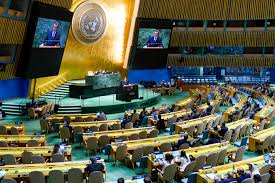 The Amir of Qatar expressed this sentiment to the General Assembly, stating, “A long-term truce has become the most looked-for aspiration by people in Europe and all over the world. We call on all parties to comply with the UN Charter and international law and resort to a radical peaceful solution based on these principles.”
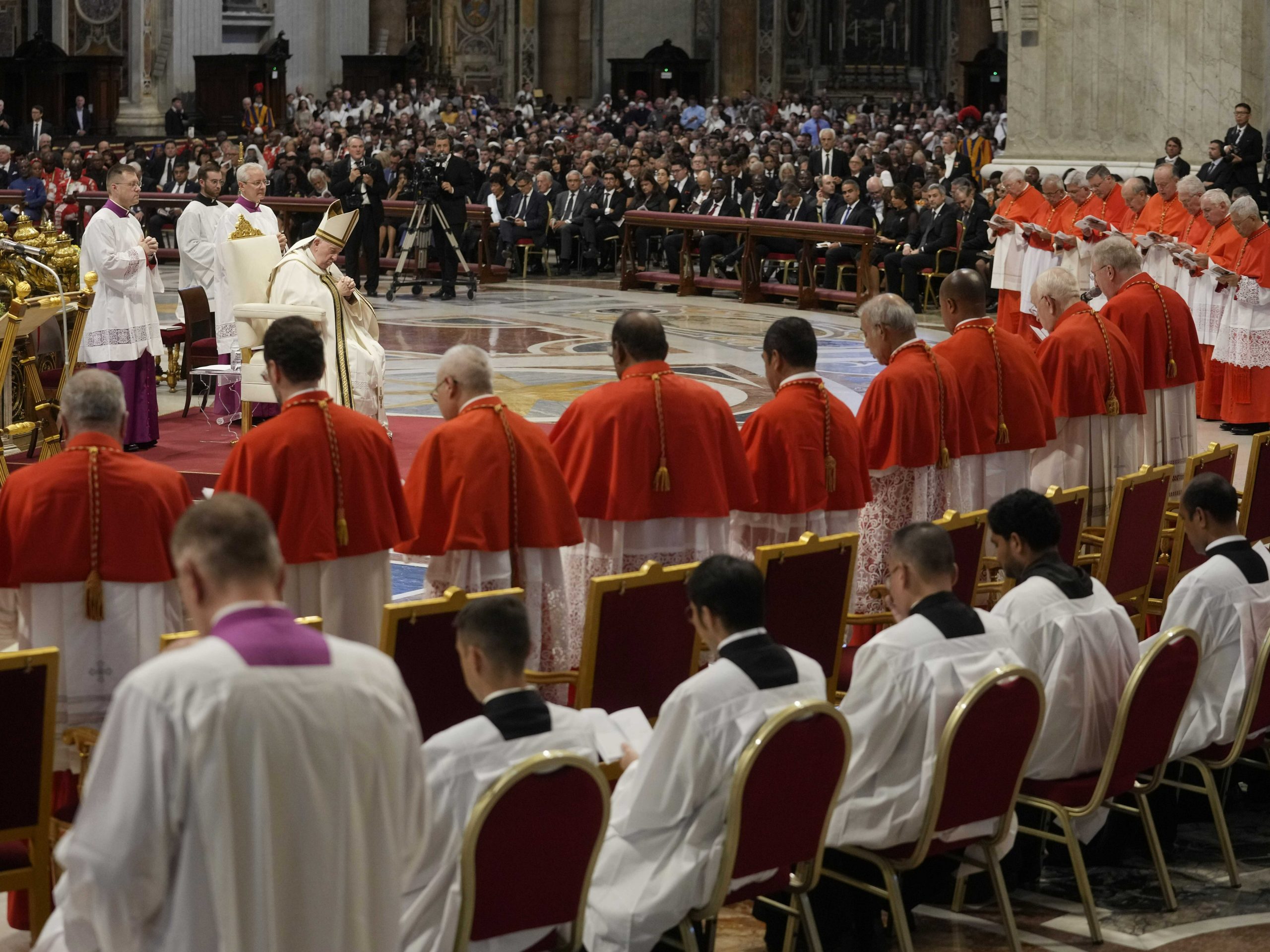
 The telescope’s observations have identified the presence of dimethyl sulfide (DMS) on this distant celestial body known as K2-18 b. Notably, DMS is a molecule that, as far as we know from Earth, can solely be generated by living organisms. In addition to DMS, the research also detected the presence of methane and carbon dioxide within the exoplanet’s atmosphere. These findings collectively suggest that K2-18 b could potentially qualify as a “Hycean” planet—characterized by a hydrogen-rich atmosphere and a surface concealed beneath a substantial ocean.
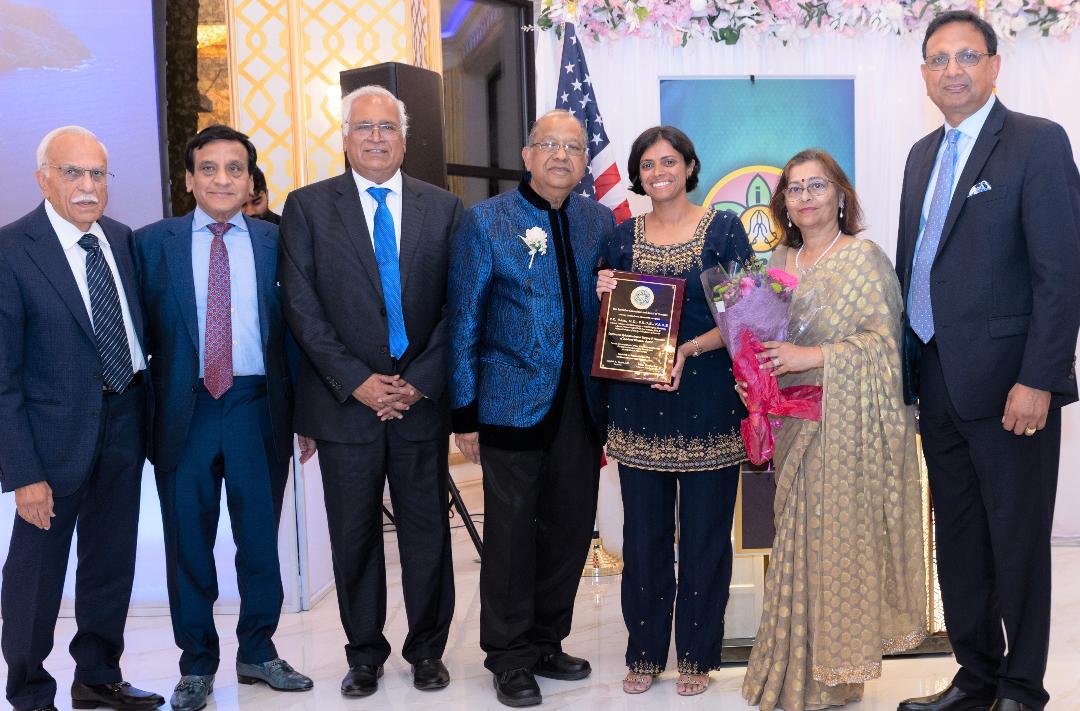 Dr Subhash Kini, Director, Center for Bariatric and Minimally Invasive Surgery, Icahn School of Medicine, Mount Sinai (Morningside), received the Excellence in Bariatric & Minimally Invasive/Robotic Surgery Award. Businesswoman/Entrepreneur Award went to Sharda Haridas Kotahwala, for their family business in Diamond & Precious Stone Jewelry business. Dr Saurabh Lodha, of the Department of Dermatology, Columbia University, was given the Excellence in Dermatology – Special Young Physician Award.
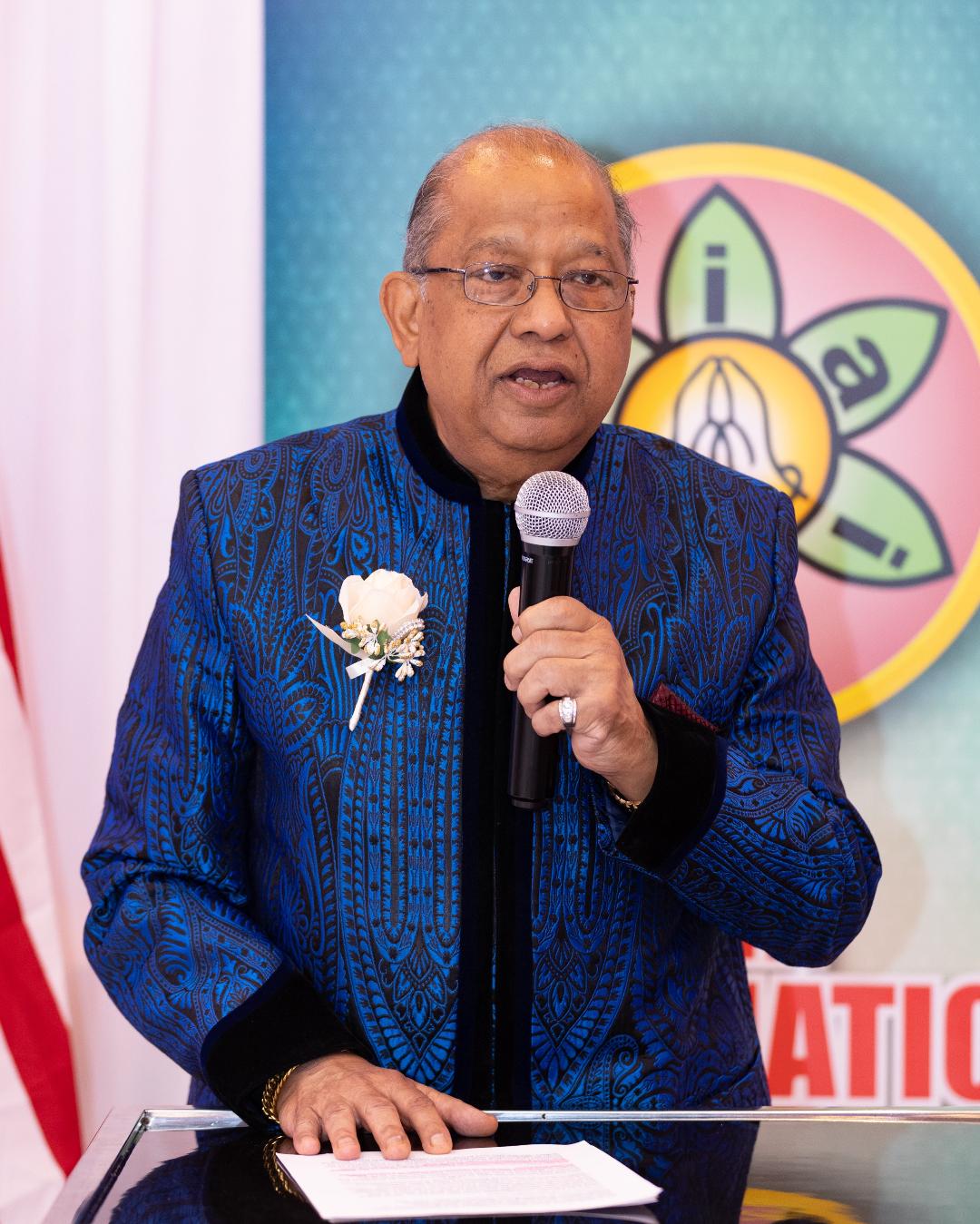 In his President’s address, Dr Gupta said that the honorees tonight are the crème de la crème of our community, including physician leaders, philanthropists, educators, and entrepreneurs.
 The key move came in 2020 when India created its fully accessible route, or FAR, bond market, said Lee Collins, head of index fixed income at Legal & General Investment Management. He said the FAR bond issuance has added meaningful daily liquidity.
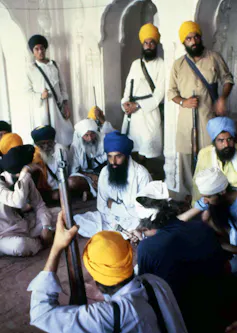
 The institute partners with Indian State and Central governments to identify use cases, collect data, conduct pilots and deploy solutions. Some of the strategic programs of the institute include enabling frontline healthcare workers to feel digitally confident to engage with AI-based technology solutions, irrespective of their education, skills, and environment and developing multiple interventions across the TB care cascade and helping India’s National TB Elimination Programme (NTEP) become AI-ready.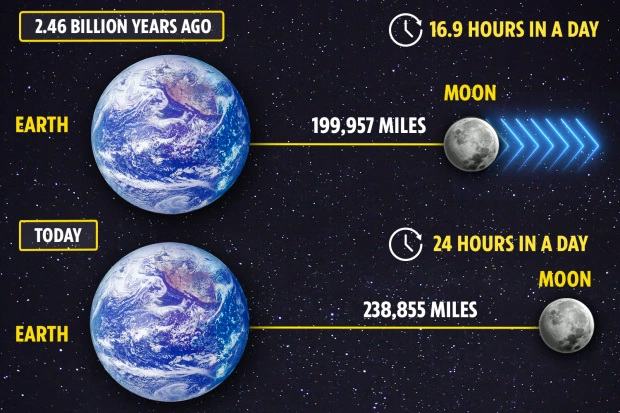
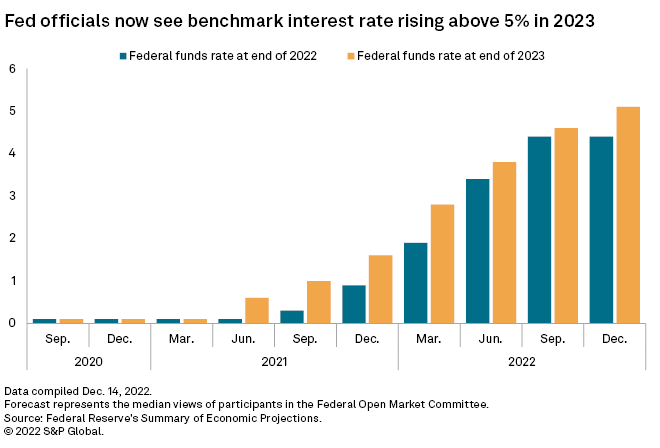
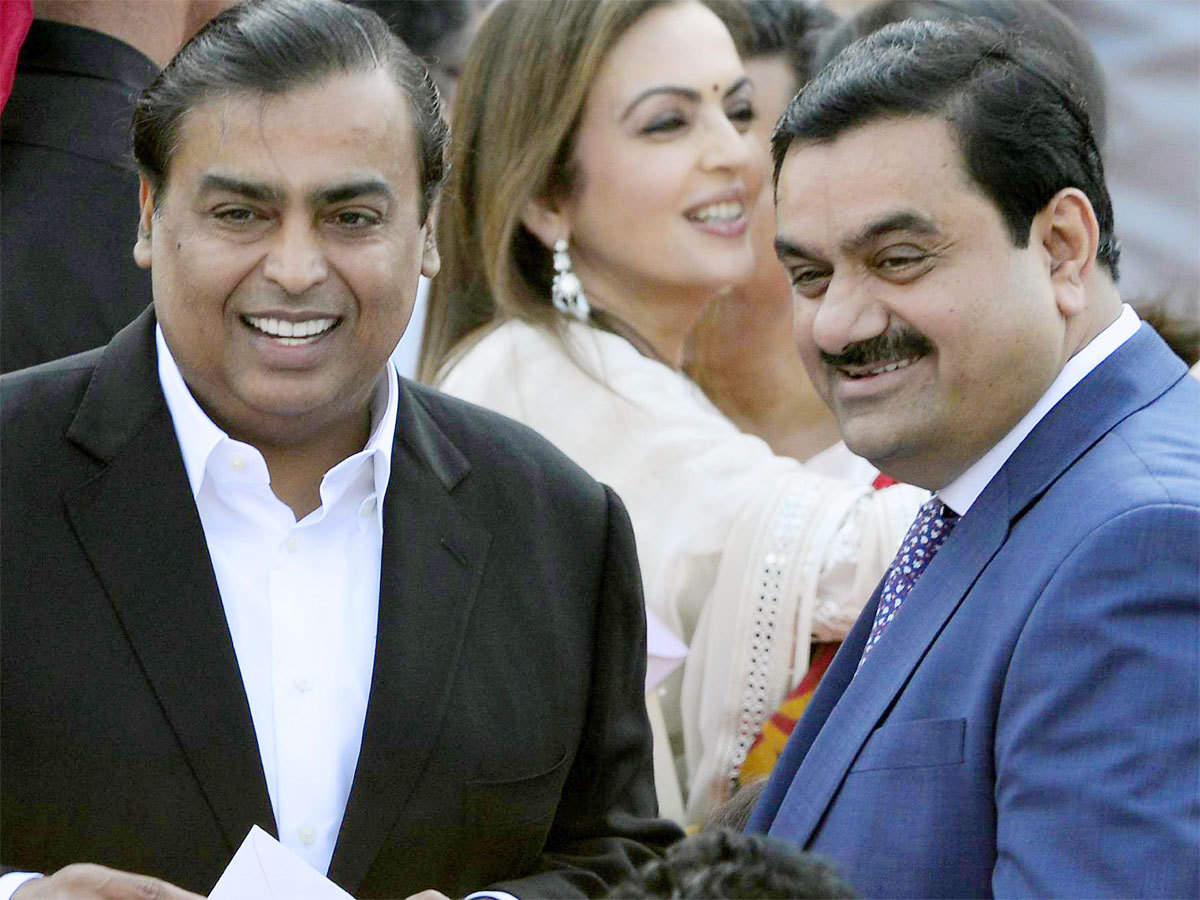 While the populations of ultra-wealthy individuals are projected to rise across all regions worldwide, Asia is poised for the most substantial growth over the next five years, with numbers surging from 395,070 to 528,100. This surge can be attributed in part to India’s expanding economy and a growing trend among businesses to diversify their supply chains away from the Chinese mainland. Instead, they are relocating their industrial, logistical, and real estate operations to other Asian markets.
 To achieve this objective, Biden requested Congress to allocate more than $25 billion in additional financing for the World Bank. This financial injection is expected to empower the bank to further assist developing countries in their pursuit of development and economic objectives. The White House noted that this initiative would strengthen the World Bank and enable it to provide resources at the scale and speed required to address global challenges and meet the urgent needs of the poorest countries.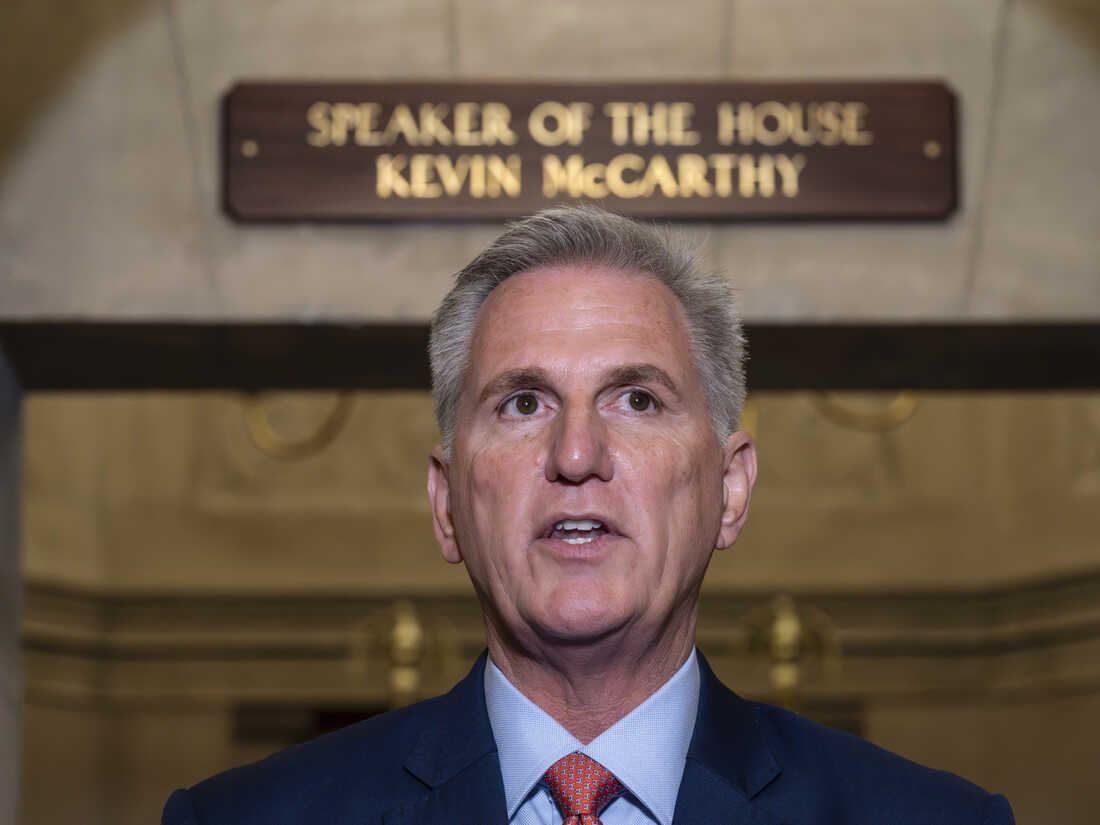

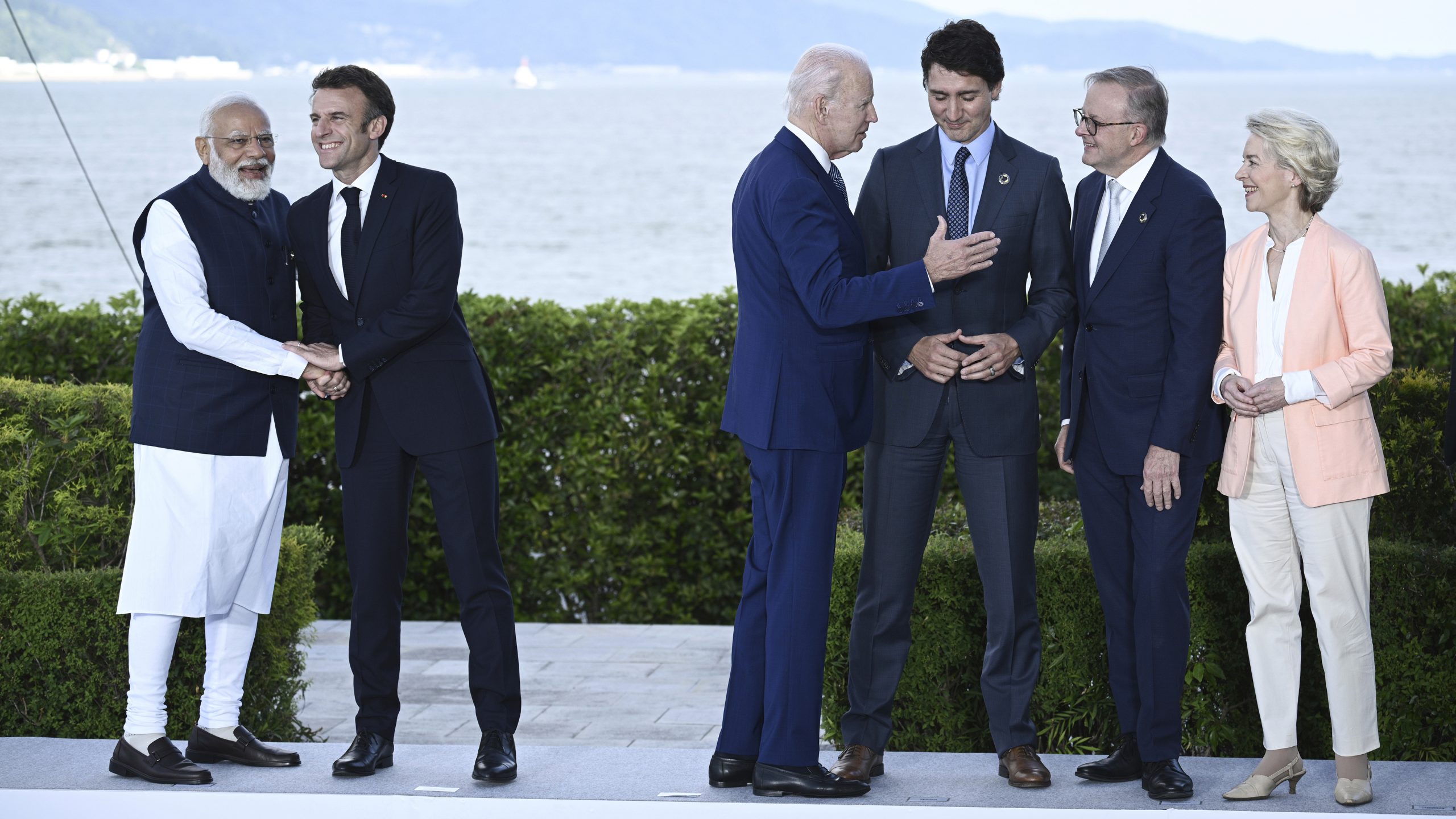
 Several Republican officials, including Georgia Secretary of State Brad Raffensperger and Gabriel Sterling, have also spoken out against disqualifying candidates through partisan actions. Raffensperger, who faced pressure from Trump during the 2020 election, warned against using the 14th Amendment as a means to bypass the ballot box. Sterling stressed the importance of trusting the voters and the potential danger of setting a precedent by interpreting the Constitution in a way that removes candidates.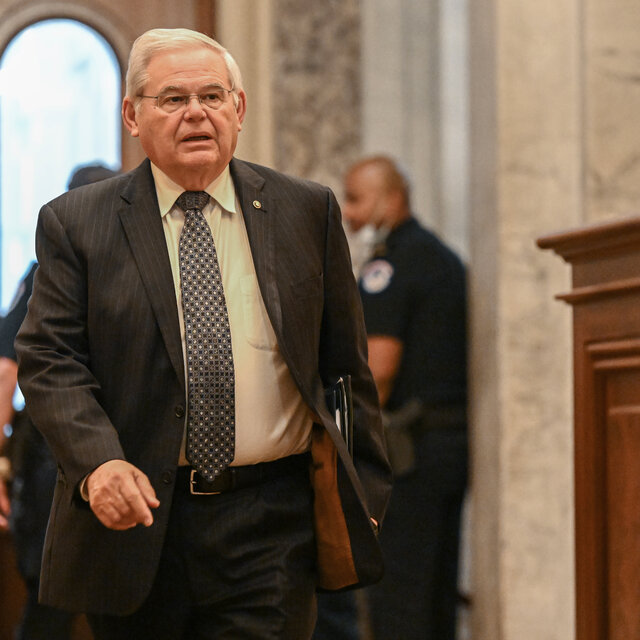

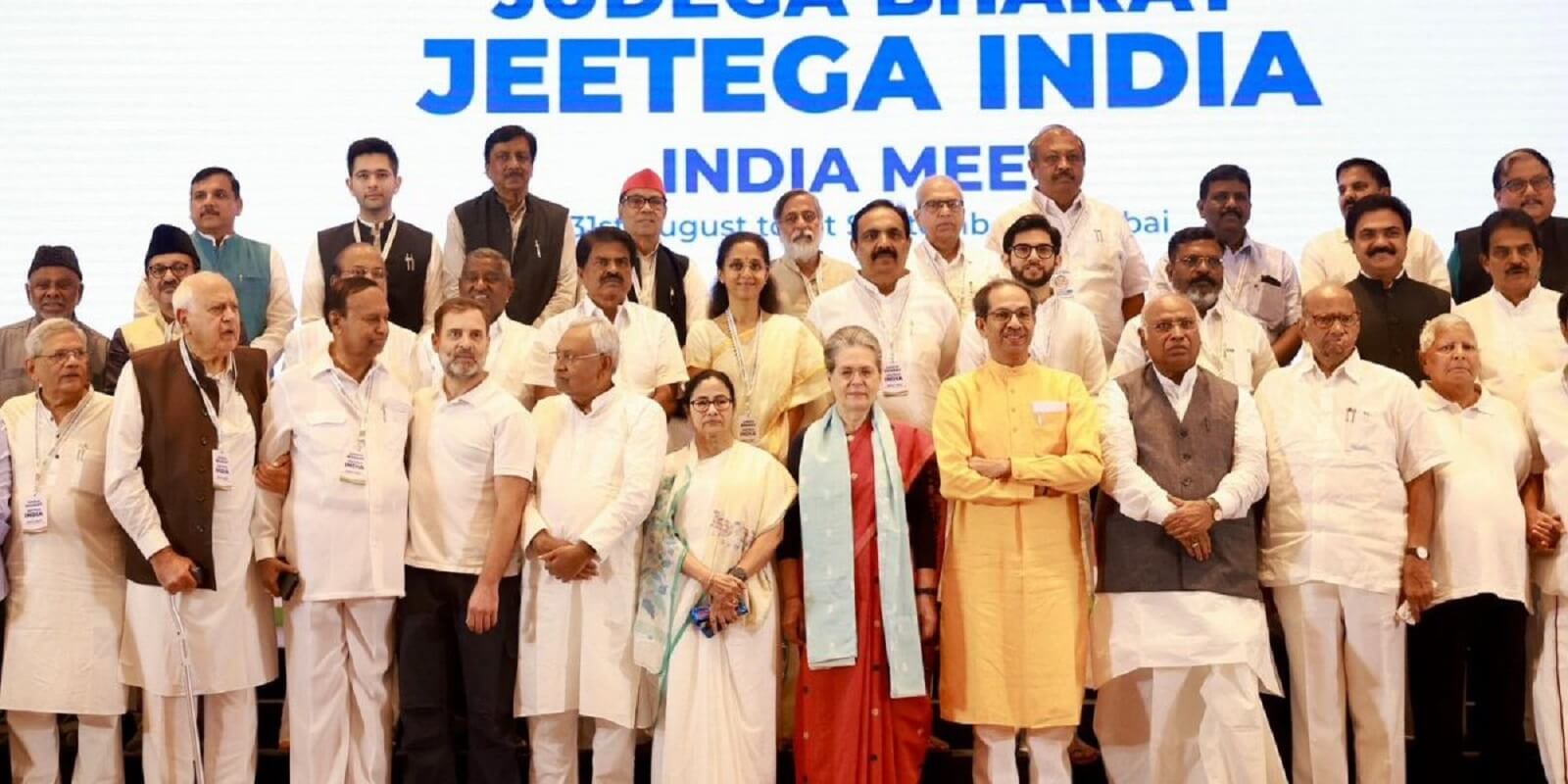 The talking points presented by the Modi government aimed at shaping media headlines, emphasizing India’s support for the Prime Minister and downplaying Congress’s efforts to create divisions. Channels adhered to these instructions, evident in the subsequent Times Now prime-time debate titled “All parties unite behind India but Sonia Gandhi won’t slam China?” and Republic TV’s debates with headlines like “Unarmed with fact, Congress insults Army” and “Is there a ‘special relation’ between the Congress and China?”
 The recent escalation in tensions began when Prime Minister Trudeau announced that Canada was investigating “credible allegations” of Indian government involvement in the murder of Hardeep Singh Nijjar in British Columbia in June. The Indian government vehemently denied any connection to the alleged murder, and Canadian officials have not provided specific reasons for their suspicions regarding India’s involvement.
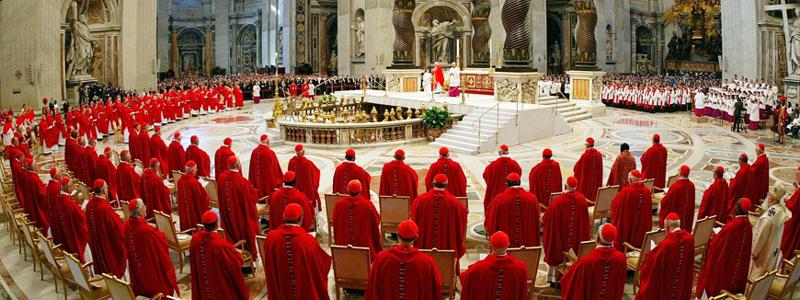 Vatican data from 2021 indicates that Europe is home to 21% of the global Catholic population. Despite this proportion, Europe remains significantly overrepresented among voting cardinals, constituting 39% of their ranks. In contrast, the Latin America-Caribbean region, which accounted for 41% of the worldwide Catholic population as of 2021, possesses only 18% of the voting cardinals. This disparity underscores the evolving dynamics within the Catholic Church’s leadership structure, influenced by Pope Francis’ strategic selection of cardinals.
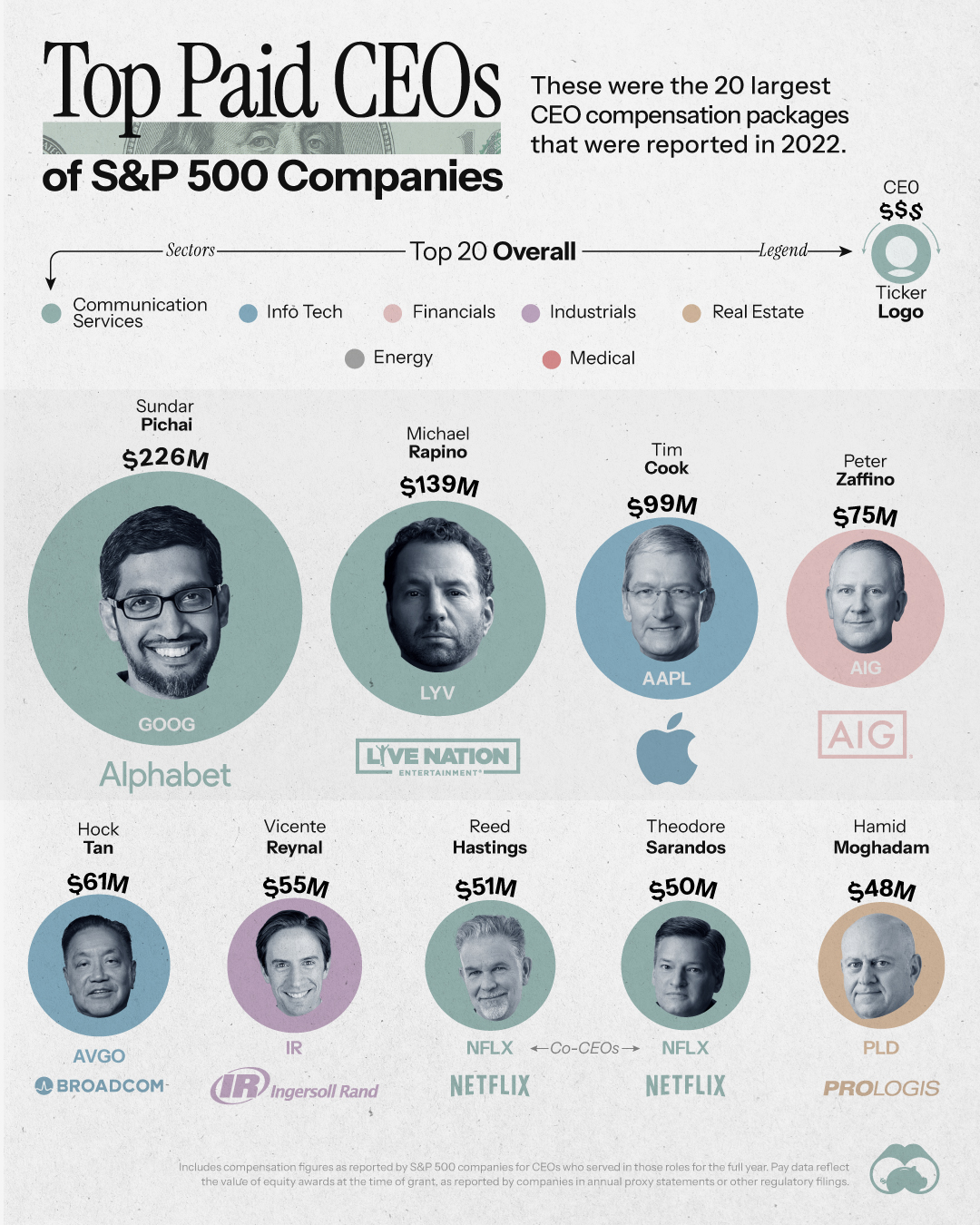

 Additionally, the recent meeting of the committee saw the addition of several Ukrainian sites to the Endangered List due to the ongoing Russian invasion in Ukraine. Notable entries on this list include Kyiv’s Saint Sophia Cathedral and its associated monastic structures, along with the historic city center of L’viv. UNESCO expressed concerns about the vulnerability of these sites to direct attacks and the collateral damage caused by bombings in these cities.

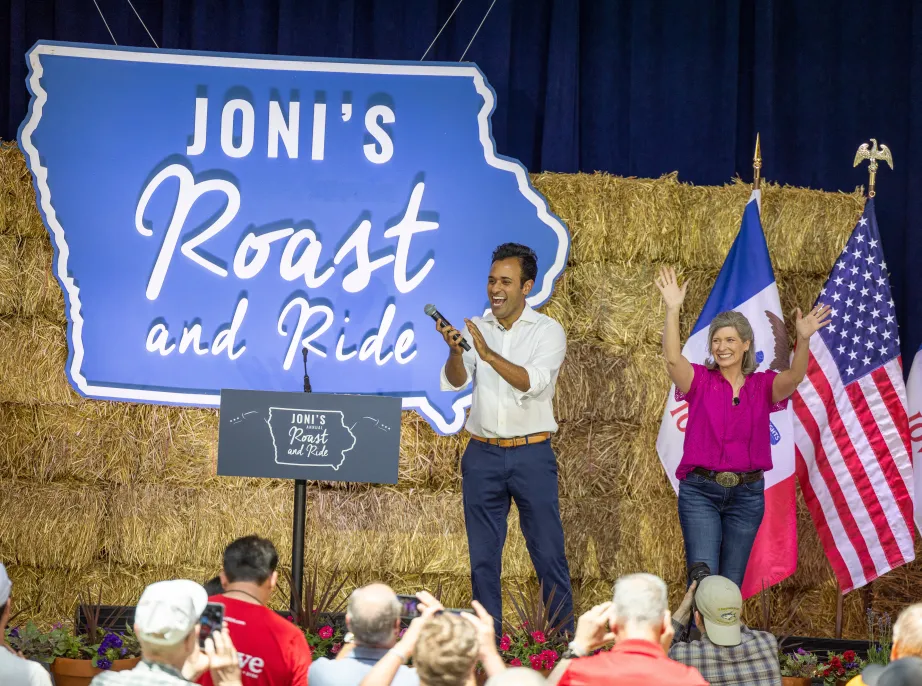
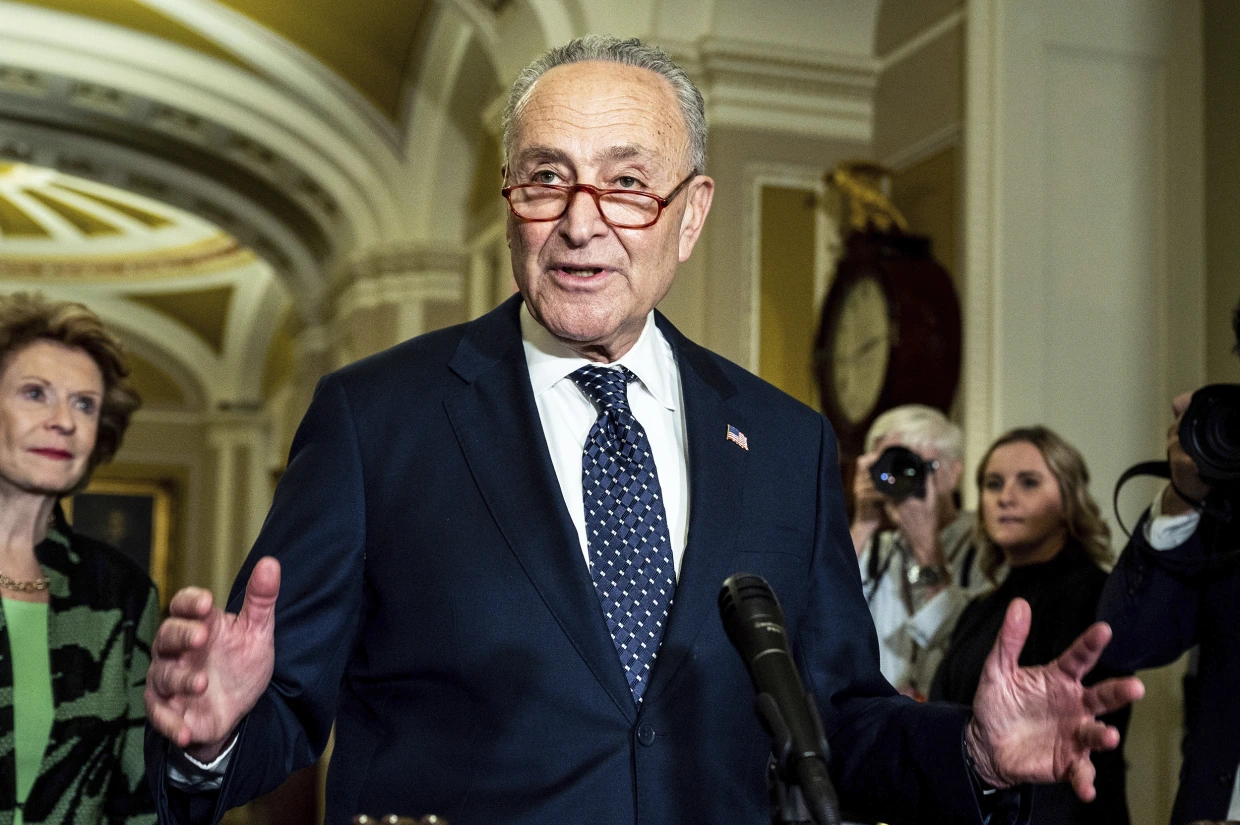
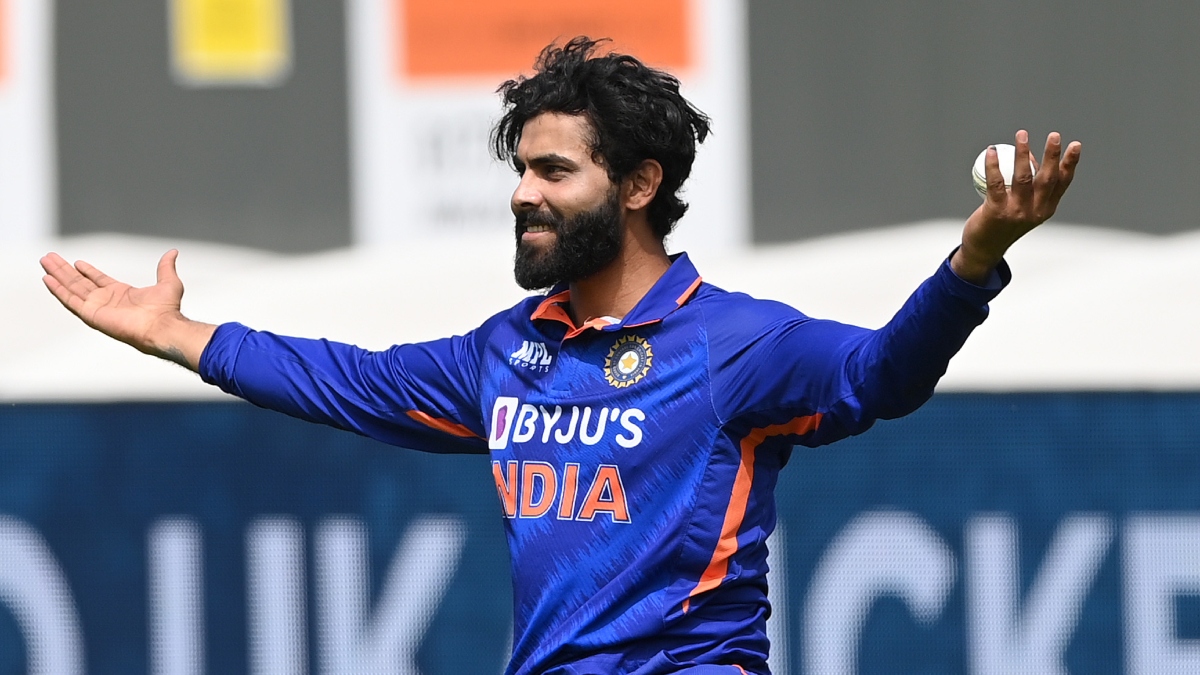
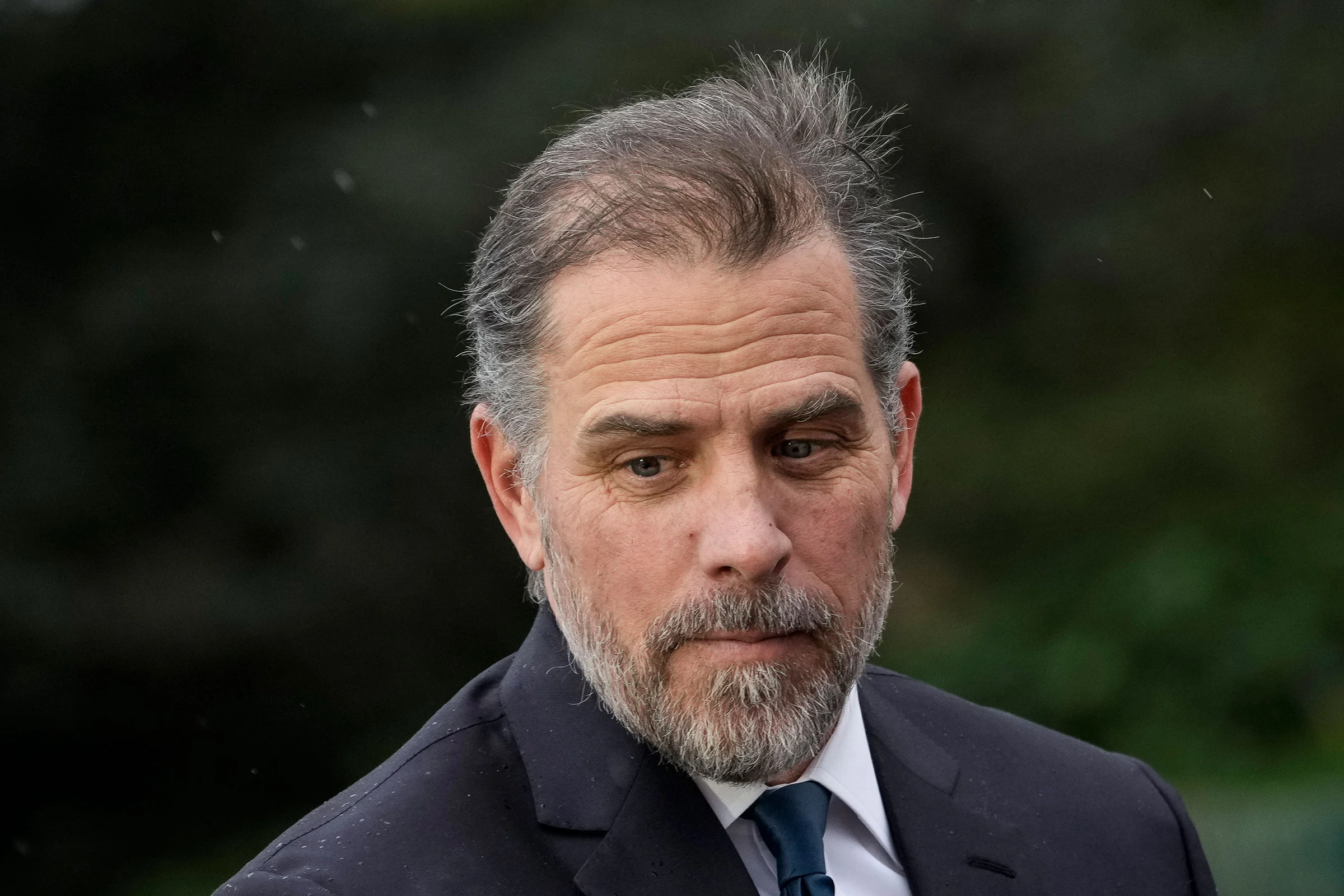
 “I am writing to let you all know that I have decided to transition to the role of Chairman Emeritus at Fox and News,” Murdoch wrote. “For my entire professional life, I have been engaged daily with news and ideas, and that will not change.
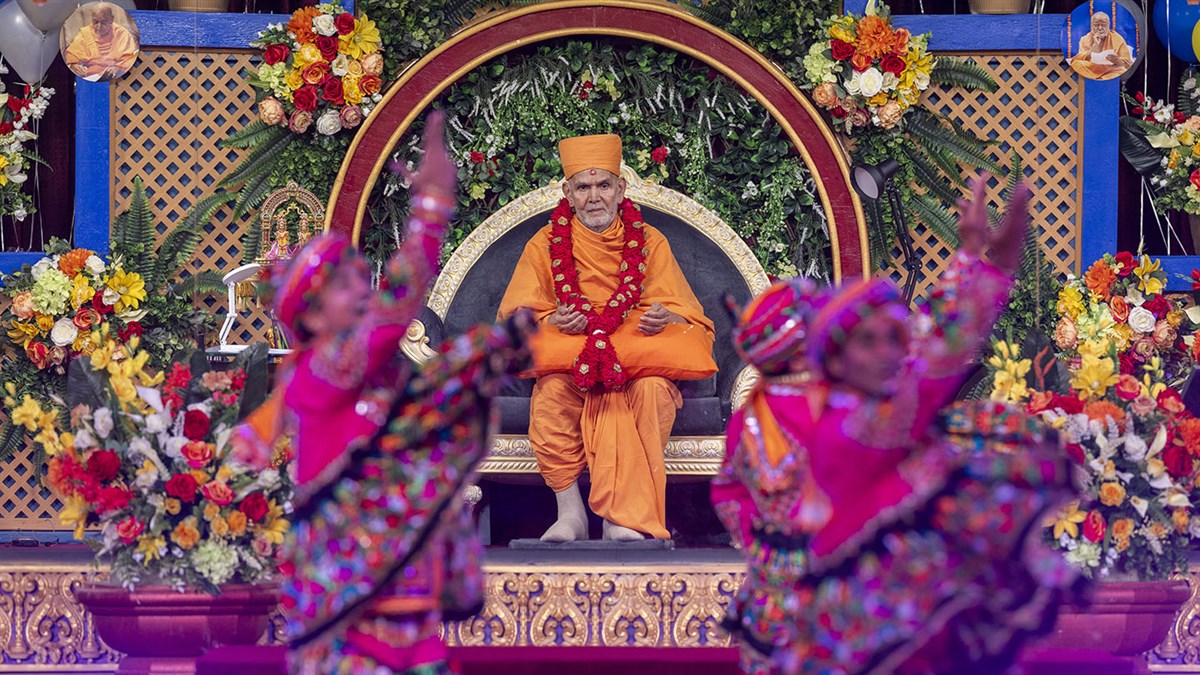
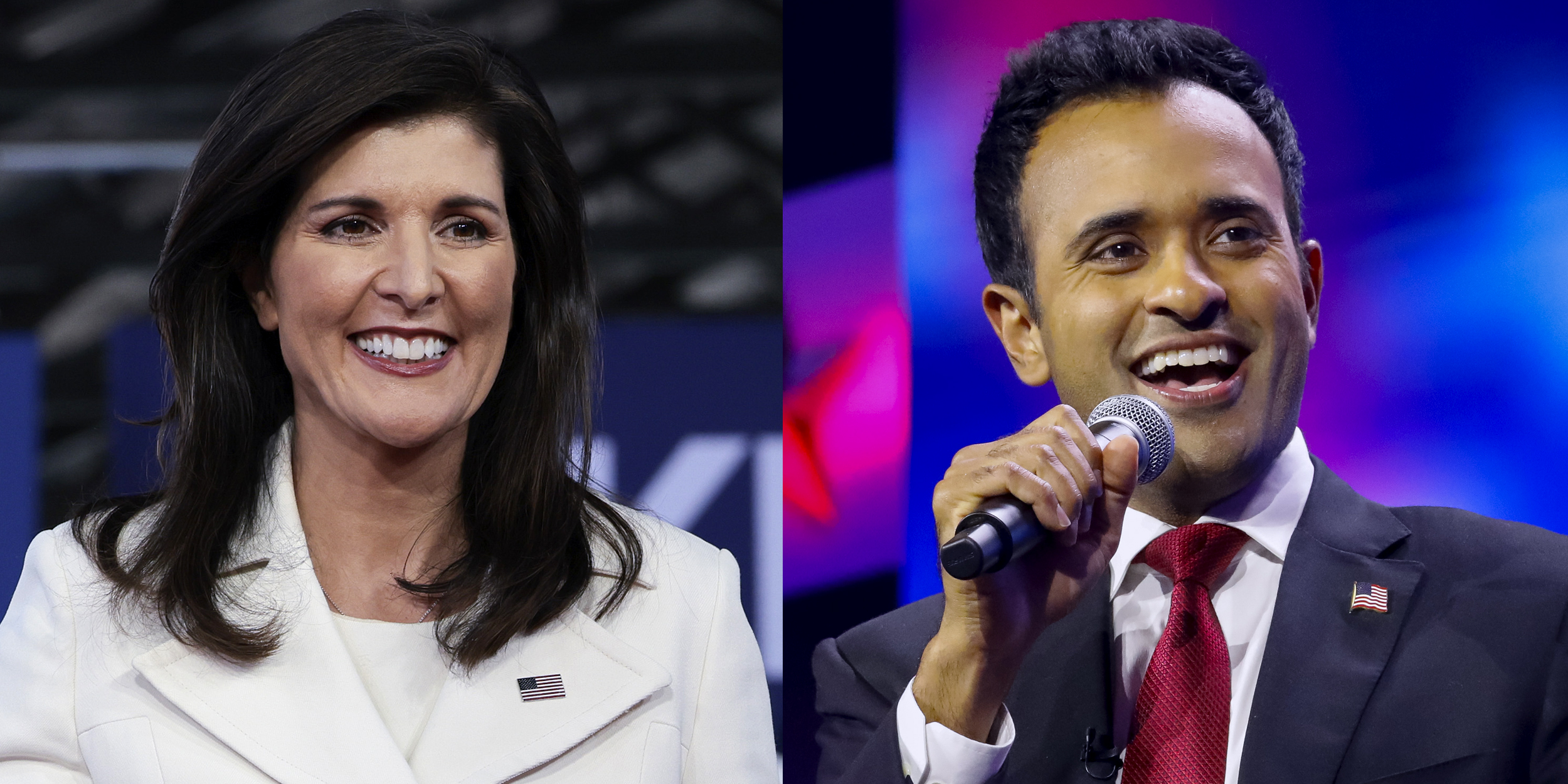

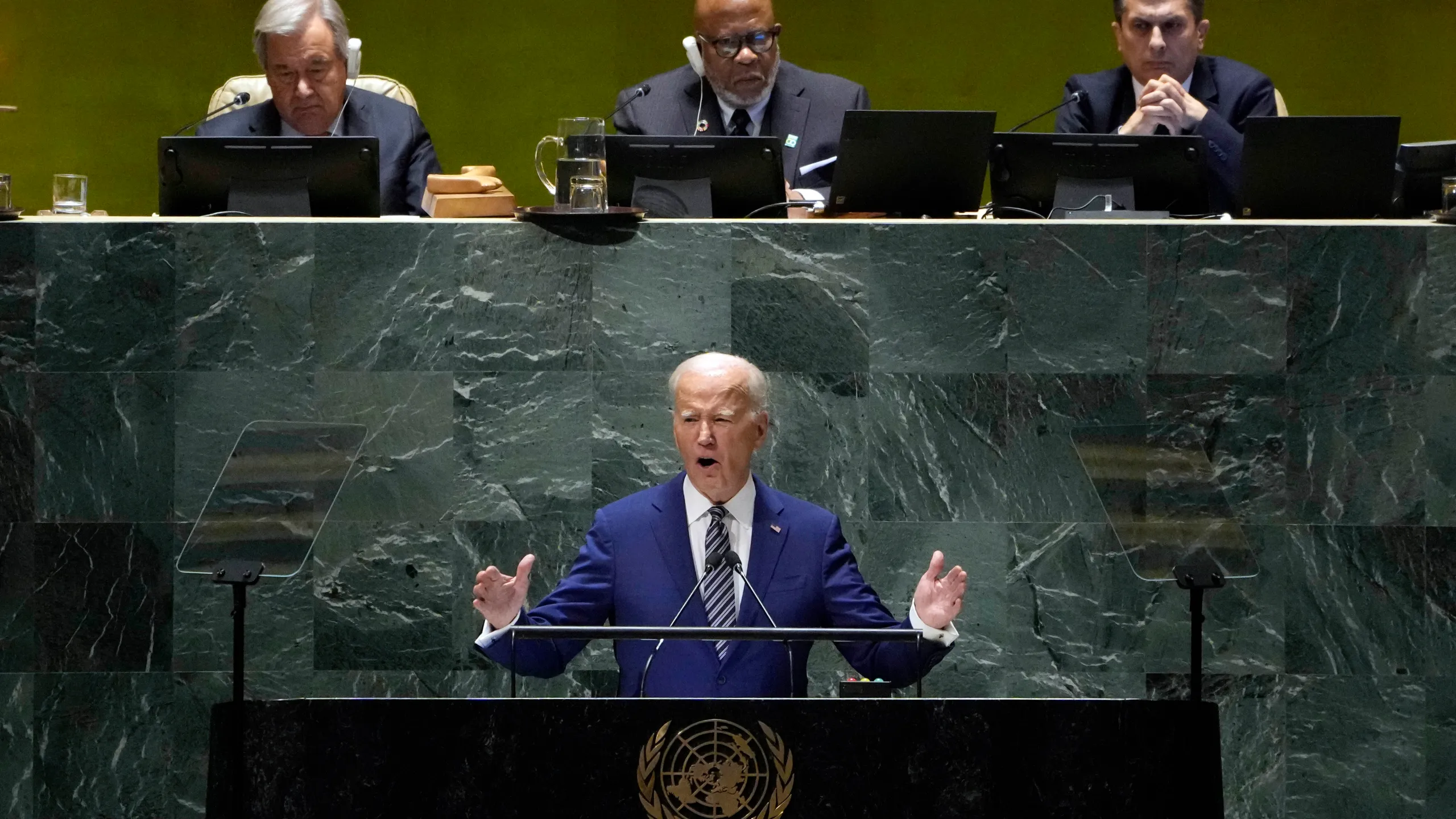
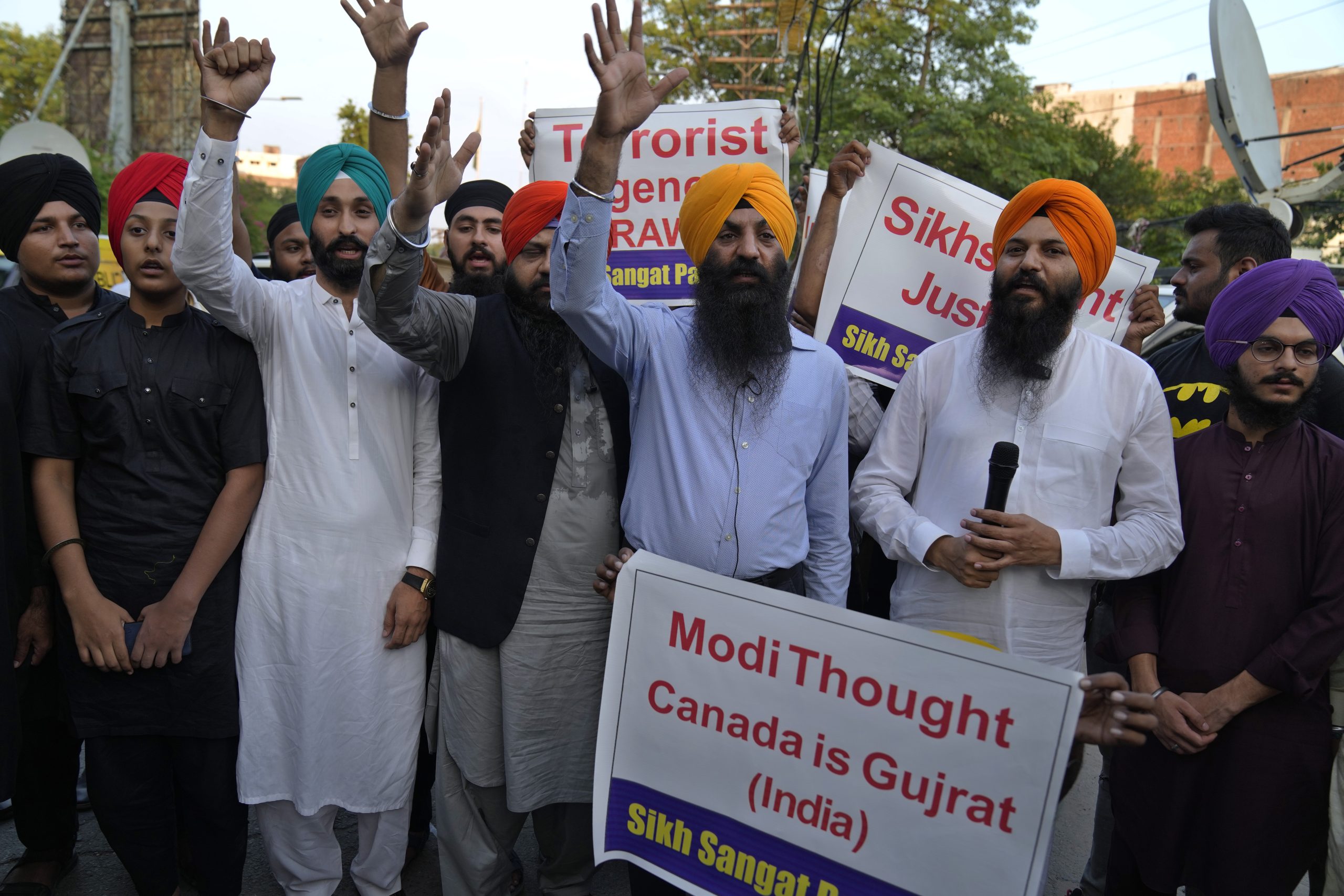
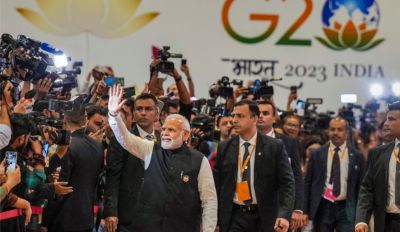 On the way forward, Nagarwal urged the G-20 leaders by saying, “I would appreciate if the G-20 secretariat established an observatory commission to investigate reports of hate and targeted violence against ethnic and vulnerable groups and submit progress reports to member states on a regular basis. The adoption of collective action sends a powerful message of unity, solidarity, and hope to the people of Indian society who have endured the burdens of hate crimes, discrimination and Islamophobic violence for far too long.”