Trump Compares Himself to Jesus, Sparking Controversy Among Supporters

Shock and disbelief have emerged in political and religious circles after Donald Trump shared an AI-generated image depicting himself as a Jesus-like figure, prompting backlash from critics and supporters alike.

WASHINGTON, DC – A wave of shock and disbelief is sweeping through both political and religious communities following Donald Trump’s recent social media post. The former president shared an AI-generated image on Truth Social that portrayed him as a Jesus-like figure, which has drawn significant backlash not only from his critics but also from some of his staunchest supporters.

The now-deleted image, posted on April 12, depicted Trump in flowing robes with his hand outstretched as if performing a healing miracle. The background was adorned with religious symbols alongside American imagery, creating a striking visual that many found deeply unsettling.

The reaction was swift and intense, with even loyal conservatives expressing their disapproval. Some labeled the image as “blasphemous,” while others openly questioned Trump’s judgment in sharing such a provocative portrayal. The criticism was notable for its personal and religious undertones, with many calling for humility and urging the former president to reconsider his actions.

Conservative Christian commentator Megan Basham expressed her outrage, stating, “I don’t know if the President thought he was being funny or if he is under the influence of some substance or what possible explanation he could have for this OUTRAGEOUS blasphemy.”

Riley Gaines, another conservative voice, echoed similar sentiments, asking, “Why? Seriously, I cannot understand why he’d post this. Is he looking for a response? Does he actually think this? Either way, two things are true. 1) a little humility would serve him well 2) God shall not be mocked.”

The timing of Trump’s post further fueled the outrage. It coincided with an escalation in his attacks on Pope Leo XIV, who has been vocal in his criticism of the war in Iran. Just hours before sharing the controversial image, Trump had labeled the pope as “weak” on crime and foreign policy, a move that many perceived as particularly provocative.

For numerous observers, the combination of these events crossed a significant line. Former GOP Georgia Representative Marjorie Taylor Greene condemned the actions, stating, “On Orthodox Easter, President Trump attacked the Pope because the Pope is rightly against Trump’s war in Iran and then he posted this picture of himself as if he is replacing Jesus. This comes after last week’s post of his evil tirade on Easter and then threatening to kill an entire civilization. I completely denounce this and I’m praying against it!!!”

In response to the controversy, Pope Leo XIV maintained a calm demeanor, asserting that he has “no fear” of Trump and will continue to address moral issues, including those related to war. His measured response stands in stark contrast to the fervor surrounding Trump’s post, highlighting the deep divisions within political and religious discourse in the current climate.

The incident underscores the complexities of Trump’s relationship with his supporters and the broader implications of his actions on the political landscape. As the fallout continues, it remains to be seen how this episode will impact his standing among both his base and the wider public.

According to India-West, the backlash reflects a growing concern among some conservatives regarding the appropriateness of Trump’s rhetoric and imagery, particularly when it intersects with deeply held religious beliefs.

Teachers’ Union Hosts May Day Event Amid Criticism of Student Involvement

A recent webinar by the Chicago Teachers Union and NEA has sparked controversy, with critics alleging it promotes political indoctrination among students in preparation for May Day protests.

A recent webinar hosted by the Chicago Teachers Union (CTU) and the National Education Association (NEA) has raised concerns among education experts and watchdogs regarding potential political indoctrination in classrooms. The seminar, held on April 2, was designed to prepare educators for the upcoming May Day protests, a day historically associated with socialist and communist movements advocating for mass political action.

The webinar, which was a collaboration with the Zinn Education Project, aimed to integrate a curriculum focused on social justice into classrooms ahead of May Day, celebrated annually on May 1. During the presentation, Dave Stieber, a history teacher in Chicago Public Schools, suggested that the May Day protests could serve as a “dress rehearsal” for future political actions. He stated, “There’s probably gonna be a lot worse things that Trump does, and so May Day is a dress rehearsal for maybe there’s a random day in, you know, June that we all are, like, no work, no school, no shopping, because of something Pete just did, right?”

The seminar also provided guidance for educators on how to introduce activism into their classrooms, even for very young students. Speakers encouraged teachers to engage children as young as three in discussions about social justice issues, framing such engagement as a means to foster early awareness and participation. Kirstin Roberts, a preschool teacher in Chicago Public Schools, emphasized the importance of addressing topics such as workers’ rights, anti-racism, and LGBTQIA+ issues, stating, “I really encourage teachers of young children not to feel like this is stuff that’s way beyond their students.”

The North American Values Institute (NAVI), which first shared the seminar online, has criticized the unions for allegedly attempting to “groom” students to advocate for social justice initiatives during protests, including those planned for May Day. Mika Hackner, NAVI’s director of research, remarked, “The webinar demonstrates clearly that our teacher unions view students as foot soldiers in their political and ideological battles and the classroom as an appropriate venue to wage their war.”

One of the lessons presented during the seminar aimed to reframe the perception of May Day protests, making them appear less intimidating to children. Roberts noted, “In this lesson, we really want to introduce the idea that there’s going to be marches and protests on May Day. Sometimes those are made to look really scary on the news and social media, and so we want to share images with our children of protests that lift up the beauty and the humanity of the people involved.”

The Chicago Teachers Union has faced ongoing criticism for promoting a far-left political agenda in schools and encouraging teachers to participate in protests against the Trump administration. Earlier this year, reports indicated that CTU planned to allocate $3.1 million for political activities, further fueling concerns about its influence in the classroom.

In January, CTU members were filmed protesting federal immigration enforcement and opposing anti-diversity, equity, and inclusion (DEI) measures at a local Target store, drawing backlash from both online commentators and educational experts. Ryan Walters, CEO of Teacher Freedom Alliance, expressed strong disapproval, stating, “It’s very clear that teachers unions seek to destroy our country by turning our students against it. The Chicago Teachers Union is one of the worst. The fact that they are targeting students as young as three years old with this anti-American propaganda should be criminal.”

The NEA has also faced scrutiny for its political activism, with reports indicating that the nation’s largest teachers’ union has funneled millions into far-left activist groups and social justice initiatives. An NEA whistleblower claimed, “They don’t care about the students; they care about pushing these leftist, liberal Democrat people [politicians] so that they can get more money and just fund all these stupid initiatives.”

Fox News Digital reached out to the NEA, CTU, Chicago Public Schools, and the Zinn Education Project for comment but did not receive a response.

As the debate over the role of political activism in education continues, the implications of such initiatives on students and the educational environment remain a contentious issue.

According to Fox News Digital, the ongoing discussions surrounding the CTU and NEA’s actions highlight a growing divide in educational philosophy and the role of teachers in shaping political discourse among students.

Pope Leo XIV Urges Peace Negotiations Amid U.S.-Israeli Conflict

Pope Leo XIV has condemned the ‘delusion of omnipotence’ fueling the U.S.-Israeli conflict, urging political leaders to prioritize peace during a prayer service at St. Peter’s Basilica.

Pope Leo XIV has sharply criticized the “delusion of omnipotence” that he believes is exacerbating the ongoing U.S.-Israeli conflict, calling for political leaders to prioritize peace through dialogue rather than military might. His remarks were made during an evening prayer service at St. Peter’s Basilica, coinciding with newly resumed negotiations between the United States and Iran in Pakistan and the continuation of a fragile ceasefire.

As the first U.S.-born pope in history, Leo’s message resonated with an audience that included Cardinal Dominique Joseph Mathieu, the archbishop of Tehran, and Laura Hochla, the deputy chief of mission at the U.S. Embassy in Rome. Although Leo did not explicitly mention the United States or President Donald Trump, the implications of his message appeared to be directed at Trump and other U.S. officials who have emphasized military superiority and justified the conflict in religious terms.

During the service, Leo declared, “Enough of the idolatry of self and money! Enough of the display of power! Enough of war!” His impassioned plea for peace struck a chord with attendees and reflected a growing urgency regarding the humanitarian crisis stemming from the ongoing conflict. In the early months of the war, Pope Leo had shown restraint in his public statements, offering more muted calls for peace and dialogue. However, his position has evolved significantly since Palm Sunday, when he began articulating stronger criticisms of the violence.

Recently, he characterized Trump’s threats to annihilate Iranian civilization as “truly unacceptable,” reiterating the need for constructive dialogue over aggression. His remarks underscore a broader concern that military actions and rhetoric may exacerbate tensions rather than resolve them.

During the evening vigil, which included Scripture readings and the meditative recitation of the Rosary, Pope Leo encouraged all individuals of goodwill to engage in prayer for peace and to urge their political leaders to pursue nonviolent resolutions. The service in Rome was part of a global initiative, with similar prayer gatherings occurring across the United States and around the world. “Praying for peace is a way to break the demonic cycle of evil,” the pope emphasized, advocating for a world characterized not by conflict but by the principles of the Kingdom of God, devoid of “swords, drones or unjust profit.”

His remarks reflect a deep-seated concern over the prevailing mindset that equates military power with moral righteousness. Leo articulated a vision of society where the focus shifts from displays of strength to one of compassion and understanding, particularly in the context of escalating geopolitical tensions.

Pope Leo’s comments come at a time when various leaders have invoked religious justifications for their military actions. In the United States, officials, including Defense Secretary Pete Hegseth, have framed the conflict in terms of Christian duty, portraying America as a nation engaged in a righteous battle against its adversaries. This rhetoric has raised alarms among many religious leaders, including Pope Leo, who reject the notion that God blesses war or that any religious faith can be used to justify violence.

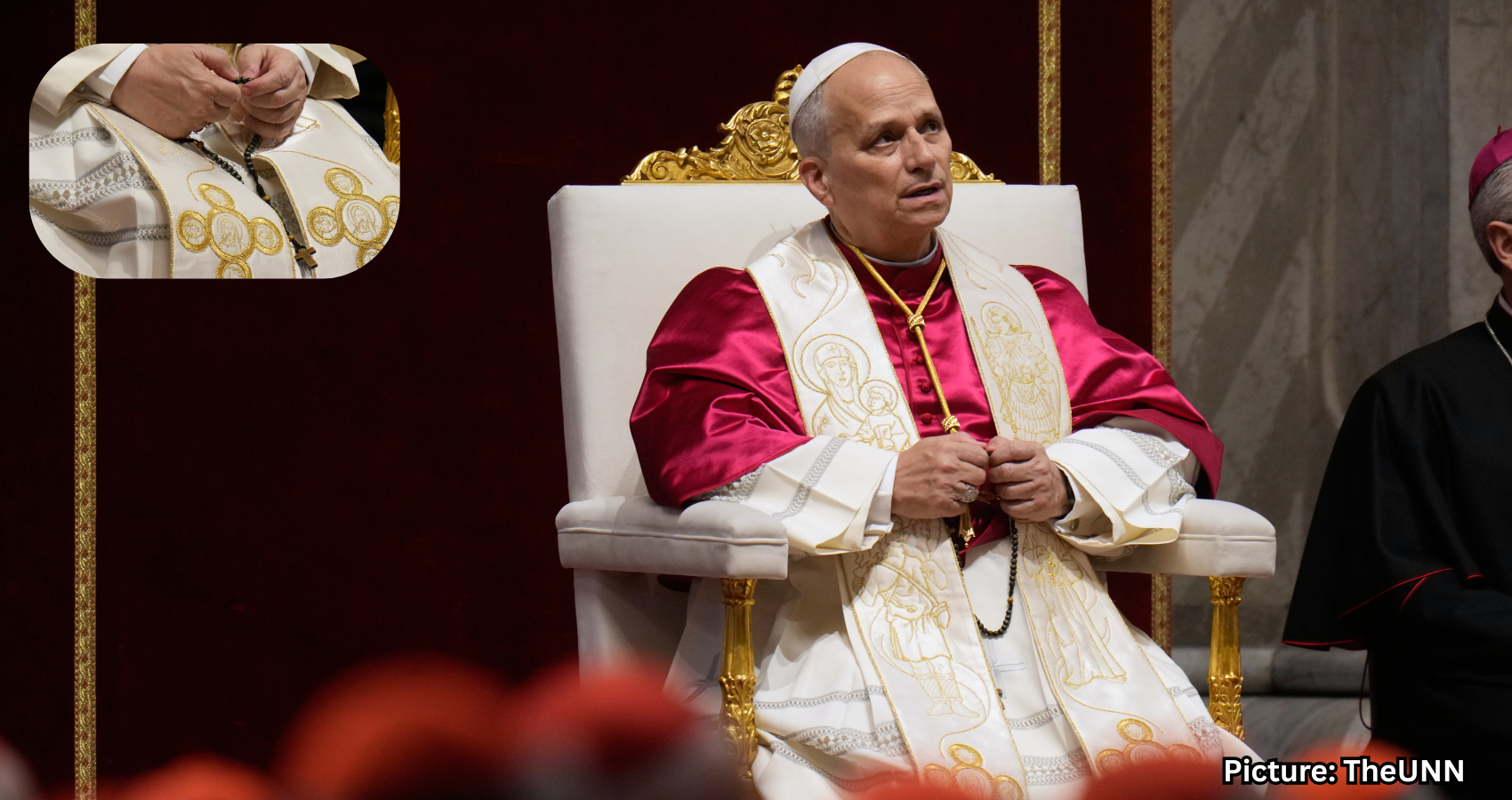
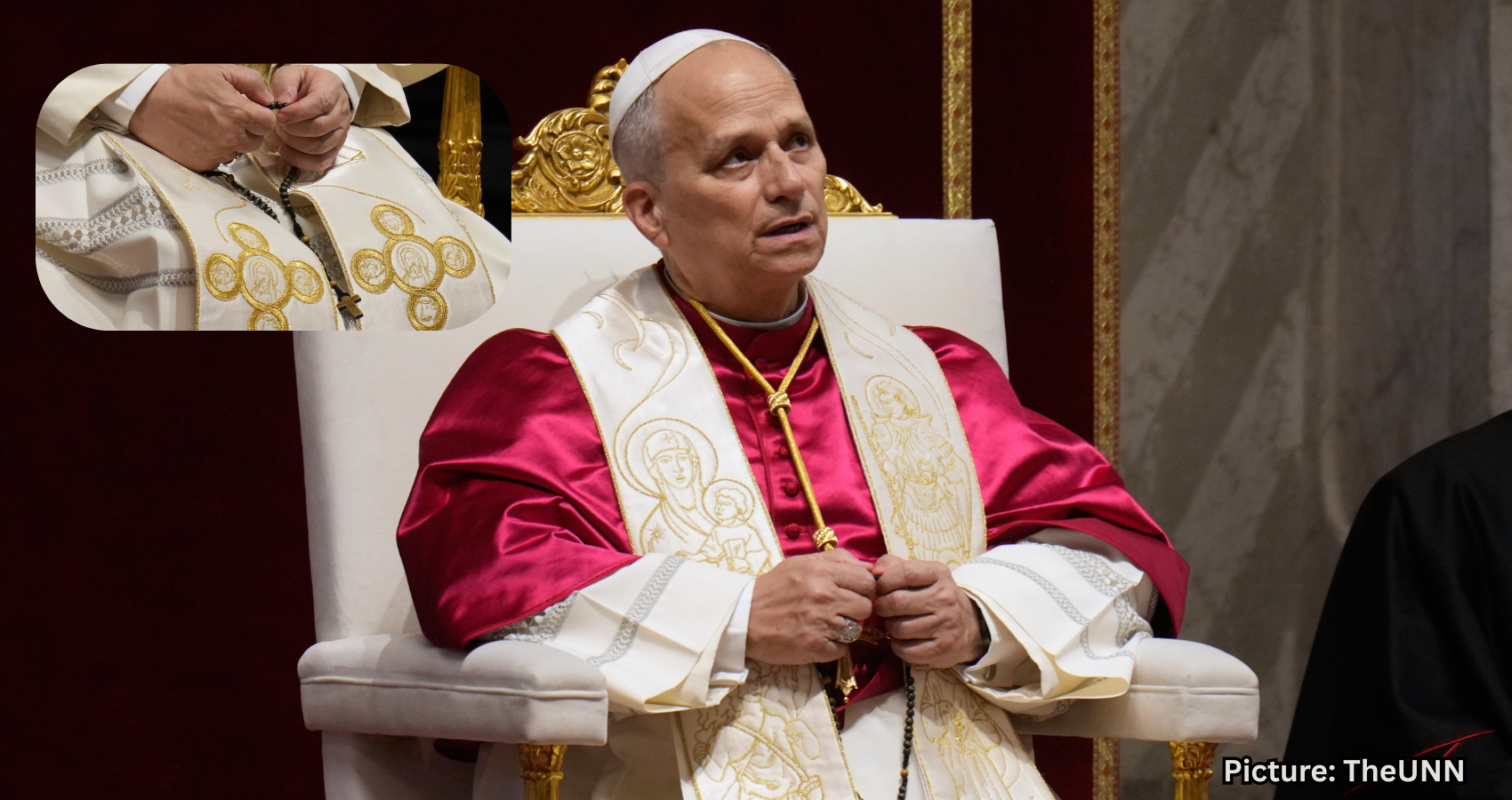
Leo has been clear in his assertion that God does not endorse war, especially those that lead to civilian casualties and suffering. During the service, he presided over the proceedings from a white throne beside the altar, dressed in his formal red cape and liturgical stole, holding a Rosary as he led the congregation in prayer. The atmosphere was one of solemn reflection as priests and nuns participated in the prayers, emphasizing unity in the face of global conflict.

The Vatican has expressed particular concern regarding the consequences of Israel’s military actions against Hezbollah in Lebanon, especially in relation to the safety and well-being of Christian communities in the region. The pope’s calls for peace reflect a broader desire for stability and compassion during a time of escalating violence and suffering.

Pope Leo’s remarks on Saturday highlight the complexities of the U.S.-Israeli-Iranian conflict and underscore the role of religious leaders in advocating for peace and reconciliation amidst ongoing violence. As the situation continues to evolve, Pope Leo’s emphasis on dialogue and the rejection of perceived omnipotence may resonate with those advocating for a more peaceful resolution to the present crisis.

In summary, the pope’s address serves as a critical reminder of the moral imperatives that accompany discussions of war and peace. His call for leaders to engage in meaningful dialogue rather than succumb to the allure of military power reflects a growing consensus among many religious figures who seek to promote peace in an increasingly polarized world. The implications of his message extend beyond the immediate conflict, urging a reevaluation of how power dynamics are framed within the discourse of international relations, according to GlobalNet News.

GOP Candidates Seek Re-election While Emphasizing Trump Support

Republican incumbents facing primary challenges are leveraging Trump imagery in their campaign ads, despite the former president endorsing their rivals.

Republican incumbents who are facing primary challenges are increasingly incorporating imagery of former President Donald Trump into their campaign advertisements, even when Trump has publicly endorsed their opponents. This strategy highlights the enduring influence of Trump within the Republican Party, where his approval ratings remain notably high among party members.

Despite a decline in his overall poll numbers, Trump’s grip on the Republican Party, which he has reshaped over the past decade, remains strong. His endorsements in GOP primaries are considered highly influential. “The Trump endorsement is king in any primary,” said Jesse Hunt, a longtime Republican strategist and communicator. Veteran GOP consultant Matt Gorman echoed this sentiment, stating that a “Trump endorsement is extremely powerful… it’s an undeniable force.”

With this in mind, how should a Republican incumbent facing a primary challenge from a Trump-backed candidate navigate their campaign? In two prominent cases this year, incumbents are attempting to project an image of support from Trump, despite his endorsements of their challengers.

Senator Bill Cassidy of Louisiana is currently facing primary challenges from two Republicans: Representative Julia Letlow and former Representative John Fleming, who is now the state treasurer. Earlier this year, Trump endorsed Letlow, complicating Cassidy’s re-election efforts. Cassidy was one of only seven Senate Republicans who voted to convict Trump in early 2021 after the House impeached him for his role in the January 6 attack on the U.S. Capitol. Despite this, Cassidy has supported Trump’s agenda and nominees since the beginning of Trump’s second term.

In his first campaign commercial following Trump’s endorsement of Letlow, Cassidy, a physician, emphasized a bill he authored that increased penalties for those convicted of manufacturing and distributing fentanyl. “President Trump said it was the most important legislation he would sign this year,” Cassidy stated in the ad, which featured images of Trump. Another advertisement highlighted Cassidy’s collaboration with Trump on tax cuts, showcasing visuals of both men with the phrase “Trump & Cassidy” prominently displayed.

In Kentucky’s 4th Congressional District, Representative Thomas Massie is facing a challenge from Trump-backed candidate Ed Gallrein in the upcoming primary. Massie has been one of Trump’s vocal critics in Congress, often criticizing the former president on various issues, including foreign policy. However, he has recently featured an old photograph of himself with Trump in a campaign ad, attempting to leverage their past connection.

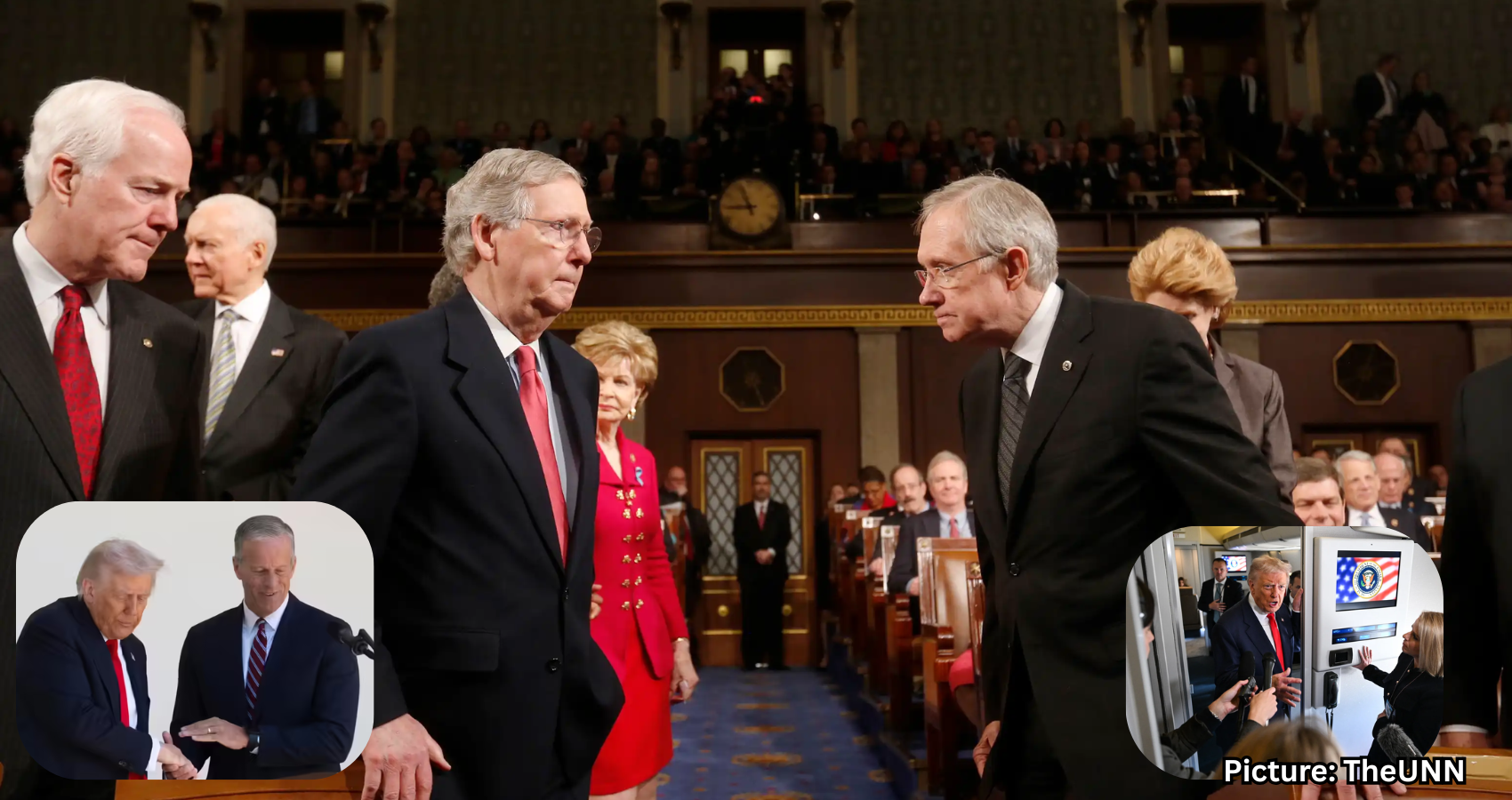
In Texas, long-serving GOP Senator John Cornyn is also fighting for his political future as he prepares for a late May primary runoff against state Attorney General John Paxton, a staunch Trump supporter. Although Trump has remained neutral in this contest, Cornyn has consistently highlighted his support for Trump during his campaign and has incorporated this messaging into his advertisements. One recent ad featured a clip of Trump expressing gratitude for Cornyn’s support, with visuals of the two men together giving a thumbs-up.

While Cornyn’s ads may not be misleading, as he has not received an endorsement from Trump and neither has Paxton, the messaging from Cassidy and Massie does not acknowledge that their opponents have the former president’s backing. This strategy could potentially backfire, as Hunt warns that misrepresenting support from Trump could provoke his ire. “If you haven’t earned it but portray as though you have, it could be the end of your campaign,” Hunt cautioned, noting the risks involved in this approach.

As Republican incumbents navigate these challenging primary contests, their strategies reflect the complex dynamics of loyalty and endorsement within the party, particularly in the shadow of Trump’s continued influence.

According to Fox News.

China Responds to US Blockade Threat in Strait of Hormuz

China has called for restraint and diplomatic dialogue following U.S. threats to blockade the Strait of Hormuz amid escalating tensions in the Middle East.

China has urged calm and restraint in response to rising tensions in the Middle East, particularly following remarks by former President Donald Trump regarding a potential blockade of the Strait of Hormuz. This warning comes on the heels of unsuccessful peace talks held in Islamabad aimed at resolving the ongoing conflict involving Iran.

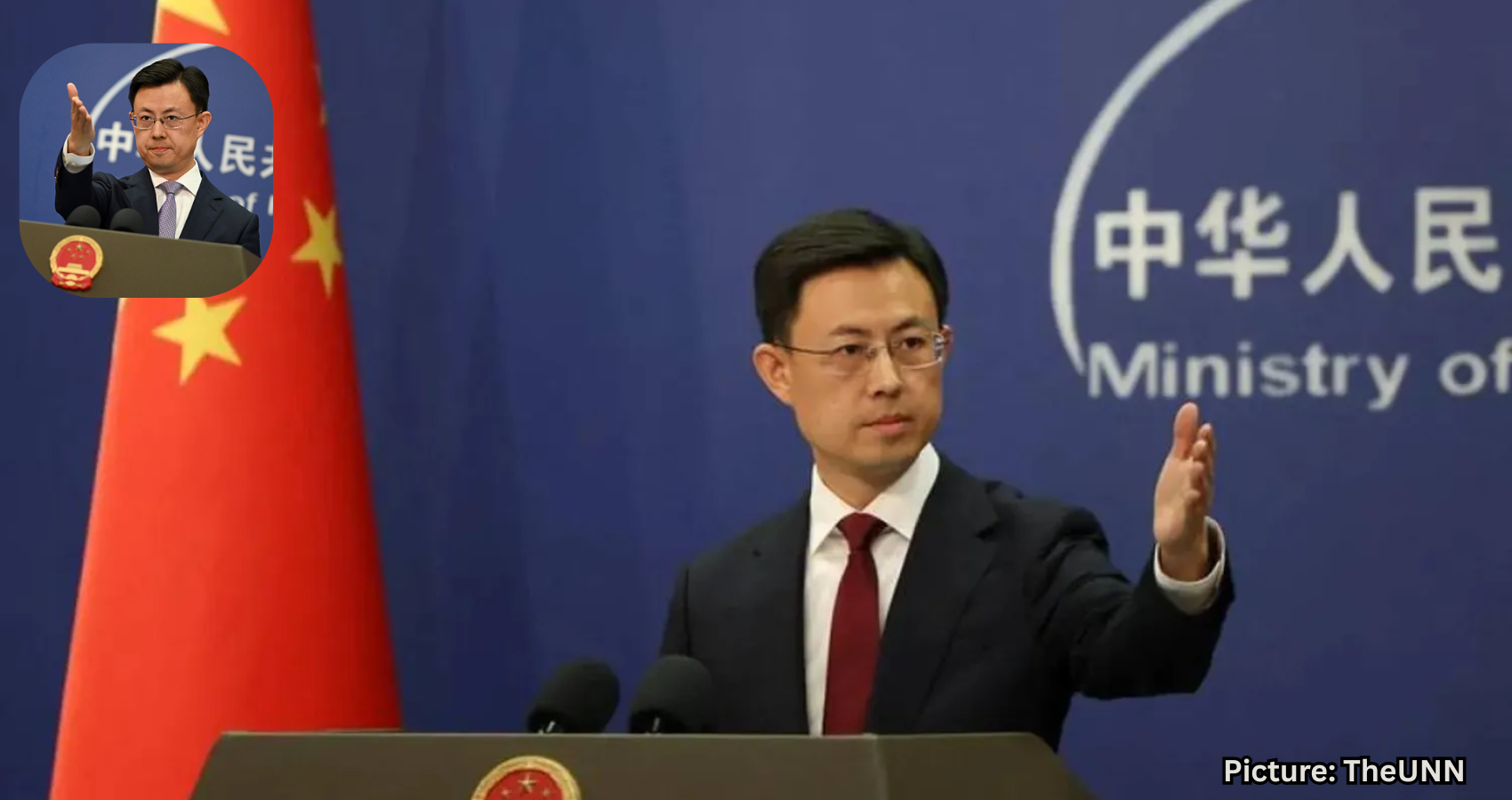
Chinese foreign ministry spokesperson Guo Jiakun emphasized the importance of stability and peace in the region. He stated that maintaining the safety and openness of the Strait of Hormuz is crucial for the international community, as it plays a significant role in global energy supply and trade.

“China hopes the relevant parties will abide by the temporary ceasefire arrangements, remain committed to resolving disputes through political and diplomatic means, and avoid a resumption of hostilities,” Guo said.

China has expressed its readiness to take on a constructive role in addressing the crisis. Guo characterized the initial discussions in Islamabad as a positive step toward reducing tensions, despite the absence of a final agreement.

In the wake of the failed negotiations, the U.S. Central Command announced plans to initiate a blockade of maritime traffic linked to Iranian ports, effective Monday at 10 a.m. ET (1400 GMT). This decision has raised concerns about the potential for further escalation in the region.

Guo also addressed allegations that China intends to supply weapons to Iran, labeling such claims as “groundless smears and malicious associations.” He responded to Trump’s warning about imposing 50% tariffs on countries supplying arms to Iran, asserting that China has consistently maintained a prudent and responsible approach to arms exports. Guo noted that China adheres to strict domestic laws and international obligations regarding arms trade.

The Strait of Hormuz is a critical global energy route, facilitating the passage of nearly one-fifth of the world’s oil and gas supplies. Any disruption in this vital waterway could have significant repercussions for international energy markets and global trade.

Prior to the escalation of the conflict, China was the largest importer of Iranian crude oil, with a substantial portion of Iran’s oil exports shipped to China via the Strait of Hormuz. This dependency underscores the importance of the route for China’s energy security, prompting the nation to advocate for peace, stability, and uninterrupted navigation in the region.

As tensions continue to rise, the international community watches closely, hoping for a resolution that prioritizes diplomatic engagement over military confrontation. The situation remains fluid, and the potential for further developments looms large.

According to The Sunday Guardian, the ongoing dynamics in the Middle East will require careful navigation to avoid a broader conflict.

Iran Threatens New Chokepoint at Gate of Tears Amid U.S. Tensions

Iran threatens to disrupt global shipping routes, particularly the Bab al-Mandeb Strait, in response to potential U.S. actions against the Strait of Hormuz, raising concerns over energy market stability.

Iran may retaliate against a U.S. naval blockade of the Strait of Hormuz by directing its Houthi allies to target the Bab al-Mandeb Strait, a critical global shipping route, according to a senior Middle East analyst.

The Bab al-Mandeb Strait, which connects the Red Sea to the Gulf of Aden, is a vital corridor for international trade and carries approximately 12% of global oil shipments. This makes it a strategic point that could escalate tensions further and strain global energy markets.

Mona Yacoubian, director and senior adviser at the Middle East Program, warned that if the U.S. proceeds with its plans to blockade the Strait of Hormuz, Iran could escalate its actions to ensure that Gulf countries are unable to export oil.

“This could translate to further attacks on Gulf energy infrastructure or even deploying the Houthis to blockade the Bab al-Mandeb,” Yacoubian stated in an interview with Fox News Digital.

Her comments came after Ali Akbar Velayati, a senior adviser on international affairs to Iran’s Supreme Leader, indicated Tehran’s perspective on the Bab al-Mandeb in light of potential U.S. actions against the Strait of Hormuz. He remarked, “Today, the unified command of the Resistance front views Bab al-Mandeb as it does Hormuz,” in a post on X.

Velayati warned that if the White House repeats what he termed “foolish mistakes,” it would quickly learn that the flow of global energy and trade could be disrupted with a single move.

In a statement released Sunday, U.S. Central Command announced that a naval blockade would begin on Monday, targeting vessels of all nations entering or departing Iranian ports and coastal areas, including those on the Arabian Gulf and the Gulf of Oman.

President Donald Trump also emphasized that the U.S. Navy would block “any and all ships trying to enter or leave the Strait of Hormuz” in a post on Truth Social.

In March, the U.S. had already warned ships navigating the Red Sea chokepoint about potential Houthi attacks. A maritime advisory noted that the Houthis, an Iran-backed armed group controlling much of northern Yemen, continue to pose a threat to U.S. assets, including commercial vessels in the region.

The advisory outlined various potential hostile actions from the Houthis, including one-way unmanned aerial vehicle (UAV) attacks, unmanned surface vehicle (USV) attacks, unmanned underwater vehicle (UUV) attacks, ballistic and cruise missile attacks, small arms fire from small boats, explosive boat attacks, and illegal boardings, detentions, or seizures.

U.S.-flagged commercial vessels operating in these areas were strongly advised to turn off their AIS transponders to avoid detection.

Yacoubian also highlighted in a report for the Center for Strategic and International Studies (CSIS) that Iran is threatening to extend the conflict to the Red Sea and the Bab al-Mandeb Strait, which could exacerbate disruptions in global markets.

She noted that Iran could leverage the Houthis, its Yemeni proxy, to launch attacks on this strategic waterway, thereby depriving Saudi Arabia of a crucial route for oil shipments due to the blockage of the Strait of Hormuz.

The Houthis escalated their involvement in the conflict against the U.S. and Israel on March 28, when they launched two ballistic missiles at southern Israel, both of which were intercepted.

As tensions rise, the implications for global energy markets and shipping routes remain significant, with the potential for further escalation in the region.

According to Fox News Digital, the situation continues to develop as both sides prepare for possible confrontations.

FBI Investigates Assault on Savanah Hernandez During ICE Protest

Federal authorities are investigating an alleged assault on journalist Savanah Hernandez during an anti-ICE protest in Minneapolis, raising significant concerns about press freedom and safety.

The FBI is currently investigating a reported assault on journalist Savanah Hernandez, a contributing writer for Turning Point USA (TPUSA), which occurred during an anti-ICE protest in Minneapolis. This incident has drawn federal attention and highlights the escalating tensions between activists and media figures affiliated with specific political ideologies.

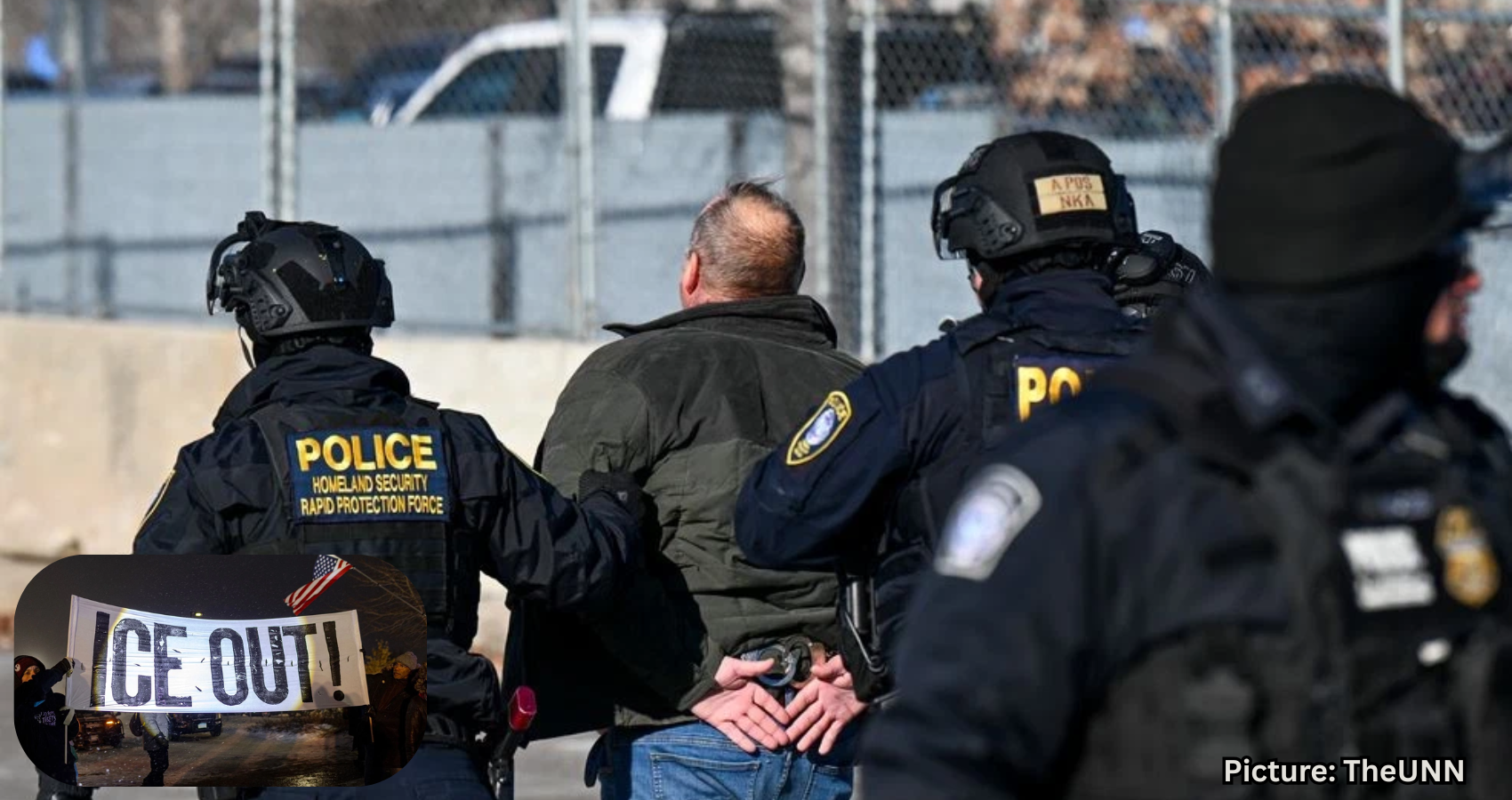
Hernandez was covering demonstrations outside the Whipple Federal Building, where protesters had gathered to voice their opposition to U.S. Immigration and Customs Enforcement (ICE). The situation quickly escalated, prompting a law enforcement response and an FBI review into the circumstances surrounding the confrontation.

In a social media post, Hernandez described the incident, stating, “I was just brutally assaulted by multiple people outside of the Whipple ICE facility in Minneapolis.” Her account underscores the increasing risks faced by journalists operating in volatile protest environments.

She elaborated on her experience, saying, “Multiple people swung on me and a grown man pushed me to the ground. My glasses are broken. ANTIFA still alive and well.” This statement not only reflects her personal experience but also suggests her perception of the affiliations of her attackers, emphasizing the physical impact of the encounter.

Authorities have confirmed that several individuals were taken into custody following the incident, and investigations are ongoing. While formal federal charges have not yet been announced, officials have indicated that the case is being treated with the seriousness it deserves, especially given its implications for press safety and public order.

Hernandez is known for her work with TPUSA, a pro-Trump organization, and often reports from politically charged events, placing herself at the center of ideological flashpoints. Supporters argue that her presence reflects a commitment to covering underreported perspectives, while critics contend that her partisan media coverage can exacerbate already heated situations.

For many in the Indian American community observing this incident, the implications extend beyond domestic U.S. politics. Many within the diaspora, particularly immigrants and visa holders, view the clash as part of a broader struggle over immigration policy, civil liberties, and the boundaries of protest. The reported assault raises significant concerns about the safety of journalists, regardless of their political alignment, as they seek to cover issues that directly affect immigrant communities.

This case also brings to light a growing dilemma: how to balance the right to protest with the need to protect individuals who are documenting those protests. Community advocates emphasize that while dissent is a cornerstone of democracy, violence against reporters poses a risk to the very freedoms that activists strive to defend.

As federal authorities continue their investigation, the assault on Hernandez has become a focal point in the ongoing debate surrounding media safety, political polarization, and the increasingly tense atmosphere surrounding immigration protests in the United States. The outcome of this case may have lasting implications for how journalists operate in politically charged environments.

According to The American Bazaar, the incident has sparked discussions about the need for greater protections for journalists covering protests, particularly as tensions continue to rise around immigration issues.

Americans Camp Overnight for Free Healthcare Amid Rising Costs

Some Americans are enduring long waits, even sleeping in their cars, to access free healthcare services as rising costs leave many without insurance options.

In a troubling trend, some Americans are resorting to sleeping in their cars for days in order to receive free healthcare from Remote Area Medical’s (RAM) volunteer pop-up clinics across the nation. This situation has arisen in part due to the Trump administration’s recent pullback on health insurance, which has left many without coverage. For those uninsured, the prospect of treatment for certain conditions can feel entirely out of reach due to soaring costs.

Founded in 1985, the Tennessee-based nonprofit organization RAM employs volunteer healthcare professionals to provide medical services at no cost to uninsured individuals. In a recent segment of CBS News’ “60 Minutes,” host Scott Pelley spoke with patients who had been waiting for access to the clinic.

One such patient, Sandra Tallent, traveled 200 miles from Huntsville, Alabama, to RAM’s pop-up clinic in Knoxville, Tennessee, seeking dental care. She arrived at the clinic site at 4:30 p.m. on a Wednesday and spoke to Pelley from her car at 5 a.m. on Friday, after spending two nights in the parking lot. When asked how she would manage her dental needs without RAM, Tallent candidly replied, “I wouldn’t.”

During her visit, Tallent was treated by a dental expert and had dentures created using RAM’s advanced 3D denture-printing lab. Connor Gibson, a 22-year-old engineer, utilized computer design technology to expedite the process, which typically takes weeks, into just about an hour. “We see grown men cry sitting in the chair,” Gibson told “60 Minutes,” describing the emotional reactions of patients seeing their new smiles for the first time. Tallent was among those moved to tears as she looked in the mirror and expressed her gratitude.

In an interview with Fox News Digital, RAM CEO Chris Hall explained how the organization operates its clinics, which move across the country to increase access for more individuals. “All of our services are provided free of cost to patients on a first come, first served basis,” Hall stated. “We do that through our team of dedicated volunteers and professionals that come from all around the country.”

RAM offers a variety of services, including dental cleanings, fillings, extractions, comprehensive eye exams, and access to an eyeglass lab that can manufacture eyewear and dentures. Hall noted that approximately 60% of patients seek dental care, while around 30% to 35% seek vision care. Recently, RAM has also expanded its services to include women’s health exams, general wellness check-ups, and sports physicals.

In 2008, RAM held about 10 to 12 events annually. Today, that number has surged to 90 full-scale operations, with events taking place nearly every weekend. Hall emphasized that the demand for medical care has remained consistent over the past two decades. Even individuals with insurance often find that out-of-pocket premiums and deductibles can be prohibitively expensive.

<p”The communities that we go into, the patients who are coming through our door, these are working-class people,” Hall explained. “Whether we’re doing events in rural Appalachia or downtown Los Angeles, the patients who are coming … they’re just isolated and do not get the care that they need.” He recounted hearing “heartbreaking” stories from patients who have delayed seeking medical care in order to keep the lights on and provide for their families.

The situation underscores the growing healthcare crisis in the United States, where many individuals struggle to access necessary medical services due to financial barriers. As organizations like RAM continue to provide essential care, the need for comprehensive healthcare reform remains urgent.

According to Fox News, the challenges faced by uninsured Americans highlight the critical role of volunteer organizations in bridging the gap in healthcare access.

U.S. National Debt Increases by $1.2 Trillion in Six Months

The U.S. national debt has surged to approximately $39 trillion, with a reported deficit of $1.17 trillion for the first half of the fiscal year, raising significant economic concerns.

As the U.S. government grapples with a staggering deficit of $1.17 trillion for the first half of the fiscal year, experts are increasingly sounding alarms over the long-term implications of the rising national debt, which now stands at around $39 trillion.

The Congressional Budget Office (CBO) released its findings on April 10, 2026, indicating that the government operated at a deficit from October 2025 to March 2026. Although this figure is lower than the shortfall recorded during the same period last year, it still raises serious concerns as the nation continues to accumulate debt.

This decrease in the deficit can be partially attributed to tariff policies enacted during President Trump’s administration. However, economists remain apprehensive about the sustainability of such borrowing, particularly given that interest payments are projected to exceed $1 trillion in this fiscal year alone. This situation adds further strain to the federal budget and raises the specter of potential economic instability.

Concerns regarding the national debt have attracted attention from key financial leaders, including Federal Reserve Chair Jerome Powell and JPMorgan Chase CEO Jamie Dimon. Many economists warn that unchecked borrowing could lead to adverse long-term effects on the economy, such as reduced public investment and a potential market reckoning characterized by higher bond yields. Others caution that rising inflation may diminish the real value of the debt over time.

Despite these warnings, some analysts maintain an optimistic outlook, suggesting that the U.S. economy may eventually navigate its current fiscal challenges. They point to the transformative potential of artificial intelligence (AI) as a possible catalyst for economic growth. However, a more cautious perspective has emerged, particularly from Michael Peterson, CEO of the Peter G. Peterson Foundation. He emphasizes that complacency in the bond market does not guarantee protection against future crises.

“I think the bond market is often a very good indicator of sentiment of concern of risk,” Peterson explained in an interview. He noted that while the bond market currently appears stable, the long-term fiscal decisions being made across the political spectrum could have detrimental effects, even in the absence of an immediate crisis.

Peterson expressed urgency regarding the need for a more sustainable fiscal approach, stating, “I think we owe it to the next generation to get this under control.” The implications of rising national debt are particularly concerning for younger generations, who may ultimately bear the brunt of the economic fallout.

Debate within the economic community continues regarding who will experience the most significant impact from the national debt. Some experts argue that retirees, whose savings are often not indexed to inflation, may find themselves disproportionately affected as low interest rates diminish the value of their 401(k) plans. Others contend that a market recalibration could lead to higher interest rates, adversely affecting those seeking mortgages.

Regardless of the specific outcomes, Peterson warns that the effects will be widespread, significant, and lasting. He articulates a broader concern for disadvantaged populations, suggesting that they are likely to suffer the most from a fiscal environment that restricts government resources for income support and other essential services.

The CBO’s report highlights that a considerable portion of government expenditures—approximately $1.7 trillion—are directed towards mandatory programs such as Social Security, Medicare, and Medicaid. While these programs are crucial for many Americans, Peterson argues that this spending does not yield the same long-term economic benefits as investments in infrastructure or education.

He cautions that even without an immediate fiscal crisis, the current trajectory of spending—largely focused on immediate consumption—could hinder economic opportunities for future generations. “These trillions of dollars—the vast majority of which has been for immediate consumption with no economic benefit to the future—have done damage to our kids and grandkids,” Peterson stated.

The escalating national debt and its implications for the U.S. economy underscore the importance of fiscal responsibility and the need for a comprehensive strategy to address the challenges posed by borrowing. As the nation grapples with these pressing issues, discussions surrounding the future of economic policy will continue to shape the landscape for generations to come.

In light of these challenges, the upcoming Fortune 500 Innovation Forum, scheduled for November 16-17 in Detroit, will gather industry executives, policymakers, and thought leaders to explore potential pathways for revitalizing the American economy, according to Source Name.

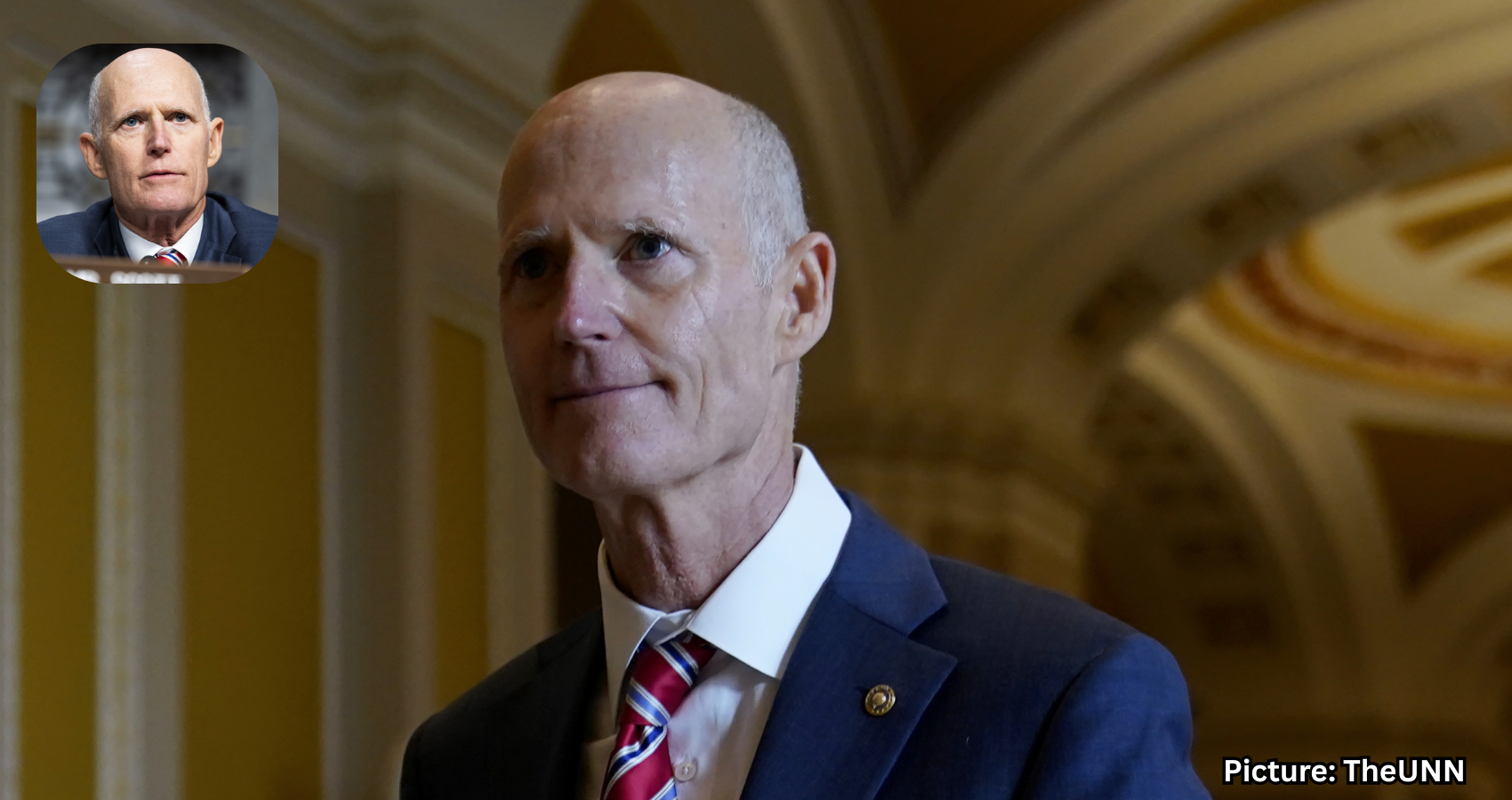
Rick Scott Calls for Ending OPT Amid Job and Security Concerns

Senator Rick Scott is calling for the termination of the Optional Practical Training program, citing concerns over job competition for American graduates and national security risks.

Senator Rick Scott has intensified his criticism of the Optional Practical Training (OPT) program, urging the White House to abolish it. He argues that the program disadvantages American graduates while raising significant economic and national security concerns.

In a letter obtained by The Daily Signal, the Florida Republican expressed his views clearly. “The OPT program should not exist; it is a purely regulatory creation with no statutory basis,” he stated, advocating for an end to the decades-old work permit system that allows foreign students to work in the United States.

Established in 1992, the Optional Practical Training program permits international students to remain in the U.S. and work for up to four years after graduation. Scott contends that this creates an uneven playing field, as employers can benefit from tax incentives when hiring foreign graduates, thereby giving them an advantage over U.S. citizens entering the job market.

To support his argument, Scott referenced employment statistics, highlighting a troubling trend among tech graduates. He noted that the jobless rate for recent graduates with computer engineering degrees is nearly double that of the general unemployment rate. Furthermore, he pointed out that the unemployment rate for recent computer science graduates is over 50% higher than the overall jobless rate. According to Scott, more than half a million student visa holders are currently employed under the OPT program.

In addition to job-related concerns, Scott framed the issue as a matter of national security. He warned that the OPT program could inadvertently benefit China, stating, “Many OPT recipients from Communist China have jobs in universities and Big Tech firms, giving them access to sensitive technological information and intellectual property.” He emphasized, “We cannot continue opening the door to an enemy nation that will happily use our own research against us.”

The senator’s call to end the OPT program has generated reactions on social media. Economist Hany Girgis expressed support on X, stating, “Finally — someone saying what Americans have been thinking. End OPT now! Our grads should get first shot at these jobs. @SenRickScott is right! @realDonaldTrump #EndOPT #AmericaFirst.” Political commentator Sara Gonzales also voiced her approval, thanking Scott and sharing the report by Elizabeth Troutman Mitchell.

The debate surrounding the OPT program is not new, but Scott’s renewed push has brought it back into the spotlight at a time when concerns over job availability, immigration policy, and U.S.-China relations are particularly pronounced. As discussions continue, the implications of the OPT program remain a contentious topic among policymakers and the public alike.

For further insights into this issue, refer to The Daily Signal.

Pope Leo Addresses ‘Delusion of Omnipotence’ Amid Iran War Vigil

Pope Leo condemns the “delusion of omnipotence” driving the war in Iran, calling for peace during a vigil at St. Peter’s Basilica.

Pope Leo expressed deep concern over the “delusion of omnipotence” that he believes is fueling the ongoing war in Iran. His remarks came during a vigil for peace held at St. Peter’s Basilica on Saturday.

In his prayer service, Pope Leo emphasized the importance of connecting human limitations with the infinite possibilities of God. “In prayer, our limited human possibilities are joined to the infinite possibilities of God,” he stated. “Thoughts, words, and deeds then break the demonic cycle of evil and are placed at the service of the Kingdom of God.”

The pontiff described this Kingdom as one devoid of violence, stating, “A Kingdom in which there is no sword, no drone, no vengeance, no trivialization of evil, no unjust profit, but only dignity, understanding, and forgiveness.” He warned that the delusion of omnipotence is becoming increasingly unpredictable and aggressive, posing a significant threat to peace.

During the vigil and in posts on social media platform X, Pope Leo reiterated that war creates division, while hope and faith have the power to unite humanity. “Enough of the idolatry of self and money. Enough of the display of power. Enough of war,” he declared. “True strength is shown in serving life.”

Among those present at the vigil was Belgian Cardinal Dominique Joseph Mathieu, the archbishop of Tehran. The pope’s remarks coincided with the beginning of face-to-face talks between Vice President JD Vance and a U.S. delegation with Iranian officials, occurring amid a fragile ceasefire.

Pope Leo’s statements marked some of his strongest criticisms yet regarding U.S. foreign policy towards Iran. Earlier in the week, he labeled President Donald Trump’s threats against Iran as “truly unacceptable.” He remarked, “Today, as we all know, there has also been this threat against the entire people of Iran, and this is truly unacceptable.” He emphasized that these threats raise significant issues of international law and moral responsibility for the welfare of the Iranian population.

Trump had previously posted on Truth Social, warning that “a whole civilization will die tonight, never to be brought back again,” expressing his desire to avoid such a fate for Iran. Shortly thereafter, he announced a two-week ceasefire contingent upon Iran agreeing to the “COMPLETE, IMMEDIATE, and SAFE OPENING of the Strait of Hormuz.”

As high-stakes negotiations commenced in Islamabad, Trump told reporters outside the White House, “We win regardless of what happens. Maybe they make a deal, maybe they don’t.”

For over a month, Pope Leo had limited his public comments to subdued appeals for peace. However, during his Easter blessing the previous Sunday, he urged those in positions of power to choose peace over war, stating, “Let those who have the power to unleash wars choose peace.”

In his address, Pope Leo also referenced the final words of his predecessor, Pope Francis, who had warned of a “globalization of indifference” from the same balcony a year prior. “What a great thirst for death, for killing we witness each day in the many conflicts raging in different parts of the world,” he quoted Francis, highlighting the urgent need for compassion and understanding in times of conflict.

These remarks underscore the Vatican’s ongoing commitment to advocating for peace and reconciliation in the face of global tensions, particularly in regions affected by war and violence. The pope’s call for dignity and forgiveness resonates as a powerful reminder of the importance of unity in the pursuit of peace.

For further insights, see Fox News and The Associated Press.

Iran’s Parliament Speaker Calls for Lebanon Ceasefire Ahead of U.S. Talks

Iran’s Parliament Speaker Mohammad Bagher Qalibaf insists that U.S. negotiations cannot proceed without a ceasefire in Lebanon and the unblocking of Iranian assets.

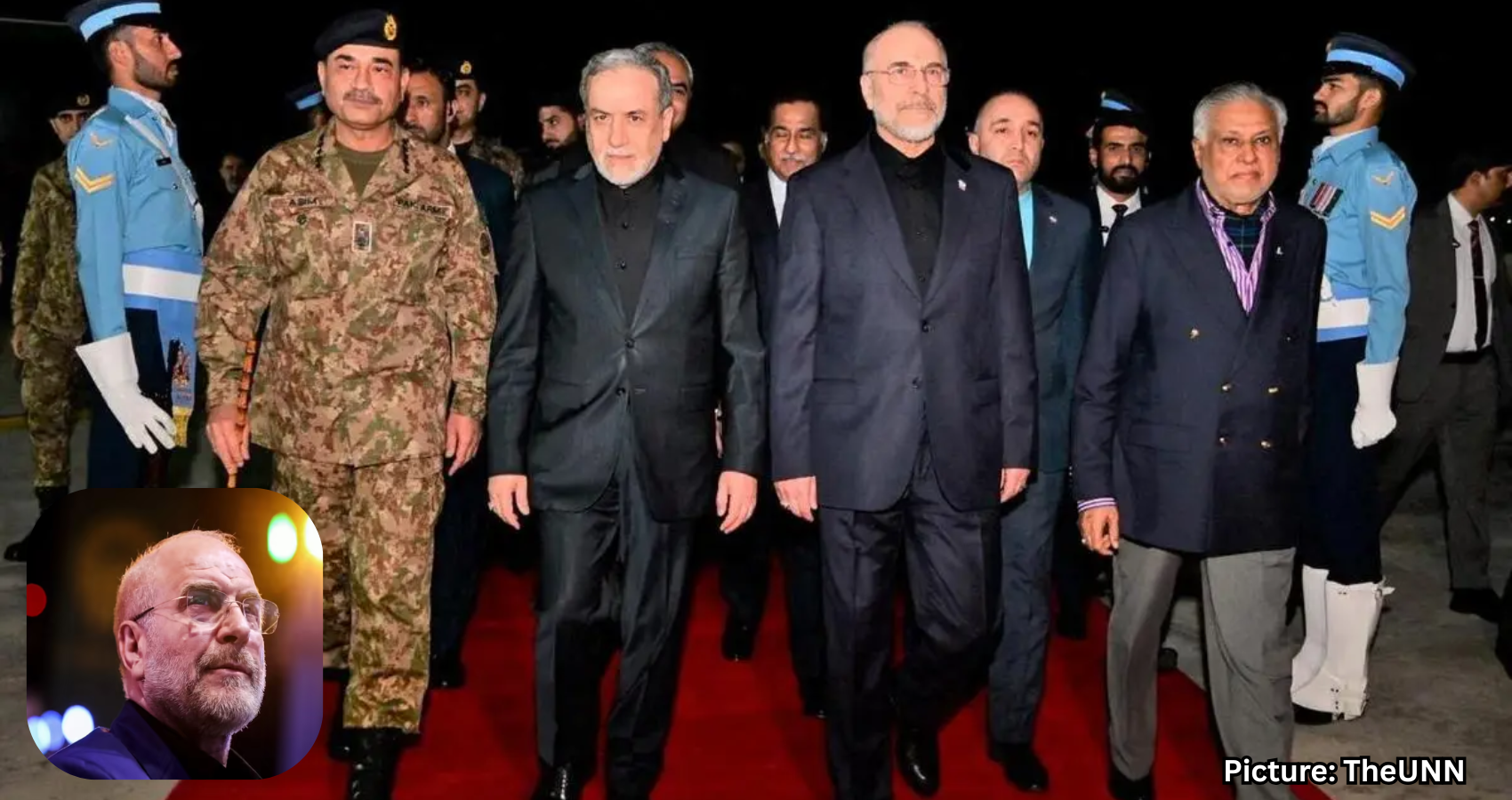
Mohammad Bagher Qalibaf, the Speaker of Iran’s Parliament, has stated that any negotiations with the United States are contingent upon a ceasefire in Lebanon and the release of Iranian assets that have been blocked. His remarks, made on Friday via the social media platform X, underscore that these two conditions must be met before any talks can begin.

These comments come in the wake of a fragile ceasefire established earlier this week, which temporarily halted military actions that had escalated following a joint U.S.-Israeli attack on February 28. In response, Iran took measures to close the strategically important Strait of Hormuz and engaged in military actions against its allies in the Persian Gulf.

In the current geopolitical climate, both the U.S. and Iran have accused each other of violating the ceasefire agreement. The Trump administration has dismissed Iranian claims that the ceasefire applies to Lebanon, where Israel has been conducting extensive military operations against Hezbollah. This situation reflects the complexities of an ongoing conflict with historical roots that extend back decades and involves multiple regional players.

Earlier, Qalibaf criticized the U.S. for allegedly breaching three clauses of a ten-point proposal put forth by Iran. These violations reportedly include military strikes in Lebanon, drone incursions into Iranian airspace, and efforts to limit Iran’s uranium enrichment activities. On Wednesday, Qalibaf expressed his grievances on X, stating, “Now, the very ‘workable basis on which to negotiate’ has been openly and clearly violated, even before the negotiations began.” He referred to comments made by White House Press Secretary Karoline Leavitt, who had described the ten-point plan as a foundation for future discussions. Under the current circumstances, Qalibaf concluded that pursuing a bilateral ceasefire or negotiations would be unreasonable.

Despite the rising tensions, a high-level U.S. delegation is scheduled to meet with Iranian officials in Islamabad on Saturday. This delegation includes Vice President Vance, Special Envoy Steve Witkoff, and Jared Kushner, President Trump’s son-in-law. The discussions are expected to cover a range of issues pertinent to U.S.-Iran relations, including the ongoing conflict in Lebanon and broader regional security concerns.

In parallel, Israeli Prime Minister Benjamin Netanyahu has directed his Cabinet to initiate negotiations with Lebanese officials. This decision follows what Netanyahu described as “repeated requests” from various stakeholders. He indicated that the discussions would primarily focus on disarming Hezbollah and establishing a durable peace between Israel and Lebanon. The dynamics of these negotiations are particularly critical, given the recent escalation of violence and the fragile ceasefire agreement.

Netanyahu’s government has faced pressure to address security concerns related to Hezbollah, a significant actor in the region and a longstanding adversary of Israel. The push for negotiations highlights the complexity of regional politics, where military actions and diplomatic overtures are often intertwined.

The ongoing conflict has also raised significant humanitarian concerns within Lebanon and surrounding areas. Heba Morayef, the regional director for Amnesty International in the Middle East and North Africa, reported that Wednesday marked the deadliest day in Lebanon since Israel commenced its airstrikes last month. The rising civilian casualties and destruction have prompted increasing international scrutiny and concern over the humanitarian impact of the conflict.

In response to the escalating violence, Lebanon’s Prime Minister, Nawaf Salam, announced that his government plans to file a formal complaint with the United Nations Security Council regarding the military strikes. This move underscores Lebanon’s desire to seek international support and intervention to address the ongoing crisis. The complaint is expected to highlight violations of international law and the urgent need for a ceasefire to protect civilian lives.

The complex dynamics of the current geopolitical landscape underscore the challenges facing peace negotiations in the region. The interplay between military actions, diplomatic efforts, and humanitarian crises continues to evolve, highlighting the need for careful monitoring of developments as stakeholders navigate these turbulent waters. The outcomes of the upcoming talks in Islamabad and the negotiations initiated by Israel with Lebanon will be pivotal in shaping the future of regional stability and security, according to Source Name.

Trump Opponent Adopts Filibuster Strategy in Senate Campaign

Maine Governor Janet Mills is running for Senate, advocating for filibuster reform that echoes President Trump’s proposals, as she seeks to unseat Republican Senator Susan Collins.

Maine Governor Janet Mills, a prominent Democratic contender for the Senate, is drawing inspiration from President Donald Trump and conservative strategies in her campaign platform. Mills, who aims to unseat longtime Republican Senator Susan Collins, has recently unveiled her policy proposals, which include a call for significant reform of the filibuster.

In her 19-page policy document, Mills asserts that if elected, she would mandate that senators remain on the Senate floor and actively engage in debate rather than merely threatening a filibuster to stall legislative action. This approach to the filibuster has gained traction among Democrats and is also being championed by Trump and some Republicans who are advocating for a talking filibuster to facilitate the passage of the Safeguard American Voter Eligibility (SAVE) America Act.

The filibuster has emerged as a contentious issue in the Senate, particularly for Republicans, as its current 60-vote threshold necessitates bipartisan support for legislation. Mills’ stance on reforming the filibuster aligns with a broader Democratic strategy, while simultaneously resonating with some of Trump’s recent calls for reform.

“Washington is broken, and Maine people are paying the price,” Mills stated while introducing her platform. “Donald Trump and Washington Republicans are undermining our fundamental rights and driving up costs, all while Congress fails to solve the big problems facing Maine people. Enough is enough. Maine people deserve better than what D.C. is giving them.”

Mills’ relationship with Trump has been adversarial, reaching a peak in 2025 during a White House meeting of governors. At that time, she famously declared, “We’ll see you in court,” in response to Trump’s executive order aimed at denying federal funding to states permitting transgender athletes to compete in sports.

The National Republican Senatorial Committee (NRSC), which serves as the Senate GOP’s primary campaign organization, has criticized Mills’ proposed changes to the filibuster. They argue that her position signals a broader Democratic agenda aimed at obstructing Trump’s initiatives. “Janet Mills is saying the quiet part out loud: If she goes to Washington, she will use every tool at her disposal to push her radical anti-Trump agenda on Americans,” NRSC spokesperson Samantha Cantrell told Fox News Digital.

Trump has suggested that Republicans should consider eliminating the filibuster entirely, a move that appears unlikely given the current Senate dynamics and lack of consensus on such a drastic step.

Mills’ advocacy for a talking filibuster would require senators to engage in active debate on legislation, a departure from the traditional reliance on the 60-vote threshold. Presently, the Senate is experiencing a form of talking filibuster as Republicans attempt to highlight Senate Democrats’ opposition to the SAVE America Act. However, the GOP remains divided, which may hinder their ability to effectively block Democratic amendments that could significantly alter the bill.

Senate Minority Leader Chuck Schumer, a Democrat from New York who has endorsed Mills’ candidacy against Collins, has referred to the SAVE America Act as “Jim Crow 2.0,” rallying his party to oppose the legislation.

Before Mills can face Collins in the general election, she must first navigate a challenging primary against Graham Platner, an oyster farmer who has garnered support from the left wing of the Democratic Party.

As the campaign progresses, the dynamics surrounding the filibuster and broader legislative strategies will likely continue to evolve, shaping the political landscape in Maine and beyond.

Fox News Digital reached out for comments from Mills, Platner, and Collins but did not receive a response by publication.

US-Iran Negotiations: JD Vance Arrives in Islamabad with F-16 Escort

US Vice President JD Vance arrived in Islamabad, escorted by Pakistani F-16 jets, for pivotal talks with Iran amid ongoing regional tensions.

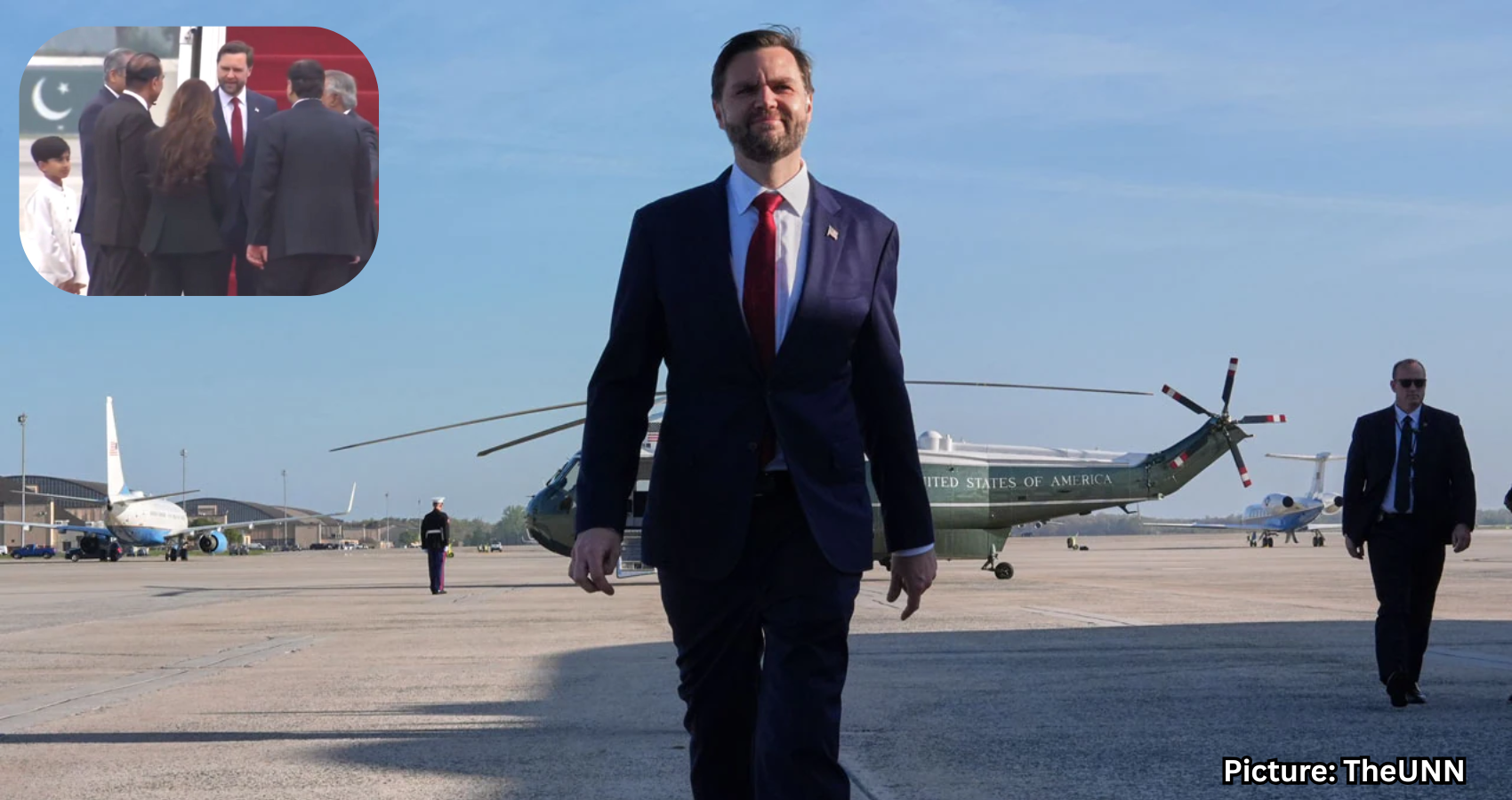
US Vice President JD Vance’s arrival in Islamabad for crucial negotiations with Iran was marked by an escort of Pakistani F-16 jets. This high-stakes meeting comes at a time of heightened tensions in the Middle East, with both nations grappling with a history of mistrust.

Visuals from the event showed five Pakistan Air Force F-16s accompanying Vance’s aircraft, a Boeing C-32A, as it entered Pakistani airspace and landed safely at Nur Khan Airbase. The meeting is being closely guarded by Pakistani officials, reflecting the significance of the discussions set to take place.

Today’s high-level meeting aims to address ceasefire talks between the US and Iran, marking a potential turning point in diplomatic relations. This gathering is particularly noteworthy as it represents the first high-level face-to-face engagement between the two countries since the 1979 Islamic Revolution.

Vance is expected to meet with key Iranian leaders, including Parliament Speaker Mohammad Bagher Ghalibaf and Foreign Minister Seyed Abbas Araghchi. Accompanying him are special envoy Steve Witkoff and Jared Kushner, the son-in-law of former President Donald Trump.

Despite the potential for progress, deep-seated mistrust looms over the negotiations. Ghalibaf expressed skepticism about the talks, stating, “We have good intentions, but we do not trust. Our experience in negotiating with the Americans has always been met with failure and broken promises,” according to Iranian state media.

Pakistan has positioned itself as a facilitator in these discussions, with Finance Minister Ishaq Dar urging both nations to engage constructively. He emphasized the importance of working towards a peaceful resolution, highlighting Pakistan’s role in fostering dialogue.

As the talks unfold, significant differences remain between the US and Iran regarding their negotiation terms. The US, under Trump, previously proposed a 15-point framework that demands Iran relinquish its highly enriched uranium and accept limitations on its military capabilities. In contrast, Iran has presented a 10-point plan that calls for reparations and recognition of its control over the strategically vital Strait of Hormuz.

In the broader context of Middle Eastern tensions, the US-Iran talks are occurring alongside separate discussions between Lebanon and Israel, scheduled for next week. A temporary pause in fighting has provided some respite, although the region remains fraught with uncertainty.

The outcome of these negotiations could have far-reaching implications for US-Iran relations and the stability of the Middle East. As both sides prepare to engage, the world watches closely to see if this historic meeting will pave the way for a new era of diplomacy.

According to The Sunday Guardian, the stakes are high as both nations navigate their complex histories and the pressing need for dialogue.

H-1B Visa Demand Declines as Walmart, Amazon, JPMorgan Chase Reduce Hiring

Demand for H-1B visas is declining as major companies like Walmart, Amazon, and JPMorgan Chase reduce hiring, reflecting broader trends in corporate America.

A significant slowdown in hiring across the technology and corporate sectors is becoming evident in H-1B visa application data, with Walmart recently highlighting this trend. The retail giant submitted 312 certified H-1B visa applications during the last quarter of 2025, marking a dramatic decrease from previous years, according to data from the U.S. Department of Labor.

This quarter, which represents the first three months of the federal fiscal year, provides an early indication of how recent changes to the H-1B visa program are impacting hiring practices. Walmart’s filings have plummeted by more than 50% compared to approximately 860 applications during the same period the previous year, and they are down about 40% from two years ago.

Other retailers, including Target, Home Depot, and Lowe’s, have maintained relatively stable H-1B filing numbers over the past two years. However, they too reported a decline in applications at the end of 2025 compared to the end of 2024. Walmart’s decrease reflects a broader trend among major tech companies such as Amazon, Google, Meta, and Microsoft, which have also reduced their reliance on the H-1B program following changes implemented during the Trump administration that made obtaining visas more expensive and challenging.

Amazon, which recorded the highest number of H-1B filings in the dataset, saw its quarterly certified applications drop to 3,057 from 4,647 the previous year, a decline of nearly one-third. This trend is not confined to the tech sector; significant financial institutions like Goldman Sachs and JPMorgan Chase have also scaled back their H-1B filings in recent years. Conversely, some firms, such as Citi, reported an increase in applications compared to the previous year.

Data from the Department of Labor indicates that leading financial firms submitted about 10% fewer certified H-1B applications in the first quarter of fiscal year 2026 compared to the same period a year prior. This quarter, which spans from October to December, saw a general decline in the tech sector as well, with most major companies reducing their filings, except for Nvidia.

Among banks, JPMorgan Chase experienced one of the most significant decreases, with filings dropping from 724 between October and December 2024 to 516 in the same timeframe a year later, representing a nearly 29% decline. This shift moved JPMorgan Chase from the top user of the program in the previous year to the second position this year. The bank’s H-1B hiring continues to focus primarily on technology roles. Goldman Sachs reported the steepest decline, with filings plummeting by more than 60%, from 256 to 101, covering a mix of financial and technical positions.

Not all banks followed this downward trend. Citi’s filings rose by nearly 20%, while Barclays experienced an increase of almost two-thirds, and Morgan Stanley reported a rise of more than 25%. These applications encompass a combination of finance and tech roles, although some companies did not provide detailed job categories.

Capital One also noted a modest 4% increase in filings, with many positions centered on data science and machine learning, including senior and director-level roles.

The changes in H-1B visa applications come in the wake of new rules introduced by the Trump administration, which included a $100,000 fee announced in late September, stricter social media checks, and a wage-based lottery system that favors higher-paid applicants. The H-1B lottery, which occurred last month, is typically when the majority of applications are submitted. Once this data is released, the full impact of these policy changes will become clearer. Immigration attorneys have previously indicated that frequent rule changes and uncertainty are prompting companies to reduce their visa sponsorship.

Recent data reveals a sharp decline in H-1B demand over the past few years. Registrations surged from 274,237 in fiscal year 2021 to a peak of 780,884 in fiscal year 2024, before dropping to 479,953 in fiscal year 2025 and further declining to 358,737 in fiscal year 2026.

A similar pattern is observed in eligible registrations, which fell to 343,981 in fiscal year 2026 from 758,994 just two years earlier. One of the most notable changes is the significant reduction in multiple registrations for the same beneficiary, which had soared to over 408,000 in fiscal year 2024 but plummeted to just 7,828 in fiscal year 2026, indicating stricter rules and fewer duplicate filings.

Meanwhile, selected registrations have also decreased, from 188,400 in fiscal year 2024 to 120,141 in fiscal year 2026. Overall, the data suggests a cooling of H-1B demand following years of aggressive filings, likely driven by policy changes and increased scrutiny within the system.

Despite the decline in overall H-1B applications, the sponsorship landscape remains dominated by tech companies. According to the latest fiscal year 2025 data, Amazon leads with 12,391 approvals, making it the largest H-1B sponsor across all industries. Microsoft follows with 5,189 approvals, maintaining a steady demand for global talent. Meta Platforms closely trails with 5,123 approvals, remaining one of the highest-paying employers.

Apple Inc. and Google LLC also surpassed the 4,000 mark in approvals. Tata Consultancy Services recorded 5,505 approvals, keeping it among the top sponsors, while Cognizant Technology Solutions and Infosys Limited reported 2,493 and 2,004 approvals, respectively. JPMorgan Chase saw a significant increase to 2,440 approvals, marking one of the sharpest rises this year. Goldman Sachs, Morgan Stanley, and Citigroup continue to engage in steady H-1B hiring.

As the landscape of H-1B visa applications continues to evolve, companies are adapting to the changing regulatory environment and its implications for hiring practices, reflecting broader trends in the job market.

According to The American Bazaar.

U.S. District Judge Orders Pentagon to Reinstate Journalist Press Access

A U.S. District Judge has ordered the Pentagon to restore access for credentialed journalists, emphasizing the importance of press freedoms in covering military operations.

A U.S. District Judge in Washington has ruled that the Pentagon must restore access for credentialed journalists, citing unconstitutional restrictions on press freedoms related to coverage of the Department of Defense (DOD). This ruling, issued on Thursday, underscores ongoing tensions between military operations and press freedoms, raising critical questions about transparency and the role of journalism in a democratic society.

Judge Paul Friedman issued the ruling in response to a lawsuit brought by The New York Times, which challenged the Pentagon’s restrictive press policies. In his March 20 ruling, Friedman declared the Pentagon’s press policy enacted last year as unconstitutional, leading to the reinstatement of press credentials for Times reporters and other journalists covering military affairs from within the Pentagon.

The Pentagon’s recent actions have drawn public scrutiny and raised concerns regarding the media’s ability to report on military matters. Following Friedman’s initial ruling, the Pentagon announced its intention to appeal the decision. Sean Parnell, the Pentagon’s chief spokesperson, stated, “The Department disagrees with the Court’s ruling and intends to appeal. The Department has at all times complied with the Court’s Order — it reinstated the PFACs of every journalist identified in the Order and issued a materially revised policy that addressed every concern the Court identified in its March 20 Opinion.” Parnell emphasized that while the Pentagon remains committed to press access, it also has a statutory obligation to maintain security at the Pentagon Reservation.

In a controversial move, the Pentagon submitted a new set of rules last month designed to comply with the judge’s directive while still limiting journalists’ access to the building. This prompted The New York Times’ legal team to return to court, arguing that the DOD’s revised policy was an attempt to circumvent the court’s original ruling.

Friedman expressed frustration over the Pentagon’s actions, stating, “The department simply cannot reinstate an unlawful policy under the guise of taking ‘new’ action and expect the court to look the other way.” His comments reflect the judiciary’s role in safeguarding First Amendment rights against governmental overreach.

The press policy in question was enacted in October 2022 and required journalists to sign a pledge that restricted their ability to report on unapproved military information. This requirement met with significant opposition; more than 50 journalists, including those from The Hill, refused to comply, resulting in their denial of press badges. Such limitations raised critical concerns about the implications for independent journalism and the public’s right to know.

The lawsuit initiated by The New York Times in December 2022 challenged the legality of the policy instituted by the Trump administration. Friedman, in his original ruling, underscored the First Amendment’s significance, stating, “A primary purpose of the First Amendment is to enable the press to publish what it will and the public to read what it chooses, free of any official proscription.” This foundational principle serves as a cornerstone of American democracy and civil society.

In his latest ruling, Friedman noted that the Pentagon’s current access provisions for press badge holders fell far short of the access previously granted. This observation underscores broader concerns about transparency and accountability within government institutions, particularly those tied to national security.

The ruling has been widely regarded as a significant victory for press freedom. Theodore Boutrous, an attorney for The New York Times, remarked, “This ruling powerfully vindicates both the court’s authority and the First Amendment’s protections of independent journalism.” Such statements highlight the ongoing struggle to balance national security interests with the public’s right to information, a complex dynamic that has significant implications for the future of journalism.

The Pentagon’s intent to appeal the ruling and its resistance to the court’s orders further illustrate the contentious relationship between military authorities and the media. As this legal battle continues, it raises critical questions about the future of press access to military facilities and the broader implications for journalist freedom in reporting on government actions.

The implications of this case extend beyond the immediate conflict between The New York Times and the Pentagon. As legal experts and journalists closely monitor the developments, the outcome could set significant precedents for future interactions between government institutions and the media. Such precedents may influence similar disputes across various branches of government, impacting the landscape of press freedom in the United States.

Moreover, this case serves as a reflection of the increasing challenges journalists face in obtaining information in an age of heightened national security concerns. The evolving nature of press access within governmental institutions raises pressing questions about the balance between safeguarding sensitive information and ensuring a free and open press.

As the legal proceedings unfold, the outcome will be crucial in determining not only the future of press access at the Pentagon but also the wider implications for the relationship between government transparency and the media’s role in a democratic society. The public, legal experts, and journalists alike will be watching closely as this case continues to evolve, given its potential to shape the future of press freedoms in the United States, according to The New York Times.

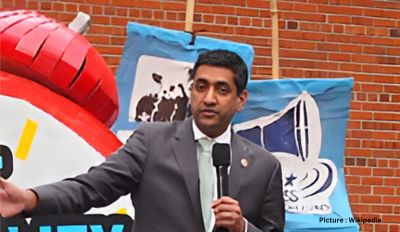
Rep. Ro Khanna Explores 2028 Presidential Run Focused on Economic Equity

Congressman Ro Khanna has expressed interest in a potential presidential bid for 2028, focusing on economic equity and a commitment to anti-colonialism in U.S. foreign policy.

During the National Action Network’s annual convention on April 8, 2023, Congressman Ro Khanna, a Democratic representative from California’s 17th District, entertained the idea of launching a presidential campaign in 2028. In a conversation with civil rights leader Al Sharpton, Khanna shared insights into his motivations and political priorities, emphasizing his vision for economic justice and a progressive foreign policy.

When Sharpton inquired about Khanna’s presidential aspirations, the congressman humorously responded, “Will you be my running mate?” This light-hearted exchange soon transitioned into a more serious discussion about the political landscape and his ambitions. While Khanna stated that his immediate goal is to support Hakeem Jeffries in becoming the Speaker of the House, he acknowledged that he is also contemplating a run for the presidency.

Khanna articulated a comprehensive economic strategy designed to ensure that all Americans have a stake in the nation’s economic future. He remarked, “I represent the economic future, and I have a clear roadmap of how we’re going to make sure every part of this country has an economic stake in the future.” His plan encompasses several key components, including equitable worker compensation, integrating marginalized communities into the evolving artificial intelligence sector, and ensuring families achieve economic independence through access to healthcare and childcare.

“I have a comprehensive economic vision, and I believe that people need an economic vision,” Khanna stated, reflecting a growing trend among progressive Democrats who are centering their platforms around economic issues. This focus resonates with many voters who are increasingly concerned about economic disparities, particularly in light of ongoing discussions about inflation and job security.

In addition to his economic ambitions, Khanna expressed a personal commitment to rejecting colonial models of governance and international relations, a perspective he attributes to the influence of his grandfather. He has previously criticized former President Donald Trump, accusing him of perpetuating a colonial mindset. “At our best, America fights wars of liberation, not conquest. We are not the Roman or British Empire engaged in colonialism. We defeated Nazism and authoritarian communism. Trump is betraying our values,” Khanna asserted. This statement reflects his broader critique of U.S. foreign policy and its implications for global equity and justice.

As the Democratic field begins to take shape for the 2028 presidential election, Khanna is positioning himself among a growing list of potential candidates. Prominent figures such as California Governor Gavin Newsom and former Vice President Kamala Harris are currently viewed as frontrunners, although neither has formally declared their candidacies. Other Democrats, including Michigan Governor Gretchen Whitmer and Pennsylvania Governor Josh Shapiro, have also signaled potential interest in the race.

Since his election to Congress in 2017, Khanna has emerged as a leading voice within the progressive wing of the Democratic Party, advocating for policies such as Medicare for All, economic patriotism, and the revitalization of American manufacturing. His potential candidacy could introduce a distinctive perspective to the Democratic primary, particularly as issues of economic justice become increasingly central to voter concerns.

Khanna’s remarks have generated significant interest regarding his political future as he balances his legislative responsibilities with the prospect of a presidential run. His emphasis on economic equity and anti-colonialism positions him uniquely within the Democratic Party, appealing to voters who seek transformative change in both domestic and foreign policy.

As the 2028 election approaches, discussions about candidates like Khanna are expected to intensify, particularly as economic justice and international relations continue to dominate the national conversation. His ability to articulate a clear vision and engage with critical issues may enhance his profile as a noteworthy contender in the electoral landscape.

Furthermore, Khanna’s approach reflects a broader shift within the Democratic Party, where an increasing number of candidates are prioritizing economic issues in response to constituents’ needs. As voters grapple with the realities of a post-pandemic economy, candidates who can effectively communicate their plans for economic revitalization and social justice may resonate more deeply with the electorate.

With Khanna’s progressive agenda and commitment to anti-colonial values, his potential campaign could energize a segment of the Democratic base that seeks comprehensive reform. As the political narrative evolves, it will be crucial for Khanna and other candidates to effectively address the pressing issues that matter most to voters, setting the stage for a competitive and dynamic primary season, according to Global Net News.

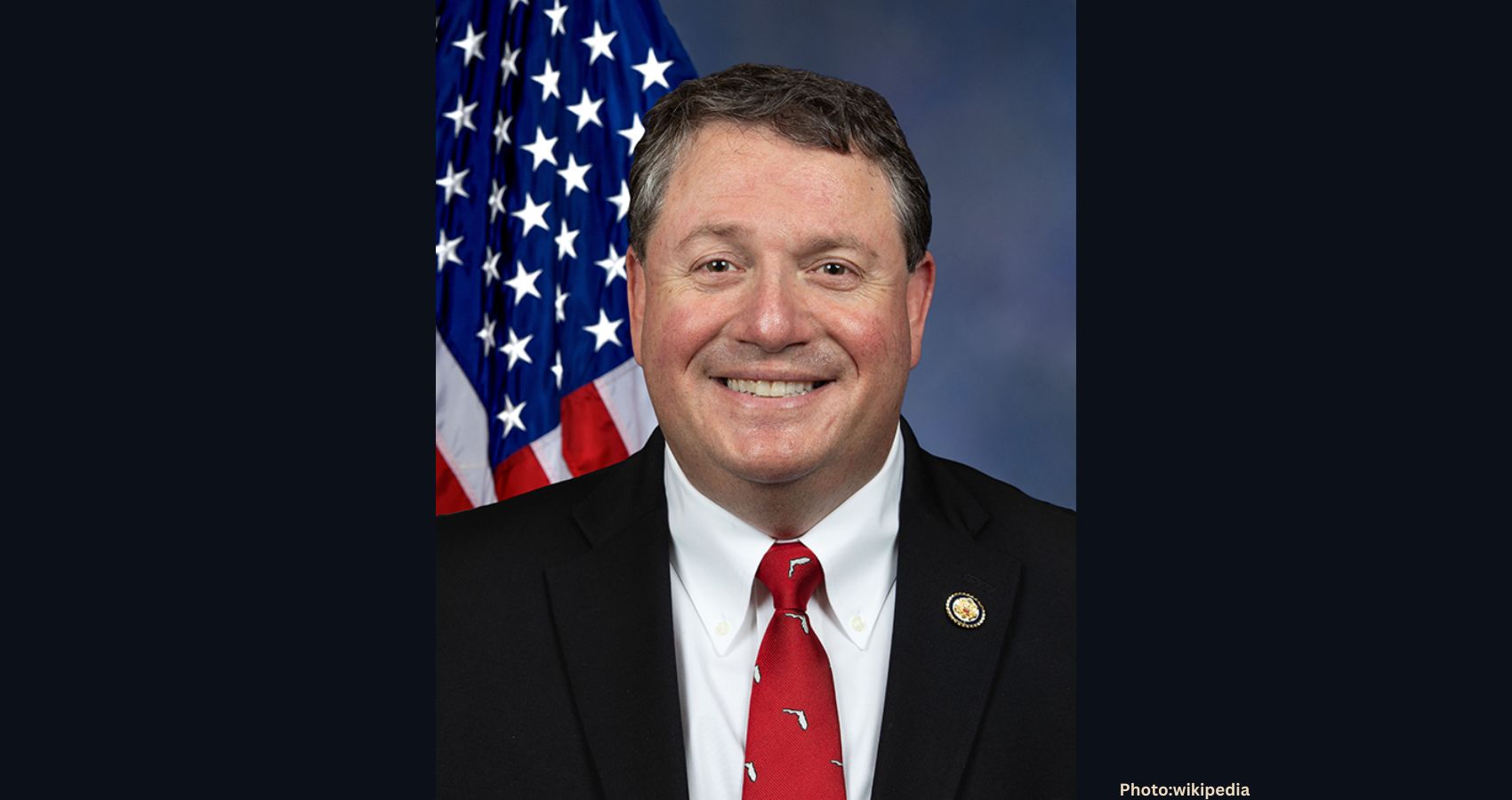
Rep. Randy Fine Joins House Freedom Caucus, Emphasizes Conservative Values

Rep. Randy Fine of Florida has officially joined the House Freedom Caucus, emphasizing his commitment to conservative principles and the MAGA agenda.

Republican Representative Randy Fine, who serves Florida’s 6th Congressional District, has announced his membership in the conservative House Freedom Caucus.

In a post on X, Fine expressed his enthusiasm, stating, “HUGE NEWS: I’m proud to announce that I have officially joined the strongest group of conservative patriots in Congress.” He highlighted the caucus’s mission, saying, “The House @freedomcaucus exists to save our country and preserve freedom, not manage our decline. That’s what I love about this group.” Fine looks forward to collaborating with his colleagues in the caucus to advance the MAGA agenda and uphold conservative values.

Fine, who took office last year after winning a special election to succeed Republican Mike Waltz, received significant support from former President Donald Trump during his campaign. Trump endorsed Fine shortly before he announced his candidacy, stating in a November 2024 Truth Social post, “Should he decide to enter this Race, Randy Fine has my Complete and Total Endorsement. RUN, RANDY, RUN!”

In a previous Truth Social post, Trump praised Fine’s performance, asserting, “He is doing a fantastic job representing Florida’s 6th Congressional District!” The endorsement underscores Fine’s alignment with Trump’s vision for the Republican Party.

Reflecting on his experiences in Congress, Fine remarked, “I found in my first year that there are two types of Republicans: those who want to save America and those who want to manage our decline politely.” He emphasized that the House Freedom Caucus aligns closely with his values, stating, “They were unquestionably the group whose values were most in line with mine.”

Fine further elaborated on his motivations for joining the caucus, noting, “Trying to manage the budget, trying to get the government under control, trying to stand up to the Left—they seemed to be the group whose values were most in line with mine,” according to The Daily Signal.

Inside Tehran: Woman Describes Fear and Checkpoints Amid Strikes

An anonymous Iranian woman shares her experiences of fear and uncertainty in Tehran amid a fragile ceasefire, highlighting the struggles of daily life under a militarized regime.

An anonymous Iranian woman has bravely stepped forward to describe the reality on the ground in Tehran as President Donald Trump’s two-week ceasefire with Iran tentatively began. In an essay published in The Australian, the author details the nightly explosions, extensive checkpoints, and communications blackouts that have become part of daily life since the onset of military operations launched by the United States and Israel in February.

“In effect, ordinary people have been turned into human shields within a vast militarized landscape,” she wrote, capturing the pervasive sense of anger, paranoia, and exhaustion that has gripped the city. The Iranian regime’s brutal crackdown on protests in January, which included public executions of thousands, initially led some residents to cheer for the attacks by U.S. and Israeli forces as Operation Epic Fury commenced on February 28.

“They say they’ve hit the leader’s residence,” the author’s daughter was quoted as saying. “All the children were screaming and cheering. … Even our teacher was quietly snapping their fingers and dancing.” The author recounted how everyday Iranians celebrated the death of Supreme Leader Ayatollah Khamenei, with the streets of Tehran echoing chants of “death to the dictator.” She reflected, “Perhaps for the first time, we allowed ourselves to believe our long-held dream was beginning to take shape.”

However, the initial euphoria soon gave way to the harsh realities of life under a regime that is both threatened and crumbling. One of the most pressing issues faced by those in Iran is the internet blackout, which has severed communications with the outside world and created an atmosphere of uncertainty and fear.

<p”So far, none of those close to us have suffered physical harm, but no night is calm,” the Iranian woman wrote. “What weighs most heavily is not only the war itself, but the possibility that it may end leaving behind a regime even more authoritarian, more repressive, and more violent.”

The author noted that a stubborn faction of regime supporters continues to assert their influence, blasting propaganda through loudspeakers nightly in the streets of Tehran to reinforce their authority among revolution supporters. “The streets are now covered with checkpoints,” she reported. “Under bridges and along main roads, movement is restricted. Long traffic lines form. Young people are stopped, their phones inspected under the pretext of routine checks.”

Following the announcement of the ceasefire between U.S. forces and the Iranian regime, the author observed that most of her fellow citizens went to sleep that night in a “state of deep anxiety.” She emphasized that the potential outcome of the ceasefire is a significant concern: “What weighs most heavily is not only the war itself, but the possibility that it may end up leaving behind a regime even more authoritarian, more repressive, and more violent.”

The anonymous author called for a ceasefire that does not equate to abandonment but instead leads to genuine peace and destabilizes the Iranian regime. “A ceasefire that stabilizes the current order, without addressing the demands that have brought Iranians into the streets for years, risks being experienced not as peace, but as abandonment,” she cautioned.

As negotiations between Iran and the U.S. are scheduled to begin in Pakistan, the author concluded with a note of resilience: “We wait, and we continue, in whatever ways possible, to insist that light will eventually overcome this darkness.” The Australian notes that the author remains anonymous for fear of retribution.

According to The Australian, the situation in Tehran reflects the complex interplay of hope and despair among its residents as they navigate a precarious existence under a regime in turmoil.

Trump Ceasefire Initiates Debate Amid Shifting Dynamics in Iran War

Trump’s sudden ceasefire in the Iran conflict has sparked intense debate over its implications, revealing shifts in regional power dynamics and raising questions about U.S. foreign policy.

A sudden ceasefire announcement by former President Donald Trump has temporarily halted the escalating conflict involving Iran, igniting a fierce debate over the war’s outcomes, costs, and broader geopolitical implications.

The conflict, which included targeted strikes on Iranian oil infrastructure, resulted in significant damage to key facilities, though they remained operational. Despite heavy military engagement, Iran retained control over the strategically vital Strait of Hormuz, a crucial artery for global energy supplies that remained open throughout the hostilities. Analysts suggest that rather than weakening Tehran’s grip, the war may have underscored its influence over global oil routes.

Public commentary, notably from journalist Mehdi Hasan, has highlighted the steep costs of the conflict. Reports indicate that the United States spent approximately $30 million on military operations while suffering 15 military fatalities. In contrast, thousands of Iranians reportedly lost their lives, intensifying humanitarian concerns and drawing global scrutiny.

Media figures such as Piers Morgan and Megyn Kelly have weighed in on the situation, reflecting a broader divide in public and political opinion. Morgan noted that despite the strikes, Iran’s resilience remained evident, stating that the situation “exposed Iran’s global economic and political power.” He emphasized that while oil fields were targeted, they “remain operational,” reinforcing the perception that the campaign achieved limited strategic disruption.

Kelly offered a more critical perspective on the ceasefire itself, describing it as a reluctant necessity. “The deal sounds like a surrender. I favor it; it needed to end,” she stated, emphasizing fatigue with the ongoing conflict. She also pointed out that the war’s conclusion coincided with a halt in hostilities involving Lebanon, suggesting a broader regional cooling, albeit temporary.

The conflict has also revealed shifting internal dynamics within the Middle East. Observers noted that Iranian forces and affiliated groups demonstrated resilience, with Kelly remarking that “Iranians proved to be tough; they have control.” She argued that insurgent networks continue to shape regional power shifts, complicating U.S. military dominance.

At the same time, Trump’s leadership has faced scrutiny for what critics describe as a rapid shift in narrative. Just a day before the ceasefire, the administration projected a more aggressive stance, emphasizing pressure on Iran. The abrupt pivot to de-escalation has raised questions about strategic consistency and decision-making within the White House.

Kelly also highlighted the political ramifications at home, suggesting that the conflict lacked broad bipartisan support. “There wasn’t any support in the war, Republican or Democrat,” she said, adding that even core supporters appeared divided. She pointed to declining backing among key voter groups, arguing that domestic economic concerns are overshadowing foreign policy priorities.

Beyond domestic politics, the ceasefire has unsettled U.S. allies while failing to fully satisfy partners like Israel, which reportedly remains wary of the agreement. Critics argue that Washington may have strained alliances in its handling of the conflict, raising concerns about long-term credibility.

As the dust settles, the Iran conflict appears to have reshaped perceptions more than realities on the ground. While the ceasefire halts immediate violence, it leaves unresolved questions about regional stability, U.S. influence, and Iran’s enduring strategic position. The implications of this conflict will likely resonate in the geopolitical landscape for years to come, as stakeholders reassess their positions and strategies moving forward.

According to The American Bazaar, the ongoing debates surrounding the ceasefire and its aftermath will continue to influence both domestic and international discourse.

Colorado Supreme Court Ruling Contributes to Ongoing Culture War Defeats

Colorado’s recent Supreme Court loss regarding its conversion therapy ban highlights a series of legal defeats for the state in culture war disputes centered on First Amendment rights.

Colorado’s conversion therapy ban was recently struck down by the Supreme Court on First Amendment grounds, marking yet another significant legal defeat for the state in ongoing culture war battles.

The ruling in the case of Kaley Chiles last week represents the third major rebuke from the Supreme Court in recent years, as the justices have consistently overturned Colorado’s attempts to enforce its own interpretations of speech, religion, and anti-discrimination laws. This decision adds to a troubling pattern for the state, following previous losses involving a cake baker and a website designer who successfully challenged state mandates that conflicted with their religious beliefs.

Conservative legal experts assert that these setbacks are not mere coincidences. Carrie Severino, president of the legal watchdog Judicial Crisis Network, commented, “Colorado seems hell-bent on enforcing its own new orthodoxy of thought, and the Supreme Court has had to come back time and time again to correct them and to remind them that the First Amendment protects freedom of speech and freedom of religion, even when the state may disagree with a person’s opinions.”

In its recent ruling, the Supreme Court determined that Colorado’s conversion therapy ban, enacted in 2019 by Democratic Governor Jared Polis, violated the First Amendment. The law specifically restricted talk therapy aimed at preventing minors from embracing their gender identity or sexual orientation.

In response to inquiries about the state’s legal trajectory, Alliance Defending Freedom attorney Jim Campbell stated, “The State of Colorado has shown an utter disregard for the First Amendment rights of people like Kaley Chiles.” Campbell represented Chiles during the Supreme Court’s oral arguments and emphasized that the state’s actions are indicative of a broader trend of disregarding constitutional rights.

In the case of Chiles v. Salazar, the Supreme Court ruled 8-1 that Colorado’s law discriminated based on viewpoint. Justice Neil Gorsuch, writing for the majority, described such laws as an “egregious” assault on the Constitution. He asserted, “The First Amendment stands as a shield against any effort to enforce orthodoxy in thought or speech in this country.”

The case revolved around Chiles, a licensed faith-based counselor in Colorado Springs, who argued that her practice aimed to help youths achieve their own stated goals, which could include counseling related to sexuality and gender identity.

Colorado’s defense of the ban rested on the premise that it was regulating professional conduct to protect minors from what it deemed harmful counseling practices. However, the Supreme Court’s decision followed a landmark ruling earlier this year in 303 Creative LLC v. Elenis, where the Court found that the First Amendment prohibited Colorado from compelling a website designer to create wedding websites for same-sex couples. This ruling was seen as a significant victory for free speech, reinforcing the idea that the state cannot force individuals to produce content that contradicts their beliefs.

That earlier decision followed the Supreme Court’s 2018 ruling in Masterpiece Cakeshop v. Colorado Civil Rights Commission, where the justices sided with baker Jack Phillips. In that case, the Court found that the Colorado Civil Rights Commission had exhibited unconstitutional hostility toward Phillips’ religious beliefs, a sentiment that has persisted in subsequent rulings against the state.

Severino noted, “The Supreme Court found, at least at the time of Masterpiece Cakeshop, that Colorado’s state agency was acting in a way biased against a certain set of beliefs, and from what we can see, that hasn’t changed in the intervening years. Unfortunately, each time the Supreme Court has corrected them, they’ve only doubled down.”

Terry Schilling, president of the conservative American Principles Project, remarked on the trend in Colorado, stating that Democrats in the state “will stomp on the rights of anyone who stands in the way of the well-heeled gay and transgender lobby, whether it is bakers, doctors, or desperate families.” He expressed concern that it should not require extensive legal battles or Supreme Court intervention to address what he termed the “liberal war against reality.” Schilling’s organization is actively working to pass conservative ballot initiatives aimed at protecting children from what they view as extremist policies.

Beyond First Amendment issues, Colorado has also been a battleground for other contentious legal disputes that have reached the Supreme Court. In the case of Trump v. Anderson, the justices unanimously reversed a state Supreme Court decision that sought to remove former President Donald Trump from the 2024 presidential primary ballot over allegations of inciting an insurrection, ruling that the state lacked the authority to take such action.

As Colorado continues to navigate these legal challenges, the implications of the Supreme Court’s rulings may resonate well beyond the state’s borders, influencing similar debates across the nation.

According to Fox News, the ongoing legal battles in Colorado underscore a broader national conversation about the intersection of free speech, religious liberty, and state regulation.

US-Iran Peace Talks in Islamabad: Key Challenges Ahead

The upcoming US-Iran peace talks in Islamabad face significant challenges, including tensions in the Strait of Hormuz, sanctions relief, and ongoing conflicts in Lebanon, amid a fragile ceasefire.

The US-Iran ceasefire has temporarily halted direct military confrontations, yet deeper tensions continue to shape the geopolitical landscape of the region. As both nations prepare for high-stakes peace talks in Islamabad, unresolved issues threaten to destabilize the fragile truce.

Key flashpoints include maritime control in the Strait of Hormuz and the ongoing violence in Lebanon. While the ceasefire has opened a window for diplomatic engagement, mutual distrust persists, complicating the negotiations. This moment is viewed as critical; it could either lead to regional stabilization or escalate tensions further.

The upcoming talks, facilitated by Pakistan as a neutral mediator, represent the first significant diplomatic engagement since recent escalations in conflict. Despite lingering mistrust, both the US and Iran have agreed to participate in discussions aimed at addressing military tensions, economic sanctions, and regional conflicts involving allied groups.

Diplomats suggest that these talks will be a litmus test for whether the ceasefire can transition into a more comprehensive and sustainable peace framework.

Negotiators face several major challenges that could influence the outcome of the discussions. Among these are disputes over the Strait of Hormuz, Iran’s demand for tolls on oil shipments, the US military presence in the region, sanctions relief, and the ongoing conflict in Lebanon. Additionally, disagreements surrounding Iran’s nuclear program add further complexity to the negotiations. Each of these issues is intricately linked to national security and economic interests, and if not addressed carefully, the ceasefire could quickly unravel despite ongoing diplomatic efforts.

The Strait of Hormuz remains a critical flashpoint in the current crisis. Iran has tightened its control over this vital waterway, at times restricting movement and requiring coordination with its naval forces. This narrow channel is responsible for nearly 20% of the world’s oil supply, making it one of the most important global trade routes. Even minor disruptions in this area have led to fluctuations in global energy markets, and Iran’s actions suggest a desire to maintain strategic leverage as negotiations progress.

In a controversial move, Iran has proposed charging $1 per barrel for all oil and gas shipments passing through the Strait of Hormuz. This proposal could generate tens of millions of dollars daily for Tehran, which views it as a means to offset economic losses incurred from sanctions and war-related damages. However, this demand has raised serious concerns among global powers and shipping companies, positioning it as a significant issue in the upcoming talks.

The presence of US forces in West Asia remains another contentious point in the negotiations. Thousands of additional troops, along with aircraft and naval assets, continue to operate in the region. Iran has called for a reduction or complete withdrawal of these forces, arguing that their presence exacerbates tensions. Conversely, the United States maintains that its military deployment is essential for regional security, reflecting the broader strategic rivalry between the two nations.

Sanctions are also a pivotal issue for Iran. The country has demanded the removal of all primary US sanctions as part of any long-term agreement. Former US President Donald Trump stated, “We are, and will be, talking Tariff and Sanctions relief with Iran.” However, Washington has yet to commit to lifting these restrictions. The resolution of this issue will significantly impact Iran’s economy and could influence Tehran’s willingness to make further concessions.

Additionally, the situation in Lebanon poses a major challenge to the ceasefire. Israel has continued military operations against Hezbollah, even in the wake of the US-Iran truce. Iran insists that any ceasefire must include a halt to attacks on its allies, including Hezbollah. However, both the US and Israel have rejected this interpretation, increasing tensions and raising the risk of expanding the conflict beyond its current scope.

Iran’s nuclear program remains one of the most sensitive topics in the negotiations. Tehran asserts its right to enrich uranium for civilian purposes, while the United States seeks stricter controls and greater oversight. Trump has described Iran’s proposal as a “workable” plan but continues to advocate for limitations. Bridging this gap will be essential for any long-term agreement between the two sides.

As the ceasefire remains fragile, multiple disputes continue to unfold simultaneously. While military activity has slowed, tensions remain high across the region. Global markets, particularly in the energy sector, are closely monitoring developments in the Strait of Hormuz. Meanwhile, ongoing regional conflicts, such as that in Lebanon, complicate diplomatic efforts. The coming days will be critical in determining whether the talks can yield meaningful progress.

The first round of US-Iran peace talks is scheduled to begin Saturday morning (local time) in Islamabad. The US delegation will be led by Vice President JD Vance, alongside senior officials, including special envoy Steve Witkoff and advisor Jared Kushner. Reports indicate that Iran’s delegation may be led by senior leadership figures, including Parliament Speaker Mohammad Bagher Ghalibaf. Preparations for the talks are underway, with Iran’s team expected to arrive in Islamabad ahead of the discussions, likely by Thursday night. Security measures in Islamabad have been significantly heightened to ensure the safety of the delegations.

The outcome of the Islamabad talks will be pivotal in determining whether the ceasefire can develop into a broader peace agreement. If both sides can make progress on key issues, tensions may ease in the coming weeks. However, failure to resolve major disputes could lead to renewed conflict, particularly given the ongoing tensions in Lebanon and the Strait of Hormuz. For now, the region remains on edge, with diplomacy and confrontation continuing to coexist.

According to The Sunday Guardian, the stakes are high as both nations navigate these complex negotiations.

Iran Warns of Ceasefire Collapse Over Hezbollah’s Exclusion from Truce

Iran threatens to collapse the ceasefire deal with the U.S. over the exclusion of Hezbollah, raising tensions amid ongoing conflict between Israel and the Iranian-backed group.

Iran has issued a stark warning to the United States, stating that it must choose between a ceasefire or continued conflict through Israel, following the exclusion of Hezbollah from a recent truce agreement. This ultimatum comes as the ceasefire takes effect, highlighting Tehran’s dissatisfaction with the terms that do not include the Iran-backed militant group.

On Tuesday, Iran’s Foreign Minister Seyed Abbas Araghchi expressed his concerns on social media platform X, emphasizing that the terms of the ceasefire are “clear and explicit.” He stated, “The U.S. must choose—ceasefire or continued war via Israel. It cannot have both. The world sees the massacres in Lebanon. The ball is in the U.S. court, and the world is watching whether it will act on its commitments.”

These sentiments were echoed by Iran’s parliamentary speaker, Mohammad Bagher Ghalibaf, who referenced the ongoing Israeli attacks in Lebanon. Earlier, Pakistan’s Prime Minister Shehbaz Sharif, a key intermediary in the ceasefire negotiations, indicated that the two-week ceasefire would encompass Lebanon.

Hezbollah’s involvement in the conflict has been contentious, particularly after the group violated a U.S.-brokered ceasefire in November 2024 by entering the war against Israel in March 2025 to support Iran. Experts suggest that long-term regional stability hinges on the disarmament of Hezbollah by the Lebanese government and military.

Edy Cohen, an Israeli security expert with roots in Lebanon, shared insights on the challenges of disarming Hezbollah. He stated, “Hezbollah will never disarm itself. From its perspective, it protects two million Shiites. The only way to defeat Hezbollah is to first define it as a terrorist organization. Not to allow its political wing to exist and also to order the Lebanese army to gather in the areas under its control area by area.”

Cohen further elaborated on the complexities of dismantling Hezbollah, suggesting that the Lebanese government must first secure heavy weapons and control areas where the group operates. He noted that Israel’s role should be limited to aerial support, as the disarmament process must be gradual and carefully managed.

On Wednesday, the Israel Defense Forces (IDF) reported conducting extensive airstrikes, targeting over 100 locations associated with Hezbollah, including military headquarters and command centers. The IDF stated that these strikes were based on precise intelligence and aimed at disrupting Hezbollah’s operations against Israeli soldiers and civilians.

According to reports from Reuters, the health ministry in Lebanon indicated that at least 91 people were killed in Beirut, contributing to a nationwide total of 182 fatalities on that day alone. The IDF emphasized that the strikes were meticulously planned to minimize civilian casualties, despite the challenges posed by Hezbollah’s tactics of using civilian areas for military operations.

Since the onset of the conflict, Israeli airstrikes have reportedly resulted in over 1,530 deaths in Lebanon, as noted by the Associated Press. However, neither the Lebanese Health Ministry nor Hezbollah has provided an official count of the group’s casualties.

Guila Fakhoury, whose father was kidnapped by Hezbollah in 2019, voiced her concerns about Iran’s influence in Lebanon through its proxy group. She stated, “The majority of Lebanese people believe the actions of Hezbollah caused Israel to occupy southern Lebanon and don’t want Iran and Hezbollah. Hezbollah is threatening the entire government.”

Fakhoury, who leads the Amer Foundation—an organization focused on supporting families of illegal detainees and educating on Middle Eastern policy—expressed hope for peace. She noted that many Lebanese citizens, particularly Shiites, are opposed to Hezbollah and desire a resolution with Israel. “We hope the Trump administration will push the Lebanese government and Israel’s government to start peace talks,” she added.

In a further escalation of tensions, Iran’s regime defied Lebanon’s order to expel its ambassador, Mohammad Reza Shibani, asserting that he would remain in the country. This move has heightened diplomatic strains, as Lebanon had declared Shibani “persona non grata” in an effort to diminish Iran’s diplomatic presence.

As the situation continues to evolve, the international community remains watchful of the developments surrounding the ceasefire and the potential implications for regional stability.

For more on this story, see the report from Fox News.

Trump Suspends Attacks on Iran for Two Weeks During Negotiations

President Trump has announced a two-week suspension of military actions against Iran, contingent upon Iran’s agreement to reopen the Strait of Hormuz amid ongoing diplomatic negotiations.

President Donald Trump declared on Tuesday a two-week suspension of military escalation against Iran, contingent upon Iran’s agreement to reopen the strategically vital Strait of Hormuz. This announcement was made via a post on his Truth Social platform, just hours before a deadline he set for Iran to respond to U.S. demands.

Trump’s statement followed discussions with Pakistani Prime Minister Shehbaz Sharif and Field Marshal Asim Munir, which he described as leading to a “double-sided ceasefire.” He emphasized that the U.S. had already met its military objectives regarding Iran and was making progress toward a “definitive agreement concerning long-term peace with Iran and peace in the Middle East.”

In his post, Trump indicated that Iran had submitted a ten-point proposal, which he characterized as a “workable basis on which to negotiate.” He noted that many contentious issues between the U.S. and Iran had been reconciled, and the two-week timeframe would allow for the finalization of the agreement. He expressed pride in representing the U.S. and Middle Eastern nations in what he deemed a significant step toward resolving a long-standing conflict.

In response, Iranian Foreign Minister Seyed Abbas Araghchi issued a statement on behalf of Iran’s Supreme National Security Council, expressing gratitude to the Pakistani officials involved in the negotiations. The statement indicated that if military actions against Iran were halted, their armed forces would also cease defensive operations. It further noted that safe passage through the Strait of Hormuz would be coordinated with Iran’s military, taking into account technical limitations.

The White House confirmed that Israel had agreed to the two-week ceasefire, following a request from Prime Minister Sharif for an extension of the deadline for negotiations. Sharif detailed on social media that the ceasefire would extend to “Lebanon and elsewhere,” highlighting the broader regional implications of the negotiations.

Sharif called for U.S. and Iranian leaders to convene in Islamabad to continue discussions aimed at reaching a conclusive agreement. He praised the involvement of both parties in demonstrating “remarkable wisdom and understanding” and expressed optimism regarding the potential for sustainable peace.

However, the situation remains fluid, with the White House stating that no decisions had been finalized regarding in-person talks. White House Press Secretary Karoline Leavitt noted that discussions were ongoing but that nothing would be confirmed until an official announcement was made by the President.

Earlier on Tuesday, Trump had issued a stark warning that “a whole civilization will die tonight never to be brought back again” unless a significant breakthrough occurred. He reiterated that reopening the Strait of Hormuz was a pressing priority following the rejection of an earlier ceasefire proposal.

The closure of this vital maritime route has severely disrupted global oil supplies, causing prices to surge since the onset of hostilities over five weeks ago. Iran has reportedly allowed only a limited number of vessels to pass through the strait, imposing fees as a means of demonstrating their seriousness in negotiations.

On the diplomatic front, a resolution championed by Bahrain aimed at reopening the strait was blocked at the United Nations, thwarted by vetoes from Russia and China, despite support from a dozen countries, including the U.S. and several European nations.

Trump’s aggressive rhetoric regarding military action against Iran has drawn criticism from both sides of the political aisle in the U.S. Several Democratic lawmakers have called for invoking the 25th Amendment in response to his threats, while some Republicans have also voiced their disapproval. Notably, Texas GOP Representative Nathaniel Moran condemned Trump’s remarks, stating, “I do not support the destruction of a ‘whole civilization.’ That is not who we are, and it is not consistent with the principles that have long guided America.”

Senator Lisa Murkowski (R-Alaska) echoed these sentiments, asserting that Trump’s threats could not be justified as mere negotiation tactics and constituted an affront to American ideals. The controversy surrounding Trump’s statements reflects a broader concern about the implications of military escalation and the potential for significant loss of life and geopolitical instability.

As the situation continues to evolve, the international community remains watchful of developments in U.S.-Iran relations and the potential for lasting peace in the region, according to GlobalNet News.

AOC Reiterates Demand for Trump’s Removal Following Ceasefire Announcement

Rep. Alexandria Ocasio-Cortez continues to call for President Trump’s removal, asserting that his recent ceasefire announcement with Iran does not change the need for his ouster.

Rep. Alexandria Ocasio-Cortez, D-N.Y., reiterated her call for President Donald Trump’s removal from office on Tuesday, even after he announced a two-week ceasefire with Iran. In a post on X, she stated, “This statement changes nothing,” referring to the president’s ceasefire announcement made that evening. “Whether by his Cabinet or Congress, the President must be removed from office.”

Before the ceasefire was declared, Trump had been threatening a significant military response against Iranian infrastructure. In a post on Truth Social earlier that day, he warned, “A whole civilization will die tonight, never to be brought back again. I don’t want that to happen, but it probably will. However, now that we have Complete and Total Regime Change, where different, smarter, and less radicalized minds prevail, maybe something revolutionarily wonderful can happen, WHO KNOWS?”

Ocasio-Cortez, a prominent member of the progressive group known as “The Squad,” responded to Trump’s comments by labeling them as a “threat of genocide” that warrants his removal from office. She emphasized in her post, “The President’s mental faculties are collapsing and cannot be trusted. To every individual in the President’s chain of command: You have a duty to refuse illegal orders. That includes carrying out this threat.”

Later that evening, Trump announced the ceasefire, stating, “Based on conversations with Prime Minister Shehbaz Sharif and Field Marshal Asim Munir of Pakistan, and wherein they requested that I hold off the destructive force being sent tonight to Iran, and subject to the Islamic Republic of Iran agreeing to the COMPLETE, IMMEDIATE, and SAFE OPENING of the Strait of Hormuz, I agree to suspend the bombing and attack of Iran for a period of two weeks. This will be a double-sided CEASEFIRE!”

He further noted that most points of contention between the United States and Iran had been agreed upon, and the two-week period would allow for the finalization of an agreement.

In response, Iranian Minister of Foreign Affairs Seyed Abbas Araghchi stated, “If attacks against Iran are halted, our Powerful Armed Forces will cease their defensive operations. For a period of two weeks, safe passage through the Strait of Hormuz will be possible via coordination with Iran’s Armed Forces and with due consideration of technical limitations.”

Despite the ceasefire announcement, Ocasio-Cortez maintained her stance, asserting that Trump’s “statement changes nothing.” She continued, “The President has threatened a genocide against the Iranian people and is continuing to leverage that threat. He has launched a massive war of enormous risk and of catastrophic consequence without reason, rationale, nor Congressional authorization – which is as clear a violation of the Constitution as any.”

She emphasized that the ongoing situation escalates the risk and criminality of Trump’s actions for both the nation and the world. Ocasio-Cortez added, “Moreover, this administration’s self-enrichment, insider trading, and pure corruption off this chaos – from cryptocurrencies to predictive trading markets to bribe ‘settlements’ – has placed the Trump administration’s pursuit of personal wealth squarely against the wellbeing of our nation and its people.”

She concluded her remarks by stating, “All of these incidents, and plenty more, have clearly driven our country past the threshold for impeachment or invocation of the 25th amendment. We cannot risk the world nor the wellbeing of our nation any longer. None of these considerations should be partisan, but shared in good faith by Americans of all backgrounds who care for the safety and stability of the United States. Whether by his Cabinet or Congress, the President must be removed from office. We are playing with the brink.”

Fox News Digital reached out to the White House for comment early on Wednesday, but no response has been received.

Iran’s UN Ambassador Criticizes Trump Ahead of Strait of Hormuz Deadline

Iran’s UN ambassador criticized President Trump’s “deeply irresponsible” remarks regarding the Strait of Hormuz, as tensions escalate ahead of a deadline for reopening the key waterway.

Iran’s ambassador to the United Nations, Amir-Saeid Iravani, expressed strong disapproval of President Donald Trump’s recent comments regarding the Strait of Hormuz, labeling them as “deeply irresponsible” and “profoundly alarming.” This exchange occurred just hours before Trump’s deadline for Iran to reopen the vital waterway.

On Tuesday morning, Trump issued a post on Truth Social, stating, “A whole civilization will die tonight, never to be brought back again,” adding, “I don’t want that to happen, but it probably will.” This statement set the stage for heightened tensions as the deadline approached.

In response, Iravani condemned Trump’s rhetoric during a press briefing at U.N. headquarters in New York. He remarked, “Today the President of the United States again resorted to language that is not only deeply irresponsible but profoundly alarming, declaring that, quote, ‘the whole civilization will die tonight, never to be brought back,’ unquote.”

He further criticized Trump for what he described as shameless threats against Iran’s civilian infrastructure, including bridges and power plants. “It is regrettable and alarming that while in full view of the international community, the President of the United States shamelessly and brazenly issues threats to destroy all civilian infrastructure in Iran,” Iravani stated.

The situation escalated as Trump set a deadline of 8 p.m. ET for Iran to comply with his demands, warning of potential strikes against Iranian power plants and bridges if the Strait of Hormuz remained closed.

In a statement to Fox News Digital, the White House defended Trump’s position, highlighting the Iranian regime’s history of human rights abuses. “The Iranian regime has committed egregious human rights abuses against its own citizens for 47 years, just murdered tens of thousands of protestors in January, and has indiscriminately targeted civilians across the region in order to cause as much death as possible throughout this conflict,” the White House said.

White House deputy press secretary Anna Kelly reiterated Trump’s stance, stating, “As President Trump said today, Iran can never have a nuclear weapon, and the Iranian people welcome the sound of bombs because it means their oppressors are losing.” She emphasized that the administration would continue to support innocent civilians while targeting those responsible for threats against the U.S. and its allies.

Trump’s remarks also included a note of optimism, suggesting that with “Complete and Total Regime Change,” a new era could begin for Iran. “Maybe something revolutionarily wonderful can happen, WHO KNOWS?” he said. He concluded with a hopeful message for the Iranian people, stating, “47 years of extortion, corruption, and death will finally end. God Bless the Great People of Iran!”

The ongoing tensions surrounding the Strait of Hormuz reflect a complex geopolitical landscape, with the potential for significant consequences should the situation escalate further. As the deadline approaches, the international community watches closely, aware of the strategic importance of this critical waterway.

According to Fox News, the developments in this situation could have far-reaching implications for both regional stability and international relations.

Trump Agrees to Temporary Ceasefire with Iran Amid Rising Tensions

U.S. President Donald Trump has agreed to a two-week ceasefire with Iran amid rising tensions, facilitated by Pakistan’s mediation efforts as the Strait of Hormuz reopens.

In a surprising turn of events, U.S. President Donald Trump has announced a temporary ceasefire with Iran, just hours after issuing a stern warning that heightened fears of imminent conflict. This abrupt shift underscores the volatile and high-stakes nature of the ongoing crisis in the Middle East.

Approximately ten hours prior to signaling a willingness to de-escalate, Trump had posted a stark threat directed at Iran on social media. However, in a subsequent message on Truth Social, he confirmed support for a limited ceasefire arrangement, marking a significant pivot in both tone and strategy.

Details emerging from the situation indicate that the ceasefire will last for two weeks and is closely linked to the reopening of the strategically vital Strait of Hormuz. This waterway is a crucial artery for global oil shipments and has been at the center of escalating tensions, with disruptions raising alarms across international markets.

The short-term truce appears to be influenced by a combination of economic and geopolitical pressures. The potential fallout from a prolonged closure of the strait could have significant implications for energy supplies and global trade, prompting both sides to consider temporary de-escalation.

Pakistan has played a pivotal role in facilitating this agreement, emerging as a key behind-the-scenes mediator. Diplomatic sources suggest that Islamabad helped bridge communication gaps between Washington and Tehran, leveraging its foreign relationships to encourage restraint. This involvement highlights Pakistan’s growing role as a regional mediator, particularly in times of heightened crisis.

The contrast between Trump’s earlier rhetoric and his later endorsement of a ceasefire illustrates the volatility of the situation. While his initial post suggested a readiness for severe military action, the follow-up message indicated a willingness to pause and reassess, at least in the short term.

Despite the agreement, uncertainty remains high. The ceasefire is explicitly temporary, and its success will depend on whether both sides adhere to the terms and avoid provocations. The reopening of the Strait of Hormuz will be closely monitored as a key indicator of stability in the region.

In conclusion, while the two-week ceasefire offers a brief window for diplomacy and de-escalation, it does little to resolve the underlying tensions. This episode highlights how quickly conflict dynamics can shift and underscores the importance of timely intervention and mediation in averting a broader crisis, according to The American Bazaar.

Iran Presents 10-Point Peace Proposal to U.S. as Deadline Approaches

Iran has submitted a ten-point proposal to the U.S. aimed at resolving ongoing hostilities, coinciding with a looming deadline set by President Trump that threatens military action if no agreement is reached.

TEHRAN, Iran – In a significant development in the ongoing U.S.-Iran conflict, Iran has delivered a ten-point response to U.S. proposals aimed at ending hostilities. This was confirmed by officials from both the United States and Iran’s state news agency, IRNA. The Iranian proposal comes as President Donald Trump has set a deadline of 8 PM ET on Tuesday, warning that failure to reach an agreement would lead to substantial military strikes against Iranian civilian infrastructure.

The diplomatic landscape is tense, heightened by Trump’s comments indicating that if no deal is reached, he will respond with considerable military action. “If they don’t make a deal, I am blowing up everything over there,” Trump stated during a press briefing on Monday, underscoring the urgency of the situation as the deadline approaches.

Current discussions involve the United States, Iran, and various regional mediators attempting to negotiate a two-phase ceasefire. The proposed framework suggests an initial 45-day ceasefire designed to pave the way for broader negotiations, with the possibility of extending this period if necessary. However, achieving a ceasefire agreement by the deadline imposed by Trump appears increasingly unlikely.

Trump characterized Iran’s latest proposal as “significant,” but insisted that it fell short of U.S. expectations. “I gave them a chance, and they haven’t taken it,” he remarked, reiterating his administration’s firm stance on the conditions necessary for a ceasefire.

The Iranian response, reportedly deliberated internally for two weeks, emphasizes the need for a permanent cessation of hostilities rather than a temporary ceasefire. This demand has emerged as a principal sticking point in the negotiations, with mediators currently exploring various approaches to ensure that any ceasefire leads to a lasting resolution.

According to IRNA, the Iranian proposal includes several key demands: a complete end to hostilities in the region, particularly in Lebanon, where Israeli military actions have been ongoing; a “protocol for safe passage through the Strait of Hormuz”; financial compensation for reconstruction efforts; and the lifting of international sanctions imposed on Iran.

In the backdrop of these developments, Israeli Prime Minister Benjamin Netanyahu has expressed strong concerns regarding the potential for a ceasefire agreement. An Israeli official disclosed that Netanyahu communicated his apprehensions to Trump during a recent phone call, emphasizing the need for a cautious approach to negotiations with Iran.

During this conversation, Trump reassured Netanyahu that a ceasefire could be reached if Iran agrees to U.S. demands, which include the surrender of all enriched uranium and a commitment not to resume uranium enrichment activities. The relationship between the United States and Israel remains crucial as both nations navigate the complexities of these negotiations.

Experts are raising alarms about the implications of Trump’s threats to target Iranian infrastructure, as such actions could be construed as war crimes under international law. The potential for Iranian retaliation poses significant risks, particularly for civilian populations across the Middle East, complicating an already precarious humanitarian situation.

The negotiations occur at a time when U.S.-Iran relations are at a historic low, following the U.S. withdrawal from the Joint Comprehensive Plan of Action (JCPOA) and the subsequent imposition of sanctions that have severely impacted the Iranian economy. Amidst this backdrop, the Iranian leadership’s emphasis on a comprehensive resolution reflects a desire to stabilize the region and potentially re-engage with the international community.

Iran’s insistence on addressing broader regional hostilities, alongside their demands for reparations and the lifting of sanctions, signals their strategic approach to the negotiations. This complexity underscores the difficulty of reaching an agreement that satisfies both parties’ core interests.

As the Tuesday deadline looms, the prospect of achieving a ceasefire remains uncertain. Both sides appear entrenched in their respective positions, with Trump maintaining his uncompromising stance while Iran emphasizes the necessity for a more durable resolution. The coming days will be critical in shaping the future of U.S.-Iran relations and the geopolitical dynamics within the Middle East, as the world watches closely for developments that could either escalate tensions or pave the way for a diplomatic breakthrough, according to IRNA.

Gen Z Candidate Jay Vaingankar Responds to Racist Attacks by Laura Loomer

Gen Z congressional candidate Jay Vaingankar condemns racist attacks from Laura Loomer after he shared a campaign video in Hindi, highlighting the importance of diversity in American politics.

Jay Vaingankar, a Gen Z congressional candidate for New Jersey’s 12th Congressional District, has faced racist attacks from far-right activist Laura Loomer following the release of a campaign video aimed at reaching voters in Hindi.

On the social media platform X, Loomer, known for her controversial views and conspiracy theories, criticized Vaingankar, stating, “New Jersey Democrat U.S. House candidate Jay Vaingankar just released an entire campaign ad in a non-English language. Leave it to House Democrats and their candidates to force Americans to read translations just to understand their ads.”

In response, Vaingankar, a former official at the Department of Energy under the Biden Administration, expressed his dismay at the attacks, calling them “disturbing.” He noted, “Over the weekend, Trump confidante Laura Loomer and her far-right allies attacked me by name in a series of racist posts calling me ‘un-American’ and accusing my campaign of putting ‘America Last’ – all because I posted a video reaching out to voters in Hindi.”

Vaingankar further revealed that the backlash included a flood of messages containing death threats, racial slurs, and calls for his deportation, which he described as “even more disturbing.” He emphasized that the current political climate in the United States enables extremists like Loomer to intimidate individuals who do not conform to a narrow definition of American identity. “They try to silence campaigns that are actually doing outreach in every community,” he stated.

At just 28 years old, Vaingankar was raised in Hightstown, New Jersey, by parents who immigrated from Mumbai. His hometown is known for its diversity, with residents speaking over 63 different languages. Fluent in Spanish, Vaingankar is committed to using his language skills to connect with communities that are often marginalized in political discourse.

“As the son of Hindi speakers and a Spanish speaker myself, I’m proud to use my language skills to connect with diverse communities that are too often left out of our politics,” he said.

After earning his degree from the University of Pennsylvania, Vaingankar became a community organizer and subsequently worked for four years in the Biden White House and the Department of Energy, focusing on clean energy initiatives. Back in New Jersey, he has been involved in community solar projects aimed at increasing energy supply and reducing costs for local families.

According to his campaign, Vaingankar’s priorities include advancing clean energy, which he argues is essential for lowering utility bills, creating union jobs, and protecting the environment. He also plans to tackle the pressing issue of unaffordable housing, noting that New Jersey has the highest rate of young adults aged 25 to 35 living with their parents in the nation. Additionally, he advocates for an end to indiscriminate immigration raids and the militarization of communities, stating, “Cruel, fear-based immigration policy tears communities apart.”

Vaingankar emphasized the diversity of New Jersey’s 12th Congressional District, highlighting that one in every three residents is foreign-born and two in five households speak a language other than English. “While Loomer calls this ‘un-American,’ in Central Jersey, we know that this diversity represents the best of America,” he asserted.

As the campaign progresses, Vaingankar remains focused on promoting inclusivity and addressing the needs of all constituents in his district, despite the challenges posed by extremist rhetoric.

According to India Currents, Vaingankar’s commitment to diversity and community engagement reflects a broader trend among younger political candidates who seek to reshape the narrative around American identity and representation.

Ilhan Omar Criticizes Trump, Calls for His Removal from Office

Democratic Rep. Ilhan Omar has labeled President Donald Trump an “unhinged lunatic,” calling for his removal from office following controversial remarks he made regarding Iran.

Rep. Ilhan Omar, a Democrat from Minnesota, has publicly condemned President Donald Trump, referring to him as an “unhinged lunatic” in a post on X (formerly Twitter) on Monday. She urged for his removal from office, stating, “This is not ok. Invoke the 25th amendment. Impeach. Remove. This unhinged lunatic must be removed from office.”

Omar’s comments came in response to a controversial post made by Trump on Easter Sunday. In the post, he threatened to attack Iranian power plants and bridges, which has drawn significant criticism from various lawmakers.

In his post, Trump wrote, “Tuesday will be Power Plant Day, and Bridge Day, all wrapped up in one, in Iran. There will be nothing like it!!! Open the F[—]in’ Strait, you crazy bastards, or you’ll be living in Hell – JUST WATCH! Praise be to Allah,” referring to the strategic Strait of Hormuz.

Senator Mark Kelly, a Democrat from Arizona, also weighed in on the matter, warning in a Monday post on X that “threatening to target power plants and other non-military targets is not strength.” He emphasized that if such threats were to become orders, they could violate the laws of armed conflict, stating, “America leads best with strength, discipline, and professionalism. Illegal orders to make civilians suffer would be a black mark on our military and our country.”

Similarly, Senator Jeff Merkley from Oregon characterized Trump’s remarks as the “words of a frustrated and immoral madman.” He stated in a Sunday post on X, “President Trump’s profanity-laden Easter threat to attack Iran’s civilian infrastructure—power plants and bridges—are the words of a frustrated and immoral madman. Many experts agree that such attacks would be war crimes under international law. To our military leaders, remember this: You are legally required to refuse orders to commit war crimes.”

Senator Bernie Sanders, an independent from Vermont, echoed these sentiments, describing Trump’s comments as “the ravings of a dangerous and mentally unbalanced individual.” He urged Congress to take immediate action, stating, “Congress has got to act NOW. End this war.”

In a separate address on Monday, Trump suggested that the U.S. has a plan to “decimate” Iranian infrastructure, claiming, “where every bridge in Iran will be decimated by 12 o’clock tomorrow night, where every power plant in Iran will be out of business, burning, exploding, and never to be used again, I mean complete demolition by 12 o’clock.” He added, “We don’t want that to happen.”

Fox News Digital reached out to the White House for comment early Tuesday morning regarding the escalating tensions and the reactions from lawmakers.

The situation continues to unfold as various political figures express their concerns over Trump’s rhetoric and the potential implications for U.S.-Iran relations, highlighting the ongoing debate about military engagement and the responsibilities of leadership.

According to Fox News, the reactions from lawmakers underscore a growing unease about the president’s approach to foreign policy and the potential consequences of his statements.

Mauro Compares Iran’s Rescue of Missing Colonel to Maduro Capture

Paul Mauro emphasizes the importance of U.S. intelligence preparation in the successful rescue of a missing colonel in Iran, drawing parallels to the capture of Venezuelan leader Nicolás Maduro.

Paul Mauro, a former law enforcement official, stated on Monday that U.S. intelligence agencies had laid the essential groundwork for the successful rescue of a missing colonel from enemy territory in Iran. He emphasized that the operation relied heavily on intelligence gathered well before the mission commenced.

“You’ve got to collect, you collect, you collect, and a lot of it sometimes you’re never going to use,” Mauro explained during an appearance on “Fox & Friends.” “The key is when you need it, it has to be there.”

Mauro drew a comparison to the capture of Venezuelan dictator Nicolás Maduro, which took place under the Trump administration in January. He noted the U.S. forces’ ability to accurately pinpoint the location of Maduro and his wife at the time of the operation, allowing for an effective capture.

“They got him as they were running to a safe room without a scratch. Everybody comes out without a scratch,” Mauro said, highlighting the precision of the operation. “They got them as they were fleeing. That’s how detailed the messaging was, and that’s how synchronized the operation was.”

He asserted that a similar level of preparation and coordination was evident in the recent mission in Iran, where U.S. forces successfully rescued a missing weapons systems officer from a downed F-15E following a multi-day search in hostile territory.

In a related statement, former President Donald Trump referred to the rescue of the downed Air Force pilot as an “Easter miracle.”

Mauro explained that U.S. intelligence was able to act swiftly to retrieve the missing colonel once his location was confirmed. “This was one of those situations where the bell rang. ‘Guys, what [have] you got?’ The President turns around, [War Secretary] Hegseth turns around, and they all talk to [CIA Director John] Ratcliffe and they say, ‘What [have] you got, director?’ and fortunately it was there,” he said.

He concluded by underscoring a broader truth about intelligence work, which is particularly evident to those within the intelligence community: the success of operations ultimately hinges on the people managing the sources. “At the end of the day… it comes down to people,” Mauro stated. “If you think that you can sit in a cubicle someplace and get everything you need done, that’s not how it’s going to go. You need people in country, in dangerous areas, Americans working on our behalf that you’ll never hear about… they’re running the sources so that, again, when you need it, they say, ‘My source is good.’

According to Fox News, Mauro’s insights shed light on the critical role of intelligence preparation in high-stakes operations.

RFK Jr. and EPA Chief Address Health Risks of Microplastics

Health officials, including RFK Jr. and EPA Administrator Lee Zeldin, are intensifying efforts against microplastics, recognizing their potential health risks and adding them to the drinking water contaminants list.

Health and Human Services Secretary Robert F. Kennedy Jr. and Environmental Protection Agency (EPA) Administrator Lee Zeldin are taking significant steps to combat the growing concern over microplastics. These minuscule plastic particles, measuring less than 5 millimeters, can persist in the environment for hundreds or even thousands of years, potentially accumulating in human bodies and causing severe health issues.

In a landmark decision, the EPA has added microplastics and pharmaceuticals to its Contaminant Candidate List for drinking water. This move aims to prioritize funding for research and set the stage for possible future regulations through Congress.

As part of this initiative, the Health and Human Services Department is launching the Systematic Targeting of Microplastics (STOMP) program, which will investigate how these particles accumulate in the human body. In an exclusive interview with Fox News, Kennedy emphasized the urgency of understanding the various impacts of different types of plastics. “We do not have the science that distinguishes between the impacts of these different types of plastics,” he stated. “If we identify those impacts, the damaging ones can be immediately eliminated, because you can replace them with something else.”

Kennedy highlighted emerging scientific evidence suggesting that microplastics could have direct negative effects on public health. He warned that while some microplastics may be benign, others could be harmful. “The science shows if they cause inflammation, they cause oxidative stress,” he explained. He also noted that microplastics can act as endocrine disruptors, potentially interfering with fertility.

Dr. Leonardo Trasande, a professor of pediatrics and population health at NYU Grossman School of Medicine, echoed Kennedy’s concerns, citing research that links microplastics to increased risks of heart attacks, strokes, and neurodegenerative diseases. “The time to act is now,” Trasande asserted, drawing parallels to the government’s swift action to reduce lead exposure in the 1970s, even before all research was completed.

Kennedy, who has long advocated against environmental chemicals, criticized large corporations for contributing to the microplastics problem and called for them to take responsibility for cleanup efforts. “That’s a lesson we are all supposed to have learned at kindergarten – that you clean up after yourself, you don’t force the public to do it,” he stated. He also expressed concern over pharmaceuticals entering the environment, which he believes poses a particular threat to children. “They are swimming around now in a toxic soup. It’s coming from everywhere,” he warned, pointing to sources such as food, agriculture, air, water, and pharmaceutical drugs.

Zeldin, who has directed his agency to conduct studies on microplastics under the Trump administration, emphasized the need for regulation of chemical discharges. He noted that many harmful substances can be removed through advanced technologies, such as carbon filtration.

Both Kennedy and Zeldin view the fight against microplastics as a bipartisan issue. Zeldin advocates for increased education and transparency regarding microplastics and public health, cautioning against a one-size-fits-all approach from the federal government. “You want to be able to get the answers, you want to see the gold-standard science,” he said, expressing concern over existing communication gaps that can erode public trust.

The collaboration between Zeldin and Kennedy reflects their shared commitment to the Make America Healthy Again agenda, with both officials expressing mutual respect for their working relationship. “There’s no American in this country who can’t get heard somehow by Secretary Kennedy, and it’s just an honor to serve alongside him,” Zeldin remarked.

As they continue their efforts, Kennedy noted, “I like everybody in that Cabinet, but Lee and I work with particular closeness, and I’ve really enjoyed the relationship.” Their partnership appears poised to tackle the pressing issue of microplastics, with the hope that their combined efforts will lead to meaningful change in public health policy.

For more information on this developing story, please refer to Fox News.

NASA Chief Credits Trump for Enabling Artemis II Mission

NASA Administrator Jared Isaacman credits President Trump for the success of the Artemis II mission, which is set to pass the far side of the Moon as it prepares for its historic journey.

NASA Administrator Jared Isaacman has stated that the ongoing Artemis II mission would not be at its current stage without the contributions of former President Donald Trump. As the Orion spacecraft approaches the far side of the Moon, Isaacman emphasized the significance of Trump’s policies in shaping the Artemis program during an interview with Fox News Digital.

“I want to be incredibly clear, we would not be at this moment right now with Artemis II if it wasn’t for President Trump,” Isaacman remarked. “And we certainly would not have an achievable path now to get back to the lunar surface and build that enduring presence.”

Isaacman recalled that on his first day as NASA administrator during Trump’s second term, he received a national space policy directive that mandated regular missions to the Moon, the construction of a lunar base, and advancements in nuclear power and propulsion technology. These initiatives are aimed at enabling American astronauts to eventually plant the Stars and Stripes on Mars.

The Artemis II mission successfully launched from Cape Canaveral, Florida, last week, marking a historic milestone as it aims to send humans farther from Earth than ever before. The mission’s objective is to orbit the Moon and return to Earth, with a planned landing in San Diego later this week.

“In the next 24 hours or so, they’re gonna pass behind the far side of the Moon,” Isaacman explained. “These four astronauts will have traveled farther away from Earth than any humans ever before, about 250,000 miles away. We are putting the spacecraft through all its paces, testing out its various systems, including manual controls.”

Isaacman noted that the spacecraft is “performing better than we would have expected” prior to launch. Once the astronauts complete their orbit around the Moon, they will begin their return journey to Earth.

He compared the Artemis II mission to the Apollo programs of the 1960s and 1970s, highlighting the significant advancements in technology that NASA has at its disposal today. “It is not even a close comparison,” Isaacman stated. “The operator consoles or flight controllers have multiple screens, lots of computing power that’s available to them right now. There is certainly an army here supporting NASA, but not the hundreds of thousands of people that you would have had during the Apollo era that had to bubble into that enormous endeavor.”

“That’s why when we pick up where Apollo 17 left off with this mission,” he continued, “it is not to return to the Moon to plant the flag and leave the footprints, but to build an enduring presence, to build a Moon base where we will turn the south pole of the Moon into a scientific and technological proving ground for the capabilities we will need to master.”

Isaacman, who was sworn in as NASA administrator last December, is a longtime space enthusiast and previously commanded the first-ever commercial spacewalk in September 2024. When asked about the personal significance of the Artemis II mission, he credited the NASA workforce and the team behind him for the agency’s achievements.

While acknowledging the team’s efforts, Isaacman also emphasized the importance of focusing on the upcoming Artemis III mission, scheduled for mid-2027. This mission will test docking capabilities in preparation for a planned return of humans to the lunar surface in 2028.

“For everybody else, we got to start working on Artemis III,” Isaacman explained. “You go back to the Apollo era, Apollo 10, as those astronauts were orbiting in lunar orbit, just miles above the surface, two months later, Apollo 11 launched where Neil and Buzz walked on the Moon. That means we have to be able to do multiple world-changing missions in near parallel.”

According to Fox News Digital, Isaacman’s leadership and vision for NASA are pivotal as the agency embarks on this new chapter in space exploration.

Trump’s Deportation Agenda May Exacerbate Childcare Crisis in America

A new report highlights the potential impact of President Trump’s mass deportation agenda on the already fragile U.S. childcare system, warning of severe consequences for families and the economy.

Washington, D.C., Dec. 11, 2025 — A recent report from the American Immigration Council reveals that the U.S. childcare system, already facing challenges such as rising costs, staffing shortages, and high demand, is at risk of catastrophic disruption due to President Donald Trump’s mass deportation agenda. The report emphasizes that the loss of even a small portion of the childcare workforce could leave families without adequate care and hinder their ability to work.

The report, titled Immigrant Workers and the Childcare Crisis: What’s at Stake for Families and the Economy, highlights the significant role immigrant workers play in the childcare sector, comprising one in five childcare workers nationwide. In major metropolitan areas like Miami and San Jose, this percentage is even higher. The report notes that over half of these workers are non-citizens, with nearly a third being undocumented and thus vulnerable to deportation or loss of work authorization.

In addition to statistical analysis, the report features in-depth profiles of ten childcare providers and parents whose lives and livelihoods are already being disrupted by enforcement crackdowns and visa uncertainties. Jeremy Robbins, executive director of the American Immigration Council, stated, “Working parents already feel the strain of a childcare system that’s barely holding together. Parents can’t clock in if they don’t have safe, stable childcare, and immigrants play a key role in providing that. Mass deportation pulls that foundation out from under families and jeopardizes parents’ ability to stay in the labor force.”

The report documents how increased enforcement has already led to disruptions in childcare availability across various communities. For example, a daycare center in south Philadelphia, which primarily serves low-income immigrant families, saw its enrollment drop from 158 children to 97 following enforcement actions, resulting in layoffs and classroom closures. Similarly, at a preschool in Washington, D.C., teachers were forced to resign due to new barriers to maintaining their work authorization.

Key findings from the report include that 20.1 percent of childcare workers are immigrants, totaling over 282,000 individuals, predominantly women. In cities such as San Jose and Miami, immigrants account for more than two-thirds of childcare workers, while in Los Angeles, New York, and San Francisco, they make up nearly half. The report also highlights that staffing shortages are already critical, with the U.S. Bureau of Labor Statistics projecting that 160,200 childcare jobs will open each year over the next decade due to turnover.

Moreover, immigrant childcare workers are more likely to be self-employed and work full-time, filling roles that have proven difficult to staff with U.S.-born workers. The report indicates that aggressive immigration enforcement has already led to daycare closures, empty classrooms, and increased absenteeism in some communities.

Testimonies from individuals featured in the report illustrate the personal stakes involved. One mother in New York City, identified as ‘Jen,’ expressed her desire to contribute to the workforce while fearing the repercussions of stricter immigration policies. “I want to be productive. I want to be part of the workforce,” she said. “As things ratchet up, there’s always a little voice in my head, ‘Please, please don’t revoke visas.’ But if my au pair goes, then I would have to quit my job.”

The implications of disruptions to the U.S. childcare system, as outlined in the report, extend beyond individual households to the broader labor market. According to U.S. census data analyzed in the report, in 2025, 12.8 million households with children under the age of 14—41.9 percent of such households—had at least one adult whose job was affected due to a loss of access to childcare. This includes 2.5 million households that resorted to unpaid leave, 2 million that reduced work hours, 1.3 million that did not seek employment, and over 600,000 that quit their jobs.

“From hospitals to retail to tech, U.S. employers depend on parents being able to work,” said Nan Wu, director of research at the American Immigration Council. “Removing the workers who make childcare possible would choke off workforce participation and weaken our economy at a time when it’s already struggling.”

As the report illustrates, the potential fallout from Trump’s mass deportation agenda could exacerbate an already critical childcare crisis, affecting families and the economy alike, according to American Immigration Council.

GOP Pushes for ICE and Border Patrol Funding Amid Rising Divisions

Republicans are racing to pass a funding bill for ICE and Border Patrol, as divisions emerge within the party over legislative priorities and the reconciliation process.

President Donald Trump has called on Republicans to pass a reconciliation bill by June 1 to fund Immigration and Customs Enforcement (ICE) and Border Patrol agents, circumventing Democrats who have refused to support funding for immigration operations.

This party-line strategy aims to push legislation through Congress while bypassing the Senate filibuster, and it has become a repository for various Republican legislative priorities throughout the year. With Democrats unwilling to fund immigration operations, Republicans are preparing another budget reconciliation package. However, the challenge lies in unifying the GOP to create a bill that can successfully navigate the stringent rules governing the reconciliation process.

Last year, Republicans utilized the same process to pass Trump’s “big, beautiful bill.” This maneuver is labor-intensive and time-consuming, and it risks failure unless both the Senate and House can agree on the bill’s contents.

Trump has officially endorsed the use of reconciliation once again, aiming to bypass Democratic opposition to funding for ICE and Customs and Border Protection (CBP) as Congress approaches a resolution to the ongoing Department of Homeland Security (DHS) shutdown. “We are going to work as fast and as focused as possible to replenish funding for our Border and ICE agents, and the Radical Left Democrats won’t be able to stop us,” Trump stated on Truth Social.

Despite this urgency, Republicans have viewed reconciliation as a means to address various issues, including fraud, affordability, Trump’s tariff authorities, additional tax provisions, healthcare, funding for military operations, supplemental agriculture spending, and election integrity measures since the passage of the previous reconciliation bill.

Senate Majority Leader John Thune, R-S.D., has cautioned that for reconciliation to be effective—especially given the limited timeframe for lawmakers to initiate and complete the process—Republicans must maintain realistic expectations. “Our theory of the case behind all this was to keep that thing as narrow and focused as possible, and that maximizes the speed at which we can do it and the support for it,” Thune explained. He acknowledged that while there may be attempts to include additional issues, the reconciliation vehicle must remain focused to ensure swift passage.

Senate Budget Committee Chair Lindsey Graham, R-S.C., indicated that he is considering two new reconciliation packages, which could alleviate concerns about cramming all Republican priorities into a single, extensive bill. “We want to do it quick—ICE, Border Patrol—fund it as much as you can, multi-year,” Graham said. “Then there’s another one coming. I just made news. There’s another one coming in the fall, and that’s going to be about going after fraud.”

During their recent policy retreat, House Republicans discussed a so-called “reconciliation 2.0,” aiming to include several provisions that could complicate the process and struggle to gain support in the Senate, where strict guidelines could jeopardize proposals that do not comply with reconciliation rules.

The Republican Study Committee (RSC), which has long advocated for a second reconciliation bill, is also pushing to include proposals addressing affordability concerns. “We support pursuing funding for military readiness and Homeland Security through this legislative process, while simultaneously codifying the president’s agenda to deliver lower costs for working families,” the RSC Steering Committee stated.

Some Republicans are advocating for the inclusion of the Safeguarding American Voter Eligibility (SAVE) Act, which focuses on voter ID and citizenship verification. However, this legislation faces significant hurdles in the Senate due to unified Democratic opposition and is unlikely to meet the reconciliation rules, which permit only provisions that directly affect spending.

Senator Roger Marshall, R-Kan., emphasized the need for a more focused approach to the reconciliation bill. “I think we have to set our sights a little bit lower on this reconciliation bill,” he told Fox News Digital. “It’s got to be targeted to fund ICE for 10 years—I think that’s the number one thing for us. If we can nibble at the edges of the SAVE Act, that would be great, but the parliamentarian is not going to let us do the SAVE Act. That’s just an impossibility.”

Some of the most vocal supporters of the bill within the House GOP recognize the challenges of incorporating the SAVE Act into the reconciliation package. They prefer to keep the bill intact to facilitate its passage through the Senate. “Look, it’s time for them to do a walk-and-talk and filibuster, and let’s make this thing happen,” said Rep. Ralph Norman, R-S.C. “The American people are watching—piecing it together just to try to get a piece.”

As Republicans navigate these complexities, the outcome of the reconciliation process remains uncertain, with divisions within the party potentially complicating efforts to secure funding for ICE and Border Patrol.

According to Fox News, the stakes are high as the GOP seeks to align its priorities and move forward with critical funding measures.

Legal Services Organizations Challenge Immigration Appeals Rule Changes

Legal services organizations have filed a lawsuit to block a new immigration appeals rule that they argue undermines due process and limits noncitizens’ rights to appeal decisions.

Washington, D.C., Feb. 26, 2026 — A coalition of legal services organizations, including the Amica Center for Immigrant Rights, Brooklyn Defender Services, Florence Immigrant & Refugee Rights Project, HIAS, the American Immigration Council, and the National Immigrant Justice Center, has filed a lawsuit seeking to halt the implementation of a controversial interim final rule (IFR) issued by the Executive Office for Immigration Review (EOIR). The rule, which is set to take effect on March 9, 2026, is designed to significantly alter the appellate procedures at the Board of Immigration Appeals (BIA).

The lawsuit was filed in the U.S. District Court for the District of Columbia and challenges the IFR titled “Appellate Procedures for the Board of Immigration Appeals,” which was introduced on February 6, 2026. The plaintiffs argue that the rule dismantles essential safeguards for noncitizens, effectively eliminating their right to meaningful appellate review in immigration cases.

According to the complaint, the IFR introduces several sweeping changes that would severely restrict the ability of noncitizens to appeal decisions made in their immigration cases. Key provisions of the rule include:

— Reducing the time frame for filing most appeals from 30 days to just 10 days.

— Mandating the summary dismissal of appeals unless a majority of permanent BIA members vote to accept the case for review within 10 days.

— Allowing dismissal decisions to be made before transcripts are created or records are transmitted.

— Imposing simultaneous 20-day briefing schedules, with extensions permitted only in narrow “exceptional circumstances.”

— Eliminating the option for reply briefs unless specifically invited.

— Establishing rigid case completion deadlines and concentrating decision-making authority within agency leadership.

Emilie Raber, a Senior Attorney at the Amica Center for Immigrant Rights, criticized the IFR, stating, “The BIA Interim Final Rule makes a mockery of due process. In addition to taking away virtually any benefit the BIA could provide immigrants, it will wreak havoc on people with cases in immigration court or federal appellate courts.” She emphasized that vulnerable populations, including children, detained individuals, those without legal representation, and speakers of rare languages, will be disproportionately affected by the changes.

Lucas Marquez, Director of Civil Rights & Law Reform at Brooklyn Defender Services, echoed these concerns, asserting, “The Interim Final Rule creates a barrier to appellate review in removal proceedings and strikes at the heart of due process. This rule will result in the deportation of individuals who are eligible for immigration relief—those who have valid legal claims that an immigration judge may have misjudged—simply because the Board of Immigration Appeals will no longer provide a fair avenue for reviewing their cases.”

Laura St. John, Legal Director at the Florence Immigrant & Refugee Rights Project, added, “This interim final rule completely decimates the process to appeal a case in front of the BIA. It will render the vast majority of immigrants unable to appeal their cases and will be particularly harmful to those who most need the recourse of an appeal process, including pro se litigants, vulnerable children, Indigenous language speakers, and people in immigration detention.” She highlighted the challenges faced by detained individuals in submitting a notice of appeal within the new 10-day window, warning that many could be unjustly deported to dangerous situations.

Stephen Brown, Director of Immigration Legal Services at HIAS, stated, “Our clients deserve a fair chance in the immigration court system. Without access to a meaningful appeal process, individuals who have fled persecution and violence could face dire consequences, including the risk of being sent back to unsafe environments. We are proud to join this legal challenge and to take a stand against a policy change that will have a seismic impact on the ability of legal service providers to support immigrants navigating a complex legal system.”

Lisa Koop, Director of Legal Services at the National Immigrant Justice Center, emphasized the potential human toll of the proposed changes, noting, “Curtailing due process in this manner guarantees that legal services providers like ours will be less able to help our clients defend against unjust deportation. Many individuals who would otherwise be eligible for asylum or other legal status in the United States may never have the opportunity to pursue protection under our laws.”

Skye Perryman, President and CEO of Democracy Forward, criticized the administration’s actions, stating, “The Trump-Vance administration is gaming the immigration appeals system in an unlawful effort to eliminate meaningful review and fast-track deportations. What is this administration afraid of? Why are they working so hard to deny people their rights, whether it’s due process or rights to an appeal? The cases that come before the board are often matters of life or death.” She condemned the rule’s provisions that cut appeal deadlines and dismiss cases prematurely, arguing that they deny justice to vulnerable individuals.

Michelle Lapointe, Legal Director at the American Immigration Council, warned that the changes could have severe repercussions, stating, “Immigration courts make life-and-death decisions. Stripping away the possibility to meaningfully appeal a court decision, while charging over $1,000 for the privilege, transforms the appeals process into a sham. It puts people at risk of wrongful and even lethal deportation.”

The plaintiffs argue that the IFR violates the Administrative Procedure Act, the Immigration and Nationality Act, and the Fifth Amendment, which protects individuals from deprivation of liberty without due process of law. They are seeking a preliminary injunction to prevent the rule from taking effect on March 9, 2026, and to keep it blocked while the litigation proceeds.

The case is titled Amica Center for Immigrant Rights v. EOIR.

For more information, visit the official complaint and stay motion documents.

According to American Immigration Council.

DHS Responds to Sen. Chris Van Hollen’s Claim on Illegal Alien Crash

The Department of Homeland Security rebuts claims from Senator Chris Van Hollen regarding an incident involving an asylum seeker and ICE agents in Baltimore.

The Department of Homeland Security (DHS) has responded to assertions made by Senator Chris Van Hollen, a Democrat from Maryland, regarding an incident in Baltimore involving an asylum seeker. DHS contends that the individual in question is an illegal immigrant who caused a crash while attempting to evade arrest by Immigration and Customs Enforcement (ICE) officers.

According to DHS, the man, identified as Ever Omar Alvarenga-Rios, is a Honduran national with a final order of removal dating back to 2018. On Thursday, ICE officers attempted to apprehend Alvarenga-Rios in Baltimore, but he allegedly tried to evade arrest. During a vehicle stop, he reportedly failed to comply with law enforcement directives and drove recklessly through the city.

DHS claims that Alvarenga-Rios “slammed on his brakes,” which resulted in a multi-vehicle collision. Following the crash, he attempted to flee on foot and ignored commands from law enforcement. DHS stated that ICE officers “followed their training and used the minimum amount of force necessary to make the arrest.” As a result of the incident, two ICE officers were injured and subsequently taken to the hospital.

In a statement, DHS Acting Assistant Secretary Lauren Bis emphasized the seriousness of the situation, stating, “This illegal alien broke our laws, resisted arrest, sent two ICE law enforcement officers to the hospital, and endangered the general public. Thankfully both our officers are expected to make a full recovery.”

Bis also criticized what she referred to as “sanctuary politicians,” suggesting that they encourage illegal immigrants to evade arrest by providing guidance on how to avoid capture. “This dangerous attempt to resist arrest comes after sanctuary politicians have encouraged illegal aliens to evade arrest by hosting webinars instructing illegal aliens how to avoid being caught,” she said.

In contrast, Senator Van Hollen took to social media to share images of Alvarenga-Rios in a hospital bed, labeling him an “asylum seeker” who was rear-ended by an ICE vehicle while on his way to work. Van Hollen claimed that the man suffered “significant injuries to his head, chest, back, and hands” as a result of the incident.

The Maryland senator also expressed concerns about Alvarenga-Rios’s legal rights, stating that ICE was preventing him from accessing legal counsel while hospitalized. In a statement to Fox News Digital, Van Hollen criticized the actions of ICE under the Trump administration, asserting that they were obstructing Alvarenga-Rios’s ability to meet with attorneys and receive updates on his health condition.

“They have also blocked him from signing a privacy release so my office can make further inquiries,” Van Hollen said. “No matter what the Trump Administration says, the Constitution applies to everyone in the United States.” He emphasized that Alvarenga-Rios has a right to due process and full access to legal representation, suggesting that the administration’s actions indicate a desire to conceal information.

This incident highlights the ongoing tensions surrounding immigration enforcement and the treatment of asylum seekers in the United States. As the debate continues, both sides remain firm in their positions, reflecting the complexities of immigration policy and enforcement in the current political climate.

For further details, refer to Fox News.

H-1B Visa Holders: Can They Work Remotely From Outside the U.S.?

Recent discussions have emerged regarding whether H-1B visa holders can legally work from outside the United States, following a viral incident involving a revoked visa.

In recent months, immigration regulations have undergone significant revisions and scrutiny, particularly under the Trump administration. This evolving landscape has left many work visa holders grappling with new interpretations of visa regulations and the legal frameworks that govern them.

A recent incident involving an H-1B visa holder from India has sparked widespread debate on this topic. The individual reported that their visa was revoked by Customs and Border Protection (CBP) after they confirmed they had been working from India. This revelation resonated with many, prompting discussions about whether the Labor Condition Application (LCA) restricts H-1B workers from performing their duties while outside the U.S.

Responses to this issue have varied. Some individuals reported that their employers explicitly permitted them to work while traveling abroad, whether for emergencies or personal reasons. Others contended that such allowances were limited to specific timeframes. A significant number of people believed that the law does not explicitly prohibit working from outside the U.S.

To clarify this complex issue, The American Bazaar consulted legal experts. Attorney Yasaman A. Soroori, founder and CEO of MIA, an AI-driven immigration operating system based in New York, stated, “There is no U.S. immigration law that prohibits working remotely from outside the U.S. for your U.S. employer.”

The LCA is a crucial document that U.S. employers must file with the Department of Labor (DOL) before submitting an H-1B petition to the U.S. Citizenship and Immigration Services (USCIS). This document serves as an attestation that employers will pay the prevailing wages and provide appropriate working conditions.

Regarding the applicability of LCA rules to work locations, Soroori explained, “H-1B and LCA rules apply inside the United States. What may have happened in such a case is that CBP unfortunately misunderstood.”

The online post also indicated that the CBP had informed the visa holder that they had “overstayed in India.” Soroori responded, “The ‘overstayed in India’ comment makes no legal sense under U.S. immigration law — you cannot overstay in a foreign country for U.S. purposes.”

For H-1B holders facing similar situations, Soroori advised, “I would ask for the CBP records like any inspection notes. But, yes, one would need a new visa stamp. The best course would be to try a different consulate for faster slots and checking Emergency appointment eligibility. Other options include filing a whole new H-1B or having your company’s legal team get involved.”

Despite the clarity of these regulations, the issue continues to arise in immigration discussions, with many individuals reporting similar experiences. Soroori noted, “Understanding this issue requires recognizing that different government agencies have distinct priorities and interpret their authority differently. What should be a straightforward legal question has been complicated by conflicting agency positions and informal enforcement practices without clear legal grounding. As a result, workers who are legally authorized to work abroad may still face practical risks when re-entering the United States.”

If an individual in this predicament decides to apply for a new H-1B visa, as Soroori suggested, they may wonder whether the $100,000 filing fees would apply. Soroori clarified, “If the CBP canceled a visa under INA §221(i), that simply voids the visa stamp. It does not create a financial penalty when the person re-applies. At least it should not, and the person should make a notation that it was a CBP error.”

As discussions about H-1B visa regulations continue, it is essential for visa holders to stay informed and seek legal guidance when navigating these complex issues.

According to The American Bazaar, understanding the nuances of H-1B regulations is crucial for visa holders working from abroad.

Trump Advocates for Religious Resurgence in Good Friday Message

In a Good Friday address, President Trump emphasized the resurgence of religion in America, framing faith as essential to national strength and celebrating the resurrection of Jesus Christ.

In a Good Friday message delivered from the Resolute Desk, President Donald Trump proclaimed that religion is experiencing a “resurgence” in the United States for the first time in decades, coinciding with the celebrations of Holy Week and Easter.

Trump’s remarks highlighted faith as a cornerstone of American strength. He stated, “As I have often said, to be a great nation, you must have religion, and you must have God.” The president’s video address, shared on Truth Social, honored the Christian faith and underscored what he perceives as a cultural shift toward greater religious engagement in the country.

Reflecting on his own background, Trump often recalls his Presbyterian upbringing and the influence of his devout Scottish mother and “very strong” father. During the 2024 National Faith Summit, he remarked on the increasing attendance in churches, saying, “In churches across the nation on Sunday, the pews will be fuller, younger, and more faithful than they have at any time in many, many years.” He added, “Religion is growing again in our country for the first time in decades.”

In his efforts to reintegrate prayer and faith into public life, Trump has initiated the America 250 prayer initiative and established the White House Faith Office early in his second term. He expressed pride in joining Christians during Holy Week, stating, “This Holy Week, I’m proud to join with Christians across the country and around the world to celebrate the most glorious miracle in all of time — the resurrection of our Lord and Savior, Jesus Christ.” He emphasized the humility and love exemplified by Christ in both His life and death.

Trump also quoted scripture during his address, referencing John 3:16: “As it says in the Gospel of John, for God so loved the world that He gave His only son, for whoever believes in Him should not perish, but have eternal life.”

The president’s open and fervent approach to the Christian holiday stands in contrast to that of his predecessor, former President Joe Biden, who offered a more subdued three-paragraph statement during his tenure to mark the season in 2024.

Since surviving an assassination attempt in Butler, Pennsylvania, in July 2024, Trump has become increasingly vocal about his faith. He stated during a joint session of Congress in 2025, “I believe that my life was saved that day in Butler for a very good reason. I was saved by God to make America great again. I believe that.”

Concluding his remarks, Trump extended warm wishes for the holiday, saying, “Happy Easter to all. May God bless you. May God bless the United States of America.”

The White House did not immediately respond to requests for comment regarding the address.

According to Fox News, Trump’s message reflects his ongoing commitment to promoting religious values in American life.

Trump Says Iran Operations Nearing Completion Amid Rising US-NATO Tensions

President Trump announced the nearing completion of U.S. military operations in Iran, amid escalating tensions with NATO allies and significant regional instability.

In a high-stakes televised address from the White House, President Donald Trump informed the nation that the month-long military campaign against the Islamic Republic of Iran is “nearing completion” following the successful neutralization of key leadership figures. The President’s remarks come amidst a backdrop of unprecedented regional instability, marked by over 900 joint U.S.-Israeli strikes since late February and a massive Iranian retaliatory campaign involving thousands of drones and missiles launched at Gulf allies and U.S. assets. As the humanitarian and economic toll of the conflict mounts—evidenced by soaring global oil prices and the closure of the Strait of Hormuz—the President also issued a stark ultimatum to NATO allies, threatening a total U.S. withdrawal from the alliance over their refusal to provide direct military support in the conflict.

Speaking from the Oval Office on April 1, 2026, Trump declared that the primary strategic objectives of the United States’ military intervention in Iran have been largely achieved. The address, characterized by a mix of triumphalism and sharp warnings to international allies, marks a pivotal moment in a conflict that began on February 28, 2026, under the banner of “Operation Epic Fury.”

The President asserted that the initial phase of the war, which targeted Iran’s nuclear facilities, ballistic missile sites, and command-and-control infrastructure, has fundamentally altered the geopolitical landscape. “Iran has been essentially decimated,” Trump stated, maintaining a composed yet firm posture. “The hard part is done, so it should be easy. We are going to hit them extremely hard over the next two weeks to finish the job.”

At the heart of the President’s briefing was the confirmation of the death of Iran’s Supreme Leader, Ayatollah Ali Khamenei. Khamenei was reportedly killed during the opening 12 hours of the campaign when U.S. and Israeli forces launched nearly 900 precision strikes. Intelligence officials noted that the timing of the operation was specifically calibrated to catch the 86-year-old leader before he could retreat to a secure bunker.

In the power vacuum following the strike, Tehran’s Assembly of Experts quickly moved to appoint Mojtaba Khamenei, the late leader’s 56-year-old son, as his successor. The transition has been met with skepticism by the White House. President Trump dismissed the appointment during his address, labeling the younger Khamenei an “unacceptable choice” and suggesting that the United States would have a significant say in the future governance of the nation.

While the new leadership in Tehran has called for national unity, the country remains internally fractured. The strikes followed a period of intense domestic unrest in early 2026, where a failing economy and crumbling infrastructure led to widespread protests that the previous regime had suppressed with lethal force.

The scale of the Iranian response to the U.S.-Israeli offensive has been massive. According to defense data, Iran has launched more than 2,000 drones and hundreds of ballistic missiles across the Middle East. The United Arab Emirates alone reported intercepting 438 ballistic missiles and 2,012 drones as of April 1, using U.S.-provided THAAD and Patriot systems. Despite high interception rates, debris has caused significant damage to civilian infrastructure in Abu Dhabi and Dubai, including strikes near Dubai International Airport and the Jebel Ali Port.

The humanitarian impact extends beyond Iran’s borders. In Lebanon, Israeli strikes against Hezbollah—Iran’s primary regional proxy—have resulted in thousands of casualties and the displacement of over one-sixth of the population.

Economically, the conflict has paralyzed the Strait of Hormuz, a waterway responsible for the passage of roughly 20% of the world’s petroleum. “While some Iranian-linked vessels continue to move, almost all other commercial shipping has ceased,” noted one maritime analyst. This bottleneck has sent global oil and gas prices to record highs, prompting the U.S. to temporarily lift sanctions on certain Russian and Iranian oil already in transit to stabilize the market.

Perhaps the most significant domestic and international fallout of the address was President Trump’s renewed threat to withdraw the United States from NATO. The friction stems from the refusal of major European powers—specifically France, Germany, and the UK—to join the active combat operations.

“I always knew the Alliance would never help the U.S.,” Trump remarked, expressing deep frustration that European nations have declined to assist in securing the Strait of Hormuz. He confirmed he is “absolutely” considering an exit from the treaty, calling the organization a “paper tiger” in its current state.

This rhetoric has sparked a firestorm on Capitol Hill. A bipartisan group of senators, including Republican Mitch McConnell and Democrat Jeanne Shaheen, issued a joint statement reminding the administration that NATO is the only entity to have ever invoked Article 5 in defense of the United States. “Any president contemplating withdrawal is fulfilling the greatest dreams of Vladimir Putin,” the statement read.

NATO Secretary General Mark Rutte is scheduled to arrive in Washington next week for emergency talks. Rutte has previously pushed for all members to increase defense spending to 5% of GDP by 2035, but the current conflict has exposed deep ideological rifts regarding “regime change from the skies”—a strategy UK Prime Minister Sir Keir Starmer has publicly criticized.

The current hostilities are the culmination of decades of adversarial relations, beginning with the 1953 coup and the 1979 Islamic Revolution. However, the 2026 war represents the most direct and destructive confrontation in the history of the two nations. Analysts suggest that the U.S. and Israel calculated that Iran’s weakened state—following years of sanctions and the 12-day “June War” in 2025—presented a window of opportunity to dismantle its nuclear program permanently.

While President Trump suggests the “hard part is done,” the path to a diplomatic resolution remains obscured. Reports indicate that while the U.S. has proposed a lifting of sanctions in exchange for a total end to nuclear enrichment, Iran has countered with demands for reparations and sole control over the Strait of Hormuz. As the April 6 deadline for reopening the waterway approaches, the international community remains on high alert for a potential escalation into a broader global conflict, according to Source Name.

Trump Compares Himself to Jesus Amid Rising War Tensions

Pastor’s comparison of President Trump to Jesus during an Easter gathering has sparked significant debate, coinciding with rising global tensions and scrutiny of the U.S. role in international affairs.

A recent Easter gathering at the White House has ignited a firestorm of controversy after a pastor drew a parallel between President Donald Trump and Jesus Christ. This comparison has provoked strong reactions, particularly as it unfolds against the backdrop of ongoing global conflicts and increasing scrutiny of America’s role on the world stage.

A video clip from the event shows the pastor addressing Trump, stating, “You were betrayed and arrested and falsely accused. It’s a familiar pattern that our Lord and Savior showed us. Because of His resurrection, you rose up.” This statement has been met with significant backlash, as many perceive it as an inappropriate conflation of religious figures and political leaders.

The White House has since removed the video footage from the private Easter gathering after it circulated online, drawing criticism for the religious comparisons made during the event. The footage, which was briefly available on official White House platforms, captured an April 1 meeting with evangelical leaders that was closed to the press. Despite its removal, copies of the video were downloaded by reporters and political groups, leading to widespread dissemination on social media.

During the gathering, Trump appeared to make light of being referred to as a monarch, quipping to attendees, “They call me king now,” in reference to the biblical story of Palm Sunday. He also made several off-script remarks, including critiques of political figures and U.S. allies, according to accounts from the deleted footage.

The event drew additional criticism due to comments made by Trump’s longtime spiritual adviser, Paula White-Cain, who likened the president’s political and legal challenges to the suffering of Jesus Christ. These remarks were condemned online and by some religious observers as inappropriate or even “blasphemous.”

The removal of the video has fueled further scrutiny, with critics questioning the rationale behind deleting footage from a taxpayer-funded White House event, even if it was closed to journalists. The White House has not provided a detailed explanation for the video’s deletion.

This incident occurs amid heightened political tensions and international strain, with Trump facing criticism for his rhetoric toward European allies and navigating ongoing global conflicts. The controversy highlights the increasingly blurred lines between politics and religion in the current administration, as well as ongoing concerns about transparency in official communications.

As the debate continues, many are left wondering about the implications of such comparisons and the role of faith in political discourse, particularly in a time of global unrest.

The post Trump likened to Jesus amid war tensions, triggering criticism appeared first on The American Bazaar.

Four Indian-American Jurists Appointed as Immigration Judges

Four Indian American jurists have been appointed as immigration judges to help address the backlog in U.S. immigration courts, as announced by the Trump administration.

Four Indian American jurists are among 42 new immigration judges appointed by the Trump administration in an effort to alleviate the significant backlog in immigration courts across the country. The appointments come as part of a broader initiative to enhance the efficiency of the immigration system amid ongoing enforcement measures against illegal immigration.

Dimple Gupta, Anupriya Krishna, Revathi Muneer, and Akash B. Vyas were sworn in by Attorney General Pam Bondi on March 11, according to a release from the Justice Department. Bondi emphasized the administration’s commitment to prioritizing the reduction of the immigration court backlog, stating, “This Department of Justice has made reducing the immigration court backlog a top priority. Under the Trump Administration, immigration judges will decide cases based on the law – not politics.”

Since January 20, 2025, the Executive Office for Immigration Review (EOIR) has reportedly reduced the backlog by over 380,000 cases, reflecting the administration’s focus on streamlining immigration proceedings.

Each of the newly appointed judges brings a wealth of experience to their roles. Dimple Gupta will serve at the Annandale Immigration Court. She previously held the position of deputy general counsel at the House Permanent Select Committee on Intelligence from April 2025 to January 2026. Prior to that, she was an attorney with the Central Intelligence Agency’s Office of General Counsel from January 2020 to April 2025. Gupta also served as senior counsel to the director of EOIR from April 2019 to January 2020. She is a member of both the District of Columbia Bar and the Massachusetts Bar, holding a Bachelor of Arts from the University of Chicago and a Juris Doctor from Harvard Law School.

Anupriya Krishna will be based at the Sterling Immigration Court. She has extensive experience with EOIR, having served as an associate general counsel in Falls Church, Virginia, from January 2025 to February 2026. Prior to that, she worked at EOIR’s Board of Immigration Appeals from May 2019 to January 2025. Krishna is also a member of the District of Columbia Bar and has earned a Bachelor of Arts from The Ohio State University, a Juris Doctor from Cleveland State University, and a Master of Laws from George Washington University Law School.

Revathi Muneer will serve at the Houston, Jefferson Street Immigration Court. She previously worked as an assistant chief counsel with the Office of the Principal Legal Advisor at U.S. Immigration and Customs Enforcement in San Francisco from 2024 to 2026. Muneer has also held various roles within U.S. Citizenship and Immigration Services from 2002 to 2022, including asylum officer and supervisory asylum officer. She is a member of the State Bar of California and holds a Bachelor of Arts from Texas Christian University and a Juris Doctor from Southern Methodist University School of Law.

Akash B. Vyas will be stationed at the Chicago Immigration Court. He has served as an assistant chief counsel with the Office of the Principal Legal Advisor at U.S. Immigration and Customs Enforcement from January 2024 to February 2026. Vyas previously worked as an assistant state’s attorney with the Cook County State’s Attorney’s Office in Chicago from November 2007 to December 2023. He is a member of the Illinois State Bar and earned a Bachelor of Science from Purdue University and a Juris Doctor from the University of Illinois Chicago School of Law.

The appointments of these four jurists reflect the ongoing efforts to enhance the judicial framework within the U.S. immigration system, aiming to address the challenges posed by the existing backlog of cases. According to The American Bazaar, the new judges are expected to play a crucial role in the adjudication of immigration cases moving forward.

Iran’s Tallest Bridge Collapses Following Reported Airstrikes; Retaliation Threatened

Iran’s tallest bridge has collapsed following reported U.S. airstrikes, prompting threats of retaliation against American allies from Iranian officials.

Iran’s tallest bridge, located near Tehran, has collapsed in a dramatic incident captured on video, coinciding with reports of U.S. airstrikes. President Donald Trump announced the event on Thursday, urging the Iranian regime to negotiate a deal before tensions escalate further.

The B1 highway bridge, which serves as a crucial connection between Iran’s capital and the western city of Karaj, was inaugurated earlier this year and is considered the tallest bridge in the Middle East. The collapse has raised concerns about the implications for regional stability and infrastructure.

In a post on social media, Trump shared footage showing a massive plume of smoke and debris rising from the site of the bridge’s collapse. He remarked, “The biggest bridge in Iran comes tumbling down, never to be used again — Much more to follow! IT IS TIME FOR IRAN TO MAKE A DEAL BEFORE IT IS TOO LATE, AND THERE IS NOTHING LEFT OF WHAT STILL COULD BECOME A GREAT COUNTRY!”

According to reports from Middle Eastern outlet i24NEWS, the strike on the bridge was intended to disrupt drone and missile supply lines to Iranian forces targeting U.S. and Israeli military personnel. Iranian state television indicated that the bridge was struck twice, approximately an hour apart, resulting in civilian casualties.

A broadcast from Iranian state media claimed, “A few minutes ago, the American-Zionist enemy once again targeted the B1 bridge in Karaj,” and noted that the first strike resulted in the deaths of two civilians. Additionally, Fars News reported that other locations in Karaj were also targeted during the airstrikes.

In light of the destruction, Iranian officials have expressed intentions to rebuild the bridge with the assistance of local engineers and experts. However, the Iranian Islamic Revolutionary Guard Corps has reportedly identified several bridges in American-allied nations across the Middle East as potential targets for retaliation. These include infrastructure in Kuwait, Saudi Arabia, Bahrain, Abu Dhabi, and the Jordan-West Bank region.

The situation remains tense as both sides navigate the complex geopolitical landscape, with Iran’s threats of retaliation underscoring the potential for further escalation in the region. The international community is closely monitoring developments, as the fallout from these events could have significant implications for U.S.-Iran relations and broader Middle Eastern stability.

As tensions rise, the focus will likely shift to diplomatic efforts aimed at de-escalation, although the path forward remains fraught with challenges and uncertainties, according to Iran International.

Celebrity Chef Criticizes Trump for Changing Rules Ahead of America 250

Chef José Andrés criticized President Trump for altering birthright citizenship rules during America’s 250th anniversary, joining protesters outside the Supreme Court where Trump made a historic appearance.

Celebrity chef and activist José Andrés joined a crowd of protesters outside the U.S. Supreme Court on Wednesday, as President Donald Trump made history by becoming the first sitting president to attend oral arguments at the High Court. The case at hand involved birthright citizenship, a contentious issue that has sparked significant debate across the nation.

Speaking to Fox News Digital, Andrés expressed his disapproval of Trump’s attempts to change the established rules regarding citizenship for children born in the United States to parents who are in the country illegally or temporarily. He emphasized that such changes are not aligned with the values America should uphold, especially in a year marking the 250th anniversary of the Declaration of Independence.

“The argument is that this country, this year, is celebrating 250 years! It’s not the time to be changing the game’s rules. Those rules have been already done,” Andrés stated. He urged that the focus should be on integrating the 15 million immigrants currently in the U.S. into the fabric of American society, rather than attempting to restrict their rights.

Andrés’s sentiments resonated with many of the protesters gathered outside the Supreme Court, who voiced concerns that Trump’s efforts to tighten regulations around birthright citizenship could violate the Constitution. One protester, holding a small dog adorned with a sign reading “NO KINGS. ONLY BI—ES,” remarked, “Well, I don’t know that there should be no limits, but there certainly shouldn’t be the limits that are proposed.”

Another protester articulated a broader concern about the implications of creating a hierarchy of citizenship based on parental ancestry. “Why is it that some people who are born here get to be citizens and other people are not?” they asked. “To me, that just violates the core concept of equality that our country is supposed to be founded on.”

As the oral arguments unfolded, actor Robert De Niro, who was present inside the courtroom alongside Trump and his advisors, shared his thoughts on the proceedings. After leaving the courthouse, De Niro expressed confusion about the arguments he had just witnessed, stating, “I could hear, but not hear. It’s complicated. So, I can’t say.”

De Niro criticized Trump’s stance on birthright citizenship, suggesting it was a tactic for Republicans to “get rid of people they don’t want.” When confronted with claims of having “Trump Derangement Syndrome,” he dismissed the notion as “nonsense.”

“People don’t like him for a reason,” De Niro asserted. “All the terrible things he’s done. If he did nice things, then he could have, he had the chance — he became president — to do nice things, not hateful, retribution, not just, outright mean things.” He added, “If he did nice things, people would love him. But he’s got a problem. He’s damaged.”

When asked to elaborate on what specifically bothered him about Trump, De Niro replied simply, “Everything.”

As the Supreme Court session concluded, reports indicated that the justices appeared poised to reject Trump’s arguments regarding birthright citizenship. The oral arguments lasted over two hours, with various Trump allies, including recently fired U.S. Attorney General Pam Bondi and Commerce Secretary Howard Lutnick, also in attendance.

Andrés’s participation in the protest and De Niro’s presence in the courtroom highlight the ongoing national debate surrounding immigration and citizenship, particularly as the country reflects on its history and values during this significant anniversary year.

According to Fox News Digital, the discussions surrounding birthright citizenship continue to evoke strong reactions from both supporters and opponents of Trump’s proposed changes.

Trump Attends SC Hearing on Birthright Citizenship Amid Legal Concerns

The U.S. Supreme Court is hearing arguments regarding President Trump’s executive order to end birthright citizenship, with advocates warning of significant legal and social implications.

WASHINGTON, DC – On April 1, the U.S. Supreme Court convened to hear arguments in a high-profile challenge to President Donald Trump’s executive order aimed at ending birthright citizenship. Trump himself attended the proceedings, which were ongoing at the time of this report.

The case revolves around Trump’s efforts to reinterpret the 14th Amendment, a provision that has historically guaranteed automatic citizenship to nearly all children born on U.S. soil, regardless of their parents’ immigration status.

In his remarks, Trump has framed his argument in historical context, asserting that the amendment was originally intended to protect the children of enslaved individuals. He characterized the current birthright citizenship system as fundamentally flawed, stating, “We’re getting all of these people… saying, congratulations, your whole family is going to be a citizen of the United States of America.”

Trump also criticized the judiciary, claiming that judges appointed by Democratic presidents are biased against him. “You can have the greatest case ever… they’re going to rule against you,” he said, contrasting this with Republican-appointed judges, who he suggested are more likely to rule impartially.

The administration’s proposed order would deny citizenship to children born in the United States after February 19, 2025, if neither parent is a U.S. citizen or lawful permanent resident. Lower courts have previously blocked this policy, leading to the Supreme Court’s review.

Opponents of the executive order argue that the Constitution’s language is clear and unambiguous. In a recent opinion column for the New York Times, author and television host Padma Lakshmi described birthright citizenship as “a centuries-old tradition” and “a constitutional safeguard that has shaped America for generations.”

Lakshmi emphasized that this principle provides certainty, which encourages individuals to invest in their communities and innovate, ultimately contributing to what is distinctly American culture. She noted that the concept of birthright citizenship predates the Constitution and was codified after the Civil War to rectify the injustices highlighted by the Dred Scott decision.

“At stake is more than a legal case — birthright citizenship gets at the heart of American values and culture,” Lakshmi wrote, arguing that the current administration is misrepresenting it as a loophole rather than a foundational guarantee. She warned that abolishing this policy could lead to “a mess of legal and logistical consequences,” potentially placing “hundreds of thousands of children… into legal limbo every year” and creating “a permanent underclass of people born in the country but cut off from the rights that citizenship provides.”

Drawing from her experiences within immigrant communities, Lakshmi connected birthright citizenship to the broader evolution of American culture. “America is interesting and strong because of the contributions of immigrants and their children,” she stated, adding that the guarantee of citizenship fosters a sense of belonging and encourages civic participation.

Advocacy groups have echoed these concerns. The Indian American Impact organization described the executive order as “a direct and dangerous assault on the Constitution,” warning that it would disproportionately impact South Asian families.

Executive Director Chintan Patel expressed hope that the Supreme Court would uphold established legal precedents. He pointed out that existing immigration backlogs have left over one million Indian nationals waiting for green cards, often for decades.

“As a result, many children in our community are born in the United States while their parents are still waiting for permanent residency,” Patel explained. “This executive order would strip those children of the citizenship they have always been guaranteed, placing them at risk of legal limbo despite being born on U.S. soil.”

The organization cautioned that ending birthright citizenship would not only disrupt families but also destabilize entire communities, particularly as many individuals may never receive permanent residency due to systemic delays.

As the Supreme Court deliberates on this significant issue, the implications of their ruling could resonate across the nation, affecting countless families and shaping the future of immigration policy in the United States.

According to India-West, the outcome of this case could redefine the legal landscape surrounding citizenship and immigration for years to come.

Former Rep. MTG Criticizes Trump’s Address as ‘WAR WAR WAR’

Former Rep. Marjorie Taylor Greene criticized President Trump’s recent address, expressing disappointment over his focus on military action rather than domestic issues affecting Americans.

Former Representative Marjorie Taylor Greene took to X to voice her discontent with President Donald Trump’s address to the nation on Wednesday night, stating that all she heard was “WAR WAR WAR.”

In her post, Greene expressed her desire for Trump to prioritize American interests, saying, “I wanted so much for President Trump to put America First. That’s what I believed he would do. All I heard from his speech tonight was WAR WAR WAR.”

Greene’s critique continued as she highlighted what she perceived as a lack of attention to pressing domestic issues. “Nothing to lower the cost of living for Americans. Nothing to reduce our near $40 trillion in debt. Nothing to save Social Security, which goes bankrupt in just a few years. Nothing to lower the cost of insurance. Nothing to address jobs for Americans. Nothing about education for our children. Nothing about our children’s future. Nothing for America’s future,” she lamented.

Concluding her remarks, Greene stated, “I’m so beyond done. I pray for our military and their families. I pray for innocent people all over the world. I pray for peace and prosperity for all.”

Trump’s speech came more than four weeks after the United States initiated military action against Iran, in conjunction with Israel. During his address, he asserted, “Because of the actions we have taken, we are on the cusp of ending Iran’s sinister threat to America and the world. And I’ll tell you, the world is watching. And when we do … the United States will be safer, stronger, more prosperous and greater than it has ever been before.”

He emphasized the progress made, stating, “Thanks to the progress we’ve made, I can say tonight that we are on track to complete all of America’s military objectives shortly, very shortly. We are going to hit them extremely hard over the next two to three weeks. We are going to bring them back to the stone ages where they belong. In the meantime, discussions are ongoing.”

As the conflict continues, Americans have been grappling with rising fuel prices, with the AAA national average for regular gas reaching $4.081 as of April 2. Trump mentioned that once the conflict concludes, the Strait of Hormuz “will open up naturally” and gas prices will “rapidly come back down.”

He also asserted the strength of the U.S. economy, claiming, “Our economy is strong and improving by the day, and it will soon be roaring back like never before.”

Fox News Digital reached out to the White House for comment on Thursday morning but did not receive an immediate response. Greene’s comments reflect a growing concern among some Republicans regarding the focus on military engagement over domestic policy issues, particularly as the nation faces economic challenges.

According to Fox News, Greene’s remarks highlight a significant divide within the party regarding priorities and the direction of future policies.

SCOTUS to Consider Future of Birthright Citizenship Protections

The Supreme Court is set to deliberate on President Trump’s executive order aimed at ending birthright citizenship, a decision that could have significant implications for millions of Americans.

The Supreme Court will soon consider the legality of President Donald Trump’s executive order that seeks to end birthright citizenship in the United States. This landmark case, known as Trump v. Barbara, could profoundly affect the lives of millions of Americans and lawful residents.

At the heart of the case is an executive order signed by Trump on his first day back in office. The order aims to eliminate automatic citizenship—commonly referred to as “birthright citizenship”—for nearly all individuals born in the U.S. to undocumented parents or to parents holding temporary non-immigrant visas.

The stakes are high, as this case challenges over a century of executive branch actions, Supreme Court precedents, and the text of the Constitution, particularly the Citizenship Clause of the 14th Amendment. The Trump administration views this order as a critical component of its hard-line immigration agenda, which has become a defining issue of Trump’s second term.

Opponents of the executive order argue that it is unconstitutional and unprecedented, potentially affecting an estimated 150,000 children born in the U.S. each year to non-citizen parents. A ruling in favor of Trump would signify a seismic shift in U.S. immigration policy and could disrupt long-standing notions of citizenship that the administration contends are misguided. Such a decision would also necessitate immediate action from Congress and the Trump administration to clarify the citizenship status of newborns.

During the upcoming oral arguments, justices will examine Trump’s executive order 14160, titled “Protecting the Meaning and Value of American Citizenship.” This order instructs all U.S. government agencies to deny citizenship documents to children born in the U.S. to illegal immigrants or to parents who are in the country legally but on temporary visas. The order is set to apply retroactively to all newborns born in the U.S. after February 19, 2025.

Following the signing of the executive order, numerous lawsuits were filed, with critics asserting that it violates the Citizenship Clause of the 14th Amendment. This clause states that “all persons born … in the United States, and subject to the jurisdiction thereof, are citizens of the United States.”

Lawyers for the Trump administration focus on the phrase “subject to jurisdiction thereof,” arguing that it was originally intended to narrowly grant citizenship to newly freed slaves and their descendants after the Civil War. They contend that this interpretation has been misapplied over the years.

U.S. Solicitor General D. Sauer urged the Supreme Court to take up the case, claiming that lower court rulings were overly broad and based on a “mistaken view” that birth on U.S. soil automatically confers citizenship. Sauer argued that these decisions unjustly grant citizenship to hundreds of thousands of individuals without lawful justification, undermining border security.

The justices will have a wealth of legal precedents and constitutional texts to consider, including the 14th Amendment and the 1952 Immigration and Nationality Act. Legal experts anticipate that convincing a five-justice majority to overturn more than 125 years of precedent will be a formidable challenge for the Trump administration.

Despite a general consensus among experts, the court’s conservative justices face complex issues in reconciling over a century of legal precedent with the narrower interpretation of the 14th Amendment advocated by the Trump administration. A pivotal case in this context is United States v. Wong Kim Ark, a 1898 ruling that affirmed the citizenship of a child born in the U.S. to Chinese immigrant parents. This case is widely regarded as the foundation for birthright citizenship.

Amanda Frost, a professor at the University of Virginia School of Law, highlighted several reasons why the Supreme Court should uphold the traditional interpretation of the citizenship clause. She emphasized the historical context, including Wong Kim Ark and subsequent Supreme Court cases, as well as longstanding executive branch practices that support the established understanding of citizenship.

John Yoo, a law professor at the University of California, Berkeley, expressed skepticism about the Trump administration’s position, suggesting that historical evidence does not support their interpretation. Legal experts also raised concerns about the practical implications of enforcing the executive order, particularly regarding the citizenship status of children born to parents with temporary visas.

Justice Brett Kavanaugh has already questioned the practicalities of implementing the order, seeking clarity on how hospitals and states would handle the citizenship designation of newborns. Justice Sonia Sotomayor has also expressed concerns, indicating that the order could violate established Supreme Court precedents and risk leaving some children stateless.

As the justices prepare to hear arguments, the focus will likely be on how Chief Justice Roberts and Justice Kavanaugh view the issue, as their votes could be crucial in determining the outcome. Roberts has historically relied on precedent and has shown reluctance to overturn previous court decisions, which could influence his stance on this case.

A decision from the Supreme Court is anticipated by late June, and the implications of this ruling could reshape the landscape of citizenship and immigration policy in the United States.

According to Fox News, the outcome of this case will not only affect the legal status of future generations but also reflect broader societal attitudes toward immigration and citizenship in America.

Iran’s Chinese Drone Networks Raise Concerns Over Potential U.S. Attacks

Iran is reportedly developing a decentralized drone warfare capability that could threaten the U.S. homeland, with experts warning of potential sleeper cell attacks within months.

Iran is reportedly establishing a decentralized drone warfare capability, utilizing inexpensive technology sourced from China, according to defense expert Cameron Chell of Draganfly. This emerging system, centered on first-person-view (FPV) drones, poses a potential threat not only across the Middle East but also to the U.S. homeland.

“The FPVs are Iran’s Hail Mary because they are very hard to defend, are incredibly effective, and can be delivered in a manner without having to have a central command,” Chell told Fox News Digital. He emphasized that various groups, including the Iranian army, militia factions, and even Iranian patriots, could independently create or procure these FPVs for offensive operations.

Chell warned that Iran could ramp up production to over 100,000 FPV drones per month. He noted, “Iran’s got either militias or sleeper cells in the states who can, in my estimation, already build this equipment.”

His warning comes amid recent incidents in Iraq that highlight the increasing use of FPVs. Iranian-backed militias operating under the “Iraqi Islamic Resistance” umbrella have launched multiple drone attacks, including one at Baghdad International Airport. Footage from March 2026 allegedly shows an FPV drone striking a U.S. Black Hawk helicopter, while another attack successfully targeted a U.S. radar unit at the same base.

“FPVs are a central core theme, and Iran is building these itself, suspecting they’re pulling parts in from China and getting the parts through some pretty porous borders. So, it is very difficult to stop that,” Chell explained.

He further warned that Iran’s strategy mirrors developments seen in Ukraine, where decentralized drone manufacturing has flourished. “There will be, or already is, an underground industry for FPV and drone manufacturing, which will or is swelling up inside Iran, the exact same way that we saw it swell up inside Ukraine,” he said. “This is going to be happening in people’s homes in Iran, people’s basements, the basements of apartment blocks, where they can construct makeshift assembly lines.”

Chell expressed confidence that China and Russia are supplying parts to support the development of Iran’s drone manufacturing capabilities, creating a decentralized cottage industry.

Concerns about these developments extend beyond overseas battlefields. Approximately 1,500 Iranians were intercepted at the U.S. border during the Biden administration, raising alarms about the unknown number who evaded detection and the potential for sleeper cells within the United States.

Former President Donald Trump acknowledged the issue on March 11, stating, “A lot of people came in through Biden with his stupid open border, but we know where most of them are: We’ve got our eye on all of them, I think.”

Chell warned that Iran’s drone capabilities signify the beginning of an asymmetric threat that could be used against U.S. assets both regionally and domestically. “We may even want to call it terrorist attacks, using FPVs against their neighbors and practically anywhere in the world,” he said. “It’s a matter of when we see FPV attacks, probably swarm, probably sophisticated, on U.S. soil.”

He predicts that within the next eight months, Iran will possess sophisticated drone systems capable of overcoming certain radio frequency jamming tactics. “They will start to use tactics like swarming or spoofing,” he cautioned. “It will be very, very difficult for the U.S. to take out these little drone factories in the basements of apartment blocks where civilians help. Cutting supply chains will also be difficult.”

Chell concluded by highlighting the importance of establishing supply chains from China to enable Iran to develop precision mass capabilities and a consistent asymmetric threat. “If this happens, the war between Iran and the U.S. just gets a lot longer,” he stated.

These insights underscore the growing complexity of the geopolitical landscape and the potential implications for U.S. national security, as experts continue to monitor Iran’s evolving drone warfare capabilities, according to Fox News.

Speaker Johnson Discusses ‘No Tax on Tips’ Benefit with Uber Driver

House Speaker Mike Johnson highlights a new tax break for tipped workers, as an Uber driver shares how it significantly increased his tax refund ahead of Tax Day.

As Tax Day approaches, House Speaker Mike Johnson, R-La., is drawing attention to a new tax benefit that has the potential to enhance the take-home pay of millions of Americans. Bob Mitchell, an Uber Eats driver from South Florida, recently shared his experience with Johnson, detailing how the “no tax on tips” deduction resulted in a 20% larger tax refund compared to the previous year.

In a video obtained by Fox News Digital, Mitchell expressed his surprise at the size of his refund, stating, “I usually get a very nice return. And I was shocked. Even my accountant was shocked.” He emphasized the significance of the deduction, saying, “This is going to make a big difference,” as it provides him with additional funds to manage expenses, including his children’s tuition.

Mitchell is among more than 3.5 million Americans who have claimed the “no tax on tips” deduction this year, according to data from the Treasury Department. This new deduction was part of a series of tax benefits enacted by President Donald Trump’s One Big Beautiful Bill Act, which was passed in July 2025. Notably, every Democratic lawmaker voted against the measure, voicing concerns over its impact on Medicaid and food assistance programs.

One of the key features of the legislation is its retroactive application, allowing tipped workers to claim the deduction for the 2025 calendar year. Under the new rules, individuals receiving qualified tips can deduct up to $25,000 annually through 2028. However, the deduction phases out for individuals earning over $150,000 and married couples making more than $300,000.

In the video, Johnson described the “no tax on tips” deduction as one of the “greatest achievements” of Trump’s second term. He stated, “We wrote the working families tax cuts for lower- and middle-class earners; that’s where I come from, those are our people. And it’s going to benefit those folks.” The speaker’s remarks reflect a broader Republican strategy to humanize their tax relief efforts as they approach the midterm elections in November.

President Trump initially proposed a tax break for tipped workers during his 2024 campaign, and Republicans are now emphasizing additional tax breaks for overtime pay and seniors as part of their economic messaging. According to the Treasury Department, approximately 45% of tax filers have claimed at least one deduction introduced by Republicans through the 2025 tax and spending cut law.

Despite the popularity of the “no tax on tips” deduction, some Democratic-led states have opted not to implement the tax code change, citing concerns over revenue impacts. In February, Republicans passed legislation that overruled a D.C. City Council ordinance aimed at blocking new tax breaks for tipped workers and those working overtime.

As the Republican Party seeks to bolster its messaging on tax relief, it faces challenges related to the economy and inflation. Recent polling indicates that while three-quarters of voters believe the economy is in poor condition, Americans still tend to favor the GOP over Democrats on economic issues. A Fox News poll released in March revealed that 71% of voters disapprove of Trump’s handling of inflation.

As the deadline for tax filing approaches, the implications of these tax breaks will likely continue to be a focal point for both parties as they navigate the complex landscape of public opinion and economic policy.

According to Fox News, the ongoing discussions surrounding these tax benefits highlight the Republican Party’s efforts to connect with working-class Americans and address their financial concerns.

Indian-American Author Padma Lakshmi Supports ‘No Kings’ Protests Against Trump

Indian American author Padma Lakshmi has publicly supported the nationwide “No Kings” protests against President Trump’s policies, joining millions in advocating for democratic values across the United States.

Indian American author and television personality Padma Lakshmi has expressed her support for the “No Kings” protests that have swept across the United States. These demonstrations have emerged as a significant response to what many perceive as increasingly authoritarian governance under President Donald Trump.

As millions of demonstrators took to the streets in all 50 states, Lakshmi joined a growing number of public figures voicing their opposition to the current administration’s policies. The protests, which have been characterized by their unified message against concentrated executive power, aim to protect democratic values and assert that the United States is not a monarchy.

The “No Kings” movement has rapidly evolved into one of the largest waves of protests in recent U.S. history. Organizers estimate that participation has reached into the millions, with over 3,000 coordinated events held nationwide, spanning from major urban centers like New York and Washington, D.C., to smaller communities.

Demonstrators have raised a variety of concerns, including strict immigration enforcement, civil liberties, and U.S. foreign policy, particularly regarding the ongoing conflict in Iran. Many participants argue that recent policy decisions reflect an alarming expansion of presidential authority that undermines democratic norms.

Lakshmi’s involvement in the protests underscores the increasing engagement of Indian Americans in the political landscape of the United States. As a prominent cultural figure with Indian heritage, her support resonates deeply with diaspora communities that are closely monitoring developments related to immigration and civil rights.

While the White House has dismissed the protests, organizers maintain that the “No Kings” movement represents a broad-based push for accountability and institutional balance in governance. The protests serve as a reminder of the vital role that civic engagement plays in shaping the future of democracy in the U.S.

According to The American Bazaar, Lakshmi’s stance reflects a growing trend among public figures to advocate for democratic principles and challenge policies perceived as overreaching. The “No Kings” protests continue to galvanize citizens across the nation, emphasizing the importance of collective action in the face of political challenges.

FBI Email Hack Highlights Importance of Securing Technology

The recent hacking of FBI Director Kash Patel’s personal email highlights the urgent need for individuals to strengthen their cybersecurity practices.

In a concerning incident, the personal email account of FBI Director Kash Patel was hacked, with the Iranian group known as the Handala Hack Team claiming responsibility. While the FBI confirmed that no classified data was compromised, the breach underscores a significant vulnerability in personal cybersecurity.

The breach involved the unauthorized access to Patel’s personal email, revealing sensitive information such as photos, travel details, and older messages dating back over a decade, from 2011 to 2022. Although the FBI did not attribute the attack to a specific nation, the Handala Hack Team has publicly taken credit for the incident.

The FBI emphasized that no government or classified data was involved in this breach. In response to the threat posed by the Handala Hack Team, the U.S. State Department is offering a reward of up to $10 million for information leading to the identification of its members. Despite reaching out for comments, CyberGuy did not receive a response from the FBI before the article’s deadline.

A cybersecurity expert described the exposed material as akin to a “personal junk drawer,” a metaphor that resonates with many individuals who may have similar vulnerabilities in their own email accounts. The incident serves as a stark reminder that if even the head of the FBI can fall victim to hackers, ordinary users are equally at risk.

U.S. officials have long warned that foreign government-linked hackers, particularly those associated with Iran, have been targeting American citizens, especially those involved in government or political activities. Such cyberattacks often escalate during periods of geopolitical tension. Previous targets have included individuals connected to the Trump administration, as well as private companies, such as a recent incident involving a U.S. medical device company that faced operational disruptions due to hacking.

The shift in cyber warfare tactics is evident: personal accounts are now prime targets for hackers. This is largely because personal email accounts tend to have weaker security measures compared to official government systems. Many users rely on reused passwords, outdated security practices, and old email accounts, making them easier targets for malicious actors.

Once hackers gain access to an email account, they can exploit the information for various malicious purposes, potentially compromising not just the account itself but also associated accounts and personal data.

To mitigate these risks, individuals are encouraged to adopt stronger cybersecurity habits. One of the most effective defenses is enabling two-factor authentication (2FA) on email accounts. This additional layer of security requires a second code, making it significantly more difficult for hackers to gain access even if they have stolen a password.

It is also crucial to avoid reusing passwords across multiple accounts. A single breach can jeopardize an entire digital life. Utilizing a password manager to create unique passwords for each account can enhance security significantly.

Moreover, users should regularly review and delete unnecessary emails and documents that contain sensitive information, such as financial details or travel plans. Important files should be moved to secure locations rather than left in an inbox, which can be a tempting target for hackers.

As cyberattacks become increasingly sophisticated, hackers can leverage stolen data to craft convincing phishing emails that appear legitimate. Therefore, it is essential to verify links and sender addresses before clicking on any content. Employing robust antivirus software can also provide an additional layer of protection against suspicious activities.

Even with proactive measures, personal information may still be circulating on data broker sites, which collect and sell details like addresses and phone numbers. Using a data removal service can help mitigate this risk by requesting the removal of personal information from numerous sites, thereby reducing the amount of data available to potential attackers.

Keeping devices updated is another critical step in maintaining cybersecurity. Software updates often include patches for known vulnerabilities, and delaying these updates can leave systems exposed to exploitation.

Using different email accounts for various purposes—such as banking, shopping, and personal communication—can limit the damage if one account is compromised. Email aliases can also be beneficial; these alternate addresses forward to a primary inbox and can be disabled if they become a target for spam or hacking attempts.

Another emerging security measure is the use of passkeys, which replace traditional passwords with secure logins tied to devices or biometrics. This method is considered one of the safest ways to protect accounts, as passkeys cannot be reused or phished.

The landscape of cybersecurity is evolving, with adversaries demonstrating their capability to adapt and target both institutions and individuals. However, the most common entry point for hackers remains simple: weak passwords and outdated security practices. This reality emphasizes that the first line of defense against cyber threats is not solely the responsibility of government agencies but also lies with individual users.

As the threat of cyberattacks continues to grow, it is crucial for everyone to take proactive steps to secure their digital lives. For more information on how to enhance your cybersecurity practices, visit CyberGuy.com.

According to CyberGuy, adopting smarter habits today can significantly reduce the risk of falling victim to cyber threats.

Fear and Empty Classrooms: Impact of Immigration Crackdowns on Communities

Immigration crackdowns have led to significant declines in enrollment at Philadelphia’s Children’s Playhouse Early Learning Center, impacting both the community and the families it serves.

Since the Trump administration initiated aggressive immigration enforcement, the impact has been felt deeply in Philadelphia’s immigrant communities. Damaris Alvarado-Rodriguez, owner of the Children’s Playhouse Early Learning Center, has witnessed a dramatic decline in enrollment, leading to the closure of one classroom and the layoff of five teachers, all of whom are U.S. citizens.

Located in a low-income, predominantly immigrant neighborhood in south Philadelphia, the center serves as more than just a childcare facility. It offers job tips, educational sessions, and essential donations such as food, infant formula, and clothing. Damaris, a businesswoman originally from New York City, operates three Children’s Playhouses in the city, and she describes the current state of her community as “decimated.”

Prior to the crackdown, the center was at full capacity, enrolling 158 children, all U.S. citizens aged 0 to 5, primarily from Hispanic and Asian immigrant families. However, enrollment has plummeted to just 97 children. Damaris expresses her concern for the absent children, noting that many parents, even those with valid immigration status, have “gone into hiding.”

“There were so many policies at once that they didn’t know how they would be affected,” Damaris explained. “They were afraid of dropping their children off at school and having ICE waiting for them.” This pervasive fear has not only affected attendance but has also led Damaris to contemplate the future of her daycare center. She worries that if the situation does not improve, she may have to close the location entirely, resulting in the loss of 23 additional jobs.

“We haven’t been able to fill our classrooms—people are afraid,” Damaris said. “Now I’m really second-guessing running the childcare center. If we can’t enroll, we can’t continue in business.”

Beyond the financial implications, Damaris is deeply concerned about the families she no longer sees in the community. The absence of children playing outside and families attending local events is striking. “The adults don’t seem to be going to work; vans that used to bring residents to factory and construction jobs are nowhere to be seen,” she noted. Some families have even self-deported, with Damaris stating, “Nobody wants to live in fear.”

“All of this stuff dismantles so much of the work that we’ve put into building up our community,” she added. “These are hardworking people. They contribute to society. We [the daycare centers] help build that economic growth.”

As for the children who are no longer attending preschool, Damaris is left wondering about their well-being. “I don’t know,” she admitted. “I would love to know. I hope they’re OK.”

The daycare center has provided these children with more than just socialization and learning opportunities. Damaris actively raises funds to supply meals, diapers, infant formula, and clothing to families in need, stating, “We like to fill in those gaps.”

“We know that most of the children are food-deprived,” she said, expressing her hope for their safety and well-being. “I pray that they’re OK, that they’re good and safe.”

The ongoing immigration crackdowns have not only disrupted the lives of families but have also strained the resources and operations of community support systems like the Children’s Playhouse Early Learning Center. The long-term effects of these policies on immigrant communities remain to be seen, but the immediate impact is clear: fear and uncertainty have taken root, leaving many families in a precarious situation.

According to American Immigration Council, the repercussions of these policies extend far beyond individual families, affecting the broader community fabric and the essential services that support it.

Nationwide Protests Rally Against Authoritarianism and Demand Democracy

Thousands participated in ‘No Kings’ protests on March 28, 2026, across the U.S. and internationally, uniting against perceived authoritarianism linked to former President Donald Trump and his supporters.

On March 28, 2026, large-scale demonstrations known as ‘No Kings’ took place in cities across the United States and internationally. These rallies drew tens of thousands of participants who united to express their opposition to what they perceive as rising authoritarianism, particularly in connection with former President Donald Trump and his supporters. The protests not only highlighted concerns about civil liberties but also showcased a growing movement that spans diverse demographics.

According to police estimates, approximately 40,000 individuals participated in the San Diego rally alone. The protests were especially notable for their reach beyond major urban areas, with organizers reporting that two-thirds of RSVPs came from outside metropolitan centers. This included communities in traditionally conservative states such as Idaho, Wyoming, Montana, Utah, South Dakota, and Louisiana, as well as electorally competitive suburbs in pivotal states like Pennsylvania, Georgia, and Arizona. This demographic diversity reflects a widespread national concern regarding civil rights and the political landscape.

The flagship rally took place at the Minnesota State Capitol, where renowned musician Bruce Springsteen headlined the event. Before his performance, attendees were treated to a video message from actor Robert De Niro, who expressed his frustrations with Trump’s leadership but found hope in the protests. De Niro praised the people of Minnesota for their efforts in removing Immigration and Customs Enforcement (ICE) from their community, underscoring the local activism that has gained national attention.

The Minnesota event also featured other prominent figures, including singer Joan Baez, actress Jane Fonda, and Vermont U.S. Senator Bernie Sanders. They were joined by a coalition of activists, labor leaders, and elected officials who spoke against Trump’s policies. One striking moment of the rally was the display of a massive sign on the Capitol steps reading, ‘We had whistles, they had guns. The revolution starts in Minneapolis.’ Randi Weingarten, president of the American Federation of Teachers, emphasized the significance of the protests, stating that ‘Donald Trump may pretend that he’s not listening, but he can’t ignore the millions in the streets today.’

The ‘No Kings’ protests extended beyond the United States, with demonstrations organized in over a dozen countries across Europe, Latin America, and Australia. Ezra Levin, co-executive director of Indivisible, noted that in nations with constitutional monarchies, the protests were branded as ‘No Tyrants.’ This framing reflects a shared global sentiment against authoritarian governance.

In Rome, thousands marched in a demonstration primarily targeting Italian Premier Giorgia Meloni following the recent failure of her government’s referendum aimed at streamlining the judiciary. Additionally, many protesters expressed their opposition to U.S. and Israeli military actions against Iran, showing the interconnectedness of international grievances. In London, demonstrators carried banners with messages such as ‘Stop the far right’ and ‘Stand up to Racism,’ indicating a broader critique of rising populism in Europe.

In Paris, several hundred participants, most of whom were Americans living in France, gathered at the Bastille alongside labor unions and human rights organizations. Organizer Ada Shen articulated her opposition to U.S. foreign policy, stating, ‘I protest all of Trump’s illegal, immoral, reckless, and feckless, endless wars.’

During a news conference, Donna Lieberman, executive director of the New York Civil Liberties Union, characterized the protests as a vital response to perceived threats posed by Trump and his supporters. She expressed concern that the former president’s administration aims to instill fear among the populace, saying, ‘They want us to be afraid that there’s nothing we can do to stop them. But you know what? They are wrong — dead wrong.’

The ‘No Kings’ rallies exemplify a significant movement among citizens seeking to reclaim democratic ideals and challenge narratives of authoritarianism. The protests underscore a widespread discontent with current political leadership, galvanizing communities across the political spectrum to unite for a common cause. As the movement evolves, it reflects a growing determination among citizens to hold their leaders accountable and advocate for civil liberties.

The ‘No Kings’ protests are part of a larger historical context of civil disobedience and grassroots activism in the United States and around the world. They evoke memories of previous movements that have sought to challenge authoritarian regimes and demand democratic reforms. The significance of these demonstrations lies not only in their immediate political implications but also in their potential to inspire future activism and reshape public discourse around governance and accountability.

As these protests continue to unfold, they highlight the importance of civic engagement in a democratic society and the role of public demonstrations in influencing political discourse. The ‘No Kings’ rallies represent a collective effort to affirm the principles of democracy and justice in the face of perceived threats, suggesting that while the political landscape may be contentious, the spirit of activism remains resilient and vibrant, according to Source Name.

Insurgent Virginia Democrat Criticizes Party Stance on Gun Rights and Gerrymandering

Mark Moran, a Democratic primary challenger in Virginia, has sparked controversy by criticizing his party’s stance on gun rights and gerrymandering, positioning himself against established party norms.

Mark Moran, a newcomer to Virginia politics and a former reality television star, is making waves in the Democratic senatorial primary by openly challenging his party’s positions on gun rights and gerrymandering. Moran, who gained fame as a contestant on the HBO Max series “FBoy Island,” is running against long-serving Senator Mark R. Warner, D-Va., whom he has labeled an “oligarch” disconnected from the needs of his constituents.

Warner, who is seeking a fourth term, has a substantial net worth estimated at over $200 million, making him one of the wealthiest senators in the United States. Moran has pointed to a past statement from Warner where he pledged to serve only two terms, suggesting that the senator is out of touch with the electorate.

In a recent post on X, Moran stated, “Since the establishment is already mad at me, here’s another truth: Virginia Democrats are completely wrong on the Second Amendment.” His remarks come in response to criticism from Virginia’s top Senate Democrat regarding his opposition to a politically charged redistricting effort.

After experiencing a personal safety issue, Moran purchased a firearm, which he claims has given him insight into the extreme positions his party has adopted regarding gun control. He specifically criticized a recent ban proposed by Democratic state delegate Dan Helmer, which he argues would classify standard handguns as “assault firearms,” thereby enabling the government to confiscate them.

Helmer, who is also running for a seat in one of the newly drawn congressional districts, did not respond to requests for comment on Moran’s statements. Moran emphasized that the Second Amendment was designed by the Founding Fathers to protect citizens from tyranny, whether that tyranny arises from a political figure like Donald Trump or from legislative actions aimed at disarming the populace.

His comments have drawn ire from various Democratic leaders, including strategist Adam Parkhomenko, who responded on X, urging Moran to “go be a p—- in someone else’s party.” Virginia Senate President L. Louise Lucas, D-Portsmouth, also criticized Moran’s stance, asserting that anyone opposing the party’s redistricting efforts does not share Democratic values. Lucas publicly endorsed Warner, reinforcing the divide within the party.

Moran has described the current redistricting efforts as “extremely anti-democratic,” arguing that they are a reactionary response to Donald Trump, crafted by political consultants in Washington, D.C. He pointed out that Virginia voters had previously approved a resolution in 2019 to remove the legislature from the redistricting process, and he condemned the new maps for diluting the voices of residents outside Northern Virginia.

“In every local Democratic committee I’ve been in, when this issue comes up, nobody can defend it,” Moran stated. “It’s just ‘well this is what the party says is best’ — NO. The Democratic Party loses because of reactionary maneuvers and because it doesn’t have a big bold vision for the future,” he added.

Moran has also voiced concerns about the proliferation of data centers in Virginia, which he claims are straining the power grid and raising costs for residential consumers. He proposed a tax on these data centers to fund a free college initiative, showcasing a moderate approach to some issues.

However, his campaign platform reportedly includes more progressive stances, such as abolishing ICE and advocating for Medicare-for-All, positioning him to the left of Warner on these key issues. Moran has called for a “peaceful revolution” against what he describes as the influence of billionaires and tech oligarchs in the political sphere, particularly as the nation approaches its 250th anniversary.

As the primary race heats up, Moran’s willingness to challenge party norms could resonate with voters seeking a fresh perspective, but it also risks alienating him from the established Democratic base in Virginia. Fox News Digital reached out to both Warner’s and Moran’s campaigns for comment but did not receive a response.

According to Fox News, Moran’s candidacy represents a significant shift in the Democratic landscape of Virginia, as he seeks to redefine the party’s approach to critical issues like gun rights and electoral fairness.

U.S. Permits Russian Oil Tanker to Reach Cuba Amid Ongoing Blockade

The U.S. is allowing a Russian oil tanker to deliver crude oil to Cuba, easing pressure on the island amid an ongoing energy crisis, according to reports.

The U.S. government has reportedly permitted a Russian oil tanker to reach Cuba, signaling a temporary easing of the blockade that has contributed to the island’s ongoing energy crisis. The Russian-flagged tanker, the Anatoly Kolodkin, was en route to Cuba on Sunday, carrying an estimated 730,000 barrels of crude oil, as reported by The New York Times, citing a U.S. official familiar with the situation.

Tracking data indicated that the Anatoly Kolodkin was positioned just off the eastern tip of Cuba on Sunday. President Donald Trump addressed the situation during a press briefing, stating, “We have a tanker out there. We don’t mind having somebody get a boatload, because they need … they have to survive.” He further emphasized his openness to oil shipments to Cuba, regardless of the source, saying, “If a country wants to send some oil into Cuba right now, I have no problem whether it’s Russia or not.”

This shift comes as Cuba faces severe fuel shortages, which President Miguel Díaz-Canel has attributed to ongoing sanctions and economic pressures. The island has been grappling with energy shortages for months, leading to strict gas rationing and widespread blackouts.

Historically, the U.S. has sought to restrict oil shipments to Cuba as part of its broader strategy to pressure the Cuban government. However, the current geopolitical climate has prompted a reevaluation of these policies. The U.S. has temporarily eased certain sanctions on Russian oil shipments to stabilize global energy markets, particularly in light of recent disruptions in the Strait of Hormuz due to military actions involving the U.S. and Israel against Iran.

The Anatoly Kolodkin departed from Primorsk, Russia, and is expected to dock at the Matanzas port in Cuba if it maintains its current trajectory, according to tracking services such as MarineTraffic and LSEG. The arrival of this oil shipment could provide significant relief to the Cuban economy, which has been severely impacted by the loss of oil supplies from Venezuela.

In January, the U.S. capture of former Venezuelan leader Nicolás Maduro effectively cut off a crucial ally that had been supplying oil to Cuba under favorable terms. Following this development, the Trump administration blocked all Venezuelan oil shipments to Cuba and threatened punitive tariffs on any third country that attempted to supply the island, which led to Mexico halting its exports to Cuba.

In addition to the Anatoly Kolodkin, another vessel, the Hong Kong-flagged Sea Horse, was reportedly carrying approximately 200,000 barrels of Russian fuel to Cuba but was rerouted to Venezuela.

This latest development underscores the complexities of U.S.-Cuba relations and the ongoing challenges faced by the Cuban government in securing essential resources. The easing of sanctions on Russian oil shipments may reflect a pragmatic approach to address the immediate energy needs of the island while navigating the intricate geopolitical landscape.

As the situation evolves, the implications of these oil shipments for Cuba’s energy crisis and the broader regional dynamics remain to be seen, according to The New York Times.

India Adapts to Trump 2.0 Through Diversification and Hedging Strategies

India’s foreign policy strategy remains focused on diversification and hedging despite the challenges posed by Donald Trump’s return to the White House, according to a report by the Carnegie Endowment for International Peace.

Donald Trump’s return to the White House has significantly impacted international politics, yet India’s foreign policy strategy remains largely unchanged. This is primarily due to its emphasis on diversification and hedging, as outlined in a recent report from the Carnegie Endowment for International Peace titled “India and a Changing Global Order: Foreign Policy in the Trump 2.0 Era.”

The report highlights India’s commitment to strategic autonomy, enabling the nation to navigate a fragmented international landscape effectively. While the second Trump administration has introduced elements of unpredictability and economic coercion, India has intensified its engagement with Europe and other middle powers, expanded its economic diplomacy, and maintained crucial relationships with countries such as Russia.

As geopolitical competition escalates, the sustainability of India’s approach remains uncertain. However, the report suggests that “India’s response to the turbulence of Trump 2.0 offers a revealing window into how rising powers navigate uncertainty in an increasingly fragmented international system.”

The report further examines how the tensions within the international system have compelled India to make tactical adjustments while preserving the broader strategic orientation that has historically guided its diplomacy. Despite occasional friction, the United States continues to play a central role in India’s long-term strategic objectives, particularly in defense cooperation, advanced technology, and efforts to counterbalance China’s growing influence.

At the same time, uncertainty surrounding U.S. policy has reinforced India’s instinct to broaden its network of partners. This pattern is also evident in the Middle East, where India has sought to maintain parallel relationships with rival actors, including Israel, Gulf states, and Iran, while avoiding formal alignments.

India’s responses to the Trump administration do not indicate a dramatic realignment but rather a careful balancing of trade-offs among its various relationships. The report identifies a third dynamic that India must confront: the increasing use of economic statecraft by the Trump administration, which has highlighted how quickly economic interdependence can be weaponized through tariffs and other forms of economic coercion.

This shift has prompted India to reassess its approach to trade, supply chains, and technology cooperation. The report notes that India has accelerated trade negotiations with major partners, recalibrated its domestic regulatory policies, and deepened its integration into emerging global technology networks. In this context, economic integration is being redefined as a pillar of strategic resilience rather than merely a commercial interest.

Another significant theme in the report concerns India’s institutional adaptation to a more fragmented international system. As multilateral institutions face a crisis of credibility, India has increasingly relied on smaller, more flexible coalitions to pursue its interests. These include issue-based partnerships in technology and security, such as the U.S.-India COMPACT and the UK-India Technology Security Initiative (TSI), along with geopolitical groupings like the Quad and BRICS.

However, these forums are also influenced by shifts in U.S. policy and the broader dynamics of major-power competition, requiring India to carefully calibrate its participation to avoid backlash from key partners. Despite longstanding grievances with international institutions like the United Nations, India has not abandoned multilateralism. Instead, New Delhi appears to be pursuing a layered strategy that combines support for global institutions with the strategic use of bilateral and minilateral cooperation.

The report concludes that while Trump 2.0 has generated significant disruption across the international system, it has also reaffirmed several core assumptions that have long underpinned India’s foreign policy. The volatility of U.S. leadership has both strengthened and validated New Delhi’s instinct to diversify its partnerships.

Furthermore, the erosion of multilateral institutions has reinforced India’s calls for reform and for more representative global governance. The intensifying rivalry among major powers underscores the continuing importance of strategic autonomy for India.

Thus, the report emphasizes that India’s response to Trump 2.0 has been characterized less by strategic rupture and more by tactical adjustment. Across various domains, including trade policy, technology cooperation, great-power relations, and global governance, Indian policymakers have adapted the specifics while preserving a broader strategy centered on diversification, flexibility, and hedging, according to the Carnegie Endowment for International Peace.

Escalating U.S.-Iran Tensions Prompt Scrutiny of Trump Administration Strategy

The escalating military engagement between the U.S. and Iran under President Trump raises significant concerns about the administration’s strategic decision-making and its broader implications for foreign policy.

The military engagement initiated by President Trump against Iran has sparked critical concerns regarding the administration’s strategic decision-making and its broader implications for U.S. foreign policy and international relations. As tensions between the United States and Iran continue to escalate, the military actions undertaken by President Trump have drawn significant scrutiny. Observers are increasingly questioning the rationale behind the administration’s decisions and the potential long-term consequences for both U.S. diplomatic standing and economic stability. This situation underscores a broader narrative of uncertainty and volatility in U.S. foreign policy, particularly in the Middle East.

The U.S.-Iran relationship has been fraught with tension since the 1979 Iranian Revolution, which resulted in the overthrow of the U.S.-backed Shah and the establishment of an Islamic Republic. Over the subsequent decades, U.S. policy has been characterized by efforts to isolate Iran diplomatically and economically, particularly in response to its nuclear program and regional influence. In recent years, the Trump administration’s approach has marked a significant departure from previous strategies, favoring a more aggressive stance.

In early 2023, President Trump authorized military action against Iran, a decision that has been met with criticism for its lack of clear justification. Analysts noted that the administration has struggled to provide a consistent rationale for its military engagement, leaving many to question both the immediate strategic goals and the long-term vision for U.S. policy in the region.

A pivotal moment in the conflict occurred on March 18, 2023, when Iranian forces reportedly launched a strike that caused substantial damage to Qatar’s liquefied natural gas (LNG) production capacity, affecting 17 percent of its output. This military action was a direct response to an Israeli attack on Iran’s South Pars oil field, highlighting the interconnectedness of regional conflicts and the U.S.’s vulnerability in safeguarding its allies. Following this incident, President Trump’s response was perceived as a retreat, as he effectively apologized for the situation, which many analysts interpreted as a significant loss of initiative for the U.S. in the ongoing conflict.

Despite suffering extensive damage from U.S. and Israeli airstrikes, Iran’s military and diplomatic stature appears to have improved as a result of the conflict. The Iranian government has maintained control over the strategically vital Strait of Hormuz, a critical maritime passage for global oil shipments. Experts caution that this control allows Iran to threaten maritime security and disrupt oil flows, with significant implications for the global economy.

Furthermore, Iran has begun to charge tolls on ships navigating through the Strait, currently imposing fees of approximately $2 million per vessel. Analysts speculate that Iran could increase these charges over time, potentially restoring its pre-war oil revenue by implementing a fee structure based on the volume of oil transported. This shift not only boosts Iran’s financial resources but also illustrates how U.S. military actions have inadvertently empowered its adversaries.

The current military conflict has also led to an unexpected shift in Iran’s diplomatic relationships on the global stage. Historically, the U.S. has aimed to diplomatically isolate Iran, a strategy that now seems to be faltering. By permitting “non-hostile” nations to pass through the Strait, Iran is effectively undermining U.S. sanctions and cultivating relationships with countries that have historically aligned with U.S. interests, such as those in Europe, Russia, and possibly China.

This change in diplomatic dynamics poses significant challenges for U.S. foreign policy, as Iran’s expanding network of allies may complicate future negotiations. The Trump administration’s current approach appears increasingly reactive, with the President expressing a desire for negotiations, yet lacking a clear and coherent strategy for engagement.

Despite President Trump’s assertions of having control over negotiation processes with Iran, reports indicate that no direct discussions are currently taking place. Trump’s claims of selecting Iran’s leaders or dictating terms for negotiations seem disconnected from the realities of Iranian political dynamics. Any U.S. attempts to negotiate without legitimate representatives from Iran would likely face substantial resistance and could result in severe repercussions for those involved.

The stark difference between the current administration’s approach and past U.S. foreign policy, which relied heavily on expert advice and thorough consultation, has raised alarms among both domestic and international observers. Former officials have expressed concerns that the impulsive decision-making style characterized by the Trump administration may undermine long-standing diplomatic efforts.

The military engagement has also raised concerns about the state of the U.S. and global economies. With the U.S. economy already facing challenges, the conflict threatens to exacerbate existing vulnerabilities. Analysts warn that ongoing instability in the Middle East could lead to higher oil prices, further straining economic recovery efforts domestically and internationally.

As the situation continues to evolve, many experts argue that it is essential for U.S. policymakers to reassess their strategies and ensure that U.S. actions align with broader diplomatic and economic goals. In an increasingly complex geopolitical landscape, effective leadership and informed decision-making are crucial for navigating the challenges posed by Iran and other global actors.

The ongoing military engagement with Iran underscores critical questions about the Trump administration’s strategic decision-making and its implications for U.S. foreign policy and global economic stability. As the conflict unfolds, it is imperative for policymakers to adopt a more strategic approach that prioritizes diplomacy and constructive engagement, rather than impulsive military actions that may inadvertently empower adversaries and destabilize the region, according to GlobalNetNews.

Nationwide ‘No Kings’ Protests Challenge Trump Administration Policies

Nationwide “No Kings” protests have mobilized demonstrators across the U.S. to express opposition to the Trump administration ahead of the November midterm elections, despite concerns about their effectiveness.

On March 28, 2026, demonstrators gathered in cities and towns across the United States for the third round of the nationwide “No Kings” protests. This series of demonstrations, which took place in all 50 states, aimed to voice opposition to President Donald Trump’s policies and mobilize millions of Americans disillusioned by recent electoral outcomes and the president’s return to power.

The “No Kings” protests serve as a rallying point for those who feel their democratic rights are being undermined. Mitch Campbell, a 72-year-old protester in Oxford, Mississippi, captured the sentiment of many attendees when he said, “It’s reached a point now where — how can people ignore this? They’re just trampling on the Constitution.” His sign, reading “No Kings Except Elvis,” reflected the lighthearted yet serious nature of the protests, which featured a mix of humorous slogans and urgent calls for action on pressing issues like immigration and the rising cost of living.

Organizers aimed for the March 28 protests to surpass previous turnout figures, which they claimed reached seven million participants during earlier demonstrations held in October and June. However, these numbers have not been independently verified, raising questions about their accuracy.

As the protests unfolded, demonstrators highlighted a diverse array of issues. Signs varied widely, with messages addressing topics such as immigration enforcement—“ICE Needs to Melt”—and calls for peace—“We Can’t Afford the War or the Gas.” This lack of a single, unifying demand reflects a broader strategy to engage a wide range of anti-Trump sentiments, according to organizers.

Unlike prior movements, the “No Kings” protests have not coalesced around a recognizable leader or a central figure. While figures such as Bernie Sanders and Alexandria Ocasio-Cortez are acknowledged as champions of progressive causes, they are not seen as focal points of the anti-Trump effort. Leah Greenberg, co-founder of Indivisible, a progressive organization involved in organizing the protests, stated, “You might think his consolidation of power is inevitable, but it isn’t.” This sentiment aims to encourage broader participation from various anti-Trump factions.

The protests featured a blend of political engagement and community building. In Washington, D.C., for example, a live band performed as protesters gathered, while volunteers distributed care packages and collected signatures for initiatives aimed at reducing the presence of ICE detention centers. The atmosphere in many locations fostered a sense of camaraderie among attendees, such as Bob Norberg from Gainesville, Florida, who expressed hopes that the protests would “invigorate the community” and build momentum for future activism.

However, some observers have pointed out that the lack of a clear message might dilute the impact of the protests. Dana R. Fisher, a professor at American University, noted that while the gatherings provide a sense of collective support, they risk becoming ineffective if they do not translate into actionable political organizing. “What we really need to do is the work of defending democracy in our communities,” she remarked.

Some anti-Trump organizers have drawn parallels between the “No Kings” movement and the Tea Party, which effectively mobilized conservative voters during the Obama administration. The Tea Party’s success was attributed to a strong organizational infrastructure and financial backing, a contrast that the current protests lack. Tim Phillips, a conservative activist, elaborated on the motivations behind both movements, stating that both groups feel their respective presidents are leading the country toward a precipice.

Despite Trump’s approval rating falling to 36 percent as of March 23, down from 45 percent at the beginning of his term, the efficacy of the “No Kings” protests remains a topic of debate. While the organized opposition has successfully harnessed public outrage at strategic moments, quantifying the influence of these protests on electoral outcomes is complex. Lara Putnam, a history professor at the University of Pittsburgh, noted that the number of protests has surged since Trump took office, with 80 events recorded in Pennsylvania alone last October, compared to just 27 on the day of the Women’s March in 2017.

As the midterm elections approach, the question remains whether the “No Kings” protests can sustain their momentum and translate their energy into electoral victories. The ambiguity of their message may resonate with a broad audience, but it also poses challenges in rallying concrete political action. Organizers and participants alike will need to navigate the delicate balance of fostering community engagement while ensuring that the protests lead to meaningful political change.

According to GlobalNetNews, the future of the “No Kings” protests will depend on their ability to unify their message and mobilize effective political action as the elections draw near.

Cruz Remains Neutral in High-Stakes GOP Senate Clash Between Cornyn and Paxton

Sen. Ted Cruz remains neutral in the Texas GOP Senate runoff, citing friendships with both John Cornyn and Ken Paxton amid a high-stakes nomination battle.

Senator Ted Cruz has announced his decision to remain neutral in the contentious GOP Senate runoff in Texas, which features longtime Senator John Cornyn and state Attorney General Ken Paxton. Cruz, a three-term Republican senator, emphasized his close relationships with both candidates, stating, “I like John. I like Ken. They’re both friends of mine. I have supported both of them in the past. I’ve worked closely with both of them. I’ve endorsed both of them. I’ve campaigned with both of them, and so I’m staying out.”

The runoff election is scheduled for May 26, and the winner will face Democratic nominee state Representative James Talarico in the general election this fall. This race is considered critical, as it could play a significant role in determining whether the GOP retains its Senate majority in the upcoming midterms. Currently, Republicans hold a narrow advantage in the chamber, with a 53-47 split.

In the initial primary held on March 3, Cornyn narrowly defeated Paxton by just one percentage point, making them the top two contenders in a crowded field of Republican candidates. Since neither candidate secured more than 50% of the vote, the race advanced to a runoff.

While some of Cruz’s top political advisors have expressed support for Paxton, the senator has chosen not to endorse either candidate. “I trust the voters of Texas to make this decision,” he remarked, reinforcing his stance of neutrality.

Talarico, a rising star within the Democratic Party, emerged victorious in his primary against progressive candidate Rep. Jasmine Crockett, who is known for her vocal criticism of former President Donald Trump. Talarico aims to become the first Democrat in nearly four decades to win a Senate election in Texas, a state that has traditionally leaned Republican.

The Cornyn campaign, along with affiliated super PACs, has invested heavily in advertising that targets Paxton, warning that a nomination of Paxton could jeopardize the GOP’s chances in the general election. Cornyn and his supporters, including the National Republican Senatorial Committee (NRSC), have highlighted the numerous scandals and legal issues that have plagued Paxton over the years, as well as his ongoing contentious divorce.

Paxton, a staunch ally of Trump and a prominent figure in the MAGA movement, has gained national attention for his legal battles against the Obama and Biden administrations. He has countered Cornyn’s criticisms by questioning the senator’s conservative credentials and past support for Trump.

Despite the ongoing primary campaign, Trump has maintained a neutral position. Shortly after Cornyn and Paxton advanced to the runoff, Trump announced on social media that he would be making an endorsement soon, adding that he would “be asking the candidate that I don’t Endorse to immediately DROP OUT OF THE RACE!” While many anticipated Trump would back Cornyn, he has yet to make a public endorsement, leaving the door open for Paxton’s supporters to remain hopeful.

Last weekend, Paxton visited Trump’s Mar-a-Lago residence for a GOP dinner in Palm Beach County, where he reportedly had a brief meeting with the former president. Sources familiar with the encounter described it as a “check in” between Trump and Paxton, a meeting that was first reported by Politico.

Although there has been limited public opinion polling regarding the runoff, the two surveys that have been conducted suggest that Paxton currently holds a slight lead over Cornyn. The contest between these two candidates is perceived by many Republicans as a pivotal struggle between the grassroots MAGA movement and the party establishment, reflecting broader tensions within the GOP.

As the runoff approaches, the stakes are high for both candidates, and the outcome could have lasting implications for the Republican Party in Texas and beyond, according to Fox News.

Vance’s Strategic Approach to Iran and 2028 Presidential Aspirations

JD Vance’s recent diplomatic efforts regarding Iran reflect a strategic balancing act aimed at securing his political future while navigating complex voter dynamics.

JD Vance’s reported visit to Pakistan to negotiate a ceasefire in the ongoing Iran conflict, alongside a tense phone conversation with Israeli Prime Minister Benjamin Netanyahu, represents a high-stakes maneuver in his preparations for the 2028 presidential election. This approach is not merely a foreign policy initiative; it is a calculated effort to present himself as a pragmatic leader capable of ending a costly war without escalating tensions in the region, all while managing the expectations of both the MAGA base and pro-Israel advocates.

By positioning himself as a key U.S. negotiator and taking a firm stance against Netanyahu’s overly optimistic war projections, Vance aims to mitigate the political fallout of being perceived as “soft” on Iran. His recent communication with Netanyahu conveys two critical messages: to the broader electorate, he is a serious leader who challenges unrealistic military strategies; to the MAGA and pro-Israel factions, he remains an ally while privately critiquing ineffective tactics.

This nuanced approach allows Vance to potentially claim credit for a successful ceasefire or diplomatic off-ramp, while also deflecting blame onto Netanyahu and the more hawkish elements if the negotiations falter or appear weak.

The dynamics of the MAGA movement significantly influence Vance’s strategy. This movement lacks a unified stance on foreign policy, encompassing a range of factions. On one hand, there are Christian-Zionist and pro-Israel hardliners who view Israel as both a biblical and strategic ally. On the other, there are nativist and anti-immigration groups that often harbor hostility toward individuals from the Global South, despite their vocal support for Israel.

Consequently, the MAGA movement’s pro-Israel position is more about cultural alignment than a comprehensive pro-peace agenda. Vance’s diplomatic efforts regarding the Palestinian and Iranian conflicts directly challenge the factions within MAGA that advocate for perpetual warfare. However, they also resonate with other MAGA themes, such as skepticism towards “endless wars” and foreign entanglements, particularly if he frames these negotiations as a controlled exit rather than a capitulation.

From an electoral risk management perspective, Vance’s decisions present a complex landscape of risks and rewards. The potential risks include alienating MAGA hardliners who view any ceasefire as a betrayal, as well as pro-Israel groups that may hold him accountable for curbing Netanyahu’s aggressive stance, especially if the negotiations do not yield positive results. Additionally, he risks being perceived as a “compromiser” by MAGA voters who prioritize confrontation and toughness over negotiation.

Conversely, the rewards of his strategy could be significant. If a ceasefire stabilizes the situation, Vance could position himself as the leader who “ended the war without boots on the ground.” This could appeal to swing-state voters and independents who are weary of ongoing conflicts, allowing him to brand himself as a pragmatic leader rather than an ideological one. Furthermore, by partially distancing himself from the more maximalist tendencies associated with Donald Trump, Vance could enhance his electability among a broader, more diverse electorate while still aligning with MAGA principles.

As Vance navigates this complex political landscape, his ability to balance these competing interests will be crucial in shaping his future as a presidential candidate. His recent diplomatic efforts signal a strategic pivot that could redefine his political identity as he prepares for the upcoming election cycle.

According to Source Name.

Rubio Engages G7 Foreign Ministers on Iran Tensions

Secretary of State Marco Rubio’s recent visit to Europe for G7 talks highlights escalating tensions with Iran, raising significant concerns about energy security and military commitments among allied nations.

Secretary of State Marco Rubio arrived in Cernay-la-Ville, France, on Friday for discussions with foreign ministers from the Group of Seven (G7) nations. His visit comes amid rising tensions related to the ongoing conflict involving Iran, which has raised substantial concerns among U.S. allies in Europe and beyond.

The G7 meeting officially commenced on Thursday and is focused on addressing the multifaceted implications of the conflict. This diplomatic engagement occurs against the backdrop of military actions initiated by the U.S. and Israel against Iran, which began at the end of February. While President Donald Trump has publicly declared progress in negotiations aimed at de-escalating the situation, he has also ordered the deployment of additional troops to the region, hinting at the possibility of a ground invasion. This dual approach has created a complex dynamic for U.S. allies, who are acutely aware of the destabilizing effects of the conflict.

In comments made prior to his departure, Rubio expressed confidence in his role at the G7, stating, “I think they should be happy that I’m going,” while emphasizing that his purpose is not to secure their approval. His remarks underscore the delicate balance U.S. officials must strike when engaging with foreign partners who are wary of the conflict’s repercussions.

Rubio called on other nations to increase their efforts to secure the Strait of Hormuz, a crucial shipping route that has experienced disruptions since the onset of hostilities. He criticized Iran for its actions, describing them as a violation of international law and an affront to global commerce. “It can be open tomorrow if Iran stops threatening global shipping,” Rubio stated, urging European nations that rely heavily on oil imports to adopt a more proactive stance.

The G7 nations, which include Canada, France, Germany, Italy, Japan, and the United Kingdom, find themselves in a precarious situation. While they acknowledge the dangers posed by the Iranian regime, which has been implicated in funding terrorism and obstructing nuclear inspections, they are also deeply concerned about the implications of military action. European leaders have long expressed their desire to avoid escalation, particularly given the risks posed to their own territories, especially with Iranian ballistic missiles potentially targeting southern Europe.

Recent developments have intensified these concerns, as European countries grapple with the economic fallout from the conflict, including soaring energy prices and disruptions in trade routes. The G7’s joint statement last week condemned Iran’s actions while also attempting to align U.S. and European positions after initial hesitations from European nations regarding military involvement in securing the Strait of Hormuz.

Trump’s public rebuke of European leaders, particularly following comments made by Germany’s Defense Minister Boris Pistorius, who stated, “it’s not our war,” reflects ongoing tensions over military commitments. Trump characterized Pistorius’s statement as “inappropriate,” drawing a parallel to U.S. involvement in Ukraine.

As the G7 ministers convene, discussions will extend beyond the Iranian conflict to encompass a range of global issues, including support for Ukraine, stability in the Indo-Pacific region, and humanitarian crises in places like Sudan and Haiti. The summit’s agenda will focus on potential negotiations aimed at de-escalating tensions with Iran, reopening shipping channels in the Strait of Hormuz, and addressing concerns regarding Iran’s nuclear and ballistic missile programs.

Furthermore, Trump’s special envoy for peace missions, Steve Witkoff, has indicated that a 15-point action list has been communicated to Iran through intermediaries, aimed at laying the groundwork for a peace agreement. However, details regarding the specific terms of this proposal remain undisclosed. Witkoff expressed optimism about the potential for a diplomatic resolution, suggesting that Iran might recognize the detrimental consequences of continued conflict.

European partners have expressed a strong preference for a diplomatic resolution and are cautious about being drawn into military commitments. Ian Lesser, a distinguished fellow at the German Marshall Fund, noted that while there is a willingness to discuss coordinated responses to energy security, the prospect of near-term military involvement is met with skepticism among European nations.

As the G7 foreign ministers navigate these discussions, the outcome will significantly influence both regional stability and the transatlantic alliance’s approach to future conflicts, particularly in light of the intricate geopolitical landscape shaped by the ongoing crisis. The stakes remain high as nations seek to balance their security interests with the imperative of maintaining peace.

According to GlobalNetNews, the developments in this meeting could have lasting implications for international relations and security strategies in the region.

Trump’s Disapproval Rating Rises Amid Ongoing Iran Conflict, Poll Shows

President Trump’s disapproval rating has reached a record high amid escalating tensions in Iran, according to a recent Fox News poll highlighting significant voter dissatisfaction with his foreign policy.

President Donald Trump’s disapproval rating has surged to its highest level across both of his terms, as revealed by a recent Fox News poll. The survey, conducted between March 20 and 23, 2026, and released on March 29, shows that 59 percent of registered voters disapprove of Trump’s performance in office. This figure marks the highest disapproval rating recorded during his presidency, with 47 percent of respondents expressing strong disapproval.

In contrast, only 41 percent of those surveyed approved of Trump’s presidency, with just 22 percent indicating strong support for his actions. The poll, which included responses from 1,001 registered voters, has a margin of error of 3 percentage points.

The new polling data reflects a significant shift in public sentiment, coinciding with rising tensions in Iran and the recent U.S. military operation, dubbed Operation Epic Fury, which was launched in collaboration with Israel. Previously, Trump’s disapproval rating peaked at 58 percent during his second term in November 2025 and at 57 percent during his first term in October 2017, according to the same polling organization.

Voter sentiment regarding Trump’s foreign policy is particularly critical. The Fox News poll indicates that 62 percent of respondents disapprove of his overall approach to foreign affairs. Among these, 64 percent specifically criticized Trump’s handling of the ongoing conflict with Iran. These disapproval rates represent a notable increase from earlier polling during Trump’s presidency, where his highest disapproval ratings for foreign policy were recorded at 56 percent in late 2019 and early 2020. Additionally, disapproval of Trump’s Iran policy peaked at 55 percent in October 2017.

Public sentiment regarding U.S. military operations in Iran appears overwhelmingly negative. More than half of registered voters, specifically 58 percent, oppose the military intervention, with 37 percent stating they strongly oppose it. Conversely, 42 percent expressed support for the military actions in the Middle East; however, only 20 percent indicated strong support, while 22 percent reported somewhat supporting the operations.

These findings from Fox News are echoed by a separate poll conducted by Reuters/Ipsos, released on March 28, which reported that Trump’s approval rating has plummeted to 36 percent, with 62 percent of respondents disapproving of his job performance. This decline in approval is particularly significant following the initiation of Operation Epic Fury. In the Reuters/Ipsos survey, 52 percent of respondents believed that U.S. actions in Iran are not going well, while only 47 percent thought otherwise. Additionally, 44 percent expressed concerns that military operations in Iran would compromise U.S. safety, compared to 33 percent who felt it would enhance safety.

The geopolitical landscape between the U.S. and Iran has become increasingly fraught, especially as both nations engage in ceasefire negotiations. In recent discussions, both sides have proposed peace plans, with Iran rejecting a 15-point proposal from the U.S. in favor of its own. Iran’s plan emphasizes its sovereignty over the strategically important Strait of Hormuz, calls for reparations from the U.S., and demands an end to all hostilities.

In response to these developments, President Trump has conveyed a stern message to Iran’s negotiators, asserting that they must “get serious soon, or else there would be NO TURNING BACK, and it won’t be pretty!” This ultimatum underscores the administration’s urgency in addressing the escalating conflict and highlights the precarious nature of U.S.-Iran relations as diplomatic efforts unfold.

The results of the Fox News poll provide a revealing snapshot of public opinion during a period marked by international tensions and domestic political scrutiny. As the U.S. approaches the next electoral cycle, prevailing voter sentiment may have significant implications for Trump’s reelection efforts and the broader political landscape. With disapproval ratings at an all-time high, the political ramifications of these polling results could influence not only Trump’s strategies but also the positioning of potential challengers within the Republican Party and Democratic candidates looking to capitalize on voter dissatisfaction.

The growing disapproval of Trump’s foreign policy and military actions aligns with historical trends observed during periods of international conflict, where public support often wanes in response to perceived failures or escalations in military engagements. The interplay between domestic approval ratings and international relations will be crucial as the Trump administration navigates not only its foreign policy objectives but also its political survival in an increasingly polarized environment.

The Fox News survey serves as a critical indicator of the challenges facing President Trump as he seeks to maintain support among the electorate while managing complex international issues. As voter sentiment continues to evolve, the administration’s ability to address public concerns regarding foreign policy and military engagement will likely shape its trajectory in the months leading up to the election, according to Fox News.

House GOP Advances DHS Funding Plan Amid Ongoing Shutdown Concerns

The House of Representatives passed a stopgap funding measure for the Department of Homeland Security, but the government shutdown is expected to persist as lawmakers head into a two-week recess.

The House of Representatives approved a stopgap measure late Friday aimed at temporarily funding the Department of Homeland Security (DHS). However, the ongoing 43-day government shutdown is anticipated to extend for several more weeks as lawmakers depart Washington for the Easter recess.

The two-month funding extension passed by the House is likely to face significant challenges in the Senate, where any funding bill must secure a 60-vote threshold, necessitating support from a number of Democrats. Despite this, House GOP leadership remains steadfast in their belief that rejecting a Senate-passed deal and proposing an alternative DHS funding plan is the solution to the current impasse.

“We’re not going to split apart two of the most important agencies in the government and leave them hanging like that,” House Speaker Mike Johnson, R-La., stated to reporters as he left the U.S. Capitol on Friday night. “We just couldn’t do it.”

Earlier in the day, Johnson criticized the Senate-passed deal during an appearance on “The Ingraham Angle,” asserting that House Republicans would not support measures that would reopen the border or halt illegal immigration enforcement. He pointed out that the Senate deal fell short of funding key agencies like Immigration and Customs Enforcement (ICE) and portions of U.S. Customs and Border Protection (CBP).

Despite the House Republicans’ efforts to rally support for their bill, it appears that their calls for the Senate to reconvene are likely to go unheeded. A GOP aide remarked that “the easiest way to end this shutdown is for the House to pass the Senate-passed bill,” highlighting the challenges they face in garnering bipartisan support.

Senators left Washington, D.C., for a two-week Easter recess after unanimously approving a DHS funding measure early Friday morning, with some members traveling abroad for congressional delegations. House Republican Conference Chairwoman Lisa McClain expressed disappointment, urging the Senate to return and take a vote on the funding measure. “That is what they were elected to do,” she said. “So they’re going to stay out on recess for two weeks and not come back while people don’t get paid. That’s pretty sad.”

Republican Study Committee Chairman August Pfluger, R-Texas, echoed McClain’s sentiments, calling for the Senate to return “immediately” to address the House-passed measure. Meanwhile, tens of thousands of DHS employees are left in limbo, working without pay during the ongoing shutdown.

In an effort to mitigate the financial strain on Transportation Security Administration (TSA) agents, President Donald Trump took executive action on Friday, directing DHS to utilize existing funds to pay those employees. Approximately 50,000 TSA agents have missed two full paychecks during the funding lapse, prompting hundreds to resign and others to face increasing financial difficulties.

While Trump’s action may help alleviate immediate concerns at TSA security checkpoints, senior officials have warned of potential long-term impacts due to the departure of over 500 agents during the funding lapse. Other DHS personnel, including those working for the Federal Emergency Management Agency (FEMA), the Cybersecurity and Infrastructure Security Agency (CISA), the U.S. Coast Guard, and certain support staff for ICE and CBP, will continue to have their paychecks withheld until funding is restored.

“Anybody who shows up to work deserves to get a paycheck, and the Senate needs to come back and at least do their job,” McClain told Fox News on Friday.

Democratic lawmakers are expected to place the blame for the ongoing impasse squarely on Republicans, particularly following Johnson’s decision to reject the Senate deal. House Minority Leader Hakeem Jeffries, D-N.Y., stated on the House floor, “We’re here dealing with a partisan spending bill that the Senate has already indicated is dead on arrival. And so Republicans have taken the decision to own this shutdown decisively. There is no doubt.”

The short-term DHS funding measure passed by the House is a clean extension of government funding, devoid of any partisan policy riders. Trump also voiced his opposition to the bill during an interview with Fox News, noting that it does not include any of the reforms that Democrats have sought for six weeks to address immigration enforcement, such as tightening warrant requirements and prohibiting agents from wearing masks.

Senate Majority Leader John Thune, R-S.D., who has consistently warned that no one benefits from a government shutdown, indicated that Democrats are now less likely to achieve their demands than they were at the onset of the funding stalemate. “I mean, I think that ship has sailed, and they kind of kissed that opportunity goodbye by failing to provide funding for those agencies,” Thune remarked.

The ongoing standoff between the House and Senate underscores the complexities of bipartisan governance and the challenges of navigating funding disputes in a divided Congress. As lawmakers prepare for their recess, the fate of DHS funding—and the livelihoods of thousands of employees—remains uncertain.

According to Fox News, the situation continues to evolve as both parties grapple with the implications of the shutdown.

Race Against Time to Dismantle Iran’s Illicit Nuclear Program Intensifies

The recent strikes by the Israel Defense Forces on Iran’s nuclear facilities underscore the urgency of dismantling the regime’s nuclear weapons program amid rising tensions.

The Israel Defense Forces (IDF) have intensified their military operations against Iran’s nuclear infrastructure, recently targeting the Arak heavy water plant, a crucial site for plutonium production. This escalation comes as experts warn that Iran continues to possess highly enriched uranium at its Natanz and Isfahan facilities.

On Friday, the IDF announced that its Air Force had successfully struck the Arak heavy water plant, located in central Iran. The facility is significant due to its potential role in producing nuclear weapons-grade plutonium. An IDF spokesperson indicated a “high estimation” that further attacks on uranium enrichment sites are part of a broader strategy to undermine Iran’s nuclear ambitions.

In addition to the Arak facility, reports from Reuters, citing Iranian regime media outlet Fars, indicated that joint U.S.-Israeli strikes also targeted the Khondab heavy water research reactor. The IDF emphasized that heavy water is a critical material for operating nuclear reactors and can serve as a neutron source for nuclear weapons.

The Arak plant has been a vital economic asset for the Iranian regime, generating significant revenue for the Iranian Atomic Energy Organization. Following the strikes, Iran’s foreign minister condemned Israel’s actions, warning that the country would face severe repercussions for its military operations.

According to an analysis by the Washington, D.C.-based Institute for Science and International Security (ISIS), the IR-40 Arak reactor was designed in the early 2000s to facilitate the production of substantial amounts of weapons-grade plutonium. Jason Brodsky, policy director at United Against Nuclear Iran (UANI), noted that the Pickaxe Mountain site remains untouched and should be targeted to further degrade Iran’s nuclear capabilities.

A White House spokesperson referenced comments made by former President Donald Trump regarding the U.S. approach to Iran’s nuclear program. Trump stated, “We’re free to roam over their cities and towns and destroy all of their crazy nuclear weapons and missiles and drones that they’re building.”

David Albright, a physicist and founder of the Institute for Science and International Security, highlighted the ongoing threat posed by Iran’s Natanz and Isfahan facilities. He noted that while there have been reports of attacks on Natanz, the Israeli government has denied involvement, suggesting that U.S. forces may have conducted those operations.

Albright pointed out that Natanz is currently enriching uranium and that recovery operations are ongoing within the underground fuel enrichment plant. He also mentioned the existence of a tunnel complex at Pickaxe Mountain, which could potentially house enriched uranium. Albright emphasized the importance of targeting the underground Isfahan site, which, according to the International Atomic Energy Agency (IAEA), contains highly enriched uranium and may have an enrichment plant under construction.

He cautioned that the current military actions should not mirror past conflicts, where Iran retained significant components of its nuclear program. Albright stressed the necessity of ensuring that Iran does not emerge from this conflict with enhanced nuclear capabilities, saying, “You don’t want it to come out of this war with the same kind of nuclear weapons capabilities that it had at the end of the June war with a higher incentive to build a bomb.” He concluded by asserting the critical need to “finish the job” in dismantling Iran’s nuclear program.

The situation remains fluid as the U.S. and Israel continue to assess their strategies in addressing Iran’s nuclear ambitions. The stakes are high, and the international community watches closely as tensions escalate in the region.

According to Fox News Digital, the developments surrounding Iran’s nuclear program and the military responses from Israel and the U.S. signal a critical juncture in the ongoing conflict.

JD Vance’s Potential Pakistan Mission Signals Shift in Iran Conflict

If Vice President JD Vance’s potential visit to Pakistan materializes, it could represent a pivotal moment in the ongoing conflict involving Iran and the broader Middle East.

For months, the Middle East has been engulfed in a cycle of violence that has disrupted global markets, fractured alliances, and thrust millions of civilians into dire circumstances. Amid this turmoil, a pressing question arises: Why hasn’t the United States intervened to halt the war?

The answer is rooted not in ideology, but in the intricate dynamics of geopolitics—a framework that is currently exhibiting signs of strain, hesitation, and perhaps a late attempt at recalibration.

Initially, the White House deployed political insiders Steve Witkoff and Jared Kushner as intermediaries. However, in the Middle East, they are perceived as partisan figures lacking diplomatic credibility, leading to their outright dismissal by Iran and similar reactions from Pakistan, Turkey, Qatar, and even Saudi Arabia. Their mission was effectively doomed from the outset.

The emergence of Vice President JD Vance as a potential negotiator is no coincidence; it signifies a strategic recalibration. A Vice President does not travel to Pakistan merely to “pass messages.” Such a visit indicates that a framework has already been established, a political guarantee is required, both parties need a face-saving mechanism, and the U.S. aims to demonstrate seriousness without appearing weak.

If Vance travels to Islamabad, it will not be to negotiate from the ground up. Instead, it will be to validate, formalize, or endorse a structure that has been quietly developed through backchannels. This is the essence of effective diplomacy: deals are crafted in silence, and signatures are affixed in public.

President Trump’s recent announcement of a temporary halt in hostilities was not merely a humanitarian gesture; it served as a signal indicating that the U.S. requires time, allies are pressing for de-escalation, a diplomatic maneuver is being prepared, and the White House seeks to avoid escalation during negotiations. Such pauses are rarely coincidental; they often precede serious discussions.

Globally, the perception is stark: Israel’s actions in Gaza and Lebanon have crossed both moral and political boundaries. Images of civilian suffering have ignited widespread outrage, with countries ranging from Pakistan to Brazil openly accusing the U.S. of enabling the violence. Whether one agrees with this perception or not, it holds significant weight in shaping diplomacy, alliances, and the future of international relations.

Israel’s leadership has frequently framed its military operations as aligned with, or even directed by, Washington’s strategic objectives. This alignment has placed the U.S. in an uncomfortable position: perceived as responsible for the violence yet unable to fully control the outcomes.

As the Iran conflict escalated, many anticipated that India—a rising global power with deep historical ties to both Washington and Tehran—would step forward as a mediator. On paper, India appeared well-equipped for the role. However, in practice, it found itself constrained by several factors.

First, India is caught in a strategic bind, being dependent on the U.S. for defense and technology while also relying on Iran for energy and regional access. This dual dependency creates an appearance of neutrality, but in a crisis, it becomes a significant constraint. Mediating a U.S.-Iran conflict would necessitate India taking sides, a risk New Delhi cannot afford.

Second, India’s domestic political climate is highly polarized. Taking a visible role in a Middle Eastern conflict could provoke domestic backlash, political misinterpretation, and diplomatic missteps, particularly during an election cycle. Consequently, New Delhi opted for caution over ambition.

Third, India’s economic lifeline is closely tied to the Gulf region, where millions of Indian workers contribute to the economy through remittances and energy imports. With Saudi Arabia and the UAE aligned with Washington’s stance, India could not afford to alienate these key partners by stepping into a sensitive mediation role.

In contrast, Pakistan has emerged as a unique player capable of bridging the gap. Iran trusts Pakistan’s military and intelligence channels, and Islamabad maintains credibility within the Muslim world. Its willingness to host talks is not merely symbolic; it recognizes that no other nation can bring both sides to the table without losing legitimacy.

JD Vance’s potential visit to Pakistan could mark a significant diplomatic moment in the ongoing conflict. The world is watching closely as markets tremble, allies exert pressure, and civilians continue to suffer. The United States now finds itself at a crossroads: it can either persist in a war that is undermining its global standing or seize a diplomatic opportunity that could reshape the region.

Whether Vance’s mission becomes a turning point or yet another missed opportunity will have lasting implications for America’s role in the world for years to come, according to Mohammad Akhlaq Siddiqi.

Entrepreneur Ethan Agarwal Calls on Trump to Reassess Iran Immigration Ban

Ethan Agarwal, a Silicon Valley entrepreneur and congressional candidate, calls on President Trump to lift the immigration ban affecting Iranian students, emphasizing their potential contributions to the U.S. economy.

Ethan Agarwal, a Silicon Valley entrepreneur, is advocating for the rights of Iranian students facing immigration challenges in the United States. Agarwal, who is running for Congress in California’s 17th District, is challenging incumbent Ro Khanna in the Democratic primary. He has urged President Donald Trump to reconsider the immigration ban on Iran, which could force thousands of Iranian students to leave the U.S. as they prepare to graduate this May.

“These are young people who want to contribute to America; who are in school at places like Berkeley, Santa Clara University, and Stanford,” Agarwal stated. “Without lifting the pause, they will have to return to Iran in 60 days. We want these young, brilliant people staying and working in America, paying taxes in America, and creating jobs here.”

Agarwal has specifically requested that the pause on immigration for Iranian students graduating in 2026 be lifted. He highlighted that these students, currently on F-1 visas, would be unable to enroll in Optional Practical Training (OPT), STEM OPT, or H-1B visa programs if the immigration processing for Iran remains on hold.

At 40 years old, Agarwal is not new to the political arena. He previously considered a bid for California governor before focusing on the congressional race. Known for founding and investing in technology startups, Agarwal positions himself as a moderate alternative within the Democratic Party. His campaign emphasizes economic growth and local issues rather than national political conflicts.

The primary election on June 2, 2026, will determine whether Agarwal or Khanna secures the Democratic nomination for the general election. Agarwal’s public support for Iranian students reflects a strategy aimed at appealing to immigrant and international communities in California’s 17th District, which is home to several tech hubs and universities.

By advocating for the lifting of immigration pauses and underscoring the contributions of highly educated young individuals, Agarwal seeks to establish himself as a candidate who values global talent, economic innovation, and humanitarian concerns. This approach may resonate with voters who prioritize diversity, education, and the role of skilled immigrants in fostering local economic growth, although it remains uncertain how much it will influence the broader electorate.

The focus on F-1 visa holders and STEM graduates could help Agarwal garner support from students, university faculty, and tech professionals—groups that have historically played a significant role in voter turnout in Silicon Valley districts. However, the effectiveness of this issue in mobilizing enough voters to challenge a well-established incumbent like Ro Khanna is still in question, given Khanna’s entrenched base.

Taking a public stance on immigration also presents political risks for Agarwal. Opponents may criticize his advocacy as being too narrowly focused or question his experience in addressing broader policy matters. The overall impact of his position on his campaign will likely depend on how well he balances this issue with other important topics such as economic development, infrastructure, and social issues relevant to the district.

Agarwal’s emphasis on the plight of Iranian students may also serve to define his identity as a candidate willing to take principled stands on pressing issues. As he navigates the complexities of his campaign, the outcome will hinge on his ability to connect with voters on multiple fronts while maintaining a clear and compelling message.

According to The American Bazaar, Agarwal’s advocacy for Iranian students highlights his commitment to addressing immigration issues that impact the future of young talent in the United States.

Rubio Engages G7 Ministers in France Amid Iran Response Criticism

Secretary of State Marco Rubio emphasizes U.S. priorities at the G7 foreign ministers meeting in France, amid differing approaches to the ongoing conflict with Iran from European allies.

Secretary of State Marco Rubio arrived in France on Friday to participate in the G7 foreign ministers meeting, where he is expected to deliver a strong message regarding U.S. priorities in the ongoing conflict with Iran. In the lead-up to the meeting, it became evident that Washington’s allies—Britain, Canada, France, Germany, Italy, and Japan—have adopted a more cautious stance towards the U.S.-Israeli military campaign, opting not to engage in offensive operations while still condemning Iranian actions.

Before his departure on Thursday, Rubio made it clear that his focus is on American interests. “I don’t work for France or Germany or Japan… the people I’m interested in making happy are the people of the United States. I work for them,” he stated in a video posted on X. This sentiment reflects the growing frustration from President Donald Trump, who has urged allies to contribute more, particularly in securing vital maritime routes such as the Strait of Hormuz. While some nations have expressed a willingness to support defensive or maritime security efforts, they have refrained from participating in direct military strikes.

Rubio highlighted the disparity in responses, saying, “The U.S. is constantly asked to help in wars and we have. But when we had a need, it didn’t get positive responses from NATO. A couple of leaders said that Iran was not Europe’s war. Well, Ukraine isn’t our war, yet we’ve contributed more to that fight than anyone.” He also emphasized the urgency of addressing threats to global shipping, stating, “The Strait of Hormuz could be open tomorrow if Iran stops threatening global shipping, which is an outrage and a violation of international law. For all these countries that care about international law, they should be doing something about it.”

Rubio’s remarks set a combative tone for a summit already marked by increasing tension between Washington and some of its closest allies regarding the Iran conflict. He framed the stakes in stark terms, asserting, “Iran has been at war with the United States for 47 years… Iran has been killing Americans and attacking Americans across this planet.” He warned that allowing Tehran to acquire nuclear weapons would pose “an unacceptable risk for the world.”

However, even before Rubio’s arrival, European officials were signaling a markedly different approach. Kaja Kallas, Vice President of the European Commission, stated during a briefing on the sidelines of the G7, “We need to exit from the war, not escalate this further, because the consequences for everybody around the world are quite severe.” She emphasized the need for a diplomatic resolution, advocating for negotiations as a means to de-escalate the situation.

This contrast between Rubio’s assertive stance and Kallas’s diplomatic approach encapsulates the core tension shaping the G7 discussions. U.S. officials indicated that Rubio would enter the talks with a broader agenda that extends beyond Iran. According to a State Department spokesperson, Rubio aims to “advance key U.S. interests” and facilitate discussions on the wars in Ukraine and the Middle East, as well as “international burden sharing” and the overall effectiveness of the G7.

The U.S. is also expected to stress the importance of maritime security, particularly regarding freedom of navigation in the Strait of Hormuz and the Red Sea, while urging allies to take on a greater share of responsibilities in conflict zones and international organizations.

Conversely, European officials have focused on the broader implications of the conflict. France’s foreign minister, Jean-Noël Barrot, mentioned that discussions at the G7 would build on a recent joint statement condemning Iran’s actions while addressing maritime security concerns. He noted that the talks would provide an opportunity to revisit previously agreed positions at the G7 level, including condemning Iran’s unjustifiable attacks against Gulf countries.

Barrot added that ministers would also concentrate on securing global shipping routes, stating, “We will also have the opportunity to address maritime security and freedom of navigation… including an international mission… to ensure the smooth flow of maritime traffic in a strictly defensive posture, thereby helping to ease pressure on energy prices.”

Kallas echoed this global perspective, remarking, “All the countries in the world are one way or another affected by this war… it is in the interest of everybody that this war stops.” Her comments also highlighted the interconnected nature of the crisis, linking the Iran conflict to the ongoing war in Ukraine by noting that “Russia is helping Iran with intelligence… and also supporting Iran now with drones.”

The uncertainty surrounding the summit has led officials to abandon plans for a unified final communiqué to avoid exposing divisions, according to reports. Analysts suggest that these differences reflect deeper structural tensions within the alliance. Barak Seener, a senior research fellow at the Henry Jackson Society, stated, “Europe has criticized Donald Trump’s ‘maximum pressure’ strategy towards Iran while pursuing a failed diplomatic approach that has enabled the regime to expand its terrorist networks and edge closer to nuclear threshold status.”

Seener further noted that years of reliance on Washington have left Europe increasingly vulnerable as the U.S. shifts its strategic priorities. He remarked, “Years of underinvestment in defense and reliance on the United States have created a dependency that Washington increasingly views as a betrayal of the peace it has guaranteed Europe since the Second World War.” He warned that the immediate test would come during the G7 itself, as divisions over how to respond to Iran and any U.S. requests for support could reveal a deeper transatlantic split.

Jacob Olidort, chief research officer and director of American security at the America First Policy Institute, commented on the situation, stating, “Operation Epic Fury has showcased President Trump’s ability to assemble a coalition of allies to eliminate a common threat — in this case the Iranian regime — and stabilize international trade.” He criticized the failure of Western Europe to participate in securing the Strait of Hormuz, emphasizing that those countries depend on it more than the U.S. does.

As the G7 meeting unfolds, the contrasting approaches to the Iran conflict will likely shape discussions and influence the future of transatlantic relations.

According to Fox News, the outcome of these discussions could have significant implications for international security and cooperation.

Democrats Criticize Fetterman Amid Shift in Progressive Support

Pennsylvania Senator John Fetterman is facing increasing criticism from fellow Democrats over his recent policy positions and support for certain Republican initiatives.

Pennsylvania Senator John Fetterman is encountering significant backlash from within the Democratic Party, as tensions rise over his recent stances on key issues. The criticism has escalated to calls for his resignation from some party members, reflecting a growing divide between Fetterman and his progressive base.

Fetterman, once celebrated as a progressive icon, has faced scrutiny for his support of Homeland Security Secretary Markwayne Mullin and his openness to voter ID laws. These positions have led to a rift with party members who feel he is straying from core Democratic values. Representative Brendan Boyle has gone so far as to demand Fetterman’s ouster, stating, “Once again Senator Fetterman shows why he is Trump’s favorite Democrat. He needs to go.”

At a recent event, Representative Chrissy Houlahan expressed her frustrations, noting that she has had more success collaborating with Republican Senator David McCormick than with Fetterman. Her comments were met with jeers from the audience, highlighting the discontent among Democrats regarding Fetterman’s approach.

Houlahan criticized the GOP-led SAVE America Act, which includes voter ID requirements, arguing that while some form of identification is reasonable, the bill itself is problematic. Fetterman, however, has publicly stated his support for voter ID, indicating a willingness to engage with certain Republican initiatives.

In a statement released on March 17, Fetterman indicated he would vote against beginning debate on the SAVE America Act, emphasizing his belief that the bill unfairly targets vote-by-mail initiatives. “Stop turning this into a Christmas list and attacking vote-by-mail,” he said.

Representative Pat Ryan, a moderate Democrat from New York, echoed Boyle’s sentiments, criticizing Fetterman for his role in facilitating Mullin’s confirmation. “If you needed any more proof that Fetterman has completely abandoned his constituents, here it is. Pennsylvanians deserve a Senator that actually fights for them,” Ryan stated.

Fetterman’s political trajectory has shifted significantly since his earlier days as a progressive favorite. As Pennsylvania’s lieutenant governor, he was known for his advocacy of marijuana legalization and criminal justice reform, aligning closely with the democratic-socialist wing of the party. His outspoken nature and willingness to challenge the status quo earned him a loyal following among progressives.

In 2020, Fetterman famously quipped about a Republican-led effort to ban flags other than the national and state flags from being displayed at the Capitol, stating, “It’s kind of flattering that they changed Pennsylvania law just for me.” However, his recent comments suggest a departure from that progressive stance, as he has referred to his party as being “governed by TDS” — or Trump Derangement Syndrome — and has resisted labeling Republican opponents as “fascist.”

In a recent appearance on “Hang Out with Sean Hannity,” Fetterman discussed his relationship with Dr. Mehmet Oz, his former opponent in the 2022 election, indicating that they maintain a civil rapport. He has also defended his support for Mullin, stating, “We need a leader at DHS. We must reopen DHS. My ‘aye’ is rooted in a strong committed, constructive working relationship with Senator Mullin for our nation’s security.”

The growing discord within the Democratic Party raises questions about Fetterman’s future and the potential impact on his political career. As he navigates these challenges, the response from his constituents and fellow party members will likely play a crucial role in shaping his path forward.

According to Fox News, the evolving dynamics within the party highlight the complexities of maintaining a unified front amid differing ideologies and priorities.

Immigration Detention Expands in Size and Severity Amid Accountability Concerns

A recent report highlights the Trump administration’s expansion of immigration detention, targeting individuals with no criminal records and creating a system that pressures them to abandon their legal cases.

Washington, D.C., January 14 — A new report from the American Immigration Council reveals that the Trump administration has significantly intensified its immigration detention practices, locking up hundreds of thousands of individuals, most of whom have no criminal records. This harsh system makes it exceedingly difficult for detainees to contest their cases or secure their release.

The report, titled *Immigration Detention Expansion in Trump’s Second Term*, outlines how historic funding increases and aggressive enforcement tactics have propelled immigration detention to unprecedented levels in U.S. history. Rather than addressing genuine public safety concerns, the government is allocating billions of dollars toward mass detention, coercing individuals who pose no threat into surrendering their legal rights and accepting deportation.

As the Trump administration broadens its mass deportation agenda, the ramifications extend well beyond detention centers. The Department of Homeland Security’s (DHS) aggressive tactics during large-scale enforcement actions in neighborhoods across the country have already resulted in tragic, preventable deaths, underscoring the human cost of an immigration enforcement system that operates with minimal oversight or accountability.

“This has absolutely nothing to do with law and order. Under mass deportation, we’re witnessing the construction of a mass immigration detention system on a scale the United States has never seen, where individuals with no criminal records are routinely incarcerated without a clear path to release,” said Aaron Reichlin-Melnick, senior fellow at the American Immigration Council. “Over the next three years, billions more dollars will be funneled into a detention system that is on track to rival the entire federal criminal prison system. The goal is not public safety, but to pressure individuals into relinquishing their rights and accepting deportation.”

According to the report, the number of individuals held in U.S. Immigration and Customs Enforcement (ICE) detention surged nearly 75 percent in 2025, rising from approximately 40,000 at the beginning of the year to 66,000 by early December, marking the highest level ever recorded. With Congress authorizing $45 billion in new detention funding, the report warns that the system could more than triple in size over the next four years.

Key findings from the report include a significant shift in the demographics of those being detained. Arrests of individuals with no criminal records skyrocketed by 2,450 percent during Trump’s first year, driven by tactics such as “at-large” arrests, roving patrols, worksite raids, and re-arrests of individuals attending immigration court hearings or ICE check-ins. The percentage of individuals arrested by ICE and held in detention without a criminal record increased from 6 percent in January to 41 percent by December.

The rapid expansion of the detention system has exacerbated already troubling conditions. By early December, ICE was utilizing over 100 more facilities for detaining immigrants than at the start of the year. For the first time, thousands of immigrants arrested in the interior are being held in hastily constructed tent camps, where conditions are reported to be brutal. More individuals died in ICE detention in 2025 than in the previous four years combined.

Moreover, detainees are increasingly stripped of their opportunity to petition a judge for release. New policies have normalized prolonged, indefinite detention, with the Trump administration pursuing measures that deny millions of individuals the right to a bond hearing, where they could argue for release into their communities while their immigration cases are pending, even for those who have lived in the United States for decades.

The administration is also using detention as a means to escalate deportations. By November 2025, for every individual released from ICE detention, more than fourteen were deported directly from custody, a stark contrast to the one-to-two ratio observed a year earlier.

As the administration expands detention, it simultaneously undermines oversight. The rapid growth of the detention system has coincided with significant cuts to internal watchdogs and new restrictions on congressional inspections. This erosion of oversight has far-reaching consequences: as ICE operates with fewer checks on its authority, aggressive enforcement actions in cities have led to preventable harm and deaths, highlighting the dangers posed by a lack of accountability.

“The Trump administration continues to falsely claim it’s going after the ‘worst of the worst,’ but public safety is merely a pretext for detaining immigrants and pressuring them to abandon their cases,” said Nayna Gupta, policy director at the American Immigration Council. “Horrific conditions inside detention facilities compel individuals to accept deportation, which fuels the administration’s inhumane deportation quotas and goals.”

The report profiles three individuals whose experiences illustrate the real-world impact of this unprecedented expansion of detention:

One case involves a green card holder and father of two, who was detained by ICE at an airport due to a past conviction that he was assured would not jeopardize his legal status. During his detention, ICE neglected to address his medical issues for months.

Another case features an asylum seeker who was granted humanitarian protection by an immigration judge but remains detained months later without explanation, as ICE seeks to deport her to a third country. She reports that her treatment in federal prison for an immigration offense was better than her current conditions.

Lastly, a DACA recipient was detained following a criminal arrest and transferred repeatedly across the country as ICE searched for available bed space, witnessing consistently poor conditions across various detention centers.

With billions in additional funding already approved, the report warns that immigration detention is set to expand even further, exacerbating the human, legal, and financial costs for families, communities, and the nation as a whole.

“This is a system built to produce deportations, not justice,” said Reichlin-Melnick. “When detention becomes the default response to immigration cases, the costs are borne by everyone. Families are torn apart, due process is set aside, and billions of taxpayer dollars are squandered on these unnecessary and cruel policies that do nothing to enhance public safety,” according to American Immigration Council.

New Study Estimates U.S. Climate Damages at $10 Trillion Since 1990

The United States has caused approximately $10 trillion in global economic damages related to climate change since 1990, with developing nations bearing a disproportionate burden, according to a new study.

A recent study published in the journal Nature reveals that the United States has incurred an estimated $10 trillion in global economic damages due to carbon emissions since 1990, marking it as the largest contributor to climate-related harm in history. The research, led by environmental scientist Marshall Burke from Stanford University, emphasizes that about one-quarter of this economic impact has been felt within the U.S. itself, while developing nations have suffered disproportionately severe consequences.

The findings position the U.S. ahead of China, which is currently the world’s largest emitter of greenhouse gases and has contributed approximately $9 trillion in global GDP damage since 1990. Burke commented, “These are huge numbers. The U.S. has a lot of responsibility; our emissions have caused damage not only to ourselves but pretty substantial damage in other parts of the world.” This context underscores the urgent need for accountability in international climate discussions.

The study highlights the economic toll inflicted on developing nations, estimating that U.S. emissions have caused around $500 billion in damage to India and approximately $330 billion to Brazil. Such figures illustrate the broader implications of climate change on global economies, particularly in countries with fewer resources to adapt to these challenges.

The concept of “loss and damage” has become a crucial aspect of international climate negotiations, especially as developing countries call for financial assistance from industrialized nations to address the impacts of climate change. This research attempts to quantify such losses by analyzing how rising global temperatures have constrained GDP growth, attributing responsibility based on historical emissions data since 1990. Burke noted that the metric does not encompass all potential consequences of climate change but effectively illustrates how economic performance is hindered by increased temperatures.

Burke explained, “If you warm people up a little bit, we see very clear historical evidence that you grow a little bit less quickly. If you accumulate those effects over 30 years, you just get a really large change by the end of 30 years. It’s like death by a thousand cuts.” The cumulative economic impact of climate change is therefore significant, leading to long-term reductions in productivity and public health challenges.

Gernot Wagner, a climate economist at Columbia Business School, emphasized the urgency of addressing the damages from past emissions, stating, “Past emissions add up fast, and the damages from those emissions add up faster still.” He advocated for policies that account for the social cost of carbon, arguing that such measures could yield considerable benefits over time. This perspective aligns with growing calls for a reassessment of economic policies that factor in environmental costs.

The study’s findings come at a time of heightened scrutiny regarding the United States’ climate policies and its historical resistance to being held legally accountable for its emissions. Former President Donald Trump’s administration was particularly noted for withdrawing from international climate agreements and diminishing the U.S.’s role in global climate discussions. Burke remarked that while the data may not directly compel the current administration to engage with loss and damage negotiations, it certainly highlights the moral and ethical responsibilities that come with being a leading emitter of greenhouse gases.

Frances Moore, an expert on the social costs of climate change at the University of California, Davis, noted that the study is a beneficial contribution to the discourse but may not fully capture the extent of damages experienced by poorer nations. She stated, “Many economists would argue that the consequences for well-being of a very poor person losing a dollar are much larger than for a much richer person,” emphasizing the need for a nuanced understanding of the impacts of climate change on diverse populations.

The implications of this study are profound, suggesting that enhanced international cooperation and financial support for the nations most affected by climate change are critical. With upcoming global climate summits on the horizon, the findings may serve as a pivotal reference point for countries as they navigate their obligations and responsibilities in combating climate change. The persistent call for wealthier nations to assist developing countries in addressing climate-related impacts remains a central theme in international climate negotiations.

As the scientific community increasingly quantifies the economic repercussions of climate change, it becomes imperative for policymakers to consider these findings in their strategies. The economic costs associated with climate change are not only a reflection of environmental degradation but also a matter of social justice, as disadvantaged populations bear the brunt of impacts they did not contribute to creating.

Ultimately, the study reinforces the necessity for a collective approach to climate action, urging nations to recognize their interconnectedness in facing the climate crisis. The responsibility to mitigate the effects of climate change extends beyond national borders, necessitating a collaborative effort to ensure a sustainable and equitable future for all, according to Nature.

Bipartisan Congressional Efforts Focus on Prediction Markets and Energy Policy

Lawmakers are introducing bipartisan legislation to regulate prediction markets and advance energy policies, addressing integrity and affordability ahead of the midterm elections.

In a significant bipartisan effort, lawmakers from both parties are moving to introduce legislation aimed at regulating government officials’ participation in prediction markets. At the same time, Senate Minority Leader Chuck Schumer has unveiled a new energy agenda focused on affordability and climate change as the midterm elections approach.

Representatives Nikki Budzinski (D-Ill.) and Adrian Smith (R-Neb.) are set to introduce the Preventing Real-time Exploitation and Deceptive Insider Congressional Trading Act, or PREDICT Act. This legislation seeks to prohibit members of Congress, the president, and senior executive branch officials from trading in specific prediction markets. The bill, which is expected to be unveiled on Tuesday, also extends its reach to the dependents and spouses of lawmakers, senior congressional staff, and political appointees.

Budzinski emphasized the importance of integrity in political decision-making, stating, “The American people are tired of politicians using their influence for personal gain, and the rise of prediction markets has made those concerns even more relevant.” The PREDICT Act responds to growing worries about the potential misuse of insider information, particularly as prediction markets like Polymarket and Kalshi have gained popularity in recent months.

Analysts note that the PREDICT Act arrives at a time when the political prediction market has expanded, attracting interest from high-profile investors, including members of former President Trump’s family. The proposed legislation would impose a fine of 10% on the value of any violating transactions, with profits from such trades directed to the U.S. Treasury.

In parallel, Senate Minority Leader Chuck Schumer introduced a comprehensive five-point energy and climate change plan on Wednesday. He framed it as a proactive response to affordability concerns and environmental sustainability. Schumer’s agenda aims to restore clean energy tax incentives that were rolled back during the Trump administration and seeks to ease permitting processes for renewable energy sources.

During his address at the League of Conservation Voters’ annual Capital Dinner, Schumer remarked, “We can bring new voters and allies into the fight for a cleaner environment by showing how clean energy is affordable energy.” He argued that clean energy not only addresses climate change but also provides a pathway to lower electricity bills and new job opportunities.

The proposed energy plan includes provisions for expanding electricity transmission and storage capacities, ensuring that data centers contribute fairly to energy costs, and enhancing consumer protections against rising electricity bills. Notably, it elevates geothermal and nuclear energy alongside traditional renewables like wind and solar, reflecting an evolved perspective on the energy landscape.

While many components of Schumer’s proposal align with long-standing Democratic priorities, the plan also signals a shift towards a more aggressive stance on permitting legislation. It states that Democrats would provide legislative certainty for clean energy projects without compromising environmental protections.

Currently, Democrats hold 47 seats in the Senate and need a net gain of four seats to regain the majority. As they strategize for the upcoming elections, candidates like former Governor Roy Cooper in North Carolina and Governor Janet Mills in Maine are viewed as pivotal for bolstering Democratic representation.

In a related health policy initiative, a new bipartisan Senate bill introduced by Senators Jeanne Shaheen (D-N.H.) and Raphael Warnock (D-Ga.), along with Republicans Susan Collins (Maine) and John Kennedy (La.), aims to cap insulin costs at $35 for Americans on private insurance. This legislation, known as the INSULIN Act, also seeks to provide similar benefits for the uninsured through a pilot program.

If enacted, the INSULIN Act would mark a significant milestone as the first nationwide out-of-pocket cost cap for a non-preventive drug treatment. Currently, a $35 cap exists for Medicare patients established under the Inflation Reduction Act of 2022, but this new legislation would extend similar protections to those in private insurance plans.

As part of the broader narrative surrounding healthcare affordability, the proposed legislation aims to address disparities in access to necessary medications. Insulin prices have continued to escalate, with reports indicating that the average monthly cost for patients on private insurance was approximately $63 in 2019.

Back in Congress, House Budget Committee Chair Jodey Arrington (R-Tex.) is advocating for spending cuts in state and social safety net programs to finance additional funding for potential military actions in Iran. Arrington’s push underscores the intricate balance lawmakers are navigating as they address both international conflicts and domestic budgetary constraints.

As the political landscape evolves, the introduction of the PREDICT Act, Schumer’s energy plan, and the INSULIN Act reflects a concerted effort among lawmakers to tackle pressing issues of integrity, affordability, and healthcare in the lead-up to the elections. The implications of these proposals for policy direction and party dynamics will continue to unfold in the coming months, according to GlobalNetNews.

Supreme Court May Change Mail-In Ballot Deadlines Ahead of 2026 Midterms

The U.S. Supreme Court may be on the verge of changing mail-in ballot regulations, potentially impacting the 2026 midterm elections and voter access across multiple states.

The United States Supreme Court appeared poised on Monday to fundamentally alter the landscape of federal elections, signaling a readiness to invalidate state laws that allow mail-in ballots to be counted if received after Election Day. During two hours of intense oral arguments, the Court’s conservative majority expressed skepticism toward a Mississippi statute that permits ballots postmarked by Election Day to be tallied up to five business days later. This potential shift follows a decade-long trend of the Court narrowing voter protections and could have immediate ramifications for the 2026 midterm elections, where control of Congress hangs in the balance.

While liberal justices warned of massive voter disenfranchisement and pointed to the lack of evidence regarding fraud, the conservative wing focused on the literal interpretation of 19th-century federal statutes and the potential for post-election chaos.

At the heart of the dispute is whether federal law mandates that all ballots be physically received by the time polls close on Election Day, or if the act of voting is completed once a citizen places their marked ballot in the mail. This case arrives as the 2026 midterm cycle begins to intensify, pitting the Republican National Committee (RNC) and the Trump administration against the State of Mississippi’s own Republican-led legislature. In an unusual legal alignment, Mississippi Solicitor General Scott Stewart found himself defending a state law against members of his own party, arguing that the Election Day statutes of 1845 do not explicitly bar states from counting timely postmarked mail.

Under the U.S. Constitution, states are granted the primary authority to manage the “times, places, and manner” of elections, though Congress holds the power to “make or alter” those regulations. The challengers, represented by veteran litigator Paul Clement, argue that by allowing ballots to arrive days or weeks after the first Tuesday after the first Monday in November, states are effectively extending “Election Day” beyond the window authorized by Congress nearly 180 years ago.

The atmosphere in the courtroom was marked by a sharp ideological divide that transcended mere legal theory, touching on the very mechanics of modern democracy. Conservative Justice Brett Kavanaugh repeatedly pivoted to concerns regarding the integrity of the vote, echoing arguments from the RNC that late-arriving ballots create a window for potential misconduct.

“Would you say that the states that require receipt by Election Day are disenfranchising voters?” Kavanaugh asked, challenging the notion that a strict deadline is inherently burdensome. Stewart replied that while a reasonable deadline is not disenfranchising, “practical barriers” remain for specific groups, such as overseas military personnel who rely on the postal system’s unpredictable timelines.

Justice Samuel Alito furthered the skeptical line of questioning, raising the specter of “radically flipped” election results. Alito noted that public confidence could be “seriously undermined” if an apparent winner on election night is overtaken by a “big stash of ballots” processed days later. Despite these concerns, Stewart noted that the challengers “haven’t cited a single example of fraud from post-Election Day ballot receipt in this century.”

On the other side of the bench, the Court’s liberal wing, led by Justice Sonia Sotomayor and Justice Elena Kagan, expressed profound frustration with the Court’s willingness to intervene in state administrative matters. Sotomayor argued that the “people who should decide this issue are not the courts but Congress,” suggesting that a judicial mandate to invalidate these laws would ignore the reliance of millions of voters—particularly the elderly, the disabled, and those in the military—who have spent years operating under the assumption that a timely postmark guarantees their vote will count.

This case does not exist in a vacuum. It is the first of two major rulings expected this term that could reshape the American electorate. The second involves a challenge to a Louisiana congressional map, testing the reach of the 1965 Voting Rights Act (VRA). The Court is currently weighing whether “majority-minority” districts—designed to ensure Black and Hispanic voters have an opportunity to elect candidates of their choice—remain a constitutional necessity or have become an outdated form of race-conscious social engineering.

Historically, the Supreme Court has moved steadily toward a more restrictive interpretation of federal voting oversight. Since the 2013 landmark decision in Shelby County v. Holder, which gutted the “preclearance” formula of the VRA, and the 2021 decision in Brnovich v. DNC, which made it harder to challenge state voting laws, the conservative majority has signaled a preference for state-level autonomy—unless that autonomy conflicts with a strict, originalist reading of federal statutes.

The financial and political stakes are immense. In the 2022 midterms, mail-in ballots accounted for over 30% of all votes cast nationally. In states like California, Washington, and Colorado, that number is significantly higher. If the Court rules that receipt-by-Election-Day is a federal requirement, it could effectively nullify hundreds of thousands of ballots in the 2026 cycle, potentially shifting the margin in razor-thin battleground races.

The justices also struggled with the technicalities of where a “deadline” should exist if not on Election Day. Justice Alito pressed Stewart on the “line-drawing problems,” pointing out that some states accept ballots for up to two weeks after the polls close. “So there’s no limit?” Alito asked, suggesting that without a federal hard stop, the “election” could theoretically bleed into the date when presidential electors are appointed.

Clement, representing the RNC, argued that the current patchwork of state laws creates a “lack of uniformity” that the 1845 statutes were designed to prevent. He contended that the “truthful answer” to who won an election should not be “we don’t know yet” for weeks on end.

However, Justice Kagan countered that a ruling in favor of the RNC could have “significant preemptive effects” on other state practices that the Court has not yet considered. She questioned whether the Court was overstepping its bounds by interpreting silence in federal law as an affirmative prohibition against state-level flexibility.

As the arguments concluded, the tension between the two camps remained unresolved. A decision is expected by June 2026, just as primary season shifts into high gear. The ruling will likely serve as a definitive statement on whether the “Election Day” of the 19th century can coexist with the administrative realities of the 21st, according to GlobalNetNews.

Supreme Court Hears Arguments on Trump’s Immigration Turnback Policy

Immigration advocates presented their case before the Supreme Court, arguing that the Trump administration’s turnback policy unlawfully denied thousands the right to seek asylum, with significant implications for refugee rights.

On March 24, 2026, in Washington, D.C., immigration advocates argued before the Supreme Court that the Trump administration’s turnback policy violated federal immigration law. This now-defunct policy allowed immigration officers at official border crossings to physically and indefinitely block individuals seeking safety from entering the United States, disregarding their legal obligation to inspect and process asylum requests.

Kelsi Corkran, Supreme Court Director of the Institute for Constitutional Advocacy and Protection, who argued the case, emphasized that for over 45 years, Congress has guaranteed the right to seek asylum for those arriving at U.S. borders, in accordance with international treaty obligations. “Yet this Administration believes that Congress gave it discretion to completely ignore those requirements, and turn back those who are seeking refuge from persecution at its whim. Nothing in the law supports that result,” Corkran stated.

The turnback policy, referred to as “metering” by government officials, marked a departure from longstanding practices and was deemed unlawful by the courts in 2022 and 2024. Although the policy has not been in effect since 2021, the Trump administration sought to overturn the Ninth Circuit Court of Appeals’ decision that declared the policy unlawful.

Nicole Elizabeth Ramos, Border Rights Project Director at Al Otro Lado and a plaintiff in the case, highlighted the humanitarian implications of the policy. “The right to seek asylum is not a policy preference or a loophole—it is a promise to human beings in their most desperate hour,” she said. Ramos underscored that families fleeing violence, including rape, torture, and death threats, should not be turned away from the border due to political convenience. “The question before the Court is whether that promise still means something—or whether it can be discarded when it becomes politically uncomfortable,” she added.

U.S. immigration laws have historically required government officials to inspect individuals seeking asylum at designated ports of entry along the U.S.-Mexico border. This requirement is intended to ensure that vulnerable individuals are not sent back to dangerous situations without the opportunity to seek protection. Melissa Crow, Director of Litigation at the Center for Gender & Refugee Studies (CGRS), criticized the turnback policy, stating, “It fueled chaos and dysfunction at the southern border. And it was a complete humanitarian catastrophe, returning thousands of vulnerable refugees to grave harm.” Crow emphasized that for many, the turnback policy amounted to a death sentence.

Baher Azmy, Legal Director of the Center for Constitutional Rights, expressed hope that the Court would reject the administration’s attempts to manipulate the meaning of the border to evade fundamental protections under international law. “Our humanitarian treaty obligations, forged out of the horrors of WWII, are too important to suffer from the whims of CBP,” Azmy remarked.

Skye Perryman, President and CEO of Democracy Forward, condemned the Trump administration’s actions as an unlawful overreach that jeopardized the lives of thousands, including children. “Democracy Forward is proud to work with these brave plaintiffs and our partners to protect the rights of people seeking asylum,” she stated.

Rebecca Cassler, Senior Litigation Attorney at the American Immigration Council, reiterated the importance of the case, stating, “The Trump administration’s illegal turnback policy has flouted both U.S. and international law, all while creating massive dysfunction at our southern border.” She urged that the focus should remain on the individuals affected by the policy, noting that hundreds of thousands of vulnerable asylum seekers were sent back to danger, and in some cases, death. “They deserve justice most of all,” Cassler concluded.

For further information about the case, interested parties can visit the campaign website, No Turning Back.

Al Otro Lado provides comprehensive legal and humanitarian support to refugees, deportees, and other migrants in the U.S. and Tijuana, employing a multidisciplinary approach to protect the rights of immigrants and asylum seekers.

The American Immigration Council works to enhance America by shaping perceptions and actions toward immigrants and advocating for a fair and just immigration system. Through litigation, research, and advocacy, the Council aims to open doors for those in need of protection.

The Center for Gender & Refugee Studies is dedicated to defending the human rights of refugees seeking asylum in the United States, focusing on challenging cases and promoting policies that ensure safety and justice.

The Center for Constitutional Rights has been fighting for justice and liberation since 1966, addressing issues such as structural racism and governmental overreach through litigation and advocacy.

The Democracy Forward Foundation advances democracy and social progress through litigation and public education, working to protect the rights of individuals seeking asylum.

The Institute for Constitutional Advocacy and Protection, a non-partisan organization within Georgetown Law, engages in litigation and public education to defend constitutional rights and uphold democratic processes.

According to American Immigration Council, the implications of this case extend beyond legal technicalities, reflecting a broader commitment to human rights and the protection of vulnerable populations.

Trump Delays Planned Strikes on Iran Amid Diplomatic Negotiations

The Trump administration has paused military strikes against Iran’s energy infrastructure for five days, coinciding with diplomatic discussions and rising global energy prices.

The Trump administration has announced a temporary pause on planned military strikes targeting Iran’s energy infrastructure. This five-day suspension aligns with ongoing diplomatic discussions and pressures stemming from military threats and escalating global energy prices.

In a significant shift in U.S.-Iran relations, President Donald Trump revealed on Saturday that the proposed military action would be halted. This decision comes amid heightened tensions between the two nations and growing concerns over the security of the Strait of Hormuz, a crucial maritime route through which a substantial portion of the world’s oil supply is transported.

A senior Iranian security official, speaking with the Tasnim news agency, claimed that Trump had effectively “retreated” from his previous aggressive military stance. This change, they suggested, was influenced by escalating threats from Tehran and the repercussions of soaring energy prices. The official noted that while various intermediaries had communicated messages to Iran, formal negotiations had yet to commence.

Trump’s earlier threats included plans to target Iran’s largest electric generating plants, assets valued at over $10 billion. He stated, “Tomorrow morning, sometime their time, we were expected to blow up their largest electric generating plants… Why would they want that? So they called. I didn’t call, they called.” This remark highlights Trump’s strategy of using military intimidation as leverage in diplomatic discussions, illustrating the delicate balance between warfare and negotiation.

The Strait of Hormuz has emerged as a focal point in U.S. foreign policy, with Trump increasingly pressuring traditional American allies to ensure safe passage for vessels navigating this vital waterway. His criticisms of NATO, which he has labeled an unreliable partner, reflect frustrations over European nations’ hesitance to fully support his military strategies.

In a recent interview on CBS’s “Face the Nation,” U.S. Ambassador to the United Nations Mike Waltz expressed optimism about allied support, stating, “We are seeing our allies come around, as they should.” In contrast, United Nations Secretary-General António Guterres previously warned that military strikes against Iran’s energy infrastructure could constitute war crimes, underscoring the legal and ethical complexities surrounding military interventions.

Public sentiment in the United States regarding military engagement in the region has largely been unfavorable. A CBS News/YouGov survey released on Sunday indicated that 57 percent of Americans believe the conflict is progressing poorly for the U.S. Despite widespread dissatisfaction, Congress has shown limited willingness to impede the administration’s military actions. Recent attempts by Democrats to pass a war powers resolution aimed at curbing further military escalation against Iran were defeated in the Senate, marking the second failure for such legislative efforts. Only Senator Rand Paul (R-Ky.) sided with Democrats, while Senator John Fetterman (D-Penn.) broke party lines to oppose the resolution.

Democratic leaders have indicated their intention to continue pursuing legislative votes on military action in an effort to hold the Trump administration accountable. Meanwhile, Republican support for the President’s approach remains strong, as evidenced by a recent POLITICO Poll revealing that a majority of Trump supporters endorse the military strikes.

A former defense official, who spoke on the condition of anonymity, expressed concerns regarding the ongoing closure of the Strait of Hormuz, emphasizing that the U.S. is “in a race against time to reopen the strait.” The official warned that prolonged disruptions to commercial shipping could jeopardize U.S. military credibility, illustrating how a comparatively modest military power could effectively challenge the world’s most dominant navy.

As the Trump administration navigates these complex geopolitical waters, the decision to pause military strikes presents an opportunity for potential diplomatic engagement. However, the situation remains fluid, with both domestic pressures and international dynamics continuing to shape the evolving narrative of U.S.-Iran relations.

The implications of this pause are significant, particularly in the broader context of U.S. foreign policy in the Middle East. The administration’s approach toward Iran has been characterized by a combination of sanctions, military threats, and sporadic diplomatic overtures, all contributing to an increasingly volatile regional landscape. The pause in military action could signal a willingness to explore diplomatic avenues, yet it also raises questions about the administration’s long-term strategy and its commitment to addressing the underlying issues driving U.S.-Iran tensions.

In conclusion, the temporary suspension of military strikes against Iran reflects the intricate interplay between military readiness and diplomatic efforts. As the global community watches closely, the coming days will be pivotal in determining whether this pause leads to meaningful negotiations or whether tensions will once again escalate, according to GlobalNetNews.

Trump Encourages RNC Chair’s Wife Sydney to Run for Congress

President Donald Trump has endorsed Sydney Gruters, wife of RNC Chair Joe Gruters, urging her to run for Congress in Florida’s 16th Congressional District.

Former President Donald Trump is encouraging Sydney Gruters, the wife of Republican National Committee Chair Joe Gruters, to pursue a congressional seat in Florida’s 16th Congressional District. In a post on Truth Social, Trump expressed his support, stating that he would endorse her if she decides to run.

“Word is that Sydney Gruters, the wife of our GREAT Chairman of the Republican National Committee, Joe Gruters, is considering launching her Campaign for Congress in Florida’s 16th Congressional District!” Trump wrote on Tuesday. He added, “Should she decide to enter this Race, Sydney Gruters has my Complete and Total Endorsement. RUN, SYDNEY, RUN!”

Currently, Republican Representative Vern Buchanan holds the seat for Florida’s 16th Congressional District but has announced he will not seek re-election. Joe Gruters, who became RNC chair last year, also serves as a Florida state senator.

In response to Trump’s endorsement, Sydney Gruters expressed her gratitude, stating, “I am deeply honored to have the endorsement of President Donald J. Trump. His leadership transformed our country and continues to inspire millions of Americans who believe in putting America First.” She emphasized her commitment to advancing policies aimed at lowering the cost of living for families in her community.

Gruters, who is the executive director and vice president of advancement at the New College Foundation, indicated that she would soon announce her plans regarding the congressional race.

Trump praised Sydney Gruters in his social media post, calling her “a Highly Successful Civic Leader and Public Servant” who has dedicated her life to serving her community. He highlighted her family’s advocacy for the “Make America Great Again” movement.

As a potential candidate, Sydney Gruters would focus on several key issues, including economic growth, tax cuts, energy independence, border security, and support for military veterans. Trump noted that she would also champion school choice and defend the Second Amendment.

The political landscape in Florida’s 16th Congressional District is shifting, and Sydney Gruters’ potential candidacy could attract significant attention, especially with Trump’s endorsement. As the race develops, many will be watching to see how her campaign unfolds.

For more information on this developing story, Fox News Digital has reached out to Gruters for further comments.

According to Florida Politics, Gruters is poised to make an announcement regarding her campaign soon.

Key Power Players in Iran Amid Trump’s Claims of Talks

Amidst internal turmoil and external pressures, Iran’s leadership dynamics are shifting, with the Islamic Revolutionary Guard Corps emerging as a dominant force in the country’s political landscape.

Analysts suggest that the Islamic Revolutionary Guard Corps (IRGC) has solidified its position as the prevailing power in Iran, particularly following recent military strikes that have raised questions about the authority of Supreme Leader Mojtaba Khamenei. President Donald Trump addressed this uncertainty during a recent White House briefing, stating, “Nobody knows who to talk to,” while framing the situation in Iran as both chaotic and ripe with opportunity. He claimed that the U.S. is in discussions with a “top” Iranian figure, despite Tehran’s public denial of any negotiations.

The current political landscape in Iran raises critical questions about leadership and authority. With recent U.S.-Israeli strikes targeting senior Iranian officials and increasing internal divisions, Iran appears to be functioning less like a centralized theocracy and more like a wartime regime characterized by overlapping power centers, with the IRGC at the forefront.

Across various intelligence assessments and reports, a consistent conclusion emerges: the IRGC is now the dominant entity within Iran’s political framework. Behnam Ben Taleblu, a senior fellow at the Foundation for Defense of Democracies, noted that the ongoing conflicts have accelerated a trend toward increased IRGC influence. “No doubt both the 12-Day war and this current conflict have trimmed the commanding heights of the Islamic Republic’s political and military leadership,” he stated. “But it has also expedited the trend lines inherent in Iranian politics, which is the dominance of the security forces and the ascendance of the IRGC.”

Ben Taleblu further emphasized that while the IRGC’s control over the state has intensified, the overall state apparatus is weaker than ever, describing it as a “national security rump state.” He advised that Washington’s focus should not be on negotiating with the IRGC but rather on achieving military success and supporting the Iranian populace opposed to the regime.

If the IRGC is the primary power in Iran, the Supreme National Security Council serves as the mechanism through which this power is exercised. Established after the 1979 revolution, the council is responsible for coordinating military and foreign policy, bringing together senior IRGC commanders and government officials under the supreme leader’s authority. Recently, Iran appointed Mohammad Bagher Zolghadr, a former IRGC commander, as the council’s secretary, reinforcing the IRGC’s central role in political and military decision-making.

A Middle Eastern official familiar with the Iranian political system indicated that the IRGC currently holds the reins of power. “Right now, the power is in the hands of the IRGC,” the source stated, noting that the Supreme National Security Council makes decisions with the backing of most IRGC commanders.

Formally, Iran’s governance structure centers on Supreme Leader Mojtaba Khamenei. However, his actual grip on power is increasingly uncertain. Khamenei inherited significant authority following his father’s death but reportedly lacks the automatic legitimacy his predecessor enjoyed. He has not made any public appearances since assuming power and has only issued written statements, raising concerns about his health and ability to govern effectively, especially after being injured in the February 28 strikes that killed his father and other senior leaders.

Brig. Gen. (res.) Yossi Kuperwasser, head of the Jerusalem Institute for Strategy and Security, suggested that Khamenei’s role may currently be limited. “For the time being, since Mojtaba has been injured, it seems he’s a hologram and not holding power,” he said. “However, if Mojtaba recovers, he will be involved in ruling Iran. He is not just a figurehead. But anyhow, for the time being, the control of Iran is in the hands of the revolutionary guards.”

Trump’s assertion that he is communicating with a “top person” in Iran has drawn attention to one individual in particular: Mohammad Bagher Ghalibaf. Reports indicate that the White House is considering Ghalibaf as a potential interlocutor and even a future leader. A former IRGC commander and current parliament speaker, Ghalibaf embodies a hybrid figure within the Iranian system, blending military credentials with political authority. He has been involved in significant security operations, including the crackdown on student protests in July 1999, and has run for the presidency multiple times since 2005.

Ghalibaf is expected to meet with U.S. special envoys Steve Witkoff and Jared Kushner in Pakistan as early as the end of the week. Ben Taleblu remarked that those who view Ghalibaf’s rise as a sign of IRGC dominance may overlook the longstanding influence of personality over profession in Iranian politics. He noted that previous Supreme National Security Council Secretaries also had IRGC backgrounds.

Despite Ghalibaf’s prominence, he has publicly denied engaging in talks with the United States, and no direct confirmation of negotiations has been provided by either side. Foreign Minister Abbas Araghchi remains one of the most visible figures in international discussions, and if talks were to occur, he would likely be part of the Iranian delegation alongside Ghalibaf. However, analysts caution that Araghchi’s role is limited, as strategic decisions regarding war and negotiations are primarily influenced by the IRGC and the broader security establishment.

Beyond these prominent figures, a wider array of officials continues to shape Iran’s direction. This includes IRGC chief Ahmad Vahidi, Quds Force commander Esmail Qaani, naval commander Alireza Tangsiri, Judiciary Chief Gholamhossein Mohseni-Ejei, President Masoud Pezeshkian, and senior clerical and political figures such as Saeed Jalili and Ayatollah Alireza Arafi. Each represents different pillars of the system, encompassing military power, regional proxy operations, control of strategic waterways, internal repression, and religious legitimacy.

Despite internal divisions, Iran’s leadership remains united by a singular objective: the survival of the regime. Kuperwasser described this split within the leadership, noting the presence of pragmatic elites alongside hardliners. “There are the more pragmatic elites, like Araghchi, Rouhani, and Zarif. There are also the hardliners who have usually held the upper hand … But they are united in one issue — that the regime should survive and stay in power,” he explained.

As the situation in Iran continues to evolve, the complexities of its leadership dynamics will play a crucial role in shaping the country’s future and its interactions on the global stage. Iran’s U.N. mission did not respond to a request for comment prior to publication.

Senate Republicans Aim to Prevent DHS Shutdown Amid Trump Skepticism

Senate Republicans have proposed a plan to end the Department of Homeland Security shutdown, but President Trump remains skeptical about the emerging bipartisan deal.

President Donald Trump has expressed dissatisfaction with ongoing negotiations regarding funding for the Department of Homeland Security (DHS). Despite a potential bipartisan agreement taking shape in the Senate, Trump has sent mixed signals about his support for the deal.

During a recent press conference, Trump stated, “I’m going to look at it and we’re going to take a good hard look at it.” He emphasized his desire to support Republican initiatives but expressed frustration over Democratic positions on issues such as voter ID laws and participation of transgender athletes in sports. “Sometimes it’s awfully hard to get votes when you have Democrats that don’t want to have voter ID, they don’t want to have proof of citizenship,” he added.

Following the swearing-in of Markwayne Mullin as Secretary of Homeland Security, Trump reiterated his skepticism about the negotiations. “I guess they’re getting fairly close, but I think any deal they make, I’m pretty much not happy with it,” he remarked.

When asked about the impact of the partial DHS shutdown on Transportation Security Administration (TSA) employees who have gone unpaid, Trump placed the blame on Democrats. “Well, some of them are needing money, you know, because the Democrats cut off their money. I blame the Democrats more than anything else,” he said.

In response to the ongoing situation, many TSA employees have opted not to work, prompting the Trump administration to deploy Immigration and Customs Enforcement (ICE) representatives to airports to maintain normal operations.

The proposal currently under discussion would provide funding for DHS, excluding the portion of ICE responsible for arresting and deporting undocumented immigrants. According to sources familiar with the negotiations, Senate Republicans have presented a new plan aimed at ending the partial shutdown.

This proposal would allocate resources to Customs and Border Protection (CBP), which oversees Border Patrol, and would also fund a segment of ICE known as Homeland Security Investigations, which focuses on drug smuggling and other criminal activities. However, the plan would not extend funding to the part of ICE involved in immigration enforcement.

Despite the efforts of several Republican senators to garner Trump’s support at the White House, the president has refrained from committing to the potential compromise. “I don’t want to comment until I see the deal, but as you know, they’re negotiating a deal,” Trump told reporters in the Oval Office. “I guess they’re getting fairly close. But I think any deal they make, I’m pretty much not happy with it.”

Trump has also taken to his social media platform, Truth Social, urging Republicans not to “make any deal” with Democrats. His focus remains on supporting the Save America Act, a voting bill that has faced unanimous rejection from Senate Democrats.

The White House has been engaged in discussions with Democrats for over a month, but an agreement has yet to be reached. This impasse has resulted in long wait times at security checkpoints in major airports, prompting Trump to deploy additional ICE officers to alleviate pressure on TSA staff.

DHS encompasses various agencies, including Customs and Border Protection, the TSA, the Federal Emergency Management Agency, and ICE. The proposed funding plan aims to address the needs of these agencies while navigating the contentious political landscape.

As negotiations continue, the outcome remains uncertain, with both sides grappling with differing priorities and the looming deadline to resolve the funding issues.

According to The American Bazaar, the situation highlights the ongoing challenges in achieving bipartisan cooperation on critical issues affecting national security and immigration policy.

Women’s History Month Celebrates Achievements and Struggles Amid Political Changes

This year’s Women’s History Month highlights the ongoing struggles and achievements of women amid significant political changes and challenges to their rights.

This year’s Women’s History Month arrives against a backdrop of considerable political and social changes impacting women’s rights, particularly in light of recent Supreme Court decisions and policies enacted by the previous administration.

March marks the beginning of Women’s History Month, a time dedicated to celebrating the contributions and achievements of women throughout history. This observance has its roots in the early 1900s women’s suffrage movement, which sought to secure voting rights and equal treatment for women. The efforts of feminists advocating for social and legal equality laid the groundwork for what would later become Women’s History Week, first established in Santa Rosa, California, and ultimately recognized as a month-long celebration across the United States.

This year, Women’s History Month unfolds in a cultural landscape deeply affected by political changes, particularly following the Supreme Court’s ruling in the 2022 case of Dobbs v. Jackson Women’s Health Organization. This landmark decision overturned the federal right to abortion, raising questions about the permanence of gains achieved by earlier feminist movements and sparking ongoing discussions about women’s rights in America.

The political climate has been further complicated by actions taken during the Trump administration, which many advocates argue have rolled back protections and support systems for women. In his first week in office, President Trump signed executive orders aimed at limiting Diversity, Equity, and Inclusion (DEI) initiatives. These policies have had profound implications for universities across the country, particularly for programs in Women’s and Gender Studies.

Dr. Sina Kramer, chair of the Women’s and Gender Studies department, commented on the detrimental effects of these cuts. “The attacks have been sort of, I think, devastating to Women’s and Gender Studies departments across the country and to ethnic studies departments across the country,” she stated. The impact of these policy changes has been particularly acute for women of color, who have historically benefited from protections in federal employment.

According to Kramer, “Black women had high representation in the federal workforce because the federal workforce actually has anti-discrimination protections that are enforced. So cuts to DEI were cuts to women’s wages, and specifically, Black women’s wages.” Reports indicate that between February and July 2020 alone, over 300,000 jobs held by Black women were lost due to federal workforce reductions linked to these policies.

Samyuta Maradani, co-founder and president of Women in Business, reflected on the evolving workplace culture for women, particularly women of color. “It’s been interesting to see in business spaces, because now it’s like we have to tone down ourselves even more,” Maradani remarked, attributing this shift to the limitations imposed by the current administration. The need for resilience and community-building among women has never been more pronounced, as emphasized by Maradani during Women’s History Month.

“We didn’t have access to those communities, so we had to create them ourselves,” she said. Maradani expressed hope that her organization could foster a supportive network for professional women, emphasizing the necessity of creating spaces that acknowledge and address the unique challenges faced by women in business.

Nadia Bernal, a health and human sciences major and president of the Marians Service Organization, is actively advocating for women’s rights on and off campus. Her organization, traditionally focused on breast cancer awareness, is expanding its mission to address a broader range of women’s health issues, including endometriosis and reproductive rights.

“Historically, Marians has focused on breast cancer awareness … but I also want to look at endometriosis, at PCOS, at reproductive rights [and] at abortion care,” Bernal noted. She underscored the importance of Women’s History Month as a time to reflect on the ongoing struggles for women’s freedoms and rights.

On March 24, the Marians Service Organization will host an event titled “Feminists in Politics,” aimed at discussing women’s representation in leadership roles and empowering attendees to engage with their political representatives. “For our organization specifically, not only do we like to celebrate those accomplishments … but it’s also a kind of a sign or an indication that we still had to fight for these rights,” Bernal stated. The event will serve as a platform for recognizing the achievements of women while also acknowledging the work that remains.

As Women’s History Month unfolds, advocates and organizations are calling for continued reflection, celebration, and activism. The month serves as a reminder of both the progress made by women in society and the challenges that persist, reinforcing the necessity of solidarity and action in the ongoing fight for gender equality, according to GlobalNetNews.

AI Policy Changes in the U.S. May Impact Indian-American Tech Relations

The Trump administration’s new artificial intelligence framework aims to reshape U.S.-India tech relations by fostering innovation and addressing workforce development in the global AI landscape.

WASHINGTON, DC—The Trump administration has unveiled a national framework on artificial intelligence (AI), a move that could significantly influence Indian talent, IT firms, and policy discussions as the United States seeks to lead the global AI race.

In a six-point plan designed to enhance innovation, safeguard citizens, and reinforce U.S. leadership, the White House expressed its ambition to “win the AI race to usher in a new era of human flourishing, economic competitiveness, and national security for the American people.” The administration has urged Congress to enact this plan into law.

The framework addresses several critical areas, including child safety, economic growth, intellectual property, free speech, innovation, and workforce development. These components are closely intertwined with India’s role in the U.S. technology ecosystem.

“The Administration recognizes that some Americans feel uncertain about how this transformative technology will affect issues they care about, like their children’s wellbeing or their monthly electricity bill,” the White House stated. It emphasized that these concerns “require strong Federal leadership to ensure the public’s trust in how AI is developed and used in their daily lives.”

For Indian-origin professionals, the emphasis on cultivating an “AI-ready workforce” is particularly significant. A substantial number of Indians are employed in U.S. technology sectors. The plan advocates for enhanced training and skills development, asserting that workers should “participate in and reap the rewards of AI-driven growth.”

This policy shift is also crucial for India’s IT services sector, which plays a vital role in supporting global AI systems through engineering and data-related work. The administration aims to eliminate “outdated or unnecessary barriers to innovation” and expedite the adoption of AI across various industries, potentially increasing demand for international tech partnerships.

Moreover, the plan places a strong emphasis on data centers and energy management. The White House remarked, “ratepayers should not foot the bill for data centers,” urging Congress to expedite approval processes. It also encourages companies to generate power on-site, as the expansion of AI infrastructure could impact global supply chains connected to India.

On the matter of intellectual property, the administration seeks a balanced approach. It stated that “the creative works and unique identities of American innovators, creators, and publishers must be respected in the age of AI,” while also asserting that AI systems should have the ability to learn from available data.

The framework further underscores the importance of free speech, with the White House asserting that “AI cannot become a vehicle for government to dictate right and wrong-think.” It calls for safeguards to protect lawful expression from censorship.

Another critical aspect of the plan is the establishment of a single national policy. The administration cautioned that “a patchwork of conflicting state laws would undermine American innovation and our ability to lead in the global AI race.” A uniform regulatory system could benefit Indian firms operating across various U.S. states.

The White House has committed to collaborating with Congress to pass this legislation, emphasizing the necessity for the federal government to establish clear national rules for AI.

As governments worldwide race to regulate AI, the United States and China are at the forefront of this competition. The implications of AI are increasingly linked to economic power and national security.

India is also making strides in expanding its AI ecosystem, investing in technology while maintaining flexible regulations. Decisions made in Washington are likely to set global standards, compelling Indian firms and professionals to adapt to these evolving changes.

According to IANS, the developments in U.S. AI policy will have far-reaching effects on international tech collaborations and workforce dynamics.

Ignored ICE Detainers ‘Put Lives at Risk,’ DHS Warns Governors

Department of Homeland Security officials criticize sanctuary state leaders for releasing dangerous criminals, claiming it jeopardizes public safety amid ongoing debates over immigration enforcement policies.

As congressional Democrats continue to push for defunding the Department of Homeland Security (DHS), the agency has taken aim at what it describes as the “dangerous derangement” of sanctuary state leaders. DHS officials assert that these leaders are “putting American lives at risk” by releasing illegal immigrants with serious criminal backgrounds, including pedophiles, murderers, and gang members.

A spokesperson for DHS specifically targeted Democratic governors Gavin Newsom of California, JB Pritzker of Illinois, and Maura Healey of Massachusetts, all of whom are rumored to be potential candidates for the 2028 presidential election. The spokesperson stated, “Governor Newsom and his fellow sanctuary politicians—including Pritzker and Healey—are releasing murderers, pedophiles, and drug traffickers back into our neighborhoods and putting American lives at risk.”

Statistics cited by DHS reveal that seven out of ten of the safest cities in the United States cooperate with U.S. Immigration and Customs Enforcement (ICE). The agency issued a direct appeal to the Democratic governors, urging collaboration to enhance public safety: “If we work together, we can make America safe again.”

The spokesperson emphasized that “criminal illegal aliens should not be released from jails back onto our streets to terrorize more innocent Americans.” They called on sanctuary politicians to cease their current policies and to honor ICE arrest detainers, which are requests to hold individuals for potential deportation.

Most of the ten safest cities listed by U.S. News & World Report are located in areas where local laws mandate cooperation with federal immigration enforcement. This cooperation often occurs through 287(g) agreements, which allow local law enforcement agencies to work directly with ICE. These cities also tend to share characteristics such as high median incomes and limited transient rental housing, fueling ongoing debates about the role of immigration enforcement in public safety.

According to DHS, California currently has over 33,000 criminal illegal aliens in custody. The agency highlighted several cases of illegal immigrants with criminal records who were released in California despite ICE detainers. Among these individuals is Hector Grijalba-Sernas, a Mexican national previously arrested for lewd acts with a child under 14. Despite an ICE detainer, he was released last year and is now in federal custody.

Another case involved Xujin An, a Chinese national arrested for sexual penetration with force and sexual battery in Westminster, California. An was apprehended by ICE after local authorities failed to honor the detainer and is currently in ICE custody pending judicial proceedings.

DHS also mentioned Angel Navarro Camarillo, a member of the La Familia street gang, who was arrested by ICE following a local arrest for a sex offender violation. His detainer was not honored, but he has since been removed from the United States.

Carmelo Corado Hurtado, from Guatemala, was arrested by ICE after his detainer request went unheeded. He has a criminal history that includes first-degree murder, driving under the influence, and second-degree robbery, and was removed from the U.S. last year.

In Illinois, DHS reported that ICE arrested Jose Manuel Fuentes-Vargas, a Mexican national, after his detainer was not honored following his conviction for sexual assault of a victim under 13 years of age. Fuentes-Vargas is currently in ICE custody.

Another individual, Leonardo Ignot-Osto, also from Mexico, was arrested by ICE after his detainer was ignored. He has a history of illegally entering the U.S. multiple times and was convicted of child abduction. He has since been removed from the country. Jaime Mandujano-Nunez, also from Mexico, was arrested by ICE after being released by local authorities despite a conviction for predatory criminal sexual assault of a child. He has also been removed from the U.S.

This situation has gained significant attention following the tragic killing of Loyola University Chicago student Sheridan Gorman, allegedly by an illegal immigrant named Jose Medina-Medina, a Venezuelan national. According to DHS, Medina-Medina entered the U.S. during the Biden administration and had a prior arrest for shoplifting in Chicago before the alleged murder.

On Sunday, the Chicago Police Department formally charged Medina-Medina with murder in connection with Gorman’s shooting. The department stated that he is facing six felony charges, including first-degree murder.

A spokesperson for Pritzker’s office expressed condolences to Gorman’s family and the Loyola University community, stating, “Our thoughts are with the family, friends, and Loyola University community grieving the senseless murder of Sheridan Gorman.” The spokesperson added that “violent crime has no place in our streets,” and emphasized the expectation for the alleged perpetrator to be held accountable to the fullest extent of the law.

They further criticized the Trump administration for politicizing such tragedies, urging a focus on real solutions, including reinstating federal funding to support public safety efforts.

Fox News Digital also reached out to the offices of Newsom and Healey for comments regarding these issues.

According to Fox News Digital, the ongoing debate over immigration policies and public safety continues to intensify as these incidents unfold.

Iran-Pakistan Tensions Rise Amid Border Clashes and US-Tehran Talks

As the conflict in Iran escalates, Pakistan faces increasing pressure to navigate its complex relationships with both Saudi Arabia and Iran while positioning itself as a mediator in regional tensions.

Pakistan, the only nuclear-armed Muslim state, is currently navigating a precarious diplomatic landscape as the conflict in Iran intensifies. The nation is attempting to balance its commitments to Saudi Arabia, with which it has a new defense pact, against its longstanding ties with Iran. This balancing act is becoming increasingly challenging as regional tensions rise.

Islamabad has adopted a cautious diplomatic approach, condemning the strikes on Iran while simultaneously calling for de-escalation. However, analysts caution that Pakistan cannot remain insulated from the competing pressures it faces. “Pakistan is putting itself forward as a mediator between the U.S. and Iran, but unconvincingly,” said Edmund Fitton-Brown, a senior fellow at the Foundation for Defense of Democracies. “Its own record of staying out of military entanglements is unimpressive.”

At the heart of the tensions is a new defense agreement with Saudi Arabia, which stipulates that aggression against one nation will be considered a threat to both. This agreement is viewed as one of Pakistan’s most significant defense commitments, aligning it closely with Riyadh while risking confrontation with Tehran. Pakistan already has troops stationed in Saudi Arabia for training and defense support, and officials have stated there is “no question” of coming to the kingdom’s aid.

Pakistan’s geographical position places it at the crossroads of South Asia, Central Asia, and the wider Gulf/MENA region. The nation has historically pursued peace and dialogue, understanding the devastating consequences of war. “Remember, Pakistan is geographically part of both South Asia and Central Asia, as well as the wider Gulf/MENA region too. Pakistan has always pursued peace, dialogue and order because we know what war does to our region,” said Mosharraf Zaidi, spokesperson for foreign media to the Pakistani prime minister.

In the early days of the conflict, Pakistan’s army chief, General Asim Munir, made an emergency visit to Saudi Arabia to discuss joint responses to Iranian strikes, marking the first true test of the defense pact. Relations between Pakistan and Saudi Arabia are strong, with Riyadh serving as a crucial economic lifeline for Islamabad. Saudi Arabia has been making arrangements to support energy supplies as war-driven fuel disruptions impact Pakistan, which is heavily reliant on imports.

However, Pakistan’s relationship with Iran is equally vital. The two countries share a 565-mile border and have deep trade ties, along with significant religious connections, as Pakistan is home to the world’s second-largest Shiite community after Iran. Following the assassination of Supreme Leader Ayatollah Ali Khamenei, protests in support of the Iranian regime turned deadly, prompting military intervention and curfews in Pakistan.

Maintaining ties with Tehran is essential for Pakistan to manage domestic tensions and prevent an insurgency from the minority Baloch community. Iran is also an important economic partner, particularly as Pakistan grapples with a severe economic crisis. The two nations aim to increase their trade to $10 billion by 2028.

Throughout the ongoing conflict, Pakistan’s foreign minister has engaged in “constant conversations” with his Iranian counterpart. Recently, a Pakistani oil tanker successfully transited the largely blockaded Strait of Hormuz, marking the first non-Iranian cargo ship to do so since tensions escalated. Analysts suggest that this indicates safe passage may have been negotiated, with more Pakistan-bound oil tankers expected to follow suit.

Most of Pakistan’s crude and LNG imports pass through the Strait of Hormuz. However, as the conflict continues, analysts warn that Pakistan’s ability to maintain neutrality is diminishing. Recently, Pakistan backed a Gulf-led resolution at the United Nations condemning regional aggression, a move that goes against Iran’s interests. Russia and China abstained from the vote.

In parallel, Iran’s foreign minister has called for regional coordination in discussions with Pakistan, Turkey, and Egypt. Islamabad must also navigate its relationship with Washington, another key partner. Under former President Donald Trump, Pakistan sought closer ties with the U.S., even suggesting his name for the Nobel Peace Prize.

Questions have arisen in Washington regarding Pakistan’s stance. During a White House briefing, Press Secretary Karoline Leavitt stated that the administration is coordinating with the Pentagon to assess whether Pakistan is supporting Iran, while describing India as a “good actor.” India’s positioning has added further pressure, particularly following Prime Minister Narendra Modi’s recent visit to Israel.

Zaidi emphasized that there is no contradiction in Pakistan’s commitment to peace and dialogue. “The strong relationships Pakistan has with the United States, with Saudi Arabia, with Iran, and with China are a testament to Pakistan’s commitment,” he said.

So far, Pakistan has effectively positioned itself as a mediator in the ongoing conflict, leveraging its relationships with all three major powers. Reports indicate that high-level talks between the U.S. and Iran may take place in Islamabad as early as this weekend.

Fitton-Brown noted that Pakistan aims to enhance its significance to the U.S. and to be perceived as a better partner than India. The fallout from the Afghan Taliban’s actions since 2021 has left few sore points between the U.S. and Pakistan, allowing Islamabad to present itself as an ally against terrorism. “Most regional parties want to see the crisis end sooner rather than later. But nobody wants to see the Islamic Republic strengthened in Iran,” he added.

The ongoing conflict poses significant challenges for Pakistan, which is already managing tensions along its eastern border with India and its western frontier with Afghanistan. Recent border clashes, airstrikes, drone attacks, and rising civilian casualties have become increasingly common, particularly following escalated violence with Afghanistan, which has seen both nations plunge into an “all-out war.”

Zaidi reiterated Pakistan’s stance against India’s efforts at regional hegemony and its commitment to ending the Afghan Taliban’s support for terrorist groups. “We seek a complete cessation of terrorism emanating from territory currently controlled by the Afghan Taliban,” he stated.

As Pakistan grapples with the complexities of its relationships and the impact of regional instability, the potential destabilization of Iran could further strain its already stretched military resources. “If Islamabad is destabilized, it will be extremely bad news regionally and globally,” Fitton-Brown warned. “The idea of a nuclear power under jihadi rule doesn’t bear thinking about.”

According to Fox News Digital, the situation remains fluid as Pakistan attempts to navigate these tumultuous waters.

Cuba’s Future: Who Will Lead After the Castro Dynasty?

As Cuba faces a severe internal crisis, experts warn that the absence of a clear successor to President Miguel Díaz-Canel complicates the island’s future amid increasing external pressures.

President Donald Trump recently indicated that the United States may take action regarding Cuba, prompting renewed speculation about the island’s political future. This comes at a time when Cuba is grappling with one of its most significant internal crises in decades, characterized by a faltering economy, widespread blackouts, and severe fuel shortages that challenge the regime’s governance capabilities. The situation has been exacerbated by a decline in subsidized fuel shipments from Venezuela, a crucial energy partner for the island.

As pressure mounts from both domestic and international fronts, experts emphasize that the pressing question is not who might replace President Miguel Díaz-Canel, but rather the troubling reality that there is no clear successor in sight. “Cuba’s leadership vacuum is the result of a system that has spent decades making sure no independent leadership can exist in the first place,” said Melissa Ford Maldonado, Director of the Western Hemisphere Initiative at the America First Policy Institute.

Ford Maldonado elaborated that the regime has systematically controlled communication, restricted public gatherings, surveilled its citizens, stifled press freedom, and criminalized dissent, making the emergence of a powerful opposition force highly unlikely. “Who replaces Díaz-Canel is more symbolic than anything else,” noted Sebastián A. Arcos, interim director of the Cuban Research Institute at Florida International University. He described Díaz-Canel as a figure with limited power, installed primarily to project a younger image without enacting any real changes to the existing system.

Despite the potential for a significant political shift, analysts argue that even a dramatic change—whether triggered by internal collapse or external pressure—may not lead to the emergence of a new leader. A small group of insiders, technocrats, and opposition figures are viewed as potential players in any transition, though none represent a unified or clear alternative.

One relatively unknown figure, Óscar Pérez-Oliva Fraga, has quietly ascended within the ranks of the Cuban government. The 54-year-old electronics engineer currently serves as deputy prime minister and minister of foreign trade and foreign investment. Notably, he is also the great-nephew of Fidel and Raúl Castro. “He’s part of the family,” Arcos remarked, highlighting how even emerging figures remain entrenched within the ruling network. His rapid rise positions him as a plausible candidate for a controlled transition, although Arcos cautioned that any such move would likely be superficial. “They might take Díaz-Canel down and replace him with someone like Pérez-Oliva… as a gesture… but it doesn’t change anything,” he explained, suggesting that it would merely be a technocratic reshuffle aimed at alleviating pressure rather than reforming the system.

Raúl Castro’s son, Alejandro Castro Espín, is another significant figure within the regime, representing its security backbone. A longtime intelligence official, he is closely linked to Cuba’s internal security apparatus and the inner circle of power. Although not publicly positioned as a successor, his influence underscores the concentration of power within the Castro family and military-linked elite, which could lead to a continuation of hardline policies focused on security control.

Prime Minister Manuel Marrero Cruz is also a prominent figure in Cuba’s current leadership. However, Arcos noted that Marrero’s association with the country’s economic decline undermines his credibility as a potential reformer. “He’s been there during this dramatic decline… so he’s closely associated with the catastrophe,” he stated. Experts cited by El País similarly assess that figures like Marrero are unlikely to represent meaningful change, as they are tied to the current crisis.

Roberto Morales Ojeda, a senior Communist Party official, represents the regime’s institutional core. His power lies within the party apparatus, where he enforces loyalty and ideological control. Like other insiders, he is seen as part of a continuity model rather than a break from the existing regime.

While discussions about succession primarily revolve around regime insiders, opposition figures remain largely marginalized. Rosa María Payá, a prominent activist and founder of Cuba Decide, has emerged as a leading voice for democratic change from exile. “The Cuban opposition is organized; we are present both inside Cuba and in the diaspora and we have a concrete plan,” Payá told Fox News Digital. “Cubans do not need to be liberated from the outside and handed a government. We are ready to lead. What we need is for the United States and the international community to ensure that when this regime falls, the opposition has a seat at the table.”

Payá outlined a plan prioritizing the release of political prisoners and guaranteeing basic civil liberties as non-negotiable conditions for any agreement. She emphasized the need to dismantle the repressive apparatus, followed by the establishment of a transitional government to address the humanitarian situation and set a clear timeline for free and internationally monitored elections.

Arcos expressed optimism about Payá’s role and the broader opposition movement, describing them as honorable and dedicated individuals seeking the best for Cuba. “They’re not just seeking power… they’re doing this based on a sense of duty,” he said. However, analysts caution that the current system leaves little room for an opposition-led transition in the near term. “The reality is that much of Cuba’s real opposition no longer lives on the island,” Ford Maldonado remarked, noting that repression has driven leadership into exile.

Despite speculation surrounding individual names, experts contend that the core issue is structural. “If Raúl dies tomorrow, that could open the Pandora’s box,” Arcos warned, suggesting that internal power struggles could emerge. Even then, he cautioned, the regime is unlikely to relinquish control easily after decades in power. “There’s likely no real path forward that runs through the Castros or the current regime,” Ford Maldonado concluded.

For now, Cuba’s succession question remains unresolved, not due to a lack of potential candidates, but because the system itself was designed to ensure that no true alternative is waiting in the wings, according to experts.

Iran Targets Diego Garcia in Long-Range Missile Strike Amid Conflict Tensions

Iran has launched two intermediate-range ballistic missiles targeting the Diego Garcia military base, marking a significant escalation in the ongoing Middle East conflict as President Trump hints at a potential winding down of U.S. operations.

In a dramatic escalation of the three-week-old conflict in the Middle East, Iran launched two intermediate-range ballistic missiles aimed at the joint U.S.-UK military base at Diego Garcia. This strike represents the longest-range attempted missile strike in the Islamic Republic’s history. Although the missiles did not hit the sensitive Indian Ocean outpost, the event coincided with several high-stakes developments, including a U.S.-Israeli strike on Iran’s Natanz nuclear facility, a surprise 30-day sanctions waiver on 140 million barrels of Iranian oil, and a joint declaration from 22 nations to secure the Strait of Hormuz. Despite the escalating military activity, President Donald Trump suggested on social media that the United States is “winding down” its operations as it approaches the completion of its strategic objectives against Tehran.

On Saturday, the strategic landscape of the Middle East shifted violently as Tehran demonstrated missile capabilities that far exceed its previously acknowledged range. For the first time, Iranian forces targeted the Diego Garcia military facility, located approximately 4,000 kilometers from Iranian territory. This move was widely interpreted as a retaliatory response to the ongoing “Operation Epic Fury,” a U.S.-led campaign aimed at dismantling Iran’s military and nuclear infrastructure.

According to U.S. officials and reports from the Wall Street Journal, one of the Iranian missiles failed during flight, while the second was intercepted by a U.S. Navy warship using an SM-3 interceptor. Although the success of the interception remains unconfirmed, the base—a critical staging ground for heavy bombers and long-range surveillance—reported no damage. This strike attempt effectively contradicted previous claims made by Iranian Foreign Minister Abbas Araghchi, who stated that Tehran had voluntarily limited its missile range to 2,000 kilometers.

Hours before the missile launch, the Iranian Atomic Energy Organization confirmed that the Natanz uranium-enrichment facility had been targeted by U.S. and Israeli forces. This complex, situated deep within the Pickaxe Mountain tunnel system, is a centerpiece of Iran’s nuclear program. Data from the International Atomic Energy Agency (IAEA) and local reports indicate that the strike occurred early Saturday morning, with no radioactive leaks detected according to the IAEA. The facility had previously been struck in June 2025, but Saturday’s mission reportedly utilized 5,000-pound bunker-buster munitions to reach hardened underground centrifuges.

While the Israeli Defense Ministry remained officially “unaware” of the specific strike, Defense Minister Israel Katz stated that operations against Iran would “increase significantly” in the coming week. This stance appears to contradict the rhetoric emanating from the White House.

On Friday evening, President Trump posted on Truth Social that the U.S. is “getting very close to meeting our objectives” and is considering “winding down our great military efforts.” He outlined a three-point checklist for victory, which includes completely degrading Iranian missile and launcher capabilities, destroying Iran’s defense industrial base, and eliminating the Iranian Navy and Air Force.

However, the reality on the ground suggests a more complex trajectory. Even as the President speaks of an exit strategy, the Pentagon is deploying the 31st Marine Expeditionary Unit—a rapid-response force of 2,200 Marines—to the region, alongside three amphibious assault ships, including the USS Boxer. Analysts suggest that the “winding down” rhetoric may serve as a diplomatic overture or a tactic to address domestic concerns ahead of the November midterm elections, especially as the ongoing conflict has driven global oil prices up by 50%, exceeding $100 a barrel.

In a move described by some analysts as “economically desperate,” the Trump administration issued a 30-day sanctions waiver on Friday, allowing for the sale of Iranian crude oil currently “stranded at sea.” Treasury Secretary Scott Bessent announced that this move would bring approximately 140 million barrels of oil to global markets. “We will be using the Iranian barrels against Tehran to keep the price down,” Bessent stated, emphasizing that the waiver is strictly for oil already in transit and does not permit new production. Critics argue that this decision provides a financial lifeline to the very regime the U.S. is currently targeting. “If we’ve reached the point of loosening sanctions on the country we are at war with, we’re really running out of options,” noted Brent Erickson, a managing principal at Obsidian Risk Advisors.

The “de facto closure” of the Strait of Hormuz by Iranian forces has prompted a rare display of international naval cooperation. A joint statement issued by 22 countries, including the United Arab Emirates, Australia, Bahrain, the UK, France, and Japan, declared a “readiness to contribute to appropriate efforts to ensure safe passage.” This comes after President Trump criticized NATO allies as “cowards” for not taking a more active role in mine-sweeping and escorting commercial tankers. The U.S. military recently claimed it “degraded” the Iranian threat to the Strait by destroying an underground bunker on the coast that housed anti-ship cruise missiles and radar relays used to track merchant vessels.

As the conflict enters its fourth week, the humanitarian and geopolitical risks continue to mount. Iran has issued fresh warnings through General Abolfazl Shekarchi, stating that “parks, recreational areas and tourist destinations” worldwide would no longer be safe for its enemies. Tehran has also specifically warned the UAE that it will face “crushing blows” if further strikes are launched from its territory against Iranian-held islands in the Persian Gulf.

For now, the world remains in a state of high tension, closely observing whether the “winding down” promised by the U.S. President will materialize, or if the “significant increase” in military operations promised by the Israeli Defense Minister will lead to a broader, more permanent regional conflict.

According to Source Name.

Dilip Jajodia Expects Shipping Delays to Impact English Cricket

The upcoming English cricket season may face significant challenges due to a shortage of Dukes balls, attributed to shipping delays amid geopolitical tensions.

NEW DELHI – The English cricket season, set to begin on April 3, is bracing for an unusual challenge: a shortage of Dukes balls. This situation could disrupt preparations for both domestic and international matches. The delays in Gulf shipping routes, exacerbated by the ongoing US-Israel conflict with Iran, have hindered the transportation of these essential cricket balls from South Asia to the UK, creating logistical hurdles for organizers.

Reports indicate that stock levels of Dukes balls, which are crucial for home Tests and the County Championship involving all 18 first-class counties, have already dwindled to about half of the usual supply. As a result, teams may need to ration their allocations at the start of the season.

Dilip Jajodia, owner of British Cricket Balls Ltd, the manufacturer of Dukes balls, has expressed concerns about the impact of the Gulf conflict on freight and logistics. “We’ve got a major crisis right now with this bloody Gulf War nonsense,” Jajodia told the Daily Mail. “We’ve got to ration clubs by giving them 50 percent of their balls at the start of the season, and then manage the problem. We’ve got plenty of stuff in the factories in the subcontinent ready to go, but the airlines are not taking the freight because there’s a logjam.”

Jajodia elaborated on the financial implications of the conflict, noting a sharp increase in transportation costs. Safety concerns and disrupted flight routes through the Middle East have led to soaring freight charges. “The rates have gone up, too. A box of 120 cricket balls would normally be charged by airlines at about $5 a kilo. The last quote I got was $15 a kilo. Most of the stuff goes through the Middle East, but if you’ve suddenly got rockets flying around, you’ve got a major problem,” he added.

Despite the seriousness of the situation, Jajodia maintained a sense of humor, quipping, “If only I had known this was going to happen, I’d have had a word with Donald Trump. Please don’t attack anybody before the cricket season starts!”

An official from the England and Wales Cricket Board (ECB) acknowledged that the supply disruption serves as a wake-up call for the domestic industry. The production of Dukes balls is a complex, multi-step process that goes beyond simple factory assembly. The leather used for the balls starts as British cowhide, which is tanned and treated in Chesterfield before being shipped to South Asia. There, skilled craftsmen hand-stitch each ball with precision. Once completed, the balls are sent back to the UK for final preparation and distribution ahead of the professional season.

With the first round of matches just weeks away, English cricket authorities will need to navigate these supply constraints carefully to ensure that the season proceeds smoothly. According to IANS, the situation underscores the vulnerabilities in the supply chain that can impact even the most traditional sports.

Pence Says Trump Altered GOP Agenda But Did Not Change Party

Former Vice President Mike Pence discusses the importance of conservative principles in the GOP, asserting that while Trump has influenced the party, its core values remain unchanged.

Former Vice President Mike Pence has articulated his commitment to preserving conservative principles within the Republican Party amid a rising tide of populism. In an exclusive interview with Fox News Digital, Pence expressed that his current mission is “the calling of my life right now,” especially as he prepares to release a new book focused on the conservative agenda.

Pence contends that the narrative suggesting Donald Trump has fundamentally transformed the Republican Party is overstated. “I’m convinced that while President Trump has changed some aspects of the agenda of the Republican Party, he hasn’t really changed the Republican Party,” he stated. This assertion comes as he gears up for the publication of his book, which aims to promote traditional conservative values.

During the interview, conducted in his Washington, D.C., office at Advancing American Freedom, a policy and advocacy organization he leads, Pence emphasized the importance of fiscal responsibility, traditional values, strong defense, and American leadership. He aims to ensure that these principles remain at the forefront of the party’s agenda.

Pence, who served as a congressman and Indiana governor before becoming vice president, has been vocal about his differences with Trump, particularly following the January 6, 2021, attack on the U.S. Capitol. Despite their past collaboration, he has raised concerns about the direction of Trump’s second administration.

While he acknowledged some accomplishments of the Trump administration, such as securing the U.S. border and maintaining tax cuts, Pence criticized the embrace of “big government” solutions, including price controls on pharmaceuticals and a trend toward nationalization. He expressed hope that Trump’s advisors would remind the president of the conservative agenda that led to prosperity during their administration.

Pence also highlighted what he perceives as troubling trends within the Republican Party, including protectionism and isolationism. He warned against voices of antisemitism that have emerged, asserting that these do not reflect true conservative beliefs. “I think that the on the fringe and on the margins, voices of antisemitism in the party all need to be confronted,” he stated.

However, some Republicans disagree with Pence’s assessment. Veteran GOP strategist Ryan Williams argued that Trump has significantly altered the party’s makeup and focus. “Donald Trump has tremendously altered the make-up of the Republican Party and the issues that it focuses on,” Williams remarked, suggesting that the party’s trajectory has shifted irreversibly.

Despite not seeking to revert the party to its pre-Trump identity, Pence aims to remind Republicans of their foundational beliefs, including a commitment to national defense, free-market economics, and traditional values. “It’s been those principles that have guided our party for more than a half a century and have been to the betterment of the American people,” he noted.

As the Republican Party faces challenging political dynamics, including the historical trend of losing seats in midterm elections and ongoing economic concerns, Pence remains optimistic about the potential for a conservative platform to resonate with voters. He believes that advocating for conservative values is not only essential for American prosperity but also represents a winning strategy.

His upcoming book, titled “What Conservatives Believe: Rediscovering the Conservative Conscience,” is set to be released in June and is expected to bolster his efforts to promote conservative principles within the party.

Pence’s own political journey has been marked by his traditional conservative platform, particularly during his bid for the 2024 GOP presidential nomination. He positioned himself against what he termed the rise of populism within the party, although his campaign struggled to gain traction, leading him to suspend his efforts after just four and a half months.

Reflecting on his campaign, Pence noted, “It was clear to me that there’s a portion of the Republican Party today that’s being drawn aside by the siren song of populism unmoored to conservative principles.” He reaffirmed his commitment to championing conservative values through his foundation, Advancing American Freedom.

When asked about the possibility of another presidential run, Pence did not dismiss the idea but emphasized that his focus remains on the issues and values that initially attracted him to the Republican Party. “For me, for my family, it really is all about the issues and values that first drew me to the Republican Party,” he said. “Those are conservative values. And reminding our party and sharing with people across the country what conservatives believe and why it will make America stronger and more prosperous is really the calling of my time,” he concluded.

According to Fox News, Pence’s ongoing efforts reflect a broader struggle within the Republican Party to reconcile traditional conservative values with the populist trends that have emerged in recent years.

Missing Pennsylvania Teen Gautham Rajanikanth Found Dead, Family Remembers

Gautham Rajanikanth, a 17-year-old high school student from South Fayette Township, Pennsylvania, has tragically passed away, prompting heartfelt tributes from his family and community.

Gautham Rajanikanth, a 17-year-old high school student from South Fayette Township near Pittsburgh, was reported missing last week, and the search for him has ended in tragedy. His parents, Rajanikanth and Gayathri, confirmed the heartbreaking news that their son passed away a few days ago.

In their grief, Gautham’s parents have reached out to the community with a heartfelt appeal to “Donate to Honor Gautham’s Life.” They initiated a GoFundMe campaign aimed at supporting local fire departments involved in the search and aiding future search and rescue efforts in the area.

As of now, the fundraiser has exceeded its initial goal, raising $83,997 against a target of $75,000, thanks to around 1,200 donations. The campaign was organized by Nivedha Suresh.

In a note shared with the community, Rajanikanth and Gayathri expressed their profound loss, stating, “It is with heavy hearts that we share the loss of Gautham Rajanikanth, our beloved 17-year-old son, whose life ended far too soon.” They remembered him as a young man who “brought light, kindness, and energy into the lives of so many,” emphasizing that the tragedy has impacted not only their family but the entire community.

Seeking to transform their grief into a positive action, they added, “In lieu of flowers or gifts, we are asking for donations to support causes that are close to Gautham’s heart and ours.” The funds raised will benefit local fire departments that assisted in the search, as well as mental health support programs based in Pittsburgh and Western Pennsylvania.

“Through this effort, we hope to turn our grief into action… and honor Gautham’s life,” they wrote, expressing gratitude to those who have offered their support and encouraging that “any donation amount is greatly appreciated and will make a meaningful difference.”

According to an obituary published on Legacy.com by Beinhauer Family Funeral Homes in Dormont on March 18, 2026, Gautham, a student at South Fayette High School, passed away on March 16. The obituary identified him as a resident of the South Fayette area.

His family remembers him as a “kind and caring person,” noting the particularly close bond he shared with his brother. The obituary also highlighted Gautham’s deep connection to music, stating, “As a dedicated musician, Gautham showcased an exceptional talent for the violin, playing with the Three Rivers Young Peoples Orchestra.” He also played the violin with the Sahana Band, performed clarinet in the SFHS Wind Ensemble, participated in the SFHS Pep Band on trumpet, and played the piano over the years.

Gautham’s interests extended well beyond academics. He had been training in karate since the age of seven, achieving a second-degree black belt in Tang Soo Do and working towards his third-degree at the time of his passing. His passions included animals, building Legos, and video games. A nature enthusiast, Gautham often spent time outdoors, climbing trees, going on walks, and appreciating wildlife since childhood.

A memorial service for family and friends was held on Thursday, March 19, 2026, from 2:00 PM to 4:30 PM at Beinhauer Funeral Home in Pennsylvania.

Gautham Rajanikanth’s untimely death has left a profound impact on his family and community, who continue to honor his memory through acts of kindness and support for meaningful causes.

According to Legacy.com, Gautham’s legacy will live on through the lives he touched and the initiatives inspired by his family’s heartfelt tribute.

Saudi Arabia Forecasts Oil Prices Could Reach $180 After April

Saudi Arabian oil executives predict that escalating tensions in the Middle East could drive oil prices to as high as $180 per barrel after April.

Amid rising tensions in the Middle East, petroleum executives in Saudi Arabia are grappling with the potential upper limits of oil prices. The ongoing geopolitical conflicts are raising concerns about the impact on global energy supplies, with predictions that prices could soar past $180 a barrel in the coming months.

Reports indicate that oil officials in the Gulf region are increasingly alarmed by the persistent disruptions in energy supplies. They anticipate that these issues may continue until late April, leading to significant price increases. Such a surge would not only benefit oil-exporting countries economically but could also prompt consumers worldwide to reduce their oil consumption, potentially triggering a recession.

According to the Wall Street Journal, officials believe that Saudi Arabia stands to gain significantly from the ongoing conflict, despite not being a direct participant. Brent crude oil prices reached $111 per barrel on March 19, largely due to Iran’s blockade of the Strait of Hormuz, which has disrupted the supply of millions of barrels of oil. Continued attacks on major energy infrastructures in the region threaten to keep prices elevated, even if the conflict resolves quickly.

Although the United States is the largest oil producer globally, it remains vulnerable to a potential energy shock. Analysts from Goldman Sachs have warned that ongoing attacks on oil fields in the Middle East could push Brent crude prices above the benchmark of $147 set in 2008. They noted, “The persistence of several prior large supply shocks underscores the risk that oil prices may stay above $100 for longer in risk scenarios with lengthier disruptions and large persistent supply losses.”

The situation escalated further following a strike on Iran’s South Pars gas field on March 18. In response, Israeli Prime Minister Benjamin Netanyahu accepted former President Donald Trump’s suggestion to avoid further attacks. However, Iran retaliated with airstrikes on key energy facilities in Qatar and Saudi Arabia, as well as attacks on vessels in the Gulf.

Energy Secretary Chris Wright has expressed optimism that gasoline prices could drop below $3 per gallon by summer. However, he cautioned that there are “no guarantees in wars at all,” as analysts warn of extended supply disruptions due to the ongoing conflict and damage to energy hubs.

As the situation currently stands, there is no clear resolution in sight. The Strait of Hormuz has been closed for 20 days, marking one of the most significant energy supply disruptions in history. The International Energy Agency (IEA) has urged households, businesses, and governments to adopt measures such as remote work, carpooling, and reduced travel to mitigate rising prices.

According to the Financial Times, the head of the IEA indicated that it could take six months or longer to fully restore oil and gas flows through the Gulf. Rebecca Babin, a senior energy trader for CIBC Private Wealth, remarked, “The market isn’t acting like this is an end-of-March thing anymore. I don’t think $150 is out of the question in another month… You start talking about June, I’ll give you $180.”

In a related warning, an Iranian military spokesperson suggested that oil prices could even reach $200 per barrel. However, Wright advised Americans to disregard such statements from Iran.

U.S. Federal Reserve Chairman Jerome Powell has cautioned that rising energy costs could contribute to increased inflation. He stated, “The net of the oil shock will still be some downward pressure on spending and employment and upward pressure on inflation.” The Federal Reserve recently decided to maintain interest rates between 3.5% and 3.75%, citing uncertainties stemming from the ongoing conflict.

The evolving situation in the Middle East continues to pose challenges for global oil markets, with potential implications for consumers and economies worldwide.

According to The Wall Street Journal, the outlook for oil prices remains uncertain as geopolitical tensions persist.

DHS Shutdown Exceeds One Month as Democrats Seek ICE Funding Changes

As the partial government shutdown surpasses one month, Democrats are advocating for funding the Department of Homeland Security while excluding Immigration and Customs Enforcement from any new financial agreements.

As the partial government shutdown continues beyond the one-month mark, Democrats in Congress are pushing for a funding strategy that would support the Department of Homeland Security (DHS) while excluding Immigration and Customs Enforcement (ICE). This stance has drawn criticism from Republicans, who argue that such a position is untenable.

Senator Sheldon Whitehouse, a Democrat from Rhode Island, stated, “We already said we’d open everything in the department except ICE, so the answer is yes.” He accused Republicans of holding national security “hostage” in their refusal to agree to partial funding.

Representative Ro Khanna, a Democrat from California, echoed Whitehouse’s sentiments, emphasizing the need to fund all aspects of DHS except for ICE. “We’re going to fight on the ICE funding. I mean, they already have $75 billion,” Khanna noted, referencing the funding ICE received through previous appropriations during Donald Trump’s administration.

Republicans, however, contend that Democrats have adopted an unsustainable position by rejecting full funding for DHS. Representative Brian Mast, a Republican from Florida, criticized the Democrats’ approach, stating, “They’re not interested in reopening, right? Their whole thing is: ‘Okay, we’re doing a shutdown to go out there and affect ICE and Border Patrol.’ But ICE and Border Patrol are the ones that are not even affected by this shutdown.” He pointed out that these agencies are funded by a previous bill that passed with bipartisan support.

The calls for a partial funding approach have intensified since the shutdown began. Funding for DHS originally lapsed on February 14 when Democrats refused to advance spending legislation that did not include specific demands for reforming ICE. These demands include a ban on masks for ICE agents, stricter warrant requirements for apprehending suspects in public, and a prohibition on roaming patrols.

Republicans have rejected these demands, arguing that they would hinder President Trump’s immigration enforcement efforts. The current political standoff has significant implications, as Republicans require at least seven Democratic votes to overcome a filibuster in the Senate, where they hold only 53 seats.

The ongoing shutdown has raised concerns among Republicans regarding the nation’s preparedness to respond to domestic threats. Recent incidents, including a vehicle-ramming attack at a synagogue in Michigan, a university shooting in Virginia, attempted bombings in New York, and another shooting in Texas, have prompted some Democrats, such as Seth Magaziner from Rhode Island, to advocate for passing non-ICE funding for DHS.

“If it takes more time to negotiate those changes to ICE, then the right thing to do is to fund the rest of DHS, TSA, Coast Guard, FEMA, counterterrorism, all of that, while we continue to negotiate over ICE,” Magaziner said.

Senator Richard Blumenthal, a Democrat from Connecticut, has also expressed support for this position. He stated, “Ready, willing, and eager to approve funding for TSA, for FEMA, and for the Coast Guard through the separate bill that we’ve offered and Republicans have rejected. There’s an easy solution here.”

The impasse continues as both parties remain entrenched in their positions, with the future of DHS funding and the fate of ICE hanging in the balance. The ongoing discussions reflect broader ideological divides over immigration policy and national security priorities.

According to Fox News, the resolution of this standoff will require significant negotiation and compromise from both sides to ensure the continued functioning of critical government services.

Ukraine Peace Talks Consider ‘Situational Pause’ Amid Intensifying Middle East Conflict

Ukraine peace talks are currently on a “situational pause” as the intensifying Middle East conflict influences negotiations, according to the Kremlin.

The Kremlin announced on Thursday that peace talks regarding Ukraine are experiencing a “situational pause,” coinciding with escalating tensions in the Middle East. Despite this pause, Ukrainian President Volodymyr Zelenskyy indicated that negotiations could potentially resume as early as this weekend.

Reports from Russian media suggested that the Kremlin had halted discussions on Ukraine, with the ongoing conflict in the Middle East possibly prompting Kyiv to consider a compromise. Kremlin spokesperson Dmitry Peskov confirmed the pause, stating, “This is a situational pause, for obvious reasons.” He expressed hope that once “our American partners” can redirect their focus back to the Ukraine conflict, the pause would come to an end and new talks could commence.

In a video posted on X, Zelenskyy conveyed that Ukraine has received signals from the United States indicating readiness to resume peace talks aimed at resolving the ongoing war. “There has been a pause in the talks, and it is time to resume them,” he stated. “We are doing everything to ensure that the negotiations are genuinely substantive.” Zelenskyy also mentioned that a Ukrainian negotiating team is en route to the U.S. and is expected to hold meetings on Saturday.

Earlier this month, former President Donald Trump commented on the challenges of reaching a peace deal, citing the “hatred” between Russian President Vladimir Putin and Zelenskyy. Speaking at the Shield of the Americas Summit in Doral, Florida, Trump remarked, “The hatred between Putin and his counterpart is so great. It’s very hard for them to get there.” He noted that while there have been moments of closeness in negotiations, either side often backs out.

Trump’s remarks followed comments from NATO Secretary General Mark Rutte, who indicated in January that Russia was suffering significant troop losses, estimating between 20,000 and 25,000 soldiers each month in its conflict with Ukraine.

The current pause in negotiations comes as Ukraine finds itself increasingly involved in the broader Middle East conflict. With the situation in Iran now entering its third week, Ukraine is reportedly providing technology and battlefield-tested tactics to counter Iranian drone attacks. U.S. and Gulf partners have sought Ukrainian assistance, and Kyiv has indicated its willingness to share both systems and personnel to help defend against Iranian aerial threats.

As the geopolitical landscape continues to shift, the future of peace talks remains uncertain. The Kremlin’s acknowledgment of a pause, coupled with Zelenskyy’s readiness to engage in discussions, underscores the complex interplay of international relations and the ongoing conflict in Ukraine.

According to Reuters, the situation remains fluid as both sides navigate the challenges posed by external conflicts and internal pressures.

NASA Finalizes Strategy for Sustaining Human Presence in Space

NASA has finalized its strategy for maintaining a human presence in space, focusing on the transition from the International Space Station to future commercial platforms.

This week, NASA announced the finalization of its strategy aimed at sustaining a human presence in space, particularly in light of the planned de-orbiting of the International Space Station (ISS) in 2030. The new strategy emphasizes the necessity of maintaining the capability for extended stays in orbit after the ISS is retired.

The document, titled “NASA’s Low Earth Orbit Microgravity Strategy,” outlines the agency’s vision for the next generation of continuous human presence in orbit. It aims to facilitate greater economic growth and uphold international partnerships. However, the strategy comes amid uncertainties regarding the readiness of upcoming commercial space stations.

NASA Deputy Administrator Pam Melroy acknowledged the challenges posed by budget constraints, stating, “Just like everybody has to make hard decisions when the budget is tight, we’ve made some choices over the last year to cut back programs or cancel them altogether to ensure that we’re focused on our highest priorities.”

Commercial space company Voyager is among those working on potential replacements for the ISS. Jeffrey Manber, Voyager’s president of international and space stations, expressed support for NASA’s strategy, emphasizing the need for a commitment to reassure investors. “We need that commitment because we have our investors saying, ‘Is the United States committed?’” he noted.

The initiative to maintain a permanent human presence in space dates back to President Reagan, who highlighted the importance of private partnerships in his 1984 State of the Union address. “America has always been greatest when we dared to be great. We can reach for greatness,” he stated, while also warning that the market for space transportation could exceed the nation’s capacity to develop it.

Since the launch of the first piece of the ISS in 1998, the station has hosted over 28 individuals from 23 countries, maintaining continuous human occupation for 24 years. The Trump administration’s national space policy, released in 2020, called for a “continuous human presence in Earth orbit” and emphasized the transition to commercial platforms—a policy that has been upheld by the Biden administration.

NASA Administrator Bill Nelson addressed the potential for extending the ISS’s operational life, stating, “Let’s say we didn’t have commercial stations that are ready to go. Technically, we could keep the space station going, but the idea was to fly it through 2030 and de-orbit it in 2031.”

Recent discussions have raised questions about the meaning of “continuous human presence.” Melroy remarked at the International Astronautical Congress in October that there is still ongoing dialogue about whether this presence constitutes a “continuous heartbeat” or merely a “continuous capability.” She emphasized the importance of understanding this concept, especially in light of concerns from commercial and international partners regarding the potential loss of the ISS without a commercial station ready to take its place.

<p”Almost all of our industry partners agreed. Continuous presence is continuous heartbeat. And so that’s where we stand,” Melroy stated. She further underscored the United States’ leadership in human spaceflight, noting that the only other space station in orbit when the ISS de-orbits will be the Chinese space station. “We want to stay and remain the partner of choice for our industry and for our goals for NASA,” she added.

Three companies, including Voyager, are collaborating with NASA to develop commercial space stations. Axiom signed an agreement with NASA in 2020, while contracts were awarded to Nanoracks, now part of Voyager Space, and Blue Origin in 2021.

Melroy acknowledged the challenges posed by budget caps resulting from agreements between the White House and Congress for fiscal years 2024 and 2025, which have limited investment opportunities. “What we do is we co-invest with our commercial partners to do the development. I think we’re still able to make it happen before the end of 2030, though, to get a commercial space station up and running so that we have a continuous heartbeat of American astronauts on orbit,” she said.

Voyager remains optimistic about its development timeline, with plans to launch its starship space station in 2028. Manber stated, “We’re not asking for more money. We’re going ahead. We’re ready to replace the International Space Station.” He emphasized the importance of maintaining a permanent presence in space, warning that losing it would disrupt the supply chain that supports the burgeoning space economy.

Additional funding has been allocated to the three companies since the initial space station contracts, and a second round of funding could prove crucial for some projects. NASA may also consider funding new space station proposals, such as Long Beach, California’s Vast Space, which recently unveiled concepts for its Haven modules and plans to launch the Haven-1 as soon as next year.

Melroy concluded by stressing the importance of competition in the development of commercial space stations. “This is a development project. It’s challenging. It was hard to build the space station. We’re asking our commercial partners to step up and do this themselves with some help from us. We think it’s really important that we carry as many options going forward to see which one really pans out when we actually get there,” she said.

According to Fox News, NASA’s finalized strategy reflects a commitment to maintaining a human presence in space, while navigating the complexities of budget constraints and commercial partnerships.

Fetterman Critiques Democratic Leadership, Citing ‘Trump Derangement Syndrome’

Democratic Senator John Fetterman expresses concerns about a lack of leadership within his party, attributing its direction to what he terms “Trump Derangement Syndrome.”

Democratic Senator John Fetterman of Pennsylvania recently shared his thoughts on the current state of the Democratic Party during an appearance on the “All-In Podcast.” He suggested that the party lacks a clear leader and instead is being driven by what he referred to as “Trump Derangement Syndrome,” commonly abbreviated as “TDS.”

TDS is a term often used by supporters of former President Donald Trump to describe what they perceive as an irrational or extreme opposition to him. When asked by host David Friedberg who leads the Democratic Party today, Fetterman responded, “We don’t have one,” but quickly added that “TDS is the leader right now,” indicating that he believes the party’s actions and decisions are heavily influenced by this phenomenon.

Fetterman, known for his strong support of Israel, also addressed the U.S. military operation against Iran, known as Operation Epic Fury. He stated, “I think it’s a great thing to break and destroy the Iranian regime. I think it’s entirely appropriate to hold them accountable.” This stance sets him apart from many of his Democratic colleagues, as he claims to be “literally the only Democrat in America, uh, in Congress, that I’ve come across” who supports such actions.

During the podcast, Fetterman reiterated his view on the leadership vacuum within the party, saying, “You asked me earlier, what’s the leader of the Democratic Party right now. I would say it’s TDS.” He further elaborated on the pervasive influence of TDS, suggesting that even if Trump were to advocate for something as benign as ice cream or leisurely Sundays, Democrats would still oppose it simply because of their disdain for him.

Fetterman has consistently demonstrated his commitment to Israel, especially in light of recent conflicts. In a post on X, he expressed his pride in standing with Israel during the turmoil following the events of October 7. “I’m deeply proud of our military and what they’ve accomplished in Epic Fury. Picking country over party is never wrong,” he stated.

As discussions around party leadership and direction continue, Fetterman’s remarks highlight a growing concern among some Democrats about the influence of personal animosity towards Trump on their political strategies and decisions. His candid acknowledgment of TDS as a driving force within the party raises questions about the future of Democratic unity and leadership.

These insights into Fetterman’s perspective reflect broader tensions within the party as it navigates its identity and priorities in a polarized political landscape. As the 2024 elections approach, the implications of such divisions may become increasingly significant.

According to Fox News, Fetterman’s comments underscore a critical moment for the Democratic Party as it grapples with its leadership and the impact of external political dynamics.

Iran’s Supreme Leader Khamenei Reportedly Struggling to Control Regime

Israeli intelligence suggests that Iran’s new Supreme Leader, Mojtaba Khamenei, is struggling to control the regime following his father’s death in an Israeli strike.

Iran’s new Supreme Leader, Mojtaba Khamenei, has been described as an “empty entity” lacking control over the regime, according to Israeli national security sources. This assessment follows the death of his father, Ayatollah Ali Khamenei, who was killed in a targeted Israeli strike on February 28.

Kobi Michael, a defense analyst at the Institute for National Security Studies and the Misgav Institute, stated that Mojtaba Khamenei does not appear to lead or control the remnants of the regime. “The current Iranian leadership is broken, confused, and almost misfunctioning,” he noted.

Reports indicate that Mojtaba narrowly escaped death during the strike that killed his father. Leaked audio obtained by The Telegraph suggests he left the compound for a walk just moments before the missile hit. The audio, reportedly from a March 12 meeting, revealed that several members of the Khamenei family were also killed in the attack. Mazaher Hosseini, head of protocol for Khamenei’s office, is heard in the recording informing senior leaders that Mojtaba sustained “a minor injury to his leg.”

Since assuming the role of supreme leader, Mojtaba Khamenei has not made any public appearances. Instead, a message attributed to him was broadcast on Iranian state television, warning of ongoing strikes and urging Gulf nations to close U.S. military bases in the region.

Other reports have circulated claiming that Mojtaba was in critical condition or even in a coma, although Iranian officials maintain that he is in good health. Following the killing of senior security official Ali Larijani in an Israeli strike, Mojtaba vowed revenge, stating, “Such acts of terror only reflect the enemies’ hostility and will strengthen the resolve of the Islamic nation. Undoubtedly, justice will be served.”

Larijani, a prominent figure in Iran’s security apparatus, was reportedly located by Israeli intelligence before being killed on the outskirts of Tehran. The Israel Defense Forces (IDF) have also confirmed the deaths of other senior figures, including Basij militia leader Gholamreza Soleimani, in recent strikes.

Kobi Michael commented on the ongoing Israeli operations, stating, “This is not a new phase, but a continuing effort and a very successful and impressive one. It is a crucial component of the strategy meant to weaken the Iranian regime.” He emphasized that these actions aim to prevent the regime from reconstituting itself and becoming a destabilizing force in the broader Middle East.

In the wake of the U.S.-Israeli strikes, former President Donald Trump addressed the Iranian people, suggesting that their “moment of freedom” was approaching. “When we are finished, take over your government. It will be yours to take,” he stated, implying U.S. support for efforts to dismantle the Iranian regime.

Michael further elaborated on the U.S. and Israeli strategy, asserting that by weakening the regime and paralyzing its domestic control, they are creating conditions favorable for the Iranian people to rise against their government. “This is the ultimate victory in their eyes, and the route to this destination is that they are trying to increase any damage wherever they can,” he concluded.

As the situation continues to evolve, the implications of Mojtaba Khamenei’s leadership and the ongoing Israeli strikes remain a focal point of concern for both regional stability and international relations.

According to Fox News, the challenges facing Iran’s new leadership could significantly impact the country’s future and its role in the Middle East.

Mullin Faces Democratic Scrutiny in Bid to Lead DHS Amid Shutdown

Sen. Markwayne Mullin faces a challenging confirmation hearing as Senate Democrats push for significant reforms in immigration enforcement at the Department of Homeland Security.

Sen. Markwayne Mullin, R-Okla., is set to undergo a confirmation hearing on Wednesday for the position of Homeland Security chief, marking his first significant hurdle in the appointment process. This hearing comes at a critical time as the Department of Homeland Security (DHS) remains in a state of uncertainty due to ongoing demands from Senate Democrats for stringent reforms in immigration enforcement.

Democrats on the Senate Homeland Security and Governmental Affairs Committee plan to scrutinize Mullin’s commitment to reform the agency during the hearing. They have expressed concerns that changes at DHS must extend beyond mere personnel shifts, particularly following the reassignment of former DHS Secretary Kristi Noem.

Sen. Richard Blumenthal, D-Conn., has voiced strong reservations about Mullin’s qualifications, citing “incendiary statements” that suggest a resistance to the necessary reforms. Blumenthal emphasized the need for Mullin to provide a clear explanation and possibly retract past statements to gain the committee’s support. “If he fails to make commitments to far-reaching and fundamental reform, he should be defeated and rejected,” Blumenthal stated.

Complicating matters further, Mullin’s relationship with Sen. Rand Paul, R-Ky., the committee chair, is reportedly strained. When asked about the upcoming hearing, Paul offered a cryptic response: “Come tomorrow, and you’ll find out more.”

Sen. Gary Peters, D-Mich., the highest-ranking Democrat on the committee, has indicated that he intends to approach Mullin’s nomination fairly, but he also has pressing questions regarding Mullin’s vision for the agency. “Certainly, I’d like to get his assessment of how he sees things currently and what he might change,” Peters remarked.

As Senate Republicans work swiftly to advance Mullin’s nomination, they are aware of the urgency, with President Donald Trump eager to see Mullin in place and Noem out by March 31. The confirmation hearing is a crucial step, and despite the anticipated Democratic pushback, Mullin is expected to navigate this initial challenge successfully, paving the way for a full Senate vote later this month.

Senate Majority Leader John Thune, R-S.D., noted that while his leadership team has not actively sought votes for Mullin, he believes that Democrats may face a dilemma in opposing one of their own after achieving their goal of replacing Noem. “He’s got good, strong relationships on the other side of the aisle,” Thune commented, highlighting the Democrats’ previous calls for a leadership shake-up at DHS.

Despite the contentious atmosphere, Mullin does have some bipartisan support. Sen. John Fetterman, D-Pa., has publicly backed Mullin’s nomination and is engaging in discussions with him about potential reforms at DHS. Fetterman expressed his commitment to maintaining an open dialogue with Mullin, stating, “You know, I’ve said it, he’s a good dude, and I got to know him on a CODEL over the years.”

As the confirmation hearing approaches, all eyes will be on Mullin to see how he addresses the pressing concerns raised by his colleagues and whether he can secure the necessary support to lead the Department of Homeland Security.

According to Fox News, the outcome of this hearing could significantly impact the future direction of immigration enforcement policies at DHS.

Surge in Anti-Indian Rhetoric Amid U.S. Immigration Changes

A recent report reveals a significant increase in anti-Indian sentiment on social media, linked to U.S. immigration policy changes and driven by influential accounts rather than grassroots movements.

A comprehensive study conducted by the Network Contagion Research Institute (NCRI) has uncovered a troubling surge in anti-Indian content on social media, with instances tripling throughout 2025. This increase is not a grassroots movement; rather, it is propelled by a concentrated group of high-influence accounts that exploit shifts in federal immigration policy to amplify ethnic hostility.

The digital landscape in the United States has experienced a sharp escalation in anti-Indian rhetoric, as highlighted by the NCRI’s findings. According to the report, which was initially detailed by The Free Press, the volume of anti-Indian posts on the platform X (formerly known as Twitter) has reached unprecedented levels, with researchers describing the phenomenon as both manufactured and alarming.

The NCRI identified approximately 24,000 posts in 2025 that explicitly contained anti-Indian rhetoric. While this number may appear modest compared to the vast traffic on global social media, the reach of these posts was significant, amassing over 300 million views. This disproportionate impact is attributed to a “top-down” dissemination strategy, where a small group of influential accounts fuels the spread of hostility rather than a broad-based public sentiment.

The study revealed that just three of the most prolific posters were responsible for 525 posts, which alone generated 18.4 million interactions, including likes, views, and reposts. Collectively, these accounts accounted for over 10% of all likes and 20% of all reposts within the anti-Indian dataset analyzed by the NCRI. This suggests that the narrative surrounding anti-Indian sentiment is being curated by a narrow group of influencers rather than reflecting a widespread shift in public opinion.

The timing of these digital spikes correlates directly with significant administrative actions. Researchers noted that online vitriol peaked following announcements of immigration policy changes under the Trump administration. A notable flashpoint occurred in September 2025, when an executive order introduced a $100,000 fee for employers sponsoring H-1B visa workers. While the administration framed this fee as a necessary measure to combat fraud and protect domestic labor, the NCRI report indicates that the policy acted as a catalyst for a wave of “racist verbal abuse.”

“Most of the highly engaged anti-Indian tweets during this period applauded this order as a way to curb Indian immigration while simultaneously engaging in racist verbal abuse,” the report stated. The discourse frequently devolved from critiques of policy into the use of ethnic slurs and derogatory stereotypes, with the volume of such posts peaking in mid-December at over 800 posts per week.

This hostility has not been limited to anonymous visa holders; it has also reached prominent figures in American political life. Second Lady Usha Vance, the daughter of Indian immigrants, was the target of over 2,000 hostile posts, prompting a strong defense from Vice President J.D. Vance. Other high-profile officials, including FBI Director Kash Patel and Department of Justice Civil Rights head Harmeet Dhillon, have also faced coordinated racist attacks. Dhillon has been vocal in condemning what she describes as “blatant racism and nativism” that has permeated the political mainstream.

Cultural flashpoints have further exacerbated tensions. A viral video featuring an Indian couple participating in a dance challenge at the World War II Memorial in Washington, D.C., became a lightning rod for criticism. While some users argued that the act lacked the solemnity required for a national monument, the commentary quickly shifted toward calls for visa restrictions. Responses such as “No more H-1B” became prevalent, illustrating how a specific work authorization has been transformed into a catch-all insult for the broader Indian-American community.

The implications of this trend extend beyond social media friction. Conservative voices within the Indian-American community, such as Utsav Sanduja, have warned that the rise in anti-Indian rhetoric threatens to erode decades of bipartisan support and integration. The report suggests that the “algorithmic boost” provided by social media platforms allows hate speech to bypass traditional social filters, reaching millions who might not otherwise seek out such content.

The NCRI and various advocacy groups are now calling for a dual-pronged response from technology platforms and policymakers. The report argues that platforms must enforce greater transparency regarding high-view content and curb the algorithmic amplification of accounts that propagate hate. Simultaneously, it urges policymakers to distinguish between legitimate immigration reform and ethnic scapegoating, emphasizing that India remains a critical U.S. ally in sectors ranging from defense to high-tech manufacturing.

As the immigration debate continues to dominate the political landscape leading into the 2026 election cycle, the findings from the NCRI serve as a stark reminder of how quickly policy discourse can be weaponized. For an immigrant group that has historically achieved high levels of economic and professional success in the U.S., this digital surge represents a new and volatile chapter in the American immigrant experience, according to Source Name.

Hawaii Democrat Explains Decision to Remain Seated During Trump’s SOTU Address

Hawaii Democrat Jill Tokuda explains her decision to remain seated during President Trump’s State of the Union address, emphasizing her interpretation of his challenge regarding prioritizing American citizens.

Rep. Jill Tokuda, a Democrat from Hawaii, recently addressed her decision to remain seated during a contentious moment in President Donald Trump’s 2026 State of the Union address. The president had challenged lawmakers to stand if they agreed that the U.S. government should prioritize the safety of its citizens over that of illegal immigrants. While Republicans stood in support for over a minute, Tokuda, along with her Democratic colleagues, chose to stay seated.

At a town hall event, a voter named Arline questioned Tokuda about her choice, specifically asking, “I noticed you did not stand. I’d like to know your reasoning why you did not stand.” The inquiry prompted a brief round of applause from the audience, reflecting the engagement of those present.

In response, Tokuda expressed her gratitude for the question, acknowledging that lawmakers often face challenging inquiries at such events. She explained that her decision was straightforward, rooted in her interpretation of Trump’s challenge. “If it had been a genuine question, a true question — not a ploy to be able to put on some commercial later on to say ‘look at all those Democrats who don’t believe in protecting Americans’ — I absolutely would have stood,” she stated.

Tokuda’s comments highlight her belief that the president’s challenge was not sincere, but rather a strategic move intended to create a narrative against Democrats. She did not address the moment in her immediate reactions following the State of the Union, instead choosing to focus on other issues on her website, particularly criticizing Trump’s tariffs.

“If you consider tariffs and the hundreds of billions of dollars that tariffs have taxed on everyday Americans … the hundreds of billions of dollars he’s collecting in tariffs have been a tax on everyday people,” Tokuda remarked, emphasizing the financial impact of such policies on her constituents.

In previous statements, Tokuda has voiced her concerns regarding Trump’s immigration policies, which she believes have a profound effect on individuals and families in her community. “We’re all one degree of separation from knowing somebody who is right now living in fear, worried that they could be picked up off the streets or they could be deported, even if they have no grounds to,” she told the American Civil Liberties Union (ACLU) last year. “There [are] too many looking over their shoulder and fearing for their lives right now.”

Tokuda’s office did not respond immediately to requests for further comments regarding her stance during the State of the Union address.

According to Fox News, her decision to remain seated has sparked discussions about the broader implications of Trump’s rhetoric on immigration and public safety, particularly among Democratic lawmakers.

The Trump Administration’s Impact on Defining Rogue States

The escalating conflict with Iran raises critical questions about the U.S. commitment to international law, as the Trump administration’s military strategy faces scrutiny from critics and legal experts.

As tensions with Iran intensify, the United States is facing mounting accusations of abandoning the international legal frameworks it has spent decades establishing. Critics and legal scholars warn that the Trump administration’s “Fire and Fury” doctrine may be transforming the world’s leading superpower into an unpredictable actor operating outside the bounds of global norms.

The conceptual boundaries of modern warfare were forged in the aftermath of the mid-20th century’s devastation. Following the industrial brutality of World War II, which saw the firebombing of Tokyo claim upwards of 100,000 lives in a single night, the United States spearheaded a global movement to ensure such horrors would remain a relic of the past. This effort culminated in the Geneva Conventions and their additional protocols, which established a critical line: civilians and the infrastructure they rely on for survival are off-limits. Today, that line is not merely being blurred; it is being systematically erased.

Under President Donald Trump’s direction, the American military posture toward Iran has shifted from strategic containment to what many seasoned diplomats and legal experts describe as “lawless conflict.” The rhetoric emanating from the White House, characterized by promises of “Death, Fire, and Fury,” suggests a departure from the “rules of engagement” that have governed Western military ethics for generations. As the smoke clears from recent strikes, the international community is left grappling with a chilling question: Has the United States, once the primary architect of the rules-based order, become the greatest threat to its survival?

The recent American bombing of a girls’ school in Iran, reportedly resulting in the deaths of approximately 175 civilians, serves as a grim flashpoint for this debate. While the administration has characterized the incident as a tragic error, reports indicate that the targeting was based on outdated data. Oona Hathaway, a Yale legal scholar and president-elect of the American Society of International Law, notes that while an “honest mistake” is not a war crime, a reckless lack of care in selecting targets certainly can be. The strike, she argues, lacked both United Nations approval and the immediate necessity required for a claim of self-defense under international law.

The human toll is mirrored by the systematic destruction of life-sustaining systems. Reports from the Iranian Red Crescent Society indicate that the conflict has damaged or destroyed more than 17,000 homes, 65 schools, and 14 medical centers. Perhaps most devastating is the alleged strike on a desalination plant that provided water to 30 villages. David Crane, a former war crimes prosecutor, maintains that if a facility is used primarily for civilian purposes, its destruction constitutes a clear violation of international statutes.

This shift in strategy appears to be a conscious policy choice rather than a series of tactical mishaps. Inside the Pentagon, traditional guardrails are being dismantled. Defense Secretary Pete Hegseth has publicly denounced “stupid rules of engagement” and moved to dissolve the office dedicated to reducing civilian casualties. This administrative shift aligns with the President’s own social media pronouncements, where he warned that should Iran obstruct the Strait of Hormuz, the U.S. would ensure it is “virtually impossible for Iran to ever be built back as a nation.”

The geopolitical consequences of this “total war” mentality are already manifesting. Rather than toppling the regime, the pressure has seemingly consolidated power within the hardline elements of the Iranian leadership. The ascent of Mojtaba Khamenei, the younger supreme leader, suggests a regime that may be even more resistant to Western diplomacy than its predecessor. Meanwhile, the blockage of vital shipping lanes has sent global fertilizer and energy prices soaring, creating an economic ripple effect that punishes neutral nations and American consumers alike.

European allies, traditionally the bedrock of American-led coalitions, are increasingly vocal in their dissent. Prime Minister Pedro Sánchez of Spain has labeled the campaign “reckless and illegal,” while former French Prime Minister Dominique de Villepin has gone so far as to urge sanctions against U.S. actions. The Swiss defense ministry and German Vice Chancellor Lars Klingbeil have echoed these sentiments, suggesting that the “rules-based scaffolding” meant to restrain the worst excesses of war is cracking under American pressure.

Retired four-star Army General Wesley Clark has warned that the current military strategy is “going off the rails,” lacking a clear political endgame. Without a strategy that accounts for post-war reconstruction or the preservation of civilian life, the U.S. risks winning tactical battles while losing its moral authority on the global stage.

The long-term legacy of this conflict may not be the borders it redraws, but the precedents it establishes. If the world’s preeminent power decides that international law is a luxury it can no longer afford, other nations will undoubtedly follow suit. As Tom Fletcher, the United Nations humanitarian chief, recently warned, we are sliding into a world where there are no longer any rules. If the United States continues to lead that slide, the historical effort to limit the horrors of war may be remembered as a brief, failed experiment in human civilization, according to GlobalNetNews.

Trump-Backed Cleanup of Potomac Sewage Spill Completed Before Summer Celebrations

Repairs to the Potomac River sewage spill have been completed following a federal disaster declaration, allowing for federal assistance ahead of the upcoming America250 celebrations.

Repairs to the Potomac River sewage spill in Washington, D.C., have been successfully completed, just weeks after President Donald Trump approved a federal disaster declaration that facilitated assistance from the Federal Emergency Management Agency (FEMA).

On Saturday, DC Water announced that “emergency repairs to the Potomac Interceptor are complete.” The agency confirmed that full flow has been restored and that the Chesapeake and Ohio (C&O) Canal has been fully drained as part of the restoration efforts. Since the incident on January 19, crews have worked tirelessly to stabilize the site and protect the Potomac River.

The disaster declaration was prompted by a rupture in a sewage pipe interceptor on January 19, which resulted in the release of over 240 million gallons of raw sewage into the Potomac River. In response, D.C. Mayor Muriel Bowser declared a disaster emergency and requested federal assistance for the cleanup.

Trump expressed concerns that the Potomac River would still be unpleasant as the America250 celebrations approach this summer, as reported by the White House.

The president directed criticism at Democratic Maryland Governor Wes Moore and other local leaders in Virginia and Washington, D.C., attributing the disaster to incompetence. However, Moore and his office countered Trump’s claims, asserting that the federal government holds oversight over the sewer utility.

“This is a Washington, D.C., pipe on federal land,” Moore stated in an interview with Fox News Digital last month. “Maryland has nothing to do with this. In fact, the only thing Maryland did was when we saw a neighbor who was in need. That’s why I ordered our people to go support them, and that’s what we’ve been doing the past month.”

Moore emphasized that the responsibility for managing the sewage pipes lies with DC Water, an independent utility based in the District of Columbia. He expressed frustration over Trump’s remarks, calling them “absurd.”

In addition to the federal response, a class action lawsuit was filed on March 6 by a Virginia resident, Nicholas Lailas, who accused DC Water of negligence. Lailas, a recreational boater, is seeking compensation for individuals whose “property interests in and use and enjoyment of the Potomac River have been impaired by Defendant’s conduct,” according to the lawsuit. He is pursuing unspecified damages.

The completion of the sewage spill repairs marks a significant milestone as the region prepares for the America250 celebrations, which will commemorate the 250th anniversary of the United States.

As the situation continues to unfold, local officials and residents remain vigilant about the health and safety of the Potomac River, a vital resource for the community.

According to Fox News, the swift response and repair efforts highlight the importance of infrastructure maintenance and the collaboration between federal and local agencies in times of crisis.

Surveillance Technology’s Impact on Society and Wealth Disparities

Surveillance technology is increasingly invading personal privacy in the U.S., raising concerns about its impact on civil liberties and the disproportionate benefits it provides to the wealthy.

In recent years, the expansion of surveillance technology has become a pressing issue in the United States, particularly following the approval of the One Big Beautiful Bill Act by the Trump administration. This legislation has significantly broadened the government’s ability to surveil American citizens, employing tools originally designed for counter-terrorism to facilitate mass deportation efforts.

With a historic $75 billion allocated to Immigration and Customs Enforcement (ICE), the government has begun accessing local databases to gather information on individuals’ immigration status, residency, and tax benefits, among other data points. This information is being used to identify individuals for deportation, with authorities examining records from the Department of Motor Vehicles (DMV), airline passenger lists, and even social connections to bolster their cases.

During a briefing hosted by American Community Media on February 27, experts and advocates discussed the implications of these surveillance tactics. Ariel G. Ruiz Soto, a Senior Policy Analyst at the Migration Policy Institute, highlighted the chilling effect that such practices have on communities. Many individuals are now hesitant to enroll in health and social services due to fears that their personal data will be collected and used against them. Ruiz Soto noted that ICE and the Department of Homeland Security (DHS) have acted on inaccurate information, leading to the voluntary and involuntary departure of approximately 2.5 million undocumented immigrants from the U.S. between December 2025 and early 2026, according to DHS reports.

Technological platforms have become complicit in these surveillance efforts. ICE collaborates with state and local law enforcement through a program known as 287(g), which aims to identify and process individuals with pending or active criminal charges. Ruiz Soto mentioned that the DHS utilizes an application called WebLock to scrutinize text messages, further expanding the reach of surveillance into private communications.

Juan Sebastian Pinto, a former employee of the tech company Palantir, explained that the firm’s technology, initially developed for counter-insurgency, is now being used by ICE to create an ImmigrationOS software platform. This $30 million project includes a real-time tracking system for monitoring individuals within the U.S. immigration system. Pinto warned that the government’s use of technology extends beyond mere arrests; it is increasingly aimed at targeting ideological opponents.

Journalist Jacob (Jake) Ward cautioned against sharing personal data, particularly on social media, as it can expose individuals to facial recognition technology. He likened the current state of surveillance to a panopticon—a design for a prison where a central guard can observe inmates without their knowledge. Ward emphasized that various forms of biometric data, including heartbeat patterns, are being collected, with some technologies capable of surveilling individuals in their homes through Wi-Fi networks.

Meredith Whittaker, president of Signal, has voiced concerns about the encroachment of artificial intelligence on personal privacy. After leaving Google, where she recognized the potential for user manipulation through vast data collection, Whittaker founded Signal to safeguard individual privacy.

Despite the alarming trends, there are examples of successful integration of technology in a manner that respects privacy. Ward pointed to Estonia, where a decentralized system allows citizens to pay taxes in just 90 seconds, demonstrating that efficient public services can be achieved without compromising personal data.

However, companies that resist government surveillance initiatives often face repercussions. When Dario Amodei, CEO of Anthropic, expressed his refusal to allow the use of AI for surveilling American citizens or for military applications, the Pentagon subsequently labeled the company a “supply-chain risk,” paving the way for OpenAI to secure a military contract.

In the Bay Area, local surveillance efforts have raised significant concerns. Rebecca Gerney of East Bay Sanctuary expressed skepticism about the effectiveness of contractual safeguards in preventing government access to surveillance data. In Berkeley, where the city council voted to acquire drones for first-response operations, police are now looking to integrate individual cameras into existing surveillance databases, such as Flock Safety, which collects license plate and vehicle information.

Despite privacy concerns, the Oakland City Council recently voted 7-1 to implement a $2 million expansion of the Flock Safety surveillance camera contract, even after extensive public discussion about potential data sharing with ICE.

Former San Francisco Supervisor Aaron Peskin noted that the city has approved over 100 surveillance technologies, including the installation of 400 Flock cameras. He highlighted the tension between the desire for public safety and the need to protect constitutional rights, particularly in an environment where fear-based politics are prevalent.

Tim Redmond, another journalist, warned that Flock cameras collect data at their discretion, raising concerns about accountability when responding to subpoenas or requests from the DHS.

Gerney emphasized that surveillance does not enhance community safety. She argued that while victims of domestic violence may seek police assistance, the presence of cameras does not prevent crimes; they merely document them.

Litigation has emerged as a potential avenue for enforcing privacy protections when other safeguards fail. Jacob Snow from the ACLU of Northern California noted that the organization has filed lawsuits against cities, such as San Jose, for their surveillance practices. Investigations have revealed that Amazon has shared information with law enforcement in Oregon, and an ACLU study found that Amazon’s facial recognition technology, “Rekognition,” incorrectly matched 28 members of Congress with individuals who had criminal records. Snow cautioned that such granular data poses significant risks when placed in the hands of municipalities.

Ward pointed out that San Francisco has established a “real-time investigation center” to monitor drone activity, which operates outside of police headquarters and lacks public oversight. The center is located within a crypto company’s headquarters, where access is restricted and reporters must sign non-disclosure agreements.

Panelists concluded that the issue of surveillance is closely tied to financial interests, with a clear message: “Follow the money. It’s all about making rich people richer and more powerful.” As surveillance technology continues to evolve, the implications for privacy and civil liberties remain a critical concern for society.

According to Source Name.

Iranian Drone Attacks Challenge US Air Defenses Amid Ukraine’s Proposal

The proliferation of low-cost Iranian drones is straining U.S. air defenses, prompting Ukraine to propose affordable interceptor alternatives to counter the growing threat.

The rapid spread of Iranian-designed Shahed drones is compelling the United States and its allies to deploy costly missile defense systems to counteract mass drone attacks. As these relatively inexpensive unmanned aerial vehicles proliferate across battlefields from Ukraine to the Middle East, they are forcing a reevaluation of the sustainability of current air defense strategies.

This issue has gained urgency following Operation Epic Fury, during which Iranian drones—estimated to cost between $20,000 and $50,000 each—have targeted U.S. forces and allied Gulf states. To mitigate these threats, U.S. and partner forces have relied on a combination of advanced air defense systems, including Patriot missiles, Terminal High Altitude Area Defense (THAAD) batteries, and naval interceptors.

While many incoming drones have been intercepted, the attacks have still inflicted significant damage, resulting in the deaths of six U.S. service members in Kuwait and damaging civilian infrastructure, including airports and hotels in the United Arab Emirates and Bahrain. The rising toll has intensified concerns over how to effectively counter drone swarms without exhausting interceptor stockpiles, which can cost millions of dollars to replace.

Ukraine has emerged as a leader in modern drone warfare since Russia’s invasion in 2022, rapidly adapting its tactics and developing innovative battlefield drone technology. Alex Roslin, a spokesman for the Ukrainian nonprofit miltech company Wild Hornets, highlighted that interceptor drones developed in Ukraine present a significantly cheaper alternative to traditional air defense systems.

While a U.S. Patriot missile can cost approximately $4 million, Roslin noted that Wild Hornets’ interceptor drones can be produced for as little as $1,400 each. The organization’s “Sting” interceptors have reportedly downed thousands of Russian-made Shahed-type drones, achieving a 90% effectiveness rate—up from around 70% last fall as pilots and radar teams gained experience and improved ground control systems.

“Ukraine had to fight smart and didn’t have rocket-propelled grenades and anti-tank missiles, so they turned to these kinds of drones to equalize the battlefield,” Roslin explained.

According to a report from the Financial Times, the Pentagon and at least one Gulf government are currently in discussions to purchase Ukrainian-made interceptors in light of Iran’s retaliatory drone attacks. In a recent phone interview with Reuters, former President Donald Trump expressed openness to assistance from any country when asked about an offer from Ukrainian President Volodymyr Zelenskyy to help defend against Iranian drones.

Zelenskyy announced on social media platform X that Kyiv would be sending a team of experts and military personnel to three Gulf countries to assist in countering Tehran’s drone capabilities. “We know that in Middle Eastern countries, in the U.S., and in European states, there is a certain number of interceptor drones,” he wrote. “But without our pilots, our military personnel, and specialized software, none of this works.”

Tom Karako, director of the Missile Defense Project at the Center for Strategic and International Studies, emphasized that focusing solely on the price of air defense systems can obscure more pressing issues. “Capacity is even more important than cheap,” he told Fox News Digital.

Karako pointed to lower-cost counter-drone systems, such as the Coyote interceptor and the Army’s Low, Slow, Small Unmanned Aircraft Integrated Defeat System (LIDS), as examples of capabilities already deployed to address various drone threats without relying exclusively on high-end air defense systems like the Patriot.

As Iran’s drone campaign expands, the conversation is shifting from merely comparing the costs of missiles and drones to questioning whether traditional air defenses can adapt to a new era characterized by mass, low-cost aerial warfare. This evolving landscape underscores the need for innovative solutions to effectively counter the growing threat posed by drone technology.

According to Fox News, the implications of this shift in warfare tactics could have lasting effects on military strategies worldwide.

Trump Administration Files Lawsuit Against California Over Emissions Regulations

The Trump administration has initiated a lawsuit against California, challenging the state’s vehicle emissions standards and zero-emission vehicle regulations, citing federal law preemption.

U.S. President Donald Trump and his administration have filed a legal challenge against California’s vehicle emissions standards. The lawsuit, submitted on Thursday, contends that California’s zero-emission vehicle and tailpipe greenhouse gas emissions regulations are illegal and preempted by federal law.

Jonathan Morrison, head of the National Highway Traffic Safety Administration, stated, “This litigation will help automakers design and produce cars and trucks to meet one federal fuel economy regulation.”

The U.S. Department of Transportation initiated the lawsuit against the California Air Resources Board in U.S. District Court in California. This legal action comes after Trump signed legislation last year that overturned California’s Advanced Clean Cars II program, which aims to phase out the sale of new gasoline-powered cars by 2035.

California’s zero-emission vehicle (ZEV) and tailpipe greenhouse gas emissions regulations are integral to the state’s broader strategy to combat climate change and enhance air quality. Under the Advanced Clean Cars II program, the California Air Resources Board (CARB) mandates that automakers gradually increase the sale of zero-emission vehicles, including battery-electric, hydrogen fuel cell, and certain plug-in hybrid models.

For decades, California has established itself as a leader in climate policy, employing state-level standards to promote innovation in cleaner transportation technologies. However, federal authorities often advocate for a single national regulatory framework, arguing that uniform standards provide greater certainty for automakers and manufacturers operating across multiple states.

Decisions regarding vehicle emissions standards and fuel efficiency have far-reaching implications, impacting automakers, consumers, local economies, and potentially global energy markets. These regulations also influence the rate at which electric and alternative-fuel vehicles are adopted nationwide, which could affect long-term environmental outcomes depending on how regulations are implemented and contested in court.

A spokesperson for California Governor Gavin Newsom remarked that as Americans face rising gasoline prices following the onset of the Iran war, “the Trump administration sued California for advancing cleaner, cheaper cars that free drivers from the grip of foreign oil markets and the bad actors who stand to profit from global instability.”

This dispute underscores the intersection of political, legal, and economic considerations in environmental governance. Legal challenges to emissions rules can create uncertainty for industries attempting to plan production and investment strategies, while also shaping public perception of leadership on climate policy.

Moreover, the case highlights the broader challenges associated with transitioning to a low-emission future. Balancing sustainability goals with consumer affordability, technological innovation, and regulatory consistency requires coordination across various levels of government.

The conflict also illustrates the dynamics of policymaking within a federal system. State-led initiatives, such as California’s emissions regulations, often serve as testing grounds for new strategies aimed at reducing greenhouse gases and advancing clean technologies. These disputes can reflect differing political priorities, as administrations may emphasize economic growth, energy independence, or climate mitigation in varying degrees.

Ultimately, vehicle emissions standards not only affect automakers but also influence consumers, energy markets, and local communities by shaping costs, access to emerging technologies, and economic opportunities. This situation demonstrates that achieving meaningful reductions in transportation emissions relies not only on technological advancements and consumer adoption but also on clear legal frameworks and cooperative governance among state and federal authorities.

According to The American Bazaar, the ongoing legal battle represents a significant moment in the broader conversation about climate policy and regulatory authority in the United States.

-+=