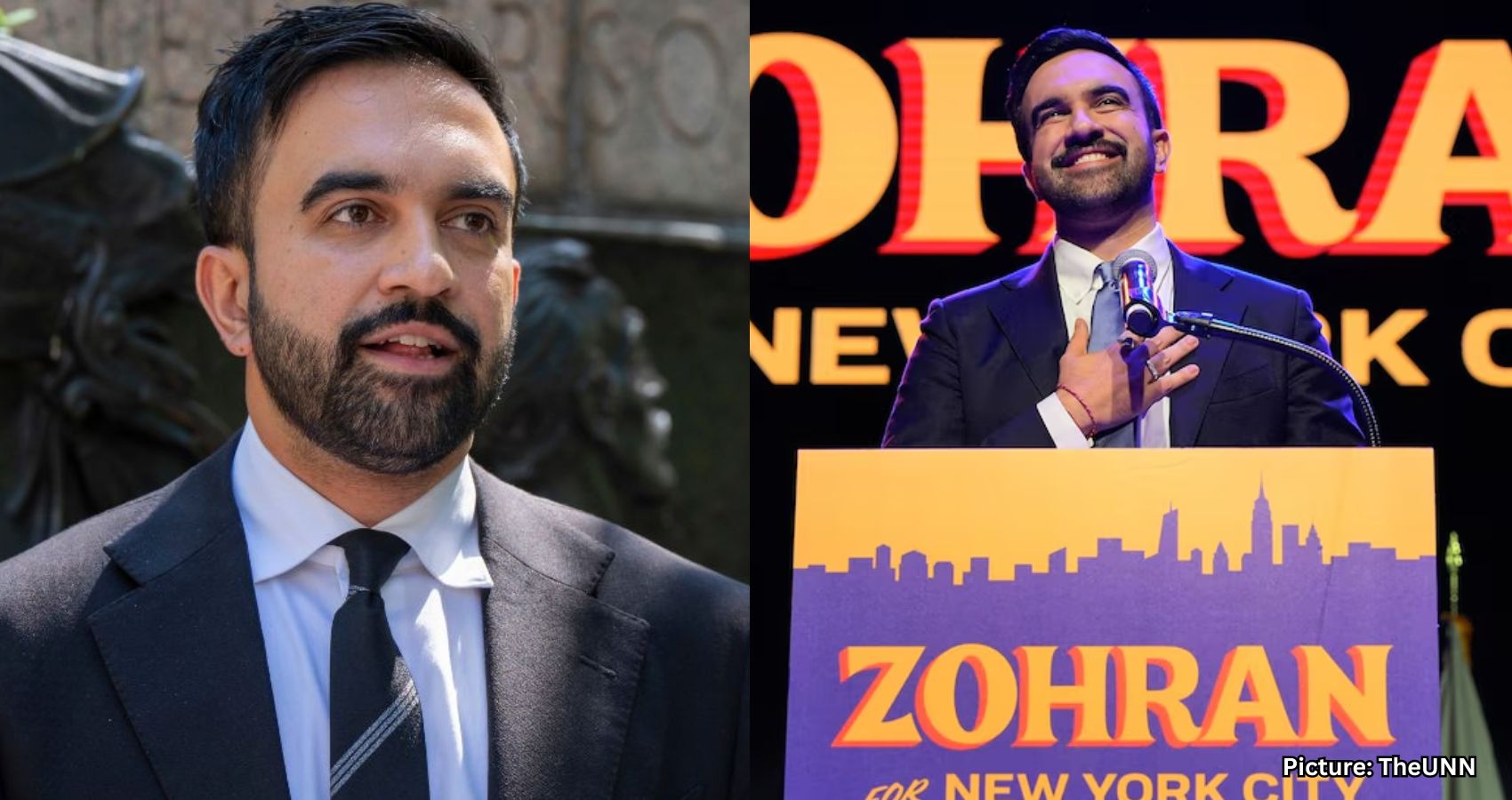
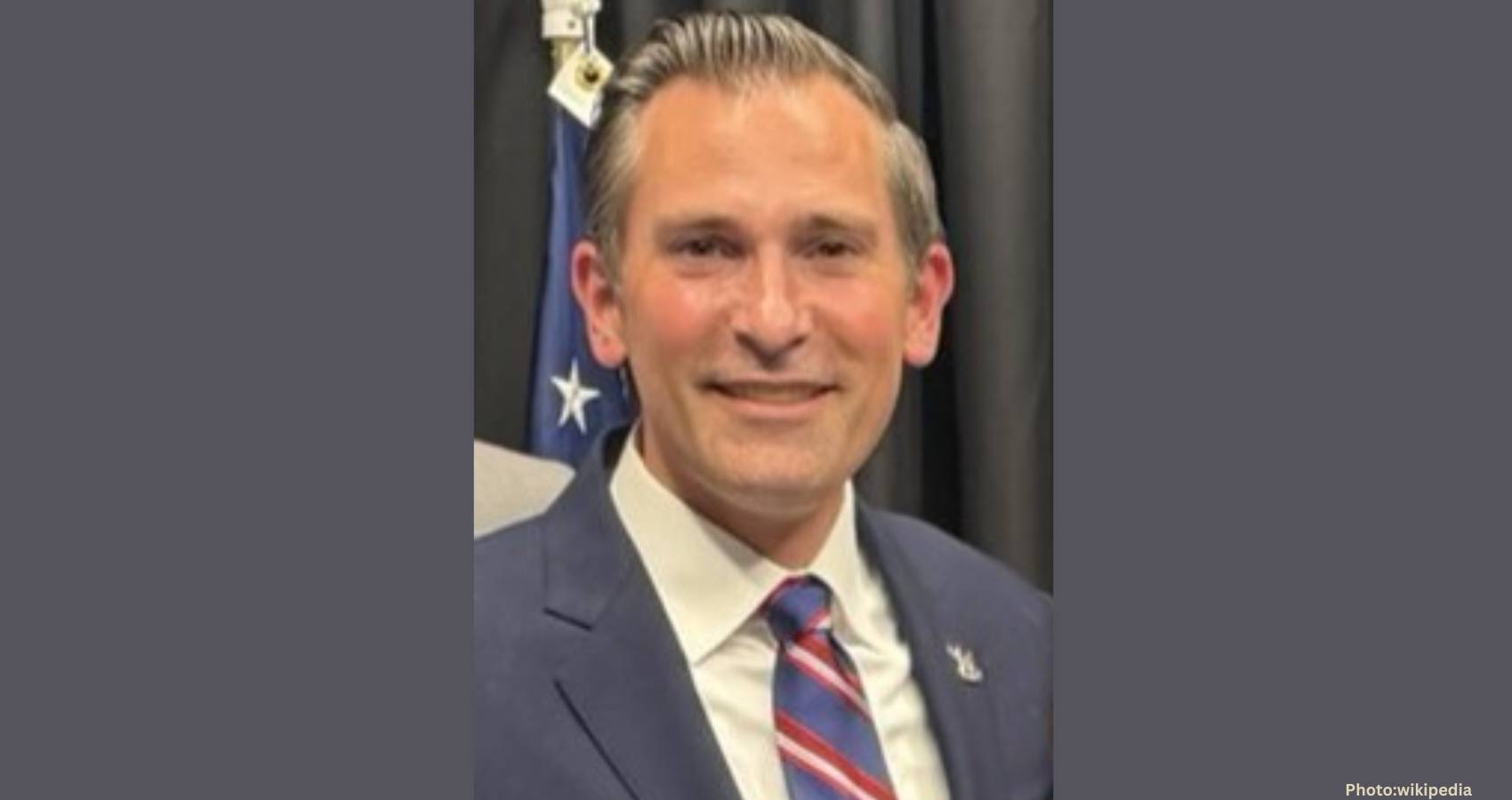
Zohran Mamdani Becomes New York’s First Indian-American Mayor

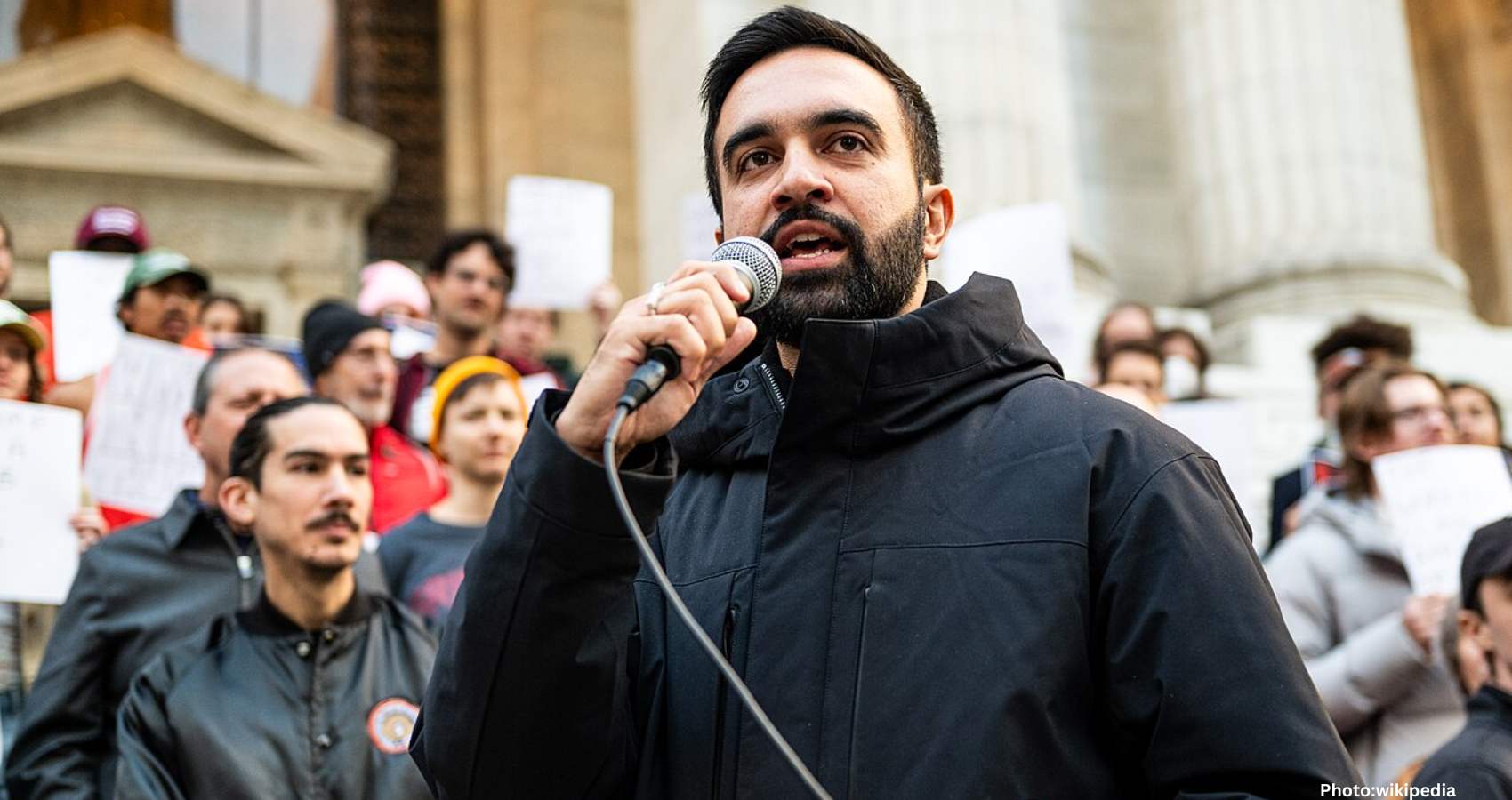
Zohran Kwame Mamdani has made history as New York City’s first South Asian and Muslim mayor, emphasizing the importance of immigrant contributions to the city.

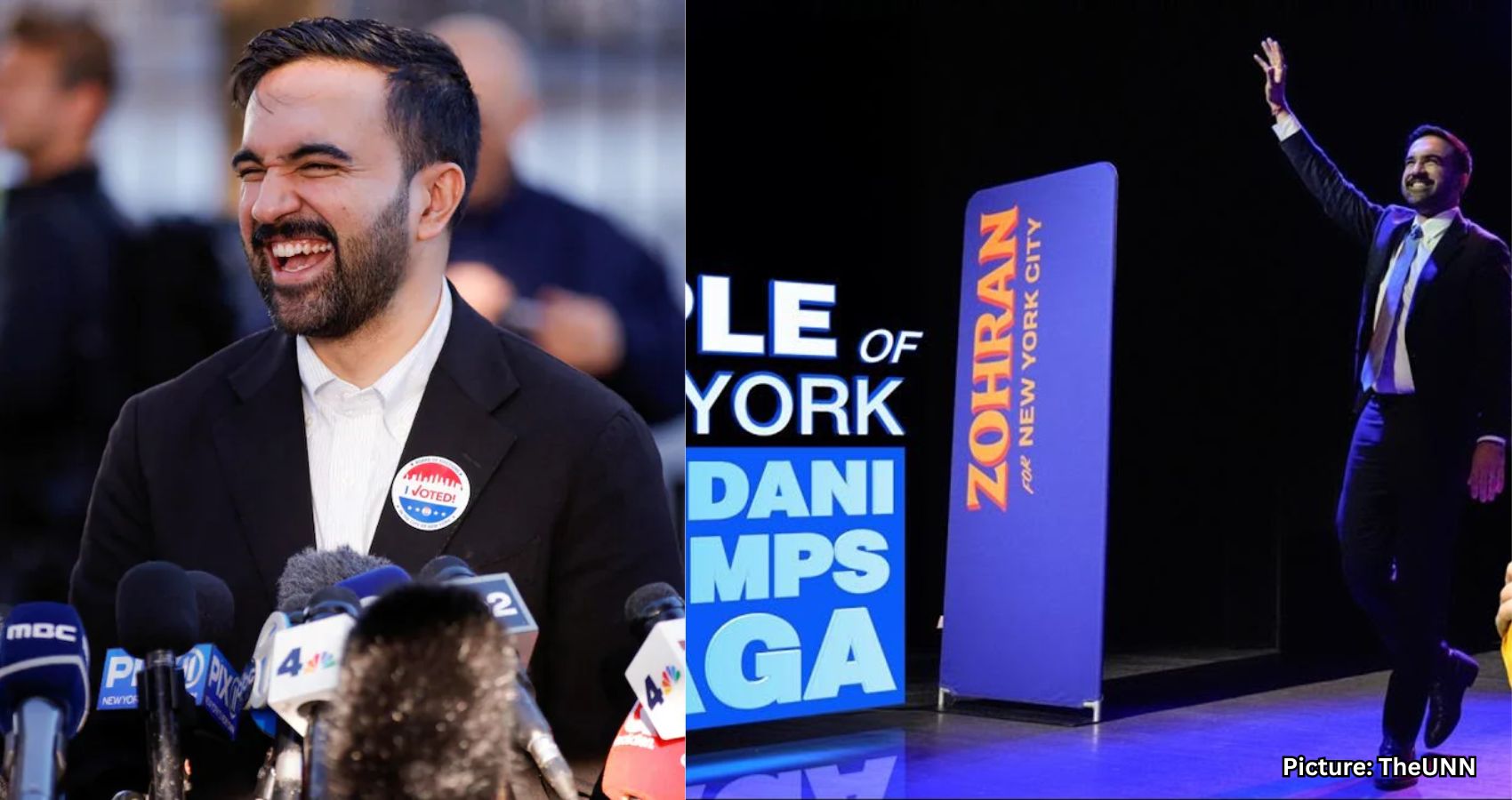
In a historic victory, Zohran Kwame Mamdani, 34, has been elected as New York City’s first mayor of South Asian descent and the first Muslim to hold the office. His election marks a significant milestone in the city’s diverse political landscape.

During his victory speech, Mamdani highlighted the foundational role of immigrants in shaping New York City, stating, “New York City was built by immigrants — and is now going to be led by one.” His remarks resonated with a city that prides itself on its multicultural heritage.

Mamdani’s campaign was characterized by a unique coalition that included a diverse array of supporters. He expressed gratitude to the “aunties” who played a crucial role in his election, as well as to his wife, Rama, and others who contributed to his success. In a heartfelt moment, he acknowledged his parents, saying, “You have made me into the man I am today. I am so proud to be your son.” His mother, acclaimed Indian American director Mira Nair, is known for her influential films such as “Monsoon Wedding” and “The Namesake.”

As a Democratic Socialist, Mamdani’s platform focused on issues that resonate with many New Yorkers, including affordable housing and social justice. His victory is seen as a reflection of the growing political power of South Asians in the city. With approximately 450,000 South Asians residing in New York City, they represent about 5% of the population, a community that has been rapidly expanding in recent years.

Several media outlets have covered Mamdani’s rise to prominence, emphasizing the grassroots nature of his campaign. Jennifer Chowdhury from Harper’s Bazaar noted that first-generation immigrant women of color, including mothers and grandmothers, were instrumental in powering Mamdani’s campaign from community spaces to local businesses.

Astead W. Herndon from The New York Times Magazine described Mamdani’s coalition-building efforts, which brought together Muslims, South Asians, renters, young people, and progressives. This diverse support base was crucial in mobilizing voters who have often felt overlooked by traditional political candidates.

In an era marked by rising nativism and political cynicism, Mamdani’s campaign has embraced New York City as a beacon for immigrants. Eric Lach from The New Yorker highlighted how Mamdani’s approach stands in stark contrast to the prevailing sentiments in some parts of the country, showcasing a vision of inclusivity and hope.

Mamdani’s election also brings attention to the ongoing challenges faced by Muslim communities in the United States. He has spoken candidly about the impact of Islamophobia, particularly in the wake of events like 9/11, and how these experiences have shaped his perspective and commitment to public service.

As Mamdani prepares to take office, his victory is not just a personal achievement but a symbol of the changing dynamics in American politics. His ascent reflects a broader trend of increasing representation for marginalized communities, particularly in urban centers like New York City.

With his election, many are hopeful that Mamdani will continue to advocate for the needs of diverse communities and work towards a more equitable city. As he steps into this historic role, the pronunciation of his name—MUM-DHA-NEE—may become a common refrain, symbolizing a new chapter in New York City’s political narrative.

Source: Original article

Over 100,000 South Asian Families Face Job Loss After EAD Changes

More than 100,000 South Asian families face potential job loss as the Department of Homeland Security eliminates the 540-day automatic extension for Employment Authorization Documents (EAD).

On Thursday, a significant change in immigration policy was announced that has left many South Asian families in distress. The Department of Homeland Security (DHS) has officially removed the 540-day automatic extension for Employment Authorization Documents (EAD), a lifeline that many had relied upon to maintain their employment status while waiting for renewals.

This decision, effective October 30, 2025, means that any EAD renewal filed on or after this date will not receive any grace period. As a result, if an individual’s EAD card expires, their job is at risk, along with their family’s financial stability and future plans.

The 540-day extension was initially introduced to alleviate the burden on legal workers, particularly those from South Asian countries such as India, Pakistan, Bangladesh, and Sri Lanka, as well as others from around the world. This policy was championed by advocates who aimed to “Save 1 Million Families” by extending the auto-renewal period from 180 to 540 days. The extension was signed into law on May 3, 2022, and had provided crucial support to approximately 1.2 million legal workers while the U.S. Citizenship and Immigration Services (USCIS) processed their applications.

However, the recent decision by the DHS has left many individuals anxious about their futures. A software engineer from Hyderabad, a nurse from Kerala, a data scientist from Colombo, and an ERP developer from Dhaka have all reached out with the same urgent concern: “If USCIS takes eight months to process my renewal, will I lose my job, my health insurance, and my child’s school?” The unfortunate answer is yes, unless they filed their renewal before the October 30 deadline.

Among those affected are over 100,000 Indian H-4 spouses, recent OPT STEM graduates from prestigious institutions, and Nepali TPS nurses who played a vital role in healthcare during the COVID-19 pandemic. The impact of this policy change is not just theoretical; it translates into real financial losses for families. For instance, if a card expires on March 1, 2026, and an application is filed on November 3, 2025, the average processing time of 7.5 months could result in a gap of 106 days without income, amounting to a staggering loss of nearly $30,000 for a single family. When multiplied across 100,000 households, this could mean a total economic impact of approximately $3 billion.

The implications of this policy change extend beyond immediate job loss. Families may face severe financial strain as mortgages stall, children may have to switch schools, and remittances to aging parents in their home countries could dry up. Additionally, many individuals may find their driver’s licenses expiring, as these are often tied to EAD status in 17 states. Employment gaps could also jeopardize green card applications, leading to potential denials based on “public charge” criteria.

In light of these challenges, advocates are urging affected individuals to take immediate action. They recommend filing the I-765 application online as soon as possible, as waiting until the previous timeline of 180 days early is no longer sufficient. Individuals are encouraged to document their application receipt and communicate with their employers about potential unpaid leave. Financial planning is also critical, with suggestions to save at least three months’ worth of expenses in a separate account designated for EAD gaps.

Despite the grim outlook, there remains a thread of hope. The USCIS still has 22,000 unused H-1B visas available this year, and there are bipartisan efforts in Congress to address the backlog of applications. Community support continues to be a vital resource, with many South Asian volunteers coming together to provide assistance and solidarity during these trying times.

As families navigate this new reality, it is crucial to remain proactive and connected. The immigrant community has historically shown resilience in the face of adversity, and this situation is no different. By filing early, planning carefully, and leaning on community networks, families can work to protect their futures one renewal at a time.

Source: Original article

Lawsuit Challenges New Public Service Loan Forgiveness Rule by Education Department

Four non-profit organizations have filed a lawsuit against the U.S. Department of Education, challenging a new rule that could disqualify certain employers from the Public Service Loan Forgiveness program.

Washington, D.C., Nov. 4 — A coalition of four non-profit public-interest organizations has initiated legal action against the U.S. Department of Education (ED) over a newly established rule that threatens to disqualify certain employers from participating in the federal Public Service Loan Forgiveness (PSLF) program. The plaintiffs in this case include Robert F. Kennedy Human Rights, the American Immigration Council, The Door – A Center of Alternatives, Inc., and the League of United Latin American Citizens (LULAC). They are represented by Student Defense and the Public Citizen Litigation Group.

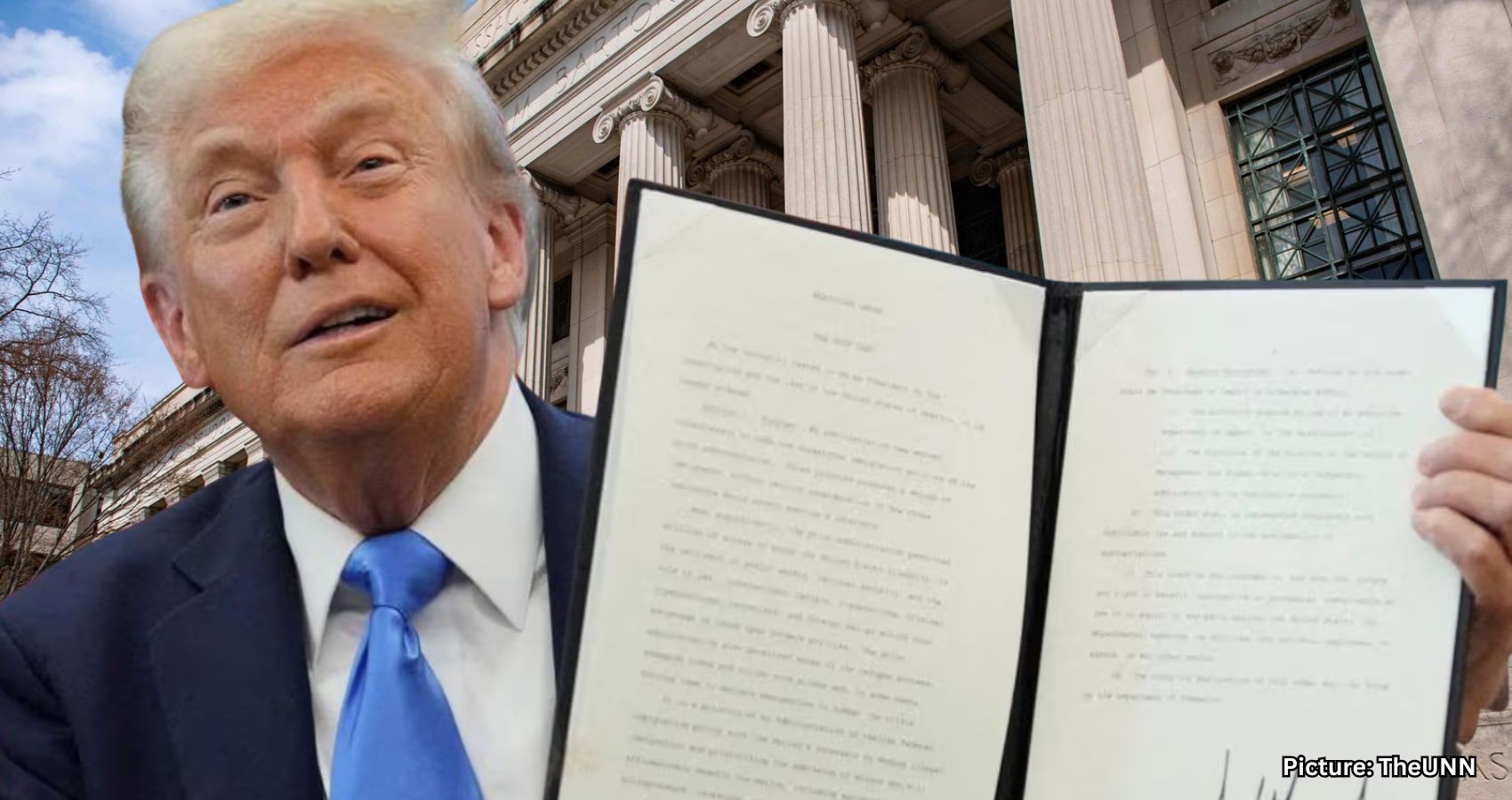
The new rule, finalized on October 31, was implemented in response to an Executive Order issued by former President Donald Trump. It grants the Secretary of Education the authority to disqualify employers from the PSLF program if they are deemed to have a “substantial illegal purpose.” This determination will be made unilaterally by ED, based on its assessment of whether an organization has engaged in activities that the current administration disapproves of, particularly concerning immigration, gender-affirming care, and alleged discrimination, among other issues. Critics argue that the rule’s vague and broad language allows for arbitrary enforcement against mission-driven organizations that may express views contrary to those of the government.

The implications of this regulation could be significant for the approximately 2.5 million federal student loan borrowers who have collectively dedicated over 100 million months to public service jobs in pursuit of PSLF forgiveness. The lawsuit contends that the new rule will hinder employers in specific fields, such as immigrant advocacy, from effectively recruiting and training employees. Furthermore, it asserts that the rule contradicts the PSLF statute, exceeds the Department’s regulatory authority, and infringes upon the constitutional rights of nonprofits whose employees are eligible for PSLF.

Established in 2007, the PSLF program was designed to encourage graduates to pursue careers in public service. It offers federal student loan forgiveness to individuals who spend ten years repaying their loans while employed full-time in qualifying public service positions. The statute outlines a clear list of eligible employers, which includes military service, emergency management, public health, government, public safety, law enforcement, early childhood education, library science, and all 501(c)(3) organizations, among others.

The lawsuit seeks a court ruling declaring the new rule unlawful and asserting that ED lacks the authority to alter the statutory criteria for PSLF. Cormac Early, an attorney at Public Citizen Litigation Group and the lead counsel on the case, emphasized that “Congress created PSLF to support those who work in public service jobs, not to let the President play favorites. The Trump administration should not be allowed to use a program designed to reward public service as a weapon against its political enemies.”

Student Defense President Aaron Ament added, “Congress made a promise that if Americans give back to the country, the country will give back to them. Now the Trump Administration wants the power to renege on that promise if they disagree with your employer’s mission or perceived political views. This new, unlawful rule is a slap in the face to the millions of first responders, health workers, teachers, and other public servants who believed the government could be trusted to keep its word.”

Kerry Kennedy, President of RFK Human Rights, stated, “The Trump Administration’s attack on the Public Service Loan Forgiveness program strikes at the heart of civic space and public service. By targeting individuals who choose to work in nonprofits defending the human rights of immigrants and advancing diversity, inclusion, and transgender rights, this rule seeks to silence voices for equity and justice while weakening these organizations’ ability to recruit the next generation of leaders.”

Jorge Loweree, Managing Director of Programs and Strategy at the American Immigration Council, remarked, “Public Service Loan Forgiveness was a clear commitment from the government to individuals who have dedicated themselves to public service. This regulation weaponizes that commitment. No one should be forced to choose between supporting their neighbors and securing the financial stability they were promised.”

Juan Proaño, CEO of the LULAC Institute, expressed concern for Latino families, stating, “Latino families across the country rely on mission-driven nonprofits for immigration assistance, health care, and programs that support underserved young adults. This rule hands any administration a blank check to punish nonprofits it dislikes and jeopardizes the future of the teachers, nurses, veterans, and legal advocates who serve the public every day.”

The lawsuit highlights the potential consequences of the new rule on public service employment and the broader implications for civic engagement and advocacy in the United States.

Source: Original article

Rep. Ami Bera Launches Campaign for CA-03 Seat in 2024

Representative Ami Bera has announced his candidacy for re-election in California’s newly redrawn Third Congressional District, positioning Democrats to potentially reclaim the House majority in 2024.

Following the successful passage of Proposition 50, Representative Ami Bera (CA-06) declared his intention to run for re-election in California’s newly redrawn Third Congressional District. Bera enters the race with nearly $2 million in cash on hand, a significant financial advantage that strengthens the Democratic Party’s position to capture CA-03 and regain control of the House of Representatives next November.

Nonpartisan analysis indicates that the new district has a D+6 partisan lean, with Vice President Kamala Harris winning it by approximately 10 points in the 2024 election. Bera’s candidacy introduces one of California’s most experienced and well-resourced Democratic leaders into a prime opportunity for pickup.

Since first being elected in 2013, Bera has represented Sacramento County, establishing deep roots in the region and a proven track record of winning competitive races. He initially gained his seat by defeating a nine-term Republican incumbent in one of the nation’s most closely watched contests. Bera has successfully navigated three of the most competitive House elections in the country—2014, 2016, and 2018—each time increasing his margin of victory.

In the 2024 election, Bera outperformed Harris by 2.4 points in CA-06, showcasing his ability to exceed favorable Democratic baselines and garner support in swing neighborhoods and suburban communities.

Notably, Bera has represented approximately 60 percent of the new Third District at various points during his congressional career, providing him with a solid foundation as he introduces himself to new constituents across the district.

“The path to a Democratic House majority runs through California,” Bera stated. “I’m stepping up in CA-03 to help deliver that majority and to keep fighting for the hardworking families who call the greater Sacramento region home.”

With a background as a physician, Bera has dedicated 21 years to serving his community as a doctor, including roles as Sacramento County’s Chief Medical Officer and as a Clinical Professor of Medicine and Dean of Admissions at UC Davis. In Congress, he has prioritized expanding access to healthcare, supporting the middle class, and achieving tangible results for the greater Sacramento area, even amidst partisan challenges.

Since taking office, Bera has assisted over 34,000 constituents and returned more than $22 million to Sacramento County taxpayers through federal casework and benefits.

“Our campaign is built to win tough races,” Bera emphasized. “With nearly $2 million in the bank, a strong record of service, and a clear path to victory, we’re ready to take back the House majority and place a much-needed check on Donald Trump’s power.”

Bera brings over a decade of legislative experience to CA-03, currently serving as the Ranking Member of the House Foreign Affairs Subcommittee on East Asia and the Pacific, a senior Democrat on the House Intelligence Committee, and a member of the pro-growth New Democrat Coalition.

Dr. Ami Bera has lived in Sacramento County for nearly 30 years, further solidifying his connection to the community he aims to represent.

Source: Original article

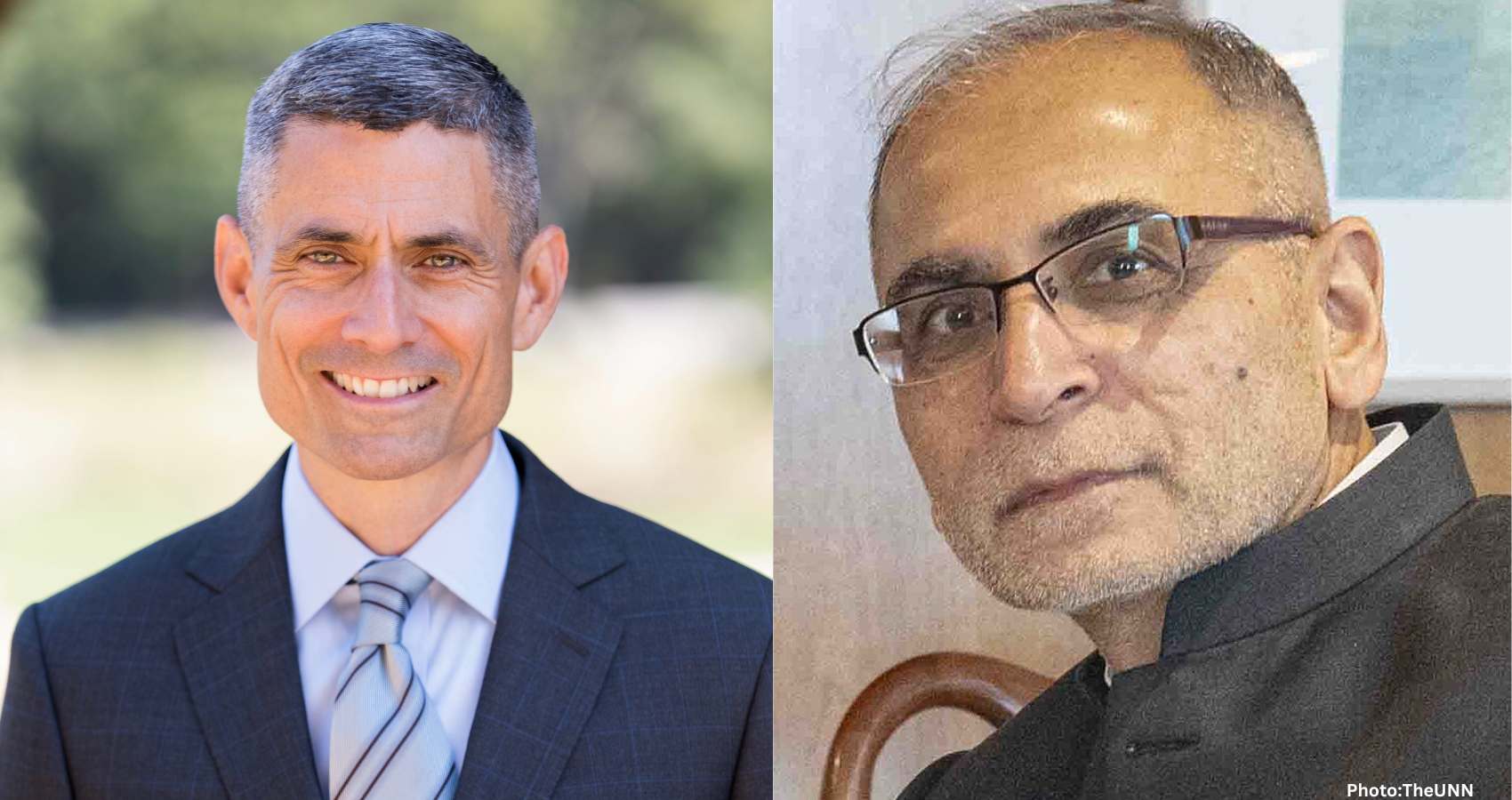
New U.S. Assistant Secretary Paul Kapur Engages with Indian Envoy

Assistant Secretary of State Paul Kapur met with Indian Ambassador Vinay Kwatra in Washington, discussing shared priorities and strengthening U.S.-India relations.

WASHINGTON, DC – India’s Ambassador to the United States, Vinay Kwatra, recently hosted Paul Kapur, the newly appointed Assistant Secretary of State for the Bureau of South and Central Asian Affairs, at his residence in Washington.

On November 4, the Bureau of South and Central Asian Affairs shared a message on X, expressing gratitude for the meeting. “Thank you @AmbVMKwatra for graciously hosting me at India House last night. Appreciated the opportunity to discuss shared bilateral and regional priorities, including strengthening the U.S.-India relationship,” Kapur tweeted.

Kapur, an Indian American security expert, was sworn in as Assistant Secretary on October 22, marking a significant appointment within the Trump administration for the region. He is also a visiting fellow at the Hoover Institution and a professor at the U.S. Naval Postgraduate School in Monterey, California.

His confirmation came after a Senate vote in early October, alongside the appointment of Sergio Gor as the new U.S. Ambassador to India. During his Senate confirmation hearing in June, Kapur reflected on his unique background, stating that his career had “come full circle.”

“I can’t avoid the feeling of having come full circle. I was born in New Delhi to an Indian father and an American mother. Although I visited India often during my childhood, I grew up in the United States as a thoroughly American kid, never imagining that my career would someday return me to the place where I was born,” he shared.

In discussing U.S.-India relations, Kapur emphasized the multitude of common interests shared by the two nations. He noted the importance of ensuring a free and open Indo-Pacific region, which he asserted should not be dominated by China. He also highlighted the need to expand bilateral trade and build a more symmetrical and profitable economic relationship.

Kapur pointed out the significance of facilitating technology sharing and innovation, as well as ensuring access to energy resources essential for both countries’ economic growth.

Regarding Pakistan, he mentioned his intent to “pursue security cooperation where beneficial to U.S. interests.”

The Bureau of South and Central Asian Affairs plays a vital role in shaping U.S. policy concerning security, economic engagement, counterterrorism, and infrastructure development across the broader South and Central Asia region.

As the U.S. continues to navigate its foreign policy in South Asia, the discussions between Kapur and Kwatra signal a commitment to strengthening ties and addressing shared challenges.

Source: Original article

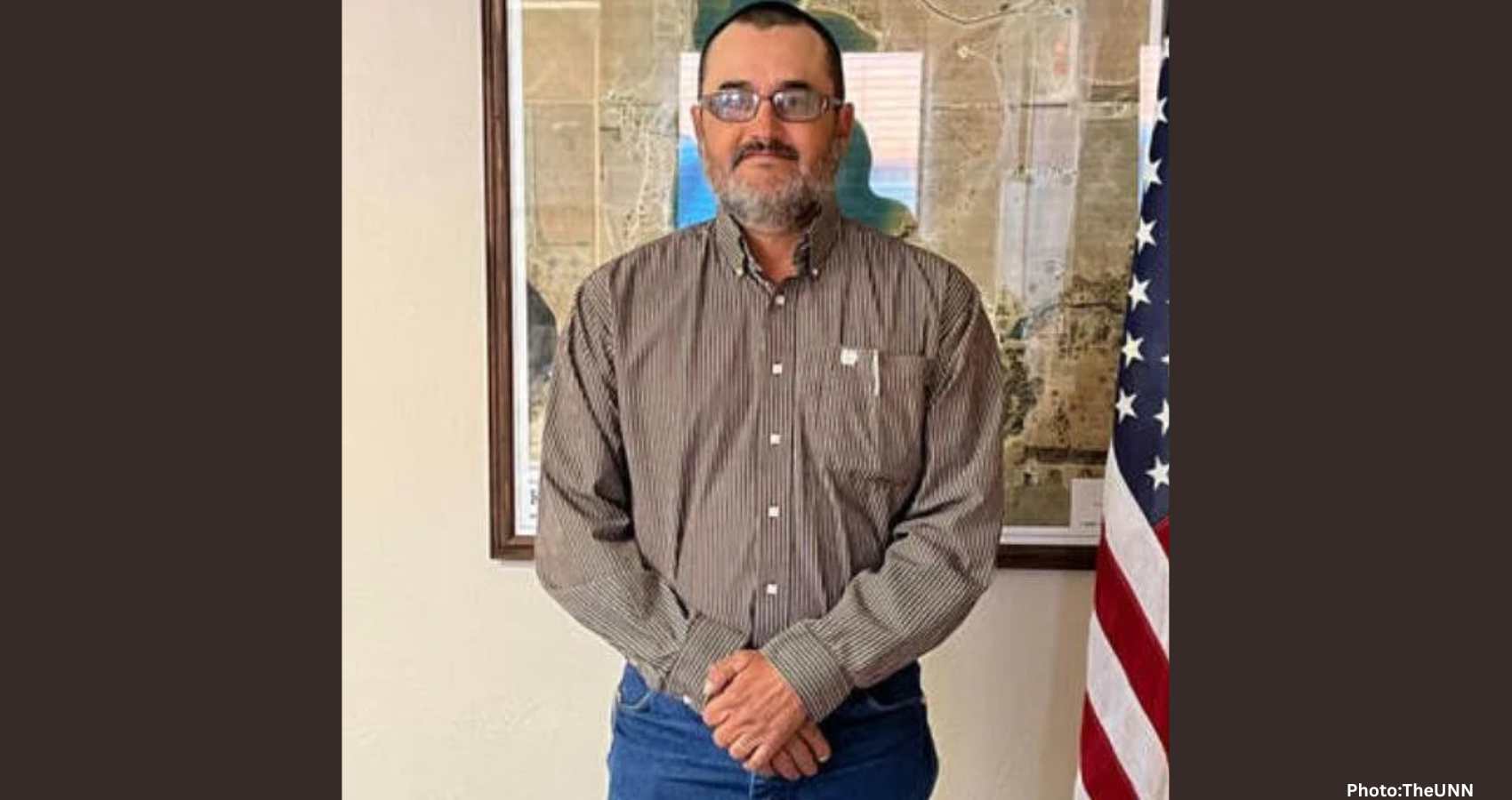
Kansas Mayor Faces Charges for Allegedly Voting as Noncitizen

Kansas Mayor Joe Ceballos faces criminal charges for allegedly voting as a non-U.S. citizen in multiple elections, raising concerns about voter fraud and registration integrity.

Kansas Attorney General Kris Kobach and Secretary of State Scott Schwab announced on Wednesday that they have filed criminal charges against Joe Ceballos, the mayor of Coldwater, Kansas. The charges allege that Ceballos, a lawful permanent resident from Mexico, voted in several elections despite not being a U.S. citizen.

The charges, which include perjury and voting without being qualified, stem from Ceballos’s participation in elections held in 2022, 2023, and 2024. If convicted, he could face a maximum penalty of more than five years in prison.

Kobach and Schwab, both elected Republicans, revealed that six charges have been filed in Comanche County against Ceballos. The mayor previously served as a city councilman before taking on his current role.

In a broader context, the issue of noncitizen voting has been a point of contention among Republicans, who argue that it is a significant problem. Kobach, a long-time advocate for stricter immigration enforcement and voter ID laws, stated, “Noncitizen voting is a real problem. It is not something that happens once in a decade. It is something that happens fairly frequently.”

States are legally required to maintain accurate voter registration lists, a process often referred to as “cleaning” the voter rolls. This includes using external databases to identify noncitizens. However, Kobach acknowledged that these methods are not foolproof.

Ceballos’s case has drawn attention not only because of the allegations but also due to the implications for local governance. Kobach noted that city officials, including mayors, are required to be U.S. citizens, a point he emphasized even though it is not classified as a criminal offense.

As the investigation continues, Kobach has not disclosed how state officials determined that Ceballos allegedly voted as a noncitizen. However, he claimed that investigators possess “unassailable evidence” against the mayor.

Ceballos was on the ballot for re-election on Election Day, but the official results have yet to be certified. Kobach expressed concerns about the integrity of the electoral process, stating, “In large part, our system right now is based on trust, trust that when the person signs the registration or signs the poll books saying that he is a qualified elector or that he is a United States citizen, that the person is telling the truth. In this case, we allege that Mr. Ceballos violated that trust.”

In an effort to enhance the integrity of voter registration, Kobach and Schwab have begun utilizing a federal government database designed to cross-check voter rolls with immigration records. They anticipate that this initiative will help identify additional voting violations in the future.

Ceballos is scheduled to make his first court appearance on December 3.

Source: Original article

MAGA Supporters Claim Immigration Influenced Mamdani’s NYC Mayoral Victory

Social media reactions to Zohran Mamdani’s election as New York City mayor reveal a surge of criticism from MAGA supporters, who attribute his victory to rising immigration and demographic shifts.

Following the election of Zohran Mamdani as the new mayor of New York City, social media has been buzzing with reactions, making #NewYork one of the top trending hashtags. Among the most vocal are MAGA supporters, who have expressed their discontent by claiming that increasing immigration and changing demographics significantly influenced Mamdani’s victory.

One of the posts gaining traction on X, formerly known as Twitter, encapsulated the outrage among conservative users. “New York elected a Muslim who supports aborting babies with a heartbeat, arms, fingers, and toes. Virginia elected a man who fantasized about killing conservatives and their babies. Violence is officially normalized in the Democrat Party. Pray for America,” the user wrote, reflecting the tone of anger circulating in right-wing circles.

In recent discussions on X, several users have pointed to demographic data to illustrate what they perceive as a troubling trend. A notable thread by commentator Matt Walsh stated, “A third world communist won in New York because New York is a third world city now. This is mass migration working exactly as intended.”

Another user, William E. Wolfe, expressed a more dire sentiment, writing, “It’s incredibly important to understand that Mamdani was not actually elected mayor of the historic American city that we know as ‘New York’… And his election is not the beginning of the end for NYC—it’s a death certificate. Finally, it’s a reminder that everything right now inescapably comes back to immigration.” Wolfe’s comments suggest that he believes unchecked immigration will continue to reshape the political landscape in ways detrimental to traditional American values.

These posts exemplify a broader narrative among certain social media users, who intertwine demographic statistics with pointed rhetoric. They argue that immigration and demographic shifts are directly responsible for the Democratic Party’s electoral success. The underlying message suggests that the Democratic Party, with the aid of immigration, is intentionally reshaping the electorate to its advantage. Many users express alarm, framing these changes as an existential threat to what they consider traditional American identity.

Mamdani’s victory speech has further fueled this discourse. In a clip shared widely on social media, he stated, “New York will remain a city of immigrants, a city built by immigrants, powered by immigrants, and as of tonight, led by an immigrant.” This statement has been met with mixed reactions, with some conservative users interpreting it as a sign of cultural decline.

In the wake of Mamdani’s election, X has seen an influx of videos and images that convey a sense of despair among conservative users. One particularly striking image reads, “RIP NYC: Founded 1624, Died 2025,” suggesting that the city’s identity has been irrevocably changed. Accompanying posts lament the perceived “death” of New York, framing Mamdani’s election as a final blow to what they view as the city’s traditional culture and values.

Some users have taken the anti-immigration narrative even further, linking Mamdani’s win to the influence of foreign-born and female voters. One user wrote, “Zohran Mamdani won New York City’s mayoral race thanks to super-blocs created by women voters and foreign-born voters. Noticing patterns? We need our Gen Z native-born MEN to realize that now is their time to restore order and Christian Patriotism. Christ is King.” This rhetoric illustrates how some users perceive immigration and demographic change as a direct threat, calling for action from native-born citizens.

Another user amplified the anti-immigration sentiment by sharing a poll that suggested most of Mamdani’s voters had lived in New York for less than five or ten years. “People born in New York overwhelmingly rejected him. They remember,” the user claimed. Such posts frequently attack immigration and the influence of newcomers, framing Mamdani’s victory as evidence that recent arrivals are reshaping the city’s political landscape.

Taking the rhetoric a step further, Gabe Guidarini, Vice President of College Republicans America, made a historical reference, stating, “Demography is destiny. Thanks, Ronald Reagan!” By invoking Reagan, Guidarini linked current demographic changes and Mamdani’s victory to the long-term effects of the 1965 immigration reforms, suggesting that shifts in population composition were an inevitable factor shaping electoral outcomes today.

The 1965 Immigration and Nationality Act, enacted under President Lyndon B. Johnson, reshaped U.S. immigration by prioritizing family reunification and ending quotas that favored Northern and Western European immigrants. This act opened U.S. immigration to a more diverse array of countries, significantly altering the immigrant population.

In response to the new realities created by the 1965 Act, Ronald Reagan’s 1986 Immigration Reform and Control Act offered amnesty to millions of undocumented immigrants and introduced employer sanctions to curb illegal hiring. Together, these legislative measures set the stage for the modern U.S. immigration system, balancing legal pathways with regulatory oversight.

The discourse surrounding Mamdani’s election underscores the deep divisions in American society over immigration and demographic change. As social media continues to amplify these sentiments, the implications for future elections and cultural identity remain a topic of intense debate.

Source: Original article

Hegseth Supports South Korea’s Enhanced Defense Role Against North Korea

U.S. Pentagon chief Pete Hegseth commended South Korea’s plans to enhance military spending as the allies aim to bolster deterrence against North Korean aggression.

U.S. Pentagon chief Pete Hegseth expressed strong support for South Korea’s initiative to increase its military spending and assume a more significant role in defending against North Korean threats. This development comes as the U.S. seeks to shift its focus towards addressing challenges posed by China.

During a press briefing following annual security discussions with South Korean Defense Minister Ahn Gyu-back in Seoul, Hegseth conveyed his optimism regarding South Korea’s commitment to enhancing its defense capabilities. He stated that the increased investments would empower South Korea to lead its conventional deterrence efforts against North Korea.

South Korean President Lee Jae Myung addressed lawmakers on Tuesday, advocating for an 8.2% increase in defense spending for the upcoming year. He emphasized that this funding boost would facilitate the modernization of military weapon systems and reduce South Korea’s reliance on U.S. military support.

Hegseth highlighted the ongoing defense cooperation between the U.S. and South Korea, particularly in the maintenance and repair of U.S. warships stationed in South Korea. He noted that these activities leverage South Korea’s shipbuilding capabilities and ensure that the U.S. military remains prepared to respond to any crisis.

“We face, as we both acknowledge, a dangerous security environment, but our alliance is stronger than ever,” Hegseth remarked, underscoring the importance of the U.S.-South Korea partnership in the current geopolitical landscape.

While the primary focus of the alliance is to counter potential North Korean aggression, Hegseth acknowledged that other regional threats also warrant attention. “There’s no doubt flexibility for regional contingencies is something we would take a look at, but we are focused on standing by our allies here and ensuring the threat of the Democratic People’s Republic of Korea is not a threat to the Republic of Korea,” he stated. He reaffirmed the U.S. commitment to extending nuclear deterrence as previously established.

In recent years, discussions between the U.S. and South Korea have revolved around integrating U.S. nuclear capabilities with South Korea’s conventional military assets. Notably, South Korea does not possess its own nuclear weapons. Defense Minister Ahn dismissed speculation regarding the country’s potential pursuit of a nuclear weapons program or the redeployment of U.S. tactical nuclear weapons, which were withdrawn from South Korea in the 1990s.

On the same day, South Korea’s Joint Chiefs of Staff reported that the country had detected North Korea test-firing approximately ten rounds of artillery into its western waters on Monday, just prior to Hegseth’s arrival at an inter-Korean border village for his two-day visit to South Korea. Earlier in the week, Hegseth had also visited the Demilitarized Zone along the North Korean border.

As the security situation in the region continues to evolve, the commitment from both the U.S. and South Korea to enhance military readiness and cooperation remains crucial in addressing the persistent threat posed by North Korea.

Source: Original article

DeSantis-Backed Gonzalez and Democrat Higgins Advance to Miami Mayor Runoff

Democratic County Commissioner Eileen Higgins and Republican Emilio González will face off in a runoff for Miami mayor on December 9, potentially making history with the election of the city’s first female mayor.

Miami’s mayoral race is set for a pivotal runoff on December 9, as Democratic County Commissioner Eileen Higgins and Republican candidate Emilio González advance from a crowded field of 13 candidates. The runoff was necessitated after no candidate secured more than 50% of the vote in the initial election.

Higgins and González will compete to succeed the term-limited Republican Mayor Francis Suarez. The runoff format is triggered when no candidate achieves the required majority, compelling the top two candidates to face off in a decisive election.

Eileen Higgins, who has served as a Miami-Dade County commissioner since 2018, represents several neighborhoods including Miami Beach, Downtown, Brickell, Coral Way, Little Havana, and West Flagler. Her diverse background includes roles as an engineer, marketing executive, and director of the Peace Corps in Belize, where she served starting in 2006. Additionally, Higgins has experience as a Foreign Service Officer with the U.S. State Department.

During a recent debate on October 16, Higgins emphasized her commitment to a drama-free administration, stating, “There’s going to be no drama. There’s going to be no corruption. There’s going to be no yelling.” She pledged to focus on the needs of Miami residents, aiming to make the city “the best place on earth.”

Her campaign priorities include enhancing affordability, restoring trust in Miami City Hall by reducing bureaucratic hurdles, funding police and first responders, improving transportation, and protecting the environment, as outlined on her campaign website.

In contrast, González, who is backed by Florida Governor Ron DeSantis and Senator Rick Scott, has positioned himself as a reform candidate. He previously served as a bilingual surrogate for Donald Trump’s presidential campaign and was involved in the transition team before becoming a senior fellow at the America First Policy Institute.

González has focused his campaign on modernizing city services, cutting property taxes, easing regulations for small businesses, increasing police presence, and reducing government spending. At the debate, he remarked, “We need reform and we need reform bad,” highlighting the loss of public trust in local government. He expressed a commitment to public service, stating, “Public service and being mayor has to be vocational. It isn’t about making money, it isn’t about making my ego bigger.”

The mayoral race has not attracted the same level of national attention as other high-profile elections, such as those in New York or gubernatorial contests in New Jersey and Virginia. However, it has been marked by political jabs and past scandals involving various candidates. In September, a Florida judge blocked a city plan to postpone the November election to 2026 without voter approval, a decision that followed a lawsuit initiated by González.

The upcoming runoff will not only determine the next mayor of Miami but also has the potential to make history by electing the city’s first female mayor. As the campaigns intensify, both candidates are expected to further clarify their visions for Miami’s future.

Source: Original article

GOP Representative Advocates for Stronger India-U.S. Relations, Warns Trump on Tariffs

Republican Congressman Rich McCormick advocates for a stronger partnership between India and the U.S., emphasizing the importance of maintaining close ties and cautioning against tariff increases.

WASHINGTON, DC – Republican Congressman Rich McCormick, co-chair of the India Caucus, has called for a stronger partnership between India and the United States, suggesting that their collaboration could lead to “another generation” of global peace.

Speaking at an event hosted by the Hudson Institute on November 3, McCormick emphasized the need for the Trump administration to keep allies like India “close” to the United States. He stated, “When you talk about India, and I’m the chair of the India Caucus, I love India. I think India and the United States pair up well into the future of the largest democracy and the wealthiest and oldest democracy. Pairing together could bring us together for another generation of peace that the world’s never seen, where you can have prosperity and wealth development.”

In addition to advocating for stronger ties, McCormick also provided advice regarding the Trump administration’s tariff policies toward India. He urged caution, noting that India has historically imposed tariffs averaging around 15 percent, while the U.S. has maintained a much lower rate of about 2 percent with no barriers. “That’s something that President Trump did very well, but we have to be careful,” he remarked.

McCormick praised India’s advancements in its space program, particularly highlighting its achievement in 2023 as the first country to successfully land a spacecraft near the dark side of the moon. He quipped, “A country that does things very well puts a spaceship on the dark side of the moon for $74 million. I always joke that we couldn’t even develop a building to talk about putting a spaceship on the dark side of the moon for that amount. We could do things so much better if we keep our friends close.”

Following a period of relative silence, many Republican lawmakers are now publicly reaffirming their support for India-U.S. relations. In recent weeks, at least six bipartisan letters and resolutions have been drafted, defending the interests of the Indian American community, reaffirming support for the India-U.S. partnership, and urging the administration to be accountable for its recent actions targeting New Delhi.

As discussions around international relations continue to evolve, McCormick’s remarks underscore the significance of maintaining strong diplomatic ties with India, particularly in the context of global peace and economic collaboration.

Source: Original article

Indian-American Candidate Seeks Nancy Pelosi’s Congressional Seat

Saikat Chakrabarti, a former aide to Bernie Sanders and Alexandria Ocasio-Cortez, is challenging Nancy Pelosi for California’s 11th Congressional District seat, aiming to reshape the political landscape in San Francisco.

As voters in New York City consider Zohran Mamdani as a potential mayor, another significant political figure is emerging on the West Coast. Saikat Chakrabarti, a 39-year-old Democrat, is running to represent California’s 11th Congressional District, which encompasses San Francisco. This district has been represented by Rep. Nancy Pelosi since 1987, with Pelosi most recently winning re-election in 2024 with an impressive 81% of the vote.

A Harvard graduate, Chakrabarti gained recognition as an early engineer at the payment processing company Stripe, where he accrued substantial wealth through company equity. However, his political experience is extensive; he served as the tech director for Rep. Bernie Sanders and was the first campaign manager and chief of staff for Rep. Alexandria Ocasio-Cortez. Chakrabarti played a pivotal role in the development of the Green New Deal.

Chakrabarti’s campaign is notable for its commitment to not accepting corporate PAC money. Public records indicate that he has already contributed over half a million dollars of his own funds to support his candidacy.

In a recent interview in San Francisco’s South of Market neighborhood, Chakrabarti discussed his ambitious plans to challenge Pelosi for her seat. Following their conversation, California State Senator Scott Wiener also announced his candidacy for the position, while Pelosi has yet to confirm whether she will run again in 2026.

Chakrabarti reflected on his journey into politics, emphasizing his desire to address pressing issues such as climate change, inequality, and poverty. He described his upbringing in Fort Worth, Texas, where he attended public schools and lived a middle-class life. Initially apolitical, he became motivated to effect change after witnessing the stark realities of inequality and unaffordability in San Francisco.

“I wrote a list: I want to work on climate change, inequality, and poverty,” Chakrabarti stated. “If our country can’t solve these issues, we just let them keep festering.”

When asked about his transition from tech to politics, Chakrabarti explained that he realized he could make a significant impact through public service. His involvement in campaigns, particularly the Green New Deal, demonstrated the potential for large-scale change when grassroots movements mobilize.

Chakrabarti is aware of the formidable challenge posed by Pelosi’s long-standing popularity in the district. He believes that the political landscape has shifted, and the issues facing Americans today require a new approach. “For most people in the country, lives are getting harder,” he noted. “People are working more hours to afford less.”

He argues that Pelosi’s political style is rooted in maintaining the status quo, which he believes is insufficient to address the systemic problems facing the nation. “I think she came up in a politics that does not believe that’s true,” he said, referring to the need for transformative change.

Chakrabarti acknowledges the current political climate, where skepticism towards progressive politics is growing. He believes that voters are seeking change rather than ideological divides. “Most people are not very ideological,” he explained. “It’s about giving this government a chance. If they don’t fix the problems, we’re going to give someone else a chance.”

He emphasized the importance of bold action and experimentation in politics, drawing inspiration from historical figures like Franklin D. Roosevelt. “We need to return to a model of bold, persistent experimentation,” he asserted, highlighting the need for a Democratic Party willing to take risks to solve significant issues.

Chakrabarti also addressed the necessity of compromise in Congress while remaining true to one’s values. He believes that some issues, such as banning congressional stock trading, have broad bipartisan support and can help restore faith in government institutions.

As a potential member of Congress, Chakrabarti would represent a growing South Asian American presence, which he sees as vital for addressing specific community issues, such as caste discrimination and immigration. He expressed concern over the Democratic Party’s increasingly anti-immigrant sentiment, advocating for a more welcoming and inclusive narrative.

Chakrabarti’s vision for the American Dream centers on ensuring that future generations have better opportunities than their parents. He believes that achieving this requires not only addressing essential services like healthcare and education but also fostering a culture of innovation and economic growth.

Reflecting on the changing dynamics within the Indian American community, Chakrabarti noted a rightward shift among younger voters, particularly among Indian American men. He attributes this trend to economic anxieties and a reaction to cultural shifts, emphasizing the need for progressive leaders to engage with these concerns.

Chakrabarti praised Mamdani’s campaign in New York City as a model for insurgent candidates, highlighting the importance of focusing on economic issues and effective governance. “We need to pitch how universal programs tackle things like healthcare and childcare,” he said.

In his closing thoughts, Chakrabarti emphasized the importance of engaging with diverse perspectives and fostering a sense of community. “People want to do good, and they want to help others,” he concluded, underscoring his commitment to building a more inclusive society.

Source: Original article

Ghost-Tapping Scam Poses Threat to Tap-to-Pay Users

Scammers are exploiting wireless technology in a new scheme called ghost tapping, targeting users of tap-to-pay systems to drain their accounts through unnoticed transactions.

A new scam known as ghost tapping is gaining traction across the United States, prompting warnings from the Better Business Bureau (BBB). This tactic involves scammers using wireless technology to withdraw money from unsuspecting victims who utilize tap-to-pay credit cards and mobile wallets.

Ghost tapping exploits near-field communication (NFC) devices that mimic legitimate tap-to-pay systems. In crowded environments such as festivals, markets, or public transportation, scammers can move close enough to a victim’s wallet or phone to trigger a transaction without their knowledge.

According to the BBB, some scammers pose as charity vendors or market sellers who only accept tap payments. Once a victim taps their card or phone, they may find themselves charged significantly more than the agreed amount. The initial withdrawals are often small, making them easy to overlook until the cumulative total becomes alarming.

A Missouri resident recently reported losing $100 after interacting with an individual carrying a handheld card reader. The BBB Scam Tracker has documented numerous similar incidents nationwide, with losses sometimes exceeding $1,000.

Officials caution that scammers may pressure victims to complete payments quickly, preventing them from verifying the transaction amount or the merchant’s name. Some scammers even possess portable readers capable of picking up signals through thin wallets or purses.

While the threat of ghost tapping is concerning, there are several protective measures individuals can take to safeguard themselves. Investing in an RFID-blocking wallet or card sleeve can create a physical barrier between your card and potential scanners. These affordable tools are designed to prevent unauthorized access to your card information through clothing, bags, or wallets.

Before tapping your card or phone, always check the merchant name and transaction amount displayed on the payment terminal. Scammers often rush victims to avoid scrutiny, so taking an extra moment to confirm the details can be crucial. If anything seems amiss, cancel the transaction immediately.

Enabling instant transaction alerts from your bank or credit card provider is another effective way to protect yourself. These alerts notify you the moment a payment is made, allowing you to quickly identify any unauthorized activity. Early detection can prevent further charges and simplify the process of disputing fraudulent transactions.

In addition to these measures, individuals should regularly monitor their financial accounts. Checking your transactions at least once a week can help you spot any suspicious activity early. Even small, unexplained charges could indicate a larger issue.

Most mobile wallet applications offer security features such as PINs, facial recognition, or fingerprint verification before authorizing a transaction. Ensure these protections are enabled to add an additional layer of security against unauthorized payments.

Keeping your smartphone’s software and mobile wallet apps up to date is also essential. Updates often include security patches designed to protect against newly discovered vulnerabilities that scammers may exploit. Outdated software can leave your data exposed to potential threats.

To further enhance your security, consider using strong antivirus software. This can help protect your device from hidden threats, including malicious apps and spyware that could compromise your tap-to-pay data or record sensitive information.

While the convenience of storing multiple cards in a single mobile wallet is appealing, it can increase your exposure if your phone is compromised. To mitigate this risk, keep only the cards you use most frequently connected to your mobile wallet, reducing the potential impact of any fraudulent activity.

If you suspect you have fallen victim to ghost tapping or notice any unusual charges, contact your bank immediately. Additionally, report the scam to the BBB Scam Tracker. Taking prompt action can help prevent further losses and assist authorities in identifying emerging scam trends.

As contactless payment methods become increasingly popular, scammers are developing more sophisticated tactics. Staying informed and vigilant is essential to protecting your finances. Simple steps, such as regularly checking your transaction history and using protective gear, can significantly reduce your risk of falling victim to scams like ghost tapping.

Will you continue using tap-to-pay methods after learning about ghost tapping, or will you revert to more traditional payment options? Share your thoughts with us at Cyberguy.com.

Source: Original article

Smoking Prohibition Targets Entire Generation Under New National Law

Maldives has become the first country to implement a generational smoking ban, preventing anyone born after January 1, 2007, from purchasing or using tobacco products.

The Maldives has made history by becoming the first nation to enact a generational smoking ban. This groundbreaking law, which took effect on November 1, prohibits anyone born after January 1, 2007, from purchasing or using tobacco products.

Proposed earlier this year by President Mohamed Muizzu, the ban is part of the country’s broader efforts to protect public health and promote a tobacco-free generation. The Ministry of Health hailed the legislation as a “historic milestone” in their ongoing fight against tobacco use.

The ban encompasses all forms of tobacco, and retailers are now required to verify the age of customers before completing any sale. Additionally, the Maldives maintains a strict prohibition on the import, sale, distribution, possession, and use of electronic cigarettes and vaping products, regardless of age.

<p”The Generational Ban on Tobacco reflects the Government’s strong commitment to protecting young people from the harms of tobacco,” the Ministry stated in a press release.

The World Health Organization (WHO) has long identified tobacco use as an “epidemic” and one of the most significant public health threats globally. According to WHO data, tobacco use is responsible for over seven million deaths each year, along with disability and long-term suffering from tobacco-related diseases. The organization emphasizes that all forms of tobacco use are harmful and that there is no safe level of exposure.

Cigarette smoking remains the most common form of tobacco use worldwide, and the Maldives’ new law is a significant step toward reducing the prevalence of smoking among future generations.

While the Maldives is the first country to implement such a ban, New Zealand had previously proposed a similar measure. This proposed law aimed to prohibit tobacco sales to anyone born after January 1, 2009, starting in 2024. However, the proposal was ultimately struck down in 2023.

In addition to these efforts, Britain is currently considering a similar piece of legislation known as the Tobacco and Vapes Bill. If passed, this law would prevent anyone born after January 1, 2009, from purchasing tobacco products or vaping devices.

The Maldives’ pioneering approach to tobacco regulation may inspire other nations to adopt similar measures, potentially reshaping global tobacco control efforts and improving public health outcomes.

Source: Original article

Florida Proposes Ending Childhood Vaccination Mandates Amid Doctor Concerns

Florida plans to eliminate decades-long mandates for childhood vaccinations, raising concerns among health professionals about the potential resurgence of preventable diseases.

Florida is poised to end nearly 50 years of required childhood immunizations against diseases that have historically caused significant harm to children. The decision, supported by Republican Governor Ron DeSantis, has sparked fears among critics, including medical professionals, who feel constrained in voicing their concerns.

On September 3, Surgeon General Joseph Ladapo announced the plan to abolish all school-age vaccination mandates in the state. Speaking to a supportive crowd of vaccination opponents in Tallahassee, he stated, “Every last one of them is wrong and drips with disdain and slavery. Who am I, as a government or anyone else, to tell you what you should put in your body?”

Historically, vaccination mandates have been shown to increase immunization rates. Experts warn that lower vaccination rates could lead to a resurgence of diseases such as measles, hepatitis, meningitis, and pneumonia, as well as the potential return of diphtheria and polio. These diseases pose a threat not only to unvaccinated individuals but also to vulnerable populations, including infants and the elderly.

Despite the scientific consensus on the importance of vaccinations, health officials in Florida have largely remained silent in the face of Ladapo’s campaign. Doug Barrett, an emeritus professor and former chief of pediatrics at the University of Florida, noted that infectious disease experts at the university have been instructed not to speak publicly without prior approval. Requests for comments from university spokespeople went unanswered.

Similarly, county-level health department officials across Florida have received the same directive. John Sinnott, a retired professor at the University of South Florida, shared that a friend in county health leadership confirmed the suppression of dissenting voices.

Many pediatricians are also hesitant to take a public stance on vaccination, fearing backlash from anti-vaccine advocates. Neil Manimala, a urologist and president-elect of the Hillsborough County Medical Association, remarked, “A lot of them don’t take a strong stance on whether kids need to be vaccinated. They don’t want to lose business.”

The history of vaccine mandates in the United States shows that several states abandoned such requirements in the early 20th century when smallpox was the only widely administered vaccine. However, no state has eliminated mandates since the addition of other vaccines to the schedule. The 1970s saw a push for stronger mandates in response to measles outbreaks, but the current political landscape, particularly in Florida, has shifted dramatically since the COVID-19 pandemic.

Jennifer Takagishi, vice president of the Florida branch of the American Academy of Pediatrics, expressed concern that the decision to end mandates could influence families who were already uncertain about vaccinations. “This is really going to be a watershed moment for families who already were not sure they want to do vaccines and now are being told they don’t need them,” she said.

When asked whether his office had modeled potential disease outcomes prior to the announcement, Ladapo stated, “Absolutely not.” He emphasized that parental freedom of choice is not a scientific issue but rather a matter of ethics. His department has not provided information about contingency plans for potential outbreaks.

During a measles outbreak in Broward County in 2024, Ladapo sent a letter to parents allowing unvaccinated children to attend school, contradicting guidance from the federal Centers for Disease Control and Prevention (CDC).

Historically, measles outbreaks have prompted public health responses, such as the crackdown on vaccine hesitancy following a 1977 epidemic that resulted in fatalities. However, recent legislative actions in states like Texas have made it easier for parents to opt out of vaccination requirements, raising concerns among health experts.

Walter Orenstein, an emeritus professor at Emory University and former CDC immunization program director, lamented the current situation, stating, “Measles resurgences created the political will to support our overall immunization program. For some reason, it hasn’t worked this time. It’s just sad.”

Florida’s vaccination rates are already among the lowest in the nation, with only about 89% of kindergartners fully vaccinated. Sarasota County has the lowest rate, at approximately 80%. To achieve herd immunity against measles, a community must maintain a vaccination rate of at least 95%.

The recent appointment of Robert F. Kennedy Jr. as Health and Human Services Secretary has further complicated the vaccination landscape, as he has been known to promote anti-vaccine sentiments. This shift in leadership has raised concerns that vaccination rates could decline even further.

As Florida moves to eliminate mandates for vaccinations against diseases such as hepatitis B, chickenpox, and meningitis, the state legislature is expected to consider repealing a 1977 law that requires vaccinations for seven other diseases, including whooping cough, measles, and polio.

Health experts are now attempting to predict which diseases may resurface as vaccination rates decline. A study by Stanford epidemiologist Mathew Kiang and colleagues suggested that measles, which was declared eliminated in the U.S. in 2000, could become a common illness again if vaccination rates drop significantly.

Despite some experts cautioning against alarmist predictions, the consensus remains that intensified measles outbreaks are likely. The country is already experiencing its worst measles year in three decades, with over 1,500 cases reported and ongoing outbreaks in South Carolina and Minnesota.

Sal Anzalone, a pediatrician in Naples, Florida, described measles as the “canary in the coal mine” for other vaccine-preventable diseases. He expressed concern that parents, particularly those from underserved communities, may be confused by the state’s messaging regarding vaccinations.

Clinicians worry that the end of mandates could lead to a resurgence of hepatitis B and other diseases, which could have serious implications for public health. Barbara Loe Fisher, co-founder of the National Vaccine Information Center, believes that the removal of mandates may increase trust in public health, despite the potential risks.

As the debate continues, many health professionals are left wondering about the future of vaccination in Florida and the potential consequences of this significant policy shift.

Source: Original article

Trump’s Influence Felt in Key 2025 Election Day Contests

Voters across the United States are heading to the polls for key elections on Tuesday, with the outcomes seen as a significant test of former President Donald Trump’s second-term agenda.

As voters prepare to cast their ballots on Tuesday, the spotlight is on several key races across the country, including gubernatorial elections in New Jersey and Virginia, as well as a high-profile mayoral contest in New York City. These elections are viewed as the first major test of former President Donald Trump’s ambitious second-term agenda, which has sparked considerable debate and division.

Nearly ten months into Trump’s second term, the elections are being closely monitored as indicators of the political landscape leading up to next year’s midterms. Trump, leveraging his influence, has urged Republican voters to participate, stating on social media, “FAILING TO VOTE TOMORROW IS THE SAME AS VOTING FOR A DEMOCRAT.”

New Jersey and Virginia are the only states holding gubernatorial elections in the year following a presidential election, making their races particularly significant. Historically, these contests have attracted national attention and are often seen as bellwethers for the upcoming midterm elections, where the GOP will aim to defend its slim majorities in both the House and Senate.

In New Jersey, Republican candidate Jack Ciattarelli is making his third consecutive bid for the governorship. After a narrow defeat to Democratic Governor Phil Murphy four years ago, Ciattarelli is optimistic about his chances this time around. Despite New Jersey’s Democratic-leaning voter base, Ciattarelli has gained momentum in recent weeks, closing the gap with his Democratic opponent, Representative Mikie Sherrill.

Trump’s support has been pivotal for Ciattarelli, who has received significant backing from the former president in the campaign’s final days. “We appreciate what the president is doing to get the base excited, and remind them that they got to vote,” Ciattarelli stated after a campaign stop in northern New Jersey. He emphasized the importance of voter turnout, asserting that “the future of our state hangs in the balance.”

However, Sherrill has consistently linked Ciattarelli to Trump, arguing that he has aligned himself closely with the former president’s policies. The race has been further complicated by a recent controversy involving the release of Sherrill’s military records, which were improperly redacted and included sensitive personal information. This incident has added another layer of complexity to an already contentious campaign.

In Virginia, the gubernatorial race has also been fraught with drama. Democratic nominee Abigail Spanberger, a former congresswoman, was initially seen as the frontrunner against Republican Lieutenant Governor Winsome Earle-Sears. However, the race took a turn following the emergence of controversial texts from Democratic attorney general candidate Jay Jones, who faced backlash for comparing a Republican lawmaker to historical mass murderers.

Spanberger has been forced to defend her association with Jones, whose remarks have drawn widespread condemnation. During a recent debate, Earle-Sears seized the opportunity to link Spanberger to Jones, calling for her to denounce his candidacy. Spanberger, while denouncing Jones’s comments, did not distance herself from him, which could impact her campaign.

Meanwhile, the mayoral election in New York City is generating significant interest, particularly as 34-year-old democratic socialist Zohran Mamdani seeks to make history as the city’s first Muslim and millennial mayor. Mamdani’s victory in the Democratic primary earlier this year sent shockwaves through the political landscape, and he now faces challenges from former Governor Andrew Cuomo, who is running as an independent after resigning amid scandals four years ago.

Cuomo’s return to the political arena has raised eyebrows, and he is vying for a comeback against Mamdani and two-time Republican nominee Curtis Sliwa. The dynamics of this race are further complicated by the recent withdrawal of incumbent Mayor Eric Adams, who had been running for re-election as an independent but has since endorsed Cuomo.

In addition to these high-stakes races, voters in California will decide on a significant ballot measure regarding congressional redistricting. The proposed measure seeks to dismantle the state’s nonpartisan redistricting commission, allowing the Democrat-controlled legislature to redraw congressional maps for the next decade. This move is seen as an effort to create additional Democratic-leaning districts in response to recent Republican gains in Texas.

Finally, three state Supreme Court justices in Pennsylvania are facing retention elections, which could shift the balance of power in a court that currently holds a Democratic majority. The outcome of these elections could have far-reaching implications for key issues such as voting rights and reproductive rights in the state.

As voters head to the polls, the stakes are high, and the outcomes of these contests could shape the political landscape for years to come. The results will not only reflect the current sentiments of the electorate but also serve as a precursor to the upcoming midterm elections.

According to Fox News, the outcomes of these races will be pivotal in determining the direction of both state and national politics.

Source: Original article

Judge Blocks National Guard Deployment to Portland, Citing Insufficient Justification

U.S. District Court Judge Karin Immergut has temporarily blocked the Trump administration’s deployment of National Guard troops to Portland, citing insufficient justification for the federalization.

U.S. District Court Judge Karin Immergut has extended an order that prevents the Trump administration from deploying National Guard troops to Portland, Oregon. The judge’s decision, made on Sunday, stems from the government’s failure to provide adequate justification for the federalization of these troops.

In her order, Immergut “preliminarily enjoins Defendant Secretary of Defense Hegseth from implementing” the memorandums that authorized the deployment of National Guard members from Oregon, Texas, and California to Portland. This injunction will remain in effect until the court issues a final ruling on the matter, which is expected by Friday, November 7, 2025, at 5 p.m. PT.

Immergut noted that the court had recently conducted a trial that included three days of testimony and argument, during which more than 750 exhibits were reviewed. She emphasized the importance of a thorough examination of the evidence before reaching a final decision, stating, “the interest of justice requires that this Court complete a thorough review of the exhibits and trial transcripts.”

In her assessment of the Trump administration’s actions, Immergut found the government’s justification for the deployment lacking. She indicated that there was no credible evidence to support claims that protests in Portland had escalated to a level that warranted federal intervention. “Based on the trial testimony, this Court finds no credible evidence that during the approximately two months before the President’s federalization order, protests grew out of control or involved more than isolated and sporadic instances of violent conduct that resulted in no serious injuries to federal personnel,” she wrote.

Furthermore, Immergut concluded that President Trump likely did not have a valid basis to invoke federal authority under either Section 12406(3) or Section 12406(2) to deploy the National Guard to the Immigration and Customs Enforcement (ICE) facility in Portland. She highlighted the testimony from local law enforcement officials, who provided firsthand accounts of the demonstrations, as critical to her determination that the protests did not constitute a rebellion.

“Based on trial testimony that this Court found credible, particularly the testimony of Portland Police Bureau command staff, who work in Portland and have first-hand knowledge of the crowds at the ICE building from June to the present, the protests in Portland at the time of the National Guard call outs are likely not a ‘rebellion,’ and likely do not pose a danger of rebellion,” she stated.

In addition to questioning the justification for the deployment, Immergut asserted that the administration’s actions likely violated statutory limits and constitutional protections. She wrote, “Defendants’ federalization and deployment of the National Guard in response to protests outside a single federal building in Portland, Oregon, extended beyond delegated statutory authority under 10 U.S.C. § 12406 and violated the Tenth Amendment.” This assertion underscores the potential infringement on state sovereignty, which she described as “an injury to Oregon’s sovereignty under the Constitution, and Oregon’s equal sovereignty among the States.”

As the case progresses, Immergut has indicated that she will issue her final opinion on the merits by the specified deadline. Until that time, the Oregon National Guard may remain federalized but will not be deployed.

Source: Original article

UK Politician Jeremy Corbyn Backs Indian-American Zohran Mamdani Amid Controversy

Former UK Labour leader Jeremy Corbyn has publicly endorsed New York City mayoral candidate Zohran Mamdani, despite facing his own controversies over antisemitism allegations.

Jeremy Corbyn, the former leader of the UK Labour Party, has shown his support for New York City mayoral candidate Zohran Mamdani, who is running as a progressive challenger in the upcoming election. Corbyn’s endorsement comes just days before the polls open, highlighting his ongoing influence in leftist politics.

Mamdani, who aligns with the Democratic Socialists of America (DSA) and shares Corbyn’s critical stance on Israel’s military actions in Gaza, has also faced accusations of antisemitism. Corbyn, now serving as an independent Member of Parliament, announced his backing for Mamdani on social media, posting a photo of himself wearing a “North London 4 Zohran” shirt.

In his Facebook post, Corbyn encouraged his followers to support Mamdani, stating, “Let’s get Zohran over the finish line for a New York that’s affordable for all!” The post drew mixed reactions, with some social media users expressing surprise at Corbyn’s involvement in New York politics and questioning his influence.

Corbyn further promoted Mamdani’s campaign by sharing a link for phone banking organized by the DSA’s NYC chapter. The campaign’s website urged volunteers to mobilize voters, emphasizing the urgency of the election. “Join NYC-DSA and Jeremy Corbyn, former leader of the UK’s Labour Party, as we call New Yorkers to get out the vote for Zohran Mamdani for mayor. We’re just two days from election day, and every conversation pushes us closer to winning a better New York,” the site stated.

Corbyn’s history with antisemitism allegations is well-documented. In 2020, the UK’s Equality and Human Rights Commission (EHRC) found that the Labour Party, under his leadership, had committed unlawful acts of discrimination against Jewish members. As a result, Corbyn was suspended and formally expelled from the Labour Party in 2024 due to his response to the report. He has since founded a new left-wing political party called “Your Party” and continues to deny all allegations of antisemitism.

The collaboration between Corbyn and Mamdani has drawn criticism from various quarters. Former New York Governor Andrew Cuomo, who is also a mayoral candidate, condemned Mamdani’s decision to align with Corbyn. On social media platform X, Cuomo stated, “Having Jeremy Corbyn — someone whose party was found to have committed unlawful acts of discrimination against Jewish people under his leadership – phone-banking for @ZohranKMamdani says everything you need to know. NY doesn’t need politics of moral compromise. We need leadership that rejects antisemitism, extremism, and division in every form and in every corner.”

In addition to the controversies surrounding Corbyn, Mamdani’s campaign has faced scrutiny regarding campaign finance. A week before the election, the Coolidge Reagan Foundation, a campaign finance watchdog group, filed two criminal referrals against Mamdani, alleging that he received illegal contributions from foreign donors. However, the Mamdani campaign asserts that any issues related to financial contributions have been resolved.

As the election approaches, the dynamics of the race continue to evolve, with Mamdani’s progressive platform and Corbyn’s endorsement drawing both support and criticism from various factions within the political landscape.

Source: Original article

US and China Establish Direct Military Hotline Following Summit

The United States and China have agreed to establish direct military communication channels to mitigate tensions following a meeting between U.S. Secretary of War Pete Hegseth and Chinese defense chief Admiral Dong Jun.

U.S. Secretary of War Pete Hegseth described his recent discussions with China’s Minister of National Defense, Admiral Dong Jun, as “positive,” highlighting a mutual agreement to open military channels aimed at easing tensions between the two nations.

Following a meeting between President Donald Trump and Chinese President Xi Jinping, Hegseth announced plans to establish military-to-military communications to “deconflict and deescalate” potential issues. In a post on X, he emphasized the importance of peace, stability, and good relations between the U.S. and China.

“Admiral Dong and I also agreed that we should set up military-to-military channels to deconflict and deescalate any problems that arise. We have more meetings on that coming soon. God bless both China and the USA!” Hegseth wrote.

Earlier on the same day, Hegseth participated in a meeting in Malaysia with defense leaders from the Association of Southeast Asian Nations (ASEAN). During this meeting, he urged ASEAN members to counter China’s aggressive actions in the South China Sea.

“China’s sweeping territorial and maritime claims in the South China Sea fly in the face of their commitments to resolve disputes peacefully,” he stated, according to reports from The Associated Press. “We seek peace. We do not seek conflict. But we must ensure that China is not seeking to dominate you or anybody else,” he added.

The South China Sea remains a contentious area, with overlapping territorial claims from China, the Philippines, Vietnam, Malaysia, and Brunei. Tensions have escalated as China’s maritime fleet has clashed with the Philippines in these disputed waters. Recently, Chinese officials labeled the Philippines a “troublemaker” for conducting naval and air drills in collaboration with the United States, Australia, and New Zealand.

During the ASEAN meeting, Hegseth defended the Philippines against China’s claims, particularly regarding the Scarborough Shoal, which was seized from the Philippines in 2012. He criticized Beijing’s designation of the area as a “nature reserve,” calling it “yet another attempt to coerce new and expanded territorial and maritime claims at your expense.”

Hegseth encouraged ASEAN members to finalize a Code of Conduct with China and proposed the creation of a “shared maritime domain awareness” network. He also suggested implementing rapid-response systems to deter provocations, ensuring that any member facing “aggression and provocation is not alone.”

In addition, he welcomed plans for an ASEAN-U.S. maritime exercise scheduled for December, aimed at enhancing coordination and safeguarding freedom of navigation in the region.

As the U.S. and China work to establish direct military communication channels, the focus remains on maintaining stability and preventing conflicts in the increasingly volatile South China Sea.

Source: Original article

War Department Intensifies Narco-Terror Campaign at Sea with 15th Strike

The U.S. military has intensified its campaign against narco-terrorism at sea, launching its 15th strike aimed at disrupting drug trafficking operations in the Caribbean.

The U.S. military has executed its 15th maritime strike targeting narco-terror groups in the Caribbean, as War Secretary Pete Hegseth emphasizes the government’s commitment to combating drug cartels. The latest operation resulted in the deaths of three suspected smugglers, according to Hegseth, who stated that the strike was carried out “at the direction of President Trump.”

In a post on X, Hegseth detailed the operation, describing it as a “lethal kinetic strike” against a vessel linked to a Designated Terrorist Organization (DTO). He noted that the targeted vessel was known to be involved in illicit narcotics smuggling and was traversing a recognized narco-trafficking route while carrying narcotics.

“These narco-terrorists are bringing drugs to our shores to poison Americans at home — and they will not succeed,” Hegseth declared. He pledged that the U.S. military would pursue these groups with the same determination it applied in its fight against Al Qaeda: “We will continue to track them, map them, hunt them, and kill them.”

This recent announcement highlights the ongoing maritime offensive against transnational cartels, which has seen at least 64 individuals killed in operations since September, according to defense officials familiar with the campaign. Hegseth has characterized these efforts as a vital response to the evolving threat posed by drug cartels, which he argues have transformed into transnational terror organizations.

President Trump has defended these military strikes as a necessary measure to disrupt the flow of drugs into the United States, framing the situation as an “armed conflict” with these cartels. This perspective aligns with the legal authority invoked following the September 11, 2001, attacks, which allows for military action against perceived threats.

Despite the administration’s strong stance, there has been increasing pressure from lawmakers for greater transparency regarding the legal justifications for these operations. On Friday, Senate Democrats renewed their calls for clarity, sending a letter to Secretary of State Marco Rubio, Director of National Intelligence Tulsi Gabbard, and Hegseth. The letter requested the administration disclose its legal rationale and the list of entities deemed targetable under the president’s directive.

The letter, signed by Senate Minority Leader Chuck Schumer and several senior Democrats, including Senators Jack Reed and Jeanne Shaheen, accused the administration of selectively releasing conflicting information to certain lawmakers while withholding details from others.

In a related development, the bipartisan leadership of the Senate Armed Services Committee has released two previously undisclosed letters sent to Hegseth in late September and early October. These letters urged the Pentagon to clarify its legal framework for the strikes and to identify which cartels have been formally designated as terrorist organizations.

As the U.S. military continues its campaign against narco-terrorism, the implications of these operations raise significant questions about the balance between national security and transparency in government actions.

Source: Original article

Domestic Violence Among Indian-Americans: Understanding the Dynamics of Control

Domestic violence is a pervasive issue that transcends cultural boundaries, affecting individuals and families across various communities, particularly within South Asian immigrant populations.

“Although I wish I had recognised the abuse earlier, talking to someone openly and honestly about what I have experienced helps me understand that I am not to blame,” shared an anonymous domestic violence survivor.

Domestic violence (DV) occurs when one partner exerts control over the other through physical, emotional, psychological, or sexual abuse. While the abuser may often be perceived as the “bad person,” the reality is that both partners, along with their children, are deeply affected by the dynamics of violence.

At its core, domestic violence violates the fundamental human right to live safely and free from harm. It is the responsibility of individuals and society as a whole to recognize, intervene, and protect this right. Without timely intervention, the psychological and emotional consequences can be devastating, leading to isolation, depression, and long-lasting trauma.

Common assumptions often portray domestic violence as primarily a husband’s abuse of his wife. However, this stereotype fails to capture the full spectrum of the issue. Men can also be silent victims, and abuse can occur in both heterosexual and same-sex relationships. Therefore, it is crucial to assess domestic violence without bias, paying attention to the subtle dynamics at play.

Within the Indian immigrant population in the U.S., domestic violence presents particularly complex challenges. Studies indicate that South Asian women, including Indian immigrants, report alarmingly high rates of domestic violence, with lifetime prevalence as high as 77%. This violence manifests in various forms—physical, emotional, and sexual abuse—while intersecting with cultural, social, and economic realities.

The repercussions of domestic violence extend beyond individual victims, reverberating through families and communities and creating long-lasting hardship. The impact often destabilizes family structures and strains social systems, affecting not only the immediate victims but also those around them.

Perhaps the most concerning aspect is the intergenerational transmission of trauma. Children who witness or grow up in violent households often internalize these patterns, normalizing violence in their own relationships as they mature. This normalization can leave them vulnerable to anxiety, confusion, and difficulties with emotional regulation.

In this way, domestic violence evolves from a personal issue into a societal one, perpetuating cycles of harm across generations. To break this cycle, it is essential to raise awareness through education and community campaigns that highlight both the immediate and long-term societal consequences of domestic violence. Such efforts can foster understanding, reduce stigma, and encourage individuals and families to seek support before patterns of violence become deeply entrenched.

Several factors contribute to the prevalence of domestic violence, particularly within South Asian communities. Traditional gender roles and patriarchal structures often create expectations that women must bear the full burden of domestic and emotional labor, while men position themselves as primary providers. This dynamic can be exacerbated by a “scarcity mindset” carried from India, where financial insecurity looms large, leading to projected fears about unemployment or loss of income onto spouses.

Household dynamics can also shift drastically after immigration. In India, many families rely on domestic help, but in the U.S., couples are expected to manage housework themselves. This expectation can lead to frustration, especially when one partner feels unsupported or unacknowledged.

Financial dependency adds another layer of vulnerability. Among Indian immigrants, it is common for one partner to be on a dependent visa, legally barred from working until granted a permit. This dependency can heighten power imbalances and foster resentment within the marriage.

Acculturation stress further complicates the situation. When one partner has adapted to life in the U.S. while the other is newly arrived, the couple may find themselves caught in conflict, struggling between traditional values and the pressures of Western norms.

Isolation from extended family also plays a significant role. Being far from relatives can leave many without a social safety net, intensifying feelings of loneliness and despair. Unfortunately, stigma and shame surrounding therapy often prevent couples from addressing these issues in a timely manner.

A clinical example illustrates the profound impact of domestic violence on children. During a counseling placement at an elementary school, a second grader named Jay (name changed for privacy) began acting out in disruptive and aggressive ways. His teacher described him as loud and uncontrollable, often physically aggressive toward peers.

Initially, Jay presented as cheerful during sessions, but through play therapy, he began to reveal more about his inner world. Using figurines, he reenacted scenes of conflict between a couple, sharing that he could hear his parents fighting at home. Although his parents believed they were arguing quietly, Jay was still able to perceive the tension and hostility, leaving him confused about his perceptions. His bottled-up frustration and helplessness surfaced in his behavior at school.

When this issue was addressed collaboratively with his parents and teacher, Jay’s classroom behavior improved, and his parents sought couples therapy to enhance their communication. This case serves as a vivid reminder that children, even when not directly targeted, absorb the emotional violence around them and often carry it into their own relationships.

Domestic violence is not merely a private matter between partners; it is a cultural and intergenerational issue that requires careful, culturally sensitive intervention. Within South Asian immigrant communities, therapists and professionals must recognize the unique stressors of immigration, financial dependency, and acculturation while validating the universal right of every individual to safety and respect.

Domestic violence should be reframed not as a matter of shame but as an urgent social and psychological concern. Seeking help is both necessary and courageous. Addressing domestic violence openly can prevent the silent transmission of trauma across generations and pave the way toward healthier, more respectful relationships.

Source: Original article

Democratic Candidates Rely on Obama as Obamacare Premiums Set to Rise

Former President Barack Obama is campaigning for Democratic candidates as the government shutdown continues, with looming increases in Obamacare premiums adding urgency to the political landscape.

Former President Barack Obama is back on the campaign trail this weekend, aiming to bolster support for Democratic candidates facing critical elections. He will join Representatives Abigail Spanberger of Virginia and Mikie Sherrill of New Jersey, both of whom are running for governor in their respective states.

Obama is scheduled to appear with Spanberger at Old Dominion University in Norfolk on Saturday morning before heading to Newark for a get-out-the-vote rally in support of Sherrill later in the day. This marks a significant return for Obama, who remains one of the most recognizable figures in the Democratic Party.

His renewed presence comes at a time when the nation is grappling with a prolonged government shutdown, which has significant implications for the Affordable Care Act (ACA), commonly known as “Obamacare.” As the shutdown continues, Democrats have made it clear that they will not agree to reopen the government without extending subsidies for the ACA, which are set to expire in December.

Since its inception, Obamacare has provided subsidies in the form of tax credits for health insurance premiums based on enrollees’ income levels. During the COVID-19 pandemic, Congress enacted enhanced premium tax credits in 2021, which were extended by the Inflation Reduction Act through the end of 2025. However, these subsidies are now caught in the political crossfire of the ongoing shutdown.

In a recent floor speech, Senate Minority Leader Chuck Schumer of New York emphasized the stakes involved, stating that failure to extend the ACA premium tax credits could lead to devastating increases in costs for many Americans. He noted that an average couple aged 55 making $85,000 a year could see their premiums triple to $25,000 annually if the subsidies are not renewed.

“That is all Democrats want to fix. We are on the side of the people. The people know it and want it and need it,” Schumer asserted.

When Obama signed the ACA into law in 2010, he promised it would reduce costs for families, businesses, and the federal government, projecting a deficit reduction of over $1 trillion over two decades. He expressed confidence that in ten years, people would look back and recognize the law as a positive step forward.

However, more than a decade later, Republicans contend that Obamacare has failed to deliver on its promises. They argue that it has led to higher insurance premiums and diminished healthcare quality. Senator Rick Scott of Florida criticized the ACA, stating, “Obamacare was sold on a lie. The costs have skyrocketed.”

Scott pointed out that many Americans have lost their preferred doctors and health plans, contrary to the assurances made by Obama. He also highlighted the supposed savings that never materialized, claiming families were promised a $2,500 reduction in costs that did not occur.

Currently, approximately 24 million Americans are enrolled in health insurance plans through the ACA, with open enrollment for 2026 set to begin on November 1. Insurers are notifying members of impending premium increases for the upcoming year. The Kaiser Family Foundation estimates that health insurance premiums through the ACA exchanges are projected to rise by an average of 26% in 2026. In states operating their own ACA exchanges, the average benchmark silver tier premium is expected to increase by 17%, while states utilizing Healthcare.gov are facing an average rise of 30%.

The Congressional Budget Office has indicated that extending the expiring subsidies could add roughly $350 billion to the deficit through 2035. Meanwhile, reports suggest that average premiums for Obamacare plans are set to rise by 30% next year.

As Obama steps back into the political arena to support Democratic candidates, he may also find himself defending his legacy amid the ongoing government shutdown and the financial pressures it has placed on federal agencies.

Source: Original article

Red Cross Confirms Return of Remains of Three Hostages to Israel

The International Red Cross has confirmed the transfer of three deceased hostages to Israel, marking a significant development amid the ongoing Israel-Hamas conflict as families await further information.

The International Committee of the Red Cross (ICRC) announced on Thursday that it facilitated the transfer of three bodies to Israeli authorities. This transfer was conducted “at the request and with the approval of the parties” involved in the ongoing conflict, marking the first return of remains since hostilities resumed earlier this month.

The ICRC emphasized its role as a neutral intermediary in this sensitive process. It stated that the identification of the remains will be conducted by Israeli authorities, clarifying that the organization “does not take part in locating the remains.” The humanitarian group reiterated that its involvement was strictly limited to facilitating the transfer of the bodies.

Under international humanitarian law, the responsibility for searching for, collecting, and returning the deceased lies with the parties involved in the conflict. The ICRC’s recent actions highlight a rare instance of coordination between Israel and Hamas, particularly as humanitarian agencies continue to advocate for broader access to areas affected by the ongoing violence.

In a related development, the Israeli Defense Forces (IDF) announced that the Red Cross would receive “several coffins of deceased hostages” from the Gaza Strip. This statement underscores the ongoing complexities of the situation and the challenges faced by humanitarian organizations in navigating the conflict.

The ICRC has a long history of overseeing similar exchanges in conflicts involving Israel and armed groups in Gaza and Lebanon. Typically, the organization serves only as an intermediary, ensuring compliance with international humanitarian law during these exchanges. “The parties must act to ensure their return to their families,” the ICRC stated, emphasizing the necessity of cooperation from all relevant parties within the framework of the current agreement.

As of now, Israeli officials have not disclosed details regarding the identities of the deceased or the circumstances surrounding the transfer. The ICRC’s involvement in body transfers has been a crucial aspect of its operations for decades, often serving as one of the few remaining channels of communication between adversaries during active conflicts.

As families await answers regarding their loved ones, the situation remains fluid and complex, with ongoing calls for humanitarian access and the need for cooperation among all parties involved in the conflict.

Source: Original article

Cancer Rates Rising in Midwest Compared to Other U.S. Regions

Cancer rates are rising significantly in the Midwest’s Corn Belt states, including Iowa, Nebraska, and Illinois, while the rest of the nation experiences a decline.

Cancer rates in America’s Corn Belt states have been rising alarmingly since the mid-2010s, outpacing national averages. This trend has been particularly pronounced in Iowa, Nebraska, Illinois, Minnesota, Indiana, and Kansas, which are collectively known as the Corn Belt.

The University of Iowa’s Holden Comprehensive Cancer Center has taken notice of this troubling pattern and convened a panel of experts to investigate the underlying causes. Dr. Marian Neuhouser, a professor at the Fred Hutchinson Cancer Center in Seattle, is one of the panel members and specializes in nutrition and obesity.

“The panel came about after they noticed that the trends for cancer incidence were increasing at a faster rate in Iowa than in other states,” Neuhouser told Fox News Digital.

A recent analysis by The Washington Post, which utilized federal health datasets, revealed that cancer diagnoses in the six Corn Belt states have consistently exceeded the national average since the mid-2010s. In 1999, cancer rates in the Midwest were comparable to the national average. However, among residents aged 15 to 49, those rates are now approximately 5% higher, a divergence that began in the 2000s and has continued to widen.

The analysis, which covered data from 1999 through 2022, excluded 2020 due to pandemic-related disruptions. It drew on information from the National Cancer Institute and the Centers for Disease Control and Prevention, which monitor cancer incidence across the country.

Neuhouser pointed out that some of the cancers on the rise are preventable or can be detected through screening. Researchers are currently investigating various environmental and lifestyle factors that may be contributing to this increase.

Outdoor UV exposure and high rates of binge drinking are potential contributors, according to the Iowa Cancer Registry, which is part of the National Institutes of Health’s surveillance network. The Iowa Environmental Health Sciences Research Center has labeled the state as a “hot spot for environmental exposures to carcinogenic agents.”

In particular, the soil and groundwater in the region are reported to contain some of the highest levels of natural radon and nitrate in the nation, largely due to fertilizer use in agriculture. Both substances have been linked to elevated risks of lung and gastrointestinal cancers.

The use of pesticides and herbicides, including glyphosate, remains a contentious issue among scientists and regulators. Dr. Anne McTiernan, an epidemiology professor at the Fred Hutchinson Cancer Center, has conducted extensive research on glyphosate and its potential cancer risks.

“Glyphosate, a broad-spectrum herbicide, has been used in the U.S. for decades and is reported to be the most widely used pesticide globally,” McTiernan stated in an interview with Fox News Digital.

The World Health Organization’s International Agency for Research on Cancer has classified glyphosate as a “2A carcinogen,” which means it is “probably carcinogenic to humans.” This classification is the second-highest grade of carcinogen.

McTiernan’s review of studies through 2025 indicates that individuals with long-term, high exposure to glyphosate—such as farm workers—face a roughly 40% higher risk of developing non-Hodgkin lymphoma compared to those who have never been exposed. This significant increase in risk, combined with laboratory evidence suggesting that glyphosate can damage DNA and induce cellular stress, is considered strong enough to support a causal link.

Lifestyle factors are also exacerbating cancer risks in the region. According to CDC data, approximately 21% of Iowa adults report heavy or binge drinking, compared to around 17% nationally. Furthermore, the Iowa Department of Health and Human Services indicates that about 35% of adults in the state are classified as obese, placing Iowa among 19 states with obesity prevalence at or above that level. In contrast, the national adult obesity rate is approximately 40%.

Neuhouser emphasized the complexity of cancer risk, noting that 13 different types of cancer are linked to obesity. “Everyone would like to be able to narrow down cancer risk to one exposure, but cancer is so complex that it’s usually several factors working together,” she explained.

As the investigation into rising cancer rates in the Midwest continues, experts remain focused on identifying the multifaceted causes behind this troubling trend.

Source: Original article

Indian-American Community Responds to Recent Policy Changes in Newsroom

USCIS provides a comprehensive online newsroom featuring news releases, updates, and resources related to immigration and citizenship.

The U.S. Citizenship and Immigration Services (USCIS) offers a dedicated newsroom that serves as a central hub for all news releases and alerts. This platform is designed to keep the public informed about various topics related to immigration and citizenship.

Visitors to the USCIS News webpage can easily search for news by topic and date. This feature allows individuals to find relevant information quickly, whether they are looking for policy updates, procedural changes, or urgent announcements regarding office closures and emergencies.

In addition to news releases, the USCIS newsroom includes a video and image gallery. This section provides visual content that showcases USCIS operations, giving the public a better understanding of the agency’s work and its impact on communities across the nation.

For those interested in data and statistics, the Immigration and Citizenship Data page is a valuable resource. It offers a variety of categories related to immigration data, enabling users to access important statistics that inform public discourse and policy discussions.

USCIS also maintains a robust social media presence. Through various social media accounts, the agency shares the latest updates and information, making it easier for the public to stay connected and informed about immigration matters.

The newsroom features recent speeches, statements, and testimonies from USCIS leadership. These documents are searchable by topic and date, providing insights into the agency’s priorities and initiatives.

For those seeking more in-depth information, the Electronic Reading Room is an essential resource. This section allows users to access information identified under the Freedom of Information Act (FOIA), enabling transparency and public access to government records.

USCIS also has media contacts throughout the country to handle inquiries from journalists and other media representatives. This network ensures that accurate information is disseminated to the public and that media professionals have the resources they need to report effectively on immigration issues.

Lastly, the USCIS newsroom highlights upcoming events, including local and national engagements. This information is crucial for individuals and organizations interested in participating in discussions or learning more about immigration policies and practices.

For more information and to access these resources, visit the USCIS News webpage.

Source: Original article

Indian-American Students Prepare for Upcoming College Application Season

Applying to college can be exciting yet overwhelming; early preparation and organization are key to navigating the application process successfully.

Applying to college is an exhilarating time for students, filled with opportunities and potential. However, it can also be a source of stress and confusion. As a college counselor with extensive experience, I aim to provide practical advice to help students approach this journey with confidence.

One of the most effective strategies is to stay organized. Creating a spreadsheet or checklist that includes application deadlines, testing requirements, recommendation letters, and financial aid forms can significantly alleviate last-minute stress. It is crucial to give teachers ample time to write Letters of Recommendation, so avoid waiting until the deadline to submit your requests.

When building your college list, strive for a balanced selection. Include a mix of Reach, Target, and Likely schools to ensure you have a variety of strong options. Your college list should reflect your interests and values, going beyond mere rankings and majors. Consider factors such as campus size, culture, location, and cost. Additionally, explore extracurricular opportunities, campus amenities, and even the local climate to find a school that feels like the right fit.

As you compile your list, be sure to include one or two colleges with Rolling Admissions. These institutions review applications on an ongoing basis, allowing you to receive decisions within weeks rather than months. Notable examples of colleges with Rolling Admissions include Arizona State University (ASU), Penn State, and Michigan State University (MSU). Popular majors at ASU include Business, Engineering, and Psychology, while Penn State is known for its strong programs in Engineering and Business.

The right college list should not only reflect where you can gain admission but also where you will thrive academically, socially, and personally. If possible, visit the campuses or take virtual tours to gain a better understanding of each institution before finalizing your list.

If you have a strong interest in a private college, consider applying Early Action (EA) to 2-4 schools. Typically, the deadline for Early Action applications is November 1. If you are certain about your choice and want to commit to a particular college, applying Early Decision (ED) is a great option, as it signals your serious interest in that institution.

When it comes to writing your college essays, authenticity is key. The Common Application allows for a 650-word essay, and admissions officers are eager to learn about who you are beyond your academic achievements. Rather than trying to guess what they want to hear, focus on your personal experiences, values, or challenges that have shaped you. Your genuine voice will help you stand out, so choose a topic that resonates with you and reflects your true self.

For applicants to the University of California (UC), there are eight questions, of which you must answer four in 350 words each. These prompts are more direct and can be likened to a written interview, requiring clarity and precision in your responses.

In addition to the main essay, each college will typically require a supplemental essay. These essays often ask why you are interested in a specific major and what draws you to their institution. Conduct thorough research on each college to discuss relevant classes, clubs, and activities you would like to engage in on campus. Focus on your motivations for studying there rather than generic statements about the college’s location or reputation.

Another important section of the Common Application is the Activities section, where you can highlight your extracurricular involvement. This part of the application is crucial, as it showcases your interests and contributions outside the classroom. Remember, this section is not limited to formal clubs or titles. Include any responsibilities you have taken on, such as helping with household chores, tutoring siblings, or volunteering in your community. Each of these experiences demonstrates your character and social responsibility.

For instance, you might write: “Co-Founder and Tutor (10th-12th) – Leo Tutors’ self-started business: Launched a program to tutor middle school students in math and science, mentoring 50 students and helping them improve their grades. Developed instructional videos for complex concepts.”

In conclusion, preparing for college applications requires early planning and organization. By staying on top of deadlines, crafting thoughtful essays, and presenting a well-rounded application, students can navigate this process with greater ease and confidence.

Source: Original article

Sen. Warner Criticizes Trump Administration for Excluding Democrats from Briefings

Senator Mark Warner criticized the Trump administration for excluding Democrats from briefings on military strikes against alleged drug traffickers, calling the decision “indefensible and dangerous.”

Senator Mark Warner, a Democrat from Virginia and the top Democrat on the Senate Intelligence Committee, has publicly condemned the Trump administration for holding briefings exclusively with Republican lawmakers regarding U.S. military strikes targeting alleged drug boats in the Caribbean. Warner characterized the exclusion of Democrats from these national security briefings as “indefensible and dangerous.”

In a statement, Warner expressed his concerns, stating, “Shutting Democrats out of a briefing on U.S. military strikes and withholding the legal justification for those strikes from half the Senate is indefensible and dangerous.” He emphasized that decisions regarding the use of American military force should not be treated as partisan campaign strategy sessions or the exclusive domain of one political party.

Warner further argued that such actions undermine national security and violate Congress’s constitutional responsibility to oversee matters of war and peace. He described the partisan nature of the briefings as a “slap in the face” to Congress’s war powers and to the service members involved in military operations. He warned that this approach sets a “reckless and deeply troubling precedent” for future administrations.

Reports indicate that the Justice Department’s Office of Legal Counsel (OLC) has produced a legal opinion justifying the military strikes, which Democrats have been requesting in recent weeks. Warner insisted that the administration must provide Democrats with the same briefing and the OLC opinion that Secretary Rubio had promised him during a recent meeting on Capitol Hill. “Americans deserve a government that fulfills its constitutional duties and treats decisions about the use of military force with the seriousness they demand,” Warner stated.

In response to Warner’s criticism, the Pentagon defended its actions, asserting that the “appropriate” committees had been briefed on the strikes. Pentagon press secretary Kingsley Wilson stated, “The Department of War has briefed the appropriate committees of jurisdiction, including the Senate Intelligence Committee, numerous times throughout the operations targeting narco-terrorists. These have occurred on a bipartisan basis and will continue as such.”

On Wednesday, Democrats on the Senate Judiciary Committee also sent a letter demanding to review the legal justification for the series of boat strikes, which they argue may violate several laws. The letter highlighted the importance of adhering to legal standards, stating, “Drug trafficking is a terrible crime that has had devastating impacts on American families and communities and should be prosecuted. Nonetheless, the President’s actions to hold alleged drug traffickers accountable must still conform with the law.”

Members of the Trump administration have faced scrutiny not only from Democrats but also from within their own party. Senator Rand Paul, a Republican from Kentucky, raised concerns about the potential for killing individuals without due process and the risk of harming innocent people. Paul referenced Coast Guard statistics indicating that a significant percentage of boats boarded under suspicion of drug trafficking are, in fact, innocent.

Furthermore, Paul argued that if the administration intends to engage in military action against Venezuela, particularly after targeting boats allegedly linked to the Venezuela-connected Tren de Aragua gang, it must seek a formal declaration of war from Congress. Similar sentiments have been echoed by Representative Thomas Massie, a Republican from Kentucky.

This controversy follows the announcement by Pentagon chief Pete Hegseth that the U.S. military conducted another strike on a boat carrying individuals he described as narco-terrorists. This latest operation, directed by President Donald Trump, resulted in the deaths of four men on board. It marked the 14th strike on suspected drug boats since September, with reports indicating that a total of 61 individuals have been killed in these operations, while three survived, including at least two who were later repatriated to their home countries. The Pentagon has not disclosed the identities of those killed or provided evidence that drugs were present on the boats involved.

Source: Original article

Democrats Confront Coalition Challenges Amid Federal Employee Union Shutdown Pressure

Democrats are facing internal divisions as the American Federation of Government Employees pressures them to support a Republican-backed funding bill to end the ongoing government shutdown.

Democrats are confronting a critical test as fractures emerge within their coalition amid the ongoing government shutdown. On Monday, the American Federation of Government Employees (AFGE), a significant federal employees’ union, broke ranks by urging lawmakers to pass a “clean” stopgap funding bill proposed by Republicans. This bill aims to temporarily reopen the government without any additional policy riders.

This unexpected move has placed many Democrats in a defensive position, forcing internal discussions about how to respond while bipartisan negotiations remain stalled. The AFGE’s call for immediate action highlights the intense pressure on Democrats to demonstrate responsiveness to the hardships endured by federal workers and millions of Americans affected by the shutdown.

Senate Minority Whip Dick Durbin acknowledged the union’s influence, noting that Democrats regard their longtime allies with seriousness but face complex political pressures. The shutdown, now entering its fifth week, is exposing tensions within the party, as some Democrats weigh the growing public frustration against their demands for extended Affordable Care Act subsidies and broader health care negotiations.

Party leaders, including Senate Minority Leader Chuck Schumer and other key figures, have maintained resistance to the Republican-backed funding measure. They argue that reopening the government without addressing policy priorities, particularly health care affordability, would be a premature concession.

Meanwhile, internal party dynamics continue to shift, with a handful of Democrats breaking away to support GOP proposals, further complicating an already fragile coalition. The shutdown stalemate underscores the political challenges Democrats face in balancing foundational policy goals with the urgent need to restore government operations.

In this environment, Democrats face a moment of reckoning: they must reconcile competing demands within their base, respond to external pressures, and push forward a viable strategy to end the shutdown without abandoning core principles.

Source: Original article

Trump Suggests Possibility of Third Term, Rules Out Vice Presidency

Former President Donald Trump has hinted at the possibility of a third presidential run while firmly ruling out a vice presidential role during his recent trip to Asia.

During his recent trip to Asia, former U.S. President Donald Trump suggested that he has not dismissed the idea of running for a third term in office. In a conversation with reporters aboard Air Force One, he expressed enthusiasm, stating, “I would love to do it.” However, he was quick to reject the notion of serving as vice president as a means to reclaim the presidency, describing that idea as “too cute” and asserting that it “wouldn’t be right.”

Trump clarified that while he technically “would be allowed” to run for vice president, he has no intention of pursuing that path. “I think people wouldn’t like that,” he remarked, emphasizing his disinterest in the role.

When pressed about the prospect of a third term, Trump admitted he had not given it extensive thought but noted, “I have the best poll numbers that I’ve ever had.” This statement underscores his confidence as he contemplates the political landscape ahead.

In addition to discussing his own political ambitions, Trump took the opportunity to praise key figures within the Republican Party. He lauded Vice President JD Vance and Secretary of State Marco Rubio, calling them “unstoppable” and highlighting the strength of the party’s current roster. “We have a great group of people,” he added, reflecting on the potential for Republican leadership moving forward.

The U.S. Constitution’s 22nd Amendment limits presidents to two elected terms, making a third term a complex issue. Repealing this amendment would require a significant political shift, needing support from two-thirds of both houses of Congress and ratification by three-fourths of U.S. state legislatures. Most political analysts view such an outcome as highly unlikely.

Despite previous statements suggesting he would “probably not” run again, Trump has left the door open for a potential return to the race in 2028, hinting that he is “not joking” about the possibility.

As speculation about his political future continues, several Democrats are already positioning themselves for the upcoming election cycle. Notable figures such as California Governor Gavin Newsom and former Vice President Kamala Harris have indicated their interest in running for the presidency, setting the stage for a competitive political landscape.

Trump’s recent comments reflect a blend of ambition and strategy as he navigates the complexities of American politics. His ability to galvanize support within the Republican Party remains a focal point as the nation approaches the next election cycle.

Source: Original article

Trump Claims China Will Collaborate to Combat Fentanyl Trafficking

President Trump expresses optimism about collaborating with China to combat fentanyl trafficking ahead of a significant meeting with President Xi Jinping during his Asia trip.

During the final leg of his Asia trip, President Donald Trump addressed reporters aboard Air Force One, sharing his confidence in the relationship he has cultivated with Chinese President Xi Jinping. This conversation comes as Trump prepares for a crucial meeting at an economic summit in South Korea.

When questioned about U.S. efforts to combat fentanyl trafficking, Trump indicated that this issue would be a primary focus of his discussions with Xi. He expressed hope for progress on a variety of challenges, including trade, tariffs, and the ongoing fentanyl crisis.

“China is going to be working with me, okay,” Trump stated. “They’re going to be working with me, and we’re going to do something, I believe.” His remarks suggest a strong belief in the potential for cooperation between the two nations on this pressing issue.

As he anticipates the meeting, Trump emphasized the importance of addressing fentanyl trafficking. “We have to have the meeting — a meeting tomorrow. That’s a big meeting,” he remarked. “And fentanyl will be one of the things that we’re discussing.” He noted that while farmers would also be part of the discussions, fentanyl remains a critical topic.

Trump linked the fentanyl crisis to drug trafficking across the southern U.S. border, characterizing it as a significant public health issue that has resulted in “tremendous amounts of death.” He referred to the influx of drugs as “boats of death,” highlighting the severity of the situation. “Under Biden and open borders, stuff was flowing. I think they killed 300,000 people last year — fentanyl drugs coming through the southern border. And now nobody gets through this. We’re very tough on the border,” he added.

In addition to discussing fentanyl, Trump touched on other international security issues during his trip, including the ongoing conflict between Israel and Hamas, as well as North Korea’s recent missile launches. He expressed optimism about the upcoming meeting with Xi, stating, “I think we’ll get a great meeting with President Xi of China. And a lot of problems are going to be solved.”

Trump’s comments reflect his strategy of linking border security with international cooperation as key priorities in his discussions with Xi Jinping. As the meeting approaches, the emphasis on fentanyl trafficking underscores the urgency of addressing this crisis through collaborative efforts.

Source: Original article

Hamas Victim Memorial in Milan Vandalized Amid Ongoing Tensions

A memorial mural in Milan honoring Shiri Bibas and her two sons, victims of Hamas, was vandalized, prompting artist AleXsandro Palombo to condemn the act as antisemitic disguised as activism.

A memorial mural dedicated to Shiri Bibas and her two young sons, Ariel and Kfir, was vandalized earlier this month during a memorial service for victims of the October 7, 2023, Hamas attacks. The mural, created by contemporary pop artist and activist AleXsandro Palombo, commemorates the tragic loss of the Bibas family, who were kidnapped and brutally killed by Hamas terrorists.

Palombo, known for his provocative installations, has previously addressed sensitive topics through his art. One notable piece features the late Pope Francis holding a buoy, with the body of Aylan Kurdi, a three-year-old Syrian toddler who drowned while fleeing conflict, lying at his feet. The Bibas family mural was installed outside the Qatari consulate in Milan, Italy, as a poignant reminder of the violence inflicted by Hamas.

In response to the vandalism, Palombo described the act as an antisemitic gesture masquerading as activism rather than a legitimate form of protest. He expressed his dismay that a mural honoring a mother and her children could be defaced without sparking public outrage, calling it a reflection of a “sick society” and a sign of political and cultural weakness.

“In recent years, parts of the political left and activist movements have legitimized extremist pro-Palestinian factions that promote hatred rather than peace,” Palombo stated. “They exploit the rights of Palestinians, effectively serving the propaganda of Hamas.” The mural’s defacement obscured Shiri’s face with an image originally created by Vancouver street artist iHeart, depicting a boy crying over Instagram likes, symbolizing a troubling addiction to digital validation.

Creative modifications to the mural included a red bullseye stamped on the boy’s forehead, with the words “No War” displayed beneath. This artwork gained viral attention in 2014 after being noticed by the elusive artist Banksy, highlighting the ongoing discourse surrounding art and its societal implications.

Palombo characterized the vandalism of the Bibas family mural as “not an act of protest, but a serious desecration.” He emphasized that the act was not a dialogue between works of art but rather a deliberate attempt to erase a specific, painful memory. “It is an attempt to replace a documented memory with a generic, emotional image that mocks and lends itself to manipulation,” he said. “This act strips suffering of its significance, turning it into an ideological mask.”

The identity of the individual responsible for defacing the mural remains unknown. However, Palombo noted that Islamic fundamentalism appears to be gaining traction, even in Milan, a city he believes should embody openness, democracy, and civic awareness. He asserted that antisemitism played a role in the defacement, stating, “The message is not ambiguous; it’s an antisemitic act disguised as activism, exploiting aesthetics to channel a form of cultural radicalization.”

Palombo further elaborated on the nature of contemporary antisemitism, explaining that it often manifests subtly, infiltrating public discourse and art to undermine memory and normalize hatred. “Antisemitism today doesn’t march; it seeps in,” he remarked. “When freedom of expression is used to deny that of others, it’s no longer freedom; it’s a strategy of destabilization.”

The vandalism of the Bibas family mural is not the first instance of Palombo’s work being disrespected. In 2024, just hours after unveiling a mural dedicated to Nova Festival survivor Vlada Patapov, the artwork was damaged. Other murals dedicated to Holocaust survivors, including Sami Modiano, Liliana Segre, and Edith Bruck, have also faced vandalism in the past.

“My art is not decoration; it is testimony,” Palombo asserted. “Anyone who thinks they can erase it with a spray can or a threat has already lost.” Although Palombo is not Jewish, he has faced a barrage of antisemitic insults and death threats over the past three years. He acknowledges the risk of vandalism but views it as part of the ongoing struggle for memory and recognition.

“Balancing the need to honor the victims with the challenges of public art means accepting that every work is also a stronghold, an act of visual resistance,” he explained. “And if someone defaces it, they don’t weaken it; they make it even more necessary.”

Source: Original article

Trump Announces Arrival of Missiles for Japan’s F-35s This Week

President Trump announced that the first batch of missiles for Japan’s F-35 fighter jets will arrive this week, highlighting accelerated U.S. defense deliveries during his visit to the USS George Washington.

During a visit to the USS George Washington at Japan’s Yokosuka Naval Base, President Donald Trump informed U.S. troops that the “first batch of missiles for Japan’s F-35 fighter jets will arrive this week.” This announcement indicates that U.S. defense deliveries to Japan are progressing ahead of schedule.

Trump’s remarks were part of a broader Asia trip that included a stop in Malaysia, where he met with Japan’s first female prime minister, Sanae Takaichi. During their meeting, they signed a new U.S.-Japan framework agreement focused on rare earth minerals, a strategic resource for technology and defense industries.

Later this week, Trump is expected to engage in discussions with Chinese President Xi Jinping, further emphasizing the geopolitical significance of his trip.

Washington has recently approved several substantial arms sales to Japan, including advanced AIM-120 AMRAAM and AIM-9X air-to-air missiles specifically designed for the F-35s. This move is part of a broader strategy to enhance Japan’s defense capabilities amid rising regional tensions with China and North Korea.

In his address, Trump praised the longstanding alliance between the U.S. and Japan, describing it as “one of the most remarkable relationships in the entire world.” Prime Minister Takaichi echoed this sentiment, stating that Japan is “committed to fundamentally reinforcing its defense capability” and is “ready to contribute even more proactively to peace and stability in the region.”

Trump also highlighted the economic ties between the two nations, noting that both the U.S. and Japanese stock markets have reached record highs. He interpreted this achievement as evidence that “we’re doing something right.”

The president’s visit underscores the deepening security cooperation between Washington and Tokyo, particularly in light of ongoing threats from North Korea and the assertive posture of China in the region. Ahead of his Asia trip, Trump has extended multiple invitations to North Korean leader Kim Jong Un, although no concrete plans for a meeting have been established.

As the situation in East Asia continues to evolve, the delivery of missiles for Japan’s F-35s represents a significant step in bolstering Japan’s defense capabilities and reinforcing the U.S.-Japan alliance.

Source: Original article

Major Changes at CBS Following Trump’s Comments on Network Direction

The television network CBS is undergoing a major overhaul in leadership and editorial strategy, influenced by scrutiny from Donald Trump regarding its anchor lineup and overall tone.

The television network CBS is currently experiencing a significant transformation, marked by substantial changes in its leadership structure and editorial approach. These developments come in the wake of increased scrutiny from former President Donald Trump, who has expressed a keen interest in the network’s future, publicly commenting on its anchor lineup and the tone of its reporting.

One of the most notable changes involves high-profile resignations and reorganizations within the news division. This shift highlights internal discord regarding the network’s editorial direction, as various factions within the organization grapple with how to best navigate the evolving media landscape. The adjustments are perceived as part of a broader strategy to recalibrate CBS’s influence, image, and content strategy.

Trump’s involvement in these developments has added another layer of complexity, as he has publicly questioned the network’s decisions and suggested that CBS still has work to do in order to regain credibility among its audience. His remarks reflect ongoing tensions between major media outlets and political figures, illustrating the challenges broadcast news faces during a time of rapid transformation.

As CBS navigates these internal changes, it is also contending with regulatory and competitive pressures. Industry analysts suggest that the current restructuring is aimed at positioning the network more favorably for potential corporate deals and alliances in the near future. The unfolding changes at CBS underscore the intricate relationship between media, politics, and business during a period of pronounced change within the American broadcasting landscape.

These developments at CBS not only highlight the challenges faced by traditional media outlets but also signal a shift in how networks may approach their editorial strategies in response to external pressures. The intersection of media and politics is becoming increasingly pronounced, as figures like Trump continue to engage with and influence public perceptions of major news organizations.

As CBS moves forward, the outcomes of these changes will likely have lasting implications for its operations and its relationship with viewers. The network’s ability to adapt to the current climate will be critical as it seeks to redefine its role in an ever-evolving media environment.

Source: Original article

Retired Couple Opts for Cruise Life Instead of Nursing Home

A retired couple from Virginia has traded traditional retirement for life at sea, finding it more affordable and liberating than nursing home living.

A retired couple from Charlottesville, Virginia, has made a remarkable life change by opting for full-time living on cruise ships. They sold nearly all of their possessions and retained only a small condominium in Florida as a backup plan, should cruising ever become too challenging.

Their decision stemmed from a straightforward yet impactful calculation: the cost of living on a cruise ship is significantly lower than the monthly fees associated with nursing homes or assisted-living facilities. By choosing this unconventional lifestyle, they have eliminated the burdens of cooking, cleaning, and home maintenance. “We just walked away from everything,” one of them remarked.

Previously, their monthly budget hovered around $4,000, but it has slightly increased due to inflation. This budget now covers food, accommodations, gratuities, and other essential expenses. They have also eliminated costs associated with car ownership and household upkeep. To maximize their savings, the couple employs a strategy of booking consecutive voyages, which helps them avoid paying for hotel stays in between cruises.

During their journey, they recently celebrated their 1,000th day aboard a cruise line. Rather than fixating solely on destinations, they prioritize finding the best deals, making their lifestyle not only more affordable but also more liberating. They believe that many others could benefit from reevaluating what retirement looks like in today’s world.

As they continue to explore life at sea, this couple exemplifies a growing trend among retirees who are seeking alternatives to traditional retirement living. Their story serves as an inspiration for those considering how to navigate their golden years.

Source: Original article

Coping Strategies for Low Back Pain Among Indian-Americans

Devyani, a 61-year-old clinical social worker from Flint, Michigan, shares her experience with low back pain and seeks guidance on managing her condition.

Devyani* is a 61-year-old first-generation American Indian residing in Flint, Michigan. She works as a clinical social worker in a sedentary desk job. For the past three months, she has been experiencing severe low back pain in the lower part of her spine and hips, which comes in bouts. The pain, described as dull and achy, worsens after prolonged sitting. Although it improves in the mornings after a night’s sleep, she struggles to fall asleep due to the discomfort. Concerned about her condition, Devyani has reached out for advice on how to cope with her pain and whether she should consult a healthcare provider.

*Name changed upon request

In a conversation with Dr. S, Devyani inquired about the causes of her low back pain and its prevalence. Dr. S explained that low back pain is a common condition, particularly among middle-aged and older individuals. According to the World Health Organization, approximately 619 million people were affected by low back pain in 2020, a number projected to rise to over 843 million by 2050 due to aging populations and lifestyle choices. Women are reported to experience low back pain more frequently than men.

Dr. S elaborated on the causes of low back pain, which can be classified into specific and non-specific categories. Specific causes may include injuries leading to muscle spasms or strains, spinal fractures, issues with spinal disks, osteoarthritis, and certain occupations that place stress on the back. Non-specific causes account for nearly 90% of cases and are often linked to factors such as aging, obesity, a sedentary lifestyle, smoking, depression, and stress. Given that Devyani’s pain has persisted for over three months, it is classified as subacute, prompting Dr. S to recommend consulting her primary care provider for further evaluation and potential referrals to specialists or physiotherapists.

When asked about diagnostic tests, Dr. S outlined that after a thorough history and physical examination, a physician might order spine X-rays to identify age-related changes or abnormalities. Blood tests may be conducted to rule out conditions like ankylosing spondylitis, a type of arthritis affecting the spine, while urine tests can help eliminate the possibility of kidney stones. In some cases, follow-up imaging such as CT scans or MRIs may be necessary for a more detailed assessment of the spine and surrounding tissues.

Regarding treatment options, Dr. S noted that many instances of low back pain are self-limiting and improve with time and lifestyle modifications. He emphasized the importance of remaining active, particularly for individuals with sedentary jobs like Devyani’s. He referenced a recent evidence-based report highlighting the benefits of walking between 7,000 to 10,000 steps daily as an effective way to stay active.

Dr. S also mentioned that healthcare providers may prescribe medications to alleviate pain. Physical therapy is considered a cornerstone of treatment, as it helps strengthen muscles and improve flexibility. For those unable to attend in-person sessions, virtual physical therapy services have become increasingly available. In more complicated cases, additional medical interventions may be necessary, and Dr. S urged Devyani to consult a physician before initiating any treatment.

Devyani also sought advice on preventive measures for low back pain. Dr. S recommended several strategies, including weight management for those who are overweight or obese, quitting smoking, and engaging in regular strength training to build core abdominal, back, and hip muscle strength. He advised caution when lifting heavy objects and emphasized the importance of warming up before exercising to reduce the risk of injury.

In response to Devyani’s question about the role of yoga and meditation, Dr. S affirmed that both practices can be beneficial in managing low back pain. Yoga strengthens core muscles, enhances flexibility, reduces tension, and improves posture while fostering a healthy mind-body connection. He suggested low-impact yoga postures, such as the cat-cow pose, child’s pose, and standing forward bend, as effective options for alleviating low back pain.

Meditation, according to Dr. S, serves as an effective adjunct therapy for low back pain, helping to reduce stress, which can exacerbate discomfort, while also enhancing the mind-body connection.

For those seeking additional resources, Dr. S recommended several reputable websites, including the Cleveland Clinic, Harvard Health, Mayo Clinic, and the World Health Organization, which provide valuable information on managing and treating low back pain.

Individuals with questions or concerns about low back pain can reach out to Dr. Manoj Sharma at editor@indiacurrents.com for further assistance.

Source: Original article

Trump Willing to Extend Asia Trip for Meeting with Kim Jong Un

President Donald Trump expressed his willingness to extend his Asia trip to meet with North Korean leader Kim Jong Un if the opportunity arises.

President Donald Trump has indicated that he would be open to extending his trip to Asia to meet with North Korea’s Kim Jong Un, should the North Korean leader wish to engage in dialogue.

“But I’d love to meet with him if he’d like to meet. I got along great with Kim Jong Un. I liked him, he liked me,” Trump stated during a press gaggle aboard Air Force One.

When asked if he would consider prolonging his trip for a meeting with Kim, Trump affirmed his willingness to do so, emphasizing his previous rapport with the North Korean leader.

During a prior discussion on Air Force One, Trump reiterated his openness to meeting with Kim, saying, “I got along very well with him.” This sentiment reflects the president’s ongoing interest in fostering diplomatic relations with North Korea.

North Korea remains one of the few countries in the world equipped with nuclear weapons, making any potential meeting between the two leaders significant on the global stage.

Throughout his first term, Trump met with Kim Jong Un multiple times, marking a historic moment when he became the first sitting U.S. president to step into North Korea.

As Trump prepares for his upcoming trip to Asia, tensions surrounding North Korea’s ballistic missile tests and trade issues with China loom large, adding urgency to the prospect of a meeting.

According to Fox News, a South Korean official has suggested that both leaders should make a “bold decision” to meet during Trump’s Asia trip, highlighting the potential for diplomatic breakthroughs.

Source: Original article

U.S. Implements New Entry and Exit Rules for Foreign Nationals

The U.S. government has introduced new entry and exit regulations for non-citizens, including Green Card holders, aimed at enhancing border security through advanced facial recognition technology.

The United States government has unveiled new entry and exit regulations that mandate the collection of photographs from all non-citizens, including Green Card holders. This initiative, part of enhanced border security measures, was published by U.S. Customs and Border Protection (CBP) in the Federal Register on Friday. The primary goal of these new rules is to leverage advanced facial recognition technology to bolster national security and combat document fraud.

According to CBP, the initiative aims to address various national security concerns, including the threat of terrorism, the fraudulent use of legitimate travel documentation, and the presence of individuals who remain in the United States beyond their authorized stay or are present without proper admission or parole.

The agency’s filing specifies that photographs and biometric data will be collected at all entry and exit points, which include airports, seaports, and land crossings. While CBP has already been gathering fingerprints and images from visa holders and certain residents, this new regulation extends mandatory data collection to all individuals departing the country.

These measures are part of a broader immigration crackdown initiated during former President Donald Trump’s administration. Although first proposed in 2021, the updated rule is set to take effect on December 26, 2025. This will grant U.S. border officials the authority to photograph non-citizens at any point of exit. Additionally, CBP plans to expand biometric data collection to include individuals who are currently exempt from such measures, such as children under 14 and adults over 79.

CBP has acknowledged the challenges associated with implementing these new systems, particularly the difficulty of executing the program without designated, secure exit lanes at various ports. However, the agency has stated that advancements in facial recognition technology now make comprehensive enforcement more feasible.

According to the Trump administration, an integrated biometric entry-exit system will assist the Department of Homeland Security (DHS) in identifying visa overstays and individuals attempting to evade immigration laws. CBP plans to create galleries of images linked to individuals, utilizing passport data, border checkpoints, and travel documents to compare with real-time images at entry and exit points.

A public comment period regarding the new rule will commence on October 27. CBP anticipates that the system could be deployed nationwide within three to five years. Officials assert that this updated framework represents a significant step toward establishing a “fully coordinated” border security system.

Source: Original article

Rubio Discusses Intelligence Sharing That Averted Possible Hamas Attack

U.S. Secretary of State Marco Rubio announced that shared intelligence helped prevent a potential Hamas attack, while discussing plans for an international stabilization force in Gaza.

U.S. Secretary of State Marco Rubio revealed on Saturday that intelligence sharing among the U.S., Israel, and other mediators played a crucial role in averting a possible Hamas attack last weekend. Speaking to reporters while traveling from Israel to Qatar, Rubio stated, “We put out a message through the State Department, sent it to our mediators as well, about an impending attack, and it didn’t happen. So that’s the goal here, is ultimately to identify a threat before it happens.”

This announcement follows a week after the State Department reported “credible reports” indicating that Hamas was planning an attack on Palestinian civilians, which would violate the terms of the recent peace agreement.

Rubio emphasized the importance of collaboration with various nations, mentioning that the U.S. has engaged in discussions with countries such as Qatar, Egypt, and Turkey, all of whom have expressed interest in contributing to an international stabilization force in the region. He also noted that Indonesia and Azerbaijan are among those interested in participating.

However, Rubio pointed out that many of these countries would require a United Nations resolution to support the establishment of such a force. This highlights the complexities involved in international cooperation and the necessity of formal backing for military or peacekeeping initiatives.

In addition to his diplomatic efforts, Rubio met with President Donald Trump in Qatar ahead of the president’s upcoming tour of Asia. The discussions included strategies to solidify the ceasefire agreement that was implemented earlier this month.

Vice President JD Vance was also present in Israel earlier this week, accompanied by special envoy Steve Witkoff and Trump adviser Jared Kushner, who is also the president’s son-in-law. Their visit aimed to reinforce the ceasefire deal and ensure its longevity.

Next week, Rubio announced that General Dan Caine, the chairman of the Joint Chiefs of Staff, is expected to travel to Israel as part of ongoing efforts to stabilize the region.

During his meeting with Qatar’s Emir Sheikh Tamim bin Hamad al-Thani and Prime Minister Sheikh Mohammed bin Abdulrahman bin Jassim Al Thani, Trump expressed gratitude for Qatar’s role in facilitating the peace deal. “This should be an enduring peace,” he remarked to reporters, underscoring the administration’s commitment to long-term stability in the region.

Rubio’s remarks and the ongoing diplomatic efforts reflect a proactive approach by the U.S. to address security concerns in Gaza and foster international cooperation aimed at maintaining peace.

Source: Original article

German Chancellor Defends Comments on Migrants and Public Safety

German Chancellor Friedrich Merz defends his controversial remarks about migration, asserting that many citizens feel unsafe in public spaces due to the presence of undocumented migrants.

German Chancellor Friedrich Merz has reaffirmed his controversial statements regarding migration, claiming that many Germans and Europeans feel “afraid to move around in public spaces.” His comments have sparked significant backlash, particularly from various political factions within Germany.

During a recent visit to Potsdam, Merz addressed the ongoing issues related to illegal immigration, stating, “But we still have this problem in the cityscape, of course, and that’s why the federal interior minister is facilitating and carrying out large-scale deportations.”

The remarks drew criticism, with some accusing the Chancellor of harboring racist sentiments. In response to the backlash, Merz defended his position while attending a summit on the Western Balkans in London. He emphasized that migrants play a vital role in the labor market, as reported by German-based DW News.

Despite acknowledging the contributions of migrants, Merz insisted that many people in Germany and across Europe are still “afraid to move around in public spaces.” He attributed this fear to the presence of migrants who lack permanent residency, do not engage in the workforce, and fail to adhere to local regulations.

When pressed about whether he would retract his earlier statements, Merz responded, “I don’t know whether you have children. If you do, and there are daughters among them, ask your daughters what I might have meant. I suspect you’ll get a pretty clear and unambiguous answer. There’s nothing I need to retract.”

The controversy surrounding Merz’s comments has led to the creation of a petition challenging his views. Among the signatories are prominent figures such as actor Marie Nasemann and environmental activist Luisa Neubauer. Neubauer expressed her concerns on Instagram, stating, “There are approximately 40 million daughters in this country. We have a genuine interest in ensuring that our safety is taken seriously. What we are not interested in is being misused as a pretext or justification for statements that were ultimately discriminatory, racist and deeply hurtful.”

As the debate continues, Merz’s comments highlight the ongoing tensions surrounding immigration policy in Germany and the broader European landscape.

Source: Original article

California Schools to Increase Phonics Instruction Under New Law

California is set to enhance its reading curriculum with a new law promoting phonics-based instruction in elementary and middle schools, signed by Governor Gavin Newsom.

California has taken a significant step toward transforming its reading curriculum with the recent signing of a bill by Governor Gavin Newsom, aimed at promoting phonics-based instruction in elementary and middle school classrooms.

The new legislation mandates training for school principals and reading specialists in the “science of reading,” a literacy instruction method that emphasizes vocabulary, comprehension, and phonetic decoding over the traditional sight-word approach. This method has shown promising results in improving reading scores in states like Mississippi and Louisiana, as well as in districts such as Los Angeles Unified, which adopted phonics-based strategies several years ago.

In addition to training, the law updates the state’s approved list of textbooks, flashcards, and other reading materials to align with phonics-based methodologies.

This initiative is part of a broader suite of literacy reforms, which includes mandatory dyslexia screenings and the implementation of universal transitional kindergarten. Experts believe these combined efforts will significantly reshape how children in California learn to read, potentially leading to improved test scores.

Marshall Tuck, chief executive of the advocacy group EdVoice and a former candidate for state superintendent of public instruction, expressed optimism about the new law. “California has one of the best literacy policy frameworks in the country right now,” he stated. “We worked very hard on this and we’re thrilled to get to this point. Now we just have to see it through.”

Unlike previous attempts to introduce phonics into classrooms, which faced considerable opposition, the new law passed the Legislature unanimously and encountered minimal resistance. Past efforts were met with pushback from English learner advocates and the California Teachers Association, who argued that phonics-based instruction primarily benefits students fluent in English and that teachers should have the flexibility to choose their reading programs.

However, support for the current bill emerged after adjustments were made, including provisions for reading materials in languages other than English and making phonics-based instruction optional rather than mandatory. While the state encourages schools to adopt the new approach, local school boards retain the authority to decide whether to implement it.

Todd Collins, an organizer of the California Reading Coalition and a former Palo Alto Unified school board member, noted the importance of this shift. “What does this all mean? It means we’ll see,” he said. “But I’m hopeful. I think most school districts will get the message that they need to improve early literacy.”

A survey conducted by Collins’ group in 2022 revealed that 80% of California school districts were not utilizing a phonics-based approach to reading instruction. However, this trend is changing, with some of the state’s largest districts adopting science-of-reading strategies and reporting positive outcomes. For instance, Los Angeles Unified experienced a 5.5 percentage point increase in English language arts test scores since implementing a phonics-based curriculum in 2022. Other districts, including San Francisco Unified, Fresno Unified, and Long Beach Unified, have also reported improvements.

According to the latest Nation Report Card scores, California’s reading scores are comparable to the national average and have been gradually improving since the pandemic. Last year, 49% of students met or exceeded the state’s English language arts standards, a significant increase from the previous year, although still below pre-pandemic levels.

Assemblywoman Blanca Rubio, a Democrat from West Covina and co-author of the bill, has been a strong advocate for the transition to phonics. A former elementary teacher, Rubio believes the new law will benefit both educators and students. “It’s hard for teachers to see their kids feel defeated and frustrated,” she remarked. “Now they’ll be equipped to really help their students succeed.”

Rubio’s motivation for authoring the bill stems in part from her younger brother’s educational struggles. He was mistakenly placed in special education and never learned to read properly, which led to his disengagement from school and eventual dropout in ninth grade. “I know how much it means to learn to read. It can shape someone’s whole life,” she emphasized. “That’s why we stuck with this.”

In June, Governor Newsom also allocated $200 million in the state budget for training teachers in the science of reading, a move expected to provide sufficient resources to train every K-3 teacher in California. Credential programs are already incorporating this approach into their training for future educators.

Tuck from EdVoice highlighted the importance of a smooth rollout for the new policy in schools. “We can celebrate today, but tomorrow it’s back to work,” he said, emphasizing the need for ongoing support for teachers as they adapt to this significant curriculum change.

Source: Original article

Ciattarelli and Sherrill Compete for Upper Hand in New Jersey Governor Race

As the New Jersey gubernatorial race approaches Election Day, both Democratic nominee Mikie Sherrill and Republican nominee Jack Ciattarelli claim to be in strong positions, setting the stage for a highly competitive showdown.

BELLEVILLE, N.J. – The race for New Jersey governor is heating up as both major party nominees prepare for a potentially close finish. Democratic nominee Rep. Mikie Sherrill expressed optimism about her campaign’s prospects, stating, “Our polling’s looking good. I think we’re feeling really good right now,” during a recent event in northern New Jersey.

With just over a week remaining until Election Day, recent public opinion polls indicate that Republican nominee Jack Ciattarelli is closing the gap with Sherrill. This election marks one of only two gubernatorial contests taking place in the nation this year.

“I think we’re in a great position,” Ciattarelli remarked in a Fox News interview following a diner stop in Linden, N.J. Despite New Jersey’s Democratic majority, recent surveys from Fox News, Quinnipiac University, Fairleigh Dickinson University, and Rutgers-Eagleton show Ciattarelli gaining ground in the race to succeed term-limited Democratic Gov. Phil Murphy.

Ciattarelli noted that many polls indicate a tight race, emphasizing that Republicans often face underrepresentation in polling due to their minority status in the state. “And when you have the endorsement of Democratic mayors across the state, it says people want change. That’s exactly what we’re going to deliver when we win this race,” he asserted.

Throughout the campaign, Ciattarelli has actively engaged with voters across the Garden State, drawing enthusiastic crowds as he approaches the final stretch. With early voting set to begin soon, he is encouraging supporters to participate. “Early voting starts this Saturday. We turn out, we win. Let’s finish strong,” he urged.

Former President Donald Trump is scheduled to hold a tele-rally with Ciattarelli ahead of Election Day, while prominent figures from the MAGA movement, including Ohio gubernatorial candidate Vivek Ramaswamy and Florida gubernatorial hopeful Rep. Byron Donalds, are also rallying support for him. Donalds remarked, “Jack’s been running a great campaign. I’ve been watching it from down in the Sunshine State. But it’s about winning. We got to help everybody get across the line.”

Patrick Cassio, former chair of the Rahway GOP, emphasized the importance of mobilizing Trump supporters, noting that many of them do not vote for other candidates. He pointed out that in the previous election cycle, approximately 400,000 Republicans did not cast their votes. “So, think about that. If he [Ciattarelli] picks up half of that, he wins. The math is pretty simple,” Cassio explained.

Ciattarelli, who is making his third consecutive bid for the governorship after a near upset against Murphy four years ago, believes the dynamics of this election are different. “Because of the closeness of that race in ’21, people are paying closer attention this time around,” he said.

In contrast, Sherrill criticized Ciattarelli as a “kind of a perennial candidate.” A U.S. Naval Academy graduate and military veteran, Sherrill was first elected to Congress in 2018 and has been actively campaigning with notable figures. Last weekend, she was joined by Michigan Gov. Gretchen Whitmer and Maryland Gov. Wes Moore, both of whom are considered potential contenders for the 2028 presidential election. Additionally, former Transportation Secretary Pete Buttigieg and Pennsylvania Gov. Josh Shapiro are expected to support her campaign in the coming days.

Sherrill’s campaign recently announced that former President Barack Obama, one of the most popular Democrats in the country, will headline a rally with her in Newark on November 1, just days before the election.

Despite facing criticism from some Republicans and political analysts regarding her campaign’s energy, Sherrill highlighted the strength of her get-out-the-vote efforts. “We’re seeing great returns on the vote by mail. We’ll start early voting on the 25th, which we’re really excited about. We’re seeing a ton of energy on the ground,” she said.

Sherrill also emphasized that her campaign boasts “the biggest volunteer field program that anyone in New Jersey has ever run. We are getting to the right doors, and I’m really excited about what we’re gonna see.”

As both candidates ramp up their efforts in the final days leading to the election, the outcome remains uncertain, with both sides claiming momentum in this closely watched race.

Source: Original article

Paul Kapur Sworn In as Indian-American Assistant Secretary for South and Central Asia

Paul Kapur has been sworn in as the Assistant Secretary of State for South and Central Asian Affairs, marking a significant appointment within the Biden administration.

WASHINGTON, D.C. – Indian-American security expert Paul Kapur has officially been sworn in as the Assistant Secretary of State for the Bureau of South and Central Asian Affairs. This appointment is seen as a pivotal move for the Biden administration regarding its focus on the region.

The State Department’s Bureau of South and Central Asian Affairs announced Kapur’s swearing-in on October 22 via a post on X, stating, “Welcome to @State_SCA, Assistant Secretary Paul Kapur! This morning Dr. Kapur was officially sworn in as the Assistant Secretary for the Bureau of South and Central Asian Affairs.”

Kapur takes over the role from Donald Lu, who served as Assistant Secretary from September 2021 until January 2025. His extensive background includes a tenure on the State Department’s Policy Planning Staff from 2020 to 2021, where he focused on issues pertinent to South and Central Asia, the Indo-Pacific strategy, and India-U.S. relations.

In addition to his government service, Kapur is a visiting fellow at the Hoover Institution and a professor at the U.S. Naval Postgraduate School in Monterey, California. His academic and professional experiences have positioned him as a key figure in U.S. diplomatic efforts in the region.

Kapur was confirmed by the Senate in early October, alongside the new U.S. Ambassador to India, Sergio Gor. During his Senate confirmation hearing in June, he expressed a sense of personal fulfillment in his new role, stating, “My career has come full circle,” reflecting on his academic studies of the region and his current diplomatic responsibilities.

Born in New Delhi to an Indian father and an American mother, Kapur shared his unique perspective on his upbringing. “Although I visited India often during my childhood, I grew up in the United States as a thoroughly American kid, never imagining that my career would someday return me to the place where I was born,” he remarked.

On the topic of U.S.-India relations, Kapur emphasized the shared interests between the two nations. “The United States and India share a host of common interests: ensuring a free and open Indo-Pacific region, which is not dominated by China; expanding bilateral trade; building our economic relationship so that it is more symmetrical and profitable; facilitating technology sharing and innovation; and ensuring access to the energy necessary to fuel our economies,” he noted.

Regarding Pakistan, he indicated a willingness to engage in security cooperation when it aligns with U.S. interests. His approach reflects the bureau’s critical role in shaping U.S. policy on security, economic engagement, counterterrorism, and infrastructure development across the broader South and Central Asia region.

Kapur’s appointment is expected to influence U.S. strategies and relationships in South and Central Asia, particularly as the region continues to evolve in the context of global geopolitical dynamics.

Source: Original article

More Than 420 Anti-Science Bills Introduced Across U.S. States

More than 420 bills undermining established public health protections have been introduced in U.S. state legislatures in 2025, raising concerns among experts about the potential risks to public health.

An extensive investigation has uncovered that over 420 bills aimed at undermining established public health protections have been introduced across U.S. state legislatures in 2025. These legislative measures challenge long-standing safeguards, including vaccination requirements, community water fluoridation, and milk pasteurization. Experts warn that this trend poses serious risks to public health and could reverse decades of progress.

The wave of legislation spans the country and reflects an organized campaign backed by advocacy networks closely tied to prominent figures. Approximately 30 of these bills have already been enacted in 12 states. The laws often employ rhetoric emphasizing “health freedom” and individual choice, even as they diverge from evidence-based medical and scientific standards.

A key example of the implications of these bills is illustrated by the tragic case of a family whose child died from a disease that could have been prevented by vaccination. This heartbreaking incident serves as a stark reminder that community immunity relies on broad compliance, rather than solely individual decisions.

The new bills frequently target three core public health practices. In the realm of vaccines, proposed legislation seeks to ease exemptions, impose waiting periods, restrict mandates, or create special protections for the unvaccinated. Regarding fluoride, some bills propose ending or limiting its addition to drinking-water systems. Others aim to legalize or expand access to raw, unpasteurized milk, which has been repeatedly linked to outbreaks of serious illness.

Many of these measures are supported by national organizations that lobby aggressively at the state level. These groups provide model language, coordinate advocacy campaigns, and encourage local activists to testify before state legislatures. Their efforts mirror traditional lobbying networks and demonstrate a high level of political sophistication.

Public health officials have expressed concern that, although most of these bills have not yet become law, their cumulative effect is destabilizing. They warn that allowing pockets of under-vaccinated populations or removing fluoride protections could lead to renewed outbreaks of diseases once thought nearly eradicated.

Lawmakers engaged in this debate argue that there is a broader question at stake: the balance between individual liberties and collective safety. “When your personal decision puts others at risk, it is no longer simply about you,” stated one state legislator working to preserve vaccine mandates.

The momentum behind these reforms also highlights a changing dynamic in health policy in America. Rather than originating from scientific agencies, many initiatives now emerge from grassroots-style movements backed by national groups, achieving real legislative success in some states.

As this trend continues, experts emphasize the importance of vigilance in protecting public health standards that have been established over many years. The potential consequences of these legislative changes could have far-reaching effects on community health and safety.

Source: Original article

Complete Mastodon Jaw Discovered in New York Homeowner’s Backyard

A complete mastodon jaw discovered in a New York backyard will undergo scientific analysis before being displayed to the public in 2025.

A New York homeowner has made a remarkable discovery by unearthing a complete mastodon jaw in their backyard. This significant find, which includes several bone fragments, was excavated from a property in Scotchtown by researchers from the New York State Museum and SUNY Orange.

The New York State Museum announced that the fossils will undergo carbon dating and extensive scientific analysis to determine the mastodon’s age, diet, and habitat. Once the jaw and related findings are preserved and studied, they will be showcased in public programming scheduled for 2025, providing visitors with a unique insight into New York’s rich Ice Age history.

The discovery began when the homeowner noticed two unusual teeth hidden among plant fronds. Intrigued, they dug deeper and uncovered two additional teeth just inches below the surface. “When I found the teeth and examined them in my hands, I knew they were something special and decided to call in the experts,” the homeowner stated, as quoted by the museum. “I’m thrilled that our property has yielded such an important find for the scientific community.”

This discovery marks the first of its kind in New York in 11 years and is being hailed as a “prehistoric treasure.” According to the museum, excavation efforts led to the recovery of a full, well-preserved mastodon jaw belonging to an adult individual. Alongside the jaw, researchers also found a piece of a toe bone and a rib fragment, which provide valuable additional clues about the mastodon’s life and environment.

Officials at the museum noted that a total of 150 mastodon fossils have been discovered across New York, with approximately one-third of those originating from Orange County, where this jaw was found. “While the jaw is the star of the show, the additional toe and rib fragments offer valuable context and the potential for additional research,” said Cory Harris, Chair of SUNY Orange’s Behavioral Sciences Department. “We are also hoping to further explore the immediate area for more bones that may have been preserved.”

This discovery not only enriches the scientific understanding of mastodons but also highlights the potential for further archaeological finds in the region. As researchers continue their work, the excitement surrounding this find is expected to grow, drawing interest from both the scientific community and the public alike.

Source: Original article

Fed Rate Decisions Face Challenges Amid Government Shutdown and Economic Uncertainty

The ongoing U.S. government shutdown is complicating the Federal Reserve’s monetary policy decisions, creating significant economic uncertainty as key data becomes unavailable.

The ongoing U.S. government shutdown has created substantial challenges for the Federal Reserve as it navigates one of its most difficult monetary policy environments in years. With federal agencies either closed or operating at reduced capacity, crucial data on employment and inflation—typically relied upon by the Fed to guide interest-rate decisions—has been delayed.

Economists are warning that the absence of this “gold-standard” data may force the Fed to reconsider or postpone any further rate cuts, even as signs of a weakening labor market indicate increasing economic vulnerability. A prolonged shutdown could further exacerbate risks to economic growth, with slower hiring, diminished investor confidence, and reduced fiscal visibility all weighing heavily on the Fed’s policy calculations.

In the past, the Federal Reserve could depend on official statistics to inform its decisions. However, the current shutdown has left the central bank navigating through a fog of uncertainty. While private data sources are available, they are often less comprehensive and considered less reliable than government statistics. This combination of data gaps and economic fragility places the Fed under pressure to find a delicate balance between fostering growth and controlling inflation.

Analysts caution that if the shutdown continues, the already complex task faced by the Federal Reserve will become even more challenging. This situation could limit the Fed’s flexibility in responding to emerging economic threats and render its forward guidance more opaque for market participants.

As the shutdown persists, the implications for monetary policy and economic stability remain uncertain, highlighting the interconnectedness of government operations and economic health.

Source: Original article

Trump Hosts Roundtable on Combating Cartels and Human Trafficking

President Trump will host a roundtable at the White House to discuss the achievements of Homeland Security Task Forces in combating criminal cartels and human trafficking.

President Donald Trump is set to host a roundtable at the White House on Thursday afternoon, bringing together law enforcement and administration officials to review the accomplishments of the Homeland Security Task Forces (HSTFs). These task forces were established on the president’s first day in office as part of a concerted effort to combat threats posed by criminal cartels operating within the United States.

White House spokeswoman Abigail Jackson spoke to Fox News Digital about the significance of the event, stating, “The President’s Homeland Security Task Forces are a landmark achievement that highlight what the federal government can achieve with a leader like President Trump who is willing to slash red tape, increase coordination and put the safety of the American people first.” She emphasized that the Trump administration has made significant strides in removing lethal drugs, illegal weapons, and dangerous individuals from American communities, asserting that “the American people are safer today because of the HSTFs — and they’re just getting started.”

The creation of the HSTFs was formalized through an executive order titled “Protecting the American People from Invasion,” issued on January 20. This order directed Attorney General Pam Bondi and Secretary of Homeland Security Kristi Noem to establish task forces in each state, focusing on dismantling cartels and human trafficking networks operating on U.S. soil.

The executive order outlined several key objectives for the task forces, including the eradication of criminal cartels, foreign gangs, and transnational criminal organizations throughout the United States. It also aimed to dismantle cross-border human smuggling and trafficking networks, with a particular emphasis on protecting children from such offenses. The order called for the utilization of all available law enforcement tools to enforce U.S. immigration laws effectively.

During Thursday’s roundtable, administration officials will provide updates on the progress made by the task forces. Notable attendees will include Deputy Chief of Staff and Homeland Security Advisor Stephen Miller, Secretary Noem, Attorney General Bondi, Deputy Attorney General Todd Blanche, Secretary of War Pete Hegseth, FBI Director Kash Patel, and Director of National Intelligence Tulsi Gabbard.

Reports indicate that the task forces became fully operational nationwide at the end of August and have since resulted in thousands of arrests, as well as the removal of dangerous drugs and illegal firearms from U.S. streets. According to sources, more than 3,000 foreign terrorists and cartel members have been apprehended, including individuals affiliated with notorious gangs such as the Sinaloa Cartel, MS-13, and Cartel Jalisco Nuevo Generacion.

In addition to arrests, the task forces have recovered approximately two million fentanyl pills and seven tons of other deadly narcotics. They have also seized $3 million in currency and confiscated over 1,000 illegal firearms from communities across the country.

Trump’s campaign has prominently featured the promise to remove violent illegal immigrants and reduce crime in U.S. communities. In a speech before Congress in March 2025, he highlighted the dangers posed by cartels, stating, “The territory to the immediate south of our border is now dominated entirely by criminal cartels that murder, rape, torture and exercise total control. They have total control over a whole nation, posing a grave threat to our national security.” He declared, “The cartels are waging war in America, and it’s time for America to wage war on the cartels.”

The upcoming roundtable coincides with ongoing military operations targeting suspected drug cartel vessels in the Caribbean and eastern Pacific. These strikes, which began in September, are part of Trump’s broader strategy to dismantle transnational cartels through force.

Earlier this month, Trump held a similar roundtable at the White House, inviting independent journalists who have experienced violence from Antifa to share their stories. This event was part of the administration’s efforts to address protests outside immigration facilities and the recent designation of Antifa as a “domestic terrorist organization.”

As the roundtable approaches, the administration continues to emphasize its commitment to combating the threats posed by criminal organizations and ensuring the safety of American citizens.

Source: Original article

U.S. Conducts Strike in Eastern Pacific Against Alleged Narco-Traffickers

The U.S. military has conducted another strike in the Eastern Pacific, targeting alleged narco-terrorists, according to Pentagon chief Pete Hegseth.

Pentagon chief Pete Hegseth announced on Wednesday that the U.S. military has executed another strike in the Eastern Pacific aimed at alleged narco-terrorists involved in drug trafficking activities.

According to Hegseth, three suspected narco-terrorists were killed during the operation, which was ordered by President Donald Trump. He described the strike as “yet another lethal kinetic strike on a vessel operated by a Designated Terrorist Organization (DTO).” Hegseth emphasized that the deceased individuals were engaged in narco-trafficking in the Eastern Pacific.

“The vessel was known by our intelligence to be involved in illicit narcotics smuggling, was transiting along a known narco-trafficking route, and was carrying narcotics,” Hegseth explained. He confirmed that the strike took place in international waters, with all three terrorists aboard the vessel killed and no U.S. forces harmed during the operation.

This incident marks the ninth vessel strike since September and the second reported in the Eastern Pacific. A total of 37 individuals have reportedly been killed in these operations, while two others survived and were subsequently repatriated to their home countries.

Hegseth stated, “These strikes will continue, day after day. These are not simply drug runners—these are narco-terrorists bringing death and destruction to our cities. These DTOs are the ‘Al Qaeda’ of our hemisphere and will not escape justice. We will find them and kill them, until the threat to the American people is extinguished.”

Despite the Pentagon’s assertions, officials have declined to release the identities of those killed or provide evidence of drugs being transported on board the targeted vessel.

The Trump administration has faced scrutiny in recent weeks regarding these military strikes, particularly from Senator Rand Paul (R-Ky.), who has raised concerns about the implications of killing individuals without due process and the potential for innocent casualties. In a recent interview, Paul referenced Coast Guard statistics indicating that a significant percentage of boats boarded under suspicion of drug trafficking are, in fact, innocent.

Furthermore, the senator has argued that if the administration intends to engage in military action against Venezuela, as it has targeted boats allegedly linked to the Venezuela-associated Tren de Aragua gang, it must seek a formal declaration of war from Congress.

As the situation unfolds, the U.S. military’s approach to combating narco-trafficking continues to draw attention and debate regarding its legality and ethical implications.

Source: Original article

Aurora’s 2025 Diwali Celebration Highlights Indian-American Unity and Culture

Aurora’s 2025 Diwali Celebration brought together nearly 3,000 attendees to celebrate the Festival of Lights with vibrant cultural displays, traditional performances, and a strong sense of community.

Aurora, IL – October 15, 2025: The Indian American Community Outreach Advisory Board (IACOAB) transformed Aurora’s 1801 N. Eola Road into a vibrant celebration of color, culture, and community during the city’s 2025 Diwali Celebration. The event attracted nearly 3,000 attendees who gathered to honor the Festival of Lights through traditional music, dance, food, and a spirit of togetherness.

With free admission and parking, families and visitors were encouraged to explore over 45 vendor stalls showcasing handcrafted jewelry, festive attire, and a variety of Indian delicacies. The enticing aromas of spicy chaat and sweet gulab jamun filled the air, creating a festive atmosphere that delighted the senses.

The celebration commenced with IACOAB Chair Nitin Fuldeore lighting a ceremonial diya, a symbol of renewal and hope. In his welcome address, Fuldeore expressed gratitude to the event’s volunteers, sponsors, and vendors, urging everyone to “spread joy and positivity.”

Aurora Mayor John Leasch delivered a video message that connected the essence of Diwali—representing the triumph of good over evil—with the city’s identity as the “City of Lights.” He encouraged residents to embrace unity and optimism in their community.

Among the dignitaries present were Congressman Bill Foster, who commended the event for inspiring the next generation to uphold cultural traditions, and Mr. M.S. Chauhan from the Consulate General of India in Chicago, who highlighted Diwali’s universal message of harmony. Ward 10 Alderwoman Shweta Baid, Aurora’s first Indian-American elected official, received enthusiastic applause for her remarks celebrating diversity and inclusion.

The cultural program featured a rich array of performances, including classical dance, vocal music, and instrumental fusions such as a tabla-saxophone jugalbandi. A crowd-energizing rendition of “Jai Ho” added to the lively atmosphere.

Since its inception in 2014, IACOAB’s volunteer-led Diwali celebration has become a significant event on Aurora’s cultural calendar. Former Chair Gautam Bhatia reflected on the board’s journey and the growth of the community in the post-pandemic era. Mayor Leasch presented a proclamation honoring IACOAB for its contributions to promoting cultural understanding and community harmony.

The Community Foundation of the Fox River Valley was also recognized for its ongoing scholarship partnership with IACOAB, awarding $10,000 to ten local students this year. This initiative is part of nearly $49,000 in scholarships distributed to 49 recipients since 2017, underscoring the commitment to supporting education in the community.

As the night drew to a close, guests continued to savor traditional Indian cuisine and explore the vibrant market stalls. Event coordinator Nadia Kanhai expressed her gratitude to the volunteers, School District 204, staff, and sponsors for their contributions to the event’s success. Mayor Leasch concluded the celebration by inviting attendees to Aurora’s downtown Festival of Lights, which continues through October 26.

Aurora’s 2025 Diwali Celebration served as a radiant symbol of unity, diversity, and cultural pride, reminding all that the light of community shines brightly in the “City of Lights.”

Source: Original article

Former GOP Senator Returns with New Mission to Serve Community

Former Republican Senator John E. Sununu announces his candidacy for the 2026 Senate race in New Hampshire, aiming to succeed retiring Democrat Jeanne Shaheen.

Former Republican Senator John E. Sununu of New Hampshire is making a significant move to reclaim his seat in the U.S. Senate. On Wednesday, he officially announced his candidacy for the 2026 race to succeed retiring Democratic Senator Jeanne Shaheen, marking his return to the political arena after nearly two decades in the private sector.

In a campaign launch video shared exclusively with Fox News Digital, Sununu expressed his concerns about the current state of Congress, describing it as “loud, dysfunctional, even angry.” He emphasized his desire to “calm the waters” and contribute to a more productive legislative environment.

Sununu, who previously served three terms in the Senate, first won election in 2002 by defeating then-Governor Shaheen. However, he lost to her in a rematch in 2008. With Shaheen’s announcement earlier this year that she would not seek re-election in the upcoming midterms, Republicans are eager to flip the seat as they aim to defend and potentially expand their Senate majority.

Reflecting on his decision to run again, Sununu stated, “Maybe you’re surprised that I’m running for the Senate again. I’m a bit surprised myself. Why would anyone subject themselves to everything going on there right now? Well, somebody has to step up and lower the temperature. Somebody has to get things done.”

Sununu is a well-known figure in New Hampshire politics, with a family legacy that includes his father, John H. Sununu, a former governor and chief of staff under President George H.W. Bush. His younger brother, Chris Sununu, currently serves as the state’s governor and has been re-elected multiple times.

However, Sununu will face competition for the GOP nomination. Former ambassador and Senator Scott Brown, who previously served in the Senate from Massachusetts and narrowly lost to Shaheen in the 2014 New Hampshire Senate race, entered the race in late June. Brown has emphasized his campaign’s resources and his commitment to grassroots politics, stating, “Our campaign will have the necessary resources for the long haul, and allow me to campaign the only way I know how: relentless hard work and a focus on retail politics that Granite State voters expect.”

Brown has also criticized Sununu for his past lack of support for former President Donald Trump, who remains a significant influence within the GOP. Sununu served as national co-chair for the 2016 presidential campaign of then-Ohio Governor John Kasich, who did not endorse Trump as the party’s nominee. Additionally, both Sununu and his brother endorsed former ambassador Nikki Haley in the 2024 New Hampshire Republican presidential primary, where she competed against Trump for the nomination.

In contrast, Brown endorsed Trump ahead of his 2016 primary victory and later served as U.S. ambassador to New Zealand during Trump’s presidency. Brown has argued that Sununu’s past affiliations with the “DC establishment” and his time in the private sector may not resonate with today’s GOP primary voters. He stated, “Anyone who thinks that a never Trump, corporate lobbyist who hasn’t won an election in a quarter century will resonate with today’s GOP primary voters is living in a different universe.”

Despite the challenges, Sununu’s candidacy has garnered attention from national Republican strategists, who view him as a strong contender to reclaim the Senate seat for the GOP. Earlier this year, Trump expressed support for Chris Sununu’s potential Senate bid, indicating a willingness to overlook past criticisms. Trump remarked, “He’s been very nice to me over the last year or so. I hope he runs. I think he’ll win that seat.”

As the race unfolds, four-term Democratic Representative Chris Pappas has emerged as the frontrunner for his party’s nomination. New Hampshire’s state primary, scheduled for next September, will be one of the last in the nation, while the state has historically held the first-in-the-nation presidential primary.

Although Republicans have seen success in state elections, controlling the governor’s office and both chambers of the state legislature, they have not won a Senate election in New Hampshire since 2010. With Sununu’s return to the political landscape, the dynamics of the race are poised to shift as both parties prepare for a competitive battle in the coming years.

Source: Original article

US Military Establishes Coordination Center in Israel for Gaza Aid Efforts

The U.S. military has established a Civil-Military Coordination Center in southern Israel to oversee ceasefire implementation and facilitate humanitarian assistance for Gaza stabilization efforts.

The U.S. military has opened a Civil-Military Coordination Center (CMCC) near Gaza, aimed at overseeing the implementation of a ceasefire and facilitating humanitarian assistance from international partners. This initiative comes just five days after world leaders endorsed a U.S.-brokered plan to end the ongoing Israel-Hamas conflict.

On Friday, the U.S. Central Command (CENTCOM) inaugurated the CMCC in southern Israel, which is intended to serve as the primary hub for stabilization efforts in Gaza. According to a news release, the CMCC will play a crucial role in coordinating the flow of humanitarian, logistical, and security assistance from international counterparts into the region.

Sources indicated that approximately 200 U.S. troops have arrived in Israel, accompanied by a C-17 transport plane loaded with command-and-control equipment and supplies. It is important to note that U.S. military personnel will not be deployed into Gaza itself; their focus will remain on facilitating support from outside the territory.

“Bringing together stakeholders who share the goal of successful stabilization in Gaza is essential for a peaceful transition,” stated CENTCOM commander Adm. Brad Cooper in the release. He emphasized that over the next two weeks, U.S. personnel will integrate representatives from partner nations, non-governmental organizations, international institutions, and the private sector as they arrive at the coordination center.

The CMCC is also tasked with overseeing the implementation of the ceasefire agreement. It features an operations floor designed to monitor real-time developments in Gaza, ensuring that all parties are informed and coordinated in their efforts.

According to reports, the CMCC is strategically located a few miles northeast of Gaza. The establishment of the center has been led by U.S. Army Central commander Lt. Gen. Patrick Frank, with about 200 service members specializing in transportation, planning, security, logistics, and engineering contributing to its creation.

Adm. Cooper expressed pride in the efforts of the team that built the CMCC, stating, “They can take great pride in knowing that they have built something that is critical to enabling the transition to civilian governance in Gaza.”

As part of the stabilization efforts, addressing the extensive tunnel network beneath Gaza City will be essential. These tunnels must be filled to ensure the ground is stable enough for construction and other activities.

However, the process has faced delays, particularly due to Hamas’s failure to return all 28 bodies of deceased hostages, which has hindered the commencement of the next phase of operations. Israel remains committed to recovering every hostage’s remains and recently received the bodies of seven identified hostages, along with one Palestinian who was mistakenly included among them.

This newly established coordination center represents a significant step in the U.S. military’s efforts to support stabilization and humanitarian initiatives in Gaza, amid ongoing complexities in the region.

Source: Original article

Trump Nominee Paul Ingrassia Faces Scrutiny Over Racist Messages

Texts obtained by POLITICO reveal troubling remarks from Trump nominee Paul Ingrassia, raising serious concerns ahead of his Senate confirmation hearing to lead the Office of Special Counsel.

Paul Ingrassia, nominated by former President Donald Trump to head the Office of Special Counsel, is facing intense scrutiny following the release of text messages that contain racist and inflammatory remarks. These messages, obtained by POLITICO, include derogatory comments about Martin Luther King Jr., Asians, and references to “white nationalism.”

Ingrassia is scheduled to appear before the Senate for a confirmation hearing on Thursday. The messages reportedly originated from a group chat involving several Republican operatives and political influencers. In one message dated January 2024, Ingrassia described the Martin Luther King Jr. holiday as deserving to be “thrown into the seventh circle of hell.” He further likened King to George Floyd, stating, “MLK Jr. was the 1960s George Floyd and his ‘holiday’ should be ended and tossed into the seventh circle of hell where it belongs.”

In response to Ingrassia’s comments, one participant in the chat expressed shock, saying, “Jesus Christ.” Ingrassia also used an Italian racial slur targeting Black individuals in a separate message, stating, “No moulignon holidays … From kwanza [sic] to mlk jr day to black history month to Juneteenth. Every single one needs to be eviscerated.”

POLITICO spoke with two participants from the chat who requested anonymity due to concerns about personal and professional repercussions. One participant shared the full text chain with POLITICO, which confirmed that the phone number associated with the messages belongs to Ingrassia. This individual stated they came forward because they believe the government should be staffed by experienced professionals who are taken seriously. The second participant, who has since deleted the chat, could not recall specific details but confirmed the conversations took place.

Ingrassia’s attorney, Edward Andrew Paltzik, suggested that the messages might have been intended as satire aimed at mocking liberals, although he did not confirm their authenticity. “Looks like these texts could be manipulated or are being provided with material context omitted,” he stated. “However, even if the texts are authentic, they clearly read as self-deprecating and satirical humor making fun of the fact that liberals routinely call MAGA supporters ‘Nazis.’” Paltzik also defended Ingrassia’s reputation, asserting that he has strong support from the Jewish community.

In one of the messages, Ingrassia reportedly admitted, “I do have a Nazi streak in me from time to time, I will admit it.” A participant in the chat noted that this comment was not perceived as a joke, and three members of the group challenged Ingrassia during the conversation. The emergence of these messages complicates Ingrassia’s nomination to lead the Office of Special Counsel, which is tasked with investigating federal whistleblower complaints, discrimination claims, and other sensitive issues.

In July, Republican senators postponed Ingrassia’s nomination hearing, with one senator citing concerns over “some statements about antisemitism.” The messages also included other racist comments, such as Ingrassia’s remark about former Republican presidential candidate Vivek Ramaswamy: “Never trust a chinaman or Indian,” followed by “NEVER.”

The Congressional Asian Pacific American Caucus responded to these comments, questioning what it would take for Republican leaders to address the anti-Asian racism and bigotry within their party. In a post on X, they highlighted Ingrassia’s statement, saying, “From a Trump nominee: ‘Never trust a chinaman or Indian. NEVER.’”

During a May 2024 exchange, Ingrassia defended his comments about being perceived as a “white nationalist.” He suggested that a Georgia operative should “read a book (if she’s able to) on George Washington and America’s founding.” A participant warned him that his remarks could have lasting consequences, stating, “You’re gunna be in private practice one day this shit will be around forever brother.”

Ingrassia shared an image in the chat featuring several Founding Fathers, including George Washington, John Adams, and Alexander Hamilton, stating, “We should celebrate white men and western civilization and I will never back down from that.” This led to further criticism from participants who expressed concern over his tone, with one remarking that he sounded “like a scumbag.” Ingrassia allegedly responded, “Nah it’s fine … Don’t be a boomer … I don’t mind being a scumbag from time to time.”

One participant, a longtime acquaintance of Ingrassia from Republican political circles, noted that Ingrassia’s personality had changed over the years, describing him as an “extreme ego-driven” loyalist of Trump. “He was too young and too inexperienced to deal with the fame,” the participant said. “It was like giving an 18-year-old $10 million and saying, ‘Have at it, kid.’”

Following the May 2024 conversation, the group chat eventually dissolved, as members grew weary of Ingrassia’s rhetoric.

Source: Original article

Orbiter Photos Reveal Lunar Modules from First Two Moon Landings

Recent images from India’s Chandrayaan 2 orbiter reveal the Apollo 11 and Apollo 12 lunar landing sites, showcasing the historic vehicles more than 50 years after their missions.

Photos captured by the Indian Space Research Organization’s moon orbiter, Chandrayaan 2, have provided a stunning view of the Apollo 11 and Apollo 12 landing sites over half a century after the historic missions. The images were taken in April 2021 and were recently shared on Curiosity’s X page, a platform dedicated to space exploration updates.

Curiosity’s post featured the aerial photographs, which prominently display the Apollo landing vehicles on the lunar surface. The caption read, “Image of Apollo 11 and 12 taken by India’s Moon orbiter. Disapproving Moon landing deniers,” highlighting the enduring significance of these missions in the face of ongoing conspiracy theories regarding the moon landings.

Apollo 11, which made history on July 20, 1969, marked the moment when Neil Armstrong and Buzz Aldrin became the first humans to walk on the moon. Their fellow astronaut, Michael Collins, remained in lunar orbit aboard the command module while Armstrong and Aldrin explored the surface. The lunar module, known as Eagle, was left behind after it successfully rendezvoused with Collins the following day, eventually returning to the moon’s surface.

Less than five months later, Apollo 12 followed as NASA’s second crewed mission to the moon. On November 19, 1969, astronauts Charles “Pete” Conrad and Alan Bean became the third and fourth men to walk on the lunar surface. The Apollo program continued until December 1972, concluding with astronaut Eugene Cernan, who remains the last person to have walked on the moon.

The Chandrayaan-2 mission was launched on July 22, 2019, precisely 50 years after the Apollo 11 mission, and it took two years before capturing these remarkable images of the 1969 lunar landers. In addition to Chandrayaan-2, India also launched Chandrayaan-3 last year, which successfully landed near the moon’s south pole, marking another significant achievement in lunar exploration.

These recent photographs not only serve as a testament to the technological advancements in space exploration but also as a reminder of humanity’s monumental achievements in reaching and exploring the moon.

According to Fox News, the images from Chandrayaan 2 reinforce the legacy of the Apollo missions and their impact on space science.

Source: Original article

Jane Goodall’s Cause of Death Disclosed Following Her Passing at 91

Jane Goodall’s cause of death has been confirmed as cardiopulmonary arrest, with epilepsy also noted on her death certificate, weeks after her passing at the age of 91.

The cause of death for renowned conservationist Jane Goodall has been disclosed as cardiopulmonary arrest, according to her death certificate issued by the County of Los Angeles Department of Public Health. Goodall, who passed away on October 1 at the age of 91, also had epilepsy listed on the certificate, although it remains unclear if this condition contributed to her death.

Reports indicate that Goodall died during a speaking tour in the United States. Initially, the Jane Goodall Institute (JGI) announced that she had died “due to natural causes.” Following her passing, Fox News Digital reached out to the JGI for further comment.

Cardiac arrest occurs when an electrical malfunction causes the heart to stop beating, leading to a cessation of blood circulation. Health experts note that this condition can result in unconsciousness and death within minutes if not promptly treated.

Before losing consciousness, individuals experiencing cardiac arrest may exhibit symptoms such as heart palpitations, chest pain, nausea, vomiting, shortness of breath, dizziness, lightheadedness, and weakness, according to the Cleveland Clinic. This condition is distinct from a heart attack, or myocardial infarction, which occurs when a coronary artery is blocked, preventing blood flow and causing damage to the heart muscle, as defined by the American Heart Association.

Certain demographics are at a heightened risk for cardiopulmonary arrest, including older adults, males, and individuals with other cardiovascular risk factors such as high cholesterol, hypertension, and diabetes. Additional risk factors include obesity, physical inactivity, and smoking. Those with congenital heart defects, structural heart issues, or a history of coronary artery disease or heart failure are also more susceptible.

In a statement following Goodall’s death, the JGI remarked, “Dr. Goodall’s discoveries as an ethologist revolutionized science, and she was a tireless advocate for the protection and restoration of our natural world.” Goodall’s passion for primates began in her youth, leading her to earn a PhD in ethology from the University of Cambridge in the mid-1960s—one of the few students admitted without a prior bachelor’s degree.

In 1960, Goodall made a groundbreaking discovery that chimpanzees can use and create tools, a finding the JGI described as “one of the greatest achievements of twentieth-century scholarship.” She founded the Jane Goodall Institute in 1977, which has since become a leading conservation organization.

Goodall’s innovative approach to field research involved immersing herself in the habitats of the chimpanzees, allowing her to observe their complex social structures as a neighbor rather than a distant observer. This methodology enabled her to understand them not only as a species but also as individuals with emotions and enduring relationships.

In 1991, she established the Roots & Shoots program, a global youth initiative focused on conservation and humanitarian efforts. Most recently, Goodall was awarded the Presidential Medal of Freedom by former President Joe Biden at the beginning of 2025.

Goodall’s legacy as a pioneering primatologist and passionate advocate for the environment continues to inspire generations worldwide.

Source: Original article

Zohran Mamdani, Indian-American Candidate, Leads NYC Mayoral Race in Poll

Zohran Mamdani, the Democratic candidate for New York City mayor, leads the race with 43.2% support, according to a recent AARP Gotham Polling & Analytics survey.

A recent survey conducted by AARP Gotham Polling & Analytics indicates that Zohran Mamdani, the Democratic candidate for mayor of New York City, holds a significant lead in the upcoming election. The poll, which surveyed 1,376 likely voters, shows Mamdani with 43.2% support, placing him well ahead of his closest competitors.

Independent candidate Andrew Cuomo follows with 28.9%, while Republican Curtis Sliwa garners 19.4% of the vote. Additionally, 8.5% of respondents remain undecided. The poll has a margin of error of ±2.6 percentage points, which highlights the competitive nature of the race.

Interestingly, the survey suggests that if Sliwa were to withdraw from the race, Mamdani’s lead could diminish, as Cuomo would likely gain additional support. This scenario emphasizes the strategic role that third-party candidates play in shaping the electoral landscape of New York City.

As the election date approaches, early voting is set to commence soon, and the next mayoral debate is scheduled for Wednesday evening. Candidates are ramping up their campaigns to appeal to undecided voters and solidify their standings ahead of the November 4 election.

With the dynamics of the race continually evolving, Mamdani’s campaign appears to be in a strong position, but the final outcome remains uncertain as voters prepare to make their choices.

Source: Original article

Trump-Backed Former Navy SEAL Enters GOP Primary Against Massie

Ed Gallrein, a former Navy SEAL and Kentucky farmer, has announced his candidacy for the GOP primary against Rep. Thomas Massie in Kentucky’s 4th Congressional District, backed by Donald Trump.

Ed Gallrein, a longtime Navy SEAL and fifth-generation farmer from Kentucky, has officially declared his candidacy for the Republican primary in the state’s 4th Congressional District. His announcement comes as he challenges incumbent Republican Rep. Thomas Massie in the upcoming election.

In a statement shared exclusively with Fox News Digital, Gallrein expressed his commitment to public service, saying, “I’ve dedicated my life to serving my country, and I’m ready to answer the call again.” He emphasized the importance of supporting President Trump, stating, “This district is Trump Country. The President doesn’t need obstacles in Congress – he needs backup. I’ll defeat Thomas Massie, stand shoulder to shoulder with President Trump, and deliver the America First results Kentuckians voted for.”

The timing of Gallrein’s campaign launch is significant, coming just four days after Trump took to social media to endorse him. In his post, Trump criticized Massie, labeling him a “Third Rate Congressman,” a “Weak and Pathetic RINO,” and a “totally ineffective LOSER who has failed us so badly.” Trump praised Gallrein as a “Brave Combat Veteran” and a “very successful Businessman,” asserting that he would “fight tirelessly to Keep our now very Secure Border, SECURE, Stop Migrant Crime, and Defend our always under siege Second Amendment” if elected.

Gallrein’s military background is impressive; he served for three decades, achieving the rank of Captain. His campaign biography highlights his time with SEAL Team SIX, during which he deployed to Panama, Afghanistan, and Iraq. He was awarded four Bronze Stars and two Presidential Unit Citations for his service.

Gallrein’s ties to Kentucky are deep-rooted. He was born and raised in the state, where his family has been farming for over a century. They built Kentucky’s largest dairy farm and Gallrein Grain Farms, which is among the state’s largest grain operations.

In response to Gallrein’s candidacy and Trump’s endorsement, Massie did not hold back. He referred to Gallrein as a “failed candidate and establishment hack,” pointing to Gallrein’s unsuccessful bid for the state Senate last year. Massie stated, “After having been rejected by every elected official in the 4th District, Trump’s consultants clearly pushed the panic button with their choice of failed candidate and establishment hack Ed Gallrein. Ed’s been begging them to pick him for over three months now.”

Trump’s focus on ousting Massie began earlier this year, primarily due to Massie’s opposition to the “One Big Beautiful Bill,” a significant piece of legislation that passed through the GOP-controlled Congress largely along party lines. This bill is considered one of Trump’s major legislative achievements since returning to the White House.

Additionally, Massie has been leading an initiative, alongside Democratic Rep. Ro Khanna of California, to force a House floor vote on the release of the Justice Department’s files related to the late convicted sex-trafficker Jeffrey Epstein. This move has drawn scrutiny from the White House and House GOP leaders, who are working to counter it. Massie is nearing the necessary 218 signatures to compel the vote.

In June, two prominent Trump political advisers, Chris LaCivita and Tony Fabrizio, launched a super PAC aimed at defeating Massie. To date, nearly $2 million has been spent on television advertisements targeting the incumbent congressman.

Despite the challenges posed by Trump and his allies, Massie has leveraged these attacks to bolster his fundraising efforts, raising over $750,000 in the past three months, marking the best fundraising quarter of his congressional career.

Massie’s district, located in the northeastern part of Kentucky, encompasses the eastern suburbs of Louisville and the suburbs of Cincinnati.

According to Fox News, the political landscape in Kentucky’s 4th Congressional District is poised for a contentious primary battle as Gallrein seeks to unseat Massie with the backing of Trump and his supporters.

Source: Original article

Trump’s Pressure on Venezuela Signals Potential Regime Change Campaign

Experts and lawmakers speculate that President Trump’s military actions against drug trafficking in the Caribbean may be aimed at pressuring Venezuelan President Nicolás Maduro to step down.

President Donald Trump recently stated that Venezuela is “feeling heat” as his administration intensifies its efforts against alleged drug boats in the Caribbean. In just the past week, U.S. forces have targeted at least two vessels. While Trump claims these strikes aim to reduce the influx of drugs into the United States, experts and some lawmakers suggest that the underlying goal is to pressure Venezuelan President Nicolás Maduro to relinquish power.

“The Trump administration is likely attempting to force Maduro to voluntarily leave office through a series of diplomatic moves, and now military action and the threat thereof,” said Brandan Buck, a foreign policy analyst at the Cato Institute, in an email to Fox News Digital. He added that whether this constitutes a ‘regime change’ is a matter of semantics.

The Trump administration has consistently refused to recognize Maduro as a legitimate leader, labeling him instead as the head of a drug cartel. In August, the administration increased the reward for information leading to Maduro’s arrest to $50 million, branding him “one of the largest narco-traffickers in the world.”

Despite the escalating military actions, the administration has remained tight-lipped regarding Maduro. Trump declined to answer questions about whether the CIA had the authority to “take out” Maduro but confirmed that he authorized the agency to conduct covert operations in Venezuela. This decision followed reports that Venezuela has released prisoners into the U.S. and that drugs were entering the country via sea routes from Venezuela.

In a recent statement, Trump noted that Maduro had offered the U.S. access to Venezuelan oil and other natural resources, claiming the Venezuelan leader did not want to “f*** around” with the U.S.

However, experts like Buck caution that these military strikes are unlikely to significantly disrupt the flow of drugs into the U.S. “It is more likely that those strikes are part of this incremental effort to dislodge Maduro than merely an effort to wage war on the cartels,” he explained. He pointed out that Pacific and overland routes through Mexico are far more prolific, and Venezuela itself plays a relatively minor role, especially concerning fentanyl trafficking.

The Trump administration has ramped up its maritime forces to combat drug threats, bolstering naval assets in the Caribbean in recent months. This includes the deployment of several U.S. Navy guided missile destroyers to enhance counter-narcotics efforts in the region, a strategy that began in August.

Geoff Ramsey, a senior fellow at the Atlantic Council, noted that the administration hopes the increased military presence will encourage the Venezuelan military to take action against Maduro. “What President Trump is hoping is that this deployment will signal to the Venezuelan military that they should rise up against Maduro themselves,” Ramsey said in an email. “The problem is that we haven’t seen this approach bear fruit in twenty years of trying. Maduro is terrible at governing, but good at keeping his upper ranks fat and happy while the people starve.”

Ramsey emphasized the need for a clear roadmap or blueprint for a transition that could appeal to the ruling party and those around Maduro who might secretly desire change but need assurance of a future in a democratic Venezuela.

As the Trump administration adopts a hard-line approach to combat the flow of drugs into the U.S., it has designated various drug cartel groups, including Tren de Aragua and Sinaloa, as foreign terrorist organizations as of February. Additionally, the White House informed lawmakers on September 30 that the U.S. is now engaged in a “non-international armed conflict” with drug smugglers, having conducted at least six strikes against vessels off the coast of Venezuela. The most recent strike resulted in the seizure of survivors, marking a shift in the nature of these military actions.

Concerns regarding the legality of these strikes have been raised by lawmakers from both parties. Senators Adam Schiff (D-Calif.) and Tim Kaine (D-Va.) filed a war powers resolution in September aimed at preventing U.S. forces from engaging in “hostilities” against certain non-state organizations. This resolution failed in the Senate by a narrow margin of 51–48 on October 8, with Republicans Rand Paul of Kentucky and Lisa Murkowski of Alaska voting alongside their Democratic colleagues.

On Friday, Schiff, Kaine, and Paul introduced a more targeted war powers resolution to prevent U.S. armed forces from participating in “hostilities” specifically against Venezuela. The lawmakers expressed concern over Trump’s comments suggesting potential land operations in Venezuela. “The Trump administration has made it clear they may launch military action inside Venezuela’s borders and won’t stop at boat strikes in the Caribbean,” Schiff stated. “In recent weeks, we have seen increasingly concerning movements and reporting that undermine claims that this is merely about stopping drug smugglers. Congress has not authorized military force against Venezuela, and we must assert our authority to prevent the United States from being dragged—intentionally or accidentally—into full-fledged war in South America.”

When questioned about lawmakers’ concerns regarding the legality of the strikes, Trump dismissed them, asserting that lawmakers were informed the vessels carried drugs. “But they are given information that they were loaded up with drugs,” Trump said. “And that’s the thing that matters. When they’re loaded up with drugs, they’re fair game. And every one of those ships were and they’re not ships, they’re boats.”

Source: Original article

Brazen Heist at Louvre: Expert Warns Treasures May Be Melted Down

Brazen robbers stole priceless French crown jewels from the Louvre Museum’s Apollo Gallery in broad daylight, prompting concerns that the treasures could be melted down.

In a shocking daytime heist, thieves stole invaluable French crown jewels from the Louvre Museum’s Apollo Gallery on Saturday. The robbery occurred in broad daylight, raising alarms about the security of one of the world’s most famous museums.

Tim Carpenter, a former FBI art crime expert, described the operation as a “targeted heist,” indicating that the thieves had a clear understanding of what they were after. “They knew precisely what they were going for, and they understood the value and the cultural significance of these pieces,” Carpenter told Fox News Digital. He emphasized that the stolen items hold immense importance to the people of France.

The audacity of the theft was underscored by its timing; it took place around 9:30 a.m. local time while the museum was open to the public. The thieves executed their plan in under seven minutes, leaving law enforcement scrambling to recover the stolen jewels.

According to reports, the crew targeted the Apollo Gallery, which houses historic treasures associated with Napoleon and Empress Eugénie. Among the items taken were a crown believed to have belonged to Empress Eugénie, a sapphire diadem, a necklace, and a single earring from a matching set linked to 19th-century French queens Marie-Amélie and Hortense. Additionally, an emerald necklace and earrings from Empress Marie-Louise’s matching set were stolen, along with a reliquary brooch and Empress Eugénie’s diadem and corsage-bow brooch.

Carpenter speculated that the thieves might melt down the stolen treasures. “They could be melted down or pieced out,” he explained. “They’ll punch stones out of the crowns, and they’ll cut the stones, and they’ll market them individually.” This potential fate for the jewels raises concerns about their preservation and historical significance.

As reported by French daily Le Parisien, the thieves, two of whom were disguised as construction workers, gained access to the museum by parking nearby. They used a lift to reach a first-floor window and smashed it open with an angle grinder. Carpenter noted that the timing of the heist coincided with a chaotic moment in the museum, as visitors were settling in.

After the robbery, French Interior Minister Laurent Nuñez addressed the media, confirming that the thieves “entered from the outside using a basket lift” and employed a disc cutter to breach the glass panes containing the precious jewels. The investigation is currently underway, with authorities compiling a detailed list of the stolen items. The ministry emphasized that, beyond their market value, these artifacts possess inestimable heritage and historical significance.

Carpenter pointed out the vulnerabilities inherent in historic buildings like the Louvre. “Because it’s a historic building, there are just natural vulnerabilities that occur, and these guys just found one of those and found a way to exploit it,” he said. He expressed optimism about the local authorities’ ability to conduct an effective investigation, identify the perpetrators, and potentially recover the stolen pieces before they are lost forever.

As the investigation unfolds, the art world watches closely, hoping for the safe return of these irreplaceable treasures.

Source: Original article

TiE New York Faces Internal Complaint Over Leadership Misconduct

A formal complaint against TiE New York’s president alleges misconduct, including threats and financial irregularities, raising concerns about governance at one of the world’s leading entrepreneurship networks.

A complaint filed by a charter member has brought serious allegations against the leadership of TiE New York, one of the largest chapters of the global nonprofit network The Indus Entrepreneurs (TiE). The organization, which was founded in 1992 in Silicon Valley, has expanded to include 61 chapters across 14 countries and boasts over 15,000 members worldwide.

The formal complaint, submitted on October 1, 2025, by Kesav Dama, a longtime charter member, outlines a troubling pattern of misconduct, governance failures, and financial irregularities under the leadership of current president Jignesh Patel. The 12-page letter, which has been shared with TiE Global leadership, details allegations of threats, conflicts of interest, and questions regarding the distribution of power within the organization.

Disclosure: Dama is a contributing writer to The American Bazaar but declined to comment for this article. Patel also did not provide a comment during a phone call.

The most alarming allegations focus on Patel’s conduct towards Dama and other members. The complaint includes screenshots of text messages that purportedly show Patel issuing explicit threats to damage Dama’s professional relationships within TiE’s network. One message, dated April 2, 2025, reportedly states: “I can call Ashish and shut down anything you have going on with him. Same goes for Ranu.” The identities of Ashish and Ranu could not be confirmed by The American Bazaar.

The complaint asserts that these threats escalated beyond messages, leading to phone calls and public confrontations at TiE events. Dama argues that such behavior represents a fundamental betrayal of the organization’s values, which are rooted in collaboration and mutual support. When confronted about the threats, TiE board member Dharti Desai allegedly informed Dama that Patel had no authority to invoke her name in such threats, raising further questions about the legitimacy of the leadership’s actions.

In addition to personal disputes, the complaint alleges a troubling pattern of conflating TiE business with personal interests. Dama claims that Patel has used his position to seek personal favors, including job placements for associates, real estate advice, and investor introductions for his own startup, Thimble. Notably, both Patel and former TiE New York president Manjusha Tipre reportedly invested in Thimble, while Desai, a former board member, allegedly promoted investment opportunities in the startup while serving on the committee that reviews new member applications.

The complaint warns that the appearance of investing in a startup could lead to influence or leadership positions, potentially undermining TiE’s integrity. The membership vetting process has also come under scrutiny. Dama cites the case of a charter member nominee whose application was rejected due to a tax-related misdemeanor, while others with more serious legal histories have been allowed to hold leadership positions within the chapter.

Concerns about financial transparency are another focal point of the complaint. It highlights two specific incidents, including the chapter’s flagship fundraising event, which reportedly cost $150,000 to stage but resulted in a $40,000 loss. The complaint questions whether such extravagant spending truly supports the chapter’s mission of aiding entrepreneurs or primarily serves to enhance the profiles of its leaders.

Initially, the chapter’s 2024 financial report indicated a modest surplus. However, the complaint alleges that this surplus was achieved through questionable accounting practices, specifically by recording $20,000 in “accounts receivable” from sponsorships that had not materialized. Dama has called for an independent financial review to ensure compliance with nonprofit standards.

Moreover, the complaint notes that TiE Global requires members to join the chapter where they reside, yet TiE New York has accepted members from New Jersey and even Phoenix. This practice, according to the complaint, dilutes the influence of actual New York residents and has led to the cancellation of a planned event at Queens College due to its inconvenience for New Jersey members.

The election structure within TiE New York is also criticized. Currently, only board members can elect the chapter president, and only committee members can serve on the board. This arrangement, the complaint argues, creates a self-perpetuating leadership class that is insulated from the broader membership.

The complaint outlines several demands, including the voluntary resignation of Patel or his removal through a board vote, the appointment of an interim president, barring individuals pitching investments from serving on membership committees, enforcing residency requirements, conducting an independent financial review, and reforming election procedures to include all members.

Additionally, the letter includes a legal warning: under New York law, nonprofit board members can be held personally liable for officers’ misconduct if they are aware of wrongdoing and fail to take action.

This unfolding situation at TiE New York raises significant questions about governance and accountability within one of the world’s leading entrepreneurship networks.

Source: Original article

Kamala Harris Criticizes Biden for Not Inviting Musk to EV Event

Former Vice President Kamala Harris criticized President Biden for not inviting Elon Musk to a 2021 electric vehicle event, calling it a “big mistake.”

Former Vice President Kamala Harris recently expressed her belief that President Joe Biden made a significant error by not inviting Tesla CEO Elon Musk to a White House event focused on electric vehicles in 2021.

During a discussion at Fortune’s Most Powerful Women Summit in Washington, D.C., Harris reflected on the August 2021 event, which featured executives from General Motors, Ford, and Stellantis, but notably excluded Musk, despite Tesla being the leading electric vehicle manufacturer in the United States.

“I write in the book that I thought it was a big mistake to not invite Elon Musk when we did a big EV event,” Harris stated, referring to her memoir, “107 Days.” In her book, she also critiques Biden for initially running for re-election amid health concerns.

Harris emphasized Musk’s role as a major American innovator in the electric vehicle space, saying, “Here he is, the major American manufacturer of extraordinary innovation in this space.” Musk is also known for his leadership at SpaceX.

The decision to exclude Musk was interpreted by many as an effort to support the United Auto Workers (UAW) and organized labor, given that Tesla’s workforce is not unionized. Harris noted in her memoir that she believed Biden was “sending a message about Musk’s anti-union stance,” but she argued that excluding him as a key player in the industry “simply doesn’t make sense.”

At the time, then-White House Press Secretary Jen Psaki explained that the event featured “the three largest employers of the United Auto Workers,” highlighting the administration’s focus on unionized labor. When questioned about whether Musk’s exclusion was a form of punishment for Tesla’s non-union status, Psaki remarked, “I’ll let you draw your own conclusion.”

The Biden administration defended its decision to invite only certain automakers, describing them as crucial partners in the president’s initiative to promote union jobs.

Harris further asserted that presidents should “put aside political loyalties” when acknowledging technological advancements. She expressed concern that the decision to exclude Musk may have affected his perspective on the administration, saying, “I don’t know Elon Musk, but I have to assume that that was something that hit him hard and had an impact on his perspective.”

Following the event, Musk appeared to express his displeasure over the snub, making several comments on social media. He remarked, “Yeah, seems odd that Tesla wasn’t invited,” and later suggested that the Biden administration seemed “controlled by unions” and was “not the friendliest administration.”

After the news broke that Tesla would not be included, administration officials reportedly extended an apology, according to The Wall Street Journal. Biden aides attempted to mend the relationship, but tensions between Musk and the administration persisted.

Harris’ remarks align with a passage in her memoir where she reiterates that the decision to exclude Tesla was a mistake, suggesting it alienated Musk, who later became a prominent financial supporter of former President Donald Trump.

“Musk never forgave it,” she wrote, noting that he subsequently endorsed Trump in the 2024 election and contributed approximately $300 million to Republican campaign efforts.

Source: Original article

State Department Cautions Hamas Could Breach Ceasefire, Target Civilians

The U.S. State Department has warned that Hamas may violate its ceasefire with Israel by planning attacks on Palestinian civilians, raising concerns about the stability of the region.

The U.S. State Department issued a warning on Saturday regarding Hamas, stating that the group is reportedly planning to violate its ceasefire with Israel by launching attacks on civilians in Gaza. This potential breach of the peace agreement has raised alarms among international observers.

“This planned attack against Palestinian civilians would constitute a direct and grave violation of the ceasefire agreement and undermine the significant progress achieved through mediation efforts,” the State Department said in a statement shared on social media. The department emphasized that the guarantors of the ceasefire expect Hamas to uphold its obligations under the terms of the agreement.

The United States, along with other guarantors, remains committed to ensuring the safety of civilians and maintaining calm in the region. The goal is to advance peace and prosperity for the people of Gaza and the surrounding areas.

A ceasefire between Israel and Hamas came into effect last weekend, marking a significant development after two years of conflict that escalated following the attacks on southern Israel on October 7, 2023. As part of the ceasefire agreement, the remaining 20 Israeli hostages were returned to Israel, although more than a dozen remains of hostages who were killed are still under Hamas control.

In light of the potential threat, the State Department indicated that “measures will be taken to protect the people of Gaza and preserve the integrity of the ceasefire” if Hamas proceeds with its planned attacks.

On Thursday, former President Donald Trump issued a stern warning on Truth Social, following the circulation of footage showing Hamas fighters executing Palestinians in Gaza City’s main square. Trump stated, “If Hamas continues to kill people in Gaza, which was not the deal, we will have no choice but to go in and kill them.”

Reports from Reuters indicate that at least 33 individuals were executed by Hamas in recent days, which officials described as part of a campaign to “show strength” after the ceasefire was established. Israeli sources have reported that most of those killed were members of families accused of collaborating with Israel or supporting rival militias.

Trump later clarified that U.S. troops would not be deployed into Gaza, stating, “It’s not going to be us. We won’t have to. There are people very close, very nearby that will go in, and they’ll do the trick very easily, but under our auspices.”

The situation remains fluid, and the international community is closely monitoring developments as tensions persist in the region.

Source: Original article

Diwali Celebration at Chicago City Hall Unites Indian-American Communities

Chicago’s City Hall illuminated with vibrant Diwali festivities on October 8, 2025, bringing together diverse communities in a celebration of light, unity, and cultural appreciation.

Chicago, IL – On Wednesday, October 8, 2025, Chicago’s City Hall was transformed into a radiant Diwali spectacle, adorned with vibrant decorations and lights that welcomed hundreds of attendees. The event, organized by FIA Chicago and the INDO-US Lions Club in collaboration with Cook County Treasurer Maria Pappas, celebrated the Festival of Lights in the heart of the city’s Loop.

Under a crisp October sky, families dressed in colorful saris and kurtas mingled with city officials, holding diyas—small clay lamps that symbolize faith and unity. The air was fragrant with marigolds and incense, creating an atmosphere of togetherness and hope.

The ceremony commenced with warm greetings from Treasurer Maria Pappas, who emphasized the significance of light overcoming darkness. Her words inspired attendees to carry positivity into their daily lives. Leaders from the Indian community, including Anu Malhotra, Sunil Shah, Hina Trivedi, and Ajeet Singh, welcomed the crowd and led them in prayers, chanting “Om” to fill the hall with serene vibrations.

Anu Malhotra shared insights into Diwali’s deeper meaning, highlighting how the festival unites communities and serves as a reminder of the triumph of goodness over evil. Guests, including the Consul General of Ukraine and the Deputy Consul General of India, participated in the celebrations, emphasizing global solidarity and cultural appreciation.

The event featured a mesmerizing classical dance performance by Madhura Sane of Nritya Natya Academy, which brought the story of Diwali to life through movement and rhythm. Additionally, awards and proclamations were presented to individuals recognized for their outstanding community service, honoring those dedicated to fostering cultural unity.

As the evening drew to a close, attendees enjoyed the distribution of Diwali prasad and refreshments. The glow of diyas symbolized hope, gratitude, and shared humanity. The celebration at City Hall underscored a powerful message: even a single flame can inspire countless others, reflecting light, unity, and joy in every heart.

FIA Chicago, the INDO-US Lions Club, and Maria Pappas showcased how cultural traditions can foster connections, reminding everyone that light—both literal and metaphorical—prevails, even in uncertain times.

Happy Diwali! May your inner lamp shine bright always.

Source: Original article

Practice Handwriting Skills: Tips for Indian-American Students

Handwriting, often overshadowed by digital communication, offers cognitive and emotional benefits that can enhance memory, learning, and overall well-being.

In an age dominated by keyboards and screens, the art of handwriting is becoming increasingly rare. Many people, including myself, find that most of their writing is done digitally—whether on a laptop, tablet, or smartphone. Handwriting has become a sporadic activity, reserved for quick reminders or notes taken during phone calls. As a result, my once legible handwriting has deteriorated into what I can only describe as a “chicken scrawl.” In moments of haste, I sometimes struggle to decipher my own notes. This realization has prompted me to consciously slow down and focus on improving my penmanship.

Reflecting on my academic years, I remember having good cursive handwriting. Classmates often borrowed my notes when they missed lectures, complimenting my ability to take clear and organized notes. This practice of writing by hand not only helped my peers but also forced me to concentrate on the professor’s words, enhancing my understanding and retention of the material.

Research supports the notion that handwriting can significantly impact cognitive processes. Dr. Audrey van der Meer, a neuroscientist and professor of neuropsychology at the Norwegian University of Science and Technology, has studied the differences in brain activity between handwriting and typing. Her findings reveal that writing by hand activates more areas of the brain compared to typing on a keyboard. “The whole brain is basically involved when you write by hand or draw,” she explains. In contrast, typing involves only simple finger movements, while handwriting requires intricate motions that engage multiple senses and brain regions.

Dr. van der Meer’s research indicates that the act of handwriting fosters increased connectivity across various parts of the brain, particularly in the parietal regions associated with sensory and motor processing. This heightened activity is linked to improved memory and learning. The synchronization of different brain areas during handwriting is correlated with enhanced cognitive function, suggesting that maintaining this practice could help mitigate cognitive decline as we age.

Interestingly, studies involving children who learn to read and write on tablets have shown that some struggle to differentiate between letters that are mirror images of each other, such as ‘b’ and ‘d.’ Researchers attribute this difficulty to the lack of physical engagement in forming the letters. Handwriting, with its unique motions for each letter, offers essential stimulation for both developing and aging brains. Dr. van der Meer emphasizes the importance of challenging our brains regularly, advocating for the preservation of handwriting as a vital aspect of our cultural heritage.

The cognitive and mental benefits of handwriting extend beyond memory enhancement. Engaging in this practice can boost critical thinking, inspire creativity, and promote mindfulness. Writing by hand encourages us to choose our words carefully and frame our thoughts with intention. It compels us to slow down, be patient, and focus on the task at hand. Moreover, studies have shown that handwriting serves as a therapeutic tool, offering emotional and psychological benefits. It can act as a mechanism for emotional release, reducing stress and anxiety while fostering self-awareness and a sense of accomplishment.

Are you surprised to learn that regular handwriting practice can be a powerful tool for improving health and well-being? The physical act of forming letters activates multiple brain regions and provides therapeutic benefits that can alleviate stress and anxiety. In today’s fast-paced, technology-driven world, where automation is prevalent, the ability to slow down and savor the present moment through handwriting is invaluable. Indeed, the pen can be mightier than the keyboard.

Reflecting on my own experiences, I recall a moment when I asked my uncle, a learned man in his late 80s, to recommend ten books on history and philosophy. He later presented me with a handwritten list in beautiful, elegant cursive—a skill that put my own handwriting to shame.

As I conclude this piece, I find myself contemplating whether the simple act of maintaining a personal journal and practicing cursive writing daily could help delay or mitigate cognitive decline as we age. Perhaps it’s time to rediscover the benefits of handwriting and embrace its potential for enhancing our lives.

Source: Original article

Republicans Criticize Anti-Trump Protests Amid Shutdown Negotiations

Republican lawmakers are criticizing the upcoming nationwide protests against President Trump, claiming that Democrats are prioritizing far-left activism over resolving the ongoing government shutdown.

As the federal government shutdown continues due to spending disagreements, Republican lawmakers have intensified their criticism of the nationwide protests planned for Saturday against President Donald Trump. Many GOP leaders have dismissed these events as “Hate America” rallies, asserting that they reflect the influence of far-left activism.

The protests, part of the “No Kings” movement, are expected to draw hundreds of thousands of participants across various cities in the United States. Several congressional Democrats have indicated their intention to attend, further fueling Republican claims that the demonstrations are politically motivated.

House Speaker Mike Johnson, R-La., expressed skepticism about whether Democratic leaders would be more open to negotiating a resolution to the shutdown after the protests. “It’ll be a collection of wild leftist policy priorities, and that’ll be on display for the whole country,” Johnson told Fox Business Network. “After that’s over, I hope there’s a few Democrats over here who will come to their senses and return to governing the country.” He added that he doubted Democrats would make any concessions before the rallies concluded, fearing backlash from their supporters.

House Minority Leader Hakeem Jeffries, D-N.Y., sidestepped a question about his attendance at the rallies, stating, “I haven’t finalized my schedule for the weekend given, you know, the sensitivities around the government shutdown.” He emphasized his support for Americans’ rights to express dissent against what he described as an “out-of-control administration.”

In contrast, Senate Minority Leader Chuck Schumer, D-N.Y., confirmed his attendance at one of the protests, as did House Democratic Caucus Chairman Pete Aguilar, D-Calif. Rep. Zach Nunn, R-Iowa, speculated that more prominent Democratic figures would likely attend but echoed Johnson’s hope that they would be willing to negotiate afterward.

“My guess is if they don’t want a primary from the left, they’ll probably find a way to sneak it into their schedule,” Nunn remarked. “The real question is, do they have the fortitude after Saturday to come back and open up the government?”

House GOP leaders have criticized the rallies during their daily press conferences throughout the week. Majority Leader Steve Scalise, R-La., accused Schumer of being “more concerned” with appeasing the protestors than with resolving the ongoing issues surrounding the shutdown. House Majority Whip Tom Emmer, R-Minn., suggested that the protests were influencing Democratic lawmakers’ decisions. “The rumor is that they can’t end the shutdown beforehand because a small but very violent and vocal group is the only one that’s happy about this,” Emmer stated.

He continued, “If they shut it down beforehand, then they’ve got to deal with that group beforehand. If they make it through that, then at least they’ve made it through their Hate America rally, and then they can get this thing done.”

Last month, the House passed a bill to keep the federal government funded at current levels through November 21, known as a continuing resolution (CR). However, this measure has failed ten times in the Senate, with a majority of Democrats rejecting any spending deal that does not include an extension of COVID-19 pandemic-era Obamacare subsidies, which are set to expire at the end of the year without congressional action.

As the protests approach, the political landscape remains tense, with both parties entrenched in their positions. The outcome of the demonstrations and their potential impact on the ongoing shutdown negotiations remains to be seen.

Source: Original article

Top Democratic Leaders Remain Silent on AG Nominee’s Candidacy in Virginia

House Minority Leader Hakeem Jeffries defends Virginia Democratic attorney general candidate Jay Jones, who faces backlash over violent text messages about his GOP rival.

House Minority Leader Hakeem Jeffries, a Democrat from New York, has expressed his support for Virginia’s Democratic attorney general candidate Jay Jones, despite the candidate being embroiled in controversy over violent text messages he sent regarding his Republican opponent.

Jones, who previously served as a state delegate, sent messages that included graphic fantasies about killing his GOP rival, Jason Miyares. In one text, he suggested putting “two bullets” in the head of then-House Speaker Todd Gilbert, and he also made disturbing comments about Gilbert’s children, implying that their deaths could be politically advantageous.

As calls for Jones to withdraw from the race intensify, Jeffries defended him, stating that Jones had appropriately apologized for his remarks. “The attorney general candidate has appropriately apologized for his remarks, and I know his remarks have been condemned across the board by Democrats in the commonwealth of Virginia and beyond,” Jeffries said. “And that’s the right thing to do.”

During a recent debate, Miyares, Jones’ GOP opponent, went so far as to demand that Jones disqualify himself from the race due to the resurfaced messages. The debate highlighted the severity of the situation, with Miyares asserting that Jones would not be able to pass a background check to serve as a prosecutor in any attorney general’s office across the country.

The controversy began when text messages sent by Jones to a colleague, Delegate Carrie Coyner, R-Hopewell, resurfaced. In these messages, Jones imagined a scenario where he would choose to kill Gilbert over historical figures Pol Pot or Adolf Hitler. He wrote, “Three people, two bullets. Gilbert, Hitler and Pol Pot. Gilbert gets two bullets to the head.” In a follow-up message, he stated, “Spoiler: put Gilbert in the crew with the two worst people you know and he receives both bullets every time.”

Jones also expressed a wish for Gilbert’s children to die, stating that such grief might be “a good thing” if it advanced his political agenda. Despite the graphic nature of these messages, many Democratic leaders have refrained from calling for Jones to step down from the race.

Virginia gubernatorial candidate Abigail Spanberger faced questions during her own debate about whether she would call on Jones to withdraw, but she declined to do so. This reluctance among Democratic leaders to distance themselves from Jones has raised eyebrows, especially given the violent nature of his comments.

In the aftermath of the scandal, Jones publicly expressed his shame and embarrassment over the messages during the debate with Miyares. “And I am sorry. I am sorry to Speaker Gilbert. I am sorry to his family. And I am sorry to every single Virginian,” he stated, attempting to address the fallout from his past remarks.

However, when pressed about whether his judgment should be questioned in light of the text message scandal and other incidents, including a reckless driving conviction, Jones did not provide a clear answer. His past behavior has come under scrutiny as voters consider his candidacy for attorney general.

In addition to the violent rhetoric, Jones has faced criticism for allegedly trying to evade community service requirements imposed by a judge following his reckless driving conviction. These issues have compounded the challenges he faces in his campaign.

As the election approaches, the fallout from Jones’ text messages continues to loom over his candidacy, raising questions about his fitness for office and the broader implications for the Democratic Party in Virginia.

Source: Original article

Trump and Zelenskyy to Discuss Tomahawk Missile Support for Ukraine

Ukrainian President Volodymyr Zelenskyy is set to meet with President Donald Trump to discuss acquiring American Tomahawk missiles as Ukraine seeks stronger defenses against ongoing Russian aggression.

Ukrainian President Volodymyr Zelenskyy is scheduled to meet with President Donald Trump at the White House on Friday. The meeting aims to address significant defensive measures and strategies to counter Russia’s ongoing military actions in Ukraine.

This meeting comes just a day after Trump held a phone conversation with Russian President Vladimir Putin. Zelenskyy’s primary objective during this visit is to secure enhanced military support for Ukraine, particularly in the form of American Tomahawk missiles. These missiles are known for their long-range precision and capability to strike targets deep within enemy territory.

The Tomahawk missile system could potentially allow Ukraine to target not only Russian military installations but also critical components of its oil industry, which has been a significant source of funding for Putin’s military operations. However, experts caution that no single weapon system can serve as a definitive solution to the challenges Ukraine faces.

John Hardie, deputy director of the Foundation for Defense of Democracies’ Russia Program, emphasized that a multifaceted approach is necessary to effectively counter Russia’s military strategy. “No one weapon system is going to be a wonder weapon or a game changer, per se,” he told Fox News Digital. Hardie advocates for a combination of increased missile capabilities for Ukraine and economic measures aimed at undermining Russia’s war funding.

He noted that targeting Russia’s economy through sanctions and disrupting its oil industry are crucial steps to weaken its military efforts. “Putin still seems to believe, or chooses to believe, that he can grind down Ukrainian forces in this war of attrition,” Hardie said. “The goal should be to exhaust the Russian military’s offensive potential.”

While the Tomahawk missiles would enhance Ukraine’s long-range strike capabilities, Hardie pointed out that there are other systems that could be more effectively utilized for Ukraine’s immediate needs. For instance, the Extended-Range Attack Munition (ERAM) missiles, which are designed specifically for Ukraine, are expected to begin arriving in October.

In addition, Hardie highlighted the importance of defensive systems, such as Patriot missile batteries, which are essential for protecting Ukraine against Russia’s persistent missile and drone attacks.

Following his conversation with Putin, Trump remarked that “great progress” was made, although he did not elaborate on the specifics of their discussion. The two leaders agreed to meet again in Hungary, but it remains unclear whether U.S. aid to Ukraine was a topic of conversation.

During the call, Trump suggested he might need to discuss with Putin the implications of placing U.S. Tomahawk missiles near Russian borders, which seemed to signal a potential threat. However, the details of the conversation did not include any mention of Tomahawks or defensive assistance for Ukraine.

According to Russian presidential aide Yuri Ushakov, the issue of Tomahawk missiles was indeed discussed, but Putin opposed the idea. Ushakov stated, “Vladimir Putin reiterated his thesis that Tomahawks won’t change the situation on the battlefield, but they will cause significant damage to relations between our countries. Not to mention the prospects for a peaceful settlement.”

As Zelenskyy prepares for his meeting with Trump, the stakes remain high for Ukraine as it seeks to bolster its defenses against ongoing Russian aggression.

Source: Original article

Tech Giants, Including Amazon and Google, Attend White House Dinner

President Donald Trump hosted a White House dinner for nearly 130 influential supporters and corporate leaders, celebrating a significant renovation project and unveiling new initiatives.

On Wednesday evening, President Donald Trump welcomed nearly 130 top donors, corporate allies, and influential supporters to a White House dinner. The event celebrated their commitments to a new, expansive ballroom, which is projected to cost around $250 million.

This ballroom renovation represents the largest undertaking of Trump’s second term, reflecting his background as a real estate developer. A White House official confirmed that representatives from major companies, including Amazon, Apple, Booz Allen Hamilton, Coinbase, Comcast, Google, Lockheed Martin, Meta, and T-Mobile, were in attendance. The Adelson Family Foundation, founded by prominent GOP donors Miriam Adelson and her late husband Sheldon, was also present at the gathering.

Among the notable guests were oil magnate Harold Hamm, Blackstone CEO Steve Schwarzman, Small Business Administration head Kelly Loeffler and her husband Jeff Sprecher, as well as cryptocurrency entrepreneurs Tyler and Cameron Winklevoss, as reported by The Wall Street Journal.

During the dinner, Trump described the ballroom as a space that would feature bulletproof glass on all four sides, grand enough to host a presidential inauguration. He emphasized that the design elements, including window shapes, molding, and color, would align with the historic aesthetic of the White House. “To me, there’s nothing like the White House,” Trump remarked, adding, “It’s just a special place so we have to take care of it.”

The new ballroom is set to occupy the area currently housing the East Wing and will cover an impressive 90,000 square feet. Initially, the White House indicated that the venue would accommodate 650 guests, but Trump announced that it could actually host up to 999 people.

Despite the ambitious plans, the ballroom has not yet received clearance from the National Capital Planning Commission or the Commission of Fine Arts, which typically review federal construction projects. However, White House Staff Secretary Will Scharf, appointed by Trump to lead the planning commission, stated that such approval is not necessary. During the dinner, Trump asserted that as president, he faces no zoning restrictions and can proceed with the project as he deems fit.

In addition to the ballroom announcement, Trump introduced a separate initiative to construct an arch at one end of the Arlington Memorial Bridge, which connects Virginia and Washington, D.C. He showcased three scale models of the proposed arch, which will feature Lady Liberty atop it, noting that the largest model was his preferred design. “It’s going to be really beautiful,” Trump stated.

The presence of major corporations and high-profile tech leaders at the dinner underscores the growing alignment between Trump’s vision and the business community. Their investments and commitments reflect not only financial support but also a shared interest in shaping projects that resonate with the president’s ambitions. This gathering signals a deepening partnership between private enterprise and the initiatives of the Trump administration.

Source: Original article

Jay Jones’ Controversial Text Messages Anticipated to Shape Virginia AG Debate

Former Virginia delegate Jay Jones is facing intense scrutiny over violent text messages, which are expected to overshadow his upcoming debate against Republican Jason Miyares.

Former Virginia state delegate Jay Jones is under fire for violent messages he sent regarding a Republican lawmaker, which are anticipated to dominate the attorney general debate scheduled for Thursday at the University of Richmond. The controversy has attracted national attention, with President Donald Trump and Republican leaders seizing upon Jones’ remarks and the muted response from fellow Democrats.

Recent polling data from Christopher Newport University, conducted on October 3 before the scandal erupted, indicated that Jones was leading Republican Attorney General Jason Miyares by six points. Other Democratic candidates on the statewide ticket were enjoying similar advantages. However, anecdotal evidence suggests that the race is tightening, as Miyares has taken on a significant role in the Republican campaign while Jones’ support appears to be waning.

During a recent debate in Norfolk, Republican gubernatorial candidate Winsome Earle-Sears pressed Democratic nominee Abigail Spanberger about whether Jones should withdraw from the race. Spanberger refrained from calling for his resignation, stating that it should be left to the voters to decide. However, several constituents in the Shenandoah Valley expressed disappointment over her lack of a stronger stance on the issue.

Jones’ fellow Democrats have largely remained silent or offered vague support for the embattled candidate as he continues his campaign, despite indications that his troubles could negatively impact the entire Democratic ticket. Current Virginia House Speaker Don Scott Jr., a Democrat from Portsmouth, defended Jones when addressing the media after the gubernatorial debate. He drew parallels between Jones’ situation and comments made by Trump regarding Wyoming Republican Liz Cheney facing threats for her political stances.

Senate President L. Louise Lucas and caucus campaign chief Sen. Mamie Locke later issued a joint statement backing Jones, cautioning that keeping Miyares in office would be a worse outcome for the state.

Meanwhile, Earle-Sears has garnered significant support from the Republican base, similar to the backing received by Governor Glenn Youngkin during his campaign. However, she continues to trail Spanberger in recent polling. Miyares appears to have either closed the gap or slightly surpassed Jones in the latest surveys, a development that political analysts suggest may dampen Democratic turnout for the entire ticket.

Republican lieutenant gubernatorial candidate John Reid recently claimed on social media that he has narrowed the gap to within a point or two of his challenger, Sen. Ghazala Hashmi, a Democrat from Chesterfield. However, the specifics of the surveys he referenced were not immediately verifiable. These developments indicate a tightening race in a state that has been leaning increasingly blue.

In 2021, Republican Glenn Youngkin achieved an upset victory, capitalizing on parental rights concerns regarding transgender athletes in school sports. Earle-Sears has since championed similar issues while criticizing Democrats for their silence or ambivalence regarding Jones’ continued candidacy.

Youngkin’s victory over Terry McAuliffe was an anomaly in recent Virginia elections, particularly when compared to Republican military veteran Hung Cao’s significant defeat against Sen. Tim Kaine in the subsequent 2024 election. Vice President Kamala Harris also defeated Trump that year.

Historically, Republicans maintained a presence in the populous northern Virginia region. Corey Stewart, a staunch conservative and former Prince William County chairman, unsuccessfully sought statewide office but remained influential in local leadership for many years. Although opposed to Trump’s brand of Republicanism, former Representative Barbara Comstock was a well-regarded officeholder in the now-progressive Loudoun County area. Currently, Del. Geary Higgins remains the only Republican delegate in the once-red county west of Washington, facing a challenging race against Warrenton innkeeper John McAuliff in November.

During his campaign, Youngkin made multiple visits to southwest Virginia to bolster turnout in Republican strongholds. This strategy, combined with support from concerned parents in northern Virginia’s Democratic-leaning suburbs, contributed to his electoral success.

Jones’ controversial messages, first reported earlier this month, included a text to Del. Carrie Coyner, a Republican from Hopewell, in which he envisioned firing “two bullets” into the head of then-House Speaker Todd Gilbert. He described Gilbert as worse than notorious dictators Pol Pot and Adolf Hitler, and referred to Gilbert’s young children as “fascists.” These revelations have sparked bipartisan condemnation, yet Democratic leaders have largely resisted calls, including from Youngkin, for Jones to withdraw from the race.

Source: Original article

California Connects Initiative Aims to Strengthen Grassroots Networking for Indian-Americans

California’s Office of Community Partnerships and Strategic Communications has launched California Connects, a statewide initiative aimed at enhancing collaboration between government agencies and grassroots organizations.

In a significant move to bolster partnerships between government entities and grassroots organizations, the Office of Community Partnerships and Strategic Communications (OCPSC) launched California Connects on October 8 in San Francisco. This initiative kicked off a series of networking events designed to foster collaboration and resource sharing among community-based organizations, state agencies, local leaders, and philanthropic partners.

The inaugural event took place at The Hyatt Regency and marked the first of eight regional convenings scheduled across the state. Participants from the Bay Area engaged in hands-on workshops, skill-building sessions, and discussions focused on accessing resources and funding opportunities.

Following the San Francisco event, California Connects will continue its journey to cities including Los Angeles, Anaheim, Sacramento, Riverside, Oxnard, San Diego, and will conclude on November 18 in Fresno.

Nearly 250 attendees, representing around 100 local community organizations, nonprofits, and government agencies, participated in the San Francisco gathering. The convenings are spearheaded by GO-Serve, the Governor’s Office of Service and Community Engagement, which aims to unify programs that promote both paid and volunteer services, enhance youth and community engagement, and raise awareness about outreach campaigns.

Aubrie Fong, the acting executive director of OCPSC, emphasized the importance of this initiative during an interview. “This is the first time that the Office of Community Partnerships and Strategic Communications is housed within the Governor’s Office of Service and Community Engagement. We are bringing all of our partners together for the first time,” she stated. This collaboration is intended to improve coordination among local partners from the OCPSC, California Volunteers, and the Youth Empowerment Commission.

Fong noted the increasing scarcity of resources for organizations and highlighted the event’s focus on building relationships and regional collaboration. “Today is about building relationships, regional collaboration, and hopefully connecting them with some great state resources,” she said.

During her address, Fong pointed out that the organizations represented at the convening serve a diverse and vulnerable population. Over 70 percent of the attending organizations focus on youth services, with offerings available in 50 languages. More than half of the groups present cater to households with limited English proficiency, immigrants, refugees, older adults, and LGBTQ+ communities.

Josh Fryday, the GO-Serve director and California Chief Service Officer, addressed the audience about the importance of grassroots organizations. He remarked on the necessity of connecting communities amid a climate of division and polarization. “You can’t engage people when you’re in silos,” he said. “We have to acknowledge that we are living in a different moment right now.” Fryday expressed hope that the convening would provide attendees with new resources and collaborative opportunities to better serve their communities.

State Senator Scott Wiener, representing District 11 in San Francisco and serving as the Chair of the Senate Budget Committee, delivered a keynote address that underscored the significance of local engagement. “Ultimately, everything has to be organized and executed at the local level… that’s who people trust in their community,” he stated. Wiener emphasized the urgent need to rebuild the “social infrastructure” that has been deteriorating in recent years, noting that increased disconnection among individuals can lead to negative societal impacts.

Amy Lerman, a political science professor and executive director of the Possibility Lab at UC Berkeley, echoed this sentiment. She urged attendees to seek partnerships beyond their immediate communities. “It’s not enough anymore just to talk to the people in your own community or who look like you, think like you,” she said. Lerman encouraged participants to identify “unusual allies” and collaborate on shared goals.

With nearly 70 percent of the organizations at the convening focused on youth, many are actively collaborating with state agencies. The event also highlighted the California Men’s Service Challenge, a GO-Serve initiative that encourages young men and boys to serve as mentors, coaches, and tutors through the California Service Corps. This initiative follows Governor Gavin Newsom’s executive order aimed at addressing rising mental health challenges among young men and boys, including high suicide rates and social isolation.

For those interested in state resources, volunteer and paid service opportunities, and funding options, additional information can be found on the California Grants Portal, GO-Serve, OCPSC, the California Men’s Service Challenge, the Youth Empowerment Commission, and California Volunteers.

Source: Original article

IDF Confirms Body Returned by Hamas Does Not Match Hostages

The Israel Defense Forces confirmed that a body handed over by Hamas does not correspond to any of the deceased hostages, prompting calls for further efforts to recover them.

The Israel Defense Forces (IDF) announced that one of the four bodies surrendered by Hamas does not match any of the deceased hostages. This revelation came after examinations were conducted at the National Institute of Forensic Medicine.

The IDF stated, “Following the completion of examinations, the fourth body handed over to Israel by Hamas does not match any of the hostages.” The military organization emphasized that Hamas is obligated to make all necessary efforts to return the deceased hostages.

All living hostages were released as part of a deal facilitated by former President Donald Trump. In a post on Truth Social, Trump expressed his relief regarding the return of the hostages but underscored the importance of recovering the bodies of those who did not survive.

Trump wrote, “ALL TWENTY HOSTAGES ARE BACK AND FEELING AS GOOD AS CAN BE EXPECTED. A big burden has been lifted, but the job IS NOT DONE. THE DEAD HAVE NOT BEEN RETURNED, AS PROMISED! Phase Two begins right NOW!!!”

This situation remains fluid, and updates will continue to emerge as more information becomes available.

Source: Original article

Supreme Court Provides Relief for H-4 EAD Holders Amid Uncertainty

The Supreme Court’s decision to decline a challenge to the H-4 EAD program offers temporary relief to immigrant spouses, yet experts caution that its future remains uncertain amid shifting political landscapes.

The Supreme Court’s recent decision not to hear a challenge against the H-4 work authorization has provided a moment of stability for thousands of immigrant spouses. However, experts warn that the program’s future is still closely tied to the unpredictable nature of political will.

In recent months, the immigration landscape in the United States has been tumultuous, with work visa holders facing significant uncertainty due to abrupt policy changes from the Trump administration. Amid this chaos, a cautious sense of optimism has emerged for H-4 EAD (Employment Authorization Document) holders, who are primarily spouses of H-1B visa holders.

On Tuesday morning, the Supreme Court declined to review a petition filed by Save Jobs USA, which sought to challenge a ruling from the U.S. Court of Appeals for the D.C. Circuit. This ruling affirmed that the Department of Homeland Security (DHS) had the authority to implement the H-4 EAD rule. The news was met with celebrations among H-4 EAD holders, who viewed the decision as a protective measure for their work authorization.

Johnson Myalil, an immigration attorney based in the Washington, D.C., area, expressed cautious optimism about the ruling. “In some ways, it is good news, as it removes the uncertainty of the court invalidating the H-4 employment authorization, which is used by a substantial number of highly educated spouses of H-1B professionals—estimated to be around at least 300,000,” he stated.

Despite the positive implications of the Supreme Court’s decision, experts caution that challenges remain. Nandini Nair, an immigration attorney at A.Y. Strauss, LLC, emphasized the need for caution. “Absolutely not,” she said when asked if the decision alleviates uncertainty for H-4 EAD holders. “While the Supreme Court declined review this time, a different case with a stronger factual or procedural posture could make its way up again. The program is safe for now, but its survival depends on regulatory stability and political will.”

Nair further noted that for the H-4 EAD program to achieve true permanence, it would need to be codified by Congress rather than relying solely on regulation. “But for today, we can breathe a bit easier,” she added.

The history of the H-4 EAD program has been fraught with challenges. Introduced in 2015 during President Barack Obama’s administration, the program faced immediate opposition from Save Jobs USA, which argued that the DHS had overstepped its authority. This led to years of litigation, leaving many H-4 EAD holders in limbo as companies hesitated to hire them amid ongoing uncertainty.

Myalil remains cautious about the program’s future, stating, “We cannot rule out the possibility that immigration restriction advocates in the Trump administration may push for the cancellation of H-4 EAD through the federal rulemaking process.” However, he also pointed out a silver lining: “That process can take several years.”

Critics of the H-4 work authorization often argue that it takes job opportunities away from American workers. Yet, mounting evidence and legal testimony suggest the opposite—that H-4 EAD holders have made significant economic contributions. Nair highlighted that H-4 EAD holders are predominantly women who contribute billions in household income and tax revenue. Many work in high-demand STEM fields, launch startups, open businesses, and even employ U.S. workers.

“H-4 EADs aren’t just about helping immigrant families; they’re about unlocking untapped talent, boosting the U.S. economy, promoting equity, and stabilizing the workforce. This program has actually been a net gain for the United States,” Nair asserted.

Her argument is supported by data. A 2019 analysis by the American Action Forum, utilizing U.S. Census data, estimated that H-4 workers contribute approximately $12.9 billion annually to the U.S. GDP. This figure could rise to between $40 and $41 billion if all eligible spouses were authorized to work. A 2024 report by FWD.us found that removing current H-4 EAD holders from the workforce would shrink annual GDP by $7.5 billion and cut tax revenues by $2 billion across federal, state, and local levels.

Despite these positive contributions, the H-4 EAD program has often been unfairly criticized, similar to the H-1B visa program. This criticism often stems from widespread misconceptions about immigration’s role in the American economy. Nair noted, “They often get a bad rap because of the persistent narrative that H-1B visa holders ‘take American jobs.’ That same mindset spills over to the H-4 EAD program.”

She concluded, “The controversy isn’t really about H-4 spouses at all—it’s about the larger debate over high-skilled immigration.”

Source: Original article

Trump Awards Charlie Kirk Presidential Medal of Freedom Posthumously

President Donald Trump posthumously awarded the Presidential Medal of Freedom to conservative activist Charlie Kirk during a ceremony at the White House.

In a poignant ceremony at the White House, President Donald Trump posthumously awarded the Presidential Medal of Freedom to Charlie Kirk, a prominent conservative activist known for his advocacy and influence within the Republican Party.

The event, which took place in the East Room, was attended by family members of Kirk, who passed away earlier this year. Trump praised Kirk’s contributions to the conservative movement and his dedication to promoting conservative values among young Americans.

During the ceremony, Trump highlighted Kirk’s efforts in founding Turning Point USA, an organization aimed at educating students about free markets and limited government. The President noted that Kirk’s work has inspired countless young people to engage in political discourse and activism.

As the Medal of Freedom was presented, the atmosphere in the room was filled with a mix of solemnity and celebration. Family members of Kirk expressed their gratitude for the recognition, reflecting on his legacy and the impact he had on the conservative landscape.

The Presidential Medal of Freedom is one of the highest civilian honors in the United States, awarded to individuals who have made significant contributions to the national interests of the country, world peace, or cultural endeavors.

Trump’s decision to honor Kirk posthumously underscores the former President’s commitment to recognizing individuals who align with his administration’s values and priorities. The ceremony served as a reminder of Kirk’s influence and the ongoing conversation about the role of activism in shaping political narratives.

As the event concluded, attendees were left to reflect on Kirk’s legacy and the importance of continued engagement in the political process, particularly among younger generations.

According to Fox News, the ceremony was a fitting tribute to a man who dedicated his life to advocating for conservative principles and empowering the next generation of leaders.

Source: Original article

Governor Newsom Vetoes SB509, Indian-American Groups Express Support

Governor Gavin Newsom’s veto of Senate Bill 509 has been welcomed by various Indian American groups, who expressed concerns about potential divisions within California’s diverse communities.

Governor Gavin Newsom vetoed Senate Bill 509 (SB 509) on Sunday, October 12, effectively sparing diverse diasporic communities in California from what critics described as “potential divisions over redundant transnational repression training mandates.”

Authored by Senator Anna Caballero (D-Merced), SB 509 aimed to establish a specialized law enforcement training program designed to help officers recognize and respond to transnational repression. This term refers to the harassment, threats, and intimidation perpetrated by foreign governments against diaspora communities within the United States. The bill was co-authored by Senators Jasmeet Bains (D-35, Bakersfield) and Esmeralda Soria (D-27, Merced).

In a statement accompanying the introduction of SB 509, Caballero noted that authoritarian regimes worldwide are extending their influence into the U.S., targeting immigrant, refugee, and asylum-seeker communities. These governments employ methods such as digital surveillance, social media monitoring, and covert intimidation tactics to silence dissent and suppress free expression, even within U.S. borders.

“Just as law enforcement is trained to identify domestic violence and human trafficking, they must also be prepared to protect communities targeted by foreign governments,” Caballero stated. “SB 509 is about justice, dignity, and ensuring that no one in California lives in fear because of who they are or where they come from. All Californians deserve to feel safe in their homes, workplaces, and neighborhoods.”

California’s diverse communities, particularly ethnic and religious minorities who have fled oppressive regimes, have frequently been targets of abuse. However, local police often lack the training necessary to identify these issues or assist victims effectively. SB 509 received support from both police leaders and immigrant rights organizations, including the California Police Chiefs Association and Immigrant Defense Advocates. The bill proposed that the Office of Emergency Services (Cal OES), in consultation with the Commission on Peace Officer Standards, develop training to identify and respond to transnational repression.

Despite its support, SB 509 faced criticism from certain Hindu and Indian American groups, who expressed concerns about legislative overreach and the potential for stigmatization of communities of Indian origin. Ajay Jain Bhutoria, a vocal opponent of the bill, argued that its focus on specific training for local law enforcement duplicated existing federal guidelines from the FBI and the Department of Homeland Security. He warned that this could lead to unnecessary profiling and fracture alliances within California’s vibrant South Asian diaspora.

Grassroots organizations such as the Hindu American Foundation (HAF) and the Coalition of Hindus of North America (CoHNA) mobilized against the bill, organizing protests, circulating petitions, and hosting community forums to halt its progress in Sacramento. Despite their efforts, the bill continued to gain traction, highlighting the challenges of opposing bipartisan support without direct access to executive power.

Although the bill passed the state legislature, it was ultimately vetoed by Governor Newsom. In his statement, the Governor explained that the issue would be more effectively addressed through administrative processes in coordination with federal agencies. He emphasized that, in the absence of a consistent federal definition, the bill would limit the state’s flexibility and could lead to future inconsistencies in its implementation.

The veto was met with approval from critics of the bill. Bhutoria remarked, “His veto of SB 509 preserves our harmony, ensuring that we build bridges rather than barriers among diaspora communities.”

Source: Original article

National Program Aims to Help Seniors Identify Scams Amid Rising Losses

As scams targeting older Americans surge, AARP launches Senior Planet, a national program designed to help seniors identify fraud and protect themselves from financial losses.

Scams targeting older Americans are on the rise, prompting federal officials to issue warnings about increasingly sophisticated tactics used by criminals. According to the Federal Trade Commission (FTC), scammers are impersonating IRS agents, police officers, and other officials, often through phone calls or online communications, to steal significant sums of money.

The FTC reports that scams involving losses exceeding $10,000 have quadrupled in recent years. Additionally, the FBI has indicated that older adults filed the highest number of scam complaints last year, with average losses soaring to $83,000—an increase of 43% from the previous year.

In response to this alarming trend, AARP has launched Senior Planet, a national initiative that offers free fraud-awareness classes to Americans aged 60 and older. The program aims to equip participants with the skills needed to identify warning signs, recognize fraudulent communications, and avoid sharing sensitive information under pressure.

Rick Planos, an instructor for Senior Planet in Illinois, shares a personal connection to the issue. His mother fell victim to a scam, losing over $2,500 in gift cards after being misled by a scammer who claimed her grandson had been arrested. “My mom was distraught,” Planos recounted. “First, she was distraught that one of her grandchildren was arrested – and then it turned out that wasn’t true. And then she was distraught that she got scammed.”

Planos now leads scam prevention classes in his community, channeling his family’s experience into a mission to protect others. “I spend a lot of time teaching for AARP. I took what happened to us and put it into some kind of positive energy to protect other people,” he said.

Senior Planet conducts regular in-person classes in Denver and offers the program online, reaching seniors in several states, including Texas, Maryland, and New York. Aaron Santis, program lead for Senior Planet Colorado, emphasizes the importance of discussing risks while also leveraging technology to enhance participants’ lives. “It’s important to talk about where the risks and dangers are,” Santis noted. “But we’re also using technology as a tool to enrich people’s lives.”

Carolyn Gibson, a recent participant in the program, expressed her motivation for joining. “I came over here to find out who is this AI, what is this AI. The people here, they’ve been very helpful,” she said, referring to her interest in new technologies and the need for scam protection.

Instructors at Senior Planet encourage participants to take their time, verify information, and never feel rushed into sharing personal details—especially when contacted by someone claiming to represent a government agency. The program not only focuses on fraud awareness but also helps seniors learn new skills, save money, improve their health, and foster social connections.

The FTC reminds consumers that legitimate government agencies will never demand money over the phone. If you receive a suspicious call, it is advisable to hang up, visit the agency’s official website, and report the scam directly.

As scams continue to evolve, initiatives like AARP’s Senior Planet play a crucial role in empowering seniors to recognize and combat fraud, ultimately helping to protect their financial well-being.

Source: Original article

Beware of Fake Settlement Sites That Compromise Your Data Security

Fraudulent settlement sites are targeting consumers with deceptive practices, including requests for personal information and processing fees, as scammers exploit recent class action payouts.

In the wake of significant class action settlements, such as Facebook’s $725 million payout and AT&T’s $177 million distribution, scammers are increasingly targeting consumers with fraudulent settlement claims. These scams often manifest as convincing emails and websites designed to steal personal information, including Social Security numbers and banking details.

As legitimate settlement claims are processed, the rise of fake settlement sites has become a pressing concern for consumers. These sites typically feature generic layouts and long URLs, making them easy for scammers to replicate. A recent demonstration revealed how quickly a fake settlement site can be created using AI tools, underscoring the ease with which criminals can exploit these shortcuts.

Facebook has been a prime target for such scams. In the past, a fraudulent site emerged around the Equifax settlement, deceiving thousands of individuals before it was taken down. This incident serves as a reminder that while some sites may appear unusual, it is crucial to verify their legitimacy before providing any personal information.

To avoid falling victim to these scams, consumers should be vigilant and look for common warning signs. If a site requests your full Social Security number or sensitive personal information, it is a red flag. For instance, the official Equifax settlement only required the last six digits of Social Security numbers. Genuine settlement sites typically ask for limited information, such as the last four digits of your SSN, and rarely demand complete details.

Another indicator of a fraudulent site is the urgency they create. Scammers often pressure individuals to act quickly, whereas legitimate settlement sites do not impose strict deadlines for claims. Additionally, real settlement administrators will never require payment to file a claim or receive a payout. If a site requests “administrative fees” or “processing charges,” it is advisable to close it immediately.

Scammers also utilize fake security seals to create a false sense of trust. Consumers should ensure that any security seals on a site are recognizable, clickable, and verifiable. Furthermore, legitimate settlement sites will provide multiple, verifiable contact methods. If the email or phone number associated with a site appears suspicious or matches an unusual domain, it is a significant warning sign.

Before filing any claims, consumers can take several steps to ensure they are dealing with a legitimate settlement site. The Federal Trade Commission (FTC) maintains updated lists of approved class action settlements on its website, which always ends in .gov. If a claim notice directs you to a different URL, it is wise to approach it with caution. Trusted news outlets often report on large settlements and provide safe links for consumers.

For those who prefer to avoid digital phishing altogether, sending a paper claim form can be a safer option. Additionally, strong antivirus software can help block malicious links and alert users to potential threats, safeguarding personal information and digital assets.

Data removal services can also assist in protecting personal information by scrubbing it from broker lists, making it more challenging for criminals to target individuals. While no service can guarantee complete data removal from the internet, these services actively monitor and erase personal information from various websites, providing peace of mind to users.

Consumers should remain skeptical when encountering settlement notices. It is essential to check URLs, avoid clicking on direct links, and refrain from providing details that do not align with the claim’s purpose. The goal of a settlement payout is to aid recovery, not to expose individuals to further risk.

As class action settlements can feel like rare victories for consumers, it is crucial to remain vigilant against the tactics employed by scammers. By following these guidelines and exercising caution, individuals can protect themselves from falling victim to fraudulent settlement sites.

For more information on how to spot phishing scams and protect your personal information, visit CyberGuy.com.

Source: Original article

Trump Claims Nobel Winner Told Him He Deserved the Honor

President Donald Trump claims Venezuelan opposition leader Maria Corina Machado dedicated her Nobel Peace Prize to him, citing his support for her democratic efforts in Venezuela.

WASHINGTON, D.C. – President Donald Trump, who has expressed a desire for the Nobel Peace Prize, stated that Venezuelan opposition leader Maria Corina Machado, the recipient of this year’s award, accepted it “in his honor.” He attributed this dedication to his support for her democratic initiatives in Venezuela.

During a press briefing at the White House on October 10, Trump revealed that Machado had called him to share the news of her award. “The person who got the Nobel Prize called me today and said, ‘I am accepting this in honor of you because you really deserved it.’ I didn’t say, ‘Give it to me,’ though. I’ve been helping her along the way. They needed a lot of help in Venezuela during the disaster. I am happy because I saved millions of lives,” Trump remarked.

Machado was awarded the 2025 Nobel Peace Prize for her “brave and committed” efforts in promoting democratic rights and leading the movement for a peaceful transition from dictatorship to democracy in Venezuela, as announced by the Norwegian Nobel Committee.

In its statement, the Committee praised Machado as “a woman who keeps the flame of democracy burning amid a growing darkness,” emphasizing that “democracy is a precondition for lasting peace.” The Committee noted that her struggle reflects broader global challenges to democratic values, highlighting the Venezuelan regime’s oppressive hold on power, the silencing of media, and the imprisonment of critics as part of a troubling global trend.

Trump also suggested that he should have been recognized for his contributions to global peace efforts. “I said, ‘Well, what about the seven others? I should get a Nobel Prize for each one,’” he commented.

The Nobel Committee concluded that Machado’s leadership “embodies the hope of a different future, one where the fundamental rights of citizens are protected, and their voices are heard.” They affirmed that she meets all three criteria outlined in Alfred Nobel’s will for the selection of a peace laureate.

According to ANI, Trump’s remarks reflect his ongoing interest in international recognition and his belief in the significance of his support for democratic movements abroad.

Source: Original article

Dozens Killed in Gaza Amid Violence Between Hamas and Armed Clans

At least 64 people have died in Gaza amid violent clashes between Hamas and local militias, coinciding with the anticipated release of hostages by the militant group.

At least 64 individuals, including 52 members of the Doghmush clan and 12 Hamas militants, have been killed in violent confrontations in Gaza. The clashes erupted on Sunday, shortly before the expected release of hostages in the war-torn region, according to local reports.

The fighting unfolded as Prime Minister Benjamin Netanyahu prepared to deliver a televised address, in which he described the imminent hostage release as “the beginning of a new path.” However, he cautioned that “the campaign is not over” and that significant security challenges remain.

Witnesses reported that gunfire sent families fleeing in panic. “This time people weren’t fleeing Israeli attacks. They were running from their own people,” one witness told the BBC.

The violence reportedly began when Hamas militants launched an assault on the Sabra neighborhood in Gaza City, home to the Doghmush clan, also known as the Al Doghmush family militia. According to Israeli outlet Ynet, the Hamas Interior Ministry accused the clan of attacking its forces, while members of the Doghmush clan claimed that Hamas exploited the ceasefire to target them due to alleged cooperation with Israel.

“Children are screaming and dying; they are burning our houses,” a relative of the clan told Ynet. Another member lamented, “We are trapped. I don’t know how they entered with all kinds of weapons. Where were they when the Jews were here? They arrested all the youths, lined them up against walls, pointed weapons at their heads. There is a massacre here.”

In addition to the casualties among the Doghmush clan and Hamas militants, reports indicated that Salah al-Ja‘farawi, a blogger who had celebrated the October 7 attacks online, was killed during the clashes. Hamas’s television channel claimed he was shot dead by “armed gangs operating outside the law.” The son of senior Hamas official Basem Naim was also reported among the deceased.

A senior member of the Doghmush clan expressed a sentiment of unity, stating, “We still say – you must not shed Muslim blood by a Muslim.”

In response to the escalating violence, Hamas’s Interior and National Security Ministry announced a “clemency framework.” This initiative allows militia members and criminals not involved in bloodshed to surrender by the following Sunday, with a warning that those who do not comply will face severe punishment.

Amid the turmoil, three anti-Hamas militias publicly expressed their support for President Trump’s peace proposal, rejecting Hamas’s authority in the Gaza Strip.

As the situation develops, Israel has indicated that Hamas is expected to release 20 living hostages to the Red Cross by 5 a.m. Eastern Time (noon in Gaza) on Monday. The hostages are to be transported in six to eight vehicles under Red Cross supervision and handed over to Israeli forces inside Gaza. They will then be driven to southern Israel to reunite with their families.

Fox News Digital has reached out to the Israeli government for further comment.

Source: Original article

Wolf Inspired by ‘Game of Thrones’ Allegedly Revived After 12,500 Years

A Dallas-based company claims to have successfully brought back the extinct dire wolf, a species that last roamed North America 12,500 years ago, using advanced genetic technologies.

A U.S. company has made headlines by claiming to have resurrected an extinct species of wolf known as the dire wolf. This apex predator last roamed the American midcontinent over 12,500 years ago and gained fame through its portrayal in the HBO series “Game of Thrones.” Colossal Biosciences, based in Dallas, asserts that it has successfully created three dire wolves using genome-editing and cloning technologies, marking what it describes as the world’s first successful “de-extincted animal.” However, some experts argue that the company has merely genetically modified existing wolves rather than truly bringing the species back from extinction.

Dire wolves were prevalent during the Ice Age, with the oldest confirmed fossil dating back approximately 250,000 years, discovered in the Black Hills of South Dakota. In “Game of Thrones,” these wolves are depicted as larger and more intelligent than their modern counterparts, exhibiting fierce loyalty to the Stark family, a central noble house in the series.

The three litters produced by Colossal include two adolescent males named Romulus and Remus, along with a female puppy called Khaleesi. The scientists extracted blood cells from a living gray wolf and employed CRISPR technology—short for “clustered regularly interspaced short palindromic repeats”—to genetically modify these cells at 20 different sites. According to Beth Shapiro, Colossal’s chief scientist, these modifications were aimed at replicating traits believed to have helped dire wolves survive in cold climates, such as larger body sizes and longer, fuller, light-colored fur.

Of the 20 genome edits made, 15 correspond to genes found in actual dire wolves. The ancient DNA used for these modifications was sourced from two fossils: a tooth from Sheridan Pit, Ohio, estimated to be around 13,000 years old, and an inner ear bone from American Falls, Idaho, which dates back approximately 72,000 years. The genetic material was then transferred into an egg cell from a domestic dog, and the embryos were implanted into surrogate dogs. After a gestation period of 62 days, the genetically engineered pups were born.

Ben Lamm, CEO of Colossal Biosciences, described this achievement as a significant milestone, emphasizing that it is just the beginning of what the company hopes to accomplish with its de-extinction technology. “It was once said, ‘any sufficiently advanced technology is indistinguishable from magic,’” Lamm stated. “Today, our team gets to unveil some of the magic they are working on and its broader impact on conservation.”

Colossal has previously announced similar initiatives aimed at genetically altering living species to resemble other extinct animals, such as woolly mammoths and dodos. In conjunction with this week’s announcement, the company also revealed the birth of two litters of cloned red wolves, which are critically endangered. This development is seen as evidence of the potential for conservation through de-extinction technology.

Lamm noted that the team had discussions with officials from the Interior Department in late March regarding their projects. Interior Secretary Doug Burgum praised the work on social media, calling it a “thrilling new era of scientific wonder.” However, some scientists have expressed skepticism about the feasibility of restoring extinct species.

Corey Bradshaw, a professor of global ecology at Flinders University in Australia, voiced concerns about the claims made by Colossal. “So yes, they have slightly genetically modified wolves, maybe, and that’s probably the best that you’re going to get,” Bradshaw commented. “And those slight modifications seem to have been derived from retrieved dire wolf material. Does that make it a dire wolf? No. Does it make a slightly modified gray wolf? Yes. And that’s probably about it.”

Colossal Biosciences has stated that the newly created wolves are thriving in a 2,000-acre ecological preserve in Texas, which is certified by the American Humane Society and registered with the USDA. Looking ahead, the company plans to restore the species in secure ecological preserves, potentially on indigenous land, as part of their long-term vision for conservation.

Source: Original article

Vinay Wins Gold at 2025 Para Powerlifting World Championships in Cairo

Indian para powerlifter Vinay has won a gold medal in the 72kg Junior Category at the 2025 World Para Powerlifting Championships in Cairo, showcasing remarkable strength and determination.

Indian para powerlifter Vinay has made headlines by winning the gold medal in the 72kg Junior Category at the 2025 World Para Powerlifting Championships held in Cairo, Egypt. His remarkable performance featured lifts of 137kg, 142kg, and 147kg. Although his final lift of 147kg was ruled invalid, his successful second lift of 142kg secured him the top position in a closely contested event.

Vinay’s victory came after a fierce competition, where he narrowly defeated Poland’s Mikolaj Kociubinski, who managed a lift of 141kg. The bronze medal was awarded to Sebastian F. from Ecuador, who lifted 137kg.

This achievement marks Vinay’s second major international triumph. He previously clinched gold at the 2024 Para Powerlifting World Cup in Sharm-El-Sheikh, Egypt, competing in the 59kg Junior Category with a lift of 120kg.

Hailing from Gorakhpur, Uttar Pradesh, Vinay’s journey to success is a testament to resilience and determination. Born into a modest family, his father works as a daily wager. Vinay’s life took a transformative turn when J.P. Singh, the coach of the Indian Para Powerlifting Team, recognized his potential at a state-level meet. Under Singh’s mentorship, Vinay has developed into a world-class athlete, embodying the spirit of perseverance and excellence.

Vinay’s recent victory not only highlights his individual talent but also brings pride to the nation, inspiring many aspiring athletes in India. His story serves as a reminder of the power of dedication and hard work in overcoming challenges.

As he continues to train and compete, Vinay aims to further his achievements on the international stage, representing India with pride and determination.

Source: Original article

Spice-Infused Cocktails Enhance Indian-American Dining Experience at Sanjh

Acclaimed Indian fine dining destination Sanjh Restaurant & Bar in Texas is launching a bold new cocktail program that blends traditional Indian flavors with modern mixology techniques.

This fall, Sanjh Restaurant & Bar, a celebrated Indian fine dining establishment located in Irving, Texas, is set to redefine cocktail culture with the introduction of an innovative beverage program. Spearheaded by Yangdup Lama, one of Asia’s most influential bartenders, this new initiative aims to elevate the dining experience through a unique blend of traditional Indian ingredients and contemporary mixology.

The name “Sanjh,” which means “evening” in Hindi, encapsulates the restaurant’s mission to provide an immersive dining experience that pays homage to India’s rich culinary heritage. The venue combines ancient traditions with modern artistry, offering story-driven dishes, handcrafted cocktails, and exceptional hospitality.

Yangdup Lama, recently honored as Mixologist of the Year by Travel + Leisure Asia and recognized in Drinks International’s Bar World 100, brings over two decades of expertise to Sanjh. His cocktail menu celebrates the diverse culinary landscape of India while incorporating cutting-edge mixology trends in the United States.

“The goal of this program was to tell India’s story through drinks,” Lama explains. “From street food to savory spices and herbs, every ingredient has a purpose. I’ve always believed anything edible can be used to create a cocktail, and I love using regional ingredients to craft path-breaking drinks that both honor India’s culinary heritage and push the boundaries of modern mixology.”

The new cocktail menu showcases an ingredient-first philosophy, featuring unique components such as moong dal halwa, betel nut, chaat masala, curry leaf, jaggery, and sandalwood. Lama employs advanced techniques, including moong dal fat-washing, spice tinctures, flavored airs, and house-made oleo saccharum, to transform these traditional ingredients into cocktails that feel distinctly modern.

Among the standout offerings are:

Dear Delhi – A rich, aromatic cocktail that combines Black Label whiskey with smoky malt, maple and apple, and a bitter orange aperitif, evoking the essence of historic sites in India.

Kammagani – This cocktail features Buffalo Trace bourbon washed with moong dal halwa, clarified lime, and cardamom, merging dessert flavors with spirits in an innovative way.

Southern Somrus – Inspired by ancient texts, this drink layers brandy with cumin liqueur, jaggery syrup, lime acid, and curry leaf air, creating a savory cocktail experience from Indian pantry staples.

Chowpatti Bhel Puri – A nod to Mumbai’s beloved street food, this cocktail blends Sauza Silver tequila with fresh tomato, chaat masala, tamarind, herbs, and citrus, capturing the vibrant flavors of the city’s evening snacks.

In addition to these unique creations, the cocktail program also features refined classics and a curated selection of zero-proof cocktails. These spirit-free options highlight ingredients like masala chai, rose, pistachio, and homemade kahwa tea. Crafted with the same precision and creativity as their alcoholic counterparts, these drinks cater to the growing demand for mindful drinking and reflect the next generation’s appetite for innovative non-alcoholic beverages.

With this bold new cocktail program, Sanjh Restaurant & Bar is poised to lead a new era of Indian mixology in the U.S., where traditional flavors meet modern techniques, creating a truly unique dining experience.

Source: Original article

Trump’s National Guard Troops Remain in Illinois Amid Judge’s Ruling

Federal judge allows National Guard troops to remain in Illinois but prohibits their deployment for patrol duties amid President Trump’s comments on the Insurrection Act.

A federal judge has ruled that National Guard troops deployed to Illinois by President Donald Trump to address crime can stay in the state. However, they are prohibited from patrolling or protecting federal property.

The ruling came after U.S. District Judge April Perry issued a temporary restraining order on Thursday, blocking the deployment of the National Guard in Chicago and throughout Illinois for at least two weeks. The Trump administration sought an emergency stay following this decision.

In her ruling, Judge Perry stated that there was no evidence to support claims of a “danger of rebellion” in Illinois, despite Trump’s suggestions that he might invoke the Insurrection Act. This act allows the federal government to deploy troops to states that resist federal laws or fail to quell insurrections.

During a press briefing in the Oval Office, Trump remarked, “I’d do it if it was necessary. So far it hasn’t been necessary. But we have an Insurrection Act for a reason.” The Insurrection Act was last invoked in 1992 during the Los Angeles riots.

Judge Perry emphasized that there has been no indication of a failure of civil authority in Illinois. She noted that individuals who have violated the law by attacking federal authorities have been arrested, and the courts remain operational. “Resort to the military to execute the laws is not called for,” she stated.

She further added, “Not even Alexander Hamilton could have envisioned one state’s militia to be used against another state’s residents because the President wants to punish those with views other than his own.”

In her order, Judge Perry clarified that members of the National Guard do not need to return to their home states unless specifically directed by a court. This decision allows the troops to remain in Illinois while further legal arguments are considered.

In addition to Chicago, Trump has also dispatched federal troops to other cities, including Los Angeles, Washington, D.C., and Memphis.

According to Fox News, the situation continues to develop as legal proceedings unfold regarding the deployment of National Guard troops in Illinois.

Source: Original article

María Corina Machado Receives 2025 Nobel Peace Prize for Democracy Advocacy

Venezuelan opposition leader María Corina Machado has been awarded the 2025 Nobel Peace Prize for her unwavering commitment to democracy and human rights in Venezuela.

Venezuelan opposition leader María Corina Machado has been honored with the 2025 Nobel Peace Prize for her steadfast commitment to promoting democratic rights and advocating for a peaceful transition from dictatorship to democracy in Venezuela. The Norwegian Nobel Committee recognized her as a symbol of “civilian courage” and praised her efforts in unifying the opposition and pushing for free elections in a deeply divided political landscape.

At 58, Machado has faced significant personal and professional challenges, including being barred from running in the 2024 presidential election and living in hiding due to safety concerns. Despite these obstacles, she has remained a prominent figure in Venezuela’s pro-democracy movement, earning international recognition for her resilience and dedication.

In her acceptance speech, Machado dedicated the award to the Venezuelan people and acknowledged the support of former U.S. President Donald Trump, who has been a vocal critic of President Nicolás Maduro’s regime. The Nobel Peace Prize ceremony is scheduled for December 10, 2025, in Oslo, Norway.

Machado’s journey has been marked by her relentless pursuit of democratic ideals in a country plagued by political turmoil and economic instability. Her leadership has inspired many within Venezuela and abroad, as she continues to advocate for human rights and democratic governance.

As the political situation in Venezuela remains precarious, Machado’s recognition by the Nobel Committee serves as a significant endorsement of her efforts and the broader struggle for democracy in the region. Her work highlights the importance of civic engagement and the role of leaders who are willing to stand up against authoritarianism.

Machado’s dedication to her cause has not gone unnoticed, and her award is seen as a beacon of hope for those who continue to fight for a democratic future in Venezuela. The international community’s support for her efforts underscores the global significance of her work.

As the date of the Nobel Peace Prize ceremony approaches, anticipation builds around Machado’s message and the impact it may have on the ongoing struggle for democracy in Venezuela. Her recognition is not only a personal achievement but also a testament to the resilience of the Venezuelan people in their quest for freedom and justice.

Source: Original article

Indian-American Community Celebrates Gandhi’s Birthday with Generosity and Tradition

On October 2, Mahatma Gandhi’s birth anniversary, a summit highlighted the philanthropic contributions of Indian Americans and their impact on society.

On October 2, the birth anniversary of Mahatma Gandhi, a summit focused on the philanthropic contributions of Indian Americans was hosted by Indiaspora and the Indian Philanthropy Association (IPA). The event provided valuable insights into the charitable inclinations and social impact of this community.

Indian Americans have made significant contributions to various sectors, with over $3 billion donated to American universities. Additionally, Indian students contribute approximately $10 billion annually to the U.S. economy. Notably, 78% of Indian Americans hold a Bachelor’s degree or higher, and they represent 10% of all doctors in the United States. Furthermore, Indian Americans account for 6% of tax contributions and own 10% of all patents. In the hospitality industry, they own 60% of hotel rooms, and in educational competitions, they have a strong presence, with 28 out of 34 participants in spelling bees being Indian Americans.

The summit sparked a lively discussion among delegates regarding the concept of ‘overheads’ in nonprofit organizations. Questions arose about whether CEOs should use private planes to address poverty and whether it is fair to judge nonprofits solely by their overhead ratios. The consensus emphasized the importance of passion for the cause over strict adherence to efficiency metrics. Minoo Gupta, Vice Chair of IPA, stated, “Efficiency is important, but overheads are the necessary backbone—you need systems and resources to make those programs run efficiently and with integrity.”

Nagma Mullah, CEO of the EdelGive Foundation, added another perspective, arguing that “accounting overhead captures inputs, not outcomes. Efficiency is not necessarily effectiveness.”

Research conducted by Dalberg, a global consulting firm, revealed that the philanthropic efforts of Indian Americans have tripled since 2017. Not only has the amount of money donated increased, but the percentage of their overall income allocated to philanthropy has also risen. Much of this giving is directed towards improving conditions in India, focusing on initiatives such as clean water access, food distribution, education, and job creation in rural areas. Interestingly, many attendees noted that they had not contributed to philanthropic efforts simply because they had never been asked.

Manu Chopra, founder of Karya, which provides digital employment opportunities to economically disadvantaged Indians, shared his personal journey. Growing up in the Shakurbasti area of Delhi, he credited sponsorships for his education, which ultimately led him to Stanford. To give back, Chopra established work opportunities in India for high-talent, low-opportunity communities, training candidates to work with companies like DeepMind and Microsoft Research, which offer wages significantly above the minimum wage. One of his standout candidates, a woman in her 50s, earned $800 in her first 20 hours at Karya.

Raju Reddy, founder of Sierra Atlantis, which has since been acquired by Hitachi, discussed his initiative, Kakatiya Sandbox, in rural Telangana, India. This initiative aims to create a sustainable ecosystem for long-term social impact. Reddy emphasized the importance of combining an entrepreneurial mindset with compassion to effectively address social challenges.

Desh Deshpande provided a thought-provoking conclusion to the summit by posing the question, “What would Gandhi do if he were alive today?” He reflected on the state of the world since 1948, noting that while some statistics may appear promising, Gandhi would likely be concerned about the growing wealth divide and the prevalence of violence and polarization. Deshpande suggested that Gandhi would advocate for a more compassionate approach to philanthropy, focusing on systemic change rather than creating dependency. He emphasized that Gandhi was not anti-technology but rather pro-human.

A recurring theme throughout the summit was the importance of keeping the beneficiaries in mind while planning philanthropic solutions. The central question remains: who are we ultimately serving?

Source: Original article

Democrats Fundraise During Government Shutdown, Hakeem Jeffries Urges Supporters

As the government shutdown enters its third week, House Minority Leader Hakeem Jeffries and other Democrats are leveraging the situation for fundraising while criticizing Republicans and former President Donald Trump.

The government shutdown has now stretched into its third week, causing concern as service members and federal workers prepare to miss paychecks. House Minority Leader Hakeem Jeffries, D-N.Y., along with other Democrats, has been vocal in attributing the crisis to Republicans and former President Donald Trump.

In a recent fundraising email, Jeffries reiterated his commitment to the party’s demands for reopening the government, signing off with his familiar slogan, “keep the faith.” He emphasized that Democrats would not waver in their stance, stating, “Democrats will continue to stand up to address the Republican healthcare crisis, and we will NOT back down until it’s fixed. America deserves better.”

While discussions have been ongoing in the Senate behind closed doors, no substantial negotiations have emerged regarding expiring Obamacare tax credits that could provide a solution to end the shutdown. Jeffries’ comments suggest that Democrats remain steadfast in their position.

“Republicans thought we’d back down because of their deepfake videos, threats, and lies,” Jeffries wrote. “Not a chance. Cancel the Cuts. Lower the Cost. Save Healthcare. Keep the faith.”

Other House Democrats are also actively fundraising amid the shutdown. Representative Janelle Bynum, D-Ore., has sent multiple fundraising emails, one of which stated, “The stakes couldn’t be higher.” Her team highlighted her commitment to prioritizing Oregonians and ensuring that the government serves the people. “If you’re with her, pitch in today to help her keep up this critical fight for hardworking Americans in the House,” they urged.

In another email, Bynum expressed frustration over an attack ad from Republicans blaming her for the shutdown. “They’re targeting me for their failed leadership and the chaos they’ve created in Washington. We can’t allow their shameful attacks to go unanswered,” she wrote, encouraging supporters to donate to counter the Republican narrative.

Representative Dave Min, D-Calif., also reached out to supporters, emphasizing the need to regain control of Congress to prevent future shutdowns. “If you’re in a position to give, will you chip in whatever you can to help me defend this toss-up district next year?” he asked, outlining the Democrats’ demands for reversing GOP Medicaid cuts and extending Obamacare tax credits to make health insurance more affordable.

Representative Marcy Kaptur, D-Ohio, took a direct approach in her fundraising efforts, asking supporters to “chip in $10, $25, or whatever makes sense for you to stand with me against this reckless shutdown and help us take back the House next fall.”

Speaking to reporters on Friday, Jeffries reiterated his opposition to the GOP’s continuing resolution spending bill, labeling it a “partisan spending bill that continues to gut the healthcare of the American people and threatens to raise the costs of living on tens of millions of people.”

Fox News Digital reached out to the offices of Jeffries, Bynum, Min, and Kaptur for comments but did not receive an immediate response.

Source: Original article

Meta’s Subsea Cable Project Chooses Mumbai and Vizag as Landing Sites

Meta has selected Mumbai and Visakhapatnam as landing sites for its ambitious subsea cable project, enhancing India’s role in global digital infrastructure.

Meta has announced that it will establish landing sites for its multibillion-dollar subsea cable, Project Waterworth, in the Indian port cities of Mumbai and Visakhapatnam (Vizag). This decision highlights India’s increasing strategic importance in the global digital landscape.

To facilitate this initiative, Meta has partnered with Sify Technologies under a $5 million contract. The selection of these two cities as landing points for the 50,000-kilometer cable, which will connect five continents, reinforces India’s position as a vital communications hub. The project aims to enhance capacity, connectivity, and resilience across the region.

Mumbai, already recognized as a major telecom and data center hub, is expected to experience reduced latency and increased bandwidth as a result of this project. This development will further solidify Mumbai’s leadership in India’s digital economy.

On the other hand, Vizag’s designation as a landing site could stimulate greater connectivity and investment along India’s eastern coastline. This move may extend technological advancements beyond the traditional western and southern hubs, fostering local digital ecosystems and attracting tech firms looking for robust backhaul capabilities.

Earlier this year, Meta unveiled Project Waterworth, an ambitious subsea cable initiative designed to transform global internet infrastructure. Spanning approximately 50,000 kilometers, it is set to become one of the world’s longest undersea cable systems, linking North America, South America, Africa, Asia, and Europe.

Key landing points for Project Waterworth include the United States, Brazil, India, South Africa, and several others, with a focus on enhancing internet connectivity and bandwidth in both developed and underserved regions.

The project features 24 fiber pairs, significantly increasing its capacity compared to most existing subsea cables. This enhancement is crucial for meeting Meta’s growing data demands, driven by advancements in artificial intelligence, virtual reality, and cloud services. The initiative aims to provide faster, more resilient internet infrastructure, ensuring that Meta’s platforms—including Facebook, Instagram, WhatsApp, and future AI-driven services—can scale globally with low latency and high reliability.

The engineering behind Project Waterworth is also noteworthy. The cable will traverse deep-sea regions, reaching depths of up to 7,000 meters, and will be heavily protected near shorelines and high-risk areas to minimize the risk of faults caused by fishing activities or natural disasters. This represents a significant multibillion-dollar investment in infrastructure that aims not only at commercial use but also at promoting digital inclusion and bridging connectivity gaps in regions that still lack robust internet access.

Despite the ambitious scope of Project Waterworth, challenges remain. While Meta has not provided a specific completion date, the project is anticipated to take several years and may encounter geopolitical, regulatory, and environmental hurdles.

Nonetheless, Project Waterworth signifies Meta’s long-term commitment to controlling more of the global internet backbone. This trend among tech giants investing directly in physical infrastructure reflects a growing recognition of the importance of such investments in supporting expanding digital ecosystems.

The choice of two distinct landing sites in India—Mumbai on the west coast and Visakhapatnam on the east—indicates Meta’s strategy to build redundancy and geographic diversity into its connectivity infrastructure. This dual-coast approach could enhance national network resilience and provide more balanced internet access across India, potentially alleviating pressure on traditionally overburdened landing stations like those in Mumbai and Chennai.

While the full commercial and policy implications of this development are yet to be determined, it positions India as a critical transit hub in the evolving global internet backbone. With the increasing demand for AI processing, cloud services, and data localization, such infrastructure investments are becoming essential for digital sovereignty and economic competitiveness.

If supported effectively by local partnerships and regulatory frameworks, Project Waterworth could bolster India’s long-term digital ambitions, positioning the country not just as a major consumer of data but also as a key player in global infrastructure.

Source: Original article

State Bans Products Containing Dangerous Substance Due to Kid Overuse Fears

Ohio Governor Mike DeWine has enacted an executive order banning THC products, mandating their removal from retailers by October 14 amid rising concerns over their use by children.

Ohio Governor Mike DeWine has signed an executive order prohibiting the sale of intoxicating hemp products, which include THC-containing beverages, gummies, and other edibles. Retailers across the state are required to remove these products from their shelves by October 14.

In a press release, DeWine emphasized the potential dangers of these products, particularly for young, developing brains. “Intoxicating hemp products are known to have significant impacts on young, developing brains, yet these products are legally marketed to kids, sold to kids, and ingested by kids in Ohio,” he stated.

The concern surrounding these products is underscored by their marketing tactics, which often feature colorful packaging that mimics popular candy brands. Research from the National Institute on Drug Abuse (NIDA) indicates that exposure to THC during adolescence can lead to detrimental effects on learning, memory, and attention, as well as alterations in brain development.

Intoxicating hemp products are created by manipulating compounds found in hemp plants, resulting in substances such as delta-8-THC and delta-9-THC. Data from Ohio Poison Control (OPC) reveals a troubling increase in exposures to these compounds among individuals aged 19 and younger, rising from 419 cases in 2021 to 994 in 2024. Among children aged five and under, the number of exposures nearly tripled during the same period, escalating from 202 to 555.

Alarmingly, about 90% of children aged 12 and under who were exposed to THC required emergency medical attention, with two-thirds of those cases resulting in hospitalization, according to OPC statistics.

Dr. Marc Siegel, a senior medical analyst for Fox News, highlighted the issue of unregulated cannabis products as a significant factor contributing to this problem. “The 2018 Farm Bill opens up a Pandora’s box, where hemp products are used to justify unregulated use of THC gummies, drinks, and intoxicating hemp products,” he stated.

The 2018 Farm Bill, officially known as the Agriculture Improvement Act of 2018, legalized industrial hemp at the federal level, leading to a surge in the availability of hemp-derived products.

Governor DeWine acknowledged that the ban is a temporary measure but deemed it necessary given the associated risks. He pointed out that when Ohioans voted to legalize marijuana, they did so with the understanding that it would be regulated for individuals aged 21 and older. “Intoxicating hemp completely bypasses these laws, and we must do more to keep these products away from kids,” he said.

Under the new order, any THC-containing products must either be returned to the manufacturer or surrendered to law enforcement. Retailers who fail to comply with the order could face fines of $500 per day for continued sales of these products. Additionally, the Ohio Department of Agriculture has been granted the authority to confiscate any non-compliant items.

As concerns about the safety of intoxicating hemp products continue to grow, this executive order marks a significant step by Ohio officials to protect children from potential harm.

Source: Original article

Visa Restrictions Under Trump Administration Result in 19% Decline in International Students

In August 2025, the U.S. saw a 19% drop in international student arrivals, largely due to visa restrictions enacted during the Trump administration.

In August 2025, the United States experienced a notable decline of 19% in international student arrivals compared to the same month in 2024. This downturn is largely attributed to a series of stringent measures implemented by the Trump administration.

Among these measures were the suspension of student visa interviews and the introduction of a travel ban affecting 19 countries, primarily located in Africa, Asia, and the Middle East. This has had a particularly significant impact on India, which has historically been the largest source of international students to the U.S. The country saw a staggering 45% decrease in student arrivals.

The new vetting procedures introduced during this period require applicants to provide access to their social media accounts, further complicating the visa application process. These developments have led many prospective students to reconsider their options for studying abroad, with some choosing alternative destinations such as Germany and the United Kingdom instead.

The decline in international student numbers poses a financial challenge for U.S. universities, many of which rely heavily on tuition fees from foreign students. Experts warn that if this trend continues, it could undermine the global standing of American higher education institutions.

As the landscape of international education shifts, the long-term implications of these visa restrictions remain to be seen. Universities may need to adapt their recruitment strategies to counteract the effects of these policies and attract students from abroad.

According to Global Net News, the ramifications of these changes could extend beyond immediate enrollment figures, potentially affecting the diversity and global engagement of U.S. campuses.

Source: Original article

ChatGPT Image Aids Arrest in Pacific Palisades Fire Investigation

A 29-year-old man has been arrested in connection with the Pacific Palisades fire, which resulted in 12 fatalities and the destruction of over 6,000 homes in January.

A 29-year-old man has been arrested on suspicion of starting the devastating Pacific Palisades fire in Los Angeles, which claimed 12 lives and destroyed more than 6,000 homes in January. The suspect, Jonathan Rinderknecht, was apprehended in Florida, with evidence from his digital devices linking him to the fire, including an image he generated using ChatGPT that depicted a burning city, according to officials from the Justice Department.

The Pacific Palisades fire ravaged over 23,000 acres and caused approximately $150 billion in damages. The blaze, which lasted for more than three weeks, obliterated entire neighborhoods and severely impacted areas of Topanga and Malibu.

Rinderknecht has been charged with destruction of property, and Acting U.S. Attorney Bill Essayli expressed hope that the arrest would provide some measure of justice to those affected by the disaster. Additional charges, including murder, may be forthcoming as the investigation continues.

After the fire, Rinderknecht relocated to Florida, having previously lived and worked in California. He is scheduled to appear in the U.S. District Court in Orlando for a bond hearing on Thursday. However, he is not expected to enter an official plea until his arraignment hearing in Los Angeles, which is set to take place in the coming weeks.

According to the indictment, Rinderknecht ignited a fire known as the Lachman Fire on New Year’s Day. He allegedly used an open flame to start the fire after completing a ride as an Uber driver on New Year’s Eve. Although firefighters quickly suppressed the initial flames, the fire smoldered underground in the dense vegetation before reigniting during a windstorm.

Authorities have uncovered links between Rinderknecht and the fire through his phone records, which include videos he recorded of firefighters attempting to extinguish the flames. His phone activity revealed that he made multiple attempts to call 911 just after midnight on New Year’s Day, but was unable to connect due to poor mobile reception in the area. Investigators found a screen recording of him trying to reach emergency services, during which he was eventually connected to a dispatcher.

In a concerning inquiry, Rinderknecht asked ChatGPT whether a person could be held responsible if a fire was caused by their cigarettes. Investigators believe this question was an attempt to fabricate evidence suggesting a more innocent cause for the fire.

Furthermore, five months prior to the fire, Rinderknecht had requested ChatGPT to create an image of a “dystopian painting” featuring a burning forest and a crowd fleeing from the flames, raising further suspicions about his intentions.

California Governor Gavin Newsom commented on the arrest, calling it a significant step toward providing closure for the thousands of Californians whose lives were disrupted by the fire. He also noted that the state is cooperating with the federal investigation into the incident.

Source: Original article

Tirlok Malik Celebrates Indian-American Culture at New York Diwali Festivals

Emmy-nominated filmmaker Tirlok Malik will portray Bharat at two major Diwali celebrations in New York, showcasing the timeless values of the Ramayana.

Emmy-nominated filmmaker, actor, and Happy Life Yoga speaker Tirlok Malik is set to captivate audiences this Diwali season by once again embodying Bharat in two of New York’s premier celebrations: the AIA Diwali Festival at Overlook Beach, Long Island, and the Times Square Diwali Festival.

Malik has a long-standing tradition of portraying Bharat under the mentorship of Pandit S.N. Charkha, the founder of the East-West School of Dance and a disciple of the esteemed Padma Vibhushan Pandit Birju Maharaj. His impressive track record includes seven consecutive years performing at the Museum of Metropolitan Art’s annual Diwali events in New York, where he has consistently drawn full houses. “Pandit Charkha ji has devoted his life to dance and the arts. Being under his guidance is a true blessing,” Malik reflects. “When I play Bharat, especially during Lord Rama’s coronation, I feel fully immersed, almost in a trance.”

For Malik, the character of Bharat—the devoted brother of Lord Rama from the epic Ramayana—represents ideals of love, respect, devotion, and sacrifice. “Portraying Bharat is more than acting; it is stepping into timeless values that resonate today,” he explains, emphasizing the depth of his connection to the role.

The AIA Diwali Festival, now in its 38th year, is the oldest and most renowned celebration of its kind in the United States. This year, the festival is led by President Bina Kothari and National President Gobind Munjal. The event at Overlook Beach will feature fireworks, music, and a grand dance drama directed by Pandit Charkha, with Malik taking center stage as Bharat.

The festivities continue with the Times Square Diwali Festival, which is celebrating its 10th anniversary. Created and led by Neeta Bhasin, this festival has successfully brought the spirit of Diwali to a global audience in the heart of New York City. Malik acknowledges Bhasin’s remarkable achievement, stating, “Neeta Bhasin ji has accomplished something extraordinary, making Diwali a part of the world’s most iconic square. Performing the Ramayana in Times Square is historic and sends a powerful message about the universal relevance of our traditions.”

For Malik, these performances transcend mere entertainment; they serve as a medium for sharing the enduring lessons of the Ramayana with American audiences. “In today’s world, the values depicted in the Ramayana are needed more than ever. By bringing these stories to New York, we celebrate Diwali while reminding ourselves and future generations of values that uphold humanity,” he asserts.

Source: Original article

Three U.S. Scientists with UC Ties Awarded 2025 Nobel Prize in Physics

Three U.S. scientists affiliated with the University of California have been awarded the 2025 Nobel Prize in Physics for their groundbreaking work in quantum physics on a chip.

SAN FRANCISCO, CA — Three U.S. scientists with strong connections to the University of California have been awarded the 2025 Nobel Prize in Physics. Their groundbreaking experiments demonstrated the principles of quantum physics on a chip, a significant advancement that could pave the way for the next generation of quantum technologies, including computers, sensors, and cryptography. The laureates will share a prize of 11 million Swedish kronor.

The Royal Swedish Academy of Sciences recognized their contributions “for the discovery of macroscopic quantum mechanical tunneling and energy quantization in an electric circuit.” Their innovative work revealed that quantum effects, which are usually only observable at microscopic scales, can manifest in systems large enough to be held in the hand.

Olle Eriksson, Chair of the Nobel Committee for Physics, expressed enthusiasm for the recognition, stating, “It is wonderful to celebrate the way century-old quantum mechanics continually offers new surprises. It is also enormously useful, as quantum mechanics is the foundation of all digital technology.”

UC President James Milliken praised the achievement as a significant milestone for the university system. He noted that the laureates—John Clarke, Michel H. Devoret, and John M. Martinis—join a “long line” of UC faculty Nobel laureates, which includes 23 previous winners in the field of physics. “These awards are not only great honors,” he remarked, “they are tangible evidence of the work happening across the University of California every day to expand knowledge, test the boundaries of science, and conduct research that improves our lives.”

The connections of the laureates to the University of California are noteworthy. John Clarke, 83, earned his Ph.D. from the University of Cambridge and is an emeritus professor at UC Berkeley. Michel H. Devoret, 72, received his doctorate from Paris-Sud University and currently teaches at both Yale University and UC Santa Barbara. John M. Martinis, 67, completed his Ph.D. at UC Berkeley and is also an emeritus professor at UC Santa Barbara.

This recognition not only highlights the individual achievements of the scientists but also underscores the University of California’s ongoing contributions to the field of physics and its commitment to advancing scientific research.

Source: Original article

US Soldiers in Urban Areas Increase Safety Concerns, Says Candidate

New Jersey Democratic gubernatorial candidate Mikie Sherrill criticized President Trump’s National Guard deployments, asserting that military presence in cities makes people feel less safe.

New Jersey Democratic gubernatorial candidate Rep. Mikie Sherrill has voiced strong opposition to President Donald Trump’s deployment of the National Guard to American cities, claiming that the presence of troops on the streets “makes people less safe.” During a gubernatorial debate on Wednesday night against Republican candidate Jack Ciattarelli, Sherrill emphasized her belief that “military members should not be on our streets.”

Sherrill articulated her concerns, stating, “It makes people less safe, it makes people feel less safe.” When asked how she would respond if Trump were to send the National Guard to a city in New Jersey, she clarified her stance. “Unless there is an insurrection or some sort of crisis where the National Guard could come in and the president invokes the Insurrection Act, he’s moving these National Guard troops across the country illegally against the Insurrection Act, against posse comitatus,” she said.

In her remarks, Sherrill reiterated her position that military personnel should not be deployed in civilian areas. “I can tell you this, because I’ve both worked at the U.S. Attorney’s office with law enforcement to keep people safe, and I’ve also worked in the military, and those are two very different jobs,” she explained. She expressed her disapproval of Trump’s comments regarding using U.S. cities as training grounds for the military, calling such a notion “unacceptable.” Sherrill stated, “I will not stand for that as governor.”

On the other side of the debate, Ciattarelli challenged Sherrill’s record on public safety. He accused her of being weak on safety issues, stating, “The congresswoman has been anything but strong when it comes to public safety.” He pointed out her vote to eliminate qualified immunity, which he described as a fundamental protection for local law enforcement. Ciattarelli also criticized her consideration of reappointing the current attorney general, whom he labeled as the most anti-police attorney general New Jersey has ever had.

Ciattarelli assured the audience that, as governor, he would prioritize safety, declaring, “I’ve told the president, and the people of New Jersey, that he will never have to worry about New Jersey because as governor, we’ll have safe communities.” He emphasized his commitment to restoring law and order in the state, stating, “We will be a law-and-order state again, and there will be a consequence for unruly, unlawful behavior.”

As the gubernatorial race heats up, the contrasting views on public safety and military presence in urban areas are likely to remain central themes in the campaign.

Source: Original article

Scientists Anticipate Underwater Volcano Eruption Off Oregon Coast

An underwater volcano, Axial Seamount, located 300 miles off the Oregon coast, is showing signs of a potential eruption, though experts assure it poses no threat to land or seismic activity.

Scientists have indicated that the Axial Seamount, an underwater volcano situated 300 miles off the coast of Oregon, may erupt later this year. This volcano, which lies over 4,900 feet beneath the surface of the Pacific Ocean, has not erupted since 2015, but recent observations suggest that it could be on the verge of an eruption.

The Axial Seamount is formed by a geological phenomenon known as a hot spot. This occurs when hot plumes of molten material rise from the Earth’s mantle into the crust. According to the University of Washington’s College of the Environment, as the tectonic plates move over the stationary hot spot, long chains of volcanoes are created over time.

“Over two-thirds of the Earth’s surface was formed by volcanic eruptions at these mid-ocean ridges,” said Maya Tolstoy, a marine geophysicist and dean of the university’s College of the Environment. “Axial Seamount is a direct result of these fundamental processes that continue to shape our planet today.”

Despite the potential for an eruption, scientists have reassured the public that there is no immediate danger. “Axial Seamount is much too deep and far from shore for people on land to even notice when it erupts,” the university’s blog post stated. “An eruption at Axial Seamount also has nothing to do with seismic activity on land, so Pacific Northwesterners don’t need to worry about this event triggering a major earthquake or tsunami.”

The first indication of an impending eruption will likely be a significant increase in seismic activity around the volcano. Deborah Kelley, a professor at the University of Washington’s School of Oceanography and director of the Regional Cabled Array, noted that the volcano has already surpassed the inflation levels observed in 2015. Currently, the earthquake activity remains relatively low, with reports of 200 to 300 earthquakes occurring daily, and occasional spikes reaching around 1,000 due to tidal influences.

“If what we learned in 2015 is correct, I would expect to see more than 2,000 earthquakes per day for a few months before the eruption,” Kelley explained. The increased seismic activity is attributed to magma moving closer to the surface.

William Wilcock, also a professor at the UW School of Oceanography, elaborated on the eruption process. “That period lasts about an hour, and then the magma reaches the surface,” he said. “Lava flows spread across the caldera, and lava-filled fissures open up to the north or the south, reaching as far as 40 kilometers (about 25 miles).” He added that while the seismic activity tends to decrease shortly after the eruption begins, the eruption itself may continue at a slow pace for approximately a month.

In summary, while the Axial Seamount shows signs of a potential eruption, experts maintain that it poses no threat to coastal communities or seismic stability in the region. The ongoing monitoring of the volcano will provide further insights into its activity and any necessary precautions.

Source: Original article

She Aided North Korea in Infiltrating U.S. Tech Firms

Christina Chapman operated a covert hub from her Arizona home, facilitating North Korean operatives’ infiltration of U.S. companies, resulting in over $17 million in stolen salaries.

In a quiet neighborhood of Litchfield Park, Arizona, Christina Chapman, 50, ran a covert operation that enabled North Korean operatives to infiltrate American firms, amassing a staggering $17 million in stolen salaries.

This scenario is not a plot from a new Netflix series; it is a real-life case that unfolded just a short drive from Phoenix. Chapman appeared to be an ordinary suburban woman, but her home served as a secret cyber operations center aimed at assisting North Korean IT workers in acquiring equipment and tools for their military.

Due to international sanctions, North Korean workers cannot legally apply for jobs at major American companies like Google, Amazon, or Meta. Instead, they resort to stealing the identities of real Americans, including names, birth dates, and Social Security numbers. Using this stolen information, they impersonate remote IT workers, slipping into U.S. companies unnoticed.

However, when these companies send out laptops and phones to their new “remote hires,” the devices cannot be shipped to North Korea. Over three years, Chapman transformed her suburban residence into a covert hub for North Korea’s elite cybercriminals, receiving more than 100 laptops and smartphones from various U.S. companies.

These were not just any companies; they included major American banks, top-tier tech firms, and at least one U.S. government contractor, all of which believed they were hiring legitimate remote workers. Unbeknownst to them, they were onboarding North Korean operatives.

Upon receiving the equipment, Chapman connected the devices to virtual private networks (VPNs) and remote desktop tools like AnyDesk and Chrome Remote Desktop. She even employed voice-changing software to create the illusion that the North Koreans were logging in from within the United States.

Chapman also shipped 49 laptops and other devices supplied by U.S. companies to overseas locations, including multiple shipments to a city in China bordering North Korea. These fake employees participated in daily activities, submitting code, answering emails, and attending meetings, all while actually operating from halfway around the world. In reality, they were siphoning U.S. technology and cash directly into Kim Jong Un’s regime.

When human resources teams requested video verification, Chapman did not hesitate. She appeared on camera herself, sometimes in costume, impersonating the individuals listed on the resumes. She managed the entire operation like a talent agency for cybercriminals, staging fake job interviews, coaching operatives on their responses, and laundering their salaries through U.S. banks.

Chapman reportedly took home at least $800,000 in “service fees,” while the total amount stolen for North Korea exceeded $17 million, according to the FBI, which labeled the scheme a national security threat. Chapman referred to her actions as “helping her friends.”

Eventually, the elaborate scheme began to unravel. Investigators detected unusual patterns, such as numerous remote hires all linked to the same Arizona address and company systems being accessed from countries the workers had never visited.

Chapman was arrested and sentenced in July 2025 to 102 months in federal prison. The most astonishing aspect of this case? She orchestrated the entire operation from her living room, exemplifying a new era of remote work.

Source: Original article

H-1B Fees Impact Universities: 25 Schools Face Financial Risks

The implementation of a $100,000 fee for new H-1B visas could significantly impact universities, prompting advisories and concerns about the future of international faculty recruitment.

The recent announcement of a $100,000 fee for new H-1B visas is poised to create challenges for universities across the United States. While the fee is not scheduled to take effect until March 2026, coinciding with the annual lottery for approximately 85,000 new H-1B visas, its implications are already being felt in academic institutions.

Jeremy Neufeld, director of immigration policy at the nonpartisan Institute for Progress, emphasizes that universities may be among the first to experience the fallout from this policy. Unlike private companies, universities and certain nonprofit organizations are currently exempt from the lottery system, allowing them to apply for H-1B visas year-round. However, they are not exempt from the new fee, which represents a significant financial burden. “The universities are on the frontlines and this is just a pure tax on their pipeline,” Neufeld stated.

Previously, H-1B fees ranged from $2,000 to $5,000, depending on the size of the employer, according to the American Immigration Council. The steep increase to $100,000 raises concerns about the ability of universities to attract and retain international talent, particularly as the Trump administration’s recent measures also propose changes to the visa lottery system that would favor older, higher-paid workers. This shift could hinder the prospects of international students earning advanced degrees in the U.S., who traditionally have relied on H-1B visas to remain in the country after graduation.

In response to the uncertainty surrounding the new visa rules, the University of Southern California (USC) has issued a travel advisory for faculty and staff on H-1B visas. The advisory recommends postponing international travel until further guidance is provided. The university’s student newspaper reported that faculty currently abroad are encouraged to return to the United States before the new regulations take effect.

“Out of an abundance of caution, all faculty and staff in H-1B status currently in the U.S. should put international travel plans on hold until they receive further guidance,” the advisory stated. “If possible, any faculty and staff in H-1B status who are currently outside the U.S. are strongly recommended to return to the U.S. before the proclamation takes effect.”

Aisling Kelliher, an associate professor in cinematic arts at USC, highlighted the importance of the American education system’s international reputation. “It’s a huge opportunity, both to come here as an immigrant and to receive an education, and then also to be able to continue as a researcher and as a teacher within the system that you’ve learned from,” she remarked.

The impact of the Trump administration’s policies on foreign student enrollment is already evident. Data from the U.S. International Trade Administration indicates that international student arrivals (excluding those from Canada and Mexico) decreased by 19% in August 2025 compared to the previous year, totaling 307,419. Similarly, July arrivals fell by 28% to 76,519. Forbes immigration senior contributor Stuart Anderson noted that some of this decline may be attributed to already enrolled students opting not to return home for the summer, as many universities advised them to remain in the U.S. to avoid potential reentry issues.

According to data from the U.S. Citizenship and Immigration Services, the 25 universities that received the most H-1B visas in the first nine months of Fiscal Year 2025 included Stanford University, which granted 500 visas during this period. Notably, 36% of its graduate students are international. Washington University in St. Louis and Columbia University in New York City reported that nearly half of their graduate students (46%) are from abroad.

In light of the new fee, a lawsuit has been filed in the U.S. District Court for the Northern District of California challenging the $100,000 charge. The plaintiffs include the American Association of University Professors, unions representing graduate students and medical residents, a church and its pastor, the recruiting firm Global Nurse Force, and an Indian postdoctoral researcher who lost her H-1B sponsorship due to the fee.

The lawsuit argues that the fee disproportionately affects workers already in the U.S. on other visas, such as F-1 student visas, who are seeking to transition to H-1B status. Even if the courts ultimately block the fee or grant exemptions for universities and nonprofits, the broader implications of the H-1B measures could still deter international faculty recruitment.

Additionally, proposed changes to student visas may restrict some graduate students from pursuing postdoctoral positions in the U.S. through Optional Practical Training (OPT). This program allows STEM graduates from abroad to work for up to three years, helping them build professional networks and transition into H-1B roles sponsored by universities or private employers.

The evolving landscape of immigration policy continues to raise concerns among academic institutions, as they navigate the challenges posed by new fees and regulations that could significantly alter the recruitment of international talent.

Source: Original article

Rare Neck Condition Raises Stroke Risk During Salon Hair Washing

Salon hair washing can pose a rare risk of stroke due to a condition known as beauty parlor stroke syndrome, which can occur from improper neck positioning during the process.

For many, a trip to the salon for a shampoo is a moment of indulgence and relaxation. However, for a small number of individuals, this seemingly harmless act can trigger a serious condition known as beauty parlor stroke syndrome (BPSS).

BPSS is characterized by stroke-like events that can occur when the neck is hyperextended or rotated during hair washing or similar activities. This positioning can lead to compression or even tearing of the vertebral arteries located in the neck.

The term “beauty parlor stroke syndrome” was first popularized in 1993 by New York neurologist Michael Weintraub, who documented five cases of patients experiencing symptoms after salon shampoo treatments. A recent review published in The American Journal of Emergency Medicine has identified 54 documented cases of BPSS over nearly five decades, compiled from 22 different studies. Among these cases, 42 originated in beauty salons, while eight occurred in dental settings, and four were reported in other contexts.

Notably, approximately 80% of those affected by BPSS are women, with ages ranging from teenagers to seniors. A 2018 review published in the Journal of Neurosurgery: Spine explains that BPSS occurs when the neck is held in an extreme backward or twisted position during a wash or treatment. This can stretch or compress the vertebral arteries that run along the spine to the brain.

In rare instances, such positioning can cause a tear in the artery wall, known as a dissection. This dissection may lead to the formation of a clot, which can obstruct blood flow to the brain. The same review also highlights that even minor structural issues, such as bone spurs (osteophytes) in the cervical vertebrae, can exacerbate compression and increase the risk of BPSS. Consequently, a simple tilt of the head can temporarily restrict blood supply to critical areas of the brain stem and cerebellum.

Symptoms of BPSS typically manifest during or within several days following the triggering posture. Common warning signs include dizziness, vertigo, neck pain, and visual disturbances. In more severe cases, individuals may experience weakness, numbness, or difficulties with speech.

Diagnosis of BPSS usually involves MRI or CT angiography to confirm the presence of arterial dissection. Treatment often mirrors that of other types of strokes, with doctors prescribing antiplatelet or anticoagulant medications. In some cases, vascular stenting or surgery may be necessary, according to medical experts.

Health researchers associated with the American Council on Science and Health in New York City emphasize that BPSS is exceedingly rare and primarily recognized through isolated case reports rather than extensive population data.

Despite its rarity, the Pro Beauty Association in Arizona recommends that stylists take precautions by providing neck support, such as rolled towels or cushions, and allowing clients to maintain a more upright position during washes. Experts also advise clients to communicate immediately if they experience any neck strain or dizziness during the process.

As awareness of beauty parlor stroke syndrome grows, both salon professionals and clients are encouraged to prioritize safety to ensure that hair washing remains a relaxing experience.

Source: Original article

Axel, DACA Recipient, Works to Safeguard His Community

Axel Herrera, a DACA recipient in North Carolina, faces uncertainty as local police checkpoints increase, impacting his community and prompting him to pursue further education at Yale.

Since the election of President Trump, Axel Herrera has witnessed a troubling rise in local police traffic checkpoints throughout his North Carolina community. As a DACA recipient, Axel enjoys legal protection from deportation, yet he has seen friends and family members detained or deported following random traffic stops. This has left many undocumented individuals in his community living in a state of constant fear. “It’s creating a hostile environment,” Axel states. “It’s pretty clear what the government is trying to do.”

At 27 years old, Axel has lived in North Carolina since he was seven, when his family fled Honduras in search of a better life. Achieving DACA status felt like the realization of his family’s dreams. He earned a scholarship to Duke University, becoming the first in his family to attend college, and graduated with multiple awards, including a prestigious Congressional internship.

Following his graduation, Axel took on the role of civic engagement director for Mi Familia en Acción, a nonprofit organization dedicated to supporting Hispanic communities. Over the past few years, he has focused on registering citizens to vote, creating youth programs, and mentoring immigrants as they pursue educational and professional opportunities. “All I ever wanted was to belong, and to give something back,” he reflects.

However, the current political climate has posed significant challenges. Ongoing legal battles surrounding DACA’s validity threaten Axel’s protection from deportation. He must renew his DACA status and employment authorization every two years. Although he was able to process his paperwork just before Trump took office, he remains uncertain about the future of his status when it expires in 2026. He is aware that some Dreamers are struggling to get their applications processed, and the Trump administration has already deported at least one DACA recipient under the claim of an outstanding deportation order. “Right now, everything is up in the air,” Axel admits. “I’m very concerned about the future.”

One potential outcome is that courts may uphold DACA but revoke the work authorization for its recipients. Due to this uncertainty, Axel has decided to leave his hard-earned job and return to school. This fall, he will relocate to Yale, where he has secured a scholarship to study business and public policy. “It’s a great opportunity, but also a hedge against losing my status,” he explains. “If I lose my work authorization, then being a student might buy me some time and let me find a different path forward.”

Despite his current protections, Axel feels conflicted about leaving his community. Many of his friends and neighbors are constantly communicating via WhatsApp, assessing police conditions whenever they leave their homes. He knows numerous young Venezuelans whose humanitarian parole has recently been revoked, rendering them unable to work or study. In the past six months, he has witnessed families torn apart by raids and deportations, or those too fearful of ICE to attend school. “I speak all the time with young people whose whole future is on the chopping block,” Axel shares.

Yet, despite his protections, Axel senses a looming threat that conditions could deteriorate rapidly. Under Trump, anti-immigrant sentiment and policies have become more entrenched. He is particularly concerned about the long-term implications of a new state law mandating that sheriffs cooperate with ICE. Axel fears for his and his family’s future, stating, “After 20 years, we’re barely scratching the surface of dealing with our status issues. It never ends—and the Trump administration is rolling back so much of the progress we’ve made.”

Source: Original article

Supreme Court Questions Legality of Conversion Therapy Ban for Minors

The Supreme Court is poised to evaluate Colorado’s ban on conversion therapy for minors, weighing the implications for free speech, faith, and LGBTQ+ protections.

The Supreme Court of the United States is currently reviewing Colorado’s controversial ban on conversion therapy, a practice aimed at changing an individual’s sexual orientation or gender identity. The case has significant implications for First Amendment rights and the ongoing debate surrounding LGBTQ+ protections.

During oral arguments on Tuesday, the court’s conservative majority appeared inclined to support the claims of licensed counselor Kaley Chiles, who argues that the Colorado legislation infringes upon her free speech rights and the religious freedoms of both herself and her clients. Chiles contends that the law effectively censors private conversations between counselors and their clients, restricting the type of therapy she can provide.

Colorado’s law is part of a broader trend, with approximately two dozen states and Washington, D.C., enacting similar bans. The state government maintains that the legislation is necessary to regulate professional conduct, citing overwhelming evidence that conversion therapy is both unsafe and ineffective.

During the 90-minute oral arguments, several justices expressed skepticism about the law’s implications. Justice Samuel Alito highlighted a potential double standard, questioning whether the state could legitimately favor one viewpoint over another in the realm of medical advice. Justice Amy Coney Barrett echoed this sentiment, asking if the state could choose sides in a debate among medical experts regarding the safety of gender-affirming care.

Conversely, some justices sided with Colorado’s position, emphasizing the consensus among mental health professionals that verbal-based conversion therapy can be harmful. Justice Sonia Sotomayor pointed out that numerous studies indicate such practices can lead to emotional and physical distress.

The key justices, including Chief Justice John Roberts and Justice Brett Kavanaugh, may ultimately determine the outcome of the case. Roberts referenced prior court rulings that did not differentiate between professional speech and other forms of expression, suggesting that the law could be seen as infringing upon protected speech.

Chiles’ legal team describes her as a practicing Christian who believes individuals thrive when they align their lives with what she describes as God’s design, which includes accepting their biological sex. She employs “faith-informed” counseling techniques to assist young clients who wish to navigate their sexual attractions and behaviors. However, her attorneys clarify that she does not aim to “cure” clients of same-sex attractions or change their sexual orientation.

Outside the courthouse, a small group of demonstrators gathered to support the Colorado law, while Chiles’ supporters canceled their planned rally due to safety concerns. Inside, the courtroom saw a stark contrast in perspectives regarding the efficacy of conversion therapy. Colorado’s representatives argued that a substantial body of evidence supports the law’s effectiveness in preventing harm, while Chiles’ team contended that existing studies are flawed and do not demonstrate harm from conversion therapy.

Chiles’ attorney, James Campbell, argued that states should not interfere in the private conversations between licensed professionals and their clients. The majority of justices seemed to resonate with this viewpoint. Justice Elena Kagan posed a hypothetical scenario in which two doctors treat a patient with differing approaches—one advocating for change and the other for acceptance. She questioned whether it was fair for one approach to be permissible while the other was not, suggesting a potential case of viewpoint discrimination.

As the arguments unfolded, Colorado Solicitor General Shannon Stevenson emphasized that the core issue at stake was not merely about free speech but about maintaining best practices in mental health care. Alito interjected, recalling instances in history where medical consensus has been influenced by political ideologies, questioning the reliability of such consensus.

The Trump administration’s Justice Department has also weighed in, arguing that the law creates a “muzzling” effect, preventing counselors from assisting clients in accepting their assigned sex at birth while allowing other therapists to support those exploring their sexual orientation or gender identity.

Justice Ketanji Brown Jackson raised concerns about whether talk therapy should be treated differently from medical care, expressing confusion over why a therapist’s verbal guidance would not be afforded the same protections as a medical professional’s treatment.

Stevenson reiterated that the harm associated with conversion therapy arises when individuals are told they can change an inherent aspect of themselves, leading to feelings of shame and distress when they fail to do so. The American Psychiatric Association has not classified homosexuality as a mental illness for over five decades, further complicating the debate.

Chiles attended the oral arguments and later expressed her belief that her work is an extension of her faith. She advocates for access to voluntary counseling for struggling youth, arguing that they deserve better than a one-size-fits-all approach from the state.

The Supreme Court has faced a series of LGBTQ+-related cases in recent years, including a ruling that upheld a Tennessee law banning certain medical treatments for transgender teens. The court is also set to consider state laws regarding transgender athletes’ participation in girls’ and women’s sports teams.

The Colorado case has become a focal point for political and social discourse, with 187 House and Senate Democrats, along with major medical and mental health organizations, supporting the law. Conversely, groups backing Chiles include the Trump Justice Department and various conservative organizations.

In a 2015 report, the Obama administration’s Health and Human Services Department concluded that conversion therapy for minors should be prohibited. The Substance Abuse and Mental Health Services Administration (SAMHSA) stated that there is no evidence supporting the effectiveness of such interventions in altering gender identity or sexual orientation.

The current case, Chiles v. Salazar (24-539), is expected to yield a ruling by early summer 2026, marking a significant moment in the ongoing legal and societal debates surrounding LGBTQ+ rights and mental health practices.

Source: Original article
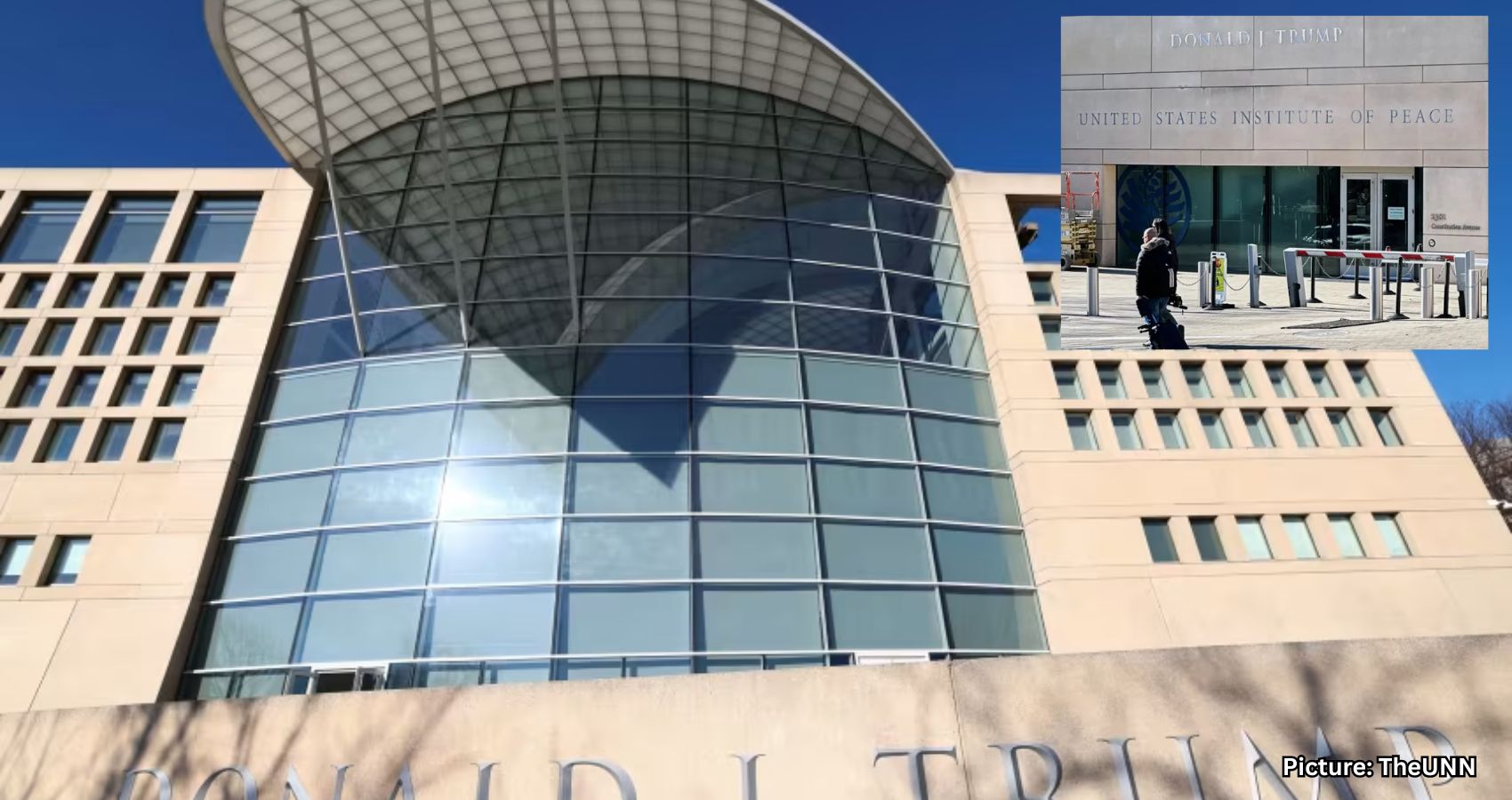
Trump Administration Explores Privatization of $1.6 Trillion Student Loan Debt

The Trump administration is exploring the privatization of parts of the $1.6 trillion federal student loan portfolio, raising concerns about borrower protections and repayment terms.

The Trump administration is considering options to privatize portions of the federal government’s substantial student loan portfolio, which currently stands at $1.6 trillion. This initiative could significantly alter the landscape of student loan management in the United States.

According to sources familiar with the discussions, senior officials from both the Education Department and the Treasury Department are engaged in talks about potentially selling high-performing segments of the federal student loan portfolio. This portfolio is owed by approximately 45 million Americans, and the administration aims to ensure the long-term health of the loans for the benefit of both students and taxpayers.

A senior administration official stated, “The Trump administration is committed to analyzing all aspects of the federal student loan portfolio. Unlike the previous administration, we are focused on ensuring the long-term health of the portfolio for the benefit of both students and taxpayers.”

However, not everyone is optimistic about the potential outcomes of such a move. Eileen Connor, executive director of the Project on Predatory Student Lending, expressed skepticism regarding the administration’s ability to structure a deal that would benefit both taxpayers and borrowers. “The only way for it to make economic sense is to structure the deal in a way that really short-changes borrowers,” she noted.

Connor highlighted that much of the value of federal student debt stems from unique powers that private entities do not possess. These include the ability to collect on loans indefinitely, garnish Social Security benefits and tax refunds, and enjoy broad immunity from lawsuits if the government mishandles borrowers’ debts.

As of late 2025, the total student loan debt in the United States has reached approximately $1.8 trillion, making it one of the largest sources of personal debt in the country. Of this, around $1.66 trillion consists of federal student loans held by over 42 million borrowers. The average federal student loan debt per borrower is roughly $39,000, with many individuals also carrying private loans that exacerbate their financial burdens.

The demographic most affected by this debt is individuals aged 35 to 49, who collectively owe about $570 billion. Additionally, borrowers over the age of 50 are increasingly facing serious repayment challenges. Delinquency rates have surged, exceeding 8% in early 2025, indicating a growing difficulty in meeting loan obligations.

In response to these challenges, the current administration has resumed student loan forgiveness programs under Income-Based Repayment, aiming to alleviate some of the financial pressure on borrowers. However, the potential sale of federal loans to private investors raises significant concerns about the future of loan management and repayment terms.

The rising delinquency rates underscore the repayment challenges many borrowers face. While the resumption of loan forgiveness programs provides some relief, the introduction of privatization could create uncertainty regarding future protections and repayment conditions for borrowers.

As discussions continue, the implications of privatizing parts of the federal student loan portfolio remain to be seen. Stakeholders are closely monitoring these developments, as they could have lasting effects on millions of borrowers across the nation.

Source: Original article

Trump-Era Education Policies Continue to Influence U.S. Universities

President Trump’s proposed cap on international students could significantly alter U.S. higher education, affecting university finances and America’s reputation as a global education leader.

President Donald Trump has proposed a cap on international students in U.S. universities, limiting their enrollment to 15% of an institution’s undergraduate population, with no more than 5% from any single country. This initiative, framed as a national security measure, aims to ensure that foreign students bring exceptional talent to the American economy while addressing concerns about the potential dilution of opportunities for American students.

The proposal raises alarms about the possibility of universities becoming saturated with students whose values may be perceived as “hostile to the United States,” which could pose national security risks. Current statistics indicate that most U.S. universities are below the proposed 15% cap for foreign undergraduates. For instance, institutions like the University of Arizona and the University of Texas report international student shares of approximately 4-5%, while Brown University stands at 13.5%. Only a few universities, such as Dartmouth College, slightly exceed the proposed limit, with a 15.5% international student population.

The 5% cap on single-country representation could significantly impact universities with large concentrations of international students. The University of Southern California (USC), for example, has historically enrolled a substantial number of Chinese undergraduates, with around 1,051 students, slightly above the proposed limit. Similarly, Vanderbilt University faces challenges with 377 Chinese undergraduates, exceeding the 5% cap of 361 students.

Experts warn that implementing such strict caps could hinder access to international talent and adversely affect universities that rely on foreign tuition to sustain their operations. Critics argue that this policy could undermine America’s status as a global education hub and create administrative burdens for institutions tasked with enforcing these limits.

This proposal comes at a time when U.S. universities are already experiencing a decline in foreign student enrollment, a trend influenced by visa restrictions, increased global competition, and shifting student preferences. DePaul University recently informed its faculty of immediate spending cuts following a 30% drop in international student enrollment this fall. This decision reflects a broader trend among U.S. colleges as they adapt to the repercussions of previous education and immigration policies enacted during the Trump administration.

While the exact scale of the budget cuts at DePaul has not been finalized, potential measures could include a hiring freeze, reductions in executive salaries, and limitations on discretionary spending, according to a memo from university president Robert Manuel shared with faculty. DePaul is not alone; at least 35 other U.S. colleges have announced budget reductions in response to policies from the Trump administration. Notably, Johns Hopkins University eliminated over 2,000 positions in March following an $800 million reduction in federal research grants, while Northwestern University cut 425 jobs. The University of Southern California also laid off more than 630 employees, citing declining federal funding and anticipated drops in international student enrollment among other financial challenges.

As universities finalize their fall enrollment figures, a comprehensive national picture is still pending. Preliminary data from the Department of Homeland Security’s Student and Exchange Visitor Program (SEVP) indicates a 2.4% decline in international students this month compared to last September, dropping from 965,437 to 942,131. However, these numbers are subject to change as many institutions have yet to report their updated totals and student movement continues throughout the semester.

Last year, an estimated 1.2 million international students were enrolled in U.S. institutions, according to NAFSA: Association of International Educators. The organization projected in July that this figure could decrease by as much as 15% this year, potentially resulting in an economic loss of nearly $7 billion for the country.

This proposed cap on international students could have far-reaching implications for U.S. higher education, impacting not only university finances but also the nation’s ability to attract global talent and maintain its status as a premier education destination.

Source: Original article

New Jersey Democrat Plans Lawsuit Against Trump Over Troop Deployments

New Jersey gubernatorial candidate Mikie Sherrill has pledged to sue President Trump if he deploys National Guard troops to the state, arguing that such actions would be illegal and unnecessary.

Mikie Sherrill, a former Navy veteran and current representative of New Jersey’s 11th Congressional District, has expressed her strong opposition to the deployment of National Guard troops in her state. During a town hall meeting broadcast live on Univision 41 Nueva York, Sherrill made it clear that she would take legal action against the Trump administration should the president decide to send federal troops to New Jersey.

The town hall audience, which engaged with Sherrill in Spanish while she responded in English, included a member whose family fled the Nicolás Maduro regime in Venezuela. This individual posed a question regarding Sherrill’s stance on potential troop deployments by President Trump. In her response, Sherrill emphasized that American troops should not be patrolling the streets of the country except in extraordinary circumstances, such as during an insurrection or a national crisis.

“Troops are not trained for policing missions like local law enforcement,” Sherrill stated. She further elaborated on her position, saying, “And that’s why, as governor, should Trump try to deploy troops on our streets, I would be very opposed to that. I’d immediately take him to court and demand that he stop this – because I think it’s illegal – and ensure that here in New Jersey, people are kept safe.”

Sherrill is currently running against Republican candidate Jack Ciattarelli in the race to succeed term-limited Democratic Governor Phil Murphy. Her remarks come in the context of President Trump’s recent actions, which have included the deployment or threats of deployment of federal troops to various cities across the United States, including Baltimore, Los Angeles, and Memphis. The administration has characterized these cities as crime-ridden and in need of federal intervention.

In Illinois, Governor J.B. Pritzker has also taken legal action against the Trump administration, seeking to block the deployment of National Guard troops to Chicago. This lawsuit was initiated following a federal judge’s decision to halt the deployment of Guard troops in Portland, Oregon, amid protests related to immigration enforcement.

The Trump administration has defended its troop deployments, asserting that they are essential for curbing violent crime and restoring law and order. However, critics, including various officials, have accused the administration of overreach, arguing that federal intervention often exacerbates tensions rather than alleviating them.

In a recent ruling, a federal judge stated that the Trump administration “willfully” violated federal law by deploying Guard troops to Los Angeles earlier this year in response to protests concerning immigration raids.

As the gubernatorial race heats up, Sherrill’s commitment to legal action against potential troop deployments highlights the ongoing debate over federal intervention in local law enforcement and the implications it holds for state sovereignty and public safety.

Source: Original article

Grandmother Deported to India After Three Decades in the U.S.

A Sikh grandmother who lived in the U.S. for over 30 years was deported to India after enduring harsh conditions in an ICE detention center, raising concerns about the treatment of vulnerable immigrants.

A Sikh grandmother, Harjit Kaur, who had resided in the United States for more than three decades, was deported to New Delhi, India, on September 23. Her deportation followed a week spent in what her attorney described as “barbaric” conditions at a private Immigration and Customs Enforcement (ICE) detention center in Georgia.

“There was no rationale to detain Bibi Harjit Kaur,” said Deepak Ahluwalia, Kaur’s attorney, in an interview with American Community Media on September 24. “It’s all part of their effort to fill beds.”

Ahluwalia expressed deep concern over Kaur’s treatment, emphasizing her age and health issues. “Her detention was nothing short of barbaric,” he stated. “That type of treatment would affect most people. They chose to do this to a 73-year-old woman with disabilities and health issues.”

Kaur was initially detained at an ICE facility in Bakersfield, California, before being transferred to the Stewart Detention Center in Lumpkin, Georgia, without any notification to her family or attorney.

During her time in detention, Kaur faced numerous challenges. According to Ahluwalia, she was denied water to take her medications and was instead given a plate of ice, which she could not consume due to her dentures. In Lumpkin, she was forced to sleep on the floor in a crowded facility, which was particularly difficult for her given her recent knee surgeries. Additionally, as a strict vegetarian, Kaur was provided meat-based meals for the first six days of her detention. She also experienced multiple instances of being handcuffed during transfers.

The Stewart Detention Center is a private facility operated by CoreCivic, a company that has faced scrutiny for its treatment of detainees.

Kaur, a seamstress who worked at the Berkeley Sari Palace for over 20 years, initially sought asylum in the U.S. in 1991 after the death of her husband. Her asylum claim was based on a credible fear of persecution in India, particularly in the wake of the anti-Sikh riots that followed the assassination of Prime Minister Indira Gandhi in 1984. This tragic event led to the deaths of thousands of Sikhs and has been described by many international civil rights organizations as a genocide.

In 2023, California State Assemblywoman Jasmeet Bains introduced AJR2 to recognize the 1984 anti-Sikh riots as genocide. The resolution passed both the state Assembly and Senate without requiring the governor’s signature. A similar measure was introduced in Congress last October by Rep. David Valadao, R-California.

Kaur’s asylum case was denied twice, with the last denial occurring in 2013 by the 9th Circuit Court of Appeals. After her asylum claim was rejected, she needed travel documents to return to India but had not received the necessary paperwork when she was arrested by ICE on September 8 during a routine check-in at the ICE office in San Francisco. Kaur had consistently complied with immigration authorities, making the required check-ins every six months for the past 12 years.

Her family was unable to sponsor her for permanent residency due to her undocumented status. Ahluwalia explained that an undocumented resident’s family cannot apply for sponsorship while the individual is still in the U.S. Kaur would have needed to return to India to obtain a family-based visa, which was complicated by her lack of travel documents.

In a statement released last week, Kaur’s family expressed their dismay, stating, “Harjit’s case represents a failure of our immigration system. She has been a contributing member of her community for decades, paying taxes, working legally, and building relationships with neighbors and friends. Her detention is not only cruel but unnecessary.”

They further noted, “She has never refused to return to India but cannot without documents.”

Dr. K. Srikar Reddy, the Consul General of India in San Francisco, commented on the situation, stating that it is ICE’s responsibility to request travel documents for individuals being deported. He noted that no such request had been made in the 12 years since Kaur’s asylum claim was rejected.

“Once ICE requests travel documents, it usually takes just a couple of days for us to issue them,” Reddy explained. “But Mrs. Kaur had migrated more than 30 years ago, so we had no information about her. We had to connect with Indian authorities, which took some time.”

When asked whether Kaur might face persecution upon her return to India, Reddy stated, “She was denied by the highest appeals court. That clearly shows that her fears of persecution were unfounded.”

In a statement to NBC News, ICE defended its actions, asserting that Kaur had exhausted all legal remedies several years ago. “ICE is enforcing U.S. law and the orders by the judge; she will not waste any more U.S. tax dollars,” the statement read.

According to the Pew Research Center, India was the fifth largest source of unauthorized immigrants in the U.S. as of 2022-2023, following Mexico, Guatemala, El Salvador, and Honduras. Reddy noted a slight increase in requests for travel documents over the past seven months.

Estimates suggest that approximately 1.5 million undocumented individuals over the age of 55 reside in the United States. However, ICE does not provide age-specific data on deportations.

Source: Original article

Brazil Sees Over 120 Methanol Poisoning Cases from Tainted Liquor

Brazil’s Health Ministry reports 127 suspected cases of methanol poisoning linked to tainted liquor, prompting emergency measures and widespread panic across the nation.

The Brazilian Ministry of Health has issued a warning to the public to avoid cocktails following a series of methanol poisoning incidents that have resulted in at least one death and left several others with severe health complications. The alarming situation has triggered a nationwide panic as reports of suspected poisonings continue to rise.

As of now, there are 127 suspected cases of methanol-laced liquor across Brazil, with 11 confirmed cases and 116 others still under investigation. The affected areas include at least five states and the capital, Brasília. Local media reports indicate that victims have included patrons at upscale bars and restaurants, many of whom have experienced life-altering consequences such as blindness or comas after consuming popular Brazilian drinks like caipirinhas and vodka tonics.

Rafael Martinez, a 30-year-old architect from São Paulo, expressed his concerns about the situation. “I’m definitely not going out to drink this weekend. Things are worrying,” he said. “For now, I’d rather stick to soda or, at most, beer, which they said is harder to tamper with.”

In response to the crisis, Health Minister Alexandre Padilha has urged Brazilians to “steer clear of colorless spirits.” The ministry has announced emergency measures, including the acquisition of 2,500 doses of fomepizole, an antidote for methanol poisoning, along with 12,000 ampoules of medical-grade ethanol. Shipments of these antidotes began on Saturday to five states, as the government works to prevent further fatalities.

Most of the reported cases have originated in São Paulo, although instances have also been identified in distant states such as Pernambuco and Mato Grosso do Sul. Padilha assured the public that the new stockpile of antidotes would ensure “no patient goes without treatment,” emphasizing that the antidotes can be administered even before laboratory confirmation of methanol poisoning.

Federal police are currently investigating a potential connection to organized crime groups suspected of distributing counterfeit liquor. Methanol, an industrial chemical, is known to cause serious nerve and liver damage and is often found in fake or poorly distilled alcoholic beverages.

In light of the crisis, many restaurant owners have suspended liquor sales to reassure anxious customers. Nikolaos Loukopoulos, who operates a Greek restaurant in São Paulo, noted, “Last night no one bought drinks … even I don’t want to drink. With a beer, we’re fine in this heat. Why risk it?”

While Rio de Janeiro, a major tourist destination, has not yet reported any confirmed cases, local beach kiosks and restaurants have taken to social media to post warnings aimed at calming visitors. Thais Flores, a 28-year-old dental surgeon visiting Rio from São Paulo, shared her cautious approach to drinking. “I don’t really like beer, but because of the latest news, it’s been my drink of choice,” she said.

Her friend, Raquel Marques, 29, admitted to taking a risk by ordering a vodka caipirinha despite the warnings. “I’m scared, but we took a chance,” she said. “The guy said he bought it at the market.”

The timing of this scare is particularly concerning as Brazil approaches its peak tourism season, raising fears of a significant economic impact on the country’s vibrant beaches and nightlife industry. The situation remains fluid, and authorities continue to monitor and respond to the crisis as it unfolds.

Source: Original article

-+=