Category: Health
“Ekal Vidyalaya” Launches Ambitious Initiative Against ‘Coronavirus’
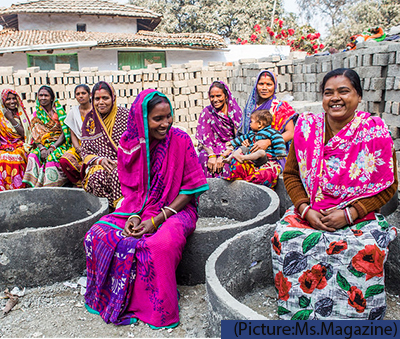
When everywhere ‘Coronavirus’ outbreak is being associated only with the urban area populous, “Ekal Vidyalaya Foundation” has quietly launched an ambitious initiative against it in rural & tribal areas across India. As for networking and connectivity in such areas, “Ekal” (as it is popularly known) is in very unique position with its presence in over 103,000 such remote hamlets. As the shortage of Masks and Sanitizers became apparent in early March, Ekal tailoring training Ctrs banded together and started stitching face-masks and producing hand sanitizers for Ekal Volunteers, district health authorities and law enforcement personnel. It had been producing 10,000 masks and 1,000 liters of Hand-sanitizers or disinfecting solutions per day as of March-end and supplying them ‘free-of-cost’ to their authorities. Masks and Sanitizers are also being distributed free-of-cost to the poor families. It costs Ekal Rs. 20 each to make it and to distribute it.
According to Bajrang Lal Bagra, CEO of “Ekal Abhiyan” (umbrella organization of all Ekal satellite endeavors), beginning this month – April – Ekal is launching most ambitious plan to triple its ‘tailoring’ capacity in 28 centers to produce 1 Million cotton Masks by the end of April (2020). These 2-ply masks are being made to WHO’s stringent specifications and Ekal plans to keep on producing them as long as there is need. As part of empowerment and to reduce the dependency on ‘outside food’, Ekal-Villages, have actively started harvesting ‘Poshan Vatikas’ (Nutritional sustaining food items) for the people in their own vicinity on cooperative basis. Keeping up with the governmental directive, although all Ekal field activities were suspended on March 14, according to ‘Lalan Kumar Sharma’, Central co-coordinator of “Ekal Abhiyan”, the awareness campaign against deadly Virus is in motion with full throttle speed with the blessings of the local concerned authorities. Currently, ‘Arogya Sahayikas’ (Health Assistant) and Ekal teachers are, not only, emphasizing critical need for personal hygiene and clean environment in villages, but also, keeping a written tab on cases related to fever, cough and shortness of breath. Social-distancing and repeatedly washing hands with soap is being promoted as part of daily routine. Supporting the efforts of ‘Gram-Panchayats’ (village administrative admin), identifying and quantifying urban visitors or returning villagers from such areas is being diligently carried out. Harish Karat of ‘Ekal-Global’ says, “as a reminder for the precautionary habits that one must adopt to arrest the spread of ‘Coronavirus’, the walls in lot of village-dwellings are being painted with healthcare slogans”. What is interesting is that villagers have enthusiastically endorsed this campaign as one of the safeguards in the current crisis. Ekal volunteers residing in Indian urban areas are helping older, poor people during these clampdown days are providing food or sustenance items wherever possible. For example, in ‘Guwahati’ area in two days, ‘Vanbandhu Parishad’ (an allied Ekal organization) delivered food items to 650 families. Ekal-USA providing assistance to the needy in variety of ways – such as food, mask-making, grocery-items and medical help etc. Ekal volunteers in USA are assisting food-banks, soup-kitchen and delivery of groceries to the elderly. According to Suresh Iyer, President of Ekal-USA, “In the U.S., Ekal has partnered with other non-profit organizations, including ‘Sewa International’, in providing community service at this hour of immense need. It’s times such as these we are seeing the best of humanity and I am confident that we will get through this difficult time soon and come out feeling even stronger”. Though, all the annual fund-raising concerts have been cancelled currently for foreseeable future, ‘Ekal Vidyalaya’ is appealing its loyal Donors and well-wishers who have been consistently helping it to keep supporting its multiple endeavors (projects) in rural areas, including its ambitious initiative to fight ‘Coronavirus’. Kindly Donate at https://www.ekal.org/us/donate and be an active member of defense against the virus in the current crisis. Ekal serves the humanity irrespective of caste, creed, and religion
Indian-American journalist dies of COVID-19 in New York
Indian-American journalist Brahm Kanchibotla has died of COVID-19 that is ravaging New York, the epicentre of the pandemic in the US. The journalist died on Monday April 5th after nine days in a hospital, his son Sudama Kanchibotla said.
Brahm Kanchibotla, 66, was a correspondent for United News of India.
During his 28-year career in the US, he had worked for 11 years as a content editor for Merger Markets, a financial publication, and also did a stint with News India-Times weekly newspaper.
He had emigrated to the US in 1992 after having worked for several publications in India. Sudama Kanchibotla said that the family was not sure of the last rites for him because of the restrictions in New York.
“We have not set a date and it will have to be a very small gathering because only ten people are allowed at funerals,” he said.
Brahm Kanchibotla showed COVID-19 symptoms on March 23. When his conditions worsened, he was admitted to a hospital on Long Island on March 28 and given an oxygen mask, Sudama Kanchibotla said. On March 31, he was put on ventilator and on Monday he had a cardiac arrest.
Besides Sudama, Brahm Kanchibotla is survived by his wife Anjana and daughter Siujana. As of Monday night, 4,758 people have died of COVID-19 in New York City. The US has recorded a total of 368,196 confirmed cases, while the death toll stood at 10,986.
AAPI SYMPOSIUM ON PRESENTATIONS AND PRACTICES FOR COVID PATIENT CARE
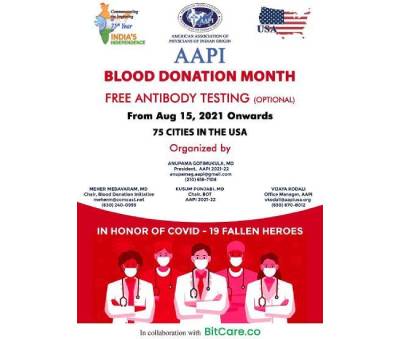
AAPI Launches Plasma Drive From Patients Cured of COVID-19, And NonSymptomatic For 14 Days
When, and How, Does the Coronavirus Pandemic End?
With confirmed cases of Covid-19 globally exceeding 1 million and more countries going into lockdown to slow the pandemic, the emerging question is: “When will this all end?” The answer depends in large part on uncertainties about the novel coronavirus that causes the disease, including whether you can get it more than once and how quickly the world’s scientists might produce a vaccine. The cost and benefits of a prolonged shutdown and what different countries can afford, from both an economic and political standpoint, are factors, too.
1. So how does this end?
There’s a consensus that the pandemic will only end with the establishment of so-called herd immunity. That occurs when enough people in a community are protected from a pathogen that it can’t take hold and dies out. There are two paths to that outcome. One is immunization. Researchers would have to develop a vaccine that proves safe and effective against the coronavirus, and health authorities would have to get it to a sufficient number of people. The second path to herd immunity is grimmer: It can also come about after a large portion of a community has been infected with a pathogen and develops resistance to it that way.
2. How do we manage until then?
For many countries, the strategy is to lock down movement to dramatically slow the spread, closing businesses and schools, banning gatherings and keeping people at home. The idea is to prevent a huge burst of infections that overwhelms the medical system, causing excessive deaths as care is rationed. “Flattening the curve” staggers cases over a longer period of time and buys authorities and health-care providers time to mobilize — to build capacity for testing, for tracking down contacts of those who are infected, and for treating the sick, by expanding hospital facilities, including ventilators and intensive-care units.
3. When can restrictions loosen?
The public shouldn’t expect life to return to normal quickly. Lifting restrictions too early risks inviting a new spike. Authorities in China began to re-open the city of Wuhan, where the pandemic began, two months after it was sealed off from the world, when transmission had virtually halted. But China’s measures were stricter than anywhere else so far, and at least one county has gone back to a lockdown. England’s deputy chief medical officer, Jenny Harries, said lockdown measures there need to last two, three or, ideally, up to six months. Annelies Wilder-Smith, a professor of emerging infectious diseases at the London School of Hygiene and Tropical Medicine, recommends restrictions stay in place until daily cases drop consistently over at least two weeks.
4. Then what?
A road map authored by a group of U.S. health specialists including former Food and Drug Administration commissioner Scott Gottlieb calls for an intermediate stage in which schools and businesses would reopen but gatherings would still be limited. People would continue to be encouraged to keep at a distance from one another, and those at high risk would be advised to limit their time in public. If cases begin to rise again, restrictions would be tightened. Their report, published by the pro-business American Enterprise Institute, is arguably more optimistic than the future envisioned by researchers at Imperial College London. Their models suggest that for at least two-thirds of the time until herd immunity is established, all households would need to reduce contact with schools, workplaces or the public by 75%. In any case, the widespread availability of testing is important in this stage. At the heart of the U.S. plan: at least 750,000 tests per week.
5. Why is testing so important?
This virus is wreaking so much havoc, not because it’s especially lethal, but because it’s insidious; many who are infected are well enough to go about their daily business, unwittingly spreading it to others. That makes it vital to test for infection widely in the population, and to test everyone with symptoms. That way, those who are infectious can be put in isolation and everyone they’ve had close contact with while contagious can be tracked down, tested and if necessary isolated as well, limiting the spread in the community. Another kind of test looks for antibodies to see who has already beaten the virus and is thus unlikely to be re-infected, at least for a time. Once widely available, such tests might enable people who test positive for antibodies to move about more freely.
6. Why does where you are matter?
Authoritarian countries such as China can impose stricter controls on movement and more intrusive means of surveillance, such as house-to-house fever checks, tracing and enforcement of quarantines, and are less vulnerable to pressure from businesses and popular opinion. That gives them powerful tools to keep the virus in check, so long as they are vigilant against imported cases. That’s a more difficult proposition for other nations. The poorest countries can less easily afford the economic losses caused by prolonged restrictions, and often don’t have the health infrastructure for extensive surveillance.
7. How long will a vaccine take?
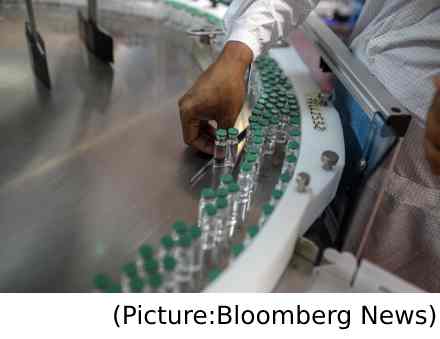
Dozens of companies and universities around the world are working on it, but there’s no guarantee they will prevail. Vaccine development normally is a long and complex process that includes years of testing to ensure shots are safe and effective. In the coronavirus fight, some of the players aim to deliver a vaccine in 12 to 18 months, an extraordinarily ambitious goal. As well as using tried-and-true approaches, scientists are relying on new technologies, like those that add viral genetic material to human cells, inducing them to make proteins that spur an immune response. Some vaccine specialists believe governments, citizens and investors should temper their optimism. It’s not clear if the methods will work, that the timelines will be met or that companies will be able to manufacture enough shots.
8. What about the second path to herd immunity?
First, it would occur only if recovering from an infection leaves people with lasting immunity. It’s not yet known if that’s the case with the novel coronavirus. The portion of a population that would have to be exposed to the virus to establish herd immunity is also unknown. Generally, it’s high, for example 75% for diphtheria and 91% for measles. Patrick Vallance, the U.K. government’s chief scientific adviser, estimated the figure at 60% in February. How long it would take to reach the necessary threshold would depend on measures governments impose in response to the pandemic. Without tight restrictions, it would be faster yet come at a steep cost in illness and deaths as health systems would be overburdened. Some research assumes the actual number of infections is much higher than the confirmed cases. If that’s true, countries are closer to herd immunity than we know.
9. Are there other variables?
We could get lucky, and the virus could fade with the onset of summer in the northern hemisphere, where most cases are, just like outbreaks of influenza subside with seasonal changes. But it remains unknown whether warmer weather will play a role. Even if the outbreak wanes, it could return in the fall. Some are pinning their hopes on an ultra-effective therapy or a cure.
The Reference Shelf
- Related QuickTakes on what you need to know about Covid-19, how it transmits, the quest for treatments and a vaccine, and the seasonality question.
- Bloomberg News looks at the hurdles to development of a coronavirus vaccine.
- The roadmap published by the American Enterprise Institute and the modeling done by Imperial College London.
- An article in MIT Technology Review argues that the pandemic will change our lives, in some ways forever.
- A commentary in the New York Times suggests the near future will be like a roller coaster ride.
Death Toll Continues to Rise in US – 1,500 die of coronavirus in 24 hours
The United States recorded nearly 1,500 deaths from COVID-19 between Thursday and Friday, last week according to the Johns Hopkins University tracker, the worst 24-hour death toll globally since the pandemic began.
With 1,480 deaths counted between 8:30 pm (0030 GMT) Thursday and the same time Friday, according to the university’s continuously updated figures, the total number of people who have died since the start of the pandemic in the United States is now 7,406.
More than 1.13 million people worldwide — including more than 278,400 people in the United States – have been infected with the new coronavirus, and the number of deaths from the outbreak continues to rise. Officials are attempting to contain the COVID-19 outbreak in the U.S. as hospitals brace for unprecedented patient surges.
The worldwide death toll for the coronavirus moved past 60,000 Saturday morning and has infected more than 1.13 million people according to Johns Hopkins University. The United States has more than 270,400 cases and more than 7,100 deaths.
President Donald Trump on Friday recommended that Americans cover their faces with masks when outdoors, a policy U-turn following growing scientific research suggesting their widespread use can stem the spread of the coronavirus.
Trump told a White House briefing that the Centers for Disease Control and Prevention (CDC) was urging people to wear face coverings like scarves or homemade cloth masks, but to keep medical-grade masks available for health workers. “It’s going to be really a voluntary thing,” he underlined. “You don’t have to do it and I’m choosing not to do it, but some people may want to do it and that’s okay.”
The about-face was widely expected after senior health officials told reporters the scientific evidence had evolved. Speaking to Fox News on Friday, Anthony Fauci, head of infectious diseases at the National Institutes of Health, cited “recent information that the virus can actually be spread even when people just speak as opposed to coughing and sneezing.”
Days earlier, the CDC’s Robert Redfield said up to a quarter of people who are infected may be asymptomatic. Taken together, the developments represent powerful arguments in favor of the widespread use of facial coverings.
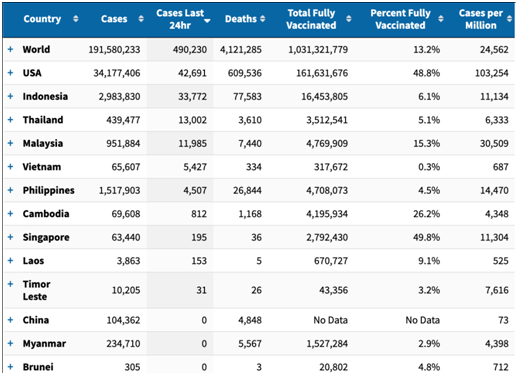
The global death toll attributed to the novel coronavirus hit 59,884 early Saturday, and the latest surge in cases in France pushed the European nation’s total past that of China, where the illness was first detected in December.
In the four months since the virus was first identified in Wuhan, China, it has infected at least 1,131,713 people worldwide, according to a tally maintained by Johns Hopkins University. Five countries – the United States, Spain, Italy, Germany and France – have now confirmed total infection counts well above China’s 82,526 cases.
- The United States has reported 278,458 cases, resulting in 7,159 deaths.
- Spain has confirmed 124,736 cases, resulting in 11,744 deaths.
- Italy has reported 119,827 infections, resulting in 14,681 deaths.
- Germany has reported 91,159 cases, resulting in 1,275 deaths.
- France has confirmed 83,029 infections, resulting in 6,520 deaths.
- China has recorded 82,543 cases, resulting in 3,330 deaths.
- Iran has recorded 55,743 cases, resulting in 3,452 deaths.
- The United Kingdom has reported 38,697 cases, resulting in 3,611 deaths.
- Turkey has recorded 20,921 cases, resulting in 425 deaths.
- Switzerland has confirmed 19,702 cases, resulting in 60 deaths.
How to get your US stimulus check from the US Government?
The IRS and the Treasury Department say Americans will start receiving their economic impact checks in the next three weeks. The payments are part of the $2.2 trillion rescue package signed into law last week by President Donald Trump aimed at combating the economic ravages of the coronavirus outbreak.
As part of the economic stimulus bill, hundreds of billions of dollars are being earmarked for one-time economic impact payments, or “stimulus checks” to most American households. While the size of the stimulus payments has been widely reported, there are some key details that are still unclear — such as how you’ll actually get your payment, what happens if you haven’t filed a tax return recently, and what if your information has changed.
While this is still a fluid situation and there are some important details the IRS and Treasury haven’t quite figured out yet (to be fair, the bill passed just a few days ago), the IRS recently issued their most up-to-date guidance yet. With that in mind, here are five things about the stimulus check that you need to know.
Most people don’t need to do anything to get the money. But some — including senior citizens and low-income people who might not traditionally file tax returns — do need to take action. People behind on filing their taxes might also want to get caught up.
The IRS and Treasury have provided more details on how to ensure you get paid. Here are the basics:
WHO IS ELIGIBLE FOR THE PAYMENTS?
Anyone earning up to $75,000 in adjusted gross income and who has a Social Security number will receive a $1,200 payment. That means married couples filing joint returns will receive the full payment — $2,400 — if their adjusted gross income, which what you report on your taxes, is under $150,000.
The payment steadily declines for those who make more. Those earning more than $99,000, or $198,000 for joint filers, are not eligible. The thresholds are slightly different for those who file as a head of household.
Parents will also receive $500 for each qualifying child. So, a family of four could get as much as $3,400.
WHAT DO I HAVE TO DO TO GET THE CHECK?
For most people, nothing. If you’ve already filed your 2019 tax return, which is now due on July 15, the IRS will use it to determine your eligibility. If you have not filed a 2019 tax return yet, your eligibility will be based on your 2018 return.
The money will be directly deposited in your bank account if the government has that information from your tax return. If you haven’t filed your 2019 taxes, the government will use information from your 2018 taxes to calculate your payment and determine where to send it. It can use your Social Security benefit statement as well.
I DON’T USUALLY HAVE TO FILE TAXES. DO I STILL GET A PAYMENT?
Yes. People who are not required to file a tax return — such as low-income tax payers, some senior citizens, Social Security recipients, some veterans and people with disabilities — will need to file a very simplified tax return to receive the economic impact payment. It provides the government basic details including a person’s filing status, number of dependents and direct-deposit bank information.
I HAVEN’T FILED MY 2018 OR 2019 TAXES. WILL I STILL GET A PAYMENT?
Yes, but the IRS urges anyone required to file a tax return and has not yet done so for those years to file as soon as possible in order to receive an economic impact payment. Taxpayers should include their direct-deposit banking information on the return if they want it deposited in their account.
I DIDN’T USE DIRECT DEPOSIT ON MY TAXES, WHAT CAN I DO?
The government will default to sending you the check by mail if you did not use direct deposit.
However, IRS and Treasury say that they will develop an online portal in the coming weeks for individuals to provide their banking information so that they can receive the payments immediately instead of in the mail. It has not yet set a deadline for updating that information.
WHERE DO I DO THIS?
The IRS says the Treasury is planning to develop a web-based portal for taxpayers to provide their bank account information for stimulus payments. The goal is to get the money in your hands as soon as reasonably possible, and the quickest way to do that is to allow everyone to use direct deposit if they so choose. We don’t know yet if there will be an option to choose a paper check.The IRS and Treasury say the website irs.gov/coronavirus will soon provide information about the check, including how people can file a simple 2019 tax return.
I NEED MORE TIME TO FILE MY TAX RETURNS. HOW LONG DO I HAVE TO GET THE PAYMENT?
The IRS says people concerned about visiting a tax professional or local community organization in person to get help with a tax return should not worry. The economic impact payments will be available throughout the rest of 2020.
Treasury Secretary Steven Mnuchin announced Thursday that many Americans reeling from the financial impacts caused by the coronavirus outbreak can expect to see their one-time stimulus checks of up to $1,200 show up in their bank accounts in about two weeks. For those without direct deposit, Mnuchin promised checks would go out quickly in a matter of “weeks.”
The announcement followed a memo sent out by House Democrats that warned some Americans could have to wait up to 20 weeks – or five months – before they receive their checks.
The first payments are expected go out within three weeks to those for whom the Internal Revenue Service already has direct deposit information on file. Mnuchin said at a White House coronavirus briefing that payments would go out within two weeks to people whose direct deposit details are on file with the government, echoing comments he made after passage of the $2.2 trillion stimulus bill that payments would not go out until mid-April. He added that a web portal would be established for people to supply their details and that checks would be sent to anyone else, but did not specify a timeline. “I am assuring the American public, they need the money now.”
Three-quarters of U.S. Catholics view Pope Francis favorably, though partisan differences persist
Americans’ opinions of Pope Francis have rebounded slightly after hitting an all-time low almost two years ago in the wake of Catholic Church sex abuse scandals, according to a recent Pew Research Center survey.
Six-in-ten U.S. adults say they have a “very” or “mostly” favorable view of Pope Francis, up from roughly half who said this in September of 2018, when the question was last asked. At that time, a Pennsylvania grand jury had just published a report revealing decades of child sexual abuse by Catholic priests, and former cardinal Theodore McCarrick had recently resigned because of separate sex abuse allegations.
Overall, public opinion of Pope Francis is now roughly at the same level as when he assumed the papacy in 2013, but still below higher points in 2015 and 2017, when 70% of U.S. adults said they had a “very” or “mostly” favorable view of the pontiff.
How we did this
U.S. Catholics are more likely than the general public to have a positive assessment of Francis. About three-quarters of Catholics (77%) now view the pope favorably, which is 10 percentage points lower than the share who did so in January 2017 (87%) but not statistically different from the ratings recorded in January or September 2018. (Even though the 2018 and 2020 surveys produced different estimates of the share of Catholics who view Pope Francis favorably, the differences between the current survey and each of the surveys conducted in 2018 do not pass a test of statistical significance.)
Catholics who attend Mass weekly and those who attend less often have roughly similar views of Pope Francis, with about three-quarters in each group expressing a very or mostly favorable opinion of Francis (79% and 76%, respectively).
Partisan differences
A January 2018 survey found growing partisan polarization in views of Pope Francis, with Catholic Republicans holding less favorable views of the pontiff than Catholic Democrats. That polarization persists today, with roughly nine-in-ten (87%) Catholic Democrats and Democratic leaners viewing Francis favorably compared with 71% among Catholic Republicans and Republican leaners.
A majority (59%) of religious “nones” – those who describe their religious affiliation as atheist, agnostic or “nothing in particular” – rate Francis as either very or mostly favorable. This is much higher than the share (39%) who rated him favorably when he first became pope in 2013, though at that time roughly a third of “nones” were not familiar enough with Francis to rate him.
Among white Protestants there are varying levels of support for Francis. About six-in-ten white Protestants who do not identify as born-again or evangelical view Pope Francis favorably (62%). White evangelical Protestants, however, are less likely to share this positive view; 43% express a favorable view of Francis. Among white Protestants – both those who identify as evangelical and those who do not – favorable opinions of Pope Francis have increased since the decline seen in September 2018.
New York, New Jersey Relax Rules for Physicians with Work Visas to Join the Fight Against COVID-19
As New York state climbs the steep face of its COVID-19 curve, Gov. Andrew Cuomo issued an executive order vastly widening the scope of practice for some healthcare providers and absolving physicians of certain risks and responsibilities.
Along with New Jersey Gov. Phil Murphy, both the states’ governors signed executive orders this week waiving licensing requirements or granting temporary licenses to foreign-born and foreign-licensed physicians in training in the U.S., in order to lessen the pressure on the work force currently stretched thin, according to a Times of India report.
The new relaxation of the rules could mean that nearly 1,000 Indian physicians currently on J-1 and H-1B visas could join coronavirus fight.
Med Page Today reports that, the order’s provisions include eliminating physician supervision of physician assistants, nurse practitioners, certified registered nurse anesthetists, and others; enabling foreign medical graduates, such as those of Indian origin, with at least a year of graduate medical education to care for patients; allowing emergency medical services personnel to operate under the orders of NPs, PAs and paramedics; allowing medical students to practice without a clinical affiliation agreement, and lifting 80-hour weekly work limits for residents; granting providers immunity from civil liability for injury or death
Suspending usual record-keeping requirements; allowing several types of healthcare professionals with licenses in other states to practice in New York; and suspending or revoking hospitals’ operating certificates if they don’t halt elective surgeries.
The order, which remains in place through at least April 22, was met mostly with applause, though with some hesitation around work-hour limits, the report said.
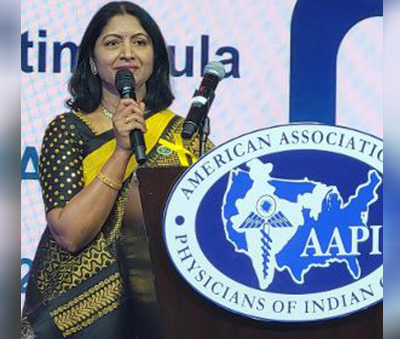
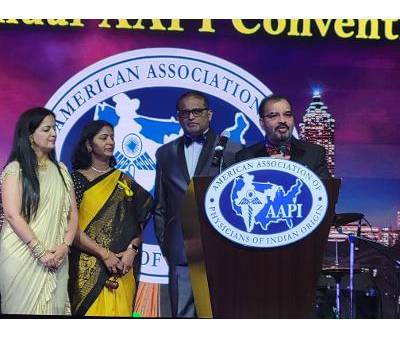
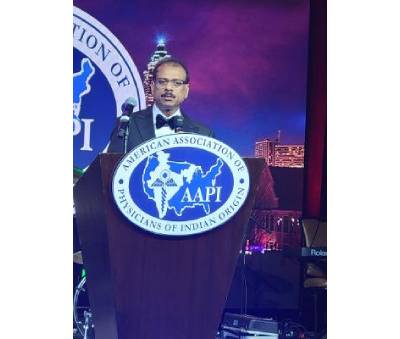
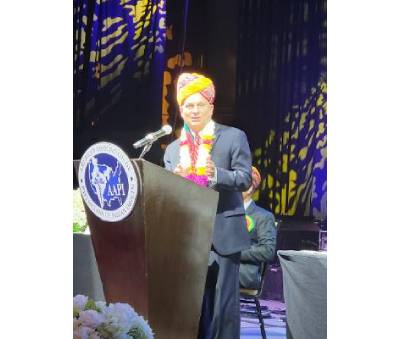
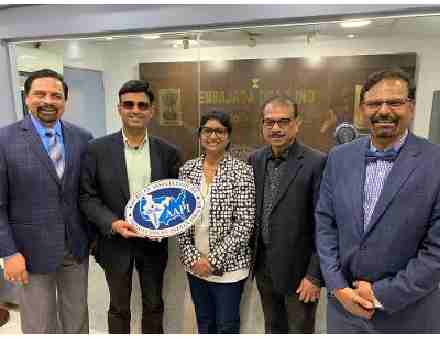
Meanwhile, the American Association of Physicians of Indian Origin is doing its part to help as well. AAPI announced it has organized national tele-conferences on COVID-19, in collaboration with the Indian Embassy and National Council of Asian Indian Americans.
“While COVID-19 continues to disrupt life around the globe, AAPI is committed to helping its tens of thousands of members across the U.S. and others across the globe,” said AAPI president Dr. Suresh Reddy.
Reddy notes that, as concerned physicians witnessing the growing COVID-19 pandemic and its effect on our society, healthcare system and economy, AAPI has embarked on several initiatives.
The most effective so far, he said, has been offering twice a week conference calls having been attended by over 2,000 physicians from across the United States.
The teleconference on March 27 was unique as it was jointly organized by AAPI, Indian Embassy in Washington, DC, and National Council of Asian Indian Americans, the release said.
Anurag Kumar, Minister of Community Affairs, while praising the numerous efforts of AAPI, especially in this season of pandemic affecting the world, enumerated the many efforts of the Embassy to help Indians, and with particular focus on the nearly 200,000 Indian students in the U.S., the release said.
The teleconference was moderated by Dr. Lokesh Edara, who lauded AAPI’s efforts in providing such a forum to join in and share their expertise with their fellow physicians and thus provide the best care practice to their patients, especially in this season of fastspreading Covid-19 global pandemic, the AAPI release said.
Dr. Prasad Garimella was a main speaker at the conference. The Indian American physician is a critical care medicine specialist in Lawrenceville, Georgia, and has been practicing for 20 years.
He specializes in critical care medicine, pulmonary disease. Garimella gave an overview of the situation in the state of Georgia, and the many challenges his state faces as the pandemic is fast spreading.
“Everyone needs to act like a health care professional and needs to have the best attitude in order to defeat this deadly virus,” he said, according to the news release. “Social distancing is not isolating. Keep in touch with loved ones. Stay busy and stay connected. Filter and assess the news, look for credible sources to rely upon.”
Dr. Arunachalam Einstein was another speaker, who is an emergency medicine specialist in Everett, Washington. He specializes in emergency medicine and internal medicine. Einstein gave an update of case status in his state.
Another main speaker for the day was Dr. Usha Rani Karumudii, an infectious disease specialist in Pittsburgh, Pennsylvania, who is affiliated with multiple hospitals in the area, including Easton Hospital and UPMC Passavant.
Kanumudi, in her address, said coronavirus has been there for long. The new virus is called novel because it’s highly infectious and we have high number of people with symptoms.
Another major initiative of AAPI has been the “Donate a Mask” program.
March 30 was National Doctors Day, an annual celebration aimed at appreciating and honoring physicians who help save lives everywhere.
“I want to take this special opportunity to thank our physicians for responding to late-night phone calls, working long hours and providing unswerving care. Today, more than ever, we know the sacrifices they make to put the health of their communities first,” Reddy said in a statement.
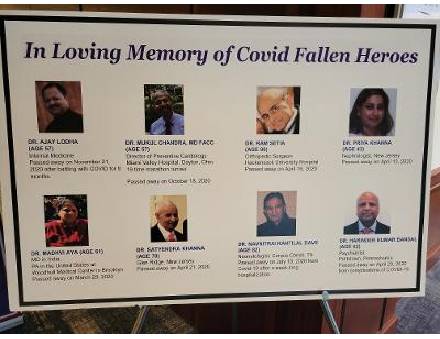
“We do acknowledge that these are challenging times, more than ever for us, physicians, who are on the frontline to assess, diagnose and treat people who are affected by this deadly pandemic, COVID-19. Many of our colleagues have sacrificed their lives in order to save those impacted by this pandemic around the world,” he said.
New York Indian Consulate Organizes An Online Interactive Session With GOPIO Members From The New York Area
India’s Consul General in New York Mr. Sandeep Chakravorty hosted an online interactive session for GOPIO Life Members and GOPIO chapter officials from the New York area on April 3rd. Other officials from the Indian Consulate present at the interactive session included Deputy Consul General Shatrugna Sinha, Consul for Political and POC Mr. Vipul Mesariya and Community Affairs Consul A.K. Vijayakrishnan.
GOPIO International officials included its Chairman Dr. Thomas Abraham, Vice President Ram Gadhavi, Secretary Dr. Rajeev Mehta, International Coordinator Dr. Asha Samant, Media Council Chair Jasbir Kaur, GOPIO-New York President Beena Kothari, GOPIO-CT President Ashok Nichani, GOPIO-Central Jersey official President Kunal Mehta, GOPIO Manhattan officials and several other chapter officials.
Consul General Chakravorty gave a brief of the Indian Consulate functioning and how it has been helping the Indian American community as well as Indian students and visitors who are stuck in the US because of lockdown due to Coronavirus. GOPIO chapters highlighted their activities during the lockdown period especially arranging online webinars and helping the community including senior citizens. There were several questions to the consulate officials on when the Indian visitors can return back to India and lifting of travel ban of OCI card holders. Consul General Chakravorty said that it would take several weeks to get back to the normalcy on these issues.
The Indian Consulate plans several other online interactive sessions covering talks by eminent persons, webinar on important community issues, musical programs and children’s programs.
How to get into ‘working mode’ while at home
If you are struggling to get into the working mode as you stay at home due to the lockdown, some simple tips like maintaining a routine and dressing up in a way as if you were in office may help you increase productivity, suggests a new report.
“Maintain daily routines as when working regularly — get up at the same time, take a shower, dress-up, get breakfast and than start working at the same time you normally do at the office,” according to the “Work From Home Best Practices” shared by Bain & Company, one of the world’s leading strategy and management consultancies.
Another key point to keep in mind is that you should leave private life outside the room where you work. If you want to check private messages, take a break and do it in your private space.
Taking break, in fact, is quite important to make your work from home effective, according to Bain & Company.
“Reward yourself and give yourself breaks “breaks are critical to recharge batteries, they can be small (e.g., 5 minutes of checking social media) or longer (e.g., full 45 min lunch break),” it said.
At the same time, it is important not to engage in any household tasks/ chores while on worktime.
To get the maximum out of you time, structure your day along key tasks/ objectives to achieve and keep track of what has to be done during the day (and week and month) and clearly decide when to do.
Instead of using the whole apartment for work, use one particular room and avoid having meals in front of the workstation.
“If you have a partner also working from home find clear rules for who can use the workplace at which time and where calls can be made from without ‘distracting’ each other,” the company said, adding that getting the right infrastructure and having good connectivity are key to having fruitful working hours at home. (IANS)
Wuhan Study Describes How Body Positioning Can Improve Breathing in Severe COVID-19 Patients Requiring Ventilation
In a new study of patients with severe COVID-19 (SARS-CoV-2) hospitalized on ventilators, researchers found that lying face down was better for the lungs. The research letter was published online in the American Thoracic Society’s American Journal of Respiratory and Critical Care Medicine.
In “Lung Recruitability in SARS—CoV-2 Associated Acute Respiratory Distress Syndrome: A Single-Center, Observational Study,” Haibo Qiu, MD, Chun Pan, MD, and co-authors report on a retrospective study of the treatment of 12 patients in Wuhan Jinyintan Hospital, China, with severe COVID-19 infection-related acute respiratory distress syndrome (ARDS) who were assisted by mechanical ventilation. Drs. Qiu and Pan were in charge of the treatment of these patients, who were transferred from other treatment centers to Jinyintan Hospital.
A majority of patients admitted to the ICU with confirmed COVID-19 developed ARDS.
The observational study took place during a six-day period the week of Feb. 18, 2020. “This study is the first description of the behavior of the lungs in patients with severe COVID-19 requiring mechanical ventilation and receiving positive pressure,” said Dr. Qiu, professor, Department of Critical Care Medicine, Zhangda Hospital, School of Medicine, Southeast University, Nanjing, China. “It indicates that some patients do not respond well to high positive pressure and respond better to prone positioning in bed (facing downward).”
The clinicians in Wuhan used an index, the Recruitment-to-Inflation ratio, that measures the response of lungs to pressure (lung recruitability). Members of the research team, Lu Chen, PhD, and Laurent Brochard, PhD, HDR, from the University of Toronto, developed this index prior to this study.
The researchers assessed the effect of body positioning. Prone positioning was performed for 24-hour periods in which patients had persistently low levels of blood oxygenation. Oxygen flow, lung volume and airway pressure were measured by devices on patients’ ventilators. Other measurements were taken, including the aeration of their airway passages and calculations were done to measure recruitability.
Seven patients received at least one session of prone positioning. Three patients received both prone positioning and ECMO (life support, replacing the function of heart and lungs). Three patients died.
Patients who did not receive prone positioning had poor lung recruitability, while alternating supine (face upward) and prone positioning was associated with increased lung recruitability.
“It is only a small number of patients, but our study shows that many patients did not re-open their lungs under high positive pressure and may be exposed to more harm than benefit in trying to increase the pressure,” said Chun Pan, MD, also a professor with Zhongda Hospital, School of Medicine, Southeast University. “By contrast, the lung improves when the patient is in the prone position. Considering this can be done, it is important for the management of patients with severe COVID-19 requiring mechanical ventilation.”
The team consisted of scientists and clinicians affiliated with four Chinese and two Canadian hospitals, medical schools and universities.
This study was funded by the Ministry of Science and Technology of the People’s Republic of China.
Most Americans Say Coronavirus Outbreak Has Impacted Their Lives – More than half have prayed for an end to the virus’s spread
As the number of confirmed COVID-19 cases continues to rise and schools, workplaces and public gathering spaces across the United States remain closed, a new Pew Research Center survey finds that the coronavirus outbreak is having profound impacts on the personal lives of Americans in a variety of ways. Nearly nine-in-ten U.S. adults say their life has changed at least a little as a result of the COVID-19 outbreak, including 44% who say their life has changed in a major way.
Amid widespread calls from experts for Americans to socially distance from one another to avoid spreading the virus, what recently seemed like mundane daily activities now elicit concerns from large swaths of the population. About nine-in-ten U.S. adults (91%) say that, given the current situation, they would feel uncomfortable attending a crowded party. Roughly three-quarters (77%) would not want to eat out at a restaurant. In the midst of a presidential election year, about two-thirds (66%) say they wouldn’t feel comfortable going to a polling place to vote. And smaller but still substantial shares express discomfort even with going to the grocery store (42%) or visiting with a close friend or family member in their home (38%).
How are people adapting their behavior in light of the outbreak? Four-in-ten working-age adults ages 18 to 64 report having worked from home because of coronavirus concerns – a figure that rises to a majority among working-age adults with college degrees and upper-income earners. Still, despite current circumstances, about two-thirds of adults with children under 12 at home say it’s been at least somewhat easy for them to handle child care responsibilities.
The virus also has impacted Americans’ religious behaviors. More than half of all U.S. adults (55%) say they have prayed for an end to the spread of coronavirus. Large majorities of Americans who pray daily (86%) and of U.S. Christians (73%) have taken to prayer during the outbreak – but so have some who say they seldom or never pray and people who say they do not belong to any religion (15% and 24%, respectively).
Among U.S. adults who said in an earlier survey they attend religious services at least once or twice a month, most (59%) now say they have scaled back their attendance because of the coronavirus – in many cases, presumably because churches and other houses of worship have canceled services. But this does not mean they have disengaged from collective worship entirely: A similar share (57%) reports having watched religious services online or on TV instead of attending in person. Together, four-in-ten regular worshippers appear to have replaced in-person attendance with virtual worship (saying that they have been attending less often but watching online instead).
These are among the findings of a Pew Research Center survey of 11,537 U.S. adults conducted March 19-24, 2020, using the Center’s American Trends Panel.1 Other key findings from the survey include:
Republicans are more likely than Democrats to say they feel comfortable proceeding with a variety of activities despite the coronavirus outbreak. For example, 68% of Republicans and people who lean toward the GOP say they would be comfortable visiting with a close friend or family member at their home, compared with 55% of Democrats and Democratic leaners. Along these same lines, Democrats are more likely than Republicans to say their lives have changed in a major way as a result of the virus, and that they have been feeling psychological distress.
Compared with older Americans, young adults are more likely to say they are comfortable going to a crowded party, a restaurant or a small gathering with close family or friends. Still, most adults under 30 say they are uncomfortable eating out at a restaurant (73%) or going to a crowded party (87%). Young adults are more likely than their elders to say they have used a food delivery service due to the outbreak.
Concerns about public activities and changes to personal lives have been felt more acutely in states with higher numbers of COVID-19 cases. For instance, 51% of those living in highly impacted states say their lives have changed in a major way, compared with 40% of those in states with the lowest numbers of cases.
Most Americans say their personal life has been affected by the coronavirus outbreak
Nearly nine-in-ten U.S. adults say their personal life has changed at least a little bit as a result of the coronavirus outbreak, with 44% saying their life has changed in a major way. Just 12% say their life has stayed about the same as it was before the outbreak.
Women (47%) are more likely than men (41%) to say their personal life has changed in a major way as a result of the coronavirus outbreak. And while more than four-in-ten white (45%) and Hispanic (47%) adults say this has changed their lives significantly, about a third of black adults (34%) say the same.
Income and education are also linked to assessments of the personal impact of the coronavirus outbreak. More than half of those with higher incomes (54%) say this has changed their life in a major way, compared with 44% of those with middle incomes and 39% of those with lower incomes.2
Similarly, 61% of those with postgraduate degrees, and a narrower majority of those with bachelor’s degrees (54%), say the coronavirus outbreak has changed their life in a major way. By comparison, 43% of those with some college and about a third of those with a high school diploma or less education (35%) say this has happened to them. Across income groups, those with at least a bachelor’s degree are more likely than those with less education to say the coronavirus outbreak has changed their life in a major way.
Across age groups, similar shares say the coronavirus outbreak has had a major impact on their personal life. For example, 43% of adults younger than 30 say the outbreak has changed their life in a major way, as do 45% of those ages 65 and older.
Not surprisingly, those in states with a high number of coronavirus cases are more likely than those in states that haven’t been as affected to say their personal life has changed in a major way because of the outbreak. About half of those who live in states with a high number of cases (51%) say their life has changed in a major way, compared with 43% of those in states with a medium number of cases and 40% of those in states with a low number of cases.3
Among the 33% of Americans who say they or someone in their household has either lost a job or took a pay cut because of the coronavirus outbreak, 54% say their personal life has changed in a major way as a result of the outbreak. This compares with 39% of those who say they have not experienced either of these situations.
Democrats are more likely than Republicans to say their personal life has changed in a major way as a result of the coronavirus outbreak: About half of Democrats and Democratic leaners (51%) say this, compared with 38% of Republicans and those who lean to the GOP.
These partisan differences remain even after accounting for the fact that Democrats are more likely than Republicans to live in states with a high number of confirmed cases of COVID-19. About a third of Democrats (34%) live in these states, compared with 22% of Republicans. More than half of Democrats in states with a high number of cases (57%) say their life has changed in a major way, compared with 42% of Republicans in states with a high number of cases. Similarly, in states with a medium or low number of cases, Democrats are more likely than their Republican counterparts to say the coronavirus outbreak has impacted their life in a major way.
More than three-quarters of Americans say they are not comfortable eating out in a restaurant given the current situation with coronavirus
About six-in-ten Americans say they would feel comfortable visiting with close friends and family members at their home (62%) and going to the grocery store (57%), given the current coronavirus outbreak. Roughly four-in-ten say they would not be comfortable doing these things (38% and 42%, respectively). Far fewer express comfort in going to a polling place to vote (33%) or eating out in a restaurant (22%), and only about one-in-ten (9%) say they would feel comfortable attending a crowded party.
There are some notable demographic differences in what Americans are comfortable doing during the current outbreak. In particular, younger adults are more likely than older Americans to express comfort with leaving their homes for various reasons. Across all age groups, majorities of Americans say they are uncomfortable eating out in a restaurant; still, about one-quarter of young adults ages 18 to 29 (27%) say they would be comfortable doing this, compared with just 16% of Americans 65 and older. Younger Americans are also more likely to feel comfortable visiting with family and friends: 68% of adults younger than 30 say they’d be comfortable doing this, compared with 60% of Americans ages 30 to 49, 64% of adults ages 50 to 64 and 56% of those 65 and older.
Across a variety of measures, Republicans are more likely than Democrats to say they are comfortable continuing with regular activities. Republicans are significantly more likely than Democrats to say they are comfortable going to a grocery store and visiting friends and are far more likely than Democrats to say they are comfortable eating in a restaurant.
Roughly seven-in-ten Republicans (68%) say they are comfortable visiting with a close friend or family member at their home, while 32% say they would be uncomfortable. Democrats are more divided: 55% say they would be comfortable doing this while 45% say they would not be comfortable.
When it comes to Americans’ comfort with visiting with those close to them, partisan differences remain even after accounting for the fact that Democrats are more likely than Republicans to live in states with a high number of confirmed cases of COVID-19. About two-thirds of Republicans in states with a high number of cases (65%) say they would be comfortable visiting with close family and friends, compared with 50% of Democrats in these states. Similarly, in states with a medium or low number of cases, Republicans are more likely than their Democratic counterparts to say they are comfortable visiting with family and friends.
Overall, Americans living in suburban and rural areas are more likely than those living in urban communities to feel comfortable visiting with close friends and relatives. However, Americans living in urban areas are divided depending on how many confirmed cases of COVID-19 are in their state. Those living in urban areas in states with a high number of cases are the least likely to feel comfortable visiting with others (47%) while urban dwellers in states with a medium (56%) or low (67%) number of cases are more likely to feel comfortable going out to visit friends. These differences are not as stark in suburban areas, and there is no difference in comfort with visiting others among Americans in rural communities, regardless of the number of cases in the state.
About one-in-five adults say they have used a food delivery service because of the coronavirus outbreak. Amid recommendations for social distancing to help prevent the spread of COVID-19, about one-in-five adults (21%) say they have used a food delivery service instead of going to a restaurant or grocery store as a result of the coronavirus outbreak.
Adults younger than 30 are particularly likely to say they have used a food delivery service because of the coronavirus outbreak: Three-in-ten in this group say they have done this. A quarter of adults ages 30 to 49 also say they have used a food delivery service because of the coronavirus outbreak, while smaller shares of those ages 50 to 64 (15%) and those 65 and older (14%) say the same.
Hispanic adults (26%) are more likely than white (19%) and black (20%) adults to have used a food delivery service instead of going to a restaurant or grocery store as a result of the coronavirus outbreak. And while about a quarter of women (23%) say they have done this, about one-in-five men (19%) say the same. There are no notable differences by educational attainment, income, or whether people live in states with a high, medium or low number of coronavirus cases.
Most working-age adults with at least a bachelor’s degree have worked from home as a result of the coronavirus outbreak
Four-in-ten working-age adults – those ages 18 to 64 – say they have worked from home as a result of the coronavirus outbreak.4 Men and women in this age group are about equally likely to say they have worked from home.
About three-quarters of working-age adults with a postgraduate degree (73%) say they have worked from home as a result of the coronavirus outbreak, as do 62% of those with a bachelor’s degree. Far smaller shares of working-age adults with some college (35%) or with a high school diploma or less education (22%) say they have worked from home.
Similarly, working-age adults with higher incomes are more likely than those with lower incomes to say they have worked from home because of the coronavirus outbreak: 61% of those in the upper-income tier say they have done this, compared with 41% in the middle-income tier and an even smaller share (27%) of those with lower incomes.
In states with a high number of coronavirus cases, 45% of working-age adults say they have worked from home because of the outbreak; smaller shares in states with a medium or low number of cases say the same (38% each).
Most adults with young children at home say it has been easy for them to handle child care responsibilities
Even as many schools have closed because of the coronavirus outbreak, 65% of adults with children younger than 12 at home say it has been at least somewhat easy for them to handle child care responsibilities during this time, with 32% saying it has been very easy. About a third (35%) say this has been very or somewhat difficult for them.
Gauri and Shah Rukh Khan offer their 4-storey office to BMC for quarantine facilities
Bollywood megastar Shah Rukh Khan has revealed a series of initiatives to help citizens during India’s fight against coronavirus.
In a seven point plan, Khan revealed contributions via his various businesses to multiple funds, an effort to help supply 50,000 items of PPE equipment for health workers, and a pledge to provide daily meals to more than 5,500 families in the city of Mumbai, as well as a kitchen that will make 2,000 daily meals to serve homes and hospitals.
The contribution that B-towners are making to ease the coronavirus crisis reiterates the belief that in trying times, everyone stands together. From contributing financially to the PM and CM’s relief funds to now offering infrastructure, Gauri and Shah Rukh Khan are leading the pack from the front. Their magnanimity has set a precedence of how one can stand united in the times of COVID 19.
Announcing their contribution, the Brihanmumbai Municipal Corporation tweeted, “We thank @iamsrk & @gaurikhan for offering their 4-storey personal office space to help expand our Quarantine capacity equipped with essentials for quarantined children, women & elderly. Indeed a thoughtful & timely gesture!#AnythingForMumbai#NaToCorona“
In the past, SRK and Gauri’s companies, KKR, Red Chillies and Meer Foundation provided monetary help as well as food for anyone who needed it.
The actor said on Twitter, “Given the enormity of the task, my team and I discussed ways to contribute in our own modest way. We have come up with a series of initiatives, which we hope will make a small difference.”
The actor praised the efforts of Indian Prime Minister Narendra Modi in the fight against COVID-19. The country is currently under an unprecedented lockdown. Cases rose to 1,965 in India on Thursday while the death toll stands at 50.
This crisis is not going to pass in a hurry, it will take its time and its toll on all of us. It will also show us that there isn’t really a choice between looking out for ourselves and looking out for one another. There’s nothing more obvious in the spread of this pandemic, than the fact that each one of us is inextricably connected to each other, without any distinction,” the actor added.
He concluded, “As a nation and as a people, it is our duty to give it all we’ve got. I am going to try my best and I know each one of you will do so too. Only together we will be able to fight through these difficult and unimaginable days.”
Embassy of India Student Hub Advisory [Updated 27 March 2020]
|
Following the growing cases of COVID-19, US universities have taken measures to shut down on-campus operations and/or move classes online. The Embassy of India/India Student Hub has the following advisory for Indian students who may be impacted by these decisions. Please note that this advisory is based on information available as of 27 March 2020. The WHO, CDC, Government of India Ministry of Health and Family Welfare (for India-specific updates), and your universities are the best sources for the latest information in this rapidly evolving situation. Further India Student Hub updates will be issued as needed.
Please read this advisory carefully. For emergencies, continue to contact the 24×7 Consular Emergency helplines at Embassy or Consulates as per your present location. In addition, to help support Indian students during the COVID-19 crisis, the Embassy of India Student Hub has established a non-emergency Peer Support Line. Details for these are given below:
We again request you to avoid travel for two reasons:
a. to protect you from exposure to COVID-19, and
b. to prevent you from being a source of transmission to other people/communities.
We will update the information as soon as commercial flights to India resume. Meanwhile, if you need any support, please do reach out to us using the information below.
6. Please practice social distancing (staying at home as much as possible, except to access essential services) and maintain a distance of at least 2 metres (6 feet) away from other people to minimise the transmission of COVID-19. If you have flu-like symptoms, please self-isolate for a minimum of 14 days. Consult the WHO and CDC websites for further information about the disease, preventative measures, and what to do if you experience any symptoms. This is an unprecedented situation, but we can successfully manage it by making decisions with a calm mind. Please take prudent health precautions and carefully review information and travel advisories.
To receive the latest Embassy of India Student Hub advisory(s), register here:
Contact Information
For peer support and advice, contact the India Student Hub’s COVID-19 Peer Support Line at (414)-404-6342 or (414)-40-INDIA (11 AM – 5 PM EDT daily), or by email at: covid19@ishubus.com
For emergency consular services by jurisdiction, please visit:
|
|
$2 Trillion Relief Bill as U.S. Becomes Coronavirus Epicenter
President Trump on Friday signed into law the largest economic stimulus package in modern American history, backing a $2 trillion measure designed to respond to the coronavirus, COVID 19 pandemic while the number of coronavirus cases in the U.S. surpassed 100,000.
Under the law, the government will deliver direct payments and jobless benefits for individuals, money for states and a huge bailout fund for businesses battered by the crisis. The legislation will send direct payments of $1,200 to millions of Americans, including those earning up to $75,000, and an additional $500 per child. It will substantially expand jobless aid, providing an additional 13 weeks and a four-month enhancement of benefits, and for the first time will extend the payments to freelancers and gig workers.The deadly disease broke the longest bull-market in history and caused 3.3 million Americans to lose their jobs last week.
Trump signed the measure in the Oval Office hours after the House approved it by voice vote and less than two days after the Senate unanimously passed it. “We’re so pleased to be able to have passed on the floor—practically unanimously—this important bill, CARES. And we want to demonstrate that we do care for the American people in every way,” Speaker Nancy Pelosi (D., Ca.) said after the bill was passed by voice vote.
While majority support for the measure didn’t appear threatened, House members are currently scattered across the country and with domestic air travel schedules slashed due to plummeting demand. This was the logistical and procedural obstacle that Pelosi had hoped to avoid.
The U.S. is now the global center of the coronavirus outbreak, with the more than 100,000 American diagnoses passing the number of cases in China. The disease’s devastating spread in the U.S. and the economic toll that countermeasures to contain it have wrought led Pelosi to begin on Thursday to talk about the contents of another aid bill that would come after the one the House is currently working to pass.
The measure will also offer $377 billion in federally guaranteed loans to small businesses and establish a $500 billion government lending program for distressed companies reeling from the crisis, including allowing the administration the ability to take equity stakes in airlines that received aid to help compensate taxpayers. It will also send $100 billion to hospitals on the front lines of the pandemic.
The law was the product of days of talks between members of Mr. Trump’s administration and Democratic and Republican leaders in Congress. And even before Mr. Trump held a bill signing on Friday afternoon, congressional leaders said they expected to negotiate more legislative responses to the pandemic in the coming months.
Pelosi said in an interview Thursday that in the next recovery package, she wants to go above and beyond the current bill’s level of direct cash payments to Americans. The bill passed by the Senate provides for $1,200 per taxpayer and $500 per child.
“We do want to see more direct payments” to Americans, Pelosi said on Bloomberg TV Thursday afternoon. “We had much higher direct payments in our House bill, and we would hope to see that we could do that again.” Family and medical leave and workplace safety would also be a focus for the House in the next aid bill, she said.
For an update on the fast growing pandemic, please visit: https://www.worldometers.info/coronavirus/
https://www.who.int/emergencies/diseases/novel-coronavirus-2019/situation-reports
U.S. Public Sees Multiple Threats From the Coronavirus – and Concerns Are Growing
Majorities express confidence in CDC and state and local officials – From Pew Research Center
As coronavirus cases increase across the United States and federal and state governments scramble to address the crisis, 70% of Americans say the COVID-19 outbreak poses a major threat to the nation’s economy and 47% say it is a major threat to the overall health of the U.S. population.
So far, Americans are less concerned about how the new coronavirus is affecting their health, finances and local communities. Still, 27% say the coronavirus is a major threat to their personal health, while 51% say it is a minor threat. Only 22% says it does not threaten their personal health.
Underscoring the rapidly changing nature of this crisis, the shares of Americans who say the COVID-19 outbreak is a major threat to the economy and other aspects of life increased substantially over the past week. For example, in interviews conducted March 10-11, 42% of the public said the coronavirus was a major threat to the health of the U.S. population; in interviews conducted March 14-16, 55% say it is a major threat to the nation’s overall health.
The national survey by Pew Research Center – conducted March 10-16 among 8,914 adults using the Center’s American Trends Panel, in conjunction with the Center’s Election News Pathways project – finds widespread public confidence that public health officials at the Centers for Disease Control and Prevention (CDC) and state and local government officials are doing a good job in responding to the coronavirus outbreak.
More than eight-in-ten (83%) say they are very or somewhat confident that CDC officials are doing a good job, including 40% who are very confident. Most (73%) also say they are confident in state and local government officials.
The public is less confident in how President Donald Trump and Vice President Mike Pence are responding to the crisis: Fewer than half are very or somewhat confident that Trump (45%) and Pence (48%) are doing a good job responding to the crisis.
Here are the other major findings from the new survey:
News media’s response to coronavirus outbreak. An Election News Pathways report out today finds that Americans are closely following news about the coronavirus outbreak, and they give the news media fairly high marks for their coverage: 70% say the news media are doing very or somewhat well covering the story. And misinformation is also part of the story: 48% of Americans report having seen at least some news they thought was made up about the virus.
Strongly partisan reactions to the government’s response to COVID-19 outbreak. Partisanship is evident in the public’s views of most national problems, and so far, the coronavirus outbreak is no exception. Perhaps the most striking example of this: 59% of Democrats and Democratic-leaning independents say the outbreak is a major threat to the health of the U.S. population as a whole; only 33% of Republicans and Republican leaners say the same.
Trump viewed as minimizing coronavirus risks; news media seen as exaggerating them. Reflecting the public’s modest level of confidence in Trump’s response to the outbreak, 52% say he has not taken the risks from the coronavirus outbreak seriously enough, while 37% say he has gotten the risks about right; 10% say he has exaggerated the risks. By contrast, a majority of adults (62%) say the news media have exaggerated risks from the outbreak.
Financial toll from coronavirus. Among those who are currently employed, only 36% say they would continue to get paid if they were unable to work for two weeks or more because of the coronavirus. Another 21% say they could still meet basic expenses, even if they did not get paid during the crisis. A third of Americans say they would not get paid and that it would be difficult to keep up with expenses. Among adults with family incomes of less than $50,000, about half (49%) say they would struggle with day-to-day expenses.
Has the coronavirus been exaggerated – or not taken seriously enough?
Americans generally say that the public health officials at the CDC have gotten the risks of the coronavirus about right. But far fewer say that about the news media, Donald Trump and congressional Democrats.
A majority (63%) says public health officials at the CDC have gotten the risks for the coronavirus about right. Relatively few say they have exaggerated the risks (21%) or not taken them seriously enough (15%).
By contrast, a majority (62%) says the news media have exaggerated the risks from the coronavirus outbreak. Just 30% say they have handled the risks appropriately, and 8% say they have not taken the risks seriously enough.
Critiques of Trump’s response run in the opposite direction. About half (52%) say either that Trump has not taken the risks seriously enough (23%) or that he hasn’t taken them seriously at all (29%); 37% say he’s gotten the risks about right.
When it comes to Democratic leaders in Congress, about as many say they have exaggerated the risks (40%) as say they have gotten them about right (38%); 19% say they haven’t taken the risks seriously enough.
Views of how Trump, Democratic leaders and the news media have responded to the risks of the coronavirus are highly partisan. However, there is bipartisan agreement that officials at the CDC have responded appropriately: 64% of Democrats and Democratic leaners and 63% of Republicans and Republican leaners say CDC officials have gotten the risks of the coronavirus about right.
Roughly three-quarters of Republicans (76%) say the news media have exaggerated the risks of the coronavirus, including 53% who say they have greatly exaggerated them. While Democrats are less likely than Republicans to say this, many do criticize the news media in this regard: 49% of Democrats believe the media have exaggerated the coronavirus risks, compared with 41% who think they’ve gotten them about right.
Partisans are far apart in how they assess Trump’s response to the coronavirus. Nearly eight-in-ten Democrats and Democratic leaners (79%) think the president has not taken the risks seriously enough, including 50% who say he hasn’t taken the risks seriously at all. Among Republicans and Republican leaners, 68% think he’s gotten the risks about right, compared with far fewer (22%) who say he hasn’t taken them seriously enough.
A narrow majority of Democrats (56%) say their party’s leaders in Congress have gotten the risks of the virus about right; the remainder of Democrats are about evenly split between saying their leaders have exaggerated the risks (23%) and saying they haven’t taken them seriously enough (20%). Most Republicans (60%) criticize Democratic leaders in Congress for exaggerating the risks of the coronavirus, while 20% say they’ve gotten the risks about right and 18% say they haven’t taken them seriously enough.
Coronavirus threat perceptions rose over survey field period
Information about the coronavirus outbreak and guidance from federal, state and local officials evolved over the survey’s seven-day field period, and public concern about the threat posed by the virus was higher at the end of the survey than at the beginning.
For instance, in the first two days of the survey field period (March 10-11), 42% said the new coronavirus outbreak was a major threat to the health of the U.S. population. In the final three days of the survey field period, this share had risen to 55%.
This increase in the perceived threat posed by the coronavirus over time was seen across the four other areas of concern measured in the survey.
Bipartisan confidence in CDC, state and local officials
Republicans have much more confidence than Democrats in Trump and Pence to respond to the coronavirus, but majorities of both partisan groups say they are confident in CDC health officials and their state and local officials to respond to the coronavirus outbreak.
A large share of Republicans and Republican leaners (87%) say they either are very (48%) or somewhat (39%) confident in public health officials at the CDC to do a good job responding to the coronavirus. Most Democrats and Democratic leaners (80%) also say they are confident in CDC officials, though fewer (33%) are very confident.
Similarly, 75% of Republicans and 72% of Democrats say they are at least somewhat confident that their state and local officials are doing a good job responding to the coronavirus outbreak.
Republicans are broadly confident that Trump and Pence are doing a good job responding to the coronavirus, while large shares of Democrats lack confidence in them to do this.
About eight-in-ten Republicans (82%) say they are very or somewhat confident in Trump to do a good job responding to the coronavirus; nearly as many (77%) say the same about Pence. By contrast, 87% of Democrats say they are not too (20%) or not at all (67%) confident in Trump to do a good job responding to the coronavirus; a slightly smaller majority (77%) say they are not too (30%) or not at all (47%) confident in Pence.
Fewer Republicans than Democrats see ‘major’ threats from coronavirus
Democrats are more likely than Republicans to describe the coronavirus as a major threat across all five areas of concern tested in the survey.
Most notably, Democrats and Democratic leaners are 26 percentage points more likely than Republicans and Republican leaners to say that the virus presents a major threat to the U.S. population as a whole (59% vs. 33%).
And while majorities in both parties say the coronavirus outbreak is a major threat to the U.S. economy, Democrats (77%) are more likely than Republicans (62%) to say this.
Democrats are also somewhat more likely than Republicans to say the coronavirus is a major threat to day-to-day life in their community, their personal financial situation and their personal health.
How an extended job absence would impact workers
Missing work for an extended period because of the coronavirus would hurt lower-income, less highly educated, younger and nonwhite workers more than others in the labor force.
Overall, just over half of employed people (54%) say they would not get paid if the coronavirus caused them to miss work for at least two weeks. The larger share of this group (33% of all employed people) say it would be difficult for them to keep up with their basic expenses while out of work and not being paid; 21% of workers say they would not get paid but would still be able to keep up with expenses.
Just more than a third of employed people (36%) say they would still get paid if they could not work for at least two weeks because of the coronavirus; 10% say they aren’t sure what would happen.
Nearly seven-in-ten employed people with family incomes of less than $30,000 a year (68%) say they would not get paid if they had to miss work for two weeks because of the coronavirus, including 52% who say they’d have trouble keeping up with expenses during this time. Smaller shares of employed people with higher annual incomes say this. For instance, just 11% of those earning $100,000 a year or more say they would not get paid and would have trouble meeting expenses if they were out of work for at least two weeks because of the virus; most of this group (61%) say they’d continue to get paid if they could not work.
Black and Hispanic workers are less likely than white workers to say they’d still get paid if they had to miss work for two weeks because of the coronavirus. A majority of Hispanic workers (66%) say they would not get paid if the coronavirus caused them to miss work for two weeks, including 47% who say it would be difficult to meet expenses during this time. Half of black workers say they would not get paid, while another 23% say they aren’t sure what would happen.
The youngest workers surveyed – those ages 18 to 29 – are the age group most likely to say they would not get paid if forced to miss two weeks due to the coronavirus. They also are more likely than other age groups to say they would have trouble meeting basic expenses without income.
Racial, ethnic differences in personal health concerns from coronavirus
Most Americans view the coronavirus as a threat to their own personal health, though far more view it as a minor (51%) than major (27%) threat; 22% say it is not a threat.
The level of personal concern about the virus varies significantly across demographic groups. In particular, older adults, black and Hispanic people, and those with no college experience are especially likely to view the coronavirus as a major threat to their own health.
Majorities of those of all races and ethnicities see the new coronavirus as at least a minor threat to their health. However, 46% of black people and 39% of Hispanics view the coronavirus as a major threat to their own health, compared with 21% of white adults.
Among adults ages 65 and older, 86% say the coronavirus is a threat to their personal health, including 33% who say it’s a major threat. Among adults ages 18 to 29, a smaller majority sees the virus as a personal health threat (72%) and 23% view it as a major threat.
Those who live in urban areas (33%) are somewhat more likely to see the coronavirus as a major threat to their personal health than those living in suburban (25%) or rural (25%) areas.
Across levels of educational attainment, 35% of those with no college experience say the coronavirus is a major threat to their personal health, compared with 26% of those with some college experience, 19% of college graduates and 21% of postgraduates.
There are not major differences in concern over personal health between those who say they are covered by health insurance and those who say they are not.
Close followers of coronavirus news more likely to see major threats
About half of U.S. adults (51%) say they are following news about the coronavirus very closely, while 38% say they are following it fairly closely and just 11% say they are following it not too or not at all closely.
Those most closely following news about the coronavirus are significantly more likely than other groups to say the virus poses a major threat in all five areas of concern tested in the survey.
For instance, 78% of those following news very closely say the coronavirus outbreak is a major threat to the U.S. economy, compared with 65% of those following news fairly closely and just 46% of the relatively small share of the public that’s following the news not too or not at all closely. This pattern is consistent across the other areas of concern measured in the survey.
These measures and more can be explored further in the Election News Pathways data tool, where all of the data associated with this project is available for public use.
AAPI Launches Fund Raising For “DONATE A MASK” – Regular Teleconferences by AAPI to Educate and Share Information on COVID 19
Responding to the national/world-wide shortage of masks and other personal protective equipment, even as several healthcare professionals, including physicians and nurses, who are in the forefront diagnosing and treating patients, have been diagnosed with COVID-19, American Physicians of Indian Origin (AAPI), the largest ethnic medical organization in the United States, has launched a Fund Raising to support their fellow professionals, providing them with Masks that are so vital to prevent them from getting transmitted with this deadly virus.
Due to production and distribution delays in China, where most personal protective equipment, or PPE, is manufactured, healthcare facilities are experiencing shortages of much needed Masks and PPEs.
During a Teleconference organized by AAPI, and attended by hundreds of physicians on Saturday, March 21st, Dr. Suresh Reddy, President of AAPI, said, “As we are not prepared well, our frontline soldiers (physicians) are working under suboptimal conditions with severe shortage of GS masks and other protective gear. As a result, some of the foot soldiers (front line physicians) have succumbed to this deadly virus. To protect our fraternity, we have established a donation box on AAPI website under the banner “DONATE a MASK.”
A Task Force consisting of Dr. Sudhakar Jonnalagadda, President-Elect of AAPI, Dr. Sajani Shah, Chairwoman-Elect of AAPI’s BOD, and Dr. Ami Baxi, has been constituted to identify the hospitals and sending the supply of Masks/PPE directly.
During the COVID-19 national emergency, which also constitutes a nationwide public health emergency, covered health care providers subject to the HIPAA Rules may seek to communicate with patients, and provide telehealth services, through remote communications technologies. Some of these technologies, and the manner in which they are used by HIPAA covered health care providers, may not fully comply with the requirements of the HIPAA Rules.
Dr. Stella Gandhi, President of YPS, updated the members on the conference call on Telemedicine, which has become more prevalent in the past five years in the US.
Quoting the Notification from the Federal Government on Enforcement Discretion for telehealth remote communications during the COVID-19 nationwide public health emergency, Dr. Gandhi said, “A covered health care provider that wants to use audio or video communication technology to provide telehealth to patients during the COVID-19 nationwide public health emergency can use any non-public facing remote communication product that is available to communicate with patients. OCR is exercising its enforcement discretion to not impose penalties for noncompliance with the HIPAA Rules in connection with the good faith provision of telehealth using such non-public facing audio or video communication products during the COVID-19 nationwide public health emergency. This exercise of discretion applies to telehealth provided for any reason, regardless of whether the telehealth service is related to the diagnosis and treatment of health conditions related to COVID-19.”
Dr. Soumya Reddy Neravetla, Cardiovascular/Thoracic Surgery, through a chart for providers that has a diagnostic code for each type of services one could provide to patients via telehealth, offered an overview of the set up options for physicians who are new to telemedicine. “You can use your tablet or smartphone for the telemedicine software/video call with the patient next to a computer that you are logged on to for regular EMR. Thus allowing documentation/chart review simultaneous. We are working with Cure Companion to provide discounted easy to use options for our members,” she said.
Dr. Hetal Gor, specialized in OBGYN, educated the participants on how the data on people with symptoms keeps changing everyday. She said, Pregnant women are more at risk for Covid infection and it could possibly impact the newborn and breast feeding by these mothers could adversely impact the newborn.
Dr. Arunachalam Einstein provided an update on identifying Covid Infection, various symptoms, including diarrhea to respiratory. He advocated for adequate precaution while caring for patients with such symptoms as a way of staying off this virus. He stressed the need for close monitoring of such patients after discharging these patients by Tele Nurses for any symptoms and follow up after discharge.
Dr. Kusum Punjabi, who is specialized in Emergency Medicine and works in New Jersey, gave an overview of the fast changing data on prevalence of people diagnosed with COVID 19. She said, corona-virus and Influence can co-exist in each patient. With rapid increases of people diagnosed with symptoms, an alarming phase doubling every day, hospital in her state have set up tents outside of the hospital for triaging patients prior to admitting them depending on the need.
Describing the current times and circumstances and as “an extra ordinary and unprecedented time and that never before in the modern history have we have experienced this kind of health-related calamity,” Dr. Reddy said, “Covid -19 also called Corona Virus disease is playing havoc on our streets and isolating family members at home. The results are catastrophic. We don’t have vaccines or anti-viral agents to effectively treat the patients with this strange disease. In the next four weeks, we will have a lot more Americans helplessly dying due to this “rakshas” virus. Now even young people in their 20s are dying from this viral disease. This is a global war on this “rakshas” virus. We request all the members to donate generously to fight this ferocious virus, which has put basic existence of entire human race at stake.”
Meanwhile, Dr. Suresh Reddy has announced that AAPI has launched a Help Desk Button on AAPI’s website, and AAPI has started a Covid Advisory Committee for the community under the leadership of Dr. Jayesh Shah, past President of AAPI.
| · AAPI has also decided to have Teleconference regularly to discus, educate and share information on Corona Viryus related topics, Dr. Anumama, Gotimukula, Vice President of AAPI anounced. The next conference will be on Wednesday, March 25th with the following speakers:
1. Pulmonary/ Critical care- Dr. Kalpalatha Guntupalli, Chief of Pulmonary, Critical Care and Sleep Medicine Section 2. Cardiology: Dr. Brahma Sharma, Cardiologist, Faculty, UPMC ,Pittsburg 3. Anesthesiology : Dr. Kumar Belani , 4. Dr. Krishan Kumar, Pediatric Emergency Medicine , New York-Presbyterian Queens Hospital Moderator- Dr. Lokesh Edara; Followed by Q& A session. For more information, please visit: www.aapiusa.org
Want to Know More About COVID-19?
· The pandemic that’s spread to nearly every country in the world is picking up pace, with global cases edging close to 400,000 and deaths soared past 16,000. And here’s how. According to the World Health Organization (WHO), while it took 67 days from the first reported case to reach the first 100,000 cases of the disease caused by the coronavirus, it took only 11 days for the second 100,000 cases, and just 4 days for the third 100,000 cases. · And while asking people to stay at home and other physical-distancing measures were an important way of slowing down the spread of the virus, WHO director-general Tedros Adhanom Ghebreyesus described them as “defensive measures that will not help us to win”. On the contrary, testing every suspected case, isolating and caring for every confirmed case, and chasing and quarantining every close contact, is the way to go. · However, the outbreak could overwhelm health systems around the world in just a few weeks. Think intensive care units, doctors and nurses utterly exhausted. World health officials estimate more than 26 million healthcare workers may end up treating Covid-19 patients. · The need of the hour is ramping up production of personal protective equipment for doctors and nurses and to avoid placing export bans on the life-saving gear. Note: If we don’t prioritise protecting health workers, many people will die because the health worker who could have saved their lives is sick. · The WHO said the success in controlling the pandemic will depend on “densely populated countries” like India. Michael J Ryan, executive director of the WHO, however, expressed confidence in India’s ability to step up. “India led the world in eradicating two pandemics, small-pox and polio so India has a tremendous capacity,” he said. |
- A revelation: Nearly 1 out of every three people who have tested positive for Covid-19 in China was an asymptomatic carrier of the virus — “silent carriers” who show no symptom of the disease such as fever or cough — classified Chinese government documents show, reports South China Morning Post. More than 43,000 people in China had tested positive for Covid-19 by the end of February but had no immediate symptoms, SCMP reports. China, against WHO’s norm, did not count these positive cases in the official tally at the time — around 80,000. They were, however, quarantined. China’s doesn’t appear to be a lone case. Research by a group of Japanese scientists led by Hiroshi Nishiura, an epidemiologist at Hokkaido University, has found that nearly 30.8% who tested positive after evacuation from Wuhan were asymptomatic. In South Korea, where wide-scale testing (nearly 300,000) was conducted, 20% of positive cases were asymptomatic.
- Why it matters? Most other nations, including India, do not test asymptomatic carriers unless they have been in contact with a confirmed case. After all, that they do not exhibit “sickness” means they slip under the radar. The WHO had said transmission of virus through asymptomatic carriers was “extremely rare”. But data from China and South Korea suggest, by ignoring asymptomatic carriers, the world may only have a tunnel vision of the pandemic. Note: Since carriers themselves wouldn’t know they are infected, only extensive testing of the population would bring such cases under the light.
- But they could transmit the virus. That these “silent carriers” do not show symptoms such as coughing does reduce the chances of transmission. But it is not fool-proof, Ho Pak-leung, a professor with the microbiology department of the University of Hong Kong, tells SCMP. “Of course it is hard to say if they may be less infectious if they don’t cough. But there are also droplets when you speak,” he said. Another joint study by specialists from Columbia University, the University of Hong Kong, Imperial College London, Tsinghua University, and the University of California had earlier reported that an estimated 86% of infections in China before January 23 — when Beijing finally locked down Wuhan — were not documented.
‘God’s own country’ or not? NRIs and Tourists in the throes of Coronavirus crisis
The world has indeed taken notice of how well Kerala has handled the Coronavirus threat so far and widely applauded for steps the state has undertaken to mitigate the crisis. However, as the virus fear sweeps through Kerala, some of the stories coming out of my home state are very disconcerting. It doesn’t bring out the best of humanity, especially from those who have lived and prospered on the largesse of the NRI remittances and significant revenue from the tourism boom.
I am referring here about the treatment some of the Keralites meted out to NRIs and foreign nationals who are either returning from foreign countries or trapped in the state due to state-imposed travel restrictions. Most of the NRIs are Indian citizens, and they have the right to return to their home country. Some of the tourists who might have caught off guard and stranded by these fast-moving developments around the Coronavirus or made the trip regardless due to their long-term planning for a dream vacation or fearing potential losses in terms of prepaid bookings.
Kerala’s prosperity in the last five decades can be primarily attributed to the ‘money-order economy’ where the foreign currency remittances fast-tracked the socio-economic development in the state. According to World Bank reports, India retained its position as the world’s top recipient of remittances with its diaspora sending a whopping 79 Billion dollars back home in 2018. Kerala tops in that category, with almost 20% of that remittances directly going to the state. The money the NRIs send home helps not only the families but also the balance of payments of the country.
The flow of that amount of money into the Kerala economy by way of remittances has a very significant impact on the living conditions of its citizens. It is important to note that 80% of emigrants from Kerala went to the Gulf, and they contribute a large chunk of the remittances that flow into Kerala. According to a previous study done by the Middle East Institute, remittances were 1.74 times the revenue receipts of the state. Remittances in Kerala were 5.5 times the finance received from the central government and 36 times the exporting earnings from cashews and 30 times that from marine products.
The study also pointed out the impact of remittances to Kerala and how it has manifested in household consumption, saving and investment, the quality of houses, and the possession of modern consumer durables. Remittances also played a role in enhancing the quality of life and contributing to a high human development index for Kerala in terms of education and health, along with the reduction of poverty and unemployment.
The overall result for the state has been quite impressive. Kerala’s rating for the Human Development Index (HDI) 0.790, is the highest in India, resulting from the vast improvements state has made in the fields of sanitation, health, education, and poverty reduction. In 2016, the state was also declared ‘open defecation free’ with toilets in every household. The female literacy rate in Kerala stands at 94%, and it is the only state in the union where the female population exceeds the male population.
Nevertheless, the stories being aired about some of the experiences of returning NRIs and stranded tourists at these difficult times are heart-wrenching. It is critical that the returning NRIs ought to be truthful to the authorities and mindful of their vulnerability in terms of spreading this virus. They need to behave responsibly as per the rules and be accountable for their actions. However, they shouldn’t be blamed for the failures of the state from properly screening all arrivals. It is the responsibility of the authorities to ascertain origins of travel and routings and to decide whether anyone should be quarantined. The infrastructure should have been already in place at all airports for health screenings, and the medical personnel should have been fitted with protective gear.
Instead, what we are witnessing is an act of demonization of some of those who happened to carry the Coronavirus, probably of no fault of their own. Some of them might have contracted the virus during the travel and possibly even asymptomatic upon their arrival. Therefore, there is very little justification for the harassment and name-calling they were subjected to and the contempt with which they have been treated.
The experiences of some of the foreign tourists at the hands of my fellow Malayalees are even more appalling. An alien couple was found to be traumatized and crying incessantly in the middle of a road as they haven’t had food for three days. According to the reports, they were denied food or lodging by panicky guest houses and hotels across the state and finally had to be rescued by the Police department. There were stories of tourists sleeping in cemeteries because their reservations to the hotels were not being honored.
It is not only a phenomenon in Kerala but also across the country where foreign tourists are being evicted from their apartments, made to feel unwelcome in Taxis, asked to leave restaurants, and have been subjected to hostile looks in public spaces. Social media also bears some responsibility in spreading this panic-driven disinformation that all foreign tourists are carries of the Coronavirus. Even students from Northeast are not spared this time around as many have experienced harassment at the hands of other students, and their interactions were marked by suspicion and rudeness often bordering racism.
Finally, Keralites are one of the largest groups of economic refugees on this planet, constantly exploring opportunities and daring to break barriers to travel to the ends of the earth to better themselves. We do expect those foreign countries and their nationals to treat us fairly, provide us with opportunities, respect our cultures, and honor our religious traditions. Besides, we also request them to transfer part of their wealth to our state so that folks who are left behind may do better with their own lives as well.
Therefore, it is obligatory to keep our end of the bargain in treating foreign tourists as well as returning NRIs fairly in good times as well as bad. We simply cannot have it both ways! I am encouraged to see that the government of Kerala, which saw more than a million tourists set foot in the state in 2018, came out to denounce such attacks on foreign tourists asking locals not to see them as carriers of virus. A national crisis often reveals the character of a people. Kerala is often dubbed as ‘God’s own country’ and not let the world call us ‘Devil’s own people’!
(the writer is a former Chief Technology Officer of the United Nations and Vice-Chairman of the Indian Overseas Congress, USA)
Popular Indian-born chef Floyd Cardoz passes away due to Covid-19
AAPI Urges Govt. to Enforce Total Lockdown and Self Quarantine of Entire Nation
Dr. Seema Arora, Chair of BOT, AAPI, while acknowledging the significant impact and the cost of these policies on our fellow citizens and our society as a whole, said, “We have witnessed rapid growth in the spread of the virus that have led us to believe that further action is needed.”The Worst-Case Estimate for U.S. Coronavirus Deaths
Officials at the C.D.C. and epidemic experts conferred last month about what could happen in the U.S.
The C.D.C. scenarios have not been publicly disclosed. Without an understanding of how experts view the threat, it remains unclear how far Americans will go in adopting socially disruptive steps that could help avert deaths.
Officials at the U.S. Centers for Disease Control and Prevention and epidemic experts from universities around the world conferred last month about what might happen if the new coronavirus gained a foothold in the United States. How many people might die? How many would be infected and need hospitalization?
One of the agency’s top disease modelers, Matthew Biggerstaff, presented the group on the phone call with four possible scenarios — A, B, C and D — based on characteristics of the virus, including estimates of how transmissible it is and the severity of the illness it can cause. The assumptions, reviewed by The New York Times, were shared with about 50 expert teams to model how the virus could tear through the population — and what might stop it.
The C.D.C.’s scenarios were depicted in terms of percentages of the population. Translated into absolute numbers by independent experts using simple models of how viruses spread, the worst-case figures would be staggering if no actions were taken to slow transmission.
Between 160 million and 214 million people in the U.S. could be infected over the course of the epidemic, according to one projection. That could last months or even over a year, with infections concentrated in shorter periods, staggered across time in different communities, experts said. As many as 200,000 to 1.7 million people could die.
And, the calculations based on the C.D.C.’s scenarios suggested, 2.4 million to 21 million people in the U.S. could require hospitalization, potentially crushing the nation’s medical system, which has only about 925,000 staffed hospital beds. Fewer than a tenth of those are for people who are critically ill.
The assumptions fueling those scenarios are mitigated by the fact that cities, states, businesses and individuals are beginning to take steps to slow transmission, even if some are acting less aggressively than others. The C.D.C.-led effort is developing more sophisticated models showing how interventions might decrease the worst-case numbers, though their projections have not been made public.
“When people change their behavior,” said Lauren Gardner, an associate professor at the Johns Hopkins Whiting School of Engineering who models epidemics, “those model parameters are no longer applicable,” so short-term forecasts are likely to be more accurate. “There is a lot of room for improvement if we act appropriately.”
Those actions include testing for the virus, tracing contacts, and reducing human interactions by stopping mass gatherings, working from home and curbing travel. In just the last two days, multiple schools and colleges closed, sports events were halted or delayed, Broadway theaters went dark, companies barred employees from going to the office and more people said they were following hygiene recommendations.
The Times obtained screenshots of the C.D.C. presentation, which has not been released publicly, from someone not involved in the meetings. The Times then verified the data with several scientists who did participate. The scenarios were marked valid until Feb. 28, but remain “roughly the same,” according to Ira Longini, co-director of the Center for Statistics and Quantitative Infectious Diseases at the University of Florida. He has joined in meetings of the group.
The coronavirus has touched a diverse collection of countries and cultures, but a number of shared experiences have emerged — from grieving the dead to writing songs.
The C.D.C. declined interview requests about the modeling effort and referred a request for comment to the White House Coronavirus Task Force. Devin O’Malley, a spokesman for the task force, said that senior health officials had not presented the findings to the group.
The assumptions in the C.D.C.’s four scenarios, and the new numerical projections, fall in the range of others developed by independent experts.
Dr. Longini said the scenarios he helped the C.D.C. refine had not been publicly disclosed because there remained uncertainty about certain key aspects, including how much transmission could occur from people who showed no symptoms or had only mild ones.
“We’re being very, very careful to make sure we have scientifically valid modeling that’s drawing properly on the epidemic and what’s known about the virus,” he said, warning that simple calculations could be misleading or even dangerous. “You can’t win. If you overdo it, you panic everybody. If you underdo it, they get complacent. You have to be careful.”
But without an understanding of how the nation’s top experts believe the virus could ravage the country, and what measures could slow it, it remains unclear how far Americans will go in adopting — or accepting — socially disruptive steps that could also avert deaths. And how quickly they will act.
Studies of previous epidemics have shown that the longer officials waited to encourage people to distance and protect themselves, the less useful those measures were in saving lives and preventing infections.
What’s at stake in this coronavirus pandemic? How many Americans can become infected? How many might die? The answers depend on the actions we take — and, crucially, on when we take them. Working with infectious disease epidemiologists, we developed this interactive tool that lets you see what may lie ahead in the United States and how much of a difference it could make if officials act quickly. (The figures are for America, but the lessons are broadly applicable to any country.)
Impact of Coronavirus on Economy
The long-anticipated – and feared – moment when Covid-19 would infect the markets arrived with a bang. Despite efforts by central banks and a less-than soothing address from President Trump, markets the world over went into free-fall as the coronavirus extended into more than 80 countries, sending infections and deaths surging.
With comparisons to Black Monday of 1987 and the great crash of 2008 circled on policymakers’ jotters, the New York Fed said it would inject a record $1 trillion into American money markets by purchasing Treasury securities across a range of maturities.
That is quantitative easing on a scale and with a speed never seen before, wrote David Goldman. The Fed is trying to stop a financial avalanche that threatens to bury risk assets and throw the world into a deep recession.
It was enough for US stock prices, which had fallen by almost 10% at their lowest, to recover a good deal of their lost ground by the end of the week.
For a gauge of the impact on the broader economy, look no further than US Treasuries.
Prices of the benchmark debt climbed to their highest levels since 2009, as investors continued to flee risk assets, writes by David Goldman. The market, though, highlights how the dollar can no longer be considered the haven asset it has been for decades.
Even as the world tries to grapple with COVID-19 — and is miserably falling short — it may not be the last such pandemic to engulf the planet, going by the recent outbreaks of viral infections.
The United Nations has warned that the global economy faces “a US$2 trillion hit” in a “doomsday scenario” after the WHO declared a worldwide pandemic. As the Covid-19 disease spreads across the planet and the battle switches from China to Europe and the US, concerns are growing that global growth will be wiped out as consumer demand evaporates, Gordon Watts reports.
Rate cuts: Such restrictions are bound to cause a drop in economic activity. The world economy was already strained by the Chinese lockdown. To cope, countries are proposing various forms of stimulus. In the US, the Trump administration could introduce a payroll tax cut to put more cash in people’s hands. The US Federal Reserve, which last week cut benchmark interest rate to boost lending activities, said it will inject $1.5 trillion into bond markets. The UK has slashed the interest rates and revived a programme to support lending to small and medium-scale businesses. Tax breaks and cheaper loans were also introduced in Germany. Australia said it will spend $11.42 billion to avoid a recession.
Fund for healthcare: Then there are the funds to support the overburdened healthcare system. Italy has launched a $28 billion package, while the European Commission has earmarked a similar figure. Iran, which is reeling under the US sanctions, took a rare step of seeking financial assistance from the International Monetary Fund (IMF). The IMF has not lent Iran money since 1962 — that is, never since the Islamic Revolution.
The Growing/Spreading Pandemic
The worldwide outbreak has sickened more than 156,000 people and left more than 5,800 dead, with thousands of new cases confirmed each day. The death toll in the United States climbed to 57, while infections neared 3,000.
Hospitals across the U.S. are working to expand bed capacity and staffing to keep from becoming overwhelmed as the caseload continues to mount.
“We have not reached our peak,” said Dr. Anthony Fauci of the National Institutes of Health. “We will see more cases, and we will see more suffering and death.”
Millions of Americans braced for the week ahead with no school for their children for many days to come, no clue how to effectively do their jobs without child care, and a growing sense of dread about how to stay safe and sane amid the relentless spread of the coronavirus.
Tens of millions of students nationwide have been sent home from school amid a wave of closings that include all of Ohio, Maryland, Oregon, Washington state, Florida and Illinois along with big-city districts like Los Angeles, San Francisco and Washington, D.C. Some schools announced they will close for three weeks, others for up to six.
While the number of known cases in the U.S. appears to be comparatively low as of now, the figures are almost certain to spike very soon, as both testing and exposure increase. While COVID-19 has unquestionably spread further than officially known, it is poised to round the curve and spread widely across the U.S. by the end of April.
To better understand outbreaks like this, the Centers for Disease Control and Prevention (CDC) consults a network of academics and industry experts who specialize in modeling the spread of contagious diseases. One of those outside groups, the Laboratory for the Modeling of Biological and Socio-technical Systems at Northeastern University, provided TIME with exclusive access to 100 of the different coronavirus scenarios it has generated in its efforts to support the CDC.
“What we’re seeing now is really just the tip of the iceberg,” says Alessandro Vespignani, the director of the Northeastern lab, who worked alongside colleagues Matteo Chinazzi and Ana Pastore y Piontti on this research. “That’s the problem of not doing extensive testing. Because testing has been limited here, I would be inclined toward the worst case scenarios.”
Away from the headlines: While the main virus outbreaks in recent years included Severe Acute Respiratory Syndrome (SARS), H1N1 influenza pandemic, Middle East Respiratory Syndrome (MERS), Ebola, Zika, Nipah virus, cholera, yellow fever and Lassa fever, they are by no means the only contagions. According to a report by the World Economic Forum (WEF), between 1980 and 2013, there were 12,012 outbreaks of viral infections that affected 44 million people globally.
Hidden tremors: Just like there are an average of 55 earthquakes a day — though most of them too small to be noticed — similarly, “7,000 new signals of potential outbreaks occur each month, generating 300 follow-ups, 30 investigations and 10 risk assessments,” says the WHO. While most of them die out naturally, some, like the COVID-19, can become a deadly global phenomenon. The problem is compounded by the fact that today, an outbreak can travel from a remote village to any major global city in less than 36 hours, or less than one and half days. With the proportion of people living in urban areas expected to rise from 55% currently to 68% by 2050 — coupled with increasing deforestation — pandemics may be the new normal. In the last 17 years, 31% viral outbreaks, such as the Nipah virus, Zika and Ebola, were linked to deforestation.
Cost of pandemics: According to a World Bank study, only 39% of the economic losses from outbreaks of viral infections are due to the infected individuals — 61% of the economic losses are due to the change in behaviour by healthy people as they seek to avoid the infection. Case in point: The 2015 MERS-coronavirus outbreak in South Korea that cost $8.5 billion while the number of casualties was 38 and the number of quarantined was 17,000. In the 2014 Ebola outbreak, the World Bank estimates that the three countries of Sierra Leone, Guinea and Liberia collectively lost $2.2 billion in gross GDP. Add the cost of healthcare, employment and food security and the cost rises to $53 billion. Globally, while the direct cost of a flu pandemic is around $80 billion, the indirect cost, which includes the mortality component, can cost $570 billion annually — and this was before COVID-19 struck.
Border controls: The United States has suspended all travel from Europe, excluding Britain and Ireland, for 30 days. India had on Wednesday suspended all travel visas till April 15, except for diplomats, members of UN bodies, or those with employment and project visas. Other nations, too, have introduced restrictions that bar travellers from new clusters of Covid-19 like Italy, Spain and France. Qatar’s temporary ban also applies to travellers from India. China, where the contagion appears to be receding, is introducing entry restrictions to stop re-introduction of infection from abroad.
How bad is it in India? Though India is placed better off than, say, Italy, where over 12,000 have been infected and 800 killed, the number of confirmed cases continues to climb. As of Thursday, 74 were confirmed infected, including 16 Italians and 1 Canadian. Also, the samples of the 76-year-old who died on Wednesday in Karnataka were confirmed positive, marking India’s first fatality from Covid-19.
Now a piece of grave news: Observers have doubted if Iran’s official figure of 10,000 infections and 846 deaths were true, since a holy city visited by thousands — Qom — is the country’s epicentre. Now, satellite images reveal authorities have been digging up large trenches in a cemetery in Qom.
Study details first known person-to-person transmission of new coronavirus in the USA
Person-to-person transmission of SARS-CoV-2 occurred between two people with prolonged, unprotected exposure while the first patient was symptomatic. Person-to-person transmission of SARS-CoV-2 occurred between two people with prolonged, unprotected exposure while the first patient was symptomatic. Despite active monitoring and testing of 372 contacts of both cases, no further transmission was detected.
New research published in The Lancet, describes in detail the first locally-transmitted case of severe acute respiratory syndrome coronavirus 2 (SARS-CoV-2), which causes COVID-19, in the USA, from a woman who had recently travelled to China and transmitted the infection to her husband. No further transmission was detected, despite monitoring contacts for symptoms and testing all those who developed fever, cough, or shortness of breath, as well as a sample of asymptomatic healthcare professionals who had come into contact with the patients.
On January 23, 2020, Illinois reported the state’s first laboratory-confirmed case (index case) of COVID-19 in a woman in her 60s who returned from Wuhan, China in mid-January, 2020. Subsequently, the first evidence of secondary transmission in the USA was reported on January 30, when her husband, who had not travelled outside the USA but had frequent, close contact with his wife since her return, tested positive for SARS-CoV-2.
Public health authorities conducted an intensive epidemiologic investigation of the two confirmed cases. This study describes the clinical and laboratory features of both patients and the assessment and monitoring of several hundred individuals with potential exposure to SARS-CoV-2.
In total, 372 individuals were identified as potential contacts–347 of these people were actively monitored after confirmation of exposure to the woman or her husband on or after the day of symptom onset (including 152 community contacts and 195 healthcare professionals). There were 25 people that had insufficient contact information to complete active monitoring. A convenience sample of 32 asymptomatic healthcare personnel contacts were also tested.
These 347 contacts underwent active symptom monitoring for 14 days following their last exposure. Of these, 43 contacts who developed fever, cough, or shortness of breath were isolated and tested for SARS-CoV-2, as well as asymptomatic healthcare professionals. All 75 individuals tested negative for SARS-CoV-2.
On December 25, 2019, the female patient travelled to Wuhan where she visited a hospitalised relative and other family members with undiagnosed respiratory illness. On her return to the USA on January 13, 2020, she experienced six days of mild fever, fatigue, and cough before being hospitalised with pneumonia and testing positive for SARS-CoV-2 (figure 1). Prior to hospitalisation she was living with her husband who has chronic obstructive pulmonary disease (COPD) and chronic cough. These conditions made it difficult to determine the timing of his symptom onset related to COVID-19. Eight days after his wife was admitted to hospital, the husband was also hospitalised with worsening shortness of breath and coughing up blood, and also tested positive for SARS-CoV-2.
Both patients recovered and were discharged to home isolation, which was lifted 33 days after the woman returned from Wuhan, following two negative tests for SARS-CoV-2 taken 24 hours apart.
“This report suggests that person-to-person transmission of SARS-CoV-2 might be most likely to occur through unprotected, prolonged exposure to an individual with symptomatic COVID-19”, says Dr Jennifer Layden, Chief Medical Officer of the Chicago Department of Public Health, USA, who co-led the research. “Our experience of limited transmission of SARS-CoV-2 differs from Wuhan where transmission has been reported to occur across the wider community and among healthcare professionals, and from experiences of other similar coronaviruses. Nevertheless, healthcare facilities should rapidly triage and isolate individuals suspected of having COVID-19, and notify infection prevention services and local health departments for support in testing, management, and containment efforts.” [1]
The authors emphasise that individuals who think they might have been exposed to COVID-19 and experiencing a fever, cough, shortness of breath, or other symptoms consistent with COVID-19 should call their healthcare provider before seeking help so that appropriate preventive actions can be taken.
“Although further detailed reports of contact investigations of COVID-19 cases could improve our understanding of the transmissibility of this novel virus, the absence of COVID-19 among healthcare professionals supports US Centers for Disease Control and Prevention (CDC) recommendations around appropriate infection control”, explains co-lead author Dr Isaac Ghinai from the Illinois Department of Public Health, USA. [1]
Co-lead author, Dr Tristan McPherson from the Chicago Department of Public Health, USA adds: “Without using appropriate facemasks or other personal protective equipment, individuals living in the same household as, or providing care in a non-healthcare setting for, a person with symptomatic COVID-19 are likely to be at high risk of infection. Current CDC recommendations for individuals with high-risk exposures to remain quarantined with no public activities might be effective in reducing onward person-to-person transmission of SARS-CoV-2.” [1]
The researchers acknowledge that these data are preliminary and note several limitations, including that the report describes only one known transmission event, therefore the findings may not be generalisable or representative of broader transmission patterns. They also point out that this investigation might not have identified all individuals with potential exposure to COVID-19 as it was dependent on the couples’ recall of the places they visited, the people they met, and the time of symptom onset. Finally, the investigation into these cases took place prior to updated CDC guidance on classifying exposure risk among contacts of patients with COVID-19. For example, updated guidance suggests that a sore throat should be included as a possible symptom of COVID-19 when evaluating healthcare workers, and indicates that a single PCR test, as used in all the contact tracing in this study, might not be sufficient to definitively rule out infection over a 14-day incubation period, and as a result some cases of COVID-19 might not have been detected.
This study was conducted by researchers from the Centers for Disease Control and Prevention, Atlanta, USA; Illinois Department of Public Health, Chicago, USA; Chicago Department of Public Health, Chicago, USA; Cook County Department of Public Health, Oak Forest, USA; DuPage County Health Department, Wheaton, USA; Metro Infectious Disease Consultants, Burr Ridge, USA; Premier Primary Care Physicians, Carol Stream, USA; Cook County Health, Chicago, USA; Northwestern University, Chicago, USA; Lake Erie College of Osteopathic Medicine, Erie, USA; and Wright State University, Dayton, USA.
Coronavirus: A Major Threat To Donald Trump’s Re-Election
The biggest threat to Donald Trump’s re-election in 2020 may be COVID-19. The spread of the novel coronavirus is shaping up as a test of Trump’s core pitch to voters: that they are better off than they were when he took office. Sharp drops in the stock market, school and office closures, crashing oil prices and widespread disruptions to other major industries have some Trump supporters concerned that the virus is triggering a new financial crisis that could hurt Trump’s bid for a second term more than any political test he’s faced so far.
“The economic ramifications of the coronavirus are increasingly likely to weigh heavily on Trump’s re-election chances and quite possibly could cost him re-election,” says Republican donor Dan Eberhart.
One recent historical precedent in particular troubles Trump’s close allies. After the housing bubble precipitated an economic meltdown in 2008, voters turned from incumbent Republicans to opposition Democrats in that fall’s election, voting Barack Obama into the White House and sending Democratic majorities to both the House and the Senate. The parallels to 2008 “are especially frightening from my vantage point right now,” Eberhart says.
Some Republicans privately concede that the Administration’s response has not inspired confidence. Trump has repeatedly downplayed the threat from the virus in press briefings, saying on Feb. 26, for example, that the risk to Americans “remains very low” and “may not get bigger.” He contradicted his own experts in saying that the the virus can be contained and its spread in the U.S. is not inevitable. U.S. public health officials were late to pivot from a strategy of containing to virus to one of mitigating its impact, and Trump Administration officials fell behind understanding how pervasive the virus is inside the U.S. because the initial set of tests designed by the Centers for Disease Control and Prevention (CDC) didn’t work well enough.
“If he can’t and his government doesn’t get a handle on this thing and start to show some competence, yeah, there could absolutely be electoral fallout in November,” says Reed Galen, an independent political strategist who was deputy campaign manager for John McCain’s unsuccessful 2008 presidential campaign, which was hampered by McCain’s mishandling of the economic swoon that fall.
Trump’s re-election campaign is emphasizing the actions the President has taken to contain the virus so far, from tapping Vice President Mike Pence to lead the government response to the virus to restricting travel to the U.S. from China, South Korea, Italy and Iran. Public health officials, including Anne Schuchat, the principal deputy director at the CDC, believe the travel restrictions bought valuable time for the U.S. to prepare for the rise in COVID-19 cases. But some of that time was squandered by a flawed roll out of test kits, which has limited the U.S. ability to detect the domestic spread of the virus. State and local labs are still facing shortages of tests.
if there was any doubt that the virus will be a key campaign issue, polling shows that COVID-19 has already become one of the top news events of the last 10 years in Americans’ minds, according to a Public Opinion Strategies poll published Monday. So far, public opinion is mixed on whether the country is prepared for a broader outbreak, with 49% of Americans believing the country is ready and 46% saying they don’t believe the nation is prepared.
Trump has been keenly focused on the number of COVID-19 cases in the U.S. On Friday, while touring the CDC headquarters in Atlanta, Trump said he would rather the passengers aboard the Grand Princess cruise ship remained aboard offshore, even as public health officials planned for the ship to dock and passengers to disembark. “I like the numbers being where they are. I don’t need to have the numbers double because of one ship,” Trump said.
Trump has pushed White House aides to develop a package of aggressive measures to stimulate the economy, including a payroll tax cut, relief for hourly wage workers, loans for small businesses, and bailouts for the cruise-ship industry and airlines, he told reporters in the White House briefing room Monday night. Those steps, which weren’t ready to release Monday, will be presented to lawmakers on Tuesday, Trump said, and will be “very dramatic.”
“We are going to take care of and have been taking care of the American public and the American economy,” Trump said, adding: “It’s not our country’s fault. This is something we were thrown into and we’re going to handle it.”
Trump has been resistant to scaling back his activities as a precaution even as several Republican officials have announced plans to self-quarantine — including Trump’s newly named chief of staff, former North Carolina Rep. Mark Meadows — following interactions at the recent Conservative Political Action Conference with an infected individual. Trump himself had contact with two Republican congressman, Rep. Doug Collins of Georgia and Rep. Matt Gaetz of Florida, before both lawmakers announced on Monday they were isolating themselves for 14 days. Collins shook hands with Trump at the CDC on Friday and Gaetz rode on Air Force One with Trump on Monday. White House press secretary Stephanie Grisham said Monday evening that Trump hasn’t been tested for COVID-19 because “he has neither had prolonged close contact with any known confirmed COVID-19 patients, nor does he have any symptoms.”
Nor has Trump slowed down his campaign activities at a moment when many big public events are being canceled to stem the spread of the virus. On Monday, Trump attended a $4 million fundraiser with 300 people at a private home in Longwood, Fla. He’s held six rallies in the past month. When he toured the CDC on Friday, his red campaign hat was perched on his head, Trump said he’d continue to hold rallies and it doesn’t bother him to have thousands of supporters standing close together in an arena. “The campaign is proceeding as normal,” said Tim Murtaugh, director of communications for Trump’s re-election campaign. “We announce events when they are ready to be announced. The President held a rally last week, then a town hall, and fundraisers this week and over the weekend.”
Trump’s campaign strategy involves boosting turnout among Republicans, but if the public health crisis extends to Election Day on Nov. 3, it could potentially suppress the number of voters willing to go to the polls. In the meantime, the campaign has sought to blame Democrats for criticizing the Trump Administration’s handling of the virus response. “What is not helpful is the politicization of the coronavirus, which is exactly what Democrats are doing on Capitol Hill and on the campaign trail. Once again, we see politicians trying to scare people to score political points. It’s reckless and irresponsible,” said Kayleigh McEnany, the Trump campaign’s national press secretary, in an email.
What’s clear is that a President who has been in permanent campaign mode since the first day of his term is keenly aware of the stakes. “What we know is from natural disasters is the way a political leader handles a disaster can make or break a campaign,” says Whit Ayers, a Republican pollster at North Star Opinion Research. “Focus on the performance and the poll numbers will take care of themselves.” Trump’s performance is still unfolding, but one thing he knows for certain is that voters are watching.
Feeling Recognized at Work May Reduce the Risk of Burnout
Differing ‘Forms and Sources’ of Recognition Relate to Burnout Symptoms
Newswise — PHILADELPHIA, PA — Professional recognition at work from both supervisors and coworkers may be associated with a lower risk of burnout in employees, suggests a study in the March Journal of Occupational and Environmental Medicine.
Dr. Daniela Renger of Kiel University, Germany, and colleagues performed a pair of studies to investigate the role of recognition at work as a protective factor against burnout. Characterized by emotional exhaustion, depersonalization, and decreased personal accomplishment, burnout is a common problem with a major impact on employees as well as organizations.
In the first study, 328 employees received a questionnaire addressing professional recognition and burnout. Employees reporting higher levels of recognition from both supervisors and coworkers had lower symptoms of burnout, including exhaustion and depersonalization.
The second study included 220 employees evaluated on a more detailed questionnaire, addressing three specific forms of recognition: esteem, respect, and care. The results confirmed the importance of recognition by supervisors and coworkers.
In addition, certain forms of support were related to specific burnout symptoms. Symptoms of exhaustion were lessened for employees reporting higher levels of “equality-based respect” by both coworkers and supervisors, while higher levels of respect by coworkers and care from supervisors were associated with lower symptoms of depersonalization. Esteem from coworkers and supervisors was exclusively related to feelings of personal accomplishment, after adjustment for other factors.
Previous studies have reported that support, especially from supervisors, protects against burnout. The new study is the first to focus on different forms and sources of social recognition on employees’ symptoms of burnout.
“[O]ur findings suggest that organizational policies should systematically address the different forms that recognition at work can take (esteem, respect, and care) and the sources from which it can originate (coworkers and supervisors) as a key factor in protecting against burnout,” Dr. Renger and colleagues conclude. They discuss implications for companies interested in designing general and targeted interventions against burnout.
Healthier and Happier Without Facebook
People who reduce the time they spend on Facebook smoke less, are more active and feel better all round. Two weeks of 20 minutes less time per day on Facebook: a team of psychologists from Ruhr-Universität Bochum (RUB) invited 140 test persons to participate in this experiment. Lucky those who took part: afterward they were more physically active, smoked less and were more satisfied. Symptoms of addiction regarding Facebook usage decreased. These effects continued also three months after the end of the experiment. The group headed by Dr. Julia Brailovskaia published their results in the journal “Computers in Human Behavior” on March 6, 2020.
The research team recruited 286 people for the study who were on Facebook for an average of at least 25 minutes a day. The average usage time per day was a good hour. The researchers subdivided the test persons into two groups: the control group comprised of 146 people used Facebook as usual. The other 140 people reduced their Facebook usage by 20 minutes a day for two weeks, which is about one third of the average usage time.
All participants were tested prior to the study, one week into it, at the end of the two-week experiment, and finally one month and three months later. Using online questionnaires, the research team surveyed the way they used Facebook, their well-being and their lifestyle.
Not necessary to give it up altogether
The results showed: participants in the group that had reduced their Facebook usage time used the platform less, both actively and passively. “This is significant, because passive use in particular leads to people comparing themselves with others and thus experiencing envy and a reduction in psychological well-being,” says Julia Brailovskaia. Participants who reduced their Facebook usage time, moreover, smoked fewer cigarettes than before, were more active physically and showed fewer depressive symptoms than the control group. Their life satisfaction increased. “After the two-week period of Facebook detox, these effects, i.e. the improvement of well-being and a healthier lifestyle, lasted until the final checks three months after the experiment,” points out Julia Brailovskaia.
According to the researchers this is an indication that simply reducing the amount of time spent on Facebook every day could be enough to prevent addictive behavior, increase well-being and support a healthier lifestyle. “It’s not necessary to give up the platform altogether,” concludes Julia Brailovskaia.
ccording to the researchers this is an indication that simply reducing the amount of time spent on Facebook every day could be enough to prevent addictive behavior, increase well-being and support a healthier lifestyle. “It’s not necessary to give up the platform altogether,” concludes Julia Brailovskaia.
Reference: “Less Facebook use – More well-being and a healthier lifestyle? An experimental intervention study” by Julia Brailovskaia, Fabienne Ströse, Holger Schillack and Jürgen Margraf, 6 March 2020, Computers in Human Behavior.
AAPI Launches Global Obesity Awareness Campaign 2020 (AAPI GOAC) – Obesity Revolution – Targeting 100 Cities in USA; 100 Cities in India; and, 100 Cities Around the World
“As a professional organization that represents the interests of over 100,000 physicians of Indian origin, who are practicing Medicine in the United States, one of our primary goals is to educate the public on diseases and their impact on health,” Dr. Suresh Reddy, President of American Association of Physicians of Indian Origin (AAPI), said here. “With obesity proving to be a major epidemic affecting nearly one third of the nation’s population, we have a responsibility to save future generations by decreasing childhood obesity. And therefore, we at AAPI are proud to undertake this national educational tour around the United States, impacting thousands of children and their families.”
“American Association of Physicians of Indian Origin (AAPI) has embarked on an ambitious plan, launching Global Obesity Awareness Campaign 2020, making this a global event by 10-10-2020 with goal to cover 100 cities in USA, 100 cities in India and 100 countries around the World,” Dr. Uma Koduri, AAPI’s Childhood Obesity Awareness Campaign (COAC) Committee Chair, who has been in the forefront of the obesity awareness campaign for years now, explained.
Obesity causes early death as it leads to hypertension, diabetes, hyperlipidemia, heart attacks, strokes, some kinds of cancer and adversely affects almost all organs in the body. World Health Organization states that prevention is the most feasible option for curbing this obesity epidemic. Hence AAPI is trying “To Educate to Empower” as “An Ounce of Prevention is Worth a Pound of Cure”.
Major contributors for the success of AAPI’s obesity awareness campaign over the years was Dr. Uma Koduri, who had organized the pilot programs for childhood obesity in USA in 2013, childhood obesity in India in 2015 and Veteran obesity in USA in 2017 with the help of Drs. Sanku Rao, Jayesh Shah, Aruna Venkatesh for childhood obesity, Vikas Khurana, Satheesh Kathula for Veteran obesity, and Janaki Srinath, Uma Chitra, Avanti Rao for childhood obesity in India.
Presently, AAPI Obesity Committee’s Chair is Dr. Uma Koduri and co-chairs are Drs. Padmaja Adusumili (Veteran obesity), Pooja Kinkabwala (Childhood obesity) and Uma Jonnalagadda (Adult obesity) with chief advisors Dr. Kishore Bellamkonda and Dr. Lokesh Edara.
“People of Indian origin are recognized for their great innovation and professional skills. We at AAPI want to create awareness on health issues that are of importance to India, and the entire humanity, particularly on Obesity, Diabetes, Cardiovascular Diseases, Trauma & Head Injury, and Mental Health issues, including Depression. Bridging the gap between clinical research and medical practice is central to AAPI’s mission, while working towards sustaining & securing financial growth. We, the physicians of Indian origin in the United States, have a duty to nurture the present for a prosperous future,” Dr. Reddy added.
Dr. Seema Arora, current Chair of AAPI’s BOT, stated, “Obesity is a major public health problem in the United States. Changing one’s diet is not something that happens overnight. An important first step is helping a children, youth and adults recognize the problem. What had started off in 2011 at 11-11-11-11-11-11 seconds as AAPI Health Walkathons were held in 5 Continents – Australia, Asia, Africa, Europe and North America was successfully completed in 2020 by Obesity Walkathons by Dr. Suresh Reddy in the remaining 2 Continents – South America and Antarctica.”
Dr. Sudhakar Jonnalagadda, President-Elect of AAPI, who wants to carry on the mission to newer heights under his presidency starting in July 2020, said, “The impact and role of AAPI in influencing policy makers and the public is ever more urgent today. AAPI being the largest ethnic medical organization in USA and the second largest organized medical association after AMA, we have the power and responsibility to influence the state and the public through education for health promotion and disease prevention,” he added.
AAPI’s fight against obesity was inaugurated with Yellow theme on 12-12-12. Dr. Anupama Gotimukula, Vice President of AAPI, said, “Since the launch of the Obesity Awareness Campaign in 2012, AAPI has come a long way in this wear yellow for obesity awareness campaign educating thousands of people, by more than 100 school events across 15 major States in USA, 12 major school events in India, 12 major events for our Veterans and countless number in USA and in India at conventions, meetings, festivals and other gatherings.”
May 25, 2020 is being observed as the Global Wear Yellow Day for Obesity Awareness & Health, showcasing Yellow for Energy, Motivation, Hope, Optimism, Joy and Happiness. AAPI’s theme and campaign around the world is to: “Be Healthy, Be Happy.” And, the “Secret to Living Longer is to Eat half, Walk double, Laugh triple and Love without measure.”
According to Dr. Ravi Kolli, Secretary of AAPI, “AAPI has physicians in almost every city and town of USA. With this extensive network we should be able to spread message on childhood obesity by following the template plan. We are also exploring the use of social media and phone ‘apps’ as healthy lifestyle tools.” Dr. Raj Bhayani, Treasurer of AAPI, called obesity a form of “terror” from within us. “If we do not run, obesity will run behind us,” he said.
AAPI members and their family and friends all over the world will organize obesity walkathons with yellow theme on May 25, 2020 (If not feasible, do any time until 10-10-2020). Choose major monument or highlight of the city as location of the event and take group pictures there with AAPI banner/logo.
They will provide educational handouts on obesity including the 5210 concept: 5 servings of fruits and vegetables, 2 hours or less of recreational screen time, one hour or more of physical activity and zero sugary beverages.
Childhood obesity has more than doubled in children and quadrupled in adolescents in the past 30 years. According to Center for Disease Control Prevention, the percentage of children aged 6–11 years in the United States who were obese increased from 7% in 1980 to nearly 18% in 2012, while among adolescents aged 12–19 years, the obesity rate increased from 5% to nearly 21% over the same period. In 2012, more than one third of children and adolescents were overweight or obese, having excess body weight and fat, which are the result of caloric imbalance and are affected by various genetic, behavioral, and environmental factors.
Moving forward, AAPI plans to organize such Obesity Walkathon events in at least in 100 schools in India and eventually the world making it an Obesity Revolution to educate and empower everyone to prevent obesity and lead healthy lives and make positive contributions to their communities.
Today, more than one-third of the entire adult population in USA is classified to be obese. What’s even worse is that almost one in every three children is obese or overweight before reaching 5thbirthday. Consequences of childhood obesity include: high blood pressure, high cholesterol, and Type 2 diabetes, which can shorten the lifespan of our children. American society has become characterized by environments that promote increased consumption of less healthy food and physical inactivity leading to this childhood obesity epidemic.
The enormous cost, $200 Billion a year, is being spent spent in addressing the obesity problem in the country. This new initiative by AAPI and its partners is a way to educate AAPI members of the problems and create awareness among them and enable them to work towards preventing obesity among veterans and the larger population.
According to Dr. Koduri, in the years to come, “As Yellow stands for energy, motivation, hope, optimism, joy and happiness, AAPI has chosen this color to promote obesity awareness similar to how American Heart Association chose Red for heart disease. We believe that tackling the Childhood Obesity problem is like “an ounce of prevention is worth a pound of cure.”
Dr. Suresh Reddy says, “In partnership with local governments, non-governmental agencies and schools around the nation, AAPI plans to embark on this campaign that will identify high prevalence, with the objective of promoting awareness of Childhood Obesity and offering educational resources to promote healthy lifestyle. In addition, it will also work towards advocating policy changes to help build a healthier community.”
AAPI is a forum to facilitate and enable Indian American Physicians to excel in patient care, teaching and research and to pursue their aspirations in professional and community affairs. For more details on AAPI’s Global Obesity Awareness Campaign, please visit: www.aapiusa.org
Certina Romel Shares Best Ever Middle Eastern Fattoush Salad (vegan)
Are you one of those people out there, who believes in having a raw leafy salad atleast once a day in order to keep your health conscious mind sane?
Then, this refreshing salad is for you. It’s not only loaded with all the leafy goodness but also has added crunchiness from its Arabic seasoned pita crisps. It’s a very easy to make salad with readily available ingredients in your pantry.
What makes this recipe special?
. Use of a mix of greens (unlike in traditional fattoush salad) both Romaine & iceberg lettuce along with baby arugula leaves & parsley – more greens, more iron!
. An awesome vinaigrette dressing that’s pretty easy to make at the last moment- sure is a saver!
. Use of homemade whole wheat pita bread for making crisps (given after the salad recipe)
– Does it get more better guys?!
How I developed this recipe?
After moving to Dubai I got to try many dishes from their vast & vibrant cuisine. Fattoush salad is a very popular side & appetiser here in the Middle East and it’s accompanied with regular Arabic lamb/meat grills to their popular rice dishes.
You guys would be surprised to know that fattoush salad and tabbouleh (Arabic chopped parsley salad) are as famous as hummus here!
Me, being a person who always loves to recreate new dishes and being a food critic (I know that these 2 traits together can be tragic at times! #jk), always wanted to make the best ever version of this amazing salad.
And yeah, one of the best fattoush salad I had was from Restaurant Leila, which serves traditional Lebanese food here in Dubai. What made their fattoush salad distinct was their perfectly tangy & subtly sweet dressing, which I’ve almost perfectly recreated in my recipe after many trials.
The most important element that I had contributed to the traditional recipe is definitely the whole wheat pita crisps. I have come up with the easiest ever pitas, which are brown unlike traditional white flour pitas arabs use in their authentic recipe-I’m not being a racist here!
You know what’s the best part? This pita crisps can be made ahead and stored in an airtight container for 2-3 weeks and used in your salad whenever you get hold of fresh greens. And this bonus recipes can be used on its own for hot ,perfectly pocketed brown wholesome pitas that can be stuffed & sandwiched with your favourite fillings (try falafels, tahini & greens -for vegans & grilled lamb/chicken, garlicky mayo or yogurt & greens-for meat lovers).
Ok guys, so now, before being over-excited about my amazing stovetop pita recipe & spilling out my to-go recipes with you (coz these can be made a whole new topic later),let’s get started.
What you’ll need-
For pita crisps-
2 whole wheat pita breads (recipe below)- cut into you can use store bought if you are lazy/didn’t get time to make your own
All-spice powder- 1/2 tsp
Paprika/ red chilli powder- 1/2 to 1 tsp (depends on how spicy you want your crisps to be)
Salt to taste
Sunflower/canola oil (basically, any flavourless frying oil)
Salad veggies-
leaf mix- 1 cup baby arugula leaves, 2 cups roughly chopped iceberg lettuce, 2 cups roughly chopped romaine lettuce, 2 tbsps finely chopped parsley
Baby tomatoes- 1 cup, cut cross-sectionally into 2
Baby radish (outer pink-inner white)- 1/2 cup, thinly sliced cross-sectionally to lovely circles
Small English cucumbers- 1 cup, cut length wise into to 2 & then cross-sectional into a number of bite sized pieces (semi-circular)
White onions-1/2 a big or 1 whole medium sized, cut sliced into thick juliennes
For dressing-
Garlic- 2 cloves, very finely minced (don’t used store bought minced garlic)—optional
Balsamic vinegar- 1 tbsp
Pomegranate molasses – 1/2 to 1 tbsp
Sumac powder (an Arabic condiment made from dried red-colored berries )- 1 tsp
All spice powder- 1/4 tsp
Cinnamon powder- 1/4 tsp
Juices from 1/2 a lemom
Salt to taste
Extra virgin olive oil -1 tbsp
How to prepare?
Cut you pita breads diagonally into 6 triangular pieces and fry them in hot oil (make sure your oil taken in a deep vessel is hot enough to ensure crispness) till wonderfully brown & crisp .
Drain your chips into a plate lined with kitchen towel to get rid of excess oil dripping .
Season you chips with all-spice powder, paprika powder & salt
Ps: Try a bit of pita crisps but be careful not to finish them before you make your salad( they are that yum)!
Next, in a big salad bowl (preferably glass) layer up the veggies: (bottom)onions-cucumbers-tomatoes-radishes-leafy greens(top)
Prepare the vinaigrette by combining all its components in a small bowl & mix well.
Pour the dressing over the layered up veggies into the the salad bowl & give a rough stir
Lightly crush the triangular pita crisps into smaller parts and lay them over the dressed greens .
Dig in & enjoy!
Serving suggestions-
Lighlty smear a tablespoon of pure extra virgin olive oil & sprinkle with sumac powder after preparing the salad.
Garnish with 2-3 moon-sliced lemon pieces & a few pomegranate seeds.
Whole wheat pita bread-
(8 Pitas)
. 2 cups whole wheat flour
. 1 cup lukewarm water
. 1/2 tbsp (not heaped)Active dried yeast
. 1/2 tbsp sugar
. Salt to taste
Sieve atta with salt.
Dissolve sugar in water. Sprinkle and mix in yeast to it. Cling wrap it let the yeast bloom for about 10 mins in MW oven.
Mix in oil with whole wheat flour very well.
Make the dough by mixing in yeast mixture with atta mix.
Knead till the dough is not sticky. Sprinkle little flour on counter if necessary. Roll into a big single ball and coat with less than 1/2 tsp olive oil.
Clinwrap the dough and keep for proofing in the MW for 1 hour to 1.5 hrs.
Punch down the dough after it doubles in size. Fold upto texturise and cut into 8 equal parts. Roll into lemon sized balls & dust each of these balls will flour before flattening using a rolling pin.
Flatten into circles (ps: make sure these aren’t as thin as tortillas or rotis, as they need to be thick enough to puff up properly).
Flip on to a uniformly heated tawa (better use a flat & thick cast iron cookware) placed over stovetop flame & flip every 10-20 seconds till they puff up in bubbles and starts lightly browning.
Soon flip onto direct flame (stovetop flame with circumference of that of the pita) and see the pitas beautiful ballooning.
Your pitas with steaming pockets are ready!
Notes & tips-
Always use freshly cut greens for raw salads.
Whole wheat pita crisps can be substituted with store bought gluten free pita chips, for people allergic to gluten.
About Certina Romel:
“A food enthusiast is what I would love to describe myself as,” says this young chef of Indian origin, who has joined a professional diploma program in cookery & patisserie recently. “The above recipe is a simple but a lovely one. I had prepared this a few days ago.”
Recalling taste for cooking, Certina says, “I still remember 5-year-old me faking an obedient kid around my mom in the kitchen wanting her to let me roll out gol-gol chapatis (Indian whole-wheat flatbread/roti that’s perfectly round & soft). Later as a teen I always used to wait to reach home from school as I had a daily cooking session every evening when I was allowed to own the kitchen for 1 solid hour -after a lot of nagging-which was worth it!- when I could cook a dish on my own . That’s the point of my life I realised i was fond of coming up with new dishes, the food I love and I always wanted my dad to be my food critic of whatever I made.”
After many years of several beautiful events in her life-completing high school, junior college, going to Georgia for medical studies, getting married- Certina never let go of her passion for cooking.
Little did she know that she would find her utopia in an epicurean world through her ongoing journey to become a professional chef from a humble home cook. “So yeah, I’m currently doing a professional diploma program in Cookery & Patisserie at International Centre for Culinary Arts(ICCA) , Dubai & I’m proud to be at one of 10 best culinary schools of the whole world.”
Sharing her own experiences in cooking, Certina says, “It has always made my day when smiles lit up on the faces of people who indulge in food I cook. Believe me peeps, if a spoonful of your food could make a person’s worst day in life to a happy one, that’s the best thing you could ever do!”
Over 100,000 infected with Coronavirus – Coronavirus: slower than flu but more dangerous, says World Health Organization
As of today’s reports, the global number of confirmed cases of COVID-19 has surpassed 100 000. As we mark this sombre moment, the World Health Organization (WHO) reminds all countries and communities that the spread of this virus can be significantly slowed or even reversed through the implementation of robust containment and control activities.
China and other countries are demonstrating that spread of the virus can be slowed and impact reduced through the use of universally applicable actions, such as working across society to identify people who are sick, bringing them to care, following up on contacts, preparing hospitals and clinics to manage a surge in patients, and training health workers.
- More than 4,000 people have been placed in quarantine across New York state, where 33 people have been diagnosed with Covid-19, according to governor Andrew Cuomo
- Italy’s death toll rose by nearly 50 on Friday to 197, while the number of confirmed cases surpassed 4,000
- Boris Johnson announced £46m extra funding for research into developing a coronavirus vaccine, saying he hopes one would be ready to use in around a year
- Facebook shut its London offices over coronavirus after an employee tested positive
- Two teenagers were arrested over an attack on a Singaporean man in London, during which they allegedly shouted “I don’t want your coronavirus in my country”
At least 3,400 people have died across the world after being infected with Covid-19, figures showed on Friday.
The US saw its death toll rise to 15, after another person who had tested positive for the virus died in Washington – bringing the total number of fatalities in the state up to 12. Donald Trump has signed an $8.3bn (£6.4bn) emergency funding bill to combat the disease – but also claimed erroneously that its spread had been “stopped” and that cases were “very few because we have been very strong at the borders”.
The World Health Organisation (WHO) has observed that the novel coronavirus (COVID-19) spreads less efficiently than the influenza or flu virus. However, the WHO also noted that the illness caused by COVID-19 is more severe than that of the flu.
In a media release issued, WHO Director-General, Tedros Adhanom Ghebreyesus noted, “COVID-19 spreads less efficiently than flu, and transmission does not appear to be driven by people who are not sick, while in the case of influenza, people who are infected but not yet sick are major drivers of transmission.”
The WHO is relying on data compiled on the virus to obtain a clearer picture of the situation as it unfolds. The WHO chief observed, “as we get more data, we are understanding this virus, and the disease it causes, more and more.”
He added, “this virus is not SARS, it’s not MERS, and it’s not influenza. It is a unique virus with unique characteristics. Both COVID-19 and influenza cause respiratory disease and spread the same way, via small droplets of fluid from the nose and mouth of someone who is sick. However, there are some important differences between COVID-19 and influenza. Some countries are looking for cases of COVID-19 using surveillance systems for influenza and other respiratory diseases.”
According to evidence collected from China, which WHO observed, 1 per cent of the reported COVID-19 cases do not display symptoms, and the majority of such cases tend to develop symptoms within two days.
“There are not yet any vaccines or therapeutics to cure the disease. It can be contained – which is why we must do everything we can to contain it. That’s why WHO recommends a comprehensive approach,” said Ghebreyesus.
WHO calls on all countries to continue efforts that have been effective in limiting the number of cases and slowing the spread of the virus.
Every effort to contain the virus and slow the spread saves lives. These efforts give health systems and all of society much needed time to prepare, and researchers more time to identify effective treatments and develop vaccines.
Allowing uncontrolled spread should not be a choice of any government, as it will harm not only the citizens of that country but affect other countries as well.
Sri Preston Kulkarni wins Democratic primary in Texas to run for Congress
Sri Preston Kulkarni, an Indian American has won the Democratic Party primary for Congress in Texas and will run in the November election for a seat held by the Republican Party.
He defeated two rivals with over half the votes polled in the party election on Tuesday for the constituency that covers suburbs of Houston. Kulkarni lost the 2018 election by five per cent to Pete Olson, who is retiring.
Pierce Bush, a grandson of former President George H.W. Bush, was one of those who contested the Republican primary for nomination to contest the seat.
But he lost and since none of the Republican candidates got more than 50 per cent of the votes, a runoff is to be held later this month with the two top vote-getters to select the nominee to challenge Kulkarni.
Kulkarni is a former US Foreign Service officer, who served in Iraq, Russia, Israel and Taiwan. Currently, there are four Indian Americans in the House of Representatives and one in the Senate.
Kulkarni thanked his volunteers for their unflinching support. “None of this would have been possible without our hundreds of volunteers, from middle-schoolers to senior citizens, and, of course, the thousands of voters who participated in this election,” he said.
“I am beyond thankful to be in this fight with you. I look forward to working with you all to make sure our communities and our families get the representation they deserve in Congress,” he said.
7th Annual Winter Medical Conference by YPS/MSRF Held in Las Vegas
The young physicians sections of Indian Americans, YPS and MSRF, under the umbrella of the American Association of Physicians of Indian Origin (AAPI) jointly organized the popular 7th annual Winder Medical Conference at the MGM GRAND, Las Vegas, NV from Feb 14th to 17th, 2020.
The entire AAPI leadership, led by Dr. Suresh Reddy, President of AAPI, was present at the conference. Prominent among those who had attended the conference included Dr. Sudhakar Jonnalagadda, President-Elect of AAPI; Dr. Anupama Gotimukula, Vice President; Dr. Ravi Kolli, Secretary; Dr. Raj Bhayani, Treasurer of AAPI; and Dr. Amit Chakrabarty, Vice Chair of AAPI’s BOT, and Dr. Uma Jonnalagadda, who had graciously donated the T-shirts for the Obesity Walk.
Put together by Dr. Stella Gandhi, President of YPS; Dr. Ami Baxi, President-Elect of YPS; Dr. Soumya Neravetla, Vice President of YPS; Dr. Smila Kodali, Secretary of YPS; Dr. Jorawar Singh, Treasurer of YPS, Dr. Chethan Patel, Convention Chair of YPS, Dr. Pooja Kinkhabwala, President of MSRF; Dr. Kinjal Solanki, President-Elect of MSRF; and Ayesha Singh, MSRF VP, the conference was attended by hundreds of young Physicians of Indian Origin from across the nation.
The Medical Conference, an effective platform for networking, was packed with Continuing Medical Education (CMEs), Research Poster Symposium, Seminars/Workshops on Social Media, Healthcare Laws, Physician Wellness and Leadership Issues.
Arathi Shahani and Dr. Poonam Alaigh, Former Undersecretary of HHS, VA were the keynote speakers at the conference. Shahani, a former NPR correspondent, enthralled the audience with a reading from her book “Here We Are,” which is about her upbringing as the daughter of undocumented immigrants who became legal, but then got mired in the convoluted justice system when her father mistakenly sold goods to a Cartel.
Dr. Poonam Alaigh spoke about the importance of being authentic. In her brief remarks, she encouraged young physicians of Indian Origin to “follow one’s passion, even if it takes you on an unconventional track.” Her message to the delegates at the conference was: “Never doubt that a group of Thoughtful, Committed Citizens Can Change the World: Indeed, It’s the Only Thing That Ever Has.” The young physicians had an enriching experience on “Effectively Using Social Media to Enhance Your Career” by Aman Segal. “Aman Segal is a social media guru/producer who talked/walked us through the do’s and don’ts of a good social media post and the impact of effective social media for physicians,” said Dr. Soumya Reddy Neravetla.
Dr. Amit Sachdev, a White House Fellow enlightened the delegates on Leadership Issues. The Academic Performance Panel was led by Dr. Aditi Singh, Dr. Oriaku Kas-Osaka, Dr. Jennifer Baynosa, and Alan Cheng. Health Care Q&A was led by Attorney Ashwin J. Ram.
Moderated by Dr. Stella Gandhi and Bruno Van Tuykom, Dr. Saya Nagori educated the delegates in the “Creating a Healthcare Startup” Panel. For the first time, delegates were able to get CME for the popular leadership panel run by Dr. Jay Bhatt and Dr. Atul Nakhasi. The newly elected BOT Chair of AAPI, Dr. Sajani Shah Kapasi addressed the delegates on the “Business of Medicine.” A CME seminar on Physician Wellness was led by Dr. Jay Bhatt, Dr. Vipan Nikore, and Dr. Pooja Kinkhabwhalla.
Continuing with the tradition of creating awareness on Obesity, Dr. Pooja Kinkhabwalla addressed participants on the importance of proper diet as AAPI leadership led the delegates on the AAPI Obesity Awareness Walk, wearing Yellow shirts and hats, spreading the message of HOPE.
YPS was formed with the objective of promoting, upholding and maintaining the highest standards of ethics in the practice of medicine and in medical education; AAPI – YPS provides a channel of networking, support and open communication among its members. MSRF is a national organization which promotes the professional, political and social goals of Indian American medical students and resident physicians today and in the future.
Dr. Suresh Reddy, while congratulating the young physicians for organizing a fabulous medical conference, invited all delegates to come and attend “the historic 38th Annual Convention and Scientific Assembly by the American Association of Physicians of Indian Origin (AAPI) to be held from June 24th to 28th, 2020 at the famous Donald E Stephens Convention Center in Chicago.” For more information about AAPI and the upcoming convention, please visit www.aapiusa.org or www.aapiconvention.org
Houston is priming up to welcome the most prominent face of Yoga
Patanjali Yogpeeth USA President Shekhar Agrawal recently announced that none other than Yogrishi Swami Ramdev himself will be in Houston on the 18th, 19th and 20th June to personally conduct a 3-day Yoga Chikitsa (Therapy) and Meditation Camp at the George R. Brown Convention Center in downtown Houston.
The last time Swami Ramdev held a camp in Houston was in 2008 where more than 3,000 people attended the 5-day yoga session. A recent survey revealed that there are 40 million “yogis” in the US and the number is growing exponentially. The resounding interest in the practice of yoga since June 21 was declared the International Day of Yoga in 2015 is expected to attract substantially more crowds this time.
Organizers say the camp will include pranayama (breathing techniques) asanas (physical poses) for fitness and meditation to declutter the mind. This will be done through demonstrations, guided practice and commentary by Swami Ramdev. Trained yoga teachers and interpreters on the floor will assist the attendees in following the exercises.
For over three decades, Swami Ramdev, with his supple body and gravity defying poses, has been guiding legions of people to take charge of their health with the practice of yoga. Millions of people flock to his yoga camps or tune in to his YouTube videos or daily telecasts to follow his simplified instructions in their own living rooms. Steeped in ancient yoga wisdom, he has helped millions cure themselves of various ailments and if not cure, at least, control their blood pressure, diabetes, asthma, obesity and medication by practicing yoga, natural healing and herbal remedies.
Patanjali Yogpeeth USA will be working in unison with other organizations in the city to reach out to a wider section of yoga seekers and enthusiasts so they can obtain the benefit of Swami Ramdev’s presence in Houston.
The 5000 year old practice, according to Swami Ramdev, can play a critical part in shaping a healthy body and mind and calls for no expensive equipment other than the willingness of an individual to practice it consistently. Incidentally, this Brand Ambassador of yoga hasn’t missed a single day of practice since he was 9 years old. His Divya Yog Mandir Trust and Patanjali Yogpeeth in Haridwar, India, established in 1995 and 2006 respectively, along the banks of the holy river Ganga, are world renowned institutions for scientific research and treatment with Yoga, spiritualism and Ayurveda, and cater to about 10,000 patients every day.
Since 2008, under the guidance of Swami Ramdev, Patanjali Yogpeeth (USA) Trust has conducted 12 Yoga Teacher training workshops in cities across the US and trained more than 700 teachers. Many Patanjali Yoga teachers conduct free yoga classes in temples and community centers.
Scientific research is now backing what Swami Ramdev has been saying all along. “Good health, he is fond of quoting, is the birthright of every human being and yoga and meditation can make the world disease-free.” With this goal in mind, the organizers are encouraging yoga aspirants to take full advantage of the three day camp that is “scientific, secular and universal” and use this tool to transform one’s own health.
For more details, visit www.pyptusa.com or contact Shekhar Agrawal at pyptusa@gmail.com
C.D.C. Officials Warn of Coronavirus Outbreaks in the U.S.
Why most young women are stressed about their sex lives
Green Tea Plus Exercise May Reduce Fatty Liver Disease
Dr. Amit Chakrabarty – A Multi-Talented, Visionary and Generous Physician
It’s been a very long journey with American Association of Physicians of Indian Origin (AAPI) for Dr. Amit Chakrabarty, from being an ordinary member of the largest ethnic medical society in the United States to a Regional Leader, currently serving as the Vice Chair of the Board of Trustees (BOT) of national AAPI, and now looking forward to lead the organization that he calls as his second family and has come to adore. “Since my membership to AAPI In 1997, for more than two decades I have been a dedicated foot soldier for the American Association of Physicians of Indian Origin,” Dr. Amit Chakrabarty a Consultant Urologist, Poplar Bluff Urology, Past Chairman of Urologic Clinics of North Alabama P.C., and the Director of Center for Continence and Female Pelvic Health.
In his endeavor to play a more active role and commit his services for the growth and expansion of AAPI that represents the interests of over 100,000 Indian American physicians, Dr. Amit Chakrabarty, the Alabama-based Indian American Physician wants this noble organization to be “more vibrant, united, transparent, politically engaged, ensuring active participation of young physicians, increasing membership, and enabling that AAPI’s voice is heard in the corridors of power.”
Dr. Amit Chakrabarty, who was honored with the National AAPI Distinguished Service Award 2018 and the President’s Award for Services in 2019 by the Indian American Urological Society, says, “I consider myself to be a leader and shine in the fact that I can get people motivated. I lead by example that motivates people. I am fun loving and have always striven to brush off any obstacles that come in the way.”
Dr. Amit Chakrabarty is a Board certified urologist who received his medical degree as a best medical graduate with honors in Anatomy and Surgery from MKCG Medical College in Berhampur, India in 1980, and had his Master of Surgery Degree from Post Graduate Institute of Medical Education and Research (PGIMER), Chandigarh, India in 1984. He did his Fellowship in Surgery at the Royal College of Surgeons (FRCS) at Edinburgh in 1987.
He completed his residency in Urology and fellowship in Uro-Oncology (Research) at Wayne State University in Detroit, Michigan in 1995. He practices adult and pediatric urology since 1995 in Huntsville Metro area. Dr. Chakrabarty is a Fellow of the Royal College of Surgeons of Edinburgh, Scotland and the International College of Surgeons. He is an active member of the American Urological Association (www.auanet.org), in addition to various memberships of societies related to his specialty.
After being in Solo Utology Practice in Huntsville, Alabama he moved to Missouri, where he continues to be a busy practicing Uroligist and with his research and teaching activities. He was an ANU by Faculty for the University of Birmingham, Huntsville Campus when he lived there. In addition, he is being invited to being a surgical proctor to several premier institutes in India and elsewhere he is also an Adjunct Faculty at the University of Medical Science,Kansas City.
A Patron Member of AAPI for 25 years, Dr. Chakrabarty has been an active AAPI Governing Body Member for over a decade. He has served AAPI in several capacities. He has served with distinction as an AAPI Regional Director from 2004 to 2006. There is hardly any Committee of AAPI that he was not part of in the past two decades. He was the Chair of AAPI Ethics and Grievances Committee in 2011-2012, and had served as the Chair of AAPI Journal Resource Committee in 2012-2013. He has served as a Member of AAPI IT committee, Journal Committee, Website Committee, Bylaws Committee, Alumni Committee, Ethics and Grievances Committee, and AAPI Charitable Foundation. “I have attended more than 100 AAPI events including Annual conventions, Governing Body meetings, Global Summits and Pravasi Bharatiya Divas in the past 20 years,” he recalls.
Having graduated as the Best Medical Graduate of his medical college, Dr. Chakrabarty thanks God for the blessings all his life, including for the opportunity to do Post Graduation in surgery from one of the e premier institutions in India. He was a Leader of Indian Delegation to Japan on a Socio-Cultural tour along with representatives of 12 other countries, and had the opportunity to meet PM Nakasone and Crown Prince of Japan. “I have a successful practice in urology where I can combine my passion for clinical diversity, teaching and research. I am a speaker and international surgical proctor and researcher in several milestones medications and devices.”
Dr. Chakrabarty is a surgical proctor for American Medical Systems, BARD urological, Medtronics (Interstim) and Urologix (Cooled thermotherapy) and regularly conducts cadaver and live workshops both nationally and abroad. He has been a primary investigator for various pharmaceutical agents and, as a primary investigator for Longwood Research and Accelovance research, still continues his research interests.
He is a pioneer in the state for newer modalities of treatment for urinary incontinence being the first in North Alabama to offer interstim therapy (Medtronic) and in-office Percutaneous Tibial Nerve Stimulation (Urgent PC) for intractable Overactive bladder symptoms, Advance Male Sling for male urinary incontinence and minimally invasive therapies for BPH with Cooled Thermotherapy (Urologix), Transurethral Needle Ablation of the prostate (Medtronic) and Greenlight XPS laser vaporization of the prostate (American Medical Systems).
A multi-talented physician, Dr. Chakrabarty has not only showcased his musical talents at almost every major AAPI event, he was the Founder and Creator of AAPI’s Got Talent, at AAPI Annual Convention 2010 in Washington DC. He was the Founder and Conductor of “Mehfil” @ AAPI Annual Convention in Atlanta 2008, and has been conducting the ever popular AAPI’s Got Talent and Mehfil every year at Annual Conventions.
Dr. Chakrabarty attributes his talents and skills to “My father, who was an accomplished surgeon and teacher in India and my mother, who was a great singer. I get my talent for both of them, my surgical prowess and teaching skills that I inherited from my father leads me to be a surgical proctor all around the globe and be a CME speaker on various topics for AAPI and other professional organizations. I have been a topper in school and college and always wanted to be a surgeon like my father and a singer like my mother. My parents have always encouraged me to pursue extra-curricular activities.”
Dr. Chakrabarty has been a dreamer and devoted his talents for charity and noble deeds from childhood onwards. “Since my childhood I have been motivated for philanthropic activities that includes several school fund raising activities, organizing inter college meets in college forming a musical group in India and here primarily for fund raising.” And, as an ardent and active member of AAPI, Dr. Chakrabarty has continued these noble deeds as an adult.
One of the major goals for AAPI in recent years has been the financial stability of AAPI. Describing fund raising as his strength, he points out to his special talents and skills in raising money for AAPI in the past two decades. He says with pride that “I have been a leader in Fund Raising for AAPI and the several causes we have committed to support.”
He organized and raised funds during AAPI-Mahadevan show in Atlanta, raising almost $300,000 for AAPI in 2013. Other concerts/events he has helped organize and raise funds include: The 10 city Sukhwinder Singh Tour, 9 City Talat Aziz Fund, Pankaj Udhas Show, Hema Malini Concert, , as well as towards AAPI Hurricane Harvey Fund by conceiving and organizing “musical performance by my group Geetanjali Music.”
In addition, “I had spearheaded a fund rising in 2013 at Huntsville, Alabama collecting almost $80,000 for AAPI scholarship fund and National AAPI childhood obesity awareness program. Many of these events/concerts I had organized myself, spending my own money for travel and logistics.”
Contributing his personal money as seed money for AAPI, he had single-handedly spearheaded planning a fund-raising tour called “DADA vs DADA” for AAPI Charitable Foundation in 2005. The show did not take place due to Hurricane Katrina devastating the region.
He led the Indian American Urological Association (IAUA) 2008-2010 as its President and was the President of Alabama Association of Physicians of Indian Origin 2012-2014. During his Presidency, Dr. Chakrabarty brought the Alabama Chapter of AAPI to a sound financial footing with more than $60,000 in working capital and had spearheaded the Alabama API fund raising for the tornado victims in Alabama in 2011. He helped raise more than $ 200,000 for the Indian American Urological Society during his presidency of this organization.
Realizing how hard it is for the physicians in India to come to the US for training, Dr. Chakrabarty “raised almost $100,000 for the Society of Indian American Clinical Urology for a scholarship fund for Clinical Indian Urologists to come for a month training in US.”
He participated in two back to back fund raising shows 2015 and 2016 for the Hindu Temple of St. Louis raising more than $ 300,000 each year, featuring Geetanjali musical group’s performance.
A physician with compassion, brilliance, and dedication, Dr. Chakrabarty has excelled in every role he has undertaken. As an educator at AAPI’s CMEs and Workshops, he has authored several articles/publications in Medical Journals, Chair of Entertainment Committee, and as a Founder member of Geetanjali Music Group (www.geetanjalimusic.com
Amit has been the President of two legitimate AAPI subchapters namely Alabama Association of Physicians of Indian Origin 2012-2014 and Indian Medical Council of St Louis 2018-2020 reviving them from obscurity and inactivity to make them one the most vibrant chapters of AAPI. Under his leadership Alabama API produced 13 out of the last 15 Regional directors and the St Louis Chapter hosted the most productive and successful AAPI governing body within 3 years of its revival from 10 years of inactivity!!
He also serves as the Chairman, Board of Trustees, Huntsville India Association and was the President, Indian Cultural Association of Birmingham, and led an Indian Delegation to Japan at the International Youth Year in 1985.
A Gandhian at heart, Dr. Chkarabarty says, “I have always believed in Gandhiji’s principles “Satyameva Jayate” (Truth always wins). I am a Bengali from Odisha and have lived in small AAPI subchapters like Alabama and Missouri, I have no special state or chapter affiliation, I take pride in reaching across the aisle and have friends from all states and backgrounds not only in AAPI but also in my personal life participating in all ethnic festivities as my friends from Huntsville can testify.”
Acknowledging the many challenges he would face in leading AAPI, Dr. Chakrabarty says, “AAPI leadership has lost the vision of service. When yozu place your goal ahead of AAPI’s, there is always conflict and infighting that undermines the real purpose of being a leader. I intend changing all that.
Thankfully we have seen over the last few years that this is changing for the better. Being in AAPI all these years, I have worked for the organization irrespective who the president has been or if I was given any role/portfolio.”
Recognizing the role of Young Physicians in AAPI, Dr. Chakrabarty wants to invest heavily in Medical Student/Residents and Young Physician (MSR/YPS) section of AAPI and in giving them leadership roles in mainstream AAPI, which will create more enthusiasm in our young members towards their parent organization. Without them there will be no AAPI in 20 years. “Give some prime time slots in the main convention to AAPI YPS, at least one night main stage should be devoted to and managed by them,” he suggests.
Another goal he wants to pursue is to “Continue partnership in health care education and provide economic and material aid across the globe, working towards making AAPI, along with Indian physicians in other countries, a global health leader. I want AAPI to be a part of the decision-making process of World Health Organization and United Nations health policies especially those affecting south Asians.”
Dr. Chakrabarty understands that infighting has deterred any progress that AAPI leaders could have made. “Most of our leaders have good intentions for AAPI but have a tunnel vision and do not get a democratic opinion. Every president seems to be intent in changing the by-laws. I will work hard and coordinate with all to have a cordial and affable relationship among the executive members amongst ourselves and with the Board of Trustees to be able to move forward with constructive policies for AAPI’s future. This is important that the membership understands who can do this better before casting their votes.
Dr. Chakrabarty says, he wants to have AAPI Charitable Foundation to be the main frame of AAPI make it more accountable. Making our noble efforts known to the society is important, he says, “We need to make their services more prominently advertised. Anytime we do press conference we use primarily them as example of what we are doing but we do not give them the support that they need.”
Acknowledging the many challenges in unifying AAPI, the veteran AAPI leader says, with an open mind, he will strive to bring AAPI together to work for a common goal: solving issues that the members face, providing them with a platform that AAPI was built upon. Sure we do not have rampant discrimination issues that AAPI was formed for, but there are different issues facing us now, most importantly Green Card and Residency issues many of our Indian IMGs face, he points out.
As a leader of AAPI, Dr. Chakrabarty wants to “form a separate political action committee (PAC) and make it financially sound so that AAPI can hire lobbyists on Capitol Hill who will help to move forward policies that are important to AAPI. VISA issues for our colleagues should top the list.”
“I love people and having good times,” he describes self. “I rarely get depressed or feel down with any failures and bounce right back. I believe in seeing the silver lining in each cloud. If life gives me lemons, I make lemonade!”
“I have the diverse experience to achieve each of these goals,” Dr. Chakrabarty says with confidence. “Having been a member and leader of AAPI for over two decades, I have perfected the skills necessary to move AAPI forward through the office of AAPI’s national Secretary. My mission/goal in life is to leave back a legacy of work that people will remember me fondly and proudly after I am gone.”
The Coronavirus: Life at the Epicenter
The epicenter of the coronavirus is Wuhan, an industrial city in central China’s Hubei Province. Since January 23, Wuhan’s population of some 11 million has been under quarantine and life in the city has largely come to a standstill: schools and businesses closed, streets empty, residents stuck indoors.
In the latest episode of Asia In-Depth, listeners can hear what life is like at the epicenter. ChinaFile editor Su
Meanwhile, WHO director-general Tedros Adhanom Ghebreyesus said that “with 99% of cases in China, this remains very much an emergency for that country, but one that holds a very grave threat for the rest of the world.” And President Xi Jinping, who has been criticized for being aloof during the crisis, made a public appearance in Beijing.
Do children in two-parent families do better?
Family life is more richly varied than ever before. A growing proportion of parents in the UK choose to live together, rather than getting married. And during the past 20 years about one in five children has been growing up in a lone-parent family.
This reflects big social shifts in attitudes and opportunities, some of which started in the 1960s, when women began to gain more control over when to have children.
Two large studies in the UK and the US have been following children growing up since about the year 2000.
They are beginning to provide some evidence suggesting there is a measurable difference in how well children fare on average in single-parent families.
It’s a deeply sensitive area and the academics involved insist this is not about judging or blaming but rather capturing the challenges some families face when there is one parent.
Sara McLanahan was a single parent herself for 10 years, after her first marriage ended in divorce. Now, she is professor of sociology at Princeton University, in the US, where she has overseen the Fragile Families and Child Wellbeing Study.
Five thousand children and their parents were recruited into the study in large American cities, mostly in families where the parents were not married. Looking at types of family structure was explicitly part of the research from the outset.
“The big finding from the first year was high hopes and low capabilities,” Prof Mclanahan said.
The mothers wanted the fathers to be involved and the fathers contributed a lot during pregnancy.
Because the study had recruited in big cities, many of the parents had lower incomes or levels of education and a high proportion were black or Hispanic American.
This was important because of the challenges these fathers face with the police and justice systems, with about 40% of the unmarried fathers spending some time in prison.
In this research, even allowing for economic disadvantage, Prof McLanahan said, data began to show the impact of instability on a child’s life.
Those whose parents had divorced were more likely to fail to progress at school.
Children who were in what the researchers characterised as a “fragile family”, where parents were cohabiting or there was a lone parent, were twice as likely not to graduate from high school.
Prof McLanahan said the data showed that even a child in a stable single-parent household was likely to do worse on some measures than a child of a married couple.
“Having two adults who co-operate to raise the child, who give time and money, means there are just more resources than one doing it,” she said.
She accepts the study isn’t perfect – after all, it isn’t an experiment but instead is following real lives. Even so, she said, the findings from this and other research were consistent enough to raise questions about whether lone-parent families needed more support.
There are big differences between the fragile families study and similar work done in the UK.
In the year 2000, 19,000 children were recruited with their parents into the Millennium Cohort Study.
The idea was to track their lives through to adulthood, looking at many different aspects of how they were doing. Unlike the US study, the data here shows little difference between married and cohabiting parents, perhaps because this large study is more representative of the population as a whole.
The children in the Millennium Cohort Study are assessed every year for basic skills such as numeracy and literacy. On both the basic education skills and the outcomes, children in single parents appear to be worse.
“We measure their wellbeing levels, of depressive symptoms, of how they’re feeling, their levels of anxiety and so on. And we tend to see they’re also doing worse – also on that dimension,” said lead researcher Prof Emla Fitzsimons, from the Institute of Education.
The difference appears to be the greatest among teenage girls:
- Of girls in a family with two parents in a stable relationship, 22% had high levels of depressive symptoms
- For girls living with a single parent, this rose to 27%
But how sure can researchers be, given the many financial challenges a single parent household faces? Prof Fitzsimons said: “There is still a difference between the outcomes of children born to single-parent households, versus married or cohabiting, even when you taken into account they tend to be from poorer homes.”
The academics say these are average findings across large populations, not a judgement on any individual parents. Neither Prof McLanahan nor Prof Fitzsimons think their research should change the complex decisions individuals make about how to raise their children. But they are asking questions of wider society about what could be done to provide more support to parents taking on the difficult job of bringing up children on their own.
The most recent findings looked at how children’s age altered the effect of parents separating. For the very youngest children, the impact was significantly less than if the split happened later in childhood, from about the age of seven upwards.
AAPI Promotes Awareness of Obesity in Argentina
Changing one’s diet is not something that happens overnight. An important first step is helping a child or an adult to recognize the problem. The American Association of Physicians of Indian Origin (AAPI, the largest ethnic medical Association in the United States has made it an important mission to create awareness on Obesity.On their way to the White Continent, Dr. Reddy accompanied by Dr. Sudhakar Jonnalagadda, President-Elect of AAPI: Dr. Anupama Gotimukula, Vice President of AAPI: Dr. Ravi Kolli; Secretary of AAPI; Dr. Seema Arora, Chair, BOT: Amit Chakrabarty, Vice Chair of BOT; and several others, met with Dinesh Bhatia, India’s Ambassador Extraordinary and Plenipotentiary to the Republic of Argentina. Wearing Yellow Hats, the AAPI leaders shared with the Indian Envoy about AAPI’s mission to create awareness about Obesity around the world.
During a walkathon in the southernmost city on earth, Ushuaia in Argentina, during the current Voyage to Antarctica by a select group of nearly 200 Physicians of Indian Origin, AAPI members wearing Yellow Shirts and Yellow Hats, promoted Awareness of Obesity, spreading the message for the need to Healthy Living.
Scientists Think We’re Closer to the End of the World Than Ever
The Bulletin of the Atomic Scientists moved the Doomsday Clock 100 seconds to midnight, the closest it’s ever been. Scientists think we’re closer to the end of the world than ever before.
The Bulletin of the Atomic Scientists—a nonprofit group of scientists and security experts who monitor the possibility of Armageddon caused by humans—has moved the Doomsday Clock 100 seconds to midnight, the closest to midnight the clock has been in its 75-year history.
“Humanity continues to face two simultaneous existential dangers—nuclear war and climate change—that are compounded by a threat multiplier, cyber-enabled information warfare, that undercuts society’s ability to respond,” the Bulletin of the Atomic Scientists said in a statement. “The international security situation is dire, not just because these threats exist, but because world leaders have allowed the international political infrastructure for managing them to erode.”
According to the Bulletin, the Doomsday Clock is a visual representation of how close humanity is to ending itself. Every year since the clocks inception in 1947, a group of scientists and experts gather to discuss the possibility of the end of the world and adjust the clock accordingly. It’s meant as a warning.
At 100 seconds to midnight, the Bulletin is saying it believes Earth is closer to global disaster than at any other time in its history. Both Russia and the U.S. pulled out of the Intermediate-Range Nuclear Forces Treaty in 2019, a Cold-War era pact that prohibited cruise missiles and land-based ballistic missiles with ranges between 311 and 3,420 miles. In the weeks after leaving the treaty, both Russia and the U.S. started testing new nuclear weapons.
New START, an Obama-era treaty limiting the number of missiles the U.S. and Russia can deploy, will expire in February unless it’s renewed. Russia has said it wants to renew the treaty, but America is dragging its heels and indicating it may let the treaty lapse. As these treaties fail, both sides are developing new types of nuclear weapons aimed at circumventing existing defense systems.
“I have to admit, at first we set the clock in November,” Sharon Squassoni—a member of the Bulletin and a professor at the Institute for International Science and Technology Policy at George Washington University—said during the press conference announcing the Doomsday Clock’s time. “This was before the recent military actions by the U.S. and Iran, Iran’s threat that it might leave the nuclear non-proliferation treaty, and North Korea’s abandonment of talks with the United States … we’re rapidly losing our bearings in the nuclear weapons landscape.”
According to the Bulletin, it’s not just nuclear weapons threatening to end the world. Climate change and technological innovations—particularly in the realm of disinformation and cyberwarfare—also threaten global stability. “The recent emergence of so-called ‘deepfakes’—audio and video recordings that are essentially undetectable as false—threatens to further undermine the ability of citizens and decision makers to separate truth from fiction,” Robert Latiff, a retired U.S. Air Force major general and member of the Bulletin said during the press conference.
The Bulletin believes this mix of nuclear weapons, climate change, and disinformation have moved humanity closer to Armageddon than ever before. And so we sit at 100 seconds to midnight.
After its formation In 1947, the Bulletin set the Clock to 7 minutes to midnight. After the Soviet Union and the United States tested the first thermonuclear bomb in 1953, the clocked ticked to 2 midnight. At the end of the Cold War, the Clock ticked back to 17 minutes to midnight. In 2018, amid rising tensions with North Korea and Trump’s fire and fury rhetoric, the Buletin moved the Clock to 2 minutes to midnight where it sat through 2019. The move to 100 seconds is unprecedented.
The Doomsday Clock is a metaphor and a warning, not a promise. “It is a completely made up rating system, but like almost every other made up rating system, it is useful in drawing attention to key issues through a succinct frame,” Peter W. Singer, Senior Fellow at New America, future war strategist, and the author of the forthcoming book Burn-In: A Novel of the Real Robotic Revolution—told Motherboard in an email. “Indeed, the longevity of the ‘Doomsday Clock,’ that we’re still talking about it almost 75 years after its creation, back when not just the Internet didn’t exist yet, but the USSR didn’t even have an atomic bomb, shows the very success of the concept.”
Jeffrey Lewis—a nuclear policy expert and professor at the Middlebury Institute of International Studies in Monterrey, California—agrees.“I think it’s a mixed bag. On the one hand, we do need metrics to understand how nuclear dangers have shifted over time and as a piece of art representing those dangers it is incredible,” Lewis told Motherboard in an email. “On the other hand, the methodology has been so inconsistent over time that the clock ultimately tells us more about liberal anxiety than anything else. Still, at the end of the day, it’s one of the most potent symbols our community has and I would regret it if the Bulletin ever stopped.”
Awareness is only one part of the process though, for the Doomsday Clock to be a true success we must heed its warning and pull back from the brink.
‘Normal’ Human Body Temperature Has Changed in the Last Century
Whether you have a stomachache, a wrist sprain or a chronic disease, one of the first things doctors and nurses will do at an appointment is take your temperature. A normal temperature means your body is humming along the way it should. A higher temperature means you have a fever, and shows your body could be fighting an infection.
And since 1871, “normal” has meant 98.6°F (37°C). That number was determined by a German physician, based on millions of readings from 25,000 German patients, taken by sticking thermometers under their arms. When doctors in the U.S. and Europe repeated the experiment in local populations, they came up with the same number, so it stuck.
But in a paper published last week in eLife, researchers at Stanford University reported that the normal human body temperature has dropped since that time. And that means the standards that doctors have been using to define normal temperature and fever might need to be reworked.
Julie Parsonnet, a professor of medicine at Stanford University School of Medicine, and her team analyzed data from three large databases involving more than 677,000 temperature readings from nearly 190,000 people, collected between 1862 and 2017. The first dataset is drawn from health information collected on Union Army soldiers from 1862 to 1930. The second, the National Health and Nutrition Examination Survey, comes from U.S. population-wide data from 1971 to 1975. The third is the most recent, and includes measurements taken by the Stanford Translational Research Integrated Database Environment study from 2007 to 2017.
The team found that average body temperatures in the earliest database, from the Union Army veterans, were higher than the temperatures recorded in each of the latter two periods. On average, the temperatures dropped by 0.03°C and 0.29°C per decade for men and women, respectively, over the 150-year span. To address the issue of whether thermometers were less accurate in earlier times, or whether previous generations of doctors measured temperature differently, the scientists also compared body temperatures within a single population, to minimize any potential measurement bias. Within the Union Army population, for example, the trend remained strong; temperatures were higher among those born earlier than among those born later, by about 0.02°C per decade.
“In previous studies people who found lower temperatures [in more recent times] thought the temperatures taken in the 19th century were just wrong,” Parsonnet says. “I don’t think they were wrong; I think the temperature has gone down.”
It makes sense that body temperatures would change over time, says Parsonnet. “We have grown in height on average, which changes our temperature, and we have gotten heavier, which also changes our body temperature,” she says. “[Today,] we have better nutrition, better medical care, and better public health. We have air conditioning and heating, so we live more comfortable lives at a consistent 68°F to 72°F in our homes, so it’s not a struggle to keep the body warm. It’s not beyond the imagination that our body temperatures would change as a result.”
Perhaps the most important factor, however, is the development of treatments for infectious diseases over the last century. “We have gotten rid of many of the inflammatory conditions that people had—tuberculosis, syphilis, periodontal disease, wounds that didn’t heal, dysentery, diarrhea—with antibiotics and vaccines,” says Parsonnet. “Plus, we conquered general inflammation with non-steroidal anti-inflammatory drugs and statins, all of which enable us to live almost inflammation-free.” That, in turn, might have contributed to a creeping decline in average body temperature as the body is freed from heating up to fight off disease.
Link between emotion and addictive substance use
From the Harvard Gazette
What drives a person to smoke cigarettes—and keeps one out of six U.S. adults addicted to tobacco use, at a cost of 480,000 premature deaths each year despite decades of anti-smoking campaigns? What role do emotions play in this addictive behavior? Why do some smokers puff more often and more deeply or even relapse many years after they’ve quit? If policymakers had those answers, how could they strengthen the fight against the global smoking epidemic?
A team of researchers based at Harvard University now has fresh insights into these questions, thanks to a set of four interwoven studies described in a new report published in the Proceedings of the National Academy of Sciences: The studies show that sadness plays an especially strong role in triggering addictive behavior relative to other negative emotions like disgust.
The studies range from analysis of data from a national survey of more than 10,000 people over 20 years to laboratory tests examining the responses of current smokers to negative emotions. One study tested the volume and frequency of actual puffs on cigarettes by smokers who volunteered to be monitored as they smoked. While drawing from methodologies from different fields, the four studies all reinforce the central finding that sadness, more than other negative emotions, increases people’s craving to smoke.
“The conventional wisdom in the field was that any type of negative feeling, whether it’s anger, disgust, stress, sadness, fear, or shame, would make individuals more likely to use an addictive drug,” said lead researcher Charles A. Dorison, a Harvard Kennedy School doctoral candidate. “Our work suggests that the reality is much more nuanced than the idea of ‘feel bad, smoke more.’ Specifically, we find that sadness appears to be an especially potent trigger of addictive substance use.”
Senior co-author Dr. Jennifer Lerner, the co-founder of the Harvard Decision Science Laboratory and Thornton F. Bradshaw Professor of Public Policy, Decision Science, and Management at Harvard Kennedy School, said the research could have useful public policy implications. For example, current anti-smoking ad campaigns could be redesigned to avoid images that trigger sadness and thus unintentionally increase cigarette cravings among smokers.
Lerner is the first tenured psychologist on the faculty of the Kennedy School. She was the chief decision scientist for the U.S. Navy in 2018–19. Lerner has studied the impact of emotions on decision making since the 1990s, examining issues including whether generalized negative emotions trigger substance abuse or whether a subset of specific emotions such as sadness are more important factors in addiction.
The other co-authors include Ke Wang, a doctoral student at the Kennedy School; Vaughan W. Rees, director of the Center for Global Tobacco Control at Harvard T.H. Chan School of Public Health; Ichiro Kawachi, the John L. Loeb and Frances Lehman Loeb Professor of Social Epidemiology at the Chan School; and Associate Professor Keith M.M. Ericson at the Questrom School of Business at Boston University. The work was funded by grants from the National Science Foundation and the National Institutes of Health.
Here are further details on the techniques and key findings of the four studies: Examining data from a national survey that tracked 10,685 people over 20 years, the researchers found that self-reported sadness among participants was associated with being a smoker and with quitters relapsing into smoking one and two decades later. The sadder individuals were, the more likely they were to be smokers. Notably, other negative emotions did not show the same relationship with smoking.
Then the team designed an experiment to test causality: Did sadness cause people to smoke, or were negative life events causing both sadness and smoking? To test this, 425 smokers were recruited for an online study. One-third were shown a sad video clip about the loss of a life partner. Another third of the smokers were shown a neutral video clip, about woodworking; the final third were shown a disgusting video involving an unsanitary toilet. All participants were asked to write about a related personal experience. The study found that individuals in the sadness condition—who watched the sad video and wrote about a personal loss—had higher cravings to smoke than both the neutral group and the disgust group.
A similar approach in the third study measured actual impatience for cigarette puffs rather than mere self-reported craving. Similar to the second study, nearly 700 participants watched videos and wrote about life experiences that were either sad or neutral, and then were given hypothetical choices between having fewer puffs sooner or more puffs after a delay. Those in the sadness group proved to be more impatient to smoke sooner than those in the neutral group. That result built upon previous research findings that sadness increases financial impatience, measured with behavioral economics techniques.
The fourth study recruited 158 smokers from the Boston area to test how sadness influenced actual smoking behavior. Participants had to abstain from smoking for at least eight hours (verified by carbon monoxide breath test). They were randomly assigned to sadness or neutral control groups; smokers sat in a private room at the Harvard Tobacco Research Laboratory, watched a sad video and wrote about great loss, or watched a neutral video and wrote about their work environment. Then they smoked their own brand of cigarette through a device that tested the total volume of puffs and their speed and duration. The results: Smokers in the sadness condition made more impatient choices and smoked greater volumes per puff.
Lerner said the research team was motivated in part by the deadly realities of smoking: Tobacco use remains the leading cause of preventable death in the United States despite five decades of anti-smoking campaigns. The global consequences are also dire, with 1 billion premature deaths predicted across the world by the end of this century.
“We believe that theory-driven research could help shed light on how to address this epidemic,” Dorison said. “We need insights across disciplines, including psychology, behavioral economics and public health, to confront this threat effectively.”
AAAPI Will Host Global Healthcare Summit in Visakhapatnam in January 2021
“The focus of the GHS 2021 will be India-centric with emphasis on India’s contributions for a cost-effective healthcare delivery:” Dr. Sudhakar Jonnalagadda, President-Elect of AAPI, Announces During Kick Off Event in India
(Visakhapatnam, India. January 7th, 2020) “The 14th edition of the annual Global Healthcare Summit will be held in Visakhapatnam from January 1st to 3rd, 2021,” Dr. Sudhakar Jonnalagadda, President-Elect of American Association of Physicians of Indian Origin (AAPI), announced here during a Kick Off event in Visakhapatnam.
Dr. Jonnalagadda, while highlighting the numerous achievements of the past 13 GHS held across India, said, “The focus of the 14th edition of the annual Global Healthcare Summit 2021 in the state of Andhra Pradesh will be an India-centric approach with emphasis on Hepatitis Eradication, and India’s contributions for a cost-effective healthcare delivery, serving the many healthcare needs of our motherland, India.”
Dr. Suresh Reddy, President of AAPI, commended Dr. Jonnalagadda for organizing a very successful kickoff event with great publicity in the local media about the upcoming GHS 2021.
While lauding the AAPI members for their willingness, passion, and generosity to give back to their motherland, Dr. Reddy said, “In the past dozen years, by organizing GHS in India, AAPI has made significant contributions, seeking to address several issues affecting the healthcare system in India. We have been working with the Government of India and several local organizations, helping with the issue of Traumatic Brain Injury and raising the importance and awareness on smoking cessation. Providing CPR-AED Training to First Responders, rural development through Sewak Program, Adopt a Village program and taking the initiatives to make quality healthcare accessible universally to village and taluka and district levels, and most recently a strong collaborative effort on making India TB Free with the signing of a MOU with USAID, are some of the other initiatives AAPI has undertaken through GHS.”
“With the changing trends and statistics in healthcare, both in India and US, we are refocusing our mission and vision, AAPI would like to make a positive meaningful impact on the healthcare delivery system both in the US and in India,” said Dr. Seema Arora, Chair of the AAPI BOT.
Dr. Jonnalagadda, who will assume charge as the President of AAPI in July this year at the convention in Chicago, USA, said, the GHS 2021 is planned to be organized by AAPI , the largest ethnic medical association in the United States in collaboration with several professional medical associations, academic institutions, and the Government of India.
During the visit to India, an AAPI delegation led by Dr. Jonnalagadda met with Y. S. Jaganmohan Reddy, the Honorable Chief Minister of Andhra Pradesh, and invited him to be the Chief Guest at the Global Healthcare Summit. Mr. Reddy, while expressing his appreciation to AAPI for bringing the global event to Andhra Pradesh, assured all support to AAPI in its efforts for organizing a highly successful GHS in Visakhapatnam.
He thanked Dr. Prasad Chalasani, President of Andhra Medical College Alumni of North America, Chair of GHS, Dr. Sashidhar Kuppala, the Incoming President of Rangaraya Medical College Alumni of North America, Co-chair of GHS, and, Dr. Ravi Raju, Chair of GHS in Visakhapatnam.
Dr. Anupama Gotimukula, Vice President of AAPI, enumerated several contributions/outcome from the past 13 GHS organized by AAPI across several cities in India. “AAPI has capped the voluminous achievements of the past 38 years with a clear vision to move forward taking this noble organization and its vision for better healthcare to newer heights,” she said.
Dr. Ravi Kolli, Secretary of API said, “One in seven Americans is touched by a physician of Indian origin. There is an equally large percentage of medical residents, fellows and students in the USA serving millions of Americans. AAPI’s GHS has provided a venue for medical education programs and symposia with world-renowned physicians on the cutting edge medical technology of medicine.”
According to Dr. Raj Bhayani, Treasurer of AAPI, “Senior leaders from leading healthcare organizations, hospitals and from the Ministries – Health, External/Overseas Affairs and regulatory bodies are collaborating with AAPI with the ultimate goal to provide access to high quality and affordable healthcare to all the people of India.”
Packed with strategic planning sessions such as the much anticipated CEO Forum, Women’s Forum, Launching of Free Health Clinic, First Responders Training, CMEs, promoting Emergency Medicine and Family Medicine Education, Research Contest, Medical Quiz, Cultural Events, pre and post visits for delegates, the GHS 2021 is expected to be one with the greatest impact and significant contributions towards harnessing the power of international Indian diaspora to bring the most innovative, efficient, cost effective healthcare solutions to India,
“To be held for the first time in Visakhapatnam, this year AAPI Global Healthcare Summit will have many new initiatives and also will be carrying the torch of ongoing projects undertaken by AAPI’s past leaders. In addition, several prominent leaders both from India and abroad are expected to be addressing the Summit, including the Chief Minister of Andhra Pradesh,” Dr. Jonnalagadda said.
Dr. Suresh Reddy has called upon AAPI members to join in this historic journey. “AAPI’s mission is clear, our programs will continue to strive and our impact is multifold on benefiting the society. We, as physicians make significant contributions for the betterment of people’s lives.” He appealed to “all AAPI members, well-wishers, sponsors, friends and colleagues to join this effort and help ensure that we are putting in solid efforts towards making quality healthcare affordable and accessible to all people of India,” Dr. Reddy said.
AAPI is the largest ethnic medical organization in the United States, and has been in existence for nearly four decades. The Association has almost 130 local chapters, specialty societies and alumni organizations under its purview, and represents the interests of over 70,000 physicians and 15,000 medical students and residents of Indian heritage in the United States. For more details, please visit: https://aapisummit.org/www.aapiusa.org
Driving Around the World for Organ Donation Awareness
Anil Srivatsa, All Geared Up To Set Records With Drive The World: The Worlds Longst On-Road Expedition To Spread Awareness About Organ Donation
North Brunswick, NJ. January 04, 2020: the Million Donor Project will hit the road in the fifth series of the Gift of Life Adventure (GOLA). This time, the road to organ donation awareness will take Anil Srivatsa to every nook and corner of North and South America (over 55,000 kilometres over the span of three months).
The route covers not only major cities, but also takes team GOLA through back roads into the heart of 15 nations in the two continents.
The Journey of a Kidney Donor, Anil Srivatsa who went through emotional upheavals and the subsequent making of a champion for the cause of Organ Donation. He donated his kidney 5 years ago and is now driving around the world in his own car to tell his story on how he became an accomplished athlete after donating his kidney as a world record holder in the World Transplant Games 2019 held in Newcastle, UK
He will address the following points during the course of telling his story:
– How he dealt with all the fears associated with organ donation
– His journey through the legal and procedural issues that plagues Organ Donation around the world
– Speaking about concerns that only first-hand interactions with a live donor can help address.
– what it takes to truly become an organ donor by throwing light on what happens after you sign up.
– He deals with religious and superstitious myths that surround Organ Donation and busting them would help save lives.
– Life saving and life giving Information that no one has told you about.
He has a wealth of stories as he accumulates and shares his experiences having driven through 43 countries. Driven over 100K kms taking over 400 days of being on the road and sharing his story with over 74000 people through over 250 plus talks in schools, colleges, Rotary Clubs, Community centres and companies.
He is currently driving from New Jersey to Alaska across Canada to Argentina and back to New York adding another 55000 kms over the next 150 days. He is passing by our community and we would love for you to interact with Anil. He is a great story teller and you don’t want to miss it.
A fully crowd funded effort the Gift of Life Adventure Foundation’s drive around the world is literally fuelled and fed by tax deductable contributions made via facebook, GoFund me and other means of charitable contributions including venmo, paypal and more.
TeamGOLA consists of Anil Srivatsa and his wife Deepali Srivatsa, both American’s living in North Brunswick NJ where they are now working to grow their 501 (c) (3) Non Profit Organization Gift of Life Adventure Foundation Inc.
About Anil: http://about.me/anilsrivatsa
FaceBook/instagram/YouTube: @giftoflifeadventure
VIDEOs
GOLA Adventure before this included
GOLA 1: A week long cycling expedition in Spain 6 months post surgery to show that an organ donor and recipient can lead an active and healthy lifestyle
GOLA 2: A cross continental on-road expedition from India to Scotland to spread awareness about organ donation
GOLA 3: Drive from Italy to Oman to help the kick start the Million Donor Project
GOLA 4: Drive around India for 5 months spanning 27000 kms
The Gift of Life Foundation
The Gift of Life Foundation is a registered NGO/NPO in USA and India that was founded in June 2017 by Anil Srivatsa. The GOLA Foundation serves in the field of medical, health, education and allied activities; identifying life changing events in the lives of qualified individuals (predominantly women and children) or communities and fund the various interventions to ensure long term and short term positive outcomes for them. The events that fall in the realm of the said Trust include Organ transplants, Lifesaving Medical procedures, Education, Mental health, Civic health and housing, Disaster and refugee relief, Domestic violence rehab, Women and Child sexual abuse intervention and rehab, Long term medical care, Govt. Policy advocacy, public education and awareness
THE BACK STORY
Sept 5 2014 changed my life when I donated my kidney to my brother. I realized the value of this donation and how this changed his life where he now in turn saves lives every day as a doctor. I found that people were afraid to donate. This fear came from ignorance. As a member of the journalist/media fraternity, I made it my mission to tackle this ignorance so more people would come out and give the valuable gift of an organ after their life time if not during it.
I had to become an example to other donors and inspire them to explore the idea of gifting a life. I had to pick an activity that attracted the attention of the people I pass and the media, who would give me the exposure and platform to spread my message. I picked overland driving as this was the most effective way of touching peoples lives and them mine. Thus the gift of life adventure was born.
https://www.youtube.com/watch?v=3v7njBGgowc
I undertook my first adventure when I took my brother on a 7 day cycling adventure in the hills of Spain just 6 months after the transplant to show that life can be back to ordinary if not extraordinary. The press showed up and helped. The awareness was beginning. I was becoming a part of the voice that was growing louder together.
I got drawn into my mission even deeper when I decided to drive with my family (Organ donation is a family decision and mine played an inspiring part in my decision) on a road trip from Bangalore India, to Scotland UK. A 74 day journey where along the way we met and spoke to may organizations and people about the mission. I used my personal funds by selling off the one apartment I had so I can earn the trust of all and their support. This journey gave me a sense that awareness has to translate to action and after a pivotal meeting with an organization we met in Norway the Million Donor Project was born.
The million donor project is all about the family. Traditionally in India and many parts of the world, organ donors would register with an organization and did not speak to their families about it and when time came, the families did not make good the donation from lack of knowing. I decided to address this part of the process and designed an app that captures the intent and communicates it to the family via an SMS thereby starting a conversation at home. It is considered bad luck to speak about death in most homes. If the family knows, there is no need for signing up with ANY organization and the donation rate would be higher with the family behind it. The app is found at http://www.giftoflifeadventure.com/signup
To promote the Million Donor project, I drove again from Italy to Dubai which took 2 months across 20 nations, with speaking engagements at various rotary clubs for their support within their communities.
How the Foundation was Born
3 months ago I was approached by an acquaintance I met during the road trip to Scotland and sought my help to help his 17 year of Brother-in-Law navigate the Organ transplant process in India so he can have his kidney transplant. Malik and his brothers flew in from a small impoverished town in Afghanistan and in the watchful care of the Gift of Life Adventure Foundation (an NGO, non -profit) that I set up post the ordeal I went through for them only . I realized the laws in India need to be more user friendly and I could not do so as an individual. If the Afghan Brothers went through this, every India goes through this. Something had to change. I have rallied the support of the media, the hospitals and the now appointed lawyer to help me move the needle on the law and for this I need more funding than I can personally afford. This is a major project that is being built bit by bit until the bigger funding agencies can kick in. I want your help in getting me there for this module. https://www.youtube.com/watch?v=MVl5zxhuukI&…
How Alzheimer’s disease could be cured by shining light directly into the brain
Alzheimer’s disease could be reversed by shining light directly into the brain through the nose and skull, scientists believe. The first major trial to see if light therapy could be beneficial for dementia has just begun following astonishing early results which have seen people regain their memory, reading and writing skills, and orientation.
If successful it would be the first treatment to actually reverse the disease. So far, even the most hopeful drugs, such as Biogen’s aducanumab, have only managed to slow the onset of dementia, and many scientists had given up hope of reversing brain damage once it had already happened.
A 12-week trial into its effectiveness has just begun after early results saw patients regain their memory, as well as reading and writing skills, in three months.
With no known Alzheimer’s cure in sight, the headset offers a ray of hope for around 850,000 sufferers in Britain and nearly six million in the US.
Patients currently have to rely on drugs that lessen its symptoms. The new Neuro RX Gamma headset being tested was developed by the Canadian biotech firm Vielight.
Treatment involves wearing the device, as well as a separate nasal clip that channels light through the nostrils, for 20 minutes a day. The light is said to boost the mitochondria which give cells their energy, in a process called photobiomodulation. This then stimulates the brain to activate immune cells known as microglia, which fight the disease.
In Alzheimer’s patients these cells can become inactive and plaques can build up, stopping the brain’s normal function.
Amyloid plaque is one of the hallmarks of the currently incurable disease, which is the most common form of dementia.
A sticky build-up of plaque is thought to lead to the progressive destruction of brain cells. Neuro RX’s inventor Dr Lew Lim told The Telegraph: ‘Photobiomodulation introduces the therapeutic effect of light into our brain.
‘It triggers the body to restore its natural balance or homeostasis. When we do that, we call upon the body’s innate ability to heal.
‘Based on early data, we are confident of seeing some measure of recovery in the symptoms not just a slowdown in the rate of decline, even in moderate to severe cases.’
The new trial is being led by the University of Toronto and involves 228 people across eight sites in the US and Canada.
Half of the volunteers will receive the light therapy six days a week for 20 minutes for a total of 12 weeks. The rest will receive a placebo.
A safety trial last year involving five people with mild to moderately severe dementia saw all of their conditions improve.
They reported improved cognitive function, better sleep, fewer angry outbursts, less anxiety and wandering – all common side effects of the treatment. They also reported better memory.
Brain scans also revealed visible improvements in connectivity between brain regions and better blood flow, according to The Telegraph.
Once the therapy was stopped, the patients began to once again decline. Light therapy is already used to treat seasonal affective disorder (SAD) – a type of depression that comes and goes in a seasonal pattern – and traumatic brain injuries.
It is thought to trigger the release of serotonin – the happy hormone, promote better sleep, and stimulate areas of the brain that have shut down after damage.
New Study Reveals Prevalence of Diabetes is 23% Among South Asians in U.S.
AAPI and AACIO to collaborate on diabetes and cardiovascular disease education
- Cheng YJ, Kanaya AM, Araneta MRG, et al. Prevalence of Diabetes by Race and Ethnicity in the United States, 2011-2016. JAMA. 2019;322(24):2389–2398. doi:https://doi.org/10.1001/
jama.2019.19365. - American Heart Association. 2018. Disease and Stroke Statistics-2018 Update.
- American Heart Association. 2017. Cardiovascular Disease: A Costly Burden for America Projections Through 2035.
- Venkataraman R, Nanda NC, Baweja G , et al. Prevalence of Diabetes Mellitus and Related Conditions in Asian Indians Living in the United States. Am J Cardiol 2004;94:977–980.
- CDC press release: CDC Releases First National Estimates on Diabetes within Hispanic and Asian Populations in the US – Demographic breakdown identifies specific groups at higher risk of diabetes. https://www.cdc.gov/media/
releases/2019/p1220-diabetes- estimate.html.
INANY CONDUCTS COMMUNITY HEALTH FAIR IN NEW YORK
By Paul D Panakal
As part of its commitment to provide service to the community and the society in general, Indian Nursing Association conducted a Community Health Fair in Floral Park, NY. The event was collaborated by FOKANA and KCNA community organizations and supported by Northwell Health, one of the largest healthcare network in the United States. The event was made possible by expert cardiologists, specialty Nurse Practitioners, Physical Therapists, experienced nurses and other experts in their relevant fields.
The South Asian population are found to be at higher risk for heart diseases and suffer premature heart attacks than any ethnic groups. More South Asians die at younger age with heart attack than others. They are also at greatest risk for insulin resistant type 2 diabetes despite their body weight among all ethnic groups.
In this context there is heightened feelings of responsibility among healthcare organizations and professionals to take steps to increase awareness to mitigate the risk in the South Asian community. Indian Nurses Association of New York (INANY) initiated this Health Fair with the goal of reaching out to the community to provide a comprehensive health screening and education which included screening, assessment and education to increase awareness for leading a mindful life.
The four-hour long event at Tyson Center in Floral Park, NY was attended by roughly hundred people. Professional staff from Northshore Health, the largest healthcare network in New York state administered flu shot to those that did not get it this year. At the physical therapy booth, people enjoyed the fun-filled hands on learning activities with the therapists from Marathon Physical Therapy which included technics for balancing, muscle strengthening, neuro-motor coordination and so on. Dr. Srihari Naidu, a well-known cardiologist and his physician wife conducted cardiac screening, electrocardiogram and provided heart-health education. Several people were able to undergo diabetes diagnostic screening known as Hemoglobin A1c and educated on metabolic problems, complications of diabetes, and health maintenance through diet management. The soothing aromatic air in and around the wellness promotion booth invited the attendees to get learn about coping mechanisms and relaxation technics to reduce every day stress. People learned that stress is part of daily life. Still, the impact of not managing stress would take a toll on our body and mind. Cardio-pulmonary resuscitation training to the public was another highlight of the event with the goal of preparing the public to save lives in emergencies.
The Education Committee of INANY under the chair of Dr. Anna George led the organization of this Community Health Fair. INANY represents and voices for the Indian nurses and nursing students in New York State. It has been providing support to the nurses through Continuing Education Conferences, job placements, tuition discounts for higher studies through relationship with universities and nursing scholarships in the United States and in India. Tara Shajan, its current president acknowledges the contributions of the strong and resourceful leadership team for its services.
AAPI’s Historic 2019 Expedition to Antarctica

Several years of meticulous planning, discussions, and organization, came to fruition as 190 delegates of American Association of Physicians of Indian Origin (AAPI) Families and Friends from across the United States and India embarked on the Ocean Atlantic Ship operated by Albatros Expeditions on November 30th, 2019 from Ushuaia, the southernmost town on Earth in Argentina on a voyage to Antarctica, the seventh Continent, known as the Last Horizon on Earth.
The voyagers were welcomed on board by AAPI’s young and dynamic President, Dr. Suresh Reddy, who has been along with Dr. Vandana Agarwal, Chair of AAPI’ Cruise to Antarctica, working very hard, coordinating the efforts with Vinod Gupta from the Travel Agency, ATG Tours, the crew and leadership of the Cruise and the AAPI leaders and members with varied interests and ages ranging from 10 to 90, who had flown in from around the world for this once in a lifetime memorable and historic voyage to the White Continent.
The Ship carrying the sailors began its journey on November 30th, 2019 from the Ushuaia Sea Port with a prayer song to Lord Ganesh, chanted by Dr. Aarti Pandya from Atlanta, GA. Later in the evening, the voyagers sat down for a sit down dinner at the elegantly laid tables at the Restaurant with delicious Indian Cuisine, prepared by Herbert Baretto, a Chef from Goa, India, specially flown in to meet the diverse needs of the Indians who are now the exclusive Voyagers on Ocean Atlantic.
As the sun was still shining beyond midnight, members of the voyage were seen posing and taking pictures on board the ship with the background of the mighty ocean and the scenic mountains of Argentina at the background.
On December 1st morning, AAPI members were alerted to be mindful of the most turbulent Drake Passage, where the Pacific and the Atlantic Ocean merge, through which our ship was now sailing with winds gusting through over 50 kms an hour from the south west. The rough with fast moving sea currents contributing to a turbulent weather, several voyagers took shelter in anti-nausea meds.
Throughout the day, there were special safety classes periodically, helping the voyagers on ways to navigate the zodiacs, the kayaks, the walks on the ice and snow once we reach our final destination. They were lectures on different aspects of wildlife on Antarctica, the species, especially the varieties of penguins, the mammals and the birds that inhabit the Continent. The participants were educated on the Antarctic Treaty, Climate Change and Impact, Whale Hunting, and many more relevant topics with scientific data by the Expedition Crew.
The evening was special for the voyagers as the Captain of the ship welcomed the delegates to the Ship and to the Expedition to Antarctica. He introduced his crew leaders to the loud applause from the delegates, as he toasted champagne for a safe and enjoyable journey to Antarctica.
On December 2nd morning, we woke up to milder weather and calmer ocean with the winds subsiding to about 20 kms an hour and ship sailing smoother with the temperatures below 7 degree Celsius. The crew on the ship described the sail to be the smoothest and the weather and wind conditions to be one of the calmest they have ever witnessed. However, the entire day was cloudy with the sun hiding behind the thick clouds upon the ocean.
After sailing across the Pacific and the Atlantic Oceans and through the turbulent Drake Passage, and the South Ocean, finally, the day arrived for the Voyagers. The one they had been eagerly waiting for. On December 3rd, our ship, the Ocean Atlantic anchored on Danco Island, off the coast of the 7th Continent, Antarctica, officially discovered in 1820, although there is some controversy as to who sighted it first
The excitement of the voyagers had no bounds as they dressed up in their waterproof trousers, navy blue jackets, with hats and glosses and mufflers. They set out in groups marching off the Ship into the Zodiacs in tens in each Zodiac.
The wind and the ocean were calmer. The sun continued to hide behind the thick clouds. We headed off in Zodiacs to view icebergs, the glaciers, the land on a beach studded with penguins, as the Expedition Crew from the ship drove the AAPI delegates to the shore on the Danco Island, off the coast of the Antarctic Peninsula, for the first time.
The glaciers, mighty mountains covered with pristine and shiny snow, the icebergs in multi-shapes and colors, floating on the Bay, made the Zodiac ride to the shore a memorable experience for each one.
As the voyagers walked to the shore on a narrow path on the soft snow surface, leading up to the snowcapped mountains, it was a dream come true for all. The fresh water melting from the glaciers and the ice and snow on the one side and on the other little rocks and mountains filled with snow, the Danco Island was picture perfect.
Penguins in small colonies of their own seemed unaffected by the voyagers landing onto the Penguin land. Hearing their unique and enchanting voices for the first time, as most of them sat steady, while a few walked from one end to the other, it was a scene everyone long dreamt to be part of, as it was another memorable experience in the life of everyone.
Penguin behavior is endlessly fascinating. We learnt that, in the Antarctic spring, hundreds of gentoo penguins as paraded before us, reestablishing their bonds, mating, staking their claims, and thievishly stealing stones from one another for their nests.
In the afternoon, after lunch and a lecture on the history of Antarctica, the Ocean Atlantic ship, travelling about 25 nautical miles, for the first time ever, landed on the Antarctic Continent as she reached the shores of Paradise Bay, a beautiful island, where the famous Brown Center, the Argentinian Research Station was located.
Trekking up the Hill on the snow and ice filled terrains, even as the serene and picturesque glaciers in vivid shapes and texture, it was mesmerizing and the Bay on either side, was breathtaking.
The following morning, the voyagers got onto the Zodiacs and sailed to Port Lockroy, a sheltered harbor with a secure anchorage on the Antarctic Peninsula since its discovery in 1904. The Port also is home to a Museum and a British Post Office, where the early visitors to the Continent lived and explored the wildlife of the last Horizon. The Museum has preserved the antiques used by the early voyagers, who are an important part in the history of Antarctica.
Bright sun light flashing on the Lamoy Point on our way south towards the northern peninsula of the White Continent greeted us all this morning on December 5th. The announcement over the microphone at 6.15 woke us all up, letting us know of the mild weather conditions with 7 degrees Celsius and 27 km s wind speed with bright sunny day was a welcome change from yesterday.
The wind made the waters of the Bay mildly rough as we set out from the ship. For the first time during the voyage, to the much delight of the AAPI delegates, the sun chose to come out from behind the clouds and shone brightly on the voyagers, making the snow shining and glowing with the rays of the sun filling the surface of the earth. It was delightful to see the Penguins close to the AAPI delegates, some of them walking beside them crossing their pathway.
Upon landing on the shore across from the tallest mountain on the Peninsula, Mount Frances with the height of 2,300 meters high, our zodiacs elegantly cruised through the calmer waters to the mountain range called the Princes and the Seven Dwarfs. We were fortunate to find penguins resting on ice floes, and sometimes had the opportunity to approach closely in Zodiacs for excellent photo ops.
The stunning views of the glaciers and the mountains, and the soft and shiny snow spread across the shore, led us all to the snowy hills, as we trekked to the top.
The opportunity of a lifetime for bird lovers, as we watched the blue eyed Antarctic terns, beautiful black-browed albatross, and other pelagic birds, including fulmars and petrels, nesting, resting, flying above us and trying to reach the bright blue skies. The wandering albatross, with the largest wingspan of any bird, is one of the many wildlife spectacles South Georgia affords.
We found ourselves at the top of the spectacular colony of penguins, and black-browed albatross. Brown Skuas flew over the colony while penguins, albatross, and shags took care of their eggs. We spend a good bit of time photographing the birds and generally taking in such wonderful experience and close views of the wildlife.
Colonies of penguins greeted us with their enchanting voices. We watched in awe as some of the tiny penguins walking up, from the bottom of the hill to the top, flapping their feathers occasionally.
http://www.youtube.com/watch?v=mra97ZN-5gI&authuser=0
Many of us waited patiently to have an opportunity to view the eggs upon which the Penguins were sitting to hatch their eggs. Some were lucky to photograph a few couples mating while we were trying to figure out the male from female.
http://www.youtube.com/watch?v=5-rpNJSBgQk&authuser=0
Leaving the breath taking landscapes was not an easy choice as we were soon called to embark on the zodiac cruises and return to Ocean Atlantic, our ship, as she was patiently waiting to take us to the next destination of our expedition to the Last Horizon.
After a lunch Barbeque on Deck Seven of the Ship, the Ocean Atlantic took us through the beautiful Lemaire Channel on the Continent. Braving the cold and gusty winds, the voyagers got together for a group picture of the entire voyager group on Deck Eight of the ship, as they were awed by the beautiful glaciers, the mighty snow-caped mountains, and the floating ice bergs.
After journeying about five hours, we reached in the evening at the Melchiors Island, as the bright sun continued to shine upon us. During lunch and on way to the Island, the voyagers were thrilled to spot whales showing up their heads periodically.
The journey through the Bay was another memorable experience with the stunning landscape all along the route especially as the sun continued shine brightly on the snow peaked mountains turning the waters closer to the glaciers from blue to green. We had over an hour of Zodiac cruise exploring the sea life on the Antarctic’s South Ocean.
We climbed up to the top deck of the ship to have yet another amazing experience as the Ocean Atlantic Ship sailed through the Bay filled with Ice Sheet Rocks that are nearly a meter thick, slowly and steadily, slicing the Snow Ice, marching forward towards the Plenau Bay.
It was here at Plenau Bay, 39 brave AAPI members had the unique experience of taking “Polar Plunge” in the Atlantic Continent, which was 0.7 degree Celsius, while the rest of the AAPI delegates watched the brave men and women, taking a memorable dip and swim back to the ship, in the freezing cold waters of the White Continent.
We woke up this morning on Friday December 6th to a bright and sunny day, calmer ocean with 9 kms of wind speed. A picture perfect day for expedition. We went on zodiacs, cruising through the blue waters of the Half Moon Island, a cluster of snowy mountains shaped as a half moon.
Searching for wild life in the ocean with the voyagers looking out eagerly for any seals or whales did not seem to result in success as the sea animals and those on the shore seemed to hide in their resting places. Members of a Zodiac cruise reported of spotting a Leopard Seal swimming not too far from the Zodiac.
Finally, the zodiac captains took us to the shore where for the first time we landed on dark stony surface full of rocks, stones and pebbles. Our expedition crew leader reported that the shore was completely covered with ice and snow in the beginning of the season, barely a month ago.
At the backdrop of the glaciers and the imposing mighty mountains around us, we hiked up the hill intruding sometimes into the Penguin Highways, where we saw colonies of penguins resting under the bright sun. It was delightful to watch a few hopping on tiny rocks from one to another, unnerved by the visitors from the Other Continents on earth.
For the first time we were delighted to watch different kinds of Penguins, Gentoo, Adelie, Chinstraps, in the thousands sitting on a single rock glazing at the ocean waters. The photo ops for the voyagers were simply incredible. And while penguins are delightful in films and nature documentaries, watching the penguin life being lived around you is simultaneously uplifting and humbling.
We spotted a few huge Weddell and Crabeater seals, as well as Antarctic fur seals, whose populations have rebounded since the 1959 Antarctic Treaty and the 1972 Convention for the Conservation of Antarctic Seals. They were resting on the rocks unmoved by the voyagers in several zodiacs watching them in awe. The bright sun and the gentle breeze embracing the voyagers, it was a perfect day to cruise and explore the White Continent.
In the afternoon while back on the ship, we were invited to climb up to the Decks 8 and 9 of the ship to view the entrance/passage to the famous Deception Island. And the ship sailed through this narrow path into the Island with majestic dark mountains on our right side, while on the left were the snowcapped mountains overlooking the Bay. As the gusty winds made us shiver, the voyagers standing on the top deck of the South Ocean, posed for pictures. We were lost in the stunning beauty created by the Mother Nature, for all of us to enjoy and cherish forever.
The final landing on the Last Horizon on Friday December 6th afternoon was at the Deception Island for the AAPI Voyagers. An unusually bright shining sky with gentle winds welcomed us to the shore of the black soft sand with little stones spread all along the 36 kms wide island.
The volcanic eruption here over 50 years ago, which reportedly continues to be active event today, has turned the island and the mountains into dark colored. Saw a huge seal on the shore resting with birds and few penguins of the Continent enjoying the mild weather, the voyagers trekked up the hill on the dark sand while the panoramic and breathtaking views on the snowy mountains beyond the Bay hovering over the blue waters of the Last Horizon.
On the Ship, immediately after settling down in each one’s cabin, the voyagers were invited to learn about safety on the ship and participated in a safety drill. Shelli Ogilvy, the Veteran Expedition Leader introduced the 22 Expedition Members with extensive maritime experiences from around the world, and over 60 other crew members to the voyagers.
Nine hours of Continuing Medical Educations (CMEs) were a major highlight of the Cruise to Antarctica. Led and organized by Dr. Krishan Kumar the informative and interactive sessions by experts was much appreciated by the voyagers. AAPI provided a hands on CPR Training on board to the crew of the ship, Ocean Atlantic, educating them on ways to help passengers in case of emergencies.
Each evening at cocktail hour the entire expedition community gathers in the lounge for a ritual, we call Recap. As you enjoy cocktails and hors d’oeuvres, various naturalists gave talks, showed videos, and our expedition leader would outline the following day’s schedule.
The evenings were fun filled with members spending time together with their select friends and families, singing, playing cards games, discussing politics to medicine to healthcare and sharing jokes and snippets with one another in smaller groups. The cultural events included live music sung by Dr. Radhika from Chicago, Dr. Aarti Pandya, Dr. Dharmija, and Dr. Madnani, in addition to several local talents of AAPI’s own, leading and vying to win the Anthakshri contest.
On December 7th evening, the voyagers had Black Tie Nite with many of them learning and playing Pokers until the early hours of the morning. As the ship began its return journey back to the shores, Dr. Aarti Pandya led the voyagers in a prayer song dedicated to Lord Hanuman, God of the Winds for a safe and smooth sailing.
After toasting Champagne with the Captain of the ship, the finale on December 8th was a colorful Indian Dress Segment, where the adorable AAPI women and men walked the aisle in elegantly dressed in Indian ethnic wear depicting different states of India.
Earlier, the AAPI delegates had toured the beautiful and serene National Park in Ushuaia, on the world famous Route 3 that runs from Alaska to the southern tip of the world in Argentina. At the Park, Dr. Reddy led the AAPI delegates carrying the AAPI banner, spreading the message of Obesity Awareness, which is a major objective of Dr. Reddy’s Presidency, taking the message of Obesity Awareness Around the World.
Dr. Suresh Reddy thanked Dr. Vandana Agarwal Chair of the AAPI Cruise Committee, Dr. Ravi Kolli, Secretary of AAPI, Dr. Ranga Redy and Dr. Ravi Jahagirdar, both past President of AAPI, Dr. Krishan Kumar, and several Regional Chapter Presidents for their hard work and dedication for making the Expedition memorable for all.
Memories of relaxing and rejuvenating morning walk across the island with breath taking views in abundance of Mother Nature, will last a life time for everyone who has been part of the historic expedition to the Seventh Continent. For more details on AAPI and its next voyage to Antarctica in January 2020, please visit; www.aapiusa.org

AAPI To Take Obesity Awareness Campaign To Antarctica & South America
During the historical visit to the White Continent, Antarctica, with brief stays in Brazil and Argentina, the American Association of Physicians of Indian Origin (AAPI), the largest medical organization in the United States, will organize Obesity Awareness Campaigns in the southernmost parts of the world, Dr. Suresh Reddy, President of AAPI announced here today.
Dr. Ravi Kolli, Secretary of AAPI, who has been coordinating the historic Tour to Antarctica, said, “Nearly 200 AAPI leaders and supporters from across the United States are embarking on a voyage to the Seventh Continent starting on November 28th. During the two weeks long expedition to Antarctica, AAPI has planned several events in Brazil and Argentina championing the cause of Obesity Awareness across South America.”
Dr. Reddy lauded Vandana Aggarwal, Chair of the Family CME Cruise for developing the entire program, and Dr. Krishan Kumar, Chair of CMEs, who is coordinating the world class CMEs for Physicians during the Cruise.
According to Dr. Uma Koduri, Chair of Obesity Awareness Campaign, the Walkathons planned in Brazil and Argentina will have the traditional anti-obesity walks with participants wearing Yellow Shirts with Caps, the unique theme representing energy, motivation, hope, optimism, joy and happiness.
Consequences of obesity include: high blood pressure, high cholesterol, and Type 2 diabetes, which can shorten the lifespan of children. American society has become characterized by environments that promote increased consumption of less healthy food and physical inactivity leading to this childhood obesity epidemic.
Research has shown that healthy lifestyle habits, including healthy eating and physical activity, can lower the risk of becoming obese and developing related diseases. Schools play a particularly critical role by establishing a safe and supportive environment with policies and practices that support healthy behaviors. Schools also provide opportunities for students to learn about and practice healthy eating and physical activity behaviors.
Subsequent to the Obesity Awareness Campaigns in Hyderabad, India during and after the Global Healthcare Summit 2019, AAPI has been organizing such Obesity Walkathon events with the goals to have them organized in at least in 100 schools in India and eventually the world across, making it an Obesity Revolution to educate and empower everyone to prevent obesity and lead healthy lives and make positive contributions to their communities.
Dr. Reddy and his leadership team at AAPI believe that AAPI’s Obesity Awareness Campaign Walkathons will go a long way in educating the public and in contributing to the prevention of obesity now, and thus translating into lower health care costs in the future. For more details on AAPI and its several healthcare initiatives, please visit: www.aapiusa.org
Unmarried Couples Gain in Numbers, but Survey Finds Married Ones May Be Happier
Financial considerations have contributed to a jump in the number of unmarried couples in the United States who live together, according to a survey by the Pew Research Center. The lingering impacts of the Great Recession have contributed to a boom in the number of unmarried couples who live together, but a new survey from the Pew Research Center has found that those couples tend to be less happy than their married counterparts.
The survey results, published online Wednesday, show high public support for unmarried couples who live together, with majorities of every age group saying they find it acceptable to live with an unmarried partner. At the same time, the share of American adults who live with an unmarried partner has more than doubled since 1993, to 7 percent from 3 percent. The share of American adults who are married was 53 percent.
“When we talked to people who lived together, who were not engaged and who said they wanted to be engaged, we asked them why they were not currently married,” Juliana Horowitz, a co-author of the report, said in an interview. “A large share said either themselves not being ready financially or their partner not being ready financially was a major reason they were not married to their partner.”
Ms. Horowitz said “love and companionship topped the list” of reasons unmarried couples cited when asked to explain their decision to move in together. But roughly 40 percent said convenience — making it easier to spend time together — or finances were a major factor. In contrast, just 13 percent of married couples said financial considerations played a part in their decision to wed.
“We know from studies we have done and that others have done that many people are forgoing marriage for economic reasons, and we do see that here, with many cohabitants saying they are not far enough along in their career to get married yet,” she said.
It used to be considered somewhat taboo for a couple to live together if they were not married — hence the term “living in sin” — but those attitudes have changed, researchers said.
A slim majority of Americans, 53 percent, said society would be better off if long-term couples got married. But 69 percent of Americans said it was acceptable to live with a romantic partner even if you have no plans to get married, while 16 percent said it was O.K. only if a couple sees a wedding in their future. A majority also said unmarried couples could raise children just as well as married couples could.
But all this acceptance does not mean there are no troubles in paradise for unmarried couples. According to the survey, unmarried couples report significantly less satisfaction in their relationships than do married couples, who report higher levels of trust in their partners’ honesty, fidelity and spending habits. It said that 58 percent of married adults said their relationship was “going very well,” compared with 41 percent of unmarried people who live with a partner.
That pattern is true across a broad range of areas: Married people are more likely than unmarried cohabitants to say they are “very satisfied” with the division of household chores (46 percent to 37 percent); with their partner’s communication skills (43 percent to 35 percent); and how well their partner balances work and personal life (43 percent to 35 percent).
That pattern also holds true when it comes to couples with children: Married people are more likely than unmarried partners to say they are “very satisfied” with their partner’s parenting skills (48 percent to 39 percent).
But the pattern does not hold when it comes to sex: Similar shares of married and unmarried cohabitants say they are “very satisfied” with their sex lives, 36 percent to 34 percent. Ms. Horowitz said it was not clear from the results why married people said they were so much happier than unmarried couples.
“We can’t necessarily explain why married people are happier with the current study that we have,” she said. “When we controlled for all these different demographic factors including age, race, education levels, religious affiliation, the duration of their relationship — even when we controlled for all of those things, the link between marriage and higher levels of satisfaction was still significant.”
The survey, which included 9,834 respondents, was conducted online using a panel of randomly selected adults, Pew said. Ms. Horowitz said the sample included both same-sex and opposite-sex couples, but not all of the results applied to both groups.
“Because of the relatively small share of the population who are in same-sex relationships, we weren’t always able to talk about same-sex versus opposite-sex couples,” Ms. Horowitz said. “Also, same-sex marriage became legal very recently.”
Liam Stack is a general assignment reporter. He was previously a political reporter based in New York and a Middle East correspondent based in Cairo. @liamstack
Less sleep may negatively affect women’s bone health
Getting too little sleep is linked with a higher risk of having low bone mineral density (BMD) and developing osteoporosis, researchers have warned. Osteoporosis is a disease in which bone weakening increases the risk of a broken bone.
“Our study suggests that sleep may negatively impact bone health, adding to the list of the negative health impacts of poor sleep,” said the study lead author Heather Ochs-Balcom, from the University at Buffalo in the US.
In the study of 11,084 postmenopausal women, those who reported sleeping five hours or less per night had lower BMD at all four sites assessed — whole body, total hip, neck, and spine — compared with women who reported sleeping seven hours per night.
After adjustments, women reporting five hours or less per night had 22 per cent and 63 per cent higher risks of experiencing low bone mass and osteoporosis of the hip, respectively.
Similar results were seen with the spine. “I hope that it can also serve as a reminder to strive for the recommended seven or more hours of sleep per night for our physical and mental health,” Ochs-Balcom said. The study was published in the Journal of Bone and Mineral Research.
Excessive Drinking by Older Americans Expected to Grow
The number of older Americans who drink excessively is up 42 percent and their use of illicit drugs is now higher than in almost any other country in the world and is expected to grow substantially in both number and proportion.
Substance use disorders among people older than 50 years are projected to increase from about 2.8 million in 2006 to 5.7 million in 2020, according to the National Center for Biotechnology Information.
Substantial evidence indicates that substance use among older adults — also known as the baby boomer generation whose last members are now comfortably over the age of fifty — has been underidentified for decades.
According to the Vice President of Clinical Services for one of the largest addiction treatment center networks in the nation, at Recovery Centers of America (“RCA”) 25 percent of patients receiving treatment for drug and alcohol addictions are over fifty years of age.
Seventy-nine percent of baby boomer patients at Recovery Centers of America have an alcohol addiction, according to Weisenberger. That tracks with national data showing that alcohol is the most commonly used substance among older adults.
“At RCA we have seen a big increase of patients in this age group with a drug and alcohol addiction. In 2019, the number of patients over 50 admitted to one of our six inpatient locations has increased by nearly 21 percent,” RCA Vice President of Clinical Services Scott Weisenberger stated. “These ‘Baby Boomer’ addiction patients need a specialized age-tailored program while undergoing treatment in a smaller group setting where they can feel comfortable with others from a similar age group.”
Recovery Centers of America’s Evolutions Program for Older Adults was designed to provide patients over fifty with an enhanced curriculum tailored to the growing needs of this age group. One of the building blocks of addiction treatment is group and individual therapy and patients will experience group therapy with other older adults. This way, patients who feel uncomfortable in mixed-age therapy group sessions, can concentrate on their treatment, according to Weisenberger.
By creating an environment for patients in the same life stage whether it be empty-nesters, retirees, or those who have recently suffered a loss of a spouse or other loved one, the RCA Evolutions program allows patients to draw strength from each other as they navigate treatment together. According to Weisenberger, research shows that being surrounded by peers in addiction treatment can increase the likelihood of achieving and maintaining recovery.
RCA patients who choose the program will also benefit from:
- Live seminars on addiction in mature adults including why addiction happens faster with older people.
- Medication education detailing how medications interact with alcohol and how patients should manage their medication.
- Updates on the latest research about Circadian Rhythms and the role it plays in sleep, hygiene, weight management, and the development of metabolic disorders like diabetes.
- An individualized plan to increase feelings of self-purpose and eliminate guilt through mental exercises, volunteer efforts, wellness activities, or the development of a new hobby.
- Mindfulness techniques that help patients move away from negative feelings and identify engrained physical cues to a patient’s drinking or drug usage.
“Addiction is a disease that tries to isolate you. Treatment works because you learn that you are not alone and there is no shame in having this disease, but that treatment is absolutely essential to get your life back again,” explained Weisenberger.
Evolutions is offered at RCA’s Danvers, MA, Devon, PA, and Waldorf, Maryland locations.
Recovery Centers of America (1-800 Recovery) provides comprehensive inpatient addiction treatment at facilities in Devon, PA; Mays Landing, NJ; Westminster and Danvers, Massachusetts; and Earleville and Waldorf, Maryland. A full spectrum of outpatient addiction treatment is also provided at many RCA facilities and in Vorhees, NJ. RCA also provides Medication-Assisted Treatment (MAT) with Methadone and Suboxone treatment options in Camden County, NJ and in Trenton, NJ.
https://urinedrugtesthq.com/
Credit Name: Urine Drug Test
America’s sex recession could lead to an economic depression
India’s Global Hunger Index ranking reveals colossal failure of Modi government, says Rahul
After India was ranked a lowly 102nd out of 117 countries in this year’s Global Hunger Index (GHI), Congress leader Rahul Gandhi on Wednesday attacked the Narendra Modi-led Centre saying the country’s position reveals a “colossal failure” in the policy of the central government.
“India’s #GlobalHungerIndex ranking, falling steadily since 2014, has now crashed to 102/117. This ranking reveals a colossal failure in Govt policy and blows the lid off the PM’s hollow “sabka vikas” claim, parroted by Modia,” he said in a tweet.
With a score of 30.3, India suffers from a level of hunger that is categorised as “serious”, according to the GHI report.
Even other countries in the SAARC region, like Nepal (73rd), Sri Lanka (66th), Bangladesh (88th), Myanmar (69th) and Pakistan (94th) have fared better than India, although the nations also fall in the ‘serious’ category.
Only Afghanistan (108th) has been ranked below India in the report.
India’s child wasting rate is extremely high at 20.8 per cent — the highest wasting rate of any country. The country’s child stunting rate, 37.9 per cent, is also categorised as very high in terms of its public health significance, according to the GHI report.
Just 9.6 per cent of all children in the country aged between 6 and 23 months are fed a “minimum acceptable diet”, said the report.
The GHI calculates the levels of global hunger and undernutrition. The four parameters for measuring the index are — undernourishment, child stunting, child wasting (weight for age) and child mortality. (ANI)
This story has been published from a wire agency feed without modifications to the text. Only the headline has been changed.
Arun Agarwal appointed to Texas Medical Board
(October 8, 2019 – Dallas, TX) Texas Governor Greg Abbott appointed Dallas-based, textiles entrepreneur Arun Agarwal to the Medical Board last week. The board’s mission is to protect and enhance the public’s health, safety and welfare by establishing and maintaining standards of excellence used in regulating the practice of medicine and ensuring quality health care for the citizens of Texas through licensure, discipline and education. Agarwal is one of six Texans to receive this appointment; the others are Devinder S. Bhaita, M.D., Vanessa Hicks-Callaway, Satish Nayak, M.D., Jason Tibbels, M.D. and reappointed Robert David
Martinez, M.D. “I am honored and humbled to serve on the Texas Medical Board for the next five years,” said Agarwal. “Texans deserve the best standards in health care, and it will be our duty to regulate the practice of medicine in the state. It will be one of the highlights of my professional career.”
Arun Agarwal of Dallas is Chief Executive Officer of Nextt and has business interests in textiles, cotton trading and real estate. He is on the board of the US India Friendship Council, Big Brother Big Sisters, Texas Public Policy Foundation Education Committee, and the US Global Leadership Coalition. In addition, he volunteers with the Living Dreams Foundation. Agarwal received a Master’s in Business Administration from IMT, Ghaziabad, a Master’s in Computer Information Systems from Southern New Hampshire University and International Business from Harvard University.
Unmarried Partners Living Together in US Nearly Triples in Two Decades From 6 Million to 17 Million
The number of unmarried partners living together in the United States nearly tripled in two decades from 6 million to 17 million, 7% of the total adult population.
As more unmarried couples opted to live together, their profile changed significantly, according to a new study from the U.S. Census Bureau: “Cohabitation over the Last 20 Years: Measuring and Understanding the Changing Demographics of Unmarried Partners, 1996-2017.”
The latest estimates from the Current Population Survey’s Annual Social and Economic Supplement (CPS ASEC) show unmarried partners are now older, more racially diverse, more educated and more likely to earn higher wages.
In 1996, only 2% of partners in cohabiting households were ages 65 or older; by 2017, that had tripled to 6 percent.
Other studies have also noted a significant jump in cohabitation among older adults, particularly in the last 10 years as divorce rates went up among this group. Divorcees make up a large proportion of older cohabiters.
Ethnic and Racial Diversity
A higher proportion of unmarried partners identified as Hispanic in 2017 (16%) than in 1996 (11%).
Partners in interracial relationships increased from 6% to 10% of all cohabiters during this same period.
This may reflect broader population trends toward more racial and ethnic diversity across the nation.
The Hispanic population grew significantly and interracial/interethnic relationships became more prevalent between 1996 and 2017.
Education and Income
Cohabitation may represent an alternative to marriage for socioeconomically disadvantaged groups, but there is now a larger proportion of unmarried partners with higher educations and incomes.
In 1996, 16% of unmarried partners had a bachelor’s degree or higher compared to 28% in 2017.
Unmarried partners now also earn more on average. The proportion making less than $30,000 annually (in 2017 dollars) dipped from 64% in 1996 to 53% in 2017.
At the same time, the percentage of those making more than $30,000 rose significantly. This suggests that cohabitation has become increasingly accepted by a broad swath of social and demographic groups.
How are Unmarried Partners Counted?
Not all unmarried partners were included in this study.
Prior to measurement changes in 2007, only those in relationships with the householder (the person who owns/rents the home) were counted. The CPS ASEC started allowing all respondents to identify a potential partner/boyfriend/girlfriend in the household in 2007.
Unmarried partnerships that do not include the householder tend to be younger and more socioeconomically disadvantaged, significantly shifting the characteristics of all unmarried partners in ways that make comparisons to 1996 estimates potentially inaccurate. Because of this, partnerships that did not include the householder were excluded from this study.
(Benjamin Gurrentz is a Survey Statistician in the Fertility and Family Statistics Branch of US Census Bureau.)
Too much butter, sugar, white bread: Study says US diets still lacking in healthy foods
Snack foods, hot dogs, fatty beef, butter, sugar, white bread and artery-clogging fat.
A new study suggests Americans are still eating too much bad food.
Though Americans’ diets are a little less sweet and a little crunchier.
Overall, the authors estimated there was a modest improvement over 16 years on the government’s healthy eating index, from estimated scores of 56 to 58. That’s hardly cause for celebration — 100 is the top score.
Diets are still too heavy on foods that can contribute to heart disease, diabetes, obesity and other prevalent U.S. health problems, said co-author Fang Fang Zhang, a nutrition researcher at Tufts University near Boston.
The study was published Tuesday in the Journal of the American Medical Association. The results are from an analysis of U.S. government health surveys from 1999 to 2016 involving nearly 44,000 adults.
“Despite observed improvements,” the authors wrote, “important dietary challenges” remain.
Among them: getting Americans to cut down on snack foods, hot dogs, fatty beef, butter and other foods containing saturated fats. The study found these unhealthy fats increased from 11.5 percent to almost 12 percent of daily calories, above the recommended 10 percent limit.
And while the biggest change was a small drop in added sugars, from about 16 percent to roughly 14 percent, that’s still too high. The government says less than 10 percent of daily calories should come from added sugars. Researchers think fewer sweetened sodas contributed to the decline, but Zhang noted added sugars are often found in foods that don’t even seem sweet, including some yogurts and tomato sauce.
Fruits, nuts, oatmeal and other whole grains are among the types of foods of which adults ate slightly more. Still, each of those contributed to less than 5 percent of daily calories in 2016, the study found.
Salt intake dipped slightly and a small decline in fruit juice contributed to a drop in low-quality carbs. But these still amount to 42 percent of daily calories, including many likely from highly processed white bread and other refined grains, Zhang said.
The study is based on in-person health surveys conducted every two years that ask adults to recall what foods they ate in the previous 24 hours. Starting in 2003, adults were asked that question twice several days apart.
The study lists food groups rather than individual foods; for example “whole grains,” not oatmeal, and “refined grains,” not white bread but Zhang said those two foods are among the most common grains in the U.S. diet.
U.S. dietary guidelines recommend a “healthy eating pattern” to reduce chances of developing chronic disease. The focus should be on nutrient-dense foods including vegetables, fruits, whole grains, low-fat dairy products; plus varied proteins sources including seafood, lean meats and poultry, eggs nuts and seeds, the recommendations say.
During the study years, U.S. diabetes rates almost doubled, to more than 7 percent; obesity rates increased during many of those years, with about 70 percent of U.S. adults now overweight or obese. Heart disease remains the leading cause of death.
Besides continued public health efforts, “Cooperation from the food industry” is key, a journal editorial said, including reducing sugar, salt and saturated fats in foods.
The Associated Press contributed to this report
Study finds musical tastes predict personality traits and political orientation
To Tell Someone They’re Wrong, First Tell Them They’re Right
A philosopher’s 350-year-old trick to get people to change their minds is now backed up by psychologists.
The 17th century philosopher Blaise Pascal is perhaps best known for Pascal’s Wager which, in the first formal use of decision theory, argued that believing in God is the most pragmatic decision. But it seems the French thinker also had a knack for psychology. As Brain Pickings points out, Pascal set out the most effective way to get someone to change their mind, centuries before experimental psychologists began to formally study persuasion:
When we wish to correct with advantage, and to show another that he errs, we must notice from what side he views the matter, for on that side it is usually true, and admit that truth to him, but reveal to him the side on which it is false. He is satisfied with that, for he sees that he was not mistaken, and that he only failed to see all sides. Now, no one is offended at not seeing everything; but one does not like to be mistaken, and that perhaps arises from the fact that man naturally cannot see everything, and that naturally he cannot err in the side he looks at, since the perceptions of our senses are always true.
Pascal added: People are generally better persuaded by the reasons which they have themselves discovered than by those which have come into the mind of others.
Put simply, Pascal suggests that before disagreeing with someone, first point out the ways in which they’re right. And to effectively persuade someone to change their mind, lead them to discover a counter-point of their own accord. Arthur Markman, psychology professor at The University of Texas at Austin, says both these points hold true.
“One of the first things you have to do to give someone permission to change their mind is to lower their defenses and prevent them from digging their heels in to the position they already staked out,” he says. “If I immediately start to tell you all the ways in which you’re wrong, there’s no incentive for you to co-operate. But if I start by saying, ‘Ah yeah, you made a couple of really good points here, I think these are important issues,’ now you’re giving the other party a reason to want to co-operate as part of the exchange. And that gives you a chance to give voice your own concerns about their position in a way that allows co-operation.”
Markman also supports Pascal’s second persuasive suggestion. “If I have an idea myself, I feel I can claim ownership over that idea, as opposed to having to take your idea, which means I have to explicitly say, ‘I’m going to defer to you as the authority on this.’ Not everybody wants to do that,” he adds. In other words, if it wasn’t enough that Pascal is recognized as a mathematician, physicist, and philosopher, it seems he was also an early psychologist.
(This article was originally published on September 11, 2016, by Quartz)
Drink tea to boost your brain function: Study
AAPI collaborates with USAID. NGOs, to make India Free of Tuberculosis
Israel winery uses Indian music to improve quality
AAPI Signs MOU with Apollo Hospitals Group Bringing Healthcare to India’s Remote Regions
(Chicago, IL. August 18, 2019) American Association of Physicians of Indian Origin (AAPI) the largest ethnic Medical Association in the United States, harnessing the vast potential of over 100,000 Indian American Physicians, has made significant contributions towards addressing several issues affecting the healthcare system in India through its annual Global Healthcare Summit held across the cities in India.
During the groundbreaking 13th annual Global Healthcare Summit (GHS) held in Hyderabad from July 21st to 24th, AAPI signed a Memorandum of Understanding (MOU) with the HealthNet Global Limited (HNG) – a company owned by Apollo Hospitals Group, with the objective of delivering virtual second opinion consultations to millions of Indians in the vast rural areas of India, where they are unable to get required medical care.
The historic MOU was signed between AAPI by Dr. Suresh Reddy, President of AAPI and HNG by Sangitha Reddy, Managing Director of Apollo Group, in the presence of Dr. Sanku S. Rao and Dr. Ravi Jahagirdar and from HNG Dr. Anupam Sibal and Vikram Thaploo on July 22nd, 2019 at GHS, Hyderabad, India.
Dr. Suresh Reddy, President, AAPI, added, “It is our love for our motherland, India that brings us to India every year at this annual Global Healthcare Summit. Among other many achievements of the GHS 2019, we are very happy with this collaboration with Apollo Hospitals. It is a great opportunity for all the Indian-origin physicians living in the US to serve the country of their birth.”
Speaking about the MOU, Dr. Prathap Reddy, Chairman and Founder, Apollo Hospitals Group, and President of Global Association of Physicians of Indian Origin (GAPIO), said, “This collaboration will provide people across the country access to the best specialists of Indian origin residing in the United States. This collaboration is another example of our continuous endeavor to provide affordable and best healthcare services to people across India.”
With this agreement, AAPI members will deliver free virtual consultations to the underserved rural population of Indian states like Jharkhand, Uttar Pradesh, Andhra Pradesh, Rajasthan and other states where HNG has a presence. The collaboration would also enable patients to seek second opinions from distinguished doctors based in the United States of America for complicated clinical problems and procedures.
“As part of our collaboration, HNG will connect AAPI members with the underserved rural population through Medeintegra – our flagship telemedicine platform. People across the country will also be able to access the profiles of all the AAPI physicians through our App to seek consultations and second opinions and make informed decisions about their healthcare needs. Our collaboration is another initiative to use the latest technology to meet the healthcare needs of the people of India,” said Dr. Sangita Reddy, Joint Managing Director, Apollo Hospitals Group.
Dr. Sanku Rao, Past President AAPI and Past President GAPIO commented, “This collaboration will connect AAPI doctors to reach out to patients thousands of miles away using the boon of technology overcoming the geographical barrier.”
“According to the latest data available, the patient to doctor ratio is 1:1,600 and virtual consultations would be a boon to the Indian society at large. Telehealth has revolutionized healthcare delivery and in today’s time, it is nor more an option rather a necessity,” said Dr.Ravi Jahagirdar, Past President of AAPI.
“This collaboration is poised to pave the way for several other collaborations to meet the growing healthcare demands of the people if India,” added Dr. Anupam Sibal, Group Medical Director, Apollo Hospitals Group.
The following are valuable benefits offered to indigenous population of India free of cost: Health Care advise of High Quality by learned Health Care Professionals in USA; Uniform Standard treatment guidelines perspective; Increase in accessibility to High Quality Health Care Professionals; and, Services being provided free of cost to rural population of India. The virtual consultations will be a boom for the Indian society at large. This platform can also provide private consultation if required from Specialist in USA for a preset fee and the money will be sent to AAPI. Each party may terminate MOU by written signed notice 30 days in advance for any reason.
Founded in 1983 by Dr. Prathap C Reddy, the Apollo Hospitals Group has continuously excelled and maintained leadership in medical innovation, world-class clinical services and cutting-edge technology. Its hospitals are consistently ranked amongst the best hospitals in the country for advanced medical services.
HNG provides integrated solutions and services for connected health and continuum of care through remote healthcare services. HNG is owned by Apollo Hospital Group and provides Remote Healthcare to country. HNG is a part of the Apollo Group. HNG provides integrated solutions of continuous care through remote health care services, including EMR, Clinical Pathways, Drug Data, Software for tele Consultations.
AAPI is a premiere ethnic medical organization of more than 80,000 licensed US physicians and over 30,000 medical students, residents and fellows. AAPI office is in Oakbrook, Illinois, USA. HNG (Health Net Global) is a registered company located at High-tech City Madhapur, Hyderabad, India. For more details, please visit: www.aapiusa.org
Boston Health-tech Entrepreneurs Reacquire, Revamp and Relaunch Skyscape
After reacquiring Skyscape, entrepreneurs Sandeep Shah and Kartik Shah have revamped the company, added new products and have turned it into a leading provider of decision-making tools for the healthcare community.
“Our mission is to provide secure medical information and tools to help make critical decisions at the point-of-care and between healthcare providers and patients,” said Sandeep Shah, who had pioneered mobile health technology when he founded Skyscape in 2000 and later successfully sold it to a private equity-backed firm. “When the opportunity presented itself, we bought back the company, relaunched it with the familiar Skyscape brand. And now with our modernized our mobile and cloud technology, we are supporting the decision support at the point of care.”
Skyscape today provides a mobile medical library platform with free and premium medical content. The established user-base can choose from over 400 popular and trusted medical textbooks and publications, including test preparation content, aggregated through partnerships with the world’s leading publishers and medical societies. Skyscape’s continuously aggregated and updated portfolio, along with its patented SmartLinkTM and CloudLinkTM offering enables our healthcare professionals to network to make quick and confident clinical decisions.
“Our professional audience appreciates the freedom to spend more time with their patients, rather than searching for answers,” Shah added. “As a part of our focus on bringing innovative solutions to the market through our R&D and our commitment to our health professionals network, we are about to launch a new, ground-breaking real-time communication platform to transfer and access highly sensitive medical information.”
Apart from finding the correct therapeutic answers to a given problem, a clinician is constantly confronted with a need to send patient- and care-specific information via the modalities like text, dictations, images, reports, EKGs, videos and more. As an important milestone of its relaunch, Skyscape plans to announce a HIPAA-secure platform that simplifies real-time and on-the-go communications between healthcare providers. It will streamline the healthcare professionals workflow by replacing the multiple modes of communication such as phones, faxes, pagers.
About Skyscape
Headquartered in Marlborough, MA, Skyscape Medpresso, Inc. is a premier mobile technology pioneer, with a robust technology platform to support innovative and secure medical information and tools to help make critical decisions and communicate with other healthcare providers and patients in real-time in a HIPAA-secure fashion, both at the point-of-care as well as being remote.
Over 2 hours screen time daily will make your kids impulsive
Nine-11 hours of sleep and no more than two hours of recreational screen time a day is what can save your children from becoming impulsive and make poorer decisions in life, find researchers.
Impulsive behavior is greatly linked to sleep and screen time, found Healthy Active Living and Obesity Research Group (HALO) at the CHEO Research Institute in Ottawa.
“Impulsive behavior is associated with numerous mental health and addiction problems, including eating disorders, behavioral addictions and substance abuse,” said Dr Michelle Guerrero, lead author from CHEO Research Institute and University of Ottawa.
The paper, published in the journal Pediatrics, analyzed data for 4,524 children from the first set of data of a large longitudinal population study.
In addition to sleep and screen time, the study also captured data related to physical activity — at least 60 minutes of moderate to vigorous exercise daily.
The ABCD study allowed Guerrero and her team to look at the three pillars of the movement guidelines against eight measures of impulsivity, such as one’s tendency to seek out thrilling experiences, to set desired goals, to respond sensitively to rewarding or unpleasant stimuli, and to act rashly in negative and positive moods.
The results suggested that meeting all three pillars of the movement guidelines was associated with more favorable outcomes on five of the eight dimensions. (IANS)
Dr. Kiran C. Patel High School Opens in Florida
A new high school in Tampa, Florida, built by and named after a highly successful Indian-American cardiologist, businessman and philanthropist, Dr. Kiran C. Patel, opens its doors this week to some 300 students with a mission to prepare youth for 21st Century knowledge and skills acquired through project-based pedagogy.
The Dr. Kiran C. Patel High School scheduled to open Aug. 12, has an inaugural class of 300 students in the 9th Grade. It has a capacity of just 600 students in total in grades 9 through 12, a press release on its website says.
The tuition-free school will offer an advanced curriculum and focus on the school’s mission statement, which emphasizes up-to-date knowledge and skills, personalized and innovative instruction, partnerships between the school and the community, social responsibility and leadership, the website says.
The school is open to anyone who is close enough to commute, including residents of Pasco County, a news report on neighborhoodnewsonline.net said. “Simply because you belong to a certain neighborhood should not force you to stay in that neighborhood (for school),” Patel is quoted telling Neighborhood newsonine. The report also said Dr. Patel had committed $20 million to launch the school.
“Inquiry and problem-based approaches to instruction will immerse Patel High School students in real-world problems and solutions, cultivating a profound understanding of their civic and leadership responsibilities, both locally and globally,” the school says.
The school’s first head is Principal Marlee Strawn, who has 10 years of experience in the Hillsborough School District. She has in the past taught Advanced Placement World History and European History at Tampa Bay Technical High School, and has received several honors for her service.
The architecture of the school itself is considered a learning tool presenting learning opportunities over the entire campus, including school grounds and landscaping, the website says.
Patel has given to numerous projects and causes in India and the United States. Born in Zambia in 1950, and educated in India and the U.S., Patel completed his specialization in cardiology in Gujarat. His businesses include healthcare, health insurance, and real estate development. Another institution named after him is the Dr. Kiran C. Patel Center for Global Solutions at the University of South Florida in Tampa, Florida. He is married to Dr. Pallavi Patel. The Kiran C. and Pallavi Patel Family Foundation engages in projects across the globe, particularly in Florida, Africa and India, according to their bio available on nova.edu.
Dr. Kiran Patel received the Pravasi Bharatiya Samman award from the Indian government this year in recognition of his philanthropic work and achievements.
Dr. Zachariah Zachariah Appointed to the Florida Board of Medicine
Tallahassee, Fla. — Governor Ron DeSantis has announced the appointments of Dr. Zachariah Zachariah, Dr. Scott Ackerman and Dr. David Diamond to the Florida Board of Medicine. These appointments are subject to confirmation by the Florida Senate.
Zachariah, of Fort Lauderdale, is a cardiologist and internal medicine doctor. He is the Medical Director at UHealth Cardiology, Fort Lauderdale and a member of the clinical faculty at the University of Miami. He also is the President of Fort Lauderdale Heart Institute in Fort Lauderdale, Florida. He serves on the Florida Board of Governors of the State University system.
He has been practicing interventional Cardiology at Holy Cross Hospital since 1976 and as its Director of Cardiovascular services till 2010. He serves on the executive committee of the Board of Trustees of Nova Southeastern University, a member of the Council of 100 and as a member of the National Board of ExcelinED in action.
He had served on the Florida Board of Governors of the State University system from 2003 to 2010 and as its chairman of the Trustee Committee. He has also served on the National Heart, Lung and Blood Institute at the National Institutes of Health and as a member of the U.S. delegation to the World Health Organization in Geneva, Switzerland. He also served as Chairman of the Florida Board of Medicine from 1990-1992, 2000-2001 and 2013-2014. He also served as a member of the President’s advisory commission on Asian Americans and Pacific Islanders appointed by President George W. Bush in 2001.
Dr. Zachariah is board-certified in internal medicine and cardiology and specializes in cardiology, cardiac catheterization, and interventional cardiology and has performed more than 30,000 heart catheterizations and interventional procedures in Broward County. He has also co-authored several scientific papers, and participated in various clinical trials.
He received his medical degree from the Armed Forces Medical College in India, and then completed his residency at St. Joseph’s Hospital and Medical Center in Paterson, New Jersey. He also completed a fellowship in interventional cardiology at the Cleveland Clinic Educational Foundation in Cleveland, Ohio.
Among the awards he has received include the Ellis Island American Legend Award, the Child Advocate of the Year Award, Father of the Year Award, Spirit of Life Award from City of Hope, the Golden Heart Award from the American Heart Association, Freedom Foundation Medal of Honor from the Freedom Foundation at Valley Forge, and Ellis Island Medal of Honor, Sister Innocent Hughes Award for his contribution to health and science by Holy Cross Hospital. In the past, 3 Florida Governors and the Cabinet have declared “Zachariah P. Zachariah Day” in Florida 5 times.
AAPI Partnering with TATA Trusts to Fight Against Cancer in India
API is partnering with Tata Trust to improve health care for people in rural India. Nearly 75% of the poor population of the country resides in villages.. They lack access to even basic medical care. India is facing an enormous burden of 1.9 million new cases per year. Most of these present at an advanced stage thus necessitating complex and expensive treatments. A majority of these patients are visiting a doctor for the first time in their life. There is a significant gap between the needs and the availability of physician and health care resources for rural cancer patients. The need to travel to metropolitan areas, the cost and the delay in receiving care for these villagers further compromises the care they can obtain leading poor outcomes.
Tata trust is developing a distributive model for cancer care with digitally connected centers across the country to address this discrepancy in the delivery of cancer care to the poor in the villages. The network will integrate primary health centers, district hospitals to medical colleges. As India lacks adequate number of qualified Oncology specialists they would like to partner with AAPI to provide Medical ,Surgical and Radiation oncologists to deliver quality cancer care. These specialists will spend from one to three months in Tata cancer centers in India. They will also provide Tele-medicine consultations.
The model envisions an integrated well connected network of existing and additional centers staffed by local and AAPI volunteer specialists from USA working partly in India and partly via tele-medicine from US to deliver high quality cancer care across the country i n the villages. This collaboration can also help with prevention, early detection as well as other health related areas like sanitation and safe drinking water.
The trust has already embarked on forming a national cancer grid comprising major cancer centers in the country, research institutes, patient groups and charitable institutions. They will develop uniform standards of treatment, early diagnosis and prevention protocols. The specialized centers will also provide training and education besides conducting basic, transnational and clinical research.
Tata trusts will pioneer these programs with from their flagship cancer centers of Mumbai, Kolkata and the most recent center in Tirupati in A.P. This collaborative effort can not only provide much needed high quality care in an affordable manner to the impoverished in rural India but also open new vistas for joint research for local and US cancer specialists.
15 Hours of Continuing Medical Education (CME) at GHS 2019
The 13th edition of the annual Global Healthcare Summit (GHS) 2019, organized by the Association of American Physicians of Indian Origin (AAPI) at the Taj Krishna, from July 21st to 23rd, 2019 offered a unique forum for the Physicians of Indian Origin to come together, sharing their knowledge and expertise in their respective medical fields with their fellow physicians from around the world, and to learn from one another.
Through a series of world class Continuing Medical Education (CME) and non-CME seminars by experts in their fields, AAPI provided comprehensive and current reviews and guidelines for the diagnosis and treatment of various diseases and to reduce morbidity and mortality and achieve cost effective quality care outcomes. At the end of the activity, attendees were able to gain an understanding of the causation, diagnosis and the best clinical practices for the management of the diverse group of diseases discussed during this program.
Dr. Suresh Reddy, president of AAPI, says, “AAPI has been engaged in harnessing the power of Indian Diaspora to bring the most innovative, efficient, cost effective healthcare solutions to India. This conference has been successful in bringing the highest caliber of internationally acclaimed faculty and developed a very robust agenda in collaboration with leading experts from India with enhanced focus on conducting skills enhancement workshops, hands on experience with advanced techniques. It was encouraging to note that overcoming/ignoring minor glitches with audio visual system, the audience were enthusiastic, and were up until 11 pm with no sign of tiredness.”
Dr. Reddy thanked the organizers and the lead clinicians at the CMEs. The scientific program and workshops of GHS was developed by leading experts with contributions by the Scientific Advisory Board and the International Scientific Committee.
The days were filled with back to back CMEs on cutting edge technologies, modern trends in diagnosing treating patients. This CME program has been jointly sponsored by the American Association of Physicians of Indian Origin and has been designed to meet the educational needs of Primary Care physicians – Internists, Family Practitioners, Pediatricians, and Specialists – Cardiology, Oncology, Endocrinology, Surgery and other specialties involved in the care of patients with Atrial Fibrillation, HIV disease, Diabetes, Dyslipidemia, Depression, Prostate and Hematologic malignancies and Back pain.
Dr. Krishan Kumar, who was the Chair of the CME Committee, said, AAPI organized CMEs during the Pre-Tour to Israel and Jordan, and during the Post Tour and at the GHS in India from July 13 to 24, 2019. The cutting edge 15 hours of CMEs attracted more than 150 AAPI delegates from the US. The topics broadly covered the recent advances in Medicine. The participants were enthusiastic in learning the common topics like management of anaphylaxis, head injuries, stroke, sleep apnea, infections and facial attractiveness etc.
Dr. Suresh Reddy, President of AAPI, educated the participants on the management of stroke and minimally invasive spinal surgery. Dr. Krishan Kumar, Chair of CME Committee, spoke on the management of Anaphylaxis, Snake Bites, Scorpion Bites, and Head Injuries.
Dr. Vani Vijayakumar and Dr. Sreenivasan Vijaykumar, Dr, Saraswathi Muppana, Dr. Raj Bhayani, Dr. Sarvam Terakonda, Dr. Nikhil Bhayani, and, Dr. Srinagesh Paluvoi were the other speakers at the CMEs. Dr. Sarvam Terakonda educated the speakers on Perception of Beauty and Facial Attractiveness.
Dr. Krishan Kumar, and Dr. Udaya Shivangi, the Co-Chair of the CME Organizing Committee and thanked AAPI, especially Dr. Suresh Reddy, Dr. Seema Arora, Dr. Dwarakanath Reddy, and Dr. Sreeni Ganagsani, for giving the opportunity to lead and organize the CME sessions for the entire year.
178 Trained at AAPI GHS Resuscitation Workshop in Hyderabad
Dr. Vemuri S. Murthy, a well-known resuscitation educator and trainer, a veteran US and international volunteer of the American Heart Association (AHA) for more than three decades, in coordination with Dr. Anupama Gotimukula, Vice President of AAPI, led the workshop on Resuscitation, on July 22nd at the Nizams Institute of Medicine in Hyderabad during the 13th edition of the annual Global Healthcare Summit organized by the American Association of Physicians of Indian Origin (AAPI), USA.
Attended by 178, including 123 Medical Students, 27 Consultants, 22 Nurses and 6 Laerdal Representatives, the seven hours long workshop provided Training on ways enhance the outcomes after sudden cardiac arrests ongoing community hands-only CPR training and AED awareness. Dr. Murthy said, “The AAPI Resuscitation Workshop 2019 was designed, incorporating the basic and advanced Resuscitation Science (Post-Cardiac Arrest) information including global 2018 updates. The workshop focused on Indian resuscitation projects to enhance outcomes after sudden cardiac arrests.”
According to Dr. Anupama Gotimukula, the workshop was an effective way “to share information about recent global advances in Adult and Pediatric Resuscitation; and, to share information about the role of simulation technology in resuscitation training, including a simulation session.”
Describing the 7 hour program with Indo-US Faculty as a great success,
Dr. Murthy, Chair, AAPI GHS Resuscitation Workshop 2019, thanked “AAPI President Dr.Suresh Reddy, the Executive Committee and Board for their support and help. My special thanks to the Director of NIMS, Dr. K. Manohar and the Indian coordinator, Dr. Ashima Sharma and the staff @ NIMS for their hard work and support contributing to the success of the workshop!”
With more than 1.2 billion people, India is estimated to account for 60 per cent of patients with heart diseases. According to the World Health Organization, heart related disorders kills almost 20 million people annually, and they are exceptionally prevalent in the sub-Indian continent. Half of all heart attacks in this population occur under the age of 50 years and 25 percent under the age of 40. It is estimated that India is estimated to have over 1.6 million strokes per year, resulting in disabilities on one third of them. Although there is some level of awareness regarding smoking, dietary habits and diabetes, somehow there is no massive intervention on a national level either by the government or by the physicians.
While coronary artery disease (CAD) tends to occur earlier in life and in a higher percentage of the population in Asian Indians than in other ethnic groups, it has been found that American Southeast Asian Indians typically develop a heart attack 10 years earlier than other populations. Studies also have found that heart disease among Indians is more severe, diffuse, and more likely to be multi-vessel compared to whites despite their younger age, smoking less, and lower rates of hypertension.
India has one of the highest accident rates leading to trauma and head injury. AAPI, in collaboration with leading healthcare institutions in India and the Indian Ministry of Health has embarked on a long-term project to create awareness on the need to prevent, treat, and provide special care and rehab services to those involved in accidents.
“In this context, AAPI’s initiative to educate and prevent deaths by accidents and chronic heart problems is very significant,” says Dr. Sanku Rao Chief Advisor of the GHS 2019. To be presented by leading global healthcare leaders and professionals, the day-long Advanced Resuscitation (Post-Cardiac Arrest) Workshop in collaboration with The Chicago Medical Society will be held at the Nizam’s Institute of Medical Sciences, Hyderabad, Telangana, India on July 22, 2019, Dr. Rao adds.
Dr. Dwarkanatha Reddy, Convener of says, “AAPI has been in the forefront in addressing the accidental deaths, by collaborating with the American University of Antigua (AUA) College of Medicine, and the American Heart Association, with workshop/training (EMTC) trainings to hundreds of first responders, including police, para-medical professional at every GHS in recent years.”
The trainings are aimed at decreasing the number of deaths, especially from road accidents by enabling the first responders to provide life support to victims of accidents. The training, which includes CPI and other medical services are being provided by professional trainers from the US and is being offered to personnel from Police, Traffic Police, and other healthcare professionals from the state.
Dr. Vemuri S. Murthy, MD, MS, FAHA, FICS, Department of Emergency Medicine at the University of Illinois, Chicago, Illinois, USA, and a team including, Dr. Radhika Chimata, Dr. Srinivas Ramaka, Dr. Anupama Gotimukula, and Dr. K. Manohar will be the lead speakers.
Dr. Anupama Gotimukula, MD, is a Faculty Co-Chair, Pediatric Anesthesiologist, is based in San Antonio, Texas. She currently serves as the Secretary, AAPI & Member, AAPI Global CPR Ad-Hoc Committee. Dr. Ashima Sharma, MD, DA, is the Coordinator at Nizam’s Institute of Medical Sciences, and serves as the Head, Department of Emergency Medicine, Nizam’sInstitute of Medical Sciences, Hyderabad, Telangana, India.
Dr. Murthy says, “The AAPI Resuscitation Workshop 2019 is designed, incorporating the basic and advanced Resuscitation Science (Post-Cardiac Arrest) information including global 2018 updates. The workshop focuses on Indian resuscitation projects to enhance outcomes after sudden cardiac arrests.”
According to Dr. Anupama Gotimukula, the workshop will be an effective way “To share information about recent global advances in Adult and Pediatric Resuscitation; and, to share information about the role of simulation technology in resuscitation training (includes a simulation session).”
AAPI Lauds Indian Pharma Companies for Providing Medications at Affordable Cost to Patients Globally
Healthcare industry in the United States and around the world is rapidly changing, leading to many describing the healthcare environment as dynamic, complex, and highly uncertain. The manner in which the health care environment is perceived and characterized is important for several reasons.
The American Association of Physicians of Indian Origin (AAPI), continuing with the past traditions on the successful experiences has stated that AAPI supports the FDA Commissioner Scott Gottlieb’s Initiatives as pronounced in his statement on February 22nd, urging globally uniform standards utilized for quality control monitoring, including for overseas generic drug manufacturers.
“Advances in technology and material science are enabling new opportunities to transform health and mobility through innovations in medical products. The FDA is committed to adopting pathways that allow patients efficient access to these safe and effective products,” Dr. Gottlieb said.
The Indian pharma companies have established their strong presence in the global pharma landscape that was dominated by the multinational pharma companies predominantly based out of Europe and USA.
According to Dr. Suresh Reddy, President of AAPI, “With the changing trends and statistics in healthcare, both in India and US, we are refocusing our mission and vision, AAPI would like to make a positive meaningful impact on the healthcare delivery system both in the US and in India.”
“AAPI thus supports large research-based Indian companies that manufacture generic drugs and applauds their major role in providing medications at more affordable cost to patients globally, including in the United States,” said Dr. Ravi Jahagirdar, Past President of AAPI. The national and international presence and impact of the Indian Pharmaceutical industry with its progressive vision has included its role in cost containment resulting in affordability, involvement in biosimilars, specialty drugs and gene therapy, which is an ambitious plan to expand the impact of Indian pharmaceutical companies across the globe, while seeking to make quality medicine affordable and available to billions of people all over the world.
Indian Pharmaceutical companies and their subsidiaries have established strong presence in US during the past few years with higher ANDA approvals. The loss of patent exclusivity and cost cutting measures adopted by several nations pushed the demand for generic segment. Indian pharma companies enhanced their investments in research and development (R&D) and successfully received higher approvals from US FDA during last decade. Out of total 5,350 ANDA approvals between 2009 to 2018, Indian companies have secured 34.4% of these approvals and received total 1,842 ANDA final approvals. Further, out of total 1,310 tentative approvals, Indian companies grab 500 tentative approvals from US FDA which worked out to over 38.2%.
India is home to the second highest number of US FDA approved facilities. The Pharma industry in India has posted a robust, double-digit growth over the last few years. The industry was worth USD 36.7 billion in 2017 and is projected to grow to USD 55 billion by 2020. India is now among the top five pharmaceutical emerging markets of the world.
Ketamine Isn’t an Opioid and Treats Depression in a Unique Way
Newswise — Ketamine has gotten a bad rap as an opioid when there’s plenty of evidence suggesting it isn’t one, Johns Hopkins experts say. They believe this reputation may hamper patients from getting necessary treatment for the kinds of depression that don’t respond to typical antidepressants. In a new paper, the researchers clarify the mechanism behind ketamine’s mechanism of action in hopes of restoring the therapy’s standing among health care professionals and the public.
In March of this year, the U.S. Food and Drug Administration approved ketamine as a nasal spray to treat depression.
“A study done late last year delivered a black eye to ketamine, and as a result of the coverage, there was a wholesale acceptance by both potential patients and physicians that ketamine is an opioid,” says Adam Kaplin, M.D., Ph.D., assistant professor of psychiatry and behavioral sciences at the Johns Hopkins University School of Medicine. “This is most worrisome if people continue to think this way, particularly in the wake of the opioid epidemic; clinicians won’t refer patients for a treatment, despite that it has been shown to be incredibly effective for many patients with treatment-resistant depression.”
The researchers published their viewpoint and explanation of the alternative mechanism as a Letter to the Editor in the May 1 issue of The American Journal of Psychiatry.
Naltrexone — the drug used to reverse accidental opioid overdoses — binds to opioid receptors on the surface of brain cells and prevents opioids like morphine or heroin from sticking to them and acting on the brain, preventing the high.
In late 2018, researchers at Stanford University and Palo Alto University showed that naltrexone also blocks the antidepressant effects of ketamine, which led them to propose that ketamine must also bind to the same opioid receptors and thus concluded that ketamine must be an opioid. Kaplin says that there’s plenty of contrary evidence demonstrating that ketamine sticks to an entirely different receptor on brain cells: the NMDA receptors — involved in learning and memory — instead of the opioid receptors.
He, proposes how this works: Normally, NMDA receptors get turned on when the chemical messenger glutamate binds to them. Turning on the NMDA receptors turns off a master control switch in the cell called mTOR, which ultimately results in learning a behavior or forming a new memory. Ketamine can also bind to the NMDA receptors, but it has the opposite effect of glutamate, in that it turns these receptors off. Turning off the NMDA receptors turns on the master control switch mTOR, which is required for ketamine’s antidepressant properties.
Separately, says Kaplin, opioid receptors are normally turned on at low-levels all the time, even without opioids to turn them on all the way. This low activity of the opioid receptors normally suppresses the level of another chemical messenger called cyclic AMP (cAMP). When the overdose drug naltrexone is administered, it sticks to the opioid receptors, turning them completely off, which releases the brakes on cAMP. This increase in cAMP is what then interferes with the master switch mTOR, shutting it down. When ketamine is taken, it turns on the master switch mTOR to enable antidepressant effects, but if naltrexone is given on top of that, naltrexone obstructs and shuts off the mTOR again. It is through cAMP that naltrexone overrides and extinguishes the antidepressant effects of ketamine.
These NMDA receptors are found together with the opioid receptors on brain cells, and Kaplin says it’s no surprise that their components can meddle with one another, like interference picked up on a phone call or on the radio. “This interference and cross-talk does not mean that ketamine is an opioid, and to wrongly label it as such could eventually keep patients from essential antidepressant medications that could make a huge difference in their quality of life,” says Kaplin.
The FDA specified that ketamine is to be administered under the watch of physicians in small doses and in a health care setting to minimize any chance of abuse. The drug works much faster than other traditional antidepressants on the market, sometimes even after one or two uses.
Kaplin and his team are in the process of setting up their own ketamine clinic at Johns Hopkins, which they anticipate will be opening within the next year.
Mike Wang was also an author on the paper. Wang and Kaplin received grant funding from Janssen. Kaplin is the co-founder of Reward Pathways and a consultant for Biogen, EMD Serono and Pear Therapeutics.
Sudden Cardiac-death Awareness Research Foundation 2nd Annual Gala Attracts Record-breaking Attendance
S.C.A.R.F Rhythm of Life Gala Increases Awareness of Sudden Cardiac Death awareness
Americares India Responds to Flooding in Assam and Bihar
Changes in Patient Care That You Need to Look Out For In 2019
The physical therapy field is a dynamic one. In fact, job growth projections for the industry over the next few years are significantly higher than average projections in other fields.
Now is one of the most exciting times to get involved. As the following examples illustrate, new developments in the industry will soon offer major benefits to physical therapists, their clients, and everyone else involved in the recovery process. These benefits will enable patients to have direct access to physical therapy in New Jersey and other states across the nation, among other numerous advantages.
These are just a few changes to look out for in the coming months:
Merit-based Incentive Payment System
As of January 1, 2019, some physical therapists are now required to adopt MIPS physical therapy billing, while others may choose to do so.
What is MIPS? It’s simply a payment adjustment system designed to both improve the quality of care while reducing average costs.
With this change, a physical therapist will receive a MIPS payment adjustment score based on four criteria: Quality, Improvement Activities, Advancing Care Information, and Cost. The score will determine a Medicare B payment adjustment two years later.
Mergers & Acquisitions
In the first half of 2018 alone, approximately $2.5 trillion in total deals were made as a result of hospital mergers and acquisitions. It’s highly likely this uptrend will continue. Large healthcare corporations will continue to buy smaller practices and operations in the coming years. Although the impact this will have on the quality of care remains to be seen, it’s still an important trend to pay attention to.
New Referral Methods
The degree of ownership hospitals and physicians have over physical therapy billing has increased recently. The result? Doctors and healthcare providers can no longer be relied on as the primary referral sources for physical therapists who operate private practices. Physicians and healthcare facilities are simply less likely to refer patients to anyone out of network.
Thus, private practice physical therapists will have to seek other ways to attract clients, such as leveraging social media.
Technology Boosting Patient Engagement
Patient engagement is crucial in physical therapy. In order to ensure patients successfully complete treatment programs, physical therapists need to maintain relationships with them. That means making sure they have ways to coordinate even when a patient can’t actually visit their physical therapist in person.
Luckily, technology is making that easier than ever. Thanks to new patient engagement tools, physical therapists can cultivate productive relationships, resulting in better results for everyone.
Again, these are merely a few new developments worth paying attention to. The main point to remember is that physical therapy is a constantly-changing field. Staying abreast of those changes is key to success for both patients and practitioners.
AAPI’s Historic 13th Annual Global Healthcare Summit in Hyderabad Concludes With a Commitment to Give Back To Motherland, India

In his welcome address, Dr. Suresh Reddy, President of AAPI, said, “This GHS held in Hyderabad from July 21st to 23rd, 2019 has promised to be one with the greatest impact and significant contributions towards harnessing the power of international Indian diaspora to bring the most innovative, efficient, cost effective healthcare solutions to India.”

In his address, Dr. Prathap C Reddy, Founder-Chairman of Apollo Hospitals, praised AAPI’s efforts to help India through its Healthcare Summits in making policies in healthcare delivery more effective. Describing AAPI’s efforts as very significant, he highlighted the Seminars and workshops at GHS and how they help train the physicians and upcoming new generation of physicians in India, by transferring knowledge and expertise.

A major theme and focus of the 13th annual Global Healthcare Summit is on Women’s Health. A team of physicians, consisting of women leaders of AAPI, including Drs. Uma Jonnalagadda; Soumya Neravelta; Stella Gandhi; Swati Yalamnchi; Pooja Kinkhabawala led the sessions on Women’s Healthcare Needs. In addition, a day-long session on Rural Health Education was held at Bharatiya Vidya Bhavan in Hyderabad on July 22nd.

“For the first time ever, AAPI organized a popular Jeopardy-type Med-Quiz for the Medical students from all the Medical Colleges from the state of Telengana during the 13th edition of the annual Global Healthcare Summit in Hyderabad, India,” Dr. Suresh Reddy, who had envisaged and planned this firs ever event, encouraging the medical students to be part of the Global Healthcare Summit, and providing them with valuable opportunities for interacting with world renowned medical professionals from across the world. said.
“The purpose of the Med-Quiz is to foster curiosity, enhance knowledge and understanding of the medical students,” Dr. Raj Bhayani, Treasurer of AAPI, said. According to Dr. Dwarkanada Reddy, Host Chair of GHS 2019, “Competing at a global level and being recognized by an international organization such as AAPI, will instill confidence in aspiring young physicians and will help exposing them to Western ways of learning and mastering their areas of study.”
The Women’s Forum had a galaxy of successful women, who shared with the AAPI delegates their own stories of growing up and facing challenges with conviction and courage, and have today become role models for other women around the world. Bollywood actor Jaya Prada, was the keynote speaker at the Women’s Forum and she has agreed to be “The Ambassador of AAPI in Women’s Empowerment.”

AAPI continues its focus on women’s education, especially in rural India. The GHS this year focused on preventive health, targeting Rural Health, Women’s Health, and providing special CPR Trainings that equipped First Responders to help save life.

The Pre-Tour of the GHS 2019 took delegates to Jordan and Israel, where AAPI for the first time organized a CPR Training to First Responders. They had a memorable tour of the historic places in both the nation. Post Tour included City Tour of Hyderabad and Thirupathy. AAPI delegates had a memorable tour to the historic Falaknuma Palace in Hyderabad, where they learnt the rich history of the former Kingdom of Hyderabad ruled by the Nizams.
Bollywood Actor & Politician Jaya Prada To Be AAPI’s Ambassador For Women’s Empowerment – AAPI’s Women’s Forum in Hyderabad Features Inspiring Women Leaders
Dr. Suresh Reddy, President of AAPI, in his opening remarks, highlighted the importance of Women’s Forum, which has come to be a much sought after event at every Convention and GHS.
On the path to change in character, Jaya Prada said, “My characters in the movies have inspired me. India has inspired me. My meeting with Mother Teresa helped me how to reach and serve the needy.”Focusing on neonatal and pediatric care, Dr. Sai involves stakeholders such as local governments, educational institutions, and private providers to address the gaps in public healthcare. Dr. Sai addresses the major governance and management failures responsible for the poor quality of care—namely drug supply, equipment maintenance, diagnostic capability, and manpower. Dr. Sai is also building a health and prevention-oriented system on the ground by educating communities and raising their agency in monitoring healthcare. These measures ensure the timely manner of quality health interventions. Her work in the rural areas have helped reduce infant mortality rate from 21 to 16 in a very short period of time, she told a cheering audience.
First Ever Medical Jeopardy Organized At Global Healthcare Summit 2019 In Hyderabad
(Chicago, IL: July 23, 2019) “For the 1st time ever, AAPI successfully organized a popular Jeopardy-type Med-Quiz for the medical students from all the medical colleges from the state of Telengana and Andhra Pradesh during the 13th edition of the annual Global Healthcare Summit in Hyderabad, India,” Dr. Suresh Reddy, President of American Association of Physicians of Indian Origin (AAPI), said today on the concluding day of the 13th edition of the Global Healthcare Summit by the American Association of Physicians of Indian Origin (AAPI) at the famous Taj Krishna Hotel in Hyderabad, India on July 23rd, 2019.
The semi-final and the final stages of the Med-Quiz were held during the GHS 2019 in Hyderabad before a live audience attending the GHS 2019. Drs. Uma Jonnalagadda; Soumya Neravelta; Stella Gandhi coordinated the Jeopardy, while Dr. Saumya Neravelta and Dr. Dharmesh Gandhi conducted the live Jeopardy on stage.
A group of five students from Rangaraya Medical School won the coveted first prize that won them cash prizes, citations and stethoscopes. The 2nd prize went to students from Pinnamaneni Medical School and the 3rd prize went to medical students from Gandhi Medical School. The top six teams from across the state were awarded with citations and cash prizes by AAPI and local organizers.
“The essence of AAPI is educational,” Dr. Reddy, while describing the purpose of the Med-Quiz, said. “That translates into numerous programs that AAPI has planned to motivate med students, physicians, academicians and researchers to excel and master their areas of work.”
Dr. Suresh Reddy envisaged and planned this firs ever event, encouraging the medical students to be part of the Global Healthcare Summit, and providing them with valuable opportunities for interacting with world renowned medical professionals from across the world.
“The purpose of the Med-Quiz is to foster curiosity, enhance knowledge and understanding of the medical students,” Dr. Sudhakar Jonnalagadda, President-Elect of AAPI, said. “Competing at a global level and being recognized by an international organization such as AAPI, will instill confidence in aspiring young physicians and will help exposing them to Western ways of learning and mastering their areas of study,”
Describing the process for the Med-Quiz, Dr. Dwarkananda Reddy, Co-Chair, Global Health Summit 2019, said, “Each Medical School chose and sent 5 medical students, representing each year of Medical school study. These students competed with students from other med schools from the state of Telengana. The winners at the Preliminary Rounds competed at the Global Healthcare Summit.”
Dr. Sreeni Gangasani, Chair of GHS 2019, said, GHS 2019 was attended by over 100 opinion leaders and expert speakers from many countries across the globe to present cutting edge scientific findings as these relate to clinical practice, representing major Centers of Excellence, Institutions, and Professional Associations are represented by the invited chairs and speakers.
Dr. Anupama Gotimukula, Vice President of AAPI, said, “It’s a well known fact that physicians of Indian origin excel in their respective areas of work and continue to play key roles in patient care, administration, academics and medical research in their adopted land, the United State. In order to cater to its diversity of medical specialties, AAPI continues to use a multi-disciplinary conference format,” while referring to the many efforts and initiatives by AAPI during the GHS 2019.
The Medical Jeopardy was sponsored by Dr. Nikhil Bhayani. The First Prize was sponsored Sahayata through Nusrat Dean, an Aauxillary Member, while the 2nd prize was sponsored by the Deccan Medical Alumni of North America, and the 3rd prize was sponsored by RVM Medical College, Sponsors of the remaining 4th through 6th prizes are: Poonam and Ravi Gupta; Ram Reddy and Geeta Reddy; and, Uma and Sudhakar Jonnalagadda.
The much appreciated and long awaited with much planning and execution, Medical Jeopardy turned out to be a trend setter with prompt answers to tough questions by medical students from the three Medical Colleges who qualified to be part of the Final Rounds on the final day of the GHS 2019. It was heartening to watch a houseful of Medical Students cheering their fellow students for their knowledge and extempore answers.
Representing the interests of the over 100,000 physicians of Indian origin, leaders of American Association of Physicians of Indian Origin (AAPI), the largest ethnic organization of physicians, for 37 years. For more details, please visit: https://ghs2019.aapisummit.org/www.aapiusa.org
Dr. Harsh Vardhan, India’s Minister for Health, Offers Overwhelming Support to NRI Physicians to Return to Motherland India, Providing Healthcare to Needy Patients
He proposed that each AAPI member return to one’s place of birth and identify the local needs of the place and invest one’s time and resources and talents and skills there in order to make a positive impact on the health of your native place. “If AAPI has a project in its efforts to enhance the healthcare system in India, the Ministry of Health will collaborate and provide all possible support to it,” the Minister promised the AAPI delegates who had come from around the United States to participate in the 13th edition of the Global Healthcare Summit in Hyderabad.
Acknowledging that there is a dichotomy in India, which is a huge challenge for the government and its more than a billion people, Dr. Vardhan said that “even as we grow economically to be a powerful nation, healthcare is a huge challenge. There is an urgent need to enhance the healthcare delivery in India.”Shri Venkaiah Naidu, Vice President of India Inaugurates AAPI’s Historic 13th Annual Global Healthcare Summit in Hyderabad

In his welcome address, Dr. Suresh Reddy, President of AAPI, said, “This GHS has promised to be one with the greatest impact and significant contributions towards harnessing the power of international Indian diaspora to bring the most innovative, efficient, cost effective healthcare solutions to India.”

Describing that India’s healthcare sector as grappling with inadequate public spending, low doctor-patient ratio, high share of out-of-pocket expenditure, inadequate infrastructure in rural areas, lack of penetration of health insurance and inadequate preventive mechanisms, Mr. Naidu said, “We face a huge shortage in the number of qualified medical practitioners in India, especially specialist doctors. It is crucial that we address this huge gap in the supply of trained healthcare practitioners by opening more medical colleges and increasing the number of seats at both graduate and Post graduate levels.”

Mr. Naidu said that India needs an affordable health care revenue model to meet the challenges of modern day lifestyle. The Vice President called on the medical fraternity to put in efforts to bring down the costs of medical devices to make healthcare affordable. He further said that youngsters are increasingly falling prey to ailments due to a variety of factors, including sedentary lifestyle, improper dietary habits and job-related stresses.

Naidu urged the Centre and state governments to invest more in the healthcare sector and educate people to get health insurance. Stating that providing proper medical service is the need of the hour, Naidu on Saturday said private sector investments and Public-Private Partnership (PPP) model should be encouraged more for the betterment of healthcare in the country.

Pointing out that modern lifestyle has made people shun physical exercise, Naidu advocated some sort of physical exercise and spiritual activities during the day which may help keep people fresh and stress-free. “The sedentary lifestyle of Indians have to change and doctors and scientists should educate people,” he said. Naidu said there were 69.1 million cases of diabetes in India, according to a 2015 census, and called for the need to create greater awareness among the youth about the dangers of sedentary lifestyle and eating junk food.

A major theme and focus of the 13th annual Global Healthcare Summit is on Women’s Health. A team of physicians, consisting of women leaders of AAPI, including Drs. Sangeeta Agrawal; Uma Jonnalagadda; Soumya Neravelta; Stella Gandhi; Swati Yalamnchi; Pooja Kinkhabawala will lead the sessions on Women’s Healthcare Needs. In addition, a day-long session on Rural Health Education will be held at Bharatiya Vidya Bhavan in Hyderabad on July 22nd.

Dr. Sreeni Ganagasani, Chairman of GHS Convention said, “The GHS 2019 features some of the biggest names in the healthcare industry, especially at the 6th annual CEO leadership forum with leaders from across the globe. GHS 2019 is being attended by over 100 opinion leaders and expert speakers from many countries across the globe to present cutting edge scientific findings as these relate to clinical practice, representing major Centers of Excellence, Institutions, and Professional Associations are represented by the invited chairs and speakers.”

Offering trainings to First Responders, a CEO Forum by a galaxy of CEOs from around the world, inauguration of AAPI-sponsored clinic, CMEs, first ever Med Quiz, cultural events, interactive roundtables, clinical practice workshops, scientific poster/research session and meet-the-expert sessions, Women’s Forum by internally acclaimed successful worm from India, a session on Public-Private Partnership featuring AAPI Healthcare Charitable showcase & innovation, are only some of the major highlights of the Healthcare Summit, Dr. Reddy said.
CEO Forum At AAPI Global Health Summit 2019 in Hyderabad Deliberates on Healthcare Delivery
Attended by senior leaders from the healthcare industry, a number of challenges were addressed by multiple renowned speakers from the healthcare field., deliberating on the healthcare delivery system both in the US and in India, with a focus on “challenges of Global contemporary relevance, and harness the vast reservoir of intellect and experience in this group to help provide solutions and direction,” stated Dr. Ravi Jahagirdar, Past President of AAPI, who had chaired The Forum, and has ensured the continuity of this Forum, that is now a signature event at the Summit. Dr. Gurava Reddy was the Host Co-Chair of the CEO Forum.Salt Kills People: Dr. Surender R. Neravetla urges salt issue to be addressed
Most people know that salt contributes to high blood pressure – that in turn inflicts irreversible damage on multiple organ systems, including the heart. But few think of this as a threat to children. A report from St. George’s University of London, which revealed a connection of salt intake to high blood pressure in kids as young as four years old, shows what a mistake that is. Yet it’s an easy mistake to fix. A second report from that same institution, which summarized 13 different studies among children, concluded that the drop in blood pressure from not adding salt in infancy dramatically reduces blood pressure and cardiovascular problems as children grow older.
A new study published in the American Heart Association journal Hypertension shows the extensive amount of work that needs to be done when it comes to bringing this problem under control. Pediatric hypertension-related hospitalizations in the United States have nearly doubled, from 12,661 in 1997 to 24,602 in 2006. During that same time period, inpatient care for hypertensive children reached an estimated $3.1 billion, a 50 percent increase that doesn’t even include outpatient charges nationwide.
The declining health of America’s children has a lot to do with a culprit few even suspect: salt. Cardiothoracic surgeon Surender Neravetla, M.D., who leads Mercy Health-Springfield Regional Medical Center’s cardiothoracic surgery program, last fall presented the Springfield City Commission with a petition to require restaurants to display the salt content of dishes on their menus. This petition was signed by more than 75 Mercy Health-Springfield physicians. Now Neravetla is appealing to the Restaurant Association of Ohio with a similar request.
Salt intake can lead to high blood pressure, also known as hypertension, a major contributing factor to heart disease, the leading cause of death in the United States. Although heart disease is responsible for one in every four deaths, the American Heart Association estimates that 80 percent of heart disease is preventable.
The World Health Organization reports that half of strokes and heart attacks are caused by hypertension. Today, the most common cause of hypertension is table salt consumption.
ypertension is now present in 1 to 3 percent of American children. However, the salt threat extends beyond causing high blood pressure. “In adults, salt can cause problems including osteoporosis, dementia and stomach cancer, and we’re literally salting in the seeds of these incurable diseases during infancy and childhood,” says Dr. Neravetla. But some of those seeds are taking root well before children ever grow up.
One of the biggest problems confronting kids today is obesity. More American children than ever before – almost one in three – are obese. Resulting health challenges can range from Type 2 diabetes, high cholesterol and, of course, high blood pressure to bone and joint problems, breathing difficulty, and a range of diseases including cancer. That does not even include the emotional and social challenges that come from being a fat kid.
Dr. Neravetla says, “Experts point to too much food (including too much sugar) and too little exercise when discussing what’s responsible for the rise in childhood obesity. But they overlook the fact that salt is another leading player in this tragedy. Why do so many kids consume so many calories each day? Because salt overrides the mechanism in our body that tells us we’re full. So kids keep eating all those processed foods that are chock full of sodium.”
In response to this, Neravetla has proposed a set of rules that restaurants can follow to help customers know the sodium levels their food, make informed decisions on what is the best option for them and their health and avoid unnecessary salt.
Neravetla’s proposed rules call on restaurants to: Provide salt content information on the menu; Participate proactively in the prevention and management of heart disease; Create and provide more healthy meal; options; Provide salt shakers only upon request; and, Prepare sauces and gravies without salt
Dr. Surender Neravetla and his daughter, Dr. Soumya Neravetla are now working together to create awareness on the health issues from SALT. Along with having a chance to work with her father, Soumya Neravetla has helped stabilize the department, save lives and start implementing new programs that will ideally improve care for patients for years, her father said.
A former valedictorian at Springfield North, she went on to attend Northeast Ohio Medical University near Akron, and practiced and studied at sites like Allegheny General Hospital in Pittsburgh and Emory University School of Medicine in Atlanta. However, she wasn’t sure what path to take next when an unexpected opportunity opened.
Lofton Misick, a heart surgeon who’s worked with Surender Neravetla for years, left Springfield Regional to take a new position in Texas. So Soumya Neravetla moved back to Springfield last fall to help stabilize the cardiac department while she determines what path her career will take next.
Finding a qualified surgeon with the right skills to replace Misick can be a long process, she said, so taking the job in Springfield allowed the hospital more time. Amit Arora has since joined the staff in March, but Soumya Neravetla said she plans to stay on a little longer to help implement new medical programs.
It’s not clear how long Soumya Neravetla plans to remain working side-by-side with her father, but she said she wants to continue to implement and stabilize a handful of programs before deciding on her next step. For example, she’s spearheading a lung screening program that will ideally help staff diagnose and treat lung cancer patients earlier and make patients more aware of treatment options locally.
Implementing that program is a lengthy process that includes working with insurers, improving the hospital’s available technology and promoting more public awareness in the topic. “We hope in short order we’ll capture more lung cancers at an earlier stage,” she said.
Dr. Surender Neravetla is a vascular surgeon in Springfield, Ohio. He received his medical degree from Osmania Medical College NTR UHS and has been in practice for more than 20 years.
“Children’s ill health has reached epidemic levels in this country,” says Dr. Neravetla. “But this is a man-made disaster. As a parent, you would probably give your life to protect your youngsters from danger. So the last thing you want to do is to voluntarily feed them a diet that compromises their health now and in the future. The key to better health for our children is simple. We have to start by getting rid of enemy number one in our food: salt.” For more information about Salt Kills by Surender R. Neravetla, MD, FACS with Shantanu R. Neravetla, MD, visit http://saltkills.com
Children’s Hope India raises $50,000 at luncheon in New York
How Red Meat Affects Your Health
Scientists who found a link between eating red meat and a higher risk of death believe cutting down on foods like burgers and bacon could lead to a longer life.
Over a period of eight years, eating 3.5 more servings of red meat per week on average was linked to a 10 percent higher risk of dying in the following eight years. That percentage rose to 13 percent for processed meat, falling to 9 percent for unprocessed, according to the study published in the journalBMJ.
But a decrease of one serving per day of red meat and an increase of one serving per day of fish over eight years was linked to a 17 percent lower risk of death in the subsequent eight years.
The servings sizes depended on the food, with 85g counting as one portion of beef, pork, and lamb as a main dish.
The authors concluded that short, medium and long-term changes in how much red, processed and unprocessed meat the participants ate was “directly associated” with the risk of death, regardless of their starting level.
The study is the latest in a pile of evidence which suggests eating red meat can heighten the risk of developing conditions including heart disease, type 2 diabetes, as well as types of cancer including colorectal. Processed meat, meanwhile, is also associated with heart failure, chronic obstructive pulmonary disease—which includes breathing problems like emphysema and bronchitis—and high blood pressure. Scientists think this could be explained by the combination of saturated fats, cholesterol, potential carcinogens, salt, and preservatives which foods like beef, bacon, hot dogs, and sausages contain.
This could be of particular concern for Americans, who eat more than double the amount of meat than the rest of the world, on average.
For the latest study, scientists wanted to look at whether eating more or less meat over eight years would affect health in the following eight years.
A total of 53,553 women aged between 30 to 55 at the start of the study, and 27,916 men aged between 40 to 75, took part in the research. The participants had worked as healthcare professionals and were free from cancer and heart disease when the study launched.
Every four years between 1986 and 1994, the participants filled out questionnaires about their lifestyle, medical history, and what they would normally eat. That included how often they consumed a standard portion of different foods in the past year, such as beef, pork, lamb, hamburgers, bacon, hot dogs, salami, and other processed red meats.
This gave the researchers an idea of how their health and habits changed over time. Researchers followed up with the participants in 2010, and divided them into five categories according to how their consumption of red meat changed over time.
When researchers followed-up with participants after eight years, they found 14,019 people had died. Between 1986 to 1994, more participants ate less meat than added it to their diet.
The figures revealed a pattern: those who ate increasing levels of red meat over the eight years had a higher risk of death. That means they were more likely to die than the other participants in the study, on average.
The risks remained even when the authors accounted for variables like age, exercise levels, the quality of the diet and whether they smoked or drank alcohol.
But the authors acknowledged several limitations to their study, including that the participants were health professional, so the results might not be applicable to others, and that they didn’t know exactly what caused the changes in diet.
“Because this is an observational study, the observed association does not necessarily imply causality. Dietary information was based on self-reports by the participants and thus some inaccuracies are inevitable,” study co-author Frank B. Hu, professor and chair of the Department of Nutrition at Harvard T.H. Chan School of Public Health, told Newsweek.
Still, both Hu and experts not involved agreed this works provides further evidence that it is wise to cut down on how much red meat we eat.
Hu said: “it is desirable to cut back on overall red meat consumption, but it does not mean that everyone has to become a vegetarian or vegan.
“It’s better to minimize processed meats as much as possible. It’s also important to choose healthy sources of protein such as fish, nuts, whole grains, and legumes.”
He continued that reducing red meat in the diet can also help with environmental sustainability.
Ian Johnson, nutrition researcher at the Quadram Institute Bioscience, who was not involved in the work, commented that although the study was observational—where researchers look at a population which they have no control over and can’t confirm causation—the results come from a large, well established cohort study and are consistent with current public health advice.
“The important new point is that adults seem to be able to significantly improve their chances of a longer healthier life by adjusting their diets toward what can be broadly described as a more ‘Mediterranean‘ pattern,” he said.
Professor Tom Sanders, professor emeritus of nutrition and dietetics at King’s College London who also didn’t work on the research, said: “This report comes hot on the heels of another big study of 409,885 men and women in nine European countries that found red and processed meat consumption was associated with a 19 percent increased risk of ischemic heart disease, which is a leading cause of premature mortality.
“That study also found milk, fish, eggs and poultry were not associated with risk.
“These findings taken together challenge the popular myth that high protein diets containing lots of red meat are good for health, but support current dietary guidelines that advocate a shift to a Mediterranean style diet, which contains plenty of vegetables, nuts, wholegrain, some fish, poultry and milk but very small amounts of red and processed meat.”
Gunter Kuhnle, associate professor in nutrition and health at the U.K.’s University of Reading, highlighted that the benefits were modest and only when meat was replaced with certain foods: in particular nuts, fish, whole grains and vegetables, without legumes.
“The study is mainly of interest for long-term dietary recommendations, as it shows that on a population scale, even small increases in meat intake were associated with increased mortality, although only slightly—and that replacing meat with nuts, fish, whole grains or vegetables was associated with reduced mortality.”
He continued that meat is an important source of essential nutrients like iron and vitamin B12.
“This highlights the difficulties of nutritional research and the development of dietary recommendations: many foods are ‘healthy’ when consumed in the right amounts and it is excessive (or insufficient) consumption that has an adverse effect on health,” Kuhnle said
First Ever Med-Quiz At Global Healthcare Summit In July, 2019 In Hyderabad
Sreeni Gangasani. Chair of AAPI GHS, said, “Packed with strategic planning sessions such as the much anticipated CEO Forum, Women’s Forum, Launching of Free Health Clinic, First Responders Training, CMEs, promote Emergency Medicine and Family Medicine Education, Research Contest, Medical Quiz, Fashion Show, Cultural Events, pre and post visits for delegates, the GHS 2019 is expected to be one with the greatest impact and significant contributions towards harnessing the power of international Indian diaspora to bring the most innovative, efficient, cost effective healthcare solutions to India.
Dr. Ravi Koli, Secretary-Elect AAPI has capped the voluminous achievements of the past 37 years with a clear vision to move forward taking this noble organization and its vision for better healthcare to newer heights,” he said. He said, under his leadership, the 14th edition of GHS 2020 will be held in Visakhapatnam in the state of Andhra Pradesh.
Dr. Manoj Jain, Chair and spearheading the TB-Free India Movement, referred to AAPI’s collaborative efforts with several non-governmental organizations and the USAID, with a commitment to strengthen its initiatives to “make every city, ever district, every village in India TB free.”
Dr. Suresh Reddy, Chair, Global Health Summit 2019, urged all AAPI leaders, local organizers and sponsors to fully participate in order to make the next edition of AAPI’s Global Healthcare a more effective one, serving the many healthcare needs of our mother India. Dr. Reddy, who will assume charge as the President of AAPI in July this year at the convention in Atlanta, USA, said,5th International Day of Yoga at the Iconic Washington Monument
The Elderly & The World Wide Web (Infographic)
Rep. Pramila Jayapal: The Story of My Abortion
India’s child mortality rate was world’s highest in 2015
At 47.8 deaths per 1,000 live births, India in 2015 had more deaths among children under five than any other country, new research has found.
This is despite the great progress the country has made in reducing child mortality. During 2000-2015, the annual mortality among children under five came down from 2.5 million in 2000 to 1.2 million in 2015, said the study published in the journal Lancet Global Health.
The country had, however, large disparities in the under five mortality rate between richer and poorer states.
The highest mortality rate, in Assam, a state in northeastern India, was more than seven times that in the western state of Goa.
Although most under five deaths were due to preterm complications, preventable infectious diseases featured prominently as causes of death in higher-mortality states.
“India can accelerate its reduction of under five mortality rates by scaling up vaccine coverage and improving childbirth and neonatal care, especially in states where mortality rates remain high,” said study co-lead author Li Liu, Assistant Professor at Johns Hopkins Bloomberg School of Public Health in the US.
For the study, the researchers analysed state-level Indian data on the causes of death among children under five for the years 2000-2015.
In 2017, India’s under-five mortality rate matched the global average (39 deaths per 1,000 live births), according to a report released on September 18, 2018, by the United Nations Inter-Agency Group for Child Mortality Estimation. (IANS)
Fewer U.S. babies were born in 2018 than in any year since 1986
With American women increasingly delaying having children, fewer U.S. babies were born in 2018 than in any year since 1986, according to provisional datafrom the Centers for Disease Control and Prevention’s National Center for Health Statistics (NCHS).
About 3.7 million babies were born in the U.S. last year, 2% fewer than in 2017, according to the NCHS. Birth numbers fell across racial groups, with declines charted among white, black, Hispanic, Asian and American Indian women.
In 2018, the U.S. saw not only a 32-year low in total births, but also a record-setting dip in national fertility rates. Based on 2018 data, a group of 1,000 women would be expected to have 1,728 babies in their collective lifetimes, the data say—well below the 2,100 required to replace aging generations without accounting for immigration and emigration, according to the NCHS.
The report, however, deals only with a snapshot in time and may not represent “births foregone. It’s simply births that have been postponed,” says Brady Hamilton, a statistician demographer at the NCHS and lead author of the new report. “Women generally do have, in the end, two children”—they may just have them later in life than did women of previous generations.
In other words, the data don’t suggest that Americans are actually getting less fertile, biologically, says Hans-Peter Kohler, a sociology professor at the University at Pennsylvania who specializes in fertility and was not involved in the NCHS study. Instead, Kohler says, the declining birth rates seem to be driven mostly by sociological reasons, as couples choose to delay starting a family so they can stay in school or the workforce longer, either by choice or out of financial necessity. The NCHS’ latest numbers support that theory: Birth rates fell for younger age groups, but rose slightly for women ages 35 to 44.
Population replacement is an important marker of a country’s public and economic health. If the number of older adults dying and aging out of the labor market is far larger than the number of babies born to eventually take their place, a country’s economy and social services can become unsustainable. But compared to other countries of similar socioeconomic status, like Japan and many in Europe, Kohler says the U.S.’ birth rate is keeping relatively good pace with its rate of population aging. “At the moment, there is no need to panic or see these trends as overly dramatic,” Kohler says.
In fact, some of the trends detailed in the NCHS report “are welcome news” for public health, Hamilton says, like the 7% decline in teen birth between 2017 and 2018—enough for the teen birth rate to hit a new record low, even afteryears of declines.
That’s good, of course, because most teenage pregnancies are “mistimed” or “unwanted,” Kohler says. He notes that the downturn in birth rates for teenagers likely reflects more widespread use of effective and long-lastingforms of contraception, perhaps due to expanded access under the Affordable Care Act.
KnowYourMeds achieves 50,000 downloads, now averaging 500 Downloads Per Day
KnowYourMeds, a Waltham, MA-based startup today announced that its popular app has crossed the 50,000-download benchmark and is averaging about 500 downloads per day, primarily from the US, Canada and Mexico.
The app is available on iPhone and Android devices. The app provides a variety of very useful and popular features – pill reminders, refill reminders, drug/food interactions, dietary considerations, FDA warnings and notifications. It also has a health tracker tool where users are able to keep track of any adverse reactions they might experience while taking their various medications.
The app also allows users to create and track dependent profiles for family members such as children or elderly parents.
“We are very pleased with the growing popularity of the app and its increasing awareness among users worldwide,” said KnowYourMeds Founder and CEO Kim Shah. “Since we officially launched our app in September, we have seen phenomenal growth in downloads. There was clearly a need for such an easy-to-use app and we are filling this niche.”
“We have over 50,000 downloads since the initial launch in September, and we are averaging around 400-500 per day currently,” said Mr. Shah, adding that of those who are downloading 70 percent are female and 30 percent male. “Age range is everything from 20 – 70 years old.”
Mr. Shah said that twenty-five percent of users have entered 5-25 drugs each in their profiles, another 25 percent have entered 2-4 drugs and the rest have entered just one drug.
Headquartered in Waltham, MA, KnowYourMeds is a free digital health app that helps patients who take multiple drugs to treat various chronic illnesses and offers pill reminders assisting patients adhere to their medication’s schedules. The app uses the world’s largest database of suspected side effects and adverse effects, along with AI driven insights to provide users with early identification of drug interactions as well as early detection of potential medication errors. The app provides useful news and information that is relevant to the user – this can be notifications and warnings from the FDA, new research on their diseases, dietary considerations and so on. For more information, visit: www. KnowYourMeds.com
Immigration Reform and Physicians Shortage Takes Center Stage at AAPI Legislative Day – US Lawmakers Praise AAPI’s Growing Clout in Advocating for Effective Health Care in US
AAPI leaders and members brought to the fore some of the major concerns of the Indian-American community, particularly those affecting the physicians and their patients during AAPI’s Legislative Day on Capitol Hill, Washington, D.C., on April 30th, 2019.
Dr. Vinod Shah, who immigrated to the US 55 years ago, shared his own inspiring personal experiences, as to how he began his career as a cardiologist in a tiny remote region over a half a century ago, and today, he is proud to own and manage a series of large clinical practice serving millions of people across the state of Maryland.
“I believe all of you will have an important role to play in contributing to this. All of you in a sense are permanent Ambassadors here. You have an understanding of the US. You have an understanding of India and Indian society. So based on this understanding and the network that you have you will be in a position to take forward this relationship in different areas,” the Indian Envoy said.
Rep. Krishnamurthy, who is a physician himself praised AAPI’s leadership’s lobby Day for all Americans. “You are very influential and we very much appreciate and we look to your guidance on healthcare policy and programs,” he told a packed audience of American leaders and members. Reminding them that he is aware of the many issues affecting the physician community, the Indian born Congressman said, “You touch the lives of 13 percent of Americans, while serving 1 out of every 7 patients.” The powerful orator urged AAPI leaders to continue their civic engagement, encouraging them to consider running for political office. “If you dream it you can achieve it,” he told AAPI delegates.
Rep. Andy Barr from Kentucky pointed to physicians shortage in rural areas is acute and of the shortage of 120,000 by 2030. “We need to come together on Green Card/J1-H1 Visas based on skills.” Rep. John Sarbanes said, “I want to salute AAPI for your advocacy. No one rivals you in medicine. Healthcare remains a central to public policy and is challenging. Need to strengthen ACA. Your presence makes a huge difference.”AAHOA Announces 2018 Award Winners
Acting White House Chief of Staff Mick Mulvaney addressed America’s hoteliers on Saturday, April 27, during the closing night of the 2019 AAHOA Convention and Trade Show. In his remarks, Mulvaney touted his longtime relationship with the association and its members, the effectiveness of AAHOA’s advocacy efforts, and the strength of the American economy. Mulvaney’s relationship with AAHOA dates to his time in the South Carolina state legislature and as a restaurant franchisee. Mulvaney is a 2017 recipient of AAHOA’s “Friend of the Hotelier Award,” the association’s top advocacy honor.
“America’s hoteliers were honored to welcome our good friend Mr. Mulvaney to highlight the celebration of AAHOA’s thirtieth anniversary at our 2019 Convention,” said AAHOA Interim President and CEO Rachel Humphrey.
The celebration of achievement and excellence was a common theme as AAHOA reflected on its thirtieth anniversary during the 2019 AAHOA Convention and Trade Show in San Diego, Calif. On Friday, April 26, the association honored hoteliers for their contributions to the hospitality industry, and representatives from RLH Corporation announced the 2019 winner of the Bright Innovations Award. Winners received their awards on the main stage during the general session. The winners are:
AAHOA Award of Excellence: Jan Gautam
Outstanding Woman Hotelier of the Year: Deepa Patel
Outstanding Young Professional Hotelier of the Year: Ankit Panchal
IAHA Independent Hotel of the Year: Lexen Hotel North Hollywood
Outreach Award for Philanthropy: Bhupen Amin
Political Forum Award for Advocacy: Arti Patel
RLH Corporation 2019 Bright Innovations Award: Roshan Patel
“Every year, we honor hoteliers who go above and beyond in their contributions to the hospitality industry,” said Immediate Past Chairman Hitesh (HP) Patel. “It is incumbent upon us to recognize the excellence in our midst, and I cannot think of a better stage on which to do so than in front of thousands of AAHOA members at Convention.”
Earlier in the session, Outreach Award for Philanthropy winner Bhupen Amin addressed the general session about giving back to one’s community and the multitude of ways, big and small, that a hotelier can make a difference through charitable efforts.
“We have an amazing membership that is constantly raising the bar for what success and distinction as a hotelier means. I congratulate all our award winners and look forward to seeing how they influence our industry and shape expectations for innovation and achievement,” said Interim President and CEO Rachel Humphrey.
“As a franchisee and tireless advocate of small businesses, Mr. Mulvaney understands firsthand the challenges and opportunities facing America’s hoteliers. We are fortunate to have such a strong champion for regulatory relief and tax reform in the White House,” said AAHOA Chairwoman Jagruti Panwala.
AAHOA is the largest hotel owners’ association in the world. The nearly 18,500 AAHOA members own almost one in every two hotels in the United States. With billions of dollars in property assets and hundreds of thousands of employees, AAHOA members are core economic contributors in virtually every community. AAHOA is a proud defender of free enterprise and the foremost current-day example of realizing the American dream.
Indian Association of Greater Chicago organizes community day in Schaumburg
Chicago, IL Indian Association Of Greater Chicago, IAGC as it is more popularly known in the city, organized a Community Day on April 13,2019, at Play N Thrive,81 Remington Road in Schaumburg, Greater Chicago Illinois.
The President and Founder Member of IAGC says in an interview, “IAGC is one of the leading organizations in Chicago land area to work with community and work for community to bringing all variety of programs with free of charge.” So all the beneficial activities that ladened that day was free of charge to all the community members and visitors who participated in the event.
Starting in the early morning at 8.30 am and continuing till 8 pm at night this event was one of a kind as the whole day was packed up with innumerable activities for the benefit of the community members and the visitors who participated in the event, all for free.
The event programs were chalked out on different areas comprising of 1) Will / Trust with multiple seminars which negotiated on prices to complete Will and Trust and free IAGC lifetime membership; 2) Life Insurance with multiple seminars negotiating on prices for term policies and giving participants free lifetime IAGC membership; 3) Business Seminars; 4) Health Camp; 5) Membership Drive;6) Job Fair;7) Eye & Ear Care;8) Blood Donation Drive; 9) Seminars on immigration; 10) Painting Exhibitions;11) Live Music; 12) Cultural Programs;13) Community Awards; 14) DJ and Dance and many more.
The President thanked the participant doctors who worked relentlessly for the Health Fair to make it successful.The participating doctors were : Dr. Bhargavi Nettam (Family Medicine), Dr. Mehul Vora (Endocrinologist), Dr.Surekha Sakala ( Dentist), Dr.Viji Susarala ( Psychologist), Dr. Jyothi Gogineni (Endocrinologist), Dr. Hetal Patel (Pediatrician), Dr. Hemal Patel (Gastroenterologist).
In the Art Exhibition more than hundred plus arts were exhibited throughout the day and was conducted by Piyas from Paisley Arts and Fabrics.
The Emcees Mukti Saptarshi, Reena Nadakudithi and Priti Kamat did a fabulous job in introducing every category of the event and the speakers.
The event was coordinated well by Shilpa paidimarry, Usha kabra, Ujwala Pawar, Garima Singh, Aparna Deshmukh.
Malla Reddy, The President & Founder of the organization, who is also a very successful entrepreneur and consultant, says in an interview that in spite of being successful in America he overseered that the IAGC mission “preserves, perpetuates and propagates the heritage of the people of Indian origin, to assist and promote cultural, educational, religious, social, economic, health and community activities of the people of Indian origin.”
Reddy thanked all the special guests,sponsors,coordinators,doctors, volunteers, and all the other participants who worked hard in making this event a very successful one.
The 12 hr long day event had free breakfast, lunch and dinner to all who participated in the event. In between the main course snacks and Indian Chai was served to all the coordinators, guests, volunteers and community members so that the participants were charged up the whole day to make it very commemorable and successful event.
President special thanked Satish Macha,KK ( BidShore),Narendra Kadiyala ,Keerthi and Rajesh for outstanding work and volunteering their precious personal time.
Reddy Thanked his team and IAGC BODs Hina Trivedi, Sanjay Shah,Narendra,Naveen Ankem,Rajesh,Manoj Singamsetti,Satish Macha, Harindar Puliyala and KK.
Reddy said one of his statements our sponsors are the best and they really care for community and here are the event sponsors and media partners: HR Pundit, Financial Services Mania by Thiru, PMS Mortgage inc, ,VR Chinni,Meghana Jewelers, Krishna K Rangaraju from New York Life,Radhika’s Kitchen,BidShore,Movers.com,India Videos,Atlantic Travels, Masala Restaurant,Universal Accounting Services,Rivaz Indian Food,Arlington Rental,Hot Breads,Arvy Foods,Usmania Restaurant, Asian Media,Hello NRI,Desi Talk,Desi Junction and Admark Solutions.
No other community day event was ever as large as this one as the impeccable arrangements didn’t make it seem like a long day to anyone but even after a long 12 hr event people left with all smiles across their faces.
Dr. Jacob Eapen Committed to Serving Humanity and to Help People Live Healthier Lives

GOPIO-NEW YORK ORGANIZES SUCCESSFUL HEALTH CARE SYMPOSIUM
TiECON East Keynote Speakers Announced: Legendary Investor Jim Breyer, Kronos CEO Aron Ain, Veracode CEO Sam King and Seema Kumar of Johnson & Johnson
TiE Boston, one of the region’s largest and oldest organizations supporting the Massachusetts entrepreneurial ecosystem and connecting entrepreneurs, executives and venture capitalists, announced today the four keynote speakers who will feature at its annual conference, TiECON East. The day-long conference will be held on May 7, 2019 at the Westin Boston Waterfront hotel in Boston and will feature artificial intelligence and digital health as central themes.
The four keynote speakers spanning morning to evening sessions are: legendary investor, founder and CEO of Breyer Capital Jim Breyer, Kronos CEO and author Aron Ain, Veracode CEO Sam King and Seema Kumar, Vice President of Innovation, Global Health and Policy Communication at Johnson & Johnson.
“We are very excited that four giants of the new economy have joined TiECon East 2019 as keynote speakers,” said TiECON Chair Sanjay Jain. “In addition, we will have about 40 speakers who are experts in their fields. TiECON East will give you the facts and knowledge that you need to make vital business decisions.”
Breyer, who has led investments in household names including Facebook, Didi, Spotify and Etsy, will talk about his new focus on AI-driven companies. His recent investment, Boston-based AI fintech startup Kensho, was acquired by S&P Global for $550 million.
Interviewing Breyer will be another VC heavy-weight and author, Hemant Taneja of General Catalyst. Taneja, whose investments include Snapchat and Stripe, recently authored “Unscaled: How AI and a New Generation of Upstarts are Creating the Economy of the Future”. The conference’s AI & Robotics track will feature several Boston-based leader and unicorn companies including Teradyne, DataRobot, RapidMiner and Cambridge Mobile Telematics.
Ain, CEO of Lowell-based software giant Kronos, will be another prominent keynote. Under his leadership, Kronos has grown to a stunning $1.4 billion in revenue, while creating an exemplary work culture. In 2018, Kronos topped Boston Globe’s “Best Places to Work” list. Mr. Ain, who recently published “WorkInspired: How to Build an Organization Where Everyone Loves to Work” will discuss how company culture is central to building an enduring business.
The third keynote speaker is Sam King, CEO of Boston-based cybersecurity giant Veracode and a recognized expert in cybersecurity, the emerging practice of DevSecOps and business management. As a founding member of the Veracode team, Sam helped lead the establishment and growth of the application security category working with industry experts and analysts. In addition to security and technology, Sam is also passionate about developing leaders and creating positive work environments that foster creativity and personal growth.
The final keynote speaker is Seema Kumar, Vice President of Innovation, Global Health and Policy Communication at Johnson & Johnson. From acquiring robotics startup Auris for $3.4 billion, launching JLAB incubators in 13 global locations, to investing through JJDC, Johnson & Johnson is a player to reckon with in Digital Health. Ms. Kumar will walk the audience through JNJ’s major push in entrepreneurship globally.
In addition to AI, digital health will be another prominent theme at TiECON East 2019.
Leaders from Veritas Genetics, IBM Watson, Amazon, Virtusa and John Halamka of BIDMC, amongst others, will discuss how new entrants like Amazon, technologies like big data and AI, and upstart companies are rapidly changing healthcare as we know it.
“No other conference in Boston comes close to the quality of speakers and depth of discussion than TiECON East. This is because our conference is put together by domain experts – our members who are founders and executives of leading companies in their fields,” said TiE Boston President Nilanjana Bhowmik. “As a not-for-profit, we keep ticket prices low to make such a high-quality event accessible to a broad range of attendees including engineers, founders, and executives in tech and health care.”
Skipping breakfast may increase death risk
Do you skip your morning meal and eat dinner late at night? If so, it may increase the risk of death and other heart-related problems, researchers have warned.
The findings, published in the European Journal of Preventive Cardiology, suggest that people with such an unhealthy lifestyle had a four to five times higher likelihood of early death and increased chances of a second heart attack.
“Our research shows that the two eating behaviours are independently linked with poorer outcomes after a heart attack but having a cluster of bad habits will only make things worse,” said co-author Marcos Minicucci, from Sao Paolo State University in Brazil.
“We also think that the inflammatory response, oxidative stress, and endothelial function could be involved in the association between unhealthy eating behaviours and cardiovascular outcomes,” he added.
For the study, the team involved 113 patients with a mean age of 60, of which 73 per cent were men. The study enrolled patients with a particularly serious form of heart attack called ST-segment elevation myocardial infarction (STEMI).
According to the team, this was the first study to evaluate these unhealthy behaviours in patients with acute coronary syndromes. Skipping breakfast was observed in 58 per cent patients, having late night dinner in 51 per cent, and both behaviours in 41 per cent.
To improve eating habits, researchers recommended a minimum two hour interval between dinner and bedtime.
“A good breakfast is usually composed of dairy products (fat-free or low fat milk, yogurt and cheese), a carbohydrate (whole wheat bread, bagels, cereals), and whole fruits,” the team said.