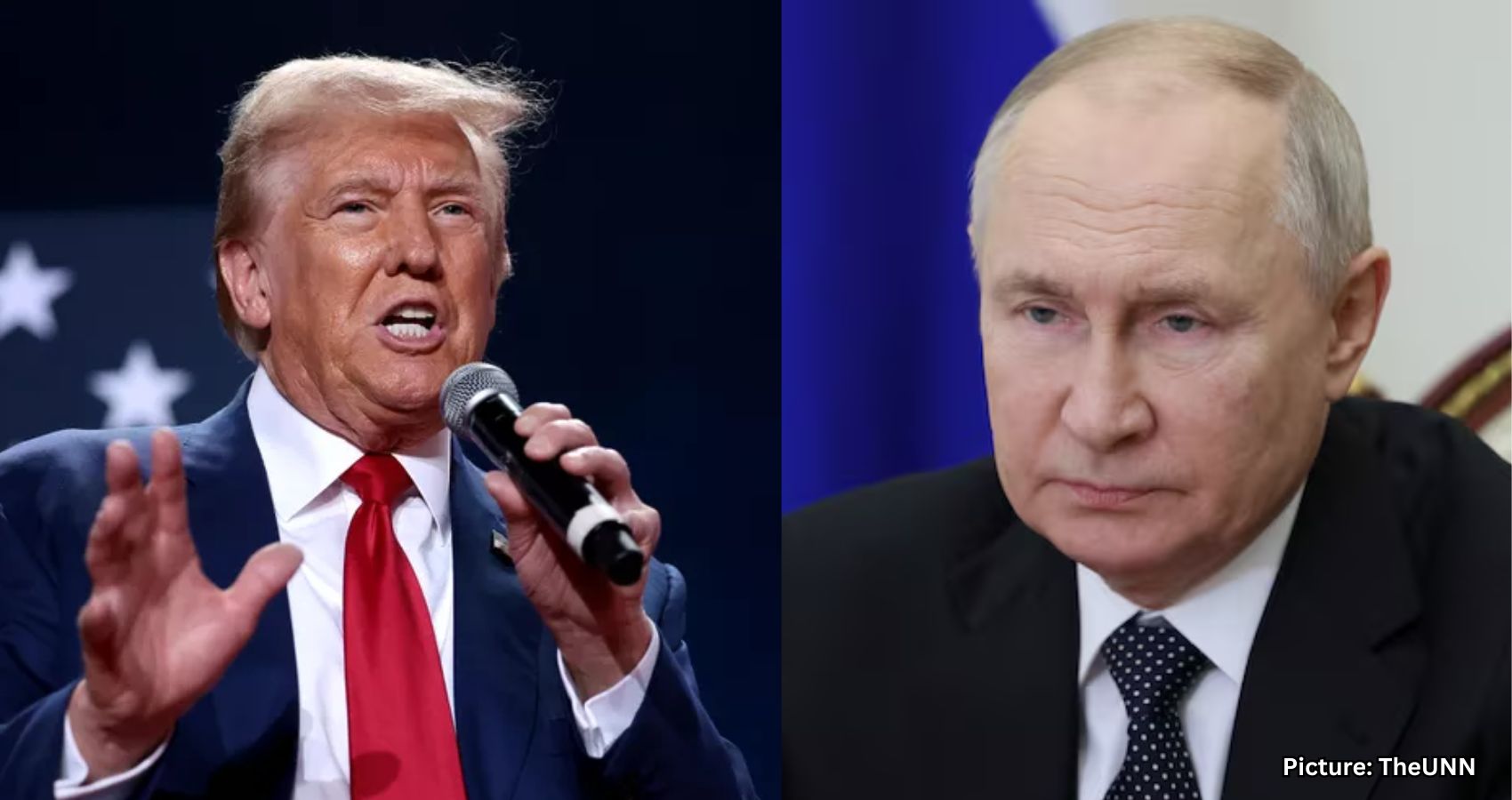
Trump Anticipates ‘Real Chance for Greatness’ Ahead of Netanyahu Meeting

President Trump is set to meet with Israeli Prime Minister Netanyahu at the White House to discuss a potential ceasefire in Gaza, expressing optimism for a significant breakthrough.

President Donald Trump is scheduled to meet with Israeli Prime Minister Benjamin Netanyahu at the White House on Monday. The meeting aims to broker a ceasefire agreement and bring an end to the ongoing war in Gaza.

In a preview of the discussions, Trump took to Truth Social on Sunday, stating, “We have a real chance for greatness in the Middle East. All are on board for something special, first time ever. We will get it done.”

While Trump did not provide specific details regarding the terms of a ceasefire, exit strategies, or plans for demilitarization in Gaza, he indicated that both Israel and Hamas have agreed to engage in indirect talks later this week in Qatar.

Vice President JD Vance discussed the negotiations during an appearance on “Fox News Sunday,” noting that top U.S. officials are deeply involved in “very complicated” discussions with both Israeli and Arab counterparts. He expressed cautious optimism about the current state of negotiations, stating, “I feel more optimistic about where we are right now than where we have been at any point in the last few months, but let’s be realistic, these things can get derailed at the very last minute.”

Vance outlined that the Trump administration’s proposal focuses on three primary objectives: securing the release of all hostages, eliminating the Hamas threat to Israel, and expanding humanitarian aid to Gaza. “So I think we’re close to accomplishing all three of those objectives,” he added.

In an exclusive interview on Fox News Channel’s “The Sunday Briefing,” Netanyahu emphasized that his team is actively collaborating with U.S. officials to prioritize the release of hostages. “I hope we can make it a go because we want to free our hostages. We want to get rid of Hamas rule and have them disarmed, Gaza demilitarized, and a new future set up for Gazans and Israelis alike and for the whole region,” he told co-host Jacqui Heinrich.

This meeting marks the third encounter between Trump and Netanyahu since January and follows the recent United Nations General Assembly. During Netanyahu’s address, numerous U.N. delegates walked out, leaving many seats empty. Subsequently, member states voted to allow Palestinian Authority President Mahmoud Abbas to deliver his remarks remotely. In his speech, Abbas accused Israel of “genocide” and called for full U.N. membership for a Palestinian state, which garnered approximately 30 seconds of applause.

As the situation in Gaza continues to evolve, the upcoming discussions between Trump and Netanyahu are being closely watched, with hopes for a diplomatic resolution that could reshape the dynamics in the region.

Source: Original article

Elon Musk Supports Leader of New UK Right-Wing Party

Elon Musk has re-entered British politics by endorsing the new right-wing party Advance UK and criticizing Nigel Farage, amid growing voter dissatisfaction with current political leadership.

Elon Musk has made a notable return to British politics, this time endorsing the newly formed right-wing party, Advance UK, while taking aim at Nigel Farage, the leader of the influential Reform UK party. Musk’s involvement comes at a time of increasing voter frustration with the current political landscape.

In a recent post on X, Musk urged his followers to support Advance UK, led by Ben Habib and Tommy Robinson, stating, “Go with @_AdvanceUK, Ben [Habib] and Tommy [Robinson] for the real change that’s needed to save Britain!” He further criticized Farage, labeling him as “weak sauce” and asserting that Advance UK would be the party to drive real change.

Musk’s engagement in British politics was highlighted earlier this month when he addressed tens of thousands of attendees at the “Unite the Kingdom” rally, organized by Robinson. Joining the event via video link, Musk condemned the left as “the party of murder” and expressed his belief that significant government reform is necessary in Britain. He emphasized that the people should have control rather than a detached bureaucracy.

Advance UK, which is close to gaining official registration, is led by Ben Habib, a former co-deputy chairman of Reform UK. Habib has voiced his belief that the traditional two-party system in Britain is no longer viable, stating, “The Conservatives and Labour Party have had their chance, and now the people want something new.” However, some political analysts question whether this new system can produce a majority government or a viable opposition party.

Alan Mendoza, executive director of the Henry Jackson Society think tank, noted the fragmentation of British politics, which has been fueled by widespread dissatisfaction with political leaders. Polling data from YouGov indicates that Prime Minister Keir Starmer, Conservative leader Kemi Badenoch, and Farage all have unfavorable ratings ranging from 52% to 68%.

Despite Farage’s negative perception, recent polling from Ipsos suggests that Reform UK leads in hypothetical general election scenarios. However, Mendoza cautioned that the timing of the next election remains uncertain, making predictions difficult. “The golden law of British politics is you can’t predict the vote that far ahead,” he remarked.

When questioned about the necessity of Advance UK given Reform UK’s polling strength, Habib criticized Farage’s party as lacking substance. “Reform will not deliver. It stands for nothing. It is a populist party without a political philosophy and without intellectual heft or capability,” he stated, asserting that Farage’s patriotic image is merely a façade.

Despite the potential for Advance UK to attract voters disillusioned with Reform UK, Mendoza suggested that Robinson’s involvement could be detrimental. The recent rally saw some protestors allegedly clashing with police, which could alienate potential supporters. “Most people will not like violence at a political rally,” Mendoza noted.

Voter frustration is particularly pronounced regarding immigration policies, as neither the current government nor its predecessor has effectively addressed the rising tide of legal and illegal immigration. Government data reveals that nearly 50,000 undocumented immigrants, many seeking asylum, arrived in Britain in the year leading up to June, an increase from approximately 39,000 the previous year. The Daily Telegraph reported that migrants now account for 98% of the latest population increase, with the Office for National Statistics estimating that 69.3 million people were living in the country by mid-2024.

Habib has called for a comprehensive approach to immigration reform, advocating for stricter border enforcement and the deportation of illegal migrants. He highlighted the financial burden of housing asylum seekers, who are currently accommodated in hotels at a cost of £5.8 million per day ($7.4 million) to taxpayers.

Earlier this summer, protests erupted in Epping, southeast England, over the use of hotels for asylum seekers. In a separate incident, Farage suspended one of his local councilors over accusations of racism during the demonstrations. Musk responded to this suspension on X, criticizing Farage for failing to defend his party members and asserting that he would not bring about significant political change.

Public sentiment in the U.K. indicates a desire for substantial change, particularly regarding issues of free speech. Earlier this year, incidents involving armed police confronting individuals over online comments about transgender issues have raised concerns about civil liberties.

Despite Musk’s criticisms, a recent YouGov poll suggests that Farage’s Reform UK could achieve a significant victory over Prime Minister Keir Starmer’s Labour Party if an election were held soon. Farage himself acknowledged the rapid growth of his party, stating, “The growth of the party has been astonishing,” and asserting that they are “now coming for Labour.”

As the political landscape in the U.K. continues to evolve, the impact of Musk’s endorsement and the emergence of Advance UK will be closely watched by both supporters and critics alike.

Source: Original article

Portland Mayor Criticizes Federal Intervention Amid Controversial Video Claims

Portland Mayor Keith Wilson has condemned President Trump’s plan to deploy federal troops to the city, asserting that there is no current lawlessness or violence in the area.

Portland Mayor Keith Wilson voiced strong opposition on Saturday to President Donald Trump’s announcement regarding the deployment of federal troops to Oregon’s largest city. The president’s decision comes amid ongoing protests and heightened tensions between federal authorities and local activists.

In a statement made during a news conference, Wilson asserted that there is no need for military intervention in Portland, declaring that the number of troops required is “zero.” He emphasized that the city is not a military target, stating, “This is an American city. We do not need any intervention.”

Trump’s announcement, made early Saturday morning, indicated that he had directed War Secretary Pete Hegseth to provide “all necessary troops to protect war-ravaged Portland, and any of our ICE facilities under siege from attack by Antifa and other domestic terrorists.” The president suggested he would authorize full force if necessary to address what he described as lawlessness.

In response, Wilson criticized the portrayal of Portland as a city in chaos, claiming that video footage of violence being circulated was outdated, stating it was “recycled and then recycled again” from incidents that occurred five years ago. He insisted that if Trump were to visit Portland today, he would see a community engaged in everyday activities such as riding bikes, playing sports, and shopping at local markets.

Wilson highlighted the progress the city has made since the footage was recorded, noting reforms in the public safety system and efforts to support vulnerable populations. “We’ve had hard conversations, and we’ve done important work in the years since that footage was taken,” he said.

Protests have intensified near the ICE facility in Portland since June, with city officials citing land use violations, including improper detainee holding times and boarded-up windows. The facility has been the site of vandalism and clashes between protesters and federal agents, occasionally resulting in violent confrontations. Law enforcement has responded with rubber bullets, tear gas, and flashbangs to disperse crowds during these events.

In August, video footage captured a particularly violent protest, showing demonstrators rolling out a guillotine, setting fires, and clashing with authorities. This incident prompted law enforcement to take action to control the situation.

Rather than sending troops to Portland, Wilson suggested that the president consider dispatching “hundreds of engineers, or teachers, or outreach workers” to the city. He expressed disappointment with the federal government’s approach, stating, “At the end of the day, this may be a show of force, but that’s all it is. It’s a big show, and after the big show, everyone goes home.”

Wilson emphasized Portland’s long-standing tradition of peaceful protest and its commitment to positive social change. He expressed concern over the potential risks associated with the federal intervention, noting that the administration has not clarified what it means by deploying “full force” against the city and its residents.

While Trump did not explicitly state that he would deploy full force against Portland’s citizens, he did mention sending “all necessary troops” to protect the city and its ICE facilities, authorizing full force against domestic terrorism if deemed necessary.

Portland has been designated a sanctuary city since 2017, resisting federal immigration enforcement and becoming a focal point in the administration’s immigration enforcement initiatives. In August, Attorney General Pam Bondi sent a letter to Wilson, warning that the city’s sanctuary policies undermine U.S. interests and demanding compliance with federal law.

The City of Portland did not immediately respond to requests for comment regarding the situation.

Source: Original article

India’s Tata Group Launches First Private Defense Plant in Morocco

Tata Advanced Systems Limited has inaugurated its first overseas defense manufacturing facility in Morocco, marking a significant milestone for India’s private defense sector.

NEW DELHI – On September 23, Tata Advanced Systems Limited (TASL) officially opened a state-of-the-art defense manufacturing facility in Berrechid, located in Morocco’s Casablanca region. This facility represents the first overseas defense production unit established by a private Indian company, underscoring India’s expanding capabilities in the defense sector.

The new facility spans 20,000 square meters, making it the largest defense manufacturing site in Morocco. This development is a testament to India’s ability to design and deliver advanced combat vehicle platforms, achieved in collaboration with the Defense Research and Development Organization (DRDO).

Under a contract with the Moroccan government, TASL will manufacture and deliver the Wheeled Armoured Platform 8×8 (WhAP 8×8). The plant became operational three months ahead of schedule, with production already underway. The first deliveries of the WhAP 8×8 are anticipated to commence next month.

The establishment of this facility has not only created direct and indirect employment opportunities but has also fostered a robust supplier ecosystem and developed critical technology capabilities. Additionally, it has set up in-country product support, which is crucial for the sustainability of defense operations.

TASL is collaborating closely with ancillary partners who contribute subsystems and key technologies necessary for the production of the WhAP 8×8. Initially, the plant will cater to the needs of the Royal Moroccan Army, but there are plans to expand exports to other friendly nations, particularly across Africa.

The WhAP 8×8 is a modular, multi-role armored vehicle platform that has been jointly developed by DRDO and Tata. It is designed to excel in mobility, survivability, and adaptability across various combat scenarios.

This advanced vehicle is equipped with a powerful engine, independent suspension, a central tire inflation system, and a protective monocoque hull that offers scalable ballistic and mine protection. The WhAP 8×8 can be configured for multiple roles, including as an infantry fighting vehicle, armored personnel carrier, reconnaissance vehicle, command post, mortar carrier, and ambulance.

Furthermore, the platform provides options for remote weapon stations, anti-tank guided missile capabilities, and is designed for amphibious operations, enhancing its versatility on the battlefield.

The inauguration of the TASL facility in Morocco marks a pivotal moment for India’s private defense sector, showcasing its potential to engage in international defense manufacturing and collaboration.

Source: Original article

Santa Clara County Starts Mailing Voter Guides for November 4 Election

The Santa Clara County Registrar of Voters has started mailing voter information guides to registered voters ahead of the November 4, 2025, Statewide Special Election.

The Registrar of Voters’ Office (ROV) in Santa Clara County has commenced the mailing of County Voter Information Guides to all registered voters for the upcoming November 4, 2025, Statewide Special Election. This guide is designed to provide essential information about the candidates and measures that will appear on the ballot, as well as details regarding Vote Center locations, Official Ballot Drop Box sites, a sample of the Official Ballot, and various election resources to assist voters in preparing to cast their ballots.

Voter guides are being sent to all active voters who are registered by the deadline of October 4, 2025. For those who have indicated a preference for voting materials in languages other than English, translated voter guides are available in Chinese, Spanish, Tagalog, and Vietnamese. Voters can conveniently check their registration status, register to vote, update their registration, or change their preferred language online at www.sccvote.org.

Matt Moreles, the Registrar of Voters, emphasized the importance of the County Voter Information Guide, stating, “With so many impactful issues in this special election, the County Voter Information Guide is an important tool to help voters successfully cast their ballot. Our goal is to provide a trusted source of nonpartisan election information so voters can learn what’s on the ballot, how and where to return their ballot, and the various language and accessibility options available for voters to make their voices heard in this election.”

In an effort to promote environmental sustainability, voters are encouraged to opt-out of receiving a printed paper voter guide and instead choose to receive an electronic version, which is available in all mandated languages. This environmentally friendly option can be selected in under five minutes by visiting sccvote.org/gogreen. Voters who choose the paperless option will receive an email containing a link to the online version of the voter guide.

Additionally, Vote by Mail packets, which will include the official ballot for this election, are scheduled to be mailed to all active registered voters on October 6, 2025.

For further information or assistance, voters can reach out to the Registrar of Voters’ Office at (408) 299-VOTE (8683) or toll-free at (866) 430-VOTE (8683), or they can visit www.sccvote.org.

Source: Original article

John Roberts’ Two Decades on the Supreme Court and His Impact

Chief Justice John Roberts marks 20 years on the U.S. Supreme Court, navigating a conservative shift in jurisprudence, particularly in cases involving former President Donald Trump.

Chief Justice John Roberts is celebrating two decades in his role at the U.S. Supreme Court, a period marked by a significant shift toward conservative jurisprudence, particularly in cases related to former President Donald Trump. Throughout his tenure, Roberts has guided the Court through pivotal rulings concerning presidential immunity, administrative power, and various social issues, all while managing the delicate balance between institutional restraint and the pressures of partisanship.

Roberts has occasionally diverged from his conservative colleagues, yet he frequently aligns with major decisions that enhance executive authority. His leadership style has been characterized by a commitment to preserving the Court’s legitimacy, even when faced with the challenge of issuing controversial rulings. Critics argue that his approach has contributed to the consolidation of power within the executive branch, while supporters contend that he has effectively corrected instances of overreach and maintained legal consistency.

As Roberts embarks on his third decade as Chief Justice, the Supreme Court continues to confront urgent issues that challenge constitutional boundaries and the balance of power among the branches of government. His influence on the Court’s trajectory during this time will likely resonate for years to come, shaping not only legal precedents but also the broader political landscape.

According to Global Net News, Roberts’ tenure reflects a complex interplay of judicial philosophy and the realities of contemporary governance, illustrating the evolving role of the Supreme Court in American society.

Source: Original article

North Carolina Democrat Denies Link Between Train Attack and Suspect’s Releases

North Carolina state Rep. Marcia Morey faces backlash for asserting there is “no correlation” between the murder of Iryna Zarutska and the accused killer’s multiple jail releases.

North Carolina state Representative Marcia Morey, a Democrat, is facing significant criticism for her assertion that there is “no correlation” between the murder of Iryna Zarutska and the repeated releases of her alleged killer from jail. Zarutska, a 23-year-old refugee from Ukraine, was tragically murdered, and the circumstances surrounding her death have reignited debates over the state’s bail system.

Decarlos Brown, the man accused of killing Zarutska, has been described by authorities as a dangerous career criminal. He had been in and out of jail 14 times prior to the incident, raising concerns among critics who argue that a flawed bail system allowed him to remain free despite his violent history. Many believe that the system’s failures contributed directly to Zarutska’s death.

In response to the backlash, Morey defended her comments during a legislative session, emphasizing her commitment to bail reform. “But don’t correlate what happened in January and a magistrate who set a bail according to guidelines to what happened in August. There is no correlation,” she stated, attempting to separate the judicial decisions made in the past from the tragic outcome of Zarutska’s murder.

However, her remarks have been met with strong opposition from various lawmakers who argue that the incident exemplifies the dangers of allowing repeat offenders back into the community. Republican Senate Leader Phil Berger expressed his outrage, stating, “Iryna should still be alive. She should be thriving and enjoying time with her family and friends.” He criticized the current bail reform measures, claiming they compromise public safety by prioritizing the rights of defendants over the safety of victims.

In the wake of Zarutska’s murder, North Carolina lawmakers have proposed “Iryna’s Law,” aimed at eliminating cashless bail in an effort to enhance public safety and hold violent offenders accountable. This legislative move reflects a growing sentiment among some lawmakers that the existing bail policies need to be reevaluated in light of the tragic events.

Supporters of bail reform, however, argue that the current system disproportionately affects low-income defendants who cannot afford bail, leading to unjust incarceration. They contend that the focus should be on reforming the system to ensure fairness rather than simply increasing punitive measures against repeat offenders.

The debate surrounding bail reform and public safety continues to intensify in North Carolina, particularly as families of victims like Zarutska advocate for changes that could prevent similar tragedies in the future. As lawmakers grapple with these complex issues, the conversation around justice, accountability, and the rights of defendants remains at the forefront of public discourse.

According to Fox News, the ongoing discussions highlight the challenges of balancing the need for public safety with the principles of justice and fairness in the legal system.

Source: Original article

Zelenskyy Open to Leaving Office and Elections If War Ends

Ukrainian President Volodymyr Zelenskyy expressed readiness to leave office once the war with Russia concludes, emphasizing peace over personal political ambitions.

Ukrainian President Volodymyr Zelenskyy has indicated that he is prepared to step down from his position once Russia’s war against Ukraine comes to an end. In an interview with Axios, Zelenskyy emphasized that his primary focus is achieving peace rather than securing another term in office.

“My goal is to finish the war,” Zelenskyy stated during the interview with Barak Ravid, which took place after his address to the United Nations General Assembly in New York and prior to his return to Kyiv.

When asked whether Ukraine would hold elections during a ceasefire, Zelenskyy was unequivocal in his response. “So do you commit that if tomorrow, President Putin agrees for a ceasefire of three months, six months, whatever, you will push forward to go for elections in Ukraine?” Ravid inquired. Zelenskyy replied, “Yes.”

Further pressed on whether he could envision leading Ukraine in a peacetime scenario, Zelenskyy reiterated his willingness to step aside once the war is concluded. “If we will finish the war with Russia? Yes,” he affirmed. However, he clarified that elections are not his personal ambition. “It’s not my goal, elections,” he explained. “I want it very much, in a very difficult period of time, to be with my country, help my country. Yes, that is what I wanted. My goal is to finish the war,” he stated.

Zelenskyy’s comments come at a time when Ukraine remains under martial law, a measure that has been in place since Russia’s full-scale invasion began in February 2022. Under martial law, elections cannot be conducted.

First elected in 2019 by a significant margin, Zelenskyy would have seen his five-year term conclude in May 2024 had the war not erupted. As it stands, he has been in office for over six years, surpassing his original mandate.

Fox News Digital has reached out to Volodymyr Zelenskyy’s office for further comment.

Source: Original article

Abbas to Address UN Amid Visa Dispute and Hamas Concerns

Palestinian Authority President Mahmoud Abbas calls for Hamas to surrender its weapons and advocates for a ceasefire ahead of his upcoming address to the United Nations General Assembly.

Palestinian Authority (PA) President Mahmoud Abbas is scheduled to address the United Nations General Assembly on Thursday via video link, following the revocation of his visa by the U.S. last month. The U.N. recently voted 145-5 to allow Abbas to speak at this significant international event, despite the U.S. accusing the Palestinian leadership of undermining peace efforts and barring entry for approximately 80 Palestinians.

It remains uncertain how Abbas’ upcoming address will differ from his remarks made on Monday at an event co-hosted by France and Saudi Arabia. During that event, Abbas called for an immediate ceasefire and urged Hamas to surrender all weapons to the PA.

“Hamas will have no role in governance, and it, along with other factions, must hand over its weapons to the Palestinian Authority,” Abbas stated. “We want one unified state, without arms outside the framework of the law, under one legal system, and with one legitimate security force.”

Abbas also reaffirmed his condemnation of the actions of the Israeli occupation, while simultaneously denouncing the killing and kidnapping of civilians, including the attacks carried out by Hamas on October 7, 2023.

The PA was established in 1994 following the Oslo Accords peace agreement with Israel, but it has been largely sidelined since 2005. It continues to operate in the West Bank, although it has faced ongoing clashes with Hamas, which has held de facto power in the Gaza Strip since 2007 after a violent power struggle.

Last month, the U.S. State Department indicated that the PA “must consistently repudiate terrorism — including the October 7 massacre” before it can be considered a partner for peace.

Despite the PA’s limited role in ceasefire negotiations, Abbas expressed gratitude on Monday to the U.S., Qatar, and Egypt for their mediation efforts with Israel. He asserted that the PA is the only legitimate authority capable of assuming full responsibility for governance and security in Gaza, proposing a temporary administrative committee linked to the Palestinian government in the West Bank, supported by Arab and international partners.

Abbas outlined a “comprehensive reform agenda” aimed at strengthening governance, transparency, and the rule of law in Gaza. His proposed plan includes reforming financial institutions, aligning school curricula with UNESCO standards, establishing a social welfare program, and holding presidential and parliamentary elections within one year of the conflict’s conclusion.

The State Department did not immediately respond to inquiries regarding its support for the re-implementation of the PA. The Trump administration has consistently made clear its opposition to the actions taken by other Western nations, which have recently indicated their intention to recognize a “state of Palestine.”

Source: Original article

Ben Carson Sworn in as USDA National Advisor on Nutrition and Health

Former neurosurgeon Dr. Ben Carson has been sworn in as the national advisor for nutrition, health, and housing at the U.S. Department of Agriculture.

Dr. Ben Carson, a prominent figure in American politics and a former neurosurgeon, was officially sworn in on Wednesday as the national advisor for nutrition, health, and housing with the U.S. Department of Agriculture (USDA).

Carson previously served as the secretary of the Department of Housing and Urban Development during President Donald Trump’s first term. In his new role, he will provide guidance to both President Trump and USDA Secretary Rollins on critical issues related to nutrition, rural healthcare quality, and housing accessibility.

According to a USDA news release, Carson will act as the Department’s chief voice on these matters. He will collaborate closely with Secretary Rollins on initiatives under the President’s Make America Healthy Again Commission and work alongside leadership in USDA’s Rural Development Mission Area.

“Today, too many Americans are suffering from the effects of poor nutrition. Through common-sense policymaking, we have an opportunity to give our most vulnerable families the tools they need to flourish,” Carson stated in the release. He expressed his honor in working with Secretary Rollins on initiatives aimed at realizing President Trump’s vision for a healthier and stronger America.

Earlier this year, President Trump signed an executive order to establish a Religious Liberty Commission, appointing Carson as vice chair of the commission.

During a recent address at the American Cornerstone Institute’s Founders’ Dinner, Trump announced plans to award Carson the Presidential Medal of Freedom. A ceremony honoring Carson is expected to take place at the White House. Notably, Carson was previously awarded the Presidential Medal of Freedom by President George W. Bush in 2008.

Carson is also the founder of the American Cornerstone Institute, an organization dedicated to advocating for the principles he believes have shaped his life and contribute to the greatness of the nation: Faith, Liberty, Community, and Life.

As he embarks on this new role, Carson’s focus will be on addressing pressing issues related to nutrition and health, particularly in rural communities, while also enhancing housing accessibility for those in need.

His appointment comes at a time when the nation is increasingly aware of the challenges posed by inadequate nutrition and healthcare access, especially among vulnerable populations.

With a wealth of experience in both healthcare and public service, Carson is poised to make significant contributions to the USDA’s efforts in improving the quality of life for Americans across the country.

Source: Original article

Immigrant Survivors of Domestic Violence Face Eroding Protections

Immigrant survivors of domestic violence in the U.S. are increasingly facing barriers to safety and justice as legal protections weaken and abusers exploit immigration status.

Immigrant survivors of domestic violence in the United States are confronting escalating barriers to safety and justice. Abusers are increasingly manipulating both legal and immigration systems, filing false police reports, and alerting Immigration and Customs Enforcement (ICE) to their partner’s undocumented status. This weaponization of immigration status serves as a tool of control, creating a climate of fear that discourages survivors from seeking help.

At an August 12 briefing hosted by American Community Media, advocates and survivors highlighted a troubling trend: immigrant women escaping domestic violence are encountering fewer protections and more obstacles as federal policies shift. The current environment has left many survivors feeling vulnerable and isolated.

Those who seek legal protection often find themselves facing punitive measures rather than support. U visas, designed for victims of violent crime, and self-petitions under the Violence Against Women Act (VAWA), which allow immigrant survivors to apply for status independently of their abuser, are now subject to longer wait times and stricter scrutiny. Additionally, gender-based asylum protections, once a crucial lifeline for women fleeing violence, have been rolled back by federal courts.

Organizations that provide domestic violence support and receive federal funding are also grappling with new restrictions that limit the services they can offer, particularly concerning gender identity and reproductive healthcare.

Carmen McDonald, Executive Director of the Survivor Justice Center in Los Angeles, noted that fear within immigrant communities has intensified following recent ICE raids. “The impact is that it keeps people away from the help they need,” she explained. Reports of discrimination and hate crimes in LA County dropped by a third after the raids—not due to a decrease in incidents, but because survivors stopped reporting them altogether.

McDonald described how survivors are canceling restraining orders and skipping medical appointments out of fear of detention. “Imagine you’re ready to face your abuser in court,” she said. “But instead of thinking about safety and justice, you wonder if ICE will be waiting at the courthouse doors. The silence is not safety—it’s danger. When survivors are silenced, abusers go free. When immigrants are too afraid to call the police, everyone is less safe. This is not just a humanitarian crisis—it’s a public safety crisis.”

Trust in the system is eroding among survivors, according to Morgan Weibel, Director of Legal Services at the Tahirih Justice Center, a national nonprofit that serves immigrant survivors of gender-based violence. “Government policies that entangle local law enforcement with federal immigration actions mean survivors are less likely to come forward,” she stated.

Weibel explained that while VAWA and U visas were established to protect survivors, recent policy changes have raised the stakes significantly. “The administration has introduced extreme vetting, added mandatory interviews, and rescinded exemptions. Even approved applicants can now face detention and deportation. Denials trigger automatic removal proceedings. The stakes are much, much higher. Some survivors are simply not willing to take those risks.”

The weakening of asylum protections has compounded these challenges. Weibel referenced the SS. M decision, which rolled back decades of recognition of gender-based violence as grounds for asylum. “It’s now next to impossible for unrepresented survivors to win their cases,” she said. “No one believes geography should determine whether a survivor lives or dies. Yet that is exactly the consequence of our current system.” Weibel urged Congress to establish a new asylum ground based on gender, stating, “It’s just common sense.”

Patima Komolamit, Executive Director of the Center for the Pacific Asian Family (CPAF), emphasized the cultural and structural barriers that immigrant survivors face, particularly within Asian and Pacific Islander communities. Many survivors deal with language barriers, lack of work history, and financial dependence, all of which abusers exploit.

<p“Immigration status has become an abuser’s tool, now ensconced in our government,” Komolamit remarked. She highlighted the essential role nonprofits play in bridging cultural gaps, noting, “Our organization provides services in 30 Asian Pacific Islander languages. Government agencies cannot meet these needs—that’s why nonprofits exist.”

However, nonprofits themselves are encountering new challenges. Federal funding through agencies like the Office of Violence Against Women and HUD now comes with restrictions tied to executive orders promoting traditional gender roles and limiting discussions of gender identity. “We need funding that allows us to actually serve survivors in the ways we know how,” Komolamit said. “By uplifting our work and raising awareness, media can help us push back against policies that threaten not just client safety, but sometimes our own.”

A poignant personal account was shared by Juana Padilla, a client of the Survivor Justice Center. Padilla recounted her five-year struggle to escape her abusive husband, an ex-military officer who used his status to intimidate her. “It takes me a while to step out,” she said, describing how she fled the country with her children for six years before returning, only to have her abuser kidnap them.

With support from the Survivor Justice Center, Padilla was able to file a VAWA petition and eventually secure legal residency. This status ensured her daughter, born in Mexico and in need of critical medical care, could receive treatment in the United States. “Any woman, with any nationality, has rights,” Padilla stated. “I was lucky to find this center that gave me the tools and advice. Thank you for supporting people like me.”

Experts at the briefing called for urgent reforms, including the establishment of a new asylum ground based on gender, strengthening confidentiality protections for survivors and attorneys, ensuring federal funding supports culturally specific, multilingual services, and addressing rising costs for asylum seekers, including new $100 filing fees.

Despite the mounting challenges, resources remain available for survivors. The National Domestic Violence Hotline can be reached at 1-800-799-7233, the Survivor Justice Center can be found online at www.survivorjusticecenter.org, the Center for the Pacific Asian Family can be contacted at 1-800-339-3940, and the Tahirih Justice Center is available at www.tahirih.org.

Source: Original article
Indian-American Community Responds to Recent Policy Changes in Newsroom

USCIS provides a comprehensive resource for news, data, and updates related to immigration and citizenship on its official website.

The U.S. Citizenship and Immigration Services (USCIS) offers a centralized platform for individuals seeking the latest information regarding immigration and citizenship. This resource is accessible through the USCIS News webpage, which features a variety of news releases and alerts organized by topic and date.

In addition to news updates, the USCIS News webpage includes important policy and procedure changes, as well as timely announcements about office closures and other emergencies that may affect the public.

For those interested in visual content, USCIS provides a Video and Image Gallery showcasing various aspects of its operations. This gallery serves as a valuable resource for understanding the agency’s work and its impact on communities across the nation.

Data enthusiasts can explore the Immigration and Citizenship Data page, which presents a wealth of statistics and information related to immigration trends and demographics. This data is essential for researchers, policymakers, and the general public who wish to gain insights into immigration patterns.

To stay connected, USCIS maintains a Social Media Directory that allows individuals to follow the agency on various platforms. This ensures that the public receives timely updates and information directly from USCIS through their preferred social media channels.

USCIS also shares recent speeches, statements, and congressional testimony from its leadership. These documents are searchable by topic and date, providing transparency and insight into the agency’s priorities and initiatives.

For those seeking specific information, the Electronic Reading Room offers access to documents identified under the Freedom of Information Act (FOIA). Users can search for topics of interest using a convenient drop-down list, making it easier to find relevant information.

USCIS recognizes the importance of media communication and has established a network of agency representatives across the country to respond to media inquiries. This ensures that journalists and media outlets have access to accurate and timely information from the agency.

Lastly, USCIS keeps the public informed about upcoming events through its Upcoming Events section. This includes details on local engagements and national events, allowing individuals to participate in discussions and initiatives related to immigration and citizenship.

For more information and updates, visit the USCIS News webpage, where you can find a wealth of resources and stay informed about the latest developments in immigration and citizenship.

Source: Original article
India and U.S. Strengthen Bilateral Relations Through Strategic Diplomacy

India’s recent diplomatic meetings in the U.S. mark a significant step toward strengthening bilateral relations and addressing global challenges.

In a concerted effort to enhance bilateral relations, India conducted significant diplomatic meetings in the United States on September 22, 2025. These engagements reflect India’s proactive approach to addressing global challenges and reinforcing strategic partnerships.

Commerce and Industries Minister Piyush Goyal led discussions in Washington aimed at resuming and advancing trade negotiations. The primary objective was to translate political goodwill into tangible commercial outcomes. The discussions focused on achieving a mutually beneficial Trade Agreement (BTA) before the end of the year, addressing critical issues such as market access, supply-chain cooperation, and sectoral collaborations in technology, clean energy, and pharmaceuticals.

The U.S. Department of State issued a statement highlighting Secretary Marco Rubio’s appreciation for India’s continued engagement on various issues, including trade, defense, energy, and critical minerals. This acknowledgment underscores the strategic importance of the U.S.-India relationship.

Simultaneously, in New York, External Affairs Minister S. Jaishankar met with U.S. Secretary of State Marco Rubio to discuss broader strategic issues. The meeting aimed to stabilize bilateral relations amidst trade frictions and new visa regulations. Both sides emphasized the importance of maintaining strong diplomatic ties and cooperation on global issues.

The twin meetings resulted in agreements to continue bilateral dialogues and deepen ties through diplomatic and commercial efforts. Working-level officials have been tasked with negotiating specific market-access and regulatory issues in the coming months. While immediate sweeping agreements were not achieved, the meetings opened avenues for more focused discussions and practical outcomes in areas of mutual benefit.

Source: Original article

Democrats Criticize Trump’s Attacks on Free Speech, Target Vulnerable Republicans

Democrats have launched a digital ad campaign targeting House Republicans, accusing former President Donald Trump of undermining free speech following the suspension of comedian Jimmy Kimmel’s show.

The Democratic National Committee (DNC) initiated a new digital advertising campaign on Wednesday, highlighting what it describes as former President Donald Trump’s “ongoing attacks on free speech.” This campaign follows the recent suspension of comedian Jimmy Kimmel’s late-night television show, which has drawn significant attention and controversy.

The ads will focus on several House Republicans in swing districts who are facing tough re-election battles in the upcoming midterms. The campaign will be featured across various conservative and independent media platforms, including popular podcasts hosted by Joe Rogan and Ben Shapiro, which resonate strongly with younger and male audiences.

The DNC’s campaign comes in response to ABC’s decision to temporarily pull Kimmel’s show off the air after his comments regarding the alleged assassin of conservative activist Charlie Kirk sparked outrage and a veiled threat from the Federal Communications Commission (FCC).

The suspension of Kimmel has ignited backlash among Democrats, progressives, and even some prominent conservatives, who argue that the late-night host is being punished for exercising his right to free speech. Conversely, many Republicans contend that Kimmel’s remarks, which suggested that Kirk’s suspected killer was affiliated with the MAGA movement, were both outrageous and unfounded.

ABC reinstated Kimmel on Monday, and his program returned to the air on Tuesday night. However, approximately 60 affiliated stations owned by Nextar Media Group and Sinclair Broadcast Group opted to preempt the show.

The DNC asserted in a statement, “The American people don’t support attacks on free speech, which is why Trump is losing support among independent and conservative voters.” They emphasized that the Republican base is fracturing, with notable figures such as Megyn Kelly, Ted Cruz, and Ben Shapiro publicly distancing themselves from the former president’s administration.

The DNC’s advertisement features a clip of Trump from the early days of his second administration, where he declared, “On day one, I signed an executive order to stop all government censorship.” The ad’s narrator later claimed, “Trump wants to control what you see so he can control what you think.”

This campaign, which is backed by a modest budget in the five-figure range, will specifically target the congressional districts of Republican Representatives Rob Wittman and Jen Kiggans from Virginia, Brian Fitzpatrick from Pennsylvania, and Tom Kean Jr. from New Jersey.

The DNC stated, “It’s clear Donald Trump only cares about silencing his critics — and now, voters across the country and in Virginia, Pennsylvania, and New Jersey are going to hear about it.”

Trump and many of his allies, who have long positioned themselves as advocates for free speech, have criticized those who have spoken out against Kirk since the conservative activist’s assassination earlier this month. The former president welcomed ABC’s initial decision to suspend Kimmel and has suggested revoking the broadcast licenses of networks that he believes treat him unfairly.

DNC Chair Ken Martin expressed to Fox News, “Donald Trump’s administration has amassed a chilling record of restricting speech, extorting private companies, and dropping the full weight of the government censorship hammer on Americans simply exercising their First Amendment rights. This is no exaggeration, and it’s splintering the coalition that got Trump elected.” He further claimed that Trump is “attempting to silence people. It’s un-American, and Democrats won’t stand for it.”

During the administrations of Democratic Presidents Barack Obama and Joe Biden, Republicans and conservatives frequently criticized what they perceived as efforts to suppress free speech, accusing Democrats of promoting “cancel culture.” In response to recent events, Trump and his allies have framed their actions as a shift from “cancel culture” to “consequence culture.”

Source: Original article
Trump Officials Criticize Governor for Ignoring Disruptive Anti-ICE Protests

The Department of Homeland Security has criticized Illinois Governor J.B. Pritzker for his lack of response to an anti-ICE protest that escalated into chaos, prompting federal authorities to use tear gas.

The Department of Homeland Security (DHS) has publicly criticized Illinois Governor J.B. Pritzker for his inaction during a chaotic anti-ICE protest in Broadview, a suburb of Chicago. The protest forced federal authorities to deploy tear gas and other non-lethal measures to regain control of the situation.

In a statement released on Monday, DHS claimed that local police, operating under Pritzker’s sanctuary jurisdiction, “refused to answer multiple calls for assistance.” This assertion follows reports from Fox News Digital detailing clashes between federal officials and protesters who were obstructing ICE vehicles attempting to enter and exit a processing facility.

DHS characterized the protesters as “rioters,” stating that 16 individuals have been arrested in connection with the incident. The agency alleged that the rioters engaged in various violent actions, including obstructing law enforcement, throwing tear gas canisters, rocks, bottles, and fireworks, slashing the tires of vehicles, blocking facility entrances, and trespassing on private property. Additionally, it was reported that some rioters assaulted law enforcement officials during the unrest.

In response, Matt Hill, a spokesperson for Governor Pritzker, refuted the claims made by DHS. He told Fox News Digital that it is “completely false to suggest the state or local municipalities have been obstructing federal officials.” Hill emphasized that the state had not received multiple requests for assistance from the federal government and reminded DHS of the importance of coordinating with local law enforcement to ensure public safety.

“Governor Pritzker has been clear that violence is unacceptable and everyone needs to follow the law, which includes federal agents respecting constitutional rights to peaceful protest,” Hill added.

Hill also cautioned the media to approach reports from the Trump administration with skepticism, citing a “record of lies, lack of transparency, and failure to coordinate with the state and local law enforcement.”

The DHS statement highlighted that the protest disrupted an operation targeting individuals with serious criminal backgrounds. Among those being processed at the facility were individuals with convictions for drug trafficking, domestic abuse, driving under the influence (DUI), and assault.

One of the individuals mentioned by DHS was Andres Ventura-Uvaldo, a Mexican national with a history of felony DUI and domestic violence arrests. Another, Alberto Algeria Barron, had been previously removed from the U.S. in 2014 and had two convictions for domestic battery. Additionally, Erwin Jose Roa-Mustafa, a Dominican national, was being processed after pleading guilty to federal charges related to drug distribution, including fentanyl.

Other individuals included Ibis Alberto Testa Nunez, a Mexican national with prior arrests for cocaine possession, and Salvador Alcantar-Alcantar, who had been arrested for DUI, trespassing, and assault. Carlos Eduardo Chavez-Cardenas from Bolivia had a history of DUI and drug possession convictions.

DHS Assistant Secretary Tricia McLaughlin condemned the actions of the protesters, stating, “These heinous criminals, including domestic abusers, drug traffickers, violent offenders, and drunk drivers are some of the illegal aliens being held in the ICE Broadview Processing Center.” She further remarked that the rioters were “fighting to keep rapists, murderers, and other violent criminals loose on Illinois streets.” McLaughlin urged the public to recognize the efforts of ICE officers who work daily to enhance community safety.

This incident comes amid reports from DHS indicating that ICE officials are experiencing a more than 1,000 percent increase in assaults while conducting operations across Illinois.

According to Fox News Digital, the situation underscores the ongoing tensions between federal immigration enforcement and local jurisdictions that adopt sanctuary policies.

Source: Original article
EU Chief Calls for Gaza Reconstruction and Two-State Solution at UNGA

European Commission President Ursula von der Leyen emphasized the need for Gaza’s reconstruction and reaffirmed support for a two-state solution during her address at the 80th United Nations General Assembly.

New York, September 23 (ANI) — European Commission President Ursula von der Leyen addressed the 80th United Nations General Assembly, reiterating Europe’s commitment to a two-state solution while unveiling new initiatives aimed at supporting Palestine and rebuilding Gaza.

“We will set up a Palestine Donor Group. Because any future Palestinian State must be viable also from an economic point of view. And we Europeans will set up a dedicated instrument for Gaza’s reconstruction. Gaza must be rebuilt,” von der Leyen stated.

Highlighting Europe’s role in supporting the Palestinian Authority, she remarked, “When the night is darkest, we must hold fast to our compass, and our compass is the two-state solution. Since the beginning of this war, Europe has been the lifeline of the Palestinian Authority. But we must all do more, and this is why we will set up a Palestine donor group.”

Von der Leyen emphasized that the only realistic peace plan involves two states, ensuring a secure Israel alongside a viable Palestinian state, while also addressing the threat posed by Hamas.

In conjunction with these remarks, Palestinian President Mahmud Abbas issued a stern warning to Hamas and its factions, urging them to surrender their weapons to the Palestinian Authority. He asserted that the state of Palestine is the sole entity entitled to govern and ensure security in Gaza.

Speaking via video link during a special session on the two-state solution at the UN General Assembly, Abbas outlined a vision for a unified Palestinian state governed by a single law and legitimate security force.

“The state of Palestine is the only entity eligible to assume full responsibility for governance and security in Gaza. This comes through an interim administrative committee affiliated with the Palestinian government in the West Bank and Arab and international support and participation,” Abbas stated.

He emphasized that “Hamas will have no role in governing” and urged, “Hamas and other factions must surrender their weapons to the Palestinian Authority. What we want is one unified state without weapons, a state with one law and one legitimate security force.”

Linking his vision to recent diplomatic efforts, Abbas expressed gratitude for the New York Declaration adopted by the UN General Assembly in July. He described it as marking “the beginning of an irreversible path” toward ending the humanitarian crisis and Israeli occupation, in accordance with international legitimacy and the Arab Peace Initiative.

The declaration envisions an independent Palestinian state with East Jerusalem as its capital, living peacefully alongside Israel.

Abbas called for an immediate and permanent ceasefire, emphasizing the need for unhindered humanitarian access through the UN, the release of all hostages and prisoners, and the withdrawal of Israeli forces from Gaza. He also advocated for urgent reconstruction efforts in Gaza and the West Bank through the Cairo International Conference.

“The declaration stressed that the war against our people must come to an immediate and durable end. It noted that the crimes emanating from the siege, the starvation, and destruction cannot be a means of achieving security. Therefore, we call for a permanent ceasefire,” he said.

“We need to ensure humanitarian access through the United Nations. We need to guarantee the release of all hostages and prisoners, with the withdrawal of the occupation forces from Gaza. We need a start without delay of Gaza and the West Bank reconstruction through the Cairo International Conference,” the president added.

Building on this, Abbas condemned the “occupation’s crimes,” including the siege, starvation, and destruction, as well as Hamas’s actions on October 7, 2023.

“We stress our condemnation of the occupation’s crimes. We also condemn the killing and detention of civilians, including Hamas’s actions on October the 7th, 2023,” he stated.

He further denounced Israeli policies, including settlement expansion, annexation, settler violence, and attacks on Islamic and Christian holy sites.

“We condemn the Israeli narrative on greater Israel, which flouts international law. It represents a direct threat to Arab national security and international peace,” he added.

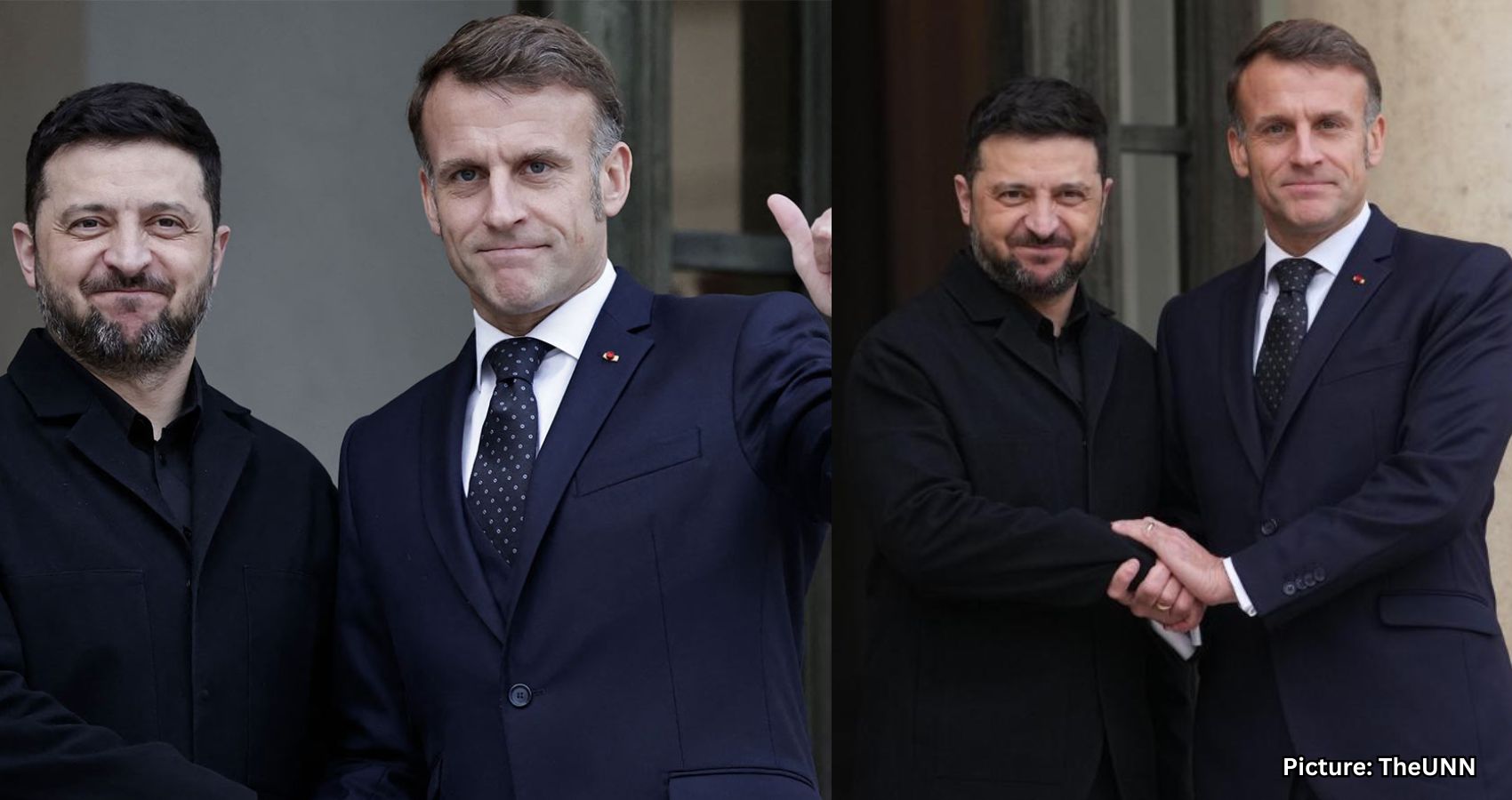
The special session was co-chaired by France and Saudi Arabia. During the session, French President Emmanuel Macron formally announced France’s recognition of the state of Palestine.

Source: Original article
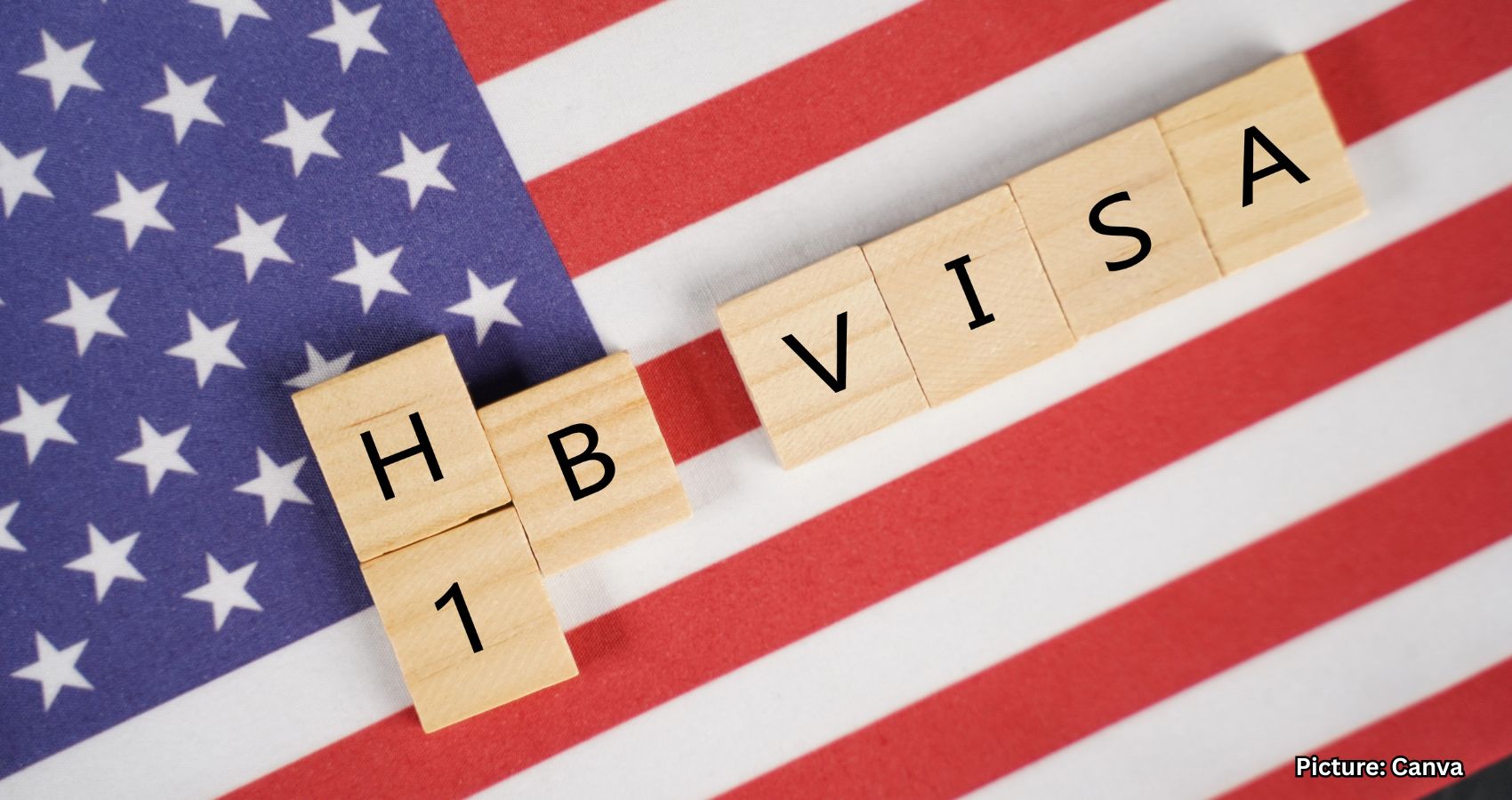
Trump Administration Implements $100,000 Fee for H-1B Visas, Embassy Offers Support

Indian professionals express concern as President Trump imposes a $100,000 annual fee on H-1B visa applications, prompting the Indian Embassy in Washington, D.C., to establish an emergency helpline.

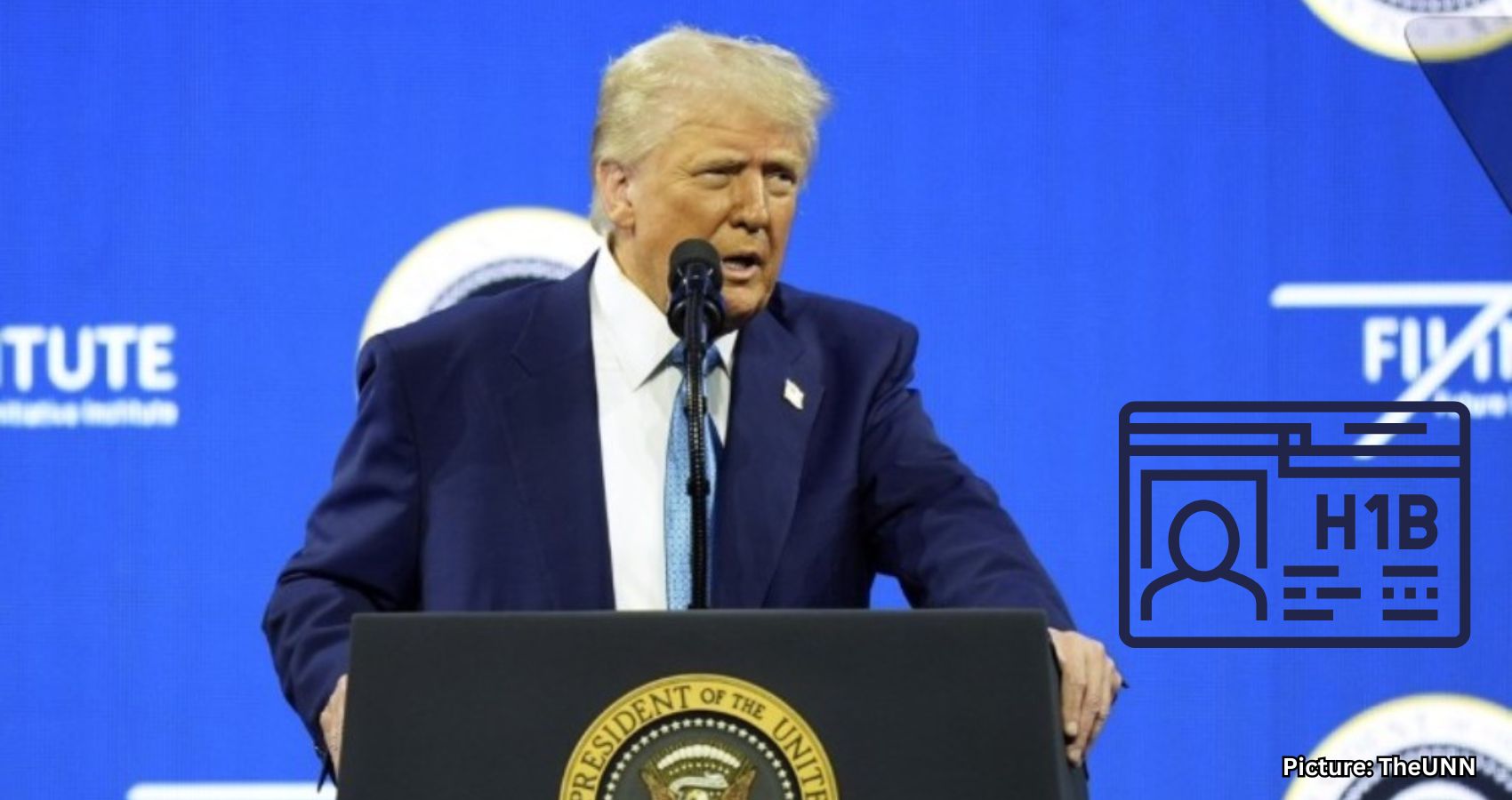
In a move that has raised alarm among Indian professionals, President Donald Trump recently signed a proclamation imposing an annual fee of $100,000 on H-1B visa applications. This decision has significant implications for the many Indian nationals who rely on this visa category for employment in the United States.

In response to the growing concerns, the Indian Embassy in Washington, D.C., has released an emergency assistance number for Indian nationals who may need immediate support. The Embassy stated, “Indian nationals seeking emergency assistance may call cell number +1-202-550-9931 (and WhatsApp). This number should be used only by Indian nationals seeking immediate emergency assistance and not for routine consular queries.”

The introduction of this steep fee has sparked serious concerns regarding its potential impact on Indian tech professionals and the overall flow of remittances. Notably, approximately 71 percent of all H-1B visas are granted to Indian citizens, making this development particularly significant for the Indian community.

To alleviate some of the anxiety surrounding the new fee, a senior official from the U.S. administration clarified that the $100,000 charge would apply only to new H-1B visa petitions. Existing visa holders and those seeking renewals will not be affected by this fee.

Following the announcement, the White House emphasized on September 20 that the fee is a “one-time fee” applicable solely to new visa applications, aiming to provide clarity amidst the confusion.

In light of the changes, the Indian government has instructed all its Missions and Posts to extend every possible assistance to Indian nationals who are scheduled to return to the United States within the next 24 hours. The Ministry of External Affairs is actively monitoring the situation and is carefully examining the implications of the newly imposed annual fee on the H-1B visa program.

This development has prompted a wave of reactions from various stakeholders, as many are concerned about the future of the H-1B visa program and its impact on the Indian workforce in the U.S. The Indian Embassy’s establishment of a helpline reflects the urgency of the situation and the need for immediate support for affected individuals.

As the situation continues to evolve, Indian nationals are encouraged to stay informed and reach out for assistance if needed. The implications of this new fee could reshape the landscape for H-1B visa applicants, particularly those from India, in the coming months.

Source: Original article
Nobel Economist Abhijit Banerjee Warns of Deep Scars from USAID Cuts

Dr. Abhijit Banerjee warns that recent cuts to USAID under the Trump administration could reverse decades of progress in global poverty reduction and development.

The United States Agency for International Development (USAID) has experienced significant funding cuts over the past seven months, a trend that has sparked legal challenges and raised concerns about its global impact. The ramifications of these reductions are already being felt worldwide, according to Dr. Abhijit Banerjee, a Nobel Prize-winning economist.

On September 9, 2025, Dr. Banerjee addressed a briefing organized by the American Community Media in collaboration with the South Asian Literary Association. He discussed the implications of President Trump’s cuts to the global aid system, emphasizing the critical nature of the current moment for international development.

Dr. Banerjee, who received the 2019 Nobel Prize in Economics alongside Dr. Esther Duflo and Dr. Michael Kremer, is known for promoting data-driven approaches to identify and alleviate poverty. He expressed deep concern about the U.S. government’s shift in its contributions to global aid, stating, “We have seen a total repositioning of the US contributions to World Aid, but even more consequentially, the US is insisting that other Western countries also cut back on aid, and instead increase their defense budgets.”

A recent study published in *The Lancet* highlights the significant role USAID has played in global health and development. The United States has been the largest donor of official development assistance (ODA), contributing over $55 billion in 2023, which accounts for approximately 30% of the total ODA from Development Assistance Committee (DAC) countries. However, the U.S. ranks only 25th out of 30 DAC members in terms of ODA relative to national income, allocating just 0.24% of its gross national income. In contrast, countries like Norway and Luxembourg have exceeded the UN’s target of 0.7%, demonstrating a stronger commitment to international development.

Dr. Banerjee noted that USAID-supported initiatives have prevented more than 91 million deaths across all age groups, including 30 million among children. He emphasized the progress made globally in reducing extreme poverty, maternal mortality, and infant mortality, as well as improving children’s education from 2001 to 2019. However, he cautioned that the recent cuts could reverse these gains.

While larger countries like China, India, and Nigeria may be able to absorb the impact of reduced aid, smaller nations, such as Lesotho, could face severe consequences. Dr. Banerjee warned that these cuts, combined with tariffs imposed on ultra-poor countries, could lead to millions of preventable deaths. Forecasting models from the *Lancet* study predict that the current funding reductions could result in more than 14 million additional deaths by 2030, with over 4.5 million of those being children under five.

In response to questions about grassroots solutions to the crisis, Dr. Banerjee urged middle-income countries to take a more active role in global aid. He pointed out that China has already begun to implement targeted aid projects to enhance its influence, and he encouraged India to seize this opportunity to bolster its global standing.

Dr. Banerjee also addressed the narratives often propagated by far-right groups that portray the poor as lazy and undeserving. He argued that these views overlook the systemic issues contributing to poverty, such as capitalistic expansion, land degradation, and climate change. He emphasized that despite criticisms of USAID’s effectiveness, there is no substantial evidence to support claims of widespread corruption.

Looking ahead, Dr. Banerjee called for a rethinking of global aid. He proposed that reallocating just 1% of the wealth of the world’s top 3,000 individuals could generate around $140 billion, which could significantly offset the funding losses. “It isn’t an impossible thing to do, but rather a matter of will,” he stated.

As the world grapples with the consequences of reduced funding for global aid, the call for renewed commitment and innovative solutions has never been more urgent. Dr. Banerjee’s insights underscore the need for a collective effort to address the challenges posed by these cuts and to ensure that progress in poverty reduction and development is not lost.

Source: Original article

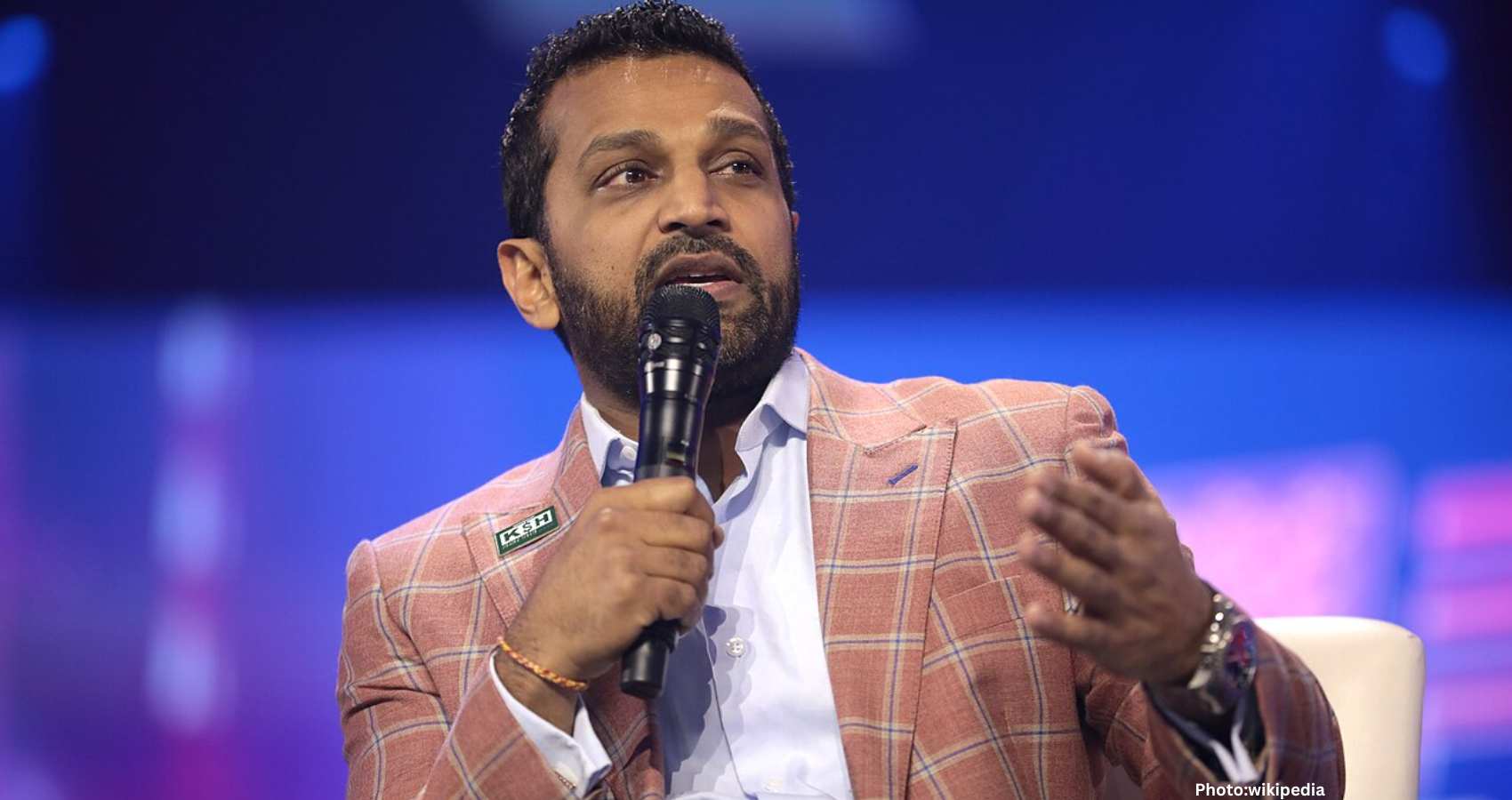
Kash Patel Expresses Pride in Leading FBI After Heated Hearing

FBI Director Kash Patel faced intense scrutiny during a Senate Judiciary Committee hearing but remained defiant, asserting his pride in leading the agency and its historic recruitment efforts.

FBI Director Kash Patel faced significant criticism from Democratic senators during a recent Senate Judiciary Committee hearing, yet he remained resolute, stating that he is “proud” to lead the nation’s foremost investigative agency. Following the hearing, Patel emphasized the FBI’s record recruitment efforts, claiming that the agency has received the highest number of applications for FBI agents and intelligence analysts in its history.

One of the primary points of contention during the hearing was Patel’s earlier social media post, in which he mistakenly stated that the alleged killer of conservative leader Charlie Kirk was in custody. While Patel acknowledged that he could have phrased his post more carefully, he maintained that he does not regret it, asserting that it was made in the spirit of transparency.

In his remarks after the hearing, Patel noted, “The American people are seeing and hearing what the FBI is doing on a daily basis, crushing violent crime and defending the homeland.” He expressed pride in leading an agency that has experienced unprecedented growth in its application pool, stating, “I’m proud to be the director of the FBI that has seen the most significant, expansive application pool in history.”

During his opening statement to the committee, Patel highlighted several accomplishments of the FBI since President Donald Trump took office, including tens of thousands of arrests, a reorganization of the agency, and a renewed focus on combating illicit drugs. Despite the mounting criticism regarding his leadership, Patel challenged lawmakers to confront him directly, declaring, “I’m not going anywhere,” and inviting them to critique his 16 years of service.

Patel also faced scrutiny over a series of firings at the FBI, which some have alleged were politically motivated. Ranking member Sen. Dick Durbin, D-Ill., criticized Patel for his perceived loyalty to Trump, claiming that the director has appointed “MAGA loyalists” to key positions and instituted internal “loyalty tests,” including polygraph examinations. Durbin further alleged that some FBI officials who failed these tests required waivers to remain employed at the bureau.

Additionally, Sen. Mazie Hirono, D-Hawaii, questioned Patel about a requirement for FBI field agents to perform push-ups as part of their physical fitness standards. Hirono expressed concern that this requirement could disproportionately affect female agents, asking, “There are concerns about whether or not being able to do these kinds of harsh pull-ups is really required of FBI agents.” In response, Patel asserted, “If you want to chase down a bad guy, excuse me, and put him in handcuffs, you had better be able to do a pull-up.”

In a particularly heated exchange, Sen. Cory Booker, D-N.J., warned Patel, “I think you’re not going to be around long,” suggesting that this might be his last oversight hearing. Booker criticized Patel for his allegiance to Trump rather than the Constitution, stating, “Donald Trump has shown us in his first term, and in this term, he is not loyal to people like you.” Patel countered Booker’s remarks, asserting that the senator’s “rant of false information does not bring this country together,” and added, “It’s my time, not yours.”

As the hearing concluded, Patel’s defiance and commitment to the FBI’s mission were clear, even in the face of mounting criticism from lawmakers. His tenure as director continues to be marked by controversy, but he remains steadfast in his role and the agency’s objectives.

Source: Original article
U.S. Imposes $100,000 Fee on H-1B Visa Entries to Curb Abuse, Protect American Jobs

Effective September 21, 2025, entry of new H-1B workers will be restricted for 12 months unless employers pay a $100,000 fee — a response to years of program abuse that saw IT outsourcing firms secure tens of thousands of visas while American companies laid off over 40,000 workers, even as foreign STEM employment surged to 2.5 million.

The H-1B nonimmigrant visa program, originally designed to temporarily bring high-skilled workers into the United States, has faced significant criticism for being misused as a replacement for American workers with lower-paid foreign laborers. This large-scale abuse has compromised U.S. economic and national security.

Over recent years, employers have been accused of exploiting the H-1B program to suppress wages and subsequently disadvantage American citizens in the labor market. This manipulation has especially impacted critical fields such as science, technology, engineering, and mathematics (STEM). The foreign workforce in STEM in the U.S. surged from 1.2 million to almost 2.5 million between 2000 and 2019, while overall STEM employment increased by only 44.5%. In 2019 alone, foreign workers represented 26.1% of the workforce in computer and math occupations, a significant rise from 17.7% in 2000.

The information technology (IT) sector has been notably implicated, with the portion of H-1B visa holders in IT rising from 32% in Fiscal Year 2003 to over 65% in the past five fiscal years. Consequently, IT outsourcing companies reliant on H-1B visas have become prolific employers. Businesses take advantage of the lower wage costs by outsourcing jobs previously held by American staff to foreign workers, using the savings from the reduced labor costs incentivized by the H-1B program.

This practice has not only made it harder for college graduates to secure IT positions but has also contributed to higher unemployment rates among U.S. computer science and engineering majors. A study by the Federal Reserve Bank of New York highlighted that the unemployment rates for computer science and computer engineering graduates stood at 6.1% and 7.5%, respectively—significantly higher than those for recent graduates in fields like biology and art history.

Several American tech companies have faced criticism for laying off skilled American workers while simultaneously bringing in thousands of H-1B workers. In Fiscal Year 2025, one software company was granted over 5,000 H-1B visas while announcing the layoff of more than 15,000 employees. Another IT firm approved for nearly 1,700 H-1B workers laid off 2,400 American workers in Oregon. A further example saw a company reducing its American workforce by roughly 27,000 from 2022 onwards, while acquiring over 25,000 H-1B visas.

There have been reports of American IT workers being forced to train the foreign workers replacing them, with severance conditioned on signing nondisclosure agreements. This indicates that H-1B visas are not necessarily being utilized to fill labor shortages or recruit uniquely skilled workers unavailable domestically.

The high influx of relatively low-wage workers using the H-1B visa system undermines not only the program’s integrity but also the wages and employment opportunities for American workers, especially at entry levels in sectors where such foreign workers are concentrated. This misuse limits other industries’ access to the visa program to fill roles for which qualified American workers are unavailable.

Concerns over national security have also been raised, with domestic law enforcement agencies investigating H-1B-reliant companies for potential visa fraud and other criminal activities. Moreover, the misuse of the program discourages American citizens from pursuing careers in science and technology, potentially threatening the U.S.’s leadership in these industries. A 2017 study indicated that, without the importation of foreign workers into computer science fields, wages for American computer scientists could have been 2.6% to 5.1% higher, and employment in these fields could have been 6.1% to 10.8% higher in 2001.

In response, higher costs will be imposed on companies utilizing the H-1B program, ensuring its abuse is curtailed while still allowing the entry of exceptionally skilled foreign workers. Immediate measures have been deemed necessary to protect the economic and national security interests of the United States. Therefore, the unrestricted entry of specific foreign workers, as described in section 1 of a new presidential proclamation, is deemed harmful to U.S. workers by undercutting their wages.

Henceforth, the entry of nonimmigrants under the H-1B program is restricted unless their applications are accompanied by a supplementary $100,000 payment. This restriction is set to expire after 12 months unless extended. Specific exceptions will apply if the Secretary of Homeland Security determines that hiring certain foreign workers is in the national interest and does not compromise U.S. security or welfare.

Employers will be required to document payments made for H-1B petitions and coordinate with the Departments of State and Homeland Security to ensure compliance. Recommendations on whether to extend these restrictions will be formulated following the completion of the upcoming H-1B lottery.

The Department of Labor is tasked with revising wage levels to align with the proclamation’s goals, while Homeland Security seeks to prioritize high-skilled and high-paid nonimmigrant admissions.

This proclamation, effective from midnight EDT on September 21, 2025, does not intend to create enforceable legal rights or subsidies for any parties, nor shall it interfere with existing legal authorities possessed by federal agencies or the Office of Management and Budget.

Source: Original article
Nayab Saini Criticizes BJP for Gurgaon’s Decline in Safety

Congress MP Randeep Singh Surjewala criticized the Haryana government, claiming it has allowed crime to escalate in Gurgaon, branding the city as a “city of goons.”

Chandigarh (Haryana) [India] — On September 19, Congress MP Randeep Singh Surjewala launched a scathing attack on the Haryana government and Bharatiya Janata Party (BJP) leaders, accusing them of fostering a climate of lawlessness in Gurgaon and throughout the state.

Surjewala asserted that the deterioration of law and order has reached alarming levels, urging residents to take action against the current government. In a post on social media platform X, he highlighted the troubling rise of crime, stating, “The real story of ‘Gangs of Gurugram,’ told by the people of Haryana! What happened yesterday in Gurugram’s Sector 45 could happen to all of you today. Now the whole of Haryana is saying, the CM and DM are just masks of the administration. In Haryana, the rule is of mafias and extortionists. Now staying silent is a crime. Rise up, speak out, demand answers from BJP’s Shri Nayab Saini!”

In his remarks, Surjewala emphasized that the current state of affairs in Gurgaon is a direct result of the BJP’s governance. He stated, “Nayab Saini and the BJP government made Gurgaon a city of goons. Gangs of Gurgaon is now the name of the Millennium City of Gurgaon, which was made by Congress with a lot of hard work.”

Surjewala referenced a recent violent incident in Sector 45, where gunfire left buildings and vehicles marked with bullet holes. He also mentioned the discovery of a foreigner’s body under an overpass the previous week, asserting that such occurrences have severely shaken public confidence in safety and security.

“Yesterday, what happened in Sector 45, the way the MNR building was blindly fired upon by goons, there are bullet marks all over the building. There are bullet marks all over the cars. The state of goons is such that fearless goons ask for color, commit murders, and rape,” he added.

The Congress MP highlighted the alarming presence of multiple gangs operating within the state, indicating that violence has become a frequent occurrence on public roads and buses. He called on residents to demand accountability and change from their elected officials.

“Today, 80 criminal gangs are running. Somewhere Lawrence Bishnoi’s phone, somewhere Neeraj Bawana’s phone, somewhere Goldie Barad’s phone, somewhere some Nandal’s phone. Nowadays, bullets are being fired on moving buses,” Surjewala stated, painting a grim picture of the current security landscape.

He further criticized Nayab Saini, a local MLA, for allegedly maintaining connections with various businessmen while the crime rate continues to rise. “Last week, a dead body of a foreigner was found under a flyover. Nayab Saini himself, who is a beloved MLA, has been in touch with a dozen businessmen. Now people are saying that there are CM and DM faces in Haryana,” Surjewala claimed.

Surjewala warned of the dire consequences of unchecked gang activity, stating, “In reality, 80 criminal gangs and organized mafias rule Haryana. How will Haryana run? There is no animal left in the legal system. Friends, residents of Haryana, now the time has come to get rid of such a CM and such a government, who have handed over the whole of Haryana to the goons, not just Gurgaon, not Yamuna Nagar, not Ladva.”

His remarks reflect a growing concern among the public regarding safety and governance in Haryana, as calls for change intensify.

Source: Original article

Charlie Kirk Remembered as Supporter of Israel Amid Conspiracy Theories

Supporters of Charlie Kirk are defending his legacy against conspiracy theories following his assassination, emphasizing his steadfast commitment to Israel and opposition to Hamas.

In the wake of Charlie Kirk’s assassination, supporters are pushing back against conspiracy theories that attempt to sever his ties with Israel. Critics of the Jewish state have misrepresented Kirk’s recent statements and spread unfounded claims about his views. Just hours after his murder, and before a suspect was identified, wild conspiracies began circulating on social media platforms. The Anti-Defamation League’s Center on Extremism reported thousands of posts containing these baseless accusations.

Amid these efforts to distort Kirk’s legacy, Israeli Prime Minister Benjamin Netanyahu paid tribute to him, describing him as a champion of “speaking truth and defending freedom.” Netanyahu characterized Kirk as a “lion-hearted friend of Israel” who fought against lies and stood firm for Judeo-Christian civilization.

Mike Huckabee, the U.S. ambassador to Israel, also condemned the misinformation on social media. He expressed his distress over individuals in the U.S. attempting to profit from Kirk’s death by spreading outrageous lies. Huckabee praised Netanyahu for setting the record straight regarding Kirk’s character and impact.

Rabbi Pesach Wolicki, who spoke with Kirk via Zoom the night before his assassination, emphasized that Kirk had consistently voiced support for Israel, despite occasionally expressing criticism. Wolicki noted that Kirk had initiated their meeting, wanting to prepare for questions he anticipated facing during an upcoming campus tour. “Why would he do that if he had abandoned Israel?” Wolicki asked, asserting that the very fact the meeting took place demonstrated Kirk’s commitment to the Jewish state.

Wolicki recalled that just a month prior, Kirk had faced backlash for being “too supportive” of Israel. While they did not delve into the origins of Kirk’s views, Wolicki pointed out that Kirk’s evangelical Christian beliefs aligned with the right of the Jewish nation to thrive. “He said publicly many times that he believed the Land of Israel belongs to the Jewish people and that he supported Israel’s war against Hamas,” Wolicki stated. “He was not soft on our enemies. He supported Israel, even when he was critical.”

In a viral video from a debate at Cambridge earlier this year, Kirk passionately defended Israel. “When you declare war on Israel, expect a firestorm in reaction,” he asserted. He described the events of a recent attack by Hamas, stating, “On Shabbat, Hamas invaded Israel, deciding to go recklessly to music concerts, to homes, to kibbutzes and taking 200-plus hostages. They knew what they were doing.”

Kirk acknowledged the tragic reality of war, stating, “A tragic truth of war is that civilians die. I don’t like it, and you don’t like it. And they brought it upon themselves. The only operation and entity to blame is the leadership of Hamas, not the Israeli government, for fighting this defensive war. … There is a good guy and there is a bad guy.”

In a recent appearance on Megyn Kelly’s podcast, Kirk described himself as having a “bulletproof resume” when it comes to defending Israel on college campuses and social media. He expressed his belief in the scriptural land rights given to Israel and the fulfillment of prophecy. “I want them to win, and I’ve said that repeatedly,” he stated. Kirk also noted that he sometimes felt he had “less ability” to criticize the Israeli government online than actual Israelis do.

He emphasized his desire for civilization to prevail, stating, “I want the West to win. I don’t want the Islamo-fascist barbarians to storm the gates of Jerusalem. I want the holy sites protected. I believe in the Holy Land; I love that Jesus walked on water there and rose from the dead.” Kirk cautioned against hostile reactions to criticism, warning that such responses could weaken two of Israel’s strongest advocates.

Chief Rabbi David Yosef of Israel expressed his “deep sorrow” over Kirk’s assassination, calling him “a clear and unwavering voice of truth.” Josh Nass, a former conservative youth commentator who met Kirk in 2012 when he was launching Turning Point USA, reflected on Kirk’s dedication to Israel. “If you take Israel out of the picture, what Charlie dedicated his life to simply falls apart,” Nass said. He added that Kirk was passionate about fighting the culture war and that his love for Israel was sincere.

Israel Ganz, head of the Yesha Council, which represents local authorities in Judea and Samaria, expressed his community’s mourning over the loss of a “friend and lover of Israel.” In a demonstration of the coexistence that Kirk promoted, dozens of Christians and Jews gathered atop Jerusalem’s Temple Mount to honor him, praying for peace for Kirk’s widow and children and offering strength and solidarity during their time of grief.

Source: Original article

New DC Watchdog Seeks to Promote Conservative Values and Governance

A new conservative watchdog group, the Safety and Prosperity Oversight Coalition, aims to promote accountability and effective governance across the United States.

A new conservative watchdog group launched this week is set to challenge leftist policies and become a “leading voice” for accountability, transparency, and effective governance nationwide.

The Safety and Prosperity Oversight Coalition, which officially began operations on Wednesday, is headed by seasoned political operative Chris Zeller. The coalition aims to hold major institutions accountable while promoting good governance. In a press release, the group emphasized its commitment to fostering transparency, integrity, and efficiency within American governmental institutions and the private sector.

Zeller, who has extensive experience in GOP politics, has worked on numerous national campaigns and served as the executive director for multiple state Republican parties. “The coalition brings together some of the nation’s top attorneys and financial investigators, leveraging their expertise to scrutinize institutional practices, expose inefficiencies, and advocate for policies that prioritize safety and prosperity for all Americans,” the press release stated. “Backed by a team of established professionals, the coalition is poised to become a leading voice for conservative values and effective governance.”

The coalition has outlined three core pillars for its mission: rigorous oversight of government spending, accountability for corporate and public sector misconduct, and advocacy for common-sense reforms to strengthen democratic institutions. To achieve these goals, the group plans to conduct independent audits, initiate legal challenges against governmental overreach, and launch public education campaigns designed to empower citizens with essential facts.

A GOP strategist, speaking on background, noted that this new watchdog group is a necessary addition to the political landscape, particularly in countering leftist initiatives. The strategist pointed out that the coalition will hold corporate America accountable in a manner similar to how the left engaged during the Black Lives Matter movement in 2020 and how they have approached “woke” diversity, equity, and inclusion initiatives.

“The Safety and Prosperity Oversight Coalition is a response to the growing need for accountability in our institutions,” Zeller remarked. “Americans deserve leadership that upholds integrity and delivers results. Our coalition will shine a light on waste, corruption, and mismanagement, ensuring that those in power serve the public, not themselves.”

Prior to launching the coalition, Zeller served as a top aide for Rep. Elise Stefanik, R-N.Y., and was involved in Kari Lake’s Arizona Senate bid in 2024, which ultimately ended in defeat against Democrat challenger Ruben Gallego. Zeller also managed Rep. Claudia Tenney’s successful campaign in 2021, where she won her seat in New York’s 22nd Congressional District by a narrow margin of just over 100 votes. His experience also includes serving as the Executive Director for both the Connecticut and New Hampshire state Republican parties.

This new coalition represents a strategic effort to galvanize conservative values and ensure that governance remains focused on the needs of the American public.

Source: Original article
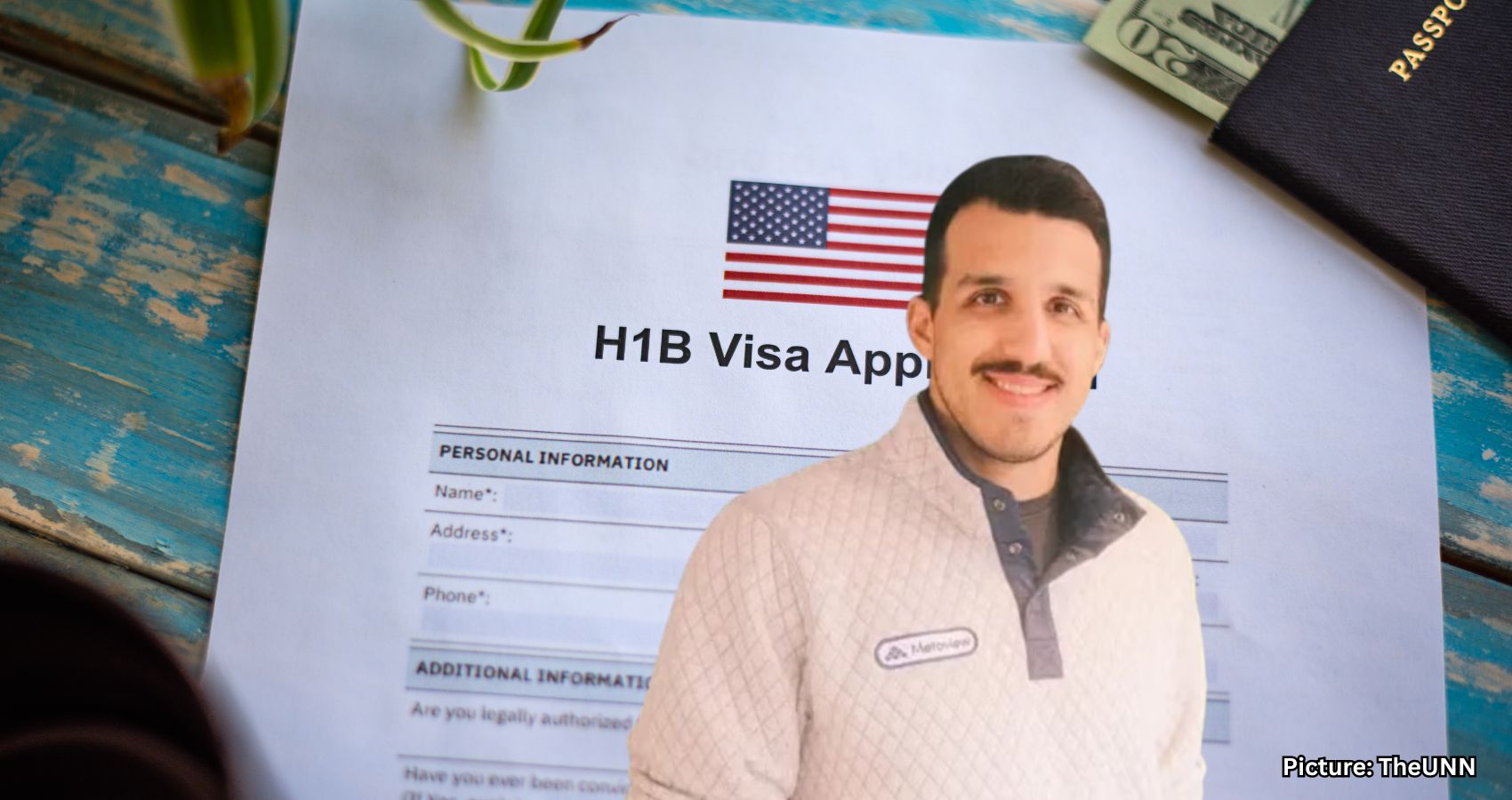
Governor Newsom Appoints Indian-American Vishesh Anand as Senior Advisor

Governor Gavin Newsom has appointed Vishesh Anand as Senior Advisor at the California Business, Consumer Services and Housing Agency, effective September 10, 2023.

SACRAMENTO, CA – Governor Gavin Newsom announced the appointment of Vishesh Anand, a resident of Los Angeles, as Senior Advisor at the California Business, Consumer Services and Housing Agency on September 10, 2023. Anand brings a wealth of experience in both state and local government, complemented by a strong background in private-sector operations and community engagement.

Since early 2025, Anand has served as the Deputy Director of Special Projects in the Governor’s Office. In this role, he has been instrumental in overseeing various initiatives. From 2022 to 2025, he held the position of Deputy Regional Director of External Affairs, where he managed outreach and engagement efforts across multiple counties, including Los Angeles, Ventura, Santa Barbara, and San Luis Obispo. His work in this capacity supported numerous statewide initiatives aimed at improving community relations and public services.

Prior to his tenure in public service, Anand gained valuable experience working in start-ups, focusing on operations, sales, marketing, and client engagement. He credits these experiences with enhancing his adaptability and fostering a multi-faceted approach to problem-solving. Anand is a graduate of the University of California, Los Angeles (UCLA), where he earned degrees in economics and global studies. He believes that the skills he developed during his academic and professional journey continue to inform his work in government.

Reflecting on his recent appointment, Anand expressed the personal significance of his name. “Vishesh in Hindi means special. So, from the day my parents named me, I have had the responsibility to live up to my name. Coincidentally, my last name, Anand, means happiness. So, I guess I really do have my own brand—Special Happiness. And I hope to spread it far and wide,” he stated.

Anand’s transition into public service in 2020 was motivated by a desire for meaningful work. “I am glad to have moved into this career and found my true passion for public engagement, service delivery, and community development,” he added.

The Senior Advisor position does not require confirmation by the state Senate and carries an annual salary of $140,004. Anand is registered with no party preference.

Source: Original article

India-Australia ECTA Achieves 86% Export Utilization, Enhances Trade Opportunities

The India-Australia Economic Cooperation and Trade Agreement has achieved an 86% utilization rate for Indian exports, enhancing trade opportunities and positioning India for global supply chain leadership, according to an Australian diplomat.

Mumbai (Maharashtra) [India], September 18 (ANI): The India-Australia Economic Cooperation and Trade Agreement (ECTA) has driven an impressive 86 percent utilization rate for Indian exports, creating a thriving trade ecosystem that positions India to leverage Australia’s resources for global supply chain leadership, said Zoe Woodlee, First Secretary Economic Counsellor and Acting Deputy Consul General at the Australian Consulate-General in Mumbai.

Speaking during a panel discussion at the CII Global Trade Scenario National Summit in Mumbai, Woodlee praised the ECTA, which has been effective since December 2022, for enabling Indian businesses to access preferential tariffs on Australian exports such as lithium and rare earths. These resources are vital for India’s renewable energy and electric vehicle sectors.

Woodlee also highlighted India’s trajectory as the world’s fastest-growing economy, projected to become the third largest by 2030, and emphasized Australia’s commitment to supporting this growth. “I was just reflecting on what we said earlier about the trajectory of India’s economy. It is the world’s fastest-growing economy. By 2030, it will be the world’s third-largest economy. And for Australia, we believe in India’s growth and we see the opportunities there,” Woodlee stated.

She further discussed Australia’s economic roadmap, released earlier this year by Prime Minister Anthony Albanese, which identifies clean energy, education, agribusiness, and tourism as priority sectors for the India-Australia economic corridor, with the ECTA serving as a key enabler.

“So much so that earlier this year, our Prime Minister released an economic roadmap which identifies four superhighways that will be priorities for the India-Australia economic corridor. Clean energy, education, agribusiness, and tourism. And the FTA will support the implementation of those priorities under the roadmap,” she added.

Woodlee stressed that while the ECTA creates a framework for liberal trade, it is up to businesses to activate it. “An FTA establishes an ecosystem for more liberal trade. But it’s up to business to bring that ecosystem to life. Earlier I said that 86 percent of Indian exports to Australia utilize ECTA. That’s an indicator that the ecosystem established under ECTA has been brought to life or is being brought to life by Australian and Indian businesses,” she noted.

With bilateral trade reaching USD 24 billion in 2023-24 and Indian exports growing by 14 percent annually, the ECTA has eliminated tariffs on over 96 percent of Indian goods, significantly boosting sectors such as textiles, pharmaceuticals, and engineering.

Woodlee urged Indian firms to view the ECTA within the context of India’s broader network of Free Trade Agreements (FTAs), including those with the UAE and the UK, envisioning integrated supply chains. “India has a number of different FTAs. And if you can achieve 86 percent utilization under ECTA, surely that can also be done with other FTAs. Think about the opportunities that could come to India if we were to look not at these FTAs as individual agreements but as part of a web,” she said.

She specifically highlighted the potential of clean energy, noting, “Australia has lithium and rare earths exported to India under ECTA under preferential tariffs. Manufactured into batteries, solar panels, and EVs. Then exported around the world. Exported to the UAE, exported to the UK, exported to the EU. Using the FTAs, the bilateral FTAs that India has negotiated.”

“I urge you, businesses, to bring to life the ecosystem established by your FTAs and get to know them,” Woodlee concluded.

Source: Original article
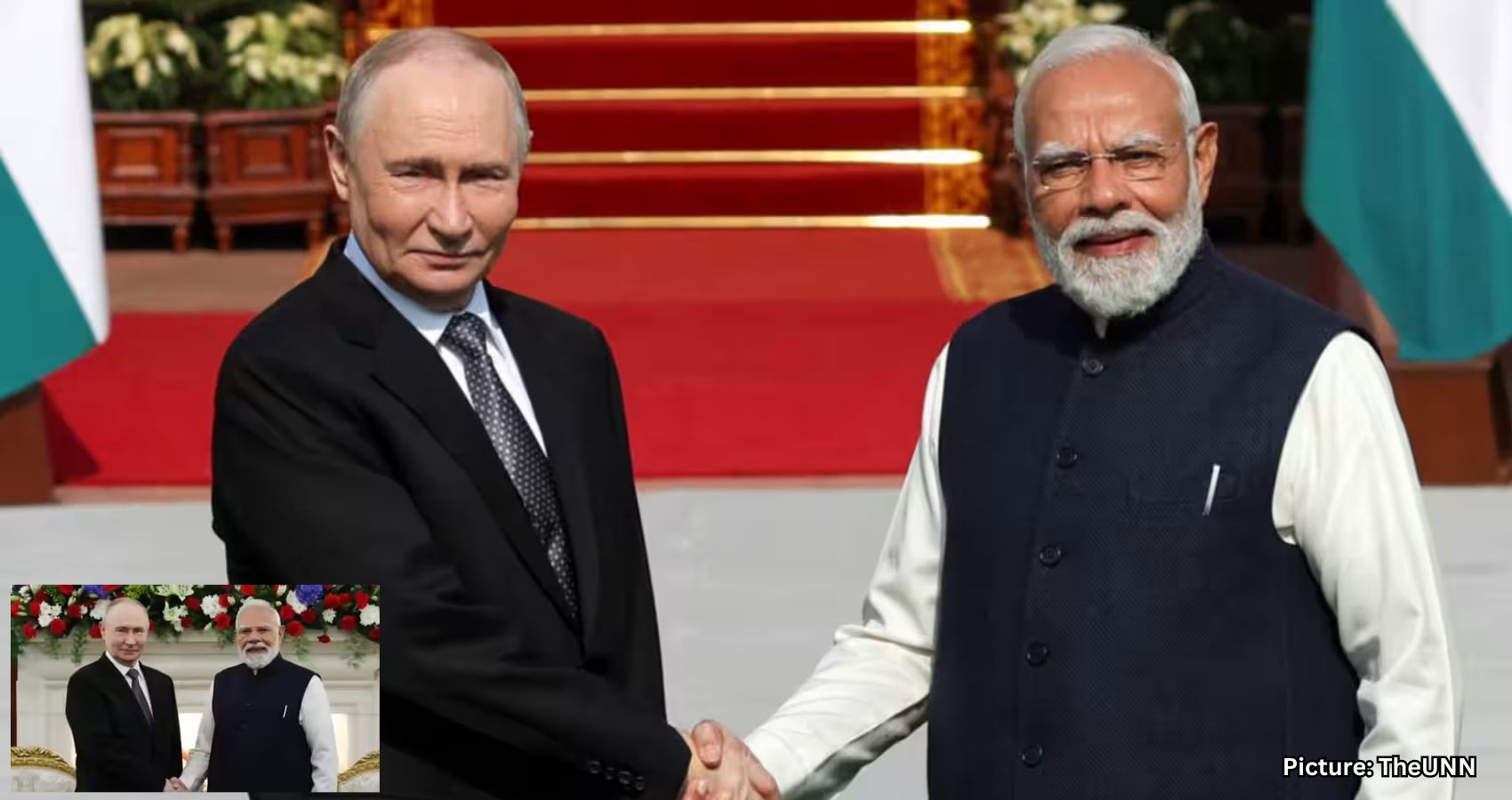
India-Australia ECTA Achieves 86% Export Utilization, Expands Trade Opportunities

The India-Australia Economic Cooperation and Trade Agreement has achieved an 86% utilization rate for Indian exports, enhancing trade opportunities and positioning India for global supply chain leadership.

Mumbai (Maharashtra) [India], September 18 (ANI): The India-Australia Economic Cooperation and Trade Agreement (ECTA) has achieved an impressive 86 percent utilization rate for Indian exports, fostering a robust trade ecosystem that allows India to leverage Australian resources for global supply chain leadership. This insight was shared by Zoe Woodlee, First Secretary Economic Counsellor and Acting Deputy Consul General at the Australian Consulate-General in Mumbai.

During a panel discussion at the CII Global Trade Scenario National Summit in Mumbai, Woodlee commended the ECTA, which has been in effect since December 2022. She noted that the agreement enables Indian businesses to access preferential tariffs on Australian exports, including lithium and rare earths, which are essential for India’s renewable energy and electric vehicle sectors.

Woodlee also highlighted India’s rapid economic growth, stating that it is currently the world’s fastest-growing economy and is projected to become the third largest by 2030. She emphasized Australia’s commitment to supporting this growth trajectory.

“I was just reflecting on what we said earlier about the trajectory of India’s economy. It is the world’s fastest-growing economy. By 2030, it will be the world’s third-largest economy. And for Australia, we believe in India’s growth and we see the opportunities there,” Woodlee remarked.

She further elaborated on Australia’s economic roadmap, released earlier this year by Prime Minister Anthony Albanese. This roadmap identifies clean energy, education, agribusiness, and tourism as priority sectors for the India-Australia economic corridor, with the ECTA serving as a crucial enabler.

“So much so that earlier this year, our Prime Minister released an economic roadmap which identifies four superhighways that will be priorities for the India-Australia economic corridor. Clean energy, education, agribusiness, and tourism. And the FTA will support the implementation of those priorities under the roadmap,” she added.

Woodlee stressed that while the ECTA establishes a framework for liberal trade, it is essential for businesses to actively engage with it. “An FTA establishes an ecosystem for more liberal trade. But it’s up to business to bring that ecosystem to life. Earlier I said that 86 percent of Indian exports to Australia utilize ECTA. That’s an indicator that the ecosystem established under ECTA has been brought to life or is being brought to life by Australian and Indian businesses,” she noted.

With bilateral trade projected to reach USD 24 billion in 2023-24 and Indian exports growing at an annual rate of 14 percent, the ECTA has eliminated tariffs on over 96 percent of Indian goods. This has significantly benefited sectors such as textiles, pharmaceuticals, and engineering.

Woodlee encouraged Indian firms to view the ECTA within the context of India’s broader network of Free Trade Agreements (FTAs), which includes agreements with the UAE and the UK. She envisioned integrated supply chains that could enhance trade opportunities.

“India has a number of different FTAs. And if you can achieve 86 percent utilization under ECTA, surely that can also be done with other FTAs. Think about the opportunities that could come to India if we were to look at these FTAs as individual agreements but as part of a web,” she said.

Highlighting the significance of clean energy, Woodlee stated, “Australia has lithium and rare earths exported to India under ECTA under preferential tariffs. Manufactured into batteries, solar panels, and EVs. Then exported around the world. Exported to the UAE, exported to the UK, exported to the EU. Using the FTAs, the bilateral FTAs that India has negotiated.”

“I urge you, businesses, to bring to life the ecosystem established by your FTAs and get to know them,” Woodlee concluded.

Source: Original article
Trump References Churchill Amid Growing Concerns Over UK Free Speech

President Donald Trump praised the U.S.-U.K. “special relationship” during a state dinner with King Charles III, addressing ongoing concerns about free speech in the U.K.

During a state dinner at Windsor Castle on Wednesday night, President Donald Trump highlighted the enduring “special relationship” between the United States and the United Kingdom. His remarks came amid ongoing debates regarding free speech in the U.K.

In his toast, Trump referenced the historical bond that inspired Sir Winston Churchill, stating, “His Majesty spoke eloquently about the bond which inspired Sir Winston Churchill – the bust is in the Oval Office right now – the beautiful bust of Winston Churchill, to coin the phrase ‘special relationship,’ but seen from American eyes, the word ‘special’ does not begin to do it justice.” He emphasized the connections shared by the two nations, describing them as “joined by history and fate, by love and language and by transcendent ties of culture, tradition, ancestry and destiny.”

Trump’s remarks came during an unprecedented second state visit, which included King Charles and other members of the royal family, as well as First Lady Melania Trump. Traditionally, royal events tend to avoid partisan issues, with the royal family maintaining a neutral stance on contentious topics. However, Trump has previously deviated from this norm.

While his toast appeared to remain politically neutral, it touched on a sensitive issue that has sparked controversy in both the U.S. and the U.K. in recent months: free speech. “The British Empire laid the foundations of law, liberty, free speech and individual rights virtually everywhere the Union Jack has ever flown, including a place called America,” Trump stated. This comment could raise eyebrows, particularly as the U.K. government faces criticism regarding its approach to free speech.

In recent months, U.K. online safety laws have become a contentious topic, drawing heated political debate not only within Britain but also among American leaders. Vice President JD Vance, who was not present at the state dinner, has been vocal about these issues. Critics, including right-wing Reform UK leader Nigel Farage, have described the U.K.’s approach to free speech as an “authoritarian” crackdown, comparing it to laws seen in countries like North Korea.

As discussions surrounding free speech continue to evolve, Trump’s remarks at Windsor Castle underscore the complexities of the U.S.-U.K. relationship and the shared values that both nations hold dear.

Source: Original article
Sleepless in Kathmandu: Nepal Struggles for Normalcy After Massacre

Mass protests in Nepal led by ‘Gen Z’ youth demanding reform have resulted in violence, police killings, and a regime change, leaving the nation grappling with the aftermath.

In the wake of a tumultuous week in Nepal, the streets of Kathmandu have become a battleground for protests and unrest. Mass demonstrations led by the youth, often referred to as ‘Gen Z,’ have escalated into violence, resulting in police killings, arson, and a significant political upheaval. As the dust begins to settle, the country faces a critical moment of reflection and rebuilding.

The unrest began on September 8, 2025, when a ban on social media sparked widespread protests. The youth, frustrated by the lavish lifestyles of politicians while many Nepalis struggle to make ends meet, took to the streets demanding accountability and reform. The protests, initially intended to be peaceful, quickly turned violent when police opened fire on demonstrators, resulting in multiple fatalities, including students.

In the aftermath, public outrage led to the resignation of the government and the appointment of an interim administration. However, the violence did not cease. Reports of break-ins, assaults, and arson flooded in as mobs targeted government buildings and the homes of former ministers. The chaos resulted in at least 51 deaths, including both protesters and security personnel, with hundreds more injured.

R.C. Gautam, an errand man at Kantipur Television, shared his experience of the violence. The station, which has a long history of covering political unrest, was attacked, with several buildings set ablaze and vehicles destroyed. Gautam described the scene as chaotic and terrifying, noting that he had to seek refuge at a friend’s home due to the curfew and military presence in the city.

As the protests escalated, the initial peaceful intentions of the Gen Z demonstrators were overshadowed by violence. Eyewitness accounts revealed that older individuals in the crowd incited riots, leading to the police’s decision to use lethal force. The fallout from these events has left the city in ruins, with entire neighborhoods engulfed in flames and fear gripping the populace.

In the days following the protests, Kathmandu was marked by destruction. Government buildings, police stations, and the homes of former leaders were set ablaze, leaving a trail of devastation. The air was thick with smoke and the acrid smell of burning, as residents witnessed the chaos unfold around them. Reports of looting and violence spread, with some individuals taking advantage of the turmoil to steal from the very establishments they were protesting against.

The situation became increasingly dire as armed groups roamed the streets, leaving residents feeling vulnerable and unsafe. Many spent sleepless nights in fear, unsure of what the next day would bring. The violence had escalated to a point where even the police were overwhelmed, with reports of officers being attacked and killed by mobs.

As the violence continued, the interim government began to take action. Former Chief Justice Sushila Karki was sworn in as the new Prime Minister, marking a significant shift in leadership. Karki, who was chosen by the Gen Z protesters through social media, now faces the daunting task of restoring order and addressing the grievances that led to the protests in the first place.

In the aftermath of the chaos, the families of those killed during the protests were declared martyrs, and compensation was offered to the bereaved. Efforts to restore the damaged buildings began, but the emotional scars left by the violence will take much longer to heal. En masse cremations were held for the deceased, with grieving families left to grapple with their loss amidst the destruction.

As Nepal attempts to move forward, questions linger about the future. Who orchestrated the violence? What will happen to those who lost their jobs due to the destruction of their workplaces? The answers remain elusive, but for now, the people of Nepal need time to rest and recover.

In a country that has faced numerous challenges, the recent events serve as a stark reminder of the fragility of peace and stability. As the air begins to clear, it is crucial for the nation to reflect on the past and work towards a future that prioritizes accountability, justice, and the well-being of all its citizens.

Source: Original article
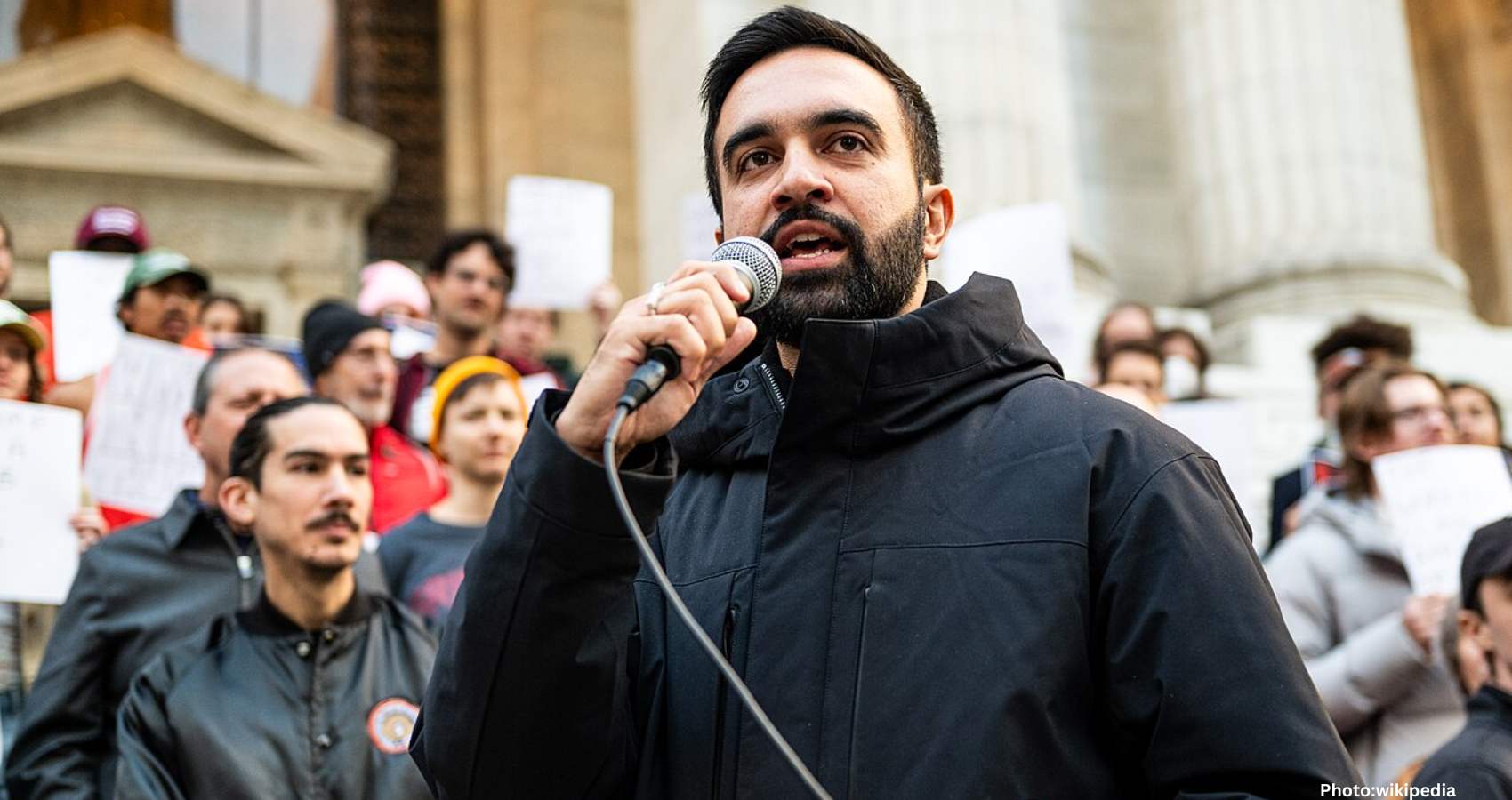
Squad Member Responds to Claims of Democratic Celebration of Political Violence

Rep. Ilhan Omar denied that Democratic voters are celebrating the assassination of conservative activist Charlie Kirk, despite evidence of backlash against those who have mocked his death.

Rep. Ilhan Omar, a Democrat from Minnesota and member of the progressive group known as “the Squad,” has refuted claims that Democratic voters are celebrating the assassination of conservative activist Charlie Kirk. In a recent interview, Omar was confronted with questions regarding the rhetoric surrounding Kirk’s death and whether she believed there was a celebration of political violence among Democratic constituents.

In video footage obtained by Fox News Digital, Omar was asked directly about her concerns regarding the Democratic base’s response to Kirk’s assassination. When pressed on whether Democratic voters were celebrating political violence, Omar responded, “I don’t think anybody is.” This assertion comes despite a growing number of professionals across various sectors facing repercussions for mocking or praising Kirk’s death.

Professionals from K-12 education officials to healthcare workers and political commentators have experienced backlash for their comments regarding Kirk’s assassination. Notably, the law firm Perkins Coie, which is associated with major entities like the New York Stock Exchange and NASDAQ, has also been implicated in this controversy.

Following Kirk’s assassination, lawmakers from both parties have condemned the rise of political violence. However, contentious moments have still surfaced in Congress. On the day of Kirk’s death, a moment of silence in the House Chamber turned chaotic when Republican Rep. Lauren Boebert of South Carolina requested a spoken prayer in addition to the silent tribute. This request was met with protests from Democratic members, some of whom reportedly shouted about the lack of attention given to a school shooting that occurred on the same day as Kirk’s assassination. In response, Rep. Anna Paulina Luna, a Republican from Florida, shouted back, “You all caused this.”

When Omar was asked why Democrats did not offer a prayer for Kirk, she stated, “We did a moment of silence; nobody prays on the House floor for anybody who has passed away.” Her comments reflect a broader tension within Congress regarding how to address the implications of political violence.

Omar is currently facing efforts from Republican lawmakers to strip her of her committee assignments, stemming from her comments about Kirk shortly after his assassination. In an interview with the progressive news outlet Zeteo, Omar criticized Kirk’s legacy, stating that he had previously “downplayed slavery and what Black people have gone through in this country by saying Juneteenth shouldn’t exist.”

Omar further elaborated on her views, asserting that many who claim Kirk wanted to engage in civil debate are ignoring the documented history of his words and actions over the past decade. “There are a lot of people who are out there talking about him just wanting to have a civil debate,” she said. “There is nothing more effed up, you know, than to completely pretend that, you know, his words and actions have not been recorded and in existence for the last decade or so.”

In her remarks, Omar also took aim at GOP figures who have criticized Democrats for their rhetoric following Kirk’s assassination. “These people are full of s—,” she stated. “And it’s important for us to call them out while we feel anger and sadness, and have, you know, empathy, which Charlie said, ‘No, it shouldn’t exist,’ because that’s a newly created word or something,” referring to Kirk’s comments about “hate speech.”

The ongoing debate surrounding Kirk’s assassination and the subsequent reactions from both sides of the political spectrum highlight the increasingly polarized nature of American politics. As discussions continue, the implications of political violence remain a pressing concern for lawmakers and citizens alike.

Source: Original article

Cruz Criticizes UN’s Israel ‘Genocide’ Accusation, Calls for Action

Texas Senator Ted Cruz condemned a recent U.N. report accusing Israel of genocide, warning of potential sanctions against those involved in the allegations.

Texas Republican Senator Ted Cruz has voiced strong criticism of a new United Nations report that accuses Israel of committing genocide in Gaza. He cautioned that the Trump administration and Congress possess the necessary tools to impose sanctions on those responsible for the report.

The report, released on Tuesday by the United Nations Independent International Commission of Inquiry on the Occupied Palestinian Territory (COI), asserts that “the State of Israel bears responsibility for the failure to prevent genocide, the commission of genocide, and the failure to punish genocide against the Palestinians in the Gaza Strip.”

In a statement to Fox News Digital, Cruz remarked, “This latest announcement by the United Nations is no different than any of the other antisemitic smears and libels that have been leveled against Israel in their ongoing response to Hamas’ atrocities on October 7.” He emphasized that this campaign undermines American national security interests by diminishing Israel’s ability to act against Hamas terrorists, who have killed Americans, and by fueling international legal actions against Israel that could also affect American servicemembers and citizens.

Cruz concluded his statement by urging the Republican Trump administration and Congress to utilize the tools and sanctions they have developed to address these threats.

Anne Bayefsky, director of the Touro Institute on Human Rights and the Holocaust and president of Human Rights Voices, also criticized the U.N. report. She described it as promoting genocide against Jews and argued that it rationalizes the crimes against humanity committed by Hamas and other Palestinians on October 7. Bayefsky contended that the report diminishes the severity of the mass murder, rape, torture, and trauma inflicted on Israelis by suggesting that not enough Jews were harmed to pose an “existential threat” to Israel.

Bayefsky pointed out that the COI has been previously accused of omitting critical facts in its reporting and noted that the report fails to make any recommendations for Hamas. She highlighted that the report mentions Hamas’s tunnel network, which played a crucial role in the October 7 attacks, only in the context of criticizing Israel.

Salo Aizenberg, director of the media watchdog group HonestReporting, challenged the COI’s claim that Israel has imposed measures intended to prevent births. He questioned, “If Israel truly aimed to destroy Gaza’s population, why did it allow WHO teams earlier in 2025 to vaccinate 603,000 children under age 10 — matching pre-October 7 numbers?” Aizenberg also pointed out that the report overlooks the fact that over 20,000 fatalities in Gaza are fighters from Hamas and other armed groups, thereby obscuring the true dynamics of the conflict.

The COI report calls for Israel to “ensure full, unimpeded access of humanitarian aid at scale” and to “end the distribution of food aid through the Gaza Humanitarian Foundation.” It cites the commissioner-general of the controversial U.N. Relief and Works Agency for Palestine Refugees in the Near East (UNRWA), who has described the Gaza Humanitarian Foundation (GHF) as “an abomination” and “a death trap” that is “costing more lives than it saves.”

Recent U.N. statistics indicate that between July 21 and August 18, there were double the number of deaths along U.N. convoy routes (576) compared to those surrounding GHF sites (259). Furthermore, only 14.5% of U.N. aid trucks sent into Gaza have reached their intended destinations since May due to armed looting and theft. During the same period, GHF has managed to distribute 165 million meals to Palestinians at its secure distribution sites.

GHF released a statement asserting that the COI published its report “without ever contacting” the organization, labeling its statements as “falsehoods that could have been easily corrected had we been asked.” The organization emphasized that there have been no shootings at its sites and that claims, particularly those alleging that children have been shot, are “not only false” but also “reckless.”

While the COI currently assigns specific blame to three Israeli officials for alleged genocide, COI member Chris Sidoti stated in a press conference that “there are many, many statements by Israeli political and civilian leaders that incite genocide, and also by others, including some media commentators in Israel, that have been inciting genocide.”

In response to inquiries regarding Sidoti’s remarks, Stéphane Dujarric, spokesperson for U.N. Secretary-General António Guterres, did not clarify whether these comments were directed at Israel’s media. Guterres stated that “it is not in the attributions of the Secretary-General to do the legal determination of genocide. That belongs to the adequate judicial entities, namely, the International Court of Justice.” He added, “the truth is that this is something that it is morally, politically, and legally intolerable.”

Bayefsky remarked that “U.S. law withholds funds for the COI, but clearly it has not had the intended impact.” She argued that it is “high time” to take more significant actions to mitigate the dangers that the U.N. and its COI pose to both the United States and Israel.

Fox News Digital reached out to the State Department to inquire whether it plans to sanction COI members or prevent their travel to the U.N. for the upcoming General Assembly debate, but did not receive a response by press time. A spokesperson for the COI also did not respond to questions regarding its report.

Source: Original article
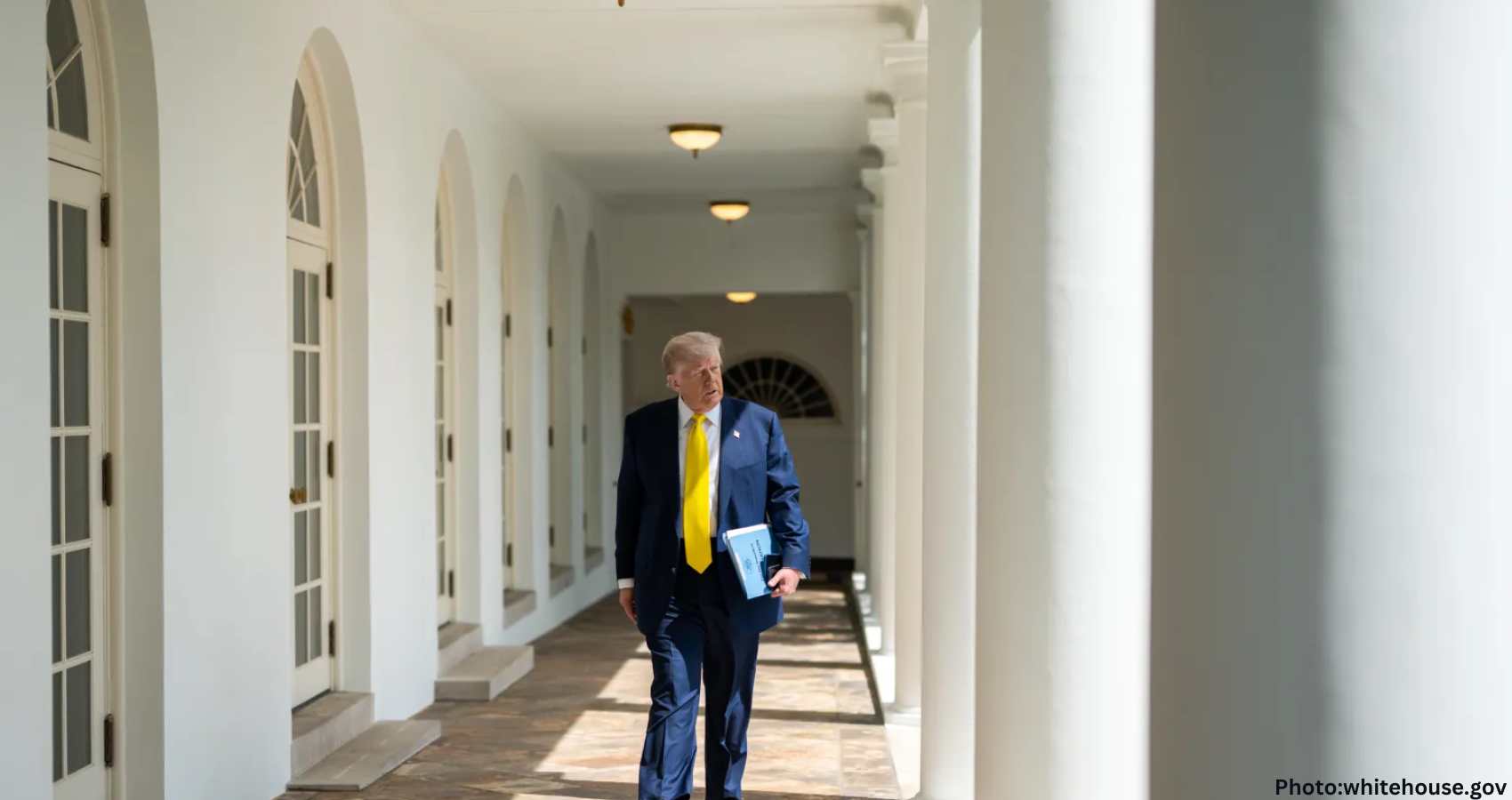
Trump Travels to UK for Second State Visit, Then to Arizona

President Donald Trump is set for a rare second state visit to the UK, followed by a trip to Arizona for the funeral of conservative activist Charlie Kirk.

President Donald Trump will embark on a state visit to the United Kingdom this week, marking only his second such visit during his presidency. Following his time in the UK, Trump will travel to Arizona to attend the funeral of conservative activist Charlie Kirk.

This return to England is notable, as U.S. presidents typically make only one state visit during their time in office. The significance of this occasion is underscored by both its political and symbolic weight.

During the visit, Trump and First Lady Melania Trump will be hosted by King Charles III and Queen Camilla at Windsor Castle, as Buckingham Palace is currently undergoing renovations. The couple will also meet with Prince William and Princess Catherine of Wales during their stay.

The state visit will begin with a formal welcome, followed by a series of ceremonial events that include a carriage procession, a gun salute, and a military flyover. The festivities will culminate in a lavish state dinner, which typically invites around 150 guests who are chosen based on their cultural, diplomatic, or economic ties to the host nation.

Darren McGrady, a former personal chef to the late Queen Elizabeth II and Princess Diana, emphasized the importance of getting the menu right for such an occasion. McGrady, who served as a royal chef for 15 years and cooked for five U.S. presidents, noted that there is no room for error when it comes to the culinary offerings at a state dinner.

On Thursday, Trump will travel to Chequers, the official country residence of the UK prime minister, where he will meet with Prime Minister Keir Starmer. This meeting will include a series of bilateral discussions, followed by a joint news conference later that day.

Trump, who is 79 years old, and King Charles, aged 76, have known each other for decades, with their relationship dating back to Charles’s visit to Trump’s Mar-a-Lago estate in the late 1980s. More recently, King Charles sent Trump a personal note after Trump survived an assassination attempt during a rally in Butler, Pennsylvania.

After concluding his UK visit, Trump will head to Arizona to attend the funeral of Charlie Kirk, who was tragically assassinated during an outdoor debate at Utah Valley University. Kirk, the charismatic founder of Turning Point USA, was shot on Wednesday, prompting an outpouring of grief and support from his followers.

In the wake of her husband’s death, Kirk’s widow, Erika, expressed her determination to carry on his mission. “To everyone listening tonight across America, the movement my husband built will not die,” she stated in a video message. “I refuse to let that happen. No one will ever forget my husband’s name. And I will make sure of it. It will become stronger. Bolder. Louder and greater than ever,” she affirmed.

Andrew Kolvet, executive producer of “The Charlie Kirk Show,” shared on social media that Turning Point USA has received over 32,000 inquiries from individuals interested in starting new campus chapters in the wake of Kirk’s assassination. In a separate post, Kolvet remarked, “This is the Turning Point.”

Trump’s dual engagements this week highlight significant moments in both international relations and domestic political discourse, reflecting the ongoing impact of influential figures in American conservatism.

Source: Original article

Montana GOP Representative Ryan Zinke Calls Charlie Kirk Assassination ‘Watershed Moment’

Montana Congressman Ryan Zinke described the assassination of conservative activist Charlie Kirk as a “watershed moment,” emphasizing the need for civil political discourse without violence.

Rep. Ryan Zinke, a Republican from Montana, characterized the recent assassination of conservative activist Charlie Kirk as a “watershed moment.” He underscored the importance of maintaining civil political discourse, asserting that Americans should be able to engage in political disagreements without resorting to violence.

Zinke made these remarks during an appearance on NewsNation’s program “The Hill” on Friday. He referenced earlier comments made by Utah Governor Spencer Cox, expressing disappointment that differing political viewpoints have led to violent confrontations.

“We should look and reflect,” Zinke stated. “As the governor pointed out, this is a watershed moment. So, the watershed moment depends on what this country does.” He posed a critical question: “Are we going to continue this? Are we going to continue to not be able to have dialogue and talk to your neighbor?”

Kirk, who was 31 years old and co-founder of Turning Point USA, was shot on the campus of Utah Valley University on Wednesday afternoon. He was transported to a hospital in critical condition but was later pronounced dead. The alleged shooter, identified as 22-year-old Tyler Robinson, turned himself in after a multi-day manhunt, reportedly encouraged by his family.

During a news conference on Friday, Governor Cox called for civility and urged individuals on both sides of the political spectrum to de-escalate tensions and “choose a different path.” He stated, “This is our moment: Do we escalate, or do we find an off-ramp? It’s a choice.”

In an emotional reflection, Cox shared, “For the last 48 hours, I have been as angry as I have ever been, as sad as I have ever been … and as anger pushed me to the brink, it was actually Charlie’s words that pushed me back. Charlie said, ‘When people stop talking, that’s when you get violence.'” This sentiment resonated with Zinke, who similarly called for political dialogue devoid of violence.

Zinke expressed concern over disheartening statements he has observed on social media following recent incidents of political violence. He remarked, “You see, you know, an assassination attempt. You see a political assassination in Minnesota. You see one with Charlie Kirk. You know a father. You know a great patriot, a loving husband. You know, assassinated. And ironically, his assassination was over his message, which was, ‘Let’s have a dialogue. Let’s talk.'”

He further emphasized, “In our country, the strength is that we may agree or disagree, but disagreement should never result in violence.” Zinke also referenced a June incident in which Vance Boelter was charged with the murders of former Minnesota House Speaker Melissa Hortman, her husband Mark, and their dog at their Minneapolis home. Boelter was also charged with shooting Minnesota state Senator John Hoffman and his wife, Yvette, and for attempting to shoot their daughter, Hope.

Other recent acts of political violence include assassination attempts against former President Donald Trump and the attack on Paul Pelosi, the husband of Rep. Nancy Pelosi, with a hammer in 2022.

Zinke’s office did not immediately respond to requests for comment regarding his statements.

Source: Original article

Cool Breeze: Indian-American Community Celebrates Cultural Heritage and Unity

The launch of “Missing from the House,” a book on Muslim women MPs, sparked discussions on representation and politics, featuring insights from J&K Chief Minister Omar Abdullah and other notable figures.
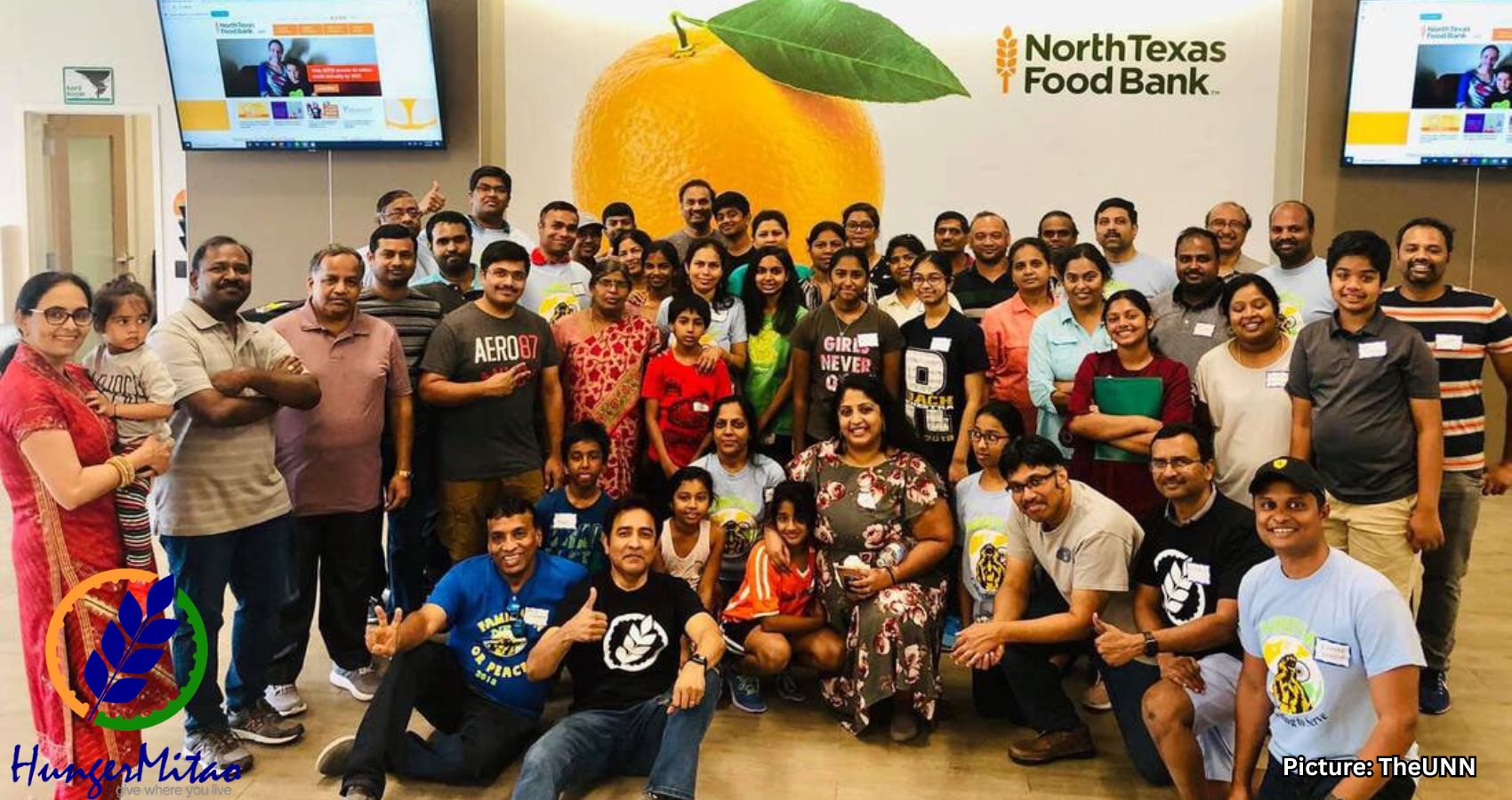
The recent launch of “Missing from the House,” a book coauthored by Rasheed Kidwai and Ambar Kumar Ghosh, highlighted the underrepresentation of Muslim women in Indian politics. J&K Chief Minister Omar Abdullah served as the chief guest at the event, where he expressed surprise at the statistics presented: since the first Lok Sabha in 1952, only 18 Muslim women have served as Members of Parliament (MPs).
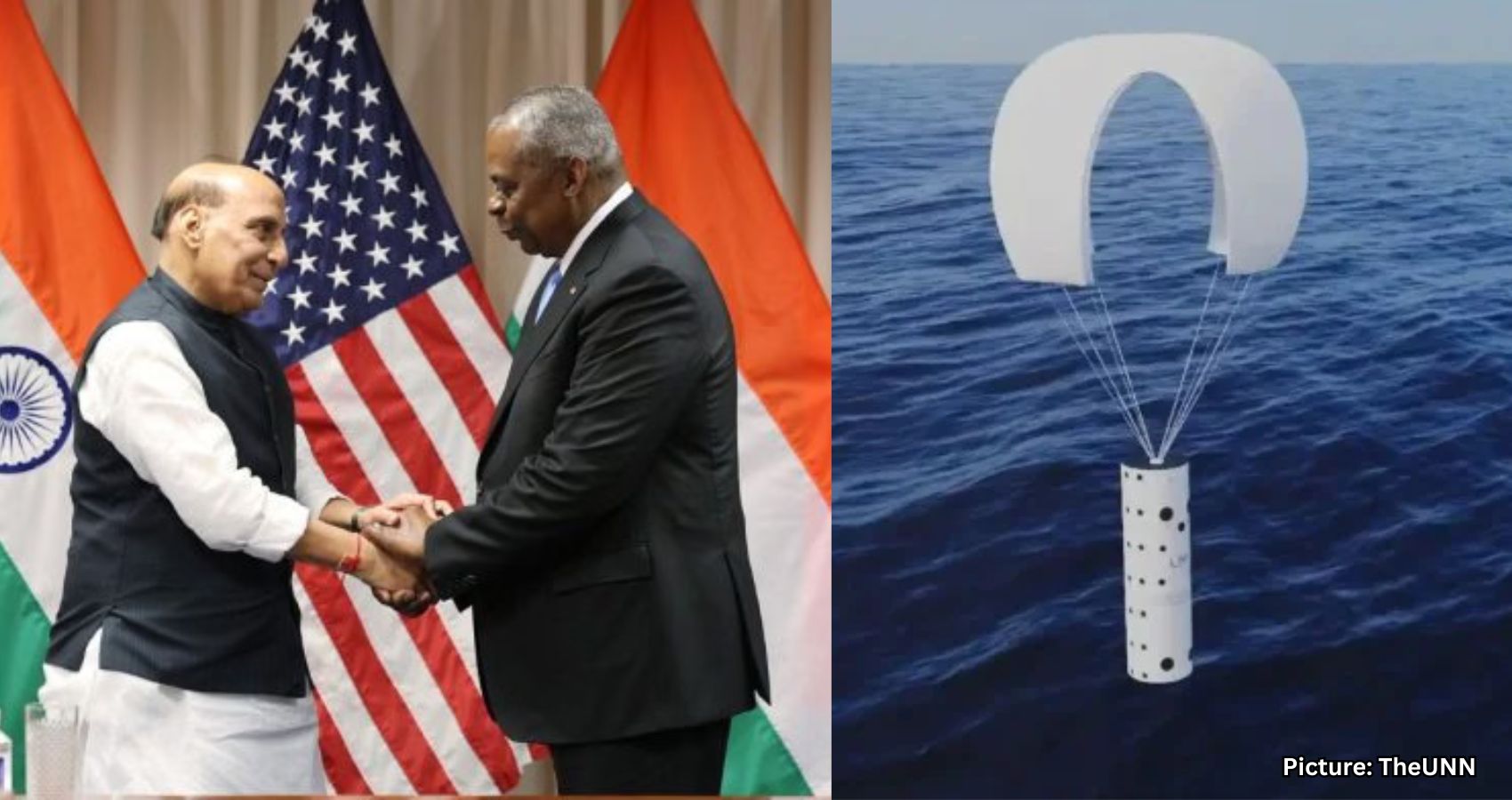
During his address, Abdullah conveyed skepticism about the potential for increased representation under the current government, pointing out that the National Democratic Alliance (NDA) does not include a single Muslim in its Council of Ministers. His remarks underscored a broader concern regarding the political landscape and the challenges faced by minority communities.

The book launch attracted notable attendees, including Iqra Hasan, Sagarika Ghosh, and Salman Khursheed, who joined Abdullah on stage. Iqra Hasan, a prominent MP from the Samajwadi Party and a graduate of the School of Oriental and African Studies (SOAS) in London, resonated with the audience when she discussed her decision to wear a headscarf in Parliament. She explained that while she never felt the need to cover her head during her student years, she chose to do so now to shift the focus away from superficial discussions and toward substantive political issues.

Abdullah also tackled the topic of political dynasties, challenging the audience to consider the double standards surrounding the issue. He posed a thought-provoking question: “If anyone else does it, it is halal, but if politicians do it, then it’s haram.” He argued that unlike other professions, politicians are held accountable every five years through elections. “If you don’t like my work, you will cut my ticket,” he added, emphasizing the unique accountability that comes with political office.

His comments struck a chord with the audience, as he highlighted the lack of similar checks in other fields, such as business and entertainment, where dynastic successions are common. The launch of “Missing from the House” not only served as a platform for discussing the representation of Muslim women in politics but also coincided with the impending implementation of the Women’s Reservations Bill, making the conversation even more timely.

In another significant political development, Prime Minister Narendra Modi and RSS chief Mohan Bhagwat both celebrated their 75th birthdays this week, leading to speculation about their future roles. This milestone age is traditionally associated with the Marg Darshak Mandal, a council of elder statesmen within the BJP. However, both leaders have made it clear that they have no intention of stepping down. Instead, they appear to be united in their message that Modi will continue to lead the BJP into the 2029 Lok Sabha elections.

Modi has already made history by addressing the nation from the ramparts of the Red Fort for 12 consecutive years, surpassing Indira Gandhi’s previous record. Such milestones are significant in the realm of politics and contribute to the narrative of leadership continuity.

Meanwhile, in Bihar, the Congress party and the Rashtriya Janata Dal (RJD) are engaged in crucial negotiations over seat-sharing arrangements ahead of the upcoming elections. This foundational aspect of any political alliance has become a focal point, especially as Congress leaders emphasize the need to demonstrate their presence in the state through the ongoing Vote Adhikar Yatra.

In the last Assembly elections in 2020, the Congress was allocated 70 seats while the RJD received 144. The Congress’s performance was disappointing, winning only 19 of its contested seats, whereas the RJD secured 75. However, in the subsequent Lok Sabha elections, the Congress managed to win three seats compared to the RJD’s four, prompting the Congress to approach negotiations with heightened expectations.

One Congress leader noted that the party is not merely seeking a larger number of seats but rather focusing on the quality of the seats they are contesting. There is a sense that the previous allocation did not provide them with winnable options. To add complexity to the negotiations, Rahul Gandhi has yet to endorse Tejashwi Yadav as the alliance’s Chief Ministerial candidate, a move that some view as a strategic bargaining tactic.

Adding to the political intrigue, independent candidate Pappu Yadav recently met with Rahul Gandhi and Mallikarjun Kharge, claiming that the Congress has several potential CM candidates, including Rajesh Ram and Tariq Anwar. However, during a rally in Bihar, Akhilesh Yadav, another alliance partner, publicly endorsed Tejashwi Yadav as the CM face, asserting that Bihar needs a leader like him. Tejashwi himself has embraced this role, referring to himself as the “Original CM” in contrast to Nitish Kumar, whom he labeled a “nakli” (duplicate), suggesting that the BJP is manipulating the political landscape.

Given the RJD’s status as the dominant party and Tejashwi’s position as its chosen leader, it seems likely that he will emerge as the Mahagathbandan’s Chief Ministerial candidate. However, as is often the case in politics, what appears obvious can quickly become complicated.

Source: Original article

S.I.R. Initiative Aims to Strengthen India’s Sovereignty and Security

Congress leader Pawan Khera’s recent criticisms of the Special Intensive Revision (S.I.R) process in Bihar have sparked a debate about electoral integrity and the preservation of India’s sovereignty.

In a recent attack on the Election Commission of India (ECI), Congress leader Pawan Khera accused the body of undermining the democratic process through its handling of the Special Intensive Revision (S.I.R) in Bihar. Khera claimed that the ECI has been disseminating misleading information, stating that no complaints have been lodged by political parties regarding the S.I.R. He asserted that the Congress Party has submitted 89 lakh complaints about irregularities, only to have these complaints dismissed by the ECI. According to Khera, the ECI informed Congress representatives that only individual complaints would be accepted, not those from political parties.

Khera’s allegations included claims of duplicate entries on the electoral rolls and a demand for the S.I.R to be re-conducted. This rhetoric aligns with a broader strategy employed by the Congress Party, led by Rahul Gandhi, characterized by sensational accusations against the ECI that often lack substantial evidence.

In response to Khera’s assertions, the Chief Electoral Officer (CEO) of Bihar provided a detailed rebuttal, addressing each of the Congress leader’s points. The CEO noted that District Congress Committee presidents had submitted letters to District Election Officers alleging the deletion of approximately 89 lakh names from the electoral rolls. However, the ECI clarified that objections to deletions must adhere to specific rules outlined in the Registration of Electors Rules, 1960, and the Representation of the People Act, 1950.

The Supreme Court, in an interim order dated August 22, 2025, reinforced that objections from political parties must be submitted in the prescribed format to the relevant Electoral Registration Officer. As the objections submitted by the Congress were not compliant with these requirements, they were forwarded to the appropriate authorities for action.

Regarding allegations of duplicate voters, the Bihar CEO’s office stated that the current draft rolls are still under scrutiny and have not yet been finalized. The ECI highlighted that, unlike the Congress Party, its allies, the Rashtriya Janata Dal (RJD) and the Communist Party of India (Marxist-Leninist) (CPI-ML), had adhered to the rules, with the RJD filing ten claims through valid Booth-Level Agents (BLAs) and the CPI-ML submitting 15 claims for inclusion and 103 objections for exclusion as of August 31, 2025.

This situation underscores a perception that the Congress Party is more focused on making unsubstantiated claims than on addressing electoral integrity in a responsible manner. The party’s objections appear to be more about political maneuvering than genuine concerns for the electoral process.

According to Article 326 of the Indian Constitution, every citizen aged 18 or older is entitled to be registered as a voter. Article 324 establishes the ECI’s authority over the preparation of electoral rolls and the conduct of elections. The ECI is empowered by Section 21 of the Representation of the People Act, 1950, to maintain accurate electoral rolls and make necessary revisions.

A Special Intensive Revision (S.I.R) differs from a summary revision, which updates existing data prior to elections. The S.I.R is intended to create a fresh electoral roll, addressing issues such as duplicate entries that have arisen due to urbanization and migration over the past two decades.

S.Y. Quraishi, a former Chief Election Commissioner, has commented on the controversy surrounding the Bihar S.I.R in various op-eds and television interviews. In an op-ed published on August 20, Quraishi praised the ECI for its efforts but called for greater transparency. He noted that while the ECI has provided detailed information about deletions, it has not disclosed the number of new voters added after this clean-up, which he deemed a significant omission.

Quraishi emphasized that public access to electoral information is crucial for democratic accountability. He argued that for an organization with the ECI’s reputation, a return to full transparency is essential for maintaining public trust in the electoral process.

On September 1, the ECI informed the Supreme Court that it had received 1,532,438 applications for first-time inclusion in the electoral roll from eligible citizens aged 18 and older. Quraishi also raised questions about the necessity of conducting a Special Intensive Revision instead of a Summary Revision, referencing an ECI order from June 24, 2025, which outlined the need for the S.I.R due to significant changes in the electoral landscape.

The S.I.R is fundamentally an exercise in sovereignty, aimed at ensuring that only legitimate citizens are included in the electoral rolls while excluding illegal immigrants. This issue is particularly pressing in regions bordering Bangladesh, such as Assam and West Bengal, and to a lesser extent, Bihar. Areas in Bihar with high Muslim populations have seen significant growth rates, raising concerns about the potential impact of illegal immigration on the electoral process.

During the S.I.R process, districts in Bihar have experienced a surge in applications for residential certificates. Bihar’s Deputy Chief Minister, Samrat Choudhary, expressed concerns that many applicants may be immigrants from neighboring countries, including Bangladesh, Nepal, and Bhutan.

The S.I.R is a process sanctioned by Parliament under the Representation of the People Act, 1950, designed to maintain accurate electoral rolls and ensure that only legitimate Indian citizens participate in elections. Oversight by the Supreme Court further enhances the transparency and compliance of this process. While the S.I.R may have its challenges, it is crucial for safeguarding the integrity of India’s democratic framework.

Efforts by the opposition and certain activists to undermine the S.I.R through unfounded allegations not only threaten the democratic process but may also hint at a more insidious agenda. The question remains whether these actions are an attempt to preserve a vote bank that has been sustained through years of facilitating illegal immigration.

Source: Original article

Netanyahu’s Actions Against Qatar Raise Concerns for Hostages’ Safety

Israel’s recent airstrike in Qatar has drawn widespread condemnation and raised questions about the future of peace negotiations amid ongoing hostilities in Gaza.

In a shocking turn of events, an Israeli airstrike in Qatar has claimed the lives of five senior Hamas leaders who were reportedly discussing ceasefire proposals with U.S. officials. The attack, named Operation Atzeret HaDin, or “Day of Judgement,” occurred while the leaders were meeting in a luxurious residential area in northern Doha.

Israeli President Isaac Herzog stated that the strike specifically targeted Khalil al-Hayya, the primary Hamas negotiator based in Qatar. Herzog claimed that al-Hayya had repeatedly obstructed peace efforts, asserting, “We targeted those who refused to accept the deal, including primarily al-Hayya, whose hands carried the blood of thousands of Israelis.”

However, neutral observers have criticized the strike, suggesting that it was a deliberate attempt by Israel to undermine ongoing peace talks and continue its military campaign in Gaza. Many view the attack as a move to achieve what Israel describes as a “total victory” over Hamas.

Qatar, a key mediator in the region and a U.S. ally, condemned the airstrike as a violation of its sovereignty. Prime Minister Mohammed bin Abdulrahman bin Jassim al-Thani expressed outrage, stating, “We will act firmly against the reckless breach that threatens our security.” He added that he had met with families of hostages just hours before the attack, emphasizing their reliance on diplomatic mediation for hope.

Other Gulf nations also voiced their condemnation of the Israeli strike. The United Arab Emirates, part of the Abraham Accords aimed at normalizing relations with Israel, labeled the attack a “reckless” and “flagrant violation” of international law. Iran and Saudi Arabia characterized the bombing as a “criminal act,” further escalating regional tensions.

Reports indicate that the discussions among Hamas officials in Doha included proposals for a 60-day ceasefire and the early release of hostages, both living and deceased. The negotiations also considered the release of Palestinian prisoners held in Israeli jails. However, the airstrike abruptly ended these discussions, raising questions about the future of peace efforts.

In the wake of the bombing, President Donald Trump, who had previously expressed optimism about the negotiations, altered his tone. Before the strike, he had posted on Truth Social, “The Israelis have accepted my Terms. It is time for Hamas to accept as well.” After the attack, he expressed dissatisfaction, stating, “I’m not thrilled about it. It’s not a good situation,” while distancing himself from the decision, claiming it was made solely by Prime Minister Netanyahu.

This shift in Trump’s rhetoric has led many to question the reliability of U.S. security guarantees in the region. The bombing poses a complex political dilemma for Trump, who must balance support for Israel with the need to maintain diplomatic relations with Arab nations.

Qatar hosts the largest U.S. military facility in the region, the Al Udeid airbase, which underscores its strategic importance to American interests. This military presence provides Qatar with a degree of security, especially as Israeli officials have long criticized the nation as a “Club Med for terrorism.”

The implications of the airstrike extend beyond immediate diplomatic relations. Analysts warn that the attack could lead to further destabilization in the region, with the potential for a multi-front conflict that could disrupt oil prices and exacerbate humanitarian crises. Recent Israeli strikes on other Middle Eastern capitals, including Tehran and Damascus, have already raised concerns about escalating violence.

Looking ahead, the outcome of Operation Atzeret HaDin remains uncertain. While a major rocket attack on Israel is unlikely in the immediate future, the potential for further Israeli strikes could increase tensions. Observers suggest that restraint from all parties, coupled with strong diplomatic efforts—particularly from the U.S.—could help prevent a broader conflict.

For the families of the hostages, the situation is dire. Netanyahu’s government appears to prioritize a military solution over negotiations, raising fears for the safety of the approximately 20 hostages believed to still be alive. The families are understandably anxious, as Netanyahu’s commitment to securing their release seems increasingly performative. Had he genuinely sought to negotiate, the airstrike on Qatar would not have occurred, effectively jeopardizing any chance for successful mediation.

As the UN General Assembly prepares to meet next week, where several Israeli allies may recognize an independent Palestinian state, the stakes continue to rise. Israel has initiated operations to seize Gaza City, where hostages are believed to be held, further complicating the situation.

In summary, Netanyahu’s recent actions have not only escalated military tensions but have also significantly diminished the prospects for peace, effectively signing the death warrants of innocent hostages who have endured over 700 days in captivity.

Source: Original article

All Mahagatbandhan Parties Must Welcome New Partners in Bihar

Congress emphasizes the need for collaboration among alliance partners in Bihar, asserting that the electorate will decide on the new Chief Minister in the upcoming elections.

New Delhi: Congress officials stated on Wednesday that all alliance partners in Bihar must accommodate new members within the coalition. They refrained from endorsing Rashtriya Janata Dal (RJD) leader Tejashwi Yadav as the Chief Ministerial candidate, asserting that the people of Bihar will choose a new leader in the upcoming elections.

This announcement followed a meeting between the Screening Committee members and senior Bihar Congress leaders. It marked the first gathering of the Screening Committee with the Bihar Congress leadership.

The meeting, held at Indira Bhawan, included key figures such as committee Chairperson Ajay Maken, Bihar in-charge Krishna Allavaru, state unit chief Rajesh Kumar, and CLP leader Shakeel Ahmed Khan.

Sources within the party indicated that around 55 seats were discussed during the meeting. They also revealed that the Congress is actively seeking strong candidates for the forthcoming elections.

During a press conference, Allavaru addressed the seat-sharing formula and the number of seats Congress intends to contest. He stated, “In this election, all alliance partners will have to accommodate new partners in the upcoming polls from their own quota of seats.”

Allavaru emphasized that the presence of several new partners in the Mahagatbandhan necessitates cooperation among all parties. He stressed the importance of dividing seats in a manner that includes both strong and weaker constituencies in each partner’s quota to ensure a robust campaign.

The Congress party has also instructed its block-level organizations to submit names of potential candidates to the state leadership by September 14. A meeting of the state election committee is scheduled for September 16.

Allavaru further noted that the first formal meeting of the Screening Committee will occur on September 19. When questioned about Tejashwi Yadav’s candidacy for Chief Minister, he reiterated that the electorate will ultimately decide on their new leader.

Additionally, party leaders confirmed that a joint manifesto for Bihar will soon be released. A member of the party indicated that the Manifesto Committee was established three months ago and that the joint manifesto is nearing completion. Following its finalization, a collaborative campaign will be launched across all 243 assembly seats in the state.

In the previous assembly elections held in 2020, the Congress contested 70 out of 243 seats and secured 19 victories.

Source: Original article

Trump Administration Criticizes UN Vote on Palestinian Statehood

The United States has condemned a recent U.N. General Assembly resolution supporting Palestinian statehood, labeling it a “gift to Hamas” and counterproductive to peace efforts.

The United States has strongly condemned a U.N. General Assembly resolution that supports the creation of a Palestinian state, which passed with a vote of 142 in favor and 10 against, calling it a “gift to Hamas.” The resolution was backed by a coalition led by Saudi Arabia and France, and it has sparked significant backlash from the Trump administration.

U.S. United Nations Counselor Morgan Ortagus expressed the administration’s disapproval following the vote, stating, “Make no mistake — this resolution is a gift to Hamas.” She emphasized that the United States would not participate in what she described as an “insult to the victims of Oct. 7,” referring to the recent violence in the region. Ortagus further asserted that the resolution undermines diplomatic efforts aimed at achieving peace and securing the release of hostages.

In a statement to Fox News Digital, a White House official reiterated President Trump’s stance, indicating that recognizing a Palestinian state would reward Hamas and hinder efforts to bring hostages home. “He doesn’t think they should be rewarded,” the official stated, reinforcing the administration’s position against the resolution.

The “New York Declaration,” proposed during a U.N. conference in July, aims to outline what its sponsors describe as an “irreversible” path toward Palestinian statehood. The declaration condemns Hamas for the attacks on October 7, demands the release of hostages, and calls for Hamas to relinquish control of Gaza and hand over its weapons to the Palestinian Authority.

In Paris, the French Foreign Ministry hailed the resolution’s passage as a “historic vote,” reflecting the international community’s commitment to advancing a comprehensive roadmap for peace and security in the region. The ministry noted that the declaration embodies unprecedented support for principles such as an immediate ceasefire, the release of hostages, and the establishment of a viable, sovereign Palestinian state. It also confirmed that discussions would continue at a follow-up conference in New York on September 22, which will be attended by French President Emmanuel Macron.

Israel’s U.N. Ambassador Danny Danon criticized the vote, labeling it as “theater” and warning that the only beneficiaries would be Hamas. “When terrorists are the ones cheering, you are not advancing peace; you are advancing terror,” he stated, reflecting the concerns of many Israeli officials regarding the implications of the resolution.

Anne Bayefsky, director of the Touro Institute on Human Rights and the Holocaust and president of Human Rights Voices, described the declaration as “a direct threat to American national security” and an “unabashed attempt to destroy the Jewish state.” She expressed particular concern over the provisions related to the so-called right of return, which she argued could lead to a mass influx of Palestinians into Israel, potentially undermining the Jewish majority and self-determination.

Bayefsky criticized the resolution’s provisions regarding Hamas as “smoke and mirrors,” asserting that it undermines the Abraham Accords by restoring a Palestinian veto over regional peace initiatives. She called for a robust response from the United States to counter what she views as a dangerous precedent.

While the U.S. and nine other countries, including Argentina, Hungary, Israel, Micronesia, Nauru, Palau, Papua New Guinea, Paraguay, and Tonga, voted against the resolution, Bayefsky expressed disappointment with Germany’s support for the measure, describing it as “absolutely shocking.” She emphasized that undermining the necessity of Jewish self-determination is “abhorrent.”

On the diplomatic front, Secretary of State Marco Rubio announced plans to visit Israel ahead of high-level U.N. meetings later this month, where countries such as France and Britain are expected to formally recognize Palestinian statehood. The developments in the U.N. and the international response to the resolution indicate a complex and evolving landscape in the pursuit of peace in the region.

Source: Original article

Lawmakers Respond to Kirk’s Assassination and Political Violence Concerns

Following the assassination of Charlie Kirk, lawmakers from both parties are raising alarms about the escalating violence in U.S. political discourse.

In the wake of Charlie Kirk’s assassination, bipartisan concern has emerged among lawmakers regarding the deteriorating state of political discourse in the United States. The tragic event has intensified discussions about the alarming rise in political violence that has plagued the nation in recent months.

Kirk’s assassination marks a grim chapter in a series of violent incidents targeting high-profile political figures. This trend began in July 2024, when former President Donald Trump was shot while campaigning for a second term in Butler, Pennsylvania. Just months later, Trump faced another assassination attempt. In April, Pennsylvania Governor Josh Shapiro was the victim of an arson attack, and in June, two Minnesota lawmakers and their families were attacked, resulting in two fatalities.

The chilling impact of this violence has led some lawmakers to cancel public appearances due to fears for their safety. “We have a climate right now where people who are frankly unhinged… like the two guys who tried to shoot President Trump, one who did shoot him, the person – whoever it is – who killed Charlie, the person who went after the Minnesota lawmakers – these people are nuts,” Senator Josh Hawley, R-Mo., told Fox News Digital. “But they are egged on by a climate that says, ‘Hey, you know, it’s okay basically to go out and shoot your opponents because they’re really Hitler.’”

This sentiment was echoed by Democratic lawmakers, who expressed their own fears about the current political climate. “It’s really sad and just scary, you know, honestly, just how dire things have gotten in this country in terms of our political discourse,” said Senator Andy Kim, D-N.J. He noted a recent survey indicating that over 50% of Americans would label members of the opposing political party as “the enemy,” a notion he described as “terrifying” and “dangerous.”

Senator Jeff Merkley, D-Ore., emphasized the necessity of respectful political engagement, stating that for democracy to function, individuals must be able to “passionately share [their] viewpoints and do so knowing that we resolve our differences through advocacy and voting, not through violence.”

Senator Sheldon Whitehouse, D-R.I., remarked on the implications of Kirk’s death for political discourse. “I don’t know what it says about political discourse, but it certainly says something about violence, and it has no business in political discourse. You can have a robust disagreement with people, but when it turns to violence, something’s gone badly wrong,” he said.

Kirk was known for his passionate yet respectful engagement with students across the political spectrum as part of Turning Point USA, the grassroots organization he co-founded in 2012. He frequently visited college campuses nationwide, hosting debates and “Prove Me Wrong” events, where students could challenge his views directly.

Representative Thomas Massie, R-Ky., reflected on the loss of Kirk, stating, “I mean, that’s the shame of this. Charlie Kirk was polite, he had a message, and he spread that message, and he engaged people to speak and debate, and then he lost his life for that. That’s the thing about this country, we have freedom of speech. Nobody should ever take out violence based on something somebody said.”

Representative Jonathan Jackson, D-Ill., urged for a collective reflection on the current political rhetoric, warning that “these violent words precede violent actions.” He emphasized the need for a change in tone to prevent further tragedies.

Hawley suggested a broader perspective might help mitigate the issue. “I’ll just say again, part of the way we stop it is we realize that there’s stuff in life that’s more important than politics,” he advised reporters.

The assassination of Charlie Kirk has sparked urgent discussions among lawmakers about the need to address the rising tide of political violence and the rhetoric that fuels it. As the nation grapples with these issues, the hope remains that a return to civil discourse can be achieved.

Source: Original article

Relative of 9/11 Firefighter Criticizes Mamdani for Slogan Silence

The cousin of a 9/11 firefighter criticized New York City mayoral candidate Zohran Mamdani for not condemning the slogan “globalize the intifada” during a recent anniversary ceremony.

The cousin of a firefighter who perished in the September 11 attacks took aim at New York City mayoral candidate Zohran Mamdani for his reluctance to denounce the controversial slogan “globalize the intifada.” This remark came during a memorial ceremony held in Manhattan on Thursday, where Mike Weinstein, 61, honored his cousin, Stephen Belson, a veteran firefighter who lost his life while attempting to rescue individuals trapped in the South Tower of the World Trade Center.

Weinstein urged all politicians to unequivocally renounce terror and violence. He warned that failing to do so, particularly by not condemning phrases like “globalize the intifada,” could lead to another tragedy akin to 9/11. “I know my cousin Steve and many, many others would agree with me when I say, let’s continue to press all politicians, including those who went home already, to firmly renounce terror and violence,” Weinstein stated. “When political candidates and public officials refuse to condemn global terror and phrases such as ‘globalize the intifada,’ they are inviting another 9/11, God forbid, and they continue to bring daily fear for all New Yorkers,” he added.

Weinstein’s passionate remarks underscored the urgency he feels regarding the political climate. “Enough. Enough is enough,” he continued. “Twenty-four years later, we need all political candidates, including every single potential future mayor — and you know who I’m talking about — of this great city to speak out against terror and unite as freedom-loving New Yorkers. God bless America, land of the free and home of the brave.”

The phrase “globalize the intifada” is widely recognized as an anti-Zionist slogan that advocates for international support of Palestinian resistance against Israel. However, it has been criticized for inciting violence against Israelis and Jews. Throughout his campaign for the Democratic Party’s mayoral nomination, which he won in June, Mamdani has refrained from directly condemning the slogan. Recently, he did indicate that he would “discourage” its use.

In a shift from his earlier stance, Mamdani suggested that discussions with Jewish leaders had influenced his perspective on the slogan’s implications. He acknowledged the disparity between the slogan’s intended message and its detrimental effects on many Jewish New Yorkers. Earlier this summer, Mamdani described the phrase as reflecting “a desperate desire for equality and equal rights in standing up for Palestinian human rights.” However, he later clarified that it is “not language that I use,” amid growing backlash.

During an appearance on NBC, Mamdani emphasized the importance of using language that clearly conveys his intentions, stating, “The language that I use and the language that I will continue to use to lead this city is that which speaks clearly to my intent, which is an intent grounded in a belief in universal human rights.”

As the political landscape evolves, the discourse surrounding sensitive topics like the Israeli-Palestinian conflict remains contentious. Weinstein’s remarks serve as a reminder of the deep emotional scars left by the events of 9/11 and the ongoing challenges faced by New Yorkers in navigating these complex issues.

Source: Original article

Railways Use Parcel Vans to Transport Kashmir Fruits During Highway Disruptions

Indian Railways has introduced parcel vans to transport Kashmir’s fruits to Jammu and Delhi, providing crucial support to growers amid disruptions on the Srinagar-Jammu National Highway.

In a significant development for fruit growers in the Kashmir Valley, Indian Railways has deployed two dedicated parcel vans to facilitate the transport of fresh produce to Jammu and Delhi. This initiative comes at a critical time when the region’s horticulture sector is grappling with substantial losses due to the ongoing closure of the Srinagar-Jammu National Highway (NH-44), which has been affected by landslides and persistent rains.

Railway officials confirmed that the two vans departed from Budgam Railway Station on Thursday morning. One van is destined for Delhi, while the other is headed to Jammu, both carrying substantial consignments of the Valley’s renowned apples.

“This initiative is aimed at ensuring that the produce of local growers doesn’t go to waste,” said a senior railway official at Budgam. “It’s a significant step to support the horticulture economy of Kashmir during this critical time.”

For the past two weeks, fruit-laden trucks have faced severe challenges, with many stuck or forced to turn back due to road blockages. This situation has left traders and farmers distressed, as thousands of tonnes of perishable fruit risked spoiling without viable transport options.

Local fruit growers have welcomed the railway’s initiative and expressed hope that such services could become a permanent feature during harvest seasons. “This has given us hope,” remarked a grower from Shopian. “Rail transport is faster and more dependable, especially when the highway gets blocked.”

Officials indicated that if this initiative proves successful both logistically and economically, there may be plans to expand parcel services to additional destinations, potentially including major cities like Mumbai and Kolkata.

The introduction of rail transport for fruit exports is being viewed as a game-changer for Kashmir’s horticulture sector, which plays a vital role in the Union Territory’s economy. By providing an alternative to the frequently closed highway, the rail service could become a lifeline for fruit exports in upcoming seasons.

Source: Original article

U.S. Media Express Optimism as Modi and Trump Address Trade Tensions

The U.S. media expressed optimism on September 10 regarding the positive exchange of messages between Prime Minister Narendra Modi and President Donald Trump, signaling potential resolution of trade tensions.

On September 10, the U.S. media reacted positively to the exchange of messages between Indian Prime Minister Narendra Modi and President Donald Trump, indicating a hopeful outlook for resolving ongoing trade issues, particularly concerning tariffs and trade barriers.

Fox Business reported on the resumption of trade talks, highlighting a “significant shift” in U.S.-India relations after months of heightened tensions. The article noted that the exchange of messages underscores both countries’ commitment to advancing negotiations, although it acknowledged that unresolved disputes in agriculture and energy continue to pose challenges.

In a similar vein, Bloomberg published an editorial titled “Don’t Let Tariffs Tank the US-India Relationship,” urging both nations to focus on their long-term interests. The piece emphasized the importance of maintaining strong ties with India, which it described as the world’s largest democracy and a vital partner in a critical region.

The editorial advised the Trump administration to continue supporting India, particularly in light of its strategic role within the “Quad” diplomatic group, which includes Japan and Australia. It argued that India can significantly contribute to diversifying supply chains, advancing technology, and upholding a rules-based international order in the face of pressures from China.

Bloomberg’s editorial cautioned against allowing trade disputes to undermine a carefully cultivated relationship. It noted that neither China nor Russia could provide the same level of investment, technology transfers, or access to advanced weaponry that the United States can offer. The article urged India to focus on preserving and enhancing its relationship with the U.S. through cooperation in areas such as semiconductors, quantum technology, and defense production, regardless of the status of trade negotiations.

While the editorial expressed hope for a resolution, it also acknowledged the unpredictable nature of political dynamics in Washington, stating that there is “no guarantee” of a deal. Nonetheless, it maintained that a successful resolution could yield significant benefits over time.

As both nations navigate these complex issues, the recent exchanges signal a mutual desire to improve relations and foster cooperation in various sectors, highlighting the importance of dialogue in addressing trade tensions.

Source: Original article

Land Seized in Baramulla Linked to Terrorism in PoK

Baramulla Police have seized land belonging to two individuals linked to terrorism in Pakistan-occupied Kashmir, aiming to disrupt anti-national networks in the region.

Srinagar: In a significant operation against anti-national elements, the Baramulla Police executed property attachments of two proclaimed offenders involved in unlawful activities. This action was carried out under the directives of the Hon’ble Special Court designated under the Unlawful Activities (Prevention) Act (UAPA).

The operation pertains to case FIR No. 03/2008, registered at Police Station Pattan. This case involves serious charges under Sections 2 and 3 of the Enemy Agents Ordinance (EIMCO) Act, Section 121 of the Ranbir Penal Code (RPC), and Section 19 of the UAPA. The court order authorizing the attachment proceedings is numbered 122/ASJ/BLA/UAPA and is dated September 2, 2025.

The properties attached include land belonging to two individuals currently residing in Pakistan-occupied Kashmir. The first individual, Mohd Maqbool Sheikh, son of Late Ali Mohd Sheikh, has land measuring 03 Kanals 15 Marlas under Survey No. 1947/1767. The second individual, Mohd Rafiq Tantray, son of Ab Hamid Tantray, has land measuring 04 Kanals 17 Marlas under Survey Nos. 1763/1584/2395.

This attachment was executed under Section 88 of the Criminal Procedure Code (CrPC) with the active assistance of the Revenue Department. The properties were thoroughly identified and demarcated, and all necessary legal formalities, including public notification and proclamation, were completed.

This action underscores the Baramulla Police’s commitment to dismantling the terror ecosystem in the region. Authorities have indicated that the process of identifying and attaching properties belonging to individuals involved in unlawful and anti-national activities will continue in accordance with the law.

In a related development, the Baramulla Police recently dismantled a terrorist hideout in the Gogaldara-Danwas forest area, seizing a cache of arms and ammunition. These concerted efforts reflect the ongoing commitment of the Jammu and Kashmir Police to uphold peace, security, and the rule of law in the region.

Source: Original article

Congress Reacts to CRPF Letter on Security Breaches Amid Vote Theft Allegations

Congress has condemned a letter from the CRPF regarding security protocol breaches involving Rahul Gandhi, questioning whether the government is unsettled by his allegations of vote theft.

New Delhi: The Congress party has reacted strongly to a letter from the Central Reserve Police Force (CRPF) addressed to its President, Mallikarjun Kharge, which highlighted repeated lapses in security protocol during Rahul Gandhi’s foreign trips. The letter warned that such breaches could expose Gandhi to serious risks. In response, Congress has suggested that the government may be rattled by Gandhi’s recent allegations of vote theft.

The CRPF’s communication, which was made public, raised concerns about “unscheduled trips” and violations of security protocols by Gandhi. Sources indicate that the letter specifically addressed security practices related to the Leader of the Opposition in the Lok Sabha.

According to the CRPF, despite being under Z+ security cover with an Advance Security Liaison (ASL) team, Rahul Gandhi has neglected mandatory protective measures on multiple occasions. Sunil June, the Chief of VVIP Security for the CRPF, alleged that Gandhi was not taking his security seriously, often traveling abroad without prior notification.

The letter detailed at least six foreign trips made by Gandhi to countries including Italy, Vietnam, Dubai, Qatar, London, and Malaysia. It emphasized that high-security protectees are required to inform their security teams in advance about all movements, including international travel, to ensure adequate security arrangements are in place, as outlined in the “Yellow Book” protocol.

In a pointed response, Pawan Khera, chairperson of the Congress media and publicity department, questioned the timing of the letter’s release, suggesting it was an attempt to intimidate Gandhi. He noted that the letter’s public disclosure coincided with Gandhi’s efforts to expose alleged vote theft by the BJP, which he claims is facilitated by the Election Commission.

Khera expressed his concerns on social media platform X, stating, “The timing of the CRPF’s letter and its instant public release raise disturbing questions. It comes just as Rahul Gandhi is leading the charge against the BJP’s Vote Chori carried out with the Election Commission’s complicity.”

He further challenged the government, asking, “Is this a veiled attempt to intimidate the Leader of Opposition, who has already announced another imminent disclosure? Is the government rattled by the truth he is about to reveal?”

In recent months, Gandhi has traveled to several countries while simultaneously targeting the government over alleged electoral misconduct, asserting that the Election Commission has colluded with the BJP in what he describes as vote theft.

As the political landscape continues to evolve, the Congress party remains steadfast in its criticism of the government’s actions, framing the CRPF’s letter as part of a broader strategy to undermine opposition voices.

Source: Original article

Rubio Cautions Brazil on U.S. Response Following Bolsonaro’s Coup Conviction

The U.S. Secretary of State Marco Rubio has warned of a potential U.S. response following the conviction of former Brazilian President Jair Bolsonaro for plotting a coup.

U.S. Secretary of State Marco Rubio announced on Thursday that the United States would take action in response to the conviction of former Brazilian President Jair Bolsonaro, who was found guilty of plotting a coup to retain power after losing the 2022 election. While Rubio did not specify the nature of the U.S. response, he expressed strong disapproval of the Brazilian judicial proceedings against Bolsonaro.

In a post on X, Rubio criticized what he described as “political persecutions” by Brazilian Supreme Court Justice Alexandre de Moraes, labeling the ruling against Bolsonaro as unjust. “The United States will respond accordingly to this witch hunt,” he stated, indicating that the U.S. government would not remain passive in the face of what he perceives as a violation of democratic principles.

Brazil’s Foreign Ministry reacted sharply to Rubio’s comments, asserting that they constituted a threat to Brazilian sovereignty and disregarded the facts surrounding the case. The ministry emphasized that Brazilian democracy would not be intimidated by external pressures.

On Thursday, Bolsonaro was sentenced to 27 years and three months in prison after being convicted by Brazil’s Supreme Court. The charges against him included plotting a coup to prevent President Luiz Inácio Lula da Silva from assuming office in January 2023. Bolsonaro, who served as president from 2019 to 2022, was a close ally of former U.S. President Donald Trump.

Trump, commenting on the situation, expressed surprise at Bolsonaro’s conviction, likening it to his own legal challenges. “I thought he was a good president of Brazil,” Trump said, adding that he was taken aback by the developments. He also criticized the Brazilian judicial system, suggesting that it was politically motivated.

In response to the ongoing situation, Rubio has previously announced visa revocations for Justice de Moraes and his associates. This action followed the issuance of search warrants and restraining orders against Bolsonaro, which Rubio characterized as part of a “political witch hunt.” The U.S. Treasury Department has also sanctioned de Moraes, citing allegations of arbitrary pre-trial detentions and suppression of free speech.

Eduardo Bolsonaro, the former president’s son and a Brazilian Congressman, indicated that he expects further U.S. sanctions against Brazilian justices involved in the case. He warned that justices who voted to convict his father could face repercussions under the Magnitsky Act, a law previously utilized by the Trump administration against de Moraes. “If these Supreme Court justices keep following Moraes, they also run the risk of facing the same sanction,” he stated.

The situation continues to evolve, with both U.S. and Brazilian officials closely monitoring the implications of Bolsonaro’s conviction and the potential for increased tensions between the two nations.

Source: Original article

Democratic Senator Defends Against Accusations of Using Veterans as Props

Senator Jon Ossoff of Georgia faces accusations from Republicans regarding his claims about a veterans housing bill, which he defends as a celebration of bipartisan efforts to assist veterans.

Senator Jon Ossoff, a Democrat from Georgia, has dismissed Republican accusations that he misrepresented his involvement in the passage of a veterans housing bill. He questioned, “Is this the best they’ve got?” in response to the criticism.

The controversy centers around claims that Ossoff exaggerated his role in helping to pass legislation designed to prevent veterans from losing their homes. Some local media outlets inaccurately reported that Ossoff co-sponsored the bill, despite his lack of formal involvement.

Ossoff shared a video on social media last week featuring a news report that documented his press conference alongside local leaders and veterans groups. This event occurred shortly after President Donald Trump signed the VA Home Loan Program Reform Act. In the video caption, Ossoff stated that he “championed” the bipartisan bill aimed at protecting veterans.

However, a Fox News analysis revealed that Ossoff was not a co-sponsor of the legislation and did not vote on it. The bill was passed by unanimous consent in the House and through a voice vote in the Senate. Furthermore, Ossoff did not introduce any companion legislation in the Senate, nor was he present or active during the Senate floor discussions in July, according to a GOP source.

Republicans have criticized Ossoff’s messaging, arguing that he had “absolutely nothing” to do with the bill. When asked to clarify the discrepancies regarding his claims, Ossoff’s team defended his statements, asserting that he was merely celebrating the passage of a bipartisan bill that addressed a problem created by Republicans.

A spokesperson for Ossoff stated, “The Trump administration canceled the VASP program, and Sen. Ossoff sounded the alarm that its cancellation risked veteran homelessness, then celebrated the passage of a bipartisan bill to solve the problem. This is the best they’ve got?”

The VA Home Loan Reform Act is intended to replace the Veterans Affairs Servicing Purchase (VASP) program, which Ossoff previously criticized the Trump administration for terminating. Rep. Derrick Van Orden, a Republican from Wisconsin and the lead sponsor of the VA Home Loan Reform Act, described the VASP program as “fiscally irresponsible” and stated it was “endangering the entire VA home loan guarantee program.”

After Van Orden highlighted Ossoff’s social media posts claiming he “championed” the new veteran foreclosure bill, he accused the senator of telling a “bald-faced lie.” Other Republicans joined in the criticism, attacking Ossoff on social media platforms.

Rep. Buddy Carter, a Republican from Georgia, referred to Ossoff’s statements as “pathetic, disgusting lies,” suggesting that the senator was using veterans as props for political gain. He stated, “Congrats on showing Georgians you’re not above using veterans as props for your press stunts. Your empty suit gimmicks spit in the face of people you claim to serve.”

Senator Tim Scott, a Republican from South Carolina, echoed similar sentiments, asserting that Ossoff had no involvement in the Republican-led efforts to assist veterans. He criticized Ossoff for attempting to take credit amid what he described as political desperation, stating, “Georgia deserves so much better.”

Van Orden reiterated that Ossoff had no role in the bill, emphasizing, “He did not even vote for it; it passed by unanimous consent. This disgusting and shameful behavior must stop. Veterans are not political props.”

The controversy surrounding Ossoff’s claims has led to multiple local news outlets reporting inaccuracies regarding his role in the Veterans Affairs legislation. For instance, WSB Radio in Atlanta published an article stating that a new law co-sponsored by Ossoff aimed to prevent veteran foreclosures. However, according to official records, Van Orden was the bill’s sole sponsor.

The bill was forwarded to the Senate Veterans Affairs Committee for approval before being passed by a voice vote in the Senate, where Ossoff is not a member.

Ossoff’s team announced that President Trump signed the Veterans Affairs Home Loan Program Reform Act into law on a Wednesday, describing it as bipartisan legislation that Ossoff co-sponsored and supported to assist veterans relying on VA loans. This assertion has been challenged by critics who argue that Ossoff’s claims are misleading.

As Ossoff prepares for his 2026 re-election campaign, he faces a competitive Republican field, including Derek Dooley, a former University of Tennessee football coach and ally of Georgia Governor Brian Kemp, as well as Republican Representatives Mike Collins and Buddy Carter.

As the political landscape evolves, the scrutiny surrounding Ossoff’s claims highlights the contentious nature of political discourse, particularly regarding issues affecting veterans.

Source: Original article

Farooq Abdullah Criticizes LG Administration for Mehraj Malik’s Detention

Protests erupt in Jammu and Kashmir over the detention of AAP leader Mehraj Malik, prompting National Conference leader Farooq Abdullah to criticize the LG administration’s actions.

SRINAGAR: Protests have erupted across various regions of Jammu and Kashmir in response to the detention of Mehraj Malik, the President of the Aam Aadmi Party (AAP) in the Union Territory and a sitting Member of the Legislative Assembly (MLA). Senior National Conference leader and former Chief Minister Dr. Farooq Abdullah addressed the situation on Wednesday during a visit to Baramulla.

Dr. Abdullah placed the blame squarely on the administration led by the Lieutenant Governor (LG), stating, “The police and administration are under the LG. Whatever happens there, the LG will be responsible for it.” His comments come amid escalating outrage over Malik’s detention under the Public Safety Act (PSA), a move that has drawn widespread criticism from various political factions and civil society organizations.

Following the execution of the PSA order, protests broke out in Doda and Bhaderwah, with Malik’s supporters asserting that the detention is politically motivated and intended to stifle dissent. Dr. Abdullah emphasized that such actions would not contribute to the progress of the Union Territory. “If they think jailing elected representatives will silence the voices of people, they are mistaken. Democracy is about dialogue, not suppression,” he remarked.

The former Chief Minister also called for restraint from the administration, urging a reconsideration of its approach. “This is not how you build peace. Detaining leaders without proper justification will only widen the trust deficit,” he warned.

In response to Malik’s detention, his family and party colleagues have approached the court to challenge the PSA order. The political atmosphere in the region remains tense, with multiple parties demanding Malik’s immediate release.

As the situation develops, attention is focused on the LG administration and its potential response to the mounting political pressure.

Source: Original article

World Leaders Mourn Charlie Kirk Following Shocking Assassination in Utah

World leaders condemned political violence following the shocking assassination of Charlie Kirk, a conservative media figure, during a speaking engagement at Utah Valley University.

International leaders expressed their outrage and sorrow on Wednesday after the tragic news broke that Charlie Kirk, a prominent conservative media personality and co-founder of Turning Point USA, was shot and killed during a speaking event at Utah Valley University. Kirk, 31, was a husband and father of two.

Former President Donald Trump confirmed Kirk’s death in a social media post, revealing that he had been hospitalized after suffering a neck wound from the shooting.

Israeli Prime Minister Benjamin Netanyahu was among the first world leaders to voice his grief over Kirk’s assassination. He stated on social media, “Charlie Kirk was murdered for speaking truth and defending freedom.” Netanyahu described Kirk as a “lion-hearted friend of Israel” who fought against falsehoods and stood firm for Judeo-Christian values. He noted that he had spoken with Kirk just two weeks prior and had invited him to Israel, lamenting that “sadly, that visit will not take place.” He concluded his tribute by acknowledging Kirk’s profound pride in America and his unwavering belief in free speech, stating, “Rest in peace, Charlie Kirk.”

Italy’s Prime Minister Giorgia Meloni also expressed her condolences, stating on X that she was “shocked by the news of the killing of Charlie Kirk.” She characterized the act as “an atrocious murder, a deep wound for democracy and for those who believe in freedom.” Meloni extended her sympathies to Kirk’s family, loved ones, and the American conservative community.

Argentina’s President Javier Milei shared a personal photo with Kirk and former Florida Rep. Matt Gaetz, offering condolences to Kirk’s family and to the young people worldwide who admired him. He called Kirk “a formidable disseminator of the ideas of freedom and staunch defender of the West,” labeling him a “victim of an atrocious murder” and attributing blame to the “left,” despite law enforcement officials not confirming the identity of the shooter. “The entire world lost an incredible human being,” Milei added.

U.K. Prime Minister Keir Starmer also expressed his sorrow and condemned political violence in a post on X, stating, “My thoughts this evening are with the loved ones of Charlie Kirk.” He emphasized the heartbreak of a young family being robbed of a father and husband, asserting that “we must all be free to debate openly and freely without fear – there can be no justification for political violence.”

Numerous leaders across the U.K. echoed Starmer’s sentiments, including Nigel Farage, the leader of Reform UK, who shared a photo with Kirk and remarked, “This is a very dark day for American democracy.” He expressed his deep sadness for Kirk, his wife, and children.

New Zealand’s Minister of Foreign Affairs, Winston Peters, also condemned the rise of political violence and its threat to democracy. He stated on X, “It is tragic that we now live in a world where differences of opinion are met with a gun,” emphasizing that Kirk’s death should not merely be classified as “political violence” but rather as “an assassination.” Peters lamented the loss, noting that Kirk had traveled extensively to university campuses to provide open forums for debate, where all voices were welcomed. He warned that “the essence of democracy is under threat around the world and we must do everything we can to protect it.”

The assassination of Charlie Kirk has sparked a global conversation about the dangers of political violence and the importance of safeguarding democratic discourse.

Source: Original article

Trump Opponents Claim SCOTUS Ruling Promotes ‘Racial Terror’ in ICE Raids

California Democrats condemned a Supreme Court ruling that allows Trump administration immigration raids in Los Angeles, labeling it “un-American” and a potential source of “racial terror.”

California Democrats have expressed strong opposition to a recent Supreme Court ruling that permits the Trump administration to continue its immigration raids in Los Angeles. They characterized the decision as “un-American” and warned that it could lead to a “parade of racial terror.”

Governor Gavin Newsom, a vocal critic of President Donald Trump, took to X (formerly Twitter) to voice his disapproval. He stated, “Trump’s hand-picked SCOTUS majority just became the Grand Marshal for a parade of racial terror in LA. His administration is targeting Latinos — and anyone who doesn’t look or sound like his idea of an American — to deliberately harm our families and economy.”

The Supreme Court’s ruling, which passed with a 6-3 vote, allows the Trump administration to resume immigration raids in California, overturning a lower court’s decision that had previously halted such actions. This case was escalated to the Supreme Court after a federal judge ruled in July that the raids were likely unconstitutional, as they involved detaining individuals based on “apparent race or ethnicity” or their ability to speak Spanish. Immigration advocates have long accused the federal government of targeting Latinos based on these criteria.

In addition to Newsom, Los Angeles Mayor Karen Bass and California Senator Adam Schiff also criticized the Supreme Court’s decision. They described the immigration raids as “blatantly illegal.” Schiff remarked, “This Administration rounded up and arrested California residents, including U.S. citizens and legal residents, based on the color of their skin or the language they speak. This is blatantly illegal, yet the Supreme Court is allowing it to happen while the case proceeds.” Schiff has a history of contentious interactions with Trump, which include disputes over the January 6 investigation and Trump’s impeachment trials.

Mayor Bass echoed these sentiments, stating, “I want the entire nation to hear me when I say this isn’t just an attack on the people of LA; this is an attack on every person in every city in this country. Today’s ruling is not only dangerous – it’s un-American and threatens the fabric of personal freedom in the U.S.” She emphasized her commitment to fighting for the rights and dignity of Angelenos, despite the administration’s efforts to undermine them.

The Supreme Court’s majority did not provide an explanation for their ruling. However, Justice Brett Kavanaugh, in a concurring opinion, argued that race could be a relevant factor in determining reasonable suspicion for immigration stops. He stated, “To be clear, apparent ethnicity alone cannot furnish reasonable suspicion; under this Court’s case law regarding immigration stops, however, it can be a ‘relevant factor’ when considered along with other salient factors.”

Justice Sonia Sotomayor dissented, expressing concern over the emergency order that approved such raids. She stated, “We should not have to live in a country where the Government can seize anyone who looks Latino, speaks Spanish, and appears to work a low wage job.”

The Trump administration welcomed the Supreme Court’s decision, with Department of Homeland Security spokeswoman Tricia McLaughlin declaring it a “win for the safety of Californians and the rule of law.” She added, “DHS law enforcement will not be slowed down and will continue to arrest and remove the murderers, rapists, gang members, and other criminal illegal aliens.”

This ruling follows the Trump administration’s directive for immigration officials to carry out raids in Los Angeles, a city that has identified itself as a “sanctuary” for undocumented immigrants. Protests and riots erupted in response to the crackdown, with local leaders like Newsom and Bass condemning the administration’s actions and offering support to undocumented individuals.

As the situation develops, the implications of the Supreme Court’s ruling remain a focal point of contention among California Democrats and immigration advocates, who fear that the decision could exacerbate racial profiling and discrimination in immigration enforcement.

Source: Original article

VP Polls: A Battle for Ideologies and Parliamentary Traditions

Congress President Mallikarjun Kharge emphasized that the recent vice presidential election was a significant ideological battle, underscoring the need to protect democracy and the Constitution.

New Delhi: In the wake of the recent vice presidential election, where Opposition candidate Justice B. Sudershan Reddy was defeated by NDA’s CP Radhakrishnan, Congress President Mallikarjun Kharge extended his congratulations to Radhakrishnan while highlighting the deeper significance of the election.

Kharge described the contest as more than just a political race, framing it as a battle of ideologies. He asserted that it is crucial to check governments with authoritarian tendencies to safeguard the Constitution and democracy. In a post on X, Kharge stated, “Best wishes to CP Radhakrishnan on securing victory in the Vice Presidential election. We extend our sincere gratitude to B. Sudershan Reddy garu, the united Opposition’s joint candidate, for his spirited and principled fight. This was more than an election; it was a battle of ideology, reaffirming that governments with authoritarian tendencies must be checked to protect our Constitution and Democracy.”

Kharge expressed hope that the newly elected Vice President would uphold the highest standards of parliamentary traditions, ensuring that the Opposition is afforded equal space and dignity, and would resist any pressures from the ruling government.

He emphasized the importance of revitalizing the Vice Presidency, which he described as the second highest Constitutional office, to reflect independence, fairness, and strength in upholding democratic values. “The Vice President must safeguard democratic values,” he remarked, underscoring the need for the office to be a bastion of impartiality.

Kharge also reminded observers of the circumstances that led to this election, noting that the resignation of Jagdeep Dhankhar on July 21 was sudden and unceremonious, leaving many questions unanswered. “As we move forward, transparency, accountability, and respect for Constitutional positions must guide our institutions in letter and spirit,” he stated.

Justice B. Sudershan Reddy, the joint candidate of the Opposition, garnered 300 votes, while Radhakrishnan received 452 votes in the election. Congress General Secretary Jairam Ramesh echoed Kharge’s sentiments in a post on X, stating, “The Opposition stood united for the Vice Presidential election.”

Ramesh highlighted the performance of the Opposition candidate, noting that Reddy’s achievement of securing 40 percent of the vote was a significant improvement compared to the 26 percent received by the Opposition in the 2022 Vice Presidential elections. “The BJP’s arithmetical victory is really both a moral and political defeat. The ideological battle continues undiminished,” he added.

On the day of the election, which took place from 10 a.m. to 5 p.m., prominent leaders including Prime Minister Narendra Modi, Kharge, Congress Parliamentary Party Chairperson Sonia Gandhi, and Leader of Opposition in the Lok Sabha Rahul Gandhi cast their votes.

The election for the vice presidential post was necessitated following Jagdeep Dhankhar’s unexpected resignation, which he attributed to medical reasons.

Source: Original article

Ideological Battle Intensifies Following Vice Presidential Election Results

Opposition vice presidential candidate B Sudershan Reddy accepted the election outcome, emphasizing the ongoing ideological struggle for constitutional values and justice in India.

New Delhi: Opposition vice presidential candidate B Sudershan Reddy accepted the verdict of the Members of Parliament (MPs) on Tuesday, expressing humility regarding the election results. He described his candidacy as a profound honor, allowing him to advocate for the principles of constitutional morality, justice, and individual dignity.

Despite the unfavorable outcome, Reddy asserted that the larger cause pursued by the opposition remains strong. He stated, “The ideological battle continues with ever greater vigour.” His remarks came after the election for the Vice President of India, in which he was supported by Congress-led opposition parties.

In a statement, Reddy, a retired Supreme Court justice, acknowledged the democratic process, saying, “Today, the MPs have rendered their verdict in the election for the office of the Vice President of India. I humbly accept this outcome with an abiding faith in the democratic processes of our great Republic.”

Reddy expressed gratitude to the opposition leaders who chose him as their joint candidate. He emphasized that democracy is not solely about victory but also about the spirit of dialogue, dissent, and participation. “I remain committed, as a citizen, to upholding the ideals of equality, fraternity, and liberty that bind us together. May our Constitution continue to be the guiding light of our national life,” he said.

He also extended his best wishes to Vice President-elect CP Radhakrishnan as he begins his term in office.

The vice presidential elections took place on Tuesday, with a total of 768 out of 781 votes cast. Radhakrishnan received 452 votes, while Reddy garnered 300 votes. The election was necessitated by the unexpected resignation of Jagdeep Dhankhar on July 21, citing medical grounds.

Reddy’s acceptance of the election results reflects a commitment to the ongoing ideological struggle within Indian politics, highlighting the importance of democratic values and the collective efforts of opposition parties.

Source: Original article

Congress President Kharge Meets Bihar Leaders to Discuss Poll Strategy

Congress President Mallikarjun Kharge and Rahul Gandhi met with Bihar leaders to strategize for upcoming assembly polls, focusing on seat sharing and campaign preparations.

New Delhi: Congress President Mallikarjun Kharge, accompanied by Leader of Opposition in the Lok Sabha Rahul Gandhi, convened a meeting with Bihar leaders on Tuesday to discuss preparations for the upcoming assembly elections in the state.

This meeting follows the recent conclusion of the Voter Adhikar Yatra, led by Rahul Gandhi, which the party claims has revitalized its workers and cadres across Bihar.

Chaired by Kharge, the meeting included prominent figures such as Screening Committee Chairman Ajay Maken, KC Venugopal, Bihar in-charge Krishna Allavaru, state unit chief Rajesh Kumar, and several party MPs, including Tariq Anwar, Mohammad Javed, Akhilesh Prasad Singh, Manoj Kumar, Ranjeet Ranjan, and CLP Mohammad Shekeel Ahmed Khan. NSUI in-charge Kanhaiya Kumar, Madan Mohan Jha, and Pappu Yadav were also in attendance.

Lasting over an hour, the discussions encompassed various topics, including seat sharing, the party’s electoral preparedness, and other pertinent issues.

Following the meeting, Allavaru addressed the media, stating that multiple issues were deliberated upon. He highlighted that discussions included seat sharing, the manifesto, and the campaign committee. Additionally, he mentioned that a future strategy had been established during the meeting.

A Congress source indicated that the party aims to maintain momentum in Bihar, with several programs featuring Rahul Gandhi and other senior leaders planned to commence from September 20. The source also noted that discussions regarding seat sharing would continue with alliance partners in the state, as Congress seeks to secure respectable seats, given the party’s historical significance in the region.

During his 16-day Voter Adhikar Yatra, Rahul Gandhi visited over 25 districts in Bihar, engaging with local communities and addressing key issues.

The polling for the 243-member assembly is scheduled for later this year. The ruling National Democratic Alliance (NDA), comprising the BJP, JDU, HAM-S, and LJPR, is aiming to retain power, while the Mahagatbandhan, led by the RJD, Congress, VIP, and Left parties, is working to reclaim control.

During Rahul Gandhi’s yatra in Bihar, the Mahagatbandhan raised concerns regarding voter theft, highlighting the ongoing electoral challenges in the state.

Source: Original article

Trump’s Agenda and DOGE Cuts Impact Virginia Special Election

President Donald Trump’s policies, particularly job cuts and social issues, are central to the Virginia special election to fill a vacant House seat, with candidates debating their impacts on local voters.

In a special congressional election taking place in northern Virginia, President Donald Trump is a significant presence, despite not being on the ballot. The election, scheduled for Tuesday, will fill the seat left vacant by the late Democratic Representative Gerry Connolly, who passed away in June after a battle with cancer.

The race is primarily between Democratic nominee James Walkinshaw and Republican nominee Stewart Whitson. Key issues dominating the campaign include job cuts implemented by Trump’s Department of Government Efficiency (DOGE), crime and immigration policies, transgender rights, and calls for the release of Justice Department files related to the late convicted sex offender Jeffrey Epstein.

Walkinshaw, who serves on the Fairfax County Board of Supervisors and previously worked as Connolly’s chief of staff, argues that Trump’s controversial agenda will significantly influence the election outcome in Virginia’s left-leaning 11th Congressional District. He stated that many voters in the area have been directly affected by the job cuts and layoffs associated with DOGE.

“Folks in Northern Virginia and Fairfax are feeling the impact of the Trump policies,” Walkinshaw said on the eve of the election. “Everybody in Fairfax knows someone who has lost their job because of DOGE or the Trump policies.” He emphasized that the district is experiencing the effects of these policies firsthand, which he believes will resonate with voters.

Whitson, an Army veteran and former FBI special agent, counters that Walkinshaw’s focus on opposing Trump is misguided. He argues that voters need solutions rather than empathy for those who have lost jobs. “The people in our district who have lost their job or who are worried about losing their job, they don’t need empathy. They need solutions,” Whitson said.

While Trump is not particularly popular in the district—having garnered only 31% of the vote in his re-election bid—Whitson maintains that Trump’s policies are rooted in common sense. He criticized Democrats for what he describes as “radical left” policies that are out of touch with the needs of the community.

Whitson also addressed the contentious issue of transgender rights in schools, asserting that he believes it is a civil right for girls to have access to safe spaces. “My opponent believes it is a civil right for men who identify as girls or women to go into our girls’ locker rooms and watch them change,” he charged. “I think this is all backwards.” He emphasized the importance of ensuring safety for all children in public facilities.

In response, Walkinshaw accused Whitson of fixating on a small percentage of students while neglecting the broader educational needs of all children in the district. “What I hear from folks in our community, and what I’m focused on, is how 100% of our kids can succeed in the classrooms,” he stated.

As the campaign progresses, Whitson has attempted to link Walkinshaw to Zohran Mamdani, a socialist candidate who recently won the Democratic mayoral nomination in New York City. “This is someone who has a history of supporting a lot of the exact same type of policies that Mamdani is supporting,” Whitson claimed, urging voters to consider the implications of such associations.

Walkinshaw dismissed the comparison, stating that voters in the 11th District are primarily concerned with local issues rather than political events in New York City. “Not a single voter has asked me about the New York mayor’s election,” he said. “I care what happens to folks right here in the 11th District.”

Another significant topic in the election is the push for the Justice Department to release files related to the investigation of Jeffrey Epstein. Walkinshaw noted that this issue resonates across the political spectrum, with many voters questioning whether there has been a cover-up regarding the files during the Biden administration.

If elected, Walkinshaw has pledged to sign a discharge petition led by Democratic Representative Ro Khanna of California and Republican Representative Thomas Massie of Kentucky, which calls for the release of Epstein-related documents. “I absolutely will sign it,” he affirmed. “I think the American people deserve to know.” He expressed a desire to uncover any potential cover-ups by the Trump administration.

Whitson, however, criticized Walkinshaw for being late to address the issue, asserting that he had called for full disclosure of the Epstein files months ago. He accused Walkinshaw of politicizing the matter for personal gain, stating, “How long has this case been going on, and now he finally wants to reach on those records?”

The outcome of this special election could have significant implications for the balance of power in the House of Representatives, where Republicans currently hold a slim majority. With three Democratic seats vacant and one held by the GOP, a victory for Walkinshaw would further narrow the Republican majority in a district that has not elected a Republican in nearly two decades.

As voters prepare to cast their ballots, the impact of Trump’s policies and the candidates’ differing visions for the future of the district remain at the forefront of this critical election.

Source: Original article

Nepal’s Youth Movement Challenges PM Oli’s Authority and Support

Nepal’s Prime Minister K.P. Sharma Oli faces unprecedented challenges as a youth-led uprising against corruption and political stagnation gains momentum, leaving him increasingly isolated.

NEW DELHI: Prime Minister K.P. Sharma Oli of Nepal is finding his options dwindling as a youth-led uprising disrupts the political landscape. The unrest, which began just two days ago in response to the government’s decision to restrict access to social media platforms, has escalated into a nationwide revolt against corruption, unemployment, and decades of political stagnation.

From the capital city of Kathmandu to the border towns of Jhapa and Dhangadhi, streets are filled with Generation Z protesters expressing their frustration with the entrenched political system. These demonstrators are demanding an end to the “old politics” that has seen the Nepali Congress and the Communist Party alternating in power for years. The protests represent the most significant challenge Oli has faced to date, marking a sweeping rejection of Nepal’s political elite reminiscent of the 2006 uprising that abolished the monarchy.

The violent clashes have resulted in at least 19 fatalities and hundreds of injuries, as security forces have responded with tear gas, water cannons, and live ammunition. In retaliation, protesters have set fire to the residences of prominent political figures, including Maoist leader Pushpa Kamal Dahal, former Prime Minister Sher Bahadur Deuba, and President Ram Chandra Poudel. Additionally, a school associated with Foreign Minister Arzu Rana Deuba was attacked, highlighting the widespread discontent that transcends party lines.

Sources indicate that protesters rushed to Tribhuvan International Airport amid rumors that Oli might attempt to flee the country, further illustrating the depth of anger directed at him. Four ministers, including the influential home minister, have already resigned, leaving Oli with limited options. “The prime minister is left with very few choices: resign, leave politics, or flee,” stated Babu Ram Bishwakarma, a senior journalist based in Kathmandu and editor of Nepalnews.com. “The public anger, especially among the youth, is far deeper than just social media access. The old system is collapsing before our eyes.”

Notably, young members of prominent non-political families have joined the protests, indicating a broad coalition of discontent across different societal segments. What complicates Oli’s situation further is the stance of the Nepal Army. Senior military officials are reportedly holding emergency meetings, but sources suggest that the army is hesitant to align itself with Oli against the protesters. Without military support, Oli’s government appears increasingly vulnerable.

The government’s attempts to quell the unrest by restoring social media access and offering compensation to victims have failed to alleviate the situation. Protesters are not merely seeking access to platforms; they are calling for a generational shift in leadership and governance.

Independent Kathmandu Mayor Balen Shah, who has studied in Bengaluru, and members of the newly formed Rastriya Swatantra Party are notably the only politicians not facing public ire. The current atmosphere in Nepal bears a resemblance to the recent youth-led demonstrations in Bangladesh that led to the downfall of Sheikh Hasina’s government. However, unlike the unrest in Dhaka, there is no indication of foreign involvement in Nepal’s protests; this anger is homegrown, and for Oli, the walls are closing in.

Source: Original article

Multiple Casualties Reported in Jerusalem Bus Shooting Attack

At least five people were killed and fifteen injured in a shooting attack on a bus in Jerusalem, marking a significant escalation in violence amid ongoing tensions in the region.

At least five people were killed and more than a dozen injured when a group of attackers opened fire on a bus in Jerusalem on Monday morning, according to paramedics.

The shooting occurred at a busy intersection in northern Jerusalem, specifically on a road leading to Jewish settlements in east Jerusalem. Eyewitness reports indicate that two attackers boarded the bus and began firing indiscriminately.

Emergency responders reported that fifteen individuals sustained injuries, with six of those in serious condition. The chaotic scene was described as being covered in broken glass, with wounded individuals lying unconscious on the road and nearby sidewalk.

Authorities confirmed that the two attackers were “neutralized” shortly after the shooting began, but they have not disclosed any further details regarding the attackers’ identities.

This attack comes amid escalating violence in the region, as the ongoing conflict in Gaza approaches its two-year mark since the October 7 massacre. The war has led to increased hostilities in both the Israeli-occupied West Bank and within Israel itself. Palestinian militants have been involved in attacks against Israelis, while there has also been a noted rise in violence from settlers against Palestinians.

In response to the attack, Israeli Prime Minister Benjamin Netanyahu announced via a post on X that he is convening an assessment with heads of the security establishment to address the situation in Jerusalem.

This is a developing story, and updates will be provided as more information becomes available.

Source: Original article

Tarun Chugh Criticizes AAP Government for Punjab Floods as Man-Made Disaster

Tarun Chugh, BJP national general secretary, attributes the recent floods in Punjab to illegal sand mining by the AAP government, labeling the situation a “Mann-made disaster.”

Chandigarh: Tarun Chugh, the national general secretary of the Bharatiya Janata Party (BJP), has launched a scathing critique of the Aam Aadmi Party (AAP) government in Punjab, led by Chief Minister Bhagwant Mann. Chugh asserts that the devastating floods currently affecting large portions of the state are not merely a natural disaster but rather a consequence of what he terms a “Mann-made disaster.”

In his statements, Chugh accused the Mann administration of permitting illegal sand mining, which he claims has compromised the structural integrity of river embankments, thereby making villages more susceptible to flooding. “The reason Punjab is being led towards disaster is the free hand given for illegal mining. People of Punjab are paying the price for Bhagwant Mann’s incompetence, failure, and inexperience,” he stated.

Chugh further criticized the state government for allegedly politicizing relief efforts. He contended that the AAP government was making announcements regarding compensation packages without conducting a thorough assessment of the damage caused by the floods. He highlighted that the central government had already allocated over Rs 11,000 crore for disaster management in Punjab.

“Prime Minister Narendra Modi has himself spoken to Bhagwant Mann. Home Minister Amit Shah has also assured every possible help. Yet the Punjab government has neither formed special teams nor undertaken a proper survey of losses,” Chugh noted. He emphasized that instead of taking decisive action on the ground, the AAP government appeared more focused on shifting blame and engaging in theatrics.

Chugh’s remarks come in the wake of growing frustration among residents in flood-affected areas, who have alleged that illegal mining activities and inadequate maintenance of embankments have exacerbated the damage. Opposition parties have accused the Mann government of being unprepared and slow to respond to the ongoing crisis.

According to Chugh, while the central government is prioritizing assistance, the state leadership has failed to act with the necessary responsibility. “Punjab needs a government that is serious about the plight of its people. Unfortunately, what we are witnessing today is negligence and immaturity,” he concluded.

Source: Original article

Mamdani Criticized for Using Children in Campaign Videos

New York City mayoral candidate Zohran Mamdani faces criticism for using children in campaign videos while advocating for a social media-free childhood.

Zohran Mamdani, a 33-year-old candidate for mayor of New York City, has come under fire for featuring elementary school children in his political campaign videos. This backlash follows his recent remarks about how fortunate he was to have a childhood free from the influence of social media.

The criticism intensified as Mamdani shared videos of two children endorsing his candidacy on Instagram, despite his previous comments highlighting the negative impact of social media on youth interactions. The timing of these posts coincided with the launch of a statewide cellphone ban in New York City schools, aimed at safeguarding student mental health.

On Thursday, Mamdani was seen outside I.S. 5 in Queens, where he praised the new cellphone restrictions while welcoming families for the first day of the school year. In an Instagram post, he reflected on his own childhood, contrasting it with the current digital landscape. He wrote, “I consider myself fortunate—when I was a student, it was before social media had cannibalized the way that kids interact with one another.” This post was accompanied by a message about “hope and new beginnings” as students returned to school.

However, just days later, Mamdani’s campaign accounts showcased videos of two young children speaking directly to him and Senator Elizabeth Warren, a Democrat from Massachusetts. In one clip, a young girl confidently endorsed Mamdani, while in another, a boy expressed his support with Warren present.

Comments from followers on these posts reflected a mix of admiration and criticism. One user remarked on the girl’s articulate nature despite her small stature, while others questioned the appropriateness of using children to promote a political agenda. “Why are you using kids to promote your political agenda?” one follower asked, echoing sentiments from others who felt that involving children in such a manner was unacceptable.

This controversy arises in the context of a broader conversation about the role of technology in children’s lives. New York Governor Kathy Hochul recently defended the cellphone ban, arguing that it would help reduce distractions, improve mental health, and protect children during emergencies by preventing location-sharing. The new law prohibits the use of smartphones and smartwatches in public schools during school hours, except for medical or educational purposes.

Mamdani, who gained attention after unseating a longtime incumbent in the Democratic primary, is campaigning on a platform of progressive policies, including a proposed $30 minimum wage and a rent freeze. His approach has resonated with some voters, but the recent backlash over his use of children in campaign materials raises questions about the consistency of his message.

As the mayoral election approaches, Mamdani’s campaign will need to navigate the complexities of public perception, especially regarding the use of children in political discourse. The juxtaposition of his advocacy for a social media-free childhood with his campaign strategies may challenge his credibility among voters.

Fox News Digital reached out to Mamdani for comment regarding the criticism but has not yet received a response.

Source: Original article

Democrats Criticize Trump’s ‘War’ Threats Against U.S. Cities

Democrats are condemning President Trump’s recent social media post that suggested military action and deportations in Chicago, calling it an inappropriate threat against U.S. cities.

Democrats across the United States are voicing strong criticism of President Donald Trump following a controversial social media post that appeared to threaten Chicago with military intervention and deportations. The post, shared on Truth Social, featured an AI-generated image of Trump styled as Robert Duvall’s character from the iconic Vietnam War film “Apocalypse Now.” The image was accompanied by the phrase “Chipocalypse Now” and a play on a famous quote from the film: “I love the smell of deportations in the morning.”

In the post, Trump stated, “Chicago about to find out why it’s called the Department of WAR,” referencing his recent executive order that renamed the Department of Defense to the Department of War. This provocative message has sparked outrage among local and state leaders, particularly as discussions about deploying the National Guard to address crime in Chicago have intensified.

California Governor Gavin Newsom was among the first to respond, condemning Trump for using military personnel as “political pawns.” He urged Americans not to become desensitized to such threats, stating, “The President of the United States is deploying the military onto US streets and using our troops like political pawns.” Newsom’s comments reflect a broader concern among Democrats regarding the militarization of domestic issues.

Illinois Senators Tammy Duckworth and Dick Durbin also expressed their disapproval of Trump’s remarks. Duckworth, a combat veteran and retired Army National Guard lieutenant colonel, asserted, “No Donald, Chicago is not your war zone.” Durbin echoed her sentiments, criticizing Trump for diverting attention from pressing national issues such as job reports and public health crises. He described the notion of deploying troops to Chicago as “disgusting” and an embarrassment for the nation.

Illinois Governor J.B. Pritzker joined the chorus of criticism, labeling Trump’s threats as a serious matter. “The President of the United States is threatening to go to war with an American city,” Pritzker wrote. “This is not a joke. This is not normal. Donald Trump isn’t a strongman; he’s a scared man. Illinois won’t be intimidated by a wannabe dictator.”

Chicago Mayor Brandon Johnson has also been vocal in his opposition to Trump’s comments. He highlighted recent data indicating a decline in violent crime in the city, with homicides and robberies decreasing by over 30% and shootings dropping by nearly 40%. Johnson remarked, “The President’s threats are beneath the honor of our nation, but the reality is that he wants to occupy our city and break our Constitution.” He emphasized the need to protect democracy from what he described as authoritarianism.

The backlash against Trump’s post underscores the growing tension between the federal government and local authorities regarding crime and public safety. As discussions about the potential deployment of the National Guard continue, Illinois leaders remain firm in their stance against what they perceive as unwarranted military threats against American cities.

According to Fox News, the situation continues to evolve as local leaders prepare to respond to any federal actions that may arise.

Source: Original article

Punjab Government to Permit Sale of Flood-Deposited Sand by Farmers

Punjab will soon allow farmers to sell sand deposits from flood-affected fields, offering crucial relief amid significant crop losses and pending central funds totaling ₹60,000 crore.

In a significant move to assist farmers affected by recent floods, Manish Sisodia, the Punjab Incharge and a senior leader of the Aam Aadmi Party (AAP), announced on Sunday that the state government will soon permit farmers to sell sand deposits left on their fields by floodwaters. This policy is expected to be finalized and notified within the next two days.

“This will be a big relief for farmers. If they want to sell the sand, they can. The devastation is huge and relief has to be on a large scale,” Sisodia stated, emphasizing the government’s commitment to supporting those who have experienced extensive crop and property losses due to the floods.

He also welcomed Prime Minister Narendra Modi’s upcoming visit to Punjab on September 9, noting that the Prime Minister had already communicated with Chief Minister Bhagwant Mann regarding the situation. Additionally, Union Home Minister Amit Shah has reviewed the circumstances in the state. However, Sisodia expressed concern that substantial action from the central government has yet to materialize.

Highlighting the financial challenges faced by Punjab, Sisodia pointed out that nearly ₹60,000 crore owed to the state by the central government remains withheld. This includes ₹58,000 crore related to Goods and Services Tax (GST) and rural development allocations. “Before the Prime Minister comes, the Centre should release Punjab’s ₹60,000 crore,” he remarked.

In a separate critique, Sisodia took aim at Union Agriculture Minister Shivraj Singh Chauhan, who visited Punjab to assess the flood damage. “The devastation is so severe that even a hard-hearted person would be moved, but Chauhan is busy making political statements. His remarks reflect his mindset,” Sisodia said.

The forthcoming sand auction policy, once implemented, is anticipated to provide farmers with a direct means of financial recovery. It will allow them to monetize sand deposits that have rendered their farmland unfit for cultivation, thereby offering a much-needed economic lifeline.

As the situation develops, the Punjab government’s initiative to allow the sale of flood-deposited sand could play a crucial role in alleviating the financial burdens faced by farmers in the region.

Source: Original article

Japan Concedes Billions in Economic Gains Under Trump’s Trade Agreement

Japan’s recent trade agreement with the United States reveals significant concessions, including higher tariffs and substantial investments, favoring Washington’s economic interests.

New Delhi’s decision to resist pressure from Washington for a trade deal appears increasingly prescient. While Prime Minister Modi has maintained a firm stance against a sweeping agreement, Japan has moved forward, revealing the extent of its concessions to the United States.

On Thursday, the White House announced the implementation of the United States–Japan Agreement, a trade framework first unveiled in late July and officially enacted on September 4. Signed by President Donald Trump, the executive order outlines a new system of tariffs, market access rules, and investment commitments, which U.S. officials argue will rebalance the economic relationship between the two nations.

However, the details of the agreement suggest a significant tilt in favor of Washington. Central to the order is a baseline 15 percent tariff that will now apply to nearly all Japanese imports entering the United States. Products currently facing tariffs below this level will see their rates raised to 15 percent, while goods already taxed at higher rates will remain unchanged.

Certain sectors have been exempted from these tariffs, including aerospace products, generic pharmaceuticals, and specific natural resources that the United States cannot produce in sufficient quantities domestically. These exemptions are framed as necessary for U.S. security and health needs rather than as broad market openings for Japan.

On the other hand, Japan’s commitments under the agreement are considerably more extensive. Tokyo has agreed to increase its annual purchases of American agricultural goods by approximately $8 billion. This includes significant increases in imports of rice, corn, soybeans, fertilizers, and bioethanol. Notably, the minimum access quota for U.S. rice imports into Japan will rise by 75 percent.

Furthermore, Japan has pledged to recognize American safety certifications for passenger vehicles, allowing U.S.-made cars to be sold in Japan without undergoing additional domestic testing. This requirement mirrors a demand that India faced but ultimately rejected.

In addition to these agricultural and automotive commitments, the agreement mandates that Japan invest $550 billion directly into the United States. The American government will determine the sectors and projects that will receive this investment. White House officials assert that this unprecedented financial commitment will create hundreds of thousands of jobs and bolster the domestic industrial base. Critics, however, argue that Japan is not receiving comparable benefits in return.

The executive order also lays out enforcement mechanisms. The Department of Commerce, in collaboration with U.S. Customs and Border Protection and the International Trade Commission, will modify the Harmonized Tariff Schedule of the United States to reflect the new framework. The order applies retroactively to imports from August 7 and includes provisions for refunds on duties already paid. Additionally, it reserves the president’s right to adjust or expand tariffs at any time if Japan is found not to be fulfilling its commitments.

President Trump invoked the International Emergency Economic Powers Act and Section 232 of the Trade Expansion Act to justify these measures, framing the deal as a necessary response to a national emergency declared earlier this year. He contended that ongoing trade deficits pose a threat to U.S. security by undermining the country’s manufacturing and defense industrial base. The order explicitly supersedes previous proclamations regarding aluminum, steel, automobiles, and copper imports when they conflict with the new framework.

While the White House characterizes the United States–Japan Agreement as reciprocal and historic, its structure places a heavier burden on Tokyo. Washington retains control over tariff enforcement, assesses whether Japan has met its obligations, and dictates where Japanese investment will be allocated within the U.S. The language of the order indicates that the U.S. views the deal primarily as a tool for reducing its trade deficit and strengthening its own industries, with Japan expected to bear the greater share of concessions.

Source: Original article

Hazratbal Emblem Vandalism Provokes Outrage and Calls for Arrests

Tensions escalated in Srinagar after a video emerged showing individuals vandalizing the National Emblem at the Hazratbal Shrine, prompting strong condemnation from local officials.

Srinagar: Tensions flared in the Dargah area of Srinagar following the circulation of a video on social media that allegedly depicts individuals vandalizing the National Emblem engraved on a foundation stone at a public site.

The viral footage has drawn widespread condemnation, capturing a group of unidentified individuals attempting to deface the emblem, which was installed as part of a government development project.

Dr. Darakhshan Andrabi, Chairperson of the Jammu and Kashmir Waqf Board, issued a strong denunciation of the act, describing it as a serious affront to the sanctity of the Hazratbal Shrine and the sentiments of the Muslim community.

During a press conference held within the Hazratbal shrine complex, Dr. Andrabi characterized the vandalism as “nothing short of terrorism.” She expressed her shock, stating, “It felt like a cloudburst had struck me when I saw the emblem damaged. Those who did this are not just miscreants; they are terrorists.”

Dr. Andrabi appealed to Prime Minister Narendra Modi, Home Minister Amit Shah, and senior security officials to ensure that those responsible for the vandalism are swiftly apprehended.

She also suggested that the incident might have political motivations, asserting, “This disruption appears to have been deliberately orchestrated by political elements and their supporters. I had already warned about the possibility of such incidents being provoked.”

In addition, Dr. Andrabi announced plans to file a First Information Report (FIR) against all individuals involved, including a legislator whose recent social media comments allegedly inflamed the situation.

Reaffirming the Waqf Board’s commitment to safeguarding religious sites, she stated that the ongoing renovation work at Hazratbal aims to enhance both its sanctity and accessibility. “We will not allow anyone to politicize places of worship. These are sacred spaces meant for prayer and unity,” she concluded.

Source: Original article

Georgia Worksite Raid Highlights Impact of Trump’s Immigration Policies

On September 4, a massive immigration raid at a Hyundai plant in Georgia resulted in the detention of at least 475 workers, highlighting the chaos stemming from the Trump administration’s immigration policies.

On September 4, law enforcement agents from various state and federal agencies, including U.S. Immigration and Customs Enforcement (ICE), conducted a sweeping immigration raid at a Hyundai manufacturing facility in southeastern Georgia. This operation reportedly led to the detention of at least 475 workers, many of whom were South Korean nationals, including some individuals with legal status. This event marks the largest worksite raid in recent history.

In the aftermath of the raid, the American Immigration Council issued a statement addressing the implications of such actions. Michelle Lapointe, the legal director at the American Immigration Council, who is based in the Atlanta area, emphasized the negative impact of these raids on communities and families.

“These raids don’t make anyone safer. They terrorize workers, destabilize communities, and push families into chaos,” Lapointe stated. “This historic raid may make dramatic headlines, but it does nothing to fix the problems in our broken immigration system: a lack of legal pathways and a misguided focus on punishing workers and families who pose no threat to our communities. Raiding worksites isn’t reform; it’s political theater at the expense of families, communities, and our economy.”

Nan Wu, the director of research at the American Immigration Council, also spoke about the broader implications of such raids. “Immigrant workers are the backbone of our economy, filling critical labor gaps in manufacturing and beyond. Nationwide, 5.7% of manufacturing workers are undocumented, and here in Georgia, they make up 6.7% of that workforce,” Wu noted. “Raiding worksites instead of fixing our pathways to legal employment is cruel, wasteful, and deeply shortsighted. The chilling effect of these raids will make it less likely that people will show up to work, deepening labor shortages and hitting businesses hard at an already precarious economic moment.”

Experts from the American Immigration Council are available to discuss why worksite raids are counterproductive and harmful, as well as to propose smarter, more effective immigration solutions.

Source: Original article

Ex-India Cricketer Applies for Selector Position Amid Controversy

Praveen Kumar, a former Indian cricketer known for a controversial incident in Australia, has applied for a position on the national selection committee.

As the deadline of September 10 looms for applications to fill two vacancies in the senior men’s selection committee led by Ajit Agarkar, former Indian cricketer Praveen Kumar has submitted his application to become a national selector.

The 38-year-old Kumar, who has had a notable career in cricket, is seeking to transition from player to selector, aiming to contribute to the future of Indian cricket. His experience on the field, coupled with his understanding of the game, could provide valuable insights to the selection process.

Kumar’s journey in cricket has not been without its controversies. He is perhaps best remembered for an incident during a tour in Australia, where he was involved in a confrontation with a fan. This moment, while contentious, has not overshadowed his contributions to the sport.

As the cricketing landscape in India continues to evolve, the role of selectors becomes increasingly crucial in identifying and nurturing talent. Kumar’s application reflects his desire to play a part in shaping the future of Indian cricket.

The selection committee plays a vital role in determining the players who represent the nation, making the selection process a significant responsibility. With Kumar’s application, the committee may gain a fresh perspective from someone who has experienced the pressures of international cricket firsthand.

As the deadline approaches, it remains to be seen who else will apply for these coveted positions and how the committee will evolve under Agarkar’s leadership.

According to Source Name, Kumar’s application is part of a broader trend of former players stepping into administrative roles within cricket, aiming to leverage their on-field experiences to enhance the sport’s governance.

Source: Original article

Addressing Home Wi-Fi Security Risks Before Connecting Is Essential

Ensuring the security of your home Wi-Fi network is crucial for protecting personal and professional information from potential cyber threats.

Home Wi-Fi networks serve as the backbone for internet connectivity in most households, linking laptops, smartphones, smart TVs, and various other devices. When properly secured, these networks provide a convenient and private means to browse the internet, stream content, and work remotely. However, the term “private” does not always equate to “safe.” Wi-Fi security can be easily compromised if settings are weak or equipment is outdated.

A recent inquiry from Carol in Smithtown, New York, highlights a common concern: “Is it safe to browse the internet on your own laptop using only your home Wi-Fi?” This question underscores a broader issue; many individuals rely on their home networks daily without fully understanding their security status.

To ensure your home Wi-Fi network is secure, it is essential to understand the risks involved and implement protective measures. Your home Wi-Fi is not merely a gateway to the internet; it is a portal to your personal and professional life. Activities such as online banking, work emails, and video calls traverse this network. If security is lacking, sensitive information could be intercepted or exposed.

One prevalent misconception is that a home network is inherently safe due to its private nature. In reality, hackers often target residential networks, which typically have weaker defenses compared to corporate networks. A nearby individual could connect to your network if your password is weak or your encryption is outdated. This not only slows down your internet speed but also allows unauthorized users to exploit your connection for illegal activities. If compromised, sensitive information like passwords, credit card numbers, and personal documents could be intercepted.

Insecure networks can also serve as conduits for malicious software to infiltrate your devices, often without your knowledge. Smart devices, including security cameras, thermostats, and speakers, can be hijacked and used for spying or as part of larger cyberattacks. Even if you trust everyone in your household, your network remains vulnerable to external threats. With the increasing number of connected devices today—ranging from laptops and phones to tablets, TVs, and IoT gadgets—there are more entry points for attackers than ever before. Securing your Wi-Fi effectively closes these vulnerabilities.

The foundation of Wi-Fi security ultimately lies in your router, which acts as the gatekeeper for your entire home network. An old, poorly configured router lacking important updates can undermine even the strongest passwords and best digital habits. Investing in a reliable router is one of the most critical steps you can take to enhance your home Wi-Fi security. A modern, well-supported router offers stronger encryption, better control over connected devices, and regular updates that address security flaws.

It is also vital to check for firmware updates from the manufacturer regularly. While some newer routers update automatically, many require manual intervention to install patches. Outdated firmware can leave known vulnerabilities exposed.

Another essential step is to change the default login password for your router immediately. Most routers come with basic credentials like “admin/admin,” which are widely known and can easily be exploited by attackers. If your router supports it, enabling two-factor authentication (2FA) for logins adds an extra layer of security, making it significantly harder for attackers to gain control even if they manage to steal your password.

Encryption is crucial for ensuring that data transmitted across your network is scrambled, rendering it useless to anyone attempting to intercept it. The current gold standard for Wi-Fi encryption is WPA3, which provides the strongest protection. If your router does not support WPA3, WPA2 remains a safe and widely used option. It is advisable to log into your router’s settings to confirm the level of encryption your network is utilizing.

Your Wi-Fi password acts as the digital key to your home. A short or easily guessable password is akin to leaving a spare key under the doormat, making it accessible to anyone determined enough to find it. Instead, create a long passphrase that combines upper and lowercase letters, numbers, and symbols, aiming for at least 12 to 16 characters. Consider using a password manager to generate and store complex passwords securely.

In addition to a robust password, regularly checking which devices are connected to your network is wise. Most routers allow you to view a list of active devices. If you notice anything unfamiliar, investigate further; it could be a neighbor using your connection or, in the worst-case scenario, an intruder.

Disabling Wi-Fi Protected Setup (WPS) is another precautionary measure. While this feature was designed to simplify connecting new devices, it has security vulnerabilities that attackers can exploit. Some users opt to enable MAC address filtering, which restricts access to specific devices. To further reduce risk, consider setting up a separate guest network for smart devices and visitors. This way, if one device is compromised, your laptops and phones remain secure.

It is also crucial to keep all connected devices updated. From laptops and smartphones to smart bulbs and thermostats, every gadget represents a potential entry point. A weak link in one device can jeopardize your entire network.

A Virtual Private Network (VPN) is another essential tool for enhancing online privacy. By creating an encrypted tunnel between your device and the websites or apps you use, a VPN conceals your online activities from outsiders, including your internet service provider. A reliable VPN is vital for safeguarding your online privacy and ensuring a secure, high-speed connection.

While your Wi-Fi settings form the first line of defense, protecting the devices connected to your network is equally important. Installing robust antivirus software can block malware that may spread through downloads, emails, or malicious links. This additional layer of protection ensures that even if a threat bypasses your router’s defenses, your devices remain secure.

To answer Carol’s question: Is it safe to browse the internet on your home Wi-Fi? The answer is yes, but only if you take the necessary steps to secure it. Strong router settings, proper encryption, and a solid password do most of the heavy lifting. Developing habits such as regularly checking connected devices, keeping all devices updated, and utilizing tools like a VPN can provide even greater peace of mind.

When was the last time you checked your router settings or updated its firmware? Take the time to ensure your home network is secure.

Source: Original article

What H-1B Visa Holders Should Do If They Receive a Notice to Appear

Laid-off H-1B visa holders in the U.S. face new challenges as Notices to Appear in immigration court are issued before the grace period ends, creating uncertainty for many families.

H-1B visa holders who lose their jobs and receive a Notice to Appear (NTA) in immigration court are navigating a complex and evolving legal landscape. Typically, laid-off H-1B workers are granted a 60-day grace period to secure new employment or change their visa status. However, recent reports indicate a troubling trend: NTAs are being issued before this grace period has expired, leading to increased anxiety and uncertainty for many visa holders and their families.

According to the Pew Research Center, approximately 400,000 H-1B visas were approved in 2024, with 73% of those going to workers from India. Most of these visas are renewals, highlighting the significant reliance on this visa category among Indian nationals.

To gain insight into the current situation, India Currents spoke with Sameer Khedekar, Founder and Managing Attorney at Vanguard Visa Law in California. The following discussion, lightly edited for clarity, sheds light on the recent changes affecting H-1B visa holders.

Sameer began by outlining the broader implications of recent changes in the H-1B visa process. He noted that a February memo from USCIS indicated that NTAs would be issued to anyone lacking lawful status in the U.S. Initially, this seemed reasonable, but by July, reports emerged of H-1B workers being laid off and subsequently receiving NTAs.

When an H-1B worker leaves their job, whether through a layoff or voluntarily, the employer is required to notify USCIS. This notification triggers the issuance of an NTA, regardless of the employee’s subsequent actions to maintain their status, such as applying for a new job or changing their visa status.

Historically, H-1B holders have enjoyed a 60-day grace period to seek new employment or change their status. This grace period has been uniformly granted since its implementation in 2016. However, the current administration’s approach appears to be eroding this safety net, as NTAs are being issued without consideration of the grace period.

Sameer explained that when an H-1B holder leaves their employer, the withdrawal of their H-1B status often triggers an automatic NTA. This occurs regardless of whether the individual has taken steps to apply for a new H-1B, H-4, or B-1/B-2 visa. Consequently, many individuals find themselves in immigration court, even when they have acted to preserve their status.

While some cases have been dismissed in court due to applicants demonstrating that they maintained their status, the outcomes can vary significantly depending on the judge and the court. The recent wave of layoffs from major companies like Microsoft and Intel has compounded the issue, creating chaos for many H-1B holders.

For those facing layoffs, it is crucial to understand the timing of when their employer will withdraw their H-1B status. Sameer recommended that employees proactively discuss with their employers the possibility of delaying the withdrawal until after the grace period has ended. This conversation, while potentially awkward, is essential given the current climate.

Sameer also highlighted the emotional toll this situation takes on families, particularly those who have lived in the U.S. for many years. The fear of separation due to immigration proceedings is palpable, especially among families with children who have grown up in the U.S.

In terms of legal options, Sameer emphasized the importance of taking action during the grace period. If a visa holder is unable to secure employment within the 60-day window, leaving the country before an NTA is issued is the safest course of action. This approach allows for a case dismissal if the individual departs before the NTA is formally issued.

For those who do receive an NTA, Sameer advised that filing for a change of status to H-4 or applying for a B-1/B-2 visa can help maintain legal status. Even if a job offer is pending, having an application on file can be sufficient to convince the courts to dismiss the case.

Sameer also addressed the challenges faced by non-working spouses and children of H-1B holders. The anxiety surrounding potential deportation can be overwhelming, especially for families who have built their lives in the U.S. Fortunately, many individuals have successfully navigated the legal system to maintain their status, but the process remains fraught with uncertainty.

As the situation continues to evolve, Sameer encouraged H-1B visa holders to remain vigilant and proactive. Monitoring the status of their visa and seeking legal counsel tailored to their individual circumstances is essential. Engaging a personal immigration attorney, rather than relying on company resources, can provide the necessary support in navigating these complex issues.

In conclusion, the current landscape for H-1B visa holders is marked by uncertainty and anxiety. As the government tightens regulations and issues NTAs more frequently, it is crucial for visa holders to understand their rights and options. By taking proactive steps and seeking legal guidance, individuals can better navigate this challenging environment.

Source: Original article

Texas Congressman Proposes Tariff Plan to Address National Debt

Texas Congressman Nathaniel Moran has proposed new legislation to direct surplus tariff revenues into a trust fund dedicated to reducing the national debt, which currently stands at $37 trillion.

Texas Representative Nathaniel Moran is introducing a novel approach to tackling the United States’ national debt by leveraging tariff revenues. His proposed legislation, known as the Tariff Revenue Used to Secure Tomorrow (TRUST) Act, aims to funnel billions in new trade revenues into a dedicated trust fund focused solely on reducing the country’s staggering $37 trillion national debt.

The TRUST Act would create a special account at the Treasury Department, termed the Tariff Trust Fund. Beginning in fiscal year 2026, any tariff revenue collected above the baseline level established in 2025 would automatically be allocated to this fund. By law, these funds would be restricted to one purpose: reducing the federal deficit whenever the government finds itself in the red.

“President Trump’s bold use of tariffs has already proven effective in bringing foreign nations back to the negotiating table and securing better trade deals for America,” Moran stated in an interview with Fox News Digital. “That short-term success has produced record-high revenues, and now we need to make sure Washington doesn’t squander them.” He emphasized that the TRUST Act ensures these funds are directed where they are most needed—toward alleviating the national debt and safeguarding the financial future of the nation.

Moran’s initiative comes on the heels of a significant increase in tariff revenues, with the U.S. collecting over $31 billion in August alone, marking the highest monthly total for 2025 to date. According to data from the Treasury Department, total tariff revenue for the year has surpassed $183.6 billion as of August 29.

The rise in tariff revenues has been notable, increasing from $17.4 billion in April to $23.9 billion in May, and further climbing to $28 billion in June and $29 billion in July. If this trend continues, the U.S. could potentially collect as much tariff revenue in just four to five months as it did during the entirety of the previous year. In comparison, tariff revenues at this point in fiscal year 2024 stood at $86.5 billion.

This surge in revenue coincides with a recent federal appeals court ruling that determined President Donald Trump overstepped his authority by using emergency powers to impose extensive global tariffs. The court’s decision, issued on August 29, clarified that the power to set such tariffs resides with Congress or within existing trade policy frameworks. However, the ruling does not affect tariffs imposed under other legal authorities, including Trump’s tariffs on steel and aluminum imports.

Attorney General Pam Bondi has announced that the Justice Department plans to appeal this decision to the Supreme Court, while the court has allowed the tariffs to remain in place until October 14.

Treasury Secretary Scott Bessent previously indicated that the Trump administration could allocate a portion of the tariff revenue toward reducing the national debt. As of September 3, the national debt had reached approximately $37.4 trillion, a figure that has intensified discussions in Washington regarding government spending, taxation, and measures to control the growing deficit.

“Complacency is no longer an option. We must act with urgency and begin to bring down our national debt immediately,” Moran added in his statement.

Bessent has also suggested that tariffs could generate more than $500 billion in revenue for the federal government. While U.S. businesses are responsible for paying these import taxes, the economic burden often shifts to consumers, as companies typically raise prices to offset the costs.

Source: Original article

Pakistani Drone Narcotics Operation Disrupted in Kathua; Four Arrested

Jammu and Kashmir Police and the Border Security Force have dismantled a Pakistan-backed narcotics syndicate in Kathua, arresting four individuals and seizing drugs worth crores.

In a significant operation against cross-border smuggling, Jammu and Kashmir Police, in collaboration with the Border Security Force (BSF), successfully dismantled an interstate narcotics syndicate in Kathua. This operation was reportedly orchestrated by handlers based in Pakistan, who utilized drones to drop drug consignments across the border.

Authorities apprehended four individuals involved in the syndicate, three of whom hail from Punjab, while one is from Jammu. These individuals are believed to be part of a network that receives and distributes narcotics, further complicating the region’s ongoing battle against drug trafficking.

The breakthrough was achieved during a joint operation in the Hiranagar sector, which was launched following specific intelligence inputs. During this operation, law enforcement officials recovered substantial quantities of heroin and opium, valued at crores of rupees. This seizure represents a significant setback to the cross-border drug trade.

According to police reports, the Pakistani handlers were employing drones to drop narcotics in border areas of Kathua. Local operatives would then collect these consignments and distribute them across various states through an extensive interstate network.

In response to the operation, a case has been registered under the Unlawful Activities (Prevention) Act (UAPA) at the Hiranagar Police Station. Investigations are ongoing to identify additional members of the syndicate and to trace the financial channels that facilitate this illicit trade.

Officials emphasized that the dismantling of this syndicate underscores Pakistan’s persistent efforts to infiltrate drugs into India. This strategy is viewed as part of a broader “narco-terror” agenda aimed at financing terrorism and destabilizing the region.

As the investigation continues, authorities remain vigilant in their efforts to combat the growing threat posed by cross-border narcotics trafficking.

Source: Original article

Israel Captures 40% of Gaza City in New Military Offensive

Israel has gained control of 40% of Gaza City as the IDF intensifies its offensive against Hamas, aiming to achieve its military objectives, including the return of hostages.

The Israel Defense Forces (IDF) announced on Thursday that they will continue to target Hamas’ infrastructure and expand their control over Gaza City until all military objectives are met. An Israeli military spokesperson confirmed that the IDF currently holds 40% of the territory in Gaza City.

Brigadier General Effie Defrin addressed reporters during a news briefing, stating, “We continue to damage Hamas’ infrastructure. Today, we hold 40% of the territory of Gaza City. We will continue to operate until all the war’s objectives are achieved. First and foremost, the return of the hostages and the dismantling of Hamas’ rule.”

Last week, Israel designated Gaza City as a combat zone, with certain districts marked as red zones, urging residents to evacuate. Senior officials have indicated that military rule may be imposed, and Palestinians have been advised to move south. Some coalition partners of Prime Minister Benjamin Netanyahu are advocating for a permanent Israeli settlement in Gaza.

As the IDF presses deeper into eastern suburbs, Gaza health officials reported that at least 53 Palestinians were killed on Thursday, primarily in Gaza City. Residents have described heavy bombardments in areas such as Zeitoun, Sabra, Tuffah, and Shejaia, while Israeli tanks advanced into Sheikh Radwan, northwest of the city center, destroying homes and igniting fires in encampments.

Mahmoud Bassal, a spokesperson for Gaza’s civil emergency service, criticized the bombardment, stating that it created a “fire belt” targeting civilians. He added, “Even if Israel issues warnings, there are no places that can accommodate the people.”

Regarding evacuations, Israeli officials reported that approximately 70,000 people have fled Gaza City. However, Palestinian authorities contend that far fewer have left, with tens of thousands still in the path of advancing forces.

Israel’s major offensive in Gaza City, dubbed “Operation Gideon’s Chariots,” was launched on August 10, involving the deployment of tens of thousands of reservists alongside regular troops. Currently, there are still 48 hostages believed to be held in Gaza.

Netanyahu had previously stated that Israel intended to conquer all of Gaza after indirect negotiations with Hamas for a ceasefire and hostage release collapsed in July.

Source: Original article

School Vaccine Mandates May Be Lifted in Southern State, Surgeon General Says

Florida’s Surgeon General announced plans to eliminate school vaccine mandates, emphasizing individual choice and informed consent over government requirements.

Florida’s Surgeon General, Dr. Joseph Ladapo, has revealed that the state is taking steps to abolish all vaccine mandates for schoolchildren. This announcement came during a press conference held on Wednesday alongside Governor Ron DeSantis.

Ladapo stated that the Florida Department of Health (FDH), in collaboration with the governor’s office, aims to eliminate “every last one” of the existing vaccine mandates. He expressed strong opposition to these mandates, saying, “Every last one of them is wrong and drips with disdain and slavery.” He further asserted, “Who am I, as a government or anyone else, to tell you what you should put in your body? I don’t have that right. Your body is a gift from God.”

Governor DeSantis echoed these sentiments, emphasizing the importance of informed consent. He remarked that “information given to individuals, where they can then make an informed decision, should be the bedrock of how we function in health and in medicine.”

Currently, Florida requires eight vaccinations for children attending childcare, preschool, and K–12 schools. These include the diphtheria-tetanus-acellular pertussis (DTaP), polio (IPV), measles, mumps and rubella (MMR), varicella, Hib, pneumococcal conjugate, and hepatitis B vaccines. For K-12 students, specific doses of DTaP, IPV, MMR, hepatitis B, and varicella are mandated, along with a Tdap vaccine for seventh graders.

Dr. Marc Siegel, a senior medical analyst at Fox News, commented on the effectiveness of vaccine mandates, noting that they may not be necessary for all vaccines. He pointed out that for vaccines that prevent transmission, such as those for measles, mumps, rubella, varicella, or polio, school mandates can be justified. “The only way to achieve herd immunity is through vaccination, where the spread is stopped,” he explained. He added that those who cannot receive certain vaccines due to health conditions are protected by the immunity of those around them.

Siegel emphasized the importance of creating a community of immunity around highly contagious viruses through vaccination, describing it as “responsible public health.”

Florida would be the first state to implement a statewide ban on vaccine mandates for schoolchildren, although other states have proposed or enacted similar legislation. Recent data from the Centers for Disease Control and Prevention (CDC) indicates a decline in vaccinations among kindergartners for the 2024-2025 school year, with exemptions from one or more vaccines increasing from 3.3% to 3.6%.

In response to the announcement, Dr. Susan Kressly, president of the American Academy of Pediatrics, expressed concern. She stated, “We are concerned that today’s announcement by Gov. DeSantis will put children in Florida public schools at higher risk for getting sick, and have ripple effects across their community.”

Parents and guardians with questions regarding vaccinations are encouraged to consult with their healthcare providers to make informed decisions about their children’s health.

Source: Original article

Indian-American Lawmaker Proposes Bill to Limit Military Deployments

Congressman Raja Krishnamoorthi has introduced an amendment to the National Defense Authorization Act to limit presidential authority over military deployments without state approval.

WASHINGTON, DC — Congressman Raja Krishnamoorthi (D-IL) has taken a significant step by introducing an amendment to the National Defense Authorization Act (NDAA) that seeks to restrict the president’s authority to deploy U.S. military forces or federalize the National Guard without obtaining approval from state officials.

This legislative measure, co-sponsored by Congresswoman Haley Stevens (D-MI), is a reintroduction of their previously proposed Stop Trump’s Abuse of Power Act. The amendment arises in response to actions taken by former President Donald Trump, who threatened to deploy the National Guard to Chicago without a request from Illinois officials. Additionally, Trump had previously sent active-duty forces to cities such as Los Angeles and Washington, D.C.

Krishnamoorthi expressed concerns regarding the implications of such unilateral military actions, describing them as an overreach of executive power that could undermine constitutional protections. “No president should be able to turn the U.S. military into their personal police force,” he stated. He further criticized Trump’s threats to militarize Chicago, suggesting that such moves would lead to “chaos and spectacle” rather than effectively addressing public safety issues.

The proposed amendment would mandate that a governor or state executive must formally request federal military support prior to any deployment of active-duty personnel or the federalization of the National Guard. Furthermore, it would prohibit the use of military troops in response to peaceful protests or demonstrations without the necessary state approval.

Currently, the amendment is under review by the House Rules Committee, which will determine whether it can advance to a floor vote as part of the NDAA.

As discussions around military authority and state rights continue, Krishnamoorthi’s initiative reflects a growing concern among lawmakers regarding the balance of power between federal and state governments, particularly in the context of public safety and civil liberties.

Source: Original article

Federal Appeals Court Upholds Illinois Gun Restrictions on Public Transit

A federal appeals court has upheld Illinois’ ban on carrying firearms on public transit, reversing a previous ruling that deemed the restrictions unconstitutional under the Second Amendment.

A federal appeals court has affirmed Illinois’ prohibition on carrying firearms on public transit, overturning a lower court decision that found the gun restrictions unconstitutional. The Seventh Circuit U.S. Court of Appeals issued its ruling on Tuesday, with Judge Joshua Kolar writing for the majority. He stated that the ban “is comfortably situated in a centuries-old practice of limiting firearms in sensitive and crowded, confined places.”

Judge Kolar emphasized that the Second Amendment protects an individual’s right to self-defense but does not prevent lawmakers from enacting regulations that ensure public transportation systems remain free from accessible firearms. “We are asked whether the state may temporarily disarm its citizens as they travel in crowded and confined metal tubes unlike anything the Founders envisioned,” he noted. The court drew on historical regulatory traditions to determine that the ban does not violate the Second Amendment.

Last year, the U.S. District Court for the Northern District of Illinois ruled in favor of four plaintiffs who argued that the restrictions on carrying guns on public buses and trains were unconstitutional. This decision was influenced by a 2022 U.S. Supreme Court ruling in the case of New York State Rifle & Pistol Association, Inc. v. Bruen, which established a new standard for assessing the constitutionality of gun restrictions. The district court found that there was no historical precedent to justify the transit gun restrictions.

However, the appeals court concluded that the ban is constitutionally valid. “Our concern is whether the law aligns with the nation’s tradition,” the majority opinion stated. “We hold that [the law] is constitutional because it comports with regulatory principles that originated in the Founding era and continue to the present.” The case, initiated by several Illinois gun owners and supported by gun rights organizations, is anticipated to be appealed to the U.S. Supreme Court.

The plaintiffs contended that the transit restrictions contradicted the Supreme Court’s 2022 Bruen decision. Nonetheless, the Seventh Circuit maintained that the state had demonstrated a sufficient historical basis for designating crowded public transport as a “sensitive place.” The firearm ban on public transit was enacted in 2013, making Illinois the last state in the U.S. to permit concealed carry in public.

In addition to prohibiting firearms on buses and trains, the legislation also restricts gun possession in hospitals and other public areas. Judge Kolar, appointed by President Joe Biden, was joined in the majority opinion by Judge Kenneth Ripple, who was appointed by former President Ronald Reagan. Judge Amy St. Eve, selected by President Donald Trump, wrote a separate concurring opinion, addressing a complex jurisdictional question regarding how to evaluate claims of injury related to the inability to engage in protected activities.

The Associated Press contributed to this report.

Source: Original article

Trump’s Military Action Against Cartel Vessel Signals Warning to Maduro

The recent U.S. Marine strikes on a cartel vessel off Venezuela signal a significant shift in the Trump administration’s approach to combating narco-terrorism in the region.

U.S. Secretary of State Marco Rubio announced that the United States will intensify its efforts against narco-terrorist organizations following a series of unprecedented strikes by U.S. Marines on a cartel-operated vessel off the coast of Venezuela earlier this week.

This military action, which resulted in the deaths of 11 members of the Tren de Aragua cartel, represents a marked departure from previous U.S. strategies aimed at countering the international drug trade. Historically, U.S. military operations have focused on seizing and apprehending cartel members since the late 1980s. However, this latest strike, which targeted a group designated as a terrorist organization by the Trump administration in February, indicates a more aggressive stance.

“The gloves are off,” stated Isaias Medina, a former Venezuelan diplomat who has become a dissident under the Nicolás Maduro regime. He emphasized that the Marine strike on the Tren de Aragua vessel, which was allegedly engaged in narcotics trafficking, signifies a pivotal moment in the ongoing battle against organized crime on an international scale.

President Donald Trump has consistently expressed his strong opposition to Maduro’s regime, even offering a $50 million reward for information leading to Maduro’s arrest and conviction. In response to the deployment of U.S. troops near Venezuela, Maduro condemned the action, claiming it was an attempt to instigate regime change and asserting, “Venezuela is confronting the biggest threat that has been seen on our continent in the last 100 years.”

The White House has faced scrutiny and international pushback regarding the implications of this military strike for future U.S. policy in South America. During a visit to Mexico, Rubio sought to clarify the administration’s intentions, stating, “The President of the United States is going to wage war on narco-terrorist organizations.”

Rubio criticized the previous policy of simply seizing and apprehending cartel members, arguing that it has proven ineffective. “These drug cartels know they’re going to lose 2% of their cargo—they bake it into their economics,” he explained. “What will stop them is when you blow them up, when you get rid of them.”

Medina pointed out that Maduro’s failure to address the activities of international narcotics rings has created an opportunity for the Trump administration to take decisive action. He noted that the Marines adhered to strict rules of engagement while targeting a terrorist organization believed to be trafficking drugs intended for the U.S.

“Venezuela’s Tren de Aragua, backed by Maduro, operates much like other state-sponsored terror groups, including Iran’s support for the Houthis, Hamas, and Hezbollah, all of which destabilize regions through illicit trade and violence,” Medina said. “Safe harbors in international waters are no longer sanctuaries for traffickers and smugglers.” He added that this strike sends a clear message that American forces and their allies will provide strong resistance to such operations.

Despite Maduro’s concerns that Trump’s ultimate goal is to oust his government, experts remain skeptical about the likelihood of significant regime change. Juan Cruz, a former senior director for Western Hemisphere affairs at the National Security Council, expressed doubt that the military deployment was intended to achieve that specific objective. “I can’t imagine this deployment had that specifically as an objective,” Cruz told Fox News Digital. “But [Trump] will certainly take that as a win if, for some reason, it had that outcome.”

As the situation unfolds, the implications of this military action will likely continue to shape the dynamics of U.S.-Venezuela relations and the broader fight against narco-terrorism in the region.

Source: Original article

Plot to Kidnap Indian Diplomats in Dhaka Foiled, Reports Indicate

An Intelligence Bureau alert has uncovered a foiled plot to attack the Indian High Commission in Dhaka, involving Al Qaeda and Jamaatul Ansar fil Hindal Sharqia.

NEW DELHI – A recent alert from the Intelligence Bureau has revealed that a significant attack was being planned against the Indian High Commission in Dhaka. The intelligence indicates that the plot involved the terrorist groups Al Qaeda in the Indian Subcontinent and Jamaatul Ansar fil Hindal Sharqia.

The proposed plan reportedly included a siege of the Indian High Commission, with the intention of taking diplomats hostage. The attackers aimed to leverage this situation to demand the extradition of Sheikh Hasina, who has been granted refuge in India following the collapse of her government.

Sheikh Hasina’s extradition has become a contentious issue in Bangladesh-India relations, with the Bangladeshi government actively seeking her return. Security officials suspect that the terror groups involved may have received external support, potentially from Pakistan’s Inter-Services Intelligence (ISI). This suspicion is bolstered by previous incidents where ISI-linked networks have smuggled arms and ammunition into Bangladesh since 2023.

Officials also referenced the 2014 Burdwan case in West Bengal, where explosives were being prepared for transport to Bangladesh, highlighting the ongoing security concerns in the region.

According to Indian security agencies, recent developments indicate that training camps have been established in Bangladesh, where operatives from groups such as Jaish-e-Mohammed are reportedly providing training to local militants.

The plan to target the Indian mission in Dhaka and demand Sheikh Hasina’s extradition aligns with the agenda of groups like Jamaat-e-Islami, which has been a vocal opponent of her government.

As Bangladesh approaches its elections, tentatively scheduled for February next year, the political landscape remains fraught with tension. Sheikh Hasina’s Awami League has been barred from contesting, while the Bangladesh Nationalist Party (BNP) is currently positioned as the frontrunner. Security assessments suggest that Jamaat and other similar groups continue to wield significant influence in the political arena.

These developments underscore the complex interplay of politics and security in the region, as both India and Bangladesh navigate the implications of these threats.

Source: Original article

Bihar BJP Leaders Meet Shah in Delhi Ahead of Upcoming Polls

Senior Bihar BJP leaders are meeting with Amit Shah in Delhi to strategize on seat-sharing, anti-incumbency issues, and the NDA’s approach ahead of the 2025 elections.

Senior leaders of the Bharatiya Janata Party (BJP) from Bihar have convened in Delhi for a crucial strategy meeting with Union Home Minister Amit Shah. The discussions are set to focus on finalizing seat-sharing arrangements with allies, evaluating anti-incumbency sentiments against sitting Members of the Legislative Assembly (MLAs), and assessing the implications of recent political developments in the state. BJP national president Jagat Prakash Nadda is also expected to participate in the meeting.

Sources indicate that one of the significant topics on the agenda will be the demands from the Lok Janshakti Party (Ram Vilas), which is advocating for more than 40 seats in the upcoming elections. This request complicates the seat distribution process within the National Democratic Alliance (NDA), requiring careful negotiation among coalition partners.

The general consensus among Bihar BJP leaders, based on the LJP’s historical performance, suggests that the party should not be allocated more than 20 seats. This perspective stems from the LJP’s limited influence in certain areas, despite the ambitious claims made by its leadership.

According to party officials, while most constituencies contested by the Janata Dal (United) have been determined, a few remain under discussion, as the BJP is also keen to contest these seats. Clarity on these remaining constituencies is anticipated as the meeting progresses.

Internal surveys have painted a concerning picture for the BJP, revealing that several MLAs, including a prominent minister, are facing significant anti-incumbency challenges. In some cases, assessments from party cadres have ranked sitting leaders in third place, underscoring the urgency for a strategic overhaul. In light of these findings, party leaders express hope that the candidate list will be announced well in advance of the election schedule, rather than delaying until the last moment, as has been the trend in previous elections.

Notable attendees at the Delhi meeting include Deputy Chief Minister Samrat Choudhary, Vijay Sinha, state in-charge Vinod Tawde, co-in-charge Deepak Prakash, state president Dilip Jaiswal, and Union ministers Giriraj Singh and Nityanand Rai.

The discussions will also encompass feedback from the grassroots regarding government programs, the public’s response to Rahul Gandhi’s recent “Vote Adhikar Yatra,” and reactions to incidents involving opposition workers who have verbally attacked Prime Minister Narendra Modi and his mother.

This strategic meeting comes just ahead of Modi’s scheduled visit to Purnia on September 13, marking his seventh trip to Bihar in recent months.

Source: Original article

England vs. South Africa 1st ODI: Live Streaming and Telecast Details

Sonny Baker is poised to make his England debut in the first ODI against South Africa at Headingley.

The highly anticipated first One Day International (ODI) between England and South Africa is set to take place at Headingley, where fans will be eager to see the debut of Sonny Baker.

Baker, a promising talent, has garnered attention for his performances and is expected to bring fresh energy to the England squad as they face off against a formidable South African team.

This match marks the beginning of a series that promises to be exciting, with both teams looking to establish early momentum. England, known for their aggressive batting style and strategic gameplay, will aim to capitalize on home advantage.

South Africa, on the other hand, will be looking to showcase their depth and skill, making for a competitive encounter. The clash between these two cricketing nations is always a highlight on the international calendar.

Fans can look forward to a thrilling match filled with high stakes and intense competition as both teams vie for victory in this opening ODI.

As the match approaches, viewers are encouraged to check local listings for live streaming options and telecast details to ensure they do not miss any of the action.

According to NDTV Sports, the excitement surrounding Baker’s debut adds an extra layer of intrigue to this already captivating series.

Source: Original article

Jury Duty Phone Scams Surge as Fraudsters Impersonate Officials

Fraudsters are increasingly impersonating local officials in jury duty scams, threatening victims with arrest to extract payments, prompting warnings from law enforcement agencies.

Fraudsters are finding new ways to deceive individuals, with one of the latest schemes involving impersonation of local officials. This tactic exploits the fear of arrest by claiming that victims have missed jury duty and now face legal consequences.

Scammers often initiate these fraud attempts with calls from blocked or unknown numbers. During these calls, they assert that the recipient has failed to appear for jury duty and is now subject to an arrest warrant. The scammers typically demand payment, which is often requested through wire transfers or gift cards.

A key warning sign of this scam is any demand for money to avoid arrest or legal trouble. It is crucial never to provide personal information or make payments to unknown callers.

While these scams frequently target older or more vulnerable individuals, younger people have also reported close encounters. For instance, one individual received repeated calls from an unidentified number before finally answering. The caller, claiming to be from a local sheriff’s department, had the person’s full name and address and insisted that they had failed to appear for jury duty, threatening multiple citations.

Legitimate jury summonses are always delivered by mail, not through threatening phone calls. If you receive a suspicious call regarding missed jury duty, it is essential to remain calm and take steps to protect your personal information.

First and foremost, do not trust any unknown caller, especially if they demand immediate payment. Legitimate authorities will never request payment over the phone, particularly not through gift cards, wire transfers, or cryptocurrency. If someone threatens you with arrest or legal action unless you pay immediately, it is almost certainly a scam. Hang up and contact your local court or police department using an official number.

It is also advisable to fact-check any suspicious calls. Court summonses are always sent via mail, not over the phone. Even if the caller possesses personal information such as your name or address, that does not lend them credibility. Scammers often utilize leaked or publicly available data to appear convincing.

Exercise caution even if the scam is delivered through text messages or emails. Avoid clicking on any suspicious links, as they can install malware on your device and compromise your personal data. The best way to protect yourself from malicious links is to have robust antivirus software installed on all your devices. This software can alert you to phishing emails and ransomware scams, safeguarding your personal information and digital assets.

It is important to recognize that your data is already accessible online, often due to old social media profiles or past data breaches. This is how scammers gather enough personal details to sound legitimate. Investing in a data removal service can help minimize your digital footprint by removing your information from people-search sites and data brokers.

While no service can guarantee complete removal of your data from the internet, a data removal service is a wise investment. These services actively monitor and systematically erase your personal information from numerous websites, providing peace of mind and reducing the risk of scammers cross-referencing data from breaches with information they might find on the dark web.

If you receive a scam call, it is crucial to report it to local law enforcement or your country’s fraud reporting agency. After hanging up, block the number on your phone and report it. Many carriers allow you to forward scam texts to 7726 (SPAM). Additionally, apps like Truecaller and Hiya, as well as built-in features like Google Call Screen or Silence Unknown Callers on iPhones, can help detect and block fraudulent calls automatically.

Older adults are frequent targets of these scams, so it is essential to sit down with parents, grandparents, or neighbors to explain how these scams work and what to watch for. A simple conversation could prevent a costly mistake.

As scammers become bolder and more convincing, staying informed about the signs of a jury duty phone scam is crucial. Utilizing smart tools like antivirus software and call blockers, along with limiting your digital footprint, can significantly reduce your risk. Empowering yourself and your loved ones with this knowledge is vital in combating these fraudulent schemes.

Scammers are increasingly using hyper-personalized and emotionally charged phone calls instead of relying solely on faceless phishing emails. By impersonating local authorities and referencing civic duties like jury duty, they exploit both fear and a sense of responsibility. This tactic is particularly dangerous because it sounds plausible, drawing on real processes that many individuals may not fully understand.

Do you believe that law enforcement and government agencies are doing enough to educate the public about these scams? Share your thoughts by reaching out to us.

Source: Original article

Communities Show Solidarity With Immigrants in the U.S.

Community groups across the U.S. are actively resisting deportation policies and advocating for immigrant rights, emphasizing the vital role immigrants play in the economy.

In response to the Trump administration’s stringent deportation policies, community groups throughout the United States are rallying to advocate for immigrant rights and protections. Their message is clear: “No human being is illegal.”

These powerful slogans resonate deeply within the immigrant rights movement, echoing the sentiments of community activists across the nation. The deportation of immigrants has surged since the Trump administration took office, with reports detailing the shocking deportation of 104 Indians on a military plane in February 2025. To date, nearly 400 Indians have faced deportation.

Over recent months, agents from Immigration and Customs Enforcement (ICE) have detained several student activists involved in peaceful protests against the destruction of Gaza. The administration has invoked the 18th-century Alien Enemies Act to deport nearly 300 immigrants to the Centro de Confinamiento del Terrorismo (CECOT) in El Salvador, a facility notorious for its harsh conditions.

ICE raids have targeted immigrant communities in various towns and cities across America. In Martha’s Vineyard, Massachusetts, local residents banded together to support their neighbors and friends, demanding due process in the face of these aggressive actions.

Organizations dedicated to immigrant rights, along with legal advocates and the American Civil Liberties Union (ACLU), are working tirelessly to halt deportations, and some courts have issued favorable rulings. The current U.S. population of approximately 342 million includes 53.3 million immigrants, with around 15 million classified as undocumented, often referred to disparagingly as illegal immigrants, according to a January report from the Center for Immigration Studies.

Activists are raising critical questions about who truly contributes to the wealth of the U.S. economy and performs the most challenging jobs. Immigrant workers are recognized as the backbone of the economy, a sentiment echoed at a recent seminar titled “Union and Community Activists Unite for Immigrant Rights,” organized by the Boston South Asian Coalition at the Cambridge Community Center in Massachusetts. The discussions held at this event remain relevant as the issues surrounding immigrant rights continue to escalate.

According to the U.S. Bureau of Labor Statistics, the construction industry employs approximately eight million workers, with 1.6 million of them being immigrants, representing 20% of the workforce. A report from the University of Michigan highlights that in cities like New York, immigrant workers make up 63% of construction workers, with 40% being undocumented. Furthermore, undocumented immigrant workers face a significantly higher incidence of work-related injuries, with rates 30% higher than those of native-born workers.

The agricultural sector also relies heavily on immigrant labor, contributing 0.8% to the GDP, which amounts to $222 billion. The combined agriculture and food-related industries account for 5.5% of the GDP, totaling $1.53 trillion, according to the Bureau of Economic Analysis in 2023. Remarkably, 73% of farm workers are immigrants, with half of them being undocumented.

In the care economy, which includes roles such as nannies, cleaners, and personal care assistants, an estimated 300,000 workers are undocumented, as reported by the U.S. Cybersecurity and Infrastructure Security Agency. David Grabowski, a professor of health care policy at Harvard Medical School, noted that foreign-born workers constitute over 30% of non-direct care staff in long-term care facilities, emphasizing their crucial role in maintaining quality care.

The meatpacking industry, known for its hazardous working conditions, employs over 500,000 workers across the country. This sector heavily relies on H-2A and H-2B visa programs to fill jobs, as reported by the American Immigration Council. A 2024 report by the American Federation of Labor and Congress of Industrial Organizations (AFL-CIO) revealed that 5,486 workers died on the job in 2022, with 1,248 of those fatalities involving Latino workers, 60% of whom were immigrants.

Community leaders and union activists are calling for organized efforts to combat the attacks on immigrants and all workers. Amrita Dani from the Boston Teachers Union emphasized the importance of collective action, stating, “Teachers and other organized workers can and should organize without fear with members of the community.”

She highlighted the legacy of International Workers Day, honoring the millions of immigrants who participated in demonstrations in May 2006. Evan MacKay, a Boston-based labor leader, pointed out that while contracts can secure victories, active enforcement by the workers is essential to ensure that legal agreements translate into real protections.

Heloisa Galvao, Executive Director of the Brazilian Women’s Group in Boston, shared the growing fears within the Brazilian community, where individuals are hesitant to attend doctor’s appointments, go to work, or send their children to school. This panic has resulted in devastating income losses, leading to increased rates of homelessness and food insecurity.

Galvao advocates for collective action to protect immigrant workers and their families, striving to create a just world for all. The rallying cries of “Hum Ladenge aur Aum Jeetenge!” (We will fight and win!) and “Si Si Puede” (Yes, yes, we can!) reflect the determination of union activists and community organizers from diverse backgrounds to ensure the safety and rights of immigrants.

As the fight for immigrant rights continues, it is clear that solidarity among workers and families is essential, regardless of immigration status. The ongoing efforts of community groups and activists highlight the critical role immigrants play in the fabric of American society.

Source: Original article

Labor Day 2025 Marks a Unique Perfect Square Date

This year’s Labor Day, falling on September 1, 2025, is notable for being a perfect square date, a rarity in the calendar.

Labor Day is a federal holiday in the United States, celebrated on the first Monday of September. It honors the labor movement and recognizes the contributions of American workers to the nation’s growth and achievements. This year, Labor Day will be observed on Monday, September 1, 2025, and it carries a remarkable mathematical distinction.

The year 2025 is significant as it is a perfect square year, expressed mathematically as 2025 = 45 × 45. Even more astonishing is that this year’s Labor Day date, written numerically as 9/1/2025 (or simply 912025), is also a perfect square: 912025 = 955 × 955.

Dates like these are referred to as perfect square dates, a term introduced in 2009. A perfect square date is defined as one in which the full date number, written without separators, equals a perfect square.

In 2009, two perfect square dates occurred: March 5, 2009 (03/05/2009 → 3052009 = 1747 × 1747) and April 1, 2009 (04/01/2009 → 4012009 = 2003 × 2003). Perfect square dates are rare; the 19th and 20th centuries each had only seven. In contrast, the 21st century is abundant with them, featuring 39 in the U.S. date format alone.

2025 stands out as it contains eight perfect square dates, the highest number to occur in any single year this century. These dates include:

January 9 — 01/09/2025

March 22 — 03/22/2025

April 18 — 04/18/2025

June 3 — 06/03/2025

September 1 — 09/01/2025 (Labor Day)

September 27 — 09/27/2025

October 9 — 10/09/2025

October 27 — 10/27/2025

Depending on whether the month and day are single- or double-digit, perfect square dates may appear in six-, seven-, or eight-digit forms. For example, this year’s Labor Day is expressed as 9/1/2025 (six digits) to reveal its square property.

Interestingly, September 1, 2004—written in eight digits as 09/01/2004—was also a perfect square date, since 9012004 = 3002 × 3002. However, in that year, Labor Day fell on September 6, not September 1.

Even more striking is that September 1, 2025, is a perfect square date worldwide. In countries that use the day/month/year format, the date is written as 01/09/2025, which also equals a perfect square: 1092025 = 1045 × 1045. This makes September 1, 2025, a universally recognized perfect square date, valid in both U.S. and international date notations.

The 21st century will contain 43 perfect square dates in the day/month/year system, six of which occur in 2025:

January 9 — 9/1/2025

March 6 — 6/3/2025

May 14 — 14/5/2025

September 1 — 01/09/2025

September 10 — 10/9/2025

September 27 — 27/09/2025

Among these, three dates are universally perfect squares, valid in both systems:

January 9, 2025 — U.S.: 01/09/2025 → 1092025 = 1045 × 1045; World: 9/1/2025 → 912025 = 955 × 955

September 1, 2025 — U.S. Labor Day: 9/1/2025 → 912025 = 955 × 955; World: 01/09/2025 → 1092025 = 1045 × 1045

September 27, 2025 — a truly rare case, as it is an eight-digit perfect square in both formats: U.S.: 09/27/2025 → 9272025 = 3045 × 3045; World: 27/09/2025 → 27092025 = 5205 × 5205.

This year’s Labor Day is not just a holiday but also a mathematical celebration. A perfect square date coinciding with Labor Day—and being valid in both global date systems—is an exceptionally rare event. The next occurrence of such a date will not happen anytime soon.

As you enjoy this year’s holiday, take a moment to appreciate the beautiful alignment of calendars and mathematics that makes Labor Day 2025 truly one of a kind.

Source: Original article

Democratic Representative Jerry Nadler Announces Decision Not to Seek Reelection

Longtime Democratic Representative Jerrold Nadler has announced he will not seek re-election, concluding a distinguished 34-year career in the U.S. House of Representatives.

U.S. Representative Jerrold Nadler, a Democrat from New York, has confirmed he will not run for re-election next year, marking the end of a notable 34-year tenure in Congress. Throughout his career, Nadler has been recognized as a leading voice for liberal advocacy on a variety of issues.

In an interview with the New York Times, Nadler, 78, expressed his belief in the need for generational change within the Democratic Party. “Watching the Biden thing really said something about the necessity for generational change in the party, and I think I want to respect that,” he stated.

Nadler’s decision comes after a significant shift in leadership dynamics within the House, as he was compelled to relinquish his position as chair of the House Judiciary Committee at the start of the current term. This change was largely due to the emergence of a younger, more energetic colleague who was poised to take over the role.

Throughout his career, Nadler has been a vocal critic of former President Donald Trump, often warning fellow Democrats about Trump’s leadership style. Their contentious relationship dates back to the 1980s, particularly concerning various Manhattan development projects. “I’m not saying we should change over the entire party,” Nadler remarked. “But I think a certain amount of change is very helpful, especially when we face the challenge of Trump and his incipient fascism.”

Nadler played a pivotal role in the impeachment proceedings against Trump, successfully guiding articles of impeachment through his committee in 2019. While he did not specify potential successors, he acknowledged that several candidates might vie for his seat. According to a source familiar with his thinking, Nadler is likely to support Micah Lasher, a member of the New York State Assembly who represents parts of the Upper West Side, should he choose to run.

Despite his impending departure, Nadler expressed confidence in the Democratic Party’s prospects for regaining control of the House in the upcoming elections. “Then you can cut the reign of terror in half,” he said, alluding to the current political climate.

In a social media post, New York City mayoral candidate Zohran Mamdani lauded Nadler as a champion of progressivism. “For more than 30 years, when New Yorkers needed a champion, we have turned to Jerry Nadler – and he has delivered for us time and again,” Mamdani wrote. “Few leaders can claim to have made such an impact on the fabric of our city.”

House Minority Leader Hakeem Jeffries, also a Democrat from New York, praised Nadler’s legacy, calling him a “relentless fighter for justice, civil rights and liberties and the fundamental promise of equality for all.” Jeffries highlighted Nadler’s efforts following the September 11 attacks, noting his dedication to securing care and support for New York City and its residents during a time of crisis.

“As Dean of the New York delegation, Congressman Nadler has been a dear friend and valued mentor to myself and so many others throughout the People’s House,” Jeffries added. “Jerry’s years of leadership have earned him a spot among our nation’s greatest public servants. He will be deeply missed by the House Democratic Caucus next term, and we wish him and his family the very best in this new chapter.”

Source: Original article
Punjab Police Arrest Three in JeM-Linked Cab Driver Murder Case

Punjab Police have arrested three individuals linked to Jaish-e-Mohammad for the abduction and murder of a cab driver in Mohali, recovering weapons and the vehicle involved in the crime.

In a significant development, the Punjab Police announced on Monday the dismantling of a terror module associated with Jaish-e-Mohammad (JeM). This operation led to the arrest of three individuals from Jammu and Kashmir, who are accused of abducting and murdering a cab driver in Nayagaon, Mohali.

The investigation was initiated following the forcible snatching of a taxi belonging to Anil Kumar in Kharar. Kumar’s sudden disappearance, coupled with the deactivation of his mobile phones, raised immediate concerns. This prompted the Sas Nagar Police to launch a thorough investigation, mobilizing multiple teams to track down the suspects.

Through swift and coordinated action, law enforcement successfully apprehended all three accused. The police reported that the vehicle used in the crime, along with a .32 bore pistol, has been recovered. During interrogation, the suspects admitted to shooting Kumar following an altercation and subsequently disposing of his body in the Mohali area. Intensive search operations are currently underway to locate the remains.

Among those arrested is Sahil Bashir, who has a complicated criminal history. He is wanted in connection with a case under the Unlawful Activities (Prevention) Act (UAPA) and the Arms Act in Handwara, Jammu and Kashmir. His brother, Aijaz Ahmad, has previously been arrested for possessing a cache of weapons and materials linked to JeM. Both men have been identified as Over Ground Workers (OGWs) for the Pakistan-based terror organization.

A spokesperson for the Punjab Police stated, “Investigations are ongoing to dismantle the entire network and ensure that no anti-national elements find a foothold in Punjab.”

The swift action by the Punjab Police highlights their commitment to combating terrorism and ensuring the safety of citizens in the region.

Source: Original article

Former FBI Director Robert Mueller Diagnosed with Parkinson’s Disease

Former FBI Director Robert Mueller has been diagnosed with Parkinson’s disease, a condition revealed by his family in a recent statement.

Robert Mueller, the former FBI director and special counsel known for leading the investigation into Russian interference in the 2016 presidential election, has been diagnosed with Parkinson’s disease. His family disclosed this information in a statement to the New York Times on Sunday.

Mueller, who is 81 years old, received his diagnosis in the summer of 2021. Following this, he retired from public life at the end of that year after a brief period of teaching law. According to the family statement, he taught at his alma mater during the fall semesters of both 2021 and 2022 before fully retiring.

“Bob was diagnosed with Parkinson’s disease in the summer of 2021. He retired from the practice of law at the end of that year. He taught at his law school alma mater during the fall of both 2021 and 2022, and he retired at the end of 2022,” the statement read.

In light of his health issues, the House Oversight Committee had previously subpoenaed Mueller to testify regarding the investigation into Jeffrey Epstein. However, lawmakers withdrew this request upon learning about his health struggles. A source familiar with the situation informed Fox News Digital that the committee “learned that Mr. Mueller has health issues that preclude him from being able to testify.”

This decision to withdraw the subpoena occurred prior to the public disclosure of Mueller’s Parkinson’s diagnosis. Reports indicate that he has been experiencing difficulties with speech and mobility, which have impacted his ability to comply with congressional requests.

Mueller served as FBI director from 2001 to 2013, a period during which he oversaw the bureau’s investigation into Epstein in 2007. His involvement in high-profile cases has made him a notable figure in American politics and law enforcement.

House Oversight Committee Chair James Comer, a Republican from Kentucky, has emphasized the importance of this period in his inquiry, referencing a draft indictment against Epstein that was ultimately set aside in favor of a controversial non-prosecution agreement.

Mueller’s family has requested that their privacy be respected during this challenging time.

According to Fox News Digital, Mueller’s health issues have raised concerns about his ability to participate in legal proceedings and public testimony.

Source: Original article
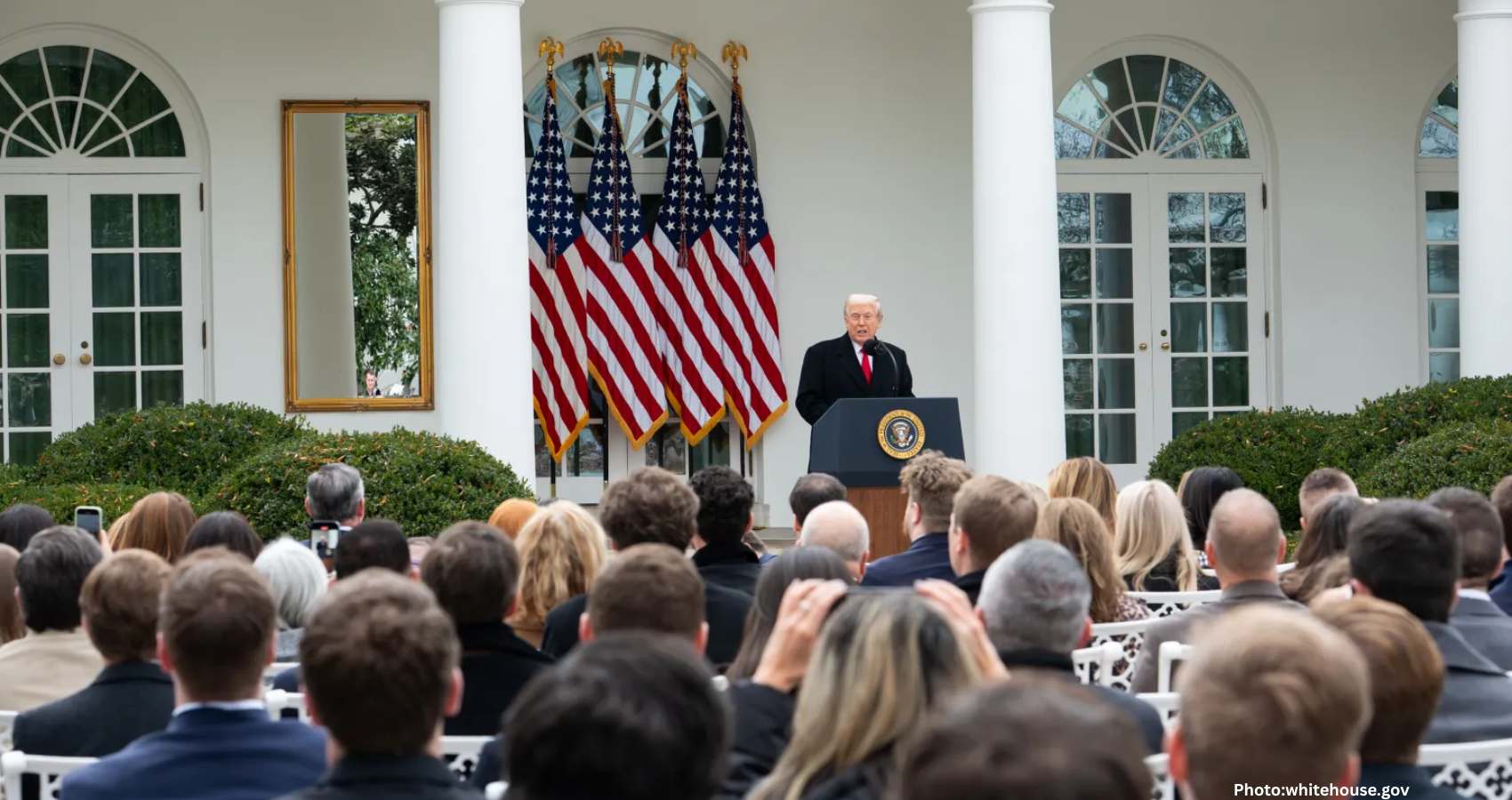
Modi Urges SCO Members to Reject Double Standards on Terrorism

Prime Minister Narendra Modi emphasized the need for unity against terrorism and called for global reforms during the 25th Shanghai Cooperation Organisation Summit in Tianjin.

New Delhi: Prime Minister Narendra Modi addressed the 25th Shanghai Cooperation Organisation (SCO) Summit in Tianjin on Monday, delivering a clear message regarding the fight against terrorism. He urged member states to abandon selective approaches, emphasizing that such tactics are no longer acceptable.

During his address, Modi outlined India’s three guiding pillars for the SCO: security, connectivity, and opportunity. He also advocated for reforms within the organization and on a global scale.

“Terrorism is not just a threat to the security of any one country; it is a shared challenge for all humanity. No country, no society, no citizen can consider themselves safe from it,” Modi stated, addressing an audience that included prominent world leaders such as Chinese Premier Xi Jinping and Russian President Vladimir Putin.

According to official sources, the atmosphere among the three leaders was notably warm, reflecting mutual respect during the summit.

Modi referenced the recent terror attack in Pahalgam, India, highlighting its impact on the nation. “In this hour of grief, I thank those friends who stood by us. This attack was not just an assault on India’s conscience—it was an open challenge to every nation and every person who believes in humanity,” he remarked.

The Prime Minister called for clarity and unity among SCO members, insisting, “We must say clearly, in one voice, that no double standards on terrorism will be acceptable. We must oppose it in every colour, every form. This is our duty to humanity.” He also noted India’s leadership role in a joint SCO operation against al-Qaeda-linked groups this year, emphasizing the need for deeper coordination in combating radicalization and terror financing.

In discussing connectivity, Modi asserted that stronger links can foster both trust and commerce. He cited the Chabahar Port and the International North-South Transport Corridor, stating, “Connectivity that bypasses sovereignty loses trust and meaning.” He stressed that all projects must respect sovereignty and territorial integrity, as mandated by the SCO charter.

On the topic of opportunity, Modi reflected on India’s 2023 presidency, which brought issues such as start-ups, digital inclusion, traditional medicine, youth empowerment, and shared Buddhist heritage to the forefront of the SCO agenda. He proposed the establishment of a Civilizational Dialogue Forum to highlight the art, literature, and traditions of member states.

Linking this broader vision to India’s domestic agenda of “Reform, Perform and Transform,” Modi noted that the country has turned challenges like the COVID-19 pandemic and global economic shocks into new opportunities. He invited SCO members to engage with India’s reform-driven growth.

Modi welcomed the SCO’s decision to create new centers aimed at combating organized crime, drug trafficking, and cybersecurity. He stressed that the organization should also advocate for global institutional reforms. With the 80th anniversary of the United Nations approaching, he called for collaborative efforts, stating, “The aspirations of the Global South cannot be constrained within outdated frameworks. We cannot show the multicoloured dreams of the new generation on a black-and-white screen. The screen must change.”

In closing, Modi framed the SCO as a guide for multilateralism and an inclusive world order, congratulating Kyrgyzstan’s President Sadyr Japarov on assuming the chairmanship of the grouping.

Source: Original article

Rahul Gandhi to Conclude Voter Adhikar Yatra with Padyatra in Patna

Rahul Gandhi will conclude his Voter Adhikar Yatra with a significant padyatra in Patna, emphasizing voter rights and alleging electoral misconduct.

Patna: Rahul Gandhi, the Leader of Opposition in the Lok Sabha and a prominent Congress leader, is set to commence a padyatra in Patna on Monday. This event marks the conclusion of his Voter Adhikar Yatra, which has spanned 25 districts over the past 15 days and covered a distance of approximately 1,300 kilometers. The yatra has focused on allegations of electoral misconduct, specifically termed as “vote chori” or vote theft.

The Voter Adhikar Yatra began on August 17 in Sasaram, Bihar, with the participation of key leaders from the Mahagatbandhan coalition. Throughout its course, the yatra traversed various districts, including Aurangabad, Gaya, Nawada, Sheikhpura, Lakhisarai, Munger, Bhagalpur, Darbhanga, Purnea, Supaul, Madhubani, Sitamarhi, Motihari, Bettiah, Saran, and Bhojpur.

The padyatra scheduled for Monday has been aptly named “Gandhi se Ambedkar.” It will commence from the Mahatma Gandhi statue at Gandhi Maidan, where Rahul Gandhi and other prominent leaders from the Mahagatbandhan, including Tejashwi Yadav of the Rashtriya Janata Dal (RJD), Mukesh Sahni of the Vikashsheel Insan Party (VIP), and Deepankar Bhattacharya from the Left parties, will pay floral tributes to Mahatma Gandhi.

Following the tribute, the procession will proceed along S.P. Verma Road, Dak Bungalow Chauraha, Kotwali Thana, Nehru Path, and Income Tax Chauraha, ultimately reaching Baba Saheb Ambedkar Park near the Patna High Court. At the park, the leaders will pay homage to Dr. B.R. Ambedkar.

The padyatra will culminate in a public address focusing on the alleged vote theft, a central theme of the Congress and Mahagatbandhan’s messaging during the yatra. Over the past two weeks, the coalition has aimed to highlight what they describe as collusion between the Election Commission and the Bharatiya Janata Party (BJP) regarding electoral integrity.

In a strategic shift, the Congress party opted for a padyatra instead of a mega rally, allowing for broader participation from various leaders within the INDIA bloc. Earlier, Congress general secretary K.C. Venugopal had announced plans for a large rally on September 1 to address the issue of “vote chors,” or vote thieves.

Pawan Khera, a Congress leader and Chairman of the media and publicity department, emphasized that Gandhi’s yatra has taken on the character of a religious pilgrimage, uniting people of diverse faiths in the common cause of protecting their voting rights. He stated, “On September 1, it will conclude with a procession in Patna in which our leaders will march from Gandhi Maidan to Babasaheb Ambedkar’s statue. It will not be the end, but the beginning of a new yatra towards protecting our democracy.” Khera also expressed confidence that “lakhs of people will participate in the padyatra.”

In preparation for the event, the streets of Patna have been adorned with posters from the Congress and other Mahagatbandhan parties, and the organization has made extensive arrangements to ensure the success of the yatra.

As the padyatra approaches, it is clear that the Congress party is mobilizing significant grassroots support, aiming to galvanize public sentiment around the issues of electoral integrity and voter rights.

Source: Original article

Israel Strikes Yemen, Eliminating Houthi Prime Minister and Officials

The Israeli Air Force has successfully eliminated Houthi Prime Minister Ahmed Al-Rahawi and several senior officials in a targeted airstrike in Yemen, marking a significant escalation in regional tensions.

The Israeli Air Force conducted a targeted airstrike in Yemen on Thursday, resulting in the death of Houthi Prime Minister Ahmed Al-Rahawi and other senior officials. This operation was part of a broader strategy by the Israel Defense Forces (IDF) to address perceived threats from the Houthi regime.

In a statement released on social media, the IDF confirmed the elimination of Al-Rahawi, describing him as a key figure in the Houthi terrorist regime. The military emphasized that the strike was aimed at a location where officials were responsible for military operations and the advancement of terror actions against Israel.

The IDF noted that the airstrike was made possible through rapid intelligence operations, indicating a swift operational cycle that unfolded within a few hours. This marks the second time within a week that Israel has targeted Houthi positions in Yemen.

On Sunday, Israel had previously struck Yemen’s capital, Sanaa, in response to missile attacks launched by the Houthis. That attack resulted in the deaths of six individuals and left 86 others injured, according to reports from the Houthi Health Ministry.

Israeli Defense Minister Israel Katz, who was present in the IDF central command during the latest operation, issued a stark warning to the Houthis. He stated, “As we warned the Houthis in Yemen: ‘After the plague of darkness comes the plague of the death.’ Whoever raises a hand against Israel, their hand will be cut off.”

The IDF has previously accused the Houthis of operating under Iranian direction, asserting that their actions undermine regional stability and threaten global navigation. The recent airstrikes were launched after Israel intercepted two drones originating from Yemen, coinciding with a speech by Houthi leader Abdul-Malik Badreddin al-Houthi.

Despite the ongoing conflict, reports indicate that al-Houthi’s speech continued uninterrupted during the airstrike. The tensions between Israel and the Houthis have escalated over the past two years, particularly following Hamas’ attacks on October 7, which prompted a series of retaliatory actions from various groups, including the Houthis.

In the wake of Hamas’ actions, the Houthis have threatened to strike Israel, launching missiles and drones that were intercepted by U.S. forces stationed aboard the USS Carney. The ongoing support from the Houthis to Hamas has further complicated the already volatile situation in the region.

As the conflict continues to evolve, the IDF has reiterated its commitment to neutralizing threats against Israeli civilians, signaling that further military actions may be anticipated in the near future.

According to Reuters, the situation remains fluid, with the potential for additional escalations as both sides navigate the complexities of regional power dynamics.

Source: Original article
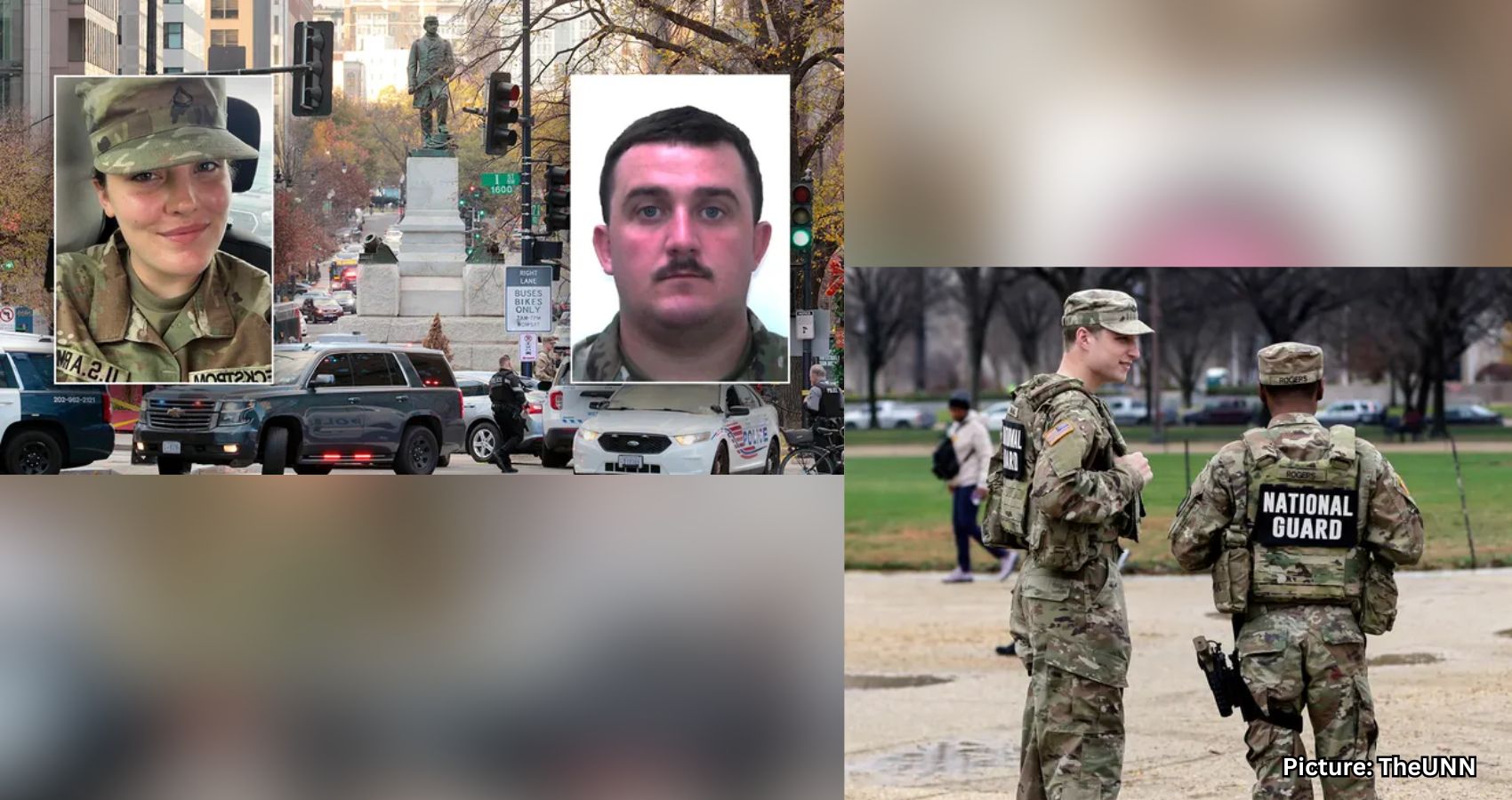
Chicago Mayor Says Police Will Not Collaborate with National Guard

Chicago Mayor Brandon Johnson has signed an executive order preventing local police from collaborating with National Guard troops or federal agents amid threats of deployment by President Trump.

Chicago Mayor Brandon Johnson, a Democrat, took decisive action on Saturday by signing an executive order that prohibits the city’s police officers from collaborating with National Guard troops or federal agents. This move comes in response to President Donald Trump’s threats to deploy these forces to the Windy City.

During a news conference attended by city leaders, Johnson emphasized the intent behind the order. “This executive order makes it emphatically clear that this president is not going to come in and deputize our police department,” he stated.

The executive order clarifies that while Chicago police will continue to enforce state and local laws, they will not engage in joint operations with the National Guard or federal agents. This includes activities such as patrols, arrests, immigration enforcement, and other law enforcement actions.

Johnson expressed his commitment to protecting civil liberties and the community, saying, “We will protect our Constitution, we will protect our city, and we will protect our people.” He voiced strong opposition to the idea of military presence in the city, stating, “We do not want to see tanks in our streets. We do not want to see families ripped apart. We do not want grandmothers thrown into the back of unmarked vans. We don’t want to see homeless Chicagoans harassed or disappeared by federal agents.”

The order also mandates that city police officers wear their official uniforms, clearly identify themselves, and adhere to body camera protocols. Officers are instructed not to wear masks, ensuring they can be easily distinguished from any federal operations.

Johnson reiterated, “The Chicago Police Department will not collaborate with military personnel on police patrols or civil immigration enforcement. We will not have our police officers who are working hard every single day to drive down crime deputized to do traffic stops and checkpoints for the president.”

The executive order highlights concerns regarding the deployment of federal military forces in Chicago without local consent, stating that such actions “undermine democratic norms, violate the City’s sovereignty, threaten civil liberties, and risk escalating violence rather than securing the peace.”

This executive order arises amid ongoing tensions between Johnson, Illinois Governor JB Pritzker, and Trump regarding the potential deployment of National Guard troops to combat crime in Chicago. Johnson has pointed to recent data indicating a decline in violent crime, with homicides and robberies decreasing by over 30% and shootings dropping by nearly 40% in the past year.

Pritzker has also issued warnings to Trump, asserting that any federal deployment without the state’s request would be “unconstitutional” and “un-American.”

In response to the Democratic leaders’ statements, Trump criticized both Pritzker and Johnson, labeling Pritzker as “incompetent” and Johnson as “no better.”

The White House dismissed Johnson’s executive order, suggesting that Democrats were politicizing efforts to address crime. White House spokeswoman Abigail Jackson stated, “If these Democrats focused on fixing crime in their own cities instead of doing publicity stunts to criticize the President, their communities would be much safer.”

In light of the escalating situation, Johnson mentioned that he is considering all legal and legislative measures to prevent federal intervention, including the possibility of lawsuits. “We will use the courts if that’s necessary,” he affirmed.

Historically, previous deployments of the National Guard to Chicago were coordinated with local officials. While the president has the authority to deploy troops, U.S. law limits this power, though there are no restrictions on sending ICE agents or other federal law enforcement officers.

Trump’s threats to deploy troops to Chicago follow his recent actions to increase federal law enforcement presence in Washington, D.C., as part of efforts to combat crime. Hundreds of federal agents and National Guard troops have been stationed in D.C. to address safety concerns.

As tensions continue to rise, the implications of Johnson’s executive order and the potential federal response remain to be seen.

Source: Original article

Body of Israeli Hostage Held for Nearly 700 Days in Gaza Recovered

The remains of Ilan Weiss, an Israeli hostage held for nearly 700 days in Gaza, have been recovered, marking a bittersweet moment for his family and community.

The Israeli military announced on Friday that the remains of Ilan Weiss, who was held captive in the Gaza Strip for 693 days, have been recovered. This operation was conducted jointly by the Israel Defense Forces (IDF) and the Israeli Security Agency.

Weiss, a resident of Kibbutz Be’eri, was taken hostage during the October 7 Massacre when he left his home to join the kibbutz emergency response team. The IDF confirmed that he was murdered and kidnapped by Hamas during this attack.

His wife, Shiri, 54, and their daughter, Noga, 19, were also taken hostage but were released as part of a ceasefire agreement in November 2023. The recovery of Weiss’s body comes alongside the identification process of another Israeli individual whose remains were also found on the same day, according to reports from The Associated Press.

Rubi Chen, a father who believes his son is still missing in Gaza, expressed his feelings regarding the recovery of Weiss’s body. “It’s a bittersweet moment that the Weiss family is reunited with their loved one, even though he’s coming back not as they would have wanted,” he stated. Chen’s family has received intelligence suggesting that his son, Itay, did not survive the October 7 attack, but Hamas has not provided any information regarding his current status.

The Israeli Hostages and Missing Families Forum described Ilan Weiss as a devoted family man who was humble, principled, and dedicated to his daughters. “He loved hosting guests, tending his garden, and enjoying a beer. On weekends, he would go mountain biking with his brother-in-law, Gil Boyum, who was also killed during the attack,” the forum noted.

As of Friday, there are still 48 hostages believed to be held in Gaza, with 20 of them thought to be alive, according to The Times of Israel.

Israeli President Isaac Herzog extended his condolences to the Weiss family and the community of Kibbutz Be’eri following the recovery of Ilan’s remains. He praised Weiss for his courage and noble spirit during the attack, stating, “In his death, he gave life. And ever since, his family has shown extraordinary strength in their struggle for his return.”

Herzog condemned the actions of Hamas, calling them crimes against humanity, and emphasized the need for the international community to take moral action. “We will not rest until every one of them is brought home, the living to the loving embrace of their families, and the fallen to be laid to rest in dignity. Every last one,” he asserted.

Source: Original article

Indian Army Raises 72-Foot Tricolour at Baramulla’s Cheeta Post

The Indian Army celebrated Hajipeer Day by hoisting a 72-foot national flag at Cheeta Post, Baramulla’s highest peak, with local community members in attendance.

On Hajipeer Day, the Indian Army’s Dagger Division proudly raised a 72-foot national flag at Cheeta Post, the highest peak in Baramulla district, North Kashmir, situated at an altitude of 7,000 feet.

The ceremony, organized in collaboration with the Flag Foundation of India, attracted a large crowd of locals, including schoolchildren and community leaders. Senior Army officials, including the Corps Commander and the General Officer Commanding (GOC) of the 19 Infantry Division, were present to commemorate this significant occasion.

This initiative is part of the Army’s ongoing efforts to strengthen ties with local communities and promote a shared sense of national pride and unity in the region.

Ashim Kohli, CEO of the Flag Foundation of India, addressed the gathering and highlighted the increasing wave of patriotism in the Valley. “It’s a significant change. What we once dreamed is now turning into reality. People in Kashmir are themselves approaching us for national flags. This surge of patriotism will help build stronger ties between Kashmiris and the Army,” he stated.

Earlier this month, the Indian Army also hoisted the national flag on a large pontoon structure floating in the middle of Dal Lake in Srinagar. This tricolour, visible from various parts of the city, was installed with support from the Flag Foundation and quickly became a symbol of peace and unity.

Such initiatives have garnered widespread support among the local population, with increasing participation in national day celebrations and public outreach events led by the armed forces. The commitment to fostering community relations and promoting national pride continues to resonate throughout the region.

According to The Sunday Guardian, the event at Cheeta Post marks a pivotal moment in the ongoing efforts to bridge connections between the Indian Army and the local populace.

Source: Original article
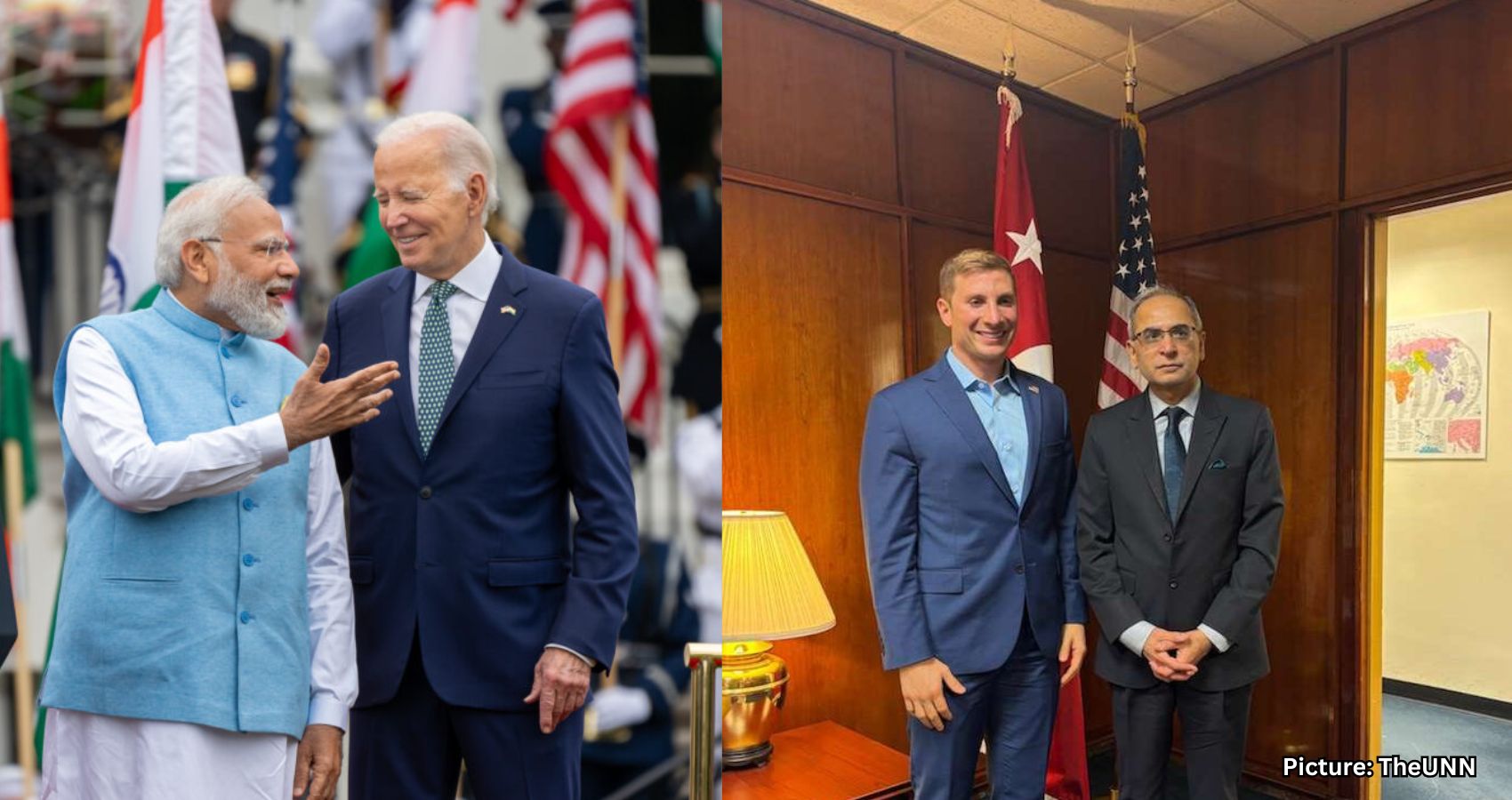
NFU Exclusion Highlights Bureaucratic Challenges for India’s Military Veterans

Exclusion from Non-Functional Upgradation (NFU) exacerbates pay disparities between military and civilian personnel, undermining the morale and dignity of India’s Armed Forces veterans.

In recent months, the debate surrounding Non-Functional Upgradation (NFU) has resurfaced as a contentious issue within India’s military community. Veterans’ organizations have even announced plans for a mass mobilization in Delhi in July 2025 to advocate for NFU, One Rank One Pension (OROP), and address service anomalies.

Regardless of whether these calls for demonstration materialize, the very fact that ex-servicemen feel compelled to rally underscores the gravity of the situation. NFU has evolved into a prominent symbol of the perceived downgrading of the Armed Forces in terms of status, dignity, and recognition.

Understanding NFU and Its Importance to Soldiers

NFU was introduced following the Sixth Central Pay Commission to tackle career stagnation in civil services. Under this scheme, officers in most Group A services receive automatic pay upgrades after a specified number of years, aligned with the progression of their Indian Administrative Service (IAS) batchmates. The aim was to alleviate frustration stemming from limited promotions due to vacancy constraints.

However, despite the scheme being extended to 53 civilian services and later to the Central Armed Police Forces (CAPFs), the Armed Forces—characterized by the steepest pyramidal structure—were excluded. The irony is stark: Armed Forces officers, who face the highest attrition rates, are denied a benefit granted to civilian counterparts who enjoy more predictable career paths.

The Seventh Central Pay Commission highlighted this anomaly, noting that the denial of NFU “undermined status and morale” within the military. Parliamentary Standing Committees have echoed these concerns, warning of potential long-term risks to cohesion within the Armed Forces. Yet, successive governments have resisted rectifying this issue.

Ongoing Legal Battles

The NFU matter has been litigated repeatedly since 2008. Both the Armed Forces Tribunal (AFT) and the Delhi High Court have recognized the inequity at different times. The Delhi High Court even described the denial of NFU to uniformed services, while granting it to CAPFs, as “untenable.”

Despite these rulings, the government’s approach has been to contest every decision. As of 2025, over 3,000 service-related appeals concerning pay and pension were pending from the Ministry of Defence before the Supreme Court. In July 2025, the Court criticized the practice of “dragging armed forces personnel into unnecessary litigation,” urging a policy-level resolution instead of protracted courtroom battles.

Recent AFT petitions, such as OA 1893/2023 and OA 724/2025, have sought reconsideration of NFU parity. Others, like OA 2894/2023, have raised broader questions regarding post-service benefits, highlighting the deep connection between NFU and veterans’ long-term welfare. Unfortunately, outcomes remain mired in delays, technical dismissals, or appeals.

Legal experts have documented this anomaly, recalling that in 2019, the Supreme Court upheld NFU for CAPFs, explicitly rejecting the government’s argument that command structures would be compromised. If this rationale applies to paramilitary organizations with strict hierarchies, why does it not extend to the Armed Forces? This question remains unanswered in policy discussions.

The Costs of Resistance

The government’s resistance to NFU parity incurs significant costs, both in terms of morale and financial resources. Litigation alone costs crores each year in legal fees. A senior former judge recently remarked that more has been spent on fighting soldiers in court than would have been necessary to resolve many of these anomalies.

Salary progression data reveals widening gaps. Under projected scales for the forthcoming Eighth Pay Commission, civilian Group A officers with NFU are expected to earn between ₹1.16 lakh and ₹5.8 lakh per month, depending on their grade. In contrast, Armed Forces officers of equivalent seniority remain significantly behind. This disparity affects not only salaries but also pensions, status, and relative parity in official forums.

The governance implications are striking. NFU was intended to alleviate stagnation; instead, by excluding those facing the steepest pyramids, it has entrenched inequity.

Veterans’ Voices and Public Sentiment

Calls for collective mobilization, such as the planned July 2025 protest in Delhi, underscore the deep-seated anger within the veteran community. Even if such demonstrations do not occur on a large scale, the repeated threats of public protest highlight a breakdown in trust between the military community and the state.

Veterans from all three services frequently refer to the denial of NFU as “degradation.” Organizations like the Indian Ex-Servicemen Movement (IESM) have initiated petitions and campaigns to draw attention to the morale costs associated with persistent inequity.

This issue is not merely symbolic. Officers and jawans serving on the frontlines are acutely aware of the disparities. When their CAPF counterparts deployed in similar environments enjoy benefits denied to soldiers, resentment is inevitable.

Operational and Strategic Implications

This situation extends beyond financial concerns. Morale is a strategic asset. From Siachen to Ladakh, or during operations like Sindoor, the ability to endure and fight relies not only on equipment but also on the belief that one’s service is valued by the state.

Military psychologists worldwide emphasize that dissatisfaction stemming from career stagnation and status erosion contributes to stress, attrition, and workforce disengagement. The stakes are not merely financial; they encompass national security. A military that feels undervalued risks becoming less motivated at a time when India faces significant external challenges.

International Comparisons

In contrast, peer democracies such as the United States, the United Kingdom, France, and Israel maintain systems where the military enjoys either pay parity or, in many cases, preferential treatment compared to civilian personnel. The principle is straightforward: those who accept unlimited liability for the state deserve equity in return.

India’s situation stands as an outlier. By privileging its bureaucracy while resisting even parity for its Armed Forces, it has created a unique imbalance that is difficult to justify on an international scale.

A Pattern of Downgrading

The denial of NFU cannot be viewed in isolation. It is part of a broader pattern of decisions and policies that collectively erode the dignity of military service. Recent changes, such as the 2023 Entitlement Rules redefining disability pensions, ongoing litigation over OROP arrears, and the rising status of CAPFs compared to the Armed Forces, contribute to this trend.

Time for Resolution

To address the NFU anomaly, the government should establish a high-level committee with armed forces representation to review and resolve disparities. Timely implementation of NFU parity, as recommended by pay commissions and supported by legal observations, can restore morale and integrity within the forces. Proactive policy action, rather than continued litigation, is essential for a lasting resolution.

India’s soldiers are not seeking privilege, only parity. A nation that demands sacrifice in war must be prepared to honor dignity in peace. Denying NFU may seem to save money or preserve bureaucratic privilege in the short term, but in the long run, it undermines morale, justice, and national security.

The government must act decisively to rectify the NFU imbalance by establishing policy parity between the Armed Forces and other Group A services. Creating a transparent, equitable framework for pay progression would directly support morale and operational effectiveness. Early resolution will demonstrate respect for service and strengthen the foundation of the Republic.

Source: Original article

Top Senate Republican Proposes Rule Change for Trump Nominee Confirmations

Senate Majority Whip John Barrasso is prepared to invoke the nuclear option to expedite the confirmation of President Trump’s nominees amid ongoing Democratic opposition.

Senate Majority Whip John Barrasso, R-Wyo., has signaled his readiness to employ the nuclear option to overcome the Democratic blockade of President Donald Trump’s nominees. As Senate Republicans prepared to leave Washington, D.C., for their home states, they were close to reaching an agreement with their Democratic counterparts to advance numerous non-controversial appointments. However, those discussions collapsed after Trump rejected further negotiations tied to funding demands from Senate Minority Leader Chuck Schumer, D-N.Y.

Currently, there are 145 nominations pending on the Senate’s executive calendar, a number that is expected to increase when the Senate reconvenes. Lawmakers are set to return on Tuesday, and Barrasso is eager to address the nomination impasse immediately. He has been actively engaging in a public pressure campaign, including writing an op-ed for the Wall Street Journal that directly criticizes Schumer.

In an interview with Fox News Digital, Barrasso expressed his determination to see Trump’s nominees confirmed, stating, “We need to either get a lot of cooperation from the Democrats, or we’re going to have to roll over them with changes of the rules that we’re going to be able to do in a unilateral way, as well as President Trump making recess appointments.”

However, Senate Democrats, under Schumer’s leadership, are unlikely to cooperate. In response to Barrasso’s remarks, Schumer asserted that “historically bad nominees deserve a historic level of scrutiny by Senate Democrats.” Barrasso countered, pointing out that Schumer’s criticism stems solely from the fact that the nominees were put forward by Trump. “That is his sole criteria for which these people are being gone after and filibustered,” Barrasso said, noting that many nominees have bipartisan support.

Utilizing the nuclear option would enable Republicans to modify the confirmation process without Democratic assistance. However, this approach could hinder future negotiations on important legislative items that would require bipartisan support to advance past the Senate filibuster. Barrasso, undeterred by the potential consequences, indicated that the nominees under consideration are primarily for sub-Cabinet level positions and ambassadorships.

Discussions are ongoing regarding potential changes to the confirmation process, including adjustments to debate time and criteria for expedited nominations. Additionally, the possibility of allowing Trump to make recess appointments is under consideration, which would necessitate the Senate going into recess.

Barrasso highlighted the inefficiencies of the current process, noting that it takes three hours to conduct a single nomination vote, which significantly hampers legislative productivity. “When you take a look at this right now, it takes a 30-minute roll-call vote to get on cloture, and then two hours of debate time, and then another 30-minute roll-call vote,” he explained. “That’s three hours, and it’s time when you can’t do legislation, you can’t do any of the other things.”

As Congress prepares to return, Barrasso acknowledged the pressing need to address the backlog of nominations, particularly given the looming deadline to fund the government by September 30. He emphasized that the limited time available for the nominations process necessitates a rules change to expedite confirmations.

“This backlog is going to worsen this traffic jam at the Schumer toll booth,” Barrasso warned. “So, we are going to do something, because this cannot stand.”

Source: Original article
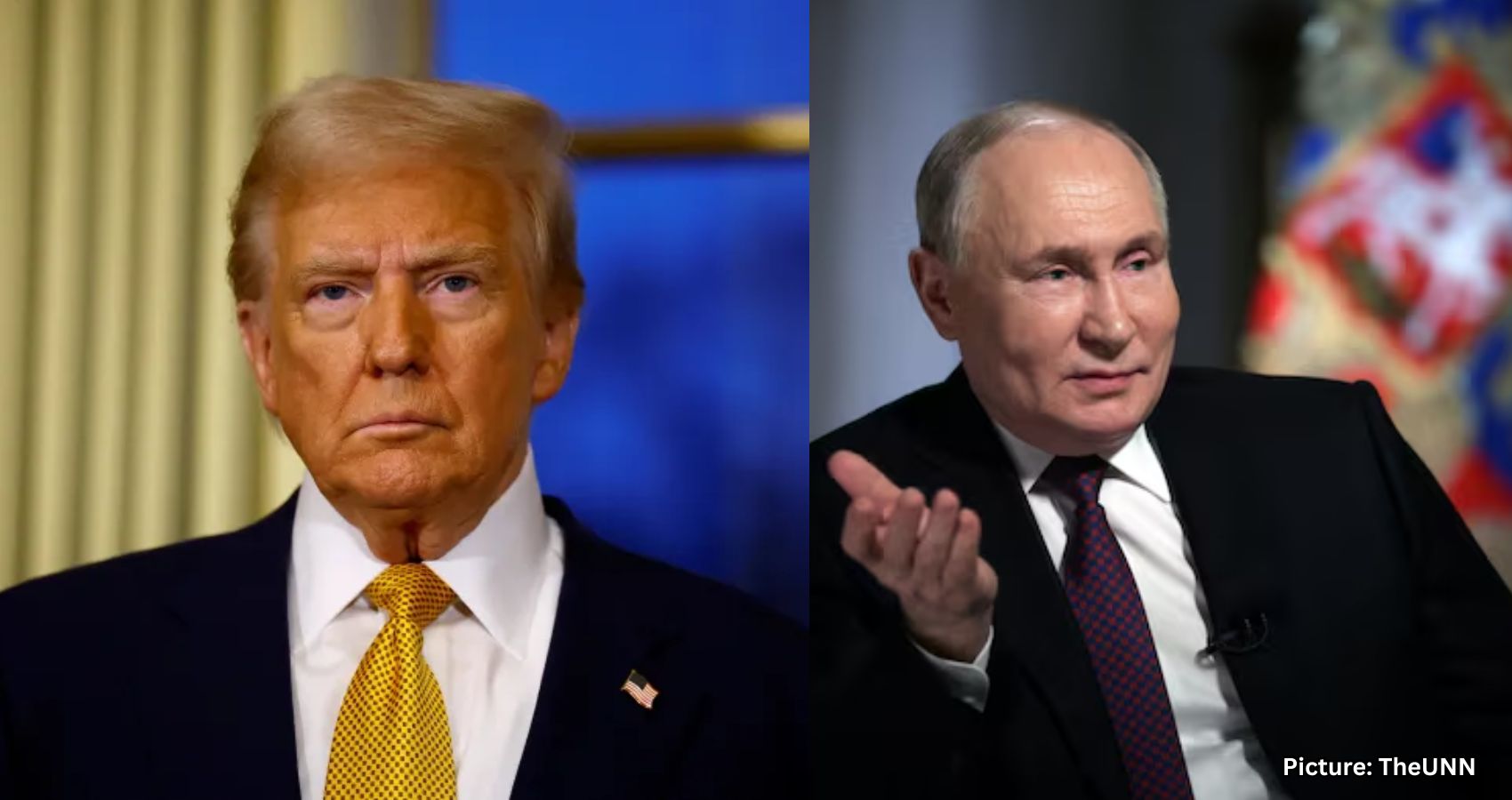
Mary Kay Transitions Iconic Pink Cadillac to Fully Electric Model

The iconic Mary Kay pink Cadillac is transitioning to electric mobility with the introduction of the Cadillac Optiq, exclusively available to the company’s top sales performers.

Mary Kay Inc. is making a significant shift in its iconic brand by introducing a fully electric version of its legendary pink Cadillac. The new Cadillac Optiq, wrapped in a custom “pink pearl” finish, will be available exclusively to the top 1% of the company’s sales force.

This transition marks a pivotal moment for the brand, which has a rich history dating back nearly 60 years. The company’s founder, Mary Kay Ash, faced gender discrimination when she was denied a car purchase without a man’s signature. This experience fueled her determination to create a legacy that empowers women through entrepreneurship and sales.

In a recent press release, CEO Ryan Rogers, who is also the grandson of Mary Kay Ash, emphasized the significance of this move. “With the introduction of the all-electric OPTIQ, we’re honoring that iconic legacy while driving into a transformative future—one grounded in our commitment to sustainability and dedication to inspiring and celebrating the achievements of our independent sales force for generations to come,” he stated.

The shift to electric vehicles (EVs) is not merely a change in the type of car being offered; it represents a broader shift in mindset. The new Cadillac Optiq signifies that luxury, reward, and eco-consciousness can coexist without compromise. The pink Cadillacs have long been symbols of achievement and recognition within the Mary Kay community, and this electric version aims to uphold those values while embracing modern sustainability practices.

Only the top 1% of Mary Kay’s sales force qualifies for this prestigious vehicle, which is not given lightly. Recipients have the option to choose a $900 monthly bonus instead, but approximately 90% opt for the car. The exclusivity of these vehicles is further enhanced by their two-year leasing period. Once the lease ends, the cars are returned and repainted to their original factory color, making a true pink Cadillac a rare sight outside of Mary Kay circles.

As the automotive industry evolves, the introduction of the electric Cadillac highlights a significant trend: EVs are no longer limited to tech-savvy early adopters or urban commuters. They are now making their way into industries steeped in tradition and glamour, showcasing how companies can maintain their legacy while embracing innovation.

This move by Mary Kay is not just a marketing strategy; it aligns the brand with modern values while honoring its founder’s pioneering spirit. The decision to go electric in such a distinctive and eye-catching shade of pink is a refreshing approach to sustainability, demonstrating that style and eco-friendliness can indeed go hand in hand.

As legacy brands like Mary Kay integrate electric vehicles into their offerings, it raises questions about how this will influence attitudes toward sustainability in industries traditionally rooted in conventional practices. The electric Cadillac serves as a testament to the potential for change, encouraging other companies to consider similar transitions.

In conclusion, the introduction of the electric Cadillac Optiq represents a bold step forward for Mary Kay, blending its rich history with a commitment to a sustainable future. This initiative not only honors the legacy of Mary Kay Ash but also sets a precedent for other brands in the industry.

Source: Original article
Russia Attributes Iran Nuclear Crisis to Trump, Criticizes E3 Diplomacy

Russia blames the U.S. withdrawal from the Iran nuclear deal for Tehran’s non-compliance, as tensions escalate and the E3 nations move to reimpose UN sanctions.

Russia and China have proposed extending the timeline of the Iran nuclear deal amid rising tensions over Tehran’s violations of uranium enrichment protocols and ongoing international sanctions.

On Thursday, Russia criticized former President Donald Trump’s decision to withdraw the United States from the 2015 nuclear agreement with Iran, asserting that Washington is responsible for Tehran’s failure to comply with the international treaty. This statement came shortly after the United Kingdom, France, and Germany—collectively known as the E3—alerted the UN Security Council that they had activated the snapback mechanism to reimpose severe UN sanctions on Iran within 30 days due to its non-compliance with the Joint Comprehensive Plan of Action (JCPOA).

“The United States abandoned the JCPOA, and since then the situation started to deteriorate,” Dmitry Polyanskiy, Russia’s UN Ambassador, stated on Thursday. He emphasized the importance of recognizing the root cause of the issue, referring to Trump’s 2018 decision to withdraw the U.S. from the JCPOA over alleged Iranian violations.

While Trump has consistently claimed that Iran was breaching the agreement, the International Atomic Energy Agency (IAEA) and other JCPOA signatories have maintained that there was no evidence of Iran expanding its nuclear program until 2019. This position remains unchanged.

“We all know that the measures that were taken by Iran in terms of uranium enrichment were in response to the U.S. withdrawal from the JCPOA,” Polyanskiy remarked. “And these measures can easily be reviewed.”

In response to the escalating situation, Russia and China introduced a draft resolution to the UN Security Council on Thursday, seeking to extend the timeline of the 2015 Iran nuclear agreement by six months. This extension would delay the imposition of sanctions on Tehran. However, given Iran’s previous refusal to comply with a similar extension proposed by E3 negotiators in July, it seems unlikely that the U.S., France, or the U.K., as permanent members of the Security Council, will support this initiative.

The U.S. has long urged other signatories to enforce snapback sanctions on Iran for its violations, a capability it lost when it exited the agreement in 2018. Despite clear evidence of Iran’s breaches of the JCPOA—such as accumulating up to 45 times the allowed amount of enriched uranium, operating advanced centrifuges, and denying the IAEA access to its nuclear sites—Polyanskiy claimed that the E3’s recent actions “cannot and should not entail any legal or procedural effect.” He characterized the E3’s move as “a mere escalatory step.”

“Western countries…don’t care about diplomacy; they only care about blackmail, threats, and coercion of independent countries,” he added.

A UK official confirmed on Thursday that efforts to reach a diplomatic resolution with Iran have been ongoing for years. This includes a proposal agreed upon by all JCPOA participants, including Russia and China, in 2022, which Iran ultimately rejected. The official noted that there had been “very intense diplomacy” over the past year, particularly in the last six months and six weeks, but Russia appeared to dismiss these efforts on Thursday.

“The world is at a crossroads,” Polyanskiy stated. “It’s quite clear. One option is peace, diplomacy, and goodwill. Another option is…diplomacy at the barrel of the gun…extortion and blackmail,” he concluded.

The White House did not immediately respond to inquiries from Fox News Digital regarding the situation.

Source: Original article
Former RBI Governor Urjit Patel Appointed Executive Director at IMF

Former Reserve Bank of India Governor Urjit Patel has been appointed as the Executive Director at the International Monetary Fund for a three-year term, succeeding K. Subramanian.

New Delhi: The Indian government announced on Friday the appointment of Urjit Patel, the former Governor of the Reserve Bank of India (RBI), as the Executive Director at the International Monetary Fund (IMF) for a term of three years.

The announcement was made through an official note stating, “The Appointments Committee of the Cabinet has approved the appointment of Dr. Urjit Patel, Economist and Former RBI Governor, to the post of Executive Director (ED) at the International Monetary Fund, for a period of three years with effect from the date of assumption of charge of the post, or until further orders, whichever is earlier.”

In this new role, Patel will represent India and several neighboring countries, including Bangladesh, Bhutan, and Sri Lanka, at the Washington-based global financial institution.

This appointment marks Patel’s return to the IMF, where he began his career in 1990 after earning his Ph.D. He worked on various desks, including those for the United States, India, the Bahamas, and Myanmar, until 1995.

Following his tenure at the IMF, Patel was appointed to the RBI, where he played a crucial advisory role in several key areas, including the development of the debt market, banking sector reforms, pension fund reforms, and the targeting of the real exchange rate.

Patel became the 24th Governor of the RBI in September 2016, succeeding Raghuram Rajan. His tenure was characterized by significant policy interventions, notably the introduction of an inflation-targeting framework and the management of economic challenges following the government’s demonetization initiative in November 2016.

In December 2018, Patel resigned from his position as RBI Governor, citing personal reasons. His resignation followed a public dispute with the government regarding issues of central bank autonomy and surplus reserves.

As Patel steps into his new role at the IMF, his extensive experience in both national and international financial institutions is expected to contribute significantly to the representation of India and its neighboring countries.

Source: Original article
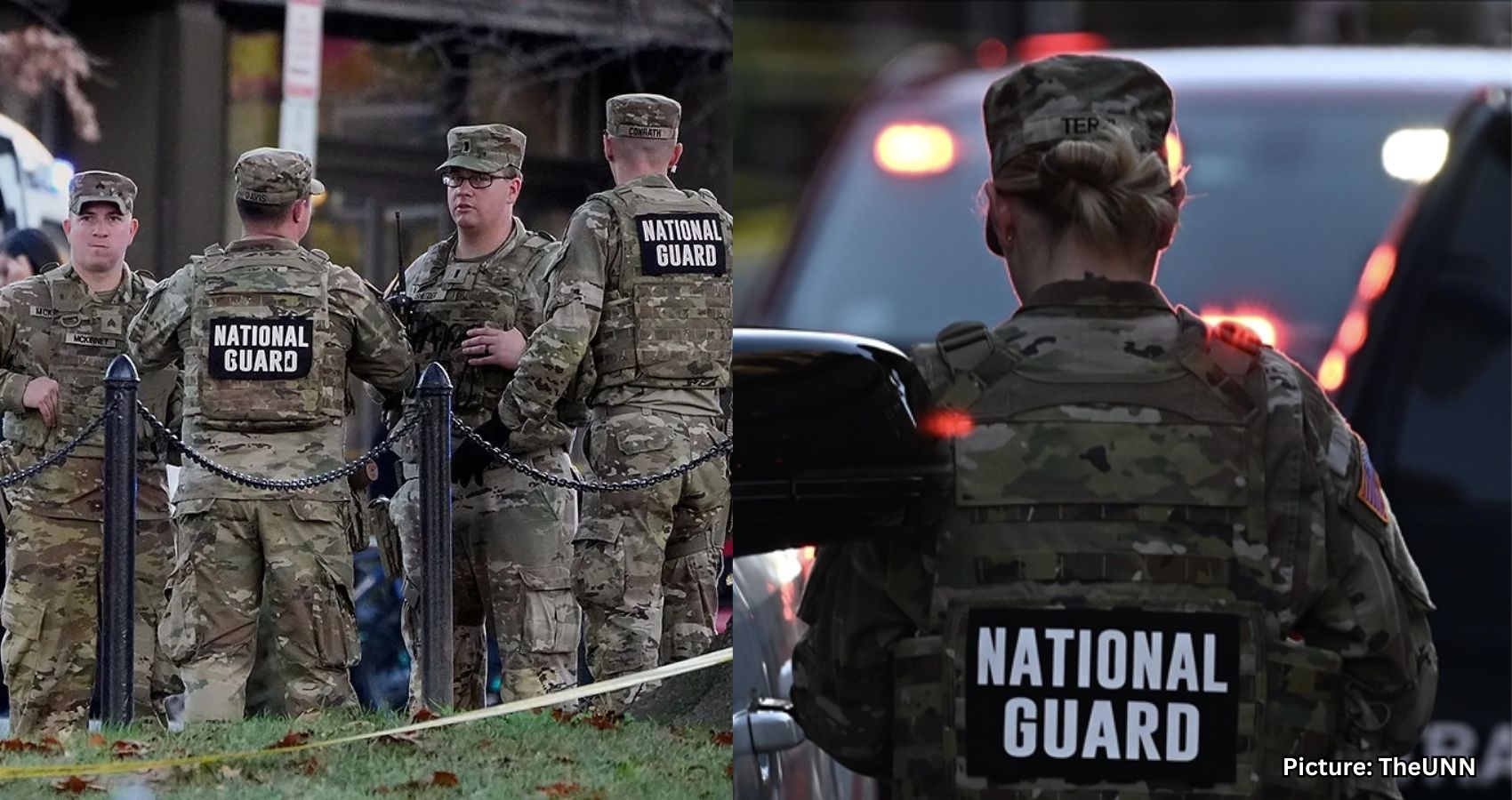
Denver School’s All-Gender Bathrooms Found in Violation of Title IX

The U.S. Department of Education has determined that Denver Public Schools violated Title IX by implementing all-gender bathrooms, raising concerns about sex-based discrimination in education.

The U.S. Department of Education announced on Thursday that it found Denver Public Schools in violation of Title IX due to the establishment of all-gender bathrooms. This decision is significant as Title IX prohibits sex-based discrimination in educational settings.

The investigation, conducted by the department’s Office for Civil Rights, began in January following the conversion of a girls’ restroom at East High School into an all-gender facility. This change occurred while another restroom on the same floor remained designated for boys. The district stated that the decision was made through a student-led process and emphasized that the all-gender restroom featured 12-foot-tall partitions for privacy and security.

In response to concerns about fairness, the district later added a second all-gender restroom on the same floor. Officials maintained that students would still have access to gender-specific bathrooms as well as single-stall, all-gender restrooms.

The federal government has proposed a resolution that includes four conditions the district must agree to within the next ten days. Failure to comply could result in “imminent enforcement action.” Craig Trainor, the acting assistant secretary of the Office for Civil Rights, stated, “Denver Public Schools violated Title IX and its implementing regulations by converting a sex-segregated restroom designated for girls in East High School to an ‘all-gender’ facility.”

Trainor further noted that the district’s actions have created a hostile environment for students, compromising their safety, privacy, and dignity. He emphasized that while Denver may endorse certain ideologies, it cannot accept federal taxpayer funds while violating Title IX and endangering students.

The proposed resolution requires the district to revert all-gender bathrooms back to sex-designated multi-stall restrooms. Additionally, the district must eliminate any policies that allow students to access bathrooms based on gender identity rather than biological sex. The resolution also calls for the adoption of “biology-based definitions” for the terms “male” and “female” in all Title IX-related policies and practices.

Furthermore, the district is required to issue a memorandum affirming that schools must provide access to bathrooms that protect the privacy, dignity, and safety of students, ensuring comparability for each sex. The memorandum must also clarify that Title IX compliance guarantees that girls are not discriminated against in any educational program or activity.

Fox News Digital reached out to Denver Public Schools for comment on the findings and proposed resolution. Under the Trump administration, federal officials have actively targeted school districts that allow students to use bathrooms or participate in sports teams corresponding to their gender identity. In February, President Trump signed an executive order aimed at blocking transgender girls from competing on sports teams that do not align with their biological sex.

Earlier this week, House Republicans introduced legislation to prohibit transgender girls from using bathrooms or participating in sports teams that correspond with their gender identity rather than their biological sex.

According to Fox News, the ongoing debate over gender identity policies in schools continues to evoke strong opinions and legislative action across the country.

Source: Original article
House Democrats Criticize Trump Administration’s Tariffs on India

The House Foreign Affairs Committee Democrats have condemned President Trump for imposing a 50% tariff on Indian imports, claiming it undermines the U.S.-India relationship and disproportionately targets India over larger buyers like China.

WASHINGTON, D.C. – The House Foreign Affairs Committee Democrats have voiced strong criticism against U.S. President Donald Trump for his decision to impose a 50% tariff on imports from India. This tariff is reportedly linked to India’s purchase of Russian oil, and the committee argues that it is detrimental to American interests while also jeopardizing the U.S.-India relationship.

In a post shared on X, the committee stated that the tariff is “hurting Americans & sabotaging the US-India relationship in the process,” particularly highlighting the inconsistency of targeting India while larger buyers, such as China, remain unaffected.

The new tariffs took effect on August 27, following an announcement from U.S. Customs and Border Protection. This action is a direct result of President Trump’s Executive Order 14329, which aims to address perceived threats from Russia.

According to a media report referenced by the committee, the decision to impose tariffs exclusively on India raises questions about the administration’s policy direction. The committee remarked, “It’s almost like it’s not about Ukraine at all,” suggesting that the rationale behind the tariffs may not align with the stated goals of supporting Ukraine amid its conflict with Russia.

The U.S. Customs and Border Protection clarified that the new duties were implemented to amend the Harmonized Tariff Schedule of the United States in accordance with the executive order. These tariffs apply to all Indian products intended for consumption in the U.S. or those withdrawn from warehouses.

As the situation develops, the implications of these tariffs on U.S.-India relations and the broader geopolitical landscape remain to be seen. The committee’s concerns underscore a growing unease regarding the administration’s approach to international trade and foreign policy.

Source: Original article
Senate Approves Significant Funding for Immigration Enforcement and Deportation

The U.S. Senate has approved a budget reconciliation bill that allocates unprecedented funding for immigration enforcement, while simultaneously jeopardizing healthcare access for millions of Americans.

Washington, D.C., July 1, 2025 — On July 1, the U.S. Senate passed a budget reconciliation bill that includes an unprecedented allocation of funds for immigration detention and enforcement. This decision comes at a time when millions of Americans face the loss of their healthcare coverage.

The bill was passed with a tie-breaking vote from Vice President JD Vance, earmarking approximately $170 billion for immigration and border enforcement-related provisions. This funding represents a significant increase in the federal budget for immigration enforcement.

Among the key allocations in the bill are $45 billion designated for the construction of new immigration detention centers, including facilities for families. This funding marks a staggering 265 percent increase in the annual budget for Immigration and Customs Enforcement (ICE) and is 62 percent larger than the entire federal prison system budget. The new funding could result in the daily detention of at least 116,000 non-citizens.

Additionally, the bill allocates $29.9 billion for ICE’s enforcement and deportation operations, effectively tripling the agency’s annual budget. This increase in funding for enforcement comes at a time when between 12 million and 17 million people are at risk of losing their healthcare coverage.

The legislation also caps the number of immigration judges at 800, despite the ongoing record backlogs in the immigration court system. Furthermore, it includes $46.6 billion for border wall construction, which is more than three times the amount spent by the Trump administration during its first term. Critics argue that the wall has failed to contribute meaningfully to border management strategies.

Another notable provision is a new $10 billion fund intended to reimburse the Department of Homeland Security (DHS) for costs associated with “safeguarding” U.S. borders against illegal entry. This funding constitutes nearly 50 percent of the Customs and Border Protection (CBP) budget for fiscal year 2024. However, unlike standard budget allocations, this fund lacks strict guidelines, potentially allowing CBP to utilize the funds with minimal oversight.

Overall, this legislation marks the largest investment in detention and deportation in U.S. history. Critics contend that this policy choice does not address the systemic failures of the immigration system and instead exacerbates issues, causing harm and chaos while tearing families apart.

“This bill will deprive 12 to 17 million Americans of basic healthcare while investing unprecedented levels of funding in the president’s increasingly unpopular mass deportation agenda,” said Nayna Gupta, policy director at the American Immigration Council. “At a time when polls show more Americans rejecting mass detention and deportation, this bill ignores what Americans want and doubles down on punitive policies that do nothing to address the real problems in our immigration system, including court backlogs, a lack of legal pathways to citizenship, and a broken U.S. asylum system.”

The enforcement-heavy provisions of the bill come at the expense of necessary investments in asylum processing, legal representation, community-based alternatives to detention, and support for local governments and nonprofits that assist new arrivals.

“Throwing billions at detention centers and enforcement agents is short-sighted. Instead, we should be investing in a system aimed at welcoming immigrants who contribute billions to our economy,” stated Adriel Orozco, senior policy counsel at the American Immigration Council. “We don’t need more jail beds and indiscriminate raids. We need balanced solutions that strengthen due process and keep families together.”

The bill will now return to the House of Representatives, where members are expected to vote on final passage later this week. Experts from the American Immigration Council are available to provide further insights into the specifics of the bill, including its implications for immigration courts, border funding, unaccompanied children, and the increase in ICE agents.

Source: Original article
Stalin Joins Rahul Yatra in Bihar, Criticizes EC and BJP

Tamil Nadu Chief Minister M. K. Stalin joined Rahul Gandhi’s Voter Adhikar Yatra in Bihar, criticizing the Election Commission and the BJP while praising local leaders for their commitment to democracy.

Bihar: Tamil Nadu Chief Minister and DMK chief M. K. Stalin participated in the Voter Adhikar Yatra led by Rahul Gandhi on Wednesday, where he condemned the Election Commission for its recent voter roll deletions. He described the removal of 6.5 million Biharis from the voter list as a “massacre of democracy,” emphasizing that it is an affront to those born and living in their own land.

Stalin, who traveled over 2,000 kilometers to join the rally, addressed a public meeting alongside party MP Kanimozhi. He expressed his admiration for Bihar, stating, “When we say Bihar, the one who comes to everyone’s mind is the name of Lalu Prasad Yadav.” He praised Yadav as a symbol of social justice and secularism, recalling the close friendship between Yadav and the late DMK leader Kalaignar.

Stalin highlighted Yadav’s resilience in the face of political challenges, asserting, “Despite so many cases and threats, he did politics without fearing the BJP. Lalu Prasad Yadav stands tall today as one of India’s greatest political leaders.” He also commended Tejashwi Yadav, Lalu’s son, for his dedication to the political legacy of his father.

Reflecting on Bihar’s historical significance, Stalin remarked that the entire nation has been watching the state for the past month. He noted, “That is the strength of the people of Bihar. The strength of Rahul Gandhi. The strength of Tejashwi.” He recalled the legacy of Lok Nayak Jayaprakash Narayan, who rallied for democracy and socialism, drawing parallels to the current efforts of Gandhi and Tejashwi Yadav in their yatra.

The DMK leader emphasized the camaraderie between Gandhi and Tejashwi, stating, “Your friendship is not only political; it is the friendship of two brothers. You have come together to protect democracy—for the welfare of the people.” He expressed confidence that this alliance would lead to victory in the upcoming Bihar elections.

Stalin took a strong stance against the BJP, declaring, “The BJP’s treacherous politics is going to lose. Even before the election, your victory has already been decided.” He accused the ruling party of attempting to undermine the electoral process to prevent a fair vote, asserting that the Election Commission has become a “puppet” of the BJP.

He reiterated his condemnation of the voter roll deletions, asking, “To remove people born and living in their own land from the rolls, what could be more terror than that?” He criticized the BJP for trying to thwart the electoral success of Gandhi and Tejashwi through underhanded tactics.

Stalin praised Gandhi for his courage in exposing the alleged manipulations of the Election Commission, noting that the Chief Election Commissioner has demanded Gandhi file an affidavit and apologize. “Will Rahul Gandhi be afraid of these threats?” he asked the crowd, affirming Gandhi’s fearless approach to politics.

He accused the BJP of infringing upon the people’s right to vote, asserting that the public would ultimately reclaim their power. “That is what this gathering in Bihar shows,” he said, referencing the unity of opposition parties against the BJP’s dominance.

Stalin recalled the origins of the INDIA alliance in Patna, stating that it was here that the BJP’s perceived invincibility was challenged. He urged the people of Bihar to once again demonstrate that any form of dictatorship must yield to the power of the populace.

During the yatra, Gandhi also took the opportunity to criticize the BJP-led NDA government. He pointed to a media report alleging that anonymous parties in Gujarat received donations totaling Rs 4,300 crore between 2019 and 2024, questioning whether the Election Commission would investigate these claims.

In a pointed remark aimed at Prime Minister Narendra Modi, Gandhi recounted an incident during Operation Sindoor, where he alleged that Modi halted military actions under pressure from former U.S. President Donald Trump. “Trump dialed PM Modi and said: ‘Listen… whatever you’re doing, stop it within 24 hours,’ and Narendra Modi stopped everything within five hours,” he stated.

The 16-day Voter Adhikar Yatra, which commenced on August 17 from Sasaram, is set to conclude with a pad yatra in Patna on September 1. The journey has covered over 1,300 kilometers across various districts in Bihar, with assembly elections approaching later this year.

As the yatra progresses, it continues to draw significant attention and participation, underscoring the political mobilization in Bihar ahead of the elections.

Source: Original article
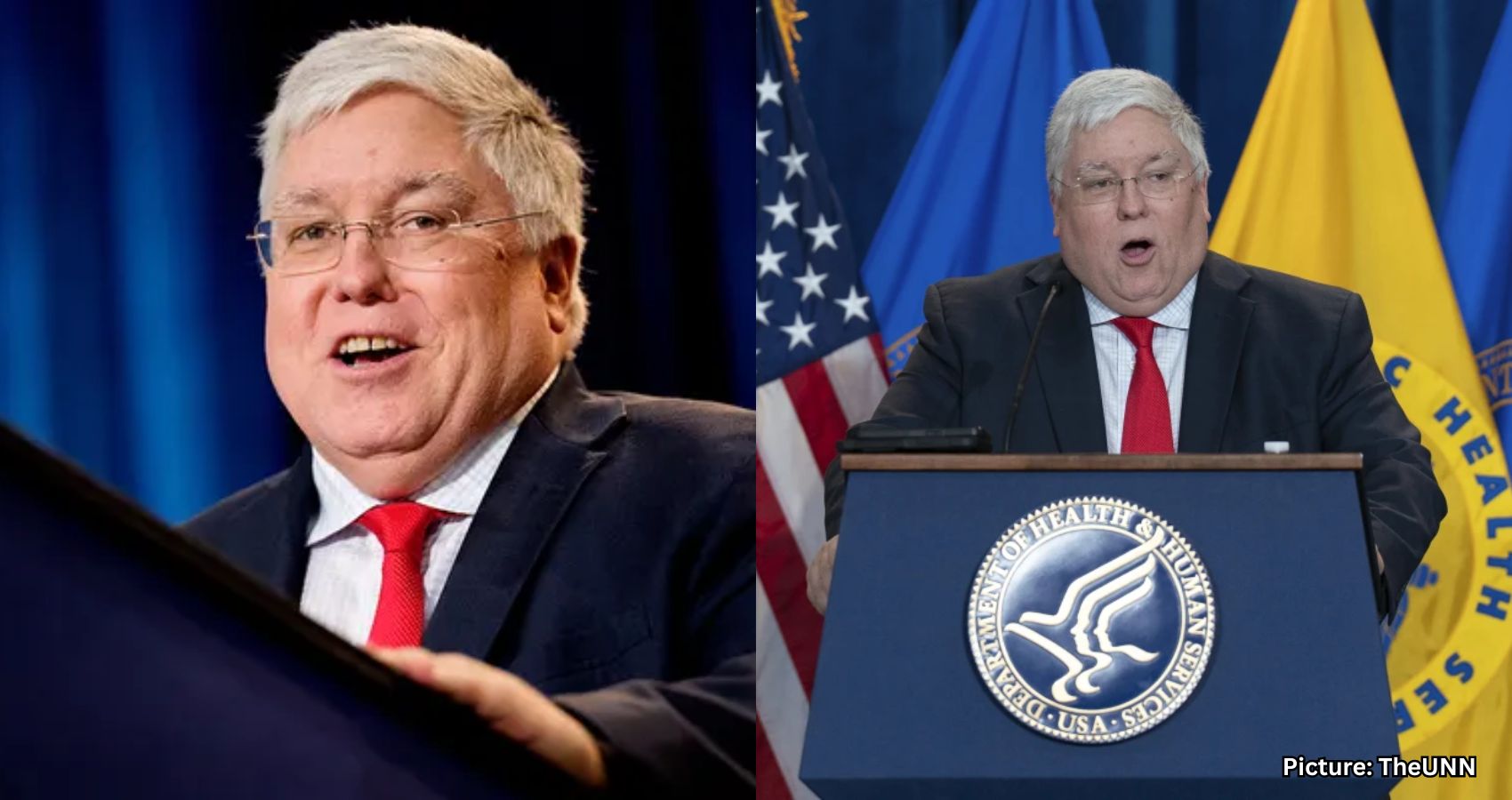
Ethan Agarwal, Indian-American Entrepreneur, Announces Candidacy for California Governor

Palo Alto entrepreneur Ethan Agarwal has officially announced his candidacy for California Governor in the 2026 elections, emphasizing a blend of progressive values and pro-business policies.

Palo Alto-based Indian-American entrepreneur Ethan Agarwal has declared his intention to run for Governor of California in the upcoming 2026 gubernatorial elections. The announcement was first reported by Axios on August 25, which described Agarwal as a “Democrat who believes in capitalism.”

Agarwal is the founder of two startups, Aaptiv and The Coterie, and has successfully raised a total of $110 million for his ventures, as noted on his LinkedIn profile. In a video shared on social media to announce his candidacy, he articulated his political stance, stating, “I’m pro-choice, I believe in gun control, I believe in immigration, I believe in LGBTQ rights, I’m also fiercely pro-capitalism.”

Through various social media platforms, Agarwal has expanded on his positions regarding a range of issues. He identifies as pro-business and has expressed concern that California is losing its competitive edge as tech companies relocate to other states. He advocates for substantial investment in infrastructure and energy capacity within California.

In a recent social media post, Agarwal outlined “ten ideas to make California better.” Among his proposals, he suggested the construction of three additional University of California campuses and the relocation of the state capital from Sacramento to either San Francisco or Los Angeles.

Support for Agarwal’s campaign is gaining momentum, with notable figures such as Y Combinator CEO Garry Tan, DoorDash co-founder Stanley Tang, and Tribe Capital co-founder Arjun Sethi planning to host fundraising events for him. Additionally, Agarwal has scheduled two virtual campaign rallies for September 14 and September 21.

As the 2026 gubernatorial elections approach, Agarwal’s unique blend of progressive ideals and a strong pro-business agenda may resonate with a diverse electorate in California.

Source: Original article
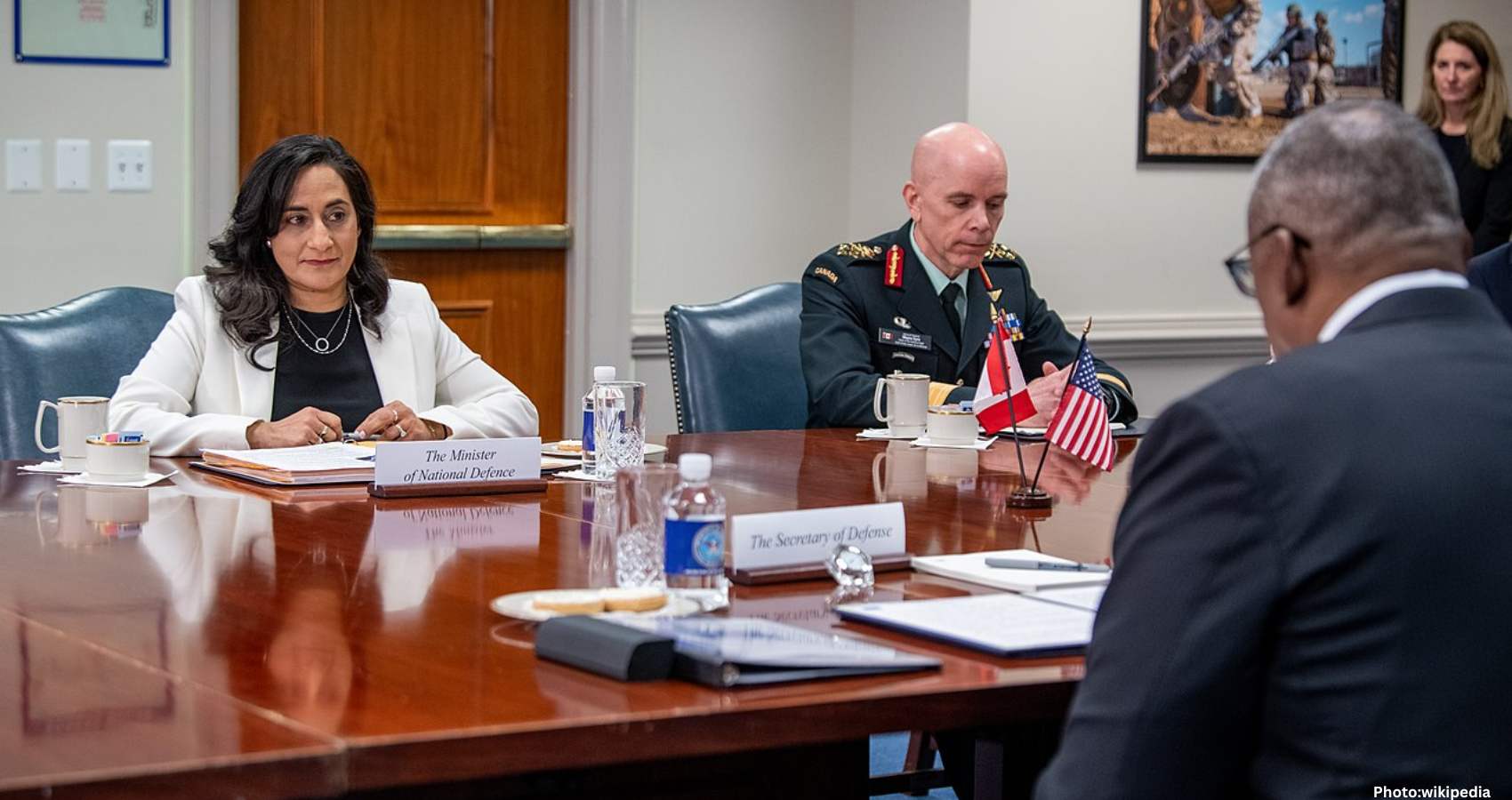
Democrats Seek Unity Against Trump at Conclusion of DNC Meeting

Democrats are striving for unity amid internal divisions and fundraising challenges as the DNC’s summer meeting concludes, focusing on strategies to counter President Trump’s agenda.

MINNEAPOLIS, MN – As the Democratic National Committee (DNC) wraps up its annual summer meeting, Chair Ken Martin is set to emphasize the necessity of party unity. Sources indicate that Martin will highlight the importance of moving forward as a cohesive group, particularly in the face of President Donald Trump’s recent actions since his return to the White House seven months ago.

“In this big tent party of ours, we are unified towards one single goal: to stop Donald Trump and put this country back on track,” Martin stated at the meeting’s opening on Monday.

During his closing address, Martin is expected to reflect on the momentum Democrats have gained heading into the fall elections. He will point to the party’s success in “overperforming or winning in 36 out of 37 key elections” during his tenure as chair, according to a source familiar with the discussions.

However, the DNC faces significant challenges as it seeks to regain its footing after last year’s electoral setbacks, which saw the party lose control of the White House and the Senate while failing to reclaim a House majority. Recent polling indicates a troubling decline in the Democratic brand, particularly among younger voters, with approval ratings hitting all-time lows.

Additionally, the DNC is grappling with a substantial fundraising deficit compared to the Republican National Committee (RNC) and concerns over dwindling party registration numbers.

As Democrats push for a more aggressive stance against Trump’s agenda, Martin has criticized the president’s leadership, describing him as “a dictator-in-chief” and his administration as “fascism dressed in a red tie.” He expressed frustration with the party’s previous approach, stating, “I’m sick and tired of this Democratic Party bringing a pencil to a knife fight.” Martin urged party members to adopt a more combative strategy.

Despite calls for unity, tensions surfaced during the meeting as a key DNC panel debated two conflicting resolutions regarding the Israel-Hamas conflict. The Resolutions Committee voted down a symbolic resolution advocating for an arms embargo and the suspension of U.S. military aid to Israel, a long-standing ally in the Middle East.

In contrast, a separate resolution supported by Martin, which called for a ceasefire and unrestricted humanitarian access to Gaza, was unanimously approved. However, the rejection of the more assertive resolution proposed by 26-year-old Allison Minnerly, a new DNC member from Florida, sparked dissent among some committee members.

DNC committee member Sophia Danenberg expressed concern over the party’s stance, stating, “It’s not enough. People want to hear a louder, stronger statement.” She warned that a lack of courage on this issue could jeopardize the party’s future.

Following discussions with Minnerly, Martin requested the committee to withdraw his resolution to foster unity and facilitate further dialogue. “We need to keep working through this. We have to find a path forward as a party, and we have to stay unified,” he remarked, a sentiment that was well-received by the committee.

The debate over the resolutions reflects a broader fracture within the Democratic Party regarding its historical support for Israel, particularly in light of rising concerns over the humanitarian crisis in Gaza. Recent polling suggests that support for Israel’s military actions is waning among Democrats.

In addition to the Israel resolutions, the committee unanimously approved measures affirming the party’s commitment to diversity, equity, and inclusion (DEI) in response to ongoing conservative backlash against such initiatives. Another resolution condemned the first six months of Trump’s second administration.

These resolutions will be presented for a vote by the full DNC membership during the closing general session on Wednesday.

As the meeting progressed, Martin announced the commencement of the presidential calendar process, indicating that preparations for the 2028 election cycle are underway. He emphasized the need for a rigorous and fair primary process to ensure the selection of a strong candidate capable of leading the party forward.

In the coming months, DNC officials will establish rules for states vying for early positions in the presidential primary calendar. This follows the DNC’s decision to alter traditional lead-off states, with South Carolina now set to kick off the 2024 primaries, as per President Biden’s preferences.

Martin also underscored the importance of maintaining neutrality among DNC officers and staff during what is expected to be a crowded Democratic primary process. “We have an obligation to Democrats not in this room,” he stated, reinforcing the need for impartiality as the party navigates its upcoming electoral challenges.

Source: Original article
Reform UK Plans To Deport 600,000 Asylum Seekers In New Crackdown

Reform UK leader Nigel Farage has proposed a controversial plan to deport 600,000 asylum seekers, sparking criticism from various political and charitable organizations.

Nigel Farage, the leader of Reform UK, has unveiled a sweeping proposal aimed at addressing immigration in Britain. The plan includes the deportation of up to 600,000 asylum seekers and the withdrawal from key international treaties, including the European Convention on Human Rights (ECHR).

Farage’s announcement comes amid rising concerns over immigration, with the party asserting that such measures are necessary to prevent “civil disorder.” He characterized the current situation as an “invasion,” claiming that young men are illegally entering the country.

Dubbed Operation Restoring Justice, the initiative is presented as a solution to the ongoing issue of small boats crossing the English Channel. Farage stated that migrants intercepted at sea should be detained and subsequently deported. “If we do that, the boats will stop coming in days because there will be no incentive,” he asserted during a press conference.

The ECHR has been a critical component of U.K. human rights law, often utilized to halt the deportation of migrants deemed to be in the country illegally. Farage’s proposal to repeal the Human Rights Act and scrap international treaties that impede forced deportations has drawn significant criticism.

Labour Party Chairwoman Ellie Reeves responded to the announcement by emphasizing the lack of detail in the plan. “Today, we got none of those things, nor a single answer to the practical, financial, or ethical questions about how their plan would work,” she remarked.

This proposal follows weeks of small protests addressing mass migration and crimes associated with some asylum seekers. In 2024, Britain received a record 108,100 asylum applications, with many coming from countries such as Pakistan, Afghanistan, Iran, and Bangladesh.

Polling data indicates that immigration has surpassed economic concerns as the top issue for voters. Despite holding only four seats in Parliament, Reform UK is currently leading in surveys regarding voting intentions.

Housing Minister Matthew Pennycook dismissed the proposals as “a series of gimmicks” that would ultimately prove ineffective. Critics, including various charities, argue that the plan represents a significant departure from Britain’s human rights commitments.

As the debate continues, the implications of such a drastic immigration policy remain a contentious topic within British politics.

Source: Original article
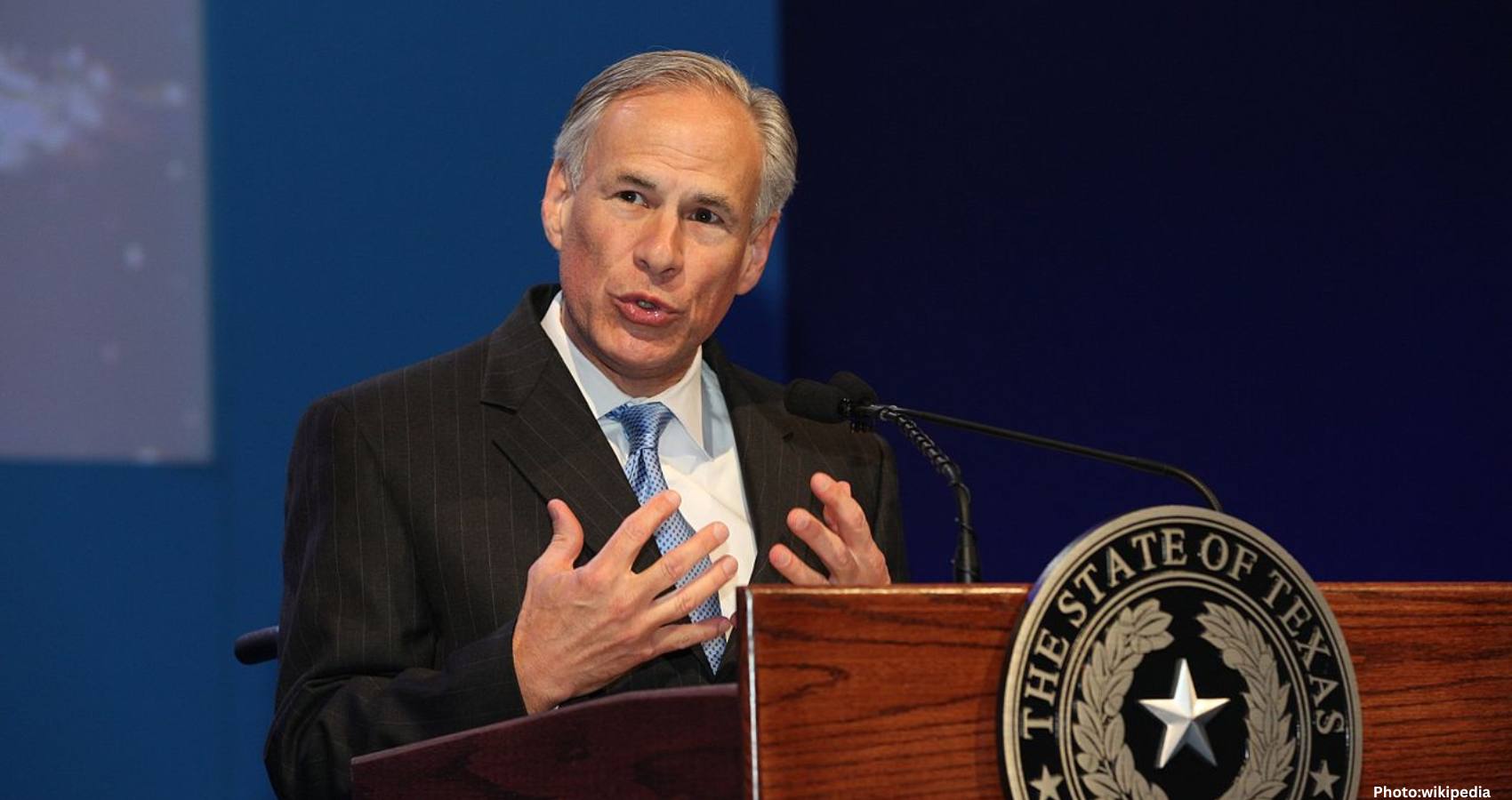
Sunil Gavaskar Critiques Asia Cup Squad Selection Debate

Sunil Gavaskar criticized foreign cricketers for disparaging Indian cricket, asserting they are merely trying to profit from their comments.

Sunil Gavaskar, the legendary Indian cricketer, has voiced strong criticism against overseas players who he believes are undermining Indian cricket. He accused them of “throwing dirt” on the sport in India while attempting to profit from their remarks.

Gavaskar’s comments come in the context of ongoing debates surrounding the selection of the Indian squad for the Asia Cup. The former cricketer has been a vocal advocate for the integrity of Indian cricket, often defending its players and the decisions made by the selection committee.

In recent years, several international cricketers have made headlines for their controversial statements regarding Indian players and the cricketing system in India. Gavaskar argues that these comments are often motivated by a desire to gain attention or financial benefit rather than a genuine concern for the sport.

He emphasized that Indian cricket has a rich history and a strong following, and it should not be tarnished by the opinions of those who do not fully understand its nuances. Gavaskar’s remarks serve as a reminder of the pride many Indian cricketers feel for their national team and the sport as a whole.

As discussions around the Asia Cup squad continue, Gavaskar’s sharp critique highlights the tensions that can arise in the world of cricket, especially when it comes to national pride and the influence of foreign voices.

His passionate defense of Indian cricket resonates with fans and players alike, reinforcing the notion that the sport is not just a game but a significant part of India’s cultural identity.

Gavaskar’s legacy as a cricketer and commentator positions him as a key figure in these discussions, and his insights are often sought after by both the media and cricket enthusiasts.

As the Asia Cup approaches, the focus will remain on the players selected to represent India, but Gavaskar’s comments remind everyone of the broader context in which these discussions take place.

In a sport that often sees players from different nations engaging in friendly banter, Gavaskar’s call for respect and understanding underscores the importance of valuing the contributions of Indian cricket while also acknowledging the perspectives of international players.

Ultimately, the debate surrounding the Asia Cup squad is just one of many instances where the intersection of national pride and international scrutiny plays out in the world of cricket.

As fans eagerly await the tournament, Gavaskar’s words will likely echo in the minds of many, serving as a rallying cry for those who cherish the legacy of Indian cricket.

Source: Original article
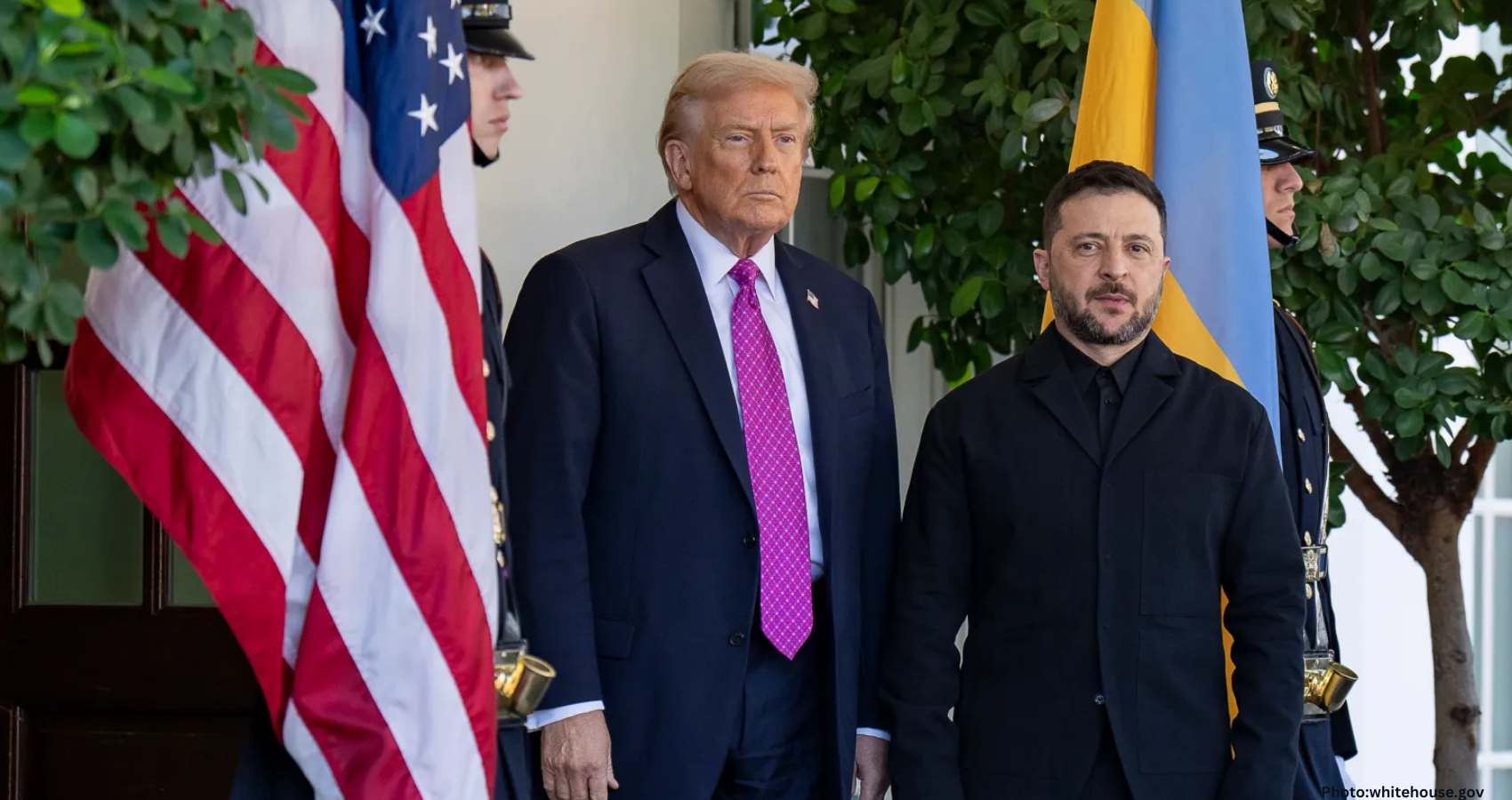
Kaelyn Faces Debt to Prevent Partner’s Deportation to El Salvador

Kaelyn’s relationship with Yapa, an asylum seeker from Venezuela, has turned into a desperate struggle against deportation, leading her to incur significant debt for legal assistance.

Last summer, Kaelyn found herself at a Latin club in Wilmington, North Carolina, when a charming stranger asked her to dance. Initially reluctant, she was drawn in by his genuine nature. “If anyone else had asked, I would’ve said no, but Yapa is so genuine,” she recalls, using a pseudonym to protect his identity. What began with a dance blossomed into a deep friendship, one that would soon lead to a fight for Yapa’s freedom.

Yapa, who fled violence in Venezuela in 2022, had been navigating the complexities of the U.S. immigration system. He attended regular court hearings and held a legal work permit, working as a delivery driver while aspiring to obtain his commercial trucking license. As their relationship deepened, Kaelyn became an integral part of his life.

The couple spent Thanksgiving together, with Yapa bonding with Kaelyn’s family. He played pool with her father, and her sisters affectionately began calling Kaelyn “reina”—a term of endearment Yapa had used when they first met. They enjoyed movie nights, often watching the Fast and Furious series, and supported each other through language barriers with translation apps and Kaelyn’s college Spanish. Each morning, Yapa would text her to inquire about her day, solidifying their connection.

Before meeting Yapa, Kaelyn, originally from Connecticut, had rarely considered immigration policy. However, the political climate shifted dramatically after President Trump took office, leading her to worry about the fate of asylum seekers. “People would tell me, Oh, you’re overreacting,” she says. “This isn’t 1930s Germany. And I’d say, Yeah, but it’s starting to feel that way. Looking back now, while people were telling me I was being dramatic, I was actually underreacting.”

On February 22, 2025, everything changed when ICE agents unexpectedly arrived in the early morning hours as Yapa was heading to work. Without explanation, they handcuffed him, confiscating his ID and work permit—documents that have not been returned. They provided no details about his destination, only that he was being deported soon.

Kaelyn was devastated when she received a call from Yapa’s sister, informing her that ICE had “abducted” him. Yapa had stayed with Kaelyn until the night before, and she had hoped he would remain with her, feeling that as a U.S. citizen, she could better advocate for his rights. “I couldn’t explain it, but I was so emotional,” she reflects on their last night together. “And he told me, ‘There’s no reason for them to take me.’” Now, her worst fears had materialized, and they were uncertain of his whereabouts, but they knew they had to act quickly to save him.

By the time Kaelyn took action, Yapa had already been transported to Georgia’s Stewart Detention Center. It wasn’t until two months later, during his hearing, that ICE accused him of being affiliated with the Venezuelan gang, Tren de Aragua (TdA). “Shocking is not even the word,” Kaelyn recalls. “I was shaking.”

In a recent court filing, ICE admitted it has no evidence linking Yapa to any gang. However, a ruling from the Trump administration complicates matters for immigrants like Yapa, who have recently entered the country and are seeking release from detention. As a result, Yapa faces the prospect of spending up to a year in detention while his asylum case is processed, with little control over where he might be deported if he loses.

Kaelyn’s reaction to the gang allegations was visceral; she understood the gravity of the situation. The possibility of Yapa being sent to CECOT, a notorious prison in El Salvador known for its brutality, weighed heavily on her. “I thought, I’m going to have to live the rest of my life knowing he’s in there, and there’s nothing that we can do to get him out of there,” she says. The notion that he—and many other innocent individuals—could be imprisoned in what some describe as a modern-day concentration camp is an “atrocity,” she asserts.

The emotional and financial toll on Kaelyn has been immense. She has hired multiple attorneys for Yapa, accumulating significant debt due to legal fees. Meanwhile, Yapa remains nine hours away from Wilmington, with limited access to phone calls. In April, attorneys from the American Immigration Council and the ACLU took on part of Yapa’s case pro bono. By May, they secured a ruling that prevents the Trump administration from deporting Yapa to CECOT or anywhere else based on the unsubstantiated gang allegations without allowing him a fair chance to contest them. While this decision brought some relief, Kaelyn feels as though her life has been turned upside down.

Conversations with her sister now primarily revolve around updates on Yapa’s case and the latest developments in immigration policy. “We can’t be happy when there’s literally a member of our family who’s been taken from us,” she states. “I’ll never let this go. The administration thinks they’re sowing fear—but they’re creating activists. You can’t destroy someone’s life and expect us to stay quiet.”

Source: Original article
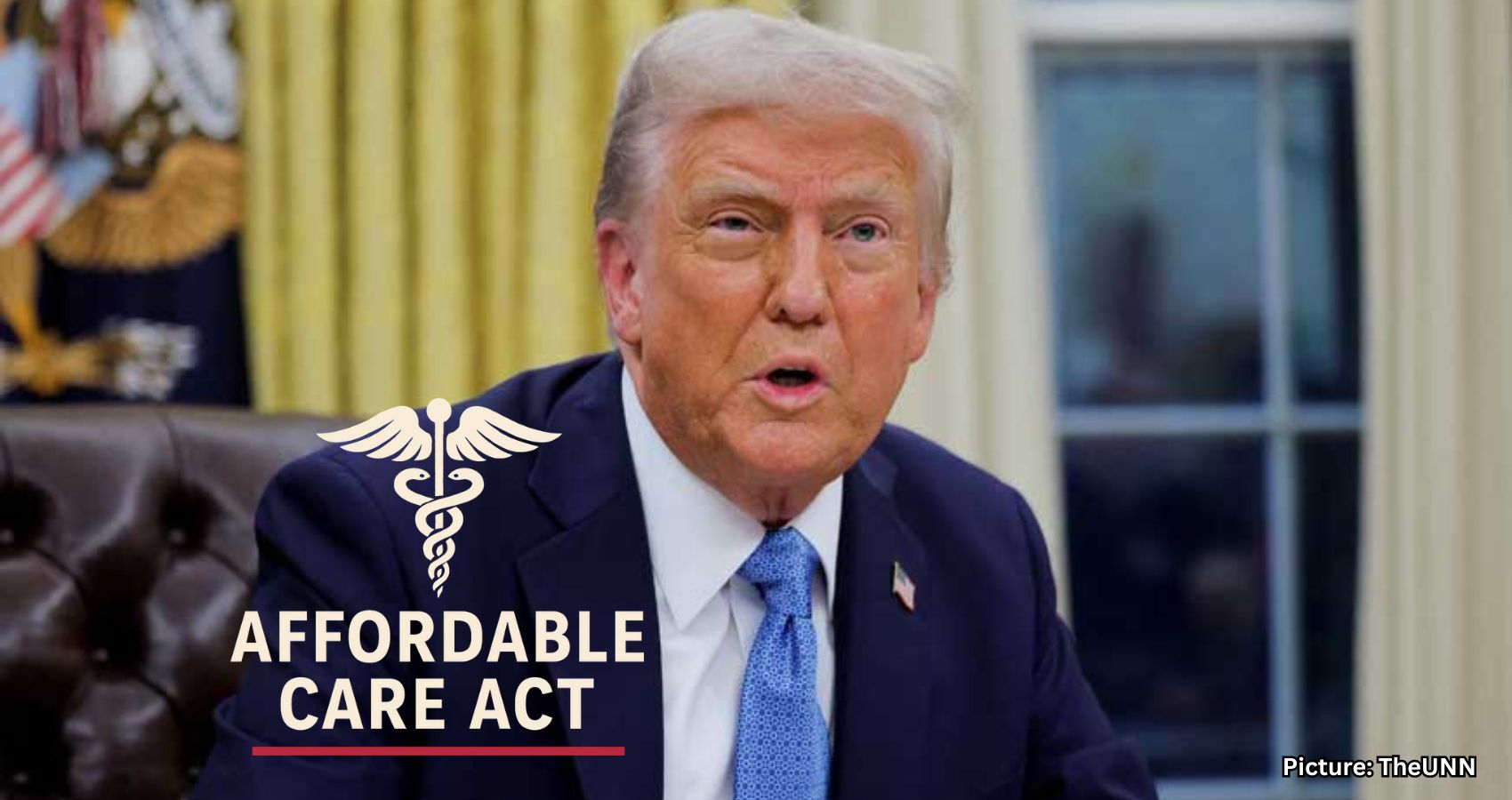
-+=