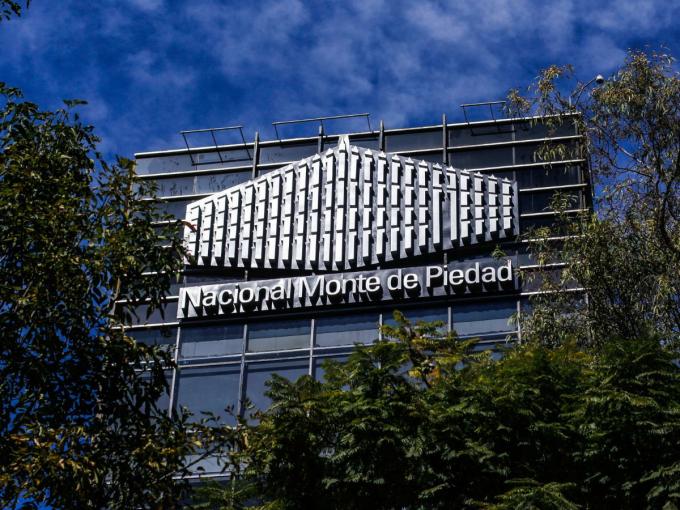
Marked annually on May 3 since 1993, following a proclamation by the United Nations, the day serves as a reminder of the importance of a free press. It also pays tribute to journalists who have lost their lives or are imprisoned in the line of duty while striving to inform the public. As part of the observance, UNESCO presents the prestigious Guillermo Cano World Press Freedom Prize, honoring individuals and institutions that have made significant contributions to defending press freedom.
Meanwhile, India’s position in the World Press Freedom Index 2026, released by Reporters Without Borders (RSF), has declined further. The country has dropped six places to rank 157th among 180 nations.
At the top of the index are countries such as the Netherlands, Norway, Denmark, and Sweden, reflecting strong protections for media freedom. At the lower end are nations including Saudi Arabia, Iran, China, and North Korea, where press freedoms remain severely restricted.
Notably, several of India’s neighboring countries rank higher in the index. Pakistan (153), Bhutan (150), Nepal (87), Sri Lanka (134), and Bangladesh (152) all place ahead of India. China, another regional power, is ranked 178th.
According to RSF, factors contributing to India’s declining ranking include increasing attacks on journalists, concentration of media ownership among a few entities, and perceived political alignment of sections of the media. The report suggests that these trends have constrained press freedom in what is often described as the world’s largest democracy.
The report also highlights concerns over media ownership patterns, noting that a significant number of media outlets are controlled by business conglomerates with close ties to political leadership. It further states that press freedom in India has seen a decline since 2014, when the Bharatiya Janata Party (BJP) came to power.
As the world marks this year’s Press Freedom Day, the spotlight remains firmly on the need to protect journalistic independence and ensure that media continues to serve as a pillar of democratic society.
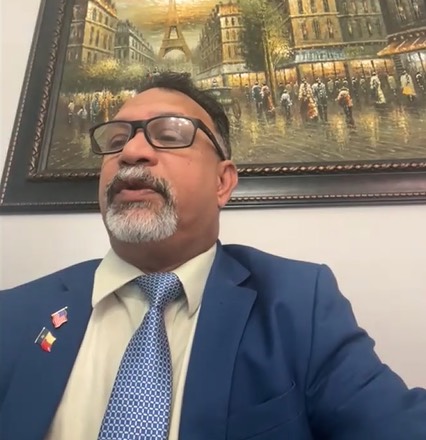 The Global Indian Council (GIC) hosted a dignified virtual celebration on Saturday, August 23, 2025, marking the 79th anniversary of India’s Independence. The event honored the enduring spirit of freedom while celebrating the values of unity, service, and cultural diversity that define the Indian identity across the globe.
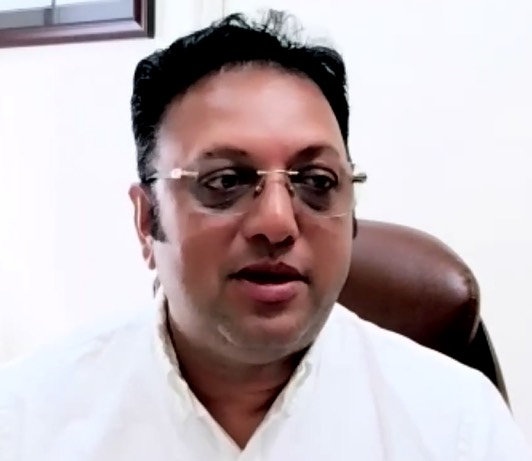 initiatives.
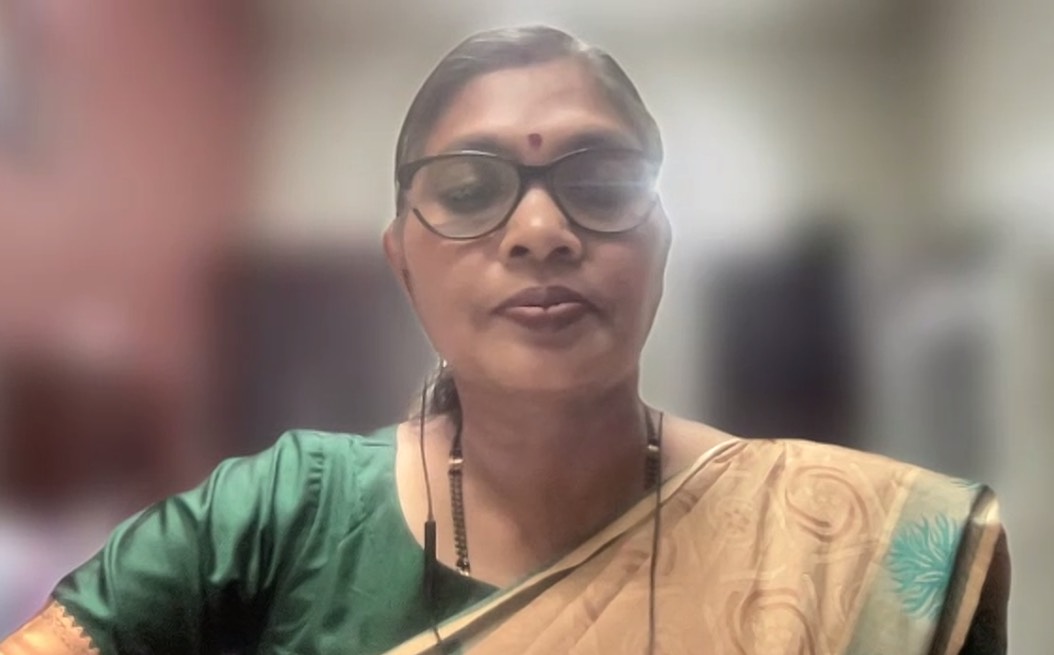 “Seventy-nine years ago, India witnessed the rebirth of a vibrant nation. Our freedom was not a gift—it was earned through the blood, sweat, and sacrifice of countless individuals. Independence stands as a testament to the strength, resilience, and unity of our people. As we celebrate this Independence Day with joy and pride, we must also honor those who tirelessly fought for freedom and those who shaped our nation’s destiny with vision and wisdom. India’s journey since then has been remarkable—from a country scarred by partition and economic hardship to a global power, admired for its glorious culture and tradition.”
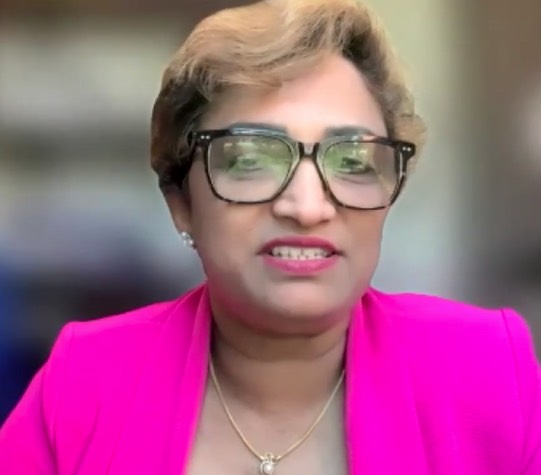 representatives, including GIC Global Ambassador Dr. Jija Madhavan Harisingh IPS (Retd), Global Vice President Joy Pallatumadam, Global Chair of Media & Publicity Dr. Mathew Joys, Global Associate Secretary Adv. Dr.Yamini Rajesh, Dr. Mohan Lamba (Nairobi), Sherry (Kenya), Prakash Pasupati, Sanu Zak, Indu Jaiswal (New York), Komal Khatri (Secretary, Austin Chapter, Texas), and Jaisy George (Dallas). Their messages reinforced gratitude for the hard-won freedom India enjoys today and underscored the importance of unity within the global Indian diaspora.
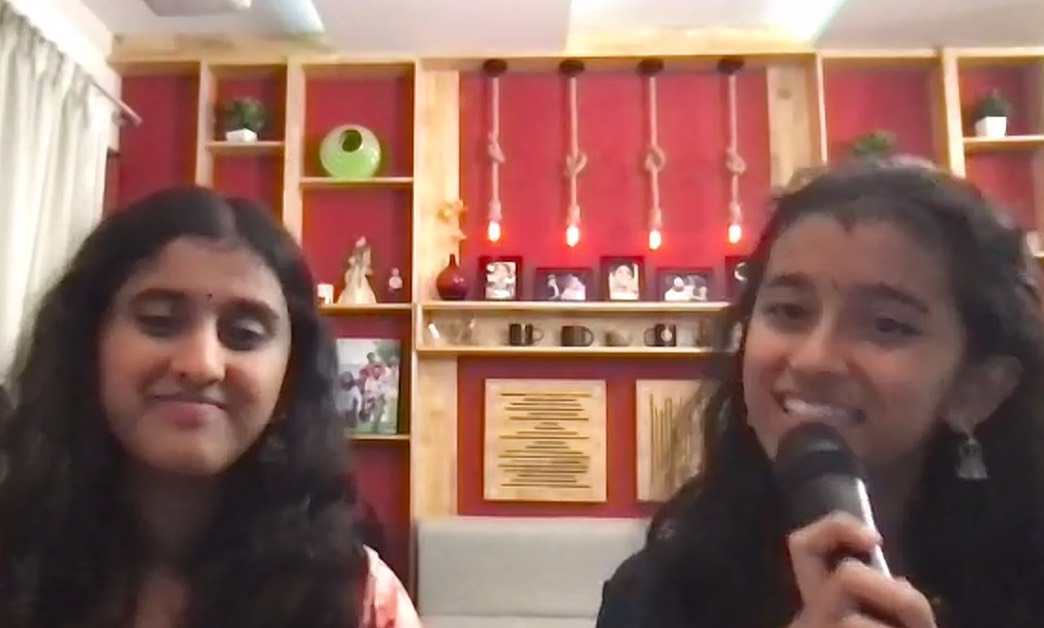 expressed appreciation to the Chief Guest, dignitaries, organizers, and participants worldwide. The program was skillfully moderated by Ms. Preethy Pynadath, ensuring a smooth flow throughout the event.