Grammy Award-winning artist Chandrika Tandon collaborates with the Young People’s Chorus of New York City to promote cultural exchange through music, welcoming young singers from China to New York.
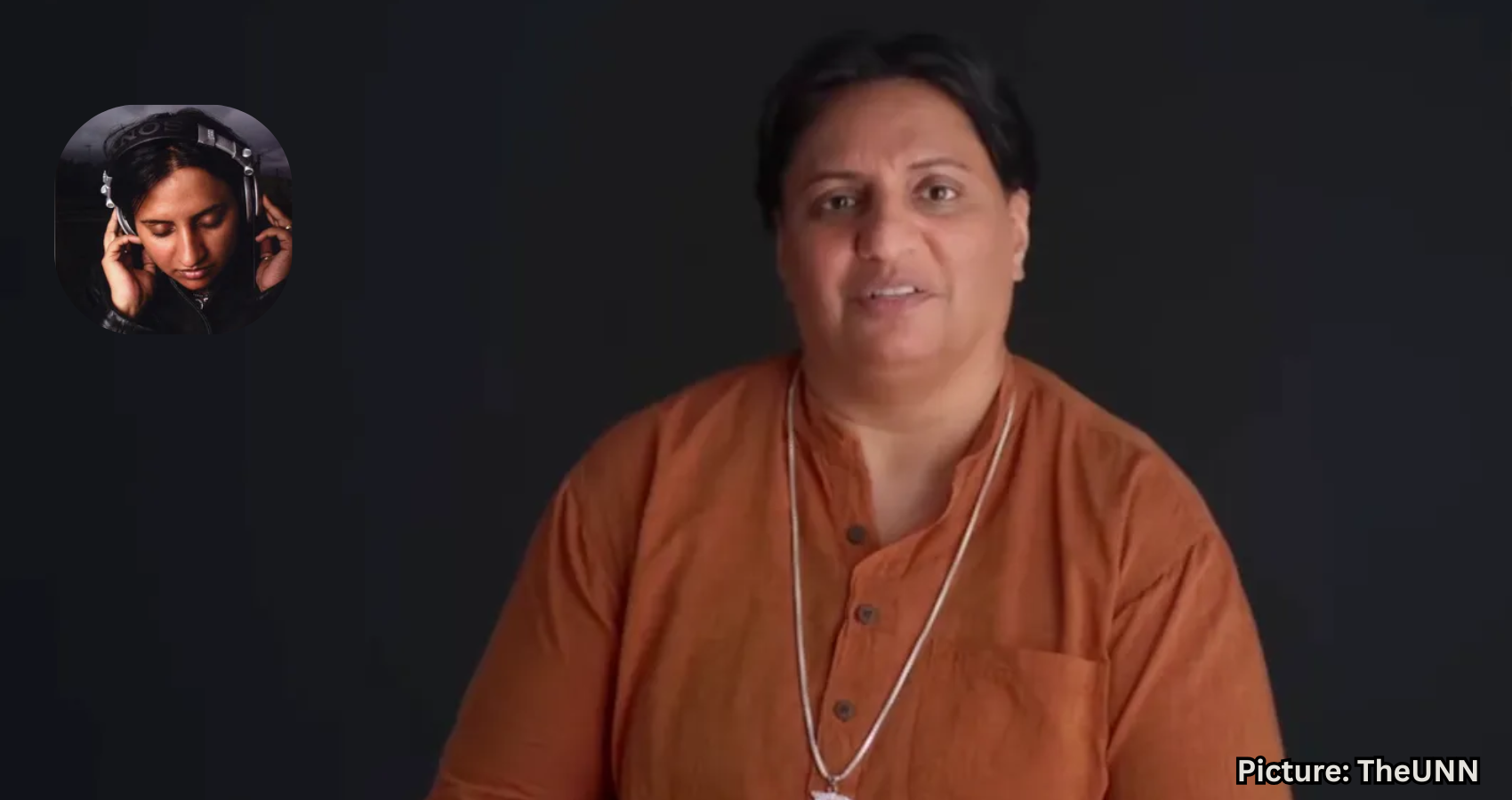
Chandrika Krishnamurthy Tandon, a Grammy Award-winning artist and Indian American philanthropist, has partnered with the Young People’s Chorus of New York City (YPC) to launch an initiative aimed at fostering dialogue and mutual understanding among young people through music, education, and cultural exchange. This initiative, known as the YPC Tandon Global Collab, has been established with Tandon’s support as she serves as an Artist in Residence at YPC.
Tandon expressed her enthusiasm for the project, stating, “It is an honor to support YPC in this extraordinarily important mission of bringing voices together, joined in song, across oceans, boundaries, and languages … the true power of music.” She emphasized the role of music in bridging gaps and creating connections, saying, “Music has always been my pathway to new bridges of love and healing with the world.”
According to Tandon, the initiative provides young people with opportunities to explore the world beyond their own borders. “When these choirs come together and sing, they’re not just performing—they’re learning that harmony comes from honoring each person’s unique voice,” she noted. “They’re building relationships rooted in curiosity and respect. That’s a lesson the world needs right now.”
The vision of the YPC Tandon Global Collab will come to life in October, as YPC prepares to welcome 45 young singers from China’s renowned Guangdong Experimental Choir for a weeklong U.S.-China youth choir exchange. This exchange will take place from October 1 to 9 and will include performances, rehearsals, educational activities, and cultural experiences.
This visit marks a significant milestone in a relationship that began with a virtual collaboration for International Peace Day in 2023. Following that, YPC visited Guangdong Province in 2024, and now the Guangdong choir will travel to New York City for the first time. The timing of this exchange is particularly poignant, coinciding with a period of renewed dialogue between the United States and China, thereby adding a broader dimension to the initiative aimed at connecting young people from both nations.
The Chinese singers will participate in several events throughout New York City, including a free public performance at Lincoln Center on October 3. This event, titled “Song Bridge at Lincoln Center,” will commence at 2:30 p.m. at Josie Robertson Plaza and will feature the combined choirs under the direction of YPC Founder and Artistic Director Francisco J. Núñez and Guangdong conductor Xie Mingjing.
The exchange is rooted in a longstanding relationship between Núñez and Xie, which began over 20 years ago. The two choir leaders first met in 2005 while representing their respective countries at the World Choral Symposium in Japan. Their relationship has since evolved from competition to a cultural collaboration, with both leaders recognizing the power of music to unite young people across cultures.
<p“What began through competition has grown into a friendship rooted in mutual respect and a shared belief in music’s ability to bring young people together across cultures,” Núñez remarked. He highlighted that despite differences in language and culture, the young singers can connect through their shared love of music. “Our choristers and their peers from Guangdong may come from different cultures, but when they sing together, they understand one another,” he said. “They listen, they learn, they share their curiosity and hopes of the future, and they build relationships that last far beyond a single performance.”
The visit also coincides with the 100th anniversary of Guangdong Experimental High School, making the New York exchange a significant international activity during the school’s centennial celebrations. As part of the program, the visiting singers will engage in rehearsals at New York City public schools, partake in educational exchanges at the Chinese Consulate, and participate in various cultural activities across the city.
In collaboration with the Consulate General of the People’s Republic of China in New York, YPC will co-host a private reception and joint performance that will bring together student musicians, educators, diplomatic and government representatives, as well as members of New York’s cultural and business communities.
New York City Councilmember Gale A. Brewer is scheduled to welcome the visiting singers on September 30 and will present a New York City Council Citation recognizing the cultural exchange.
This initiative is part of the World Bay Area Choral Dialogue, an ongoing cultural and artistic effort aimed at connecting the two choirs. The October 3 performance at Lincoln Center is free and open to the public, inviting all to experience the power of music as a unifying force.
As Tandon noted, the importance of such exchanges cannot be overstated, especially in today’s world. “Young people need spaces to experience the world beyond their own borders,” she said, reinforcing the initiative’s goal of fostering understanding and respect among diverse cultures.
According to The American Bazaar, the YPC Tandon Global Collab represents a significant step toward building bridges through music, highlighting the essential role of cultural exchange in today’s global landscape.