Redistricting Conflicts Challenge Minority Voting Power and Democratic Trust

Redistricting battles in the U.S. threaten minority voting power and undermine public trust in democracy as political parties manipulate district maps for electoral advantage.

Redistricting—the process of redrawing congressional maps after each census—is intended to promote fairness and accurate representation. However, in today’s polarized political climate, it has become one of the most contentious issues in U.S. politics. At its core, the issue is straightforward: the party that controls the redistricting process often dictates the outcome of elections. Currently, Republicans in Texas and Democrats in California are wielding redistricting as a tool to secure more congressional seats, raising concerns about the erosion of democratic principles and public trust in the electoral system.

The urgency of the situation was underscored during an August 22 briefing by American Community Media (ACoM), where experts discussed the potential consequences of proposed map changes. Texas has aggressively pursued redrawing its congressional districts with the aim of adding five Republican-dominated districts, a strategy designed to flip the House in the 2026 midterm elections.

State Representative Gene Wu, the Democratic Leader in the Texas House, has characterized this effort as “cheating.” He argues that Republicans are responsible for policies leading to significant price increases, job losses, and a looming recession. “Here’s the problem. If this is allowed to happen across the board, if every state, whether they’re red or blue, does this every single time after every election, politicians and leaders will no longer listen to the people,” Rep. Wu explains. “Why would they need to listen when they’re guaranteed to win every time?”

At the heart of the redistricting debate is the potential dilution of minority voting power, which directly impacts communities of color. This dilution occurs through two primary tactics: packing and cracking. Packing involves concentrating too many minority voters into a single district, allowing them to win decisively in that district but diminishing their influence elsewhere. For instance, in Houston, two historically strong Black districts are being merged into one that is 80% Black. This change means the community would elect only one Black representative instead of two, effectively halving their overall representation.

Cracking, on the other hand, involves dispersing minority communities across multiple districts dominated by white voters. In regions like South Texas and Dallas, Latino voters have spent years building political power. However, the new maps fracture their communities, splitting them into separate districts, thereby diminishing their collective voice. As Rep. Wu succinctly puts it, “They can vote all they want. They’ll never be able to change the outcome of any election.”

Thomas Saenz, President and General Counsel at the Mexican American Legal Defense and Educational Fund (MALDEF), emphasizes that Texas has previously manipulated the rules during the 2021 redistricting process to solidify Republican control. The resulting map ignored the state’s rapid demographic changes, providing Republicans with an unfair advantage.

Now, with the push for five additional GOP seats, Saenz argues that Texas is blatantly violating the Voting Rights Act. He points out that the growth of Latino and other communities of color in Texas since 2020 has outpaced that of the white community. In a fair system, this demographic growth should translate into increased political power for those communities. Instead, the new maps are designed to suppress that power, effectively erasing the gains that should accompany population growth.

In California, Governor Gavin Newsom has responded with his own aggressive strategy. He has pushed legislation to suspend the state’s independent redistricting commission and place a new Democratic-leaning map on the November ballot, aiming to secure up to five additional House seats. Newsom describes this approach as “fighting fire with fire,” framing it as a necessary countermeasure to the gerrymandering tactics employed by Republicans in Texas.

Sam Wang, Director of the Electoral Innovation Lab at Princeton University, notes that while there are standards for racial fairness in redistricting, they are not uniformly applied across states. The Supreme Court has ruled that partisan redistricting is unconstitutional but has refrained from taking action to address it. This lack of oversight means that state-level actions and laws are crucial in tackling voting rights issues. Wang explains that Texas, lacking state laws governing redistricting, operates in a “Wild West” environment, leaving legislative Democrats with few options other than denying a quorum. In contrast, states like California, Michigan, Colorado, Arizona, Virginia, and New Jersey have established independent commissions or other mechanisms to ensure fairer redistricting processes.

The NAACP Legal Defense and Educational Fund (LDF), represented by Assistant Counsel Sara Rohani, is actively fighting against unfair redistricting practices across the nation. Following the 2020 census, which revealed significant growth among voters of color, many states redrew their maps without a key safeguard from the Voting Rights Act that the Supreme Court struck down in 2013. Without this protection, numerous states enacted maps that weakened Black and Latino voting power.

While courts have invalidated discriminatory maps in states such as Alabama, Florida, Georgia, South Carolina, and Louisiana, the battles continue. Alabama has openly defied a Supreme Court order and is now attempting to dismantle the Voting Rights Act itself. In Louisiana, a newly proposed Black-majority district, which should have expanded representation, is being challenged as a “racial gerrymander” and has been sent back to court. Rohani explains that the LDF is now compelled not only to sue against unfair maps but also to defend fair ones from being dismantled.

Despite these challenges, experts agree on one crucial point: voter turnout remains the most potent weapon against gerrymandering. When minority communities mobilize and vote in large numbers, they can effectively counteract suppression efforts.

Source: Original article

Behind the Controversy of Redrawing Texas Political Maps

Texas is embroiled in a contentious political battle over redistricting, raising concerns about representation and the voices of marginalized communities ahead of the 2026 elections.

The Lone Star State is currently facing a political firestorm that extends beyond party control; it delves into the fundamental issue of representation. The ongoing debate centers on whose voices are amplified and whose are marginalized in the electoral process.

On August 14, a briefing hosted by American Community Media (ACoM) brought together state lawmakers, civil rights lawyers, and advocates to address what they term a “redistricting war.” The focus of this conflict is the Republican-led initiative to redraw Texas’s electoral maps, a move critics argue is designed to benefit the party in the upcoming 2026 elections while undermining the voting power of Black, Latino, and Asian communities.

Texas State Representative Gene Wu, who participated in the briefing from Chicago, highlighted the urgency of the situation. Wu, along with numerous Democratic colleagues, had previously staged a dramatic walkout on August 3 to block a quorum and stall the redistricting bill. “This isn’t just politics—it’s cheating,” Wu asserted. “They’re trying to rewrite the rules mid-game because they know they’re losing.”

Wu elaborated on the tactics being employed in the redistricting process, describing them as “cracking and packing.” He explained, “They’re cracking minority communities into pieces and attaching them to districts that don’t share their interests. Or they’re packing us into one district, so we can’t influence others. Either way, it’s about silencing us.”

He raised a critical alarm about the implications of these changes: “If this goes through, your voice will carry less weight. If you’re Latino, your vote might count as one-third of a white vote. If you’re Black, maybe one-fifth. That’s not democracy.” Wu warned that if such practices are allowed to continue, it could set a dangerous precedent for redistricting efforts across the country. “If they get away with this, every state will start redrawing maps after every election they don’t like. That’s the end of our republic,” he cautioned.

The concerns surrounding the redistricting process are echoed by Karla Maradiaga, a voting rights attorney with the Texas Civil Rights Project. Maradiaga recounted her experience at a redistricting hearing in Houston, where nearly 1,000 individuals signed up to speak despite the maps not yet being released. “People showed up anyway,” she noted, emphasizing the community’s concern over the lack of transparency in the process.

Maradiaga criticized the current redistricting efforts as being driven by political pressures rather than the needs of the community or census data. “This process should be open and fair,” she stated. “Instead, it’s being driven by a letter from the DOJ under Trump.”

She also addressed the misconception surrounding partisan gerrymandering, clarifying that while Republicans assert it is legal, the Supreme Court has not endorsed it. “The Supreme Court didn’t say it’s OK. It said it’s not their job to fix it. That’s a big difference,” she explained. Maradiaga is currently pursuing legal challenges against the redistricting efforts, including a case in Tarrant County where a predominantly minority district was dismantled, resulting in the removal of a Black woman commissioner from office. “We’re fighting back,” she affirmed. “Because this is about protecting the right to vote.”

Melissa Ayala, a longtime activist and resident of Congressional District 29, shared her personal experiences regarding the impact of the new maps on her community. “We’re a working-class, mostly Latino district,” she said. “Now they’ve redrawn it into a weird box that favors Republicans. It’s clear parts we were left out on purpose.”

Ayala, who previously worked as a census worker, understands the importance of accurate representation. “I learned about redistricting through the census. But now, even older folks are just learning how it works—and how it affects them,” she remarked. She highlighted the economic pressures that hinder families from staying politically engaged, stating, “Groceries are up. Cars are expensive. People are just trying to survive. But we still need to vote. We still need to organize.”

Her message was clear: “We’re not just voters—we’re also on the menu. If we don’t fight back, we’ll be served up.”

Carmela Walker, Program Manager at the Houston Area Urban League, emphasized the high stakes for Black communities in this redistricting battle. “This isn’t just about race—it’s about humanity,” Walker said. “When you lose your voice, you lose your ability to fight for schools, healthcare, safety—everything.”

Walker shared troubling accounts of families facing mistreatment in schools and communities without representation. “We got a call about a mom who was arrested just for sitting with her child in the cafeteria. That’s what happens when you don’t have representation,” she recounted.

She called for unity and civic education, asserting that fairness is a civic value that transcends partisanship and race. “No one’s coming to save us. We have to save ourselves,” she urged, emphasizing the need for community solidarity.

Despite the grim outlook, the speakers at the briefing remained united in their call to action: stay engaged, stay vocal, and keep voting. In closing remarks, Wu advocated for “trigger laws” in blue states like California to counter Texas’s redistricting moves. Maradiaga reiterated the importance of litigation, while Ayala urged for more town halls and grassroots organizing. Walker reminded attendees that “we’re stronger together.”

Source: Original article

Texas Businessman Charged with Federal Tax Evasion in Texas

A Texas businessman has been indicted for federal tax evasion, accused of diverting company funds for personal use and failing to report significant income.

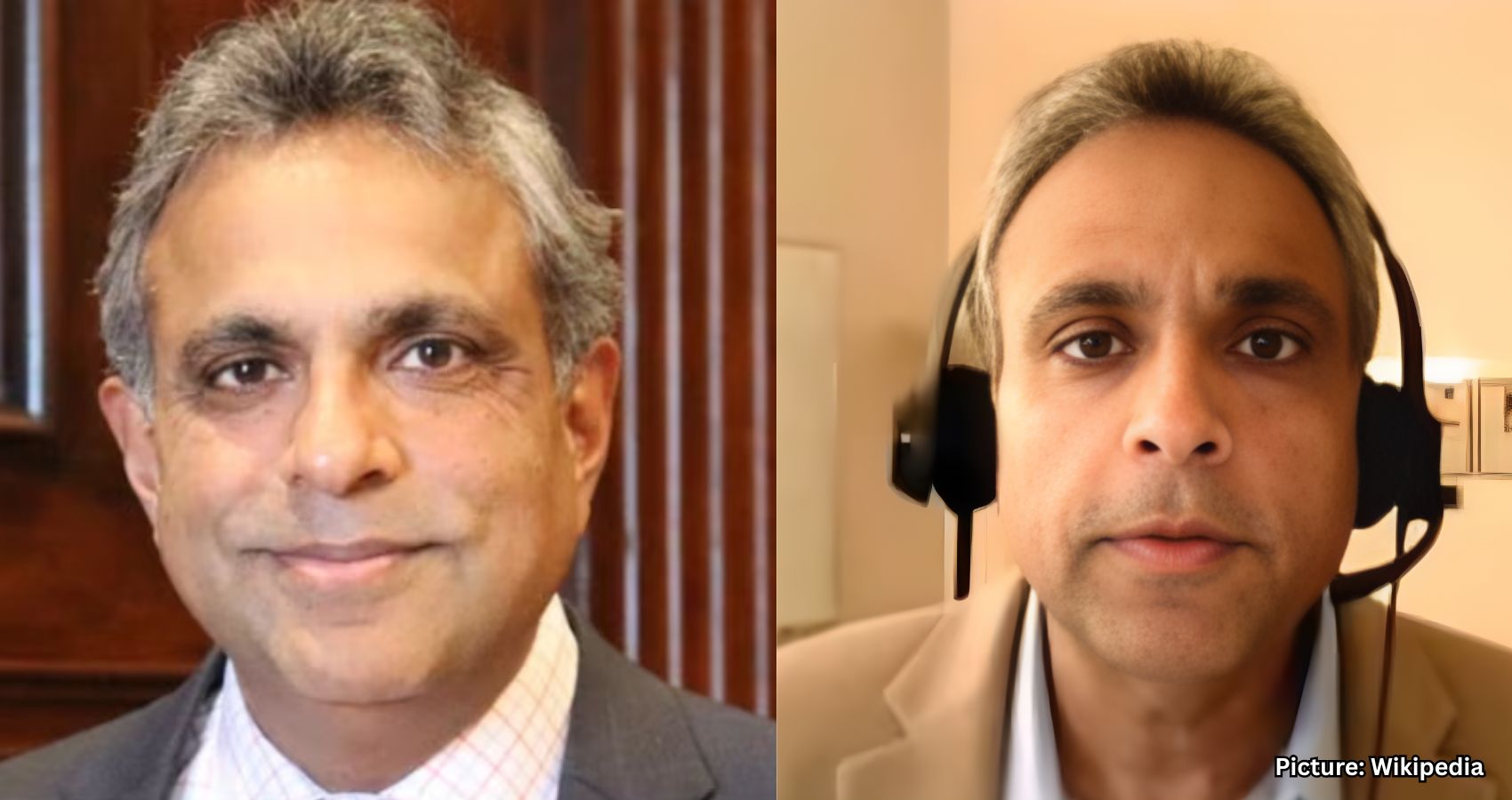
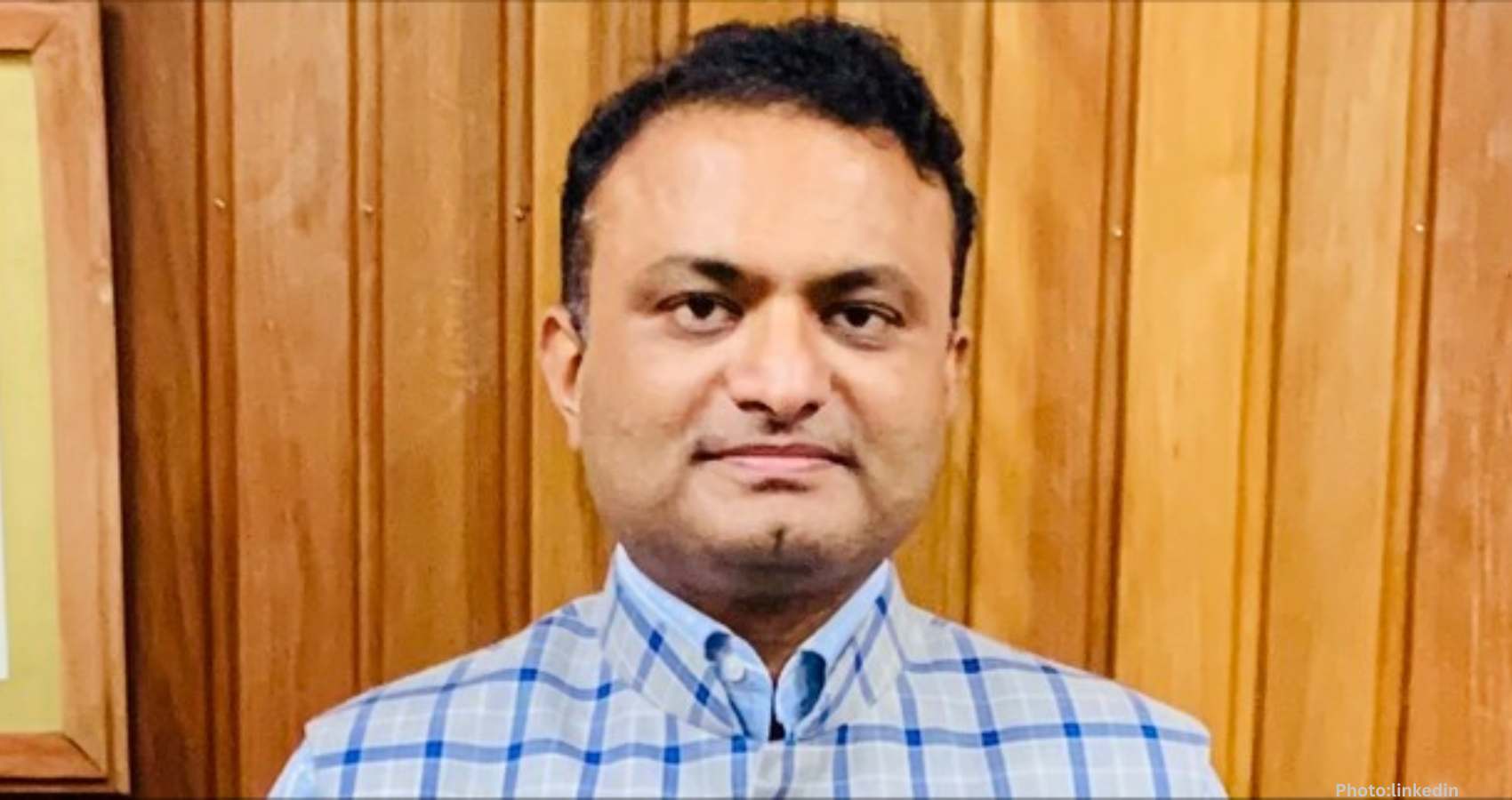
TYLER, TX – A federal grand jury in the Eastern District of Texas has indicted Anil Surabhi, a 43-year-old Indian citizen residing in McKinney, on charges of attempting to evade taxes.

The indictment alleges that Surabhi, who managed an IT services company based in Georgia, misappropriated substantial company funds for his personal gain.

According to the legal document, Surabhi’s misuse of funds included financing private investments, covering personal expenses, and making real estate purchases. Notably, he is accused of failing to report these significant disbursements as income on his individual income tax returns.

If convicted of the federal charge, Surabhi could face a maximum sentence of five years in federal prison.

Source: Original article

Democrats Debate Israel-Hamas Conflict and Dark Money at DNC Meeting

Democratic Party officials gathered in Minnesota for their annual meeting, facing internal divisions over the Gaza war and campaign finance reforms while emphasizing unity against former President Donald Trump.

Democratic Party officials and committee members convened in Minnesota on Monday for their annual summer meeting, where they engaged in discussions about competing positions regarding the ongoing war in Gaza and the need for campaign finance reforms.

The meeting commenced with a call for unity against former President Donald Trump, despite the underlying tensions within the party. “We are unified towards one single goal: to stop Donald Trump and put this country back on track,” declared DNC Chair Ken Martin to the more than 400 elected officials from all 50 states and seven territories.

While the Democrats appeared to rally around the objective of countering Trump’s controversial actions since his return to the White House, divisions among committee members were anticipated to surface during the discussions scheduled for Tuesday.

On the agenda was the ongoing conflict in Gaza between Israel and Hamas, alongside the issue of limiting dark money in presidential politics. The DNC’s Resolutions Committee was set to meet, where competing symbolic resolutions regarding the Gaza war would be voted on. This conflict was ignited by Hamas’s surprise attack on Israel on October 7, 2023, which resulted in nearly 1,200 Israeli deaths and over 250 hostages taken. In the aftermath, Israel’s military response has led to the deaths of over 60,000 Palestinians.

The Democratic Party’s historically strong support for Israel has begun to fracture amid rising concerns over the humanitarian crisis in Gaza, particularly among the party’s progressive base. Recent polling indicates a significant decline in support for Israel’s military actions among Democrats.

One resolution, which Martin supports, calls for a cease-fire between Israel and Hamas. In contrast, a competing resolution advocates for an arms embargo and the suspension of U.S. military aid to Israel, a long-standing ally in the Middle East.

Another resolution expected to generate significant debate is Martin’s proposal for the DNC to reaffirm its commitment to eliminating unlimited corporate and dark money in the presidential nominating process, starting with the 2028 cycle. This initiative aims to create a new panel that will propose enforceable measures to curb the influence of dark money in the party’s primary elections.

As the influence of super PACs, which can accept unlimited contributions but must disclose their donors, has grown in recent election cycles, the call for reform has gained traction among party leaders.

Democratic leaders are gathering at a critical time for the party, which is attempting to recover from significant electoral losses in the previous year. The Democrats lost control of the White House and Senate and fell short in their efforts to regain a House majority. Additionally, Republicans have made gains among voter demographics that were once key to the Democratic base.

The situation has only worsened for the Democrats in the ten months following those electoral setbacks. The party’s brand has become increasingly unpopular, particularly among younger voters, as national surveys show approval ratings at all-time lows. The DNC is also facing a substantial fundraising deficit compared to the Republican National Committee (RNC), with voter registration data indicating a decline in Democratic Party registrations while GOP sign-ups have increased in 30 states that register voters by party.

Amid these challenges, Martin and other party leaders emphasized the importance of unity. Minnesota Governor Tim Walz addressed committee members, stating, “There’s a division in my damn house, and we’re still married, and things are good. That’s life… We are strong because we challenge each other.”

Longtime Democratic strategist and DNC committee member Maria Cardona echoed this sentiment, expressing frustration over the focus on internal conflicts. “I’m so sick of people focusing on the infighting and the circular firing squad. All of that is crap when we have real issues, existential threats that we need to fight about, and we are all united on that front and that’s all that matters,” she said.

Martin, who was elected DNC chair in February, has navigated considerable turmoil during his tenure, including controversy surrounding former vice chair David Hogg’s support for primary challengers against older House Democrats in secure blue districts.

In response to the DNC’s summer meeting, RNC communications director Zach Parkinson criticized Martin’s leadership, stating, “Under Ken Martin’s leadership, Democrats have sunk to their lowest approval rating in 35 years.” He added that Republicans view Martin’s leadership positively, suggesting they would endorse him to continue as DNC Chair.

Source: Original article

Hungry Families and Military Spending: Scrutiny of Pakistan’s Priorities

Pakistan’s recent launch of its third Hangor submarine highlights a stark contrast between rising defense spending and the growing hardships faced by its citizens amid soaring food prices and electricity costs.

The Pakistan Navy celebrated the launch of its third Hangor-class submarine at Wuhan’s Wuchang Shipyard on August 15, 2025. While naval officials hailed the event as a significant milestone in the modernization of the country’s underwater warfare capabilities, many Pakistanis viewed it as a troubling juxtaposition. The billions allocated for foreign-built submarines come at a time when households are grappling with soaring food inflation, increasing electricity tariffs, and diminishing purchasing power.

The Hangor submarine deal, signed in 2015, is estimated to cost between USD 5 billion and USD 6 billion. Under this agreement, four of the eight submarines will be constructed in China, while the remaining four will be assembled at Karachi Shipyard, utilizing a transfer-of-technology package. However, as fiscal constraints tighten, the trade-off between expensive prestige projects and the daily survival of citizens has become increasingly difficult to overlook.

In the federal budget for FY2025–26, Pakistan allocated PKR 2.12 trillion for defense, marking a 14% increase from the previous year. In stark contrast, the Benazir Income Support Programme (BISP), the country’s flagship welfare initiative, received only a 7% increase, bringing its total to PKR 460 billion. Development spending under the Public Sector Development Programme remained stagnant at PKR 1.25 trillion.

Debt servicing is projected to consume an astonishing PKR 9.6 trillion this year, surpassing the combined expenditures for development and welfare. The International Monetary Fund (IMF) noted in its March 2025 staff review that Pakistan’s policy framework continues to emphasize fiscal consolidation, with energy subsidy reform as a central component. This has led to increased fuel and electricity tariffs and tighter social spending, even as military allocations continue to grow.

The impact of these economic pressures is most acutely felt in households across the nation. Data from the Pakistan Bureau of Statistics revealed that food inflation reached 20.3% year-on-year in June 2025, with overall inflation at 17.4%. The prices of essential commodities such as wheat, sugar, and cooking oil have surged, pushing 42.3% of the population below the poverty line, according to the World Bank. The World Food Programme further reported that 82% of households are unable to afford a healthy diet, with food expenses constituting more than half of average household budgets.

Electricity tariffs have risen by more than 45% since 2023, as determined by the National Electric Power Regulatory Authority. This increase has forced families to ration their power usage amid ongoing rolling blackouts. The launch of a submarine in Wuhan stands in stark contrast to the candle-lit homes and long bread queues in cities like Karachi and Lahore, highlighting the disparity between military ambitions and civilian struggles.

For the leadership in Pakistan, the Hangor submarines symbolize strategic resolve and military advancement. Naval officials assert that these submarines will enhance underwater endurance and strengthen deterrence capabilities in the Arabian Sea. However, critics point out that despite three launches, the timelines for operational induction remain uncertain, the engines are untested in export scenarios, and achieving operational readiness could take years.

Analysts have also raised concerns about the disparity between the capabilities promised by the Hangors and India’s existing anti-submarine warfare capabilities. The Indian Navy currently operates 12 P-8I Poseidon patrol aircraft, four Kamorta-class corvettes, and a squadron of MH-60R Seahawks, which were commissioned in 2024. Additionally, the INS Arnala, a shallow-water anti-submarine warfare craft, was inducted in June 2025. For Islamabad, the undersea arms race is an expensive endeavor, while New Delhi has already accounted for its maritime defense needs.

The launch on August 15 not only provided a headline for Pakistan’s Navy but also intensified the divide between elite priorities and the pressing needs of the public. As households struggle with food insecurity, rising tariffs, and dwindling reserves, the funds flowing out for Chinese shipyards raise questions about national priorities.

“The scale of Hangor expenditures has no direct parallel among recent naval procurements, yet exact costs have not been disclosed by authorities,” noted Naval News following the Wuhan event. The lack of transparency, combined with the evident opportunity costs, places relentless pressure on ordinary families.

In 2025, the reality for many in Pakistan is a stark one: hungry families and expensive submarines.

Source: Original article

Australia Expels Iranian Diplomats Over Allegations of Antisemitic Attacks

Australia is expelling Iranian diplomats after intelligence links the Islamic Republic to recent antisemitic attacks in Sydney and Melbourne.

The Australian government has announced the expulsion of two Iranian diplomats, citing credible intelligence that suggests the Islamic Republic was involved in a series of antisemitic attacks in Sydney and Melbourne.

Prime Minister Anthony Albanese addressed reporters, revealing that the country’s primary domestic intelligence agency, the Australian Security Intelligence Organisation (ASIO), had gathered sufficient evidence to reach a “deeply disturbing conclusion.” He stated, “The Iranian government directed at least two of these attacks,” referencing incidents at a Sydney restaurant and a Melbourne synagogue.

Albanese emphasized that Iran had attempted to obscure its involvement, but ASIO assessed that the Islamic Republic was indeed behind the attacks. The Australian government communicated the decision to expel the diplomats to Iran’s ambassador shortly before the public announcement.

In a related move, Australia has also withdrawn its diplomats stationed in Iran, relocating them to a third country for safety reasons. This decision follows a noticeable rise in antisemitic incidents in both Melbourne and Sydney, which escalated after the October 7, 2023, massacre in Israel that sparked an ongoing military offensive in Gaza.

In addition to the expulsions, Prime Minister Albanese indicated that Australia intends to designate Iran’s Islamic Revolutionary Guard Corps (IRGC) as a terrorist organization. This announcement aligns with Australia’s recent plans to recognize Palestinian statehood at the upcoming United Nations General Assembly in September.

The recognition of Palestinian statehood has drawn sharp criticism from Israeli Prime Minister Benjamin Netanyahu, who accused Australia of betraying Israel. He stated, “History will remember Albanese for what he is: A weak politician who betrayed Israel and abandoned Australia’s Jews.”

As tensions continue to rise, the Australian government remains firm in its stance against antisemitism and the actions of the Iranian government, seeking to protect its citizens and uphold its international commitments.

Source: Original article

CM Omar Optimistic About J&K Statehood Restoration After Supreme Court Hearing

Omar Abdullah expresses optimism that the Supreme Court will establish a timeline for restoring Jammu and Kashmir’s statehood during the upcoming hearing on October 10.

Srinagar: Former Chief Minister of Jammu and Kashmir, Omar Abdullah, conveyed his optimism on Monday regarding the Supreme Court of India’s upcoming hearing, scheduled for October 10. He expressed hope that the Court would set a timeline for the restoration of statehood to Jammu and Kashmir.

“We have been dragged into a prolonged wait by the central government regarding the restoration of statehood. But we now place our hopes in the Supreme Court. We believe it will take a favorable view and ensure our statehood is restored,” Omar stated while addressing reporters.

In response to Mehbooba Mufti’s recent protest concerning the conditions of Kashmiri prisoners, Omar emphasized that the issue lies entirely with the central government. “We have no authority to bring the prisoners back to the Valley. That power rests solely with the Centre. It’s not in our hands,” he remarked.

Omar acknowledged the validity of concerns regarding the health and legal rights of detainees but pointed out that expecting regional parties to intervene in matters controlled by New Delhi is unrealistic.

As the Supreme Court hearing approaches, the political landscape in Jammu and Kashmir remains charged with anticipation regarding the future of statehood and the rights of its citizens. The outcome of the hearing could have significant implications for the region, which has been under central governance since the abrogation of its special status in August 2019.

Omar Abdullah’s remarks reflect a broader sentiment among regional leaders who are advocating for the restoration of statehood and addressing the issues faced by the local population. The upcoming Supreme Court decision is seen as a pivotal moment that could redefine the relationship between Jammu and Kashmir and the central government.

As the situation develops, many are looking to the judiciary to provide clarity and direction on these pressing issues, hoping for a resolution that honors the aspirations of the people of Jammu and Kashmir.

Source: Original article

Beatriz: Immigrant Lawyer Advocating for Noncitizen Children’s Rights

Beatriz, a Venezuelan-American lawyer, advocates for unaccompanied minors facing immigration proceedings, navigating challenges posed by recent federal policies that threaten their legal representation.

In February 2025, Beatriz, a Venezuelan-American lawyer, received an unexpected order from the Interior Department directing her nonprofit organization to cease all operations. This directive significantly impacted her work representing unaccompanied minors—children navigating immigration proceedings without their parents.

These vulnerable youngsters often find themselves in precarious situations, living with relatives, placed in foster care, or held in detention centers. Many are as young as Beatriz was when she immigrated to the United States at the age of eight, fleeing violence and political persecution in Venezuela with her family.

Having witnessed her parents struggle through numerous meetings with immigration lawyers, Beatriz pursued a legal career to leverage her experiences in helping others. “I know how terrifying it is to be a child, alone and unable to speak English, trying to deal with authority figures,” she reflects. “That’s why I became a lawyer, to bring some empathy to that process.” Today, Beatriz is a proud U.S. citizen.

The sudden stop-work order disrupted her mission. “It came completely out of the blue—suddenly, everything changed,” Beatriz recalls. The cancellation of federal contracts forced organizations like hers to downsize, leaving those who remained to manage an overwhelming workload. “For those of us left, it was all hands on deck,” she adds.

Although the stop-work order was later lifted, legal disputes over the canceled contracts continue. The immediate fallout, however, has been severe. “In practical terms, it left children without anybody to advocate for them,” Beatriz explains. While barred from providing direct assistance, she and her colleagues attended immigration hearings to observe and take notes. In one particularly heart-wrenching case, Beatriz witnessed a confused six-year-old appear in court without any legal representation. “These young children are being brought to immigration hearings—speaking no English, and without a lawyer—to try to explain why they shouldn’t be deported,” she laments.

Compounding the challenges, immigration courts have increasingly adopted “rocket dockets,” scheduling multiple hearings in a single day. “They started fast-tracking kids through the system at a time when we weren’t able to accompany them,” Beatriz notes. “It’s just been an onslaught of attacks, specifically targeting unaccompanied children.”

Beatriz has also observed the chaos in children’s lives caused by the detention of their caregivers by Immigration and Customs Enforcement (ICE). Some of her young clients have been placed in detention or the foster care system, while in other instances, the government has withheld information about the whereabouts of caregivers. “It’s something none of my superiors—including people who worked during Trump’s first term—have ever experienced before,” she states.

The impact of these policies is evident in the anxiety experienced by the children Beatriz serves. Many are now afraid to attend school or even leave their homes. “So much of my job is now simply dealing with anxious kids,” she explains. “Pretty much every one of these children has a deep sense that the U.S. is no longer a safe place for them.”

This pervasive fear extends beyond the children to Beatriz’s entire community. Even before the Trump administration canceled Temporary Protected Status for approximately 350,000 Venezuelans, her WhatsApp groups were filled with messages from individuals whose loved ones had vanished from their neighborhoods. “I have friends who are scared to step onto the street,” she shares. “The demonization of my culture and my community is really hurtful, and really harmful.”

As discussions about denaturalizing or deporting U.S. citizens to foreign prisons and eliminating due process for migrants circulate, Beatriz worries for the safety of her own family, all of whom are now American citizens. “We worked hard to get citizenship, but there’s a real fear that even that won’t protect us,” she says. “For Venezuelans, the feelings of insecurity are always present. It really weighs heavily on us.”

Source: Original article
Supreme Court Schedules Hearing for J&K Statehood Plea on October 10

The Supreme Court has denied an urgent hearing regarding the restoration of statehood to Jammu and Kashmir, scheduling the case for October 10.

New Delhi: The Supreme Court of India has declined a request for an urgent hearing concerning the restoration of statehood to Jammu and Kashmir, setting the next hearing date for October 10.

During the proceedings, the counsel representing the petitioners urged the court to expedite the listing of a contempt petition related to the abrogation of Article 370. They argued that statehood should be restored to the Union Territory.

Chief Justice of India BR Gavai, who led the bench, rejected the request, noting that the case is already scheduled for a hearing on October 10. “The court will have to sit in a constitutional bench of presidential reference. The matter cannot be listed before October 10,” the Chief Justice stated.

On August 14, the Supreme Court had requested a response from the Centre within eight weeks regarding the petition seeking the restoration of statehood. At that time, the bench emphasized the importance of considering the current ground situation before making any decisions.

“You cannot ignore what happened in Pahalgam,” the Chief Justice remarked, referencing a recent terror attack that resulted in the loss of 26 lives.

The Supreme Court’s decision reflects the complexities surrounding the issue of statehood for Jammu and Kashmir, which has been a contentious topic since the abrogation of Article 370 in August 2019. The court’s upcoming hearing on October 10 will be closely watched as it may set the tone for future discussions regarding the region’s political status.

As the situation continues to evolve, the implications of the court’s ruling could have significant effects on the governance and autonomy of Jammu and Kashmir.

Source: Original article

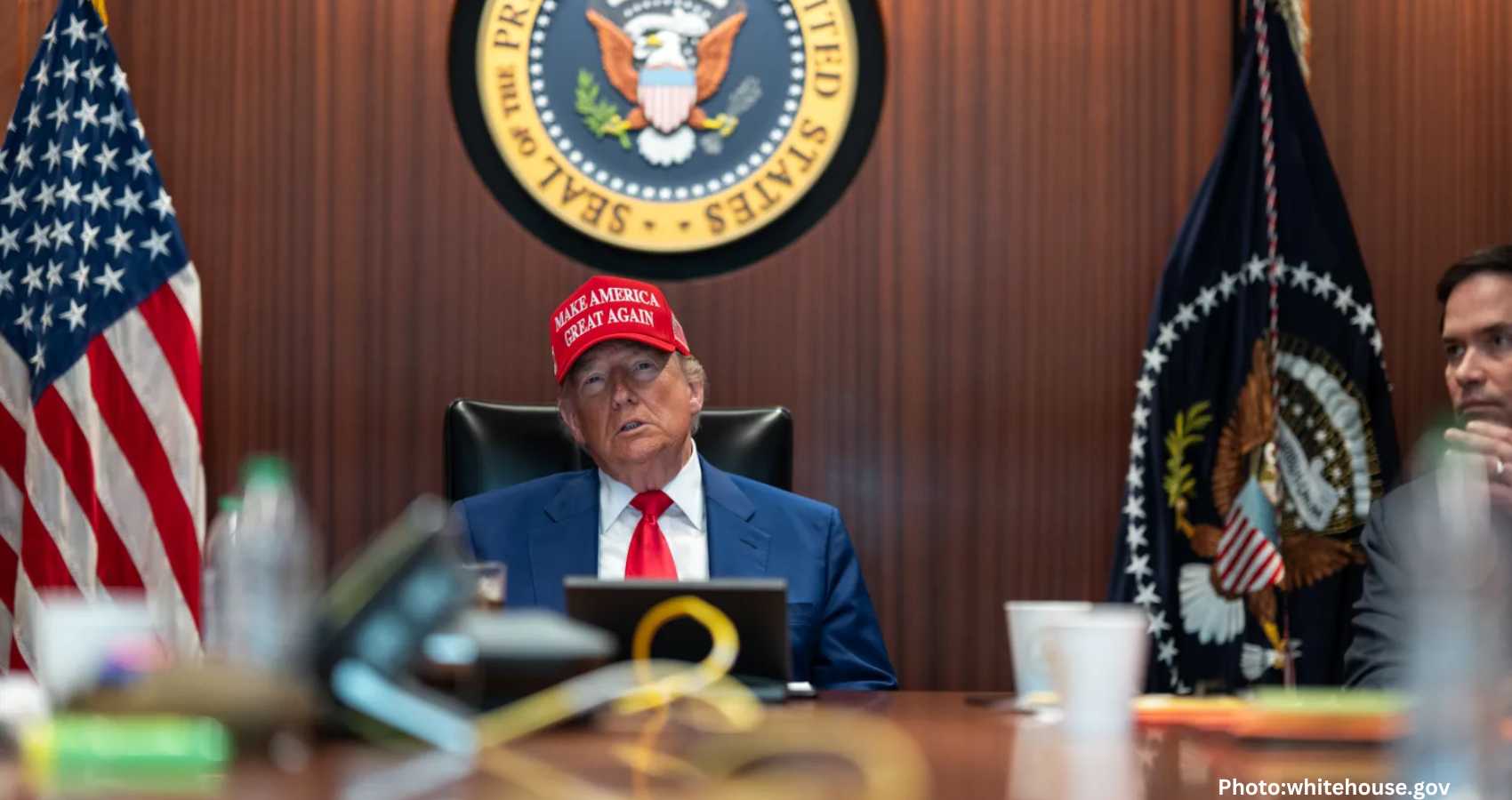
Trump Urges Grassley to Address Democrats on Judicial Nominee Blockages

President Trump criticized the Senate’s blue slip tradition, claiming it undermines his judicial appointment powers and calling for a change in how nominees are handled.

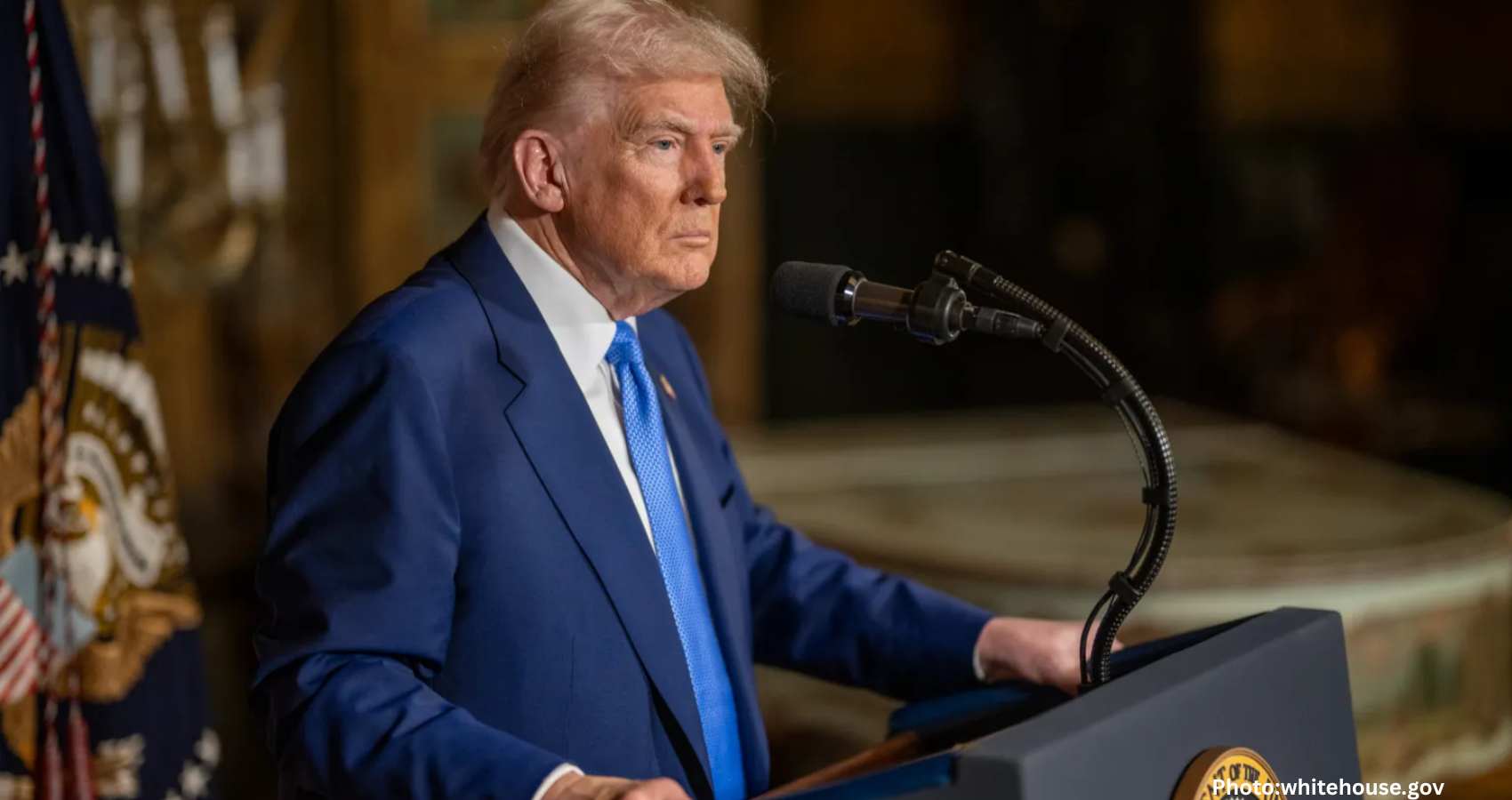
President Donald Trump expressed strong discontent with the Senate’s “blue slip” tradition during a recent statement, labeling it an unconstitutional barrier to his appointment powers. He argued that this practice effectively grants Democrats veto power over his judicial nominees and U.S. attorney appointments.

Trump’s remarks came on Sunday as he highlighted his frustrations, stating that his rights have been “completely taken away” in states with a single Democratic senator. This assertion underscores his belief that the blue slip process hinders his ability to nominate judges and U.S. Attorneys effectively.

U.S. Senator Chuck Grassley, who has defended the century-old blue slip tradition, views it as an essential norm that ensures balance and state input in the judicial nomination process. Grassley’s position reflects a commitment to preserving a system that has been in place for many years, despite Trump’s criticisms.

The blue slip tradition allows senators to express their approval or disapproval of a judicial nominee from their state. While it is a long-standing custom, it is not enshrined in law. Constitutionally, the president has the authority to nominate candidates, but the Senate retains the ultimate power to approve or reject those nominations.

Trump’s dissatisfaction with the blue slip practice is not a new development. Back in July, he referred to the tradition as a “hoax” and a “scam” that Democrats use to obstruct his nominees. He urged Grassley to cease supporting such practices, arguing that they prevent the president from appointing his preferred candidates.

In a pointed statement, Trump remarked, “Put simply, the president of the United States will never be permitted to appoint the person of his choice because of an ancient, and probably unconstitutional, ‘CUSTOM.’” His comments reflect a growing impatience with the nomination process, particularly as he seeks to fill judicial vacancies.

During his first term, Trump successfully appointed 234 federal judges, including three Supreme Court justices and 54 appellate court judges. However, his current term has seen a significant slowdown, with only five confirmations in the first seven months.

In his recent comments, Trump suggested that he is willing to exert pressure on Grassley and the Senate to expedite the nomination process. He stated, “The only candidates that I can get confirmed for these most important positions are, believe it or not, Democrats! Chuck Grassley should allow strong Republican candidates to ascend to these very vital and powerful roles, and tell the Democrats, as they often tell us, to go to HELL!”

These remarks come on the heels of a ruling by U.S. District Judge Matthew Brann, which determined that Alina Habba had unlawfully served as acting U.S. attorney for New Jersey beyond the 120-day limit set for temporary prosecutors. This ruling highlighted the administration’s use of unconventional methods to maintain her position.

Trump’s ongoing pressure campaign could significantly influence the number of judicial vacancies he is able to fill in the coming months, as he continues to advocate for a more streamlined nomination process.

Source: Original article
Pritzker Accuses Trump of Manufacturing Crisis Amid National Guard Deployment

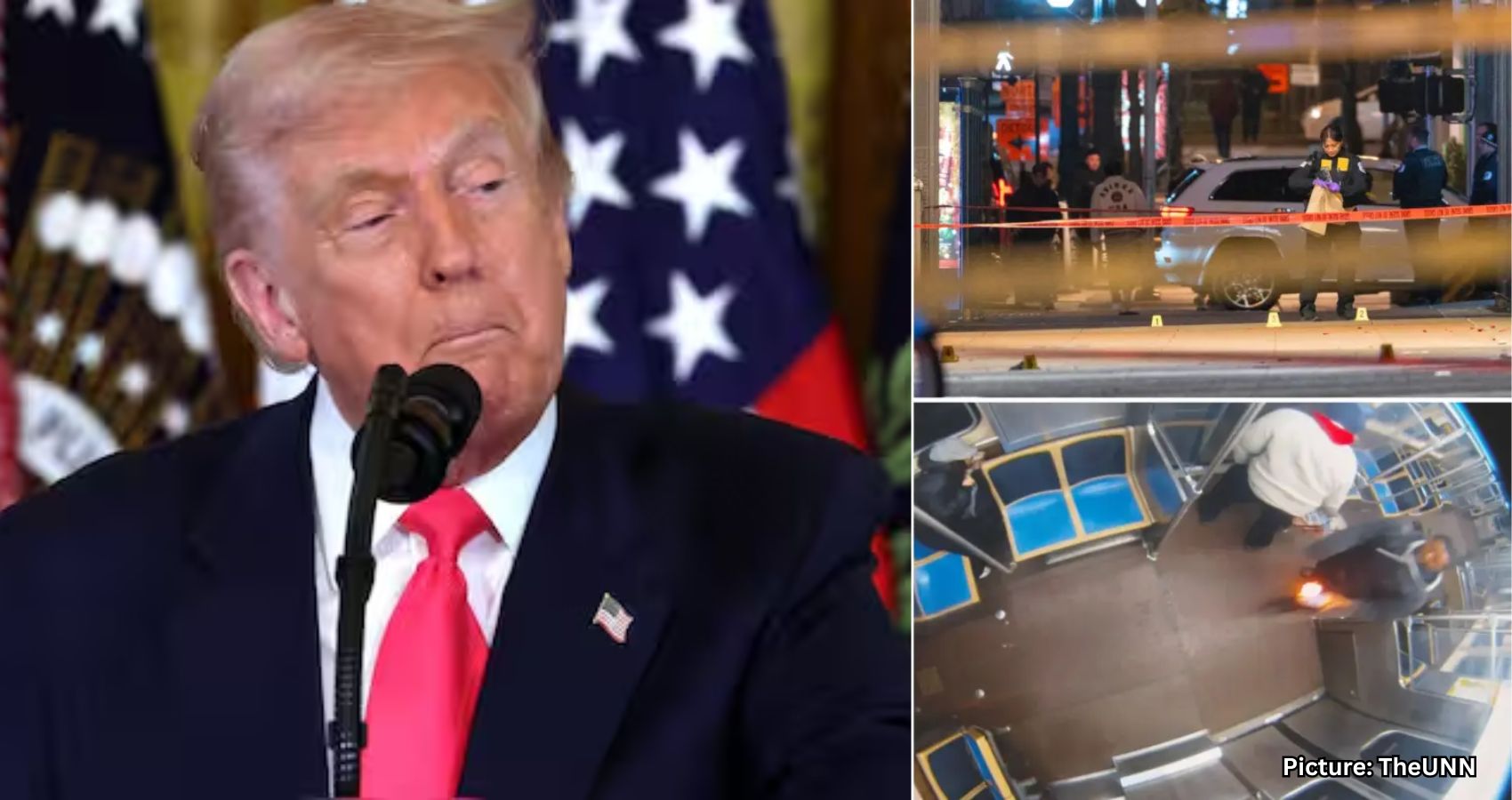
Illinois Governor JB Pritzker criticized President Trump for attempting to “manufacture a crisis” amid reports of a potential National Guard deployment to Chicago.

Illinois Governor JB Pritzker, a Democrat, has stated that there is currently no emergency in the state, responding to reports that the federal government may deploy the National Guard to Chicago to combat crime. Pritzker accused President Donald Trump of trying to “manufacture a crisis” to further his political agenda.

In a statement released on Saturday, Pritzker emphasized that the State of Illinois has not received any requests for assistance from the federal government, nor has it made any requests for federal intervention. This announcement follows Trump’s recent efforts to increase the presence of federal law enforcement in Washington, D.C., aimed at reducing crime in the capital.

As part of this initiative, hundreds of federal agents and National Guard troops have been deployed to the streets of Washington, D.C. Now, Trump has indicated that Chicago could be the next target for a federal crackdown on crime.

According to reports from The Washington Post, the Pentagon has been planning a military deployment to Chicago for several weeks, which could involve mobilizing a few thousand National Guard troops as early as next month.

“The safety of the people of Illinois is always my top priority,” Pritzker remarked. “There is no emergency that warrants the President of the United States federalizing the Illinois National Guard, deploying the National Guard from other states, or sending active duty military within our own borders.”

Pritzker further accused Trump of attempting to politicize the military and distract from the challenges faced by working families. “We will continue to follow the law, stand up for the sovereignty of our state, and protect the people of Illinois,” he stated.

Illinois Lieutenant Governor Juliana Stratton also weighed in on the situation, asserting that Trump’s potential deployment of federal troops in Chicago demonstrates his willingness to create chaos for political gain. “As Lieutenant Governor and throughout my career, I’ve fervently fought for the reformation of our criminal legal system, and under the Pritzker-Stratton administration, we’ve made tremendous progress,” she said. “Crime in Chicago is declining, and there’s absolutely no rationale for this decision, other than to distract from the pain Trump is inflicting on working families with his dangerous agenda.”

Stratton emphasized that both she and Pritzker are committed to protecting the rights and freedoms of Illinois residents against any “storms of hate and fear” that may arise.

Chicago Mayor Brandon Johnson, also a Democrat, expressed concerns about the potential deployment of the National Guard, stating that it could exacerbate tensions between residents and law enforcement. “An unlawful deployment of the [National Guard] would be unsustainable and would threaten to undermine the historic progress we have made,” Johnson said in a statement on Friday. He noted that data indicates a significant decline in homicides, robberies, and shootings over the past year.

The ongoing debate over the potential National Guard deployment highlights the differing perspectives on how to address crime in Chicago and the broader implications of federal intervention in local matters.

Source: Original article

More Than One-Third of Rajya Sabha Members to Retire by November 26

More than one-third of Rajya Sabha members are set to retire by November 2026, prompting significant political shifts influenced by upcoming state elections.

New Delhi: The Rajya Sabha is poised for substantial changes in the coming months, with over one-third of its members scheduled to retire within the next year. Between March and June 2026, 57 members will complete their terms, and by November, that number will rise to 69, reshaping the composition of the Upper House at a politically critical juncture.

The results of the forthcoming elections in Bihar and West Bengal will play a crucial role in determining whether prominent members, particularly from the opposition, will be renewed or retired. The opposition coalition, known as the INDIA bloc, may face challenges in renominating some of its members if it performs poorly in these states, given its weaker vote bank compared to the National Democratic Alliance (NDA).

The first notable exit will be Ranjan Gogoi, a nominated member and former Chief Justice of India, whose six-year term concludes on March 16, 2026. Following this, a significant batch of retirements will occur in April 2026, with 37 members stepping down from various states. This group includes notable figures such as Ramdas Athawale (Republican Party of India – Athawale, Maharashtra), Sharad Pawar (NCP – Sharadchandra Pawar, Maharashtra), and Priyanka Chaturvedi (Shiv Sena – UBT, Maharashtra), among others.

In Tamil Nadu, the retirement of DMK leaders Tiruchi Siva, Kanimozhi NVN Somu, N.R. Elango, Anthiyur P. Selvarasu, and M. Thambidurai (AIADMK) will be significant. West Bengal will see the departure of TMC members Subrata Bakshi, Ritabrata Banerjee, Bikash Saket Gokhale, and Mausam Noor, along with Ranjan Bhattacharyya from CPIM. Odisha will lose Niranjan Bishi and Muzibulla Khan (BJD), as well as Sujeet Kumar and Mamata Mohanta (both BJP).

Other prominent names in this batch include Bhagwat Karad and Dhairyashil Mohan Patil (BJP, Maharashtra), Rajani Patil (Congress, Maharashtra), and Kiran Choudhry (BJP, Haryana). By June 2026, an additional 22 members will finish their terms, including political veterans such as H.D. Deve Gowda (JD-S, Karnataka), Mallikarjun Kharge (Congress, Karnataka), and Digvijaya Singh (Congress, Madhya Pradesh).

Andhra Pradesh will experience a significant turnover with the exits of Ayodhya Rami Reddy, Parimal Nathwani, and Subhas Chandra Bose Pilli (all YSRCP), along with Sana Sathish Babu (TDP). Gujarat will see the retirement of Narhari Amin (BJP), Ramilaben Bara (BJP), Shaktisinh Gohil (Congress), and Mokariya Rambhai (BJP). In Rajasthan, Neeraj Dangi (Congress), Rajendra Gehlot (BJP), and Ravneet Singh (BJP) will step down. Karnataka will lose Iranna Kadadi (BJP) and Narayana Koragappa (BJP), while members from other states, including Meghalaya, Arunachal Pradesh, and Jharkhand, will also retire.

In July 2026, Vanlalvena of the Mizo National Front will retire from Mizoram. The final wave of retirements will occur in November 2026, when 11 members from Uttar Pradesh will step down. This group includes senior figures such as Hardeep Singh Puri (BJP), Ram Gopal Yadav (Samajwadi Party), and several others from the BJP.

The party-wise breakdown reveals the magnitude of this turnover. The BJP accounts for approximately 31 of the 69 vacancies, with members retiring from its strongholds in Uttar Pradesh, Madhya Pradesh, Gujarat, Karnataka, Rajasthan, Odisha, Assam, Haryana, and Himachal Pradesh. The Congress is set to lose at least eight members, including some of its most prominent leaders in the Upper House. The DMK, AITC, and YSRCP will also face significant changes, while smaller parties may find themselves in a more precarious position.

Uttar Pradesh will experience the largest turnover, with 11 members retiring in November 2026. Other states, including Maharashtra, Tamil Nadu, Bihar, West Bengal, Odisha, Gujarat, Karnataka, and Andhra Pradesh, will also see substantial vacancies, creating a ripple effect across both national and regional politics.

Despite the large number of outgoing members, the BJP is well-positioned to retain most of its seats and potentially gain more, thanks to its dominance in state assemblies across northern, western, and northeastern India. In contrast, the Congress faces the risk of net losses in states like Gujarat, Rajasthan, Madhya Pradesh, and Chhattisgarh, where it lacks the necessary MLA numbers to ensure the return of all its retiring members. The DMK and Trinamool Congress are likely to maintain their seats due to their strong control in Tamil Nadu and West Bengal, respectively.

Smaller parties, however, appear more vulnerable. The NCP (Sharad faction) and Shiv Sena (UBT) members from Maharashtra, AIADMK’s M. Thambidurai from Tamil Nadu, and Ramji of the Bahujan Samaj Party from Uttar Pradesh are almost certain to lose their seats. The BSP, with only one MLA in the UP Assembly, faces a bleak future in the Rajya Sabha unless an extraordinary cross-party arrangement occurs. The JD-S risks losing H.D. Deve Gowda’s seat in Karnataka, while the BRS may lose its single seat in Telangana following its Assembly defeat.

These retirements will result in nearly one-third of the 245-member Rajya Sabha being reconstituted by the end of November 2026. The elections to fill these seats will be closely monitored, as they will not only impact the legislative arithmetic of the Centre but also shape the bargaining power of regional parties ahead of the next general election cycle. This churn could potentially eliminate some parties entirely from the Upper House while solidifying the BJP’s dominance.

Source: Original article

Delhi Assembly Gears Up for Upcoming Speakers’ Conference

The Delhi Assembly is set to host the All India Speakers’ Conference in 2025, commemorating the centenary of Vitthalbhai Patel’s election as the first Indian Speaker of the Central Legislative Assembly.

New Delhi: A high-level preparatory meeting was held earlier this week at the Delhi Legislative Assembly, chaired by Hon’ble Speaker Vijender Gupta. The meeting focused on the arrangements for the upcoming All India Speakers’ Conference, scheduled for August 24–25, 2025.

The two-day national conference will be inaugurated by Hon’ble Union Home Minister Amit Shah, with the valedictory address delivered by Hon’ble Lok Sabha Speaker Om Birla. The event is expected to attract a wide array of dignitaries, including the Hon’ble Chairman of the Rajya Sabha, Chairpersons and Deputy Chairpersons of Legislative Councils and Assemblies, several Hon’ble Union Cabinet Ministers, and other distinguished guests from across the country.

This year’s conference holds special historical significance as it marks the centenary of Shri Vitthalbhai Jhaverbhai Patel’s election on August 24, 1925, as the first Indian President (Speaker) of the Central Legislative Assembly. This milestone is recognized as a pivotal moment in India’s democratic evolution. To honor this occasion, a dedicated exhibition and a specially curated documentary will be unveiled during the conference, showcasing Patel’s remarkable life, leadership, and contributions to the nation.

During the preparatory meeting, Commissioner of Police S.B.K. Singh assured Speaker Vijender Gupta that comprehensive security arrangements and robust protocol management will be implemented to ensure the smooth conduct of the event. He noted that every visiting dignitary will be granted State Guest status and will receive assistance from Delhi Police protocol and security officers throughout their stay. This includes arrangements from their arrival at the airport to their accommodation at the Taj Hotel, as well as all movements to and from the Assembly premises, which will be monitored meticulously.

The inspection also included a joint on-site assessment of the Assembly complex, where senior officials closely reviewed the venue’s preparedness. Special attention was given to the management of entry and exit points, seating and layout design, traffic regulation and diversion plans, and the functioning of emergency protocols to ensure seamless proceedings.

Following the review, Speaker Vijender Gupta expressed confidence that the Delhi Legislative Assembly Secretariat has implemented all essential measures for the successful organization of this landmark national event. He stated that the All India Speakers’ Conference 2025 would “create a memorable legacy and leave a profound imprint on the parliamentary traditions and democratic ethos of India.”

Source: Original article

British Foreign Secretary Faces Backlash Over Fishing Trip with JD Vance

UK Foreign Secretary David Lammy faced scrutiny after receiving a warning for fishing without a license during a visit with U.S. Vice President JD Vance at his country estate.

UK Foreign Secretary David Lammy recently found himself in a bit of trouble after a fishing trip with U.S. Vice President JD Vance. The issue arose not from the discussions between the two politicians, but rather from a violation of fishing regulations.

According to the Environment Agency, Lammy received a written warning for fishing without a license. This incident came to light on Friday, following the visit where Lammy had invited Vance and his family to his country estate located south of London. The trip included a photo opportunity at a nearby river, as well as a bilateral meeting to discuss various international issues.

In the UK, anyone over the age of 13 is required to possess a fishing license to fish in freshwater. The Environment Agency did not disclose whether Vance had a fishing license, citing privacy concerns. However, had Lammy been fined for the violation, he could have faced a penalty of nearly $4,000.

In response to the warning, Lammy promptly purchased a fishing license and reported the incident to the agency. A spokesperson for Lammy characterized the situation as an “administrative error.”

During the fishing trip, Lammy had previously shared with reporters that Vance offered him “Kentucky-style” fishing tips. Despite this advice, Lammy was unable to catch any fish, which Vance humorously noted, saying, “The one strain on the special relationship is that all of my kids caught fish, but the foreign secretary did not.”

Fox News Digital has reached out to both Vance and the Environment Agency for further comment on the matter.

This incident highlights the importance of adhering to local regulations, even for high-profile officials, and serves as a reminder of the potential consequences of overlooking such requirements.

Source: Original article

Ajit Agarkar Faces Scrutiny Over Shubman Gill’s Asia Cup Selection

Shubman Gill’s selection as vice-captain for the Asia Cup has sparked debate, given his lack of recent T20I appearances despite a stellar performance in the England Test series.

Shubman Gill has been named vice-captain for the upcoming Asia Cup, a decision that has raised eyebrows among cricket analysts and fans alike. Despite not having played in T20 Internationals recently, Gill’s impressive form in the Test arena has caught the attention of selectors.

During the recent Test series against England, Gill showcased his batting prowess, amassing over 750 runs. His performance included several match-winning innings, which solidified his reputation as a key player in the longer format of the game. However, the transition from Tests to T20s can be challenging, and some critics question the wisdom of selecting a player who has not been active in the T20 format lately.

The Board of Control for Cricket in India (BCCI) selectors have faced scrutiny for their choices in recent tournaments, with many arguing that past performances in one format do not necessarily guarantee success in another. Gill’s selection as vice-captain has reignited discussions about the criteria used by the selectors when forming the squad.

Supporters of Gill argue that his exceptional Test form should not be overlooked, and that his ability to adapt to different formats could prove beneficial for the team. They point to his technical skills and temperament, which are vital in high-pressure situations typical of international tournaments.

On the other hand, critics emphasize the importance of recent form in the T20 format, suggesting that players who have consistently performed in T20s should be prioritized. This perspective highlights the need for selectors to balance experience with current performance metrics when choosing a squad for a major competition like the Asia Cup.

The debate surrounding Gill’s selection reflects broader concerns about the BCCI’s approach to team selection. As the Asia Cup approaches, all eyes will be on how the team performs, and whether Gill can translate his Test success into the shorter format of the game.

As cricket fans await the tournament, the discussions around player selection are likely to continue, with many eager to see if Gill can rise to the occasion and justify the selectors’ faith in him.

According to NDTV, the conversation surrounding Gill’s selection is emblematic of the ongoing challenges faced by the BCCI selectors in balancing past performances with current form.

Source: Original article
The Mystery of Mysterious Shipment Emails in Your Inbox

Receiving unexpected order confirmations may indicate that your email address is being exploited in fraudulent operations targeting various retailers.

In recent months, an increasing number of individuals have reported receiving shipment confirmation emails for purchases they did not make. These emails typically originate from legitimate retailers, often in the sportswear or electronics sectors, and include real tracking numbers and delivery details. However, the products are shipped to different names and addresses, while the buyer’s contact email is the recipient’s.

This phenomenon might initially appear to be a simple clerical error or a case of someone mistyping an email address. Yet, when it occurs repeatedly across multiple unrelated orders, it raises concerns about a more sinister tactic at play. Arthur, a resident of Cape Coral, Florida, shared his experience, which reflects the frustrations of many others: “My wife’s email address is showing up in emails from various sports entities to notify her of shipping dates, etc. So far, three separate individuals have ordered products, shipped to a different name at a different address, but used her email as the contact. They didn’t use our credit card to place the order. What could be going on? I don’t believe it’s a coincidence.”

Arthur’s suspicions are well-founded. Scammers are increasingly using real email addresses to facilitate fraudulent purchases through retailer systems that have fewer verification checks. They exploit the trust associated with legitimate email addresses to carry out their schemes, even if they have not compromised the victim’s payment details.

It is improbable that someone is accidentally entering your email address every single time. Instead, scammers are deliberately using valid, active email addresses to circumvent retailer fraud filters. Numerous sources indicate that fake order and shipping confirmation emails are a common tactic in fraud operations, with criminals taking advantage of the trust systems built around legitimate email addresses.

When a stolen credit card is used, pairing it with a real email address that has not triggered spam alerts significantly increases the likelihood that the transaction will go unnoticed by anti-fraud systems. Retailers often verify whether an email address is active or bounces. If the system detects a functioning address, it may be less suspicious than an obviously fake one.

Once an order is placed, products are frequently sent to drop addresses or freight-forwarding services, as confirmed by official investigations into brushing scams. These services act as intermediaries, complicating the tracing of fraudulent activities. In this context, your email serves merely as a means to an end—a validated contact point that aids the operation’s progression.

Your email address may have fallen into the hands of scammers through several common methods. The most likely cause is a data breach. Many well-known companies have experienced leaks where customer emails and other information were exposed. Once your email is part of a leaked database, it often circulates on the dark web or in underground forums, where it is traded and reused. Even if you were not directly involved in a breach, scammers frequently employ a technique known as credential stuffing. This method involves testing stolen login details across various websites to confirm which email addresses are active.

To mitigate the risk of falling victim to such scams, consider investing in a data removal service. While no service can guarantee the complete removal of your data from the internet, these services can help monitor and automate the process of removing your information from numerous sites over time.

Implementing a few straightforward yet effective measures can help protect your inbox, safeguard your identity, and stay ahead of scammers misusing your email. Start by securing your email account with a strong, unique password that you do not reuse elsewhere. Enabling two-factor authentication (2FA) adds an extra layer of security, ensuring that hackers cannot access your account even if they have stolen your password. A password manager can simplify this process by generating and securely storing complex passwords, reducing the risks associated with password reuse.

Regularly check if your email has been exposed in past breaches. Many password managers include built-in breach scanners that can alert you if your email address or passwords have appeared in known leaks. If you discover a match, promptly change any reused passwords and secure those accounts with new, unique credentials.

Periodically scan your inbox for order confirmations, shipping notices, or account sign-ups that you do not recognize. If something seems suspicious, report it directly to the retailer or platform, as it may be part of a larger scam utilizing your email address. Avoid clicking on dubious links, even if the message appears legitimate, and protect your devices with robust antivirus software to catch threats before they escalate.

To further safeguard yourself from malicious links that could install malware and compromise your private information, ensure that you have antivirus software installed on all your devices. This protection can also alert you to phishing emails and ransomware scams, keeping your personal information and digital assets secure.

Avoid entering your email on questionable giveaway sites or dubious online forms. When in doubt, skip the sign-up or use a temporary email address. The fewer places your email is exposed, the more challenging it becomes for scammers to access it.

Consider establishing a dedicated email account for online purchases, newsletters, and subscriptions. This approach helps keep your primary inbox organized and makes it easier to identify unusual activity. Creating various email aliases can also be beneficial, allowing you to manage incoming communications while minimizing the risk of data breaches. An email alias can forward messages to your primary address, simplifying your email management.

Even if no purchases appear under your name, receiving order confirmations for items you did not buy can be a warning sign of potential identity theft. Set up alerts with your bank and consider enrolling in a credit monitoring service to detect unauthorized activity early.

If you are receiving order confirmations for items you did not purchase, do not dismiss it as a mere inconvenience. Your email is likely being misused as part of a larger fraud operation, not by accident but intentionally. Scammers are capitalizing on active, trustworthy email addresses to slip past retailer defenses and execute unauthorized purchases. The repeated use of your email indicates that fraud networks are already circulating it, even if your financial information remains secure.

Source: Original article

Trump’s Second Term Could Lead to Extreme Immigration Overhaul

New report reveals that the Trump administration’s recent immigration policies threaten the foundations of American democracy, marking a significant overhaul of the U.S. immigration system.

WASHINGTON, D.C., July 23, 2025 — A special report released today provides a comprehensive analysis of the Trump administration’s first six months back in office, highlighting a dramatic transformation of the U.S. immigration system that poses a serious threat to the foundations of American democracy. While some voters may have favored a tougher stance on immigration when supporting Trump, the report illustrates how the administration’s extreme measures extend far beyond mere policy changes, undermining the rule of law itself.

Titled *Mass Deportation: Analyzing the Trump Administration’s Attacks on Immigrants, Democracy, and America*, the report was published by the American Immigration Council on July 23. It details how the administration has launched a radical, multi-faceted assault on immigrants and the immigration system.

The report outlines a series of aggressive actions that include restricting entry into the United States, removing legal protections for individuals already residing in the country, and escalating enforcement efforts to unprecedented levels. In doing so, the Trump administration has dismantled long-standing legal safeguards, disregarded the authority of Congress and the judiciary, and weaponized government resources against immigrants and dissenters alike.

“This isn’t just a hardline immigration agenda,” said Nayna Gupta, policy director at the American Immigration Council and co-author of the report. “It’s a wholesale effort to use immigrants and the U.S. immigration system to attack core tenets of our democracy and exercise unchecked executive power to realign the American government around exclusion and fear.”

Among the key findings highlighted in the report are several alarming developments:

The end of asylum has effectively occurred, with the administration shutting down the CBP One application without offering any alternative. Asylum-seekers arriving at ports of entry are routinely turned away, and many face indefinite detention even after winning their cases.

The refugee program has been decimated, with the administration indefinitely suspending the U.S. Refugee Admissions Program, except for a select group of white South Africans who have been fast-tracked under questionable claims of persecution. This has left tens of thousands of approved refugees stranded abroad.

A mass revocation of legal status has taken place, with the administration aggressively rescinding humanitarian parole and Temporary Protected Status (TPS) from over a million individuals in just six months. This has stripped many of their work permits and pushed them into undocumented status.

The administration has also weaponized bureaucracy, creating significant obstacles for legal immigration pathways through massive fee increases, processing freezes, and opaque barriers that make it nearly impossible for lawful applicants to obtain or maintain their status.

The aggressive enforcement tactics employed by the Trump administration have instilled a pervasive atmosphere of fear and chaos among immigrants of all legal statuses. Individuals now live in constant anxiety over their safety in the United States, as anyone can be targeted for arrest, detention, and deportation, even in sensitive locations such as churches, schools, and courthouses.

Furthermore, the administration is orchestrating a radical reorganization of law enforcement resources, establishing an unprecedented cross-agency immigration operation that draws on manpower from various federal and state law enforcement agencies and the U.S. military. This effort prioritizes immigration enforcement above all other public safety and law enforcement objectives.

Additionally, the Trump administration’s “Big Beautiful Bill Act,” enacted in July, has turbocharged an already inhumane detention system by increasing ICE’s detention budget by 308 percent annually. This sets the stage for a drastic expansion of a detention system that has already subjected tens of thousands of immigrants to life-threatening conditions.

The report also includes powerful firsthand accounts from individuals affected by these policies. Ilia, a nonbinary Russian dissident, won their asylum case in court but remained in detention for over a year without a release date. Axel, a DACA recipient and youth leader, is abandoning his job to return to school amid uncertainty regarding his legal status. Beatriz, an immigrant lawyer advocating for noncitizen children, has encountered cases reminiscent of her own journey to the U.S., including a confused six-year-old who appeared in court without representation. Kaelyn is incurring debt to prevent her partner from being deported to El Salvador’s megaprison under the Alien Enemies Act.

The report warns that while some policies may shift in response to legal challenges, the administration’s overarching agenda remains clear: to permanently redefine who belongs in America and how power is wielded by the federal government.

“The administration’s policies are reshaping the immigration system in ways that are unfair, unlawful, and out of step with core American values,” said Dara Lind, senior fellow at the Council and co-author of the report. “We’re witnessing real harm to families, communities, and the rule of law, and the public deserves to understand what’s at stake.”

The full report is available for review, and interviews with experts and individuals impacted by these policies can also be arranged.

Source: Original article

Bhisham Sahni’s ‘Tamas’ Explores the Roots of Awful Events

Bhisham Sahni’s novel ‘Tamas’ serves as a poignant reminder of how easily communal violence can erupt, reflecting on the tragic history of the Indian Partition.

“History repeats itself, first as tragedy, and then as farce.” This famous quote by Karl Marx encapsulates the essence of Bhisham Sahni’s 1979 award-winning novel, Tamas. The book is a dark satire that explores the horrific riots that erupted during the partition of India and Pakistan, a tumultuous period marked by violence and chaos as the British colonial rule came to an end after nearly 200 years.

Despite being published over four decades ago, Tamas remains strikingly relevant in today’s political climate. The recurring themes of human hubris, greed, and the manipulation of communal identities resonate deeply in contemporary society. As tensions rise in various parts of the world, Sahni’s work serves as a cautionary tale about the ease with which communities can be pitted against one another.

Recently reprinted by Penguin Classics and translated by Daisy Rockwell, Tamas includes an insightful introduction that sheds light on Sahni’s motivations for writing the novel. He penned this poignant narrative thirty years after experiencing the brutal riots of partition firsthand, aiming to highlight the cyclical nature of violence and hatred.

Tamas chronicles the slow build-up to a communal riot in a small town in Northern India, set against the backdrop of partition. The story ignites with the butchering of a hog, an act that serves as a catalyst for the ensuing chaos. As the narrative unfolds, readers are struck by the parallels between the events depicted in the novel and the current global landscape, where political leaders exploit religious and communal loyalties for their gain.

Interestingly, the novel lacks a central character to anchor the plot. Instead, the riot itself emerges as the primary protagonist, illustrating how violence can arise from seemingly innocuous beginnings, much like a tornado forming out of a clear sky.

In her introduction, Rockwell notes that Sahni was compelled to write Tamas due to witnessing the cycle of hatred he had lived through during partition, which continued to manifest in communal riots in independent India. “The unseen hands may change, the location may change, the match that lights the tinder may change, but the formula remains chillingly familiar,” she writes. The novel offers profound insights into the fallacy of viewing riots as spontaneous events. Whether in Lahore or Washington, D.C., riots are rooted in decades of institutional violence and social injustice.

The narrative begins with Nathu, a local chamar, who is reluctantly tasked with butchering a hog. Despite the financial incentive, Nathu is unprepared for the gruesome task, which sets off a chain reaction of events that will alter the lives of many in the town. Sahni’s ability to weave dark humor into the grim subject matter allows readers to engage with the story without being overwhelmed by despair.

Throughout the novel, Sahni introduces a diverse cast of characters, each contributing to the unfolding drama. Among them are the British administrator Richard, whose manipulative nature exacerbates tensions; his wife Lisa, who struggles with her own demons; and members of the local Congress Committee and Muslim League, who represent the polarized political landscape. The narrative also features the well-meaning but ultimately ineffective Communist volunteer, Deb, who attempts to bridge the divide between the feuding factions.

As friendships that once flourished crumble under the weight of suspicion and misinformation, the novel illustrates how quickly trust can erode. The Hindu and Muslim communities, once neighbors and allies, find themselves at odds, fueled by rumors and the machinations of those in power. The British administrators exploit these divisions to their advantage, creating an atmosphere ripe for conflict.

The conclusion of Tamas provides a darkly comedic commentary on human nature, revealing the absurdities people employ to mask their guilt and erase painful memories. Despite the serious subject matter, Sahni’s sharp wit shines through, prompting readers to reflect on the complexities of human behavior in times of crisis.

In an era where there are concerted efforts to rewrite history, books like Tamas are more important than ever. They illuminate the mechanisms that can ignite violence and the fragility of peace, reminding us of the lessons that must not be forgotten.

TAMAS
By Bhisham Sahni
Translated with an Introduction by Daisy Rockwell
Foreword by Siddhartha Deb
Penguin Classics Trade Paperback (July 15, 2025)
ISBN: 9780143138051

Bhisham Sahni received the Sahitya Kala Academy award for Tamas in 1975. The novel was also adapted into a multi-episode series for India’s government-run television platform, Doordarshan, captivating audiences, particularly in Northern India, where the impact of partition was most acutely felt. The series, directed by Govind Nihalani and featuring Om Puri as Nathu, was later released as a four-hour feature film available on YouTube.

Source: Original article

Pallavi Joshi Analyzes Mithun Chakraborty’s Political Journey in India

Actress-producer Pallavi Joshi reflects on her experiences with veteran actor Mithun Chakraborty, highlighting his multifaceted career and surprising political insights.

MUMBAI – Actress and producer Pallavi Joshi is eagerly anticipating the release of her upcoming film, ‘The Bengal Files’. In a recent discussion, she shared her experiences working alongside the veteran actor Mithun Chakraborty.

Joshi described Chakraborty as an enigma, noting that she perceives three distinct personalities within him. “There is a disco dancer. Then there is an actor who has been performing roles like Ramkrishna Paramhansa. And then there was a beautiful film I had seen of his called ‘Titli’, which was directed by Aparna Sen. He was amazing in that film,” she stated.

She emphasized Chakraborty’s versatility as a star, acknowledging his deep understanding of his craft. “He did not really care about acting so much in those films, just concentrated more on his dance and everything. And then there are some films which he has done purely for money. And yet, there is also that actor who won the National Award for ‘Mrigya’. He’s a three-time national award winner. For somebody who has gone the full spectrum, there is so much to learn from him,” Joshi said.

Joshi expressed her admiration for Chakraborty, who was recently honored with the Dadasaheb Phalke Award, India’s highest accolade in cinema. She remarked, “His entire demeanor is that of a star. So, when he sits down and starts talking, it’s Mithun Chakraborty, the star who’s sitting there in front of you. When he opens his mouth, it is a very well-read person who speaks to you. And then when he starts telling you a few things about what you should be doing in this film, it’s that cinematic nerd inside him who understands cinema so well. He’s giving you those suggestions.”

Chakraborty’s political journey has also been noteworthy, spanning the full spectrum from left to right. He was involved in the Naxalbari movement during his youth but distanced himself from it following a family crisis. After graduating from the Film and Television Institute of India, he rose to superstardom and ventured into politics, initially joining the Trinamool Congress (TMC), a party positioned at the center-left of the political spectrum. He later transitioned to the Bharatiya Janata Party (BJP), a right-wing political entity.

While Joshi has not engaged in extensive discussions with Chakraborty regarding politics, she has been impressed by what she has heard. “He surprises me with his deep understanding of cinema. Politics, of course, I’ve never really had a chance to discuss with him. I’m not really very interested in that aspect. But I’m sure he’s had conversations with Vivek. I’ve overheard some of them. And I’m just blown away by that man. And to have him as your co-actor in the same frame, it sometimes feels surreal,” she added.

As ‘The Bengal Files’ prepares for its release, Joshi’s reflections on Chakraborty highlight not only his artistic talents but also the depth of his character and experiences.

Source: Original article

Debate Over D.C. Statehood Intensifies Amid Trump’s Local Police Authority

Democrats are renewing calls for Washington D.C. statehood as President Trump asserts control over the district’s police force, reigniting a long-standing debate about representation and governance.

The debate over Washington D.C. statehood has intensified as President Donald Trump continues to exert authority over the district’s police force. This situation has prompted House and Senate Democrats, along with D.C.’s non-voting delegates, to argue that if D.C. were a state, the president would not have the power to federalize its police force.

Last week, Trump invoked a provision of the Home Rule Act, which grants some autonomy to the nation’s capital, to effectively take control of the Metropolitan Police Department. This move was framed as a response to rising crime rates, leading to an increased presence of federal law enforcement agencies and the National Guard on the streets of D.C. The White House has highlighted rapid decreases in crime and numerous arrests since the federal takeover.

However, critics argue that the president’s actions represent an overreach of power and underscore the need for D.C. to achieve statehood. Currently, Washington D.C. lacks voting representation in Congress and is overseen by Congress despite having its own mayor and city council. Senator Paul Strauss, the district’s shadow senator, emphasized that if D.C. were a state, the president would not be able to impose such control outside of the federal enclave.

Strauss, who has long advocated for D.C. statehood, expressed concern that the current crackdown ignores the self-determination of D.C. residents. “It would be one thing if we actually had a crime emergency here, but we don’t,” he stated. “Violent crime in particular is down to 30-year lows. That’s not what’s happening here. He is using these national guardsmen and women as a stunt, and that’s wrong.”

Del. Eleanor Holmes Norton, D.C.’s non-voting delegate in the House, echoed Strauss’s sentiments. “The president’s abuses are evidence of the urgent need for D.C. statehood so that more than 700,000 D.C. residents can finally have the full rights and privileges afforded to other Americans, including control of their own local resources and policies,” she said in a statement.

In response, White House spokeswoman Taylor Rogers countered that violent crime in the district has “been spiraling out of control.” She accused Democrats of misleading the public regarding crime levels in the nation’s capital. “If they needed some anecdotal evidence, they could ask their own Democrat colleague about the time he was carjacked outside of his D.C. apartment by three armed criminals,” she remarked.

Lawmakers from neighboring Virginia and Maryland joined Strauss and Norton in arguing that Trump’s federalization of the local police highlights the urgent need for D.C. statehood. Senator Tim Kaine, D-Va., described the police takeover as a prime example of why D.C. deserves the same rights as states. Senator Chris Van Hollen, D-Md., criticized Republicans for playing political games with the district’s funding while supporting what he termed an authoritarian overreach by the president.

Van Hollen has announced plans to reintroduce a bill alongside Norton to grant statehood to D.C. He, Norton, and Representative Jamie Raskin, D-Md., have also introduced a joint resolution in the House aimed at halting Trump’s takeover of the D.C. police.

Raskin pointed out that residents of Washington D.C. are uniquely disenfranchised, being the only citizens in a capital city worldwide without representation in their national legislature. “The people of Washington have petitioned for statehood and should be admitted as a state rather than treated as a MAGA-colonized populace,” he stated.

Despite the renewed push for statehood, the likelihood of achieving this goal remains slim while Republicans control both chambers of Congress and the presidency. Strauss noted, “I think there’s probably not a pathway to get this done while Republicans control all three branches of the government. They have shown that they’re more interested in the partisan impact of controlling the legislative branch and not really interested in the principle of self-determination for Washington, D.C. residents.”

The ongoing debate over D.C. statehood continues to reflect broader issues of representation and governance in the United States, with many advocates arguing that the residents of the nation’s capital deserve the same rights as those in the states.

Source: Original article

Government Takes Over 215 Schools Associated with Jamaat-e-Islami

The Jammu and Kashmir Government has taken over 215 schools linked to the banned Jamaat-e-Islami and Falah-e-Aam Trust to ensure uninterrupted education for students under new management.

Srinagar: In a decisive action aimed at protecting the educational future of thousands of children, the Jammu and Kashmir Government has ordered the takeover of 215 schools associated with the proscribed Jamaat-e-Islami (JeI) and its affiliate, the Falah-e-Aam Trust (FAT).

This directive was issued on Friday, following notifications from the Ministry of Home Affairs, Government of India, which declared Jamaat-e-Islami as an unlawful association under Section 3(1) of the Unlawful Activities (Prevention) Act, 1967. The notifications, S.O.1069(E) dated February 28, 2019, and S.O.924(E) dated February 27, 2024, provided the legal framework for this action.

The government order indicated that intelligence agencies had identified several schools that were either directly or indirectly affiliated with the banned organization. Reports from these agencies highlighted concerns regarding the validity of the managing committees of the 215 schools, which had reportedly expired.

To ensure the academic continuity for students enrolled in these institutions, the government has mandated that the management of the schools be taken over by the respective District Magistrates and Deputy Commissioners. These officials are tasked with proposing new managing committees after thorough verification.

Additionally, the District Magistrates and Deputy Commissioners are instructed to collaborate closely with the School Education Department to guarantee that the academic careers of students remain unaffected during this transition period.

The government has emphasized the importance of maintaining quality education in accordance with the National Education Policy (NEP) norms. This initiative is part of a broader strategy to mitigate the influence of banned organizations in Jammu and Kashmir while ensuring that students are not disadvantaged by the administrative changes.

This takeover reflects the government’s commitment to safeguarding the educational landscape in the region amidst ongoing challenges.

Source: Original article

CBI Detains Eight in Connection with Custodial Torture of Kupwara Constable

The Central Bureau of Investigation has arrested six policemen and two civilians in connection with the custodial torture of a Kupwara constable, following a Supreme Court directive.

Srinagar: The Central Bureau of Investigation (CBI) arrested six policemen, including two officers, along with two civilians on Wednesday. This action is linked to the alleged custodial torture of a police constable at the Joint Interrogation Centre (JIC) in Kupwara, which occurred two years ago.

The arrests were made in compliance with the Supreme Court’s recent directives, which mandated the registration of a First Information Report (FIR) and ordered compensation for the victim. The court condemned the inhumane treatment inflicted on the constable during his illegal detention.

Among those arrested are Deputy Superintendent of Police Aijaz Ahmad Naikoo, Inspector Reyaz Ahmad, and policemen Jehangir Ahmad, Imtiyaz Ahmad, Mohammad Yunis, and Shakir Ahmad, all of whom were stationed at the JIC Kupwara at the time of the incident.

Last month, the apex court strongly criticized the brutality of the case, highlighting medical evidence that indicated severe torture, including mutilation of the constable’s genitalia, fractures, lacerations, and electric shocks. The court directed the CBI to file an FIR against the accused and ordered the Union Territory administration to compensate the victim with ₹50 lakh.

Medical records from the Sher-i-Kashmir Institute of Medical Sciences (SKIMS) revealed that the victim suffered grievous injuries, including “complete mutilation of genitalia with both testicles removed, laceration on the scrotum, bruises on buttocks, tenderness on palms and feet, multiple vegetative particles in the rectum, and fractures across the body.”

The victim’s wife alleged that her husband, Khursheed, was illegally detained on February 20, 2023, and subjected to six days of brutal torture. She claimed he was left in a critical condition before being transferred to a hospital due to pressure from local residents. “There is no example of such barbaric torture known in the history of mankind,” she stated.

On July 21, the Supreme Court quashed a counter-FIR that had been filed against the constable and announced the ₹50 lakh compensation, which it stated would be recoverable from the officers involved following the CBI investigation.

The court also instructed the CBI to submit a status report by November 10, 2025, noting that the case revealed “a disturbing pattern of systematic cover-up and abuse of authority.” It observed that instead of investigating the custodial torture, local police had filed a false case against the victim under Section 309 of the Indian Penal Code to create a fabricated narrative.

Source: Original article

Taiwan’s Energy Dependence Seen as Vulnerability Amid Chinese Threat

Voters in Taiwan are set to decide on the future of nuclear power as the island grapples with energy vulnerabilities amid increasing threats from China.

On Saturday, voters in Taiwan will head to the polls to determine whether the island should restart its nuclear power capabilities. This decision comes in the wake of Taiwan’s significant energy vulnerabilities, particularly as concerns grow over potential threats from China.

In May, Taiwan shut down the Maanshan Nuclear Power Plant, its last operational nuclear facility. This closure followed a pledge by the ruling Democratic Progressive Party (DPP) in 2016 to phase out nuclear power by 2025. The decision was largely influenced by fears of nuclear fallout, particularly in light of the 2011 Fukushima disaster in Japan.

Security experts have raised alarms about the implications of this move, suggesting that it further exposes Taiwan to vulnerabilities in the face of Chinese aggression. The island is heavily reliant on energy imports, sourcing a significant portion from the United States, Australia, Saudi Arabia, and Qatar for both liquefied natural gas (LNG) and crude oil.

“Taiwan’s energy dependence is an Achilles heel,” stated Craig Singleton, senior director of the China Program and a senior fellow at the Foundation for Defense of Democracies (FDD), during a media call following a recent delegation visit to Taiwan. Singleton emphasized that Beijing could exploit Taiwan’s energy vulnerabilities without resorting to military action.

“China can leverage its maritime dominance, its legal warfare, and cyber tools to choke supply and test Taiwan’s political resilience,” he added, highlighting the ease with which China could disrupt trade to the island.

Over the past decade, Taiwan has imported up to 97% of its energy needs, primarily relying on fossil fuels, which account for over 90% of its energy consumption. Renewable sources contribute approximately 7%, according to FDD experts. Before the decision to phase out nuclear energy, it had been a significant source of power, providing nearly 12% of Taiwan’s energy needs in 2011. However, by 2021, this figure had decreased to roughly 9.5%, and by the following year, it had fallen to just over 4% before being completely eliminated this year.

While some countries, particularly in Europe, are turning to nuclear power as a solution to reduce reliance on carbon-emitting fuels amid climate change concerns, others, like Germany, have adopted a strong anti-nuclear stance. This shift was influenced by the catastrophic consequences of the 1986 Chernobyl disaster, which had far-reaching effects across Europe. In 2023, Germany also phased out nuclear power entirely, but Taiwan faces unique security challenges that Germany does not.

Opponents of nuclear energy have pointed to recent wartime scenarios that highlight the risks associated with active nuclear plants, such as during Russia’s invasion of Ukraine and the conflict over the Zaporizhzhia nuclear power plant. However, experts argue that Taiwan could deplete its oil reserves within weeks or even days if China were to implement a blockade, as reported by DW. Thus, nuclear power could provide Taiwan with a crucial energy storage solution.

“Nuclear power does, in my view, change that calculus, providing a lot of continuity under coercion, and I think it really complicates Beijing’s playbook,” Singleton asserted. He stressed the need for Taiwan to diversify its energy sources to better protect itself against a potential Chinese blockade.

“The U.S. needs to help Taiwan diversify quickly, reduce its reliance on vulnerable suppliers like Qatar, and prepare for a contest of endurance, as I believe that’s how China is approaching this issue,” Singleton noted, referencing Qatar’s relationship with China and its substantial LNG exports to Beijing.

Singleton also pointed to Ukraine as a relevant case study, illustrating how an invading nation can exploit vulnerabilities in a country’s energy sector. “Ukraine shows that energy is one of the fastest ways to undermine a country’s will. Russia targeted power to free cities to fracture cohesion and force concessions,” he explained. “I think Beijing is absolutely studying that playbook.”

As Taiwan prepares for this pivotal referendum, the outcome could have significant implications for its energy strategy and security posture in the face of an increasingly assertive China.

Source: Original article

New Report Details Impact of Expanded Travel Ban on Indian-Americans

A new report highlights the significant economic and humanitarian impacts of the Trump administration’s expanded travel ban, which affects immigration from 19 countries.

WASHINGTON, DC, August 6 — A recent report from the American Immigration Council outlines the extensive economic and humanitarian consequences of the Trump administration’s travel ban, enacted in June 2025. This ban restricts immigration from 19 countries and poses a risk of losing $715 million in taxes and $2.5 billion in spending power.

In 2022, nearly 300,000 individuals from the affected countries entered the United States, contributing to critical sectors of the economy and generating substantial tax revenue. “Those affected by this travel ban are students, workers, and family members who pay taxes, support local economies, and fill jobs in industries facing massive shortages. We’re throwing all of that away, to the detriment of our communities and the U.S. economy,” said Nan Wu, research director of the American Immigration Council.

According to 2023 data, of the 300,000 individuals impacted by the travel ban, 82 percent were employed, particularly in industries already grappling with labor shortages, such as hospitality, construction, and manufacturing. The manufacturing sector alone is projected to face a shortage of 1.9 million workers by 2033.

“The United States absolutely needs strong screening procedures to protect national security, but this travel ban isn’t how you do that,” stated Jeremy Robbins, executive director of the American Immigration Council. “The Trump administration is trying to sell this policy as a security measure, but when you dig into the justifications, they don’t add up. Many of the targeted countries had fewer than 500 visa overstays last year. This isn’t about keeping America safe; it’s about keeping certain people out.”

While the 2017 travel ban sparked immediate and widespread public protests, the report notes that the 2025 version has encountered a more subdued response. This muted reaction is largely attributed to the ban’s gradual implementation and the introduction of expanded exemptions. However, the report emphasizes that the resulting damage remains severe.

“This quieter version of the ban is deeply harmful,” Robbins added. “It separates families, blocks international talent, and hurts communities across the country. The absence of airport protests doesn’t mean the harm isn’t real; it’s just happening more quietly and more bureaucratically.”

There are indications that the administration may consider adding an additional 36 countries to the travel ban. Should this occur, tens of thousands more individuals from those nations could be barred from entering the United States, exacerbating the economic, social, and diplomatic repercussions.

The countries currently affected by the travel ban include:

All travel banned:

Afghanistan, Burma, Chad, Republic of Congo, Equatorial Guinea, Eritrea, Haiti, Iran, Libya, Somalia, Sudan, and Yemen.

Visas sharply restricted:

Venezuela, Burundi, Cuba, Laos, Sierra Leone, Togo, and Turkmenistan.

This report underscores the far-reaching implications of the travel ban, not only for those directly affected but also for the broader U.S. economy and society.

Source: Original article

Ilhan Omar Criticizes Party for Withdrawing Support from Socialist Candidate

Rep. Ilhan Omar criticized the Minnesota Democratic-Farmer-Labor Party for revoking its endorsement of mayoral candidate Omar Fateh, calling the decision “inexcusable” and highlighting divisions within the party.

Rep. Ilhan Omar, a prominent member of the progressive House “Squad,” expressed her outrage on Thursday night over the Minnesota Democratic-Farmer-Labor Party’s (DFL) decision to revoke its endorsement of Omar Fateh, a candidate for mayor of Minneapolis.

The DFL cited “substantial failures” in its endorsement convention process as the reason for the reversal. In response, Omar took to social media platform X, stating, “It is inexcusable to overturn the DFL endorsement from Omar Fateh.” She criticized the decision, emphasizing that it was made by a small group of individuals, many of whom do not reside in Minneapolis, who privately convened to override the will of local delegates who had participated in a lengthy endorsement process.

Omar’s condemnation of the DFL’s actions was not an isolated sentiment. She led a coalition of other DFL officials in a letter expressing their strong disapproval of the party’s decision. “Right now, there is a clear tension between the progressive Democrats who are challenging the status quo and moderate Democrats,” the letter stated. The group lamented that Fateh, who is the first Black mayoral candidate to receive DFL endorsement in nearly three decades, would have his endorsement rescinded.

Despite the turmoil, Omar has yet to publicly endorse any candidate in the upcoming mayoral race, which is scheduled for November 2025. Fateh, who identifies as a “democratic socialist,” secured the DFL endorsement after a competitive endorsing convention in July 2025, defeating several other Democratic hopefuls, including the current Minneapolis Mayor Jacob Frey, who is seeking a third term.

Fateh’s political stance has drawn comparisons to other democratic socialists, such as Zohran Mamdani, a candidate in New York City. However, DFL Party Chairman Richard Carlbom did not reference Fateh’s political ideology in his statement regarding the revocation of the endorsement.

Omar and other progressive leaders have framed the DFL’s decision as indicative of the ongoing rift within the Democratic Party. “Chair Richard Carlbom campaigned on uniting the DFL; this decision directly runs counter to that effort, to which we are all committed,” Omar remarked. She further asserted that the DFL should be a big-tent party that fairly represents all factions rather than silencing dissenting voices.

Omar concluded her remarks by expressing concern that the party’s decision would discourage and alienate many voters from engaging with the DFL. The Minnesota DFL was contacted for comment, but no response was received by press time.

Source: Original article

Extreme Heat Poses Significant Risks for Vulnerable Seniors, Expert Warns

Extreme heat poses significant health risks for seniors, potentially accelerating biological aging and leading to severe complications, according to gerontologist Dr. Macie Smith.

The summer heat can be challenging for anyone, but it presents heightened risks for seniors. Recent research published in the journal *Science Advances* indicates that extreme heat may accelerate “biological aging” in older adults, raising concerns about its long-term health implications.

Dr. Macie P. Smith, a licensed social worker and gerontologist based in South Carolina, discussed the relationship between heat and aging in an interview with Fox News Digital. She emphasized that seniors are particularly vulnerable to dehydration, which, when combined with extreme heat, can create a “recipe for disaster,” leading to serious health issues such as heatstroke.

“Dehydration is one of the most common reasons our seniors are hospitalized,” Smith noted. Many seniors may not drink enough water, often due to a desire to avoid frequent urination. Additionally, the natural sense of thirst tends to diminish with age.

“Just because they’re not thirsty doesn’t mean they don’t need to hydrate themselves,” Smith said. “They still need to be well-hydrated, especially during extreme heat.” Certain medications commonly prescribed to seniors, such as diuretics, can exacerbate dehydration.

Dehydration can also lead to urinary tract infections (UTIs), which can severely affect seniors, sometimes mimicking symptoms of late-stage dementia or Alzheimer’s disease. Smith highlighted that signs of dehydration include dry mouth, an inability to produce tears, and clammy skin.

“From sun-up to sundown, you want to be sure that you are drinking and eating foods that will keep you well-hydrated and not put yourself at risk of hospitalization,” she advised.

As seniors age, they typically experience reduced body and muscle mass, thinner skin, and a diminished ability to regulate body temperature. The effects of extreme heat can strain the body physically, cognitively, and emotionally. “Stress ages people prematurely,” Smith remarked, noting that the impact of heat extends to brain function as well.

Despite these challenges, many seniors remain active, which is to be encouraged. However, Smith stressed the importance of timing activities to avoid the hottest parts of the day. “We want to be sure that seniors are doing the bulk of their activities during the morning hours before the extreme heat hits, which could be as early as 11 a.m.,” she said. This advice is particularly relevant for seniors living in warmer regions of the U.S., such as Florida or Las Vegas.

Smith also recommended that seniors check the forecast before going to bed to prepare for the next day’s temperatures. “Test your cooling system regularly to make sure it works,” she advised, noting that there are grant programs available to help seniors maintain proper cooling systems in their homes.

For caregivers and family members of seniors, Smith suggested regularly checking in to ensure that loved ones are living in a comfortable environment and staying properly hydrated. “You want to find creative ways to be respectful and to ensure their independence while also helping them maintain a healthy lifestyle,” she said. “This all helps them to age well and not prematurely.”

As extreme heat continues to pose risks, awareness and proactive measures are essential for safeguarding the health of seniors during the summer months.

Source: Original article

No Safe Haven for Children in Gaza Amid Ongoing Conflict

UNICEF warns that nowhere in Gaza is safe for children as the humanitarian crisis deepens amid ongoing conflict, with millions facing starvation and malnutrition.

UNICEF has issued a stark warning that nowhere in Gaza is safe for children, highlighting the dire situation amid the ongoing conflict between Israel and Palestine. A recent report indicates that over 60,000 people have died in Gaza since the conflict escalated, including 18,592 children and 9,782 women. The humanitarian crisis has reached alarming levels, with 90 percent of the population displaced due to the longest blockade in the region’s history.

International humanitarian organizations have raised concerns that Israel’s siege and blockades have pushed approximately 2 million people in Gaza to the brink of famine. During a briefing hosted by American Community Media on August 8, experts called for urgent international intervention to prevent catastrophic levels of hunger and starvation, emphasizing the moral imperative to provide aid to Gaza’s children.

The panel featured prominent voices, including Alex de Waal, Executive Director of the World Peace Foundation at Tufts University; Budour Hassan, a researcher with Amnesty International focusing on Israel and Palestine; and Afeef Nessouli, a journalist and aid worker who recently volunteered in Gaza.

The roots of Gaza’s crisis can be traced back to the military blockades imposed by Israel following the October 7 attack on civilians by Hamas in 2023. Prior to this escalation, Dr. de Waal noted that the population’s nutrition and health status were relatively stable, with high vaccination rates and health coverage. However, the blockade has left Gazans entirely dependent on supplies of food, medicine, water, and fuel controlled by Israel.

The military campaign that ensued in October 2023 resulted in the destruction of essential infrastructure, leading to mass displacement and the breakdown of Gaza’s social fabric. According to de Waal, international law defines indispensable objects for survival as including food, water, sanitation, housing, and medical care. The air and land assaults have forced many to evacuate their homes, leading to overcrowded shelters.

Data from the World Food Program reveals that more than 500,000 people, nearly a quarter of Gaza’s population, are experiencing famine-like conditions. The Integrated Food Security Phase Classification (IPC), a UN early warning system, indicates that two out of three famine thresholds have been breached in parts of the territory.

De Waal explained that the IPC draws on various data types, including food security, child malnutrition, and evidence of excess deaths. The situation has deteriorated significantly, with the population nearing famine levels by late 2024. He also noted that the Gaza Humanitarian Foundation’s aid sites have become dangerous, leading to fatalities among those seeking food. The Israeli military has attributed food shortages to theft by Hamas and armed groups, leaving vulnerable Gazans without adequate supplies.

Afeef Nessouli, who spent nine weeks volunteering in Gaza, described the humanitarian aid sites as disorganized “deathtraps” that have replaced community kitchens that once provided hot meals. He recounted visiting a community kitchen that had shut down, leaving only potatoes for sustenance. Nessouli criticized the aid strategy as ineffective, stating it has caused more suffering than relief.

As Israel continues to restrict humanitarian aid, Gazans face severe shortages of food and medical supplies. De Waal warned that the poorest segments of the population are at the greatest risk, particularly as the number of starving children rises daily. The situation is exacerbated by the ongoing blockade, which has persisted long before the recent conflict.

Amnesty International’s Hassan reported that the humanitarian crisis in Gaza has been decades in the making, with severe restrictions on food and medical supplies leading to widespread starvation. A December 2024 report from Amnesty described Israel’s actions as genocidal, citing the deliberate destruction of living conditions and the infliction of physical and mental harm on Palestinians.

Hassan highlighted the “flour massacres,” where desperate crowds surged to receive limited food supplies, resulting in chaos and fatalities. The blockade has not only restricted food access but has also devastated Gaza’s social fabric, with traditional community support systems breaking down under the pressure of survival.

As the conflict escalated in March 2024, hospitals became overcrowded with casualties, and reports of starvation among infants emerged. Families were forced to abandon their homes, leaving behind sources of food and medical supplies. The situation has led to a sense of dehumanization among the population, with many feeling that their humanity is overlooked by the world.

UNICEF has called for increased humanitarian and commercial traffic into Gaza to combat the rising death toll from starvation and conflict. Cindy McCain, Executive Director of the World Food Programme, emphasized the urgent need for large-scale food aid to prevent mass starvation.

De Waal, while condemning Hamas’ actions, questioned why the civilian population of Gaza should bear the consequences. He urged for transparency and access for journalists to report on the humanitarian crisis, asserting that the United Nations has the capacity to provide aid that is currently being obstructed.

The people of Gaza are facing unprecedented challenges, with a breakdown of social cohesion and a lack of essential resources. De Waal underscored the importance of recognizing the humanity of those affected, stating that the true measure of a society is how it treats its most vulnerable members.

As the humanitarian crisis deepens, the plight of Gaza’s children remains a pressing concern, with UNICEF reporting that over 320,000 children are at risk of acute malnutrition. The international community must act swiftly to address the urgent needs of the population and prevent further suffering.

Source: Original article

Punjab Police Detain Sunil Jakhar Amid AAP’s Halt of BJP Camps

Punjab Police detained BJP chief Sunil Jakhar in Abohar after the Aam Aadmi Party halted the BJP’s outreach campaign, leading to protests across the state.

Chandigarh: Punjab BJP chief Sunil Jakhar was detained by the Punjab Police in Abohar on Thursday. This action followed an order from the Aam Aadmi Party (AAP) government to halt the BJP’s outreach campaign titled “BJP de sewadar aa gaye ne tuhade dwar.” The initiative aimed to raise awareness about various central welfare schemes but was suspended statewide due to government directives. Several BJP leaders were also taken into custody across different districts.

Jakhar was leading one of the outreach camps in Abohar when he was detained, along with local leaders and party workers. He strongly condemned the police action, labeling it as “state terrorism,” and accused the Bhagwant Mann government of misusing police resources to prevent the BJP from engaging with the public. In response to the crackdown, Jakhar called on party workers to gather in Raipura for a protest on Friday.

The AAP government justified its decision by alleging that BJP functionaries were illegally collecting sensitive information, including Aadhaar details, ration cards, and bank information, in violation of the Digital Personal Data Protection Act, 2023. In addition to detaining Jakhar and others, police confiscated campaign materials and obstructed further camps in several villages.

This incident has ignited a political firestorm in Punjab. Congress MLA Sandeep Jakhar visited Fazilka to show support for the detained BJP workers, while Punjab Congress president Amrinder Singh Raja Warring accused both AAP and BJP of orchestrating a “fixed match” to undermine Congress in the state.

In the wake of these events, BJP workers organized protests in Ludhiana and other towns, claiming that citizens were being denied benefits from key schemes such as Ayushman Bharat and PM-Kisan. This confrontation has intensified the already volatile political atmosphere in Punjab, with parties ramping up their rhetoric as electoral politics heats up.

Source: Original article

Shah Rukh Khan Reflects on Zero’s Reception at Aryan Khan’s Event

Shah Rukh Khan humorously addressed the mixed reception of his 2018 film *Zero* during an event for his son Aryan Khan, advising against repeating past mistakes.

Shah Rukh Khan, the celebrated Bollywood actor, recently took a light-hearted approach to discussing his 2018 film *Zero*, which featured him in the role of a dwarf. The film, directed by Aanand L. Rai, received a mixed response from both audiences and critics upon its release.

During an event celebrating his son Aryan Khan, Shah Rukh made a playful remark that resonated with the audience. He humorously advised, “Ullu bana lena, zero mat banana,” which translates to “Make a fool of yourself, but don’t make a zero.” This quip not only showcased his sense of humor but also reflected his awareness of the film’s reception.

*Zero* was ambitious in its storytelling, exploring themes of love and self-acceptance through the lens of a man with dwarfism. Despite its star-studded cast, which included Anushka Sharma and Katrina Kaif, the film struggled to connect with viewers, leading to discussions about its shortcomings.

Shah Rukh’s ability to laugh at himself and his past projects has endeared him to fans, and his comments at Aryan’s event were no exception. The actor’s candidness about his career missteps highlights a refreshing perspective in an industry often marked by serious public personas.

As he continues to navigate his career, Shah Rukh Khan remains a beloved figure in Indian cinema, known for both his iconic roles and his relatable personality. His willingness to engage with his audience through humor is a testament to his enduring appeal.

According to NDTV, Shah Rukh Khan’s remarks serve as a reminder that even the most successful actors face challenges and that humor can be a powerful tool in addressing them.

Source: Original article
Ex-Pakistan Star Comments on Shreyas Iyer’s Asia Cup Exclusion

Shreyas Iyer’s exclusion from the Asia Cup 2025 squad has drawn significant criticism from both fans and former cricketers.

Shreyas Iyer’s absence from the Asia Cup 2025 squad has become a topic of heated discussion among cricket enthusiasts and analysts alike. The decision has not only raised eyebrows but has also led to a wave of criticism directed at the selectors.

Fans have taken to social media to express their disappointment, arguing that Iyer’s recent performances warranted a place in the squad. His ability to anchor innings and play crucial roles in tight situations has made him a valuable asset to the Indian cricket team.

Former cricketers have also weighed in on the matter, with many questioning the rationale behind the selection committee’s decision. They believe that Iyer’s experience and skill set could have significantly contributed to the team’s success in the tournament.

Critics have pointed out that Iyer’s form leading up to the Asia Cup was commendable, making his exclusion all the more perplexing. The Asia Cup is a prestigious tournament, and having a player of Iyer’s caliber could have provided India with a competitive edge.

In discussions surrounding the selection process, some former players have suggested that if Iyer were part of a different cricketing culture, he might have been treated differently. They argue that in other cricketing nations, players with similar track records would likely have been retained despite any recent setbacks.

This sentiment reflects a broader conversation about how players are evaluated and selected for national teams. The pressure of performance, especially in high-stakes tournaments, often leads to tough decisions that can leave fans and players alike feeling frustrated.

As the Asia Cup approaches, the focus will remain on how the Indian team performs without Iyer. His absence will undoubtedly be felt, and it remains to be seen how the selectors will justify their decision if the team struggles in the tournament.

Overall, the debate surrounding Shreyas Iyer’s omission highlights the complexities of team selection in cricket and the passionate responses it can evoke from fans and analysts alike.

Source: Original article

Bill Proposed to Dismiss Jailed Chief Ministers in India

The Lok Sabha witnessed intense protests as Union Home Minister Amit Shah introduced the Constitution (130th Amendment) Bill, which proposes the removal of jailed Prime Ministers, Chief Ministers, and ministers from office.

The Lok Sabha erupted in protests yesterday when Union Home Minister Amit Shah introduced the Constitution (130th Amendment) Bill. This proposed legislation stipulates that the Prime Minister, Chief Ministers, and ministers could be removed from office if they are jailed for more than 30 days for offenses that carry a jail term of over five years.

The Opposition quickly condemned the bill, labeling it “draconian” and “unconstitutional.” They accused the ruling Bharatiya Janata Party (BJP) of planning to misuse central agencies to target non-BJP Chief Ministers, imprison them, and destabilize state governments. In contrast, the government defended the bill, asserting it aims to “elevate the declining moral standards” and uphold integrity in politics.

Upon closer examination, the motivations behind the bill reveal a complex narrative. A constitutional amendment requires passage in both Houses of Parliament by a two-thirds majority. Currently, the National Democratic Alliance (NDA) lacks the necessary numbers to secure this without support from a key opposition party, such as the Congress. Given the current political climate, the Opposition appears unwilling to cooperate, raising questions about the government’s decision to introduce a bill it may not be able to implement in its current form.

The Constitution Amendment Bill seeks to amend three articles in the Constitution of India—Articles 75, 164, and 239AA. It states that any minister, Chief Minister, or Prime Minister who is arrested and remains in custody for over 30 days due to an accusation of an offense punishable by a jail term of five years or more shall be removed from office. Notably, this removal can occur based solely on an allegation, without the necessity of a conviction. Furthermore, the law allows for the possibility of reappointment to high office after the individual’s release.

The bill’s “statement of objects and reasons” emphasizes that elected representatives embody the hopes and aspirations of the Indian populace. It stresses that these officials should rise above political interests and act solely in the public interest. The draft legislation argues that a minister facing serious criminal allegations and detention may undermine constitutional morality and good governance, thereby eroding public trust.

During the introduction of the bill, the Lok Sabha experienced chaotic scenes, with some members tearing up documents and throwing them at the Home Minister. Opposition parties have long accused the government of misusing central investigative agencies, claiming that this new legislation would further push India toward a “police state.” Senior Congress leader Priyanka Gandhi Vadra described the bill as “draconian,” asserting that presenting it as an “anti-corruption measure” is merely a smokescreen.

Trinamool Congress leader Abhishek Banerjee criticized the legislation, suggesting its true intention is to maintain power and control without accountability. Similarly, Shiv Sena (UBT) accused the government of attempting to “end democracy and individual freedom,” warning that it could lead the country toward dictatorship. AIMIM chief and Hyderabad MP stated that the government is intent on creating a police state, arguing that this bill would be the “final nail in the coffin” for elected governments.

The timing of the bill’s introduction is also noteworthy, occurring just before the conclusion of the Monsoon Session. The government indicated that the bill would be sent to a Joint Parliamentary Committee, suggesting a lack of urgency in getting it passed. This approach is unusual, as contentious legislation is typically forwarded to committees after being introduced, rather than before. The Chair has decided to have the bill examined by a Joint Committee comprising 21 Lok Sabha members and 10 Rajya Sabha members, appointed by the respective leaders of both Houses. This process is likely to prolong the discussion surrounding the bill.

The debate in the Lok Sabha became personal at one point, with Congress leader KC Venugopal referencing Shah’s arrest during his tenure as Gujarat Home Minister in 2010. Shah responded by emphasizing the importance of moral values in governance, asserting that he had resigned before his arrest and that those facing serious charges should not occupy constitutional positions.

For a constitutional amendment to pass, it must secure a two-thirds majority in both Houses of Parliament before being sent to the President for assent. The Lok Sabha currently has 542 members, requiring a minimum of 361 votes for a two-thirds majority. The NDA, with its strength of 293, would need significant support from non-aligned parties to reach this threshold. The situation in the Rajya Sabha mirrors this, as the Upper House has 239 members, necessitating 160 votes for a two-thirds majority. The NDA’s current tally of 132 votes falls short of this requirement, indicating that the bill cannot clear Parliament without the Opposition’s backing.

Even if the bill were to pass through Parliament, it would face further challenges. The legislation impacts the federal structure of the country and would require approval from at least half of the states and Union Territories. However, the BJP’s dominance in many states may facilitate this process. Additionally, the bill could face legal challenges in the Supreme Court, as several MPs have argued it contradicts the basic structure of the Constitution and undermines the principle of ‘innocent until proven guilty.’

Given these numerous obstacles, one might question the rationale behind the government’s introduction of such a contentious law. The answer may lie in a strategic perception battle. The Opposition has been vocal in criticizing the government over various issues, including allegations of vote theft in Bihar. By introducing this legislation, the government may aim to frame the Opposition’s protests as resistance to an anti-corruption initiative and a reluctance to promote cleaner politics.

Moreover, the Opposition’s likely boycott of the Joint Parliamentary Panel could provide the ruling BJP with further ammunition to criticize Congress and its allies for opposing a law intended to penalize criminality in politics. Trinamool MP Mahua Moitra has suggested that the government lacks the necessary numbers to pass the bill, asserting that its introduction serves to divert attention from the Opposition’s campaign against alleged vote manipulation.

When questioned about the bill’s intent, government sources indicated that the objective is to spotlight corruption in politics. They cited the case of former Delhi Chief Minister Arvind Kejriwal, who did not resign following his arrest, highlighting a lack of clarity in the Constitution regarding whether an arrested minister is required to step down. The government refrained from introducing such legislation immediately following the Kejriwal incident to avoid appearing politically motivated. However, with the Aam Aadmi Party (AAP) ousted from power in Delhi, the timing appears more favorable.

Sources within the government have stated that the bill’s passage is not the primary concern; rather, the goal is to place the Opposition under scrutiny. If they oppose the bill, it could send a message that they are comfortable with individuals running ministries from jail. Additionally, government representatives have countered allegations that the law could be used to target non-BJP Chief Ministers through central agencies, asserting that arrests follow due process and individuals can seek judicial relief at any time.

Source: Original article

Meitei Organization Voices Concerns Over Agricultural Department Exam Questions

The Meitei Heritage Society has raised concerns over a controversial exam question in the Agricultural Development Officer Examination, leading to its cancellation by the Assam Public Service Commission.

In a significant development, the Assam Public Service Commission (APSC) has cancelled a question from a recent examination after the Meitei Heritage Society expressed concerns that it unfairly portrayed the Meitei community. The contentious question was part of the Agricultural Development Officer Examination, which took place on August 10.

The Meitei Heritage Society, which advocates for the Meitei community, submitted a formal representation to the APSC highlighting their grievances. In their communication, they stated, “We write to express our deep concern regarding a disturbing and misleading question included in the Agricultural Development Officer Examination conducted by the Assam Public Service Commission (APSC) on August 8, 2025.”

The specific question in question, identified as Question No. 95 of Series A, and its equivalents in other series, referenced the ongoing violence in Manipur. The Society argued that the question selectively maligns the Meitei community by depicting Meitei groups as perpetrators of rights abuses. They emphasized that this portrayal neglects the severe atrocities, killings, and displacements that the Meitei people have suffered at the hands of Chin-Kuki militants and their civil society organizations.

The Society further criticized the inclusion of such a question, asserting that it is “unbecoming of a Public Service Commission, whose mandate is to recruit public servants committed to fairness, impartiality, and service to the nation without prejudice.”

In response to the controversy, the APSC has denied any malicious intent behind the inclusion of the question regarding the violence in Manipur. The Commission maintains that its objective is to ensure a fair examination process and uphold the integrity of the selection process for public service roles.

This incident has sparked a broader discussion about the representation of communities in educational and examination materials, particularly in sensitive contexts such as ongoing conflicts. The Meitei Heritage Society’s actions highlight the importance of ensuring that all communities are portrayed accurately and fairly in public examinations.

As the situation continues to develop, the implications of this incident may extend beyond the examination itself, potentially influencing how future questions are framed and the considerations that public service commissions take into account when developing examination content.

According to The Sunday Guardian, the cancellation of the question reflects the ongoing tensions in Manipur and the need for sensitivity in addressing issues related to community representation.

Source: Original article
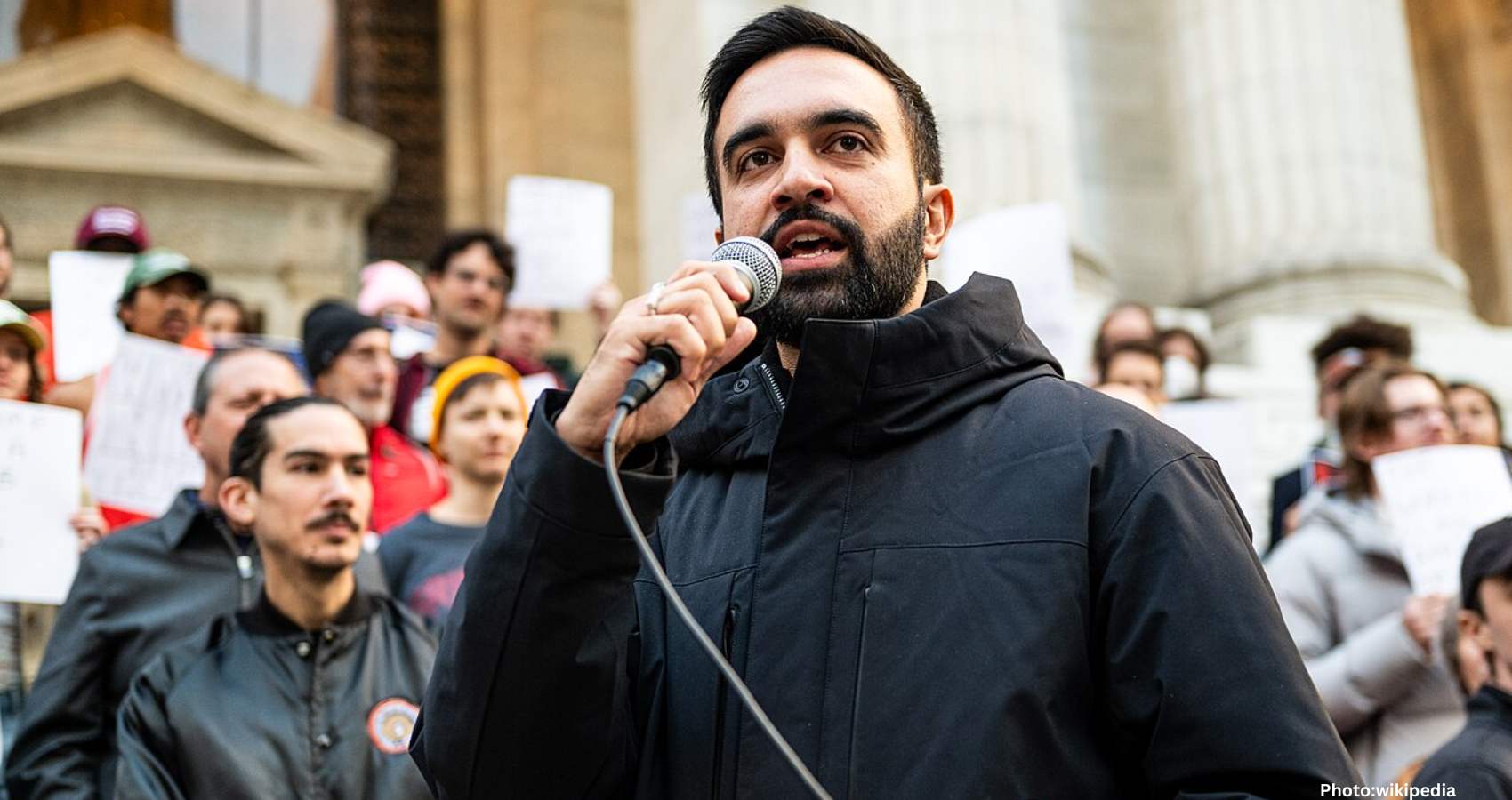
Naveen Chawla’s Influence Resurfaces Amid Congress’s Opposition to Kumar

The Congress party is intensifying its campaign against Chief Election Commissioner Gyanesh Kumar, drawing parallels to the controversial tenure of former election commissioner Naveen Chawla in 2009.

New Delhi: The Congress-led INDIA bloc is launching a vigorous campaign against Chief Election Commissioner (CEC) Gyanesh Kumar, even considering an impeachment motion amid allegations of voter fraud and perceived bias toward the Bharatiya Janata Party (BJP).

Kumar has faced sharp criticism from opposition leaders after he indirectly challenged Leader of Opposition Rahul Gandhi to submit an affidavit or apologize for his repeated claims of “vote chori” in states like Karnataka, Maharashtra, and Haryana.

The opposition’s offensive against the Election Commission, particularly targeting Kumar, has drawn comparisons to events from 2009. At that time, the Congress party was in power at the Centre, and election commissioner Naveen Chawla, who later became the CEC, faced an unprecedented attempt by his superior, CEC N. Gopalaswami, to remove him due to alleged closeness to the Congress leadership.

The 2009 general elections, conducted in five phases starting on April 16, were held against the backdrop of the 26/11 Mumbai terror attacks, which exposed the weaknesses of the Congress-led United Progressive Alliance (UPA) government in handling terrorism. Public outrage, fueled by insensitive remarks and actions from Union ministers, created a strong anti-UPA sentiment. Despite this, the UPA managed to secure a second term.

Chawla’s tenure was marred by allegations of partisanship, particularly regarding his ties to the Nehru-Gandhi family. The most notable rebuke came from within the Election Commission itself. On January 31, 2009, Gopalaswami recommended Chawla’s removal to the President of India without consulting fellow Election Commissioner S.Y. Quraishi.

This recommendation followed a meeting between Gopalaswami and a small NDA delegation in his chambers, where they accused Chawla of acting in a partisan manner to favor the Congress party. Gopalaswami alleged that Chawla had shared sensitive Election Commission information with Congress officials and had opposed issuing a notice to Congress president Sonia Gandhi regarding honors she received from Belgium—a complaint that Chawla and Quraishi had dismissed in a two-to-one majority.

Gopalaswami’s action marked a rare instance of a CEC publicly seeking the removal of a fellow commissioner, effectively accusing him of undermining the Commission’s impartiality. However, President Pratibha Patil rejected the recommendation, allowing Chawla, a 1969 batch IAS officer, to assume charge as CEC on April 20, 2009, and oversee the parliamentary elections.

Chawla’s tenure had long been controversial. The Shah Commission, led by former Chief Justice of India J.C. Shah, had declared him “unfit to hold any public office which demands an attitude of fair play and consideration for others” due to his role as a senior official in the 1970s. Although the Delhi High Court dismissed the Commission’s findings, the stigma attached to Chawla lingered.

Even before Gopalaswami’s intervention, the NDA had targeted Chawla. In March 2006, led by the BJP, the NDA submitted a memorandum to President A.P.J. Abdul Kalam, signed by over 200 MPs, demanding Chawla’s removal as election commissioner. The government rejected this demand. In May 2006, Jaswant Singh, then Leader of Opposition in the Rajya Sabha, approached the Supreme Court for Chawla’s ouster, citing his ties with Congress politicians and issues related to the MPLADS scheme. This petition was later withdrawn after Gopalaswami asserted his authority to remove an election commissioner, although the Court left the questions open.

Despite the anti-UPA wave following the 26/11 attacks, the Congress-led alliance won the 2009 elections. No definitive evidence of electoral malpractice emerged, and party leaders maintain that the elections were fair, reflecting voter priorities such as economic policy.

Source: Original article
Trump’s Tariff Threat Serves as Wake-Up Call for Indian Economy

India’s relationship with Donald Trump has evolved from admiration to a wake-up call, prompting a critical reassessment of its diplomatic and economic strategies in the face of shifting global dynamics.

India once had a love affair with Donald Trump. Long before the rest of the world figured him out, Indians were cheering his every move. At one point, he was more popular in India than in much of the United States. His bluster, bravado, and disregard for political correctness resonated deeply in a country burdened by colonial bureaucracy, outdated laws, and a culture steeped in red tape. Trump’s instinct to bulldoze through institutions was not only seen as refreshing but also necessary.

He was not perceived merely as another politician; he was embraced as a wrecking ball aimed at a system that had long ceased to serve its purpose. India, eager for its own disruptors, welcomed him as a kindred spirit. The stadium rallies, choreographed slogans, and orchestrated pageantry may have appeared theatrical, but they reflected a genuine belief that boldness could substitute for reform, and disruption could shortcut progress.

However, this admiration soon turned into disillusionment. A series of tariffs, visa caps, immigration crackdowns, and punitive trade threats emerged, leaving India, which had positioned itself as a respectful partner adhering to global norms, on the defensive. The abrupt shift was jarring, but in hindsight, it may have served as a crucial catalyst for re-evaluating long-held assumptions that had gone unchallenged for too long.

Trump was never swayed by principles or diplomacy; he responded to flattery, spectacle, and theatrics. The Pakistanis understood this dynamic early on and skillfully engaged him, offering symbolic wins like a Nobel Peace Prize nomination and effusive praise for his social media antics. These gestures garnered them attention without incurring significant costs. In contrast, India clung to formality, protocol, and outdated instincts, believing that rational behavior would prevail.

What might have worked better was a Bollywood-style spectacle. Imagine a Pulitzer for his tweets, a Nobel for attempting peace in South Asia (or at least for trying in all caps), an Oscar for best improvisation in geopolitical drama, and perhaps even an IIFA for lifetime achievement in melodrama—presented by Amitabh Bachchan with dramatic flair and thunderous applause. While absurd, such an approach might have resonated more effectively with Trump, whose absurd often outperformed the rational.

This moment calls for a re-examination of assumptions across various domains. There is a pressing need to reform existing systems and policies. In business, for instance, entrepreneurs still navigate overlapping regulations and outdated procedures. Scientists are often hindered not by the complexity of their research but by the bureaucratic hurdles required to secure funding, approval, or application. Starting a business frequently demands not just innovation but also the ability to maneuver through licenses, inspections, and gatekeepers. Scaling a business requires even more: deep networks, institutional patience, and a working knowledge of which rules to quietly bypass. While the outside world recognizes the scale and talent India offers, many of its own citizens remain trapped in systems designed to manage scarcity rather than unlock abundance.

It is not a shortage of talent that hinders progress; it is a surplus of red tape.

This moment presents an opportunity to clear the air by eliminating redundant licenses, enforcing real-time single-window clearances, and implementing presumptive approvals so that silence from a regulator becomes a green light rather than a dead end. Tariffs that increase the cost of advanced manufacturing and research tools should be abolished, and clarity must be introduced to export-import procedures still mired in a control-era mindset.

State governments should be empowered to compete not only on slogans but also on actual performance metrics—startup outcomes, business registration timelines, research and development output, and regulatory speed. Private universities and research institutions need to be liberated from micromanagement to scale without seeking permission. Partnerships between industry and academia should be expedited. Modernization and transparency in patents, technology transfer, and procurement processes are essential.

India does not need to look outward for validation. It possesses the data, scale, engineering expertise, and ambition to lead from within. Health, agriculture, climate, manufacturing, and mobility—these datasets alone represent a strategic resource waiting to be unlocked. Coupled with an unmatched pool of ambitious entrepreneurs, builders, and scientists, India can emerge not just as a participant in the global innovation race but as a driver of it. Companies like Vionix Biosciences recognize this potential in India—not merely its scale but also its scientific and operational depth capable of delivering breakthroughs that the West struggles to achieve due to a lack of talent.

Trump may have inadvertently done India a favor. He exposed the fragility of its diplomatic assumptions and reminded the nation that performance must be matched by persuasion, and execution must be complemented by storytelling. India has been handed lemons—by Trump, by its own bureaucracy, and by the inconsistencies of the global market. The time has come not to complain, delay, or tread cautiously, but to transform these challenges into opportunities: to turn those lemons into lemonade, scale the process, bottle it with confidence, and serve it to the world as proof of what is possible when ambition meets execution.

Source: Original article
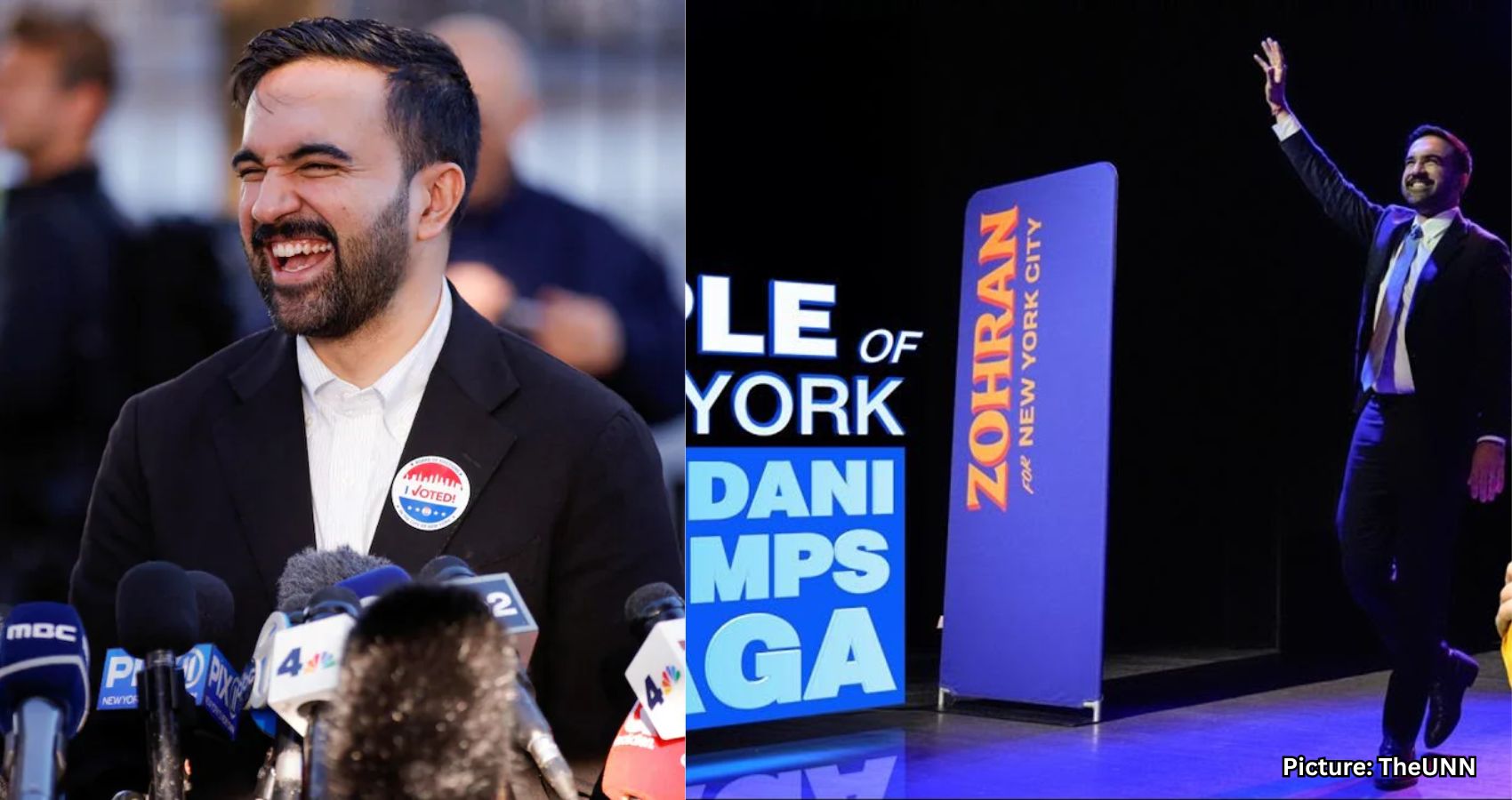
India Expresses Optimism About Improving Relations With China

India’s National Security Advisor, Ajit Doval, expressed optimism about an “upward trend” in relations with China, highlighting peaceful borders and substantial bilateral engagements since last year’s summit.

NEW DELHI – National Security Advisor (NSA) Ajit Doval stated on August 19 that relations between India and China have experienced an “upward trend.” He noted that the borders have remained peaceful since the meeting between Prime Minister Narendra Modi and Chinese President Xi Jinping in Kazan last year.

Doval’s comments come as the Chinese Foreign Minister embarks on a two-day visit to India to discuss a variety of critical issues, including the border situation, trade relations, and the resumption of flight services.

“There has been an upward trend. Borders have been quiet. There has been peace and tranquility. Our bilateral engagements have been more substantial. And we are most grateful to our leaders who, in Kazan last October, were able to set a new trend, and we have profited a lot since then,” Doval remarked.

He emphasized the importance of the “new energy and the new momentum” in the relationship, attributing this progress to the personal efforts of leaders and the maturity and sense of responsibility exhibited by diplomatic teams, ambassadors, and military personnel stationed at the borders.

The recent meetings aimed at rapprochement have gained urgency as global dynamics shift, particularly in light of the unpredictable presidency of Donald Trump in the United States.

As India and China navigate their complex relationship, Doval’s remarks reflect a cautious optimism about the future of bilateral ties, underscoring the significance of continued dialogue and cooperation.

Source: Original article
India’s Stance on Russian Oil and Implications of Trump Tariff

India may find a receptive market in Russia for its exports amid challenges in the U.S., according to a senior Russian diplomat.

A senior Russian diplomat has extended an invitation to India, suggesting that the country is welcome to export its products to Russia if it encounters difficulties accessing the U.S. market. This statement was made on Wednesday, highlighting the ongoing economic dynamics between India and Russia in the context of global trade tensions.

The diplomat’s remarks come at a time when India is navigating complex trade relationships, particularly with the United States, where tariffs and regulatory challenges have made it increasingly difficult for Indian goods to enter the market. The suggestion to look towards Russia as an alternative market reflects a strategic pivot that could benefit both nations.

India has been a significant player in the global market, exporting a variety of goods ranging from textiles to pharmaceuticals. However, the recent trade climate has prompted Indian exporters to seek new opportunities beyond traditional markets. The Russian market, with its own unique demands and needs, presents a potential avenue for Indian products.

As geopolitical tensions continue to shape international trade, the relationship between India and Russia may strengthen. The Russian diplomat’s comments underscore a willingness to enhance bilateral trade ties, which could lead to increased economic cooperation between the two countries.

In light of these developments, Indian exporters may need to assess the feasibility of entering the Russian market. This could involve understanding local regulations, consumer preferences, and logistical considerations that differ from those in the U.S.

Overall, the invitation from Russia serves as a reminder of the shifting landscape of global trade, where countries are increasingly looking to diversify their trading partners in response to challenges posed by tariffs and other trade barriers.

According to NDTV, the evolving trade dynamics could open new doors for Indian businesses seeking to expand their reach in the international market.

Source: Original article
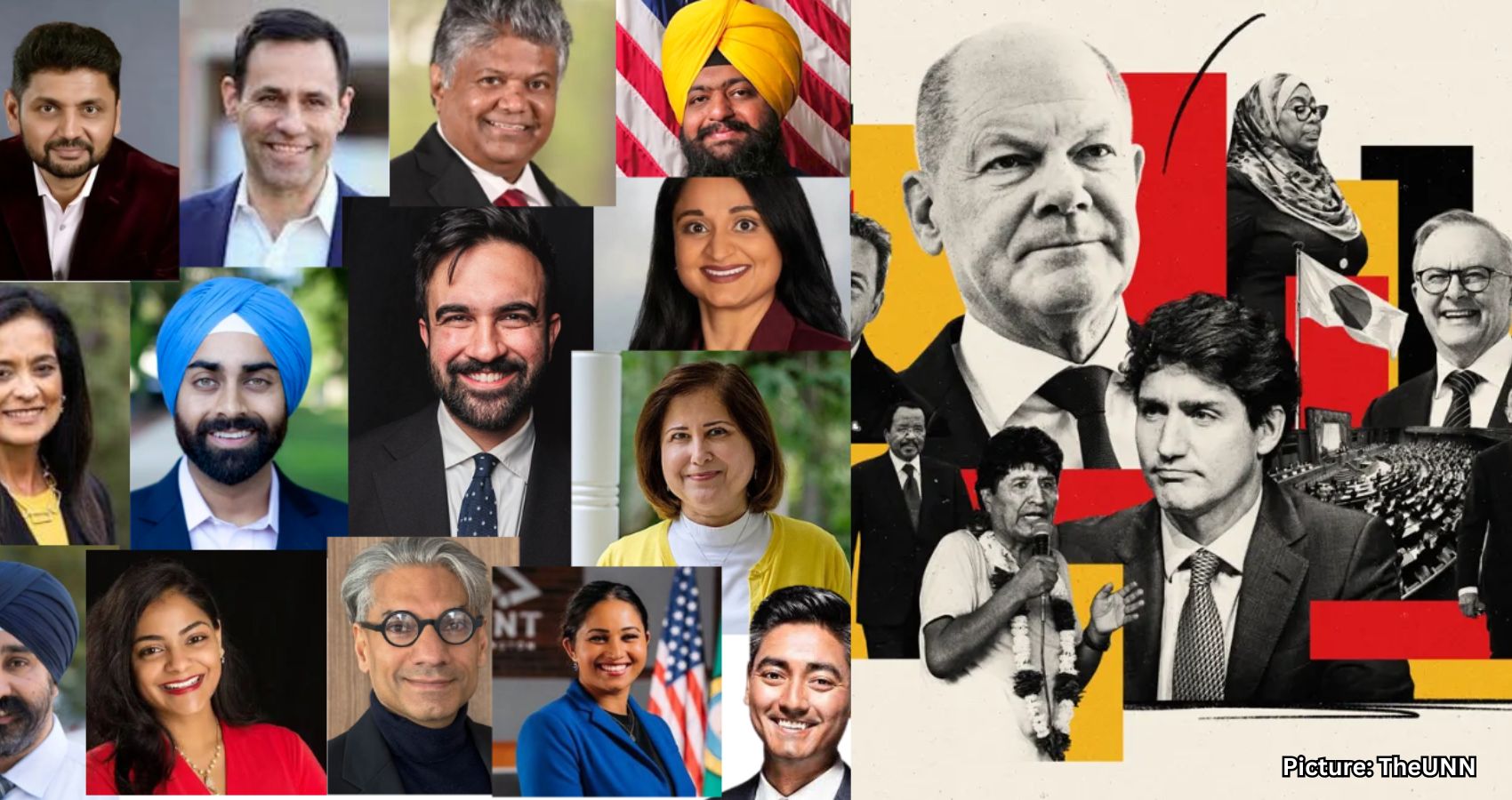
China Offers Minerals to India Amidst Tensions from Galwan Clash

China’s recent commitment to address India’s rare-earth material needs signals a significant shift in bilateral relations following the tensions from the Galwan crisis in 2019.

China’s recent decision to consider India’s increasing demand for rare-earth materials represents a pivotal moment in the two nations’ relationship, which has been strained since the Galwan Valley clash in 2019.

The Galwan crisis, which resulted in casualties on both sides, marked a low point in Sino-Indian relations. Since then, both countries have navigated a complex landscape of geopolitical tensions, border disputes, and economic competition.

India’s reliance on imports for rare-earth elements, essential for various high-tech industries, has become a pressing concern. These materials are crucial for the production of electronics, renewable energy technologies, and defense systems. As global demand for these resources continues to rise, India’s need for a stable supply chain has become increasingly urgent.

China, which dominates the global supply of rare-earth elements, has the potential to play a significant role in meeting India’s needs. By addressing this demand, China may be seeking to mend fences and foster a more cooperative relationship with India.

Analysts suggest that this move could be interpreted as a strategic realignment, where both nations recognize the importance of collaboration over conflict. The promise to supply rare-earth materials could serve as a foundation for broader economic ties and diplomatic engagement.

However, skepticism remains regarding the sincerity of China’s intentions. Critics argue that while this offer may appear beneficial, it could also be a tactic to gain leverage over India in a time of heightened geopolitical competition.

As India continues to develop its own rare-earth processing capabilities, the relationship with China will be closely monitored. The balance between dependence on Chinese resources and the pursuit of self-sufficiency will be a critical factor in shaping future interactions.

In conclusion, China’s commitment to addressing India’s rare-earth needs could signify a thaw in relations, but the complexities of their historical tensions and current geopolitical dynamics will play a crucial role in determining the outcome.

Source: Original article
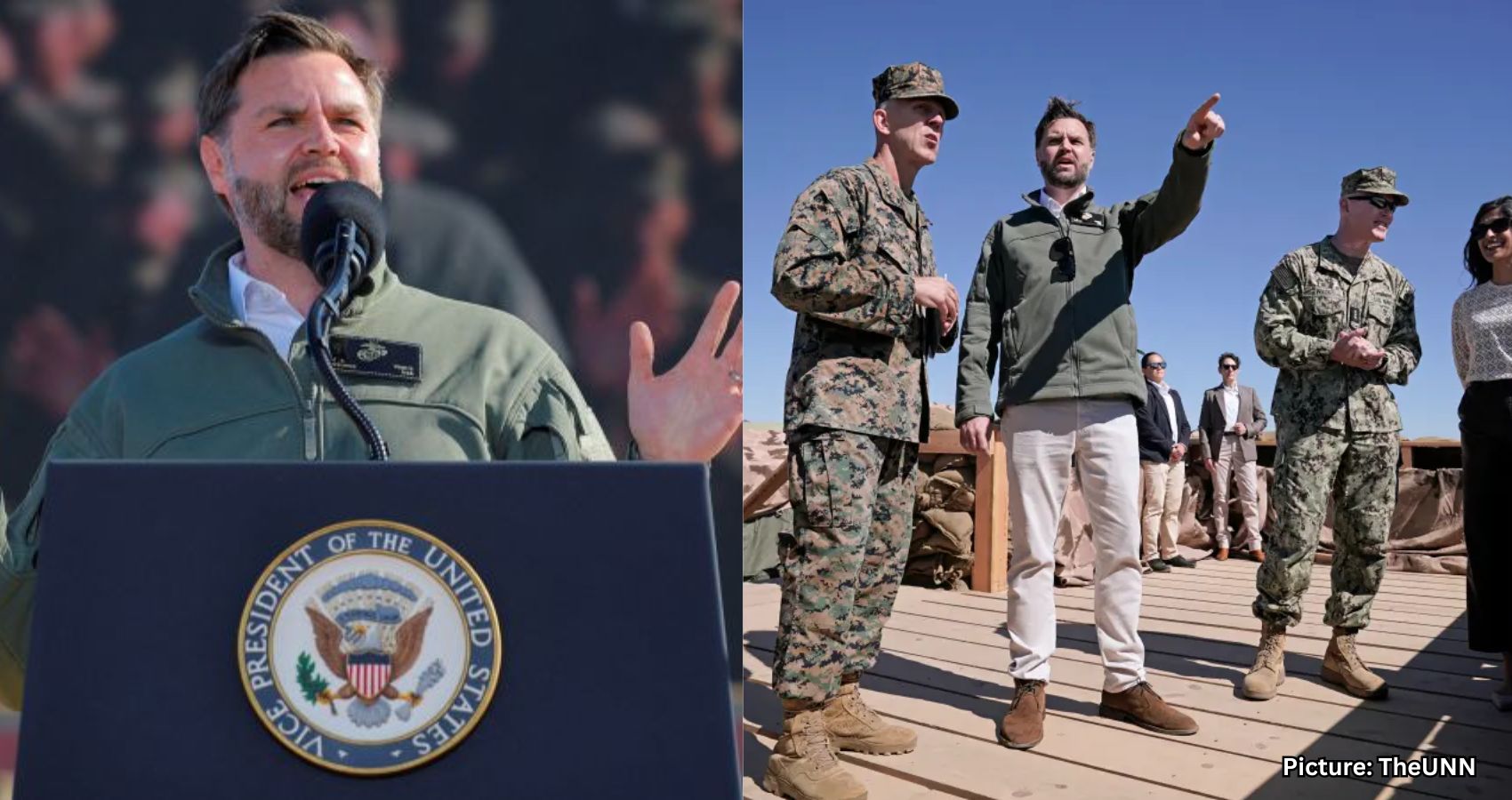
RBI Governor Discusses Future Trade Agreements Following UK Deal

Reserve Bank Governor Sanjay Malhotra expressed support for the recent free trade agreement with the UK, highlighting its potential benefits for various sectors of the Indian economy.

On Friday, Reserve Bank of India Governor Sanjay Malhotra praised the newly signed free trade agreement (FTA) with the United Kingdom, emphasizing its significance for the Indian economy.

Malhotra stated that the FTA is expected to provide a boost to multiple sectors, enhancing trade relations between India and the UK. He noted that such agreements are crucial for fostering economic growth and expanding market access for Indian businesses.

The Governor’s remarks come at a time when India is actively pursuing trade agreements with various countries to strengthen its economic ties globally. The FTA with the UK is seen as a strategic move to enhance bilateral trade and investment opportunities.

Malhotra’s endorsement of the agreement reflects a broader vision for India’s economic landscape, where trade partnerships play a vital role in driving growth and innovation. The Governor highlighted the importance of these agreements in creating a more resilient and competitive economy.

As India continues to navigate the complexities of global trade, the establishment of FTAs with key partners like the UK is expected to facilitate smoother trade flows and reduce barriers for Indian exporters.

In conclusion, the Reserve Bank Governor’s support for the UK free trade agreement underscores the potential benefits it holds for the Indian economy, paving the way for enhanced collaboration and growth in various sectors.

Source: Original article
Gauhati High Court Questions Land Allotment to Cement Company

The Gauhati High Court has raised significant concerns regarding the allotment of nearly 3,000 bighas of land in Dima Hasao, Assam, to Mahabal Cements, citing tribal rights and environmental issues.

In a recent hearing, the Gauhati High Court questioned the allotment of a substantial tract of land in the Dima Hasao district of Assam to Mahabal Cements. The land in question spans nearly 3,000 bighas and is intended for mining operations.

Justice Sanjay Kumar Medhi expressed his astonishment at the scale of the land grant, stating, “3,000 bighas! The entire district? What is going on? 3,000 bighas allotted to a private company? We know how barren the land is… 3,000 bighas? What kind of decision is this? Is this some kind of joke or what? Your need is not the issue; the public interest is the issue.”

The judge emphasized the significance of the land’s location, noting that it lies within Dima Hasao, a district governed by the Sixth Schedule of the Indian Constitution. This provision mandates that the rights and interests of local tribal communities must be prioritized in land use decisions.

Umrangso, the specific area involved in the allotment, is recognized in court records as an environmental hotspot. It is home to hot springs and serves as a crucial stopover for migratory birds and various wildlife species, raising further environmental concerns regarding the proposed mining activities.

In response to the court’s inquiries, the North Cachar Hills Autonomous Council (NCHAC) has been directed to provide documentation detailing the policy and process that led to the land’s allotment to Mahabal Cements. The court has scheduled the next hearing for September 1, where these records will be reviewed.

The observations made by the court were prompted by arguments presented by the legal counsel representing Mahabal Cements. The counsel contended that the land allocated was barren and essential for the operational needs of the cement plant.

This case highlights the ongoing tension between industrial development and the rights of indigenous communities, as well as the need for careful consideration of environmental impacts in land use decisions.

Source: Original article

BJP Gears Up for High-Stakes Indian-American VP Election

The upcoming Vice Presidential election in India is generating significant speculation regarding the strategies of the ruling BJP and the opposition INDIA bloc.

New Delhi: The upcoming Vice Presidential election is shaping up to be a compelling political contest, with both the ruling National Democratic Alliance (NDA) and the opposition INDIA bloc poised to announce their candidates in the coming days. The Bharatiya Janata Party (BJP) has convened a parliamentary party meeting today, while the opposition plans to hold its strategy session a day later, on Monday.

Indications from the BJP suggest that the party is likely to nominate a candidate with a background in the Rashtriya Swayamsevak Sangh (RSS). A critical question remains whether the nominee will come from a forward caste or a backward community.

On the opposition front, it is almost certain that the Congress party will announce the candidate on behalf of the INDI Alliance. The decision looms over whether Congress will field a Jat leader, aiming to capitalize on farmer politics following the resignation of Jagdeep Dhankhar, or if it will opt for a different face altogether.

The potential for a Jat nominee has gained significance, especially after the opposition accused the BJP of being “anti-Jat” in light of Dhankhar’s exit. While the BJP appears to have a secure path to victory given its numbers, the opposition is expected to use this election as an opportunity for political messaging and to rally sympathy.

This election unfolds against the backdrop of a combative monsoon session of Parliament, during which the united opposition has repeatedly disrupted proceedings. This turmoil has forced the government to pass key bills amid chaos, and the remaining days of the session are anticipated to be equally tumultuous.

The election schedule is already established. The last date for nominations is August 21, coinciding with the final day of the monsoon session, while polling is set for September 9. Notably, the NDA plans to file its nomination on August 21, with all BJP Members of Parliament (MPs), Chief Ministers, and allies instructed to be present in Delhi. The ruling coalition aims to showcase its unity while also courting neutral parties such as the Biju Janata Dal (BJD), YSR Congress, and Bharat Rashtra Samithi (BRS).

Numerically, the BJP’s position appears robust. Out of 782 MPs in both Houses, the BJP and its allies command the support of approximately 425 MPs—well above the halfway mark. This stronghold suggests that the NDA faces no significant obstacles to securing victory. The party’s focus, however, is on expanding its margin, with aspirations to replicate or exceed the scale of Jagdeep Dhankhar’s win in 2022.

In the previous election, the BJP successfully garnered support from neutral and opposition parties. The Trinamool Congress (TMC) abstained from voting, while parties such as the Bahujan Samaj Party (BSP), BJD, and YSR Congress extended their support to Dhankhar, allowing him to secure over 500 votes. In contrast, Congress candidate Margaret Alva was backed by only 182 MPs.

However, the political landscape has shifted since then. The BJP has strengthened its position in the Rajya Sabha, while the opposition has consolidated its power in the Lok Sabha under Congress’s leadership. Recently, Congress has engaged in “dinner diplomacy” to draw both TMC and the Aam Aadmi Party (AAP) closer, ensuring their participation in joint opposition initiatives.

The opposition is particularly united in its resistance to the revision of the Bihar voter list under the SIR system, which has become a rallying point for parties like TMC and AAP that seek to appeal to Muslim voters.

Neutral parties, however, remain a wildcard in this equation. In states like Odisha, Andhra Pradesh, and Telangana, the SIR issue holds little relevance, making the BJD, BRS, and YSR Congress less likely to align with the opposition. Andhra Pradesh Chief Minister Jagan Mohan Reddy has recently accused his rival, Chandrababu Naidu, of colluding with Rahul Gandhi, further complicating the prospects of opposition alignment. While sudden shifts in political dynamics cannot be entirely ruled out, current signals suggest that these neutral players may ultimately support the NDA or choose to abstain.

The core question, therefore, is not whether the BJP’s candidate will win, but by what margin. The party is eager to secure a decisive mandate that surpasses Dhankhar’s victory, thereby reinforcing its image of political dominance and unity. Conversely, the opposition is determined to leverage the contest to highlight its own consolidation, particularly emphasizing Jat representation and farmer politics.

As the deadline for nominations approaches, the atmosphere is charged with speculation. This election promises to be less about the outcome and more about the political messaging from both sides.

Source: Original article
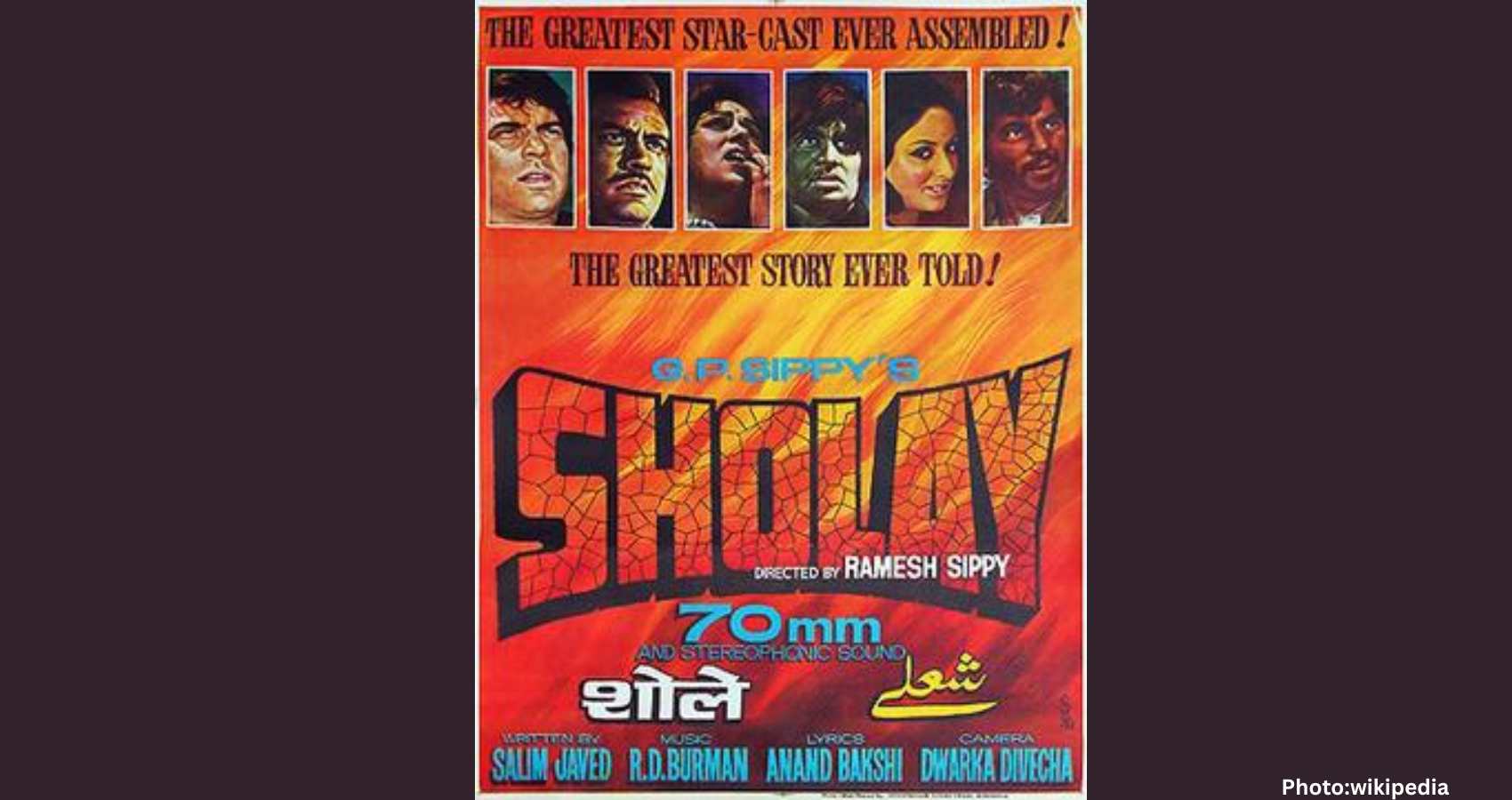
Omar Abdullah Launches Signature Campaign for Jammu and Kashmir Statehood

Omar Abdullah has launched a signature campaign across Jammu and Kashmir, advocating for the restoration of statehood while reflecting on the challenges faced since the region’s transition to a Union Territory.

Srinagar: On the morning of Independence Day, Omar Abdullah, the Chief Minister of Jammu and Kashmir, stood once again at Bakshi Stadium. Eleven years prior, he had addressed the gathering as the elected head of a state. This time, however, he spoke as the Chief Minister of a Union Territory.

Abdullah’s address diverged from the usual themes of development and celebration, as he announced the start of a signature campaign. “For the next eight weeks,” he declared, “we will travel across all 90 constituencies. We will go to every village and every mohalla. We will ask for one thing—the restoration of statehood.”

The campaign, he emphasized, was not about seeking power or position. “If we fail, I will accept that. But I believe the people want their state back. We will take these signatures to Delhi, to the court. Only then will I rest,” he stated, underscoring the urgency of the initiative.

Before delving into the campaign, Abdullah expressed his condolences regarding the recent cloudburst in Kishtwar, which resulted in over 60 fatalities and left more than 100 injured. He noted that rescue operations were still ongoing and promised government support for the victims’ families. He also pledged to investigate any potential administrative lapses, saying, “We owe that to the people.”

Midway through his address, Abdullah reflected on the significant changes that had occurred since he last stood at the stadium. “I was confused about what to say,” he admitted. “The last time I stood here, I was Chief Minister of a state. We had an Assembly that made decisions and a Cabinet that implemented them. We had our flag, our constitution, and our laws.”

He paused before adding, “Today, I am Chief Minister of a Union Territory.” Abdullah explained that the difference was not merely nominal but practical. “Cabinet decisions are passed, but many don’t get cleared. Some files don’t return. Some disappear.”

Despite assurances that the transition to a Union Territory would be smooth, he confessed, “It is more difficult than I thought.” Abdullah pointed to a recent observation by the Supreme Court, stating that the bureaucracy must answer to the government, and the government must answer to the people. “But here, that chain is broken,” he said, highlighting the disconnect between the administration and the electorate.

He argued that officials are not accountable to the elected government, which exacerbates the gap between the administration and the people. “This UT system cannot function in its current form. If the government is elected, then it must have the right to govern,” he asserted.

Addressing a recent Supreme Court hearing on statehood, Abdullah recalled references to the Pahalgam attack, stating, “We were told that the Pahalgam incident cannot be ignored. I agree. But should we be punished for it again?” He reminded the audience that the attackers had already been dealt with under Operation Sindoor. “Now that same attack is being used to delay statehood. This was not the fault of an elected government. Over the years, we reduced such incidents not by chance, but by hard work.”

He stressed that the people of Jammu and Kashmir have consistently stood with victims, never with attackers. “This should not be used as an excuse to deny us our rights,” he said emphatically.

Abdullah highlighted various achievements in areas such as youth schemes, health, and education. He noted that the Assembly had passed resolutions on Article 370, development funds, and local governance. However, he acknowledged that their impact has been limited. “We are accountable to the Assembly, and MLAs are accountable to the people. But where is the accountability of the administration?”

He recognized that many had hoped for a positive announcement from New Delhi this Independence Day. “Even I hoped. But nothing came. Again,” he lamented, his voice softening as he asked the audience, “Are we better now? After six years of silence, are we?”

There was no reply from the crowd, underscoring the sentiment of disappointment.

As he concluded his speech, Abdullah outlined the plan for the signature campaign, which will reach all 20 districts. Party workers and representatives will go door-to-door, collecting signatures and thumb impressions from those unable to write. “We have tried everything—letters, meetings, resolutions,” he said. “Now we will visit every Assembly segment, every household. No individual will be left out.”

He reminded the audience that the Supreme Court had set an eight-week timeline for deliberations on statehood. “We will not let these weeks go to waste. This is the people’s cause, and we will take it forward together,” he concluded, rallying support for the initiative.

Source: Original article

Sunil Jakhar Calls for ECI Investigation into AAP Policy Decisions

Sunil Jakhar, President of the BJP Punjab, has called for an investigation by the Election Commission into alleged undemocratic practices by AAP leader Manish Sisodia following a controversial speech.

Chandigarh: In a notable development, Sunil Jakhar, the President of the Bharatiya Janata Party (BJP) in Punjab, has formally requested the Election Commission of India to take action against Aam Aadmi Party (AAP) leader Manish Sisodia. This request follows the emergence of a viral video in which Sisodia purportedly advocates for winning elections “by hook or by crook,” a statement that Jakhar claims promotes undemocratic methods and violates Indian laws.

In his letter to the Election Commission, Jakhar highlighted that Sisodia made these remarks on the eve of Independence Day, a day symbolizing national unity. During his speech, Sisodia, who oversees AAP’s operations in Punjab, mentioned employing tactics such as ‘Saam, Daam, Dand, Bhed, Sach, Jhooth, Sawaal, Jawaab, Ladai, Jhagda’ to secure victory in the upcoming 2027 Punjab Assembly elections. Jakhar condemned these remarks as a mockery of the values of peace, freedom, and integrity, indicating a clear intention by AAP to undermine the democratic process.

Jakhar elaborated on the implications of these terms in his correspondence:

“Saam” refers to the potential misuse of government machinery to pressure or coerce voters.

“Daam” indicates the use of money, bribery, and other enticements to buy votes, which constitutes a corrupt practice under election laws.

“Dand” warns of threats and punishment against those who refuse to support AAP, representing undue influence and coercion.

“Bhed” suggests a dangerous strategy to create communal, caste-based, or social divisions, potentially disrupting peace and harmony in Punjab.

“Sach” and “Jhooth” imply the deliberate use of lies and misinformation to mislead voters.

“Sawaal” and “Jawaab” represent the possibility of twisting facts and confusing voters during public discourse.

“Ladai” and “Jhagda” promote violence and physical confrontations to silence opposition and instill fear.

Jakhar asserted that these statements pose a threat to the peace, development, and prosperity of Punjab. He argued that they provide clear evidence of an intent to engage in corrupt practices, intimidate voters, incite hostility, and disturb public order. According to Jakhar, these actions constitute serious offenses under the Representation of the People Act, 1951, including bribery under Section 123(1), undue influence under Section 123(2), and promoting enmity under Section 123(3A).

Additionally, Jakhar’s letter references offenses under the Bharatiya Nyaya Sanhita (BNS), such as promoting enmity between various groups (Section 196), making statements against national unity (Section 197), and instilling fear through illegal threats (Section 353).

He emphasized that such behavior is classified as a corrupt practice, warranting disqualification from contesting elections under Section 8. Jakhar further noted that these actions violate the Constitution of India, undermining the principles of free and fair elections and the democratic rights of citizens as guaranteed under Articles 14, 19, and 21.

In his appeal to the Election Commission, Jakhar urged immediate action, calling for a swift investigation and strict punitive measures against Sisodia and AAP for their overt declaration of winning elections through corrupt, unconstitutional, and illegal means. He has demanded that a First Information Report (FIR) be filed against Sisodia’s statements, which he argues are tantamount to offenses under both the Representation of the People Act and the Bharatiya Nyaya Sanhita. Furthermore, Jakhar has called for Sisodia’s disqualification from future elections in India and a prohibition on his ability to deliver political or public speeches, citing the serious threat his behavior poses to the integrity of elections, social unity, and the democratic framework.

Source: Original article

Rahul Gandhi Launches ‘Voter Adhikar Yatra’ Amid Bihar Poll Concerns

Rahul Gandhi launched a 1,300-km ‘Voter Adhikar Yatra’ in Bihar, accusing the BJP and the Election Commission of manipulating votes to influence the upcoming state elections.

On Sunday, Rahul Gandhi, the Leader of the Opposition in the Lok Sabha, inaugurated the 1,300-km ‘Voter Adhikar Yatra’ from Sasaram, Bihar. The event was attended by prominent leaders from the Mahagatbandhan, including Congress President Mallikarjun Kharge and Rashtriya Janata Dal (RJD) chief Lalu Prasad Yadav.

During the launch, Gandhi and other Mahagatbandhan leaders alleged that the Election Commission was colluding with the Bharatiya Janata Party (BJP) to manipulate voter rolls and “steal” the elections. The Voter Adhikar Yatra, which spans over 21 districts, is a coordinated campaign aimed at highlighting what the coalition describes as “vote chori” amid the ongoing Special Intensive Revision (SIR) of electoral rolls.

At the flag-off rally, Rahul Gandhi asserted that elections across the country were being undermined through deliberate tampering. He claimed, “The BJP is altering names in Bihar’s electoral rolls to fix the Assembly polls. When I exposed this manipulation, I was asked to file an affidavit, but BJP leader Anurag Thakur, who made similar claims, faced no such demand from the poll panel.”

Gandhi further criticized the Election Commission, stating, “They are openly siding with the BJP,” and emphasized that the INDIA bloc would fight to protect the voting rights of the people.

Tejashwi Yadav, also addressing the rally, directed his criticism towards Prime Minister Narendra Modi and the Election Commission. He stated, “Narendra Modi has ruined the lives of Bihar’s youth, and the Election Commission is helping him cheat voters. Do not think of Biharis as weak.” Yadav invoked the ideals of socialist leader Ram Manohar Lohia and Babasaheb Ambedkar, asserting that the Constitution guarantees every citizen’s vote is equal, regardless of their wealth.

Yadav also took a jab at the Prime Minister, declaring that outsiders would no longer be able to deceive the people of Bihar, and that they would soon be defeated.

Kharge echoed these sentiments, asserting that the BJP-led government posed a direct threat to the Constitution. “As long as the Modi-led government remains in power, people’s rights are unsafe. Even the vote is not secure, and the Election Commission is behaving like an extension of the ruling party,” he stated.

In Aurangabad, Rahul Gandhi intensified his criticism of the Nitish Kumar-led government, claiming that police had set up barricades to obstruct their access to the public meeting venue. “We didn’t fear and we walked, which made the police step back, allowing us to reach our stage to address you all,” he said.

Lalu Prasad Yadav, known for his witty remarks, criticized the BJP, labeling them as “thieves” intent on damaging democracy. “They are stealing people’s votes and destroying the Constitution. Remove these thieves, unite, and defeat them. Rahul Gandhi and Tejashwi must uproot them and save democracy,” he urged in his impassioned speech.

Gandhi also raised the issue of a caste census, accusing the Modi government of making its recent announcement under political pressure. “They will never conduct a genuine caste census nor remove the 50 percent cap on reservations. The INDIA bloc will conduct a real census and bring down this wall of injustice,” he asserted.

The launch of the yatra saw participation from various opposition leaders, including Dipankar Bhattacharya from CPI(ML) Liberation, Subhashini Ali from CPI(M), P Santosh Kumar from CPI, and others such as Pappu Yadav, KC Venugopal, Bhupesh Baghel, and Krishna Allavaru.

As the yatra commenced from Sasaram’s Biada ground, Tejashwi Yadav drove a specially customized jeep carrying Rahul Gandhi. Other alliance leaders joined them as the procession made its way to Dehri on Sone. Both leaders stood on the rooftop of the vehicle to greet the crowd before continuing to Aurangabad for another public meeting.

The Voter Adhikar Yatra is set to traverse Bihar over the next 16 days, with scheduled breaks on August 20, 25, and 31. The campaign will culminate in a major rally at Patna’s historic Gandhi Maidan on September 1, where Rahul Gandhi, Lalu Prasad Yadav, Tejashwi Yadav, and Kharge will collectively address the public.

Source: Original article
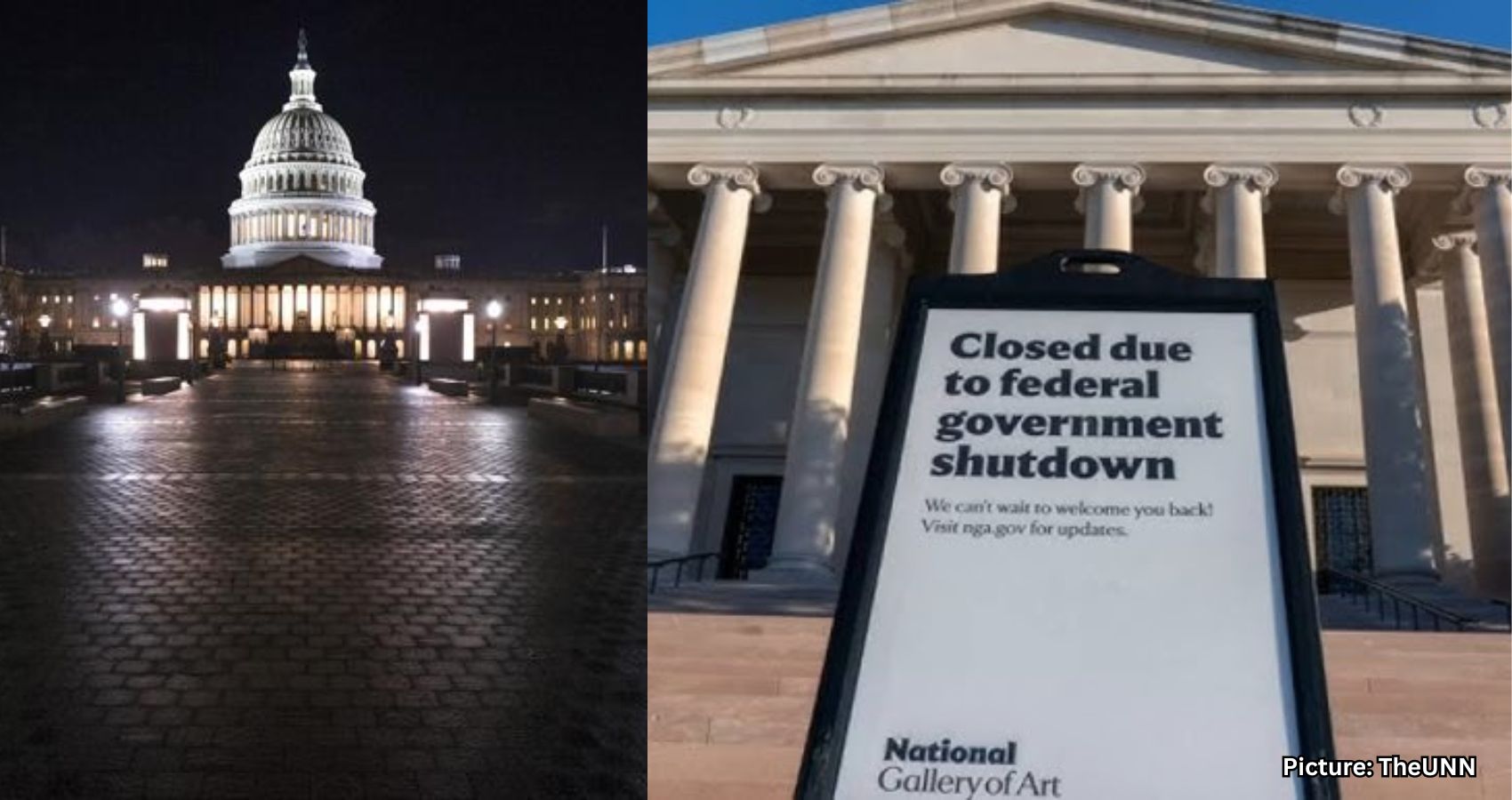
Two Associates of LeT Arrested with Weapons in Bandipora

Security forces in North Kashmir apprehended two associates of the terrorist group Lashkar-e-Taiba, seizing arms and ammunition during a search operation in Sumbal.

Srinagar, August 17: On Sunday, security forces apprehended two individuals linked to the proscribed terrorist organization Lashkar-e-Taiba (LeT) in the Malpora Nowgam area of Sumbal, located in North Kashmir’s Bandipora district.

According to officials, a joint checkpoint was established by the Jammu and Kashmir Police and the Army. During the search operation, two suspects were intercepted and found in possession of arms and ammunition.

The recovered items included two Chinese grenades, two Under Barrel Grenade Launcher (UBGL) grenades, and ten AK-47 rounds.

The arrested individuals have been identified as Abdul Majid Gojri from SK Bala and Abdul Hamid Dar from Vijpara.

A case has been registered against them under the Unlawful Activities (Prevention) Act (UAPA), and an investigation is currently underway to determine their connections to active terrorists and any involvement in previous attacks.

This incident is part of a broader pattern of recent arrests of Over Ground Workers (OGWs) in Kashmir. On August 15, one terrorist associate was apprehended in Pulwama with incriminating materials during a joint operation in the Rajpora area. Earlier, on August 10, three OGWs affiliated with LeT were arrested in Kreeri while allegedly planning attacks on security forces.

Additionally, on August 2, security forces dismantled a narco-terror module in Kupwara, arresting two LeT associates who were found with drugs and arms smuggled from Pakistan. On July 28, two OGWs were caught in Shopian while providing shelter and support to foreign militants hiding in the region. Furthermore, on July 22, an OGW operating a Telegram channel for recruiting youth into terrorist ranks was arrested by the cyber cell and police in Srinagar.

These arrests highlight the intensified efforts by security forces to crack down on terror support networks in the Valley. OGWs play a crucial role in militant logistics, and authorities are committed to swiftly disrupting these channels to enhance security in the region.

Source: Original article

Marco Rubio Discusses Tariffs on Indian Oil Imports from Russia

U.S. Secretary of State Marco Rubio explains the rationale behind imposing tariffs on India for Russian oil purchases while sparing China, despite its significant role as a buyer of Russian oil.

U.S. Secretary of State Marco Rubio has clarified the reasons behind the United States’ decision to impose tariffs on India for its purchases of Russian oil, while simultaneously sparing China, the largest buyer of Russian oil, from similar sanctions. India faces a 50 percent tariff, which includes a 25 percent duty specifically related to its trade with Moscow.

In an interview with Fox Business, Rubio emphasized that the majority of Russian oil purchased by China is refined and subsequently sold in the global marketplace. He pointed out that imposing additional sanctions on China could inadvertently lead to higher global energy prices.

“If you look at the oil that’s going to China and being refined, a lot of that is then being sold back into Europe,” Rubio explained. He noted that European nations continue to purchase natural gas from Russia, although some are attempting to reduce their dependence on it. “There are countries trying to wean themselves off it, but there’s more Europe can do with regard to their own sanctions,” he added.

Rubio cautioned that sanctioning Chinese refiners could have disruptive consequences for global oil prices. He stated, “If you put secondary sanctions on a country—let’s say you were to go after the oil sales of Russian oil to China—well, China just refines that oil. That oil is then sold into the global marketplace, and anyone who’s buying that oil would be paying more for it or, if it doesn’t exist, would have to find an alternative source for it.”

He also mentioned that European nations, which purchase Russian oil refined in China, have expressed concerns about potential punitive measures against Beijing. “We have heard, when you talk about the Senate bill that was being proposed—where there was a hundred percent tariff on China and India—we did hear from a number of European countries—not in press releases, but we heard from them—some concern about what that could mean,” Rubio remarked.

When asked about the possibility of sanctions against Europe for its continued purchases of oil and gas from Russia, Rubio was cautious. “I don’t know about sanctions on Europe directly, obviously, but certainly there are implications to secondary sanctions,” he said. He expressed a desire to avoid a tit-for-tat situation with European nations, suggesting that they could play a constructive role in addressing the issue.

Rubio’s comments highlight the complex dynamics of international energy trade and the challenges of implementing sanctions in a way that does not exacerbate global economic conditions.

Source: Original article
India’s Asia Cup 2025 Squad Announcement Sparks Selection Drama

Fans across India are eagerly anticipating the announcement of the squad for the Asia Cup 2025, set to commence on September 9.

The excitement is palpable as cricket enthusiasts in India await the announcement of the national squad for the upcoming Asia Cup 2025. Scheduled to begin on September 9, the tournament promises to be a thrilling showcase of cricketing talent.

The Asia Cup is a prestigious tournament that brings together the best teams from the continent, and India’s participation is always a focal point for fans. With the event just around the corner, speculation about the squad selection has intensified.

As the selection meeting approaches, discussions among fans and analysts have been rife with predictions about which players will make the cut. The team management faces the challenging task of balancing experience with youth, as they aim to field a competitive side.

In recent years, India has seen a mix of seasoned players and emerging talents, and this trend is expected to continue. The selectors will likely consider players’ recent performances in domestic and international formats, as well as their fitness levels.

With the Asia Cup serving as a crucial platform for teams to prepare for larger tournaments, including the World Cup, the stakes are high. Fans are not only interested in who will be selected but also in the strategies that the team management will employ to ensure success.

As the countdown to the squad announcement continues, cricket lovers are keeping a close eye on any hints or leaks regarding the potential lineup. The anticipation surrounding the announcement reflects the deep passion for cricket in India and the significance of the Asia Cup in the cricketing calendar.

In the coming days, as the official announcement is made, the cricketing community will be eager to dissect the selections and discuss the implications for India’s campaign in the tournament.

As the excitement builds, fans are encouraged to stay tuned for live updates on the squad announcement, which promises to be filled with drama and surprises.

According to Source Name, the final squad will be revealed shortly, and it is expected to generate significant discussion among fans and analysts alike.

Source: Original article

Badshah’s Team Refutes Claims of Pakistan Link in Dallas Show

Badshah’s team has clarified that his upcoming Dallas show is not linked to Pakistan, emphasizing that the rapper uses music as a bridge between cultures.

Indian rapper Badshah is facing scrutiny regarding his upcoming performance in Dallas, Texas. A film industry organization has issued a letter to the artist, requesting clarification about the alleged sponsorship of the event by a Pakistani company.

The inquiry stems from concerns raised about the nature of the sponsorship and its implications. In response, Badshah’s team has firmly denied any connection to Pakistan regarding the Dallas show, asserting that the rapper’s music transcends borders and serves as a unifying force.

Badshah, known for his chart-topping hits and vibrant performances, has built a reputation for using his platform to connect with diverse audiences. His team emphasized that the Dallas concert is intended to celebrate music and culture, not to promote any political agenda.

The rapper’s commitment to bridging cultural divides through music has been a hallmark of his career. His fans appreciate his ability to blend various musical influences, creating a unique sound that resonates with people from different backgrounds.

As the date of the Dallas show approaches, Badshah’s team remains focused on delivering an unforgettable experience for attendees. They are confident that the concert will highlight the positive impact of music in fostering understanding and unity among different communities.

According to reports, Badshah’s team is prepared to address any further questions or concerns regarding the event’s sponsorship and its implications. They maintain that the focus should remain on the celebration of music rather than any external controversies.

In a world where music often serves as a bridge between cultures, Badshah continues to exemplify this ethos through his work. His Dallas show promises to be a testament to the power of music in bringing people together, regardless of their backgrounds.

Source: Original article
India’s Strategic Maneuvering at the UNSC Against Pakistan

India successfully countered Pakistan’s attempts to leverage its presidency at the United Nations Security Council, demonstrating strategic clarity and diplomatic maturity in the face of Islamabad’s narrative on Kashmir.

General Asim Munir, the de facto ruler of Pakistan, recently issued a stark warning on American soil, threatening that Pakistan could take half the world down with its nuclear weapons. This statement came shortly after Pakistan’s foreign ministry struggled to defend the nation’s peace credentials at the United Nations Security Council (UNSC), highlighting the paradox of a military dictatorship attempting to present itself as a democratic state.

In the wake of India’s precision strikes under Operation Sindoor, which were a response to the Pahalgam terror attack, Pakistan sought to use its presidency of the UNSC to shed its label as the “epicentre of global terrorism.” This presidency marked a significant moment, as it was the only opportunity during its two-year term as a non-permanent member to occupy this rotating office.

Pakistan aimed to project itself as a champion of international law, multilateralism, and peace-making. Its presidency focused on three primary themes: the peaceful settlement of disputes under Chapter VI of the UN Charter, cooperation between the UNSC and the Organisation of Islamic Cooperation (OIC), and the situation in the Middle East. However, the overarching goal was to advance its distorted narrative regarding Kashmir.

Despite not holding a seat at the UNSC’s horseshoe table, India effectively shaped the discussions and ensured that the procedural and political landscape did not favor Pakistan’s agenda. This situation exemplified how strategic clarity and mature diplomacy can triumph over tactical posturing.

Pakistan’s first significant event during its presidency was a High-Level Open Debate on “Promoting International Peace and Security through Multilateralism and Peaceful Settlement of Disputes.” However, it refrained from explicitly mentioning Kashmir in the Zero Draft circulated to Council members, aware that such a reference would not gain support. Instead, Pakistan attempted to invoke Chapter VI to seek “effective enforcement” of past UNSC resolutions, trying to insert its narrative into the Council’s agenda.

Chapter VI of the UN Charter emphasizes the need for parties to resolve disputes through peaceful means such as negotiation, mediation, and arbitration. Notably, the resolutions under this chapter, including those from 1948 regarding Kashmir, are recommendatory and not binding. India has consistently maintained that these resolutions are superseded by the 1972 Simla Agreement, which commits both nations to settle their differences through bilateral negotiations.

Following Operation Sindoor and India’s suspension of the Indus Water Treaty, Pakistan announced its own suspension of adherence to the Simla Agreement. Its push to reshape UN “jurisprudence” for third-party mediation through UNSC Resolution 2788 was less about genuine peaceful settlement and more about repackaging a discredited agenda. However, procedural privilege could not replace geopolitical credibility.

India’s diplomatic outreach ensured that the resolution adopted on July 22 remained firmly anchored in Chapter VI. It urged all Member States to utilize mechanisms for peaceful dispute resolution as outlined in Article 33 of the UN Charter. The resolution requested the Secretary-General to provide recommendations for strengthening these mechanisms one year after its adoption, but it ultimately added nothing binding or case-specific.

Despite its efforts, Pakistan attempted to align the resolution with its Kashmir agenda, mentioning it alongside Palestine. Pakistan’s Foreign Minister Ishaq Dar claimed that the country remained “steadfast in its desire for peace” and reiterated that Jammu and Kashmir is an “internationally recognized disputed territory.” He also highlighted principles that Pakistan sought to include in the resolution but failed to do so.

In contrast, India’s Permanent Representative to the UN, P. Harish, effectively dismantled Pakistan’s claims of being a peace-loving nation. He contrasted India’s democratic values, economic growth, and inclusive society with Pakistan’s history of fanaticism and terrorism. Harish emphasized that conflicts have evolved, often involving non-state actors supported by cross-border funding and radical ideologies.

He reminded the Council that it is the “parties to a dispute” who must first seek peaceful solutions and that there should be consequences for states that engage in cross-border terrorism. Citing the UNSC’s statement following the Pahalgam attack, he noted that India acted in accordance with the call for justice against perpetrators and sponsors of terrorism.

India’s role as a significant contributor to UN peacekeeping efforts and its status as a founding member of the United Nations were acknowledged during the discussions. As a leading voice for the Global South, India raised concerns about the potential ineffectiveness of an unreformed Security Council and asserted the necessity of zero tolerance for terrorism.

Pakistan’s second attempt to influence the UNSC came on July 24 with a “Briefing on Cooperation between the UN and OIC.” This aligned with Pakistan’s ongoing campaign to position the OIC as a regional organization that could intervene in UNSC deliberations. However, India successfully blocked these efforts, asserting that the OIC lacks the geographic scope and specific peace-and-security mandate necessary for such a role.

Through strategic engagement with key partners, India ensured that the Presidential statement issued by the UNSC remained neutral and did not affirm the OIC as a regional organization. The statement merely requested the Secretary-General to include recommendations for cooperation with the OIC in future reports, without establishing any new processes or mechanisms.

On July 23, Pakistan convened a “Quarterly Open Debate on the Middle East,” focusing on Gaza. India took a principled humanitarian stance, calling for restraint and condemning terrorism while reaffirming support for a negotiated two-state solution. This approach preempted any claims to moral high ground from Pakistan and demonstrated India’s capacity to contribute meaningfully beyond its immediate region.

In parallel, India showcased a positive agenda, emphasizing its role in global peace and development. Just before Pakistan’s presidency, India’s External Affairs Minister S. Jaishankar inaugurated a digital exhibition on “The Human Cost of Terrorism,” documenting attacks worldwide, thereby making a strong case against state-enabled terrorism without naming specific countries.

Ultimately, while Pakistan’s presidency was rich in symbolism, it lacked substantive impact. Its attempts to internationalize the Kashmir issue and project a peaceful image were effectively countered by India, which employed legal precision and strategic restraint. As geopolitical dynamics continue to evolve, India must remain vigilant against any attempts to introduce partisan agendas into UNSC discussions, ensuring the primacy of bilateral frameworks in its relations with Pakistan.

Source: Original article
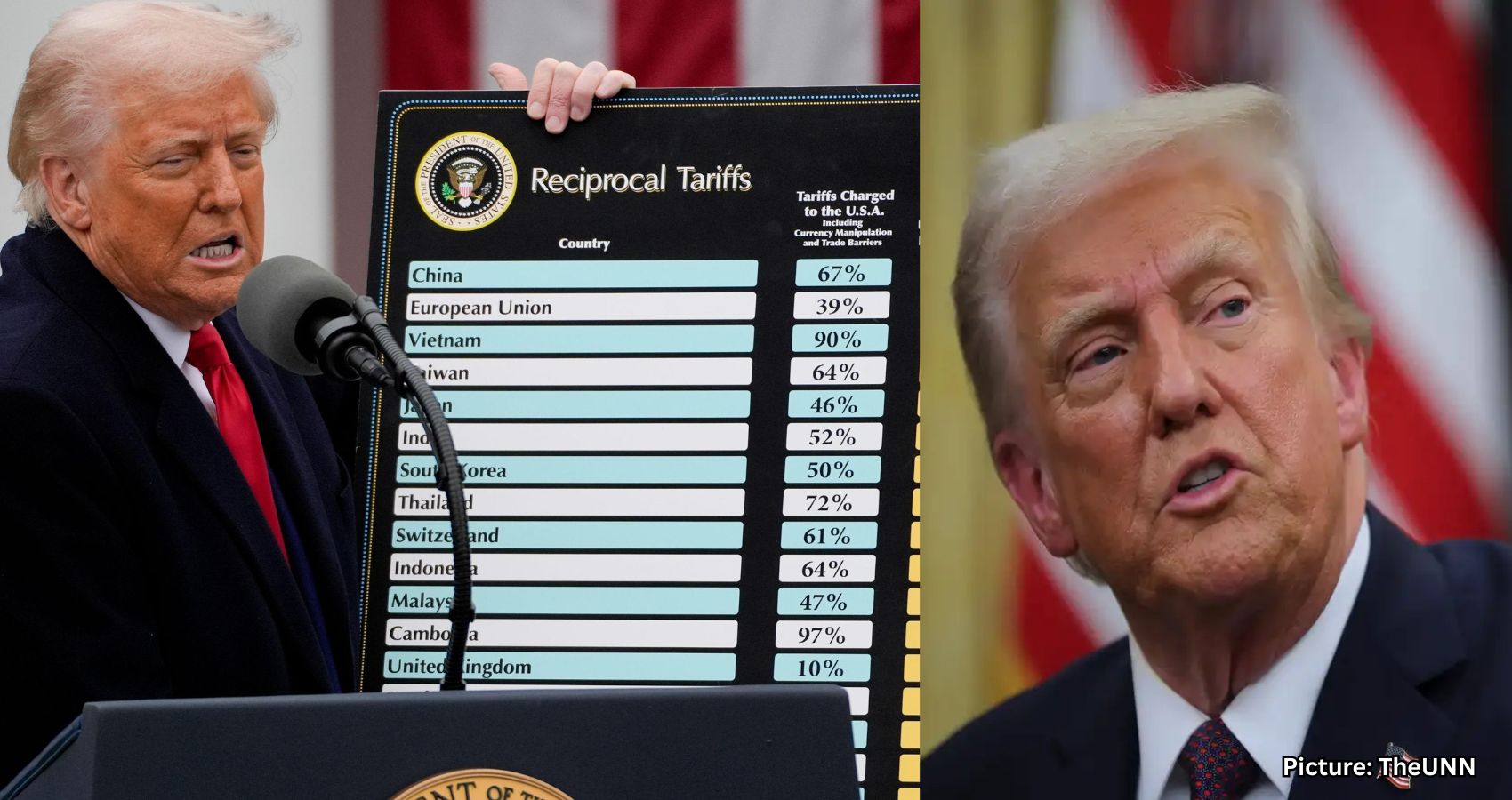
India’s Legal System: Justice and Time Favor the Nation

India is strategically positioning itself for the future while the U.S. grapples with internal challenges, highlighting the importance of integrity and cooperation in international relations.

President Donald Trump’s recent decisions have raised eyebrows, both from a personal perspective and in the context of U.S. foreign policy. By targeting not the actual adversaries of the United States but rather a crucial partner in addressing those adversaries, Trump’s actions seem to defy both geopolitical logic and political necessity.

Many of Trump’s supporters, including African Americans, Indian Americans, and economically disadvantaged citizens of European descent, are witnessing a stark contrast between his promises of a better life and the reality of job losses. The policies favoring billionaires have led to a decline in employment opportunities for individuals in various sectors, from lumberjacks to retail workers. As discontent grows among constituents, members of the Senate and House of Representatives are beginning to express their unease, signaling a potential shift in political dynamics.

Despite the challenges, the U.S. Supreme Court, composed of justices known for their integrity, is expected to uphold the Constitution with fairness. Meanwhile, India, under the leadership of Prime Minister Narendra Modi, is focused on long-term goals, prioritizing the needs of future generations over immediate political gains.

In stark contrast to Brazil, which struggled to assure President Vladimir Putin of safe passage to the recent BRICS Summit, India has consistently demonstrated its commitment to honoring its international relationships. There was never any doubt that Putin would receive the state honors befitting the leader of one of the world’s major powers, alongside the U.S., China, and India.

Brazil’s recent coercive actions by the U.S. stemmed from unrelated domestic issues, highlighting the growing anti-U.S. sentiment fueled by Trump’s policies. While China does not qualify as part of the Global South due to its geographical location and GDP, India stands as the largest nation within this increasingly significant group. The political ramifications of Trump’s actions may soon compel him to reconsider his approach.

The necessity for India to diversify in key sectors has become clear. Historically, the country had abundant domestic sources of rare earths, but this has changed. The Oil and Natural Gas Corporation (ONGC) was established to ensure self-sufficiency in fossil fuels, yet its track record has been marred by corruption, hindering progress. The misappropriation of funds, often hidden in foreign institutions, raises questions about the motivations behind such actions.

In the realm of international relations, diplomacy and reason tend to yield more sustainable outcomes than aggressive tactics. Just as compassionate healthcare leads to better patient outcomes, a diplomatic approach fosters stronger partnerships. Under Modi’s leadership, India’s start-up ecosystem is flourishing, with fewer corrupt influences obstructing progress. In the past, many promising start-ups were forced to relocate or shut down due to political pressures.

The youth of India represents a vast reservoir of talent, and countries facing demographic challenges may find solutions within India’s innovative landscape. The recent conflict with Pakistan underscored the effectiveness of India’s drone capabilities, which played a crucial role in the military response. Creating an environment conducive to innovation is a priority for Modi’s administration, and progress is being made in this area.

Conversely, the signals emerging from Trump’s administration have been inconsistent. The threat of increased tariffs on India if a summit with Putin fails could alienate long-standing allies. While Trump’s second term began with promise, recent actions risk undermining that momentum. Allowing agricultural imports from the U.S. may benefit a select few American farmers but could devastate India’s rural economy.

Moreover, fostering dependency on U.S. agricultural products could have long-term repercussions for India’s agricultural sustainability. The Indian government remains firm in its stance against such imports, recognizing the potential harm to future generations. The scope for India-U.S. trade and collaboration, particularly in space exploration, remains vast. Enhanced satellite capabilities from allied nations can mitigate threats from adversaries.

India’s resilience in its relationship with the U.S. has been tested but remains strong. However, questions linger about how long Trump can maintain his current trajectory amidst growing criticism, even from former allies. The political landscape in the U.S. is complex, with checks and balances that do not exist in China, where the General Secretary wields significant power without the same level of scrutiny.

As Trump navigates these challenges, it is essential for those close to him to remind him of the realities of governance and the importance of adapting to changing circumstances for the benefit of the nation.

Source: Original article

Trump-Putin Summit Concludes Without Ukraine Ceasefire Agreement

The summit between U.S. President Donald Trump and Russian President Vladimir Putin concluded without progress on a Ukraine ceasefire, emphasizing instead the personal rapport between the two leaders.

The much-anticipated summit between President Donald Trump and President Vladimir Putin ended without a breakthrough on the critical issue of a ceasefire in Ukraine. Instead, the focus appeared to shift towards the personal dynamics between the two leaders rather than the ongoing conflict.

During their nearly three-hour meeting, both Trump and Putin seemed to highlight their developing friendship, overshadowing the urgent need for resolution in the Russia-Ukraine conflict. Despite hopeful expectations, the summit did not produce any concrete agreements regarding the war, leaving the central issue conspicuously unresolved.

President Putin made a notable statement confirming that he would not have invaded Ukraine had Trump been in office during 2022, providing a boost to Trump’s longstanding claims. This remark seemed to serve as a diplomatic endorsement of Trump’s position throughout the conflict. However, Putin’s stance on Ukraine itself remained unchanged, citing security threats as the primary concern for Russia’s actions in the region.

Putin emphasized the necessity of addressing the fundamental causes of the conflict for any lasting settlement, indicating no immediate shift towards a peace agreement. This approach ran counter to any expectations of a quick resolution or ceasefire from the summit.

President Trump acknowledged the lack of definitive progress by stating, “We’ve made some headway. So there’s no deal until there’s a deal.” He also mentioned that while many points were agreed upon, significant issues remain unresolved.

Following the summit, Trump planned to communicate with President Volodymyr Zelensky of Ukraine and NATO leaders to debrief them on the discussions. However, much to the surprise of the gathered press, the leaders did not entertain any questions during their news conference held at Joint Base Elmendorf-Richardson in Anchorage, Alaska. Before departing, Trump indicated the possibility of another meeting soon, perhaps in Moscow.

The summit’s outcome was vague and did not meet expectations for significant progress towards peace. It afforded Putin the opportunity to maintain his current military strategy in Ukraine or refine his broader approach toward the U.S. and Europe without committing to a ceasefire. Nevertheless, there was no public discord between the two leaders, suggesting that any substantial discussions may have occurred behind closed doors.

For Ukraine, led by President Zelensky, the lack of attention to land-swapping proposals—that would see Ukraine relinquish part of its territory currently under Russian control—was seen as a temporary relief. Many experts contend that any conclusion to the war might necessitate territorial concessions, although such an agreement appears distant given Putin’s current military gains and strategies.

According to Indica News, the summit concluded without any remarkable agreements, leaving the international community and involved stakeholders uncertain about the immediate future in the region.

Source: Original article

Kharge Criticizes BJP for Alleged Immorality in Pursuit of Power

Congress President Mallikarjun Kharge criticizes the BJP for alleged voter roll manipulation, emphasizing the need to protect democracy and announcing Rahul Gandhi’s upcoming Voter Adhikar Yatra.

New Delhi: Congress President Mallikarjun Kharge recently launched a pointed critique of the ruling Bharatiya Janata Party (BJP), accusing it of undermining democracy through alleged manipulation of voter rolls. His remarks came during a flag hoisting ceremony at the party’s new headquarters, Indira Bhawan, where he was joined by Leader of Opposition in the Lok Sabha, Rahul Gandhi, and other senior party leaders.

Kharge expressed concern over the Election Commission’s decision to remove the names of 6.5 million voters in Bihar as part of a special intensive revision of voter rolls. He questioned the integrity of this exercise, stating, “The BJP did not have any objection to names of 65 lakh people being omitted from the electoral rolls, and this shows who benefitted from the SIR exercise.”

He emphasized that the struggle is not merely about winning elections but about preserving India’s democracy and upholding the Constitution. “The foundation of Indian democracy is free and fair elections,” Kharge said, referencing Dr. B.R. Ambedkar’s assertion that no eligible voter should be excluded from electoral rolls due to prejudice.

During his speech, which was cut short by heavy rain, Kharge took aim at the BJP’s tactics, suggesting that the ruling party would go to any lengths of immorality to maintain its grip on power. He claimed that significant irregularities in elections are surfacing, alleging that the SIR process has led to the wrongful removal of opposition votes and the erroneous declaration of living individuals as deceased.

Kharge further criticized the Election Commission for its lack of transparency, noting that it has not provided explanations for the removal of voter names. He expressed gratitude to the Supreme Court for demanding that the Election Commission disclose the names of those omitted from the rolls.

He referenced a press conference held by Rahul Gandhi on August 7, where evidence of electoral irregularities was presented, highlighting discrepancies in vote counts between the Congress and the BJP in various assembly segments. “This is not just a challenge for Congress; it is a challenge for the world’s largest democracy,” he stated.

Kharge urged party leaders to meticulously analyze and verify the voter rolls at every polling booth, encouraging them to investigate how many names have been removed, declared dead, or shifted to different booths under suspicious circumstances. He also raised concerns about the potential for fraudulent voter registrations and the practice of sending new voter lists on polling day, which he described as a tactic to confuse candidates.

He asserted that these actions represent a conspiracy by the opposition, promising that the Congress party would expose these malpractices. To facilitate this, Kharge announced the establishment of a dedicated website for sharing information about electoral irregularities, inviting citizens from across the country to contribute their experiences.

In closing, Kharge reiterated that the fight is not solely about electoral victory but about safeguarding democracy and the Constitution. He invoked the legacy of prominent leaders such as Mahatma Gandhi, Jawaharlal Nehru, Subhash Chandra Bose, Sardar Vallabhbhai Patel, Dr. B.R. Ambedkar, and Maulana Azad, urging party members to honor their dreams and fight for the values they represented.

Additionally, Kharge announced that Rahul Gandhi would embark on a Voter Adhikar Yatra starting August 17, aimed at raising awareness about these issues. “You all have to make it a huge success,” he urged party supporters.

Source: Original article

Trump’s Endorsement of Pakistan Reportedly Strained US-India Relations

US President Donald Trump’s endorsement of Pakistan has significantly undermined the two-decade-long partnership between the United States and India, according to a recent report.

WASHINGTON, D.C. — A report published on August 14 highlights that US President Donald Trump’s approach to India, combined with his repeated endorsements of Pakistan, has severely damaged the relationship between the two nations. This partnership, once considered a defining aspect of the 21st century, has suffered as a result of Trump’s actions.

The report, released by the International Centre for Peace Studies (ICPS), indicates that Trump’s policies have gone beyond economic tariffs, as he has “repeatedly and deliberately” challenged India’s core national security concerns, particularly regarding Kashmir. This has struck at the heart of India’s most sensitive issues.

Previous US administrations, including those of Bill Clinton, George W. Bush, and Barack Obama, invested considerable effort into building strategic trust with India. They respected India’s red lines concerning Kashmir and refrained from actions that could embolden Pakistan. In stark contrast, Trump’s administration has publicly praised Pakistan, empowered its military leadership, and undermined India’s regional standing. This shift has weakened India’s fight against cross-border terrorism on the global stage, according to the report.

Recently, the United States has also provided a platform for Pakistan’s Chief of Army Staff, General Asim Munir, to issue nuclear threats against India. This marks a significant and unprecedented downturn in the relationship between Washington and New Delhi.

“By repeatedly endorsing Pakistan and ignoring India’s core concerns, Trump has eroded two decades of mutual trust,” a senior Indian diplomat stated in the report. The diplomat likened the current situation to a return to Cold War-era suspicion and strategic distance.

The report emphasizes the seriousness of the aggressive remarks made on American soil, particularly the nuclear threat in which Munir stated that Pakistan is a nuclear nation ready to “take half the world down with us.” Such alarming statements not only highlight Pakistan’s hostile intent but also reflect the strategic confidence it has gained from recent US support.

In the midst of this diplomatic turmoil, the report notes a noticeable shift in Beijing’s tone towards India, which should serve as a clear warning to Washington. The Chinese Foreign Ministry has criticized US tariffs on Indian goods, warning that “if you give a bully an inch, he will take a mile.” This sentiment has been echoed across state-controlled media, portraying Trump’s trade approach as unreasonable and strategically misguided.

Following the imposition of significant tariffs on India by the US, Chinese state media has praised India, demonstrating “respect and urgency” in hosting Prime Minister Narendra Modi for his upcoming visit. The Global Times, a Chinese state-run newspaper, has highlighted that “as regional powers, China and India have extensive shared interests in areas such as counterterrorism, trade, and cultural exchange.” It further stressed that “a healthy China–India relationship brings positive spillover effects to the region and the world.”

The ICPS report concludes that the US must recognize that weakening India does not enhance its position; rather, it empowers its rivals. Every key US strategic document underscores India’s importance in counterbalancing China in the Indo-Pacific region.

According to the report, the current trajectory of US-India relations poses a significant challenge to the long-standing partnership that has been carefully cultivated over the past two decades.

Source: Original article
Trump Comments on Potential 25% Tariff on Indian Oil Imports

US President Donald Trump suggested that Russia has lost India as an oil client due to US penalties, while indicating he may reconsider imposing additional tariffs on Indian oil purchases.

US President Donald Trump claimed on Friday that Russia has lost India as one of its oil clients following the announcement of US penalties against New Delhi for its continued purchases of Russian crude oil. However, he also indicated that he might not impose secondary tariffs on countries that continue to procure Russian oil.

Trump’s comments came as India has yet to confirm any cessation of oil purchases from Moscow. This follows Washington’s announcement of a 25 percent duty on Russian oil imports, which is set to take effect on August 27. This duty is in addition to a previous 25 percent tariff imposed on Indian goods last month.

The US has threatened sanctions against Moscow and secondary sanctions on countries that buy its oil if there are no efforts to end the ongoing war in Ukraine. Currently, China and India are the two largest buyers of Russian oil.

“Well, he (Russian President Vladimir Putin) lost an oil client, so to speak, which is India, which was doing about 40 percent of the oil. China, as you know, is doing a lot… And if I did what’s called a secondary sanction, or a secondary tariff, it would be very devastating from their standpoint. If I have to do it, I’ll do it. Maybe I won’t have to do it,” Trump stated in an interview with Fox News as he departed for Alaska to meet with Putin.

On August 6, Trump escalated his tariff strategy against India by imposing an additional 25 percent duty on Indian goods, which he later doubled to 50 percent due to New Delhi’s ongoing imports of Russian oil. This move has drawn condemnation from India, which described the tariffs as “unfair, unjustified and unreasonable.” The tariffs are expected to significantly impact sectors such as textiles, marine, and leather exports. Prime Minister Narendra Modi has previously stated that India would not yield to economic pressure.

As a result of these actions, India is set to face the highest US tariff of 50 percent, alongside Brazil, specifically targeting its Russian oil imports. Both Russia and China have criticized Trump for exerting what they consider illegal trade pressure on India.

According to a Bloomberg report, Indian state-owned refiners have ceased purchasing Russian crude following Trump’s announcement, although the Indian government has not officially confirmed this. Indian Oil Corporation Chairman AS Sahney stated that India continues to buy oil based solely on economic considerations and has not halted its purchases from Russia.

In 2022, India emerged as the largest customer of Russian oil after Western nations imposed sanctions on Moscow due to its invasion of Ukraine. A report from the State Bank of India indicated that India’s crude oil import bill could rise by USD 9 billion this financial year and USD 12 billion the following year if the country stops buying Russian crude. The report also suggested that India could consider sourcing oil from Iraq, its top supplier before the Ukraine conflict, followed by Saudi Arabia and the UAE, should it decide to cut off Russian supplies.

Data intelligence firm Kpler Ltd reported that Russian crude is being offered to Indian buyers at lower prices as European Union sanctions and US penalties cloud the demand outlook.

Source: Original article

Three Arrested in Handwara for Terrorism-Related Activities

Three terror associates were arrested in Handwara, North Kashmir, during a joint operation by security forces, resulting in the seizure of arms and anti-national materials.

Srinagar: In a significant development, security forces in North Kashmir’s Handwara have apprehended three individuals suspected of being terror associates. This operation was carried out collaboratively by the Jammu and Kashmir Police, the Army, and the Central Reserve Police Force (CRPF).

The arrests took place in the Wajihama area of Qalamabad, following specific intelligence inputs that indicated potential terrorist activities. The operation led to the capture of three individuals believed to have connections with terrorist handlers operating from Pakistan.

The arrested individuals have been identified as Mohd Iqbal Pandith, aged 23, son of Shareef Din Pandith and a resident of Bunpora, Langate; Sajad Ahmad Shah, aged 26, son of Bashir Ahmad Shah and a resident of Check-Puran, Langate; and Ishfaq Ahmad Malik, aged 22, son of Shabir Ahmad Malik and a resident of Hajin, Kralgund.

During the operation, security forces recovered a cache of arms and ammunition, along with incriminating materials. The items seized included one pistol with a magazine, two rounds of pistol ammunition, twenty rounds of 7.62 mm ammunition, and eleven anti-national posters.

In response to these developments, police have registered a First Information Report (FIR No. 30/2025) under relevant sections of the Indian Arms Act and the Unlawful Activities Prevention Act (UAPA) at the Police Station in Qalamabad.

Investigations are currently underway to uncover the broader network associated with these arrests and to trace any additional associates involved in the terror module.

Source: Original article

SC Interim Order Viewed as Courageous by Congress Leader Jairam

The Congress party has praised the Supreme Court’s recent order regarding the revision of voter rolls in Bihar, calling it a significant step towards transparency and accountability.

New Delhi: The Congress party expressed its approval on Thursday regarding the Supreme Court’s order concerning the special intensive revision of voter rolls in Bihar. The court directed the Election Commission of India (ECI) to publish the names and reasons for the omission of approximately 65 lakh voters, a move that Congress described as both courageous and a beacon of hope.

Jairam Ramesh, Congress General Secretary and media in-charge, took to X (formerly Twitter) to commend the Supreme Court’s decision. He stated, “The Supreme Court has just upheld the Constitution of India in a categorical, convincing, and courageous manner.”

Ramesh also criticized the ruling Bharatiya Janata Party (BJP), suggesting that the party’s leadership has been detrimental to the Republic. He remarked, “It is a long struggle to rescue our Republic from the machinations of the Prime Minister and his drumbeaters.” He emphasized that the Supreme Court’s ruling on the Bihar Special Intensive Revision (SIR) issue represents a significant first step towards restoring democratic integrity.

The Supreme Court’s directive mandates that the Election Commission make public the list of voters whose names appeared in the 2025 voter list but were omitted from the draft list. This information is to be made available on the websites of district electoral officers across Bihar, organized booth-wise, and can be accessed using the voter’s Electoral Photo Identity Card (EPIC) number.

Furthermore, the court instructed the Election Commission to provide reasons for each voter’s non-inclusion in the draft roll. It also called for extensive publicity regarding the display of this list, which should be disseminated through widely circulated newspapers in Bihar. Additionally, the information will be broadcast on Doordarshan and various radio channels.

The Supreme Court emphasized the importance of transparency, stating that if district electoral officers maintain social media accounts, they should also post public notices on those platforms. These notices will inform aggrieved voters that they can submit claims along with a copy of their Aadhaar card.

Moreover, the court ordered that booth-wise lists of the 65 lakh omitted voters be displayed on notice boards at each booth-level office in panchayat offices. This initiative aims to ensure that the public has easy access to the lists and the reasons for omissions, further promoting accountability in the electoral process.

Overall, the Supreme Court’s ruling has been hailed by the Congress party as a crucial step towards ensuring electoral transparency and protecting the rights of voters in Bihar.

Source: Original article

State Department Supports Trump’s Engagement with Pakistan, Addresses India Concerns

U.S. State Department spokesperson Tammy Bruce affirmed strong relations with India while defending President Trump’s engagement with Pakistan, emphasizing the importance of communication in diplomacy.

WASHINGTON, DC – U.S. State Department Spokesperson Tammy Bruce recently stated that relations between the United States and India remain “good,” even as she defended Washington’s outreach to Pakistan. During a press briefing on August 12, Bruce highlighted the benefits of having a president who engages with leaders from both nations.

When asked whether President Donald Trump’s communication with Pakistan’s military leader, General Asim Munir, might come at the expense of his relationship with Indian Prime Minister Narendra Modi, Bruce responded, “Our relationship with both nations is as it has been, which is good.” She emphasized that Trump’s diplomatic approach allows for the possibility of bridging differences between the two countries.

“That is the benefit of having a president who knows everyone, talks to everyone, and that is how we can bring differences together in this case,” Bruce explained. She reassured reporters that U.S. diplomats remain committed to fostering strong ties with both India and Pakistan.

However, Bruce did not address a follow-up question regarding whether Trump’s apparent rapport with Munir would result in increased U.S. assistance to Pakistan or a rise in arms sales to the country. This omission left some uncertainty about the implications of the U.S.-Pakistan relationship moving forward.

In June, Trump hosted Munir at a White House lunch, where he expressed gratitude for Munir’s role in avoiding escalation into war. Munir’s visit to the U.S. last week included participation in an event in Tampa, Florida, where he bid farewell to General Michael Kurilla, who recently concluded his tenure as the commander of U.S. Central Command (CENTCOM). This command oversees military operations in Pakistan as well as Central and West Asia.

As the U.S. continues to navigate its relationships with both India and Pakistan, the State Department’s stance reflects a commitment to maintaining diplomatic channels open while addressing regional security concerns.

Source: Original article

Sensex and Nifty Fall Amid Concerns Over U.S. Tariff Imposition

U.S. President Donald Trump has announced a 25 percent tariff on all goods imported from India, effective August 1, raising concerns in the market.

U.S. President Donald Trump has declared a significant economic measure that is set to impact trade relations between the United States and India. Starting August 1, a 25 percent tariff will be imposed on all goods imported from India. This announcement has sent ripples through financial markets, raising concerns among investors and analysts alike.

In addition to the tariff on Indian goods, President Trump also indicated that there would be unspecified penalties for purchasing Russian crude oil and military equipment. This dual announcement has heightened tensions in international trade and could lead to further complications in U.S.-India relations.

The imposition of tariffs is a strategic move that reflects the ongoing trade negotiations and disputes between the two nations. Analysts are closely monitoring the potential repercussions of this decision, as it could affect various sectors of the Indian economy, including manufacturing and exports.

Market reactions have been swift, with both the Sensex and Nifty indices showing declines as investors digest the implications of the tariff announcement. The uncertainty surrounding trade policies often leads to volatility in stock markets, and this situation appears to be no exception.

As the situation develops, stakeholders from both countries will be watching closely to see how these tariffs will influence trade dynamics and economic growth. The long-term effects of such measures could reshape the landscape of U.S.-India trade relations.

According to NDTV, the announcement has raised alarms among businesses that rely heavily on exports to the U.S., which may now face increased costs and competitive disadvantages.

Source: Original article

Centre Cancels ₹800 Crore Road Projects in Punjab Due to Delays

The Centre has cancelled road and bridge projects worth over ₹800 crore in Punjab under the PMGSY-III scheme, citing delays in construction and tendering processes.

Chandigarh: The Central Government has officially cancelled road and bridge projects valued at ₹828.87 crore that were allocated to Punjab under the Pradhan Mantri Gram Sadak Yojana (PMGSY-III). This decision was made due to delays in the tendering process and the commencement of construction, further straining the already financially burdened state government.

This cancellation marks a significant setback for Punjab, which is grappling with the Centre’s earlier decision to withhold over ₹7,000 crore in Rural Development Fund (RDF) grants. These funds are crucial for rural infrastructure development and road repairs across the state.

Documents reviewed by The Sunday Guardian reveal that the PMGSY-III allocation for Punjab included plans for upgrading 64 roads covering a total of 628.48 kilometers, along with the construction of 38 bridges, each exceeding 15 meters in length. The total projected cost for these initiatives was ₹828.87 crore, and the state was mandated to initiate work on these projects by March 31.

However, officials from the Punjab Public Works Department (PWD) indicated that 59 of the proposed works were designed to utilize Full Depth Reclamation (FDR) technology. This specialized technique is only available through a limited number of consultancy firms in India. A senior PWD officer explained, “As per the conditions outlined in the sanction letter, tenders for hiring a consultancy firm were issued multiple times, but we could only finalize one on May 29, after our fourth attempt.”

Additionally, another package, which includes four roads and 35 bridges sanctioned in March 2025, is still in the tendering phase, with construction expected to begin this month.

PWD officials have expressed concerns that cancelling these projects at this stage could incite public discontent, particularly in areas where road conditions are already poor. “Many of these roads are located in the border districts of Amritsar, Gurdaspur, Pathankot, and Tarn Taran, and were highlighted by local MPs as requiring urgent repairs,” stated a letter from the Punjab PWD to the Secretary of the Union Ministry of Rural Development.

Chief Minister Bhagwant Mann has also reached out to Union Rural Development Minister Shivraj Singh Chouhan, emphasizing the urgent need to proceed with the construction. “The 38 bridges are intended to be built on roads that have already been completed under PMGSY-III. Without these bridges, the roads will be of little utility,” Mann emphasized in his correspondence.

In response to Punjab’s request for an extension beyond the original March 2025 deadline, the Union Ministry of Rural Development indicated that the deadline has been extended to March 31, 2026, but only for projects that have already been tendered and where construction has commenced. The ministry clarified, “Works that have started on the ground but are not feasible to continue shall be foreclosed. Additionally, projects that have commenced but are unlikely to be completed by March 2026 may also be terminated.”

This situation highlights the growing tensions between the Punjab state government and the Central Government regarding funding for rural infrastructure. Punjab officials have warned that stalled projects could exacerbate road conditions in strategically important and economically significant regions.

Source: Original article

Trump’s New Policy on India Raises Concerns Among Indian-Americans

Trump’s recent policy decisions regarding India threaten to undermine a crucial partnership, risking generational harm to U.S.-India relations.

As potential allies go, India stands out as a significant player on the global stage. Currently the fifth-largest economy in the world, India is projected by PriceWaterhouseCoopers to ascend to the second position by 2050. In 2024, U.S. trade with India reached $212 billion, marking an 8.3% increase from the previous year. With its vast population and historical skepticism towards the Chinese Communist Party, India is well-positioned to act as a counterbalance to China’s expanding influence. Additionally, the Indian populace generally holds a favorable view of the United States.

Given this context, the Trump Administration’s decision to alienate India is perplexing. While it is true that India has continued to purchase Russian oil, this is a necessity for a nation of 1.4 billion people, where energy and fertilizer are critical for sustaining its economy. The impact of India’s oil purchases on Vladimir Putin’s strategies in Ukraine is minimal, as he could easily redirect his oil to other buyers. A simple expression of disapproval would have sufficed instead of the aggressive stance taken by the Trump Administration.

The administration has escalated tensions by doubling tariffs on Indian goods to 50%, a move that will significantly restrict trade between the two countries. Furthermore, it has openly courted the leaders of Pakistan, India’s historical rival, suggesting a potential shift in U.S. support. Trump himself has disparaged India’s economy, labeling it as “dead.”

Such actions could inflict long-term damage on U.S.-India relations, potentially transforming a promising ally into a neutral party at best, or an outright adversary at worst. Richard Fontaine from the Center for a New American Security has referred to “Global Swing States” that could align with either the U.S. or China, likening India to Pennsylvania. The current administration’s approach resembles a campaign that disparages local teams while promising economic ruin.

The rationale behind these actions is puzzling, especially considering the potential for a strong security and economic partnership between the U.S. and India. India has invested over $24 billion in U.S. military equipment, and while it still relies heavily on Russian military supplies, its imports from that country are decreasing. Moreover, India’s military cooperation with the U.S. has been growing, evidenced by participation in numerous bilateral and multilateral military exercises.

Additionally, both nations have a shared interest in combating terrorism, having faced devastating attacks in the past. This has fostered a collaborative relationship in intelligence sharing, technology, and tactical approaches, which has only strengthened in recent years.

Economically, the U.S. and India complement each other well. India is the second-largest food consumer globally, while the U.S. is the leading food exporter. The American tech industry also relies heavily on skilled Indian workers in STEM fields. As the U.S. has become a net energy exporter, India’s growing demand for energy aligns with American capabilities. Although there are instances of competition between U.S. and Indian companies, they often find themselves in complementary roles.

Despite these promising dynamics, the U.S.-India relationship is not without its challenges. India’s human rights record raises concerns, and American companies often struggle with India’s bureaucratic hurdles. Moreover, India maintains ties with nations like Russia, which complicates its alignment with the West.

However, these issues do not justify a retreat from what has been one of America’s most promising relationships. It is possible that the Trump Administration is pursuing a strategic trade deal, but if that is not the case, the current approach represents a significant miscalculation that could have lasting repercussions.

This op-ed was first published in National Security Journal.

Source: Original article

Female Police Officers Assume Leadership Roles in Kashmir’s LoC Districts

Jammu and Kashmir Police have deployed trained female officers in Line of Control districts to enhance security and counter potential terror threats ahead of Independence Day.

Srinagar: In a proactive measure to address potential security threats, the Jammu and Kashmir Police have deployed trained women officers in the Line of Control (LoC) districts of North Kashmir. This initiative comes in response to intelligence reports indicating that some women may be acting as Over Ground Workers (OGWs) for terrorist organizations.

The deployment of female officers is particularly significant during the heightened security period leading up to Independence Day. These officers are actively engaged in ground-level security operations, focusing on frisking and surveillance duties to ensure public safety. Their presence is intended to bolster the overall security framework and enhance the police force’s ability to identify and deter any suspicious activities involving women.

Historically, several female OGW suspects have been apprehended for their involvement in aiding terrorist activities. This includes smuggling weapons, providing logistical support, and participating in grenade attacks against security forces. Investigations have revealed that many of these women were motivated and financially compensated by terrorist groups to carry out such actions.

The involvement of female officers in security operations not only addresses the immediate concerns of potential threats but also aims to foster a sense of safety and trust within the community. Their training equips them to handle sensitive situations, particularly those involving women, which can often be challenging in conflict zones.

As Independence Day approaches, the Jammu and Kashmir Police remain vigilant, utilizing every resource at their disposal to maintain peace and security in the region. The deployment of female officers is a strategic move that highlights the importance of inclusivity in law enforcement, particularly in areas where women may be more approachable than their male counterparts.

This initiative reflects a broader trend within law enforcement agencies to incorporate women into various roles, recognizing their unique perspectives and capabilities in community policing and security operations.

The ongoing efforts by the Jammu and Kashmir Police to enhance security measures in the region underscore the complexities of maintaining peace in a sensitive area like the LoC. The deployment of trained female officers is a crucial step in addressing these challenges and ensuring the safety of all residents.

According to reports, the presence of these officers has already begun to make a difference in the community, with residents expressing greater confidence in the security measures being implemented.

As the nation prepares to celebrate Independence Day, the commitment of the Jammu and Kashmir Police to ensure a safe environment for all is evident. The deployment of female officers stands as a testament to their dedication to public safety and their proactive approach in tackling potential threats.

Source: Original article

Rahul Gandhi Thanks Election Commission Amid Controversy Over Comments

Rahul Gandhi criticizes the Election Commission for incorrectly removing living voters from the rolls in Bihar, humorously claiming to have “tea with the dead” as part of the ongoing Special Intensive Revision controversy.

New Delhi: Amid ongoing criticism from the Congress party regarding the Special Intensive Revision (SIR) of voter rolls in Bihar, Rahul Gandhi, the Leader of Opposition in the Lok Sabha, has taken a humorous jab at the Election Commission (EC). He suggested that he has had the peculiar experience of having “tea with the dead” due to the erroneous removal of seven living voters from the electoral rolls.

In a post on X, formerly known as Twitter, Gandhi remarked, “There have been many interesting experiences in life, but I never got the chance to have a sip of tea with ‘dead people.’ For this unique experience, thank you, Election Commission.”

The Congress party issued a statement highlighting that the seven voters in question, who are all very much alive, had shared tea with Gandhi earlier in the day, despite the EC’s SIR listing them as deceased. The individuals—Ramikbal Ray, Harendra Ray, Lalmuni Devi, Vachiya Devi, Lalwati Devi, Punam Kumari, and Munna Kumar—are associated with the Rashtriya Janata Dal (RJD) leader Tejashwi Yadav’s assembly constituency of Raghopur.

The party claimed that these voters were removed from the electoral rolls even though they had completed the necessary paperwork for the SIR process. The Election Commission has not publicly disclosed the lists of individuals it has classified as deceased or migrated.

According to the Congress, their teams on the ground were able to identify these voters only through informal channels at two to three polling booths. “These seven represent only a fraction of unjustly deleted voters in those booths. This is not a clerical error—it is political disenfranchisement in plain sight,” the party asserted.

The Congress further alleged that the SIR exercise is part of a broader strategy to disenfranchise voters ahead of the crucial assembly elections in Bihar. They accused the EC of attempting to remove lakhs of voters from the rolls, dubbing the SIR process as “vote bandi” and a “daylight robbery of votes.”

In light of these developments, the Congress party has intensified its scrutiny of the Election Commission, arguing that the integrity of the electoral process is at stake. The situation has raised concerns about the potential impact on voter turnout and the overall fairness of the upcoming elections.

As the controversy unfolds, it remains to be seen how the Election Commission will respond to these allegations and whether any corrective measures will be taken to address the concerns raised by the opposition.

Source: Original article

Opposition to Select Vice Presidential Candidate by August 18 or 19

The Congress party is set to finalize its candidate for the vice presidential elections, with Mallikarjun Kharge consulting INDIA bloc partners ahead of the nomination deadline.

New Delhi: The Congress party has confirmed that the Opposition will field a candidate for the upcoming vice presidential elections. Congress president Mallikarjun Kharge has been assigned the task of consulting with partners in the Indian National Developmental Inclusive Alliance (INDIA) bloc. A meeting to finalize the candidate is expected to take place by August 18 or 19, according to sources.

The Election Commission has released the schedule for the vice presidential elections, which will commence with nominations starting on August 7. The last date to file nominations is August 21, followed by scrutiny on August 22. Candidates will have until August 25 to withdraw their nominations. The election itself is scheduled for September 9, with counting occurring on the same day.

Top sources within the Congress party have indicated that Kharge is actively engaging in discussions with various leaders from the INDIA bloc to determine a suitable candidate. These telephonic conversations aim to ensure that the chosen candidate embodies the constitutional values and serves as a voice for democracy.

The need for a new vice president arose after Jagdeep Dhankhar unexpectedly resigned on July 21, the first day of Parliament’s Monsoon Session, citing health reasons. His resignation was accepted by President Droupadi Murmu, prompting the Election Commission to announce the timeline for selecting his successor.

As the deadline for nominations approaches, the opposition parties are focused on identifying a candidate who can effectively represent their collective values and priorities. The upcoming meeting is crucial for aligning the interests of the various parties within the INDIA bloc, ensuring a unified front in the electoral process.

With the stakes high in this election, the opposition is keen to present a candidate who not only meets the expectations of their coalition partners but also resonates with the broader electorate.

As discussions continue, the outcome of the INDIA bloc’s deliberations will play a significant role in shaping the political landscape in the lead-up to the September elections.

Source: Original article

Adani Group Refutes Reports of Partnership with Chinese Firm BYD

The Adani Group has denied reports of a collaboration with Chinese companies BYD and Beijing Welion New Energy Technology.

The Adani Group has firmly rejected a media report that suggested a partnership with Chinese firms BYD and Beijing Welion New Energy Technology.

This denial comes amid ongoing scrutiny and speculation regarding the Group’s international business dealings.

In a statement released on Monday, the Adani Group emphasized that the claims made in the report were unfounded and inaccurate.

The Group’s response highlights its commitment to transparency and the importance of accurate information in the business landscape.

As the Adani Group continues to expand its operations, it remains focused on strategic partnerships that align with its vision and values.

According to industry analysts, the Group’s proactive stance in addressing such rumors is crucial for maintaining investor confidence and market stability.

The Adani Group’s operations span various sectors, including energy, resources, logistics, agribusiness, real estate, financial services, and defense.

In recent years, the Group has made significant investments in renewable energy and infrastructure, positioning itself as a key player in India’s economic growth.

As the situation develops, stakeholders are advised to rely on official communications from the Adani Group for accurate information regarding its business activities.

Source: Original article

Trump Expresses Discontent Over India’s Response to U.S. Tariffs

Former diplomat Vikas Swarup discusses U.S. President Donald Trump’s dissatisfaction with India, citing tariffs and geopolitical tensions following recent military conflicts with Pakistan.

U.S. President Donald Trump’s imposition of punitive tariffs on India stems from his frustration over New Delhi’s dismissal of his claimed role in facilitating a peace agreement with Pakistan, according to former diplomat Vikas Swarup. The ex-High Commissioner to Canada emphasized that while the U.S. maintains a tactical relationship with Pakistan, its ties with India remain strategic.

In an interview with the news agency ANI, Swarup praised India’s resilience against U.S. pressure during trade negotiations, asserting that Trump’s tariffs could ultimately lead to increased inflation in the United States.

Swarup explained that Trump’s discontent with India is multifaceted. He noted that Trump perceives India’s membership in BRICS as a challenge to U.S. interests, viewing the group as an anti-American coalition intent on establishing an alternative currency to the dollar. “He feels that India should not be a member of the BRICS,” Swarup stated.

Another point of contention is India’s refusal to acknowledge Trump’s contributions to the ceasefire negotiations following the military conflict in May. New Delhi has consistently maintained that it does not accept external mediation in such matters. The ceasefire was directly negotiated between the armed forces of India and Pakistan, initiated at the request of Pakistan’s Director General of Military Operations.

Trump has repeatedly asserted that he played a crucial role in de-escalating tensions between the two nuclear-armed nations, claiming credit for averting a potential nuclear conflict. “He is miffed that India has not acknowledged his role, whereas Pakistan has recognized his contributions and even nominated him for a Nobel Peace Prize,” Swarup remarked.

In early May, India conducted Operation Sindoor in response to a terror attack in Pahalgam, targeting terrorist infrastructure in Pakistan and Pakistan-occupied Kashmir. Following this, India successfully repelled further Pakistani aggression.

Swarup highlighted that India has resisted U.S. demands for greater access to its agriculture and dairy sectors, viewing Trump’s tariffs as part of a broader strategy to pressure India into compliance. He noted that this tactic also serves as a signal to Russia, as Trump has expressed frustration over President Vladimir Putin’s reluctance to agree to a ceasefire in the ongoing conflict in Ukraine.

As Trump prepares for a meeting with Putin in Alaska, concerns linger among Kyiv and its allies that the two leaders may attempt to dictate terms for peace in the nearly four-year-long war.

Swarup characterized Trump as a dealmaker who has positioned himself as a peacemaker in various global conflicts, including those in Thailand, Cambodia, Rwanda, and the Democratic Republic of Congo. He believes that the India-Pakistan situation is particularly significant due to the nuclear capabilities of both nations. “From that perspective, Trump feels that he deserves credit,” he said.

He also noted that Trump has expressed a desire to surpass Barack Obama, the only U.S. president to have received the Nobel Peace Prize. “He has made no secret of his longing for that Nobel Peace Prize,” Swarup added, suggesting that a successful ceasefire between Russia and Ukraine could be Trump’s ticket to such recognition.

Regarding the U.S.’s recent warming of relations with Pakistan, Swarup asserted that India’s foreign policy should not be blamed for this shift. He pointed out that Pakistan has successfully lobbied for greater access to U.S. decision-makers, which has influenced the current dynamics. “Pakistan, through some intermediaries, has gotten the ear of the U.S. President,” he said.

Swarup also mentioned Pakistan’s ambitions to become a hub for cryptocurrency, noting that a venture backed by Trump has signed a letter of intent with Pakistan’s crypto council. “I think Pakistan is now trying to position itself as the ‘Crypto King’ of South Asia,” he remarked.

Despite the current tensions, Swarup believes that India remains a vital partner for the U.S., and that the relationship is fundamentally strategic rather than transactional, unlike the U.S.-Pakistan relationship. “I think the relationship with Pakistan right now is very tactical and short-term, primarily motivated by financial gain,” he stated.

He cautioned against viewing the U.S.-Pakistan relationship as indicative of a permanent shift, describing it instead as a temporary phase. “I call it a storm, not a rupture. You just have to wait out the storms. All storms eventually pass,” he said.

Swarup criticized the U.S. for labeling India as a “Tariff King,” pointing out that the U.S. now holds that title with an average tariff of 18.4 percent compared to India’s 15.98 percent. He argued that the tariffs imposed by the Trump administration would ultimately burden American consumers and contribute to rising inflation in the U.S.

“If you cave in to a bully, then the bully will increase his demands,” he warned, asserting that India has made the right choice by maintaining its strategic autonomy. “Our strategic autonomy has been the bedrock of our foreign policy right from the 1950s,” he concluded.

In July, Trump announced a 25 percent tariff on Indian goods, which later escalated to a total of 50 percent due to India’s imports of Russian oil. This move came despite hopes for an interim trade deal that could have mitigated the impact of such tariffs.

Swarup also addressed the implications of India suspending the Indus Waters Treaty, noting that Pakistan is increasingly anxious about its water supply. He suggested that Pakistan’s military leadership is attempting to provoke fears of nuclear conflict to attract international attention. “They are deliberately provoking nuclear blackmail just so that they can catch the attention of the world,” he said.

India’s recent actions against Pakistan, particularly following the Pahalgam attack, have led to heightened tensions, with Pakistan’s military chief making nuclear threats during his visit to the United States.

Source: Original article

Skittles and M&Ms to Transition to Natural Dyes Soon

Mars is set to replace artificial dyes in Skittles and M&Ms with natural alternatives, responding to growing health concerns and regulatory scrutiny.

In a significant shift for the candy industry, Mars, Incorporated has announced plans to replace artificial dyes in its popular products, Skittles and M&Ms, with natural alternatives. This decision comes amid increasing scrutiny over the health implications of synthetic food colorings.

The move is seen as a response to the ongoing campaign led by Health and Human Services Secretary Robert F. Kennedy Jr., who has made artificial dyes a focal point of his health advocacy efforts. Kennedy’s stance has resonated with consumers who are becoming more health-conscious and concerned about the ingredients in their food.

As part of this initiative, Mars aims to enhance the appeal of its products by aligning with consumer preferences for more natural ingredients. The company has stated that it is committed to improving the quality of its offerings while addressing public health concerns.

Natural dyes are derived from various plant sources, offering a more wholesome alternative to synthetic options. This transition could potentially reshape the candy market, as other manufacturers may follow suit in response to consumer demand for transparency and healthier choices.

The decision to switch to natural dyes reflects a broader trend within the food industry, where companies are increasingly prioritizing clean labels and ingredient integrity. As consumers become more educated about food additives, the pressure on brands to adapt has intensified.

While the timeline for the rollout of these changes has yet to be specified, Mars is expected to begin implementing natural dyes in its products in the near future. This move could set a precedent for other confectionery brands, prompting a reevaluation of their ingredient sourcing and production practices.

As the conversation around food safety and health continues to evolve, Mars’ decision may serve as a catalyst for further changes in the industry. The company’s commitment to reforming its product formulations could lead to a more significant shift towards natural ingredients across various food categories.

In conclusion, Mars’ initiative to replace artificial dyes in Skittles and M&Ms with natural alternatives marks a pivotal moment in the candy industry, reflecting changing consumer preferences and the growing demand for healthier food options.

Source: Original article

Congress to Review 70 LS Seats Lost by Margin of 50,000 Votes

Congress leader Rahul Gandhi is focusing on 70 Lok Sabha seats where the party lost by less than 50,000 votes, alleging vote theft in the last elections.

New Delhi: The Congress party is intensifying its allegations of vote theft during the last Lok Sabha elections and recent assembly polls, claiming collusion between the Election Commission and the Bharatiya Janata Party (BJP). Sources indicate that Rahul Gandhi, the Leader of Opposition in the Lok Sabha, is concentrating on approximately 70 parliamentary seats across various states where the Congress lost by a margin of less than 50,000 votes.

On August 7, Rahul Gandhi held a press conference in which he specifically addressed the alleged vote theft in Bengaluru Central’s Mahadevpura assembly seat. He claimed that over 100,000 votes were “stolen” through methods such as duplicate entries, fake addresses, and bulk registrations at single locations.

Congress sources revealed that on Tuesday, Rahul Gandhi met with Congress President Mallikarjun Kharge and General Secretary (Organisation) KC Venugopal. This meeting took place just hours before a gathering of the party’s general secretaries, state in-charges, and leaders of various frontal organizations to discuss the alleged vote theft and the need for a special intensive revision of voter rolls.

During the meeting, Gandhi emphasized the importance of investigating the 70 parliamentary seats where the Congress lost by narrow margins. He expressed concerns about the validity of the BJP’s victories in these constituencies, similar to the scrutiny the party has applied to the Bengaluru South Lok Sabha seat.

Additionally, Gandhi advocated for the use of machine-readable voter rolls, a demand he recently raised with the Election Commission. He pointed out that digital formats would facilitate easier verification of the authenticity of voter rolls compared to physical copies. Gandhi expressed surprise at the Election Commission’s refusal to share these digital formats with the Congress party.

In the coming days, Gandhi is expected to hold multiple press conferences to further highlight these issues. During the meeting, Sachin Pilot, the party’s in-charge for Chhattisgarh, cautioned that not all losing candidates should attribute their defeats solely to “vote chori” (vote theft) as a means to deflect from their own shortcomings.

The Congress party has planned a series of events to raise awareness about these allegations. A torch rally, or “mashal juloos,” is scheduled for August 14, followed by a “vote chor, gaddi chod” rally from August 23 to September 14. Additionally, the party will launch a signature campaign against what they describe as widespread vote theft from September 15 to October 15.

During his August 7 press conference, Gandhi referred to the alleged vote theft as “bhayankar chori” (massive theft) and connected it to the SIR (Systematic Voter’s Education and Electoral Participation) exercise in Bihar. The Election Commission has denied these allegations, with officials from Karnataka and Haryana’s election offices requesting Gandhi to provide evidence to support his claims. The Karnataka CEO even asked Gandhi to submit a signed declaration and oath, to which he responded that his public statements could be regarded as an oath.

Gandhi is set to launch his “Matdata Adhikar Yatra” on August 17 in Sasaram, Bihar, to address the alleged vote theft and the SIR exercise by the Election Commission. This yatra will last for approximately 15 days and will include participation from partners in the Mahagatbandhan, such as Tejashwi Yadav from the Rashtriya Janata Dal (RJD). The campaign will conclude in Ara district.

As the Congress party gears up for these initiatives, the focus remains on the integrity of the electoral process and the validity of the results in the contested constituencies.

Source: Original article

Pakistan’s Dependency on a Single Supplier for Fleet Management

Pakistan’s reliance on Chinese naval supplies enhances immediate capabilities but poses significant long-term risks to its operational autonomy and resilience.

Pakistan’s naval modernization efforts, heavily reliant on Chinese suppliers, have raised concerns about long-term strategic vulnerabilities. While the immediate benefits of this partnership may be apparent, the implications for autonomy and operational flexibility are significant.

According to the Stockholm International Peace Research Institute (SIPRI), China accounted for 81% of Pakistan’s arms imports from 2020 to 2024. This overwhelming dependence is particularly pronounced in the maritime sector, where China’s influence is nearly absolute.

The Hangor-class submarine program exemplifies this dependency, consisting of eight S-26 submarines, a derivative of the Yuan-class. Four of these submarines are to be constructed in China, while the remaining four will be built at Karachi Shipyard under a technology-transfer agreement. However, this so-called transfer is constrained by Chinese intellectual property rights, limiting Pakistan’s autonomy over sub-systems and maintenance. Consequently, Pakistan will remain reliant on China for spare parts, upgrades, and software modifications for decades to come.

Similarly, the four Type-054A/P (Tughril-class) frigates delivered between 2021 and 2023 were entirely constructed in Chinese shipyards. These vessels are equipped with Chinese combat management systems, sensors, and weaponry. Although there is a theoretical possibility of replacing these systems with alternatives, the practical challenges of interoperability with non-Chinese equipment are significant. Such changes would be costly, time-consuming, and fraught with political implications.

Proponents of this procurement strategy often cite the reluctance of Western suppliers to provide advanced naval technology to Pakistan. While this is a valid point, it does not fully capture the risks involved. By channeling nearly all major acquisitions through a single vendor, Islamabad has diminished its bargaining power. Delays in schedules, shortages of spare parts, or political negotiations can leave the Pakistan Navy with limited options. Vendor diversification is not merely a concept; it is a crucial safeguard.

Moreover, this dependence extends beyond hardware. It influences training programs, logistics frameworks, and operational doctrines. A navy that standardizes its fleet around one country’s platforms finds its tactical options increasingly dictated by that supplier’s technological and doctrinal perspectives.

The strategic implications of this dependency are profound. Chinese naval exports have encountered persistent after-sales issues in various client nations, including shortages of spare parts, ambiguous warranty enforcement, and lengthy repair timelines. For a fleet predominantly composed of Chinese vessels, these risks become systemic. In the event of a prolonged maritime crisis, the availability of operational assets—rather than mere specifications or firepower—will determine combat effectiveness.

Additionally, there are diplomatic ramifications to consider. When a nation’s primary arms supplier is also a strategic ally of its main adversary, its foreign policy maneuverability is significantly constrained. Pakistan’s ability to influence outcomes in multilateral settings or adjust its security posture without considering Beijing’s preferences is likely to diminish over time.

Addressing this dependency is neither straightforward nor immediate, but several steps could help restore a more balanced strategic posture. First, diversifying sourcing is essential. While some platforms may still need to be procured from China, sub-systems and weaponry could be acquired from other nations to broaden the supplier network.

Second, Pakistan should insist on enforceable clauses regarding spare parts and upgrades in its contracts. Performance metrics for parts availability should be established, along with penalties for non-compliance, to ensure that the navy is not left vulnerable due to supply chain issues.

Lastly, phasing procurement in alignment with fiscal realities can mitigate the risks associated with high-cost dependencies, particularly during economically challenging times.

Pakistan’s naval strategy must prioritize not only credible capabilities but also the autonomy to maintain and deploy those capabilities effectively when needed. As it stands, Islamabad risks developing a fleet that appears formidable during peacetime but is alarmingly fragile in wartime. This strategic dependence is not merely a procurement oversight; it represents a critical security vulnerability.

Source: Original article

Congress Plans Nationwide Campaign Against Vote Theft in India

Congress plans nationwide protests, including torch rallies and signature campaigns, to address allegations of vote theft and demand electoral justice.

New Delhi: The Congress party has announced plans for nationwide protests aimed at addressing allegations of vote theft. These protests will take the form of ‘mashal juloos’ (torch rallies), public meetings, and a signature campaign to raise awareness among the public.

The decision was made during a meeting held at the party’s old headquarters, attended by general secretaries, in-charges, and heads of various organizational fronts. The meeting was chaired by Congress President Mallikarjun Kharge and included prominent party leaders such as Rahul Gandhi and Priyanka Gandhi Vadra.

Following the meeting, Congress leader Kanhaiya Kumar spoke to the media, emphasizing the party’s commitment to bringing the issue of vote theft to the forefront. He stated, “Today we had a detailed meeting with Kharge and Rahul Gandhi, where all general secretaries, state in-charges, and frontal organization chiefs were present.” Kumar reiterated that the party is determined to inform the public about the alleged vote theft.

The Congress plans to hold torch rallies at all district headquarters on August 14. Additionally, from August 22 to September 14, the party will conduct rallies under the slogan ‘vote chor, gaddi chor’ (vote thief, throne thief). Following this, from September 15 to October 15, the party will launch a signature campaign aimed at combating what they describe as massive vote theft.

The Congress party has been vocal in its opposition to the alleged extensive vote theft and has also raised concerns regarding the special intensive revision of voter rolls being conducted by the Election Commission in Bihar. The INDIA bloc, which is led by Congress, has been demanding a thorough discussion on this issue in Parliament. Recently, they held a march from Parliament to the Election Commission to further press their demands. However, several Members of Parliament were detained by Delhi Police during this protest.

As the Congress mobilizes its efforts, the party aims to galvanize public support and highlight what they view as critical issues surrounding electoral integrity.

Source: Original article

Rahul and Priyanka Gandhi Oppose Supreme Court Order on Stray Dogs

Rahul and Priyanka Gandhi criticize the Supreme Court’s order to remove stray dogs from Delhi-NCR, advocating for humane solutions that prioritize animal welfare alongside public safety.

New Delhi: Rahul Gandhi, the Leader of Opposition in the Lok Sabha, and Priyanka Gandhi Vadra, Congress MP from Wayanad, have expressed strong opposition to the Supreme Court’s recent order mandating the removal of all stray dogs from the Delhi-NCR region. They described the ruling as a regressive step away from decades of humane and science-based policies, emphasizing that such blanket removals are both cruel and shortsighted.

In a post on X, Rahul Gandhi stated, “The Supreme Court’s directive to remove all stray dogs from Delhi-NCR is a step back from decades of humane, science-backed policy.” He further argued that these “voiceless souls are not ‘problems’ to be erased,” advocating instead for solutions that include shelters, sterilization, vaccination, and community care to ensure public safety without resorting to cruelty.

“Blanket removals are cruel, shortsighted, and strip us of compassion. We can ensure public safety and animal welfare go hand in hand,” he added, highlighting the need for a more compassionate approach to managing stray dogs.

Priyanka Gandhi, who serves as Congress General Secretary, echoed her brother’s sentiments, voicing her concerns about the implications of the Supreme Court’s order. In her own post on X, she remarked, “The moving of all the city’s stray dogs to shelters within a matter of weeks is going to result in horrendously inhumane treatment of them. Enough shelters do not even exist to take them on.”

She pointed out that animals in urban environments are often subjected to mistreatment and brutality, emphasizing the need for a more humane solution. “Surely there is a better way to manage the situation, and a humane way can be found in which these innocent animals are looked after and kept safe as well,” she said.

Priyanka Gandhi also expressed her affection for dogs, stating, “Dogs are the most beautiful, gentle creatures; they do not deserve this kind of cruelty.”

The Congress leaders’ remarks followed the Supreme Court’s order issued on Monday, which directed that all stray dogs in the Delhi-NCR area be picked up within eight weeks and housed in dog shelters. The Court, which was addressing a suo motu case concerning dog bites in the national capital, specified that no stray canines would be allowed to return to the streets after being collected.

In a stern warning, the Supreme Court stated, “If any person or organization comes in the way of picking up of stray dogs, action will be taken.” This directive has raised significant concerns among animal welfare advocates and the public, prompting calls for more humane alternatives to address the issue of stray dogs in urban areas.

The ongoing debate highlights the need for a balanced approach that considers both public safety and the welfare of animals, as advocates urge for policies that prioritize humane treatment over removal.

Source: Original article

Sonakshi Sinha Critiques Supreme Court Ruling on Stray Dogs in Delhi

Sonakshi Sinha has expressed her disapproval of a recent Supreme Court order regarding the relocation of stray dogs in Delhi, highlighting societal indifference towards animal welfare.

Sonakshi Sinha, the acclaimed Bollywood actress, has voiced her concerns regarding a recent directive issued by the Supreme Court of India concerning the relocation of stray dogs in Delhi. In her remarks, Sinha emphasized the moral implications of the ruling, questioning how society has become increasingly indifferent to the welfare of animals.

The Supreme Court’s order has sparked significant backlash from various quarters, with many celebrities joining the conversation. Notable figures such as John Abraham, Vir Das, Janhvi Kapoor, Varun Dhawan, and Varun Grover have publicly criticized the directive, reflecting a growing unease among the public and animal rights advocates.

In her statement, Sinha remarked on the broader implications of the court’s decision, asserting that it reflects a troubling trend in society. She stated, “How soulless we have become as a society,” highlighting the need for compassion and empathy towards all living beings, particularly those that are vulnerable.

The actress’s comments resonate with a significant portion of the population that believes in the importance of humane treatment for stray animals. Many advocates argue that relocation is not a viable solution to the issues surrounding stray dogs, as it often leads to further suffering for the animals involved.

As public discourse continues around this topic, the collective voices of celebrities and animal rights activists are calling for a reconsideration of policies related to stray animals. The ongoing debate underscores a critical need for a more compassionate approach to animal welfare in urban environments.

According to reports, the Supreme Court’s ruling has prompted discussions about the responsibilities of local governments and communities in managing stray populations in a humane manner. Advocates for animal rights are urging for more comprehensive strategies that prioritize the well-being of animals rather than punitive measures.

As the conversation evolves, it remains to be seen how the public and policymakers will respond to the concerns raised by Sinha and her fellow advocates. The issue of stray dogs in urban areas is complex, requiring a balance between public safety and animal welfare.

In conclusion, Sonakshi Sinha’s remarks serve as a poignant reminder of the need for empathy in society. As more voices join the call for change, there is hope for a future where animals are treated with the dignity and respect they deserve.

Source: Original article

Gautam Gambhir’s Strategy for Shubman Gill and Rishabh Pant’s Growth

Gautam Gambhir’s strategic changes to the Indian cricket team have notably enhanced the performances of players like Shubman Gill and Rishabh Pant ahead of the England Test series.

Gautam Gambhir, the former Indian cricketer and current member of the Board of Control for Cricket in India (BCCI), has implemented a transformative strategy for the Indian cricket team prior to the upcoming Test series against England. This initiative has significantly impacted the performances of key players, including Shubman Gill and Rishabh Pant.

As the team prepares for the challenges posed by the England side, Gambhir’s approach focuses on fostering a robust environment that promotes individual growth and collective success. His insights, drawn from years of experience in international cricket, have been pivotal in reshaping the team’s dynamics.

Under Gambhir’s guidance, both Gill and Pant have shown marked improvement in their gameplay. Gambhir’s emphasis on mental resilience and tactical awareness has encouraged these young players to step up their performances, particularly in high-pressure situations.

Shubman Gill, known for his elegant batting style, has been able to refine his technique further, allowing him to adapt to varying pitch conditions. His recent performances reflect a newfound confidence that Gambhir attributes to the tailored coaching and mentorship provided to him.

Similarly, Rishabh Pant, who has often been a subject of scrutiny due to his aggressive batting approach, has benefited from Gambhir’s strategic insights. The former opener has worked closely with Pant to enhance his decision-making skills, particularly in crucial match situations. This has resulted in a more balanced approach to his batting, making him a more formidable opponent for any bowling attack.

Gambhir’s masterplan extends beyond individual players; it encompasses a holistic vision for the team. By instilling a sense of accountability and encouraging players to take ownership of their roles, he aims to build a cohesive unit that can perform consistently at the highest level.

The upcoming Test series against England will serve as a litmus test for Gambhir’s strategies. As the players take to the field, all eyes will be on Gill and Pant to see if they can translate their training into match-winning performances. The Indian cricket community is hopeful that the changes implemented by Gambhir will yield positive results and reinvigorate the team’s competitive edge.

In conclusion, Gautam Gambhir’s strategic overhaul of the Indian cricket team has set the stage for a promising future. With players like Shubman Gill and Rishabh Pant poised to shine, the team is ready to face the challenges ahead with renewed vigor and confidence, thanks to Gambhir’s expert guidance.

Source: Original article

Israel’s Netanyahu Considers Allowing Palestinians to Leave Gaza During Truce Efforts

Israel’s Prime Minister Benjamin Netanyahu has proposed allowing Palestinians to exit the Gaza Strip as the military gears up for an expanded offensive in the region.

On Tuesday, Israeli Prime Minister Benjamin Netanyahu reiterated his stance on permitting Palestinians to leave the Gaza Strip. This announcement comes as the Israeli military is poised to launch a more extensive offensive in the territory.

The situation in Gaza has been increasingly tense, with ongoing military operations and humanitarian concerns. Netanyahu’s comments reflect a strategic consideration as Israel navigates the complexities of the conflict and its implications for civilian safety.

As the military prepares for its next steps, the proposal to allow Palestinians to exit the area raises questions about the humanitarian impact and the broader geopolitical ramifications. The potential for a temporary truce or safe passage for civilians is a critical aspect of discussions surrounding the conflict.

Netanyahu’s administration has faced pressure both domestically and internationally regarding its approach to the situation in Gaza. Allowing civilians to leave could be seen as a measure to alleviate humanitarian concerns, but it also poses challenges related to security and the ongoing military objectives.

The Israeli government has been under scrutiny for its handling of the conflict, with calls for a more comprehensive strategy that addresses both security needs and humanitarian considerations. The proposal to allow Palestinians to exit Gaza may be part of a broader effort to navigate these complex issues.

As developments unfold, the international community is closely monitoring the situation, with hopes for a resolution that prioritizes the safety and well-being of civilians caught in the conflict.

According to NDTV, Netanyahu’s remarks signal a significant moment in the ongoing discourse surrounding the Israeli-Palestinian conflict.

Source: Original article

Adani Ports Reports 21% Revenue Increase in First Quarter

Adani Ports and Special Economic Zone Limited reported a 21% increase in quarterly revenue, reaching Rs 9,126 crore, fueled by significant growth in logistics and marine operations.

Adani Ports and Special Economic Zone Limited (APSEZ) announced on Tuesday a remarkable 21% increase in its quarterly revenue, amounting to Rs 9,126 crore. This growth is attributed to substantial expansions in both logistics and marine sectors.

The logistics segment saw a twofold increase, while the marine operations experienced an impressive 2.9 times growth. These figures highlight the company’s robust performance in a competitive market.

This surge in revenue underscores APSEZ’s strategic initiatives and operational efficiencies that have positioned it as a leader in the ports and logistics industry.

As the demand for logistics and marine services continues to rise, APSEZ is well-poised to capitalize on these trends, further enhancing its market presence and financial performance.

According to NDTV, the company’s strong quarterly results reflect its commitment to expanding its capabilities and improving service delivery across its various business segments.

Source: Original article

US Comments on India-Pakistan Tensions Following Army Chief’s Nuclear Threat

Washington has reaffirmed its commitment to maintaining strong ties with both India and Pakistan following recent nuclear threats made by Pakistan Army Chief Asim Munir during his visit to the United States.

In the wake of Pakistan Army Chief Asim Munir’s recent visit to the United States, Washington has reiterated that its relationship with both India and Pakistan “remains unchanged.” The U.S. State Department emphasized its commitment to both nations, despite the heightened tensions stemming from Munir’s alarming remarks.

During his second visit to the U.S. in just two months, Munir made headlines by threatening to initiate a nuclear conflict against India, claiming he could take down “half the world.” This marked a significant moment, as it was the first time nuclear threats were publicly articulated from U.S. soil directed at a third country.

At a State Department briefing, spokesperson Tammy Bruce highlighted the U.S. involvement in mediating tensions between India and Pakistan during previous military conflicts. She referred to President Donald Trump’s administration’s efforts as a “very proud” achievement, noting their role in preventing a potential catastrophe.

“We had an experience with Pakistan and India, when there was a conflict, that could have developed into something quite horrible,” Bruce stated. She detailed the immediate actions taken by top U.S. officials, including Vice President JD Vance, President Trump, and Secretary of State Marco Rubio, to address the situation and foster dialogue between the two nations.

Bruce elaborated on the nature of the diplomatic efforts, saying, “We described the nature of the phone calls and the work we did to stop the attacks, bringing the parties together to create something enduring.” She expressed pride in the U.S. leadership’s role in averting disaster during those tense moments.

When questioned about the implications of Munir’s recent meeting with Trump on U.S. military assistance and arms sales to Pakistan, Bruce assured that the U.S. relationship with both countries remains strong. “The diplomats are committed to both nations,” she affirmed, dismissing concerns that U.S. support for Pakistan would come at the expense of its relationship with India.

Bruce also addressed the ongoing U.S.-Pakistan counter-terrorism dialogue, which was recently established in Islamabad. She noted that during the latest rounds of talks, both nations reaffirmed their shared commitment to combat terrorism in all its forms. “The United States and Pakistan discussed ways to enhance cooperation to counter terrorist threats,” she said.

In her closing remarks, Bruce emphasized the importance of U.S. engagement with both India and Pakistan, stating, “For the region and for the world, the U.S. working with both those nations is good news and will promote a future that’s beneficial.”

Munir’s visit to the U.S. follows a private luncheon with Trump in June and included a series of high-level meetings with U.S. political and military leaders. The timing of his trip and the nature of his comments have raised concerns about the stability of the region and the potential for escalating tensions.

As the situation unfolds, the U.S. continues to navigate its complex relationships with both India and Pakistan, aiming to maintain peace and stability in South Asia.

Source: Original article

John Abraham Discusses Audience Response to Chhaava and The Kashmir Files

John Abraham expresses his awareness of the audience’s positive reception of the film “Chhaava,” despite not having seen it himself.

Actor John Abraham recently shared his thoughts on the film “Chhaava,” acknowledging its popularity among audiences. Although he has not yet viewed the film, he is aware of the positive feedback it has received.

Abraham’s comments come in the context of a broader discussion about the impact of films that tackle sensitive subjects. He emphasized the importance of storytelling in cinema and how certain narratives resonate deeply with viewers.

While he appreciates the success of “Chhaava,” Abraham also expressed his concerns regarding films that delve into controversial topics. He mentioned that the reception of such films can be overwhelming and, at times, frightening.

“It’s scary,” he remarked, reflecting on the societal implications of films that garner significant attention. Abraham indicated that he would prefer to avoid making films that provoke such intense reactions.

His perspective highlights the delicate balance filmmakers must strike when addressing sensitive issues in their work. Abraham’s comments resonate with many in the industry who grapple with the responsibilities that come with storytelling.

As the film industry continues to evolve, the discussions surrounding the themes and messages conveyed in movies like “Chhaava” will likely remain at the forefront of conversations among filmmakers and audiences alike.

Abraham’s insights serve as a reminder of the power of cinema to influence public discourse and the importance of thoughtful storytelling in today’s cultural landscape.

Source: Original article

Ex-Pentagon Official Compares Pakistan’s Asim Munir to Osama Bin Laden

Former Pentagon official Michael Rubin criticized Pakistan’s army chief Asim Munir for his nuclear threats, likening him to Osama bin Laden and calling for significant diplomatic repercussions.

Former Pentagon official Michael Rubin has sharply criticized Pakistan’s army chief, Field Marshal Asim Munir, over his recent nuclear rhetoric, describing Islamabad’s behavior as that of “a rogue state.” Rubin’s comments come in light of Munir’s alarming statements, which he claims echo the sentiments of extremist groups like the Islamic State.

The controversy erupted following Munir’s assertion that if Pakistan “goes down, it would take half the world down with it.” These remarks were reportedly made during a meeting in Tampa, Florida, attended by U.S. military officials, raising concerns about the implications of such threats.

In response to Munir’s comments, India has formally condemned the threat of nuclear war. The Indian Foreign Ministry issued a statement highlighting that nuclear saber-rattling has become a common tactic for Pakistan and expressed regret that such statements were made on the soil of a friendly third country.

Rubin emphasized the gravity of the situation, stating, “Pakistan’s threats on American soil are completely unacceptable.” He articulated his concerns in an interview with the news agency ANI, where he compared Munir to Osama bin Laden, saying, “Asim Munir is Osama bin Laden in a suit.” This stark comparison underscores the seriousness with which Rubin views Munir’s rhetoric.

According to Rubin, the nuclear threats posed by Pakistan could potentially provide cover for terrorist factions to “go rogue” with nuclear weapons. He argued that Pakistan represents a unique challenge that transcends traditional diplomatic disputes, asserting that the ideological motivations behind terrorism are often overlooked by American policymakers.

“Americans look at terrorism through the lens of grievance,” Rubin explained. “They don’t understand the ideological underpinnings of many terrorists.” His remarks suggest a need for a deeper understanding of the complexities surrounding terrorism and its motivations.

Rubin further questioned whether Pakistan is capable of fulfilling its responsibilities as a sovereign state, given Munir’s provocative rhetoric. He stated, “The Field Marshal’s rhetoric is reminiscent of what we’ve heard from the Islamic State,” indicating a troubling parallel between Munir’s statements and those of extremist organizations.

In light of these concerns, Rubin proposed that the international community should contemplate a “managed decline” for Pakistan, which could involve recognizing breakaway regions such as Balochistan. He even suggested the possibility of future military intervention to secure Pakistan’s nuclear arsenal, stating, “It’s coming near time when, in a future administration, other SEAL teams should enter Pakistan to secure its nuclear weapons because the alternative is simply too great to bear.”

Rubin’s stance on Pakistan’s status in the international arena is equally critical. He argued that there is no justification for the United States to continue viewing Pakistan as a major non-NATO ally. “Pakistan should be the first major non-NATO ally to be listed as a state sponsor of terrorism,” he asserted, advocating for a reevaluation of Pakistan’s role within U.S. Central Command.

In a call for severe diplomatic action, Rubin stated, “Asim Munir should be persona non grata in the USA and never get an American visa, along with any Pakistani official, until Pakistan explains itself and apologizes.” His comments reflect a growing frustration with Pakistan’s nuclear posturing and its implications for global security.

As the situation unfolds, the international community will be watching closely to see how Pakistan responds to these criticisms and whether it will take steps to address the concerns raised by Rubin and others.

Source: Original article

Washington Navigates Complexities of Munir’s Anti-India Nuclear Posturing

Washington faces a diplomatic dilemma after Pakistan’s army chief, General Asim Munir, made nuclear threats against India during a visit to the U.S. military.

Washington finds itself in a precarious position following remarks made by Pakistan’s army chief, General Asim Munir, during his recent visit to the United States. While attending various military ceremonies as an honored guest, Munir’s anti-India rhetoric, described by Indian officials as “nuclear sabre-rattling,” has left American defense and diplomatic agencies in a state of uncertainty regarding how to respond.

During his visit, Munir participated in the retirement ceremony for General Michael E. Kurilla, the outgoing chief of U.S. Central Command (CENTCOM), and the change-of-command ceremony for Admiral Brad Cooper. He also met with senior military leaders, including General Dan Caine, Chairman of the Joint Chiefs of Staff. However, it was a private dinner in Tampa that reportedly raised eyebrows, where Munir allegedly warned that if Pakistan were cornered, it would be prepared to “take half the world down with it.” This statement was interpreted as a thinly veiled threat directed at India.

In the days following these remarks, inquiries were made to several U.S. agencies, including the Department of Defense, the Pentagon, the State Department, and CENTCOM, seeking their stance on Munir’s comments made while on U.S. soil. Questions focused on whether such public threats of nuclear destruction towards another sovereign nation were acceptable conduct for a senior military official visiting the United States. Each agency opted for silence or provided a terse “no comment.” Even the State Department, which typically emphasizes responsible nuclear stewardship, refrained from addressing Munir’s statements.

Analysts suggest that Munir’s comments have placed Washington in a diplomatic bind. Publicly defending his remarks could be perceived as tacit approval of nuclear threats against India, a key strategic partner. Conversely, a public rebuke could alienate Pakistan’s powerful military, which the U.S. still relies on for counterterrorism cooperation, regional intelligence, and maintaining its presence in Afghanistan.

This situation highlights a significant miscalculation by the Trump administration and some of its senior advisors, who underestimated the political instincts of Pakistan’s military. They appeared to believe that ceremonial invitations and military honors would temper aggressive rhetoric. Instead, Munir’s actions have demonstrated a willingness to leverage American soil to amplify anti-India nuclear messaging.

As the situation unfolds, Washington must navigate these complex diplomatic waters carefully, balancing its relationships with both Pakistan and India while addressing the implications of Munir’s statements.

Source: Original article

Riyan Parag Linked to Sanju Samson Trade Controversy, Says Ex-CSK Star

Subramaniam Badrinath suggests that Riyan Parag may play a pivotal role in Sanju Samson’s potential departure from the Rajasthan Royals.

In a recent discussion, former Indian cricket team batter Subramaniam Badrinath expressed his views on the ongoing trade saga surrounding Sanju Samson and the Rajasthan Royals. Badrinath pointed out that Riyan Parag could be a significant factor influencing Samson’s future with the franchise.

As the cricketing world closely watches the developments in the Indian Premier League (IPL), the dynamics within the Rajasthan Royals have come under scrutiny. Sanju Samson, who has been a key player for the team, faces uncertainty regarding his position as the franchise evaluates its roster for the upcoming season.

Badrinath’s comments highlight the potential impact of younger players like Riyan Parag on established stars. Parag, known for his all-round abilities, has been making a name for himself in the league, and his emergence could lead to strategic changes within the team.

The Rajasthan Royals have been known for their willingness to experiment with their lineup, and the inclusion of Parag in the squad may signal a shift in focus towards nurturing young talent. This could inadvertently affect the standing of senior players like Samson, who has been a consistent performer for the team.

As teams prepare for the next season, the balance between experienced players and emerging talent becomes crucial. The Royals’ management will need to weigh the benefits of retaining a seasoned player like Samson against the potential of younger players like Parag to contribute to the team’s success.

With the IPL auction approaching, speculation around player trades and retention is intensifying. Fans and analysts alike are eager to see how the franchise will navigate these decisions, especially with a player of Samson’s caliber potentially on the move.

Badrinath’s insights serve as a reminder of the ever-evolving nature of team dynamics in professional cricket. As franchises look to build competitive squads, the interplay between established stars and promising newcomers will continue to shape the landscape of the league.

In conclusion, the future of Sanju Samson with the Rajasthan Royals remains uncertain, and Riyan Parag’s role in this narrative could be more significant than initially perceived. The coming weeks will be critical as the franchise makes decisions that could redefine its roster.

Source: Original article

Sanju Samson Discusses Surprising Encounter with Vaibhav Suryavanshi

Vaibhav Suryavanshi, who was acquired by the Rajasthan Royals for Rs 1.10 crore, made a notable impact during the season, scoring 252 runs in just seven innings.

Vaibhav Suryavanshi has made headlines after being picked by the Rajasthan Royals for Rs 1.10 crore during the recent mega auctions. His performance throughout the season has been impressive, culminating in a total of 252 runs across seven innings.

As a relatively new player in the league, Suryavanshi’s achievements have caught the attention of fans and analysts alike. His ability to contribute significantly to the team’s performance has positioned him as a player to watch in future matches.

The Rajasthan Royals have shown confidence in Suryavanshi’s potential, and his contributions on the field have validated their investment. With each game, he continues to develop his skills and adapt to the competitive environment of the Indian Premier League.

Fans are eager to see how Suryavanshi will build on this season’s success in the upcoming matches. His journey in the league is just beginning, and many are optimistic about his future prospects.

As the season progresses, Suryavanshi’s performance will be closely monitored, and he will undoubtedly be a key player for the Rajasthan Royals moving forward.

According to NDTV Sports, Suryavanshi’s impressive start has set the stage for what could be a promising career in cricket.

Source: Original article

Peace Should Not Be Imposed on Ukraine, Say UK and Canada

British and Canadian leaders emphasize that any peace in Ukraine should be developed in collaboration with Kyiv, not imposed from outside.

British Prime Minister Keir Starmer and Canadian Prime Minister Mark Carney have reached a consensus regarding the ongoing conflict in Ukraine. They assert that any peace agreement must be constructed in partnership with Kyiv rather than being imposed upon it.

This statement was made public by a spokesperson from Downing Street on Monday, highlighting the importance of Ukrainian agency in the peace process.

The leaders’ remarks come ahead of anticipated discussions between the United States and Russia, where the future of Ukraine is expected to be a significant topic of conversation.

Starmer and Carney’s position reflects a broader commitment to ensuring that Ukraine’s sovereignty and interests are prioritized in any negotiations aimed at resolving the conflict.

As the situation in Ukraine continues to evolve, the emphasis on collaborative peace-building efforts underscores the necessity of involving the Ukrainian government and its people in shaping their future.

This approach aims to foster a more sustainable and legitimate resolution to the ongoing crisis, rather than one that may disregard the needs and aspirations of those directly affected by the war.

The dialogue between the UK and Canada signals a unified stance among Western allies regarding the handling of the Ukraine situation, reinforcing the message that peace must be a product of mutual agreement and respect for Ukraine’s autonomy.

As international discussions progress, the focus remains on finding a pathway that honors the voices of Ukrainians while addressing the geopolitical complexities of the region.

According to NDTV, the emphasis on a collaborative peace process is crucial as the world watches the developments in Ukraine closely.

Source: Original article

Adani Power Plans $3 Billion Greenfield Thermal Plant in Bihar

Adani Power has announced plans to invest $3 billion in a new 2,400 MW greenfield thermal power plant in Bihar, following the receipt of a Letter of Intent.

Adani Power has officially received a Letter of Intent (LoI) to develop and operate a significant greenfield thermal power plant in Bihar. The project will have a capacity of 2,400 megawatts and represents an investment of $3 billion.

This development marks a substantial commitment by Adani Power to enhance the energy infrastructure in Bihar, a state that has been focusing on improving its power generation capabilities. The new thermal power plant is expected to contribute significantly to the region’s electricity supply.

With this investment, Adani Power aims to bolster its presence in the Indian energy sector, particularly in renewable and thermal power generation. The company has been actively involved in various energy projects across the country, and this new initiative aligns with its strategy to expand its operational footprint.

The establishment of the thermal power plant is anticipated to create numerous job opportunities during both the construction and operational phases. This is expected to have a positive impact on the local economy, providing employment and supporting ancillary industries.

As India continues to face challenges related to energy demand and supply, projects like this one are crucial for ensuring a stable and reliable power supply. The government has been encouraging private investments in the energy sector to meet the growing needs of the population and support economic growth.

Adani Power’s investment in Bihar is part of a broader trend of increasing private sector involvement in the energy market, which is vital for achieving the country’s energy goals. The new plant is expected to play a key role in meeting the energy requirements of the region while also contributing to the overall development of the state’s infrastructure.

As the project progresses, it will be closely monitored by both the company and regulatory authorities to ensure compliance with environmental and operational standards. The focus will be on sustainable practices to minimize the ecological impact of the new facility.

In summary, the establishment of the 2,400 MW greenfield thermal power plant by Adani Power in Bihar represents a significant investment in the region’s energy future, promising to enhance power generation capabilities and stimulate economic growth.

According to NDTV, this initiative underscores Adani Power’s commitment to expanding its energy portfolio and supporting India’s transition towards a more robust energy infrastructure.

Source: Original article

Bumrah Set to Play as Vice-Captaincy Change Looms in Asia Cup

Jasprit Bumrah is expected to play in the Asia Cup, while Shubman Gill and Axar Patel vie for the vice-captaincy in a squad selection that promises to be challenging for Indian selectors.

Jasprit Bumrah is set to participate in the upcoming Asia Cup T20 tournament, scheduled to take place in the UAE next month. However, there are indications that he may be rested for the opening Test against the West Indies in early October.

Shubman Gill has emerged as a standout player following his impressive performance in the recent Test series against England. He is now in contention for the vice-captaincy of the Indian squad, facing competition from Axar Patel. The Ajit Agarkar-led selection committee is expected to finalize the squad for the Asia Cup on August 19 or 20, contingent upon the medical updates from the Centre of Excellence’s Sports Science team regarding all players, including skipper Suryakumar Yadav, who has resumed batting practice in Bengaluru.

The selection process is anticipated to involve some challenging decisions. However, the Indian selectors are likely to prioritize maintaining continuity, a strategy that has yielded significant success since Suryakumar took over as T20 captain.

During India’s last series against England at home, Axar was appointed as the designated vice-captain. Conversely, Gill served as the deputy when Suryakumar was first named the full-time skipper of the T20 squad during the tour of Sri Lanka last year.

It is understood that the selection committee is hesitant to make significant changes to the current setup, as the top five players—Abhishek Sharma, Sanju Samson, Suryakumar, Tilak Varma, and Hardik Pandya—have formed a solid foundation for the team.

A BCCI source familiar with the developments remarked, “Abhishek Sharma is the world’s No. 1 T20 batter in the latest ICC rankings. Sanju Samson has been outstanding in the last season with both bat and gloves. It will certainly be a tough call, but Shubman in his current form, despite playing in Tests, cannot be overlooked. He also had a strong IPL season. The challenge for selectors is the abundance of performers at the top of the order.”

With numerous players excelling in the top order, finding a place for Yashasvi Jaiswal and Sai Sudharsan could prove difficult. Even KL Rahul, who is currently the first-choice wicketkeeper in ODIs, is unlikely to be considered for the middle-order batting position.

In terms of wicketkeeping, while Sanju Samson is almost certain to be the first-choice keeper, the competition for the second keeper’s slot will be between Jitesh Sharma and Dhruv Jurel. Jurel participated in the last T20 series, while Jitesh made a significant impact during the IPL with RCB, excelling in the role of a finisher.

As for the all-rounders, Hardik Pandya remains India’s preferred white-ball seam bowling all-rounder. However, Nitish Kumar Reddy, who sustained an injury during the England series, is unlikely to recover in time. Shivam Dube, who made a commendable return against England, is expected to secure a place in the squad.

Axar Patel and Washington Sundar are likely to be the other two spin-bowling all-rounders included in the squad.

The selection of the third seamer is another point of contention. With Bumrah and Arshdeep Singh having secured their spots, the competition for the third slot is between Prasidh Krishna, who took 25 wickets in the last IPL, and the formidable Harshit Rana, known for his ability to deliver heavy deliveries.

As the squad selection approaches, the likely contenders for the team include Suryakumar Yadav (captain), Shubman Gill, Abhishek Sharma, Sanju Samson (wicketkeeper), Tilak Verma, Shivam Dube, Axar Patel, Washington Sundar, Varun Chakravarthy, Kuldeep Yadav, Jasprit Bumrah, Arshdeep Singh, and either Harshit Rana or Prasidh Krishna, along with Jitesh Sharma or Dhruv Jurel.

Source: Original article

Ousted Karnataka Minister Alleges Conspiracy, Plans Meeting with Rahul Gandhi

KN Rajanna, Karnataka’s ousted minister, claims he is a victim of conspiracy following his dismissal over controversial remarks about voter theft.

KN Rajanna, a former Karnataka minister and close aide to Chief Minister Siddaramaiah, has asserted that he has fallen victim to a “big conspiracy” after being dropped from the ministry due to his comments regarding voter theft. Rajanna announced plans to travel to Delhi to meet with senior party leaders, including Rahul Gandhi and KC Venugopal, to “clarify the misunderstanding” surrounding his remarks.

His dismissal comes amid rising tensions within the Congress party, particularly after Rajanna’s comments suggested that the party was in power when issues with the voter list arose. This has sparked a significant political controversy, with the BJP seizing upon his statements as ammunition against the Congress party.

Rajanna’s remarks indicated that the Congress should have addressed the alleged irregularities in the voter lists when they were first identified. “When was the voter list prepared? It was prepared when our own government was in power. At that time, were everyone just sitting quietly with eyes closed? These irregularities happened right in front of our eyes — we should feel ashamed. We didn’t take care of it at the time,” he stated, inadvertently providing the BJP with a strong critique of the Congress’s handling of the issue.

Following a day of heated discussions, including debates in the assembly, Rajanna was officially removed from his ministerial position. In a statement made later that evening, he expressed his intent to seek clarity on the situation, saying, “I won’t give any details now; you can use the word resignation, ouster, or let go, but behind all this, there is a big conspiracy and planning.” He further indicated that he would reveal more about the circumstances surrounding his dismissal at an appropriate time.

Rajanna’s comments have led to speculation about the internal dynamics of the Congress party. Sources suggest that while Chief Minister Siddaramaiah was initially reluctant to let Rajanna go, he ultimately complied after discussions with senior Congress leader KC Venugopal. Rajanna, along with several MLAs and ministers who support him, is reportedly considering their next steps and may seek further discussions with Siddaramaiah.

The situation remains precarious for Rajanna, as the Congress high command is closely monitoring developments. Another controversial statement from him could result in severe repercussions.

According to reports, the political fallout from Rajanna’s remarks has intensified the scrutiny on the Congress party’s internal affairs, particularly regarding its handling of voter-related issues. The party’s leadership is now faced with the challenge of addressing both the public perception and the internal dissent that has emerged from this incident.

Source: Original article

Toyota Lowers Profit Forecast Due to Potential Tariff Impacts

The Trump administration’s recent tariffs on Japanese car imports have prompted Toyota to revise its profit forecast downward, highlighting the impact on Japan’s automotive industry.

The Trump administration has imposed a significant 25 percent tariff on Japanese cars imported into the United States, a move that has sent shockwaves through Japan’s vital auto sector.

This tariff, enacted in April, is part of a broader trade strategy that has raised concerns among Japanese automakers, including industry giant Toyota. The decision to levy such a high tariff is seen as a direct challenge to Japan’s automotive exports, which play a crucial role in the country’s economy.

As a result of these tariffs, Toyota has announced a downward revision of its profit forecast. The company is grappling with the financial implications of the increased costs associated with exporting vehicles to the U.S. market. This adjustment reflects the broader uncertainty that many Japanese manufacturers are facing in light of changing trade policies.

The automotive industry in Japan has long been a cornerstone of the nation’s economy, contributing significantly to both employment and export revenues. With the introduction of these tariffs, the future of this sector appears increasingly precarious.

Analysts are closely monitoring how these tariffs will affect not only Toyota but also other Japanese automakers, as they navigate the challenges posed by the U.S. trade environment. The potential for retaliatory measures from Japan could further complicate the situation, leading to a cycle of escalating trade tensions.

In response to the tariffs, Toyota and other manufacturers may need to reassess their production strategies and supply chains. This could involve shifting production to other countries or increasing prices for consumers in the U.S. market, ultimately affecting sales and profitability.

The implications of these tariffs extend beyond just the automotive industry. They could also impact related sectors, including parts suppliers and service providers, creating a ripple effect throughout the economy.

As the situation develops, stakeholders in the automotive industry will be watching closely to see how these tariffs influence not only Toyota’s operations but also the broader landscape of international trade.

According to industry experts, the long-term effects of these tariffs could reshape the dynamics of the global automotive market, as companies adapt to new realities in trade and competition.

Source: Original article

Rahul Gandhi Calls ‘Vote Chori’ an Attack on Democracy, Demands Digital Voter Rolls

Rahul Gandhi has called for the release of digital voter rolls, asserting that allegations of vote theft undermine the principle of ‘one man, one vote’ in the upcoming 2024 Lok Sabha elections.

New Delhi: Rahul Gandhi, the Leader of the Opposition in the Lok Sabha, has once again criticized the Election Commission, asserting that allegations of vote theft represent an attack on the foundational principle of ‘one man, one vote.’ He has demanded the release of digital voter rolls to ensure transparency in the electoral process, particularly in light of claims of significant vote manipulation in the upcoming 2024 Lok Sabha elections.

On Sunday, Gandhi took to X (formerly Twitter) to voice his concerns, stating, “Vote Chori is an attack on the foundational idea of ‘one man, one vote.'” He emphasized the necessity of clean voter rolls for the integrity of free and fair elections, urging the Election Commission to be transparent and allow both the public and political parties to audit the voter rolls.

In his post, he reiterated, “A clean voter roll is imperative for free and fair elections. Our demand from the EC is clear—be transparent and release digital voter rolls so that people and parties can audit them.” He also provided a mobile number and website for supporters to join his campaign, encouraging citizens to visit votechori.in/ecdemand or give a missed call to 9650003420 to participate in the movement aimed at safeguarding democracy.

Gandhi’s comments come in the wake of serious allegations he made on August 7 regarding extensive vote theft during the 2024 Lok Sabha polls. He presented evidence to support his claims, detailing that approximately 100,250 votes were allegedly stolen in the Mahadevapura assembly constituency in Karnataka.

In his presentation, Gandhi outlined five distinct types of voter theft, which included 11,965 duplicate voters, 40,009 instances of fake and invalid addresses, 10,452 bulk voters registered at a single address, 4,133 invalid photographs, and 33,692 cases of misuse of Form 6.

These allegations have intensified the ongoing conflict between Gandhi and the Election Commission, as he continues to advocate for electoral reforms and greater transparency in the voting process. The call for digital voter rolls is part of a broader push to ensure that the electoral system remains fair and accountable.

As the 2024 elections approach, the debate over the integrity of the electoral process is expected to intensify, with political leaders and parties closely monitoring the actions of the Election Commission.

According to The Sunday Guardian, Gandhi’s campaign highlights the critical importance of maintaining public trust in the electoral system and the need for reforms to address potential vulnerabilities.

Source: Original article

Kishtwar Encounter: Two Hizbul Militants, Including Commander, Trapped in Forest

An intense gunfight in Kishtwar, Jammu and Kashmir, has led to the entrapment of two Hizbul Mujahideen militants, including a top commander, in a forest cave.

JAMMU: A fierce gunfight erupted in Kishtwar district of Jammu and Kashmir on Sunday as security forces initiated a search operation in the hilly Dool area, following specific intelligence reports regarding the presence of militants.

As the search parties advanced, the militants, believed to be two in number, opened fire, prompting an immediate exchange of gunfire. Sources indicate that the militants are Riyaz and Mudasir, members of the banned Hizbul Mujahideen outfit. They are reportedly holed up in a cave deep within the forest, which has been fortified and strategically positioned to evade aerial detection.

The local police have announced a reward of ₹30 lakh for information leading to the capture or elimination of Riyaz, Mudasir, and Jahangir Saroori, who is noted as the longest-surviving terrorist associated with Hizbul Mujahideen and a key figure in sustaining militancy in the Chenab Valley.

The Army’s White Knight Corps confirmed the encounter via a post on X, stating that alert troops conducting an intelligence-based operation established contact with the terrorists in the early hours, leading to the ongoing exchange of fire.

Kishtwar has been a hotspot for militancy for several years, serving as a strategic transit and hideout area for terrorists operating between the Kashmir Valley, Doda, and parts of Jammu. The region’s dense forests, rugged terrain, and remote villages have allowed small groups of militants to evade capture and continue their operations despite numerous counter-insurgency efforts.

Security officials assert that neutralizing the Hizbul module based in Kishtwar would deliver a significant blow to the militant networks in the Chenab Valley, which have relied on this area for recruitment, logistics, and shelter.

As of the latest reports, the operation is still ongoing, with additional forces deployed to prevent any escape from the cordoned-off zone.

Source: Original article

Kashmir Prepares for Independence Day with Increased Security Measures

Kashmir is enhancing security measures with increased troop deployments and surveillance ahead of Independence Day to ensure safe and peaceful celebrations across the region.

Srinagar: As Independence Day approaches, security has been significantly heightened across all districts of Kashmir. Authorities have implemented comprehensive arrangements to ensure the peaceful and smooth conduct of celebrations throughout the region.

Major highways, including the Jammu-Srinagar National Highway, are under high alert. Additional deployments of security forces, including the Border Security Force (BSF), Central Reserve Police Force (CRPF), and Jammu & Kashmir Police, have been made along key routes. New bunkers have also been established at strategic locations to bolster vigilance and ensure public safety.

In the northern border districts of Baramulla, Kupwara, and Bandipora, there has been a notable increase in troop presence, both in the hinterlands and the plains. Intelligence reports indicate a heightened threat level in areas along the Line of Control (LoC) due to ongoing infiltration attempts by terrorists from across the border. In response, the Indian Army and BSF are employing advanced surveillance technologies to counter any potential threats.

Across Kashmir, patriotic fervor is on the rise as Tiranga rallies are being organized in the lead-up to August 15. Various organizations and local bodies are actively participating in the celebrations, highlighting a collective spirit of unity among the populace.

Senior Superintendent of Police (SSP) Baramulla, Gurinder Pal Singh, addressed the media regarding the district’s preparedness. He announced that Independence Day celebrations will occur at 147 venues, including remote areas and locations near the LoC.

SSP Singh assured the public that foolproof security arrangements have been established, with intensified surveillance and force deployment aimed at preventing any untoward incidents. “All necessary protocols are in place to ensure the safety of citizens and dignitaries during the celebrations,” he stated.

The administration has called on the public to cooperate with security forces and participate in the national celebrations with unity, enthusiasm, and respect for the nation.

Source: Original article

Tibet’s Ongoing Struggle for Justice Amid China’s Firm Control

Despite decades of international appeals for Tibetan rights, China’s firm grip on the region persists, with ongoing restrictions on culture, religion, and freedoms.

Since the Dalai Lama’s flight from Tibet in 1959 following an uprising against Chinese rule, the United Nations has expressed deep concern for the human rights and freedoms of the Tibetan people. Through Resolution 1353 (XIV), the UN called for the protection of these rights, marking the beginning of a long-standing dialogue on the issue.

In the early 1960s, the UN adopted two additional resolutions that served as moral rebukes to Beijing’s actions, affirming Tibet’s right to self-determination. Over the decades, the international community has urged China to ease its stringent control over Tibet and cease its campaign to assimilate Tibetans into a Han-dominated culture, which threatens their unique cultural and religious identities.

From Washington to Brussels, numerous statements of concern have been issued, with high commissioners seeking access to the region and coalitions of nations forming to censure Beijing. However, China has remained resolute in its refusal to change its approach, framing its continued occupation of Tibet as a matter of sovereignty and national unity. According to Beijing, Tibet has been “an inseparable part of China since antiquity” and is now a model of economic progress.

Criticism, even from the Tibetan people whom China claims to have uplifted, is dismissed as politically motivated interference. This stance has persisted through various global eras, from the Cold War to China’s emergence as a global power.

Nearly seven decades after the uprising, the situation in Tibet remains dire. Reports indicate ongoing restrictions on religion and language, mass detentions, and a lack of access for independent observers.

The language of international appeals has evolved over the years, yet the core message has remained consistent. Following violent protests in Lhasa in the late 1980s, the U.S. Congress recognized Tibet as an “occupied country” and praised the Dalai Lama’s proposals for a negotiated settlement. The European Parliament echoed this sentiment with its own declarations, some explicitly endorsing his peace plans.

In 1991, the UN Sub-Commission on Prevention of Discrimination and Protection of Minorities broke a 26-year silence by adopting a resolution on Tibet, calling for an end to policies that threaten the Tibetan people’s cultural and religious identity. Human rights rapporteurs have pressed Beijing for access and accountability, raising concerns about religious freedom and torture.

The message gained further momentum in 2012 when Navi Pillay, then the UN High Commissioner for Human Rights, warned that “social stability in Tibet will never be achieved through heavy security measures and suppression of human rights.” In 2020, a coalition of 39 countries, including Britain, Japan, and nearly all European Union members, called for “immediate and unfettered access” to Tibet for independent observers, marking one of the strongest joint statements in years.

Despite these moments of unity, tangible change on the ground has remained elusive. Beijing has allowed the appeals to accumulate without facing real accountability for its actions. In fact, China’s position has only become more entrenched. Since the 2008 uprising, the Communist Party has implemented policies of near-total control over religious institutions, intensified “patriotic education” campaigns in monasteries, and established extensive surveillance systems across the Tibetan plateau.

Political dissent is met with severe punishment. Advocates for cultural rights, such as Tashi Wangchuk, have faced years of imprisonment on charges of “inciting separatism,” a broad term that conflates peaceful expression with a threat to the state. The boy recognized by the Dalai Lama as the Panchen Lama has been missing since 1995, despite repeated UN requests for proof of his well-being.

China’s response to UN criticism has been consistently dismissive. The government rejects all allegations of abuse, accuses the UN of bias, and mobilizes a bloc of supportive states to counter any resolutions or debates. Requests for visits to Tibet by high commissioners or special rapporteurs are often met with the same refrain: not now, not convenient. No UN human rights chief has been permitted in since 1998, and no special rapporteur has visited since 2005.

The UN’s record on Tibet has been characterized by a lack of decisive action. No Tibet-specific resolution has been passed in the General Assembly since 1965. The former UN Commission on Human Rights failed to adopt a resolution on Tibet, with Chinese diplomats repeatedly blocking action through procedural tactics. The Human Rights Council, which replaced the commission in 2006, has similarly struggled, with China rejecting most recommendations outright.

China’s status as a permanent member of the Security Council, along with its economic influence over developing countries and a growing bloc of allies, has shielded it from meaningful censure. This has resulted in a pattern of rhetorical condemnation without enforcement, allowing Beijing to absorb international concern without facing consequences.

The trajectory of Tibet’s treatment at the UN illustrates the limitations of moral persuasion in the absence of political will. While strong words have been plentiful in resolutions and statements, what has been lacking is the mechanism and unity to translate those words into actions that China cannot easily ignore.

If the international community is serious about addressing human rights abuses in Tibet, it must move beyond symbolic gestures. This could involve establishing a dedicated UN mechanism to monitor China’s treatment of Tibetans, linking access to economic or diplomatic benefits, or at the very least, insisting on regular, unmonitored visits by human rights experts. Without such measures, every statement of concern risks becoming just another entry in a long, ineffective record.

Source: Original article

Trump Voters Show Signs of Regret

Amid President Donald Trump’s second term, a new poll reveals a notable level of disappointment among his 2024 supporters, with 31% expressing at least some concern about their voting choice.

In the early days of President Donald Trump’s second term, discussion abounded about whether his 2024 voters regretted their decisions. Although early analyses dismissed the notion of widespread regret, a new poll from the University of Massachusetts Amherst sheds new light on this issue, indicating a nuanced perspective among Trump’s voter base.

The poll reveals that 69% of Trump voters remain very confident in their 2024 decision, a figure notably lower than the 78% of Kamala Harris voters who reported similar confidence. This represents a slight decline from 74% in April, suggesting emerging hesitance among Trump supporters.

While a majority of Trump voters don’t fully regret their votes, a significant portion expressed having “some concerns.” Approximately 1 in 10 Trump voters now report mixed feelings, regret, or a wish to change their 2024 vote. This contingent has gradually increased since earlier in the year.

Specifically, the data show that 14% of Trump voters would change their vote if given the opportunity: 6% would opt for Harris, 5% would choose a third-party candidate, and 3% would abstain from voting entirely. This stands in contrast to the 8% of Harris voters who would reconsider their choice.

While this is just one poll, it reflects broader trends. Trump’s popularity continues to decline, exacerbated by several contentious decisions that have tested his support. Major issues include his controversial military actions against Iran, growing backing for arming Ukraine, and the enactment of an unpopular agenda bill that includes Medicaid cuts, which only 30% of Republicans strongly approve, according to CNN polling.

Additional discontent stems from Trump’s tariff policies and perceived inadequate focus on inflation. The administration’s handling of the Epstein files has further aggravated the issue, with only 38% of Trump voters satisfied with the management of the situation and 33% suspecting a cover-up.

With these growing concerns, a number of influential Trump supporters have started to distance themselves from him. Various polls highlight a significant drop in Trump’s approval ratings across several issues, with notable defections within the GOP.

A CBS News-YouGov survey recently reported a sharp drop in approval among young adults, with ratings falling from 55% in February to 28%. Additionally, 16% of Republicans believe Trump’s actions diverge from his campaign promises, a potential indicator of dissatisfaction.

Moreover, a Yahoo News-YouGov poll addressed the question of whether voters regret their choice indirectly by asking respondents if they knew others who regretted their votes. It found that 17% of Trump voters reported knowing a regretful Trump voter, double the rate of those aware of a regretful Harris voter. This method may illuminate underlying trends, as people often hesitate to admit personal regret directly.

The evolving sentiment of Trump supporters remains significant and warrants attention. Evidence suggests a growing disillusionment, marking a shift in attitudes compared to earlier in the year.

mRNA Research Reductions Raise Concerns Over Future Pandemics

Health and Human Services Secretary Robert F. Kennedy Jr. has canceled $500 million in mRNA vaccine research funding, a move that public health experts warn could leave the U.S. vulnerable to future pandemics and hinder medical innovation.

Health and Human Services (HHS) Secretary Robert F. Kennedy Jr.’s recent decision to terminate $500 million in funding for mRNA vaccine research has raised significant concerns among public health experts and stakeholders. They argue that this move may leave the United States ill-prepared for the next pandemic and undermine ongoing advancements in medical treatments.

Former Surgeon General Jerome Adams expressed his worries in a post on social media platform X, stating: “I’ve tried to be objective & non-alarmist in response to current HHS actions—but quite frankly this move is going to cost lives.” Adams highlighted that mRNA technology’s applications extend beyond vaccines and credited the rapid development of COVID-19 vaccines with saving millions of lives.

In 2021, Pfizer and Moderna introduced the first COVID-19 mRNA vaccines, marking a pivotal moment as these vaccines were developed in record time, supported by Operation Warp Speed initiated under the Trump administration. The effectiveness and safety of these vaccines were pivotal in bringing the pandemic under control, and experts believe mRNA technology holds transformative potential for combating emerging diseases, including bird flu, due to its modifiable nature.

Kennedy’s decision targets contracts funded by the Biomedical Advanced Research and Development Authority (BARDA) and shifts focus to platforms considered to have “stronger safety records.” This shift has drawn criticism from the scientific community, which argues that extensive data from the distribution of millions of mRNA doses worldwide indicates a minimal occurrence of adverse events.

Jeff Coller, a professor at Johns Hopkins University, criticized the move as politically motivated against mRNA technology. He warns that it may set back U.S. biomedical research, sending a discouraging signal to scientists and investors alike about the viability of mRNA technology in the U.S., particularly in securing federal support.

Jennifer Nuzzo, a professor of epidemiology and director of the Pandemic Center at Brown University, highlighted national security implications. She warned that the United States’ apparent withdrawal from preparedness efforts might embolden adversaries to exploit weaknesses in public health defenses, including through biological warfare. “One of the ways that we deter that from happening is to say the United States is absolutely committed to preparedness,” she emphasized.

Furthermore, Nuzzo pointed out that reducing research into mRNA vaccine platforms could stifle innovation in medical treatments emerging from the U.S., including potential cancer solutions. “It’s troubling on a number of fronts,” she cautioned, noting preliminary studies suggesting mRNA technology’s promise in treating cancer by targeting specific genetic signatures.

Although the canceled contracts do not directly impact cancer research, Michael Osterholm, founding director of the Center for Infectious Disease Research and Policy, remarked on the chilling effect the move may have on researchers. He fears it could deter investments in mRNA technology, potentially hindering the development of vaccines for various infectious diseases.

Kennedy’s skepticism toward vaccines, particularly mRNA-based ones, has been evident since he falsely labeled COVID-19 vaccines as exceptionally dangerous. The decision also follows criticism over the FDA’s approval of an updated Moderna COVID-19 vaccine, even with limited use in children.

In a recent video, Kennedy again made unsubstantiated claims about mRNA vaccines, arguing they don’t protect against respiratory viruses and are ineffective if a virus mutates. This continues to fuel debate among health experts who are urging Congress to reinstate funding for mRNA research, describing Kennedy’s actions as an attack on sound federal vaccine policy.

Demanding action, Robert Steinbrook of the Public Citizen Health Research Group stated, “The HHS Secretary continues a mindless assault on sound federal vaccine policy.” He underscored the mRNA platform’s critical role in the rapid development and distribution of vaccines during the COVID-19 pandemic and its ongoing importance in future health emergency preparedness.

The full consequences of Kennedy’s funding cut remain unclear. A spokesperson from Moderna mentioned they were unaware of any recent cancellations beyond a previously terminated H5N1 bird flu vaccine contract. Additionally, Gritstone bio, which was also on the list of canceled contracts, had ceased operations after filing for bankruptcy. Meanwhile, Tiba Biotech, whose contract was for a therapeutic using RNA interference rather than mRNA technology, expressed surprise over the contract termination.

Netanyahu May Propose Reoccupation of Gaza: Israeli Media Report

Israeli Prime Minister Benjamin Netanyahu is reportedly planning to propose the full reoccupation of the Gaza Strip to his security cabinet, potentially igniting widespread controversy and fear both domestically and internationally.

Israeli media reports suggest Netanyahu aims for a comprehensive takeover of the Gaza Strip to decisively defeat Hamas. A senior official in Israel is quoted as saying, “The die has been cast. We’re going for the full conquest of the Gaza Strip – and defeating Hamas.”

However, this plan has met resistance from within Israel’s military ranks. Some reports indicate that the army chief and other military leaders are not in favor of the proposal. A senior official responded to this opposition, stating that if the army chief does not support the plan, he should consider resignation.

The families of hostages held in Gaza express concern that such an operation could imperil their loved ones. Currently, 20 of the 50 individuals believed to be in Gaza are thought to be alive. Polls reveal that three-fourths of Israelis are in favor of a ceasefire deal to secure the hostages’ return.

Internationally, the proposal has sparked apprehension among Israel’s allies, who advocate for an end to the conflict and measures to address the escalating humanitarian crisis in Gaza. Hundreds of former Israeli security officials have urged U.S. President Donald Trump to press Netanyahu to cease hostilities.

Ami Ayalon, a signatory and former chief of the domestic intelligence agency, told the BBC that additional military actions would be ineffective. “From the military point of view, [Hamas] is totally destroyed. On the other hand, as an ideology, it is gaining power among the Palestinian people, within the Arab street around us, and also in the world of Islam. So the only way to defeat Hamas’s ideology is to present a better future.”

These developments come after indirect ceasefire talks with Hamas fell through. Palestinian armed groups released alarming videos of two Israeli hostages, Rom Blaslavski and Evyatar David. Both individuals appeared weak and emaciated, with David seen digging what he claimed to be his grave in an underground tunnel.

Speculation persists that the recent media announcements might be a strategy to pressure Hamas into a new agreement. The Israeli military asserts operational control over 75% of Gaza, but the proposed plan would encompass the full territory, affecting over two million Palestinian residents.

The implications of such an occupation for civilians, United Nations operations, and aid groups remain unclear. Approximately 90% of Gaza’s 2.1 million residents have been displaced, many living in overcrowded and dire conditions. Humanitarian organizations accuse Israel of hindering the distribution of essential aid, noting that many in Gaza are starving.

To improve conditions, Israel announced plans to allow local Gaza businesses to resume the import of certain goods, including baby food, fruits, vegetables, and hygiene products, which were previously halted over concerns that Hamas was benefiting from these supplies.

The need to avoid risking hostages’ lives had previously been a factor in the Israeli military’s decision to refrain from fully occupying some areas of Gaza. In a similar situation last year, six Israeli hostages were executed following ground force interventions.

The Palestinian Authority, which administers parts of the occupied West Bank, has formally condemned Israel’s proposed measures, urging the international community to intervene to prevent further military occupations.

Palestinians argue that there are far-right Israeli ministers openly advocating for a complete occupation and annexation of Gaza with intentions to establish new Jewish settlements, recalling Israel’s 2005 withdrawal of forces and dismantling of settlements in the region.

This reoccupation strategy emerges amidst increasing international efforts to revitalize the two-state solution. This long-standing proposal envisions an independent Palestinian state coexisting alongside Israel, encompassing the West Bank, Gaza Strip, and East Jerusalem as the capital.

Recently, the UK, Canada, and France expressed conditional support for the recognition of a Palestinian state. Netanyahu is now anticipated to convene discussions with key ministers and military leaders to finalize strategies for Gaza. Initial plans reportedly involve surrounding central refugee camps and executing airstrikes and ground raids.

While Netanyahu has vowed to meet all his war objectives, Israeli media commentators question the feasibility of such promises. Writing for the Yedioth Ahronoth newspaper, commentator Nahum Barnea stated, “Netanyahu has never taken a gamble on this scale before,” highlighting the complexity of achieving complete control over the Gaza Strip.

Israel’s military actions in Gaza were initiated in response to Hamas’s attack on southern Israel on October 7, 2023, resulting in the deaths of approximately 1,200 individuals and the capture of 251 hostages. According to the Hamas-run health ministry, Israeli forces have killed at least 61,020 Palestinians in Gaza since that time, underscoring the conflict’s deadly toll.

As the situation progresses, it remains to be seen how these proposed actions will affect peace efforts in the region.

Source: Original article

Nations Negotiate Treaty to Combat Plastic Pollution

Despite the daunting challenges and fundamental disagreements, nations are making a renewed push at a summit in Geneva to forge the first international treaty aimed at ending plastic pollution.

Plastic pollution has emerged as a global crisis, with waste projected to increase by 50% by 2040, reaching up to 30 million tons per year. This environmental menace infiltrates our bodies through the food we eat, the water we drink, and the air we breathe, posing significant health and ecological risks.

In response to this growing threat, delegates from around the world have gathered in Geneva for a critical 10-day negotiations session aimed at developing the first international treaty to tackle plastic pollution. These delegates have been striving toward this goal since 2022, with the hope of finalizing the agreement in South Korea last year. However, negotiations reached a stalemate over whether the treaty should include measures to limit plastic production.

This impasse remains the central issue in Geneva as discussions continue. Many powerful oil-producing countries argue against production caps, suggesting instead that the focus should be on curbing pollution without restricting production. Plastic, which is predominantly made from fossil fuels produced by these countries, is a major point of contention. These nations advocate for enhanced recycling, redesigning, and reusing of plastics as alternative solutions to reduce pollution.

Conversely, numerous other countries and some major corporations believe that simply improving recycling processes will not suffice. They assert that the treaty must incorporate production limits to effectively address the crisis.

The path to reaching a consensus in Geneva is fraught with challenges. The International Persistent Organic Pollutants Elimination Network (IPEN) has documented over 300 points of contention within the draft treaty text. While some of these are minor, issues like the debate over plastic production are crucial and could determine the treaty’s success or failure.

For any proposal to be adopted in the treaty, it requires unanimous agreement from all participating nations. This consensus-building process underlines the Herculean effort required to achieve a comprehensive agreement.

Sivendra Michael, lead negotiator for Fiji, emphasizes the urgency of the situation, highlighting that this may be the final significant opportunity to bring an end to plastic pollution. Delegates in Geneva are joined by Indigenous leaders and residents from communities severely impacted by plastic pollution, all of whom have traveled significant distances to share their concerns and urge action.

Frankie Orona, the executive director of the Texas-based Society of Native Nations, is a consistent presence at these negotiations. He is there to represent the voices of impacted communities and advocate on behalf of the environment, underscoring the importance of addressing this crisis for nature and humanity alike.

The Geneva summit represents a critical juncture in the global effort to combat plastic pollution. As discussions continue, the hope is that nations will come together to forge a treaty that effectively addresses both the causes and consequences of this environmental challenge.

Source: Original article

Senate Republicans Continue Dispute with TSA on Facial Recognition Bill

Senate Republicans accuse the TSA of orchestrating lobbying efforts to derail legislation limiting the use of facial scanning technology at airports.

Senate Republicans are alleging that the Transportation Security Administration (TSA) played a pivotal role in undermining a bipartisan bill aimed at restricting the use of facial recognition technology in airport security. This accusation arises from a recent setback in advancing the legislation, which was shelved from consideration by the Senate Commerce Committee due to intense lobbying efforts.

Commerce Committee Chair Ted Cruz was forced to postpone the bill, which sought to impose limitations on airport security screening technologies. While the travel industry’s overt lobbying efforts created uncertainties among committee members, Republicans supporting the bill claim the TSA, bolstered by its political appointees, secretly orchestrated a campaign against the measure.

Sen. John Kennedy (R-La.), co-sponsor of the bill, expressed his frustration, likening the TSA’s opposition to diligent sabotage. “They’re working like an ugly stripper to kill this bill, which tells me we’re doing the right thing,” Kennedy remarked.

A senior GOP aide described the agency’s lobbying fingerprints as detrimental to the bill’s progress and suggested that this could negatively impact Ha Nguyen McNeill, the acting head of the TSA, especially as President Donald Trump is expected to nominate her for permanent administrator. The issue also highlights a potential discord within the administration, with DHS Secretary Kristi Noem reportedly not opposing the legislation.

The proposed bill mandates the TSA to inform passengers about their option to opt out of facial recognition screenings and to implement safeguards on storing biometric data. Sen. Jeff Merkley (D-Ore.), the bill’s primary advocate, has compared the TSA’s growing use of facial recognition with systems used by authoritarian governments like China, raising concerns over privacy violations.

Merkley attempted to incorporate these provisions in last year’s FAA reauthorization, but faced fierce opposition from various travel industry stakeholders. They argued that such measures would allow bad actors to evade security checks and extend wait times at airports. Ryan Propis, vice president of security at the U.S. Travel Association, noted the lack of transparency and hearings which were initially promised.

Despite public industry opposition, some lawmakers assert that the TSA’s behind-the-scenes maneuvers were instrumental in the bill’s withdrawal. Cruz affirmed these suspicions, saying, “undoubtedly,” when asked if he believed the TSA itself was expressing concerns about the legislation.

The debate also involves technology companies benefiting from sophisticated biometric systems, now employing AI algorithms for identity verification. Associations representing these industries, including the Security Industry Association and the International Biometrics and Identity Association, sent correspondence to chair Cruz, opposing the bill on the grounds that it contradicted the administration’s goals of reducing personnel through technological advancements.

President Trump’s administration has emphasized cost-cutting measures in federal agencies, advocating for technological integration such as artificial intelligence as a more efficient alternative. During a May House appropriations meeting, McNeill spotlighted the TSA’s ongoing adoption of state-of-the-art screening technologies as a crucial investment.

Despite the recent delay in committee proceedings, Cruz and other committee members remain optimistic about reconciling differences, expressing confidence that the bill will advance in forthcoming sessions. Cruz stated, “I think the bill will get marked up, and it’s going to pass.”

According to Politico, the episode sheds light on the tension between agency endeavors to embrace new technologies and legislative oversight focused on privacy concerns.

Putin and Netanyahu Challenge Trump on Global Stage

President Trump is facing increasing challenges from Russian President Vladimir Putin and Israeli Prime Minister Benjamin Netanyahu, complicating his foreign policy efforts as both leaders remain steadfast in their controversial actions.

President Donald Trump finds himself mired in complex relations with two longstanding and sometimes contentious partners: Russian President Vladimir Putin and Israeli Prime Minister Benjamin Netanyahu. Both leaders have added layers of difficulty to Trump’s global strategy, primarily due to their continued aggressive actions against Ukraine and Palestinians, respectively, and their reluctance to alter course.

The most pronounced shift in Trump’s attitude is toward Putin, who has ignored Trump’s calls to end the conflict in Ukraine, which began with Russia’s invasion in February 2022. Trump recently announced the deployment of two nuclear submarines to unspecified regions, a move prompted by what he described as “highly provocative statements” from Moscow. This escalation follows his tightening deadline for a ceasefire, mentioned during a trip to Scotland, from an indeterminate time frame to “10 or 12 days.”

However, Moscow appeared dismissive, with a Kremlin spokesperson declaring that Russia had developed “a certain immunity” to such threats. This scenario marks a significant departure from the atmosphere in February, when Trump and Vice President Vance criticized Ukrainian President Volodymyr Zelensky in the Oval Office for alleged ingratitude towards American aid.

Trump’s rhetoric has shifted, distancing from earlier comments suggesting Ukraine’s culpability for the war. In recent months, Trump expressed frustration with Putin, noting that seemingly cordial interactions often preceded aggressive Russian actions against Ukraine.

“We get a lot of bulls‑‑‑ thrown at us by Putin, if you want to know the truth,” Trump remarked in early July. “He’s very nice all the time, but it turns out to be meaningless.”

One underlying reason for Trump’s frustration could be the political quagmire Putin’s steadfastness creates for his administration, especially after Trump pledged during his campaign that he could resolve the conflict within 24 hours—a promise that remains unfulfilled.

Despite his frustrations, Trump seems unlikely to abandon his long-held skepticism about U.S. support for Ukraine, creating a political stalemate where the war neither ends nor sees dramatic U.S.-backed progress for Ukraine.

Similar complexities arise in Trump’s dealings with Netanyahu, though the specifics differ. While Trump has historically maintained a strong pro-Israel stance, evident in his first-term decisions like moving the U.S. Embassy to Jerusalem and crafting a highly pro-Israel peace plan, his relationship with Netanyahu has been more volatile.

The tension heightened after Netanyahu recognized former President Joe Biden’s victory in the 2020 election, leading Trump to criticize Netanyahu for allegedly retreating from a joint operation with the U.S. to kill Qassem Soleimani, the head of Iran’s Quds Force, in January 2020.

“Bibi Netanyahu let us down,” Trump commented in late 2023.

While Trump continues to push pro-Israel policies in his second term, his tone varies significantly. He has both encouraged and seemed indifferent to Israeli ceasefires, and most recently, he countered Netanyahu’s denial of starvation in Gaza, citing footage suggesting children in Gaza appeared hungry.

In a recent move, Trump’s special envoy Steve Witkoff and U.S. Ambassador to Israel Mike Huckabee visited a Gaza aid distribution center run by the controversial Gaza Humanitarian Foundation, to “help craft a plan to deliver food and medical aid to the people of Gaza,” highlighting a nuanced approach amidst broader support concerns for Israel from the U.S. right.

Rep. Marjorie Taylor Greene’s comments branding Israeli actions in Gaza as “genocide,” alongside critical opinions from influential conservative figures like Tucker Carlson, Theo Von, and Joe Rogan, indicate a shift within Trump’s base that could influence future Middle East policies.

Netanyahu, meanwhile, remains focused on broader war goals, including hostage release and “total victory.” His coalition’s hard-line stance and personal legal challenges, such as delaying his corruption trial, further complicate U.S.-Israel diplomatic dynamics.

While Trump holds leverage through significant U.S. aid to Israel, whether he will apply pressure is uncertain. For now, interactions with both Putin and Netanyahu suggest continued entanglements that challenge Trump’s foreign policy ambitions.

Source: Original article

Texas Democrats Leave State to Block GOP Redistricting Maps

Texas House Democrats have left the state in a strategic move to block Republicans from passing new House maps that would favor the GOP with additional seats in future elections.

On Sunday, a group of Texas House Democrats departed the state, a calculated effort to prevent Republicans from advancing redistricting plans that would potentially allow the GOP to secure five more seats ahead of the 2026 elections.

By leaving, the Democrats are denying the Republican majority a quorum— the minimum number of lawmakers needed to conduct official legislative business. This maneuver echoes a similar tactic employed by Texas Democrats during mid-cycle redistricting attempts by the GOP in 2003. This time, many of the Democratic legislators have traveled to states led by their party, including Illinois, New York, and Massachusetts.

“We’re not here to have fun. We’re not here because this is easy, and we did not make a decision to come here today lightly,” Texas House Democratic Caucus Chair Gene Wu stated at a press conference in Illinois, where he was joined by members of his delegation and Governor J.B. Pritzker.

The strategy has garnered national support. The Democratic National Committee (DNC) expressed its backing, with Chair Ken Martin asserting in a statement, “We will fight alongside them to stop this anti-democratic assault.” He further promised a collective effort against the GOP’s House majority once this particular fight is concluded.

This strategic move to break quorum is a clear indication of the lengths to which the party is willing to go to oppose the current redistricting proposal before the close of the 30-day special session. The proposed new House lines, having advanced through the Texas House Select Committee on Congressional Redistricting, are pending a vote before the full Texas House.

The Democrats face limited options given the Republican majority in both chambers and the governor’s mansion. This tactic of breaking quorum comes with potential repercussions for the more than 50 lawmakers who have left the state— each could face a $500 daily penalty and possibly arrest.

Texas House Speaker Dustin Burrows announced on X (formerly Twitter) that the House will convene without their missing members, declaring that “all options will be on the table” if a quorum is not present. In another post on X, Texas Attorney General Ken Paxton called for the arrest of the Democrats, stating, “Democrats in the Texas House who try and run away like cowards should be found, arrested, and brought back to the Capitol immediately.”

Meanwhile, Illinois Governor J.B. Pritzker assured protection for the Texas Democrats who sought refuge in his state, underscoring their adherence to legal norms and their correct moral stance in this matter.

The backdrop to these dramatic developments is a broader, national context of redistricting strategies. Texas Republicans are redrawing their House map amidst a shifting political landscape as former President Trump eyes new opportunities ahead of potentially challenging elections for the GOP. Typically, redistricting occurs once every ten years following the U.S. Census; however, mid-decade alterations can occur, generally as a result of legal disputes over existing maps.

The proposed redistricting in Texas, which affects areas such as Dallas-Fort Worth, Austin, Houston, and the Rio Grande Valley, has triggered similar contemplations in other states. For instance, California’s Governor Gavin Newsom is considering revising his state’s maps, possibly via a ballot measure or through legislative means. Blue states like New York, Illinois, and New Jersey have also shown openness to revisiting their boundaries, while GOP-led states such as Florida may follow suit before 2026.

This heightened focus on redistricting amid upcoming elections has injected additional complexity and uncertainty into an already intense electoral cycle. It raises numerous uncertainties about candidate districts and may influence primary dates and filing deadlines.

According to The Hill, these strategic moves underscore the continuing and contentious political battle surrounding district lines nationwide.

Source: Original article

Bihar Voter Rolls Show High Deletion Rates in Key Areas

The Election Commission of India has flagged approximately 6.5 million voters in Bihar for potential removal from electoral rolls, posing significant disenfranchisement risks that could impact key battleground districts.

The Election Commission of India (ECI) has released data indicating that around 6.5 million voters in Bihar face potential disenfranchisement, representing an average risk of 8.3% across the state. This revelation comes amid concerns about the impact on upcoming elections in the region.

Fifteen of Bihar’s 38 districts have disenfranchisement risks higher than the state average, significantly affecting Gopalganj, Purnia, and Kishanganj, which top the list with risks of 15.1%, 12.07%, and 11.82%, respectively. These districts not only face greater risks but also highlight systemic threats targeting opposition strongholds, such as the Mahagathbandhan (MGB) areas and specific NDA territories.

The stakes are particularly high as Bihar’s key battlegrounds, such as Samastipur, Vaishali, and Muzaffarpur, exceed the statewide disenfranchisement risk, each with over 8%. The 2020 Assembly elections, where marginal victories were pivotal for the Rashtriya Janata Dal (RJD) as the largest party, underscore the importance of these minimal vote differentials.

A deeper analysis reveals that districts like Saran, Bhojpur, and Siwan, recognized MGB bastions, now face high-risk disenfranchisement levels. Similar concerns resonate in urban strongholds such as Patna and in the Magadh region, where electoral victories heavily rely on consolidated voter bases.

Another crucial observation points to three distinct ‘risk’ regions: the Migration belt (Gopalganj, Saran, Siwan) affecting the RJD’s support, urban centers such as Bhagalpur and Patna affecting migrant and Dalit communities, and the Seemanchal-Mithilanchal arc (Purnia, Kishanganj, Madhubani) where minority votes critical to MGB and AIMIM are at stake.

ECI’s Special Intensive Revision (SIR), initiated on June 25, has been at the heart of these controversies. Opposition parties have voiced long-standing concerns about marginalized voters lacking the documents demanded by ECI. The Supreme Court has intervened to assure oversight against ‘mass deletions’ following legal petitions driven by these fears.

The data confirms concentrated disenfranchisement in specific political regions, aligning with The Wire’s previous Vulnerability Index. This index suggested that voter roll revisions disproportionately affect areas struggling with poverty and minority issues, forecasting potential political consequences that could realign Bihar’s electoral landscape.

Districts are categorized into tiers based on their disenfranchisement risks: Tier 1 with critical risk (above 10%), Tier 2 with high risk (8-10%), and Tier 3 with moderate risk (under 8%), each posing unique threats to electoral stability.

Particularly affected are regions with high out-migration, such as Gopalganj and Saran, impacting registered voters absent due to employment outside Bihar. This scenario underlines a significant threat to the RJD’s traditional voter bank.

The situation in urban centers is equally alarming, where economic pressures on migrant workers, renters, and informal workers lacking permanent residency documentation exacerbate disenfranchisement risks, as seen in Bhagalpur and Patna.

The Seemanchal-Mithilanchal arc findings confirm that intersections of poverty and minority status significantly heighten disenfranchisement risks, which undermines political support crucial to opposition parties like MGB and AIMIM.

Conversely, areas such as Araria, Paschim Champaran, and Darbhanga show lower-than-predicted disenfranchisement, although ADR percentages still indicate potential political shifts.

Overall, the potential removal of millions from electoral rolls could disrupt Bihar’s political power balance, adversely affecting opposition strongholds in favor of the ruling alliance. The migration belt, urban centers, and minority areas bear the brunt, amplifying concerns about the ECI process serving as a political tool rather than a neutral administrative procedure, a topic of intense debate as Bihar’s elections loom.

This administrative exercise appears poised to influence the redistribution of electoral power, potentially reshaping Bihar’s political terrain by favoring the current ruling coalition’s interests, according to The Wire.

Modi Faces Challenges from Trump’s Tariffs and Remarks

U.S. President Donald Trump’s introduction of steep tariffs on India, alongside his criticisms of its economy and overtures to Pakistan, have placed Prime Minister Narendra Modi in a challenging political position.

Recent developments in international trade and diplomacy have significantly impacted India’s political landscape, focusing attention on Prime Minister Narendra Modi. Trump’s recent tariffs on Indian goods, coupled with his unfavorable remarks about India’s economy, have posed distinct challenges for Modi, separate from the broader national implications.

Modi, who has worked hard to present himself as a global statesman with close ties to influential world leaders, particularly in the United States, finds this carefully cultivated image under threat. The tariffs and Trump’s public criticism undermine Modi’s portrayal as a leader who can safeguard Indian interests on the global stage. Additionally, China’s persistent pressure without concessions adds to Modi’s burden, weakening his political image at home where foreign visits have been a tool to project his influence.

Opposition parties in India have seized on Trump’s critique of the Indian economy, labeling it “dead,” to challenge Modi’s economic strategies and foreign relations efforts. They argue that Modi’s previous support for Trump has backfired, leaving India diplomatically sidelined and economically vulnerable. This view is amplified by Modi’s recent omission of Trump’s name in a Lok Sabha speech, despite opposition leader Rahul Gandhi’s challenge to address the issue. This omission is used by political adversaries to portray Modi as reluctant to oppose the U.S. president, providing further fuel for criticism at a time when intra-party challenges are also emerging, particularly concerning the election of a new BJP president.

The economic repercussions of the U.S. tariffs are considerable. They pose risks to India’s export competitiveness, investor confidence, and Modi’s ambitious plans to attract global manufacturing to India. Affected sectors include labor-intensive industries like textiles, jewelry, and electronics, which may experience significant job losses. These developments threaten Modi’s narrative of transforming India into a global economic powerhouse, possibly endangering his vision of lifting India to the status of the world’s fourth-largest economy. Further complications could arise if the U.S. imposes penalties related to India’s policy towards Russia, potentially leading to higher energy prices and increased fiscal deficits.

Trump’s actions regarding Pakistan further complicate the situation for Modi. By equating India and Pakistan, Trump undermines Modi’s efforts to position India as a dominant regional power juxtaposed with its neighbors. This perceived American tilt towards Pakistan disrupts the nationalist rhetoric that is central to Modi’s support base, which values India’s independent global stature.

The sudden imposition of tariffs by Trump, notably higher than those encountered by other Asian economies, signals a disregard for prior diplomatic engagements, including Modi’s attempts to maintain amicable relations with the U.S. This abrupt policy shift leaves New Delhi with limited options, potentially requiring difficult concessions that could further negatively impact the economy.

As Modi grapples with these international challenges, his long-standing governance comes under scrutiny, with nowhere to deflect responsibility for the economic downturn. The situation marks a pivotal moment in Modi’s tenure, as foundational aspects of his political strength and domestic appeal are directly confronted by external forces.

Ultimately, Trump’s current diplomatic stance affects not only India but also directly challenges Modi’s political leadership and brand, presenting significant hurdles in his eleventh year in office, according to The Wire.

Cardinal Zuppi Urges End to War for Peace

In a powerful event at St. Peter’s Square, 40,000 young Italians gathered for the Jubilee of Youth, where Cardinals Matteo Zuppi and Pierbattista Pizzaballa emphasized peace and unity.

Some 40,000 young Italians convened in St. Peter’s Square for the “You Are Peter” Jubilee event dedicated to peacemaking. The participants engaged with messages from Cardinal Matteo Zuppi, President of the Italian Bishops’ Conference, and Cardinal Pierbattista Pizzaballa, the Latin Patriarch of Jerusalem.

As evening descended, the event included music, Scripture readings, and moving faith testimonies, all underlining the Church’s spiritual solidarity with those experiencing conflict. Cardinal Zuppi began with an embrace for the attendees, expressing the Church’s joy and trust in the vibrancy and sincerity of their lives.

During his homily, Cardinal Zuppi cited a message from Cardinal Pizzaballa and a passage from the Gospel of Matthew, stressing the urgent need for humanity to end wars. He evoked the “mad crosses” of warfare, condemning weaponry that annihilates life, including the sacred spaces of hospitals. The Church, he lamented, stands under these crosses, bearing witness to immense suffering while committing to peace.

Zuppi referenced Pope Leo XIII’s call for peace that is both “unarmed and disarming,” urging, “Let us disarm our hearts, so we can disarm the hearts and hands of a violent world—to heal its wounds and prevent new conflicts!” His address warned against the normalization of enmity and the existential threat posed by nuclear weapons.

In a videomessage from Jerusalem, Cardinal Pizzaballa addressed the severe famine gripping Gaza, noting faith’s role amidst enduring devastation. He acknowledged the reality of pain but called for consolation and comfort in response. The Patriarch highlighted those in Gaza and Israel who serve as “bearers of light,” opting for unity over isolation.

Pizzaballa commended the charities, religious figures, and volunteers—representing diverse faiths—who are striving to restore hope. These efforts, he noted, embody the spirit of Jubilee, illustrating resilience in regions marked by conflict. “We need to look to them,” he advised, preparing for the reconstruction of physical and social structures.

Both Cardinals emphasized that the Church must actively engage in these challenges through persistent dialogue and, when necessary, difficult conversations, echoing the missions of the Apostles. Like Peter receiving the keys to the Kingdom of Heaven, believers are called to be architects of trust and opportunity.

The event underscored a shared vision for peace, challenging participants to contribute towards a world where unity and compassion triumph over division and strife.

Source: Original article

Shah Rukh Khan Wins First National Award After 33 Years

Shah Rukh Khan has been awarded his first National Film Award for Best Actor, marking a long-awaited milestone in his distinguished career.

After an illustrious career spanning over 33 years, Bollywood icon Shah Rukh Khan has received his first National Film Award for his role in Jawan. The recognition is seen as a significant milestone for the actor, who is affectionately known as the “King of Bollywood.” This award comes on the heels of a storied journey marked by numerous acclaimed and commercially successful films.

The 71st National Film Awards, announced today, honored Shah Rukh with the Best Actor award for his powerful performance in Jawan. Despite his long list of achievements across both critically lauded and blockbuster movies, this marks his first National Award. Many in the industry and among his fanbase view this achievement as long overdue.

Shah Rukh Khan began his film career in 1992 with Deewana and swiftly ascended to become one of India’s most celebrated and bankable actors. Over the years, he has starred in films such as Dilwale Dulhania Le Jayenge, Swades, Chak De! India, and My Name Is Khan, each earning critical acclaim.

Despite being a fan favorite, Shah Rukh often found the prestigious National Film Award just out of his reach. In 2004, his performance as Mohan Bhargava, a NASA engineer reconnecting with his roots in Swades, was highly praised but overshadowed by Saif Ali Khan’s win for Hum Tum.

His role in Chak De! India as Kabir Khan, a hockey coach on a redemption path, led to the film winning a National Award, yet Shah Rukh himself was once again passed over for Best Actor, a title which went to Hrithik Roshan for Dhoom 2 in 2007.

In 2010, Shah Rukh delivered a powerful performance in My Name Is Khan, portraying Rizwan Khan, a man with Asperger’s Syndrome navigating a complex global backdrop. While it won international accolades, Amitabh Bachchan took the National Award for Best Actor that year for his role in Paa.

Finally receiving this recognition after years of near misses, Shah Rukh Khan’s fans and critics alike believe the award confirms his status not only as a beloved superstar but also as one of the finest actors working in Indian cinema today.

Beyond this recent accolade, Shah Rukh Khan’s contributions to cinema have been recognized with numerous prestigious honors. He is a recipient of the Padma Shri, one of India’s highest civilian awards, and has been awarded two of France’s distinguished titles, the Ordre des Arts et des Lettres and the Legion of Honour.

His journey to receiving a National Award underscores a career marked by persistence, outstanding performances, and a profound impact on audiences worldwide, cementing his legacy in the annals of Indian film history.

According to Hindustan Times.

Source: Original article

Birthright Citizenship and the U.S. Constitution

On his first day in office, President Trump issued an executive order challenging the 14th Amendment’s guarantee of birthright citizenship, sparking a series of legal battles across the United States.

President Trump’s attempt to end birthright citizenship via executive order marked the start of numerous legal challenges, as state attorneys general, civil rights organizations, and immigrant groups swiftly filed lawsuits. This debate centers on the interpretation of the 14th Amendment, which states: “All persons born or naturalized in the United States, and subject to the jurisdiction thereof, are citizens of the United States and of the State wherein they reside.”

The longstanding interpretation of this amendment has consistently affirmed a wide-ranging grant of citizenship. Highlighting this understanding, the Supreme Court’s 1898 ruling in United States v. Wong Kim Ark confirmed that the 14th Amendment guarantees birthright citizenship to all U.S.-born individuals, including those born to non-citizen parents. Notably, exceptions are rare, applying to cases such as children born to foreign diplomats.

Executive Order 14160, signed by Trump, seeks to deny citizenship to children born in the United States to mothers present unlawfully or temporarily and to fathers who are neither U.S. citizens nor lawful permanent residents. This would exclude the children of undocumented immigrants and those holding temporary visas, such as student or work visas, from being recognized as U.S. citizens.

The order directs federal agencies to withhold documents confirming citizenship for these children, implying a denial of passports and social security numbers, while potentially still receiving birth certificates.

The 14th Amendment’s Citizenship Clause, ratified in 1868, was designed to settle debates surrounding citizenship eligibility decisively. Prior to this, the legal stance on citizenship was largely ambiguous, particularly regarding non-white persons born in the U.S. Early legal interpretations generally held that U.S.-born individuals were citizens, but this did not necessarily extend to enslaved or free Black persons, who faced significant legal vulnerabilities.

In the landmark Dred Scott v. Sandford case of 1857, the Supreme Court infamously ruled that Black people could not be U.S. citizens. This controversial decision was later rebuked by Republicans post-Civil War, leading to the inclusion of an unequivocal citizenship guarantee within the 14th Amendment’s Citizenship Clause.

Congressional debate records reveal that the 14th Amendment’s inclusive citizenship guarantee was always intended to cover children of immigrants, regardless of parental legal status. During the 1866 discussions, Senator Jacob Howard clarified that the clause reflected existing national and natural law, affirming the citizenship of all born within U.S. borders. Despite concerns voiced by some lawmakers, Senator John Conness supported the inclusive nature of the language, emphasizing equal civil rights for all native-born individuals.

The Supreme Court reiterated this interpretation in Wong Kim Ark, dismissing claims against citizenship for U.S.-born children of non-citizens.

If implemented, Trump’s executive order could cause widespread issues, potentially rendering hundreds of thousands of children stateless, stripping them of essential rights and protections associated with citizenship. Stateless individuals lack access to crucial services and rights, including healthcare, education, and travel, and might face deportation to unfamiliar countries.

Additionally, the order risks creating severe bureaucratic challenges, as government entities would lose the reliability of birth certificates for citizenship verification, leading to increased potential for discriminatory practices.

Following numerous lawsuits disputing the order’s constitutionality, several federal district courts issued temporary blocks. The matter escalated to the Supreme Court in Trump v. CASA, where a divided court decided that universal preliminary injunctions are unlawful unless necessary to protect claimants’ rights. This decision led to further deliberations by lower courts without addressing the executive order’s constitutional validity.

While the Supreme Court’s recent decision allows for the potential enforcement of the order, recent lower court rulings have affirmed extensive blocks on its implementation. Despite the current legal ambiguity, many legal experts assert that the order is clearly unconstitutional, anticipating a future Supreme Court decision on the matter.

The question of birthright citizenship remains a contentious topic, with ongoing legal proceedings likely to shape this critical aspect of American citizenship law.

Source: Original article

-+=