The World Health Organization expresses deep concern over the rapid spread of a rare Ebola outbreak in eastern Congo, which has resulted in at least 134 deaths and over 500 suspected cases.
BUNIA, Congo — The World Health Organization (WHO) Director-General Tedros Adhanom Ghebreyesus raised alarms on Tuesday regarding the “scale and speed” of a rare Ebola outbreak in eastern Congo. Authorities have reported a troubling increase in suspected deaths, now totaling at least 134, alongside more than 500 suspected cases.
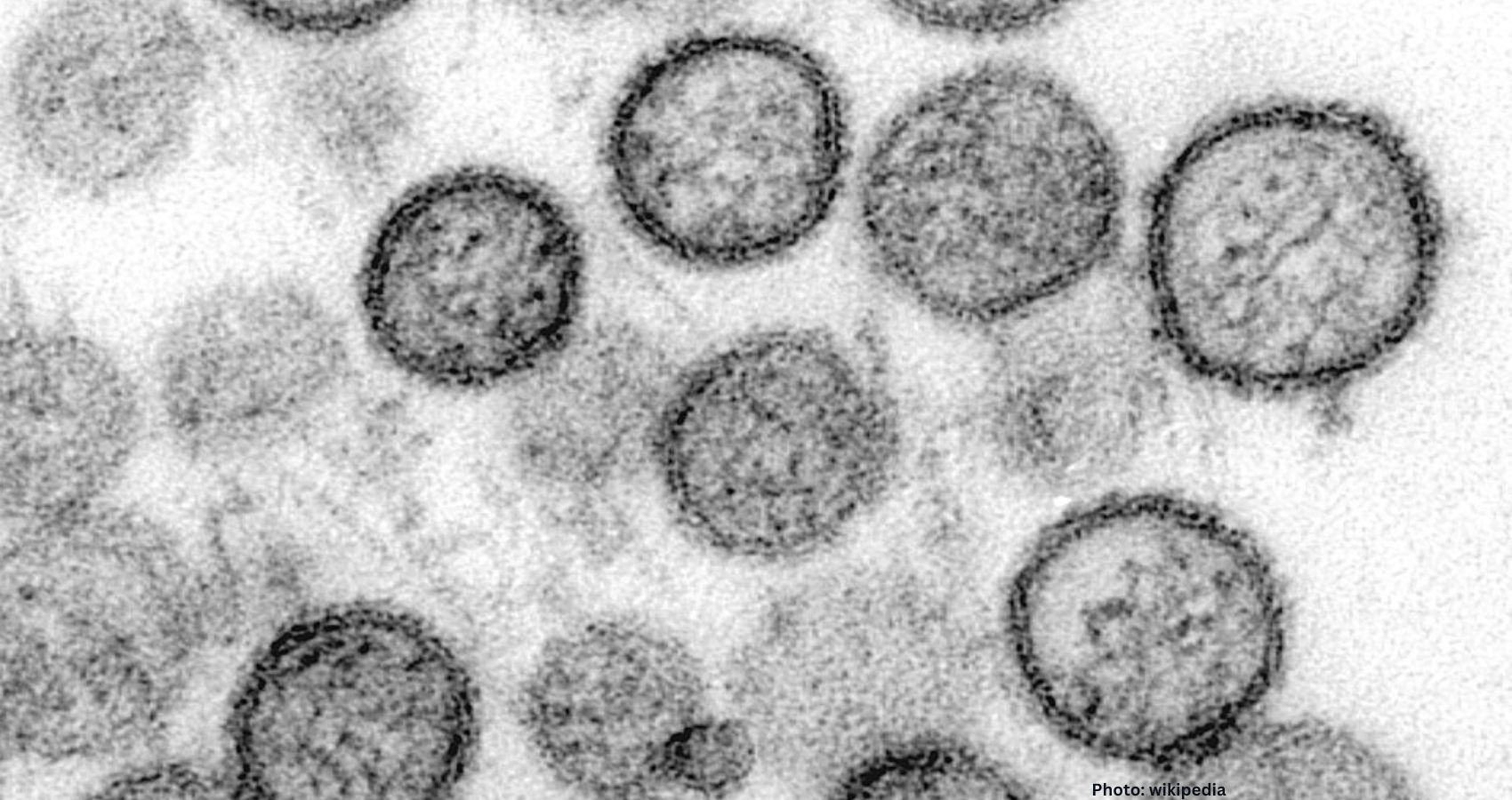
The outbreak, caused by the Bundibugyo virus, has gone largely undetected for weeks following the first known death. Health experts and aid workers indicated that initial tests focused on a more common type of Ebola returned negative results, delaying the response to the outbreak. Currently, there are no approved treatments or vaccines for the Bundibugyo virus.
Congo’s Health Minister, Samuel Roger Kamba, confirmed at a press conference that 69 cases have been treated since the outbreak began. He emphasized the urgency of the situation, noting that the WHO has declared the outbreak a public health emergency of international concern, necessitating a coordinated response.
Ghebreyesus expressed his “deep concern” over the epidemic’s rapid escalation, particularly with cases emerging in urban areas, the deaths of healthcare workers, and significant population movement. The WHO plans to convene its emergency committee to address the crisis.
As of now, authorities have not identified “patient zero” in the outbreak. Dr. Anne Ancia, head of the WHO team in Congo, mentioned that the Erbevo vaccine, which is used for a different type of Ebola, is being considered for potential use. However, even if approved, it would take approximately two months for the vaccine to become available.
Currently, the U.S. Centers for Disease Control and Prevention (CDC) and the Africa CDC are not on the ground in Congo, but organizations such as Doctors Without Borders and the Red Cross are actively involved in the response efforts.
Dr. Ancia warned that the road ahead would be long, stating, “I don’t see that in two months we will be done with this outbreak.” The confirmed cases span across several regions, including the capital of Ituri province, Bunia, as well as Goma, Mongbwalu, Nyakunde, and Butembo, which collectively house over a million residents.
Among the confirmed cases is Dr. Peter Stafford, an American physician working in Bunia. He had been treating patients at a local hospital, and while three of his colleagues, including his wife, are not showing symptoms, the situation remains precarious.
The outbreak’s escalation can be traced back to the first reported death on April 24 in Bunia, where the body was subsequently repatriated to the Mongbwalu health zone, a densely populated mining area. Kamba noted that this action contributed to the outbreak’s rapid growth.
When another individual fell ill on April 26, samples were sent to Kinshasa for testing. However, initial tests focused on the more common Zaire strain of Ebola returned negative results, leading local authorities to mistakenly conclude that the virus was not present. Only laboratories in Kinshasa and Goma have the capacity to test for the Bundibugyo virus.
Benjamin Mbonimpa, a representative of the M23 rebel group controlling Goma, announced that they have established entry and exit points in the city and would manage funeral services should the outbreak continue to spread. He urged residents to resume their daily activities while prioritizing public safety.
On May 5, the WHO was alerted to approximately 50 deaths in Mongbwalu, including four healthcare workers. The first confirmation of Ebola came on May 14, highlighting significant failures in the surveillance system. Jean-Jaques Muyembe, a virologist at the National Institute of Bio-Medical Research, criticized the lack of action, stating, “Our surveillance system didn’t work.” He emphasized that the laboratory in Bunia should have continued testing and sent samples to the national laboratory.
Matthew M. Kavanagh, director of the Georgetown University Center for Global Health Policy and Politics, criticized the previous U.S. administration’s decision to withdraw from the WHO and cut foreign aid, which he argued undermined the surveillance systems necessary for early detection of such outbreaks.
In response to the crisis, the U.S. State Department has stated that it acted swiftly, providing $13 million in assistance for the outbreak response.
Ebola is known for its high contagion rates, transmitted through bodily fluids such as vomit, blood, or semen. The disease can be severe and often fatal. During a previous outbreak over a decade ago, more than 11,000 people died, many of whom were infected during community funerals.
Dr. Craig Spencer, an associate professor at Brown University and an Ebola survivor, noted the disease’s impact on caregivers, saying, “Ebola is very much a disease of compassion.” Symptoms include fever, headache, muscle pain, weakness, diarrhea, vomiting, stomach pain, and unexplained bleeding or bruising.
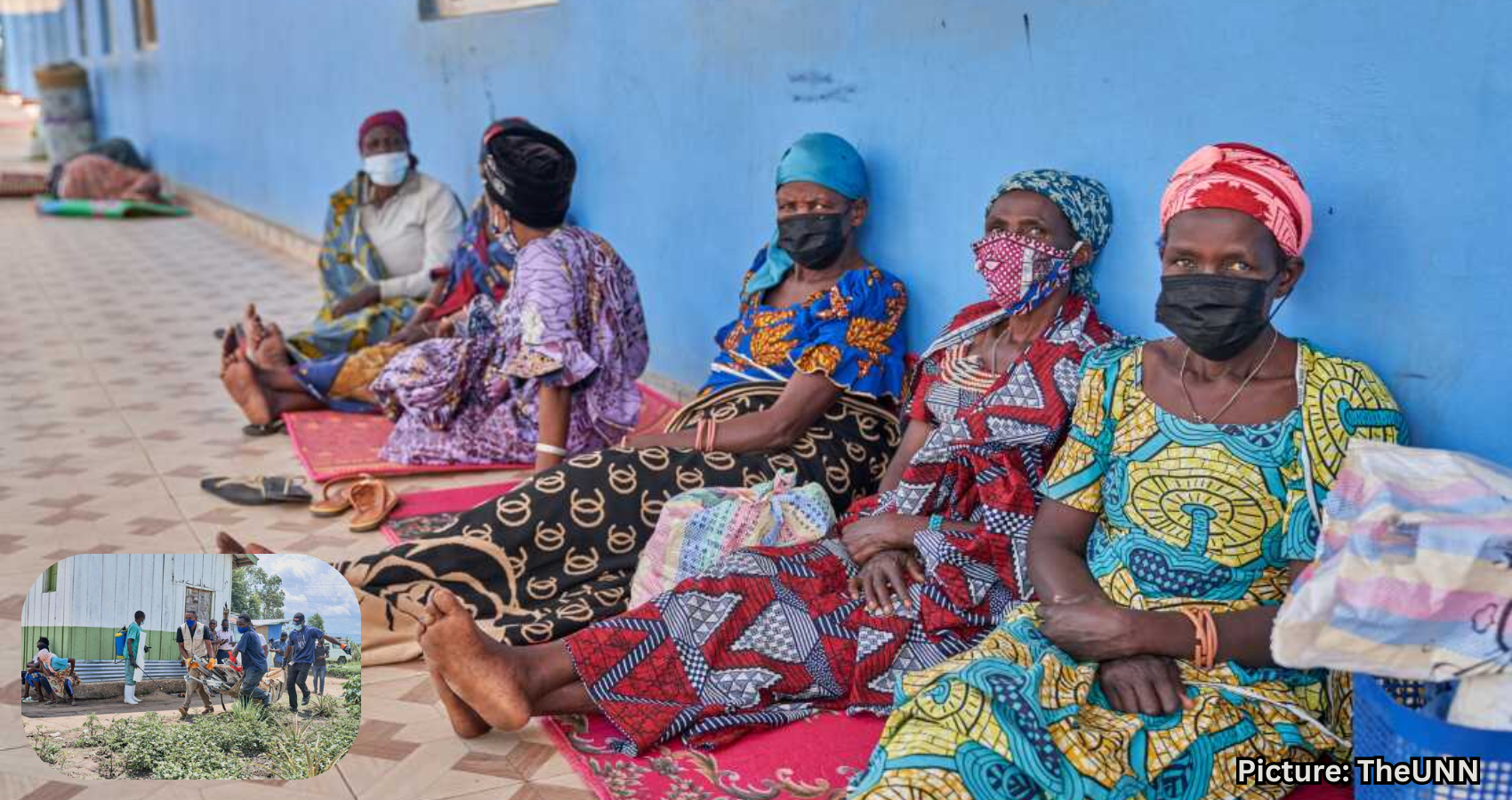
The rising number of cases has led to growing panic in Bunia, where residents are taking precautions. Noëla Lumo, a local resident who previously lived in Beni, a region affected by past outbreaks, has begun making protective masks by hand in response to the latest crisis.
Eastern Congo is already grappling with a humanitarian crisis and threats from armed groups that have caused significant displacement in Ituri over the past year. According to the U.N., the region has over 273,000 displaced individuals out of a total population of 1.9 million.
U.N. staff in the area have been instructed to work from home and avoid crowded spaces, according to a Bunia-based official who requested anonymity due to the sensitive nature of the situation.
Breaking the chain of transmission remains the most critical challenge, according to Muyembe. He stated, “Of the 17 epidemics we have experienced in Congo, 15 were brought under control simply by applying public health measures.” He emphasized that avoiding contact with bodily fluids is essential to stopping the epidemic.
For further updates on the situation, refer to reports from the Associated Press.
According to Associated Press, the outbreak continues to pose significant challenges for local health authorities and international organizations.