
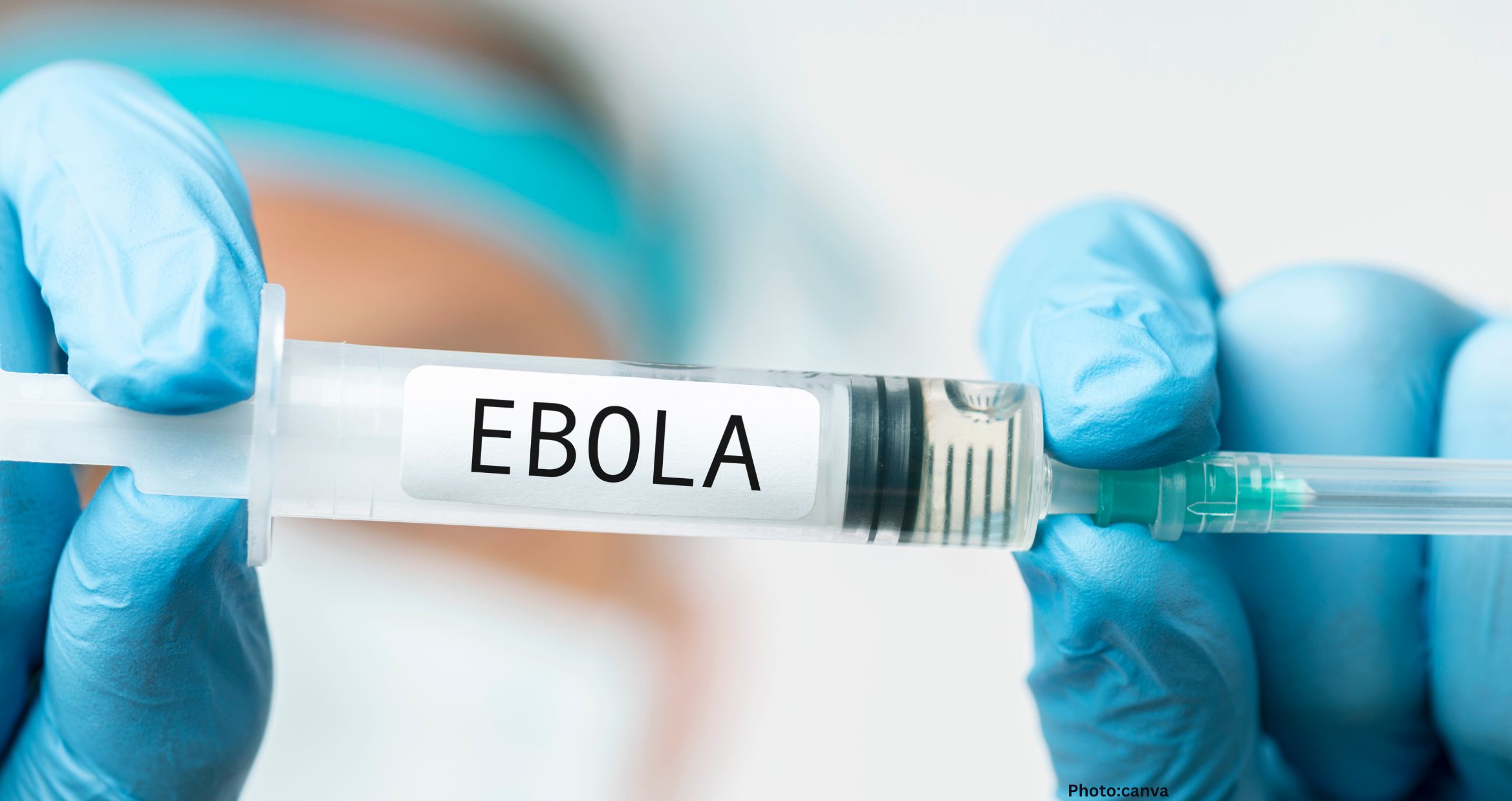
A rapidly growing outbreak of the Ebola Bundibugyo virus is spreading through Central Africa, highlighting the challenges posed by the recent dismantling of U.S. health programs.
A severe outbreak of the rare Ebola Bundibugyo virus disease (BVD) is escalating across the Democratic Republic of the Congo (DRC) and into neighboring Uganda. This situation marks the first significant global health crisis since the Trump administration systematically dismantled U.S. foreign aid programs. Public health experts are warning that the complete shuttering of the U.S. Agency for International Development (USAID) and the formal withdrawal from the World Health Organization (WHO) have severely undermined international detection and containment efforts.
The outbreak, which involves the Bundibugyo strain of the Orthoebolavirus, has primarily affected the DRC, particularly in the northern provinces of Ituri, North Kivu, and South Kivu. Local health officials in the DRC and Uganda declared the outbreak on May 15, 2026. Shortly thereafter, the WHO designated the situation as a Public Health Emergency of International Concern (PHEIC), citing its alarming scale and speed.
International health experts and humanitarian organizations have noted a palpable absence of U.S. leadership in coordinating the response. Although the federal government has mobilized $23 million in emergency funds, public health professionals indicate that the abrupt changes to U.S. foreign assistance delayed early detection of the virus and hindered immediate containment strategies.
As of late May 2026, health ministries reported 746 suspected cases and 176 deaths linked to the outbreak in the DRC alone. The WHO has confirmed at least 85 cases across the region, including two imported cases in Kampala, Uganda. Epidemiologists estimate that the case-fatality rate for the Bundibugyo strain ranges from 25% to 50%, with current tracking indicating a baseline mortality rate of approximately 40%. Compounding the crisis is the lack of approved vaccines or targeted treatments for this variant of the virus.
The outbreak has also impacted U.S. citizens. Dr. Peter Stafford, an American medical missionary working with the humanitarian organization Serge, contracted the virus while in the DRC. He was evacuated to Germany and is currently hospitalized in stable condition. His family has also been evacuated and is under close clinical observation.
In response to the outbreak, U.S. federal authorities have implemented domestic containment measures. The Centers for Disease Control and Prevention (CDC) has banned all non-U.S. passport holders traveling from affected nations from entering the United States. Additionally, the State Department issued an emergency travel advisory requiring U.S. citizens and lawful permanent residents who have traveled through the DRC, Uganda, or South Sudan within the past 21 days to undergo enhanced public health screenings at designated airports.
The emergence of the Bundibugyo virus coincides with a significant realignment of U.S. foreign policy. Following directives from the Trump administration in early 2025, the government systematically wound down USAID, officially ceasing operations by the summer of 2025. Concurrently, the U.S. withdrew from the WHO, a move that became legally effective in January 2026.
These policy changes have ended decades of U.S. leadership in global public health, with a particularly heavy impact on sub-Saharan Africa. In fiscal year 2024, USAID directed approximately $12.7 billion to sub-Saharan Africa, representing nearly one-third of its total global foreign assistance portfolio. Since the agency’s dissolution, bilateral aid expenditures have plummeted. Public records indicate that U.S. foreign assistance to the DRC fell from $1.4 billion in 2024 to just $21 million in the first five months of 2026. Aid to Uganda also dropped significantly during this period.
Jen Kates, senior vice president and director of the Global and Public Health Policy Program at KFF, emphasized that while the U.S. policy changes did not cause the outbreak, the dismantling of field-level infrastructure has fundamentally altered the international community’s response capabilities.
“The fact that the U.S. has significantly scaled back its funding and reduced its footprint does affect the response,” Kates stated in an interview. “The loss of infrastructure and capacity is going to take a toll, and that can impact the ability to respond.”
Kates noted that during previous health emergencies, such as the major 2018 Ebola outbreak in the DRC, USAID served as the central logistical hub for U.S. government efforts. Following the Bundibugyo outbreak announcement, the State Department mobilized $23 million in emergency funding for the DRC and Uganda, alongside plans to construct temporary treatment clinics. However, experts argue that financial resources alone cannot replace the logistical expertise that has been lost.
On the ground in the affected regions, the absence of traditional U.S. operational support has strained local health authorities and non-governmental organizations. The first known death associated with the outbreak occurred on April 24, 2026, in Bunia, where a health worker succumbed to severe hemorrhagic symptoms. Due to curtailed testing infrastructure, the virus spread undetected for weeks, allowing it to infiltrate densely populated areas.
Abraham Leno, director of government relations for the humanitarian organization Alight, highlighted the challenges faced by local relief partners. He stated that the operational retreat of the United States has introduced significant financial and systemic friction for remaining organizations.
“It has disrupted the ability for contact tracing and preventive activities to be mounted effectively,” Leno explained. “The chaos and insecurity in the country compound these challenges.”
Federal officials, however, defend the U.S. response capabilities. During a press briefing, Dr. Satish Pillai, the CDC’s designated incident manager for the Ebola response, asserted that the agency maintains strong operational depth through existing partnerships with local health authorities.
“We are supporting contact tracing, laboratory efforts, and infection prevention control,” Pillai stated. “Our approach is based on the longstanding relationships we have built over two decades.”
Despite these assurances, international health leaders warn that the current containment framework remains fragile. With field contact-tracing follow-up rates hovering around 21% in high-risk zones, the absence of robust logistical support and diplomatic coordination historically provided by the U.S. poses significant challenges in stabilizing the region.
According to Source Name, the ongoing crisis underscores the critical need for a coordinated international response to effectively combat the outbreak and mitigate its impact on public health.