A federal judge ruled that the Trump administration lacked the authority to impose a $100,000 fee on new H-1B visa applications without congressional approval.
A federal judge has invalidated a Trump administration policy that imposed a $100,000 fee on new H-1B visa applications, ruling that the measure exceeded executive authority and lacked authorization from Congress.
U.S. District Judge Leo Sorokin issued the ruling on Monday in a case brought by a coalition of 20 states challenging the policy introduced in September 2025. The decision effectively blocks the fee, which had applied to new H-1B visas for high-skilled foreign workers
In a 42-page decision, Sorokin concluded that the payment functioned as a tax rather than a standard visa processing fee and that the administration lacked the legal authority to impose it.
“The substance and application of the $100,000 payment reveal that it is a tax, regardless of what the payment is called,” Sorokin wrote.
The judge further stated that there were no statutory provisions granting the administration the power to enact such a levy on H-1B petitions.
The H-1B visa program, established by Congress in 1990, allows U.S. employers to hire foreign professionals in specialty occupations for temporary periods, generally up to six years. Federal law currently permits 65,000 new H-1B visas annually, along with an additional 20,000 visas for individuals holding advanced degrees. Existing application-related fees typically range from approximately $1,700 to $4,500.
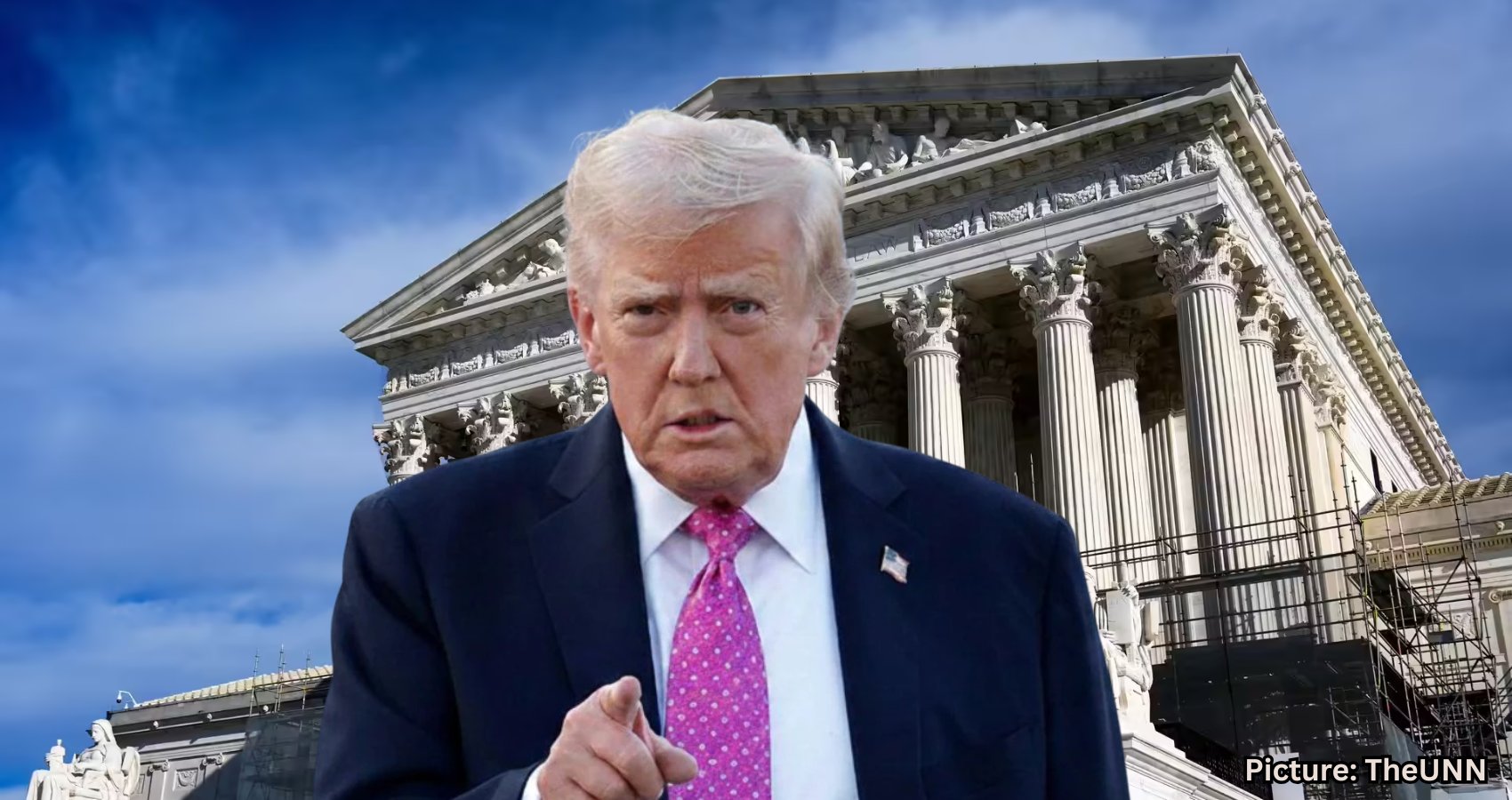
President Donald Trump announced the $100,000 fee last year, arguing that the H-1B program had been used by some employers to replace American workers rather than supplement the domestic workforce. The administration said the measure was intended to strengthen program integrity and encourage employers to prioritize hiring U.S. workers.
Following the announcement, U.S. Citizenship and Immigration Services (USCIS) moved quickly to implement the policy, applying the fee to new H-1B petitions filed on or after September 21, 2025. The agency later clarified that the fee would apply only to first-time applicants residing abroad and not to visa renewals.
A coalition of states led by California challenged the measure in federal court, arguing that it would significantly affect public institutions that rely on highly skilled international workers. The states said the fee would make it more difficult to recruit professionals for public schools, universities, research institutions, and healthcare facilities.
In his ruling, Sorokin found that the administration had failed to provide a reasonable legal or policy justification for imposing the additional charge. He wrote that the record contained no evidence that federal agencies had adequately explained why such a substantial fee was necessary.
The Department of Homeland Security criticized the ruling, describing it as “blatant judicial activism” and defending the administration’s broader efforts to reform employment-based immigration programs.
In a statement, the department said the policy was intended to address concerns about the impact of the H-1B program on the U.S. workforce and to ensure that opportunities remain available for American workers in high-skilled sectors.
Sorokin ordered the fee to be set aside in its entirety under the Administrative Procedure Act, a federal law that allows courts to invalidate agency actions found to be unlawful.
The ruling marks a significant development for employers, universities, healthcare systems, and foreign professionals who rely on the H-1B visa program, while adding another chapter to the ongoing legal and political debate surrounding high-skilled immigration in the United States.