
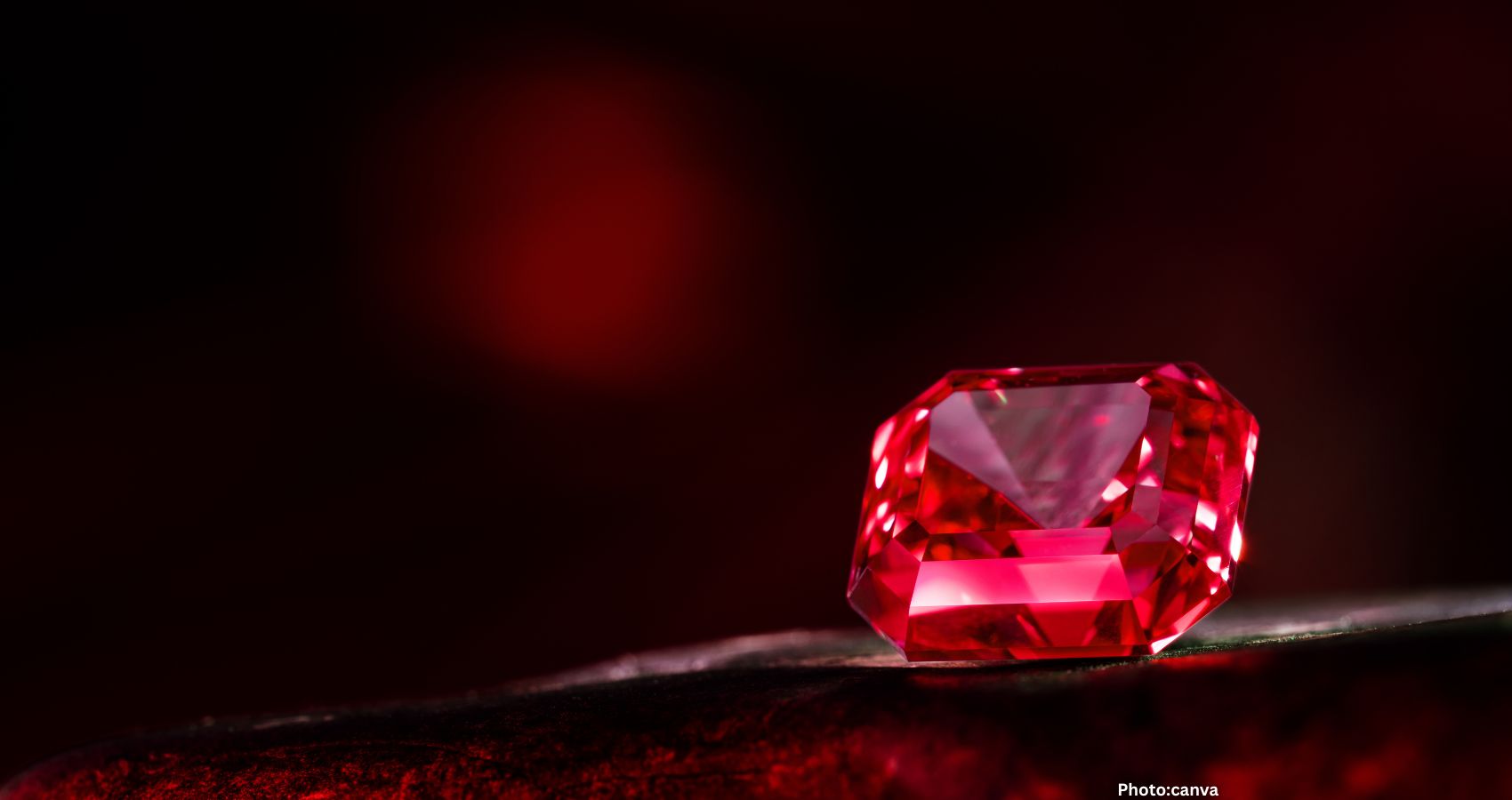
A remarkable 11,000-carat ruby has been discovered in Myanmar’s Mogok region, shining a light on the gem industry’s ties to the country’s ongoing civil conflict.
BANGKOK (AP) — Miners in Myanmar have unearthed a massive ruby weighing 11,000 carats, approximately 2.2 kilograms or 4.8 pounds. This discovery marks it as the second-largest ruby ever found in the country, according to state media reports released on Friday. The gemstone was located near the town of Mogok, a region renowned for its ruby mining but currently embroiled in a civil war that has intensified in recent years.
The ruby was reportedly discovered in mid-April, shortly after the celebration of Myanmar’s traditional New Year festival, a period when gem mining typically sees increased activity. The state-run Global New Light of Myanmar reported that the rough ruby exhibits a purplish-red hue with yellowish undertones, alongside a high-quality color grade, moderate transparency, and a highly reflective surface. Although it weighs approximately half of the largest ruby ever recorded—a 21,450-carat stone found in 1996—this new discovery is considered more valuable due to its superior color and quality.
The Significance of Ruby Mining in Myanmar
Myanmar is recognized as the source of roughly 90% of the world’s rubies, with the Mogok and Mong Hsu areas serving as the primary extraction sites. The gem trade is a vital economic driver for the country, generating substantial revenue through both legitimate sales and extensive illegal smuggling of gemstones. However, this lucrative sector is shadowed by serious human rights concerns and allegations of complicity in funding military and authoritarian regimes.
Human rights organizations, including the London-based Global Witness, have urged jewelers and consumers to avoid sourcing gems from Myanmar. They argue that the gem trade has historically provided a significant revenue stream for the military governments that have ruled the country, exacerbating human rights abuses and undermining democratic governance.
Following a military coup in February 2021, Myanmar has faced mounting international scrutiny regarding its human rights record. In 2023, a new civilian government was announced, but the elections that ushered it into power were widely criticized by human rights advocates and opposition parties as a sham. President Min Aung Hlaing, the army chief who orchestrated the coup, continues to hold power, raising concerns about the legitimacy of the current administration.
Impacts of the Ongoing Civil War on Ruby Mining
The ongoing civil conflict has created a precarious environment for mining operations across Myanmar. Ethnic armed groups, such as the Ta’ang National Liberation Army (TNLA), have been engaged in protracted struggles for autonomy and control over resource-rich areas, complicating the already volatile dynamics of mining governance. In July 2024, the TNLA captured Mogok, temporarily seizing control of the gem mines in the region. However, control was later returned to the Myanmar military as part of a ceasefire agreement mediated by China, illustrating the complex power struggles that define the region.
The security situation in Mogok remains unstable. The recent discovery of the ruby underscores the broader implications of the gem trade in fueling ongoing conflicts. The mining industry not only provides significant financial resources to the military junta but also supports various ethnic groups vying for control over lucrative mining sectors. This duality raises substantial ethical questions about the sourcing of gemstones and the responsibility of consumers and corporations within the global jewelry market.
Future Considerations for the Gem Trade and Ethical Sourcing
The discovery of such a significant ruby amid ongoing conflict may reignite discussions regarding the ethical implications of sourcing gemstones from regions like Myanmar. As consumers become more aware of the socio-political ramifications of their purchases, there is a growing demand for transparency in supply chains associated with luxury goods, including gemstones.
Concerns surrounding the gem trade in Myanmar not only reflect issues of governance and human rights but also illustrate the intersections of economic interests with enduring conflict. The ruby’s discovery, while a geological marvel, serves as a potent reminder of the complex layers of conflict, ethics, and economics that define the region’s current reality.
As the situation in Myanmar continues to evolve, the impact of the ruby’s discovery on both the local economy and the international perception of Myanmar’s gem industry remains to be seen. While the ruby itself represents a remarkable find, it simultaneously encapsulates the ongoing struggles for autonomy, the fight against authoritarianism, and the urgent need for ethical sourcing within the global jewelry market, according to Global Witness.