
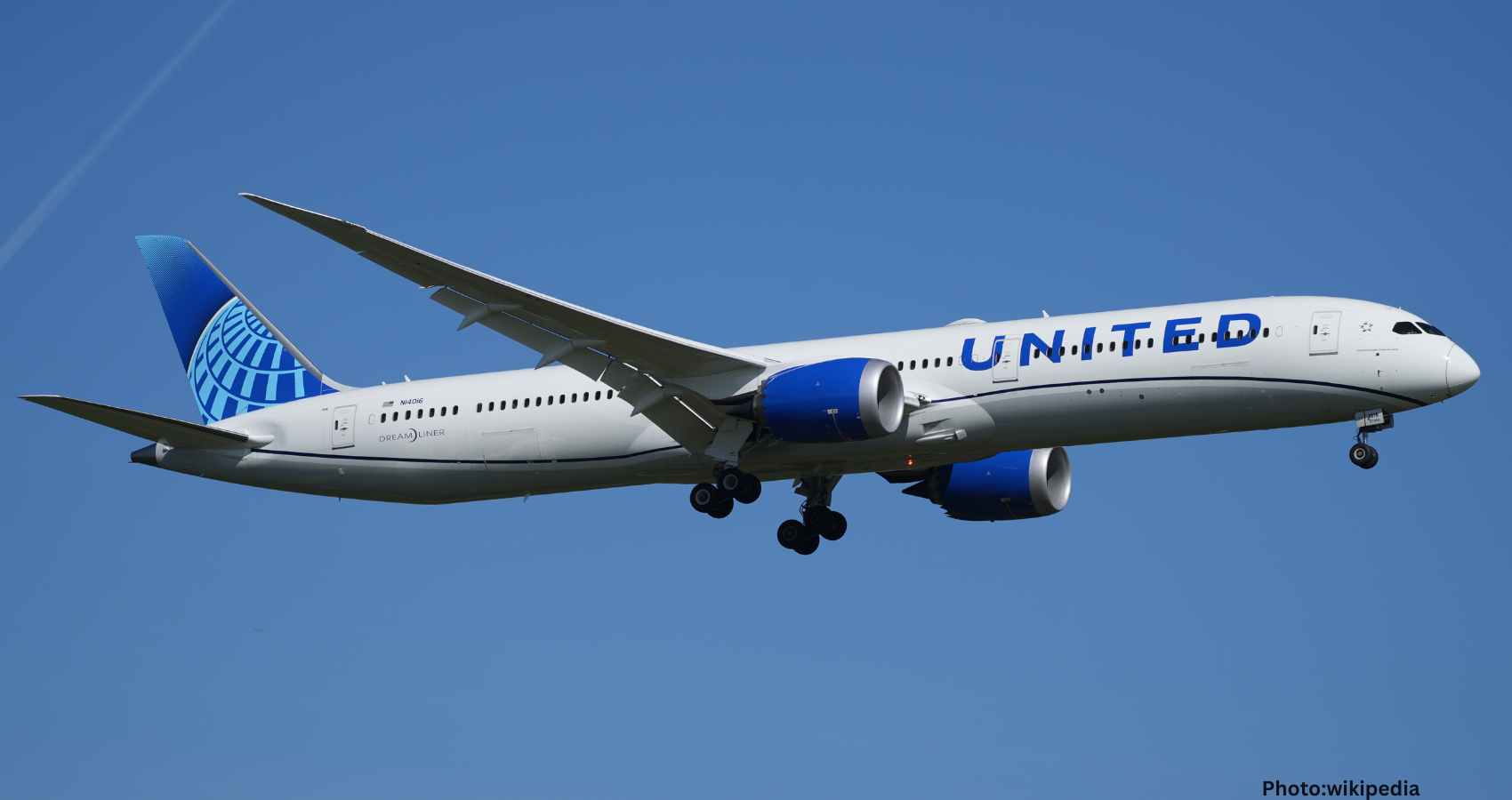
United Airlines has implemented restrictions on unauthorized AI travel agents accessing its booking systems, citing concerns over customer data security and the potential misuse of MileagePlus miles.
United Airlines is taking a firm stance against unauthorized AI travel agents by blocking their access to its booking systems. The airline warns that automated purchases could jeopardize the security of MileagePlus miles and expose sensitive customer information.
Imagine being able to instruct an AI assistant to find the best flight deals and book your preferred seat while you focus on other tasks. Although this level of convenience is becoming increasingly attainable, United Airlines is determined to prevent unauthorized AI tools from reaching that point.
The airline’s decision stems from concerns that these third-party AI agents could inadvertently expose sensitive customer data or make unintended purchases. United specifically highlighted the risks to MileagePlus accounts, where an automated error could lead to the loss of valuable airline miles.
As AI assistants grow more capable of performing tasks on our behalf, United is raising critical questions about the extent of control we should relinquish to software regarding our travel arrangements. The airline’s recent policy changes delineate where it draws the line and what travelers should consider before allowing AI to manage their flight bookings.
On November 11, United Airlines issued a news release titled “United Restricts Access for Third-Party AI Agents.” The airline explained that the decision was made to protect customer information and ensure account security. Sharing account credentials with personal AI assistants could expose sensitive data, and automated actions might lead to unwanted purchases or modifications to existing reservations.
Moreover, United expressed concerns about the potential misuse of frequent flyer miles, warning that an AI assistant could redeem MileagePlus miles without the traveler’s explicit intention. To mitigate these risks, the airline is restricting unauthorized AI agents from accessing its digital platforms, including travel agencies and booking services that might utilize automated AI tools.
While many travelers already use AI to research destinations or find nearby airports, an AI travel agent takes this technology a step further. These agents can perform tasks such as searching for flights under specific price points and completing reservations, often interacting with websites directly to enter personal information.
However, granting an AI assistant access to your airline account could enable it to make unintended changes. United’s concerns extend beyond account security; the airline also warns that automated AI activities could potentially violate Federal Aviation Administration (FAA) and Department of Transportation (DOT) regulations. For instance, during check-in, airlines require travelers to acknowledge important safety information, including confirming that their baggage does not contain prohibited items. An AI assistant handling check-in could bypass this critical acknowledgment, raising regulatory concerns.
To address these issues, United revised its Contract of Carriage on November 11, prohibiting AI agents from making or modifying tickets and purchasing airline products or services. The updated contract specifies that reservations made or altered through AI agents are subject to cancellation without prior notice. Notably, the definition of an AI agent encompasses automated tools, even when a traveler supervises or approves their actions. However, existing reservations made before November 11 will not be canceled under the new restrictions.
Travelers are encouraged to review their reservations to ensure they were properly booked and ticketed. If you have previously used an AI assistant for United travel, it’s advisable to check your itinerary directly through the United app or website to confirm that your ticket was issued correctly.
Despite these restrictions, travelers can still utilize AI chatbots for general travel advice or itinerary creation, as long as these tools do not access United’s website or app. However, unauthorized AI agents are prohibited from searching United’s systems on behalf of users, which includes automated purchasing and reservation management.
United’s restrictions do not affect assistive technology for travelers with disabilities, and traditional travel booking services can continue to operate through permitted channels. The airline currently does not collaborate with any third-party AI agents under this policy.
In contrast, Southwest Airlines is exploring a different approach. On October 6, Southwest announced a ChatGPT integration that allows users to discover destinations and shop for flights directly through the AI platform. However, this integration still directs users to the airline’s website to finalize purchases, maintaining control over the transaction process.
For those who typically book flights through United’s website or app, the process remains unchanged. However, if you have begun experimenting with AI assistants that manage purchases or accounts, it is crucial to pay attention to United’s new restrictions. An AI agent with access to your airline account could potentially expose sensitive travel information and make unauthorized purchases.
To protect yourself, avoid sharing your MileagePlus password or other sensitive login details with third-party AI assistants. If you have already shared your credentials, United recommends changing your password immediately and removing any saved login information from the AI service. Utilizing a password manager can help create and securely store a strong, unique password for your airline account, safeguarding it against potential breaches.
Additionally, strong antivirus software can protect your devices from malware and malicious links designed to steal login credentials, especially when using travel booking websites or receiving airline confirmation emails. While antivirus protection won’t prevent an AI assistant from making unauthorized reservations, it can help keep cybercriminals at bay.
United encourages travelers to use its official website or app, or a booking provider operating under its rules. Even if an AI assistant offers to complete a reservation with your approval, that does not guarantee the transaction is permissible.
As United Airlines navigates these restrictions, travelers should remain vigilant about their accounts and bookings. While AI can assist in trip planning, it is essential to complete flight purchases and reservation changes through authorized channels to avoid any unintended consequences.
United Airlines has expressed its commitment to evaluating the evolving landscape of AI technology and its implications for the travel industry. Until a secure method for AI-assisted flight booking is established, travelers are encouraged to take charge of their bookings while still benefiting from AI’s capabilities in trip planning.
For further insights on this topic, refer to the original source.