
Silent voicemails from unknown numbers are causing confusion and concern for many users, raising questions about the nature of ringless voicemail spam and potential callback scams.
In an unsettling trend, individuals are receiving voicemails from unfamiliar numbers without their phones ever ringing. This phenomenon has left many puzzled, including a man named Mike from Westport, Connecticut, who has been inundated with silent voicemails every 20 to 30 minutes. Mike expressed his frustration, stating, “I am so upset. Every 20 to 30 minutes, I am getting voicemails, but what’s weird is my phone never rings. After blocking the number, it just rolls over to a new source number. When I go to play the message, there is no audio. Is this a scammer just trying to get me to call them back?”
Mike’s experience highlights a growing concern regarding automated spam activity. However, it is essential to note that a voicemail appearing without a phone ringing does not necessarily indicate the use of a special “ringless voicemail” system. Various factors, including call-screening settings, wireless carrier spam filters, and automated robocalls, can lead to similar outcomes.
The safest approach for individuals receiving repeated unexplained voicemails from unknown numbers is to treat them as suspicious and refrain from returning the calls. Understanding the mechanics behind these mysterious voicemails can help users protect themselves from potential scams.
One possible explanation for the silent voicemails is the use of ringless voicemail technology, which allows prerecorded messages to be delivered directly to a voicemail inbox without the phone ringing. In 2022, the Federal Communications Commission (FCC) ruled that ringless voicemail to wireless phones qualifies as a “call” under federal robocalling regulations, subjecting it to consent requirements when an artificial or prerecorded voice is used.
Another possibility is that the call reached the recipient’s number, but the phone or wireless carrier filtered it out before it could be heard. For instance, current iPhones can silence calls identified as potential spam or fraud, sending them directly to voicemail. Additionally, users can choose to screen or silence calls from numbers not saved in their contacts. Automated calling systems may also result in short or silent messages if the call reaches voicemail but fails to play correctly.
Mike has also noticed that blocking one number does not provide a long-term solution, as another number quickly replaces it. This phenomenon is often due to caller ID spoofing, where scammers falsify the caller ID information displayed on the recipient’s phone. This tactic allows calls to appear as if they are coming from local numbers or even legitimate businesses, making it challenging for users to identify the source of the call.
While a completely silent message may seem pointless, it can serve a purpose for scammers. The curiosity generated by an unfamiliar voicemail notification may prompt individuals to return the call, which is precisely what scammers hope for. The Federal Trade Commission (FTC) advises individuals to hang up on illegal robocalls, avoid pressing buttons, and refrain from calling back.
In some cases, callback scams are specifically designed to exploit curiosity. Known as one-ring or Wangiri scams, these schemes involve criminals placing short calls in hopes that the recipient will return the call, potentially leading to unexpected charges from international or premium-rate numbers. Although a silent voicemail is not automatically indicative of a one-ring scam, the same caution applies: do not return calls from unknown numbers.
Receiving a voicemail does not confirm that the recipient has listened to it or that a scammer has successfully identified them as a responsive target. Engaging with the call—whether by returning it, pressing prompts, or interacting with an illegal robocall—can provide the other party with a response, which may lead to further unwanted contact. The FTC warns that pressing a number to opt out of a calling list can result in even more unwanted calls.
Robocall campaigns can operate at a massive scale, with systems capable of placing numerous calls with minimal human involvement. If a call reaches voicemail but the recording fails to start correctly, recipients may end up with blank or very short messages. While the repeated occurrence of such messages from changing numbers suggests automated calling activity, the voicemail alone does not definitively identify the caller or system behind it.
It is important to note that repeated silent voicemails are not evidence of a hacked phone. More likely, they are the result of calls being routed, screened, blocked, or sent to voicemail. However, users should remain vigilant for other warning signs, such as losing cellular service, not receiving verification codes, or unexpected changes to voicemail settings. These could indicate a different issue, such as a SIM swap scam.
For individuals like Mike, who are experiencing frequent silent voicemails, contacting their wireless carrier is advisable. Users should inform their carrier about the repeated silent voicemails and inquire about network-level spam controls that may help prevent unwanted callers from reaching their voicemail. Carriers often have additional insights into how incoming calls are being routed.
While it may not be possible to eliminate every unwanted voicemail, users can take steps to reduce disruptions. If a voicemail lacks a meaningful message and the caller is unrecognized, there is typically no reason to return the call. Legitimate callers will identify themselves in a voicemail or attempt to reach the recipient again.
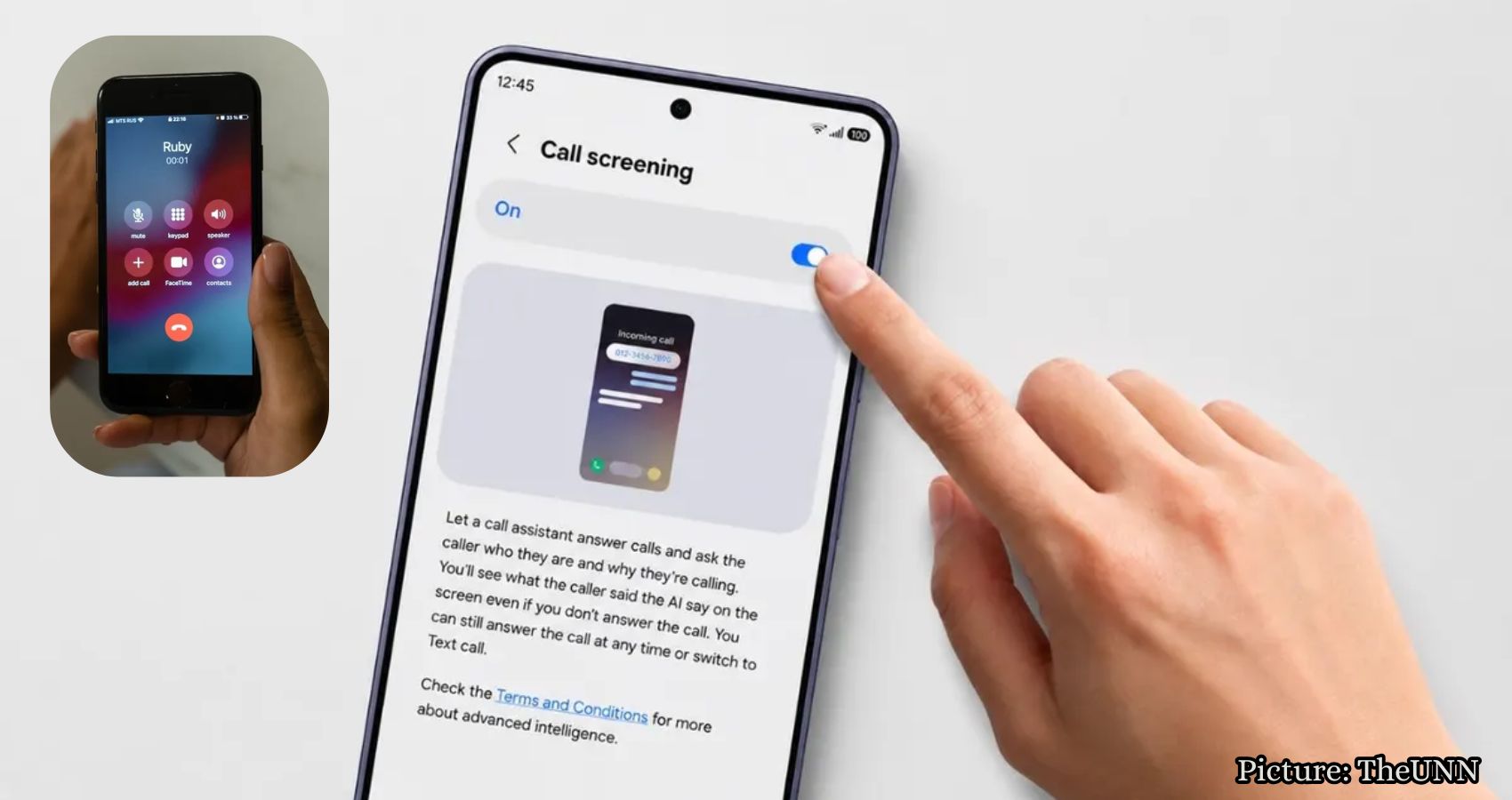
For those using iPhones, several features can help manage unknown and suspected spam callers. Users can enable call screening, which requires unknown callers to provide their name and reason for calling before the phone rings. Additionally, spam filtering can silence calls identified by the carrier as potential spam or fraud.
Samsung Galaxy users also have options for caller ID and spam protection through the Samsung Phone app, which can block calls identified as spam or scams. Newer models even offer AI-powered call screening that can provide live transcriptions of unknown callers.
Ultimately, the key to dealing with unwanted voicemails is to avoid engaging with suspicious callers. Maintaining strong security software on devices can provide an extra layer of protection against potential scams that may follow a voicemail.
For those receiving illegal robocalls, the FTC encourages reporting them at DoNotCall.gov. Providing detailed reports can assist regulators in identifying calling patterns and support enforcement efforts. Although the National Do Not Call Registry can help reduce unwanted sales calls from legitimate companies, it does not physically block calls and will not stop scammers who make illegal calls.
Receiving voicemails without hearing the phone ring can be disconcerting, but understanding the various explanations can help users navigate this issue. By employing spam controls, avoiding engagement with suspicious calls, and seeking assistance from wireless carriers, individuals can better protect themselves from unwanted communication.
For more insights on this topic, listen to The CyberGuy Report podcast at cyberguy.com/podcast/. Have you encountered a similar situation with silent voicemails? Share your experiences by writing to us at cyberguy.com.
According to CyberGuy.