
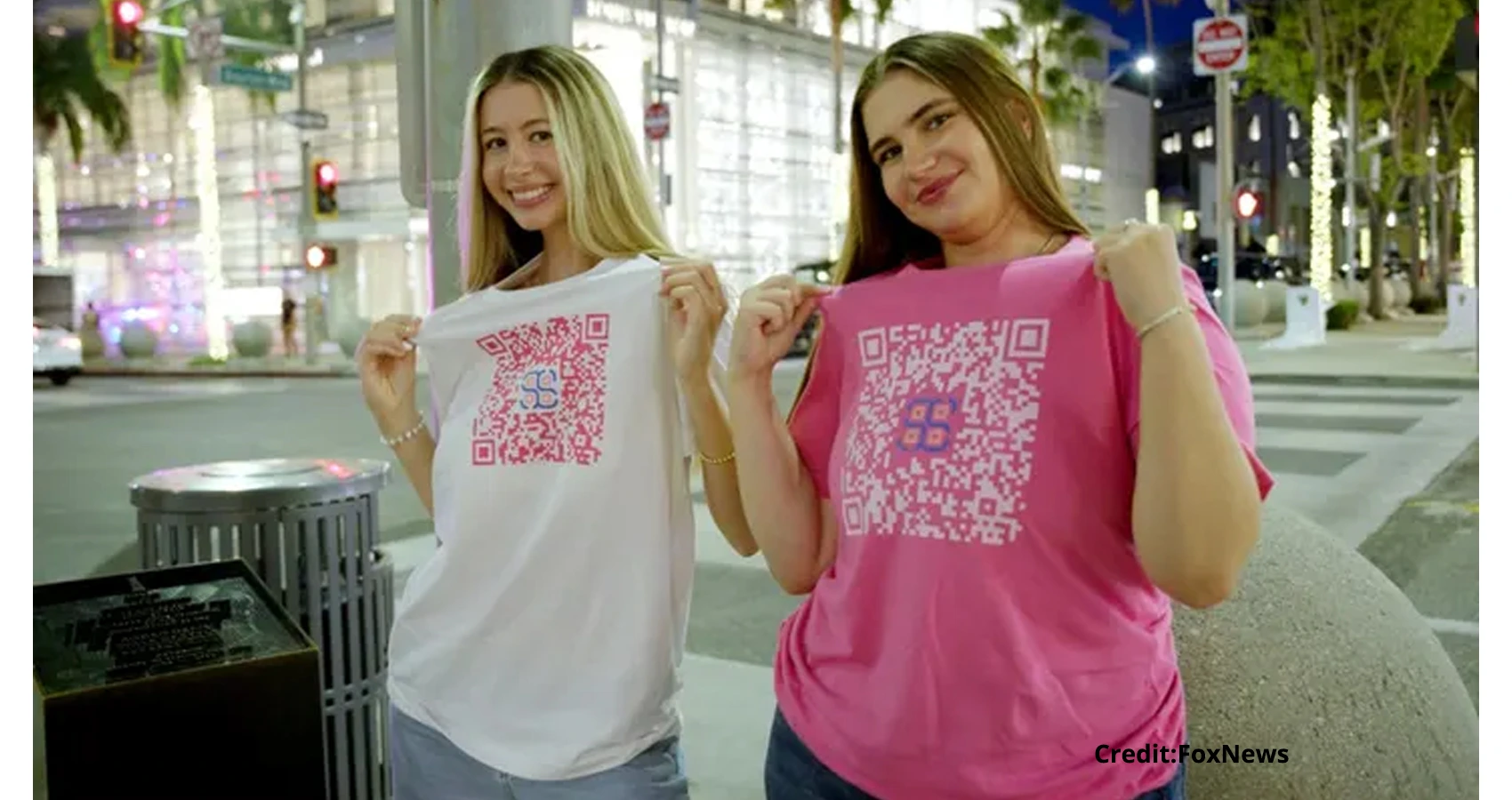
The startup ShareAScan is transforming T-shirts into dynamic digital business cards through scannable QR codes, allowing wearers to update their online profiles at any time.
A T-shirt has long served as a canvas for personal expression, showcasing everything from favorite bands to humorous messages. Now, it has the potential to unlock an entire digital profile. This innovative concept is brought to life by ShareAScan, a startup that utilizes QR code technology to connect clothing and other physical products with ever-evolving digital content.
With ShareAScan, users can scan a QR code printed on their apparel with a smartphone camera, revealing a customizable digital experience. This could include text, photos, videos, music, portfolios, social media links, or business information. Notably, the T-shirt itself does not contain any batteries, Bluetooth connections, or hidden computers. Instead, the technology relies on a printed QR code and a web platform that supports it.
Could the next connected device be something you wear? ShareAScan is betting on it. The startup’s unique approach allows the wearer to change the content linked to the QR code without altering the physical garment. For instance, a user might wear a shirt to showcase their portfolio at a conference and later update it to promote a new project or event.
Founded by sisters Shara and Kailey Zuckerman, ShareAScan has garnered significant attention, especially after its QR merchandise was included in gift bags for nominees, presenters, and performers at the 78th Emmy Awards. Shara is a college student studying business, finance, and artificial intelligence, while Kailey is still in high school. Their venture represents a growing trend of integrating digital layers into physical products, allowing for a more dynamic user experience.
The potential applications for ShareAScan’s technology are vast. Business owners can wear shirts that introduce their companies, creators can showcase their latest work, and musicians can promote new content. The ability to update the digital experience means that the same physical item can serve various purposes over time.
ShareAScan’s pricing starts at $19, and customers are not required to pay an ongoing subscription fee. The company assures that those who purchase under the current model will not face subscription charges in the future, even if terms change for new customers. This feature gives the product a unique advantage over typical clothing, as it can continue to evolve after purchase.
Privacy is a key consideration for ShareAScan. The company states that scans are anonymous, and it collects no information about the scanner unless the owner’s access restrictions require verification. If someone does not have permission to view the content, they simply will not gain access. Additionally, ShareAScan does not provide wearers with analytics about who has scanned their codes, allowing users to control who can see their information.
However, users should be mindful of what they choose to share. If a wearer makes personal information such as their full name, workplace, or social media accounts publicly available, a scanner may learn more than intended. Therefore, it is crucial for individuals to consider the implications of wearing connected clothing in public.
ShareAScan clarifies that its QR codes cannot link directly to external websites. Instead, scanning the code first opens a user experience hosted on its platform, although that experience may contain links to other content. The company claims to screen uploads for malicious links and inappropriate material, but acknowledges that its screening process cannot catch everything. Users should remain cautious, as QR codes can still lead to harmful sites.
The Federal Trade Commission (FTC) has issued warnings about criminals using QR codes to direct individuals to fraudulent websites designed to steal personal information. As such, it is essential for users to inspect the destination before opening any QR link.
ShareAScan’s technology is particularly appealing to younger audiences, as it merges fashion with social content. However, the company requires that account holders be at least 18 years old, acknowledging that younger individuals may still attempt to create accounts. This raises important discussions about public sharing and privacy within families.
Durability is another consideration for ShareAScan’s products. The company claims that its QR codes have been tested for resilience through repeated washing and everyday wear. However, physical damage or fading could eventually affect the code’s readability.
Moreover, the longevity of the digital content depends on the continued operation of ShareAScan’s platform. The company has invested in insurance to support its ongoing functionality, which is a critical factor for any connected product reliant on a company’s servers.
QR codes have become ubiquitous in various aspects of daily life, from tickets to payment screens. ShareAScan takes this familiar technology and personalizes it, allowing users to connect their clothing to a dynamic digital identity. This means a sweatshirt could introduce a business at a conference, while a T-shirt could share personal interests or projects.
As the concept of connected clothing gains traction, individuals should take precautions to manage their digital presence. It is advisable to review public profiles, limit access to sensitive information, and create content specifically for public sharing. Users should treat QR codes like links, remaining vigilant about where they lead and avoiding any requests for personal data.
In conclusion, ShareAScan’s innovative approach to wearable technology raises intriguing questions about personal identity and privacy. As individuals consider wearing clothing that can share information about them, it is essential to evaluate what they are comfortable revealing to the world. Would you wear a shirt that could turn a quick QR scan into a new connection? The possibilities are endless, but so are the considerations.
For more information, visit CyberGuy.com.