
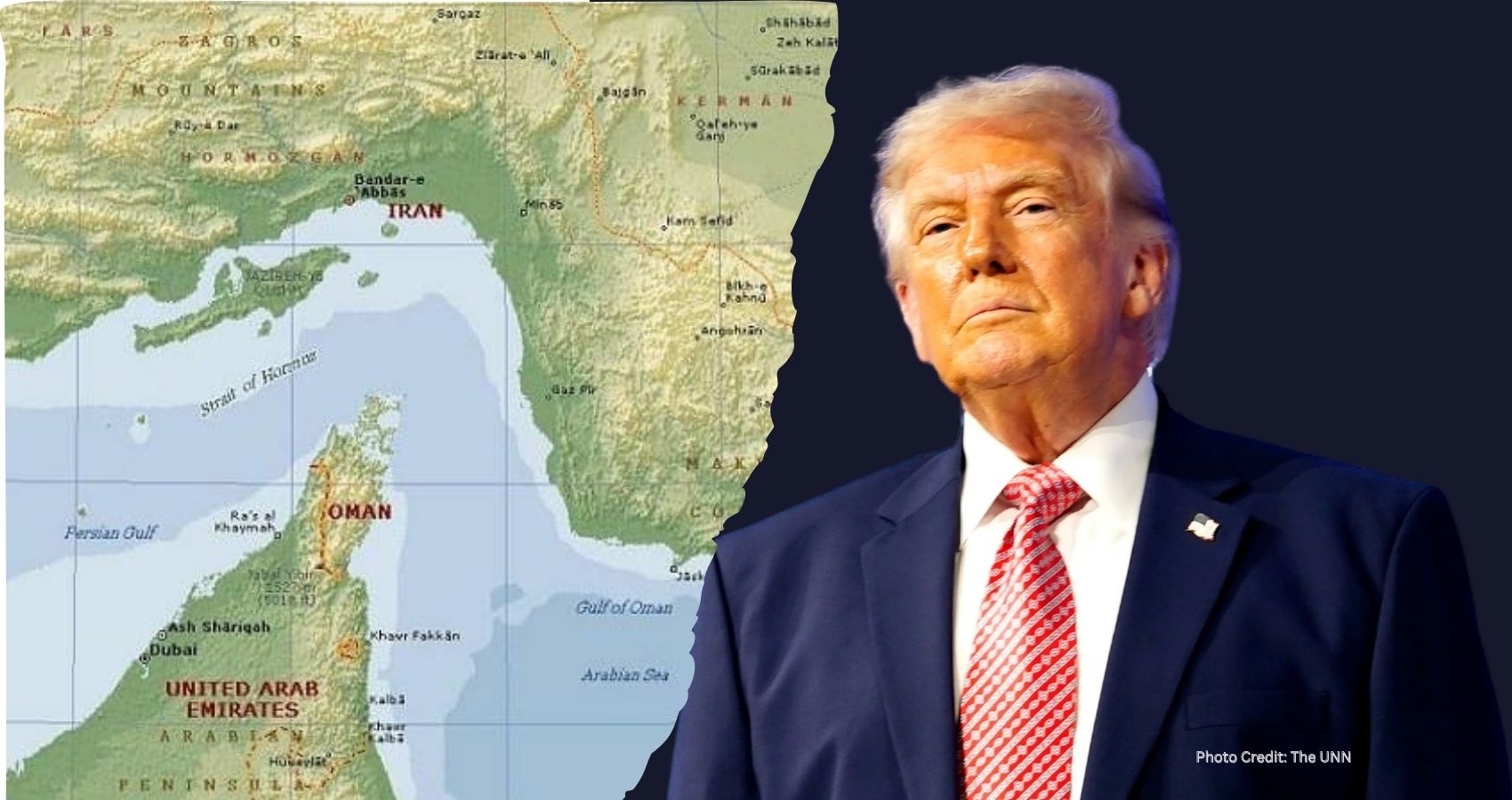
President Trump has issued a stern warning to Iran regarding new mines in the Strait of Hormuz, as Tehran and Oman explore a temporary shipping corridor to enhance maritime safety.
President Donald Trump has cautioned Iran against the installation of new mines in the strategically vital Strait of Hormuz. This warning comes as Tehran and Oman engage in discussions about establishing a temporary maritime corridor designed to facilitate the passage of commercial vessels through the waterway.
Trump emphasized that the United States had previously cleared mines from the strait and warned that any attempt by Iran to lay new mines would provoke a strong response. Reports indicate that shipping activity in the strait remains significantly lower than levels recorded before the onset of conflict.
In recent talks, Iran and Oman announced they had resumed negotiations aimed at managing maritime traffic through the Strait of Hormuz. The two nations also agreed to collaborate on mine clearance efforts, a move that reflects the ongoing concerns regarding navigational safety in the area.
The situation in the Strait of Hormuz is particularly critical, as it serves as a major conduit for global oil and liquefied natural gas shipments. Despite a reduction in direct hostilities between Washington and Tehran, the two countries remain entrenched in a prolonged standoff.
Shipping traffic through the strait continues to face significant disruptions. According to reports, only five commodity vessels traversed the strait on a recent Tuesday, in stark contrast to the 10-day average of 15 vessels. This data suggests that maritime traffic has yet to normalize, despite ongoing efforts to improve navigation.
Further complicating the situation, an oil tanker was reportedly struck by an unidentified projectile near the entrance to the strait, as noted by the United Kingdom Maritime Trade Operations. This incident underscores the persistent risks associated with commercial shipping in the region.
The ongoing dispute over the Strait of Hormuz has had broader implications for global energy markets. Brent crude prices have remained elevated compared to pre-war levels, prompting governments in Europe and Asia to expedite efforts to reduce their reliance on fossil fuels and Gulf energy routes.
In a separate development, the U.S. Secret Service has acknowledged awareness of a video aired on Iranian state television that discussed an alleged plot against Barron Trump, the youngest son of the former president. The video claimed that a $10 million bounty had been placed on the 20-year-old’s life, adding another layer of tension to the already fraught relations between Washington and Tehran.
Amid these developments, the United States has begun to reinstate some personnel at diplomatic missions in the Middle East that had been evacuated or reduced due to the ongoing conflict. Sources familiar with the matter suggest that this move may indicate a perceived reduction in the immediate risk of a wider escalation, although many missions are expected to operate with reduced staffing levels.
In addition to diplomatic maneuvers, the United States has intensified economic pressure on Iran, threatening penalties against nations that continue to engage in business with Tehran. Iran has condemned these measures as unlawful and expressed expectations that other countries will resist Washington’s campaign.
As diplomatic efforts to establish a safe shipping corridor unfold, the Strait of Hormuz remains a focal point in the ongoing confrontation between the U.S. and Iran, characterized by a complex interplay of military and economic pressures.
For further details, refer to Reuters.