
Rajveer, a 52-year-old businessman from New Mexico, shares his experience with gallbladder removal surgery, highlighting the condition, treatment options, and recovery process.
Rajveer, a 52-year-old first-generation immigrant businessman residing in New Mexico, recently experienced sudden and severe upper right abdominal pain, accompanied by nausea and vomiting. The pain radiated to his right shoulder and back, prompting him to rush to the emergency room. Following an ultrasound and CT scan, he was diagnosed with gallstones and advised to undergo surgery. Having never had surgery before, Rajveer felt anxious and sought advice on what to expect.
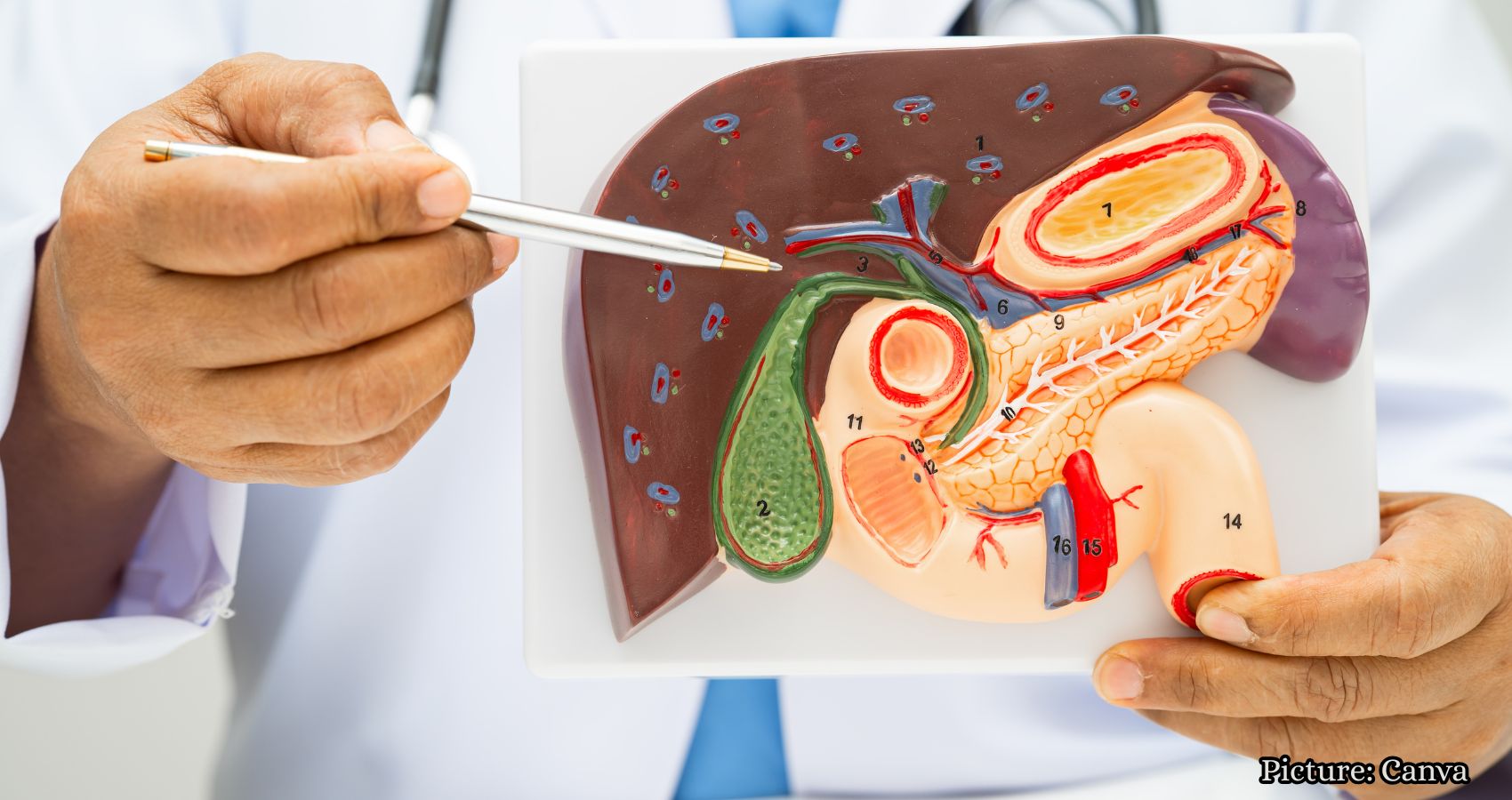
Gallstones are hardened deposits that can form in the gallbladder, a small, pear-shaped organ located beneath the liver. The gallbladder’s primary function is to store and concentrate bile, a digestive juice produced by the liver, which is released into the small intestine to aid in fat digestion. Gallstones can be composed of cholesterol, pigment, or bilirubin, and if a stone obstructs the bile duct, it can lead to severe pain and inflammation, known as cholecystitis. This condition is relatively common, affecting approximately 10–15% of the U.S. population.
When asked about the potential causes of gallstones, Dr. Sharma explained that while the exact cause may be difficult to determine, several risk factors exist. Non-modifiable factors include family history, genetic predisposition, gender, ethnicity—particularly among individuals of Indian descent who face a 10-22% higher risk—and advancing age. Modifiable risk factors include obesity, diabetes, high cholesterol, certain prescription medications, reduced physical activity, rapid weight loss, fasting, and other digestive disorders.
Rajveer inquired whether surgery was the only treatment option available. Dr. Sharma clarified that while surgery is the most common and effective treatment for symptomatic gallstones, it is not the only option. Laparoscopic cholecystectomy (LC) is the gold standard for uncomplicated gallbladder disease, with over 750,000 procedures performed annually in the U.S. In some cases, open cholecystectomy may be necessary, though it is less routine. For asymptomatic gallstones, a “watch and wait” approach may be appropriate. Oral dissolution therapy with drugs like Ursodiol can be used for cholesterol stones, but recurrence is common. Other non-surgical options include using sound waves to break up stones, but surgery remains the most definitive solution.
When discussing the surgical process, Dr. Sharma outlined what Rajveer could expect. Before the surgery, the surgical team would explain the procedure and obtain consent, clarifying whether it would be laparoscopic or open. On the day of the surgery, Rajveer would receive anesthesia with sedation. In laparoscopic surgery, typically three small incisions are made, and carbon dioxide gas is introduced to create space for the surgeon to insert a small camera and tools. The gallbladder is then removed, and the incisions are closed, with the entire procedure taking about an hour. Patients often go home the same day. In contrast, an open cholecystectomy may require a hospital stay of a couple of days. After surgery, patients can lead a normal, healthy life without a gallbladder, although they may need to adjust their diets to limit high-fat or greasy foods to avoid digestive discomfort.
Recovery time varies depending on the type of surgery performed. For open gallbladder removal, recovery may take six to eight weeks, while laparoscopic removal typically allows for a two-week recovery period. Although the surgery is generally safe, there are rare risks of complications such as infection, bile leaks, injury to surrounding organs, or blood clots.
Rajveer also asked whether yoga could assist in his recovery. Dr. Sharma noted that certain aspects of yoga, such as meditation, gentle breathing exercises, and relaxation techniques, can aid recovery by reducing stress, improving mobility, and alleviating digestive discomfort. However, he advised against deep twists, heavy lifting, or strenuous abdominal exercises for at least six to eight weeks to prevent incisional hernias.
For those seeking additional information, Dr. Sharma recommended several reputable resources, including the Cleveland Clinic, Mayo Clinic, Penn Medicine, and Washington University Department of Surgery, all of which provide comprehensive information on cholecystectomy.
If you have further questions, you can reach out to Dr. Manoj Sharma at editor@indiacurrents.com.
This article serves to inform those facing gallbladder removal surgery about the condition, treatment options, and recovery process, helping to alleviate anxiety and prepare for the journey ahead.