
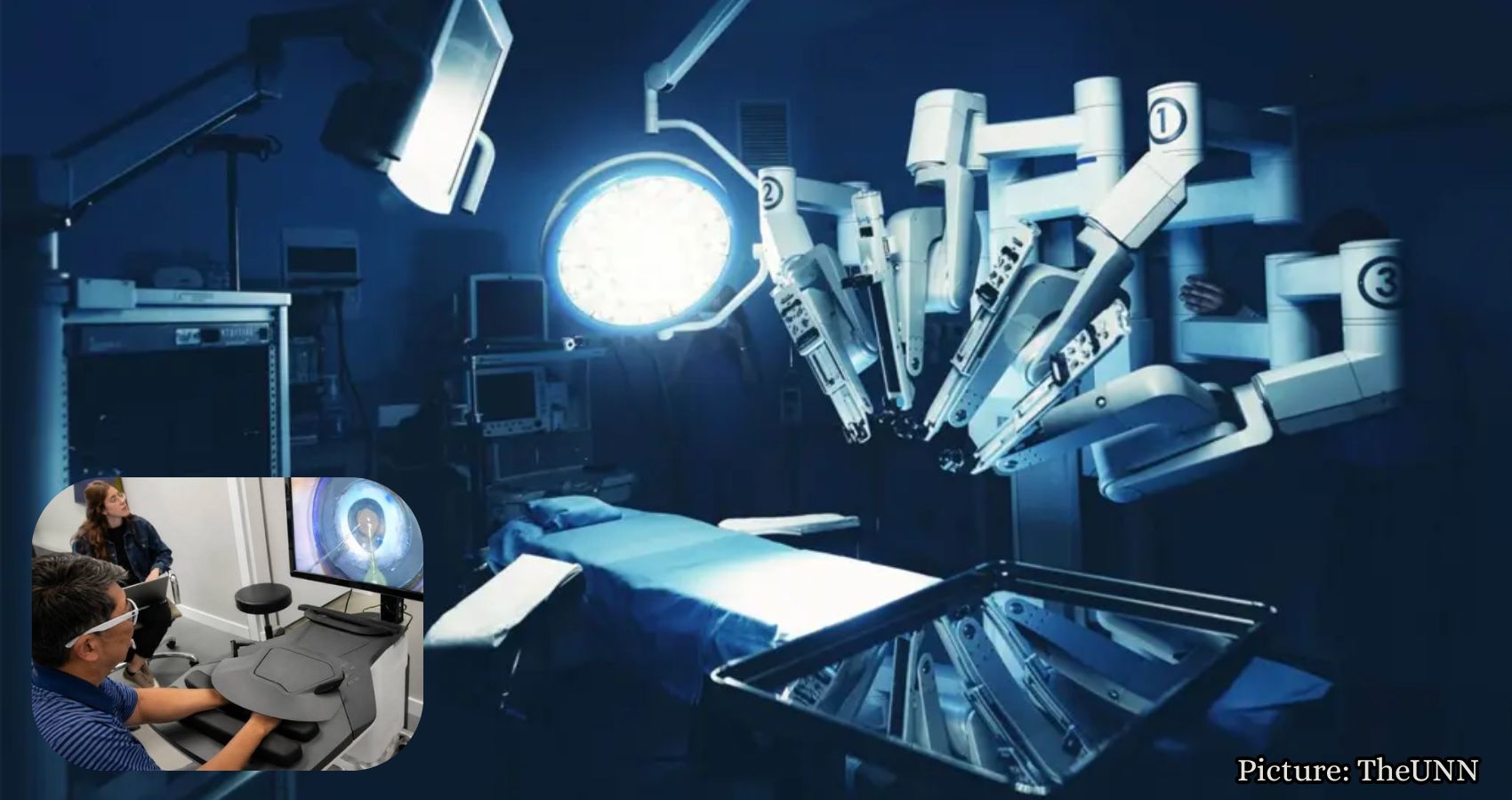
ForSight Robotics has successfully completed 26 fully robotic-assisted cataract surgeries using its JASPER platform, with surgeons maintaining control throughout each procedure.
ForSight Robotics has announced a significant milestone in the field of ophthalmic surgery: its JASPER Robotic Surgical Platform has successfully completed 26 fully robotic-assisted cataract surgeries without requiring any manual intervention from surgeons.
Cataract surgery is often considered a routine procedure, allowing patients to return home the same day. However, the introduction of robotic technology is beginning to change the landscape of this familiar medical routine. The JASPER platform operates through a system of surgeon-controlled telemanipulation, where the surgeon directs the procedure while the robotic system translates those commands into precise movements within the patient’s eye.
While it may seem as though the robot is taking over the operating room, it is essential to clarify that the surgeon remains in control throughout the entire process. The JASPER system enhances the surgeon’s capabilities by providing high-definition 3D visualization, scaling movements, and filtering out natural hand tremors. Real-time eye tracking allows the robot to respond effectively to any movements during the surgery, ensuring a high level of precision.
ForSight Robotics first introduced the JASPER platform for human use earlier this year, and since then, it has completed an additional 14 procedures, bringing the total to 26. All surgeries were performed under standard anesthesia protocols, either using topical anesthesia or mild sedation, with patients returning home the same day. This aspect of the procedure is noteworthy, as it highlights the company’s aim to integrate robotic technology seamlessly into existing surgical practices.
Despite the promising results, it is important to note that the sample size of 26 patients is relatively small. This early clinical experience does not yet provide conclusive evidence that robotic cataract surgery is ready for widespread adoption. The term “fully robotic-assisted” can be misleading; it does not imply that JASPER operates independently. Instead, the surgeon directs the entire procedure, with the robot executing the physical movements based on the surgeon’s commands.
The potential impact of robotic-assisted cataract surgery is significant, given that more than 30 million cataract procedures are performed globally each year. If systems like JASPER prove to be safe and effective, they could revolutionize a procedure that affects millions of people annually.
Robotic surgery is also expanding beyond traditional operating rooms. Recent advancements include remote surgeries, such as a London surgeon guiding a robot to remove prostate cancer from over 1,500 miles away. The JASPER platform applies this concept to eye surgery, where precision is crucial. ForSight believes that the technology could enhance surgical stability and precision, potentially laying the groundwork for future AI-enabled surgical tools.
However, it is essential to approach these developments with caution. JASPER is still in the design and development phase and has not yet received approval for commercial use. ForSight is continuing its clinical work and plans to conduct further studies and regulatory submissions. The claim that 100% of the 26 procedures were completed robotically without switching to manual operation is impressive but should be interpreted carefully. This statistic does not equate to a 100% success rate or indicate that the system is safer than conventional cataract surgery.
As it stands, JASPER is not yet available for patients seeking cataract surgery. Nonetheless, it offers a glimpse into the future of surgical procedures, where surgeons may control robotic systems to perform highly precise movements. This evolution could significantly impact how surgeries are conducted, particularly in delicate areas like the eye.
The introduction of robotic technology in cataract surgery raises important questions about patient comfort and outcomes. While the experience remained familiar for patients, with standard anesthesia and same-day discharge, the long-term effects of robotic surgery on patient health and recovery remain to be seen. Larger studies are necessary to determine whether robotic-assisted procedures yield better results than traditional methods.
As the field of robotic surgery continues to evolve, the integration of AI capabilities could further transform the landscape. ForSight Robotics envisions a future where JASPER and similar technologies support surgeons in ways that enhance their skills and improve patient outcomes.
As we look ahead, the question remains: Would patients be comfortable with a robot performing the physical movements during their cataract surgery while a surgeon oversees the entire process? The answer may depend on individual preferences and the evolving landscape of surgical technology.
For now, JASPER represents an intriguing step forward in the field of eye surgery, offering a glimpse of how robotic systems can be integrated into established medical practices while maintaining the essential role of the surgeon.
According to ForSight Robotics, the journey toward widespread adoption of robotic cataract surgery is just beginning, and further research will be crucial in determining its future in clinical settings.