
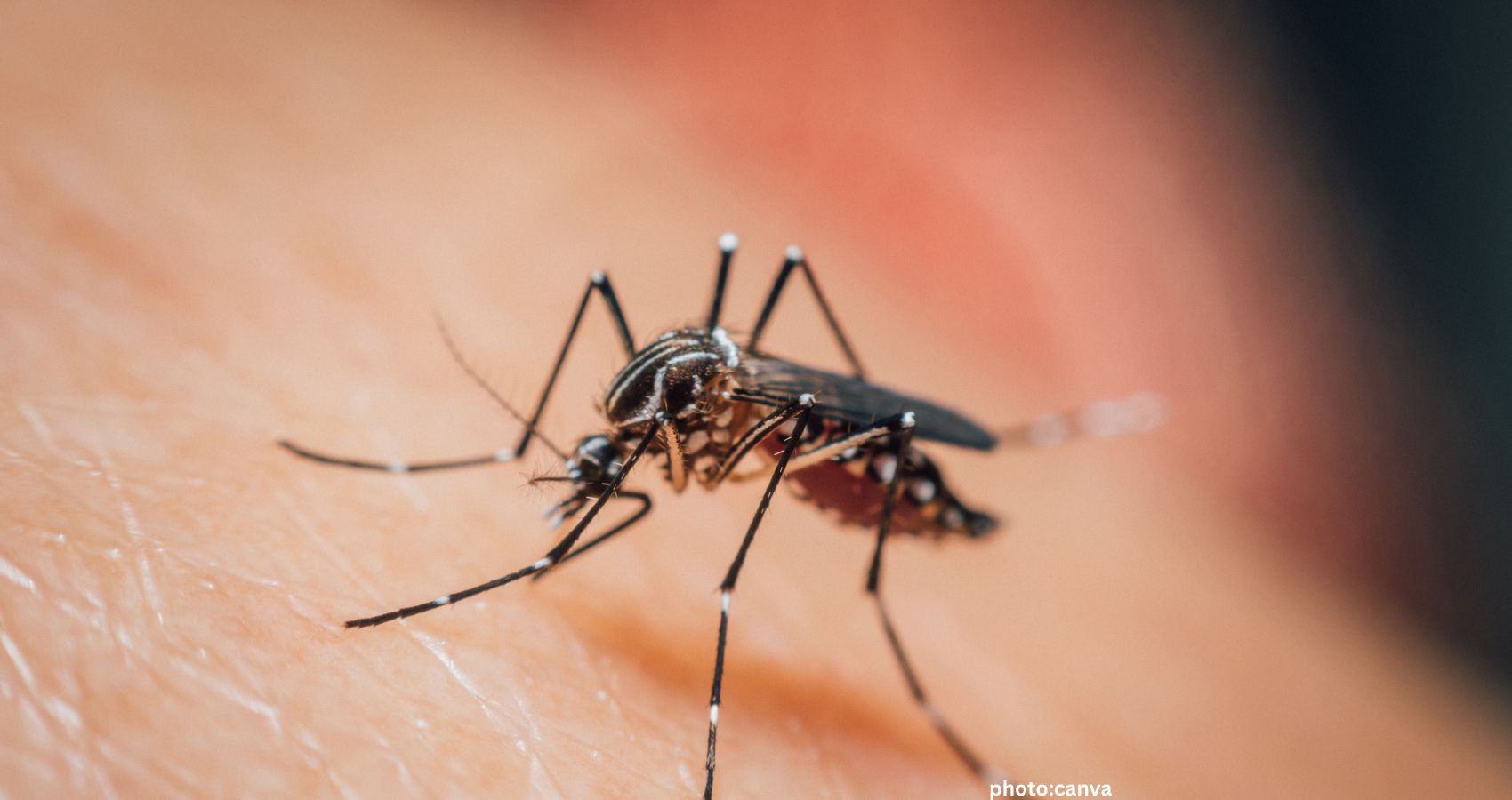
Google’s Debug project is seeking EPA approval to release millions of sterile male mosquitoes in New Jersey, California, and Florida to combat disease-carrying populations.
In an unexpected move, Google is venturing into the realm of pest control with its Debug project, which aims to reduce disease-carrying mosquito populations through the release of sterile male mosquitoes. The initiative is currently awaiting approval from federal regulators to proceed with releases in New Jersey, California, and Florida.
The concept may raise eyebrows—after all, when we typically associate Google with “bugs,” we think of software glitches rather than actual insects. However, this initiative is rooted in a scientific approach known as the sterile insect technique, which has been employed in pest control for decades.
The sterile insect technique involves breeding male mosquitoes that are incapable of producing viable offspring. Once these sterile males are released into the wild, they mate with wild females, resulting in eggs that do not hatch. Over time, this can lead to a significant reduction in the local mosquito population. Importantly, male mosquitoes do not bite, meaning the project aims to mitigate the spread of diseases without introducing more biting insects into neighborhoods.
Google’s Debug project views mosquito control as both a public health and technological challenge. The team is leveraging engineering, automation, and artificial intelligence to tackle the issue of disease-carrying mosquitoes. The overarching goal is to combat “bad bugs” with “good bugs,” a strategy that has been the subject of scientific research for many years.
While sterile insect releases have been successfully used against other pests, such as fruit flies and codling moths, mosquitoes present unique challenges. They are delicate creatures, difficult to breed at scale, and sorting them by sex is a complex task. This is where Google’s technological expertise comes into play.
The Debug project begins with the breeding of sterile male mosquitoes, utilizing a naturally occurring bacterium called Wolbachia. This bacterium can render males incompatible with wild females that do not carry the same strain of Wolbachia, resulting in non-viable eggs when they mate. A critical step in the process is the accurate separation of males from females, as releasing too many females could undermine the project’s objectives.
To address this challenge, Debug is employing advanced sensors, algorithms, and automation to efficiently raise, sort, release, and monitor the mosquitoes. This approach represents a modern twist on mosquito control, integrating Silicon Valley technology with environmental science.
Mosquito-borne diseases pose a significant global health threat, with certain species capable of transmitting illnesses such as dengue, Zika, yellow fever, chikungunya, and West Nile virus. Traditional mosquito control methods often rely on pesticides, which, while effective, can raise environmental concerns and may lead to resistance over time. The sterile male release method offers a targeted approach that minimizes chemical use and focuses on specific mosquito populations.
Despite the scientific foundation of the Debug project, public apprehension is understandable. The phrase “release millions of mosquitoes” can evoke fears of unintended consequences rather than a public health initiative. Residents may have legitimate concerns about oversight, funding for follow-up studies, and the potential for unexpected outcomes.
Trust is another critical factor. Many individuals may support efforts to combat disease but feel uneasy about a private tech company taking a leading role in local ecosystems. The success of the Debug project hinges on precision; if the public is assured that only male mosquitoes will be released, they will expect rigorous proof and oversight from regulatory bodies.
The Environmental Protection Agency (EPA) is currently reviewing Google’s request for an experimental use permit, which involves the release of live adult male mosquitoes containing Wolbachia pipientis. The objective is to determine whether these sterile males can effectively mate with wild females and suppress the local mosquito population. The EPA’s decision will not only determine the project’s fate but may also set conditions for its implementation.
Even for those not residing in the proposed release areas, the outcome of this initiative is worth monitoring. If successful, the Debug project could pave the way for similar sterile mosquito releases in other communities grappling with mosquito-borne diseases. However, this raises broader questions about the extent to which public health initiatives should rely on private companies with their own agendas and resources.
While the scientific rationale for releasing sterile male mosquitoes is compelling, communities deserve transparency and accountability. Clear communication regarding monitoring, safeguards, costs, and contingency plans is essential. As the fight against mosquito-borne diseases continues, the balance between innovation and public trust will be crucial.
Would you trust Google to help control mosquitoes in your community? Share your thoughts with us at CyberGuy.com, and stay informed about developments in this intriguing intersection of technology and public health.
According to Fox News, the Debug project represents a novel approach to pest control, but it also highlights the need for careful oversight and community engagement in public health initiatives.