
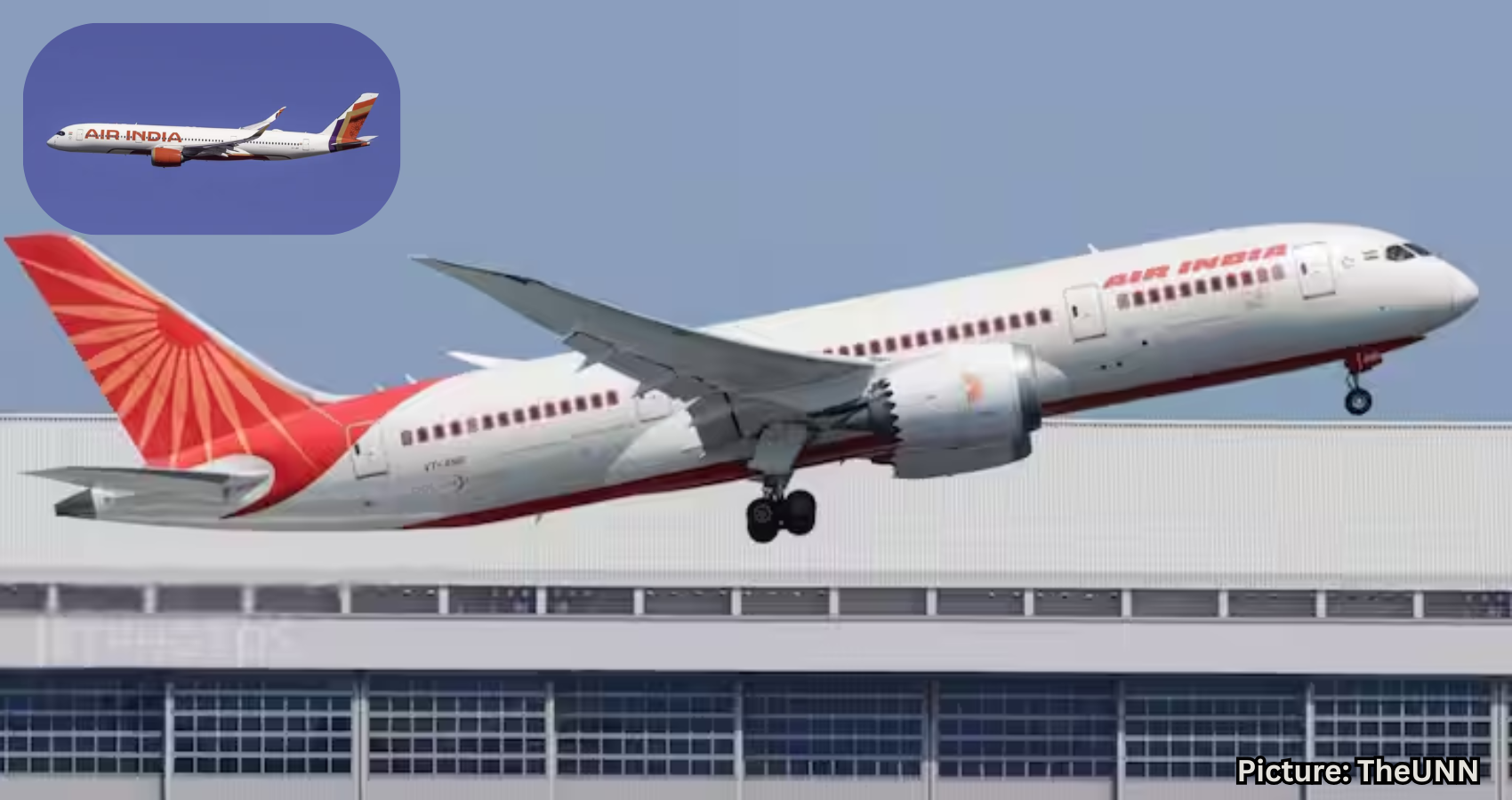
Indian regulators are set to oversee fuel-control switch testing at Boeing’s Seattle facility amid heightened scrutiny of Air India’s Boeing 787 fleet following safety investigations.
Indian aviation regulators are preparing to travel to Boeing’s Seattle testing center as scrutiny intensifies over the fuel-control switch systems associated with Air India’s Boeing 787 fleet.
Boeing’s operations in the Seattle area have become a focal point in an international aviation safety investigation involving Air India, Indian regulators, and the Boeing 787 Dreamliner. Concerns regarding the fuel-control switch panel have prompted renewed examination of the aircraft manufacturer.
According to documents reviewed by Reuters, officials from India’s Directorate General of Civil Aviation (DGCA) are expected to visit Boeing facilities in the Seattle region in June. Their mission will be to oversee the testing of a fuel-control switch module that was removed from an Air India Boeing 787. This investigation follows an incident earlier this year involving a flight from London to Bengaluru.
This development places Boeing’s long-standing Seattle manufacturing and engineering network at the center of a cross-border regulatory review, now involving aviation stakeholders from India, the United Kingdom, and the United States. Historically, Seattle has served as Boeing’s primary hub for commercial aircraft engineering and testing, including programs related to the 787 Dreamliner, which is widely used on long-haul international routes by airlines such as Air India.
The DGCA has characterized the upcoming testing as “sensitive,” according to a March 9 email cited by Reuters. The agency has instructed Air India to ensure that the examination at Boeing’s original equipment manufacturer facility occurs in the presence of Indian aviation officials.
The investigation originated from a February incident involving an Air India Boeing 787 operating between London and Bengaluru. During engine startup procedures in London, pilots reported that the fuel-control switches did not remain fixed in the “run” position during the first two attempts when light pressure was applied. The switches reportedly stabilized during a third attempt, allowing the flight to continue to India without further operational issues.
The switch module was subsequently removed and sent to Boeing’s Seattle facility for further analysis, despite Boeing privately informing Air India that the component was considered “serviceable,” as reported by Reuters, citing emails and official correspondence.
In a statement, Air India confirmed that the module had been deemed “fully functional” by both Boeing and the DGCA. However, the airline added that additional laboratory testing was being pursued “as a measure of abundant caution.” This further examination aims to “definitively confirm its performance and integrity” in a controlled environment.
The Seattle testing comes amid heightened international attention on Boeing 787 fuel-control switches, particularly following the June 2025 Air India crash in Gujarat that resulted in the deaths of 260 people. Preliminary findings from that investigation indicated that fuel switches may have been moved nearly simultaneously, disrupting the fuel supply to the aircraft’s engines.
The switches are designed to require deliberate pilot action before movement, making any questions regarding their locking mechanisms particularly significant for investigators and regulators. Indian officials are now seeking to determine whether pressure applied at certain angles could affect the locking system while the switch remains in the “run” position.
This case has also attracted the interest of British regulators, as the February incident originated at London Heathrow Airport. The UK’s Civil Aviation Authority has stated that it is monitoring Air India’s compliance with aviation safety procedures under existing oversight regulations.
For Indian American and South Asian aviation observers in the United States, this investigation highlights the increasingly interconnected nature of India-U.S. aerospace oversight. Boeing maintains strong commercial ties with India’s aviation market, where airlines, including Air India, have placed significant aircraft orders in response to rapidly growing international travel demand.
Seattle’s role in the current inquiry underscores how Boeing’s testing and engineering infrastructure remains central to global aircraft certification and post-incident analysis, especially as regulators seek greater transparency following recent scrutiny of Boeing programs worldwide.
According to reports, Air India is expected to fund the DGCA officials’ visit to Seattle. The testing is scheduled to take place around the anniversary of the 2025 Gujarat crash, with India’s Aircraft Accident Investigation Bureau expected to release a final report on the broader crash investigation next month.