
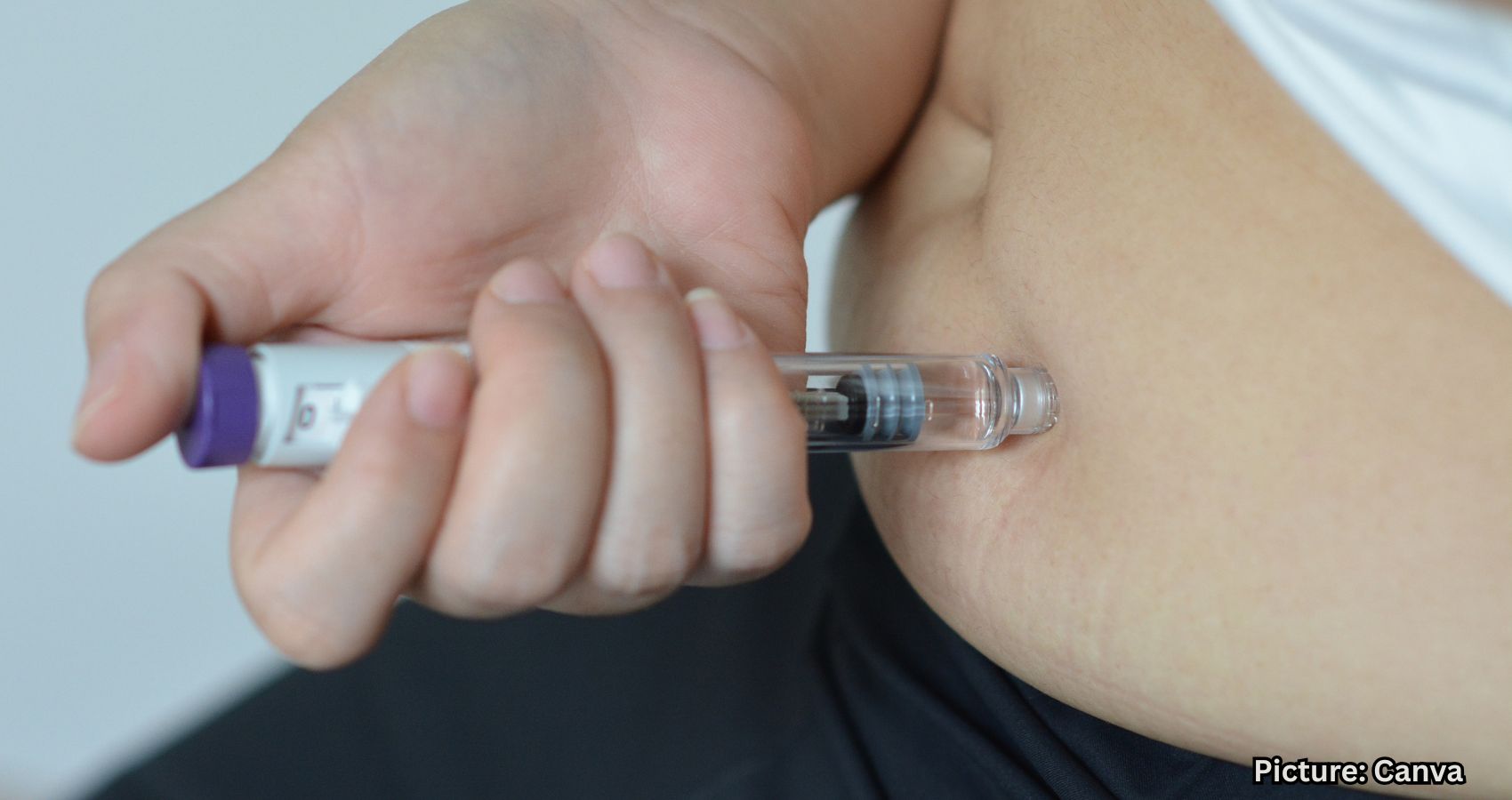
New research suggests that GLP-1 weight loss drugs may enhance male fertility in obese men without suppressing hormones.
GLP-1 medications, such as semaglutide and liraglutide, may offer unexpected benefits for male fertility, according to recent findings presented at the Endocrine Society’s annual meeting, ENDO 2026, in Chicago.
Experts indicate that these weight loss drugs do not appear to suppress male hormones, and instead, they may improve fertility in obese men. Obesity is closely linked to fertility issues in men, as excess weight can disrupt the hypothalamic-pituitary-gonadal (HPG) axis, the hormone system responsible for regulating testosterone production. This disruption can lead to functional hypogonadism, a condition characterized by abnormally low testosterone levels due to impaired hormone signaling, which can also negatively affect semen quality.
The research team evaluated the effects of GLP-1 medications on reproductive hormones and metabolic outcomes by analyzing data from men aged 18 to 65 who were undergoing treatment with these drugs. Their systematic review encompassed five randomized controlled trials that measured testosterone levels, brain hormones involved in testosterone and sperm production, and a protein that transports sex hormones in the bloodstream. Additionally, they assessed semen quality, weight, body mass index (BMI), cholesterol levels, and blood sugar.
The findings indicated that GLP-1 medications do not suppress male hormones. In fact, men with obesity and low testosterone linked to their weight may experience improvements in testosterone levels, sperm quality, and overall metabolic health, particularly during weight loss.
In a four-week study involving dulaglutide, researchers found no significant changes in reproductive hormones or sexual function. Conversely, a separate 16-week trial of liraglutide demonstrated improvements in hormone levels among obese men with functional hypogonadism, suggesting that their low testosterone was likely related to obesity. Notably, liraglutide was found to be more effective for health outcomes compared to traditional hormone replacement therapy.
Another study focusing on liraglutide reported enhancements in sperm concentration and count. Meanwhile, a 24-week trial of semaglutide, marketed as Ozempic and Wegovy, revealed improvements in sperm morphology and reductions in bad cholesterol, all while maintaining total testosterone levels.
Despite these promising results, the authors of the research acknowledged that the evidence base is limited, as only five trials were included in the review. They emphasized the necessity for further research to establish a more definitive association.
In their abstract, the researchers concluded that GLP-1 medications “do not appear to acutely suppress the male HPG axis and may improve reproductive hormones and semen parameters in obese hypogonadal men, largely within the context of weight loss.” However, they also noted that “evidence remains limited and heterogeneous, underscoring the need for larger randomized controlled trials explicitly powered to assess male reproductive outcomes.”
Dr. Anthony Puopolo, a men’s health expert and lead medical provider for RexMD, commented on the findings in an interview, expressing optimism about the implications of GLP-1 medications for improving testosterone levels in obese men with hypogonadism or low testosterone.
“This provides early evidence that GLP-1 medications taken by obese men with hypogonadism/low testosterone improves testosterone levels,” Dr. Puopolo stated.
While further research is warranted, he highlighted the potential for GLP-1s to serve as a more favorable option for addressing low testosterone in obese men compared to testosterone replacement therapy (TRT), which can adversely affect male reproductive and sperm function.
As the research continues to evolve, the implications of GLP-1 medications on male fertility could reshape treatment approaches for men struggling with obesity and related reproductive health issues, according to Fox News Digital.