
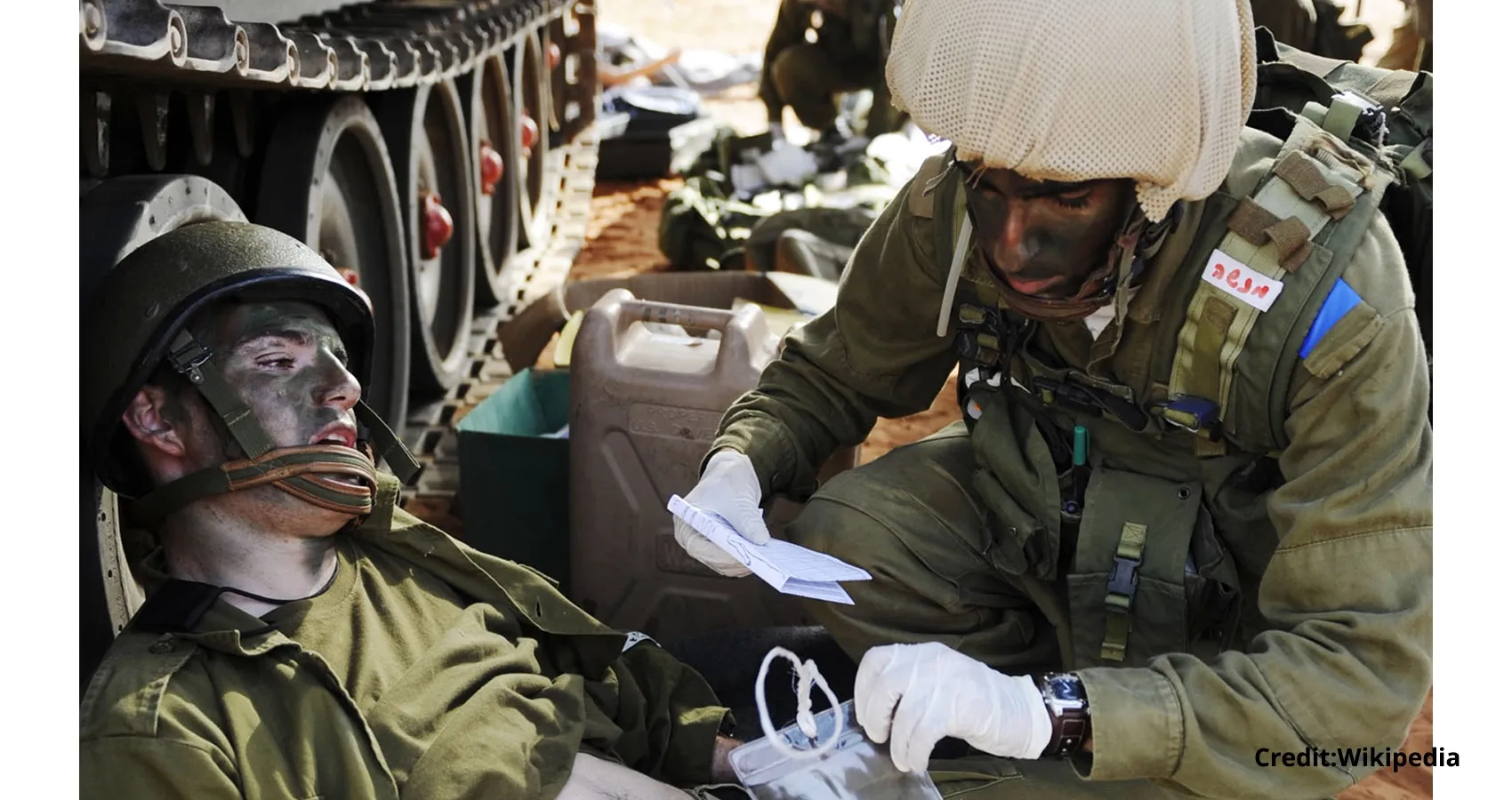
Israeli battlefield medicine has significantly reduced combat mortality rates in the IDF, attracting interest from the U.S. military for its innovative approaches to trauma care and casualty evacuation.
JERUSALEM — Recent advancements in Israeli army battlefield medicine have led to a remarkable decrease in combat mortality rates, prompting interest from the U.S. military. The Israel Defense Forces (IDF) has successfully reduced its combat death rate from 15% to 7.1% through innovative casualty evacuation and trauma care techniques.
The improvements in medical practices emerged during the ongoing conflict against Hamas, which escalated following the group’s invasion of Israel on October 7, 2023. This multi-front war has necessitated the rapid development of life-saving measures on the battlefield, which are now benefiting U.S. military operations as well.
According to a senior IDF medical specialist, the recent ground offensive in Gaza has introduced cutting-edge medical tactics that are transforming battlefield care. The IDF spokesman emphasized, “The IDF Medical Corps adapted its operational capabilities during the war, including casualty evacuation, innovative medical technologies, and providing treatment under fire in challenging terrain.”
Historically, advanced life support could take 15 to 20 minutes to reach a casualty, as seen during the Second War in Lebanon in 2006. However, the IDF has now reduced this response time to within four minutes. The strategic placement of medical personnel, including a doctor in every company, allows for critical decisions to be made early in the care process.
The use of helicopters for transporting severely injured soldiers to medical facilities has proven essential in preventing fatalities. The IDF medical specialist noted that rapid evacuation capabilities enable the swift transfer of casualties to Israeli hospitals, further enhancing survival rates.
Since 2013, there has been a concerted effort to utilize blood products effectively to stop bleeding. The IDF has pioneered the use of plasma at the point of injury, a significant advancement over traditional saline solutions. This approach, which includes placing blood in coolers on the backs of first responders, has saved numerous lives by controlling hemorrhaging.
Another significant enhancement in battlefield medicine is the implementation of an advanced data collection system that transmits patient information over technical networks. This allows every relevant medical officer in the chain of care to access real-time patient data, leading to improved outcomes.
The IDF medical specialist highlighted that the case mortality rate serves as a critical metric for evaluating the effectiveness of medical care. The dramatic reduction in mortality rates from 15% during the 2006 conflict to 7.1% in 2023 underscores the success of these medical innovations.
Israel’s military medicine framework has been informed by a foundational U.S. study from 2012, titled “Death on the Battlefield (2001–2011): Implications for the Future of Combat Casualty Care,” which analyzed American medical aid during the Iraq War. Dr. Marc Siegel, a senior medical analyst for Fox News, remarked that “battlefield advances based on the latest technologies developed in Israel, including surgical techniques and burn treatments like NexoBrid, not only assist today’s wounded but also drive medical and surgical advancements globally.”
The collaboration between the U.S. Army and the IDF in advancing battlefield medicine has been ongoing for years. An April 2026 U.S. military report, “Israeli Defense Force Medical Lessons Learned,” emphasized the need for the American military to integrate Israeli advancements from the onset of the Swords of Iron War campaign in 2023.
The report noted that the IDF executed proactive public health measures, including bio-surveillance, preventive medicine teams, and stringent food safety protocols, to mitigate health threats and maintain operational readiness. The U.S. Army acknowledged that despite Israel’s preparations, the IDF underwent a painful transformation during the conflict, a process the U.S. now has the opportunity to circumvent.
An IDF spokesman confirmed that the U.S. Army’s study of Israel’s emergency healthcare providers during the wars was a collaborative effort, with American officers visiting to learn from the IDF’s experiences.
As the conflict continues, the advancements in Israeli combat medicine not only serve to protect soldiers on the battlefield but also hold the potential to influence military medical practices worldwide, reinforcing the importance of innovation in saving lives.
According to Fox News, these developments are indicative of a broader trend in military medicine that prioritizes rapid response and advanced care techniques.