
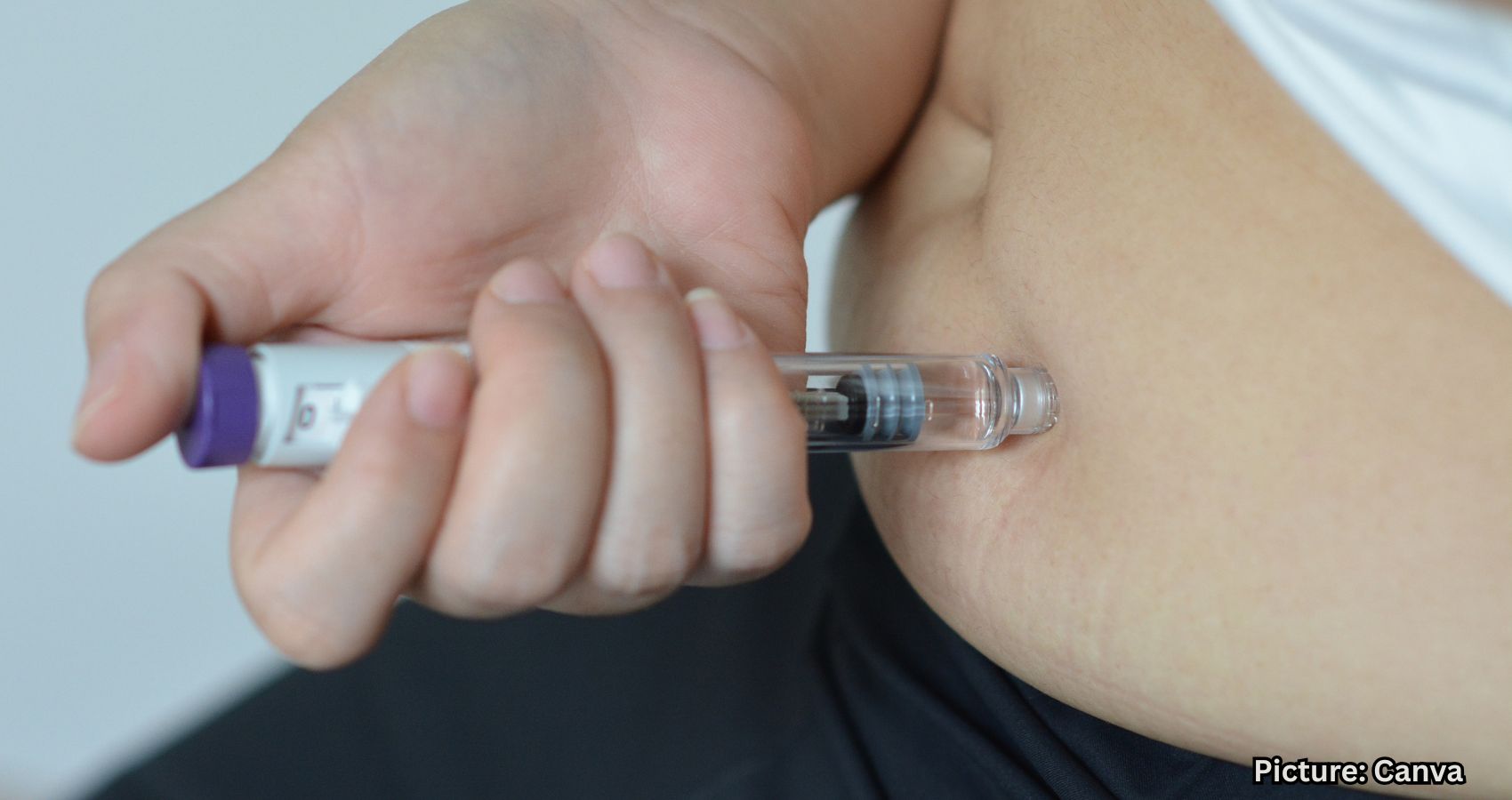
Early trials of the CBL-514 injection demonstrate a 12% reduction in dangerous visceral fat, offering potential benefits for metabolic health and insulin resistance.
In an exciting development for obesity treatment, early human trials of an experimental injection known as CBL-514 have shown promising results in reducing visceral fat, a type of fat that poses significant health risks. Visceral fat, which accumulates deep within the abdomen and surrounds vital organs, is linked to metabolic issues and can increase the risk of developing type 2 diabetes.
Research published in March by the American Heart Association highlighted that visceral fat has a stronger correlation with heart failure risk than body mass index (BMI), underscoring the importance of addressing this hidden health threat.
The trials, led by Dr. W. Timothy Garvey from the University of Alabama at Birmingham and Yu-Fang Ling from Caliway Biopharmaceuticals in New Taipei City, Taiwan, aimed to evaluate the effectiveness of CBL-514 in reducing visceral fat deposits. Previous phase 2 trials had already indicated that the injection could successfully decrease subcutaneous fat, which is the layer of fat located just beneath the skin.
Participants in the trials underwent MRI scans that revealed a significant reduction in visceral fat among those who received the CBL-514 injection. In contrast, those who were administered a placebo experienced an increase in visceral fat. The injection was administered into the lower abdomen every three weeks over a period of up to 12 weeks, with doses reaching as high as 600 milligrams.
The frequency of injections was tailored to the thickness of the participants’ abdominal fat. As the volume of fat decreased, the number of required injections also diminished.
CBL-514 works by selectively inducing apoptosis, a natural process that leads to the self-destruction of cells, specifically targeting fat cells while leaving surrounding cells unharmed. This targeted approach is a key factor in its effectiveness.
Four weeks after the final treatment, participants who received CBL-514 demonstrated an average reduction of 12.01% in visceral fat volume. Conversely, those in the placebo group saw an increase of 5.68% in their visceral fat, according to reports from SciTechDaily.
While the potential cosmetic benefits, such as a flatter stomach resulting from the loss of subcutaneous fat, are certainly appealing, Dr. Garvey emphasized the more critical health implications of the treatment. The reduction in body weight, improved blood pressure, and better cholesterol levels, along with the loss of visceral fat, are vital factors that contribute to overall health.
Unlike liposuction, a common cosmetic procedure that primarily targets subcutaneous fat, CBL-514 has the unique ability to address visceral fat, which is crucial for mitigating the health risks associated with excessive abdominal fat.
This innovative approach to fat reduction could represent a significant advancement in the fight against obesity and its related health issues, offering hope for individuals struggling with metabolic disorders.
As research continues, the implications of CBL-514 could extend beyond cosmetic improvements, potentially transforming the landscape of obesity treatment and metabolic health management, according to SciTechDaily.