
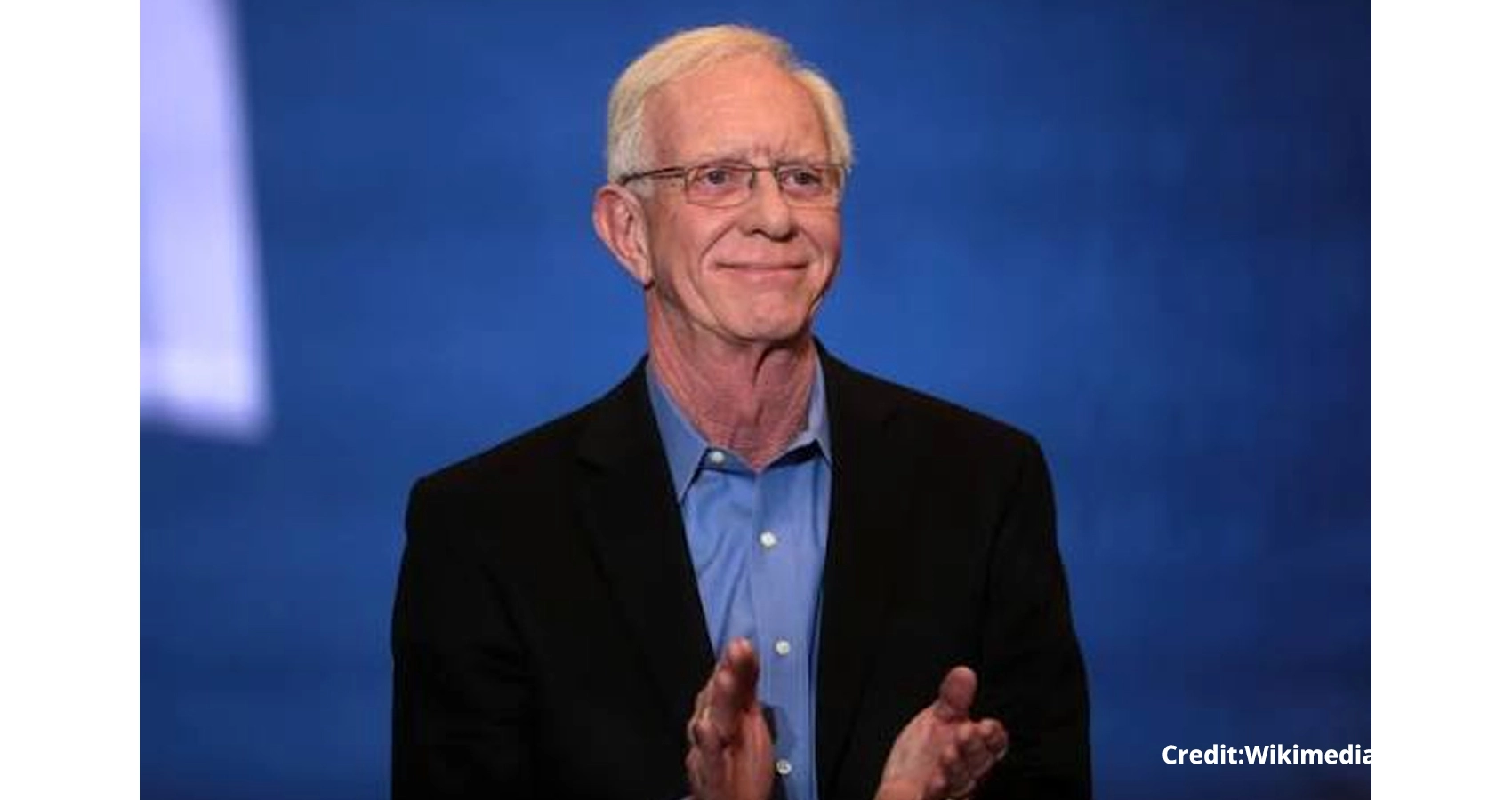
Captain Chesley “Sully” Sullenberger shares insights on early Alzheimer’s warning signs he and his wife noticed years before his diagnosis, emphasizing the importance of early detection and awareness.
Captain Chesley “Sully” Sullenberger, the former airline pilot renowned for his heroic landing of US Airways Flight 1549 on the Hudson River in 2009, is now on a mission to raise awareness about the early signs of Alzheimer’s disease. Diagnosed with the condition in August 2025, Sullenberger discussed his experience on “Good Morning America” alongside his wife, Lorrie, shedding light on the subtle behavioral changes they observed prior to his formal diagnosis.
Reflecting on the timeline leading up to his diagnosis, Lorrie Sullenberger noted that small adjustments in their daily life began to hint at a more significant issue. “A lot of what I think people see in the news are late-stage Alzheimer’s symptoms. And, so, in the very beginning, they are so subtle. And my advice to someone would be, it’s what’s unusual for your person,” she explained. This highlights how early symptoms often develop gradually rather than appearing suddenly.
Public understanding of Alzheimer’s disease frequently centers on late-stage symptoms, such as severe memory loss, disorientation, and difficulties managing daily routines. However, medical experts assert that early-stage cognitive decline can be much more challenging to identify. Sullenberger himself noted, “One of the first things I noticed was that it was harder and harder to remember people’s names, even people we knew. That’s still an issue. Just forgetting things that I normally wouldn’t. Or repeating myself, not realizing that I just said that an hour ago.”
Early indicators of Alzheimer’s often manifest as mild cognitive impairment or subtle changes that deviate from an individual’s normal behavior, according to health resources like the Cleveland Clinic. These signs can include misplacing everyday items, experiencing mild difficulty in finding the right words during conversations, subtle mood changes, or taking longer to complete familiar tasks.
Because these early signs can resemble normal aging, family members are typically the first to notice any unusual behavior. “I’ve gone through harder things than this before,” Sullenberger remarked during the interview, reflecting on his resilience in facing this new challenge.
The former pilot is best known for executing the “Miracle on the Hudson” in January 2009. After US Airways Flight 1549 encountered a dual engine failure due to a bird strike shortly after departing from New York’s LaGuardia Airport, Sullenberger relied on his extensive flight experience to glide the Airbus A320 onto the icy Hudson River, ensuring the survival of all 155 passengers and crew members, as confirmed by the National Transportation Safety Board.
Lorrie Sullenberger emphasized the importance of trusting one’s instincts when something feels off, advising that the key lies in identifying “what’s unusual for your person.” The Sullenbergers stressed that recognizing potential early symptoms and seeking evaluation can significantly impact a patient’s journey. While there is currently no cure for Alzheimer’s, early detection allows individuals and families to explore treatment options, participate in clinical trials, adopt lifestyle modifications, and plan for the future.
“An early diagnosis is so critically important,” Sullenberger stated. “If you have doubts, get tested. Because the sooner you act, the more options there are, the better the outcome is likely to be.”
As Sullenberger continues to share his story, he hopes to inspire others to be vigilant about the signs of Alzheimer’s and to advocate for early intervention. His personal journey serves as a reminder of the importance of awareness and action in the face of this challenging disease.
According to Good Morning America, the Sullenbergers’ experience highlights the need for increased public education on the early signs of Alzheimer’s, encouraging families to engage in open conversations about cognitive health.