
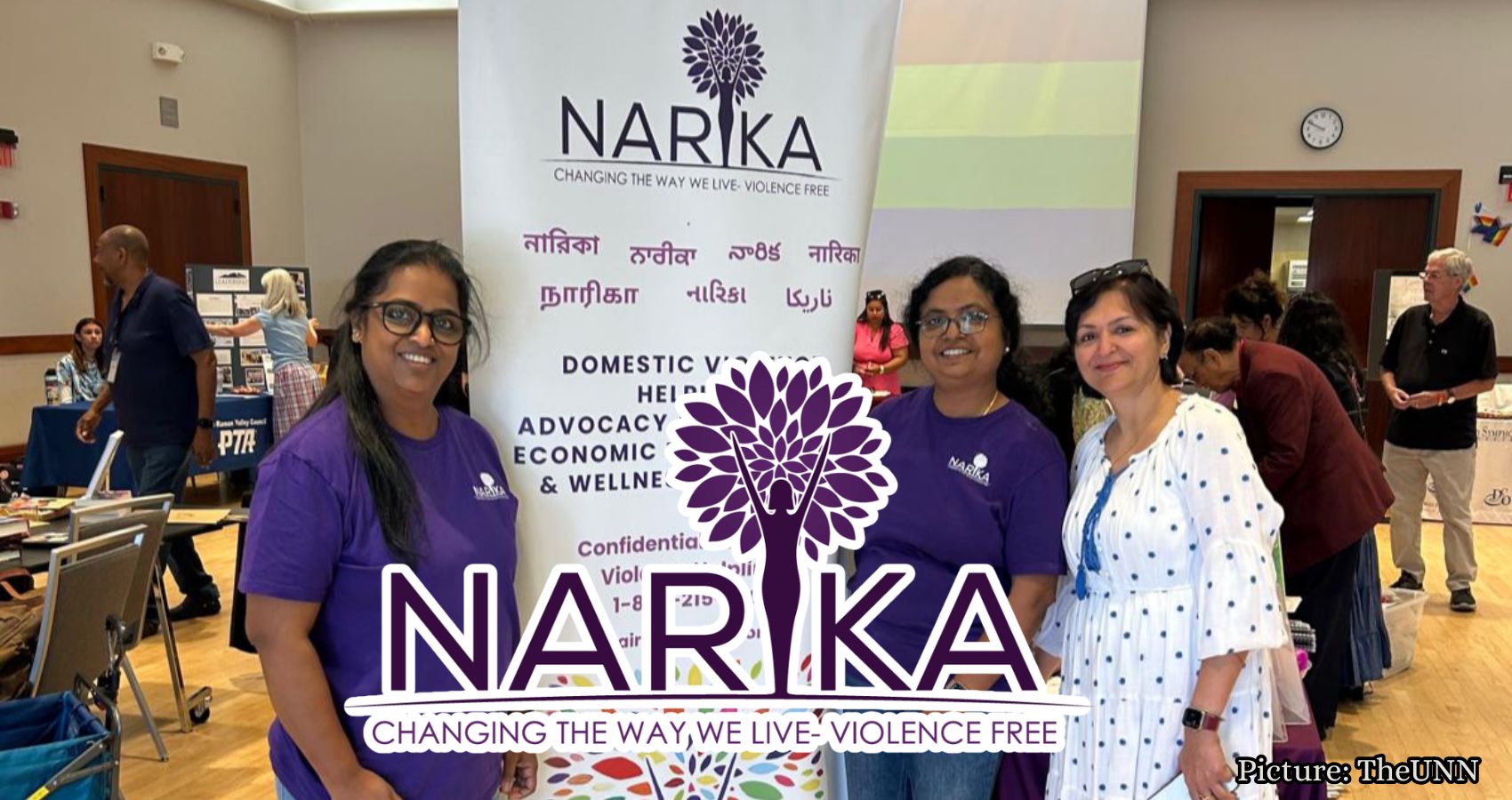
Narika, a Bay Area organization, is dedicated to preventing domestic violence by fostering trust and breaking generational cycles of trauma among survivors and their families.
When Maya (alias), an Advocate for Programs at Narika, received a seemingly innocuous request for help with household chores, she recognized it as a subtle signal of distress. The inquiry, “Is there anyone you can recommend who can come and make rotis at home?” was often a precursor to deeper issues.
At Narika, a support service for survivors of domestic violence based in the Bay Area, advocates like Maya are trained to understand that survivors rarely disclose their situations directly. Instead, they often initiate conversations with tentative questions, gauging whether the staff will grasp the gravity of their circumstances. This understanding is central to Narika’s approach, which emphasizes building trust through patient and empathetic dialogue.
Founded in 1992, Narika has evolved beyond mere crisis management. While providing immediate support such as shelter, food, and a 24/7 crisis helpline is crucial, the organization’s mission extends to creating a sustainable, violence-free community. This year, Narika is on track to assist nearly 1,200 clients, doubling its historical average of 600, reflecting an unprecedented demand for its services.
The organization’s approach is rooted in the belief that breaking the cycle of trauma is essential for the future. This philosophy, encapsulated in what is known as the “Narika Approach,” prioritizes cultural congruence and community involvement over administrative efficiency. Maya explains, “We do not just hand out resources. We invest in patience.”
Shailaja Dixit, Narika’s Executive Director, elaborates on this philosophy, stating, “We spend a lot of time in our case management and training to really understand the value of providing time and space. We do not rush.” This commitment to thoroughness is evident in the intake process, which can last up to an hour and a half, allowing advocates to ask essential questions about the survivor’s well-being, such as their sleep and eating habits.
Case management at Narika is not bound by time constraints; it can extend over months, ensuring that survivors receive the support they need. Jacia, the Director of Client Services, emphasizes that this approach helps survivors build the confidence to navigate complex systems, including legal proceedings and shelters, which they might otherwise face alone.
Survivors of domestic abuse often find themselves trapped not only by their abusers but also by systemic barriers. Maya highlights how immigration status can be weaponized against victims, particularly in South Asian communities. Abusers may threaten their partners with dire consequences if they seek help, perpetuating a cycle of control and fear.
Recent changes in policy regarding access to essential state programs like Medi-Cal and CalFresh have further complicated matters for vulnerable survivors. Uncertainty about eligibility for these services has created additional barriers, as noted by Dixit.
Among younger, educated demographics, abusers have learned to exploit California’s community property laws, convincing partners to spend their earnings on immediate household needs while withholding their own income for future investments. This financial manipulation leaves survivors without the resources necessary to seek legal assistance.
In this context, Narika serves as a sanctuary for survivors who may feel stigmatized by their communities or fearful of engaging with mainstream systems. The organization’s culturally informed advocacy provides the psychological safety necessary for individuals to reclaim their lives.
Breaking the cycle of trauma also involves redefining success within the community. Generational pressures often lead young South Asians to prioritize partners based on status, such as educational achievements or employment at prestigious companies. Maya points out that this focus can blind families to red flags, resulting in unhealthy relationships.
Moreover, Narika is actively working to disrupt the intergenerational effects of domestic violence. A common misconception within the Indian American community is that maintaining a toxic family structure is in the best interest of children. However, as Dixit explains, children are acutely aware of the violence surrounding them, even if it occurs behind closed doors.
“Children are constant witnesses,” she notes, emphasizing that without intervention, they may internalize these harmful dynamics and perpetuate the cycle of abuse in their own relationships.
The physical toll of domestic violence is equally concerning. Survivors often experience chronic health issues, including diabetes and hypertension, which are exacerbated by the stress of their situations. Dixit notes that cultural stigma surrounding mental health can lead survivors to present with physical symptoms, such as migraines and exhaustion, before addressing the underlying trauma.
While Narika’s immediate crisis management services receive significant funding, the organization recognizes that true success lies in prevention. “We would be doing half our job if we only focused on intervention,” Dixit asserts, highlighting the importance of proactive measures for future generations.
To this end, Narika has developed community curricula aimed at unlearning unhealthy family behaviors and fostering effective communication skills. One key initiative is the South Asian Parent Heal and Learn (SAPHAL) program, a six-module curriculum designed to promote healthy family dynamics and emotional awareness.
SAPHAL encourages parents to engage with their emotions and teaches essential skills such as setting boundaries and providing healthy praise. The program has received positive feedback, particularly from fathers and male caregivers, who are increasingly participating in these discussions.
Additionally, Narika’s SEED program focuses on financial literacy and empowerment, providing survivors with practical support in areas such as resume building and credit repair. This initiative aims to help individuals unlearn detrimental financial habits and establish healthier practices.
As Narika continues to expand its services, including offering support in 14 languages, the organization remains committed to breaking generational cycles of trauma. “A survivor learning how to set a boundary or say no can have a ripple effect on the next generation,” Jacia explains.
Ultimately, Narika’s long-term goal is to eliminate the need for its services altogether. However, the rising demand underscores the necessity for continued growth to support those who have yet to find their voice. “The final goal is that the helpline should not ring—and not ring for the right reasons… because we were able to have the conversation in time,” says Dixit, reinforcing the idea that “intervention is prevention.”
By investing in Narika, the community is supporting not only immediate crisis services but also fostering intergenerational change that can lead to a profound transformation.
According to India Currents, Narika’s mission is a vital step toward creating a future free from domestic violence.