
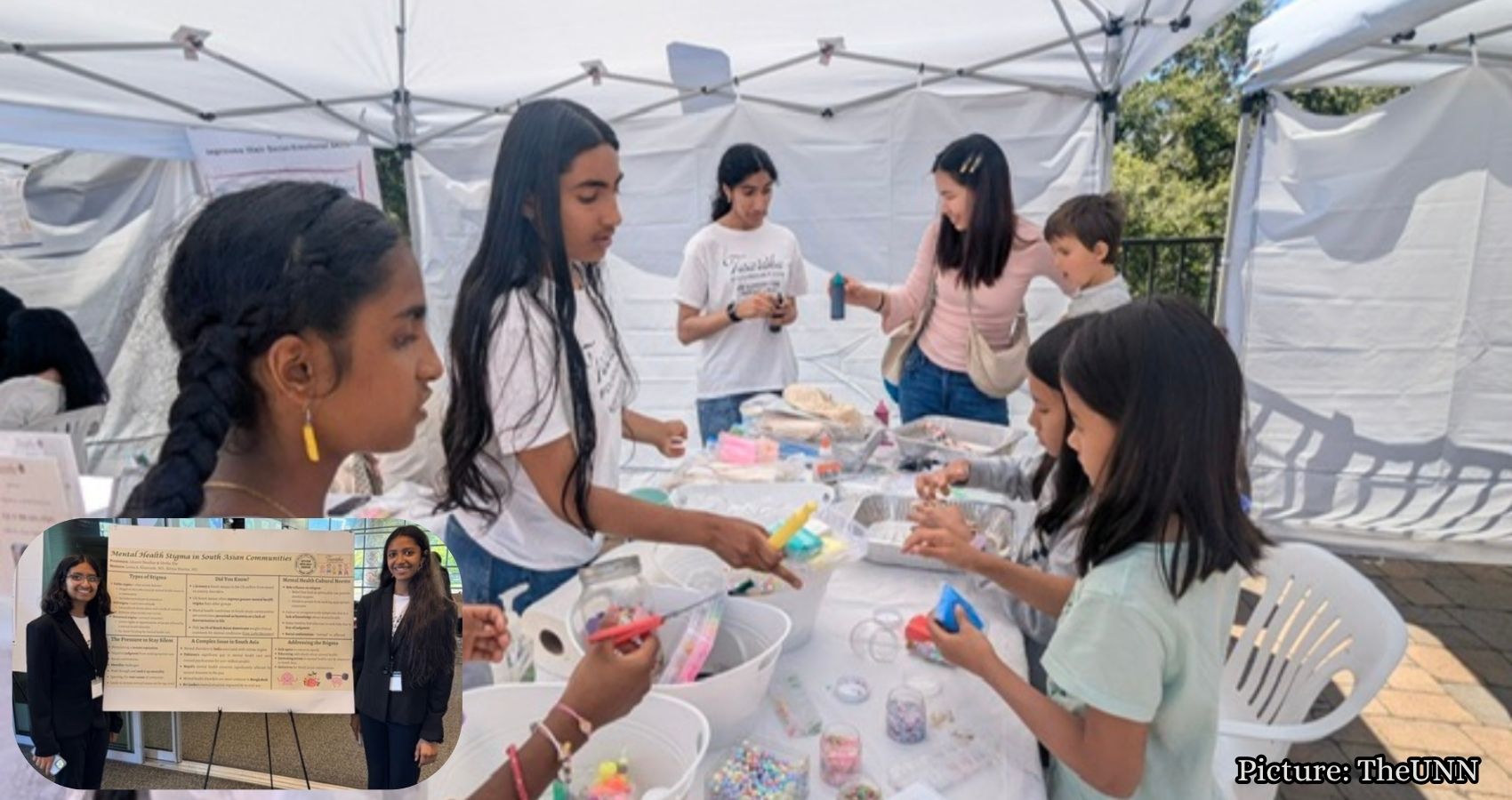
Teen advocates in the Bay Area are reshaping the conversation around mental health in South Asian families, challenging stigma and promoting open dialogue about emotional well-being.
For years, the prevailing sentiment among South Asian families, particularly in high-pressure environments like Silicon Valley, has been to “just suck it up and keep moving.” This attitude stems from immigrant fears that discussing mental health could tarnish a family’s reputation, even when a child is struggling.
A study published in the *Journal of Adolescent Health* revealed that nearly half of adolescents experiencing moderate to serious psychological distress felt they did not need help. Dr. Hari Nair, a psychiatrist specializing in adolescent mental health, notes that this disconnect is indicative of the pressures associated with the model-minority narrative, which often leads to emotional distress being expressed through physical symptoms rather than psychological ones.
This mindset has left many young people grappling with a sense of “immigrant guilt,” questioning why they are not happier despite enjoying the sacrifices made by their parents. However, a new wave of youth advocates in the Bay Area is challenging this burden, fostering a healthier relationship with themselves, their families, and their peers as they work to break the silence surrounding mental health issues.
Shreyas Jay, an 18-year-old preparing for college, has transformed his own battle with depression into a leadership role as a “Changemaker” in local high schools. He encourages his peers to recognize that they do not have to bear their burdens alone.
Fifteen-year-old Seerat Dang, a rising junior in San Jose, has hosted nearly 50 podcast episodes aimed at reminding her peers that a “Ferrari engine” brain is ineffective without “Ferrari brakes” to prevent burnout. Similarly, Devika Eby, also 15, applies mindfulness techniques she has learned as a mental health advocate to her competitive chess playing, emphasizing that a single mistake is not the end of the world.
These teens are not merely volunteers at South Asian mental health advocacy organizations like Taarika and Rcoz; they are leading the charge.
Dr. Leena Khanzode founded Taarika after observing a troubling rise in anxiety and depression among teens in the Bay Area. Her clinical practice revealed that by the time patients sought help, it was often “late in the game,” requiring medication and extended recovery periods. Her mission is to foster education and awareness, building resilience through mindfulness before crises escalate.
Dr. Nair serves as an advisor at Rcoz, a nonprofit focused on raising awareness and acceptance of mental health issues within the South Asian community. He highlights that many South Asian youths present with higher acuity than their peers, often waiting until their situations reach a critical point before seeking help.
Dr. Nair explains that South Asian youth carry a significant and largely invisible mental health burden, which often goes unrecognized in aggregated data. This exclusion from youth suicide-prevention funding in California reflects a broader issue, as second-generation Asian adolescents face more than double the odds of mood and anxiety disorders compared to their peers.
In response to these challenges, Rcoz and Taarika are addressing the unmet mental health needs within the community. Both organizations are working to dismantle the stigma surrounding mental health while creating safe spaces for dialogue and education.
At Taarika, youth leaders facilitate podcasts, community discussions, and meditative art sessions, effectively translating complex clinical concepts into relatable language for their peers. This movement is fostering a “reverse prescription,” where young people’s vulnerability is teaching older generations the importance of breaking cycles of emotional repression.
Shreyas recalls a time in middle school when he experienced deep depression but felt he had no right to complain. He struggled with guilt, believing he should be happy given his parents’ sacrifices. However, when he finally opened up to friends and family, he found the support he needed. “I think that’s really all that I needed — someone to reassure you,” he says.
Through the Rcoz High School Changemaker program, Shreyas learned about the multifaceted nature of mental health, including how cultural factors influence identity and well-being. The program also provided practical tools for managing digital habits, helping him replace passive scrolling with active pursuits like basketball and walking.
Seerat, a club volleyball player and student of Indian classical music, began her journey with Taarika at just nine years old. Now, as a seasoned leader, she creates podcasts that translate complex theories into practical advice for her peers. “In Silicon Valley, a Ferrari engine is really valued, but we often drive our car with bicycle brakes,” she explains, advocating for mindfulness practices to manage academic and social pressures.
Devika, a nationally ranked chess player, balances her competitive life with a commitment to mental health advocacy. Inspired by her older sister’s involvement with Taarika, she serves as Secretary and Podcast Editor, making mental health resources accessible to a wider audience.
Dr. Khanzode emphasizes the importance of involving parents and younger children in mental health education, turning mindfulness into a shared family value rather than a clinical obligation. This approach helps overcome the stigma associated with mental health discussions.
Taarika has shifted to a model where teenagers are the primary architects of community mental health resources. Dr. Khanzode is training youth in mental health first aid, empowering them to recognize crises among their peers and act as the first point of contact.
With initiatives like the Rcoz Changemaker program, which culminates in community dialogues where youth present their projects, advocates aim to normalize mental health discussions. Yet, they acknowledge that many needs remain unmet. “When kids get educated, they start seeing things in their parents,” Dr. Nair notes, highlighting the potential for intergenerational understanding.
As the landscape of mental health continues to evolve, these youth advocates are paving the way for a more open and supportive dialogue within South Asian families, illustrating that vulnerability can indeed be a sign of strength.
According to *India Currents*, these initiatives reflect a growing recognition of the importance of mental health in the South Asian community, as young leaders strive to create a culture of openness and support.