
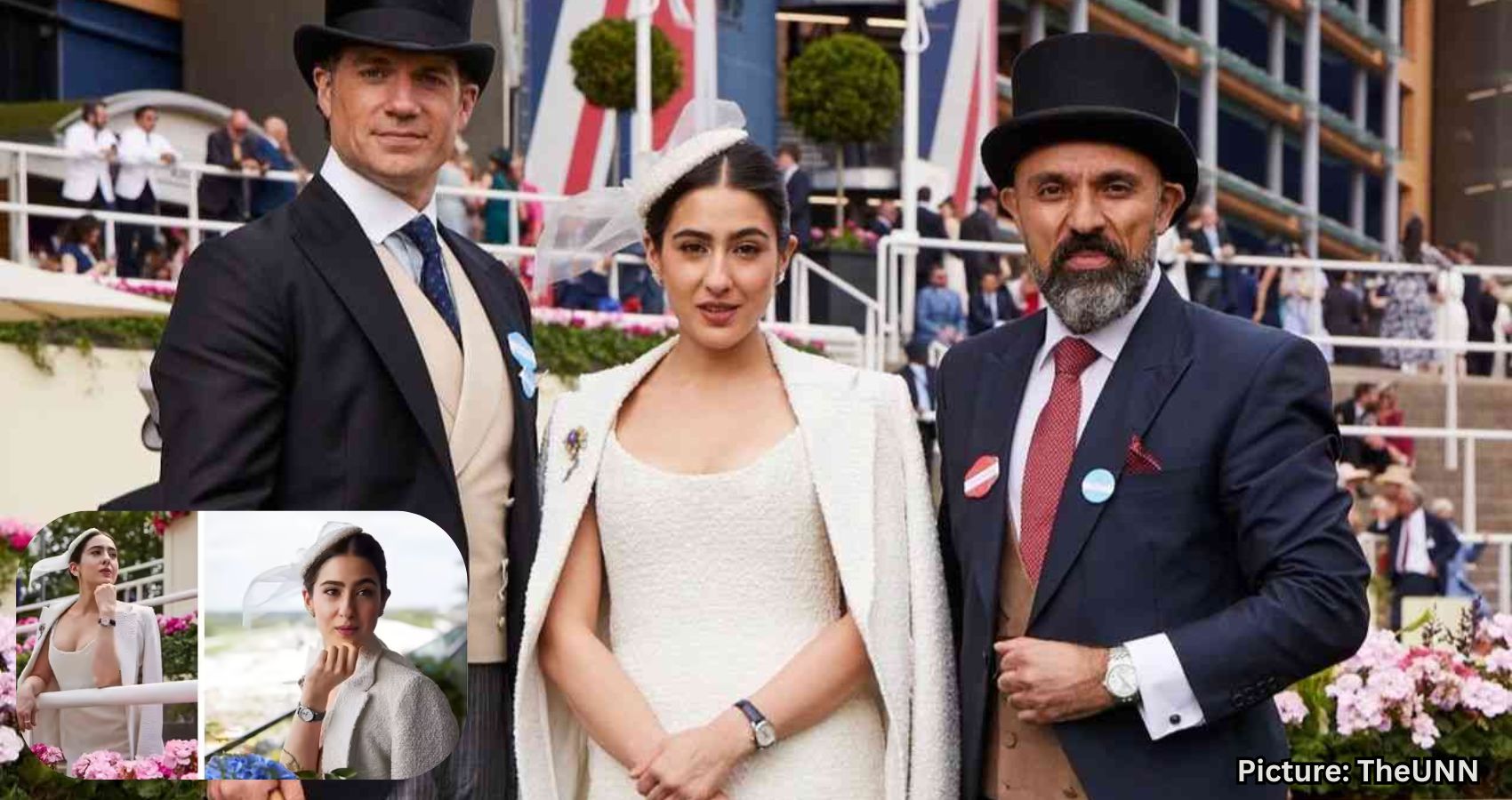
The 2026 Royal Ascot has prominently featured Indian culture, marking a significant evolution in this historic British horse racing event.
The 2026 edition of Royal Ascot has showcased a notable Indian presence, marking a significant cultural evolution in one of Britain’s most prestigious horse racing events.
Held annually in Berkshire, England, Royal Ascot has transformed from its inception in 1711 into a grand spectacle that combines elite horse racing with fashion, tradition, and social status. The event, which took place from June 16 to June 20, 2026, has not only spotlighted world-class racing but has also increasingly represented Indian culture within this historically British event.
Historical Context of Royal Ascot
Founded by Queen Anne, Royal Ascot was first recognized as an ideal location for horse racing, with its inaugural race, Her Majesty’s Plate, featuring seven horses competing for a prize of 100 guineas. Over more than three centuries, the event has remained closely tied to royal attendance, strict formal dress codes, and an elite social atmosphere. However, the 21st century has ushered in a notable shift towards inclusivity, particularly with the emergence of diverse cultural expressions, especially from India.
Indian Visibility at Royal Ascot
This year’s edition of Royal Ascot featured prominent Indian figures such as Natasha Poonawalla and Sara Ali Khan, underscoring a transition from mere attendance to meaningful participation in this iconic event. Natasha Poonawalla, a philanthropist and influential figure in the global fashion scene, represented a new dimension of Indian visibility. Her involvement signifies a departure from traditional celebrity appearances, merging fashion, philanthropy, and high society—a space that Royal Ascot has long epitomized.
Sara Ali Khan, a notable Bollywood actress, also made headlines at the event, appearing in a chic ivory ensemble complemented by a statement fascinator. Attending as a global ambassador for the Swiss luxury watchmaker Longines, Khan’s presence bridged the gap between Indian cinema and international luxury branding. Together, these appearances reflect a broader cultural narrative where Indian representation is becoming increasingly integral to the fabric of Royal Ascot.
The Fashion Dialogue: A Blend of Cultures
The narrative of Indian representation at Royal Ascot extends beyond celebrity appearances. Priyanka Chopra’s attendance in 2023 further emphasized this trend. Wearing a cream kurta set, Chopra challenged conventional expectations of formal race-day attire, broadening the discussion about how Indian fashion can coexist within established British dress codes. Her choice of garment highlighted the potential for Indian aesthetics to assert themselves without conforming to Western norms.
The presence of Indian-origin women in saris at the 2022 Ladies Day marked another significant milestone, when over a thousand participants showcased their cultural heritage. Spearheaded by Dr. Dipti Jain, this initiative aimed to promote Indian textiles and crafts, particularly in the wake of the COVID-19 pandemic. The women, many of whom were professionals in various fields, adorned themselves in traditional sarees that celebrated regional craftsmanship, including Kantha work from West Bengal and Assamese Mekhala Chador. This collective display transformed the saree into a legitimate form of formalwear, asserting cultural pride in a space traditionally dominated by Western fashion.
Aishwarya Rai Bachchan’s Trailblazing Influence
Aishwarya Rai Bachchan has been a trailblazer in this evolving narrative. Her participation at Royal Ascot in 2009 and 2013 brought Indian glamour to the forefront, where she represented Longines and participated in prize presentations. Her appearances helped embed Indian celebrity culture within the luxury branding ecosystem of the event, connecting Indian high fashion with the traditions of British horse racing.
The Role of Social Media and Cultural Diplomacy
The rise of social media has significantly influenced the visibility of Indian culture at Royal Ascot. The ability to share images and stories instantly allows attendees to showcase their fashion choices and cultural heritage, leading to a broader dialogue about inclusivity in high society. As a result, the event has become a platform for cultural diplomacy, where the participation of figures like Poonawalla, Khan, and Chopra helps to reshape perceptions of Indian identity in elite Western spaces.
Conclusion: A Cultural Renaissance
The evolving representation of Indian culture at Royal Ascot is reflective of broader societal changes regarding fashion, identity, and cultural diplomacy. The presence of prominent Indian personalities at this prestigious event signifies an increasing acceptance of diverse cultural expressions within elite spaces. This transformation enriches the narrative of Royal Ascot, highlighting the importance of inclusivity in global cultural dialogues.
As the event continues to adapt to changing societal norms, the visibility of Indian culture and fashion serves as a reminder of Royal Ascot’s capacity to honor its historical roots while embracing new narratives. The intersection of tradition and modernity at Royal Ascot illustrates the dynamic nature of cultural representation in today’s globalized world, according to Global Net News.