
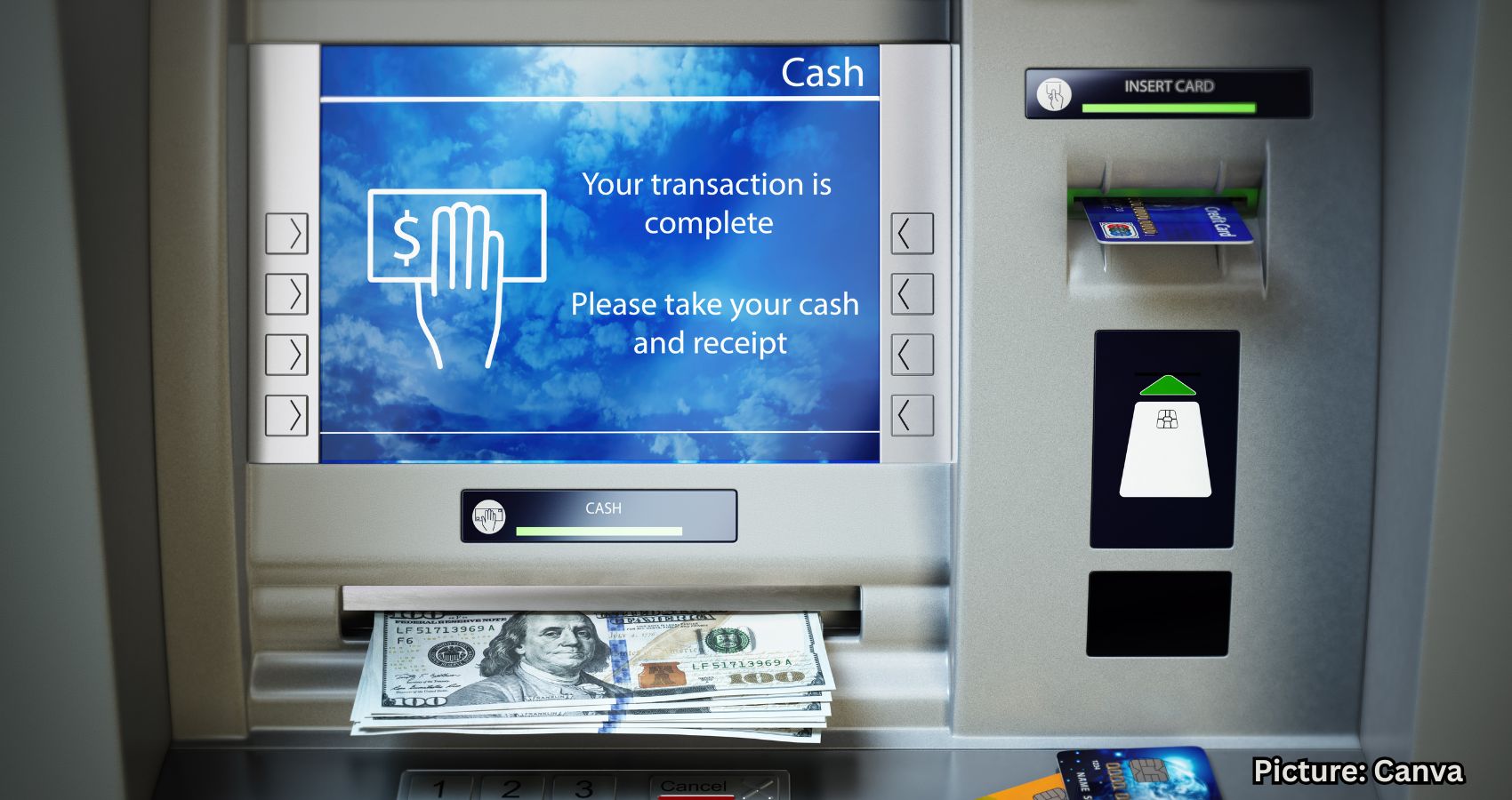
Minnesota will ban cryptocurrency ATMs starting August 1, 2026, in response to a surge in scams that have reportedly cost residents nearly $1 million.
Minnesota is set to implement a ban on cryptocurrency ATMs, effective August 1, 2026, following reports that scammers have exploited these machines to siphon nearly $1 million from residents over the past few years.
These kiosks, often referred to as crypto ATMs, enable users to quickly convert cash into digital currency. This rapid transaction capability has made them a preferred tool for criminals who prey on victims during high-pressure situations, such as fake emergencies, legal threats, and romance scams. State officials have indicated that scammers have effectively turned panic into profit, with victims often acting before they can seek help.
Victims frequently receive alarming phone calls that prompt them to rush to a crypto ATM and send cash before they have time to think. Between 2023 and 2025, Minnesota recorded 134 complaints related to crypto kiosk scams, with reported losses nearing $1 million. In 2025 alone, the state documented 70 cases resulting in losses exceeding $540,000. However, these figures likely represent only a fraction of the actual incidents, as many victims choose not to report their experiences due to embarrassment or fear of judgment from family and friends.
In an effort to combat these scams, Minnesota had previously implemented safeguards for crypto ATMs, including mandatory warnings, transaction limits, and consumer protections. However, law enforcement officials noted that scammers adapted their tactics, often remaining on the line with victims to guide them through the transaction process and instructing them on how to respond if questioned by bystanders.
The nature of crypto kiosks creates a perilous environment for scam victims. Unlike traditional bank transfers or credit card payments, which may allow for disputes or reversals, cryptocurrency transactions are typically irreversible. Once the digital currency is transferred, it can quickly move across borders or through multiple wallets, making recovery nearly impossible.
Victims often realize they have been scammed only moments after completing a transaction, but by that time, the money has already been converted to cryptocurrency and moved elsewhere. Scammers exploit this urgency, relying on fear to manipulate victims into following their directives without question.
Common scenarios involve scammers claiming that the victim has missed jury duty and faces arrest, or that a loved one is in trouble and needs immediate financial assistance. The urgency of these claims creates a sense of panic, leading victims to withdraw cash and head to a nearby crypto ATM, often while still on the phone with the scammer.
One victim, Gail Barr, lost $9,260 after being convinced she had missed jury duty. She followed the scammers’ instructions to a Bitcoin ATM while they remained on the line. Fortunately, a bank manager intervened before the situation escalated further. In another case, an 85-year-old man lost $200,000 due to a fake PayPal refund scheme that began with a $10,000 crypto ATM transfer.
These incidents highlight the psychological manipulation at play in such scams. Victims often do not initially suspect they are dealing with criminals; instead, they believe they are acting to resolve a crisis or protect their finances. By the time they recognize the truth, the money is typically long gone.
According to the FBI, its Internet Crime Complaint Center received over 13,400 complaints in 2025 related to cryptocurrency kiosks, with reported losses exceeding $388 million. Notably, more than half of these complaints involved individuals over the age of 50, who collectively lost over $302 million. This demographic is particularly vulnerable, as older adults may have savings and are more likely to respond to calls from unknown numbers, especially if they believe a family member is in distress.
In response to the growing problem, Minnesota’s decision to ban crypto ATMs aims to address a significant avenue for scammers. While residents will still have access to regulated online platforms for buying and selling cryptocurrency, the removal of public kiosks is intended to reduce the speed at which scammers can operate, giving victims a better chance to reconsider before making a transaction.
Supporters of the ban argue that these kiosks have become too easily exploited by criminals, while critics contend that scammers will simply shift to other payment methods. Regardless, Minnesota’s approach reflects a proactive stance in combating a growing trend of financial fraud.
To protect oneself from falling victim to similar scams, it is crucial to remain calm and verify any urgent requests for money. Legitimate authorities will never demand payment through a crypto ATM, and if someone insists on such a method, it is advisable to hang up and contact the relevant agency directly using a trusted number.
Scammers often leverage personal information to sound convincing, so it is wise to take precautions to limit the amount of data available online. Families should also establish a code word to confirm the identity of loved ones in distress, adding an extra layer of security against potential scams.
As Minnesota moves forward with its ban on crypto ATMs, the implications of this decision may prompt other states to reevaluate their own regulations regarding cryptocurrency kiosks. The hope is that by removing one of the fastest cash-to-crypto pathways, victims will have more opportunities to question the legitimacy of a situation before making irreversible financial decisions.
For more information on how to protect yourself from scams and to stay informed about the latest developments, visit CyberGuy.com.