
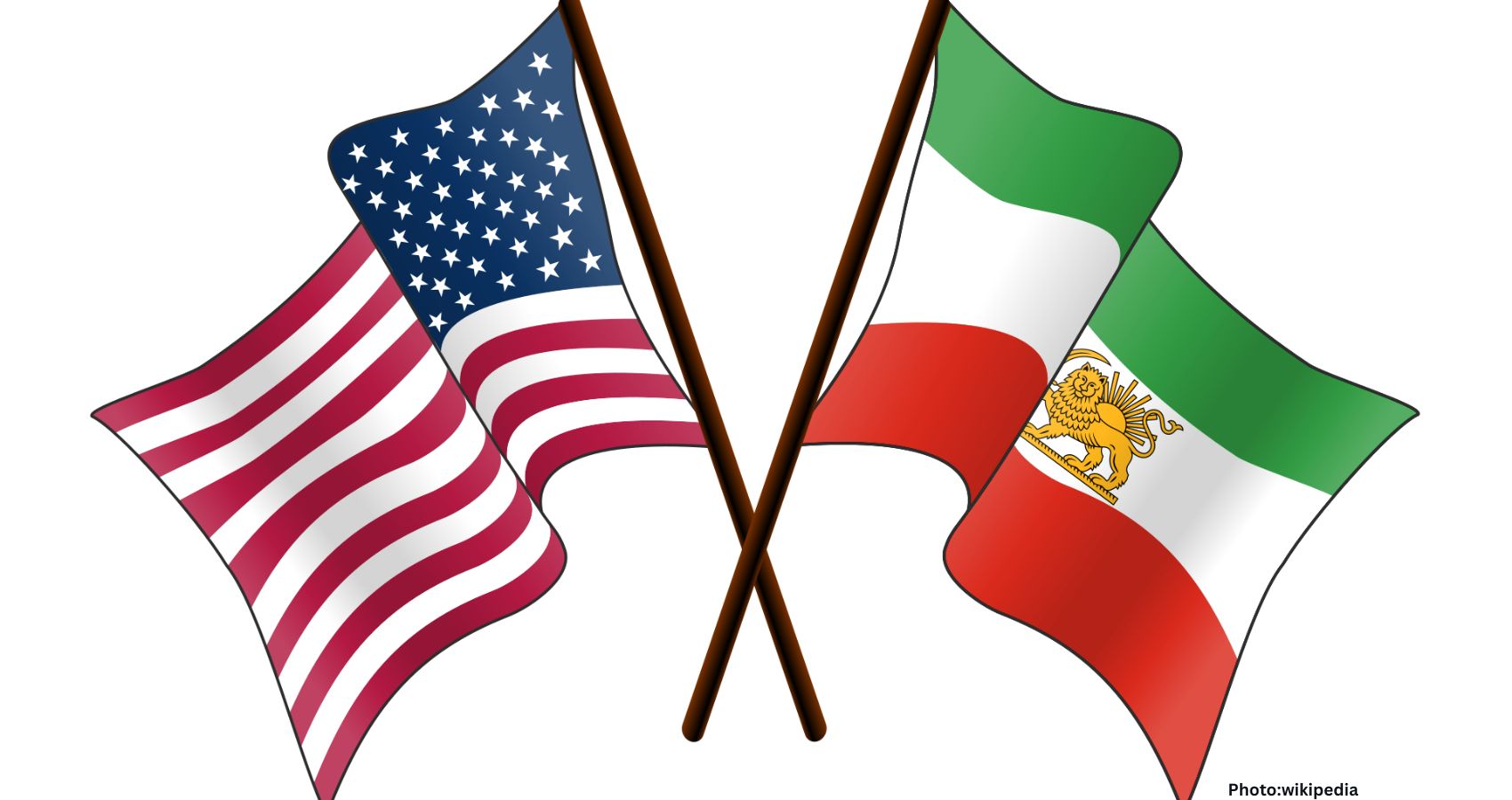
Iran’s President Masoud Pezeshkian invokes a pivotal wartime symbol, signaling Tehran’s determination to resist U.S. and Israeli pressures amid ongoing diplomatic negotiations.
On May 24, Iranian President Masoud Pezeshkian made a significant statement that underscored Tehran’s resolve to maintain its stance against the United States and Israel. This declaration came at a critical juncture in diplomatic discussions, as President Donald Trump indicated that a deal with Iran to conclude ongoing tensions was “largely negotiated.” Trump warned that the U.S. would either finalize “a great and meaningful” agreement or withdraw entirely from negotiations.
While Iran acknowledged some areas of agreement with Washington, officials emphasized that a final deal was not imminent, and discussions regarding remaining details were still ongoing.
In a post on X (formerly Twitter) commemorating the anniversary of the 1982 recapture of Khorramshahr from Iraqi forces during the Iran-Iraq War, Pezeshkian stated, “Khorramshahr today is Iran, the Persian Gulf, and the Strait of Hormuz.” He further asserted that “resistance, self-sacrifice, and repelling aggression are rooted in the culture of this land.”
Experts interpreted Pezeshkian’s remarks as a deliberate invocation of one of the Islamic Republic’s most potent ideological symbols—representing national resistance, civilian sacrifice, and defiance against invasion. Dr. Omar Mohammed, director of the Antisemitism Research Initiative Program on Extremism at George Washington University, noted the significance of the timing of Pezeshkian’s comments.
May 24 marks the anniversary of the liberation of Khorramshahr, a southwestern city that was captured by Saddam Hussein early in the Iran-Iraq War and retaken by Iranian forces after months of intense urban combat.
“This is one of the Islamic Republic’s foundational mythological moments—civilian resistance, mass sacrifice, repelling an ‘aggressor army,’” Mohammed explained. “Roughly what the Great Patriotic War is to Russia. The rhetorical move is the extension.” He emphasized that Pezeshkian was framing the current geopolitical confrontation in terms reminiscent of the Iran-Iraq War, portraying Iran as a nation under attack by an aggressor, with ordinary citizens expected to rise and defend their homeland.
According to Mohammed, some of the language used by Pezeshkian also resonates with the historical context of volunteer and Basij fighters who stood against a professional invading army. He pointed out that Pezeshkian’s reference to the “Hormuz line” reflects a common Iranian tactic of escalation.
“Invoking the strait inside a wartime-mobilization frame—even rhetorically—is a deliberate signal, not mere throat-clearing,” he added. “The Khorramshahr frame is the deepest register the regime has. It’s what they reach for to signal existential war, not a managed crisis.”
Mohammed further explained that Pezeshkian’s post is designed to convey a “high-stakes message” regarding Iran’s current posture. “It’s also a tell on internal posture: Khorramshahr, in short, means ‘we are being invaded and we will not negotiate,’” he concluded.
This invocation of historical symbolism in the context of contemporary tensions illustrates Iran’s strategy of framing its narrative around resilience and resistance, particularly as it navigates complex diplomatic waters with the United States and its allies.
As the situation develops, the implications of Pezeshkian’s statements and the broader Iranian response to U.S. negotiations will be closely monitored by analysts and policymakers alike, according to Fox News.