
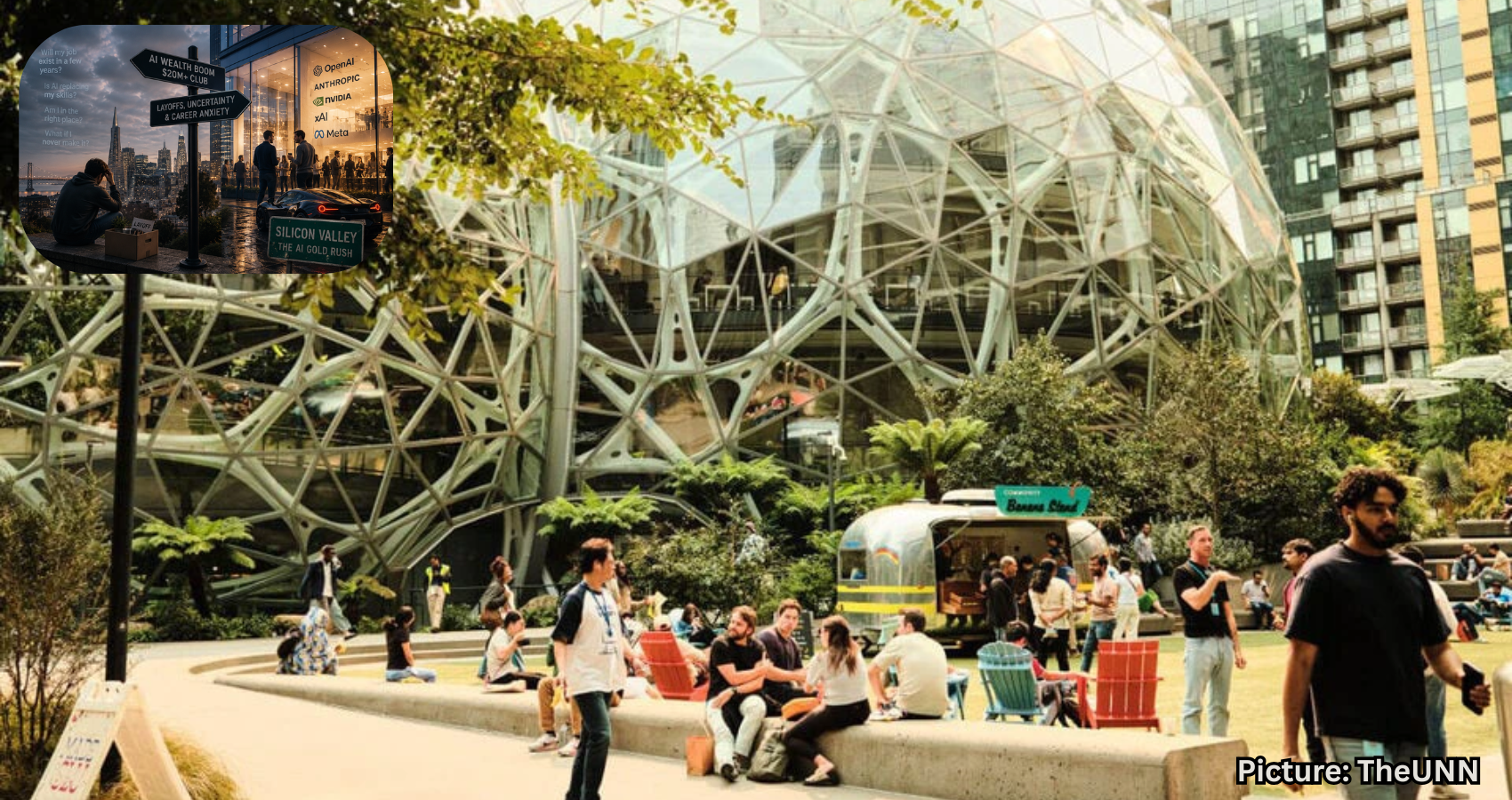
Silicon Valley’s artificial intelligence boom is leading to significant wealth disparities, job losses, and psychological challenges among tech workers, raising concerns about the future of employment in the industry.
In the heart of Silicon Valley, a growing number of technology professionals are expressing concerns over the economic polarization driven by the artificial intelligence (AI) boom. This shift is not only creating wealth gaps but also fostering career anxiety and identity crises within the tech workforce.
The mood in the Bay Area has been described as “frenetic” by entrepreneur and investor Debarghya Das, who warns that the concentration of wealth generated by AI has resulted in one of the most pronounced divides he has observed in the tech sector. “The divide in outcomes is the worst I’ve ever seen,” Das stated in a widely circulated post that highlights the psychological and economic ramifications of the ongoing AI gold rush.
Das, a former Google engineer and co-founder of the startup Mosaic, notes that approximately 10,000 employees and founders affiliated with companies such as OpenAI, Anthropic, xAI, Nvidia, and Meta have amassed life-changing wealth in a remarkably short timeframe. This rapid accumulation of wealth has left many engineers and mid-level tech workers feeling disillusioned, as they perceive that traditional career paths no longer provide the same opportunities for upward mobility.
<p“Everyone outside that group feels like they can work their well-paying job for their whole life and never get there,” Das remarked, reflecting a growing unease within Silicon Valley. This anxiety is compounded by the simultaneous expansion of AI investments and the significant layoffs occurring across various sectors, including software engineering, recruiting, middle management, and operations.
Many workers are increasingly concerned that AI tools are automating skills that once defined stable careers in technology. “The day-to-day role of most jobs has changed overnight with AI,” Das observed. He argues that the corporate ladder now seems “like the wrong building to climb,” as professionals seek to realign themselves with AI startups, founder culture, or equity-driven opportunities.
This transformation has reportedly led to widespread psychological strain among younger workers, many of whom fear becoming part of a “permanent underclass” that is unable to reap the benefits of the AI boom. Das also pointed out the growing uncertainty faced by middle managers, who often feel caught between family obligations, diminishing organizational relevance, and limited expertise in AI as companies continue to flatten their management structures.
Interestingly, even those newly wealthy from the AI boom are grappling with questions of identity, meaning, and purpose after achieving financial independence at unusually young ages. “Some have gone from under $150,000 to over $50 million in a few years,” Das noted, underscoring the profound changes occurring within the industry.
This discussion reflects a broader transformation taking place across the U.S. technology landscape, as investors increasingly reward AI-driven business models while companies restructure to enhance automation and productivity. Recent layoffs at major tech firms, including Cisco and LinkedIn, have intensified concerns that AI adoption may permanently alter the landscape of white-collar employment.
Debarghya Das, a Harvard University graduate with a background in engineering and product leadership, has emerged as a significant voice in Silicon Valley discussions about technology culture, productivity, and the future of work through his essays and online commentary.
Industry observers note that the Bay Area now resembles a modern economic gold rush, where a select group connected to the right companies, equity structures, or AI infrastructure has generated substantial wealth in a compressed timeframe. Critics caution that the widening gap between the AI winners and the broader workforce could exacerbate social fragmentation, burnout, and economic instability, even as tech companies continue to promise a future of “abundance” powered by artificial intelligence.
As the AI boom unfolds, the implications for the tech workforce and the broader economy remain uncertain, raising critical questions about the sustainability of this rapid transformation.
According to The American Bazaar, the ongoing developments in Silicon Valley highlight the urgent need for dialogue about the future of work in an AI-driven world.