
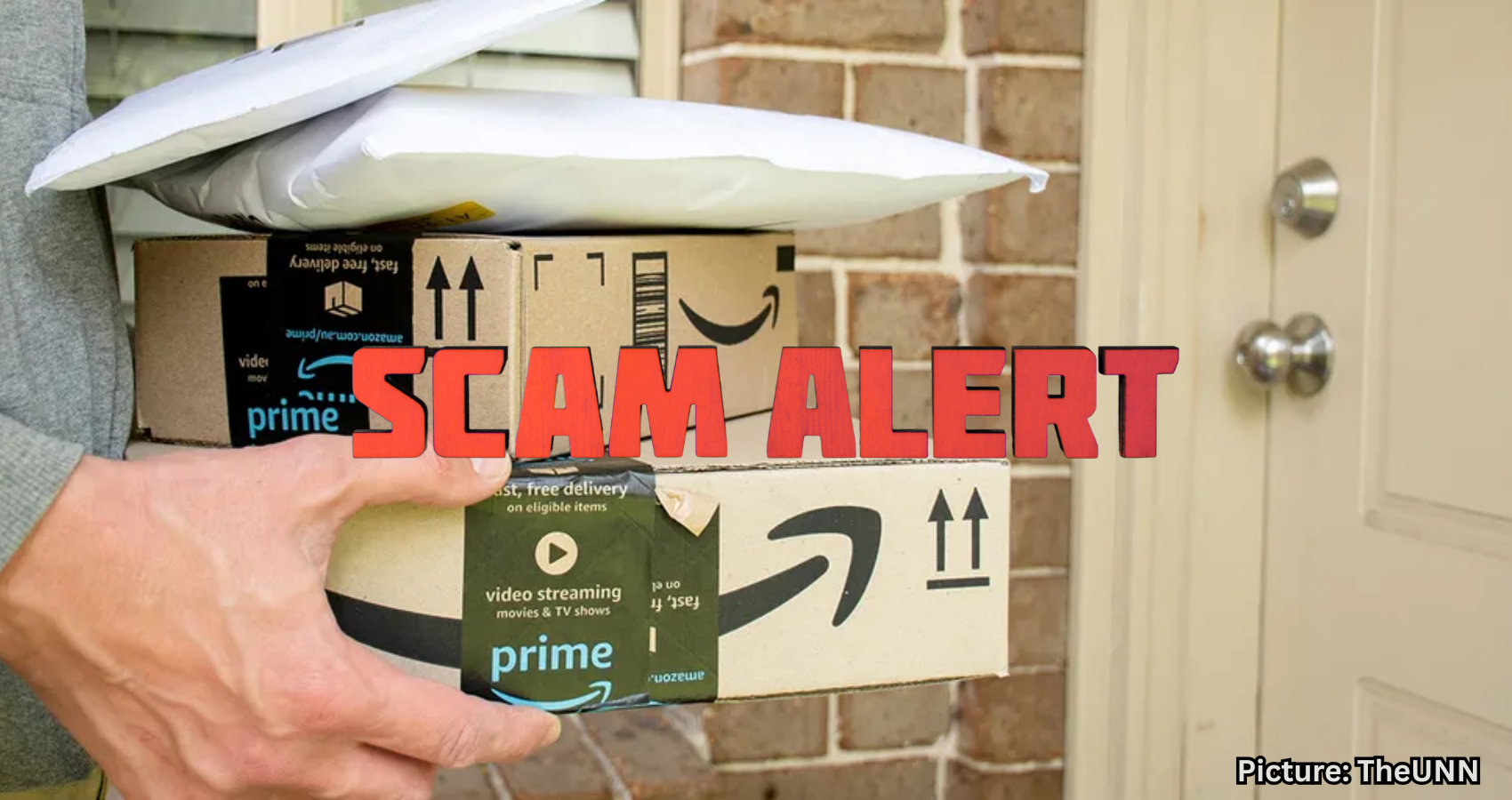
Scammers are targeting Amazon customers with fake product recall texts that contain phishing links aimed at stealing sensitive login and payment information.
Scammers are increasingly using deceptive tactics to target Amazon customers, sending fake product recall text messages that contain phishing links designed to steal personal information. These messages often appear urgent and convincing, making it essential for consumers to recognize the warning signs.
Imagine receiving an unexpected text message claiming that a product you ordered from Amazon has been recalled due to a safety issue. The message may reference a specific order and instruct you to stop using the product immediately, urging you to click a link to obtain a refund. It may even appear to come from the “Amazon Account Support Team,” which can make it seem legitimate at first glance.
However, there are several red flags that should raise suspicion. One of the most significant indicators is the method of communication. Legitimate companies, including Amazon, typically reach out to customers through verified channels linked to their accounts, rather than random text numbers. Amazon has stated that it will never request sensitive information outside its official website or app.
Another warning sign is the lack of personalization in the message. Scammers often use generic greetings instead of addressing customers by name, which is a common practice for reputable companies. Additionally, while the message may include an order number to build trust, this does not confirm that the sender has access to your actual account.
The language used in these messages can also be vague and formal, lacking specific details about the product in question. A legitimate recall notification would typically include the name of the product being recalled, which is often missing in these scams. This absence of crucial information should prompt caution.
Urgency is a common tactic employed by scammers to pressure recipients into acting quickly without verifying the details. The message may contain phrases that suggest immediate action is required, which can cloud judgment and lead to hasty decisions.
One of the most critical aspects of these scams is the link provided in the message. Scammers aim to redirect users to a fraudulent website that mimics a legitimate Amazon page. This link often leads to a domain that has no affiliation with Amazon, serving as a major red flag. Legitimate communications from Amazon will always use official domains, such as amazon.com.
Even if the message appears polished and professional, it may still contain generic sign-offs that lack the structured branding and consistent formatting typical of Amazon’s communications. Such inconsistencies should not be overlooked.
To protect yourself from these scams, there are several steps you can take. First, if you receive a suspicious message, do not click on any links. Instead, open the Amazon app or type amazon.com directly into your browser. Amazon has stated that when a product is recalled, affected customers will be notified through official channels, including email, push notifications, and a dedicated “Your Recalls and Product Safety Alerts” page within their account.
Check your Orders page and the “Your Recalls and Product Safety Alerts” section for any notifications. If anything seems unclear, contact Amazon Customer Service directly using the contact information available on their website, rather than the details provided in the suspicious message.
Be wary of shortened or random-looking domains, as these are often indicators of phishing attempts. Even if a message appears legitimate, treat any unfamiliar link as unsafe. If you accidentally click on a suspicious link, having strong antivirus software can help prevent harmful sites from loading or block downloads before they install.
If you have entered personal information in response to a scam, monitor your accounts closely for any unusual activity. Identity theft monitoring services can alert you to suspicious actions, such as new accounts opened in your name or unexpected changes to your credit. Early detection can be crucial in mitigating potential damage.
Scammers often exploit personal details to make their messages seem more convincing. To reduce the risk of being targeted, consider using data removal services that can help limit the amount of personal information available online.
It is also wise to be cautious of urgent language in messages, as scammers often attempt to create a sense of urgency to prompt immediate action. Take the time to verify any claims through official channels, as legitimate recalls will still be accessible after you conduct your due diligence.
Implementing two-factor authentication (2FA) wherever possible and using unique passwords for each account can further enhance your security. A password manager can help simplify this process and reduce the risk associated with password exposure.
Keeping your phone’s software up to date is another essential step in protecting yourself from scams. Security updates can help block malicious links and downloads before they can cause harm.
In summary, while these scam texts may appear convincing, they are designed to deceive. By taking a moment to examine the details and recognizing the red flags, you can protect yourself from falling victim to these fraudulent schemes. If you suspect a scam, trust your instincts and verify the information before taking any action.
For more information on how to identify and report scams, visit Amazon’s help pages at amazon.com/ReportAScam, according to CyberGuy.