
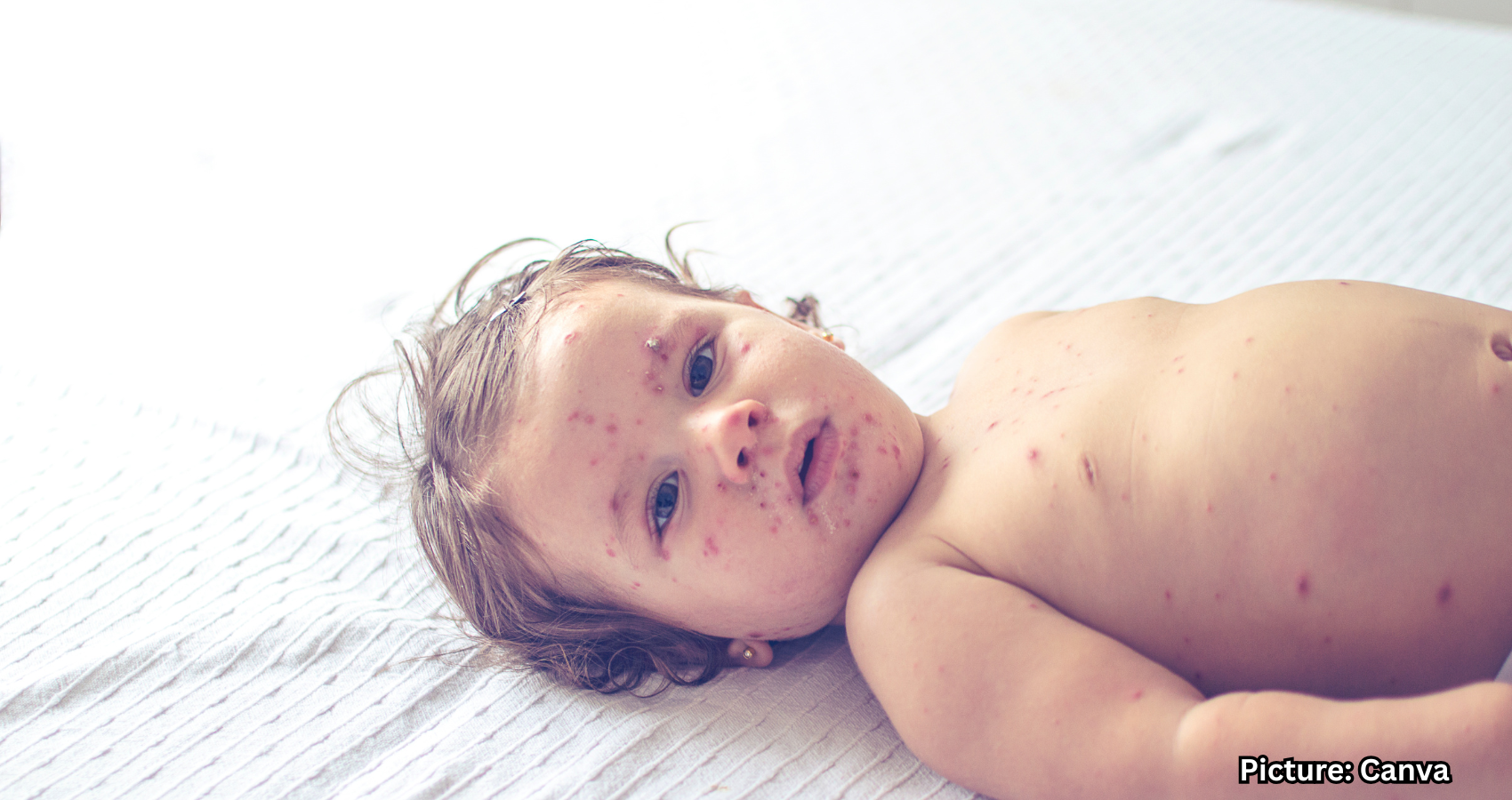
At least 46 children have died in Bangladesh amid a global measles outbreak, while the U.S. reports over 1,500 confirmed cases, raising concerns among health officials.
Measles is spreading rapidly across the globe, prompting urgent warnings from public health officials. In Bangladesh, at least 46 children have died due to the disease, with approximately 684 confirmed cases reported since late January, according to health authorities.
Recent laboratory testing of 33 samples revealed that 15 of the deaths were directly linked to measles infection, as stated by Kamruzzaman Chowdhury, Secretary of the Health Services Division. This alarming situation has led the Bangladeshi government to modify its vaccination schedule, as many of the cases have been found in infants younger than 9 months, who are not yet eligible for routine vaccination.
The World Health Organization (WHO) recommends that children receive two doses of the measles vaccine. In countries where measles is prevalent, the first dose is typically administered at 9 months of age, followed by a second dose at 15 to 18 months. However, the recent outbreak has raised concerns about the effectiveness of vaccination efforts in Bangladesh.
In the United States, the Centers for Disease Control and Prevention (CDC) reported 1,575 confirmed measles cases as of March 26. This year alone has seen 16 new outbreaks, with 94% of confirmed cases associated with these outbreaks. The CDC attributes the surge in measles activity to a decline in “herd immunity” within communities, which occurs when vaccination rates fall below the approximately 95% threshold necessary to prevent outbreaks.
The CDC has noted a decrease in national MMR (measles, mumps, and rubella) coverage among kindergartners, now falling below the target of 95%. This decline in vaccination rates raises significant concerns about the potential for further outbreaks in the U.S.
Measles symptoms typically include a high fever, cough, runny nose, watery and red eyes, and a rash that usually appears three to five days after the onset of symptoms. The rash often begins as flat red spots at the hairline and spreads downward to the neck, torso, arms, legs, and feet.
As an airborne virus, measles can spread easily when an infected person coughs or sneezes. Notably, the virus can remain in the air for up to two hours after the infected individual has left the area, making it highly contagious.
With the current global situation, health officials are emphasizing the importance of vaccination to combat the spread of measles and protect vulnerable populations, particularly infants who are not yet eligible for the vaccine.
The urgency of addressing this outbreak cannot be overstated, as both Bangladesh and the U.S. face significant public health challenges. Continued vigilance and increased vaccination efforts are essential to prevent further loss of life and control the spread of this preventable disease, according to Reuters.