
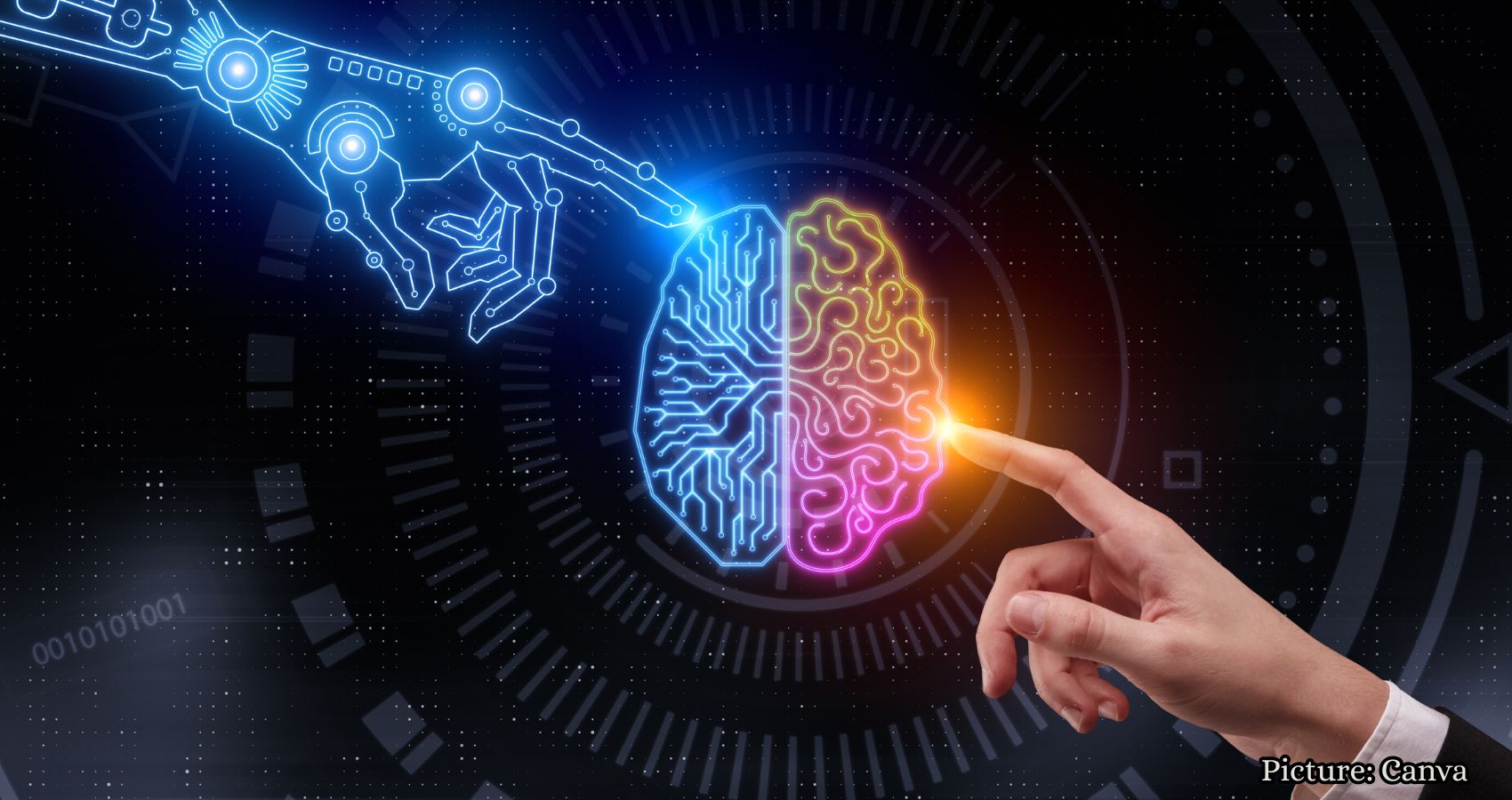
Artificial Intelligence is reshaping health and wellbeing through wearable technology, clinical decision-making, and digital habits, presenting both significant benefits and notable risks to mental and physical health.
Artificial Intelligence (AI) is already influencing health and wellbeing on multiple levels. Operating both overtly and quietly in the background, AI offers distinct benefits while also posing real psychological and structural risks. It impacts your health through the consumer technology you wear, the software utilized by healthcare providers, and your daily digital habits.
Far from being a concept of the future, AI has become a major determinant of human health. Public health organizations and clinical researchers increasingly recognize AI not merely as a medical tool but as a structural “digital determinant of health” that actively reshapes biological outcomes, mental wellness, and healthcare equity on a global scale.
Scientific discoveries and technological advancements over the past three centuries have significantly improved health, wellbeing, and lifespan. The remarkable difference with AI is the unprecedented speed at which it drives change, often outpacing the ability of individuals, institutions, and governments to adapt.
So, how exactly is AI transforming healthcare?
AI is revolutionizing patient care by influencing clinical decision-making. Algorithms prioritize patients in emergency triage, identify potential malignancies in radiology scans, and suggest pharmaceutical dosages to physicians. Modern smartwatches and fitness trackers leverage AI to analyze biological data, providing personalized health metrics and alerting users to anomalies such as sleep apnea and heart irregularities, thereby encouraging timely medical attention.
The World Health Organization (WHO) notes that governments and hospital networks employ AI to assess neighborhood data, track disease outbreaks, and allocate public health funding. Algorithms determine which communities receive access to new clinics, how insurance companies process claims, and how resources are directed to address local environmental and economic challenges.
AI also affects human cognition and mental health. Continuous exposure to AI’s generative tools and predictive algorithms in the workplace is altering behavior, leading to ‘technostress,’ social isolation, and heightened anxiety. Public health researchers caution that relying on AI chatbots for basic critical thinking and emotional regulation may permanently affect problem-solving skills and long-term psychological resilience.
Peer-reviewed studies indicate that AI can exacerbate health inequities due to inherent biases in models trained on non-representative demographic data. Commercial healthcare algorithms may miscalculate the medical needs of marginalized communities, resulting in real-world consequences such as longer wait times for appointments and higher rates of underdiagnosis among minority patients.
Despite these challenges, AI is driving remarkable improvements in healthcare quality, speed, and research. When used effectively as a collaborative assistant, AI can enhance, rather than replace, the essential relationship between patients and healthcare providers.
Notable advancements include faster and more accurate patient care and clinical research. AI systems serve as a second set of eyes, analyzing scans and skin lesions to detect micro-malignancies well before a human doctor might notice them, thus aiding in earlier cancer detection. Specialized AI image-triage software can instantly flag life-threatening scans, expediting emergency response times.
The introduction of secure, ambient AI scribes is transforming clinical environments. These tools listen to patient visits and generate structured medical notes in real-time, allowing doctors to engage more directly with patients rather than focusing on computer screens. This shift reduces clinician burnout and fosters better patient interactions, enabling healthcare providers to concentrate on empathy and complex problem-solving.
AI platforms are also accelerating drug development by enabling scientists to simulate millions of molecular combinations in days, a process that previously took years. The emerging field of Predictive Structural Biology builds on the discovery of DNA, with systems like Google DeepMind’s AlphaFold mapping the 3D structures of nearly all known proteins, providing researchers with a foundational understanding of diseases at the molecular level.
For individuals managing chronic illnesses such as diabetes or hypertension, AI-driven wellness companion apps analyze continuous glucose monitor data and daily fitness patterns to offer real-time, personalized lifestyle adjustments. These automated tools encourage users to take medications, stay hydrated, or modify their diets based on their body’s metrics, effectively stabilizing health and preventing costly emergency room visits.
Automated systems are also streamlining medical billing and insurance processes, reducing administrative delays that can hinder access to prescriptions or specialist appointments.
However, AI presents a double-edged sword. While online access to medical information can empower individuals, it may also lead to psychological distress, risky self-treatment choices, and delays in professional care, posing threats to mental wellbeing.
Over-reliance on AI companions or chatbots can result in digital fatigue, diminished real-world human connections, and social isolation. Constant notifications and automated performance tracking can elevate stress levels and anxiety, particularly in the workplace.
Searching for medical symptoms using public AI tools can yield inaccurate information or promote unverified “quick-fix” supplements, leading to misinformation and flawed advice. Structural and environmental threats are also emerging, including digital privacy breaches that jeopardize sensitive biomedical information and the environmental impact of AI data centers, which may contribute to local pollution and resource depletion.
Individuals often engage in “cyberchondria,” a behavior characterized by compulsive online symptom-checking that can lead to heightened anxiety and clinical distress. This cycle may cause individuals to believe they have rare or terminal illnesses based on unverified online information.
Moreover, social media platforms can oversimplify complex conditions such as ADHD, autism, or PTSD, leading young people to misinterpret normal human experiences as clinical disorders. Algorithms on these platforms can create echo chambers, reinforcing confirmation bias and convincing users they have diseases without any verified medical evaluation.
Believing in a digital diagnosis can lead individuals to forgo necessary medical care or engage in risky self-medication. Conversely, some may abruptly stop taking essential medications due to misleading online content.
In high-pressure situations, clinicians may fall prey to “automation bias,” trusting AI diagnostic summaries or recommendations without thorough manual verification. This blind reliance on AI tools can result in significant harm if errors occur.
As we navigate the age of AI, it is crucial to remain in control of our health and wellbeing. While AI and digital tools can serve as powerful co-pilots, it is essential to leverage their capabilities without sacrificing human medical expertise or mental peace.
Utilize wearable technology to track broad trends in your health metrics, but avoid fixating on isolated data points that could trigger anxiety. Practice safe online health research by relying on verified sources and trusted medical institutions, steering clear of social media for medical advice. Finally, prioritize real human connections and set boundaries on device usage to protect your digital mental health.
According to India Currents, understanding the implications of AI on health is vital for making informed decisions in an increasingly digital world.