
The ongoing political turmoil in Venezuela is driving investors toward gold as a safe-haven asset, while the U.S. dollar remains stable against major currencies.
Global markets exhibited caution on Monday as escalating political unrest in Venezuela heightened demand for safe-haven assets, resulting in a notable increase in gold prices while the U.S. dollar held firm against major currencies.
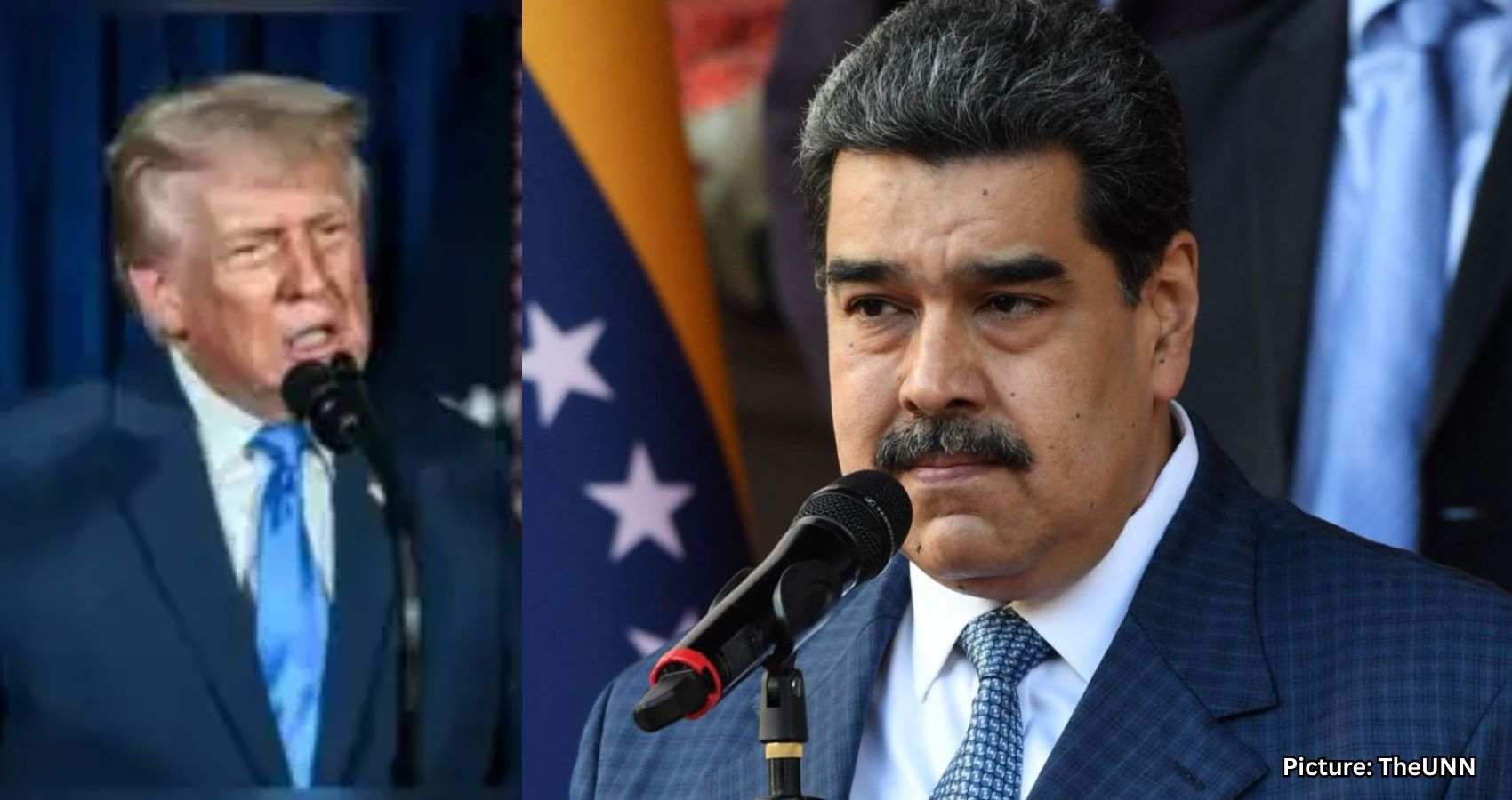
The recent uncertainty stems from a U.S. military operation that led to the capture of Venezuelan President Nicolás Maduro, significantly raising geopolitical risks in Latin America. Although markets have thus far avoided severe turbulence, this event has introduced a note of caution as trading begins in the new year.
The U.S. dollar has strengthened against the euro, Japanese yen, and Swiss franc, bolstered by its traditional role as a refuge during periods of global instability. Currency traders appear to be balancing geopolitical concerns with expectations surrounding U.S. economic data and the Federal Reserve’s policy outlook. Strong indicators from the U.S. labor market and resilient growth expectations continue to support the dollar’s strength.
Meanwhile, gold prices surged as investors sought protection from geopolitical risks. Spot gold rose sharply in early trading, climbing more than one percent to approach recent highs. This rally reflects a renewed demand for safe-haven assets as markets evaluate the broader implications of the situation in Venezuela.
Typically, gold prices move inversely to the dollar, as a stronger U.S. currency makes the metal more expensive for buyers using other currencies. However, analysts suggest that the current environment indicates a risk-averse sentiment, where investors are simultaneously seeking safety in both assets.
A senior commodities analyst at a global brokerage firm stated, “The move into gold suggests investors are hedging against uncertainty rather than making directional bets on currencies.”
The crisis in Venezuela adds complexity to an already intricate global backdrop for precious metals. In recent months, gold prices have been supported by expectations of potential U.S. interest rate cuts later in 2026, along with ongoing purchases by central banks and concerns about geopolitical flashpoints worldwide.
Market participants remain cautious as they await further clarity on the evolving situation in Venezuela. Analysts note that any prolonged instability or shifts in policy could significantly influence commodity markets, particularly if sanctions or supply chains are affected.
For now, the market reaction underscores how geopolitical shocks can reinforce existing trends. The dollar continues to benefit from its safe-haven status and robust economic fundamentals, while gold is attracting renewed interest as investors seek insurance against uncertainty.
As global markets progress into the new year, attention is expected to remain focused on geopolitical developments and upcoming economic data, all of which will shape investor sentiment in the weeks ahead, according to The American Bazaar.